Oncotarget8687www.impactjournals.com/oncotarget
www.impactjournals.com/oncotarget/ Oncotarget, Vol. 6, No. 11
The stromal genome heterogeneity between breast and prostate
tumors revealed by a comparative transcriptomic analysis
Kan He1,*
, Wenwen Lv1,*
, Dongni Zheng1,*
, Fei Cheng1,*
, Tao Zhou1
, Shoudong
Ye1,2,3
, Qian Ban1
, Qilong Ying2
, Bei Huang1
, Lei Chen1
, Guohua Wu4
and Dahai Liu1
1
Center for Stem Cell and Translational Medicine, School of Life Sciences, Anhui University, Hefei City, Anhui, China
2
Eli and Edythe Broad Center for Regenerative Medicine and Stem Cell Research, Department of Cell and Neurobiology, Keck
School of Medicine, University of Southern California, Los Angeles, California, USA
3
Department of Molecular Genetics, Shanghai Medical School, Fudan University, Shanghai, China
4
Laboratory of Quality & Safety Risk Assessment for Sericultural Products and Edible Insects, Ministry of Agriculture, College
of Biotechnology and Sericultural Research Institute, Jiangsu University of Science and Technology, Zhenjiang, China
*
These authors have contributed equally to this work
Correspondence to: Kan He, email: hekan_803@163.com
Correspondence to: Dahai Liu, email: seansean2014@126.com
Keywords: heterogeneity, breast tumor, prostate tumor, GSEA, pathway
Received: January 12, 2015	 Accepted: February 12, 2015	 Published: March 04, 2015
This is an open-access article distributed under the terms of the Creative Commons Attribution License, which permits unrestricted use,
distribution, and reproduction in any medium, provided the original author and source are credited.
Abstract
Stromal microenvironment increases tumor cell survival, proliferation and
migration, and promotes angiogenesis. In order to provide comprehensive information
on the stromal heterogeneity of diverse tumors, here we employed the microarray
datasets of human invasive breast and prostate cancer-associated stromals and
applied Gene Set Enrichment Analysis (GSEA) to compare the gene expression profiles
between them. As a result, 8 up-regulated pathways and 73 down-regulated pathways
were identified in the breast tumor stroma, while 32 up-regulated pathways and
18 down-regulated pathways were identified in the prostate tumor stroma. Only 9
pathways such as tryptophan metabolism were commonly up or down regulated,
but most of them (including ABC transporters) were specific for these two tumors.
Several essential tumors stromal marker genes were also significantly identified.
For example, CDH3 was significantly up-regulated in the stromals of both breast and
prostate tumors, however EGFR was only significantly down-regulated in the stromal
of breast tumor. Our study would be helpful for future therapeutic and predictive
applications in breast and prostate cancers.
INTRODUCTION
Cancer is not a single disease but includes numerous
subtypes, each of which has its distinct histopathological
and biological features [1]. Cancer heterogeneity refers to
the distinction among different cancer cells in the aspects
of morphology, phenotype and function, which includes
the diversities in cellular morphology, gene expression,
metabolism, motility, proliferation, and metastatic
potential [2, 3]. The extensive heterogeneity exists both
between tumors (inter-tumor heterogeneity) and within
tumors (intra-tumor heterogeneity) [4]. The heterogeneity
of cancer cells has been recognized as early as 1930s when
the experiment showed that only a part of mouse tumors
cells could give rise to new tumors when transplanted [5].
Although certain genetic similarities are shared
between the primary and metastatic tumor cells, there are
also some additional mutations in metastases. For both
prostate cancer [6, 7] and breast cancer [8, 9], a number
of mutations had been found which are different between
the primary tumors and metastases. It suggests the
presence of certain genetic diversity between them, and
also reveals the evolution of tumor heterogeneity. A recent
study analyzed primary tumors and metastases of invasive
lobular breast cancer at single nucleotide resolution, which
revealed mutations that only occur in metastases, and more
metastasis loci lead to greater amount of mutations [10].
It is now widely recognized that cancer progression
Oncotarget8688www.impactjournals.com/oncotarget
is not exclusively regulated by intra-tumor heterogeneity
but also depends on the heterogeneity of tumor
microenvironment, in which the stroma compartment plays
an important role [11]. This suggests that understanding
cancer by tumor cell genomic analysis is not sufficient,
while analyzing tumor cells together with stromal cells
may provide more comprehensive and meaningful data
[12].
The tumor stroma is the complex arrangement of
various stromal cells and extracellular matrix, which act
in a coordinated manner to regulate cell function and
maintain overall tissue homeostasis. In order to maintain
homeostasis, the host tissue stroma interacts with
carcinoma in a process similar to the tissue remodeling
in wound repair [11, 13]. This process builds a new
tumorigenesis-promoting stromal microenvironment,
which supports tumor cell survival, proliferation and
migration, and promotes angiogenesis [14].
One important reason why gene expression of
cancer stroma has potential for cancer treatment and
prediction is that cancer stroma maintains a normal
genotype, because stromal reactions in response to
cancer epithelium mostly only alter gene expression,
without drastic and stochastic genomic changes [15, 16].
In addition, due to coevolution of cancer and stroma in
the process of cancer progression, many genes were
commonly expressed in stroma and cancer cells [17].
Active tumor evolution leads to therapeutic resistance,
which is illustrative of dynamic interplay between tumor
cells and their microenvironments when the selective
pressure of drug therapy is applied. Despite obtained
success in targeting tumor microenvironment, signifi­cant
challenges still lie ahead for the implementation of stromal
targeting in clinical practice [18]. Both the composition
of tumor stroma and the stromal response to cancer are
heterogeneous, while one stromal molecular signature
correlates positively with survival in one tumor type, it
may correlate inversely with survival of another tumor
type, or it may be irrelevant at all. This heterogeneity
leads to the complexity in clinical application of stromal
molecular signatures and further studies of the stromal
heterogeneity need to be done.
In the present study, we employed and reanalyzed
the published microarray datasets of human breast and
prostate cancer stroma from the public database library of
GEO. Gene Set Enrichment Analysis (GSEA) was applied
to compare the gene expression profiles between these two
different invasive cancer types, especially in an effort to
indicate the degree of stromal heterogeneity between them
and identify candidate stromal gene expression signatures
relevant to cancer progression. GSEA has the advantage
to highlight genes weakly connected to the phenotype
through pathway analysis which may be difficult to detect
by using classical univariate statistics [19-23]. Through
GSEA analysis, the critical pathways that were up- or
down-regulated in the stroma of two types of cancer were
identified, and we then constructed coexpression networks
of related pathways with the significantly core genes and
transcription factors. Our study would be helpful for
future therapeutic and predictive applications in breast and
prostate cancer.
RESULTS AND DISCUSSION
Comparison of results between GSEA and DEGA
According to the approach of differentially
expressed gene analysis (DEGA) studied by Planche et
al., 643 and 319 differentially expressed genes between
tumor and normal stroma were identified for breast cancer
and prostate cancer, respectively (shown in Supplementary
File 1)[24]. The DEGA approach was based on a paired
analysis of differential expression using the package of
limma with the cutoff of false positive rate (FDR) as 0.01.
Here, we used standardized microarray preprocessing and
GSEA with comprehensive expression profiles in order to
find greater data convergence and provide a systematic
insight into the associated pathways in both human breast
and prostate tumor stromals. In our study, 8 up-regulated
and 73 down-regulated pathways were significantly
identified in breast tumor stromal, while 32 up-regulated
and 18 down-regulated pathways were significantly
identified in prostate tumor stromal based on the approach
of GSEA. Totally, 3337 and 2145 genes were dysregulated
in breast and prostate tumor stromal, respectively (shown
in Supplementary File 2). By comparison, there were 84
common genes between DEGA and GSEA results for
breast tumor stromal. The significance of overlapping was
p=2.95E-11 (Figure 1A). For prostate tumor, the common
genes number was 17 with the overlapping significance
of p=4.65E-02 (Figure 1B). It indicated that our GSEA
results would be not only consistent with the previous
DEGA results but also more comprehensive. In addition,
360 and 342 dysregulated transcription factors (TFs)
were further identified in breast tumor and prostate tumor
stromal, respectively (shown in Supplementary File 3).
The stromal genome heterogeneity in multiple
pathways level
Firstly, the common GSEA method was applied to
the stromal regions of human breast and prostate tumors.
For individual analysis, we obtained the significant
pathways in each dataset, which were summarized in
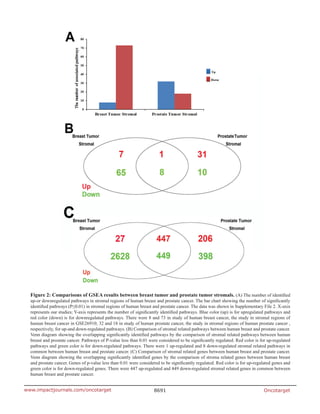
Figure 2A and Supplementary File 2. Firstly, we compared
the up-regulated and down-regulated pathways in the
stromals of both tumor types, respectively. Interestingly, 9
highly common pathways were identified, including only
1 up-regulated and 8 down-regulated pathways common
to the breast tumor and prostate tumor stromal (shown
Oncotarget8689www.impactjournals.com/oncotarget
in Table 1 and Figure 2B). The most down-regulated
pathways were metabolism related pathway, such as
amino sugar and nucleotide sugar metabolism, riboflavin
metabolism, mucin type O-glycan biosynthesis, and
glycosphingolipid biosynthesis-lacto and neolacto series
identified in both breast and prostate tumor stromal [29-
31]. Besides, cell adhesion molecules (CAMs) are related
to environmental information processing, which have
a crucial role in tumor progression, in particular during
invasion and metastasis [32]. The pathway of leukocyte
transendothelial migration is associated with organismal
systems. The pathway of phagosome is cellular processes
related. Bacterial invasion of epithelial cells, one part
of human diseases, which has reported that induction of
inflammation by bacteria and viral infections increases
cancer risk [33]. The only one upregulated pathway was
tryptophan metabolism, which is metabolism related and
altered in patients suffering from gynecological cancer
compared to healthy controls (shown in Figure 3) [34].
In addition, there were several tissue-specially
identified pathways. 2 pathways were up-regulated in
breast tumor stromal and down-regulated in prostate
tumor stromal, such as the pathways of taste transduction
and ABC transporters (Table 1). ATP-binding cassette
Table 1: The dysregulated pathways identified in both human breast and prostate tumor stromal
Regulation Pathways Groups
Commonly
up-regulated
(1)
00380: Tryptophan metabolism Metabolism
Commonly down-regulated
(8)
04514: Cell adhesion molecules (CAMs) Environmental Information
Processing
00512: Mucin type O-Glycan biosynthesis Metabolism
04670: Leukocyte transendothelial migration Organismal Systems
00740: Riboflavin metabolism Metabolism
04145: Phagosome Cellular Processes
00601: Glycosphingolipid biosynthesis - lacto and
neolacto series
Metabolism
00520: Amino sugar and nucleotide sugar
metabolism
Metabolism
05100: Bacterial invasion of epithelial cells
Human Diseases
Up-regulated in BTS
and down-regulated
in PTS
(2)
02010: ABC transporters Environmental Information
Processing
04742: Taste transduction
Organismal Systems
Down-regulated
in BTS and
up-regulated in PTS
(10)
00250: Alanine, aspartate and glutamate metabolism Metabolism
04110: Cell cycle Cellular Processes
00860: Porphyrin and chlorophyll metabolism Metabolism
00670: One carbon pool by folate Metabolism
05012: Parkinson's disease	 Human Diseases
00190: Oxidative phosphorylation Metabolism
03020: RNA polymerase
Genetic Information
Processing
00450: Selenocompound metabolism Metabolism
03030: DNA replication
Genetic Information
Processing
03022: Basal transcription factors Genetic Information
Processing
9 highly common pathways were identified, including only 1 up-regulated and 8 down-regulated pathways common to
the breast tumor and prostate tumor stromal. 2 pathways were up-regulated in breast tumor stromal and down-regulated
in prostate tumor stromal, but 10 pathways were down-regulated in breast tumor stromal and up-regulated in prostate
tumor stromal.
Oncotarget8690www.impactjournals.com/oncotarget
(ABC) transporters are a family of transporter proteins
that contribute to drug resistance via ATP-dependent
drug efflux pumps[35]. Recent studies suggested that
many ABC transporter superfamily members are highly
expressed in breast cancer, which could be molecular
target for the treatment of breast cancer [36]. The pathway
of ABC transporters in human prostate cancer has little
reported (shown in Figure 4).
Moreover, 10 pathways were down-regulated in
breast tumor stromal and up-regulated in prostate tumor
stromal, such as oxidative phosphorylation. Cancer is a
heterogeneous class of diseases, each of which has its own
metabolic characteristics, even if each of the tumor, which
includes different cell constituted a difference in the mode
of metabolism [37]. Owing to differences in tumor size,
hypoxia, and the sequence of oncogenes activated, some
studies illustrate a reduction of oxidative phosphorylation
(OXPHOS) capacity in different types of cancer cells,
other investigations revealed contradictory modifications
with the upregulation of OXPHOS components and a
larger dependency of cancer cells on oxidative energy
substrates for anabolism and energy production[38]. Our
research found that Oxidative phosphorylation is down-
regulated in breast tumor stromal and up-regulated in
prostate tumor stromal.
The stromal genome heterogeneity in the levels of
target gene and TFs
Our analysis revealed that 447 up-regulated
genes and 449 down-regulated genes were common
in the stromals of both tumor types, which were shown
in Figure 2C. For individual analysis, we obtained the
significant TFs in each dataset, which were summarized
in Supplementary File 3. Furthermore, our research also
found that some specific genes and transcriptional factors
were heterogeneously regulated in breast and prostate
tumor stromal, such as CDH3, EGFR, UCHL1 and CLDN.
The expression patterns of these target genes were shown
in Figure 5.
P-cadherin, a classical cadherin encoded by the
CDH3 gene [39], are engaged in various cellular activities
including motility, invasion, and signaling of tumor cells,
in addition to cell adhesion. Regarding other classic
cadherins, placental (P)-cadherin was first shown in mouse
placenta [40], in humans its expression is not identified in
placenta but is present in a few organs such as mammary
gland and prostate [41]. In breast cancer, P-cadherin is
Figure 1: Comparison of stromal related genes between DEGAand GSEAresults for breast tumor and prostate tumor.
(A) Venn diagram showing the overlapping significantly identified genes by the comparison of stromal related genes between DEGA and
GSEA results for breast cancer. By comparison, there were 84 common genes between DEGA and GSEA results for breast tumor stromal.
The significance of overlapping was p=2.95E-11. (B) Comparison of stromal related genes between DEGA and GSEA results for prostate
cancer. Venn diagram showing the overlapping significantly identified genes by the comparison of stromal related genes between DEGAand
GSEA results for prostate cancer. For prostate tumor, the common genes number was 17 with the overlapping significance of p=4.65E-02.
Oncotarget8691www.impactjournals.com/oncotarget
Figure 2: Comparisons of GSEA results between breast tumor and prostate tumor stromals. (A) The number of identified
up-or downregulated pathways in stromal regions of human breast and prostate cancer. The bar chart showing the number of significantly
identified pathways (P≤0.01) in stromal regions of human breast and prostate cancer. The data was shown in Supplementary File 2. X-axis
represents our studies; Y-axis represents the number of significantly identified pathways. Blue color (up) is for upregulated pathways and
red color (down) is for downregulated pathways. There were 8 and 73 in study of human breast cancer, the study in stromal regions of
human breast cancer in GSE26910; 32 and 18 in study of human prostate cancer, the study in stromal regions of human prostate cancer ,
respectively, for up-and down-regulated pathways. (B) Comparison of stromal related pathways between human breast and prostate cancer.
Venn diagram showing the overlapping significantly identified pathways by the comparison of stromal related pathways between human
breast and prostate cancer. Pathways of P-value less than 0.01 were considered to be significantly regulated. Red color is for up-regulated
pathways and green color is for down-regulated pathways. There were 1 up-regulated and 8 down-regulated stromal related pathways in
common between human breast and prostate cancer. (C) Comparison of stromal related genes between human breast and prostate cancer.
Venn diagram showing the overlapping significantly identified genes by the comparison of stroma related genes between human breast
and prostate cancer. Genes of p-value less than 0.01 were considered to be significantly regulated. Red color is for up-regulated genes and
green color is for down-regulated genes. There were 447 up-regulated and 449 down-regulated stromal related genes in common between
human breast and prostate cancer.
Oncotarget8692www.impactjournals.com/oncotarget
Figure 3: The heat map and hierarchical clustering in Tryptophan metabolism pathway. (A) It showed the heat map and
hierarchical clustering in Tryptophan metabolism pathway from human breast tumor stromal. There were 42 involved genes in Tryptophan
metabolism pathway from human breast tumor stromal, which were clustered into 5 groups (the group from A to E). (B) It showed the heat
map and hierarchical clustering in Tryptophan metabolism pathway from human prostate tumor stromal. There were 40 involved genes in
Tryptophan metabolism pathway from human prostate tumor stromal, which were clustered into 4 groups (the group from A to D). Red is
for up-regulated and green is for down-regulated.
Figure 4: The heat map and hierarchical clustering inABC transporters pathway. (A) It showed the heat map and hierarchical
clustering in ABC transporters pathway from human breast tumor stromal. There were 56 involved genes in ABC transporters pathway
from human breast tumor stromal, which were clustered into 4 groups (the group from A to D). (B) It showed the heat map and hierarchical
clustering in ABC transporters pathway from human prostate tumor stromal. There were 42 involved genes in ABC transporters pathway
from human prostate tumor stromal, which were mainly clustered into 4 groups (the group from A to D). Red is for up-regulated and green
is for down-regulated.
Oncotarget8693www.impactjournals.com/oncotarget
frequently overexpressed in high-grade tumours and is
extensively associated with tumour aggressiveness and
poor patient prognosis [42]. In prostate cancer, CDH3 is
an important cell-cell adhesion molecule and is a prostate
cancer susceptibility candidate gene [43]. Expression of
the CDH3 gene in the tumor cell compartment of prostate
and breast cancer samples and its increase with the degree
of tumor progression were accordant with its implication
in tumor development[44]. Surprisingly, whereas most
researches have reported its expression to be limited to the
tumor cell compartment, CDH3 gene was also identified to
expression in stromal compartments of invasive cancers in
our study. The expression of CDH3 gene was significantly
up-regulated both in breast tumor stromal (p= 4.69E-03)
and in prostate tumor stromal (p=2.66E-02) (Figure 5A).
Elucidation of the role of CDH3 in the tumor stromal will
be of interest. It is attractive to speculate, for example,
that CDH3-positive stromal cells reflect an active state that
may contribute to tumor aggressiveness.
It has been long established that the epidermal
growth factor receptor (EGFR) and the EGF-family
of peptide growth factor play an important role in the
pathogenesis and progression of different carcinoma types.
The proteins of EGF ligand/receptor system are found to be
frequently expressed in the majority of human carcinomas.
In this study, EGFR was identified to be heterogeneously
regulated in breast and prostate cancer. The expression of
EGFR was significantly down-regulated in breast tumor
stromal (p=2.70E-03), but remained the same level in
prostate tumor stromal compared to the normal stromal
(Figure 5B). The binding of EGF to EGFR leads to the
phosphorylation of EGFR, which then stimulates the
signaling pathways that promoting cell proliferation,
adhesion, and resistance to apoptosis. It has been showed
that EGFR signaling regulates angiogenesis both directly
and indirectly [45]. Tumor progression is a complex
process that involves the interaction of tumor cells with
surrounding stromal. Almost all types of cells in stromal
have the expression of EGFR. Therefore, when studying
the effect of EGFR signaling in cancer progression, it
is important that we take into consideration of EGFR
signaling not only in tumor cells but also in surrounding
stromal cell populations. This may accounts for some
failures in targeting EGFR signaling only in tumor cells
without considering the stromal EGFR regulation. Even in
tumors with EGFR-independent growth, EGFR signaling
Figure 5: The expression patterns of some target genes for breast and prostate tumor stromals. (A) The expression of CDH3
gene was significantly up-regulated both in breast tumor stromal (BTS) (p=4.69E-03) and in prostate tumor stromal (PTS) (p=2.66E-02)
compared to the normal stromals (BNS or PNS). (B) The expression of EGFR was significantly down-regulated in breast tumor stromal
(BTS) (p=2.70E-03), but remained the same level in prostate tumor stromal (PTS) compared to the normal stromals (BNS or PNS). (C) The
expression patterns of UCHL1. The expression of UCHL1 was significantly up-regulated in breast tumor stromal (BTS) (p=2.21E-02), but
was significantly down-regulated in prostate tumor stromal (PTS) (p=3.51E-02) compared to the normal stromals (BNS or PNS). (D) The
expression patterns of CLDN5. In breast tumor stromal (BTS), the expression of CLDN5 was significantly down-regulated (p=8.91E-05),
but was significantly up-regulated in prostate tumor stromal (PTS) (p=3.65E-02) compared to the normal stromals (BNS or PNS).
Oncotarget8694www.impactjournals.com/oncotarget
in the tumor stromal may indirectly promote tumor
progression by mediating complex interactions between
tumor and stomal [46].
The critical roles played by protein ubiquitination in
various biological processes including cell proliferation,
cell cycle, apoptosis, signal transduction, while its
deregulation contributes to tumor initiation and
progression [47, 48]. Ubiquitin carboxyl- terminal esterase
L1 (UCHL1) is a member of a gene family whose products
transfer ubiquitin directly to protein substrates and release
ubiquitin from tandemly conjugated ubiquitin monomers
[49, 50]. Deregulation of UCHL1 has been observed in
solid tumors such as pancreatic cancer [51], non-small cell
lung cancer [52], colorectal cancer [53], osteosarcoma[54],
and oesophageal cancer [55]. Expression profiling data
from various tumor types demonstrated that UCHL1 is
either up- or downregulated owing to promoter hypo- or
hypermethylation depending on the type of malignant
tissue. In this research, UCHL1 was identified to be
heterogeneously regulated in breast and prostate tumor
stromal. The expression of UCHL1 was significantly up-
regulated in breast tumor stromal (p=2.21E-02), but was
significantly down-regulated in prostate tumor stromal
(p=3.51E-02) compared to the normal stromals (Figure
5C).
The claudin (CLDN) genes encode a family
of highly related proteins important in tight junction
formation and function. Recently, it has become obvious
that CLDN gene expression is frequently altered in various
cancers [56, 57]. Specifically, CLDN1,3,4,5,7,10,16
have been found altered in several human tumors
[56]. The first vascular-specific claudin identified was
CLDN5, also known as transmembrane protein deleted
in velocardiofacial syndrome (TMVCF) [58, 59]. Recent
research reported that CLDN5 was highly expressed
in vascular endothelial cells, suggesting a new target
for antiangiogenic therapy [60]. Our research indicates
that, depending on the type of neoplasia, CLDN5 may
be diminished, elevated or mislocated in tumor stromal
compared to normal stromal. In breast tumor stromal, the
expression of CLDN5 was significantly down-regulated
(p=8.91E-05), but was significantly up-regulated in
prostate tumor stromal (p=3.65E-02) compared to the
normal stromals (Figure 5D). Overall, a better knowledge
of claudin expression in normal and neoplastic tissues may
have applications in the detection, prognosis and therapy
of several human cancers.
METHODS
Microarray data collection and preprocessing
The gene expression profiling studies related to
stromal regions of human breast and prostate cancer were
searched in GEO (www.ncbi.nlm.nih.gov/geo/). Data sets
were reanalyzed if they met the following conditions:
(1) the data were genome-wide, (2) comparison was
conducted in the stromal regions between breast tumors
and prostate tumors, and (3) complete microarray raw
or normalized data were available. The data set of
GSE26910, contributed by Paolo Provero, was finally
chosen for our re-analysis [24]. In this data set, a total of
24 RNA samples were tested for RNA quality and each
of the 24 sample targets was hybridized to Affymetrix
Human Genome U133 Plus2.0 GeneChip arrays. There
were six biological replicates for prostate normal stromals
(GSM662756, GSM662758, GSM662760, GSM662762,
GSM662764, GSM662766, the group named as PNS), six
for prostate tumor stromals (GSM662757, GSM662759,
GSM662761, GSM662763, GSM662765, GSM662767,
the group named as PTS), six for breast normal stromals
(GSM662768, GSM662770, GSM662772, GSM662774,
GSM662776, GSM662778, the group named as BNS) and
six for breast tumor stromals (GSM662769, GSM662771,
GSM662773, GSM662775, GSM662777, GSM662779,
the group named as BTS).
For the purpose of evaluating the effect of
reprocessing on the comparison, the data were reprocessed
using software packages developed in version 2.6.0 of
Bioconductor and R version 2.10.1 [25]. Each Affymetrix
data set was background-adjusted and normalized and
log2 probe-set intensities were calculated using the
Robust Multichip Averaging (RMA) algorithm in the Affy
package [26].
Gene set enrichment analysis
Here, our gene set enrichment analysis was
performed on each study above to identify significantly
related pathways and genes to either stromal regions of
breast cancer or stromal regions of prostate cancer by
using Category package in Bioconductor ver. 2.6.0 [27].
GSEA is aimed at determining whether the members of
a gene set S are randomly spread throughout the entire
reference gene list L or are found primarily at the top
or bottom of L. One of the advantages of GSEA is the
relative robustness to noise and outliers in the data. In our
research, the gene sets showed by less than 10 genes were
excluded. The t-statistic mean of the genes was computed
in each KEGG (Kyoto Encyclopedia of Genes and
Genomes) pathway. Using a permutation test with 1,000
times, 0.01 was chosen as the significance level p values
of the cutoff for the most significant pathways related to
stromal tumor. Consequently, the significant pathways and
genes between tumor and normal were indicated in breast
or prostate. Subsequently, based on the datasets between
in breast cancer and in prostate cancer, the comparison of
GSEA results was performed to demonstrate the regulatory
mechanisms of gene expression by stromal regions of each
other. The following classification of identified pathways
Oncotarget8695www.impactjournals.com/oncotarget
was based on the KEGG pathway map br08901 of BRITE
Functional Hierarchies in the database of KEGG (http://
www.genome.jp/kegg-bin/get_htext?br08901.keg). The
annotation of significant genes in each pathway was
performed by using the biomaRt package (http://www.
biomart.org/) BioMart ver. 0.8 rc3 (version 0.8 of release
candidate 3). Next, for each significant pathway, through
hierarchical clustering with Euclidean distance, clustering
on groups or genes was performed based on the identified
genes’ expression.
Regulatory elements and transcription factors of
coregulated genes
A web server called DiRE (Distant Regulatory
Elements of coexpressed genes, http://dire.dcode.
org/) were also used, which is based on the Enhancer
Identification (EI) method, to predict common regulatory
elements (REs) for our input genes that have a cofunction
in each identified significantly related pathway[28]. It
predicts function-specific REs consisting of clusters
of specifically associated transcription factor binding
sites (TFBSs), and scores the association of individual
transcription factors (TFs) with the biological function
shared by the group of input genes. We selected a random
set of 5000 genes in the genome of homo sapiens as
the source of background genes. There were two major
parameters of our predicted TFs: (1) TF occurrence for the
percentage of candidate regulatory elements containing
a conserved binding site for a particular TF and (2) TF
importance for the product of TF occurrence and TF
weight. To be included in our candidate associated TFs
with input gene sets, the value of TF importance should
be more than 0.05.
Acknowledgements
We acknowledge financial support by The Natural
Science Foundation of Anhui Province of China
(1508085QC63, 1508085MH189), and Scientific Research
Foundation and Academic & Technology Leaders
Introduction Project, and “211” Scientific Research
Startup Fund of Anhui University (10117700023,
02303203-32030081), and The Student Research Training
Program of Anhui University (J18520131), as well as The
Education Revitalization Project of Anhui Province: Stem
Cell and Translational Medicine (Y05201374).
Conflicts of Interest Statement
The authors of this manuscript have no conflict of
interest to declare.
References
1.	 Marjanovic ND, Weinberg RA and Chaffer CL. Cell
plasticity and heterogeneity in cancer. Clinical chemistry.
2013; 59(1):168-179.
2.	 Risbridger GP, Davis ID, Birrell SN and Tilley WD. Breast
and prostate cancer: more similar than different. Nature
reviews Cancer. 2010; 10(3):205-212.
3.	 Yan B, Chen G, Saigal K, Yang X, Jensen ST, Van Waes
C, Stoeckert CJ and Chen Z. Systems biology-defined NF-
kappaB regulons, interacting signal pathways and networks
are implicated in the malignant phenotype of head and neck
cancer cell lines differing in p53 status. Genome biology.
2008; 9(3):R53.
4.	 Burrell RA, McGranahan N, Bartek J and Swanton C. The
causes and consequences of genetic heterogeneity in cancer
evolution. Nature. 2013; 501(7467):338-345.
5.	Marte B. Tumour heterogeneity. Nature. 2013;
501(7467):327.
6.	 Cheng L, Bostwick DG, Li G, Wang Q, Hu N, Vortmeyer
AO and Zhuang Z. Allelic imbalance in the clonal evolution
of prostate carcinoma. Cancer. 1999; 85(9):2017-2022.
7.	 Robbins CM, Tembe WA, Baker A, Sinari S, Moses TY,
Beckstrom-Sternberg S, Beckstrom-Sternberg J, Barrett
M, Long J, Chinnaiyan A, Lowey J, Suh E, Pearson JV,
Craig DW, Agus DB, Pienta KJ, et al. Copy number and
targeted mutational analysis reveals novel somatic events
in metastatic prostate tumors. Genome research. 2011;
21(1):47-55.
8.	 Kuukasjarvi T, Karhu R, Tanner M, Kahkonen M, Schaffer
A, Nupponen N, Pennanen S, Kallioniemi A, Kallioniemi
OP and Isola J. Genetic heterogeneity and clonal evolution
underlying development of asynchronous metastasis in
human breast cancer. Cancer research. 1997; 57(8):1597-
1604.
9.	 Torres L, Ribeiro FR, Pandis N, Andersen JA, Heim S and
Teixeira MR. Intratumor genomic heterogeneity in breast
cancer with clonal divergence between primary carcinomas
and lymph node metastases. Breast cancer research and
treatment. 2007; 102(2):143-155.
10.	 Shah SP, Morin RD, Khattra J, Prentice L, Pugh T,
Burleigh A, Delaney A, Gelmon K, Guliany R and Senz J.
Mutational evolution in a lobular breast tumour profiled at
single nucleotide resolution. Nature. 2009; 461(7265):809-
813.
11.	 Vong S and Kalluri R. The role of stromal myofibroblast
and extracellular matrix in tumor angiogenesis. Genes &
cancer. 2011; 2(12):1139-1145.
12.	 Hanahan D and Weinberg RA. Hallmarks of cancer: the
next generation. Cell. 2011; 144(5):646-674.
13.	 Sung SY, Hsieh CL, Wu D, Chung LW and Johnstone PA.
Tumor microenvironment promotes cancer progression,
metastasis, and therapeutic resistance. Current problems in
cancer. 2007; 31(2):36-100.
Oncotarget8696www.impactjournals.com/oncotarget
14.	 Tuxhorn JA, Ayala GE and Rowley DR. Reactive stroma in
prostate cancer progression. The Journal of urology. 2001;
166(6):2472-2483.
15.	 Aggoune D, Tosca L, Sorel N, Bonnet ML, Dkhissi F,
Tachdjian G, Bennaceur-Griscelli A, Chomel JC and Turhan
AG. Modeling the influence of stromal microenvironment
in the selection of ENU-induced BCR-ABL1 mutants by
tyrosine kinase inhibitors. Oncoscience. 2014; 1(1):57-68.
16.	 Farmaki E, Chatzistamou I, Bourlis P, Santoukou E, Trimis
G, Papavassiliou AG and Kiaris H. Selection of p53-
Deficient Stromal Cells in the Tumor Microenvironment.
Genes & cancer. 2012; 3(9-10):592-598.
17.	 Freeman MR, Li Q and Chung LW. Can stroma reaction
predict cancer lethality? Clinical cancer research : an
official journal of the American Association for Cancer
Research. 2013; 19(18):4905-4907.
18.	 Junttila MR and de Sauvage FJ. Influence of tumour micro-
environment heterogeneity on therapeutic response. Nature.
2013; 501(7467):346-354.
19.	 He K, Chen Z, Ma Y and Pan Y. Identification of high-
copper-responsive target pathways in Atp7b knockout
mouse liver by GSEA on microarray data sets. Mamm
Genome. 2011.
20.	 Subramanian A, Tamayo P, Mootha VK, Mukherjee S,
Ebert BL, Gillette MA, Paulovich A, Pomeroy SL, Golub
TR, Lander ES and Mesirov JP. Gene set enrichment
analysis: a knowledge-based approach for interpreting
genome-wide expression profiles. Proc Natl Acad Sci U S
A. 2005; 102(43):15545-15550.
21.	 Mootha VK, Lindgren CM, Eriksson KF, Subramanian A,
Sihag S, Lehar J, Puigserver P, Carlsson E, Ridderstrale M,
Laurila E, Houstis N, Daly MJ, Patterson N, Mesirov JP,
Golub TR, Tamayo P, et al. PGC-1alpha-responsive genes
involved in oxidative phosphorylation are coordinately
downregulated in human diabetes. Nat Genet. 2003;
34(3):267-273.
22.	 Guan D, Shao J, Deng Y, Wang P, Zhao Z, Liang Y, Wang
J and Yan B. CMGRN: a web server for constructing
multilevel gene regulatory networks using ChIP-seq and
gene expression data. Bioinformatics. 2014.
23.	 Guan D, Shao J, Zhao Z, Wang P, Qin J, Deng Y, Boheler
KR, Wang J and Yan B. PTHGRN: unraveling post-
translational hierarchical gene regulatory networks using
PPI, ChIP-seq and gene expression data. Nucleic acids
research. 2014; 42(Web Server issue):W130-136.
24.	 Planche A, Bacac M, Provero P, Fusco C, Delorenzi M,
Stehle JC and Stamenkovic I. Identification of prognostic
molecular features in the reactive stroma of human breast
and prostate cancer. PloS one. 2011; 6(5):e18640.
25.	Gentleman RC, Carey VJ, Bates DM, Bolstad B,
Dettling M, Dudoit S, Ellis B, Gautier L, Ge Y and
Gentry J. Bioconductor: open software development
for computational biology and bioinformatics. Genome
biology. 2004; 5(10):R80.
26.	 Gautier L, Cope L, Bolstad BM and Irizarry RA. affy—
analysis of Affymetrix GeneChip data at the probe level.
Bioinformatics. 2004; 20(3):307-315.
27.	 Chiaretti S, Li X, Gentleman R, Vitale A, Vignetti M,
Mandelli F, Ritz J and Foa R. Gene expression profile of
adult T-cell acute lymphocytic leukemia identifies distinct
subsets of patients with different response to therapy and
survival. Blood. 2004; 103(7):2771-2778.
28.	 Gotea V and Ovcharenko I. DiRE: identifying distant
regulatory elements of co-expressed genes. Nucleic acids
research. 2008; 36(suppl 2):W133-W139.
29.	 Seyfried TN and Shelton LM. Cancer as a metabolic
disease. Nutr Metab (Lond). 2010; 7(7):269-270.
30.	 Dedina L. (2012). Riboflavin Transporters and Breast
Cancer Resistance Protein: Cimetidine-Riboflavin
Interactions in the Mammary Gland.
31.	Mayoral M, Mayoral C, Meneses A, Villalvazo L,
Guzman A, Espinosa B, Ochoa J, Zenteno E and Guevara
J. Identification of galectin-3 and mucin-type O-glycans
in breast cancer and its metastasis to brain. Cancer
investigation. 2008; 26(6):615-623.
32.	 Horak E, Klenk N, Leek R, LeJeune S, Smith K, Stuart N,
Harris A, Greenall M and Stepniewska K. Angiogenesis,
assessed by platelet/endothelial cell adhesion molecule
antibodies, as indicator of node metastases and survival in
breast cancer. The Lancet. 1992; 340(8828):1120-1124.
33.	 Rescigno M, Urbano M, Valzasina B, Francolini M, Rotta
G, Bonasio R, Granucci F, Kraehenbuhl J-P and Ricciardi-
Castagnoli P. Dendritic cells express tight junction proteins
and penetrate gut epithelial monolayers to sample bacteria.
Nature immunology. 2001; 2(4):361-367.
34.	 Rose D. Aspects of tryptophan metabolism in health and
disease: a review. Journal of clinical pathology. 1972;
25(1):17-25.
35.	 Leonard GD, Fojo T and Bates SE. The role of ABC
transporters in clinical practice. The oncologist. 2003;
8(5):411-424.
36.	 Park S, Shimizu C, Shimoyama T, Takeda M, Ando M,
Kohno T, Katsumata N, Kang Y-K, Nishio K and Fujiwara
Y. Gene expression profiling of ATP-binding cassette
(ABC) transporters as a predictor of the pathologic response
to neoadjuvant chemotherapy in breast cancer patients.
Breast cancer research and treatment. 2006; 99(1):9-17.
37.	 Koukourakis MI, Giatromanolaki A, Harris AL and Sivridis
E. Comparison of metabolic pathways between cancer cells
and stromal cells in colorectal carcinomas: a metabolic
survival role for tumor-associated stroma. Cancer research.
2006; 66(2):632-637.
38.	 Jose C, Bellance N and Rossignol R. Choosing between
glycolysis and oxidative phosphorylation: a tumor’s
dilemma? Biochimica et Biophysica Acta (BBA)-
Bioenergetics. 2011; 1807(6):552-561.
39.	 Takeichi M. The cadherins: cell-cell adhesion molecules
controlling animal morphogenesis. Development. 1988;
Oncotarget8697www.impactjournals.com/oncotarget
102(4):639-655.
40.	 Nose A and Takeichi M. A novel cadherin cell adhesion
molecule: its expression patterns associated with
implantation and organogenesis of mouse embryos. The
Journal of cell biology. 1986; 103(6):2649-2658.
41.	Taniuchi K, Nakagawa H, Hosokawa M, Nakamura
T, Eguchi H, Ohigashi H, Ishikawa O, Katagiri T and
Nakamura Y. Overexpressed P-cadherin/CDH3 promotes
motility of pancreatic cancer cells by interacting with
p120ctn and activating rho-family GTPases. Cancer
research. 2005; 65(8):3092-3099.
42.	 Albergaria A, Resende C, Nobre AR, Ribeiro AS, Sousa
B, Machado JC, Seruca R, Paredes J and Schmitt F.
CCAAT/Enhancer Binding Protein β (C/EBPβ) Isoforms
as Transcriptional Regulators of the Pro-Invasive CDH3/P-
Cadherin Gene in Human Breast Cancer Cells. PloS one.
2013; 8(2):e55749.
43.	 Lindström S, Wiklund F, Jonsson B-A, Adami H-O,
Bälter K, Brookes AJ, Xu J, Zheng SL, Isaacs WB and
Adolfsson J. Comprehensive genetic evaluation of common
E-cadherin sequence variants and prostate cancer risk:
strong confirmation of functional promoter SNP. Human
genetics. 2005; 118(3-4):339-347.
44.	 Paredes J, Correia AL, Ribeiro AS, Albergaria A, Milanezi
F and Schmitt FC. P-cadherin expression in breast cancer: a
review. Breast Cancer Res. 2007; 9(5):214.
45.	 Kuwai T, Nakamura T, Sasaki T, Kitadai Y, Kim JS,
Langley RR, Fan D, Wang X, Do KA, Kim SJ and Fidler IJ.
Targeting the EGFR, VEGFR, and PDGFR on colon cancer
cells and stromal cells is required for therapy. Clinical &
experimental metastasis. 2008; 25(4):477-489.
46.	Barron DA and Rowley DR. The reactive stroma
microenvironment and prostate cancer progression.
Endocrine-related cancer. 2012; 19(6):R187-204.
47.	Mani A and Gelmann EP. The ubiquitin-proteasome
pathway and its role in cancer. Journal of Clinical
Oncology. 2005; 23(21):4776-4789.
48.	 Orlowski RZ and Dees EC. Applying drugs that affect
the ubiquitin-proteasome pathway to the therapy of breast
cancer. Breast Cancer Research. 2003; 5(1):1-7.
49.	 Liu Y, Fallon L, Lashuel HA, Liu Z and Lansbury PT. The
UCH-L1 gene encodes two opposing enzymatic activities
that affect α-synuclein degradation and Parkinson’s disease
susceptibility. Cell. 2002; 111(2):209-218.
50.	 Osaka H, Wang Y-L, Takada K, Takizawa S, Setsuie R, Li
H, Sato Y, Nishikawa K, Sun Y-J and Sakurai M. Ubiquitin
carboxy-terminal hydrolase L1 binds to and stabilizes
monoubiquitin in neuron. Human molecular genetics. 2003;
12(16):1945-1958.
51.	 Tezel E, Hibi K, Nagasaka T and Nakao A. PGP9. 5 as
a prognostic factor in pancreatic cancer. Clinical Cancer
Research. 2000; 6(12):4764-4767.
52.	 Hibi K, Westra WH, Borges M, Goodman S, Sidransky D
and Jen J. PGP9. 5 as a candidate tumor marker for non-
small-cell lung cancer. The American journal of pathology.
1999; 155(3):711-715.
53.	 Yamazaki T, Hibi K, Takase T, Tezel E, Nakayama H,
Kasai Y, Ito K, Akiyama S, Nagasaka T and Nakao A.
PGP9. 5 as a marker for invasive colorectal cancer. Clinical
Cancer Research. 2002; 8(1):192-195.
54.	 Liu X, Zeng B, Ma J and Wan C. Comparative proteomic
analysis of osteosarcoma cell and human primary cultured
osteoblastic cell. Cancer investigation. 2009; 27(3):345-
352.
55.	 Takase T, Hibi K, Yamazaki T, Nakayama H, Taguchi
M, Kasai Y, Ito K, Akiyama S, Nagasaka T and Nakao
A. PGP9. 5 overexpression in esophageal squamous cell
carcinoma. Hepato-gastroenterology. 2002; 50(53):1278-
1280.
56.	 Morin PJ. Claudin proteins in human cancer: promising new
targets for diagnosis and therapy. Cancer Research. 2005;
65(21):9603-9606.
57.	 Swisshelm K, Macek R and Kubbies M. Role of claudins
in tumorigenesis. Advanced drug delivery reviews. 2005;
57(6):919-928.
58.	 Sirotkin H, Morrow B, Saint-Jore B, Puech A, Gupta RD,
Patanjali SR, Skoultchi A, Weissman SM and Kucherlapati
R. Identification, characterization, and precise mapping
of a human gene encoding a novel membrane-spanning
protein from the 22q11 region deleted in velo–cardio–facial
syndrome. Genomics. 1997; 42(2):245-251.
59.	 Morita K, Sasaki H, Furuse M and Tsukita S. Endothelial
Claudin Claudin-5/Tmvcf Constitutes Tight Junction
Strands in Endothelial Cells. The Journal of cell biology.
1999; 147(1):185-194.
60.	 Hewitt KJ, Agarwal R and Morin PJ. The claudin gene
family: expression in normal and neoplastic tissues. BMC
cancer. 2006; 6(1):186.

3478-43782-3-PB

  • 1.
    Oncotarget8687www.impactjournals.com/oncotarget www.impactjournals.com/oncotarget/ Oncotarget, Vol.6, No. 11 The stromal genome heterogeneity between breast and prostate tumors revealed by a comparative transcriptomic analysis Kan He1,* , Wenwen Lv1,* , Dongni Zheng1,* , Fei Cheng1,* , Tao Zhou1 , Shoudong Ye1,2,3 , Qian Ban1 , Qilong Ying2 , Bei Huang1 , Lei Chen1 , Guohua Wu4 and Dahai Liu1 1 Center for Stem Cell and Translational Medicine, School of Life Sciences, Anhui University, Hefei City, Anhui, China 2 Eli and Edythe Broad Center for Regenerative Medicine and Stem Cell Research, Department of Cell and Neurobiology, Keck School of Medicine, University of Southern California, Los Angeles, California, USA 3 Department of Molecular Genetics, Shanghai Medical School, Fudan University, Shanghai, China 4 Laboratory of Quality & Safety Risk Assessment for Sericultural Products and Edible Insects, Ministry of Agriculture, College of Biotechnology and Sericultural Research Institute, Jiangsu University of Science and Technology, Zhenjiang, China * These authors have contributed equally to this work Correspondence to: Kan He, email: hekan_803@163.com Correspondence to: Dahai Liu, email: seansean2014@126.com Keywords: heterogeneity, breast tumor, prostate tumor, GSEA, pathway Received: January 12, 2015 Accepted: February 12, 2015 Published: March 04, 2015 This is an open-access article distributed under the terms of the Creative Commons Attribution License, which permits unrestricted use, distribution, and reproduction in any medium, provided the original author and source are credited. Abstract Stromal microenvironment increases tumor cell survival, proliferation and migration, and promotes angiogenesis. In order to provide comprehensive information on the stromal heterogeneity of diverse tumors, here we employed the microarray datasets of human invasive breast and prostate cancer-associated stromals and applied Gene Set Enrichment Analysis (GSEA) to compare the gene expression profiles between them. As a result, 8 up-regulated pathways and 73 down-regulated pathways were identified in the breast tumor stroma, while 32 up-regulated pathways and 18 down-regulated pathways were identified in the prostate tumor stroma. Only 9 pathways such as tryptophan metabolism were commonly up or down regulated, but most of them (including ABC transporters) were specific for these two tumors. Several essential tumors stromal marker genes were also significantly identified. For example, CDH3 was significantly up-regulated in the stromals of both breast and prostate tumors, however EGFR was only significantly down-regulated in the stromal of breast tumor. Our study would be helpful for future therapeutic and predictive applications in breast and prostate cancers. INTRODUCTION Cancer is not a single disease but includes numerous subtypes, each of which has its distinct histopathological and biological features [1]. Cancer heterogeneity refers to the distinction among different cancer cells in the aspects of morphology, phenotype and function, which includes the diversities in cellular morphology, gene expression, metabolism, motility, proliferation, and metastatic potential [2, 3]. The extensive heterogeneity exists both between tumors (inter-tumor heterogeneity) and within tumors (intra-tumor heterogeneity) [4]. The heterogeneity of cancer cells has been recognized as early as 1930s when the experiment showed that only a part of mouse tumors cells could give rise to new tumors when transplanted [5]. Although certain genetic similarities are shared between the primary and metastatic tumor cells, there are also some additional mutations in metastases. For both prostate cancer [6, 7] and breast cancer [8, 9], a number of mutations had been found which are different between the primary tumors and metastases. It suggests the presence of certain genetic diversity between them, and also reveals the evolution of tumor heterogeneity. A recent study analyzed primary tumors and metastases of invasive lobular breast cancer at single nucleotide resolution, which revealed mutations that only occur in metastases, and more metastasis loci lead to greater amount of mutations [10]. It is now widely recognized that cancer progression
  • 2.
    Oncotarget8688www.impactjournals.com/oncotarget is not exclusivelyregulated by intra-tumor heterogeneity but also depends on the heterogeneity of tumor microenvironment, in which the stroma compartment plays an important role [11]. This suggests that understanding cancer by tumor cell genomic analysis is not sufficient, while analyzing tumor cells together with stromal cells may provide more comprehensive and meaningful data [12]. The tumor stroma is the complex arrangement of various stromal cells and extracellular matrix, which act in a coordinated manner to regulate cell function and maintain overall tissue homeostasis. In order to maintain homeostasis, the host tissue stroma interacts with carcinoma in a process similar to the tissue remodeling in wound repair [11, 13]. This process builds a new tumorigenesis-promoting stromal microenvironment, which supports tumor cell survival, proliferation and migration, and promotes angiogenesis [14]. One important reason why gene expression of cancer stroma has potential for cancer treatment and prediction is that cancer stroma maintains a normal genotype, because stromal reactions in response to cancer epithelium mostly only alter gene expression, without drastic and stochastic genomic changes [15, 16]. In addition, due to coevolution of cancer and stroma in the process of cancer progression, many genes were commonly expressed in stroma and cancer cells [17]. Active tumor evolution leads to therapeutic resistance, which is illustrative of dynamic interplay between tumor cells and their microenvironments when the selective pressure of drug therapy is applied. Despite obtained success in targeting tumor microenvironment, signifi­cant challenges still lie ahead for the implementation of stromal targeting in clinical practice [18]. Both the composition of tumor stroma and the stromal response to cancer are heterogeneous, while one stromal molecular signature correlates positively with survival in one tumor type, it may correlate inversely with survival of another tumor type, or it may be irrelevant at all. This heterogeneity leads to the complexity in clinical application of stromal molecular signatures and further studies of the stromal heterogeneity need to be done. In the present study, we employed and reanalyzed the published microarray datasets of human breast and prostate cancer stroma from the public database library of GEO. Gene Set Enrichment Analysis (GSEA) was applied to compare the gene expression profiles between these two different invasive cancer types, especially in an effort to indicate the degree of stromal heterogeneity between them and identify candidate stromal gene expression signatures relevant to cancer progression. GSEA has the advantage to highlight genes weakly connected to the phenotype through pathway analysis which may be difficult to detect by using classical univariate statistics [19-23]. Through GSEA analysis, the critical pathways that were up- or down-regulated in the stroma of two types of cancer were identified, and we then constructed coexpression networks of related pathways with the significantly core genes and transcription factors. Our study would be helpful for future therapeutic and predictive applications in breast and prostate cancer. RESULTS AND DISCUSSION Comparison of results between GSEA and DEGA According to the approach of differentially expressed gene analysis (DEGA) studied by Planche et al., 643 and 319 differentially expressed genes between tumor and normal stroma were identified for breast cancer and prostate cancer, respectively (shown in Supplementary File 1)[24]. The DEGA approach was based on a paired analysis of differential expression using the package of limma with the cutoff of false positive rate (FDR) as 0.01. Here, we used standardized microarray preprocessing and GSEA with comprehensive expression profiles in order to find greater data convergence and provide a systematic insight into the associated pathways in both human breast and prostate tumor stromals. In our study, 8 up-regulated and 73 down-regulated pathways were significantly identified in breast tumor stromal, while 32 up-regulated and 18 down-regulated pathways were significantly identified in prostate tumor stromal based on the approach of GSEA. Totally, 3337 and 2145 genes were dysregulated in breast and prostate tumor stromal, respectively (shown in Supplementary File 2). By comparison, there were 84 common genes between DEGA and GSEA results for breast tumor stromal. The significance of overlapping was p=2.95E-11 (Figure 1A). For prostate tumor, the common genes number was 17 with the overlapping significance of p=4.65E-02 (Figure 1B). It indicated that our GSEA results would be not only consistent with the previous DEGA results but also more comprehensive. In addition, 360 and 342 dysregulated transcription factors (TFs) were further identified in breast tumor and prostate tumor stromal, respectively (shown in Supplementary File 3). The stromal genome heterogeneity in multiple pathways level Firstly, the common GSEA method was applied to the stromal regions of human breast and prostate tumors. For individual analysis, we obtained the significant pathways in each dataset, which were summarized in Figure 2A and Supplementary File 2. Firstly, we compared the up-regulated and down-regulated pathways in the stromals of both tumor types, respectively. Interestingly, 9 highly common pathways were identified, including only 1 up-regulated and 8 down-regulated pathways common to the breast tumor and prostate tumor stromal (shown
  • 3.
    Oncotarget8689www.impactjournals.com/oncotarget in Table 1and Figure 2B). The most down-regulated pathways were metabolism related pathway, such as amino sugar and nucleotide sugar metabolism, riboflavin metabolism, mucin type O-glycan biosynthesis, and glycosphingolipid biosynthesis-lacto and neolacto series identified in both breast and prostate tumor stromal [29- 31]. Besides, cell adhesion molecules (CAMs) are related to environmental information processing, which have a crucial role in tumor progression, in particular during invasion and metastasis [32]. The pathway of leukocyte transendothelial migration is associated with organismal systems. The pathway of phagosome is cellular processes related. Bacterial invasion of epithelial cells, one part of human diseases, which has reported that induction of inflammation by bacteria and viral infections increases cancer risk [33]. The only one upregulated pathway was tryptophan metabolism, which is metabolism related and altered in patients suffering from gynecological cancer compared to healthy controls (shown in Figure 3) [34]. In addition, there were several tissue-specially identified pathways. 2 pathways were up-regulated in breast tumor stromal and down-regulated in prostate tumor stromal, such as the pathways of taste transduction and ABC transporters (Table 1). ATP-binding cassette Table 1: The dysregulated pathways identified in both human breast and prostate tumor stromal Regulation Pathways Groups Commonly up-regulated (1) 00380: Tryptophan metabolism Metabolism Commonly down-regulated (8) 04514: Cell adhesion molecules (CAMs) Environmental Information Processing 00512: Mucin type O-Glycan biosynthesis Metabolism 04670: Leukocyte transendothelial migration Organismal Systems 00740: Riboflavin metabolism Metabolism 04145: Phagosome Cellular Processes 00601: Glycosphingolipid biosynthesis - lacto and neolacto series Metabolism 00520: Amino sugar and nucleotide sugar metabolism Metabolism 05100: Bacterial invasion of epithelial cells Human Diseases Up-regulated in BTS and down-regulated in PTS (2) 02010: ABC transporters Environmental Information Processing 04742: Taste transduction Organismal Systems Down-regulated in BTS and up-regulated in PTS (10) 00250: Alanine, aspartate and glutamate metabolism Metabolism 04110: Cell cycle Cellular Processes 00860: Porphyrin and chlorophyll metabolism Metabolism 00670: One carbon pool by folate Metabolism 05012: Parkinson's disease Human Diseases 00190: Oxidative phosphorylation Metabolism 03020: RNA polymerase Genetic Information Processing 00450: Selenocompound metabolism Metabolism 03030: DNA replication Genetic Information Processing 03022: Basal transcription factors Genetic Information Processing 9 highly common pathways were identified, including only 1 up-regulated and 8 down-regulated pathways common to the breast tumor and prostate tumor stromal. 2 pathways were up-regulated in breast tumor stromal and down-regulated in prostate tumor stromal, but 10 pathways were down-regulated in breast tumor stromal and up-regulated in prostate tumor stromal.
  • 4.
    Oncotarget8690www.impactjournals.com/oncotarget (ABC) transporters area family of transporter proteins that contribute to drug resistance via ATP-dependent drug efflux pumps[35]. Recent studies suggested that many ABC transporter superfamily members are highly expressed in breast cancer, which could be molecular target for the treatment of breast cancer [36]. The pathway of ABC transporters in human prostate cancer has little reported (shown in Figure 4). Moreover, 10 pathways were down-regulated in breast tumor stromal and up-regulated in prostate tumor stromal, such as oxidative phosphorylation. Cancer is a heterogeneous class of diseases, each of which has its own metabolic characteristics, even if each of the tumor, which includes different cell constituted a difference in the mode of metabolism [37]. Owing to differences in tumor size, hypoxia, and the sequence of oncogenes activated, some studies illustrate a reduction of oxidative phosphorylation (OXPHOS) capacity in different types of cancer cells, other investigations revealed contradictory modifications with the upregulation of OXPHOS components and a larger dependency of cancer cells on oxidative energy substrates for anabolism and energy production[38]. Our research found that Oxidative phosphorylation is down- regulated in breast tumor stromal and up-regulated in prostate tumor stromal. The stromal genome heterogeneity in the levels of target gene and TFs Our analysis revealed that 447 up-regulated genes and 449 down-regulated genes were common in the stromals of both tumor types, which were shown in Figure 2C. For individual analysis, we obtained the significant TFs in each dataset, which were summarized in Supplementary File 3. Furthermore, our research also found that some specific genes and transcriptional factors were heterogeneously regulated in breast and prostate tumor stromal, such as CDH3, EGFR, UCHL1 and CLDN. The expression patterns of these target genes were shown in Figure 5. P-cadherin, a classical cadherin encoded by the CDH3 gene [39], are engaged in various cellular activities including motility, invasion, and signaling of tumor cells, in addition to cell adhesion. Regarding other classic cadherins, placental (P)-cadherin was first shown in mouse placenta [40], in humans its expression is not identified in placenta but is present in a few organs such as mammary gland and prostate [41]. In breast cancer, P-cadherin is Figure 1: Comparison of stromal related genes between DEGAand GSEAresults for breast tumor and prostate tumor. (A) Venn diagram showing the overlapping significantly identified genes by the comparison of stromal related genes between DEGA and GSEA results for breast cancer. By comparison, there were 84 common genes between DEGA and GSEA results for breast tumor stromal. The significance of overlapping was p=2.95E-11. (B) Comparison of stromal related genes between DEGA and GSEA results for prostate cancer. Venn diagram showing the overlapping significantly identified genes by the comparison of stromal related genes between DEGAand GSEA results for prostate cancer. For prostate tumor, the common genes number was 17 with the overlapping significance of p=4.65E-02.
  • 5.
    Oncotarget8691www.impactjournals.com/oncotarget Figure 2: Comparisonsof GSEA results between breast tumor and prostate tumor stromals. (A) The number of identified up-or downregulated pathways in stromal regions of human breast and prostate cancer. The bar chart showing the number of significantly identified pathways (P≤0.01) in stromal regions of human breast and prostate cancer. The data was shown in Supplementary File 2. X-axis represents our studies; Y-axis represents the number of significantly identified pathways. Blue color (up) is for upregulated pathways and red color (down) is for downregulated pathways. There were 8 and 73 in study of human breast cancer, the study in stromal regions of human breast cancer in GSE26910; 32 and 18 in study of human prostate cancer, the study in stromal regions of human prostate cancer , respectively, for up-and down-regulated pathways. (B) Comparison of stromal related pathways between human breast and prostate cancer. Venn diagram showing the overlapping significantly identified pathways by the comparison of stromal related pathways between human breast and prostate cancer. Pathways of P-value less than 0.01 were considered to be significantly regulated. Red color is for up-regulated pathways and green color is for down-regulated pathways. There were 1 up-regulated and 8 down-regulated stromal related pathways in common between human breast and prostate cancer. (C) Comparison of stromal related genes between human breast and prostate cancer. Venn diagram showing the overlapping significantly identified genes by the comparison of stroma related genes between human breast and prostate cancer. Genes of p-value less than 0.01 were considered to be significantly regulated. Red color is for up-regulated genes and green color is for down-regulated genes. There were 447 up-regulated and 449 down-regulated stromal related genes in common between human breast and prostate cancer.
  • 6.
    Oncotarget8692www.impactjournals.com/oncotarget Figure 3: Theheat map and hierarchical clustering in Tryptophan metabolism pathway. (A) It showed the heat map and hierarchical clustering in Tryptophan metabolism pathway from human breast tumor stromal. There were 42 involved genes in Tryptophan metabolism pathway from human breast tumor stromal, which were clustered into 5 groups (the group from A to E). (B) It showed the heat map and hierarchical clustering in Tryptophan metabolism pathway from human prostate tumor stromal. There were 40 involved genes in Tryptophan metabolism pathway from human prostate tumor stromal, which were clustered into 4 groups (the group from A to D). Red is for up-regulated and green is for down-regulated. Figure 4: The heat map and hierarchical clustering inABC transporters pathway. (A) It showed the heat map and hierarchical clustering in ABC transporters pathway from human breast tumor stromal. There were 56 involved genes in ABC transporters pathway from human breast tumor stromal, which were clustered into 4 groups (the group from A to D). (B) It showed the heat map and hierarchical clustering in ABC transporters pathway from human prostate tumor stromal. There were 42 involved genes in ABC transporters pathway from human prostate tumor stromal, which were mainly clustered into 4 groups (the group from A to D). Red is for up-regulated and green is for down-regulated.
  • 7.
    Oncotarget8693www.impactjournals.com/oncotarget frequently overexpressed inhigh-grade tumours and is extensively associated with tumour aggressiveness and poor patient prognosis [42]. In prostate cancer, CDH3 is an important cell-cell adhesion molecule and is a prostate cancer susceptibility candidate gene [43]. Expression of the CDH3 gene in the tumor cell compartment of prostate and breast cancer samples and its increase with the degree of tumor progression were accordant with its implication in tumor development[44]. Surprisingly, whereas most researches have reported its expression to be limited to the tumor cell compartment, CDH3 gene was also identified to expression in stromal compartments of invasive cancers in our study. The expression of CDH3 gene was significantly up-regulated both in breast tumor stromal (p= 4.69E-03) and in prostate tumor stromal (p=2.66E-02) (Figure 5A). Elucidation of the role of CDH3 in the tumor stromal will be of interest. It is attractive to speculate, for example, that CDH3-positive stromal cells reflect an active state that may contribute to tumor aggressiveness. It has been long established that the epidermal growth factor receptor (EGFR) and the EGF-family of peptide growth factor play an important role in the pathogenesis and progression of different carcinoma types. The proteins of EGF ligand/receptor system are found to be frequently expressed in the majority of human carcinomas. In this study, EGFR was identified to be heterogeneously regulated in breast and prostate cancer. The expression of EGFR was significantly down-regulated in breast tumor stromal (p=2.70E-03), but remained the same level in prostate tumor stromal compared to the normal stromal (Figure 5B). The binding of EGF to EGFR leads to the phosphorylation of EGFR, which then stimulates the signaling pathways that promoting cell proliferation, adhesion, and resistance to apoptosis. It has been showed that EGFR signaling regulates angiogenesis both directly and indirectly [45]. Tumor progression is a complex process that involves the interaction of tumor cells with surrounding stromal. Almost all types of cells in stromal have the expression of EGFR. Therefore, when studying the effect of EGFR signaling in cancer progression, it is important that we take into consideration of EGFR signaling not only in tumor cells but also in surrounding stromal cell populations. This may accounts for some failures in targeting EGFR signaling only in tumor cells without considering the stromal EGFR regulation. Even in tumors with EGFR-independent growth, EGFR signaling Figure 5: The expression patterns of some target genes for breast and prostate tumor stromals. (A) The expression of CDH3 gene was significantly up-regulated both in breast tumor stromal (BTS) (p=4.69E-03) and in prostate tumor stromal (PTS) (p=2.66E-02) compared to the normal stromals (BNS or PNS). (B) The expression of EGFR was significantly down-regulated in breast tumor stromal (BTS) (p=2.70E-03), but remained the same level in prostate tumor stromal (PTS) compared to the normal stromals (BNS or PNS). (C) The expression patterns of UCHL1. The expression of UCHL1 was significantly up-regulated in breast tumor stromal (BTS) (p=2.21E-02), but was significantly down-regulated in prostate tumor stromal (PTS) (p=3.51E-02) compared to the normal stromals (BNS or PNS). (D) The expression patterns of CLDN5. In breast tumor stromal (BTS), the expression of CLDN5 was significantly down-regulated (p=8.91E-05), but was significantly up-regulated in prostate tumor stromal (PTS) (p=3.65E-02) compared to the normal stromals (BNS or PNS).
  • 8.
    Oncotarget8694www.impactjournals.com/oncotarget in the tumorstromal may indirectly promote tumor progression by mediating complex interactions between tumor and stomal [46]. The critical roles played by protein ubiquitination in various biological processes including cell proliferation, cell cycle, apoptosis, signal transduction, while its deregulation contributes to tumor initiation and progression [47, 48]. Ubiquitin carboxyl- terminal esterase L1 (UCHL1) is a member of a gene family whose products transfer ubiquitin directly to protein substrates and release ubiquitin from tandemly conjugated ubiquitin monomers [49, 50]. Deregulation of UCHL1 has been observed in solid tumors such as pancreatic cancer [51], non-small cell lung cancer [52], colorectal cancer [53], osteosarcoma[54], and oesophageal cancer [55]. Expression profiling data from various tumor types demonstrated that UCHL1 is either up- or downregulated owing to promoter hypo- or hypermethylation depending on the type of malignant tissue. In this research, UCHL1 was identified to be heterogeneously regulated in breast and prostate tumor stromal. The expression of UCHL1 was significantly up- regulated in breast tumor stromal (p=2.21E-02), but was significantly down-regulated in prostate tumor stromal (p=3.51E-02) compared to the normal stromals (Figure 5C). The claudin (CLDN) genes encode a family of highly related proteins important in tight junction formation and function. Recently, it has become obvious that CLDN gene expression is frequently altered in various cancers [56, 57]. Specifically, CLDN1,3,4,5,7,10,16 have been found altered in several human tumors [56]. The first vascular-specific claudin identified was CLDN5, also known as transmembrane protein deleted in velocardiofacial syndrome (TMVCF) [58, 59]. Recent research reported that CLDN5 was highly expressed in vascular endothelial cells, suggesting a new target for antiangiogenic therapy [60]. Our research indicates that, depending on the type of neoplasia, CLDN5 may be diminished, elevated or mislocated in tumor stromal compared to normal stromal. In breast tumor stromal, the expression of CLDN5 was significantly down-regulated (p=8.91E-05), but was significantly up-regulated in prostate tumor stromal (p=3.65E-02) compared to the normal stromals (Figure 5D). Overall, a better knowledge of claudin expression in normal and neoplastic tissues may have applications in the detection, prognosis and therapy of several human cancers. METHODS Microarray data collection and preprocessing The gene expression profiling studies related to stromal regions of human breast and prostate cancer were searched in GEO (www.ncbi.nlm.nih.gov/geo/). Data sets were reanalyzed if they met the following conditions: (1) the data were genome-wide, (2) comparison was conducted in the stromal regions between breast tumors and prostate tumors, and (3) complete microarray raw or normalized data were available. The data set of GSE26910, contributed by Paolo Provero, was finally chosen for our re-analysis [24]. In this data set, a total of 24 RNA samples were tested for RNA quality and each of the 24 sample targets was hybridized to Affymetrix Human Genome U133 Plus2.0 GeneChip arrays. There were six biological replicates for prostate normal stromals (GSM662756, GSM662758, GSM662760, GSM662762, GSM662764, GSM662766, the group named as PNS), six for prostate tumor stromals (GSM662757, GSM662759, GSM662761, GSM662763, GSM662765, GSM662767, the group named as PTS), six for breast normal stromals (GSM662768, GSM662770, GSM662772, GSM662774, GSM662776, GSM662778, the group named as BNS) and six for breast tumor stromals (GSM662769, GSM662771, GSM662773, GSM662775, GSM662777, GSM662779, the group named as BTS). For the purpose of evaluating the effect of reprocessing on the comparison, the data were reprocessed using software packages developed in version 2.6.0 of Bioconductor and R version 2.10.1 [25]. Each Affymetrix data set was background-adjusted and normalized and log2 probe-set intensities were calculated using the Robust Multichip Averaging (RMA) algorithm in the Affy package [26]. Gene set enrichment analysis Here, our gene set enrichment analysis was performed on each study above to identify significantly related pathways and genes to either stromal regions of breast cancer or stromal regions of prostate cancer by using Category package in Bioconductor ver. 2.6.0 [27]. GSEA is aimed at determining whether the members of a gene set S are randomly spread throughout the entire reference gene list L or are found primarily at the top or bottom of L. One of the advantages of GSEA is the relative robustness to noise and outliers in the data. In our research, the gene sets showed by less than 10 genes were excluded. The t-statistic mean of the genes was computed in each KEGG (Kyoto Encyclopedia of Genes and Genomes) pathway. Using a permutation test with 1,000 times, 0.01 was chosen as the significance level p values of the cutoff for the most significant pathways related to stromal tumor. Consequently, the significant pathways and genes between tumor and normal were indicated in breast or prostate. Subsequently, based on the datasets between in breast cancer and in prostate cancer, the comparison of GSEA results was performed to demonstrate the regulatory mechanisms of gene expression by stromal regions of each other. The following classification of identified pathways
  • 9.
    Oncotarget8695www.impactjournals.com/oncotarget was based onthe KEGG pathway map br08901 of BRITE Functional Hierarchies in the database of KEGG (http:// www.genome.jp/kegg-bin/get_htext?br08901.keg). The annotation of significant genes in each pathway was performed by using the biomaRt package (http://www. biomart.org/) BioMart ver. 0.8 rc3 (version 0.8 of release candidate 3). Next, for each significant pathway, through hierarchical clustering with Euclidean distance, clustering on groups or genes was performed based on the identified genes’ expression. Regulatory elements and transcription factors of coregulated genes A web server called DiRE (Distant Regulatory Elements of coexpressed genes, http://dire.dcode. org/) were also used, which is based on the Enhancer Identification (EI) method, to predict common regulatory elements (REs) for our input genes that have a cofunction in each identified significantly related pathway[28]. It predicts function-specific REs consisting of clusters of specifically associated transcription factor binding sites (TFBSs), and scores the association of individual transcription factors (TFs) with the biological function shared by the group of input genes. We selected a random set of 5000 genes in the genome of homo sapiens as the source of background genes. There were two major parameters of our predicted TFs: (1) TF occurrence for the percentage of candidate regulatory elements containing a conserved binding site for a particular TF and (2) TF importance for the product of TF occurrence and TF weight. To be included in our candidate associated TFs with input gene sets, the value of TF importance should be more than 0.05. Acknowledgements We acknowledge financial support by The Natural Science Foundation of Anhui Province of China (1508085QC63, 1508085MH189), and Scientific Research Foundation and Academic & Technology Leaders Introduction Project, and “211” Scientific Research Startup Fund of Anhui University (10117700023, 02303203-32030081), and The Student Research Training Program of Anhui University (J18520131), as well as The Education Revitalization Project of Anhui Province: Stem Cell and Translational Medicine (Y05201374). Conflicts of Interest Statement The authors of this manuscript have no conflict of interest to declare. References 1. Marjanovic ND, Weinberg RA and Chaffer CL. Cell plasticity and heterogeneity in cancer. Clinical chemistry. 2013; 59(1):168-179. 2. Risbridger GP, Davis ID, Birrell SN and Tilley WD. Breast and prostate cancer: more similar than different. Nature reviews Cancer. 2010; 10(3):205-212. 3. Yan B, Chen G, Saigal K, Yang X, Jensen ST, Van Waes C, Stoeckert CJ and Chen Z. Systems biology-defined NF- kappaB regulons, interacting signal pathways and networks are implicated in the malignant phenotype of head and neck cancer cell lines differing in p53 status. Genome biology. 2008; 9(3):R53. 4. Burrell RA, McGranahan N, Bartek J and Swanton C. The causes and consequences of genetic heterogeneity in cancer evolution. Nature. 2013; 501(7467):338-345. 5. Marte B. Tumour heterogeneity. Nature. 2013; 501(7467):327. 6. Cheng L, Bostwick DG, Li G, Wang Q, Hu N, Vortmeyer AO and Zhuang Z. Allelic imbalance in the clonal evolution of prostate carcinoma. Cancer. 1999; 85(9):2017-2022. 7. Robbins CM, Tembe WA, Baker A, Sinari S, Moses TY, Beckstrom-Sternberg S, Beckstrom-Sternberg J, Barrett M, Long J, Chinnaiyan A, Lowey J, Suh E, Pearson JV, Craig DW, Agus DB, Pienta KJ, et al. Copy number and targeted mutational analysis reveals novel somatic events in metastatic prostate tumors. Genome research. 2011; 21(1):47-55. 8. Kuukasjarvi T, Karhu R, Tanner M, Kahkonen M, Schaffer A, Nupponen N, Pennanen S, Kallioniemi A, Kallioniemi OP and Isola J. Genetic heterogeneity and clonal evolution underlying development of asynchronous metastasis in human breast cancer. Cancer research. 1997; 57(8):1597- 1604. 9. Torres L, Ribeiro FR, Pandis N, Andersen JA, Heim S and Teixeira MR. Intratumor genomic heterogeneity in breast cancer with clonal divergence between primary carcinomas and lymph node metastases. Breast cancer research and treatment. 2007; 102(2):143-155. 10. Shah SP, Morin RD, Khattra J, Prentice L, Pugh T, Burleigh A, Delaney A, Gelmon K, Guliany R and Senz J. Mutational evolution in a lobular breast tumour profiled at single nucleotide resolution. Nature. 2009; 461(7265):809- 813. 11. Vong S and Kalluri R. The role of stromal myofibroblast and extracellular matrix in tumor angiogenesis. Genes & cancer. 2011; 2(12):1139-1145. 12. Hanahan D and Weinberg RA. Hallmarks of cancer: the next generation. Cell. 2011; 144(5):646-674. 13. Sung SY, Hsieh CL, Wu D, Chung LW and Johnstone PA. Tumor microenvironment promotes cancer progression, metastasis, and therapeutic resistance. Current problems in cancer. 2007; 31(2):36-100.
  • 10.
    Oncotarget8696www.impactjournals.com/oncotarget 14. Tuxhorn JA,Ayala GE and Rowley DR. Reactive stroma in prostate cancer progression. The Journal of urology. 2001; 166(6):2472-2483. 15. Aggoune D, Tosca L, Sorel N, Bonnet ML, Dkhissi F, Tachdjian G, Bennaceur-Griscelli A, Chomel JC and Turhan AG. Modeling the influence of stromal microenvironment in the selection of ENU-induced BCR-ABL1 mutants by tyrosine kinase inhibitors. Oncoscience. 2014; 1(1):57-68. 16. Farmaki E, Chatzistamou I, Bourlis P, Santoukou E, Trimis G, Papavassiliou AG and Kiaris H. Selection of p53- Deficient Stromal Cells in the Tumor Microenvironment. Genes & cancer. 2012; 3(9-10):592-598. 17. Freeman MR, Li Q and Chung LW. Can stroma reaction predict cancer lethality? Clinical cancer research : an official journal of the American Association for Cancer Research. 2013; 19(18):4905-4907. 18. Junttila MR and de Sauvage FJ. Influence of tumour micro- environment heterogeneity on therapeutic response. Nature. 2013; 501(7467):346-354. 19. He K, Chen Z, Ma Y and Pan Y. Identification of high- copper-responsive target pathways in Atp7b knockout mouse liver by GSEA on microarray data sets. Mamm Genome. 2011. 20. Subramanian A, Tamayo P, Mootha VK, Mukherjee S, Ebert BL, Gillette MA, Paulovich A, Pomeroy SL, Golub TR, Lander ES and Mesirov JP. Gene set enrichment analysis: a knowledge-based approach for interpreting genome-wide expression profiles. Proc Natl Acad Sci U S A. 2005; 102(43):15545-15550. 21. Mootha VK, Lindgren CM, Eriksson KF, Subramanian A, Sihag S, Lehar J, Puigserver P, Carlsson E, Ridderstrale M, Laurila E, Houstis N, Daly MJ, Patterson N, Mesirov JP, Golub TR, Tamayo P, et al. PGC-1alpha-responsive genes involved in oxidative phosphorylation are coordinately downregulated in human diabetes. Nat Genet. 2003; 34(3):267-273. 22. Guan D, Shao J, Deng Y, Wang P, Zhao Z, Liang Y, Wang J and Yan B. CMGRN: a web server for constructing multilevel gene regulatory networks using ChIP-seq and gene expression data. Bioinformatics. 2014. 23. Guan D, Shao J, Zhao Z, Wang P, Qin J, Deng Y, Boheler KR, Wang J and Yan B. PTHGRN: unraveling post- translational hierarchical gene regulatory networks using PPI, ChIP-seq and gene expression data. Nucleic acids research. 2014; 42(Web Server issue):W130-136. 24. Planche A, Bacac M, Provero P, Fusco C, Delorenzi M, Stehle JC and Stamenkovic I. Identification of prognostic molecular features in the reactive stroma of human breast and prostate cancer. PloS one. 2011; 6(5):e18640. 25. Gentleman RC, Carey VJ, Bates DM, Bolstad B, Dettling M, Dudoit S, Ellis B, Gautier L, Ge Y and Gentry J. Bioconductor: open software development for computational biology and bioinformatics. Genome biology. 2004; 5(10):R80. 26. Gautier L, Cope L, Bolstad BM and Irizarry RA. affy— analysis of Affymetrix GeneChip data at the probe level. Bioinformatics. 2004; 20(3):307-315. 27. Chiaretti S, Li X, Gentleman R, Vitale A, Vignetti M, Mandelli F, Ritz J and Foa R. Gene expression profile of adult T-cell acute lymphocytic leukemia identifies distinct subsets of patients with different response to therapy and survival. Blood. 2004; 103(7):2771-2778. 28. Gotea V and Ovcharenko I. DiRE: identifying distant regulatory elements of co-expressed genes. Nucleic acids research. 2008; 36(suppl 2):W133-W139. 29. Seyfried TN and Shelton LM. Cancer as a metabolic disease. Nutr Metab (Lond). 2010; 7(7):269-270. 30. Dedina L. (2012). Riboflavin Transporters and Breast Cancer Resistance Protein: Cimetidine-Riboflavin Interactions in the Mammary Gland. 31. Mayoral M, Mayoral C, Meneses A, Villalvazo L, Guzman A, Espinosa B, Ochoa J, Zenteno E and Guevara J. Identification of galectin-3 and mucin-type O-glycans in breast cancer and its metastasis to brain. Cancer investigation. 2008; 26(6):615-623. 32. Horak E, Klenk N, Leek R, LeJeune S, Smith K, Stuart N, Harris A, Greenall M and Stepniewska K. Angiogenesis, assessed by platelet/endothelial cell adhesion molecule antibodies, as indicator of node metastases and survival in breast cancer. The Lancet. 1992; 340(8828):1120-1124. 33. Rescigno M, Urbano M, Valzasina B, Francolini M, Rotta G, Bonasio R, Granucci F, Kraehenbuhl J-P and Ricciardi- Castagnoli P. Dendritic cells express tight junction proteins and penetrate gut epithelial monolayers to sample bacteria. Nature immunology. 2001; 2(4):361-367. 34. Rose D. Aspects of tryptophan metabolism in health and disease: a review. Journal of clinical pathology. 1972; 25(1):17-25. 35. Leonard GD, Fojo T and Bates SE. The role of ABC transporters in clinical practice. The oncologist. 2003; 8(5):411-424. 36. Park S, Shimizu C, Shimoyama T, Takeda M, Ando M, Kohno T, Katsumata N, Kang Y-K, Nishio K and Fujiwara Y. Gene expression profiling of ATP-binding cassette (ABC) transporters as a predictor of the pathologic response to neoadjuvant chemotherapy in breast cancer patients. Breast cancer research and treatment. 2006; 99(1):9-17. 37. Koukourakis MI, Giatromanolaki A, Harris AL and Sivridis E. Comparison of metabolic pathways between cancer cells and stromal cells in colorectal carcinomas: a metabolic survival role for tumor-associated stroma. Cancer research. 2006; 66(2):632-637. 38. Jose C, Bellance N and Rossignol R. Choosing between glycolysis and oxidative phosphorylation: a tumor’s dilemma? Biochimica et Biophysica Acta (BBA)- Bioenergetics. 2011; 1807(6):552-561. 39. Takeichi M. The cadherins: cell-cell adhesion molecules controlling animal morphogenesis. Development. 1988;
  • 11.
    Oncotarget8697www.impactjournals.com/oncotarget 102(4):639-655. 40. Nose Aand Takeichi M. A novel cadherin cell adhesion molecule: its expression patterns associated with implantation and organogenesis of mouse embryos. The Journal of cell biology. 1986; 103(6):2649-2658. 41. Taniuchi K, Nakagawa H, Hosokawa M, Nakamura T, Eguchi H, Ohigashi H, Ishikawa O, Katagiri T and Nakamura Y. Overexpressed P-cadherin/CDH3 promotes motility of pancreatic cancer cells by interacting with p120ctn and activating rho-family GTPases. Cancer research. 2005; 65(8):3092-3099. 42. Albergaria A, Resende C, Nobre AR, Ribeiro AS, Sousa B, Machado JC, Seruca R, Paredes J and Schmitt F. CCAAT/Enhancer Binding Protein β (C/EBPβ) Isoforms as Transcriptional Regulators of the Pro-Invasive CDH3/P- Cadherin Gene in Human Breast Cancer Cells. PloS one. 2013; 8(2):e55749. 43. Lindström S, Wiklund F, Jonsson B-A, Adami H-O, Bälter K, Brookes AJ, Xu J, Zheng SL, Isaacs WB and Adolfsson J. Comprehensive genetic evaluation of common E-cadherin sequence variants and prostate cancer risk: strong confirmation of functional promoter SNP. Human genetics. 2005; 118(3-4):339-347. 44. Paredes J, Correia AL, Ribeiro AS, Albergaria A, Milanezi F and Schmitt FC. P-cadherin expression in breast cancer: a review. Breast Cancer Res. 2007; 9(5):214. 45. Kuwai T, Nakamura T, Sasaki T, Kitadai Y, Kim JS, Langley RR, Fan D, Wang X, Do KA, Kim SJ and Fidler IJ. Targeting the EGFR, VEGFR, and PDGFR on colon cancer cells and stromal cells is required for therapy. Clinical & experimental metastasis. 2008; 25(4):477-489. 46. Barron DA and Rowley DR. The reactive stroma microenvironment and prostate cancer progression. Endocrine-related cancer. 2012; 19(6):R187-204. 47. Mani A and Gelmann EP. The ubiquitin-proteasome pathway and its role in cancer. Journal of Clinical Oncology. 2005; 23(21):4776-4789. 48. Orlowski RZ and Dees EC. Applying drugs that affect the ubiquitin-proteasome pathway to the therapy of breast cancer. Breast Cancer Research. 2003; 5(1):1-7. 49. Liu Y, Fallon L, Lashuel HA, Liu Z and Lansbury PT. The UCH-L1 gene encodes two opposing enzymatic activities that affect α-synuclein degradation and Parkinson’s disease susceptibility. Cell. 2002; 111(2):209-218. 50. Osaka H, Wang Y-L, Takada K, Takizawa S, Setsuie R, Li H, Sato Y, Nishikawa K, Sun Y-J and Sakurai M. Ubiquitin carboxy-terminal hydrolase L1 binds to and stabilizes monoubiquitin in neuron. Human molecular genetics. 2003; 12(16):1945-1958. 51. Tezel E, Hibi K, Nagasaka T and Nakao A. PGP9. 5 as a prognostic factor in pancreatic cancer. Clinical Cancer Research. 2000; 6(12):4764-4767. 52. Hibi K, Westra WH, Borges M, Goodman S, Sidransky D and Jen J. PGP9. 5 as a candidate tumor marker for non- small-cell lung cancer. The American journal of pathology. 1999; 155(3):711-715. 53. Yamazaki T, Hibi K, Takase T, Tezel E, Nakayama H, Kasai Y, Ito K, Akiyama S, Nagasaka T and Nakao A. PGP9. 5 as a marker for invasive colorectal cancer. Clinical Cancer Research. 2002; 8(1):192-195. 54. Liu X, Zeng B, Ma J and Wan C. Comparative proteomic analysis of osteosarcoma cell and human primary cultured osteoblastic cell. Cancer investigation. 2009; 27(3):345- 352. 55. Takase T, Hibi K, Yamazaki T, Nakayama H, Taguchi M, Kasai Y, Ito K, Akiyama S, Nagasaka T and Nakao A. PGP9. 5 overexpression in esophageal squamous cell carcinoma. Hepato-gastroenterology. 2002; 50(53):1278- 1280. 56. Morin PJ. Claudin proteins in human cancer: promising new targets for diagnosis and therapy. Cancer Research. 2005; 65(21):9603-9606. 57. Swisshelm K, Macek R and Kubbies M. Role of claudins in tumorigenesis. Advanced drug delivery reviews. 2005; 57(6):919-928. 58. Sirotkin H, Morrow B, Saint-Jore B, Puech A, Gupta RD, Patanjali SR, Skoultchi A, Weissman SM and Kucherlapati R. Identification, characterization, and precise mapping of a human gene encoding a novel membrane-spanning protein from the 22q11 region deleted in velo–cardio–facial syndrome. Genomics. 1997; 42(2):245-251. 59. Morita K, Sasaki H, Furuse M and Tsukita S. Endothelial Claudin Claudin-5/Tmvcf Constitutes Tight Junction Strands in Endothelial Cells. The Journal of cell biology. 1999; 147(1):185-194. 60. Hewitt KJ, Agarwal R and Morin PJ. The claudin gene family: expression in normal and neoplastic tissues. BMC cancer. 2006; 6(1):186.