Southwest Asia:  Landforms and Resources
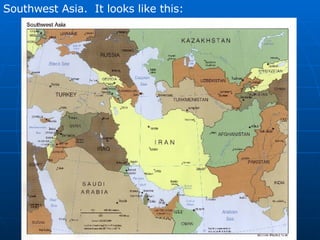
Southwest Asia.  It looks like this:
Southwest Asia encompasses the area we typically think of as the Middle-East. The place isn’t all a big desert, so let’s look at some of the landforms.
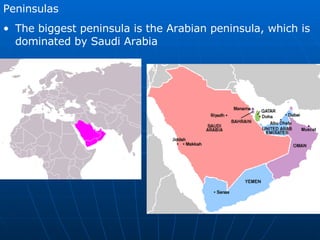
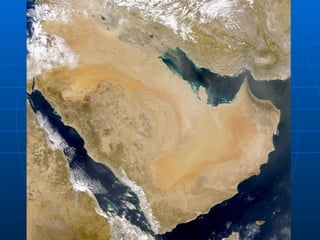
Peninsulas The biggest peninsula is the Arabian peninsula, which is dominated by Saudi Arabia
 
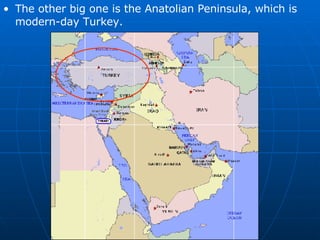
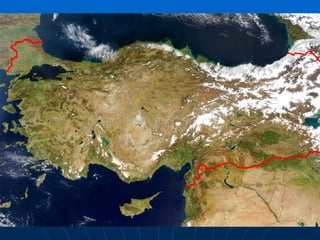
The other big one is the Anatolian Peninsula, which is modern-day Turkey.
 
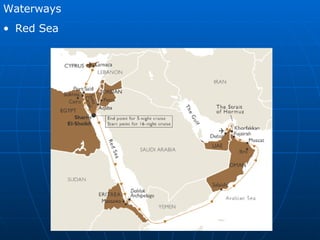
Waterways Red Sea
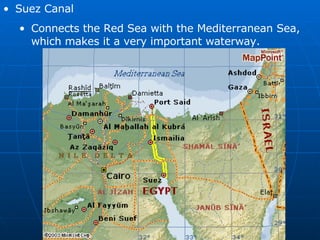
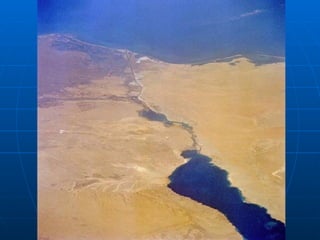
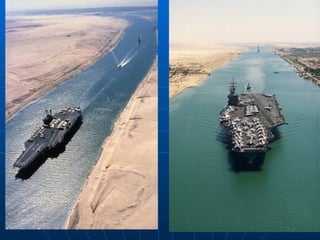
Suez Canal Connects the Red Sea with the Mediterranean Sea, which makes it a very important waterway.
 
 
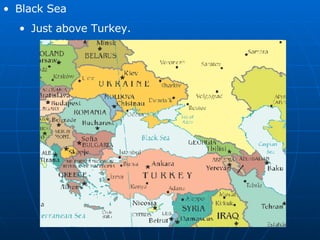
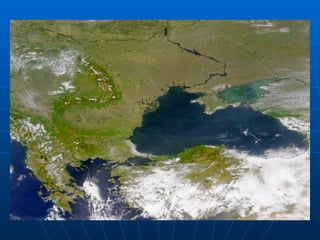
Black Sea Just above Turkey.
 
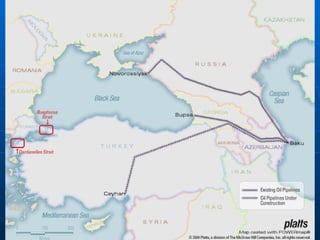
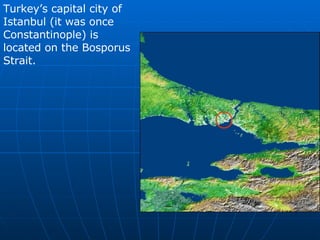
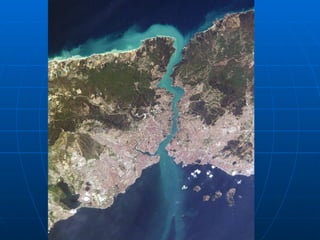
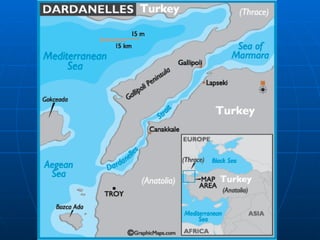
Bosporus and Dardanelle Straits Straits that connect the Black Sea with the Mediterranean. Very important location since they control sea access between the two seas as well as land access from Europe to the Middle East.
 
Turkey’s capital city of Istanbul (it was once Constantinople) is located on the Bosporus Strait.
 
 
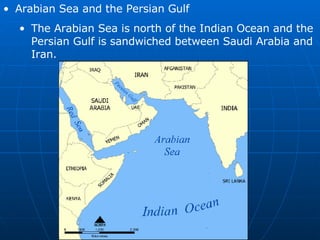
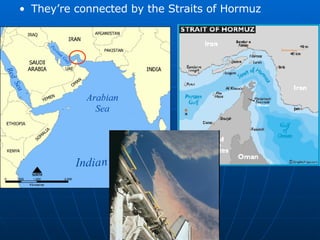
Arabian Sea and the Persian Gulf The Arabian Sea is north of the Indian Ocean and the Persian Gulf is sandwiched between Saudi Arabia and Iran.
They’re connected by the Straits of Hormuz
This area is very important because this is where all the Middle Eastern oil is shipped from.
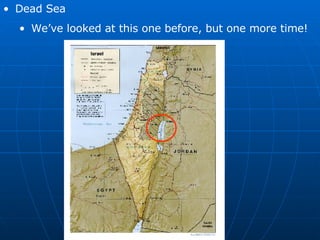
Dead Sea We’ve looked at this one before, but one more time!
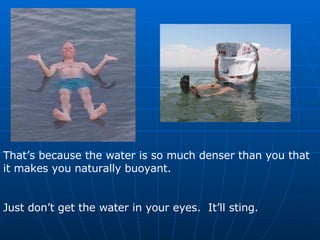
The saltiest lake is the Dead Sea in Israel and Jordan.  It has no outlet and a high evaporation rate, so the salt concentrates even more.  It’s so salty (about nine times that of the ocean), it can’t support life. Its shores are also the lowest dry point on Earth: about 1,350 feet  below  sea level (you’re currently about 45 feet above sea level) And the salinity (saltiness) allows you to float without effort.  Like these guys:
That’s because the water is so much denser than you that it makes you naturally buoyant. Just don’t get the water in your eyes.  It’ll sting.
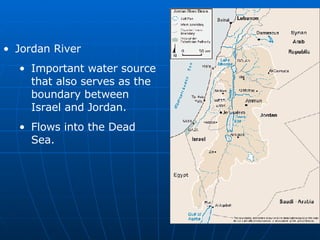
Jordan River Important water source that also serves as the boundary between Israel and Jordan. Flows into the Dead Sea.
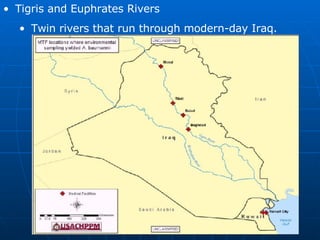
Tigris and Euphrates Rivers Twin rivers that run through modern-day Iraq.
The land in between the two rivers is very fertile and a lot of agriculture takes place there. Because of this, the area is known as the fertile crescent. Some of the earliest civilizations developed here because of its agricultural bounty.
Plains Most of the Arabian Peninsula is dry, sandy, and flat.  There’s not much there. The wadis are dry riverbeds.
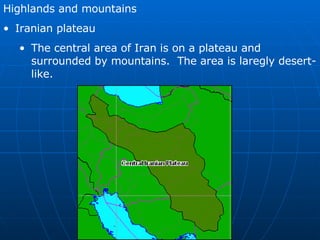
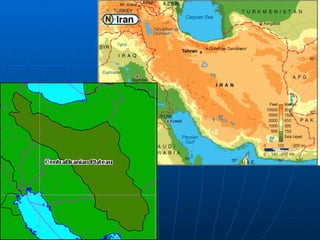
Highlands and mountains Iranian plateau The central area of Iran is on a plateau and surrounded by mountains.  The area is laregly desert-like.
 
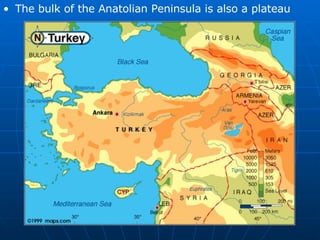
The bulk of the Anatolian Peninsula is also a plateau
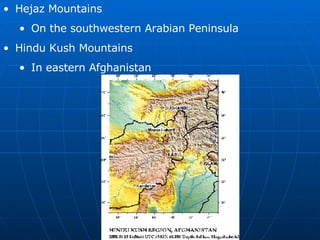
Hejaz Mountains On the southwestern Arabian Peninsula Hindu Kush Mountains In eastern Afghanistan
Zagros Mountains On western edge of Iran Elburz Mountains Taurus Mountains Mountains Mountains
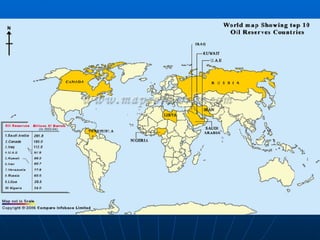
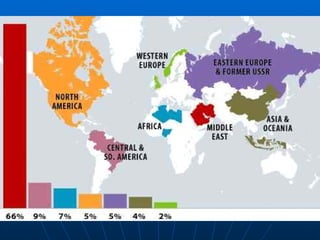
Resources Oil.  Black gold.  Texas Tea. There’s a lot of it in SW Asia… roughly half of the known oil reserves are in this region, which makes it rather important.


21.1 - SW Asia Landforms & Resources

  • 1.
    Southwest Asia: Landforms and Resources
  • 2.
    Southwest Asia. It looks like this:
  • 3.
    Southwest Asia encompassesthe area we typically think of as the Middle-East. The place isn’t all a big desert, so let’s look at some of the landforms.
  • 4.
    Peninsulas The biggestpeninsula is the Arabian peninsula, which is dominated by Saudi Arabia
  • 5.
  • 6.
    The other bigone is the Anatolian Peninsula, which is modern-day Turkey.
  • 7.
  • 8.
  • 9.
    Suez Canal Connectsthe Red Sea with the Mediterranean Sea, which makes it a very important waterway.
  • 10.
  • 11.
  • 12.
    Black Sea Justabove Turkey.
  • 13.
  • 14.
    Bosporus and DardanelleStraits Straits that connect the Black Sea with the Mediterranean. Very important location since they control sea access between the two seas as well as land access from Europe to the Middle East.
  • 15.
  • 16.
    Turkey’s capital cityof Istanbul (it was once Constantinople) is located on the Bosporus Strait.
  • 17.
  • 18.
  • 19.
    Arabian Sea andthe Persian Gulf The Arabian Sea is north of the Indian Ocean and the Persian Gulf is sandwiched between Saudi Arabia and Iran.
  • 20.
    They’re connected bythe Straits of Hormuz
  • 21.
    This area isvery important because this is where all the Middle Eastern oil is shipped from.
  • 22.
    Dead Sea We’velooked at this one before, but one more time!
  • 23.
    The saltiest lakeis the Dead Sea in Israel and Jordan. It has no outlet and a high evaporation rate, so the salt concentrates even more. It’s so salty (about nine times that of the ocean), it can’t support life. Its shores are also the lowest dry point on Earth: about 1,350 feet below sea level (you’re currently about 45 feet above sea level) And the salinity (saltiness) allows you to float without effort. Like these guys:
  • 24.
    That’s because thewater is so much denser than you that it makes you naturally buoyant. Just don’t get the water in your eyes. It’ll sting.
  • 25.
    Jordan River Importantwater source that also serves as the boundary between Israel and Jordan. Flows into the Dead Sea.
  • 26.
    Tigris and EuphratesRivers Twin rivers that run through modern-day Iraq.
  • 27.
    The land inbetween the two rivers is very fertile and a lot of agriculture takes place there. Because of this, the area is known as the fertile crescent. Some of the earliest civilizations developed here because of its agricultural bounty.
  • 28.
    Plains Most ofthe Arabian Peninsula is dry, sandy, and flat. There’s not much there. The wadis are dry riverbeds.
  • 29.
    Highlands and mountainsIranian plateau The central area of Iran is on a plateau and surrounded by mountains. The area is laregly desert-like.
  • 30.
  • 31.
    The bulk ofthe Anatolian Peninsula is also a plateau
  • 32.
    Hejaz Mountains Onthe southwestern Arabian Peninsula Hindu Kush Mountains In eastern Afghanistan
  • 33.
    Zagros Mountains Onwestern edge of Iran Elburz Mountains Taurus Mountains Mountains Mountains
  • 34.
    Resources Oil. Black gold. Texas Tea. There’s a lot of it in SW Asia… roughly half of the known oil reserves are in this region, which makes it rather important.
  • 35.
  • 36.