Shoulder joint instability evaluation by CT
arthrography and MR arthrography
Amany Elkharbotly
Radiology Department, Benha Faculty of Medicine, Benha University, Egypt
Received 6 November 2015; accepted 31 March 2016
Available online 6 May 2016
KEYWORD
Shoulder instability;
MRA;
CTA
Abstract Background and introduction: Our work aimed to compare and evaluate CT arthrogra-
phy (CTA) and MR arthrography (MRA) techniques in diagnosing glenohumeral joint instabilities,
also help the clinician to choose the ideal diagnostic modalities CTA & MRA either separately or
combined to reach the early and accurate diagnosis of glenohumeral joint instability.
Patient and methods: The study included 96 patients: 72 males, 24 females. Their age ranged from
14 to 51 years (mean = 33), complaining of shoulder dislocation whether traumatic or non-
traumatic with glenohumeral instability.
For every patient, intra-articular contrast injection was done followed by CT and MRI arthrogra-
phy (CTA & MRA).
Results: Preliminary results showed the role of CTA & MRA in diagnosing the causes of instabil-
ity. Correlation between CTA and MRA may have a role in more accurate diagnosis of gleno-
humeral instability.
Conclusion: The combination of CT arthrography and MR arthrography is a promisable one in
defining the type of instability.
Ó 2016 The Egyptian Society of Radiology and Nuclear Medicine. Production and hosting by Elsevier.
This is an open access article under the CC BY-NC-ND license (http://creativecommons.org/licenses/by-nc-
nd/4.0/).
1. Aim of work
Our work aimed to compare and evaluate CT arthrography to
MR arthrography techniques in diagnosing glenohumeral joint
instabilities, also help the clinician to choose the ideal diagnos-
tic modalities CTA & MRA either separately or combined to
reach the early and accurate diagnosis of glenohumeral joint
instability. Also our aim was to evaluate the usage of both
CT and MR arthrography of the shoulder as a one-shot
examination.
2. Patients and methods
96 patients, 72 males and 24 females, aged from 14 to 51 years
(mean = 33), complaining of shoulder dislocation whether
traumatic or non-traumatic, were referred to the Nile scan
diagnostic centre from the outpatient orthopaedic clinic of dif-
ferent university, governmental and private sector hospitals.
2.1. Fluoroscopic guided injection of contrast
– Direct MR arthrography was done using fluoroscopic
guided (anterior approach) using Omni Diagnost Multipur-
pose X-ray system (PHILIPS) which comprises a table with
Peer review under responsibility of The Egyptian Society of Radiology
and Nuclear Medicine.
The Egyptian Journal of Radiology and Nuclear Medicine (2016) 47, 937–948
Egyptian Society of Radiology and Nuclear Medicine
The Egyptian Journal of Radiology and Nuclear Medicine
www.elsevier.com/locate/ejrnm
www.sciencedirect.com
http://dx.doi.org/10.1016/j.ejrnm.2016.03.018
0378-603X Ó 2016 The Egyptian Society of Radiology and Nuclear Medicine. Production and hosting by Elsevier.
This is an open access article under the CC BY-NC-ND license (http://creativecommons.org/licenses/by-nc-nd/4.0/).
an over-table tube user interface, an automatic serial chan-
ger and a large image intensifier.
– The best position for doing fluoroscopically guided arthrog-
raphy is through anterior approach with patient supine and
the shoulder is mildly rotated externally.
– Technique
o Prepare the shoulder in a sterile fashion.
o Given local anaesthesia.
o Lead marker is placed under fluoroscopic guidance just
lateral to the junction between middle and lower third
of the medial cortex of scanned humeral head.
o The needle tip (22-gauge) is inserted in an anteroposte-
rior direction perpendicular to the fluoroscopic beam
until it reaches the scanned head of the humerus.
o The needle is angled obliquely towards the glenoid.
Start injection of the contrast (the mixture used is com-
posed of 0.1 ml gadopentetate dimeglumine, 5 ml non-
ionic contrast, 3 ml xylocaine and completed to 20 ml
with sterile saline). To be sure that contrast material
being placed intra-articular, you must see column of
contrast agent between the glenoid and the humerus.
o The patient should be scanned with MRI during max.
30 min of injection.
2.2. Magnetic resonance arthrography
 Devices MR 1.5-Tesla (Achieva philips Medical Systems).
 Patient position: The patients should be supine with the head
directed towards the scanner bore. The preferred positioning
of the patient’s arm is neutral to slightly externally rotate.
 Surface coils (flexible coils) are those that wrap around and
conform to the anatomic area of interest.
 Imaging planes and pulse sequences.
– Preliminary Scout Localizer in axial, sagittal, coronal.
– Coronal T1 (TSE, TR 664, TE 18, FOV 14, SL 4, MT-
ARIX 205/512, NSA 3).
– Coronal T2 (TSE, TR 2411, TE 100, FOV 14, SL 4,
MTARIX 201/512, NSA 2).
– Coronal STIR (TSE, TR 2411, TE 15, FOV 14, SL 4,
MTARIX 201/512, NSA 2).
– Coronal PD (TSE, TR 1400, TE 16, FOV 18, SL 4,
MTARIX 201/512, NSA 3).
Table 1 Comparative study of the radiological diagnoses in
96 patients with glenohumeral instability By MRA versus CTA.
Lesions detected Total
lesions
Frequency

percentage
by CTA
only
Frequency

percentage
by MRA
only
Bankart 16 12 75% 16 100%
Osseous Bankart 14 14 100% 10 71%
Perthes 28 16 57% 28 100%
ALPSA 16 10 62% 16 100%
GLAD 8 6 75% 8 100%
HAGL 4 2 50% 4 100%
GAGL 4 4 100% 4 100%
SLAP 0 0 – 0 –
Hill Sachs 60 60 100% 46 76%
Reversed Bankart 6 4 66% 6 100%
Reversed osseous
Bankart
0 0 – 0 –
Reversed Hill Sachs 0 0 – 0 –
Rotator Cuff tendon
injury
42 14 33% 42 100%
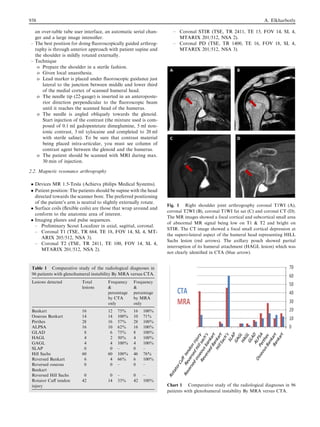
Fig. 1 Right shoulder joint arthrography coronal T1WI (A),
coronal T2WI (B), coronal T1WI fat sat (C) and coronal CT (D).
The MR images showed a focal cortical and subcortical small area
of abnormal MR signal being low on T1  T2 and bright on
STIR. The CT image showed a focal small cortical depression at
the supero-lateral aspect of the humeral head representing HILL
Sachs lesion (red arrows). The axillary pouch showed partial
interruption of its humeral attachment (HAGL lesion) which was
not clearly identified in CTA (blue arrow).
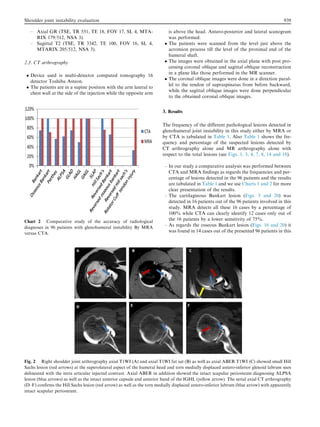
Chart 1 Comparative study of the radiological diagnoses in 96
patients with glenohumeral instability By MRA versus CTA.
938 A. Elkharbotly
– Axial GR (TSE, TR 551, TE 18, FOV 17, SL 4, MTA-
RIX 179/512, NSA 3).
– Sagittal T2 (TSE, TR 3342, TE 100, FOV 16, SL 4,
MTARIX 205/512, NSA 3).
2.3. CT arthrography
 Device used is multi-detector computed tomography 16
detector Toshiba Asteon.
 The patients are in a supine position with the arm lateral to
chest wall at the side of the injection while the opposite arm
is above the head. Antero-posterior and lateral scanogram
was performed.
 The patients were scanned from the level just above the
acromion process till the level of the proximal end of the
humeral shaft.
 The images were obtained in the axial plane with post pro-
cessing coronal oblique and sagittal oblique reconstruction
in a plane like those performed in the MR scanner.
 The coronal oblique images were done in a direction paral-
lel to the tendon of supraspinatus from before backward,
while the sagittal oblique images were done perpendicular
to the obtained coronal oblique images.
3. Results
The frequency of the different pathological lesions detected in
glenohumeral joint instability in this study either by MRA or
by CTA is tabulated in Table 1. Also Table 1 shows the fre-
quency and percentage of the suspected lesions detected by
CT arthrography alone and MR arthrography alone with
respect to the total lesions (see Figs. 1, 3, 4, 7, 8, 14 and 18).
– In our study a comparative analysis was performed between
CTA and MRA findings as regards the frequencies and per-
centage of lesions detected in the 96 patients and the results
are tabulated in Table 1 and we use Charts 1 and 2 for more
clear presentation of the results.
– The cartilaginous Bankart lesion (Figs. 5 and 20) was
detected in 16 patients out of the 96 patients involved in this
study. MRA detects all these 16 cases by a percentage of
100% while CTA can clearly identify 12 cases only out of
the 16 patients by a lower sensitivity of 75%.
– As regards the osseous Bankart lesion (Figs. 16 and 20) it
was found in 14 cases out of the presented 96 patients in this
Chart 2 Comparative study of the accuracy of radiological
diagnoses in 96 patients with glenohumeral instability By MRA
versus CTA.
Fig. 2 Right shoulder joint arthrography axial T1WI (A) and axial T1WI fat sat (B) as well as axial ABER T1WI (C) showed small Hill
Sachs lesion (red arrows) at the superolateral aspect of the humeral head and torn medially displaced antero-inferior glenoid labrum seen
delineated with the intra articular injected contrast. Axial ABER in addition showed the intact scapular periosteum diagnosing ALPSA
lesion (blue arrows) as well as the intact anterior capsule and anterior band of the IGHL (yellow arrow). The serial axial CT arthrography
(D–F) confirms the Hill Sachs lesion (red arrow) as well as the torn medially displaced antero-inferior labrum (blue arrow) with apparently
intact scapular periosteum.
Shoulder joint instability evaluation 939
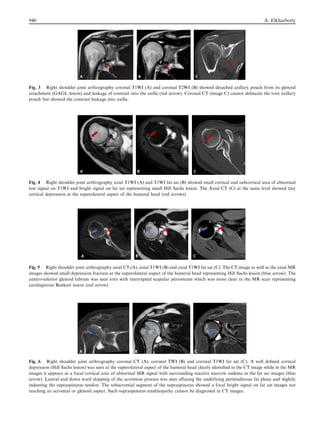
Fig. 3 Right shoulder joint arthrography coronal T1WI (A) and coronal T2WI (B) showed detached axillary pouch from its glenoid
attachment (GAGL lesion) and leakage of contrast into the axilla (red arrow). Coronal CT (image C) cannot delineate the torn axillary
pouch but showed the contrast leakage into axilla.
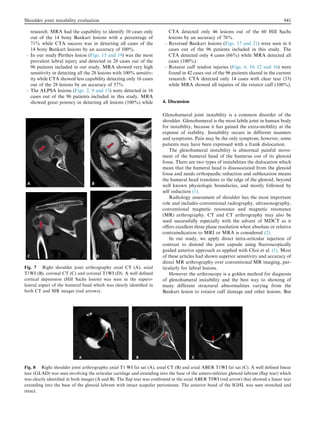
Fig. 4 Right shoulder joint arthrography axial T1WI (A) and T1WI fat sat (B) showed small cortical and subcortical area of abnormal
low signal on T1WI and bright signal on fat sat representing small Hill Sachs lesion. The Axial CT (C) at the same level showed tiny
cortical depression at the superolateral aspect of the humeral head (red arrows).
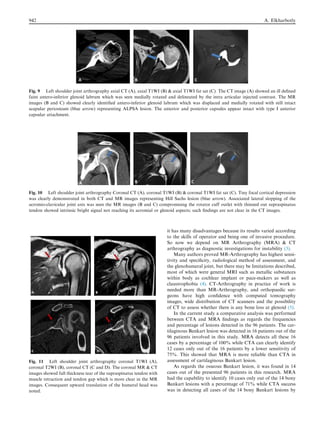
Fig. 5 Right shoulder joint arthrography axial CT (A), axial T1WI (B) and axial T1WI fat sat (C). The CT image as well as the axial MR
images showed small depression fracture at the superolateral aspect of the humeral head representing Hill Sachs lesion (blue arrow). The
antero-inferior glenoid labrum was seen torn with interrupted scapular periosteum which was more clear in the MR scan representing
cartilaginous Bankart lesion (red arrow).
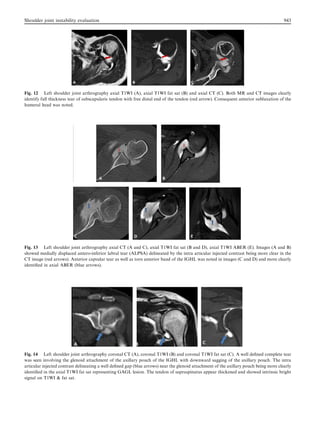
Fig. 6 Right shoulder joint arthrography coronal CT (A), coronal TWI (B) and coronal T1WI fat sat (C). A well defined cortical
depression (Hill Sachs lesion) was seen at the superolateral aspect of the humeral head clearly identified in the CT image while in the MR
images it appears as a focal cortical area of abnormal MR signal with surrounding reactive marrow oedema in the fat sat images (blue
arrow). Lateral and down ward slopping of the acromion process was seen effacing the underlying peritendinous fat plane and slightly
indenting the supraspinatus tendon. The subacromial segment of the supraspinatus showed a focal bright signal on fat sat images not
reaching its acromial or glenoid aspect. Such supraspinatus tendinopathy cannot be diagnosed in CT images.
940 A. Elkharbotly
research. MRA had the capability to identify 10 cases only
out of the 14 bony Bankart lesions with a percentage of
71% while CTA success was in detecting all cases of the
14 bony Bankart lesions by an accuracy of 100%.
– In our study Perthes lesion (Figs. 15 and 19) was the most
prevalent labral injury and detected in 28 cases out of the
96 patients included in our study. MRA showed very high
sensitivity in detecting all the 28 lesions with 100% sensitiv-
ity while CTA showed less capability detecting only 16 cases
out of the 28 lesions by an accuracy of 57%.
– The ALPSA lesions (Figs. 2, 9 and 13) were detected in 16
cases out of the 96 patients included in this study. MRA
showed great potency in detecting all lesions (100%) while
CTA detected only 46 lesions out of the 60 Hill Sachs
lesions by an accuracy of 76%.
– Reversed Bankart lesions (Figs. 17 and 21) were seen in 6
cases out of the 96 patients included in this study. The
CTA detected only 4 cases (66%) while MRA detected all
cases (100%).
– Rotator cuff tendon injuries (Figs. 6, 10–12 and 16) were
found in 42 cases out of the 96 patients shared in the current
research. CTA detected only 14 cases with clear tear (33)
while MRA showed all injuries of the rotator cuff (100%).
4. Discussion
Glenohumeral joint instability is a common disorder of the
shoulder. Glenohumeral is the most labile joint in human body
for instability, because it has gained the extra-mobility at the
expense of stability. Instability occurs in different manners
and symptoms. Pain may be the only symptom; however, some
patients may have been expressed with a frank dislocation.
The glenohumeral instability is abnormal painful move-
ment of the humeral head of the humerus out of its glenoid
fossa. There are two types of instabilities the dislocation which
mean that the humeral head is disassociated from the glenoid
fossa and needs orthopaedic reduction and subluxation means
the humeral head translates to the edge of the glenoid, beyond
well known physiologic boundaries, and mostly followed by
self reduction (1).
Radiology assessment of shoulder has the most important
role and includes conventional radiography, ultrasonography,
conventional magnetic resonance and magnetic resonance
(MR) arthrography. CT and CT arthrography may also be
used successfully especially with the advent of MDCT as it
offers excellent three plane resolution when absolute or relative
contraindication to MRI or MRA is considered (2).
In our study, we apply direct intra-articular injection of
contrast to distend the joint capsule using fluoroscopically
guided anterior approach as applied with Choi et al. (1). Most
of these articles had shown superior sensitivity and accuracy of
direct MR arthrography over conventional MR imaging, par-
ticularly for labral lesions.
However the arthroscopy is a golden method for diagnosis
of glenohumeral instability and the best way to showing of
many different structural abnormalities varying from the
Bankart lesion to rotator cuff damage and other lesions. But
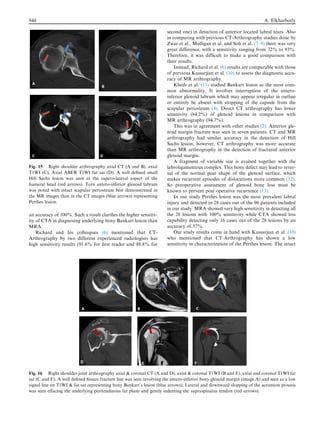
Fig. 7 Right shoulder joint arthrography axial CT (A), axial
T1WI (B), coronal CT (C) and coronal T1WI (D). A well defined
cortical depression (Hill Sachs lesion) was seen in the supero-
lateral aspect of the humeral head which was clearly identified in
both CT and MR images (red arrows).
Fig. 8 Right shoulder joint arthrography axial T1 WI fat sat (A), axial CT (B) and axial ABER T1WI fat sat (C). A well defined linear
tear (GLAD) was seen involving the articular cartilage and extending into the base of the antero-inferior glenoid labrum (flap tear) which
was clearly identified in both images (A and B). The flap tear was confirmed in the axial ABER TIWI (red arrow) that showed a linear tear
extending into the base of the glenoid labrum with intact scapular periosteum. The anterior band of the IGHL was seen stretched and
intact.
Shoulder joint instability evaluation 941
it has many disadvantages because its results varied according
to the skills of operator and being one of invasive procedure.
So now we depend on MR Arthrography (MRA)  CT
arthrography as diagnostic investigations for instability (3).
Many authors proved MR-Arthrography has highest sensi-
tivity and specificity, radiological method of assessment, and
the glenohumeral joint, but there may be limitations described,
most of which were general MRI such as metallic substances
within body as cochlear implant or pace-makers as well as
claustrophobia (4). CT-Arthrography in practice of work is
needed more than MR-Arthrography, and orthopaedic sur-
geons have high confidence with computed tomography
images, wide distribution of CT scanners and the possibility
of CT to assess whether there is any bone loss at glenoid (5).
In the current study a comparative analysis was performed
between CTA and MRA findings as regards the frequencies
and percentage of lesions detected in the 96 patients. The car-
tilaginous Bankart lesion was detected in 16 patients out of the
96 patients involved in this study. MRA detects all these 16
cases by a percentage of 100% while CTA can clearly identify
12 cases only out of the 16 patients by a lower sensitivity of
75%. This showed that MRA is more reliable than CTA in
assessment of cartilaginous Bankart lesion.
As regards the osseous Bankart lesion, it was found in 14
cases out of the presented 96 patients in this research. MRA
had the capability to identify 10 cases only out of the 14 bony
Bankart lesions with a percentage of 71% while CTA success
was in detecting all cases of the 14 bony Bankart lesions by
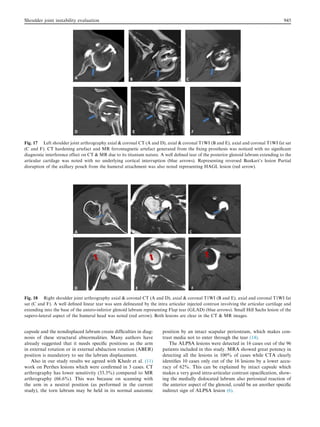
Fig. 9 Left shoulder joint arthrography axial CT (A), axial T1WI (B)  axial T1WI fat sat (C). The CT image (A) showed an ill defined
faint antero-inferior glenoid labrum which was seen medially rotated and delineated by the intra articular injected contrast. The MR
images (B and C) showed clearly identified antero-inferior glenoid labrum which was displaced and medially rotated with still intact
scapular periosteum (blue arrow) representing ALPSA lesion. The anterior and posterior capsules appear intact with type I anterior
capsular attachment.
Fig. 10 Left shoulder joint arthrography Coronal CT (A), coronal T1WI (B)  coronal T1WI fat sat (C). Tiny focal cortical depression
was clearly demonstrated in both CT and MR images representing Hill Sachs lesion (blue arrow). Associated lateral slopping of the
acromio-clavicular joint axis was seen the MR images (B and C) compromising the rotator cuff outlet with thinned out supraspinatus
tendon showed intrinsic bright signal not reaching its acromial or glenoid aspects; such findings are not clear in the CT images.
Fig. 11 Left shoulder joint arthrography coronal T1WI (A),
coronal T2WI (B), coronal CT (C and D). The coronal MR  CT
images showed full thickness tear of the supraspinatus tendon with
muscle retraction and tendon gap which is more clear in the MR
images. Consequent upward translation of the humeral head was
noted.
942 A. Elkharbotly
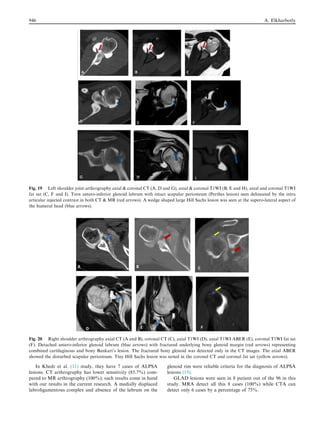
Fig. 12 Left shoulder joint arthrography axial T1WI (A), axial T1WI fat sat (B) and axial CT (C). Both MR and CT images clearly
identify full thickness tear of subscapularis tendon with free distal end of the tendon (red arrow). Consequent anterior subluxation of the
humeral head was noted.
Fig. 13 Left shoulder joint arthrography axial CT (A and C), axial T1WI fat sat (B and D), axial T1WI ABER (E). Images (A and B)
showed medially displaced antero-inferior labral tear (ALPSA) delineated by the intra articular injected contrast being more clear in the
CT image (red arrows). Anterior capsular tear as well as torn anterior band of the IGHL was noted in images (C and D) and more clearly
identified in axial ABER (blue arrows).
Fig. 14 Left shoulder joint arthrography coronal CT (A), coronal T1WI (B) and coronal T1WI fat sat (C). A well defined complete tear
was seen involving the glenoid attachment of the axillary pouch of the IGHL with downward sagging of the axillary pouch. The intra
articular injected contrast delineating a well defined gap (blue arrows) near the glenoid attachment of the axillary pouch being more clearly
identified in the axial T1WI fat sat representing GAGL lesion. The tendon of supraspinatus appear thickened and showed intrinsic bright
signal on T1WI  fat sat.
Shoulder joint instability evaluation 943
an accuracy of 100%. Such a result clarifies the higher sensitiv-
ity of CTA in diagnosing underlying bony Bankart lesion than
MRA.
Richard and his colleagues (6) mentioned that CT-
Arthrography by two different experienced radiologists has
high sensitivity results (91.6% for first reader and 88.8% for
second one) in detection of anterior located labral tears. Also
in comparing with previous CT-Arthrography studies done by
Zwar et al., Mulligan et al. and Soh et al. (7–9) there was very
great difference, with a sensitivity ranging from 72% to 93%.
Therefore, it was difficult to make a good comparison with
their results.
Instead, Richard et al. (6) results are comparable with those
of previous Kassarjian et al. (10) to assess the diagnostic accu-
racy of MR arthrography.
Khedr et al. (11) studied Bankart lesion as the most com-
mon abnormality. It involves interruption of the antero-
inferior glenoid labrum which may appear irregular in outline
or entirely be absent with stripping of the capsule from the
scapular periosteum (4). Direct CT arthrography has lower
sensitivity (84.2%) of glenoid lesions in comparison with
MR arthrography (94.7%).
This was in agreement with other studies (2). Anterior gle-
noid margin fracture was seen in seven patients. CT and MR
arthrography had similar accuracy in the detection of Hill
Sachs lesion; however, CT arthrography was more accurate
than MR arthrography in the detection of fractured anterior
glenoid margin.
A fragment of variable size is avulsed together with the
labroligamentous complex. This bony defect may lead to rever-
sal of the normal pear shape of the glenoid surface, which
makes recurrent episodes of dislocations more common (12).
So preoperative assessment of glenoid bone loss must be
known to prevent post operative recurrence (13).
In our study Perthes lesion was the most prevalent labral
injury and detected in 28 cases out of the 96 patients included
in our study. MRA showed very high sensitivity in detecting all
the 28 lesions with 100% sensitivity while CTA showed less
capability detecting only 16 cases out of the 28 lesions by an
accuracy of 57%.
Our study results come in hand with Kassarjian et al. (10)
who mentioned that CT-Arthrography has shown a low
sensitivity in characterization of the Perthes lesion. The intact
Fig. 15 Right shoulder arthrography axial CT (A and B), axial
T1WI (C), Axial ABER T1WI fat sat (D). A well defined small
Hill Sachs lesion was seen at the supero-lateral aspect of the
humeral head (red arrows). Torn antero-inferior glenoid labrum
was noted with intact scapular periosteum best demonstrated in
the MR images than in the CT images (blue arrows) representing
Perthes lesion.
Fig. 16 Right shoulder joint arthrography axial  coronal CT (A and D), axial  coronal T1WI (B and E), axial and coronal T1WI fat
sat (C and F). A well defined fissure fracture line was seen involving the antero-inferior bony glenoid margin (image A) and seen as a low
signal line on T1WI  fat sat representing bony Bankart’s lesion (blue arrows). Lateral and downward slopping of the acromion process
was seen effacing the underlying peritendinous fat plane and gently indenting the supraspinatus tendon (red arrows).
944 A. Elkharbotly
capsule and the nondisplaced labrum create difficulties in diag-
nosis of these structural abnormalities. Many authors have
already suggested that it needs specific positions as the arm
in external rotation or in external abduction rotation (ABER)
position is mandatory to see the labrum displacement.
Also in our study results we agreed with Khedr et al. (11)
work on Perthes lesions which were confirmed in 3 cases. CT
arthrography has lower sensitivity (33.3%) compared to MR
arthrography (66.6%). This was because on scanning with
the arm in a neutral position (as performed in the current
study), the torn labrum may be held in its normal anatomic
position by an intact scapular periosteum, which makes con-
trast media not to enter through the tear (14).
The ALPSA lesions were detected in 16 cases out of the 96
patients included in this study. MRA showed great potency in
detecting all the lesions in 100% of cases while CTA clearly
identifies 10 cases only out of the 16 lesions by a lower accu-
racy of 62%. This can be explained by intact capsule which
makes a very good intra-articular contrast opacification, show-
ing the medially dislocated labrum also periosteal reaction of
the anterior aspect of the glenoid, could be an another specific
indirect sign of ALPSA lesion (6).
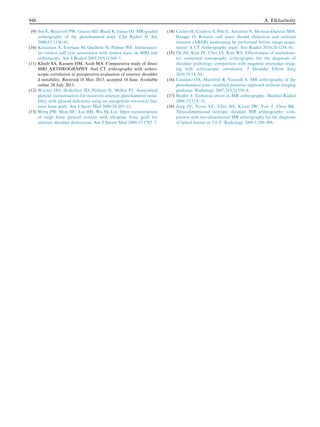
Fig. 17 Left shoulder joint arthrography axial  coronal CT (A and D), axial  coronal T1WI (B and E), axial and coronal T1WI fat sat
(C and F). CT hardening artefact and MR ferromagnetic artefact generated from the fixing prosthesis was noticed with no significant
diagnostic interference effect on CT  MR due to its titanium nature. A well defined tear of the posterior glenoid labrum extending to the
articular cartilage was noted with no underlying cortical interruption (blue arrows). Representing reversed Bankart’s lesion Partial
disruption of the axillary pouch from the humeral attachment was also noted representing HAGL lesion (red arrow).
Fig. 18 Right shoulder joint arthrography axial  coronal CT (A and D), axial  coronal T1WI (B and E), axial and coronal T1WI fat
sat (C and F). A well defined linear tear was seen delineated by the intra articular injected contrast involving the articular cartilage and
extending into the base of the antero-inferior glenoid labrum representing Flap tear (GLAD) (blue arrows). Small Hill Sachs lesion of the
supero-lateral aspect of the humeral head was noted (red arrow). Both lesions are clear in the CT  MR images.
Shoulder joint instability evaluation 945
In Khedr et al. (11) study, they have 7 cases of ALPSA
lesions. CT arthrography has lower sensitivity (85.7%) com-
pared to MR arthrography (100%); such results come in hand
with our results in the current research. A medially displaced
labroligamentous complex and absence of the labrum on the
glenoid rim were reliable criteria for the diagnosis of ALPSA
lesions (15).
GLAD lesions were seen in 8 patient out of the 96 in this
study. MRA detect all this 8 cases (100%) while CTA can
detect only 6 cases by a percentage of 75%.
Fig. 19 Left shoulder joint arthrography axial  coronal CT (A, D and G), axial  coronal T1WI (B, E and H), axial and coronal T1WI
fat sat (C, F and I). Torn antero-inferior glenoid labrum with intact scapular periosteum (Perthes lesion) seen delineated by the intra
articular injected contrast in both CT  MR (red arrows). A wedge shaped large Hill Sachs lesion was seen at the supero-lateral aspect of
the humeral head (blue arrows).
Fig. 20 Right shoulder arthrography axial CT (A and B), coronal CT (C), axial T1WI (D), axial T1WI ABER (E), coronal T1WI fat sat
(F). Detached antero-inferior glenoid labrum (blue arrows) with fractured underlying bony glenoid margin (red arrows) representing
combined cartilaginous and bony Bankart’s lesion. The fractured bony glenoid was detected only in the CT images. The axial ABER
showed the disturbed scapular periosteum. Tiny Hill Sachs lesion was noted in the coronal CT and coronal fat sat (yellow arrows).
946 A. Elkharbotly
In Khedr et al. (11) study GLAD lesions were confirmed in
5 cases. CT arthrography has higher sensitivity (80%) than
MR arthrography (60%) because of its high spatial resolution;
such results are in reversal to the results obtained in our
research which showed the higher sensitivity of MRA than
CTA.
GLAD lesions are usually stable, in contrast to other
anteroinferior labroligamentous lesions, but were included in
our work to show the differentiation between GLAD from
unstable lesions is of therapeutic importance (15).
The distinction of Bankart lesion from ALPSA, Perthes or
GLAD is not great important for management decision; how-
ever, some authors proved that a degeneration or absence of
the antero-inferior capsulo-labral complex is an important cri-
teria for management decision (16–18).
HAGL lesions were detected in 4 patients only with all
cases detected by MRA (100%) and only two cases detected
by CTA (50%). Similar results found in GAGL lesions were
seen in 4 patients only; however, both CTA  MRA showed
the same capability in detecting all lesions (100%).
Hill Sachs lesions of the humeral head were the commonest
lesions (60) detected among the 96 patients included in this
study. CTA showed the highest power in detecting all Hill
Sachs lesions (100%) while MRA detected only 46 lesions
out of the 60 Hill Sachs lesions by an accuracy of 76%.
Osseous injuries observed following anterior dislocation or
subluxation as a result of impaction of the postero-superior
aspect of the humeral head against the anterior or antero-
inferior glenoid margin (18) were seen in 27 patients with
Bankart lesions (11).
Reversed Bankart lesions were seen in 6 cases out of the 96
patients included in this study. The CTA detected only 4 cases
(66%) while MRA detected all cases (100%) and such results
are similar to those obtained in the cases of Bankart lesions.
Rotator cuff tendon injuries were found in 42 cases out of
the 96 patients shared in the current research. CTA detected
only 14 cases with clear tear (33) while MRA showed all inju-
ries of the rotator cuff (100%). This may be attributed to high
resolution and tissue characterization capability of MRA com-
pared to CTA.
Leocovet et al. (2) mentioned that CT arthrography has
high accuracy in the determination of whole thickness and
articular surface partial tears of the supraspinatus and
infraspinatus. Fatty degeneration and volume loss of the
rotator cuff can be evaluated by CT imaging. But CT still
has a low diagnostic value in the assessment of interstitial
and bursal-sided tears compared to MRA due to its low soft
tissue contrast (1).
5. Conclusion
Our results recommend that MR arthrography is more cost
benefit valuable one than CT arthrography and should be
increasingly used, especially when there is any uncertainty, or
when the issue of labral or capsular tear is not obvious from
the clinical investigation. Furthermore combination of CT
arthrography and MR arthrography as a one shot examination
is also recommended if possible in order to extend the diagnos-
tic value in evaluation of the osseous lesion in addition to joint
capsule itself, and the size of the ligament-labral injury.
Conflict of interest
The authors declare that there are no conflicts of interest.
References
(1) Choi JA, Suh SI, Kim BH, Lee KY, lee CH. Comparison between
conventional MRI arthrography and abduction and external
rotation MR arthrography in revealing tears of antero-inferior
glenoid labrum. Korean J radiol 2001(2):216–21, October–
December.
(2) Leocovet FE, Simoni P, Koutaissoff S, Vande BB, Malghem J,
Dubuc JE. Multidetector spiral CT arthrography of the shoulder:
clinical applications and limits, with MR arthrography and
arthroscopic correlations. Eur J Radiol 2008(68):120–36, Oct.
(3) Omouni P, Bafort A, Dubuc J, Malghem J, Vande BB, Leocovet
FE. Evaluation of rotator cuff tendon tears: comparison of
MDCT arthrography and 1.5 MR Tesla arthrography. Radiology
2012;264:812–22.
(4) Lee MJ, Motamed IK, Chow K, Seeger LL. Gradient-recalled
echo sequence in direct shoulder MR arthrography for evaluating
the labrum. Skeletal Radiol 2008;37:19–25.
(5) Triman PF, Bost FW, Steinbach LS. MR Arthrographgic
depiction of tears of the rotator cuff: benefit of abduction and
external rotation of the arm. Radiology 1994(3):851–6.
(6) Richard B, karence K, john G, Brian S, Lynne S. MR and CT
arthrography of the shoulder. Semin Musculoskelet Radiol
2012;16:3–14.
(7) Zwar RB, Read JW, Noakes JB. Sonographics guided gleno-
humeral joint injection. Am J Roentgenol 2004;183(1):48–50.
(8) Mulligan ME. CT G- guided shoulder arthrography as the rotator
cuff interval. Am J Radiol 2008;191(2):57–61.
Fig. 21 Right shoulder joint arthrography axial CT (A), axil T1WI (B), axial T1WI fat sat (C). Torn posterior capsule with extra
articular leakage of contrast. The postero-inferior labrum appears deranged in outline (reversed Bankart lesion) with lost normal
triangular configuration (blue arrows) and intact underlying bony glenoid margin. Discussion: Glenohumeral joint instability is a common
disorder of the shoulder. The glenohumeral.
Shoulder joint instability evaluation 947
(9) Soe E, Bearcroft PW, Graves MJ, Black R, lomas DJ. MR-guided
arthrography of the glenohumeral joint. Clin Radiol N Am
2008;63:1336–41.
(10) Kassarjan A, Torriane M, Quellette H, Palmer WE. Intramuscu-
lar rotator cuff cyst: association with tendon tears on MRI and
arthroscopy. Am J Radiol 2005;185(1):160–5.
(11) Khedr SA, Kassem HM, Azab MA. Comparative study of direct
MRI ARTHROGRAPHY And CT arthrography with arthro-
scopic correlation in preoperative evaluation of anterior shoulder
d instability. Received 18 May 2013; accepted 14 June. Available
online 24 July 2013.
(12) Warner JJO, Hollerhan JD, Pathare N, Millett PJ. Anatomical
glenoid reconstruction for recurrent anterior glenohumeral insta-
bility with glenoid deficiency using an autogenous tricortical iliac
crest bone graft. Am J Sport Med 2006;34:205–12.
(13) Weng PW, Shen HC, Lee HH, Wu SS, Lee. Open reconstruction
of large bony glenoid erosion with allogenic bone graft for
anterior shoulder dislocation. Am J Sports Med 2009;37:1792–7.
(14) Cochet H, Couderc S, Pele E, Amoretti N, Moreau-Durieux MH,
Hauger O. Rotator cuff tears: should abduction and external
rotation (ARER) positioning be performed before image acqui-
sition? A CT Arthrography study. Eur Radiol 2010;20:1234–41.
(15) Oh JH, Kim JY, Choi JA, Kim WS. Effectiveness of multidetec-
tor computed tomography arthrography for the diagnosis of
shoulder pathology: comparison with magnetic resonance imag-
ing with arthroscopic correlation. J Shoulder Elbow Surg
2010;19:14–20.
(16) Catalano OA, Manfredi R, Vanzulli A. MR arthrography of the
glenohumeral joint: modified posterior approach without imaging
guidance. Radiology 2007;242(2):550–4.
(17) Hodler J. Technical errors in MR arthrography. Skeletal Radiol
2008;37(1):9–18.
(18) Jung JY, Yoon YC, Choi SH, Kwon JW, Yoo J, Choe BK.
Three-dimensional isotropic shoulder MR arthrography: com-
parison with two-dimensional MR arthrography for the diagnosis
of labral lesions at 3.0 T. Radiology 2009;5:250–498.
948 A. Elkharbotly

1 s2.0-s0378603 x16300201-main

  • 1.
    Shoulder joint instabilityevaluation by CT arthrography and MR arthrography Amany Elkharbotly Radiology Department, Benha Faculty of Medicine, Benha University, Egypt Received 6 November 2015; accepted 31 March 2016 Available online 6 May 2016 KEYWORD Shoulder instability; MRA; CTA Abstract Background and introduction: Our work aimed to compare and evaluate CT arthrogra- phy (CTA) and MR arthrography (MRA) techniques in diagnosing glenohumeral joint instabilities, also help the clinician to choose the ideal diagnostic modalities CTA & MRA either separately or combined to reach the early and accurate diagnosis of glenohumeral joint instability. Patient and methods: The study included 96 patients: 72 males, 24 females. Their age ranged from 14 to 51 years (mean = 33), complaining of shoulder dislocation whether traumatic or non- traumatic with glenohumeral instability. For every patient, intra-articular contrast injection was done followed by CT and MRI arthrogra- phy (CTA & MRA). Results: Preliminary results showed the role of CTA & MRA in diagnosing the causes of instabil- ity. Correlation between CTA and MRA may have a role in more accurate diagnosis of gleno- humeral instability. Conclusion: The combination of CT arthrography and MR arthrography is a promisable one in defining the type of instability. Ó 2016 The Egyptian Society of Radiology and Nuclear Medicine. Production and hosting by Elsevier. This is an open access article under the CC BY-NC-ND license (http://creativecommons.org/licenses/by-nc- nd/4.0/). 1. Aim of work Our work aimed to compare and evaluate CT arthrography to MR arthrography techniques in diagnosing glenohumeral joint instabilities, also help the clinician to choose the ideal diagnos- tic modalities CTA & MRA either separately or combined to reach the early and accurate diagnosis of glenohumeral joint instability. Also our aim was to evaluate the usage of both CT and MR arthrography of the shoulder as a one-shot examination. 2. Patients and methods 96 patients, 72 males and 24 females, aged from 14 to 51 years (mean = 33), complaining of shoulder dislocation whether traumatic or non-traumatic, were referred to the Nile scan diagnostic centre from the outpatient orthopaedic clinic of dif- ferent university, governmental and private sector hospitals. 2.1. Fluoroscopic guided injection of contrast – Direct MR arthrography was done using fluoroscopic guided (anterior approach) using Omni Diagnost Multipur- pose X-ray system (PHILIPS) which comprises a table with Peer review under responsibility of The Egyptian Society of Radiology and Nuclear Medicine. The Egyptian Journal of Radiology and Nuclear Medicine (2016) 47, 937–948 Egyptian Society of Radiology and Nuclear Medicine The Egyptian Journal of Radiology and Nuclear Medicine www.elsevier.com/locate/ejrnm www.sciencedirect.com http://dx.doi.org/10.1016/j.ejrnm.2016.03.018 0378-603X Ó 2016 The Egyptian Society of Radiology and Nuclear Medicine. Production and hosting by Elsevier. This is an open access article under the CC BY-NC-ND license (http://creativecommons.org/licenses/by-nc-nd/4.0/).
  • 2.
    an over-table tubeuser interface, an automatic serial chan- ger and a large image intensifier. – The best position for doing fluoroscopically guided arthrog- raphy is through anterior approach with patient supine and the shoulder is mildly rotated externally. – Technique o Prepare the shoulder in a sterile fashion. o Given local anaesthesia. o Lead marker is placed under fluoroscopic guidance just lateral to the junction between middle and lower third of the medial cortex of scanned humeral head. o The needle tip (22-gauge) is inserted in an anteroposte- rior direction perpendicular to the fluoroscopic beam until it reaches the scanned head of the humerus. o The needle is angled obliquely towards the glenoid. Start injection of the contrast (the mixture used is com- posed of 0.1 ml gadopentetate dimeglumine, 5 ml non- ionic contrast, 3 ml xylocaine and completed to 20 ml with sterile saline). To be sure that contrast material being placed intra-articular, you must see column of contrast agent between the glenoid and the humerus. o The patient should be scanned with MRI during max. 30 min of injection. 2.2. Magnetic resonance arthrography Devices MR 1.5-Tesla (Achieva philips Medical Systems). Patient position: The patients should be supine with the head directed towards the scanner bore. The preferred positioning of the patient’s arm is neutral to slightly externally rotate. Surface coils (flexible coils) are those that wrap around and conform to the anatomic area of interest. Imaging planes and pulse sequences. – Preliminary Scout Localizer in axial, sagittal, coronal. – Coronal T1 (TSE, TR 664, TE 18, FOV 14, SL 4, MT- ARIX 205/512, NSA 3). – Coronal T2 (TSE, TR 2411, TE 100, FOV 14, SL 4, MTARIX 201/512, NSA 2). – Coronal STIR (TSE, TR 2411, TE 15, FOV 14, SL 4, MTARIX 201/512, NSA 2). – Coronal PD (TSE, TR 1400, TE 16, FOV 18, SL 4, MTARIX 201/512, NSA 3). Table 1 Comparative study of the radiological diagnoses in 96 patients with glenohumeral instability By MRA versus CTA. Lesions detected Total lesions Frequency percentage by CTA only Frequency percentage by MRA only Bankart 16 12 75% 16 100% Osseous Bankart 14 14 100% 10 71% Perthes 28 16 57% 28 100% ALPSA 16 10 62% 16 100% GLAD 8 6 75% 8 100% HAGL 4 2 50% 4 100% GAGL 4 4 100% 4 100% SLAP 0 0 – 0 – Hill Sachs 60 60 100% 46 76% Reversed Bankart 6 4 66% 6 100% Reversed osseous Bankart 0 0 – 0 – Reversed Hill Sachs 0 0 – 0 – Rotator Cuff tendon injury 42 14 33% 42 100% Fig. 1 Right shoulder joint arthrography coronal T1WI (A), coronal T2WI (B), coronal T1WI fat sat (C) and coronal CT (D). The MR images showed a focal cortical and subcortical small area of abnormal MR signal being low on T1 T2 and bright on STIR. The CT image showed a focal small cortical depression at the supero-lateral aspect of the humeral head representing HILL Sachs lesion (red arrows). The axillary pouch showed partial interruption of its humeral attachment (HAGL lesion) which was not clearly identified in CTA (blue arrow). Chart 1 Comparative study of the radiological diagnoses in 96 patients with glenohumeral instability By MRA versus CTA. 938 A. Elkharbotly
  • 3.
    – Axial GR(TSE, TR 551, TE 18, FOV 17, SL 4, MTA- RIX 179/512, NSA 3). – Sagittal T2 (TSE, TR 3342, TE 100, FOV 16, SL 4, MTARIX 205/512, NSA 3). 2.3. CT arthrography Device used is multi-detector computed tomography 16 detector Toshiba Asteon. The patients are in a supine position with the arm lateral to chest wall at the side of the injection while the opposite arm is above the head. Antero-posterior and lateral scanogram was performed. The patients were scanned from the level just above the acromion process till the level of the proximal end of the humeral shaft. The images were obtained in the axial plane with post pro- cessing coronal oblique and sagittal oblique reconstruction in a plane like those performed in the MR scanner. The coronal oblique images were done in a direction paral- lel to the tendon of supraspinatus from before backward, while the sagittal oblique images were done perpendicular to the obtained coronal oblique images. 3. Results The frequency of the different pathological lesions detected in glenohumeral joint instability in this study either by MRA or by CTA is tabulated in Table 1. Also Table 1 shows the fre- quency and percentage of the suspected lesions detected by CT arthrography alone and MR arthrography alone with respect to the total lesions (see Figs. 1, 3, 4, 7, 8, 14 and 18). – In our study a comparative analysis was performed between CTA and MRA findings as regards the frequencies and per- centage of lesions detected in the 96 patients and the results are tabulated in Table 1 and we use Charts 1 and 2 for more clear presentation of the results. – The cartilaginous Bankart lesion (Figs. 5 and 20) was detected in 16 patients out of the 96 patients involved in this study. MRA detects all these 16 cases by a percentage of 100% while CTA can clearly identify 12 cases only out of the 16 patients by a lower sensitivity of 75%. – As regards the osseous Bankart lesion (Figs. 16 and 20) it was found in 14 cases out of the presented 96 patients in this Chart 2 Comparative study of the accuracy of radiological diagnoses in 96 patients with glenohumeral instability By MRA versus CTA. Fig. 2 Right shoulder joint arthrography axial T1WI (A) and axial T1WI fat sat (B) as well as axial ABER T1WI (C) showed small Hill Sachs lesion (red arrows) at the superolateral aspect of the humeral head and torn medially displaced antero-inferior glenoid labrum seen delineated with the intra articular injected contrast. Axial ABER in addition showed the intact scapular periosteum diagnosing ALPSA lesion (blue arrows) as well as the intact anterior capsule and anterior band of the IGHL (yellow arrow). The serial axial CT arthrography (D–F) confirms the Hill Sachs lesion (red arrow) as well as the torn medially displaced antero-inferior labrum (blue arrow) with apparently intact scapular periosteum. Shoulder joint instability evaluation 939
  • 4.
    Fig. 3 Rightshoulder joint arthrography coronal T1WI (A) and coronal T2WI (B) showed detached axillary pouch from its glenoid attachment (GAGL lesion) and leakage of contrast into the axilla (red arrow). Coronal CT (image C) cannot delineate the torn axillary pouch but showed the contrast leakage into axilla. Fig. 4 Right shoulder joint arthrography axial T1WI (A) and T1WI fat sat (B) showed small cortical and subcortical area of abnormal low signal on T1WI and bright signal on fat sat representing small Hill Sachs lesion. The Axial CT (C) at the same level showed tiny cortical depression at the superolateral aspect of the humeral head (red arrows). Fig. 5 Right shoulder joint arthrography axial CT (A), axial T1WI (B) and axial T1WI fat sat (C). The CT image as well as the axial MR images showed small depression fracture at the superolateral aspect of the humeral head representing Hill Sachs lesion (blue arrow). The antero-inferior glenoid labrum was seen torn with interrupted scapular periosteum which was more clear in the MR scan representing cartilaginous Bankart lesion (red arrow). Fig. 6 Right shoulder joint arthrography coronal CT (A), coronal TWI (B) and coronal T1WI fat sat (C). A well defined cortical depression (Hill Sachs lesion) was seen at the superolateral aspect of the humeral head clearly identified in the CT image while in the MR images it appears as a focal cortical area of abnormal MR signal with surrounding reactive marrow oedema in the fat sat images (blue arrow). Lateral and down ward slopping of the acromion process was seen effacing the underlying peritendinous fat plane and slightly indenting the supraspinatus tendon. The subacromial segment of the supraspinatus showed a focal bright signal on fat sat images not reaching its acromial or glenoid aspect. Such supraspinatus tendinopathy cannot be diagnosed in CT images. 940 A. Elkharbotly
  • 5.
    research. MRA hadthe capability to identify 10 cases only out of the 14 bony Bankart lesions with a percentage of 71% while CTA success was in detecting all cases of the 14 bony Bankart lesions by an accuracy of 100%. – In our study Perthes lesion (Figs. 15 and 19) was the most prevalent labral injury and detected in 28 cases out of the 96 patients included in our study. MRA showed very high sensitivity in detecting all the 28 lesions with 100% sensitiv- ity while CTA showed less capability detecting only 16 cases out of the 28 lesions by an accuracy of 57%. – The ALPSA lesions (Figs. 2, 9 and 13) were detected in 16 cases out of the 96 patients included in this study. MRA showed great potency in detecting all lesions (100%) while CTA detected only 46 lesions out of the 60 Hill Sachs lesions by an accuracy of 76%. – Reversed Bankart lesions (Figs. 17 and 21) were seen in 6 cases out of the 96 patients included in this study. The CTA detected only 4 cases (66%) while MRA detected all cases (100%). – Rotator cuff tendon injuries (Figs. 6, 10–12 and 16) were found in 42 cases out of the 96 patients shared in the current research. CTA detected only 14 cases with clear tear (33) while MRA showed all injuries of the rotator cuff (100%). 4. Discussion Glenohumeral joint instability is a common disorder of the shoulder. Glenohumeral is the most labile joint in human body for instability, because it has gained the extra-mobility at the expense of stability. Instability occurs in different manners and symptoms. Pain may be the only symptom; however, some patients may have been expressed with a frank dislocation. The glenohumeral instability is abnormal painful move- ment of the humeral head of the humerus out of its glenoid fossa. There are two types of instabilities the dislocation which mean that the humeral head is disassociated from the glenoid fossa and needs orthopaedic reduction and subluxation means the humeral head translates to the edge of the glenoid, beyond well known physiologic boundaries, and mostly followed by self reduction (1). Radiology assessment of shoulder has the most important role and includes conventional radiography, ultrasonography, conventional magnetic resonance and magnetic resonance (MR) arthrography. CT and CT arthrography may also be used successfully especially with the advent of MDCT as it offers excellent three plane resolution when absolute or relative contraindication to MRI or MRA is considered (2). In our study, we apply direct intra-articular injection of contrast to distend the joint capsule using fluoroscopically guided anterior approach as applied with Choi et al. (1). Most of these articles had shown superior sensitivity and accuracy of direct MR arthrography over conventional MR imaging, par- ticularly for labral lesions. However the arthroscopy is a golden method for diagnosis of glenohumeral instability and the best way to showing of many different structural abnormalities varying from the Bankart lesion to rotator cuff damage and other lesions. But Fig. 7 Right shoulder joint arthrography axial CT (A), axial T1WI (B), coronal CT (C) and coronal T1WI (D). A well defined cortical depression (Hill Sachs lesion) was seen in the supero- lateral aspect of the humeral head which was clearly identified in both CT and MR images (red arrows). Fig. 8 Right shoulder joint arthrography axial T1 WI fat sat (A), axial CT (B) and axial ABER T1WI fat sat (C). A well defined linear tear (GLAD) was seen involving the articular cartilage and extending into the base of the antero-inferior glenoid labrum (flap tear) which was clearly identified in both images (A and B). The flap tear was confirmed in the axial ABER TIWI (red arrow) that showed a linear tear extending into the base of the glenoid labrum with intact scapular periosteum. The anterior band of the IGHL was seen stretched and intact. Shoulder joint instability evaluation 941
  • 6.
    it has manydisadvantages because its results varied according to the skills of operator and being one of invasive procedure. So now we depend on MR Arthrography (MRA) CT arthrography as diagnostic investigations for instability (3). Many authors proved MR-Arthrography has highest sensi- tivity and specificity, radiological method of assessment, and the glenohumeral joint, but there may be limitations described, most of which were general MRI such as metallic substances within body as cochlear implant or pace-makers as well as claustrophobia (4). CT-Arthrography in practice of work is needed more than MR-Arthrography, and orthopaedic sur- geons have high confidence with computed tomography images, wide distribution of CT scanners and the possibility of CT to assess whether there is any bone loss at glenoid (5). In the current study a comparative analysis was performed between CTA and MRA findings as regards the frequencies and percentage of lesions detected in the 96 patients. The car- tilaginous Bankart lesion was detected in 16 patients out of the 96 patients involved in this study. MRA detects all these 16 cases by a percentage of 100% while CTA can clearly identify 12 cases only out of the 16 patients by a lower sensitivity of 75%. This showed that MRA is more reliable than CTA in assessment of cartilaginous Bankart lesion. As regards the osseous Bankart lesion, it was found in 14 cases out of the presented 96 patients in this research. MRA had the capability to identify 10 cases only out of the 14 bony Bankart lesions with a percentage of 71% while CTA success was in detecting all cases of the 14 bony Bankart lesions by Fig. 9 Left shoulder joint arthrography axial CT (A), axial T1WI (B) axial T1WI fat sat (C). The CT image (A) showed an ill defined faint antero-inferior glenoid labrum which was seen medially rotated and delineated by the intra articular injected contrast. The MR images (B and C) showed clearly identified antero-inferior glenoid labrum which was displaced and medially rotated with still intact scapular periosteum (blue arrow) representing ALPSA lesion. The anterior and posterior capsules appear intact with type I anterior capsular attachment. Fig. 10 Left shoulder joint arthrography Coronal CT (A), coronal T1WI (B) coronal T1WI fat sat (C). Tiny focal cortical depression was clearly demonstrated in both CT and MR images representing Hill Sachs lesion (blue arrow). Associated lateral slopping of the acromio-clavicular joint axis was seen the MR images (B and C) compromising the rotator cuff outlet with thinned out supraspinatus tendon showed intrinsic bright signal not reaching its acromial or glenoid aspects; such findings are not clear in the CT images. Fig. 11 Left shoulder joint arthrography coronal T1WI (A), coronal T2WI (B), coronal CT (C and D). The coronal MR CT images showed full thickness tear of the supraspinatus tendon with muscle retraction and tendon gap which is more clear in the MR images. Consequent upward translation of the humeral head was noted. 942 A. Elkharbotly
  • 7.
    Fig. 12 Leftshoulder joint arthrography axial T1WI (A), axial T1WI fat sat (B) and axial CT (C). Both MR and CT images clearly identify full thickness tear of subscapularis tendon with free distal end of the tendon (red arrow). Consequent anterior subluxation of the humeral head was noted. Fig. 13 Left shoulder joint arthrography axial CT (A and C), axial T1WI fat sat (B and D), axial T1WI ABER (E). Images (A and B) showed medially displaced antero-inferior labral tear (ALPSA) delineated by the intra articular injected contrast being more clear in the CT image (red arrows). Anterior capsular tear as well as torn anterior band of the IGHL was noted in images (C and D) and more clearly identified in axial ABER (blue arrows). Fig. 14 Left shoulder joint arthrography coronal CT (A), coronal T1WI (B) and coronal T1WI fat sat (C). A well defined complete tear was seen involving the glenoid attachment of the axillary pouch of the IGHL with downward sagging of the axillary pouch. The intra articular injected contrast delineating a well defined gap (blue arrows) near the glenoid attachment of the axillary pouch being more clearly identified in the axial T1WI fat sat representing GAGL lesion. The tendon of supraspinatus appear thickened and showed intrinsic bright signal on T1WI fat sat. Shoulder joint instability evaluation 943
  • 8.
    an accuracy of100%. Such a result clarifies the higher sensitiv- ity of CTA in diagnosing underlying bony Bankart lesion than MRA. Richard and his colleagues (6) mentioned that CT- Arthrography by two different experienced radiologists has high sensitivity results (91.6% for first reader and 88.8% for second one) in detection of anterior located labral tears. Also in comparing with previous CT-Arthrography studies done by Zwar et al., Mulligan et al. and Soh et al. (7–9) there was very great difference, with a sensitivity ranging from 72% to 93%. Therefore, it was difficult to make a good comparison with their results. Instead, Richard et al. (6) results are comparable with those of previous Kassarjian et al. (10) to assess the diagnostic accu- racy of MR arthrography. Khedr et al. (11) studied Bankart lesion as the most com- mon abnormality. It involves interruption of the antero- inferior glenoid labrum which may appear irregular in outline or entirely be absent with stripping of the capsule from the scapular periosteum (4). Direct CT arthrography has lower sensitivity (84.2%) of glenoid lesions in comparison with MR arthrography (94.7%). This was in agreement with other studies (2). Anterior gle- noid margin fracture was seen in seven patients. CT and MR arthrography had similar accuracy in the detection of Hill Sachs lesion; however, CT arthrography was more accurate than MR arthrography in the detection of fractured anterior glenoid margin. A fragment of variable size is avulsed together with the labroligamentous complex. This bony defect may lead to rever- sal of the normal pear shape of the glenoid surface, which makes recurrent episodes of dislocations more common (12). So preoperative assessment of glenoid bone loss must be known to prevent post operative recurrence (13). In our study Perthes lesion was the most prevalent labral injury and detected in 28 cases out of the 96 patients included in our study. MRA showed very high sensitivity in detecting all the 28 lesions with 100% sensitivity while CTA showed less capability detecting only 16 cases out of the 28 lesions by an accuracy of 57%. Our study results come in hand with Kassarjian et al. (10) who mentioned that CT-Arthrography has shown a low sensitivity in characterization of the Perthes lesion. The intact Fig. 15 Right shoulder arthrography axial CT (A and B), axial T1WI (C), Axial ABER T1WI fat sat (D). A well defined small Hill Sachs lesion was seen at the supero-lateral aspect of the humeral head (red arrows). Torn antero-inferior glenoid labrum was noted with intact scapular periosteum best demonstrated in the MR images than in the CT images (blue arrows) representing Perthes lesion. Fig. 16 Right shoulder joint arthrography axial coronal CT (A and D), axial coronal T1WI (B and E), axial and coronal T1WI fat sat (C and F). A well defined fissure fracture line was seen involving the antero-inferior bony glenoid margin (image A) and seen as a low signal line on T1WI fat sat representing bony Bankart’s lesion (blue arrows). Lateral and downward slopping of the acromion process was seen effacing the underlying peritendinous fat plane and gently indenting the supraspinatus tendon (red arrows). 944 A. Elkharbotly
  • 9.
    capsule and thenondisplaced labrum create difficulties in diag- nosis of these structural abnormalities. Many authors have already suggested that it needs specific positions as the arm in external rotation or in external abduction rotation (ABER) position is mandatory to see the labrum displacement. Also in our study results we agreed with Khedr et al. (11) work on Perthes lesions which were confirmed in 3 cases. CT arthrography has lower sensitivity (33.3%) compared to MR arthrography (66.6%). This was because on scanning with the arm in a neutral position (as performed in the current study), the torn labrum may be held in its normal anatomic position by an intact scapular periosteum, which makes con- trast media not to enter through the tear (14). The ALPSA lesions were detected in 16 cases out of the 96 patients included in this study. MRA showed great potency in detecting all the lesions in 100% of cases while CTA clearly identifies 10 cases only out of the 16 lesions by a lower accu- racy of 62%. This can be explained by intact capsule which makes a very good intra-articular contrast opacification, show- ing the medially dislocated labrum also periosteal reaction of the anterior aspect of the glenoid, could be an another specific indirect sign of ALPSA lesion (6). Fig. 17 Left shoulder joint arthrography axial coronal CT (A and D), axial coronal T1WI (B and E), axial and coronal T1WI fat sat (C and F). CT hardening artefact and MR ferromagnetic artefact generated from the fixing prosthesis was noticed with no significant diagnostic interference effect on CT MR due to its titanium nature. A well defined tear of the posterior glenoid labrum extending to the articular cartilage was noted with no underlying cortical interruption (blue arrows). Representing reversed Bankart’s lesion Partial disruption of the axillary pouch from the humeral attachment was also noted representing HAGL lesion (red arrow). Fig. 18 Right shoulder joint arthrography axial coronal CT (A and D), axial coronal T1WI (B and E), axial and coronal T1WI fat sat (C and F). A well defined linear tear was seen delineated by the intra articular injected contrast involving the articular cartilage and extending into the base of the antero-inferior glenoid labrum representing Flap tear (GLAD) (blue arrows). Small Hill Sachs lesion of the supero-lateral aspect of the humeral head was noted (red arrow). Both lesions are clear in the CT MR images. Shoulder joint instability evaluation 945
  • 10.
    In Khedr etal. (11) study, they have 7 cases of ALPSA lesions. CT arthrography has lower sensitivity (85.7%) com- pared to MR arthrography (100%); such results come in hand with our results in the current research. A medially displaced labroligamentous complex and absence of the labrum on the glenoid rim were reliable criteria for the diagnosis of ALPSA lesions (15). GLAD lesions were seen in 8 patient out of the 96 in this study. MRA detect all this 8 cases (100%) while CTA can detect only 6 cases by a percentage of 75%. Fig. 19 Left shoulder joint arthrography axial coronal CT (A, D and G), axial coronal T1WI (B, E and H), axial and coronal T1WI fat sat (C, F and I). Torn antero-inferior glenoid labrum with intact scapular periosteum (Perthes lesion) seen delineated by the intra articular injected contrast in both CT MR (red arrows). A wedge shaped large Hill Sachs lesion was seen at the supero-lateral aspect of the humeral head (blue arrows). Fig. 20 Right shoulder arthrography axial CT (A and B), coronal CT (C), axial T1WI (D), axial T1WI ABER (E), coronal T1WI fat sat (F). Detached antero-inferior glenoid labrum (blue arrows) with fractured underlying bony glenoid margin (red arrows) representing combined cartilaginous and bony Bankart’s lesion. The fractured bony glenoid was detected only in the CT images. The axial ABER showed the disturbed scapular periosteum. Tiny Hill Sachs lesion was noted in the coronal CT and coronal fat sat (yellow arrows). 946 A. Elkharbotly
  • 11.
    In Khedr etal. (11) study GLAD lesions were confirmed in 5 cases. CT arthrography has higher sensitivity (80%) than MR arthrography (60%) because of its high spatial resolution; such results are in reversal to the results obtained in our research which showed the higher sensitivity of MRA than CTA. GLAD lesions are usually stable, in contrast to other anteroinferior labroligamentous lesions, but were included in our work to show the differentiation between GLAD from unstable lesions is of therapeutic importance (15). The distinction of Bankart lesion from ALPSA, Perthes or GLAD is not great important for management decision; how- ever, some authors proved that a degeneration or absence of the antero-inferior capsulo-labral complex is an important cri- teria for management decision (16–18). HAGL lesions were detected in 4 patients only with all cases detected by MRA (100%) and only two cases detected by CTA (50%). Similar results found in GAGL lesions were seen in 4 patients only; however, both CTA MRA showed the same capability in detecting all lesions (100%). Hill Sachs lesions of the humeral head were the commonest lesions (60) detected among the 96 patients included in this study. CTA showed the highest power in detecting all Hill Sachs lesions (100%) while MRA detected only 46 lesions out of the 60 Hill Sachs lesions by an accuracy of 76%. Osseous injuries observed following anterior dislocation or subluxation as a result of impaction of the postero-superior aspect of the humeral head against the anterior or antero- inferior glenoid margin (18) were seen in 27 patients with Bankart lesions (11). Reversed Bankart lesions were seen in 6 cases out of the 96 patients included in this study. The CTA detected only 4 cases (66%) while MRA detected all cases (100%) and such results are similar to those obtained in the cases of Bankart lesions. Rotator cuff tendon injuries were found in 42 cases out of the 96 patients shared in the current research. CTA detected only 14 cases with clear tear (33) while MRA showed all inju- ries of the rotator cuff (100%). This may be attributed to high resolution and tissue characterization capability of MRA com- pared to CTA. Leocovet et al. (2) mentioned that CT arthrography has high accuracy in the determination of whole thickness and articular surface partial tears of the supraspinatus and infraspinatus. Fatty degeneration and volume loss of the rotator cuff can be evaluated by CT imaging. But CT still has a low diagnostic value in the assessment of interstitial and bursal-sided tears compared to MRA due to its low soft tissue contrast (1). 5. Conclusion Our results recommend that MR arthrography is more cost benefit valuable one than CT arthrography and should be increasingly used, especially when there is any uncertainty, or when the issue of labral or capsular tear is not obvious from the clinical investigation. Furthermore combination of CT arthrography and MR arthrography as a one shot examination is also recommended if possible in order to extend the diagnos- tic value in evaluation of the osseous lesion in addition to joint capsule itself, and the size of the ligament-labral injury. Conflict of interest The authors declare that there are no conflicts of interest. References (1) Choi JA, Suh SI, Kim BH, Lee KY, lee CH. Comparison between conventional MRI arthrography and abduction and external rotation MR arthrography in revealing tears of antero-inferior glenoid labrum. Korean J radiol 2001(2):216–21, October– December. (2) Leocovet FE, Simoni P, Koutaissoff S, Vande BB, Malghem J, Dubuc JE. Multidetector spiral CT arthrography of the shoulder: clinical applications and limits, with MR arthrography and arthroscopic correlations. Eur J Radiol 2008(68):120–36, Oct. (3) Omouni P, Bafort A, Dubuc J, Malghem J, Vande BB, Leocovet FE. Evaluation of rotator cuff tendon tears: comparison of MDCT arthrography and 1.5 MR Tesla arthrography. Radiology 2012;264:812–22. (4) Lee MJ, Motamed IK, Chow K, Seeger LL. Gradient-recalled echo sequence in direct shoulder MR arthrography for evaluating the labrum. Skeletal Radiol 2008;37:19–25. (5) Triman PF, Bost FW, Steinbach LS. MR Arthrographgic depiction of tears of the rotator cuff: benefit of abduction and external rotation of the arm. Radiology 1994(3):851–6. (6) Richard B, karence K, john G, Brian S, Lynne S. MR and CT arthrography of the shoulder. Semin Musculoskelet Radiol 2012;16:3–14. (7) Zwar RB, Read JW, Noakes JB. Sonographics guided gleno- humeral joint injection. Am J Roentgenol 2004;183(1):48–50. (8) Mulligan ME. CT G- guided shoulder arthrography as the rotator cuff interval. Am J Radiol 2008;191(2):57–61. Fig. 21 Right shoulder joint arthrography axial CT (A), axil T1WI (B), axial T1WI fat sat (C). Torn posterior capsule with extra articular leakage of contrast. The postero-inferior labrum appears deranged in outline (reversed Bankart lesion) with lost normal triangular configuration (blue arrows) and intact underlying bony glenoid margin. Discussion: Glenohumeral joint instability is a common disorder of the shoulder. The glenohumeral. Shoulder joint instability evaluation 947
  • 12.
    (9) Soe E,Bearcroft PW, Graves MJ, Black R, lomas DJ. MR-guided arthrography of the glenohumeral joint. Clin Radiol N Am 2008;63:1336–41. (10) Kassarjan A, Torriane M, Quellette H, Palmer WE. Intramuscu- lar rotator cuff cyst: association with tendon tears on MRI and arthroscopy. Am J Radiol 2005;185(1):160–5. (11) Khedr SA, Kassem HM, Azab MA. Comparative study of direct MRI ARTHROGRAPHY And CT arthrography with arthro- scopic correlation in preoperative evaluation of anterior shoulder d instability. Received 18 May 2013; accepted 14 June. Available online 24 July 2013. (12) Warner JJO, Hollerhan JD, Pathare N, Millett PJ. Anatomical glenoid reconstruction for recurrent anterior glenohumeral insta- bility with glenoid deficiency using an autogenous tricortical iliac crest bone graft. Am J Sport Med 2006;34:205–12. (13) Weng PW, Shen HC, Lee HH, Wu SS, Lee. Open reconstruction of large bony glenoid erosion with allogenic bone graft for anterior shoulder dislocation. Am J Sports Med 2009;37:1792–7. (14) Cochet H, Couderc S, Pele E, Amoretti N, Moreau-Durieux MH, Hauger O. Rotator cuff tears: should abduction and external rotation (ARER) positioning be performed before image acqui- sition? A CT Arthrography study. Eur Radiol 2010;20:1234–41. (15) Oh JH, Kim JY, Choi JA, Kim WS. Effectiveness of multidetec- tor computed tomography arthrography for the diagnosis of shoulder pathology: comparison with magnetic resonance imag- ing with arthroscopic correlation. J Shoulder Elbow Surg 2010;19:14–20. (16) Catalano OA, Manfredi R, Vanzulli A. MR arthrography of the glenohumeral joint: modified posterior approach without imaging guidance. Radiology 2007;242(2):550–4. (17) Hodler J. Technical errors in MR arthrography. Skeletal Radiol 2008;37(1):9–18. (18) Jung JY, Yoon YC, Choi SH, Kwon JW, Yoo J, Choe BK. Three-dimensional isotropic shoulder MR arthrography: com- parison with two-dimensional MR arthrography for the diagnosis of labral lesions at 3.0 T. Radiology 2009;5:250–498. 948 A. Elkharbotly