What does COMPUTERVISION Mean??
Computer vision is the science that aims to give a similar, if not better,
capability to a machine or computer. Computer vision is concerned with the
automatic extraction, analysis and understanding of useful information from a
single image or a sequence of images.
Computer vision is a field that includes methods for acquiring, processing,
analyzing, and understanding images and, in general, high-dimensional data
from the real world in order to produce numerical or symbolic information, e.g.,
in the forms of decisions.Jul 28, 2016
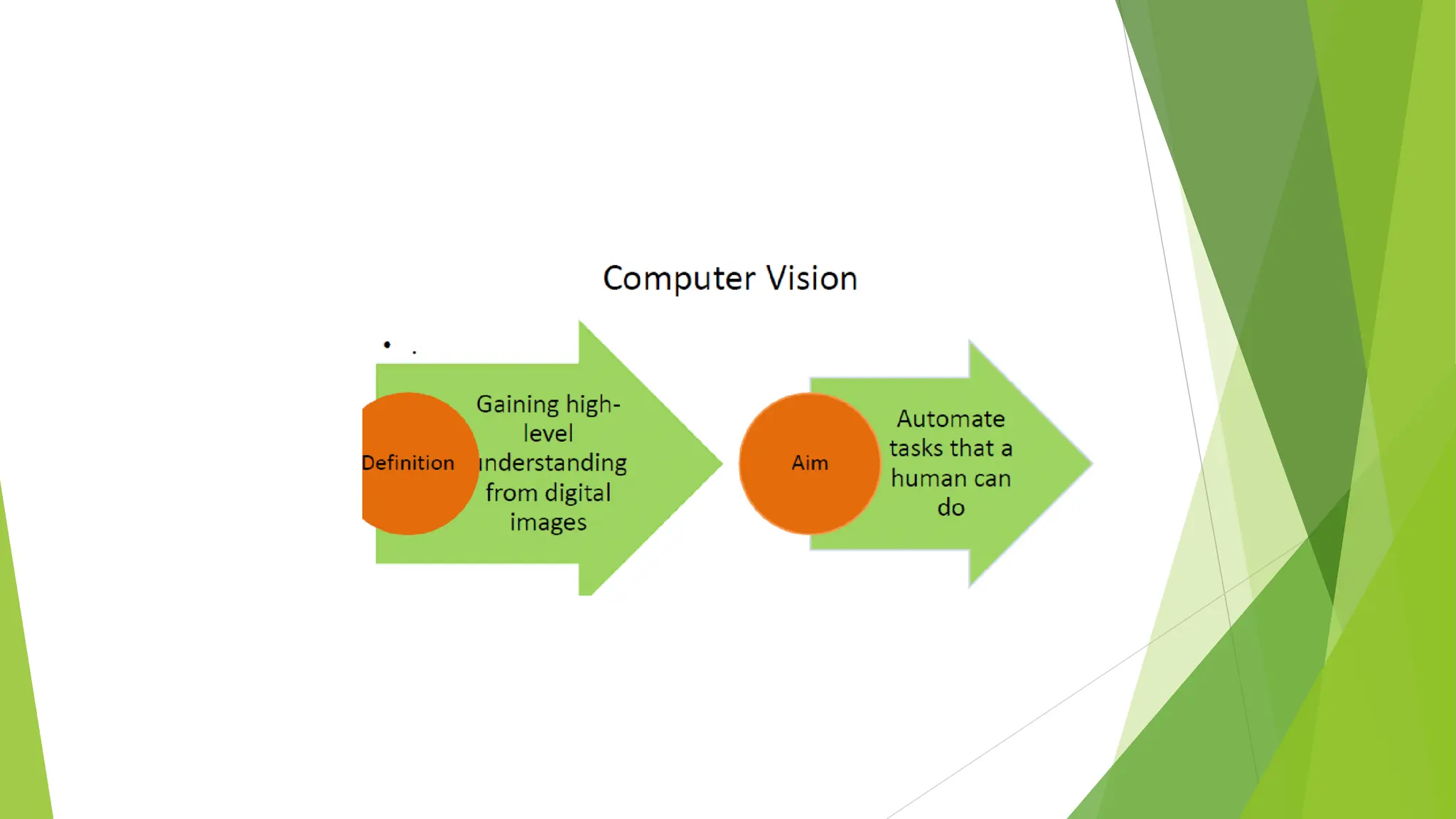
Definition - What does Computer Vision mean?
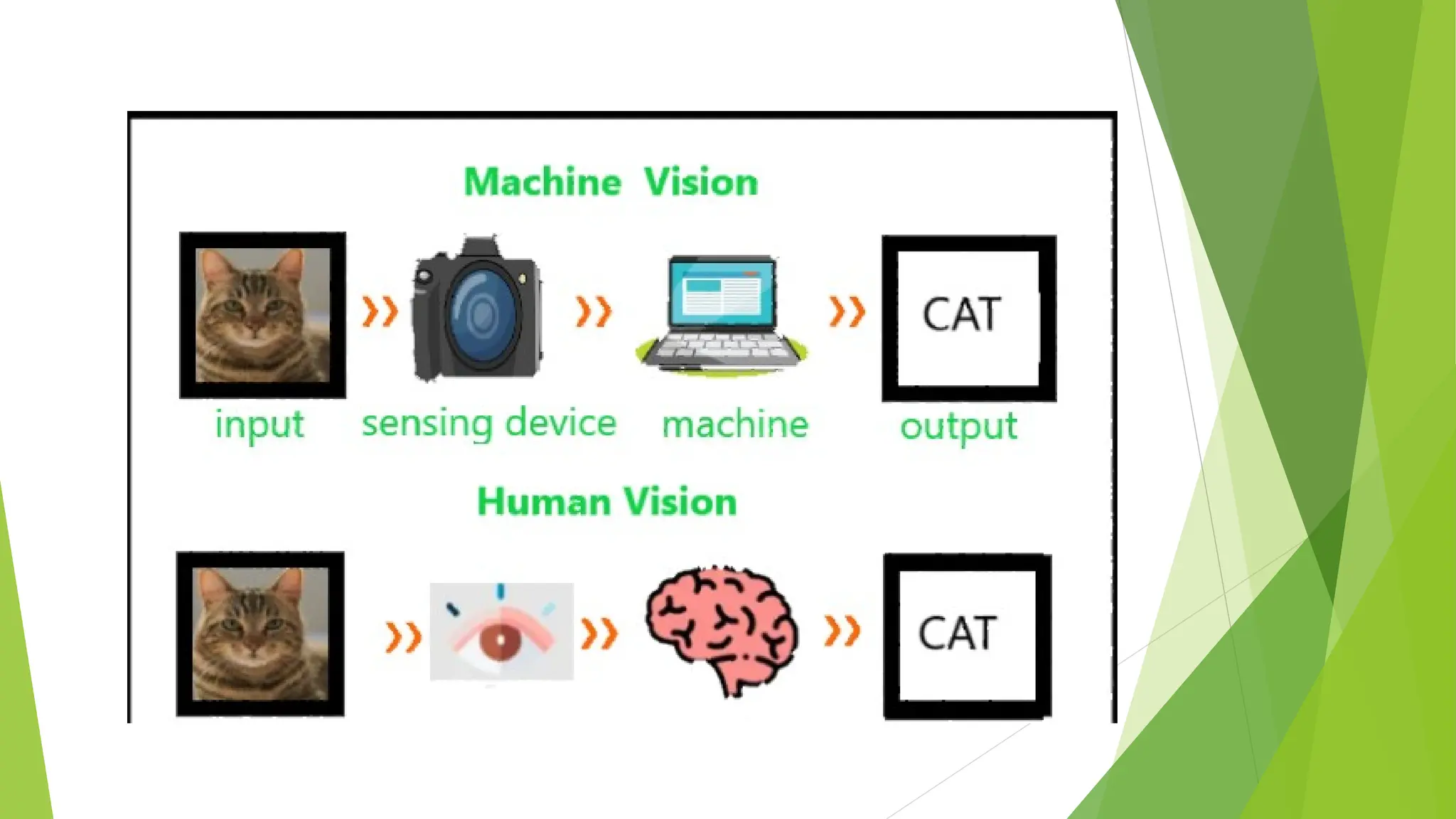
Computer vision is a field of computer science that works on enabling
computers to see, identify and process images in the same way that
human vision does, and then provide appropriate output. It is like
imparting human intelligence and instincts to a computer. In reality
though, it is a difficult task to enable computers to recognize images of
different objects.
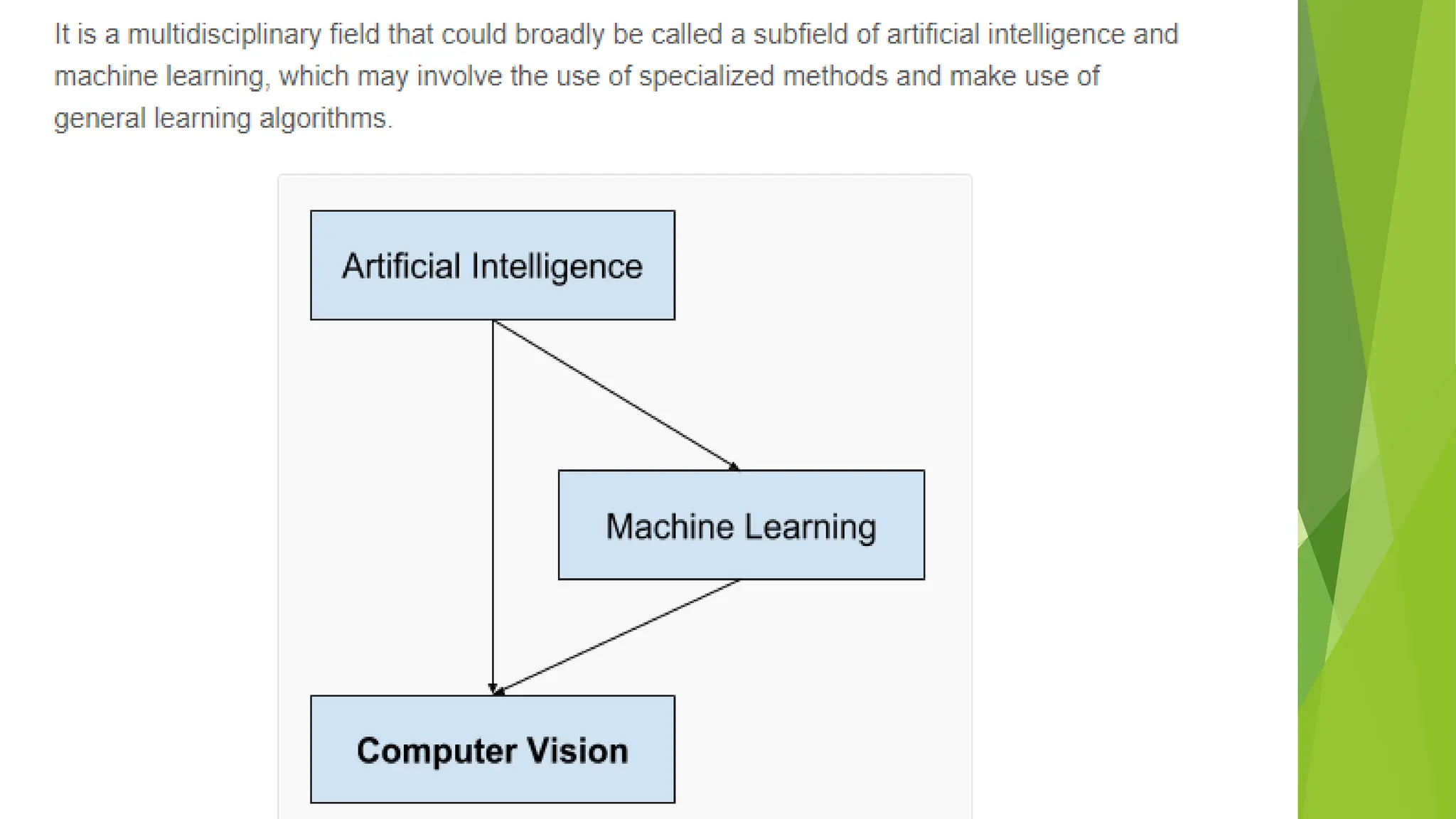
Computer vision is closely linked with artificial intelligence, as the
computer must interpret what it sees, and then perform appropriate
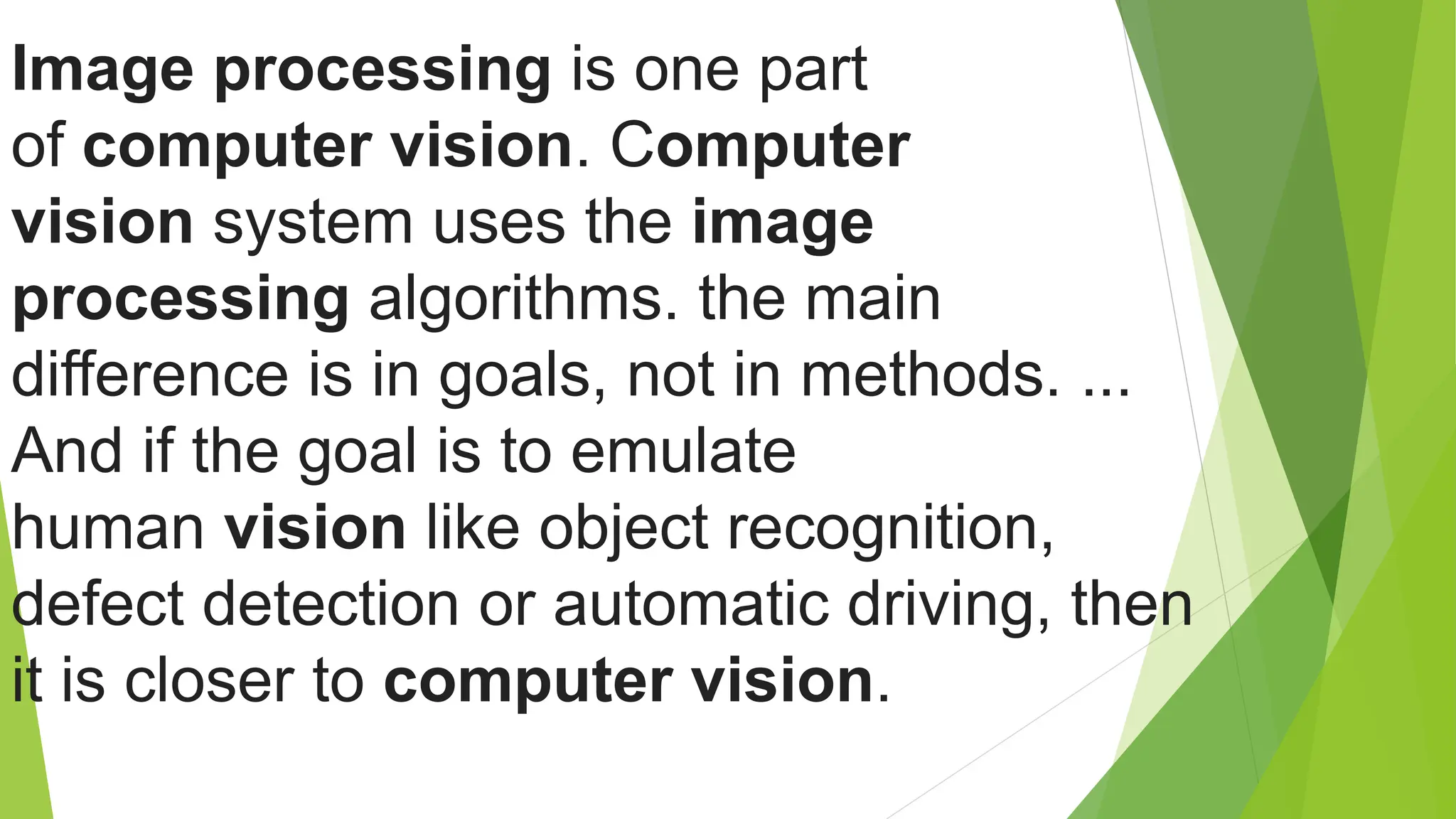
Image processing isone part
of computer vision. Computer
vision system uses the image
processing algorithms. the main
difference is in goals, not in methods. ...
And if the goal is to emulate
human vision like object recognition,
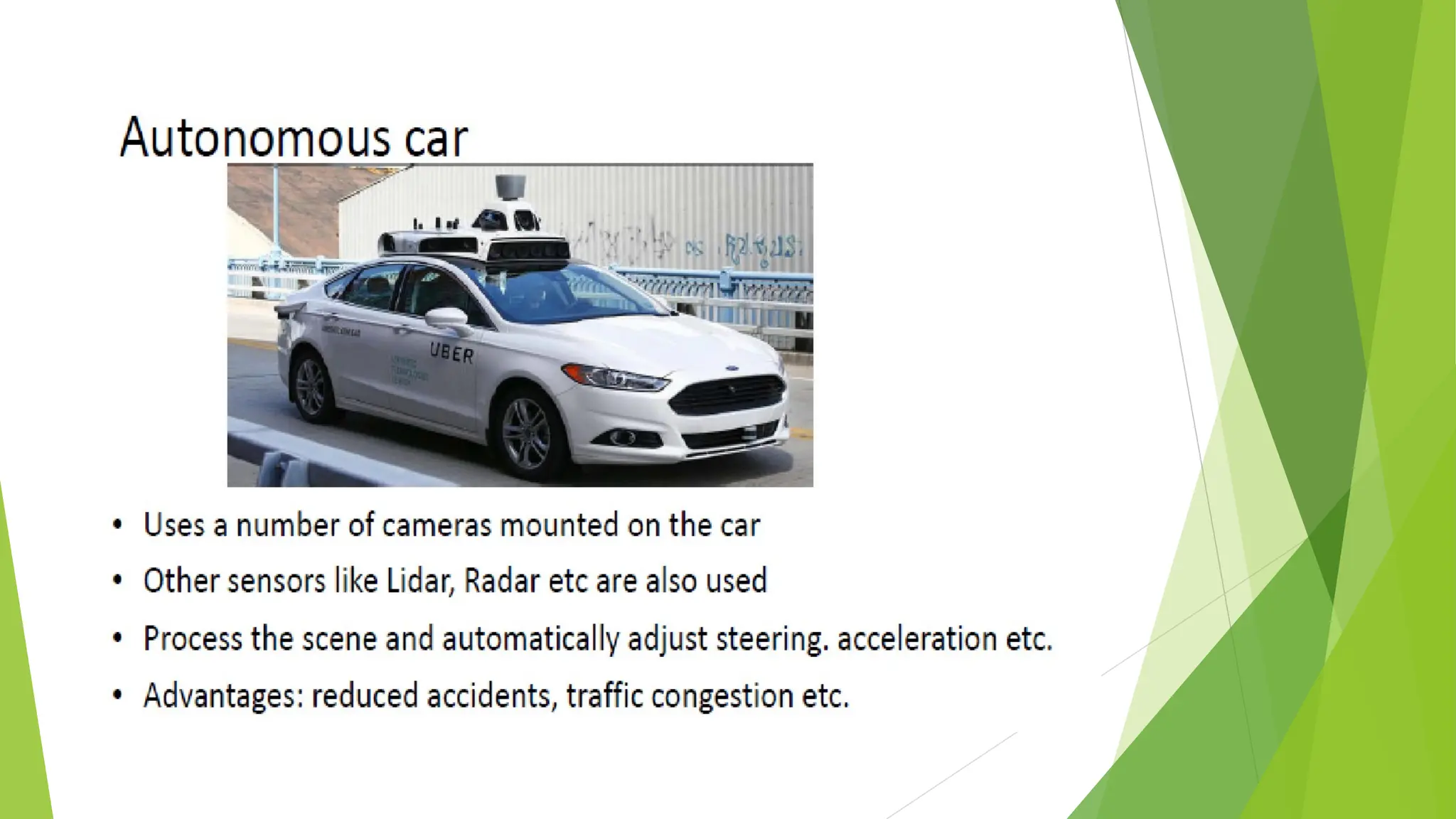
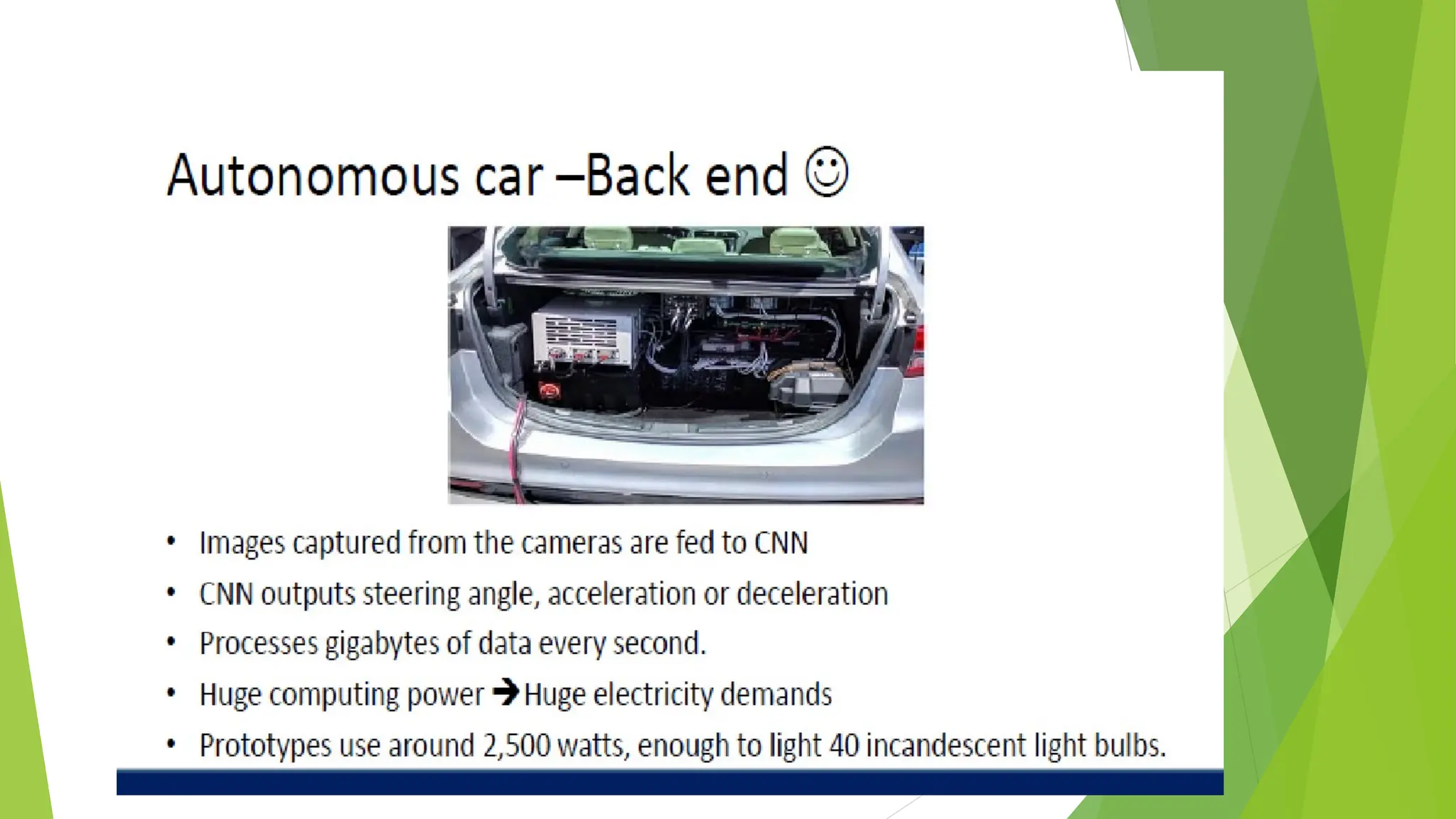
defect detection or automatic driving, then
it is closer to computer vision.
15.
Computer vision isrelated to image processing in the sense that the computer vision front-end is comprised of
image processing techniques such as noise reduction, whitening or image enhancement. There is a lot of overlap
between computer vision and image processing.
Machine learning on the other hand is flexible as it can be used in either computer vision or image processing.
Image processing
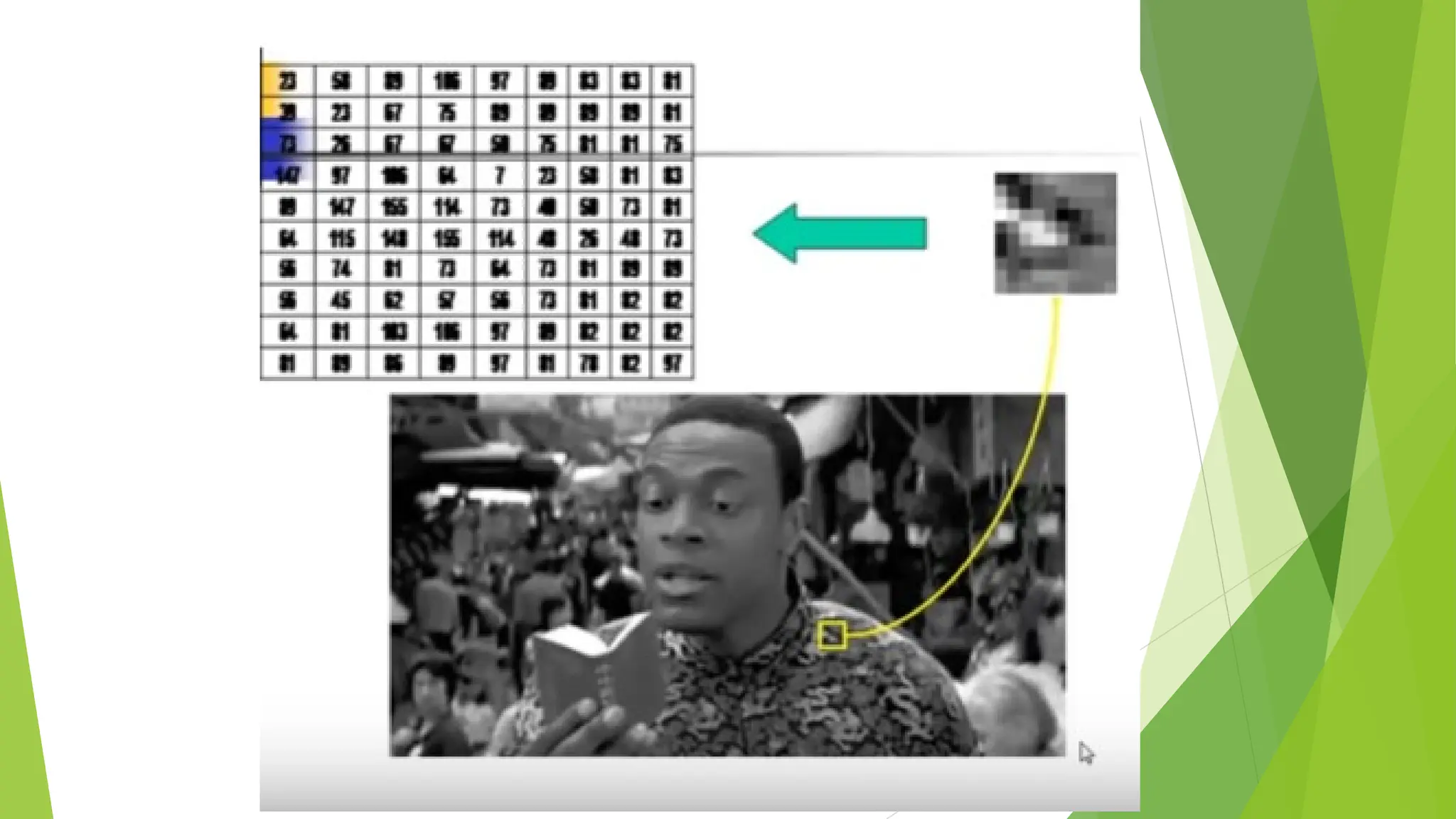
1.The goal of image processing is to enhance or compress image/video information.
2.Uses pixel-wise operations such as transforming one image into another. For example applying a rotation on
pixels.
3.There is no extraction of meaningful information from those pixel-wise operations.
Computer vision
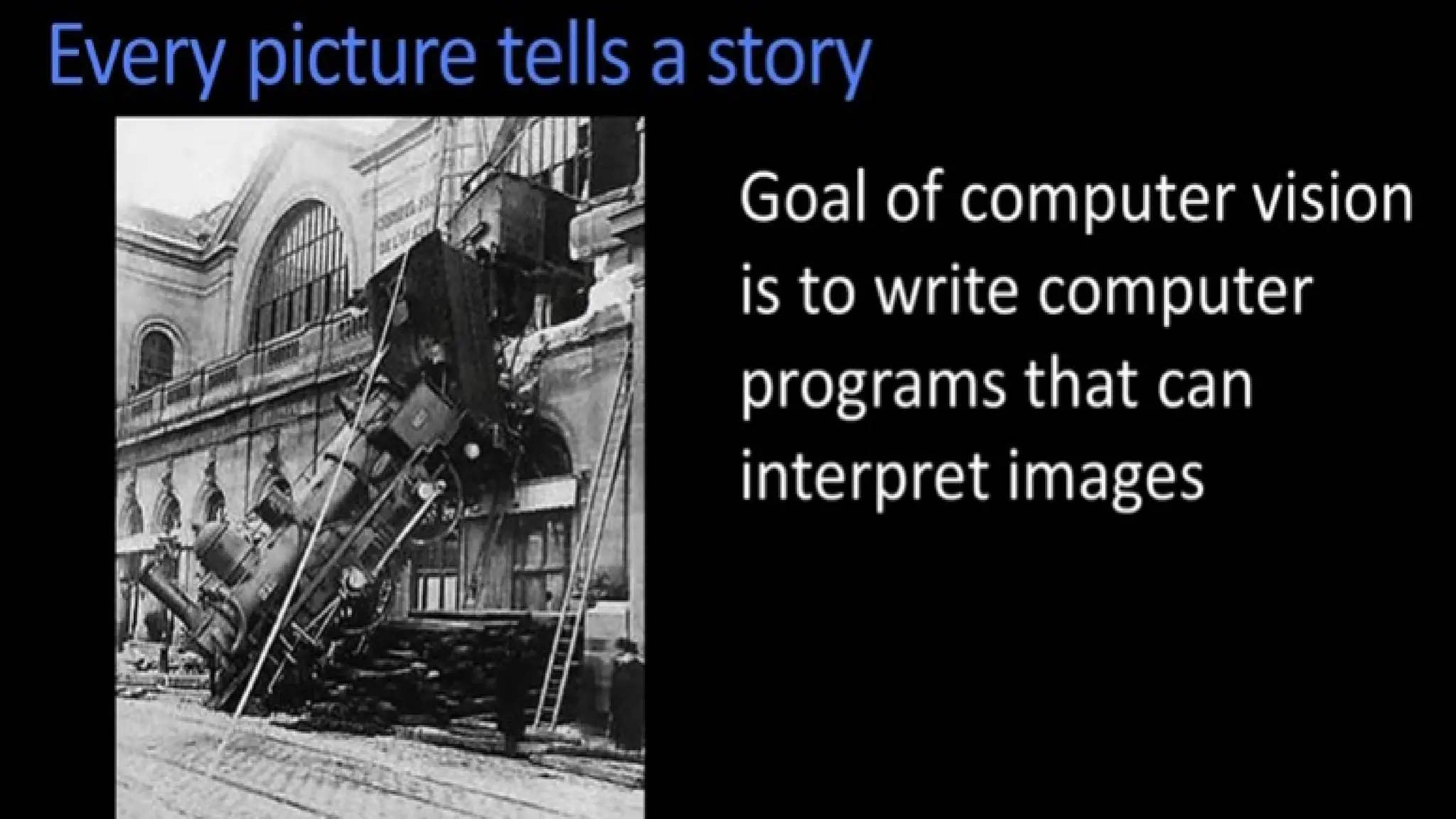
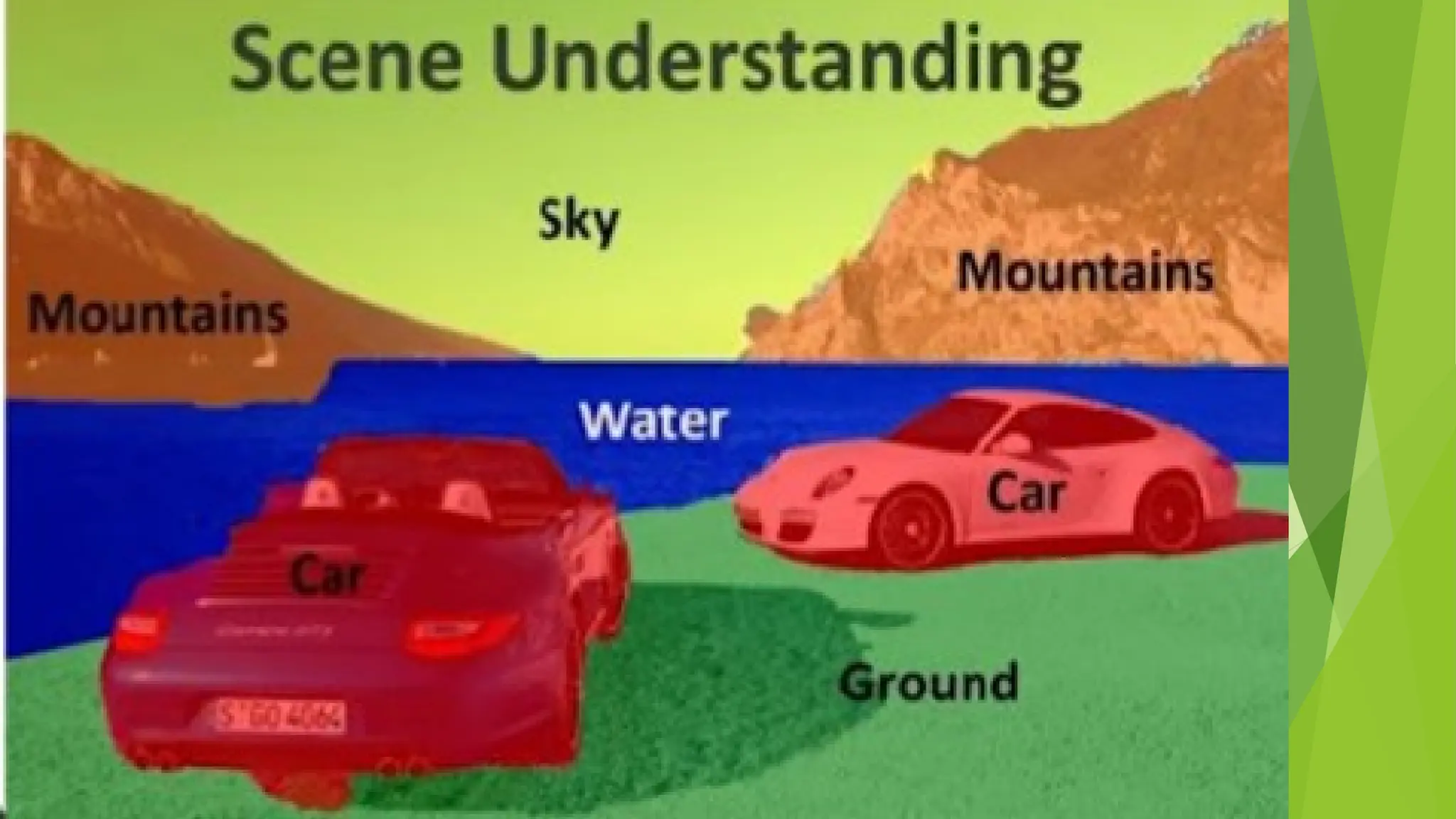
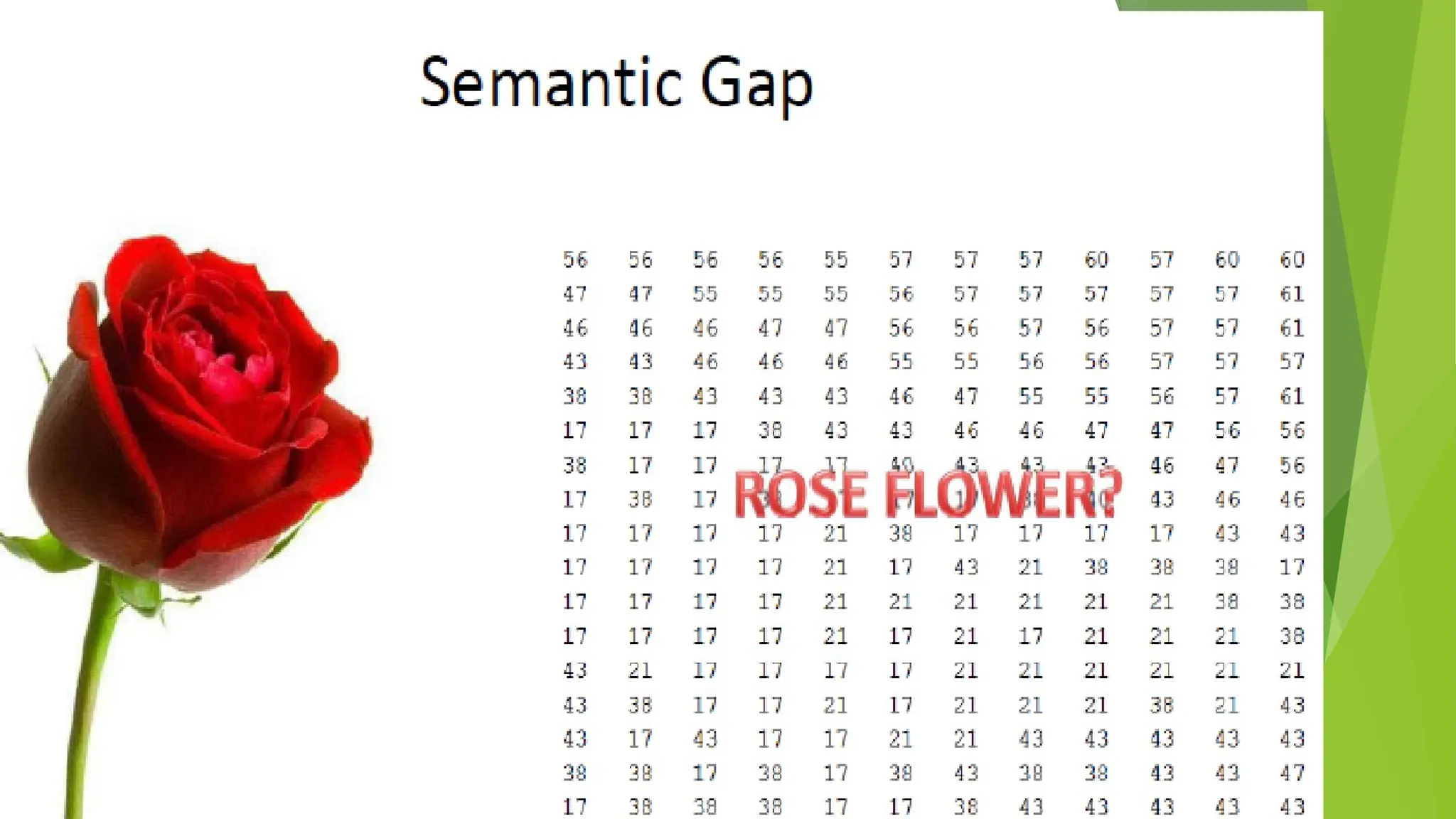
4.The goal of computer vision is to extract meaningful information from images/videos. Such as whether a certain
object is present or not in a particular scene.
5.Computer vision is not limited to pixel-wise operations it can be complex, far more complex than image
processing.
6.Those complex operations can be summarized into feature detectors which can provide rich information about
the contents of the image/video.
Machine learning
7.The goal of machine learning is to optimize differentiable parameters so that a certain loss/cost function is
minimized.
8.Machine learning can be used in both image processing and computer vision but it has found more use in
computer vision than in image processing.
9.In ML the loss function can have a physical meaning in which case the features learnt can be quite informative
but this is not necessarily the case for all situations.
The relationship between them can be quite complex. For example, convolutional neural networks are using all
three techniques, convolutions are from image processing as they work on per small pixel neighborhood basis, the
19.
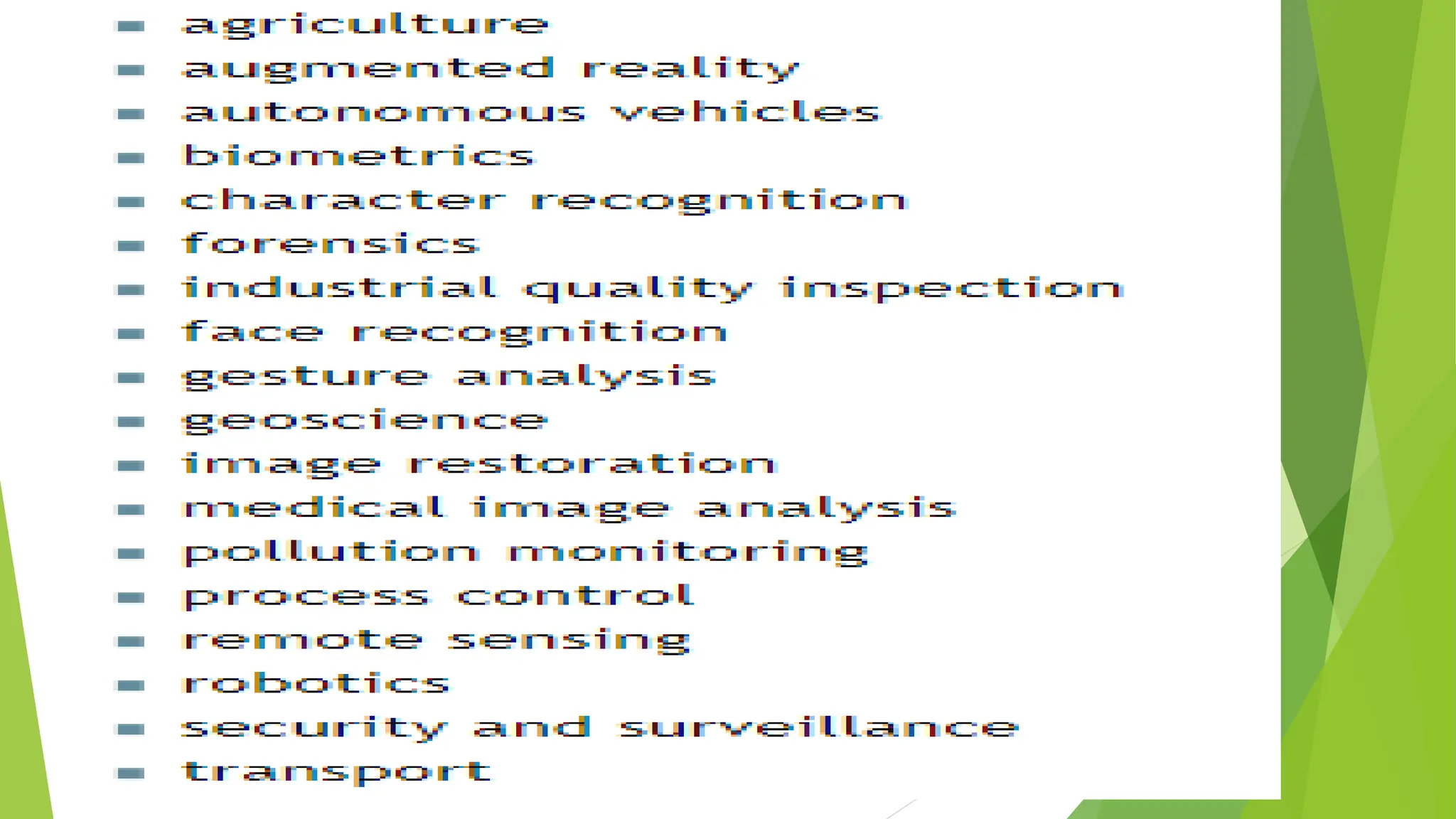
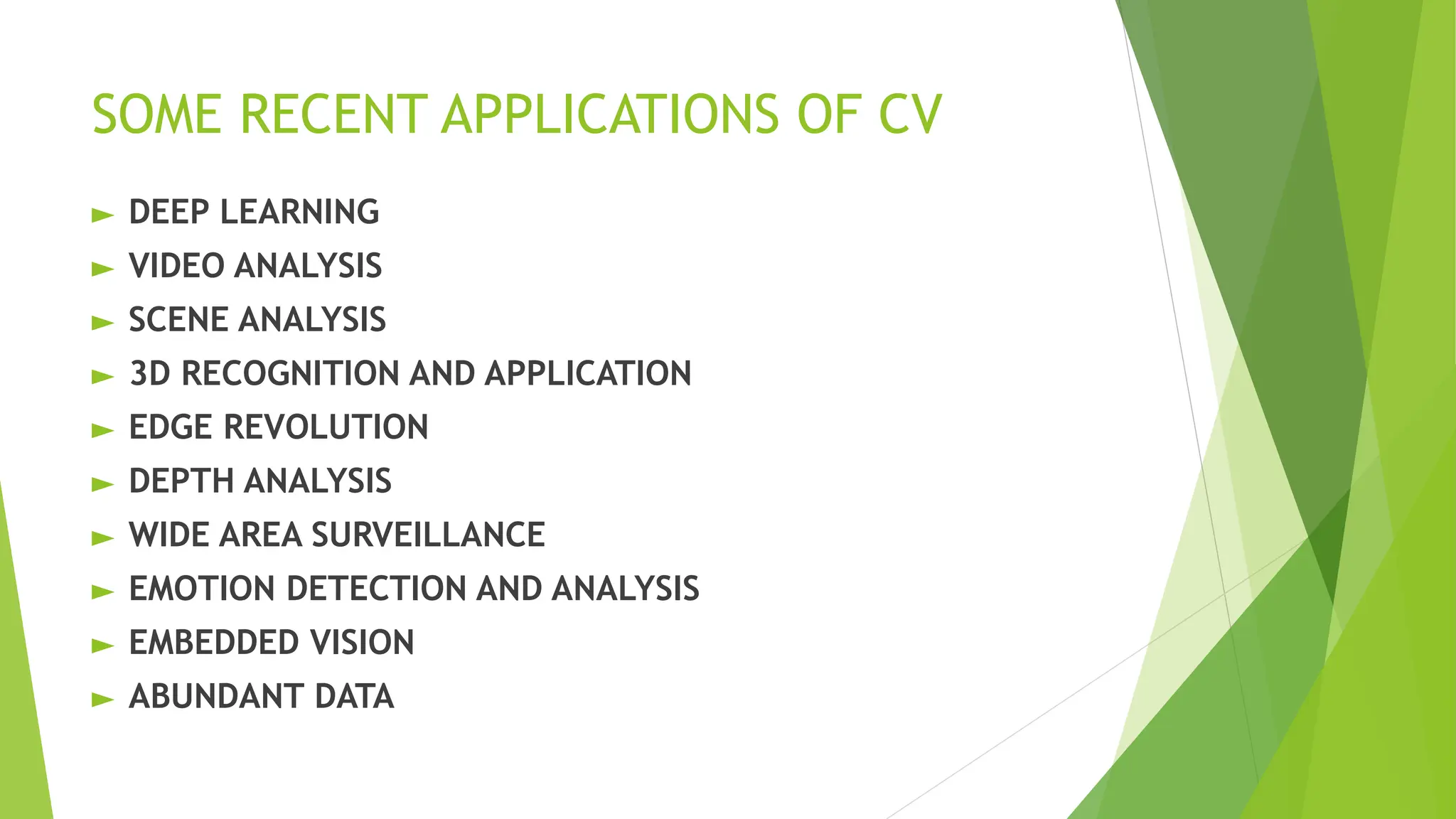
SOME RECENT APPLICATIONSOF CV
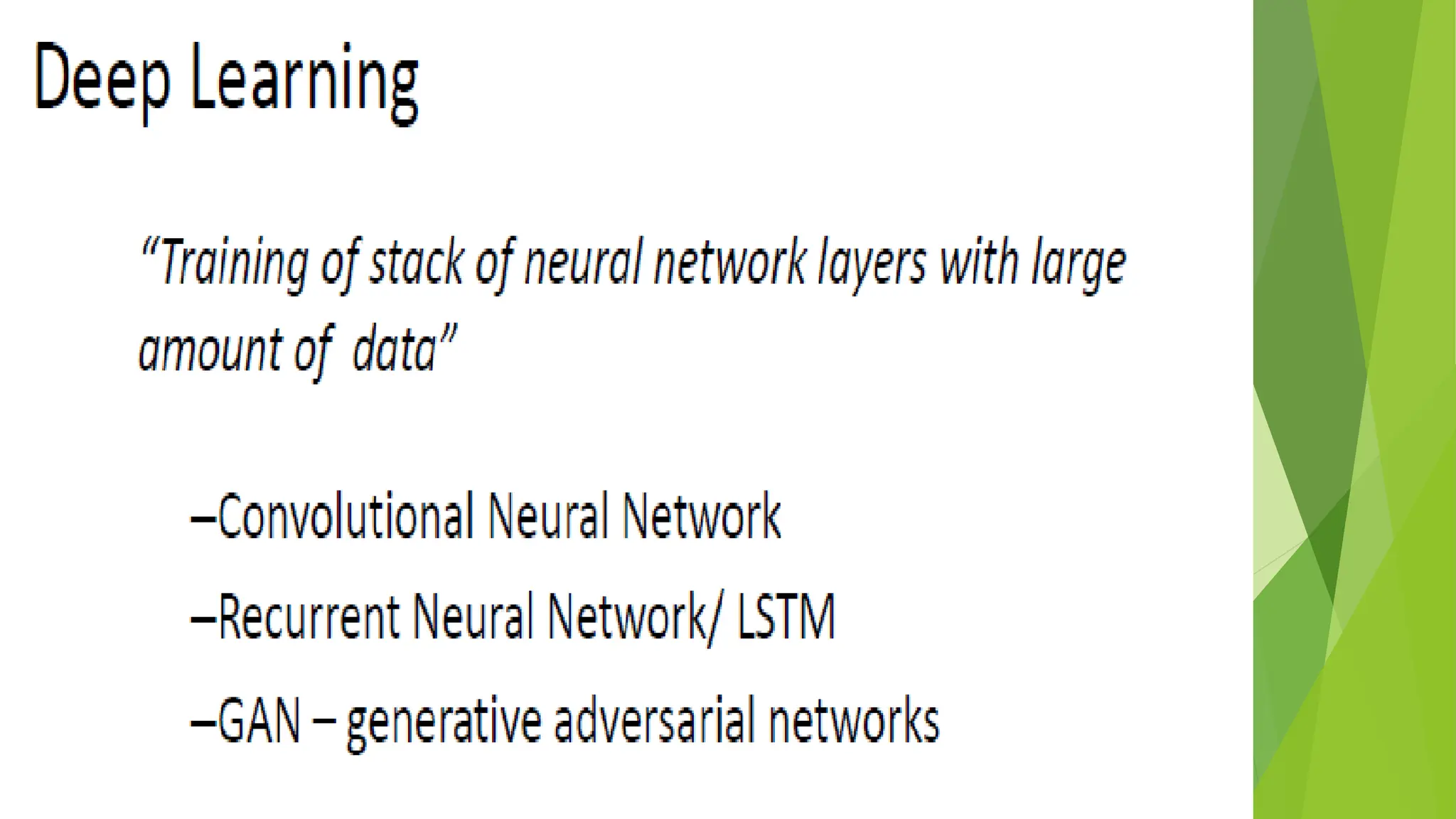
► DEEP LEARNING
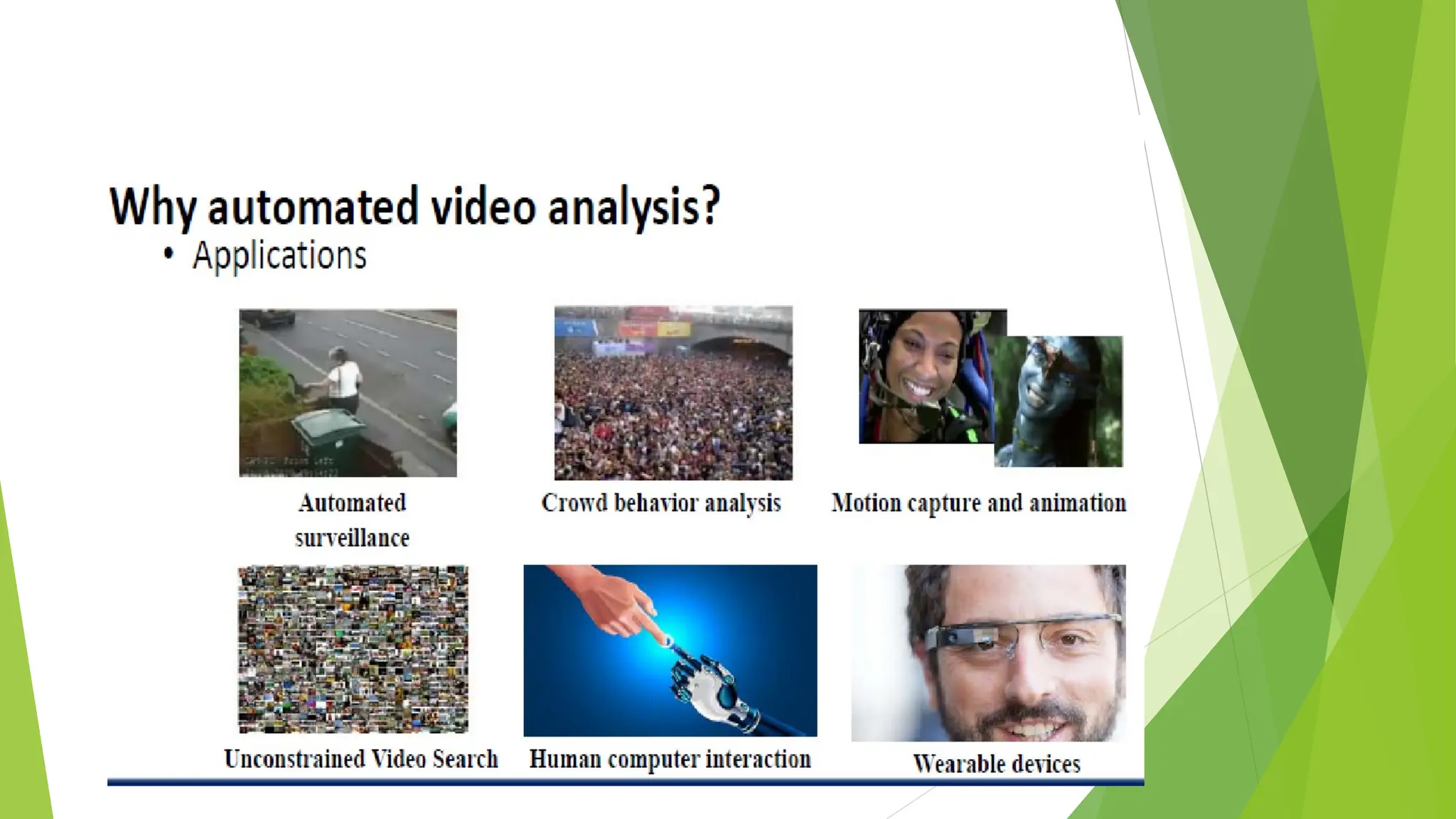
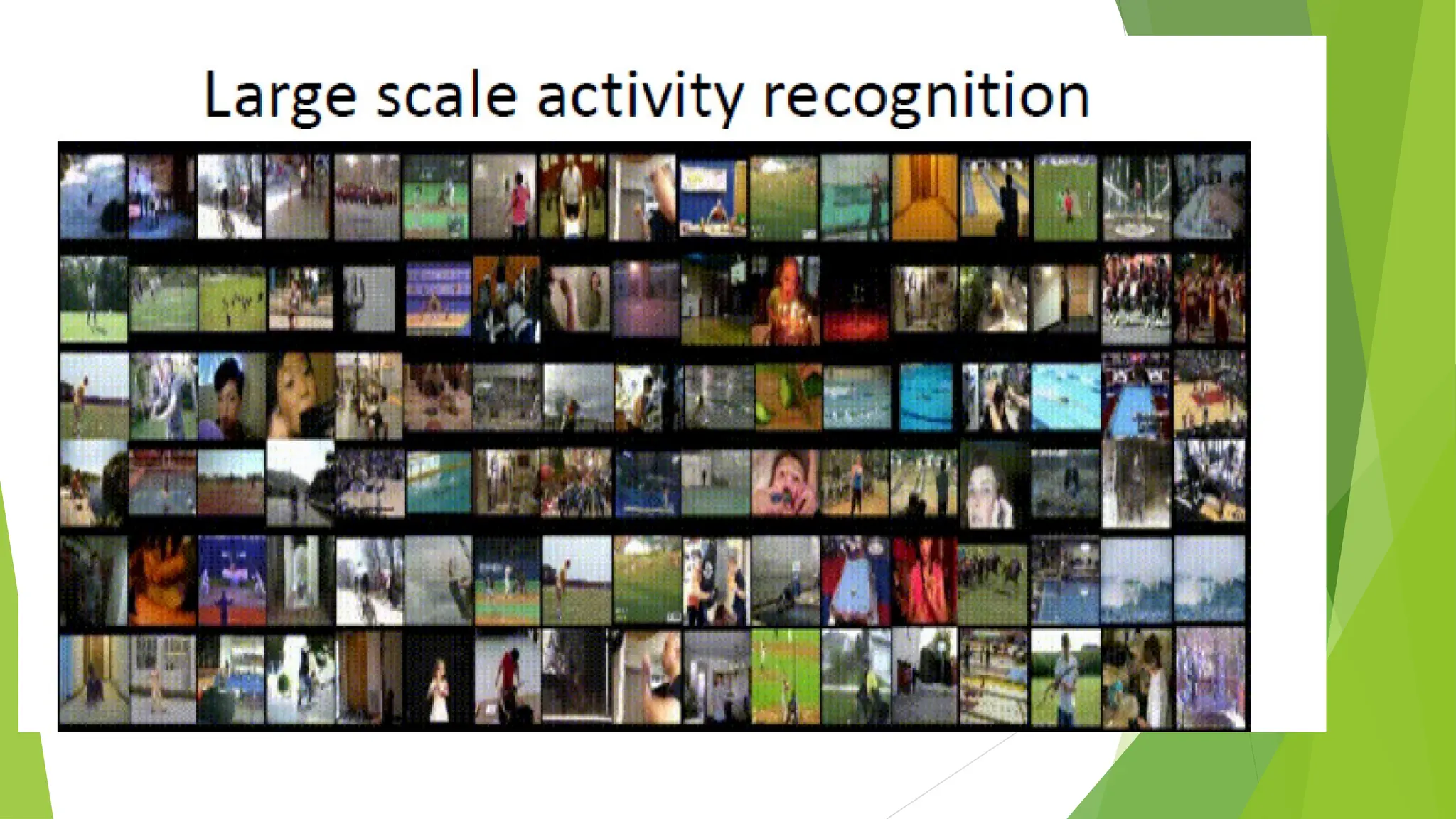
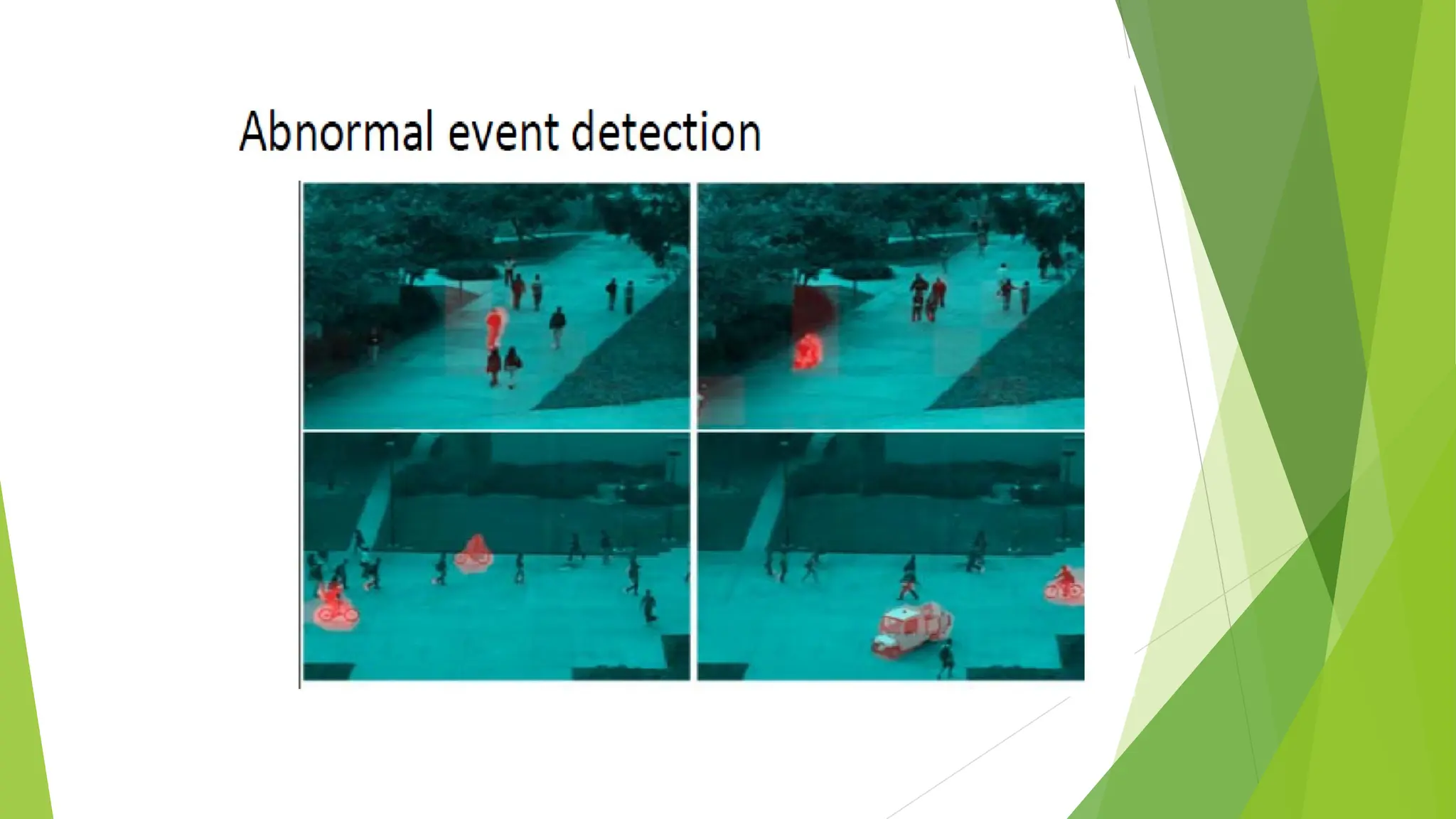
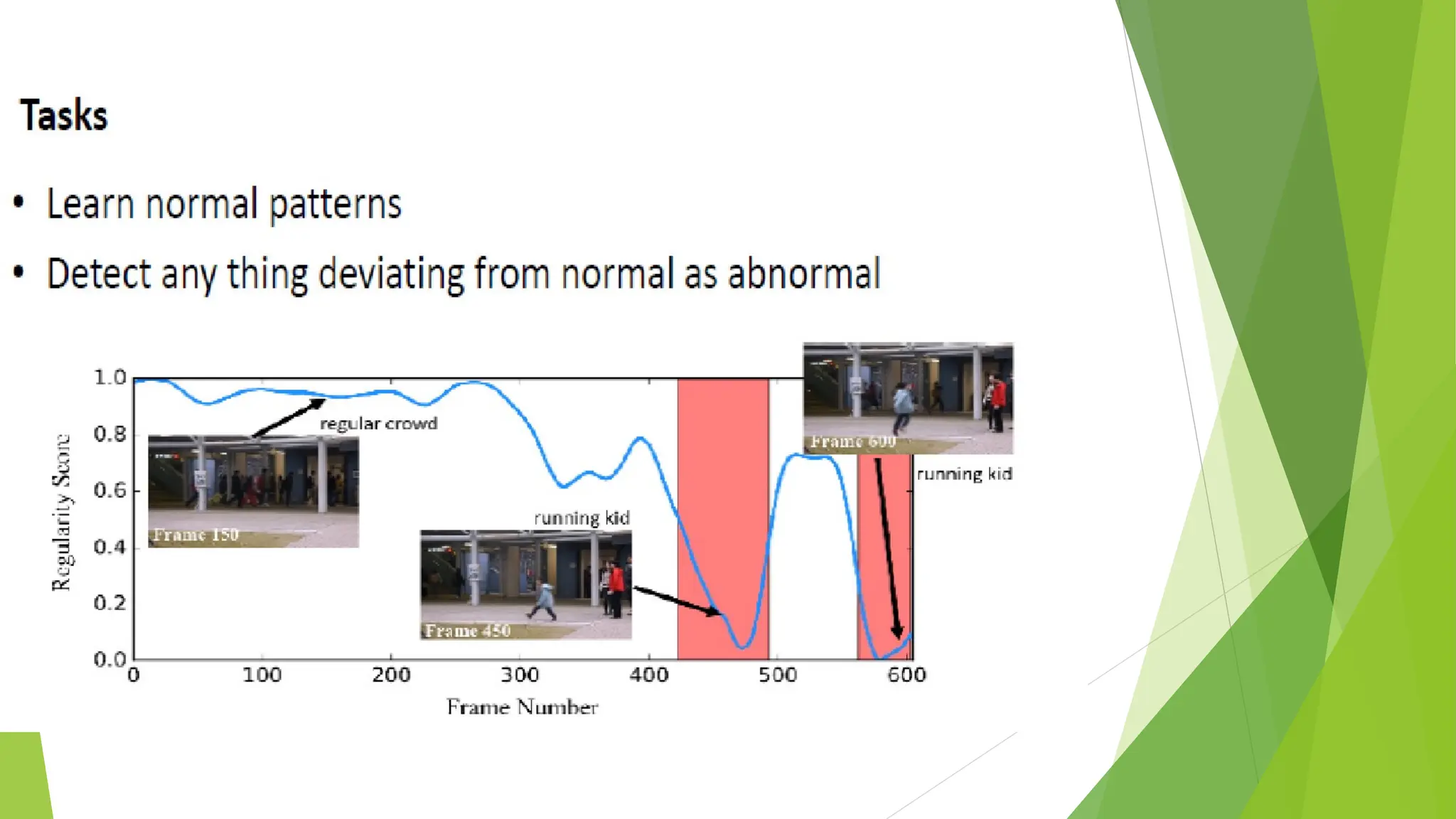
► VIDEO ANALYSIS
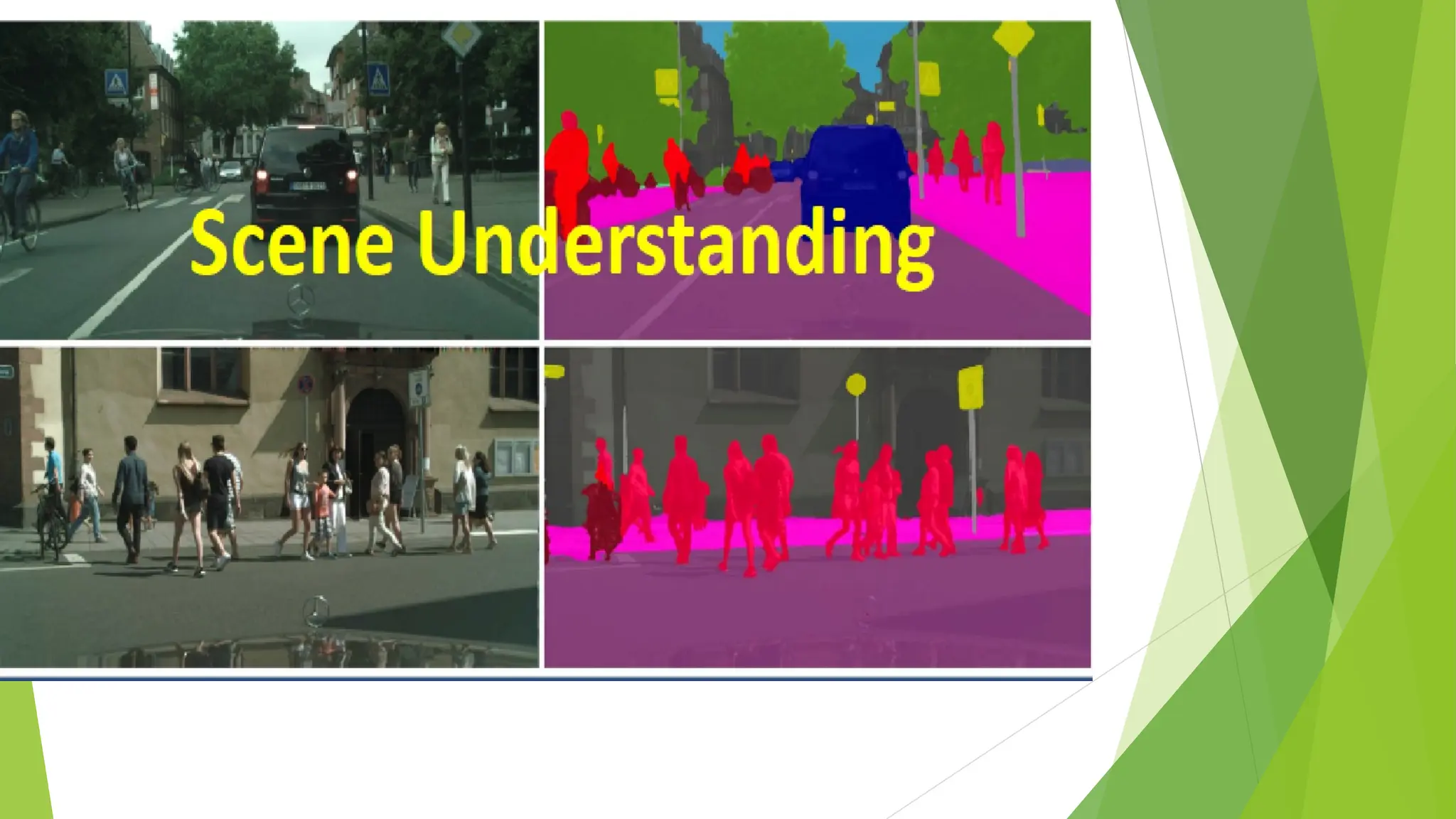
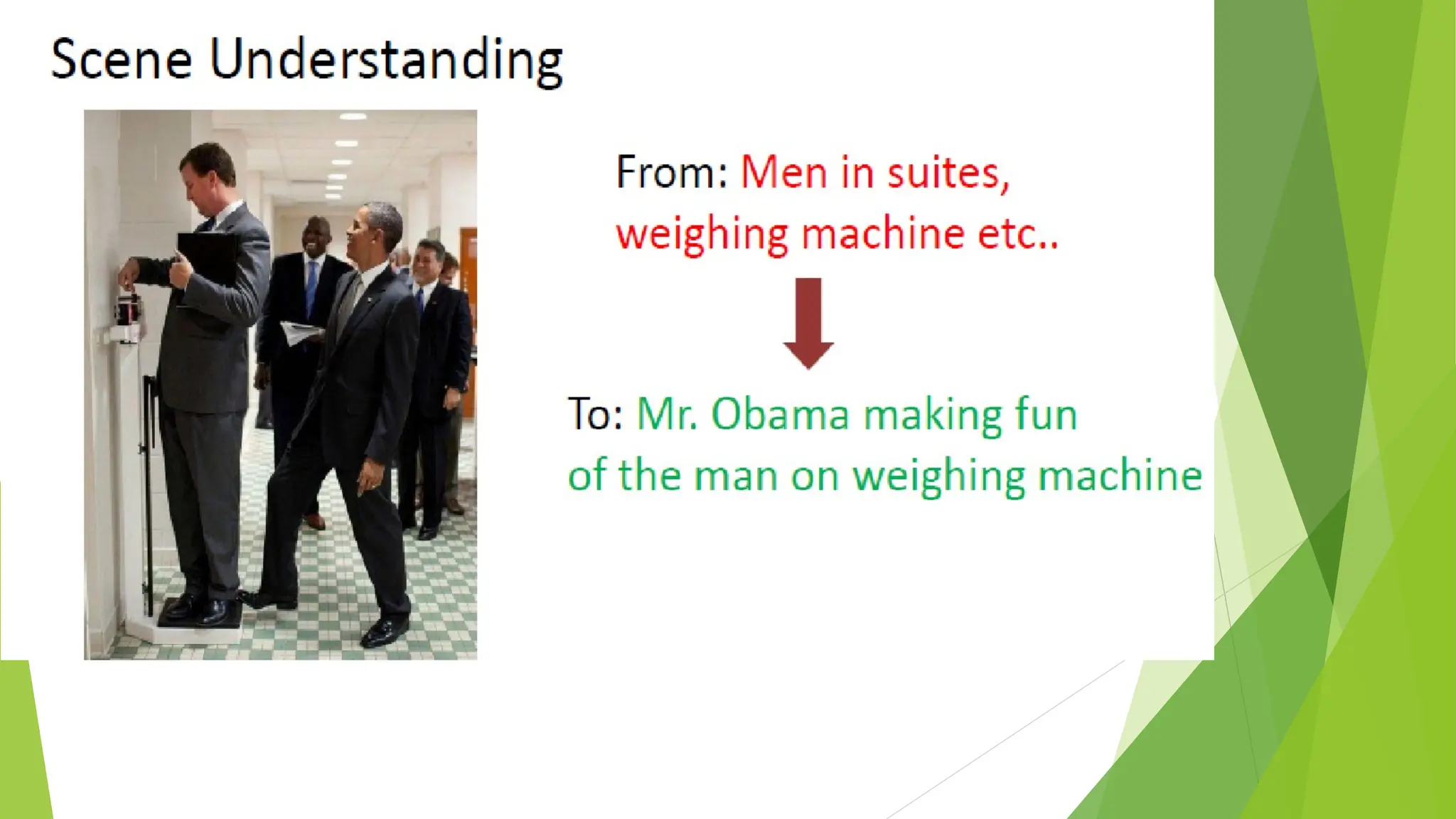
► SCENE ANALYSIS
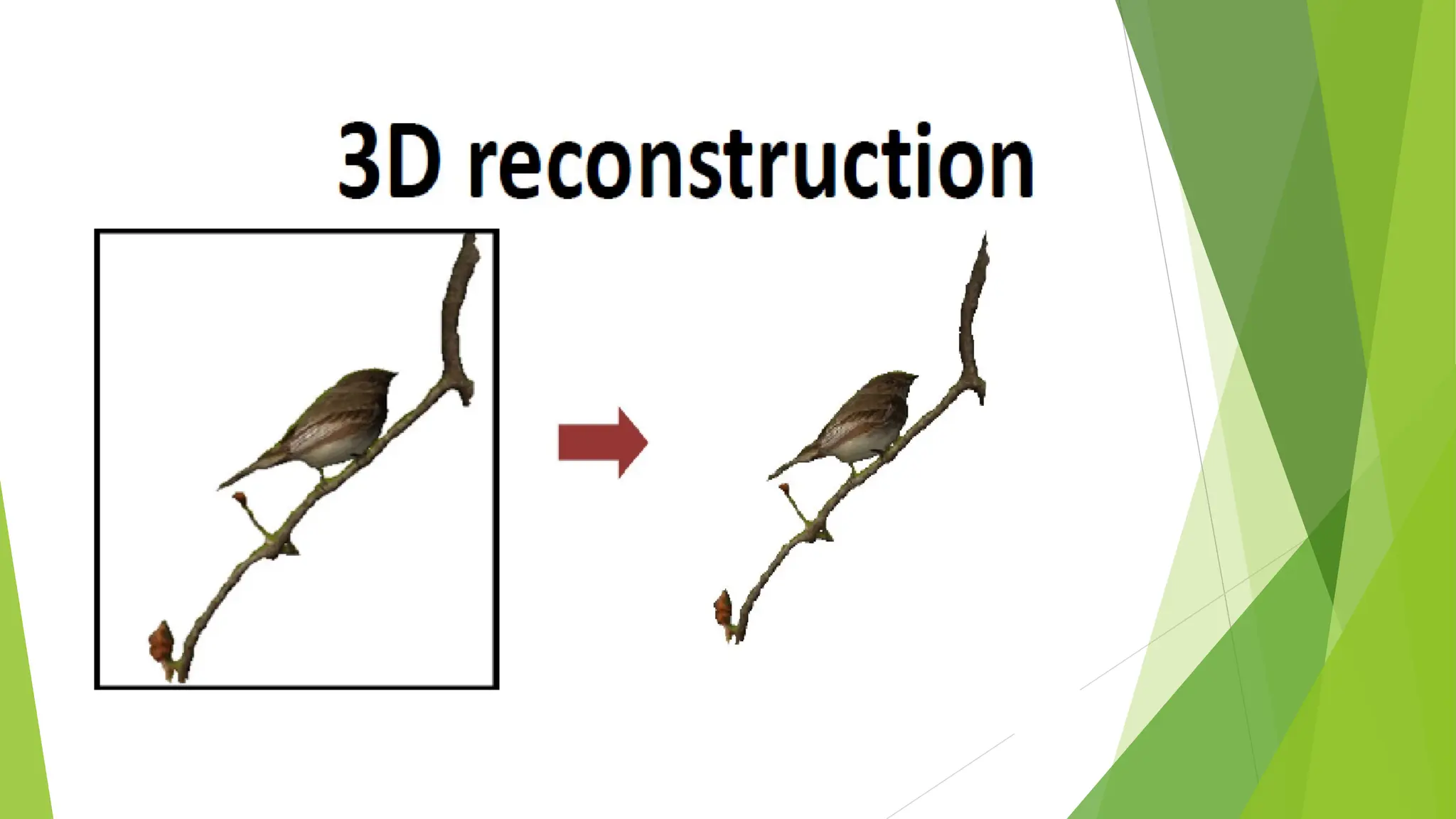
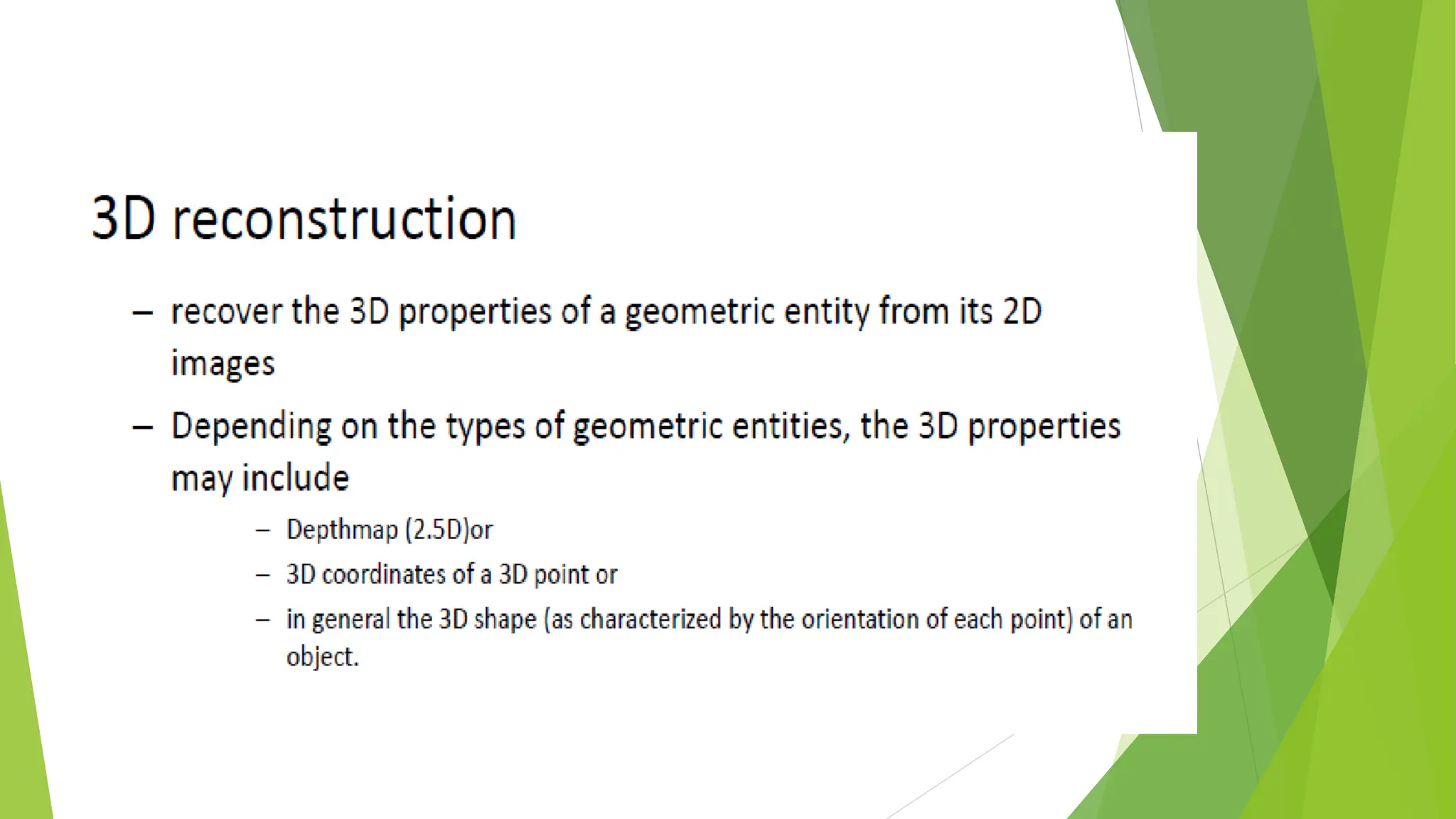
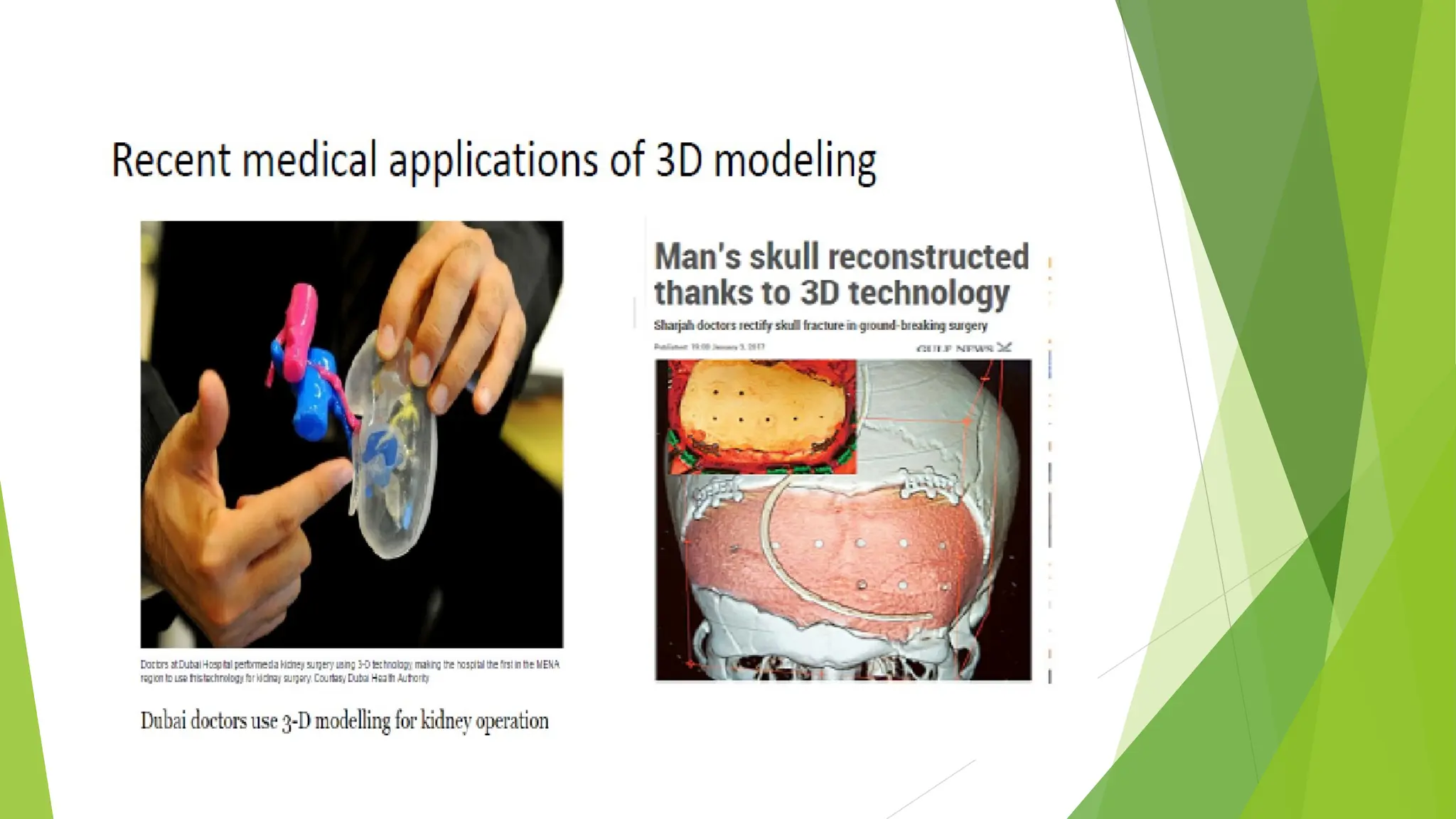
► 3D RECOGNITION AND APPLICATION
► EDGE REVOLUTION
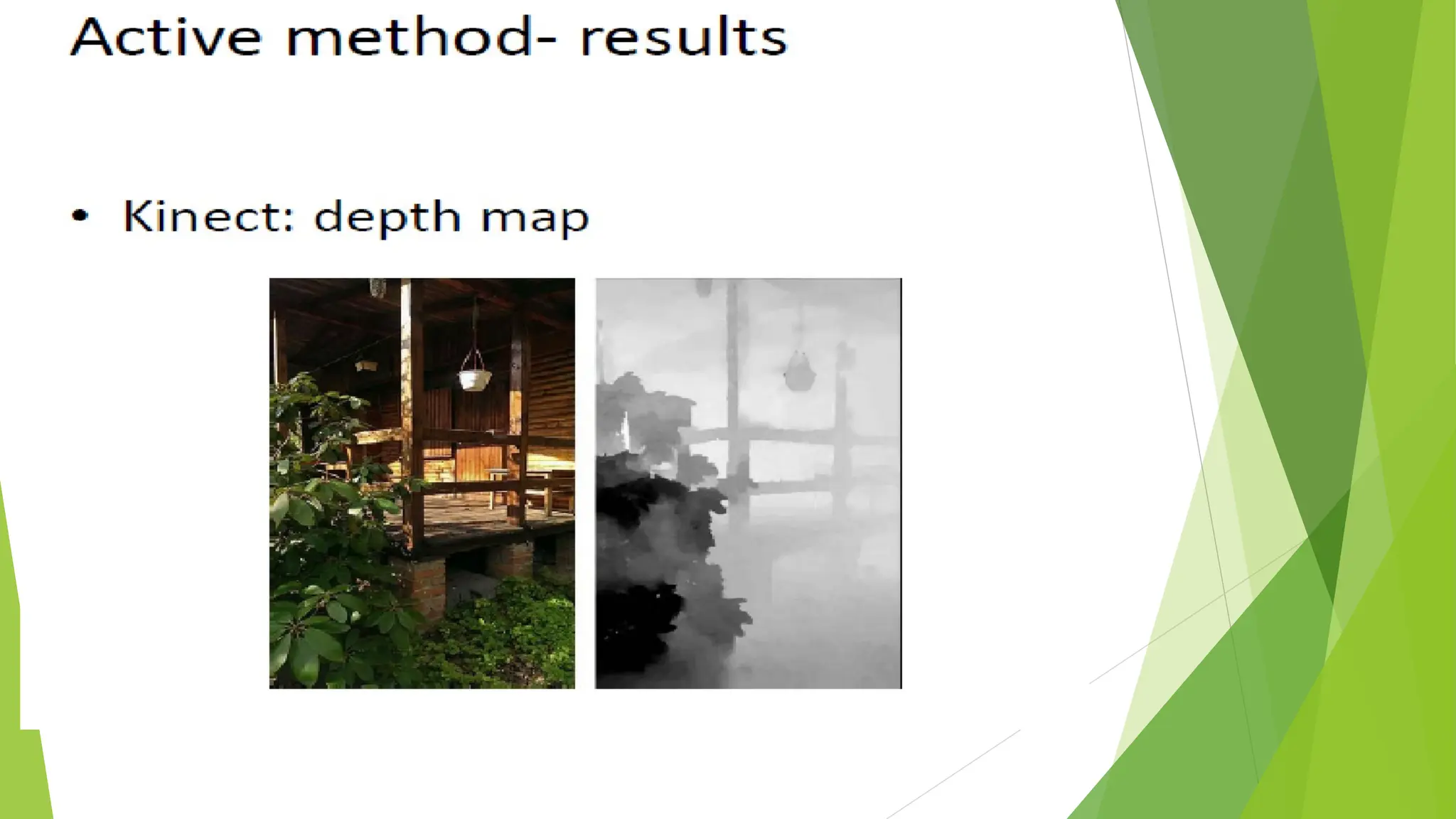
► DEPTH ANALYSIS
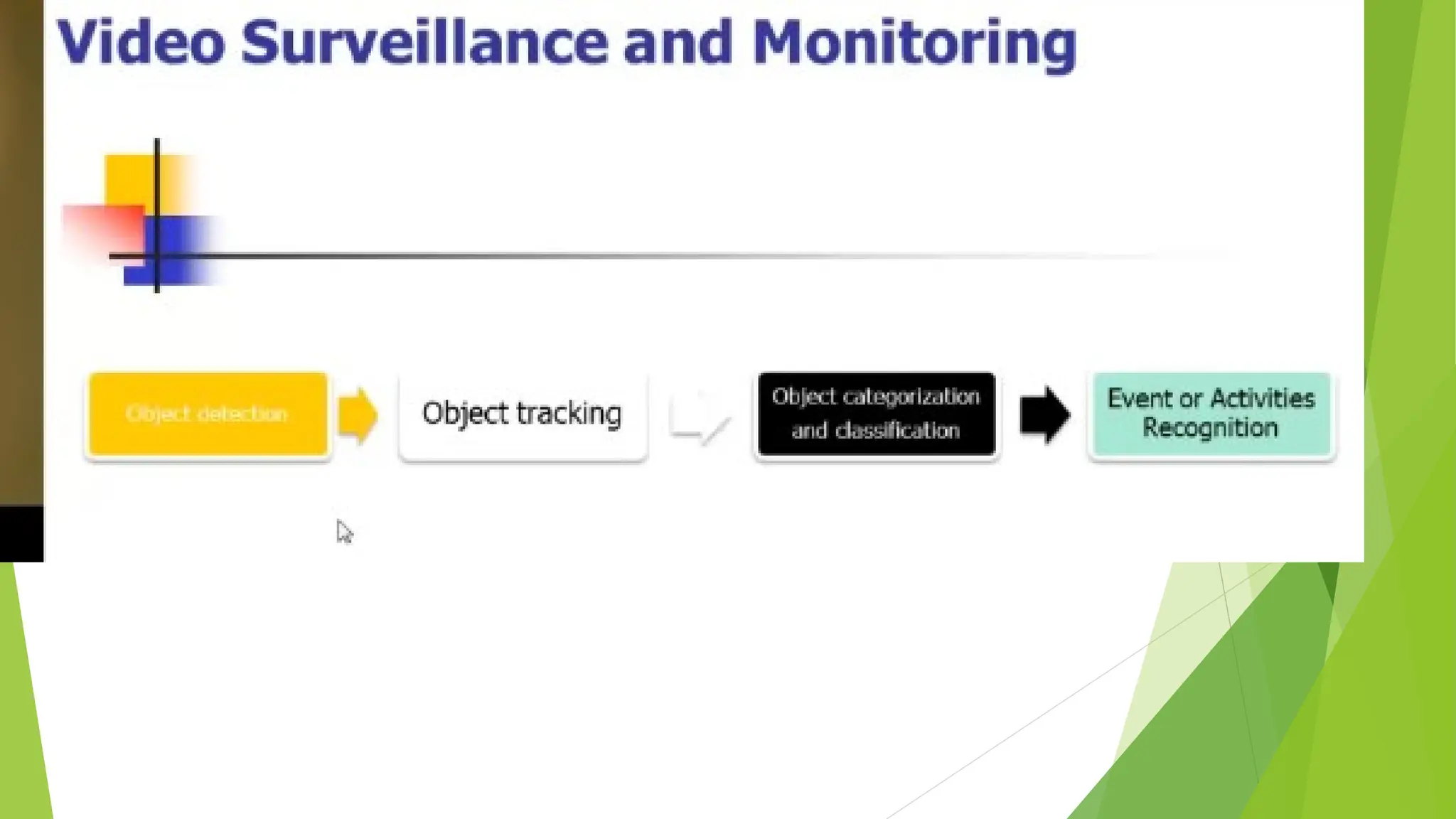
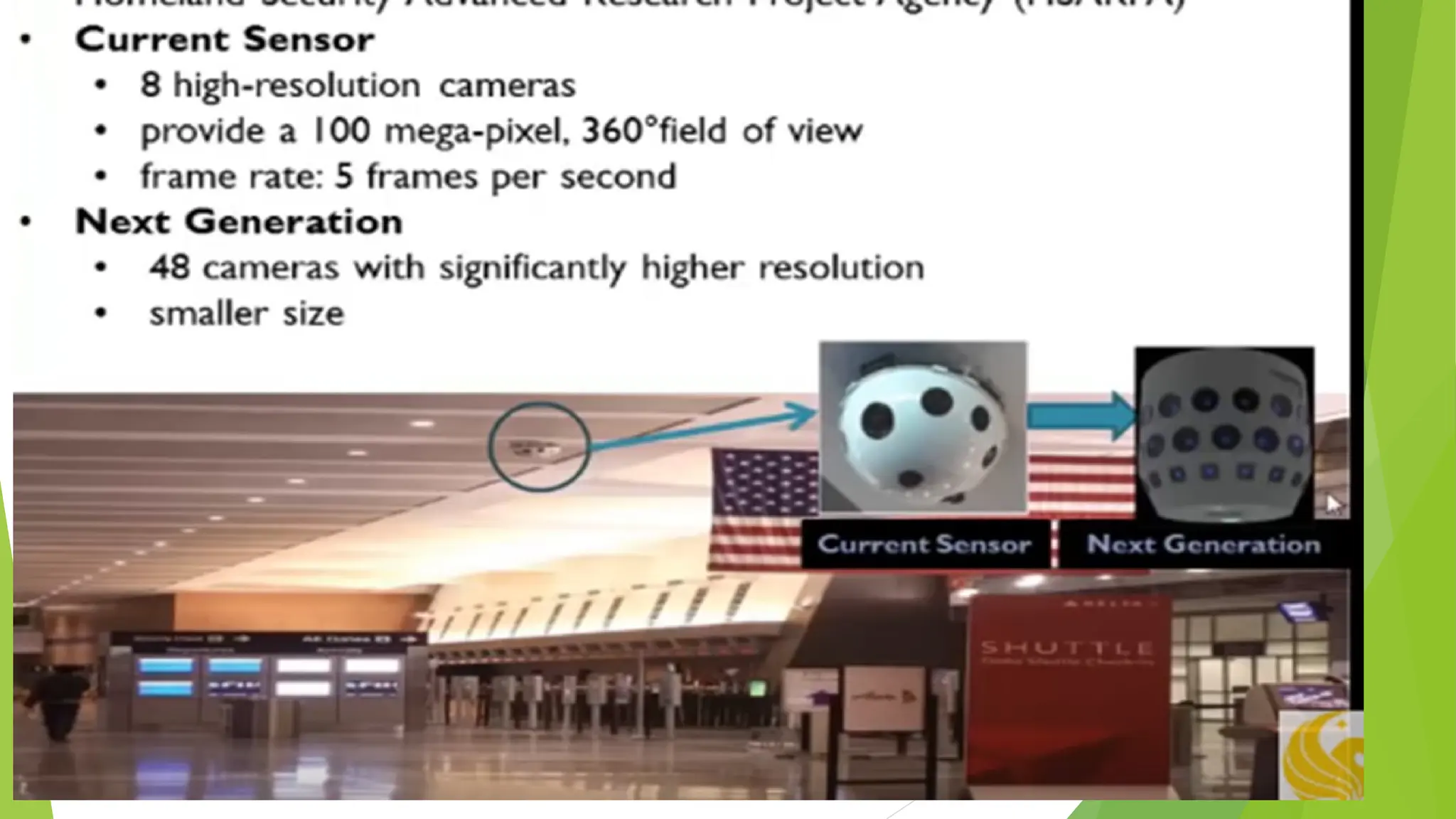
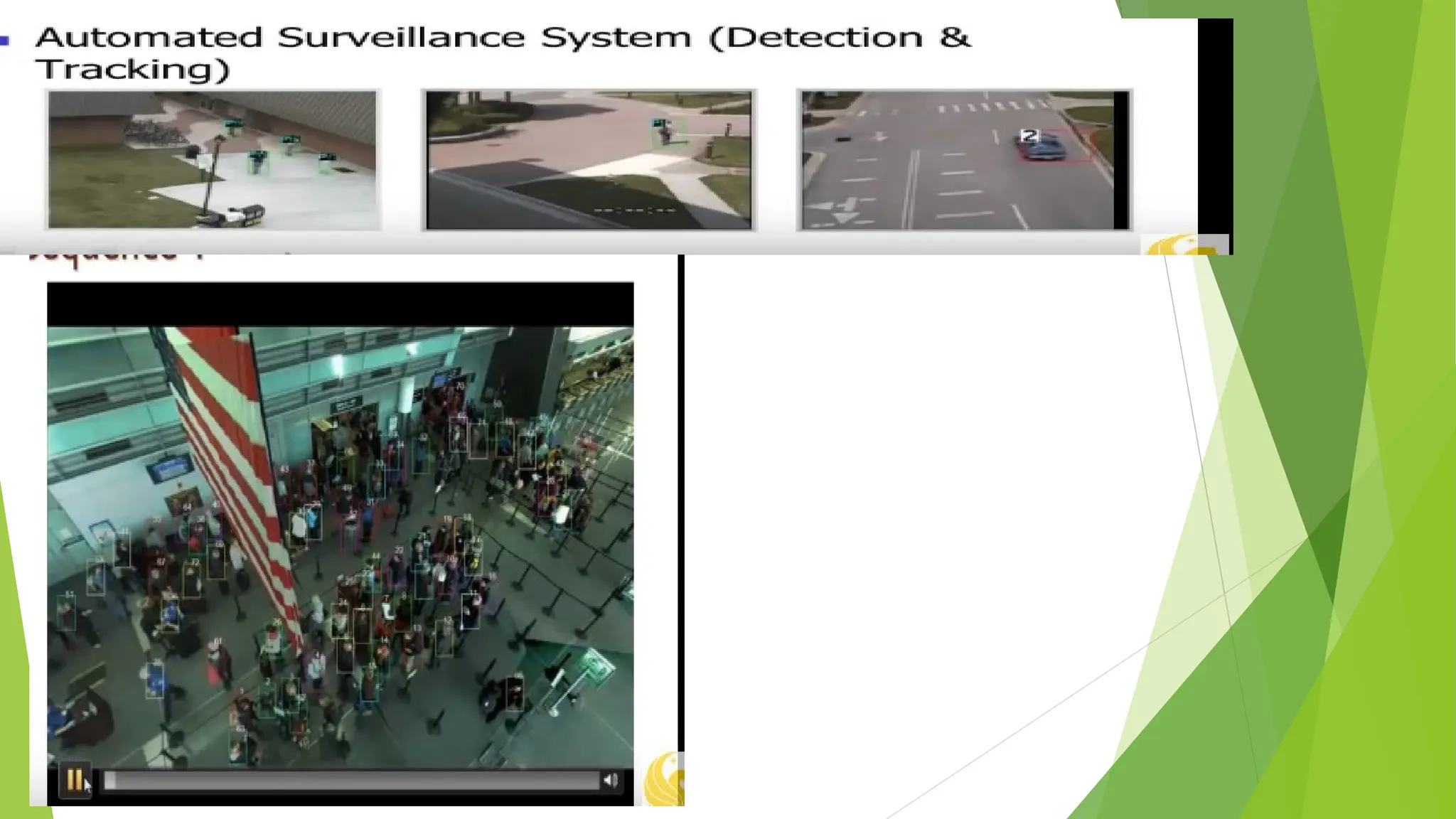
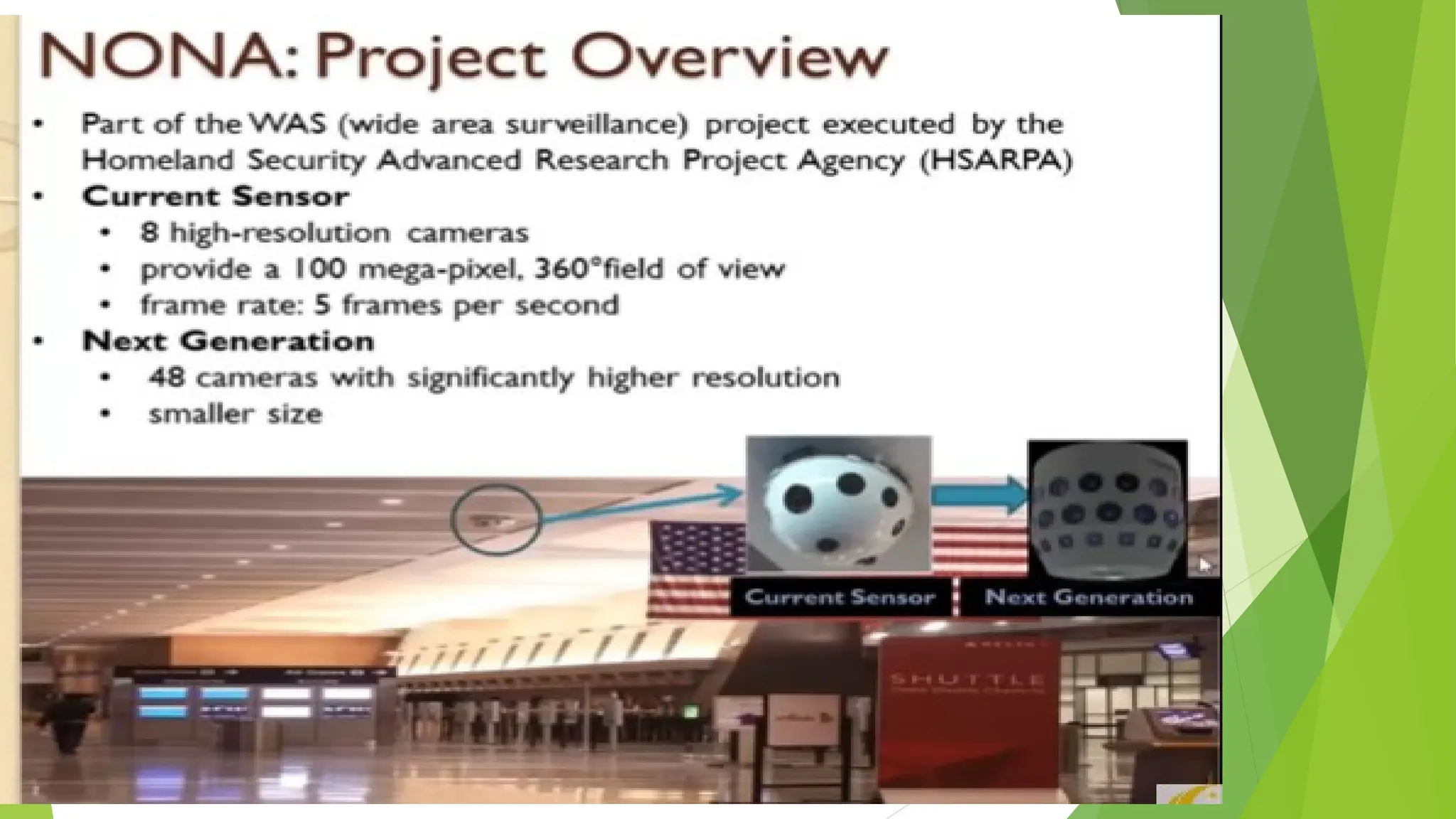
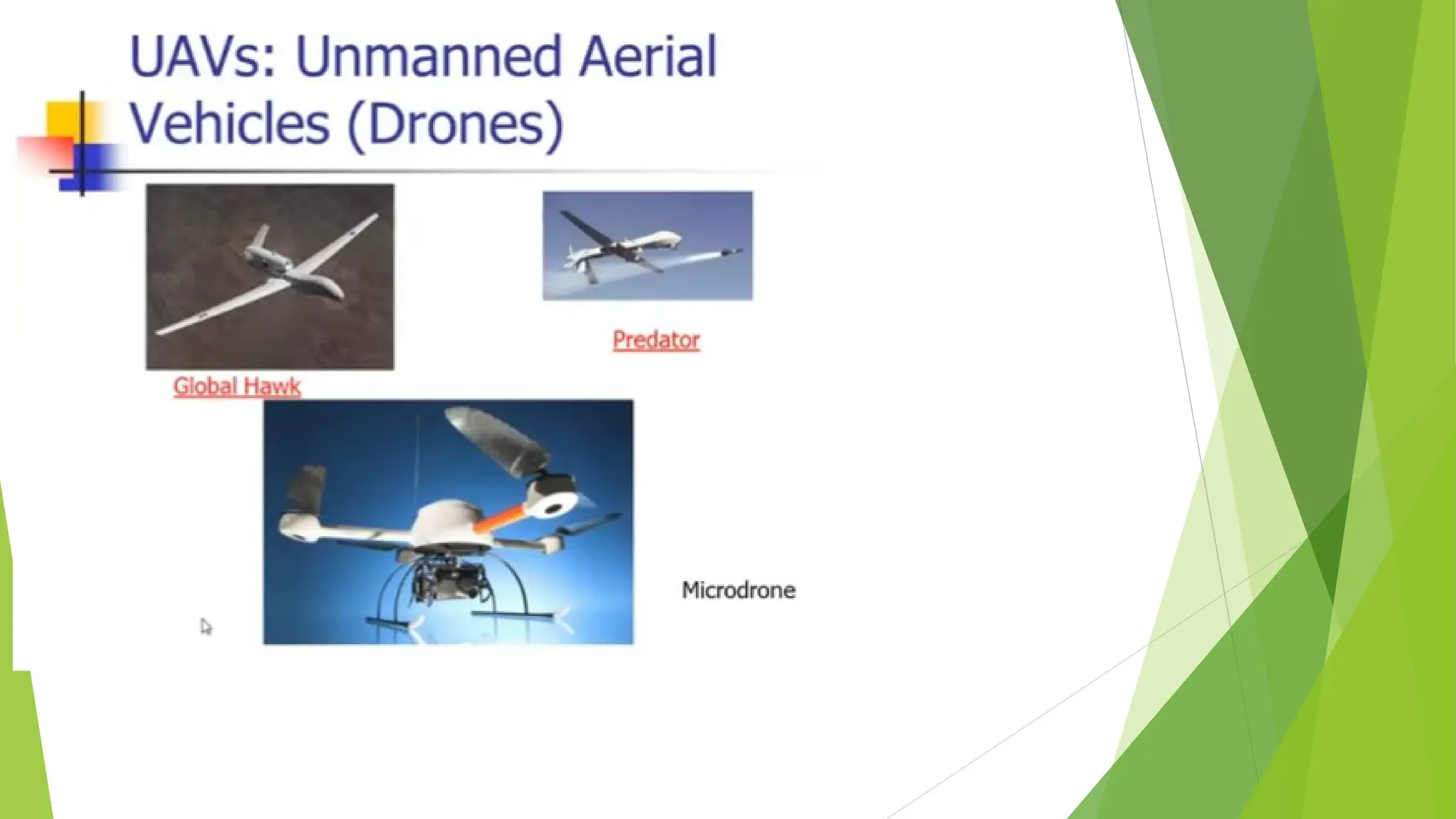
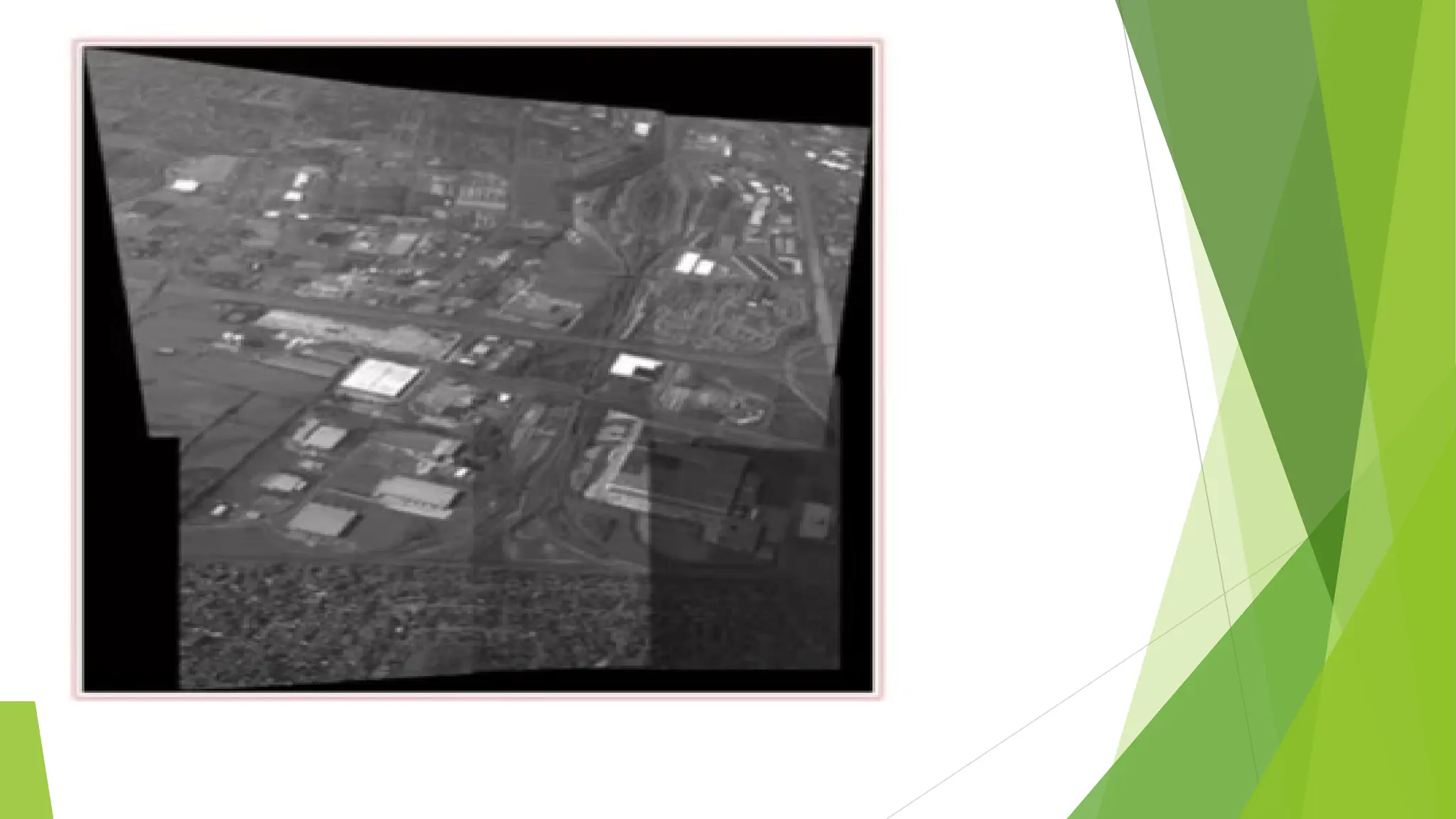
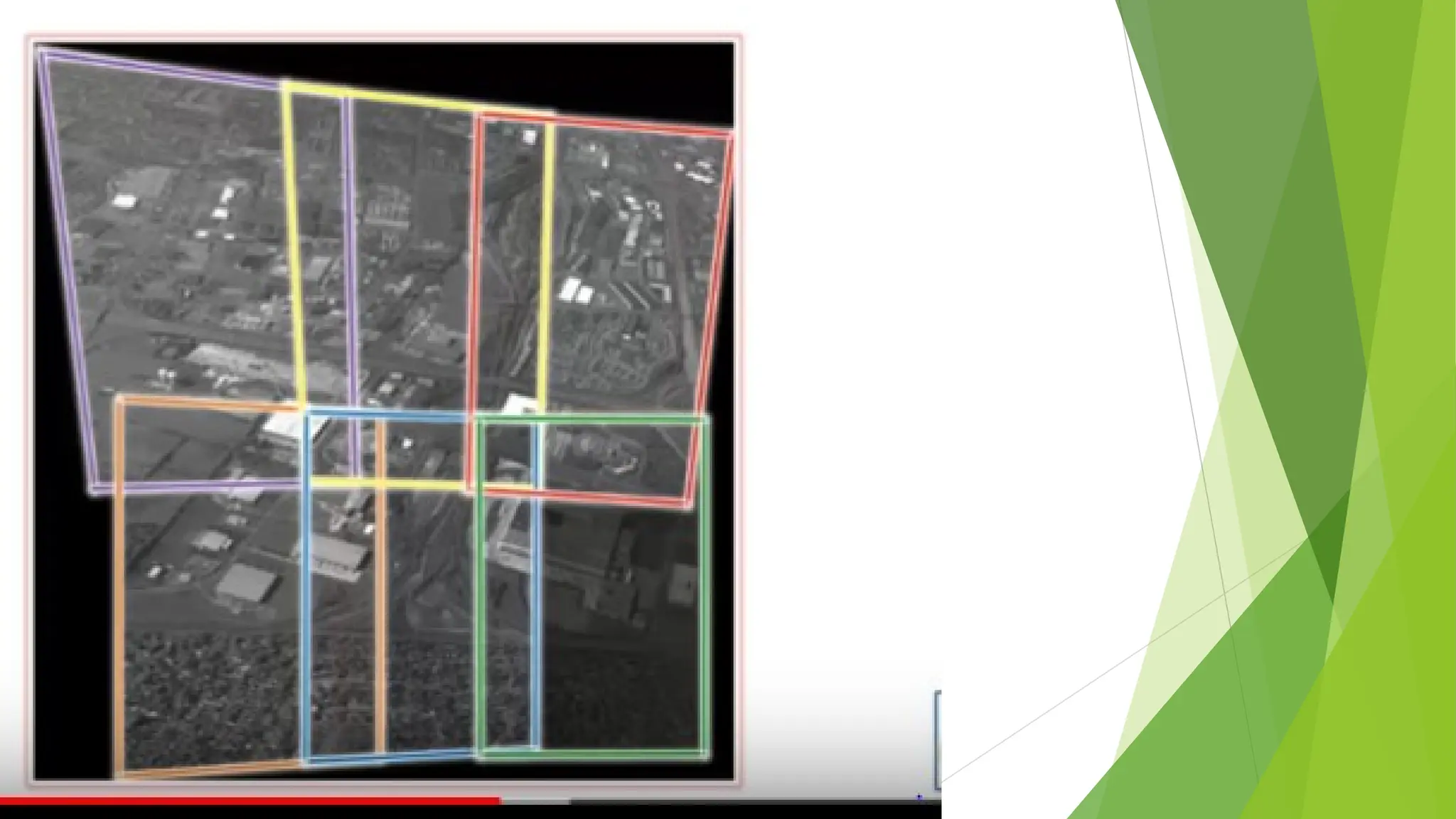
► WIDE AREA SURVEILLANCE
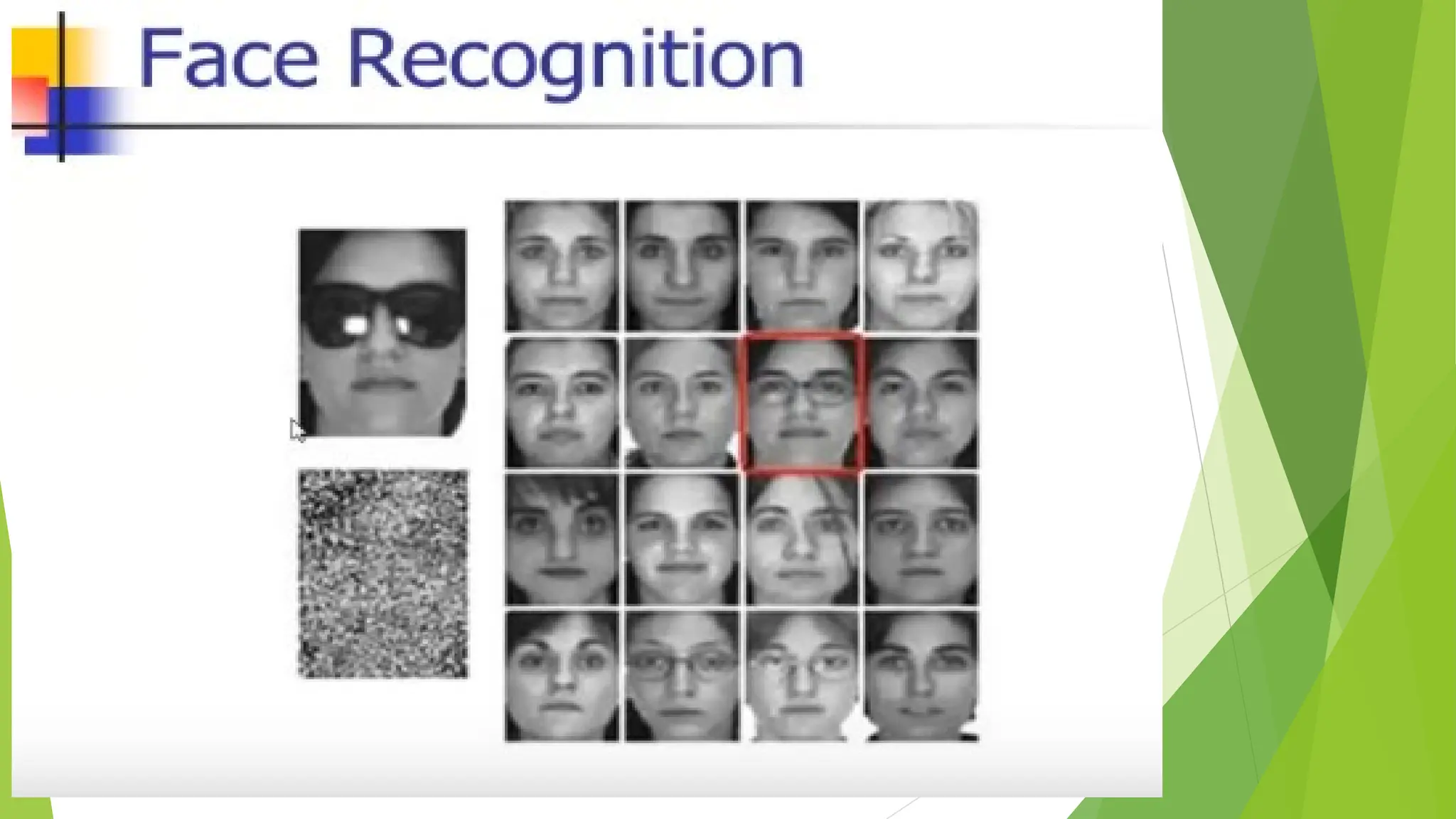
► EMOTION DETECTION AND ANALYSIS
► EMBEDDED VISION
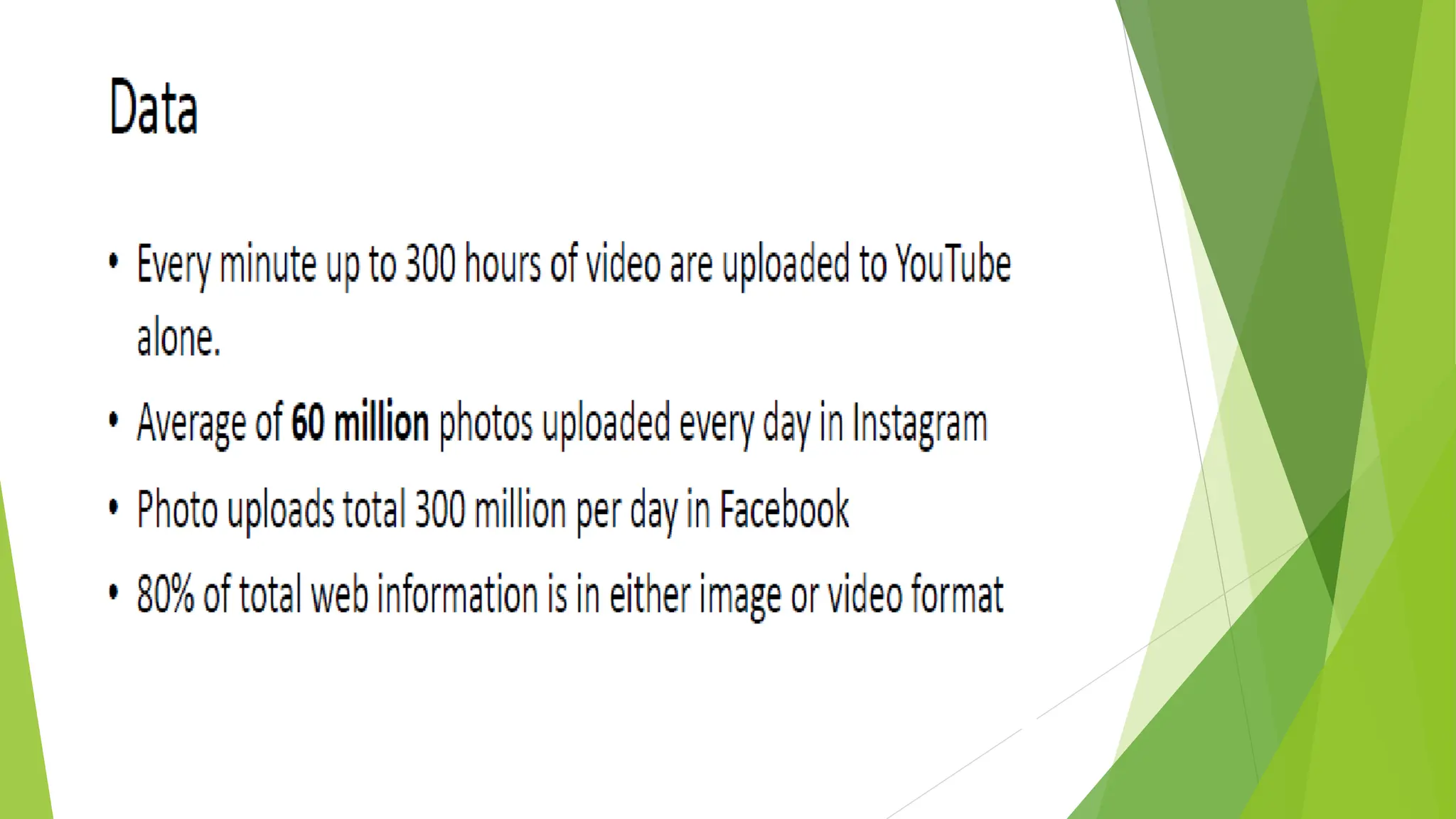
► ABUNDANT DATA
Computer Vision: Algorithmsand Applications
explores the variety of techniques commonly
used to analyze and interpret images.
It also describes challenging real-world
applications where vision is being successfully
used, both for specialized applications such as
medical imaging, and for fun, consumer-level
tasks such as image editing and stitching,
which students can apply to their own personal
photos and videos.
75.
OpenCV (Open SourceComputer Vision) is a
library that provides real-time computer
vision and real-time image processing.





![Seller Deck - Presentation [Concert L2].PPTX](https://cdn.slidesharecdn.com/ss_thumbnails/sellerdeck-presentationconcertl2-251219171156-24982daf-thumbnail.jpg?width=640&height=640&fit=bounds)

