0.be going to predictions will future present.pptx
1.
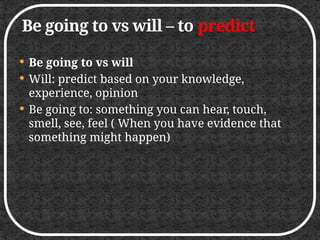
Be goingto vs will
Will: predict based on your knowledge,
experience, opinion
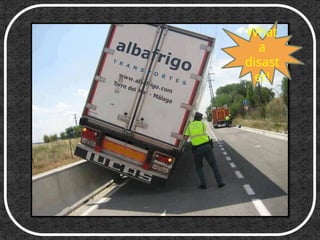
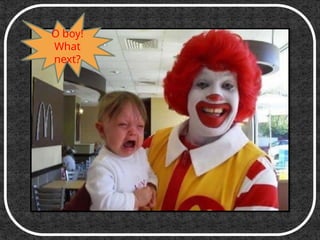
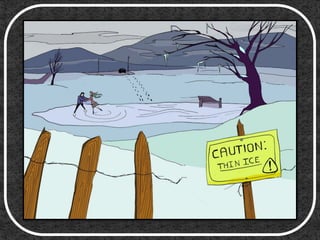
Be going to: something you can hear, touch,
smell, see, feel ( When you have evidence that
something might happen)
Be going to vs will – to predict
2.
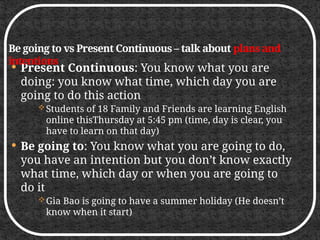
Present Continuous:You know what you are
doing: you know what time, which day you are
going to do this action
Students of 18 Family and Friends are learning English
online thisThursday at 5:45 pm (time, day is clear, you
have to learn on that day)
Be going to: You know what you are going to do,
you have an intention but you don’t know exactly
what time, which day or when you are going to
do it
Gia Bao is going to have a summer holiday (He doesn’t
know when it start)
Be going to vs Present Continuous – talk about plans and
intentions
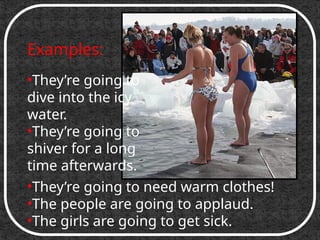
Examples:
•They’re going to
diveinto the icy
water.
•They’re going to
shiver for a long
time afterwards.
•They’re going to need warm clothes!
•The people are going to applaud.
•The girls are going to get sick.