
















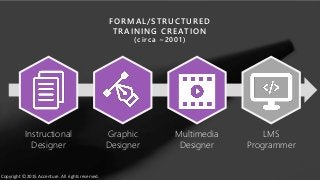
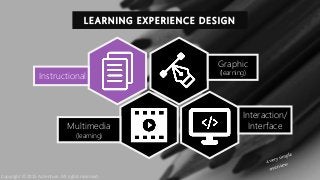

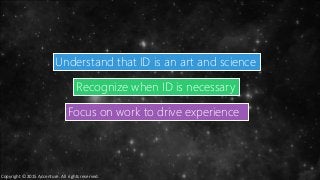
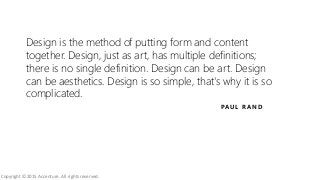

Instructional design has matured from its early days and now faces the risk of losing some of its flexibility in deference to rigid application of theory. Yet in its early days, web designers took on the challenge of creating eLearning content because they knew how to foster a good user experience—despite their lack of formal theoretical training, they built content users wanted. Recognizing the criticality of developing good content along a spectrum that blends the art and science of instructional design can help you find a compromise between tradition and creativity and develop strong content that both engages users and targets what they need to know. When you find the optimal spot between form and function, you can react more quickly to project needs, allocate resources with greater confidence, and bring your product to users faster. Equally important, you can gain buy-in from your instructional and business stakeholders by addressing their concerns and providing a bridge between traditional theory and the power of flexibility to create a more pleasing solution for everyone.


