Downloaded 433 times


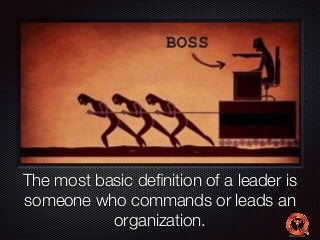
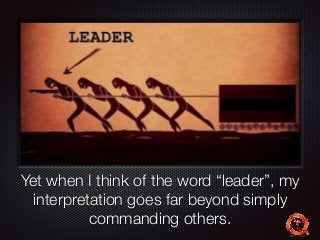



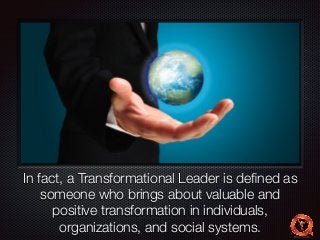


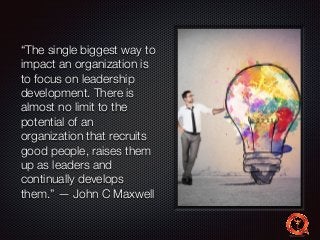








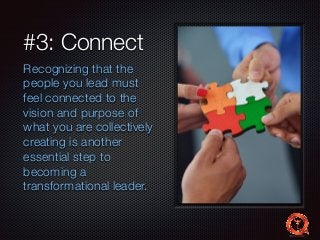

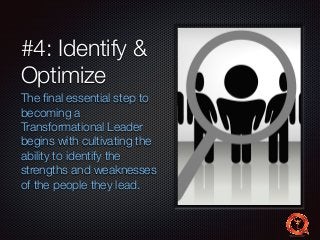












Ask anyone what they think of when they hear the word “leader” and you will likely get an answer that widely differs from the next. The fact is there is no “one size fits all” definition of leadership anymore than there is for the word management. The most basic definition of a leader is someone who commands or leads an organization. Yet when I think of the word “leader”, my interpretation goes far beyond simply commanding others. To me and a rising demographic of Millennials and Cultural Creatives, real leadership involves more essential qualities such as the ability to inspire and to exude passion, intelligence and charisma. In fact, many of the traits we identify with being a leader are ones that encompass the ability to motivate and transform us. So what exactly is this style of leadership? Enter the era of Transformational Leadership. Originally introduced by James MacGregor Burns in 1978, transformational leaders are able to inspire followers to change expectations, perceptions, and motivations to work towards common goals. In fact, a Transformational Leader is defined as someone who brings about valuable and positive transformation in individuals, organizations, and social systems. They empower and develop the people they lead to become leaders themselves, and challenge them to bring out their best and take greater ownership of their work. Why is this important? “The single biggest way to impact an organization is to focus on leadership development. There is almost no limit to the potential of an organization that recruits good people, raises them up as leaders and continually develops them.” — John C Maxwell So how does one go from being an ordinary “command-style” leader to a Transformational Leader? We’ve identified 4 Essential Steps to Becoming a Transformational Leader:


