Got patients?
Healthcare IT Strategy
2
It’s called VRM, Vendor
Relationship Management
3
“Retention is for wimps. We measure the percentage of
patients who have our name tattooed on their body.”
(Harley Davidson Annual Report)
“80% of CEOs believe their brand provides a superior patient
experience…8 % of their customers agree“
(Bain & Company)
4
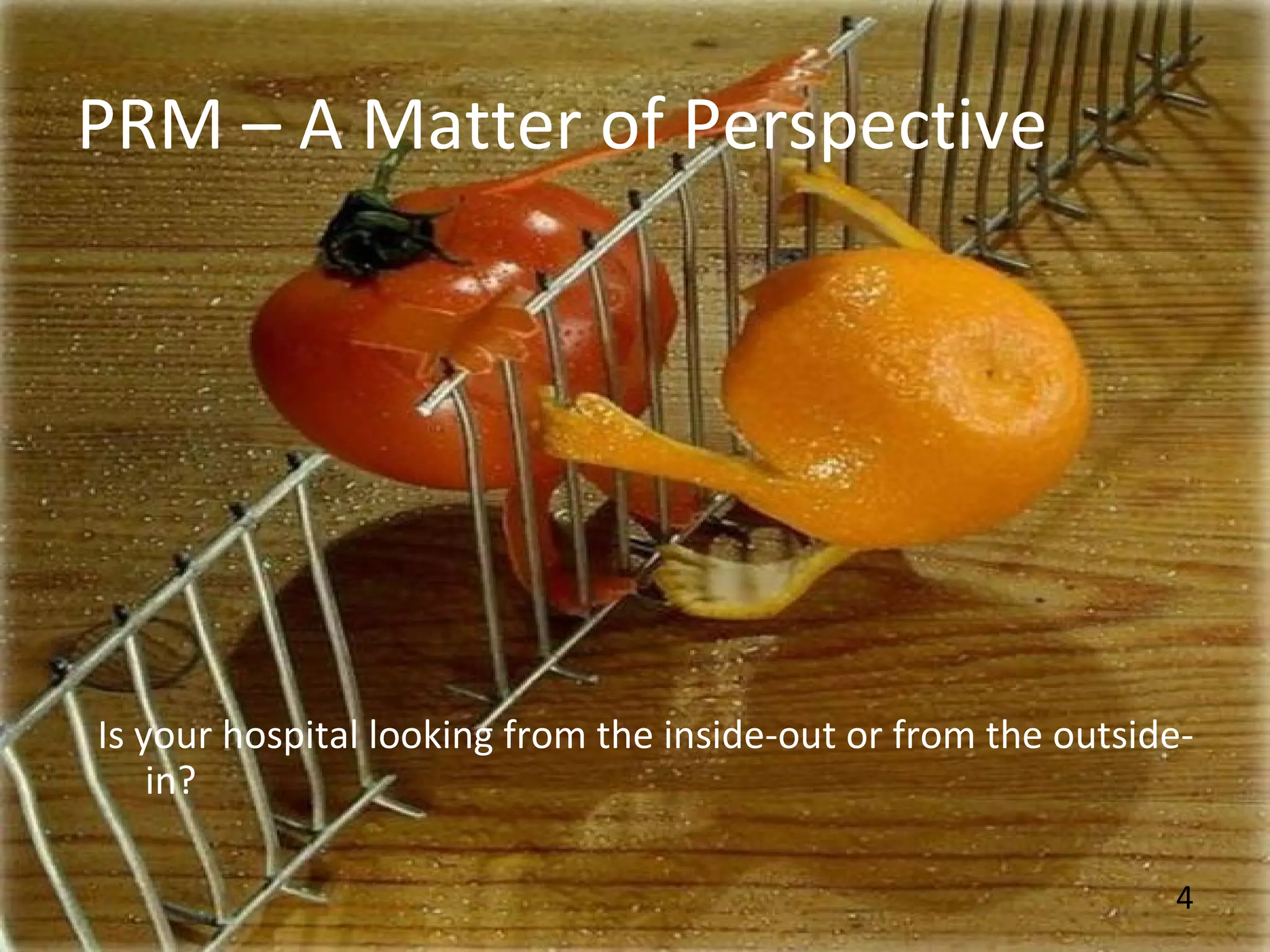
PRM – A Matter of Perspective
Is your hospital looking from the inside-out or from the outside-
in?
5
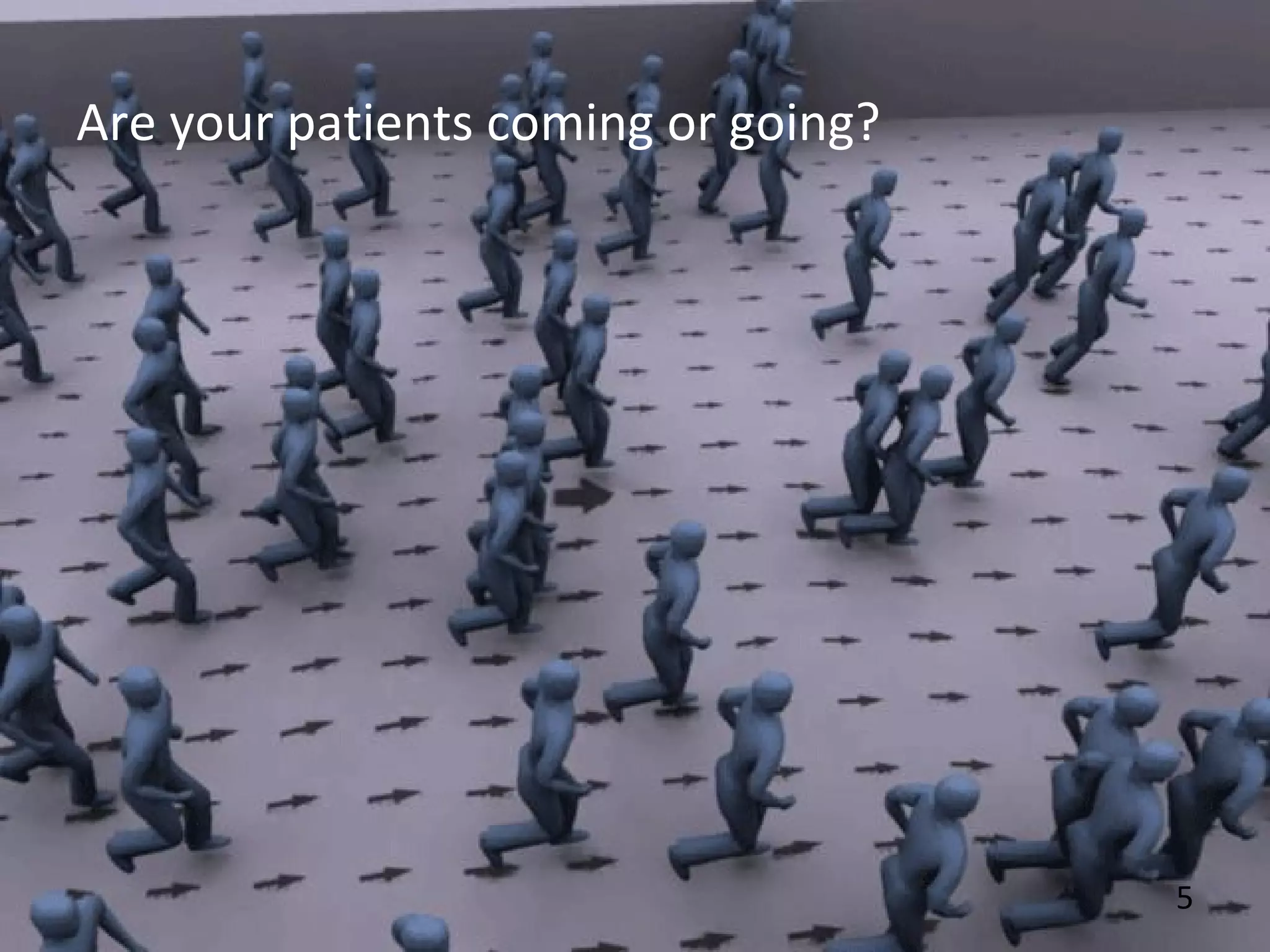
Are your patients coming or going?
6
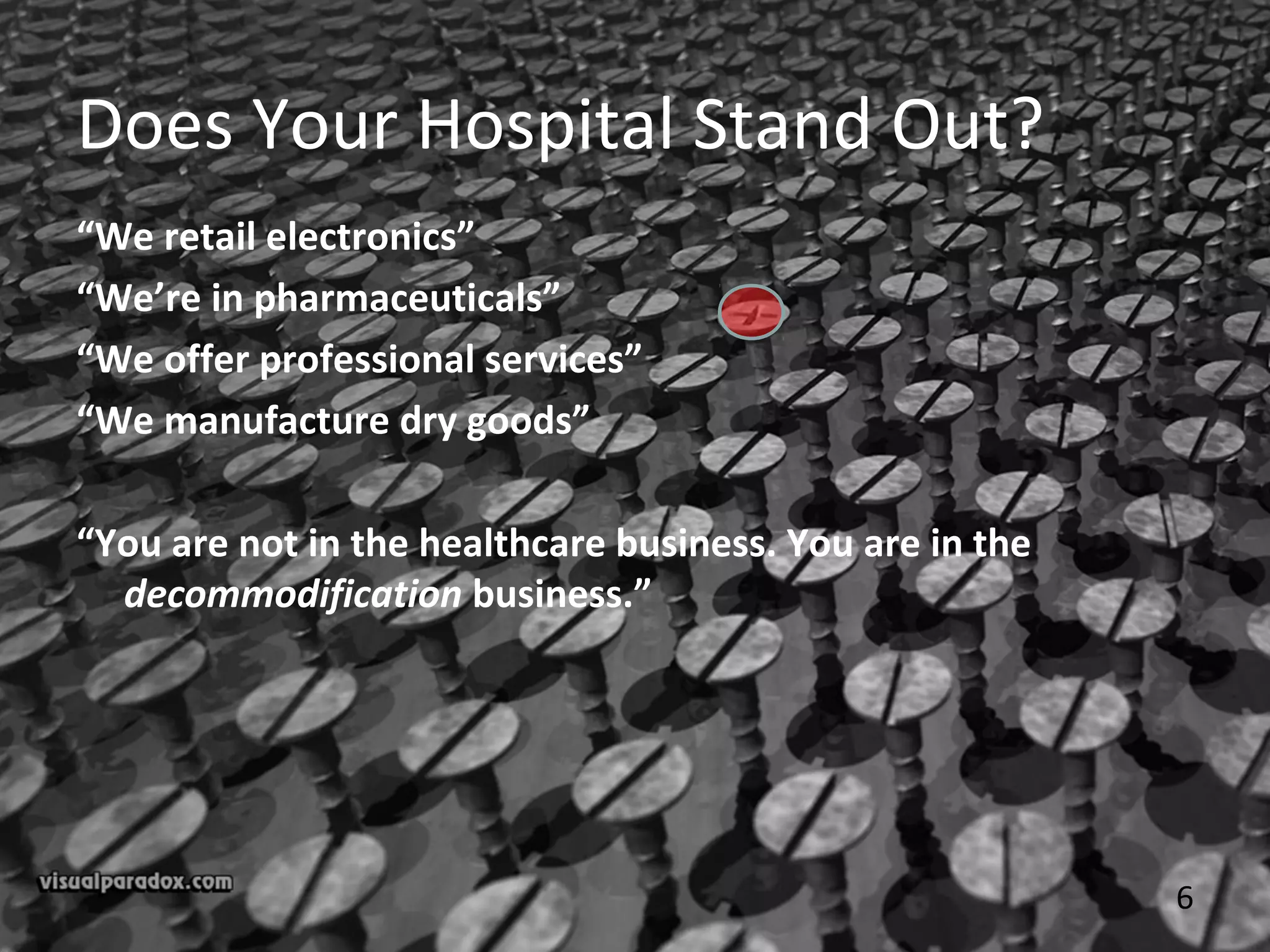
Does Your Hospital Stand Out?
“We retail electronics”
“We’re in pharmaceuticals”
“We offer professional services”
“We manufacture dry goods”
“You are not in the healthcare business. You are in the
decommodification business.”
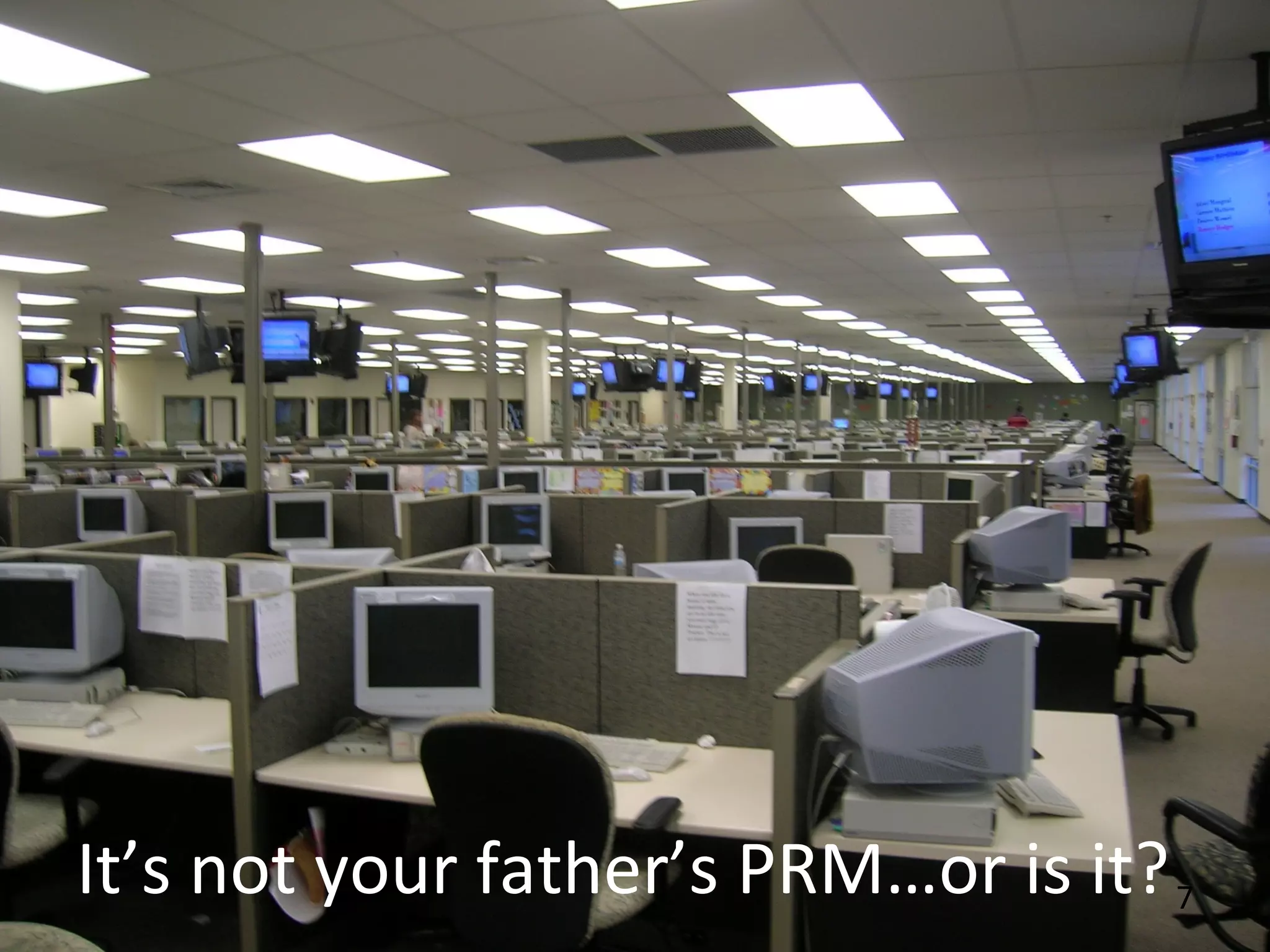
7It’s not your father’s PRM…or is it?
8
PRM Alone Won’t Grow Revenues
 98% of Coupons Get Thrown Away
 It is 10x More Expensive to Generate Revenue from a New
Patient
 A 5% Increase in Retention Can Increase Profits by 60% –
100%
 It is 6x More Expensive to Service Patients Through a Call
Center than it is via the Internet and Website
 Patients Who Refer Another Patient Generate Revenue at No
Cost
 Loyal and Referred Patients Stay Longer, and More Services
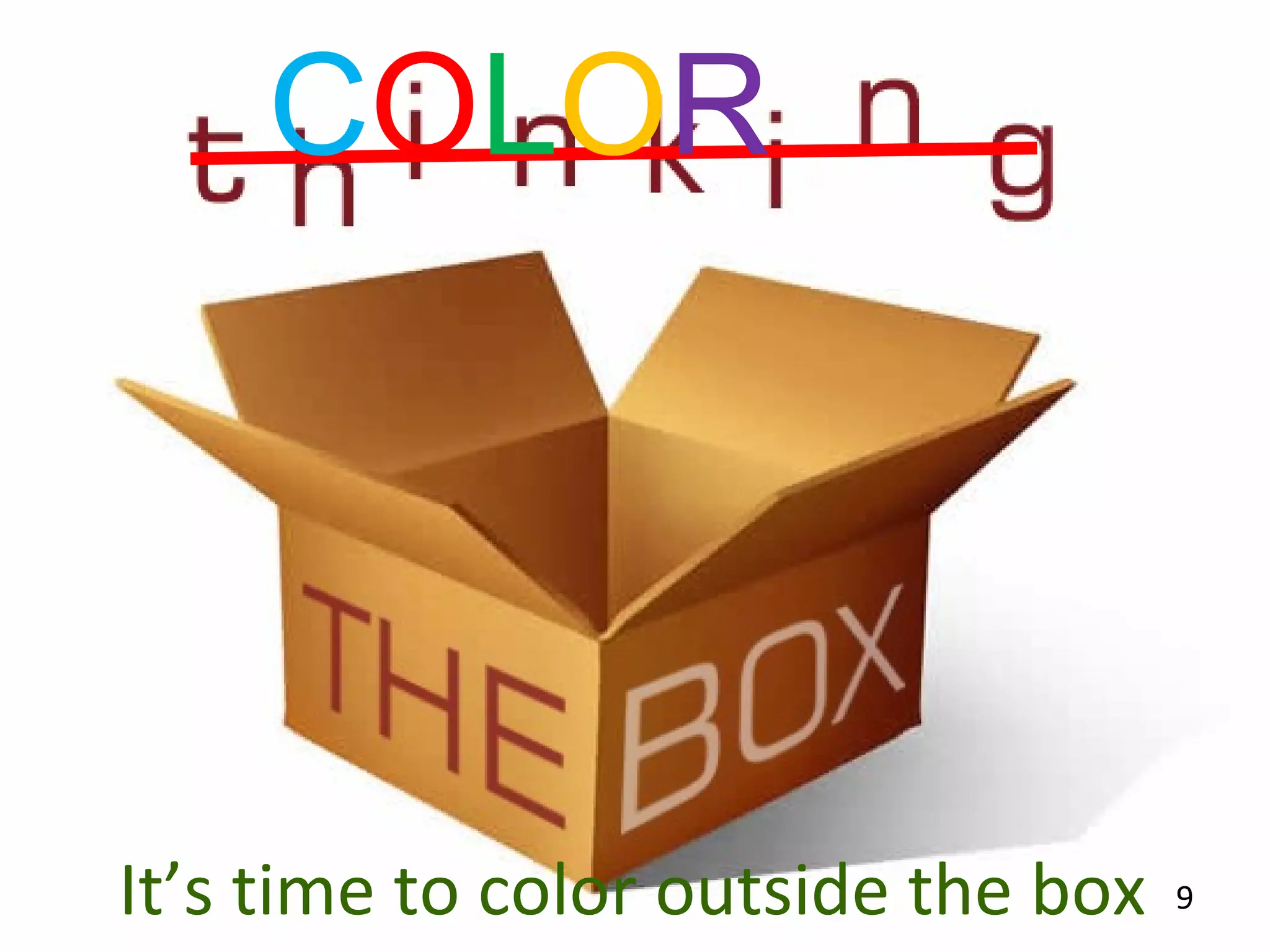
9It’s time to color outside the box
COLOR
10
It’s time to break a few coconuts
11
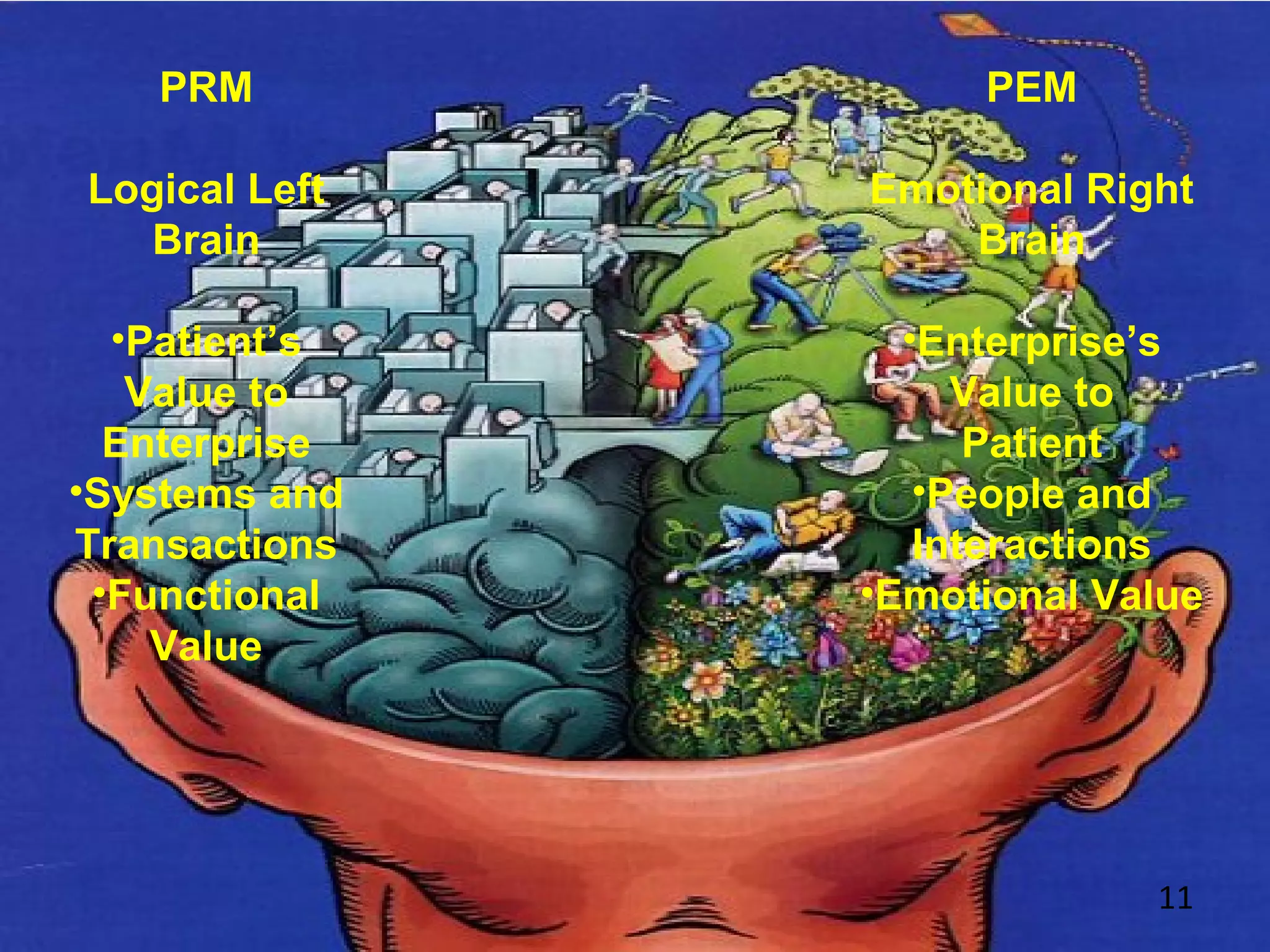
PRM
Logical Left
Brain
•Patient’s
Value to
Enterprise
•Systems and
Transactions
•Functional
Value
PEM
Emotional Right
Brain
•Enterprise’s
Value to
Patient
•People and
Interactions
•Emotional Value
12
PRM is an “inside-out” view
Standard PRM involves heavy applications of
technology:
 PRM applications
 Enhanced IVR and ACD applications
 Outsourcing call center operations
 Off-shoring
 Sales force automation
13
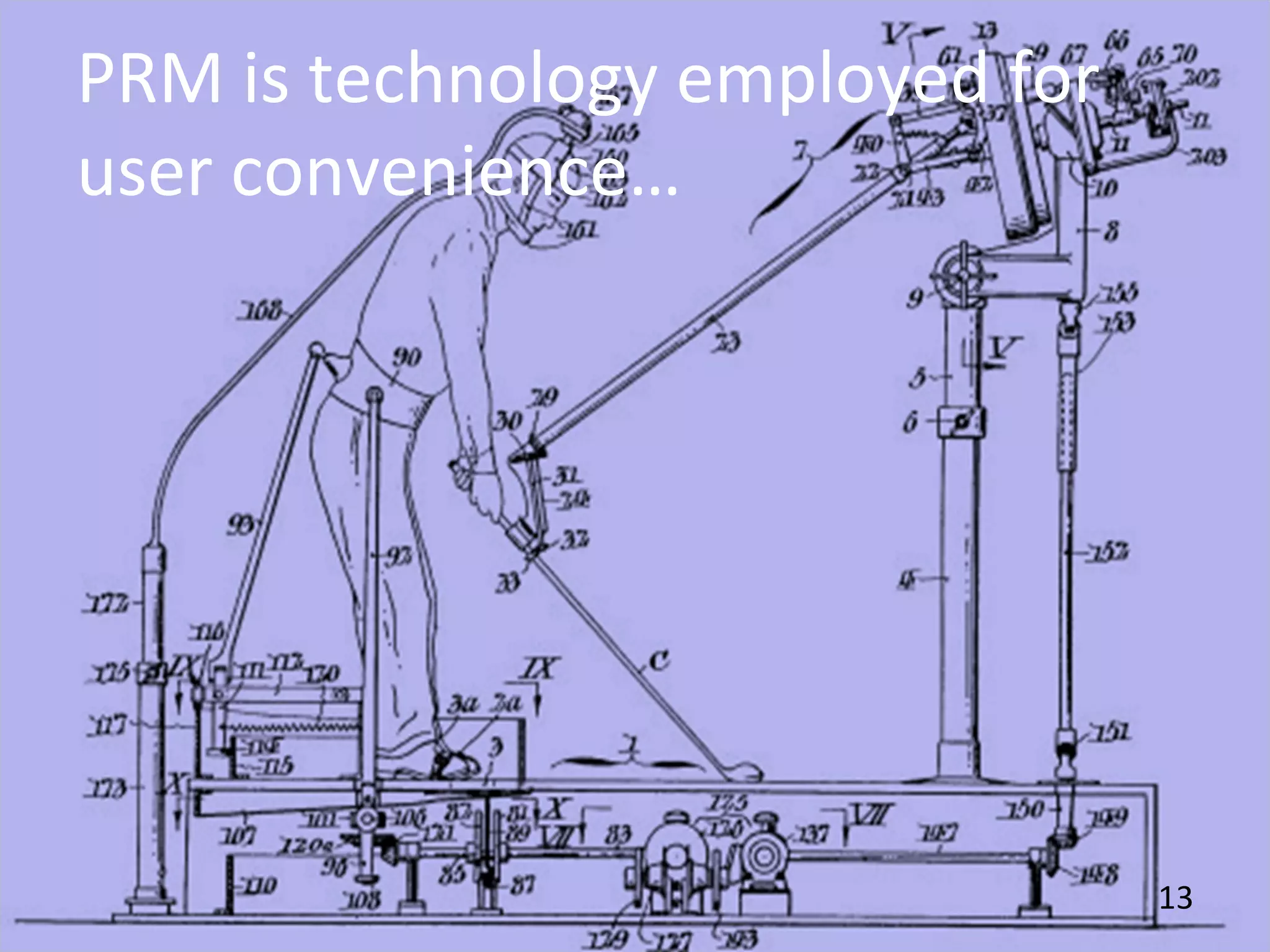
PRM is technology employed for
user convenience…
14
PRM is a shotgun approach
15
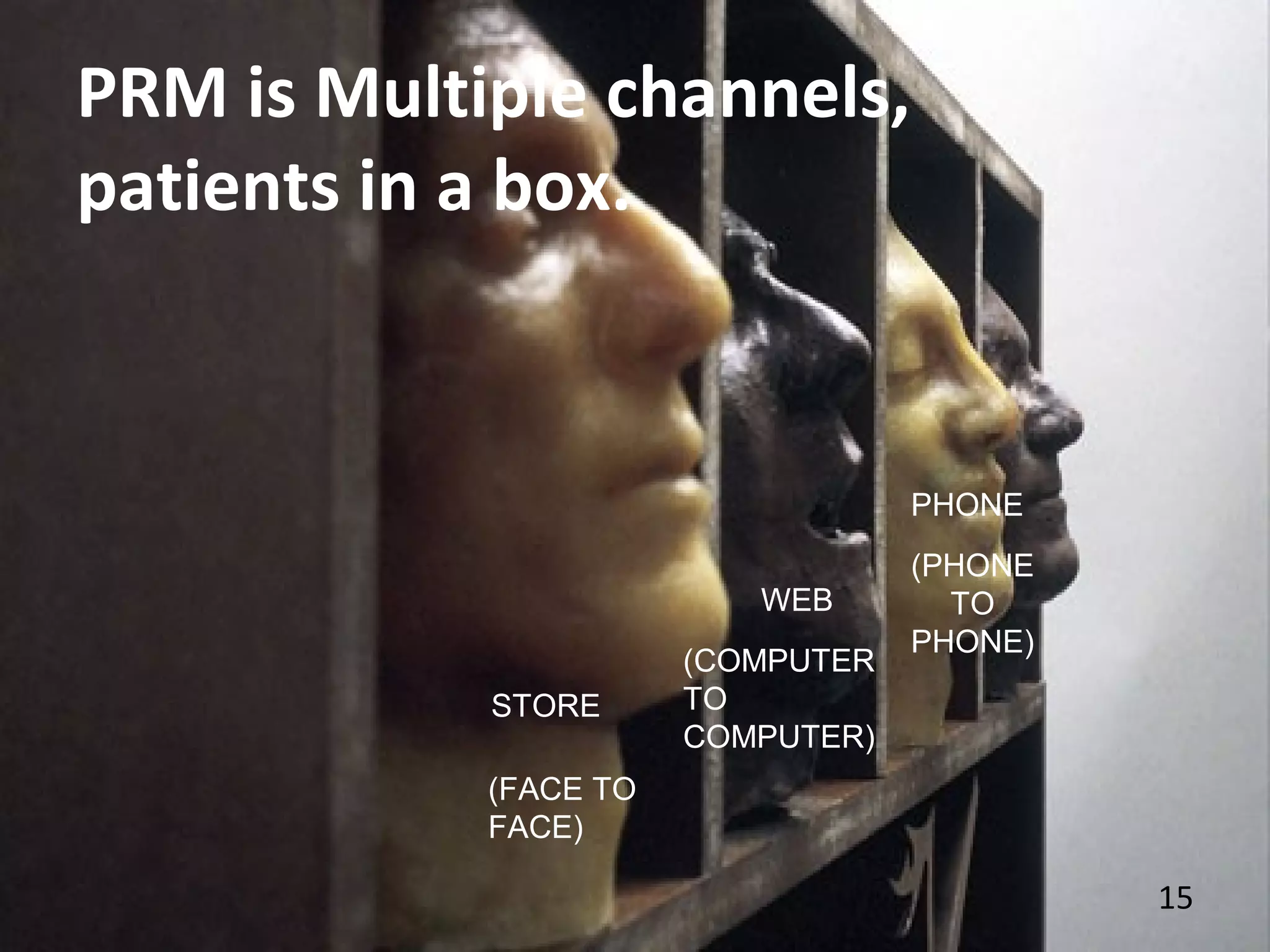
PRM is Multiple channels,
patients in a box.
STORE
(FACE TO
FACE)
WEB
(COMPUTER
TO
COMPUTER)
PHONE
(PHONE
TO
PHONE)
16
Is there a Better Way?
17
Fixing PRM
Patient Management should focus on value creation, not cost
reduction, effectiveness, not efficiency. PRM should have
revenue targets.
Value creation through PRM initiatives comes from:
 Growing the patient base
 Maintaining the patient base – retention, cross-sell & up-sell
 Servicing patient segments
 Maximizing channel effectiveness
18
Change of Focus
The focus is changing from enterprise to single patient, from technology
to process, to…
 Patient Acquisition (number of new "quality" patients)
 Patient Retention (percent of existing patient retained)
 Patient Satisfaction (question results from survey and/or focus groups)
 Patient Segmentation (percent of profit by patient demographics)
 Patient Profitability (average profit per patient/per household)
 Patient Servicing (average response time for patient complaint/inquiry
resolution, first call resolution)
 Patient Referrals (Net)
How are your patients connected
to each other? To you?
20
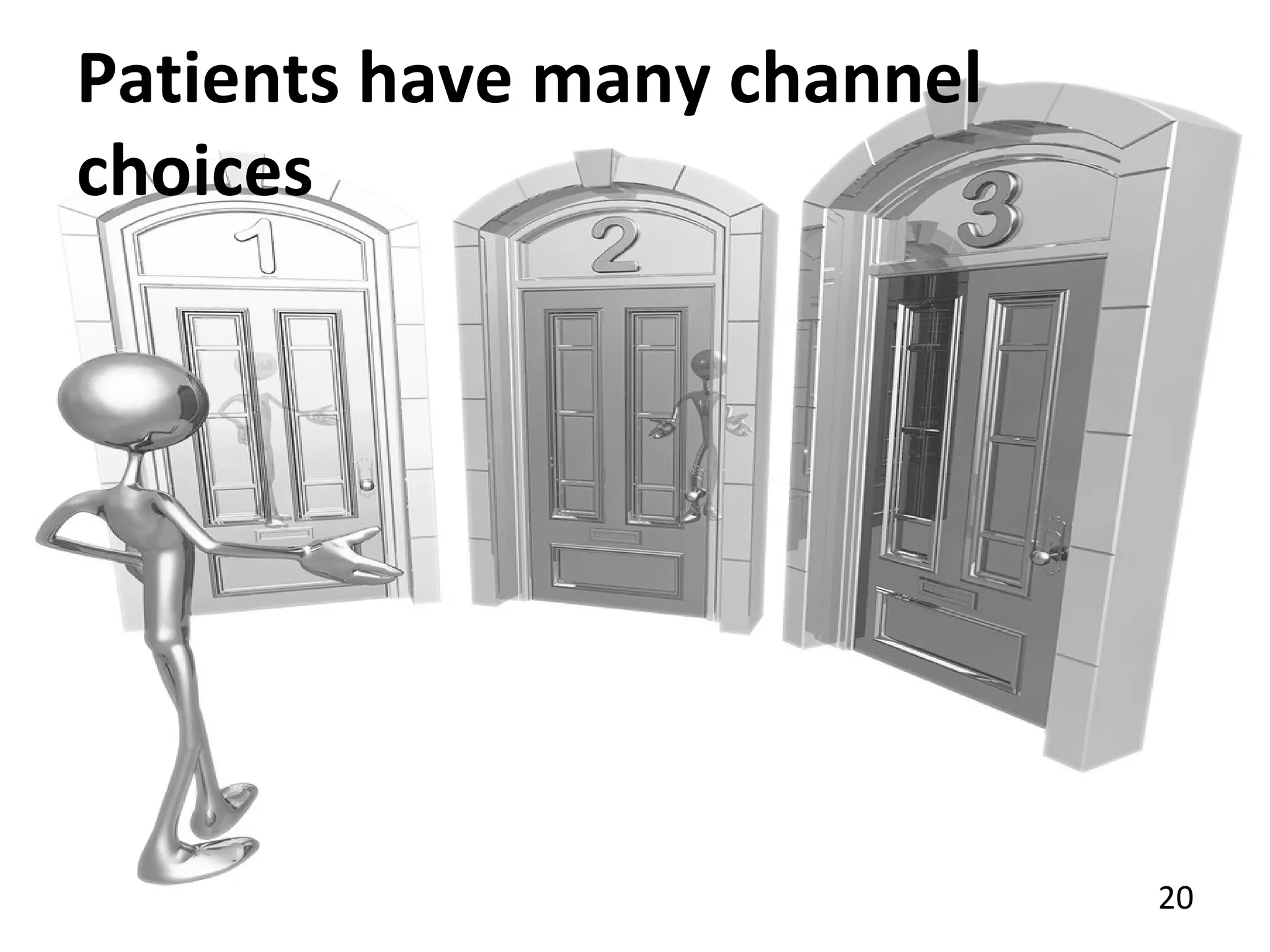
Patients have many channel
choices
21
Patients Solicit
Bids
I want to notify the whole market that I want to buy a SONY plasma TV. In
effect, I want to issue a personal RFP that goes out to every retailer of SONY
plasma TVs.
22
The patient is channel agnostic, and how the patient
is cared for must be infrastructure agnostic.
Patient Equity/Experience Management is the New
Marketing
23
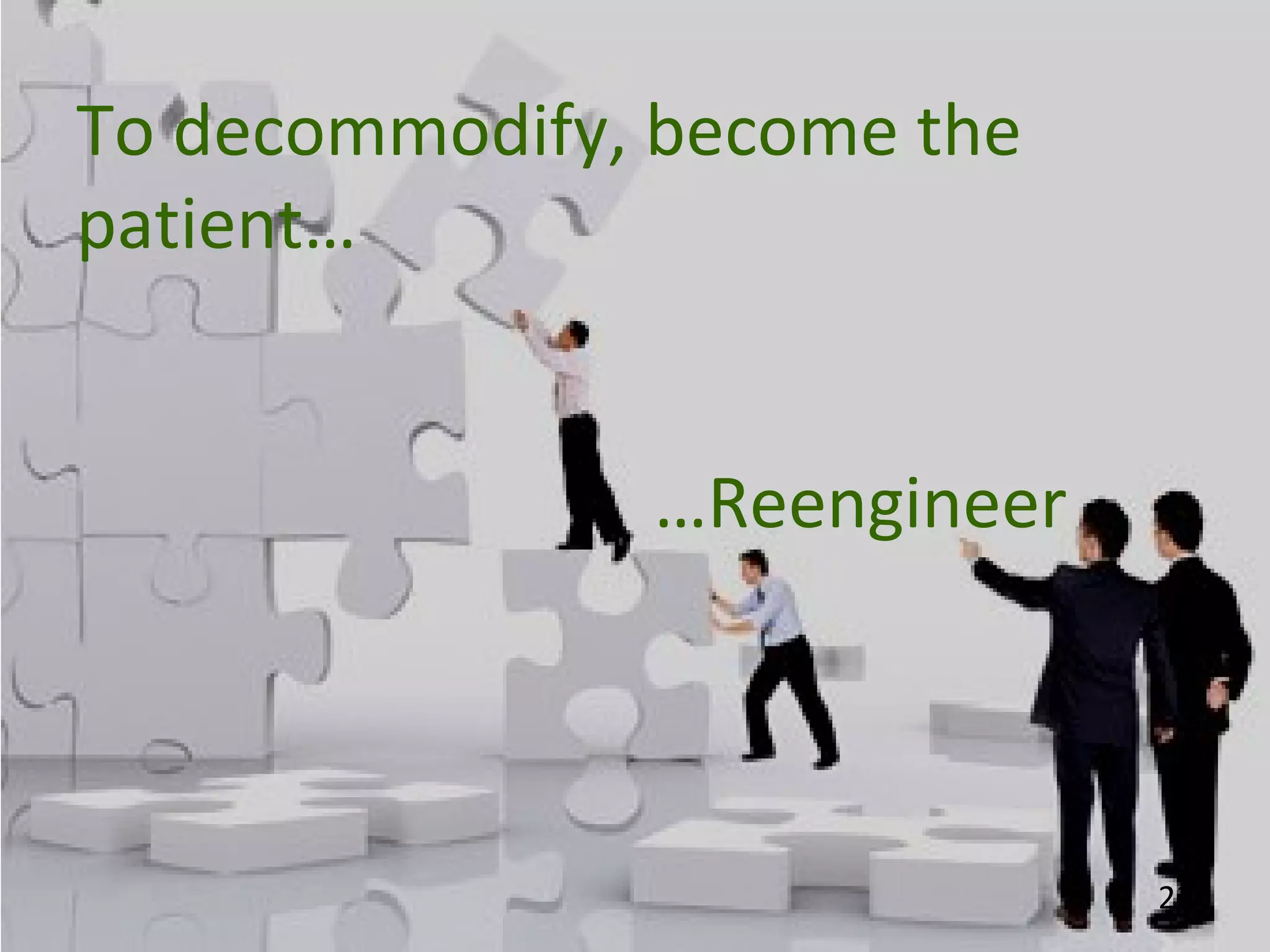
To decommodify, become the
patient…
…Reengineer
24
From what to what?
25
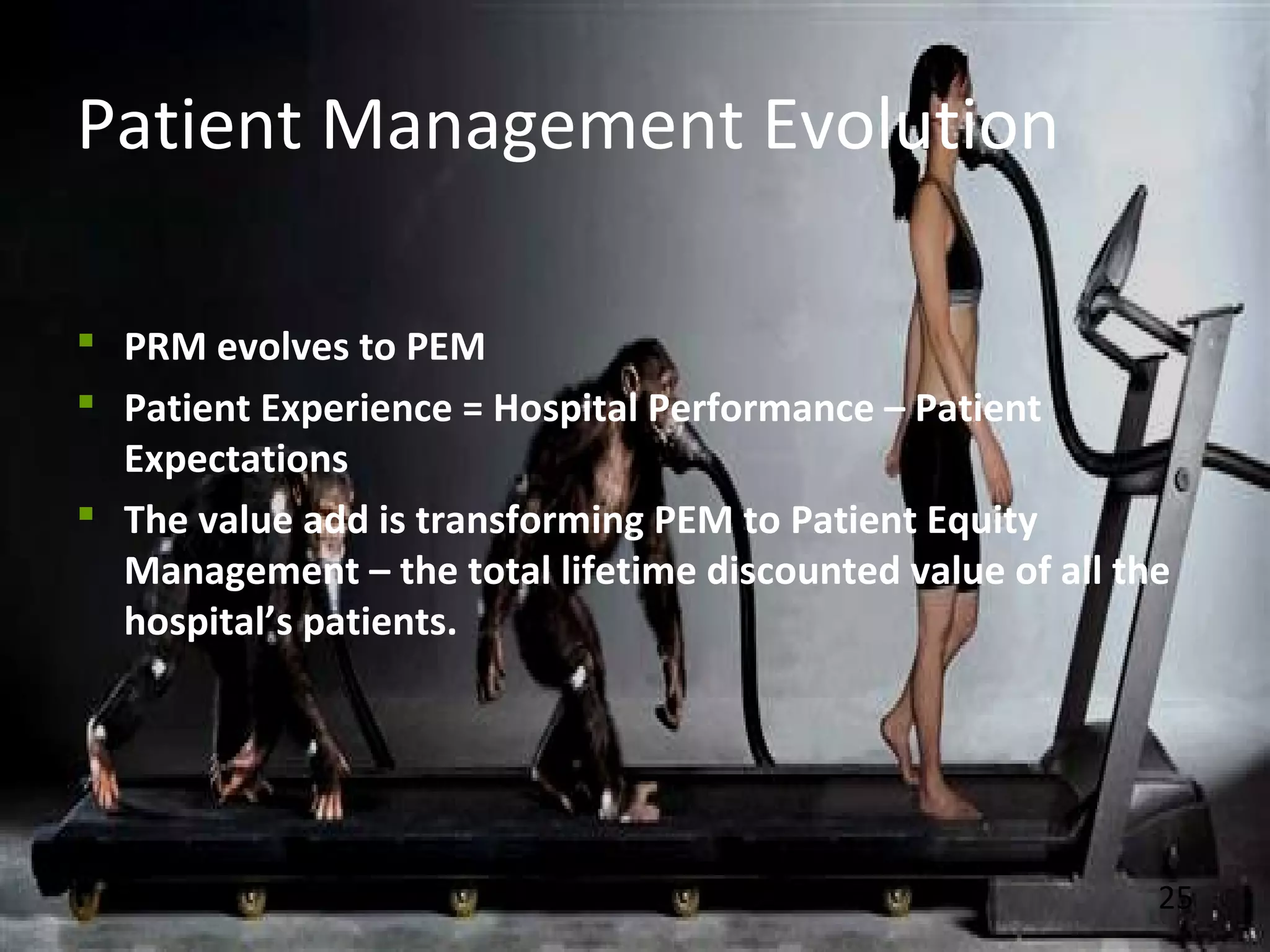
Patient Management Evolution
 PRM evolves to PEM
 Patient Experience = Hospital Performance – Patient
Expectations
 The value add is transforming PEM to Patient Equity
Management – the total lifetime discounted value of all the
hospital’s patients.
26
Patients vs. Hospitals– who is
winning?
How many hits does Google Reader display
for your hospital?
How many for FaceBook?
MySpace?
YouTube?
27
How many of those interactions
are you managing?
28
Managing patients is like herding
cats…not much bang for your buck.
(of course I’ve heard of cats)
29
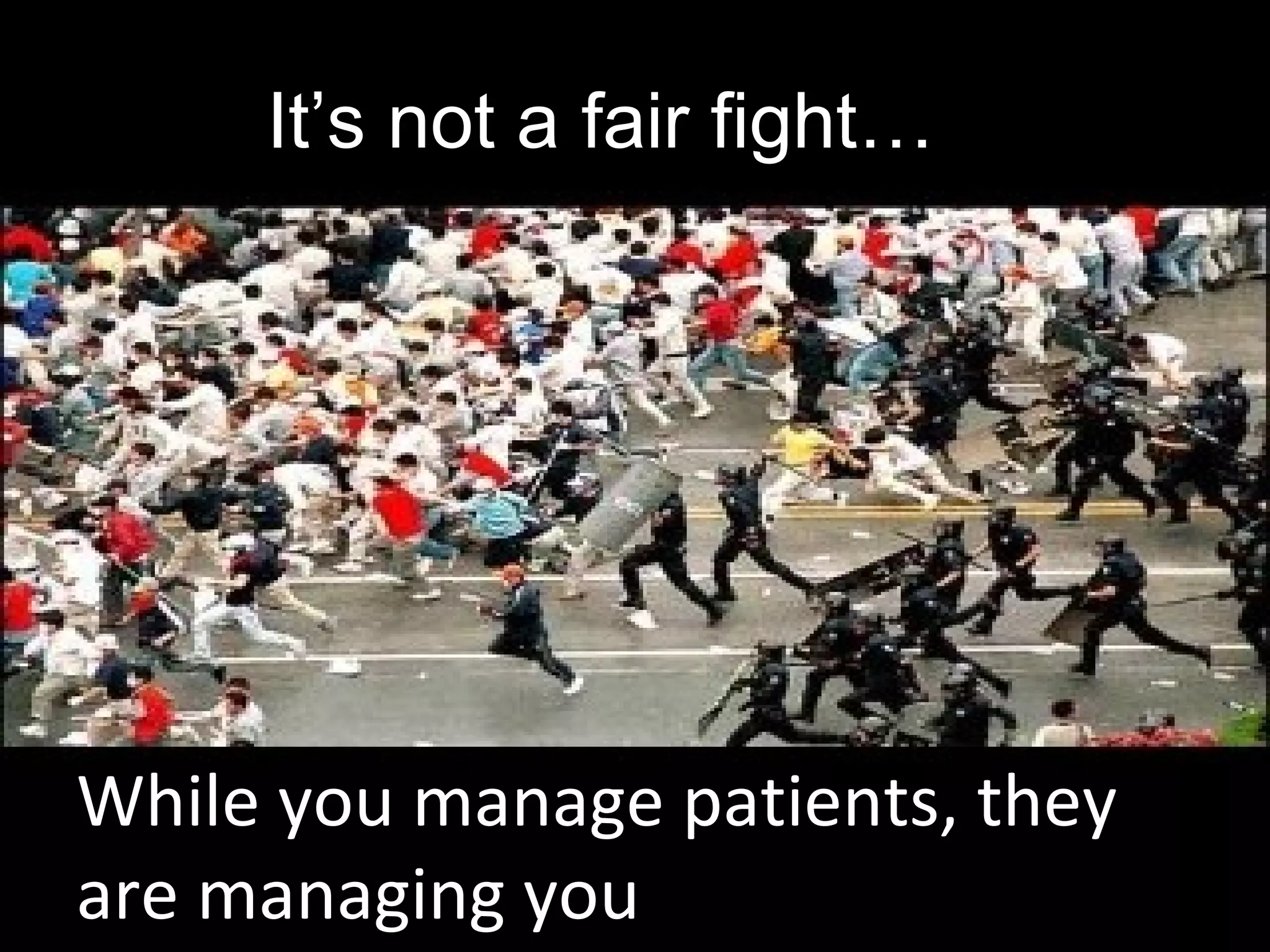
While you manage patients, they
are managing you
It’s not a fair fight…
30
Still with me?
31
Two worlds have collided, patients
and hospitals
Did either survive intact?
32
It’s not easy…
but important ventures rarely are.
33
Where do you need to go?
How do you get there?
34
Need Help?
35
(EASY button
not included}
36
Healthcare IT Strategy can lead
the way
37
It’s called VRM, Vendor
Relationship Management
38
First, write the playbook…
PRM to PEM:
•Define goals/objectives
•Evaluate the situation
•Define expectations
•Develop a plan
•PRM
•PEM
•Social networking
•Implement
39
Define Goals & Objectives
40
Evaluate your situation
41
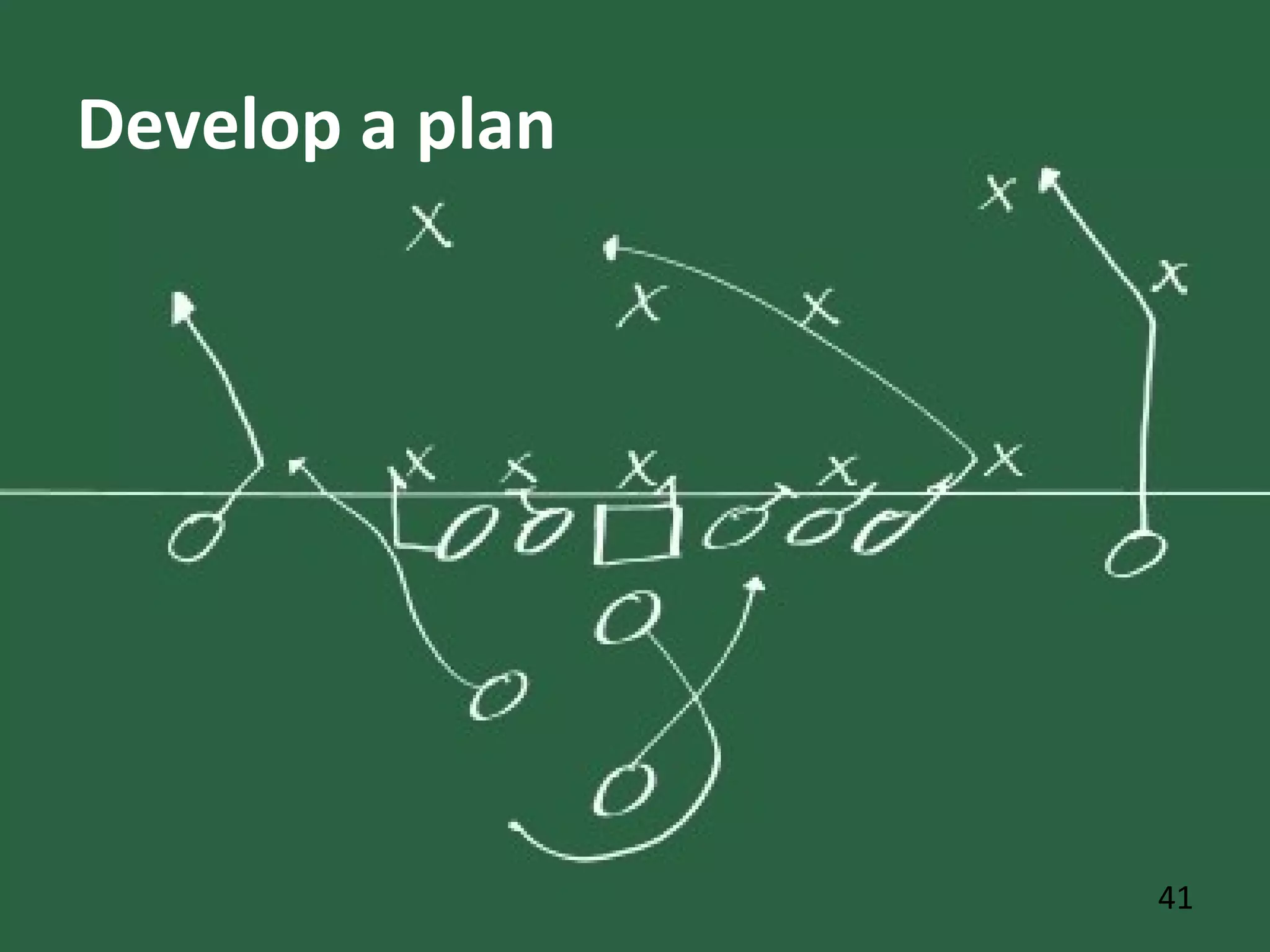
Develop a plan
42
Social Networking
43
Contact: Paul Roemer, Partner, Clinton Rubin LLC
paul.roemer@clintonrubin.com
(484) 885-6942
Paul Roemer, Managing Partner
Healthcare IT Strategy, LLC
+1 (484) 885-6942
+1 (610) 384-1811
paulroemer@Healthcareitstrategy.com

PEM Patient Equity Management

  • 1.
  • 2.
    2 It’s called VRM,Vendor Relationship Management
  • 3.
    3 “Retention is forwimps. We measure the percentage of patients who have our name tattooed on their body.” (Harley Davidson Annual Report) “80% of CEOs believe their brand provides a superior patient experience…8 % of their customers agree“ (Bain & Company)
  • 4.
    4 PRM – AMatter of Perspective Is your hospital looking from the inside-out or from the outside- in?
  • 5.
    5 Are your patientscoming or going?
  • 6.
    6 Does Your HospitalStand Out? “We retail electronics” “We’re in pharmaceuticals” “We offer professional services” “We manufacture dry goods” “You are not in the healthcare business. You are in the decommodification business.”
  • 7.
    7It’s not yourfather’s PRM…or is it?
  • 8.
    8 PRM Alone Won’tGrow Revenues  98% of Coupons Get Thrown Away  It is 10x More Expensive to Generate Revenue from a New Patient  A 5% Increase in Retention Can Increase Profits by 60% – 100%  It is 6x More Expensive to Service Patients Through a Call Center than it is via the Internet and Website  Patients Who Refer Another Patient Generate Revenue at No Cost  Loyal and Referred Patients Stay Longer, and More Services
  • 9.
    9It’s time tocolor outside the box COLOR
  • 10.
    10 It’s time tobreak a few coconuts
  • 11.
    11 PRM Logical Left Brain •Patient’s Value to Enterprise •Systemsand Transactions •Functional Value PEM Emotional Right Brain •Enterprise’s Value to Patient •People and Interactions •Emotional Value
  • 12.
    12 PRM is an“inside-out” view Standard PRM involves heavy applications of technology:  PRM applications  Enhanced IVR and ACD applications  Outsourcing call center operations  Off-shoring  Sales force automation
  • 13.
    13 PRM is technologyemployed for user convenience…
  • 14.
    14 PRM is ashotgun approach
  • 15.
    15 PRM is Multiplechannels, patients in a box. STORE (FACE TO FACE) WEB (COMPUTER TO COMPUTER) PHONE (PHONE TO PHONE)
  • 16.
    16 Is there aBetter Way?
  • 17.
    17 Fixing PRM Patient Managementshould focus on value creation, not cost reduction, effectiveness, not efficiency. PRM should have revenue targets. Value creation through PRM initiatives comes from:  Growing the patient base  Maintaining the patient base – retention, cross-sell & up-sell  Servicing patient segments  Maximizing channel effectiveness
  • 18.
    18 Change of Focus Thefocus is changing from enterprise to single patient, from technology to process, to…  Patient Acquisition (number of new "quality" patients)  Patient Retention (percent of existing patient retained)  Patient Satisfaction (question results from survey and/or focus groups)  Patient Segmentation (percent of profit by patient demographics)  Patient Profitability (average profit per patient/per household)  Patient Servicing (average response time for patient complaint/inquiry resolution, first call resolution)  Patient Referrals (Net)
  • 19.
    How are yourpatients connected to each other? To you?
  • 20.
    20 Patients have manychannel choices
  • 21.
    21 Patients Solicit Bids I wantto notify the whole market that I want to buy a SONY plasma TV. In effect, I want to issue a personal RFP that goes out to every retailer of SONY plasma TVs.
  • 22.
    22 The patient ischannel agnostic, and how the patient is cared for must be infrastructure agnostic. Patient Equity/Experience Management is the New Marketing
  • 23.
    23 To decommodify, becomethe patient… …Reengineer
  • 24.
  • 25.
    25 Patient Management Evolution PRM evolves to PEM  Patient Experience = Hospital Performance – Patient Expectations  The value add is transforming PEM to Patient Equity Management – the total lifetime discounted value of all the hospital’s patients.
  • 26.
    26 Patients vs. Hospitals–who is winning? How many hits does Google Reader display for your hospital? How many for FaceBook? MySpace? YouTube?
  • 27.
    27 How many ofthose interactions are you managing?
  • 28.
    28 Managing patients islike herding cats…not much bang for your buck. (of course I’ve heard of cats)
  • 29.
    29 While you managepatients, they are managing you It’s not a fair fight…
  • 30.
  • 31.
    31 Two worlds havecollided, patients and hospitals Did either survive intact?
  • 32.
    32 It’s not easy… butimportant ventures rarely are.
  • 33.
    33 Where do youneed to go? How do you get there?
  • 34.
  • 35.
  • 36.
    36 Healthcare IT Strategycan lead the way
  • 37.
    37 It’s called VRM,Vendor Relationship Management
  • 38.
    38 First, write theplaybook… PRM to PEM: •Define goals/objectives •Evaluate the situation •Define expectations •Develop a plan •PRM •PEM •Social networking •Implement
  • 39.
  • 40.
  • 41.
  • 42.
  • 43.
    43 Contact: Paul Roemer,Partner, Clinton Rubin LLC paul.roemer@clintonrubin.com (484) 885-6942 Paul Roemer, Managing Partner Healthcare IT Strategy, LLC +1 (484) 885-6942 +1 (610) 384-1811 paulroemer@Healthcareitstrategy.com

Editor's Notes

  • #14 Reduce call volumes Reduce hold times Reduce dropped calls Reduce Average Handle Time (AHT) Reduce average talk time (ATT) Reduce delay time Improve service levels Reduce churn Reduce downgrades & returns
  • #15 attack artificial satisfaction barometers , enterprise-wide Key Performance Indicators (KPIs), ignoring actual levels of satisfaction of individual patients; Campaign management Sales force automation Data warehousing Data mining