‘GERETAK’
AS AN INFRASTRUCTURE PLATFORM,
STUDIED FROM PONTIANAK CASE
Ahmad Dinawan, IAI.
BUILDING ON WATER:
Jakarta, 09 April 2013
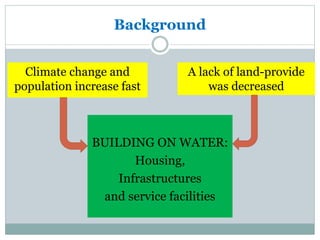
Background
A lack of land-provide
was decreased
Climate change and
population increase fast
BUILDING ON WATER:
Housing,
Infrastructures
and service facilities
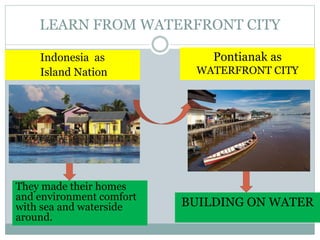
LEARN FROM WATERFRONT CITY
Indonesia as
Island Nation
BUILDING ON WATER
Pontianak as
WATERFRONT CITY
They made their homes
and environment comfort
with sea and waterside
around.
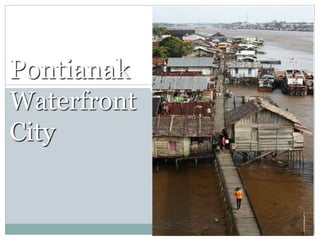
Pontianak
Waterfront
City
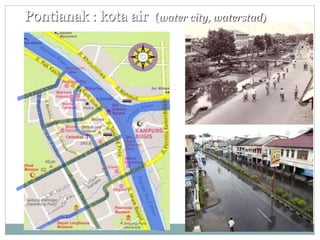
Pontianak : kota air (water city, waterstad)
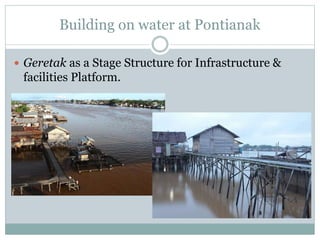
Building on water at Pontianak
 Geretak as a Stage Structure for Infrastructure &
facilities Platform.
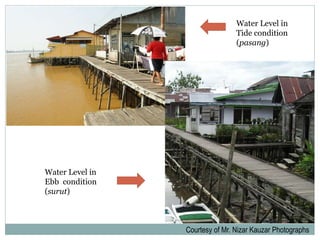
Courtesy of Mr. Nizar Kauzar Photographs
Water Level in
Ebb condition
(surut)
Water Level in
Tide condition
(pasang)
LEARN FROM WATERFRONT CITY
liked promenade made from
lumber structure on the river front
and wet areas
GERETAK as
Pathways pathways with stage structure
Could be integrated to place utilities
LEARN FROM KOTA AIR
intended to support accessibility
of community around the river
and any wet areas at the city
also functioned for a dock/pier
and a place of gathering peoples
occasionally
GERETAK as
infrastructure
platform
usually placed by the cable web of
electricity, Telephone, water pipe,
etc
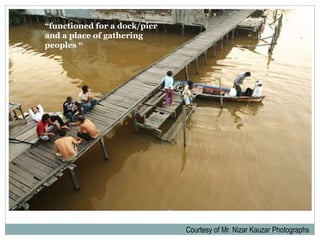
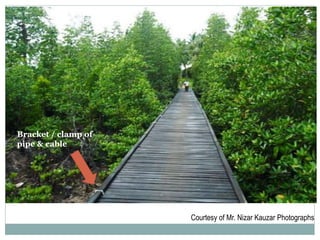
Courtesy of Mr. Nizar Kauzar Photographs
“functioned for a dock/pier
and a place of gathering
peoples “
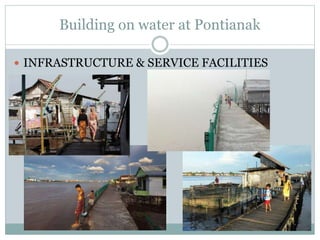
Building on water at Pontianak
 INFRASTRUCTURE & SERVICE FACILITIES
Courtesy of Mr. Nizar Kauzar Photographs
Bracket / clamp of
pipe & cable
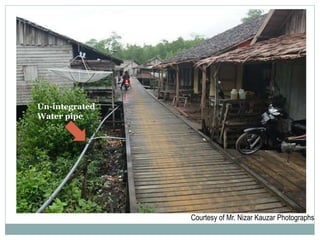
Courtesy of Mr. Nizar Kauzar Photographs
Un-integrated
Water pipe
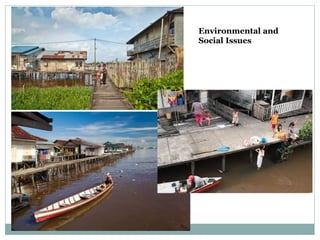
Environmental and
Social Issues
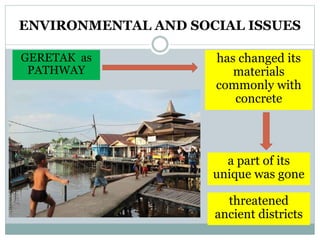
ENVIRONMENTAL AND SOCIAL ISSUES
GERETAK as
PATHWAY
has changed its
materials
commonly with
concrete
a part of its
unique was gone
threatened
ancient districts
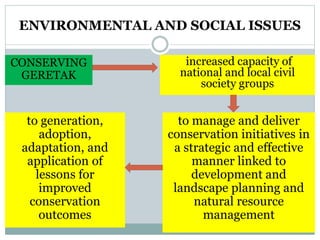
ENVIRONMENTAL AND SOCIAL ISSUES
increased capacity of
national and local civil
society groups
to manage and deliver
conservation initiatives in
a strategic and effective
manner linked to
development and
landscape planning and
natural resource
management
CONSERVING
GERETAK
to generation,
adoption,
adaptation, and
application of
lessons for
improved
conservation
outcomes
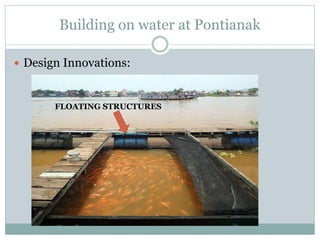
Building on water at Pontianak
 Design Innovations:
FLOATING STRUCTURES
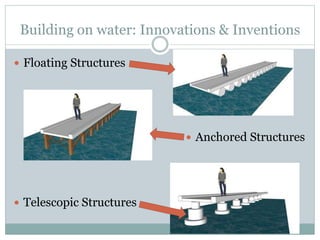
Building on water: Innovations & Inventions
 Floating Structures
 Anchored Structures
 Telescopic Structures
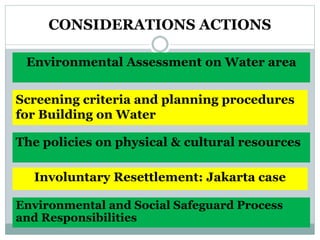
CONSIDERATIONS ACTIONS
Screening criteria and planning procedures
for Building on Water
Environmental Assessment on Water area
Involuntary Resettlement: Jakarta case
The policies on physical & cultural resources
Environmental and Social Safeguard Process
and Responsibilities
ENVIRONMENTAL ASSESSMENT ON
WATER AREA
 The structure of building on water should not
harm the ecosystem surroundings.
 Needs a specific assessment of water science and
environment competency
Screening criteria and planning
procedures for Building on Water
 Needs codes and design criteria of building on water
THE POLICIES ON PHYSICAL
CULTURAL RESOURCES
 Development on water will involving many interest
 Needs policies on physical, social and cultural resources.
Waterfront Development
Involuntary Resettlement: Jakarta case
 should be prepared firstly with infrastructure
planning.
 should be considering about how to manage
utilities and service
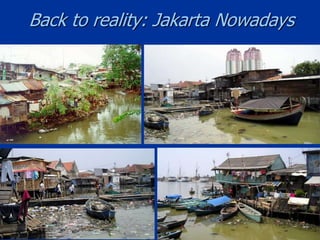
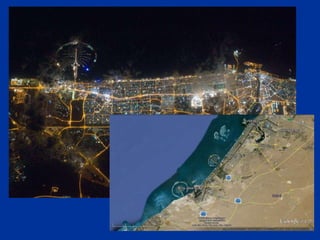
Back to reality: Jakarta Nowadays
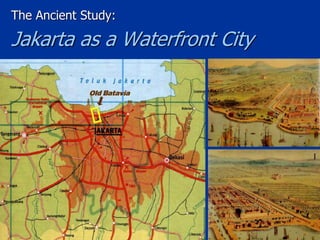
The Ancient Study:
Jakarta as a Waterfront City
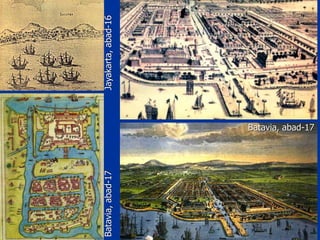
Jayakarta,abad-16
Batavia, abad-17
Batavia,abad-17
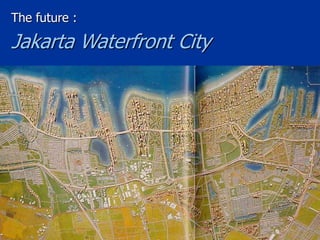
The future :
Jakarta Waterfront City
Environmental and Social Safeguard
Process and Responsibilities
 should be managed with Environmental and
Social Safeguard Process and Responsibilities.
 Involving active peoples and community
participation
 neighborhoods development on water area.
References:
 Priatmodjo, Danang. Waterfront City. Tarumanagara University, Jakarta, 2010
 Jones, Bernie. Neighborhood Planning. Chicago : American Planning Association ,
1990.
 Hester, Randolph T. Planning Neighborhood Space with People. New York :Van
Nostrand Reinhold Company Inc. , 1984.
 Clay, Phillip L. Neighborhood Policy and Planning. Lexington : D.C. Heath and
Company, 1983.
 Kauzar, Nizar. Best Photographers of Pontianak Communities. Pontianak, 2011-1012.
---- @ ----
“Cuci tangan sampai bersih”
CUKUP SEKIAN,
TERIMA KASIH
adinarch@yahoo.com

Building on Water @Dutch Embassy

  • 1.
    ‘GERETAK’ AS AN INFRASTRUCTUREPLATFORM, STUDIED FROM PONTIANAK CASE Ahmad Dinawan, IAI. BUILDING ON WATER: Jakarta, 09 April 2013
  • 2.
    Background A lack ofland-provide was decreased Climate change and population increase fast BUILDING ON WATER: Housing, Infrastructures and service facilities
  • 3.
    LEARN FROM WATERFRONTCITY Indonesia as Island Nation BUILDING ON WATER Pontianak as WATERFRONT CITY They made their homes and environment comfort with sea and waterside around.
  • 4.
  • 5.
    Pontianak : kotaair (water city, waterstad)
  • 6.
    Building on waterat Pontianak  Geretak as a Stage Structure for Infrastructure & facilities Platform.
  • 7.
    Courtesy of Mr.Nizar Kauzar Photographs Water Level in Ebb condition (surut) Water Level in Tide condition (pasang)
  • 8.
    LEARN FROM WATERFRONTCITY liked promenade made from lumber structure on the river front and wet areas GERETAK as Pathways pathways with stage structure Could be integrated to place utilities
  • 9.
    LEARN FROM KOTAAIR intended to support accessibility of community around the river and any wet areas at the city also functioned for a dock/pier and a place of gathering peoples occasionally GERETAK as infrastructure platform usually placed by the cable web of electricity, Telephone, water pipe, etc
  • 10.
    Courtesy of Mr.Nizar Kauzar Photographs “functioned for a dock/pier and a place of gathering peoples “
  • 11.
    Building on waterat Pontianak  INFRASTRUCTURE & SERVICE FACILITIES
  • 12.
    Courtesy of Mr.Nizar Kauzar Photographs Bracket / clamp of pipe & cable
  • 13.
    Courtesy of Mr.Nizar Kauzar Photographs Un-integrated Water pipe
  • 14.
  • 15.
    ENVIRONMENTAL AND SOCIALISSUES GERETAK as PATHWAY has changed its materials commonly with concrete a part of its unique was gone threatened ancient districts
  • 16.
    ENVIRONMENTAL AND SOCIALISSUES increased capacity of national and local civil society groups to manage and deliver conservation initiatives in a strategic and effective manner linked to development and landscape planning and natural resource management CONSERVING GERETAK to generation, adoption, adaptation, and application of lessons for improved conservation outcomes
  • 17.
    Building on waterat Pontianak  Design Innovations: FLOATING STRUCTURES
  • 18.
    Building on water:Innovations & Inventions  Floating Structures  Anchored Structures  Telescopic Structures
  • 19.
    CONSIDERATIONS ACTIONS Screening criteriaand planning procedures for Building on Water Environmental Assessment on Water area Involuntary Resettlement: Jakarta case The policies on physical & cultural resources Environmental and Social Safeguard Process and Responsibilities
  • 20.
    ENVIRONMENTAL ASSESSMENT ON WATERAREA  The structure of building on water should not harm the ecosystem surroundings.  Needs a specific assessment of water science and environment competency
  • 21.
    Screening criteria andplanning procedures for Building on Water  Needs codes and design criteria of building on water
  • 22.
    THE POLICIES ONPHYSICAL CULTURAL RESOURCES  Development on water will involving many interest  Needs policies on physical, social and cultural resources.
  • 23.
    Waterfront Development Involuntary Resettlement:Jakarta case  should be prepared firstly with infrastructure planning.  should be considering about how to manage utilities and service
  • 24.
    Back to reality:Jakarta Nowadays
  • 25.
    The Ancient Study: Jakartaas a Waterfront City
  • 26.
  • 27.
    The future : JakartaWaterfront City
  • 29.
    Environmental and SocialSafeguard Process and Responsibilities  should be managed with Environmental and Social Safeguard Process and Responsibilities.  Involving active peoples and community participation  neighborhoods development on water area.
  • 30.
    References:  Priatmodjo, Danang.Waterfront City. Tarumanagara University, Jakarta, 2010  Jones, Bernie. Neighborhood Planning. Chicago : American Planning Association , 1990.  Hester, Randolph T. Planning Neighborhood Space with People. New York :Van Nostrand Reinhold Company Inc. , 1984.  Clay, Phillip L. Neighborhood Policy and Planning. Lexington : D.C. Heath and Company, 1983.  Kauzar, Nizar. Best Photographers of Pontianak Communities. Pontianak, 2011-1012. ---- @ ----
  • 31.
    “Cuci tangan sampaibersih” CUKUP SEKIAN, TERIMA KASIH adinarch@yahoo.com