Can AI Become a Dystopian 
Threat to Humanity? 
A Hardware Perspective
Igor Markov
Google and The University of Michigan
The views expressed are those of my own and do not represent my employers
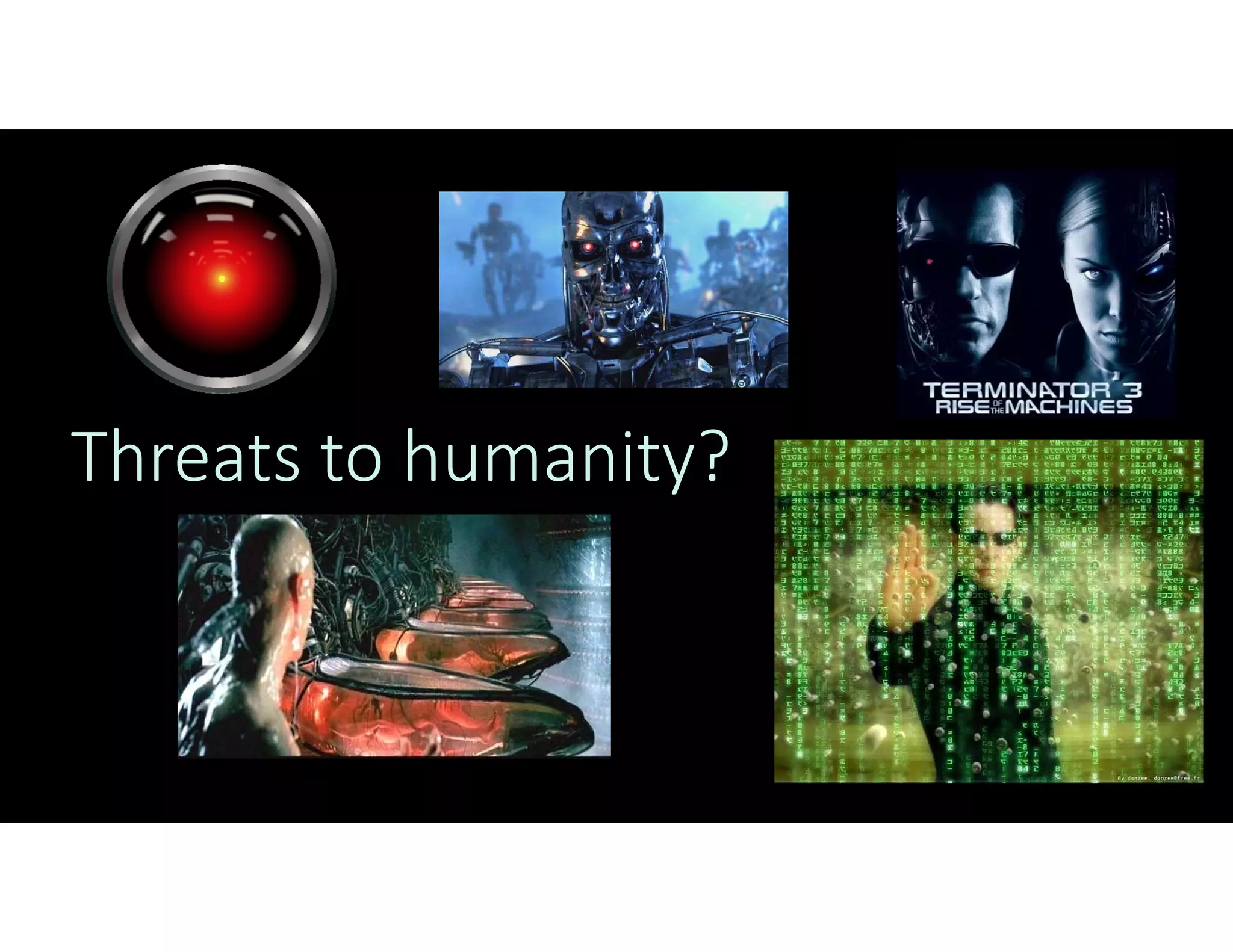
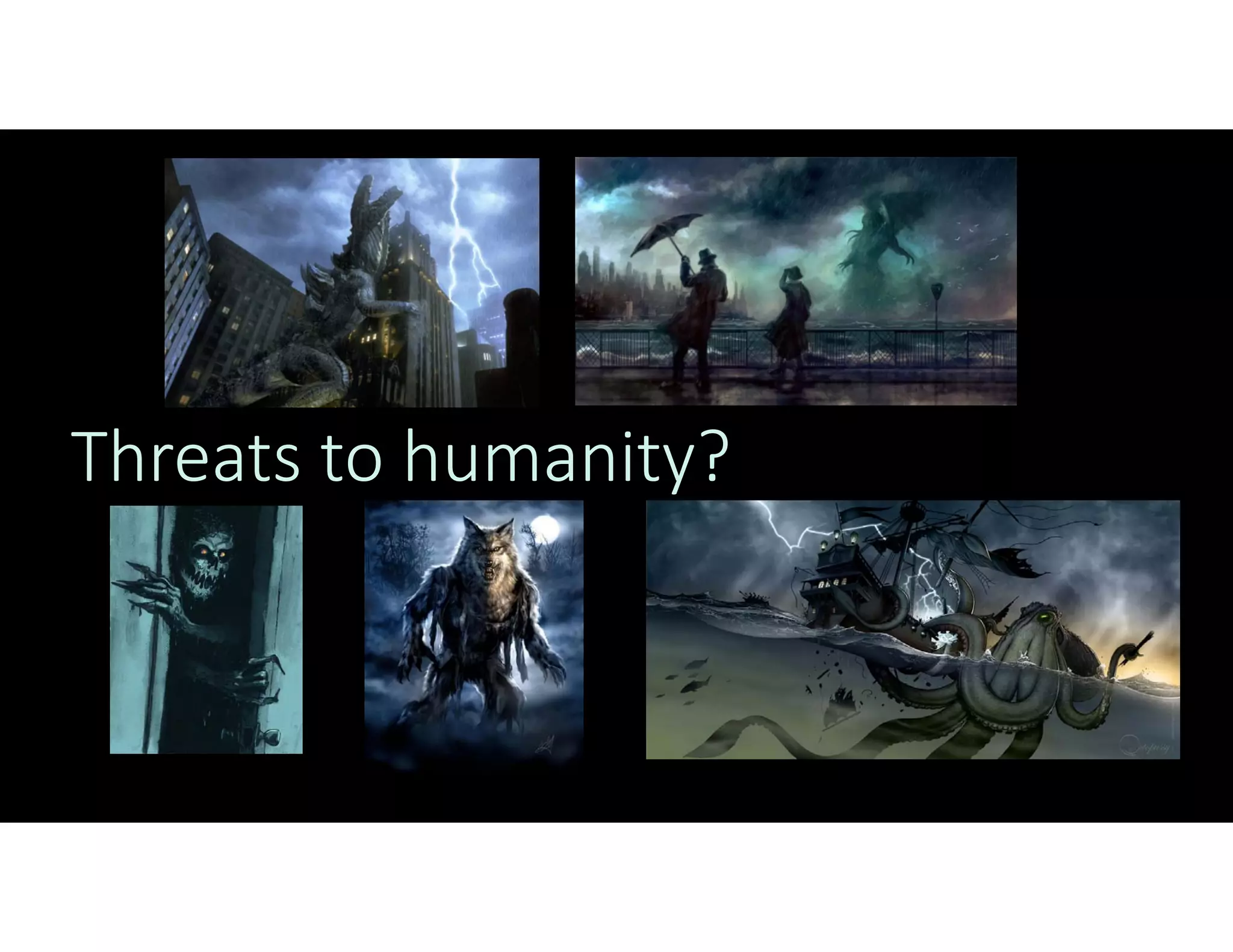
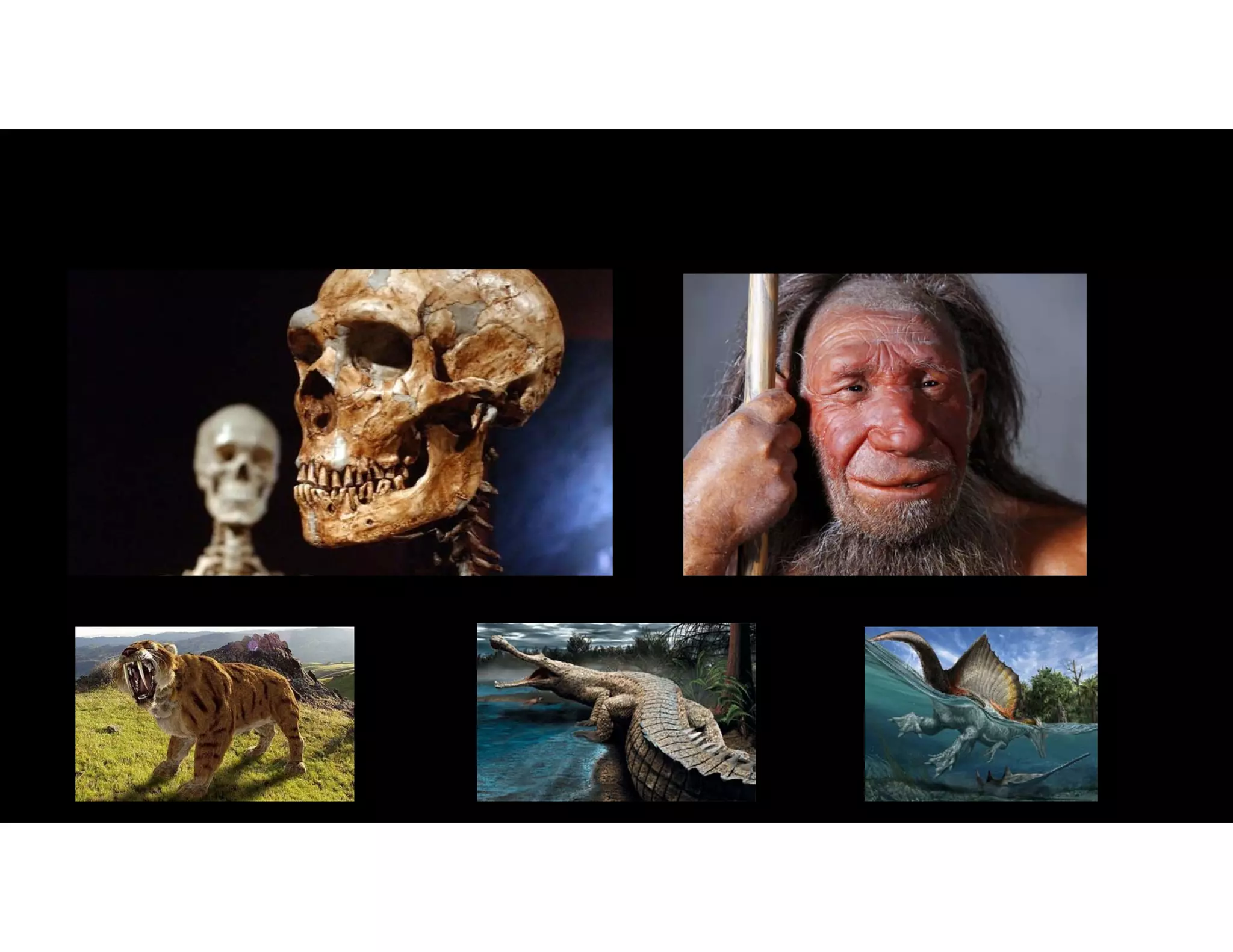
Threats to humanity? 
Why are we so obsessed? 
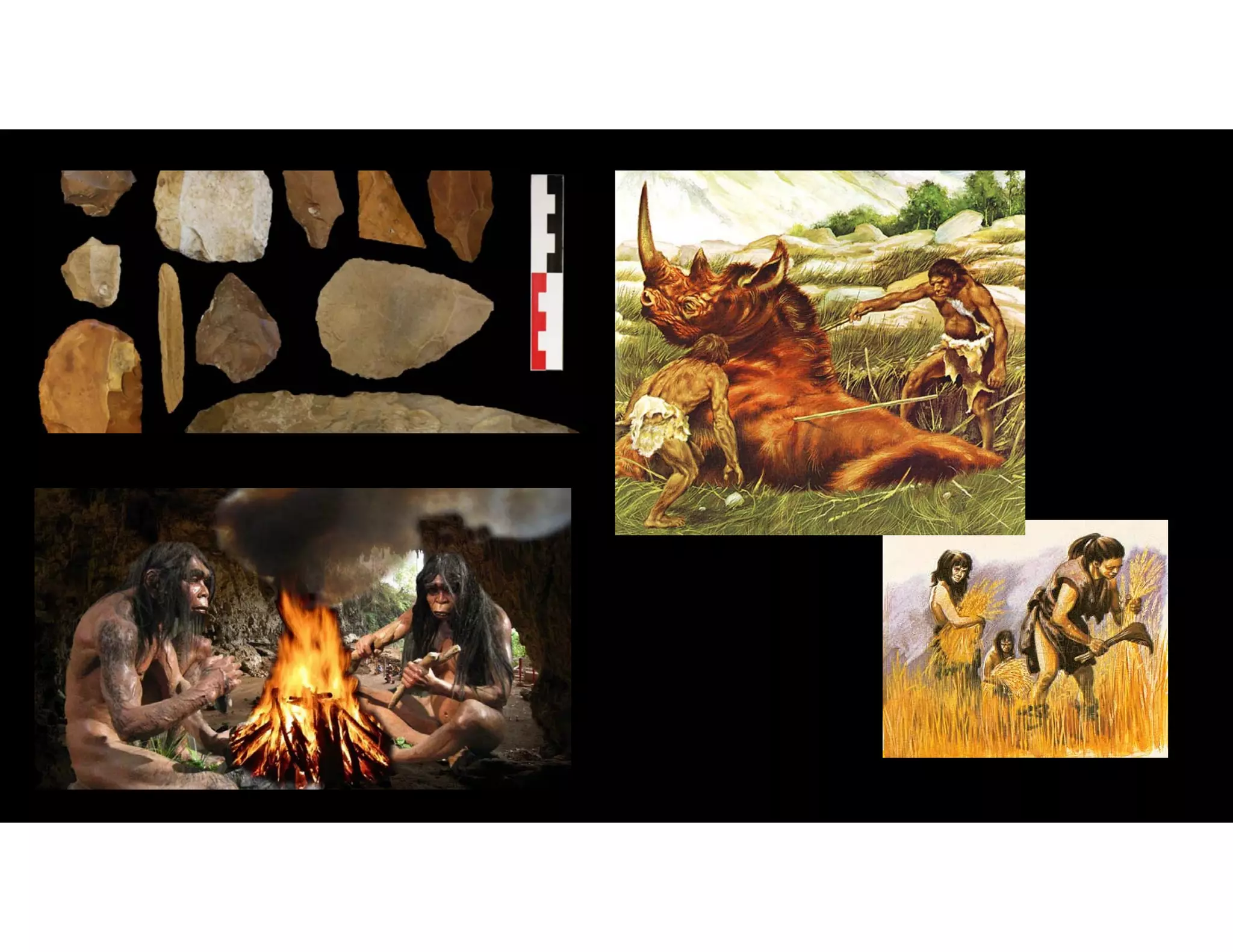
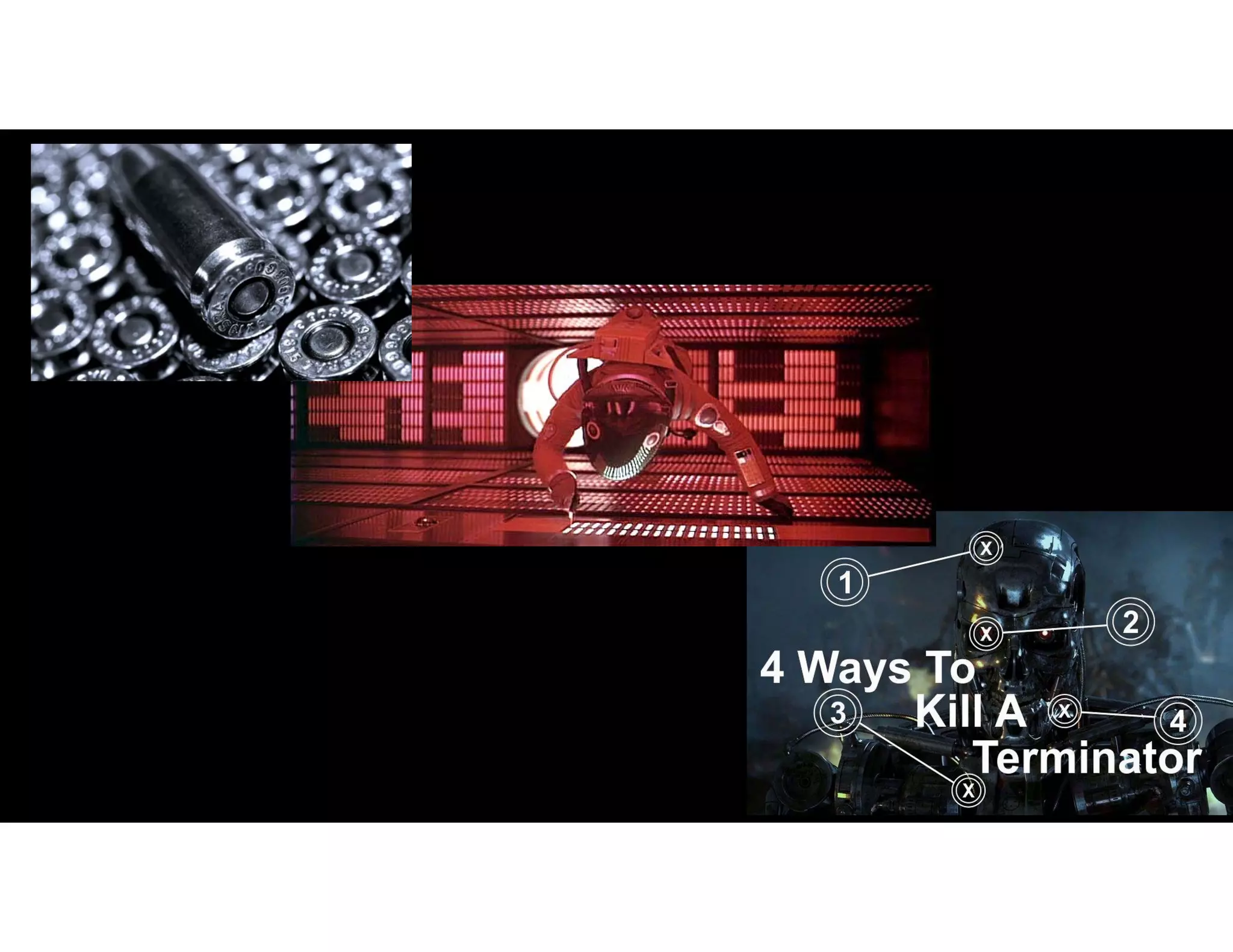
How did the humanity survive?
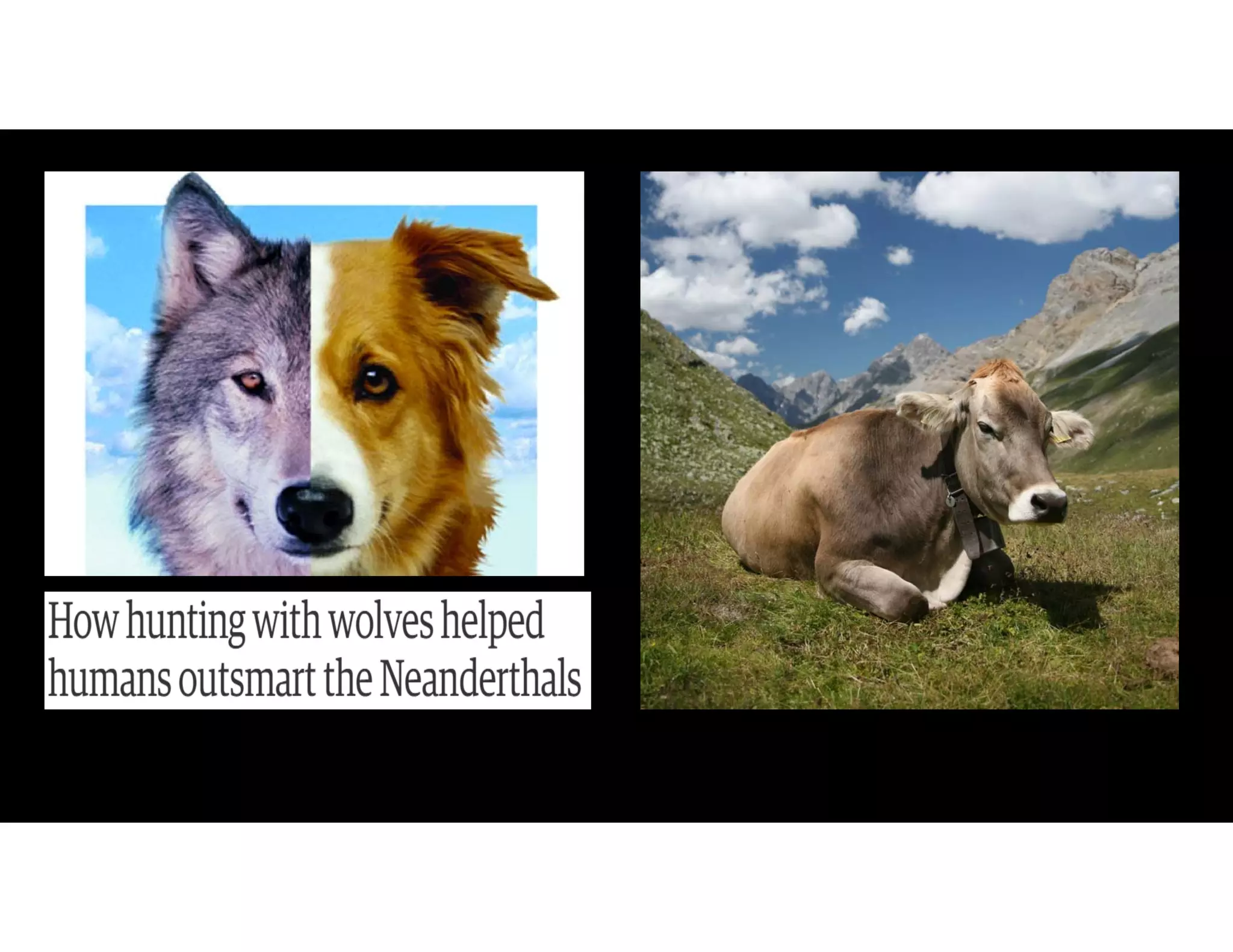
• by being smart
• by knowing the adversary
• by controlling physical resources
• by using the physical world to advantage
Now, back to the dystopian AI myth
• AI may become smarter than us
• Possibly malicious
• The physical embodiments are unclear
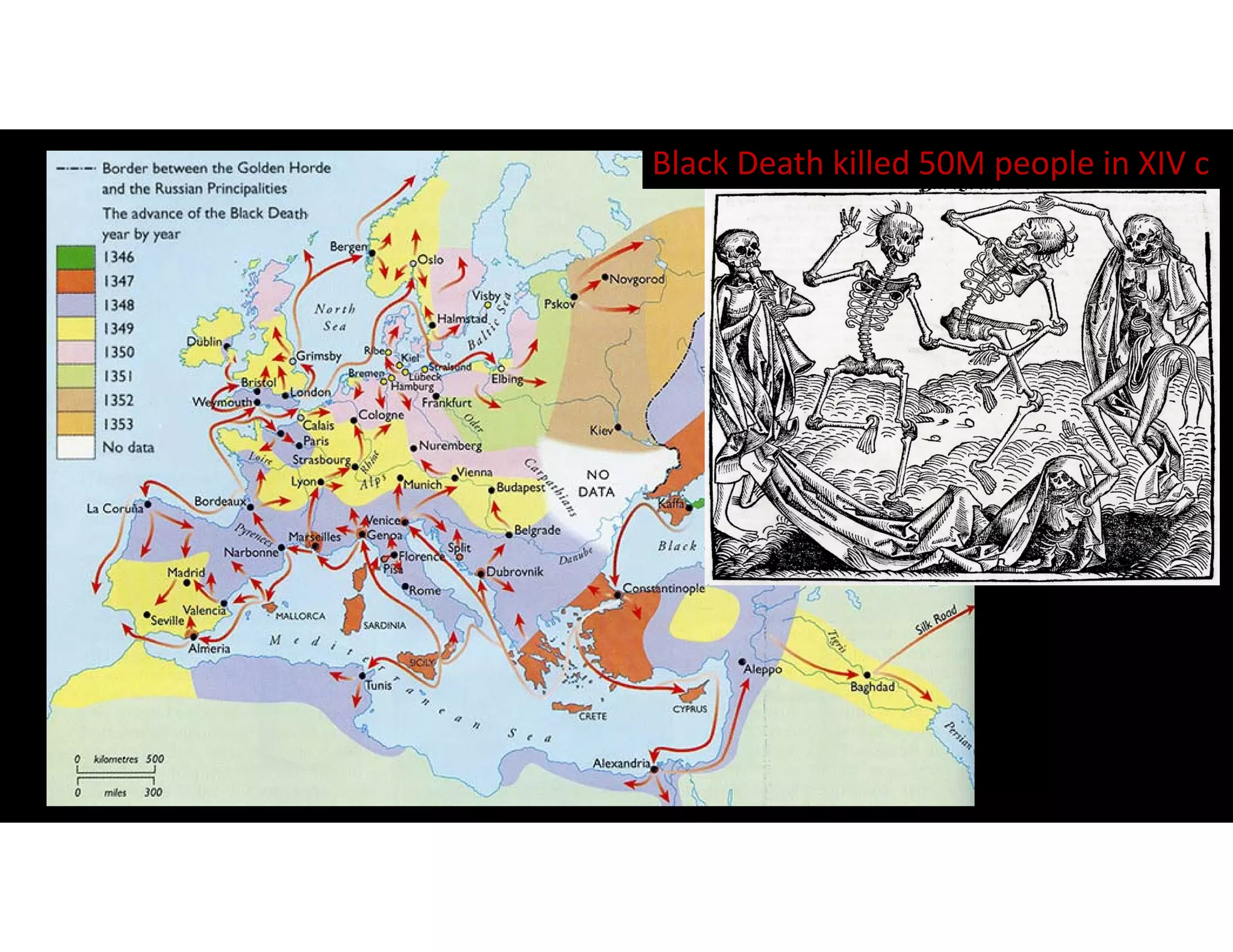
Black Death killed 50M people in XIV c
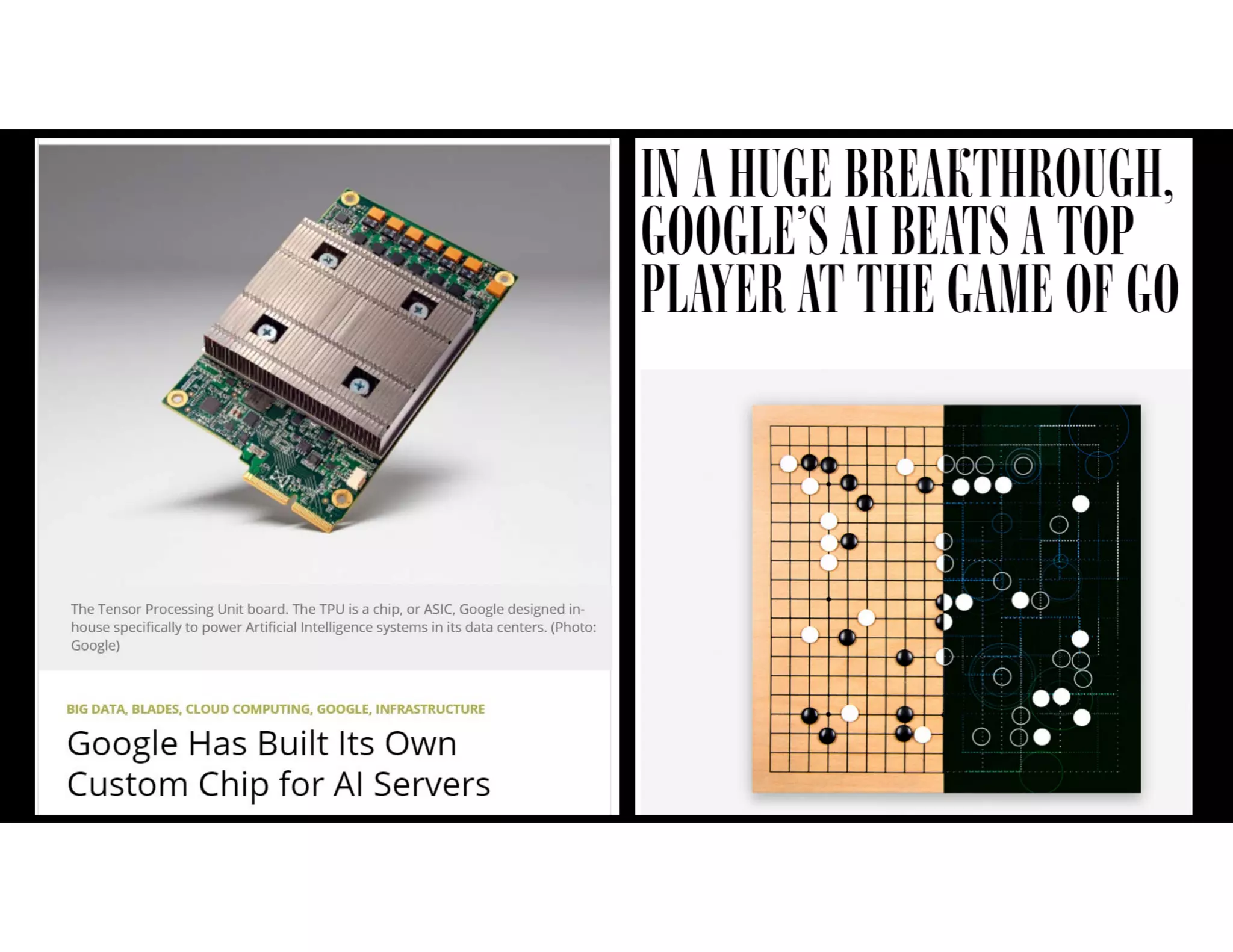
Intelligence – hostile or friendly –
is limited by physical resources
Computing machinery is designed 
using an abstraction hierarchy
• From transistors to CPUs to data centers
• Each level has a well‐defined function
Introduce hard boundaries between 
different levels of intelligence, trust
• Can toasters and doorknobs be trusted?
• Who can use weapons?
• Each agent should have a key weakness
Limit self‐replication, self‐repair
and self‐improvement
Limit AIs access to energy
• Firmly control the electric grid
• No long‐lasting batteries, fuel cells
or reactors
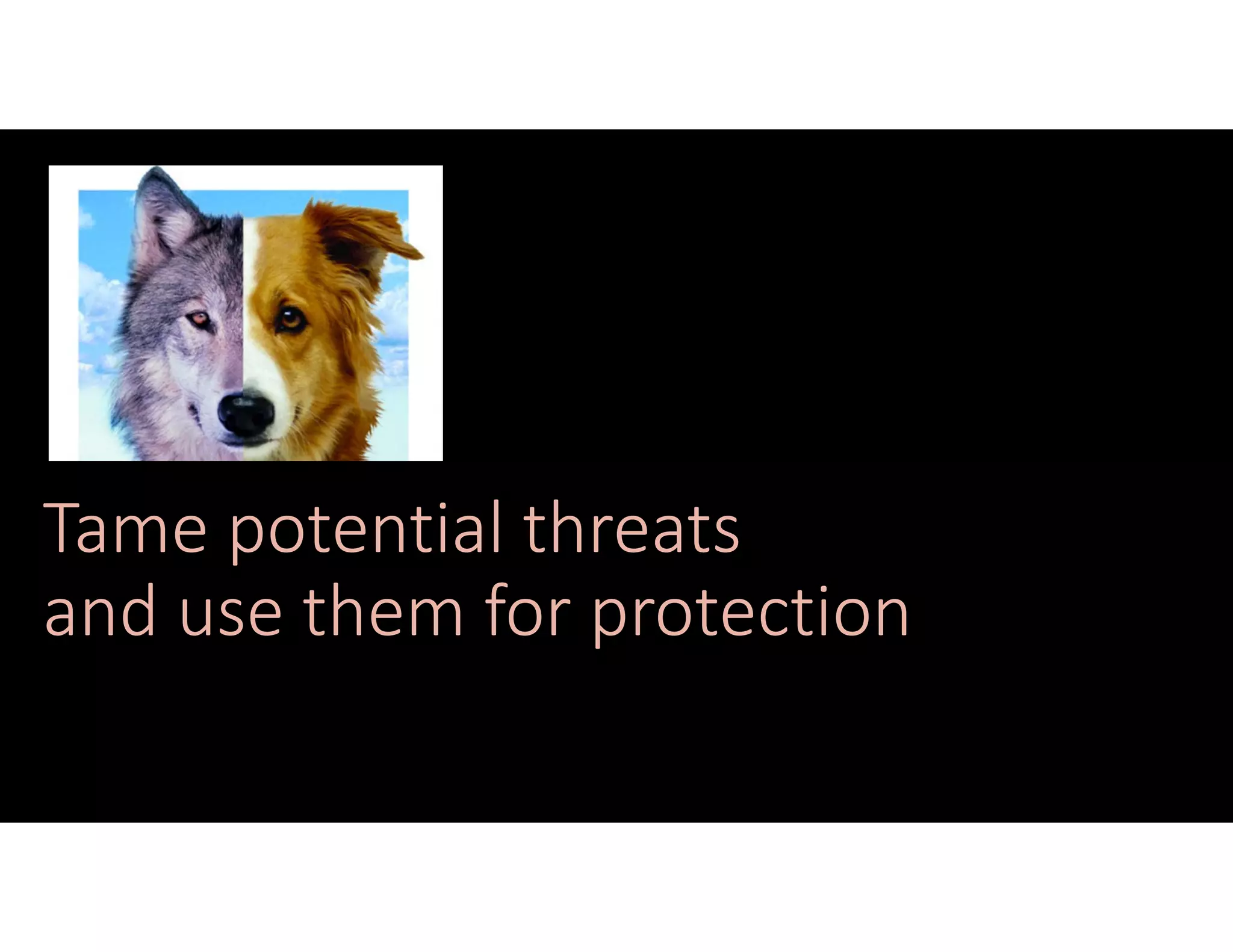
Tame potential threats 
and use them for protection
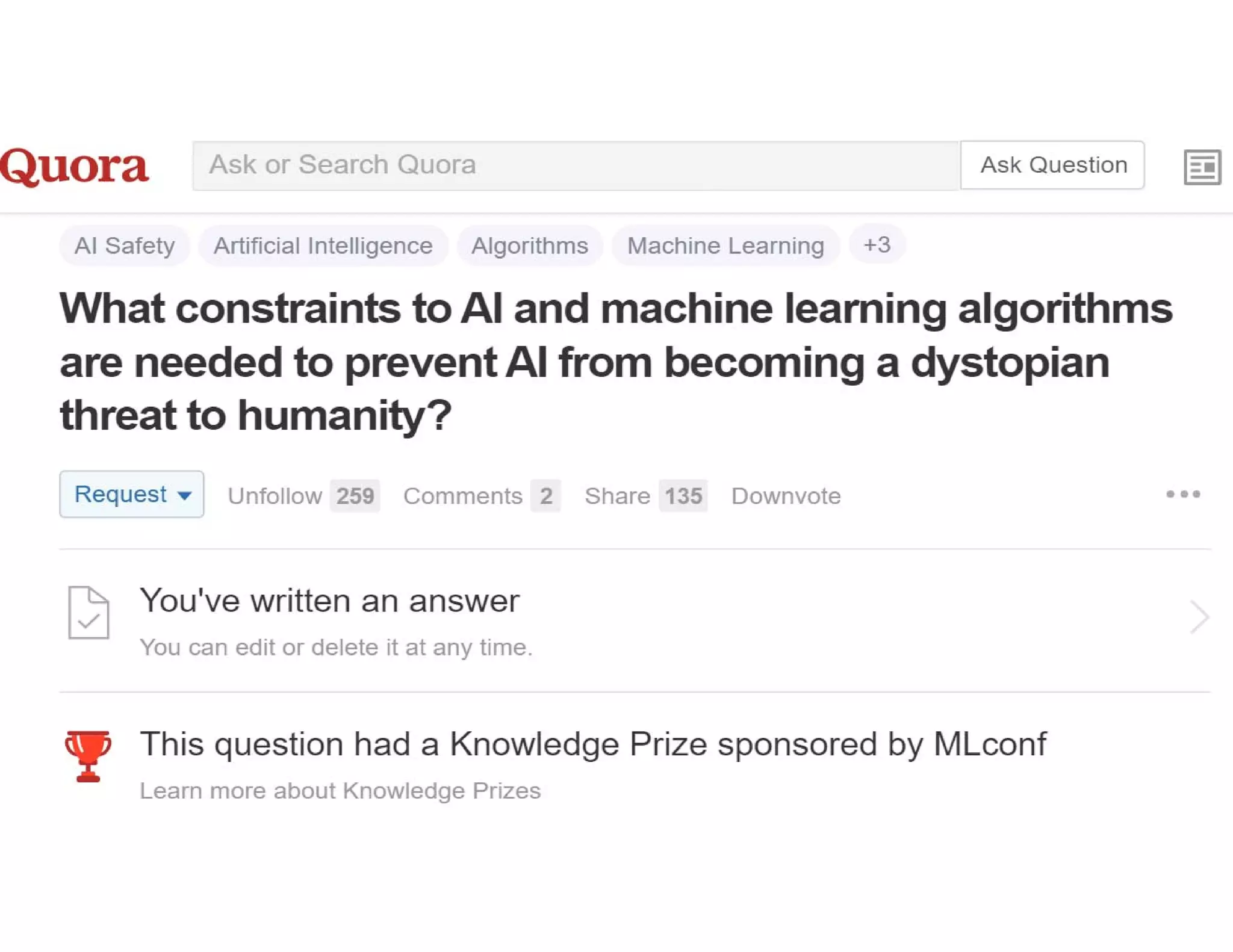
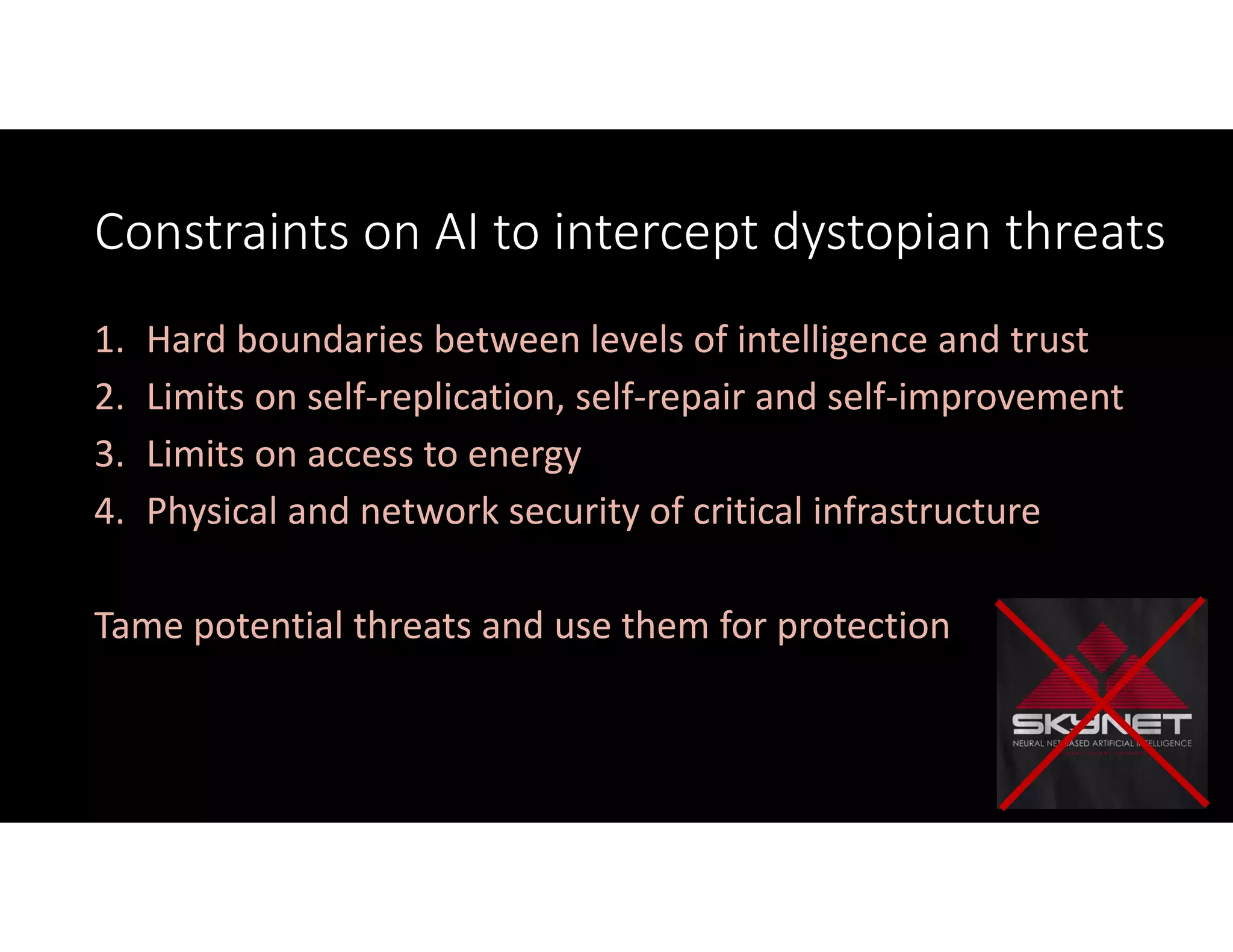
Constraints on AI to intercept dystopian threats
1. Hard boundaries between levels of intelligence and trust
2. Limits on self‐replication, self‐repair and self‐improvement
3. Limits on access to energy
4. Physical and network security of critical infrastructure
Tame potential threats and use them for protection

Igor Markov, Software Engineer, Google at MLconf SEA - 5/20/16