Housekeeping – update this
• Presentation is available on:
– Slideshare:
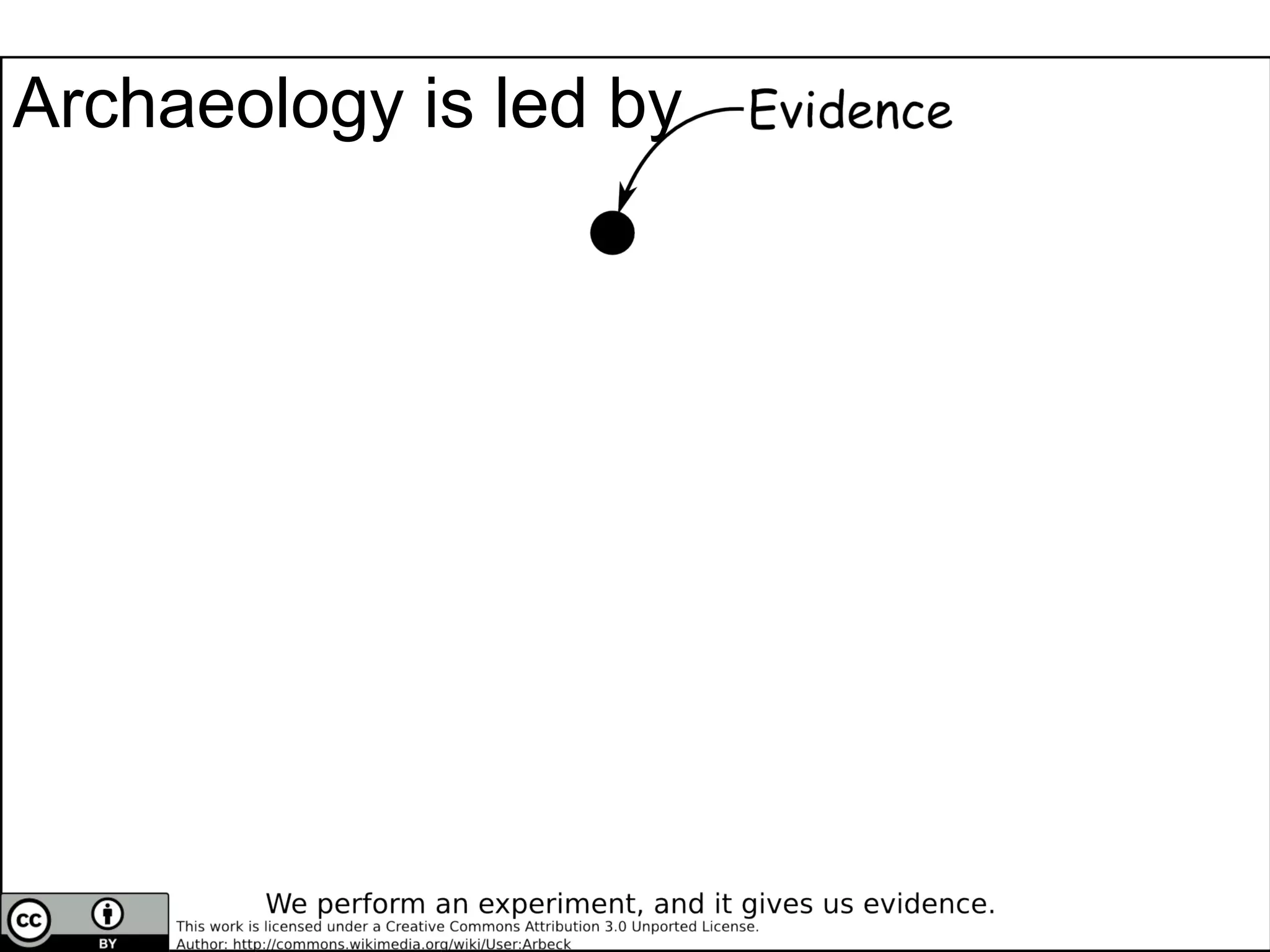
Archaeology is led by
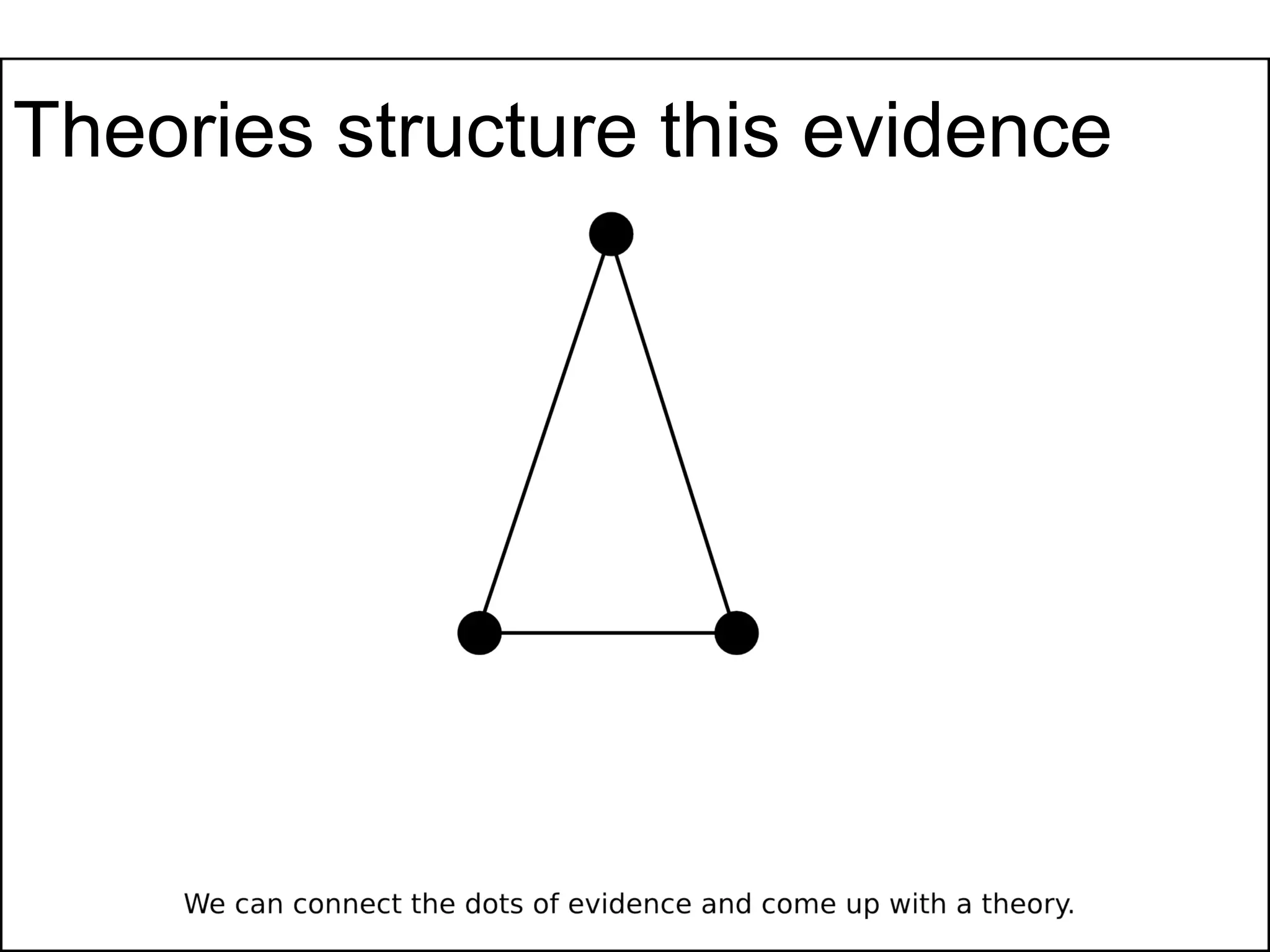
Theories structure this evidence
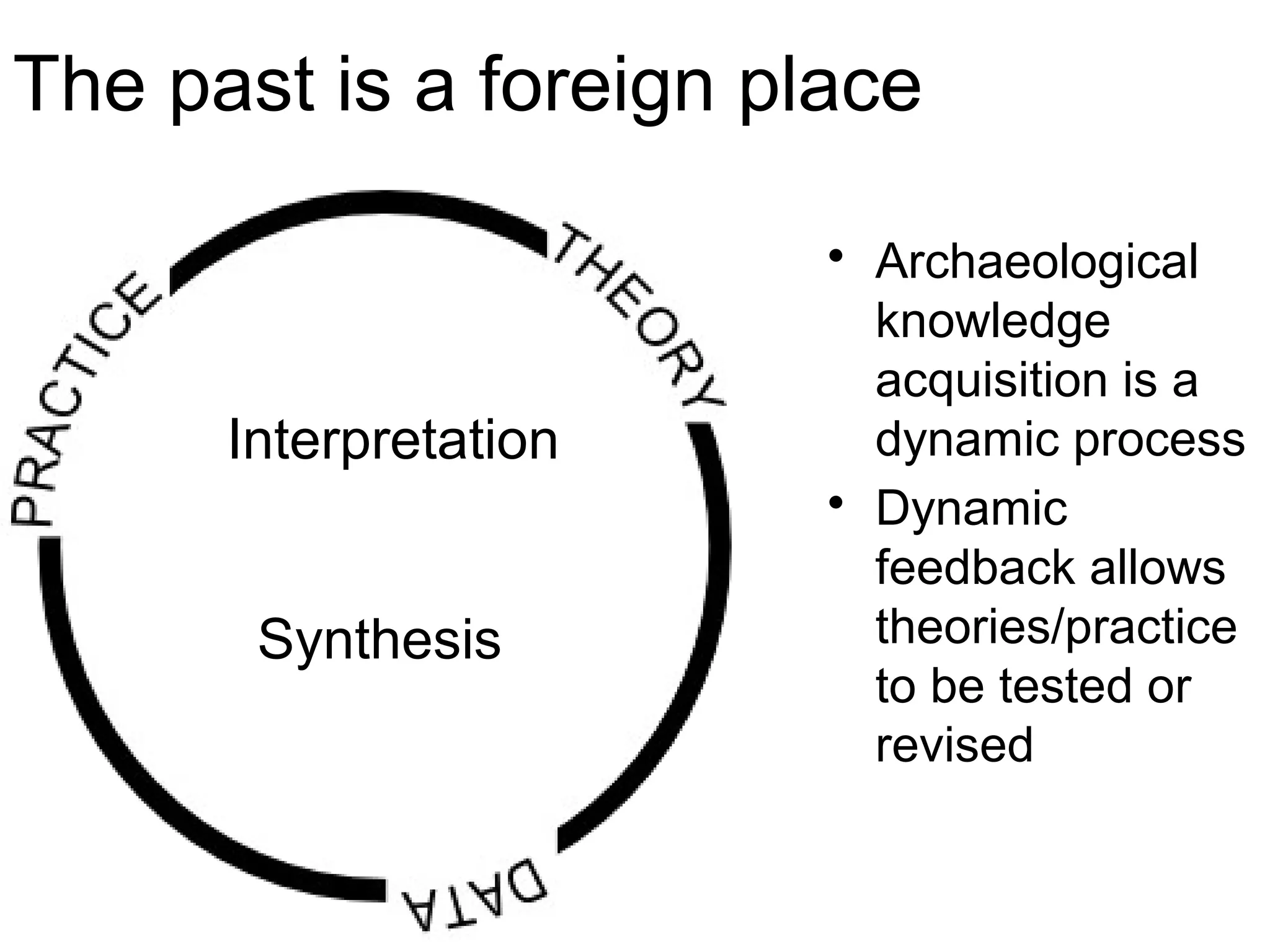
The past is a foreign place
• Archaeological
knowledge
acquisition is a
dynamic process
• Dynamic
feedback allows
theories/practice
to be tested or
revised
Interpretation
Synthesis
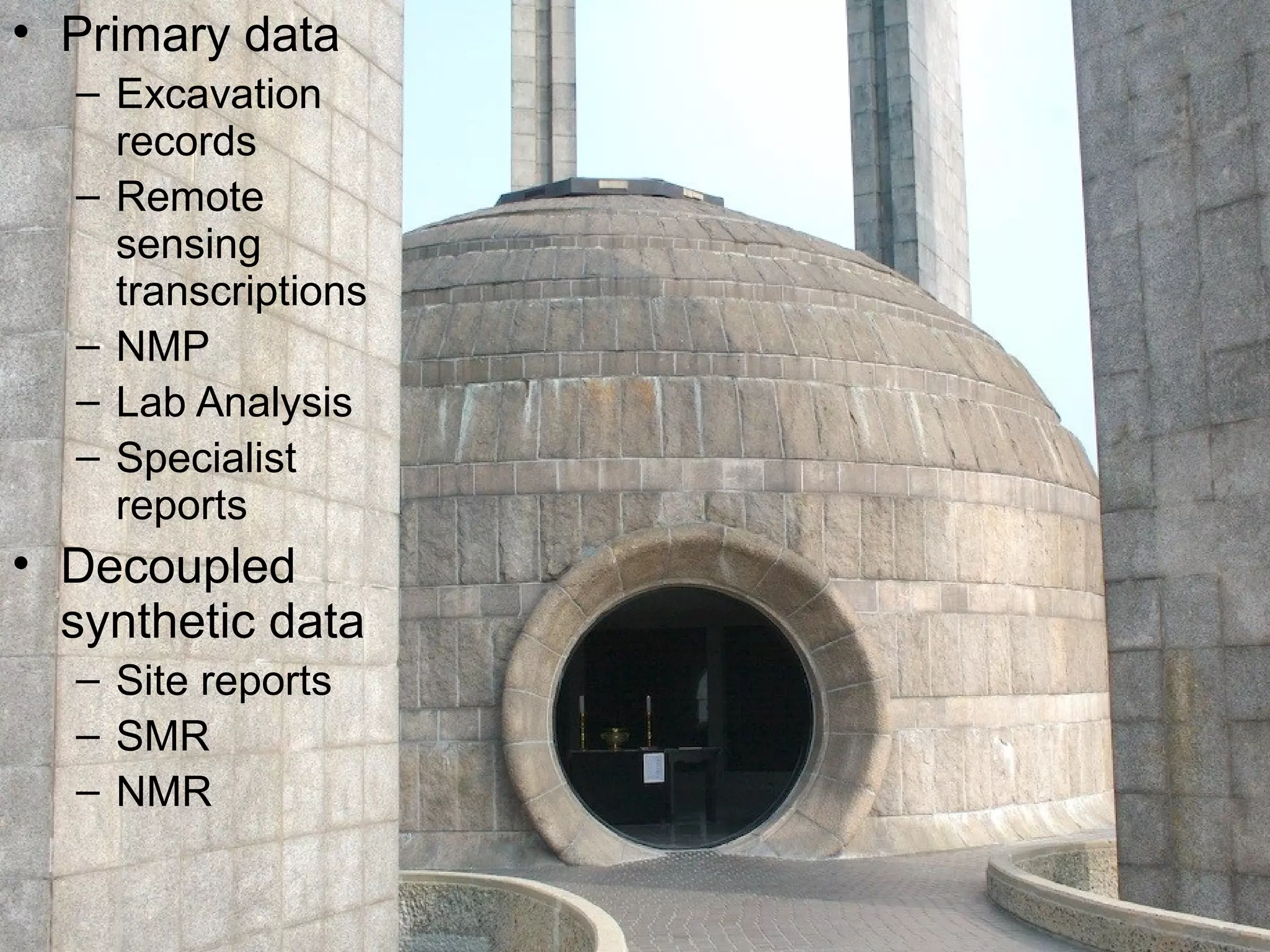
• Primary data
– Excavation
records
– Remote
sensing
transcriptions
– NMP
– Lab Analysis
– Specialist
reports
• Decoupled
synthetic data
– Site reports
– SMR
– NMR
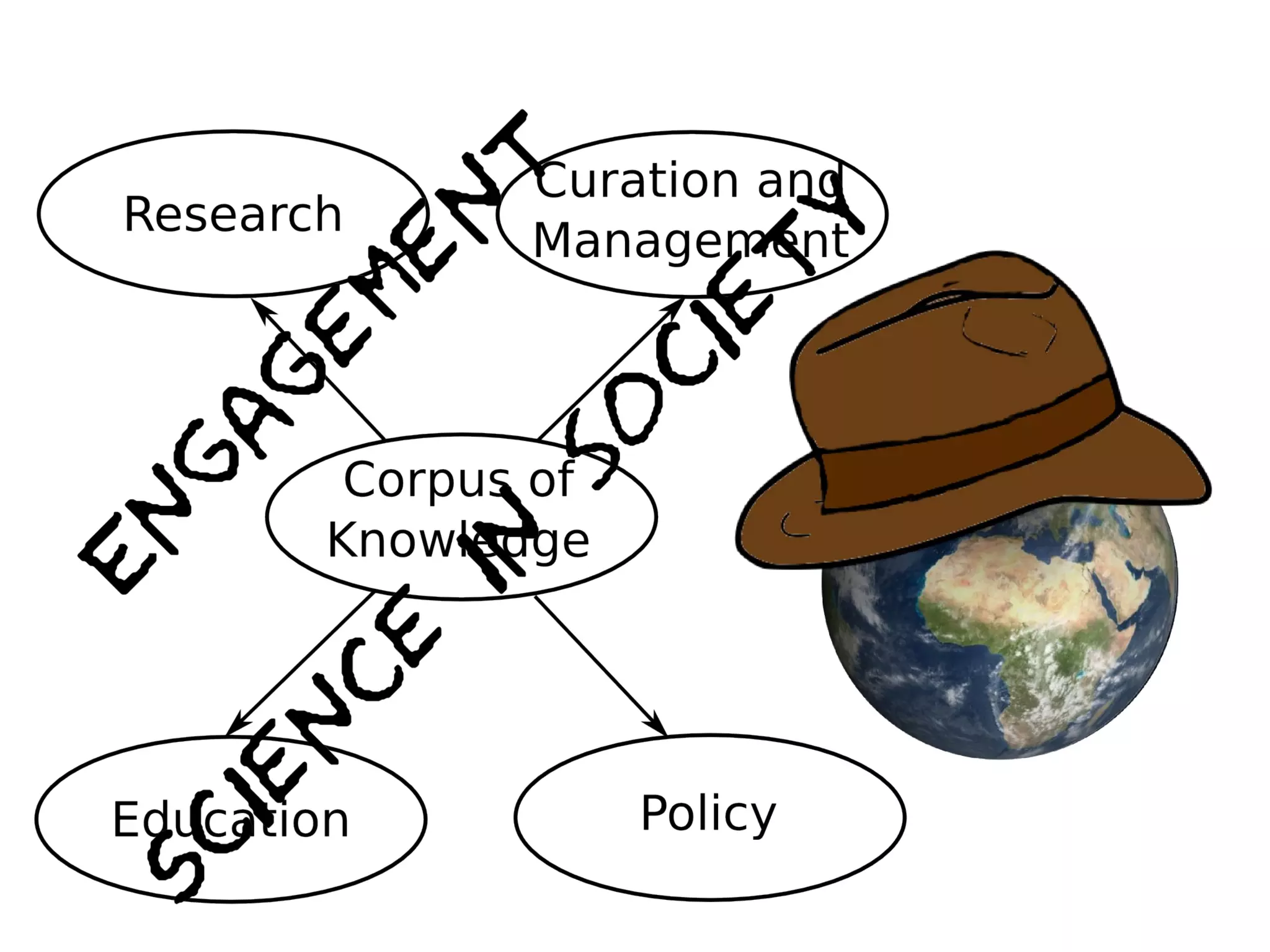
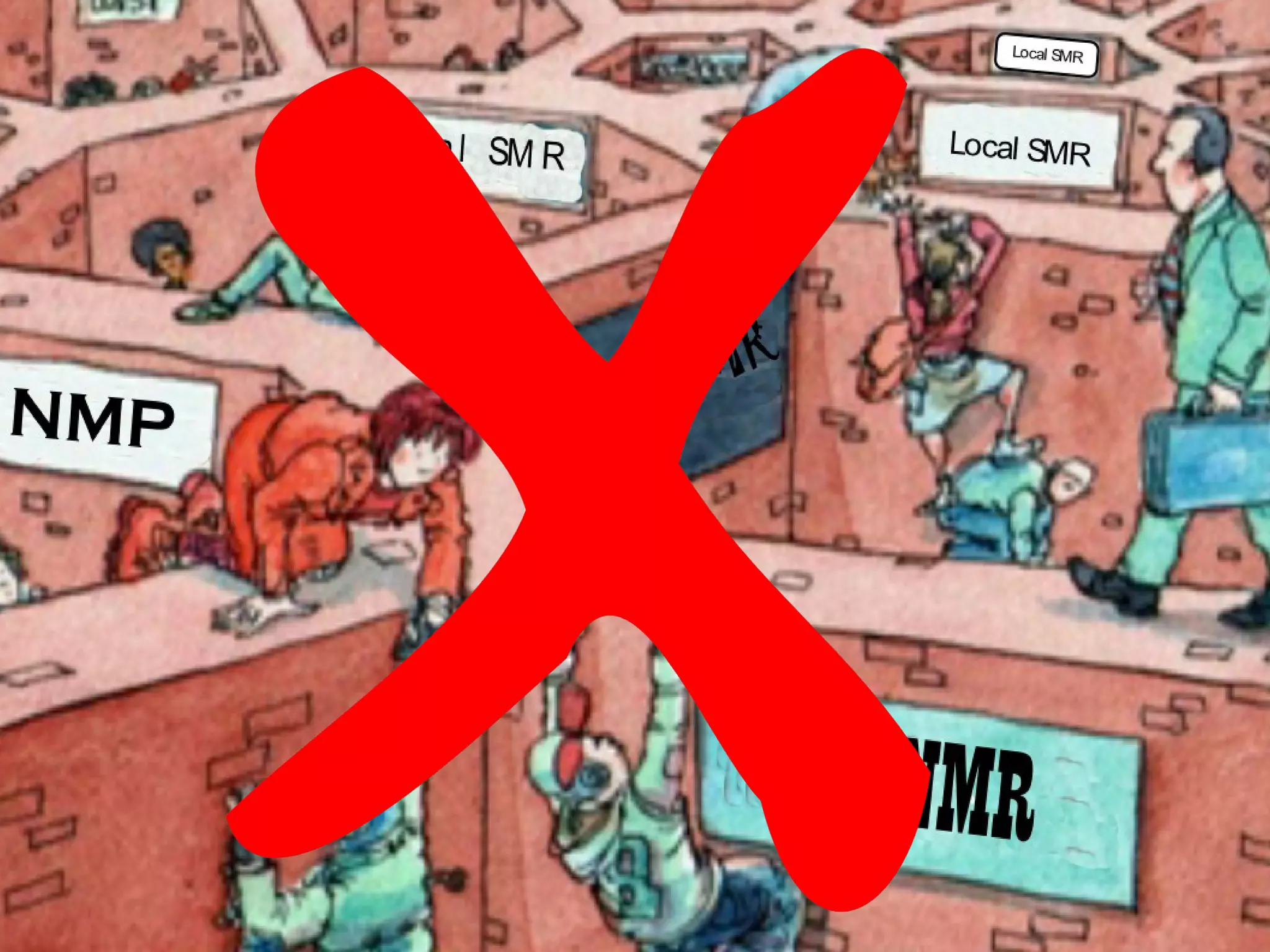
Isn’t this wrong?
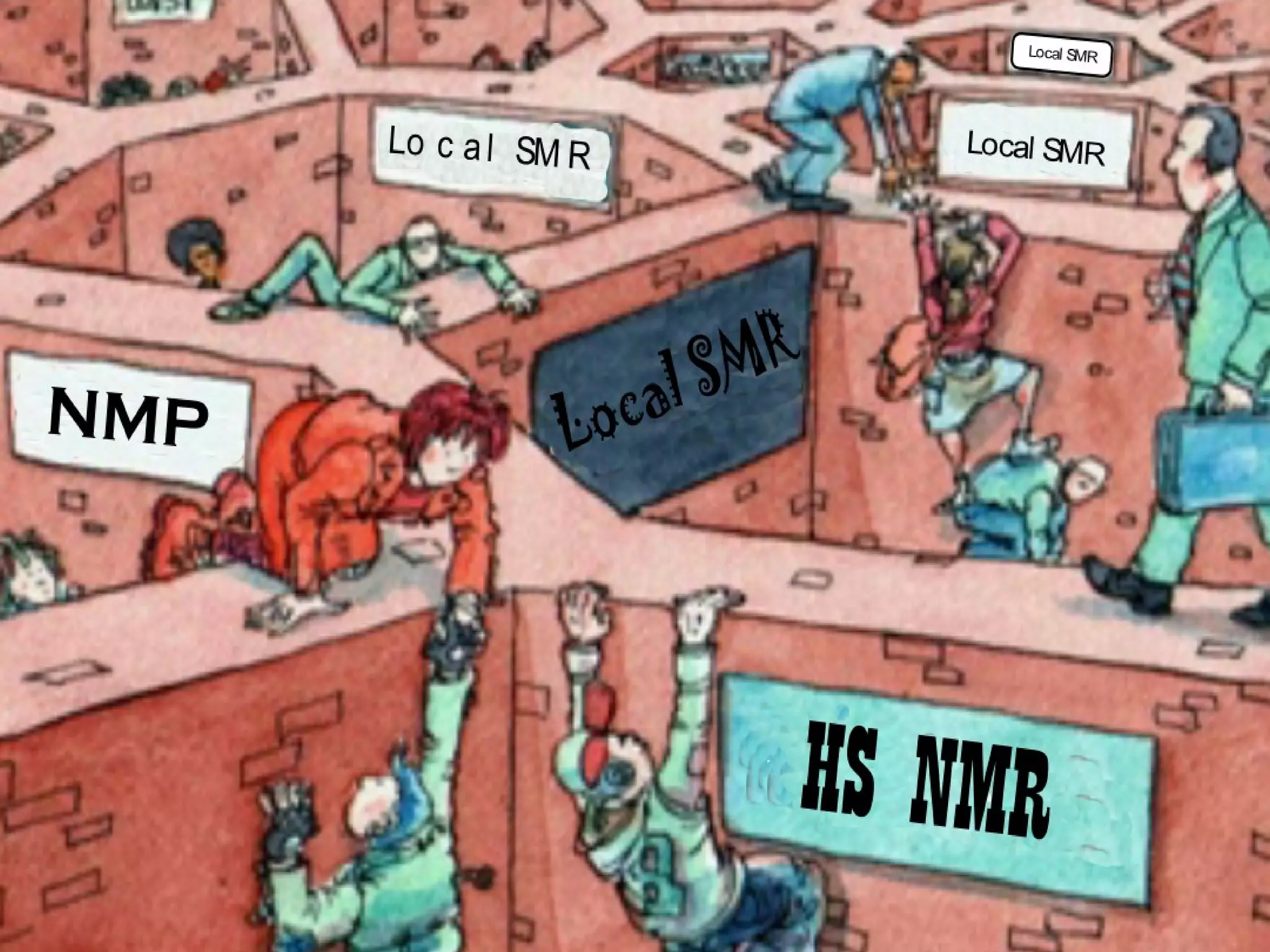
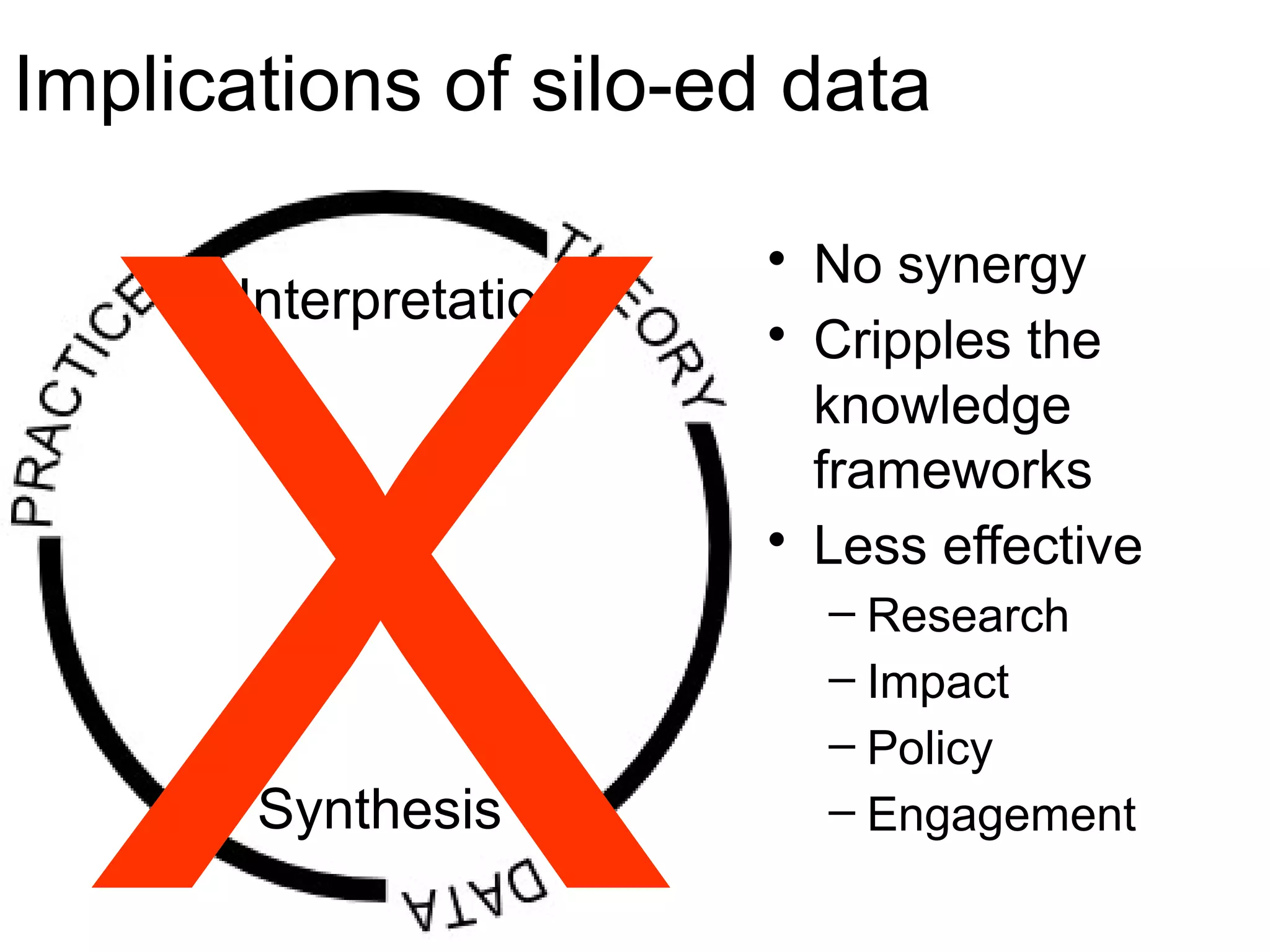
Implications of silo-ed data
• No synergy
• Cripples the
knowledge
frameworks
• Less effective
– Research
– Impact
– Policy
– Engagement
Interpretation
Synthesis
X
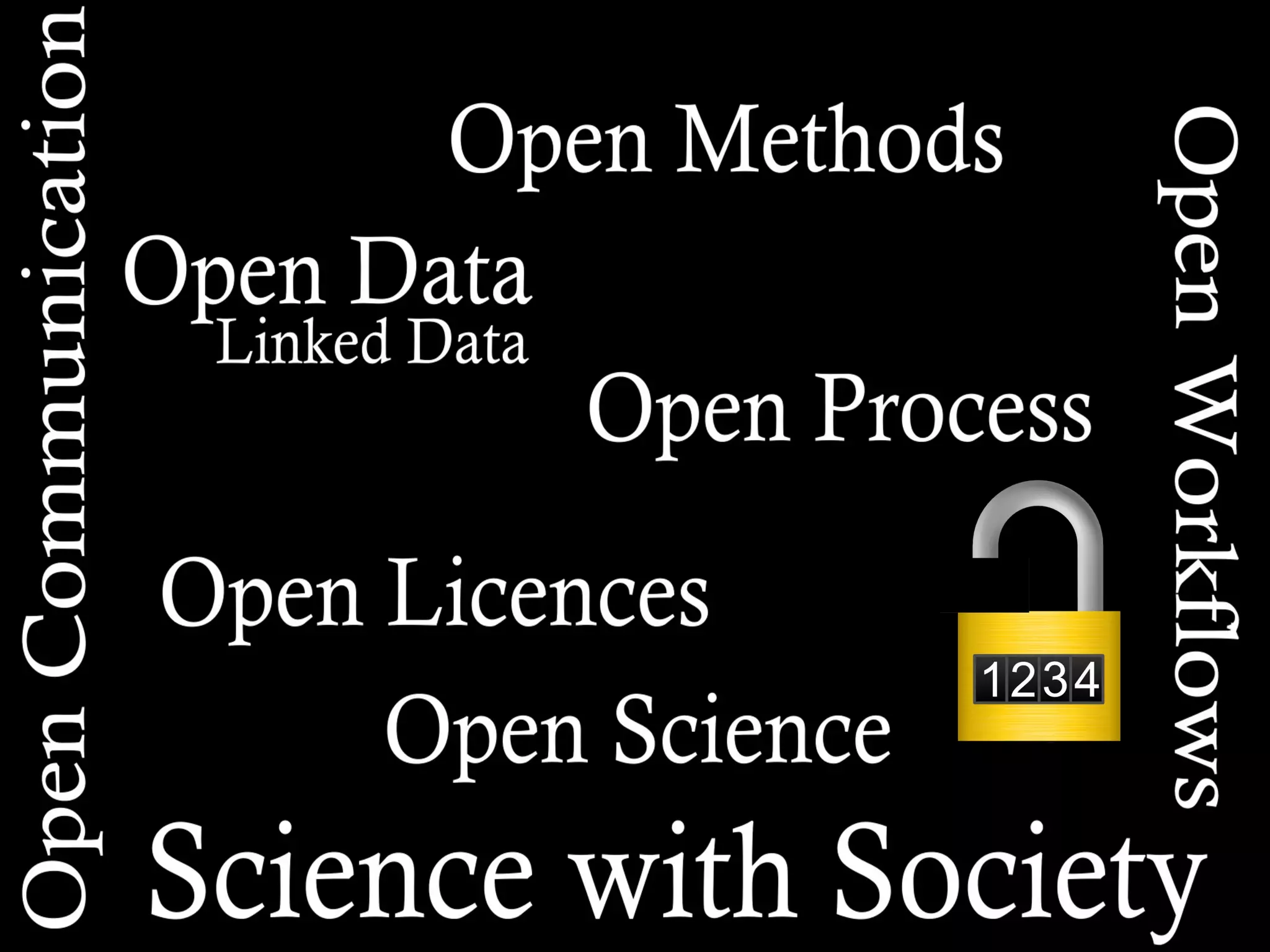
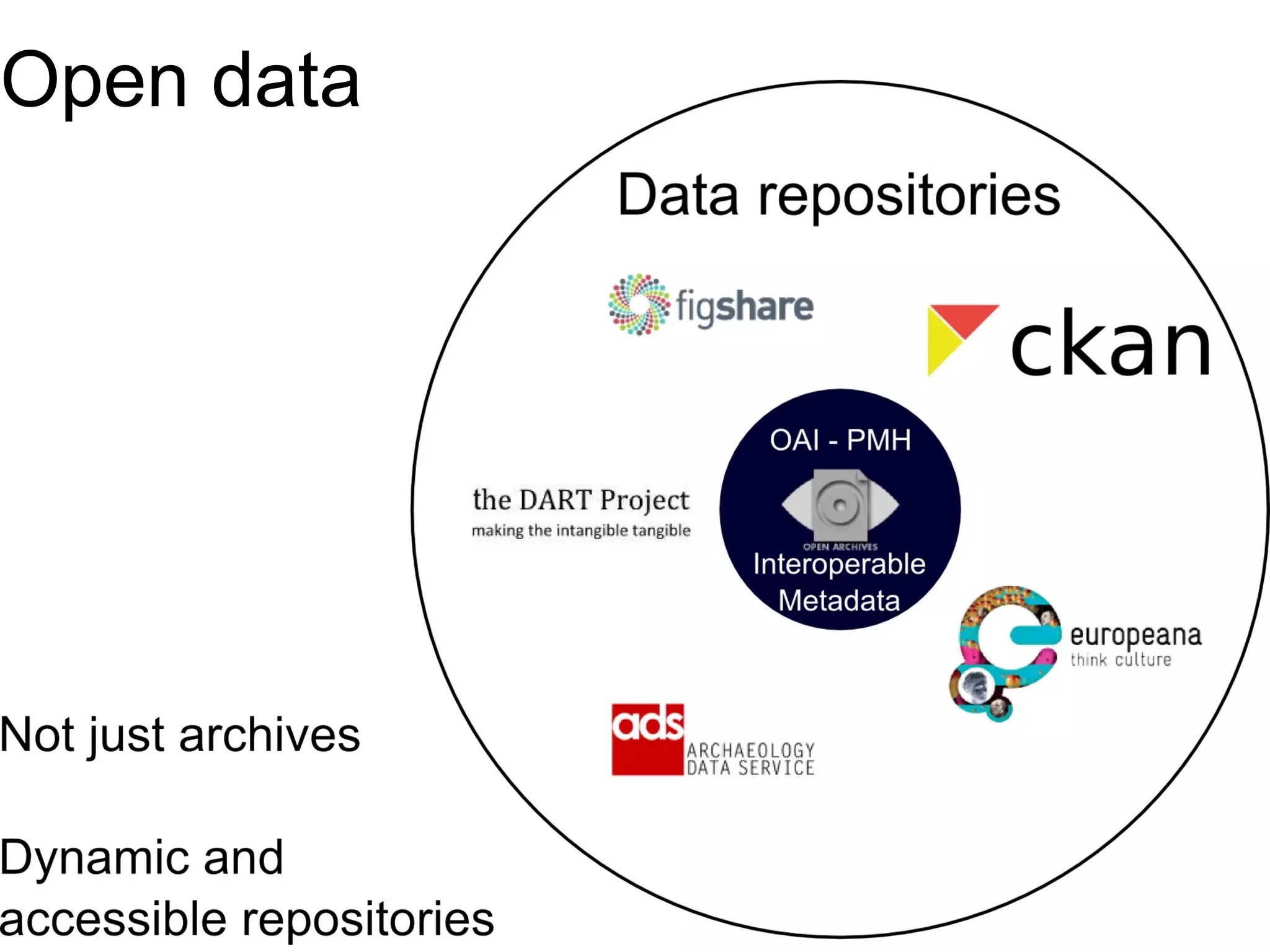
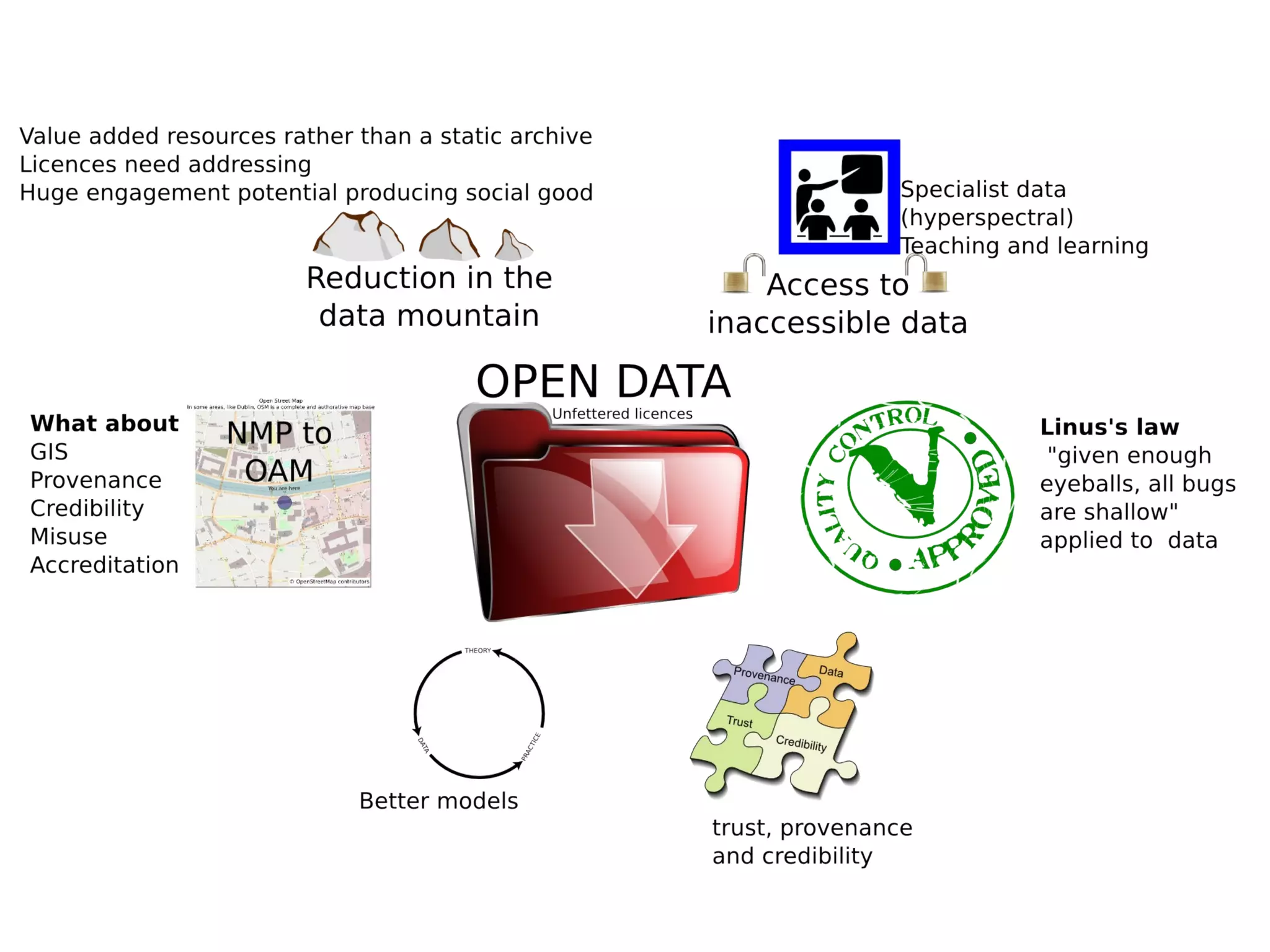
Open data
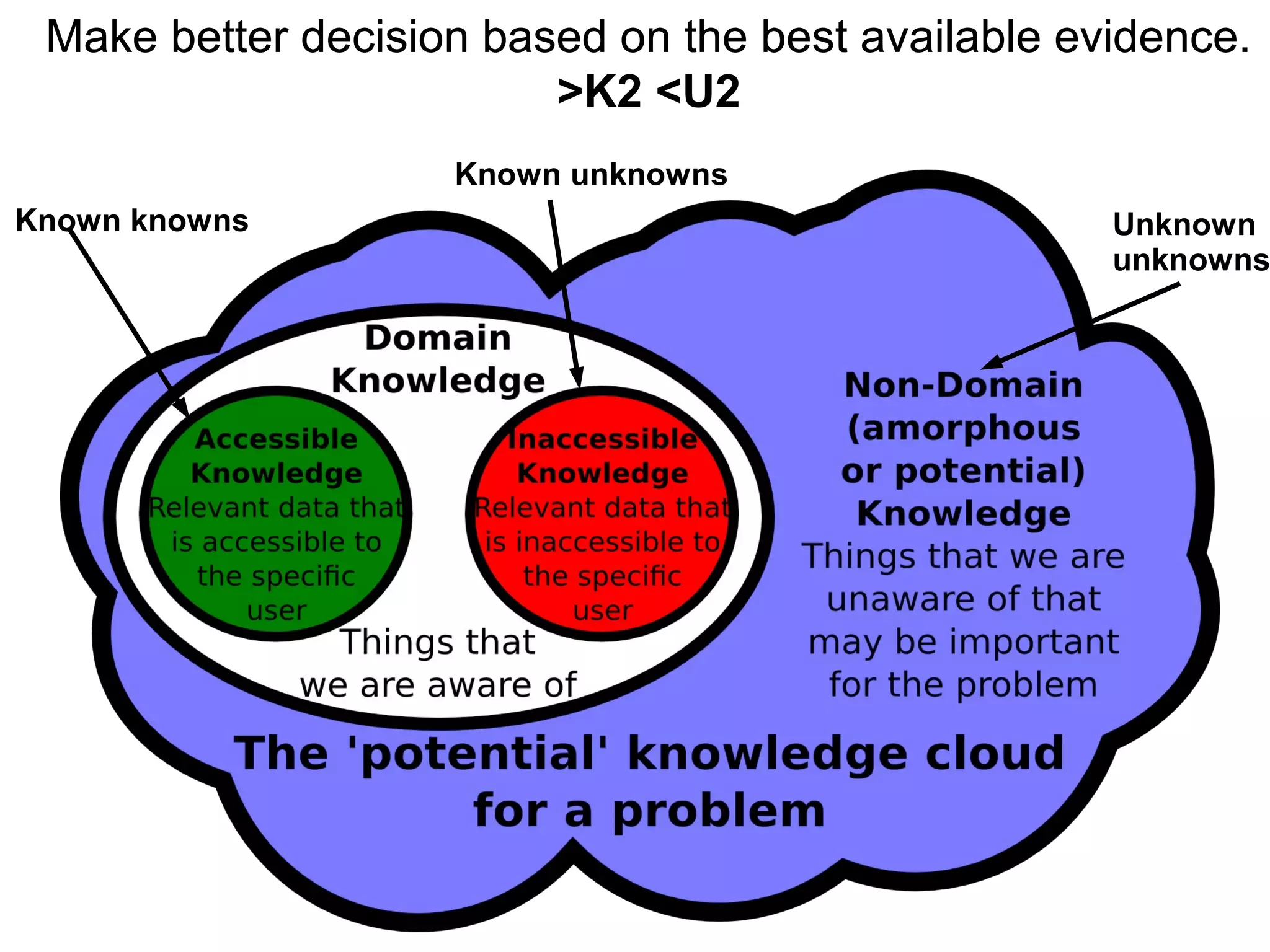
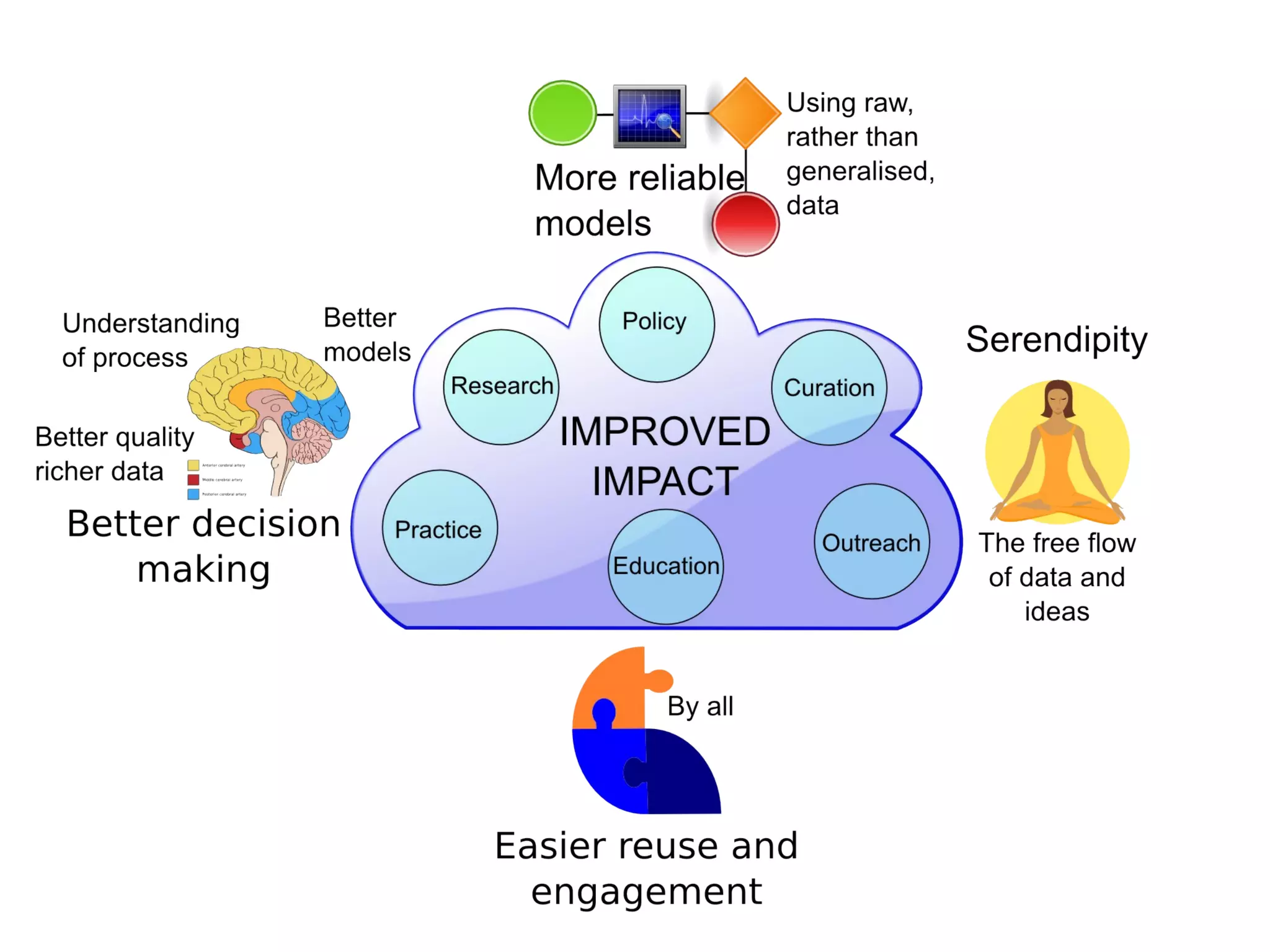
Make better decision based on the best available evidence.Make better decision based on the best available evidence.
>K2 <U2
Known knowns
Known unknowns
Unknown
unknowns
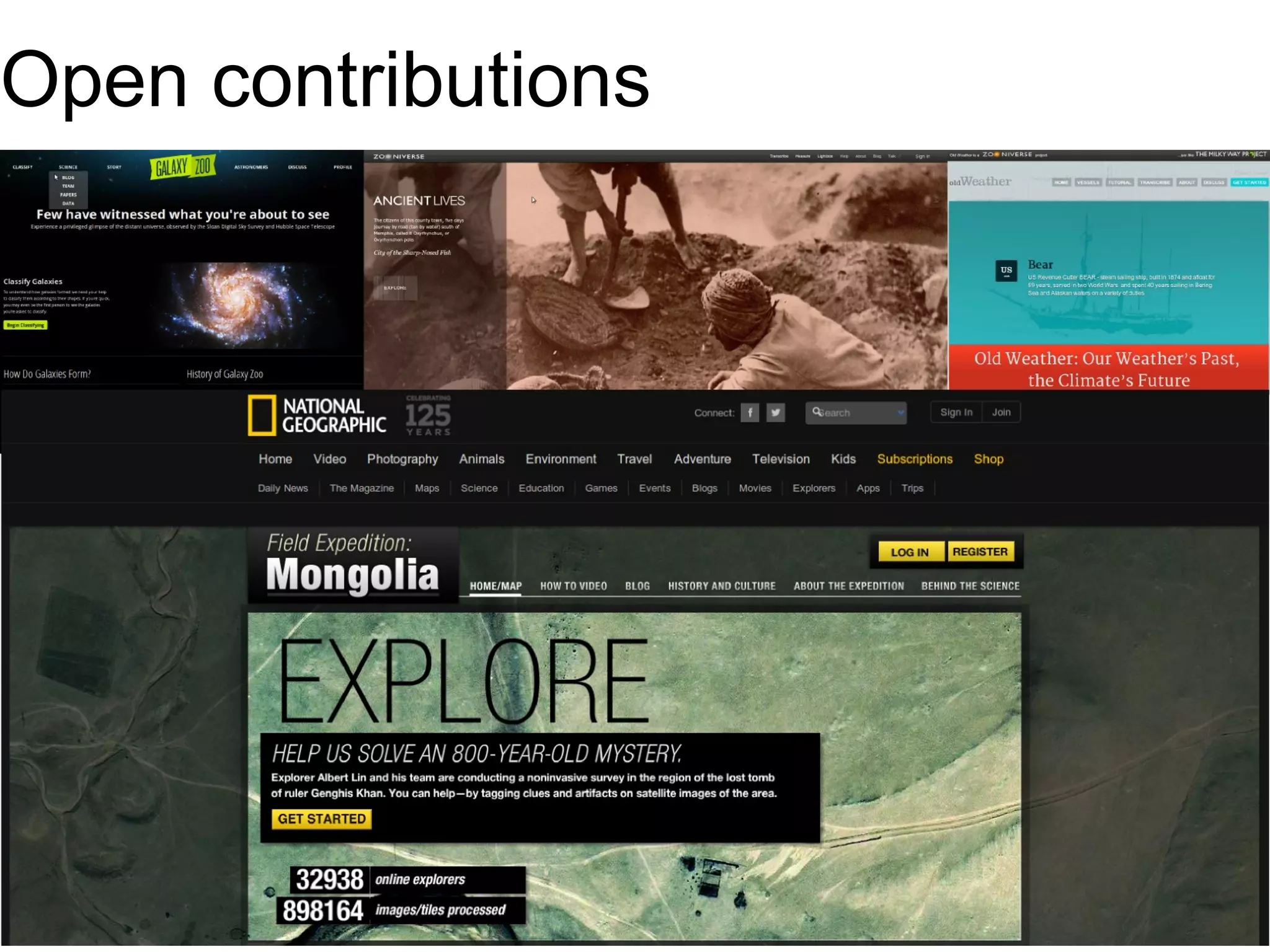
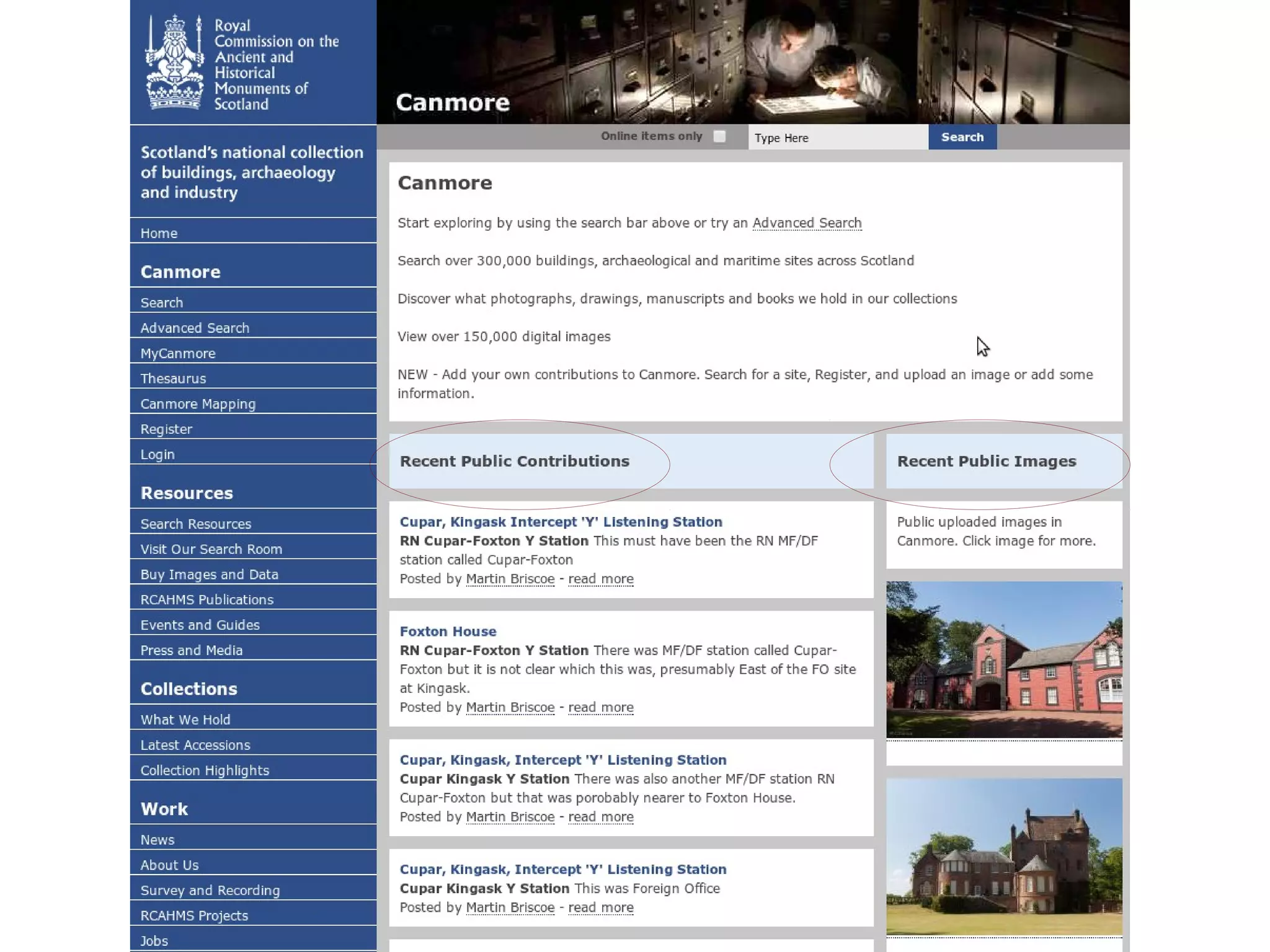
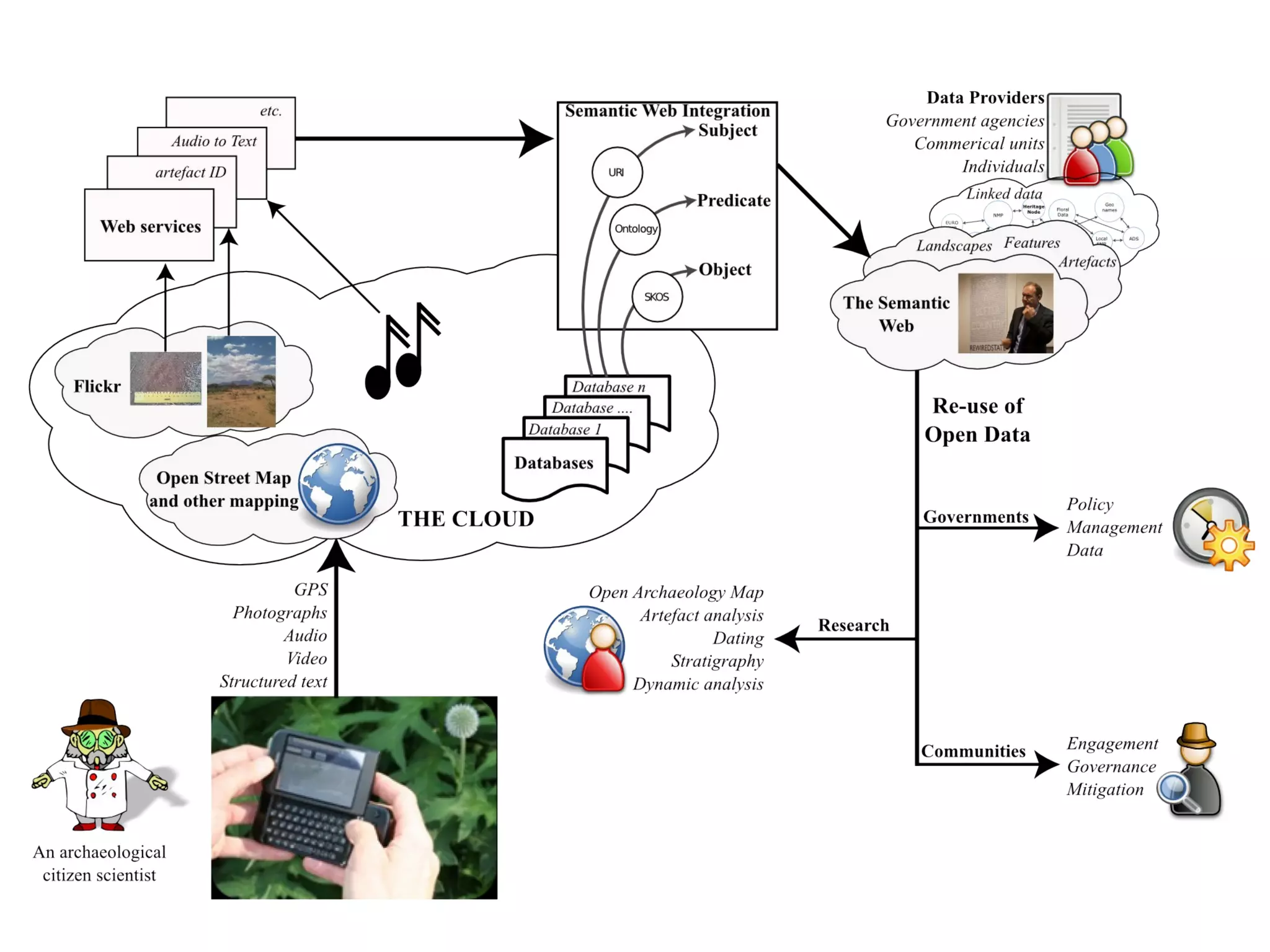
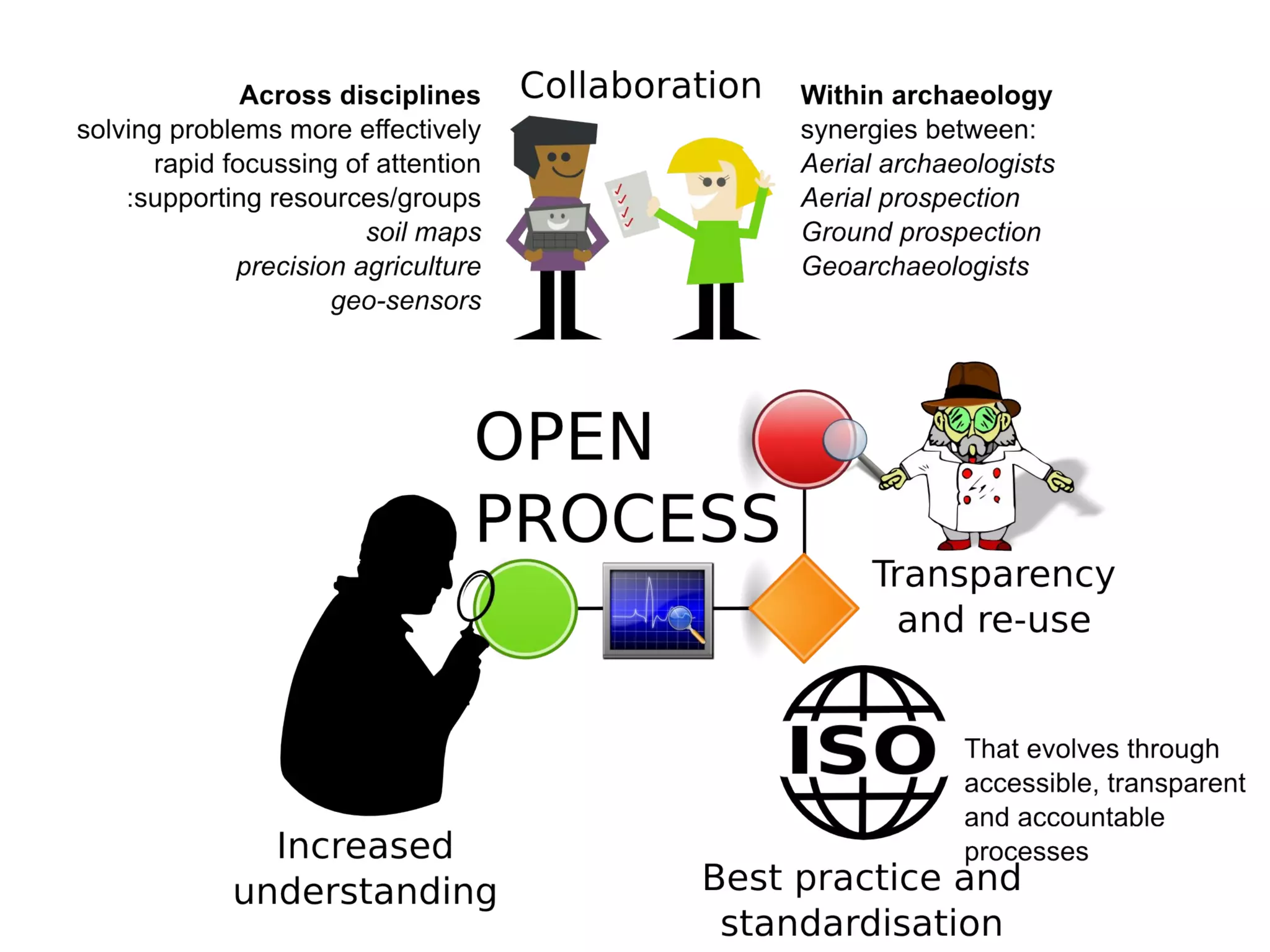
Open contributions
Open contributions
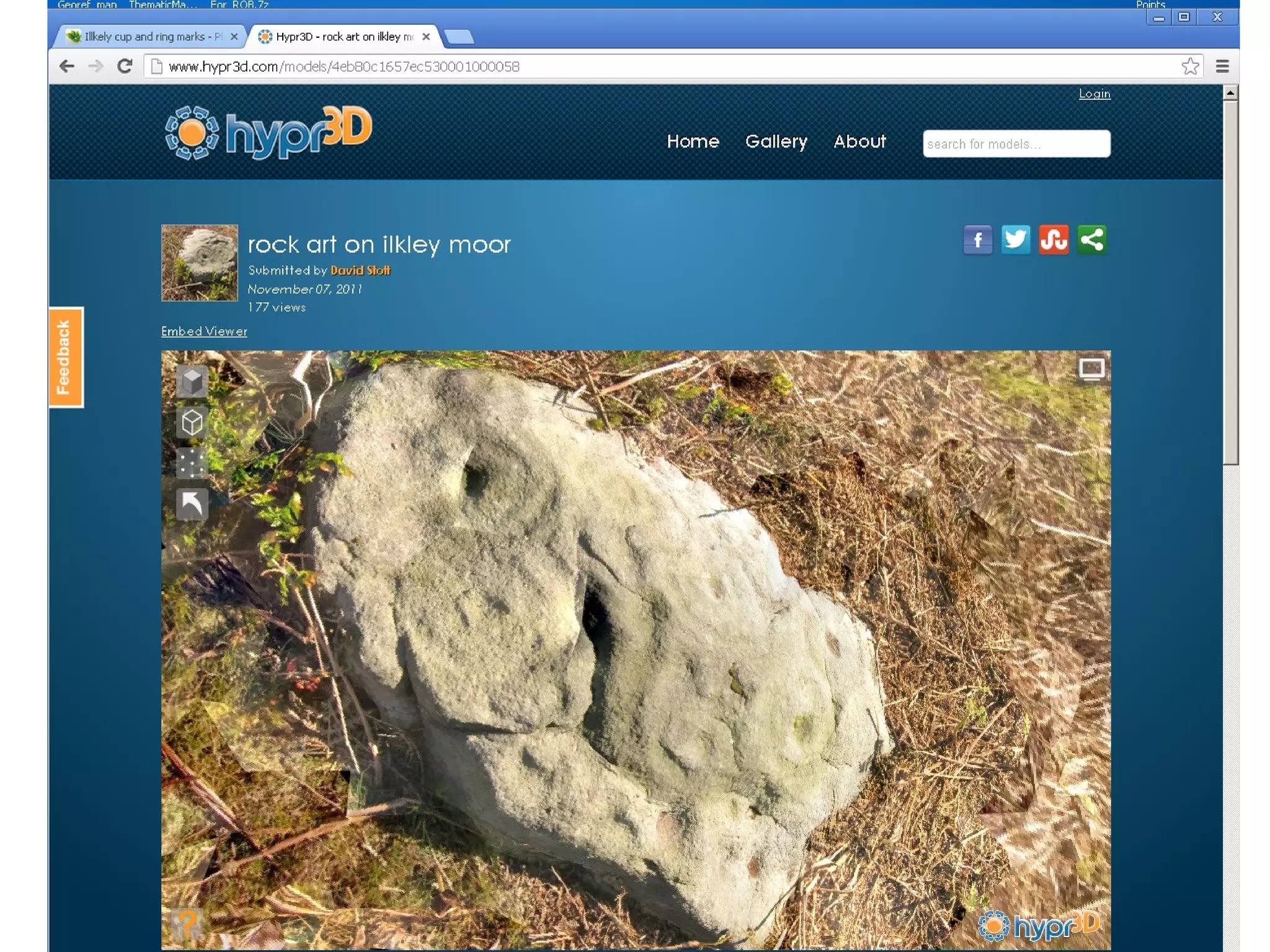
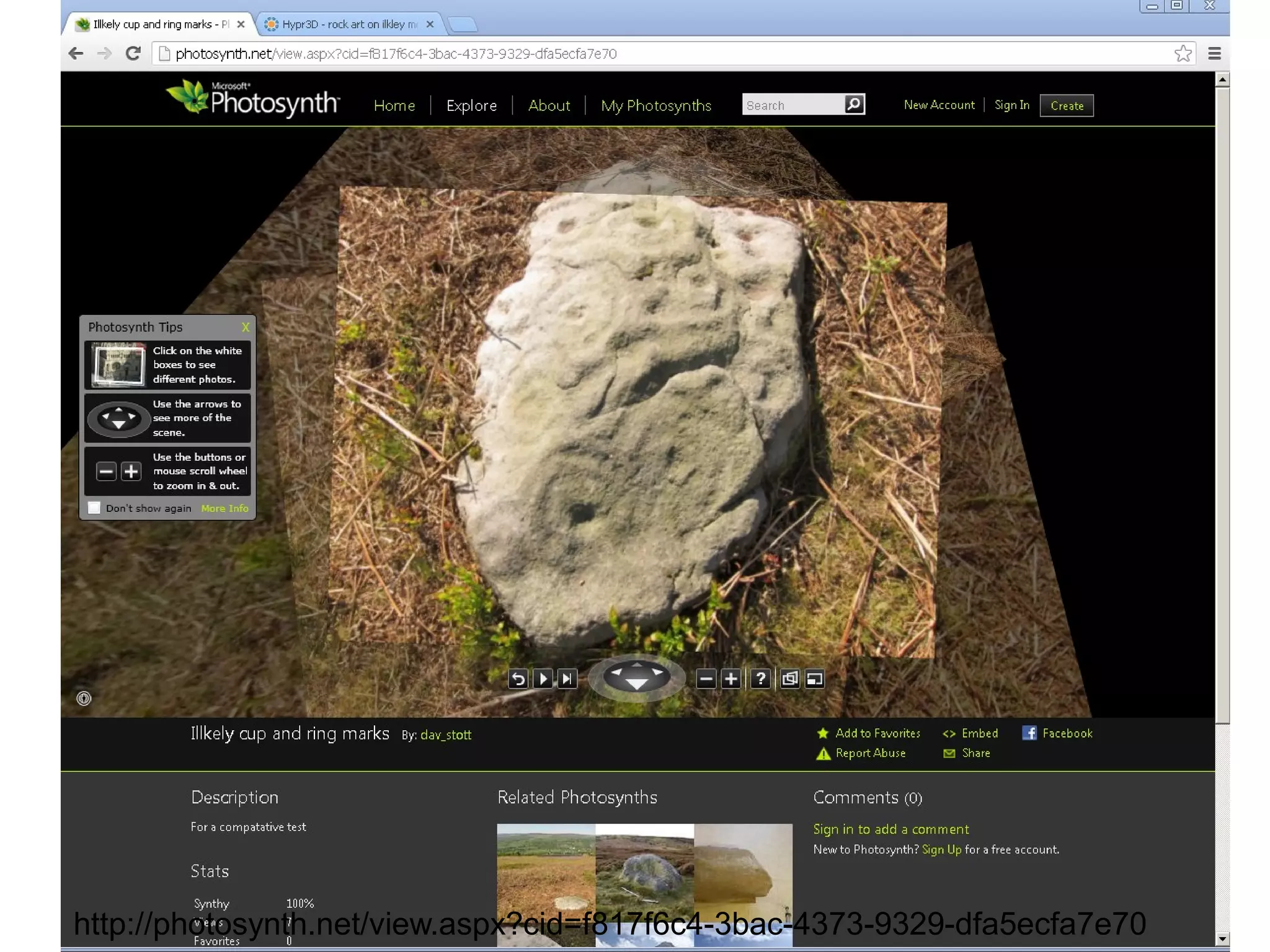
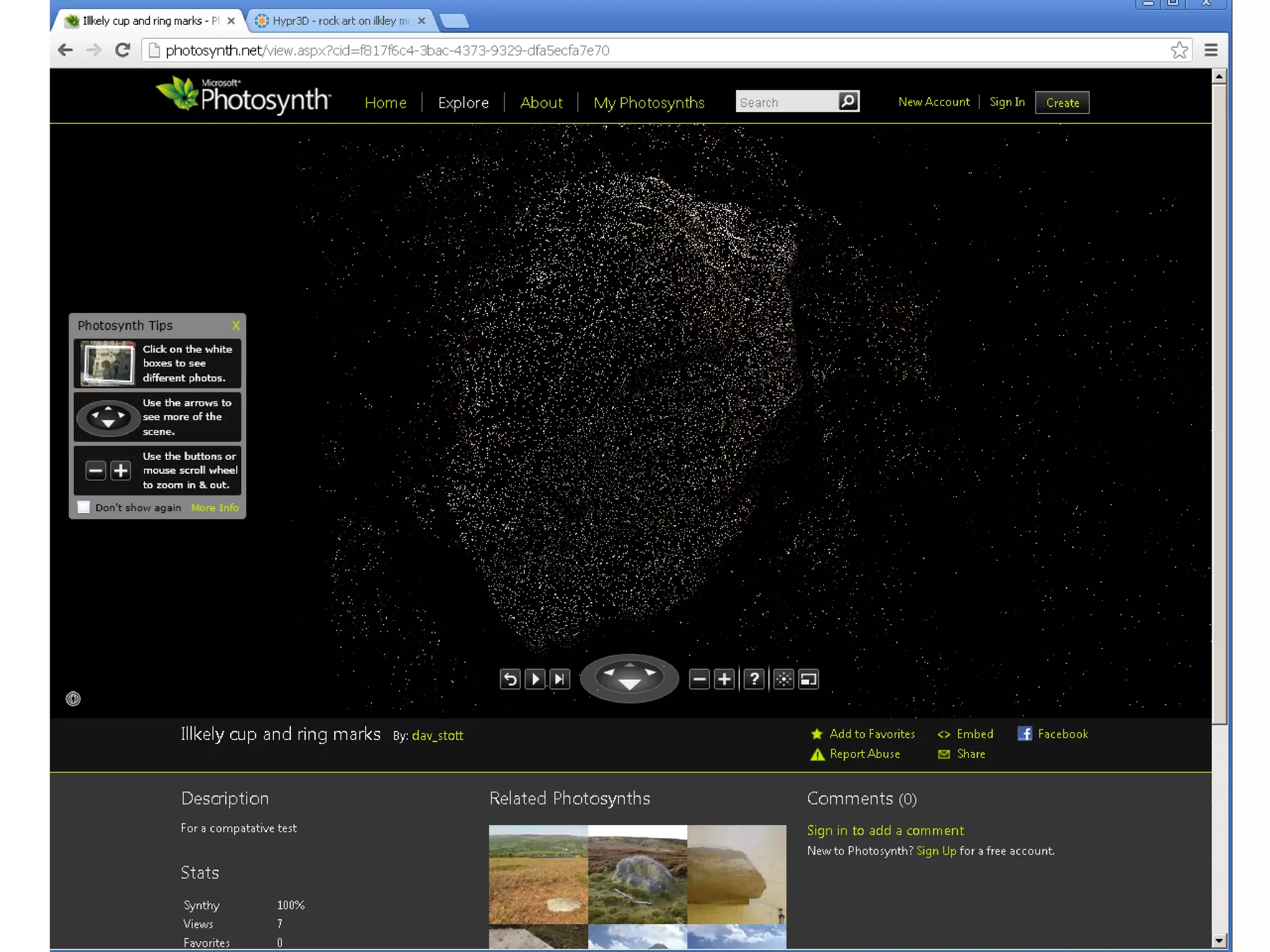
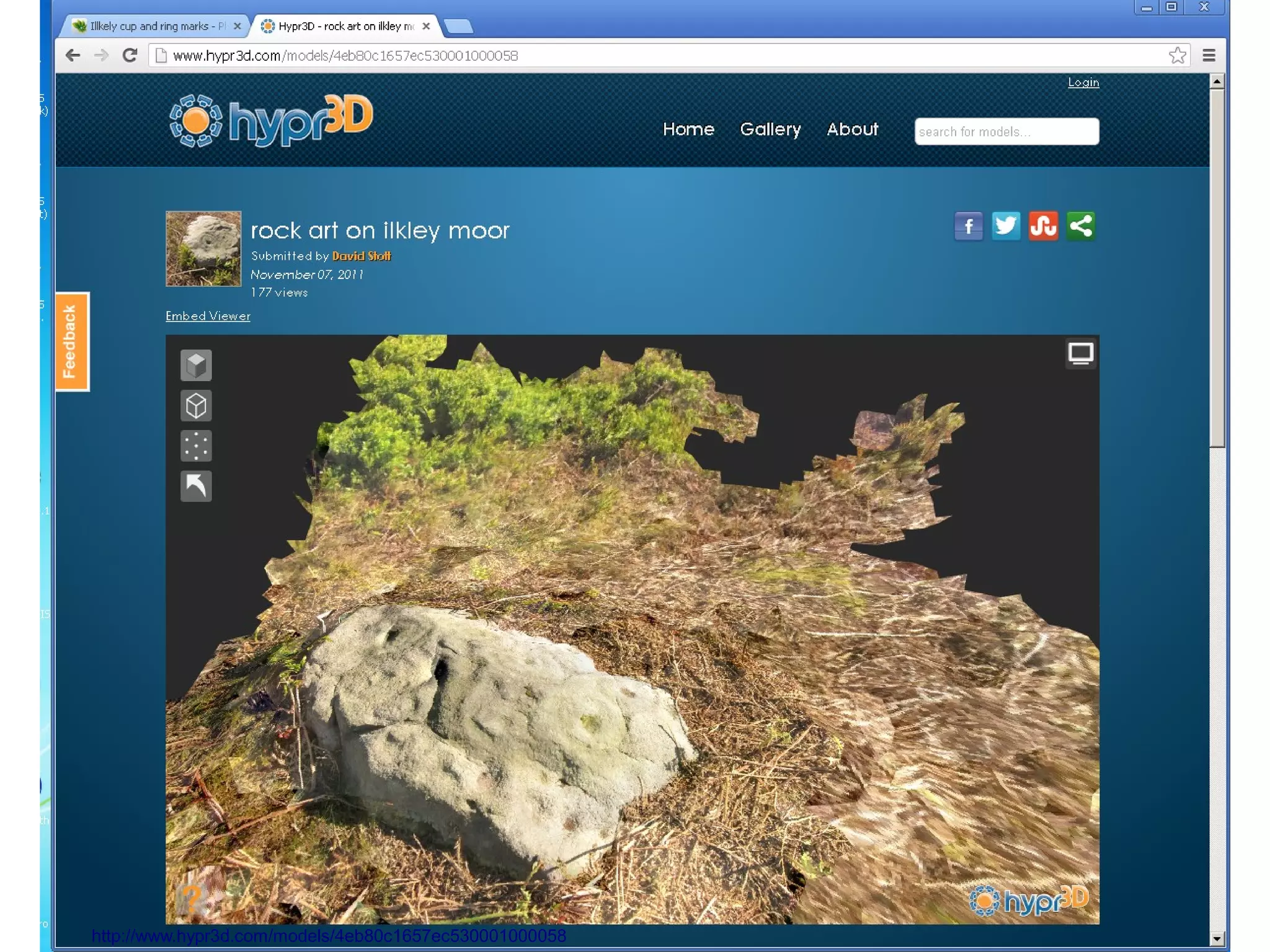
Think of an Open
Archaeology Map!
http://www.hypr3d.com/models/4eb80c1657ec530001000058
http://photosynth.net/view.aspx?cid=f817f6c4-3bac-4373-9329-dfa5ecfa7e70
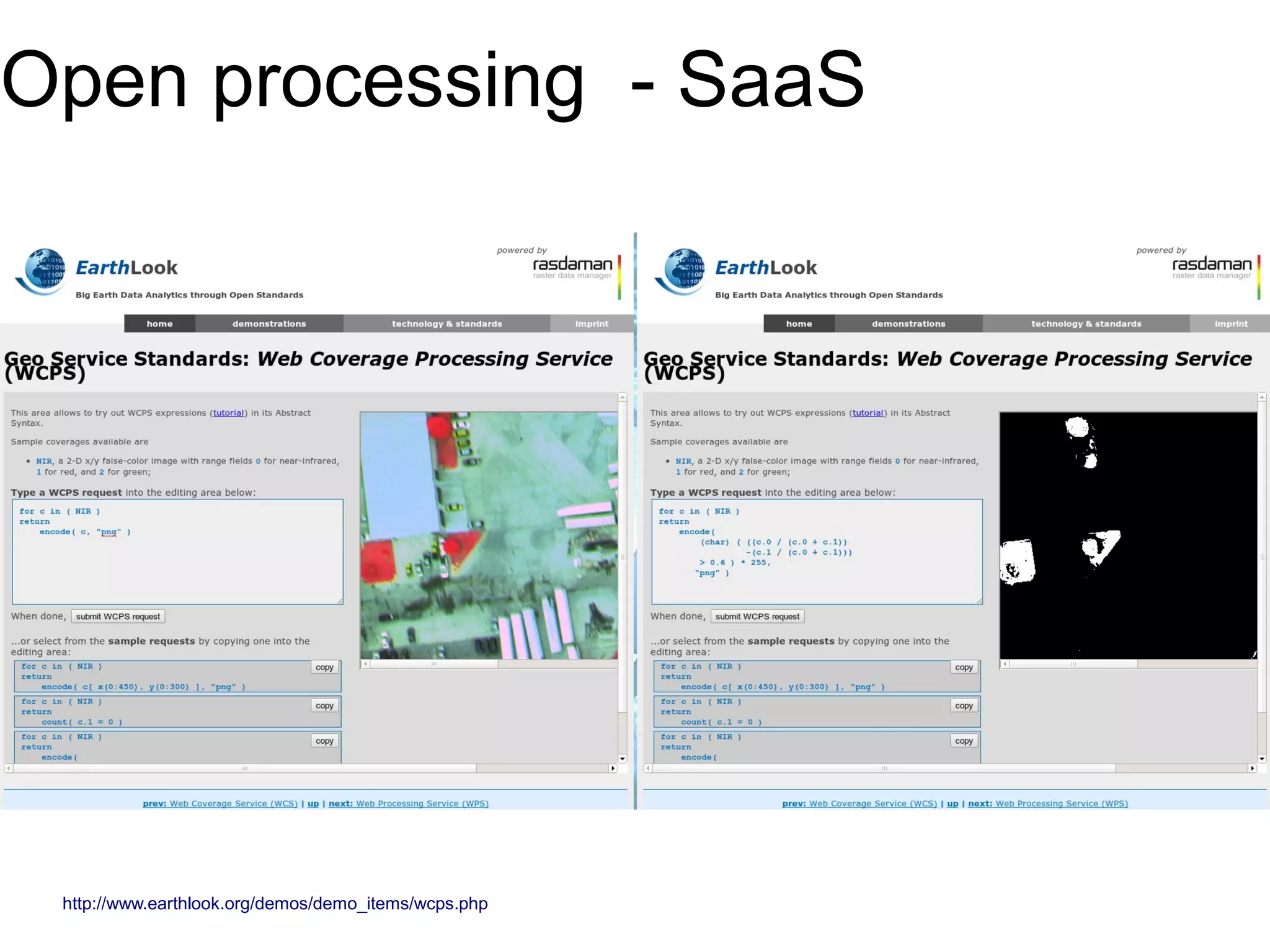
Open processing - SaaS
http://www.earthlook.org/demos/demo_items/wcps.php
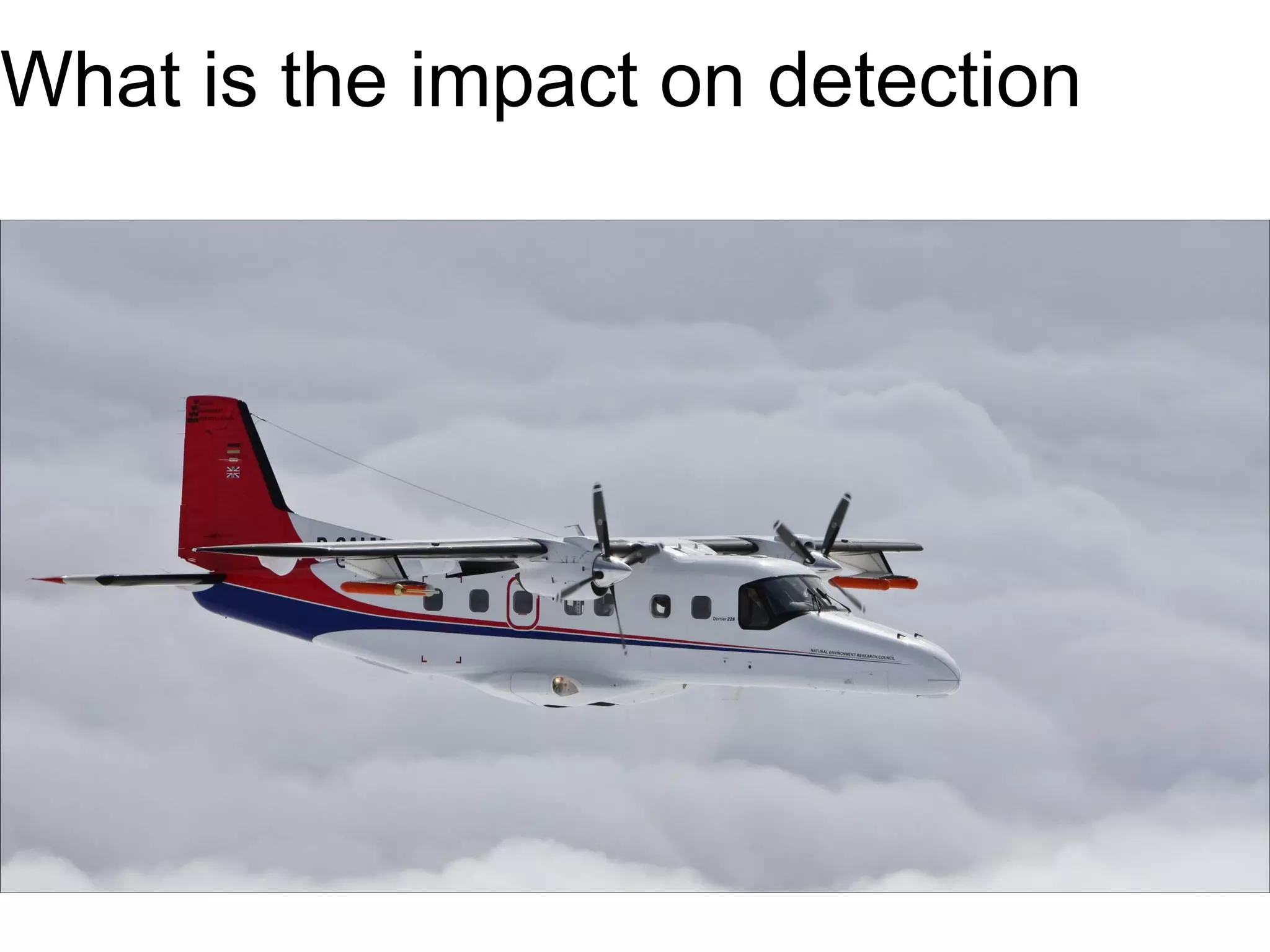
What is the impact on detection
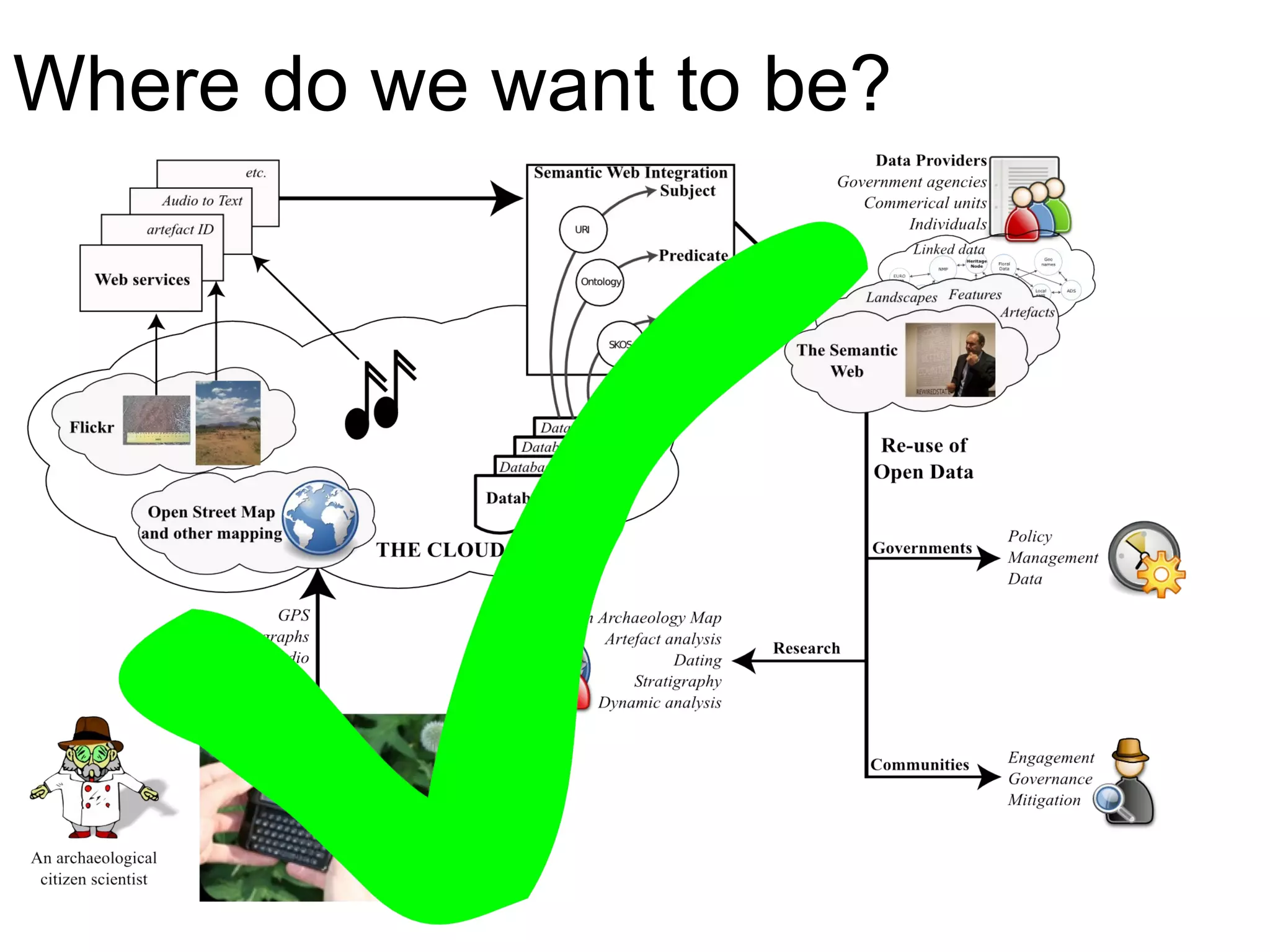
Where do we want to be?
Think provision not possession

Unleashing the potential of collaboration – archaeological detection in the 21st Century

Editor's Notes

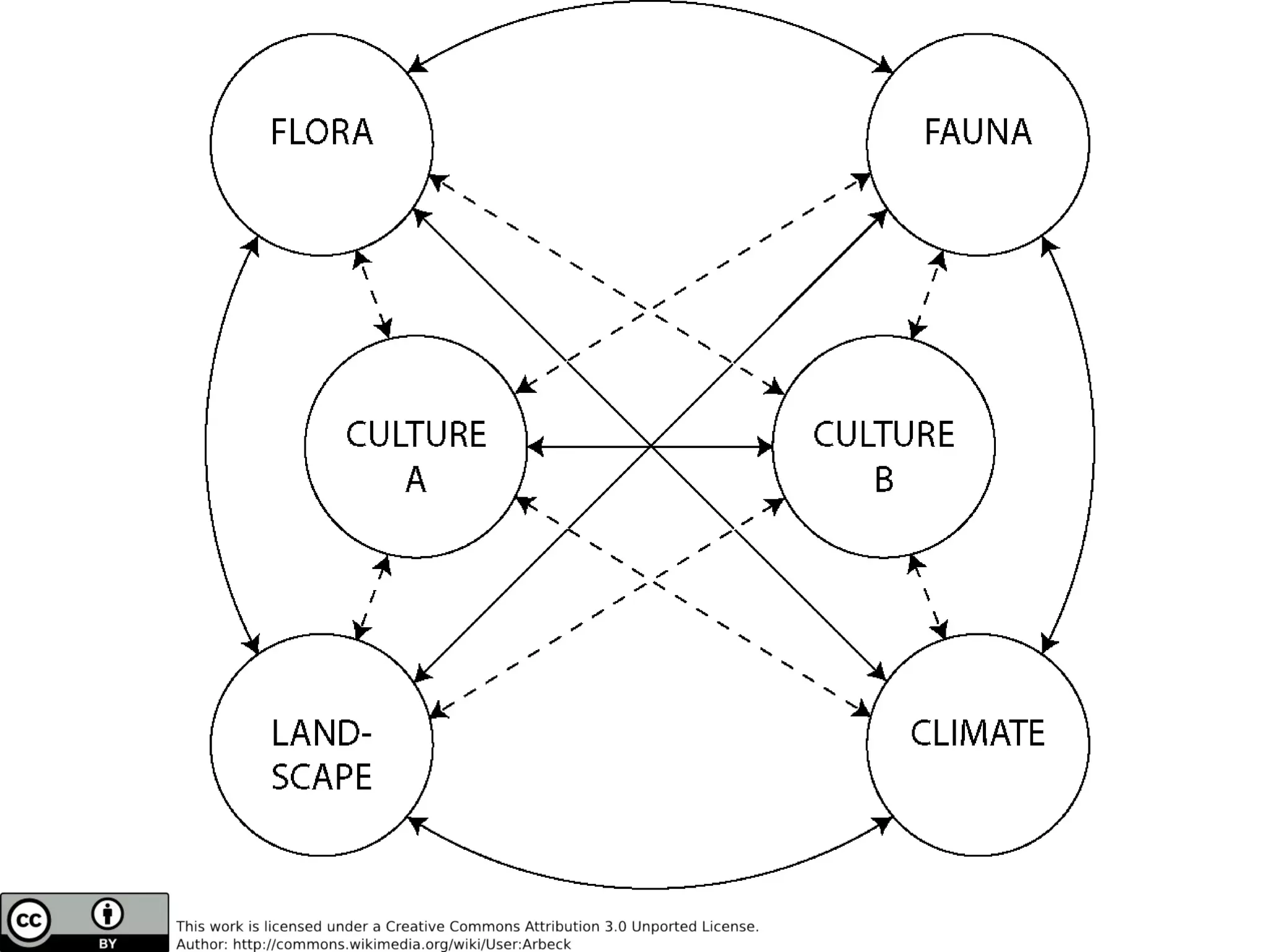
  • #6 Understand complex relationships in the fragmented archaeological record Archaeology as human ecology
  • #21 Data Rich Data Archiving - Building the silo
  • #22 Formal structures inhibit collaboration and access Informal networks established to make the data work effectively
  • #23 Additional drops of data/evidence does not affect the structure of the knowledge landscape
  • #34 The nature of knowledge From a policy perspective there are different levels of knowledge awareness know what we know (the data we have access to) know there are things we don&apos;t know (the relevant data which is not accessible) and recognise there are things that we are unaware of which may be extremely important (the potential knowledge advances gained by integrating all data, collaborating with different domains and future research avenues). Ideally we want to increase the size of the accessible knowledge so that policy can be formed from a position of ‘perfect’, or ‘near-perfect’, knowledge.
  • #72 Formal structures inhibit collaboration and access Informal networks established to make the data work effectively