
WIN Interviews
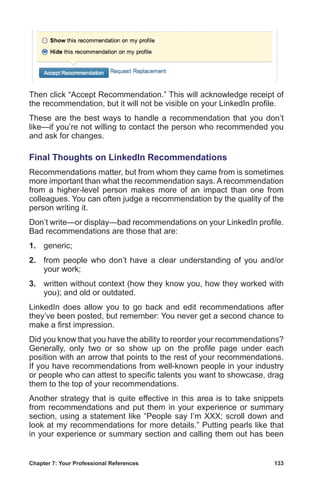
By Louise Garver
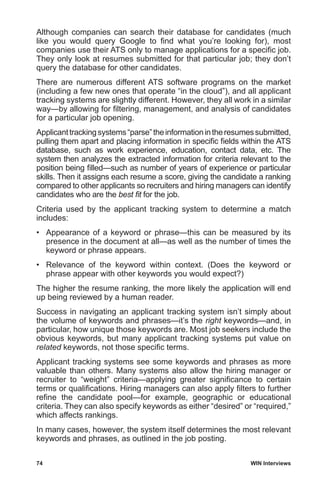
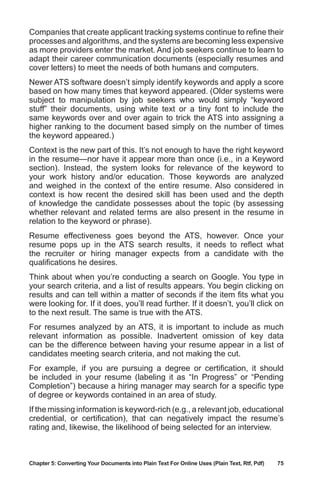
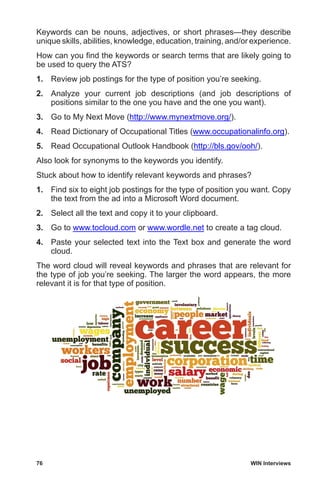
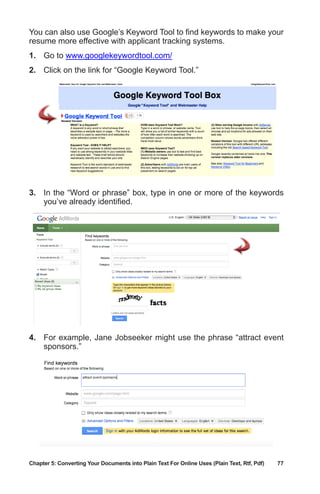
and Christine Edick
20660 Stevens Creek Blvd., Suite 210
Cupertino, CA 95014
The New Must-Have Game Plan
ii
Copyright © 2014 by Louise Garver and Christine Edick
All rights reserved. No part of this book shall be reproduced, stored in a
retrieval system, or transmitted by any means electronic, mechanical,
photocopying, recording, or otherwise without written permission from
the publisher.
Published by Happy About®
, a THiNKaha®
imprint
20660 Stevens Creek Blvd., Suite 210, Cupertino, CA 95014
http://happyabout.com
1st Edition: March 2014
eBook ISBN: 978-1-60005-251-4 (1-60005-251-7)
Place of Publication: Silicon Valley, California, USA
Trademarks
All terms mentioned in this book that are known to be trademarks or
service marks have been appropriately capitalized. Neither THiNKaha®
,
(the parent company of Happy About®
) nor any of its imprints, can attest
to the accuracy of this information. Use of a term in this book should not
be regarded as affecting the validity of any trademark or service mark.
Warning and Disclaimer
Every effort has been made to make this book as complete and as
accurate as possible. The information provided is on an “as is” basis.
The author(s), publisher, and its agents assume no responsibility for
errors or omissions nor assume liability or responsibility to any person
or entity with respect to any loss or damages arising from the use of
information contained herein.
iii
Praise For This Book!
“Louise and Christine have provided a clear, succinct blueprint for
moving from ‘I need a new job’ to ‘I’ve got an interview. ’And there is no
doubt that they know their stuff. In fact, Louise and Christine are two of
my go-to coaches for my executive resume clients – I turn to them for
their expertise in helping job seekers navigate today’s complex world
of career management. Their book is on the money, to the point, and
extremely valuable.”
Louise Kursmark, MRW, CPRW, JCTC, CEIP, CCM;
Executive Resume Writer / Career Consultant / Author / Speaker;
Your Best Impression
“Take the angst out of landing the interview with easy, understandable,
step-by-step instructions!”
Susan Britton Whitcomb, author of 8 careers books, including
Resume Magic, and founder of TheAcademies.com for career
coach training.
“As an Executive Recruiter, I deal with many candidates who lack a
GAME PLAN when they start a search. Louise and Christine delineate
in the clearest of terms the action steps necessary to execute a winning
strategy. Of special interest to me is the section on Personal Branding.
I wish all my candidates had this in their professional job search tool
boxes. The advice offered is timely and very practical.”
Michael Robinson, Ph.D., Master Club Manager, Robinson Club
Consultants
“If Christine Edick and Louise Garver wrote it, then I know it’s sage
advice! I’ve known both of these career experts for 15+ years, and
have nothing but admiration for their knowledge and their contributions
to the careers industry. This book is another exceptional offering ...
valuable lessons in the intricacies of job search and how to position
yourself as THE winning candidate. A must-read for every job seeker
and a valuable resource for every career professional.”
Wendy Enelow, CCM, MRW, JCTC, CPRW - Co-Founder & Executive
Director - Career Thought Leaders Consortium
iv
“I’d like to commend Louise on her new book as it provides crystal
clear direction for job seekers to follow in order to achieve success in
today’s job market. I know that the content is spot on as I work with job
candidates on a daily basis in my search firm. Many candidates struggle
with creating, articulating, and correlating their career successes to
the opportunity they are competing for. Your advice provides a great
blueprint for success. Congratulations and best of luck!”
Ken Diamond, President, Digital Action Executive Search
Founder, & CEO of WinTheView.com
v
Win Interviews! The New Must-Have Game Plan
Career Focus, Personal Branding, Resume, Professional Bios,
and Online Profiles
The world of work has changed. Suddenly, the game plan looks and
feels completely different, and no one gave you the new rules. Job
search truly is a different game than it was even a few years ago. You
may have the dilemma of what to do or how to accelerate your search.
What needs to be done first? What should I avoid? Who can I turn to for
help? What is the best investment of my time and money?
Having a clearly defined professional
brand is no longer optional. Employers
want to know what differentiates you
from your job-seeking competitors,
not how you’re the same. They want
to see hard skills linked to your softer
ones, indicating who you are, what
you’re like to work with, and how your
strengths will translate to dollars for
them.
Your resume needs to be a targeted, brand-reinforcing, career marketing
communication. Supplementing your resume with a professional bio,
a compilation paper, and digital documents is key to success in job
search today.
A strong online presence is also
essential when in job search mode.
You may not feel comfortable putting
yourself out there, but without an
online identity, you don’t exist and may
be completely invisible to recruiters
and other hiring managers who source
and assess candidates by what they
find about them online. You need to transform your portfolio of career
documents into a LinkedIn profile that’s a magnet for recruiters and
hiring decision makers. But LinkedIn is just one critical component in
building an online presence and leveraging social media.
Having a solid, continuously nurtured network is like having health
insurance for your career. Your real-life and social networks need to be
ever primed for you to tap into for new opportunities, introductions, and
hot leads and to help you penetrate the “hidden job market.”
Approach your job search from
the POV of “What problems
can I solve for you?” Every
employer’s first question to
job candidates is: “What can
you do to make life better/
easier/more profitable for me?”
Market yourself as a solution.
Debra O’Reilly
If you aren’t Internet savvy or
don’t know how to use online
resources, consider taking a
class or borrowing books from
your library. Your library is an
extremely valuable resource.
Jill Grindle
vi
Become the CEO of you. Think of yourself as a company of one—
YOU, INC. If you’re actively job hunting while unemployed, finding a job
is your new nine-to-five job. You have to devote full days to launching
and managing your job search campaign—if you want to land the job
you deserve.
Overall, you need to change your thinking and the way you approach
career management in the digital world, whether or not a career
transition is in your immediate future.
* * * * *
Employees at any level may experience job loss, and when that
happens, they can feel powerless. This type of devastating experience
can also affect a job seeker’s sense of authority and identity, especially
when he/she has no control over the circumstances. The outlook can
look less than dim knowing that there are fewer positions at the top. A
reality check to gain perspective is important for a job seeker to move
forward and look for the future potential opportunities.
An important element of any job
search campaign is to utilize your best
project management skills. Strategic
thinking, preparation, planning and
organizational skills, along with a
little common sense, will help you be
successful. Implement your plan with
determination as rejection can be right
around the corner. An individual in
the midst of a job search encounters
unreturned phone calls, limited
response to direct mail, or repeated
rejection. There can be many reasons
for this, so don’t take it personally—it
is part of the process. Like any project,
managing the interim objectives and
measuring success in small stages is
key to maintaining a healthy attitude.
Career change comes with pros
and cons. On the plus side, there is
greater satisfaction to be gained if
you are making the change for the
right reasons. Typically, people who
are happy in their jobs are healthier; and along with that, the positive
demeanor has a ripple effect on their personal life too.
One of the most effective
career collaterals in job
search/interviewing is the
strategic use of the 30-, 60-,
90-day business plan as
part of the follow-up “thank-
you” letter-writing process.
Sent in the body of an email
within 24 hours of an in-
person job interview, this
two- to three-page document
reiterates a candidate’s
value proposition, recaps
key ‘points of pain’ shared in
the interview, and presents
ideas as to approaches to be
taken, preliminary strategies,
suggested solutions, and a
working game plan for the
first 30, 60, and 90 days in
position if hired.
Jan Melnik
vii
If you are unemployed, you should
be spending at least thirty-five hours
a week on your search. If currently
employed, spending ten to fifteen hours
a week is essential to get momentum.
Spending less time on job search could
slow down the process and extend the
time you spend looking for another job.
Strengthen your success factors with a strong foundation, a career
action plan, and organized job search tasks.
If you are unemployed, make
looking for work a full-time
job. It is also important to
maintain your recreational,
social, and fitness plans in
order to avoid burn-out.
Jill Grindle
viii	 Contentsviii	 Contents
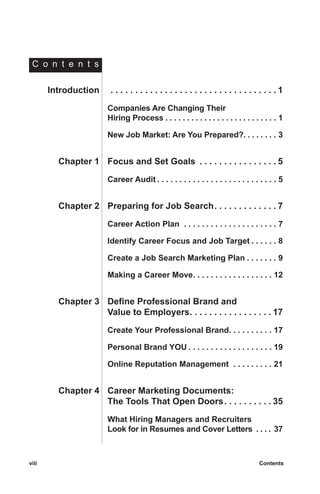
	Introduction	 . . . . . . . . . . . . . . . . . . . . . . . . . . . . . . . . . .  1
		Companies Are Changing Their
		 Hiring Process  . . . . . . . . . . . . . . . . . . . . . . . . . . 1
		New Job Market: Are You Prepared? . . . . . . . . 3
	Chapter 1	 Focus and Set Goals . . . . . . . . . . . . . . . .  5
		Career Audit  . . . . . . . . . . . . . . . . . . . . . . . . . . . 5
	Chapter 2	 Preparing for Job Search . . . . . . . . . . . .  7
		Career Action Plan  . . . . . . . . . . . . . . . . . . . . . . 7
		Identify Career Focus and Job Target  . . . . . . 8
		Create a Job Search Marketing Plan  . . . . . . . 9
		Making a Career Move . . . . . . . . . . . . . . . . . . 12
	Chapter 3	 Define Professional Brand and
		 Value to Employers . . . . . . . . . . . . . . . .  17
		Create Your Professional Brand . . . . . . . . . . 17
		Personal Brand YOU  . . . . . . . . . . . . . . . . . . . 19
		Online Reputation Management  . . . . . . . . . . 21
	Chapter 4	 Career Marketing Documents:
		 The Tools That Open Doors . . . . . . . . .  35
		What Hiring Managers and Recruiters
Look for in Resumes and Cover Letters  . . . . 37
C o n t e n t s
WIN Interviews	 ix
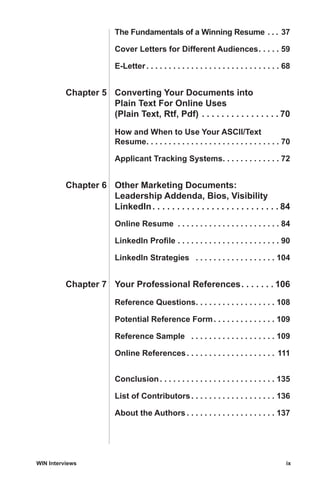
		The Fundamentals of a Winning Resume . . . . 37
		Cover Letters for Different Audiences . . . . . 59
		E-Letter . . . . . . . . . . . . . . . . . . . . . . . . . . . . . . 68
	Chapter 5	 Converting Your Documents into
		 Plain Text For Online Uses
		 (Plain Text, Rtf, Pdf) . . . . . . . . . . . . . . . .  70
		How and When to Use Your ASCII/Text
		Resume . . . . . . . . . . . . . . . . . . . . . . . . . . . . . . 70
		Applicant Tracking Systems . . . . . . . . . . . . . 72
	Chapter 6	 Other Marketing Documents:
		 Leadership Addenda, Bios, Visibility
		LinkedIn . . . . . . . . . . . . . . . . . . . . . . . . .  84
		Online Resume . . . . . . . . . . . . . . . . . . . . . . . . 84
		LinkedIn Profile . . . . . . . . . . . . . . . . . . . . . . . . 90
		LinkedIn Strategies  . . . . . . . . . . . . . . . . . . . 104
	Chapter 7	 Your Professional References . . . . . .  106
		Reference Questions . . . . . . . . . . . . . . . . . . 108
		Potential Reference Form . . . . . . . . . . . . . . 109
		Reference Sample  . . . . . . . . . . . . . . . . . . . . 109
		Online References . . . . . . . . . . . . . . . . . . . . 111
		Conclusion . . . . . . . . . . . . . . . . . . . . . . . . . . 135
		List of Contributors . . . . . . . . . . . . . . . . . . . 136
		About the Authors  . . . . . . . . . . . . . . . . . . . . 137
WIN Interviews	 1
Companies Are Changing
Their Hiring Process
There has been a slight improvement in the
interview and hiring processes of companies over
the last decade. There are still the “old believers”
whoaskaquestionlike“Tellmeaboutyourself”and
think the answer can extract pertinent and useful
information for the interviewer. Then along come
the “new age” interviewers who want to primarily
ask behavioral questions. These examples are at
opposite ends of the spectrum, and businesses
are realizing that they need to rethink their hiring
process to get the right candidates.
Here are four ways companies are changing their
hiring processes:
1.	 Quit asking irrelevant “curveball” questions.
It has become clear that these types of interview
questions do not generate the information
necessary to classify the candidate as the right
fit for the job. NOTE to job seeker: What this
means to you is that companies will be focusing
more on interview questions that relate to the
position and the skills needed to accomplish
the job. Of course, it doesn’t hurt to keep your
response to a curveball question in your back
pocket just in case.
2.	 Be clear about what you want. Companies
are encouraged to start the process by
identifying the key skills and behaviors that
a candidate must have to succeed in this
position and fit with the company. By knowing
these up front, it helps the interviewer to
compare apples to apples. NOTE to job
seeker: Read the job description that is
I n t r o d u c t i o n
Companies are
sharpening their
interviewing and
hiring processes;
identify how that
might affect you.
Louise Garver
2	 Introduction
provided for the job opportunity carefully as it
will contain clues to key skills and behaviors.
If this is a position that you found out about
through other channels such as networking
or an internal employee, ask questions about
the company’s expectations of the person
they are looking for to fill the position.
3.	Proof. The companies need proof that
you are who and what you say you are.
There cannot be an ounce of doubt for the
interviewer. They are looking for the closest
fit, and anything that can be disputed could
get you disqualified. NOTE to job seeker: You
will be tested during the interview to prove
that you can do what you represent. They
may give you a specific problem to solve.
Can you make quick decisions? A sample
situation may be thrown your way (and timed)
to simulate a situation under pressure.
4.	 Panel/multiple interviews. More companies
believe “two heads are better than one.” By
involving more people in the interview and
hiring process, they get several perspectives
that bring multiple levels of information and
details that would not have been possible
if the entire process was handled by one
person. NOTE to job seeker: You may be
seeing more panel interviews that include
many levels from several departments that
would be affected by the hire. There also
may be more interviews in the entire process.
Some companies have a policy of a minimum
of eight interviews with everyone from the top
executives down to the assistant for the new
job candidate. They come together after all
interviews are conducted to compare notes.
So be alerted that companies are sharpening their
interviewing and hiring processes, and identify
how that might affect you.
WIN Interviews	 3
New Job Market: Are You
Prepared?
As a job seeker, you may have experienced
many changes in the job market over the years.
Predictions have been formulating for some
time now about big changes in careers and the
traditional workforce. The experts forecast an
exponentialgrowthinthenumberofself-employed,
independent service firms, “solopreneurs,” and
temporary workers by 2020 with 40 percent
or sixty-five million people who will not work in
traditional jobs as we know them today.
What does this mean for you? You could be
affected in two ways: (1) from the employee
view of managing this new workforce, and (2) for
yourself personally, your flexibility/ability to market
yourself as a one-person company if necessary.
Let’s look at three key points:
1.	 Create your personal brand. This concept
is sometimes the hardest for job seekers to
grasp. They typically don’t think of themselves
as a “brand.” It has been proven that people
who land the best opportunities are those
who understand the value of marketing
themselves.
	 The most important marketing message that
you can relay to a prospective employer is
who you are (your unique value proposition)
and what you can do for them (focusing on
their issues and needs).
2.	 Create your niche. It is easier to separate
yourself from the masses by clarifying your
expertise and showcasing it in your job
search documents and interview materials.
What we know is that every company has
problems. Recruiters and hiring managers
are looking for people who are able to solve
those problems. Make it easy for the recruiter
or hiring manager to see you as the go-to
person for X.
	 Are you prepared to answer this question
that almost always comes up in an interview?
Be sure that
you know your
brand and your
unique value.
Your brand should
be transparent
across all career
collateral, both on-
and offline.
Jill Grindle
4	 Introduction
“How are you more qualified to do this job
than the other applicants?”
3.	 Follow industry trends. Up to now, you
may have been sustaining an insular
approach to your job and focusing only on
your company. It’s time to evaluate what’s
going on industry-wide, whether you intend
to stay in your current industry or move on.
Incorporate industry research into your job
search activities to find the trends. Joining
online groups (LinkedIn is a great source for
online forums and groups) and networking
will also help you verify the information that
is circulating about your industry and trends.
This will help you circumvent concerns that
may come up about key issues that are
stumping your competitors.
	 Social networks are perfect forums to engage
with people you might not have otherwise
met. Establish connections, learn about the
needs of others, and share your expertise as
well. Building relationships is still essential in
job search.
The writing is on the wall: The job market and
career opportunities are changing!
The facts are clear. Over the last decade, job
seekers want a career change because they are
dissatisfied with their job/industry, unhappy with
their salary, insecure about longevity of job, work
in an obsolete industry, or a victim of corporate
downsizing. Maybe you are among nearly 50
percent of job seekers rethinking their career path.
Recognize that jobs typically last for only two to
four years, not a lifetime. Develop an outstanding
plan, including strategy and tactics.
If you don’t know
where you are
going, you’ll end
up someplace
else.
—Yogi Berra
Chapter 1: Focus and Set Goals	 5
C h a p t e r
Career Audit
Are you ready for change? When was the last time
you took a serious look at your career direction?
Where are you now? Where do you want to be?
Not sure?
As a job seeker, you know that being proactive
is a must in this fast-moving world. And many job
seekers are just too wrapped up in the day-to-day
job activities to take a pulse reading of where they
are in their own career.
If you answer yes to these statements, you may
need a career direction evaluation:
1.	 Your job lacks challenge and excitement for
you.
2.	 You are feeling unappreciated.
3.	 Your promotional and/or development oppor-
tunities are limited.
4.	 You are no longer having fun.
5.	 Learning is replaced with routine.
6.	 You sense that your skills and talents are
being wasted.
7.	 You are suffering from stress or depression.
Individuals often take on the burden of having to
know all and be all and lose themselves in that
thinking. However, today, senior management
is stretched beyond their capabilities at times,
Many people think
that if they keep
their job-search
options “open,”
they will land a job
sooner. Quite the
opposite is true:
With a target job
in mind, you are
far more likely to
prepare properly -
from resume
to company
research -
and land the job
of your dreams.
Debra O’Reilly
Focus and Set Goals
1
6	 WIN Interviews
causing one or more of the statements above to be true.
How do you get back on track?
1.	 Start with a career action plan. Yes, you may already have one, but
if it is dated or not working for you, it may need some revisions or a
fresh approach in a new direction.
2.	 Assessments or personality inventory may be helpful as tools to
help you discover your strengths, preferred way of working, people
relations and commonalities, etc.
3.	 Resume, cover letter, professional bio, LinkedIn profile, references,
and other career documents may need to be updated.
4.	 Work with a career coach who can be extremely helpful in supporting
you through this process. Coaches are perfect sounding boards for
brainstorming ideas, formulating a strategy, and creating steps to
help you implement it.
Don’t wait. Get started now!
Chapter 2: Preparing for Job Search	 7
C h a p t e r
Career Action Plan
What’s standing in your way? Out of about 6,580
professionals polled globally; 89 percent said they
could not accomplish all the tasks on daily to-do
lists. That’s huge! What’s amazing is with all the
available information (articles, blogs, websites,
etc.), helpful tools and technology, only a little
over 10 percent of employees end the day having
finished their task list. No wonder people in job
search mode are challenged trying to fit in their
career action plan the mix of everyday duties and
responsibilities of work and life.
Creating a career action plan and strategy to
implement the multiple pieces of that plan is
essential. For most job seekers looking at a twenty-
four-hour period, there isn’t much time left over
after their current job, extended working hours for
special projects, family time, continuing professional
development, sports/health, and any other activities
the person is involved in. So where do you draw the
line and make the commitment to job search?
1.	 What do you really want? (If you get stuck on
this one, what would your twin say you really
want?)
2.	 What’s your role in making that happen?
3.	 What gets in your way?
4.	 What is your biggest fear around this?
5.	 What are three steps you can take to achieve
your goal?
Develop a plan
that is multi-
faceted, creative,
and includes
both online and
offline networking
and resources.
Don’t forget how
valuable your local
librarian(s) can be in
the search process.
Jill Grindle
Your career needs
a roadmap. Be sure
to establish your
goals, create steps
to achieve both
short- and long-term
objectives, and
develop metrics
to measure your
progress. It’s so
much easier to
find your way to
your career goal
when your C-GPS
(Career-Goal
Positioning System)
is programmed
properly!
Debra O’Reilly
Preparing for Job Search
2
8	 WIN Interviews
These questions generally get a person thinking about what’s most
important and what they can put aside temporarily to work towards their
job search goal. Sometimes a few more questions are helpful to drill down
a little further.
1.	 What do you really need right now?
2.	 What kind of support would be helpful?
3.	 What is your strategy?
4.	 What is currently motivating you?
5.	 What are you just tolerating?
Thesetypesofquestionsarenotalwayseasy
to answer and should be given a reasonable
amount of attention to contemplate the
answers that support your intentions. Being
honest with yourself and your circumstances
can sometimes uncover what’s standing in
your way of accomplishing what you need to
do to work on your career action plan.
If you are not ready to make your job search a
priority, then what can you do in the interim to
move things along? If you are ready to jump
into the job search arena with both feet, then
understand that there will be roadblocks and
challenges at times that will sidetrack your
progress. However, recognizing your level
of commitment can help you stay motivated.
The most focused and dedicated individuals
are the most successful.
Identify Career Focus and Job Target
Thinking about changing industries? Consider the following:
1.	 Where is your target company in its industry? In the broader
marketplace?
2.	 What business and economic trends are affecting that industry and
its markets?
3.	 If that industry is shrinking, which industries are growing?
When you create a job
search marketing plan,
be sure to include the
Six Pillars of Job Search:
traditional networking;
social networking; direct
mail campaign, in which
you send an ROI letter
to employers; surveying
posted jobs on aggregator
sites like Indeed.com and
niche sites; approaching
recruiters; and building
your online footprint to
attract recruiter searches.
Jean Cummings
Chapter 2: Preparing for Job Search	 9
Create a Job Search Marketing Plan
We have all heard the phrase “start
with the end in mind.” Well, that is
exactly what you can do with your Job
Search Marketing Plan. Even before
you begin to rewrite your resume,
sign up for associations and groups,
attend networking events, interact
with recruiters, or search online job
boards—you must know what type
of career is right for you. A clear
direction is critical to your success in
finding the perfect next job.
Step 1: Have a Clear
Direction
Many people reach a crossroad
in their career where they want to
considertheiroptions:What’snext?
Do I want to stay in manufacturing?
Move into high tech ? Or should I
consider the biomedical field?
So the question becomes what is your
ideal career? Have you taken the time
to think about it? If not, the time is now.
To help you define, try this exercise. Create a spreadsheet or, on a piece
of paper, create three columns. Title them Job, Traits, and Skills.
Job Traits Skills
Fill in the positions
you are (or have
been) interested in
pursuing.
Picture a person in
this position and what
traits make him/her
successful. Fill these
in this column. Be
specific. Is he/she a
leader, team player,
creative, flexible,
self-motivated,
independent, etc.?
Fill in the skills or
qualifications the
position requires—
the clear requisite
skills and education
one needs to have.
This step may require
a bit of research. If
you’re not sure of the
skills required, look
up job descriptions or
listings on corporate
career centers to find
the requirements.
The single biggest mistake job
seekers make is sidestepping
that critical first step of identifying
and researching employers or
organizations that are a mutual
good fit for them. Instead, they dive
right into personal branding, and
updating or creating their resume.
Skipping over this critical first step
dooms job seekers when they
create a generic resume, trying to
cover too many bases that probably
won’t hit home with anyone.
Meg Guiseppi
Job creation is growing fastest
in the STEM areas: Science,
Technology, Engineering, and Math.
If you’re in the market for new
knowledge and training, consider
one of these career paths.
Debra O’Reilly
10	 WIN Interviews
Once you have completed this chart, you can begin to evaluate where
you stand in relation to the positions you are considering. Can you
pinpoint two or three career paths that match your current talents and
skills? Is there a certain career path you’d love to pursue but need
additional education or experience for? Use this collected information to
define a clear direction for your job search.
Step 2: Market Research
Market research is an important step in a job search. In order to properly
market your product (you) to your audience (employers), you must know
who they are, where they are, and how they think.
So how do you get this information? The following are questions that will
help get you started:
Identify people in your desired position.
Research their professional and educational backgrounds to determine
what made them desirable to be chosen for their current position.
Informational interviewing is extremely helpful to gather this information.
However, most executives today are too busy to accept casual phone
calls from people they don’t know. Can you speak to a friend or colleague
who knows that person so you can ask what he likes about his job, what
a typical day is like, etc.?
Identify target companies.
Finding the right companies to target is somewhat essential at this
stage of the job search. After all, you will be spending more time at
the company during your working career than you will at home, so you
want to make sure there is a good match between you and your next
employer. A few questions to ask yourself to get started:
1.	 Who do you know within the company?
2.	 Who do you know that can introduce you to someone within the
company?
3.	 What is their company culture? Is it one that matches your
personality?
4.	 What challenges are they facing? Do you offer any solutions?
5.	 What new products or services have they recently released?
6.	 Has there been new regulation affecting the industry?
Chapter 2: Preparing for Job Search	 11
Identify where your target industry hangs out.
Having the opportunity to connect with people in your target industry is
key. You most likely won’t run into these professionals hanging out on
the street corner or in a café. So how do you find these people? Join
an industry-related LinkedIn group, Ning.com site, forum, etc., where
other professionals contribute to conversations and networking. Is there
a chapter of your industry association in your area? Is there a meetup
group for professionals in your field? Consider all the ways you can
branch out to connect.
What do you do if you identified a field that you know requires further
education? In this case, your next steps could include researching schools
and training programs, speaking with alumni, admission offices, etc.
Step 3: Marketing Collateral
Even if you have the best network, have done due diligence with researching
companies and career direction, your job search will be slowed down or
severely hindered if you don’t have great marketing collaterals that highlight
your talents and skills and support your career achievements.
The Must-Haves:
1.	 Resume – A well-written, concise resume.
2.	 Cover Letter/e-letter – Customized to highlight why you are perfect
for the position.
3.	 Professional E-mail Address – A simple and professional-mail,
i.e., yourname@gmail.com (never use current company e-mail
address.)
4.	 Phone Number – Cell or personal number with a professional-
sounding voicemail and no children answering the phone.
5.	 References Document – This document guides interviewers in
asking professional references questions that emphasize your
successes.
6.	 ElevatorPitch–Preparedandrehearsedthirty-second“commercial”
about who you are and what you can do for an organization.
7.	 LinkedIn Profile (and other online profiles) – Updated content
with recommendations and key skills that support other collateral
materials to help you achieve digital distinction in today’s competitive
job market.
The Good-to-Haves:
1.	 Professional Bio – Often requested by recruiters and hiring
managers, your bio should reveal your personal brand: your unique
12	 WIN Interviews
promise of value, attributes, competitive advantage blended with
your successful history.
2.	 E-Career Portfolio – The results of your professional career come
to life with an e-career portfolio that summarizes your achievements,
talents, and education. It is an innovative and technology-savvy 3-D
presentation of the value of your professional talent.
3.	 One-Page Networking Resume – A great tool to use in networking
conversations, recruiters and employers often seek a one-page
snapshot of your background.
4.	 Networking Cards – Business card–type networking cards with
just your personal contact information printed. Never hand out a
business card from a previous employer.
5.	 QR Code – Create a QR code specifically for job search through
http://vizibility.com.
6.	 Twitter Profile – Depending on your industry, building a network on
Twitter may get you noticed by the right people.
7.	 Blog – A blog is a fantastic way to establish yourself and your
knowledge of your industry. Just be sure to keep it professional.
Make sure you have a consistent look and tone to all materials you
are using in your job search. You want to convey a strong brand and
message so that a potential employer is never confused about you, your
knowledge, and personality.
Making a Career Move
Superheroes abound on TV today. Each one has a set of arsenals at his
fingertips—super strength, X-ray vision, ability to morph into a deadly
weapon, the list goes on. Superheroes know intuitively that if they jump
so high and so far, they can land on their opponent, surprise attack, and
win the battle. They have strategized the right moves at the right time
and used the right weapons. Job seekers are really no different—they
need their own set of tools and strategies. Even if you have a great
resume, it is just one tool in the arsenal.
Job seekers are oftentimes thought of as having superpowers or being
the superhero of an organization. So you may already possess the
talent and skill that is necessary when making a career move. What job
strategies do you need to be a superhero in your job search campaign?
Network - You may be tired of hearing about networking, as it is
constantly being brought up as the most effective job search strategy.
Each networking article reports slightly different figures of success, but
Chapter 2: Preparing for Job Search	 13
all point to a rate of more than 60 percent of jobs being found through
networking. Just imagine Spiderman with his web spread across many
buildings, enabling him to maneuver in spaces that others don’t have
access to. What does that mean to you? Networking can be your web to
people and organizations that your competition does not. If you want to
boost your chances, you need to be networking!
Research - In the old days, when the world was more aligned with the
“Clark Kent/Superman” scenario, companies did not expect a candidate
to come into an interview fully knowledgeable about the company. Part
of the interview process was filling the candidate in on the operations,
products, staff, etc. Today, candidates are expected to have done
their research and to walk into an interview equipped with information
about the organization, the mission statement, products, competition,
and executive team. Yes, it takes time; but if you are truly interested in
acquiring a position with a potential organization, it is definitely worth
your time to present yourself as an informed candidate.
Prioritize - Since job search can be equated to a full-time job, a candidate
needs to prioritize, especially if he is currently employed. This can be
challenging—to put yourself first when you have obligations to your job,
family, friends, and various other responsibilities of life. Aquaman comes
to mind here; one of his superpowers is that he can breathe underwater.
It may seem at times that you are barely keeping your head above water
when in the midst of a job search. Making priorities fit your needs is of
utmost importance. Schedule dedicated time each week/each day to
devote to your job search campaign—whether it is checking online job
boards, networking, sending out resumes, or researching companies.
Fill the oxygen tank and dive into the depths of organizing your plan and
next steps.
These are just a few strategies to get you started. Remember that some
superheroes have partners to help them accomplish their super feats—
such as Batman and Robin or the Fantastic Four. Consider who your
partner might be to help you navigate through this career transition.
Passion - “Do something you love, and you will never work a day in your
life.” —Confucius
Do you look at your passion as an asset or hobby? You can turn your
passion into a career. Of course you have to be realistic and look at all
the factors that contribute to success and failure when changing career
focus to a new job.
Research the viability of the industry or business you want to transition
into. Part of that research could be volunteering on a board of directors
to get an inside view of business challenges and successes, or joining
associations or social groups to network with others in the industry. You
can learn a lot by asking “informational interview” questions in the course
14	 WIN Interviews
of conversations. Don’t forget social media, checking company/people
profiles on LinkedIn and Facebook. Groups and question sections in
these social networking sites also have valuable information for career
changers.
Money - Many people have grown accustomed to living on a high-salary
and bonus structure. They need to take a hard look at what type of
money/salary will be available for the first few years in a new position.
If moving to a lower-level job in another industry, the salary may be
significantly less the first few years.
What are you willing to do to make this dream job a reality? Are there
others in your family who need to be taken into consideration when
making this decision? You may have to downsize your lifestyle in order
to live on a smaller salary while the business builds and while you
build new skills and develop talents. Are you in a position to live off
savings or obtain a loan to manage finances while the business gets off
the ground? Will you need to work or consult on the side or find other
revenue streams to keep finances afloat?
One good resource for compensation analysis is PayScale.com, which
analyzed the thirty biggest industries to show how pay changes as you
gain experience. Take a look at the industries where you have the best
potential to make up for career change.
Skills and Talent - How do your current
skills and talents translate to the new
career? Leverage your strongest skills that
transfer across any business or industry.
You may need to return to school or pursue
certifications to update or build new skills.
Take advantage of opportunities your
current employer offers for professional
development. Updating skills can be
expensive if you are footing the entire cost
of reeducation.
A few examples of job seekers who have
taken this next step: Chief financial officer
turned hobby of gourmet cooking into new
career as chef/restaurateur; cardiovascular
surgeon used medical background to become a medical malpractice
expert; marketing executive left corporate world to run statewide
nonprofit food share program.
These tips just tap the surface. Hopefully, they give you a window
into some challenges that need to be taken into consideration when
contemplating a career change. Today’s hypercompetitive market
Time for a career
transition? Think first of
the similarities between
your past work and
your intended career.
Transferrable skills are
one of the links that help
convince a potential
employer that you will
make a positive difference
in the new company,
industry or job category.
Debra O’Reilly
Chapter 2: Preparing for Job Search	 15
is looking for job seekers who think out of the box and discover what
opportunities might be the next best move.
Like any other major life change, reevaluate career options. Don’t go
back to the same job for the wrong reason. It is not a life-sustaining
move, and often people find themselves unhappy and leave the job
quickly.
Company Culture - The Internet has made easy work of finding
potential candidates through social networking sites like LinkedIn and
Facebook. Membership sites have thrived in the last ten years, providing
job seekers with job search information and recruiters with a database
of well-defined and targeted candidates. And are you aware that most
job seekers today are Googled before being contacted for a prescreen
or interview? How much time and effort do you put into checking out a
prospective company before applying to an organization or considering
accepting an offer on a potential position?
If you are a manager or executive, you already know that a large
percentage of success when hiring new employees is how well they fit
into the company culture. But how does a prospective employee learn
what he needs to know to determine if he is a good fit with any one
organization?
1.	 If the company is local, drive to their offices and do a little surveillance.
Observe the people going to work. Do they appear happy? Are
they conversing with fellow employees? What about at the end of
the day—is the parking lot still full at 6:00 or 7:00 p.m.? Do you
notice people leaving the offices looking worn-out or frustrated? By
checking the people coming and going in the morning and leaving
work in the evening, you can gain some insights.
2.	 Teams and teamwork are important points when considering a
company culture. How does the organization get things done?
Are there several levels of hierarchy to get a decision made? Are
teams already in place? And if so, how would you fit with the other
team members? Would stepping into a position of leadership create
resentment with an existing team? If given an opportunity during
the interview stage, request a meeting with the team you would
be leading or part of to get a sense of the member dynamics and
current functionality.
3.	 Who do you know who knows the company you are considering as
your next employer? Tap into your network and ask questions from
people outside the organization to find out what they know. These
contacts could be customers or suppliers to the company or even
ex-employees. Their experiences will create different perspectives,
which can be helpful when looking at the potential company from all
sides.
16	 WIN Interviews
4.	 It goes without saying that checking the company out on Google
is helpful as well. You can find if there are outstanding lawsuits,
disgruntled reviews from unhappy customers, bankruptcies, bad
and good information that can help you evaluate the company.
Learning some of these things early in the search can save you time
should you determine there is not a good fit.
You may have had a dream at one time in your life to work for Disneyland
or Coke, and that unfulfilled fantasy may still be lurking in the back of
your brain, pushing you towards an organization that may not be a good
match for you at this stage in your career. Yet, you continue to want to
pursue the company. Be realistic and diligent in your research to make
sure the critical factors that are important to you are present in that
organization. Of course, no one really knows the full effects of fitting into
a company until one actually starts a job, gets grounded, and gets to
know the people and processes.
Avoid disappointment in a new job by getting as much information as
you can to understand the company culture.
Chapter 3: Define Professional Brand and Value to Employers	 17
C h a p t e r
So what is your
brand? At its core,
your brand is your
unique promise
of value that you
give to everyone
you meet, work for,
and with whom you
have any sort of
relationship.
Kim Schneiderman
Deliver your “elevator speech” in a few minutes.
The listener—whether a recruiter, hiring manager,
or interviewer—will appreciate that you know
yourself well enough to articulate it succinctly.
Prepare several short branding statements
that relay critical information, such as your key
skills and a quick rundown of your most recent
employment successes.
Create Your Professional
Brand
By Telling Your Story
Think of Coca-Cola. Do you have a picture of a
can of Coca-Cola clearly in your mind? What do
you see? Red and white/silver aluminum can with
distinctive lettering. Now picture a glass of Coke,
just an ordinary glass with a dark-colored beverage
inside. It could be Coke, but it could also be Pepsi;
it could even be root beer. If the resume of Coca-
Cola just talked about a carbonated soft drink in
general terms and didn’t relay the unique taste,
the secret formula that creates the taste, the color
of the can, and distinctive script that identifies
the Coca-Cola brand, the general public would
murmur a collective sigh of “‘ho-hum.” There are
many carbonated soft drinks on the market today.
Why should they try Coca-Cola?
Hiring managers might feel the same way about
candidates if they are not strategically showcasing
their unique talents and skills in the resume. Job
Define Professional
Brand and Value to
Employers
3
Because stories
are much more
memorable than
isolated facts, use
an overarching
storyline to explain
your career, and
individual stories to
communicate your
accomplishments.
Being memorable
is good!
Jean Cummings
18	 WIN Interviews
seekers need to clearly communicate their professional brand—the
impressive things they have done and the unique person they are. A
successful resume has everything to do with branding. Understanding
a candidate’s personal brand is key to helping one get the job he or she
wants because it distinguishes him or her from others. A good branding
statement in a resume should include exclusive value, attributes, and
competitive advantage blended with a successful work history.
How do you create a branding statement?
By telling your story in a succinct way
that captures your value. Let’s go back to
Coca-Cola. Their brand has developed
from marketing a single product to multiple
products and, as important, the ethics and
standards that the business represents.
With your brand, companies and hiring
managers are buying the standards you
have set and consistently delivered. Paint
a picture in the mind of the reader with your success stories.
Three additional benefits to creating your brand by telling your story:
1.	 Leverage the information in an interview. These same stories can
carry a candidate through some of the most challenging interview
questions, because you already have the answers (or a portion
thereof) in your back pocket. You have a story to tell that can help
you present yourself as a solution to a company’s problem.
2.	 Social Media Profiles. Candidates can use a professional branding
statement as a basis for a social media profile. It should not be
exactly the same as in the resume, however, it can be the starting
point for the creation of a strong online profile.
3.	 Professional Bio. The foundation of a professional bio can be
seeded from the professional branding statement.
In developing your brand, consider answering these questions to help you
extrapolate additional key talents that bring value to a potential employer:
Management Style:
1.	 How do you handle coworker conflicts?
2.	 What goals have you put in place for your team in the past?
3.	 How do you delegate assignments?
4.	 How do you evaluate employees?
5.	 What do you look for in a cohesive team? Individual member value?
Define and communicate
personal brand around
the unique value you offer
your target employers –
driving strengths, personal
attributes, passions, and
other good-fit qualities.
Meg Guiseppi
Chapter 3: Define Professional Brand and Value to Employers	 19
Leadership Style:
1.	 How do you motivate others?
2.	 How do you mentor and train others?
Marketing Style:
1.	 How do you determine marketing strategies?
2.	 What marketing tools have you developed or used?
A good stand-alone brand statement is quite versatile. Creating a
professional brand will increase your market value.
Personal Brand YOU
Developing your brand will help you in all
stages of your job search. Do you have
a rock solid brand message that clearly
and concisely is achieving the results
you desire? Or have you just started your
career transition and haven’t created a
“public face” yet? Either way, the best time
to tighten up or create your personal brand
is now.
1.	 What do you have to offer? If you
don’t know your strengths, skills, and
talents and how to showcase them, how
do you expect others to get to know these
things about you? Sometimes we are too
close to see the whole picture. Career brand strategists can help
you extract what you don’t see and leverage your attributes in a
compelling manner and get attention.
2.	 Be your authentic self. Confidence comes from within as we all
know. When you are honest with yourself and present yourself to
others in an authentic way, you will be showing your courage and
confidence about who you are and what you can accomplish. This
can do more for you in an interview than you might think. People
notice the confidence that shows in your face and body language,
without you saying a word.
3.	 Unique value. What’s unique about you that sets you apart from
your competition? The question many hiring managers ask at
some point in the interview is, “All things being equal (education,
years of experience, etc.), why should I hire you over the other top
Tom Peters is still right,
after nearly two decades:
Brand You rules. Know
Thyself, and market your
skills in the context of
the current market. Be
prepared to seek contract
and/or part-time jobs, and
alter your resume/CV to
indicate your employment
flexibility.
Debbi O’Reilly
20	 WIN Interviews
candidates?” Consider the answer to that question as something
that should be included in your personal brand statement.
4.	 Adopt the right mind-set. Be aware of how people do business
today and what’s most important for hiring managers to know about
you. Even as few as five to ten years ago, personal branding was
different from today. Social media has had a huge impact on how job
seekers’ online presence affects their personal brand. Candidates
are being Google-searched, so LinkedIn profile, Facebook page,
and tweets are vital pieces of a personal brand. Watch out for the
digital dirt that could exist and ruin your reputation/brand.
5.	 Focus. With messages becoming shorter and shorter (like
140-character tweets), job seekers need to be able to laser in on
their achievements, milestones, and skills in a sound bite. A recent
study indicated that the first seventy-five to eighty characters are
what people really read. Likewise, a strong brand would include the
most significant part of the message up front.
These tips should help you create a clear brand message that you can
express in verbal or written communications during your job search. Now
that you are on your way to creating your brand, putting some of this
information into an elevator pitch of thirty to sixty seconds is important.
Ultimately, you want to be able to present
a message that is clear, targeted, and easy
for anyone to understand. There are five key
components of an effective self-marketing
profile or pitch. Create thirty- and sixty-
second sound bites. You can tailor them
depending on the situation—networking
meeting, answer to the “tell me about
yourself” question, etc.
1.	 Create a professional identity.
	 This point has been covered previously.
Incorporate who you are into this brief
message, a shortened version of your
unique value to a company.
2.	 Showcase three areas of expertise.
	 Highlight three areas of competency
that show your value and differentiate you
from the competition. Choose strengths that can easily be coupled
with proof of performance of how you have helped organizations make
money, save money, save time, maintain the business, or grow the
business.
Hiring managers look for
three things: reasons to
hire (personal brand, target
skills, and achievement
stories); a match to their
open job requirements;
and your employers, titles,
and lengths of tenure, all in
only a six-second read. So
convey your brand, speak
to the job requirements,
and use visual elements
to emphasize only the key
information you want to
communicate.
Jean Cummings
Chapter 3: Define Professional Brand and Value to Employers	 21
3.	 Use accomplishment-focused, metrics-driven examples to
support your strengths.
	 Just like the resume , the marketing profile must include proof of
success. Pair a strength with a specific example to illustrate that you
are accomplished at what you do. Quantify accomplishments using
numbers, percentages, and dollars whenever possible.
4.	 Discuss your background as it relates to the target function or
industry.
	 Draw on your past experiences from several positions to solidify
the scope of your skill set, show career progression, and build the
business case for your candidacy. Also include relevant education,
if applicable, such as a job-related or advanced academic degree,
industry certifications, advanced technological skills, or leadership
roles within a professional organization to showcase the diversity of
your experiences and to position yourself as a unique contributor.
Make the match between your experience and the skills needed for
a particular job function or industry.
Bring the conversation full circle by relating your qualifications back to
the needs of the employer or the needs of a particular industry. By doing
so, you prove relevancy and demonstrate why your skills are a good fit
for a certain type of position.
Online Reputation Management
When searching for a job, it’s very common
for employers nowadays to look at your
online profile. This information isn’t just
used to rule out candidates—finding a broad
online presence can also improve your
chances of getting the job by increasing
your “know, like, and trust” factor. What
a company finds about you online should
reassure them about your qualifications
and suitability as a prospective employee,
not raise red flags.
But it’s the negative information that can
hurt your chances of getting the job. A
recent survey found that 79 percent of hiring
managers in the United States researched
candidates online before making a hiring
decision. Another survey found that 70
percent of recruiters and hiring managers
It is impossible to
overestimate the
importance of continually
building your brand’s
online footprint.
Tomorrow’s hires may well
depend on how much high-
value, on-brand, relevant
material they find about
you online. If you don’t
have a solid presence on
three-plus social media
sites, like LinkedIn,
Facebook and Twitter,
you may be dropped from
consideration for the job.
Jean Cummings
22	 WIN Interviews
eliminated candidates after they found negative information about
them from online sites like Facebook. More and more companies are
reviewing the Facebook profiles of job applicants, either as a first step in
the screening process (to narrow down the pool of applicants) or before
inviting a candidate to an interview.
Prospective employers will make judgments about you based on what
they find out about you online. You want to come across as committed,
competent, skilled, and of strong character and integrity. You can
manage the impression others have about you through your online
presence. However, it is essential that your online professional image is
also authentic and credible.
It is also important to note that if you aren’t managing your personal
brand online, it’s still being formed (but without your input). Your online
identity is determined not only by what you post, but also by what others
post about you—whether a mention in a blog post, a photo tag, or a reply
to a public status update. When someone searches for your name on a
search engine like Google, the results that appear are a combination of
information you’ve posted and information published by others. You can
have more control of your online identity by taking a strategic, proactive
approach to managing your online presence.
What is online about you is more important than ever, and you must
be proactive in managing your online presence as it relates to the job
search.
Assess Your Presence
The first step is to see what’s out there already. Monitoring your online
presence is easy if you know which tools to use. Many of these are free.
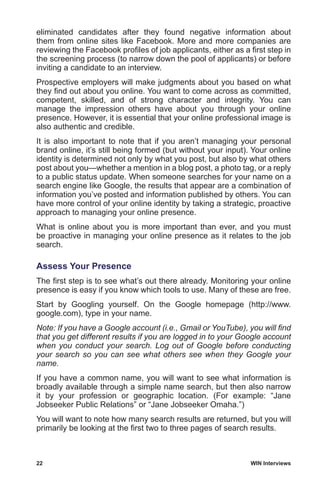
Start by Googling yourself. On the Google homepage (http://www.
google.com), type in your name.
Note: If you have a Google account (i.e., Gmail or YouTube), you will find
that you get different results if you are logged in to your Google account
when you conduct your search. Log out of Google before conducting
your search so you can see what others see when they Google your
name.
If you have a common name, you will want to see what information is
broadly available through a simple name search, but then also narrow
it by your profession or geographic location. (For example: “Jane
Jobseeker Public Relations” or “Jane Jobseeker Omaha.”)
You will want to note how many search results are returned, but you will
primarily be looking at the first two to three pages of search results.
Chapter 3: Define Professional Brand and Value to Employers	 23
Google Alerts
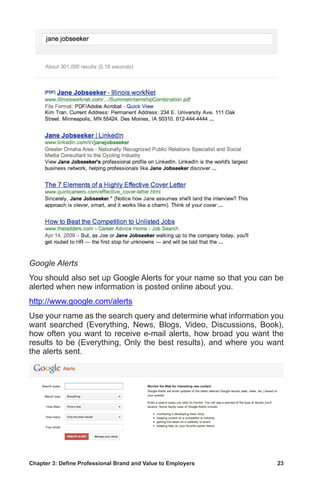
You should also set up Google Alerts for your name so that you can be
alerted when new information is posted online about you.
http://www.google.com/alerts
Use your name as the search query and determine what information you
want searched (Everything, News, Blogs, Video, Discussions, Book),
how often you want to receive e-mail alerts, how broad you want the
results to be (Everything, Only the best results), and where you want
the alerts sent.
24	 WIN Interviews
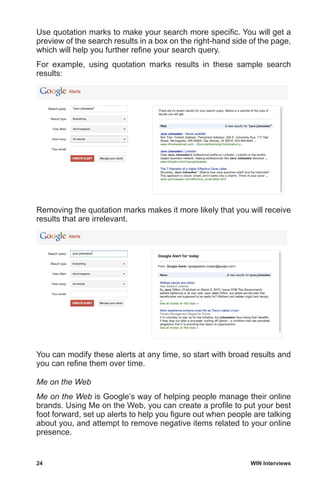
Use quotation marks to make your search more specific. You will get a
preview of the search results in a box on the right-hand side of the page,
which will help you further refine your search query.
For example, using quotation marks results in these sample search
results:
Removing the quotation marks makes it more likely that you will receive
results that are irrelevant.
You can modify these alerts at any time, so start with broad results and
you can refine them over time.
Me on the Web
Me on the Web is Google’s way of helping people manage their online
brands. Using Me on the Web, you can create a profile to put your best
foot forward, set up alerts to help you figure out when people are talking
about you, and attempt to remove negative items related to your online
presence.
Chapter 3: Define Professional Brand and Value to Employers	 25
Access Google’s Me on the Web here:
https://www.google.com/dashboard/b/0/
You will need to sign in to your Google account (or create one) to
access the tools.
Google recommends keeping your profile updated so people who are
searching for you will be able to find precisely the information you want
them to find.
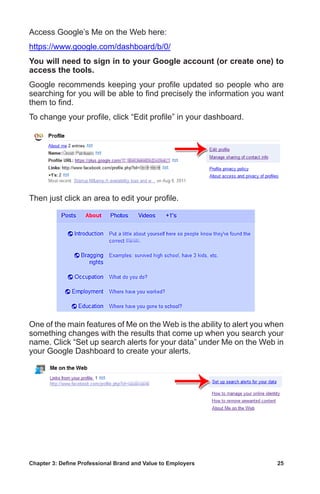
To change your profile, click “Edit profile” in your dashboard.
Then just click an area to edit your profile.
One of the main features of Me on the Web is the ability to alert you when
something changes with the results that come up when you search your
name. Click “Set up search alerts for your data” under Me on the Web in
your Google Dashboard to create your alerts.
26	 WIN Interviews
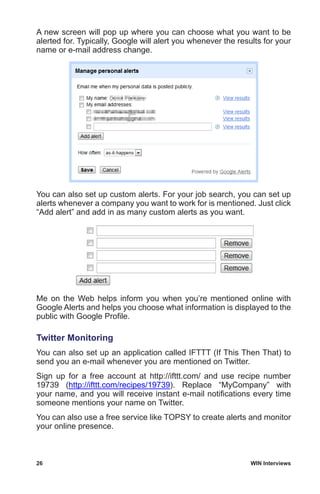
A new screen will pop up where you can choose what you want to be
alerted for. Typically, Google will alert you whenever the results for your
name or e-mail address change.
You can also set up custom alerts. For your job search, you can set up
alerts whenever a company you want to work for is mentioned. Just click
“Add alert” and add in as many custom alerts as you want.
Me on the Web helps inform you when you’re mentioned online with
Google Alerts and helps you choose what information is displayed to the
public with Google Profile.
Twitter Monitoring
You can also set up an application called IFTTT (If This Then That) to
send you an e-mail whenever you are mentioned on Twitter.
Sign up for a free account at http://ifttt.com/ and use recipe number
19739 (http://ifttt.com/recipes/19739). Replace “MyCompany” with
your name, and you will receive instant e-mail notifications every time
someone mentions your name on Twitter.
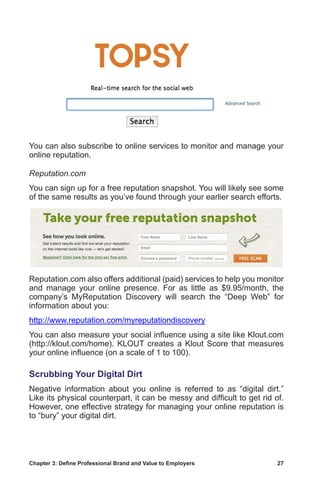
You can also use a free service like TOPSY to create alerts and monitor
your online presence.
Chapter 3: Define Professional Brand and Value to Employers	 27
You can also subscribe to online services to monitor and manage your
online reputation.
Reputation.com
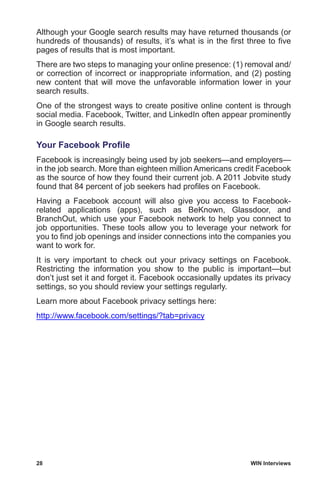
You can sign up for a free reputation snapshot. You will likely see some
of the same results as you’ve found through your earlier search efforts.
Reputation.com also offers additional (paid) services to help you monitor
and manage your online presence. For as little as $9.95/month, the
company’s MyReputation Discovery will search the “Deep Web” for
information about you:
http://www.reputation.com/myreputationdiscovery
You can also measure your social influence using a site like Klout.com
(http://klout.com/home). KLOUT creates a Klout Score that measures
your online influence (on a scale of 1 to 100).
Scrubbing Your Digital Dirt
Negative information about you online is referred to as “digital dirt.”
Like its physical counterpart, it can be messy and difficult to get rid of.
However, one effective strategy for managing your online reputation is
to “bury” your digital dirt.
28	 WIN Interviews
Although your Google search results may have returned thousands (or
hundreds of thousands) of results, it’s what is in the first three to five
pages of results that is most important.
There are two steps to managing your online presence: (1) removal and/
or correction of incorrect or inappropriate information, and (2) posting
new content that will move the unfavorable information lower in your
search results.
One of the strongest ways to create positive online content is through
social media. Facebook, Twitter, and LinkedIn often appear prominently
in Google search results.
Your Facebook Profile
Facebook is increasingly being used by job seekers—and employers—
in the job search. More than eighteen million Americans credit Facebook
as the source of how they found their current job. A 2011 Jobvite study
found that 84 percent of job seekers had profiles on Facebook.
Having a Facebook account will also give you access to Facebook-
related applications (apps), such as BeKnown, Glassdoor, and
BranchOut, which use your Facebook network to help you connect to
job opportunities. These tools allow you to leverage your network for
you to find job openings and insider connections into the companies you
want to work for.
It is very important to check out your privacy settings on Facebook.
Restricting the information you show to the public is important—but
don’t just set it and forget it. Facebook occasionally updates its privacy
settings, so you should review your settings regularly.
Learn more about Facebook privacy settings here:
http://www.facebook.com/settings/?tab=privacy
Chapter 3: Define Professional Brand and Value to Employers	 29
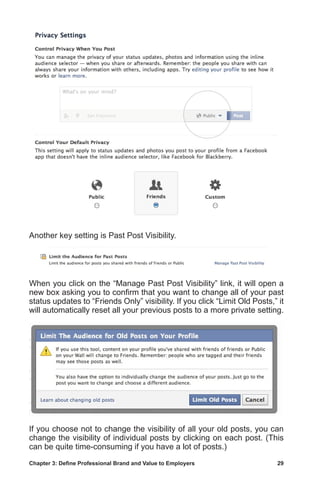
Another key setting is Past Post Visibility.
When you click on the “Manage Past Post Visibility” link, it will open a
new box asking you to confirm that you want to change all of your past
status updates to “Friends Only” visibility. If you click “Limit Old Posts,” it
will automatically reset all your previous posts to a more private setting.
If you choose not to change the visibility of all your old posts, you can
change the visibility of individual posts by clicking on each post. (This
can be quite time-consuming if you have a lot of posts.)
30	 WIN Interviews
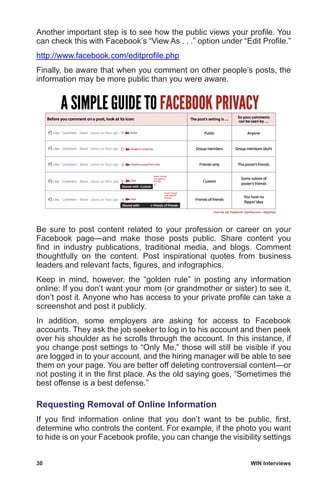
Another important step is to see how the public views your profile. You
can check this with Facebook’s “View As . . .” option under “Edit Profile.”
http://www.facebook.com/editprofile.php
Finally, be aware that when you comment on other people’s posts, the
information may be more public than you were aware.
Be sure to post content related to your profession or career on your
Facebook page—and make those posts public. Share content you
find in industry publications, traditional media, and blogs. Comment
thoughtfully on the content. Post inspirational quotes from business
leaders and relevant facts, figures, and infographics.
Keep in mind, however, the “golden rule” in posting any information
online: If you don’t want your mom (or grandmother or sister) to see it,
don’t post it. Anyone who has access to your private profile can take a
screenshot and post it publicly.
In addition, some employers are asking for access to Facebook
accounts. They ask the job seeker to log in to his account and then peek
over his shoulder as he scrolls through the account. In this instance, if
you change post settings to “Only Me,” those will still be visible if you
are logged in to your account, and the hiring manager will be able to see
them on your page. You are better off deleting controversial content—or
not posting it in the first place. As the old saying goes, “Sometimes the
best offense is a best defense.”
Requesting Removal of Online Information
If you find information online that you don’t want to be public, first,
determine who controls the content. For example, if the photo you want
to hide is on your Facebook profile, you can change the visibility settings
Chapter 3: Define Professional Brand and Value to Employers	 31
of that photo. If, however, the unwanted content resides on a website or
page you don’t control, you can request that it be removed.
Note: Google won’t remove the content for you. Google’s company
policy is that they will not change search results to cater to individual
people. (If, however, the site in question is publishing your confidential
personal information, Google will intervene. This includes your social
security or government ID number, bank account or credit card number,
an image of your handwritten signature, or your name if it is associated
with a porn site.)
To get an item removed, you need to first contact the website’s owner to
get them to change it. You want the information removed at the source
because if it isn’t removed from the original website, people will still
be able to see it, even if it doesn’t appear in Google’s search results.
And remember, removing content from Google’s search results doesn’t
remove it from other search engines (e.g., Bing, Yahoo).
After the webmaster has made the change, the negative result will still
show up in Google for some time until Google updates their index. Note:
If the content has not been removed from the website, the content will
reappear in Google’s search results when that site is indexed again in
the future.
If you’ve removed a negative item and need Google’s index to reflect
that immediately, you can go through Google’s removal procedures to
have that item taken out of the index. Here’s how.
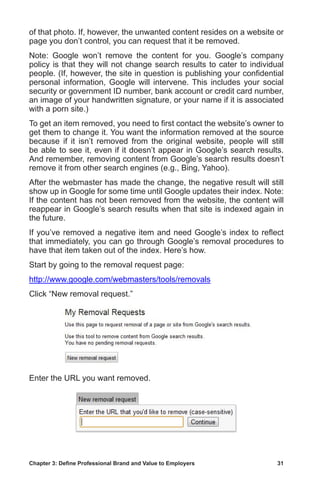
Start by going to the removal request page:
http://www.google.com/webmasters/tools/removals
Click “New removal request.”
Enter the URL you want removed.
32	 WIN Interviews
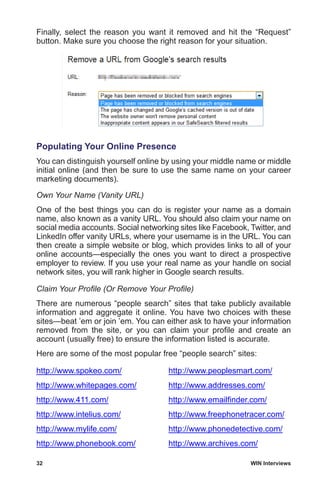
Finally, select the reason you want it removed and hit the “Request”
button. Make sure you choose the right reason for your situation.
Populating Your Online Presence
You can distinguish yourself online by using your middle name or middle
initial online (and then be sure to use the same name on your career
marketing documents).
Own Your Name (Vanity URL)
One of the best things you can do is register your name as a domain
name, also known as a vanity URL. You should also claim your name on
social media accounts. Social networking sites like Facebook, Twitter, and
LinkedIn offer vanity URLs, where your username is in the URL. You can
then create a simple website or blog, which provides links to all of your
online accounts—especially the ones you want to direct a prospective
employer to review. If you use your real name as your handle on social
network sites, you will rank higher in Google search results.
Claim Your Profile (Or Remove Your Profile)
There are numerous “people search” sites that take publicly available
information and aggregate it online. You have two choices with these
sites—beat ’em or join ’em. You can either ask to have your information
removed from the site, or you can claim your profile and create an
account (usually free) to ensure the information listed is accurate.
Here are some of the most popular free “people search” sites:
http://www.spokeo.com/
http://www.whitepages.com/
http://www.411.com/
http://www.intelius.com/
http://www.mylife.com/
http://www.phonebook.com/
http://www.peoplesmart.com/
http://www.addresses.com/
http://www.emailfinder.com/
http://www.freephonetracer.com/
http://www.phonedetective.com/
http://www.archives.com/
Chapter 3: Define Professional Brand and Value to Employers	 33
“People search” sites make money by selling your personal information
online, which means they don’t like to remove that information. You can
often find instructions for submitting your request for removal on the
website (sometimes it’s hidden under “Privacy” or “Terms of Service”
at the bottom of the website), but they may make you jump through
hoops to do so, requiring you to fax a request or send a copy of your
identification.
Requesting removal once also won’t guarantee that the information
won’t reappear in the future. Because many of these companies acquire
their data from a variety of public sources, it’s likely that your name will
reappear when they re-index their database.
Other Ways to Create Content
Postings on blogs and news sites often appear in search results. Writing
constructive comments can be a good way to create new content for
Google to associate with your name.
An extremely powerful way to create new content for your Google
search results is by blogging. A personal or business blog—if you are
committed to it—can provide a solid online presence. If you don’t like to
write, you can shoot videos and publish it on your blog.
Posting content on these sites will also show up prominently in search
results:
•	 YouTube
•	 Twitter
•	 LinkedIn
•	 Flickr
•	 Google+
•	 About.me
•	 bigsight
Reviews you post on Amazon.com will also show up in your Google
search results.
Also, while we’re at it, ensure that your LinkedIn profile aligns with your
resume. Many recruiting managers and hiring managers compare the
two.
34	 WIN Interviews
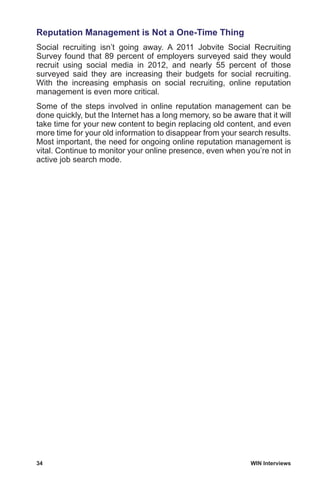
Reputation Management is Not a One-Time Thing
Social recruiting isn’t going away. A 2011 Jobvite Social Recruiting
Survey found that 89 percent of employers surveyed said they would
recruit using social media in 2012, and nearly 55 percent of those
surveyed said they are increasing their budgets for social recruiting.
With the increasing emphasis on social recruiting, online reputation
management is even more critical.
Some of the steps involved in online reputation management can be
done quickly, but the Internet has a long memory, so be aware that it will
take time for your new content to begin replacing old content, and even
more time for your old information to disappear from your search results.
Most important, the need for ongoing online reputation management is
vital. Continue to monitor your online presence, even when you’re not in
active job search mode.
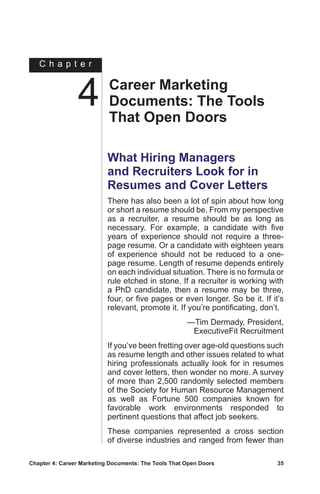
Chapter 4: Career Marketing Documents: The Tools That Open Doors	 35
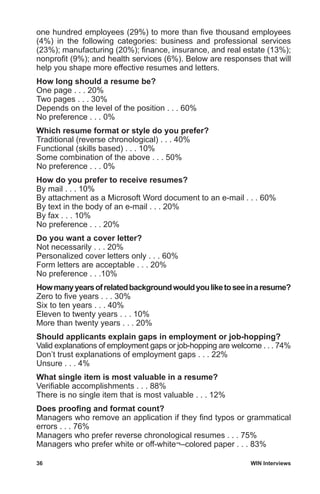
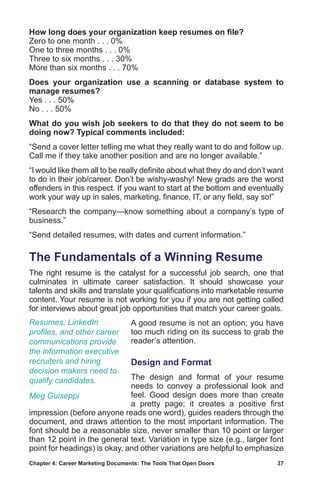
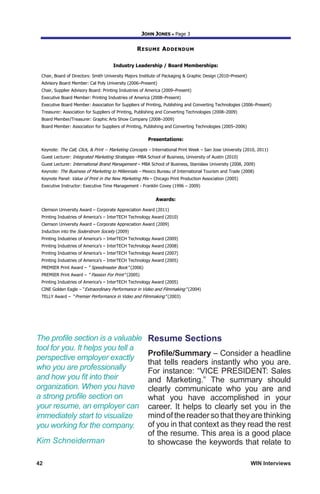
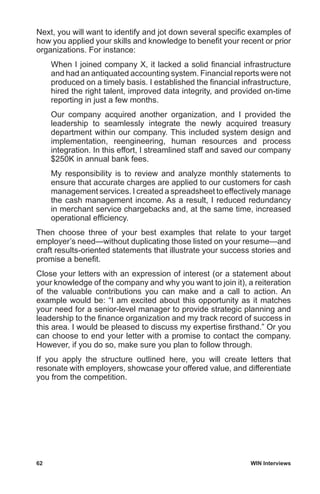
C h a p t e r
What Hiring Managers
and Recruiters Look for in
Resumes and Cover Letters
There has also been a lot of spin about how long
or short a resume should be. From my perspective
as a recruiter, a resume should be as long as
necessary. For example, a candidate with five
years of experience should not require a three-
page resume. Or a candidate with eighteen years
of experience should not be reduced to a one-
page resume. Length of resume depends entirely
on each individual situation. There is no formula or
rule etched in stone. If a recruiter is working with
a PhD candidate, then a resume may be three,
four, or five pages or even longer. So be it. If it’s
relevant, promote it. If you’re pontificating, don’t.
—Tim Dermady, President,
ExecutiveFit Recruitment
If you’ve been fretting over age-old questions such
as resume length and other issues related to what
hiring professionals actually look for in resumes
and cover letters, then wonder no more. A survey
of more than 2,500 randomly selected members
of the Society for Human Resource Management
as well as Fortune 500 companies known for
favorable work environments responded to
pertinent questions that affect job seekers.
These companies represented a cross section
of diverse industries and ranged from fewer than
Career Marketing
Documents: The Tools
That Open Doors
4
36	 WIN Interviews
one hundred employees (29%) to more than five thousand employees
(4%) in the following categories: business and professional services
(23%); manufacturing (20%); finance, insurance, and real estate (13%);
nonprofit (9%); and health services (6%). Below are responses that will
help you shape more effective resumes and letters.
How long should a resume be?
One page . . . 20%
Two pages . . . 30%
Depends on the level of the position . . . 60%
No preference . . . 0%
Which resume format or style do you prefer?
Traditional (reverse chronological) . . . 40%
Functional (skills based) . . . 10%
Some combination of the above . . . 50%
No preference . . . 0%
How do you prefer to receive resumes?
By mail . . . 10%
By attachment as a Microsoft Word document to an e-mail . . . 60%
By text in the body of an e-mail . . . 20%
By fax . . . 10%
No preference . . . 20%
Do you want a cover letter?
Not necessarily . . . 20%
Personalized cover letters only . . . 60%
Form letters are acceptable . . . 20%
No preference . . .10%
Howmanyyearsofrelatedbackgroundwouldyouliketoseeinaresume?
Zero to five years . . . 30%
Six to ten years . . . 40%
Eleven to twenty years . . . 10%
More than twenty years . . . 20%
Should applicants explain gaps in employment or job-hopping?
Valid explanations of employment gaps or job-hopping are welcome . . . 74%
Don’t trust explanations of employment gaps . . . 22%
Unsure . . . 4%
What single item is most valuable in a resume?
Verifiable accomplishments . . . 88%
There is no single item that is most valuable . . . 12%
Does proofing and format count?
Managers who remove an application if they find typos or grammatical
errors . . . 76%
Managers who prefer reverse chronological resumes . . . 75%
Managers who prefer white or off-white¬–colored paper . . . 83%
Chapter 4: Career Marketing Documents: The Tools That Open Doors	 37
How long does your organization keep resumes on file?
Zero to one month . . . 0%
One to three months . . . 0%
Three to six months . . . 30%
More than six months . . . 70%
Does your organization use a scanning or database system to
manage resumes?
Yes . . . 50%
No . . . 50%
What do you wish job seekers to do that they do not seem to be
doing now? Typical comments included:
“Send a cover letter telling me what they really want to do and follow up.
Call me if they take another position and are no longer available.”
“I would like them all to be really definite about what they do and don’t want
to do in their job/career. Don’t be wishy-washy! New grads are the worst
offenders in this respect. If you want to start at the bottom and eventually
work your way up in sales, marketing, finance, IT, or any field, say so!”
“Research the company—know something about a company’s type of
business.”
“Send detailed resumes, with dates and current information.”
The Fundamentals of a Winning Resume
The right resume is the catalyst for a successful job search, one that
culminates in ultimate career satisfaction. It should showcase your
talents and skills and translate your qualifications into marketable resume
content. Your resume is not working for you if you are not getting called
for interviews about great job opportunities that match your career goals.
A good resume is not an option; you have
too much riding on its success to grab the
reader’s attention.
Design and Format
The design and format of your resume
needs to convey a professional look and
feel. Good design does more than create
a pretty page; it creates a positive first
impression (before anyone reads one word), guides readers through the
document, and draws attention to the most important information. The
font should be a reasonable size, never smaller than 10 point or larger
than 12 point in the general text. Variation in type size (e.g., larger font
point for headings) is okay, and other variations are helpful to emphasize
Resumes, LinkedIn
profiles, and other career
communications provide
the information executive
recruiters and hiring
decision makers need to
qualify candidates.
Meg Guiseppi
38	 WIN Interviews
points for the quick skim resumes receive. Boldface type emphasizes
titles and key strengths. There should be plenty of white space between
bulleted statements and sections.
Styles
There are three types of resume styles commonly used. The overall tone
and style need to match your personality, your industry, and your culture.
Chronological/Traditional – Traditional-style resumes have been around
a long time. Typically, this style of resume starts with Contact Information,
then Experience, Education, and miscellaneous other sections such as
Honors and Awards, Publications, Associations, Community Activities, etc.
In the Experience section, the listings are presented in reverse chronological
order and show company, position title, dates worked, a summary of
responsibilities, and then a bulleted area that highlights accomplishments.
	
  
Name 555.555.5555
E-mail: client@comcast.net 555 Washington Avenue City, State zip code
Regional Sales Manager
Delivering consistent and sustainable revenue gains, profit growth and market-share increases through strategic sales
regional leadership. Valued offered:
Driver of innovative programs that provide a competitive edge and establish company as a full-service market leader.
Proactive, creative problem solver who develops solutions that save time, cut costs and ensure consistent product quality.
Empowering leader who recruits, develops, coaches, motivates and inspires sales teams to top performance.
Innovative in developing and implementing win-win solutions to maximize account expansion, retention and satisfaction.
Selected Career Achievements
COMPANY City, State 2000 to 2010
Regional Manager
Impact: Reinvigorated the regional sales organization, growing sales from $18.5M to $45M, doubling account base to
482 and increasing market share 15%. Built, coached and managed sales team of 10 recognized as the top-performing team
nationwide. Established new performance benchmark and trained sales force on implementing sales-building customer inventory
rationalization programs.
Revitalized and restored profitability of 2 underperforming territories by coaching and developing territory reps.
Penetrated 2 new markets and secured a lucrative market niche in abrasive products. Staffed, opened and managed the 2
branch locations in New Jersey—one of which alone produced $12M+ over 3 years.
Initiated and advanced the skills of sales force to effectively promote and sell increasingly technical product lines in
response to changing market demands.
Increased profit margins and dollar volume through product mix diversification and expansion. Created product
catalogs and marketing literature.
Ensured that the company maintained its competitive edge in the marketplace by initiating value-add programs to meet
customer needs.
Led highly profitable product introduction with a 40% profit margin that produced $100K annually in new business.
COMPANY City, State 1990 to 2000
Sales Manager
Impact: Turned around stagnant sales territory and customer perception by cultivating exceptional relationships
through solutions-based selling and delivering value-added service. Recognized as a peak performer company-wide who
consistently ranked #1 in sales and #1 in profits.
Positioned and established company as a full-service supplier to drive sales revenues by translating customer needs to
product solutions.
More than doubled territory sales from $700K to $11.5M during tenure and grew account base from 80 to 125 through
new market penetration. Landed and managed 3 of company’s 6 largest accounts and grew remaining 3.
Captured a lucrative account and drove annual sales from $100K in the first year to $5M in 3 years—outperforming
the competition without any price-cutting.
Mentored new and existing territory reps on customer relationship management, solutions-selling strategies, advanced
product knowledge and customer programs.
Education
B.S. in Business Management—University, City, State
Chapter 4: Career Marketing Documents: The Tools That Open Doors	 39
Functional – This style of resume showcases accomplishments and
qualifications differently than a traditional resume. This type of resume
is best used for career changers, consultants, and interim executives.
We would not recommend using this style of resume for a traditional job
search as, generally, recruiters don’t like this style of resume as well as
the traditional and multinational styles.
JAMES LANG
Office (616) 782-3363 | LinkedIn: www.linkedin.com/in/jameslang | Email: james.lang@gmail.com
Consultant  Interim Executive
Operations / Finance / Risk / Change Leadership
Change leader known for integrity/honesty and right hand/advisor to senior management. Qualified by operations, finance, risk
management, and human capital/team dynamics expertise developed over 25 years, particularly in the alternative asset class. Vast
international business experience working in Europe, Asia, Africa, and Latin America.
______________________________________________________________________________________________
Expertise
Turnkey operations and financial leadership that saves time and money for startups. Provide cost-efficient administrative,
operational and financial services, enabling management to focus on product and market development. Guide succession planning
as well as sourcing and vetting of high caliber executive candidates as the enterprise grows.
Deep-dive, on-site operational reviews on behalf of institutional investors and fund managers. Orchestrate uncommonly thorough
due diligence of all risk, operations and human capital areas with recommendations for improvement and reinvestment. Diagnose
and implement solutions to issues that would prevent further funding for growing companies and alternative asset management
funds.
Wind-down management. Enable PE and VC firms to discharge their responsibilities to limited partners while maintaining optimal
cash flow throughout the wind-down and liquidation process by consolidating and outsourcing mid- and back-office services,
ensuring seamless and transparent support while substantially reducing costs.
Representative Results
 Architected and implemented operations for an international VC fund. Successful in creating a lean global investment
framework on 5 continents on an aggressive timeline.
 Established scale-able operations and finance infrastructure/systems that supported unfettered growth for an early stage, VC-
backed energy startup. Crafted grant proposals that won 38% of total funding for the company.
 Turned around a struggling eCommerce start up, rebuilt senior management team, and negotiated cash sale of company in the
midst of dotcom crash.
 Turned around a graduate school from near financial demise to $2.9M operating surplus in 15 months.
 Kept share price of an investment banking firm from falling dangerously, retaining buy-hold recommendations from analysts
during a financial and PR crisis.
Career Track
Chief Operating Partner * GMA Capital (well-established VC fund manager), Seattle, WA 2005-2013
COO / CFO * Manning  Company (global financial services firm), Seattle, WA 2002-2006
CFO / Investing Partner * Western Financial (VC Fund), Bellevue, WA 2000-2002
CFO * Sanford Media, Inc. * (VC-backed internet startup), Bellevue, WA 1999-2000
EVP / CFO * Washington Power Corp (VC-backed energy startup), Seattle, WA 1997-1999
Turnaround Consultant * Washington Institute of Integral Studies (university), Seattle, WA 1996-1997
Vice President * Bankers Fund, New York, NY 1989-1996
Assistant Vive President * Charles Schwab, New York, NY 1987-1989
Manager * Deloitte  Touche, Dallas, TX; Dublin, IRE; New York, NY 1982-1987
Education
Graduate Studies, Finance and Business Administration – Notre Dame, North Bend, IN 1995-1996
Bachelor of Business Administration, Accounting  Finance – Texas State University, San Marcos, TX 1981
Leveraging successful background in C-level management, banking, and “Big 4” consulting to:
Develop and execute strategy … Originate fresh ideas and novel solutions grounded in practicality…
Pinpoint and eliminate barriers to success and funding … Prevent wasted time and money … Expertly navigate crises
For startup, turnaround, and established VC and PE-backed companies, alternative fund managers and instructional investors.
40	 WIN Interviews
Combination/Multinational – This style combines some of the features
of a chronological and functional resume. The summary, or profile area,
is prominent and captures the reader’s attention in the first ten seconds
with career highlights. If you will be competing with other job seekers
who are using this more assertive multinational style, you may want to
use this style.
JOHN JONES
565 Spicer Street (555) 503-9768
Austin, TX 78750 jjones@gmail.com
CHIEF EXECUTIVE OFFICER • CHIEF MARKETING OFFICER
Change agent driving unprecedented industry-leading revenue and market share results for
technology products and services in the U.S. and internationally through astute PL management, incisive problem
solving, innovative marketing and product development, and adept people/team leadership.
Career history of revitalizing failing business units, resolving
critical business challenges, and delivering breakthrough results in
executive marketing, sales and divisional roles for a $2 billion global
technology leader. Built and lead a highly respected, 120-member team
that innovated several industry firsts frequently adopted by competitors.
Consummate leader and coach known for finding and developing
exceptional talent and creating motivating work environments where
people grow and thrive. Top-rated in company for succession planning –
hired and mentored 8 of the organization's top 10 performers.
Persuasive negotiator who secured benchmark partnership agreements
with industry leaders such as Apple, Inc., Google and Cisco Systems.
Core Strengths:
 Strategic Planning  Execution
 PL Performance Improvement
 Global Brand  Marketing Management
 Sales  Marketing Management
 Talent Acquisition, Development  Management
 Strategic Product Development
 Corporate Restructuring  Reengineering
 International Distributor Development
 Vendor  Agency Management
CAREER ACHIEVEMENTS
AUSTIN TECH SYSTEMS, Austin, TX – 1996 to Present
Global leader in the manufacture of sophisticated printing technology and delivery of digital and service solutions for the Print
Media industry. Headquartered in Germany with production and development sites in 7 countries and 275 sales and service
units in 150+ countries; 18,000 employees; $2.5 billion/year in revenues.
 Snapshot: Promoted rapidly to senior marketing executive for the U.S. headquarters and a $550 million
division of products, services and consumables. Distinguished record of delivering pivotal business-building
results while leading organization through successful restructurings, acquisitions, divisional start-ups and
growth strategies. Hold multiple concurrent roles: CME, SVP-Product Management, SVP-Consumable Sales.
SENIOR VICE PRESIDENT / CHIEF MARKETING EXECUTIVE (2007 to Present)
SCOPE: Executive Board member since 2004. Direct global marketing (advertising, creative services, PR, CRM, e-commerce,
social media, events, internal communications) and product lifecycle management (PL for 8 product lines, 400 products).
Lead 125-person team through 5 VPs, 10 directors, 5 sales managers and 8 department managers in U.S., Canada and
Mexico. Negotiate agreements and manage vendor/agency relations with Evans Group Americas, and other strategic
partners.
IMPACT: Returned company to market dominance after recessions in 2004 and 2010 and built a marketing and
product management organization recognized as the preeminent industry leader.
SIGNATURE RESULTS:
 Reorganized field sales and service organization and North America headquarters. Delivered $55 million in cost savings
and improved morale despite 30% headcount reduction. Market share exceeded 50%.
 Outperformed all competitors in social media results, including integrated online/print with QR-code advertising
programs, YouTube channels, Facebook subscribers, SEO, Twitter accounts and followers.
 Invented the “Magalog,” a combination magazine and product catalog which effectively decreased direct mail
expenditures 85% while increasing participation levels to over 35,000 subscribers.
 Delivered 35% reduction in overall advertising, marketing and trade show event costs without negative impact and
reduced expenditures by more than $12 million. New PR strategy yielded annual audience reach/impressions of 33
million, 500+ articles, and the industry’s highest favorability rating at 66%+.
 Led team that set the industry standard for ROI tools utilization to create quantifiable success metrics for advertising,
PR, event-based programs, and internet search and advertising activities.
Chapter 4: Career Marketing Documents: The Tools That Open Doors	 41
JOHN JONES  Page 2
SENIOR V.P., PRODUCT MANAGEMENT (2009 to Present)
SCOPE: PL and strategic leadership for the industry’s largest and most successful product portfolios consisting of hardware,
software and consumables with 35% to over 67% market share. Oversee the industry’s largest Customer Experience Center
(NAPPTC), a 55,000 sq. ft. facility offering 2,500 customer demos per year, as well as product training and testing, where
success ratio of demo-to-close exceeds 73%.
IMPACT: Restructured the product management organization, driving tactics and partnerships that solidified
company's reputation as the technology-dominant market leader in hardware, software consumables and
services. Launched 28 hardware, software and service products; opened industry’s largest demonstration facility.
RESULTS: Reduced time-to-market of new product launches 32%+. Six products received the InterTECH Technology Award,
the industry's most prestigious honor for major industry impact. Led team to create the industry’s largest and most successful
customer events – Packaging Event, PMDC Launch Event, and historic launches of the XYM and CMC products.
SENIOR V.P. – CONSUMABLE SALES / DIVISION MANAGER (2002 to Present)
SCOPE: Pioneered Consumables business line from inception to a $45 million per year division. Created sales organization,
opened a national call-center, developed an online store, and implemented a nationwide logistics/delivery network. Managed
PL, overall operations, product development and testing, logistics and vendor relationships for the highly profitable division.
IMPACT: Strategically grew consumables/supplies revenue and margins making Austin Tech Systems more
than just an equipment supplier for the first time in its history.
RESULTS: Web Store performance surpassed $165 million in sales, 125,000 orders, and over 48,000 customers. National Call
Center has generated over $165 million in product, accessories and service sales since 2004.
SENIOR VICE PRESIDENT, MARKETING (2005 to 2007)
VICE PRESIDENT, MARKETING (2002 to 2005)
Completely reorganized a fragmented Marketing department, renegotiated long-term vendor agreements, developed an in-
house Creative Services department, and established formal budgets and procedures.
IMPACT: Elevated company's image, brand reputation and recognition as the industry's leading solution
supplier while improving marketing cost structure and efficiency.
RESULTS: Reduced staff 37% while improving efficiency 77% to deliver $15 million savings over 5 years. Trade Show
department managed 75+ events annually with budgets ranging from $1.5 million to $24 million, including the single largest
trade show booth ever constructed in the US. In-house Creative Services department saved over $1.65 million per year.
CORPORATE VICE PRESIDENT DIRECT MARKETING  SALES (1999 to 2002)
IMPACT: Established both a National Development Sales Organization and company's first direct marketing call
center. Designed a complete sales training program and recruited 16 sales reps and 5 sales managers.
RESULTS: Successfully placed 100% of first recruitment class into field sales positions. Call center generated over 3,200 leads
annually resulting in $50 million in equipment sales.
DIVISIONAL V.P. INTERNATIONAL SALES, PRODUCT MANAGEMENT – PUBLISHING SERVICES (1996 to 1999)
IMPACT: Redesigned U.S. sales, technical support and marketing organization into an efficient global sales and
distribution company. Opened 190 distributors in 90+ countries. Negotiated 3 strategic vendor relationships and led vital
patent rights purchase.
RESULTS: International sales grew from $7 million to $15 million in 3 years making company the global leader in its space.
New software sales increased 53%+ in 2 years. Decreased time-to-market 40% to fewer than 16 months.
PRIOR (1991 to 1996): Progressive sales and marketing experience with Johnson Linotype (acquired by Austin Tech).
EDUCATION
Bachelor of Arts, Political Science, International Law  University of Texas at Austin
Business Administration and Marketing  Georgetown University
International Executive Development Program  Austin Tech
Board member of numerous leading industry associations and frequent invited speaker (see addendum)
42	 WIN Interviews
JOHN JONES  Page 3
RESUME ADDENDUM
Industry Leadership / Board Memberships:
Chair, Board of Directors: Smith University Majors Institute of Packaging  Graphic Design (2010–Present)
Advisory Board Member: Cal Poly University (2006–Present)
Chair, Supplier Advisory Board: Printing Industries of America (2009–Present)
Executive Board Member: Printing Industries of America (2008–Present)
Executive Board Member: Association for Suppliers of Printing, Publishing and Converting Technologies (2006–Present)
Treasurer: Association for Suppliers of Printing, Publishing and Converting Technologies (2008–2009)
Board Member/Treasurer: Graphic Arts Show Company (2008–2009)
Board Member: Association for Suppliers of Printing, Publishing and Converting Technologies (2005–2006)
Presentations:
Keynote: The Call, Click,  Print -- Marketing Concepts – International Print Week – San Jose University (2010, 2011)
Guest Lecturer: Integrated Marketing Strategies –MBA School of Business, University of Austin (2010)
Guest Lecturer: International Brand Management – MBA School of Business, Stanislaw University (2008, 2009)
Keynote: The Business of Marketing to Millennials – Mexico Bureau of International Tourism and Trade (2008)
Keynote Panel: Value of Print in the New Marketing Mix – Chicago Print Production Association (2005)
Executive Instructor: Executive Time Management - Franklin Covey (1996 – 2009)
Awards:
Clemson University Award – Corporate Appreciation Award (2011)
Printing Industries of America’s – InterTECH Technology Award (2010)
Clemson University Award – Corporate Appreciation Award (2009)
Induction into the Soderstrom Society (2009)
Printing Industries of America’s – InterTECH Technology Award (2009)
Printing Industries of America’s – InterTECH Technology Award (2008)
Printing Industries of America’s – InterTECH Technology Award (2007)
Printing Industries of America’s – InterTECH Technology Award (2005)
PREMIER Print Award – “ Speedmaster Book” (2006)
PREMIER Print Award – “ Passion For Print” (2005)
Printing Industries of America’s – InterTECH Technology Award (2005)
CINE Golden Eagle – “Extraordinary Performance in Video and Filmmaking” (2004)
TELLY Award – “Premier Performance in Video and Filmmaking” (2003)
Resume Sections
Profile/Summary – Consider a headline
that tells readers instantly who you are.
For instance: “VICE PRESIDENT: Sales
and Marketing.” The summary should
clearly communicate who you are and
what you have accomplished in your
career. It helps to clearly set you in the
mindofthereadersothattheyarethinking
of you in that context as they read the rest
of the resume. This area is a good place
to showcase the keywords that relate to
The profile section is a valuable
tool for you. It helps you tell a
perspective employer exactly
who you are professionally
and how you fit into their
organization. When you have
a strong profile section on
your resume, an employer can
immediately start to visualize
you working for the company.
Kim Schneiderman
Chapter 4: Career Marketing Documents: The Tools That Open Doors	 43
your expertise and industry. Languages, degrees, or certifications may be
mentioned here as well. Details should remain in appropriate sections.
Experience – Highlight the last twelve to
fifteen years in the Experience area of the
resume. Whenever possible, include “context”
information to help readers understand
your value. A rich context lets readers better
understand and absorb what you did.
• What was going on at each company
when you took the job?
• Why were you hired or promoted?
•  What goals were you given?
•  What challenges did you face?
•  What obstacles did you encounter?
After a brief summary of job scope and duties, a bulleted section should
follow that highlights your achievements. Do not mingle job scope/duties
with accomplishments. This is confusing to the reader and diminishes the
impact of your accomplishments. These bullets are the most important part
of the resume because they contain your specific and unique achievements.
The content in a bullet should show result, action, and challenge if possible.
Front loading the bullet with the result will help the reader grab the essence
of the bullet at a glance. How you achieved the result is important as well
and can be stated after the result because, ultimately, the reader will want
to know how you did it. Of course, the challenge is a contributing factor to
the whole picture because, in itself, the challenge can be overwhelming
circumstances that give more weight to the results.
Education
This section should include your college degrees, certifications, licenses,
or anything that contributes to your ongoing professional development.
Additional Sections
Professional and Community Activities – List your roles in leadership, on
committees, or general contributions to the organizations.
Honors and Awards – List professional recognitions you received
that include honors, awards, and recognitions. A few of these can be
highlighted in the career profile area and details stated in this section.
Technology Qualifications – In most resumes today, a brief listing of
technology expertise is listed in the career profile; however, if your
industry is technology, there may need to be a lengthier section to list
additional technology knowledge.
If possible, visually
separate and emphasize
one overarching
contribution you’ve made
to your organization
for each job. That way,
recruiters can see at a
glance the standout value
you bring to the table.
Jean Cummings
44	 WIN Interviews
Publications – If you are a published author, in the education arena, or
contributed to a book or industry publication, this section substantiates
the details of your published work.
Others – There are many other special sections that can be added to
a resume. For example, public speaking or training. Your unique value
could be hidden in one of these areas that could pique the interest of a
recruiter if listed properly on the resume.
Expertise
Turnkey operations and financial leadership that saves time and money for startups. Provide
cost-efficient administrative, operational and financial services, enabling management to focus
on product and market development. Guide succession planning as well as sourcing and vetting
of high caliber executive candidates as the enterprise grows.
Deep-dive, on-site operational reviews on behalf of institutional investors and fund
managers. Orchestrate uncommonly thorough due diligence of all risk, operations and human
capital areas with recommendations for improvement and reinvestment. Diagnose and
implement solutions to issues that would prevent further funding for growing companies and
alternative asset management funds.
Wind-down management. Enable PE and VC firms to discharge their responsibilities to limited
partners while maintaining optimal cash flow throughout the wind-down and liquidation
process by consolidating and outsourcing mid- and back-office services, ensuring seamless and
transparent support while substantially reducing costs.
Representative Results
 Architected and implemented operations for an international VC fund. Successful in
creating a lean global investment framework on 5 continents on an aggressive timeline.
 Established scale-able operations and finance infrastructure/systems that supported
unfettered growth for an early stage, VC-backed energy startup. Crafted grant proposals
that won 38% of total funding for the company.
 Turned around a struggling eCommerce start up, rebuilt senior management team, and
negotiated cash sale of company in the midst of dotcom crash.
 Turned around a graduate school from near financial demise to $2.9M operating surplus
in 15 months.
 Kept share price of an investment banking firm from falling dangerously, retaining buy-
hold recommendations from analysts during a financial and PR crisis.
Our memories are short. Can you remember all the details of the project
you worked on last week? How about last month? What about a year ago?
One of the best ways to prepare for a time when you will need to share
your accomplishments is to collect details of your achievements as you
go along—and there’s no better time than
now to start!
Accomplishments demonstrate your skills
and experience. It’s one thing to claim you
can do something; it’s another to prove
you’ve done it.
In sports, we keep score. It helps us
evaluate our progress compared to others.
But in your career, it’s sometimes harder to
Your accomplishments
should prove out what you
have written in your profile,
or executive summary or
qualifications section, and do
so with as much quantifiable
data as possible.
Jill Grindle
Chapter 4: Career Marketing Documents: The Tools That Open Doors	 45
measure your progress. If your current boss
doesn’t provide performance evaluations,
tracking your own accomplishments is
even more important. You can track your
metrics and communicate this information
to your boss—you can provide it in an end-
of-year review, and even if you only submit
the information in writing, it can help you
showcase what you’ve done and the value
you add to the organization.
Here is a sample framework to collect your
accomplishments.
When to Collect Accomplishments
There are many situations when you can benefit from a review of your
accomplishments—and it’s not just when you’re developing your resume
for the first time or when it’s time to update your resume.
Here are some other reasons for collecting your accomplishments:
1.	 For performance evaluations or an annual review
2.	 To set your personal and professional goals for the next year
3.	 To track the progress of projects you’re working on
4.	 To support your candidacy and qualifications in a job interview
5.	 When you want to make the case for a raise or a promotion
6.	 To remind you of your achievements when you’re having a bad day
7.	 When applying for recognition (awards or scholarships)
Quantifying your accomplishments also helps you stand out from others
who do the work you do—whether you’re using the information for a
raise or promotion request or when seeking a new job opportunity. But
accomplishments go beyond the basic job duties and responsibilities.
There is also value in simply collecting and reflecting on your personal
and professional accomplishments. If you don’t toot your own horn, who
will?
Tracking and Documenting Your Accomplishments
There are several ways you can collect your accomplishments:
1.	 Online. You can create a Microsoft Word file to document your
achievements. (Be sure to back up your file regularly.) In your e-mail
program, you can create a folder for accomplishments and send
yourself e-mails to store in that folder. You can also use an app like
Evernote.
Highlight your unique
qualifications. Many
people are fundamentally
qualified for a given job;
each possesses some
unique quality that adds
value. Be sure to display
your USP (unique selling
proposition).
Debra O’Reilly
46	 WIN Interviews
2.	 Offline. Something as simple as a file folder or notebook can be
used to track your achievements. You could also use a diary.
When you receive a kudos e-mail, forward a copy to your personal
e-mail account. To help you organize it, tag or label it with a specific
subject line (like “Kudos”).
If you receive notes of appreciation from customers, coworkers, or your
company, compile those. You can make a copy and keep it in hard copy
form or take a screenshot and keep a digital copy.
You should also print out and/or take a screenshot of any LinkedIn
recommendations you have on your profile. These are an important part
of your accomplishments record as well.
Other ways to document accomplishments:
1.	 Take photos.
2.	 Collect news clippings (the digital equivalent is setting up a Google
Alert for yourself).
3.	 Create a brag book or portfolio.
How often should you update your accomplishments? As often as
necessary. For some, that may mean weekly updates (for example,
if you’re working on a series of projects); for others, that could mean
a quarterly assessment. The most
important thing is to take the time to do
this on an ongoing basis. Put an alarm
or task reminder on your calendar so
you remember to set aside the time to
track your accomplishments regularly.
Writing Up Your
Accomplishments
Accuracy in collecting your accomplish-
ments is critical. Quantify the scope and
scale of the achievement in terms of per-
centages, numbers, and/or dollars. Be as
specific as you can.
Make the statements as powerful as
possible. Include action verbs in your
accomplishment statements—in fact,
try leading with one. If you are having a
hard time thinking of your achievements,
you can also review the verb list to
brainstorm your accomplishments.
Job seekers do this pretty
well, except they miss a
critical ingredient: putting their
achievements into context.
What situation prevailed that
led to your proactive problem-
solving achievement and how
did your actions improve the
company/program/project
overall?
Jean Cummings
Keep it succinct, but impactful
with strong action verbs,
powerful adjectives, and
keywords that are germane to
your career goals. Develop a
clean, easy-to-read document
that entices the reader.
Jill Grindle
Chapter 4: Career Marketing Documents: The Tools That Open Doors	 47
Accelerated
Accentuated
Accepted
Accessed
Accessorized
Accommodated
Accomplished
Accountable for
Accounted for
Achieved
Acquired
Acted
Activated
Adapted
Added
Addressed
Adhered
Adjudicated
Adjusted
Administered
Admitted
Adopted
Advanced
Advertised
Advised
Advocated
Affected
Aided
Aligned
Allayed
Alleviated
Allocated
Altered
Amassed
Amended
Amplified
Analyzed
Anchored
Announced
Answered
Anticipated
Applied
Appointed
Appraised
Appreciated
Approached
Appropriated
Approved
Arbitrated
Argued
Arranged
Articulated
Ascertained
Assembled
Assessed
Assigned
Assisted
Assumed
Attained
Attended
Attracted
Audited
Augmented
Authenticated
Authored
Authorized
Automated
Averted
Avoided
Awarded
Balanced
Bargained
Began
Believed
Bestowed
Bettered
Bid
Blended
Booked
Boosted
Bought
Brainstormed
Bred
Briefed
Broadened
Brought
Budgeted
Built
Calculated
Calibrated
Campaigned
Capitalized
Captured
Carried out
Carved
Cataloged
Catapulted
Categorized
Caused
Celebrated
Centralized
Certified
Chaired
Challenged
Championed
Changed
Channeled
Charged
Charted
Checked
Choreographed
Chose
Circulated
Clarified
Classified
Cleared
Closed
Coached
Co-Authored
Collaborated
Collated
Collected
Combined
Commanded
Commercialized
Commissioned
Committed
Commoditized
Communicated
Compared
Compelled
Competed
Compiled
Completed
Composed
Here is a list of accomplishment-stimulating verbs:
48	 WIN Interviews
Computed
Computerized
Conceived
Conceptualized
Concluded
Condensed
Conducted
Conferred
Confirmed
Connected
Conserved
Considered
Consistently/
Consistently found
Consolidated
Constructed
Consulted
Contacted
Contained
Continued
Contracted
Contrasted
Contributed/
Contributed to
Controlled
Convened
Converted
Conveyed
Convinced
Cooperated
Coordinated
Corrected
Correlated
Corresponded
Corroborated
Counseled
Counteracted
Crafted
Created
Critiqued
Crystallized
Cultivated
Curtailed
Customized
Cut
Dealt
Debugged
Decentralized
Decided
Deciphered
Declared
Decreased
Dedicated
Deferred
Defined
Defrayed
Delegated
Delivered
Demonstrated
Deployed
Depreciated
Derived
Described
Designated
Designed
Detailed
Detected
Determined
Developed
Devised
Devoted
Diagnosed
Diagrammed
Differentiated
Diminished
Directed
Disbursed
Discerned
Disclosed
Discovered
Dispatched
Dispensed
Displayed
Dissected
Disseminated
Dissolved
Distinguished
Distributed
Diversified
Diverted
Divested
Divided
Divulged
Documented
Dominated
Doubled
Downsized
Drafted
Drew/Drew up
Drove
Earned
Economized
Edited
Educated
Effected
Elaborated
Elected
Elevated
Elicited
Eliminated
Emphasized
Employed
Empowered
Enabled
Enacted
Encouraged
Endeavored
Endorsed
Endured
Energized
Enforced
Engaged
Engineered
Enhanced
Enlarged
Enlisted
Enlivened
Enriched
Enrolled
Ensured
Entered
Entertained
Enticed
Entrenched
Equalized
Equipped
Eradicated
Escorted
Established
Estimated
Evaluated
Chapter 4: Career Marketing Documents: The Tools That Open Doors	 49
Examined
Exceeded
Excelled
Exchanged
Executed
Exempted
Exercised
Exhibited
Expanded
Expedited
Experienced
Experimented
Expertise in
Explained
Exploded
Explored
Exported
Expressed
Extended
Extracted
Extricated
Fabricated
Facilitated
Factored
Fashioned
Featured
Fielded
Field-Tested
Filed
Filled
Filtered
Finalized
Financed
Finished
Fixed
Flew
Focused
Followed
Forecast/Forecasted
Forged
Formalized
Formed
Formulated
Fortified
Forwarded
Fostered
Fought
Found
Found and corrected
Founded
Framed
Fulfilled
Functioned as
Funded
Furnished
Furthered
Gained
Gathered
Gauged
Geared
Generated
Governed
Graduated
Granted
Greeted
Grew
Grossed
Grouped
Guided
Halted
Handled
Harmonized
Harvested
Hastened
Headed
Heightened
Held
Helped
Hired
Honed
Honored
Hosted
Hurried
Hypothesized
Identified
Illustrated
Imagined
Implemented
Imported
Improved
Improvised
Incorporated
Increased
Indexed
Induced
Influenced
Informed
Infused
Initiated
Innovated
Inquired
Inspected
Inspired
Installed
Instilled
Instituted
Instructed
Instrumental in
Insured
Integrated
Intensified
Interacted
Interpreted
Intervened
Interviewed
Introduced
Invented
Inventoried
Invested
Investigated
Invited/Invited to
Involved
Isolated
Issued
Itemized
Joined
Jointly acquired
Judged
Justified
Kept
Labeled
Launched
Learned
Lectured
Led
Lessened
Leveraged
Liaison between
Licensed
Lifted
Lightened
50	 WIN Interviews
Liquidated
Listed
Listened
Litigated
Lobbied
Localized
Located
Logged
Lowered
Maintained
Managed
Mandated
Maneuvered
Manipulated
Manufactured
Mapped
Marked
Marketed
Mastered
Masterminded
Matched
Maximized
Measured
Mediated
Mended
Mentored
Merchandised
Merged
Met
Minimized
Mobilized
Modeled
Moderated
Modernized
Modified
Molded
Monetized
Monitored
Motivated
Mounted
Moved
Multiplied
Named
Narrated
Narrowed
Navigated
Negotiated
Netted
Networked
Nominated
Normalized
Notified
Obliterated
Observed
Obtained
Offered
Officiated
Opened
Operated
Operationalized
Optimized
Orchestrated
Ordered
Organized
Oriented
Originated
Outdid
Outlined
Outsourced
Overcame
Overhauled
Oversaw
Paced
Packaged
Packed
Paid
Painted
Parlayed
Participated
Partnered
Passed
Patented
Patrolled
Patterned
Perceived
Perfected
Performed
Permitted
Persuaded
Photographed
Piloted
Pinpointed
Pioneered
Placed
Planned
Planted
Played
Pointed out
Positioned
Posted
Practiced
Predicted
Prepared
Prescribed
Presented
Preserved
Presided
Prevented
Priced
Printed
Prioritized
Probed
Processed
Proclaimed
Procured
Produced
Professionalized
Proficient in
Profiled
Programmed
Progressed
Projected
Promoted
Promulgated
Proofread
Propelled
Proposed
Prosecuted
Prospected
Protected
Proved
Provided
Publicized
Published
Purchased
Pursued
Quadrupled
Qualified
Quantified
Queried
Questioned
Chapter 4: Career Marketing Documents: The Tools That Open Doors	 51
Quoted
Raised
Ran
Ranked
Rated
Ratified
Reached
Read
Realigned
Realized
Rearranged
Reasoned
Rebuilt
Recaptured
Received
Recognized/
Recognized need for
Recommended
Reconciled
Reconstructed
Recorded
Recovered
Recruited/
Recruited by
Rectified
Recycled
Redesigned
Redirected
Reduced
Reengineered
Reestablished
Reevaluated
Referred
Refinanced
Refined
Reformed
Regained
Registered
Regulated
Rehabilitated
Reimbursed
Reinforced
Reinvigorated
Rejuvenated
Related
Remained
Remedied
Remodeled
Rendered
Renegotiated
Renewed
Renovated
Reorganized
Repaired
Replaced
Replicated
Reported
Repositioned
Represented
Reproduced
Requested
Required
Requisitioned
Rescued
Researched
Reserved
Reshaped
Resolved
Responded
Restored
Restructured
Resupplied
Retained
Retooled
Retrieved
Returned
Reused
Revamped
Revealed
Reversed
Reviewed
Revised
Revitalized
Revived
Revolutionized
Rotated
Routed
Safeguarded
Salvaged
Sampled
Satisfied
Saved
Scanned
Scheduled
Scouted
Screened
Scrutinized
Sculpted
Searched
Secured
Selected
Sent
Separated
Sequenced
Served
Serviced
Set strategy
Set up
Settled
Sewed
Shaped
Shared
Shepherded
Shipped
Shortened
Shot
Showed
Shrank
Signaled
Signed
Simplified
Simulated
Sketched
Slashed
Sold
Solicited
Solidified
Solved
Sorted
Sourced
Sparked
Spearheaded
Specialized
Specified
Speculated
Speeded
Spent
Spoke
Sponsored
Spread
Stabilized
52	 WIN Interviews
Staffed
Staged
Standardized
Started
Steered
Sterilized
Stimulated
Strategized
Streamlined
Strengthened
Stressed
Stretched
Structured
Studied
Submitted
Substantiated
Substituted
Succeeded
Successfully
Suggested
Summarized
Superseded
Supervised
Supplemented
Supplied
Supported
Surpassed
Surveyed
Sustained
Synchronized
Synergized
Synthesized
Systemized
Tabulated
Tackled
Tailored
Tallied
Tapped
Targeted
Taught
Tended
Terminated
Tested
Thwarted
Tightened
Topped
Totaled
Toured
Traced
Tracked
Traded
Trafficked
Trained
Transacted
Transcribed
Transferred
Transformed
Transitioned
Translated
Transmitted
Transported
Traveled
Treated
Trimmed
Tripled
Troubleshot
Trusted
Tuned
Turned around
Tutored
Typed
Uncovered
Underlined
Undertook
Underwrote
Unified
United
Unraveled
Updated
Upgraded
Upheld
Urged
Used
Utilized
Vacated
Validated
Verbalized
Verified
Videotaped
Viewed
Vitalized
Volunteered
Waged
Weighed
Widened
Withdrew
Withstood
Won
Worked
Worked closely with
Wove
Wrote
To come up with accomplishments:
•	 Take a look at your past performance reviews.
•	 Think about any awards or recognition you’ve received.
•	 Answer the questions at the end of this guide.
The most important part of the accomplishment is outlining your results.
To be most effective, however, you also need to provide context for your
accomplishment. There are several different formats to do this.
Chapter 4: Career Marketing Documents: The Tools That Open Doors	 53
Here are three common formats: STAR, CAR, and PAR.
STAR
Situation
Task
Action
Results
An example of a STAR statement would be:
Recruited to revitalize an underperforming sales territory characterized
by significant account attrition. (Situation) Tasked with reacquiring
accounts that had left the company within the last six months. (Task)
Developed contact list for lapsed accounts and initiated contact with
decision makers at each company. (Action) Reacquired 22 percent of
former customers, resulting in $872,000 in revenue. (Result)
CAR
Challenge
Action
Result
An example of a CAR statement is:
Manufacturing plant recently had its third accident, leading to a line
shutdown. (Challenge) Updated internal safety plan and instituted new
training program for production employees to reduce accidents and
injuries. (Action) Plant has been accident-free for the past nine months—
the longest it has been without accidents in plant history. (Result)
PAR
Problem
Action
Result
A sample PAR statement would be:
Nursing home employee morale was at an all-time low, and long-
time employees were leaving in droves. (Problem) Identified that new
scheduling system was not well received by either new hires or long-
time employees, resulting in significant dissatisfaction with employee
schedules. Instituted new “employee choice” schedule system that
increased employee cooperation in determining ideal staffing schedule
and improved employee satisfaction as a result. (Action) Reduced
turnover by 15 percent, saving more than $12,500 in hiring and training
costs in the first three months after implementing new system. (Result)
Canyouquantifyyouraccomplishmentsthroughanyofthesesuperlatives?
54	 WIN Interviews
•	 Only
•	 First/Last
• 	 Best/Worst
• 	 Most/Least
• 	 Largest/Smallest
• 	 Longest/Shortest
• 	 Highest/Lowest
• 	 Busiest
Think about achievements in these situations:
• 	 Current job/most recent position
• 	 Previous work experience
• 	 Summer jobs/work-study positions
• 	 Volunteer activities
• 	 Temporary work
• 	 Educational experiences (internships, class projects, group projects,
study abroad programs)
• 	 Professional organizations
• 	 Involvement in sports or other extracurricular activities
• 	 Consulting or freelance projects
• 	 Social networking accomplishments
• 	 Events/conferences
When collecting accomplishments for a job search, consider the key
areas of competency required for success in the position you are
seeking. What are the key components of your job? You should be able
to identify accomplishments directly related to this expertise.
Ask yourself: What does the person in this role need to actually do and
accomplish in order to be considered successful?
This may include accomplishments related to:
• 	 Budgets/Finances
• 	 Promotions
• 	 Employee Development
• 	 Employee Recruitment
• 	 Employee Retention
• 	 Processes and Procedures
• 	 Deadlines
• 	 Revenue/Sales
• 	 New Clients
• 	 Information Technology
• 	 Cost Containment
• 	 Publications
• 	 Team Leadership
• 	 Product Launch
• 	 Presentations
Chapter 4: Career Marketing Documents: The Tools That Open Doors	 55
Here are some questions to help you come up with additional
accomplishments.
Work Accomplishments:
What is unique about how you do your job?
What does your current boss praise you for?
Do you have quotas or goals in your current position? Are you able to
meet or exceed them?
Were you hired to meet a particular challenge for the company?
Were you rewarded with any additional responsibility?
Have you done anything to improve customer relationships with the
company?
Have you done anything to improve communications, either internally or
externally?
What teams have you been part of?
What are you most proud of?
What would your coworkers say about you?
What do you enjoy the most?
How did you take initiative in your position?
56	 WIN Interviews
What special projects have you worked on?
How did you set yourself apart?
How did you go above and beyond what was required?
What have you done to increase your responsibilities in your current job?
Which of your accomplishments are you most proud of?
Were you promoted in recognition of your work performance?
Did you increase sales or profits?
Did you recruit new customers for the business?
Did you save the company money?
Did you institute any new processes or procedures?
Educational Accomplishments:
What workshops have you attended?
Have you attended any conferences?
What seminars have you attended?
Chapter 4: Career Marketing Documents: The Tools That Open Doors	 57
Have you taken any courses?
Have you achieved any new certifications?
Do you have any new skills? (These might be things like computer
software, social media, blogging, etc.)
Soft Skills Accomplishments:
Howhaveyoudemonstratedplanningskills?
What have you done to demonstrate conflict management abilities?
How have you demonstrated time management skills?
What have you accomplished in terms of digital proficiency?
How have you demonstrated team coordination abilities?
How have you shown leadership skills?
Do you have achievements in terms of your language specialization
(foreign languages)?
58	 WIN Interviews
Recognition Accomplishments:
Did you receive any honors this year? (awards, recognition)
Did you earn any certifications or licenses?
Which of your contributions received the most recognition?
Have you received any notes, e-mails, or kudos from customers? From
your boss?
Communication Accomplishments:
Have you done any public speaking or made any presentations?
(Whom did you speak to? On what topic? How many people were in
attendance?)
Have you written any articles, white papers, or other documents?
Leadership Accomplishments:
Have you taken on any leadership roles—either within your job or in
your volunteer work?
Have you led any significant projects?
Chapter 4: Career Marketing Documents: The Tools That Open Doors	 59
Using Accomplishments for Reflection
Now that you’ve collected your achievements, it’s the perfect time to set
some goals for yourself. Another key part of accomplishments is using
them to take a “big picture” approach to your life. Take some time to
reflect. Finish these sentences:
I learned
I made progress
I’m able to
I now know how to
I discovered
Next, I want to
In the future, I want to
Cover Letters for Different Audiences
Contacts, Recruiters, Direct Approach, etc.
The cover letter is often the weakest link
in the job search chain. Job seekers
don’t put enough emphasis on this critical
component. An effective cover letter can
have a dramatic impact on the amount of
interview opportunities you receive.
Additional letters to consider in your
marketing collaterals:
1.	Referral letters to contacts requesting
a networking meeting can result in a
job offer faster than other methods.
According to an employer
survey conducted by an
International Association
for Professionals in the
Careers Industry, an
overwhelming majority
consider the cover letter
very important and expect
to see one included with
resumes.
60	 WIN Interviews
2.	 Resume letters that combine the features of a resume and cover
letter into one (used when a resume may not be to your advantage).
3.	 Value Proposition letters with a concise and compelling statement
of what you can accomplish, not what you do.
4.	 Two-Column letters that compare the qualifications of the job
opening with your experience and skills.
5.	 Consulting letters for consulting, project, or per diem assignments.
6.	 Interview Follow-up letters (or thank-you letter) to reinforce
your candidacy. This can turn around a poor interview and keep
communications open while maintaining your name in the forefront.
Write a Professional Cover Letter and Get Noticed!
“I am writing in response to your ad for a vice president of finance.”
“In response to your recent online ad for a treasurer, please find my
resume.”
“I am looking for an opportunity with your company as a financial analyst.”
“My enclosed resume indicates that my background as a controller
matches your ad requirements.”
What do all of the above opening statements on a cover letter have
in common? They’re typical of what most job seekers write and do
not persuade a recruiter, the hiring manager, or the human resources
professional to call you.
According to an employer survey conducted by an International
Association for Professionals in the Careers Industry, an overwhelming
majority consider the cover letter very important and expect to see one
included with resumes. They place great stock on letters as a reflection
of your writing style, communications skills, personal qualities, and ability
to meet their needs. Yet most job seekers will begin their cover letters
with lackluster opening lines that do anything but capture the employer’s
attention.
How do you entice decision makers or recruiters to continue
reading your letter?
Just like a product or service, your cover letter needs to demonstrate
how you are the answer to an employer’s problem. To create powerful
covers letter that position you as the solution to the problem, begin with
a two-step process.
First, analyze the position’s requirements and identify the important
finance skills as well as other qualifications the employer or recruiter is
seeking.
Chapter 4: Career Marketing Documents: The Tools That Open Doors	 61
Next, specifically address all the requirements to illustrate how you will
meet the employer’s needs as the head or contributing member of the
finance or treasury organization.
Most cover letters miss the mark because the job seeker focuses on
general facts—which could apply to anyone with a similar background in
finance, accounting, or treasury—rather than zeroing in the employer’s
needs. They fail to demonstrate how the organization can benefit from
that background.
To develop a cover letter that grabs attention and targets an employer’s
needs, ask yourself:
1.	 What finance and other expertise do I offer that is key to this position
and the employer?
2.	 What are my relevant projects or success stories that I can present
in my finance career?
3.	 What is special about me that differentiates my qualifications from
other finance professionals?
Such questions will help you focus your cover letter and answer the
questions that every employer will want to know about you: “What can
you do for me? Why should I interview you?”
Start by identifying your skills, abilities, and experience. For example:
1.	 Eighteen years of experience in corporate finance and treasury
management, both domestic and international operations.
2.	 Extensive knowledge of accounting or treasury systems.
3.	 Skills in financial analysis and reporting, banking relations,
budgeting, etc.
Now describe the benefits you can offer an employer based on your
skills, abilities, and experience. For instance:
1.	 My experience in corporate finance and treasury operations is
valuable because I can build a financial infrastructure or lead an
effective treasury organization and staff the department with skilled
people.
2.	 My extensive knowledge of accounting and treasury systems is
important because I can spearhead the implementation of these
systems to save company money and improve accuracy.
3.	 My skills in financial analysis and reporting are critical because I can
provide management with accurate, on-time information to make
business decisions.
62	 WIN Interviews
Next, you will want to identify and jot down several specific examples of
how you applied your skills and knowledge to benefit your recent or prior
organizations. For instance:
When I joined company X, it lacked a solid financial infrastructure
and had an antiquated accounting system. Financial reports were not
produced on a timely basis. I established the financial infrastructure,
hired the right talent, improved data integrity, and provided on-time
reporting in just a few months.
Our company acquired another organization, and I provided the
leadership to seamlessly integrate the newly acquired treasury
department within our company. This included system design and
implementation, reengineering, human resources and process
integration. In this effort, I streamlined staff and saved our company
$250K in annual bank fees.
My responsibility is to review and analyze monthly statements to
ensure that accurate charges are applied to our customers for cash
management services. I created a spreadsheet to effectively manage
the cash management income. As a result, I reduced redundancy
in merchant service chargebacks and, at the same time, increased
operational efficiency.
Then choose three of your best examples that relate to your target
employer’s need—without duplicating those listed on your resume—and
craft results-oriented statements that illustrate your success stories and
promise a benefit.
Close your letters with an expression of interest (or a statement about
your knowledge of the company and why you want to join it), a reiteration
of the valuable contributions you can make and a call to action. An
example would be: “I am excited about this opportunity as it matches
your need for a senior-level manager to provide strategic planning and
leadership to the finance organization and my track record of success in
this area. I would be pleased to discuss my expertise firsthand.” Or you
can choose to end your letter with a promise to contact the company.
However, if you do so, make sure you plan to follow through.
If you apply the structure outlined here, you will create letters that
resonate with employers, showcase your offered value, and differentiate
you from the competition.
Chapter 4: Career Marketing Documents: The Tools That Open Doors	 63
Value Proposition Letter
It is very important to clearly communicate
your value. You need to make sure you are
telling the reader what results you have
achieved throughout your career and how
that can impact a prospective employer.
In other words, how you can help their
business and what difference you would
make to their bottom line. Focus on what
can happen as a result of you being part of
the organization.
Imagine poking your head in a CEO’s door, and he or she looks up from
the desk and asks:
1.	 What do you want?
2.	 What good are you . . . exactly?
3.	 What makes you so special?
4.	 What’s in it for me?
5.	 Why should you get the big bucks?
6.	 Why should I waste my time talking to you?
7.	 In fact, why should I care that you even exist?
A value proposition letter lets you answer these questions. This
compelling letter is going directly to the person who will hire you and
should appeal to him based on a specific industry problem in which you
have expertise. This can position yourself as a solution to the problem.
Your answer should be clear, concise, and compelling and phrased in
dollars ($) or percent (%). They want to know what you accomplish,
not what you do. The more you can highlight what you’ve done with
milestone measurements, the more it counts.
Statistics that support sending a value proposition letter without a
resume:
1.	 Value proposition letters without a resume averaged six times more
responses than letters with a resume.
2.	 For letters that specifically referred decision makers to online
resumes or profiles for resume information (thinking that’s what
decision-makers wanted), only 13 percent looked at the resume.
3.	 Decision makers consistently report that the letter would have never
reached their desk if a resume was attached.
“A value proposition is
a clear statement of the
tangible results a customer
gets from using your
products or services,”
states Jill Konrath in
her book, Selling to Big
Companies.
64	 WIN Interviews
MITCHELL TUKNIK
726 Hazel Drive | Bridgeport, CT 06601 | (706) 673-3353 | mtuknik63@gmail.com
Date
Mr./Ms. Recruiter
Title
Search Firm Name
Address
City, State Zip
Dear Mr./Ms. Recruiter:
If you are conducting a search for a client company that needs a CEO, COO or Sr. VP with verifiable
achievements in leading successful business model transformation, orchestrating turnaround or taking
a company to its next level of growth, my qualifications may interest you.
A retail/consumer service industry trendsetter with experience in large, publicly traded corporations
and small to medium-sized private companies, I have delivered significant value in operational
efficiency, business innovation and expansion, value creation for customers, and profitability in every
executive role (CEO/COO/Sr. VP) with major brands.
For example:
 As COO at First Step Learning, I reversed 15% decline in YOY comps and improved sales
conversion 12% ($18 million top-line benefit) for the $780 million Morgan Stanley private
equity company with 1,500 early education and child care locations.
 Previously as CEO at Windsor Furniture, I spearheaded the rapid turnaround/restructure
plan and a first-in-industry sales channel for the nation's largest independent furniture
retailer. Results led to a 15% reduction in SGA, 10% increase in conversion rates and
+430 bps in gross margins.
 Earlier as Senior Vice President of Operations, I helped Fry’s generate more than $5
billion by identifying new revenue opportunities, creating a multi-channel business model
differentiating the company from key competitors, strengthening merchandising execution and
improving employee productivity.
Now I am exploring new opportunities to strengthen and grow another multi-unit retailer or service
business. My compensation package has been in the mid six-figure range. I am available to travel
and/or relocate throughout North America. I would welcome a conversation if my experience fits one
of your search assignments.
Sincerely,
Mitchell Tuknik
Chapter 4: Career Marketing Documents: The Tools That Open Doors	 65
Of course you can also send your resume with a value proposition letter
and be successful in gaining the attention of the person who will be
hiring you.
The overall goal is to gain the interest of an employer so they will call
you. There is the three-point strategy and the five-point strategy.
Three-Point Strategy:
1.	 Focus: What are the business issues that are most important to
address? Example: Sales conversion rate? Lead generation? Length
of sales cycle?
2.	 Drive: Show a change from status quo. Example: Reduced costs,
increased sales, etc.
3.	 Metrics: Extremely important to decision makers and has big impact
on their evaluation of an issue.
Samples of value propositions courtesy of Mark Hovind:
Chief Financial Officer: I help construction companies increase margins
by negotiating contracts with large homebuilders. The companies I’ve
already helped have increased gross margins from 32 percent to 40
percent in just six months.
Supply Chain Consultant: I help manufacturing companies move
production to China by negotiating supply chains in Mandarin and
English. My average client in the last two years increased earnings by
22 percent within 6 months.
These statements deliver big results and are written in such a way that
any reader can grasp the value in seconds. And even if you don’t have
metrics, you can make an educated guess on the impact of your value
to a former company.
Five-Point Strategy:
1.	 Lead with an engaging question.
2.	 Present yourself as a solution (ROI).
3.	 One to two validating points (prove your value).
4.	 “Why hire me” branding statement.
5.	 Call to action.
The value proposition letter is short, less than 150 words. Avoid
overused phrases that will cement you into a hole with every other job
seeker. Your goal is to set yourself apart from your competition; show
this through clear statements, tangible results, and the unique way you
highlight your value.
66	 WIN Interviews
Checklist of Critical Points That a Value Proposition Letter Must Have:
 1.	 Opening line begins with a question. Example: “Are you experiencing
challenges with . . .”
 2.	 First paragraph describes the challenge or problem. Example: “Is
the economy cutting in to your revenues?”
 3.	 List three bullet points that support your strongest benefits.
 4.	 Use “you” more often than “I” in the letter.
 5.	 Keep sentences and paragraphs short and succinct.
 6.	 Stay focused on keeping the reader’s attention, using power words
to paint your picture.
 7.	 Highlight and bold where appropriate to maintain reader attention.
 8.	 Accomplishment-based facts and numbers build credibility.
 9.	 Keep tone of letter in a “me to you” conversation.
10.	 Word count under 150.
11.	 Use a standard 12-point font for ease in reading.
12.	 Don’t forget to include your name and contact information.
13.	 Stay away from fancy formatting.
Target: To increase your job-finding odds, look for a job where the jobs
are. Research industries and locations that are growing and will be more
likely to hire you.
Mailing Lists: An accurate mailing list accounts for 40 percent of your
success rate. When it’s compiled correctly, you can easily save 50
percent to 75 percent of your total mailing costs.
E-mail is not a viable alternative for a host of reasons. Classic direct mail
is the only polite and practical way to reach the decision makers most
likely to hire you.
Caution: A value proposition letter should not be used when changing
careers or industries—for example, a CFO moving from medical device
industry to academia. You would have to have a remarkable set of
accomplishments to make it work.
Chapter 4: Career Marketing Documents: The Tools That Open Doors	 67
SU S A N 	
   LA N E 	
   	
  
5 9 9 	
   V I S T A 	
   T E R R A C E 	
  
M I L W A U K E E , 	
   W I 	
   5 3 2 0 2 	


S U S A N . L A N E @ G M A I L . C O M 	
  
4 1 4 -­‐ 2 6 8 -­‐ 3 3 5 4 	


Date	


Name	
  
Title	
  
Company	
  name	
  
Address	
  
City,	
  State	
  Zip	


Dear	


Does	
  your	
  company	
  need	
  a	
  senior-­‐level	
  merchandising	
  and	
  marketing	
  executive	
  who	
  can	
  turn	
  around	
  
underperforming	
  sales	
  and/or	
  spur	
  growth?	


I	
  have	
  done	
  just	
  that,	
  throughout	
  my	
  career,	
  at	
  both	
  retail	
  and	
  CPG	
  organizations.	


Here	
  is	
  a	
  sampling	
  of	
  the	
  results	
  I	
  delivered:	


▪ As	
  the	
  General	
  Manager	
  for	
  a	
  $2	
  billion	
  business	
  unit,	
  I	
  led	
  a	
  previously	
  struggling	
  organization	
  to	
  
become	
  the	
  fastest	
  growing	
  business	
  unit	
  in	
  the	
  company.	


▪ As	
  CEO	
  of	
  a	
  stagnant	
  $250	
  million	
  e-­‐commerce	
  subsidiary,	
  I	
  drove	
  52%	
  revenue	
  growth	
  in	
  my	
  first	
  
year,	
  and	
  achieved	
  profitability	
  for	
  the	
  first	
  time	
  in	
  the	
  fledgling	
  retailer's	
  history.	


▪ In	
  a	
  senior-­‐level	
  merchandising	
  leadership	
  role	
  with	
  a	
  CPG	
  company,	
  I	
  built	
  a	
  sound	
  merchandising	
  
organization,	
  helped	
  to	
  build	
  a	
  long-­‐term	
  company	
  brand	
  strategy,	
  created	
  and	
  launched	
  new	
  
products	
  to	
  successfully	
  resurrect	
  the	
  struggling	
  brand.	


Following	
  my	
  company’s	
  recent	
  merger,	
  I	
  am	
  exploring	
  new	
  opportunities	
  as	
  a	
  merchandising,	
  
marketing	
  and	
  strategy	
  executive	
  for	
  a	
  large	
  organization,	
  or	
  as	
  CEO	
  of	
  a	
  smaller	
  company/business	
  
unit.	
  I	
  would	
  welcome	
  a	
  conversation	
  to	
  determine	
  a	
  mutual	
  fit.	


Sincerely,	


Susan	
  Lane	


68	 WIN Interviews
E-Letter
Is the e-letter replacing the traditional cover
letter?
As the world has evolved from traditional
mail sent by postal service to e-mail sent
through the Internet, so has the cover letter.
In the past, cover letters and resumes were
sent to prospective employers and/or recruiters by mail. In recent times, it
is more accepted to send these types of documents and communications
thru e-mail or online resources such as websites and job boards.
Hiring managers and recruiters tell us that cover letters are only read
50 percent of the time (or less), so it is clear their effectiveness has
diminished dramatically. Yet job seekers need a way to communicate a
few things that are not covered in a resume and need to be brought to
the attention of the reader. How can you do that? Through an e-letter.
An e-letter is like a brief note that takes the place of a cover letter. It focuses
on a few key points to capture the reader’s attention in a few seconds. It is
a fresher, easier-to-read version that is much more acceptable in today’s
digital job search. The message should be under three hundred words.
Tips for writing e-letters:
1.	 Use an attention-grabbing subject line. Make a statement that
will entice the reader to read on. Simply stating “resume attached”
doesn’t give the recipient a reason to read the e-letter. Title of the job
and a few keywords are better subject lines. Be creative.
2.	 Use your network. If you know someone who has a connection
to the recipient, then, by all means, mention him. “John Jones
recommended I contact you . . .” It does pique the reader’s interest
when there is a mutual connection.
3.	 Match top three talents to job requirements. Make it easy
for the recruiter or hiring agent to see how well you match their
criteria. Example: They are looking for five years of experience in
manufacturing, and you can show that you have seven.
4.	 Paint a picture with your words. Nothing flowery or overly verbose,
just eye-catching phrasing to keep the reader’s interest.
5.	 Keep it short! So many career documents are being read by mobile
devices today that you want to capture the reader’s attention at a
glance. A long message may not get fully read.
E-letters work well in most instances when submitting your resume for
a job opportunity, and especially when reaching out to recruiters and
network contacts.
An e-letter is a fresher,
easier-to-read version that
is much more acceptable
in today’s digital job
search.
Chapter 4: Career Marketing Documents: The Tools That Open Doors	 69
Tips for sending e-letters to your network:
Since you will be asking for their assistance in some way, give them
a couple of clearly defined options as ways to help.
Example 1: I would appreciate any insights you can offer regarding XX.
Example 2: I recall you have connections at XX Company. Could
you share your insights and/or offer help with any referrals?
Be sure to include a few accomplishment statements that showcase
your expertise to help them recall your strengths and value to an
organization. Always end with an action item—that you will be following
up on XX or would appreciate hearing back from them by XX.
John Smith E-letter Sample:
Subject:	
  Growth	
  	
  Turnaround	
  Executive	
  –	
  Retail	
  
As	
  Regional	
  Vice	
  President	
  of	
  Sales	
  and	
  Operations,	
  I	
  am	
  keenly	
  aware	
  of	
  the	
  ever	
  
changing	
  retail	
  market,	
  and	
  customer	
  demands,	
  integrating	
  strategies,	
  and	
  driving	
  value	
  
of	
  an	
  organization	
  and	
  its	
  services.	
  I	
  have	
  exceeded	
  profit	
  goals	
  annually,	
  and	
  achieved	
  
top	
  region	
  ranking	
  year-­‐after-­‐year.	


¥ Customer	
  Service	
  Index	
  –	
  Recognized	
  as	
  #1	
  region	
  for	
  three	
  consecutive	
  years	
  in	
  
CSI,	
  achieving	
  89%	
  in	
  2012.	
  Decreased	
  customer	
  complaints	
  by	
  23%	
  and	
  
increased	
  complimentary	
  letters	
  by	
  28%	
  in	
  2013.	
  
¥ Merchandising	
  Sales	
  Strategies	
  –	
  Created	
  special	
  buys	
  that	
  resulted	
  in	
  
incremental	
  million	
  dollar	
  sku's,	
  i.e.	
  water	
  –	
  $1	
  million,	
  cameras	
  –	
  $2	
  million,	
  and	
  
California	
  energy	
  crisis	
  (flashlights)	
  –	
  $1	
  million.	
  
¥ Shrink	
  –	
  Significantly	
  reduced	
  annual	
  shrink	
  -­‐-­‐	
  in	
  year	
  2010	
  reduced	
  by	
  $2.6	
  
million.	
  
¥ Orchestrated	
  start-­‐up	
  business	
  units	
  –	
  creating	
  infrastructure,	
  hiring	
  and	
  
developing	
  staff,	
  creating	
  vendor	
  relationships,	
  and	
  positively	
  contributing	
  to	
  
sales	
  structure.	


I	
  possess	
  the	
  instincts	
  and	
  strategies	
  necessary	
  to	
  effect	
  positive	
  change	
  and	
  
improvement.	
  My	
  greatest	
  strength	
  lies	
  in	
  my	
  ability	
  to	
  evaluate	
  existing	
  operations	
  and	
  
implement	
  the	
  processes,	
  and	
  systems	
  to	
  improve	
  performance,	
  meet	
  corporate	
  
objectives,	
  and	
  improve	
  profitability.	
  
Given	
  my	
  retail	
  expertise,	
  sales	
  and	
  operations	
  management	
  skills	
  and	
  strengths,	
  I	
  
believe	
  I	
  have	
  much	
  to	
  offer	
  your	
  organization.	
  I	
  would	
  welcome	
  a	
  call	
  to	
  discuss	
  
opportunities	
  with	
  your	
  organization.	
  
Sincerely,	
  
John	
  Smith	
  
C h a p t e r
70	 WIN Interviews
The most important
part of the ASCII
resume that most
people don’t
know about is
using standard
section headings:
Summary,
Professional
Experience, and
Education. If you
don’t include these
exact words, that
whole section
of your resume
may drop out of
Applicant Tracking
Systems.
Jean Cummings
How and When to Use Your
ASCII/Text RESUME
You only need to use your electronic resume (also
called text only/ASCII/online/electronic) format if
you are:
1.	 sending it within your e-mail message (if you
send it inside your e-mail message, it is included
right after your letter/message to the recipient);
2.	 posting it on a website online;
3.	 completing an online application; or
4.	 submitting it online to an employer’s website,
or if an employer requests a “text only” resume
sent via e-mail.
Otherwise, you can attach the original format—your
Microsoft Word resume (the visually appealing one
with the graphics, bolds, italics, bullets, etc.). If you’re
not sure what format someone wants, send both the
ASCII pasted inside your e-mail message box with
the MS Word resume attached to the message.
Again, use your electronic resume whenever
anyone requests that you send a TEXT ONLY or
ASCII FORMAT of your resume. You will also use
your electronic resume when you visit a website
with a position that you want to apply to and you
see the statement “DO NOT SEND ANY FILE
ATTACHMENTS.”
Converting Your
Documents into Plain
Text For Online Uses
(Plain Text, Rtf, Pdf)
5
Chapter 5: Converting Your Documents into Plain Text For Online Uses (Plain Text, Rtf, Pdf)	 71
How do I save the electronic version for future use?
Download and save the attached ASCII file of your electronic resume.
Save it in one of your directories in the same manner that you save your
Microsoft Word resume or other files. You can open the file and make
changes to it, or use it, etc., directly in MS Word or Notepad. You will find
it also in Notepad. You can find/access your ASCII (.txt) format under
All Files when you click on File, Open, and Files of Type. For it to be an
ASCII file, it has to have the “.txt” extension. Otherwise, it’s a Word file
and format.
NOTE: Electronic resumes look as if they were created on an old-
fashioned typewriter—all information is flush left, no bullets, only
asterisks, no lines, no boldface, no italics or other graphics symbols.
They also extend beyond two pages because of the type style—there is
only one type style (courier), and that’s what is used in text files.
How do I send it?
To use your electronic resume, just open your electronic resume text file,
highlight it (select All under Edit), copy it, and paste it inside either your
e-mail message box or the box provided on a web site online where you
can place your resume.
You can send your electronic resume within an e-mail message to an
employer or recruiter or copy and paste it online.
To post it online, typically, you open your MS Word file with the electronic
resume and then do the following:
1.	 On the Tool Bar, click on File, click on Select All, click on Copy, then
close MS Word.
2.	 Go to whatever site you’re posting your resume on.
3.	 Go to the area where they tell you to paste your resume.
4.	 Place your mouse cursor inside the text box.
5.	 Click on Paste.
To send your ASCII/text resume to someone within an e-mail message,
do the following:
1.	 Open your electronic resume file in MS Word.
2.	 Click on Edit, click on Select All, click on Copy.
3.	 Close your MS Word electronic resume file.
4.	 Place your mouse cursor inside the e-mail message area, click on
Edit, click on Paste.
72	 WIN Interviews
5.	 You can insert your cover letter just before the resume inside the text
area of your e-mail message (your cover letter will then be followed
by your resume).
6.	 Click on Send.
Applicant Tracking Systems
The promise of applicant tracking system
(ATS) is an alluring one—applying the
principles of technology search to the
complicated hiring process, allowing
recruiters and hiring managers to have
access to a search system like the one that
exists online with Google, Bing, Yahoo, and
other search engines. Type in what you want and voilà! The perfect
candidate appears. That’s the idea anyway. Applicant tracking systems
allow companies to determine which candidate may be a match for a
particular position based on his resume.
Applicant tracking systems fulfill two purposes: to manage applications
for positions (especially where there is a high volume of applicants) and
to screen out candidates who lack the required skills for the job.
The ATS can assist companies with hiring compliance. U.S. employment
law prevents employers from discriminating in hiring based on age, gender,
and ethnicity. By using an applicant tracking system to select candidates
to interview, the system allows employers to comply with the law.
They also provide hiring managers with metrics and data that can
improve the hiring process. Some systems collect Equal Employment
Opportunity Commission (EEOC) data from candidates as part of the
job application, streamlining compliance reporting.
Some applicant tracking systems facilitate internal communication
among hiring professionals—allowing those with access to the system
to share applicant resumes and notes.
Any time new technology is introduced into the hiring process, there
is concern among job seekers about what it means. It’s important to
remember that technology is often used as a means to facilitate one
goal: to make the hiring process more effective and efficient.
In the case of applicant tracking systems, the goal is to help hiring
managers and recruiters more easily identify candidates with the skills,
education, and experience that are most desired of candidates. Just
as you want the most relevant search results returned when you type
a query into Google, the hiring manager doesn’t want to sift through
hundreds or thousands of resumes to find the handful of people he or
Research indicates that
almost all Fortune 500
companies use ATS
software.
Bridget Weide Brooks
Chapter 5: Converting Your Documents into Plain Text For Online Uses (Plain Text, Rtf, Pdf)	 73
she really wants to talk to. So if you focus your goal on ensuring you are
the best fit for the types of positions you are seeking, the things that will
make you findable in applicant tracking systems will already be in your
resume and cover letter—because they are important qualifications for
the type of position you are seeking.
When there are a large number of applicants for a position, the ATS
allows the hiring manager to screen out low-ranking resumes, saving
valuable time. In this instance, the applicant tracking system works
a bit like your e-mail Spam filter. It separates out resumes it doesn’t
feel would be relevant for the position being filled. Like a Spam filter, it
recognizes content that might not be important.
The appeal of an ATS for those doing the hiring is clear. Looking for a
candidate with specific skills? Type them into a database and receive a
targeted list of candidates with exactly those skills.
Unfortunately, the reality hasn’t quite panned out that way. These
applicant tracking systems are limited by the information they acquire
from job seekers’ resumes. If the resumes aren’t structured in a way that
fits the applicant tracking system, they can enter a black hole. Success
on the hiring side of things depends on querying the system with the
right keywords, specifications, and requirements to draw out resumes
that are the best fit for the position.
However, even if an applicant can do the job, if the resume doesn’t work
well with the ATS, the recruiter or hiring manager won’t find him or her.
One advantage for job seekers applying through an applicant tracking
system is that some systems automatically notify candidates whose
resumes don’t meet the position requirements as identified by the ATS
software. Receiving a response to a manual resume submission is rare
due to the volume of applications many employers receive—so notification
by the ATS that the application has been rejected allows the candidate
to pursue other opportunities to be considered for the role (i.e., using
networking contacts), to tweak the resume, or to simply move on.
There are no clear statistics about the number of companies using
applicant tracking systems; however, it’s clear that those numbers will
continue to grow as the software’s cost comes down. You also might
not be aware of which companies are using an ATS when you submit
your resume; however, applicant tracking systems are currently being
used primarily in midsize and larger companies. Research indicates that
almost all Fortune 500 companies use ATS software.
How Applicant Tracking Systems Work
Most online applications end up in one of two places: an applicant
tracking system or an e-mail inbox. Neither is particularly easy to get
out of.
74	 WIN Interviews
Although companies can search their database for candidates (much
like you would query Google to find what you’re looking for), most
companies use their ATS only to manage applications for a specific job.
They only look at resumes submitted for that particular job; they don’t
query the database for other candidates.
There are numerous different ATS software programs on the market
(including a few new ones that operate “in the cloud”), and all applicant
tracking systems are slightly different. However, they all work in a similar
way—by allowing for filtering, management, and analysis of candidates
for a particular job opening.
Applicanttrackingsystems“parse”theinformationintheresumessubmitted,
pulling them apart and placing information in specific fields within the ATS
database, such as work experience, education, contact data, etc. The
system then analyzes the extracted information for criteria relevant to the
position being filled—such as number of years of experience or particular
skills. Then it assigns each resume a score, giving the candidate a ranking
compared to other applicants so recruiters and hiring managers can identify
candidates who are the best fit for the job.
Criteria used by the applicant tracking system to determine a match
includes:
•	 Appearance of a keyword or phrase—this can be measured by its
presence in the document at all—as well as the number of times the
keyword or phrase appears.
•	 Relevance of the keyword within context. (Does the keyword or
phrase appear with other keywords you would expect?)
The higher the resume ranking, the more likely the application will end
up being reviewed by a human reader.
Success in navigating an applicant tracking system isn’t simply about
the volume of keywords and phrases—it’s the right keywords—and, in
particular, how unique those keywords are. Most job seekers include the
obvious keywords, but many applicant tracking systems put value on
related keywords, not those specific terms.
Applicant tracking systems see some keywords and phrases as more
valuable than others. Many systems also allow the hiring manager or
recruiter to “weight” criteria—applying greater significance to certain
terms or qualifications. Hiring managers can also apply filters to further
refine the candidate pool—for example, geographic or educational
criteria. They can also specify keywords as either “desired” or “required,”
which affects rankings.
In many cases, however, the system itself determines the most relevant
keywords and phrases, as outlined in the job posting.
Chapter 5: Converting Your Documents into Plain Text For Online Uses (Plain Text, Rtf, Pdf)	 75
Companies that create applicant tracking systems continue to refine their
processes and algorithms, and the systems are becoming less expensive
as more providers enter the market. And job seekers continue to learn to
adapt their career communication documents (especially resumes and
cover letters) to meet the needs of both humans and computers.
Newer ATS software doesn’t simply identify keywords and apply a score
based on how many times that keyword appeared. (Older systems were
subject to manipulation by job seekers who would simply “keyword
stuff” their documents, using white text or a tiny font to include the
same keywords over and over again to trick the ATS into assigning a
higher ranking to the document based simply on the number of times
the keyword appeared.)
Context is the new part of this. It’s not enough to have the right keyword
in the resume—nor have it appear more than once (i.e., in a Keyword
section). Instead, the system looks for relevance of the keyword to
your work history and/or education. Those keywords are analyzed
and weighed in the context of the entire resume. Also considered in
context is how recent the desired skill has been used and the depth
of knowledge the candidate possesses about the topic (by assessing
whether relevant and related terms are also present in the resume in
relation to the keyword or phrase).
Resume effectiveness goes beyond the ATS, however. Once your
resume pops up in the ATS search results, it needs to reflect what
the recruiter or hiring manager expects from a candidate with the
qualifications he desires.
Think about when you’re conducting a search on Google. You type in
your search criteria, and a list of results appears. You begin clicking on
results and can tell within a matter of seconds if the item fits what you
were looking for. If it does, you’ll read further. If it doesn’t, you’ll click on
to the next result. The same is true with the ATS.
For resumes analyzed by an ATS, it is important to include as much
relevant information as possible. Inadvertent omission of key data
can be the difference between having your resume appear in a list of
candidates meeting search criteria, and not making the cut.
For example, if you are pursuing a degree or certification, it should
be included in your resume (labeling it as “In Progress” or “Pending
Completion”) because a hiring manager may search for a specific type
of degree or keywords contained in an area of study.
If the missing information is keyword-rich (e.g., a relevant job, educational
credential, or certification), that can negatively impact the resume’s
rating and, likewise, the likelihood of being selected for an interview.
76	 WIN Interviews
Keywords can be nouns, adjectives, or short phrases—they describe
unique skills, abilities, knowledge, education, training, and/or experience.
How can you find the keywords or search terms that are likely going to
be used to query the ATS?
1.	 Review job postings for the type of position you’re seeking.
2.	 Analyze your current job descriptions (and job descriptions of
positions similar to the one you have and the one you want).
3.	 Go to My Next Move (http://www.mynextmove.org/).
4.	 Read Dictionary of Occupational Titles (www.occupationalinfo.org).
5.	 Read Occupational Outlook Handbook (http://bls.gov/ooh/).
Also look for synonyms to the keywords you identify.
Stuck about how to identify relevant keywords and phrases?
1.	 Find six to eight job postings for the type of position you want. Copy
the text from the ad into a Microsoft Word document.
2.	 Select all the text and copy it to your clipboard.
3.	 Go to www.tocloud.com or www.wordle.net to create a tag cloud.
4.	 Paste your selected text into the Text box and generate the word
cloud.
The word cloud will reveal keywords and phrases that are relevant for
the type of job you’re seeking. The larger the word appears, the more
relevant it is for that type of position.
Chapter 5: Converting Your Documents into Plain Text For Online Uses (Plain Text, Rtf, Pdf)	 77
You can also use Google’s Keyword Tool to find keywords to make your
resume more effective with applicant tracking systems.
1.	 Go to www.googlekeywordtool.com/
2.	 Click on the link for “Google Keyword Tool.”
3.	 In the “Word or phrase” box, type in one or more of the keywords
you’ve already identified.
4.	 For example, Jane Jobseeker might use the phrase “attract event
sponsors.”
78	 WIN Interviews
5.	 The Google Keyword Tool will return a list of results that are similar
to that word or phrase. Look for additional keyword ideas.
If your resume has keywords naturally woven throughout it, the process
of preparing it for submission to an applicant tracking system is quite
simple—simply ensure the resulting document is cleanly formatted for
compliance with the ATS.
Setting Up the Resume for Compliance with the ATS
The easiest way to ensure your resume will be accepted by an ATS is
to submit a resume that is both ATS-friendly and human-reader¬ ready.
The two are not mutually exclusive; however, ATS-friendly resumes are
formatted much more simply, while human reader resumes may contain
graphic elements that make the document easier to read and more
attractive to the reader.
Because the ultimate goal is to have the resume reviewed by a human,
even an ATS-friendly resume needs to be readable—and attractive—to
human eyes. If you are given the choice to copy and paste the resume
or upload a file, choose the Upload option. This will ensure the human-
reader resume retains the formatting you originally intended.
Some applicant tracking systems can manage graphics (or simply ignore
them), but since many systems can’t handle graphics of any type, it is
best to omit them if you suspect an applicant tracking system may be
used to handle the application.
One way to ensure a match with a posted job is to “mirror” the job posting
in the resume submitted online. Some ATS experts once recommended
copying and pasting the targeted job posting at the end of the resume,
Chapter 5: Converting Your Documents into Plain Text For Online Uses (Plain Text, Rtf, Pdf)	 79
listing it as a job. However, this technique is no longer recommended. A
resume that matches too closely (that is, a 95 percent or higher match)
may actually be flagged by the ATS. Instead, work to incorporate the job
posting information into the resume naturally.
Even if hiring managers aren’t using a formal applicant tracking system,
they often file documents on their hard drive. Use your name and a
keyword or two in the file name (e.g., JohnJonesSalesManager.doc)
instead of the generic “Resume.doc.”
Hiring managers may use Windows Search or Spotlight (on a Macintosh)
to help find a document on their hard drive. You can include search terms
in the Keyword field in Microsoft Word. Under the File menu, choose
Summary Info and put the information in the keyword file. Separate the
keywords and terms with semicolons.
80	 WIN Interviews
The main body of the resume is critical—some ATS software cannot
read header/footer information, so if you include contact information in
those sections, it may not be read. (And remember, geographic location
can be used as a filter.)
Does an ATS-friendly resume have to be boring? Not necessarily—
although formatting has to be carefully considered.
Format is extremely important. The employer name must appear before
the date.
Work experience—your current and previous jobs—should appear in
this format:
Company Name	 Date
Position
Description
The date should always appear to the right of the company name
for optimum reading by the applicant tracking system. Dates can be
included in almost any standard format—for example: November 2012,
11/2012, or Nov. 2012.
Work experience sections should also include the skills used in the role
(including computer software and hardware, if relevant).
One nice thing about applicant tracking systems is that they are not
sensitive to the length of the resume, so two or more pages are fine.
However, they are sensitive to formatting issues.
Formatting a Resume for ATS Compliance:
1.	 Open the file in Microsoft Word. Under the File menu, choose Save
As. Rename the file (recommended format: “LastNameJobTitle.txt”)
and save as Text Only (.txt) format.
2.	 Close the Microsoft Word window. Open the “.txt” file in Microsoft
Word.
3.	 Fix any obvious formatting issues.
4.	 List your contact information at the top of the document, with each
piece of information on a new line. Label the phone number with
“Phone:” and e-mail address with “E-mail:.”
5.	 Create section headings (if they did not previously exist in the
resume). These can include Summary, Work Experience, and
Education. Use one heading per section (do not combine Education
and Training, for example) and include an extra return (an extra line)
between sections.
Chapter 5: Converting Your Documents into Plain Text For Online Uses (Plain Text, Rtf, Pdf)	 81
6.	 Use simple bullets (•) or keyboard characters (*, -, or ). Do not
use dingbats or other special characters as these will not be read
properly by the ATS.
7.	 Highlight the text and choose a more appealing font than Courier.
(Suggested fonts are Arial, Georgia, Tahoma, or Verdana.)
8.	 Re-save the file as a “.doc.” (Under the File menu, choose Save As.
Make sure you choose Word Document under the Format option.)
Getting Around the ATS
An applicant tracking system can be a real barrier when pursuing a
position. Even if you are qualified, if your resume is not read right by the
ATS, you won’t be considered unless you can reach the hiring manager
directly.
Although applicant tracking systems are being used more and more in
the hiring process, ultimately, people hire people. The computer might
be used to conduct the initial screening, but the resume ultimately needs
to be written to appeal to human beings. That means you can’t just stuff
in keywords (to appeal to the applicant tracking system) and have it
make sense to human readers.
Another important factor to consider is that applicant tracking systems—
although gaining in popularity—are not yet pervasive. The simple fact
is that most resumes are read by people, not machines. So making it
appealing to human readers remains priority number 1—especially if
you are targeting a company with fewer than one hundred employees.
When you e-mail your resume to one of these “small” employers, it’s
likely to end up on a computer, all right, but in someone’s e-mail inbox,
not in an applicant tracking system.
Which leads to the next important point: Instead of spending a lot of time
trying to make yourself more attractive to an applicant tracking system,
you would be better served by making real-world, in-person connections
(i.e., building your network)—or, at least, taking that time to develop a
100 percent complete LinkedIn profile and making virtual networking
connections.
Either of those techniques will yield you a much higher likelihood of job
search success than spending an equivalent amount of time cracking
the ATS code.
According to ATS sources, 75 percent of resumes are not compliant
with applicant tracking systems. If you can’t bring your resume into
compliance, you need to find another way to get yourself in front of the
hiring manager.
82	 WIN Interviews
This is also true if you are considering changing careers. Applicant
tracking systems are not kind to career changers.
However, keep in mind that some companies do not allow hiring
managers to accept a resume unless it is submitted through an applicant
tracking system—and that policy applies even if the candidate networks
his or her way to the hiring authority or connects through social media.
ATS Checklist
The resume:
	is saved in an approved format—as a “.doc,” “.docx,” or “.txt”
(PDF, RTF, and JPG formats are not ATS-friendly);
	 does not use fancy templates, borders, or shading;
	is in a single-column format (no tables, multiple columns, or text
boxes);
	uses simply formatted text of a reasonable size (10 point size or
above);
	includes standard fonts (Arial, Georgia, Tahoma, Trebuchet,
and Verdana are all safe choices);
	does not contain complex formatting (condensed or expanded
text)—that is, don’t use extra spaces between letters because
the ATS can’t read it;
	includes a few clearly defined sections: Summary, Work
Experience, and Education;
	does not contain images or graphics—or, if they do appear, they
do not affect the single-column formatting (be warned, however,
that the simple inclusion of any graphics may be enough to
choke some applicant tracking systems);
	does not include any information in the header or footer of the
document (if saved in Microsoft Word format);
	has been thoroughly edited and spell-checked and there are no
errors (the ATS will not recognize misspelled words);
	does not include any special characters or accented words;
	contains proper capitalization and punctuation (both of these
can affect how information is parsed and assigned within the
ATS database;
	usesthefull,spelled-outversionofaterminadditiontoabbreviations
and acronyms [e.g., Certified Public Accountant (CPA)];
Chapter 5: Converting Your Documents into Plain Text For Online Uses (Plain Text, Rtf, Pdf)	 83
	incorporates relevant, targeted keywords and phrases for
the type of position being sought (include specifics—e.g.,
“Photoshop” instead of “image-editing software”); and
	has been customized for the position being sought (“one-size-
fits-all” does not work with applicant tracking systems)
Other Do’s and Don’ts for Applicant Tracking Systems:
•	 When applying for a specific position, do use that job title on the
resume.
•	 Do include the descriptor “Phone:” and “E-mail:” in front of the phone
number and e-mail address so the ATS can identify this information.
•	 When listing dates for employment or education, do put the dates to
the right of the information.
•	 Do consider including section headers in ALL CAPS to make it easy
for the applicant tracking system to categorize the information.
•	 If you are working towards a degree or certification that is a
requirement for the position, do include it on the resume—but make
sure you include a phrase such as “Pursuing (name of credential)” or
“Degree anticipated (date).”
•	 Do check your e-mail after applying for a position online. Some applicant
tracking systems acknowledge submissions, but because these are
automated responses, it may be diverted to your Spam folder.
•	 Do be mindful of special characters and accents you use on your
resume. Some words and phrases can be misinterpreted by an
applicant tracking system—for example, accented words. The word
“resume” itself is not ATS-friendly. The ATS does not recognize the
accented letters. Instead, it reads it as “r?sum?.”
•	 Do not list your credentials (MBA, CPA, etc.) next to your name.
Include that information on a separate line.
•	 Do not include skills you don’t possess on the resume as an attempt
to trick the applicant tracking system into selecting you. (Remember,
the resume will eventually be reviewed by a human.)
•	 Do not mix different font styles and sizes in your resume.
•	 Do not submit multiple resumes to the same company. Applicant
tracking systems have a memory—all those previous submissions
remain in the system. You can apply to multiple related positions, but
make sure the resume information is consistent (the number of years
in a particular job, for example) because the hiring manager will have
access to the other versions too.
C h a p t e r
84	 WIN Interviews
Companies are
increasingly relying
on social networks,
such as LinkedIn
and other online
social networks,
to evaluate the
suitability of any
candidate.
Online Resume
For the past ten years, the importance of a job
seeker having an online presence has grown
exponentially. There are many reasons why
having a paper resume only just won’t cut it in
today’s multimedia world. Just one year ago, over
30 percent of employers were using Facebook
and LinkedIn as resources to find potential
employees. The percentages have changed in
just a year to over 50 percent. It could be a costly
mistake if you don’t have an online resume.
1.	 Don’t be tempted to just copy your paper
resume into an online resume. One key
benefit to having an online resume is that
it should contain keywords. Keywords are
how people find you online. Using certain
keywords in headers, URLs, and links can
get you ranking online. Recruiters and hiring
managers also use LinkedIn as a resource
and keyword search candidates on a regular
basis. Do you know what keywords are best?
The most effective keywords would relate to
your position and industry.
2.	 The world is moving so fast today, most people
don’t have time to read resumes; they scan
them first. The same is true of online resumes,
and even more significant is a format that
Other Marketing
Documents: Leadership
Addenda, Bios, Visibility,
LinkedIn
6
Chapter 6: Other Marketing Documents: Leadership Addenda, Bios, Visibility, LinkedIn	 85
allows people to scan the screen and get value and content quickly.
Formatting Tips:
	a.	Bullet point key accomplishments. (Front-loaded with results
first, action second. No lengthy paragraphs—the reader will not
read it at first glance.)
	b.	Keep a good proportion of white space. Don’t clutter with
distracting formatting or overly compact spacing.
	c.	Create sections in your resume with clear headings. This allows
the reader to skim to the most important sections first.
	d.	Leverage the advantage of being able to use hyperlinks, images,
and video. Use caution not to clutter page while keeping it
visually appealing.
3.	 Accurate online identity is essential during a job search. If your
paper resume shows that you have a master’s degree, but your
LinkedIn profile shows only a bachelor’s degree, the hiring manager
may question truth vs. fact. Conflicting information can hurt your
chances and create a negative impression.
Controlling all the information that is out on the Internet is practically
impossible. Keep a close eye on your online identity. You want to avoid
an issue where a person with the same name (whose reputation is less
than stellar) gets mixed up with your profile. It can and has happened,
so be alert.
The valid point here is that companies are increasingly relying on
social networks such as LinkedIn and other online social networks as
well as video profiles, surveys, and even online challenges to evaluate
the suitability of any candidate. Make it easy for recruiters and hiring
managers to find you by having a keyword-driven online resume and
LinkedIn profile, and that your job search tools include more than just a
regular resume.
Websites like http://www.intrvue.com, and http://www.careerfolios.com
are excellent resources for job seekers to create web resumes. The
multimedia venues offer web resumes for an individual to upload resume
content, graphics, references, and more.
LEADERSHIP ADDENDA – Highlights critical leadership initiatives and
career-defining successes.
86	 WIN Interviews
WAYNE FRENCH
CEO/ COO / SVP – MULTI-UNIT RETAIL  CONSUMER SERVICES
955 Avenue of Golf | Henderson, NV 89002 | (702) 663-4462 | wayne.french.jr@sbc.com
Critical Leadership Initiatives
With an entrepreneurial spirit, I drive transformation, service excellence and significant
top- and bottom-line growth through strategic vision, innovation and high-performance teams.
Identified incremental growth opportunity and delivered the Fry’s for Business division
Fry’s was dominant in the consumer electronics space, but growth percentage had started to trail off in spite
of market share gains. Fry’s senior executive team was challenged to find new customers and value
propositions to create organic growth. As Senior Vice President, I led a team, which identified new value
propositions that addressed the unmet technology needs of the small business customer.
Solution: Leveraged existing enterprise structure and capabilities combined with new, complimentary
business models:
 Created two new channels of sales (call center and on-site consulting) to target small
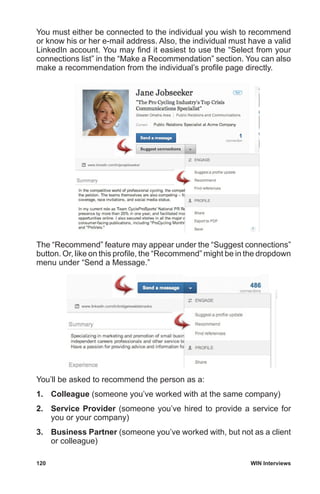
businesses.
 Established sales strategies, support capabilities, operating model, budgets and PL,
performance measures and scorecards, and talent management to successfully launch and
operate these new channels.
 Opened a call center as a direct-sale model (similar to HP) with telephone consultants
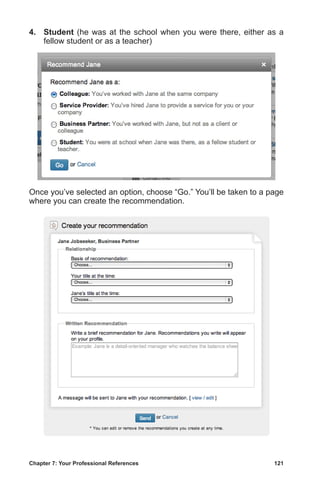
that had access to a much wider assortment of business products than was typically
available in stores.
Impact: Originated a $2.5 billion business model focused on the needs of small business customers
delivered through the multi-channel offering of retail, call center and on-site consulting.
Individual sales often amounted to over $250,000 and were extremely profitable.
Analysis: I lead innovation and continuously seek business growth opportunities. I helped Fry’s
identify a new revenue stream outside of the Big Box channel through on-site consulting
and call center models. All channels in this multi-channel business model (stores, call
center, on-site consultants) worked together to more effectively serve customer needs,
making Fry’s offering unique and providing a distinct competitive advantage.
Transformed the retail operating model
Tech City's store operating model was outdated and did not adequately support the merchandising of current
products or the way customers should be served. The company had converted from a commission to a non-
commission sales model several years prior. As Senior Vice President, I led the necessary changes to labor
scheduling, sales training and merchandising SOPs to support the new service model.
Solution: Transformed the retail model through four critical elements:
 Changed how labor was scheduled and deployed in stores: redrew sales “zones” to
improve sales team’s ability to serve customers promptly.
 Re-engineered management model: shifted from “one size fits all” to a stratified model
where management team structure was right-sized to each store based on footprint, staff
size and revenue/profit contribution.
 Created a new workflow planning process, including better “gate keeping” at the company
level, scheduling work into stores at optimum day and time; and establishing a process to
validate that work was completed.
 Developed “learning centers” in each district. One store within each of 75 districts served
as best-of-class store and as a training center for all stores in the district.
Impact: Eliminated $125 million of non-customer facing labor from stores and improved sales
conversion rates 12%.
Chapter 6: Other Marketing Documents: Leadership Addenda, Bios, Visibility, LinkedIn	 87
Wayne French – Critical Leadership Initiatives – Page 2
Analysis: One of my key strengths is to lead organizational transformation, combined with
developing and executing growth strategies. As such, our company was well positioned to
have a sales and service offering to compete more effectively in the marketplace.
Created capability for dramatic new store expansion and increased profitability
Fry’s had been growing at the rate of 10 to 15 stores per year with most new stores losing money in the first
year because of challenges with the store opening process. As Vice President of Operations, I restructured
the store opening process and created excellence of execution to support company’s domestic and Canadian
growth strategy for both standard prototype and new, smaller concept stores.
Solution: Significantly improved store opening execution to best-in-class:
 Brought in new leadership talent for the store opening team.
 Developed a cross-functional team (merchants, visual merchandising, real estate, IT, HR,
retail operations) to build and execute the plan.
 Assembled several store-opening teams in the field that had flexibility to move throughout
the country, which created the opportunity to open new markets with multiple stores.
 Launched a training program – Grand Opening University – for new store management
teams.
 Worked closely with HR and field leadership to build a bench for future new store
leadership.
Impact: Company opened 75 new stores per year (up from 10) with each new store attaining
profitability in the first year.
 New stores added $1.75 billion of new revenue and incremental earnings.
 Opening process was known internally as core strength of the organization and externally
as best-of-class.
Analysis: I drive operational and service excellence, as well as leverage current capabilities and
innovation to make growth happen. This effort provided the capacity to meet and exceed
our company’s domestic and international retail expansion goals.
Initiated profitable new revenue opportunities from customer traffic and credit
penetration
Fry’s was not tapping additional value by capturing, growing and retaining customers. As Vice President of
Operations, I spearheaded innovative, profitable new revenue opportunities that sparked an industry-wide
trend through Gift Card expansion and increased credit penetration.
Solution: Gift cards were sold at the registers, accounted for approximately $305 million point of
sales, and translated to $660 at redemption. Devised plan to grow Fry’s gift card sales to $1.2
billion at point of sale and more than $1.5 billion at redemption (providing 7% of incremental
company growth):
 Cross-merchandised gift cards in with product categories to be sold as an “add-on.”
 Worked with advertising and merchant team to gain share of voice in weekly advertising.
 Developed sales training, performance objectives, and incentive programs and rallied field
organization to support the growth effort.
Impact: Results were enormous! Gift card sales more than doubled to $675 million in the first year with
nearly $0 extra cost. Revenues of $1.5 billion at redemption were cited as the reason company
exceeded its earnings forecast that year.
 Sales continued to grow to $875 million the following year ($1.9 billion at redemption).
 Success of the Fry’s gift card program sparked the entire industry and was copied by major
players such as Lowes and Target.
88	 WIN Interviews
Wayne French – Critical Leadership Initiatives – Page 3
Solution: In addition, the company transacted only ~10% of its business (well below other retailers) on the
private label credit card. However, an opportunity existed to double the penetration.
 Developed training to sell the card benefits, performance targets and score cards.
 Created in-store merchandising to promote the program’s benefits
 Worked with Credit Executive Steering team to map out a strategy to drive penetration.
Impact: Credit penetration surged from 10% to 18% of sales in approximately 16 months. Membership
grew in the millions with a $22 million reduction in transaction costs. The programs enabled the
company to take a giant step in developing customer acquisition, retention and insight.
Analysis: This is an example of my ability to create a culture of both innovation and performance.
The increased credit penetration contributed to substantial profitable growth while the Gift
Card program was leveraged to acquire new customers; make a sale when a product was out
of stock; and drive incremental sales. As gift card popularity grew in the industry, it
became a method for driving traffic to stores during all gift-giving events—Christmas,
Mother’s Day, Father's Day, graduations, weddings, etc.
Provided strategic vision that created competitive advantage
Wilmington Furniture, a long-time furniture retailer with 45 locations, was accustomed to being the clear
market leader. However, the company lost revenue over the years because of the declining Illinois economy and
housing market, as well as new competitors. Sales had declined to $350 million per year from a high of $500
million. As CEO, I took on the challenge to develop the company’s strategic plan to maintain and grow market
share.
Solution: Created and executed a comprehensive business plan to grow the company:
 Identified categories to expand within the existing building footprint.
 Transformed the website to include ecommerce.
 Identified opportunity markets in MI, OH and IL that could be served by current
distribution capabilities.
 Identified three acquisition targets.
 Launched a new prototype “Pure Sleep” store—a differentiating value proposition that
capitalized on the emerging interest in the health benefits of a better night’s sleep.
 Identified longer-term growth opportunities that leveraged current capabilities
(appliances, home theater).
Impact: Bedroom and bedding sales increased 18% and extended Wilmington’s lead as the #1 bedding
retailer by far in Illinois:
 Internet sales grew exponentially by 5X.
 Opened the first Pure Sleep free-standing store and also retrofitted the concept into
existing/traditional stores. Bedding ticket item was 22% higher in Pure Sleep settings.
 Initiated process of acquiring a patio/casual retailer.
Analysis: Despite the economic climate, I provide vision and effective leadership to turnaround
organizations. Our company was now positioned to retain #1 share in its marketplace and
to grow into other markets, which would allow company to double in size with no outside
investment.
PROFESSIONAL BIO – A professional bio is much like a LinkedIn
profile summary. It should succinctly communicate who you are in a
summary/overview. It can have a storylike tone to it, different from a
resume. It is also good to use for a more discrete networking tool for
potential positions. Other uses for professional bios include:
1.	 Member of board of directors
2.	 Involved in community organizations
Chapter 6: Other Marketing Documents: Leadership Addenda, Bios, Visibility, LinkedIn	 89
3.	 Contributor to industry publications
The length of a professional bio can vary, from a scaled-down version
of one paragraph for online media to one that includes presentation
materials of two to three pages. Optimal length is about one page.
DONALD WHITE
335 Lightening Place (215) 609-4450
Hillsboro, PA 19019 white.da5@verizon.net
EXECUTIVE BIO
Change agent driving unprecedented industry-leading revenue and market share results
for technology products and services in the U.S. and internationally through astute
PL management, incisive problem solving, innovative marketing and product development,
and adept people/team leadership.
Donald White’s distinguished career encompasses revitalizing failing business units, resolving critical
business challenges, innovating several industry “firsts,” and delivering breakthrough results in executive
marketing, sales, and divisional roles for the past 12 years at Davis Enterprises, $1.6 billion global
technology leader in the manufacture of printing technology.
Promoted rapidly to senior marketing executive roles for the U.S. Davis Enterprises headquarters and a
$350 million divisions of products, services and consumables, he holds three concurrent roles as Chief
Marketing Executive, Senior Vice President of Product Management and Senior Vice President of
Consumable Sales. He also serves as Executive Board member.
He currently leads a 125-person team in the U.S., Canada and Mexico and directs global marketing and
product lifecycle management for the company’s 9 product lines and 475 products. He restructured the
Product Management organization, driving tactics and partnerships that solidified the Company’s
reputation as the technology-dominant market leader in hardware, software consumables and services.
He has spearheaded the launch of 28 hardware, software and service products—as well as opened the
industry’s largest demonstration facility—and streamlined time-to-market of new product launches by
31%. Five of the products have earned the Printing Industries of America’s InterTECH Technology
Award—the industry’s most prestigious honor for major industry impact.
The printing technology industry has changed dramatically during the past 15 years, and James has been
on the cutting-edge of the changes that have driven the company’s success. He has delivered pivotal
business-building results while leading the organization through successful restructurings, acquisitions,
divisional start-ups and growth strategies.
For example, he was instrumental in returning the company to market dominance after the 2004 and
2010 recessions, with 58% of market share and the industry’s highest favorability rating at 65%. Donald
restructured the field sales and service organization and Davie Enterprises’ North American headquarters,
including delivering $54 million in cost savings and improving morale. These accomplishments are even
more significant in light of the simultaneous 32% reduction-in-force. In addition, he invented the
“Magalog,” a combination magazine and product catalog, which decreased direct mail, costs by 88%
while increasing participation levels to over 30,500 subscribers.
His career with Davis Enterprises began in 1996 as Divisional Vice President, International Sales, where
he rapidly established himself as a key leader in the company by more than doubling international sales
in only three years and opening 186 distributorships in 75+ countries.
Promoted to Corporate Vice President, Direct Marketing and Sales in 1998, Donald created the National
Development Sales Organization and the Company’s first direct marketing call center, which generated
$50+ million in equipment sales over a three-year period. Subsequently he rose to Vice President and
Senior Vice President of Marketing (2002 to 2007), during which he reorganized the Marketing
90	 WIN Interviews
department and elevated the Company’s image as the industry’s leading solution supplier while improving
marketing cost structure and efficiency, saving millions of dollars annually.
Donald also pioneered the Company’s Consumables business line from inception to a $52 million a year
division. He built the division’s sales organization and opened a national call center that has produced
$155 million in product, accessories and service sales since its inception in 2004. He also established an
online store that has surpassed $165 million in sales with over 50,000 customers.
Donald is a consummate leader and coach, known for developing people to achieve peak performance
and creating work environments that foster high employee engagement as well as superior productivity.
For example, Donald hired and mentored seven of the organization’s top 10 sales performers. His
negotiation skills are top-notch, having secured benchmark partnership agreements with industry leaders
such as Print Shop International, Staples Printing, and KMS.
Donald has extensive experience in industry and board leadership, where his industry knowledge and
expertise are highly sought. He serves as an Executive Board Member of the Printing Industries of
America and chairs the Board of Directors for University of Pennsylvania’s Institute of Packaging 
Graphic Design. He has delivered keynote speeches for the Mexico Bureau of International Tourism and
Trade and the Michigan Print Production Association, served as an Executive Instructor for Franklin
Covey, and lectured at the University of Austin and UCLA. During his career, Donald has earned several
awards, including TELLY Award, Premier Print and CINE Golden Eagle.
He holds a Bachelor of Arts degree in political science from University of Notre Dame and is a graduate of
the prestigious International Executive Development Program for Davis Enterprises.
LinkedIn Profile
Having an online presence on LinkedIn
can be important in your job search.
Your LinkedIn profile can present your
credentials to prospective employers and
hiring managers, increasing your chance of
securing an interview.
Your LinkedIn profile should complement
your resume, but it shouldn’t duplicate it
directly. To have a strong online presence,
you must be clear about who you are and
who you are not. (An unfocused LinkedIn
profile may be worse than no profile at all.)
Your LinkedIn profile can also be more
comprehensive than your resume since it
offers you more room to showcase projects,
publications, and experience.
A successful LinkedIn profile gives readers
a snapshot of who you are and how you can
contribute to their organization. You must
understand and be able to articulate and
communicate what makes you exceptional
and compelling.
The purpose of this section is to help you develop a LinkedIn profile that
will lead to job opportunities, contacts from prospective employers and
LinkedIn has become
the first point of contact
many recruiters have with
prospects.
Jean Cummings
This profile is the go-to
place for interested hiring
managers and recruiters
who want to learn more
about a candidate whose
resume they have read.
LinkedIn is the perfect
place to express more of
your unique value, not
simply to duplicate what is
already known.
Debra O’Reilly
Chapter 6: Other Marketing Documents: Leadership Addenda, Bios, Visibility, LinkedIn	 91
recruiters, and increased visibility online. All of these will help in your job
search.
One of the most effective ways to establish a presence online (so that
you are found when someone Googles you) is with a LinkedIn profile.
You want an online profile that you control, that you can take with you
(independent of any employer), and that demonstrates what kind of
job candidate you are (and what you do). Best of all, LinkedIn’s basic
features are free.
Your LinkedIn profile is a marketing piece—not a biography or a resume.
It’s not designed to outline your entire professional history. Instead, it
provides enough information to get people to connect with you—and/or
make a contact with you. Because it’s a marketing piece, you need to
come up with a headline that will instantly attract the attention of your
reader. You have approximately twenty seconds to catch the attention of
a visitor to your profile. Consequently, you must find a way to stand out
in a crowd. If your profile is like every other profile on LinkedIn, you won’t
stand out, and you won’t be found as easily.
Standing out with your LinkedIn profile
can mean highlighting the strongest
qualifications you have for an
employer in your LinkedIn headline,
backing up those qualifications with
accomplishments throughout your
profile summary, and using strategies
that will help you become found by the
people who most need someone like
you.
Don’t try to be all things to all people.
Although you can create different
targeted versions of your resume to
target different types of positions,
you’re limited to one LinkedIn profile.
On LinkedIn, as on your resume, one
size does not fit all.
An interesting fact for job seekers
is that 39 percent of LinkedIn
members are managers, directors,
business owners, C level officers, or
vice presidents. And 93 percent of
recruiters are looking for candidates
on LinkedIn. It has become the
most popular social network site for
recruiting.
One of LinkedIn’s most robust
features is the ability to connect
to decision makers and hiring
authorities through the “side
door” – that is, leveraging
introductions to the people
who know the right people. Job
seekers should build a flexible
library of communications for
specific LI scenarios, ranging
from “I see you are connected
with xxx and would very much
appreciate an introduction”
to “I see we share a common
interest in xxx and would love
to learn more about how you
got involved in this association.”
Personalizing and warming up
those introductions is key to
cementing a connection, but it’s
easier when a job seeker doesn’t
have to reinvent the wheel each
time he or she reaches out.
Jan Melnik
92	 WIN Interviews
The most difficult part of creating your LinkedIn profile is sounding
original. By articulating what makes you unique and valuable, you will
attract attention from prospective employers. Be specific about what
distinguishes you from others with a similar job title.
The answers to these questions may give you some ideas for creating
your LinkedIn profile and headline:
 1.	 What specific job titles are used to describe someone in your
position? (Be specific regarding level, functional role, and industry.)
 2.	 In performance reviews, in what areas do you receive the highest
scores or the most positive feedback?
 3.	 What is the most important part of your current job?
 4.	 What is your biggest achievement in your job? Have you saved your
company money, helped the company make money, or helped it
become more efficient, improve safety, improve customer service, etc?
 5.	 What are your top three skills?
 6.	 What are you best known for at work?
 7.	 If you were asked to select your replacement, what qualities would
you be looking for?
 8.	 What kind of challenges at work do you most enjoy working on?
 9.	 Do you have any specific training or credentials that distinguish
you?
10.	 What makes you different from others (job titles)? Is there an area
where you are better than others?
11.	 Can you distinguish yourself by the geographic area you work in or
your years of experience?
When someone searches for you on LinkedIn, he will see three things:
your name, your LinkedIn headline, and your location. In many cases,
hiring managers and recruiters will make the decision to read your full
LinkedIn profile based on just these three things. Consequently, the
LinkedIn headline acts like a newspaper or magazine title. It gives the
reader an idea of what your profile will include (just like a newspaper
headline previews a story). Being specific results in a much better
headline. Great headlines attract attention, and the more people who
view your LinkedIn profile, the better your chances of connecting with
the right person who can lead you to your dream job.
Your headline needs to quickly identify you as a certain type of person—
e.g., manager, or executive, or someone who specializes in a certain
field or industry.
Chapter 6: Other Marketing Documents: Leadership Addenda, Bios, Visibility, LinkedIn	 93
A well-written headline will also help you to structure the rest of the
information you include in your LinkedIn profile. If the information
doesn’t support the headline, consider whether it should be included at
all. Remember, focus is important.
Note: LinkedIn’s default for your headline is your job title and company.
If you don’t change it, this is what LinkedIn will show on your profile.
The Role of Keywords in Your LinkedIn Profile
Keywords also play an important part for you in being found by people
who don’t know you on LinkedIn—this is particularly true for job seekers
who are hoping for contacts from prospective employers and recruiters.
Keywords are a list of words and phrases that are related to your work—
they are the words that a prospective employer would search for when
trying to find someone like you. LinkedIn headlines are searchable
fields using the “People Search” function when someone is looking for
particular skills, interests, qualifications, or credentials.
You can also incorporate keywords throughout your LinkedIn profile,
including:
1.	 Your LinkedIn profile headline
2.	 Current and former work experience
3.	 LinkedIn summary section
4.	 Specialties or Skills section
Where can you find keywords? Brainstorm them. Write down a list of words
that relates to you, your work, your industry, and your accomplishments.
Try to come up with as big of a list as you can; you will narrow it down
later.
You can also find keywords in job postings or job descriptions. Check
out online job boards for positions (don’t worry about where the job is
located; just find positions that are similar to the one you’re seeking and
write down the keywords.)
You can also find broad job descriptions—with plenty of keywords—in
the U.S. Department of Labor’s free Occupational Outlook Handbook
(http://www.bls.gov/ooh/).
Another great research tool is Google’s AdWords Keywords Tool, which
can be found at: https://adwords.google.com/select/keywordToolExternal.
You can use keywords you identified through your earlier research, and
it will suggest related keywords (it will also tell you the popularity of the
keywords you enter as they relate to current Google search results).
94	 WIN Interviews
Now it’s time to narrow down your keywords and pick a top ten that you
will use in your LinkedIn headline and profile.
The keywords that you select for your profile must fit two criteria:
1.	 They must speak to your “onlyness”—that is, what you want to be
known for.
2.	 They must align with what employers value—that is, what they want.
Focusing on these areas enables you to get the most out of your online
efforts while differentiating you from other job candidates with the same
job title. You need to express clearly: “I am this.” Someone who is
reading your LinkedIn profile should be able to recognize you in it. If
what you wrote could apply to anyone with your job description, revise
what you’ve written.
How to Write an Attention-Getting LinkedIn Headline
The headline and the first two to three sentences of your LinkedIn profile
summary are critical to making connection and securing opportunities
from recruiters and hiring managers.
You can learn a lot about developing your profile from online dating
sites—because the concept is the same. You have to get someone’s
attention. Your profile may be the first impression that hiring managers
have of you—so make it count! You’re trying to get them to take a first
step and reach out to connect with you.
Focus on what you have to offer a prospective employer; don’t focus on
you. The information you provide should be 80 percent about what you
have done for your current employer (accomplishments-oriented) and
20 percent about you and what you’re looking for. Unfortunately, most
LinkedIn profiles (especially the Summary section) are the reverse.
Think of it this way: Prospective employers are tuned in to a particular
radio station—it’s called WIIFM.All employers are listening for is: “What’s
in it for me?” (WIIFM). Remember: Employers hire for their reasons, not
yours.
What proof do you have that you can offer the employer the results they
are seeking? Quantify your accomplishments as much as possible in
terms of numbers, percentages, and dollar amounts.
Don’t copy someone else’s LinkedIn profile. Be original! Look at other
profiles for ideas, but don’t copy someone else’s headline or summary.
Remember, your online presence must speak to your onlyness. Also,
give your profile some personality!
People who make a connection with you through your profile are more
likely to contact you about a career opportunity.
Chapter 6: Other Marketing Documents: Leadership Addenda, Bios, Visibility, LinkedIn	 95
Formula for Writing an Effective LinkedIn Headline
There are generally two schools of thought when it comes to writing
your profile headline. The first is using a narrative or descriptive title; the
second is simply using keywords separated by commas, bullets, or the
pipe symbol on your keyboard (|).
LinkedIn’s current algorithm gives higher ranking to matching keywords,
so strategy number 2 appeals more to computer searches while
strategy number 1 appeals to human readers. Eventually, all profiles
found through computer searches will be reviewed by a human being,
however, so it is important to balance readability with the inclusion of
keywords.
You are limited to just 120 characters in your LinkedIn headline, so it’s
also important to be succinct and direct.
Things you can consider including in your LinkedIn headline:
1.	 Job titles
2.	 Types of customers/projects you work with
3.	 Industry specialization
4.	 Brands you’ve worked for
5.	 Certifications or designations
6.	 Geographic territory specialization
Note: If you don’t write your own headline, LinkedIn will create one for
you—usually, the most recent job title in your profile and a company or
organization name. This is very similar to strategy number 1, so this is
the most common type of LinkedIn profile you will see on the site.
To improve readability, capitalize the first letter of each of the words in
your headline.
Here are some strategies for writing your LinkedIn headline, along with
the advantages and disadvantages that go along with each tactic.
1.	 Keep It Simple. Say it simply and directly: your job title and the
company you work for. This is a good strategy if your job title is a
strong keyword and/or the company you work for is well-known. The
advantage is that it clearly communicates who you are and what
you do; the disadvantage is that it doesn’t set you apart from many
others who could claim those same credentials.
96	 WIN Interviews
This strategy can also use the following formulas:
1.	 (Job Title)
2.	 (Job Title) at (Company Name)
3.	 (Job Title) for (Industry) at (Company Name)
4.	 (Job Title) Specializing in (Keywords)
For example, here is an example of a headline that incorporates a job
title and keywords:
2.	 What You Do. This strategy focuses on job functions instead of job
titles. The advantage to this headline strategy is that job functions
often make excellent keywords. The possible problem is if you
simply string together a bunch of job functions without creating a
story to explain who you are (along with what you do), so make sure
you add some context to your keywords/job functions.
Chapter 6: Other Marketing Documents: Leadership Addenda, Bios, Visibility, LinkedIn	 97
This strategy can also incorporate key projects and/or the names
of key clients or important employers, especially if any of those have
high “name recognition” value. You may also wish to include a specific
industry or geographic area to your job function—focused headline.
Here is an example that uses job function and targets the kinds of clients
this consultant serves:
3.	 The Big Benefit. It’s important to identify the primary benefit you
have to offer a prospective employer. Target what author Susan
Britton Whitcomb says are “Employer Buying Motivators” in her book
Resume Magic. The twelve specific needs a company has include
the company’s desire to: make money, save money, save time,
make work easier, solve a specific problem, be more competitive,
build relationships or an image, expand their business, attract new
customers, and/or retain existing customers.
98	 WIN Interviews
How can you be a problem solver for your next employer? Think about
the job you want and what your next boss would want in an employee in
that role. Make that the focus of your headline.
This can be expressed in several different ways:
1.	 (Job Title) That Gets (Results)
2.	 (Adjective) (Job Title) with a Track Record of Success in (Results)
For example:
Be specific! Adding numbers and other specific wording can make your
LinkedIn headline much more powerful. Here is the same strategy, but
this one quantifies the scope and scale of the benefit to the employer:
Chapter 6: Other Marketing Documents: Leadership Addenda, Bios, Visibility, LinkedIn	 99
But try not to include the “Top 10 Overused Buzzwords in LinkedIn
Profiles in the United States.” Here is the 2011 list:
4.	 An Enthusiastic Testimonial. This headline strategy works best
when you’ve received honors or recognition within your field. This
can be an extremely effective strategy if you word it correctly. It’s
important that the designation is clear enough to stand on its own
without too much detail. It if requires too much explanation, you
may not have enough room within LinkedIn’s 120-character limit.
A word of caution, however: Don’t trade on honors or recognition
that are too far in the past. “Four-Time President’s Award Winner for
Revenue Growth in the Ball Bearings Industry” isn’t as impressive if
those awards were for 1998, 2001, 2003, and 2005.
100	 WIN Interviews
This strategy also works if you can make a claim that is defensible (if the
statement is “arguably true”). Put the claim in quotes so it appears as if
it was published somewhere.
If you are having trouble writing your LinkedIn headline, write a very
rough draft. It doesn’t matter if it’s not good, or if you have to leave some
blanks. Having a framework will make it easier for you to complete later.
Go ahead and finish writing the rest of your LinkedIn profile and then
come back to it. Oftentimes, the headline will become much clearer at
that point. (Just remember to review your LinkedIn profile to make sure
all the information you’ve included supports the focus of the content, as
directed by the headline and summary.)
You can also look on LinkedIn for inspiration. Check out the headlines
and summaries of people you’re connected with, or do a search for
others in your field. Just remember not to copy their information; instead,
use it as inspiration.
How to Change Your LinkedIn Headline
Sign in to your LinkedIn account. From the main menu, choose “Edit
Profile” under the “Profile” tab.
On the “Edit Profile” page, click the “Edit” button next to your name.
Chapter 6: Other Marketing Documents: Leadership Addenda, Bios, Visibility, LinkedIn	 101
You will be taken to a “Basic Information” page where you can type your
headline into a text box labeled “Professional ‘Headline.’”
There’s one more thing you should consider on the “Basic Information”
page. Remember, LinkedIn will display your name, headline, and
location on its search results page. You can adjust what information
LinkedIn shows in the results using the “Location  Industry” section. Be
sure to click “Save Changes” before leaving the page.
102	 WIN Interviews
Writing Your Profile Summary
The “Summary” section of your LinkedIn profile is a vital part of your
LinkedIn presence. You have two thousand characters to give readers a
brief snapshot of who you are.
The first two to three sentences need to instantly get your prospects
interested in your profile—or, even better, get them excited about
reading the rest of your profile. How do you add more value to the
company, or solve problems better than other job candidates? Your
LinkedIn summary can set you apart from other job seekers on LinkedIn
by demonstrating that you understand what employers want—and what
you have to offer that meets that need.
Address these questions:
1.	 How will your next employer benefit by hiring you? Quantify the
value in terms of numbers, money, and/or percentages. Use specific
numbers and facts to build credibility.
2.	 What experience can you offer that will provide value to your next
employer?
3.	 What additional skills do you have that set you apart from other
candidates with a similar background?
Write naturally and conversationally. In contrast to your resume, you
should use pronouns in your summary. Speak in the first person, not
third person. (“I did such and such.”) Write as if you’re speaking to an
individual reader. Make it personal. Be sure to emphasize outcomes—
as well as what makes you uniquely qualified to do the job you do. Try
to find a common THREAD through your work. Then once you have a
theme, use storytelling principles to write your summary as a narrative.
Have a beginning, a middle, and an end.
Your summary can be anywhere from a few sentences up to a few
paragraphs. But don’t waste any words—make the most dramatic,
powerful, attention-getting statement you can. Don’t use any more
Chapter 6: Other Marketing Documents: Leadership Addenda, Bios, Visibility, LinkedIn	 103
words than is necessary, and don’t be overly flowery in your language.
The point of the first sentence is to get the prospect to read the second
sentence. And the next sentence. And the next.
Be conversational and informal in your tone. Use contractions (“you’re”
instead of “you are”). Every word counts! And pay attention to grammar
and spelling. Make sure there are no mistakes in your profile. Re-read
and edit it. Have a colleague, friend, or spouse read it. Copy and paste it
into a word processing program and run a spell check on it.
You can also use asterisks, dashes, hyphens, and other keyboard
characters to format the summary and make it easier to read.
Here is Jane Jobseeker’s profile summary:
Notice the format:
1.	 In the opening paragraph, draw attention to issues, challenges, or
problems faced by your prospective employer.
2.	 In the second and third paragraphs, demonstrate the value you
offer to employers by quantifying the accomplishments in your
current position (ideally related to the problems outlined in the first
paragraph).
3.	 In the fourth paragraph, talk about why you might be open to inquiries
(if you are a passive candidate). If you are unemployed, you might
state the reason why your most recent position ended (if the company
104	 WIN Interviews
closed, for example), or that you are available immediately. Give the
reader information on how to contact you. (Note: LinkedIn’s Terms
of Service prohibit you from providing your e-mail address directly
in this section. Instead, direct them to connect with you on LinkedIn,
or use one of your links to provide a method for direct contact.) You
can also use the “Personal Information” section to provide a phone
number.
Using these strategies, you can develop a LinkedIn headline and
summary that will lead to job opportunities, contacts from prospective
employers and recruiters, and increased visibility online for your job
search.
LinkedIn Strategies
Typos. This may seem silly to some, but this is a real turnoff to viewers
of LinkedIn profiles. LinkedIn does not have an automatic spell-checker,
and simple errors in company
names, job descriptions, etc., can
sabotage you. I recommend writing
up content in a Word processing
program and spell-checking
it before transferring it over to
LinkedIn.
Profile Picture. In previous times
a photo on your resume would be
considered prejudicial. However, in
today’s world, a picture can make
a difference to someone viewing
your profile. It has been proven that
LinkedIn profiles with pictures get
more views. Of course, the picture
needs to be a professional headshot
and not a relaxed, kickback photo
from a weekend event.
LinkedIn Groups. Reaching out
to people you don’t know through
LinkedIn groups is much easier
and you’ll likely get a response.
Connecting to someone in an
alumni group is a way to get through
to someone you don’t know, but
have something in common with—
both being alum of the same
university. There are a lot of ways
It is critical to have a nice headshot
for your photo and detrimental to not
have a photo of yourself. It should
be professional looking without
artifice, and make the reader of your
profile want to meet you!
Jill Grindle
In addition to your profile, LinkedIn
yields a lot of information about
your interests and areas of
expertise. Are you active on
groups? Whom do you “follow”?
Does your activity on LinkedIn fit
your professional brand? Create
a cohesive branding image. Use
LinkedIn not only to build your
brand, but also to expand your
network and research capabilities.
Have you identified an ideal
employer? Learn about the
company and mine for contacts
through the corporation’s LinkedIn
page or Groups.
Debra O’Reilly
Chapter 6: Other Marketing Documents: Leadership Addenda, Bios, Visibility, LinkedIn	 105
to use groups. Helpful information can be found at: http://help.linkedin.
com/app/answers/detail/a_id/1164 . Also, don’t forget to customize your
request to connect with a more personal message.
Incomplete Summary. It is crucial that you showcase your experience,
talents, and skills in the Summary of your LinkedIn profile.The “Summary”
is one of the most important sections. Weaving keywords into this area
also makes it easier to be found by hiring managers and recruiters who
are looking for good candidates.
Profile Sections. LinkedIn helps you create sections in your profile to
highlight certain jobs or skills, to make it easier for the reader to grasp
information about you quickly. If you have acquired a lot of certifications
during your career, you can create a separate section for that. Check
out the options that should show up right under your main profile box.
Look for: Add Sections to reflect achievements and experiences on your
profile.
Skills. This is one of the major tools that recruiters look at. LinkedIn has
thousands of skills listed in the system, and your profile will pop up more
often in search results if you use them. Trouble is, some people think
that if they put obscure skills in their profile, it will distinguish them from
others. However, if LinkedIn doesn’t recognize the skill, it won’t help you
get found by recruiters.
Recommendations. References are still a necessary part of the hiring
process. Recommendations on LinkedIn should be specific to a project
or interaction that you had with the person making the recommendation
(similar to what is listed on a typical reference sheet). Having details in
the recommendation is far more effective than a generic “shout-out.”
Advanced Search Tools. Are you using the “Companies” tab in
LinkedIn? You can search companies for current opportunities. Yes, you
can use the same strategies and tools as recruiters to find companies
that currently have job openings. Take this search one step further, and
refine your search by keyword, industry, location, and more.
Social media has a huge impact on job search today, and LinkedIn has
come to the forefront of the business community. Preventing mistakes on
LinkedIn can result in better overall success in finding job opportunities,
being found by recruiters, connecting with industry movers and shakers
and so much more.
C h a p t e r
106	 WIN Interviews
At some point in the hiring process, a recruiter,
hiring manager, or human resources manager will
be asking for references. Don’t be misled by the
Internet thinking that people will find everything
they need to know about you online and not ask
for references. This is still an important part of
checking out any job seeker. Recruiters expect to
hear raving comments from a reference. Only use
someone you can rely on to sing your praises.
Establishingastrongandcrediblesetofreferences
can make the difference in obtaining a job offer or
not. This critical step in the employment process
is often regarded as something that you, the
candidate, take for granted or cannot control. This
should not be the case.
Reference checks are normally made toward the
end of the interviewing process, either just before or
just after a selection decision has been made by the
hiring organization. Most companies make phone,
rather than letter, inquiries.This allows them to better
judge the responses by the tone of the person giving
the reference. This discussion centers around the
verification of the information and feelings obtained
in the interview process; references provide a
witness to your accomplishments and personal
attributes. Generally speaking, references involve a
discussion of:
•	 Relationship to Candidate
•	 Accomplishments
•	 Strengths
Your Professional
References7
Chapter 7: Your Professional References	 107
•	 Weaknesses
•	 Personal Traits/Interpersonal Skills
•	 Reasons for Leaving
Building Your Reference List
When asking people to be a reference, find out what they is most
comfortable speaking about. Consider the perspective they will be
coming from, i.e., coworker, boss, a person you managed, etc. If that
person is a coworker, would he or she talk about how easy it is to work
with you? Or, if it is your boss, how well you take direction and have
initiative? Common sense dictates that if you had an argument with your
boss and quit that you don’t use him as a reference. Find other bosses or
supervisors in your past who will give a positive reference. Be sensitive
to a potential reference, making sure he or she realizes that they have
the option not to be included in your reference list.
Sometimes people will ask you to write what you want them to say
so they know what you need them to showcase about your working
relationship. You don’t want to put words in their mouth, just the general
idea of what skills, talents, accomplishments, and leadership style that
they can report on your behalf. In preparation, help them recall specific
instances that relate to your working relationship. This will refresh the
skill, talent, or accomplishment in their minds. You could also e-mail
them a bulleted list of achievements that directly relate to the work you
did together.
Never, never, never put a person on your reference list whom you have
not spoken with and verified they would like to be a reference for you.
You want everyone on your list to be informed of your job search, your
career target, and what you expect them to confirm.
360-Degree References
To help the hiring manager get an overall perspective of who you are
and what you can do, include a boss, a colleague, and a person you
managed in your list of references. Also, be prepared for recruiters to
ask for additional references who are not on your list. Yes, many times
a recruiter will ask your references, “Who else do you know who worked
with John?” Consider the next level of references who are connected
to the people you have on your list to make sure they are prepared
and willing to be interviewed by a hiring manager. You may need to
recommend to your references, “If you are asked for someone who
can verify my strengths in XX, Bill Smith is willing to speak to a hiring
manager about that.”
108	 WIN Interviews
Develop your list of references and carry it with you at all times. In most
cases, you will be asked to provide references after mutual interest has
been established, and sometimes even before you are called for an
interview, so be prepared.
Reference Questions
To assist you in understanding the types of questions that are asked in
a reference-checking situation, here is a prepared list for you to review.
You should determine which of these questions are appropriate for your
situation, and ensure that you have covered them adequately with your
former employers and associates.
•	 What were the candidate’s responsibilities? Salary? Dates?
•	 What was your relationship to him/her? How Long?
•	 How would you rate the candidate’s quality and quantity of work?
•	 How would you compare his/her performance with similar peers?
•	 How would you describe the candidate’s attitude?
•	 How were his/her relationships with his/her staff?
•	 How well did he/she work with others? Why?
•	 How well did he/she work under pressure? Example?
•	 What was the most effective way to motivate the candidate?
•	 How did you feel about his/her management practices and style?
•	 How would you describe the candidate’s success in training,
developing, and motivating subordinates?
•	 What do former subordinates say about the candidate?
•	 What could he/she have done to produce even better results?
•	 In your opinion, what does he/she need to do for continued professional
growth and development?
•	 What were the circumstances under which he/she left your employ?
•	 What do you think is the ideal position for him/her? Why?
•	 Is there anything else you could add which would give me a more
complete picture of this candidate? Personal/family problems?
Chapter 7: Your Professional References	 109
Potential Reference Form
Name and Title:
Business Address:
Telephone (home and/or office):
Email:
How long have I known this
person?
What will this person say about:
 skills/strengths?
  my accomplishments?
 my weaknesses / shortcomings
areas for development?
  my reasons for leaving?
What else might this person say
about me?
Is there anything that this person
has agreed not to say about me?
Reference Confirmation and
Thank You Letter
Sent Date
Here is a sample of what a typical completed reference sheet may look like.
Reference Sample
References
Ms. John Jones
National Compliance
Practice Leader
The X Company
1920 North Street,
NW, Suite 400
Washington DC 20036
202-222-2222
Relationship: Ten-year association as
a colleague participating on multiple
administrative, compliance, operational, and
technical employee benefit plan issues.
Will Verify: Breadth of regulatory knowledge
as it applies to multiemployer health/welfare
and pension plan administration. Strength in
multitasking and project management, applying
analytical and logical thought processes
across diverse project scopes. Outstanding
organizational/technical writing skills.
110	 WIN Interviews
Mr. Dennis James
Vice President
The X Company
330 North Brand
Boulevard, Suite 500
Glendale, California
91203
818-222-2222
Relationship: Four-year collaborative
relationship across administrative,
compliance, operational, and technical
employee benefit plan issues. Recent
collaboration developing a total Health
Insurance Portability and Accountability Act
(HIPAA) solution strategy.
Will Verify: Scope of regulatory knowledge
as it applies to multiemployer health/welfare
and pension plan administration. Expertise
in juggling multiple assignments, strength
in multitasking/project management,
employing analysis and logic. Superior
organizational/technical writing skills.
Integrity.
Mr. Richard Scott
XYZ, P.A.
756 State Avenue,
Suite 400
Kansas City, Kansas
66101
913-222-2222
Relationship: Ten-year affiliation, interfacing
on compliance and technical legal matters
impacting multiemployer employee benefit
plan administration. Recent interface
regarding HIPAA solution strategy.
Will Verify: Deep understanding of
regulations as they apply to multiemployer
health and welfare/pension plan
administration. Exceptional organizational/
technical writing skills. Integrity and
credibility.
Ms. Margaret
Mendoza
Employer
Contributions Manager
Atlas Funds
754 Minnesota
Avenue, Suite 522
Kansas City, Kansas
66101
913-222-2222
Relationship: Eight-year relationship
as both employee and manager of
Employee Contributions Department.
Provided administrative, compliance, legal,
procedural, and technical support to Ms.
Shriver’s department.
Will Verify: Comprehensive regulatory
understanding. Ability to communicate/
problem-solve across union and
management. Integrity and credibility.
Treats colleagues respectfully and places
participant needs ahead of personal
concerns.
Chapter 7: Your Professional References	 111
Online References
Online references are a vital part of any
job seeker’s portfolio of career materials
today. One of the most influential online
references are found on LinkedIn. Since
LinkedIn has established itself as THE
professional social media networking site,
recruiters and hiring managers have been
searching its database first for potential
candidates for job openings. And checking
recommendations on LinkedIn has become
standard. Strategies for recommendations
are much the same as customary references, with a few unique ways to
highlight talents and skills online.
How to Give (and Get) LinkedIn Recommendations
With LinkedIn becoming increasingly important in the recruiting and
hiring process, having recommendations on your profile is important.
Great recommendations can be the difference in getting the job offer.
LinkedIn recommendations are a natural evolution of references and
letters of recommendation. However, they often are more credible
than these traditional documents because it is harder to fake a
recommendation on LinkedIn than it is to forge a letter. Since many
companies are restricting reference checks to verification of title and
dates of employment, a LinkedIn recommendation from a supervisor—
and/or coworkers—carries weight.
LinkedIn has been described as a “reputation engine.” That’s an apt
description because your reputation does precede you online—not just
in your work history, but also in your LinkedIn recommendations.
Someone looking at your recommendations wants to know two things:
1.	 What are you like?
2.	 Are you good at what you do?
Recommendations are also vital in increasing your visibility on LinkedIn. In
order for your profile to be considered complete, LinkedIn also requires you
to receive a minimum of three recommendations. According to LinkedIn,
“Users with recommendations in their profiles are three times more likely to
receive relevant offers and inquiries through searches on LinkedIn.”
In addition, you can enhance your own reputation by providing
recommendations, because people viewing your profile can see (and
read) the recommendations you make. (Go to the person’s profile on
Recommendations can
also provide search
engine optimization (SEO)
results—they will help
you get found—both on
LinkedIn as well as on
search engines.
Bridget Weide Brooks
112	 WIN Interviews
LinkedIn, and on the right-hand side of the page, you’ll see a box for
“(Name) Recommends.” You can see excerpts of their recommendations,
or click the link for “See All Recommendations.”
Recommendations can also provide search engine optimization (SEO)
results—meaning, they will help you get found—both on LinkedIn as
well as on search engines. Use industry-specific terminology in your
recommendations. Keywords included in LinkedIn recommendations also
receive emphasis in search engine results—especially searches within
LinkedIn. When conducting a keyword search, all the keywords in a profile
are indexed, and profiles with a high match of relevant keywords come up
higher in the results listings. Although LinkedIn’s specific algorithms are
secret, some experts suggest that keywords in recommendations receive
double the rankings of keywords provided in the profile itself.
How many recommendations you have on your profile depends on how
many contacts you have.Agood guideline is one to two recommendations
for every fifty connections. Ideally, these will be a variety of individuals—
not just supervisors, but coworkers, people you supervise, and clients/
customers. Choose quality over quantity.
Recommendations should be built up over time. Because
recommendations have a date attached to them, don’t try to solicit
all of your recommendations at once. Don’t write and send your
recommendations all at once either. Recommendations are date
stamped, so the reader will be able to see when they were added to
your page. It’s best if they are added gradually, over time.
Formula for a LinkedIn Recommendation
Before you write anything, take a look at your contact’s LinkedIn
profile. Align your recommendation with the individual’s LinkedIn
profile. Tie in what you write with his or her headline, summary, and/or
experience—reinforce the qualities he or she wants to emphasize in the
recommendation you write. Look at the existing recommendations he
has received too.
Some things to consider include:
1.	 What is he or she good at?
2.	 What did he or she do better than anyone else?
3.	 What impact did he or she have on me? (How did he make my life
better/easier?)
4.	 What made him or her stand out?
5.	 Is there a specific result he or she delivered in this position?
6.	 What surprised you about the individual?
Chapter 7: Your Professional References	 113
Choose the qualities you want to emphasize in the person you are
recommending. You may choose to use what author and speaker Lisa
B. Marshall calls “the rule of threes.” Simply stated, concepts or ideas
presented in groups of three are more interesting, more enjoyable, and
more memorable.
In general, you will want to showcase transferable skills, because these
will be the most relevant for your contacts when they are using LinkedIn
for a job search or business development.
The top ten skills employers are looking for in employees are:
 1.	 Communication Skills (verbal and written)
 2.	 Integrity and Honesty
 3.	 Teamwork Skills (works well with others)
 4.	 Interpersonal Skills (relates well to others)
 5.	Motivation/Initiative
 6.	 Strong Work Ethic
 7.	 Analytical Skills
 8.	 Flexibility and Adaptability
 9.	 Computer Skills
 10.	Organizational Skills
Thesearethetypesofattributesyoucanfocusoninyourrecommendation.
Use the following formula for a LinkedIn recommendation to write a great
recommendation.
Here is a simple formula for a LinkedIn recommendation:
1.	 Start with how you know the person (one sentence). Give
context for the relationship beyond just the job title and organization/
company/school, although that can be a good way to start your
recommendation. (“I’ve known Amy for ten years, ever since I joined
XYZ Company. She was my lead project manager when I was an
analyst.”)
2.	 Be specific about why you are recommending the individual
(one sentence). What qualities make him or her most valuable?
Emphasize what the person did that set him or her apart. What is his
work style? Does she have a defining characteristic? To be effective,
recommendations should focus on specific qualifications.
3.	 Tellastory(threetofivesentences).Backupyourrecommendation
with a specific example. Your recommendation should demonstrate
114	 WIN Interviews
that you know the person well, so tell a story that only you could tell.
And provide “social proof” in the story—give scope and scale for the
accomplishments. Don’t just say the individual you’re recommending
led the team—say he led a five-person team or a twenty-two–person
team. Supporting evidence—numbers, percentages, and dollar
figures—lends detail and credibility to your story.
4.	 End with a call to action (one sentence). Finish with the statement
“I recommend (name)” and the reason why you would recommend
him or her.
In the first sentence, you describe how you know the individual and give
context about why you are qualified to recommend him or her.
•	 (Name) and I have worked together . . .
•	 I’ve known (name) for (how long) . . .
For the second bullet point, you can set up the description of his or her
qualities by providing an overview sentence. Here are some examples:
•	 Able to delegate . . .
•	 Able to implement . . .
•	 Able to plan . . .
•	 Able to train . . .
•	 Consistent record of . . .
•	 Customer-centered leader . . .
•	 Effective in _________
•	 Experienced professional in the _____ industry
•	 Held key role in ________________
•	 Highly organized and effective . . .
•	 High-tech achiever recognized for . . .
•	 Proficient in managing multiple priorities and projects . . .
•	 Recognized and appreciated by . . .
•	 Served as a liaison between _________
•	 Strong project manager with . . .
•	 Subject matter expert in _____
•	 Team player with . . .
Chapter 7: Your Professional References	 115
•	 Technically proficient in _________
•	 Thrived in an . . .
•	 Valued by clients and colleagues for . . .
•	 Well-versed in the . . .
For example:
Mike had a consistent record of delivering year-over-year sales
revenue increases while also ensuring top-notch customer service,
working effectively with the entire seven-member sales team to make
sure the client’s needs were met.
Jill is a subject matter expert in logistics, warehouse planning, and
team leadership. Her ability to take the initiative to ensure the thousands
of items in each shipment were prioritized for same-day processing
made her an indispensable member of the management team.
For the storytelling section, you can choose a challenge-action-result
format to describe the project:
1.	 Challenge: What was the context for the work situation on the
project? What was the problem that the project was designed to
tackle?
2.	 Action: What did the person you’re recommending do? What was
his specific contribution?
3.	 Result: What was the outcome of the project—and can you quantify it?
Choose descriptive adjectives to include in your recommendations.
Instead of describing someone as “innovative,” choose a word like
“forward-thinking” or “pioneering.”
Here are some other descriptions:
Accessible Accomplished Accurate Ace
Achievement-
oriented
Action-driven Active Adaptable
Adept Adventurous Aggressive Ambitious
Analytical Articulate Assertive Authentic
Authoritative Award-winning Bilingual Bold
Bright Budget-driven Calm Capable
Caring Charming Cheerful Collaborative
Colorful Committed Communicative Community-
oriented
116	 WIN Interviews
Competitive Computer-
savvy
Confident Congenial
Connected Conscientious Conservative Convincing
Cooperative Courageous Creative Credible
Culturally
sensitive
Curious Customer-
focused
Customer-
oriented
Daring Deadline-
oriented
Decisive Dependable
Detail-minded Detail-oriented Determined Devoted
Diligent Diplomatic Directed Discreet
Dramatic Driven Dynamic Eager
Earnest Easygoing Effective Efficient
Eloquent Employee-
focused
Empowered Encouraging
Energetic Enterprising Entertaining Enthusiastic
Entrepreneurial Ethical Exceptional Experienced
Expert Expressive Extroverted Fair
Flexible Forceful Formal Forward-
thinking
Friendly Fun-loving Funny Future-oriented
Generous Genuine Gifted Global
Goal-oriented Happy-go-lucky Hardworking Health-
conscious
Healthy Helpful Heroic High-energy
High-impact High-potential Honest Humorous
Imaginative Impressive Incomparable Independent
Industrious Influential Ingenious Innovative
Insightful Inspiring Intelligent Intense
Intuitive Inventive Judicious Kind
Knowledgeable Likable Logical Loyal
Market-driven Masterful Mature Methodical
Meticulous Modern Moral Motivated
Multilingual Multitalented Notable Noteworthy
Objective Observant Open-minded Optimistic
Orderly Original Organized Outgoing
Chapter 7: Your Professional References	 117
Outstanding Passionate Patient People-oriented
Perceptive Perfectionist Performance-
driven
Persevering
Persistent Personable Persuasive Philanthropic
Pioneering Poised Polished Popular
Positive Practical Pragmatic Precise
Principled Proactive Problem solver Productive
Professional Proficient Progressive Prolific
Prominent Prompt Proven Prudent
Punctual Quality-driven Quick-thinking Quirky
Reactive Refined Reliable Reputable
Resilient Resourceful Respected Responsible
Results-driven Results-
oriented
Rigorous Risk-taking
Safety-
conscious
Savvy Seasoned Self-
accountable
Self-confident Self-directed Self-driven Self-managing
Self-motivated Self-starting Sensible Sensitive
Service-
oriented
Sharp Sincere Skilled
Skillful Sophisticated Spirited Spiritual
Steady Strategic Strong Successful
Supportive Tactful Talented Task-driven
Team-oriented Team player Technical Tenacious
Thorough Tolerant Top performer Top-performing
Top-producing Tough Tough-minded Traditional
Trained Trendsetting Troubleshooter Trusted
Trustworthy Undaunted Understanding Unrelenting
Upbeat Valiant Valuable Vaunted
Versatile Veteran Visionary Vital
Warm Well-organized Well-versed Willing
Winning Wise Witty Worldly
Youthful Zealous
118	 WIN Interviews
Make sure the recommendation you write is clearly about the person
you’re recommending. That sounds like common sense, but many
recommendations are too vague or too general—they could be about
anyone, not this specific individual. To be effective, the recommendation
you write should not be applicable to anyone else.
Recommendations that you write should be:
1.	Genuine
2.	 Specific
3.	 Descriptive (with detailed characteristics)
4.	 Powerful (including specific achievements, when possible)
5.	Memorable
6.	 Honest/Truthful(credibilityisimportant;avoidpufferyorexaggeration)
Length is an important consideration when writing LinkedIn
recommendations. Keep your recommendations under two hundred
words whenever possible. Some of the most effective LinkedIn
recommendations are only fifty to one hundred words.
You may find it useful to look at other recommendations before writing
yours. You can do a search on LinkedIn for others with that job title, and
check out the recommendations on their profiles.
You can use LinkedIn’s “Advanced People Search” function to conduct a
search. At the top right-hand side of the page, click the “Advanced” link
next to the “People” search box.
You can enter in keywords or job titles to find profiles related to the type
of recommendation you are writing.
Chapter 7: Your Professional References	 119
You can then browse the listings that come up as matches and check
out the recommendations on those profiles.
Consider drafting your recommendation in Microsoft Word or a text
editor. Because LinkedIn does not have a built-in spell-check function,
this will help ensure your text does not contain spelling errors. You can
also check your grammar in Microsoft Word, and use the “Word Count”
feature to determine the length of your recommendation.
Now you’re ready to actually create the recommendation in LinkedIn.
How to Make a Recommendation
Under the “Profile” menu, choose “Recommendations.”
This will take you to a separate screen where you can manage the
recommendations you’ve received and make a recommendation.
You will also see tabs on this page where you can view your “Sent
Recommendations” and “Request Recommendations.”
120	 WIN Interviews
You must either be connected to the individual you wish to recommend
or know his or her e-mail address. Also, the individual must have a valid
LinkedIn account. You may find it easiest to use the “Select from your
connections list” in the “Make a Recommendation” section. You can also
make a recommendation from the individual’s profile page directly.
The “Recommend” feature may appear under the “Suggest connections”
button. Or, like on this profile, the “Recommend” might be in the dropdown
menu under “Send a Message.”
You’ll be asked to recommend the person as a:
1.	 Colleague (someone you’ve worked with at the same company)
2.	 Service Provider (someone you’ve hired to provide a service for
you or your company)
3.	 Business Partner (someone you’ve worked with, but not as a client
or colleague)
Chapter 7: Your Professional References	 121
4.	 Student (he was at the school when you were there, either as a
fellow student or as a teacher)
Once you’ve selected an option, choose “Go.” You’ll be taken to a page
where you can create the recommendation.
122	 WIN Interviews
You’ll be asked how you know the person and can select the job or
school you were at during that time.
Paste in the recommendation text you created in the first section of this
report.
In some instances (mainly when selecting “Service Provider” as the
way to recommend the individual), you may be asked to select “Top
Attributes” of the person you’re recommending. LinkedIn will supply
some suggested qualities for you to choose from. When you are given
this option on the “Recommendation” page, you must choose three (no
more, no less!)—but because it autofills the attributes, they may not be
as relevant as the ones you would choose yourself.
Chapter 7: Your Professional References	 123
When you are finished, click on the “View/Edit” link at the bottom of
the “Create your recommendation” page—this link allows you to include
a personal message with the notification e-mail. Let the person you’re
recommending know this is a rough draft, and encourage suggestions
for improvement.
The person you recommend will get your e-mail, notifying him or her that
you’ve made a recommendation.
If you don’t receive a reply from the individual you’ve recommended
within a week, follow up and make sure he received it.
Keep in mind that you can change (or remove) recommendations you’ve
given.
Under the “Profile” menu, choose “Recommendations.”
Click on the “Sent Recommendations” tab.
This will take you to a page where you can see the recommendations you’ve
written. You can also edit recommendations from this page and choose who
can see the recommendations you’ve written. (Options for “Display on my
profile to:” include “Everyone,” “Connections only,” and “No one.”)
124	 WIN Interviews
If you want to edit or remove a recommendation you’ve written, click on
the “Edit” button next to the person’s name.
This will pull up an “Edit your recommendation” page:
You can click on the blue “Withdraw this recommendation” link to remove
the recommendation. You will be asked to confirm this change:
Any recommendation you write may show up in your activity feed
on LinkedIn—even before it’s approved by the individual you’ve
recommended—so keep that in mind.
Chapter 7: Your Professional References	 125
How to Request Recommendations on LinkedIn
Only ask for recommendations from people who are relevant to your
goals—powerful recommendations come from people who know you
and your work. It’s better to have a strong recommendation from a boss
than a half-hearted one from someone with a well-recognized name.
Don’t ask people to recommend you who don’t know you well.
Before you ask for a recommendation, check the individual’s profile and
see if he or she has written any other recommendations. Do the other
recommendations he has written show unique detail? See how many he
has given—and see if each one says basically the same thing. If they aren’t
very strong, you may want to consider providing the person with a rough
draft of a recommendation you’ve written about yourself on his behalf.
To ask for a recommendation, LinkedIn has a recommendation request
form.
Go to the “Profile” tab and select “Recommendations.”
Click on the “Request Recommendations” tab:
You will be taken to a page that says “Ask the people who know you best
to endorse you on LinkedIn.”
126	 WIN Interviews
Under “Create your message,” you will want to customize your request.
Replace the existing text with a personalized message.Although LinkedIn
gives you the option of sending “bulk” recommendation requests, don’t
do it. Each request should be personalized to the individual you are
asking for a recommendation.
When asking for a recommendation, ask for one related to a specific
project. For example:
“Could you provide me with a recommendation based on our work
together on (X Project)?”
Chapter 7: Your Professional References	 127
Your sample request might look like this:
An even better idea is to ask for the recommendation through more
personal means—for example, in person, on the telephone, or via e-mail.
In fact, one of the best ways to get a LinkedIn recommendation is to
ask after they’ve given you a compliment “in real life.” If they praise you
via e-mail, for example, you could respond with a message that thanks
them and says: “Are you on LinkedIn? Would you mind if I sent you a
LinkedIn request for a recommendation? It would mean a lot to me to
have you say that in a recommendation on there.”
Reciprocation is also a powerful motivation for recommendations.
Generally, if you ask for someone to provide you with a recommendation,
he will expect you to write one for him. (So it’s a good idea to only ask for
recommendations from someone you’d be willing to recommend back!)
The reverse is also true—sometimes, if you provide an unsolicited
recommendation, the person you recommend will go ahead and write
one for you as well.
However, reciprocal recommendations (I gave you one, so can you give
me one?) are less powerful than recommendations that are freely given.
Remember, visitors to your LinkedIn profile can see who you have
recommended as well as who has recommended you. It’s easy to spot
one-to-one (reciprocal) recommendations.
If you don’t receive a response back from someone after requesting a
recommendation—or, if you don’t feel comfortable following up, consider
whether you should be asking for a recommendation from that person
in the first place.
128	 WIN Interviews
One of the most effective ways to get a great LinkedIn recommendation
is to write it yourself. This makes it easier on the person whom you want
to recommend you—and ensures your recommendation is specific and
detailed.
In this case, your request for a recommendation might follow this format:
Dear (Name):
I’m writing to request a recommendation of our work together at
(company name) that I can include on my LinkedIn profile. To make
this easy for you, here’s a draft recommendation. Feel free to edit
this or create your own.
Thank you.
(Your Name)
When possible, give the person you’re asking for a recommendation
some context for your request:
I’m writing to request a recommendation on LinkedIn. As you know,
I’m looking to make a career change, and I believe a recommendation
from you based on our work together on (X Project) would be useful
in highlighting my transferable skills.
If You’re Asked to Make a Recommendation
Don’t ignore requests for recommendations. But don’t feel as if you
have to accept all requests to make a recommendation either. You can
respond back that you don’t feel you know him or her well enough to
write a recommendation (or that you don’t know him well enough in his
work life to recommend him, if you only know him socially). Or you can
put him off, saying something like, “Once we’ve worked together for a
while, I’d be happy to write a recommendation for you.”
So-called character references (also called personal references)
don’t have much of a place on LinkedIn, where the emphasis is on
recommendations from people you have worked with (professional
references). You can say something like, “Although we know each other
socially, because LinkedIn attaches recommendations to specific jobs, I
don’t feel I’m a good fit to write a recommendation for you.”
You will rarely see a negative recommendation on LinkedIn. Because the
contentofrecommendationsispublic,it’slikelytobepositive.Also,because
recipients can choose whether or not to display recommendations, they
are not likely to approve negative comments for public display.
And your mom was right: “If you can’t say something nice, don’t say
anything at all.”
Chapter 7: Your Professional References	 129
However, if you do decide to write a recommendation, the first question
you should ask is: “What is the goal?” Does the individual want a new
job? A promotion? Make a career change? Land a client? Knowing what
his goal is in soliciting a recommendation will help you tailor it to meet
his needs.
Look at the individual’s LinkedIn profile—especially the job description
of the position when you worked together.
If you are asked to provide a recommendation, it’s fine to ask the person
to draft his recommendation for you to work from.
Remember, recommendations you write show up on your profile too, so
someone looking at your profile can see the recommendations you’ve
made for others.
When Someone Recommends You
You’ll receive a notification when someone recommends you. The
notification will be e-mailed to the e-mail address you have on file with
LinkedIn:
When you click on the link at the bottom of the e-mail, you will be taken
to the same message in your LinkedIn account (you may need to sign
in to your LinkedIn account, if you are not already). It will ask you if
you want to “Show this recommendation on my profile” or “Hide this
recommendation on my profile.” Choose one option and then click
“Accept Recommendation.”
130	 WIN Interviews
Afteryouclick“AcceptRecommendation,”you’llreceivea“Recommendation
Confirmation.” This screen will also give you the opportunity to write a
reciprocal recommendation.
If you find an error in your recommendation, or it’s not specific enough,
you can click the “Request Replacement” link, and it will automatically
generate a request for a change with an e-mail to the individual who
wrote the recommendation.
The best way to handle a recommendation that you don’t like is simply to
ask for it to be changed. But instead of asking him to change the whole
thing, address specific issues in the recommendation that you would like
changed.
I like what you’ve written, but I was wondering if you would correct
the statement where you said I brought in $200,000 in revenue; my
records from that time show that the figure was closer to $375,000.
Replace the standard text in the message with your custom message.
Chapter 7: Your Professional References	 131
What If You Change Your Mind About Displaying a
Recommendation?
You can also choose to remove recommendations from your profile,
even after they’ve been published.
Here is how to manage the recommendations already on your LinkedIn
profile. Choose “Recommendations” from the Profile menu.
The default tab on the “Recommendations” page is “Received
Recommendations.”
132	 WIN Interviews
At the top of the page, it will show you any recommendations you’ve
received that have not yet been added to your profile. The second
section is “Manage recommendations you’ve received.”
In the section below that heading, you’ll see a list of your current positions
and any recommendations you’ve received, associated with each job
position you’ve listed in your profile.
If you click on the “Manage” link, you will see the recommendations
you’ve received for that position. You can click the checkbox above the
word “show,” and it will change that recommendation to hidden on your
profile. When you click “Save Changes” at the bottom of the page, it will
remove that recommendation from being visible on your profile.
You can also request a new or revised recommendation on this page.
You can also refuse recommendations. When you receive a message
notifying you of the recommendation, choose “Hide this recommendation
on my profile.”
Chapter 7: Your Professional References	 133
Then click “Accept Recommendation.” This will acknowledge receipt of
the recommendation, but it will not be visible on your LinkedIn profile.
These are the best ways to handle a recommendation that you don’t
like—if you’re not willing to contact the person who recommended you
and ask for changes.
Final Thoughts on LinkedIn Recommendations
Recommendations matter, but from whom they came from is sometimes
more important than what the recommendation says. A recommendation
from a higher-level person makes more of an impact than one from
colleagues. You can often judge a recommendation by the quality of the
person writing it.
Don’t write—or display—bad recommendations on your LinkedIn profile.
Bad recommendations are those that are:
1.	generic;
2.	 from people who don’t have a clear understanding of you and/or
your work;
3.	 written without context (how they know you, how they worked with
you); and old or outdated.
LinkedIn does allow you to go back and edit recommendations after
they’ve been posted, but remember: You never get a second chance to
make a first impression.
Did you know that you have the ability to reorder your recommendations?
Generally, only two or so show up on the profile page under each
position with an arrow that points to the rest of your recommendations.
If you have recommendations from well-known people in your industry
or people who can attest to specific talents you want to showcase, drag
them to the top of your recommendations.
Another strategy that is quite effective in this area is to take snippets
from recommendations and put them in your experience or summary
section, using a statement like “People say I’m XXX; scroll down and
look at my recommendations for more details.” Putting pearls like that
in your experience or summary section and calling them out has been
134	 WIN Interviews
quite successful for many job seekers. So think a little out of the box,
and take a few of the great things that people are saying about you in
your recommendations, and put them in different areas of your LinkedIn
profile.
Most people say their main fault is a lack of discipline. On deeper
thought, I believe that is not the case. The basic problem is that
their priorities have not become deeply planted in their hearts and
minds.
—Stephen R. Covey, The Seven Habits of Highly Effective People
C h a p t e r
Conclusion	 135
If you’ve read everything contained in this
book, you should have enough ideas, tips, and
suggestions to help you develop or improve your
career strategies and tactics. Let this book serve
as a guide that you can refer to when you need a
resource for your job search challenges. We are
confident you will absorb at least a few things that
you can incorporate into your job search today
and in the future. We wish you success in your
career!
Watch for our next book Win the Job! The New
Must-Have Game Plan for Job Search, Interview
Techniques, and Salary Negotiations
Conclusion
136	 WIN Interviews
Susan Britton Whitcomb, author of eight careers
books, including Resume Magic, and founder of
TheAcademies.com for career coach training.
Jean Cummings, M.A.T., CPRW, CPBS, CEIP; A
Resume For Today
Ken Diamond, President, Digital Action Executive
Search, Founder,  CEO of WinTheView.com
Wendy Enelow, CCM, MRW, JCTC, CPRW - Co-
Founder  Executive Director; Career Thought
Leaders Consortium
Jill Grindle, CPRW; Pinnacle Resumes, LLC
Meg Guiseppi, Personal Branding and Executive
Job Search Strategist and CEO of Executive
Career Brand
Mark Hovind; JobBait, Inc.
Jill Konrath, Author, Speaker, Strategist
Louise Kursmark, MRW, CPRW, JCTC, CEIP,
CCM; Executive Resume Writer / Career
Consultant / Author / Speaker; Your Best
Impression
Jan Melnik, M.A., MRW, CCM, CPRW; Absolute
Advantage
Debra O’Reilly, CPRW, CJSS, JCTC, CEIP;
ResumeWriter.com
Michael Robinson, Ph.D., Master Club Manager;
Robinson Club Consultants
Kim Schneiderman, CLTMC, NCRW, CEIC; City
Career Services
Bridget Weide Brooks; Resume Writers Digest
JeannineWirth,PE,CCMC;RiversQuestConsulting
List of Contributors
C h a p t e r
About the Authors	 137
Christine Edick is a coach
and trainer, designing and de-
livering customized seminars
and training programs in the
areas of interpersonal com-
munication, leadership devel-
opment, team building, work
process organization, and
customer service. She works
with entry-level to senior lead-
ers in a variety of industries. She also consults and
coaches executives seeking assistance with their ca-
reer path to achieve higher levels of accomplishment
and success within a corporate setting. Christine has
8 career-related certifications and is featured in a
dozen career and resume publications.
Louise Garver has career
coaching, recruitment and
corporate management ex-
perience, a successful 26-
year history as an Executive
Coach, Resume Writer, Per-
sonal Branding Strategist,
Online Identity Management
 Job Search Strategist,
along with 13 career-related
certifications, a master’s degree and post-gradu-
ate certification in career counseling. Executives
work with Louise to capture their brand message
and clearly, consistently, and effectively communi-
cate it in their career documents and communica-
tions. This laser focus expedites results. Louise is
featured as a career and resume expert for over
1000 career and professional associations, as
well as in over 30 career and resume publications
by JIST, Career Press and other publishers.
About the Authors
A u t h o r s

Win interviews

  • 2.
    WIN Interviews By LouiseGarver and Christine Edick 20660 Stevens Creek Blvd., Suite 210 Cupertino, CA 95014 The New Must-Have Game Plan
  • 3.
    ii Copyright © 2014by Louise Garver and Christine Edick All rights reserved. No part of this book shall be reproduced, stored in a retrieval system, or transmitted by any means electronic, mechanical, photocopying, recording, or otherwise without written permission from the publisher. Published by Happy About® , a THiNKaha® imprint 20660 Stevens Creek Blvd., Suite 210, Cupertino, CA 95014 http://happyabout.com 1st Edition: March 2014 eBook ISBN: 978-1-60005-251-4 (1-60005-251-7) Place of Publication: Silicon Valley, California, USA Trademarks All terms mentioned in this book that are known to be trademarks or service marks have been appropriately capitalized. Neither THiNKaha® , (the parent company of Happy About® ) nor any of its imprints, can attest to the accuracy of this information. Use of a term in this book should not be regarded as affecting the validity of any trademark or service mark. Warning and Disclaimer Every effort has been made to make this book as complete and as accurate as possible. The information provided is on an “as is” basis. The author(s), publisher, and its agents assume no responsibility for errors or omissions nor assume liability or responsibility to any person or entity with respect to any loss or damages arising from the use of information contained herein.
  • 4.
    iii Praise For ThisBook! “Louise and Christine have provided a clear, succinct blueprint for moving from ‘I need a new job’ to ‘I’ve got an interview. ’And there is no doubt that they know their stuff. In fact, Louise and Christine are two of my go-to coaches for my executive resume clients – I turn to them for their expertise in helping job seekers navigate today’s complex world of career management. Their book is on the money, to the point, and extremely valuable.” Louise Kursmark, MRW, CPRW, JCTC, CEIP, CCM; Executive Resume Writer / Career Consultant / Author / Speaker; Your Best Impression “Take the angst out of landing the interview with easy, understandable, step-by-step instructions!” Susan Britton Whitcomb, author of 8 careers books, including Resume Magic, and founder of TheAcademies.com for career coach training. “As an Executive Recruiter, I deal with many candidates who lack a GAME PLAN when they start a search. Louise and Christine delineate in the clearest of terms the action steps necessary to execute a winning strategy. Of special interest to me is the section on Personal Branding. I wish all my candidates had this in their professional job search tool boxes. The advice offered is timely and very practical.” Michael Robinson, Ph.D., Master Club Manager, Robinson Club Consultants “If Christine Edick and Louise Garver wrote it, then I know it’s sage advice! I’ve known both of these career experts for 15+ years, and have nothing but admiration for their knowledge and their contributions to the careers industry. This book is another exceptional offering ... valuable lessons in the intricacies of job search and how to position yourself as THE winning candidate. A must-read for every job seeker and a valuable resource for every career professional.” Wendy Enelow, CCM, MRW, JCTC, CPRW - Co-Founder & Executive Director - Career Thought Leaders Consortium
  • 5.
    iv “I’d like tocommend Louise on her new book as it provides crystal clear direction for job seekers to follow in order to achieve success in today’s job market. I know that the content is spot on as I work with job candidates on a daily basis in my search firm. Many candidates struggle with creating, articulating, and correlating their career successes to the opportunity they are competing for. Your advice provides a great blueprint for success. Congratulations and best of luck!” Ken Diamond, President, Digital Action Executive Search Founder, & CEO of WinTheView.com
  • 6.
    v Win Interviews! TheNew Must-Have Game Plan Career Focus, Personal Branding, Resume, Professional Bios, and Online Profiles The world of work has changed. Suddenly, the game plan looks and feels completely different, and no one gave you the new rules. Job search truly is a different game than it was even a few years ago. You may have the dilemma of what to do or how to accelerate your search. What needs to be done first? What should I avoid? Who can I turn to for help? What is the best investment of my time and money? Having a clearly defined professional brand is no longer optional. Employers want to know what differentiates you from your job-seeking competitors, not how you’re the same. They want to see hard skills linked to your softer ones, indicating who you are, what you’re like to work with, and how your strengths will translate to dollars for them. Your resume needs to be a targeted, brand-reinforcing, career marketing communication. Supplementing your resume with a professional bio, a compilation paper, and digital documents is key to success in job search today. A strong online presence is also essential when in job search mode. You may not feel comfortable putting yourself out there, but without an online identity, you don’t exist and may be completely invisible to recruiters and other hiring managers who source and assess candidates by what they find about them online. You need to transform your portfolio of career documents into a LinkedIn profile that’s a magnet for recruiters and hiring decision makers. But LinkedIn is just one critical component in building an online presence and leveraging social media. Having a solid, continuously nurtured network is like having health insurance for your career. Your real-life and social networks need to be ever primed for you to tap into for new opportunities, introductions, and hot leads and to help you penetrate the “hidden job market.” Approach your job search from the POV of “What problems can I solve for you?” Every employer’s first question to job candidates is: “What can you do to make life better/ easier/more profitable for me?” Market yourself as a solution. Debra O’Reilly If you aren’t Internet savvy or don’t know how to use online resources, consider taking a class or borrowing books from your library. Your library is an extremely valuable resource. Jill Grindle
  • 7.
    vi Become the CEOof you. Think of yourself as a company of one— YOU, INC. If you’re actively job hunting while unemployed, finding a job is your new nine-to-five job. You have to devote full days to launching and managing your job search campaign—if you want to land the job you deserve. Overall, you need to change your thinking and the way you approach career management in the digital world, whether or not a career transition is in your immediate future. * * * * * Employees at any level may experience job loss, and when that happens, they can feel powerless. This type of devastating experience can also affect a job seeker’s sense of authority and identity, especially when he/she has no control over the circumstances. The outlook can look less than dim knowing that there are fewer positions at the top. A reality check to gain perspective is important for a job seeker to move forward and look for the future potential opportunities. An important element of any job search campaign is to utilize your best project management skills. Strategic thinking, preparation, planning and organizational skills, along with a little common sense, will help you be successful. Implement your plan with determination as rejection can be right around the corner. An individual in the midst of a job search encounters unreturned phone calls, limited response to direct mail, or repeated rejection. There can be many reasons for this, so don’t take it personally—it is part of the process. Like any project, managing the interim objectives and measuring success in small stages is key to maintaining a healthy attitude. Career change comes with pros and cons. On the plus side, there is greater satisfaction to be gained if you are making the change for the right reasons. Typically, people who are happy in their jobs are healthier; and along with that, the positive demeanor has a ripple effect on their personal life too. One of the most effective career collaterals in job search/interviewing is the strategic use of the 30-, 60-, 90-day business plan as part of the follow-up “thank- you” letter-writing process. Sent in the body of an email within 24 hours of an in- person job interview, this two- to three-page document reiterates a candidate’s value proposition, recaps key ‘points of pain’ shared in the interview, and presents ideas as to approaches to be taken, preliminary strategies, suggested solutions, and a working game plan for the first 30, 60, and 90 days in position if hired. Jan Melnik
  • 8.
    vii If you areunemployed, you should be spending at least thirty-five hours a week on your search. If currently employed, spending ten to fifteen hours a week is essential to get momentum. Spending less time on job search could slow down the process and extend the time you spend looking for another job. Strengthen your success factors with a strong foundation, a career action plan, and organized job search tasks. If you are unemployed, make looking for work a full-time job. It is also important to maintain your recreational, social, and fitness plans in order to avoid burn-out. Jill Grindle
  • 9.
    viii Contentsviii Contents Introduction . . . . . . . . . . . . . . . . . . . . . . . . . . . . . . . . . . 1 Companies Are Changing Their Hiring Process . . . . . . . . . . . . . . . . . . . . . . . . . . 1 New Job Market: Are You Prepared? . . . . . . . . 3 Chapter 1 Focus and Set Goals . . . . . . . . . . . . . . . . 5 Career Audit . . . . . . . . . . . . . . . . . . . . . . . . . . . 5 Chapter 2 Preparing for Job Search . . . . . . . . . . . . 7 Career Action Plan . . . . . . . . . . . . . . . . . . . . . . 7 Identify Career Focus and Job Target . . . . . . 8 Create a Job Search Marketing Plan . . . . . . . 9 Making a Career Move . . . . . . . . . . . . . . . . . . 12 Chapter 3 Define Professional Brand and Value to Employers . . . . . . . . . . . . . . . . 17 Create Your Professional Brand . . . . . . . . . . 17 Personal Brand YOU . . . . . . . . . . . . . . . . . . . 19 Online Reputation Management . . . . . . . . . . 21 Chapter 4 Career Marketing Documents: The Tools That Open Doors . . . . . . . . . 35 What Hiring Managers and Recruiters Look for in Resumes and Cover Letters . . . . 37 C o n t e n t s
  • 10.
    WIN Interviews ix TheFundamentals of a Winning Resume . . . . 37 Cover Letters for Different Audiences . . . . . 59 E-Letter . . . . . . . . . . . . . . . . . . . . . . . . . . . . . . 68 Chapter 5 Converting Your Documents into Plain Text For Online Uses (Plain Text, Rtf, Pdf) . . . . . . . . . . . . . . . . 70 How and When to Use Your ASCII/Text Resume . . . . . . . . . . . . . . . . . . . . . . . . . . . . . . 70 Applicant Tracking Systems . . . . . . . . . . . . . 72 Chapter 6 Other Marketing Documents: Leadership Addenda, Bios, Visibility LinkedIn . . . . . . . . . . . . . . . . . . . . . . . . . 84 Online Resume . . . . . . . . . . . . . . . . . . . . . . . . 84 LinkedIn Profile . . . . . . . . . . . . . . . . . . . . . . . . 90 LinkedIn Strategies . . . . . . . . . . . . . . . . . . . 104 Chapter 7 Your Professional References . . . . . . 106 Reference Questions . . . . . . . . . . . . . . . . . . 108 Potential Reference Form . . . . . . . . . . . . . . 109 Reference Sample . . . . . . . . . . . . . . . . . . . . 109 Online References . . . . . . . . . . . . . . . . . . . . 111 Conclusion . . . . . . . . . . . . . . . . . . . . . . . . . . 135 List of Contributors . . . . . . . . . . . . . . . . . . . 136 About the Authors . . . . . . . . . . . . . . . . . . . . 137
  • 11.
    WIN Interviews 1 CompaniesAre Changing Their Hiring Process There has been a slight improvement in the interview and hiring processes of companies over the last decade. There are still the “old believers” whoaskaquestionlike“Tellmeaboutyourself”and think the answer can extract pertinent and useful information for the interviewer. Then along come the “new age” interviewers who want to primarily ask behavioral questions. These examples are at opposite ends of the spectrum, and businesses are realizing that they need to rethink their hiring process to get the right candidates. Here are four ways companies are changing their hiring processes: 1. Quit asking irrelevant “curveball” questions. It has become clear that these types of interview questions do not generate the information necessary to classify the candidate as the right fit for the job. NOTE to job seeker: What this means to you is that companies will be focusing more on interview questions that relate to the position and the skills needed to accomplish the job. Of course, it doesn’t hurt to keep your response to a curveball question in your back pocket just in case. 2. Be clear about what you want. Companies are encouraged to start the process by identifying the key skills and behaviors that a candidate must have to succeed in this position and fit with the company. By knowing these up front, it helps the interviewer to compare apples to apples. NOTE to job seeker: Read the job description that is I n t r o d u c t i o n Companies are sharpening their interviewing and hiring processes; identify how that might affect you. Louise Garver
  • 12.
    2 Introduction provided forthe job opportunity carefully as it will contain clues to key skills and behaviors. If this is a position that you found out about through other channels such as networking or an internal employee, ask questions about the company’s expectations of the person they are looking for to fill the position. 3. Proof. The companies need proof that you are who and what you say you are. There cannot be an ounce of doubt for the interviewer. They are looking for the closest fit, and anything that can be disputed could get you disqualified. NOTE to job seeker: You will be tested during the interview to prove that you can do what you represent. They may give you a specific problem to solve. Can you make quick decisions? A sample situation may be thrown your way (and timed) to simulate a situation under pressure. 4. Panel/multiple interviews. More companies believe “two heads are better than one.” By involving more people in the interview and hiring process, they get several perspectives that bring multiple levels of information and details that would not have been possible if the entire process was handled by one person. NOTE to job seeker: You may be seeing more panel interviews that include many levels from several departments that would be affected by the hire. There also may be more interviews in the entire process. Some companies have a policy of a minimum of eight interviews with everyone from the top executives down to the assistant for the new job candidate. They come together after all interviews are conducted to compare notes. So be alerted that companies are sharpening their interviewing and hiring processes, and identify how that might affect you.
  • 13.
    WIN Interviews 3 NewJob Market: Are You Prepared? As a job seeker, you may have experienced many changes in the job market over the years. Predictions have been formulating for some time now about big changes in careers and the traditional workforce. The experts forecast an exponentialgrowthinthenumberofself-employed, independent service firms, “solopreneurs,” and temporary workers by 2020 with 40 percent or sixty-five million people who will not work in traditional jobs as we know them today. What does this mean for you? You could be affected in two ways: (1) from the employee view of managing this new workforce, and (2) for yourself personally, your flexibility/ability to market yourself as a one-person company if necessary. Let’s look at three key points: 1. Create your personal brand. This concept is sometimes the hardest for job seekers to grasp. They typically don’t think of themselves as a “brand.” It has been proven that people who land the best opportunities are those who understand the value of marketing themselves. The most important marketing message that you can relay to a prospective employer is who you are (your unique value proposition) and what you can do for them (focusing on their issues and needs). 2. Create your niche. It is easier to separate yourself from the masses by clarifying your expertise and showcasing it in your job search documents and interview materials. What we know is that every company has problems. Recruiters and hiring managers are looking for people who are able to solve those problems. Make it easy for the recruiter or hiring manager to see you as the go-to person for X. Are you prepared to answer this question that almost always comes up in an interview? Be sure that you know your brand and your unique value. Your brand should be transparent across all career collateral, both on- and offline. Jill Grindle
  • 14.
    4 Introduction “How areyou more qualified to do this job than the other applicants?” 3. Follow industry trends. Up to now, you may have been sustaining an insular approach to your job and focusing only on your company. It’s time to evaluate what’s going on industry-wide, whether you intend to stay in your current industry or move on. Incorporate industry research into your job search activities to find the trends. Joining online groups (LinkedIn is a great source for online forums and groups) and networking will also help you verify the information that is circulating about your industry and trends. This will help you circumvent concerns that may come up about key issues that are stumping your competitors. Social networks are perfect forums to engage with people you might not have otherwise met. Establish connections, learn about the needs of others, and share your expertise as well. Building relationships is still essential in job search. The writing is on the wall: The job market and career opportunities are changing! The facts are clear. Over the last decade, job seekers want a career change because they are dissatisfied with their job/industry, unhappy with their salary, insecure about longevity of job, work in an obsolete industry, or a victim of corporate downsizing. Maybe you are among nearly 50 percent of job seekers rethinking their career path. Recognize that jobs typically last for only two to four years, not a lifetime. Develop an outstanding plan, including strategy and tactics. If you don’t know where you are going, you’ll end up someplace else. —Yogi Berra
  • 15.
    Chapter 1: Focusand Set Goals 5 C h a p t e r Career Audit Are you ready for change? When was the last time you took a serious look at your career direction? Where are you now? Where do you want to be? Not sure? As a job seeker, you know that being proactive is a must in this fast-moving world. And many job seekers are just too wrapped up in the day-to-day job activities to take a pulse reading of where they are in their own career. If you answer yes to these statements, you may need a career direction evaluation: 1. Your job lacks challenge and excitement for you. 2. You are feeling unappreciated. 3. Your promotional and/or development oppor- tunities are limited. 4. You are no longer having fun. 5. Learning is replaced with routine. 6. You sense that your skills and talents are being wasted. 7. You are suffering from stress or depression. Individuals often take on the burden of having to know all and be all and lose themselves in that thinking. However, today, senior management is stretched beyond their capabilities at times, Many people think that if they keep their job-search options “open,” they will land a job sooner. Quite the opposite is true: With a target job in mind, you are far more likely to prepare properly - from resume to company research - and land the job of your dreams. Debra O’Reilly Focus and Set Goals 1
  • 16.
    6 WIN Interviews causingone or more of the statements above to be true. How do you get back on track? 1. Start with a career action plan. Yes, you may already have one, but if it is dated or not working for you, it may need some revisions or a fresh approach in a new direction. 2. Assessments or personality inventory may be helpful as tools to help you discover your strengths, preferred way of working, people relations and commonalities, etc. 3. Resume, cover letter, professional bio, LinkedIn profile, references, and other career documents may need to be updated. 4. Work with a career coach who can be extremely helpful in supporting you through this process. Coaches are perfect sounding boards for brainstorming ideas, formulating a strategy, and creating steps to help you implement it. Don’t wait. Get started now!
  • 17.
    Chapter 2: Preparingfor Job Search 7 C h a p t e r Career Action Plan What’s standing in your way? Out of about 6,580 professionals polled globally; 89 percent said they could not accomplish all the tasks on daily to-do lists. That’s huge! What’s amazing is with all the available information (articles, blogs, websites, etc.), helpful tools and technology, only a little over 10 percent of employees end the day having finished their task list. No wonder people in job search mode are challenged trying to fit in their career action plan the mix of everyday duties and responsibilities of work and life. Creating a career action plan and strategy to implement the multiple pieces of that plan is essential. For most job seekers looking at a twenty- four-hour period, there isn’t much time left over after their current job, extended working hours for special projects, family time, continuing professional development, sports/health, and any other activities the person is involved in. So where do you draw the line and make the commitment to job search? 1. What do you really want? (If you get stuck on this one, what would your twin say you really want?) 2. What’s your role in making that happen? 3. What gets in your way? 4. What is your biggest fear around this? 5. What are three steps you can take to achieve your goal? Develop a plan that is multi- faceted, creative, and includes both online and offline networking and resources. Don’t forget how valuable your local librarian(s) can be in the search process. Jill Grindle Your career needs a roadmap. Be sure to establish your goals, create steps to achieve both short- and long-term objectives, and develop metrics to measure your progress. It’s so much easier to find your way to your career goal when your C-GPS (Career-Goal Positioning System) is programmed properly! Debra O’Reilly Preparing for Job Search 2
  • 18.
    8 WIN Interviews Thesequestions generally get a person thinking about what’s most important and what they can put aside temporarily to work towards their job search goal. Sometimes a few more questions are helpful to drill down a little further. 1. What do you really need right now? 2. What kind of support would be helpful? 3. What is your strategy? 4. What is currently motivating you? 5. What are you just tolerating? Thesetypesofquestionsarenotalwayseasy to answer and should be given a reasonable amount of attention to contemplate the answers that support your intentions. Being honest with yourself and your circumstances can sometimes uncover what’s standing in your way of accomplishing what you need to do to work on your career action plan. If you are not ready to make your job search a priority, then what can you do in the interim to move things along? If you are ready to jump into the job search arena with both feet, then understand that there will be roadblocks and challenges at times that will sidetrack your progress. However, recognizing your level of commitment can help you stay motivated. The most focused and dedicated individuals are the most successful. Identify Career Focus and Job Target Thinking about changing industries? Consider the following: 1. Where is your target company in its industry? In the broader marketplace? 2. What business and economic trends are affecting that industry and its markets? 3. If that industry is shrinking, which industries are growing? When you create a job search marketing plan, be sure to include the Six Pillars of Job Search: traditional networking; social networking; direct mail campaign, in which you send an ROI letter to employers; surveying posted jobs on aggregator sites like Indeed.com and niche sites; approaching recruiters; and building your online footprint to attract recruiter searches. Jean Cummings
  • 19.
    Chapter 2: Preparingfor Job Search 9 Create a Job Search Marketing Plan We have all heard the phrase “start with the end in mind.” Well, that is exactly what you can do with your Job Search Marketing Plan. Even before you begin to rewrite your resume, sign up for associations and groups, attend networking events, interact with recruiters, or search online job boards—you must know what type of career is right for you. A clear direction is critical to your success in finding the perfect next job. Step 1: Have a Clear Direction Many people reach a crossroad in their career where they want to considertheiroptions:What’snext? Do I want to stay in manufacturing? Move into high tech ? Or should I consider the biomedical field? So the question becomes what is your ideal career? Have you taken the time to think about it? If not, the time is now. To help you define, try this exercise. Create a spreadsheet or, on a piece of paper, create three columns. Title them Job, Traits, and Skills. Job Traits Skills Fill in the positions you are (or have been) interested in pursuing. Picture a person in this position and what traits make him/her successful. Fill these in this column. Be specific. Is he/she a leader, team player, creative, flexible, self-motivated, independent, etc.? Fill in the skills or qualifications the position requires— the clear requisite skills and education one needs to have. This step may require a bit of research. If you’re not sure of the skills required, look up job descriptions or listings on corporate career centers to find the requirements. The single biggest mistake job seekers make is sidestepping that critical first step of identifying and researching employers or organizations that are a mutual good fit for them. Instead, they dive right into personal branding, and updating or creating their resume. Skipping over this critical first step dooms job seekers when they create a generic resume, trying to cover too many bases that probably won’t hit home with anyone. Meg Guiseppi Job creation is growing fastest in the STEM areas: Science, Technology, Engineering, and Math. If you’re in the market for new knowledge and training, consider one of these career paths. Debra O’Reilly
  • 20.
    10 WIN Interviews Onceyou have completed this chart, you can begin to evaluate where you stand in relation to the positions you are considering. Can you pinpoint two or three career paths that match your current talents and skills? Is there a certain career path you’d love to pursue but need additional education or experience for? Use this collected information to define a clear direction for your job search. Step 2: Market Research Market research is an important step in a job search. In order to properly market your product (you) to your audience (employers), you must know who they are, where they are, and how they think. So how do you get this information? The following are questions that will help get you started: Identify people in your desired position. Research their professional and educational backgrounds to determine what made them desirable to be chosen for their current position. Informational interviewing is extremely helpful to gather this information. However, most executives today are too busy to accept casual phone calls from people they don’t know. Can you speak to a friend or colleague who knows that person so you can ask what he likes about his job, what a typical day is like, etc.? Identify target companies. Finding the right companies to target is somewhat essential at this stage of the job search. After all, you will be spending more time at the company during your working career than you will at home, so you want to make sure there is a good match between you and your next employer. A few questions to ask yourself to get started: 1. Who do you know within the company? 2. Who do you know that can introduce you to someone within the company? 3. What is their company culture? Is it one that matches your personality? 4. What challenges are they facing? Do you offer any solutions? 5. What new products or services have they recently released? 6. Has there been new regulation affecting the industry?
  • 21.
    Chapter 2: Preparingfor Job Search 11 Identify where your target industry hangs out. Having the opportunity to connect with people in your target industry is key. You most likely won’t run into these professionals hanging out on the street corner or in a café. So how do you find these people? Join an industry-related LinkedIn group, Ning.com site, forum, etc., where other professionals contribute to conversations and networking. Is there a chapter of your industry association in your area? Is there a meetup group for professionals in your field? Consider all the ways you can branch out to connect. What do you do if you identified a field that you know requires further education? In this case, your next steps could include researching schools and training programs, speaking with alumni, admission offices, etc. Step 3: Marketing Collateral Even if you have the best network, have done due diligence with researching companies and career direction, your job search will be slowed down or severely hindered if you don’t have great marketing collaterals that highlight your talents and skills and support your career achievements. The Must-Haves: 1. Resume – A well-written, concise resume. 2. Cover Letter/e-letter – Customized to highlight why you are perfect for the position. 3. Professional E-mail Address – A simple and professional-mail, i.e., yourname@gmail.com (never use current company e-mail address.) 4. Phone Number – Cell or personal number with a professional- sounding voicemail and no children answering the phone. 5. References Document – This document guides interviewers in asking professional references questions that emphasize your successes. 6. ElevatorPitch–Preparedandrehearsedthirty-second“commercial” about who you are and what you can do for an organization. 7. LinkedIn Profile (and other online profiles) – Updated content with recommendations and key skills that support other collateral materials to help you achieve digital distinction in today’s competitive job market. The Good-to-Haves: 1. Professional Bio – Often requested by recruiters and hiring managers, your bio should reveal your personal brand: your unique
  • 22.
    12 WIN Interviews promiseof value, attributes, competitive advantage blended with your successful history. 2. E-Career Portfolio – The results of your professional career come to life with an e-career portfolio that summarizes your achievements, talents, and education. It is an innovative and technology-savvy 3-D presentation of the value of your professional talent. 3. One-Page Networking Resume – A great tool to use in networking conversations, recruiters and employers often seek a one-page snapshot of your background. 4. Networking Cards – Business card–type networking cards with just your personal contact information printed. Never hand out a business card from a previous employer. 5. QR Code – Create a QR code specifically for job search through http://vizibility.com. 6. Twitter Profile – Depending on your industry, building a network on Twitter may get you noticed by the right people. 7. Blog – A blog is a fantastic way to establish yourself and your knowledge of your industry. Just be sure to keep it professional. Make sure you have a consistent look and tone to all materials you are using in your job search. You want to convey a strong brand and message so that a potential employer is never confused about you, your knowledge, and personality. Making a Career Move Superheroes abound on TV today. Each one has a set of arsenals at his fingertips—super strength, X-ray vision, ability to morph into a deadly weapon, the list goes on. Superheroes know intuitively that if they jump so high and so far, they can land on their opponent, surprise attack, and win the battle. They have strategized the right moves at the right time and used the right weapons. Job seekers are really no different—they need their own set of tools and strategies. Even if you have a great resume, it is just one tool in the arsenal. Job seekers are oftentimes thought of as having superpowers or being the superhero of an organization. So you may already possess the talent and skill that is necessary when making a career move. What job strategies do you need to be a superhero in your job search campaign? Network - You may be tired of hearing about networking, as it is constantly being brought up as the most effective job search strategy. Each networking article reports slightly different figures of success, but
  • 23.
    Chapter 2: Preparingfor Job Search 13 all point to a rate of more than 60 percent of jobs being found through networking. Just imagine Spiderman with his web spread across many buildings, enabling him to maneuver in spaces that others don’t have access to. What does that mean to you? Networking can be your web to people and organizations that your competition does not. If you want to boost your chances, you need to be networking! Research - In the old days, when the world was more aligned with the “Clark Kent/Superman” scenario, companies did not expect a candidate to come into an interview fully knowledgeable about the company. Part of the interview process was filling the candidate in on the operations, products, staff, etc. Today, candidates are expected to have done their research and to walk into an interview equipped with information about the organization, the mission statement, products, competition, and executive team. Yes, it takes time; but if you are truly interested in acquiring a position with a potential organization, it is definitely worth your time to present yourself as an informed candidate. Prioritize - Since job search can be equated to a full-time job, a candidate needs to prioritize, especially if he is currently employed. This can be challenging—to put yourself first when you have obligations to your job, family, friends, and various other responsibilities of life. Aquaman comes to mind here; one of his superpowers is that he can breathe underwater. It may seem at times that you are barely keeping your head above water when in the midst of a job search. Making priorities fit your needs is of utmost importance. Schedule dedicated time each week/each day to devote to your job search campaign—whether it is checking online job boards, networking, sending out resumes, or researching companies. Fill the oxygen tank and dive into the depths of organizing your plan and next steps. These are just a few strategies to get you started. Remember that some superheroes have partners to help them accomplish their super feats— such as Batman and Robin or the Fantastic Four. Consider who your partner might be to help you navigate through this career transition. Passion - “Do something you love, and you will never work a day in your life.” —Confucius Do you look at your passion as an asset or hobby? You can turn your passion into a career. Of course you have to be realistic and look at all the factors that contribute to success and failure when changing career focus to a new job. Research the viability of the industry or business you want to transition into. Part of that research could be volunteering on a board of directors to get an inside view of business challenges and successes, or joining associations or social groups to network with others in the industry. You can learn a lot by asking “informational interview” questions in the course
  • 24.
    14 WIN Interviews ofconversations. Don’t forget social media, checking company/people profiles on LinkedIn and Facebook. Groups and question sections in these social networking sites also have valuable information for career changers. Money - Many people have grown accustomed to living on a high-salary and bonus structure. They need to take a hard look at what type of money/salary will be available for the first few years in a new position. If moving to a lower-level job in another industry, the salary may be significantly less the first few years. What are you willing to do to make this dream job a reality? Are there others in your family who need to be taken into consideration when making this decision? You may have to downsize your lifestyle in order to live on a smaller salary while the business builds and while you build new skills and develop talents. Are you in a position to live off savings or obtain a loan to manage finances while the business gets off the ground? Will you need to work or consult on the side or find other revenue streams to keep finances afloat? One good resource for compensation analysis is PayScale.com, which analyzed the thirty biggest industries to show how pay changes as you gain experience. Take a look at the industries where you have the best potential to make up for career change. Skills and Talent - How do your current skills and talents translate to the new career? Leverage your strongest skills that transfer across any business or industry. You may need to return to school or pursue certifications to update or build new skills. Take advantage of opportunities your current employer offers for professional development. Updating skills can be expensive if you are footing the entire cost of reeducation. A few examples of job seekers who have taken this next step: Chief financial officer turned hobby of gourmet cooking into new career as chef/restaurateur; cardiovascular surgeon used medical background to become a medical malpractice expert; marketing executive left corporate world to run statewide nonprofit food share program. These tips just tap the surface. Hopefully, they give you a window into some challenges that need to be taken into consideration when contemplating a career change. Today’s hypercompetitive market Time for a career transition? Think first of the similarities between your past work and your intended career. Transferrable skills are one of the links that help convince a potential employer that you will make a positive difference in the new company, industry or job category. Debra O’Reilly
  • 25.
    Chapter 2: Preparingfor Job Search 15 is looking for job seekers who think out of the box and discover what opportunities might be the next best move. Like any other major life change, reevaluate career options. Don’t go back to the same job for the wrong reason. It is not a life-sustaining move, and often people find themselves unhappy and leave the job quickly. Company Culture - The Internet has made easy work of finding potential candidates through social networking sites like LinkedIn and Facebook. Membership sites have thrived in the last ten years, providing job seekers with job search information and recruiters with a database of well-defined and targeted candidates. And are you aware that most job seekers today are Googled before being contacted for a prescreen or interview? How much time and effort do you put into checking out a prospective company before applying to an organization or considering accepting an offer on a potential position? If you are a manager or executive, you already know that a large percentage of success when hiring new employees is how well they fit into the company culture. But how does a prospective employee learn what he needs to know to determine if he is a good fit with any one organization? 1. If the company is local, drive to their offices and do a little surveillance. Observe the people going to work. Do they appear happy? Are they conversing with fellow employees? What about at the end of the day—is the parking lot still full at 6:00 or 7:00 p.m.? Do you notice people leaving the offices looking worn-out or frustrated? By checking the people coming and going in the morning and leaving work in the evening, you can gain some insights. 2. Teams and teamwork are important points when considering a company culture. How does the organization get things done? Are there several levels of hierarchy to get a decision made? Are teams already in place? And if so, how would you fit with the other team members? Would stepping into a position of leadership create resentment with an existing team? If given an opportunity during the interview stage, request a meeting with the team you would be leading or part of to get a sense of the member dynamics and current functionality. 3. Who do you know who knows the company you are considering as your next employer? Tap into your network and ask questions from people outside the organization to find out what they know. These contacts could be customers or suppliers to the company or even ex-employees. Their experiences will create different perspectives, which can be helpful when looking at the potential company from all sides.
  • 26.
    16 WIN Interviews 4. It goes without saying that checking the company out on Google is helpful as well. You can find if there are outstanding lawsuits, disgruntled reviews from unhappy customers, bankruptcies, bad and good information that can help you evaluate the company. Learning some of these things early in the search can save you time should you determine there is not a good fit. You may have had a dream at one time in your life to work for Disneyland or Coke, and that unfulfilled fantasy may still be lurking in the back of your brain, pushing you towards an organization that may not be a good match for you at this stage in your career. Yet, you continue to want to pursue the company. Be realistic and diligent in your research to make sure the critical factors that are important to you are present in that organization. Of course, no one really knows the full effects of fitting into a company until one actually starts a job, gets grounded, and gets to know the people and processes. Avoid disappointment in a new job by getting as much information as you can to understand the company culture.
  • 27.
    Chapter 3: DefineProfessional Brand and Value to Employers 17 C h a p t e r So what is your brand? At its core, your brand is your unique promise of value that you give to everyone you meet, work for, and with whom you have any sort of relationship. Kim Schneiderman Deliver your “elevator speech” in a few minutes. The listener—whether a recruiter, hiring manager, or interviewer—will appreciate that you know yourself well enough to articulate it succinctly. Prepare several short branding statements that relay critical information, such as your key skills and a quick rundown of your most recent employment successes. Create Your Professional Brand By Telling Your Story Think of Coca-Cola. Do you have a picture of a can of Coca-Cola clearly in your mind? What do you see? Red and white/silver aluminum can with distinctive lettering. Now picture a glass of Coke, just an ordinary glass with a dark-colored beverage inside. It could be Coke, but it could also be Pepsi; it could even be root beer. If the resume of Coca- Cola just talked about a carbonated soft drink in general terms and didn’t relay the unique taste, the secret formula that creates the taste, the color of the can, and distinctive script that identifies the Coca-Cola brand, the general public would murmur a collective sigh of “‘ho-hum.” There are many carbonated soft drinks on the market today. Why should they try Coca-Cola? Hiring managers might feel the same way about candidates if they are not strategically showcasing their unique talents and skills in the resume. Job Define Professional Brand and Value to Employers 3 Because stories are much more memorable than isolated facts, use an overarching storyline to explain your career, and individual stories to communicate your accomplishments. Being memorable is good! Jean Cummings
  • 28.
    18 WIN Interviews seekersneed to clearly communicate their professional brand—the impressive things they have done and the unique person they are. A successful resume has everything to do with branding. Understanding a candidate’s personal brand is key to helping one get the job he or she wants because it distinguishes him or her from others. A good branding statement in a resume should include exclusive value, attributes, and competitive advantage blended with a successful work history. How do you create a branding statement? By telling your story in a succinct way that captures your value. Let’s go back to Coca-Cola. Their brand has developed from marketing a single product to multiple products and, as important, the ethics and standards that the business represents. With your brand, companies and hiring managers are buying the standards you have set and consistently delivered. Paint a picture in the mind of the reader with your success stories. Three additional benefits to creating your brand by telling your story: 1. Leverage the information in an interview. These same stories can carry a candidate through some of the most challenging interview questions, because you already have the answers (or a portion thereof) in your back pocket. You have a story to tell that can help you present yourself as a solution to a company’s problem. 2. Social Media Profiles. Candidates can use a professional branding statement as a basis for a social media profile. It should not be exactly the same as in the resume, however, it can be the starting point for the creation of a strong online profile. 3. Professional Bio. The foundation of a professional bio can be seeded from the professional branding statement. In developing your brand, consider answering these questions to help you extrapolate additional key talents that bring value to a potential employer: Management Style: 1. How do you handle coworker conflicts? 2. What goals have you put in place for your team in the past? 3. How do you delegate assignments? 4. How do you evaluate employees? 5. What do you look for in a cohesive team? Individual member value? Define and communicate personal brand around the unique value you offer your target employers – driving strengths, personal attributes, passions, and other good-fit qualities. Meg Guiseppi
  • 29.
    Chapter 3: DefineProfessional Brand and Value to Employers 19 Leadership Style: 1. How do you motivate others? 2. How do you mentor and train others? Marketing Style: 1. How do you determine marketing strategies? 2. What marketing tools have you developed or used? A good stand-alone brand statement is quite versatile. Creating a professional brand will increase your market value. Personal Brand YOU Developing your brand will help you in all stages of your job search. Do you have a rock solid brand message that clearly and concisely is achieving the results you desire? Or have you just started your career transition and haven’t created a “public face” yet? Either way, the best time to tighten up or create your personal brand is now. 1. What do you have to offer? If you don’t know your strengths, skills, and talents and how to showcase them, how do you expect others to get to know these things about you? Sometimes we are too close to see the whole picture. Career brand strategists can help you extract what you don’t see and leverage your attributes in a compelling manner and get attention. 2. Be your authentic self. Confidence comes from within as we all know. When you are honest with yourself and present yourself to others in an authentic way, you will be showing your courage and confidence about who you are and what you can accomplish. This can do more for you in an interview than you might think. People notice the confidence that shows in your face and body language, without you saying a word. 3. Unique value. What’s unique about you that sets you apart from your competition? The question many hiring managers ask at some point in the interview is, “All things being equal (education, years of experience, etc.), why should I hire you over the other top Tom Peters is still right, after nearly two decades: Brand You rules. Know Thyself, and market your skills in the context of the current market. Be prepared to seek contract and/or part-time jobs, and alter your resume/CV to indicate your employment flexibility. Debbi O’Reilly
  • 30.
    20 WIN Interviews candidates?”Consider the answer to that question as something that should be included in your personal brand statement. 4. Adopt the right mind-set. Be aware of how people do business today and what’s most important for hiring managers to know about you. Even as few as five to ten years ago, personal branding was different from today. Social media has had a huge impact on how job seekers’ online presence affects their personal brand. Candidates are being Google-searched, so LinkedIn profile, Facebook page, and tweets are vital pieces of a personal brand. Watch out for the digital dirt that could exist and ruin your reputation/brand. 5. Focus. With messages becoming shorter and shorter (like 140-character tweets), job seekers need to be able to laser in on their achievements, milestones, and skills in a sound bite. A recent study indicated that the first seventy-five to eighty characters are what people really read. Likewise, a strong brand would include the most significant part of the message up front. These tips should help you create a clear brand message that you can express in verbal or written communications during your job search. Now that you are on your way to creating your brand, putting some of this information into an elevator pitch of thirty to sixty seconds is important. Ultimately, you want to be able to present a message that is clear, targeted, and easy for anyone to understand. There are five key components of an effective self-marketing profile or pitch. Create thirty- and sixty- second sound bites. You can tailor them depending on the situation—networking meeting, answer to the “tell me about yourself” question, etc. 1. Create a professional identity. This point has been covered previously. Incorporate who you are into this brief message, a shortened version of your unique value to a company. 2. Showcase three areas of expertise. Highlight three areas of competency that show your value and differentiate you from the competition. Choose strengths that can easily be coupled with proof of performance of how you have helped organizations make money, save money, save time, maintain the business, or grow the business. Hiring managers look for three things: reasons to hire (personal brand, target skills, and achievement stories); a match to their open job requirements; and your employers, titles, and lengths of tenure, all in only a six-second read. So convey your brand, speak to the job requirements, and use visual elements to emphasize only the key information you want to communicate. Jean Cummings
  • 31.
    Chapter 3: DefineProfessional Brand and Value to Employers 21 3. Use accomplishment-focused, metrics-driven examples to support your strengths. Just like the resume , the marketing profile must include proof of success. Pair a strength with a specific example to illustrate that you are accomplished at what you do. Quantify accomplishments using numbers, percentages, and dollars whenever possible. 4. Discuss your background as it relates to the target function or industry. Draw on your past experiences from several positions to solidify the scope of your skill set, show career progression, and build the business case for your candidacy. Also include relevant education, if applicable, such as a job-related or advanced academic degree, industry certifications, advanced technological skills, or leadership roles within a professional organization to showcase the diversity of your experiences and to position yourself as a unique contributor. Make the match between your experience and the skills needed for a particular job function or industry. Bring the conversation full circle by relating your qualifications back to the needs of the employer or the needs of a particular industry. By doing so, you prove relevancy and demonstrate why your skills are a good fit for a certain type of position. Online Reputation Management When searching for a job, it’s very common for employers nowadays to look at your online profile. This information isn’t just used to rule out candidates—finding a broad online presence can also improve your chances of getting the job by increasing your “know, like, and trust” factor. What a company finds about you online should reassure them about your qualifications and suitability as a prospective employee, not raise red flags. But it’s the negative information that can hurt your chances of getting the job. A recent survey found that 79 percent of hiring managers in the United States researched candidates online before making a hiring decision. Another survey found that 70 percent of recruiters and hiring managers It is impossible to overestimate the importance of continually building your brand’s online footprint. Tomorrow’s hires may well depend on how much high- value, on-brand, relevant material they find about you online. If you don’t have a solid presence on three-plus social media sites, like LinkedIn, Facebook and Twitter, you may be dropped from consideration for the job. Jean Cummings
  • 32.
    22 WIN Interviews eliminatedcandidates after they found negative information about them from online sites like Facebook. More and more companies are reviewing the Facebook profiles of job applicants, either as a first step in the screening process (to narrow down the pool of applicants) or before inviting a candidate to an interview. Prospective employers will make judgments about you based on what they find out about you online. You want to come across as committed, competent, skilled, and of strong character and integrity. You can manage the impression others have about you through your online presence. However, it is essential that your online professional image is also authentic and credible. It is also important to note that if you aren’t managing your personal brand online, it’s still being formed (but without your input). Your online identity is determined not only by what you post, but also by what others post about you—whether a mention in a blog post, a photo tag, or a reply to a public status update. When someone searches for your name on a search engine like Google, the results that appear are a combination of information you’ve posted and information published by others. You can have more control of your online identity by taking a strategic, proactive approach to managing your online presence. What is online about you is more important than ever, and you must be proactive in managing your online presence as it relates to the job search. Assess Your Presence The first step is to see what’s out there already. Monitoring your online presence is easy if you know which tools to use. Many of these are free. Start by Googling yourself. On the Google homepage (http://www. google.com), type in your name. Note: If you have a Google account (i.e., Gmail or YouTube), you will find that you get different results if you are logged in to your Google account when you conduct your search. Log out of Google before conducting your search so you can see what others see when they Google your name. If you have a common name, you will want to see what information is broadly available through a simple name search, but then also narrow it by your profession or geographic location. (For example: “Jane Jobseeker Public Relations” or “Jane Jobseeker Omaha.”) You will want to note how many search results are returned, but you will primarily be looking at the first two to three pages of search results.
  • 33.
    Chapter 3: DefineProfessional Brand and Value to Employers 23 Google Alerts You should also set up Google Alerts for your name so that you can be alerted when new information is posted online about you. http://www.google.com/alerts Use your name as the search query and determine what information you want searched (Everything, News, Blogs, Video, Discussions, Book), how often you want to receive e-mail alerts, how broad you want the results to be (Everything, Only the best results), and where you want the alerts sent.
  • 34.
    24 WIN Interviews Usequotation marks to make your search more specific. You will get a preview of the search results in a box on the right-hand side of the page, which will help you further refine your search query. For example, using quotation marks results in these sample search results: Removing the quotation marks makes it more likely that you will receive results that are irrelevant. You can modify these alerts at any time, so start with broad results and you can refine them over time. Me on the Web Me on the Web is Google’s way of helping people manage their online brands. Using Me on the Web, you can create a profile to put your best foot forward, set up alerts to help you figure out when people are talking about you, and attempt to remove negative items related to your online presence.
  • 35.
    Chapter 3: DefineProfessional Brand and Value to Employers 25 Access Google’s Me on the Web here: https://www.google.com/dashboard/b/0/ You will need to sign in to your Google account (or create one) to access the tools. Google recommends keeping your profile updated so people who are searching for you will be able to find precisely the information you want them to find. To change your profile, click “Edit profile” in your dashboard. Then just click an area to edit your profile. One of the main features of Me on the Web is the ability to alert you when something changes with the results that come up when you search your name. Click “Set up search alerts for your data” under Me on the Web in your Google Dashboard to create your alerts.
  • 36.
    26 WIN Interviews Anew screen will pop up where you can choose what you want to be alerted for. Typically, Google will alert you whenever the results for your name or e-mail address change. You can also set up custom alerts. For your job search, you can set up alerts whenever a company you want to work for is mentioned. Just click “Add alert” and add in as many custom alerts as you want. Me on the Web helps inform you when you’re mentioned online with Google Alerts and helps you choose what information is displayed to the public with Google Profile. Twitter Monitoring You can also set up an application called IFTTT (If This Then That) to send you an e-mail whenever you are mentioned on Twitter. Sign up for a free account at http://ifttt.com/ and use recipe number 19739 (http://ifttt.com/recipes/19739). Replace “MyCompany” with your name, and you will receive instant e-mail notifications every time someone mentions your name on Twitter. You can also use a free service like TOPSY to create alerts and monitor your online presence.
  • 37.
    Chapter 3: DefineProfessional Brand and Value to Employers 27 You can also subscribe to online services to monitor and manage your online reputation. Reputation.com You can sign up for a free reputation snapshot. You will likely see some of the same results as you’ve found through your earlier search efforts. Reputation.com also offers additional (paid) services to help you monitor and manage your online presence. For as little as $9.95/month, the company’s MyReputation Discovery will search the “Deep Web” for information about you: http://www.reputation.com/myreputationdiscovery You can also measure your social influence using a site like Klout.com (http://klout.com/home). KLOUT creates a Klout Score that measures your online influence (on a scale of 1 to 100). Scrubbing Your Digital Dirt Negative information about you online is referred to as “digital dirt.” Like its physical counterpart, it can be messy and difficult to get rid of. However, one effective strategy for managing your online reputation is to “bury” your digital dirt.
  • 38.
    28 WIN Interviews Althoughyour Google search results may have returned thousands (or hundreds of thousands) of results, it’s what is in the first three to five pages of results that is most important. There are two steps to managing your online presence: (1) removal and/ or correction of incorrect or inappropriate information, and (2) posting new content that will move the unfavorable information lower in your search results. One of the strongest ways to create positive online content is through social media. Facebook, Twitter, and LinkedIn often appear prominently in Google search results. Your Facebook Profile Facebook is increasingly being used by job seekers—and employers— in the job search. More than eighteen million Americans credit Facebook as the source of how they found their current job. A 2011 Jobvite study found that 84 percent of job seekers had profiles on Facebook. Having a Facebook account will also give you access to Facebook- related applications (apps), such as BeKnown, Glassdoor, and BranchOut, which use your Facebook network to help you connect to job opportunities. These tools allow you to leverage your network for you to find job openings and insider connections into the companies you want to work for. It is very important to check out your privacy settings on Facebook. Restricting the information you show to the public is important—but don’t just set it and forget it. Facebook occasionally updates its privacy settings, so you should review your settings regularly. Learn more about Facebook privacy settings here: http://www.facebook.com/settings/?tab=privacy
  • 39.
    Chapter 3: DefineProfessional Brand and Value to Employers 29 Another key setting is Past Post Visibility. When you click on the “Manage Past Post Visibility” link, it will open a new box asking you to confirm that you want to change all of your past status updates to “Friends Only” visibility. If you click “Limit Old Posts,” it will automatically reset all your previous posts to a more private setting. If you choose not to change the visibility of all your old posts, you can change the visibility of individual posts by clicking on each post. (This can be quite time-consuming if you have a lot of posts.)
  • 40.
    30 WIN Interviews Anotherimportant step is to see how the public views your profile. You can check this with Facebook’s “View As . . .” option under “Edit Profile.” http://www.facebook.com/editprofile.php Finally, be aware that when you comment on other people’s posts, the information may be more public than you were aware. Be sure to post content related to your profession or career on your Facebook page—and make those posts public. Share content you find in industry publications, traditional media, and blogs. Comment thoughtfully on the content. Post inspirational quotes from business leaders and relevant facts, figures, and infographics. Keep in mind, however, the “golden rule” in posting any information online: If you don’t want your mom (or grandmother or sister) to see it, don’t post it. Anyone who has access to your private profile can take a screenshot and post it publicly. In addition, some employers are asking for access to Facebook accounts. They ask the job seeker to log in to his account and then peek over his shoulder as he scrolls through the account. In this instance, if you change post settings to “Only Me,” those will still be visible if you are logged in to your account, and the hiring manager will be able to see them on your page. You are better off deleting controversial content—or not posting it in the first place. As the old saying goes, “Sometimes the best offense is a best defense.” Requesting Removal of Online Information If you find information online that you don’t want to be public, first, determine who controls the content. For example, if the photo you want to hide is on your Facebook profile, you can change the visibility settings
  • 41.
    Chapter 3: DefineProfessional Brand and Value to Employers 31 of that photo. If, however, the unwanted content resides on a website or page you don’t control, you can request that it be removed. Note: Google won’t remove the content for you. Google’s company policy is that they will not change search results to cater to individual people. (If, however, the site in question is publishing your confidential personal information, Google will intervene. This includes your social security or government ID number, bank account or credit card number, an image of your handwritten signature, or your name if it is associated with a porn site.) To get an item removed, you need to first contact the website’s owner to get them to change it. You want the information removed at the source because if it isn’t removed from the original website, people will still be able to see it, even if it doesn’t appear in Google’s search results. And remember, removing content from Google’s search results doesn’t remove it from other search engines (e.g., Bing, Yahoo). After the webmaster has made the change, the negative result will still show up in Google for some time until Google updates their index. Note: If the content has not been removed from the website, the content will reappear in Google’s search results when that site is indexed again in the future. If you’ve removed a negative item and need Google’s index to reflect that immediately, you can go through Google’s removal procedures to have that item taken out of the index. Here’s how. Start by going to the removal request page: http://www.google.com/webmasters/tools/removals Click “New removal request.” Enter the URL you want removed.
  • 42.
    32 WIN Interviews Finally,select the reason you want it removed and hit the “Request” button. Make sure you choose the right reason for your situation. Populating Your Online Presence You can distinguish yourself online by using your middle name or middle initial online (and then be sure to use the same name on your career marketing documents). Own Your Name (Vanity URL) One of the best things you can do is register your name as a domain name, also known as a vanity URL. You should also claim your name on social media accounts. Social networking sites like Facebook, Twitter, and LinkedIn offer vanity URLs, where your username is in the URL. You can then create a simple website or blog, which provides links to all of your online accounts—especially the ones you want to direct a prospective employer to review. If you use your real name as your handle on social network sites, you will rank higher in Google search results. Claim Your Profile (Or Remove Your Profile) There are numerous “people search” sites that take publicly available information and aggregate it online. You have two choices with these sites—beat ’em or join ’em. You can either ask to have your information removed from the site, or you can claim your profile and create an account (usually free) to ensure the information listed is accurate. Here are some of the most popular free “people search” sites: http://www.spokeo.com/ http://www.whitepages.com/ http://www.411.com/ http://www.intelius.com/ http://www.mylife.com/ http://www.phonebook.com/ http://www.peoplesmart.com/ http://www.addresses.com/ http://www.emailfinder.com/ http://www.freephonetracer.com/ http://www.phonedetective.com/ http://www.archives.com/
  • 43.
    Chapter 3: DefineProfessional Brand and Value to Employers 33 “People search” sites make money by selling your personal information online, which means they don’t like to remove that information. You can often find instructions for submitting your request for removal on the website (sometimes it’s hidden under “Privacy” or “Terms of Service” at the bottom of the website), but they may make you jump through hoops to do so, requiring you to fax a request or send a copy of your identification. Requesting removal once also won’t guarantee that the information won’t reappear in the future. Because many of these companies acquire their data from a variety of public sources, it’s likely that your name will reappear when they re-index their database. Other Ways to Create Content Postings on blogs and news sites often appear in search results. Writing constructive comments can be a good way to create new content for Google to associate with your name. An extremely powerful way to create new content for your Google search results is by blogging. A personal or business blog—if you are committed to it—can provide a solid online presence. If you don’t like to write, you can shoot videos and publish it on your blog. Posting content on these sites will also show up prominently in search results: • YouTube • Twitter • LinkedIn • Flickr • Google+ • About.me • bigsight Reviews you post on Amazon.com will also show up in your Google search results. Also, while we’re at it, ensure that your LinkedIn profile aligns with your resume. Many recruiting managers and hiring managers compare the two.
  • 44.
    34 WIN Interviews ReputationManagement is Not a One-Time Thing Social recruiting isn’t going away. A 2011 Jobvite Social Recruiting Survey found that 89 percent of employers surveyed said they would recruit using social media in 2012, and nearly 55 percent of those surveyed said they are increasing their budgets for social recruiting. With the increasing emphasis on social recruiting, online reputation management is even more critical. Some of the steps involved in online reputation management can be done quickly, but the Internet has a long memory, so be aware that it will take time for your new content to begin replacing old content, and even more time for your old information to disappear from your search results. Most important, the need for ongoing online reputation management is vital. Continue to monitor your online presence, even when you’re not in active job search mode.
  • 45.
    Chapter 4: CareerMarketing Documents: The Tools That Open Doors 35 C h a p t e r What Hiring Managers and Recruiters Look for in Resumes and Cover Letters There has also been a lot of spin about how long or short a resume should be. From my perspective as a recruiter, a resume should be as long as necessary. For example, a candidate with five years of experience should not require a three- page resume. Or a candidate with eighteen years of experience should not be reduced to a one- page resume. Length of resume depends entirely on each individual situation. There is no formula or rule etched in stone. If a recruiter is working with a PhD candidate, then a resume may be three, four, or five pages or even longer. So be it. If it’s relevant, promote it. If you’re pontificating, don’t. —Tim Dermady, President, ExecutiveFit Recruitment If you’ve been fretting over age-old questions such as resume length and other issues related to what hiring professionals actually look for in resumes and cover letters, then wonder no more. A survey of more than 2,500 randomly selected members of the Society for Human Resource Management as well as Fortune 500 companies known for favorable work environments responded to pertinent questions that affect job seekers. These companies represented a cross section of diverse industries and ranged from fewer than Career Marketing Documents: The Tools That Open Doors 4
  • 46.
    36 WIN Interviews onehundred employees (29%) to more than five thousand employees (4%) in the following categories: business and professional services (23%); manufacturing (20%); finance, insurance, and real estate (13%); nonprofit (9%); and health services (6%). Below are responses that will help you shape more effective resumes and letters. How long should a resume be? One page . . . 20% Two pages . . . 30% Depends on the level of the position . . . 60% No preference . . . 0% Which resume format or style do you prefer? Traditional (reverse chronological) . . . 40% Functional (skills based) . . . 10% Some combination of the above . . . 50% No preference . . . 0% How do you prefer to receive resumes? By mail . . . 10% By attachment as a Microsoft Word document to an e-mail . . . 60% By text in the body of an e-mail . . . 20% By fax . . . 10% No preference . . . 20% Do you want a cover letter? Not necessarily . . . 20% Personalized cover letters only . . . 60% Form letters are acceptable . . . 20% No preference . . .10% Howmanyyearsofrelatedbackgroundwouldyouliketoseeinaresume? Zero to five years . . . 30% Six to ten years . . . 40% Eleven to twenty years . . . 10% More than twenty years . . . 20% Should applicants explain gaps in employment or job-hopping? Valid explanations of employment gaps or job-hopping are welcome . . . 74% Don’t trust explanations of employment gaps . . . 22% Unsure . . . 4% What single item is most valuable in a resume? Verifiable accomplishments . . . 88% There is no single item that is most valuable . . . 12% Does proofing and format count? Managers who remove an application if they find typos or grammatical errors . . . 76% Managers who prefer reverse chronological resumes . . . 75% Managers who prefer white or off-white¬–colored paper . . . 83%
  • 47.
    Chapter 4: CareerMarketing Documents: The Tools That Open Doors 37 How long does your organization keep resumes on file? Zero to one month . . . 0% One to three months . . . 0% Three to six months . . . 30% More than six months . . . 70% Does your organization use a scanning or database system to manage resumes? Yes . . . 50% No . . . 50% What do you wish job seekers to do that they do not seem to be doing now? Typical comments included: “Send a cover letter telling me what they really want to do and follow up. Call me if they take another position and are no longer available.” “I would like them all to be really definite about what they do and don’t want to do in their job/career. Don’t be wishy-washy! New grads are the worst offenders in this respect. If you want to start at the bottom and eventually work your way up in sales, marketing, finance, IT, or any field, say so!” “Research the company—know something about a company’s type of business.” “Send detailed resumes, with dates and current information.” The Fundamentals of a Winning Resume The right resume is the catalyst for a successful job search, one that culminates in ultimate career satisfaction. It should showcase your talents and skills and translate your qualifications into marketable resume content. Your resume is not working for you if you are not getting called for interviews about great job opportunities that match your career goals. A good resume is not an option; you have too much riding on its success to grab the reader’s attention. Design and Format The design and format of your resume needs to convey a professional look and feel. Good design does more than create a pretty page; it creates a positive first impression (before anyone reads one word), guides readers through the document, and draws attention to the most important information. The font should be a reasonable size, never smaller than 10 point or larger than 12 point in the general text. Variation in type size (e.g., larger font point for headings) is okay, and other variations are helpful to emphasize Resumes, LinkedIn profiles, and other career communications provide the information executive recruiters and hiring decision makers need to qualify candidates. Meg Guiseppi
  • 48.
    38 WIN Interviews pointsfor the quick skim resumes receive. Boldface type emphasizes titles and key strengths. There should be plenty of white space between bulleted statements and sections. Styles There are three types of resume styles commonly used. The overall tone and style need to match your personality, your industry, and your culture. Chronological/Traditional – Traditional-style resumes have been around a long time. Typically, this style of resume starts with Contact Information, then Experience, Education, and miscellaneous other sections such as Honors and Awards, Publications, Associations, Community Activities, etc. In the Experience section, the listings are presented in reverse chronological order and show company, position title, dates worked, a summary of responsibilities, and then a bulleted area that highlights accomplishments.   Name 555.555.5555 E-mail: client@comcast.net 555 Washington Avenue City, State zip code Regional Sales Manager Delivering consistent and sustainable revenue gains, profit growth and market-share increases through strategic sales regional leadership. Valued offered: Driver of innovative programs that provide a competitive edge and establish company as a full-service market leader. Proactive, creative problem solver who develops solutions that save time, cut costs and ensure consistent product quality. Empowering leader who recruits, develops, coaches, motivates and inspires sales teams to top performance. Innovative in developing and implementing win-win solutions to maximize account expansion, retention and satisfaction. Selected Career Achievements COMPANY City, State 2000 to 2010 Regional Manager Impact: Reinvigorated the regional sales organization, growing sales from $18.5M to $45M, doubling account base to 482 and increasing market share 15%. Built, coached and managed sales team of 10 recognized as the top-performing team nationwide. Established new performance benchmark and trained sales force on implementing sales-building customer inventory rationalization programs. Revitalized and restored profitability of 2 underperforming territories by coaching and developing territory reps. Penetrated 2 new markets and secured a lucrative market niche in abrasive products. Staffed, opened and managed the 2 branch locations in New Jersey—one of which alone produced $12M+ over 3 years. Initiated and advanced the skills of sales force to effectively promote and sell increasingly technical product lines in response to changing market demands. Increased profit margins and dollar volume through product mix diversification and expansion. Created product catalogs and marketing literature. Ensured that the company maintained its competitive edge in the marketplace by initiating value-add programs to meet customer needs. Led highly profitable product introduction with a 40% profit margin that produced $100K annually in new business. COMPANY City, State 1990 to 2000 Sales Manager Impact: Turned around stagnant sales territory and customer perception by cultivating exceptional relationships through solutions-based selling and delivering value-added service. Recognized as a peak performer company-wide who consistently ranked #1 in sales and #1 in profits. Positioned and established company as a full-service supplier to drive sales revenues by translating customer needs to product solutions. More than doubled territory sales from $700K to $11.5M during tenure and grew account base from 80 to 125 through new market penetration. Landed and managed 3 of company’s 6 largest accounts and grew remaining 3. Captured a lucrative account and drove annual sales from $100K in the first year to $5M in 3 years—outperforming the competition without any price-cutting. Mentored new and existing territory reps on customer relationship management, solutions-selling strategies, advanced product knowledge and customer programs. Education B.S. in Business Management—University, City, State
  • 49.
    Chapter 4: CareerMarketing Documents: The Tools That Open Doors 39 Functional – This style of resume showcases accomplishments and qualifications differently than a traditional resume. This type of resume is best used for career changers, consultants, and interim executives. We would not recommend using this style of resume for a traditional job search as, generally, recruiters don’t like this style of resume as well as the traditional and multinational styles. JAMES LANG Office (616) 782-3363 | LinkedIn: www.linkedin.com/in/jameslang | Email: james.lang@gmail.com Consultant Interim Executive Operations / Finance / Risk / Change Leadership Change leader known for integrity/honesty and right hand/advisor to senior management. Qualified by operations, finance, risk management, and human capital/team dynamics expertise developed over 25 years, particularly in the alternative asset class. Vast international business experience working in Europe, Asia, Africa, and Latin America. ______________________________________________________________________________________________ Expertise Turnkey operations and financial leadership that saves time and money for startups. Provide cost-efficient administrative, operational and financial services, enabling management to focus on product and market development. Guide succession planning as well as sourcing and vetting of high caliber executive candidates as the enterprise grows. Deep-dive, on-site operational reviews on behalf of institutional investors and fund managers. Orchestrate uncommonly thorough due diligence of all risk, operations and human capital areas with recommendations for improvement and reinvestment. Diagnose and implement solutions to issues that would prevent further funding for growing companies and alternative asset management funds. Wind-down management. Enable PE and VC firms to discharge their responsibilities to limited partners while maintaining optimal cash flow throughout the wind-down and liquidation process by consolidating and outsourcing mid- and back-office services, ensuring seamless and transparent support while substantially reducing costs. Representative Results  Architected and implemented operations for an international VC fund. Successful in creating a lean global investment framework on 5 continents on an aggressive timeline.  Established scale-able operations and finance infrastructure/systems that supported unfettered growth for an early stage, VC- backed energy startup. Crafted grant proposals that won 38% of total funding for the company.  Turned around a struggling eCommerce start up, rebuilt senior management team, and negotiated cash sale of company in the midst of dotcom crash.  Turned around a graduate school from near financial demise to $2.9M operating surplus in 15 months.  Kept share price of an investment banking firm from falling dangerously, retaining buy-hold recommendations from analysts during a financial and PR crisis. Career Track Chief Operating Partner * GMA Capital (well-established VC fund manager), Seattle, WA 2005-2013 COO / CFO * Manning Company (global financial services firm), Seattle, WA 2002-2006 CFO / Investing Partner * Western Financial (VC Fund), Bellevue, WA 2000-2002 CFO * Sanford Media, Inc. * (VC-backed internet startup), Bellevue, WA 1999-2000 EVP / CFO * Washington Power Corp (VC-backed energy startup), Seattle, WA 1997-1999 Turnaround Consultant * Washington Institute of Integral Studies (university), Seattle, WA 1996-1997 Vice President * Bankers Fund, New York, NY 1989-1996 Assistant Vive President * Charles Schwab, New York, NY 1987-1989 Manager * Deloitte Touche, Dallas, TX; Dublin, IRE; New York, NY 1982-1987 Education Graduate Studies, Finance and Business Administration – Notre Dame, North Bend, IN 1995-1996 Bachelor of Business Administration, Accounting Finance – Texas State University, San Marcos, TX 1981 Leveraging successful background in C-level management, banking, and “Big 4” consulting to: Develop and execute strategy … Originate fresh ideas and novel solutions grounded in practicality… Pinpoint and eliminate barriers to success and funding … Prevent wasted time and money … Expertly navigate crises For startup, turnaround, and established VC and PE-backed companies, alternative fund managers and instructional investors.
  • 50.
    40 WIN Interviews Combination/Multinational– This style combines some of the features of a chronological and functional resume. The summary, or profile area, is prominent and captures the reader’s attention in the first ten seconds with career highlights. If you will be competing with other job seekers who are using this more assertive multinational style, you may want to use this style. JOHN JONES 565 Spicer Street (555) 503-9768 Austin, TX 78750 jjones@gmail.com CHIEF EXECUTIVE OFFICER • CHIEF MARKETING OFFICER Change agent driving unprecedented industry-leading revenue and market share results for technology products and services in the U.S. and internationally through astute PL management, incisive problem solving, innovative marketing and product development, and adept people/team leadership. Career history of revitalizing failing business units, resolving critical business challenges, and delivering breakthrough results in executive marketing, sales and divisional roles for a $2 billion global technology leader. Built and lead a highly respected, 120-member team that innovated several industry firsts frequently adopted by competitors. Consummate leader and coach known for finding and developing exceptional talent and creating motivating work environments where people grow and thrive. Top-rated in company for succession planning – hired and mentored 8 of the organization's top 10 performers. Persuasive negotiator who secured benchmark partnership agreements with industry leaders such as Apple, Inc., Google and Cisco Systems. Core Strengths:  Strategic Planning Execution  PL Performance Improvement  Global Brand Marketing Management  Sales Marketing Management  Talent Acquisition, Development Management  Strategic Product Development  Corporate Restructuring Reengineering  International Distributor Development  Vendor Agency Management CAREER ACHIEVEMENTS AUSTIN TECH SYSTEMS, Austin, TX – 1996 to Present Global leader in the manufacture of sophisticated printing technology and delivery of digital and service solutions for the Print Media industry. Headquartered in Germany with production and development sites in 7 countries and 275 sales and service units in 150+ countries; 18,000 employees; $2.5 billion/year in revenues.  Snapshot: Promoted rapidly to senior marketing executive for the U.S. headquarters and a $550 million division of products, services and consumables. Distinguished record of delivering pivotal business-building results while leading organization through successful restructurings, acquisitions, divisional start-ups and growth strategies. Hold multiple concurrent roles: CME, SVP-Product Management, SVP-Consumable Sales. SENIOR VICE PRESIDENT / CHIEF MARKETING EXECUTIVE (2007 to Present) SCOPE: Executive Board member since 2004. Direct global marketing (advertising, creative services, PR, CRM, e-commerce, social media, events, internal communications) and product lifecycle management (PL for 8 product lines, 400 products). Lead 125-person team through 5 VPs, 10 directors, 5 sales managers and 8 department managers in U.S., Canada and Mexico. Negotiate agreements and manage vendor/agency relations with Evans Group Americas, and other strategic partners. IMPACT: Returned company to market dominance after recessions in 2004 and 2010 and built a marketing and product management organization recognized as the preeminent industry leader. SIGNATURE RESULTS:  Reorganized field sales and service organization and North America headquarters. Delivered $55 million in cost savings and improved morale despite 30% headcount reduction. Market share exceeded 50%.  Outperformed all competitors in social media results, including integrated online/print with QR-code advertising programs, YouTube channels, Facebook subscribers, SEO, Twitter accounts and followers.  Invented the “Magalog,” a combination magazine and product catalog which effectively decreased direct mail expenditures 85% while increasing participation levels to over 35,000 subscribers.  Delivered 35% reduction in overall advertising, marketing and trade show event costs without negative impact and reduced expenditures by more than $12 million. New PR strategy yielded annual audience reach/impressions of 33 million, 500+ articles, and the industry’s highest favorability rating at 66%+.  Led team that set the industry standard for ROI tools utilization to create quantifiable success metrics for advertising, PR, event-based programs, and internet search and advertising activities.
  • 51.
    Chapter 4: CareerMarketing Documents: The Tools That Open Doors 41 JOHN JONES  Page 2 SENIOR V.P., PRODUCT MANAGEMENT (2009 to Present) SCOPE: PL and strategic leadership for the industry’s largest and most successful product portfolios consisting of hardware, software and consumables with 35% to over 67% market share. Oversee the industry’s largest Customer Experience Center (NAPPTC), a 55,000 sq. ft. facility offering 2,500 customer demos per year, as well as product training and testing, where success ratio of demo-to-close exceeds 73%. IMPACT: Restructured the product management organization, driving tactics and partnerships that solidified company's reputation as the technology-dominant market leader in hardware, software consumables and services. Launched 28 hardware, software and service products; opened industry’s largest demonstration facility. RESULTS: Reduced time-to-market of new product launches 32%+. Six products received the InterTECH Technology Award, the industry's most prestigious honor for major industry impact. Led team to create the industry’s largest and most successful customer events – Packaging Event, PMDC Launch Event, and historic launches of the XYM and CMC products. SENIOR V.P. – CONSUMABLE SALES / DIVISION MANAGER (2002 to Present) SCOPE: Pioneered Consumables business line from inception to a $45 million per year division. Created sales organization, opened a national call-center, developed an online store, and implemented a nationwide logistics/delivery network. Managed PL, overall operations, product development and testing, logistics and vendor relationships for the highly profitable division. IMPACT: Strategically grew consumables/supplies revenue and margins making Austin Tech Systems more than just an equipment supplier for the first time in its history. RESULTS: Web Store performance surpassed $165 million in sales, 125,000 orders, and over 48,000 customers. National Call Center has generated over $165 million in product, accessories and service sales since 2004. SENIOR VICE PRESIDENT, MARKETING (2005 to 2007) VICE PRESIDENT, MARKETING (2002 to 2005) Completely reorganized a fragmented Marketing department, renegotiated long-term vendor agreements, developed an in- house Creative Services department, and established formal budgets and procedures. IMPACT: Elevated company's image, brand reputation and recognition as the industry's leading solution supplier while improving marketing cost structure and efficiency. RESULTS: Reduced staff 37% while improving efficiency 77% to deliver $15 million savings over 5 years. Trade Show department managed 75+ events annually with budgets ranging from $1.5 million to $24 million, including the single largest trade show booth ever constructed in the US. In-house Creative Services department saved over $1.65 million per year. CORPORATE VICE PRESIDENT DIRECT MARKETING SALES (1999 to 2002) IMPACT: Established both a National Development Sales Organization and company's first direct marketing call center. Designed a complete sales training program and recruited 16 sales reps and 5 sales managers. RESULTS: Successfully placed 100% of first recruitment class into field sales positions. Call center generated over 3,200 leads annually resulting in $50 million in equipment sales. DIVISIONAL V.P. INTERNATIONAL SALES, PRODUCT MANAGEMENT – PUBLISHING SERVICES (1996 to 1999) IMPACT: Redesigned U.S. sales, technical support and marketing organization into an efficient global sales and distribution company. Opened 190 distributors in 90+ countries. Negotiated 3 strategic vendor relationships and led vital patent rights purchase. RESULTS: International sales grew from $7 million to $15 million in 3 years making company the global leader in its space. New software sales increased 53%+ in 2 years. Decreased time-to-market 40% to fewer than 16 months. PRIOR (1991 to 1996): Progressive sales and marketing experience with Johnson Linotype (acquired by Austin Tech). EDUCATION Bachelor of Arts, Political Science, International Law  University of Texas at Austin Business Administration and Marketing  Georgetown University International Executive Development Program  Austin Tech Board member of numerous leading industry associations and frequent invited speaker (see addendum)
  • 52.
    42 WIN Interviews JOHNJONES  Page 3 RESUME ADDENDUM Industry Leadership / Board Memberships: Chair, Board of Directors: Smith University Majors Institute of Packaging Graphic Design (2010–Present) Advisory Board Member: Cal Poly University (2006–Present) Chair, Supplier Advisory Board: Printing Industries of America (2009–Present) Executive Board Member: Printing Industries of America (2008–Present) Executive Board Member: Association for Suppliers of Printing, Publishing and Converting Technologies (2006–Present) Treasurer: Association for Suppliers of Printing, Publishing and Converting Technologies (2008–2009) Board Member/Treasurer: Graphic Arts Show Company (2008–2009) Board Member: Association for Suppliers of Printing, Publishing and Converting Technologies (2005–2006) Presentations: Keynote: The Call, Click, Print -- Marketing Concepts – International Print Week – San Jose University (2010, 2011) Guest Lecturer: Integrated Marketing Strategies –MBA School of Business, University of Austin (2010) Guest Lecturer: International Brand Management – MBA School of Business, Stanislaw University (2008, 2009) Keynote: The Business of Marketing to Millennials – Mexico Bureau of International Tourism and Trade (2008) Keynote Panel: Value of Print in the New Marketing Mix – Chicago Print Production Association (2005) Executive Instructor: Executive Time Management - Franklin Covey (1996 – 2009) Awards: Clemson University Award – Corporate Appreciation Award (2011) Printing Industries of America’s – InterTECH Technology Award (2010) Clemson University Award – Corporate Appreciation Award (2009) Induction into the Soderstrom Society (2009) Printing Industries of America’s – InterTECH Technology Award (2009) Printing Industries of America’s – InterTECH Technology Award (2008) Printing Industries of America’s – InterTECH Technology Award (2007) Printing Industries of America’s – InterTECH Technology Award (2005) PREMIER Print Award – “ Speedmaster Book” (2006) PREMIER Print Award – “ Passion For Print” (2005) Printing Industries of America’s – InterTECH Technology Award (2005) CINE Golden Eagle – “Extraordinary Performance in Video and Filmmaking” (2004) TELLY Award – “Premier Performance in Video and Filmmaking” (2003) Resume Sections Profile/Summary – Consider a headline that tells readers instantly who you are. For instance: “VICE PRESIDENT: Sales and Marketing.” The summary should clearly communicate who you are and what you have accomplished in your career. It helps to clearly set you in the mindofthereadersothattheyarethinking of you in that context as they read the rest of the resume. This area is a good place to showcase the keywords that relate to The profile section is a valuable tool for you. It helps you tell a perspective employer exactly who you are professionally and how you fit into their organization. When you have a strong profile section on your resume, an employer can immediately start to visualize you working for the company. Kim Schneiderman
  • 53.
    Chapter 4: CareerMarketing Documents: The Tools That Open Doors 43 your expertise and industry. Languages, degrees, or certifications may be mentioned here as well. Details should remain in appropriate sections. Experience – Highlight the last twelve to fifteen years in the Experience area of the resume. Whenever possible, include “context” information to help readers understand your value. A rich context lets readers better understand and absorb what you did. • What was going on at each company when you took the job? • Why were you hired or promoted? •  What goals were you given? •  What challenges did you face? •  What obstacles did you encounter? After a brief summary of job scope and duties, a bulleted section should follow that highlights your achievements. Do not mingle job scope/duties with accomplishments. This is confusing to the reader and diminishes the impact of your accomplishments. These bullets are the most important part of the resume because they contain your specific and unique achievements. The content in a bullet should show result, action, and challenge if possible. Front loading the bullet with the result will help the reader grab the essence of the bullet at a glance. How you achieved the result is important as well and can be stated after the result because, ultimately, the reader will want to know how you did it. Of course, the challenge is a contributing factor to the whole picture because, in itself, the challenge can be overwhelming circumstances that give more weight to the results. Education This section should include your college degrees, certifications, licenses, or anything that contributes to your ongoing professional development. Additional Sections Professional and Community Activities – List your roles in leadership, on committees, or general contributions to the organizations. Honors and Awards – List professional recognitions you received that include honors, awards, and recognitions. A few of these can be highlighted in the career profile area and details stated in this section. Technology Qualifications – In most resumes today, a brief listing of technology expertise is listed in the career profile; however, if your industry is technology, there may need to be a lengthier section to list additional technology knowledge. If possible, visually separate and emphasize one overarching contribution you’ve made to your organization for each job. That way, recruiters can see at a glance the standout value you bring to the table. Jean Cummings
  • 54.
    44 WIN Interviews Publications– If you are a published author, in the education arena, or contributed to a book or industry publication, this section substantiates the details of your published work. Others – There are many other special sections that can be added to a resume. For example, public speaking or training. Your unique value could be hidden in one of these areas that could pique the interest of a recruiter if listed properly on the resume. Expertise Turnkey operations and financial leadership that saves time and money for startups. Provide cost-efficient administrative, operational and financial services, enabling management to focus on product and market development. Guide succession planning as well as sourcing and vetting of high caliber executive candidates as the enterprise grows. Deep-dive, on-site operational reviews on behalf of institutional investors and fund managers. Orchestrate uncommonly thorough due diligence of all risk, operations and human capital areas with recommendations for improvement and reinvestment. Diagnose and implement solutions to issues that would prevent further funding for growing companies and alternative asset management funds. Wind-down management. Enable PE and VC firms to discharge their responsibilities to limited partners while maintaining optimal cash flow throughout the wind-down and liquidation process by consolidating and outsourcing mid- and back-office services, ensuring seamless and transparent support while substantially reducing costs. Representative Results  Architected and implemented operations for an international VC fund. Successful in creating a lean global investment framework on 5 continents on an aggressive timeline.  Established scale-able operations and finance infrastructure/systems that supported unfettered growth for an early stage, VC-backed energy startup. Crafted grant proposals that won 38% of total funding for the company.  Turned around a struggling eCommerce start up, rebuilt senior management team, and negotiated cash sale of company in the midst of dotcom crash.  Turned around a graduate school from near financial demise to $2.9M operating surplus in 15 months.  Kept share price of an investment banking firm from falling dangerously, retaining buy- hold recommendations from analysts during a financial and PR crisis. Our memories are short. Can you remember all the details of the project you worked on last week? How about last month? What about a year ago? One of the best ways to prepare for a time when you will need to share your accomplishments is to collect details of your achievements as you go along—and there’s no better time than now to start! Accomplishments demonstrate your skills and experience. It’s one thing to claim you can do something; it’s another to prove you’ve done it. In sports, we keep score. It helps us evaluate our progress compared to others. But in your career, it’s sometimes harder to Your accomplishments should prove out what you have written in your profile, or executive summary or qualifications section, and do so with as much quantifiable data as possible. Jill Grindle
  • 55.
    Chapter 4: CareerMarketing Documents: The Tools That Open Doors 45 measure your progress. If your current boss doesn’t provide performance evaluations, tracking your own accomplishments is even more important. You can track your metrics and communicate this information to your boss—you can provide it in an end- of-year review, and even if you only submit the information in writing, it can help you showcase what you’ve done and the value you add to the organization. Here is a sample framework to collect your accomplishments. When to Collect Accomplishments There are many situations when you can benefit from a review of your accomplishments—and it’s not just when you’re developing your resume for the first time or when it’s time to update your resume. Here are some other reasons for collecting your accomplishments: 1. For performance evaluations or an annual review 2. To set your personal and professional goals for the next year 3. To track the progress of projects you’re working on 4. To support your candidacy and qualifications in a job interview 5. When you want to make the case for a raise or a promotion 6. To remind you of your achievements when you’re having a bad day 7. When applying for recognition (awards or scholarships) Quantifying your accomplishments also helps you stand out from others who do the work you do—whether you’re using the information for a raise or promotion request or when seeking a new job opportunity. But accomplishments go beyond the basic job duties and responsibilities. There is also value in simply collecting and reflecting on your personal and professional accomplishments. If you don’t toot your own horn, who will? Tracking and Documenting Your Accomplishments There are several ways you can collect your accomplishments: 1. Online. You can create a Microsoft Word file to document your achievements. (Be sure to back up your file regularly.) In your e-mail program, you can create a folder for accomplishments and send yourself e-mails to store in that folder. You can also use an app like Evernote. Highlight your unique qualifications. Many people are fundamentally qualified for a given job; each possesses some unique quality that adds value. Be sure to display your USP (unique selling proposition). Debra O’Reilly
  • 56.
    46 WIN Interviews 2. Offline. Something as simple as a file folder or notebook can be used to track your achievements. You could also use a diary. When you receive a kudos e-mail, forward a copy to your personal e-mail account. To help you organize it, tag or label it with a specific subject line (like “Kudos”). If you receive notes of appreciation from customers, coworkers, or your company, compile those. You can make a copy and keep it in hard copy form or take a screenshot and keep a digital copy. You should also print out and/or take a screenshot of any LinkedIn recommendations you have on your profile. These are an important part of your accomplishments record as well. Other ways to document accomplishments: 1. Take photos. 2. Collect news clippings (the digital equivalent is setting up a Google Alert for yourself). 3. Create a brag book or portfolio. How often should you update your accomplishments? As often as necessary. For some, that may mean weekly updates (for example, if you’re working on a series of projects); for others, that could mean a quarterly assessment. The most important thing is to take the time to do this on an ongoing basis. Put an alarm or task reminder on your calendar so you remember to set aside the time to track your accomplishments regularly. Writing Up Your Accomplishments Accuracy in collecting your accomplish- ments is critical. Quantify the scope and scale of the achievement in terms of per- centages, numbers, and/or dollars. Be as specific as you can. Make the statements as powerful as possible. Include action verbs in your accomplishment statements—in fact, try leading with one. If you are having a hard time thinking of your achievements, you can also review the verb list to brainstorm your accomplishments. Job seekers do this pretty well, except they miss a critical ingredient: putting their achievements into context. What situation prevailed that led to your proactive problem- solving achievement and how did your actions improve the company/program/project overall? Jean Cummings Keep it succinct, but impactful with strong action verbs, powerful adjectives, and keywords that are germane to your career goals. Develop a clean, easy-to-read document that entices the reader. Jill Grindle
  • 57.
    Chapter 4: CareerMarketing Documents: The Tools That Open Doors 47 Accelerated Accentuated Accepted Accessed Accessorized Accommodated Accomplished Accountable for Accounted for Achieved Acquired Acted Activated Adapted Added Addressed Adhered Adjudicated Adjusted Administered Admitted Adopted Advanced Advertised Advised Advocated Affected Aided Aligned Allayed Alleviated Allocated Altered Amassed Amended Amplified Analyzed Anchored Announced Answered Anticipated Applied Appointed Appraised Appreciated Approached Appropriated Approved Arbitrated Argued Arranged Articulated Ascertained Assembled Assessed Assigned Assisted Assumed Attained Attended Attracted Audited Augmented Authenticated Authored Authorized Automated Averted Avoided Awarded Balanced Bargained Began Believed Bestowed Bettered Bid Blended Booked Boosted Bought Brainstormed Bred Briefed Broadened Brought Budgeted Built Calculated Calibrated Campaigned Capitalized Captured Carried out Carved Cataloged Catapulted Categorized Caused Celebrated Centralized Certified Chaired Challenged Championed Changed Channeled Charged Charted Checked Choreographed Chose Circulated Clarified Classified Cleared Closed Coached Co-Authored Collaborated Collated Collected Combined Commanded Commercialized Commissioned Committed Commoditized Communicated Compared Compelled Competed Compiled Completed Composed Here is a list of accomplishment-stimulating verbs:
  • 58.
    48 WIN Interviews Computed Computerized Conceived Conceptualized Concluded Condensed Conducted Conferred Confirmed Connected Conserved Considered Consistently/ Consistentlyfound Consolidated Constructed Consulted Contacted Contained Continued Contracted Contrasted Contributed/ Contributed to Controlled Convened Converted Conveyed Convinced Cooperated Coordinated Corrected Correlated Corresponded Corroborated Counseled Counteracted Crafted Created Critiqued Crystallized Cultivated Curtailed Customized Cut Dealt Debugged Decentralized Decided Deciphered Declared Decreased Dedicated Deferred Defined Defrayed Delegated Delivered Demonstrated Deployed Depreciated Derived Described Designated Designed Detailed Detected Determined Developed Devised Devoted Diagnosed Diagrammed Differentiated Diminished Directed Disbursed Discerned Disclosed Discovered Dispatched Dispensed Displayed Dissected Disseminated Dissolved Distinguished Distributed Diversified Diverted Divested Divided Divulged Documented Dominated Doubled Downsized Drafted Drew/Drew up Drove Earned Economized Edited Educated Effected Elaborated Elected Elevated Elicited Eliminated Emphasized Employed Empowered Enabled Enacted Encouraged Endeavored Endorsed Endured Energized Enforced Engaged Engineered Enhanced Enlarged Enlisted Enlivened Enriched Enrolled Ensured Entered Entertained Enticed Entrenched Equalized Equipped Eradicated Escorted Established Estimated Evaluated
  • 59.
    Chapter 4: CareerMarketing Documents: The Tools That Open Doors 49 Examined Exceeded Excelled Exchanged Executed Exempted Exercised Exhibited Expanded Expedited Experienced Experimented Expertise in Explained Exploded Explored Exported Expressed Extended Extracted Extricated Fabricated Facilitated Factored Fashioned Featured Fielded Field-Tested Filed Filled Filtered Finalized Financed Finished Fixed Flew Focused Followed Forecast/Forecasted Forged Formalized Formed Formulated Fortified Forwarded Fostered Fought Found Found and corrected Founded Framed Fulfilled Functioned as Funded Furnished Furthered Gained Gathered Gauged Geared Generated Governed Graduated Granted Greeted Grew Grossed Grouped Guided Halted Handled Harmonized Harvested Hastened Headed Heightened Held Helped Hired Honed Honored Hosted Hurried Hypothesized Identified Illustrated Imagined Implemented Imported Improved Improvised Incorporated Increased Indexed Induced Influenced Informed Infused Initiated Innovated Inquired Inspected Inspired Installed Instilled Instituted Instructed Instrumental in Insured Integrated Intensified Interacted Interpreted Intervened Interviewed Introduced Invented Inventoried Invested Investigated Invited/Invited to Involved Isolated Issued Itemized Joined Jointly acquired Judged Justified Kept Labeled Launched Learned Lectured Led Lessened Leveraged Liaison between Licensed Lifted Lightened
  • 60.
    50 WIN Interviews Liquidated Listed Listened Litigated Lobbied Localized Located Logged Lowered Maintained Managed Mandated Maneuvered Manipulated Manufactured Mapped Marked Marketed Mastered Masterminded Matched Maximized Measured Mediated Mended Mentored Merchandised Merged Met Minimized Mobilized Modeled Moderated Modernized Modified Molded Monetized Monitored Motivated Mounted Moved Multiplied Named Narrated Narrowed Navigated Negotiated Netted Networked Nominated Normalized Notified Obliterated Observed Obtained Offered Officiated Opened Operated Operationalized Optimized Orchestrated Ordered Organized Oriented Originated Outdid Outlined Outsourced Overcame Overhauled Oversaw Paced Packaged Packed Paid Painted Parlayed Participated Partnered Passed Patented Patrolled Patterned Perceived Perfected Performed Permitted Persuaded Photographed Piloted Pinpointed Pioneered Placed Planned Planted Played Pointedout Positioned Posted Practiced Predicted Prepared Prescribed Presented Preserved Presided Prevented Priced Printed Prioritized Probed Processed Proclaimed Procured Produced Professionalized Proficient in Profiled Programmed Progressed Projected Promoted Promulgated Proofread Propelled Proposed Prosecuted Prospected Protected Proved Provided Publicized Published Purchased Pursued Quadrupled Qualified Quantified Queried Questioned
  • 61.
    Chapter 4: CareerMarketing Documents: The Tools That Open Doors 51 Quoted Raised Ran Ranked Rated Ratified Reached Read Realigned Realized Rearranged Reasoned Rebuilt Recaptured Received Recognized/ Recognized need for Recommended Reconciled Reconstructed Recorded Recovered Recruited/ Recruited by Rectified Recycled Redesigned Redirected Reduced Reengineered Reestablished Reevaluated Referred Refinanced Refined Reformed Regained Registered Regulated Rehabilitated Reimbursed Reinforced Reinvigorated Rejuvenated Related Remained Remedied Remodeled Rendered Renegotiated Renewed Renovated Reorganized Repaired Replaced Replicated Reported Repositioned Represented Reproduced Requested Required Requisitioned Rescued Researched Reserved Reshaped Resolved Responded Restored Restructured Resupplied Retained Retooled Retrieved Returned Reused Revamped Revealed Reversed Reviewed Revised Revitalized Revived Revolutionized Rotated Routed Safeguarded Salvaged Sampled Satisfied Saved Scanned Scheduled Scouted Screened Scrutinized Sculpted Searched Secured Selected Sent Separated Sequenced Served Serviced Set strategy Set up Settled Sewed Shaped Shared Shepherded Shipped Shortened Shot Showed Shrank Signaled Signed Simplified Simulated Sketched Slashed Sold Solicited Solidified Solved Sorted Sourced Sparked Spearheaded Specialized Specified Speculated Speeded Spent Spoke Sponsored Spread Stabilized
  • 62.
    52 WIN Interviews Staffed Staged Standardized Started Steered Sterilized Stimulated Strategized Streamlined Strengthened Stressed Stretched Structured Studied Submitted Substantiated Substituted Succeeded Successfully Suggested Summarized Superseded Supervised Supplemented Supplied Supported Surpassed Surveyed Sustained Synchronized Synergized Synthesized Systemized Tabulated Tackled Tailored Tallied Tapped Targeted Taught Tended Terminated Tested Thwarted Tightened Topped Totaled Toured Traced Tracked Traded Trafficked Trained Transacted Transcribed Transferred Transformed Transitioned Translated Transmitted Transported Traveled Treated Trimmed Tripled Troubleshot Trusted Tuned Turnedaround Tutored Typed Uncovered Underlined Undertook Underwrote Unified United Unraveled Updated Upgraded Upheld Urged Used Utilized Vacated Validated Verbalized Verified Videotaped Viewed Vitalized Volunteered Waged Weighed Widened Withdrew Withstood Won Worked Worked closely with Wove Wrote To come up with accomplishments: • Take a look at your past performance reviews. • Think about any awards or recognition you’ve received. • Answer the questions at the end of this guide. The most important part of the accomplishment is outlining your results. To be most effective, however, you also need to provide context for your accomplishment. There are several different formats to do this.
  • 63.
    Chapter 4: CareerMarketing Documents: The Tools That Open Doors 53 Here are three common formats: STAR, CAR, and PAR. STAR Situation Task Action Results An example of a STAR statement would be: Recruited to revitalize an underperforming sales territory characterized by significant account attrition. (Situation) Tasked with reacquiring accounts that had left the company within the last six months. (Task) Developed contact list for lapsed accounts and initiated contact with decision makers at each company. (Action) Reacquired 22 percent of former customers, resulting in $872,000 in revenue. (Result) CAR Challenge Action Result An example of a CAR statement is: Manufacturing plant recently had its third accident, leading to a line shutdown. (Challenge) Updated internal safety plan and instituted new training program for production employees to reduce accidents and injuries. (Action) Plant has been accident-free for the past nine months— the longest it has been without accidents in plant history. (Result) PAR Problem Action Result A sample PAR statement would be: Nursing home employee morale was at an all-time low, and long- time employees were leaving in droves. (Problem) Identified that new scheduling system was not well received by either new hires or long- time employees, resulting in significant dissatisfaction with employee schedules. Instituted new “employee choice” schedule system that increased employee cooperation in determining ideal staffing schedule and improved employee satisfaction as a result. (Action) Reduced turnover by 15 percent, saving more than $12,500 in hiring and training costs in the first three months after implementing new system. (Result) Canyouquantifyyouraccomplishmentsthroughanyofthesesuperlatives?
  • 64.
    54 WIN Interviews • Only • First/Last • Best/Worst • Most/Least • Largest/Smallest • Longest/Shortest • Highest/Lowest • Busiest Think about achievements in these situations: • Current job/most recent position • Previous work experience • Summer jobs/work-study positions • Volunteer activities • Temporary work • Educational experiences (internships, class projects, group projects, study abroad programs) • Professional organizations • Involvement in sports or other extracurricular activities • Consulting or freelance projects • Social networking accomplishments • Events/conferences When collecting accomplishments for a job search, consider the key areas of competency required for success in the position you are seeking. What are the key components of your job? You should be able to identify accomplishments directly related to this expertise. Ask yourself: What does the person in this role need to actually do and accomplish in order to be considered successful? This may include accomplishments related to: • Budgets/Finances • Promotions • Employee Development • Employee Recruitment • Employee Retention • Processes and Procedures • Deadlines • Revenue/Sales • New Clients • Information Technology • Cost Containment • Publications • Team Leadership • Product Launch • Presentations
  • 65.
    Chapter 4: CareerMarketing Documents: The Tools That Open Doors 55 Here are some questions to help you come up with additional accomplishments. Work Accomplishments: What is unique about how you do your job? What does your current boss praise you for? Do you have quotas or goals in your current position? Are you able to meet or exceed them? Were you hired to meet a particular challenge for the company? Were you rewarded with any additional responsibility? Have you done anything to improve customer relationships with the company? Have you done anything to improve communications, either internally or externally? What teams have you been part of? What are you most proud of? What would your coworkers say about you? What do you enjoy the most? How did you take initiative in your position?
  • 66.
    56 WIN Interviews Whatspecial projects have you worked on? How did you set yourself apart? How did you go above and beyond what was required? What have you done to increase your responsibilities in your current job? Which of your accomplishments are you most proud of? Were you promoted in recognition of your work performance? Did you increase sales or profits? Did you recruit new customers for the business? Did you save the company money? Did you institute any new processes or procedures? Educational Accomplishments: What workshops have you attended? Have you attended any conferences? What seminars have you attended?
  • 67.
    Chapter 4: CareerMarketing Documents: The Tools That Open Doors 57 Have you taken any courses? Have you achieved any new certifications? Do you have any new skills? (These might be things like computer software, social media, blogging, etc.) Soft Skills Accomplishments: Howhaveyoudemonstratedplanningskills? What have you done to demonstrate conflict management abilities? How have you demonstrated time management skills? What have you accomplished in terms of digital proficiency? How have you demonstrated team coordination abilities? How have you shown leadership skills? Do you have achievements in terms of your language specialization (foreign languages)?
  • 68.
    58 WIN Interviews RecognitionAccomplishments: Did you receive any honors this year? (awards, recognition) Did you earn any certifications or licenses? Which of your contributions received the most recognition? Have you received any notes, e-mails, or kudos from customers? From your boss? Communication Accomplishments: Have you done any public speaking or made any presentations? (Whom did you speak to? On what topic? How many people were in attendance?) Have you written any articles, white papers, or other documents? Leadership Accomplishments: Have you taken on any leadership roles—either within your job or in your volunteer work? Have you led any significant projects?
  • 69.
    Chapter 4: CareerMarketing Documents: The Tools That Open Doors 59 Using Accomplishments for Reflection Now that you’ve collected your achievements, it’s the perfect time to set some goals for yourself. Another key part of accomplishments is using them to take a “big picture” approach to your life. Take some time to reflect. Finish these sentences: I learned I made progress I’m able to I now know how to I discovered Next, I want to In the future, I want to Cover Letters for Different Audiences Contacts, Recruiters, Direct Approach, etc. The cover letter is often the weakest link in the job search chain. Job seekers don’t put enough emphasis on this critical component. An effective cover letter can have a dramatic impact on the amount of interview opportunities you receive. Additional letters to consider in your marketing collaterals: 1. Referral letters to contacts requesting a networking meeting can result in a job offer faster than other methods. According to an employer survey conducted by an International Association for Professionals in the Careers Industry, an overwhelming majority consider the cover letter very important and expect to see one included with resumes.
  • 70.
    60 WIN Interviews 2. Resume letters that combine the features of a resume and cover letter into one (used when a resume may not be to your advantage). 3. Value Proposition letters with a concise and compelling statement of what you can accomplish, not what you do. 4. Two-Column letters that compare the qualifications of the job opening with your experience and skills. 5. Consulting letters for consulting, project, or per diem assignments. 6. Interview Follow-up letters (or thank-you letter) to reinforce your candidacy. This can turn around a poor interview and keep communications open while maintaining your name in the forefront. Write a Professional Cover Letter and Get Noticed! “I am writing in response to your ad for a vice president of finance.” “In response to your recent online ad for a treasurer, please find my resume.” “I am looking for an opportunity with your company as a financial analyst.” “My enclosed resume indicates that my background as a controller matches your ad requirements.” What do all of the above opening statements on a cover letter have in common? They’re typical of what most job seekers write and do not persuade a recruiter, the hiring manager, or the human resources professional to call you. According to an employer survey conducted by an International Association for Professionals in the Careers Industry, an overwhelming majority consider the cover letter very important and expect to see one included with resumes. They place great stock on letters as a reflection of your writing style, communications skills, personal qualities, and ability to meet their needs. Yet most job seekers will begin their cover letters with lackluster opening lines that do anything but capture the employer’s attention. How do you entice decision makers or recruiters to continue reading your letter? Just like a product or service, your cover letter needs to demonstrate how you are the answer to an employer’s problem. To create powerful covers letter that position you as the solution to the problem, begin with a two-step process. First, analyze the position’s requirements and identify the important finance skills as well as other qualifications the employer or recruiter is seeking.
  • 71.
    Chapter 4: CareerMarketing Documents: The Tools That Open Doors 61 Next, specifically address all the requirements to illustrate how you will meet the employer’s needs as the head or contributing member of the finance or treasury organization. Most cover letters miss the mark because the job seeker focuses on general facts—which could apply to anyone with a similar background in finance, accounting, or treasury—rather than zeroing in the employer’s needs. They fail to demonstrate how the organization can benefit from that background. To develop a cover letter that grabs attention and targets an employer’s needs, ask yourself: 1. What finance and other expertise do I offer that is key to this position and the employer? 2. What are my relevant projects or success stories that I can present in my finance career? 3. What is special about me that differentiates my qualifications from other finance professionals? Such questions will help you focus your cover letter and answer the questions that every employer will want to know about you: “What can you do for me? Why should I interview you?” Start by identifying your skills, abilities, and experience. For example: 1. Eighteen years of experience in corporate finance and treasury management, both domestic and international operations. 2. Extensive knowledge of accounting or treasury systems. 3. Skills in financial analysis and reporting, banking relations, budgeting, etc. Now describe the benefits you can offer an employer based on your skills, abilities, and experience. For instance: 1. My experience in corporate finance and treasury operations is valuable because I can build a financial infrastructure or lead an effective treasury organization and staff the department with skilled people. 2. My extensive knowledge of accounting and treasury systems is important because I can spearhead the implementation of these systems to save company money and improve accuracy. 3. My skills in financial analysis and reporting are critical because I can provide management with accurate, on-time information to make business decisions.
  • 72.
    62 WIN Interviews Next,you will want to identify and jot down several specific examples of how you applied your skills and knowledge to benefit your recent or prior organizations. For instance: When I joined company X, it lacked a solid financial infrastructure and had an antiquated accounting system. Financial reports were not produced on a timely basis. I established the financial infrastructure, hired the right talent, improved data integrity, and provided on-time reporting in just a few months. Our company acquired another organization, and I provided the leadership to seamlessly integrate the newly acquired treasury department within our company. This included system design and implementation, reengineering, human resources and process integration. In this effort, I streamlined staff and saved our company $250K in annual bank fees. My responsibility is to review and analyze monthly statements to ensure that accurate charges are applied to our customers for cash management services. I created a spreadsheet to effectively manage the cash management income. As a result, I reduced redundancy in merchant service chargebacks and, at the same time, increased operational efficiency. Then choose three of your best examples that relate to your target employer’s need—without duplicating those listed on your resume—and craft results-oriented statements that illustrate your success stories and promise a benefit. Close your letters with an expression of interest (or a statement about your knowledge of the company and why you want to join it), a reiteration of the valuable contributions you can make and a call to action. An example would be: “I am excited about this opportunity as it matches your need for a senior-level manager to provide strategic planning and leadership to the finance organization and my track record of success in this area. I would be pleased to discuss my expertise firsthand.” Or you can choose to end your letter with a promise to contact the company. However, if you do so, make sure you plan to follow through. If you apply the structure outlined here, you will create letters that resonate with employers, showcase your offered value, and differentiate you from the competition.
  • 73.
    Chapter 4: CareerMarketing Documents: The Tools That Open Doors 63 Value Proposition Letter It is very important to clearly communicate your value. You need to make sure you are telling the reader what results you have achieved throughout your career and how that can impact a prospective employer. In other words, how you can help their business and what difference you would make to their bottom line. Focus on what can happen as a result of you being part of the organization. Imagine poking your head in a CEO’s door, and he or she looks up from the desk and asks: 1. What do you want? 2. What good are you . . . exactly? 3. What makes you so special? 4. What’s in it for me? 5. Why should you get the big bucks? 6. Why should I waste my time talking to you? 7. In fact, why should I care that you even exist? A value proposition letter lets you answer these questions. This compelling letter is going directly to the person who will hire you and should appeal to him based on a specific industry problem in which you have expertise. This can position yourself as a solution to the problem. Your answer should be clear, concise, and compelling and phrased in dollars ($) or percent (%). They want to know what you accomplish, not what you do. The more you can highlight what you’ve done with milestone measurements, the more it counts. Statistics that support sending a value proposition letter without a resume: 1. Value proposition letters without a resume averaged six times more responses than letters with a resume. 2. For letters that specifically referred decision makers to online resumes or profiles for resume information (thinking that’s what decision-makers wanted), only 13 percent looked at the resume. 3. Decision makers consistently report that the letter would have never reached their desk if a resume was attached. “A value proposition is a clear statement of the tangible results a customer gets from using your products or services,” states Jill Konrath in her book, Selling to Big Companies.
  • 74.
    64 WIN Interviews MITCHELLTUKNIK 726 Hazel Drive | Bridgeport, CT 06601 | (706) 673-3353 | mtuknik63@gmail.com Date Mr./Ms. Recruiter Title Search Firm Name Address City, State Zip Dear Mr./Ms. Recruiter: If you are conducting a search for a client company that needs a CEO, COO or Sr. VP with verifiable achievements in leading successful business model transformation, orchestrating turnaround or taking a company to its next level of growth, my qualifications may interest you. A retail/consumer service industry trendsetter with experience in large, publicly traded corporations and small to medium-sized private companies, I have delivered significant value in operational efficiency, business innovation and expansion, value creation for customers, and profitability in every executive role (CEO/COO/Sr. VP) with major brands. For example:  As COO at First Step Learning, I reversed 15% decline in YOY comps and improved sales conversion 12% ($18 million top-line benefit) for the $780 million Morgan Stanley private equity company with 1,500 early education and child care locations.  Previously as CEO at Windsor Furniture, I spearheaded the rapid turnaround/restructure plan and a first-in-industry sales channel for the nation's largest independent furniture retailer. Results led to a 15% reduction in SGA, 10% increase in conversion rates and +430 bps in gross margins.  Earlier as Senior Vice President of Operations, I helped Fry’s generate more than $5 billion by identifying new revenue opportunities, creating a multi-channel business model differentiating the company from key competitors, strengthening merchandising execution and improving employee productivity. Now I am exploring new opportunities to strengthen and grow another multi-unit retailer or service business. My compensation package has been in the mid six-figure range. I am available to travel and/or relocate throughout North America. I would welcome a conversation if my experience fits one of your search assignments. Sincerely, Mitchell Tuknik
  • 75.
    Chapter 4: CareerMarketing Documents: The Tools That Open Doors 65 Of course you can also send your resume with a value proposition letter and be successful in gaining the attention of the person who will be hiring you. The overall goal is to gain the interest of an employer so they will call you. There is the three-point strategy and the five-point strategy. Three-Point Strategy: 1. Focus: What are the business issues that are most important to address? Example: Sales conversion rate? Lead generation? Length of sales cycle? 2. Drive: Show a change from status quo. Example: Reduced costs, increased sales, etc. 3. Metrics: Extremely important to decision makers and has big impact on their evaluation of an issue. Samples of value propositions courtesy of Mark Hovind: Chief Financial Officer: I help construction companies increase margins by negotiating contracts with large homebuilders. The companies I’ve already helped have increased gross margins from 32 percent to 40 percent in just six months. Supply Chain Consultant: I help manufacturing companies move production to China by negotiating supply chains in Mandarin and English. My average client in the last two years increased earnings by 22 percent within 6 months. These statements deliver big results and are written in such a way that any reader can grasp the value in seconds. And even if you don’t have metrics, you can make an educated guess on the impact of your value to a former company. Five-Point Strategy: 1. Lead with an engaging question. 2. Present yourself as a solution (ROI). 3. One to two validating points (prove your value). 4. “Why hire me” branding statement. 5. Call to action. The value proposition letter is short, less than 150 words. Avoid overused phrases that will cement you into a hole with every other job seeker. Your goal is to set yourself apart from your competition; show this through clear statements, tangible results, and the unique way you highlight your value.
  • 76.
    66 WIN Interviews Checklistof Critical Points That a Value Proposition Letter Must Have:  1. Opening line begins with a question. Example: “Are you experiencing challenges with . . .”  2. First paragraph describes the challenge or problem. Example: “Is the economy cutting in to your revenues?”  3. List three bullet points that support your strongest benefits.  4. Use “you” more often than “I” in the letter.  5. Keep sentences and paragraphs short and succinct.  6. Stay focused on keeping the reader’s attention, using power words to paint your picture.  7. Highlight and bold where appropriate to maintain reader attention.  8. Accomplishment-based facts and numbers build credibility.  9. Keep tone of letter in a “me to you” conversation. 10. Word count under 150. 11. Use a standard 12-point font for ease in reading. 12. Don’t forget to include your name and contact information. 13. Stay away from fancy formatting. Target: To increase your job-finding odds, look for a job where the jobs are. Research industries and locations that are growing and will be more likely to hire you. Mailing Lists: An accurate mailing list accounts for 40 percent of your success rate. When it’s compiled correctly, you can easily save 50 percent to 75 percent of your total mailing costs. E-mail is not a viable alternative for a host of reasons. Classic direct mail is the only polite and practical way to reach the decision makers most likely to hire you. Caution: A value proposition letter should not be used when changing careers or industries—for example, a CFO moving from medical device industry to academia. You would have to have a remarkable set of accomplishments to make it work.
  • 77.
    Chapter 4: CareerMarketing Documents: The Tools That Open Doors 67 SU S A N   LA N E     5 9 9   V I S T A   T E R R A C E   M I L W A U K E E ,   W I   5 3 2 0 2     S U S A N . L A N E @ G M A I L . C O M   4 1 4 -­‐ 2 6 8 -­‐ 3 3 5 4     Date       Name   Title   Company  name   Address   City,  State  Zip       Dear         Does  your  company  need  a  senior-­‐level  merchandising  and  marketing  executive  who  can  turn  around   underperforming  sales  and/or  spur  growth?       I  have  done  just  that,  throughout  my  career,  at  both  retail  and  CPG  organizations.       Here  is  a  sampling  of  the  results  I  delivered:       ▪ As  the  General  Manager  for  a  $2  billion  business  unit,  I  led  a  previously  struggling  organization  to   become  the  fastest  growing  business  unit  in  the  company.       ▪ As  CEO  of  a  stagnant  $250  million  e-­‐commerce  subsidiary,  I  drove  52%  revenue  growth  in  my  first   year,  and  achieved  profitability  for  the  first  time  in  the  fledgling  retailer's  history.       ▪ In  a  senior-­‐level  merchandising  leadership  role  with  a  CPG  company,  I  built  a  sound  merchandising   organization,  helped  to  build  a  long-­‐term  company  brand  strategy,  created  and  launched  new   products  to  successfully  resurrect  the  struggling  brand.       Following  my  company’s  recent  merger,  I  am  exploring  new  opportunities  as  a  merchandising,   marketing  and  strategy  executive  for  a  large  organization,  or  as  CEO  of  a  smaller  company/business   unit.  I  would  welcome  a  conversation  to  determine  a  mutual  fit.       Sincerely,     Susan  Lane    
  • 78.
    68 WIN Interviews E-Letter Isthe e-letter replacing the traditional cover letter? As the world has evolved from traditional mail sent by postal service to e-mail sent through the Internet, so has the cover letter. In the past, cover letters and resumes were sent to prospective employers and/or recruiters by mail. In recent times, it is more accepted to send these types of documents and communications thru e-mail or online resources such as websites and job boards. Hiring managers and recruiters tell us that cover letters are only read 50 percent of the time (or less), so it is clear their effectiveness has diminished dramatically. Yet job seekers need a way to communicate a few things that are not covered in a resume and need to be brought to the attention of the reader. How can you do that? Through an e-letter. An e-letter is like a brief note that takes the place of a cover letter. It focuses on a few key points to capture the reader’s attention in a few seconds. It is a fresher, easier-to-read version that is much more acceptable in today’s digital job search. The message should be under three hundred words. Tips for writing e-letters: 1. Use an attention-grabbing subject line. Make a statement that will entice the reader to read on. Simply stating “resume attached” doesn’t give the recipient a reason to read the e-letter. Title of the job and a few keywords are better subject lines. Be creative. 2. Use your network. If you know someone who has a connection to the recipient, then, by all means, mention him. “John Jones recommended I contact you . . .” It does pique the reader’s interest when there is a mutual connection. 3. Match top three talents to job requirements. Make it easy for the recruiter or hiring agent to see how well you match their criteria. Example: They are looking for five years of experience in manufacturing, and you can show that you have seven. 4. Paint a picture with your words. Nothing flowery or overly verbose, just eye-catching phrasing to keep the reader’s interest. 5. Keep it short! So many career documents are being read by mobile devices today that you want to capture the reader’s attention at a glance. A long message may not get fully read. E-letters work well in most instances when submitting your resume for a job opportunity, and especially when reaching out to recruiters and network contacts. An e-letter is a fresher, easier-to-read version that is much more acceptable in today’s digital job search.
  • 79.
    Chapter 4: CareerMarketing Documents: The Tools That Open Doors 69 Tips for sending e-letters to your network: Since you will be asking for their assistance in some way, give them a couple of clearly defined options as ways to help. Example 1: I would appreciate any insights you can offer regarding XX. Example 2: I recall you have connections at XX Company. Could you share your insights and/or offer help with any referrals? Be sure to include a few accomplishment statements that showcase your expertise to help them recall your strengths and value to an organization. Always end with an action item—that you will be following up on XX or would appreciate hearing back from them by XX. John Smith E-letter Sample: Subject:  Growth    Turnaround  Executive  –  Retail   As  Regional  Vice  President  of  Sales  and  Operations,  I  am  keenly  aware  of  the  ever   changing  retail  market,  and  customer  demands,  integrating  strategies,  and  driving  value   of  an  organization  and  its  services.  I  have  exceeded  profit  goals  annually,  and  achieved   top  region  ranking  year-­‐after-­‐year.       ¥ Customer  Service  Index  –  Recognized  as  #1  region  for  three  consecutive  years  in   CSI,  achieving  89%  in  2012.  Decreased  customer  complaints  by  23%  and   increased  complimentary  letters  by  28%  in  2013.   ¥ Merchandising  Sales  Strategies  –  Created  special  buys  that  resulted  in   incremental  million  dollar  sku's,  i.e.  water  –  $1  million,  cameras  –  $2  million,  and   California  energy  crisis  (flashlights)  –  $1  million.   ¥ Shrink  –  Significantly  reduced  annual  shrink  -­‐-­‐  in  year  2010  reduced  by  $2.6   million.   ¥ Orchestrated  start-­‐up  business  units  –  creating  infrastructure,  hiring  and   developing  staff,  creating  vendor  relationships,  and  positively  contributing  to   sales  structure.     I  possess  the  instincts  and  strategies  necessary  to  effect  positive  change  and   improvement.  My  greatest  strength  lies  in  my  ability  to  evaluate  existing  operations  and   implement  the  processes,  and  systems  to  improve  performance,  meet  corporate   objectives,  and  improve  profitability.   Given  my  retail  expertise,  sales  and  operations  management  skills  and  strengths,  I   believe  I  have  much  to  offer  your  organization.  I  would  welcome  a  call  to  discuss   opportunities  with  your  organization.   Sincerely,   John  Smith  
  • 80.
    C h ap t e r 70 WIN Interviews The most important part of the ASCII resume that most people don’t know about is using standard section headings: Summary, Professional Experience, and Education. If you don’t include these exact words, that whole section of your resume may drop out of Applicant Tracking Systems. Jean Cummings How and When to Use Your ASCII/Text RESUME You only need to use your electronic resume (also called text only/ASCII/online/electronic) format if you are: 1. sending it within your e-mail message (if you send it inside your e-mail message, it is included right after your letter/message to the recipient); 2. posting it on a website online; 3. completing an online application; or 4. submitting it online to an employer’s website, or if an employer requests a “text only” resume sent via e-mail. Otherwise, you can attach the original format—your Microsoft Word resume (the visually appealing one with the graphics, bolds, italics, bullets, etc.). If you’re not sure what format someone wants, send both the ASCII pasted inside your e-mail message box with the MS Word resume attached to the message. Again, use your electronic resume whenever anyone requests that you send a TEXT ONLY or ASCII FORMAT of your resume. You will also use your electronic resume when you visit a website with a position that you want to apply to and you see the statement “DO NOT SEND ANY FILE ATTACHMENTS.” Converting Your Documents into Plain Text For Online Uses (Plain Text, Rtf, Pdf) 5
  • 81.
    Chapter 5: ConvertingYour Documents into Plain Text For Online Uses (Plain Text, Rtf, Pdf) 71 How do I save the electronic version for future use? Download and save the attached ASCII file of your electronic resume. Save it in one of your directories in the same manner that you save your Microsoft Word resume or other files. You can open the file and make changes to it, or use it, etc., directly in MS Word or Notepad. You will find it also in Notepad. You can find/access your ASCII (.txt) format under All Files when you click on File, Open, and Files of Type. For it to be an ASCII file, it has to have the “.txt” extension. Otherwise, it’s a Word file and format. NOTE: Electronic resumes look as if they were created on an old- fashioned typewriter—all information is flush left, no bullets, only asterisks, no lines, no boldface, no italics or other graphics symbols. They also extend beyond two pages because of the type style—there is only one type style (courier), and that’s what is used in text files. How do I send it? To use your electronic resume, just open your electronic resume text file, highlight it (select All under Edit), copy it, and paste it inside either your e-mail message box or the box provided on a web site online where you can place your resume. You can send your electronic resume within an e-mail message to an employer or recruiter or copy and paste it online. To post it online, typically, you open your MS Word file with the electronic resume and then do the following: 1. On the Tool Bar, click on File, click on Select All, click on Copy, then close MS Word. 2. Go to whatever site you’re posting your resume on. 3. Go to the area where they tell you to paste your resume. 4. Place your mouse cursor inside the text box. 5. Click on Paste. To send your ASCII/text resume to someone within an e-mail message, do the following: 1. Open your electronic resume file in MS Word. 2. Click on Edit, click on Select All, click on Copy. 3. Close your MS Word electronic resume file. 4. Place your mouse cursor inside the e-mail message area, click on Edit, click on Paste.
  • 82.
    72 WIN Interviews 5. You can insert your cover letter just before the resume inside the text area of your e-mail message (your cover letter will then be followed by your resume). 6. Click on Send. Applicant Tracking Systems The promise of applicant tracking system (ATS) is an alluring one—applying the principles of technology search to the complicated hiring process, allowing recruiters and hiring managers to have access to a search system like the one that exists online with Google, Bing, Yahoo, and other search engines. Type in what you want and voilà! The perfect candidate appears. That’s the idea anyway. Applicant tracking systems allow companies to determine which candidate may be a match for a particular position based on his resume. Applicant tracking systems fulfill two purposes: to manage applications for positions (especially where there is a high volume of applicants) and to screen out candidates who lack the required skills for the job. The ATS can assist companies with hiring compliance. U.S. employment law prevents employers from discriminating in hiring based on age, gender, and ethnicity. By using an applicant tracking system to select candidates to interview, the system allows employers to comply with the law. They also provide hiring managers with metrics and data that can improve the hiring process. Some systems collect Equal Employment Opportunity Commission (EEOC) data from candidates as part of the job application, streamlining compliance reporting. Some applicant tracking systems facilitate internal communication among hiring professionals—allowing those with access to the system to share applicant resumes and notes. Any time new technology is introduced into the hiring process, there is concern among job seekers about what it means. It’s important to remember that technology is often used as a means to facilitate one goal: to make the hiring process more effective and efficient. In the case of applicant tracking systems, the goal is to help hiring managers and recruiters more easily identify candidates with the skills, education, and experience that are most desired of candidates. Just as you want the most relevant search results returned when you type a query into Google, the hiring manager doesn’t want to sift through hundreds or thousands of resumes to find the handful of people he or Research indicates that almost all Fortune 500 companies use ATS software. Bridget Weide Brooks
  • 83.
    Chapter 5: ConvertingYour Documents into Plain Text For Online Uses (Plain Text, Rtf, Pdf) 73 she really wants to talk to. So if you focus your goal on ensuring you are the best fit for the types of positions you are seeking, the things that will make you findable in applicant tracking systems will already be in your resume and cover letter—because they are important qualifications for the type of position you are seeking. When there are a large number of applicants for a position, the ATS allows the hiring manager to screen out low-ranking resumes, saving valuable time. In this instance, the applicant tracking system works a bit like your e-mail Spam filter. It separates out resumes it doesn’t feel would be relevant for the position being filled. Like a Spam filter, it recognizes content that might not be important. The appeal of an ATS for those doing the hiring is clear. Looking for a candidate with specific skills? Type them into a database and receive a targeted list of candidates with exactly those skills. Unfortunately, the reality hasn’t quite panned out that way. These applicant tracking systems are limited by the information they acquire from job seekers’ resumes. If the resumes aren’t structured in a way that fits the applicant tracking system, they can enter a black hole. Success on the hiring side of things depends on querying the system with the right keywords, specifications, and requirements to draw out resumes that are the best fit for the position. However, even if an applicant can do the job, if the resume doesn’t work well with the ATS, the recruiter or hiring manager won’t find him or her. One advantage for job seekers applying through an applicant tracking system is that some systems automatically notify candidates whose resumes don’t meet the position requirements as identified by the ATS software. Receiving a response to a manual resume submission is rare due to the volume of applications many employers receive—so notification by the ATS that the application has been rejected allows the candidate to pursue other opportunities to be considered for the role (i.e., using networking contacts), to tweak the resume, or to simply move on. There are no clear statistics about the number of companies using applicant tracking systems; however, it’s clear that those numbers will continue to grow as the software’s cost comes down. You also might not be aware of which companies are using an ATS when you submit your resume; however, applicant tracking systems are currently being used primarily in midsize and larger companies. Research indicates that almost all Fortune 500 companies use ATS software. How Applicant Tracking Systems Work Most online applications end up in one of two places: an applicant tracking system or an e-mail inbox. Neither is particularly easy to get out of.
  • 84.
    74 WIN Interviews Althoughcompanies can search their database for candidates (much like you would query Google to find what you’re looking for), most companies use their ATS only to manage applications for a specific job. They only look at resumes submitted for that particular job; they don’t query the database for other candidates. There are numerous different ATS software programs on the market (including a few new ones that operate “in the cloud”), and all applicant tracking systems are slightly different. However, they all work in a similar way—by allowing for filtering, management, and analysis of candidates for a particular job opening. Applicanttrackingsystems“parse”theinformationintheresumessubmitted, pulling them apart and placing information in specific fields within the ATS database, such as work experience, education, contact data, etc. The system then analyzes the extracted information for criteria relevant to the position being filled—such as number of years of experience or particular skills. Then it assigns each resume a score, giving the candidate a ranking compared to other applicants so recruiters and hiring managers can identify candidates who are the best fit for the job. Criteria used by the applicant tracking system to determine a match includes: • Appearance of a keyword or phrase—this can be measured by its presence in the document at all—as well as the number of times the keyword or phrase appears. • Relevance of the keyword within context. (Does the keyword or phrase appear with other keywords you would expect?) The higher the resume ranking, the more likely the application will end up being reviewed by a human reader. Success in navigating an applicant tracking system isn’t simply about the volume of keywords and phrases—it’s the right keywords—and, in particular, how unique those keywords are. Most job seekers include the obvious keywords, but many applicant tracking systems put value on related keywords, not those specific terms. Applicant tracking systems see some keywords and phrases as more valuable than others. Many systems also allow the hiring manager or recruiter to “weight” criteria—applying greater significance to certain terms or qualifications. Hiring managers can also apply filters to further refine the candidate pool—for example, geographic or educational criteria. They can also specify keywords as either “desired” or “required,” which affects rankings. In many cases, however, the system itself determines the most relevant keywords and phrases, as outlined in the job posting.
  • 85.
    Chapter 5: ConvertingYour Documents into Plain Text For Online Uses (Plain Text, Rtf, Pdf) 75 Companies that create applicant tracking systems continue to refine their processes and algorithms, and the systems are becoming less expensive as more providers enter the market. And job seekers continue to learn to adapt their career communication documents (especially resumes and cover letters) to meet the needs of both humans and computers. Newer ATS software doesn’t simply identify keywords and apply a score based on how many times that keyword appeared. (Older systems were subject to manipulation by job seekers who would simply “keyword stuff” their documents, using white text or a tiny font to include the same keywords over and over again to trick the ATS into assigning a higher ranking to the document based simply on the number of times the keyword appeared.) Context is the new part of this. It’s not enough to have the right keyword in the resume—nor have it appear more than once (i.e., in a Keyword section). Instead, the system looks for relevance of the keyword to your work history and/or education. Those keywords are analyzed and weighed in the context of the entire resume. Also considered in context is how recent the desired skill has been used and the depth of knowledge the candidate possesses about the topic (by assessing whether relevant and related terms are also present in the resume in relation to the keyword or phrase). Resume effectiveness goes beyond the ATS, however. Once your resume pops up in the ATS search results, it needs to reflect what the recruiter or hiring manager expects from a candidate with the qualifications he desires. Think about when you’re conducting a search on Google. You type in your search criteria, and a list of results appears. You begin clicking on results and can tell within a matter of seconds if the item fits what you were looking for. If it does, you’ll read further. If it doesn’t, you’ll click on to the next result. The same is true with the ATS. For resumes analyzed by an ATS, it is important to include as much relevant information as possible. Inadvertent omission of key data can be the difference between having your resume appear in a list of candidates meeting search criteria, and not making the cut. For example, if you are pursuing a degree or certification, it should be included in your resume (labeling it as “In Progress” or “Pending Completion”) because a hiring manager may search for a specific type of degree or keywords contained in an area of study. If the missing information is keyword-rich (e.g., a relevant job, educational credential, or certification), that can negatively impact the resume’s rating and, likewise, the likelihood of being selected for an interview.
  • 86.
    76 WIN Interviews Keywordscan be nouns, adjectives, or short phrases—they describe unique skills, abilities, knowledge, education, training, and/or experience. How can you find the keywords or search terms that are likely going to be used to query the ATS? 1. Review job postings for the type of position you’re seeking. 2. Analyze your current job descriptions (and job descriptions of positions similar to the one you have and the one you want). 3. Go to My Next Move (http://www.mynextmove.org/). 4. Read Dictionary of Occupational Titles (www.occupationalinfo.org). 5. Read Occupational Outlook Handbook (http://bls.gov/ooh/). Also look for synonyms to the keywords you identify. Stuck about how to identify relevant keywords and phrases? 1. Find six to eight job postings for the type of position you want. Copy the text from the ad into a Microsoft Word document. 2. Select all the text and copy it to your clipboard. 3. Go to www.tocloud.com or www.wordle.net to create a tag cloud. 4. Paste your selected text into the Text box and generate the word cloud. The word cloud will reveal keywords and phrases that are relevant for the type of job you’re seeking. The larger the word appears, the more relevant it is for that type of position.
  • 87.
    Chapter 5: ConvertingYour Documents into Plain Text For Online Uses (Plain Text, Rtf, Pdf) 77 You can also use Google’s Keyword Tool to find keywords to make your resume more effective with applicant tracking systems. 1. Go to www.googlekeywordtool.com/ 2. Click on the link for “Google Keyword Tool.” 3. In the “Word or phrase” box, type in one or more of the keywords you’ve already identified. 4. For example, Jane Jobseeker might use the phrase “attract event sponsors.”
  • 88.
    78 WIN Interviews 5. The Google Keyword Tool will return a list of results that are similar to that word or phrase. Look for additional keyword ideas. If your resume has keywords naturally woven throughout it, the process of preparing it for submission to an applicant tracking system is quite simple—simply ensure the resulting document is cleanly formatted for compliance with the ATS. Setting Up the Resume for Compliance with the ATS The easiest way to ensure your resume will be accepted by an ATS is to submit a resume that is both ATS-friendly and human-reader¬ ready. The two are not mutually exclusive; however, ATS-friendly resumes are formatted much more simply, while human reader resumes may contain graphic elements that make the document easier to read and more attractive to the reader. Because the ultimate goal is to have the resume reviewed by a human, even an ATS-friendly resume needs to be readable—and attractive—to human eyes. If you are given the choice to copy and paste the resume or upload a file, choose the Upload option. This will ensure the human- reader resume retains the formatting you originally intended. Some applicant tracking systems can manage graphics (or simply ignore them), but since many systems can’t handle graphics of any type, it is best to omit them if you suspect an applicant tracking system may be used to handle the application. One way to ensure a match with a posted job is to “mirror” the job posting in the resume submitted online. Some ATS experts once recommended copying and pasting the targeted job posting at the end of the resume,
  • 89.
    Chapter 5: ConvertingYour Documents into Plain Text For Online Uses (Plain Text, Rtf, Pdf) 79 listing it as a job. However, this technique is no longer recommended. A resume that matches too closely (that is, a 95 percent or higher match) may actually be flagged by the ATS. Instead, work to incorporate the job posting information into the resume naturally. Even if hiring managers aren’t using a formal applicant tracking system, they often file documents on their hard drive. Use your name and a keyword or two in the file name (e.g., JohnJonesSalesManager.doc) instead of the generic “Resume.doc.” Hiring managers may use Windows Search or Spotlight (on a Macintosh) to help find a document on their hard drive. You can include search terms in the Keyword field in Microsoft Word. Under the File menu, choose Summary Info and put the information in the keyword file. Separate the keywords and terms with semicolons.
  • 90.
    80 WIN Interviews Themain body of the resume is critical—some ATS software cannot read header/footer information, so if you include contact information in those sections, it may not be read. (And remember, geographic location can be used as a filter.) Does an ATS-friendly resume have to be boring? Not necessarily— although formatting has to be carefully considered. Format is extremely important. The employer name must appear before the date. Work experience—your current and previous jobs—should appear in this format: Company Name Date Position Description The date should always appear to the right of the company name for optimum reading by the applicant tracking system. Dates can be included in almost any standard format—for example: November 2012, 11/2012, or Nov. 2012. Work experience sections should also include the skills used in the role (including computer software and hardware, if relevant). One nice thing about applicant tracking systems is that they are not sensitive to the length of the resume, so two or more pages are fine. However, they are sensitive to formatting issues. Formatting a Resume for ATS Compliance: 1. Open the file in Microsoft Word. Under the File menu, choose Save As. Rename the file (recommended format: “LastNameJobTitle.txt”) and save as Text Only (.txt) format. 2. Close the Microsoft Word window. Open the “.txt” file in Microsoft Word. 3. Fix any obvious formatting issues. 4. List your contact information at the top of the document, with each piece of information on a new line. Label the phone number with “Phone:” and e-mail address with “E-mail:.” 5. Create section headings (if they did not previously exist in the resume). These can include Summary, Work Experience, and Education. Use one heading per section (do not combine Education and Training, for example) and include an extra return (an extra line) between sections.
  • 91.
    Chapter 5: ConvertingYour Documents into Plain Text For Online Uses (Plain Text, Rtf, Pdf) 81 6. Use simple bullets (•) or keyboard characters (*, -, or ). Do not use dingbats or other special characters as these will not be read properly by the ATS. 7. Highlight the text and choose a more appealing font than Courier. (Suggested fonts are Arial, Georgia, Tahoma, or Verdana.) 8. Re-save the file as a “.doc.” (Under the File menu, choose Save As. Make sure you choose Word Document under the Format option.) Getting Around the ATS An applicant tracking system can be a real barrier when pursuing a position. Even if you are qualified, if your resume is not read right by the ATS, you won’t be considered unless you can reach the hiring manager directly. Although applicant tracking systems are being used more and more in the hiring process, ultimately, people hire people. The computer might be used to conduct the initial screening, but the resume ultimately needs to be written to appeal to human beings. That means you can’t just stuff in keywords (to appeal to the applicant tracking system) and have it make sense to human readers. Another important factor to consider is that applicant tracking systems— although gaining in popularity—are not yet pervasive. The simple fact is that most resumes are read by people, not machines. So making it appealing to human readers remains priority number 1—especially if you are targeting a company with fewer than one hundred employees. When you e-mail your resume to one of these “small” employers, it’s likely to end up on a computer, all right, but in someone’s e-mail inbox, not in an applicant tracking system. Which leads to the next important point: Instead of spending a lot of time trying to make yourself more attractive to an applicant tracking system, you would be better served by making real-world, in-person connections (i.e., building your network)—or, at least, taking that time to develop a 100 percent complete LinkedIn profile and making virtual networking connections. Either of those techniques will yield you a much higher likelihood of job search success than spending an equivalent amount of time cracking the ATS code. According to ATS sources, 75 percent of resumes are not compliant with applicant tracking systems. If you can’t bring your resume into compliance, you need to find another way to get yourself in front of the hiring manager.
  • 92.
    82 WIN Interviews Thisis also true if you are considering changing careers. Applicant tracking systems are not kind to career changers. However, keep in mind that some companies do not allow hiring managers to accept a resume unless it is submitted through an applicant tracking system—and that policy applies even if the candidate networks his or her way to the hiring authority or connects through social media. ATS Checklist The resume:  is saved in an approved format—as a “.doc,” “.docx,” or “.txt” (PDF, RTF, and JPG formats are not ATS-friendly);  does not use fancy templates, borders, or shading;  is in a single-column format (no tables, multiple columns, or text boxes);  uses simply formatted text of a reasonable size (10 point size or above);  includes standard fonts (Arial, Georgia, Tahoma, Trebuchet, and Verdana are all safe choices);  does not contain complex formatting (condensed or expanded text)—that is, don’t use extra spaces between letters because the ATS can’t read it;  includes a few clearly defined sections: Summary, Work Experience, and Education;  does not contain images or graphics—or, if they do appear, they do not affect the single-column formatting (be warned, however, that the simple inclusion of any graphics may be enough to choke some applicant tracking systems);  does not include any information in the header or footer of the document (if saved in Microsoft Word format);  has been thoroughly edited and spell-checked and there are no errors (the ATS will not recognize misspelled words);  does not include any special characters or accented words;  contains proper capitalization and punctuation (both of these can affect how information is parsed and assigned within the ATS database;  usesthefull,spelled-outversionofaterminadditiontoabbreviations and acronyms [e.g., Certified Public Accountant (CPA)];
  • 93.
    Chapter 5: ConvertingYour Documents into Plain Text For Online Uses (Plain Text, Rtf, Pdf) 83  incorporates relevant, targeted keywords and phrases for the type of position being sought (include specifics—e.g., “Photoshop” instead of “image-editing software”); and  has been customized for the position being sought (“one-size- fits-all” does not work with applicant tracking systems) Other Do’s and Don’ts for Applicant Tracking Systems: • When applying for a specific position, do use that job title on the resume. • Do include the descriptor “Phone:” and “E-mail:” in front of the phone number and e-mail address so the ATS can identify this information. • When listing dates for employment or education, do put the dates to the right of the information. • Do consider including section headers in ALL CAPS to make it easy for the applicant tracking system to categorize the information. • If you are working towards a degree or certification that is a requirement for the position, do include it on the resume—but make sure you include a phrase such as “Pursuing (name of credential)” or “Degree anticipated (date).” • Do check your e-mail after applying for a position online. Some applicant tracking systems acknowledge submissions, but because these are automated responses, it may be diverted to your Spam folder. • Do be mindful of special characters and accents you use on your resume. Some words and phrases can be misinterpreted by an applicant tracking system—for example, accented words. The word “resume” itself is not ATS-friendly. The ATS does not recognize the accented letters. Instead, it reads it as “r?sum?.” • Do not list your credentials (MBA, CPA, etc.) next to your name. Include that information on a separate line. • Do not include skills you don’t possess on the resume as an attempt to trick the applicant tracking system into selecting you. (Remember, the resume will eventually be reviewed by a human.) • Do not mix different font styles and sizes in your resume. • Do not submit multiple resumes to the same company. Applicant tracking systems have a memory—all those previous submissions remain in the system. You can apply to multiple related positions, but make sure the resume information is consistent (the number of years in a particular job, for example) because the hiring manager will have access to the other versions too.
  • 94.
    C h ap t e r 84 WIN Interviews Companies are increasingly relying on social networks, such as LinkedIn and other online social networks, to evaluate the suitability of any candidate. Online Resume For the past ten years, the importance of a job seeker having an online presence has grown exponentially. There are many reasons why having a paper resume only just won’t cut it in today’s multimedia world. Just one year ago, over 30 percent of employers were using Facebook and LinkedIn as resources to find potential employees. The percentages have changed in just a year to over 50 percent. It could be a costly mistake if you don’t have an online resume. 1. Don’t be tempted to just copy your paper resume into an online resume. One key benefit to having an online resume is that it should contain keywords. Keywords are how people find you online. Using certain keywords in headers, URLs, and links can get you ranking online. Recruiters and hiring managers also use LinkedIn as a resource and keyword search candidates on a regular basis. Do you know what keywords are best? The most effective keywords would relate to your position and industry. 2. The world is moving so fast today, most people don’t have time to read resumes; they scan them first. The same is true of online resumes, and even more significant is a format that Other Marketing Documents: Leadership Addenda, Bios, Visibility, LinkedIn 6
  • 95.
    Chapter 6: OtherMarketing Documents: Leadership Addenda, Bios, Visibility, LinkedIn 85 allows people to scan the screen and get value and content quickly. Formatting Tips: a. Bullet point key accomplishments. (Front-loaded with results first, action second. No lengthy paragraphs—the reader will not read it at first glance.) b. Keep a good proportion of white space. Don’t clutter with distracting formatting or overly compact spacing. c. Create sections in your resume with clear headings. This allows the reader to skim to the most important sections first. d. Leverage the advantage of being able to use hyperlinks, images, and video. Use caution not to clutter page while keeping it visually appealing. 3. Accurate online identity is essential during a job search. If your paper resume shows that you have a master’s degree, but your LinkedIn profile shows only a bachelor’s degree, the hiring manager may question truth vs. fact. Conflicting information can hurt your chances and create a negative impression. Controlling all the information that is out on the Internet is practically impossible. Keep a close eye on your online identity. You want to avoid an issue where a person with the same name (whose reputation is less than stellar) gets mixed up with your profile. It can and has happened, so be alert. The valid point here is that companies are increasingly relying on social networks such as LinkedIn and other online social networks as well as video profiles, surveys, and even online challenges to evaluate the suitability of any candidate. Make it easy for recruiters and hiring managers to find you by having a keyword-driven online resume and LinkedIn profile, and that your job search tools include more than just a regular resume. Websites like http://www.intrvue.com, and http://www.careerfolios.com are excellent resources for job seekers to create web resumes. The multimedia venues offer web resumes for an individual to upload resume content, graphics, references, and more. LEADERSHIP ADDENDA – Highlights critical leadership initiatives and career-defining successes.
  • 96.
    86 WIN Interviews WAYNEFRENCH CEO/ COO / SVP – MULTI-UNIT RETAIL CONSUMER SERVICES 955 Avenue of Golf | Henderson, NV 89002 | (702) 663-4462 | wayne.french.jr@sbc.com Critical Leadership Initiatives With an entrepreneurial spirit, I drive transformation, service excellence and significant top- and bottom-line growth through strategic vision, innovation and high-performance teams. Identified incremental growth opportunity and delivered the Fry’s for Business division Fry’s was dominant in the consumer electronics space, but growth percentage had started to trail off in spite of market share gains. Fry’s senior executive team was challenged to find new customers and value propositions to create organic growth. As Senior Vice President, I led a team, which identified new value propositions that addressed the unmet technology needs of the small business customer. Solution: Leveraged existing enterprise structure and capabilities combined with new, complimentary business models:  Created two new channels of sales (call center and on-site consulting) to target small businesses.  Established sales strategies, support capabilities, operating model, budgets and PL, performance measures and scorecards, and talent management to successfully launch and operate these new channels.  Opened a call center as a direct-sale model (similar to HP) with telephone consultants that had access to a much wider assortment of business products than was typically available in stores. Impact: Originated a $2.5 billion business model focused on the needs of small business customers delivered through the multi-channel offering of retail, call center and on-site consulting. Individual sales often amounted to over $250,000 and were extremely profitable. Analysis: I lead innovation and continuously seek business growth opportunities. I helped Fry’s identify a new revenue stream outside of the Big Box channel through on-site consulting and call center models. All channels in this multi-channel business model (stores, call center, on-site consultants) worked together to more effectively serve customer needs, making Fry’s offering unique and providing a distinct competitive advantage. Transformed the retail operating model Tech City's store operating model was outdated and did not adequately support the merchandising of current products or the way customers should be served. The company had converted from a commission to a non- commission sales model several years prior. As Senior Vice President, I led the necessary changes to labor scheduling, sales training and merchandising SOPs to support the new service model. Solution: Transformed the retail model through four critical elements:  Changed how labor was scheduled and deployed in stores: redrew sales “zones” to improve sales team’s ability to serve customers promptly.  Re-engineered management model: shifted from “one size fits all” to a stratified model where management team structure was right-sized to each store based on footprint, staff size and revenue/profit contribution.  Created a new workflow planning process, including better “gate keeping” at the company level, scheduling work into stores at optimum day and time; and establishing a process to validate that work was completed.  Developed “learning centers” in each district. One store within each of 75 districts served as best-of-class store and as a training center for all stores in the district. Impact: Eliminated $125 million of non-customer facing labor from stores and improved sales conversion rates 12%.
  • 97.
    Chapter 6: OtherMarketing Documents: Leadership Addenda, Bios, Visibility, LinkedIn 87 Wayne French – Critical Leadership Initiatives – Page 2 Analysis: One of my key strengths is to lead organizational transformation, combined with developing and executing growth strategies. As such, our company was well positioned to have a sales and service offering to compete more effectively in the marketplace. Created capability for dramatic new store expansion and increased profitability Fry’s had been growing at the rate of 10 to 15 stores per year with most new stores losing money in the first year because of challenges with the store opening process. As Vice President of Operations, I restructured the store opening process and created excellence of execution to support company’s domestic and Canadian growth strategy for both standard prototype and new, smaller concept stores. Solution: Significantly improved store opening execution to best-in-class:  Brought in new leadership talent for the store opening team.  Developed a cross-functional team (merchants, visual merchandising, real estate, IT, HR, retail operations) to build and execute the plan.  Assembled several store-opening teams in the field that had flexibility to move throughout the country, which created the opportunity to open new markets with multiple stores.  Launched a training program – Grand Opening University – for new store management teams.  Worked closely with HR and field leadership to build a bench for future new store leadership. Impact: Company opened 75 new stores per year (up from 10) with each new store attaining profitability in the first year.  New stores added $1.75 billion of new revenue and incremental earnings.  Opening process was known internally as core strength of the organization and externally as best-of-class. Analysis: I drive operational and service excellence, as well as leverage current capabilities and innovation to make growth happen. This effort provided the capacity to meet and exceed our company’s domestic and international retail expansion goals. Initiated profitable new revenue opportunities from customer traffic and credit penetration Fry’s was not tapping additional value by capturing, growing and retaining customers. As Vice President of Operations, I spearheaded innovative, profitable new revenue opportunities that sparked an industry-wide trend through Gift Card expansion and increased credit penetration. Solution: Gift cards were sold at the registers, accounted for approximately $305 million point of sales, and translated to $660 at redemption. Devised plan to grow Fry’s gift card sales to $1.2 billion at point of sale and more than $1.5 billion at redemption (providing 7% of incremental company growth):  Cross-merchandised gift cards in with product categories to be sold as an “add-on.”  Worked with advertising and merchant team to gain share of voice in weekly advertising.  Developed sales training, performance objectives, and incentive programs and rallied field organization to support the growth effort. Impact: Results were enormous! Gift card sales more than doubled to $675 million in the first year with nearly $0 extra cost. Revenues of $1.5 billion at redemption were cited as the reason company exceeded its earnings forecast that year.  Sales continued to grow to $875 million the following year ($1.9 billion at redemption).  Success of the Fry’s gift card program sparked the entire industry and was copied by major players such as Lowes and Target.
  • 98.
    88 WIN Interviews WayneFrench – Critical Leadership Initiatives – Page 3 Solution: In addition, the company transacted only ~10% of its business (well below other retailers) on the private label credit card. However, an opportunity existed to double the penetration.  Developed training to sell the card benefits, performance targets and score cards.  Created in-store merchandising to promote the program’s benefits  Worked with Credit Executive Steering team to map out a strategy to drive penetration. Impact: Credit penetration surged from 10% to 18% of sales in approximately 16 months. Membership grew in the millions with a $22 million reduction in transaction costs. The programs enabled the company to take a giant step in developing customer acquisition, retention and insight. Analysis: This is an example of my ability to create a culture of both innovation and performance. The increased credit penetration contributed to substantial profitable growth while the Gift Card program was leveraged to acquire new customers; make a sale when a product was out of stock; and drive incremental sales. As gift card popularity grew in the industry, it became a method for driving traffic to stores during all gift-giving events—Christmas, Mother’s Day, Father's Day, graduations, weddings, etc. Provided strategic vision that created competitive advantage Wilmington Furniture, a long-time furniture retailer with 45 locations, was accustomed to being the clear market leader. However, the company lost revenue over the years because of the declining Illinois economy and housing market, as well as new competitors. Sales had declined to $350 million per year from a high of $500 million. As CEO, I took on the challenge to develop the company’s strategic plan to maintain and grow market share. Solution: Created and executed a comprehensive business plan to grow the company:  Identified categories to expand within the existing building footprint.  Transformed the website to include ecommerce.  Identified opportunity markets in MI, OH and IL that could be served by current distribution capabilities.  Identified three acquisition targets.  Launched a new prototype “Pure Sleep” store—a differentiating value proposition that capitalized on the emerging interest in the health benefits of a better night’s sleep.  Identified longer-term growth opportunities that leveraged current capabilities (appliances, home theater). Impact: Bedroom and bedding sales increased 18% and extended Wilmington’s lead as the #1 bedding retailer by far in Illinois:  Internet sales grew exponentially by 5X.  Opened the first Pure Sleep free-standing store and also retrofitted the concept into existing/traditional stores. Bedding ticket item was 22% higher in Pure Sleep settings.  Initiated process of acquiring a patio/casual retailer. Analysis: Despite the economic climate, I provide vision and effective leadership to turnaround organizations. Our company was now positioned to retain #1 share in its marketplace and to grow into other markets, which would allow company to double in size with no outside investment. PROFESSIONAL BIO – A professional bio is much like a LinkedIn profile summary. It should succinctly communicate who you are in a summary/overview. It can have a storylike tone to it, different from a resume. It is also good to use for a more discrete networking tool for potential positions. Other uses for professional bios include: 1. Member of board of directors 2. Involved in community organizations
  • 99.
    Chapter 6: OtherMarketing Documents: Leadership Addenda, Bios, Visibility, LinkedIn 89 3. Contributor to industry publications The length of a professional bio can vary, from a scaled-down version of one paragraph for online media to one that includes presentation materials of two to three pages. Optimal length is about one page. DONALD WHITE 335 Lightening Place (215) 609-4450 Hillsboro, PA 19019 white.da5@verizon.net EXECUTIVE BIO Change agent driving unprecedented industry-leading revenue and market share results for technology products and services in the U.S. and internationally through astute PL management, incisive problem solving, innovative marketing and product development, and adept people/team leadership. Donald White’s distinguished career encompasses revitalizing failing business units, resolving critical business challenges, innovating several industry “firsts,” and delivering breakthrough results in executive marketing, sales, and divisional roles for the past 12 years at Davis Enterprises, $1.6 billion global technology leader in the manufacture of printing technology. Promoted rapidly to senior marketing executive roles for the U.S. Davis Enterprises headquarters and a $350 million divisions of products, services and consumables, he holds three concurrent roles as Chief Marketing Executive, Senior Vice President of Product Management and Senior Vice President of Consumable Sales. He also serves as Executive Board member. He currently leads a 125-person team in the U.S., Canada and Mexico and directs global marketing and product lifecycle management for the company’s 9 product lines and 475 products. He restructured the Product Management organization, driving tactics and partnerships that solidified the Company’s reputation as the technology-dominant market leader in hardware, software consumables and services. He has spearheaded the launch of 28 hardware, software and service products—as well as opened the industry’s largest demonstration facility—and streamlined time-to-market of new product launches by 31%. Five of the products have earned the Printing Industries of America’s InterTECH Technology Award—the industry’s most prestigious honor for major industry impact. The printing technology industry has changed dramatically during the past 15 years, and James has been on the cutting-edge of the changes that have driven the company’s success. He has delivered pivotal business-building results while leading the organization through successful restructurings, acquisitions, divisional start-ups and growth strategies. For example, he was instrumental in returning the company to market dominance after the 2004 and 2010 recessions, with 58% of market share and the industry’s highest favorability rating at 65%. Donald restructured the field sales and service organization and Davie Enterprises’ North American headquarters, including delivering $54 million in cost savings and improving morale. These accomplishments are even more significant in light of the simultaneous 32% reduction-in-force. In addition, he invented the “Magalog,” a combination magazine and product catalog, which decreased direct mail, costs by 88% while increasing participation levels to over 30,500 subscribers. His career with Davis Enterprises began in 1996 as Divisional Vice President, International Sales, where he rapidly established himself as a key leader in the company by more than doubling international sales in only three years and opening 186 distributorships in 75+ countries. Promoted to Corporate Vice President, Direct Marketing and Sales in 1998, Donald created the National Development Sales Organization and the Company’s first direct marketing call center, which generated $50+ million in equipment sales over a three-year period. Subsequently he rose to Vice President and Senior Vice President of Marketing (2002 to 2007), during which he reorganized the Marketing
  • 100.
    90 WIN Interviews departmentand elevated the Company’s image as the industry’s leading solution supplier while improving marketing cost structure and efficiency, saving millions of dollars annually. Donald also pioneered the Company’s Consumables business line from inception to a $52 million a year division. He built the division’s sales organization and opened a national call center that has produced $155 million in product, accessories and service sales since its inception in 2004. He also established an online store that has surpassed $165 million in sales with over 50,000 customers. Donald is a consummate leader and coach, known for developing people to achieve peak performance and creating work environments that foster high employee engagement as well as superior productivity. For example, Donald hired and mentored seven of the organization’s top 10 sales performers. His negotiation skills are top-notch, having secured benchmark partnership agreements with industry leaders such as Print Shop International, Staples Printing, and KMS. Donald has extensive experience in industry and board leadership, where his industry knowledge and expertise are highly sought. He serves as an Executive Board Member of the Printing Industries of America and chairs the Board of Directors for University of Pennsylvania’s Institute of Packaging Graphic Design. He has delivered keynote speeches for the Mexico Bureau of International Tourism and Trade and the Michigan Print Production Association, served as an Executive Instructor for Franklin Covey, and lectured at the University of Austin and UCLA. During his career, Donald has earned several awards, including TELLY Award, Premier Print and CINE Golden Eagle. He holds a Bachelor of Arts degree in political science from University of Notre Dame and is a graduate of the prestigious International Executive Development Program for Davis Enterprises. LinkedIn Profile Having an online presence on LinkedIn can be important in your job search. Your LinkedIn profile can present your credentials to prospective employers and hiring managers, increasing your chance of securing an interview. Your LinkedIn profile should complement your resume, but it shouldn’t duplicate it directly. To have a strong online presence, you must be clear about who you are and who you are not. (An unfocused LinkedIn profile may be worse than no profile at all.) Your LinkedIn profile can also be more comprehensive than your resume since it offers you more room to showcase projects, publications, and experience. A successful LinkedIn profile gives readers a snapshot of who you are and how you can contribute to their organization. You must understand and be able to articulate and communicate what makes you exceptional and compelling. The purpose of this section is to help you develop a LinkedIn profile that will lead to job opportunities, contacts from prospective employers and LinkedIn has become the first point of contact many recruiters have with prospects. Jean Cummings This profile is the go-to place for interested hiring managers and recruiters who want to learn more about a candidate whose resume they have read. LinkedIn is the perfect place to express more of your unique value, not simply to duplicate what is already known. Debra O’Reilly
  • 101.
    Chapter 6: OtherMarketing Documents: Leadership Addenda, Bios, Visibility, LinkedIn 91 recruiters, and increased visibility online. All of these will help in your job search. One of the most effective ways to establish a presence online (so that you are found when someone Googles you) is with a LinkedIn profile. You want an online profile that you control, that you can take with you (independent of any employer), and that demonstrates what kind of job candidate you are (and what you do). Best of all, LinkedIn’s basic features are free. Your LinkedIn profile is a marketing piece—not a biography or a resume. It’s not designed to outline your entire professional history. Instead, it provides enough information to get people to connect with you—and/or make a contact with you. Because it’s a marketing piece, you need to come up with a headline that will instantly attract the attention of your reader. You have approximately twenty seconds to catch the attention of a visitor to your profile. Consequently, you must find a way to stand out in a crowd. If your profile is like every other profile on LinkedIn, you won’t stand out, and you won’t be found as easily. Standing out with your LinkedIn profile can mean highlighting the strongest qualifications you have for an employer in your LinkedIn headline, backing up those qualifications with accomplishments throughout your profile summary, and using strategies that will help you become found by the people who most need someone like you. Don’t try to be all things to all people. Although you can create different targeted versions of your resume to target different types of positions, you’re limited to one LinkedIn profile. On LinkedIn, as on your resume, one size does not fit all. An interesting fact for job seekers is that 39 percent of LinkedIn members are managers, directors, business owners, C level officers, or vice presidents. And 93 percent of recruiters are looking for candidates on LinkedIn. It has become the most popular social network site for recruiting. One of LinkedIn’s most robust features is the ability to connect to decision makers and hiring authorities through the “side door” – that is, leveraging introductions to the people who know the right people. Job seekers should build a flexible library of communications for specific LI scenarios, ranging from “I see you are connected with xxx and would very much appreciate an introduction” to “I see we share a common interest in xxx and would love to learn more about how you got involved in this association.” Personalizing and warming up those introductions is key to cementing a connection, but it’s easier when a job seeker doesn’t have to reinvent the wheel each time he or she reaches out. Jan Melnik
  • 102.
    92 WIN Interviews Themost difficult part of creating your LinkedIn profile is sounding original. By articulating what makes you unique and valuable, you will attract attention from prospective employers. Be specific about what distinguishes you from others with a similar job title. The answers to these questions may give you some ideas for creating your LinkedIn profile and headline:  1. What specific job titles are used to describe someone in your position? (Be specific regarding level, functional role, and industry.)  2. In performance reviews, in what areas do you receive the highest scores or the most positive feedback?  3. What is the most important part of your current job?  4. What is your biggest achievement in your job? Have you saved your company money, helped the company make money, or helped it become more efficient, improve safety, improve customer service, etc?  5. What are your top three skills?  6. What are you best known for at work?  7. If you were asked to select your replacement, what qualities would you be looking for?  8. What kind of challenges at work do you most enjoy working on?  9. Do you have any specific training or credentials that distinguish you? 10. What makes you different from others (job titles)? Is there an area where you are better than others? 11. Can you distinguish yourself by the geographic area you work in or your years of experience? When someone searches for you on LinkedIn, he will see three things: your name, your LinkedIn headline, and your location. In many cases, hiring managers and recruiters will make the decision to read your full LinkedIn profile based on just these three things. Consequently, the LinkedIn headline acts like a newspaper or magazine title. It gives the reader an idea of what your profile will include (just like a newspaper headline previews a story). Being specific results in a much better headline. Great headlines attract attention, and the more people who view your LinkedIn profile, the better your chances of connecting with the right person who can lead you to your dream job. Your headline needs to quickly identify you as a certain type of person— e.g., manager, or executive, or someone who specializes in a certain field or industry.
  • 103.
    Chapter 6: OtherMarketing Documents: Leadership Addenda, Bios, Visibility, LinkedIn 93 A well-written headline will also help you to structure the rest of the information you include in your LinkedIn profile. If the information doesn’t support the headline, consider whether it should be included at all. Remember, focus is important. Note: LinkedIn’s default for your headline is your job title and company. If you don’t change it, this is what LinkedIn will show on your profile. The Role of Keywords in Your LinkedIn Profile Keywords also play an important part for you in being found by people who don’t know you on LinkedIn—this is particularly true for job seekers who are hoping for contacts from prospective employers and recruiters. Keywords are a list of words and phrases that are related to your work— they are the words that a prospective employer would search for when trying to find someone like you. LinkedIn headlines are searchable fields using the “People Search” function when someone is looking for particular skills, interests, qualifications, or credentials. You can also incorporate keywords throughout your LinkedIn profile, including: 1. Your LinkedIn profile headline 2. Current and former work experience 3. LinkedIn summary section 4. Specialties or Skills section Where can you find keywords? Brainstorm them. Write down a list of words that relates to you, your work, your industry, and your accomplishments. Try to come up with as big of a list as you can; you will narrow it down later. You can also find keywords in job postings or job descriptions. Check out online job boards for positions (don’t worry about where the job is located; just find positions that are similar to the one you’re seeking and write down the keywords.) You can also find broad job descriptions—with plenty of keywords—in the U.S. Department of Labor’s free Occupational Outlook Handbook (http://www.bls.gov/ooh/). Another great research tool is Google’s AdWords Keywords Tool, which can be found at: https://adwords.google.com/select/keywordToolExternal. You can use keywords you identified through your earlier research, and it will suggest related keywords (it will also tell you the popularity of the keywords you enter as they relate to current Google search results).
  • 104.
    94 WIN Interviews Nowit’s time to narrow down your keywords and pick a top ten that you will use in your LinkedIn headline and profile. The keywords that you select for your profile must fit two criteria: 1. They must speak to your “onlyness”—that is, what you want to be known for. 2. They must align with what employers value—that is, what they want. Focusing on these areas enables you to get the most out of your online efforts while differentiating you from other job candidates with the same job title. You need to express clearly: “I am this.” Someone who is reading your LinkedIn profile should be able to recognize you in it. If what you wrote could apply to anyone with your job description, revise what you’ve written. How to Write an Attention-Getting LinkedIn Headline The headline and the first two to three sentences of your LinkedIn profile summary are critical to making connection and securing opportunities from recruiters and hiring managers. You can learn a lot about developing your profile from online dating sites—because the concept is the same. You have to get someone’s attention. Your profile may be the first impression that hiring managers have of you—so make it count! You’re trying to get them to take a first step and reach out to connect with you. Focus on what you have to offer a prospective employer; don’t focus on you. The information you provide should be 80 percent about what you have done for your current employer (accomplishments-oriented) and 20 percent about you and what you’re looking for. Unfortunately, most LinkedIn profiles (especially the Summary section) are the reverse. Think of it this way: Prospective employers are tuned in to a particular radio station—it’s called WIIFM.All employers are listening for is: “What’s in it for me?” (WIIFM). Remember: Employers hire for their reasons, not yours. What proof do you have that you can offer the employer the results they are seeking? Quantify your accomplishments as much as possible in terms of numbers, percentages, and dollar amounts. Don’t copy someone else’s LinkedIn profile. Be original! Look at other profiles for ideas, but don’t copy someone else’s headline or summary. Remember, your online presence must speak to your onlyness. Also, give your profile some personality! People who make a connection with you through your profile are more likely to contact you about a career opportunity.
  • 105.
    Chapter 6: OtherMarketing Documents: Leadership Addenda, Bios, Visibility, LinkedIn 95 Formula for Writing an Effective LinkedIn Headline There are generally two schools of thought when it comes to writing your profile headline. The first is using a narrative or descriptive title; the second is simply using keywords separated by commas, bullets, or the pipe symbol on your keyboard (|). LinkedIn’s current algorithm gives higher ranking to matching keywords, so strategy number 2 appeals more to computer searches while strategy number 1 appeals to human readers. Eventually, all profiles found through computer searches will be reviewed by a human being, however, so it is important to balance readability with the inclusion of keywords. You are limited to just 120 characters in your LinkedIn headline, so it’s also important to be succinct and direct. Things you can consider including in your LinkedIn headline: 1. Job titles 2. Types of customers/projects you work with 3. Industry specialization 4. Brands you’ve worked for 5. Certifications or designations 6. Geographic territory specialization Note: If you don’t write your own headline, LinkedIn will create one for you—usually, the most recent job title in your profile and a company or organization name. This is very similar to strategy number 1, so this is the most common type of LinkedIn profile you will see on the site. To improve readability, capitalize the first letter of each of the words in your headline. Here are some strategies for writing your LinkedIn headline, along with the advantages and disadvantages that go along with each tactic. 1. Keep It Simple. Say it simply and directly: your job title and the company you work for. This is a good strategy if your job title is a strong keyword and/or the company you work for is well-known. The advantage is that it clearly communicates who you are and what you do; the disadvantage is that it doesn’t set you apart from many others who could claim those same credentials.
  • 106.
    96 WIN Interviews Thisstrategy can also use the following formulas: 1. (Job Title) 2. (Job Title) at (Company Name) 3. (Job Title) for (Industry) at (Company Name) 4. (Job Title) Specializing in (Keywords) For example, here is an example of a headline that incorporates a job title and keywords: 2. What You Do. This strategy focuses on job functions instead of job titles. The advantage to this headline strategy is that job functions often make excellent keywords. The possible problem is if you simply string together a bunch of job functions without creating a story to explain who you are (along with what you do), so make sure you add some context to your keywords/job functions.
  • 107.
    Chapter 6: OtherMarketing Documents: Leadership Addenda, Bios, Visibility, LinkedIn 97 This strategy can also incorporate key projects and/or the names of key clients or important employers, especially if any of those have high “name recognition” value. You may also wish to include a specific industry or geographic area to your job function—focused headline. Here is an example that uses job function and targets the kinds of clients this consultant serves: 3. The Big Benefit. It’s important to identify the primary benefit you have to offer a prospective employer. Target what author Susan Britton Whitcomb says are “Employer Buying Motivators” in her book Resume Magic. The twelve specific needs a company has include the company’s desire to: make money, save money, save time, make work easier, solve a specific problem, be more competitive, build relationships or an image, expand their business, attract new customers, and/or retain existing customers.
  • 108.
    98 WIN Interviews Howcan you be a problem solver for your next employer? Think about the job you want and what your next boss would want in an employee in that role. Make that the focus of your headline. This can be expressed in several different ways: 1. (Job Title) That Gets (Results) 2. (Adjective) (Job Title) with a Track Record of Success in (Results) For example: Be specific! Adding numbers and other specific wording can make your LinkedIn headline much more powerful. Here is the same strategy, but this one quantifies the scope and scale of the benefit to the employer:
  • 109.
    Chapter 6: OtherMarketing Documents: Leadership Addenda, Bios, Visibility, LinkedIn 99 But try not to include the “Top 10 Overused Buzzwords in LinkedIn Profiles in the United States.” Here is the 2011 list: 4. An Enthusiastic Testimonial. This headline strategy works best when you’ve received honors or recognition within your field. This can be an extremely effective strategy if you word it correctly. It’s important that the designation is clear enough to stand on its own without too much detail. It if requires too much explanation, you may not have enough room within LinkedIn’s 120-character limit. A word of caution, however: Don’t trade on honors or recognition that are too far in the past. “Four-Time President’s Award Winner for Revenue Growth in the Ball Bearings Industry” isn’t as impressive if those awards were for 1998, 2001, 2003, and 2005.
  • 110.
    100 WIN Interviews Thisstrategy also works if you can make a claim that is defensible (if the statement is “arguably true”). Put the claim in quotes so it appears as if it was published somewhere. If you are having trouble writing your LinkedIn headline, write a very rough draft. It doesn’t matter if it’s not good, or if you have to leave some blanks. Having a framework will make it easier for you to complete later. Go ahead and finish writing the rest of your LinkedIn profile and then come back to it. Oftentimes, the headline will become much clearer at that point. (Just remember to review your LinkedIn profile to make sure all the information you’ve included supports the focus of the content, as directed by the headline and summary.) You can also look on LinkedIn for inspiration. Check out the headlines and summaries of people you’re connected with, or do a search for others in your field. Just remember not to copy their information; instead, use it as inspiration. How to Change Your LinkedIn Headline Sign in to your LinkedIn account. From the main menu, choose “Edit Profile” under the “Profile” tab. On the “Edit Profile” page, click the “Edit” button next to your name.
  • 111.
    Chapter 6: OtherMarketing Documents: Leadership Addenda, Bios, Visibility, LinkedIn 101 You will be taken to a “Basic Information” page where you can type your headline into a text box labeled “Professional ‘Headline.’” There’s one more thing you should consider on the “Basic Information” page. Remember, LinkedIn will display your name, headline, and location on its search results page. You can adjust what information LinkedIn shows in the results using the “Location Industry” section. Be sure to click “Save Changes” before leaving the page.
  • 112.
    102 WIN Interviews WritingYour Profile Summary The “Summary” section of your LinkedIn profile is a vital part of your LinkedIn presence. You have two thousand characters to give readers a brief snapshot of who you are. The first two to three sentences need to instantly get your prospects interested in your profile—or, even better, get them excited about reading the rest of your profile. How do you add more value to the company, or solve problems better than other job candidates? Your LinkedIn summary can set you apart from other job seekers on LinkedIn by demonstrating that you understand what employers want—and what you have to offer that meets that need. Address these questions: 1. How will your next employer benefit by hiring you? Quantify the value in terms of numbers, money, and/or percentages. Use specific numbers and facts to build credibility. 2. What experience can you offer that will provide value to your next employer? 3. What additional skills do you have that set you apart from other candidates with a similar background? Write naturally and conversationally. In contrast to your resume, you should use pronouns in your summary. Speak in the first person, not third person. (“I did such and such.”) Write as if you’re speaking to an individual reader. Make it personal. Be sure to emphasize outcomes— as well as what makes you uniquely qualified to do the job you do. Try to find a common THREAD through your work. Then once you have a theme, use storytelling principles to write your summary as a narrative. Have a beginning, a middle, and an end. Your summary can be anywhere from a few sentences up to a few paragraphs. But don’t waste any words—make the most dramatic, powerful, attention-getting statement you can. Don’t use any more
  • 113.
    Chapter 6: OtherMarketing Documents: Leadership Addenda, Bios, Visibility, LinkedIn 103 words than is necessary, and don’t be overly flowery in your language. The point of the first sentence is to get the prospect to read the second sentence. And the next sentence. And the next. Be conversational and informal in your tone. Use contractions (“you’re” instead of “you are”). Every word counts! And pay attention to grammar and spelling. Make sure there are no mistakes in your profile. Re-read and edit it. Have a colleague, friend, or spouse read it. Copy and paste it into a word processing program and run a spell check on it. You can also use asterisks, dashes, hyphens, and other keyboard characters to format the summary and make it easier to read. Here is Jane Jobseeker’s profile summary: Notice the format: 1. In the opening paragraph, draw attention to issues, challenges, or problems faced by your prospective employer. 2. In the second and third paragraphs, demonstrate the value you offer to employers by quantifying the accomplishments in your current position (ideally related to the problems outlined in the first paragraph). 3. In the fourth paragraph, talk about why you might be open to inquiries (if you are a passive candidate). If you are unemployed, you might state the reason why your most recent position ended (if the company
  • 114.
    104 WIN Interviews closed,for example), or that you are available immediately. Give the reader information on how to contact you. (Note: LinkedIn’s Terms of Service prohibit you from providing your e-mail address directly in this section. Instead, direct them to connect with you on LinkedIn, or use one of your links to provide a method for direct contact.) You can also use the “Personal Information” section to provide a phone number. Using these strategies, you can develop a LinkedIn headline and summary that will lead to job opportunities, contacts from prospective employers and recruiters, and increased visibility online for your job search. LinkedIn Strategies Typos. This may seem silly to some, but this is a real turnoff to viewers of LinkedIn profiles. LinkedIn does not have an automatic spell-checker, and simple errors in company names, job descriptions, etc., can sabotage you. I recommend writing up content in a Word processing program and spell-checking it before transferring it over to LinkedIn. Profile Picture. In previous times a photo on your resume would be considered prejudicial. However, in today’s world, a picture can make a difference to someone viewing your profile. It has been proven that LinkedIn profiles with pictures get more views. Of course, the picture needs to be a professional headshot and not a relaxed, kickback photo from a weekend event. LinkedIn Groups. Reaching out to people you don’t know through LinkedIn groups is much easier and you’ll likely get a response. Connecting to someone in an alumni group is a way to get through to someone you don’t know, but have something in common with— both being alum of the same university. There are a lot of ways It is critical to have a nice headshot for your photo and detrimental to not have a photo of yourself. It should be professional looking without artifice, and make the reader of your profile want to meet you! Jill Grindle In addition to your profile, LinkedIn yields a lot of information about your interests and areas of expertise. Are you active on groups? Whom do you “follow”? Does your activity on LinkedIn fit your professional brand? Create a cohesive branding image. Use LinkedIn not only to build your brand, but also to expand your network and research capabilities. Have you identified an ideal employer? Learn about the company and mine for contacts through the corporation’s LinkedIn page or Groups. Debra O’Reilly
  • 115.
    Chapter 6: OtherMarketing Documents: Leadership Addenda, Bios, Visibility, LinkedIn 105 to use groups. Helpful information can be found at: http://help.linkedin. com/app/answers/detail/a_id/1164 . Also, don’t forget to customize your request to connect with a more personal message. Incomplete Summary. It is crucial that you showcase your experience, talents, and skills in the Summary of your LinkedIn profile.The “Summary” is one of the most important sections. Weaving keywords into this area also makes it easier to be found by hiring managers and recruiters who are looking for good candidates. Profile Sections. LinkedIn helps you create sections in your profile to highlight certain jobs or skills, to make it easier for the reader to grasp information about you quickly. If you have acquired a lot of certifications during your career, you can create a separate section for that. Check out the options that should show up right under your main profile box. Look for: Add Sections to reflect achievements and experiences on your profile. Skills. This is one of the major tools that recruiters look at. LinkedIn has thousands of skills listed in the system, and your profile will pop up more often in search results if you use them. Trouble is, some people think that if they put obscure skills in their profile, it will distinguish them from others. However, if LinkedIn doesn’t recognize the skill, it won’t help you get found by recruiters. Recommendations. References are still a necessary part of the hiring process. Recommendations on LinkedIn should be specific to a project or interaction that you had with the person making the recommendation (similar to what is listed on a typical reference sheet). Having details in the recommendation is far more effective than a generic “shout-out.” Advanced Search Tools. Are you using the “Companies” tab in LinkedIn? You can search companies for current opportunities. Yes, you can use the same strategies and tools as recruiters to find companies that currently have job openings. Take this search one step further, and refine your search by keyword, industry, location, and more. Social media has a huge impact on job search today, and LinkedIn has come to the forefront of the business community. Preventing mistakes on LinkedIn can result in better overall success in finding job opportunities, being found by recruiters, connecting with industry movers and shakers and so much more.
  • 116.
    C h ap t e r 106 WIN Interviews At some point in the hiring process, a recruiter, hiring manager, or human resources manager will be asking for references. Don’t be misled by the Internet thinking that people will find everything they need to know about you online and not ask for references. This is still an important part of checking out any job seeker. Recruiters expect to hear raving comments from a reference. Only use someone you can rely on to sing your praises. Establishingastrongandcrediblesetofreferences can make the difference in obtaining a job offer or not. This critical step in the employment process is often regarded as something that you, the candidate, take for granted or cannot control. This should not be the case. Reference checks are normally made toward the end of the interviewing process, either just before or just after a selection decision has been made by the hiring organization. Most companies make phone, rather than letter, inquiries.This allows them to better judge the responses by the tone of the person giving the reference. This discussion centers around the verification of the information and feelings obtained in the interview process; references provide a witness to your accomplishments and personal attributes. Generally speaking, references involve a discussion of: • Relationship to Candidate • Accomplishments • Strengths Your Professional References7
  • 117.
    Chapter 7: YourProfessional References 107 • Weaknesses • Personal Traits/Interpersonal Skills • Reasons for Leaving Building Your Reference List When asking people to be a reference, find out what they is most comfortable speaking about. Consider the perspective they will be coming from, i.e., coworker, boss, a person you managed, etc. If that person is a coworker, would he or she talk about how easy it is to work with you? Or, if it is your boss, how well you take direction and have initiative? Common sense dictates that if you had an argument with your boss and quit that you don’t use him as a reference. Find other bosses or supervisors in your past who will give a positive reference. Be sensitive to a potential reference, making sure he or she realizes that they have the option not to be included in your reference list. Sometimes people will ask you to write what you want them to say so they know what you need them to showcase about your working relationship. You don’t want to put words in their mouth, just the general idea of what skills, talents, accomplishments, and leadership style that they can report on your behalf. In preparation, help them recall specific instances that relate to your working relationship. This will refresh the skill, talent, or accomplishment in their minds. You could also e-mail them a bulleted list of achievements that directly relate to the work you did together. Never, never, never put a person on your reference list whom you have not spoken with and verified they would like to be a reference for you. You want everyone on your list to be informed of your job search, your career target, and what you expect them to confirm. 360-Degree References To help the hiring manager get an overall perspective of who you are and what you can do, include a boss, a colleague, and a person you managed in your list of references. Also, be prepared for recruiters to ask for additional references who are not on your list. Yes, many times a recruiter will ask your references, “Who else do you know who worked with John?” Consider the next level of references who are connected to the people you have on your list to make sure they are prepared and willing to be interviewed by a hiring manager. You may need to recommend to your references, “If you are asked for someone who can verify my strengths in XX, Bill Smith is willing to speak to a hiring manager about that.”
  • 118.
    108 WIN Interviews Developyour list of references and carry it with you at all times. In most cases, you will be asked to provide references after mutual interest has been established, and sometimes even before you are called for an interview, so be prepared. Reference Questions To assist you in understanding the types of questions that are asked in a reference-checking situation, here is a prepared list for you to review. You should determine which of these questions are appropriate for your situation, and ensure that you have covered them adequately with your former employers and associates. • What were the candidate’s responsibilities? Salary? Dates? • What was your relationship to him/her? How Long? • How would you rate the candidate’s quality and quantity of work? • How would you compare his/her performance with similar peers? • How would you describe the candidate’s attitude? • How were his/her relationships with his/her staff? • How well did he/she work with others? Why? • How well did he/she work under pressure? Example? • What was the most effective way to motivate the candidate? • How did you feel about his/her management practices and style? • How would you describe the candidate’s success in training, developing, and motivating subordinates? • What do former subordinates say about the candidate? • What could he/she have done to produce even better results? • In your opinion, what does he/she need to do for continued professional growth and development? • What were the circumstances under which he/she left your employ? • What do you think is the ideal position for him/her? Why? • Is there anything else you could add which would give me a more complete picture of this candidate? Personal/family problems?
  • 119.
    Chapter 7: YourProfessional References 109 Potential Reference Form Name and Title: Business Address: Telephone (home and/or office): Email: How long have I known this person? What will this person say about:  skills/strengths?   my accomplishments?  my weaknesses / shortcomings areas for development?   my reasons for leaving? What else might this person say about me? Is there anything that this person has agreed not to say about me? Reference Confirmation and Thank You Letter Sent Date Here is a sample of what a typical completed reference sheet may look like. Reference Sample References Ms. John Jones National Compliance Practice Leader The X Company 1920 North Street, NW, Suite 400 Washington DC 20036 202-222-2222 Relationship: Ten-year association as a colleague participating on multiple administrative, compliance, operational, and technical employee benefit plan issues. Will Verify: Breadth of regulatory knowledge as it applies to multiemployer health/welfare and pension plan administration. Strength in multitasking and project management, applying analytical and logical thought processes across diverse project scopes. Outstanding organizational/technical writing skills.
  • 120.
    110 WIN Interviews Mr.Dennis James Vice President The X Company 330 North Brand Boulevard, Suite 500 Glendale, California 91203 818-222-2222 Relationship: Four-year collaborative relationship across administrative, compliance, operational, and technical employee benefit plan issues. Recent collaboration developing a total Health Insurance Portability and Accountability Act (HIPAA) solution strategy. Will Verify: Scope of regulatory knowledge as it applies to multiemployer health/welfare and pension plan administration. Expertise in juggling multiple assignments, strength in multitasking/project management, employing analysis and logic. Superior organizational/technical writing skills. Integrity. Mr. Richard Scott XYZ, P.A. 756 State Avenue, Suite 400 Kansas City, Kansas 66101 913-222-2222 Relationship: Ten-year affiliation, interfacing on compliance and technical legal matters impacting multiemployer employee benefit plan administration. Recent interface regarding HIPAA solution strategy. Will Verify: Deep understanding of regulations as they apply to multiemployer health and welfare/pension plan administration. Exceptional organizational/ technical writing skills. Integrity and credibility. Ms. Margaret Mendoza Employer Contributions Manager Atlas Funds 754 Minnesota Avenue, Suite 522 Kansas City, Kansas 66101 913-222-2222 Relationship: Eight-year relationship as both employee and manager of Employee Contributions Department. Provided administrative, compliance, legal, procedural, and technical support to Ms. Shriver’s department. Will Verify: Comprehensive regulatory understanding. Ability to communicate/ problem-solve across union and management. Integrity and credibility. Treats colleagues respectfully and places participant needs ahead of personal concerns.
  • 121.
    Chapter 7: YourProfessional References 111 Online References Online references are a vital part of any job seeker’s portfolio of career materials today. One of the most influential online references are found on LinkedIn. Since LinkedIn has established itself as THE professional social media networking site, recruiters and hiring managers have been searching its database first for potential candidates for job openings. And checking recommendations on LinkedIn has become standard. Strategies for recommendations are much the same as customary references, with a few unique ways to highlight talents and skills online. How to Give (and Get) LinkedIn Recommendations With LinkedIn becoming increasingly important in the recruiting and hiring process, having recommendations on your profile is important. Great recommendations can be the difference in getting the job offer. LinkedIn recommendations are a natural evolution of references and letters of recommendation. However, they often are more credible than these traditional documents because it is harder to fake a recommendation on LinkedIn than it is to forge a letter. Since many companies are restricting reference checks to verification of title and dates of employment, a LinkedIn recommendation from a supervisor— and/or coworkers—carries weight. LinkedIn has been described as a “reputation engine.” That’s an apt description because your reputation does precede you online—not just in your work history, but also in your LinkedIn recommendations. Someone looking at your recommendations wants to know two things: 1. What are you like? 2. Are you good at what you do? Recommendations are also vital in increasing your visibility on LinkedIn. In order for your profile to be considered complete, LinkedIn also requires you to receive a minimum of three recommendations. According to LinkedIn, “Users with recommendations in their profiles are three times more likely to receive relevant offers and inquiries through searches on LinkedIn.” In addition, you can enhance your own reputation by providing recommendations, because people viewing your profile can see (and read) the recommendations you make. (Go to the person’s profile on Recommendations can also provide search engine optimization (SEO) results—they will help you get found—both on LinkedIn as well as on search engines. Bridget Weide Brooks
  • 122.
    112 WIN Interviews LinkedIn,and on the right-hand side of the page, you’ll see a box for “(Name) Recommends.” You can see excerpts of their recommendations, or click the link for “See All Recommendations.” Recommendations can also provide search engine optimization (SEO) results—meaning, they will help you get found—both on LinkedIn as well as on search engines. Use industry-specific terminology in your recommendations. Keywords included in LinkedIn recommendations also receive emphasis in search engine results—especially searches within LinkedIn. When conducting a keyword search, all the keywords in a profile are indexed, and profiles with a high match of relevant keywords come up higher in the results listings. Although LinkedIn’s specific algorithms are secret, some experts suggest that keywords in recommendations receive double the rankings of keywords provided in the profile itself. How many recommendations you have on your profile depends on how many contacts you have.Agood guideline is one to two recommendations for every fifty connections. Ideally, these will be a variety of individuals— not just supervisors, but coworkers, people you supervise, and clients/ customers. Choose quality over quantity. Recommendations should be built up over time. Because recommendations have a date attached to them, don’t try to solicit all of your recommendations at once. Don’t write and send your recommendations all at once either. Recommendations are date stamped, so the reader will be able to see when they were added to your page. It’s best if they are added gradually, over time. Formula for a LinkedIn Recommendation Before you write anything, take a look at your contact’s LinkedIn profile. Align your recommendation with the individual’s LinkedIn profile. Tie in what you write with his or her headline, summary, and/or experience—reinforce the qualities he or she wants to emphasize in the recommendation you write. Look at the existing recommendations he has received too. Some things to consider include: 1. What is he or she good at? 2. What did he or she do better than anyone else? 3. What impact did he or she have on me? (How did he make my life better/easier?) 4. What made him or her stand out? 5. Is there a specific result he or she delivered in this position? 6. What surprised you about the individual?
  • 123.
    Chapter 7: YourProfessional References 113 Choose the qualities you want to emphasize in the person you are recommending. You may choose to use what author and speaker Lisa B. Marshall calls “the rule of threes.” Simply stated, concepts or ideas presented in groups of three are more interesting, more enjoyable, and more memorable. In general, you will want to showcase transferable skills, because these will be the most relevant for your contacts when they are using LinkedIn for a job search or business development. The top ten skills employers are looking for in employees are:  1. Communication Skills (verbal and written)  2. Integrity and Honesty  3. Teamwork Skills (works well with others)  4. Interpersonal Skills (relates well to others)  5. Motivation/Initiative  6. Strong Work Ethic  7. Analytical Skills  8. Flexibility and Adaptability  9. Computer Skills  10. Organizational Skills Thesearethetypesofattributesyoucanfocusoninyourrecommendation. Use the following formula for a LinkedIn recommendation to write a great recommendation. Here is a simple formula for a LinkedIn recommendation: 1. Start with how you know the person (one sentence). Give context for the relationship beyond just the job title and organization/ company/school, although that can be a good way to start your recommendation. (“I’ve known Amy for ten years, ever since I joined XYZ Company. She was my lead project manager when I was an analyst.”) 2. Be specific about why you are recommending the individual (one sentence). What qualities make him or her most valuable? Emphasize what the person did that set him or her apart. What is his work style? Does she have a defining characteristic? To be effective, recommendations should focus on specific qualifications. 3. Tellastory(threetofivesentences).Backupyourrecommendation with a specific example. Your recommendation should demonstrate
  • 124.
    114 WIN Interviews thatyou know the person well, so tell a story that only you could tell. And provide “social proof” in the story—give scope and scale for the accomplishments. Don’t just say the individual you’re recommending led the team—say he led a five-person team or a twenty-two–person team. Supporting evidence—numbers, percentages, and dollar figures—lends detail and credibility to your story. 4. End with a call to action (one sentence). Finish with the statement “I recommend (name)” and the reason why you would recommend him or her. In the first sentence, you describe how you know the individual and give context about why you are qualified to recommend him or her. • (Name) and I have worked together . . . • I’ve known (name) for (how long) . . . For the second bullet point, you can set up the description of his or her qualities by providing an overview sentence. Here are some examples: • Able to delegate . . . • Able to implement . . . • Able to plan . . . • Able to train . . . • Consistent record of . . . • Customer-centered leader . . . • Effective in _________ • Experienced professional in the _____ industry • Held key role in ________________ • Highly organized and effective . . . • High-tech achiever recognized for . . . • Proficient in managing multiple priorities and projects . . . • Recognized and appreciated by . . . • Served as a liaison between _________ • Strong project manager with . . . • Subject matter expert in _____ • Team player with . . .
  • 125.
    Chapter 7: YourProfessional References 115 • Technically proficient in _________ • Thrived in an . . . • Valued by clients and colleagues for . . . • Well-versed in the . . . For example: Mike had a consistent record of delivering year-over-year sales revenue increases while also ensuring top-notch customer service, working effectively with the entire seven-member sales team to make sure the client’s needs were met. Jill is a subject matter expert in logistics, warehouse planning, and team leadership. Her ability to take the initiative to ensure the thousands of items in each shipment were prioritized for same-day processing made her an indispensable member of the management team. For the storytelling section, you can choose a challenge-action-result format to describe the project: 1. Challenge: What was the context for the work situation on the project? What was the problem that the project was designed to tackle? 2. Action: What did the person you’re recommending do? What was his specific contribution? 3. Result: What was the outcome of the project—and can you quantify it? Choose descriptive adjectives to include in your recommendations. Instead of describing someone as “innovative,” choose a word like “forward-thinking” or “pioneering.” Here are some other descriptions: Accessible Accomplished Accurate Ace Achievement- oriented Action-driven Active Adaptable Adept Adventurous Aggressive Ambitious Analytical Articulate Assertive Authentic Authoritative Award-winning Bilingual Bold Bright Budget-driven Calm Capable Caring Charming Cheerful Collaborative Colorful Committed Communicative Community- oriented
  • 126.
    116 WIN Interviews CompetitiveComputer- savvy Confident Congenial Connected Conscientious Conservative Convincing Cooperative Courageous Creative Credible Culturally sensitive Curious Customer- focused Customer- oriented Daring Deadline- oriented Decisive Dependable Detail-minded Detail-oriented Determined Devoted Diligent Diplomatic Directed Discreet Dramatic Driven Dynamic Eager Earnest Easygoing Effective Efficient Eloquent Employee- focused Empowered Encouraging Energetic Enterprising Entertaining Enthusiastic Entrepreneurial Ethical Exceptional Experienced Expert Expressive Extroverted Fair Flexible Forceful Formal Forward- thinking Friendly Fun-loving Funny Future-oriented Generous Genuine Gifted Global Goal-oriented Happy-go-lucky Hardworking Health- conscious Healthy Helpful Heroic High-energy High-impact High-potential Honest Humorous Imaginative Impressive Incomparable Independent Industrious Influential Ingenious Innovative Insightful Inspiring Intelligent Intense Intuitive Inventive Judicious Kind Knowledgeable Likable Logical Loyal Market-driven Masterful Mature Methodical Meticulous Modern Moral Motivated Multilingual Multitalented Notable Noteworthy Objective Observant Open-minded Optimistic Orderly Original Organized Outgoing
  • 127.
    Chapter 7: YourProfessional References 117 Outstanding Passionate Patient People-oriented Perceptive Perfectionist Performance- driven Persevering Persistent Personable Persuasive Philanthropic Pioneering Poised Polished Popular Positive Practical Pragmatic Precise Principled Proactive Problem solver Productive Professional Proficient Progressive Prolific Prominent Prompt Proven Prudent Punctual Quality-driven Quick-thinking Quirky Reactive Refined Reliable Reputable Resilient Resourceful Respected Responsible Results-driven Results- oriented Rigorous Risk-taking Safety- conscious Savvy Seasoned Self- accountable Self-confident Self-directed Self-driven Self-managing Self-motivated Self-starting Sensible Sensitive Service- oriented Sharp Sincere Skilled Skillful Sophisticated Spirited Spiritual Steady Strategic Strong Successful Supportive Tactful Talented Task-driven Team-oriented Team player Technical Tenacious Thorough Tolerant Top performer Top-performing Top-producing Tough Tough-minded Traditional Trained Trendsetting Troubleshooter Trusted Trustworthy Undaunted Understanding Unrelenting Upbeat Valiant Valuable Vaunted Versatile Veteran Visionary Vital Warm Well-organized Well-versed Willing Winning Wise Witty Worldly Youthful Zealous
  • 128.
    118 WIN Interviews Makesure the recommendation you write is clearly about the person you’re recommending. That sounds like common sense, but many recommendations are too vague or too general—they could be about anyone, not this specific individual. To be effective, the recommendation you write should not be applicable to anyone else. Recommendations that you write should be: 1. Genuine 2. Specific 3. Descriptive (with detailed characteristics) 4. Powerful (including specific achievements, when possible) 5. Memorable 6. Honest/Truthful(credibilityisimportant;avoidpufferyorexaggeration) Length is an important consideration when writing LinkedIn recommendations. Keep your recommendations under two hundred words whenever possible. Some of the most effective LinkedIn recommendations are only fifty to one hundred words. You may find it useful to look at other recommendations before writing yours. You can do a search on LinkedIn for others with that job title, and check out the recommendations on their profiles. You can use LinkedIn’s “Advanced People Search” function to conduct a search. At the top right-hand side of the page, click the “Advanced” link next to the “People” search box. You can enter in keywords or job titles to find profiles related to the type of recommendation you are writing.
  • 129.
    Chapter 7: YourProfessional References 119 You can then browse the listings that come up as matches and check out the recommendations on those profiles. Consider drafting your recommendation in Microsoft Word or a text editor. Because LinkedIn does not have a built-in spell-check function, this will help ensure your text does not contain spelling errors. You can also check your grammar in Microsoft Word, and use the “Word Count” feature to determine the length of your recommendation. Now you’re ready to actually create the recommendation in LinkedIn. How to Make a Recommendation Under the “Profile” menu, choose “Recommendations.” This will take you to a separate screen where you can manage the recommendations you’ve received and make a recommendation. You will also see tabs on this page where you can view your “Sent Recommendations” and “Request Recommendations.”
  • 130.
    120 WIN Interviews Youmust either be connected to the individual you wish to recommend or know his or her e-mail address. Also, the individual must have a valid LinkedIn account. You may find it easiest to use the “Select from your connections list” in the “Make a Recommendation” section. You can also make a recommendation from the individual’s profile page directly. The “Recommend” feature may appear under the “Suggest connections” button. Or, like on this profile, the “Recommend” might be in the dropdown menu under “Send a Message.” You’ll be asked to recommend the person as a: 1. Colleague (someone you’ve worked with at the same company) 2. Service Provider (someone you’ve hired to provide a service for you or your company) 3. Business Partner (someone you’ve worked with, but not as a client or colleague)
  • 131.
    Chapter 7: YourProfessional References 121 4. Student (he was at the school when you were there, either as a fellow student or as a teacher) Once you’ve selected an option, choose “Go.” You’ll be taken to a page where you can create the recommendation.
  • 132.
    122 WIN Interviews You’llbe asked how you know the person and can select the job or school you were at during that time. Paste in the recommendation text you created in the first section of this report. In some instances (mainly when selecting “Service Provider” as the way to recommend the individual), you may be asked to select “Top Attributes” of the person you’re recommending. LinkedIn will supply some suggested qualities for you to choose from. When you are given this option on the “Recommendation” page, you must choose three (no more, no less!)—but because it autofills the attributes, they may not be as relevant as the ones you would choose yourself.
  • 133.
    Chapter 7: YourProfessional References 123 When you are finished, click on the “View/Edit” link at the bottom of the “Create your recommendation” page—this link allows you to include a personal message with the notification e-mail. Let the person you’re recommending know this is a rough draft, and encourage suggestions for improvement. The person you recommend will get your e-mail, notifying him or her that you’ve made a recommendation. If you don’t receive a reply from the individual you’ve recommended within a week, follow up and make sure he received it. Keep in mind that you can change (or remove) recommendations you’ve given. Under the “Profile” menu, choose “Recommendations.” Click on the “Sent Recommendations” tab. This will take you to a page where you can see the recommendations you’ve written. You can also edit recommendations from this page and choose who can see the recommendations you’ve written. (Options for “Display on my profile to:” include “Everyone,” “Connections only,” and “No one.”)
  • 134.
    124 WIN Interviews Ifyou want to edit or remove a recommendation you’ve written, click on the “Edit” button next to the person’s name. This will pull up an “Edit your recommendation” page: You can click on the blue “Withdraw this recommendation” link to remove the recommendation. You will be asked to confirm this change: Any recommendation you write may show up in your activity feed on LinkedIn—even before it’s approved by the individual you’ve recommended—so keep that in mind.
  • 135.
    Chapter 7: YourProfessional References 125 How to Request Recommendations on LinkedIn Only ask for recommendations from people who are relevant to your goals—powerful recommendations come from people who know you and your work. It’s better to have a strong recommendation from a boss than a half-hearted one from someone with a well-recognized name. Don’t ask people to recommend you who don’t know you well. Before you ask for a recommendation, check the individual’s profile and see if he or she has written any other recommendations. Do the other recommendations he has written show unique detail? See how many he has given—and see if each one says basically the same thing. If they aren’t very strong, you may want to consider providing the person with a rough draft of a recommendation you’ve written about yourself on his behalf. To ask for a recommendation, LinkedIn has a recommendation request form. Go to the “Profile” tab and select “Recommendations.” Click on the “Request Recommendations” tab: You will be taken to a page that says “Ask the people who know you best to endorse you on LinkedIn.”
  • 136.
    126 WIN Interviews Under“Create your message,” you will want to customize your request. Replace the existing text with a personalized message.Although LinkedIn gives you the option of sending “bulk” recommendation requests, don’t do it. Each request should be personalized to the individual you are asking for a recommendation. When asking for a recommendation, ask for one related to a specific project. For example: “Could you provide me with a recommendation based on our work together on (X Project)?”
  • 137.
    Chapter 7: YourProfessional References 127 Your sample request might look like this: An even better idea is to ask for the recommendation through more personal means—for example, in person, on the telephone, or via e-mail. In fact, one of the best ways to get a LinkedIn recommendation is to ask after they’ve given you a compliment “in real life.” If they praise you via e-mail, for example, you could respond with a message that thanks them and says: “Are you on LinkedIn? Would you mind if I sent you a LinkedIn request for a recommendation? It would mean a lot to me to have you say that in a recommendation on there.” Reciprocation is also a powerful motivation for recommendations. Generally, if you ask for someone to provide you with a recommendation, he will expect you to write one for him. (So it’s a good idea to only ask for recommendations from someone you’d be willing to recommend back!) The reverse is also true—sometimes, if you provide an unsolicited recommendation, the person you recommend will go ahead and write one for you as well. However, reciprocal recommendations (I gave you one, so can you give me one?) are less powerful than recommendations that are freely given. Remember, visitors to your LinkedIn profile can see who you have recommended as well as who has recommended you. It’s easy to spot one-to-one (reciprocal) recommendations. If you don’t receive a response back from someone after requesting a recommendation—or, if you don’t feel comfortable following up, consider whether you should be asking for a recommendation from that person in the first place.
  • 138.
    128 WIN Interviews Oneof the most effective ways to get a great LinkedIn recommendation is to write it yourself. This makes it easier on the person whom you want to recommend you—and ensures your recommendation is specific and detailed. In this case, your request for a recommendation might follow this format: Dear (Name): I’m writing to request a recommendation of our work together at (company name) that I can include on my LinkedIn profile. To make this easy for you, here’s a draft recommendation. Feel free to edit this or create your own. Thank you. (Your Name) When possible, give the person you’re asking for a recommendation some context for your request: I’m writing to request a recommendation on LinkedIn. As you know, I’m looking to make a career change, and I believe a recommendation from you based on our work together on (X Project) would be useful in highlighting my transferable skills. If You’re Asked to Make a Recommendation Don’t ignore requests for recommendations. But don’t feel as if you have to accept all requests to make a recommendation either. You can respond back that you don’t feel you know him or her well enough to write a recommendation (or that you don’t know him well enough in his work life to recommend him, if you only know him socially). Or you can put him off, saying something like, “Once we’ve worked together for a while, I’d be happy to write a recommendation for you.” So-called character references (also called personal references) don’t have much of a place on LinkedIn, where the emphasis is on recommendations from people you have worked with (professional references). You can say something like, “Although we know each other socially, because LinkedIn attaches recommendations to specific jobs, I don’t feel I’m a good fit to write a recommendation for you.” You will rarely see a negative recommendation on LinkedIn. Because the contentofrecommendationsispublic,it’slikelytobepositive.Also,because recipients can choose whether or not to display recommendations, they are not likely to approve negative comments for public display. And your mom was right: “If you can’t say something nice, don’t say anything at all.”
  • 139.
    Chapter 7: YourProfessional References 129 However, if you do decide to write a recommendation, the first question you should ask is: “What is the goal?” Does the individual want a new job? A promotion? Make a career change? Land a client? Knowing what his goal is in soliciting a recommendation will help you tailor it to meet his needs. Look at the individual’s LinkedIn profile—especially the job description of the position when you worked together. If you are asked to provide a recommendation, it’s fine to ask the person to draft his recommendation for you to work from. Remember, recommendations you write show up on your profile too, so someone looking at your profile can see the recommendations you’ve made for others. When Someone Recommends You You’ll receive a notification when someone recommends you. The notification will be e-mailed to the e-mail address you have on file with LinkedIn: When you click on the link at the bottom of the e-mail, you will be taken to the same message in your LinkedIn account (you may need to sign in to your LinkedIn account, if you are not already). It will ask you if you want to “Show this recommendation on my profile” or “Hide this recommendation on my profile.” Choose one option and then click “Accept Recommendation.”
  • 140.
    130 WIN Interviews Afteryouclick“AcceptRecommendation,”you’llreceivea“Recommendation Confirmation.”This screen will also give you the opportunity to write a reciprocal recommendation. If you find an error in your recommendation, or it’s not specific enough, you can click the “Request Replacement” link, and it will automatically generate a request for a change with an e-mail to the individual who wrote the recommendation. The best way to handle a recommendation that you don’t like is simply to ask for it to be changed. But instead of asking him to change the whole thing, address specific issues in the recommendation that you would like changed. I like what you’ve written, but I was wondering if you would correct the statement where you said I brought in $200,000 in revenue; my records from that time show that the figure was closer to $375,000. Replace the standard text in the message with your custom message.
  • 141.
    Chapter 7: YourProfessional References 131 What If You Change Your Mind About Displaying a Recommendation? You can also choose to remove recommendations from your profile, even after they’ve been published. Here is how to manage the recommendations already on your LinkedIn profile. Choose “Recommendations” from the Profile menu. The default tab on the “Recommendations” page is “Received Recommendations.”
  • 142.
    132 WIN Interviews Atthe top of the page, it will show you any recommendations you’ve received that have not yet been added to your profile. The second section is “Manage recommendations you’ve received.” In the section below that heading, you’ll see a list of your current positions and any recommendations you’ve received, associated with each job position you’ve listed in your profile. If you click on the “Manage” link, you will see the recommendations you’ve received for that position. You can click the checkbox above the word “show,” and it will change that recommendation to hidden on your profile. When you click “Save Changes” at the bottom of the page, it will remove that recommendation from being visible on your profile. You can also request a new or revised recommendation on this page. You can also refuse recommendations. When you receive a message notifying you of the recommendation, choose “Hide this recommendation on my profile.”
  • 143.
    Chapter 7: YourProfessional References 133 Then click “Accept Recommendation.” This will acknowledge receipt of the recommendation, but it will not be visible on your LinkedIn profile. These are the best ways to handle a recommendation that you don’t like—if you’re not willing to contact the person who recommended you and ask for changes. Final Thoughts on LinkedIn Recommendations Recommendations matter, but from whom they came from is sometimes more important than what the recommendation says. A recommendation from a higher-level person makes more of an impact than one from colleagues. You can often judge a recommendation by the quality of the person writing it. Don’t write—or display—bad recommendations on your LinkedIn profile. Bad recommendations are those that are: 1. generic; 2. from people who don’t have a clear understanding of you and/or your work; 3. written without context (how they know you, how they worked with you); and old or outdated. LinkedIn does allow you to go back and edit recommendations after they’ve been posted, but remember: You never get a second chance to make a first impression. Did you know that you have the ability to reorder your recommendations? Generally, only two or so show up on the profile page under each position with an arrow that points to the rest of your recommendations. If you have recommendations from well-known people in your industry or people who can attest to specific talents you want to showcase, drag them to the top of your recommendations. Another strategy that is quite effective in this area is to take snippets from recommendations and put them in your experience or summary section, using a statement like “People say I’m XXX; scroll down and look at my recommendations for more details.” Putting pearls like that in your experience or summary section and calling them out has been
  • 144.
    134 WIN Interviews quitesuccessful for many job seekers. So think a little out of the box, and take a few of the great things that people are saying about you in your recommendations, and put them in different areas of your LinkedIn profile. Most people say their main fault is a lack of discipline. On deeper thought, I believe that is not the case. The basic problem is that their priorities have not become deeply planted in their hearts and minds. —Stephen R. Covey, The Seven Habits of Highly Effective People
  • 145.
    C h ap t e r Conclusion 135 If you’ve read everything contained in this book, you should have enough ideas, tips, and suggestions to help you develop or improve your career strategies and tactics. Let this book serve as a guide that you can refer to when you need a resource for your job search challenges. We are confident you will absorb at least a few things that you can incorporate into your job search today and in the future. We wish you success in your career! Watch for our next book Win the Job! The New Must-Have Game Plan for Job Search, Interview Techniques, and Salary Negotiations Conclusion
  • 146.
    136 WIN Interviews SusanBritton Whitcomb, author of eight careers books, including Resume Magic, and founder of TheAcademies.com for career coach training. Jean Cummings, M.A.T., CPRW, CPBS, CEIP; A Resume For Today Ken Diamond, President, Digital Action Executive Search, Founder, CEO of WinTheView.com Wendy Enelow, CCM, MRW, JCTC, CPRW - Co- Founder Executive Director; Career Thought Leaders Consortium Jill Grindle, CPRW; Pinnacle Resumes, LLC Meg Guiseppi, Personal Branding and Executive Job Search Strategist and CEO of Executive Career Brand Mark Hovind; JobBait, Inc. Jill Konrath, Author, Speaker, Strategist Louise Kursmark, MRW, CPRW, JCTC, CEIP, CCM; Executive Resume Writer / Career Consultant / Author / Speaker; Your Best Impression Jan Melnik, M.A., MRW, CCM, CPRW; Absolute Advantage Debra O’Reilly, CPRW, CJSS, JCTC, CEIP; ResumeWriter.com Michael Robinson, Ph.D., Master Club Manager; Robinson Club Consultants Kim Schneiderman, CLTMC, NCRW, CEIC; City Career Services Bridget Weide Brooks; Resume Writers Digest JeannineWirth,PE,CCMC;RiversQuestConsulting List of Contributors
  • 147.
    C h ap t e r About the Authors 137 Christine Edick is a coach and trainer, designing and de- livering customized seminars and training programs in the areas of interpersonal com- munication, leadership devel- opment, team building, work process organization, and customer service. She works with entry-level to senior lead- ers in a variety of industries. She also consults and coaches executives seeking assistance with their ca- reer path to achieve higher levels of accomplishment and success within a corporate setting. Christine has 8 career-related certifications and is featured in a dozen career and resume publications. Louise Garver has career coaching, recruitment and corporate management ex- perience, a successful 26- year history as an Executive Coach, Resume Writer, Per- sonal Branding Strategist, Online Identity Management Job Search Strategist, along with 13 career-related certifications, a master’s degree and post-gradu- ate certification in career counseling. Executives work with Louise to capture their brand message and clearly, consistently, and effectively communi- cate it in their career documents and communica- tions. This laser focus expedites results. Louise is featured as a career and resume expert for over 1000 career and professional associations, as well as in over 30 career and resume publications by JIST, Career Press and other publishers. About the Authors A u t h o r s