What Can a Chief
Technologist Do to Propel an
Organization Ahead?
In today's rapidly evolving digital landscape, a Chief Technologist
plays a pivotal role in driving organizational success. This
presentation explores key strategies and actions that can propel a
company forward.
by Virtualization Options LLC
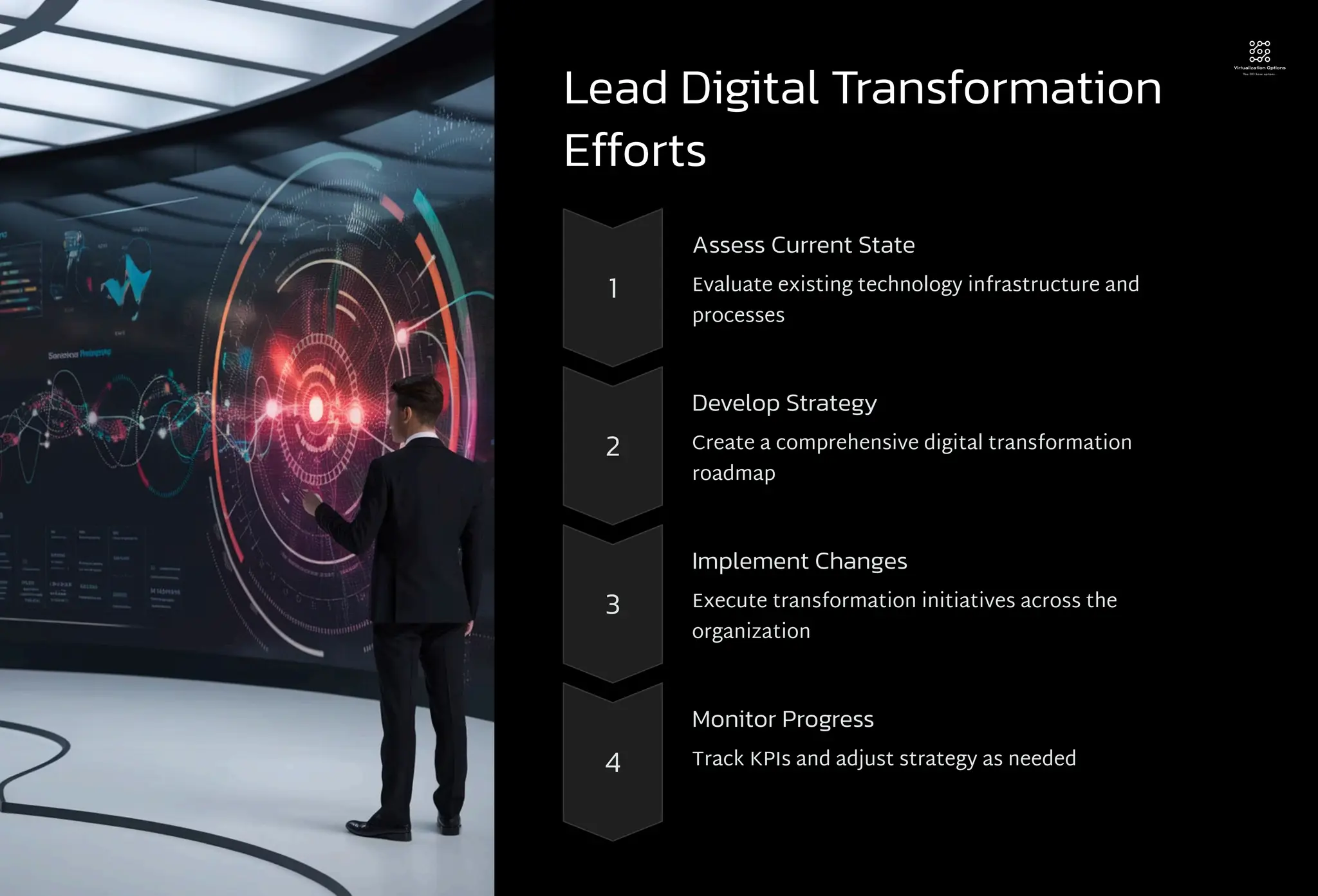
Lead Digital Transformation
Efforts
1
Assess Current State
Evaluate existing technology infrastructure and
processes
2
Develop Strategy
Create a comprehensive digital transformation
roadmap
3
Implement Changes
Execute transformation initiatives across the
organization
4
Monitor Progress
Track KPIs and adjust strategy as needed
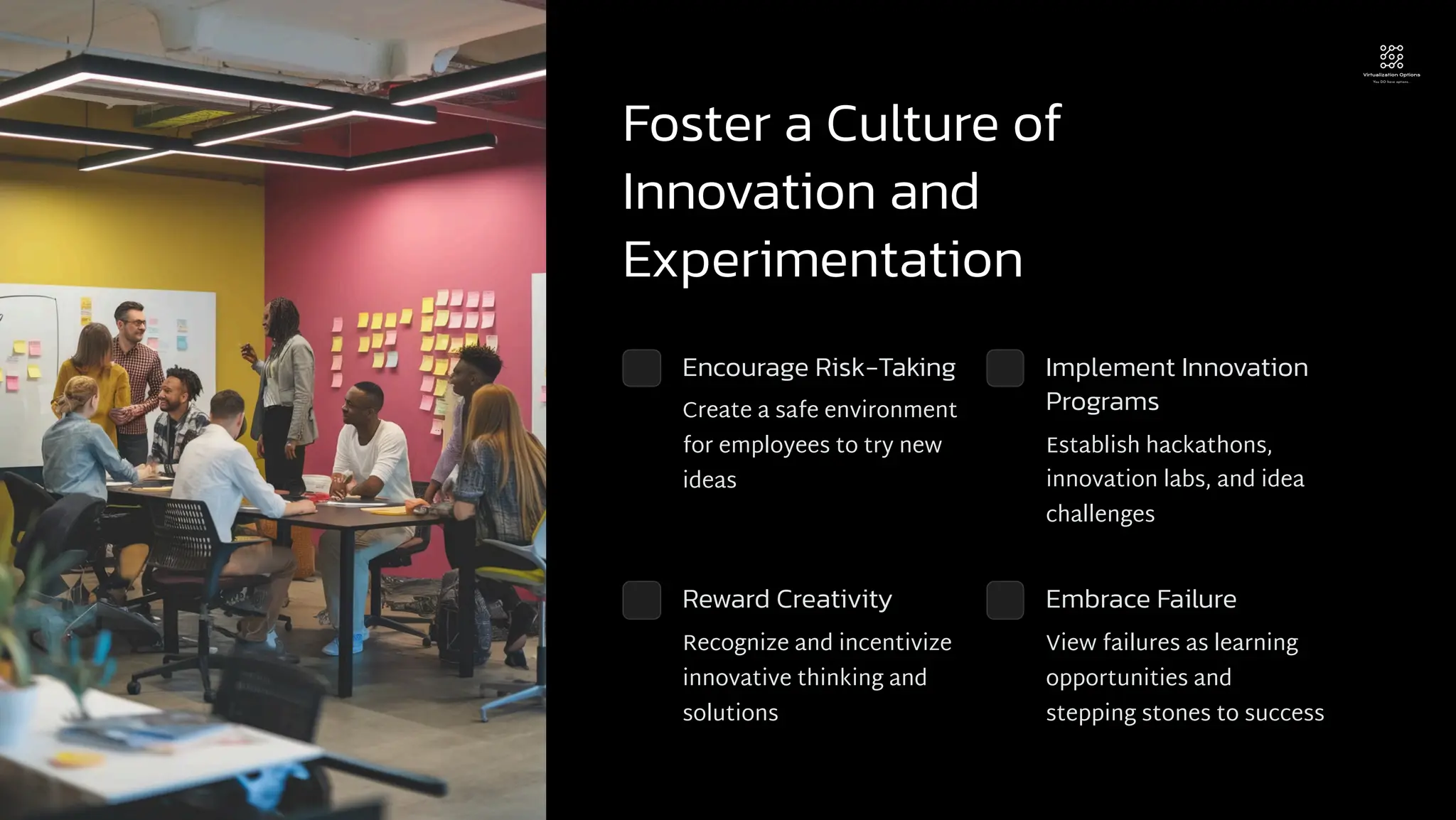
Foster a Culture of
Innovation and
Experimentation
Encourage Risk-Taking
Create a safe environment
for employees to try new
ideas
Implement Innovation
Programs
Establish hackathons,
innovation labs, and idea
challenges
Reward Creativity
Recognize and incentivize
innovative thinking and
solutions
Embrace Failure
View failures as learning
opportunities and
stepping stones to success
Align Technology Strategy with Business Goals
Understand Business
Objectives
Collaborate closely with executives
to grasp key business priorities and
challenges
Map Technology Solutions
Identify and prioritize technology
initiatives that directly support
business goals
Measure Impact
Establish metrics to track how
technology investments contribute
to business success
Identify Emerging Technologies and Their Potential
Impact
1 Research
Stay informed about cutting-edge technologies through industry reports and conferences
2 Evaluate
Assess the potential impact and feasibility of emerging technologies for the organization
3 Pilot
Conduct small-scale experiments to test promising technologies in real-world scenarios
4 Implement
Develop strategies for successful adoption and integration of validated technologies
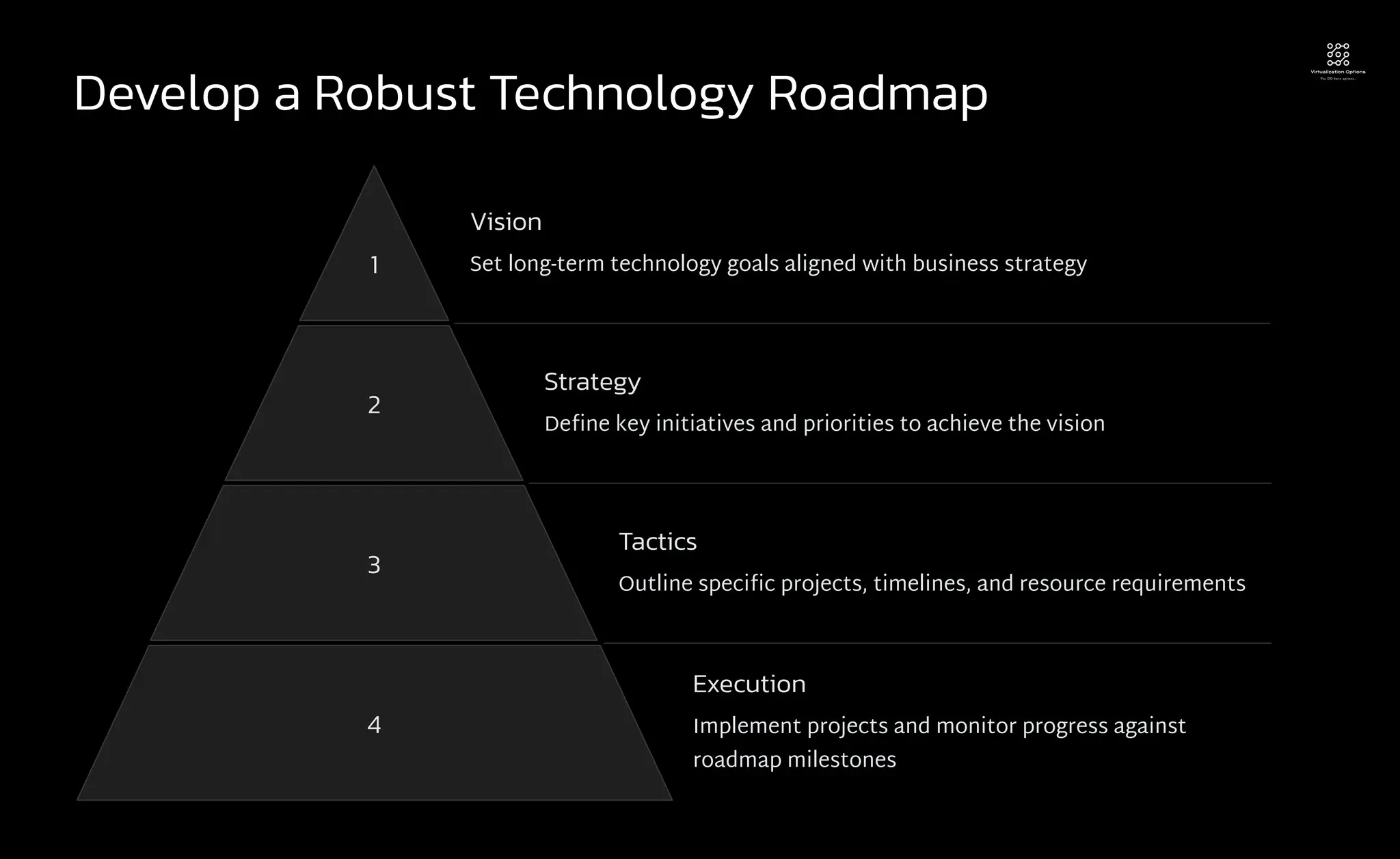
Develop a Robust Technology Roadmap
1
Vision
Set long-term technology goals aligned with business strategy
2
Strategy
Define key initiatives and priorities to achieve the vision
3
Tactics
Outline specific projects, timelines, and resource requirements
4
Execution
Implement projects and monitor progress against
roadmap milestones
Oversee Technology Architecture and Infrastructure
Enterprise Architecture
Design and maintain a scalable, flexible technology
foundation
Cloud Strategy
Develop a comprehensive approach to cloud adoption
and migration
Network Infrastructure
Ensure robust, secure connectivity across the
organization
Performance Optimization
Continuously monitor and improve system performance
and reliability
Ensure Cybersecurity and
Data Protection
Threat Prevention
Implement robust security
measures to protect against
cyber attacks
Data Encryption
Secure sensitive information
through advanced encryption
techniques
Access Control
Manage user permissions and
implement multi-factor
authentication
Incident Response
Develop and maintain a
comprehensive cybersecurity
incident response plan
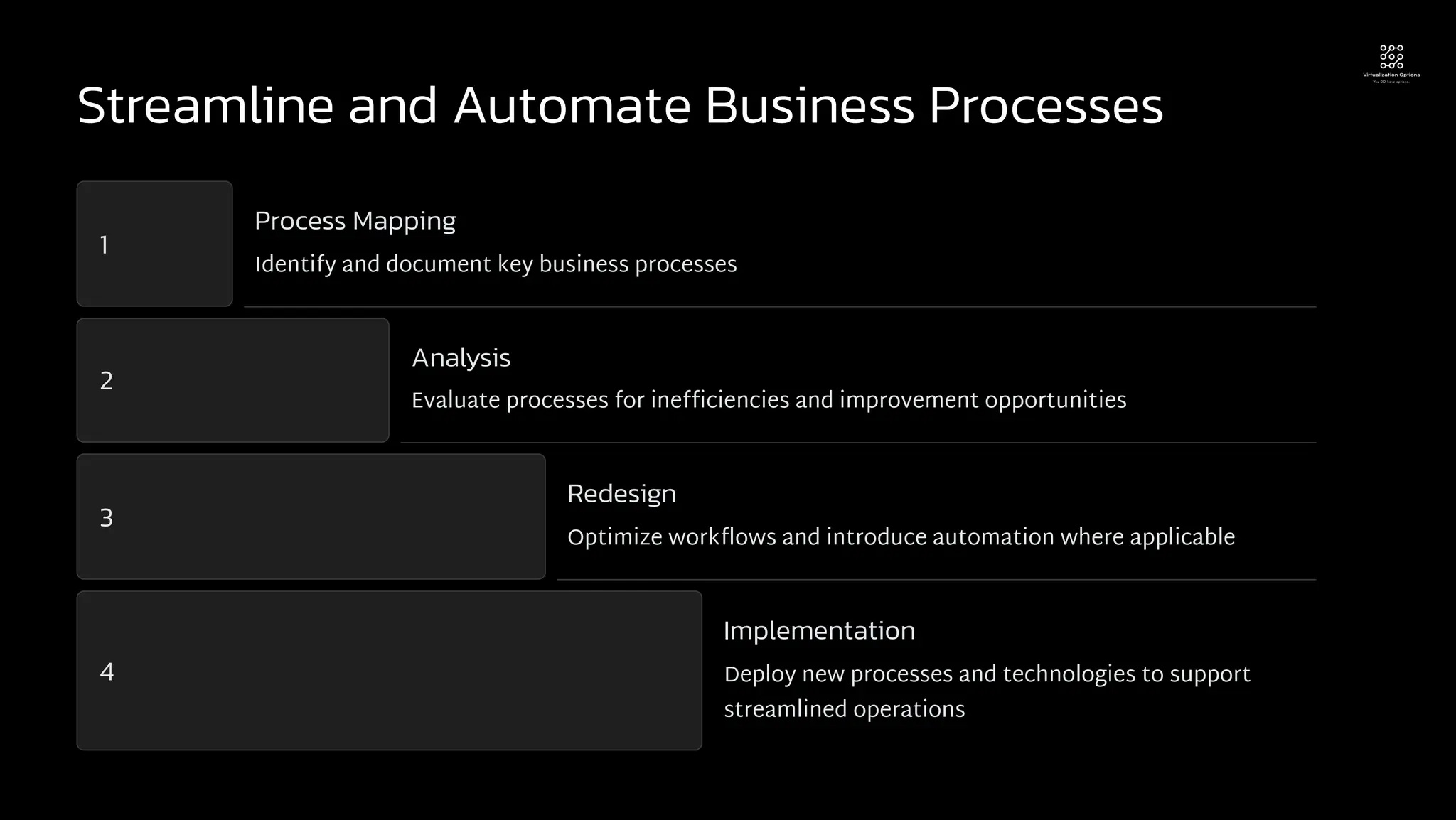
Streamline and Automate Business Processes
1
Process Mapping
Identify and document key business processes
2
Analysis
Evaluate processes for inefficiencies and improvement opportunities
3
Redesign
Optimize workflows and introduce automation where applicable
4
Implementation
Deploy new processes and technologies to support
streamlined operations
Enhance Operational Efficiency Through
Technology
Process Automation
Implement RPA and AI to automate
repetitive tasks
Collaboration Tools
Deploy advanced platforms for
seamless team communication and
coordination
Resource Optimization
Use AI-driven systems to optimize
resource allocation and scheduling
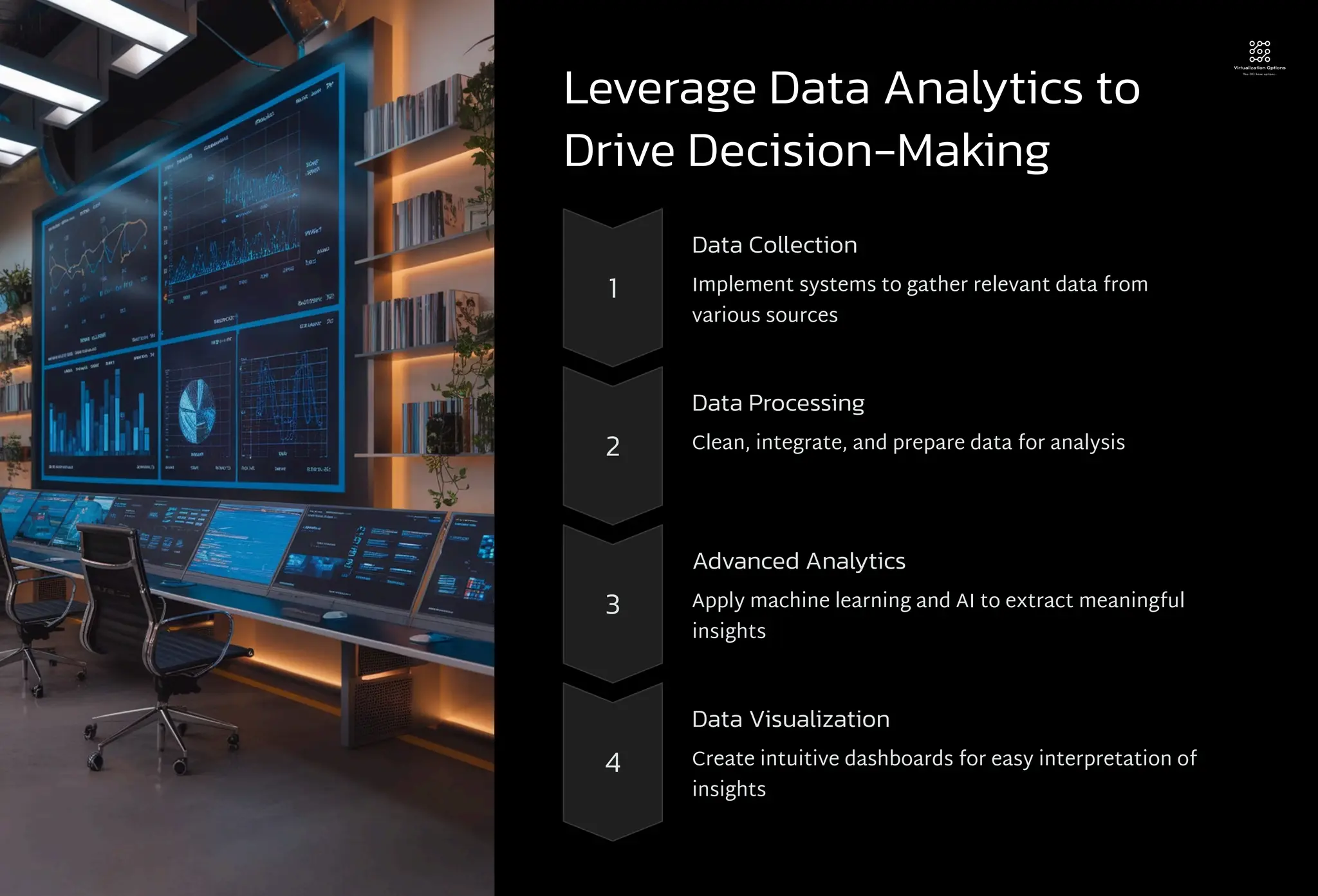
Leverage Data Analytics to
Drive Decision-Making
1
Data Collection
Implement systems to gather relevant data from
various sources
2
Data Processing
Clean, integrate, and prepare data for analysis
3
Advanced Analytics
Apply machine learning and AI to extract meaningful
insights
4
Data Visualization
Create intuitive dashboards for easy interpretation of
insights
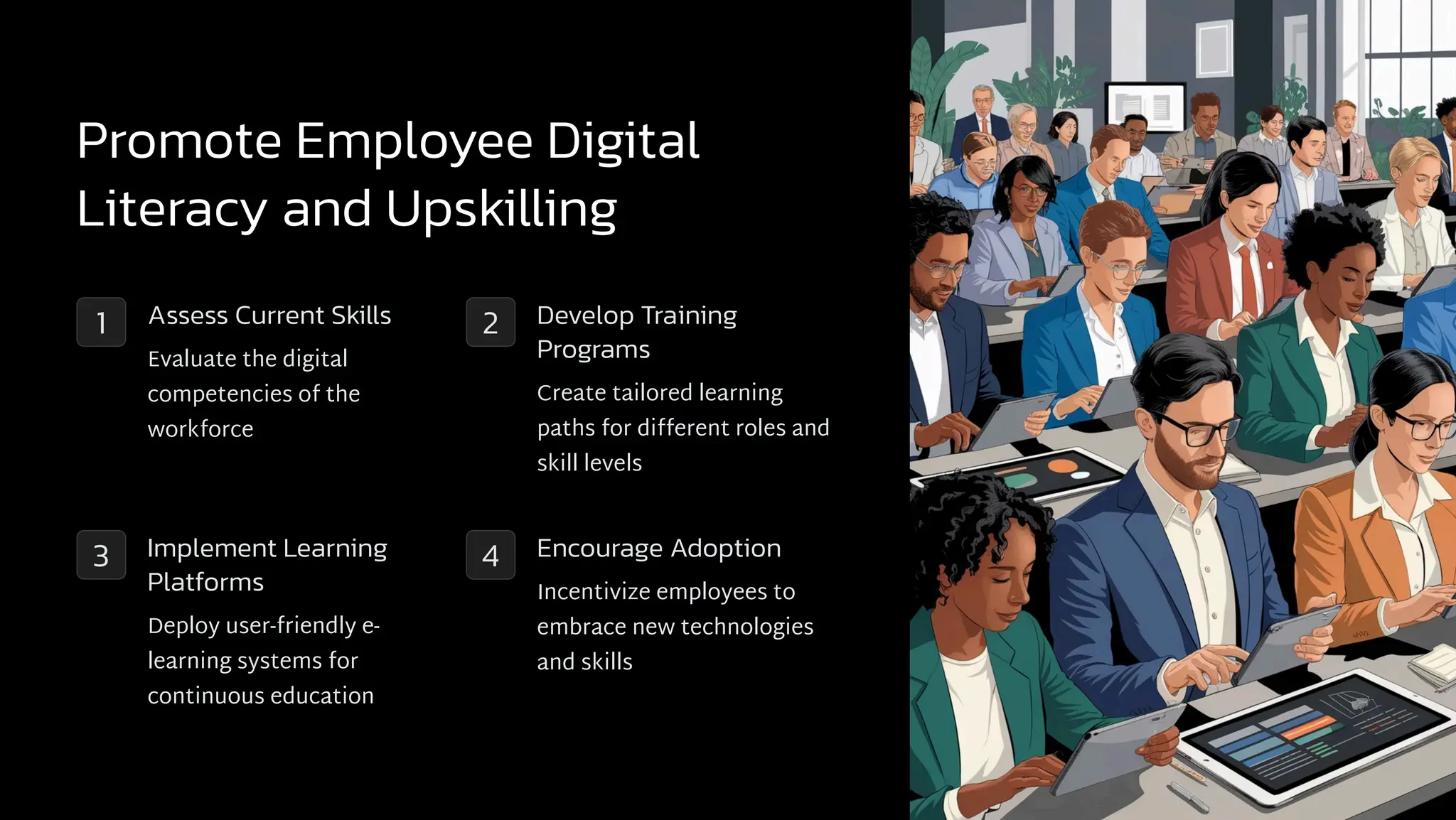
Promote Employee Digital
Literacy and Upskilling
1 Assess Current Skills
Evaluate the digital
competencies of the
workforce
2 Develop Training
Programs
Create tailored learning
paths for different roles and
skill levels
3 Implement Learning
Platforms
Deploy user-friendly e-
learning systems for
continuous education
4 Encourage Adoption
Incentivize employees to
embrace new technologies
and skills
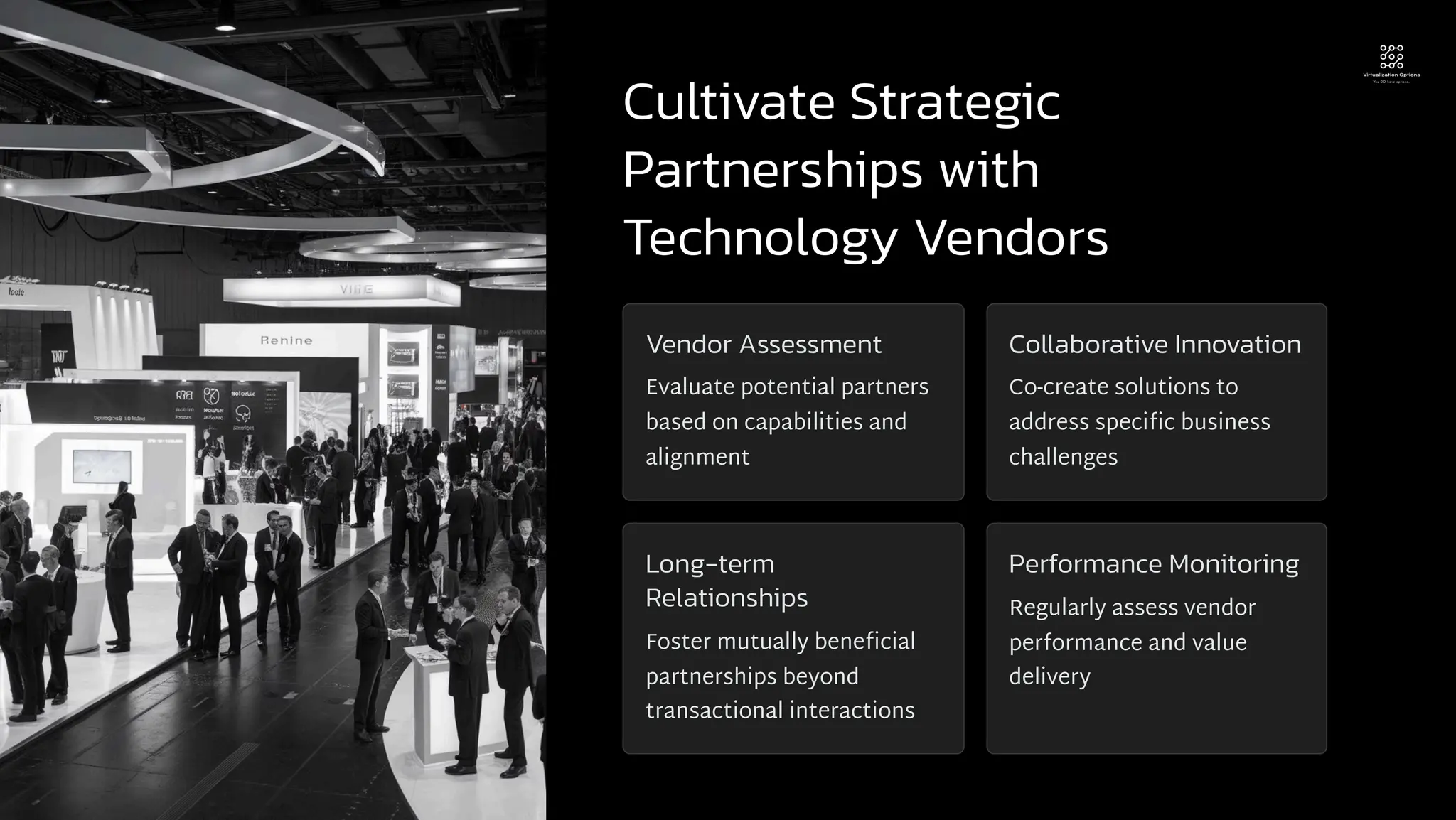
Cultivate Strategic
Partnerships with
Technology Vendors
Vendor Assessment
Evaluate potential partners
based on capabilities and
alignment
Collaborative Innovation
Co-create solutions to
address specific business
challenges
Long-term
Relationships
Foster mutually beneficial
partnerships beyond
transactional interactions
Performance Monitoring
Regularly assess vendor
performance and value
delivery
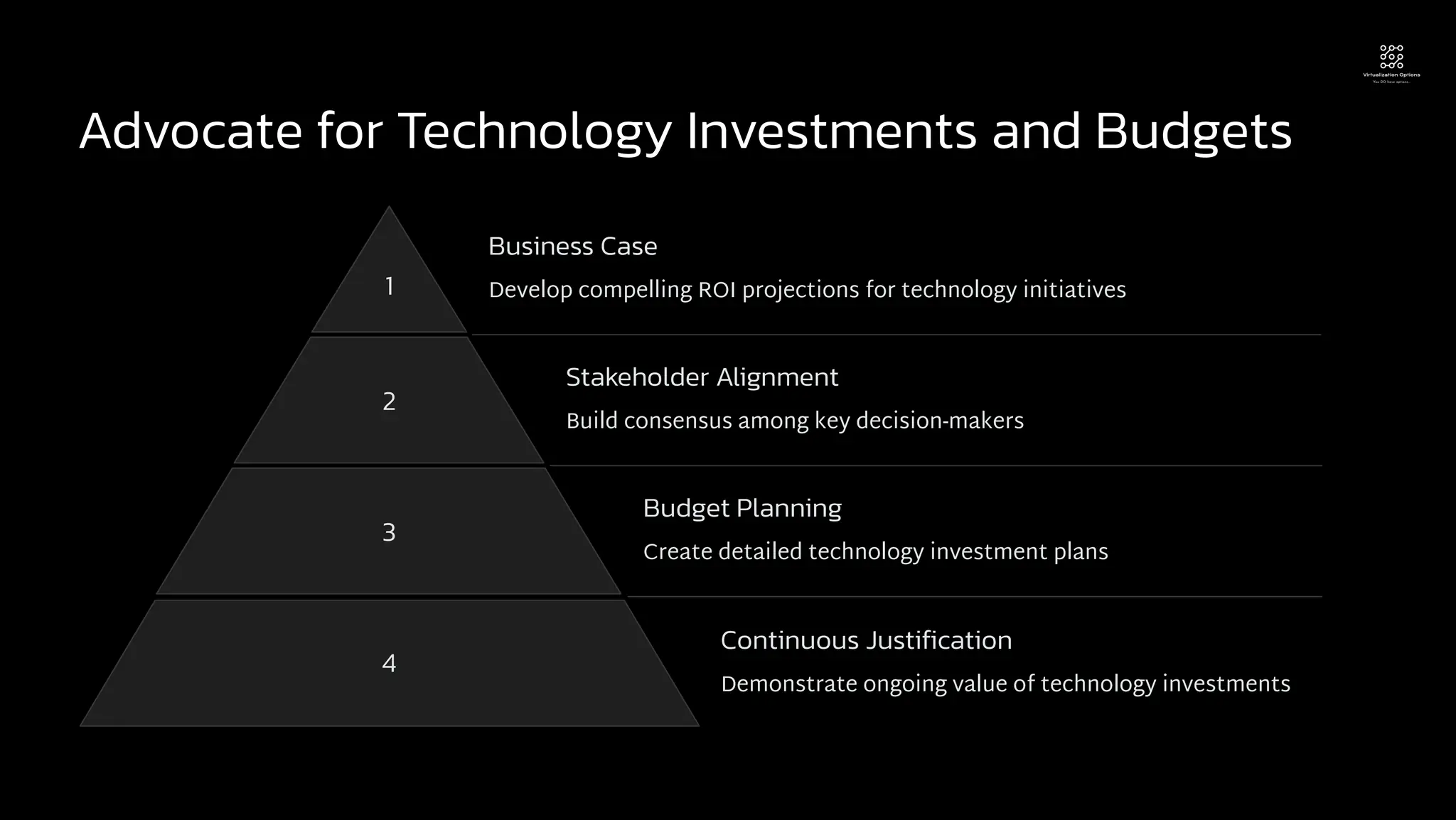
Advocate for Technology Investments and Budgets
1
Business Case
Develop compelling ROI projections for technology initiatives
2
Stakeholder Alignment
Build consensus among key decision-makers
3
Budget Planning
Create detailed technology investment plans
4
Continuous Justification
Demonstrate ongoing value of technology investments
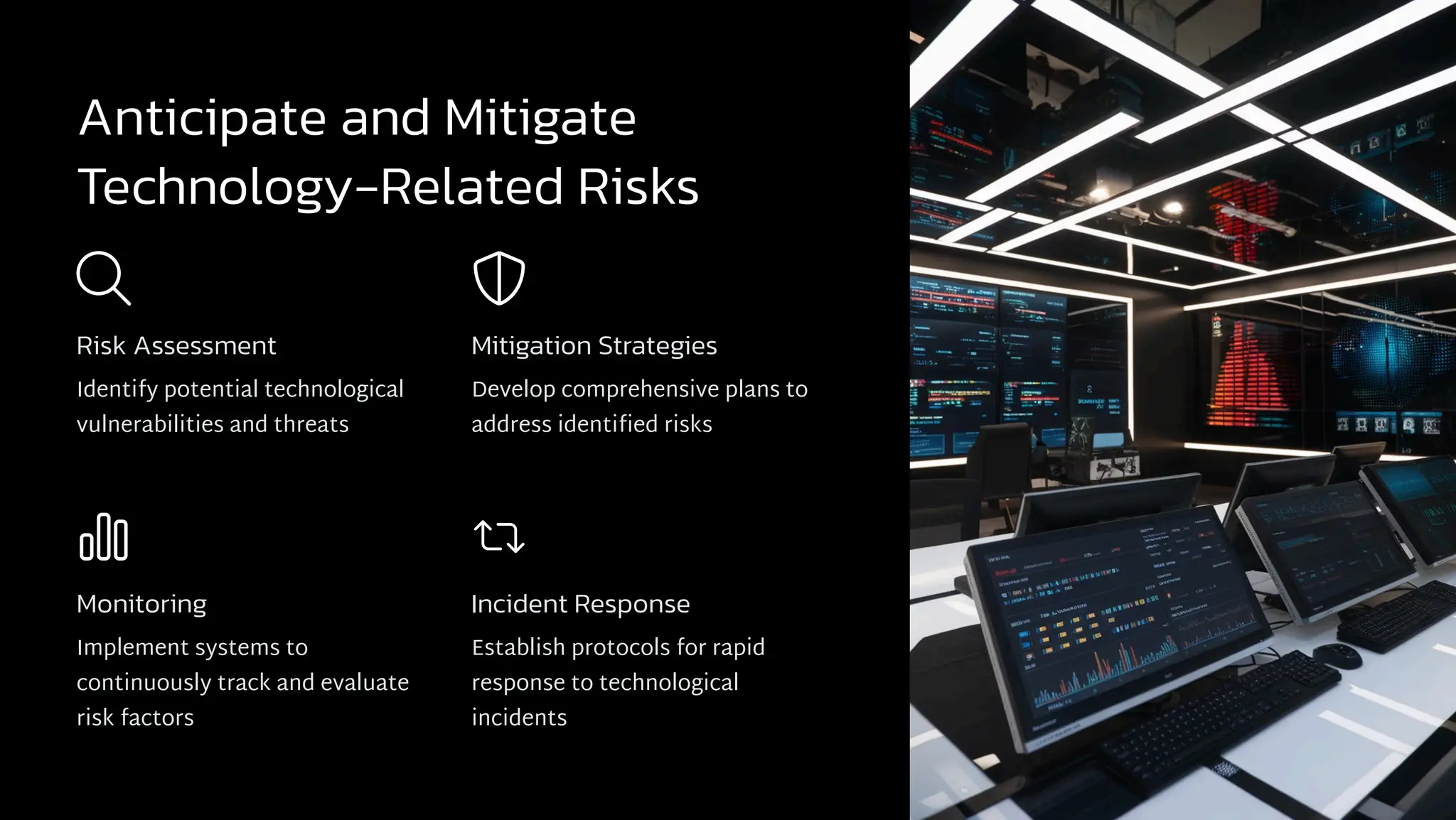
Anticipate and Mitigate
Technology-Related Risks
Risk Assessment
Identify potential technological
vulnerabilities and threats
Mitigation Strategies
Develop comprehensive plans to
address identified risks
Monitoring
Implement systems to
continuously track and evaluate
risk factors
Incident Response
Establish protocols for rapid
response to technological
incidents
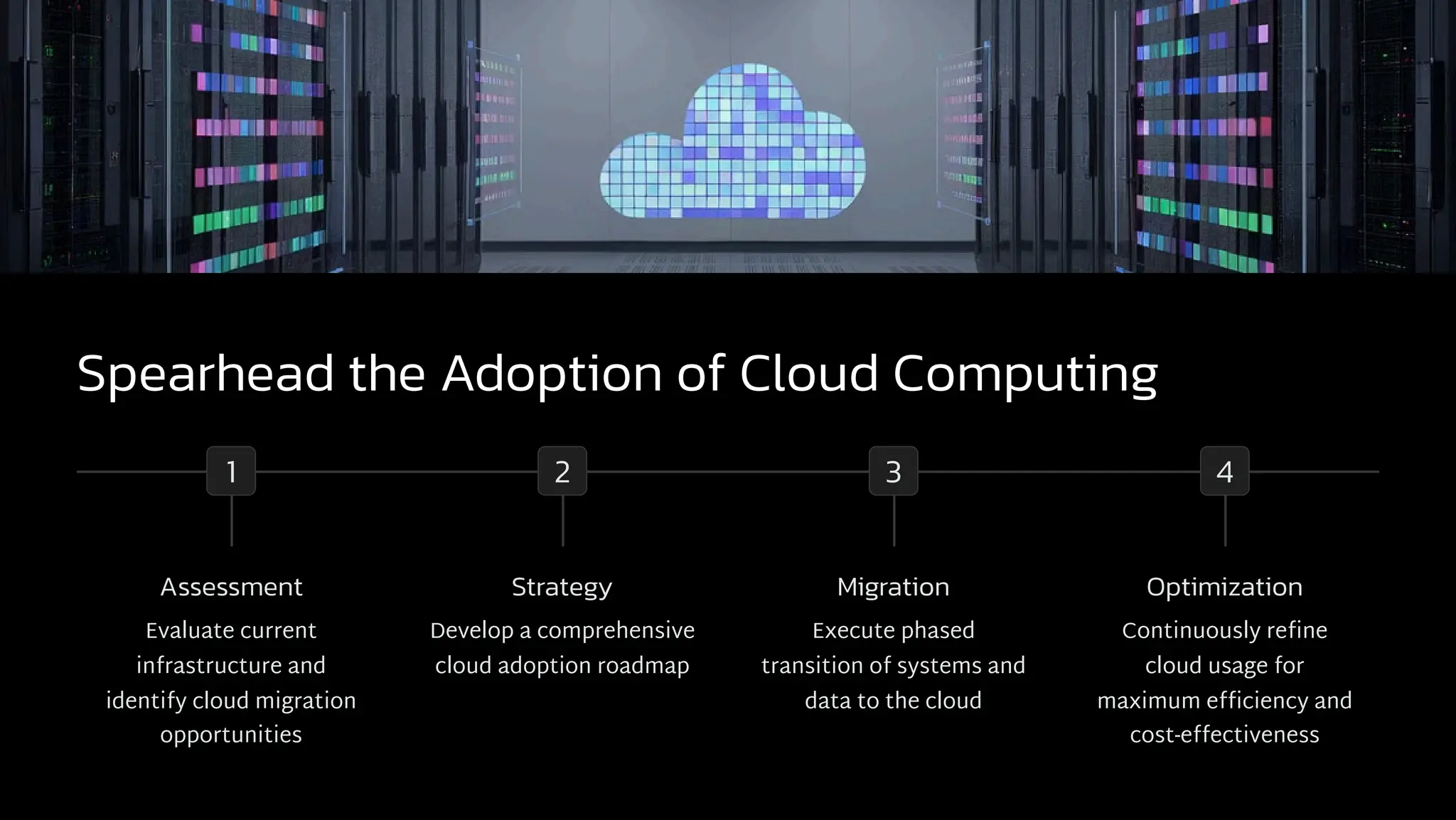
Spearhead the Adoption of Cloud Computing
1
Assessment
Evaluate current
infrastructure and
identify cloud migration
opportunities
2
Strategy
Develop a comprehensive
cloud adoption roadmap
3
Migration
Execute phased
transition of systems and
data to the cloud
4
Optimization
Continuously refine
cloud usage for
maximum efficiency and
cost-effectiveness
Implement AI and Machine Learning Solutions
Use Case
Identification
Pinpoint high-impact
areas for AI application
Data Preparation
Ensure high-quality,
relevant data for AI
training
Model Development
Create and refine AI
models for specific
business needs
Integration
Seamlessly incorporate AI
into existing systems and
workflows
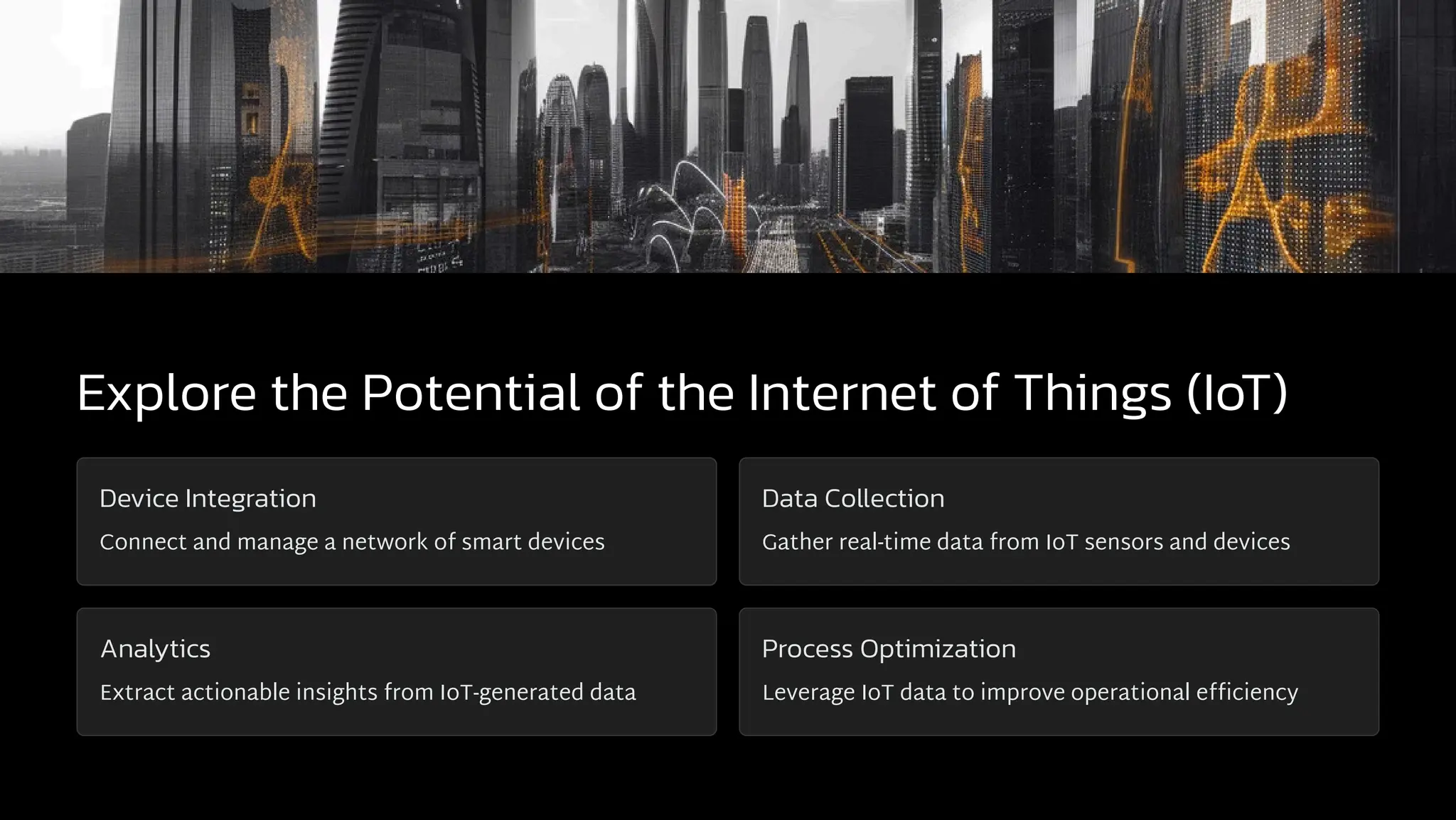
Explore the Potential of the Internet of Things (IoT)
Device Integration
Connect and manage a network of smart devices
Data Collection
Gather real-time data from IoT sensors and devices
Analytics
Extract actionable insights from IoT-generated data
Process Optimization
Leverage IoT data to improve operational efficiency
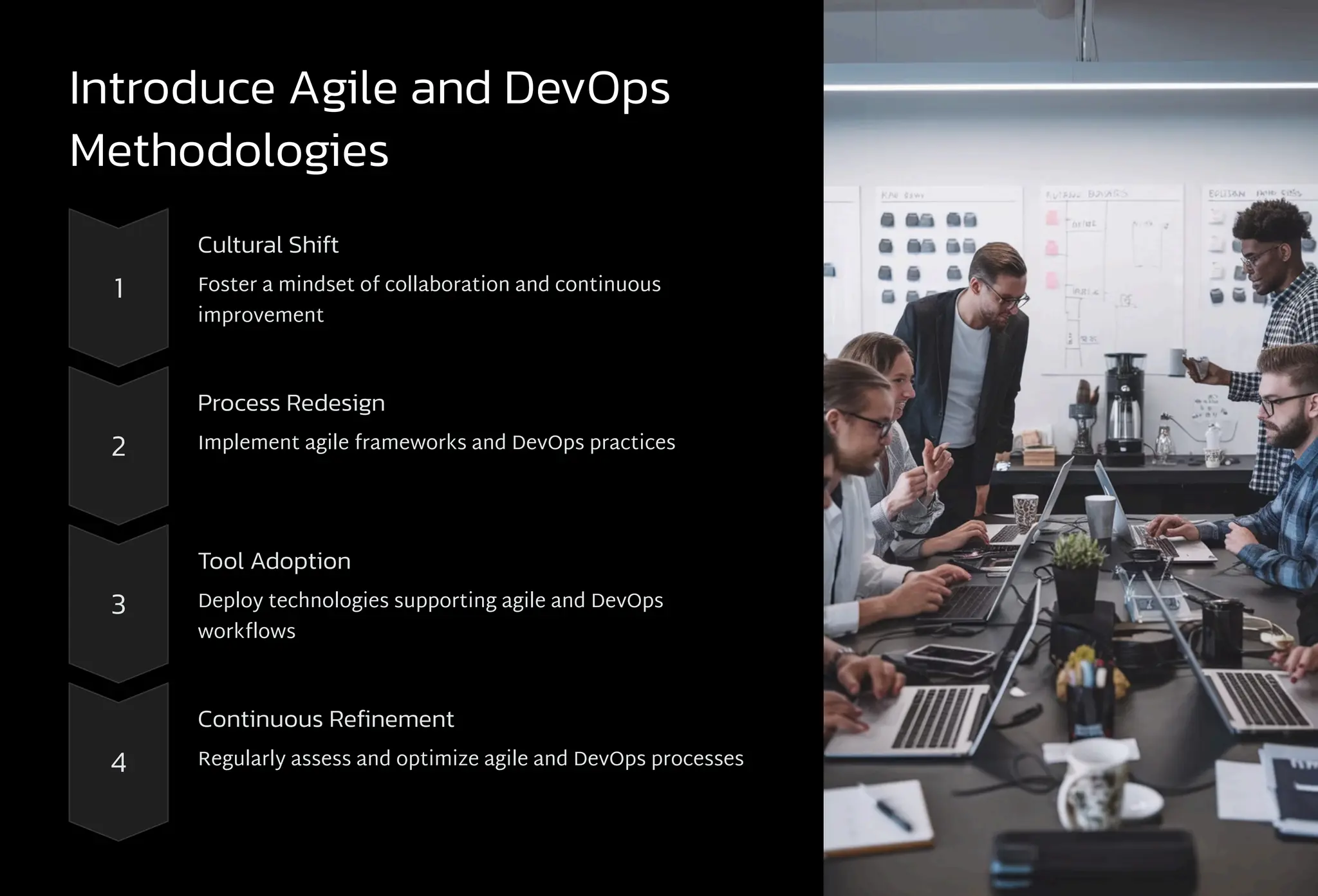
Introduce Agile and DevOps
Methodologies
1
Cultural Shift
Foster a mindset of collaboration and continuous
improvement
2
Process Redesign
Implement agile frameworks and DevOps practices
3
Tool Adoption
Deploy technologies supporting agile and DevOps
workflows
4
Continuous Refinement
Regularly assess and optimize agile and DevOps processes
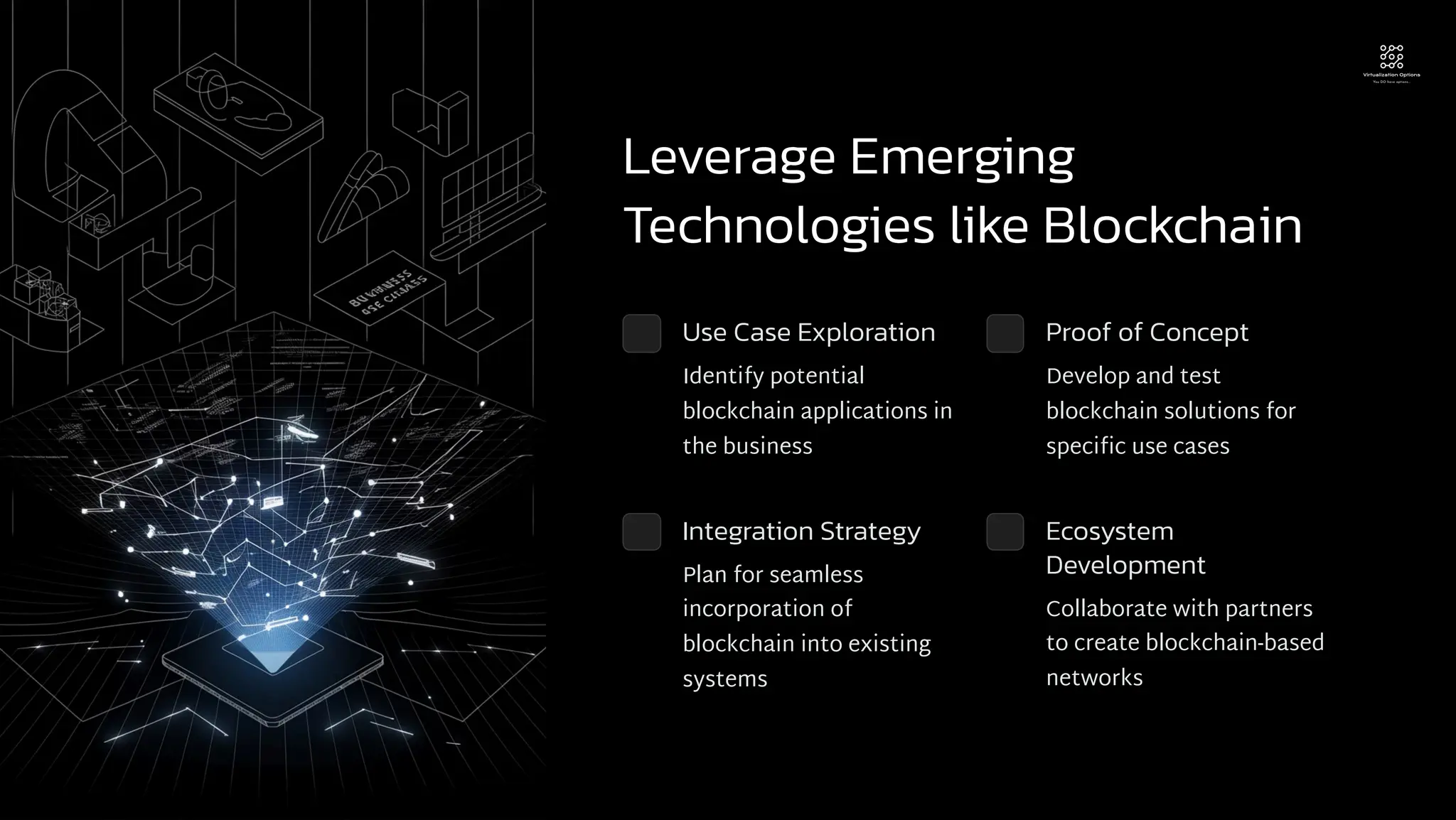
Leverage Emerging
Technologies like Blockchain
Use Case Exploration
Identify potential
blockchain applications in
the business
Proof of Concept
Develop and test
blockchain solutions for
specific use cases
Integration Strategy
Plan for seamless
incorporation of
blockchain into existing
systems
Ecosystem
Development
Collaborate with partners
to create blockchain-based
networks
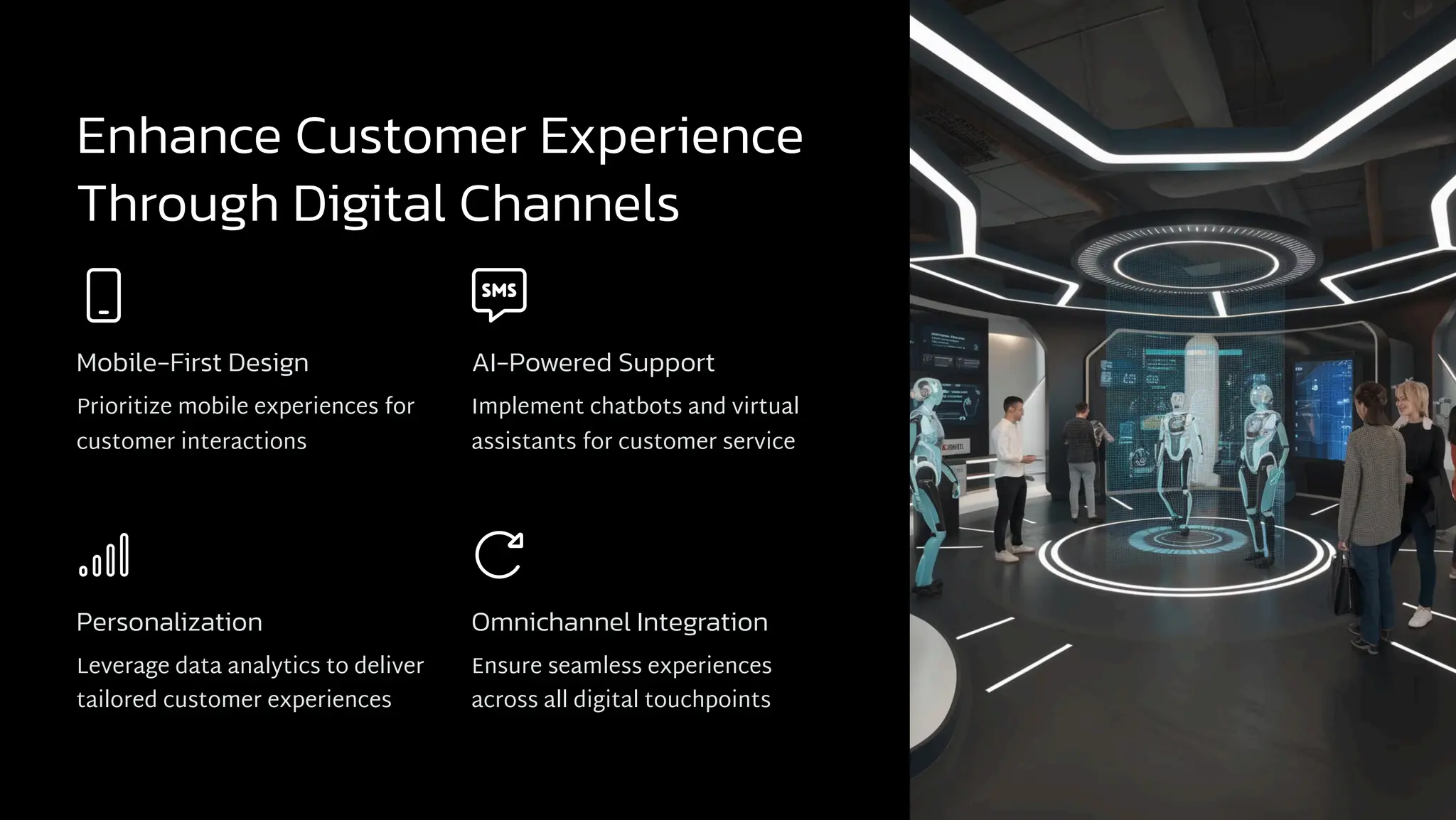
Enhance Customer Experience
Through Digital Channels
Mobile-First Design
Prioritize mobile experiences for
customer interactions
AI-Powered Support
Implement chatbots and virtual
assistants for customer service
Personalization
Leverage data analytics to deliver
tailored customer experiences
Omnichannel Integration
Ensure seamless experiences
across all digital touchpoints
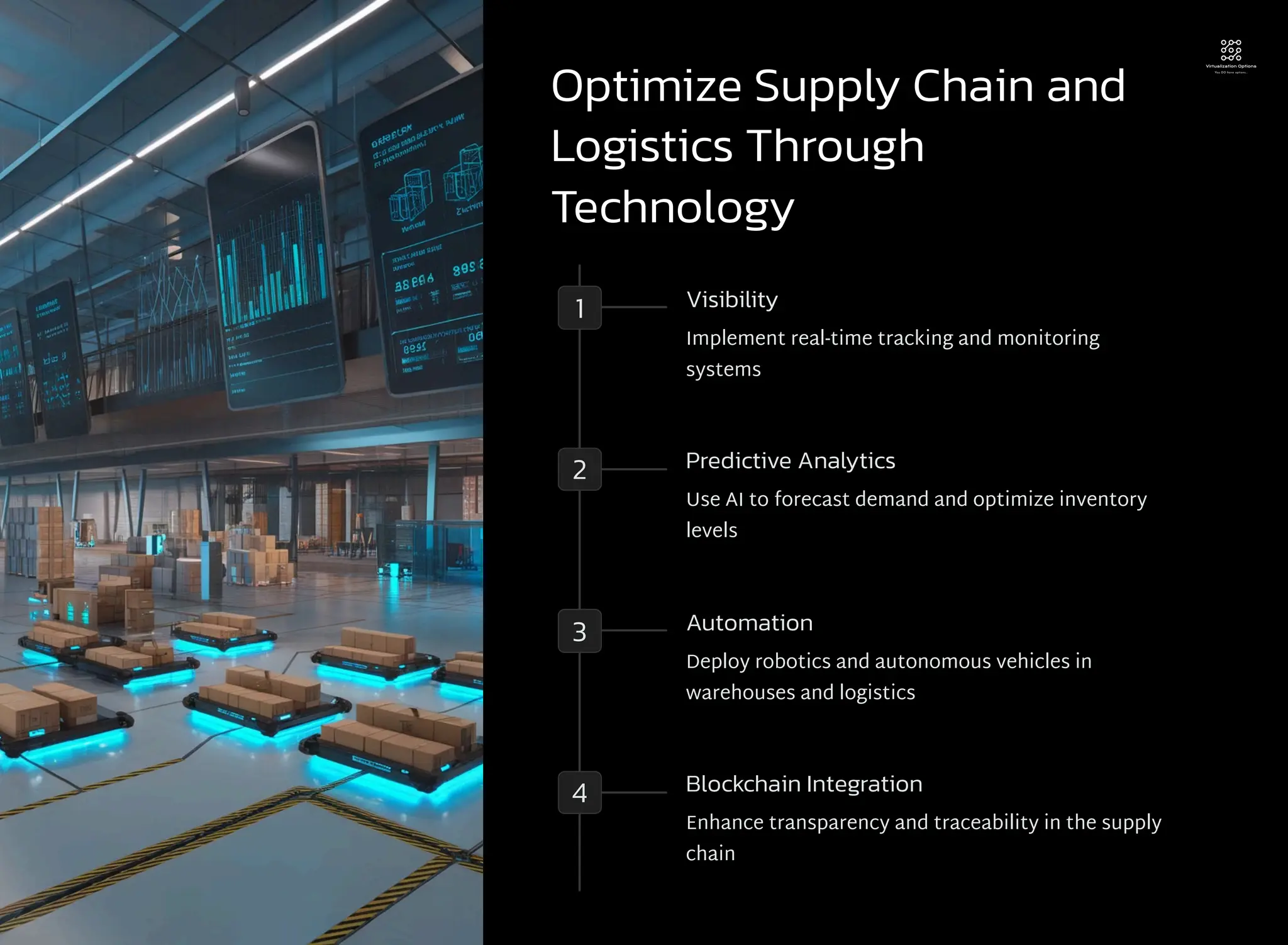
Optimize Supply Chain and
Logistics Through
Technology
1 Visibility
Implement real-time tracking and monitoring
systems
2 Predictive Analytics
Use AI to forecast demand and optimize inventory
levels
3 Automation
Deploy robotics and autonomous vehicles in
warehouses and logistics
4 Blockchain Integration
Enhance transparency and traceability in the supply
chain
Empower Remote and Hybrid Work Environments
Collaboration Platforms
Deploy advanced tools for seamless
remote teamwork
Virtual Workspaces
Create immersive digital
environments for remote
collaboration
Secure Access
Implement robust security measures
for remote work
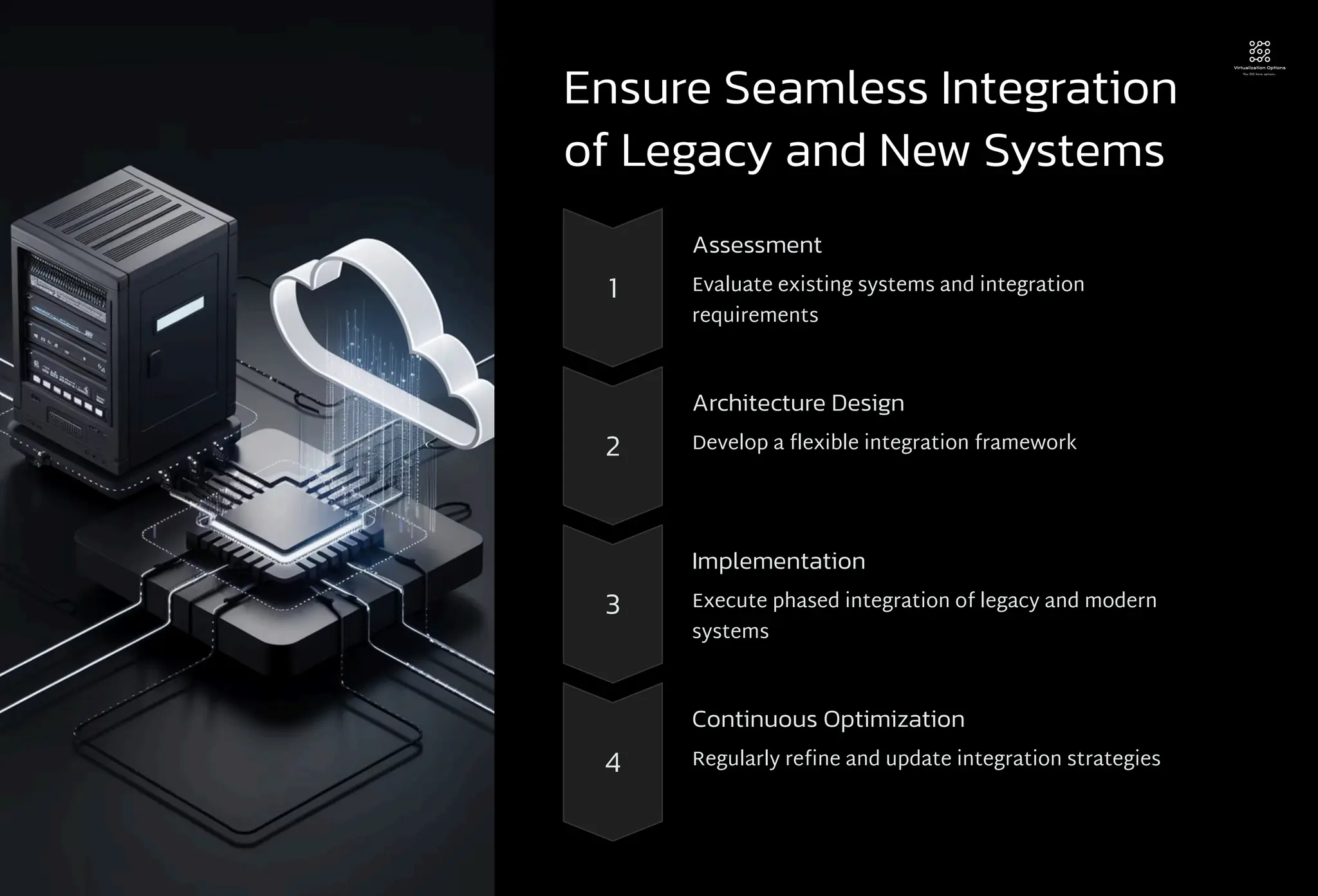
Ensure Seamless Integration
of Legacy and New Systems
1
Assessment
Evaluate existing systems and integration
requirements
2
Architecture Design
Develop a flexible integration framework
3
Implementation
Execute phased integration of legacy and modern
systems
4
Continuous Optimization
Regularly refine and update integration strategies
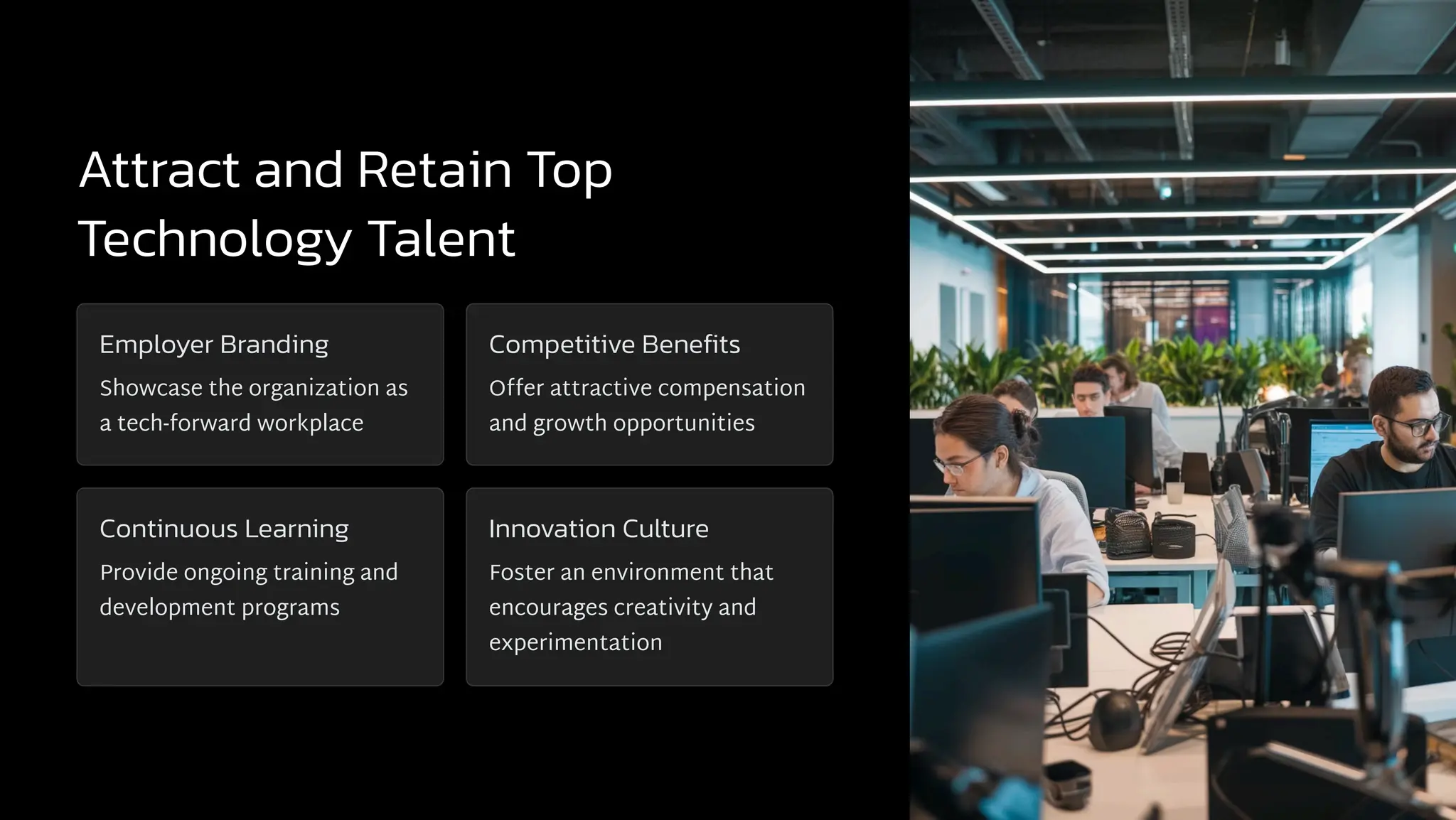
Attract and Retain Top
Technology Talent
Employer Branding
Showcase the organization as
a tech-forward workplace
Competitive Benefits
Offer attractive compensation
and growth opportunities
Continuous Learning
Provide ongoing training and
development programs
Innovation Culture
Foster an environment that
encourages creativity and
experimentation
Foster Collaboration Between
IT and Business Units
Cross-Functional Teams
Create teams with both IT and
business representation
Innovation Workshops
Host joint sessions to ideate on
technology-driven solutions
Shared Metrics
Align IT and business goals with
common KPIs
Rotation Programs
Implement job rotations between
IT and business units
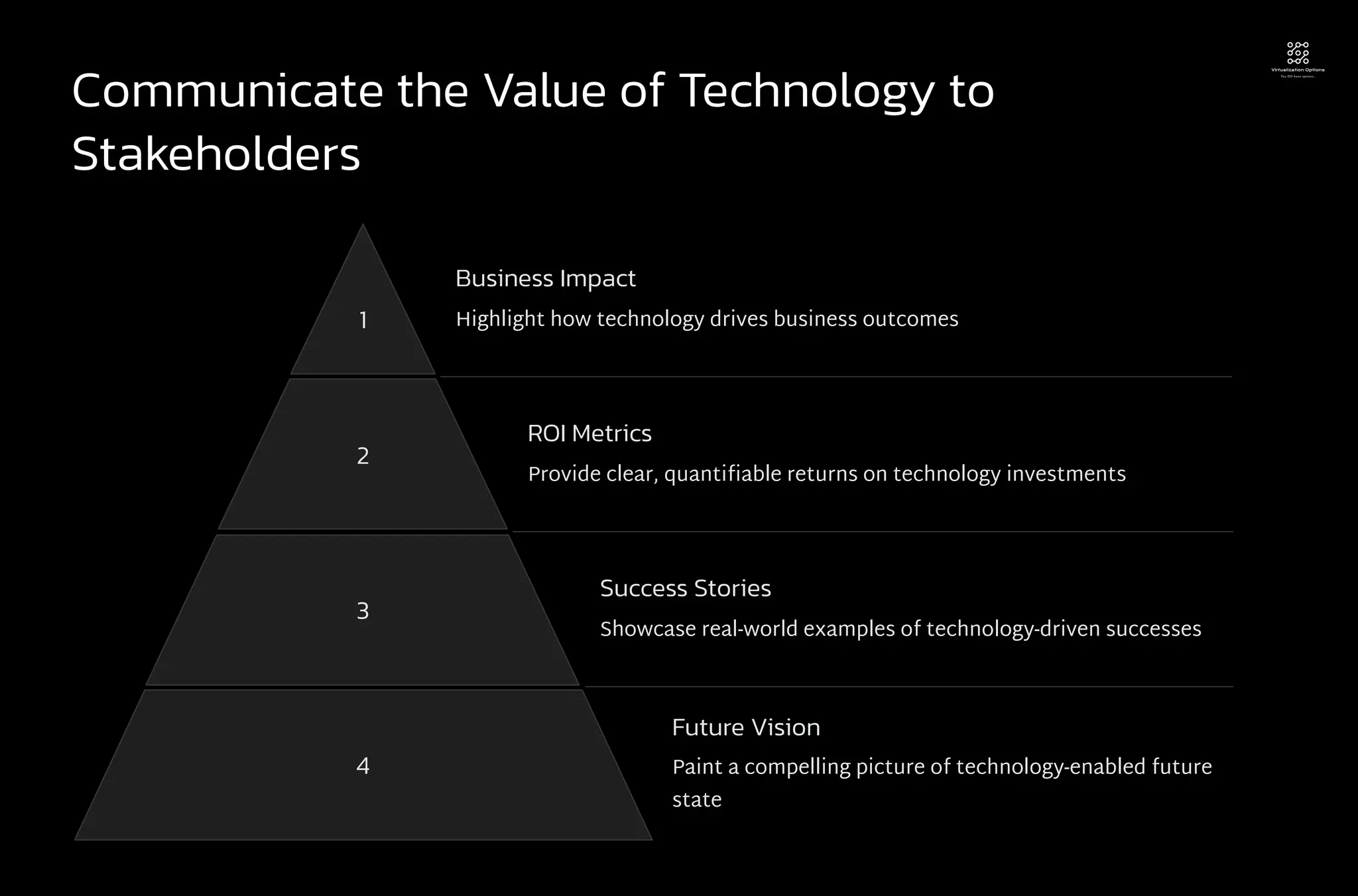
Communicate the Value of Technology to
Stakeholders
1
Business Impact
Highlight how technology drives business outcomes
2
ROI Metrics
Provide clear, quantifiable returns on technology investments
3
Success Stories
Showcase real-world examples of technology-driven successes
4
Future Vision
Paint a compelling picture of technology-enabled future
state
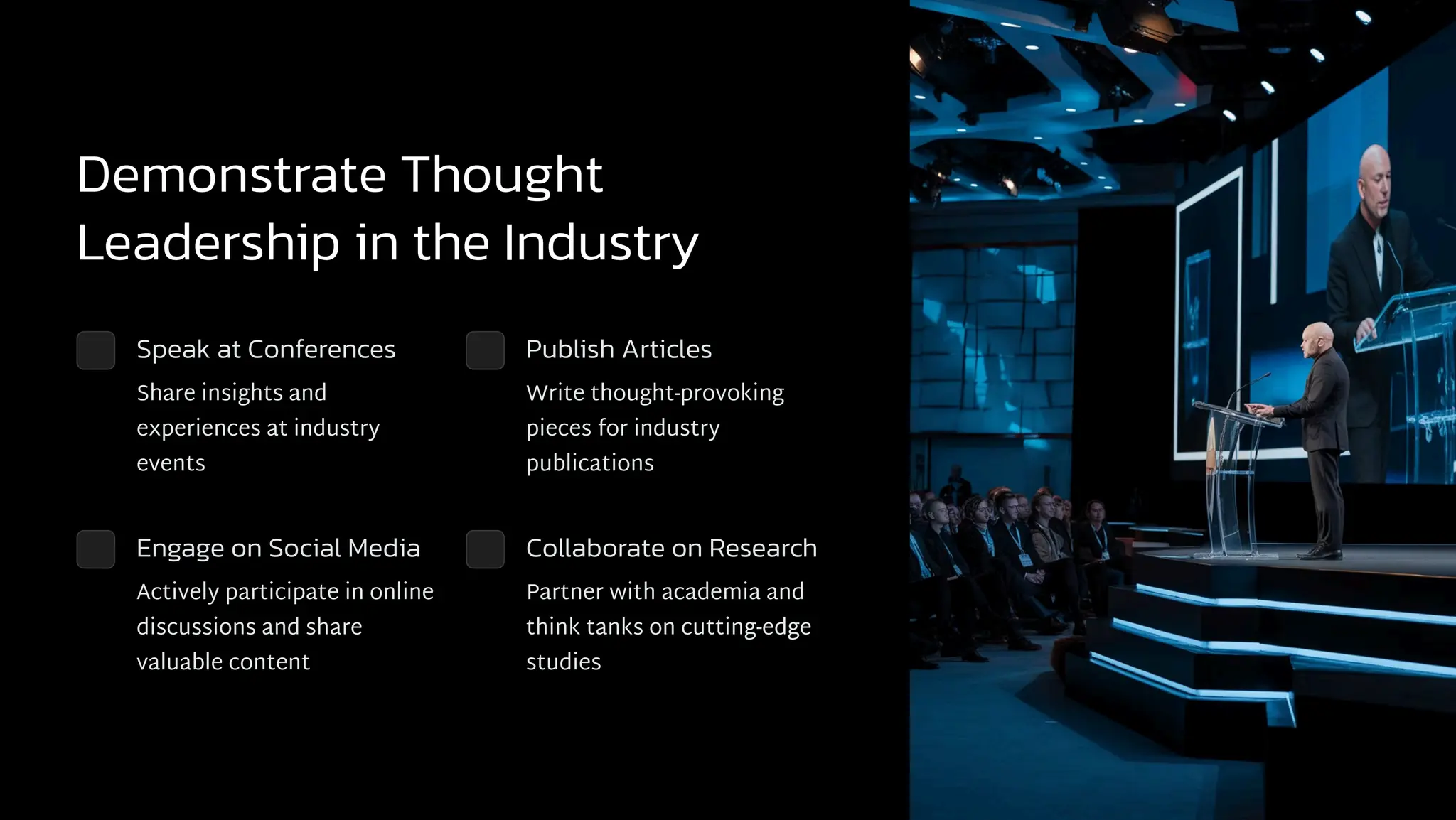
Demonstrate Thought
Leadership in the Industry
Speak at Conferences
Share insights and
experiences at industry
events
Publish Articles
Write thought-provoking
pieces for industry
publications
Engage on Social Media
Actively participate in online
discussions and share
valuable content
Collaborate on Research
Partner with academia and
think tanks on cutting-edge
studies
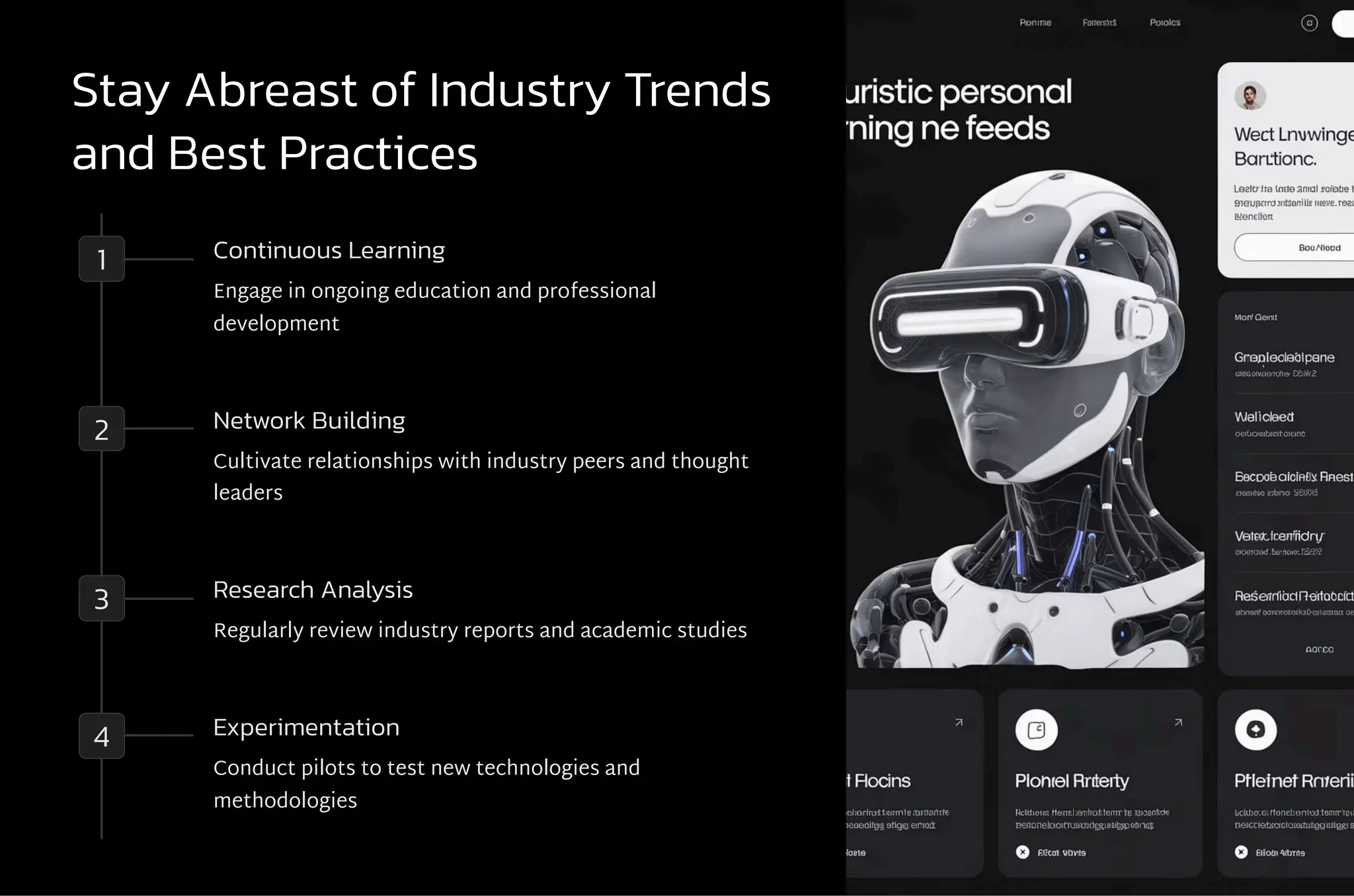
Stay Abreast of Industry Trends
and Best Practices
1 Continuous Learning
Engage in ongoing education and professional
development
2 Network Building
Cultivate relationships with industry peers and thought
leaders
3 Research Analysis
Regularly review industry reports and academic studies
4 Experimentation
Conduct pilots to test new technologies and
methodologies
Optimize the Technology Organization's Structure
Agile Teams
Implement cross-functional, self-
organizing teams
Centers of Excellence
Establish specialized groups for key
technology domains
Flexible Resourcing
Create a dynamic talent pool for
project-based assignments
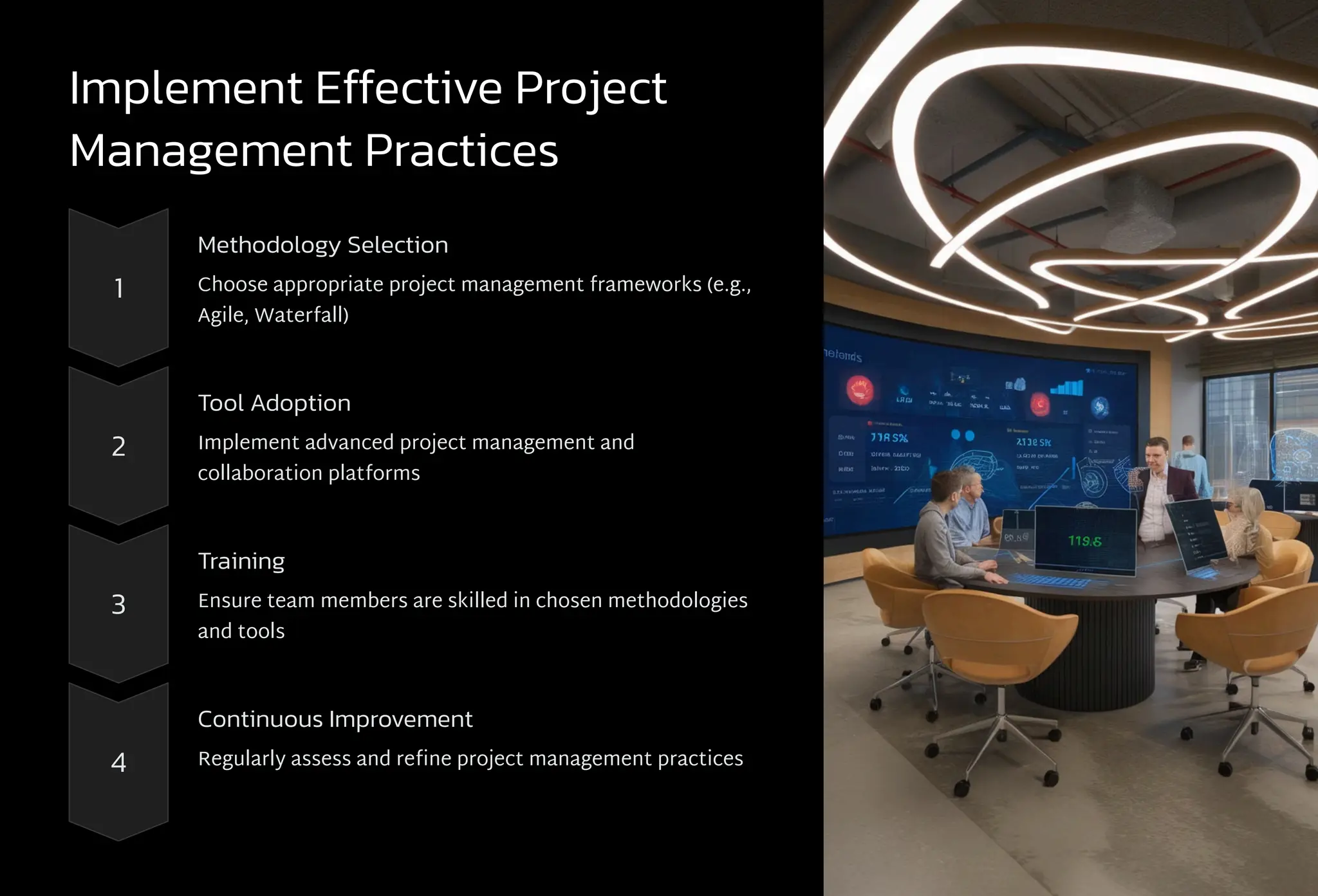
Implement Effective Project
Management Practices
1
Methodology Selection
Choose appropriate project management frameworks (e.g.,
Agile, Waterfall)
2
Tool Adoption
Implement advanced project management and
collaboration platforms
3
Training
Ensure team members are skilled in chosen methodologies
and tools
4
Continuous Improvement
Regularly assess and refine project management practices
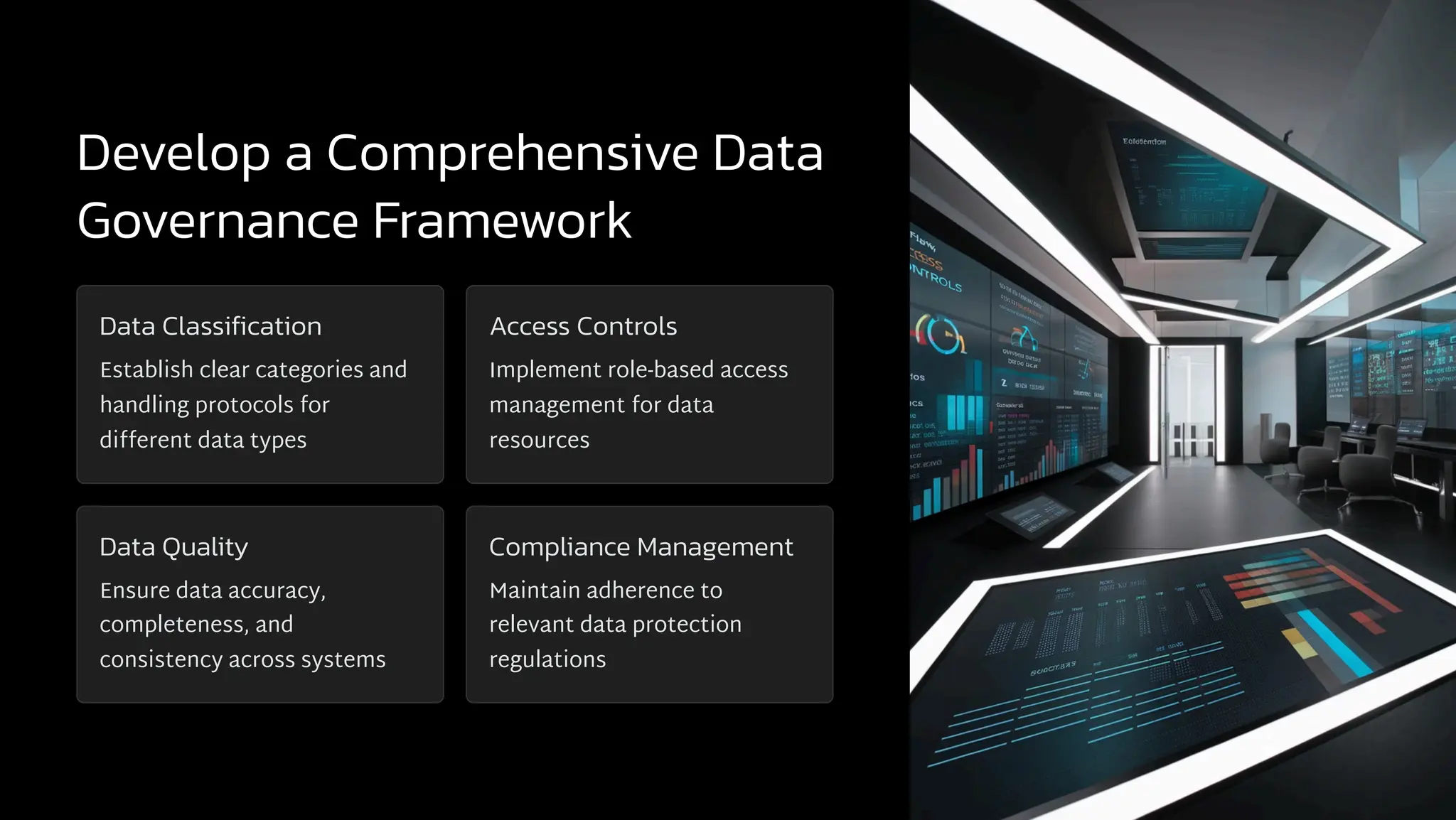
Develop a Comprehensive Data
Governance Framework
Data Classification
Establish clear categories and
handling protocols for
different data types
Access Controls
Implement role-based access
management for data
resources
Data Quality
Ensure data accuracy,
completeness, and
consistency across systems
Compliance Management
Maintain adherence to
relevant data protection
regulations
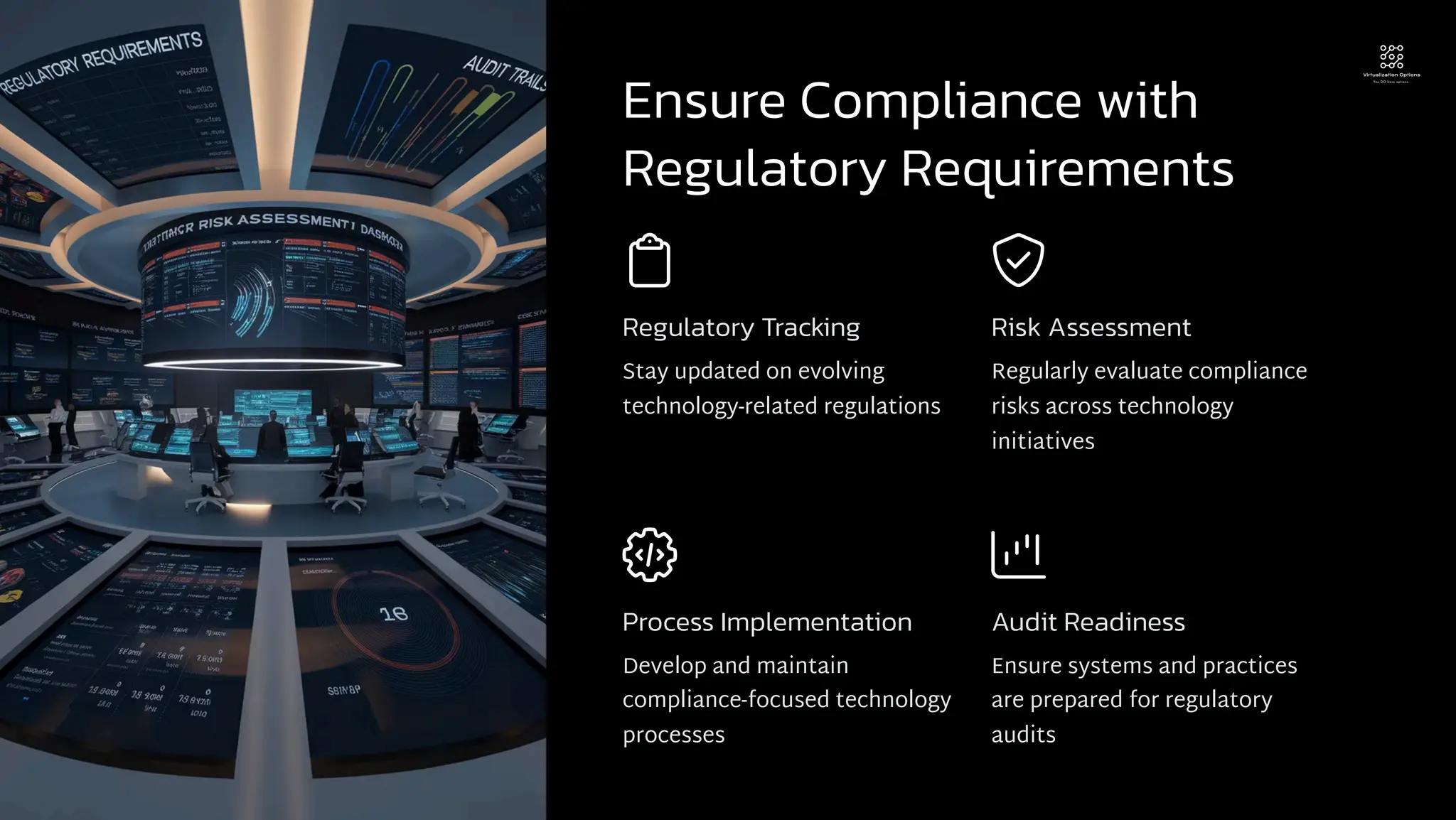
Ensure Compliance with
Regulatory Requirements
Regulatory Tracking
Stay updated on evolving
technology-related regulations
Risk Assessment
Regularly evaluate compliance
risks across technology
initiatives
Process Implementation
Develop and maintain
compliance-focused technology
processes
Audit Readiness
Ensure systems and practices
are prepared for regulatory
audits
Foster a Culture of Continuous Learning and
Improvement
1 Learning Programs
Implement comprehensive technology training initiatives
2 Knowledge Sharing
Create platforms for employees to share insights and best practices
3 Innovation Challenges
Host regular hackathons and idea competitions
4 Feedback Loops
Establish mechanisms for continuous improvement based on feedback
Leverage Technology to Drive Sustainability
Initiatives
Energy Efficiency
Implement smart systems to
optimize energy consumption
Waste Reduction
Use AI and IoT to minimize waste in
operations
Sustainable Supply Chain
Leverage blockchain for
transparent, eco-friendly sourcing
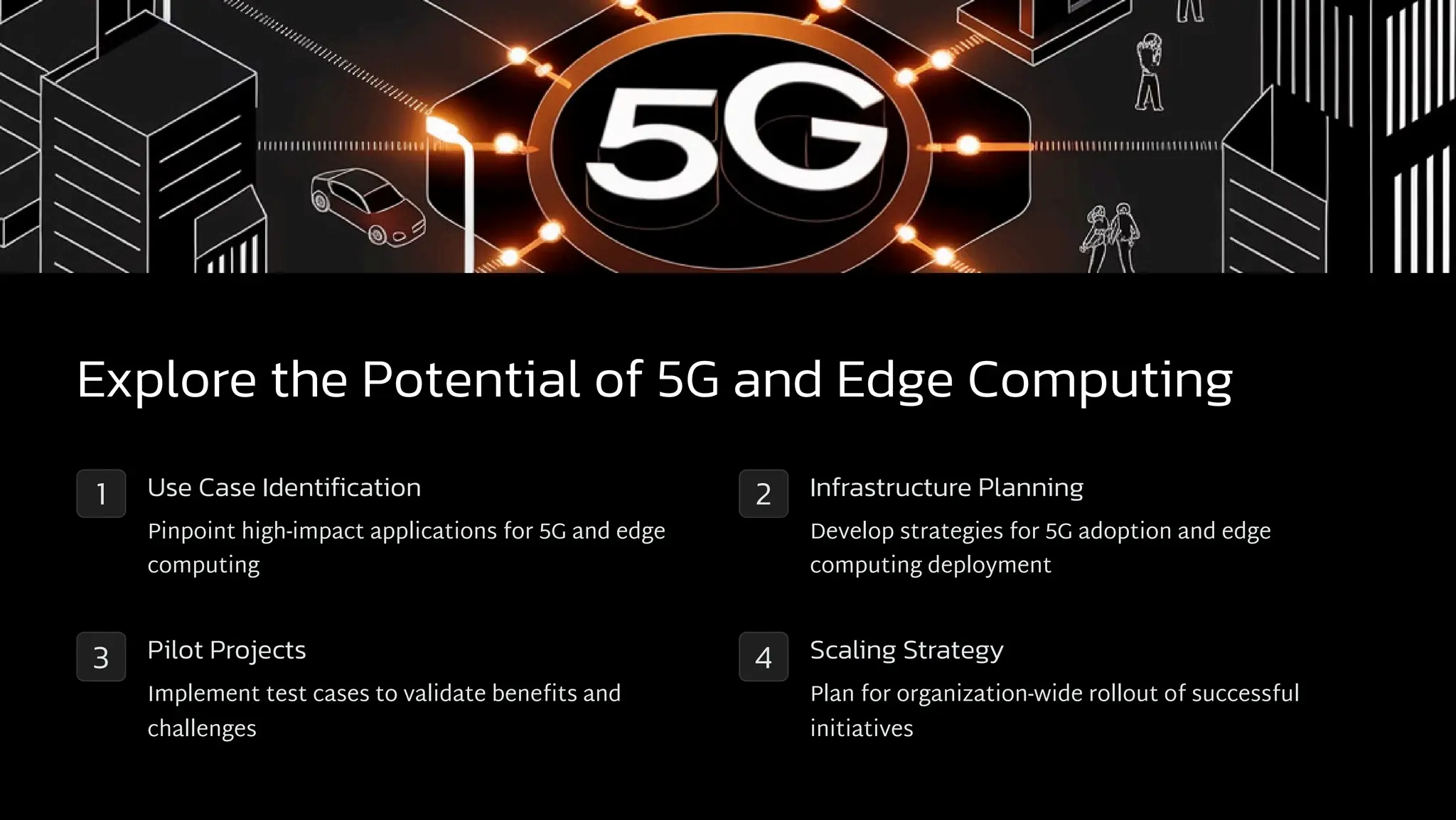
Explore the Potential of 5G and Edge Computing
1 Use Case Identification
Pinpoint high-impact applications for 5G and edge
computing
2 Infrastructure Planning
Develop strategies for 5G adoption and edge
computing deployment
3 Pilot Projects
Implement test cases to validate benefits and
challenges
4 Scaling Strategy
Plan for organization-wide rollout of successful
initiatives
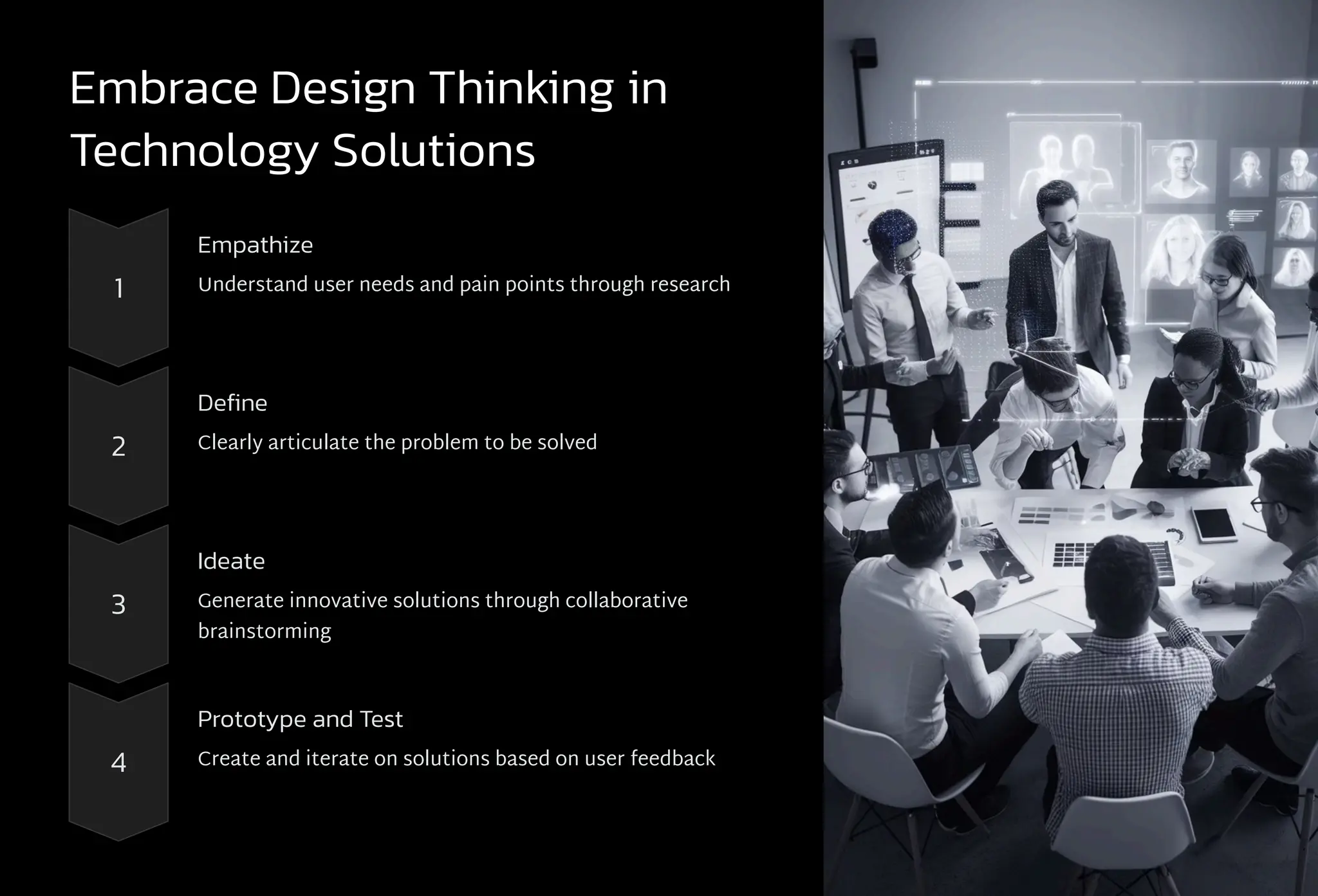
Embrace Design Thinking in
Technology Solutions
1
Empathize
Understand user needs and pain points through research
2
Define
Clearly articulate the problem to be solved
3
Ideate
Generate innovative solutions through collaborative
brainstorming
4
Prototype and Test
Create and iterate on solutions based on user feedback
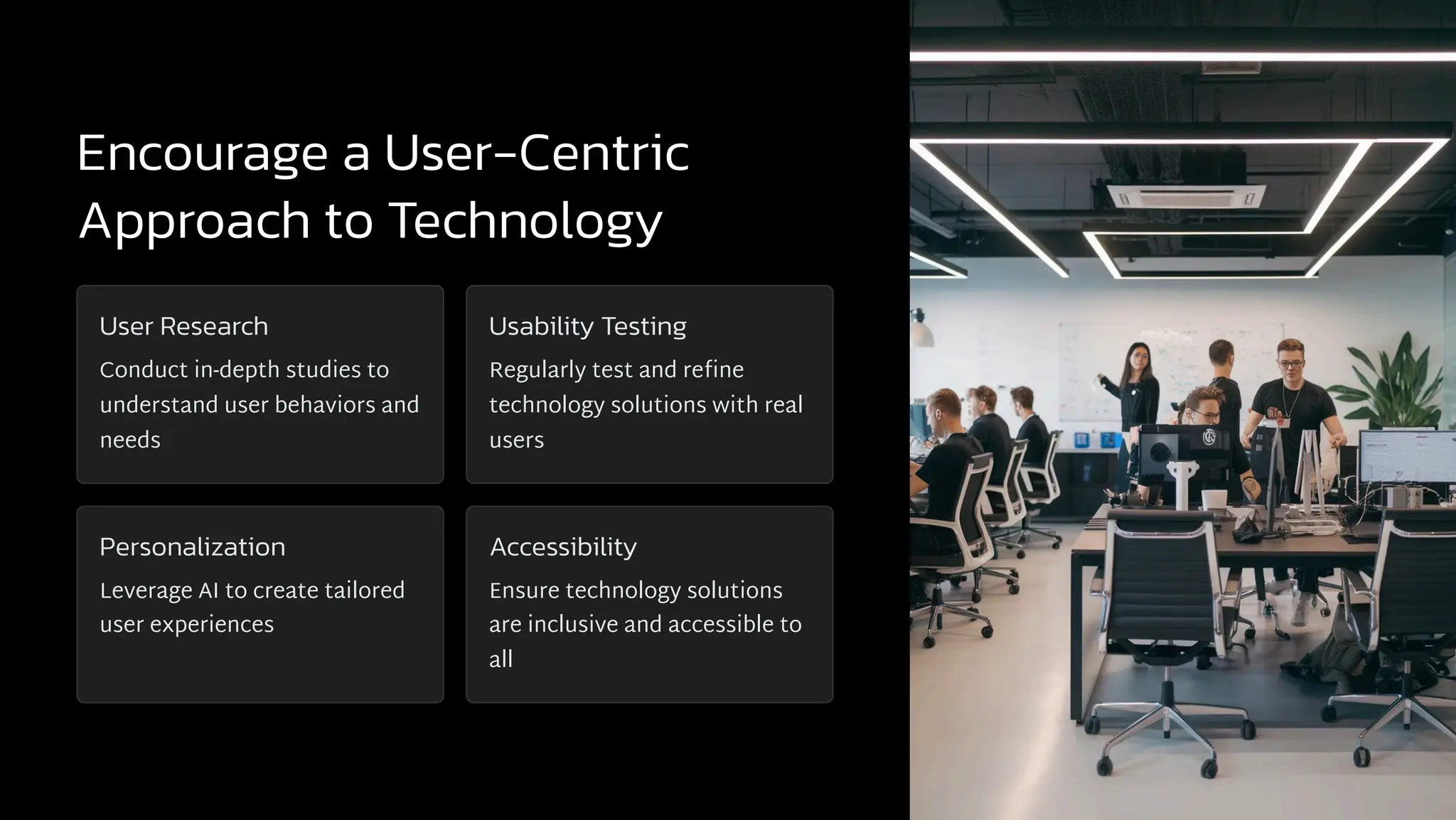
Encourage a User-Centric
Approach to Technology
User Research
Conduct in-depth studies to
understand user behaviors and
needs
Usability Testing
Regularly test and refine
technology solutions with real
users
Personalization
Leverage AI to create tailored
user experiences
Accessibility
Ensure technology solutions
are inclusive and accessible to
all
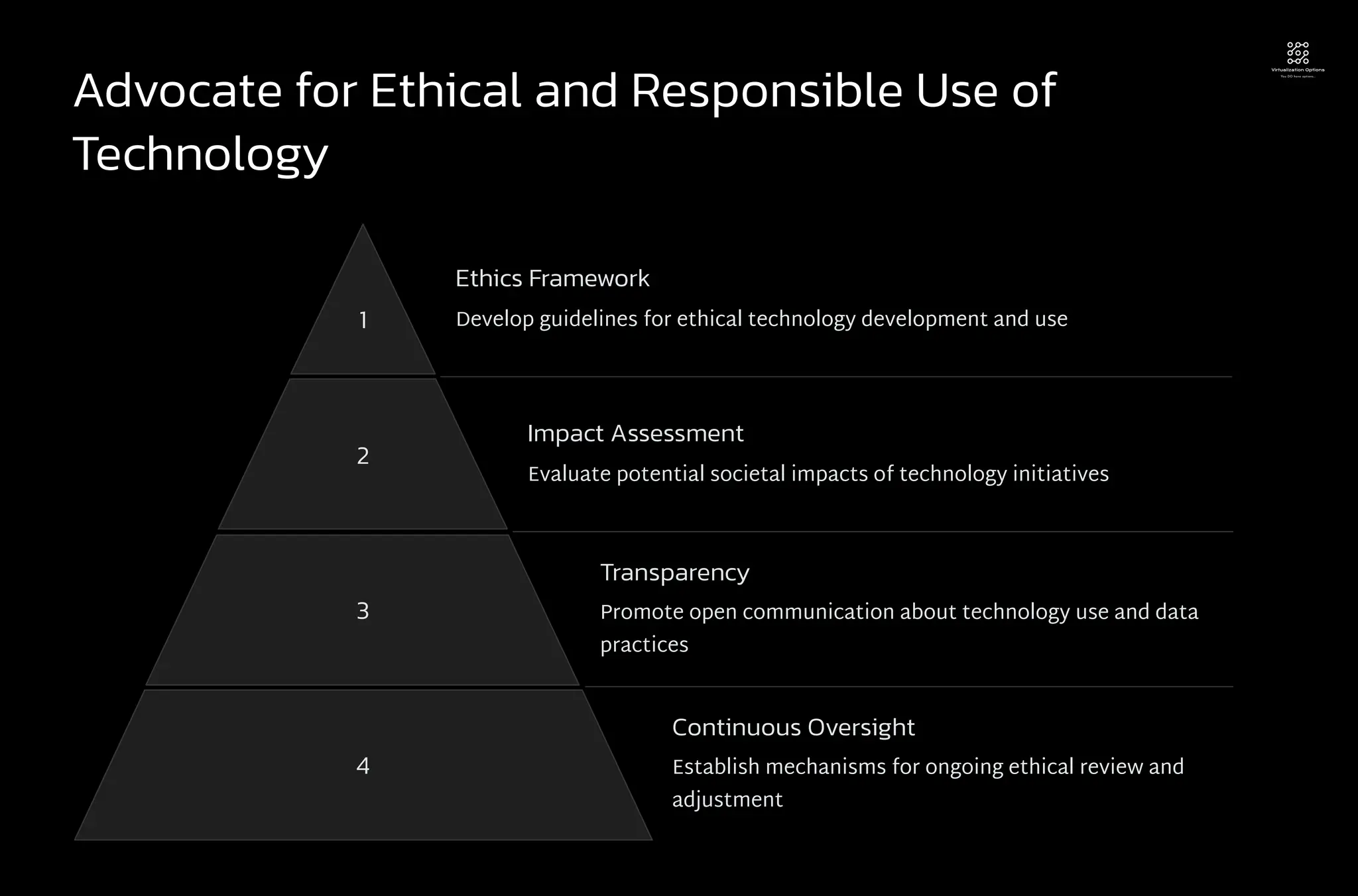
Advocate for Ethical and Responsible Use of
Technology
1
Ethics Framework
Develop guidelines for ethical technology development and use
2
Impact Assessment
Evaluate potential societal impacts of technology initiatives
3
Transparency
Promote open communication about technology use and data
practices
4
Continuous Oversight
Establish mechanisms for ongoing ethical review and
adjustment
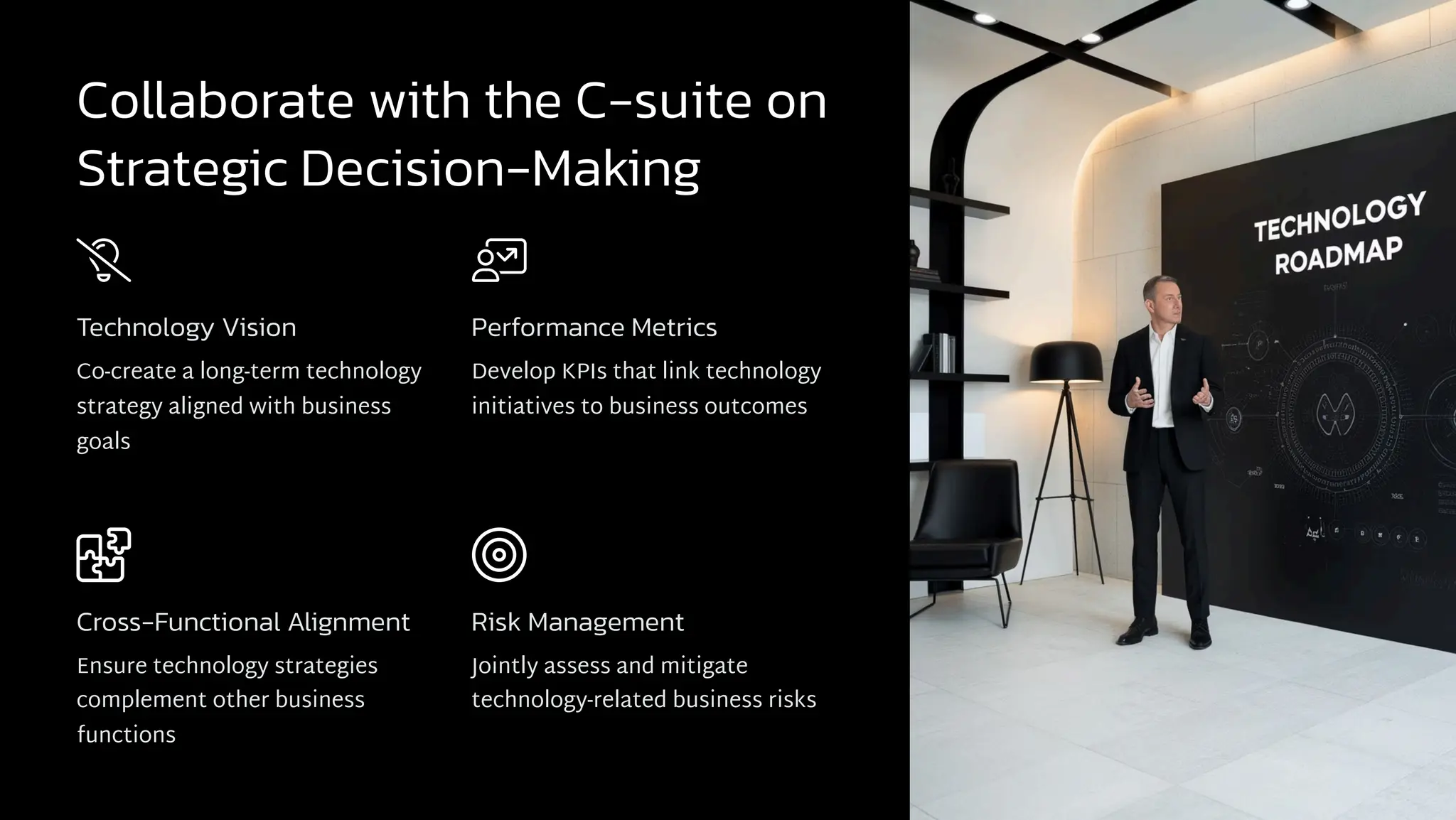
Collaborate with the C-suite on
Strategic Decision-Making
Technology Vision
Co-create a long-term technology
strategy aligned with business
goals
Performance Metrics
Develop KPIs that link technology
initiatives to business outcomes
Cross-Functional Alignment
Ensure technology strategies
complement other business
functions
Risk Management
Jointly assess and mitigate
technology-related business risks
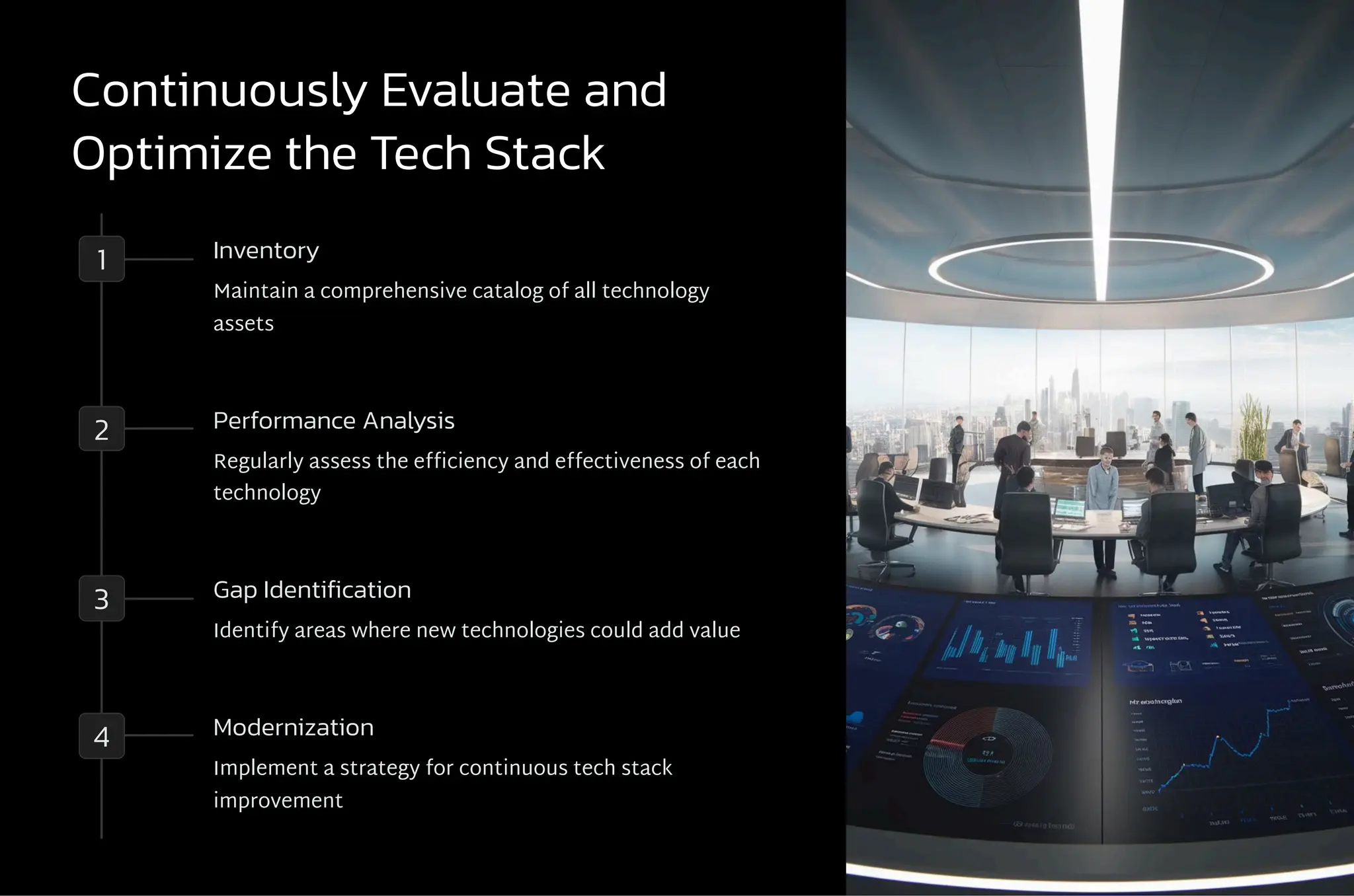
Continuously Evaluate and
Optimize the Tech Stack
1 Inventory
Maintain a comprehensive catalog of all technology
assets
2 Performance Analysis
Regularly assess the efficiency and effectiveness of each
technology
3 Gap Identification
Identify areas where new technologies could add value
4 Modernization
Implement a strategy for continuous tech stack
improvement
Empower Employees Through Self-Service
Technology
User-Friendly Portals
Develop intuitive interfaces for
common IT requests and services
AI Assistants
Implement AI-powered chatbots for
instant IT support
Knowledge Base
Create a comprehensive, searchable
repository of IT information
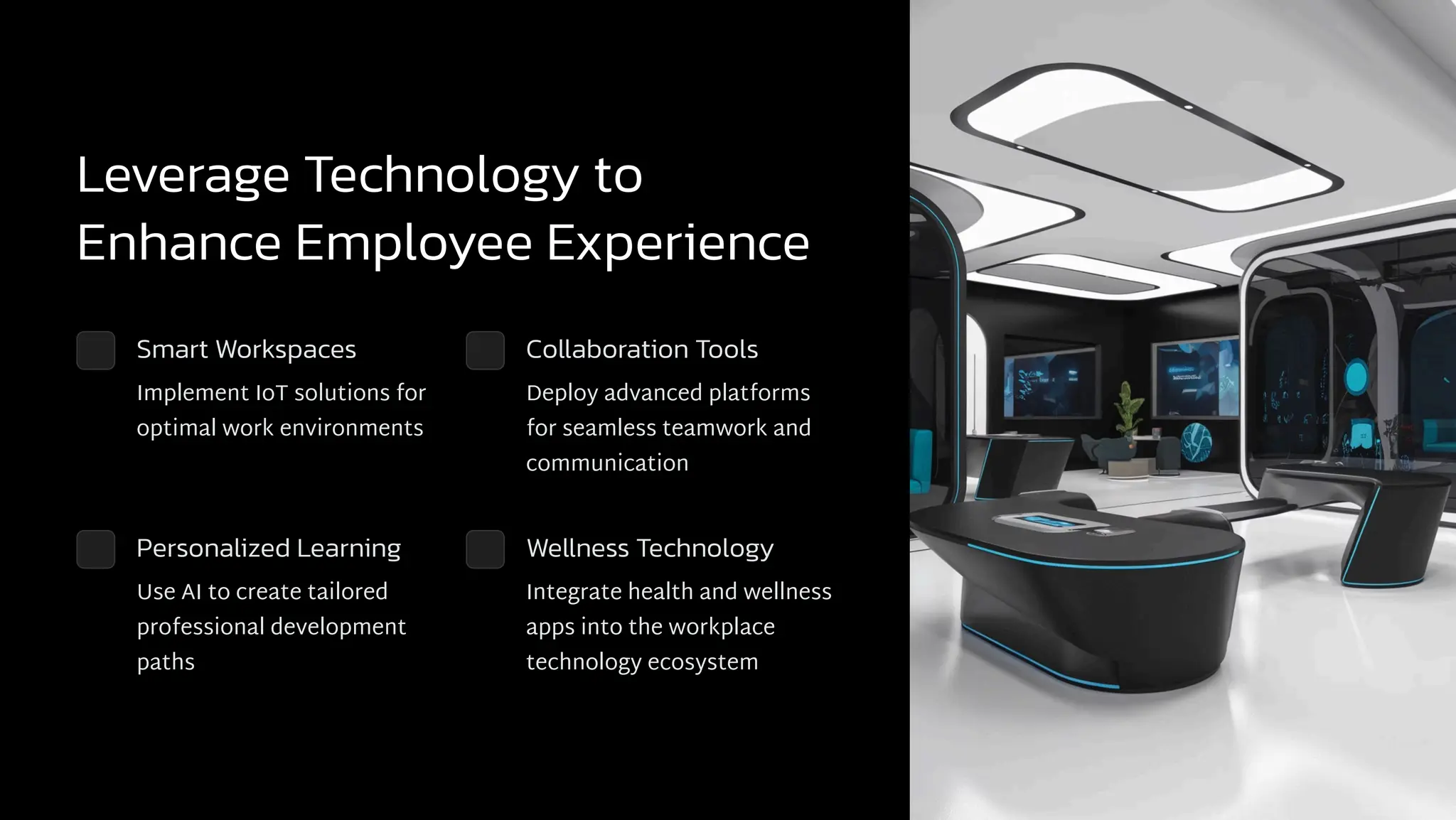
Leverage Technology to
Enhance Employee Experience
Smart Workspaces
Implement IoT solutions for
optimal work environments
Collaboration Tools
Deploy advanced platforms
for seamless teamwork and
communication
Personalized Learning
Use AI to create tailored
professional development
paths
Wellness Technology
Integrate health and wellness
apps into the workplace
technology ecosystem
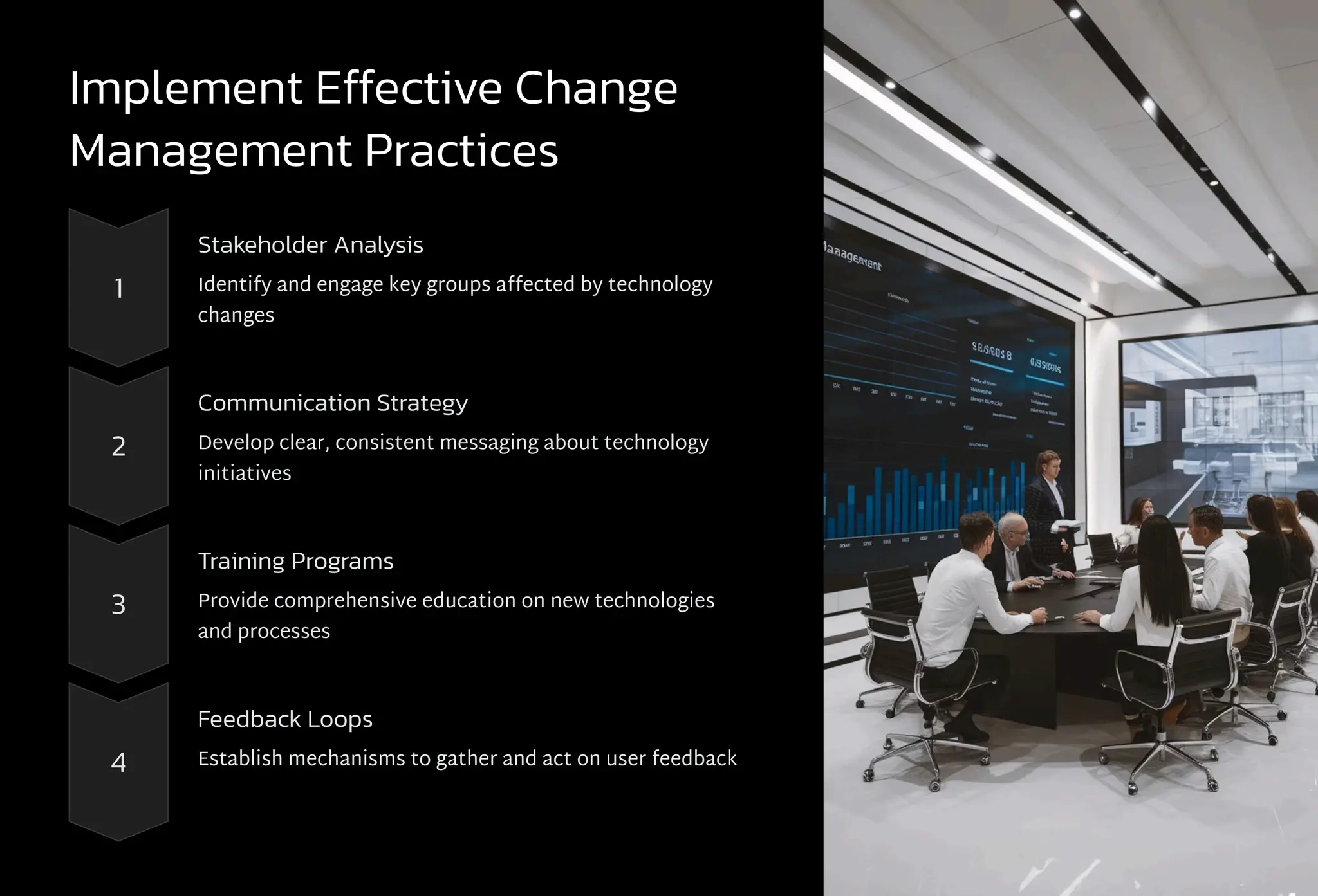
Implement Effective Change
Management Practices
1
Stakeholder Analysis
Identify and engage key groups affected by technology
changes
2
Communication Strategy
Develop clear, consistent messaging about technology
initiatives
3
Training Programs
Provide comprehensive education on new technologies
and processes
4
Feedback Loops
Establish mechanisms to gather and act on user feedback
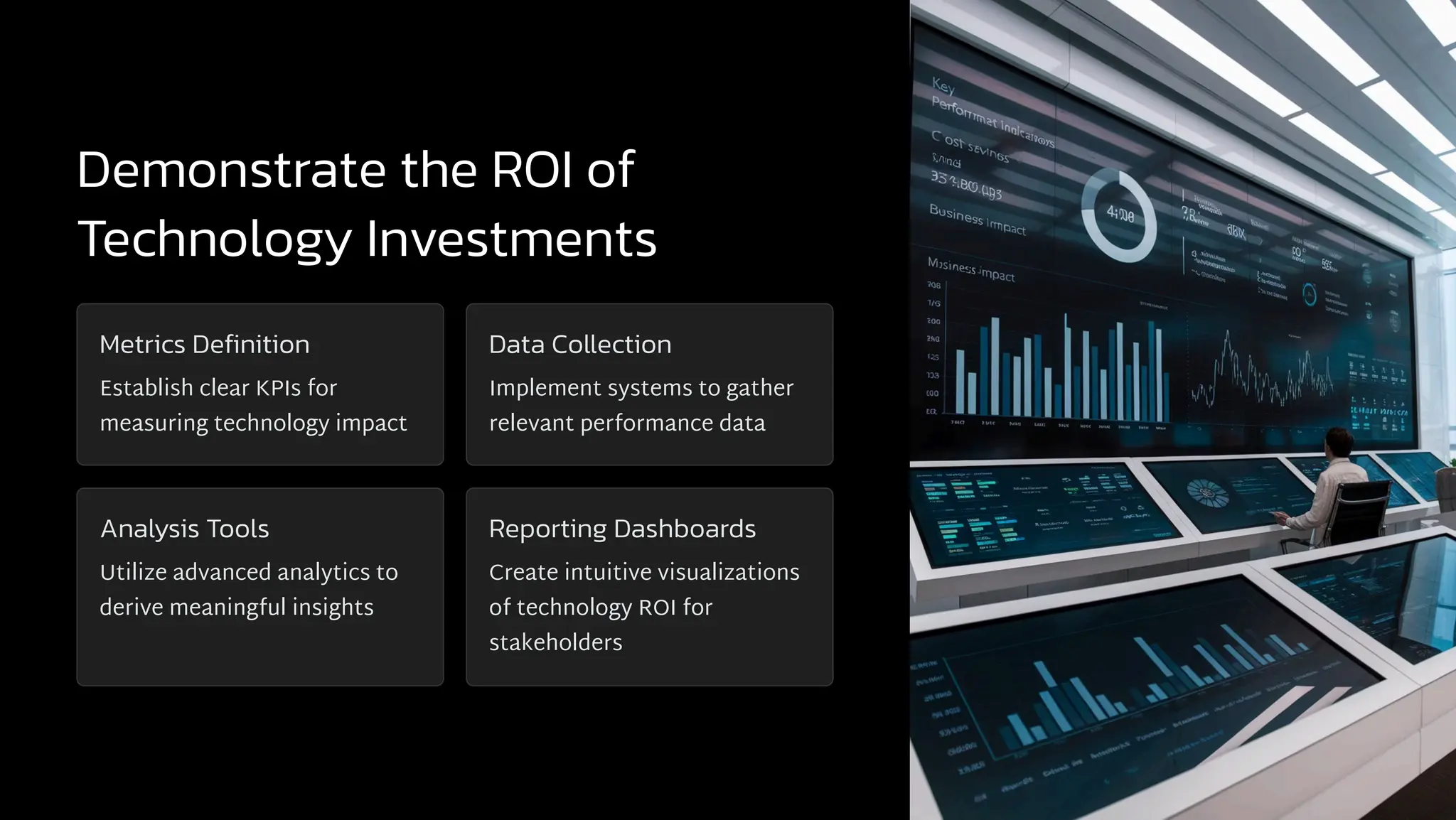
Demonstrate the ROI of
Technology Investments
Metrics Definition
Establish clear KPIs for
measuring technology impact
Data Collection
Implement systems to gather
relevant performance data
Analysis Tools
Utilize advanced analytics to
derive meaningful insights
Reporting Dashboards
Create intuitive visualizations
of technology ROI for
stakeholders

What Can a Chief Technologist Do to Propel an Organization Ahead?

  • 1.
    What Can aChief Technologist Do to Propel an Organization Ahead? In today's rapidly evolving digital landscape, a Chief Technologist plays a pivotal role in driving organizational success. This presentation explores key strategies and actions that can propel a company forward. by Virtualization Options LLC
  • 2.
    Lead Digital Transformation Efforts 1 AssessCurrent State Evaluate existing technology infrastructure and processes 2 Develop Strategy Create a comprehensive digital transformation roadmap 3 Implement Changes Execute transformation initiatives across the organization 4 Monitor Progress Track KPIs and adjust strategy as needed
  • 3.
    Foster a Cultureof Innovation and Experimentation Encourage Risk-Taking Create a safe environment for employees to try new ideas Implement Innovation Programs Establish hackathons, innovation labs, and idea challenges Reward Creativity Recognize and incentivize innovative thinking and solutions Embrace Failure View failures as learning opportunities and stepping stones to success
  • 4.
    Align Technology Strategywith Business Goals Understand Business Objectives Collaborate closely with executives to grasp key business priorities and challenges Map Technology Solutions Identify and prioritize technology initiatives that directly support business goals Measure Impact Establish metrics to track how technology investments contribute to business success
  • 5.
    Identify Emerging Technologiesand Their Potential Impact 1 Research Stay informed about cutting-edge technologies through industry reports and conferences 2 Evaluate Assess the potential impact and feasibility of emerging technologies for the organization 3 Pilot Conduct small-scale experiments to test promising technologies in real-world scenarios 4 Implement Develop strategies for successful adoption and integration of validated technologies
  • 6.
    Develop a RobustTechnology Roadmap 1 Vision Set long-term technology goals aligned with business strategy 2 Strategy Define key initiatives and priorities to achieve the vision 3 Tactics Outline specific projects, timelines, and resource requirements 4 Execution Implement projects and monitor progress against roadmap milestones
  • 7.
    Oversee Technology Architectureand Infrastructure Enterprise Architecture Design and maintain a scalable, flexible technology foundation Cloud Strategy Develop a comprehensive approach to cloud adoption and migration Network Infrastructure Ensure robust, secure connectivity across the organization Performance Optimization Continuously monitor and improve system performance and reliability
  • 8.
    Ensure Cybersecurity and DataProtection Threat Prevention Implement robust security measures to protect against cyber attacks Data Encryption Secure sensitive information through advanced encryption techniques Access Control Manage user permissions and implement multi-factor authentication Incident Response Develop and maintain a comprehensive cybersecurity incident response plan
  • 9.
    Streamline and AutomateBusiness Processes 1 Process Mapping Identify and document key business processes 2 Analysis Evaluate processes for inefficiencies and improvement opportunities 3 Redesign Optimize workflows and introduce automation where applicable 4 Implementation Deploy new processes and technologies to support streamlined operations
  • 10.
    Enhance Operational EfficiencyThrough Technology Process Automation Implement RPA and AI to automate repetitive tasks Collaboration Tools Deploy advanced platforms for seamless team communication and coordination Resource Optimization Use AI-driven systems to optimize resource allocation and scheduling
  • 11.
    Leverage Data Analyticsto Drive Decision-Making 1 Data Collection Implement systems to gather relevant data from various sources 2 Data Processing Clean, integrate, and prepare data for analysis 3 Advanced Analytics Apply machine learning and AI to extract meaningful insights 4 Data Visualization Create intuitive dashboards for easy interpretation of insights
  • 12.
    Promote Employee Digital Literacyand Upskilling 1 Assess Current Skills Evaluate the digital competencies of the workforce 2 Develop Training Programs Create tailored learning paths for different roles and skill levels 3 Implement Learning Platforms Deploy user-friendly e- learning systems for continuous education 4 Encourage Adoption Incentivize employees to embrace new technologies and skills
  • 13.
    Cultivate Strategic Partnerships with TechnologyVendors Vendor Assessment Evaluate potential partners based on capabilities and alignment Collaborative Innovation Co-create solutions to address specific business challenges Long-term Relationships Foster mutually beneficial partnerships beyond transactional interactions Performance Monitoring Regularly assess vendor performance and value delivery
  • 14.
    Advocate for TechnologyInvestments and Budgets 1 Business Case Develop compelling ROI projections for technology initiatives 2 Stakeholder Alignment Build consensus among key decision-makers 3 Budget Planning Create detailed technology investment plans 4 Continuous Justification Demonstrate ongoing value of technology investments
  • 15.
    Anticipate and Mitigate Technology-RelatedRisks Risk Assessment Identify potential technological vulnerabilities and threats Mitigation Strategies Develop comprehensive plans to address identified risks Monitoring Implement systems to continuously track and evaluate risk factors Incident Response Establish protocols for rapid response to technological incidents
  • 16.
    Spearhead the Adoptionof Cloud Computing 1 Assessment Evaluate current infrastructure and identify cloud migration opportunities 2 Strategy Develop a comprehensive cloud adoption roadmap 3 Migration Execute phased transition of systems and data to the cloud 4 Optimization Continuously refine cloud usage for maximum efficiency and cost-effectiveness
  • 17.
    Implement AI andMachine Learning Solutions Use Case Identification Pinpoint high-impact areas for AI application Data Preparation Ensure high-quality, relevant data for AI training Model Development Create and refine AI models for specific business needs Integration Seamlessly incorporate AI into existing systems and workflows
  • 18.
    Explore the Potentialof the Internet of Things (IoT) Device Integration Connect and manage a network of smart devices Data Collection Gather real-time data from IoT sensors and devices Analytics Extract actionable insights from IoT-generated data Process Optimization Leverage IoT data to improve operational efficiency
  • 19.
    Introduce Agile andDevOps Methodologies 1 Cultural Shift Foster a mindset of collaboration and continuous improvement 2 Process Redesign Implement agile frameworks and DevOps practices 3 Tool Adoption Deploy technologies supporting agile and DevOps workflows 4 Continuous Refinement Regularly assess and optimize agile and DevOps processes
  • 20.
    Leverage Emerging Technologies likeBlockchain Use Case Exploration Identify potential blockchain applications in the business Proof of Concept Develop and test blockchain solutions for specific use cases Integration Strategy Plan for seamless incorporation of blockchain into existing systems Ecosystem Development Collaborate with partners to create blockchain-based networks
  • 21.
    Enhance Customer Experience ThroughDigital Channels Mobile-First Design Prioritize mobile experiences for customer interactions AI-Powered Support Implement chatbots and virtual assistants for customer service Personalization Leverage data analytics to deliver tailored customer experiences Omnichannel Integration Ensure seamless experiences across all digital touchpoints
  • 22.
    Optimize Supply Chainand Logistics Through Technology 1 Visibility Implement real-time tracking and monitoring systems 2 Predictive Analytics Use AI to forecast demand and optimize inventory levels 3 Automation Deploy robotics and autonomous vehicles in warehouses and logistics 4 Blockchain Integration Enhance transparency and traceability in the supply chain
  • 23.
    Empower Remote andHybrid Work Environments Collaboration Platforms Deploy advanced tools for seamless remote teamwork Virtual Workspaces Create immersive digital environments for remote collaboration Secure Access Implement robust security measures for remote work
  • 24.
    Ensure Seamless Integration ofLegacy and New Systems 1 Assessment Evaluate existing systems and integration requirements 2 Architecture Design Develop a flexible integration framework 3 Implementation Execute phased integration of legacy and modern systems 4 Continuous Optimization Regularly refine and update integration strategies
  • 25.
    Attract and RetainTop Technology Talent Employer Branding Showcase the organization as a tech-forward workplace Competitive Benefits Offer attractive compensation and growth opportunities Continuous Learning Provide ongoing training and development programs Innovation Culture Foster an environment that encourages creativity and experimentation
  • 26.
    Foster Collaboration Between ITand Business Units Cross-Functional Teams Create teams with both IT and business representation Innovation Workshops Host joint sessions to ideate on technology-driven solutions Shared Metrics Align IT and business goals with common KPIs Rotation Programs Implement job rotations between IT and business units
  • 27.
    Communicate the Valueof Technology to Stakeholders 1 Business Impact Highlight how technology drives business outcomes 2 ROI Metrics Provide clear, quantifiable returns on technology investments 3 Success Stories Showcase real-world examples of technology-driven successes 4 Future Vision Paint a compelling picture of technology-enabled future state
  • 28.
    Demonstrate Thought Leadership inthe Industry Speak at Conferences Share insights and experiences at industry events Publish Articles Write thought-provoking pieces for industry publications Engage on Social Media Actively participate in online discussions and share valuable content Collaborate on Research Partner with academia and think tanks on cutting-edge studies
  • 29.
    Stay Abreast ofIndustry Trends and Best Practices 1 Continuous Learning Engage in ongoing education and professional development 2 Network Building Cultivate relationships with industry peers and thought leaders 3 Research Analysis Regularly review industry reports and academic studies 4 Experimentation Conduct pilots to test new technologies and methodologies
  • 30.
    Optimize the TechnologyOrganization's Structure Agile Teams Implement cross-functional, self- organizing teams Centers of Excellence Establish specialized groups for key technology domains Flexible Resourcing Create a dynamic talent pool for project-based assignments
  • 31.
    Implement Effective Project ManagementPractices 1 Methodology Selection Choose appropriate project management frameworks (e.g., Agile, Waterfall) 2 Tool Adoption Implement advanced project management and collaboration platforms 3 Training Ensure team members are skilled in chosen methodologies and tools 4 Continuous Improvement Regularly assess and refine project management practices
  • 32.
    Develop a ComprehensiveData Governance Framework Data Classification Establish clear categories and handling protocols for different data types Access Controls Implement role-based access management for data resources Data Quality Ensure data accuracy, completeness, and consistency across systems Compliance Management Maintain adherence to relevant data protection regulations
  • 33.
    Ensure Compliance with RegulatoryRequirements Regulatory Tracking Stay updated on evolving technology-related regulations Risk Assessment Regularly evaluate compliance risks across technology initiatives Process Implementation Develop and maintain compliance-focused technology processes Audit Readiness Ensure systems and practices are prepared for regulatory audits
  • 34.
    Foster a Cultureof Continuous Learning and Improvement 1 Learning Programs Implement comprehensive technology training initiatives 2 Knowledge Sharing Create platforms for employees to share insights and best practices 3 Innovation Challenges Host regular hackathons and idea competitions 4 Feedback Loops Establish mechanisms for continuous improvement based on feedback
  • 35.
    Leverage Technology toDrive Sustainability Initiatives Energy Efficiency Implement smart systems to optimize energy consumption Waste Reduction Use AI and IoT to minimize waste in operations Sustainable Supply Chain Leverage blockchain for transparent, eco-friendly sourcing
  • 36.
    Explore the Potentialof 5G and Edge Computing 1 Use Case Identification Pinpoint high-impact applications for 5G and edge computing 2 Infrastructure Planning Develop strategies for 5G adoption and edge computing deployment 3 Pilot Projects Implement test cases to validate benefits and challenges 4 Scaling Strategy Plan for organization-wide rollout of successful initiatives
  • 37.
    Embrace Design Thinkingin Technology Solutions 1 Empathize Understand user needs and pain points through research 2 Define Clearly articulate the problem to be solved 3 Ideate Generate innovative solutions through collaborative brainstorming 4 Prototype and Test Create and iterate on solutions based on user feedback
  • 38.
    Encourage a User-Centric Approachto Technology User Research Conduct in-depth studies to understand user behaviors and needs Usability Testing Regularly test and refine technology solutions with real users Personalization Leverage AI to create tailored user experiences Accessibility Ensure technology solutions are inclusive and accessible to all
  • 39.
    Advocate for Ethicaland Responsible Use of Technology 1 Ethics Framework Develop guidelines for ethical technology development and use 2 Impact Assessment Evaluate potential societal impacts of technology initiatives 3 Transparency Promote open communication about technology use and data practices 4 Continuous Oversight Establish mechanisms for ongoing ethical review and adjustment
  • 40.
    Collaborate with theC-suite on Strategic Decision-Making Technology Vision Co-create a long-term technology strategy aligned with business goals Performance Metrics Develop KPIs that link technology initiatives to business outcomes Cross-Functional Alignment Ensure technology strategies complement other business functions Risk Management Jointly assess and mitigate technology-related business risks
  • 41.
    Continuously Evaluate and Optimizethe Tech Stack 1 Inventory Maintain a comprehensive catalog of all technology assets 2 Performance Analysis Regularly assess the efficiency and effectiveness of each technology 3 Gap Identification Identify areas where new technologies could add value 4 Modernization Implement a strategy for continuous tech stack improvement
  • 42.
    Empower Employees ThroughSelf-Service Technology User-Friendly Portals Develop intuitive interfaces for common IT requests and services AI Assistants Implement AI-powered chatbots for instant IT support Knowledge Base Create a comprehensive, searchable repository of IT information
  • 43.
    Leverage Technology to EnhanceEmployee Experience Smart Workspaces Implement IoT solutions for optimal work environments Collaboration Tools Deploy advanced platforms for seamless teamwork and communication Personalized Learning Use AI to create tailored professional development paths Wellness Technology Integrate health and wellness apps into the workplace technology ecosystem
  • 44.
    Implement Effective Change ManagementPractices 1 Stakeholder Analysis Identify and engage key groups affected by technology changes 2 Communication Strategy Develop clear, consistent messaging about technology initiatives 3 Training Programs Provide comprehensive education on new technologies and processes 4 Feedback Loops Establish mechanisms to gather and act on user feedback
  • 45.
    Demonstrate the ROIof Technology Investments Metrics Definition Establish clear KPIs for measuring technology impact Data Collection Implement systems to gather relevant performance data Analysis Tools Utilize advanced analytics to derive meaningful insights Reporting Dashboards Create intuitive visualizations of technology ROI for stakeholders