Week #2: A Synthesis of Learning
Curriculum – Now and Then
Purpose
We will be focusing on synthesizing what we have learned about the knowledge,
skills, attributes of quality teaching and apply this to what we know about the 21st
century classroom.
Critical Evidence:
Course Work: PLC Presentations (Movie Trailers, Glogs)
Course Participation Task #2: My Resume
Tech Task #2: Our Symbaloo (email “one website suggestion”
Reader Response #2: Integration Articles/Google Chart
Required Reading:
Chapters 1, 2, 3 & 4: How to Integrate the Curricula
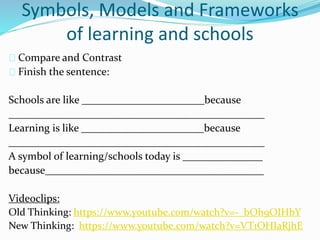
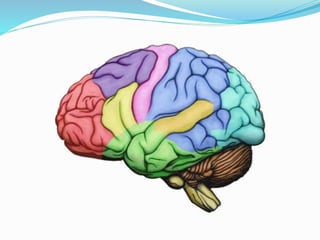
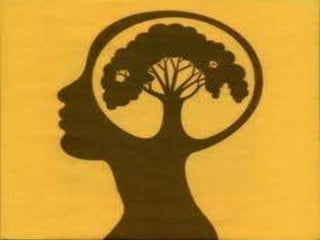
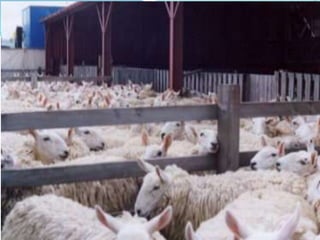
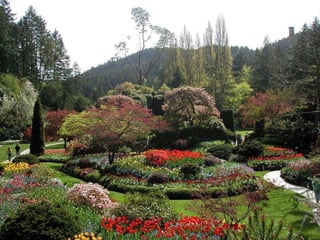
Symbols, Models and Frameworks
of learning and schools
Compare and Contrast
Finish the sentence:
Schools are like _______________________because
________________________________________________
Learning is like _______________________because
________________________________________________
A symbol of learning/schools today is _______________
because_________________________________________
Videoclips:
Old Thinking: https://www.youtube.com/watch?v=-_bOh9OIHbY
New Thinking: https://www.youtube.com/watch?v=VT1OHIaRjhE
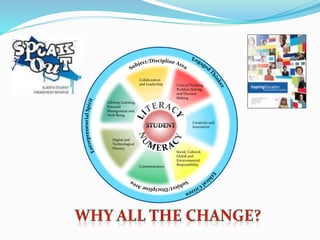
Digital and
Technological
Fluency
Communication
Social, Cultural,
Global and
Environmental
Responsibility
Creativity and
Innovation
Critical Thinking,
Problem Solving
and Decision
Making
Collaboration
and Leadership
Lifelong Learning,
Personal
Management and
Well-Being
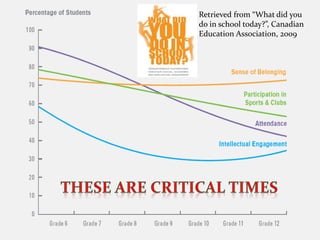
Retrieved from “What did you
do in school today?”, Canadian
Education Association, 2009
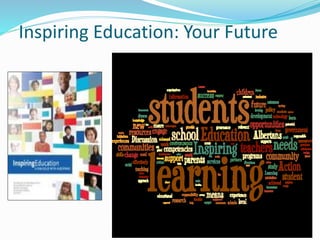
Inspiring Education: Your Future
Curriculum Questions
What is Curriculum?
Who decides what curriculum is taught?
Why do we study the specific subjects we do, in the
way we do, and test them as we do?
What influences how curriculum changes?
Where do present schooling practices come from?
To What questions are schools the answers?
How do different societies educate their young?
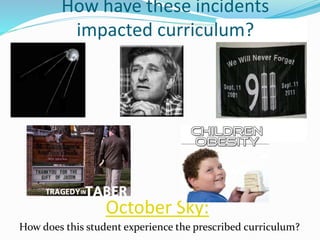
October Sky:
How does this student experience the prescribed curriculum?
How have these incidents
impacted curriculum?
More Curriculum Questions
How will you teach todays digital natives when they
come to you in middle school? (Remember Bridger)
What will children need to know 10 years from now (or
25 years from now)?
What defines if a student is successful? What is
academic success? Who should measure it? How often
should it be measured?
Who should be involved in curriculum development?
Who should evaluate curriculum?
What do today’s students say about the curriculum?
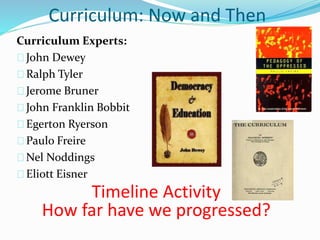
Curriculum: Now and Then
Curriculum Experts:
John Dewey
Ralph Tyler
Jerome Bruner
John Franklin Bobbit
Egerton Ryerson
Paulo Freire
Nel Noddings
Eliott Eisner
Timeline Activity
How far have we progressed?
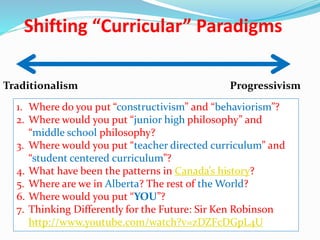
Shifting “Curricular” Paradigms
Traditionalism Progressivism
1. Where do you put “constructivism” and “behaviorism”?
2. Where would you put “junior high philosophy” and
“middle school philosophy?
3. Where would you put “teacher directed curriculum” and
“student centered curriculum”?
4. What have been the patterns in Canada’s history?
5. Where are we in Alberta? The rest of the World?
6. Where would you put “YOU”?
7. Thinking Differently for the Future: Sir Ken Robinson
http://www.youtube.com/watch?v=zDZFcDGpL4U
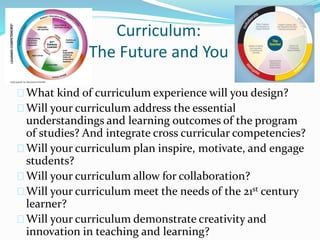
What kind of curriculum experience will you design?
Will your curriculum address the essential
understandings and learning outcomes of the program
of studies? And integrate cross curricular competencies?
Will your curriculum plan inspire, motivate, and engage
students?
Will your curriculum allow for collaboration?
Will your curriculum meet the needs of the 21st century
learner?
Will your curriculum demonstrate creativity and
innovation in teaching and learning?
Curriculum:
The Future and You
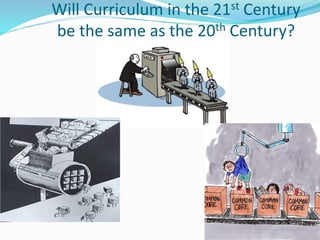
Will Curriculum in the 21st Century
be the same as the 20th Century?
Week 2B: Curriculum - Now and Then

Week 2B: Curriculum - Now and Then

  • 1.
    Week #2: ASynthesis of Learning Curriculum – Now and Then
  • 2.
    Purpose We will befocusing on synthesizing what we have learned about the knowledge, skills, attributes of quality teaching and apply this to what we know about the 21st century classroom. Critical Evidence: Course Work: PLC Presentations (Movie Trailers, Glogs) Course Participation Task #2: My Resume Tech Task #2: Our Symbaloo (email “one website suggestion” Reader Response #2: Integration Articles/Google Chart Required Reading: Chapters 1, 2, 3 & 4: How to Integrate the Curricula
  • 3.
    Symbols, Models andFrameworks of learning and schools Compare and Contrast Finish the sentence: Schools are like _______________________because ________________________________________________ Learning is like _______________________because ________________________________________________ A symbol of learning/schools today is _______________ because_________________________________________ Videoclips: Old Thinking: https://www.youtube.com/watch?v=-_bOh9OIHbY New Thinking: https://www.youtube.com/watch?v=VT1OHIaRjhE
  • 13.
    Digital and Technological Fluency Communication Social, Cultural, Globaland Environmental Responsibility Creativity and Innovation Critical Thinking, Problem Solving and Decision Making Collaboration and Leadership Lifelong Learning, Personal Management and Well-Being
  • 14.
    Retrieved from “Whatdid you do in school today?”, Canadian Education Association, 2009
  • 15.
  • 17.
    Curriculum Questions What isCurriculum? Who decides what curriculum is taught? Why do we study the specific subjects we do, in the way we do, and test them as we do? What influences how curriculum changes? Where do present schooling practices come from? To What questions are schools the answers? How do different societies educate their young?
  • 18.
    October Sky: How doesthis student experience the prescribed curriculum? How have these incidents impacted curriculum?
  • 19.
    More Curriculum Questions Howwill you teach todays digital natives when they come to you in middle school? (Remember Bridger) What will children need to know 10 years from now (or 25 years from now)? What defines if a student is successful? What is academic success? Who should measure it? How often should it be measured? Who should be involved in curriculum development? Who should evaluate curriculum? What do today’s students say about the curriculum?
  • 20.
    Curriculum: Now andThen Curriculum Experts: John Dewey Ralph Tyler Jerome Bruner John Franklin Bobbit Egerton Ryerson Paulo Freire Nel Noddings Eliott Eisner Timeline Activity How far have we progressed?
  • 21.
    Shifting “Curricular” Paradigms TraditionalismProgressivism 1. Where do you put “constructivism” and “behaviorism”? 2. Where would you put “junior high philosophy” and “middle school philosophy? 3. Where would you put “teacher directed curriculum” and “student centered curriculum”? 4. What have been the patterns in Canada’s history? 5. Where are we in Alberta? The rest of the World? 6. Where would you put “YOU”? 7. Thinking Differently for the Future: Sir Ken Robinson http://www.youtube.com/watch?v=zDZFcDGpL4U
  • 22.
    What kind ofcurriculum experience will you design? Will your curriculum address the essential understandings and learning outcomes of the program of studies? And integrate cross curricular competencies? Will your curriculum plan inspire, motivate, and engage students? Will your curriculum allow for collaboration? Will your curriculum meet the needs of the 21st century learner? Will your curriculum demonstrate creativity and innovation in teaching and learning? Curriculum: The Future and You
  • 23.
    Will Curriculum inthe 21st Century be the same as the 20th Century?