15708 Pomerado Road, Suite N208, Poway, CA 92064 • (858)451-8868 FAX# (858)451-9268
website: www.sfifoundation.com email: sfi@sfifoundation.com
15708 Pomerado Road, Suite N208, Poway, CA 92064
This is a summary of some research into the thermal behavior of nomex, polyester and
cotton material under a race suit, at established levels representing a 2nd
degree burn
from heat energy passing through the suit materials.
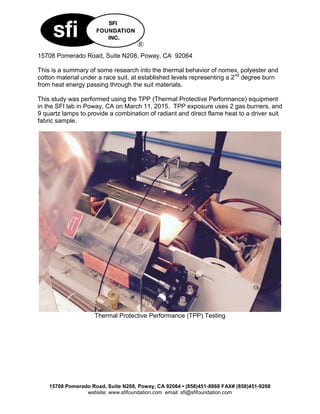
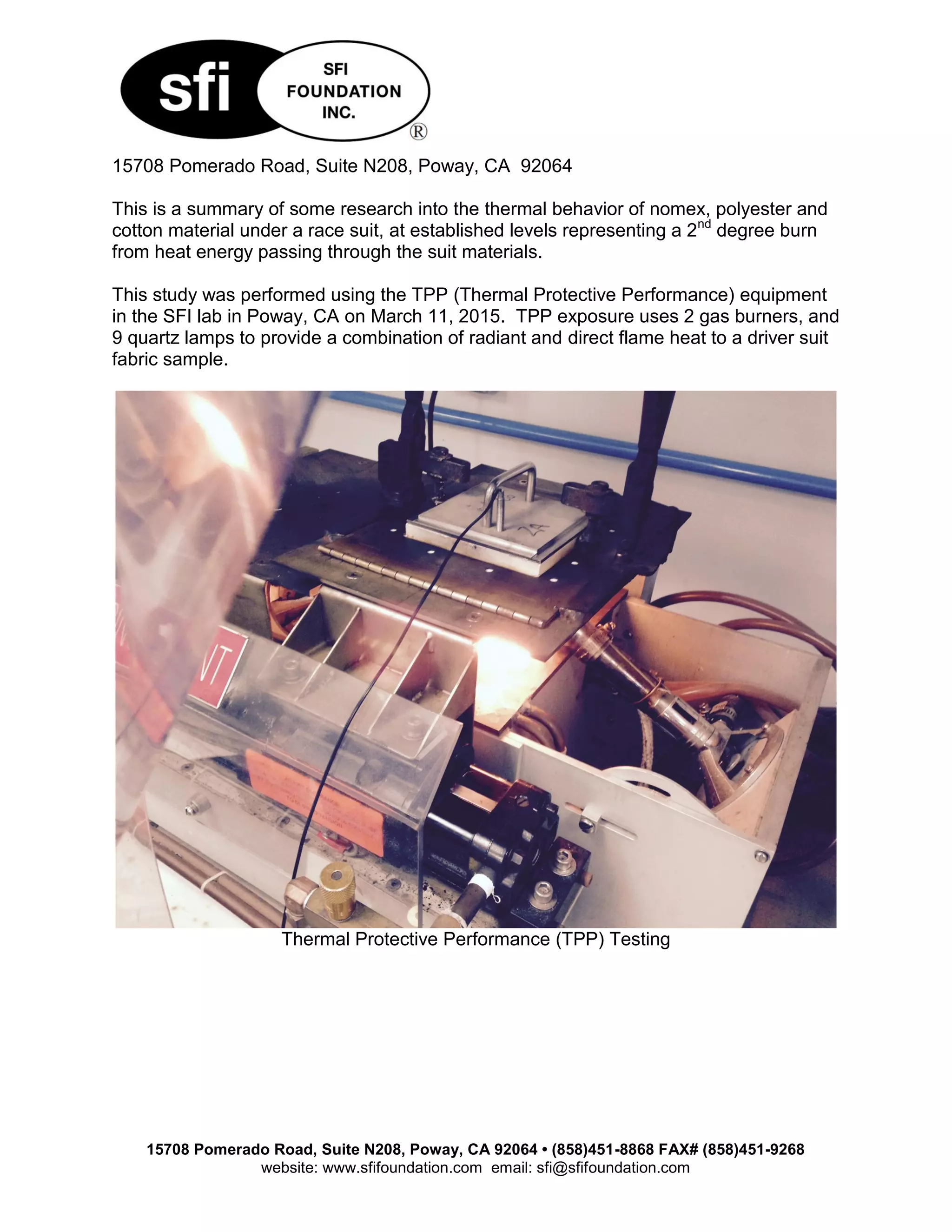
This study was performed using the TPP (Thermal Protective Performance) equipment
in the SFI lab in Poway, CA on March 11, 2015. TPP exposure uses 2 gas burners, and
9 quartz lamps to provide a combination of radiant and direct flame heat to a driver suit
fabric sample.
Thermal Protective Performance (TPP) Testing
15708 Pomerado Road, Suite N208, Poway, CA 92064 • (858)451-8868 FAX# (858)451-9268
website: www.sfifoundation.com email: sfi@sfifoundation.com
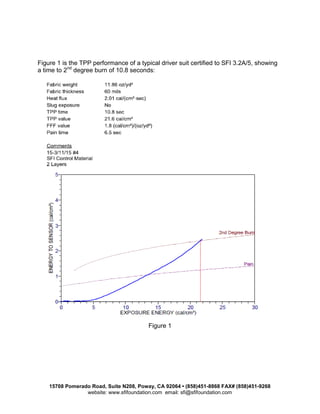
Figure 1 is the TPP performance of a typical driver suit certified to SFI 3.2A/5, showing
a time to 2nd
degree burn of 10.8 seconds:
Figure 1
15708 Pomerado Road, Suite N208, Poway, CA 92064 • (858)451-8868 FAX# (858)451-9268
website: www.sfifoundation.com email: sfi@sfifoundation.com
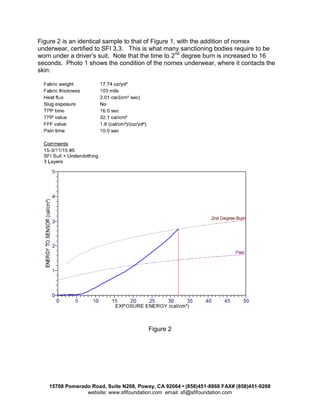
Figure 2 is an identical sample to that of Figure 1, with the addition of nomex
underwear, certified to SFI 3.3. This is what many sanctioning bodies require to be
worn under a driver’s suit. Note that the time to 2nd
degree burn is increased to 16
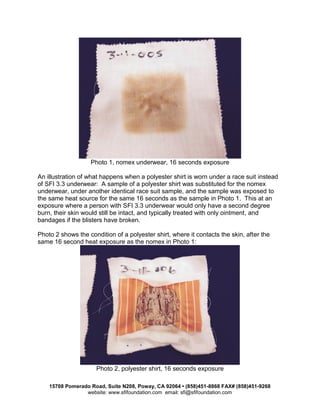
seconds. Photo 1 shows the condition of the nomex underwear, where it contacts the
skin:
Figure 2
15708 Pomerado Road, Suite N208, Poway, CA 92064 • (858)451-8868 FAX# (858)451-9268
website: www.sfifoundation.com email: sfi@sfifoundation.com
Photo 1, nomex underwear, 16 seconds exposure
An illustration of what happens when a polyester shirt is worn under a race suit instead
of SFI 3.3 underwear: A sample of a polyester shirt was substituted for the nomex
underwear, under another identical race suit sample, and the sample was exposed to
the same heat source for the same 16 seconds as the sample in Photo 1. This at an
exposure where a person with SFI 3.3 underwear would only have a second degree
burn, their skin would still be intact, and typically treated with only ointment, and
bandages if the blisters have broken.
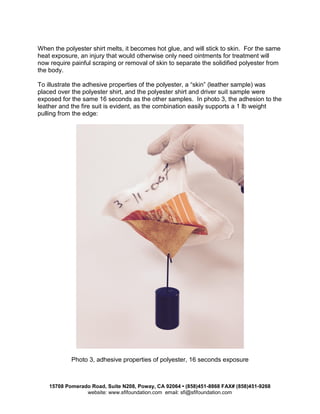
Photo 2 shows the condition of a polyester shirt, where it contacts the skin, after the
same 16 second heat exposure as the nomex in Photo 1:
Photo 2, polyester shirt, 16 seconds exposure
15708 Pomerado Road, Suite N208, Poway, CA 92064 • (858)451-8868 FAX# (858)451-9268
website: www.sfifoundation.com email: sfi@sfifoundation.com
When the polyester shirt melts, it becomes hot glue, and will stick to skin. For the same
heat exposure, an injury that would otherwise only need ointments for treatment will
now require painful scraping or removal of skin to separate the solidified polyester from
the body.
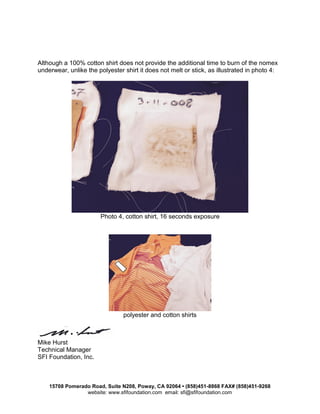
To illustrate the adhesive properties of the polyester, a “skin” (leather sample) was
placed over the polyester shirt, and the polyester shirt and driver suit sample were
exposed for the same 16 seconds as the other samples. In photo 3, the adhesion to the
leather and the fire suit is evident, as the combination easily supports a 1 lb weight
pulling from the edge:
Photo 3, adhesive properties of polyester, 16 seconds exposure
15708 Pomerado Road, Suite N208, Poway, CA 92064 • (858)451-8868 FAX# (858)451-9268
website: www.sfifoundation.com email: sfi@sfifoundation.com
Although a 100% cotton shirt does not provide the additional time to burn of the nomex
underwear, unlike the polyester shirt it does not melt or stick, as illustrated in photo 4:
Photo 4, cotton shirt, 16 seconds exposure
polyester and cotton shirts
Mike Hurst
Technical Manager
SFI Foundation, Inc.

UndergarmentStudy

  • 1.
    15708 Pomerado Road,Suite N208, Poway, CA 92064 • (858)451-8868 FAX# (858)451-9268 website: www.sfifoundation.com email: sfi@sfifoundation.com 15708 Pomerado Road, Suite N208, Poway, CA 92064 This is a summary of some research into the thermal behavior of nomex, polyester and cotton material under a race suit, at established levels representing a 2nd degree burn from heat energy passing through the suit materials. This study was performed using the TPP (Thermal Protective Performance) equipment in the SFI lab in Poway, CA on March 11, 2015. TPP exposure uses 2 gas burners, and 9 quartz lamps to provide a combination of radiant and direct flame heat to a driver suit fabric sample. Thermal Protective Performance (TPP) Testing
  • 2.
    15708 Pomerado Road,Suite N208, Poway, CA 92064 • (858)451-8868 FAX# (858)451-9268 website: www.sfifoundation.com email: sfi@sfifoundation.com Figure 1 is the TPP performance of a typical driver suit certified to SFI 3.2A/5, showing a time to 2nd degree burn of 10.8 seconds: Figure 1
  • 3.
    15708 Pomerado Road,Suite N208, Poway, CA 92064 • (858)451-8868 FAX# (858)451-9268 website: www.sfifoundation.com email: sfi@sfifoundation.com Figure 2 is an identical sample to that of Figure 1, with the addition of nomex underwear, certified to SFI 3.3. This is what many sanctioning bodies require to be worn under a driver’s suit. Note that the time to 2nd degree burn is increased to 16 seconds. Photo 1 shows the condition of the nomex underwear, where it contacts the skin: Figure 2
  • 4.
    15708 Pomerado Road,Suite N208, Poway, CA 92064 • (858)451-8868 FAX# (858)451-9268 website: www.sfifoundation.com email: sfi@sfifoundation.com Photo 1, nomex underwear, 16 seconds exposure An illustration of what happens when a polyester shirt is worn under a race suit instead of SFI 3.3 underwear: A sample of a polyester shirt was substituted for the nomex underwear, under another identical race suit sample, and the sample was exposed to the same heat source for the same 16 seconds as the sample in Photo 1. This at an exposure where a person with SFI 3.3 underwear would only have a second degree burn, their skin would still be intact, and typically treated with only ointment, and bandages if the blisters have broken. Photo 2 shows the condition of a polyester shirt, where it contacts the skin, after the same 16 second heat exposure as the nomex in Photo 1: Photo 2, polyester shirt, 16 seconds exposure
  • 5.
    15708 Pomerado Road,Suite N208, Poway, CA 92064 • (858)451-8868 FAX# (858)451-9268 website: www.sfifoundation.com email: sfi@sfifoundation.com When the polyester shirt melts, it becomes hot glue, and will stick to skin. For the same heat exposure, an injury that would otherwise only need ointments for treatment will now require painful scraping or removal of skin to separate the solidified polyester from the body. To illustrate the adhesive properties of the polyester, a “skin” (leather sample) was placed over the polyester shirt, and the polyester shirt and driver suit sample were exposed for the same 16 seconds as the other samples. In photo 3, the adhesion to the leather and the fire suit is evident, as the combination easily supports a 1 lb weight pulling from the edge: Photo 3, adhesive properties of polyester, 16 seconds exposure
  • 6.
    15708 Pomerado Road,Suite N208, Poway, CA 92064 • (858)451-8868 FAX# (858)451-9268 website: www.sfifoundation.com email: sfi@sfifoundation.com Although a 100% cotton shirt does not provide the additional time to burn of the nomex underwear, unlike the polyester shirt it does not melt or stick, as illustrated in photo 4: Photo 4, cotton shirt, 16 seconds exposure polyester and cotton shirts Mike Hurst Technical Manager SFI Foundation, Inc.