Uncovering Consumers’ Hidden Narratives
Presented by Kristian A Alomá, PhD, Founder & CEO at Threadline
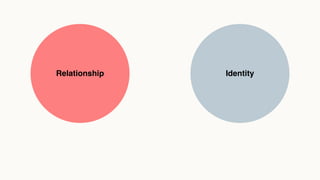
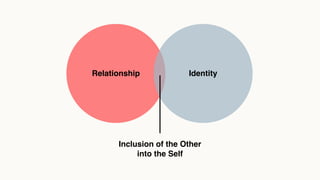
Relationship Identity
Inclusion of the Other
into the Self
People make sense of brands through
stories that feature them.
Jobs-To-Be-Done
Stories-To-Be-Told
Narrative Economy
Traditional Research
• Interrogates for Answers
• Asks for Predictions
• Pushes for Explanations
Narrative Psychology reveals how people use
narrative structure to make sense of themselves
and the world around them.
We do things that make
sense based on the
narratives we create.
We create narratives that
make sense of the things we
do.
Narrative Research
• Elicits Stories
• Transcends the Artificial
• Reveals Relationships
From Interrogating Questions to
Narrative Prompts
“Why did you book an Airbnb?”
“Airbnbs are cheap, are often
just as conveniently located as
hotels, and have more
amenities in the home itself.”
“Tell me the story of your last
Airbnb booking.”
“Airbnbs allow you to feel more
immersed in the culture. Travel
is about getting away, but
hotels sanitize the experience
so you feel like you could be
anywhere.”
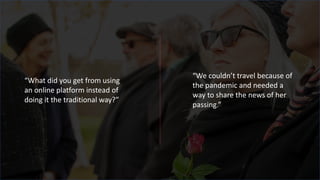
“What did you get from using
an online platform instead of
doing it the traditional way?”
“We couldn’t travel because of
the pandemic and needed a
way to share the news of her
passing.”
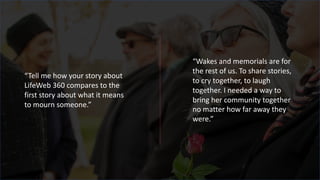
“Tell me how your story about
LifeWeb 360 compares to the
first story about what it means
to mourn someone.”
“Wakes and memorials are for
the rest of us. To share stories,
to cry together, to laugh
together. I needed a way to
bring her community together
no matter how far away they
were.”
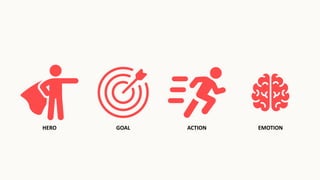
HERO GOAL ACTION EMOTION
“If you want to know me, then you must know
my story, for my story defines who I am.”
Dan McAdams, PhD

Uncovering Consumers’ Hidden Narratives