Download free for 30 days
Sign in
Upload
Language (EN)
Support
Business
Mobile
Social Media
Marketing
Technology
Art & Photos
Career
Design
Education
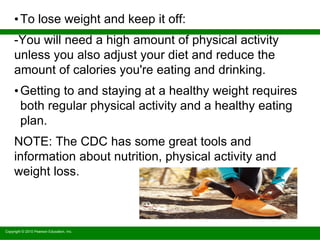
Presentations & Public Speaking
Government & Nonprofit
Healthcare
Internet
Law
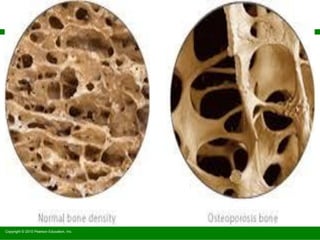
Leadership & Management
Automotive
Engineering
Software
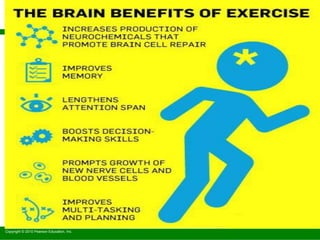
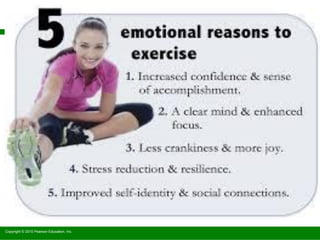
Recruiting & HR
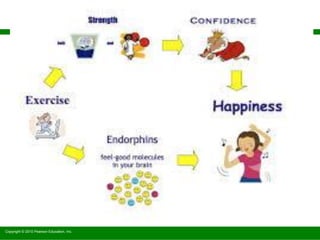
Retail
Sales
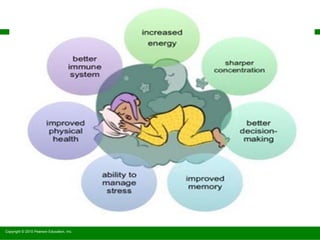
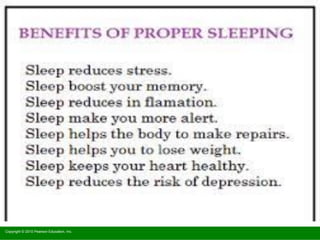
Services
Science
Small Business & Entrepreneurship
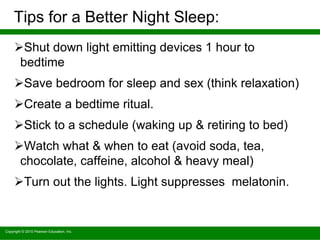
Food
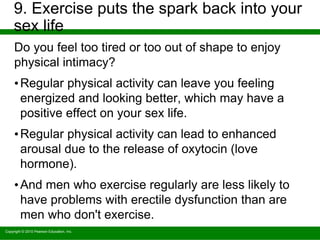
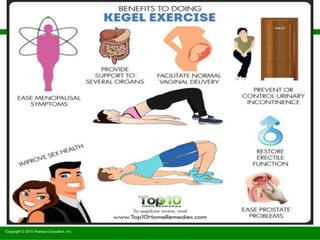
Environment
Economy & Finance
Data & Analytics
Investor Relations
Sports
Spiritual
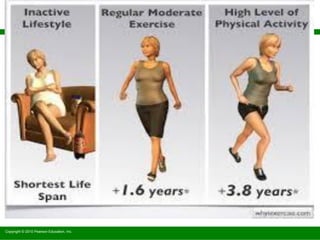
News & Politics
Travel
Self Improvement
Real Estate
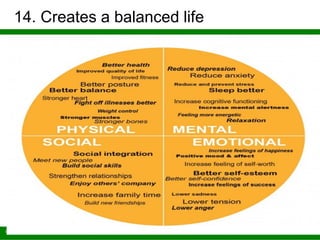
Entertainment & Humor
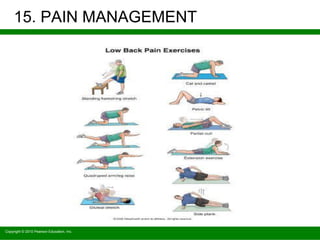
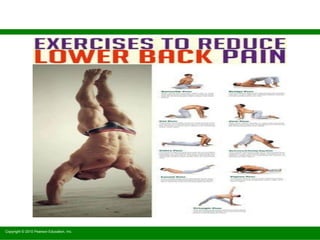
Health & Medicine
Devices & Hardware
Lifestyle
Change Language
Language
English
Español
Português
Français
Deutsche
Cancel
Save
EN
Uploaded by
MickyOloo1
PDF, PPTX
22 views
TOPIC TWO and THREE VALUE OF PHYSICAL ACTIVITY.pdf
physical and sports literacy topic two
Education
◦
Read more
0
Save
Share
Embed
Embed presentation
Download
Download as PDF, PPTX
1
/ 44
2
/ 44
3
/ 44
4
/ 44
5
/ 44
6
/ 44
7
/ 44
8
/ 44
9
/ 44
10
/ 44
11
/ 44
12
/ 44
13
/ 44
14
/ 44
15
/ 44
16
/ 44
17
/ 44
18
/ 44
19
/ 44
20
/ 44
21
/ 44
22
/ 44
23
/ 44
24
/ 44
25
/ 44
26
/ 44
27
/ 44
28
/ 44
29
/ 44
30
/ 44
31
/ 44
32
/ 44
33
/ 44
34
/ 44
35
/ 44
36
/ 44
37
/ 44
38
/ 44
39
/ 44
40
/ 44
41
/ 44
42
/ 44
43
/ 44
44
/ 44
More Related Content
PPTX
5.Physical-Activity-for-Daily-Health.pptx
by
Rachit Agarwal
PPTX
Presentation on overall physical activity benefits
by
nomalanga patricia
PPTX
Physical fitness, wellness and lifestyle physical education Class XI UNIT 2 PPT
by
KirtiSharma253
PPT
Physical_Activity_-_KAUSHAL_(2).ppt
by
Geeta Sunilkumar
PDF
Benefits, need and importance of daily exercise
by
Sports Journal
PDF
Benefits, need and importance of daily exercise.
by
Dr. Mohammed Abou Elmagd
DOCX
Chapter 7 lecture outline
by
Macomb Community College
ZIP
Physical activity
by
connor3871
5.Physical-Activity-for-Daily-Health.pptx
by
Rachit Agarwal
Presentation on overall physical activity benefits
by
nomalanga patricia
Physical fitness, wellness and lifestyle physical education Class XI UNIT 2 PPT
by
KirtiSharma253
Physical_Activity_-_KAUSHAL_(2).ppt
by
Geeta Sunilkumar
Benefits, need and importance of daily exercise
by
Sports Journal
Benefits, need and importance of daily exercise.
by
Dr. Mohammed Abou Elmagd
Chapter 7 lecture outline
by
Macomb Community College
Physical activity
by
connor3871
Similar to TOPIC TWO and THREE VALUE OF PHYSICAL ACTIVITY.pdf
PPT
Exercise Myths NAVS 2012
by
EsserHealth
PPTX
Fitness Presentation 2010
by
JoshOgilvie
PDF
How to get started with exercise
by
helix1661
PPT
Physical activities and Health
by
IsmailAbdullateef2
PPTX
Chapter 11 EXERCISE FOR HEALTH AND FITNESS
by
Earlene McNair
PPT
Teachbacks chapter 4 our bodies in motion
by
SamanthaRose10
PPT
Teachbacks chapter 4 our bodies in motion
by
SamanthaRose10
PPT
Get Fit For Life
by
Meena Shah
PPTX
PHYSICAL FITNESS AND DIFFERENT EXERCISES
by
CristineJoyPadon
PDF
Why Exercise
by
Hardemanr
PPT
Why exercise
by
carlyrelf
PDF
Physical exercise
by
BG Be Active Association
PPT
Fitness Tips By Proteins 4 Me
by
Protein ForMe
PPT
Physical Activtiy and Heath
by
Dokka Srinivasu
PDF
Fall2016_highres
by
Caroline Alexandrae Fisher
PPTX
Health-physical activity
by
Ander050
PPTX
Health-physical activity
by
Ander050
PPT
Exercise as Medicine 2018
by
EsserHealth
PPTX
Physical Activity and Exercise-L1.pptx
by
HyzelFaithParan2
PDF
Benefitsneedandimportanceofdailyexercise
by
KewanChhetri
Exercise Myths NAVS 2012
by
EsserHealth
Fitness Presentation 2010
by
JoshOgilvie
How to get started with exercise
by
helix1661
Physical activities and Health
by
IsmailAbdullateef2
Chapter 11 EXERCISE FOR HEALTH AND FITNESS
by
Earlene McNair
Teachbacks chapter 4 our bodies in motion
by
SamanthaRose10
Teachbacks chapter 4 our bodies in motion
by
SamanthaRose10
Get Fit For Life
by
Meena Shah
PHYSICAL FITNESS AND DIFFERENT EXERCISES
by
CristineJoyPadon
Why Exercise
by
Hardemanr
Why exercise
by
carlyrelf
Physical exercise
by
BG Be Active Association
Fitness Tips By Proteins 4 Me
by
Protein ForMe
Physical Activtiy and Heath
by
Dokka Srinivasu
Fall2016_highres
by
Caroline Alexandrae Fisher
Health-physical activity
by
Ander050
Health-physical activity
by
Ander050
Exercise as Medicine 2018
by
EsserHealth
Physical Activity and Exercise-L1.pptx
by
HyzelFaithParan2
Benefitsneedandimportanceofdailyexercise
by
KewanChhetri
Recently uploaded
PPTX
Guidelines for reporting social networks and personal networks data
by
isidromj
PPTX
DRYING Pharmaceutical engineering Semester III 2nd year B Pharmacy
by
Chetana Wagh
PDF
APPSC APPSC Forest Draughtsman GS Question paper.pdf
by
ssuser9d8e4e
PDF
Chapter 05 Drugs Acting on the Central Nervous System: Anti-Depressant Drugs
by
SandeshSul
PDF
operation with integers and finding common ground worksheet solutions/7th cla...
by
Sandeep Swamy
PDF
MP High Court Stenographer (Grade 3) Previous Year's Question Paper's Compute...
by
SONU HEETSON
PPTX
EYE IRRIGATION AND INSTILLATION....pptx
by
AneetaSharma15
PDF
Tetracycline Class of Antibiotics: SAR, MOA and Uses
by
mominzarinamdnajeeb
PDF
Bones by Sadu Kassam (play) story ppt pdf
by
RonnieMaeBorres
PDF
RAIN, BMP, CURRENT, ESP 32, GAS, LINE, IR, JOYSTICK, LCD, LM35, SD, MOTION, P...
by
PravinDhanrao3
PPTX
industrial arts grade 6 tle_q4_w3_melc.pptx
by
adrianatillaga1
PPTX
West Hatch High School - GCSE Art Presentation
by
WestHatch
PDF
West Hatch High School - GCSE Media Specification
by
WestHatch
PPTX
West Hatch High School: Year 9 Art Course
by
WestHatch
PPTX
ENGLISH-7-Quarter-4-Week-3 Matatag .pptx
by
KimberlyJadeCuyos
PPTX
Math 8 Quarter 4 Week 3 PRIMARY DATA.pptx
by
shahanieabbat3
PPTX
G5_ENGLISH_PPT_Q4_W2.pptx week 2 quarter 4
by
96zn2w5tqx
PDF
Pratishta Educational Society., Courses & Opportunities
by
GanapathiVankudoth
PPTX
MEMORY &FORGETTING. Shilpa Hotakar.Psychology pptx
by
SHILPA HOTAKAR
PDF
Why Projects Fail – The Need to “Do the Right Project” and “Do the Project Ri...
by
Association for Project Management
Guidelines for reporting social networks and personal networks data
by
isidromj
DRYING Pharmaceutical engineering Semester III 2nd year B Pharmacy
by
Chetana Wagh
APPSC APPSC Forest Draughtsman GS Question paper.pdf
by
ssuser9d8e4e
Chapter 05 Drugs Acting on the Central Nervous System: Anti-Depressant Drugs
by
SandeshSul
operation with integers and finding common ground worksheet solutions/7th cla...
by
Sandeep Swamy
MP High Court Stenographer (Grade 3) Previous Year's Question Paper's Compute...
by
SONU HEETSON
EYE IRRIGATION AND INSTILLATION....pptx
by
AneetaSharma15
Tetracycline Class of Antibiotics: SAR, MOA and Uses
by
mominzarinamdnajeeb
Bones by Sadu Kassam (play) story ppt pdf
by
RonnieMaeBorres
RAIN, BMP, CURRENT, ESP 32, GAS, LINE, IR, JOYSTICK, LCD, LM35, SD, MOTION, P...
by
PravinDhanrao3
industrial arts grade 6 tle_q4_w3_melc.pptx
by
adrianatillaga1
West Hatch High School - GCSE Art Presentation
by
WestHatch
West Hatch High School - GCSE Media Specification
by
WestHatch
West Hatch High School: Year 9 Art Course
by
WestHatch
ENGLISH-7-Quarter-4-Week-3 Matatag .pptx
by
KimberlyJadeCuyos
Math 8 Quarter 4 Week 3 PRIMARY DATA.pptx
by
shahanieabbat3
G5_ENGLISH_PPT_Q4_W2.pptx week 2 quarter 4
by
96zn2w5tqx
Pratishta Educational Society., Courses & Opportunities
by
GanapathiVankudoth
MEMORY &FORGETTING. Shilpa Hotakar.Psychology pptx
by
SHILPA HOTAKAR
Why Projects Fail – The Need to “Do the Right Project” and “Do the Project Ri...
by
Association for Project Management
TOPIC TWO and THREE VALUE OF PHYSICAL ACTIVITY.pdf
1.
Copyright © 2010
Pearson Education, Inc. written by Bridget Melton, Georgia Southern University Lecture Outline Chapter 2 & 3 Comprehensive Fitness: Health Benefits of Lifetime Fitness Program
2.
Copyright © 2010
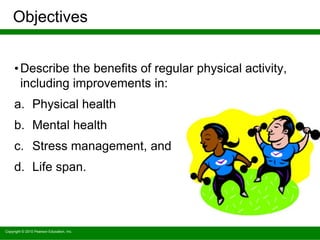
Pearson Education, Inc. Objectives •Describe the benefits of regular physical activity, including improvements in: a. Physical health b. Mental health c. Stress management, and d. Life span.
3.
Dr. Juliah Githang'a
1/23/2025
4.
Copyright © 2010
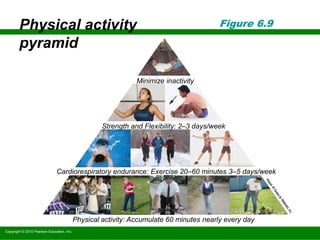
Pearson Education, Inc. Figure 6.9 Minimize inactivity Strength and Flexibility: 2–3 days/week Cardiorespiratory endurance: Exercise 20–60 minutes 3–5 days/week Physical activity: Accumulate 60 minutes nearly every day Physical activity pyramid
5.
Copyright © 2010
Pearson Education, Inc. You know exercise is good for you, but do you know how good?
6.
Copyright © 2010
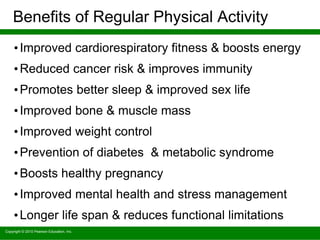
Pearson Education, Inc. Benefits of Regular Physical Activity •Improved cardiorespiratory fitness & boosts energy •Reduced cancer risk & improves immunity •Promotes better sleep & improved sex life •Improved bone & muscle mass •Improved weight control •Prevention of diabetes & metabolic syndrome •Boosts healthy pregnancy •Improved mental health and stress management •Longer life span & reduces functional limitations
7.
Copyright © 2010
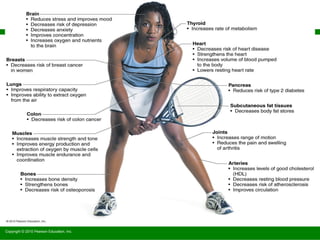
Pearson Education, Inc. Some Health Benefits of Regular Activity Copyright © 2010 Pearson Education, Inc.
8.
Copyright © 2010
Pearson Education, Inc. Copyright © 2010 Pearson Education, Inc.
9.
Copyright © 2010
Pearson Education, Inc. The Benefits and Significance of Adequate Physical Activity
10.
Copyright © 2010
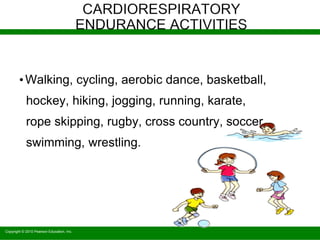
Pearson Education, Inc. •Walking, cycling, aerobic dance, basketball, hockey, hiking, jogging, running, karate, rope skipping, rugby, cross country, soccer, swimming, wrestling.
11.
Copyright © 2010
Pearson Education, Inc. •Regular physical activity is one of the most important things you can do for your health. •It can help:
12.
Copyright © 2010
Pearson Education, Inc. 1. Control Your Weight •Both diet and physical activity play a critical role in controlling your weight. •You gain weight when the calories you burn, are less than the calories you eat or drink. •When it comes to weight management, people vary greatly in how much physical activity they need. •You may need to be more active than others to achieve or maintain a healthy weight.
13.
Copyright © 2010
Pearson Education, Inc. •To maintain your weight: -Work your way up to 150 minutes of moderate- intensity aerobic activity, 75 minutes of vigorous- intensity aerobic activity, or an equivalent mix of the two each week. •Activity can help you maintain your weight over time. •However, the exact amount of physical activity needed to do this is not clear since it varies greatly from person to person.
14.
Copyright © 2010
Pearson Education, Inc. •To lose weight and keep it off: -You will need a high amount of physical activity unless you also adjust your diet and reduce the amount of calories you're eating and drinking. •Getting to and staying at a healthy weight requires both regular physical activity and a healthy eating plan. NOTE: The CDC has some great tools and information about nutrition, physical activity and weight loss.
15.
Copyright © 2010
Pearson Education, Inc. 2. Reduce Risk of Cardiovascular Disease •Heart disease and stroke are two of the leading causes of death. • But following the Guidelines and getting at least 150 minutes a week (2 hours and 30 minutes) of moderate-intensity aerobic activity can put you at a lower risk for these diseases. •You can reduce your risk even further with more physical activity. •Regular physical activity can also lower your blood pressure and improve your cholesterol levels.
16.
Copyright © 2010
Pearson Education, Inc. 3. Reduce risk of Type 2 Diabetes and Metabolic Syndrome •Regular physical activity can reduce your risk of developing type 2 diabetes and metabolic syndrome. •Metabolic syndrome is a condition in which you have some combination of: too much fat around the waist, high blood pressure, low HDL cholesterol, high triglycerides, or high blood sugar.
17.
Copyright © 2010
Pearson Education, Inc. •Research shows that lower rates of these conditions are seen with 120 to 150 minutes (2 hours to 2 hours and 30 minutes) a week of at least moderate-intensity aerobic activity. •And the more physical activity you do, the lower your risk will be.
18.
Copyright © 2010
Pearson Education, Inc. 4. Reduce Risk of Some Cancers •Being physically active lowers risk for two types of cancer: colon and breast. •Research shows that: Physically active people have a lower risk of colon cancer than do people who are not active. Physically active women have a lower risk of breast cancer than do people who are not active. •Reduce risk of endometrial and lung cancer.
19.
Copyright © 2010
Pearson Education, Inc. 5. Strengthen Your Bones and Muscles •As you age, it's important to protect your bones, joints and muscles. •Not only do they support your body and help you move, but keeping bones, joints and muscles healthy can help ensure that you're able to do your daily activities and be physically active. •Aerobic, muscle-strengthening and bone- strengthening physical activity of at least a moderately-intense level can slow the loss of bone density that comes with age.
20.
Copyright © 2010
Pearson Education, Inc.
21.
Copyright © 2010
Pearson Education, Inc. •Build strong, healthy muscles. •Muscle-strengthening activities can help you increase or maintain your muscle mass and strength. •Slowly increasing the amount of weight and number of repetitions you do will give you even more benefits, no matter your age.
22.
Copyright © 2010
Pearson Education, Inc. 6. Exercise boosts energy •Winded by grocery shopping or household chores? •Regular physical activity can improve your muscle strength and boost your endurance. •Exercise and physical activity deliver oxygen and nutrients to your tissues and help your cardiovascular system work more efficiently. •And when your heart and lungs work more efficiently, you have more energy to go about your daily chores.
23.
Copyright © 2010
Pearson Education, Inc. 7. Improve Your Mental Health and Mood •Regular physical activity can help keep your thinking, learning, and judgment skills sharp as you age. •It can also reduce your risk of depression and may help you sleep better. •Aerobic or a mix of aerobic and muscle- strengthening activities 3 to 5 times a week for 30 to 60 minutes can give you these mental health benefits. •Some scientific evidence has also shown that even lower levels of activity can be beneficial.
24.
Copyright © 2010
Pearson Education, Inc. •Physical activity stimulates various brain chemicals (serotonin, endorphins, dopamine) that may leave you feeling happier and more relaxed. •You may also feel better about your appearance and yourself when you exercise regularly, which can boost your confidence and improve your self- esteem.
25.
Copyright © 2010
Pearson Education, Inc.
26.
Copyright © 2010
Pearson Education, Inc. 8. Exercise promotes better sleep •Struggling to fall asleep? Or to stay asleep? •Regular physical activity can help you fall asleep faster and deepen your sleep ( stimulates sleep hormone called melatonin). •Just don't exercise too close to bedtime, or you may be too energized to fall asleep.
27.
Copyright © 2010
Pearson Education, Inc.
28.
Copyright © 2010
Pearson Education, Inc.
29.
Copyright © 2010
Pearson Education, Inc. Tips for a Better Night Sleep: Shut down light emitting devices 1 hour to bedtime Save bedroom for sleep and sex (think relaxation) Create a bedtime ritual. Stick to a schedule (waking up & retiring to bed) Watch what & when to eat (avoid soda, tea, chocolate, caffeine, alcohol & heavy meal) Turn out the lights. Light suppresses melatonin.
30.
Copyright © 2010
Pearson Education, Inc. 9. Exercise puts the spark back into your sex life Do you feel too tired or too out of shape to enjoy physical intimacy? •Regular physical activity can leave you feeling energized and looking better, which may have a positive effect on your sex life. •Regular physical activity can lead to enhanced arousal due to the release of oxytocin (love hormone). •And men who exercise regularly are less likely to have problems with erectile dysfunction than are men who don't exercise.
31.
Copyright © 2010
Pearson Education, Inc.
32.
Copyright © 2010
Pearson Education, Inc.
33.
Copyright © 2010
Pearson Education, Inc.
34.
Copyright © 2010
Pearson Education, Inc.
35.
Copyright © 2010
Pearson Education, Inc. 10. Improve Seniors’ Ability to do Daily Activities and Prevent Falls •A functional limitation is a loss of the ability to do everyday activities such as climbing stairs, grocery shopping, or playing with grandchildren. •How does this relate to physical activity? If you're a physically active middle-aged or older adult, you have a lower risk of functional limitations than people who are inactive.
36.
Copyright © 2010
Pearson Education, Inc. 11. Increase Chances of Living Longer •Science shows that physical activity can reduce risk of dying early from the leading causes of death, like heart disease and some cancers. Only a few lifestyle choices have as large an impact on your health as physical activity. People who are physically active for about 7 hours a week have a 40 percent lower risk of dying early than those who are active for less than 30 minutes a week. You can put yourself at lower risk of dying early by doing at least 150 minutes a week of moderate- intensity aerobic activity.
37.
Copyright © 2010
Pearson Education, Inc.
38.
Copyright © 2010
Pearson Education, Inc. 12. Boosts a Healthy Pregnancy
39.
Copyright © 2010
Pearson Education, Inc. 13. Exercise can be fun •Exercise and physical activity can be a fun way to spend some time. •It gives you a chance to unwind, enjoy the outdoors or simply engage in activities that make you happy. •Physical activity can also help you connect with family or friends in a fun social setting. •So, take a dance class, hit the hiking trails or join a soccer team. •Find a physical activity you enjoy, and just do it. If you get bored, try something new.
40.
Copyright © 2010
Pearson Education, Inc. 14. Creates a balanced life
41.
Copyright © 2010
Pearson Education, Inc. 15. PAIN MANAGEMENT
42.
Copyright © 2010
Pearson Education, Inc.
43.
Copyright © 2010
Pearson Education, Inc. Exercise and physical activity are a great way to feel better, gain health benefits and have fun. As a general goal, aim for at least 30 minutes of physical activity every day. If you want to lose weight or meet specific fitness goals, you may need to exercise more. Remember to check with your doctor before starting a new exercise program, especially if you haven't exercised for a long time, have chronic health problems, such as heart disease, diabetes or arthritis, or you have any concerns.
44.
Copyright © 2010
Pearson Education, Inc. END OF CHAPTER!!
Download