Talia Wolf • @taliagw
The Unshakeable
Business Case for
Empathetic CX
Break up with traditional CRO to
drive more meaningful conversions
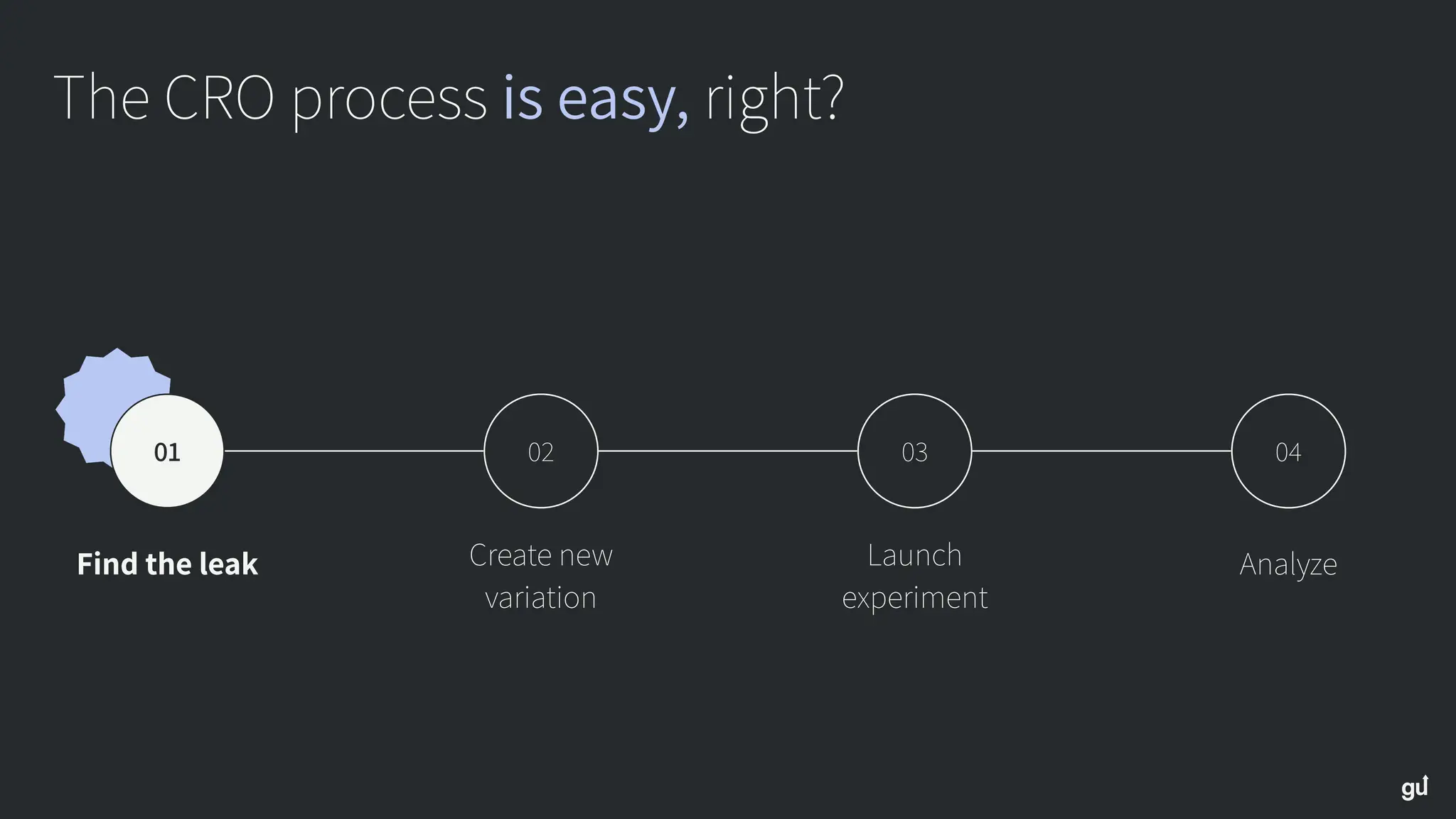
04
01
Find the leak
02
Create new
variation
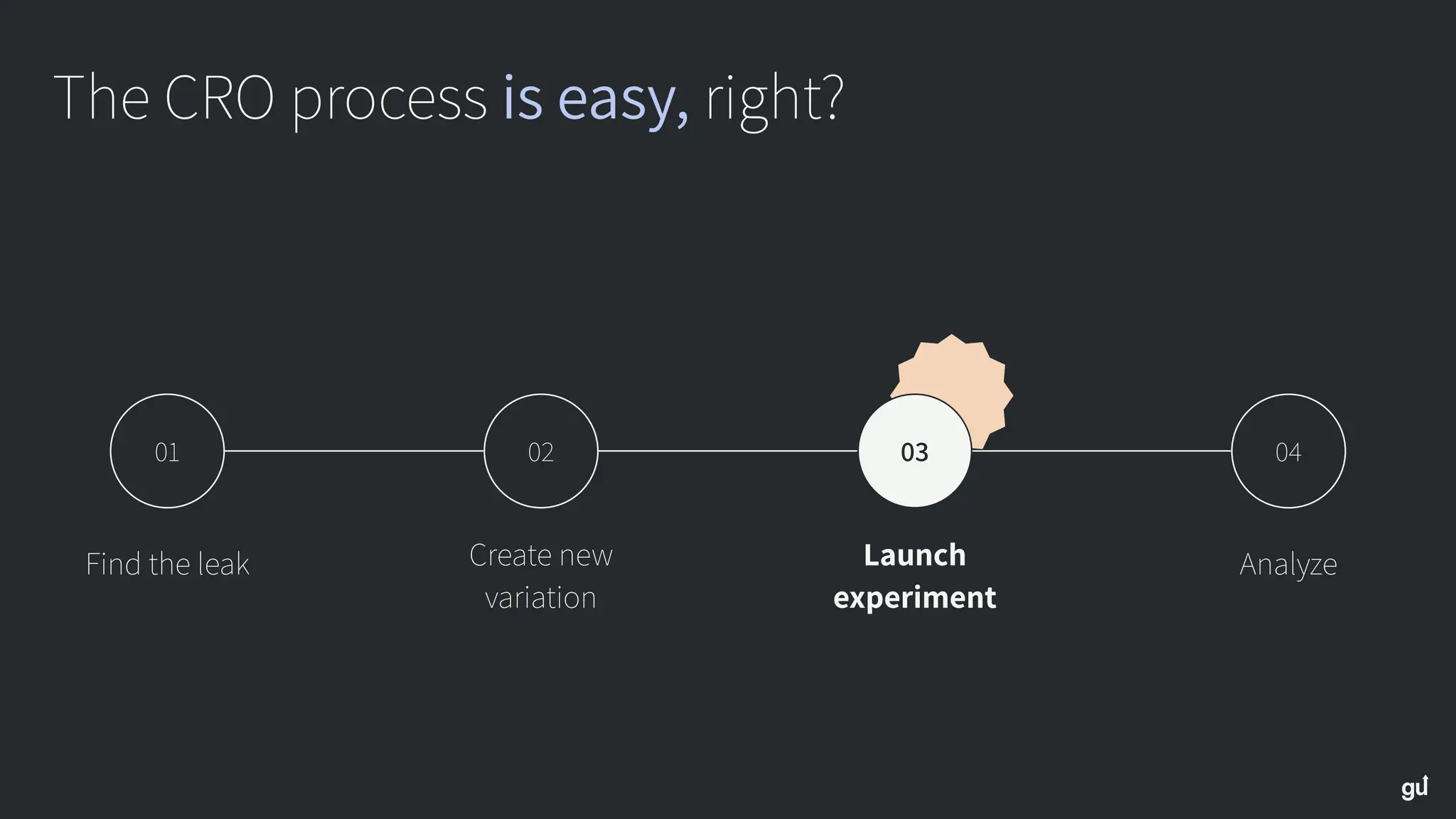
03
Analyze
The CRO process is easy, right?
Launch
experiment
04
01
Find the leak Create new
variation
03
Analyze
Launch
experiment
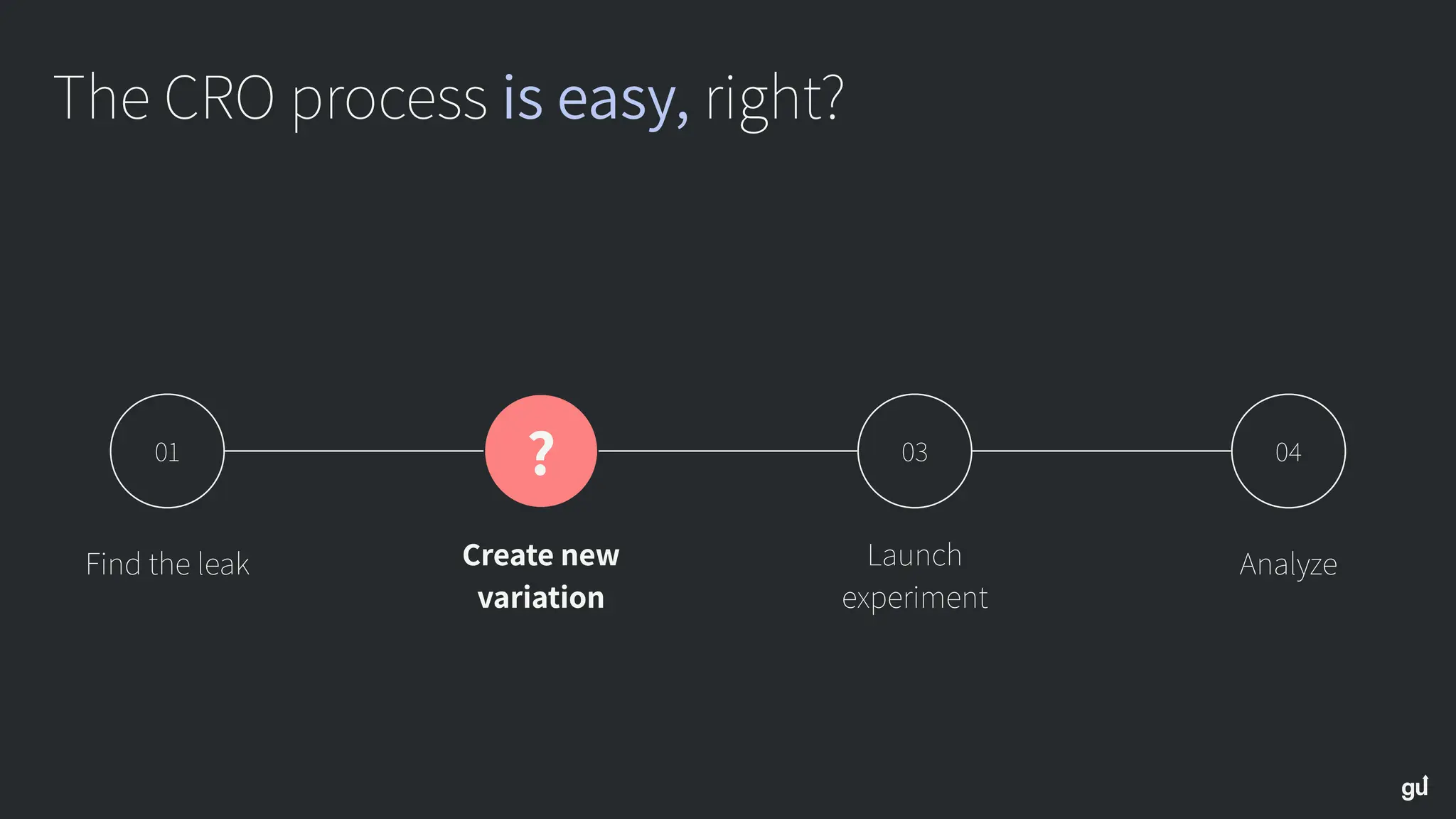
The CRO process is easy, right?
02
?
04
01
Find the leak
02
Create new
variation
03
Launch
experiment
Analyze
The CRO process is easy, right?
04
01
Find the leak
02
Create new
variation
03
Analyze
Launch
experiment
The CRO process is easy, right?
04
01
Find the leak
?
Create new
variation
03
Analyze
Launch
experiment
The CRO process is easy, right?
We’re amazing!
Really, we are. Believe us
and click this button!
CLICK THIS!
We’re amazing!
Really, we are. Believe us
and click this button!
CLICK THIS!
CONTROL VARIANT
?
Testing random stuff
Copying competitors
Sounding like everyone else
Throwing tools at the problem
The deadly hamster
wheel of optimization—
robdiaz.com
robdiaz.com
Testing random stuff
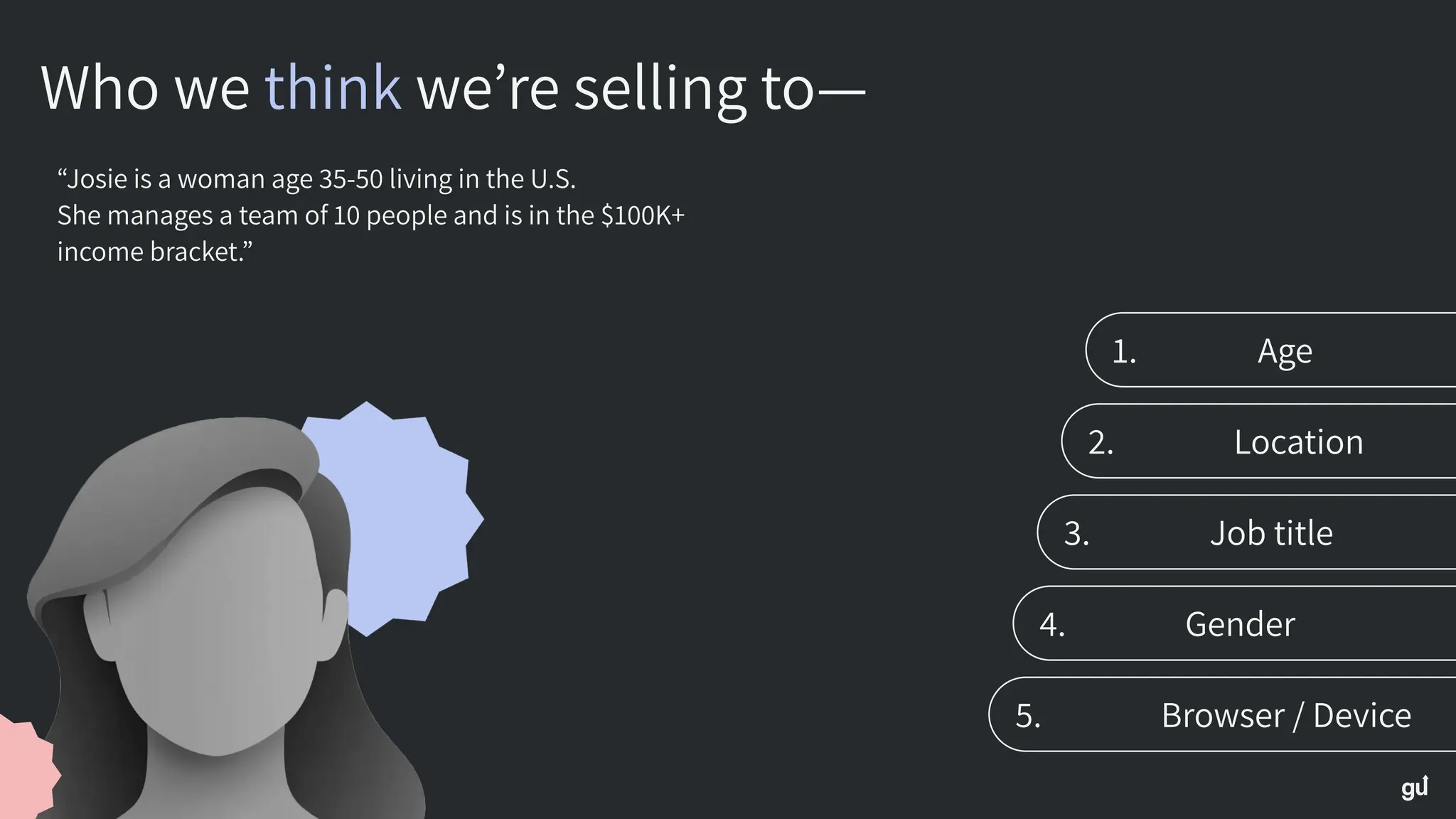
“Josie is a woman age 35-50 living in the U.S.
She manages a team of 10 people and is in the $100K+
income bracket.”
1. Age
2. Location
3. Job title
4. Gender
5. Browser / Device
Who we think we’re selling to—
82% of marketers have no con
fi
dence in
their ability to analyze and use their data.
Gartner, 2024 Marketing Data Con
fi
dence Survey
04
Pricing
02
Technology
01
AI
03
Features
Why we think people buy— 03
Sounding like
everyone else
02
Copying
competitors
01
Testing
random stuff
You’re speaking to the
building...
You’re speaking to the
building...
Not the person inside.
Garbage in…
Please outline a landing page for a well-known
soda drink:
- Target audience is adults & children
- Start with an attention-grabbing headline,
- Use the
fi
rst paragraph to clearly describe
what our drink is and its primary bene
fi
ts.
- Use the
fi
nal section to invite people to buy it
Main selling points and bene
fi
ts:
- Just $14.38 for 24 cans
- 140 calories only
- Multiple container options - Glass, plastic or
can
- You can get multiple sugar free versions!
- Drink has been number one in the world
since 1886
- Use a catchy headline such as “Experience the
Classic Refreshment Since 1886” to immediately
capture attention.
- Add a sub-headline: Refreshing, delicious, and
made for everyone—enjoy the taste that’s been
delighting people for over a century!
- Use limited-time promotions in your CTA: Order
Now – Get 24 Cans for Just $14.38!
- Highlight key benefits, like its low calorie count,
affordable price, and universal appeal.
Garbage out…
How we think people make
decisions —
if
?
?
?
Yes!
?
Yes!
How people actually make
decisions —
if Yes!
Yes!
“Without emotions, we
lack the ability to make
any kind decision”
A n t o n i o D a m a s i o - P r o f e s s o r o f p s y c h o l o g y a n d n e u r o s c i e n c e
Even in B2B?
Even in B2B?
Yes.
B2B purchasers are almost
50% more likely to buy a
product or service when
”
Think with Google
”
Think with Google
B2B purchasers are almost
50% more likely to buy a
product or service when they
see personal value in their
business purchase decision.
They are 8x more likely to
pay a premium for
comparable products and
services when
”
Think with Google
”
Think with Google
They are 8x more likely to
pay a premium for
comparable products and
services when personal value
is present.
Rand Fishkin, Sparktoro
Almost every single search
includes emotion —
Can I do my own accounting for a small
business?
What is the simplest accounting software for
small businesses?
How much does it cost for a small
business to have an accountant?
+
Should I hire a bookkeeper or do it
myself?
+
Is an accountant worth it for a small
business?
+
Can I do bookkeeping without
QuickBooks?
+
What type of accountant does a small
business need?
+
Do I need an accountant for a very
small business?
+
Which accounting method is best for
small business?
+
What is the basic accounting for a
small business?
+
What is the difference between
accounting and bookkeeping?
+
+
The emotional gap
What prospects are looking for:
- “Can I do this myself?”
- “Can I stop worrying about this?”
- “How do I know it's for me?”
What websites are saying:
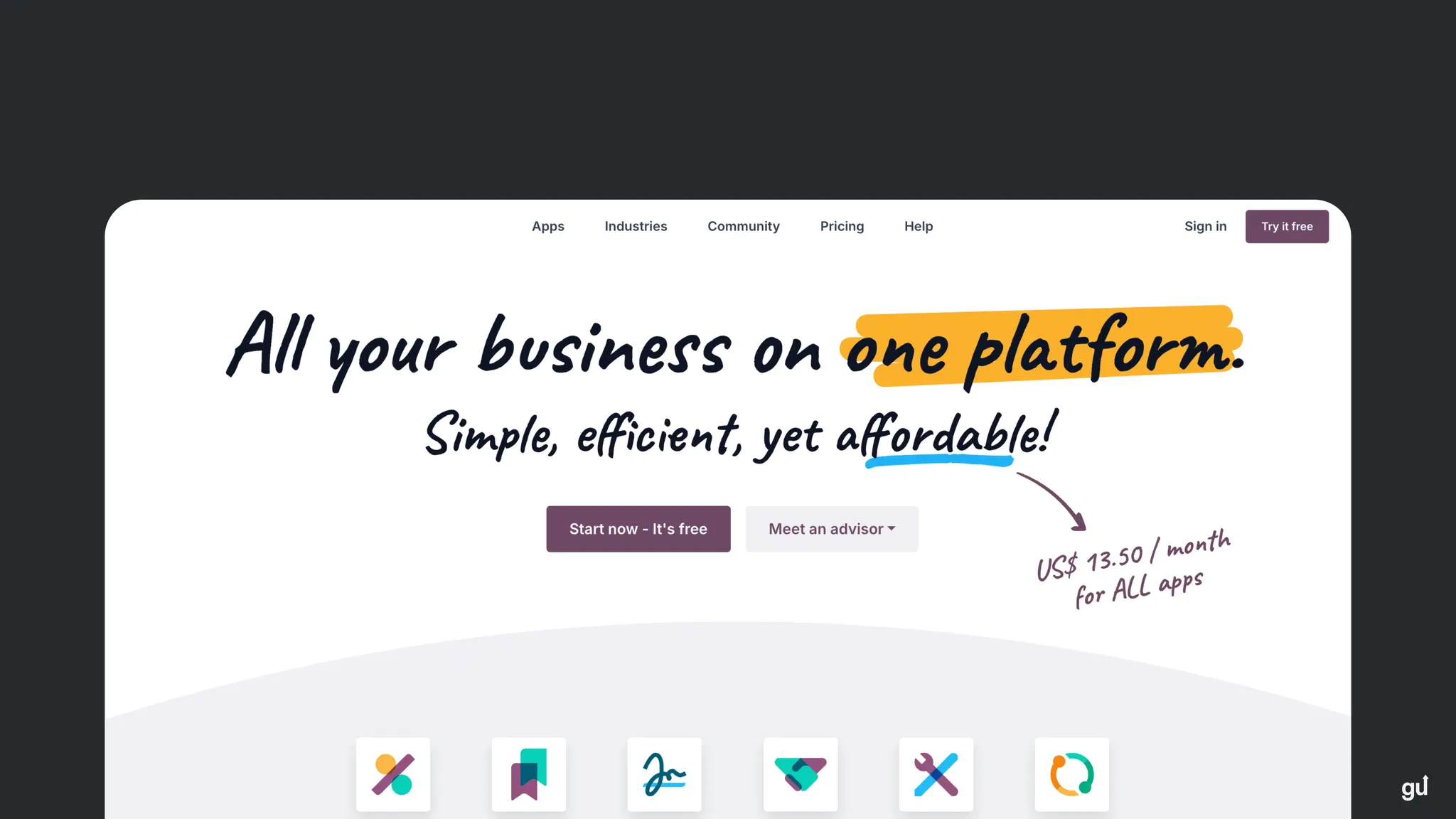
- “We’re an all-in-one platform!”
- “We’re powered by AI”
- “We’re the #1 solution”
44
Who you’re actually selling to —
AKA: How your prospects actually make buying
decisions.
“Will I get a career advancement?”
“Will people see me as the go-to?”
“Will I feel more confident?”
“Will I get promoted?”
“Will I feel better about myself?”
“Will I finally stop worrying about this?”
The tactical go-to CRO process —
Experiment increased
conversions? Success!
Data Analysis
“We need to increase
conversions on X page”
01
Create variation
*Come up with a list of
changes that could optimize
the page*
02
Launch experiment
*See if it increased
conversions or not*
03
Experiment did not increase
conversions? Fail
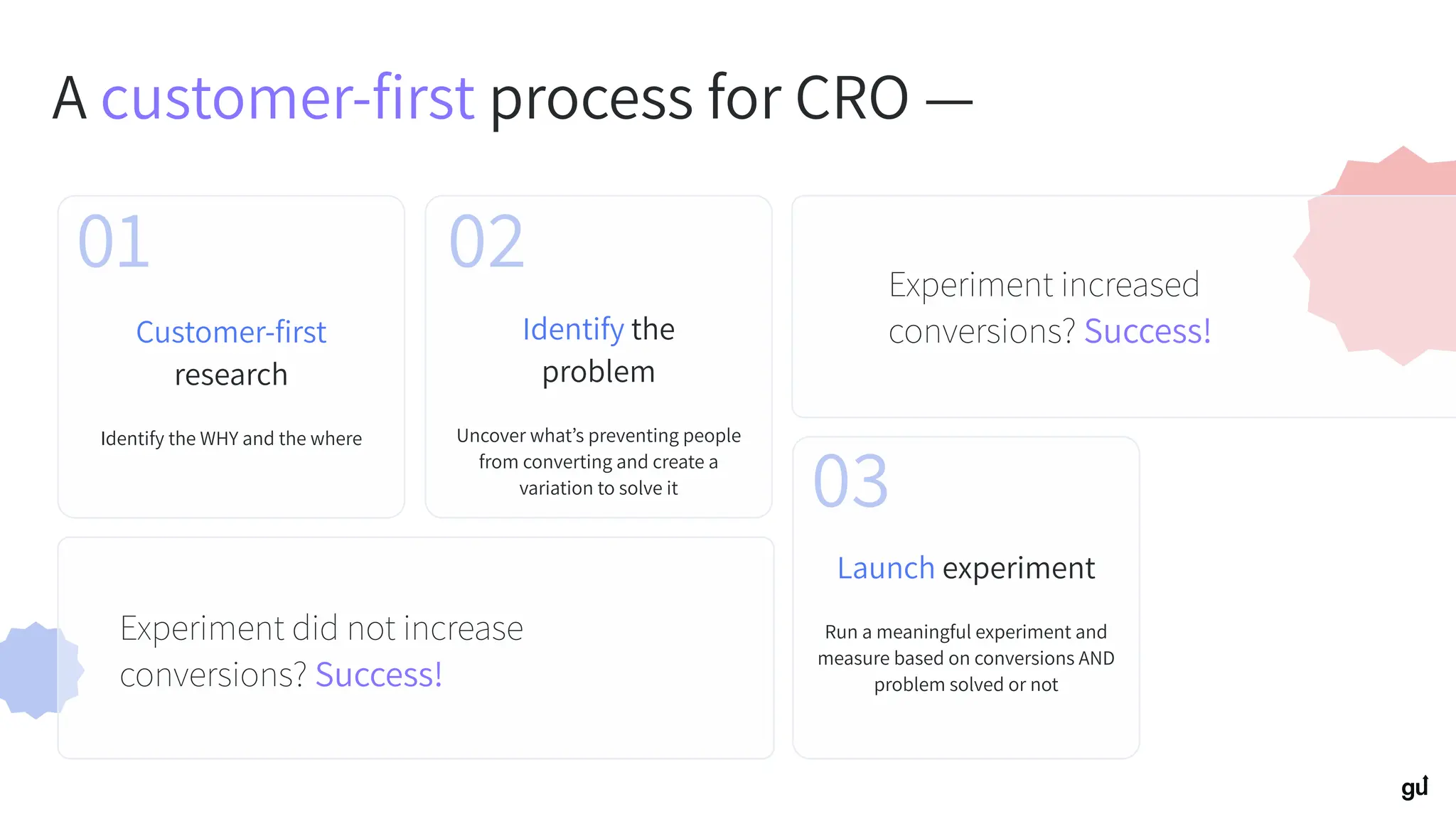
A customer-first process for CRO —
Experiment increased
conversions? Success!
Customer-first
research
Identify the WHY and the where
01
Identify the
problem
Uncover what’s preventing people
from converting and create a
variation to solve it
02
Launch experiment
Run a meaningful experiment and
measure based on conversions AND
problem solved or not
03
Experiment did not increase
conversions? Success!
Self-assessment exercise —
Where are you?
Tactical
CRO
Strategic
CRO
Focuses on
increasing
testing velocity.
Asks “what should
we test next?” /
“what elements
should we change?”
Driven by best
practices, C-Suite,
guesswork,
competitors & tactics.
Measures success
based on uplifts
alone.
Has a clear
roadmap rooted in
strategy &
business goals.
Leverages tools
to implement &
test strategy (not
as a crutch)
Runs experiments
to solve problems,
not change
elements
Informs Marketing,
Sales and Product
strategy
Let’s run a strategic CRO audit
Uncover the real gaps and identify
why customers aren't converting.
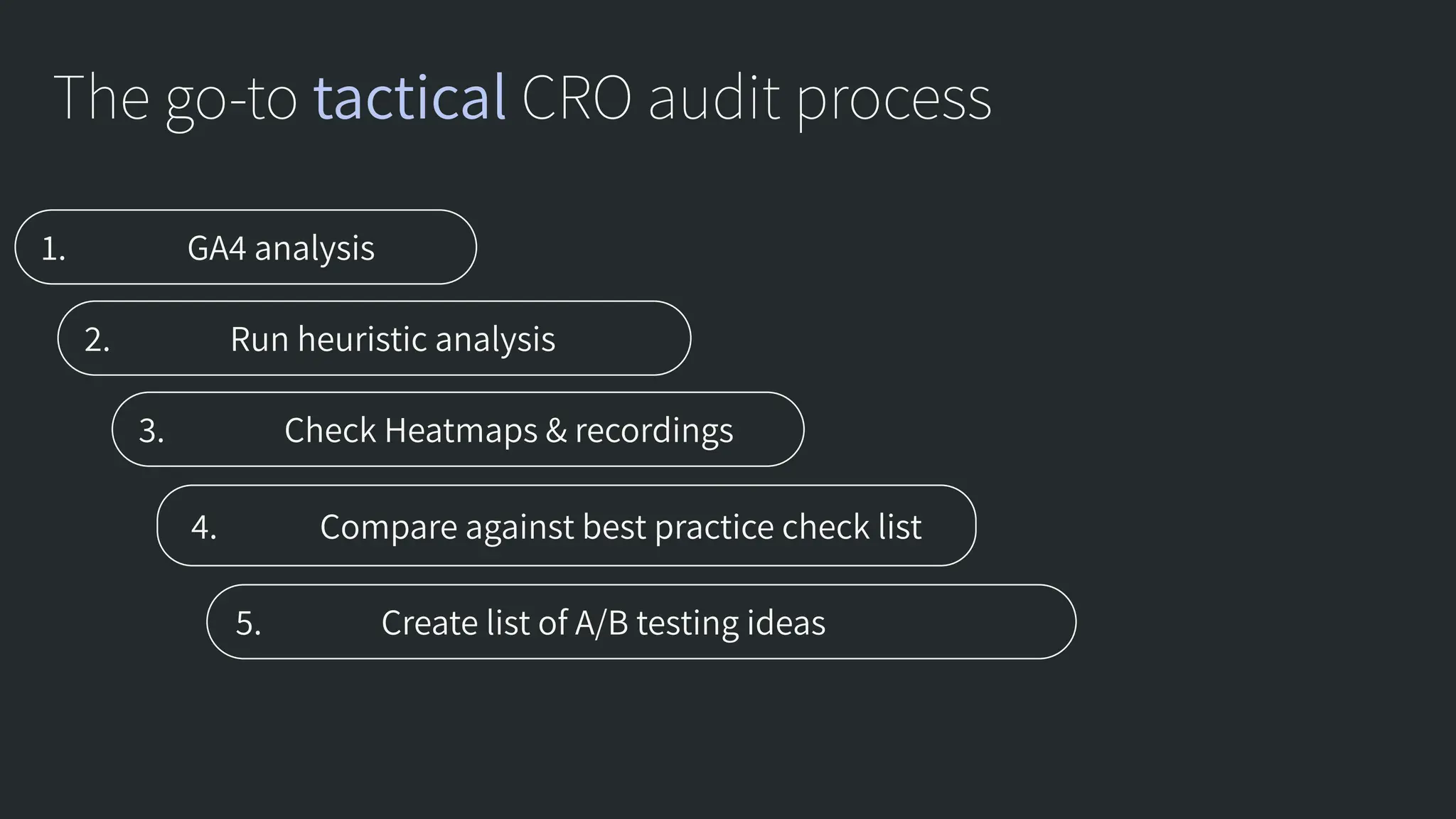
The go-to tactical CRO audit process
1. GA4 analysis
2. Run heuristic analysis
3. Check Heatmaps & recordings
4. Compare against best practice check list
5. Create list of A/B testing ideas
A strategic CRO audit process…
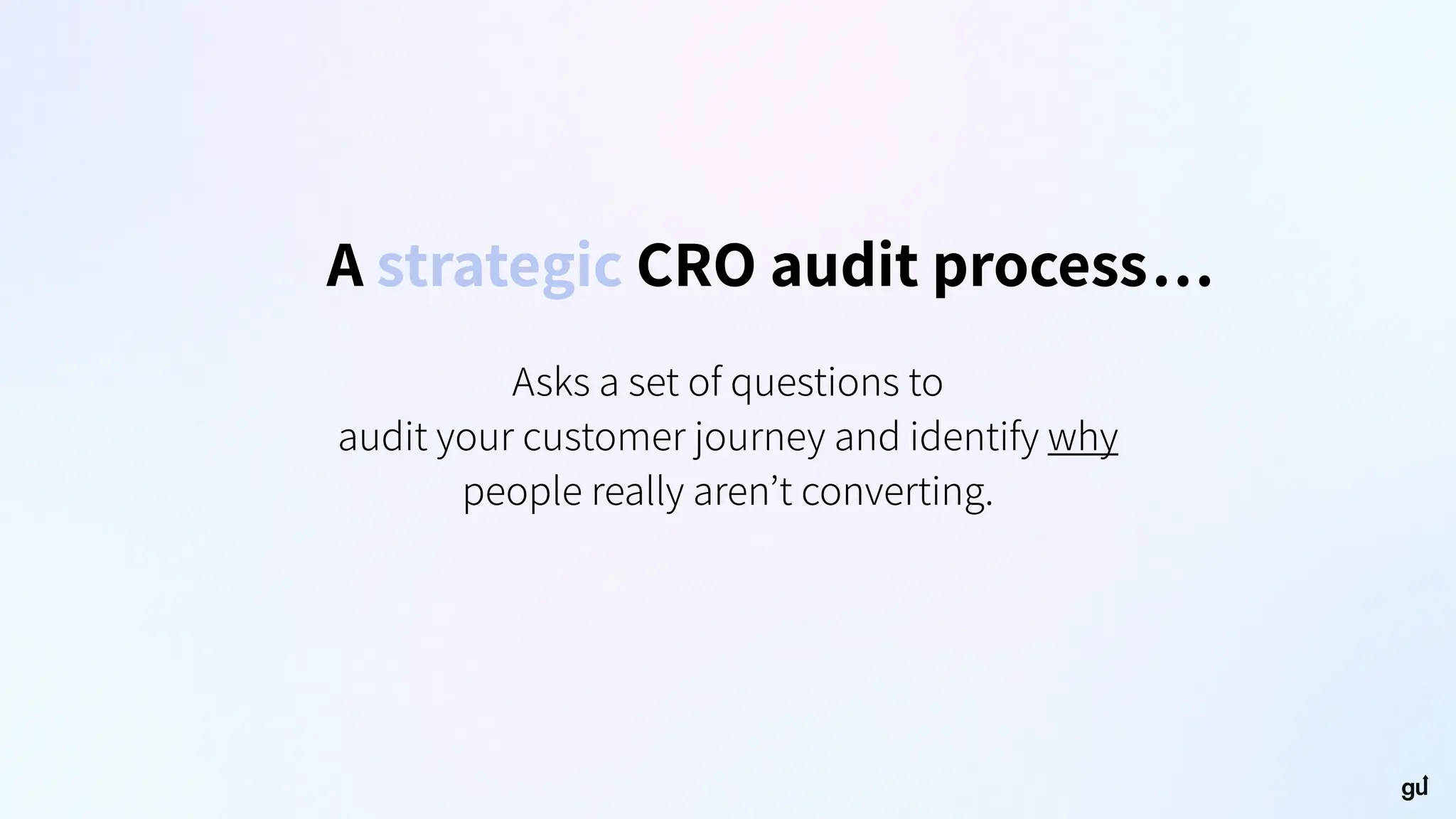
Asks a set of questions to
audit your customer journey and identify why
people really aren’t converting.
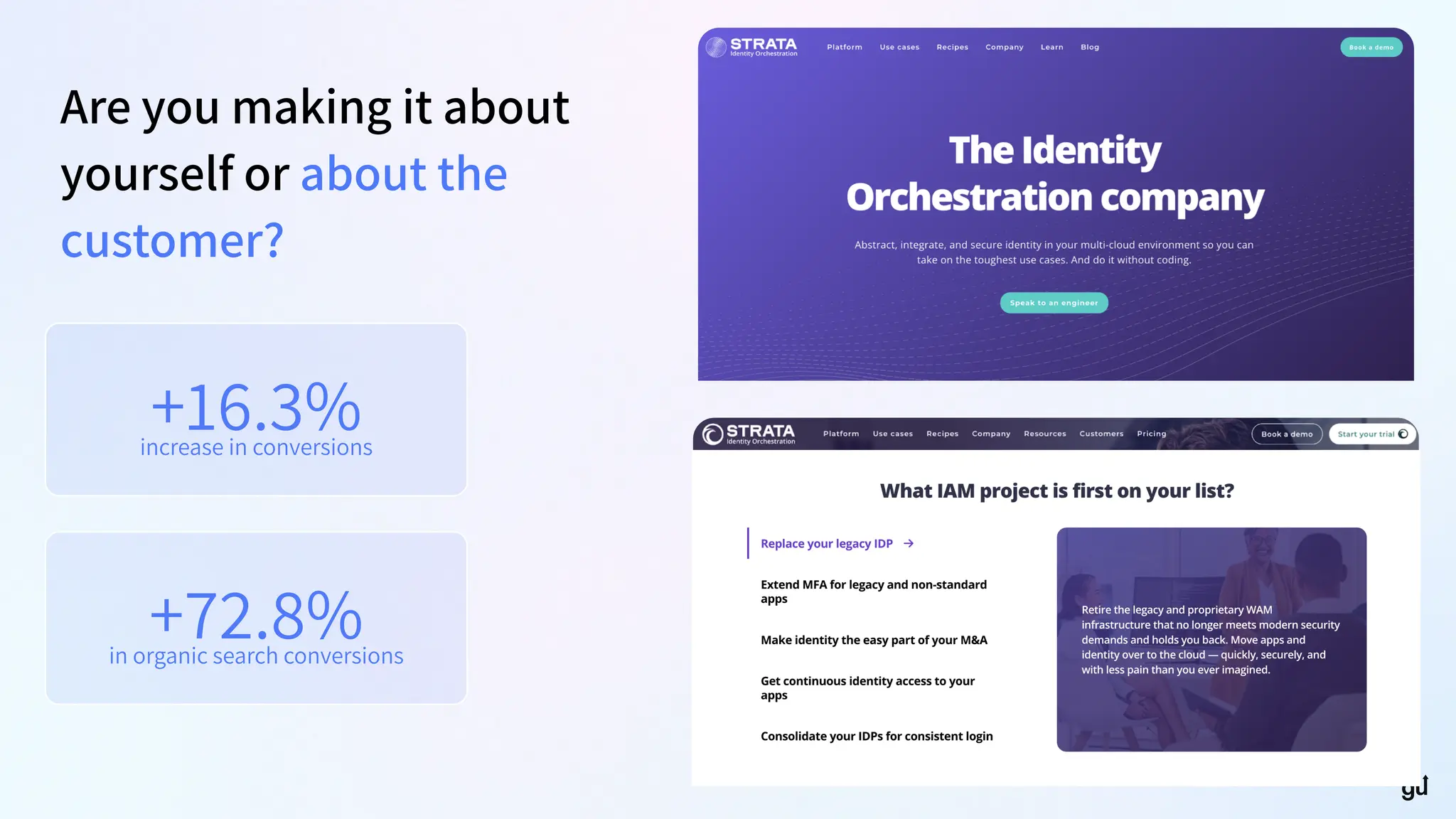
Are you making it about
yourself or about the
customer?
+72.8%
in organic search conversions
+16.3%
increase in conversions
Are you focused on how the solution works and
its features or the outcomes prospects care
about?
+97%
increase in sales
Are you making it about
yourself or about the
customer?
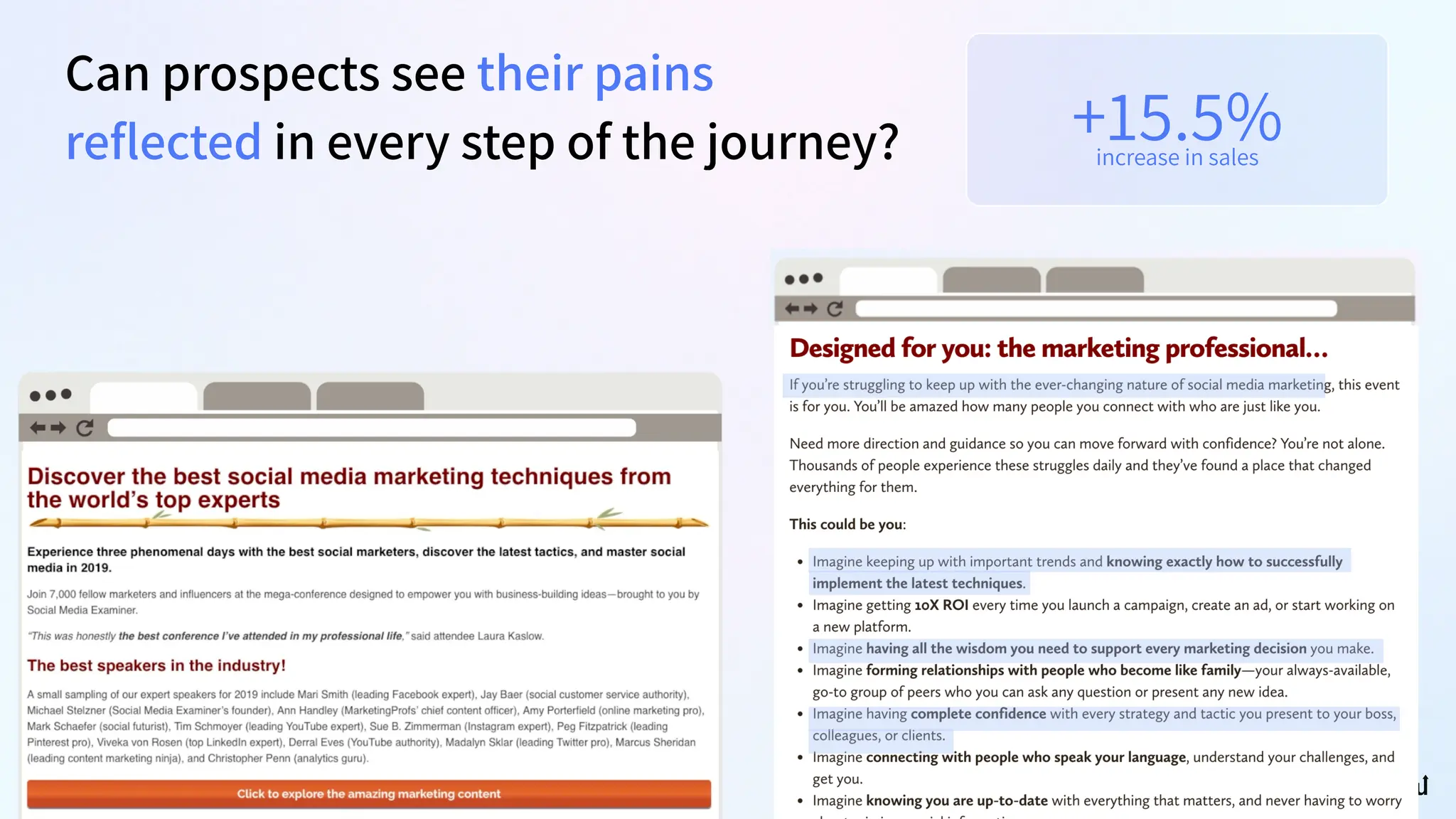
Can prospects see their pains
reflected in every step of the journey? +15.5%
increase in sales
Do your design, UX, colors and images
all support and prove your main
message?
+27%
increase in transactions
10%
Increase in AOV
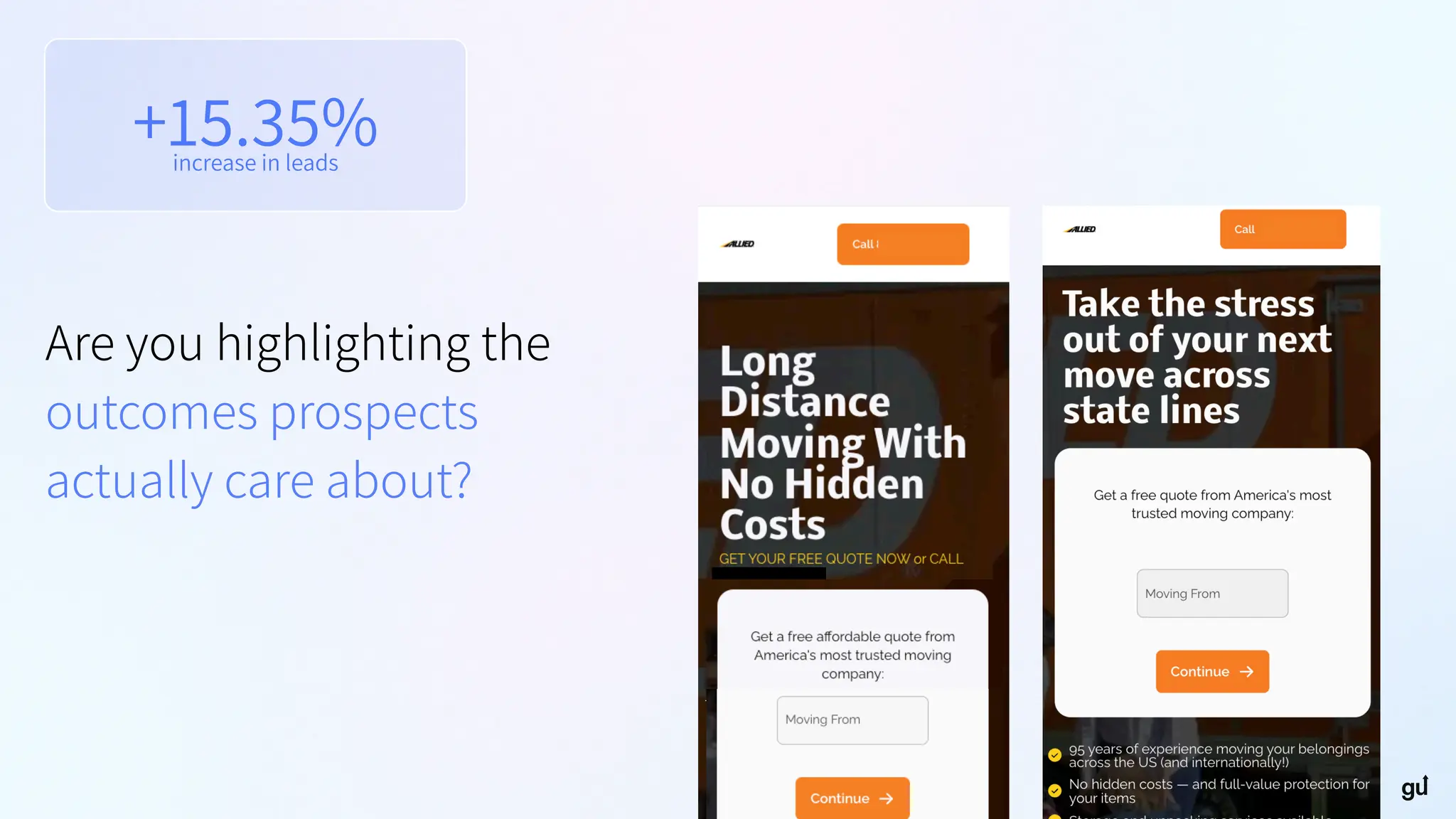
Are you highlighting the
outcomes prospects
actually care about?
+15.35%
increase in leads
Are you promising an emotional
outcome your customers actually want?
+76%
increase in new accounts
Are you highlighting the
outcomes prospects
actually care about?
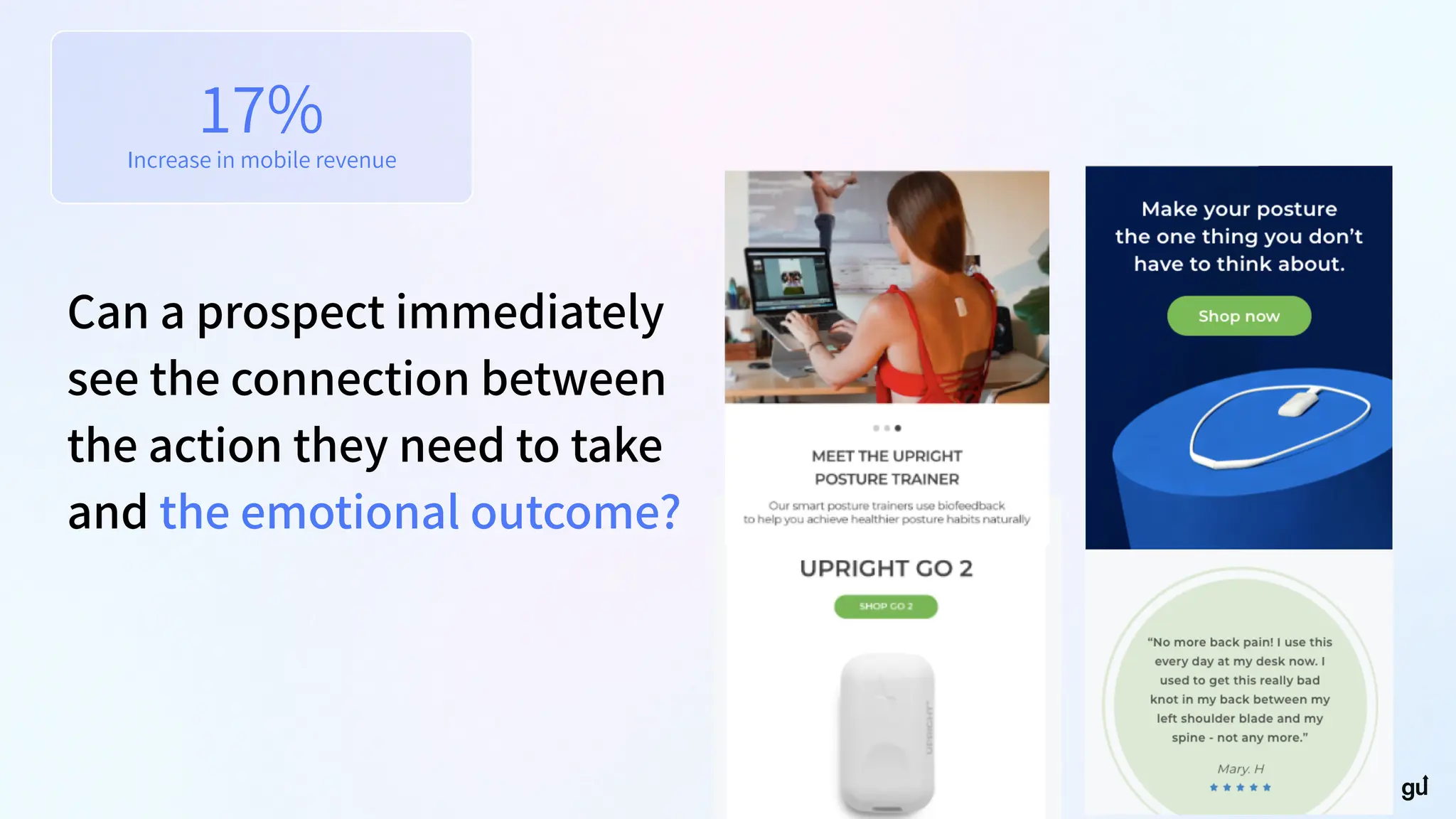
Can a prospect immediately
see the connection between
the action they need to take
and the emotional outcome?
17%
Increase in mobile revenue
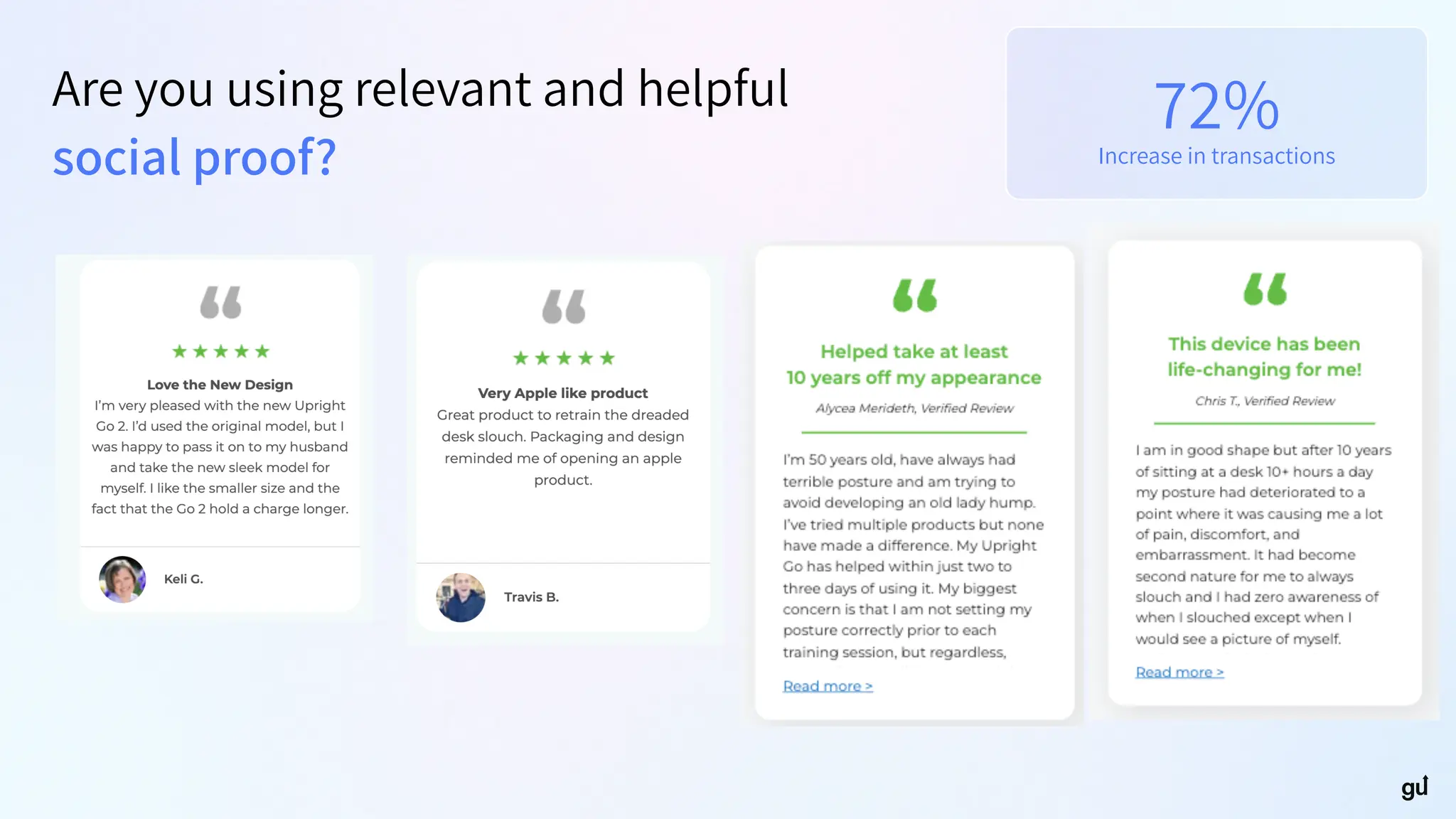
72%
Increase in transactions
Are you using relevant and helpful
social proof?
How many did you
answer no to?
Run meaningful experiments
Learn from every experiment and optimize with intent.
Successful CRO Programs —
Answer critical business
and customer questions
Run experiments that inform
your whole marketing strategy.
Break the silos between
Marketing, Sales and Product.
Planning a meaningful experiment
What problems have you identified?
(based on your research and audit)
Where is this happening?
Why could this be happening?
(your hypothesis)
What tests will you run to solve this
problem?
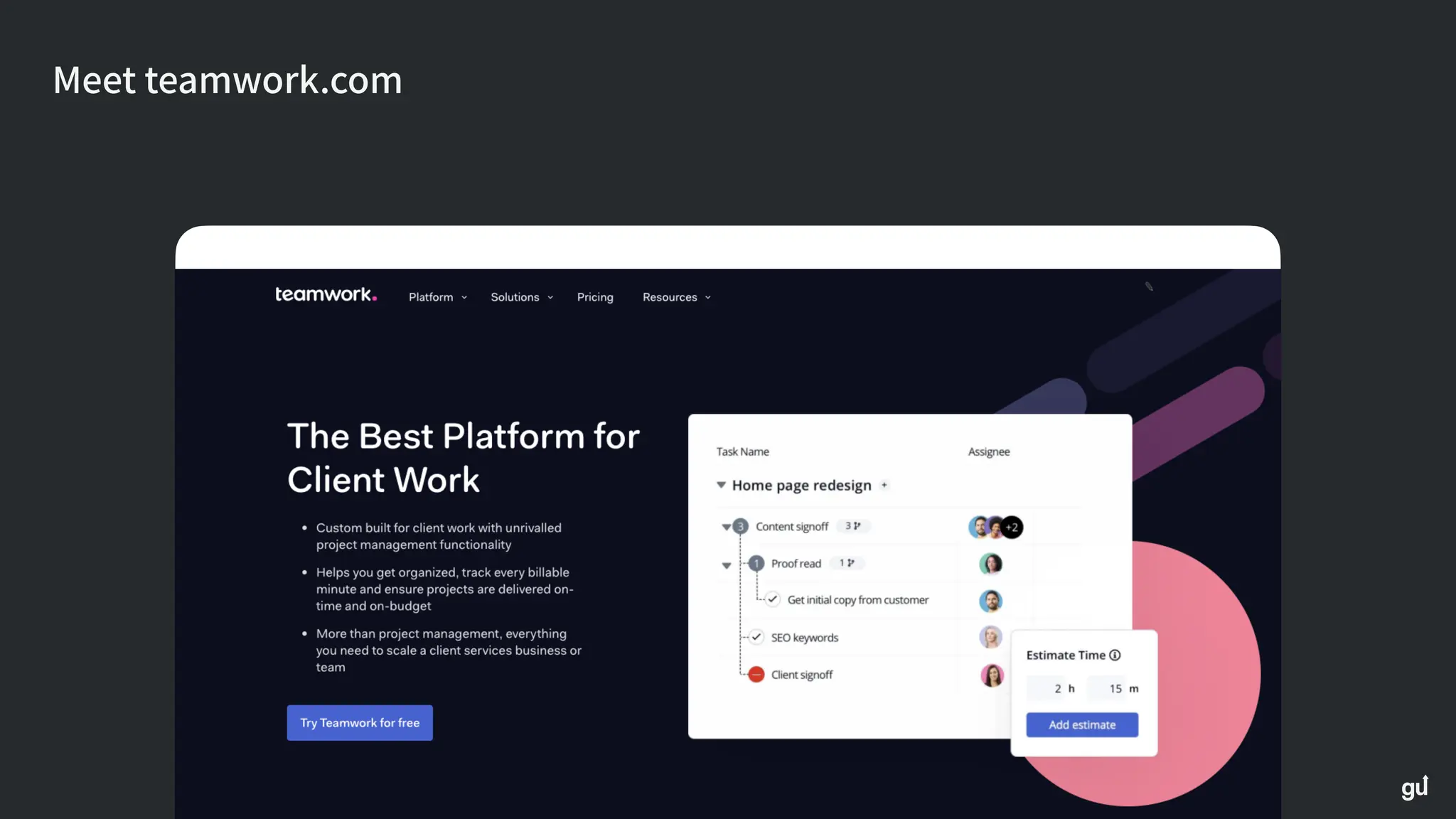
Meet teamwork.com
Agency owner (32-55), 10+ employees, needs
reporting, dashboards and chat
What we knew before
What we now know
Agency owner who’s tired of over promising and under-
delivering. Wants know what the F*** is going on, wants
to know if she’s profitable or not and if Patty is working
or not
Planning a meaningful experiment
What problems have you identified?
(based on your research and audit)
Where is this happening?
Why could this be happening?
(your hypothesis)
What tests will you run to solve this
problem?
Prospects cannot immediately see that this solution was
specifically built for them and do not know the difference
between us and <competitor>
Our homepage and comparison pages
Our copy is too generic and speaks to everyone. We sound
and look a lot like our competitor and it’s hard to tell the
difference
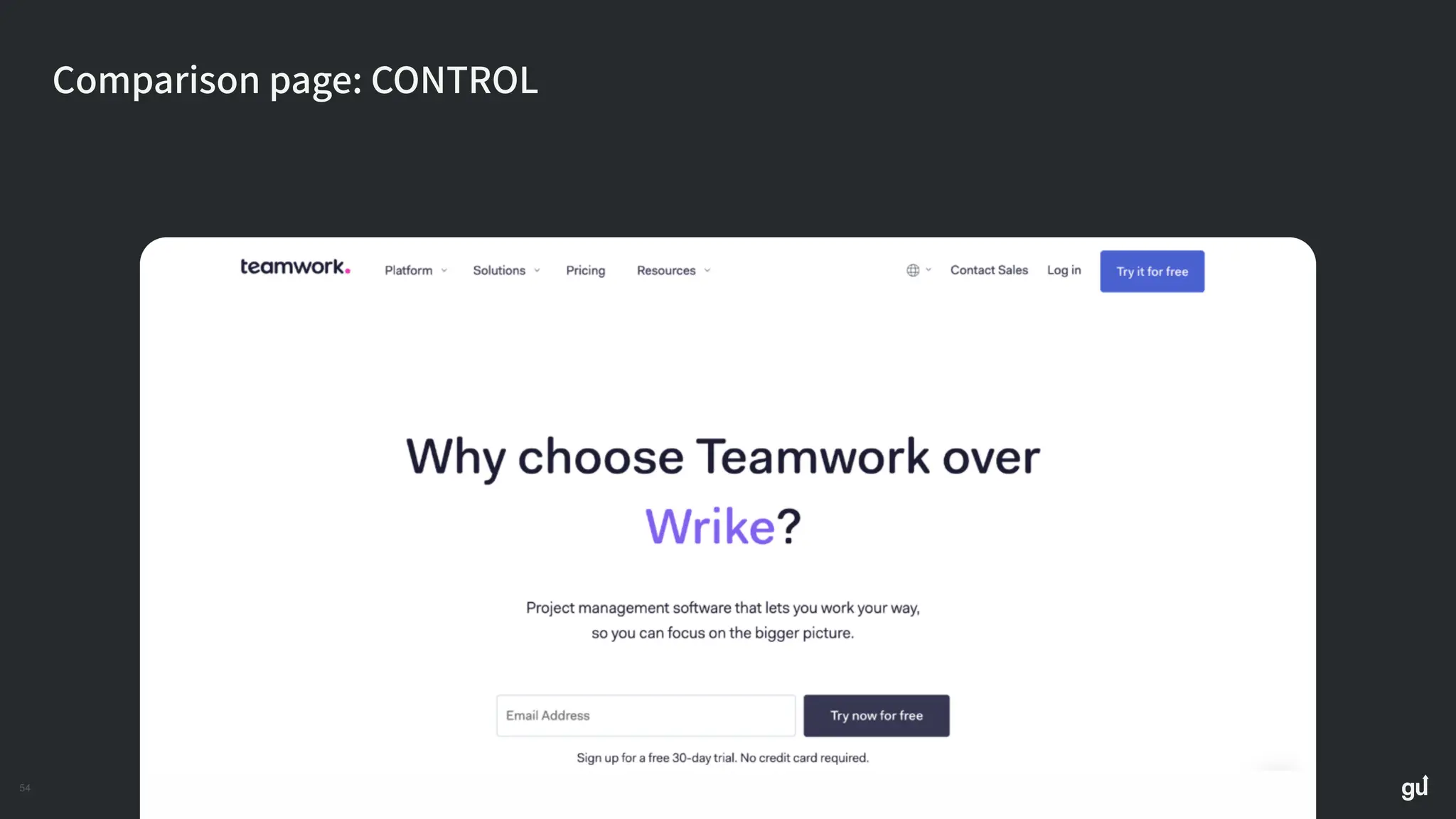
Messaging experiment on the comparison page and main
website navigation
54
Comparison page: CONTROL
55
+54%
in free trials from organic traffic
56
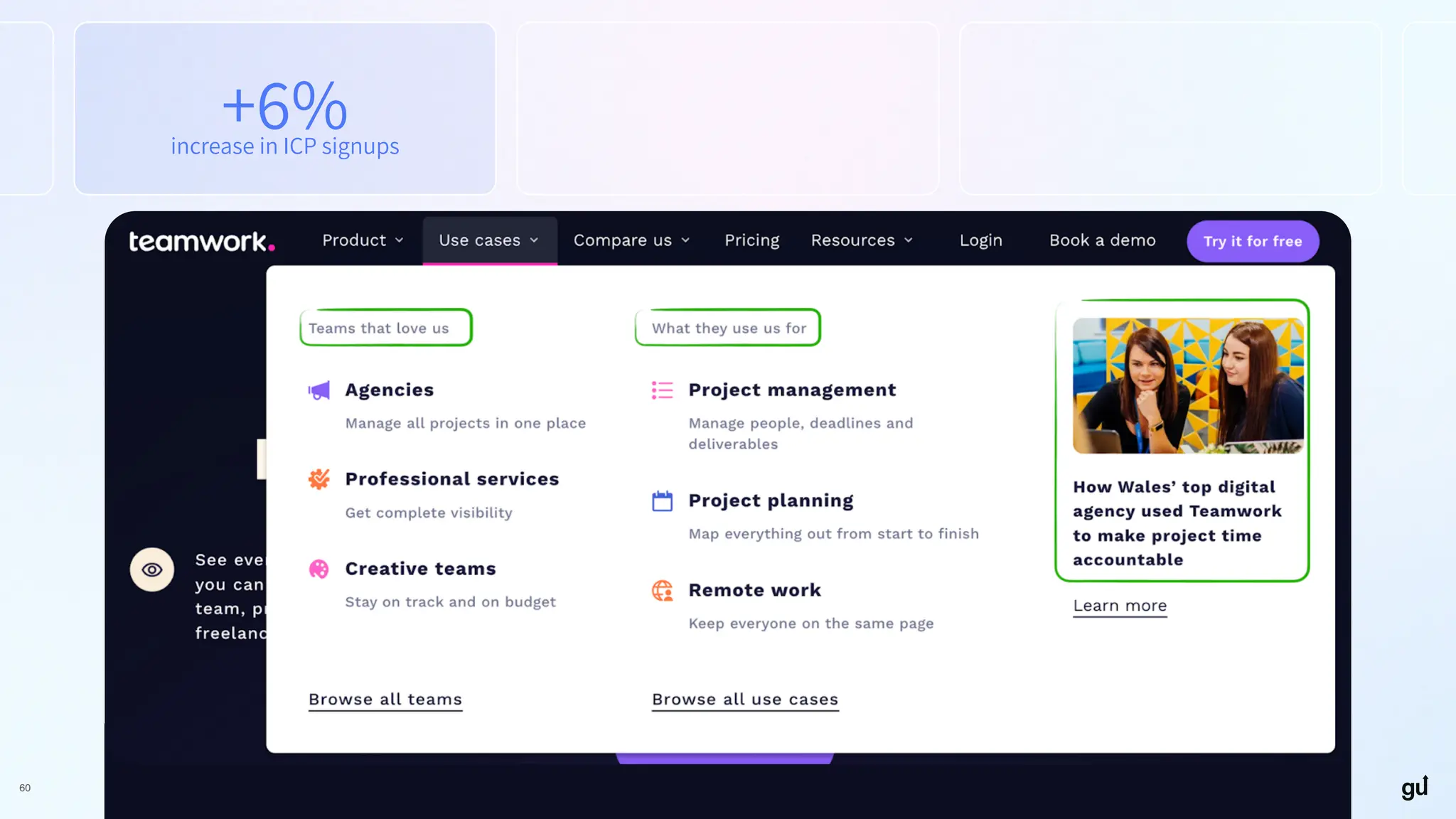
Website navigation: CONTROL
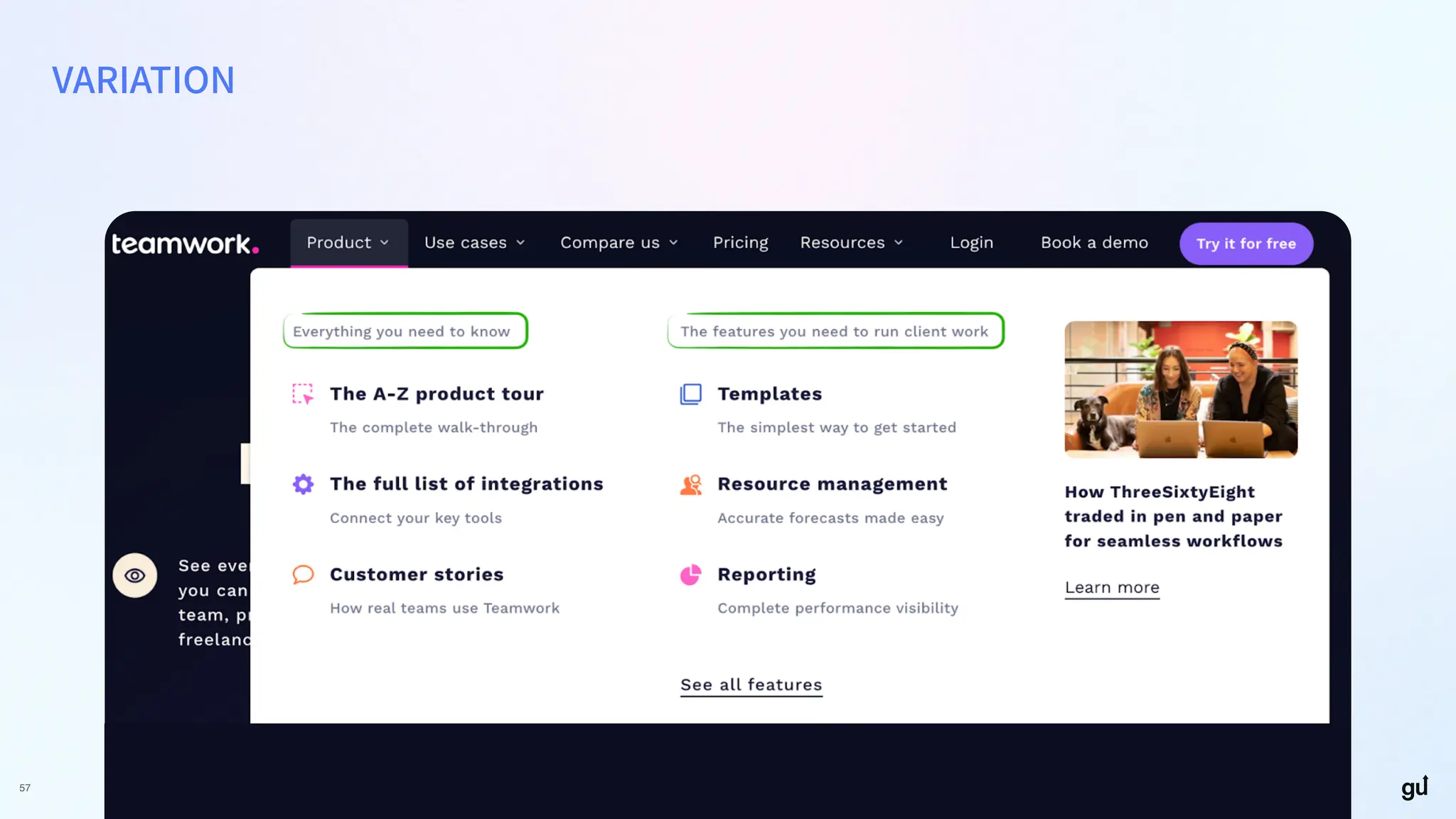
VARIATION
57
VARIATION
58
59
VARIATION
60
+6%
increase in ICP signups
Homepage: CONTROL
62
+7X
increase in free trials
Two emotion-based
tests you can run
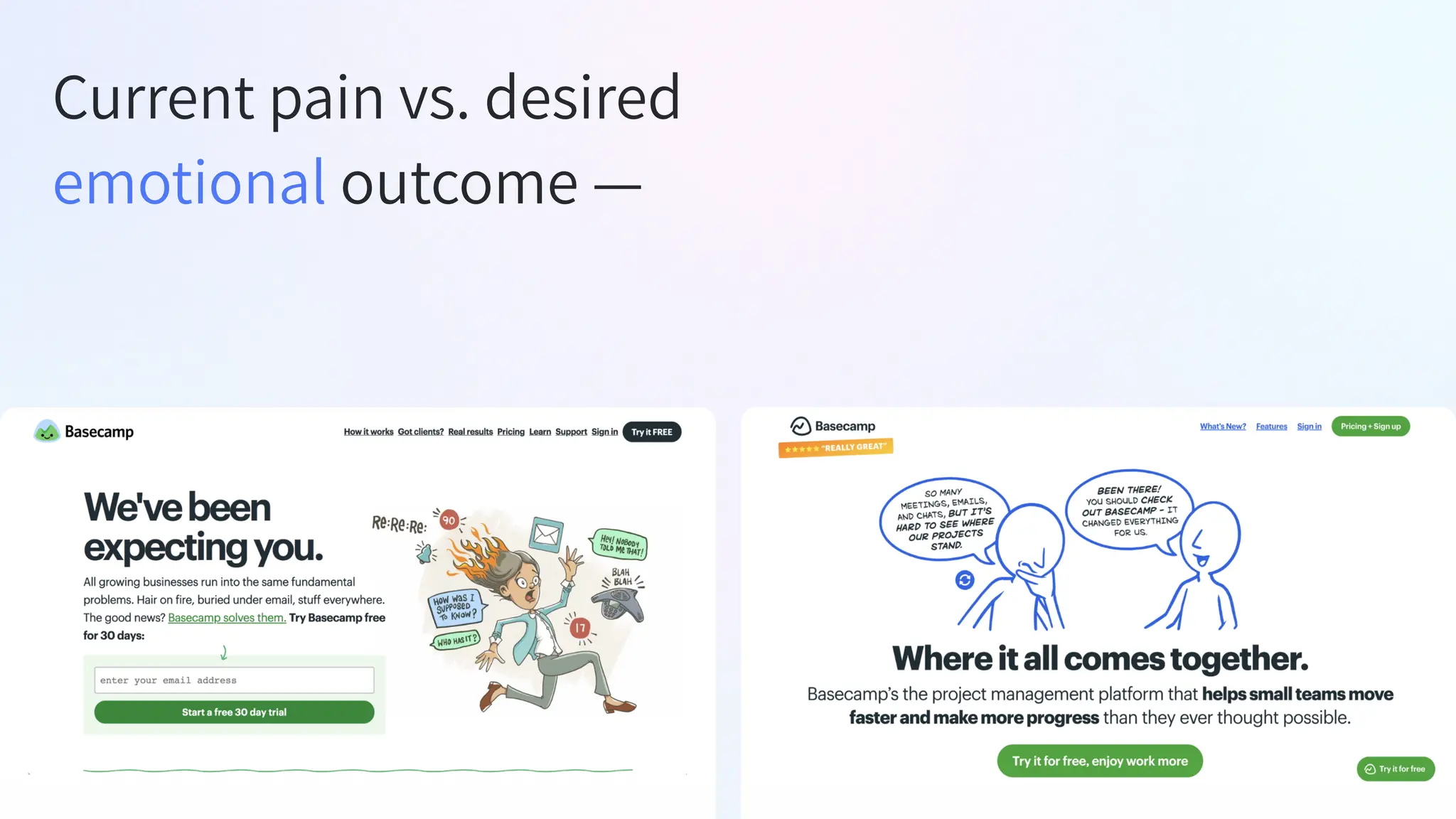
Current pain vs. desired
emotional outcome —
Solution-focused
vs. customer-focused —
+33.69%
in transactions
+25%
in revenue
66
Getting buy-in
1. Start small - sell the research
2. Present your findings AND plan of action:
a. This is what we learned from the survey
b. This is what we’re saying
3. Our plan of action
4. What we’ll measure
5. What we’ll gain
67
Getting buy-in
Why you should care:
1. Saving time and money for the org
2. No more guesswork
3. Customer knowledge
4. Break silos and get everyone on the same page
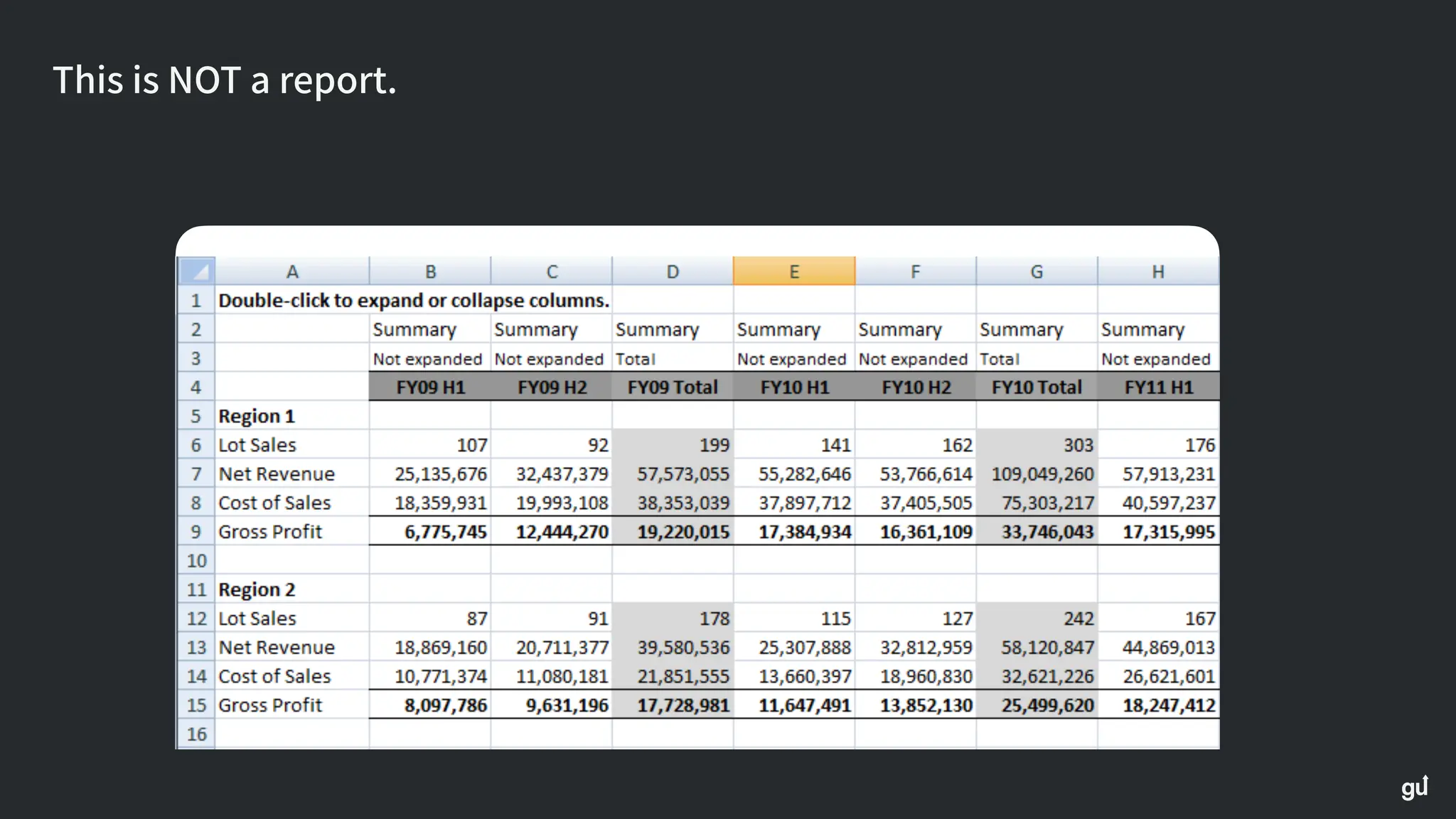
This is NOT a report.
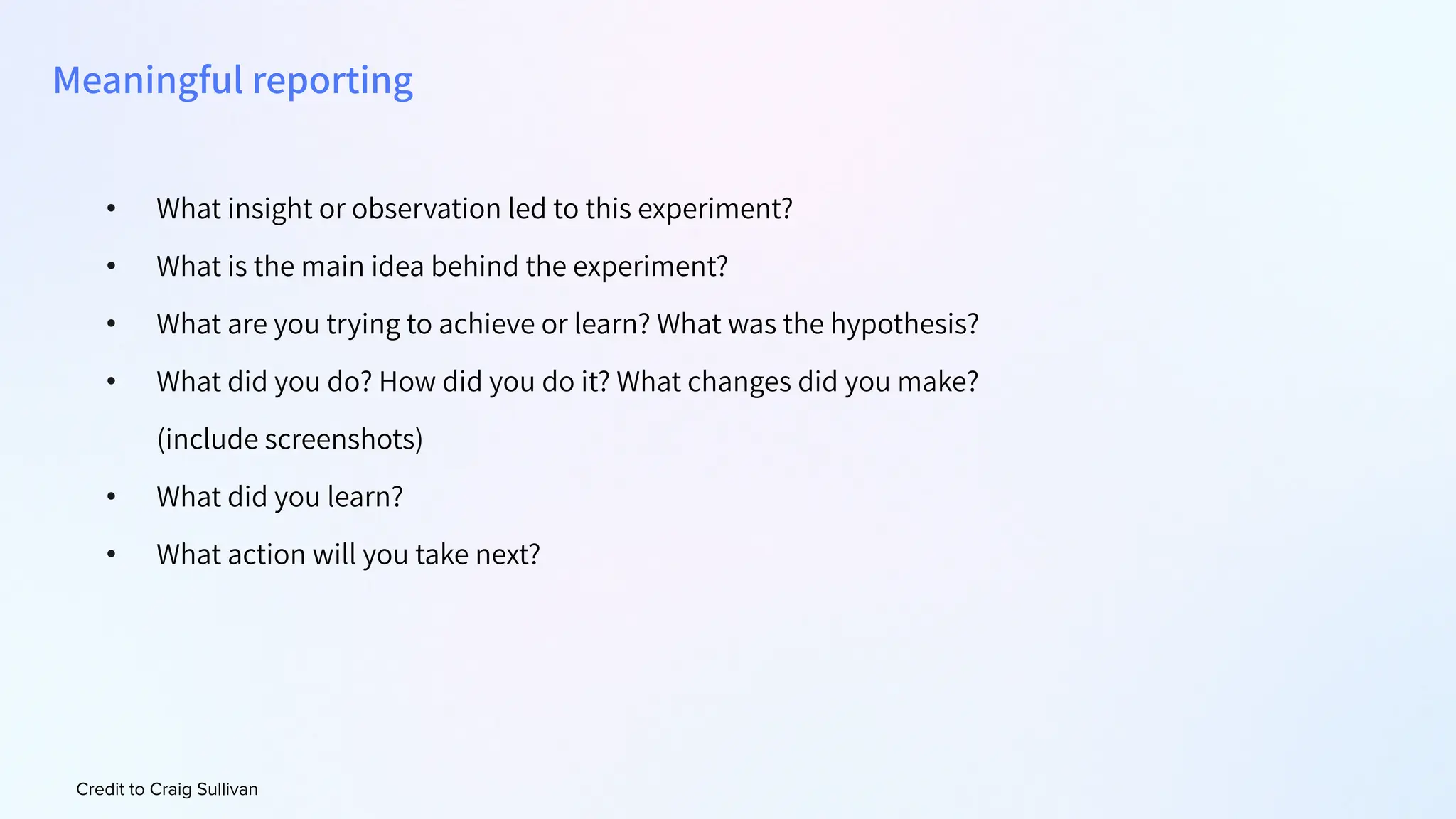
Credit to Craig Sullivan
• What insight or observation led to this experiment?
• What is the main idea behind the experiment?
• What are you trying to achieve or learn? What was the hypothesis?
• What did you do? How did you do it? What changes did you make?
(include screenshots)
• What did you learn?
• What action will you take next?
Meaningful reporting
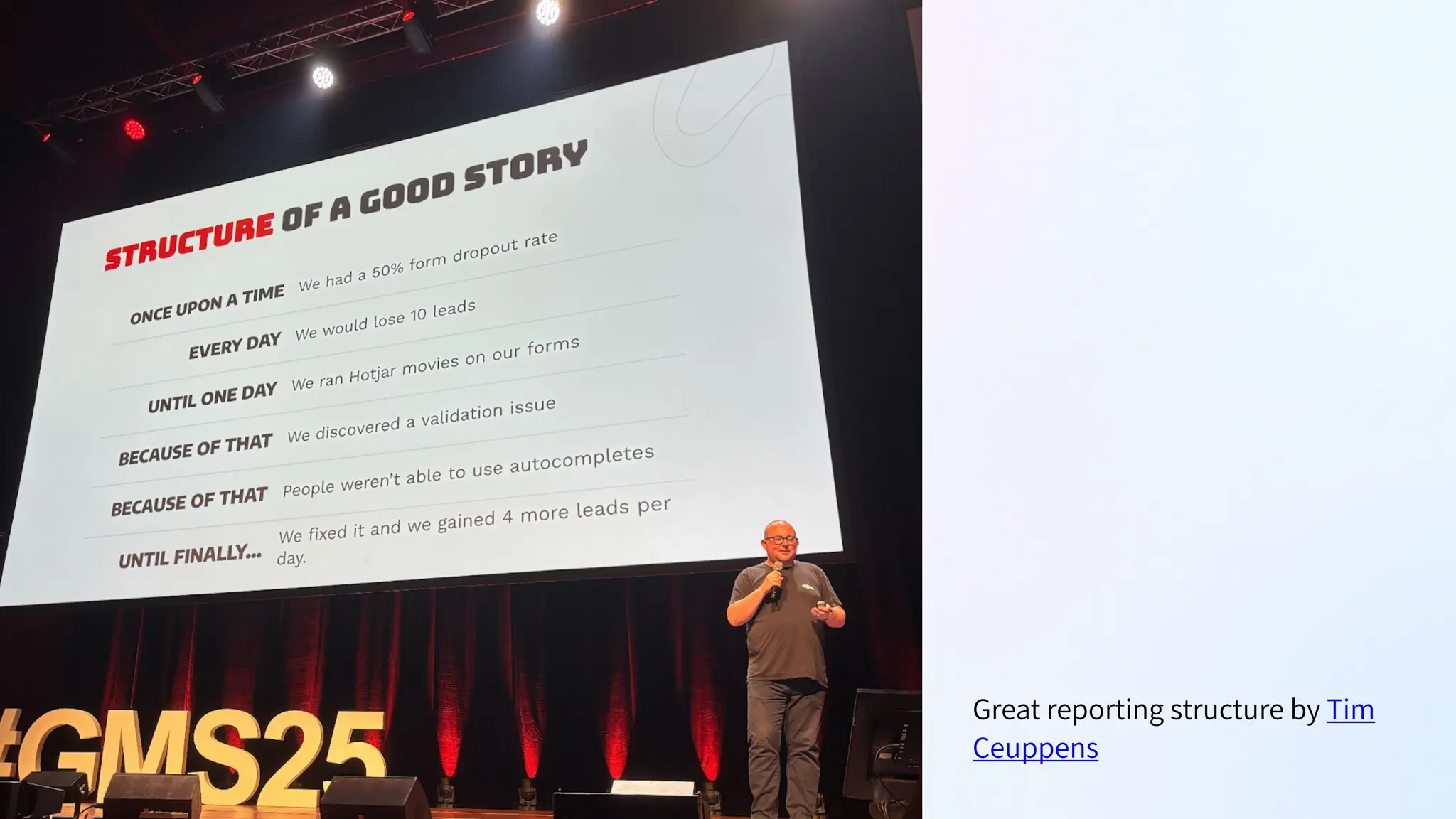
Great reporting structure by Tim
Ceuppens
Meaningful reporting
There's an active, strategic roadmap we're following.
Tests are being launched, there's a process, we know what we're measuring and when, we know what to
test and what not to.
There's cross-team collaboration - insights are shared and used by all teams. CRO is supporting all
marketing and growth teams.
We've set goals to increase cr / metrics throughout the year and we're adapting as we go and see
results.
How to measure your CRO program
71
Each experiment is aimed at solving a specific problem.
72
CRO isn’t about changing
elements on the page.
73
It’s about solving
people’s problems.
74
Reality sucks.
Credit: Utopolis Cinemas
Thank
You!
Talia Wolf
FREE RESOURCES & MY BOOK:

The Unshakeable Business Case for Empathetic CX

  • 1.
    Talia Wolf •@taliagw The Unshakeable Business Case for Empathetic CX Break up with traditional CRO to drive more meaningful conversions
  • 2.
    04 01 Find the leak 02 Createnew variation 03 Analyze The CRO process is easy, right? Launch experiment
  • 3.
    04 01 Find the leakCreate new variation 03 Analyze Launch experiment The CRO process is easy, right? 02 ?
  • 4.
    04 01 Find the leak 02 Createnew variation 03 Launch experiment Analyze The CRO process is easy, right?
  • 5.
    04 01 Find the leak 02 Createnew variation 03 Analyze Launch experiment The CRO process is easy, right?
  • 6.
    04 01 Find the leak ? Createnew variation 03 Analyze Launch experiment The CRO process is easy, right?
  • 7.
    We’re amazing! Really, weare. Believe us and click this button! CLICK THIS! We’re amazing! Really, we are. Believe us and click this button! CLICK THIS! CONTROL VARIANT ?
  • 8.
    Testing random stuff Copyingcompetitors Sounding like everyone else Throwing tools at the problem The deadly hamster wheel of optimization— robdiaz.com robdiaz.com Testing random stuff
  • 9.
    “Josie is awoman age 35-50 living in the U.S. She manages a team of 10 people and is in the $100K+ income bracket.” 1. Age 2. Location 3. Job title 4. Gender 5. Browser / Device Who we think we’re selling to—
  • 10.
    82% of marketershave no con fi dence in their ability to analyze and use their data. Gartner, 2024 Marketing Data Con fi dence Survey
  • 11.
    04 Pricing 02 Technology 01 AI 03 Features Why we thinkpeople buy— 03 Sounding like everyone else 02 Copying competitors 01 Testing random stuff
  • 12.
    You’re speaking tothe building...
  • 13.
    You’re speaking tothe building... Not the person inside.
  • 14.
    Garbage in… Please outlinea landing page for a well-known soda drink: - Target audience is adults & children - Start with an attention-grabbing headline, - Use the fi rst paragraph to clearly describe what our drink is and its primary bene fi ts. - Use the fi nal section to invite people to buy it Main selling points and bene fi ts: - Just $14.38 for 24 cans - 140 calories only - Multiple container options - Glass, plastic or can - You can get multiple sugar free versions! - Drink has been number one in the world since 1886 - Use a catchy headline such as “Experience the Classic Refreshment Since 1886” to immediately capture attention. - Add a sub-headline: Refreshing, delicious, and made for everyone—enjoy the taste that’s been delighting people for over a century! - Use limited-time promotions in your CTA: Order Now – Get 24 Cans for Just $14.38! - Highlight key benefits, like its low calorie count, affordable price, and universal appeal.
  • 15.
  • 16.
    How we thinkpeople make decisions — if ? ? ? Yes! ? Yes!
  • 17.
    How people actuallymake decisions — if Yes! Yes!
  • 18.
    “Without emotions, we lackthe ability to make any kind decision” A n t o n i o D a m a s i o - P r o f e s s o r o f p s y c h o l o g y a n d n e u r o s c i e n c e
  • 19.
  • 20.
  • 21.
    B2B purchasers arealmost 50% more likely to buy a product or service when ” Think with Google
  • 22.
    ” Think with Google B2Bpurchasers are almost 50% more likely to buy a product or service when they see personal value in their business purchase decision.
  • 23.
    They are 8xmore likely to pay a premium for comparable products and services when ” Think with Google
  • 24.
    ” Think with Google Theyare 8x more likely to pay a premium for comparable products and services when personal value is present.
  • 25.
  • 26.
    Almost every singlesearch includes emotion — Can I do my own accounting for a small business? What is the simplest accounting software for small businesses? How much does it cost for a small business to have an accountant? + Should I hire a bookkeeper or do it myself? + Is an accountant worth it for a small business? + Can I do bookkeeping without QuickBooks? + What type of accountant does a small business need? + Do I need an accountant for a very small business? + Which accounting method is best for small business? + What is the basic accounting for a small business? + What is the difference between accounting and bookkeeping? + +
  • 30.
    The emotional gap Whatprospects are looking for: - “Can I do this myself?” - “Can I stop worrying about this?” - “How do I know it's for me?” What websites are saying: - “We’re an all-in-one platform!” - “We’re powered by AI” - “We’re the #1 solution” 44
  • 31.
    Who you’re actuallyselling to — AKA: How your prospects actually make buying decisions. “Will I get a career advancement?” “Will people see me as the go-to?” “Will I feel more confident?” “Will I get promoted?” “Will I feel better about myself?” “Will I finally stop worrying about this?”
  • 32.
    The tactical go-toCRO process — Experiment increased conversions? Success! Data Analysis “We need to increase conversions on X page” 01 Create variation *Come up with a list of changes that could optimize the page* 02 Launch experiment *See if it increased conversions or not* 03 Experiment did not increase conversions? Fail
  • 33.
    A customer-first processfor CRO — Experiment increased conversions? Success! Customer-first research Identify the WHY and the where 01 Identify the problem Uncover what’s preventing people from converting and create a variation to solve it 02 Launch experiment Run a meaningful experiment and measure based on conversions AND problem solved or not 03 Experiment did not increase conversions? Success!
  • 34.
    Self-assessment exercise — Whereare you? Tactical CRO Strategic CRO Focuses on increasing testing velocity. Asks “what should we test next?” / “what elements should we change?” Driven by best practices, C-Suite, guesswork, competitors & tactics. Measures success based on uplifts alone. Has a clear roadmap rooted in strategy & business goals. Leverages tools to implement & test strategy (not as a crutch) Runs experiments to solve problems, not change elements Informs Marketing, Sales and Product strategy
  • 35.
    Let’s run astrategic CRO audit Uncover the real gaps and identify why customers aren't converting.
  • 36.
    The go-to tacticalCRO audit process 1. GA4 analysis 2. Run heuristic analysis 3. Check Heatmaps & recordings 4. Compare against best practice check list 5. Create list of A/B testing ideas
  • 37.
    A strategic CROaudit process… Asks a set of questions to audit your customer journey and identify why people really aren’t converting.
  • 38.
    Are you makingit about yourself or about the customer? +72.8% in organic search conversions +16.3% increase in conversions
  • 39.
    Are you focusedon how the solution works and its features or the outcomes prospects care about? +97% increase in sales Are you making it about yourself or about the customer?
  • 40.
    Can prospects seetheir pains reflected in every step of the journey? +15.5% increase in sales
  • 41.
    Do your design,UX, colors and images all support and prove your main message? +27% increase in transactions 10% Increase in AOV
  • 42.
    Are you highlightingthe outcomes prospects actually care about? +15.35% increase in leads
  • 43.
    Are you promisingan emotional outcome your customers actually want? +76% increase in new accounts Are you highlighting the outcomes prospects actually care about?
  • 44.
    Can a prospectimmediately see the connection between the action they need to take and the emotional outcome? 17% Increase in mobile revenue
  • 45.
    72% Increase in transactions Areyou using relevant and helpful social proof?
  • 46.
    How many didyou answer no to?
  • 47.
    Run meaningful experiments Learnfrom every experiment and optimize with intent.
  • 48.
    Successful CRO Programs— Answer critical business and customer questions Run experiments that inform your whole marketing strategy. Break the silos between Marketing, Sales and Product.
  • 49.
    Planning a meaningfulexperiment What problems have you identified? (based on your research and audit) Where is this happening? Why could this be happening? (your hypothesis) What tests will you run to solve this problem?
  • 50.
  • 51.
    Agency owner (32-55),10+ employees, needs reporting, dashboards and chat What we knew before
  • 52.
    What we nowknow Agency owner who’s tired of over promising and under- delivering. Wants know what the F*** is going on, wants to know if she’s profitable or not and if Patty is working or not
  • 53.
    Planning a meaningfulexperiment What problems have you identified? (based on your research and audit) Where is this happening? Why could this be happening? (your hypothesis) What tests will you run to solve this problem? Prospects cannot immediately see that this solution was specifically built for them and do not know the difference between us and <competitor> Our homepage and comparison pages Our copy is too generic and speaks to everyone. We sound and look a lot like our competitor and it’s hard to tell the difference Messaging experiment on the comparison page and main website navigation
  • 54.
  • 55.
    55 +54% in free trialsfrom organic traffic
  • 56.
  • 57.
  • 58.
  • 59.
  • 60.
  • 61.
  • 62.
  • 63.
  • 64.
    Current pain vs.desired emotional outcome —
  • 65.
  • 66.
    66 Getting buy-in 1. Startsmall - sell the research 2. Present your findings AND plan of action: a. This is what we learned from the survey b. This is what we’re saying 3. Our plan of action 4. What we’ll measure 5. What we’ll gain
  • 67.
    67 Getting buy-in Why youshould care: 1. Saving time and money for the org 2. No more guesswork 3. Customer knowledge 4. Break silos and get everyone on the same page
  • 68.
    This is NOTa report.
  • 69.
    Credit to CraigSullivan • What insight or observation led to this experiment? • What is the main idea behind the experiment? • What are you trying to achieve or learn? What was the hypothesis? • What did you do? How did you do it? What changes did you make? (include screenshots) • What did you learn? • What action will you take next? Meaningful reporting
  • 70.
    Great reporting structureby Tim Ceuppens Meaningful reporting
  • 71.
    There's an active,strategic roadmap we're following. Tests are being launched, there's a process, we know what we're measuring and when, we know what to test and what not to. There's cross-team collaboration - insights are shared and used by all teams. CRO is supporting all marketing and growth teams. We've set goals to increase cr / metrics throughout the year and we're adapting as we go and see results. How to measure your CRO program 71 Each experiment is aimed at solving a specific problem.
  • 72.
    72 CRO isn’t aboutchanging elements on the page.
  • 73.
  • 74.
  • 75.