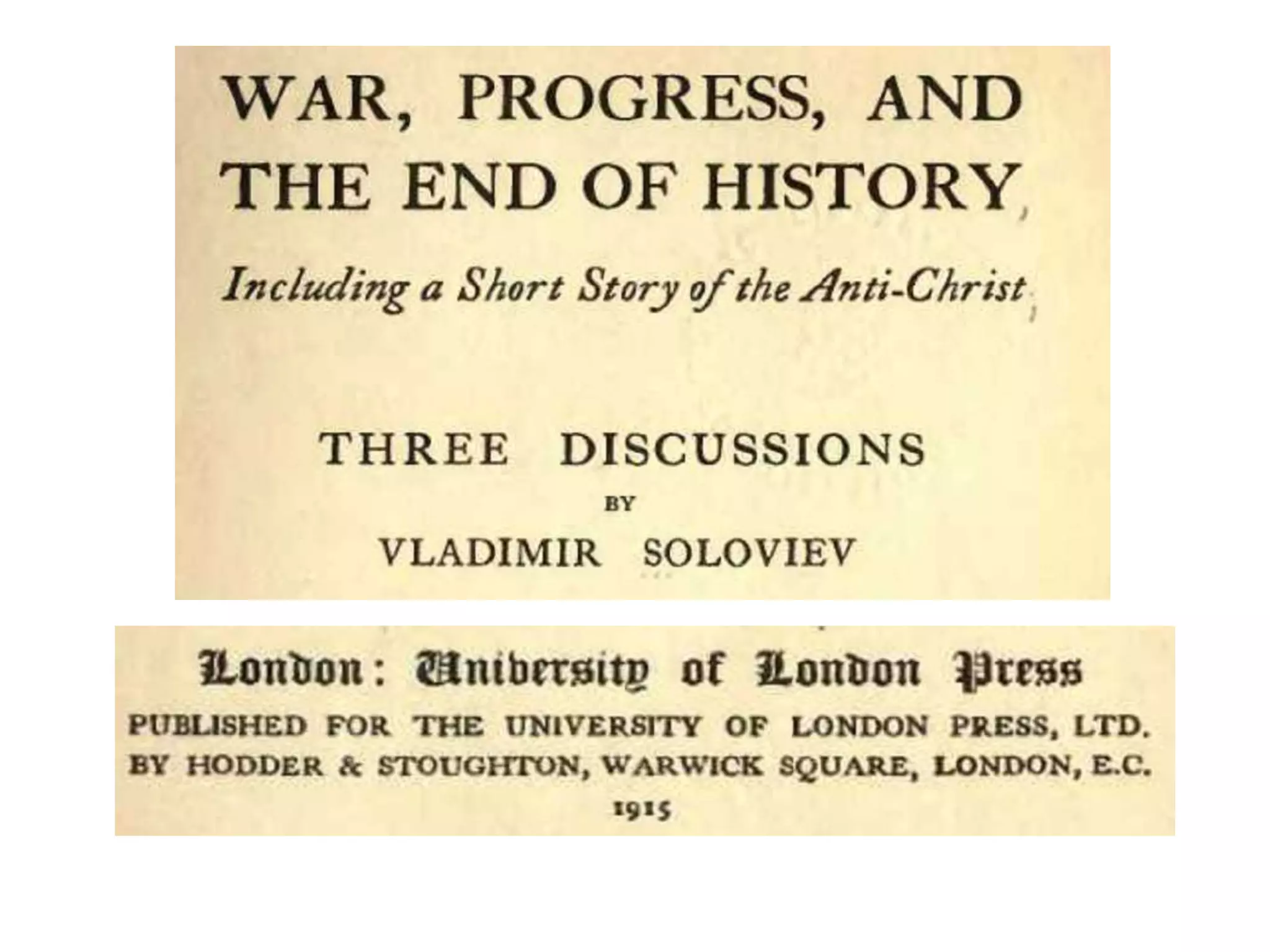
The Necessity for Peace and Pax Imperii
An evaluation of the Monnet method and
European integration
The Polányi Centre
Juozas Kasputis
05.12.2016
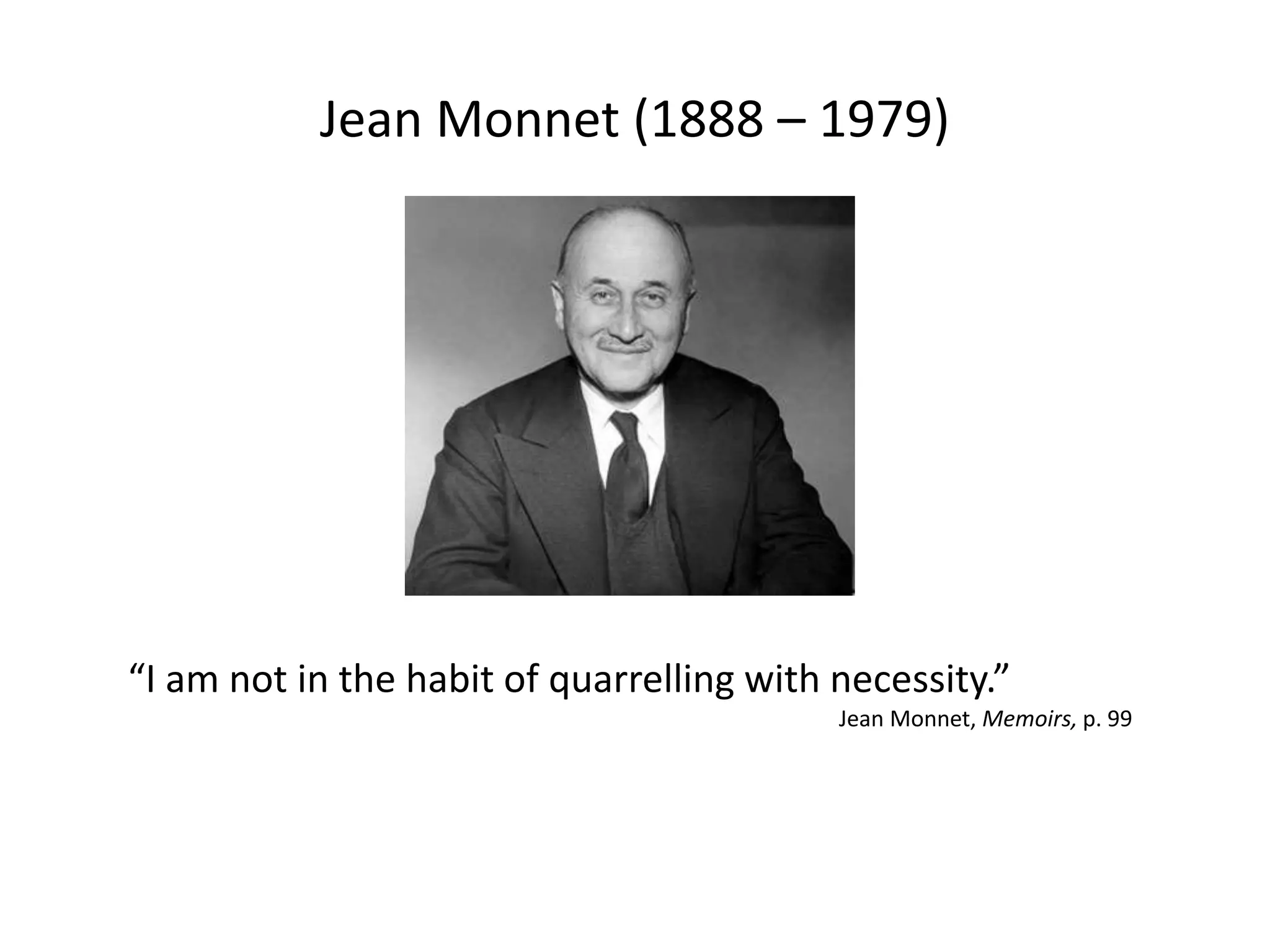
Jean Monnet (1888 – 1979)
“I am not in the habit of quarrelling with necessity.”
Jean Monnet, Memoirs, p. 99
The necessity and Monnet method
“To earn my living by selling brandy was for me the first
form that necessity took.” (p. 41)
“I knew from experience that change can only come from
outside, under the pressure of necessity, although not
necessarily by violent means.” (p. 286)
“The federator was not any named individual, but always
that same multifarious abstract force that operates on
everyone: necessity.” (p. 422)
Jean Monnet, Memoirs
EU – the unidentified political object (UPO)
“Now it is hard to see how this European Union can be achieved
until such time as it can function on the basis of unified
institutions. That's not possible today, I freely admit…. For we
must face the fact that in 30 or 40 years Europe will constitute a
UPO-a sort of unidentified political object-unless we weld it into
an entity enabling each of our countries to benefit from the
European dimension and to prosper internally as well as hold its
own externally.”
Jacques Delors (President of the European Commission)
The First Intergovernmental Conference (IGC), Luxembourg, 9 September 1985
The Legacy of Jean Monnet (1)
Jacques Delors (President of the Commission of the European Communities):
“One of the Commission's key roles is to record the history of European
integration.…Jean Monnet is still seen as a model.”
Francois Duchene (Professor at the University of Sussex):
“To know where to begin is the kernel of the Monnet approach. The point of
departure is crisis. For Monnet, crises need not be catastrophes.”
Proceedings of Centenary Symposium JEAN MONNET
organized by the Commission of the European Communities, Brussels, 10 November 1988
The Legacy of Jean Monnet (2)
Karl-Heinz Narjes (Vice-President of the Commission of the European Communities,
1984-1988):
“We are on the threshold of a new century, and must prepare ourselves for its political
realities and challenges, a century in which the change in power relations will be to
the clear disadvantage of the two present superpowers.”
Etienne Davignon (Vice-President of the Societe generale de Belgique):
“Stalin is one of the founding fathers of Europe….What is the external federator today?
There is none-we have only ourselves to rely on.”
Proceedings of Centenary Symposium JEAN MONNET
organized by the Commission of the European Communities, Brussels, 10 November 1988
Nobel Peace Prize 2012
Awarded to European Union (EU)
Herman Van Rompuy (President of the European Council):
“But symbolic gestures alone cannot cement peace. This is where the European
Union's "secret weapon" comes into play: an unrivalled way of binding our interests
so tightly that war becomes materially impossible.”
José Manuel Durão Barroso (President of the European Commission):
“My message today is: you can count on our efforts to fight for lasting peace, freedom
and justice in Europe and in the world.”
Nobel Prize Lecture
‘Formalisation’ of Monnet method
Hierarchical approach
Formal procedures
Universal, rigid rules
Top-down institutional engineering
Constructing ‘Monnet model’ – hypothetical/functional model with idealised
parameters
The idea of final achievement, like The End of History (F. Fukuyama, 1989)
but does it work?
‘Progressive symptoms’ warnings – V. Soloviev (1853-1900)
Criticism of the concept of material progress
Rejection of “European” as universal idea with “definite content” but
“expanding capacity”
Proponent of social Christianity – linking morality and politics, anti-laissez
faire approach, the notion of welfare state, similarity with Pope’s Leo XIII
encyclics
Advocacy for the abolition of West-East divide - “I am both Catholic and
Orthodox; let the police work that out!”
Theological utopianism – Christian politics – Social project – Kingdom of
God
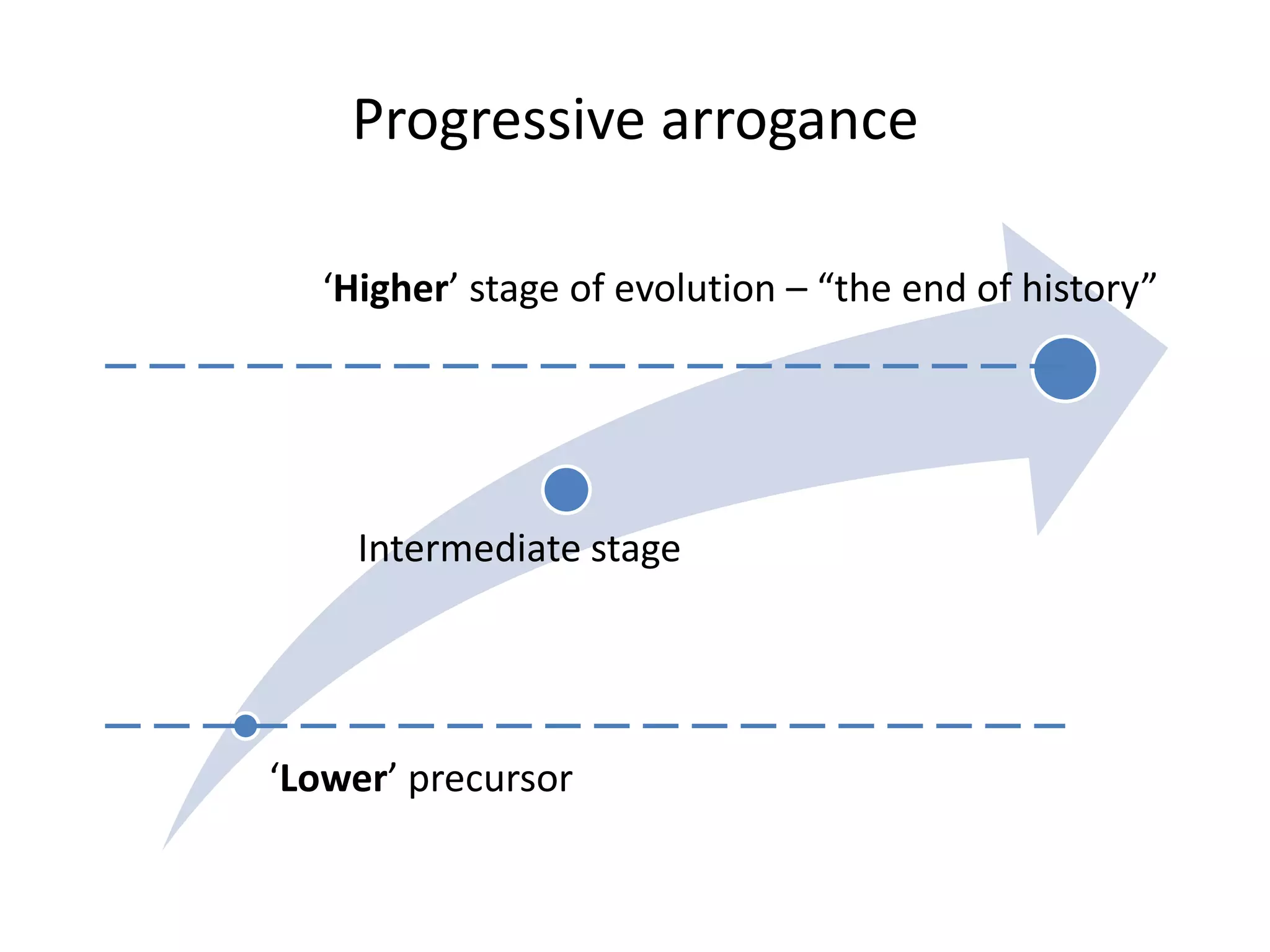
Progressive arrogance
‘Lower’ precursor
Intermediate stage
‘Higher’ stage of evolution – “the end of history”
Managing the necessity: challenges for EU
Pax Romana – Pax Europaea – Pax Imperii
Unequal success of peace processes inside and outside EU – migrant
crisis
The promotion and export of social values – missing internal economic
and social cohesion
Economic ‘soft power’ as EU’s foreign policy – rigid and dogmatic
economic mainstream thinking
Complex governance structure – missing external ‘federators’
Non-Hierarchical Monnet
“…none of them [ministers, civil servants] ever accepted as
natural a method of work which on occasion ignored official
hierarchies and upset normal routines - although in a crisis,
when action is needed, this is often the only way.” p. 260
“…I had never in fact had the feeling that I was pursuing a
career or that I belonged to a hierarchy, whether French,
British, American, or European…” p. 405
Jean Monnet, Memoirs

The Monnet method

  • 1.
    The Necessity forPeace and Pax Imperii An evaluation of the Monnet method and European integration The Polányi Centre Juozas Kasputis 05.12.2016
  • 2.
    Jean Monnet (1888– 1979) “I am not in the habit of quarrelling with necessity.” Jean Monnet, Memoirs, p. 99
  • 3.
    The necessity andMonnet method “To earn my living by selling brandy was for me the first form that necessity took.” (p. 41) “I knew from experience that change can only come from outside, under the pressure of necessity, although not necessarily by violent means.” (p. 286) “The federator was not any named individual, but always that same multifarious abstract force that operates on everyone: necessity.” (p. 422) Jean Monnet, Memoirs
  • 4.
    EU – theunidentified political object (UPO) “Now it is hard to see how this European Union can be achieved until such time as it can function on the basis of unified institutions. That's not possible today, I freely admit…. For we must face the fact that in 30 or 40 years Europe will constitute a UPO-a sort of unidentified political object-unless we weld it into an entity enabling each of our countries to benefit from the European dimension and to prosper internally as well as hold its own externally.” Jacques Delors (President of the European Commission) The First Intergovernmental Conference (IGC), Luxembourg, 9 September 1985
  • 5.
    The Legacy ofJean Monnet (1) Jacques Delors (President of the Commission of the European Communities): “One of the Commission's key roles is to record the history of European integration.…Jean Monnet is still seen as a model.” Francois Duchene (Professor at the University of Sussex): “To know where to begin is the kernel of the Monnet approach. The point of departure is crisis. For Monnet, crises need not be catastrophes.” Proceedings of Centenary Symposium JEAN MONNET organized by the Commission of the European Communities, Brussels, 10 November 1988
  • 6.
    The Legacy ofJean Monnet (2) Karl-Heinz Narjes (Vice-President of the Commission of the European Communities, 1984-1988): “We are on the threshold of a new century, and must prepare ourselves for its political realities and challenges, a century in which the change in power relations will be to the clear disadvantage of the two present superpowers.” Etienne Davignon (Vice-President of the Societe generale de Belgique): “Stalin is one of the founding fathers of Europe….What is the external federator today? There is none-we have only ourselves to rely on.” Proceedings of Centenary Symposium JEAN MONNET organized by the Commission of the European Communities, Brussels, 10 November 1988
  • 7.
    Nobel Peace Prize2012 Awarded to European Union (EU) Herman Van Rompuy (President of the European Council): “But symbolic gestures alone cannot cement peace. This is where the European Union's "secret weapon" comes into play: an unrivalled way of binding our interests so tightly that war becomes materially impossible.” José Manuel Durão Barroso (President of the European Commission): “My message today is: you can count on our efforts to fight for lasting peace, freedom and justice in Europe and in the world.” Nobel Prize Lecture
  • 8.
    ‘Formalisation’ of Monnetmethod Hierarchical approach Formal procedures Universal, rigid rules Top-down institutional engineering Constructing ‘Monnet model’ – hypothetical/functional model with idealised parameters The idea of final achievement, like The End of History (F. Fukuyama, 1989) but does it work?
  • 10.
    ‘Progressive symptoms’ warnings– V. Soloviev (1853-1900) Criticism of the concept of material progress Rejection of “European” as universal idea with “definite content” but “expanding capacity” Proponent of social Christianity – linking morality and politics, anti-laissez faire approach, the notion of welfare state, similarity with Pope’s Leo XIII encyclics Advocacy for the abolition of West-East divide - “I am both Catholic and Orthodox; let the police work that out!” Theological utopianism – Christian politics – Social project – Kingdom of God
  • 11.
    Progressive arrogance ‘Lower’ precursor Intermediatestage ‘Higher’ stage of evolution – “the end of history”
  • 12.
    Managing the necessity:challenges for EU Pax Romana – Pax Europaea – Pax Imperii Unequal success of peace processes inside and outside EU – migrant crisis The promotion and export of social values – missing internal economic and social cohesion Economic ‘soft power’ as EU’s foreign policy – rigid and dogmatic economic mainstream thinking Complex governance structure – missing external ‘federators’
  • 13.
    Non-Hierarchical Monnet “…none ofthem [ministers, civil servants] ever accepted as natural a method of work which on occasion ignored official hierarchies and upset normal routines - although in a crisis, when action is needed, this is often the only way.” p. 260 “…I had never in fact had the feeling that I was pursuing a career or that I belonged to a hierarchy, whether French, British, American, or European…” p. 405 Jean Monnet, Memoirs