



The GATE ModelA Systemic Approach to Addictions Assessment and Treatment PlanningTab Ballis LCSW, LCASUNCW School of Social Work
Seeing “the forest and the trees”
Development of the GATE ModelDeveloped over twenty years of clinical practiceIntegration of hundreds of casesConceptualized for universal applicationField-tested with UNCW social work students
The GATE RationaleAddresses the diversity of needs/strengths“Real world” view of addictionIdentifies variations within groupsTranscends artificial barriers of addiction treatmentAlcohol/drug/food/sex/work etc.
The GATE RationaleTargets the role of Trauma in the etiology of addictive illness80% of female alcoholics are survivors of sexual traumaChild abuse and neglect is endemic in families that are suffering from addictionAddiction is operative in the incidence of sexual assault, and other violent crime
The GATE RationaleCaptures the complexity of addictive illnessMultidimensional modelMacro view of addictionSupported by “Syndrome Model” of addictionHoward Shaffer, PhD, CAS, et al, 2004“Addiction should be understood as a syndrome, with multiple opportunistic manifestations.”
The GATE RationaleIncludes “Process Addictions” on same scaleOften co-occur with substance abuse and dependenceTypically overlooked in treatment settingsMay trigger relapse of substance abuseMay emerge during substance abuse recovery
Theoretical FrameworkGATEGeneticsAccessTraumaEnvironment
Theoretical FrameworkGeneticsFamily history of addictionFamily history of mental illnessActive symptoms of MH/SAMedical conditionsChronic pain
Theoretical FrameworkAccessNegativeAddictive agent at homeAddictive agent at workAddictive agent in social networkPositiveTreatment resourcesSelf help groups
Theoretical FrameworkTraumaEmotional traumaPhysical traumaSexual traumaSeverityMultiple events
Theoretical FrameworkEnvironmentHomeWorkplaceFinancial/material resourcesLegal consequencesSupport systemPositive/negative factors
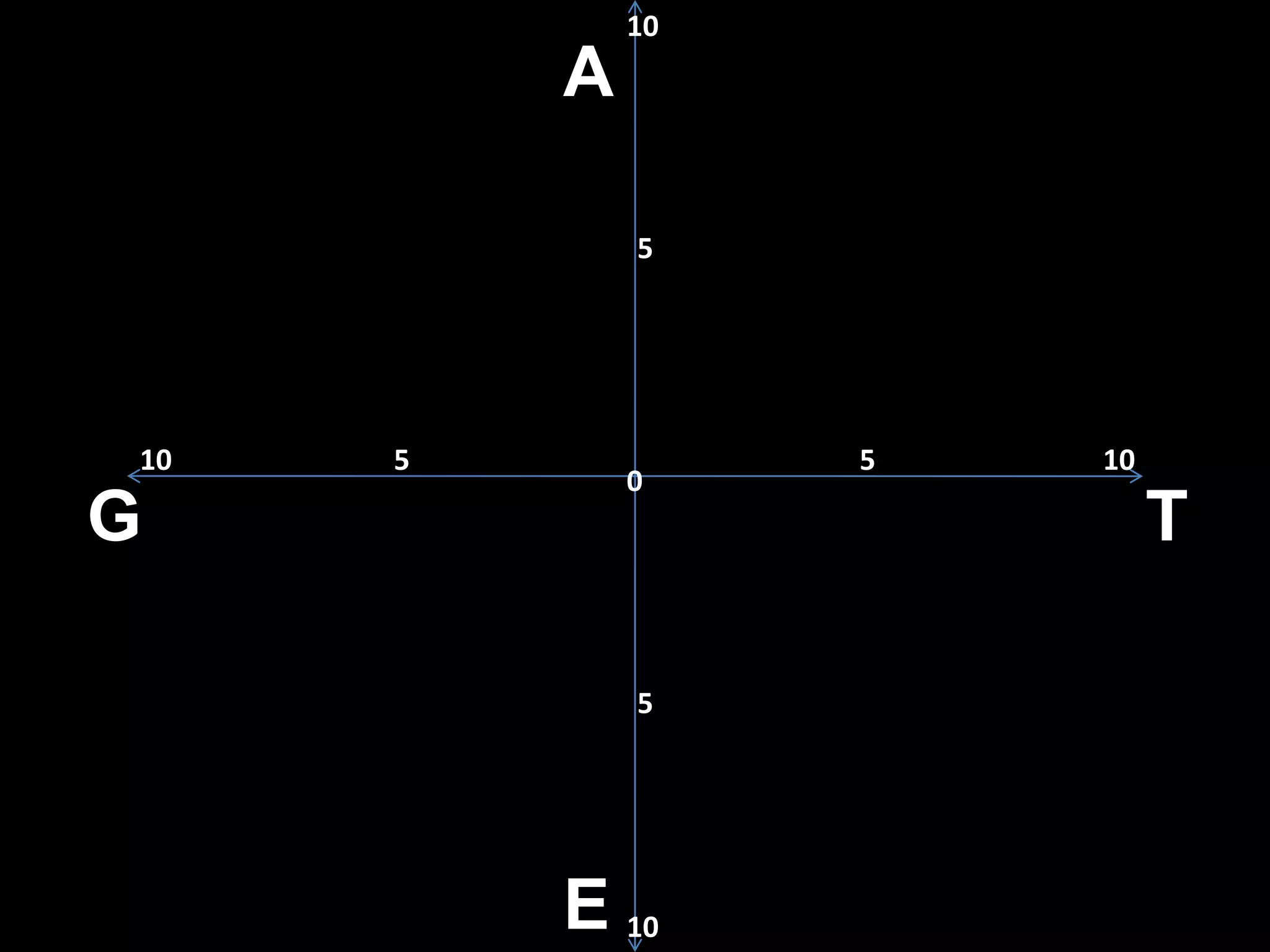
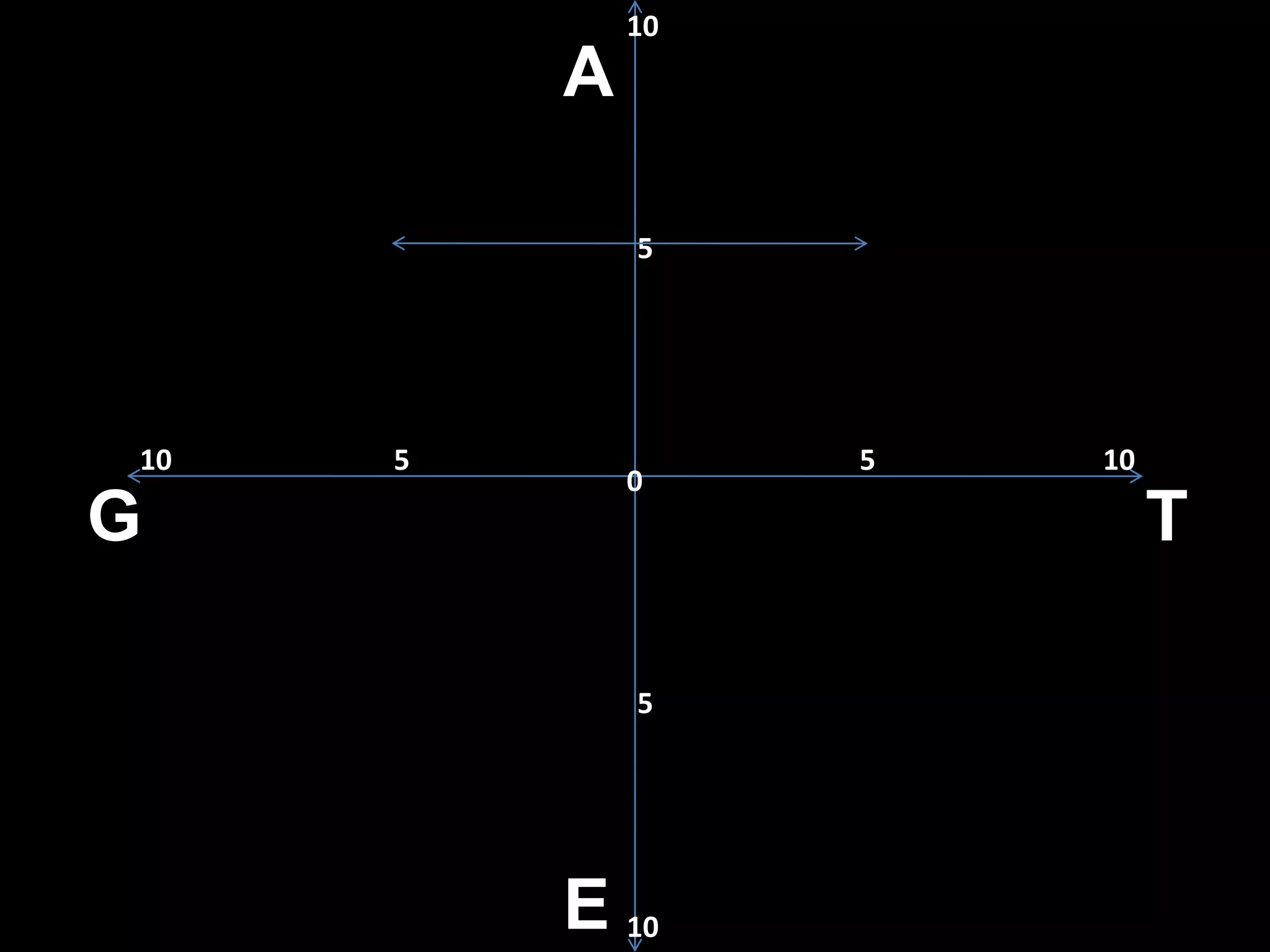
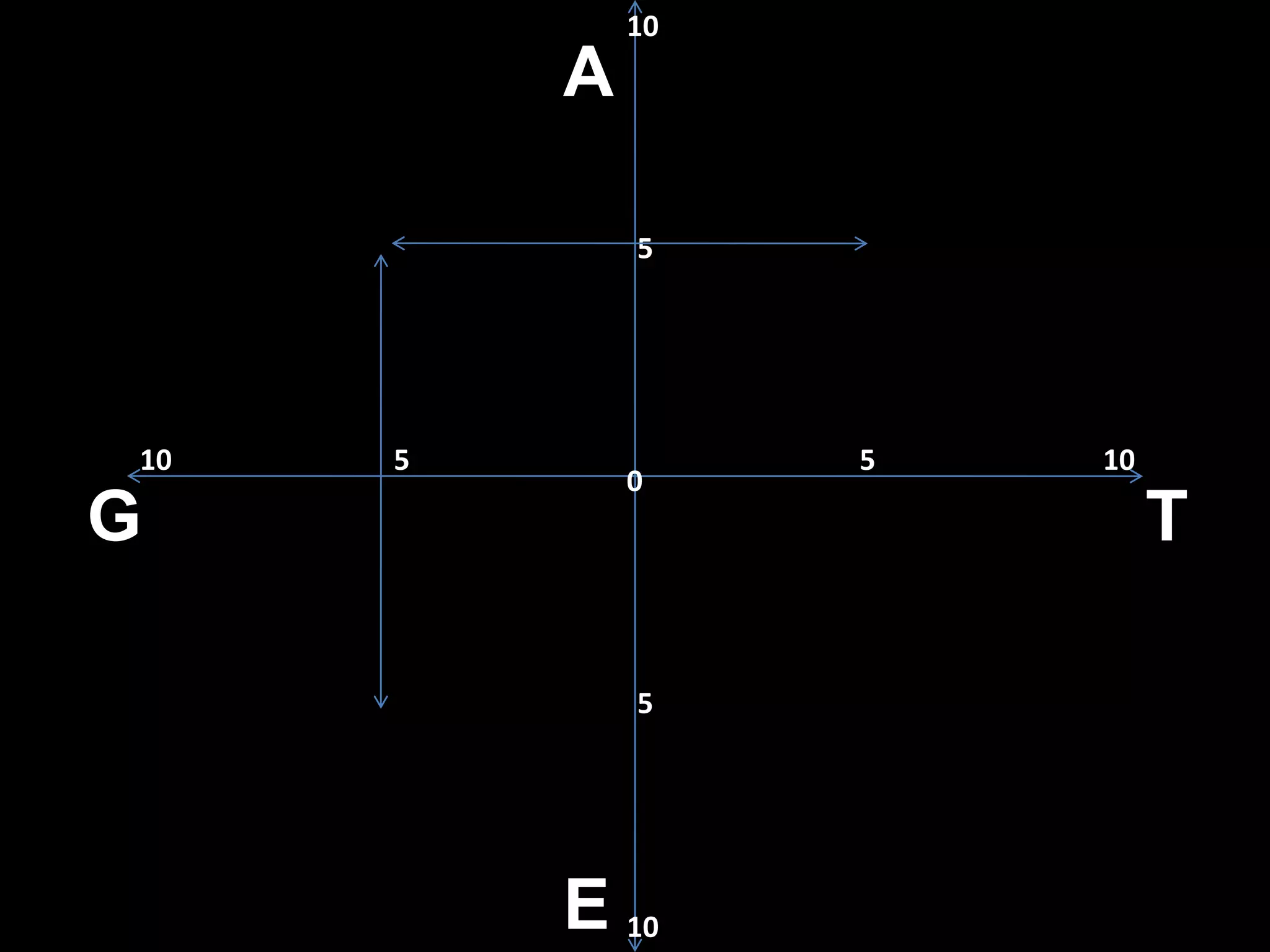
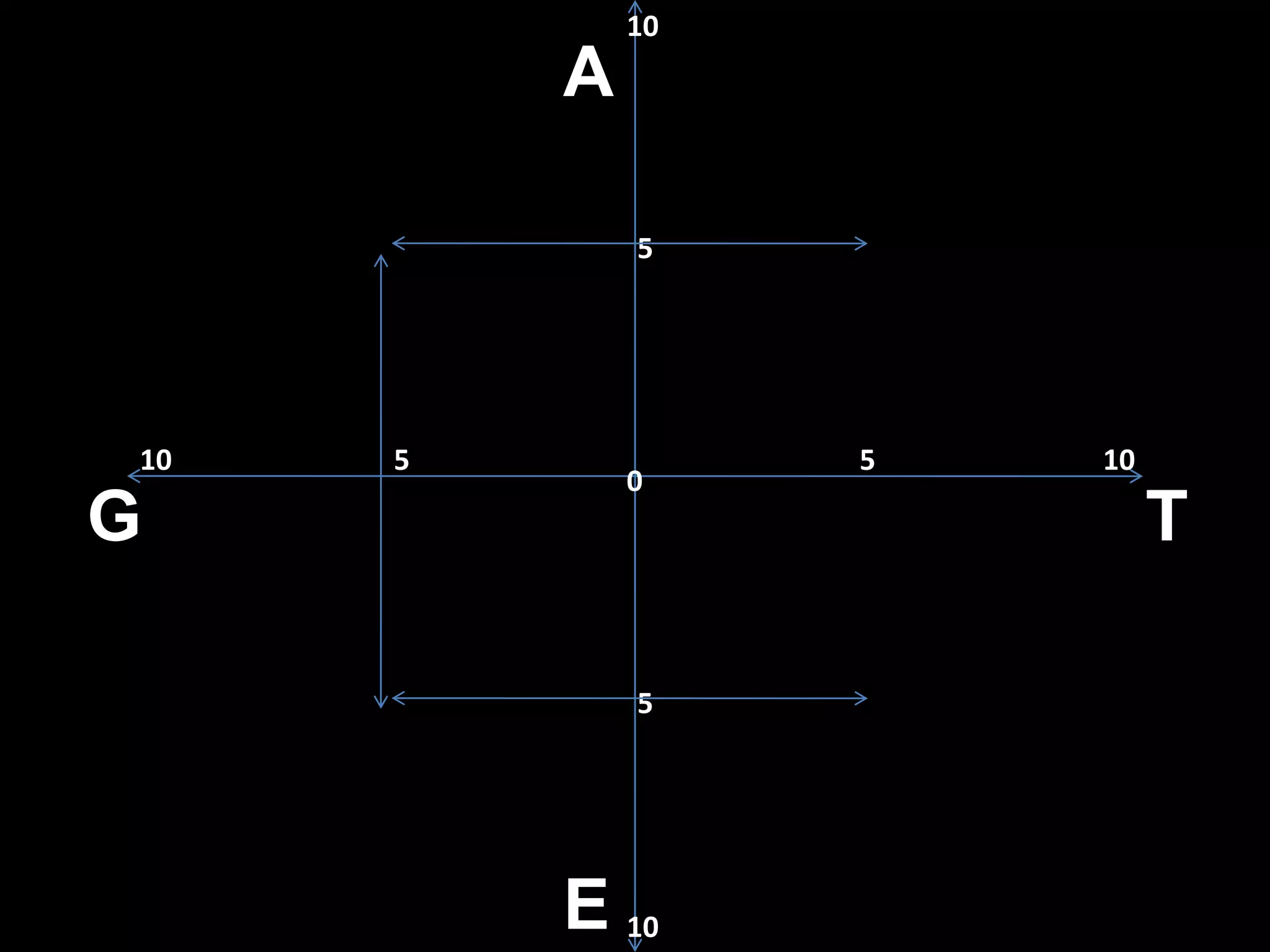
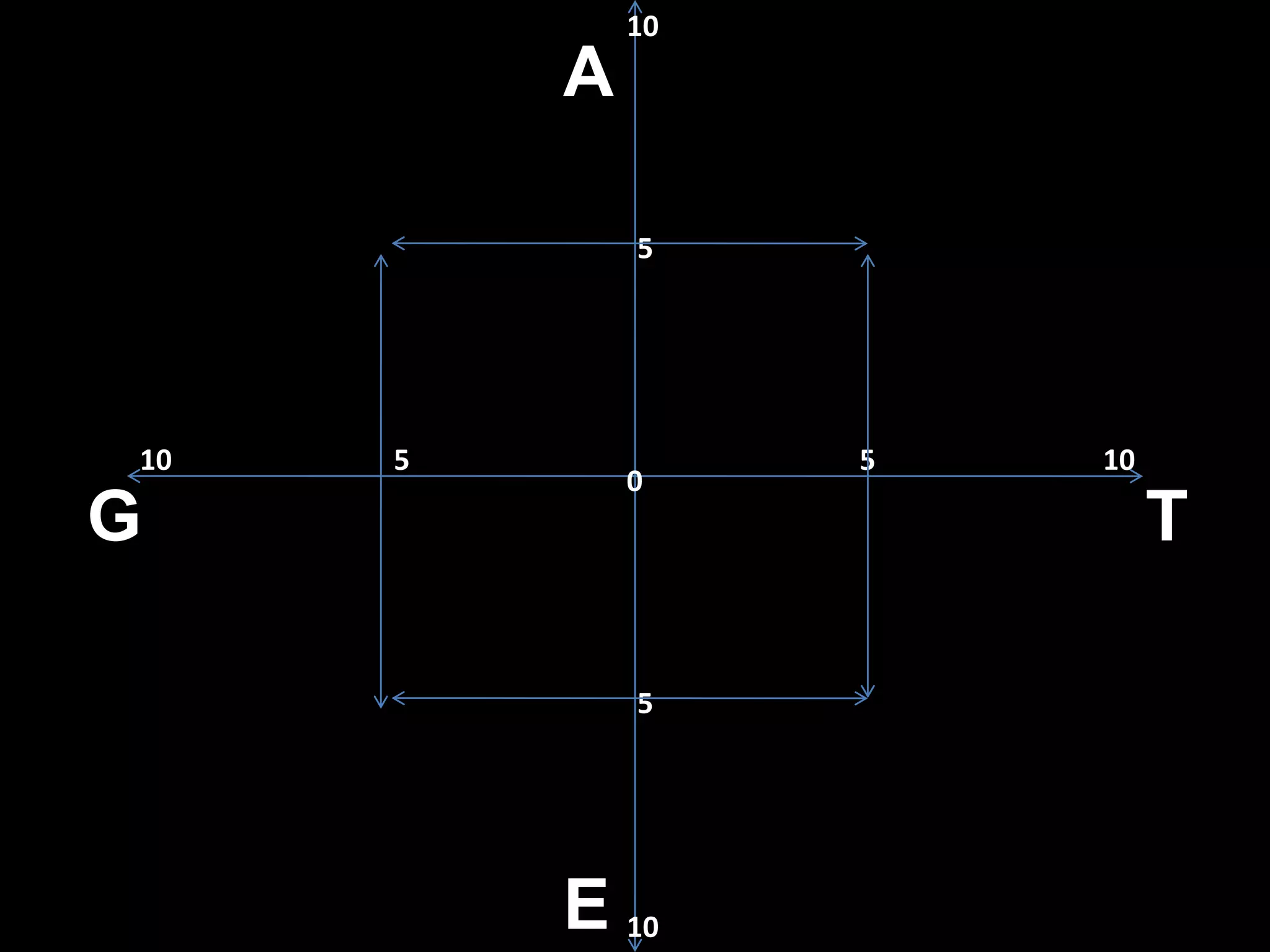
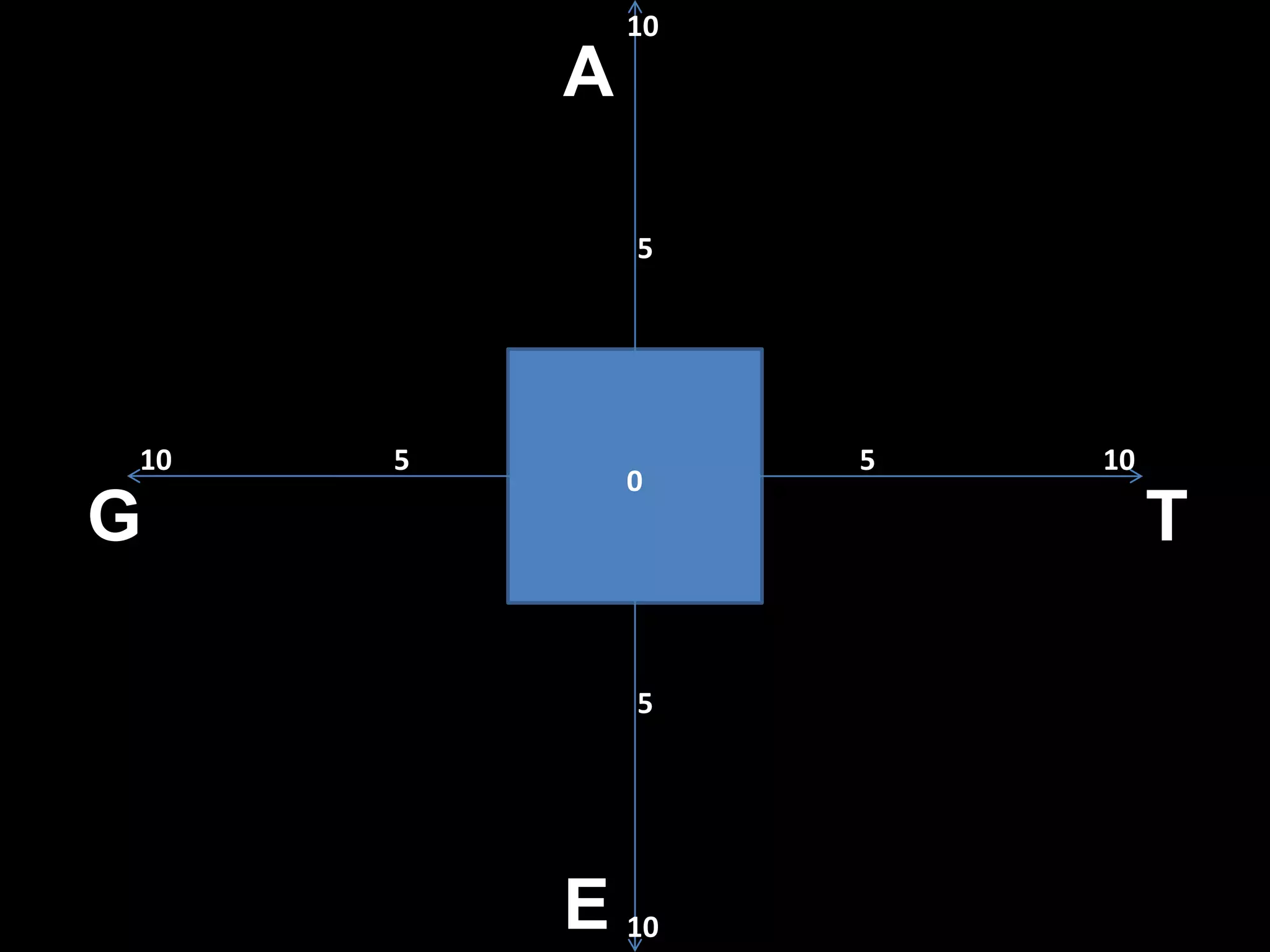
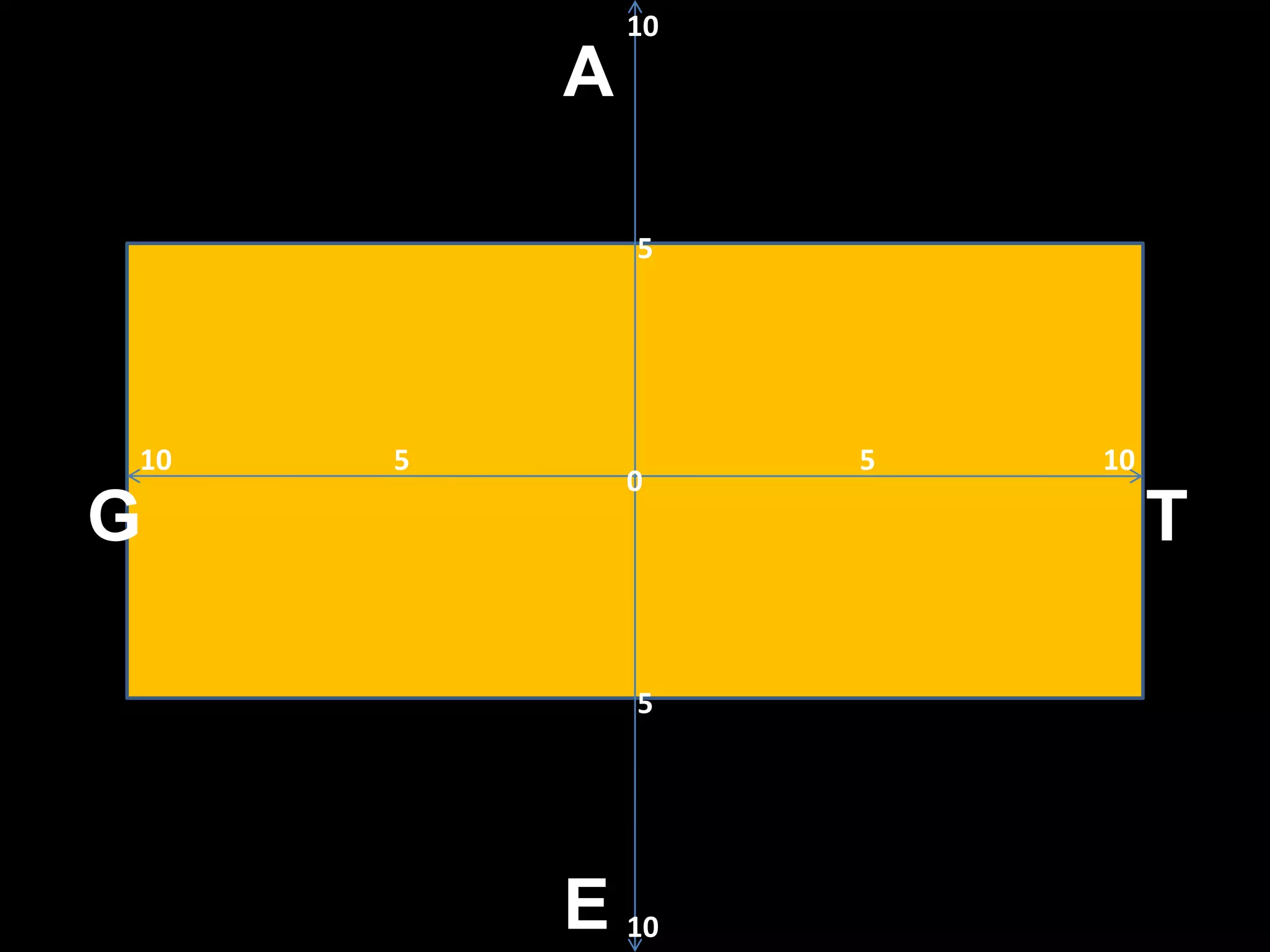
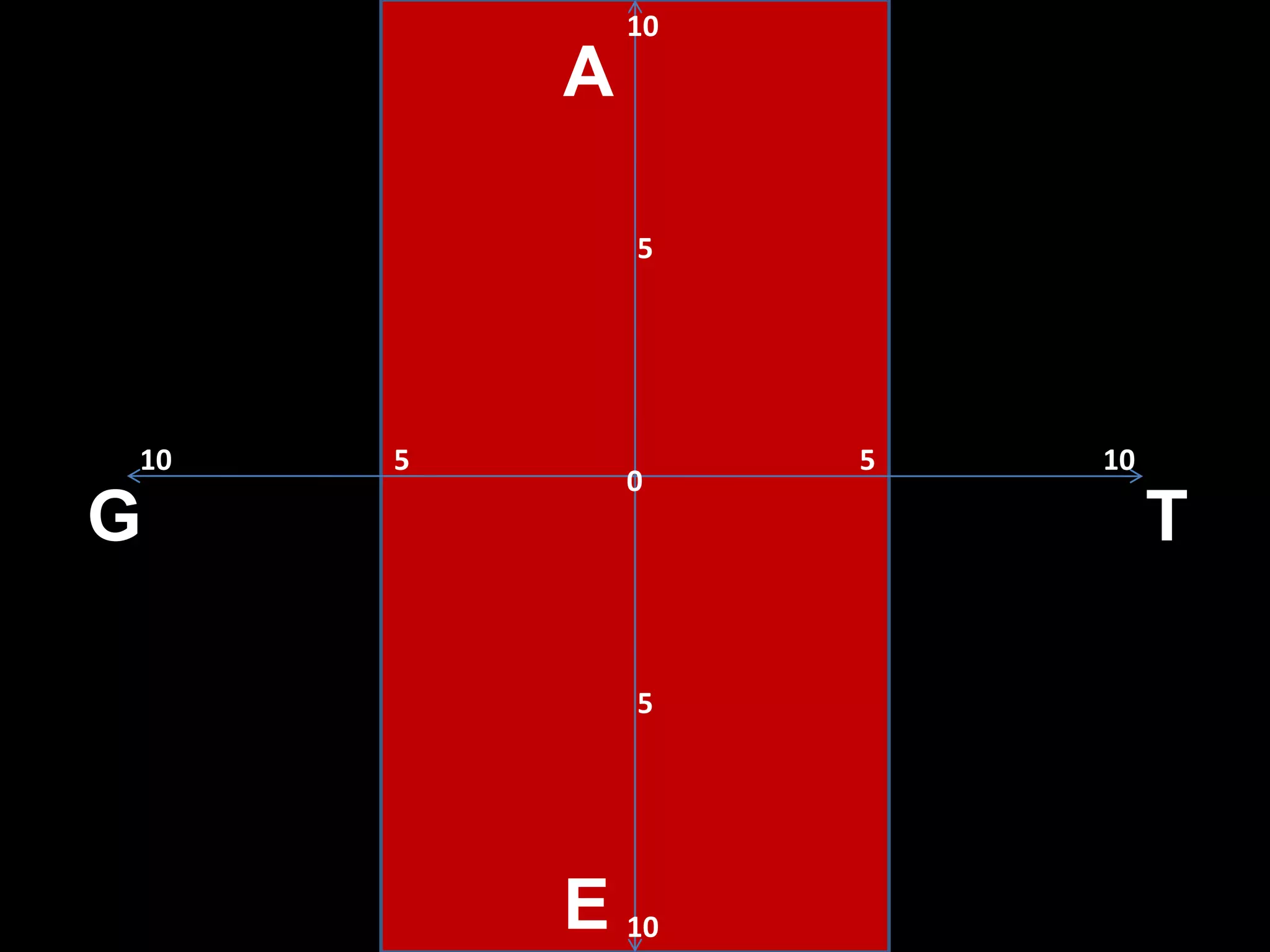
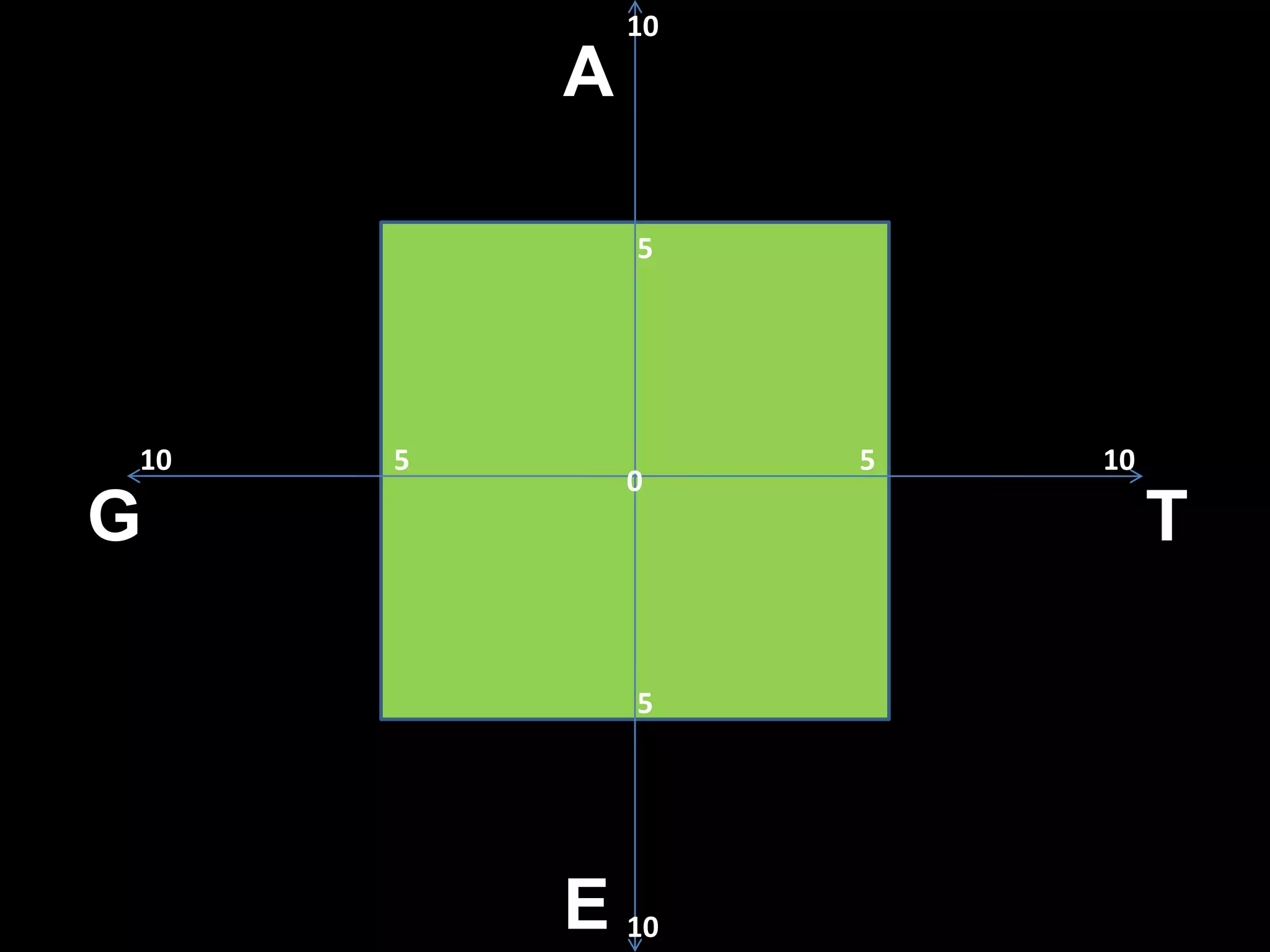
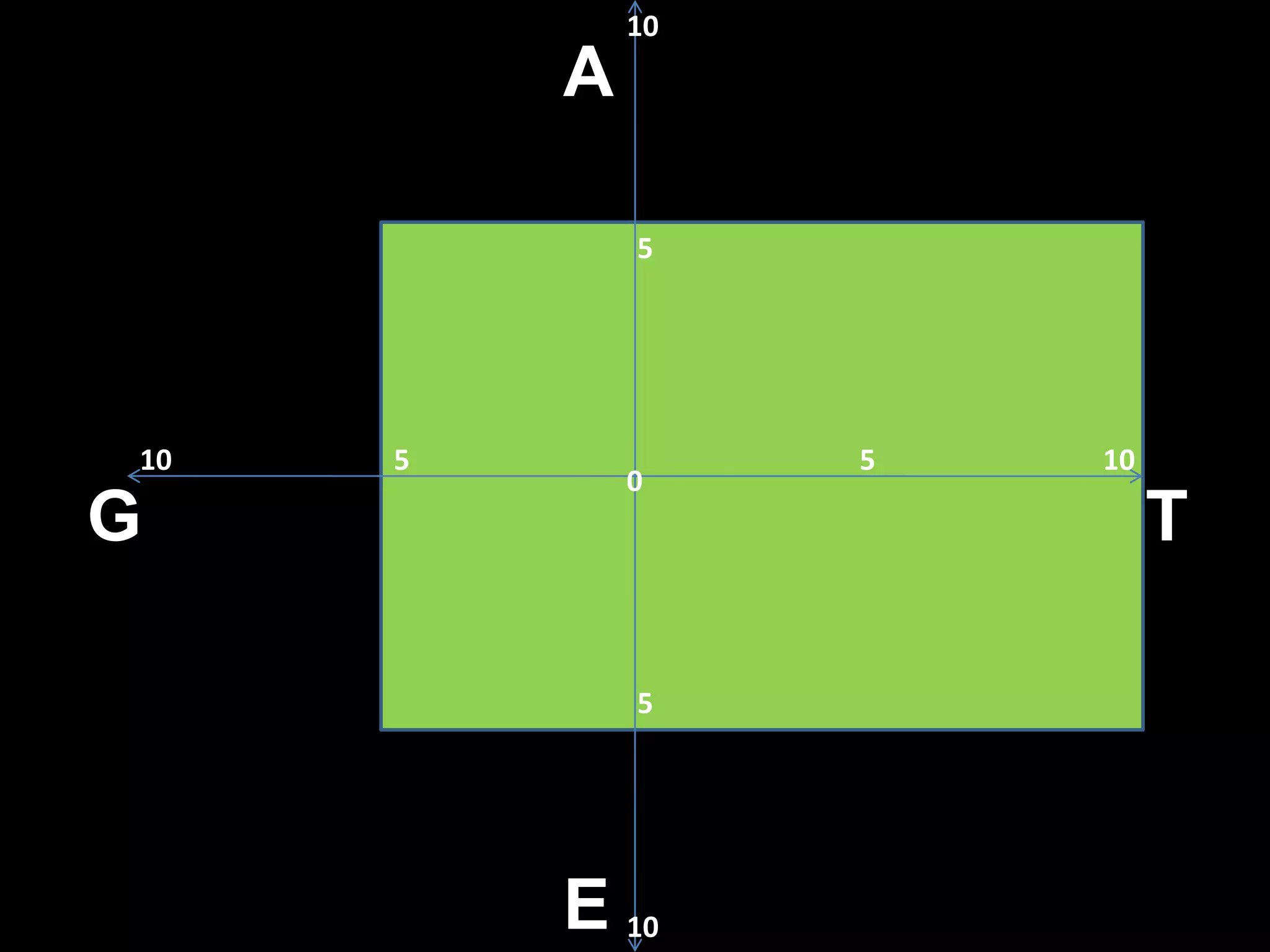
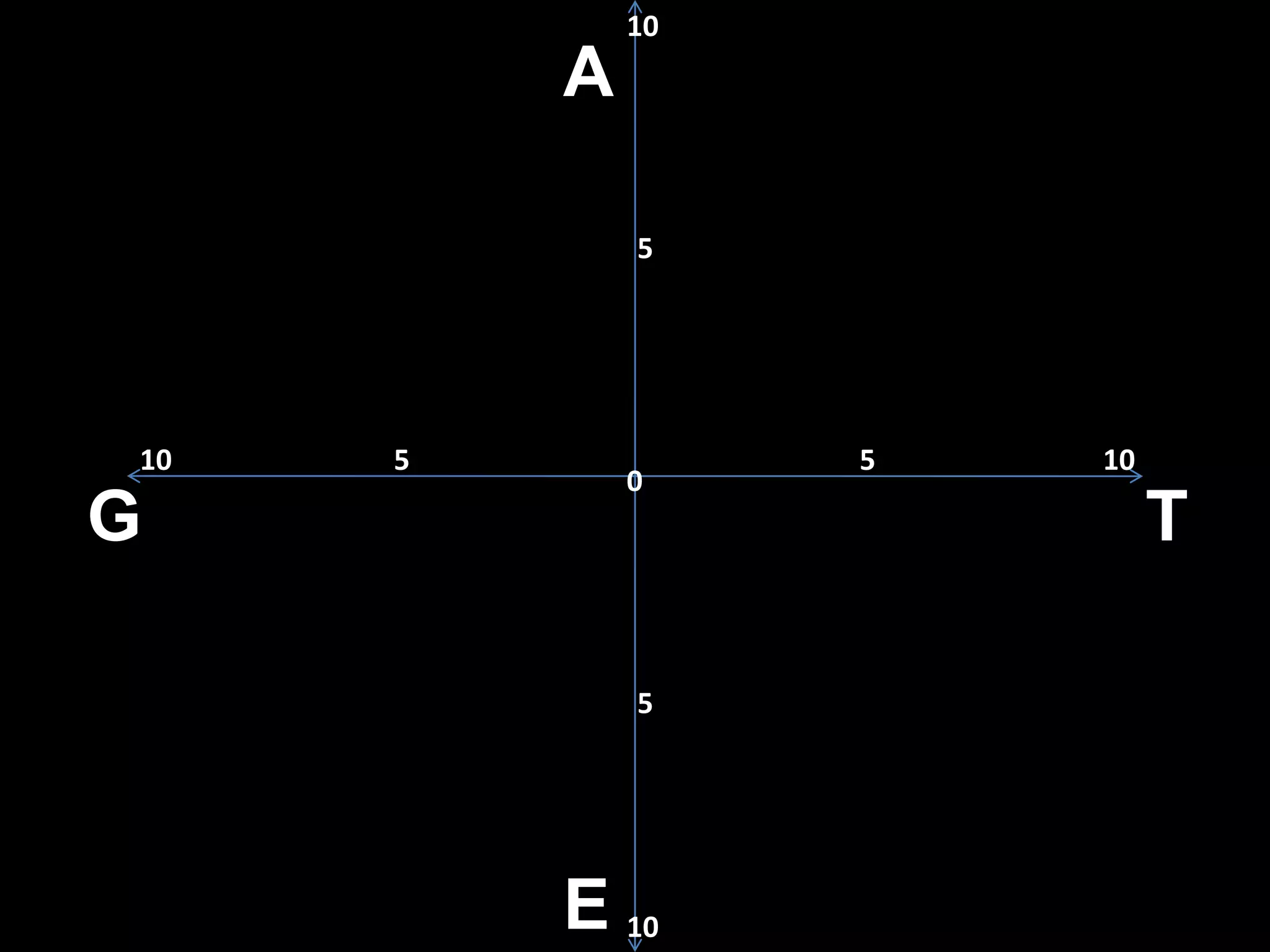
The GATE Model in PracticeFour-dimensional axisEach dimension (GATE), plotted on                10-point scaleThe GATE (square or rectangle) encompasses the points on each dimension.The total area of the GATE measures the risk of addictive illnessThe location of the GATE defines the risk and suggests the focus of intervention
10A51010550GT5E10
10A51010550GT5E10
10A51010550GT5E10
10A51010550GT5E10
10A51010550GT5E10
The GATE Model in PracticeThe following pattern is typical of A person at low-risk of addiction  Total of 25 pointsBalanced
10A51010550GT5E10
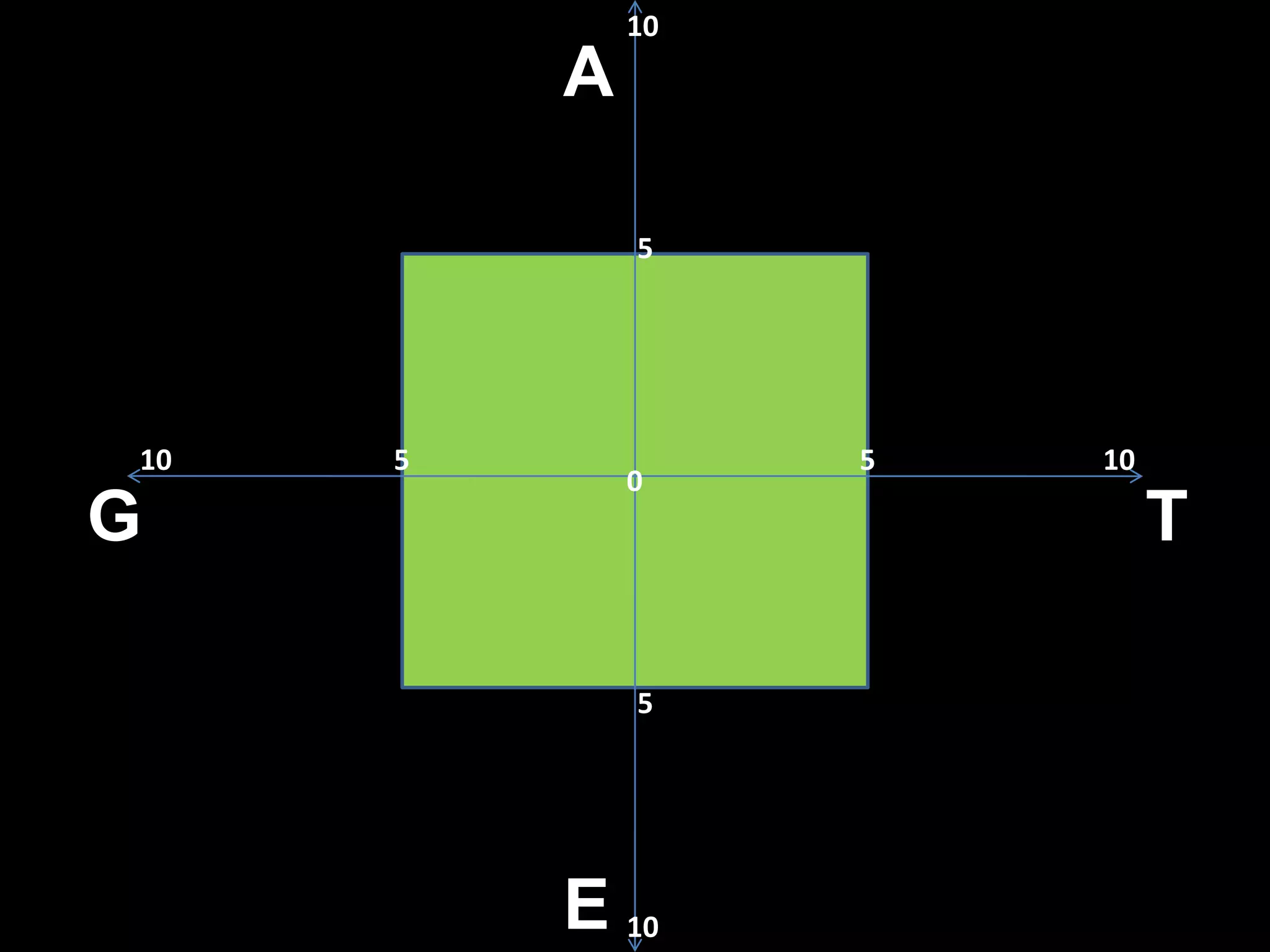
The GATE Model in PracticeThe following pattern is typical ofA person at moderate-risk of addictionTotal of 100 pointsBalanced
10A51010550GT5E10
The GATE Model in PracticeThe following pattern is typical ofA person from a family with multigenerational addiction and traumaTotal of 200 pointsSkewed towards Genetics and Trauma
10A51010550GT5E10
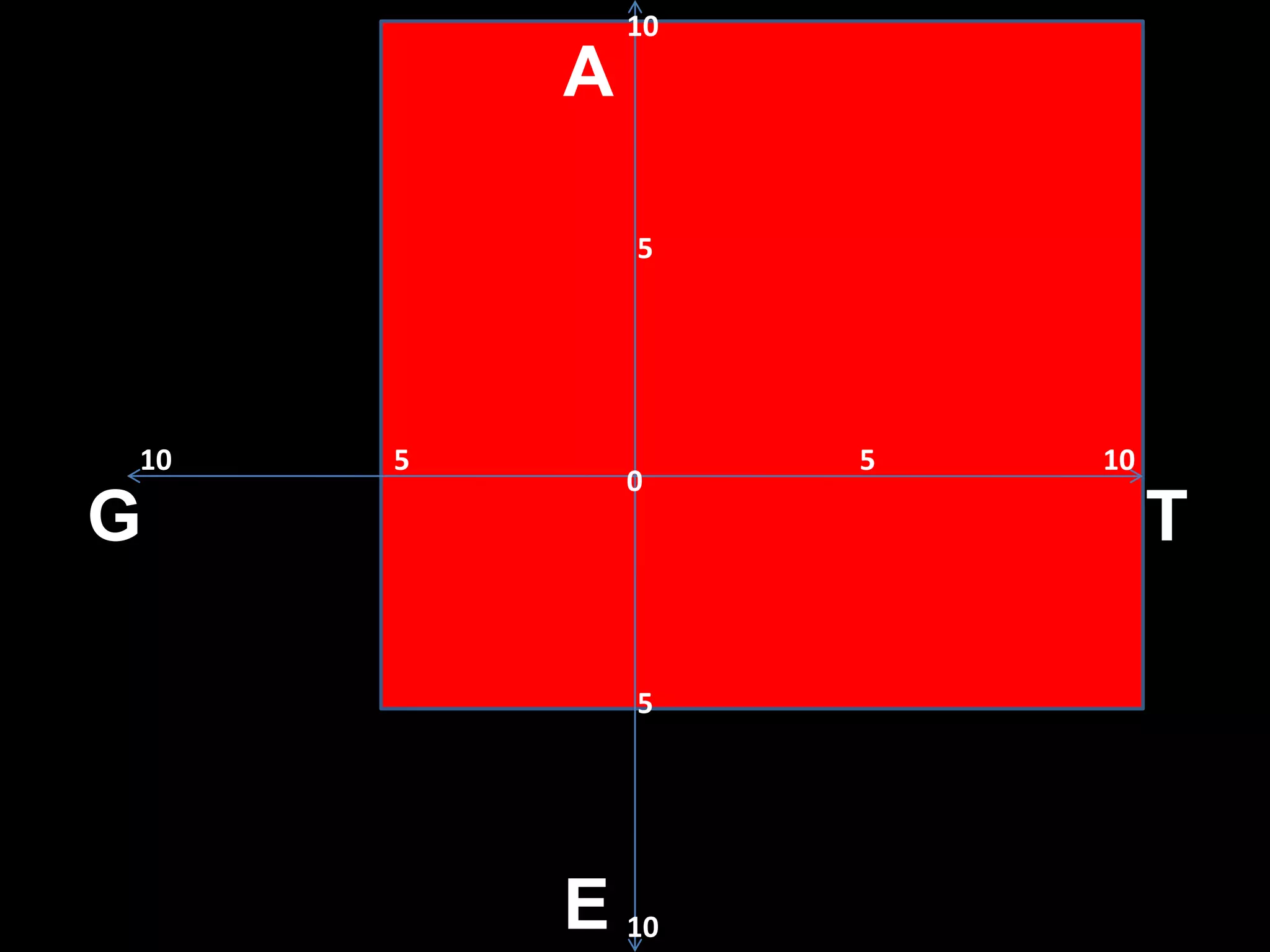
The GATE Model in PracticeThe following pattern is typical ofA trauma survivor exposed to a substance abusing peer groupTotal of 225 pointsSkewed towards Access and Trauma
10A51010550GT5E10
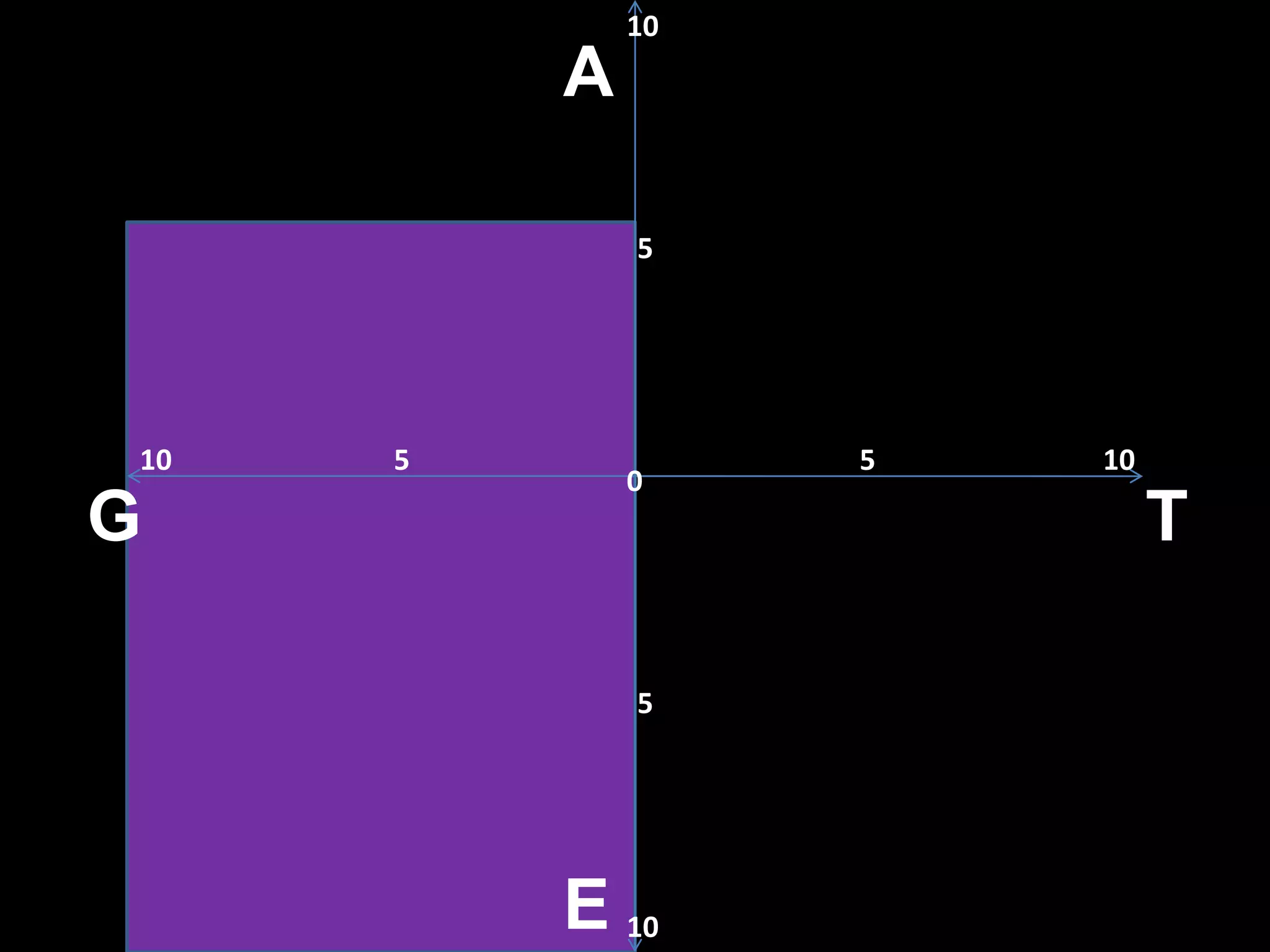
The GATE Model in PracticeThe following pattern is typical ofA person with a family history of addiction and depression, with a high-stress living/working environmentTotal of 150 pointsSkewed towards Genetic and Environment
10A51010550GT5E10
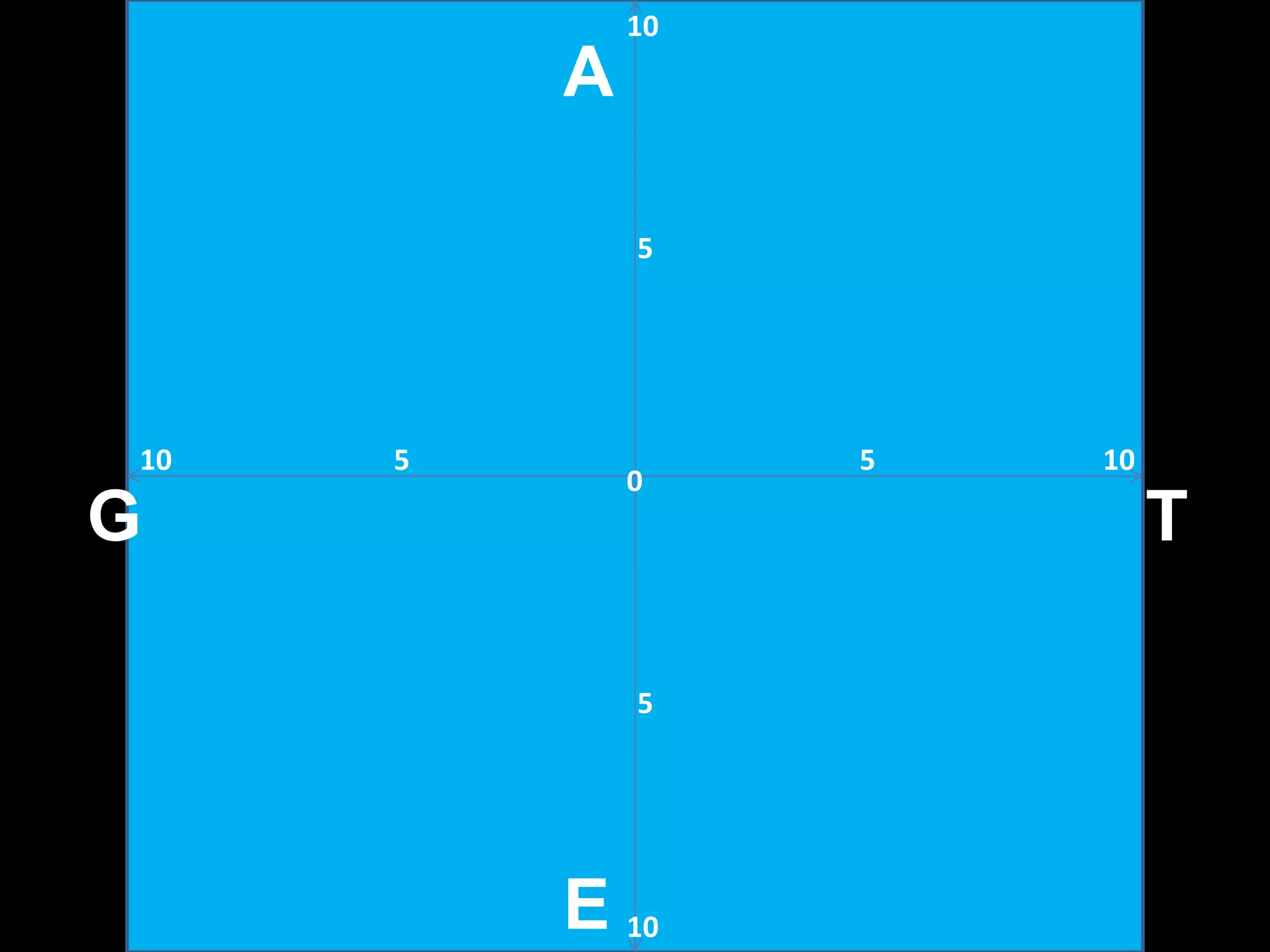
The GATE Model in PracticeThe following pattern is typical ofA combat veteran, with family history of addiction, low socioeconomic status, and substance-abusing social networkTotal of 400 pointsBalanced risk
10A51010550GT5E10
The GATE Model in PracticeThe following pattern is typical of A young adult engaged in binge drinkingTotal of 200 pointsSkewed towards Access and Environment
10A51010550GT5E10
The GATE Model in PracticeThe GATE Model illustrates the impact of trauma on the risk of addictionIn this example, a person with moderate risk of addiction experiences a traumatic eventThe risk of addictive illness immediately increases, from 100 points to 150 points
10A51010550GT5E10
10A51010550GT5E10
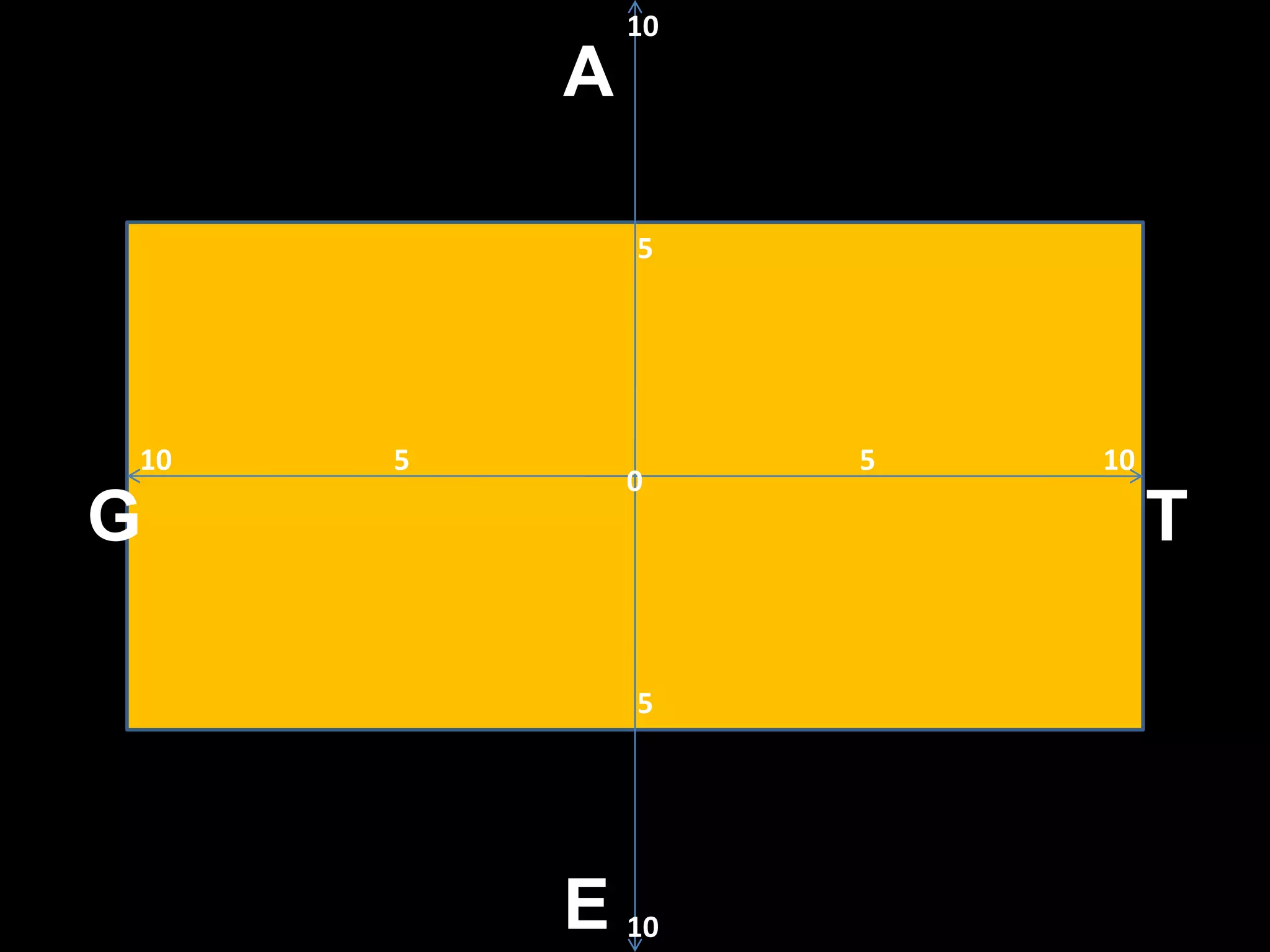
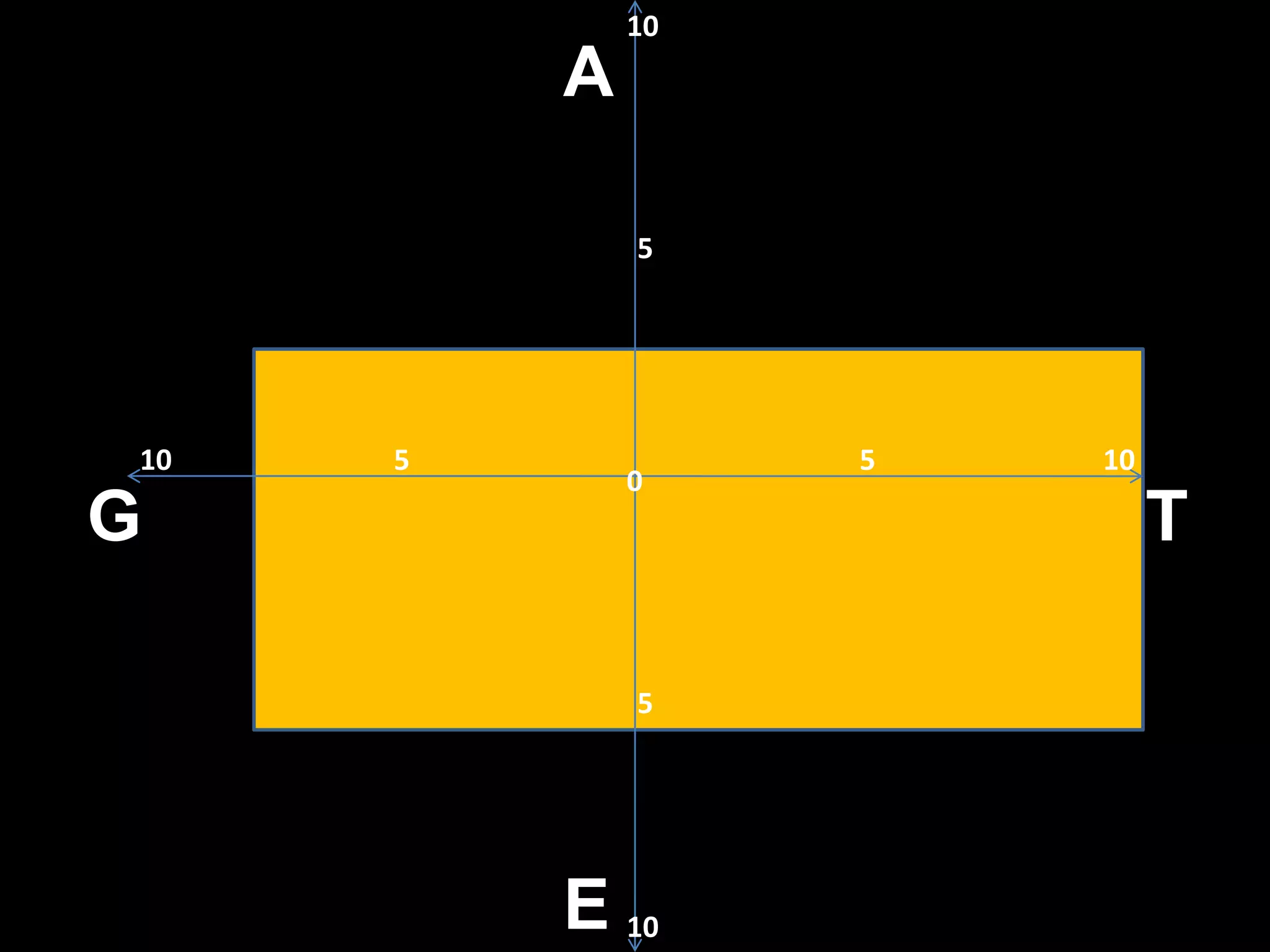
The GATE Model in PracticeThe GATE Model illustrates the treatment value of a potential clinical intervention In this example, an opiate addict initiates treatment with Buprenorphine (Suboxone)The risk of addictive illness immediately decreases, from 200 points to 130 points.
10A51010550GT5E10
10A51010550GT5E10
Applications of the GATE ModelTreatment planningAllocation of diminishing resourcesEducation of clientInvolvement of family/support systemCase managementProgram developmentGrant/funding applications
The GATE ModelFor more information, contact:Tab Ballis LCSW, LCASInsight Wellness Services                           311 N. 2nd St., Suite One              Wilmington, NC 28401 910/251-2106 www.insightwellnessservices.com info@insightwellnessservices.com
Developed byTab Ballis LCSW, LCASSchool of Social WorkUniversity of North Carolina at Wilmingtonballist@uncw.eduwww.insightwellnessservices.com
10A51010550GT5E10

The Gate Model

  • 1.
    The GATE ModelASystemic Approach to Addictions Assessment and Treatment PlanningTab Ballis LCSW, LCASUNCW School of Social Work
  • 2.
    Seeing “the forestand the trees”
  • 3.
    Development of theGATE ModelDeveloped over twenty years of clinical practiceIntegration of hundreds of casesConceptualized for universal applicationField-tested with UNCW social work students
  • 4.
    The GATE RationaleAddressesthe diversity of needs/strengths“Real world” view of addictionIdentifies variations within groupsTranscends artificial barriers of addiction treatmentAlcohol/drug/food/sex/work etc.
  • 5.
    The GATE RationaleTargetsthe role of Trauma in the etiology of addictive illness80% of female alcoholics are survivors of sexual traumaChild abuse and neglect is endemic in families that are suffering from addictionAddiction is operative in the incidence of sexual assault, and other violent crime
  • 6.
    The GATE RationaleCapturesthe complexity of addictive illnessMultidimensional modelMacro view of addictionSupported by “Syndrome Model” of addictionHoward Shaffer, PhD, CAS, et al, 2004“Addiction should be understood as a syndrome, with multiple opportunistic manifestations.”
  • 7.
    The GATE RationaleIncludes“Process Addictions” on same scaleOften co-occur with substance abuse and dependenceTypically overlooked in treatment settingsMay trigger relapse of substance abuseMay emerge during substance abuse recovery
  • 8.
  • 9.
    Theoretical FrameworkGeneticsFamily historyof addictionFamily history of mental illnessActive symptoms of MH/SAMedical conditionsChronic pain
  • 10.
    Theoretical FrameworkAccessNegativeAddictive agentat homeAddictive agent at workAddictive agent in social networkPositiveTreatment resourcesSelf help groups
  • 11.
    Theoretical FrameworkTraumaEmotional traumaPhysicaltraumaSexual traumaSeverityMultiple events
  • 12.
  • 13.
    The GATE Modelin PracticeFour-dimensional axisEach dimension (GATE), plotted on 10-point scaleThe GATE (square or rectangle) encompasses the points on each dimension.The total area of the GATE measures the risk of addictive illnessThe location of the GATE defines the risk and suggests the focus of intervention
  • 14.
  • 15.
  • 16.
  • 17.
  • 18.
  • 19.
    The GATE Modelin PracticeThe following pattern is typical of A person at low-risk of addiction Total of 25 pointsBalanced
  • 20.
  • 21.
    The GATE Modelin PracticeThe following pattern is typical ofA person at moderate-risk of addictionTotal of 100 pointsBalanced
  • 22.
  • 23.
    The GATE Modelin PracticeThe following pattern is typical ofA person from a family with multigenerational addiction and traumaTotal of 200 pointsSkewed towards Genetics and Trauma
  • 24.
  • 25.
    The GATE Modelin PracticeThe following pattern is typical ofA trauma survivor exposed to a substance abusing peer groupTotal of 225 pointsSkewed towards Access and Trauma
  • 26.
  • 27.
    The GATE Modelin PracticeThe following pattern is typical ofA person with a family history of addiction and depression, with a high-stress living/working environmentTotal of 150 pointsSkewed towards Genetic and Environment
  • 28.
  • 29.
    The GATE Modelin PracticeThe following pattern is typical ofA combat veteran, with family history of addiction, low socioeconomic status, and substance-abusing social networkTotal of 400 pointsBalanced risk
  • 30.
  • 31.
    The GATE Modelin PracticeThe following pattern is typical of A young adult engaged in binge drinkingTotal of 200 pointsSkewed towards Access and Environment
  • 32.
  • 33.
    The GATE Modelin PracticeThe GATE Model illustrates the impact of trauma on the risk of addictionIn this example, a person with moderate risk of addiction experiences a traumatic eventThe risk of addictive illness immediately increases, from 100 points to 150 points
  • 34.
  • 35.
  • 36.
    The GATE Modelin PracticeThe GATE Model illustrates the treatment value of a potential clinical intervention In this example, an opiate addict initiates treatment with Buprenorphine (Suboxone)The risk of addictive illness immediately decreases, from 200 points to 130 points.
  • 37.
  • 38.
  • 39.
    Applications of theGATE ModelTreatment planningAllocation of diminishing resourcesEducation of clientInvolvement of family/support systemCase managementProgram developmentGrant/funding applications
  • 40.
    The GATE ModelFormore information, contact:Tab Ballis LCSW, LCASInsight Wellness Services 311 N. 2nd St., Suite One Wilmington, NC 28401 910/251-2106 www.insightwellnessservices.com info@insightwellnessservices.com
  • 41.
    Developed byTab BallisLCSW, LCASSchool of Social WorkUniversity of North Carolina at Wilmingtonballist@uncw.eduwww.insightwellnessservices.com
  • 42.

Editor's Notes

  • #21 Total of 25 points. Pattern typical of low risk individual.
  • #23 Total of 100 points. Pattern typical of person at moderate risk of addiction.
  • #25 Total of 200 points. Pattern typical of member of functioning family with multigenerational abuse and addiction.
  • #27 Total of 225 points. Pattern typical of trauma survivor who is exposed to substance abusing peer group.
  • #29 Total of 150 points. Pattern typical of family history of addiction and depression, with high-stress living/working environment.
  • #31 Total of 400 points. Pattern typical of combat veteran, with family history of addiction, with low socioeconomic status, and substance abusing peer group.
  • #33 Total of 200 points. Pattern typical of college binge drinker.
  • #36 Total increases from 100 points to 150 points, immediately following a significant trauma.
  • #39 Total of 200 points, reduced to 130 points, when opiate addict initiates seboxone treatment.