Copyright © SELA Software & Education Labs, Ltd. | 14-18 Baruch Hirsch St., Bnei Brak 51202, Israel | www.selagroup.com
SELA DEVELOPER PRACTICE
May 23-25, 2017
Arnon Axelrod
Test Automation Maturity Model
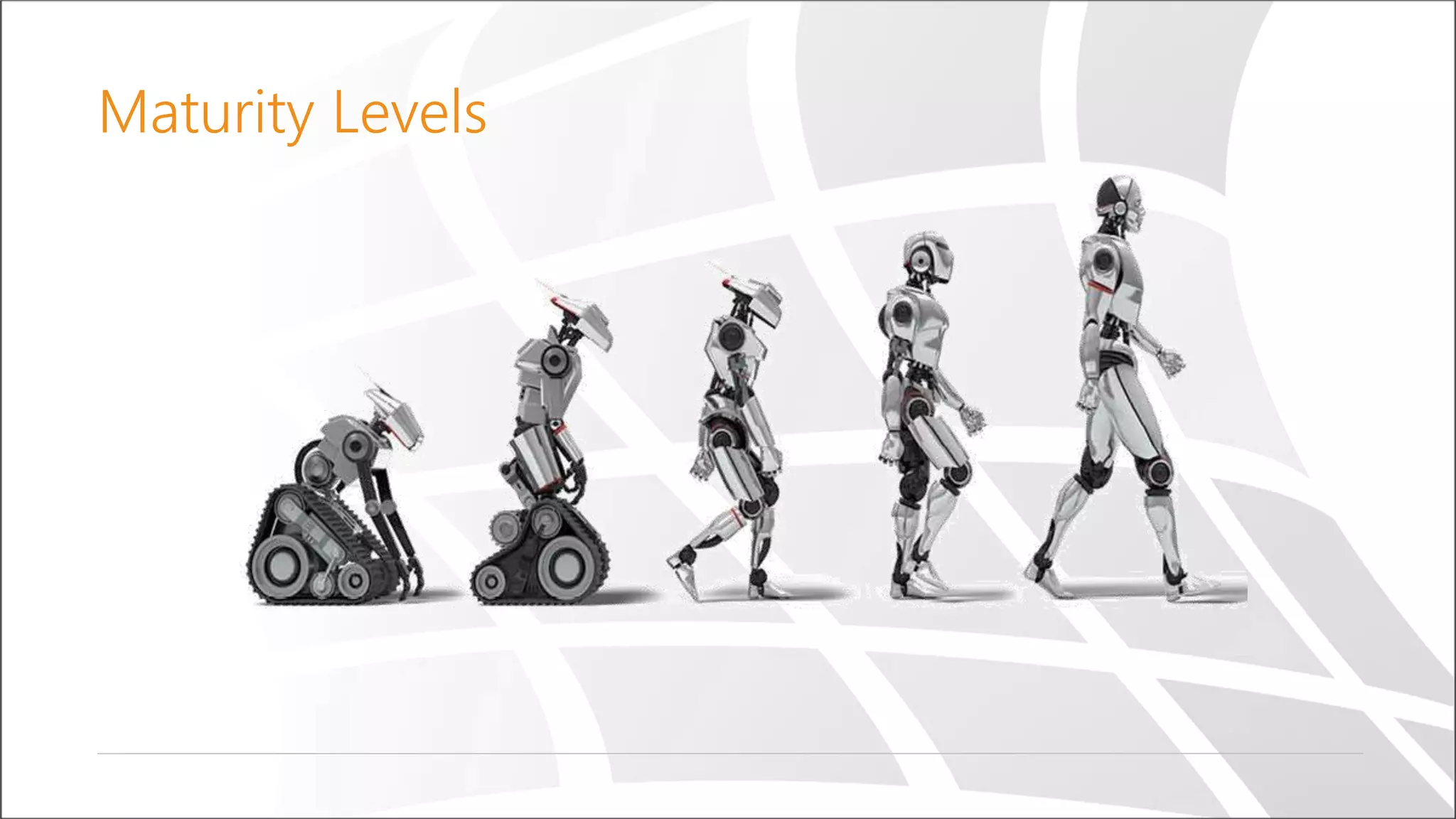
Maturity Levels
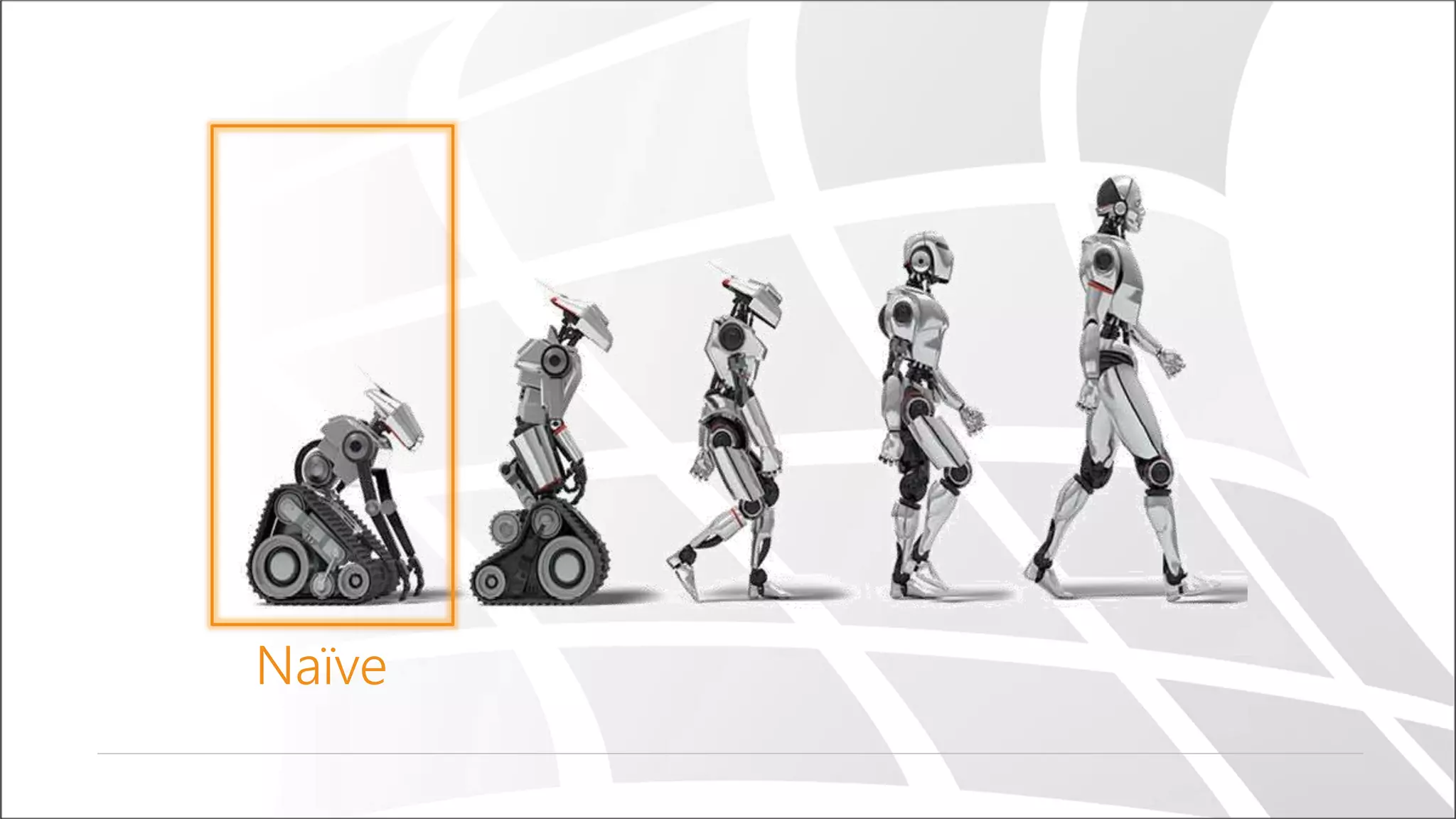
Naïve
Naïve: How hard can it be?
Done on “spare time”
Lack of Skills
Insufficient resources
Unreal expectations
Unawareness of challenges
QA Centric
QA Centric: Replace manual regressions
Dedicated Automation Team (part of QA)
Nightly
Helps find bugs
Based on manual tests of stable features
Challenges: stability and maintainability
Collaboration
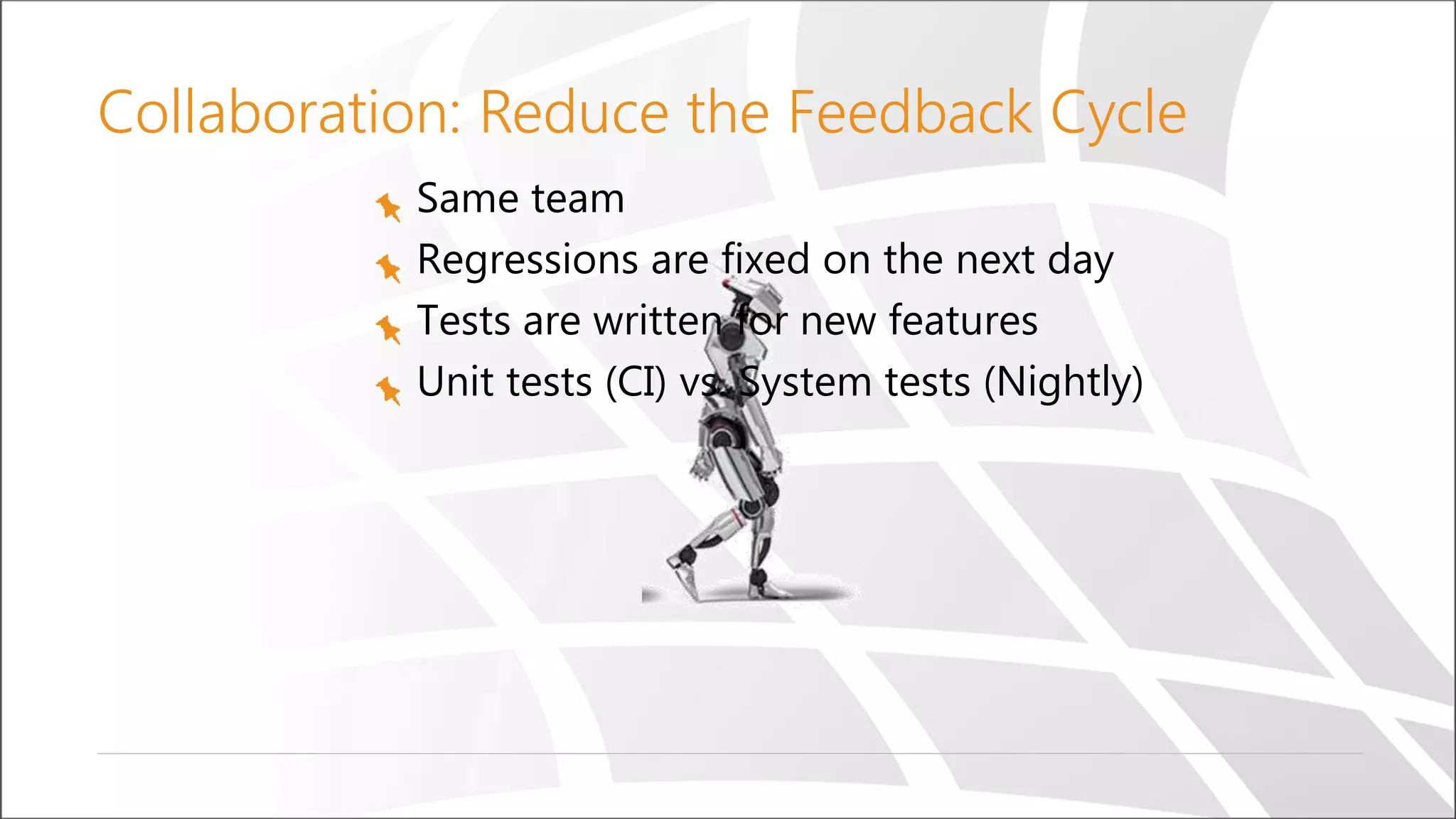
Collaboration: Reduce the Feedback Cycle
Same team
Regressions are fixed on the next day
Tests are written for new features
Unit tests (CI) vs. System tests (Nightly)
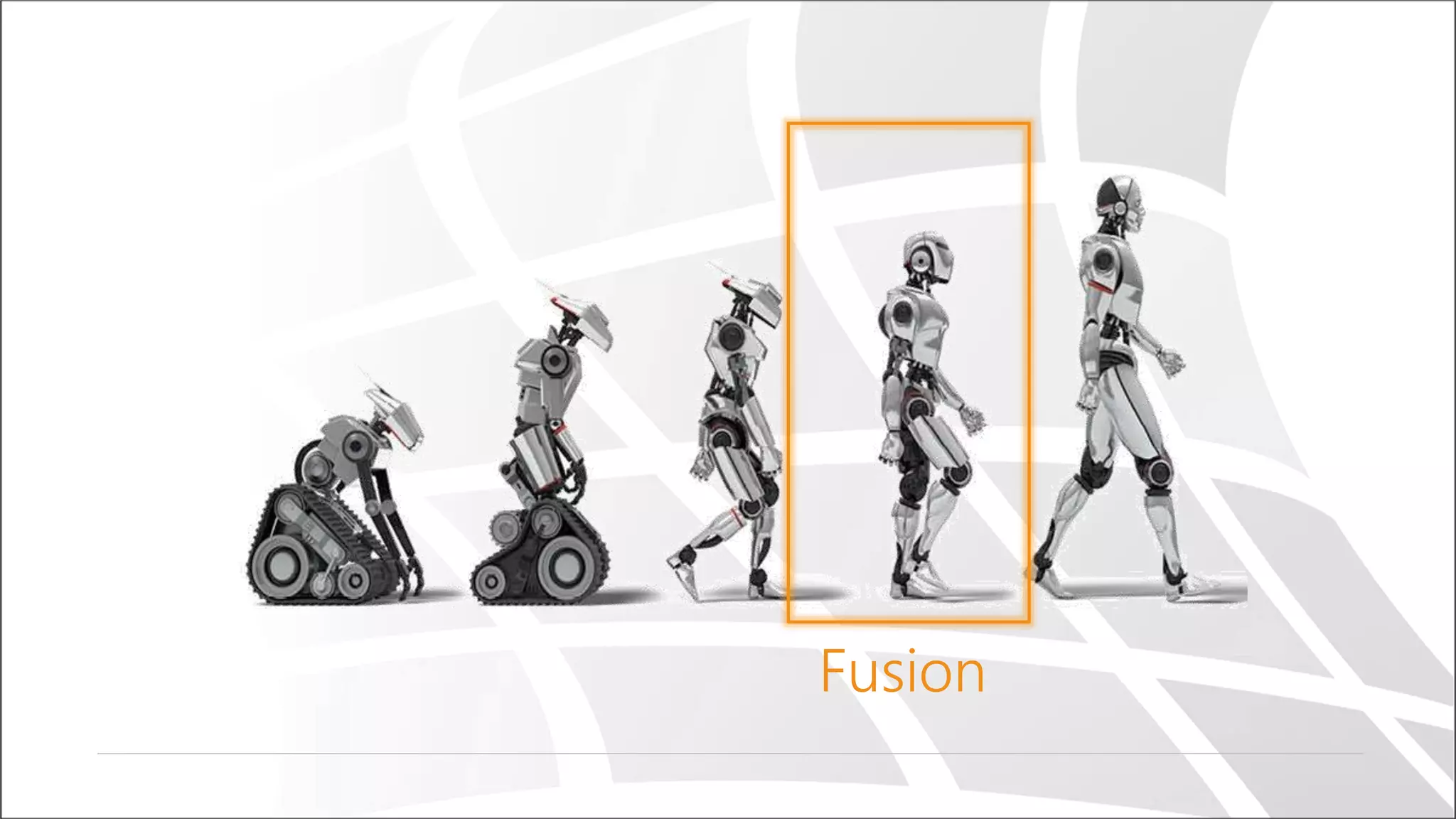
Fusion
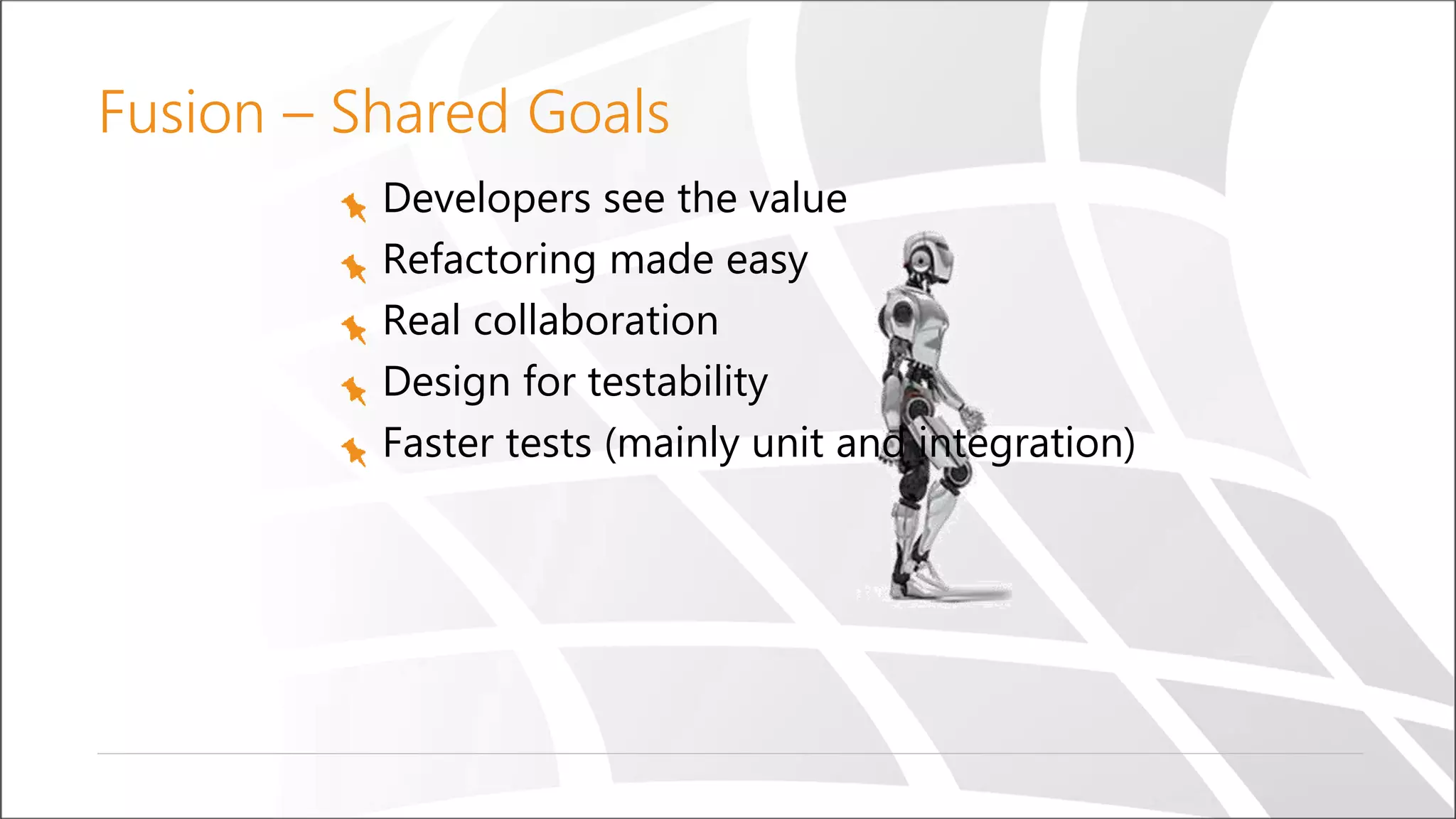
Fusion – Shared Goals
Developers see the value
Refactoring made easy
Real collaboration
Design for testability
Faster tests (mainly unit and integration)
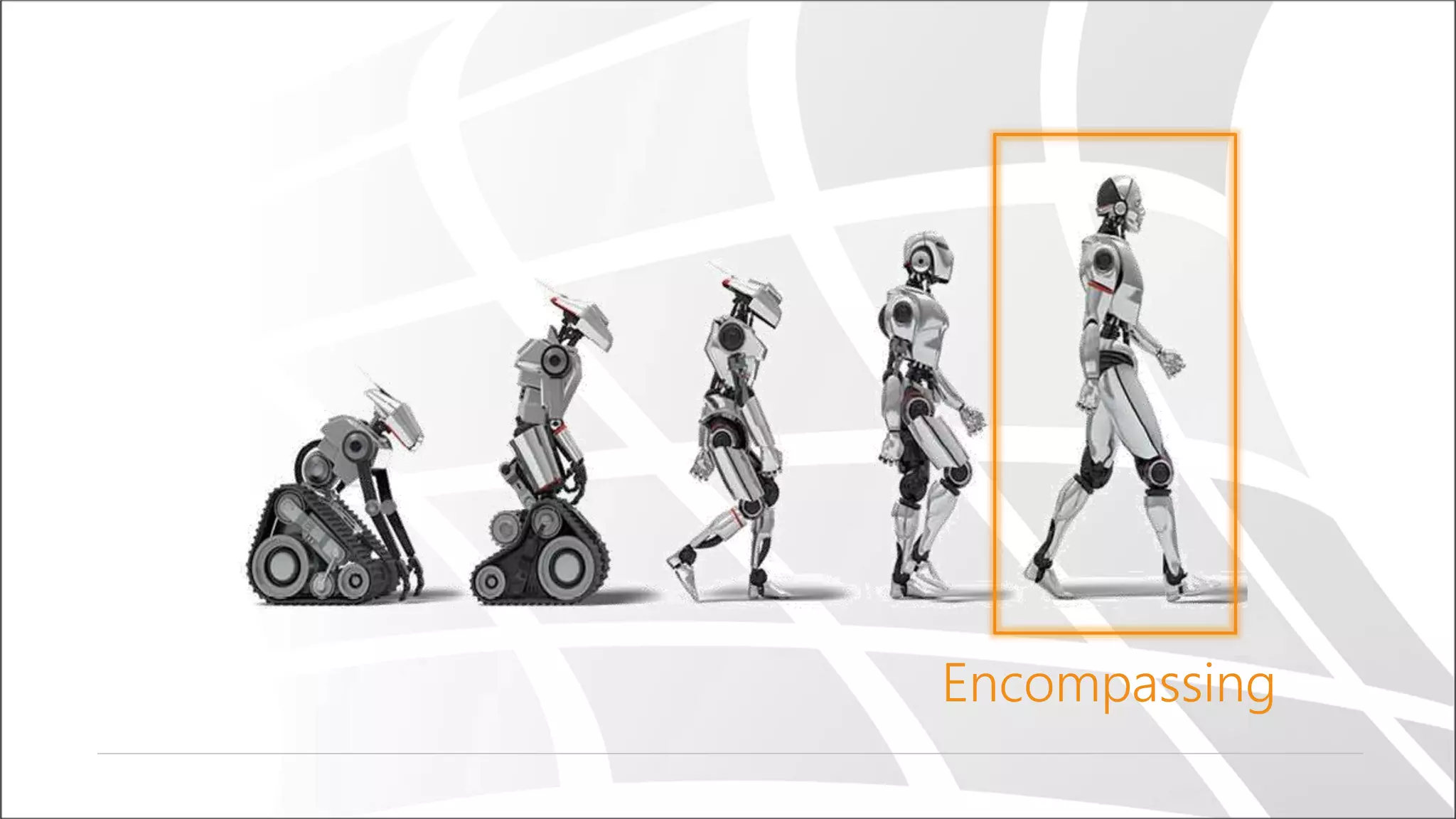
Encompassing
Encompassing: Zero Defects
ATDD
Continuous Improvement
Mistake Prevention
Measurements and Customer focus
How to improve?
Trial and error…
Knowledge Sharing
Effective Retrospectives
Books, blogs, conferences…
Use consultants
How to Improve?
Questions
Complete Guide to Test Automation - Chapters
Part I:
1. The Value of Test Automation
2. From Manual to Automated Testing
3. People and Tools
4. Reaching Full Coverage
5. Business Processes
6. Test Automation and Architecture
7. Isolation and Test Environments
8. The Big Picture
Complete Guide to Test Automation - Chapters
Part II:
9. Preparing for the Tutorial
10. Designing the First Test Case
11. Start Coding the First Test
12. Completing the First Test
13. Investigating Failures
(continued on next slide)
Complete Guide to Test Automation - Chapters
14. Adding More Tests
15. Continuous Integration
16. Acceptance Test Driven
Development
17. Unit Tests and TDD
18. Other Types of Automated Tests
19. Where to Go from Here
Complete Guide to Test Automation - Chapters
Appendices:
A. Real World Examples
B. Cleanup Mechanism
C. Test Automation Essentials
D. Tips and Practices for
Programmer’s Productivity
And the winner is…

Test Automation Maturity Model (Israel Test Automation meetup 12/11/2018)

  • 1.
    Copyright © SELASoftware & Education Labs, Ltd. | 14-18 Baruch Hirsch St., Bnei Brak 51202, Israel | www.selagroup.com SELA DEVELOPER PRACTICE May 23-25, 2017 Arnon Axelrod Test Automation Maturity Model
  • 2.
  • 3.
  • 4.
    Naïve: How hardcan it be? Done on “spare time” Lack of Skills Insufficient resources Unreal expectations Unawareness of challenges
  • 5.
  • 6.
    QA Centric: Replacemanual regressions Dedicated Automation Team (part of QA) Nightly Helps find bugs Based on manual tests of stable features Challenges: stability and maintainability
  • 7.
  • 8.
    Collaboration: Reduce theFeedback Cycle Same team Regressions are fixed on the next day Tests are written for new features Unit tests (CI) vs. System tests (Nightly)
  • 9.
  • 10.
    Fusion – SharedGoals Developers see the value Refactoring made easy Real collaboration Design for testability Faster tests (mainly unit and integration)
  • 11.
  • 12.
    Encompassing: Zero Defects ATDD ContinuousImprovement Mistake Prevention Measurements and Customer focus
  • 13.
    How to improve? Trialand error… Knowledge Sharing Effective Retrospectives Books, blogs, conferences… Use consultants
  • 14.
  • 15.
  • 17.
    Complete Guide toTest Automation - Chapters Part I: 1. The Value of Test Automation 2. From Manual to Automated Testing 3. People and Tools 4. Reaching Full Coverage 5. Business Processes 6. Test Automation and Architecture 7. Isolation and Test Environments 8. The Big Picture
  • 18.
    Complete Guide toTest Automation - Chapters Part II: 9. Preparing for the Tutorial 10. Designing the First Test Case 11. Start Coding the First Test 12. Completing the First Test 13. Investigating Failures (continued on next slide)
  • 19.
    Complete Guide toTest Automation - Chapters 14. Adding More Tests 15. Continuous Integration 16. Acceptance Test Driven Development 17. Unit Tests and TDD 18. Other Types of Automated Tests 19. Where to Go from Here
  • 20.
    Complete Guide toTest Automation - Chapters Appendices: A. Real World Examples B. Cleanup Mechanism C. Test Automation Essentials D. Tips and Practices for Programmer’s Productivity
  • 21.

Editor's Notes

  • #3 I see many organizations. I quickly assess their level It’s a generalization The goal The State of the industry
  • #4 Characteristics: Believe that it’s easy Main Problems: Lack of skills Insufficient resources Stability and maintainability vs. value
  • #5 Characteristics: Believe that it’s easy Main Problems: Lack of skills Insufficient resources Stability and maintainability vs. value
  • #6 Characteristics: Dedicated auto. dev. (part of QA) Nightly builds Investigation and opening bugs Based on manual tests Mainly stable features Main Problems: Hard to stabilize (struggle) Hard to maintain Feedback loop
  • #7 Characteristics: Dedicated auto. dev. (part of QA) Nightly builds Investigation and opening bugs Based on manual tests Mainly stable features Main Problems: Hard to stabilize (struggle) Hard to maintain Feedback loop
  • #8 Characteristics: Work in the same team (but not “as a team”) Regressions fixed the same day (faster feedback loop) Automation is developed 1-2 iterations after application Mindset of DEV/QA (hard to break…) Unit tests vs. System Tests CI vs. Nightly Main Problems: Stability and maintainability, but less Division of responsibilities (eg. vacations) Bugs are still a fact of life
  • #9 Characteristics: Work in the same team (but not “as a team”) Regressions fixed the same day (faster feedback loop) Automation is developed 1-2 iterations after application Mindset of DEV/QA (hard to break…) Unit tests vs. System Tests CI vs. Nightly Main Problems: Stability and maintainability, but less Division of responsibilities (eg. vacations) Bugs are still a fact of life
  • #10 Characteristics: Developers see the value Working as a team (code reviews, etc.) Continuum from Unit tests to system More focus on Unit and Integration (better Testability, CI) Refactoring Striving towards Zero bugs Problems: Tests are still developed after product (towards the end of the sprint/user story).
  • #11 Characteristics: Developers see the value Working as a team (code reviews, etc.) Continuum from Unit tests to system More focus on Unit and Integration (better Testability, CI) Refactoring Striving towards Zero bugs Problems: Tests are still developed after product (towards the end of the sprint/user story).
  • #12 Characteristics: ATDD Team collaborates on defining the solution for user stories (explain) Acceptance criteria as tests Tests are developed before the application code Drives the design Tests act as documentation Continuous Improvement through Measuring and experimenting Quality and Customer Mindset Holistic Quality Zero Defects
  • #13 Characteristics: ATDD Team collaborates on defining the solution for user stories (explain) Acceptance criteria as tests Tests are developed before the application code Drives the design Tests act as documentation Continuous Improvement through Measuring and experimenting Quality and Customer Mindset Holistic Quality Zero Defects
  • #14 Retrospectives: Action items and Follow-up (try to measure)
  • #15 YOU can drive the transformation It can take time Vision Persistence Gradually Convince your colleagues Critical mass or Key person
  • #22 https://docs.google.com/forms/d/1wcIVj99b24PnRCk645bbYsQDh78eW0P9GEV8Ebih4Mk/edit#responses https://www.classtools.net/random-name-picker/