Downloaded 29 times


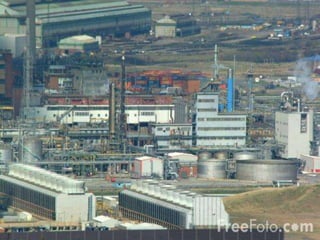
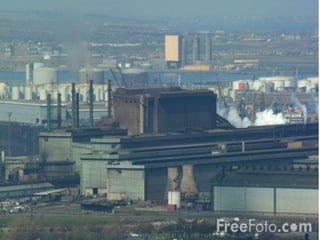

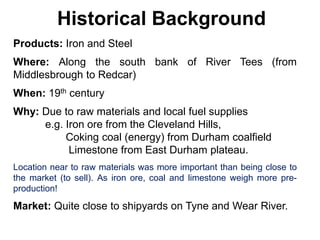
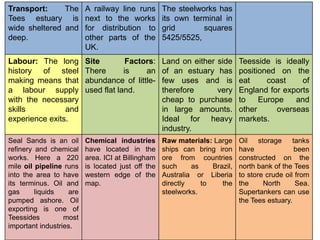
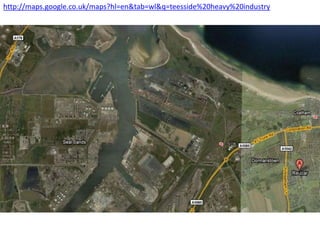
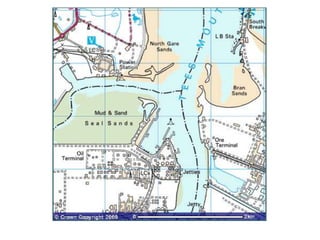
Teesside developed along the River Tees in the 19th century for heavy industry due to its access to raw materials. The area had supplies of iron ore from the Cleveland Hills, coking coal from Durham, and limestone from East Durham. These heavy raw materials were less costly to transport if processed locally rather than shipping overseas. Today, steel production remains through Corus British Steel, and the deepwater port continues to aid transportation and import/export. However, the coal mines and shipyards have closed. Teesside's industrial future relies on its existing transport links and leftover industrial lands.


