



Tech Camps
at the Library
Nicole C. Engard
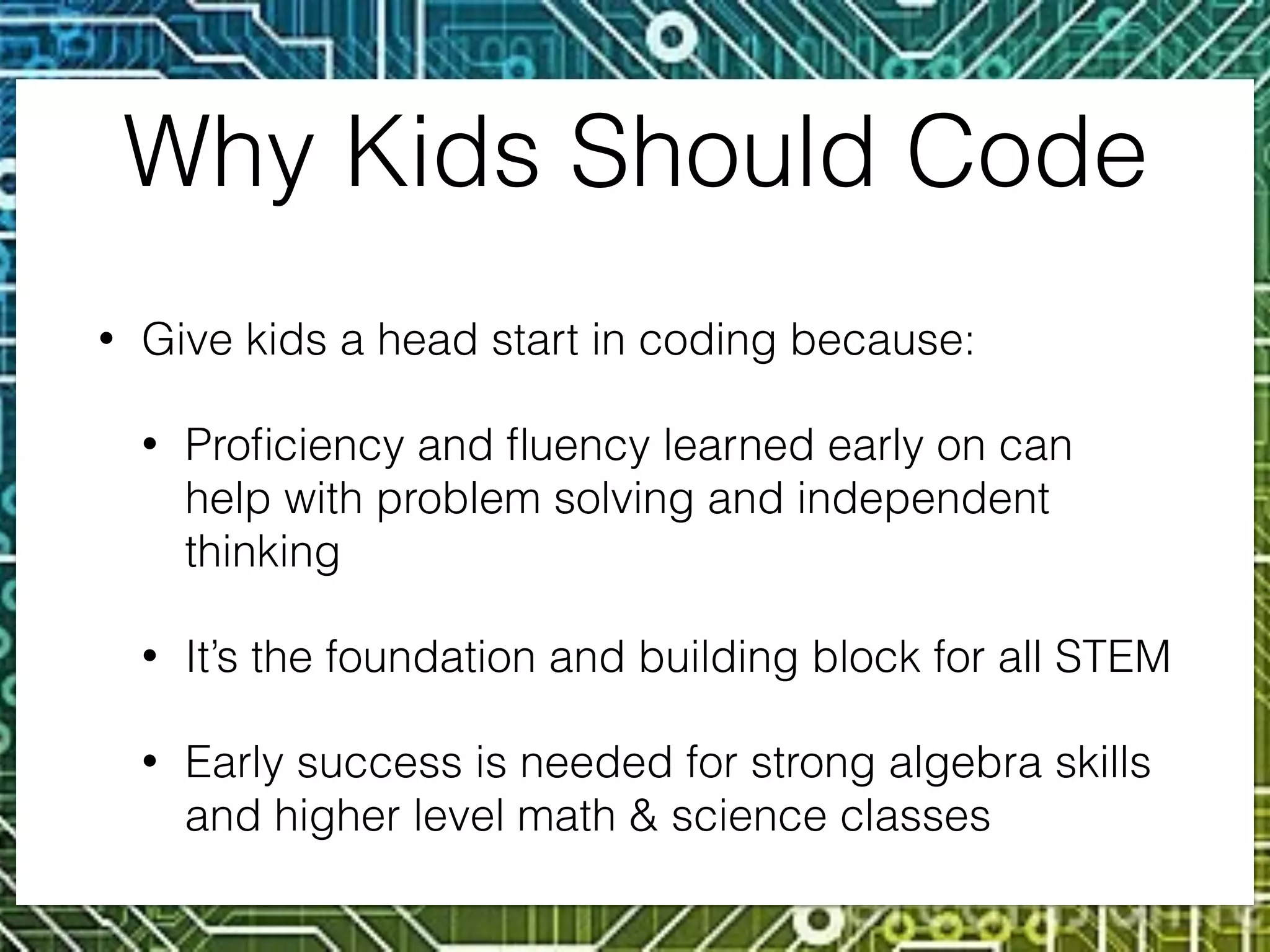
Why Kids Should Code
• Give kids a head start in coding because:
• Proficiency and fluency learned early on can
help with problem solving and independent
thinking
• It’s the foundation and building block for all STEM
• Early success is needed for strong algebra skills
and higher level math & science classes
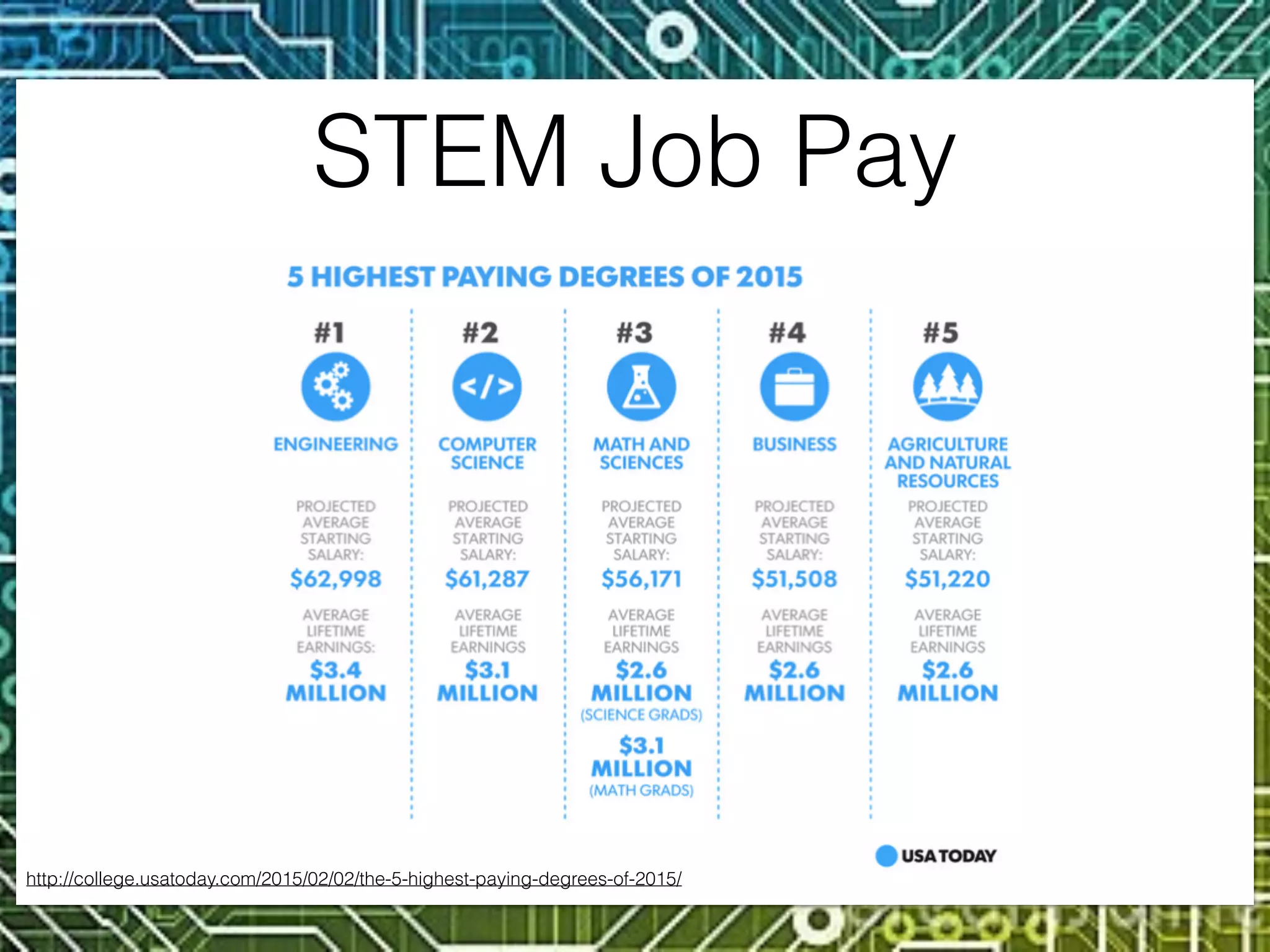
STEM Job Pay
http://college.usatoday.com/2015/02/02/the-5-highest-paying-degrees-of-2015/
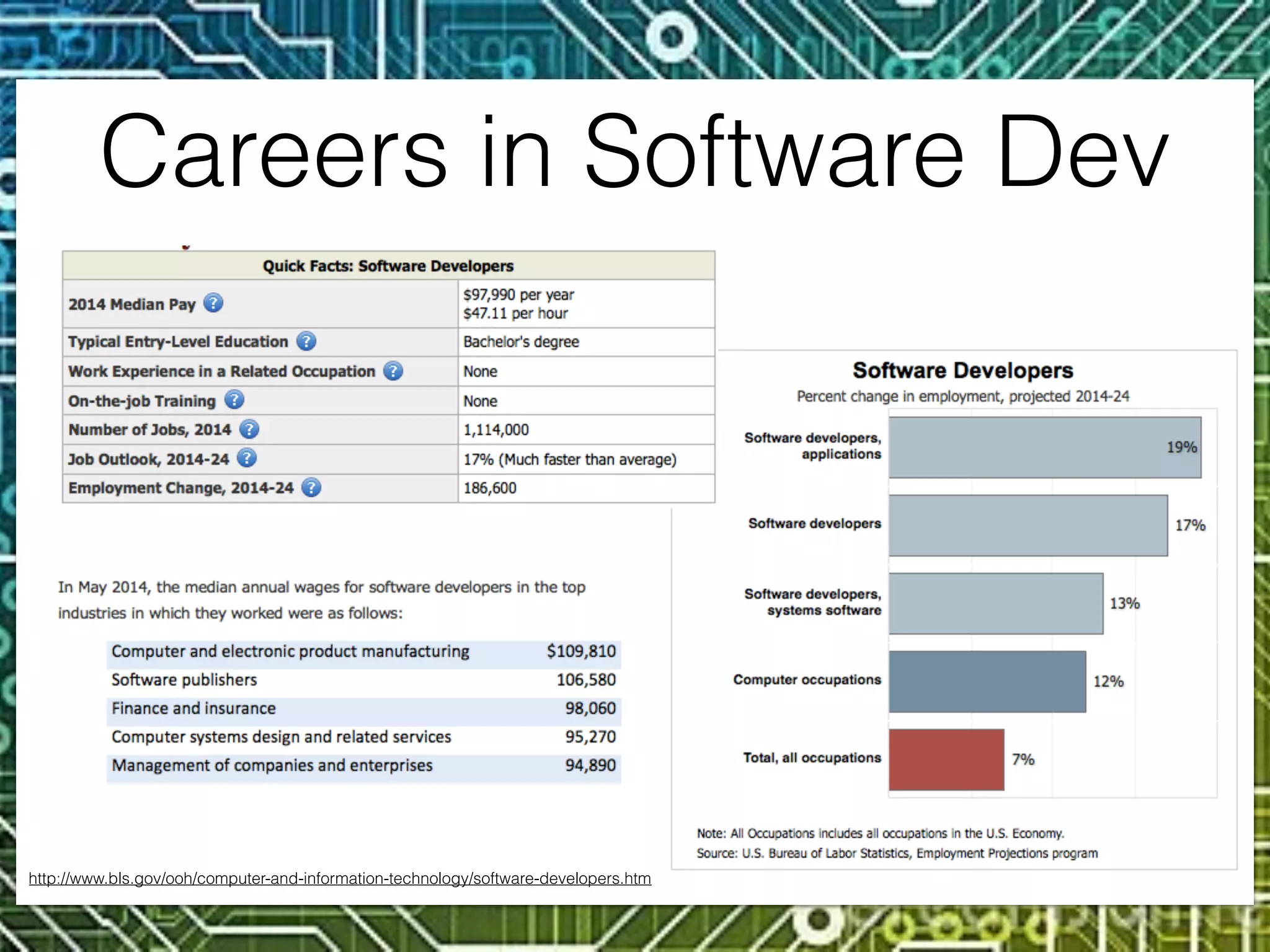
Careers in Software Dev
http://www.bls.gov/ooh/computer-and-information-technology/software-developers.htm
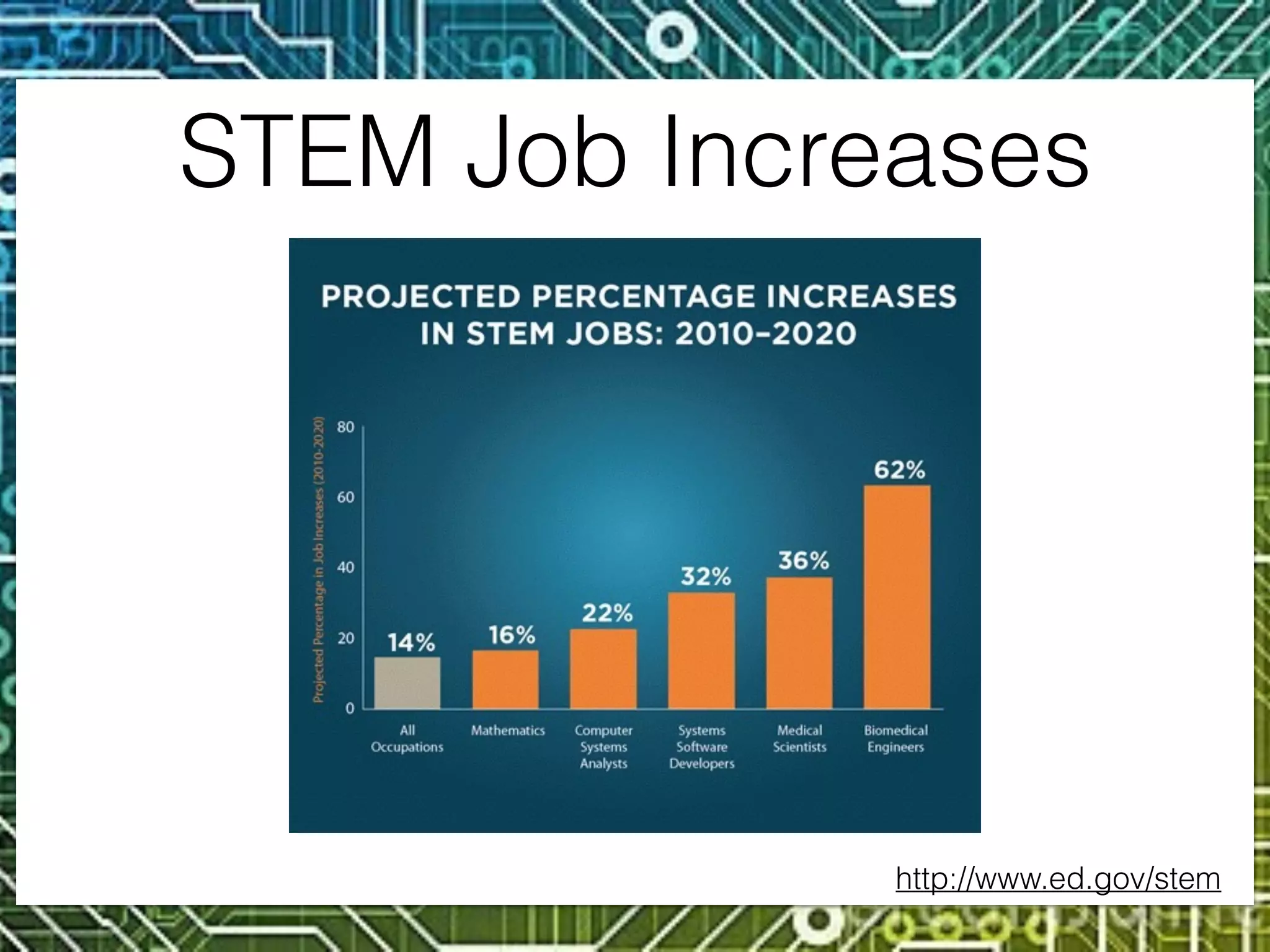
STEM Job Increases
http://www.ed.gov/stem
We Need More Experts
• Demand is there, but supply is not
• There were only 48,700 undergraduate computer
science graduates from accredited US
universities in 2014.
• In 2015, the coding bootcamp market was
estimated to grow by 2.4x, to an estimated
16,056 graduates in 2015, up from 6,740 in 2014.
What Can We Do?
• Libraries are known for their programming to help
educate their communities
• Coding camps for kids (like Bootcamps for adults)
can get more people interested in software
development
• For little or no cost you can host these camps to
teach software development and/or robotics
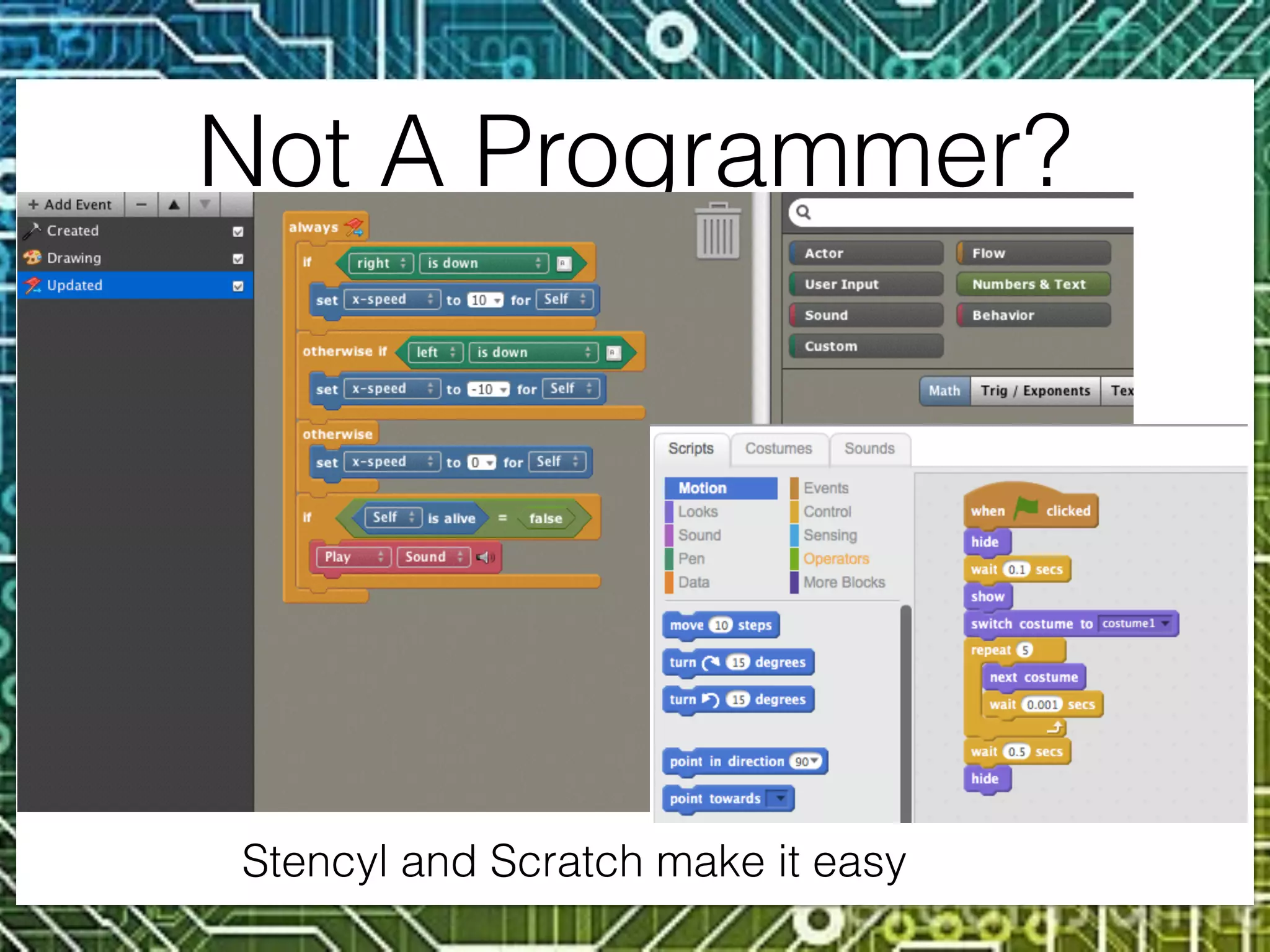
Not A Programmer?
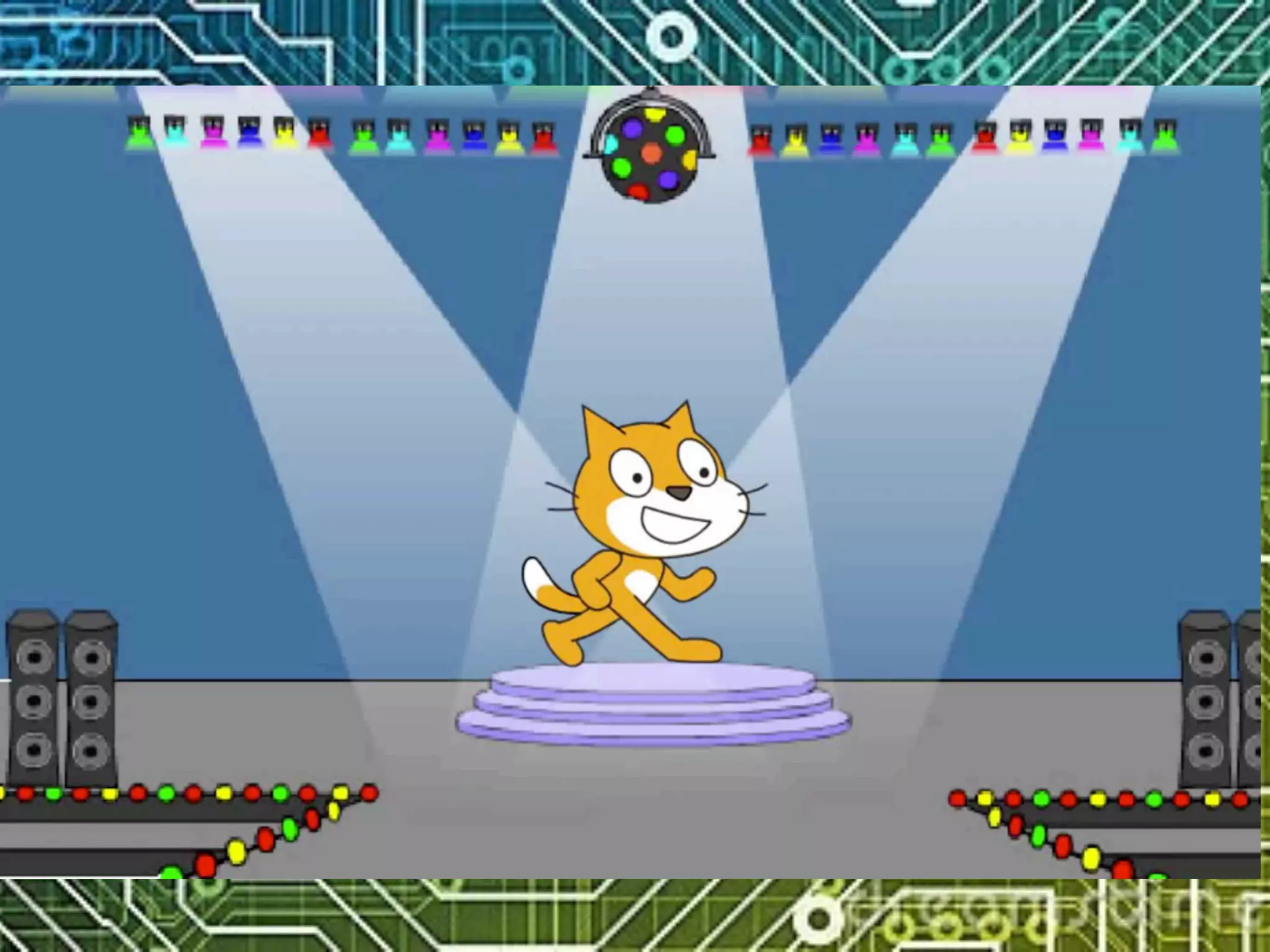
Stencyl and Scratch make it easy
Coding Tools
• Scratch (scratch.mit.edu)
• Tynker (www.tynker.com)
• Stencyl (www.stencyl.com)
• Greenfoot (www.greenfoot.org)
• Blocky Games (blockly-games.appspot.com/)
Let’s Play!!!
Circuit Tools
• LittleBits (littlebits.cc)
• LilyPad Arduino (lilypadarduino.org)
• Snap Circuits (www.snapcircuits.net)
• Circuits Scribe (www.electroninks.com)
Robotics Tools
• Finch (www.finchrobot.com)
• Hummingbird robotics kit (hummingbirdkit.com)
• Raspberry Pi (bit.ly/1UgmoTl)
• Arduino (bit.ly/22l22gO)
• VEX (www.vexrobotics.com)
• Lego Mindstorms (mindstorms.lego.com)
For Toddlers
• Code-a-pillar www.fisher-price.com/codeapillar/
• Cubetto www.primotoys.com
Potential Projects
• Create a website
• Create a story in Scratch
• Create a light up monster with the Lilypad
• Build your own Lego robot
• What are you ideas?
Possible Languages
• HTML/CSS
• Javascript
• Python
• Ruby
• MySQL
Costs
• Computers or tablets for each student (already in
the library or BYOD)
• Open source software for programming ($0)
• A trainer ($0-$100/hr)
• Hardware ($16/e LilyPad Arduino, $200/e LittleBits
Kit, $36/e Raspberry Pi, $99/e The Finch)
• Misc tools and supplies ($200-$1000)
Volunteers / Donations
• Find volunteers using Idealist, VolunteerMatch,
AllForGood or other such sites
• Request donations on sites like GoFundMe or
YouCaring
• Create an Amazon wish list for your organization
(for example: http://amzn.com/w/NF8ABQSCGRDI)
• Of course you can just ask!
Structure
• One Off: Have a project for everyone in attendance
• Hackathon: Have an 8 -12 hour event
• Over time: Have a project a day (every few days)
or have a goal that has to be completed in a period
of time. This might be a robotics or coding club.
• Look in to starting a Dojo : coderdojo.com
Promotion
• Many conferences offer free tables to non profits
• Meetup.com
• Social media
• Local universities and colleges
• Partnerships
• Swag
Partnerships
• Talk to :
• coding/tech/stem groups/meetups
• area tech companies
• coding bootcamps
• maker/tech shops
• schools with stem programs
Final Tips
• Write a code of conduct
• Have parent’s permission (note any security risks)
• Take into account level of experience of attendees
• Offer different levels of events if necessary
• Create tutorials (Guide on the Side)
• Create evaluations (LimeSurvey)
Additional Resources
• Free coding courses for kids : http://bit.ly/22mSqPk
• Choosing a summer coding camp : http://bit.ly/1PcklrF
• 45 places to learn to code for free : http://bit.ly/1Vd58xQ
• 12 sites to learn to code for free : http://entm.ag/1ROFyK7
• Cool products for teaching kids to code : http://huff.to/
1pM1bV9
• Teach your kids to code : http://edut.to/1R3E9je
Nicole C. Engard
nengard@gmail.com
http://web2learning.net
http://austin.chicktech.org

Tech Camps at the Library

  • 1.
    Tech Camps at theLibrary Nicole C. Engard
  • 2.
    Why Kids ShouldCode • Give kids a head start in coding because: • Proficiency and fluency learned early on can help with problem solving and independent thinking • It’s the foundation and building block for all STEM • Early success is needed for strong algebra skills and higher level math & science classes
  • 3.
  • 4.
    Careers in SoftwareDev http://www.bls.gov/ooh/computer-and-information-technology/software-developers.htm
  • 5.
  • 6.
    We Need MoreExperts • Demand is there, but supply is not • There were only 48,700 undergraduate computer science graduates from accredited US universities in 2014. • In 2015, the coding bootcamp market was estimated to grow by 2.4x, to an estimated 16,056 graduates in 2015, up from 6,740 in 2014.
  • 7.
    What Can WeDo? • Libraries are known for their programming to help educate their communities • Coding camps for kids (like Bootcamps for adults) can get more people interested in software development • For little or no cost you can host these camps to teach software development and/or robotics
  • 8.
    Not A Programmer? Stencyland Scratch make it easy
  • 9.
    Coding Tools • Scratch(scratch.mit.edu) • Tynker (www.tynker.com) • Stencyl (www.stencyl.com) • Greenfoot (www.greenfoot.org) • Blocky Games (blockly-games.appspot.com/)
  • 10.
  • 11.
    Circuit Tools • LittleBits(littlebits.cc) • LilyPad Arduino (lilypadarduino.org) • Snap Circuits (www.snapcircuits.net) • Circuits Scribe (www.electroninks.com)
  • 12.
    Robotics Tools • Finch(www.finchrobot.com) • Hummingbird robotics kit (hummingbirdkit.com) • Raspberry Pi (bit.ly/1UgmoTl) • Arduino (bit.ly/22l22gO) • VEX (www.vexrobotics.com) • Lego Mindstorms (mindstorms.lego.com)
  • 13.
    For Toddlers • Code-a-pillarwww.fisher-price.com/codeapillar/ • Cubetto www.primotoys.com
  • 14.
    Potential Projects • Createa website • Create a story in Scratch • Create a light up monster with the Lilypad • Build your own Lego robot • What are you ideas?
  • 15.
    Possible Languages • HTML/CSS •Javascript • Python • Ruby • MySQL
  • 16.
    Costs • Computers ortablets for each student (already in the library or BYOD) • Open source software for programming ($0) • A trainer ($0-$100/hr) • Hardware ($16/e LilyPad Arduino, $200/e LittleBits Kit, $36/e Raspberry Pi, $99/e The Finch) • Misc tools and supplies ($200-$1000)
  • 17.
    Volunteers / Donations •Find volunteers using Idealist, VolunteerMatch, AllForGood or other such sites • Request donations on sites like GoFundMe or YouCaring • Create an Amazon wish list for your organization (for example: http://amzn.com/w/NF8ABQSCGRDI) • Of course you can just ask!
  • 18.
    Structure • One Off:Have a project for everyone in attendance • Hackathon: Have an 8 -12 hour event • Over time: Have a project a day (every few days) or have a goal that has to be completed in a period of time. This might be a robotics or coding club. • Look in to starting a Dojo : coderdojo.com
  • 19.
    Promotion • Many conferencesoffer free tables to non profits • Meetup.com • Social media • Local universities and colleges • Partnerships • Swag
  • 20.
    Partnerships • Talk to: • coding/tech/stem groups/meetups • area tech companies • coding bootcamps • maker/tech shops • schools with stem programs
  • 21.
    Final Tips • Writea code of conduct • Have parent’s permission (note any security risks) • Take into account level of experience of attendees • Offer different levels of events if necessary • Create tutorials (Guide on the Side) • Create evaluations (LimeSurvey)
  • 22.
    Additional Resources • Freecoding courses for kids : http://bit.ly/22mSqPk • Choosing a summer coding camp : http://bit.ly/1PcklrF • 45 places to learn to code for free : http://bit.ly/1Vd58xQ • 12 sites to learn to code for free : http://entm.ag/1ROFyK7 • Cool products for teaching kids to code : http://huff.to/ 1pM1bV9 • Teach your kids to code : http://edut.to/1R3E9je
  • 23.