Syllabus Segmentation from Palm Leaf
Manuscripts
Presented by Nwe Nwe Soe
University of Computer Studies (Thaton) 1
AbstractAbstract
• Character segmentations of historical handwriting from palm leaf
manuscripts for handwriting character extraction.
• Choose color array of an image for binarization of palm leaf
manuscripts according to the (R,G,B and Gray).
• To extract images of each character from the leaf selected color
intensity array is used for binarization by using famous Otsu
thresholding algorithm.
• The end result is the images array which contains character images of
palm leaf manuscripts.
2
IntroductionIntroduction
• In Myanmar country, there are many organizations committed for
protection of ancient palm leaf manuscripts in order to store our
precious knowledge writings.
• To develop an efficient image processing system for effective
retrieval of metadata automatically from these manuscripts.
• U Pho Thee Library is a famous Myanmar ancient manuscripts library
and situated in Thaton city.
3
Problem Definition
4
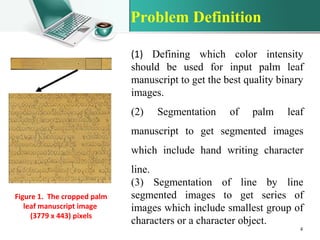
(1) Defining which color intensity
should be used for input palm leaf
manuscript to get the best quality binary
images.
(2) Segmentation of palm leaf
manuscript to get segmented images
which include hand writing character
line.
(3) Segmentation of line by line
segmented images to get series of
images which include smallest group of
characters or a character object.
Figure 1. The cropped palm
leaf manuscript image
(3779 x 443) pixels
System Overview
5
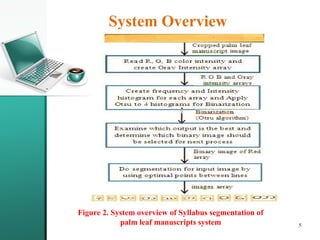
Figure 2. System overview of Syllabus segmentation of
palm leaf manuscripts system
Binarization
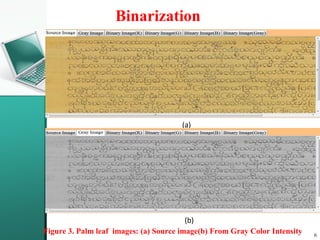
Figure 3. Palm leaf images: (a) Source image(b) From Gray Color Intensity
(a)
(b)
6
Cont’dCont’d
(a)
(b)
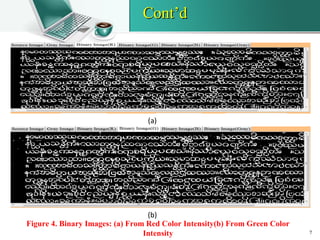
Figure 4. Binary Images: (a) From Red Color Intensity(b) From Green Color
Intensity 7
Cont’d
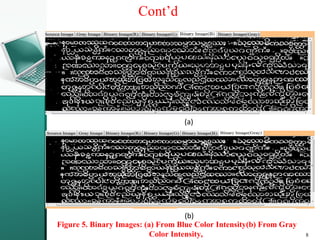
Figure 5. Binary Images: (a) From Blue Color Intensity(b) From Gray
Color Intensity,
(a)
(b)
8
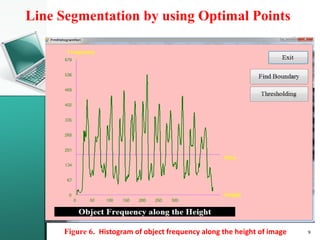
Line Segmentation by using Optimal Points
Figure 6. Histogram of object frequency along the height of image 9
Cont’d
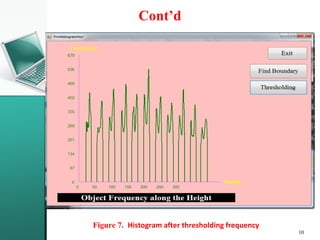
Figure 7. Histogram after thresholding frequency
10
Cont’d
11
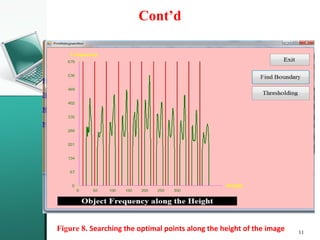
Figure 8. Searching the optimal points along the height of the image
Experimental results
12
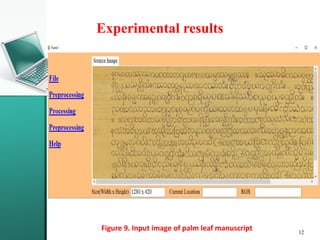
Figure 9. Input image of palm leaf manuscript
13
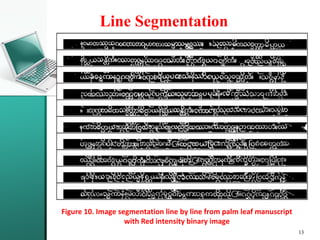
Figure 10. Image segmentation line by line from palm leaf manuscript
with Red intensity binary image
Line Segmentation
14
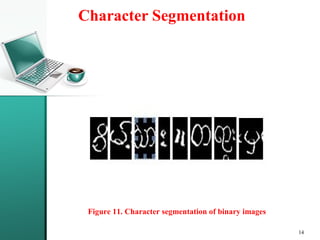
Figure 11. Character segmentation of binary images
Character Segmentation
Conclusion
15
 The first step of Palm leaf handwritten line
segmentations and character segmentations.
 The pre-processing step is to produce output data
which are compatible with the handwritten
character recognition systems by using by using
Red intensity array.
 The output result of character images will be readily
to use and the input images for the text extraction .
16

Syllabus segmentation from palm leaf manuscripts(22- 2-2018)

  • 1.
    Syllabus Segmentation fromPalm Leaf Manuscripts Presented by Nwe Nwe Soe University of Computer Studies (Thaton) 1
  • 2.
    AbstractAbstract • Character segmentationsof historical handwriting from palm leaf manuscripts for handwriting character extraction. • Choose color array of an image for binarization of palm leaf manuscripts according to the (R,G,B and Gray). • To extract images of each character from the leaf selected color intensity array is used for binarization by using famous Otsu thresholding algorithm. • The end result is the images array which contains character images of palm leaf manuscripts. 2
  • 3.
    IntroductionIntroduction • In Myanmarcountry, there are many organizations committed for protection of ancient palm leaf manuscripts in order to store our precious knowledge writings. • To develop an efficient image processing system for effective retrieval of metadata automatically from these manuscripts. • U Pho Thee Library is a famous Myanmar ancient manuscripts library and situated in Thaton city. 3
  • 4.
    Problem Definition 4 (1) Definingwhich color intensity should be used for input palm leaf manuscript to get the best quality binary images. (2) Segmentation of palm leaf manuscript to get segmented images which include hand writing character line. (3) Segmentation of line by line segmented images to get series of images which include smallest group of characters or a character object. Figure 1. The cropped palm leaf manuscript image (3779 x 443) pixels
  • 5.
    System Overview 5 Figure 2.System overview of Syllabus segmentation of palm leaf manuscripts system
  • 6.
    Binarization Figure 3. Palmleaf images: (a) Source image(b) From Gray Color Intensity (a) (b) 6
  • 7.
    Cont’dCont’d (a) (b) Figure 4. BinaryImages: (a) From Red Color Intensity(b) From Green Color Intensity 7
  • 8.
    Cont’d Figure 5. BinaryImages: (a) From Blue Color Intensity(b) From Gray Color Intensity, (a) (b) 8
  • 9.
    Line Segmentation byusing Optimal Points Figure 6. Histogram of object frequency along the height of image 9
  • 10.
    Cont’d Figure 7. Histogramafter thresholding frequency 10
  • 11.
    Cont’d 11 Figure 8. Searchingthe optimal points along the height of the image
  • 12.
    Experimental results 12 Figure 9.Input image of palm leaf manuscript
  • 13.
    13 Figure 10. Imagesegmentation line by line from palm leaf manuscript with Red intensity binary image Line Segmentation
  • 14.
    14 Figure 11. Charactersegmentation of binary images Character Segmentation
  • 15.
    Conclusion 15  The firststep of Palm leaf handwritten line segmentations and character segmentations.  The pre-processing step is to produce output data which are compatible with the handwritten character recognition systems by using by using Red intensity array.  The output result of character images will be readily to use and the input images for the text extraction .
  • 16.