Eco-friendly Materials and
Methods Used in Textile
Printing & Finishing
2
Content
o Textiles in India
o Need of Eco-friendly concept in Textile
Processing
o Approaches for Green Processing
o Green Chemical Finishing
o Enzymes as Sustainable Solutions
o Need of Immobilization
o Applications of Immobilized Enzymes
o Conclusions
150 Billion US $
Indian Textile & Apparel Industry Market in 2020
2%
Textile Sector Contribution to India’s GDP
45 Million
People Engaged with Textile Sector in India (2nd Largest Employer)
3
12%
Textile Sector Contribution to India’s Export Earning
Market Size
https://www.ibef.org/industry/textiles/infographic
4
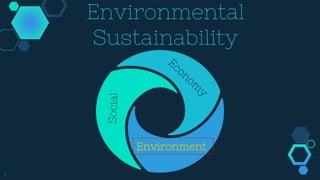
Environmental
Sustainability
Environment
5
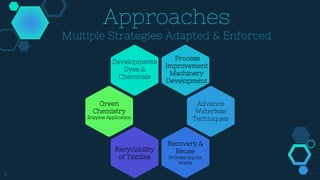
Approaches
Multiple Strategies Adapted & Enforced
Developments
Dyes &
Chemicals
Process
Improvement
Machinery
Development
Green
Chemistry
Enzyme Application
Recyclability
of Textiles
Recovery &
Reuse
Process Inputs
Waste
Advance
Waterless
Techniques
Digital Printing
Concept of Fast & Eco-friendly Printing
7
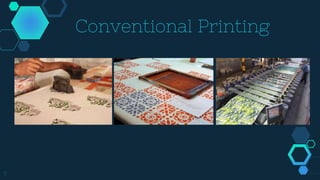
Conventional Printing
8
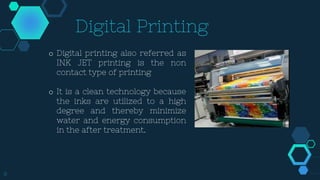
Digital Printing
o Digital printing also referred as
INK JET printing is the non
contact type of printing
o It is a clean technology because
the inks are utilized to a high
degree and thereby minimize
water and energy consumption
in the after treatment.
9
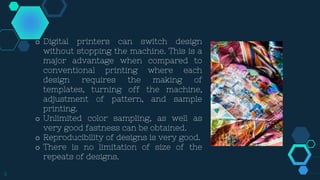
o Digital printers can switch design
without stopping the machine. This is a
major advantage when compared to
conventional printing where each
design requires the making of
templates, turning off the machine,
adjustment of pattern, and sample
printing.
o Unlimited color sampling, as well as
very good fastness can be obtained.
o Reproducibility of designs is very good.
o There is no limitation of size of the
repeats of designs.
10
Natural Dyes Printing
In the current world of fast fashion, there is an increased
concern globally toward the use of hazardous and
carcinogenic synthetic dyes like azo and benzidine; these dyes
have irrevocable effects on nature and mankind.
The growing awareness about sustainability and environment-
friendly dyes has created an essential platform for natural
dyes in textile dyeing and printing.
Natural dyes have always been preferred for its soothing
colors; and result in promising colors and also can be
considered as the recommendable alternative to harmful
synthetic dyes.
Green Finishing
Application of Natural Extracts in
Textile Finishing
12
Natural Product Based Finishing
The recent improvement in living standards has increased
awareness about the performance of textiles which has led to
the development of functional textiles.
The natural product based functional finishing of textiles can
be broadly classified into the following areas.
• Antimicrobial finishing
• Aroma/deodorant finishing
• UV protective and flame retardant finishing
13
Antimicrobial materials are widely used in surgical
gowns, undergarments, and baby wear, among other
applications.
Antimicrobial-finished fabrics are used in a wide range of
products, including athletic gear, footwear, medical
textiles, furniture, automotive textiles, intimate apparel,
and more.
Eco-friendly antimicrobial textiles based on natural
antibacterial compounds are becoming increasingly
popular.
14
Many plants have chemicals that have antibacterial effect
when applied, such as tannin, flavonoids, and terpenoids. They
have the ability to function as both a bactericide (killing the
microorganism) and a bacteriostat (preventing the
microorganism from growing).
15
Plasma Based Finishing Processes
Plasma treatment is a physicochemical method for surface
modification that affects the surface both physically and
chemically while retaining the bulk properties of the material
unchanged. The following is the principle of plasma surface
modification.
Plasma is an environmentally friendly choice due to its dry
treatment techniques.
Plasma treatment offers a myriad of textile finishes like
Hydrophilic, oleophilic, hydrophobic, felting of wool, self-
cleaning, flame retardant finish.
16
An eco-friendly alternative is required for antifelting finishing
of wool materials. This can be achieved by pretreating the
woolen textiles using the air/oxygen plasma followed by coating
with polyurethane based resin. The advantage of this plasma
based pretreatment is elimination of the chlorine based wet
treatment and also avoiding the use of non eco-friendly
chlorine based chemicals
17
This is a completely dry process and does not require any further
drying and curing processes. This will save a lot of water, energy,
and chemicals.
The main advantage of hydrophobic finishing of textiles using
plasma technology is that comfort properties such as water vapors
permeability, air permeability, and so on are not affected which will
be very useful for textiles for apparel purposes.
“ Enymes are Biocatalysts
Sustrate Specific & Energy Conserving
18
Enzymes

Sustainable & Eco-friendly Dyeing & Printing.pptx

  • 1.
    Eco-friendly Materials and MethodsUsed in Textile Printing & Finishing
  • 2.
    2 Content o Textiles inIndia o Need of Eco-friendly concept in Textile Processing o Approaches for Green Processing o Green Chemical Finishing o Enzymes as Sustainable Solutions o Need of Immobilization o Applications of Immobilized Enzymes o Conclusions
  • 3.
    150 Billion US$ Indian Textile & Apparel Industry Market in 2020 2% Textile Sector Contribution to India’s GDP 45 Million People Engaged with Textile Sector in India (2nd Largest Employer) 3 12% Textile Sector Contribution to India’s Export Earning Market Size https://www.ibef.org/industry/textiles/infographic
  • 4.
  • 5.
    5 Approaches Multiple Strategies Adapted& Enforced Developments Dyes & Chemicals Process Improvement Machinery Development Green Chemistry Enzyme Application Recyclability of Textiles Recovery & Reuse Process Inputs Waste Advance Waterless Techniques
  • 6.
    Digital Printing Concept ofFast & Eco-friendly Printing
  • 7.
  • 8.
    8 Digital Printing o Digitalprinting also referred as INK JET printing is the non contact type of printing o It is a clean technology because the inks are utilized to a high degree and thereby minimize water and energy consumption in the after treatment.
  • 9.
    9 o Digital printerscan switch design without stopping the machine. This is a major advantage when compared to conventional printing where each design requires the making of templates, turning off the machine, adjustment of pattern, and sample printing. o Unlimited color sampling, as well as very good fastness can be obtained. o Reproducibility of designs is very good. o There is no limitation of size of the repeats of designs.
  • 10.
    10 Natural Dyes Printing Inthe current world of fast fashion, there is an increased concern globally toward the use of hazardous and carcinogenic synthetic dyes like azo and benzidine; these dyes have irrevocable effects on nature and mankind. The growing awareness about sustainability and environment- friendly dyes has created an essential platform for natural dyes in textile dyeing and printing. Natural dyes have always been preferred for its soothing colors; and result in promising colors and also can be considered as the recommendable alternative to harmful synthetic dyes.
  • 11.
    Green Finishing Application ofNatural Extracts in Textile Finishing
  • 12.
    12 Natural Product BasedFinishing The recent improvement in living standards has increased awareness about the performance of textiles which has led to the development of functional textiles. The natural product based functional finishing of textiles can be broadly classified into the following areas. • Antimicrobial finishing • Aroma/deodorant finishing • UV protective and flame retardant finishing
  • 13.
    13 Antimicrobial materials arewidely used in surgical gowns, undergarments, and baby wear, among other applications. Antimicrobial-finished fabrics are used in a wide range of products, including athletic gear, footwear, medical textiles, furniture, automotive textiles, intimate apparel, and more. Eco-friendly antimicrobial textiles based on natural antibacterial compounds are becoming increasingly popular.
  • 14.
    14 Many plants havechemicals that have antibacterial effect when applied, such as tannin, flavonoids, and terpenoids. They have the ability to function as both a bactericide (killing the microorganism) and a bacteriostat (preventing the microorganism from growing).
  • 15.
    15 Plasma Based FinishingProcesses Plasma treatment is a physicochemical method for surface modification that affects the surface both physically and chemically while retaining the bulk properties of the material unchanged. The following is the principle of plasma surface modification. Plasma is an environmentally friendly choice due to its dry treatment techniques. Plasma treatment offers a myriad of textile finishes like Hydrophilic, oleophilic, hydrophobic, felting of wool, self- cleaning, flame retardant finish.
  • 16.
    16 An eco-friendly alternativeis required for antifelting finishing of wool materials. This can be achieved by pretreating the woolen textiles using the air/oxygen plasma followed by coating with polyurethane based resin. The advantage of this plasma based pretreatment is elimination of the chlorine based wet treatment and also avoiding the use of non eco-friendly chlorine based chemicals
  • 17.
    17 This is acompletely dry process and does not require any further drying and curing processes. This will save a lot of water, energy, and chemicals. The main advantage of hydrophobic finishing of textiles using plasma technology is that comfort properties such as water vapors permeability, air permeability, and so on are not affected which will be very useful for textiles for apparel purposes.
  • 18.
    “ Enymes areBiocatalysts Sustrate Specific & Energy Conserving 18 Enzymes

Editor's Notes