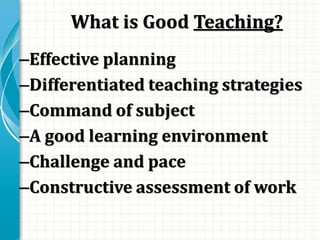
What is GoodTeaching?
–Effective planning
–Differentiated teaching strategies
–Command of subject
–A good learning environment
–Challenge and pace
–Constructive assessment of work
7.
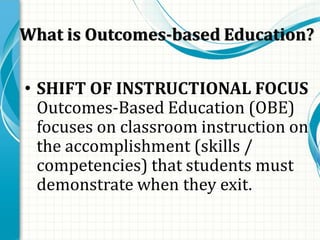
What is Outcomes-basedEducation?
• SHIFT OF INSTRUCTIONAL FOCUS
Outcomes-Based Education (OBE)
focuses on classroom instruction on
the accomplishment (skills /
competencies) that students must
demonstrate when they exit.
8.
The Outcomes ofEducation
Competencies/skills acquired
upon completion of a
subject, a grade/year, a
segment of the program, or
of the program itself.
9.
OBE Purpose
• Ensureall learners are successful
in that they are equipped with the
knowledge, skills and qualities
(values and attitudes) required
after they exit the educational
system
10.
OBE Purpose
• Achieveand maximize selected
outcomes for all students by
structuring and operating
education facilities to be
success oriented.
11.
11
OBE addresses thefollowing key
questions:
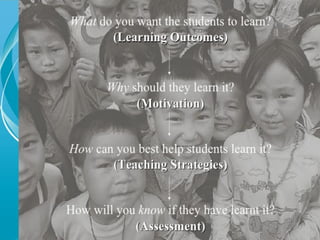
• What do you want the students
to have or able to do?
• How can you best help
students achieve it?
• How will you know what they
have achieved it?
• How do you close the loop?
12.
OBE addresses thefollowing key
questions: (cont...)
• Who are our stakeholders?
• What services do we provide?
• Do constituencies understand our
objectives?
• What services, facilities and
policies must be
present?
13.
13
OBE addresses thefollowing key
questions: (cont...)
• How do we measure our
results?
• Are we achieving our
objectives and improving?
• Are our constituencies
satisfied?
Procedure
• Assigns textto students, and then
pose a set of questions that they can
only answer by exploring the text that
was given
• Give students any answers or facts to
memorize.
• Pose questions that provoke the
students to look more deeply at the
text they are given.
18.
Procedure
• Let studentsdevelop conclusions about
the text they are interrogating that will
increase their knowledge.
• Ask supplemental questions that will
eventually move the students towards
thinking deeply and drawing more
complex conclusions.
Procedure
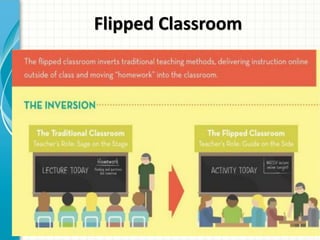
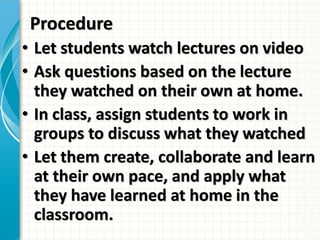
• Let studentswatch lectures on video
• Ask questions based on the lecture
they watched on their own at home.
• In class, assign students to work in
groups to discuss what they watched
• Let them create, collaborate and learn
at their own pace, and apply what
they have learned at home in the
classroom.
Procedure
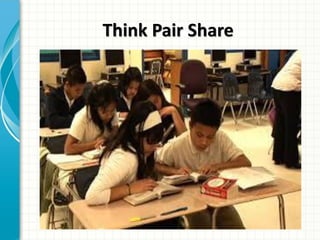
• Let thestudents form a pair
• Raise or Pose a question
• Let them think of the answer
• Ask them to pair off to give and
share their answers to their pair
• Share their ideas with a larger group,
such as the whole class
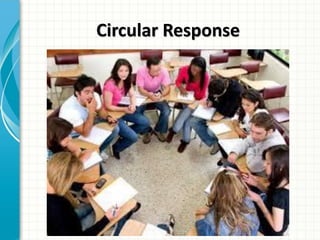
Procedure
• Pose aquestion and ask a
student to answer
• The next one to answer shall
connect to the next student, until
the entire class is able to
participate
Procedure
• Group thestudents into group of
tens
• Ask question regarding the topic for
the day
• Let the student to your right answer
the question until everyone has
recited
Procedure
• Assign thestudents to read the
lesson for the day
• Ask them to formulate some
questions
• Designate a student to take the hot
seat to answer the questions. He/she
may request replacement as needed
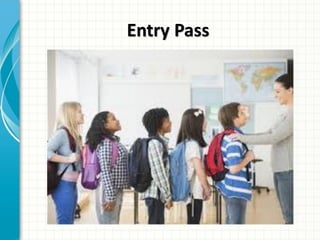
Procedure
• Let thestudent line up outside the
classroom
• Give a question for the student to
answer before they can enter the
room. The questions may be based
on the lesson or for expectations or
synthesis
Procedure
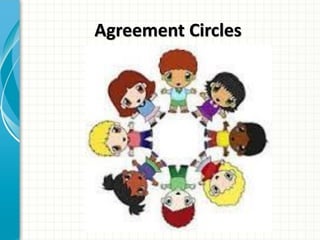
• Ask studentsto form a circle facing
each other
• Ask question and let the students
answer it
• If they agree, let them step into the
circle
• If they disagree, let them just remain
in their position
Procedure
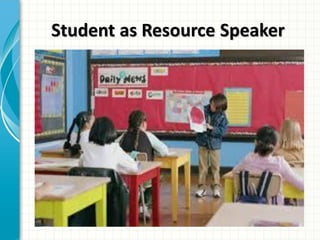
• Assign astudent to talk on a specific
topic
• Let the student discuss the topic
by presenting the details of the
concepts
• Let the other students raise
questions
Procedure
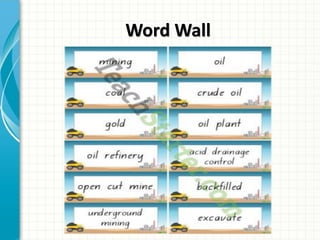
• Let thestudents select the key terms
in the topic discussed.
• Allow them to post these terms on
the wall.
• Explain the terms posted on the wall
Procedure
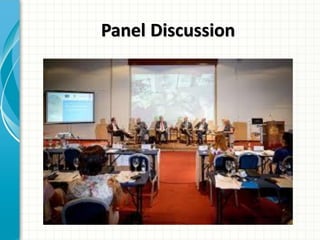
• Assign thetopic to selected
students who shall act as the
panelists.
• Let the rest of the class to raise
some questions About the
topic discussed.
Procedure
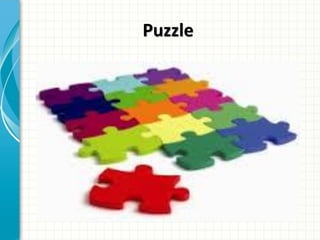
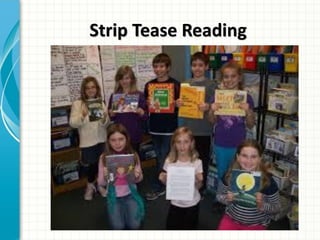
• Cut ordivide the concepts or stories
into strip based on the number of
your students.
• Let them read their assigned parts.
• Ask them to formulate questions
based on what they have read.
• Call on a classmate to answer the
question.
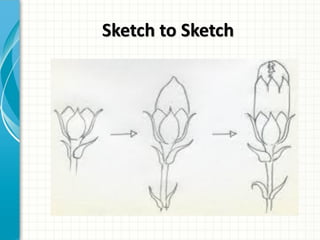
Procedure
• Ask thestudents to write
as many concepts or ideas
for a certain topic.
• Allow them to write these
concepts in the illustration
on the board.
Procedure
• Prepare matchingconcepts based
on the lesson/topic .
• Cut strips of broken pairs where
the concepts are written.
• Mill around to look for your pair.
• Discuss the concepts.
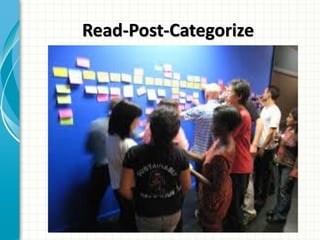
Procedure
• Let thestudents read the lesson for
the day.
• Let them post what they have read
based on the categories placed on
the board.
• Ask them the categories when all the
concepts were posted.
Procedure
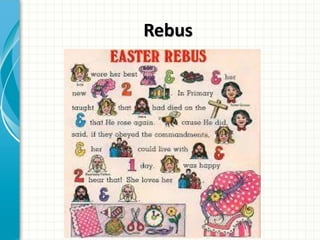
• Delete someconcepts and
substitute them with a
drawing.
• Ask the class to read or discuss
the concepts based on what
they have accomplished.
Procedure
• Give aconcept or ideas to match.
• Ask the students to mill around
to look for their pairs
• Tell them to discuss what they
got before reporting to the class .
Procedure
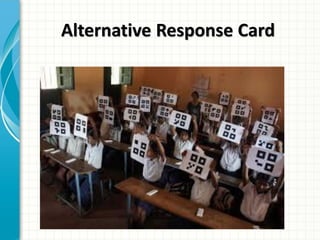
• Create alternativeresponse cards
based on the lesson/ content.
• Assign the students to prepare their
cards.
• Raise the questions and let them use
the cards in answering the question
raised.
63.
Word Webs/Concept Map
•Done either individually or collaboratively, the
word web can reinforce concepts learned out of
class and build connections between various
topics with the help of other students
• Students map out how concepts, ideas or
theories are thematically related in a visual
manner
• Any gaps can be useful inspiration for
discussions either on a group of class level
64.
Individual Problem Solving
•Done individually or collaboratively,
students tackle problems in the class time
and have an opportunity to ask questions of
the instructor if they encounter difficulties
• Ideally used to increase practice time on
problem solving and provide immediate
feedback to students about misconceptions
65.
Round Robin
• Smallgroups of students engage in rudimentary
brainstorming
• Each person is given the opportunity to say one
word or phrase surrounding a central concept
or topic
• After that individual has contributed, the next
person is given the opportunity to add an
additional word or phrase to the list
• The activity concludes after all members have
participated
• Each group can list their four to six main
thoughts as a means of summarizing the topic
before proceeding to do more in-depth
activities
66.
Team Matrix
• Whennew concepts have been introduced that
are quite similar to one another, a team matrix
can help parse the most salient features of each
concept while differentiating between the
intricacies of each
• Present pairs of students with a list of
characteristics that may or may not be shared
between concepts and have the students
determine which characteristics belong to each
(or both) concept(s)
• Discuss answers with the entire class
afterwards to check comprehension
67.
Fishbowl Discussion
• Smallgroup of students sit in a circle and
engage in a peer-mediated discussion (with
instructor intervention if necessary)
• Remaining students sit in a larger circle and
watch the discussion, taking notes and
critiquing the content and logic of the
discussion
• The outer circle can then discuss the
interaction that occurred and provide
additional insight into the topic and provide
constructive feedback
68.
Three-Steps Interview
• Studentsare initially grouped into pairs
whereby each student takes a few minutes
to interview the other about the material
that was read online
• Students themselves come up with
questions initially which they would like to
ask, and after each member in the pair has
interview each other, the pair summarizes
their partner’s responses and then shares
them with another pair of students
69.
Role Playing
• Roleplay can be facilitated in-class to
demonstrate varying perspectives on a topic
(such as a controversial topic in the media)
• Students assume different roles in small
groups and act out the parts with the
varying perspectives they would have
• After the role play, conclude with a larger
discussion to see what approaches the
groups or individual members took
70.
Reaction Sheets
• Choosea number of broader, overarching questions based off
of the out of class material that the students would have read
• Once in-class, divide into small groups and give each group one
of these questions
• Each group spends ten minutes to write everything that comes
to mind in relation to the topic
• Afterwards, each group migrates to another table and looks at
another question and the comments which have already been
recorded, reviewing them and adding additional comments
• After each group has added comments to all other groups’
questions, return to the initial question, review the additional
comments provided, and summarize to the entire class
• Useful to solidify the understanding of a special topic or a
threshold concept that the entire class needs to understand
properly
71.
Think-Aloud Pair ProblemSolving
• Present students with a set of complex problems
that require multiple steps to solve
• Pair up students and ask one student to be the
problem solver, explaining his or her thought
process in developing a solution based off of what
was learnt out of class
• The partner listens to this process and offers
suggestions if there are difficulties, or expresses
confusion should there be parts which are difficult
to understand
• After the first problem has been solved, ask the
students to switch roles and begin again
72.
Affinity Grouping
• Studentsindividually write down ideas
on a piece of paper and then in a group
attempt to classify them while discussing
why certain items deserve to be
categorized together
• Helps with ensuring students are on the
same page before embarking on a more
complicated in-class activity
73.
Dyadic Essays
• Studentscome to class prepared with an essay
question they have written concerning the
topic or concept learnt online, as well as an
ideal response to that question
• Once in class, students will share their essay
question with a partner, who will respond to it
• Afterwards, each student can discuss his or her
response and compare it to an ideal response
(prepared by the instructor) and discuss how
they differ and how the responses relate to the
concept
74.
Critical Debate
• Choosea controversial topic, and determine what
side of the argument the students would be in favor
of during the out of class task
• Once in-class, separate the students into groups
based on their alignment and have them argue for
their chosen position
• Have students in each group choose specific roles in
the debate process, and after having sufficient time
to prepare an argument (thirty minutes or so), have
each group pair up with a group of the opposing
viewpoint and engage in a debate
• Afterwards, synthesize the various points of debate
in a larger class discussion
75.
Case Study
• Studentsreview a case study concerning a
specific, real-life problem or scenario
• Applying what they learnt in the out of class
portion of the flipped classroom, the group
will discuss how they would tackle the
problem and what solution they would
prepare
• Each group can then debrief with the rest of
the class and present their solution
76.
Group Investigation
• Studentsshould come to class prepared after
having read an article for the out of class task
• Once split into groups, students will discuss the
article in great depth, arguing its findings and their
relevance or the general credibility of the article
itself
• This is very similar to a seminar style course, yet
rather than having the instructor as the mediator
of the discussion, students have to teach one
another and come to agreements
• Groups may be asked to produce a one-page
summary at the end to be reviewed to ensure they
understood the article sufficiently