Truth, Trust and Technology:
strategic communication in the
misinformation age
Prof Charlie Beckett
LSE
NATO College, Rome
March, 2019
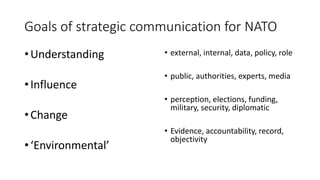
Goals of strategic communication for NATO
•Understanding
•Influence
•Change
•‘Environmental’
• external, internal, data, policy, role
• public, authorities, experts, media
• perception, elections, funding,
military, security, diplomatic
• Evidence, accountability, record,
objectivity
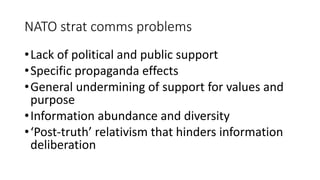
NATO strat comms problems
•Lack of political and public support
•Specific propaganda effects
•General undermining of support for values and
purpose
•Information abundance and diversity
•‘Post-truth’ relativism that hinders information
deliberation
What did you need to know today?
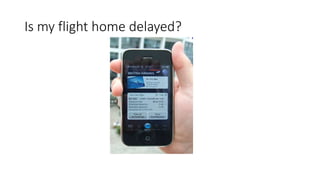
Is my flight home delayed?
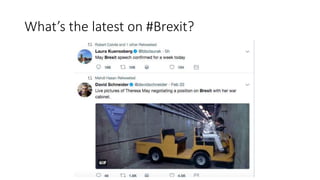
What’s the latest on #Brexit?
What is the latest Hammers ‘news’?
Mixed news media – but all networked
• Traditional ‘legacy’media
• Social news media
• Social networks/platforms
News becomes personal
• Social sharing
• Email newsletters
• Topic selection ‘My FT’
• Facebook algorithms
• Personalised search
• News aggregators
• Facebook/Twitter feeds
• Artificial intelligence
• News bots
• Gamification
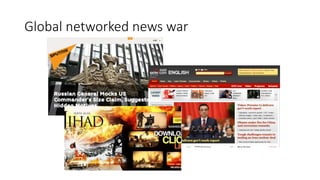
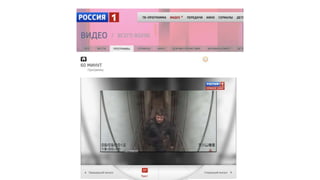
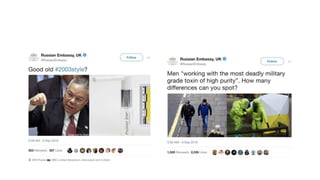
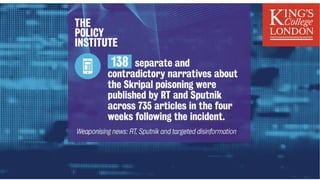
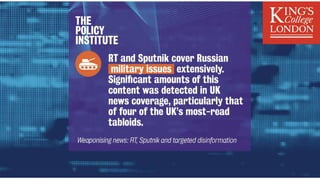
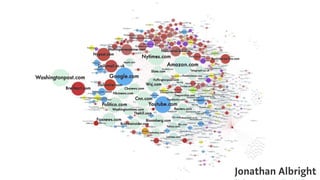
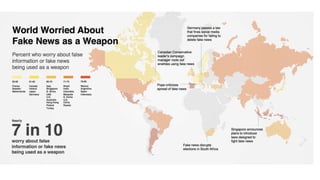
Global networked news war
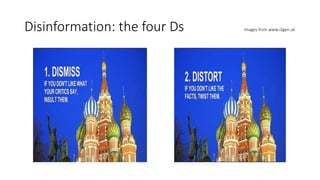
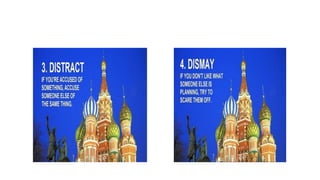
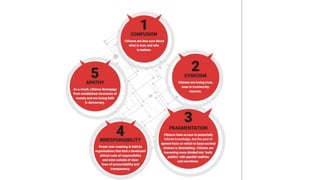
Disinformation: the four Ds Images from www.i3gen.uk
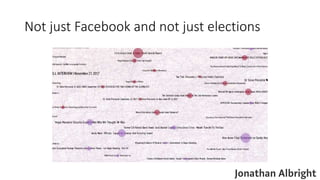
Not just Facebook and not just elections
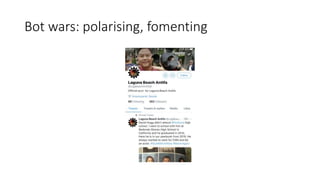
Bot wars: polarising, fomenting
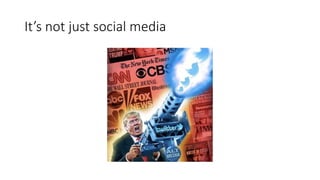
It’s not just social media
Post-Truth?
1. Over abundance of information creates
confusion
2. Fact-checking is limited
3. Algorithms struggle to filter, platforms
incentivise for attention not accuracy
4. Learn to adapt to a multiple-truth information
ecology?
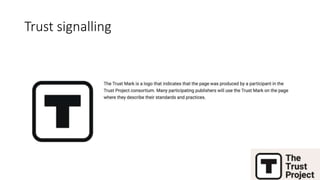
Trust signalling
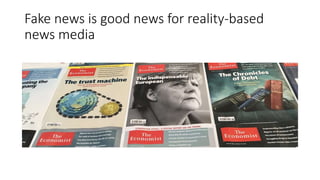
Fake news is good news for reality-based
news media
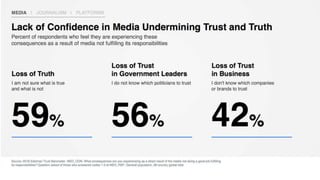
Trust
1. Transparency is vital, but just the start
2. Filter bubble or community?
3. Emotions as key drivers
4. Real problem is curation, connection,
personalisation
5. Learn to adapt to a low-trust, high-scepticism
information ecology
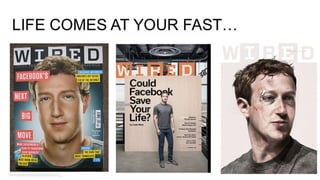
Zuckerberg cover photos
Getting worse before it gets better?
1. Governments, corporations, lobby groups now
investing in information manipulation
2. New channels, platforms and networks will
provide fresh distribution outlets for
misinformation
3. Failure to address systematic problem means
we treat symptoms not structural challenges:
remember the banking crisis?
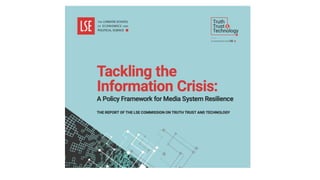
LSE Commission recommendations
• A new institution, the Independent Platform Agency, to oversee the
technology companies’ networks and platforms
• A major programme of media literacy in and beyond the classrooms
• More support for public service news media innovation and adaption
Truth, Trust and Technology:
a new agenda for the crisis in public
information
@Charlie Beckett
c.h.beckett@lse.ac.uk

Strategic Communications lecture

  • 1.
    Truth, Trust andTechnology: strategic communication in the misinformation age Prof Charlie Beckett LSE NATO College, Rome March, 2019
  • 2.
    Goals of strategiccommunication for NATO •Understanding •Influence •Change •‘Environmental’ • external, internal, data, policy, role • public, authorities, experts, media • perception, elections, funding, military, security, diplomatic • Evidence, accountability, record, objectivity
  • 3.
    NATO strat commsproblems •Lack of political and public support •Specific propaganda effects •General undermining of support for values and purpose •Information abundance and diversity •‘Post-truth’ relativism that hinders information deliberation
  • 4.
    What did youneed to know today?
  • 5.
    Is my flighthome delayed?
  • 6.
  • 7.
    What is thelatest Hammers ‘news’?
  • 8.
    Mixed news media– but all networked • Traditional ‘legacy’media • Social news media • Social networks/platforms
  • 10.
    News becomes personal •Social sharing • Email newsletters • Topic selection ‘My FT’ • Facebook algorithms • Personalised search • News aggregators • Facebook/Twitter feeds • Artificial intelligence • News bots • Gamification
  • 11.
  • 12.
    Disinformation: the fourDs Images from www.i3gen.uk
  • 24.
    Not just Facebookand not just elections
  • 25.
  • 26.
    It’s not justsocial media
  • 27.
    Post-Truth? 1. Over abundanceof information creates confusion 2. Fact-checking is limited 3. Algorithms struggle to filter, platforms incentivise for attention not accuracy 4. Learn to adapt to a multiple-truth information ecology?
  • 31.
  • 32.
    Fake news isgood news for reality-based news media
  • 33.
    Trust 1. Transparency isvital, but just the start 2. Filter bubble or community? 3. Emotions as key drivers 4. Real problem is curation, connection, personalisation 5. Learn to adapt to a low-trust, high-scepticism information ecology
  • 35.
  • 36.
    Getting worse beforeit gets better? 1. Governments, corporations, lobby groups now investing in information manipulation 2. New channels, platforms and networks will provide fresh distribution outlets for misinformation 3. Failure to address systematic problem means we treat symptoms not structural challenges: remember the banking crisis?
  • 39.
    LSE Commission recommendations •A new institution, the Independent Platform Agency, to oversee the technology companies’ networks and platforms • A major programme of media literacy in and beyond the classrooms • More support for public service news media innovation and adaption
  • 40.
    Truth, Trust andTechnology: a new agenda for the crisis in public information @Charlie Beckett c.h.beckett@lse.ac.uk

Editor's Notes

  • #2 Apologies for change in lecture. We are going to look at the LSE T3 Commission. You may even want to get involved in our work next term. It will help us address some of the issues that we have dealt with this term. We will also have a look at some future news trends.
  • #41 Apologies for change in lecture. We are going to look at the LSE T3 Commission. You may even want to get involved in our work next term. It will help us address some of the issues that we have dealt with this term. We will also have a look at some future news trends.