volume
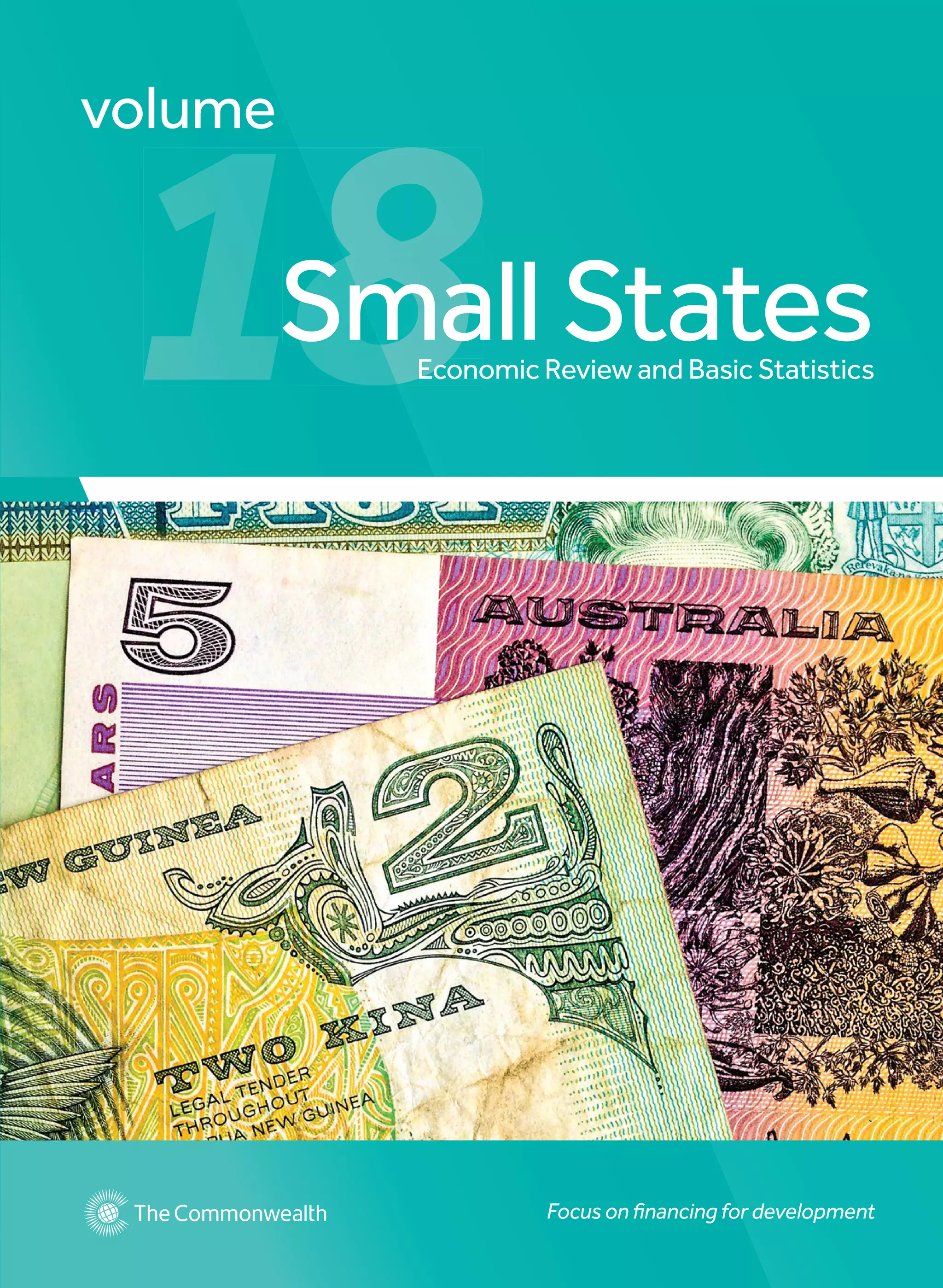
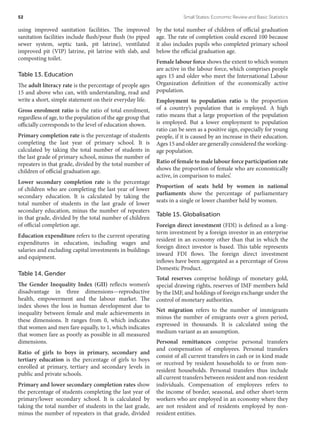
Small StatesEconomic Review and Basic Statistics
Focus on financing for development
1818Small States18Small StatesSmall States18Small StatesEconomic Review and Basic Statistics18Economic Review and Basic Statistics
Small States: Economic
Review and Basic
Statistics, Volume 18
Commonwealth Secretariat
Marlborough House
Pall Mall
London SW1Y 5HX
United Kingdom
© Commonwealth Secretariat 2015
All rights reserved. No part of this publication may be reproduced, stored in a retrieval system, or transmitted
in any form or by any means, electronic or mechanical, including photocopying, recording or otherwise
without the permission of the publisher.
Published by the Commonwealth Secretariat
Edited by Prepress Projects Limited
Typeset by Techset Composition
Cover design by Tattershall Hammarling & Silk
Printed by
Views and opinions expressed in this publication are the responsibility of the authors and should in no way be
attributed to the institutions to which they are affiliated or to the Commonwealth Secretariat.
Wherever possible, the Commonwealth Secretariat uses paper sourced from sustainable forests or from
sources that minimise a destructive impact on the environment.
Copies of this publication may be obtained from
Publications Section
Commonwealth Secretariat
Marlborough House
Pall Mall
London SW1Y 5HX
United Kingdom
Tel: +44 (0)20 7747 6534
Fax: +44 (0)20 7839 9081
Email: publications@commonwealth.int
Web: www.thecommonwealth.org/publications
A catalogue record for this publication is available from the British Library.
ISBN (paperback): 978-1-84929-143-9
ISBN (e-book): 978-1-84859-938-3
Foreword
This eighteenth issue of Small States: Economic Review and Basic Statistics focuses on
the future of overseas development assistance (ODA) and post-2015 development
financing in small island developing states (SIDS), a topic that is particularly important
in the lead-up to the United Nations’ summit on the post-2015 development agenda
in September 2015. The feature article by Travis Mitchell, Economic Adviser at the
Commonwealth Secretariat, reviews the decisions made by the Organisation for
Economic Co-operation and Development - Development Assistance Committee
(OECD-DAC) in December 2014 to reform the DAC statistical framework. Among
other things, the reforms could potentially increase the level of assistance to vulnerable
countries (including SIDS), revise reporting requirements for ODA, reconsider the
treatment of market instruments in ODA, and introduce a new measure of aid (total
official support for development). The paper assesses the impact these changes will
have on development financing in SIDS. It concludes that, for DAC members to meet
their commitment to expand assistance to SIDS, disbursements between 2015 and
2017 will have to be substantial, since ODA to SIDS is currently projected to fall by
approximately 2.4 per cent during this period.
As with past issues, the publication is split into two parts. Part I is divided into
three chapters. Chapter 1 provides a comparative analysis of economic and social
development in all small states while Chapter 2 has an individual country analysis for
each Commonwealth small state. Chapter 3 features the article on ODA reforms and
post-2015 development financing in SIDS. Part II of the publication contains tables on
basic social and economic data on small states.
This report is intended to be a reference document for stakeholders and policy-makers
in small states and their development partners as well as for specialists and academics
within the fields of economic and social policies.
The publication has been prepared by Denny Lewis-Bynoe, Head of Section, Wonderful
Hope Khonje, Economic Officer, Aimé Sindayigaya, Alicia Matheson, Elizabeth
Shepperson and Heather Cover-Kus, Research Officers, and Kirthika Selvakumar and
Mayeesha Jamil, Interns, all within the Economic Policy Division of the Commonwealth
Secretariat.
Janet Strachan
Director
Economic Policy Division
Commonwealth Secretariat
	 iii
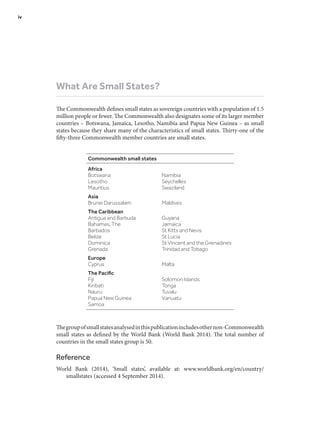
What Are Small States?
The Commonwealth defines small states as sovereign countries with a population of 1.5
million people or fewer. The Commonwealth also designates some of its larger member
countries – Botswana, Jamaica, Lesotho, Namibia and Papua New Guinea – as small
states because they share many of the characteristics of small states. Thirty-one of the
fifty-three Commonwealth member countries are small states.
Thegroupofsmallstatesanalysedinthispublicationincludesothernon-Commonwealth
small states as defined by the World Bank (World Bank 2014). The total number of
countries in the small states group is 50.
Reference
World Bank (2014), ‘Small states’, available at: www.worldbank.org/en/country/
smallstates (accessed 4 September 2014).
Commonwealth small states
Africa
Botswana Namibia
Lesotho Seychelles
Mauritius Swaziland
Asia
Brunei Darussalam Maldives
The Caribbean
Antigua and Barbuda Guyana
Bahamas, The Jamaica
Barbados St Kitts and Nevis
Belize St Lucia
Dominica St Vincent and the Grenadines
Grenada Trinidad and Tobago
Europe
Cyprus Malta
The Pacific
Fiji Solomon Islands
Kiribati Tonga
Nauru Tuvalu
Papua New Guinea Vanuatu
Samoa
iv
Contents
Foreword	iii
What Are Small States?	 iv
Abbreviations and acronyms	 x
Part I.  Recent Trends in Commonwealth Small States	 1
1.	 Economic and Social Development in Small States	 1
1.1	Introduction	 1
1.2	 The global economic outlook	 2
1.3	 Economic growth in small states	 3
1.4	 Inflation	 4
1.5	Unemployment	 5
1.6	 International trade	 6
1.7	Competitiveness	 8
1.8	 Development aid	 10
1.9	Remittances	 12
1.10	 Human and social development indicators	 13
1.10.1	 Human Development Index	 13
1.10.2	 The Commonwealth Youth Development Index	 16
Glossary	16
References	18
2.	 Country Analysis	 20
2.1	 African small states	 20
2.1.1	Botswana	 20
2.1.2	Lesotho	 20
2.1.3	Mauritius	 20
2.1.4	Namibia	 21
2.1.5	Seychelles	 21
2.1.6	Swaziland	 21
2.2	 Asia-Pacific small states	 22
2.2.1	 Brunei Darussalam	 22
2.2.2	Fiji	 22
2.2.3	Kiribati	 22
2.2.4	Maldives	 22
2.2.5	Nauru	 22
2.2.6	 Papua New Guinea	 23
	 v
2.2.7	Samoa	 23
2.2.8	 Solomon Islands	 23
2.2.9	Tonga	 23
2.2.10	Tuvalu	 24
2.2.11	Vanuatu	 24
2.3	 European small states	 24
2.3.1	Cyprus	 24
2.3.2	Malta	 25
2.4	 Caribbean small states	 25
2.4.1	 Antigua and Barbuda	 25
2.4.2	 The Bahamas	 25
2.4.3	Barbados	 26
2.4.4	Belize	 26
2.4.5	Dominica	 26
2.4.6	Grenada	 26
2.4.7	Guyana	 27
2.4.8	Jamaica	 27
2.4.9	 St Kitts and Nevis	 27
2.4.10	 St Lucia	 27
2.4.11	 St Vincent and the Grenadines	 28
2.4.12	 Trinidad and Tobago	 28
References	28
3.	 ODA and Development Financing in SIDS Post 2015	 31
Travis Mitchell
3.1	Summary	 31
3.2	Introduction	 32
3.3	 DAC High-Level Committee decisions on post-2015 ODA reform	 33
3.3.1	 OECD-DAC mandates	 33
3.3.2	 The DAC High-Level Committee decisions	 34
3.4	 Development financing in SIDS and major OECD donor partners	 35
3.4.1	 Development financing	 35
3.4.2	 Major partners	 35
3.5	 The future of ODA in SIDS	 37
3.5.1	 Predictability power of donors’ future spending plans	 37
3.5.2	 DAC donors’ spending priorities related to SIDS	 37
3.5.3	 Projections for DAC donor spending in SIDS	 40
3.6	Conclusions	 43
Glossary	43
Appendix 3.1  Elaborated definition of ‘concessionality’	 45
Appendix 3.2  Donors’ spending plans	 46
Appendix 3.3  Multilaterals’ spending plans	 47
Part II.  Social and Economic Data on Small States	 48
Technical notes for tables
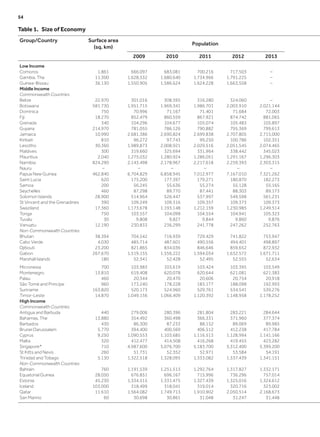
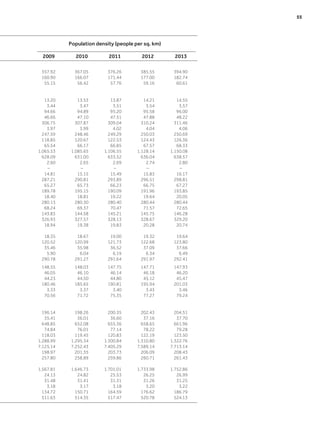
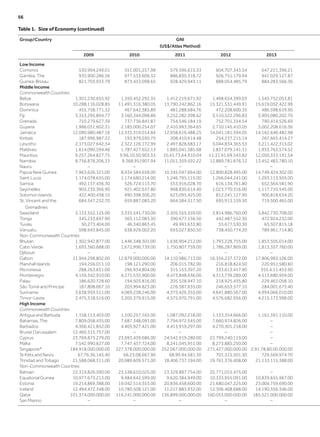
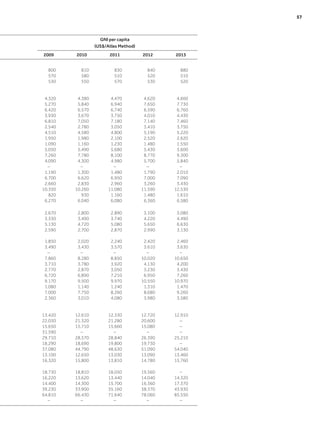
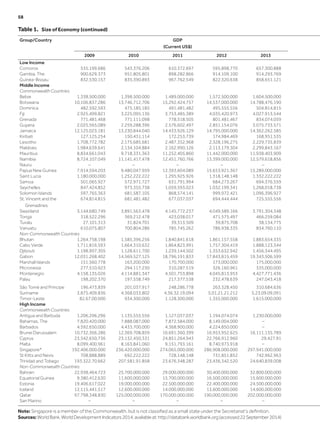
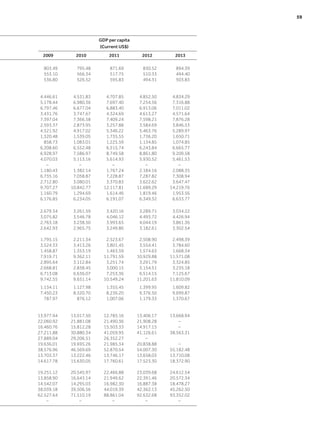
Table 1. Size of the economy	 54
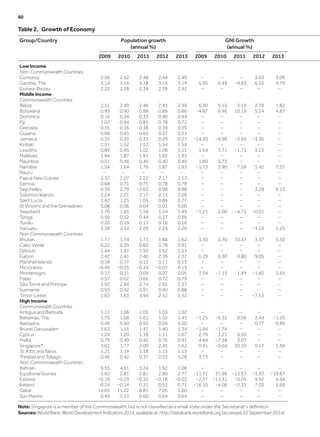
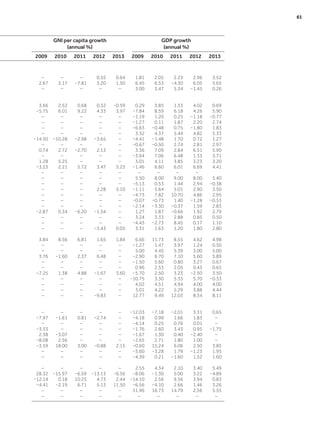
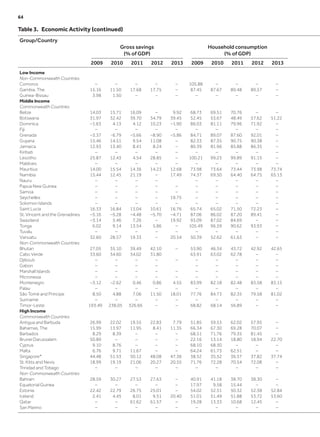
Table 2. Growth of the economy	 60
vi	 Small States: Economic Review and Basic Statistics
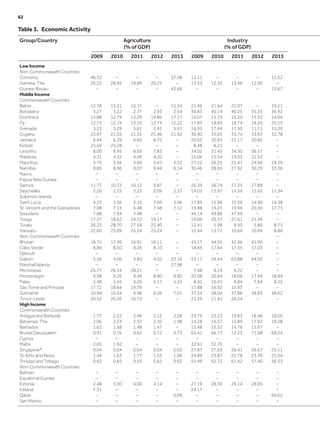
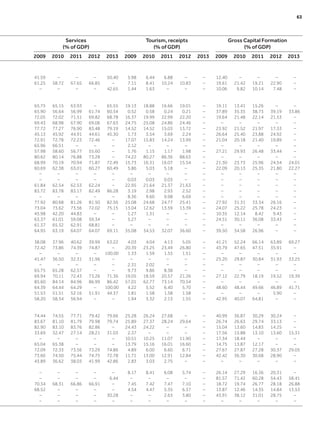
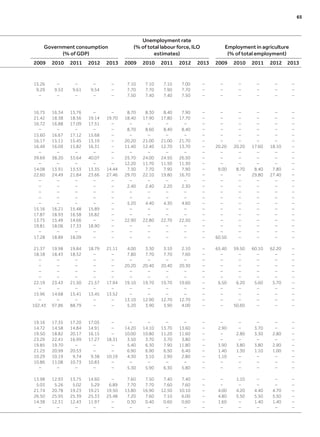
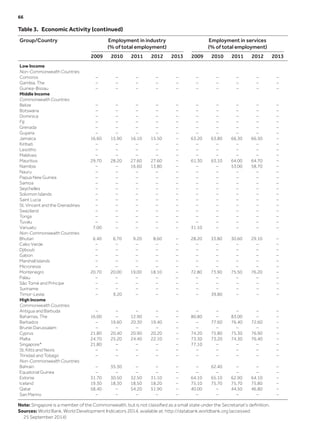
Table 3. Economic activity	 62
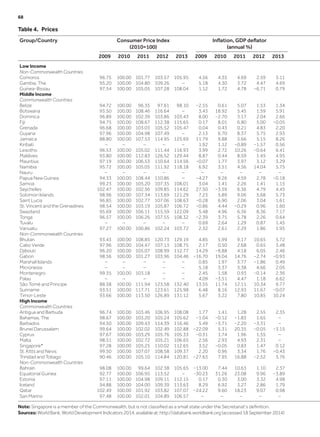
Table 4. Prices	 68
Table 5. Private sector	 70
Table 6. Public sector	 72
Table 7. Trade	 74
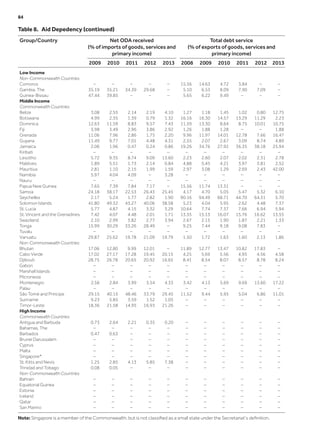
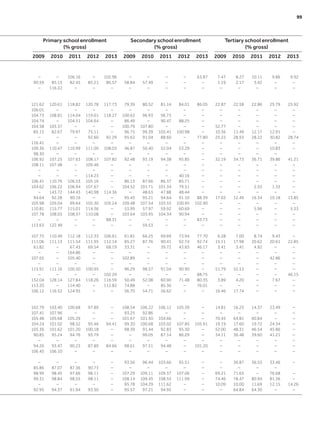
Table 8. Aid dependency	 82
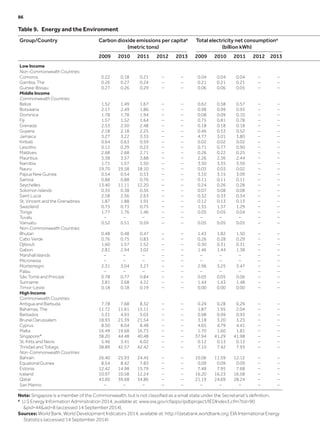
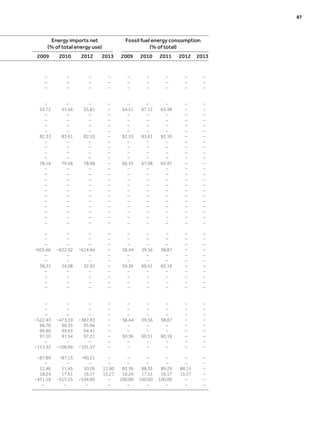
Table 9. Energy and environment	 86
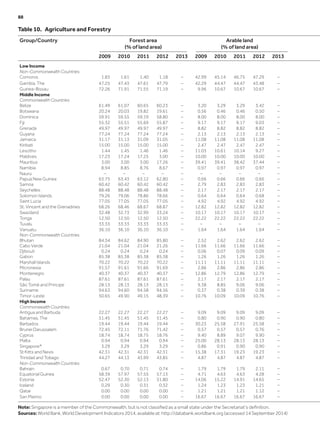
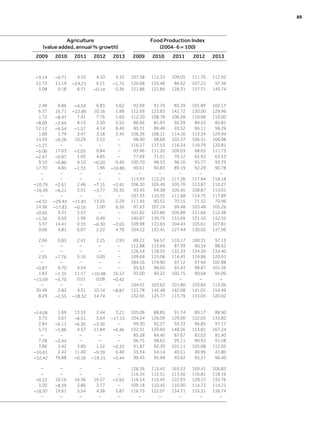
Table 10. Agriculture and forestry	 88
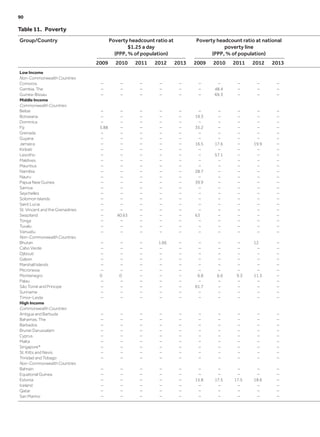
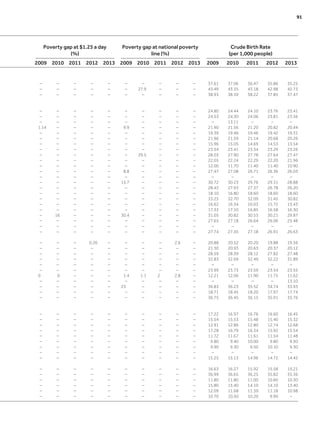
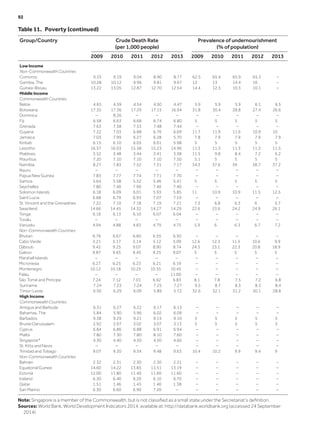
Table 11. Poverty	 90
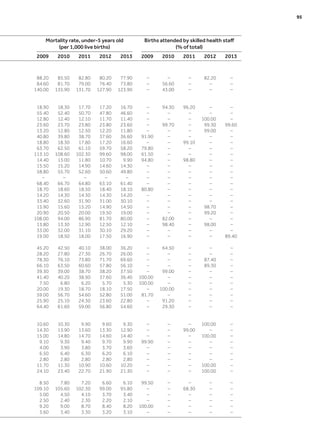
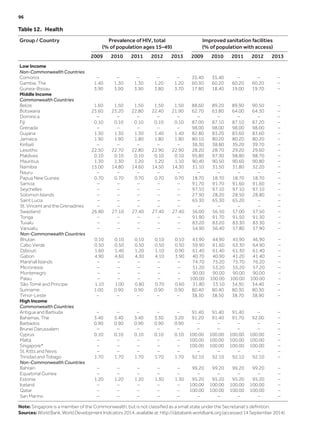
Table 12. Health	 94
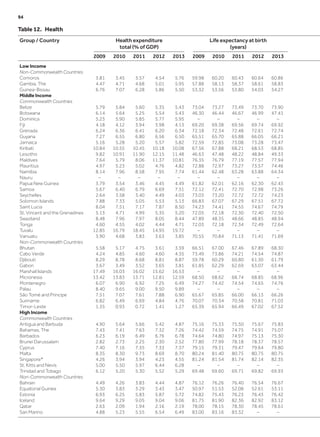
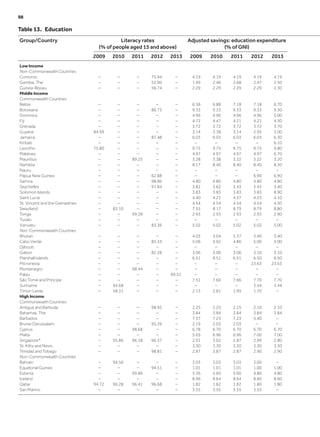
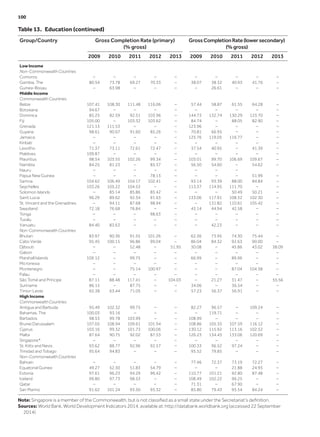
Table 13. Education	 98
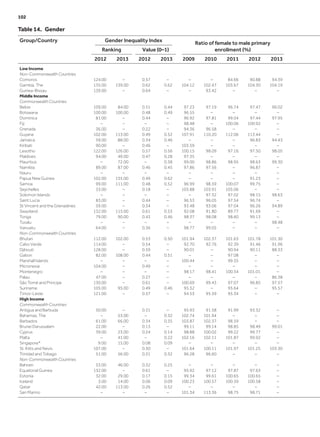
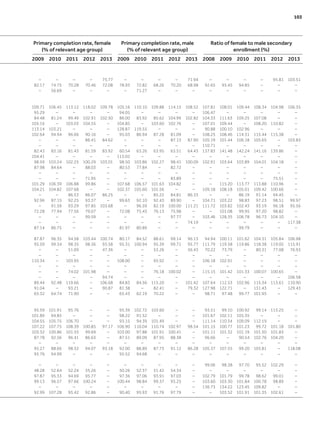
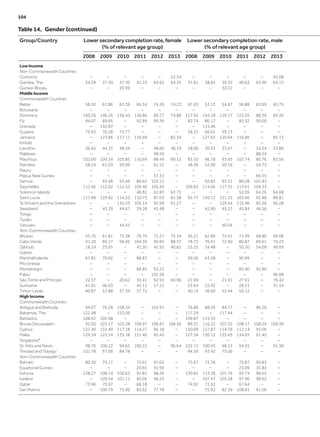
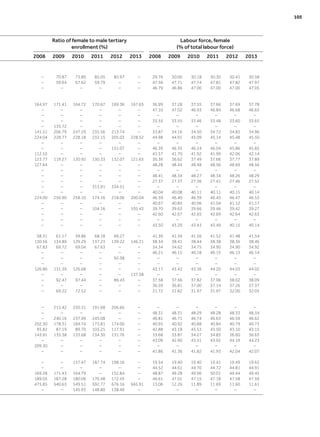
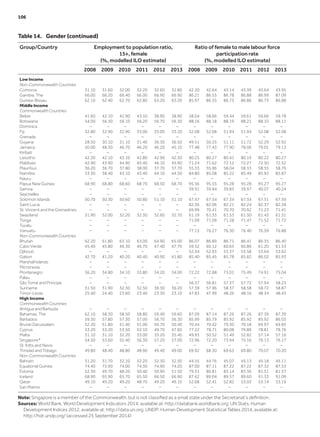
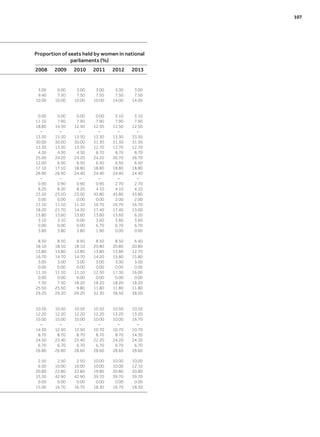
Table 14. Gender	 102
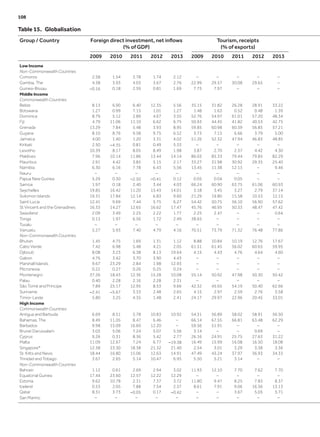
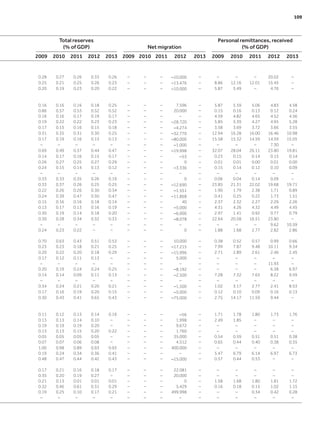
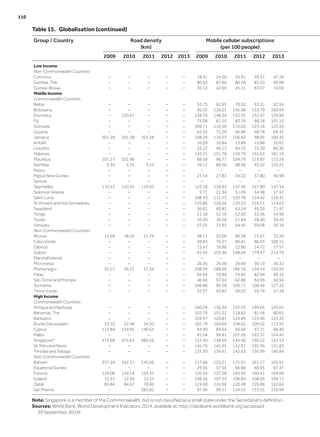
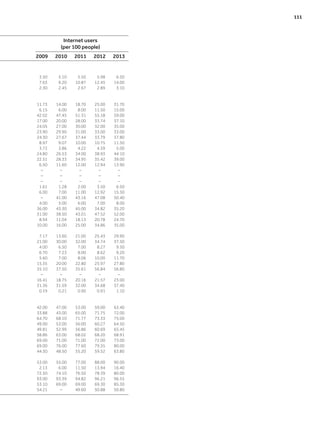
Table 15. Globalisation	 108
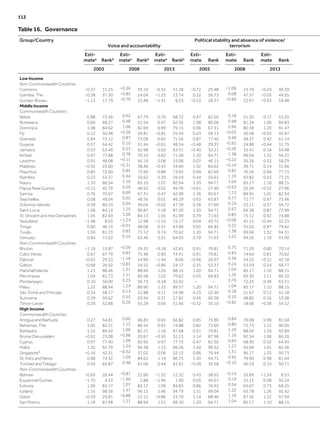
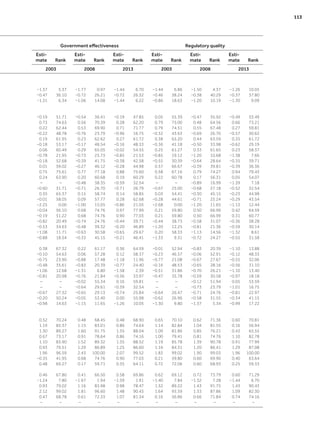
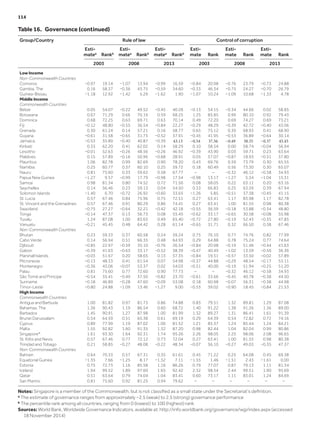
Table 16. Governance	 112
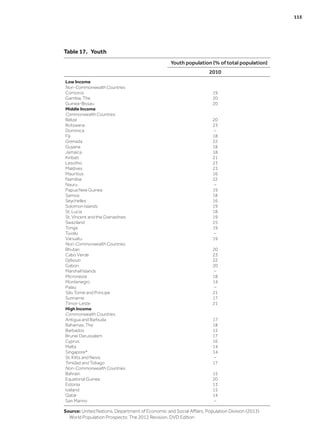
Table 17. Youth	 115
Contents	 vii
List of figures
Figure 1.1	 Small states per income group (% of total), 2013	 2
Figure 1.2	 Average GDP growth (%): world, advanced economies, and emerging
market and developing economies, 2005–2013	 2
Figure 1.3	 Average GDP growth (%) for small states and the world annually and
average for small states over time, 2005–2013	 3
Figure 1.4	 Average GDP growth for small states (%) per region, 2005–2013	 4
Figure 1.5	 Annual growth (%) in household final consumption in small states, 2005–2013	 5
Figure 1.6	 Average general government final consumption expenditure
(annual % growth), 2005–2013	 5
Figure 1.7	 Aggregate Inflation, consumer prices (annual %), 2005–2013	 6
Figure 1.8	 Average unemployment, total (% of total labour force) (modelled International
Labour Organization estimate) in small states, 2005–2013	 6
Figure 1.9	 Current account balance (% of GDP), 2005–2012	 7
Figure 1.10	 Food and fuel imports (% merchandise imports), 2005–2012	 7
Figure 1.11	 Average imports of goods and services (annual % growth)	 8
Figure 1.12	 Average exports of goods and services (annual % growth)	 8
Figure 1.13	 Intraregional trade of regional groups for export products, annual,
2005–2013 (%)	 9
Figure 1.14	 Intraregional trade of regional groups for import products, annual,
2005–2013 (%)	 9
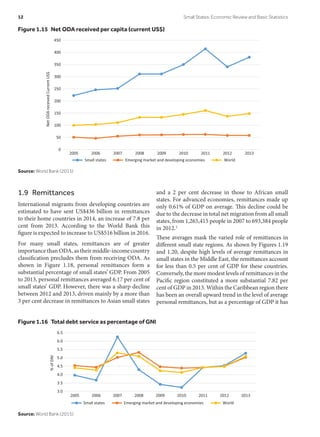
Figure 1.15	 Net ODA received per capita (current US$)	 12
Figure 1.16	 Total debt service as percentage of GNI	 12
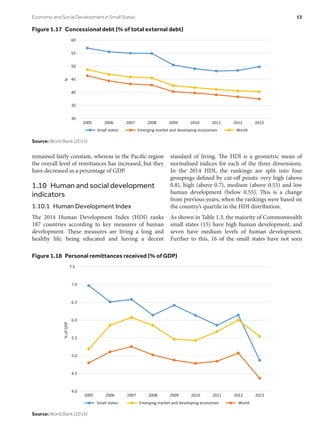
Figure 1.17	 Concessional debt (% of total external debt)	 13
Figure 1.18	 Personal remittances received (% of GDP)	 13
Figure 1.19	 Average personal remittances received (current US$ million) in small
states by region, 2005–2013	 14
Figure 1.20	 Average personal remittances received (% of GDP) in small states
by region, 2005–2013	 14
Figure 1.21	 HDI against YDI for selected Commonwealth small states	 18
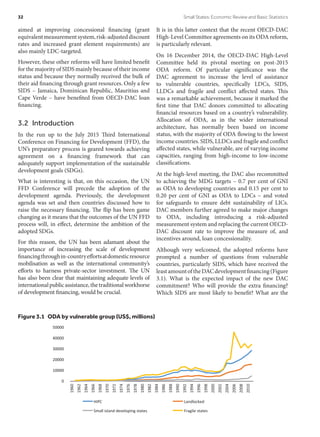
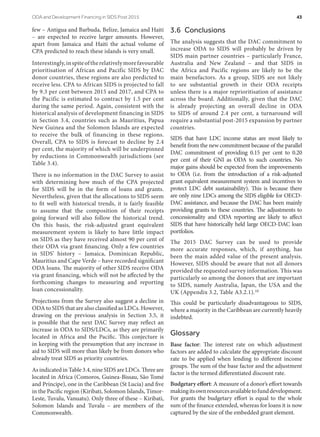
Figure 3.1	 ODA by vulnerable group (US$, millions)	 32
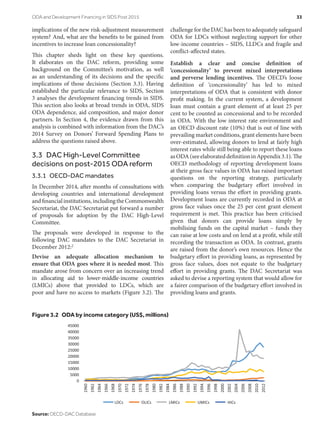
Figure 3.2	 ODA by income category (US$, millions)	 33
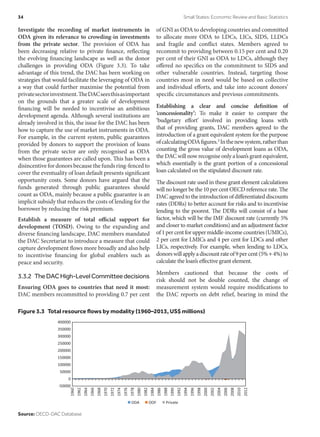
Figure 3.3	 Total resource flows by modality (1960–2013, US$ millions)	 34
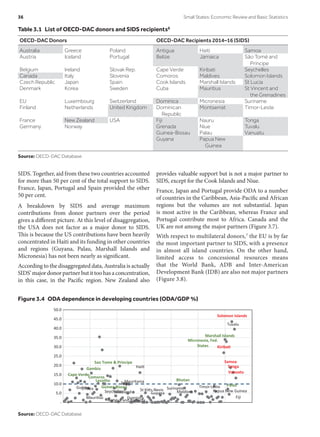
Figure 3.4	 ODA dependence in developing countries (ODA/GDP %)	 36
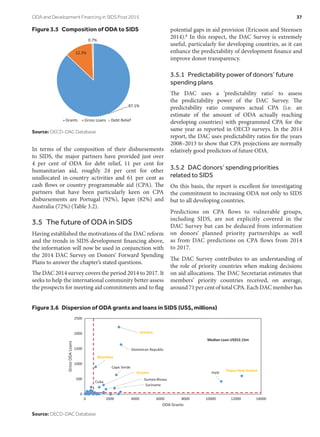
Figure 3.5	 Composition of ODA to SIDS	 37
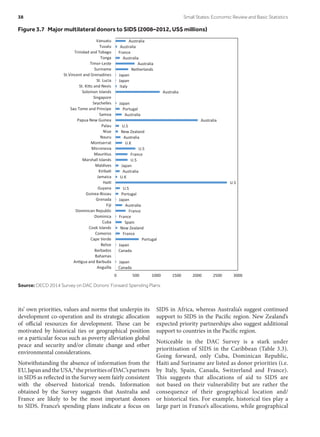
Figure 3.6	 Dispersion of ODA grants and loans in SIDS (US$, millions)	 37
Figure 3.7	 Major multilateral donors to SIDS (2008–2012, US$ millions)	 38
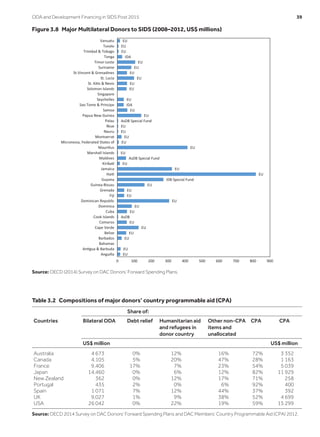
Figure 3.8	 Major Multilateral Donors to SIDS (2008–2012, US$ millions)	 39
List of tables
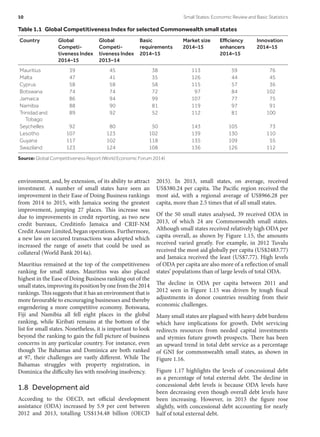
Table 1.1	 Global Competitiveness Index for selected Commonwealth small states	 10
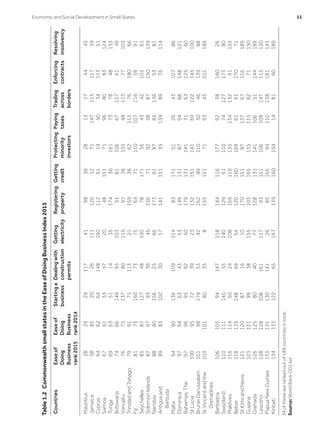
Table 1.2	 Commonwealth small states in the Ease of Doing Business Index 2015	 11
Table 1.3	 Social development indicators for Commonwealth small states	 15
Table 1.4	 Youth Development Index for Commonwealth small states	 17
viii	 Small States: Economic Review and Basic Statistics
Table 3.1	 List of OECD-DAC donors and SIDS recipients	 36
Table 3.2	 Compositions of major donors’ country programmable aid (CPA)	 39
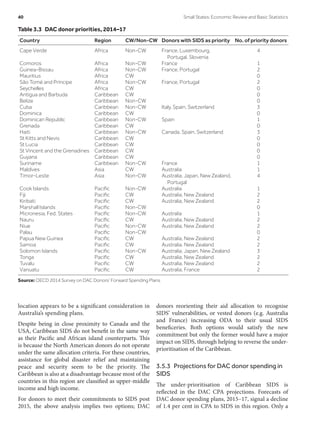
Table 3.3	 DAC donor priorities, 2014–17	 40
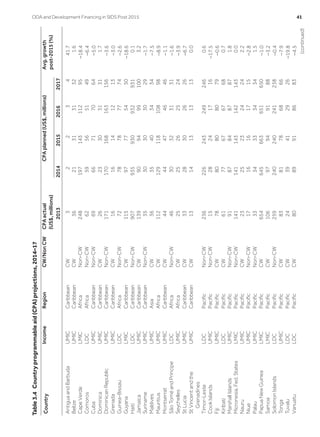
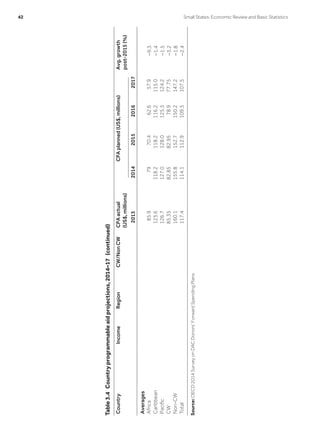
Table 3.4	 Country programmable aid projections, 2014–17	 41
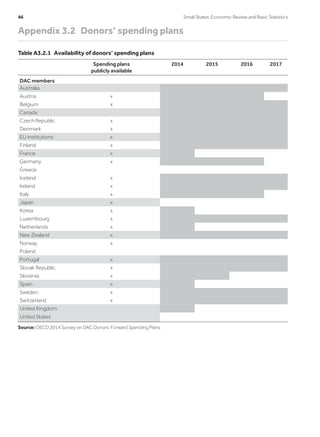
Table A3.2.1	 Availability of donors’ spending plans	 46
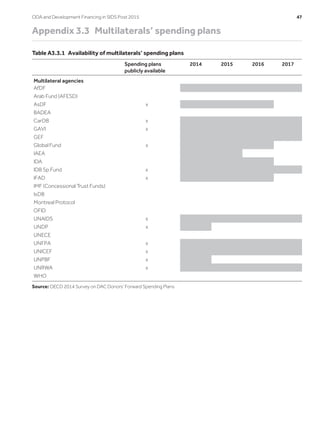
Table A3.3.1	 Availability of multilaterals’ spending plans	 47
Contents	 ix
Abbreviations and acronyms
ADB	 Asian Development Bank
CPA	 country programmable aid
DAC	 Development Assistance Committee
EU	 European Union
FDI	 foreign direct investment
GDP	 gross domestic product
GNI	 gross national income
HDI	 Human Development Index
IHDI	 inequality-adjusted Human Development Index
IMF	 International Monetary Fund
LDC	 least developed countries
LLDC	 landlocked developing countries
ODA	 overseas development assistance
OECD	 Organisation for Economic Co-operation and Development
SIDS	 small island developing states
UN	 United Nations
UNCTAD	 United Nations Conference on Trade and Development
YDI	 Youth Development Index
x
Part I.  Recent Trends in Commonwealth Small States
Chapter 1
Economic and Social Development in Small States
1.1 Introduction
Small states are not a homogeneous group of countries.
There are significant national, cultural and regional
differences between them. However, despite their
diversity, as a group small states face common challenges,
which arise as a consequence of their size. For example,
their small populations mean that their human capacity
is limited and human resources in both the public and
private sectors are often strained. Additionally, the small
size implies a modest tax base from which to draw the
governmentrevenueneededtofinancethepublicservices
that every sovereign country requires (such as building
airports, providing a justice system and educating young
people). The higher costs per person of these public
goods in small states further compound the problem.
Among small states, economic production is often
narrow and heavily concentrated on a few activities,
mainly around tourism, agriculture, fisheries and
off-shore financial services. As a consequence, these
economies are heavily exposed to developments
within or affecting these sectors. This concentrated
production structure usually implies that small states
tend to be very open (to purchase those items not
produced locally). Given the size of these economies,
there is limited capacity to harness natural resources
and to benefit from the economies of scale that would
allow them to become more competitive. Furthermore,
limited natural resources reduces the ability to
diversify the economy and extend production to
other sectors. There is, therefore, greater dependence
on strategic imports, particularly energy and food, in
small states than in larger countries. Small states are
heavily dependent on trade for economic development
and social progress. However, for some small states,
particularly those in the Pacific, their remoteness from
major markets, in terms of both imports and exports,
means that high transport costs are a barrier to trade.
Not surprisingly given the aforementioned, small states
facelowcompetitiveness.Theirsmalldomesticmarkets,
limited domestic natural and human resources, limited
scope for benefiting from economies of scale, and
remoteness constrain their ability to compete and
attract foreign direct investment (FDI).
Moreover, while many small island states hinge their
growth and development prospects on their unique
natural beauty and geographical location, these same
factors may sometimes give rise to their own set of
additional challenges. Small island developing states
(SIDS) are more likely to be vulnerable to major natural
disasters such as volcanic eruptions, hurricanes and
tsunamis. Furthermore, they face heightened threats
posed by global climate change and, although not
directly responsible for climate change, they have to
share (often disproportionately) in the consequences.
Given these challenges, it is not surprising that small
states’ public debt levels have risen sharply in several
Commonwealth small states since the first decade of
the twenty-first century. Although public debt for the
group as a whole declined by some 14 per cent between
2000 and 2012, this overall average masks significant
divergences when public debt is decomposed by region
and by income classification, with Caribbean small
states emerging as particularly heavily indebted.
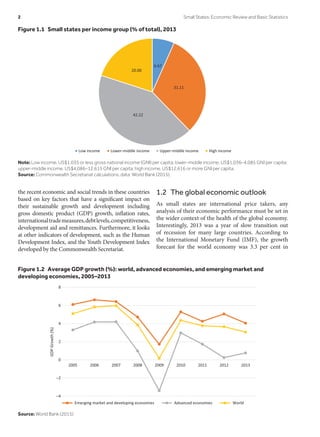
Financing their development has been particularly
challenging for many small states, most of which have
been graduated from concessional financing on the
basis of their relatively high per capita incomes (see
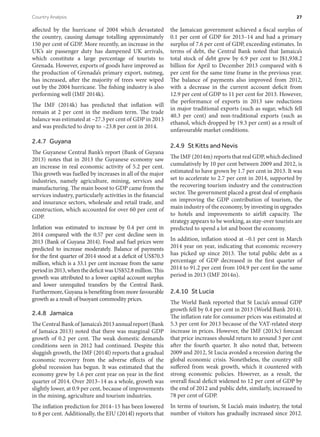
Figure 1.1). Moreover, access to global capital markets
for critical development finance is difficult. There is
evidence that private markets tend to see small states
as more risky than larger states, resulting in access
challenges, high interest rates and extremely high debt
and debt financing costs.
It is important to consider how the challenges outlined
above have affected small states’ economic and social
development. Accordingly, this chapter takes a more
detailed look at the performance of both Commonwealth
and non-Commonwealth small states in 2013–14
and compares it with that of larger developing and
advanced economies. It aims to provide a synopsis of
	 1
the recent economic and social trends in these countries
based on key factors that have a significant impact on
their sustainable growth and development including
gross domestic product (GDP) growth, inflation rates,
internationaltrademeasures,debtlevels,competitiveness,
development aid and remittances. Furthermore, it looks
at other indicators of development, such as the Human
Development Index, and the Youth Development Index
developed by the Commonwealth Secretariat.
1.2  The global economic outlook
As small states are international price takers, any
analysis of their economic performance must be set in
the wider context of the health of the global economy.
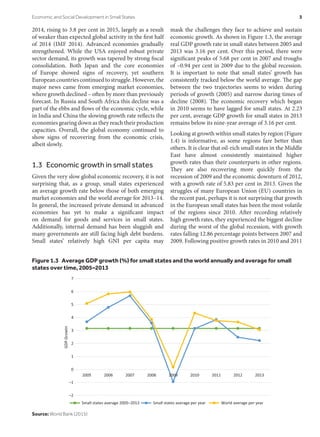
Interestingly, 2013 was a year of slow transition out
of recession for many large countries. According to
the International Monetary Fund (IMF), the growth
forecast for the world economy was 3.3 per cent in
Figure 1.1  Small states per income group (% of total), 2013
6.67
31.11
42.22
20.00
Low income Lower-middle income Upper-middle income High income
Note: Low income, US$1,035 or less gross national income (GNI) per capita; lower-middle income, US$1,036–4,085 GNI per capita;
upper-middle income, US$4,086–12,615 GNI per capita; high income, US$12,616 or more GNI per capita.
Source: Commonwealth Secretariat calculations, data: World Bank (2015).
Figure 1.2  Average GDP growth (%): world, advanced economies, and emerging market and
developing economies, 2005–2013
–4
–2
0
2
4
6
8
2005 2006 2007 2008 2009 2010 2011 2012 2013
GDPGrowth(%)
Emerging market and developing economies Advanced economies World
Source: World Bank (2015)
2	 Small States: Economic Review and Basic Statistics
2014, rising to 3.8 per cent in 2015, largely as a result
of weaker than expected global activity in the first half
of 2014 (IMF 2014). Advanced economies gradually
strengthened. While the USA enjoyed robust private
sector demand, its growth was tapered by strong fiscal
consolidation. Both Japan and the core economies
of Europe showed signs of recovery, yet southern
Europeancountriescontinuedtostruggle.However,the
major news came from emerging market economies,
where growth declined – often by more than previously
forecast. In Russia and South Africa this decline was a
part of the ebbs and flows of the economic cycle, while
in India and China the slowing growth rate reflects the
economies gearing down as they reach their production
capacities. Overall, the global economy continued to
show signs of recovering from the economic crisis,
albeit slowly.
1.3  Economic growth in small states
Given the very slow global economic recovery, it is not
surprising that, as a group, small states experienced
an average growth rate below those of both emerging
market economies and the world average for 2013–14.
In general, the increased private demand in advanced
economies has yet to make a significant impact
on demand for goods and services in small states.
Additionally, internal demand has been sluggish and
many governments are still facing high debt burdens.
Small states’ relatively high GNI per capita may
mask the challenges they face to achieve and sustain
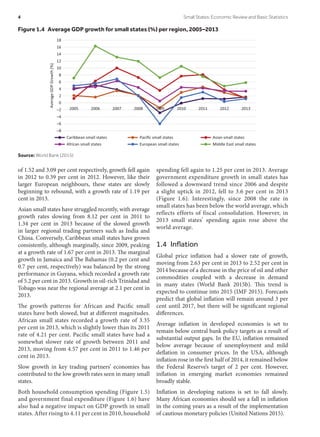
economic growth. As shown in Figure 1.3, the average
real GDP growth rate in small states between 2005 and
2013 was 3.16 per cent. Over this period, there were
significant peaks of 5.68 per cent in 2007 and troughs
of –0.94 per cent in 2009 due to the global recession.
It is important to note that small states’ growth has
consistently tracked below the world average. The gap
between the two trajectories seems to widen during
periods of growth (2005) and narrow during times of
decline (2008). The economic recovery which began
in 2010 seems to have lagged for small states. At 2.23
per cent, average GDP growth for small states in 2013
remains below its nine-year average of 3.16 per cent.
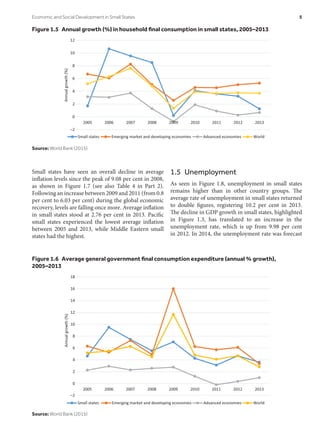
Looking at growth within small states by region (Figure
1.4) is informative, as some regions fare better than
others. It is clear that oil-rich small states in the Middle
East have almost consistently maintained higher
growth rates than their counterparts in other regions.
They are also recovering more quickly from the
recession of 2009 and the economic downturn of 2012,
with a growth rate of 5.83 per cent in 2013. Given the
struggles of many European Union (EU) countries in
the recent past, perhaps it is not surprising that growth
in the European small states has been the most volatile
of the regions since 2010. After recording relatively
high growth rates, they experienced the biggest decline
during the worst of the global recession, with growth
rates falling 12.86 percentage points between 2007 and
2009. Following positive growth rates in 2010 and 2011
Figure 1.3  Average GDP growth (%) for small states and the world annually and average for small
states over time, 2005–2013
–2
–1
0
1
2
3
4
5
6
7
2005 2006 2007 2008 2009 2010 2011 2012 2013
GDPGrowtn
Small states average 2005–2013 Small states average per year World average per year
Source: World Bank (2015)
Economic and Social Development in Small States	 3
of 1.52 and 3.09 per cent respectively, growth fell again
in 2012 to 0.39 per cent in 2012. However, like their
larger European neighbours, these states are slowly
beginning to rebound, with a growth rate of 1.19 per
cent in 2013.
Asian small states have struggled recently, with average
growth rates slowing from 8.12 per cent in 2011 to
1.34 per cent in 2013 because of the slowed growth
in larger regional trading partners such as India and
China. Conversely, Caribbean small states have grown
consistently, although marginally, since 2009, peaking
at a growth rate of 1.67 per cent in 2013. The marginal
growth in Jamaica and The Bahamas (0.2 per cent and
0.7 per cent, respectively) was balanced by the strong
performance in Guyana, which recorded a growth rate
of 5.2 per cent in 2013. Growth in oil-rich Trinidad and
Tobago was near the regional average at 2.1 per cent in
2013.
The growth patterns for African and Pacific small
states have both slowed, but at different magnitudes.
African small states recorded a growth rate of 3.35
per cent in 2013, which is slightly lower than its 2011
rate of 4.21 per cent. Pacific small states have had a
somewhat slower rate of growth between 2011 and
2013, moving from 4.57 per cent in 2011 to 1.46 per
cent in 2013.
Slow growth in key trading partners’ economies has
contributed to the low growth rates seen in many small
states.
Both household consumption spending (Figure 1.5)
and government final expenditure (Figure 1.6) have
also had a negative impact on GDP growth in small
states. After rising to 4.11 per cent in 2010, household
spending fell again to 1.25 per cent in 2013. Average
government expenditure growth in small states has
followed a downward trend since 2006 and despite
a slight uptick in 2012, fell to 3.6 per cent in 2013
(Figure 1.6). Interestingly, since 2008 the rate in
small states has been below the world average, which
reflects efforts of fiscal consolidation. However, in
2013 small states’ spending again rose above the
world average.
1.4  Inflation
Global price inflation had a slower rate of growth,
moving from 2.63 per cent in 2013 to 2.52 per cent in
2014 because of a decrease in the price of oil and other
commodities coupled with a decrease in demand
in many states (World Bank 2015b). This trend is
expected to continue into 2015 (IMF 2015). Forecasts
predict that global inflation will remain around 3 per
cent until 2017, but there will be significant regional
differences.
Average inflation in developed economies is set to
remain below central bank policy targets as a result of
substantial output gaps. In the EU, inflation remained
below average because of unemployment and mild
deflation in consumer prices. In the USA, although
inflation rose in the first half of 2014, it remained below
the Federal Reserve’s target of 2 per cent. However,
inflation in emerging market economies remained
broadly stable.
Inflation in developing nations is set to fall slowly.
Many African economies should see a fall in inflation
in the coming years as a result of the implementation
of cautious monetary policies (United Nations 2015).
Figure 1.4  Average GDP growth for small states (%) per region, 2005–2013
–8
–6
–4
–2
0
2
4
6
8
10
12
14
16
18
2005 2006 2007 2008 2009 2010 2011 2012 2013
AverageGDPGrowth(%)
Caribbean small states Pacific small states Asian small states
African small states European small states Middle East small states
Source: World Bank (2015)
4	 Small States: Economic Review and Basic Statistics
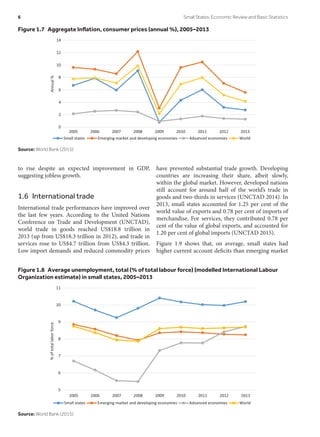
Small states have seen an overall decline in average
inflation levels since the peak of 9.08 per cent in 2008,
as shown in Figure 1.7 (see also Table 4 in Part 2).
Following an increase between 2009 and 2011 (from 0.8
per cent to 6.03 per cent) during the global economic
recovery, levels are falling once more. Average inflation
in small states stood at 2.76 per cent in 2013. Pacific
small states experienced the lowest average inflation
between 2005 and 2013, while Middle Eastern small
states had the highest.
1.5 Unemployment
As seen in Figure 1.8, unemployment in small states
remains higher than in other country groups. The
average rate of unemployment in small states returned
to double figures, registering 10.2 per cent in 2013.
The decline in GDP growth in small states, highlighted
in Figure 1.3, has translated to an increase in the
unemployment rate, which is up from 9.98 per cent
in 2012. In 2014, the unemployment rate was forecast
Figure 1.5  Annual growth (%) in household final consumption in small states, 2005–2013
–2
0
2
4
6
8
10
12
2005 2006 2007 2008 2009 2010 2011 2012 2013
Annualgrowth(%)
Small states Emerging market and developing economies Advanced economies World
Source: World Bank (2015)
Figure 1.6  Average general government final consumption expenditure (annual % growth),
2005–2013
–2
0
2
4
6
8
10
12
14
16
18
2005 2006 2007 2008 2009 2010 2011 2012 2013
Annualgrowth(%)
Small states Emerging market and developing economies Advanced economies World
Source: World Bank (2015)
Economic and Social Development in Small States	 5
to rise despite an expected improvement in GDP,
suggesting jobless growth.
1.6  International trade
International trade performances have improved over
the last few years. According to the United Nations
Conference on Trade and Development (UNCTAD),
world trade in goods reached US$18.8 trillion in
2013 (up from US$18.3 trillion in 2012), and trade in
services rose to US$4.7 trillion from US$4.3 trillion.
Low import demands and reduced commodity prices
have prevented substantial trade growth. Developing
countries are increasing their share, albeit slowly,
within the global market. However, developed nations
still account for around half of the world’s trade in
goods and two-thirds in services (UNCTAD 2014). In
2013, small states accounted for 1.25 per cent of the
world value of exports and 0.78 per cent of imports of
merchandise. For services, they contributed 0.78 per
cent of the value of global exports, and accounted for
1.20 per cent of global imports (UNCTAD 2015).
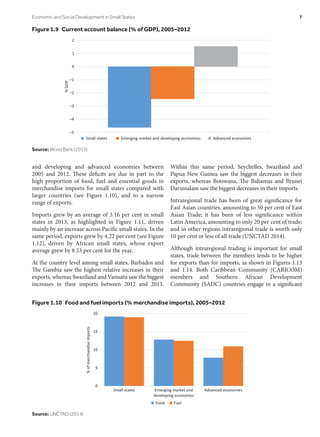
Figure 1.9 shows that, on average, small states had
higher current account deficits than emerging market
Figure 1.7  Aggregate Inflation, consumer prices (annual %), 2005–2013
0
2
4
6
8
10
12
14
2005 2006 2007 2008 2009 2010 2011 2012 2013
Annual%
Small states Emerging market and developing economies Advanced economies World
Source: World Bank (2015)
Figure 1.8  Average unemployment, total (% of total labour force) (modelled International Labour
Organization estimate) in small states, 2005–2013
5
6
7
8
9
10
11
2005 2006 2007 2008 2009 2010 2011 2012 2013
%oftotallaborforce
Small states Emerging market and developing economies Advanced economies World
Source: World Bank (2015)
6	 Small States: Economic Review and Basic Statistics
and developing and advanced economies between
2005 and 2012. These deficits are due in part to the
high proportion of food, fuel and essential goods in
merchandise imports for small states compared with
larger countries (see Figure 1.10), and to a narrow
range of exports.
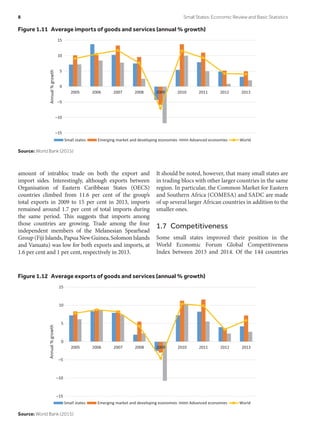
Imports grew by an average of 3.16 per cent in small
states in 2013, as highlighted in Figure 1.11, driven
mainly by an increase across Pacific small states. In the
same period, exports grew by 4.22 per cent (see Figure
1.12), driven by African small states, whose export
average grew by 8.53 per cent for the year.
At the country level among small states, Barbados and
The Gambia saw the highest relative increases in their
exports, whereas Swaziland and Vanuatu saw the biggest
increases in their imports between 2012 and 2013.
Within this same period, Seychelles, Swaziland and
Papua New Guinea saw the biggest decreases in their
exports, whereas Botswana, The Bahamas and Brunei
Darussalam saw the biggest decreases in their imports.
Intraregional trade has been of great significance for
East Asian countries, amounting to 50 per cent of East
Asian Trade; it has been of less significance within
Latin America, amounting to only 20 per cent of trade;
and in other regions intraregional trade is worth only
10 per cent or less of all trade (UNCTAD 2014).
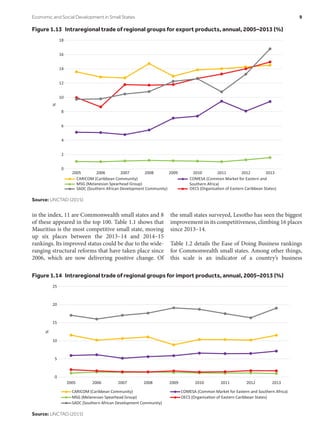
Although intraregional trading is important for small
states, trade between the members tends to be higher
for exports than for imports, as shown in Figures 1.13
and 1.14. Both Caribbean Community (CARICOM)
members and Southern African Development
Community (SADC) countries engage in a significant
Figure 1.9  Current account balance (% of GDP), 2005–2012
–5
–4
–3
–2
–1
0
1
2
%GDP
Small states Emerging market and developing economies Advanced economies
Source: World Bank (2015)
Figure 1.10  Food and fuel imports (% merchandise imports), 2005–2012
0
5
10
15
20
Small states Emerging market and
developing economies
Advanced economies
%ofmerchandiseimports
Food Fuel
Source: UNCTAD (2014)
Economic and Social Development in Small States	 7
amount of intrabloc trade on both the export and
import sides. Interestingly, although exports between
Organisation of Eastern Caribbean States (OECS)
countries climbed from 11.6 per cent of the group’s
total exports in 2009 to 15 per cent in 2013, imports
remained around 1.7 per cent of total imports during
the same period. This suggests that imports among
those countries are growing. Trade among the four
independent members of the Melanesian Spearhead
Group(FijiIslands,PapuaNewGuinea,SolomonIslands
and Vanuatu) was low for both exports and imports, at
1.6 per cent and 1 per cent, respectively in 2013.
It should be noted, however, that many small states are
in trading blocs with other larger countries in the same
region. In particular, the Common Market for Eastern
and Southern Africa (COMESA) and SADC are made
of up several larger African countries in addition to the
smaller ones.
1.7 Competitiveness
Some small states improved their position in the
World Economic Forum Global Competitiveness
Index between 2013 and 2014. Of the 144 countries
Figure 1.11  Average imports of goods and services (annual % growth)
–15
–10
–5
0
5
10
15
2005 2006 2007 2008 2009 2010 2011 2012 2013
Annual%growth
Small states Emerging market and developing economies Advanced economies World
Source: World Bank (2015)
Figure 1.12  Average exports of goods and services (annual % growth)
–15
–10
–5
0
5
10
15
2005 2006 2007 2008 2009 2010 2011 2012 2013
Annual%growth
Small states Emerging market and developing economies Advanced economies World
Source: World Bank (2015)
8	 Small States: Economic Review and Basic Statistics
in the index, 11 are Commonwealth small states and 8
of these appeared in the top 100. Table 1.1 shows that
Mauritius is the most competitive small state, moving
up six places between the 2013–14 and 2014–15
rankings. Its improved status could be due to the wide-
ranging structural reforms that have taken place since
2006, which are now delivering positive change. Of
the small states surveyed, Lesotho has seen the biggest
improvement in its competitiveness, climbing 16 places
since 2013–14.
Table 1.2 details the Ease of Doing Business rankings
for Commonwealth small states. Among other things,
this scale is an indicator of a country’s business
Figure 1.13  Intraregional trade of regional groups for export products, annual, 2005–2013 (%)
0
2
4
6
8
10
12
14
16
18
2005 2006 2007 2008 2009 2010 2011 2012 2013
%
CARICOM (Caribbean Community) COMESA (Common Market for Eastern and
Southern Africa)MSG (Melanesian Spearhead Group)
OECS (OrganisaƟon of Eastern Caribbean States)SADC (Southern African Development Community)
Source: UNCTAD (2015)
Figure 1.14  Intraregional trade of regional groups for import products, annual, 2005–2013 (%)
0
5
10
15
20
25
2005 2006 2007 2008 2009 2010 2011 2012 2013
%
CARICOM (Caribbean Community) COMESA (Common Market for Eastern and Southern Africa)
MSG (Melanesian Spearhead Group) OECS (OrganisaƟon of Eastern Caribbean States)
SADC (Southern African Development Community)
Source: UNCTAD (2015)
Economic and Social Development in Small States	 9
environment, and, by extension, of its ability to attract
investment. A number of small states have seen an
improvement in their Ease of Doing Business rankings
from 2014 to 2015, with Jamaica seeing the greatest
improvement, jumping 27 places. This increase was
due to improvements in credit reporting, as two new
credit bureaux, Creditinfo Jamaica and CRIF-NM
Credit Assure Limited, began operations. Furthermore,
a new law on secured transactions was adopted which
increased the range of assets that could be used as
collateral (World Bank 2014a).
Mauritius remained at the top of the competitiveness
ranking for small states. Mauritius was also placed
highest in the Ease of Doing Business ranking out of the
small states, improving its position by one from the 2014
rankings. This suggests that it has an environment that is
more favourable to encouraging businesses and thereby
engendering a more competitive economy. Botswana,
Fiji and Namibia all fell eight places in the global
ranking, while Kiribati remains at the bottom of the
list for small states. Nonetheless, it is important to look
beyond the ranking to gain the full picture of business
concerns in any particular country. For instance, even
though The Bahamas and Dominica are both ranked
at 97, their challenges are vastly different. While The
Bahamas struggles with property registration, in
Dominica the difficulty lies with resolving insolvency.
1.8  Development aid
According to the OECD, net official development
assistance (ODA) increased by 5.9 per cent between
2012 and 2013, totalling US$134.48 billion (OECD
2015). In 2013, small states, on average, received
US$380.24 per capita. The Pacific region received the
most aid, with a regional average of US$966.28 per
capita, more than 2.5 times that of all small states.
Of the 50 small states analysed, 39 received ODA in
2013, of which 24 are Commonwealth small states.
Although small states received relatively high ODA per
capita overall, as shown by Figure 1.15, the amounts
received varied greatly. For example, in 2012 Tuvalu
received the most aid globally per capita (US$2483.77)
and Jamaica received the least (US$7.77). High levels
of ODA per capita are also more of a reflection of small
states’ populations than of large levels of total ODA.
The decline in ODA per capita between 2011 and
2012 seen in Figure 1.15 was driven by tough fiscal
adjustments in donor countries resulting from their
economic challenges.
Many small states are plagued with heavy debt burdens
which have implications for growth. Debt servicing
redirects resources from needed capital investments
and stymies future growth prospects. There has been
an upward trend in total debt service as a percentage
of GNI for commonwealth small states, as shown in
Figure 1.16.
Figure 1.17 highlights the levels of concessional debt
as a percentage of total external debt. The decline in
concessional debt levels is because ODA levels have
been decreasing even though overall debt levels have
been increasing. However, in 2013 the figure rose
slightly, with concessional debt accounting for nearly
half of total external debt.
Table 1.1  Global Competitiveness Index for selected Commonwealth small states
Country Global
Competi­
tiveness Index
2014–15
Global
Competi­
tiveness Index
2013–14
Basic
require­ments
2014–15
Market size
2014–15
Efficiency
enhancers
2014–15
Innovation
2014–15
Mauritius 39 45 38 113 59 76
Malta 47 41 35 126 44 45
Cyprus 58 58 58 115 57 36
Botswana 74 74 72 97 84 102
Jamaica 86 94 99 107 77 75
Namibia 88 90 81 119 97 91
Trinidad and
Tobago
89 92 52 112 81 100
Seychelles 92 80 50 143 105 73
Lesotho 107 123 102 139 130 110
Guyana 117 102 118 135 109 55
Swaziland 123 124 108 136 126 112
Source: Global Competitiveness Report (World Economic Forum 2014)
10	 Small States: Economic Review and Basic Statistics
Table1.2 CommonwealthsmallstatesintheEaseofDoingBusinessIndex2015
CountriesEaseof
Doing
Business
rank2015
Easeof
Doing
Business
rank2014
Startinga
business
Dealingwith
construction
permits
Getting
electricity
Registering
property
Getting
credit
Protecting
minority
investors
Paying
taxes
Trading
across
borders
Enforcing
contracts
Resolving
insolvency
Mauritius2829291174198362813174443
Jamaica58852026111126127114711511759
Cyprus6462641481601126114503411351
Samoa67613357204815171968083124
Tonga696351143517436161737848133
Botswana7466149931035161106671576149
Vanuatu76751378011591361354811377103
TrinidadandTobago7991711132115936621137618066
Fiji8173160737564711101071165991
Seychelles8587127481307817156434210361
SolomonIslands879793364515671925887150139
Namibia888015625661736187851365381
Antiguaand
Barbuda
89831023017141151351598976114
Malta94901361091148317151264310786
Dominica9794634353149131879488148121
Bahamas,The9796959250179131141316312560
StLucia1009572392313215114169122145100
BruneiDarussalam10198179534216289110304613988
StVincentandthe
Grenadines
10310180358155151719345101189
Barbados10610394147118144116177923816026
Swaziland11011114555140129611107412717380
Maldives116114502410816911613513413291135
Belize1181191486954120160169619117071
StKittsandNevis1211208716101701518713767116189
Guyana12312199381551031651351158271150
Grenada12612580407712813114110651144189
Lesotho12812810816111793151106109147115120
PapuaNewGuinea133131130141268516594110138181141
Kiribati13413312265167139160154148160189
Allofthesearerankedoutof189countriesintotal.
Source:WorldBank(2014a)
Economic and Social Development in Small States	 11
1.9 Remittances
International migrants from developing countries are
estimated to have sent US$436 billion in remittances
to their home countries in 2014, an increase of 7.8 per
cent from 2013. According to the World Bank this
figure is expected to increase to US$516 billion in 2016.
For many small states, remittances are of greater
importance than ODA, as their middle-income country
classification precludes them from receiving ODA. As
shown in Figure 1.18, personal remittances form a
substantial percentage of small states’ GDP. From 2005
to 2013, personal remittances averaged 6.17 per cent of
small states’ GDP. However, there was a sharp decline
between 2012 and 2013, driven mainly by a more than
3 per cent decrease in remittances to Asian small states
and a 2 per cent decrease in those to African small
states. For advanced economies, remittances made up
only 0.61% of GDP on average. This decline could be
due to the decrease in total net migration from all small
states, from 1,265,415 people in 2007 to 693,384 people
in 2012.1
These averages mask the varied role of remittances in
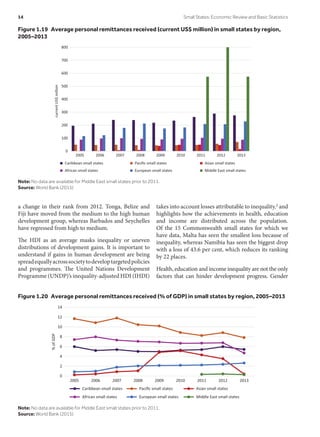
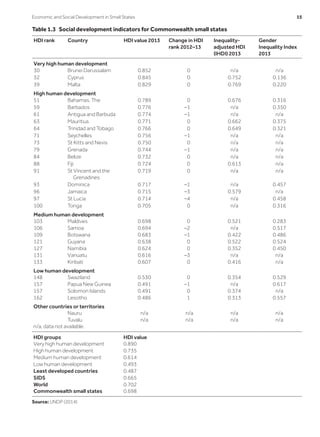
different small state regions. As shown by Figures 1.19
and 1.20, despite high levels of average remittances in
small states in the Middle East, the remittances account
for less than 0.5 per cent of GDP for these countries.
Conversely, the more modest levels of remittances in the
Pacific region constituted a more substantial 7.82 per
cent of GDP in 2013. Within the Caribbean region there
has been an overall upward trend in the level of average
personal remittances, but as a percentage of GDP it has
Figure 1.15  Net ODA received per capita (current US$)
0
50
100
150
200
250
300
350
400
450
2005 2006 2007 2008 2009 2010 2011 2012 2013
NetODAreceivedCurrentUS$
Small states Emerging market and developing economies World
Source: World Bank (2015)
Figure 1.16  Total debt service as percentage of GNI
3.0
3.5
4.0
4.5
5.0
5.5
6.0
6.5
2005 2006 2007 2008 2009 2010 2011 2012 2013
%ofGNI
Small states Emerging market and developing economies World
Source: World Bank (2015)
12	 Small States: Economic Review and Basic Statistics
remained fairly constant, whereas in the Pacific region
the overall level of remittances has increased, but they
have decreased as a percentage of GDP.
1.10  Human and social development
indicators
1.10.1  Human Development Index
The 2014 Human Development Index (HDI) ranks
187 countries according to key measures of human
development. These measures are living a long and
healthy life, being educated and having a decent
standard of living. The HDI is a geometric mean of
normalised indices for each of the three dimensions.
In the 2014 HDI, the rankings are split into four
groupings defined by cut-off points: very high (above
0.8), high (above 0.7), medium (above 0.55) and low
human development (below 0.55). This is a change
from previous years, when the rankings were based on
the country’s quartile in the HDI distribution.
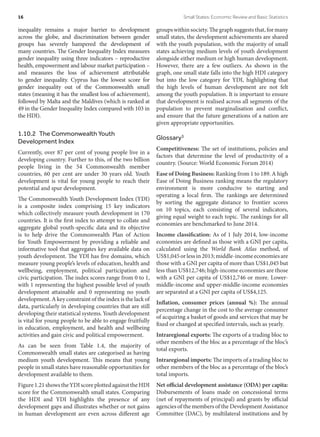
As shown in Table 1.3, the majority of Commonwealth
small states (15) have high human development, and
seven have medium levels of human development.
Further to this, 16 of the small states have not seen
Figure 1.17  Concessional debt (% of total external debt)
30
35
40
45
50
55
60
2005 2006 2007 2008 2009 2010 2011 2012 2013
%
Small states Emerging market and developing economies World
Source: World Bank (2015)
Figure 1.18  Personal remittances received (% of GDP)
4.0
4.5
5.0
5.5
6.0
6.5
7.0
7.5
2005 2006 2007 2008 2009 2010 2011 2012 2013
%ofGDP
Small states Emerging market and developing economies World
Source: World Bank (2015)
Economic and Social Development in Small States	 13
a change in their rank from 2012. Tonga, Belize and
Fiji have moved from the medium to the high human
development group, whereas Barbados and Seychelles
have regressed from high to medium.
The HDI as an average masks inequality or uneven
distributions of development gains. It is important to
understand if gains in human development are being
spreadequallyacrosssocietytodeveloptargetedpolicies
and programmes. The United Nations Development
Programme (UNDP)’s inequality-adjusted HDI (IHDI)
takes into account losses attributable to inequality,2 and
highlights how the achievements in health, education
and income are distributed across the population.
Of the 15 Commonwealth small states for which we
have data, Malta has seen the smallest loss because of
inequality, whereas Namibia has seen the biggest drop
with a loss of 43.6 per cent, which reduces its ranking
by 22 places.
Health, education and income inequality are not the only
factors that can hinder development progress. Gender
Figure 1.19  Average personal remittances received (current US$ million) in small states by region,
2005–2013
0
100
200
300
400
500
600
700
800
2005 2006 2007 2008 2009 2010 2011 2012 2013
currentUS$million
Caribbean small states Pacific small states Asian small states
African small states European small states Middle East small states
Note: No data are available for Middle East small states prior to 2011.
Source: World Bank (2015)
Figure 1.20  Average personal remittances received (% of GDP) in small states by region, 2005–2013
0
2
4
6
8
10
12
14
2005 2006 2007 2008 2009 2010 2011 2012 2013
%ofGDP
Caribbean small states Pacific small states Asian small states
African small states European small states Middle East small states
Note: No data are available for Middle East small states prior to 2011.
Source: World Bank (2015)
14	 Small States: Economic Review and Basic Statistics
Table 1.3  Social development indicators for Commonwealth small states
HDI rank Country HDI value 2013 Change in HDI
rank 2012–13
Inequality-
adjusted HDI
(IHDI) 2013
Gender
Inequality Index
2013
Very high human development
30 Brunei Darussalam 0.852 0 n/a n/a
32 Cyprus 0.845 0 0.752 0.136
39 Malta 0.829 0 0.769 0.220
High human development
51 Bahamas, The 0.789 0 0.676 0.316
59 Barbados 0.776 –1 n/a 0.350
61 Antigua and Barbuda 0.774 –1 n/a n/a
63 Mauritius 0.771 0 0.662 0.375
64 Trinidad and Tobago 0.766 0 0.649 0.321
71 Seychelles 0.756 –1 n/a n/a
73 St Kitts and Nevis 0.750 0 n/a n/a
79 Grenada 0.744 –1 n/a n/a
84 Belize 0.732 0 n/a n/a
88 Fiji 0.724 0 0.613 n/a
91 St Vincent and the
Grenadines
0.719 0 n/a n/a
93 Dominica 0.717 –1 n/a 0.457
96 Jamaica 0.715 –3 0.579 n/a
97 St Lucia 0.714 –4 n/a 0.458
100 Tonga 0.705 0 n/a 0.316
Medium human development
103 Maldives 0.698 0 0.521 0.283
106 Samoa 0.694 –2 n/a 0.517
109 Botswana 0.683 –1 0.422 0.486
121 Guyana 0.638 0 0.522 0.524
127 Namibia 0.624 0 0.352 0.450
131 Vanuatu 0.616 –3 n/a n/a
133 Kiribati 0.607 0 0.416 n/a
Low human development
148 Swaziland 0.530 0 0.354 0.529
157 Papua New Guinea 0.491 –1 n/a 0.617
157 Solomon Islands 0.491 0 0.374 n/a
162 Lesotho 0.486 1 0.313 0.557
Other countries or territories
Nauru n/a n/a n/a n/a
Tuvalu n/a n/a n/a n/a
n/a, data not available.
HDI groups HDI value
Very high human development 0.890
High human development 0.735
Medium human development 0.614
Low human development 0.493
Least developed countries 0.487
SIDS 0.665
World 0.702
Commonwealth small states 0.698
Source: UNDP (2014)
Economic and Social Development in Small States	 15
inequality remains a major barrier to development
across the globe, and discrimination between gender
groups has severely hampered the development of
many countries. The Gender Inequality Index measures
gender inequality using three indicators – reproductive
health, empowerment and labour market participation –
and measures the loss of achievement attributable
to gender inequality. Cyprus has the lowest score for
gender inequality out of the Commonwealth small
states (meaning it has the smallest loss of achievement),
followed by Malta and the Maldives (which is ranked at
49 in the Gender Inequality Index compared with 103 in
the HDI).
1.10.2  The Commonwealth Youth
Development Index
Currently, over 87 per cent of young people live in a
developing country. Further to this, of the two billion
people living in the 54 Commonwealth member
countries, 60 per cent are under 30 years old. Youth
development is vital for young people to reach their
potential and spur development.
The Commonwealth Youth Development Index (YDI)
is a composite index comprising 15 key indicators
which collectively measure youth development in 170
countries. It is the first index to attempt to collate and
aggregate global youth-specific data and its objective
is to help drive the Commonwealth Plan of Action
for Youth Empowerment by providing a reliable and
informative tool that aggregates key available data on
youth development. The YDI has five domains, which
measure young people’s levels of education, health and
wellbeing, employment, political participation and
civic participation. The index scores range from 0 to 1,
with 1 representing the highest possible level of youth
development attainable and 0 representing no youth
development. A key constraint of the index is the lack of
data, particularly in developing countries that are still
developing their statistical systems. Youth development
is vital for young people to be able to engage fruitfully
in education, employment, and health and wellbeing
activities and gain civic and political empowerment.
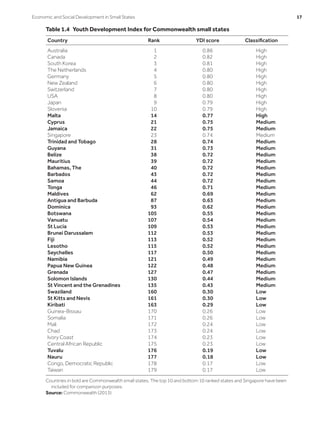
As can be seen from Table 1.4, the majority of
Commonwealth small states are categorised as having
medium youth development. This means that young
people in small states have reasonable opportunities for
development available to them.
Figure1.21showstheYDIscoreplottedagainsttheHDI
score for the Commonwealth small states. Comparing
the HDI and YDI highlights the presence of any
development gaps and illustrates whether or not gains
in human development are even across different age
groupswithinsociety.Thegraphsuggeststhat,formany
small states, the development achievements are shared
with the youth population, with the majority of small
states achieving medium levels of youth development
alongside either medium or high human development.
However, there are a few outliers. As shown in the
graph, one small state falls into the high HDI category
but into the low category for YDI, highlighting that
the high levels of human development are not felt
among the youth population. It is important to ensure
that development is realised across all segments of the
population to prevent marginalisation and conflict,
and ensure that the future generations of a nation are
given appropriate opportunities.
Glossary3
Competitiveness: The set of institutions, policies and
factors that determine the level of productivity of a
country. (Source: World Economic Forum 2014)
Ease of Doing Business: Ranking from 1 to 189. A high
Ease of Doing Business ranking means the regulatory
environment is more conducive to starting and
operating a local firm. The rankings are determined
by sorting the aggregate distance to frontier scores
on 10 topics, each consisting of several indicators,
giving equal weight to each topic. The rankings for all
economies are benchmarked to June 2014.
Income classification: As of 1 July 2014, low-income
economies are defined as those with a GNI per capita,
calculated using the World Bank Atlas method, of
US$1,045orlessin2013;middle-incomeeconomiesare
those with a GNI per capita of more than US$1,045 but
less than US$12,746; high-income economies are those
with a GNI per capita of US$12,746 or more. Lower-
middle-income and upper-middle-income economies
are separated at a GNI per capita of US$4,125.
Inflation, consumer prices (annual %): The annual
percentage change in the cost to the average consumer
of acquiring a basket of goods and services that may be
fixed or changed at specified intervals, such as yearly.
Intraregional exports: The exports of a trading bloc to
other members of the bloc as a percentage of the bloc’s
total exports.
Intraregional imports: The imports of a trading bloc to
other members of the bloc as a percentage of the bloc’s
total imports.
Net official development assistance (ODA) per capita:
Disbursements of loans made on concessional terms
(net of repayments of principal) and grants by official
agencies of the members of the Development Assistance
Committee (DAC), by multilateral institutions and by
16	 Small States: Economic Review and Basic Statistics
Table 1.4  Youth Development Index for Commonwealth small states
Country Rank YDI score Classification
Australia 1 0.86 High
Canada 2 0.82 High
South Korea 3 0.81 High
The Netherlands 4 0.80 High
Germany 5 0.80 High
New Zealand 6 0.80 High
Switzerland 7 0.80 High
USA 8 0.80 High
Japan 9 0.79 High
Slovenia 10 0.79 High
Malta 14 0.77 High
Cyprus 21 0.75 Medium
Jamaica 22 0.75 Medium
Singapore 23 0.74 Medium
Trinidad and Tobago 28 0.74 Medium
Guyana 31 0.73 Medium
Belize 38 0.72 Medium
Mauritius 39 0.72 Medium
Bahamas, The 40 0.72 Medium
Barbados 43 0.72 Medium
Samoa 44 0.72 Medium
Tonga 46 0.71 Medium
Maldives 62 0.69 Medium
Antigua and Barbuda 87 0.63 Medium
Dominica 93 0.62 Medium
Botswana 105 0.55 Medium
Vanuatu 107 0.54 Medium
St Lucia 109 0.53 Medium
Brunei Darussalam 112 0.53 Medium
Fiji 113 0.52 Medium
Lesotho 115 0.52 Medium
Seychelles 117 0.50 Medium
Namibia 121 0.49 Medium
Papua New Guinea 122 0.48 Medium
Grenada 127 0.47 Medium
Solomon Islands 130 0.44 Medium
St Vincent and the Grenadines 135 0.43 Medium
Swaziland 160 0.30 Low
St Kitts and Nevis 161 0.30 Low
Kiribati 163 0.29 Low
Guinea-Bissau 170 0.26 Low
Somalia 171 0.26 Low
Mali 172 0.24 Low
Chad 173 0.24 Low
Ivory Coast 174 0.23 Low
Central African Republic 175 0.23 Low
Tuvalu 176 0.19 Low
Nauru 177 0.18 Low
Congo, Democratic Republic 178 0.17 Low
Taiwan 179 0.17 Low
Countries in bold are Commonwealth small states. The top 10 and bottom 10 ranked states and Singapore have been
included for comparison purposes.
Source: Commonwealth (2013)
Economic and Social Development in Small States	 17
non-DAC countries to promote economic development
and welfare in countries and territories in the DAC list
of ODA recipients; calculated by dividing net ODA
received by the midyear population estimate. It includes
loans with a grant element of at least 25 per cent
(calculated at a rate of discount of 10 per cent).
Personal remittances received (% of GDP): Personal
transfers and compensation of employees. Personal
transfers consist of all current transfers in cash or in
kind made or received by resident households to or
from non-resident households. Personal transfers thus
include all current transfers between resident and non-
resident individuals. Compensation of employees refers
to the income of border, seasonal and other short-term
workers who are employed in an economy where they
are not resident and of residents employed by non-
resident entities. Data are the sum of two items defined
in the sixth edition of the IMF’s Balance of Payments
Manual: personal transfers and compensation of
employees.
Total debt service (% of GNI): The sum of principal
repayments and interest actually paid in currency,
goods or services on long-term debt, interest paid on
short-term debt and repayments (repurchases and
charges) to the IMF.
Notes
1	 These figures are calculated from five-year estimates from
World Bank data.
2	 When the IHDI and the HDI are equal there is no inequality
within the country. However, when the IHDI falls below the
HDI, inequality increases. The smaller the difference between
the IHDI and the HDI, expressed as a percentage of HDI, the
smaller the loss as a result of inequality.
3	 These are World Bank definitions, unless otherwise stated.
References
Commonwealth (2013), Youth Development Index:
Results Report, The Commonwealth, London.
IMF (2014), ‘World Economic Outlook 2014’, available
at: www.imf.org/external/pubs/ft/weo/2014/02/
pdf/text.pdf (accessed 29 June 2015).
IMF (2015), World Economic Outlook: Uneven Growth –
Short- and Long-term Factors, International
Monetary Fund, Washington.
OECD (2015), ‘2012 and 2013 DAC flows at a glance’,
available at: https://public.tableausoftware.com/
views/AidAtAGlance/DACmembers?:embed=y&:
display_count=no?&:showVizHome=no#1
(accessed 29 June 2015).
UNCTAD (2014), ‘Key statistics and trends in
internationaltrade2014’,availableat:http://unctad.
Figure 1.21  HDI against YDI for selected Commonwealth small states
0.2
0.3
0.4
0.5
0.6
0.7
0.8
0.9
1
0.2 0.3 0.4 0.5 0.6 0.7 0.8 0.9 1.0
YouthDevelopmentIndex
Human Development Index
Low HDI Medium HDI High HDI Very high HDI
LowYDIMediumYDIHighYDI
Source: Authors’ calculations
18	 Small States: Economic Review and Basic Statistics
org/en/PublicationsLibrary/ditctab2014d2_en.pdf
(accessed 29 June 2015 ).
UNCTAD (2015), ‘UNCTAD Stat’, available at: http://
unctadstat.unctad.org/wds/ReportFolders/
reportFolders.aspx?sCS_ChosenLang=en (accessed
29 June 2015).
UNDP (2014), Human Development Report 2014:
SustainingHumanProgress–ReducingVulnerabilities
and Building Resilience, UNDP, New York, NY.
United Nations (2015), ‘World economic situation
and prospects 2015’, available at: www.un.org/
en/development/desa/policy/wesp/wesp_
archive/2015wesp_chap1.pdf(accessed29June2015).
World Bank (2014a), Doing Business 2015: Going
beyond Efficiency, World Bank, Washington, DC.
World Bank. (2015a). ‘Indicators’. Availabe at: http://
data.worldbank.org/indicator (accessed 24 June
2015)
World Economic Fourm (2014). The Global
Competitiveness Report 2014–2015: Full Data
Edition. Geneva: World Economic Fourm.
Economic and Social Development in Small States	 19
Chapter 2
Country Analysis
2.1  African small states
2.1.1 Botswana
Real GDP growth in 2013 was estimated at 5.9 per cent
compared with 4.2 per cent in 2012. This increase was
mainlyattributabletoan11percentgrowthinthemining
sector following a 7 per cent contraction in 2012 (Bank
of Botswana 2013). Real GDP is estimated to have risen
by 4.4 per cent in 2014, driven primarily by diamond
production and other value-added activity. However,
uncertain external issues affecting the country’s mining
sector,suchasBotswanapotentiallylosingitspreferential
trade access to the EU market, could threaten economic
growth. On the domestic front, problems in energy and
water supply could also dampen the estimated GDP of
Botswana, as they hamper the performance of the non-
mineral sector (IMF 2014a).
Inflation fell from 7.4 per cent (Bank of Botswana
2013) in December 2012 to 5.9 per cent (EIU 2014a)
in December 2013. It was forecast to fall to 4.6 per
cent (EIU 2014a) by the end of 2014 because of the
appreciation of the Botswana pula against the South
African rand.
The government recorded a small fiscal surplus in
2013–14 of 1.1 per cent of GDP. The budget surplus was
achieved because of higher mining revenue (EIU 2014a).
The 2014–15 budget surplus was projected to rise to 1.2
per cent because revenue from mineral tax, income and
value-added tax (VAT), and customs were projected to
rise by 11–14 per cent, whereas current expenditures
were expected to rise by a more modest 9 per cent.
Botswana’s current account balance for 2014 was
estimated as a surplus of 12.4 per cent of GDP, up from
10.4 per cent in 2013 (EIU 2014a). This surplus was
supported by revenue from diamond exports as a result
of a continuous recovery in global diamond demand,
and by current transfer receipts. However, attaining
the predicted surplus will also depend on the level of
electricity imports.
2.1.2 Lesotho
Lesotho’s economy grew by 3.4 per cent in 2013 and
is projected to average 5 per cent growth by 2015.
GDP growth was driven by large-scale investments in
construction activities and a strong recovery in private
sector services such as textile and clothing, transport
and communications, and financial intermediation
(IMF 2014b).
Lesotho’s inflation rate was 4.9 per cent in 2013,
supported by moderate increases in food prices and
lower global oil prices. Inflation was predicted to rise
to 5.5 per cent in 2014 as a result of a weaker South
African rand and higher inflation in South Africa, the
main source of most of Lesotho’s imports, which were
expected to push up Lesotho’s import costs (EIU 2014b).
Despite a target fiscal surplus of 4.2 per cent of GDP,
Lesotho managed to record a surplus of only around 1
percentin2013–14.Thislowerfigureresultedfroma15
per cent undershoot on tax collection, heavy recurrent
spending and the challenge of maintaining fiscal
equilibrium over the medium term. The fiscal balance
was projected to move into deficit in 2014–15 to the
tune of 1.6 per cent of GDP, as spending continued to
expand (EIU 2014b).
Lesotho’s current account balance registered a deficit
of 11.3 per cent of GDP in 2013, driven by a 16 per
cent reduction in exports and a 21 per cent decrease in
food imports. Imports were projected to rise in 2014
and 2015 because of the start of construction activities
associated with the Lesotho Highlands Water Project.
These were predicted to increase the current account
deficit to 23.6 per cent in 2015 (EIU 2014b).
2.1.3 Mauritius
Growth was estimated at 3.3 per cent in 2013 and
was characterised by muted domestic investment and
weak external demand (AfDB 2014a) as Europe, which
accounts for nearly two-thirds of Mauritius’s exports,
recorded a small economic growth of 0.5 per cent in
2013. Growth was forecast to reach 3.4 per cent in 2014,
driven by efforts to diversify Mauritius’s economy,
exposing it to emerging markets and to the further
expansion of the Euro economic zone (EIU 2014c).
It was projected that increased domestic production,
loose monetary policy and rising prices for locally
produced foods would cause inflation to rise from an
20
average of 3.5 per cent in 2013 to 3.9 per cent in 2014
(EIU 2014c).
Revenue was forecast to reach 21.7 per cent of GDP in
2014, driven by revenue growth in Mauritius trade and
investment (EIU 2014c). Expenditure was set to rise
from 24.8 per cent of GDP in 2013 to a peak of 25.7 per
cent of GDP in 2015 as election-related spending rises.
The current account deficit was predicted to narrow
from 9.9 per cent of GDP in 2013 to 8.6 per cent of
GDP in 2014 thanks to improved performance on
trade and services accounts and the exchange rate
(EIU 2014c).
2.1.4 Namibia
Real GDP growth was estimated at 4.4 per cent (Bank
of Namibia 2014) in 2013. The Namibian economy was
estimated to expand by 5.4 per cent in 2014. The growth
was to be underpinned by strong construction activity
in several mines, which is expected to boost mineral
exports in the medium term. Moreover, secondary
industries were projected to grow as a result of a public
housing construction programme undertaken by the
government (Bank of Namibia 2014).
Namibia’s inflation was estimated to average around 5.6
per cent in 2014 (EIU 2014d). This figure will remain
influenced by South African inflation trends because
the bulk of Namibian imports continue to be sourced
from South Africa. Namibian inflation will also remain
vulnerable to any shocks to global food prices.
At the end of 2013–14, the government’s fiscal position
remained strong, although a 3.0 per cent GDP deficit
was recorded compared with the balanced budget in
2012–13. This deficit resulted from an increase in
total government debt, reflected in both the domestic
and external debt stocks (EIU, 2014d). Because of a
predicted underspend on the development budget,
the Economist Intelligence Unit (EIU) forecast a fiscal
deficit of 5.2 per cent of GDP in 2014–15.
Namibia registered a larger deficit in the current
account, mainly owing to increased trade deficit
balance and net outflows in services during the first
quarter of 2014. The trade deficit was due to a 21.6 per
cent quarterly increase in import bills for machinery
and mechanical appliances, vehicle parts, and prepared
foods and beverages. At the same time, the value of
exports declined by 11.1 per cent because trade volumes
of uranium and diamonds decreased (EIU 2014d).
2.1.5 Seychelles
The real GDP growth was estimated at 5.3 per cent,
supported by a 10 per cent increase in the tourism
industry in 2013. However, this growth was estimated
to slow to 3.7 per cent in 2014 because of lower
European fish quotas and tourism growth slowing, as
well as tighter monetary policy (EIU 2014e).
Annual inflation in 2013 reached an average of 4.3
per cent because of a strong currency driven by lower
imported commodity prices. Inflation was predicted
to reach 2.3 per cent in 2014 as currency and external
price trends continued on the same trajectory.
Strict spending controls produced an estimated
budget surplus of 1.7 per cent in 2013. The budget
was estimated to remain the same in 2014–15 despite
increased spending on much-needed infrastructure.
However, better expenditure management and ongoing
reform of parastatal enterprise will reduce the fiscal
pressures (EIU 2014e).
The current account deficit was estimated at 16.6 per
centofGDPin2013,drivenbystrongcapitalinvestment
and consumer demand that boosted imports. The
current account deficit was forecast to widen in 2014
to 22.6 per cent of GDP as a result of projected strong
domestic energy import demand.
2.1.6 Swaziland
Economic growth in Swaziland was estimated to
weaken to just over 2.2 per cent in 2014, down from
the estimated 2.8 per cent in 2013. This deceleration
is largely the result of weaker performance in the
manufacturing sector (EIU 2014f).
Inflation was estimated to rise to an average of 5.8 per
cent (EIU 2014f) in 2014 from 4.4 per cent (AfDB
2014b) in 2013. This increase is driven by higher
electricity tariffs and an increase in domestic fuel prices
and transport fares.
The budget deficit in the 2013–14 fiscal year amounted
to 0.2 per cent of GDP. The EIU projected that the
budget shortfall would widen to 3.1 per cent in 2014 in
an attempt to spur economic growth.
Because export earnings increased by an estimated
15.7 per cent in US dollar terms in 2013, helped by
rising sugar and mineral production, Swaziland
recorded a current account surplus of 8.3 per cent
of GDP in 2013. Revenue was expected to expand
further in 2014 as a result of higher export volumes.
However, in 2015 an expected drop in clothing
exports to the USA will lead to a decline in overall
exports. The current account was estimated to move
into deficit by 2015 to the tune of 2 per cent of GDP
(EIU 2014f).
Country Analysis	 21
2.2  Asia-Pacific small states
2.2.1  Brunei Darussalam
Thanks to its extensive resources of oil and gas and its
small population, Brunei Darussalam is among the
world’s richer countries. Its economy is heavily reliant
on the oil and gas sectors, making it vulnerable to any
changes within the sector.
The non-energy sector grew by 2.7 per cent in
2013. However, overall, real GDP contracted by an
estimated 1.8 per cent in 2013, because the energy
sector contracted by an estimated 7.2 per cent. This
decrease was due to ongoing maintenance of some
of the hydrocarbon facilities. The IMF predicted that
the economy would rebound in 2014, and forecast a
growth rate of 5.3 per cent (IMF 2014c,d).
Brunei Darussalam still experienced a positive trade
balance, owing to the large value and volume of gas and
oil exports, totalling 95 per cent of total exports and
over 60 per cent of GDP.
Government policy remains focused on diversifying
the economy and boosting private-sector growth,
while also improving human capital and employment
opportunities.
2.2.2 Fiji
The Fijian economy grew by 3.6 per cent in 2013
thanks to better performance in the agriculture and
mining sectors, and recovery from severe flooding
at the start of 2012 (ADB 2014a). Similarly, the
economy was projected to grow by 3.8 per cent in
2014. The growth was expected to be mainly driven
by the following sectors: construction; manufacturing;
wholesale and retail trade; financial intermediation;
transport and storage; agriculture; and information
and communication (Reserve Bank of Fiji 2014).
Fiji’s inflation rate was predicted to remain at 3.0 per
cent in 2014 as projected declines in international food
and fuel prices were offset by continued fiscal expansion
(ADB 2014b). Government expenditures were set to
further increase by 28 per cent in the 2014 budget as both
recurrent and capital expenditure increased. A 1.9 per
cent budget deficit was forecast for 2014 (ADB 2014b).
The current account deficit was estimated to narrow to
6.1 per cent of GDP in 2014 as tourism earnings and
personal remittances rose (ADB 2014b).
2.2.3 Kiribati
The growth of Kiribati’s economy slowed to 2.0 per
cent in 2013 from 2.5 per cent in 2012. This decline
was due to a delay in construction projects. However,
the economy was projected to grow by 3.0 per cent in
2014 and 2.0 per cent in 2015 as construction picked
up on projects funded by development partners
(ADB 2014c).
Inflation was projected to remain at 2.5 per cent in
Kiribati in 2014. The government planned higher
recurrent expenditures, to be financed in part by the
continuing strength of fishing licence revenues, budget
support grants and higher capital spending associated
with ongoing infrastructure projects (ADB 2014c).
2.2.4 Maldives
The Maldivian economy grew by 3.7 per cent in 2013,
driven by a strong rebound in the tourism sector and
associatedsectors,suchastransportandcommunication.
This expansion was predicted to continue, with 4.5 per
cent growth in 2014 and 5.4 per cent in 2015, driven by
a strong tourism sector (ADB 2014d).
Inflation reached 4.0 per cent in 2013, its lowest level
since 2006. This drop was as a result of a decrease in
the price of fish in 2013 as the catch improved. The rate
of inflation was estimated to increase slightly to 5.0 per
cent in 2014 as the economy continued to expand by
relying heavily on imports (ADB 2014d).
Maldives’ current account deficit narrowed to 20.5 per
cent of GDP in 2013 from 23.0 per cent a year earlier,
thanks to higher tourism receipts, improved re-export
of jet fuel and reduced net income outflows (ADB
2014d). However, the Asian Development Bank (ADB)
forecasted a current account deficit of 21.8 per cent of
GDP in 2014 as increased tourism pushes imports and
other payments higher.
The fiscal deficit for 2013 was 4.7 per cent of GDP.
Revenuecollectionremainedrobust,reaching33percent
of GDP, driven by higher than expected receipts from tax
revenues, which offset the shortfall in non-tax revenue.
Meanwhile, total expenditure grew marginally, by 2 per
cent, and rose to 38 per cent of GDP in 2013 (Maldives
Monetary Authority 2013). The ADB predicted that the
budget deficit would expand in 2014. However, Maldives
envisioned a 22.6 per cent expansion in budget spending
and a 30 per cent increase in budget revenues, which
could potentially reduce the budget deficit to 3.2 per cent
of GDP (ADB 2014d).
2.2.5 Nauru
Nauru’s economy expanded by 4.5 per cent in 2013,
driven by Australian-financed construction related
to the expansion of the Regional Processing Centre
(RPC). Infrastructure upgrades in the small island
economies of the Pacific are expected to drive growth
22	 Small States: Economic Review and Basic Statistics
in 2015 and 2016. Nauru’s growth was at 10 per cent in
2014 (ADB 2015).
Inflation was forecast at 5 per cent in 2014 and is set
to increase to 7.0 per cent in 2015. These inflation
levels will be driven by price increases caused by robust
economic activity and the introduction of a A$6,000
business visa fee (ADB 2014c).
Revenues from fishing licence fees continue to
contribute towards Nauru’s budget. These have
exceeded the 2013 budget projection by 4 per cent.
Moreover, higher income from visa fees and customs
duty attributable to the RPC has boosted Nauru’s
fiscal position. The country’s 2014 budget reflects a
continuation of recent large increases in spending.
It was projected that spending would exceed A$96
million in 2014, which is more than three times the
amount spent in 2011 (ADB 2014c).
2.2.6  Papua New Guinea
Papua New Guinea’s economic growth fell to 5.1 per
cent in 2013 from 8.0 per cent in 2012. This reduction
was a result of a decline in the expansion of the
construction sector from 24 per cent in 2012 to 12 per
cent in 2013; the decline spilled over into the broader
economy. Growth was forecast at 6.0 per cent in 2014,
led by the commencement of gas exports in late 2014
(ADB 2014e).
Inflation remained moderate in 2013, with the
consumer price index estimated to have risen by 4
per cent at year-end because of subdued international
food and commodity prices and low inflation in key
trading partners. It was expected that inflation would
accelerate to 6.5 per cent in 2014, as public investments
originally planned for 2013 finally rolled out and as
the kina’s depreciation in late 2013 passed through to
import prices (ADB 2014e).
The current account recorded a deficit of 13.7 per
cent of GDP in 2013, driven by large capital imports
and service payments related to the liquefied natural
gas (LNG) project construction. The current account
deficit was predicted to narrow to 7.0 per cent of GDP
in 2014. This improvement was expected to be driven
by the commencement of LNG exports in late 2014 and
by nickel production at a new mine (ADB 2014e).
2.2.7 Samoa
The Samoan economy contracted by 0.5 per cent
in 2013. This reduction was due to the devastation
caused by Tropical Cyclone Evan in December 2012.
The cyclone damaged public infrastructure and badly
affected tourism and agriculture. The economy was
thought to expand by an estimated 2.0 per cent in
2014 as post-cyclone reconstruction and rehabilitation
continued and tourism bounced back following the
reopening of a key resort in Apia and the opening of
two new resorts in late 2013. High domestic demand,
increased fish exports and agriculture also drove
growth in 2014 (ADB 2014f).
Inflation in Samoa was 6 per cent in 2013 because of
a decline in international food and fuel prices and the
replanting and recovery of supply networks. Inflation
was 2 per cent in 2014 because of the high price for
local agricultural produce (ADB 2014f).
Samoa’s current account deficit widened to 13.4
per cent of GDP in 2013 from 11.1 per cent in 2012
mainly as a result of an increase in merchandise trade
deficit combined with reduced inflows for services
income. The current account deficit widened further to
16.2 per cent of GDP in 2014 because of imports for
reconstruction (ADB 2014f).
2.2.8  Solomon Islands
Growth in the Solomon Islands slowed to 2.9 per cent
in 2013 because of a decline in earnings from gold and
agriculture. Economic growth was predicted to pick up
slightly to 3.0 per cent in 2014 as gold mining scaled
up and agriculture continued to recover (ADB 2014g).
Inflation averaged 6.0 per cent in 2013 because heavy
rains drove up food prices. It was estimated to reach
an average annual rate of 5.5 per cent in 2014 as the
impact of the poor weather dissipated (ADB 2014g).
The Solomon Islands’ overall budget deficit for 2013
was 0.7 per cent of GDP. They estimated a balanced
budget in 2014 but this depended on stronger economic
growth and improvements in revenue administration
and compliance (ADB 2014g).
The current account deficit was estimated at 2.0 per
cent in 2013 as export earnings from gold, logging and
agricultural commodities fell and imports increased to
support major investment projects. In 2014, the current
account deficit was forecast to widen to 6.0 per cent of
GDP. This increase was to be driven by a decline in
logging exports and increased imports of construction
and mining equipment (ADB 2014g).
2.2.9 Tonga
According to the IMF, growth in Tonga was 0.1 per
cent in 2013. However, the economy was expected to
grow 1.5 per cent in 2014, driven by an upgrade of the
airport runway, reconstruction activities in response to
the damage caused by Tropical Cyclone Ian, which hit
Country Analysis	 23
Tonga in January 2014, and remittances in response to
lost livelihoods (ADB 2014f).
Inflationwas2.3percentin2013becauseofinternational
price movements and the appreciation of the pa’anga
against Tonga’s main trading partners, which reduced
the cost of imports. Inflation was forecast to narrow to
2.0 per cent in 2014, driven by construction projects
and continuing economic recovery following Tropical
Cyclone Ian (ADB 2014f).
Tonga recorded a budget deficit of 4.9 per cent of GDP
in 2013, largely because of supplementary funds needed
to purchase land for airport development (ADB 2014f).
The budget was predicted to record a small deficit in
2014, estimated at around 0.6–0.7 per cent of GDP, due
to funding from donor agencies (IMF 2014e).
Tonga’s current account deficit reduced to 5.9 per cent
of GDP in 2013, from 6.9 per cent in 2012, as a result of
an increase in remittances. The current account deficit
was forecast to decrease to 3.7 per cent of GDP in 2014
because of a predicted increase in the country’s growth
and remittance inflows (ADB 2014f).
2.2.10 Tuvalu
Tuvalu’s economic growth rose from 0.2 per cent in
2012 to 1.1 per cent in 2013 as a result of upgrading
its airport, increased fishing licence revenues and
retail activity. These factors are expected to continue
promoting economic growth, which was forecast to
reach 2.0 per cent in 2014 (ADB 2014c).
Inflation was projected to accelerate to 2.5 per cent
as growth picked up in 2014, in line with increases in
international food and fuel prices (ADB 2014c).
Tuvalu had a current account surplus of 3.5 per cent of
GDP in 2013, supported by inflows of fishing revenue
and official development assistance. For 2014, the
current account deficit was forecast at 9.6 per cent of
GDP. Tuvalu planned higher recurrent expenditures
throughout2014,tobefinancedinpartbythecontinuing
strength of fishing licence revenues and budget support
grants, and higher capital spending associated with
ongoing infrastructure projects (ADB 2014c).
2.2.11 Vanuatu
Real GDP growth in Vanuatu increased from 1.8 per
cent in 2012 to 3.2 per cent in 2013. This growth was
driven by tourism as the number of tourist arrivals
rose throughout the year. After declining in 2012,
the recovery of agricultural production has also
contributed to the economy’s growth. Growth was
estimated to reach 3.5 per cent in 2014, supported
mostlybyincreasedconstructionspendingandtourism
as both the Australian and New Zealand economies
strengthened (ADB 2014f).
Inflation averaged 1.4 per cent in 2013 as higher
domestic demand related to increased economic activity
offset lower international food and fuel prices. Vanuatu’s
inflation was predicted to accelerate to 2.5 per cent in
2014, driven by construction projects and continuous
strengthening of the economy (ADB 2014f).
Vanuatu recorded a small fiscal surplus equivalent to
0.3 per cent of GDP in 2013 as a result of improving
its monitoring of VAT receipts. This improved per­
formance led to increasing its revenues by 10 per cent
in 2013 (ADB 2014f).
Vanuatu’s current account deficit was estimated at 6.2
per cent of GDP in 2013, compared with 6.4 per cent in
2012.ThedeficitwasimprovedbyFDIanddevelopment
inflows. These improvements were likely to continue
throughout 2014, leading the current account deficit to
dip to an estimated 6.0 per cent in 2014 (ADB 2014f).
2.3  European small states
2.3.1 Cyprus
Real GDP fell by 5.4 per cent in 2013 compared with a
decline of 2.4 per cent in 2012 (Central Bank of Cyprus
2013). This decline was a result of high macroeconomic
uncertainty, large shocks to income and wealth,
and ongoing fiscal consolidation, which depressed
consumption and investment (IMF 2014f). Further
contraction of up to 3.4 per cent was estimated in 2014
as wages fell, unemployment remained high and the
banks were forced to tackle non-performing loans in
order to survive (EIU 2014g). Cyprus’s economy is
estimated to record an average growth of 1.5 per cent in
2015 and 2016, mainly driven by net exports supported
by improved competitiveness and a gradual increase in
global demand (European Commission 2014a).
Consumer prices deflated by 0.4 per cent in 2013 as
demand plummeted. Inflation close to zero was forecast
for 2014 as unemployment was predicted to average
16.2 per cent. However, unemployment is projected
to decline gradually as the economy returns to growth
in 2015–16. Subsequently, inflation will also increase
modestly (European Commission 2014a).
The general government budget deficit in Cyprus
was 5.4 per cent of GDP in 2013 (EIU 2014g).
Improvementsareexpectedasrevenuesincrease,driven
by consolidation measures on social contributions and
taxes on production and imports, high dividends from
the Central Bank of Cyprus and improved tax collection
(European Commission 2014a). A projected return to
24	 Small States: Economic Review and Basic Statistics
growth in 2015, coupled with austerity measures, will
provide funds to cover spending on unemployment
benefits and early retirement and hence reduce the
fiscal deficit to just under 4.0 per cent of GDP in 2015
(EIU 2014g). The government debt-to-GDP ratio was
111.7 per cent in 2013 (EIU 2014g) and is forecast to
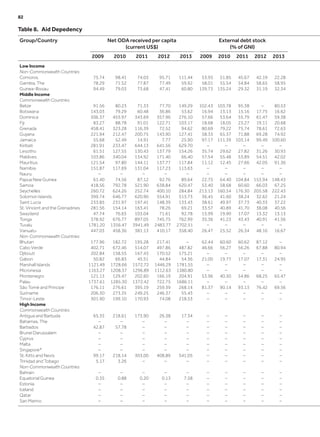
reach about 115 per cent before falling again thanks to
economic recovery and improved fiscal performance
(European Commission 2014a).
The current account deficit was estimated to widen in
2014 to 5.1 per cent of GDP as a result of high imports
of goods and services because of an improved domestic
demand outlook. The deficit is estimated to be stable
during 2015–16 (EIU 2014g) as Cyprus’s economy
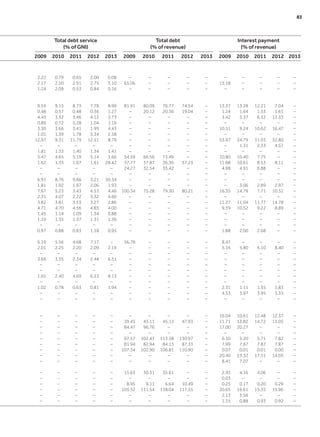
returns to growth thanks to tourism (European
Commission 2014a).
2.3.2 Malta
Real GDP in Malta stood at 2.9 per cent in 2013 (EIU
2014h) and was projected to reach 3 per cent in 2014
and 2.9 per cent in 2015. Large-scale energy projects
were expected to be a major driver of growth in 2014–
15 (European Commission 2014b).
Inflation averaged 1.4 per cent in 2013, down from 2.4
per cent in 2012, as a result of lower global food and
energy prices and subdued domestic demand (EIU
2014h). However, inflation was projected to average 0.7
per cent in 2014 and then gradually increase to 2 per
cent in 2016, driven mainly by stabilisation in energy
prices and a normalisation in food price inflation
(European Commission 2014b).
Malta recorded a worse than predicted fiscal deficit of
2.8 per cent of GDP in 2013 (EIU 2014h). However,
the deficit was estimated to improve marginally in
2014, to 2.5 per cent of GDP. The improvements were
expected to be supported by an increase in current
revenues thanks to the favourable macroeconomic
outlook as well as the revenue measures announced
in the 2014 budget (European Commission 2014b).
The deficit is estimated to increase to 2.6 per cent of
GDP in 2015 because of a capital injection into Air
Malta and then decline to 2.0 per cent of GDP in 2016
thanks to a favourable growth outlook and the end of
public support to Air Malta. Interestingly, the general
government debt-to-GDP ratio increased to 69.8 per
cent in 2013 (European Commission 2014b) and it was
projected to peak at 75.3 per cent in 2014, easing to
72.3 per cent in 2016 (EIU 2014h).
Malta’s current account recorded a surplus of 0.9 per
cent of GDP in 2013 but it was expected to decline
to 0.6 per cent of GDP in 2014. During 2015–16, the
surplus is projected to rise again to an average of 0.9
per cent of GDP (EIU 2014h). Among the driving
factors for the oscillation of the Maltese current
account are the geopolitical tensions which prompted
rounds of sanctions between the EU and Russia in
late July and August 2014. This situation could affect
Malta’s exports, as Russia accounts for 1.9 per cent of
Malta’s total exports. However, a continued increase in
activity in Europe and the USA, and steady demand
from major Asian economies, should offer support to
Malta’s exports of manufactures (EIU 2014h).
2.4  Caribbean small states
2.4.1  Antigua and Barbuda
Tourism in Antigua and Barbuda remains the main
generator of employment and accounts for over 50 per
cent of GDP both directly and indirectly. The industry
has been affected by the global recession, with the
number of international arrivals falling between 2008
and 2009. The IMF (2013a) notes that, during the
crisis, the strong decline in tourism source markets, a
contraction in government services and weakness in
the local banking sector played a part in a severe decline
in real output. It argues that Antigua and Barbuda has
also lost competitiveness in the tourism industry, while
real expenditure per tourist has declined. Nonetheless,
in recent years, numbers have steadily increased once
more and in 2012 they were close to prerecession levels.
The GDP for 2013 stood at US$1.23 billion and annual
GDP growth at 1 per cent for the year. Growth in 2014
was forecast at 2 per cent, with tourism continuing
to recover, although government arrears could slow
growth in some sectors of the economy and undermine
confidence. According to the IMF (2013a), Antigua and
Barbuda’s projected trade balance for 2013 was –37.5
per cent of GDP. Inflation in July 2013 stood at 1.7 per
cent, which is a drop of 1.8 per cent from the rate of 3.5
per cent recorded in July 2012. The government’s fiscal
position deteriorated under the expansionary stance
in the run-up to the elections. For the first six months
of 2014, spending was up 6.6 per cent compared with
the same period in 2013, while tax revenues grew by
3.4 per cent. In the 12-month period July 2013 to June
2014, the primary deficit widened to 1.3 per cent of
GDP compared with a surplus of about 0.6 per cent of
GDP for July 2012 to June 2013 (IMF 2014g).
2.4.2  The Bahamas
The EIU’s 2014 report (EIU 2014i) lists The Bahamas’
current GDP at US$8.4 billion for 2013, compared with
US$8.2 billion for 2012, resulting in a real GDP annual
growth of 0.7 per cent. The IMF (2014h) argues that
growth has been tentative, and while investment has
Country Analysis	 25
improved by 20.6 per cent, as a result of the US$3.5
billion Baha Mar tourist resort, this accounts for a
small percentage of overall growth. Tourism receipts,
which account for a substantial proportion of exports,
declined in late 2012 and early 2013, in part because
of Hurricane Sandy. The hurricane’s estimated damage,
in this time frame, is US$300–400 million, which
represents 3.7–4.9 per cent of GDP (Kunz et al. 2013).
Although historically The Bahamas are badly affected
by tropical storms or hurricanes only intermittently,
the government signed a grant agreement with
the Caribbean Catastrophe Risk Insurance Facility
(CCRIF) for US$85,000 to fund two projects designed
to strengthen damaged coastal defences (CCRIF 2013).
The IMF projected the estimated trade balance for 2013
at –28.7 per cent of GDP. However, inflation has been
forecast to rise to 1.8 per cent as price rises remain
unchanged but base year effects push inflation higher.
The introduction of VAT in 2015 caused inflation to
rise to 2.2 per cent in January as VAT counteracted the
effects of falling oil prices (IMF 2015). Preliminary IMF
data indicate that the fiscal deficit declined in 2013 to 4.5
per cent of GDP from 5.4 per cent in the previous year.
Additionally, they have predicted that the introduction
of VAT may cause the deficit to narrow further to slightly
less than 4 per cent of GDP in the 2014–15 fiscal year.
2.4.3 Barbados
The IMF notes that Barbados’s economic activity is
highly dependent on tourism and offshore businesses
(IMF 2014i). However, the 2008 financial crisis badly
affected Barbados’s economy, which has contracted,
on average, at 0.6 per cent each year since then. Its
economic performance, dependent on the tourism
sector, has been affected by the declining number
of tourists from the UK since 2009. The Barbados
Statistical Service (2014) noted that the rate of inflation
fluctuated over 2014 from 1.82 per cent in January to
1.69 per cent in September before ending the year at
1.89 per cent.
Real GDP for 2013 was US$4.2 billion, which represents
0.2 per cent growth from 2012. The government’s debt
increased from 85.7 per cent of GDP in 2012 to 97.6 per
cent in 2013. Similarly, the fiscal deficit increased to 12.3
per cent of GDP in 2013 and the trade deficit for the first
quarter of 2014 was Bds300 million (EIU 2014j). The
IMF estimated low growth for 2014 with a large fiscal
deficit and high debt burden for the Barbadian economy.
However, some fiscal consolidation has taken place in the
light of these events – namely layoffs, spending cuts and
increased taxation – which, when coupled with the loss
of revenue from a weak economy, will lead to a reduction
in the fiscal deficit of approximately 7 per cent.
2.4.4 Belize
Belize’s real GDP growth dropped to 0.7 per cent in
2013 from 4 per cent in 2012 as a result of declines in oil
production and fragile output in agricultural products.
In the medium term, GDP growth is predicted to reach
2.5 per cent as faltering oil production is boosted by
other sectors (i.e. tourism, construction and other
commodity exports). Similarly, the fiscal deficit stood
at 1.1 per cent of GDP between January and December
2013, with national accounts showing GDP shrinking
by 0.4 per cent in the first quarter of 2014, in part
because of adverse weather (IMF, 2014j).
However, dry weather in 2014 allowed the sugar industry
to recover somewhat, with an extended harvest season.
Belize’s main economic driver since the 1990s has been
theservicesector,whichcontributesaround60percentof
GDP. Interestingly, although it accounts for no more than
10 per cent of GDP, the agricultural sector is responsible
for over 50 per cent of exports, particularly the citrus and
sugar industries. Climatologists have forecast that the
presence of El Niño – a weather phenomenon related to
warming sea surface temperatures in the Pacific Ocean –
in late 2014 could jeopardise agricultural markets and,
potentially, incomes. The full extent of the potential
damage is unclear but the EIU (2014k) believes it is likely
to be a minor episode and has revised its commodity
production predictions accordingly.
2.4.5 Dominica
Dominica’s GDP for 2013, according to the World Bank
(2015), was approximately US$516 million. GDP growth
fell by 1 per cent, continuing the decline seen in 2012.
The IMF (2013b) notes that Dominica is less reliant
on tourism than other East Caribbean countries, and a
higher proportion of its GDP is provided by agriculture
than in its counterparts. Within tourism, the main
componentiscruiseshipvisitors,whichislessprofitable
for the country than stay-over tourism. Between 2008
and 2012, Dominica faced a range of natural disasters
including Hurricanes Dean and Omar as well as severe
flooding that damaged roads and bridges. Any further
severe weather in the future could continue to take its
toll on infrastructure and cause debt to increase as the
government borrows from emergency disaster funding.
2.4.6 Grenada
After almost four years of decline, real GDP grew in
2013 by 1.5 per cent. This increase was attributed to
a resort construction project and a spike in enrolment
at a Grenadian offshore medical school. Other sectors
such as tourism did not fare as well. Tourism was badly
26	 Small States: Economic Review and Basic Statistics
affected by the hurricane of 2004 which devastated
the country, causing damage totalling approximately
150 per cent of GDP. More recently, an increase in the
UK’s air passenger duty has dampened UK arrivals,
which constitute a large percentage of tourists to
Grenada. However, exports of goods have improved as
the production of Grenada’s primary export, nutmeg,
has increased, after the majority of trees were wiped
out by the 2004 hurricane. The fishing industry is also
performing well (IMF 2014k).
The IMF (2014k) has predicted that inflation will
remain at 2 per cent in the medium term. The trade
balance was estimated at –27.3 per cent of GDP in 2013
and was predicted to drop to –23.8 per cent in 2014.
2.4.7 Guyana
The Guyanese Central Bank’s report (Bank of Guyana
2013) notes that in 2013 the Guyanese economy saw
an increase in real economic activity of 5.2 per cent.
This growth was fuelled by increases in all of the major
industries, namely agriculture, mining, services and
manufacturing. The main boost to GDP came from the
services industry, particularly activities in the financial
and insurance sectors, wholesale and retail trade, and
construction, which accounted for over 60 per cent of
GDP.
Inflation was estimated to increase by 0.4 per cent in
2014 compared with the 0.57 per cent decline seen in
2013 (Bank of Guyana 2014). Food and fuel prices were
predicted to increase moderately. Balance of payments
for the first quarter of 2014 stood at a deficit of US$70.3
million, which is a 33.1 per cent increase from the same
periodin2013,whenthedeficitwasUS$52.8million.This
growth was attributed to a lower capital account surplus
and lower unrequited transfers by the Central Bank.
Furthermore, Guyana is benefiting from more favourable
growth as a result of buoyant commodity prices.
2.4.8 Jamaica
The Central Bank of Jamaica’s 2013 annual report (Bank
of Jamaica 2013) noted that there was marginal GDP
growth of 0.2 per cent. The weak domestic demands
conditions seen in 2012 had continued. Despite this
sluggish growth, the IMF (2014l) reports that a gradual
economic recovery from the adverse effects of the
global recession has begun. It was estimated that the
economy grew by 1.6 per cent year on year in the first
quarter of 2014. Over 2013–14 as a whole, growth was
slightly lower, at 0.9 per cent, because of improvements
in the mining, agriculture and tourism industries.
The inflation prediction for 2014–15 has been lowered
to 8 per cent. Additionally, the EIU (2014l) reports that
the Jamaican government achieved a fiscal surplus of
0.1 per cent of GDP for 2013–14 and had a primary
surplus of 7.6 per cent of GDP, exceeding estimates. In
terms of debt, the Central Bank noted that Jamaica’s
total stock of debt grew by 6.9 per cent to J$1,938.2
billion for April to December 2013 compared with 6
per cent for the same time frame in the previous year.
The balance of payments also improved from 2012,
with a decrease in the current account deficit from
12.9 per cent of GDP to 11 per cent for 2013. However,
the performance of exports in 2013 saw reductions
in major traditional exports (such as sugar, which fell
40.3 per cent) and non-traditional exports (such as
ethanol, which dropped by 19.3 per cent) as a result of
unfavourable market conditions.
2.4.9  St Kitts and Nevis
The IMF (2014m) reports that real GDP, which declined
cumulatively by 10 per cent between 2009 and 2012, is
estimated to have grown by 1.7 per cent in 2013. It was
set to accelerate to 2.7 per cent in 2014, supported by
the recovering tourism industry and the construction
sector. The government placed a great deal of emphasis
on improving the GDP contribution of tourism, the
main industry of the economy, by investing in upgrades
to hotels and improvements to airlift capacity. The
strategy appears to be working, as stay-over tourists are
predicted to spend a lot and boost the economy.
In addition, inflation stood at –0.1 per cent in March
2014 year on year, indicating that economic recovery
has picked up since 2013. The total public debt as a
percentage of GDP decreased in the first quarter of
2014 to 91.2 per cent from 104.9 per cent for the same
period in 2013 (IMF 2014n).
2.4.10  St Lucia
The World Bank reported that St Lucia’s annual GDP
growth fell by 0.4 per cent in 2013 (World Bank 2014).
The inflation rate for consumer prices was estimated at
5.3 per cent for 2013 because of the VAT-related steep
increase in prices. However, the IMF (2013c) forecast
that price increases should return to around 3 per cent
after the fourth quarter. It also noted that, between
2009 and 2012, St Lucia avoided a recession during the
global economic crisis. Nonetheless, the country still
suffered from weak growth, which it countered with
strong economic policies. However, as a result, the
overall fiscal deficit widened to 12 per cent of GDP by
the end of 2012 and public debt, similarly, increased to
78 per cent of GDP.
In terms of tourism, St Lucia’s main industry, the total
number of visitors has gradually increased since 2012.
Country Analysis	 27
For 2013, 960,617 visitors were recorded, which is a 3 per
cent increase on the previous year. Although the number
of visitors overall has increased, in the subcategory of
cruise ship calls there has been a steady decline, falling
from 397 in 2009 to 344 in 2013 (ECCB 2014).
2.4.11  St Vincent and the Grenadines
StVincentandtheGrenadineshasexperiencedextreme
weather in the last decade. Five major events since 2010
have caused damage costing more than EC$600 million
or approximately one-third of the country’s GDP. These
events included landslides and flooding in 2011 and
Hurricane Tomas in 2010. A regional climate centre
is due to be established in the Caribbean, designed to
help understand and better predict climate impact,
but more extreme weather remains a real risk for the
country (Brown 2014).
The IMF (2014o) reports that, after three years of
decline which started with the 2008 recession, St
Vincent and the Grenadines is gradually recovering.
Its main economic drivers – tourism, remittances and
FDI – all suffered as a result of the global recession
and the extreme weather events mentioned above.
The 2011 real GDP growth rate was 0.4 per cent. This
rate increased to 1.5 per cent in 2012 and 2 per cent in
2013 and is estimated to be 1.1 per cent for 2014 as a
result of increased work in different sectors including
construction, manufacturing and education (IMF
2014p). At the end of 2013, the government had a
public debt burden that was 67 per cent of GDP. This
figure represents an increase from the IMF’s growth
estimates of 57.6 per cent and 58.4 per cent of GDP
in 2011 and 2012 respectively. Inflation fell to 0.3 per
cent at the end of October 2011 but was estimated to
have increased to 2.5 per cent in 2013 as international
commodity prices stabilised.
2.4.12  Trinidad and Tobago
Trinidad and Tobago’s central bank (2014) reports
that real GDP grew by 2.1 per cent year on year in the
fourth quarter of 2013. This rate indicates a recovery
from the 0.4 per cent decline noted in the third quarter
of 2013. Overall, the EIU (EIU 2014m) notes that GDP
growth achieved a five-year high of 1.6 per cent in 2013.
Furthermore, demand is strengthening, highlighted by
the improvement of construction indicators.
Although Trinidad and Tobago is an energy exporter,
the country’s economic activity in 2013 was boosted
mostly by the non-energy sector, in particular financial
services (IMF 2014q). However, this trend was reversed
in the last quarter of 2013 as activity in the energy
sector increased by 2.4 per cent, while growth in the
non-energy sector stood at 1.9 per cent in total. Core
inflation in April 2014 was 2.6 per cent, which is a
decline from the previous month’s record of 2.5 per cent.
References
ADB (2014a), ‘Fiji: economy’, available at: http://
www.adb.org/countries/fiji/economy (accessed 03
October 2014).
ADB (2014b), ‘Asian development outlook 2014:
Fiji’, available at: www.adb.org/sites/default/files/
publication/31241/ado2014-fiji.pdf (accessed 03
October 2014).
ADB (2014c), ‘Asian development outlook 2014: small
island economies’, available at: www.adb.org/
sites/default/files/publication/31241/ado2014-
small-island-economies.pdf (accessed 03 October
2014).
ADB (2014d), ‘Asian development outlook 2014:
Maldives’, available at: www.adb.org/sites/default/
files/publication/31241/ado2014-maldives.pdf
(accessed 03 October 2014).
ADB (2014e), ‘Asian development outlook 2014: Papua
New Guinea’, available at: www.adb.org/sites/
default/files/publication/31241/ado2014-png.pdf
(accessed 03 October 2014).
ADB (2014f), ‘Asian development outlook 2014: South
Pacific economies’, available at: www.adb.org/sites/
default/files/publication/31241/ado2014-south-
pacific-economies.pdf (accessed 03 October 2014).
ADB (2014g), ‘Asian development outlook 2014:
Solomon Islands’, available at: www.adb.org/
sites/default/files/publication/31241/ado2014-
solomon-islands.pdf (accessed 03 October 2014).
ADB (2015), ‘Nauru: economy’, available at: www.
adb.org/countries/nauru/economy (accessed 03
October 2014).
AfDB (2014a), ‘Mauritius economic outlook’, available
at: www.afdb.org/en/countries/southern-africa/
mauritius/mauritius-economic-outlook/ (accessed
October 2014).
AfDB (2014b), ‘Swaziland economic outlook’,
available at: www.afdb.org/en/countries/southern-
africa/swaziland/swaziland-economic-outlook/
(accessed 03 October 2014).
Bank of Botswana (2013), ‘Annual report’, Bank
of Botswana, Gaborone, available at: www.
bankofbotswana.bw/assets/uploaded/2013percent
20ARpercent20BoBpercent20Mainpercent20Rep.
pdf (accessed 03 October 2014).
Bank of Guyana (2013), ‘Annual report 2013’, Bank of
Guyana,Georgetown,availableat:www.bankofguyana.​
org.gy/bog/images/Reports/ANNREP2013.pdf
(accessed 25 September 2014).
Bank of Guyana (2014), ‘Quarterly report &
statistical bulletin 2014 Q1, vol. 8. no. 1’, Bank
28	 Small States: Economic Review and Basic Statistics
of Guyana, Georgetown, available at: http://
www.bankofguyana.org.gy/bog/images/Reports/
Mar2014.pdf (accessed 22 September 2014).
Bank of Jamaica (2013), ‘Annual report’, Bank of
Jamaica, Kingston, available at: www.boj.org.jm/
uploads/pdf/boj_annual/boj_annual_2013.pdf
(accessed 23 September 2014).
Bank of Namibia (2014), ‘Economic outlook: July 2014’,
available at: www.bon.com.na/CMSTemplates/
Bon/Files/bon.com.na/b3/b3606770-d470-44ad-
97e3-2f1e3d2407bd.pdf (accessed 03 October
2014).
Barbados Statistical Service (2014), ‘General statistics
section 1, Central Bank of Barbados online
statistics’, available at: data.centralbank.org.bb/
General Statistics.aspx (accessed 27 February
2015).
Brown, D (2014), ‘Climate change an “existential
threat” for the Caribbean’, InterPress Service
News Agency, available at: www.ipsnews.
net/2014/09/​climate-change-an-existential-
threat-for-the-caribbean/?utm_source=rss&utm_
medium=rss&utm_campaign=climate-change-an-
existential-threat-for-the-caribbean (accessed 25
September 2014).
CCRIF (2013), ‘Semiannual report, June–November
2013’, available at: www.ccrif.org/sites/default/
files/publications/CCRIF_Semiannual_Report_
June_November_2013.pdf (accessed 12 September
2014).
Central Bank of Cyprus (2013), ‘Economic bulletin’,
Central Bank of Cyprus, Nicosia, available at: www.
centralbank.gov.cy/media/pdf/ENG_EB_JUN13_
V2.pdf (accessed 3 October 2014).
CentralBankofTrinidadandTobago(2014),‘Summary
economic indicators, March 2014’, Central Bank
of Trinidad and Tobago, Port of Spain, available
at: www.central-bank.org.tt/sites/default/files/
SEIBpercent20MARpercent202014.pdf (accessed
13 September 2014).
ECCB(2014),‘SaintLucia,annualtourismdata’,Eastern
Caribbean Central Bank, Basseterre, available at:
www.eccb-centralbank.org/Statistics/ (accessed 13
September 2014).
EIU (2014a), Country Report: Botswana, Economist
Intelligence Unit, London.
EIU (2014b), Country Report: Lesotho, Economist
Intelligence Unit, London.
EIU (2014c), Country Report: Mauritius, Economist
Intelligence Unit, London.
EIU (2014d), Country Report: Namibia, Economist
Intelligence Unit, London.
EIU (2014e), Country Report: Seychelles, Economist
Intelligence Unit, London.
EIU (2014f), Country Report: Swaziland, Economist
Intelligence Unit, London.
EIU (2014g), Country Report: Cyprus, Economist
Intelligence Unit, London.
EIU (2014h), Country Report: Malta Economist
Intelligence Unit, London.
EIU (2014i), Country Report: Bahamas, Economist
Intelligence Unit, London.
EIU (2014j), Country Report: Barbados, Economist
Intelligence Unit, London.
EIU (2014k), Country Report: Belize, Economist
Intelligence Unit, London.
EIU (2014l), Country Report: Jamaica, Economist
Intelligence Unit, London.
EIU (2014m), Country Report: Trinidad and Tobago,
Economist Intelligence Unit, London.
European Commission (2014a), ‘Cyprus: adjustment
continues as the economy nears a trough’, available
at: http://ec.europa.eu/economy_finance/eu/
forecasts/2014_autumn/cy_en.pdf (accessed 3
October 2014).
European Commission (2014b), ‘Malta: smooth sailing
in choppy waters’, available at: http://ec.europa.
eu/economy_finance/eu/forecasts/2014_autumn/
mt_en.pdf (accessed 3 October 2014).
IMF (2013a), ‘Antigua and Barbuda staff report for
the 2012 Article IV consultation’, IMF country
report no. 13/76, IMF, Washington, DC, available
at: www.imf.org/external/pubs/ft/scr/2013/cr1376.
pdf (accessed 23 September 2014).
IMF (2013b), ‘Dominica: 2012 Article IV consultation’,
IMF country report no. 13/31, IMF, Washington,
DC, available at: www.imf.org/external/pubs/
ft/scr/2013/cr1331.pdf (accessed 14 September
2014).
IMF (2013c), ‘IMF Executive Board concludes 2012
Article IV consultation with St. Lucia’, public
information notice no. 13/27, IMF, Washington,
DC, available at: www.imf.org/external/np/sec/
pn/2013/pn1327.htm (accessed 10 September
2014).
IMF (2014a), ‘Botswana: 2014 Article IV consultation –
staff report; and press release’, IMF, Washington,
DC, available at: https://www.imf.org/external/
pubs/ft/scr/2014/cr14204.pdf (accessed 3 October
2014).
IMF (2014b), ‘Kingdom of Lesotho: 2014 Article
IV consultation – staff report; press release; and
statementbytheExecutiveDirectorfortheKingdom
of Lesotho’, IMF, Washington, DC, available at:
www.imf.org/external/pubs/ft/scr/2014/cr14201.
pdf (access 3 October 2014).
IMF (2014c), ‘IMF Executive Board concludes 2014
Article IV consultation with Brunei Darussalam’,
Country Analysis	 29
available at: www.imf.org/external/np/sec/pr/2014/
pr14335.htm (accessed July 2014).
IMF (2014d), World Economic Outlook: Legacies,
Clouds, Uncertainties, IMF, Washington, DC.
IMF (2014e, August 6), ‘IMF Executive Board
concludes 2014 Article IV consultation with Tonga’,
press release no. 14/386, available at: www.imf.org/
external/np/sec/pr/2014/pr14386.htm (accessed
August 2014).
IMF (2014f), ‘Cyprus: 2014 Article IV consultation –
staff report; press release; and statement by the
Executive Director for Cyprus’, IMF, Washington,
DC, available at: www.imf.org/external/pubs/ft/
scr/2014/cr14313.pdf (accessed 3 October 2014).
IMF (2014g), ‘Statement at the conclusion of an IMF
mission to Antigua and Barbuda’, press release no.
14/411, IMF, Washington, DC, available at: www.
imf.org/external/np/sec/pr/2014/pr14411.htm
(accessed 22 September 2014).
IMF (2014h), ‘The Bahamas: 2013 Article IV
consultation – staff report; press release’, IMF
country report no. 14/75, IMF, Washington, DC,
available at: https://www.imf.org/external/pubs/ft/
scr/2014/cr1475.pdf (accessed 8 September 2014).
IMF (2014i), ‘Barbados: 2013 Article IV consultation’,
IMF country report no. 14/52, IMF, Washington,
DC, available at: www.imf.org/external/pubs/ft/
scr/2014/cr1452.pdf (accessed 23 September 2014).
IMF (2014j), ‘Belize: 2014 Article IV consultation –
staff report; press release’, IMF country report no.
14/280, IMF, Washington, DC, available at: www.
imf.org/external/pubs/ft/scr/2014/cr14280.pdf
(accessed 14 September 2014).
IMF(2014k),‘Grenada:2014ArticleIVconsultationand
request for an extended credit facility arrangement –
staff report and press release’, IMF country report
no. 14/196, IMF, Washington, DC, available at:
www.imf.org/external/pubs/ft/scr/2014/cr14196.
pdf (accessed 20 September 2014).
IMF (2014l), ‘Jamaica: 2014 Article IV consultation and
fourth review under the extended arrangement
under the extended fund facility and request for
modification of performance criteria – staff report;
press release; and statement by the Executive
Director for Jamaica’, IMF country report no.
14/169, IMF, Washington, DC, available at: www.
imf.org/external/pubs/ft/scr/2014/cr14169.pdf
(accessed 23 September 2014).
IMF (2014m), ‘St. Kitts and Nevis: 2014 Article IV
consultation and the seventh and eighth reviews
under the stand-by arrangement and request for
waivers of applicability and non-observance of
performance criterion – staff report; press releases’,
IMF country report no. 14/86, IMF, Washington,
DC, available at: www.imf.org/external/pubs/ft/
scr/2014/cr1486.pdf (accessed 27 September 2014).
IMF (2014n), ‘St. Kitts and Nevis: ninth and final review
under the stand-by arrangement, request for waiver
of non-observance of performance criterion, and
proposalforpost-programmonitoring’,IMFcountry
report no. 14/297, IMF, Washington, DC, available
at: www.imf.org/external/pubs/ft/scr/2014/cr14297.
pdf (accessed 30 September 2014).
IMF (2014o), ‘St. Vincent and the Grenadines: 2012
Article IV consultation’, IMF country report no.
14/251, available at: www.imf.org/external/pubs/ft/
scr/2014/cr14251.pdf (accessed 2 December 2014).
IMF (2014p), ‘St. Vincent and the Grenadines: concluding
statement of the 2014 Article IV mission’, IMF,
Washington, DC, available at: www.imf.org/external/
np/ms/2014/120114.htm(accessed1December2014).
IMF (2014q), ‘Trinidad and Tobago: 2014 Article
IV consultation – staff report; press release; and
statement by the Executive Director for Trinidad
and Tobago’, IMF country report no. 14/271,
IMF, Washington, DC, available at: www.imf.org/
external/pubs/ft/scr/2014/cr14271.pdf (accessed
23 September 2014).
IMF (2015), ‘IMF Mission Concludes Article IV
Mission to the Bahamas’, IMF press release
no.15/143, IMF, Washington, DC, available at:
www.imf.org/external/np/sec/pr/2015/pr15143.
htm (accessed 29 June 2015)
Kunz, M et al. (2013), ‘Investigation of superstorm
Sandy 2012 in a multi-disciplinary approach’,
Natural Hazards and Earth System Sciences, Vol.
13, available at: www.nat-hazards-earth-syst-
sci.net/13/2579/2013/nhess-13-2579-2013.pdf
(accessed 10 September 2014).
MaldivesMonetaryAuthority(2013),AnnualEconomic
Review 2013, Maldives Monetary Authority (Male).
Nseera, E and A Bhatia (2014, August 29), ‘Lesotho’,
available at: www.africaneconomicoutlook.org/
en/countries/southern-africa/lesotho/ (accessed 4
October 2014).
Reserve Bank of Fiji (2014), ‘Quarterly review’,
Reserve Bank of Fiji, Suva, available at: www.rbf.
gov.fj/getattachment/Publications-(1)/Quarterly-
Reviews/RBF-Quarterly-Review-June-2014.pdf.
aspx (accessed 4 October 2014).
World Bank (2014), ‘Economy and region specific
forecasts and data’, World Bank, Washington, DC,
available at: www.worldbank.org/en/publication/
global-economic-prospects/data?region=LAC
(accessed 14 September 2014).
World Bank (2015), ‘Dominica’, World Bank,
Washington DC, available at: data.worldbank.org/
country/dominica (accessed 29 June 2015)
30	 Small States: Economic Review and Basic Statistics
Chapter 3
ODA and Development Financing in SIDS Post 2015
Travis Mitchell
3.1 Summary
The December 2014 High-Level Meeting of the
Organisation for Economic Co-operation and
Development (OECD) DAC voted to increase the level
of assistance to vulnerable countries. The meeting
specified ‘vulnerable countries’ as least developed
countries (LDCs), SIDS, landlocked developing
countries (LLDCs) and fragile and conflict states. This
landmark decision was made following a two-year
OECD-DAC reform exercise to devise a post-2015
plan of support for the United Nations (UN) agenda on
sustainable development and to modernise the DAC
statistical framework.
The emphasis was on:
•	 Improving the measurement of loan concessionality
by revising reporting requirements for ODA;
•	 Investigating the treatment of market instruments
in ODA;
•	 Introducinganewmeasure(totalofficialsupportfor
development) to help monitor donors’ (including
DAC/OECD countries) full contributions to
development.
DAC members also recommitted to meeting their
UN Millennium Development Goals (MDGs) ODA
targets (0.7% of GNI as ODA to developing countries
and 0.15–0.20% of GNI as ODA to LDCs) and voted
for safeguards to ensure that low-income countries
(LICs) achieve debt sustainability. On the issue of
concessionality DAC members decided on a risk-
adjusted measurement system to compensate donors
for lending to less credit-worthy countries, while
incentivising the provision of highly concessional loans
to LDCs.
These decisions are of major significance for SIDS,
which are mostly middle-income and have limited
access to needed concessional resources. SIDS are not
generally eligible for concessional windows, including
at the IMF, World Bank and some regional development
banks. The majority of SIDS continue to be eligible for
OECD-DAC bilateral assistance but over the past four
decades, aid has been largely stagnant and the volume
relatively small.
Thus, for SIDS, the new commitment has raised a
number of questions, especially given the shrinking
pot of global income. What will be the impact of the
DAC commitments on future development financing
in SIDS? Who will provide the extra financing and
which SIDS are more likely to benefit? On the statistical
changes, SIDS will wonder if any benefits will accrue
from the introduction of the new risk-adjusted grant
equivalent measurement system and the incentives to
increase loan concessionality. This chapter attempts to
shed light on these key questions.
UsingtheOECD-DAC2014SurveyonDonors’Spending
Plans, the chapter concludes that if DAC members are
to meet their commitment to expand assistance to SIDS,
disbursements to SIDS between 2015 and 2017 will
have to be substantial. This is because ODA to SIDS is
projected to fall by approximately 2.4 per cent during this
period.1 The outcome will largely depend on the volume
of expansion by SIDS’ main donor partners (Australia,
France, New Zealand, Japan, USA, Spain and Portugal)
and whether there is a major reorientation of ODA to
SIDS in the Caribbean. The data on SIDS’ development
financing trends and on donors’ medium-term
expenditure suggest that unless there is a reorientation
of ODA to SIDS in the Caribbean, as a group SIDS are
unlikely to see a substantive increase in ODA, post
2015.
In the event of an increase in ODA to SIDS, benefits
are more likely to accrue to SIDS in the Africa and
Pacific regions, to which France and Australia are the
main providers. Specifically, the SIDS-LDCs in these
regions (namely, Comoros, Guinea-Bissau, São Tomé
and Príncipe, and Timor Leste in Africa and Kiribati,
Solomon Islands, Tuvalu and Vanuatu in the Pacific)
will stand to gain the greatest benefits in light of the
DAC recommitment to provide ODA specifically to
LDCs and its general commitment to increase ODA
for vulnerable countries. Moreover, the other reforms
	 31
aimed at improving concessional financing (grant
equivalentmeasurementsystem,risk-adjusteddiscount
rates and increased grant element requirements) are
also mainly LDC-targeted.
However, these other reforms will have limited benefit
for the majority of SIDS mainly because of their income
status and because they normally received the bulk of
their aid financing through grant resources. Only a few
SIDS – Jamaica, Dominican Republic, Mauritius and
Cape Verde – have benefited from OECD-DAC loan
financing.
3.2 Introduction
In the run up to the July 2015 Third International
Conference on Financing for Development (FFD), the
UN’s preparatory process is geared towards achieving
agreement on a financing framework that can
adequately support implementation of the sustainable
development goals (SDGs).
What is interesting is that, on this occasion, the UN
FFD Conference will precede the adoption of the
development agenda. Previously, the development
agenda was set and then countries discussed how to
raise the necessary financing. The flip has been game
changing as it means that the outcomes of the UN FFD
process will, in effect, determine the ambition of the
adopted SDGs.
For this reason, the UN has been adamant about the
importance of increasing the scale of development
financingthroughin-countryeffortsatdomesticresource
mobilisation as well as the international community’s
efforts to harness private-sector investment. The UN
has also been clear that maintaining adequate levels of
internationalpublicassistance,thetraditionalworkhorse
of development financing, would be crucial.
It is in this latter context that the recent OECD-DAC
High-Level Committee agreements on its ODA reform,
is particularly relevant.
On 16 December 2014, the OECD-DAC High-Level
Committee held its pivotal meeting on post-2015
ODA reform. Of particular significance was the
DAC agreement to increase the level of assistance
to vulnerable countries, specifically LDCs, SIDS,
LLDCs and fragile and conflict affected states. This
was a remarkable achievement, because it marked the
first time that DAC donors committed to allocating
financial resources based on a country’s vulnerability.
Allocation of ODA, as in the wider international
architecture, has normally been based on income
status, with the majority of ODA flowing to the lowest
income countries. SIDS, LLDCs and fragile and conflict
affected states, while vulnerable, are of varying income
capacities, ranging from high-income to low-income
classifications.
At the high-level meeting, the DAC also recommitted
to achieving the MDG targets – 0.7 per cent of GNI
as ODA to developing countries and 0.15 per cent to
0.20 per cent of GNI as ODA to LDCs – and voted
for safeguards to ensure debt sustainability of LICs.
DAC members further agreed to make major changes
to ODA, including introducing a risk-adjusted
measurement system and replacing the current OECD-
DAC discount rate to improve the measure of, and
incentives around, loan concessionality.
Although very welcomed, the adopted reforms have
prompted a number of questions from vulnerable
countries, particularly SIDS, which have received the
leastamountoftheDACdevelopmentfinancing(Figure
3.1). What is the expected impact of the new DAC
commitment? Who will provide the extra financing?
Which SIDS are most likely to benefit? What are the
Figure 3.1  ODA by vulnerable group (US$, millions)
0
10000
20000
30000
40000
50000
1960
1962
1964
1966
1968
1970
1972
1974
1976
1978
1980
1982
1984
1986
1988
1990
1992
1994
1996
1998
2000
2002
2004
2006
2008
2010
HIPC Landlocked
Small island developing states Fragile states
32	 Small States: Economic Review and Basic Statistics
implications of the new risk-adjustment measurement
system? And, what are the benefits to be gained from
incentives to increase loan concessionality?
This chapter sheds light on these key questions.
It elaborates on the DAC reform, providing some
background on the Committee’s motivation, as well
as an understanding of its decisions and the specific
implications of those decisions (Section 3.3). Having
established the particular relevance to SIDS, Section
3 analyses the development financing trends in SIDS.
This section also looks at broad trends in ODA, SIDS
ODA dependence, aid composition, and major donor
partners. In Section 4, the evidence drawn from this
analysis is combined with information from the DAC’s
2014 Survey on Donors’ Forward Spending Plans to
address the questions raised above.
3.3  DAC High-Level Committee
decisions on post-2015 ODA reform
3.3.1  OECD-DAC mandates
In December 2014, after months of consultations with
developing countries and international development
andfinancialinstitutions,includingtheCommonwealth
Secretariat, the DAC Secretariat put forward a number
of proposals for adoption by the DAC High-Level
Committee.
The proposals were developed in response to the
following DAC mandates to the DAC Secretariat in
December 2012:2
Devise an adequate allocation mechanism to
ensure that ODA goes where it is needed most. This
mandate arose from concern over an increasing trend
in allocating aid to lower-middle-income countries
(LMICs) above that provided to LDCs, which are
poor and have no access to markets (Figure 3.2). The
challenge for the DAC has been to adequately safeguard
ODA for LDCs without neglecting support for other
low-income countries – SIDS, LLDCs and fragile and
conflict-affected states.
Establish a clear and concise definition of
‘concessionality’ to prevent mixed interpretations
and perverse lending incentives. The OECD’s loose
definition of ‘concessionality’ has led to mixed
interpretations of ODA that is consistent with donor
profit making. In the current system, a development
loan must contain a grant element of at least 25 per
cent to be counted as concessional and to be recorded
in ODA. With the low interest rate environment and
an OECD discount rate (10%) that is out of line with
prevailing market conditions, grant elements have been
over-estimated, allowing donors to lend at fairly high
interest rates while still being able to report these loans
asODA(seeelaborateddefinitioninAppendix3.1).The
OECD methodology of reporting development loans
at their gross face values in ODA has raised important
questions on the reporting strategy, particularly
when comparing the budgetary effort involved in
providing loans versus the effort in providing grants.
Development loans are currently recorded in ODA at
gross face values once the 25 per cent grant element
requirement is met. This practice has been criticised
given that donors can provide loans simply by
mobilising funds on the capital market – funds they
can raise at low costs and on lend at a profit, while still
recording the transaction as ODA. In contrast, grants
are raised from the donor’s own resources. Hence the
budgetary effort in providing loans, as represented by
gross face values, does not equate to the budgetary
effort in providing grants. The DAC Secretariat was
asked to devise a reporting system that would allow for
a fairer comparison of the budgetary effort involved in
providing loans and grants.
Figure 3.2  ODA by income category (US$, millions)
0
5000
10000
15000
20000
25000
30000
35000
40000
45000
1960
1962
1964
1966
1968
1970
1972
1974
1976
1978
1980
1982
1984
1986
1988
1990
1992
1994
1996
1998
2000
2002
2004
2006
2008
2010
2012
LDCs OLICs LMICs UMICs HICs
Source: OECD-DAC Database
ODA and Development Financing in SIDS Post 2015	 33
Investigate the recording of market instruments in
ODA given its relevance to crowding-in investments
from the private sector. The provision of ODA has
been decreasing relative to private finance, reflecting
the evolving financing landscape as well as the donor
challenges in providing ODA (Figure 3.3). To take
advantage of this trend, the DAC has been working on
strategies that would facilitate the leveraging of ODA in
a way that could further maximise the potential from
privatesectorinvestment.TheDACseesthisasimportant
on the grounds that a greater scale of development
financing will be needed to incentivise an ambitious
development agenda. Although several institutions are
already involved in this, the issue for the DAC has been
how to capture the use of market instruments in ODA.
For example, in the current system, public guarantees
provided by donors to support the provision of loans
from the private sector are only recognised as ODA
when those guarantees are called upon. This has been a
disincentive for donors because the funds ring-fenced to
cover the eventuality of loan default presents significant
opportunity costs. Some donors have argued that the
funds generated through public guarantees should
count as ODA, mainly because a public guarantee is an
implicit subsidy that reduces the costs of lending for the
borrower by reducing the risk premium.
Establish a measure of total official support for
development (TOSD). Owing to the expanding and
diverse financing landscape, DAC members mandated
the DAC Secretariat to introduce a measure that could
capture development flows more broadly and also help
to incentivise financing for global enablers such as
peace and security.
3.3.2  TheDACHigh-LevelCommitteedecisions
Ensuring ODA goes to countries that need it most:
DAC members recommitted to providing 0.7 per cent
of GNI as ODA to developing countries and committed
to allocate more ODA to LDCs, LICs, SIDS, LLDCs
and fragile and conflict states. Members agreed to
recommit to providing between 0.15 per cent and 0.20
per cent of their GNI as ODA to LDCs, although they
offered no specifics on the commitment to SIDS and
other vulnerable countries. Instead, targeting those
countries most in need would be based on collective
and individual efforts, and take into account donors’
specific circumstances and previous commitments.
Establishing a clear and concise definition of
‘concessionality’: To make it easier to compare the
‘budgetary effort’ involved in providing loans with
that of providing grants, DAC members agreed to the
introduction of a grant equivalent system for the purpose
ofcalculatingODAfigures.3 Inthenewsystem,ratherthan
counting the gross value of development loans as ODA,
the DAC will now recognise only a loan’s grant equivalent,
which essentially is the grant portion of a concessional
loan calculated on the stipulated discount rate.
The discount rate used in these grant element calculations
will no longer be the 10 per cent OECD reference rate. The
DACagreedtotheintroductionofdifferentiateddiscounts
rates (DDRs) to better account for risks and to incentivise
lending to the poorest. The DDRs will consist of a base
factor, which will be the IMF discount rate (currently 5%
and closer to market conditions) and an adjustment factor
of1percentforuppermiddle-incomecountries(UMICs),
2 per cent for LMICs and 4 per cent for LDCs and other
LICs, respectively. For example, when lending to LDCs,
donorswillapplyadiscountrateof9percent(5%+ 4%)to
calculate the loan’s effective grant element.
Members cautioned that because the costs of
risk should not be double counted, the change of
measurement system would require modifications to
the DAC reports on debt relief, bearing in mind the
Figure 3.3  Total resource flows by modality (1960–2013, US$ millions)
-50000
0
50000
100000
150000
200000
250000
300000
350000
400000
1960
1962
1964
1966
1968
1970
1972
1974
1976
1978
1980
1982
1984
1986
1988
1990
1992
1994
1996
1998
2000
2002
2004
2006
2008
2010
2012
ODA OOF Private
Source: OECD-DAC Database
34	 Small States: Economic Review and Basic Statistics
past need to encourage debt relief initiatives such as the
Highly Indebted Poor Country (HIPC) Initiative and
Multilateral Debt Relief Initiative (MDRI).
With respect to grant element requirements, members
agreed on a proposal to report only the following as
ODA: loans to LDCs with a grant element of at least
45 per cent; a grant element of 15 per cent for loans to
LMICs; and, 10 per cent for loans to UMICs. Here the
aim was to incentivise lending to LDCs and LICs on
highly concessional terms.4
Addressing debt sustainability risks: To further reduce
the risks to debt sustainability, DAC members voted to
report as ODA only those loans that are consistent with
the IMF’s debt limits policy and/or the World Bank’s
non-concessional borrowing policy (NCBP). This
was agreed to prevent over-borrowing in the case of
LICs and to ensure that lenders consider risks to debt
sustainability when lending to these countries.
The IMF uses the debt limits policy as guidance for
lending to LICs. It requires that loans are consistent
with the risk of debt distress as well as with LICs
institutional capacity. In the worse case scenario,
where a LIC has a high risk of debt distress and poor
institutional capacity, the IMF requires a grant element
of at least 35 per cent. The OECD is now even stricter
than the IMF on debt sustainability, requiring a grant
element of 45 per cent in loans to LICs and LDCs.
The recording of risk mitigating and market
instruments in ODA: On the issue of market
instruments, the DAC Secretariat was mandated to
undertake further work to reflect in ODA the effort
of the official sector in catalysing private sector
investment for development. To fulfil this mandate the
DAC Secretariat will undertake an investigation into
the institutional and instrument-specific approaches
that have been developed by members and others.
Establishing a measure of total official
support for development
The DAC Secretariat will continue its work to develop
a measure of TOSD to complement and not replace
ODA. TOSD is expected to cover the totality of
resource flows extended to developing countries and
multilateral institutions originating from official
sources, regardless of the types of instruments used
and associated terms.
3.4  Development financing in SIDS and
major OECD donor partners
The most important of the DAC decisions on SIDS
is the commitment by members to increase their
ODA financing. This is because SIDS benefit least
from the  DAC’s bilateral assistance and because of
the dearth of accessible concessional resources to
advance their development. As a first step towards
understanding how the DAC expansion is likely to
be achieved, where the funds are likely to come from
and who will benefit, the chapter now takes a look
at SIDS characteristics, the historical trends in ODA
and their major donors.
3.4.1  Development financing
The majority of the world’s SIDS (35 of 53) are still
eligible to receive OECD-DAC bilateral assistance, and
within the Commonwealth all SIDS (with the exception
of Anguilla,5 The Bahamas, Barbados, St Kitts and
Nevis, Singapore and Trinidad and Tobago) are eligible
to receive ODA financing (Table 3.1).
Therefore, the challenge for SIDS has not generally
been their eligibility for ODA financing, but more that
ODA disbursements have either been non-existent
or relatively small. By contrast, bilateral assistance to
fragile and conflict-affected states, HIPCs and LLDCs
has been expanding (Figure 3.1).
In fact, SIDS are actually among the countries in the
world that are most dependent on ODA. The most ODA
dependent of them are located in the Pacific region. In
2012, the ratio of ODA to GDP for the Solomon Islands
was estimated at 40 per cent of its total income, which
was similar to ratios held in Tuvalu and the Marshall
Islands. On average, the vast majority of SIDS in 2012
exhibited ODA dependence ratios ranging between 5
per cent and 20 per cent.
Over the period 1960–2013, 87.1 per cent of ODA
financing to SIDS have been grants. Only 12.3 per cent
of ODA to SIDS has been in the form of loan financing
andthisislargelyunderpinnedbyloanproceedstoafew
countries (Cape Verde, Dominican Republic, Jamaica
and Mauritius). When these outliers are subtracted
from the loan portfolio, the actual proportion of loans
in ODA to SIDS falls to a meagre 1 per cent. The outliers
on the grants side, Haiti and Papua New Guinea, have
benefited from very large injections. The spike in Haiti’s
grant receipts is explained by the influx of funds to
global relief efforts established in the wake of the 2009
earthquake to assist with the country’s rehabilitation,
whereas Papua New Guinea has received significant
assistance with governance and institutional building
(Figures 3.5 and 3.6).
3.4.2  Major partners
Between 2008 and 2012, based on total ODA volumes,
AustraliaandtheUnitedStateswerethemajordonorsto
ODA and Development Financing in SIDS Post 2015	 35
SIDS. Together, aid from these two countries accounted
for more than 50 per cent of the total support to SIDS.
France, Japan, Portugal and Spain provided the other
50 per cent.
A breakdown by SIDS and average maximum
contributions from donor partners over the period
gives a different picture. At this level of disaggregation,
the USA does not factor as a major donor to SIDS.
This is because the US contributions have been heavily
concentrated in Haiti and its funding in other countries
and regions (Guyana, Palau, Marshall Islands and
Micronesia) has not been nearly as significant.
According to the disaggregated data, Australia is actually
SIDS’majordonorpartnerbutittoohasaconcentration,
in this case, in the Pacific region. New Zealand also
provides valuable support but is not a major partner to
SIDS, except for the Cook Islands and Niue.
France, Japan and Portugal provide ODA to a number
of countries in the Caribbean, Asia-Pacific and African
regions but the volumes are not substantial. Japan
is most active in the Caribbean, whereas France and
Portugal contribute most to Africa. Canada and the
UK are not among the major partners (Figure 3.7).
With respect to multilateral donors,7 the EU is by far
the most important partner to SIDS, with a presence
in almost all island countries. On the other hand,
limited access to concessional resources means
that the World Bank, ADB and Inter-American
Development Bank (IDB) are also not major partners
(Figure 3.8).
Table 3.1  List of OECD-DAC donors and SIDS recipients6
OECD-DAC Donors OECD-DAC Recipients 2014–16 (SIDS)
Australia Greece Poland Antigua Haiti Samoa
Austria Iceland Portugal Belize Jamaica São Tomé and
Príncipe
Belgium Ireland Slovak Rep. Cape Verde Kiribati Seychelles
Canada Italy Slovenia Comoros Maldives Solomon Islands
Czech Republic Japan Spain Cook Islands Marshall Islands St Lucia
Denmark Korea Sweden Cuba Mauritius St Vincent and
the Grenadines
EU Luxembourg Switzerland Dominica Micronesia Suriname
Finland Netherlands United Kingdom Dominican
Republic
Montserrat Timor-Leste
France New Zealand USA Fiji Nauru Tonga
Germany Norway Grenada Niue Tuvalu
Guinea-Bissau Palau Vanuatu
Guyana Papua New
Guinea
Source: OECD-DAC Database
Figure 3.4  ODA dependence in developing countries (ODA/GDP %)
Cape Verde
Comoros
Eritrea
Gambia
Guinea Guinea-Bissau
Lesotho Mauritania
MauriƟus
Sao Tome & Principe
SeychellesSwaziland
Togo
AnƟgua and Barbuda
Dominica
HaiƟ
St KiƩs-Nevis
Guyana
Suriname
Bhutan
Maldives
Timor-Leste
Fiji
KiribaƟ
Marshall Islands
Micronesia, Fed.
States
Palau
Papua New Guinea
Samoa
Solomon Islands
Tonga
Tuvalu
Vanuatu
-
5.0
10.0
15.0
20.0
25.0
30.0
35.0
40.0
45.0
50.0
Source: OECD-DAC Database
36	 Small States: Economic Review and Basic Statistics
In terms of the composition of their disbursements
to SIDS, the major partners have provided just over
4 per cent of ODA for debt relief, 11 per cent for
humanitarian aid, roughly 24 per cent for other
unallocated in-country activities and 61 per cent as
cash flows or country programmable aid (CPA). The
partners that have been particularly keen on CPA
disbursements are Portugal (92%), Japan (82%) and
Australia (72%) (Table 3.2).
3.5  The future of ODA in SIDS
Having established the motivations of the DAC reform
and the trends in SIDS development financing above,
the information will now be used in conjunction with
the 2014 DAC Survey on Donors’ Forward Spending
Plans to answer the chapter’s stated questions.
The DAC 2014 survey covers the period 2014 to 2017. It
seeks to help the international community better assess
the prospects for meeting aid commitments and to flag
potential gaps in aid provision (Ericsson and Steensen
2014).8 In this respect, the DAC Survey is extremely
useful, particularly for developing countries, as it can
enhance the predictability of development finance and
improve donor transparency.
3.5.1  Predictability power of donors’ future
spending plans
The DAC uses a ‘predictability ratio’ to assess
the predictability power of the DAC Survey. The
predictability ratio compares actual CPA (i.e. an
estimate of the amount of ODA actually reaching
developing countries) with programmed CPA for the
same year as reported in OECD surveys. In the 2014
report, the DAC uses predictability ratios for the years
2008–2013 to show that CPA projections are normally
relatively good predictors of future ODA.
3.5.2  DAC donors’ spending priorities
related to SIDS
On this basis, the report is excellent for investigating
the commitment to increasing ODA not only to SIDS
but to all developing countries.
Predictions on CPA flows to vulnerable groups,
including SIDS, are not explicitly covered in the
DAC Survey but can be deduced from information
on donors’ planned priority partnerships as well
as from DAC predictions on CPA flows from 2014
to 2017.
The DAC Survey contributes to an understanding of
the role of priority countries when making decisions
on aid allocations. The DAC Secretariat estimates that
members’ priority countries received, on average,
around 71 per cent of total CPA. Each DAC member has
Figure 3.5  Composition of ODA to SIDS
87.1%
12.3%
0.7%
Grants Gross Loans Debt Relief
Source: OECD-DAC Database
Figure 3.6  Dispersion of ODA grants and loans in SIDS (US$, millions)
Cape Verde
Cuba
Dominican Republic
Guinea-Bissau
Guyana HaiƟ
Jamaica
MauriƟus
Papua New Guinea
Suriname
0
500
1000
1500
2000
2500
0 2000 4000 6000 8000 10000 12000 14000
GrossODALoans
ODA Grants
Median Loan US$52.15m
Source: OECD-DAC Database
ODA and Development Financing in SIDS Post 2015	 37
its’ own priorities, values and norms that underpin its
development co-operation and its strategic allocation
of official resources for development. These can be
motivated by historical ties or geographical position
or a particular focus such as poverty alleviation global
peace and security and/or climate change and other
environmental considerations.
Notwithstanding the absence of information from the
EU,JapanandtheUSA,9 theprioritiesofDAC’spartners
in SIDS as reflected in the Survey seem fairly consistent
with the observed historical trends. Information
obtained by the Survey suggests that Australia and
France are likely to be the most important donors
to SIDS. France’s spending plans indicate a focus on
SIDS in Africa, whereas Australia’s suggest continued
support to SIDS in the Pacific region. New Zealand’s
expected priority partnerships also suggest additional
support to countries in the Pacific region.
Noticeable in the DAC Survey is a stark under
prioritisation of SIDS in the Caribbean (Table 3.3).
Going forward, only Cuba, Dominican Republic,
Haiti and Suriname are listed as donor priorities (i.e.
by Italy, Spain, Canada, Switzerland and France).
This suggests that allocations of aid to SIDS are
not based on their vulnerability but are rather the
consequence of their geographical location and/
or historical ties. For example, historical ties play a
large part in France’s allocations, while geographical
Figure 3.7  Major multilateral donors to SIDS (2008–2012, US$ millions)
Canada
Japan
Canada
Japan
Portugal
France
New Zealand
Spain
France
France
Australia
Japan
Portugal
U.S
U.S
U.K
Australia
Japan
U.S
France
U.S
U.K
Australia
New Zealand
U.S
Australia
Australia
Portugal
Japan
Australia
Italy
Japan
Japan
Netherlands
Australia
Australia
France
Australia
Australia
0 500 1000 1500 2000 2500 3000
Anguilla
AnƟgua and Barbuda
Bahamas
Barbados
Belize
Cape Verde
Comoros
Cook Islands
Cuba
Dominica
Dominican Republic
Fiji
Grenada
Guinea-Bissau
Guyana
HaiƟ
Jamaica
KiribaƟ
Maldives
Marshall Islands
MauriƟus
Micronesia
Montserrat
Nauru
Niue
Palau
Papua New Guinea
Samoa
Sao Tome and Principe
Seychelles
Singapore
Solomon Islands
St. KiƩs and Nevis
St. Lucia
St.Vincent and Grenadines
Suriname
Timor-Leste
Tonga
Trinidad and Tobago
Tuvalu
Vanuatu
Source: OECD 2014 Survey on DAC Donors’ Forward Spending Plans
38	 Small States: Economic Review and Basic Statistics
Figure 3.8  Major Multilateral Donors to SIDS (2008–2012, US$ millions)
EU
EU
EU
EU
EU
EU
AsDB
EU
EU
EU
EU
EU
EU
IDB Special Fund
EU
EU
EU
AsDB Special Fund
EU
EU
EU
EU
EU
EU
AsDB Special Fund
EU
EU
IDA
EU
EU
EU
EU
EU
EU
EU
IDA
EU
EU
EU
0 100 200 300 400 500 600 700 800 900
Anguilla
AnƟgua & Barbuda
Bahamas
Barbados
Belize
Cape Verde
Comoros
Cook Islands
Cuba
Dominica
Dominican Republic
Fiji
Grenada
Guinea-Bissau
Guyana
HaiƟ
Jamaica
KiribaƟ
Maldives
Marshall Islands
MauriƟus
Micronesia, Federated States of
Montserrat
Nauru
Niue
Palau
Papua New Guinea
Samoa
Sao Tome & Principe
Seychelles
Singapore
Solomon Islands
St. KiƩs & Nevis
St. Lucia
St.Vincent & Grenadines
Suriname
Timor-Leste
Tonga
Trinidad & Tobago
Tuvalu
Vanuatu
Source: OECD (2014) Survey on DAC Donors’ Forward Spending Plans.
Table 3.2  Compositions of major donors’ country programmable aid (CPA)
Share of:
Countries Bilateral ODA Debt relief Humanitarian aid
and refugees in
donor country
Other non-CPA
items and
unallocated
CPA CPA
US$ million US$ million
Australia 4 673 0% 12% 16% 72% 3 352
Canada 4,105 5% 20% 47% 28% 1 163
France 9,406 17% 7% 23% 54% 5 039
Japan 14,460 0% 6% 12% 82% 11 929
New Zealand 362 0% 12% 17% 71% 258
Portugal 435 2% 0% 6% 92% 400
Spain 1 071 7% 12% 44% 37% 392
UK 9,027 1% 9% 38% 52% 4 699
USA 26 042 0% 22% 19% 59% 15 299
Source: OECD 2014 Survey on DAC Donors’ Forward Spending Plans and DAC Members’ Country Programmable Aid (CPA) 2012.
ODA and Development Financing in SIDS Post 2015	 39
location appears to be a significant consideration in
Australia’s spending plans.
Despite being in close proximity to Canada and the
USA, Caribbean SIDS do not benefit in the same way
as their Pacific and African island counterparts. This
is because the North American donors do not operate
under the same allocation criteria. For these countries,
assistance for global disaster relief and maintaining
peace and security seem to be the priority. The
Caribbean is also at a disadvantage because most of the
countries in this region are classified as upper-middle
income and high income.
For donors to meet their commitments to SIDS post
2015, the above analysis implies two options; DAC
donors reorienting their aid allocation to recognise
SIDS’ vulnerabilities, or vested donors (e.g. Australia
and France) increasing ODA to their usual SIDS
beneficeries. Both options would satisfy the new
commitment but only the former would have a major
impact on SIDS, through helping to reverse the under-
prioritisation of the Caribbean.
3.5.3  Projections for DAC donor spending in
SIDS
The under-prioritisation of Caribbean SIDS is
reflected in the DAC CPA projections. Forecasts of
DAC donor spending plans, 2015–17, signal a decline
of 1.4 per cent in CPA to SIDS in this region. Only a
Table 3.3  DAC donor priorities, 2014–17
Country Region CW/Non-CW Donors with SIDS as priority No. of priority donors
Cape Verde Africa Non-CW France, Luxembourg,
Portugal, Slovenia
4
Comoros Africa Non-CW France 1
Guinea-Bissau Africa Non-CW France, Portugal 2
Mauritius Africa CW 0
São Tomé and Príncipe Africa Non-CW France, Portugal 2
Seychelles Africa CW 0
Antigua and Barbuda Caribbean CW 0
Belize Caribbean Non-CW 0
Cuba Caribbean Non-CW Italy, Spain, Switzerland 3
Dominica Caribbean CW 0
Dominican Republic Caribbean Non-CW Spain 1
Grenada Caribbean CW 0
Haiti Caribbean Non-CW Canada, Spain, Switzerland 3
St Kitts and Nevis Caribbean CW 0
St Lucia Caribbean CW 0
St Vincent and the Grenadines Caribbean CW 0
Guyana Caribbean CW 0
Suriname Caribbean Non-CW France 1
Maldives Asia CW Australia 1
Timor-Leste Asia Non-CW Australia, Japan, New Zealand,
Portugal
4
Cook Islands Pacific Non-CW Australia 1
Fiji Pacific CW Australia, New Zealand 2
Kiribati Pacific CW Australia, New Zealand 2
Marshall Islands Pacific Non-CW 0
Micronesia, Fed. States Pacific Non-CW Australia 1
Nauru Pacific CW Australia, New Zealand 2
Niue Pacific Non-CW Australia, New Zealand 2
Palau Pacific Non-CW 0
Papua New Guinea Pacific CW Australia, New Zealand 2
Samoa Pacific CW Australia, New Zealand 2
Solomon Islands Pacific Non-CW Australia, Japan, New Zealand 3
Tonga Pacific CW Australia, New Zealand 2
Tuvalu Pacific CW Australia, New Zealand 2
Vanuatu Pacific CW Australia, France 2
Source: OECD 2014 Survey on DAC Donors’ Forward Spending Plans
40	 Small States: Economic Review and Basic Statistics
Table3.4 Countryprogrammableaid(CPA)projections,2014–17
CountryIncomeRegionCW/NonCWCPAactual
(US$, millions)
CPAplanned(US$,millions)Avg.growth
post-2015(%)
20132014201520162017
AntiguaandBarbudaUMICCaribbeanCW3223441.7
BelizeUMICCaribbeanCW36213131321.6
CapeVerdeLMICAfricaNon-CW24819714311295−18.4
ComorosLDCAfricaNon-CW6259565149−6.4
CubaUMICCaribbeanNon-CW6966717064−5.0
DominicaUMICCaribbeanCW26233031311.7
DominicanRepublicUMICCaribbeanNon-CW171170168163156−3.6
GrenadaUMICCaribbeanCW1616141213−3.0
Guinea-BissauLDCAfricaNon-CW7278787774−2.6
GuyanaLMICCaribbeanCW11597775450−18.6
HaitiLDCCaribbeanNon-CW9079359309329310.1
JamaicaUMICCaribbeanCW1399094991003.2
SurinameUMICCaribbeanNon-CW3530303029−1.7
MaldivesUMICAsiaCW3635403434−7.5
MauritiusUMICAfricaCW11212911810898−8.9
MontserratUMICCaribbeanCW4444474646−1.1
SãoToméandPríncipeLDCAfricaNon-CW4630323131−1.6
SeychellesUMICAfricaCW2525262524−3.9
StLuciaUMICCaribbeanCW3328302626−6.7
StVincentandthe
Grenadines
UMICCaribbeanCW13141313130.0
Timor-LesteLDCPacificNon-CW2362262432492460.6
CookIslandsUMICPacificNon-CW1528241716−17.5
FijiUMICPacificCW7880808079−0.6
KiribatiLDCPacificCW61776767680.7
MarshallIslandsUMICPacificNon-CW91878487871.8
Micronesia,Fed.StatesLMICPacificNon-CW1411411431421430.0
NauruUMICPacificCW23252324242.2
NiueUMICPacificNon-CW1716161715−2.8
PalauUMICPacificNon-CW33343334341.5
PapuaNewGuineaLMICPacificCW654645663651650−1.0
SamoaLMICPacificCW10697949188−3.2
SolomonIslandsLDCPacificNon-CW259240240241238−0.4
TongaUMICPacificCW8381786866−7.9
TuvaluLDCPacificCW2439412926−19.8
VanuatuLDCPacificCW8089918683−4.5
(continued)
ODA and Development Financing in SIDS Post 2015	 41
Table3.4 Countryprogrammableaidprojections,2014–17 (continued)
CountryIncomeRegionCW/NonCWCPAactual
(US$,millions)
CPAplanned(US$,millions)Avg.growth
post-2015(%)
20132014201520162017
Averages
Africa85.97970.462.657.9−9.3
Caribbean123.6118.2118.2116.2115.0−1.4
Pacific126.7127.0128.0125.5124.2−1.5
CW85.3582.8582.9578.977.75−3.2
Non-CW160.1155.8152.7150.2147.2−1.8
Total117.4114.1112.9109.5107.5−2.4
Source:OECD2014SurveyonDACDonors’ForwardSpendingPlans
42	 Small States: Economic Review and Basic Statistics
few – Antigua and Barbuda, Belize, Jamaica and Haiti
– are expected to receive larger amounts. However,
apart from Jamaica and Haiti the actual volume of
CPA predicted to reach these islands is very small.
Interestingly,inspiteoftherelativelymorefavourable
prioritisation of African and Pacific SIDS by DAC
donor countries, these regions are also predicted to
receive less. CPA to African SIDS is projected to fall
by 9.3 per cent between 2015 and 2017, and CPA to
the Pacific is estimated to contract by 1.5 per cent
during the same period. Again, consistent with the
historical analysis of development financing in SIDS
in Section 3.4, countries such as Mauritius, Papua
New Guinea and the Solomon Islands are expected
to receive the bulk of financing in these regions.
Overall, CPA to SIDS is forecast to decline by 2.4
per cent, the majority of which will be underpinned
by reductions in Commonwealth jurisdictions (see
Table 3.4).
There is no information in the DAC Survey to assist
with determining how much of the CPA projected
for SIDS will be in the form of loans and grants.
Nevertheless, given that the allocations to SIDS seem
to fit well with historical trends, it is fairly feasible
to assume that the composition of their receipts
going forward will also follow the historical trend.
On this basis, the risk-adjusted grant equivalent
measurement system is likely to have little impact
on SIDS as they have received almost 90 per cent of
their ODA via grant financing. Only a few countries
in SIDS’ history – Jamaica, Dominican Republic,
Mauritius and Cape Verde – have recorded significant
ODA loans. The majority of other SIDS receive ODA
via grant financing, which will not be affected by the
forthcoming changes to measuring and reporting
loan concessionality.
Projections from the Survey also suggest a decline in
ODA to SIDS that are also classified as LDCs. However,
drawing on the previous analysis in Section 3.5, it
is possible that the next DAC Survey may reflect an
increase in ODA to SIDS/LDCs, as they are primarily
located in Africa and the Pacific. This conjecture is
in keeping with the presumption that any increase in
aid to SIDS will more than likely be from donors who
already treat SIDS as priority countries.
As indicated in Table 3.4, nine SIDS are LDCs. Three are
located in Africa (Comoros, Guinea-Bissau, São Tomé
and Príncipe), one in the Caribbean (St Lucia) and five
in the Pacific region (Kiribati, Solomon Islands, Timor-
Leste, Tuvalu, Vanuatu). Only three of these – Kiribati,
Solomon Islands and Tuvalu – are members of the
Commonwealth.
3.6 Conclusions
The analysis suggests that the DAC commitment to
increase ODA to SIDS will probably be driven by
SIDS main partner countries – particularly France,
Australia and New Zealand – and that SIDS in
the Africa and Pacific regions are likely to be the
main benefactors. As a group, SIDS are not likely
to see substantial growth in their ODA receipts
unless there is a major reprioritisation of assistance
across the board. Additionally, given that the DAC
is already projecting an overall decline in ODA
to SIDS of around 2.4 per cent, a turnaround will
require a substantial post-2015 expansion by partner
countries.
SIDS that have LDC income status are most likely to
benefit from the new commitment because of the parallel
DAC commitment of providing 0.15 per cent to 0.20
per cent of their GNI as ODA to such countries. No
major gains should be expected from the improvements
to ODA (i.e. from the introduction of a risk-adjusted
grant equivalent measurement system and incentives to
protect LDC debt sustainability). This is because there
are only nine LDCs among the SIDS eligible for OECD-
DAC assistance, and because the DAC has been mainly
providing grants to these countries. The adjustments to
concessionality and ODA reporting are likely to affect
SIDS that have historically held large OECD-DAC loan
portfolios.
The 2015 DAC Survey can be used to provide
more accurate responses, which, if anything, has
been the main added value of the present analysis.
However, SIDS should be aware that not all donors
provided the requested survey information. This was
particularly so among the donors that are important
to SIDS, namely Australia, Japan, the USA and the
UK (Appendix 3.2, Table A3.2.1).10
This could be particularly disadvantageous to SIDS,
where a majority in the Caribbean are currently heavily
indebted.
Glossary
Base factor: The interest rate on which adjustment
factors are added to calculate the appropriate discount
rate to be applied when lending to different income
groups. The sum of the base factor and the adjustment
factor is the termed differentiated discount rate.
Budgetary effort: A measure of a donor’s effort towards
makingitsownresourcesavailabletofunddevelopment.
For grants the budgetary effort is equal to the whole
sum of the finance extended, whereas for loans it is now
captured by the size of the embedded grant element.
ODA and Development Financing in SIDS Post 2015	 43
Country programmable aid: Introduced by the DAC
in 2007, CPA is the portion of aid actually transferred
to developing countries. It is aid on which recipient
countries have, or could have, a significant say and
for which donors should be accountable for delivering
‘as programmed’. It is calculated as ODA minus
unpredictable aid (e.g. humanitarian and debt relief),
in-donor costs (e.g. administration, student costs and
refugee spending) and non-sector allocable aid (e.g.
food aid, funding to non-governmental organisations
and ODA equity investments).
Differentiated discount rates: The interest rate
calculated to reflect the level of concessionality to
be applied to a loan extended under the OECD
Arrangement on Officially Supported Export Credits.
Under the new arrangements for concessionality, the
term will also refer to the discount interest rate to
be applied in calculating grant elements on loans to
eligible OECD DAC recipients.
Concessionality: Reflects the benefit extended to
the borrower when comparing the terms of the
concessional loan and a loan at market rates. An
OECD loan under the 2013 OECD framework must
possess a grant element of 25 per cent to be counted
as concessional.
Discount rate (reference rate): Generally used to
calculate the opportunity costs of holding money
today relative to some period in the future. With
respect to OECD grant element calculation, it allows
for an assessment of the opportunity costs to donors
of lending at a concessional rate rather than lending at
the market rate at which they would have been able to
invest the same funds. The reference rate is, therefore,
an interest rate that reflects average expected current
and future market conditions.
Grant element/grant equivalent: The grant element is
a calculation of the difference between what a borrower
must pay at the concessional interest rate and at the
discount/reference rate. It is calculated as the principal
loan value, minus the sum of the discounted cash flow
repayments, divided by the principal face value. The
grant equivalent of the loan is the calculated grant
element, which differs according to the discount rate,
loan maturity and principal value.
Market instrument: Refers to lending mechanisms
used in capital markets where ‘capital market’ denotes
the market through which long-term funds are raised.
Public guarantees: An instrument used by donor
governments to facilitate loans to developing countries,
which requires the public guarantor to agree to repay
the outstanding loan balances in the event that the
borrowing country defaults.
Subsidy: Some type of concession, whether it be a grant
or interest rate reduction on a loan to a borrowing
country.
Notes
 1	Author’s assumption based on CPA projections (Ericsson, F
and S Steensen. 2014. The Global Outlook on Aid: Results of
the 2014 DAC Survey on Donors’ Forward Spending Plans
and Prospects for Improving Aid Predictability. Organisation
for Economic Co-operation and Development. DCD/DAC
[2014]53). Note: CPA is only a component of ODA and
therefore the actual projection for ODA could be larger or
smaller than 2.4 per cent.
  2	 OECD (2014). Final Communiqué, DAC High Level Meeting.
15-16 December. OECD Conference Centre, Paris.
  3	 The DAC will continue to report loans on a gross basis alongside
the grant equivalent basis, and to report disbursements and
reflows (principal + interest) to compute gross and net ODA
flows. The changes will become the standard from 2018. In the
period 2015 to 2017, ODA will be reported on both a gross and
grant equivalent basis.
  4	 To review discount rates and grant element thresholds in order
to reflect changes in borrowing costs, emerging experience
with risk and any need for further incentives for countries
most in need.
 5	Anguilla is a Commonwealth member by association. The
country is a UK overseas territory.
  6	 Countries highlighted are members of the Commonwealth
  7	 The EU is recognised as a bilateral donor in the DAC. For the
purposes of this paper the EU is treated as a multilateral donor
in line with common practice.
 8	Ericsson, F and S Steensen (2014). The Global Outlook on
Aid: Results of the 2014 DAC Survey on Donors Forward
Spending Plans and Prospects for Improving Aid Predictability.
Organisation for Economic Co-operation and Development.
DCD/DAC (2014)53.
  9	 List of priority countries for the EU, Japan and the US were not
available in the DAC Survey.
10	Where information from donors is not available, the DAC
estimates forward spending based on historical trends (see
Appendix 3.2, Table A3.2.1 for donors covered in the DAC
Survey).
44	 Small States: Economic Review and Basic Statistics
Appendix 3.1  Elaborated definition of ‘concessionality’
DAC requirements for loans to be recorded as ODA
•	 Loans must be provided by an OECD-DAC member (government or multilateral institution) to a country
on the list of official DAC recipients.
•	 The main purpose of the loan must be development, defined by the DAC as ‘the promotion of the economic
development and welfare of developing countries’.
•	 The loan must include a grant element of at least 25 per cent (referred to as the grant element test) calculated
on the basis of a 10 per cent discount rate.
•	 The loan must be ‘concessional in character’, which the DAC defines as having an interest rate ‘below prevailing
market rates’.
Grant element test
The DAC grant element test is an estimate of the concessions offered to DAC recipients. It is calculated as
the difference between what a donor could have earned at market rates (with a proxy OECD discount rate
of 10%) had the monies been otherwise invested, and what the donor will earn by providing a development
loan at the lower concessional interest rates.
Concessionality requirements for multilateral donors
The concessionality of loans provided by multilateral donors is not determined by the grant element test. Instead,
market-based loans of multilateral institutions are classified as concessional once they include a subsidy (‘soft
terms’) and non-concessional if they are unsubsidised (‘hard terms’). Subsidisation here refers to an interest
rate subsidy or a grant contribution to the recipient’s core budget. In essence, there is no requirement that loans
by multilateral institutions meet a grant element requirement of 25 per cent.
ODA and Development Financing in SIDS Post 2015	 45
Appendix 3.2  Donors’ spending plans
Table A3.2.1  Availability of donors’ spending plans
Spending plans
publicly available
2014 2015 2016 2017
DAC members
Australia
Austria x
Belgium x
Canada
Czech Republic x
Denmark x
EU institutions x
Finland x
France x
Germany x
Greece
Iceland x
Ireland x
Italy x
Japan x
Korea x
Luxembourg x
Netherlands x
New Zealand x
Norway x
Poland
Portugal x
Slovak Republic x
Slovenia x
Spain x
Sweden x
Switzerland x
United Kingdom
United States
Source: OECD 2014 Survey on DAC Donors’ Forward Spending Plans
46	 Small States: Economic Review and Basic Statistics
Appendix 3.3  Multilaterals’ spending plans
Table A3.3.1  Availability of multilaterals’ spending plans
Spending plans
publicly available
2014 2015 2016 2017
Multilateral agencies
AfDF
Arab Fund (AFESD)
AsDF x
BADEA
CarDB x
GAVI x
GEF
Global Fund x
IAEA
IDA
IDB Sp.Fund x
IFAD x
IMF (Concessional Trust Funds)
IsDB
Montreal Protocol
OFID
UNAIDS x
UNDP x
UNECE
UNFPA x
UNICEF x
UNPBF x
UNRWA x
WHO
Source: OECD 2014 Survey on DAC Donors’ Forward Spending Plans
ODA and Development Financing in SIDS Post 2015	 47
Part II.  Social and Economic Data on Small States
Basic Statistics
Technical notes
Table 1. Size of the economy
Gross National Income (GNI) per capita is the gross
national income, converted to current U.S. dollars using
the World Bank Atlas method, divided by the midyear
populationandreflectstheaverageincomeofacountry’s
citizen in a given period. GNI is the sum of value added
by all resident producers plus any product taxes (less
subsidies) not included in the valuation of output
plus net receipts of primary income (compensation of
employees and property income) from abroad.
Gross domestic product (GDP) represents the sum of
value added by all its producers. GDP at purchaser’s
prices is the sum of gross value added by all resident
producers in the economy plus any product taxes and
minus any subsidies not included in the value of the
products. GDP per capita is the gross domestic product
divided by midyear population.
Table 2. Growth of the economy
GNI growth per capita shows the annual percentage
growth rate of GNI per capita based on constant local
currency. Aggregates are based on constant 2005 US
dollars. GNI per capita is gross national income divided
by midyear population.
GDP Growth shows the annual percentage growth
rate of GDP at market prices based on constant local
currency.
GDP growth per capita shows the annual percentage
growth rate of GDP per capita based on constant local
currency. Aggregates are based on constant 2005 US
dollars. GDP per capita is gross domestic product
divided by midyear population.
Table 3. Economic activity
Gross domestic product (GDP) is the market value
of goods and services produced within a country in a
given period.
The sectoral distribution of GDP gives the percentage
contribution of the three main sectors of the economy,
which are agriculture, industry and services to
total GDP within a country in a given period. The
agricultural sector covers forestry, hunting, and
fishing, as well as cultivation of crops and livestock
production. The industrial sector is comprised of
mining, manufacturing, construction, electricity, gas
and water. All other economic activities are classified as
services, such as wholesale and retail trade (including
hotels and restaurants), transport, and government,
financial, professional, and personal services such
as education, health care, and real estate services.
These sectors contribution to real GDP is indicated in
percentage.
Tourism receipts are expenditures by international
inbound visitors, including payments to national
carriers for international transport. These receipts
include any other prepayment made for goods or
services received in the destination country. They also
may include receipts from same-day visitors, except
when these are important enough to justify separate
classification.
Gross capital formation is measured by the total
value of the gross fixed capital formation, changes in
inventories and acquisitions less disposals of valuables
for a unit or sector. It consists of outlays on additions
to the fixed assets of the economy plus net changes
in the level of inventories. Fixed assets include land
improvements (fences, ditches, drains, etc.); plant,
machinery, and equipment purchases; and the
construction of roads, railways and the like, including
schools, offices, hospitals, private residential dwellings
and commercial and industrial buildings.
Gross savings are calculated as gross national income
less total consumption, plus net transfers.
Household consumption is the market value of all
goods and services, including durable products (such
as cars, washing machines, and home computers),
purchased by households. It also includes payments
and fees to governments to obtain permits and licenses
as well as the expenditures of non-profit institutions
serving households, even when reported separately by
the country.
48
Government consumption includes all government
current expenditures for purchases of goods and
services (including compensation of employees). It
also includes most expenditures on national defence
and security, but excludes government military
expenditures that are part of government capital
formation.
Unemployment refers to the share of the labour force
that is without work but available for and seeking
employment.
The distribution of labour force in different sectors is
available through data on employment in agriculture,
industry and services, as a percentage of total labour
force.
Table 4. Prices
The consumer price index (CPI) reflects changes in
the cost to the average consumer of acquiring a basket
of goods and services that may be fixed or changed at
specified intervals, such as yearly. The Laspeyres formula
is generally used. CPI is frequently been used to measure
or indicate the rate of inflation in a specified period. The
base year is taken as 2010 and the value of the index
reference period is equal to 100 (2010 = 100).
Inflation as measured by the annual growth rate of the
GDP implicit deflator shows the rate of price change in
the economy as a whole. The GDP deflator is the ratio
of GDP in current local currency to GDP in constant
local currency.
Real interest rate is the lending interest rate adjusted
for inflation as measured by the GDP deflator. However,
the terms and conditions attached to lending rates
differ by country, limiting their comparability.
Interest rate spread is the interest rate charged by
banks on loans to prime customers minus the interest
rate paid by commercial or similar banks for demand,
time, or savings deposits.
Average exchange rate refers to the exchange rate
determined by national authorities or to the rate
determined in the legally sanctioned exchange market
and is calculated as an annual average based on monthly
averages (local currency units relative to the US dollar).
Table 5. Private sector
Domestic credit to private sector refers to financial
resourcesprovidedtotheprivatesector,suchasthrough
loans, purchases of non-equity securities and trade
credits, and other accounts receivable that establish a
claim for repayment. For some countries these claims
include credit to public enterprises.
Start-up procedures are those required to start
a  business in a given country, including interactions
to obtain necessary permits and licenses and to com­
plete all inscriptions, verifications, and notifications
to start operations. Data are for businesses with
specific characteristics of ownership, size, and type of
production.
Other taxes payable by businesses include the amounts
paid for property taxes, turnover taxes, and other small
taxes such as municipal fees and vehicle and fuel taxes.
Table 6. Public sector
Compensation of employees (% of expenses) consists
of all payments in cash, as well as in kind (such as food
and housing), given to employees in return for services
rendered, and government contributions to social
insurance schemes such as social security and pensions
that provide benefits to employees.
Cash surplus or deficit is revenue (including grants)
minus expense, minus net acquisition of nonfinancial
assets.
Expense (% of GDP) refers to cash payments for
operating activities of the government in providing
goods and services. It includes compensation of
employees (such as wages and salaries), interest and
subsidies, social benefits, and other expenses such as
rent and dividends.
Tax revenue (% of GDP) refers to social contributions,
including social security contributions by employees,
employers, and self-employed individuals, and other
contributions whose source cannot be determined.
They also include actual or imputed contributions to
social insurance schemes operated by governments.
Social contributions (% of revenue) include social
security contributions by employees, employers, and
self-employed individuals, and other contributions
whose source cannot be determined. They also include
actual or imputed contributions to social insurance
schemes operated by governments. (World Bank, 2014)
Table 7. Trade
Total exports & imports comprise all transactions in
goods and services between residents of a country and
the rest of the world involving a change of ownership,
from residents to non-residents for exports, and from
non-residents to residents for imports.
Trade balance is the difference between the monetary
value of exports and imports in an economy over a
specified period. A positive balance is referred to as
a trade surplus and it consists of more exports than
Basic Statistics	 49
imports; a negative balance is referred to as a trade
deficit or a trade gap and consists of more imports than
exports.
Merchandise exports as percentage of GDP show the
free on board (FOB) value of goods provided to the rest
of the world valued in current US dollars. Merchandise
imports as percentage of GDP show the cost insurance
freight (CIF) value of goods received from the rest of
the world valued in current US dollars.
Current account balance is the sum of net exports
of goods and services, net primary income, and net
secondary income. A positive balance indicates a
current account surplus while a negative balance
indicates a current account deficit.
Export instability indices provide an indication of the
relative magnitude of fluctuations in total merchandise
export values and have been calculated by dividing the
mean of the total export in goods and services with
the total export’s standard deviation. The indices range
between 0 and 100, with 100 representing the most
extreme volatility.
Withregardstothecompositionofmerchandiseexports
and imports, Agricultural raw materials comprise SITC
(Standard International Trade Classification) section
2 (crude materials except fuels) excluding divisions
22, 27 (crude fertilizers and minerals excluding coal,
petroleum and precious stones) and 28 (metalliferous
ores and scrap). Food refers to the commodities in
Standard International Trade Classification (SITC)
sections 0 (food and live animals), 1 (beverages and
tobacco),4(animalandvegetableoilsandfats)andSITC
division 22 (oil seeds, oil nuts, and oil kernels). Fuels
comprise SITC section 3 (mineral fuels). Manufactures
refer to commodities in SITC sections 5 (chemicals),
6 (basic manufactures), 7 (machinery and transport
equipment) and 8 (miscellaneous manufactured
goods), excluding division 68 (non-ferrous metals).
Note: Merchandise export shares may not sum to 100
per cent because of unclassified trade.
Table 8. Aid dependency
Net official development assistance (ODA) per capita
consistsofdisbursementsofloansmadeonconcessional
terms (net of repayments of principal) and grants by
official agencies of the members of the Development
Assistance Committee (DAC), by multilateral
institutions, and by non-DAC countries to promote
economic development and welfare in countries and
territories in the DAC list of ODA recipients; and
is calculated by dividing net ODA received by the
midyear population estimate. It includes loans with a
grant element of at least 25 per cent (calculated at a rate
of discount of 10 per cent).
Total external debt stock (% of GNI) is debt owed to
non-residents repayable in currency, goods, or services.
Total external debt is the sum of public, publicly
guaranteed, and private nonguaranteed long-term
debt, use of IMF credit, and short-term debt. Short-
term debt includes all debt having an original maturity
of one year or less and interest in arrears on long-term
debt.
Total debt service (% of GNI) is the sum of principal
repayments and interest actually paid in currency,
goods, or services on long-term debt, interest paid on
short-term debt, and repayments (repurchases and
charges) to the IMF.
Interest payments (% of revenue) include interest
payments on government debt, including long-term
bonds, long term loans, and other debt instruments to
domestic and foreign residents.
Total debt service (%) is the sum of principal
repayments and interest actually paid in currency,
goods, or services on long-term debt, interest paid on
short-term debt, and repayments (repurchases and
charges) to the IMF.
Table 9. Energy and environment
Carbon dioxide emissions (total/per capita) are those
stemming from the burning of fossil fuels and the
manufacture of cement. They include carbon dioxide
produced during consumption of solid, liquid, and gas
fuels and gas flaring.
Electric power consumption measures the production
of power plants and combined heat and power plants
less transmission, distribution and transformation
losses and own use by heat and power plants.
Net energy imports (% of energy use) are estimated
as energy use less production, both measured in oil
equivalents. A negative value indicates that the country
is a net exporter. Energy use refers to use of primary
energy before transformation to other end-use fuels,
which is equal to indigenous production plus imports
and stock changes minus exports and fuels supplied to
ships and aircraft engaged in international transport.
Fossil fuel energy consumption (% of total) comprises
of coal, oil, petroleum and natural gas products.
Table 10. Agriculture and forestry
Forest area (% of land area) is land under natural
or planted stands of trees of at least 5 meters in situ,
whether productive or not and excludes tree stands in
50	 Small States: Economic Review and Basic Statistics
agricultural production systems (for example, in fruit
plantations and agroforestry systems) and trees in
urban parks and gardens.
Arable land includes land defined by the FAO as land
under temporary crops (double-cropped areas are
counted once), temporary meadows for mowing or
for pasture, land under market or kitchen gardens and
land temporarily fallow. Land abandoned as a result of
shifting cultivation is excluded.
The food production index covers food crops that are
considered edible and that contain nutrients. Coffee and
tea are excluded because, although edible, they have no
nutritive value. All the indices at the country, regional
and world levels are calculated by the Laspeyres formula
with a base period of 2004–06. Production quantities
of each commodity are weighted by 2004–06 average
international commodity prices and summed for each
year. To obtain the index, the aggregate for a given year
is divided by the average aggregate for the base period.
Agriculture (value added, annual % growth)
corresponds to ISIC divisions 1–5 and includes forestry,
hunting, and fishing, as well as cultivation of crops and
livestock production. Value added is the net output of
a sector after adding up all outputs and subtracting
intermediate inputs. It is calculated without making
deductions for depreciation of fabricated assets or
depletion and degradation of natural resources. The
origin of value added is determined by the International
Standard Industrial Classification (ISIC), revision 3.
Table 11. Poverty
PPP stands for Purchasing Power Parity and is the
theory that the exchange rate will adjust so as to offset
differences in countries ‘inflation rates with the result
that the same quantity of international traded goods
can be bought at home as abroad with a given amount
of the domestic currency.
Poverty headcount ratio at $1.25 a day shows the
percentage of the population living on less than $1.25 a
day at 2005 international prices. As a result of revisions
in PPP exchange rates, poverty rates for individual
countries cannot be compared with poverty rates
reported in earlier editions.
Poverty headcount ratio at national poverty line
is the percentage of the population living below the
national poverty line. National estimates are based
on population-weighted subgroup estimates from
household surveys.
Poverty gap is the mean shortfall from the poverty
line (counting the non-poor as having zero shortfall),
expressed as a percentage of the poverty line. This
measure reflects the depth of poverty as well as its
incidence. Note: Data showing as 0.5 signifies a poverty
gap of less than 0.5 per cent. A theoretical value of zero
implies that all the extremely poor people are exactly at
the poverty line. A theoretical value of 100% implies all
the extremely poor people have zero income.
Crude birth rate refers to annual live births per
thousand of mid-year population. Crude death rate
refers to annual deaths per thousand of mid-year
population.
Prevalence of undernourishment is the percentage of
thepopulationthatisundernourishedorfooddeprived.
The undernourished or food deprived are those
individuals whose food intake falls below the minimum
level of dietary energy requirements. Data showing as
2.5 signifies a prevalence of undernourishment below
2.5%.
Access to improved sanitation facilities refers to the
percentage of the population with at least adequate
access to excreta disposal facilities that can effectively
preventhuman,animal,andinsectcontactwithexcreta.
Improved facilities range from simple but protected pit
latrines to flush toilets with a sewerage connection.
Table 12. Health
Total health expenditure is the sum of public and
private health expenditure. It covers the provision
of health services (preventive and curative), family
planning activities, nutrition activities, and emergency
aid designated for health but does not include provision
of water and sanitation.
Life expectancy at birth indicates the number of years
a new-born infant would live if prevailing patterns of
mortality at the time of its birth were to stay the same
throughout its life.
The under-five mortality rate is the probability per
1,000 that a new-born baby will die before reaching
age five, if subject to age-specific mortality rates of the
specified year.
Births attended by skilled health staff are the
percentage of deliveries attended by personnel trained
to give the necessary supervision, care, and advice to
women during pregnancy, labour, and the postpartum
period; to conduct deliveries on their own; and to care
for new-borns.
The prevalence of HIV refers to the percentage of
people aged 15–49 who are infected with HIV.
Access to improved sanitation facilities (% of total
population) refers to the percentage of the population
Basic Statistics	 51
using improved sanitation facilities. The improved
sanitation facilities include flush/pour flush (to piped
sewer system, septic tank, pit latrine), ventilated
improved pit (VIP) latrine, pit latrine with slab, and
composting toilet.
Table 13. Education
The adult literacy rate is the percentage of people ages
15 and above who can, with understanding, read and
write a short, simple statement on their everyday life.
Gross enrolment ratio is the ratio of total enrolment,
regardless of age, to the population of the age group that
officially corresponds to the level of education shown.
Primary completion rate is the percentage of students
completing the last year of primary school. It is
calculated by taking the total number of students in
the last grade of primary school, minus the number of
repeaters in that grade, divided by the total number of
children of official graduation age.
Lower secondary completion rate is the percentage
of children who are completing the last year of lower
secondary education. It is calculated by taking the
total number of students in the last grade of lower
secondary education, minus the number of repeaters
in that grade, divided by the total number of children
of official completion age.
Education expenditure refers to the current operating
expenditures in education, including wages and
salaries and excluding capital investments in buildings
and equipment.
Table 14. Gender
The Gender Inequality Index (GII) reflects women’s
disadvantage in three dimensions—reproductive
health, empowerment and the labour market. The
index shows the loss in human development due to
inequality between female and male achievements in
these dimensions. It ranges from 0, which indicates
that women and men fare equally, to 1, which indicates
that women fare as poorly as possible in all measured
dimensions.
Ratio of girls to boys in primary, secondary and
tertiary education is the percentage of girls to boys
enrolled at primary, tertiary and secondary levels in
public and private schools.
Primary and lower secondary completion rates show
the percentage of students completing the last year of
primary/lower secondary school. It is calculated by
taking the total number of students in the last grade,
minus the number of repeaters in that grade, divided
by the total number of children of official graduation
age. The rate of completion could exceed 100 because
it also includes pupils who completed primary school
below the official graduation age.
Female labour force shows the extent to which women
are active in the labour force, which comprises people
ages 15 and older who meet the International Labour
Organization definition of the economically active
population.
Employment to population ratio is the proportion
of a country’s population that is employed. A high
ratio means that a large proportion of the population
is employed. But a lower employment to population
ratio can be seen as a positive sign, especially for young
people, if it is caused by an increase in their education.
Ages 15 and older are generally considered the working-
age population.
Ratio of female to male labour force participation rate
shows the proportion of female who are economically
active, in comparison to males’.
Proportion of seats held by women in national
parliaments show the percentage of parliamentary
seats in a single or lower chamber held by women.
Table 15. Globalisation
Foreign direct investment (FDI) is defined as a long-
term investment by a foreign investor in an enterprise
resident in an economy other than that in which the
foreign direct investor is based. This table represents
inward FDI flows. The foreign direct investment
inflows have been aggregated as a percentage of Gross
Domestic Product.
Total reserves comprise holdings of monetary gold,
special drawing rights, reserves of IMF members held
by the IMF, and holdings of foreign exchange under the
control of monetary authorities.
Net migration refers to the number of immigrants
minus the number of emigrants over a given period,
expressed in thousands. It is calculated using the
medium variant as an assumption.
Personal remittances comprise personal transfers
and compensation of employees. Personal transfers
consist of all current transfers in cash or in kind made
or received by resident households to or from non-
resident households. Personal transfers thus include
all current transfers between resident and non-resident
individuals. Compensation of employees refers to
the income of border, seasonal, and other short-term
workers who are employed in an economy where they
are not resident and of residents employed by non-
resident entities.
52	 Small States: Economic Review and Basic Statistics
Road density is the ratio of the length of the country’s
total road network to the country’s land area. The road
network includes all roads in the country: motorways,
highways, main or national roads, secondary or
regional roads, and other urban and rural roads.
Mobile cellular subscriptions are subscriptions
to a public mobile telephone service using cellular
technology, which provide access to the public
switched telephone network. Post-paid and prepaid
subscriptions are included.
Data on internet users is based on nationally reported
data. In some cases, surveys have been carried out that
give a more precise figure for the number of internet
users. The reported figure for Internet users—which
may refer to only users above a certain age—is divided
by the total population to obtain users per 100 people.
The WTO has information on the Regional Trade
Agreements (RTAs) that are in force or currently in
negotiation between countries and includes several
typesofRTAssuchasFreeTradeAgreements,Economic
Integration Agreements, “Partial Scope” Agreements
or Customs Unions. As with RTAs in force, under the
Transparency Mechanism, Members participating in
new negotiations aimed at the conclusion of an RTA
are required to inform the WTO Secretariat of such
negotiations.
Table 16. Governance
Governance can be broadly defined as the set of
traditions and institutions by which authority in a
country is exercised. This includes (1) the process
by which governments are selected, monitored and
replaced,(2)thecapacityofthegovernmenttoeffectively
formulate and implement sound policies, and (3) the
respect of citizens and the state for the institutions that
govern economic and social interactions among them.
The World Bank’s Worldwide Governance Indicators
measure governance through six dimensions:
VoiceandAccountability(VA) – capturing perceptions
of the extent to which a country’s citizens are able to
participate in selecting their government, as well as
freedom of expression, freedom of association, and a
free media.
Political Stability and Absence of Violence/Terrorism
(PV) – capturing perceptions of the likelihood of
political instability and/or politically-motivated
violence, including terrorism.
Government Effectiveness (GE) – capturing
perceptions of the quality of public services, the quality
of the civil service and the degree of its independence
from political pressures, the quality of policy
formulation and implementation, and the credibility of
the government’s commitment to such policies.
Regulatory Quality (RQ) – capturing perceptions
of the ability of the government to formulate and
implement sound policies and regulations that permit
and promote private sector development.
Rule of Law (RL) – capturing perceptions of the extent
to which agents have confidence in and abide by the
rules of society, and in particular the quality of contract
enforcement, property rights, the police, and the courts,
as well as the likelihood of crime and violence.
Control of Corruption (CC) – capturing perceptions
of the extent to which public power is exercised for
private gain, including both petty and grand forms of
corruption, as well as “capture” of the state by elites and
private interests.
Basic Statistics	 53
Table 1.  Size of Economy
Group/Country Surface area
(sq. km)
Population
2009 2010 2011 2012 2013
Low Income
Comoros 1,861 666,097 683,081 700,216 717,503 –
Gambia, The 11,300 1,628,332 1,680,640 1,734,966 1,791,225 –
Guinea-Bissau 36,130 1,550,905 1,586,624 1,624,228 1,663,558 –
Middle Income
Commonwealth Countries
Belize 22,970 301,016 308,595 316,280 324,060 –
Botswana 581,730 1,951,715 1,969,341 1,986,701 2,003,910 2,021,144
Dominica 750 70,996 71,167 71,401 71,684 72,003
Fiji 18,270 852,479 860,559 867,921 874,742 881,065
Grenada 340 104,296 104,677 105,074 105,483 105,897
Guyana 214,970 781,055 786,126 790,882 795,369 799,613
Jamaica 10,990 2,681,386 2,690,824 2,699,838 2,707,805 2,715,000
Kiribati 810 96,272 97,743 99,250 100,786 102,351
Lesotho 30,360 1,989,873 2,008,921 2,029,516 2,051,545 2,074,465
Maldives 300 319,660 325,694 331,964 338,442 345,023
Mauritius 2,040 1,275,032 1,280,924 1,286,051 1,291,167 1,296,303
Namibia 824,290 2,143,498 2,178,967 2,217,618 2,259,393 2,303,315
Nauru – – – – – –
Papua New Guinea 462,840 6,704,829 6,858,945 7,012,977 7,167,010 7,321,262
Saint Lucia 620 175,200 177,397 179,271 180,870 182,273
Samoa 200 56,245 55,636 55,274 55,128 55,165
Seychelles 460 87,298 89,770 87,441 88,303 89,173
Solomon Islands 28,900 514,964 526,447 537,997 549,598 561,231
St Vincent and the Grenadines 390 109,249 109,316 109,357 109,373 109,373
Swaziland 17,360 1,173,678 1,193,148 1,212,159 1,230,985 1,249,514
Tonga 750 103,557 104,098 104,554 104,941 105,323
Tuvalu 30 9,808 9,827 9,844 9,860 9,876
Vanuatu 12,190 230,833 236,299 241,778 247,262 252,763
Non-Commonwealth Countries
Bhutan 38,394 704,542 716,939 729,429 741,822 753,947
Cabo Verde 4,030 485,714 487,601 490,556 494,401 498,897
Djibouti 23,200 821,865 834,036 846,646 859,652 872,932
Gabon 267,670 1,519,155 1,556,222 1,594,034 1,632,572 1,671,711
Marshall Islands 180 52,341 52,428 52,495 52,555 52,634
Micronesia 700 103,983 103,619 103,424 103,395 103,549
Montenegro 13,810 619,408 620,078 620,644 621,081 621,383
Palau 460 20,344 20,470 20,606 20,754 20,918
São Tomé and Principe 960 173,240 178,228 183,177 188,098 192,993
Suriname 163,820 520,173 524,960 529,761 534,541 539,276
Timor-Leste 14,870 1,049,156 1,066,409 1,120,392 1,148,958 1,178,252
High Income
Commonwealth Countries
Antigua and Barbuda 440 279,006 280,396 281,804 283,221 284,644
Bahamas, The 13,880 354,492 360,498 366,331 371,960 377,374
Barbados 430 86,300 87,233 88,152 89,069 89,985
Brunei Darussalam 5,770 394,400 400,569 406,512 412,238 417,784
Cyprus 9,250 1,090,553 1,103,685 1,116,513 1,128,994 1,141,166
Malta 320 412,477 414,508 416,268 419,455 423,282
Singapore* 710 4,987,600 5,076,700 5,183,700 5,312,400 5,399,200
St Kitts and Nevis 260 51,731 52,352 52,971 53,584 54,191
Trinidad and Tobago 5,130 1,322,518 1,328,095 1,333,082 1,337,439 1,341,151
Non-Commonwealth Countries
Bahrain 760 1,191,539 1,251,513 1,292,764 1,317,827 1,332,171
Equatorial Guinea 28,050 676,851 696,167 715,996 736,296 757,014
Estonia 45,230 1,334,515 1,331,475 1,327,439 1,325,016 1,324,612
Iceland 103,000 318,499 318,041 319,014 320,716 323,002
Qatar 11,610 1,564,082 1,749,713 1,910,902 2,050,514 2,168,673
San Marino 60 30,698 30,861 31,048 31,247 31,448
54
Population density (people per sq. km)
2009 2010 2011 2012 2013
357.92 367.05 376.26 385.55 394.90
160.90 166.07 171.44 177.00 182.74
55.15 56.42 57.76 59.16 60.61
13.20 13.53 13.87 14.21 14.55
3.44 3.47 3.51 3.54 3.57
94.66 94.89 95.20 95.58 96.00
46.66 47.10 47.51 47.88 48.22
306.75 307.87 309.04 310.24 311.46
3.97 3.99 4.02 4.04 4.06
247.59 248.46 249.29 250.03 250.69
118.85 120.67 122.53 124.43 126.36
65.54 66.17 66.85 67.57 68.33
1,065.53 1,085.65 1,106.55 1,128.14 1,150.08
628.09 631.00 633.52 636.04 638.57
2.60 2.65 2.69 2.74 2.80
– – – – –
14.81 15.15 15.49 15.83 16.17
287.21 290.81 293.89 296.51 298.81
65.27 65.73 66.23 66.75 67.27
189.78 195.15 190.09 191.96 193.85
18.40 18.81 19.22 19.64 20.05
280.13 280.30 280.40 280.44 280.44
68.24 69.37 70.47 71.57 72.65
143.83 144.58 145.21 145.75 146.28
326.93 327.57 328.13 328.67 329.20
18.94 19.38 19.83 20.28 20.74
18.35 18.67 19.00 19.32 19.64
120.52 120.99 121.73 122.68 123.80
35.46 35.98 36.52 37.09 37.66
5.90 6.04 6.19 6.34 6.49
290.78 291.27 291.64 291.97 292.41
148.55 148.03 147.75 147.71 147.93
46.05 46.10 46.14 46.18 46.20
44.23 44.50 44.80 45.12 45.47
180.46 185.65 190.81 195.94 201.03
3.33 3.37 3.40 3.43 3.46
70.56 71.72 75.35 77.27 79.24
196.14 198.26 200.35 202.43 204.51
35.41 36.01 36.60 37.16 37.70
648.85 652.08 655.36 658.65 661.96
74.84 76.01 77.14 78.22 79.28
118.03 119.45 120.83 122.19 123.50
1,288.99 1,295.34 1,300.84 1,310.80 1,322.76
7,125.14 7,252.43 7,405.29 7,589.14 7,713.14
198.97 201.35 203.73 206.09 208.43
257.80 258.89 259.86 260.71 261.43
1,567.81 1,646.73 1,701.01 1,733.98 1,752.86
24.13 24.82 25.53 26.25 26.99
31.48 31.41 31.31 31.26 31.25
3.18 3.17 3.18 3.20 3.22
134.72 150.71 164.59 176.62 186.79
511.63 514.35 517.47 520.78 524.13
	 55
Table 1.  Size of Economy (continued)
Group/Country GNI
(US$/Atlas Method)
2009 2010 2011 2012 2013
Low Income
Comoros 530,994,249.01 551,001,257.98 579,596,615.33 604,707,343.54 647,221,396.21
Gambia, The 935,900,286.56 977,533,609.32 886,830,318.72 926,751,179.94 941,029,127.87
Guinea-Bissau 821,703,933.79 873,433,098.65 928,429,943.11 888,054,485.79 884,283,566.36
Middle Income
Commonwealth Countries
Belize 1,301,230,655.92 1,350,452,292.35 1,412,219,671.92 1,498,654,399.03 1,545,752,053.81
Botswana 10,288,116,028.85 11,491,316,380.05 13,790,242,862.16 15,321,531,449.91 15,619,052,422.99
Dominica 455,758,771.32 467,642,385.89 481,288,684.76 472,208,600.35 486,598,619.90
Fiji 3,353,295,894.77 3,160,344,098.86 3,252,282,398.62 3,510,522,296.83 3,905,080,202.70
Grenada 710,279,627.39 737,736,841.87 754,546,184.19 752,701,354.54 790,414,526.69
Guyana 1,986,031,602.31 2,185,000,254.07 2,410,993,364.65 2,710,145,410.05 3,002,208,616.36
Jamaica 12,090,980,487.16 12,335,319,014.84 12,958,616,488.25 14,041,181,594.05 14,162,646,482.98
Kiribati 187,996,987.22 193,979,030.75 208,410,614.48 254,237,215.14 267,665,414.27
Lesotho 2,173,027,642.34 2,322,126,172.99 2,497,828,683.17 3,044,834,365.53 3,211,422,313.02
Maldives 1,614,090,594.46 1,787,427,652.13 1,885,041,385.68 1,837,079,141.11 1,933,763,574.52
Mauritius 9,257,264,827.75 9,96,10,50,903.53 10,41,73,64,910.04 11,31,91,69,543.82 12,050,333,191.54
Namibia 8,756,878,206.33 9,368,951907.94 11,051,359,592.22 12,889,781,676.12 13,452,483,780.10
Nauru – – – – –
Papua New Guinea 7,963,626,321.00 8,934,584,658.00 10,345,047,664.00 12,800,828,495.00 14,749,424,302.00
Saint Lucia 1,174,078,655.00 1,174,680,214.00 1,246,795,115.00 1,266,044,241.00 1,293,113,505.00
Samoa 492,137,436.30 526,724,113.70 553,916,028.70 616,134,761.80 652,564,581.90
Seychelles 903,235,366.90 921,402,637.80 968,830,614.40 1,023,770,316.00 1,117,710,545.00
Solomon Islands 422,400,438.10 490,398,306.20 623,095,425.00 812,241,127.90 900,818,634.20
St. Vincent and the
Grenadines
684,547,232.70 659,887,083.20 664,584,517.50 695,913,159.50 719,500,465.00
Swaziland 3,133,552,125.00 3,335,541,730.00 3,505,555,559.00 3,814,986,760.00 3,842,730,708.00
Tonga 345,233,697.90 363,112,083.30 390,677,156.50 442,487,552.30 472,924,232.00
Tuvalu 50,273,404.00 46,340,863.45 49,991,633.80 55,677,530.30 65,507,815.18
Vanuatu 598,943,845.00 638,929,002.20 693,027,850.50 738,450,774.20 789,961,714.80
Non-Commonwealth Countries
Bhutan 1,302,942,877.00 1,446,348,301.00 1,636,904,212.00 1,793,228,755.00 1,853,505,014.00
Cabo Verde 1,693,360,688.00 1,672,996,739.00 1,750,807,759.00 1,786,287,869.00 1,813,357,760.00
Djibouti – – – – –
Gabon 11,944,298,802.00 12,879,000,000.00 14,110,986,713.00 16,356,237,372.00 17,806,983,106.00
Marshall Islands 194,256,011.10 198,121,290.00 206,015,782.90 216,818,824.50 220,951,580.60
Micronesia 288,263,651.00 296,934,804.00 315,153,397.20 333,613,417.90 355,4,11,453.90
Montenegro 4,159,342,910.00 4,271,535,900.00 4,473,848,936.00 4,313,739,289.00 4,513,680,959.00
Palau 186,620,728.60 194,503,816.00 205,528,947.10 218,925,435.80 229,463,058.10
São Tomé and Principe 187,808,667.10 203,994,823.00 226,387,635.00 246,653,577.10 284,001,675.40
Suriname 3,638,959,511.00 4,069,238,246.00 4,375,426,355.00 4,641,880,567.00 4,994,066,010.00
Timor-Leste 2,475,318,516.00 3,205,379,915.00 4,575,970,791.00 4,576,682,956.00 4,215,173,998.00
High Income
Commonwealth Countries
Antigua and Barbuda 1,158,153,403.00 1,100,257,165.00 1,087,092,218.00 1,133,354,666.00 1,161,391,110.00
Bahamas, The 7,809,058,435.00 7,687,348,091.00 7,794,972,545.00 7,660,974,826.00 –
Barbados 4,366,421,852.00 4,405,927,421.00 4,413,919,297.00 4,270,301,218.00 –
Brunei Darussalam 12,460,515,757.00 – – – –
Cyprus 23,769,873,279.00 23,693,439,686.00 24,542,919,280.00 22,799,240,119.00 –
Malta 7,542,990,627.00 7,747,437,724.00 8,241,045,951.00 8,273,885,250.00 –
Singapore* 184,918,000,000.00 227,378,000,000.00 252,067,000,000.00 271,427,000,000.00 2,91,78,80,00,000.00
St Kitts and Nevis 67,76,36,145.40 66,23,08,667.90 68,99,94,581.30 701,315,501.30 729,569,974.70
Trinidad and Tobago 21,588,068,311.00 20,989,609,571.00 18,406,737,194.00 19,761,376,408.00 21,133,115,388.00
Non-Commonwealth Countries
Bahrain 22,319,826,590.00 23,538,610,025.00 23,329,897,754.00 25,771,015,475.00 –
Equatorial Guinea 10,977,673,213.00 9,484,642,599.00 9,620,384,949.00 10,333,955,091.00 10,839,655,967.00
Estonia 19,214,869,388.00 19,042,514,353.00 20,836,458,600.00 21,680,047,225.00 23,004,759,690.00
Iceland 12,494,472,348.00 10,780,508,121.00 11,217,883,932.00 12,306,468,688.00 14,190,356,346.00
Qatar 101,374,000,000.00 116,241,000,000.00 136,899,000,000.00 160,053,000,000.00 185,521,000,000.00
San Marino – – – – –
56
GNI per capita
(US$/Atlas Method)
2009 2010 2011 2012 2013
800 810 830 840 880
570 580 510 520 510
530 550 570 530 520
4,320 4,380 4,470 4,620 4,660
5,270 5,840 6,940 7,650 7,730
6,420 6,570 6,740 6,590 6,760
3,930 3,670 3,750 4,010 4,430
6,810 7,050 7,180 7,140 7,460
2,540 2,780 3,050 3,410 3,750
4,510 4,580 4,800 5,190 5,220
1,950 1,980 2,100 2,520 2,620
1,090 1,160 1,230 1,480 1,550
5,050 5,490 5,680 5,430 5,600
7,260 7,780 8,100 8,770 9,300
4,090 4,300 4,980 5,700 5,840
– – – – –
1,190 1,300 1,480 1,790 2,010
6,700 6,620 6,950 7,000 7,090
2,660 2,830 2,960 3,260 3,430
10,350 10,260 11,080 11,590 12,530
820 930 1,160 1,480 1,610
6,270 6,040 6,080 6,360 6,580
2,670 2,800 2,890 3,100 3,080
3,330 3,490 3,740 4,220 4,490
5,130 4,720 5,080 5,650 6,630
2,590 2,700 2,870 2,990 3,130
1,850 2,020 2,240 2,420 2,460
3,490 3,430 3,570 3,610 3,630
– – – – –
7,860 8,280 8,850 10,020 10,650
3,710 3,780 3,920 4,130 4,200
2,770 2,870 3,050 3,230 3,430
6,720 6,890 7,210 6,950 7,260
9,170 9,500 9,970 10,550 10,970
1,080 1,140 1,240 1,310 1,470
7,000 7,750 8,260 8,680 9,260
2,360 3,010 4,080 3,980 3,580
13,420 12,610 12,330 12,720 12,910
22,030 21,320 21,280 20,600 –
15,650 15,710 15,660 15,080 –
31,590 – – – –
29,710 28,570 28,840 26,390 25,210
18,290 18,690 19,800 19,730 –
37,080 44,790 48,630 51,090 54,040
13,100 12,650 13,030 13,090 13,460
16,320 15,800 13,810 14,780 15,760
18,730 18,810 18,050 19,560 –
16,220 13,620 13,440 14,040 14,320
14,400 14,300 15,700 16,360 17,370
39,230 33,900 35,160 38,370 43,930
64,810 66,430 71,640 78,060 85,550
– – – – –
	 57
Table 1.  Size of Economy (continued)
Group/Country GDP
(Current US$)
2009 2010 2011 2012 2013
Low Income
Comoros 535,199,686 543,376,206 610,372,697 595,898,770 657,300,888
Gambia, The 900,629,373 951,805,801 898,282,866 914,109,100 914,293,769
Guinea-Bissau 832,530,157 835,390,893 967,762,549 822,320,638 858,651,121
Middle Income
Commonwealth Countries
Belize 1,338,500,000 1,398,500,000 1,489,000,000 1,572,500,000 1,604,500,000
Botswana 10,106,837,286 13,746,712,706 15,292,424,757 14,537,000,000 14,788,476,190
Dominica 482,592,593 475,185,185 491,481,482 495,555,556 504,814,815
Fiji 2,925,499,821 3,225,095,136 3,753,485,389 4,035,420,973 4,027,913,544
Grenada 771,481,468 771,111,098 778,518,505 801,481,467 834,074,059
Guyana 2,025,565,089 2,259,288,396 2,576,602,497 2,851,154,076 3,075,733,571
Jamaica 12,125,023,181 13,230,844,040 14,433,926,129 14,795,000,000 14,362,262,585
Kiribati 127,125,254 150,431,114 172,253,739 174,984,469 168,951,535
Lesotho 1,708,772,782 2,175,685,681 2,487,352,968 2,328,196,275 2,229,735,839
Maldives 1,984,639,641 2,134,104,884 2,162,990,126 2,113,179,304 2,299,843,167
Mauritius 8,834,661,043 9,718,331,363 11,252,405,860 11,442,000,000 11,938,403,909
Namibia 8,724,107,049 11,141,417,478 12,451,760,766 13,399,000,000 12,579,618,856
Nauru – – – – –
Papua New Guinea 7,914,594,203 9,480,047,959 12,393,604,089 15,653,921,367 15,289,000,000
Saint Lucia 1,180,000,000 1,252,222,222 1,295,925,926 1,318,148,148 1,332,222,222
Samoa 501,065,927 572,971,727 631,791,994 684,273,267 694,376,559
Seychelles 847,424,852 973,355,738 1,059,593,023 1,032,199,341 1,268,018,738
Solomon Islands 597,765,363 681,587,105 868,574,141 999,972,421 1,096,396,927
St. Vincent and the
Grenadines
674,814,815 681,481,482 677,037,037 694,444,444 725,555,556
Swaziland 3,144,680,749 3,891,563,478 4,145,772,237 4,049,589,166 3,791,304,348
Tonga 318,522,296 369,212,478 423,038,017 471,575,497 466,259,084
Tuvalu 27,101,313 31,824,701 39,313,509 39,875,708 38,134,775
Vanuatu 610,075,807 700,804,286 785,745,262 786,938,335 834,760,110
Non-Commonwealth Countries
Bhutan 1,264,758,198 1,585,396,256 1,840,841,618 1,861,157,558 1,883,654,335
Cabo Verde 1,711,816,593 1,664,310,632 1,864,823,991 1,757,304,419 1,888,123,344
Djibouti 1,198,997,305 1,128,611,700 1,239,144,502 1,353,632,942 1,456,344,495
Gabon 12,031,268,402 14,569,527,125 18,796,191,833 17,843,815,459 19,343,506,599
Marshall Islands 151,560,778 163,200,000 170,700,000 173,000,000 175,000,000
Micronesia 277,510,923 294,117,230 310,287,519 326,160,961 335,000,000
Montenegro 4,158,135,026 4,114,881,347 4,501,753,898 4,045,813,953 4,427,771,436
Palau 198,202,370 197,558,749 217,377,538 232,478,639 247,043,418
São Tomé and Principe 196,473,839 201,037,917 248,286,778 263,328,450 310,684,636
Suriname 3,875,409,836 4,368,033,802 4,36,32,19,094 5,01,21,21,212 5,23,09,09,091
Timor-Leste 82,67,00,000 934,300,000 1,128,300,000 1,355,000,000 1,615,000,000
High Income
Commonwealth Countries
Antigua and Barbuda 1,206,296,296 1,135,555,556 1,127,037,037 1,194,074,074 1,230,000,000
Bahamas, The 7,820,420,000 7,888,087,000 7,872,584,000 8,149,004,000 –
Barbados 4,592,650,000 4,433,700,000 4,368,900,000 4,224,850,000 –
Brunei Darussalam 10,732,366,286 12,369,708,859 16,691,360,399 16,953,952,625 16,111,135,789
Cyprus 23,542,650,736 23,132,450,331 24,851,264,943 22,766,912,960 29,427.91
Malta 8,099,400,961 8,163,841,060 9,151,793,161 8,740,973,918 –
Singapore* 192,406,000,000 236,420,000,000 274,065,000,000 286,908,000,000 297,941,000,000
St Kitts and Nevis 708,888,889 692,222,222 728,148,148 731,851,852 742,962,963
Trinidad and Tobago 193,322,70,662 207,581,91,858 23,676,348,287 23,436,342,520 24,640,839,008
Non-Commonwealth Countries
Bahrain 22,938,464,723 25,700,000,000 29,000,000,000 30,400,000,000 32,800,000,000
Equatorial Guinea 9,380,412,630 11,600,000,000 15,700,000,000 16,500,000,000 15,600,000,000
Estonia 19,406,617,022 19,000,000,000 22,500,000,000 22,400,000,000 24,500,000,000
Iceland 12,115,441,517 12,600,000,000 14,000,000,000 13,600,000,000 14,600,000,000
Qatar 97,798,348,830 125,000,000,000 170,000,000,000 190,000,000,000 202,000,000,000
San Marino – – – – –
Note: Singapore is a member of the Commonwealth, but is not classified as a small state under the Secretariat’s definition.
Sources:WorldBank,WorldDevelopmentIndicators2014,availableat:http://databank.worldbank.org(accessed22September2014)
58
GDP per capita
(Current US$)
2009 2010 2011 2012 2013
803.49 795.48 871.69 830.52 894.39
553.10 566.34 517.75 510.33 494.40
536.80 526.52 595.83 494.31 503.83
4,446.61 4,531.83 4,707.85 4,852.50 4,834.29
5,178.44 6,980.36 7,697.40 7,254.56 7,316.88
6,797.46 6,677.04 6,883.40 6,913.06 7,011.02
3,431.76 3,747.67 4,324.69 4,613.27 4,571.64
7,397.04 7,366.58 7,409.24 7,598.21 7,876.28
2,593.37 2,873.95 3,257.88 3,584.69 3,846.53
4,521.92 4,917.02 5,346.22 5,463.76 5,289.97
1,320.48 1,539.05 1,735.55 1,736.20 1,650.71
858.73 1,083.01 1,225.59 1,134.85 1,074.85
6,208.60 6,552.48 6,515.74 6,243.84 6,665.77
6,928.97 7,586.97 8,749.58 8,861.80 9,209.58
4,070.03 5,113.16 5,614.93 5,930.52 5,461.53
– – – – –
1,180.43 1,382.14 1,767.24 2,184.16 2,088.35
6,735.16 7,058.87 7,228.87 7,287.82 7,308.94
2,712.80 3,080.01 3,370.83 3,622.62 3,647.47
9,707.27 10,842.77 12,117.81 11,689.29 14,219.76
1,160.79 1,294.69 1,614.46 1,819.46 1,953.56
6,176.85 6,234.05 6,191.07 6,349.32 6,633.77
2,679.34 3,261.59 3,420.16 3,289.71 3,034.22
3,075.82 3,546.78 4,046.12 4,493.72 4,426.94
2,763.18 3,238.50 3,993.65 4,044.19 3,861.36
2,642.93 2,965.75 3,249.86 3,182.61 3,302.54
1,795.15 2,211.34 2,523.67 2,508.90 2,498.39
3,524.33 3,413.26 3,801.45 3,554.41 3,784.60
1,458.87 1,353.19 1,463.59 1,574.63 1,668.34
7,919.71 9,362.11 11,791.59 10,929.88 11,571.08
2,895.64 3,112.84 3,251.74 3,291.79 3,324.85
2,668.81 2,838.45 3,000.15 3,154.51 3,235.18
6,713.08 6,636.07 7,253.36 6,514.15 7,125.67
9,742.55 9,651.14 10,549.24 11,201.63 11,810.09
1,134.11 1,127.98 1,355.45 1,399.95 1,609.82
7,450.23 8,320.70 8,236.20 9,376.50 9,699.87
787.97 876.12 1,007.06 1,179.33 1,370.67
13,977.94 13,017.50 12,785.16 13,406.17 13,668.94
22,060.92 21,881.08 21,490.36 21,908.28 –
16,460.76 15,812.28 15,503.33 14,917.15 –
27,211.88 30,880.34 41,059.95 41,126.61 38,563.31
27,889.04 29,206.51 26,352.27 –
19,636.01 19,695.26 21,985.34 20,838.88 –
38,576.96 46,569.69 52,870.54 54,007.30 55,182.48
13,703.37 13,222.46 13,746.17 13,658.03 13,710.08
14,617.78 15,630.05 17,760.61 17,523.30 18,372.90
19,251.12 20,545.97 22,466.88 23,039.68 24,612.54
13,858.90 16,643.14 21,949.62 22,391.46 20,572.34
14,542.07 14,295.03 16,982.30 16,887.38 18,478.27
38,039.18 39,506.56 44,019.39 42,362.13 45,262.50
62,527.64 71,510.19 88,861.04 92,632.68 93,352.02
– – – – –
	 59
Table 2.  Growth of Economy
Group/Country Population growth
(annual %)
GNI Growth
(annual %)
2009 2010 2011 2012 2013 2009 2010 2011 2012 2013
Low Income
Non-Commonwealth Countries
Comoros 2.56 2.52 2.48 2.44 2.40 – – – 3.03 3.09
Gambia, The 3.14 3.16 3.18 3.19 3.19 5.95 6.49 −4.83 6.55 4.79
Guinea-Bissau 2.22 2.28 2.34 2.39 2.42 – – – – –
Middle Income
Commonwealth Countries
Belize 2.51 2.49 2.46 2.43 2.39 6.30 5.10 3.19 2.79 1.82
Botswana 0.93 0.90 0.88 0.86 0.86 −4.87 6.96 10.19 5.24 4.87
Dominica 0.16 0.24 0.33 0.40 0.44 – – – – –
Fiji 1.02 0.94 0.85 0.78 0.72 – – – – –
Grenada 0.35 0.36 0.38 0.39 0.39 – – – – –
Guyana 0.68 0.65 0.60 0.57 0.53 – – – – –
Jamaica 0.35 0.35 0.33 0.29 0.27 −14.20 −9.96 −2.65 −3.36 –
Kiribati 1.51 1.52 1.53 1.54 1.54 – – – – –
Lesotho 0.89 0.95 1.02 1.08 1.11 1.64 3.71 −1.71 3.23 –
Maldives 1.84 1.87 1.91 1.93 1.93 – – – – –
Mauritius 0.51 0.46 0.40 0.40 0.40 1.80 5.73 – – –
Namibia 1.54 1.64 1.76 1.87 1.93 −1.73 3.90 7.59 5.42 7.27
Nauru – – – – – – – – – –
Papua New Guinea 2.32 2.27 2.22 2.17 2.13 – – – – –
Samoa 0.68 0.71 0.75 0.78 0.78 – – – – –
Seychelles 0.39 2.79 −2.63 0.98 0.98 – – – 3.28 6.13
Solomon Islands 2.24 2.21 2.17 2.13 2.09 – – – – –
Saint Lucia 1.42 1.25 1.05 0.89 0.77 – – – – –
St Vincent and the Grenadines 0.08 0.06 0.04 0.01 0.00 – – – – –
Swaziland 1.70 1.65 1.58 1.54 1.49 −1.21 2.00 −4.71 −0.01 –
Tonga 0.59 0.52 0.44 0.37 0.36 – – – – –
Tuvalu 0.20 0.19 0.17 0.16 0.16 – – – – –
Vanuatu 2.38 2.34 2.29 2.24 2.20 – – – −1.24 2.25
Non-Commonwealth Countries
Bhutan 1.77 1.74 1.73 1.68 1.62 3.50 5.70 10.47 3.37 3.50
Cabo Verde 0.22 0.39 0.60 0.78 0.91 – – – – –
Djibouti 1.44 1.47 1.50 1.52 1.53 – – – – –
Gabon 2.42 2.41 2.40 2.39 2.37 0.29 6.30 0.80 9.05 –
Marshall Islands 0.18 0.17 0.13 0.11 0.15 – – – – –
Micronesia −0.49 −0.35 −0.19 −0.03 0.15 – – – – –
Montenegro 0.12 0.11 0.09 0.07 0.05 7.34 −7.13 1.49 −1.60 3.65
Palau 0.57 0.62 0.66 0.72 0.79 – – – – –
São Tomé and Principe 2.92 2.84 2.74 2.65 2.57 – – – – –
Suriname 0.93 0.92 0.91 0.90 0.88 – – – – –
Timor-Leste 1.63 1.63 4.94 2.52 2.52 – – – −7.53 –
High Income
Commonwealth Countries
Antigua and Barbuda 1.11 1.08 1.05 1.03 1.02 – – – – –
Bahamas, The 1.75 1.68 1.61 1.52 1.45 −1.25 −6.35 0.06 2.44 −1.25
Barbados 0.49 0.50 0.50 0.50 0.50 – – – 0.77 0.89
Brunei Darussalam 1.63 1.55 1.47 1.40 1.34 −1.94 −1.74 – – –
Cyprus 1.24 1.20 1.16 1.11 1.07 2.79 3.27 0.50 – –
Malta 0.75 0.49 0.42 0.76 0.91 4.64 −7.38 3.07 – –
Singapore* 3.02 1.77 2.09 2.45 1.62 0.41 −0.64 20.10 5.17 1.58
St. Kitts and Nevis 1.21 1.19 1.18 1.15 1.13 – – – – –
Trinidad and Tobago 0.46 0.42 0.37 0.33 0.28 3.73 – – – –
Non-Commonwealth Countries
Bahrain 6.55 4.91 3.24 1.92 1.08 – – – – –
Equatorial Guinea 2.82 2.81 2.81 2.80 2.77 −11.31 31.99 −13.57 −3.93 −10.67
Estonia −0.19 −0.23 −0.30 −0.18 −0.03 −2.37 −12.31 −0.05 9.92 4.54
Iceland 0.34 −0.14 0.31 0.53 0.71 −16.10 −4.08 −2.33 7.03 5.69
Qatar 14.05 11.22 8.81 7.05 5.60 – – – – –
San Marino 0.49 0.53 0.60 0.64 0.64 – – – – –
Note: Singapore is a member of the Commonwealth, but is not classified as a small state under the Secretariat’s definition.
Sources: World Bank, World Development Indicators 2014, available at: http://databank.worldbank.org (accessed 22 September 2014)
60
GNI per capita growth
(annual %)
GDP growth
(annual %)
2009 2010 2011 2012 2013 2009 2010 2011 2012 2013
– – – 0.55 0.64 1.81 2.05 2.23 2.96 3.52
2.67 3.17 −7.81 3.20 1.50 6.45 6.53 −4.30 6.05 5.65
– – – – – 3.00 3.47 5.34 −1.45 0.26
3.66 2.52 0.68 0.32 −0.59 0.29 3.85 1.33 4.02 0.69
−5.75 6.01 9.22 4.33 3.97 −7.84 8.59 6.18 4.26 5.90
– – – – – −1.19 1.20 0.25 −1.18 −0.77
– – – – – −1.27 0.11 1.87 2.20 2.74
– – – – – −6.63 −0.48 0.75 −1.80 1.83
– – – – – 3.32 4.37 5.44 4.82 5.33
−14.50 −10.28 −2.98 −3.65 – −4.41 −1.48 1.70 0.72 1.27
– – – – – −0.67 −0.50 2.74 2.81 2.97
0.74 2.72 −2.70 2.13 – 3.36 7.09 2.84 6.51 5.90
– – – – – −3.64 7.06 6.48 1.33 3.71
1.28 5.25 – – – 3.01 4.11 3.85 3.23 3.20
−3.23 2.21 5.72 3.47 5.23 −1.46 6.60 6.01 6.69 4.41
– – – – – – – – –
– – – – – 5.50 8.00 9.00 8.00 5.40
– – – – – −5.13 0.53 1.44 2.94 −0.38
– – – 2.28 5.10 −1.11 5.64 5.01 2.90 3.50
– – – – – −4.73 7.82 10.70 4.86 2.95
– – – – – −0.07 −0.73 1.40 −1.28 −0.53
– – – – – −2.14 −3.30 −0.37 1.59 2.83
−2.87 0.34 −6.20 −1.54 – 1.27 1.87 −0.66 1.92 2.79
– – – – – 3.24 3.33 2.88 0.85 0.50
– – – – – −4.43 −2.73 8.45 0.17 1.10
– – – −3.43 0.03 3.31 1.63 1.20 1.80 2.80
3.84 8.56 6.81 1.65 1.84 6.66 11.73 8.55 4.62 4.98
– – – – – −1.27 1.47 3.97 1.24 0.50
– – – – – 5.00 4.45 5.39 3.00 5.00
3.76 −1.60 2.37 6.48 – −2.90 6.70 7.10 5.60 5.89
– – – – – −1.50 5.60 0.80 3.27 0.67
– – – – – 0.96 2.53 2.05 0.43 0.65
−7.25 1.38 4.88 −1.67 3.60 −5.70 2.50 3.23 −2.50 3.50
– – – – – −10.75 3.30 5.33 5.70 −0.33
– – – – – 4.02 4.51 4.94 4.00 4.00
– – – – – 3.01 4.22 5.29 3.88 4.44
– – – −9.83 – 12.77 9.49 12.03 8.34 8.11
– – – – – −12.03 −7.18 −2.01 3.31 0.65
−7.97 −1.61 0.81 −2.74 – −4.18 0.99 1.66 1.83 –
– – – – – −4.14 0.25 0.76 0.01 –
−3.33 – – – – −1.76 2.60 3.43 0.95 −1.75
2.38 −3.07 – – – −1.67 1.30 0.40 −2.40 –
−8.08 2.56 – – – −2.65 2.71 1.80 1.00 –
−3.59 18.00 3.00 −0.88 2.15 −0.60 15.24 6.06 2.50 3.85
– – – – – −5.60 −3.28 1.79 −1.23 1.95
– – – – – −4.39 0.21 −1.60 1.52 1.60
– – – – – 2.55 4.34 2.10 3.40 5.49
28.32 −15.97 −6.59 −13.13 −6.56 −8.06 −1.30 5.00 3.22 −4.89
−12.14 0.18 10.25 4.73 2.44 −14.10 2.56 9.56 3.94 0.83
−4.41 −2.19 6.71 5.13 11.50 −6.56 −4.10 2.66 1.46 3.26
– – – – – 11.96 16.73 14.79 2.56 5.55
– – – – – – – – – –
	 61
Table 3.  Economic Activity
Group/Country Agriculture
(% of GDP)
Industry
(% of GDP)
2009 2010 2011 2012 2013 2009 2010 2011 2012 2013
Low Income
Non-Commonwealth Countries
Comoros 46.32 – – – 37.08 12.11 – – – 12.52
Gambia, The 26.22 28.95 18.89 20.25 – 12.53 12.33 13.46 12.90 –
Guinea-Bissau – – – – 43.68 – – – – 13.67
Middle Income
Commonwealth Countries
Belize 12.78 13.21 13.11 – 15.34 21.46 21.64 22.97 – 19.11
Botswana 3.27 3.22 2.77 2.93 2.54 30.83 40.14 40.25 35.33 36.92
Dominica 13.88 12.79 13.29 14.86 17.17 14.07 15.19 15.20 15.32 14.04
Fiji 12.73 12.19 13.35 12.74 12.22 17.83 18.83 18.74 18.20 20.15
Grenada 5.33 5.29 5.61 5.41 5.61 16.95 17.44 17.50 11.11 15.20
Guyana 23.97 21.03 21.35 21.46 21.92 30.90 33.05 33.74 33.93 32.78
Jamaica 6.44 6.29 6.60 6.72 – 20.65 20.93 21.17 20.82 –
Kiribati 25.56 25.28 – – – 8.48 8.21 – – –
Lesotho 8.00 9.95 8.93 7.83 – 34.02 31.45 34.30 36.57 –
Maldives 4.31 4.32 4.09 4.20 – 15.06 15.54 19.03 22.52 –
Mauritius 3.79 3.56 3.60 3.47 3.22 27.22 26.25 25.47 24.66 24.29
Namibia 8.85 8.96 9.07 9.44 6.14 30.46 28.65 27.92 30.29 33.36
Nauru – – – – – – – – – –
Papua New Guinea – – – – – – – – – –
Samoa 11.77 10.72 10.12 9.87 – 26.39 26.74 27.35 27.89 –
Seychelles 2.26 2.25 2.23 2.09 2.37 14.03 13.97 14.59 15.42 11.34
Solomon Islands – – – – – – – – – –
Saint Lucia 4.23 3.36 3.15 3.60 3.06 17.85 15.96 15.59 14.90 14.38
St. Vincent and the Grenadines 7.08 7.15 6.48 7.48 7.12 19.88 19.23 19.96 20.50 17.73
Swaziland 7.88 7.94 7.48 – – 46.14 49.86 47.69 – –
Tonga 17.57 18.62 19.32 19.17 – 19.06 20.37 21.61 21.49 –
Tuvalu 26.23 28.70 27.59 25.40 – 12.41 5.98 9.50 5.80 8.73
Vanuatu 22.60 23.09 25.24 25.24 – 12.44 13.72 10.69 10.69 8.80
Non-Commonwealth Countries –
Bhutan 18.75 17.49 16.91 18.11 – 43.17 44.55 42.46 41.90 –
Cabo Verde 8.89 8.50 8.26 8.10 – 18.69 17.64 17.35 17.03 –
Djibouti – – – – – – – – – –
Gabon 5.36 4.06 3.80 4.02 22.16 53.17 59.44 63.88 64.02 –
Marshall Islands – – – – 27.98 – – – – –
Micronesia 26.77 26.54 28.21 – – 7.48 8.19 9.22 – –
Montenegro 9.98 9.26 9.49 8.80 9.80 20.08 20.64 18.08 17.94 18.84
Palau 5.48 5.45 5.20 5.17 5.33 8.92 10.41 9.84 7.84 8.25
São Tomé and Principe 17.72 18.64 19.78 – – 17.88 16.92 15.93 – –
Suriname 10.94 10.44 9.98 9.26 7.01 37.53 38.04 37.86 38.83 48.62
Timor-Leste 20.52 20.26 16.72 – – 21.29 21.41 26.34 – –
High Income
Commonwealth Countries
Antigua and Barbuda 1.77 2.22 2.46 2.12 2.28 23.79 23.23 19.83 18.46 18.05
Bahamas, The 2.06 2.33 2.32 2.10 1.98 14.28 16.57 15.89 17.92 18.28
Barbados 1.62 1.58 1.48 1.47 – 15.48 15.32 14.76 15.67 –
Brunei Darussalam 0.91 0.76 0.63 0.72 0.73 65.41 66.77 72.23 71.08 68.24
Cyprus – – – – – – – – – –
Malta 2.05 1.92 – – – 32.91 32.70 – – –
Singapore* 0.04 0.04 0.04 0.04 0.03 27.87 27.63 26.41 26.67 25.11
St. Kitts and Nevis 1.44 1.63 1.77 1.55 1.68 24.89 23.87 22.78 23.70 25.54
Trinidad and Tobago 0.62 0.65 0.55 0.62 0.62 55.49 62.72 61.42 57.40 56.53
Non-Commonwealth Countries
Bahrain – – – – – – – – – –
Equatorial Guinea – – – – – – – – – –
Estonia 2.48 3.30 4.00 4.14 – 27.19 28.39 29.14 28.95 –
Iceland 7.31 – – – – 24.17 – – – –
Qatar – – – – 0.09 – – – – 69.62
San Marino – – – – – – – – – –
62
Services
(% of GDP)
Tourism, receipts
(% of GDP)
Gross Capital Formation
(% of GDP)
2009 2010 2011 2012 2013 2009 2010 2011 2012 2013 2009 2010 2011 2012 2013
41.59 – – – 50.40 5.98 6.44 6.88 – – 12.40 – – – –
61.25 58.72 67.65 66.85 – 7.11 8.41 10.24 10.83 – 19.61 21.42 19.21 22.90 –
– – – – 42.65 1.44 1.63 – – – 10.06 9.82 10.14 7.48 –
65.75 65.15 63.93 – 65.55 19.13 18.88 16.66 19.01 – 19.11 13.41 15.26 – –
65.90 56.64 56.99 61.74 60.54 0.52 0.58 0.24 0.21 – 37.89 35.35 38.73 39.19 33.86
72.05 72.02 71.51 69.82 68.78 16.37 19.99 22.99 22.20 – 19.64 21.48 22.14 21.53 –
69.43 68.98 67.90 69.06 67.63 24.75 25.08 24.86 24.46 – – – – – –
77.72 77.27 76.90 83.48 79.19 14.52 14.52 15.03 13.72 – 23.92 21.52 21.97 17.33 –
45.13 45.92 44.91 44.61 45.30 1.73 3.54 3.69 2.24 – 26.64 25.40 23.88 24.92 –
72.91 72.78 72.23 72.46 – 17.07 15.83 14.24 13.99 – 21.04 20.18 21.40 19.89 –
65.96 66.51 – – – 2.12 – – – – – – – – –
57.98 58.60 56.77 55.60 – 1.76 1.15 1.17 1.98 – 27.21 29.93 26.48 33.44 –
80.62 80.14 76.88 73.28 – 74.22 80.27 86.36 88.63 – – – – – –
68.99 70.19 70.94 71.87 72.49 15.73 16.31 16.07 15.54 – 21.30 23.73 25.96 24.54 24.01
60.69 62.38 63.01 60.27 60.49 5.86 5.03 5.18 – – 22.09 20.13 25.35 21.80 22.27
– – – – – – – – – – – – – – –
– – – – – 0.03 0.03 0.03 – – – – – – –
61.84 62.54 62.53 62.24 – 22.95 21.64 21.37 21.63 – – – – – –
83.72 83.78 83.17 82.49 86.28 3.19 2.98 2.93 2.52 – – – – – –
– – – – – 8.36 9.60 9.98 6.69 – – – – – –
77.92 80.68 81.26 81.50 82.56 25.08 24.68 24.77 25.41 – 27.92 31.31 33.34 26.16 –
73.04 73.62 73.56 72.02 75.15 13.04 12.62 13.59 13.39 – 24.07 25.22 25.78 24.23 –
45.98 42.20 44.83 – – 1.27 1.31 – – – 10.35 12.14 8.42 9.43 –
63.37 61.01 59.08 59.34 – 5.27 – – – – 24.51 30.11 36.08 33.43 –
61.37 65.32 62.91 68.81 – – – – – – – – – – –
64.95 63.19 64.07 64.07 69.11 35.08 34.53 32.07 36.60 – 39.50 34.58 26.96 – –
38.08 37.96 40.62 39.99 63.22 4.03 4.04 4.13 5.05 – 41.21 52.24 66.14 63.89 69.27
72.42 73.86 74.39 74.87 – 20.39 23.25 23.49 26.80 – 43.79 47.65 47.51 35.91 –
– – – – 100.00 1.33 1.59 1.55 1.51 – – – – – –
41.47 36.50 32.31 31.96 – – – – – – 25.20 29.87 30.84 31.93 33.25
– – – – – 2.31 2.02 – – – – – – – –
65.75 65.28 62.57 – – 9.73 9.86 8.38 – – – – – – –
69.94 70.11 72.43 73.26 71.36 19.05 18.59 20.57 21.26 – 27.12 22.79 18.19 19.52 19.39
85.60 84.14 84.96 86.99 86.42 57.01 62.77 73.14 70.54 – – – – – –
64.39 64.44 64.29 – 100.00 4.22 5.52 6.40 5.70 – 48.60 48.44 49.66 46.89 41.71
51.53 51.51 52.16 51.91 44.37 1.81 1.58 1.58 1.58 – – – – 5.90 –
58.20 58.34 56.94 – – 1.94 3.32 2.13 1.55 – 42.95 40.07 64.81 – –
74.44 74.55 77.71 79.42 79.66 25.28 26.24 27.68 – – 40.99 36.87 30.29 30.24 –
83.67 81.10 81.79 79.98 79.74 25.89 27.37 28.24 29.64 – 26.74 26.63 29.74 33.13 –
82.90 83.10 83.76 82.86 – 24.43 24.22 – – – 15.04 13.60 14.83 14.25 –
33.69 32.47 27.14 28.21 31.03 2.37 – – – – 17.56 15.88 13.10 13.60 15.31
– – – – – 10.51 10.25 11.07 11.90 – 17.34 18.44 – – –
65.04 65.38 – – – 13.79 15.16 16.01 16.60 – 14.75 13.87 12.17 – –
72.09 72.33 73.56 73.29 74.86 4.89 6.00 6.60 6.71 – 27.67 27.87 27.28 30.37 29.05
73.66 74.50 75.44 74.75 72.78 11.71 13.00 12.91 12.84 – 42.42 36.30 30.68 28.90 –
43.89 36.62 38.03 41.99 42.86 2.83 3.03 2.75 – – – – – – –
– – – – – 8.17 8.41 6.08 5.74 – 26.14 27.29 16.36 20.31 –
– – – – 6.44 – – – – – 81.57 71.42 60.28 54.43 58.41
70.34 68.31 66.86 66.91 – 7.45 7.42 7.47 7.10 – 18.72 19.74 26.77 28.18 26.88
68.52 – – – – 4.54 4.47 5.35 6.37 – 13.87 12.46 14.35 14.84 13.53
– – – – 30.28 – – 2.63 3.80 – 43.91 38.12 31.01 28.75 –
– – – – – – – – – – – – – – –
63
Table 3.  Economic Activity (continued)
Group/Country
Gross savings
(% of GDP)
Household consumption
(% of GDP)
2009 2010 2011 2012 2013 2009 2010 2011 2012 2013
Low Income
Non-Commonwealth Countries
Comoros – – – – – 105.88 – – – –
Gambia, The 15.16 11.50 17.68 17.75 – 87.45 87.67 89.48 89.57 –
Guinea-Bissau 3.98 1.50 – – – – – – – –
Middle Income
Commonwealth Countries
Belize 14.03 15.71 16.09 – 9.92 68.73 69.51 70.76 – –
Botswana 31.97 32.42 39.70 34.79 39.45 52.45 53.67 48.49 57.62 51.22
Dominica –1.63 4.13 4.12 10.23 –1.90 86.03 81.11 79.96 71.92 –
Fiji – – – – – – – – – –
Grenada –3.37 -6.79 –5.66 –8.90 –5.86 84.71 89.07 87.60 92.01 –
Guyana 15.46 14.51 9.54 11.08 – 82.33 87.35 90.75 90.38 –
Jamaica 12.93 13.40 8.41 8.24 – 80.39 81.96 85.88 86.35 –
Kiribati – – – – – – – – – –
Lesotho 25.87 12.43 4.54 28.85 – 100.21 99.23 99.89 91.15 –
Maldives – – – – – – – – – –
Mauritius 14.00 15.54 14.36 14.23 12.68 73.98 73.64 73.44 73.98 73.74
Namibia 15.44 12.45 21.19 – 17.49 74.37 69.50 64.40 64.75 65.13
Nauru – – – – – – – – –
Papua New Guinea – – – – – – – – – –
Samoa – – – – – – – – – –
Seychelles – – – – 19.75 – – – – –
Solomon Islands – – – – – – – – – –
Saint Lucia 16.33 16.84 13.04 10.61 16.76 65.74 65.02 71.50 72.23 –
St. Vincent and the Grenadines –5.16 –5.28 –4.48 –5.70 –4.71 87.06 86.02 87.20 89.41 –
Swaziland –3.14 5.46 7.26 – 19.92 93.09 87.02 84.69 – –
Tonga 6.02 9.14 13.54 5.86 – 105.49 96.59 90.62 93.93 –
Tuvalu – – – – – – – – – –
Vanuatu 32.60 28.57 19.33 – 20.54 50.39 52.62 61.63 – –
Non-Commonwealth Countries
Bhutan 27.05 35.10 39.49 42.10 – 53.90 46.34 43.72 42.92 42.65
Cabo Verde 33.60 34.60 34.02 31.80 63.91 63.02 62.78 – –
Djibouti – – – – – – – – – –
Gabon – – – – – – – – –
Marshall Islands – – – – – – – – – –
Micronesia – – – – – – – – – –
Montenegro –3.12 –2.62 0.46 0.86 4.55 83.99 82.18 82.48 83.58 83.15
Palau – – – – – – – – – –
São Tomé and Principe 8.50 4.88 7.06 11.50 18.01 77.76 84.73 82.35 79.58 81.02
Suriname – – – – – – – – – –
Timor-Leste 193.49 238.05 326.66 – – 68.82 68.14 56.89 – –
High Income
Commonwealth Countries
Antigua and Barbuda 26.99 22.02 19.55 22.83 7.79 51.85 59.53 62.02 57.95 –
Bahamas, The 15.99 13.97 11.95 8.41 11.35 66.34 67.30 69.28 70.07 –
Barbados 8.29 8.39 – – – 68.51 71.76 79.35 81.45 –
Brunei Darussalam 50.89 – – – – 22.16 13.14 18.80 18.94 22.70
Cyprus 9.10 8.76 – – – 68.10 68.30 – – –
Malta 6.76 9.71 11.67 – – 64.24 61.73 62.51 – –
Singapore* 44.48 51.53 50.12 48.08 47.36 38.52 35.52 36.57 37.82 37.74
St. Kitts and Nevis 18.99 19.19 21.06 20.27 20.55 71.76 72.28 70.54 72.08 –
Trinidad and Tobago – – – – – – – – – –
Non-Commonwealth Countries
Bahrain 28.59 30.27 27.53 27.63 – 40.91 41.18 38.70 38.30 –
Equatorial Guinea – – – – – 17.97 9.58 15.44 – –
Estonia 22.42 22.79 26.75 25.01 – 54.02 52.51 50.32 52.38 52.84
Iceland 2.41 4.45 8.01 9.51 20.40 51.01 51.49 51.88 53.72 53.60
Qatar – – 61.62 61.57 – 19.28 13.33 10.68 12.45 –
San Marino – – – – – – – – – –
64
Government consumption
(% of GDP)
Unemployment rate
(% of total labour force, ILO
estimates)
Employment in agriculture
(% of total employment)
2009 2010 2011 2012 2013 2009 2010 2011 2012 2013 2009 2010 2011 2012 2013
15.26 – – – – 7.10 7.10 7.10 7.00 – – – – – –
9.29 9.53 9.61 9.54 – 7.70 7.70 7.90 7.70 – – – – – –
– – – – – 7.50 7.40 7.40 7.50 – – – – – –
16.75 16.34 15.76 – – 8.70 8.30 8.40 7.90 – – – – – –
21.42 18.38 18.56 19.14 19.70 18.40 17.90 17.80 17.70 – – – – – –
16.72 16.88 17.09 17.51 – – – – – – – – – – –
– – – – – 8.70 8.60 8.40 8.40 – – – – – –
15.60 16.67 17.12 15.68 – – – – – – – – – – –
16.17 15.11 15.45 13.19 – 20.20 21.00 21.00 21.70 – – – – – –
16.49 16.09 15.82 16.31 – 11.40 12.40 12.70 13.70 – 20.20 20.20 17.60 18.10 –
– – – – – – – – – – – – – – –
39.69 38.20 33.64 40.07 – 25.70 24.00 24.50 26.50 – – – – – –
– – – – – 12.20 11.70 11.50 11.30 – – – – – –
14.08 13.91 13.53 13.35 14.44 7.30 7.70 7.90 7.90 – 9.00 8.70 8.40 7.80 –
22.60 24.49 21.84 23.66 27.46 29.70 22.10 19.80 16.70 – – – 29.80 27.40 –
– – – – – – – – – – – – – – –
– – – – – 2.40 2.40 2.20 2.30 – – – – – –
– – – – – – – – – – – – – – –
– – – – – – – – – – – – – – –
– – – – – 5.20 4.40 4.30 4.60 – – – – – –
15.16 16.21 15.48 15.89 – – – – – – – – – – –
17.87 18.93 16.58 16.82 – – – – – – – – – – –
13.75 15.49 14.66 – – 22.90 22.80 22.70 22.50 – – – – – –
19.81 18.06 17.33 18.90 – – – – – – – – – – –
– – – – – – – – – – – – – – –
17.28 18.89 18.09 – – – – – – – 60.50 – – – –
21.37 19.98 19.84 18.79 21.11 4.00 3.30 3.10 2.10 – 65.40 59.50 60.10 62.20 –
18.18 18.43 18.52 – – 7.80 7.70 7.70 7.60 – – – – – –
– – – – – – – – – – – – – – –
– – – – – 20.20 20.40 20.40 20.30 – – – – – –
– – – – – – – – – – – – – – –
– – – – – – – – – – – – – – –
22.19 23.43 21.50 21.57 17.94 19.10 19.70 19.70 19.60 – 6.50 6.20 5.60 5.70 –
– – – – – – – – – – – – – – –
15.96 14.68 15.41 13.45 13.52 – – – – – – – – – –
– – – – – 13.10 12.90 12.70 12.70 – – – – – –
102.43 97.86 88.79 – – 5.20 3.90 3.90 4.00 – – 50.60 – – –
19.16 17.35 17.20 17.05 – – – – – – – – – – –
14.72 14.58 14.84 14.91 – 14.20 14.10 13.70 13.60 – 2.90 – 3.70 – –
19.50 18.82 20.17 16.15 – 10.00 10.80 11.20 11.60 – – 2.80 3.30 2.80 –
23.29 22.41 16.99 17.27 18.31 3.50 3.70 3.70 3.80 – – – – – –
19.85 19.70 – – – 5.40 6.30 7.90 11.80 – 3.90 3.80 3.80 2.90 –
21.25 20.99 20.53 – – 6.90 6.90 6.50 6.40 – 1.40 1.30 1.10 1.00 –
10.29 10.19 9.74 9.38 10.19 4.30 3.10 2.90 2.80 – 1.10 – – – –
10.86 11.08 10.73 10.83 – – – – – – – – – – –
– – – – – 5.30 5.90 6.30 5.80 – – – – – –
13.98 12.93 13.75 14.60 – 7.60 7.50 7.40 7.40 – – 1.10 – – –
5.03 5.26 5.02 5.29 6.89 7.70 7.70 7.60 7.60 – – – – – –
21.74 20.78 19.23 19.21 19.50 13.80 16.90 12.50 10.10 – 4.00 4.20 4.40 4.70 –
26.50 25.95 25.39 25.33 25.48 7.20 7.60 7.10 6.00 – 4.80 5.50 5.50 5.50 –
14.38 12.31 12.43 11.97 – 0.30 0.40 0.60 0.60 – 1.60 – 1.40 1.40 –
– – – – – – – – – – – – – – –
65
Table 3.  Economic Activity (continued)
Group/Country Employment in industry
(% of total employment)
Employment in services
(% of total employment)
2009 2010 2011 2012 2013 2009 2010 2011 2012 2013
Low Income
Non-Commonwealth Countries
Comoros – – – – – – – – – –
Gambia, The – – – – – – – – – –
Guinea-Bissau – – – – – – – – – –
Middle Income
Commonwealth Countries
Belize – – – – – – – – – –
Botswana – – – – – – – – – –
Dominica – – – – – – – – – –
Fiji – – – – – – – – – –
Grenada – – – – – – – – – –
Guyana – – – – – – – – – –
Jamaica 16.60 15.90 16.10 15.50 – 63.20 63.80 66.30 66.50 –
Kiribati – – – – – – – – – –
Lesotho – – – – – – – – – –
Maldives – – – – – – – – – –
Mauritius 29.70 28.20 27.60 27.60 – 61.30 63.10 64.00 64.70 –
Namibia – – 16.60 13.80 – – – 53.00 58.70 –
Nauru – – – – – – – – – –
Papua New Guinea – – – – – – – – – –
Samoa – – – – – – – – – –
Seychelles – – – – – – – – – –
Solomon Islands – – – – – – – – – –
Saint Lucia – – – – – – – – – –
St. Vincent and the Grenadines – – – – – – – – – –
Swaziland – – – – – – – – – –
Tonga – – – – – – – – – –
Tuvalu – – – – – – – – – –
Vanuatu 7.00 – – – – 31.10 – – – –
Non-Commonwealth Countries
Bhutan 6.40 6.70 9.20 8.60 – 28.20 33.80 30.60 29.10 –
Cabo Verde – – – – – – – – – –
Djibouti – – – – – – – – – –
Gabon – – – – – – – – – –
Marshall Islands – – – – – – – – – –
Micronesia – – – – – – – – – –
Montenegro 20.70 20.00 19.00 18.10 – 72.80 73.90 75.50 76.20 –
Palau – – – – – – – – – –
São Tomé and Príncipe – – – – – – – – – –
Suriname – – – – – – – – – –
Timor-Leste – 9.20 – – – – 39.80 – – –
High Income
Commonwealth Countries
Antigua and Barbuda – – – – – – – – – –
Bahamas, The 16.00 – 12.90 – – 80.80 – 83.00 – –
Barbados – 19.60 20.30 19.40 – – 77.60 76.40 72.60 –
Brunei Darussalam – – – – – – – – – –
Cyprus 21.80 20.40 20.90 20.20 – 74.20 75.80 75.30 76.90 –
Malta 24.70 25.20 24.40 22.10 – 73.30 73.20 74.30 76.40 –
Singapore* 21.80 – – – – 77.10 – – – –
St. Kitts and Nevis – – – – – – – – – –
Trinidad and Tobago – – – – – – – – – –
Non-Commonwealth Countries
Bahrain – 35.30 – – – – 62.40 – – –
Equatorial Guinea – – – – – – – – – –
Estonia 31.70 30.50 32.50 31.10 – 64.10 65.10 62.90 64.10 –
Iceland 19.30 18.30 18.50 18.20 – 75.10 75.70 75.70 75.80 –
Qatar 58.40 – 54.20 51.90 – 40.00 – 44.50 46.80 –
San Marino – – – – – – – – – –
Note: Singapore is a member of the Commonwealth, but is not classified as a small state under the Secretariat’s definition.
Sources: World Bank, World Development Indicators 2014, available at: http://databank.worldbank.org (accessed
25 September 2014)
66
Table 4.  Prices
Group/Country Consumer Price Index
(2010=100)
Inflation, GDP deflator
(annual %)
2009 2010 2011 2012 2013 2009 2010 2011 2012 2013
Low Income
Non-Commonwealth Countries
Comoros 96.75 100.00 101.77 103.57 105.95 4.56 4.35 4.69 2.59 3.11
Gambia, The 95.20 100.00 104.80 109.26 – 5.18 4.30 3.72 4.47 4.69
Guinea-Bissau 97.54 100.00 105.05 107.28 108.04 1.12 1.72 4.78 −6.71 0.79
Middle Income
Commonwealth Countries
Belize 94.72 100.00 96.35 97.61 98.10 −2.55 0.61 5.07 1.53 1.34
Botswana 93.50 100.00 108.46 116.64 – 3.43 18.92 5.45 1.59 5.91
Dominica 96.89 100.00 102.39 103.86 103.43 8.00 −2.70 3.17 2.04 2.66
Fiji 94.75 100.00 108.67 112.38 115.65 0.17 8.01 6.80 5.00 −0.05
Grenada 96.68 100.00 103.03 105.52 105.47 0.04 0.43 0.21 4.83 2.20
Guyana 97.96 100.00 104.98 107.49 – 2.13 6.70 8.37 5.75 2.93
Jamaica 88.80 100.00 107.53 114.95 125.69 11.79 9.88 5.66 5.15 8.26
Kiribati – – – – – 1.92 1.12 −0.89 −1.57 0.56
Lesotho 96.53 100.00 105.02 111.44 116.93 3.99 2.72 10.26 −0.64 6.41
Maldives 93.80 100.00 112.83 126.52 129.44 8.87 0.44 8.59 1.45 4.95
Mauritius 97.19 100.00 106.53 110.64 114.56 −0.07 1.77 3.97 3.12 3.29
Namibia 95.72 100.00 105.05 111.92 118.18 6.92 3.51 4.56 14.04 5.75
Nauru – – – – – – – – – –
Papua New Guinea 94.33 100.00 108.44 110.86 – −4.27 9.26 4.59 2.78 −0.18
Samoa 99.23 100.00 105.20 107.35 108.01 3.04 1.41 2.26 1.41 1.15
Seychelles 102.47 100.00 102.56 109.85 114.62 27.50 −3.59 6.36 4.79 4.45
Solomon Islands 98.96 100.00 107.34 113.69 121.29 7.23 5.89 9.06 5.68 5.73
Saint Lucia 96.85 100.00 102.77 107.06 108.63 −0.28 6.90 2.06 3.04 1.61
St. Vincent and the Grenadines 98.54 100.00 103.19 105.87 106.72 −0.86 4.44 −0.29 0.96 1.60
Swaziland 95.69 100.00 106.11 115.59 122.09 5.48 4.96 6.36 8.36 7.17
Tonga 96.57 100.00 106.26 107.55 108.32 −2.39 3.75 5.78 2.26 0.64
Tuvalu – – – – – 0.69 2.64 1.29 0.87 1.45
Vanuatu 97.27 100.00 100.86 102.24 103.72 2.32 2.61 2.29 1.86 1.95
Non-Commonwealth Countries
Bhutan 93.43 100.00 108.85 120.73 129.19 4.85 5.99 9.17 10.65 5.72
Cabo Verde 97.96 100.00 104.47 107.13 108.75 2.17 0.50 2.68 0.65 3.48
Djibouti 96.20 100.00 105.07 108.99 112.77 14.29 −9.88 4.18 6.05 2.46
Gabon 98.56 100.00 101.27 103.96 104.46 −16.70 19.04 14.76 −2.74 −0.93
Marshall Islands – – – – – 0.85 1.97 3.77 −1.86 0.49
Micronesia – – – – – 5.18 3.37 3.38 4.66 2.05
Montenegro 99.35 100.00 103.18 – – 2.45 1.58 0.93 −0.14 2.36
Palau – – – – – 4.09 −3.51 4.47 1.18 6.62
São Tomé and Principe 88.58 100.00 111.94 123.58 132.40 13.55 11.74 12.11 10.34 9.77
Suriname 93.51 100.00 117.71 123.61 125.98 6.48 8.16 12.93 11.67 −0.07
Timor-Leste 93.66 100.00 113.50 126.89 131.12 5.67 3.22 7.80 10.85 10.24
High Income
Commonwealth Countries
Antigua and Barbuda 96.74 100.00 103.46 106.95 108.08 1.77 1.41 1.28 2.55 2.35
Bahamas, The 98.67 100.00 103.20 105.24 105.62 −1.04 −0.12 −1.83 1.65 –
Barbados 94.50 100.00 109.43 114.39 116.46 5.49 −3.71 −2.20 −3.31 –
Brunei Darussalam 99.64 100.00 102.02 102.49 102.88 −22.09 5.31 20.35 −0.05 −3.15
Cyprus 97.67 100.00 103.29 105.76 105.33 −0.31 1.74 1.96 1.55 –
Malta 98.51 100.00 102.72 105.21 106.65 2.56 2.93 4.93 2.31 –
Singapore* 97.28 100.00 105.25 110.02 112.65 3.52 −0.05 0.83 1.47 0.12
St. Kitts and Nevis 99.50 100.00 107.07 108.58 109.37 2.20 0.96 3.34 1.76 −0.43
Trinidad and Tobago 90.46 100.00 105.10 114.84 120.81 −27.63 7.95 16.88 −2.52 3.76
Non-Commonwealth Countries
Bahrain 98.08 100.00 99.64 102.38 105.65 −13.00 7.44 10.63 1.10 2.37
Equatorial Guinea 92.77 100.00 106.95 113.52 – −30.23 31.26 23.08 9.96 −3.89
Estonia 97.11 100.00 104.98 109.11 112.15 0.17 0.30 3.00 3.32 4.98
Iceland 94.88 100.00 104.00 109.39 113.63 8.29 6.92 3.27 2.86 1.79
Qatar 102.49 100.00 101.92 103.82 107.07 −24.22 9.60 18.23 9.07 0.98
San Marino 97.48 100.00 102.01 104.89 106.57 – – – – –
Note: Singapore is a member of the Commonwealth, but is not classified as a small state under the Secretariat’s definition.
Sources: World Bank, World Development Indicators 2014, available at: http://databank.worldbank.org (accessed 18 September 2014)
68
Real Interest Rate
(%)
Average Exchange Rate
(LCU per US$)
2009 2010 2011 2012 2013 2009 2010 2011 2012 2013
5.68 5.89 5.55 7.71 – 354.14 371.46 353.90 382.90 370.53
20.75 21.76 23.41 22.52 – 26.64 28.01 29.46 32.08 –
– – – – – 472.19 495.28 471.87 510.53 494.04
17.07 13.19 7.89 10.75 10.10 2.00 2.00 2.00 2.00 2.00
9.98 −6.28 5.26 9.26 4.04 7.16 6.79 6.84 7.62 8.40
1.87 12.50 5.50 6.87 6.25 2.70 2.70 2.70 2.70 2.70
7.67 −0.48 0.62 1.87 6.16 1.96 1.92 1.79 1.79 1.84
10.95 10.10 10.45 4.67 6.92 2.70 2.70 2.70 2.70 2.70
12.15 7.35 5.62 7.67 10.26 203.95 203.64 204.02 204.36 205.39
4.15 9.62 13.10 11.87 8.73 87.89 87.20 85.89 88.75 100.24
– – – – – 1.28 1.09 0.97 0.97 1.04
8.66 8.27 0.15 10.83 3.30 8.47 7.32 7.26 8.21 9.66
3.79 9.89 1.48 8.90 5.91 12.80 12.80 14.60 15.36 15.37
9.33 6.98 4.76 5.38 5.04 31.96 30.78 28.71 30.05 30.70
3.93 6.00 3.99 −4.73 2.40 8.47 7.32 7.26 8.21 9.66
– – – – – – – – – –
15.00 1.09 5.95 7.82 10.33 2.76 2.72 2.37 2.08 2.24
8.78 9.18 7.53 8.34 8.95 2.73 2.48 2.32 2.29 2.31
−9.53 16.91 4.54 7.07 7.50 13.61 12.07 12.38 13.70 12.06
7.49 8.07 3.77 5.29 4.77 8.06 8.06 7.64 7.36 7.30
10.89 3.48 7.78 6.27 7.35 2.70 2.70 2.70 2.70 2.70
10.14 4.53 9.45 8.37 7.56 2.70 2.70 2.70 2.70 2.70
5.59 4.56 2.48 0.36 1.24 8.47 7.32 7.26 8.21 9.66
15.22 7.51 5.29 7.59 8.96 2.03 1.91 1.73 1.72 1.77
– – – – – – – – – –
3.11 2.81 – – – 106.74 96.91 89.47 92.64 –
8.49 7.56 4.43 3.03 7.84 48.41 45.73 46.67 53.44 58.60
8.61 10.48 6.95 9.19 6.80 79.38 83.26 79.32 85.82 83.05
−2.80 22.40 6.17 – – 177.72 177.72 177.72 177.72 177.72
– – – – – 472.19 495.28 471.87 510.53 494.04
– – – – – – – – – –
9.70 11.38 10.61 9.23 12.52 1.00 1.00 1.00 1.00 1.00
6.75 7.82 8.67 9.71 6.87 0.72 0.76 0.72 0.78 0.75
– – – – – – – – – –
15.46 15.34 13.23 14.34 14.94 16208.45 18498.60 17622.94 19068.42 18449.95
4.85 3.17 −1.03 0.07 12.07 2.75 2.75 3.27 3.30 3.30
5.20 7.57 3.01 1.23 1.97 1.00 1.00 1.00 1.00 1.00
8.15 9.45 9.51 7.42 7.43 2.70 2.70 2.70 2.70 2.70
6.61 5.63 7.02 3.05 – 1.00 1.00 1.00 1.00 1.00
3.52 12.88 11.15 12.42 – 2.00 2.00 2.00 2.00 2.00
35.42 0.18 −12.34 5.55 8.93 1.45 1.36 1.26 1.25 1.25
– – – – – – – – – –
1.87 1.63 −0.17 2.34 – – – – – –
1.80 5.43 4.52 3.85 5.25 1.45 1.36 1.26 1.25 1.25
6.42 7.58 5.90 6.85 9.24 2.70 2.70 2.70 2.70 2.70
54.68 1.23 −7.62 10.49 3.61 6.32 6.38 6.41 6.43 6.44
24.07 −0.18 −3.47 4.88 3.48 0.38 0.38 0.38 0.38 0.38
– – – – – 472.19 495.28 471.87 510.53 494.04
9.20 7.44 3.03 2.35 0.36 11.26 11.81 – – –
9.87 3.12 4.28 5.31 6.25 123.64 122.24 115.95 125.08 122.18
41.25 −2.13 −10.77 −3.38 4.09 3.64 3.64 3.64 3.64 3.64
– – – – – 0.72 0.76 0.72 0.78 0.75
	 69
Table 5.  Private Sector
Group/Country Domestic credit to private sector
(% of GDP)
Start-up procedures to register a
business
2009 2010 2011 2012 2013 2009 2010 2011 2012 2013
Low Income
Comoros 15.96 19.04 17.79 20.63 21.74 10.00 10.00 10.00 9.00 8.00
Gambia 14.76 15.39 16.33 15.60 15.22 8.00 8.00 8.00 8.00 8.00
Guinea-Bissau 5.61 6.23 11.85 15.30 15.69 17.00 17.00 9.00 9.00 9.00
Middle Income
Commonwealth Countries
Belize 66.68 62.32 58.58 56.67 56.91 9.00 9.00 9.00 9.00 9.00
Botswana 29.39 25.29 27.52 31.68 32.04 9.00 9.00 9.00 9.00 9.00
Dominica 49.57 55.19 56.70 57.98 56.88 5.00 5.00 5.00 5.00 5.00
Fiji 87.94 81.29 75.84 75.43 77.90 8.00 8.00 9.00 11.00 11.00
Grenada 79.36 83.97 84.89 82.64 75.02 6.00 6.00 6.00 6.00 6.00
Guyana 36.49 37.25 37.88 41.00 43.33 8.00 8.00 8.00 8.00 8.00
Jamaica 28.59 26.39 26.82 29.01 29.61 6.00 6.00 6.00 6.00 5.00
Kiribati –
Lesotho 12.84 13.77 14.88 19.77 21.15 7.00 7.00 7.00 7.00 7.00
Maldives 63.55 57.83 54.42 47.96 44.70 5.00 5.00 5.00 5.00 5.00
Mauritius 82.74 87.86 91.42 100.81 108.01 5.00 5.00 5.00 5.00 5.00
Namibia 49.50 49.76 49.15 47.24 48.98 10.00 10.00 10.00 10.00 10.00
Nauru
Papua New Guinea 31.93 31.71 30.38 31.09 34.90 6.00 6.00 6.00 6.00 6.00
Saint Lucia 111.07 107.58 106.71 112.57 46.84 5.00 5.00 5.00 5.00 5.00
Samoa 44.37 45.75 47.45 46.53 24.87 4.00 4.00 4.00 4.00 4.00
Seychelles 34.38
Solomon Islands 111.41
St. Vincent and the Grenadines 51.39 51.81 52.92 54.14 52.45 7.00 7.00 7.00 7.00 7.00
Swaziland 168.81 167.88 169.85 176.43 25.27 6.00 6.00 6.00 6.00 6.00
Tonga 47.09 39.67 32.31 29.82 28.19 4.00 4.00 4.00 4.00 4.00
Tuvalu – – – – – – – – – –
Vanuatu 62.98 64.69 67.98 70.05 68.14 8.00 8.00 8.00 8.00 8.00
Non-Commonwealth Countries
Bhutan 32.37 41.43 47.09 45.36 44.21 8.00 8.00 8.00 8.00 8.00
Cabo Verde 57.96 61.93 65.74 64.17 62.95 9.00 8.00 8.00 8.00 7.00
Djibouti 25.68 33.11 30.91 28.93 31.09 11.00 11.00 11.00 11.00 9.00
Gabon 10.12 8.09 9.22 10.88 13.65 8.00 8.00 8.00 8.00 7.00
Marshall Islands – – – – – 5.00 5.00 5.00 5.00 5.00
Micronesia 21.30 20.79 19.56 19.40 18.61 7.00 7.00 7.00 7.00 7.00
Montenegro 76.54 66.93 55.82 55.63 53.47 11.00 7.00 6.00 6.00 6.00
Palau – – – – – 8.00 8.00 8.00 8.00 8.00
São Tomé and Principe 33.39 38.84 38.11 36.26 31.22 10.00 10.00 4.00 4.00 4.00
Suriname 24.38 24.02 23.98 24.04 27.36 13.00 13.00 13.00 13.00 13.00
Timor-Leste 12.52 11.74 11.77 11.81 11.26 11.00 10.00 8.00 8.00 8.00
High Income
Commonwealth Countries
Antigua and Barbuda 75.62 80.00 77.35 70.72 66.04 8.00 8.00 8.00 8.00 8.00
Bahamas, The 84.34 83.38 84.44 81.36 65.16 7.00 7.00 7.00 7.00 7.00
Barbados 80.57 – – – – – – 8.00 8.00 8.00
Brunei Darussalam 44.51 40.90 31.21 31.45 – 18.00 15.00 15.00 15.00 15.00
Cyprus 269.72 283.61 296.46 305.09 34.99 6.00 6.00 6.00 6.00 6.00
Malta 133.65 132.84 129.87 127.93 300.60 – – 11.00 11.00 11.00
Singapore* 97.74 96.22 106.73 116.20 119.32 3.00 3.00 3.00 3.00 3.00
St. Kitts and Nevis 64.27 67.74 67.10 66.68 128.95 7.00 7.00 7.00 7.00 7.00
Trinidad and Tobago 40.12 33.21 30.38 31.53 31.13 9.00 8.00 8.00 8.00 7.00
Non-Commonwealth Countries
Bahrain 71.44 67.70 68.91 70.03 69.10 7.00 7.00 7.00 7.00 7.00
Equatorial Guinea 9.32 9.39 9.50 7.24 10.63 18.00 18.00 18.00 18.00 18.00
Estonia 106.38 98.10 83.34 77.36 74.92 5.00 5.00 5.00 5.00 5.00
Iceland 113.63 108.74 97.22 97.21 95.95 5.00 5.00 5.00 5.00 5.00
Qatar 51.74 44.70 39.28 36.52 39.27 7.00 9.00 8.00 8.00 8.00
San Marino – – – – – – – – 8.00 8.00
Note: Singapore is a member of the Commonwealth, but is not classified as a small state under the Secretariat’s definition.
Sources: World Bank, World Development indicators 2014, available at: http://databank.worldbank.org (accessed 17 September 2014)
70
Interest spread
(lending rate minus deposit rate, %)
Other taxes payable by businesses
(% of commercial profits)
2009 2010 2011 2012 2013 2009 2010 2011 2012 2013
8.63 8.75 8.75 8.75 8.75 – – – 186.50 186.50
11.50 12.38 16.25 16.50 14.56 – – – 264.40 264.40
– – – – – – – – 6.10 6.10
5.71 6.12 6.92 8.03 7.98 – – – 1.40 1.40
6.29 5.86 5.85 7.39 7.08 – – – 3.60 3.60
6.82 6.19 5.64 5.94 6.02 – – – 3.20 3.20
2.94 2.07 3.72 4.55 4.03 – – – 0.20 0.20
7.72 7.50 7.57 6.87 6.63 – – – 12.10 12.10
12.22 12.27 12.51 12.34 12.37 – – – 2.50 2.60
9.47 14.11 15.65 14.10 14.06 – – – 5.00 5.00
–
8.15 7.54 7.73 7.27 7.07 – – – 2.90 2.90
6.50 6.33 6.02 6.75 7.34 – – – 9.30 9.30
0.80 0.53 1.81 2.43 1.69 – – – 7.30 7.30
4.88 4.72 4.45 4.44 4.31 – – – 3.10 3.10
7.77 9.06 9.89 10.33 9.80 – – – 8.30 8.30
7.33 7.29 6.51 6.44 6.14 – – – 3.10 3.10
7.32
8.85
10.48
6.25 6.31 6.14 6.54 6.71 – – – 3.40 3.40
6.42
7.21 7.51 7.46 5.95 6.93 – – – 1.10 1.10
– – – – – – – – –
4.25 3.91 – – 3.75 – – – 3.90 3.90
11.75 12.00 9.50 8.50 – – – – 4.40 4.40
8.09 7.93 6.46 6.11 6.35 – – – 0.70 0.70
9.72 9.35 9.10 – – – – – 2.40 2.40
– – – – – – – – 2.30 2.30
– – – – – – – – 52.90 52.90
14.09 14.22 13.76 13.90 14.30 – – – 52.00 52.00
5.55 5.83 6.55 6.30 6.48 – – – 0.90 0.90
– – – – – – – – 0.00 0.00
19.19 17.76 14.59 13.28 13.90 – – – 3.60 3.60
5.28 5.42 5.37 4.95 4.89 – – – 0.00 0.00
10.33 10.22 10.20 11.30 11.51 – – – 0.00 0.00
6.58 7.63 7.54 7.00 6.91 – – – 5.30 5.30
1.72 2.06 2.43 2.74 3.07 – – – 40.50 40.50
6.34 6.03 6.02 6.14 6.19 – – – 3.00 3.00
4.80 5.03 5.10 5.27 5.22 – – – 0.00 0.00
– – – – – – – – 1.30 1.40
– – – 0.50 – 97.74 96.22 106.73 116.20 –
5.09 5.17 5.21 5.24 5.24 – – – 4.70 4.70
4.16 4.02 4.98 4.46 5.04
8.52 7.78 6.47 6.21 6.00 – – – 1.80 1.80
6.36 6.02 5.77 4.95 4.88 – – – 0.00 0.00
– – – – 3.69 – – – 18.70 18.70
4.57 6.65 4.85 5.07 – – – 18.90 2.00
– – – – – – – – 3.10 2.90
2.81 4.37 3.74 3.71 – – – – 0.00 0.00
4.78 4.68 4.84 – – – – – 0.30 0.30
	 71
Table 6.  Public Sector
Group/Country Tax revenue
(% of GDP)
Compensation of employees
(% of expense)
2009 2010 2011 2012 2013 2009 2010 2011 2012 2013
Low Income
Non-Commonwealth Countries
Comoros – – – – – – – – – –
Guinea-Bissau 15.13 – – – – 28.96 – – – –
Gambia, The – – – – – – – – – –
Middle Income
Commonwealth Countries
Belize 22.46 23.57 22.54 22.66 – 40.69 39.50 40.39 41.95 –
Botswana 27.72 21.96 23.76 27.13 37.66 41.35 42.04 43.44
Dominica 24.60 25.56 23.50 22.62 – 43.57 40.31 42.33 39.88 –
Fiji – – – – – – – – – –
Grenada 18.24 18.73 19.17 18.63 – 45.90 48.81 52.66 49.60 –
Guyana – – – – –
Jamaica 27.16 26.54 25.70 27.07 – 14.81 16.63 17.71 17.16 –
Kiribati
Lesotho – – – – – – – – – –
Maldives 10.75 10.73 15.49 – – 33.60 29.50 63.09 – –
Mauritius 18.67 18.55 18.43 18.99 – 35.72 35.23 36.43 35.95 –
Namibia 30.13 21.99 15.14 – – 43.22 45.76 40.22 – –
Nauru
Papua New Guinea – – – – – – – – – –
Saint Lucia 24.19 22.96 23.34 22.77 – 46.69 46.54 46.35 43.48 –
Samoa – 0.02 0.02 0.02 – – 26.33 27.94 29.85 –
Seychelles
Solomon Islands
St. Vincent and the Grenadines 23.74 22.91 22.54 22.97 – 45.13 46.87 46.69 49.68 –
Swaziland
Tonga – – – – – – – – – –
Tuvalu – – – – – – – – – –
Vanuatu 16.02 15.50 16.12 – – 54.52 51.83 51.80 – –
Non-Commonwealth Countries
Bhutan 9.24 – – – – 35.01 – – – –
Cabo Verde 18.42 18.45 19.73 17.80 – 40.49 41.35 47.14 47.52 –
Djibouti – – – – – – – – – –
Gabon – – – – – – – – – –
Marshall Islands – – – – – – – – – –
Micronesia – – – – – – – – – –
Montenegro – – – – – – – – – –
Palau – – – – – – – – – –
São Tomé and Príncipe 14.49 17.40 16.59 14.02 – 38.86 44.14 43.41 47.93 –
Suriname 17.22 15.66 18.70 19.42 – 39.21 42.98 40.03 35.74 –
Timor-Leste – – – – – – – – – –
High Income
Commonwealth Countries
Antigua and Barbuda 17.61 18.80 18.12 18.74 – 37.19 40.31 36.92 40.77 –
Bahamas, The 14.36 13.92 16.47 15.67 – 40.31 41.54 38.09 39.16 –
Barbados 24.03 25.25 – – – 29.06 28.44 – – –
Brunei Darussalam – – – – – – – – – –
Cyprus 25.77 25.87 25.85 25.49 – 36.52 35.38 35.44 34.19 –
Malta 27.82 27.01 26.88 27.46 – 32.69 31.40 31.79 31.23 –
Singapore* 13.07 12.97 13.36 13.97 – 27.01 30.39 27.17 28.72 –
St. Kitts and Nevis 20.61 18.35 20.75 20.19 – 42.90 42.16 37.32 40.68 –
Trinidad and Tobago 26.83 28.26 – – – 25.57 24.10 – – –
Non-Commonwealth Countries
Bahrain 1.36 1.18 1.10 – – 46.93 44.22 41.27 – –
Equatorial Guinea 20.45 – – – – 21.00 – – – –
Estonia 17.04 16.06 15.73 16.46 – 21.26 20.98 21.28 20.84 –
Iceland 21.45 21.88 22.23 23.23 – 23.58 22.41 23.36 24.08 –
Qatar 19.92 14.65 – – – 32.43 28.21 – – –
San Marino – – – – – 33.18 34.22 32.65 31.64 –
Note: Singapore is a member of the Commonwealth, but is not classified as a small state under the Secretariat’s definition.
Sources: World Bank, World Development indicators 2014, available at: http://databank.worldbank.org (accessed 19 September 2014)
72
Cash surplus/deficit
(% of GDP)
Expense
(% of GDP)
Social contributions
(% of revenue)
2009 2010 2011 2012 2013 2009 2010 2011 2012 2013 2009 2010 2011 2012 2013
– – – – – – – – – – – – – – –
−4.67 – – – – 17.15 – – – – – – – – –
– – – – – – – – – – – – – – –
−1.21 −1.22 −1.45 −0.20 – 25.16 25.25 24.65 22.51 – – – – – –
−12.32 −7.02 −0.41 1.38 39.22 30.81 29.43 30.24 – – – –
−2.16 −6.51 −8.61 −11.53 – 22.14 24.69 24.72 25.26 – – – – – –
– – – – – – – – – – – – – – –
−4.92 −2.44 −3.16 −5.53 – 20.00 19.62 20.02 21.17 – – – – – –
−9.37 −5.78 −5.95 −3.97 – 41.20 35.75 34.80 34.08 – 1.95 2.47 3.08 2.77 –
– – – – – – – – – – – – – – –
−21.14 −16.29 −8.74 – – 34.50 30.85 28.74 – – – – – – –
0.58 −2.37 −1.15 −0.59 – 21.65 22.66 20.88 20.76 – 6.66 7.24 7.25 7.04 –
1.39 −7.35 −19.73 – – 28.31 28.94 34.90 – – – – – – –
– – – – – – – – – – – – – – –
−2.04 −0.60 −4.62 −6.43 – 20.77 21.39 21.30 23.21 – – – – – –
– −0.01 −0.01 −0.01 – – 0.03 0.03 0.03 – – – – – –
−1.70 −2.86 −2.69 −2.05 – 25.78 25.72 27.09 26.07 – – – – – –
– – – – – – – – – – – – – – –
– – – – – – – – – – – – – – –
−0.82 −2.50 −2.35 – – 20.38 22.25 22.21 – – – – – – –
0.50 – – – – 23.29 – – – – 0.35 – – – –
−3.54 −8.16 −7.63 −10.15 – 19.76 19.72 22.94 21.99 – 0.13 0.11 0.10 0.04 –
– – – – – – – – – – – – – – –
– – – – – – – – – – – – – – –
– – – – – – – – – – – – – – –
– – – – – – – – – – – – – – –
– – – – – – – – – – – – – – –
– – – – – – – – – – – – – – –
−17.62 −10.46 −12.62 −12.22 – 20.37 20.62 19.44 17.43 – – – – – –
0.80 −2.08 −0.80 −1.16 – 23.20 20.86 21.18 22.26 – – – – – –
– – – – – – – – – – – – – – –
−11.00 −1.38 −4.36 −1.35 – 24.00 22.05 23.49 20.83 – – – – – –
−3.13 −3.27 −3.67 −4.15 – 18.18 17.71 19.40 19.06 – – – – – –
−5.73 −7.98 – – – 33.05 35.10 – – – 0.03 0.03 – – –
– – – – – – – – – – – – – – –
−6.03 −5.23 −6.26 −6.42 – 41.93 42.43 43.02 44.20 – 22.19 22.35 22.46 23.40 –
−3.73 −3.65 −2.68 −3.29 – 43.31 43.13 41.29 42.67 – 18.97 18.80 19.07 18.66 –
1.58 7.57 9.25 8.70 – 14.43 12.59 13.02 12.74 – – – – – –
−0.56 −3.95 2.47 11.25 – 28.48 28.36 30.26 27.66 – – – – – –
−4.96 −1.59 – – – 33.01 33.05 – – – 6.27 5.81 – – –
−4.38 −4.78 −0.53 – – 19.76 19.47 22.30 – – – – – – –
−10.37 – – – – 7.60 – – – – – – – – –
−1.47 −0.03 0.98 −0.05 – 36.09 34.67 31.55 31.27 – 36.39 38.41 36.90 34.98 –
−8.95 −9.22 −5.28 −3.41 – 38.10 39.71 36.28 35.90 – 10.32 13.61 13.57 12.01 –
15.32 2.94 – – – 19.39 18.72 – – – – – – – –
– – – – – – – – – – 29.12 31.59 30.89 29.64 –
	 73
Table 7.1  Trade
Group/Country Total exports
(US $ million)
Total imports
(US$ million)
2009 2010 2011 2012 2013 2009 2010 2011 2012 2013
Low Income
Non-Commonwealth Countries
Comoros – – – 89 98 – – – 321 370
Gambia, The 278 271 306 328 334 343 319 364 460 459
Guinea-Bissau 155 171 – – – 289 299 – – –
Middle Income
Commonwealth Countries
Belize 728 830 944 983 988 782 810 949 990 1,077
Botswana 3,573 4,913 6,964 6,321 8,149 5,327 6,358 8,052 8,639 8,856
Dominica 150 173 185 160 170 264 265 263 251 249
Fiji 1,422 1,820 2,231 2,412 2,266 1,712 2,010 2,452 2,551 2,991
Grenada 187 184 194 206 210 361 378 391 396 423
Guyana 938 1,119 1,427 – – 1,452 1,658 2,204 – –
Jamaica 4,038 4,004 4,286 4,502 – 6,356 6,454 7,827 7,838 –
Kiribati – – – 20 18 – – – 185 187
Lesotho 776 925 1,226 1,047 – 2,014 2,416 2,633 2,460 –
Maldives 1,712 2,007 2,352 2,352 – 1,480 1,693 2,267 2,373 –
Mauritius 4,177 4,957 5,848 6,246 6,479 5,111 6,136 7,410 7,634 7,934
Namibia 3,800 4,923 5,317 5,650 5,640 4,972 5,616 6,310 7,802 8,008
Nauru – – – – – – – – – –
Papua New Guinea 4,577 6,055 7,340 – – 4,711 6,286 7,205 0 –
Samoa 174 204 212 604 614 287 362 397 414 403
Seychelles 850 841 947 222 246 992 1,048 1,168 1,189 1,266
Solomon Islands 235 330 557 932 1,102 344 548 612 651 708
Saint Lucia 544 609 572 635 598 648 787 820 756 684
St. Vincent and the Grenadines 192 183 183 188 194 388 389 377 402 425
Swaziland 1,775 2,063 2,205 2,147 2,096 2,259 2,625 2,818 2,424 2,250
Tonga 43 59 79 84 – 239 227 277 295 –
Tuvalu – – – – – – – – – –
Vanuatu 303 328 353 384 396 296 368 405 397 425
Non-Commonwealth Countries 0 0 0 0
Bhutan 574 590 746 706 728 682 935 1,305 1,150 1,120
Cabo Verde 567 630 782 614 – 1,083 1,114 1,373 919 –
Djibouti 386 406 404 – – 565 478 658 – –
Gabon – – – 10,453 11,358 – – – 5,769 6,739
Marshall Islands – – – – – – – – – –
Micronesia – – – – – – – – – –
Montenegro 1,436 1,502 1,930 1,785 1,845 2,714 2,579 2,919 2,783 2,742
Palau – – – 153 155 – – – 177 184
São Tomé and Principe 20 24 29 34 34 103 121 147 139 147
Suriname 1,689 2,326 2,667 – – 1,676 1,657 2,242 – –
Timor-Leste 66 103 105 154 – 1,161 1,343 1,859 1,582 –
High Income
Commonwealth Countries
Antigua and Barbuda 562 524 538 542 529 706 679 641 688 714
Bahamas, The 3,062 3,196 3,327 1,795 – 3,732 3,773 4,258 2,295 –
Barbados 1,884 2,069 – 13,795 12,270 2,077 2,240 – 5,286 5,234
Brunei Darussalam 8,087 – – – – 3717 – – – –
Cyprus 9,458 9,517 10,681 – – 10,739 10,961 11,741 – –
Malta 6,776 7,744 9,110 559,691 567,644 6,919 7,836 8,770 495,335 499,076
Singapore* 370,157 471,701 550,342 257 294 322,564 403,381 476,983 347 377
St. Kitts and Nevis 175 208 248 3,735 3,532 366 364 353 4,988 4,697
Trinidad and Tobago 9,969 12,094 20,716 13,042 15,561 7,346 6,871 14,777 9,105 9,857
Non-Commonwealth Countries 0 0
Bahrain 15,705 17,880 22,946 22,853 – 11,354 13,095 13,884 14,720 –
Equatorial Guinea – – – 15,311 13,782 – – – 10,741 10,653
Estonia 12,241 14,915 20,407 20,001 21,418 11,236 13,508 19,018 19,980 21,203
Iceland 6,391 7,104 8,290 8,044 8,543 5,350 5,833 7,112 7,153 7,266
Qatar – – 121,692 – – – – 43,793 – –
San Marino – – – – – – – – – –
74
Trade balance
(US$ million)
Merchandise trade exports
(% of GDP)
Merchandise trade imports
(% of GDP)
2009 2010 2011 2012 2013 2009 2010 2011 2012 2013 2009 2010 2011 2012 2013
– – – −232.61 −272.01 2.79 3.79 4.12 4.20 – 39.32 42.85 45.34 50.34 –
−65 −48 −58 −132 −126 7.33 3.68 10.55 10.94 – 33.75 29.95 38.26 41.57 –
−134 −128 – – – 14.60 15.15 23.77 15.81 – 24.29 23.53 26.87 30.40 –
−54 20 −5 −7 −89 18.92 21.76 25.24 25.44 – 49.95 50.01 55.78 69.95 –
−1,754 −1,445 −1,088 −2,318 −706.25 34.19 34.14 38.46 41.07 – 46.78 41.15 47.55 55.20 –
−114 −92 −78 −91 −79 6.94 7.75 6.13 7.06 – 46.68 45.86 44.03 40.36 –
−290 −190 −221 −138 −724.39 21.52 26.09 23.71 23.29 – 49.21 56.07 62.61 60.71 –
−174 −194 −197 −189 −213 3.78 3.24 3.74 4.37 – 36.53 41.07 42.30 41.80 –
−514 −539 −777 – – 37.65 38.94 43.33 47.35 – 57.30 61.84 68.73 64.89 –
−2,318 −2,450 −3,541 −3,336 – 10.85 10.03 11.25 10.81 – 41.77 39.49 45.83 45.29 –
– – – – −168.95 4.94 2.59 4.99 5.71 – 52.71 48.59 53.26 57.15 –
−1,238 −1,491 −1,407 −1,412 – 42.96 40.34 47.13 47.25 – 108.26 105.71 100.51 111.67 –
232 314 85 −20 – 8.52 9.25 16.01 14.88 – 48.74 51.12 67.74 73.55 –
−934 −1,179 −1,562 −1,388 −1,455 21.94 23.27 22.80 23.16 – 42.25 45.13 45.76 45.45 –
−1,172 −693 −993 – −2,367.76 36.06 36.13 35.39 30.60 – 57.08 49.99 51.08 50.38 –
– – – – – – – – – – – – – – –
−134 −231 135 – – 55.52 60.57 55.74 41.52 – 40.56 41.67 38.73 35.13 –
−113 −158 −185 190 211 9.18 10.39 8.61 11.12 – 46.01 54.08 54.75 50.49 –
−142 −207 −221 −967 −1,020.20 46.66 41.12 45.59 48.11 – 93.70 66.78 70.78 77.50 –
−109 −218 −55 281 393 27.57 32.83 47.81 47.00 – 44.85 59.32 53.68 50.00 –
−104 −178 −248 −121 −86.10 14.06 17.13 12.46 14.41 – 44.10 52.91 53.99 53.10 –
−196 −206 −194 −214 −231 7.27 6.09 5.68 6.34 – 49.42 49.59 49.00 50.40 –
−484 −562 −613 −277 −153.26 52.79 46.25 46.07 46.92 – 56.60 50.37 47.04 48.15 –
−196 −168 −198 −211 – 2.46 2.24 3.40 3.39 – 45.43 43.00 45.61 44.53 –
– – – – – 1.11 0.94 0.76 0.75 – 51.66 50.28 63.59 62.69 –
7 −40 −52 −14 −29 9.29 6.96 8.57 6.99 – 48.21 40.68 38.73 37.49 –
−108 −345 −559 −443 −392 39.20 40.45 36.65 31.70 – 41.86 53.85 57.13 54.80 –
−516 −484 −591 −306 – 2.06 2.67 3.68 3.02 – 41.43 44.60 50.81 43.58 –
−179 −72 −254 – – 6.45 7.54 7.48 7.02 – 37.59 33.13 41.20 42.85 –
– – – – 4,619.17 44.52 59.62 63.84 67.25 – 20.79 20.47 19.68 21.86 –
– – – – – 13.72 19.79 20.50 20.23 – 69.28 82.72 82.02 80.92 –
– – – – – 8.97 8.50 9.02 10.73 – 61.88 57.80 58.01 64.39 –
−1,278 −1,077 −989 −998 −896 9.32 10.61 14.03 11.66 – 55.63 53.03 56.51 57.77 –
– – – – −29.02 3.03 3.04 2.76 3.01 – 65.59 60.74 55.20 60.22 –
−83 −97 −118 −105 −113 4.13 5.42 4.39 4.18 – 52.57 55.79 52.99 53.17 –
13 669 425 – – 36.17 46.37 56.53 50.88 – 35.87 31.99 37.54 32.92 –
−1,095 −1,240 −1,754 −1,428 – 1.03 1.78 1.06 0.89 – 35.70 31.91 30.13 27.31 –
−144 −155 −103 −146 −184.72 4.21 4.03 4.98 5.44 – 44.26 44.14 41.80 43.55 –
−670 −577 −931 −501 – 9.09 8.90 10.59 12.27 – 32.42 32.84 37.66 42.34 –
−193 −171 – – 7,036.00 8.24 9.68 10.88 13.49 – 31.56 35.40 41.31 41.89 –
4,370 – – – – 67.09 72.01 74.53 79.63 – 22.82 19.88 17.63 20.35 –
−1,281 −1,444 −1,060 – – 5.34 6.06 7.32 7.66 – 33.28 37.04 34.92 32.10 –
−143 −92 340 64,357 68,568 35.28 43.93 47.92 45.20 – 55.28 62.01 68.76 70.49 –
47,593 68,320 73,359 −90 −83.08 140.24 148.83 149.42 142.34 – 127.74 131.46 133.46 132.35 –
−191 −156 −105 −1,254 −1,165 5.31 4.62 6.16 6.15 – 41.72 38.98 33.87 31.43 –
2,623 5,223 5,939 – 5,704.16 47.21 52.90 54.97 55.90 – 35.98 31.21 40.35 40.11 –
4,351 4,785 9,062 8,134 – 51.76 58.22 67.66 67.52 – 44.03 47.68 43.83 49.07 –
– – – – 3,129 97.01 86.31 85.90 94.01 – 55.43 49.20 38.18 36.39 –
1,005 1,407 1,389 21 215.45 46.62 60.91 74.18 72.07 – 52.25 64.44 78.24 78.96 –
1,041 1,271 1,178 891 1,277 33.48 36.65 38.08 37.19 – 29.75 31.19 34.48 35.17 –
– – 77,899 – – 49.09 59.78 67.31 67.65 – 25.48 18.57 17.60 18.95 –
– – – – – – – – – – – – – – –
	 75
Table 7.1  Trade (continued)
Group/Country Current account balance
(% of GDP)
Export Instability
Index
2009 2010 2011 2012 2013 2009–2012
Low Income
Non-Commonwealth Countries
Comoros – – – – – –
Gambia, The 6.99 5.91 12.22 6.35 – 10.32
Guinea-Bissau −5.72 −8.47 – – – 14.41
Middle Income
Commonwealth Countries
Belize −6.19 −3.27 −1.34 −2.11 −4.44 6.63
Botswana −8.44 −2.17 −2.12 −7.41 11.97 3.61
Dominica −22.64 −17.14 −14.52 −11.09 −13.96 9.50
Fiji −4.23 −4.40 −5.20 −1.39 −14.55 4.40
Grenada −25.56 −26.27 −26.27 −26.75 −25.47 39.51
Guyana −11.38 −6.85 −14.45 −13.85 −14.23 3.89
Jamaica −9.30 −7.06 −14.29 −12.87 −9.16 20.95
Kiribati – – – – – –
Lesotho 3.49 −18.61 −18.51 −25.23 −3.31 5.22
Maldives −11.13 −9.19 −20.19 −28.41 −7.66 6.85
Mauritius −7.41 −10.35 −13.39 −10.48 −9.89 6.08
Namibia −1.40 0.95 −1.19 – −4.12 5.95
Nauru – – – – – –
Papua New Guinea −7.39 −6.68 −1.39 −14.69 −5.75 5.16
Samoa −2.53 −7.57 −10.43 −4.73 −15.81 7.44
Seychelles −22.36 −22.03 −26.92 −26.98 −4.49 16.30
Solomon Islands −21.53 −30.82 −6.94 0.22 −7.51 2.34
Saint Lucia −11.59 −16.19 −18.80 −13.99 −29.64 21.02
St. Vincent and the Grenadines −29.24 −30.57 −29.37 −31.08 6.30 36.08
Swaziland −13.18 −9.98 −8.17 3.82 – 10.54
Tonga −30.93 −21.43 −24.52 −20.22 −3.70 3.11
Tuvalu – – – – −3.92 –
Vanuatu 1.69 −4.99 −7.33 −6.39 −21.19 10.67
Non-Commonwealth Countries
Bhutan −5.21 −20.38 −28.59 −20.51 – 7.31
Cabo Verde −14.42 −13.39 −16.32 −11.91 – 6.40
Djibouti −5.93 4.47 −13.87 −8.99 – 17.46
Gabon – – – – −14.70 –
Marshall Islands – – – – – –
Micronesia – – – – −25.77 –
Montenegro −27.66 −23.14 −17.57 −19.01 −3.73 7.36
Palau – – – – – –
São Tomé and Principe −40.10 −43.56 −42.60 −37.79 −17.02 5.54
Suriname 2.87 14.90 5.76 4.75 −19.16 4.92
Timor-Leste 144.61 179.32 208.35 202.19 – 5.00
High Income
Commonwealth Countries −1.93
Antigua and Barbuda −14.02 −14.72 −10.77 −6.58 0.88 32.51
Bahamas, The −10.34 −10.32 −15.28 −18.40 18.31 12.59
Barbados −5.65 −4.93 – – −8.19 15.11
Brunei Darussalam 37.06 – – – – –
Cyprus −10.53 −9.98 −3.25 −6.93 7.78 17.38
Malta −8.47 −7.44 −0.53 2.05 – 7.17
Singapore* 17.40 26.24 23.83 17.93 8.87 5.62
St. Kitts and Nevis −25.41 −20.02 −12.12 −9.67 30.80 6.11
Trinidad and Tobago 8.45 20.10 12.24 – – 2.51
Non-Commonwealth Countries
Bahrain 2.44 2.99 11.18 9.68 – 5.46
Equatorial Guinea – – – – – –
Estonia 2.88 2.81 1.82 −1.81 – 4.21
Iceland −11.59 −8.05 −6.31 −5.45 – 8.47
Qatar – – 30.61 32.42 – 8.83
San Marino – – – – – –
Note: Singapore is a member of the Commonwealth, but is not classified as a small state under the Secretariat’s definition.
Sources: World Bank, World Development Indicators 2014, available at: http://databank.worldbank.org (accessed 22 September
2014)
76
Table 7.2  Composition of Merchandise Exports (% of merchandise exports)
Group/Country Agricultural raw materials Food
2009 2010 2011 2012 2013 2009 2010 2011 2012 2013
Low Income
Non-Commonwealth Countries
Comoros 0.07 – – – – 72.73 – – – –
Gambia, The 1.03 1.52 2.18 – 0.42 53.00 77.49 81.73 54.99 91.98
Guinea-Bissau – – – – – – – – – –
Middle Income
Commonwealth Countries
Belize 0.72 1.45 1.93 1.82 1.15 69.88 60.86 53.50 68.74 76.62
Botswana 0.17 0.19 0.18 0.21 0.09 5.15 5.08 2.24 2.04 2.33
Dominica 0.02 0.01 – 0.04 – 50.79 27.13 – 13.74 –
Fiji 3.55 4.44 4.50 4.94 6.36 70.18 63.33 64.06 66.02 64.38
Grenada – – – – – – – – – –
Guyana 6.22 5.32 5.34 3.49 3.36 67.67 64.79 60.29 64.87 64.00
Jamaica 0.16 0.25 0.15 0.13 0.22 27.06 24.62 22.20 22.49 21.46
Kiribati 4.48 1.33 5.19 – – 69.66 66.95 80.62 87.67 –
Lesotho 3.45 – – – – 8.93 – – – –
Maldives 0.00 – 0.00 – 0.00 97.66 96.15 96.81 98.17 98.38
Mauritius 0.93 0.52 0.48 0.36 0.34 32.73 37.20 33.19 36.04 39.39
Namibia 0.39 0.72 0.72 0.89 0.89 24.05 25.25 24.73 27.70 24.13
Nauru – – – – – – – – – –
Papua New Guinea – – 4.83 6.33 – – – 28.82 27.14 –
Samoa 0.38 0.42 0.34 0.13 0.39 21.39 21.03 31.57 30.59 31.83
Seychelles – – – – – – – – – –
Solomon Islands 0.51 0.61 50.30 32.60 48.50 32.90 28.52 19.67 17.18 10.15
Saint Lucia – – – – – – – – – –
St. Vincent and the Grenadines 0.06 0.03 0.02 0.04 – 84.09 82.34 82.37 83.84 –
Swaziland – – – – – – – – – –
Tonga 2.03 2.04 22.21 4.87 – 85.95 88.58 64.18 75.96 –
Tuvalu – – – – – – – – – –
Vanuatu 1.40 1.58 2.83 – – 73.52 83.71 85.29 – –
Non-Commonwealth Countries
Bhutan 0.11 0.20 0.23 – – 6.09 7.17 8.45 – –
Cabo Verde 0.04 – 0.00 0.03 0.02 72.63 81.61 83.75 87.09 86.15
Djibouti 0.01 – – – – 0.43 – – – –
Gabon 8.88 – – – – 0.76 – – – –
Marshall Islands – – – – – – – – – –
Micronesia – – – – – – – – – –
Montenegro – – – – – – – – – –
Palau – – – – – – – – – –
São Tomé and Principe 0.67 0.67 0.13 0.28 1.90 92.42 94.62 95.96 87.25 85.28
Suriname 0.47 0.49 0.67 – – 2.18 2.38 1.82 – –
Timor-Leste – – – – 32.63 – – – – 30.49
High Income
Commonwealth Countries
Antigua and Barbuda 0.00 0.00 2.41 0.02 4.22 48.31 50.65 58.69 56.84 37.79
Bahamas, The 0.64 0.48 0.87 0.39 0.55 20.14 25.15 23.51 24.37 25.17
Barbados 0.19 0.45 0.27 0.42 0.44 38.72 32.87 31.50 31.45 35.39
Brunei Darussalam – – – 0.01 0.02 – – – 0.05 0.16
Cyprus 1.41 1.67 1.86 2.00 1.77 37.10 34.44 37.72 36.43 37.98
Malta 0.13 0.10 0.11 0.10 0.11 4.68 5.21 3.67 4.67 5.95
Singapore* 0.23 0.29 0.32 0.25 0.30 2.11 1.98 2.15 2.17 2.36
St Kitts and Nevis 0.03 0.04 0.03 – – 9.96 11.53 11.76 – –
Trinidad and Tobago 0.02 0.03 – – – 3.24 2.52 – – –
Non-Commonwealth Countries −
Bahrain 0.01 0.02 0.11 – – 3.42 1.85 1.69 – –
Equatorial Guinea – – – – – – – – – –
Estonia 4.31 5.13 4.15 3.87 4.73 10.15 9.90 8.95 9.45 –
Iceland 0.65 0.58 0.68 0.80 0.97 43.46 41.36 42.59 44.58 46.95
Qatar 0.00 0.00 0.00 – – 0.04 0.03 0.01 – –
San Marino – – – – – – – – – –
Note: Singapore is a member of the Commonwealth, but is not classified as a small state under the Secretariat’s definition.
Sources: World Bank, World Development Indicators 2014, available at: http://databank.worldbank.org (accessed 23 September 2014)
78
Fuel Manufactures
2009 2010 2011 2012 2013 2009 2010 2011 2012 2013
0.02 – – – – 27.14 – – – –
0.01 0.38 0.00 – 0.00 39.11 10.45 6.86 – 6.44
– – – – – – – – – –
27.97 36.15 42.85 27.37 21.24 1.39 1.38 1.62 2.05 0.96
0.32 0.36 0.40 0.58 0.42 77.97 79.54 88.41 88.39 87.58
0.00 0.05 – 0.00 – 40.79 65.99 – 73.97 –
0.18 0.10 0.14 0.05 0.03 24.60 30.03 28.60 25.90 25.09
– – – – – – – – – –
0.00 0.00 0.00 0.00 0.00 7.89 7.20 12.06 10.31 13.95
17.24 22.69 24.46 23.87 24.03 47.46 40.37 41.93 45.02 44.18
– – 0.00 0.00 – 23.19 27.57 10.56 10.65 –
0.02 – – – – 83.73 – – – –
0.07 0.02 0.03 0.03 0.05 – 0.05 0.10 0.06 0.05
0.03 0.00 0.00 0.00 0.00 64.23 60.15 64.46 61.73 58.72
0.84 1.30 1.32 0.99 1.26 47.22 44.32 45.43 40.93 45.62
– – – – – – – – – –
– – 0.61 1.67 – – – 8.44 10.02– –
0.07 0.00 0.00 0.01 0.52 69.62 78.27 65.34 65.49 64.44
– – – – – – – – – –
– 0.00 0.00 0.00 0.01 0.06 0.12 0.26 0.01 0.29
– – – – – – – – – –
0.00 0.00 0.00 0.00 – 14.14 15.71 16.24 13.67 –
– – – – – – – – – –
0.06 0.00 – 0.00 – 10.16 7.56 11.14 16.60 –
– – – – – – – – – –
0.14 0.17 0.07 – – 21.12 10.98 8.22 – –
42.47 1.18 1.33 – – 41.08 69.50 68.58 – –
– – 0.00 – – 26.66 17.50 15.31 12.88 13.63
6.47 – – – – 90.74 – – – –
83.13 – – – – 4.19 – – – 11.68
– – – – – – – – – –
– – – – – – – – – –
– – – – – – – – – –
– – – – – – – – – –
0.00 – 0.00 0.75 – 3.04 4.66 3.73 11.57 –
4.50 13.02 8.97 – – 1.97 1.91 3.55 – –
– – – – – – – – – 36.69
0.00 0.00 0.00 0.00 0.00 45.55 47.57 36.92 40.44 27.00
0.00 0.00 0.00 0.00 0.00 69.62 63.35 66.63 68.52 67.79
5.18 0.02 7.38 10.81 9.21 52.73 63.98 58.12 55.35 52.72
– – – 95.75 96.53 – – – 3.94 3.05
0.00 0.00 0.01 0.00 0.00 50.41 50.15 43.35 43.40 47.70
1.55 25.66 42.59 45.18 42.48 91.98 67.79 52.65 49.11 50.46
15.37 16.23 19.78 18.51 17.38 74.22 73.13 68.67 69.76 70.62
0.00 0.00 0.01 – – 89.24 87.23 87.26 – –
79.00 66.12 – – – 15.27 31.02 – – –
68.60 74.35 71.84 – – 12.58 5.64 4.91 – –
– – – – – – – – – –
16.24 15.58 16.64 15.90 9.96 62.39 62.45 63.67 63.82 68.05
0.99 1.03 1.93 2.01 1.60 19.26 14.63 14.00 14.28 12.08
73.90 76.38 75.02 – – 7.50 5.51 5.07 – –
– – – – – – – – – –
	 79
Table 7.3  Composition of Merchandise Imports (% of merchandise imports)
Group/Country Agricultural raw materials Food
2009 2010 2011 2012 2013 2009 2010 2011 2012 2013
Low Income
Non-Commonwealth Countries
Comoros 0.59 – – – – 38.18 – – – –
Gambia, The 1.28 0.73 0.70 – 0.84 34.27 35.16 32.16 – 37.32
Guinea-Bissau – – – – – – – – – –
Middle Income –
Commonwealth Countries
Belize 0.77 0.87 0.90 0.66 0.89 14.86 16.54 12.50 14.06 14.08
Botswana 0.88 0.83 0.71 0.70 0.55 13.06 12.36 10.45 8.95 10.07
Dominica 1.56 2.66 – 1.98 – 22.06 22.47 – 24.93 –
Fiji 0.33 0.28 0.24 0.33 0.46 20.59 18.43 20.85 21.05 15.91
Grenada 1.75 – – – – 24.09 – – – –
Guyana 0.44 0.45 0.36 0.42 0.41 14.33 14.80 14.53 14.57 15.57
Jamaica 0.92 1.03 0.80 0.61 0.79 18.11 17.67 16.73 16.59 17.40
Kiribati 0.80 1.00 0.82 0.78 – 42.29 40.70 45.11 33.71 –
Lesotho 1.76 – – – – 28.14 – – – –
Maldives 2.09 2.20 1.59 1.99 1.79 22.22 22.35 20.96 21.18 22.50
Mauritius 2.36 2.17 3.00 1.99 2.18 21.61 21.09 21.31 21.58 22.12
Namibia 0.54 0.63 0.66 0.61 0.56 14.77 14.88 14.08 12.98 13.04
Nauru – – – – – – – – – –
Papua New Guinea – – 0.42 0.41 – – – 11.56 11.03 –
Samoa 2.17 2.30 2.28 2.48 2.73 30.09 24.53 26.08 25.75 27.29
Seychelles – – – – – – – – – –
Solomon Islands 0.30 0.44 0.62 0.67 0.59 27.83 18.21 17.84 18.32 17.65
Saint Lucia – – – – – – – – – –
St. Vincent and the Grenadines 1.77 1.87 1.31 1.43 – 23.52 22.16 24.18 24.65 –
Swaziland – – – – – – – – – –
Tonga 1.57 2.19 1.45 1.53 – 33.72 29.14 29.81 29.02 –
Tuvalu – – – – – – – – – –
Vanuatu 0.94 1.34 1.25 – – 20.22 23.17 24.96 – –
Non-Commonwealth Countries
Bhutan 2.62 2.24 3.03 – – 14.58 11.47 10.95 – –
Cabo Verde 1.27 1.31 1.01 1.08 1.19 29.44 27.75 25.40 27.94 32.14
Djibouti 0.58 – – – – 29.32 – – – –
Gabon 0.43 – – – – 17.14 – – – –
Marshall Islands – – – – – – – – – –
Micronesia – – – – – – – – – –
Montenegro – – – – – – – – – –
Palau – – – – – – – – –
São Tomé and Principe 0.86 0.77 0.83 0.79 0.87 35.91 29.83 32.41 30.36 30.63
Suriname 0.10 0.09 0.07 – – 14.26 15.17 14.35 – –
Timor-Leste – – – – 6.26 – – – – 14.36
High Income
Commonwealth Countries
Antigua and Barbuda 1.15 1.17 1.21 1.86 1.67 17.60 21.35 23.92 37.34 35.59
Bahamas, The 1.85 1.80 1.28 1.33 1.46 18.37 17.53 15.86 15.88 16.11
Barbados 1.95 1.77 1.25 1.10 1.12 20.63 24.91 18.59 19.00 19.62
Brunei Darussalam – – – 0.15 0.20 – – – 14.04 15.03
Cyprus 0.85 0.77 0.73 0.74 0.75 15.48 14.84 15.74 17.49 20.03
Malta 0.71 0.53 0.30 0.30 0.31 15.57 10.81 9.35 9.48 10.36
Singapore* 0.31 0.35 0.39 0.36 0.36 3.29 3.19 3.39 3.32 3.48
St Kitts and Nevis 2.08 1.88 1.87 – – 20.96 19.71 23.70 – –
Trinidad and Tobago 0.57 0.65 – – – 10.06 11.19 – – –
Non-Commonwealth Countries
Bahrain 0.50 0.51 0.56 – – 7.97 7.57 8.27 – –
Equatorial Guinea – – – – – – – – – –
Estonia 1.98 2.23 1.93 1.86 2.26 12.51 11.39 9.96 9.26 10.34
Iceland 0.85 1.23 1.04 0.89 1.02 11.52 10.96 10.51 10.33 10.52
Qatar – 0.50 – – 0.47 – 8.24 – – 9.12
San Marino – – – – – – – – – –
Note: Singapore is a member of the Commonwealth, but is not classified as a small state under the Secretariat’s definition.
Sources: World Bank, World Development Indicators 2014, available at: http://databank.worldbank.org (accessed 23 September 2014)
80
Fuel Manufactures
2009 2010 2011 2012 2013 2009 2010 2011 2012 2013
0.43 – – – – 60.40 – – – –
15.61 20.47 22.02 – 23.59 48.14 42.93 43.05 – 37.38
– – – – – – – – – –
15.78 16.42 17.31 16.31 15.22 55.96 61.03 41.26 44.34 46.69
13.25 14.66 16.39 16.20 17.25 69.54 68.47 70.38 71.71 69.11
15.66 17.32 – 22.16 – 59.56 57.07 – 50.20 –
25.71 31.79 29.84 30.10 23.40 51.91 47.94 47.51 46.52 58.62
14.52 – – – – 58.80 – – – –
25.72 29.85 29.32 26.48 27.41 58.80 54.13 55.14 57.83 56.05
27.62 30.37 35.93 36.28 36.37 50.51 48.66 45.08 44.37 43.18
16.26 24.76 19.27 16.45 – 39.67 32.00 29.16 46.95 –
10.83 – – – – 56.94 – – – –
20.65 22.98 24.90 31.29 29.03 52.78 50.24 50.55 43.34 44.90
15.79 19.28 21.67 20.97 21.78 59.13 56.39 52.91 54.22 52.81
7.81 9.22 9.10 12.09 10.04 74.36 72.56 72.27 66.95 67.23
– – – – – – – – – –
– – 8.94 17.06 – – – 75.94 69.65 –
18.58 17.56 21.24 22.71 21.99 32.12 54.04 49.03 45.66 46.09
– – – – – – – – – –
21.28 16.94 18.95 26.88 29.86 18.53 19.90 22.00 18.60 18.48
– – – – – – – – –
18.17 21.92 27.57 28.51 – 55.76 53.33 46.29 44.88 –
– – – – – – – – –
20.39 22.78 23.56 23.74 – 39.57 44.77 43.98 45.04 –
– – – – – – – – –
12.84 13.51 18.24 – – 62.66 58.58 52.23 – –
17.53 15.24 15.16 – – 57.72 60.82 62.66 – –
11.59 11.94 19.25 14.60 21.25 56.46 57.83 53.74 55.41 –
6.46 – – – – 62.44 – – – 44.90
7.34 – – – 73.81 – – – –
– – – – – – – – –
– – – – – – – – – –
– – – – – – – – – –
– – – – – – – – –
15.42 16.10 15.97 25.75 26.24 46.57 51.97 48.85 42.19 41.02
15.64 18.95 23.40 – – 68.76 63.62 60.45 –
– – – – 27.97 – – – – 47.51
0.52 0.51 0.62 0.88 1.05 41.64 48.29 38.32 58.97 60.67
20.64 24.01 27.28 23.99 21.61 54.47 52.91 51.23 54.33 56.00
13.37 1.65 27.30 30.97 27.31 62.61 70.01 51.62 47.87 50.76
– – – 9.64 7.52 – – – 72.58 75.15
17.57 20.16 25.10 30.18 28.95 65.04 61.60 56.55 50.34 49.59
10.66 24.68 36.61 45.49 39.45 72.08 63.19 53.12 44.22 49.26
24.24 26.43 32.69 32.72 31.49 66.81 65.70 60.49 60.20 61.47
4.27 3.67 2.79 – – 71.86 73.64 70.64 – –
33.00 33.37 – – – 53.38 49.81 – – –
44.74 38.03 43.93 – – 43.73 41.50 38.05 – –
– – – – 13.91 – – – – –
18.67 16.41 17.59 17.65 19.10 59.95 63.84 64.18 63.22 64.65
12.47 13.12 14.50 15.06 1.01 73.41 71.75 70.29 71.05 66.63
– 0.92 – – – – 83.93 – – 82.85
– – – – – – – – – –
	 81
Table 8.  Aid Depedency
Group/Country Net ODA received per capita
(current US$)
External debt stock
(% of GNI)
2009 2010 2011 2012 2013 2009 2010 2011 2012 2013
Low Income
Non-Commonwealth Countries
Comoros 75.74 98.41 74.03 95.71 111.44 53.93 51.85 45.67 42.19 22.28
Gambia, The 78.29 71.52 77.87 77.49 59.92 58.01 55.54 54.84 58.65 58.95
Guinea-Bissau 94.49 79.03 73.68 47.41 60.80 139.73 135.24 29.32 31.19 32.34
Middle Income
Commonwealth Countries
Belize 91.56 80.23 71.33 77.70 149.29 102.43 103.78 95.38 – 80.53
Botswana 143.03 79.29 60.48 36.86 53.62 16.94 13.13 15.16 17.75 16.62
Dominica 506.37 455.97 343.69 357.96 276.10 57.66 53.64 55.79 61.47 59.38
Fiji 83.27 88.78 91.01 122.71 103.17 18.68 18.05 23.27 19.11 20.68
Grenada 458.41 323.28 116.39 72.52 94.62 80.69 79.22 75.74 78.61 72.63
Guyana 221.94 212.47 200.75 143.90 127.41 58.33 65.37 71.88 69.28 74.92
Jamaica 55.68 52.49 14.91 7.77 25.90 97.17 111.39 103.14 99.49 100.60
Kiribati 281.91 233.47 644.13 641.56 629.70 – – – – –
Lesotho 61.51 127.55 130.43 137.79 154.26 35.74 29.62 27.82 31.26 30.93
Maldives 103.86 340.04 134.92 171.40 66.40 57.54 55.48 53.89 54.51 42.02
Mauritius 121.54 97.80 144.11 137.77 117.84 11.12 12.45 27.66 42.05 91.36
Namibia 151.87 117.69 131.04 117.23 113.63 – – – – –
Nauru – – – – – – – – – –
Papua New Guinea 61.40 74.56 87.12 92.76 89.64 22.75 64.40 104.84 153.94 148.43
Samoa 418.56 792.78 521.90 638.84 620.47 53.40 58.68 60.60 66.03 67.25
Seychelles 260.72 624.26 252.74 400.10 284.84 213.13 160.54 176.30 205.58 222.43
Solomon Islands 399.74 646.77 620.90 554.91 513.73 36.45 41.60 38.24 32.62 21.24
Saint Lucia 233.85 231.97 197.41 148.39 133.43 38.61 49.97 37.73 40.33 37.22
St. Vincent and the Grenadines 281.56 154.14 163.41 78.26 69.21 33.57 40.89 41.70 38.08 40.56
Swaziland 47.74 76.65 103.04 71.61 92.78 15.99 19.90 17.07 13.32 13.13
Tonga 378.92 676.77 897.05 745.75 762.99 35.36 41.23 43.43 40.91 41.56
Tuvalu 1781.20 1356.47 3941.49 2483.77 2702.51 – – – – –
Vanuatu 447.03 458.36 381.13 410.17 358.40 26.47 25.52 26.34 48.16 16.67
Non-Commonwealth Countries
Bhutan 177.96 182.72 195.28 217.41 – 62.44 60.60 60.62 87.12 –
Cabo Verde 402.71 672.46 514.07 497.86 487.82 46.66 56.27 56.26 67.88 80.94
Djibouti 202.84 158.55 167.43 170.52 175.21 – – – – –
Gabon 50.82 66.83 45.51 44.84 54.36 21.00 19.77 17.07 17.31 24.95
Marshall Islands 1121.49 1728.66 1572.72 1446.29 1781.55 – – – – –
Micronesia 1163.27 1208.37 1296.89 1112.63 1380.80 – – – – –
Montenegro 121.13 129.47 202.60 166.19 204.91 53.96 40.50 54.86 68.25 65.47
Palau 1737.61 1285.30 1372.42 722.75 1686.11 – – – – –
São Tomé and Principe 176.11 276.61 395.19 259.39 268.14 81.37 90.14 93.13 76.42 69.56
Suriname 206.30 273.35 249.25 246.37 55.43 – – – – –
Timor-Leste 301.90 199.10 170.93 74.08 218.53 – – – – –
High Income
Commonwealth Countries
Antigua and Barbuda 65.35 218.61 173.90 26.38 17.34 – – – – –
Bahamas, The – – – – – – – – – –
Barbados 42.87 57.78 – – – – – – – –
Brunei Darussalam – – – – – – – – – –
Cyprus – – – – – – – – – –
Malta – – – – – – – – – –
Singapore* – – – – – – – – – –
St. Kitts and Nevis 99.17 218.14 303.00 408.89 541.05 – – – – –
Trinidad and Tobago 5.17 3.26 – – – – – – – –
Non-Commonwealth Countries
Bahrain – – – – – – – – – –
Equatorial Guinea 0.35 0.88 0.20 0.13 7.58 – – – – –
Estonia – – – – – – – – – –
Iceland – – – – – – – – – –
Qatar – – – – – – – – – –
San Marino – – – – – – – – – –
82
Total debt service
(% of GNI)
Total debt
(% of revenue)
Interest payment
(% of revenue)
2009 2010 2011 2012 2013 2009 2010 2011 2012 2013 2009 2010 2011 2012 2013
2.22 0.79 0.65 2.00 0.08 – – – – – – – – – –
2.17 2.50 2.91 2.75 3.10 65.06 – – – – 15.18 – – – –
1.24 2.09 0.53 0.84 0.16 – – – – – – – – – –
9.54 9.15 8.73 7.78 8.99 81.91 80.09 76.77 74.54 – 13.37 13.28 12.21 7.04 –
0.48 0.57 0.48 0.36 1.27 – 20.12 20.36 19.04 – 1.24 1.64 1.53 1.61 –
4.43 3.32 3.46 4.12 3.73 – – – – – 3.42 5.37 6.32 12.33 –
0.89 0.72 5.28 1.04 1.16 – – – – – – – – – –
3.30 3.66 3.41 1.99 4.43 – – – – – 10.51 9.24 10.62 16.47 –
1.01 1.39 1.78 5.34 2.58 – – – – – – – – – –
12.97 9.31 11.79 12.51 8.79 – – – – – 53.97 34.79 31.93 32.80 –
– – – – – – – – – – – 1.31 2.33 4.57 –
1.81 1.33 1.40 1.34 1.41 – – – – – – – – – –
5.47 4.65 5.19 5.14 3.66 54.59 66.56 73.49 – – 10.80 10.40 7.75 – –
1.62 1.33 1.67 1.61 28.42 37.77 37.87 36.36 37.23 – 11.68 10.61 8.53 8.11 –
– – – – – 24.27 32.54 35.42 – – 4.98 4.91 6.88 – –
– – – – – – – – – – – – – – –
6.91 8.76 9.86 3.21 30.34 – – – – – – – – – –
1.81 1.92 1.97 2.06 1.93 – – – – – – 3.06 2.89 2.97 –
7.67 5.23 3.43 4.53 4.46 100.34 75.28 79.30 80.21 – 16.35 14.79 7.71 10.32 –
2.31 4.07 2.22 3.32 4.60 – – – – – – – – – –
3.82 3.81 3.53 3.27 2.86 – – – – – 11.27 11.04 11.77 14.78 –
4.71 4.70 4.56 4.85 4.00 – – – – – 9.39 10.52 9.22 8.89 –
1.45 1.14 1.09 1.34 0.88 – – – – – – – – – –
1.19 1.35 1.37 1.31 1.36 – – – – – – – – – –
– – – – – – – – – – – – – – –
0.97 0.88 0.83 1.18 0.95 – – – – – 1.88 2.00 2.68 – –
6.19 5.56 4.68 7.17 – 56.78 – – – – 8.41 – – – –
2.01 2.25 2.20 2.09 2.19 – – – – – 5.16 5.80 6.10 8.40 –
– – – – – – – – – – – – – – –
3.66 3.35 2.34 2.44 6.51 – – – – – – – – – –
– – – – – – – – – – – – – – –
– – – – – – – – – – – – – – –
1.65 2.40 4.69 6.53 8.13 – – – – – – – – – –
– – – – – – – – – – – – – – –
1.02 0.78 0.63 0.81 1.94 – – – – – 2.31 1.11 1.35 1.83 –
– – – – – – – – – – 4.53 3.97 3.95 3.33 –
– – – – – – – – – – – – – – –
– – – – – – – – – – 16.04 10.61 12.48 12.37 –
– – – – – 39.45 43.11 45.13 47.93 – 11.71 13.82 14.72 13.05 –
– – – – – 84.47 96.76 – – – 17.00 20.27 – – –
– – – – – – – – – – – – – – –
– – – – – 97.57 102.43 113.58 130.97 – 6.10 5.20 5.71 7.82 –
– – – – – 81.94 82.94 84.13 87.33 – 7.99 7.67 7.87 7.87 –
– – – – – 107.34 102.90 106.81 110.90 – 0.07 0.01 0.01 0.00 –
– – – – – – – – – – 20.40 23.32 17.51 14.05 –
– – – – – – – – – – 8.41 7.07 – – –
– – – – – 15.63 30.31 35.61 – – 2.93 4.16 4.06 – –
– – – – – – – – – – 0.03 – – – –
– – – – – 8.95 9.11 6.64 10.49 – 0.25 0.17 0.20 0.29 –
– – – – – 105.32 111.54 118.04 117.55 – 20.65 16.61 15.35 15.96 –
– – – – – – – – – – 2.13 3.56 – – –
– – – – – – – – – – 1.15 0.88 0.93 0.92 –
	 83
Table 8.  Aid Depedency (continued)
Group/Country Net ODA received
(% of imports of goods, services and
primary income)
Total debt service
(% of exports of goods, services and
primary income)
2009 2010 2011 2012 2013 2008 2009 2010 2011 2012 2013
Low Income
Non-Commonwealth Countries
Comoros – – – – – 15.56 14.63 4.72 3.84 – –
Gambia, The 35.19 35.21 34.39 29.68 – 5.10 6.53 8.09 7.90 7.09 –
Guinea-Bissau 47.44 39.85 – – – 5.65 6.22 9.49 – – –
Middle Income
Commonwealth Countries
Belize 3.08 2.55 2.14 2.19 4.10 1.27 1.18 1.45 1.02 0.80 12.75
Botswana 4.99 2.35 1.39 0.79 1.32 16.16 16.30 14.57 13.29 11.29 2.23
Dominica 12.63 11.59 8.83 9.57 7.43 11.59 13.30 8.64 8.75 10.01 10.75
Fiji 3.98 3.49 2.96 3.86 2.92 1.26 1.88 1.28 – – 1.88
Grenada 11.06 7.96 2.86 1.75 2.20 9.96 11.97 14.01 12.78 7.66 16.47
Guyana 11.49 9.77 7.01 4.48 4.31 2.55 2.07 2.67 3.09 8.74 4.89
Jamaica 2.06 1.96 0.47 0.24 0.86 19.26 34.76 27.92 36.35 38.18 25.94
Kiribati – – – – – – – – – – –
Lesotho 5.72 9.35 8.74 9.09 13.60 2.23 2.60 2.07 2.02 2.31 2.78
Maldives 1.89 5.51 1.73 2.14 0.84 4.88 5.45 4.21 3.97 3.81 2.52
Mauritius 2.81 1.10 2.15 1.99 1.59 2.97 3.08 1.29 2.69 2.43 42.00
Namibia 5.97 4.04 4.09 – 3.28 – – – – – –
Nauru – – – – – – – – – – –
Papua New Guinea 7.65 7.39 7.84 7.17 – 15.56 11.74 13.31 – – –
Samoa 24.18 38.17 22.53 26.43 25.45 4.17 4.70 5.05 5.47 5.32 6.10
Seychelles 2.17 5.24 1.77 2.82 1.90 90.16 94.49 68.71 44.70 64.31 5.70
Solomon Islands 41.80 49.32 43.27 40.06 38.58 5.23 4.04 5.95 2.62 4.48 7.37
St. Lucia 5.77 4.87 4.15 3.32 3.29 10.64 7.74 7.37 7.66 6.94 5.94
St. Vincent and the Grenadines 7.42 4.07 4.48 2.01 1.71 13.35 15.13 16.07 15.76 16.62 13.55
Swaziland 2.10 2.99 3.82 2.77 3.94 2.67 2.15 1.90 1.87 2.21 1.33
Tonga 15.99 30.29 33.26 28.49 – 9.25 7.44 9.18 9.08 7.83 –
Tuvalu – – – – – – – – – – –
Vanuatu 29.87 25.62 19.78 21.09 19.79 1.50 1.72 1.63 1.60 2.13 1.86
Non-Commonwealth Countries
Bhutan 17.06 12.80 9.99 12.01 – 11.89 12.77 13.47 10.82 17.83 –
Cabo Verde 17.02 27.17 17.28 19.45 20.15 4.25 5.69 5.56 4.95 4.56 4.58
Djibouti 28.75 26.78 20.65 20.92 16.65 8.41 8.54 8.07 8.57 8.78 8.24
Gabon – – – – – – – – – – –
Marshall Islands – – – – – – – – – – –
Micronesia – – – – – – – – – – –
Montenegro 2.56 2.84 3.99 3.54 4.33 3.42 4.13 5.69 9.69 13.60 17.22
Palau – – – – – – – – – – –
São Tomé and Principe 29.15 40.15 48.46 33.79 29.45 11.52 9.44 5.95 5.04 6.86 11.01
Suriname 9.23 5.85 3.59 1.52 1.05 – – – – – –
Timor-Leste 18.36 21.58 14.95 16.93 21.26 – – – – – –
High Income
Commonwealth Countries
Antigua and Barbuda 0.73 2.64 2.21 0.35 0.20 – – – – – –
Bahamas, The – – – – – – – – – – –
Barbados 0.47 0.63 – – – – – – – – –
Brunei Darussalam – – – – – – – – – – –
Cyprus – – – – – – – – – – –
Malta – – – – – – – – – – –
Singapore* – – – – – – – – – – –
St. Kitts and Nevis 1.25 2.85 4.13 5.85 7.38 – – – – – –
Trinidad and Tobago 0.08 0.05 – – – – – – – – –
Non-Commonwealth Countries
Bahrain – – – – – – – – – – –
Equatorial Guinea – – – – – – – – – – –
Estonia – – – – – – – – – – –
Iceland – – – – – – – – – – –
Qatar – – – – – – – – – – –
San Marino – – – – – – – – – – –
Note: Singapore is a member of the Commonwealth, but is not classified as a small state under the Secretariat’s definition.
84
Table 9.  Energy and the Environment
Group/Country Carbon dioxide emissions per capitaa
(metric tons)
Total electricity net consumptiona
(billion kWh)
2009 2010 2011 2012 2013 2009 2010 2011 2012 2013
Low Income
Non-Commonwealth Countries
Comoros 0.22 0.18 0.21 – – 0.04 0.04 0.04 – –
Gambia, The 0.26 0.27 0.24 – – 0.21 0.21 0.21 – –
Guinea-Bissau 0.27 0.26 0.29 – – 0.06 0.06 0.05 – –
Middle Income
Commonwealth Countries
Belize 1.52 1.49 1.67 – – 0.62 0.58 0.57 – –
Botswana 2.17 2.49 1.86 – – 0.98 0.99 0.93 – –
Dominica 1.78 1.78 1.94 – – 0.08 0.09 0.10 – –
Fiji 1.57 1.52 1.64 – – 0.75 0.81 0.78 – –
Grenada 2.53 2.50 2.48 – – 0.18 0.18 0.18 – –
Guyana 2.18 2.18 2.25 – – 0.46 0.53 0.52 – –
Jamaica 3.27 3.22 3.33 – – 4.77 3.01 3.80 – –
Kiribati 0.64 0.63 0.59 – – 0.02 0.02 0.02 – –
Lesotho 0.12 0.29 0.23 – – 0.71 0.77 0.90 – –
Maldives 2.68 2.68 2.71 – – 0.26 0.22 0.25 – –
Mauritius 3.38 3.57 3.88 – – 2.26 2.36 2.44 – –
Namibia 1.71 1.57 1.50 – – 3.50 3.35 3.59 – –
Nauru 19.70 19.58 18.10 – – 0.03 0.03 0.02 – –
Papua New Guinea 0.54 0.54 0.53 – – 3.10 3.15 3.09 – –
Samoa 0.88 0.88 0.76 – – 0.11 0.11 0.11 – –
Seychelles 13.40 11.11 12.20 – – 0.24 0.26 0.28 – –
Solomon Islands 0.35 0.38 0.36 – – 0.07 0.08 0.08 – –
Saint Lucia 2.58 2.56 2.63 – – 0.32 0.33 0.34 – –
St. Vincent and the Grenadines 1.87 1.88 1.91 – – 0.12 0.13 0.13 – –
Swaziland 0.73 0.73 0.75 – – 1.35 1.37 1.29 – –
Tonga 1.77 1.76 1.46 – – 0.05 0.05 0.04 – –
Tuvalu – – – – – – – – – –
Vanuatu 0.52 0.51 0.59 – – 0.05 0.05 0.05 – –
Non-Commonwealth Countries
Bhutan 0.48 0.48 0.47 – – 1.43 1.82 1.50 – –
Cabo Verde 0.76 0.75 0.83 – – 0.26 0.28 0.29 – –
Djibouti 1.60 1.57 1.52 – – 0.30 0.31 0.31 – –
Gabon 2.81 2.94 3.02 – – 1.46 1.44 1.38 – –
Marshall Islands – – – – – – – – – –
Micronesia – – – – – – – – – –
Montenegro 2.31 3.04 3.27 – – 2.96 3.25 3.47 – –
Palau – – – – – – – – – –
São Tomé and Principe 0.78 0.77 0.84 – – 0.05 0.05 0.06 – –
Suriname 3.81 3.68 4.22 – – 1.44 1.43 1.48 – –
Timor-Leste 0.18 0.18 0.19 – – 0.00 0.00 0.00 – –
High Income
Commonwealth Countries
Antigua and Barbuda 7.78 7.68 8.32 – – 0.29 0.28 0.29 – –
Bahamas, The 11.72 11.61 15.11 – – 1.87 1.95 2.04 – –
Barbados 5.31 4.93 5.03 – – 0.98 0.99 0.93 – –
Brunei Darussalam 18.93 21.39 21.54 – – 3.18 3.20 3.23 – –
Cyprus 8.50 8.04 8.48 – – 4.65 4.79 4.41 – –
Malta 16.49 19.68 16.73 – – 1.70 1.60 1.81 – –
Singapore* 38.20 44.48 40.48 – – 37.94 41.29 41.98 – –
St. Kitts and Nevis 5.46 5.41 6.02 – – 0.12 0.13 0.13 – –
Trinidad and Tobago 38.89 42.57 42.42 – – 7.10 7.42 7.93 – –
Non-Commonwealth Countries
Bahrain 26.40 25.93 24.45 – – 10.06 11.59 12.12 – –
Equatorial Guinea 8.54 8.42 7.83 – – 0.09 0.09 0.09 – –
Estonia 12.42 14.98 15.79 – – 7.48 7.95 7.68 – –
Iceland 10.97 10.58 12.24 – – 16.20 16.23 16.58 – –
Qatar 43.60 39.68 34.86 – – 21.19 24.69 28.24 – –
San Marino – – – – – – – – – –
Note: Singapore is a member of the Commonwealth, but is not classified as a small state under the Secretariat’s definition.
a  U.S Energy Information Adminstration 2014, available at: www.eia.gov/cfapps/ipdbproject/IEDIndex3.cfm?tid=90
&pid=44&aid=8 (accessed 14 September 2014).
Sources: World Bank, World Development Indicators 2014, available at: http://databank.worldbank.org; EIA International Energy
Statistics (accessed 14 September 2014)
86
Energy imports net
(% of total energy use)
Fossil fuel energy consumption
(% of total)
2009 2010 2012 2013 2009 2010 2011 2012 2013
– – – – – – – – –
– – – – – – – – –
– – – – – – – – –
– – – – – – – – –
53.72 51.56 55.81 – 64.51 67.12 65.38 – –
– – – – – – – – –
– – – – – – – – –
– – – – – – – – –
– – – – – – – – –
82.33 83.61 82.10 – 82.33 83.61 82.10 – –
– – – – – – – – –
– – – – – – – – –
– – – – – – – – –
– – – – – – – – –
78.18 79.58 78.98 – 66.35 67.08 65.97 – –
– – – – – – – – –
– – – – – – – – –
– – – – – – – – –
– – – – – – – – –
– – – – – – – – –
– – – – – – – – –
– – – – – – – – –
– – – – – – – – –
– – – – – – – – –
– – – – – – – – –
– – – – – – – – –
– – – – – – – – –
– – – – – – – – –
– – – – – – – – –
−605.66 −622.02 −614.84 – 38.44 39.56 38.87 – –
– – – – – – – – –
– – – – – – – – –
38.22 24.08 32.95 – 50.36 60.51 60.19 – –
– – – – – – – – –
– – – – – – – – –
– – – – – – – – –
– – – – – – – – –
– – – – – – – – –
– – – – – – – – –
– – – – – – – – –
−522.43 −473.19 −387.83 – 38.44 39.56 38.87 – –
96.70 96.35 95.96 – – – – – –
99.80 99.65 94.41 – – – – – –
97.10 97.54 97.21 – 50.36 60.51 60.19 – –
– – – – – – – – –
−113.32 −106.69 −101.57 – – – – – –
−87.89 −87.13 −90.21 – – – – – –
– – – – – – – – –
12.46 11.45 10.09 11.60 83.36 88.35 89.29 88.15 –
18.24 17.51 16.17 15.27 18.24 17.51 16.17 15.27 –
−471.18 −515.55 −534.60 – 100.00 100.00 100.00 – –
– – – – – – – – –
	 87
Table 10.  Agriculture and Forestry
Group/Country Forest area
(% of land area)
Arable land
(% of land area)
2009 2010 2011 2012 2013 2009 2010 2011 2012 2013
Low Income
Non-Commonwealth Countries
Comoros 1.83 1.61 1.40 1.18 – 42.99 45.14 46.75 47.29 –
Gambia, The 47.25 47.43 47.61 47.79 – 42.29 44.47 44.47 43.48 –
Guinea-Bissau 72.26 71.91 71.55 71.19 – 9.96 10.67 10.67 10.67 –
Middle Income
Commonwealth Countries
Belize 61.49 61.07 60.65 60.23 – 3.20 3.29 3.29 3.42 –
Botswana 20.24 20.03 19.82 19.61 – 0.56 0.46 0.46 0.50 –
Dominica 59.91 59.55 59.19 58.80 – 8.00 8.00 8.00 8.00 –
Fiji 55.32 55.51 55.69 55.87 – 9.17 9.17 9.17 9.03 –
Grenada 49.97 49.97 49.97 49.97 – 8.82 8.82 8.82 8.82 –
Guyana 77.24 77.24 77.24 77.24 – 2.13 2.13 2.13 2.13 –
Jamaica 31.17 31.13 31.09 31.05 – 11.08 11.08 11.08 11.08 –
Kiribati 15.00 15.00 15.00 15.00 – 2.47 2.47 2.47 2.47 –
Lesotho 1.44 1.45 1.46 1.46 – 11.03 10.61 10.14 9.27 –
Maldives 17.23 17.24 17.25 3.00 – 10.00 10.00 10.00 10.00 –
Mauritius 3.00 3.00 3.00 17.26 – 39.41 39.41 38.42 37.44 –
Namibia 8.94 8.85 8.76 8.67 – 0.97 0.97 0.97 0.97 –
Nauru – – – – – – – – – –
Papua New Guinea 63.75 63.43 63.12 62.80 – 0.66 0.66 0.66 0.66 –
Samoa 60.42 60.42 60.42 60.42 – 2.79 2.83 2.83 2.83 –
Seychelles 88.48 88.48 88.48 88.48 – 2.17 2.17 2.17 2.17 –
Solomon Islands 79.26 79.06 78.86 78.66 – 0.64 0.64 0.64 0.68 –
Saint Lucia 77.05 77.05 77.05 77.05 – 4.92 4.92 4.92 4.92 –
St. Vincent and the Grenadines 68.26 68.46 68.67 68.87 – 12.82 12.82 12.82 12.82 –
Swaziland 32.48 32.73 32.99 33.24 – 10.17 10.17 10.17 10.17 –
Tonga 12.50 12.50 12.50 12.50 – 22.22 22.22 22.22 22.22 –
Tuvalu 33.33 33.33 33.33 33.33 – – – – – –
Vanuatu 36.10 36.10 36.10 36.10 – 1.64 1.64 1.64 1.64 –
Non-Commonwealth Countries
Bhutan 84.34 84.62 84.90 85.80 – 2.52 2.62 2.62 2.62 –
Cabo Verde 21.04 21.04 21.04 21.26 – 11.66 11.66 11.66 11.66 –
Djibouti 0.24 0.24 0.24 0.24 – 0.06 0.07 0.09 0.09 –
Gabon 85.38 85.38 85.38 85.38 – 1.26 1.26 1.26 1.26 –
Marshall Islands 70.22 70.22 70.22 70.22 – 11.11 11.11 11.11 11.11 –
Micronesia 91.57 91.61 91.66 91.69 – 2.86 2.86 2.86 2.86 –
Montenegro 40.37 40.37 40.37 40.37 – 12.86 12.79 12.86 12.79 –
Palau 87.61 87.61 87.61 87.61 – 2.17 2.17 2.17 2.17 –
São Tomé and Principe 28.13 28.13 28.13 28.13 – 9.38 8.85 9.06 9.06 –
Suriname 94.63 94.60 94.58 94.56 – 0.37 0.38 0.39 0.38 –
Timor-Leste 50.65 49.90 49.15 48.39 – 10.76 10.09 10.09 10.76 –
High Income
Commonwealth Countries
Antigua and Barbuda 22.27 22.27 22.27 22.27 – 9.09 9.09 9.09 9.09 –
Bahamas, The 51.45 51.45 51.45 51.45 – 0.80 0.90 0.90 0.80 –
Barbados 19.44 19.44 19.44 19.44 – 30.23 25.58 27.91 25.58 –
Brunei Darussalam 72.45 72.11 71.76 71.42 – 0.57 0.57 0.57 0.76 –
Cyprus 18.74 18.74 18.75 18.76 – 9.40 8.89 9.07 9.90 –
Malta 0.94 0.94 0.94 0.94 – 25.00 28.13 28.13 28.13 –
Singapore* 3.29 3.29 3.29 3.29 – 0.86 0.91 0.90 0.90 –
St Kitts and Nevis 42.31 42.31 42.31 42.31 – 15.38 17.31 19.23 19.23 –
Trinidad and Tobago 44.27 44.13 43.99 43.85 – 4.87 4.87 4.87 4.87 –
Non-Commonwealth Countries
Bahrain 0.67 0.70 0.71 0.74 – 1.79 1.79 1.79 2.11 –
Equatorial Guinea 58.39 57.97 57.55 57.13 – 4.71 4.63 4.63 4.28 –
Estonia 52.47 52.30 52.13 51.80 – 14.06 15.22 14.91 14.65 –
Iceland 0.29 0.30 0.31 0.32 – 1.24 1.23 1.23 1.21 –
Qatar 0.00 0.00 0.00 0.00 – 1.21 1.21 1.21 1.12 –
San Marino 0.00 0.00 0.00 0.00 – 16.67 16.67 16.67 16.67 –
Note: Singapore is a member of the Commonwealth, but is not classified as a small state under the Secretariat’s definition.
Sources: World Bank, World Development Indicators 2014, available at: http://databank.worldbank.org (accessed 14 September 2014)
88
Agriculture
(value added, annual % growth)
Food Production Index
(2004−6 = 100)
2009 2010 2011 2012 2013 2009 2010 2011 2012 2013
−3.14 −0.71 4.10 4.10 4.10 107.58 113.32 109.05 111.70 112.92
11.73 11.19 −24.21 6.21 −1.75 120.68 135.46 86.62 107.22 97.36
3.08 0.18 8.71 −0.14 0.36 121.88 121.86 128.31 137.71 140.74
2.48 6.86 −4.34 6.83 5.62 92.69 91.76 85.39 101.89 102.17
6.37 16.71 −22.89 10.16 1.98 112.69 123.83 142.72 130.00 129.96
1.72 −8.47 7.41 7.76 1.60 112.20 108.78 106.58 110.68 110.00
−8.09 −2.65 8.15 3.50 5.55 86.66 81.93 92.39 84.52 85.81
12.12 −6.54 −1.57 4.14 8.40 85.31 89.49 93.52 96.11 96.29
1.89 1.79 3.47 3.18 3.45 106.39 108.11 114.16 113.54 129.94
14.59 −0.26 10.29 2.53 – 98.90 98.68 103.37 106.51 106.08
−1.27 – – – – 116.27 117.53 116.24 119.79 120.81
−5.06 17.03 −3.05 0.84 – 93.96 111.20 109.03 98.65 111.73
−2.47 −0.87 1.05 4.85 – 77.69 71.51 70.12 65.92 63.53
9.10 −0.80 4.10 −0.20 0.40 100.70 98.53 98.10 95.77 93.79
17.70 4.85 −1.33 1.96 −16.86 90.61 90.83 89.19 92.29 90.78
– – – – – – – – – –
– – – – – 113.93 112.25 117.26 117.94 118.18
−10.79 −2.61 2.46 −7.15 −2.41 106.30 105.49 105.70 113.87 110.27
−16.49 −6.21 3.51 −3.77 30.35 93.45 94.38 105.45 108.87 114.01
– – – – – 107.33 110.35 111.68 114.75 117.89
−4.32 −29.43 −11.81 13.55 0.29 111.45 90.52 70.15 71.32 70.96
14.96 −17.83 −0.16 1.00 6.36 97.63 107.24 99.48 103.48 105.26
−0.95 3.31 2.57 – – 101.62 103.86 105.88 111.66 112.48
−1.36 0.50 1.99 0.49 – 140.87 136.75 131.69 131.10 132.32
3.37 14.41 0.35 −6.30 −3.65 109.98 110.65 104.43 105.61 107.81
0.66 4.81 6.07 2.22 4.78 104.12 132.41 127.44 130.02 137.96
2.66 0.85 2.41 2.25 2.95 89.22 94.57 110.17 100.31 97.13
– – – – – 112.88 113.69 87.39 90.16 88.62
– – – – – 126.54 118.55 132.33 134.50 134.40
2.95 −7.76 5.16 5.00 – 109.69 115.08 116.45 119.86 120.91
– – – – – 184.16 174.90 97.12 97.94 102.88
−0.87 0.70 4.54 – – 95.63 98.05 93.43 98.87 101.56
1.83 −1.35 11.17 −10.48 16.12 93.00 90.22 102.75 90.04 95.09
−15.09 −5.70 0.01 0.08 −0.42 – – – – –
– – – – – 104.91 103.62 101.80 103.85 113.06
30.49 2.82 4.31 10.14 −8.87 123.78 145.48 142.08 141.01 154.49
8.29 −2.55 −18.32 14.74 – 132.95 125.77 113.79 133.05 120.92
−14.06 1.69 13.55 2.44 3.21 105.09 88.85 91.74 89.17 88.90
3.73 3.67 −8.51 5.64 −17.15 104.24 126.09 129.00 132.05 133.85
2.84 −6.11 −6.30 −3.36 – 99.30 92.27 93.33 96.85 97.17
5.71 −5.86 4.57 11.84 −6.46 132.31 139.60 148.56 153.81 167.24
– – – – – 85.28 84.40 87.67 83.03 81.40
7.28 −2.94 – – – 96.75 98.62 95.11 90.93 91.58
3.86 2.42 3.80 1.22 −2.33 91.87 92.30 101.11 105.08 112.05
−10.61 2.42 11.40 −9.39 6.40 35.34 34.14 40.51 40.99 41.80
−32.42 76.88 −0.16 −19.15 −3.44 90.45 95.98 93.62 95.37 96.40
– – – – – 126.36 115.43 165.53 169.41 206.83
– – – – – 116.34 112.51 113.50 116.81 118.16
−0.22 10.16 16.36 16.57 −3.92 116.54 115.45 122.65 128.15 133.76
3.20 −8.39 3.86 3.77 – 109.18 110.45 110.90 114.72 114.21
−16.97 19.61 5.54 4.38 5.87 116.75 122.07 134.71 135.31 136.74
– – – – – – – – – –
	 89
Table 11.  Poverty
Group/Country Poverty headcount ratio at
$1.25 a day
(PPP, % of population)
Poverty headcount ratio at national
poverty line
(PPP, % of population)
2009 2010 2011 2012 2013 2009 2010 2011 2012 2013
Low Income
Non-Commonwealth Countries
Comoros – – – – – – – – – –
Gambia, The – – – – – – 48.4 – – –
Guinea-Bissau – – – – – – 69.3 – – –
Middle Income
Commonwealth Countries
Belize – – – – – – – – – –
Botswana – – – – – 19.3 – – – –
Dominica – – – – – – – – – –
Fiji 5.88 – – – – 35.2 – – – –
Grenada – – – – – – – – – –
Guyana – – – – – – – – – –
Jamaica – – – – – 16.5 17.6 – 19.9 –
Kiribati – – – – – – – – – –
Lesotho – – – – – – 57.1 – – –
Maldives – – – – – – – – – –
Mauritius – – – – – – – – – –
Namibia – – – – – 28.7 – – – –
Nauru – – – – – – – – – –
Papua New Guinea – – – – – 39.9 – – – –
Samoa – – – – – – – – – –
Seychelles – – – – – – – – – –
Solomon Islands – – – – – – – – – –
Saint Lucia – – – – – – – – – –
St. Vincent and the Grenadines – – – – – – – – – –
Swaziland – 40.63 – – – 63 – – – –
Tonga – – – – – – – – – –
Tuvalu – – – – – – – – – –
Vanuatu – – – – – – – – – –
Non-Commonwealth Countries
Bhutan – – – 1.66 – – – – 12 –
Cabo Verde – – – – – – – – – –
Djibouti – – – – – – – – – –
Gabon – – – – – – – – – –
Marshall Islands – – – – – – – – – –
Micronesia – – – – – – – – – –
Montenegro 0 0 – – – 6.8 6.6 9.3 11.3 –
Palau – – – – – – – – – –
São Tomé and Principe – – – – – 61.7 – – – –
Suriname – – – – – – – – – –
Timor-Leste – – – – – – – – – –
High Income
Commonwealth Countries
Antigua and Barbuda – – – – – – – – – –
Bahamas, The – – – – – – – – – –
Barbados – – – – – – – – – –
Brunei Darussalam – – – – – – – – – –
Cyprus – – – – – – – – – –
Malta – – – – – – – – – –
Singapore* – – – – – – – – – –
St. Kitts and Nevis – – – – – – – – – –
Trinidad and Tobago – – – – – – – – – –
Non-Commonwealth Countries
Bahrain – – – – – – – – – –
Equatorial Guinea – – – – – – – – – –
Estonia – – – – – 15.8 17.5 17.5 18.6 –
Iceland – – – – – – – – – –
Qatar – – – – – – – – – –
San Marino – – – – – – – – – –
90
Poverty gap at $1.25 a day
(%)
Poverty gap at national poverty
line (%)
Crude Birth Rate
(per 1,000 people)
2009 2010 2011 2012 2013 2009 2010 2011 2012 2013 2009 2010 2011 2012 2013
– – – – – – – – – – 37.61 37.06 36.47 35.86 35.25
– – – – – – 27.9 – – – 43.49 43.35 43.18 42.98 42.73
– – – – – – – – – – 38.93 38.59 38.22 37.85 37.47
– – – – – – – – – – 24.80 24.44 24.10 23.76 23.41
– – – – – – – – – – 24.53 24.30 24.06 23.81 23.56
– – – – – – – – – – – 13.11 – – –
1.14 – – – – 9.9 – – – – 21.90 21.56 21.20 20.82 20.44
– – – – – – – – – – 19.39 19.46 19.46 19.42 19.31
– – – – – – – – – – 21.96 21.59 21.14 20.68 20.26
– – – – – – – – – – 15.96 15.05 14.69 14.53 13.54
– – – – – – – – – – 23.54 23.41 23.34 23.29 23.26
– – – – – – 29.5 – – – 28.03 27.90 27.78 27.64 27.47
– – – – – – – – – – 22.05 22.24 22.29 22.20 21.96
– – – – – – – – – – 12.00 11.70 11.40 11.40 10.90
– – – – – 8.8 – – – – 27.47 27.08 26.71 26.36 26.03
– – – – – – – – – – – – – – –
– – – – – 15.7 – – – – 30.72 30.23 29.76 29.31 28.88
– – – – – – – – – – 28.43 27.93 27.37 26.78 26.20
– – – – – – – – – – 18.10 16.80 18.60 18.60 18.60
– – – – – – – – – – 33.25 32.70 32.09 31.45 30.82
– – – – – – – – – – 16.62 16.34 16.03 15.72 15.43
– – – – – – – – – – 17.33 17.10 16.85 16.58 16.30
– 16 – – – 30.4 – – – – 31.05 30.82 30.53 30.21 29.87
– – – – – – – – – – 27.65 27.18 26.64 26.06 25.48
– – – – – – – – – – – – – – –
– – – – – – – – – – 27.74 27.45 27.18 26.91 26.63
– – – 0.26 – – – – 2.6 – 20.88 20.52 20.20 19.88 19.56
– – – – – – – – – – 21.30 20.93 20.63 20.37 20.12
– – – – – – – – – – 28.59 28.39 28.12 27.82 27.48
– – – – – – – – – – 32.83 32.69 32.49 32.22 31.89
– – – – – – – – – – – – – – –
– – – – – – – – – – 23.99 23.73 23.59 23.54 23.55
0 0 – – – 1.4 1.1 2 2.8 – 12.21 12.06 11.90 11.75 11.62
– – – – – – – – – – – – – – 13.10
– – – – – 23 – – – – 36.83 36.23 35.52 34.74 33.93
– – – – – – – – – – 18.71 18.45 18.20 17.97 17.74
– – – – – – – – – – 36.75 36.45 36.15 35.91 35.76
– – – – – – – – – – 17.22 16.97 16.76 16.60 16.45
– – – – – – – – – – 15.54 15.53 15.48 15.40 15.32
– – – – – – – – – – 12.91 12.86 12.80 12.74 12.68
– – – – – – – – – – 17.28 16.79 16.34 15.92 15.54
– – – – – – – – – – 11.72 11.67 11.61 11.54 11.48
– – – – – – – – – – 9.80 9.40 10.00 9.80 9.50
– – – – – – – – – – 9.90 9.30 9.50 10.10 9.30
– – – – – – – – – – – – – – –
– – – – – – – – – – 15.25 15.13 14.96 14.72 14.45
– – – – – – – – – – 16.63 16.27 15.92 15.58 15.21
– – – – – – – – – – 36.99 36.65 36.25 35.82 35.36
– – – – – – – – – – 11.80 11.80 11.00 10.60 10.30
– – – – – – – – – – 15.80 15.40 14.10 14.10 13.40
– – – – – – – – – – 12.09 11.68 11.39 11.18 10.98
– – – – – – – – – – 10.70 10.50 10.20 9.90 –
	 91
Table 11.  Poverty (continued)
Group/Country Crude Death Rate
(per 1,000 people)
Prevalence of undernourishment
(% of population)
2009 2010 2011 2012 2013 2009 2010 2011 2012 2013
Low Income
Non-Commonwealth Countries
Comoros 9.33 9.19 9.04 8.90 8.77 62.5 65.4 65.9 65.3 –
Gambia, The 10.28 10.12 9.96 9.81 9.67 12 13 14.4 16 –
Guinea-Bissau 13.22 13.05 12.87 12.70 12.54 14.4 12.3 10.3 10.1 –
Middle Income
Commonwealth Countries
Belize 4.65 4.59 4.54 4.50 4.47 5.9 5.9 5.9 6.1 6.5
Botswana 17.35 17.36 17.29 17.15 16.94 31.8 30.4 28.8 27.4 26.6
Dominica – 8.26 – – – – – – – –
Fiji 6.58 6.63 6.68 6.74 6.80 5 5 5 5 5
Grenada 7.63 7.58 7.53 7.48 7.44 – – – – –
Guyana 7.22 7.03 6.88 6.76 6.69 11.7 11.9 11.6 10.9 10
Jamaica 7.03 7.99 6.27 6.28 5.70 7.8 7.9 7.9 7.9 7.9
Kiribati 6.15 6.10 6.05 6.01 5.98 5 5 5 5 5
Lesotho 16.57 16.03 15.58 15.23 14.96 11.3 11.3 11.3 11.3 11.5
Maldives 3.52 3.48 3.44 3.41 3.38 11.5 9.8 8.4 7.2 6.2
Mauritius 7.20 7.10 7.10 7.10 7.50 5.1 5 5 5 5
Namibia 8.27 7.83 7.52 7.31 7.17 34.3 37.6 39 38.7 37.2
Nauru – – – – – – – – – –
Papua New Guinea 7.83 7.77 7.74 7.71 7.70 – – – – –
Samoa 5.64 5.58 5.52 5.46 5.41 5 5 5 5 5
Seychelles 7.80 7.40 7.90 7.40 7.40 – – – – –
Solomon Islands 6.18 6.09 6.01 5.93 5.85 11 10.9 10.9 11.5 12.5
Saint Lucia 6.68 6.79 6.93 7.07 7.19 – – – – –
St. Vincent and the Grenadines 7.22 7.19 7.18 7.19 7.21 7.3 6.8 6.3 6 5.7
Swaziland 14.66 14.45 14.32 14.27 14.29 22.6 23.6 24.2 24.9 26.1
Tonga 6.16 6.13 6.10 6.07 6.04 – – – – –
Tuvalu – – – – – – – – – –
Vanuatu 4.94 4.88 4.83 4.79 4.75 5.9 6 6.3 6.7 7.2
Non-Commonwealth Countries
Bhutan 6.76 6.67 6.60 6.55 6.50 – – – – –
Cabo Verde 5.21 5.17 5.14 5.12 5.09 12.6 12.3 11.5 10.6 9.9
Djibouti 9.42 9.25 9.07 8.90 8.74 24.3 23.1 22.3 20.8 18.9
Gabon 9.87 9.65 9.45 9.25 9.07 5 5 5 5 5
Marshall Islands – – – – – – – – – –
Micronesia 6.27 6.25 6.23 6.21 6.19 – – – – –
Montenegro 10.12 10.18 10.25 10.35 10.45 – – – – –
Palau – – – – 11.00 – – – – –
São Tomé and Principe 7.24 7.12 7.01 6.92 6.83 8.1 7.8 7.5 7.2 6.8
Suriname 7.24 7.23 7.24 7.25 7.27 9.5 8.7 8.3 8.3 8.4
Timor-Leste 6.50 6.29 6.09 5.89 5.72 32.6 32.1 31.2 30.1 28.8
High Income
Commonwealth Countries
Antigua and Barbuda 6.31 6.27 6.22 6.17 6.13 – – – – –
Bahamas, The 5.84 5.90 5.96 6.02 6.09 – – – – –
Barbados 9.38 9.29 9.21 9.15 9.10 5 5 5 5 5
Brunei Darussalam 2.92 2.97 3.02 3.07 3.13 5 5 5 5 5
Cyprus 6.84 6.86 6.88 6.91 6.94 – – – – –
Malta 7.80 7.30 7.80 8.10 7.60 – – – – –
Singapore* 4.30 4.40 4.50 4.50 4.60 – – – – –
St. Kitts and Nevis – – – – – – – – – –
Trinidad and Tobago 9.07 9.20 9.34 9.48 9.63 10.4 10.2 9.9 9.4 9
Non-Commonwealth Countries
Bahrain 2.32 2.31 2.30 2.30 2.31 – – – – –
Equatorial Guinea 14.60 14.22 13.85 13.51 13.19 – – – – –
Estonia 12.00 11.80 11.40 11.60 11.60 – – – – –
Iceland 6.30 6.40 6.20 6.10 6.70 – – – – –
Qatar 1.51 1.46 1.43 1.40 1.38 – – – – –
San Marino 6.30 6.60 6.90 7.20 – – – – – –
Note: Singapore is a member of the Commonwealth, but is not classified as a small state under the Secretariat’s definition.
Sources: World Bank, World Development Indicators 2014, available at: http://databank.worldbank.org (accessed 24 September
2014)
92
Table 12.  Health
Group / Country Health expenditure
total (% of GDP)
Life expectancy at birth
(years)
2009 2010 2011 2012 2013 2009 2010 2011 2012 2013
Low Income
Non-Commonwealth Countries
Comoros 3.81 3.45 3.57 4.54 5.76 59.98 60.20 60.43 60.64 60.86
Gambia, The 4.47 4.71 4.68 5.01 5.95 57.88 58.13 58.37 58.61 58.83
Guinea-Bissau 6.76 7.07 6.28 5.86 5.50 53.32 53.56 53.80 54.03 54.27
Middle Income
Commonwealth Countries
Belize 5.79 5.84 5.60 5.35 5.43 73.04 73.27 73.49 73.70 73.90
Botswana 6.14 5.64 5.25 5.54 5.43 46.30 46.44 46.67 46.99 47.41
Dominica 5.23 5.90 5.85 5.77 5.95 – – – – –
Fiji 4.18 4.12 3.94 3.98 4.13 69.20 69.38 69.56 69.74 69.92
Grenada 6.24 6.36 6.41 6.20 6.34 72.18 72.34 72.48 72.61 72.74
Guyana 7.27 6.55 6.80 6.56 6.50 65.51 65.70 65.88 66.05 66.21
Jamaica 5.16 5.28 5.20 5.57 5.82 72.59 72.85 73.08 73.28 73.47
Kiribati 10.84 10.55 10.45 10.18 10.08 67.56 67.88 68.21 68.53 68.85
Lesotho 9.82 10.91 11.90 12.15 11.48 46.63 47.48 48.22 48.84 49.33
Maldives 7.64 5.79 8.06 11.37 10.81 76.35 76.79 77.19 77.57 77.94
Mauritius 4.97 5.23 5.02 4.76 4.82 72.88 72.97 73.27 73.57 74.46
Namibia 8.14 7.96 8.58 7.95 7.74 61.44 62.48 63.28 63.88 64.34
Nauru – – – – – – – – – –
Papua New Guinea 3.79 3.54 3.46 4.45 4.49 61.82 62.01 62.16 62.30 62.43
Samoa 5.67 6.40 6.79 6.69 7.51 72.12 72.41 72.70 72.98 73.26
Seychelles 2.64 3.58 3.40 4.49 4.03 73.03 73.20 72.72 72.72 74.23
Solomon Islands 7.88 7.33 5.05 5.53 5.13 66.83 67.07 67.29 67.51 67.72
Saint Lucia 8.04 7.51 7.17 7.87 8.50 74.23 74.41 74.55 74.67 74.79
St. Vincent and the Grenadines 5.13 4.71 4.99 5.35 5.20 72.05 72.18 72.30 72.40 72.50
Swaziland 8.48 7.96 7.97 8.05 8.44 47.89 48.35 48.66 48.85 48.94
Tonga 4.60 4.55 4.02 4.44 4.71 72.03 72.18 72.34 72.49 72.64
Tuvalu 12.85 16.79 18.45 14.95 19.72 – – – – –
Vanuatu 3.90 4.68 3.83 3.63 3.85 70.55 70.84 71.13 71.41 71.69
Non-Commonwealth Countries
Bhutan 5.58 5.17 4.75 3.61 3.59 66.51 67.00 67.46 67.89 68.30
Cabo Verde 4.24 4.85 4.60 4.60 4.35 73.49 73.86 74.21 74.54 74.87
Djibouti 8.29 8.78 8.68 8.81 8.87 59.78 60.29 60.80 61.30 61.79
Gabon 3.67 3.49 3.52 3.65 3.81 61.85 62.29 62.69 63.07 63.44
Marshall Islands 17.49 16.03 16.02 15.62 16.53 – – – – –
Micronesia 13.42 13.83 13.71 12.81 12.59 68.50 68.62 68.74 68.85 68.96
Montenegro 6.07 6.90 6.92 7.25 6.49 74.27 74.42 74.54 74.65 74.76
Palau 8.40 9.65 9.00 9.50 9.89 – – – – –
São Tomé and Principe 7.51 7.07 7.61 7.88 6.90 65.67 65.85 66.00 66.13 66.26
Suriname 6.82 6.49 6.69 4.84 4.76 70.07 70.34 70.58 70.81 71.03
Timor-Leste 1.35 0.93 0.72 1.41 1.27 65.39 65.94 66.49 67.02 67.52
High Income
Commonwealth Countries
Antigua and Barbuda 4.90 5.64 5.66 5.42 4.87 75.16 75.33 75.50 75.67 75.83
Bahamas, The 7.43 7.41 7.63 7.32 7.26 74.42 74.59 74.75 74.91 75.07
Barbados 6.23 6.19 6.49 6.76 6.78 74.64 74.80 74.97 75.13 75.30
Brunei Darussalam 2.82 2.73 2.25 2.30 2.52 77.80 77.99 78.18 78.37 78.57
Cyprus 7.40 7.16 7.35 7.33 7.37 79.15 79.31 79.47 79.64 79.80
Malta 8.35 8.30 9.73 8.69 8.70 80.24 81.40 80.75 80.75 80.75
Singapore* 4.26 3.94 3.94 4.23 4.55 81.24 81.54 81.74 82.14 82.35
St. Kitts and Nevis 5.00 5.50 5.97 6.44 6.28 – – – – –
Trinidad and Tobago 6.12 5.20 5.30 5.52 5.29 69.48 69.60 69.71 69.82 69.93
Non-Commonwealth Countries
Bahrain 4.49 4.26 3.83 4.44 4.87 76.12 76.26 76.40 76.54 76.67
Equatorial Guinea 5.30 3.83 3.29 3.43 3.47 50.97 51.53 52.08 52.61 53.11
Estonia 6.93 6.25 5.83 5.87 5.72 74.82 75.43 76.23 76.43 76.42
Iceland 9.64 9.29 9.05 9.04 9.06 81.75 81.90 82.36 82.92 83.12
Qatar 2.63 2.09 1.94 2.16 2.19 78.00 78.15 78.30 78.45 78.61
San Marino 4.88 5.23 5.55 6.54 6.49 83.00 83.16 83.32 – –
94
Mortality rate, under-5 years old
(per 1,000 live births)
Births attended by skilled health staff
(% of total)
2009 2010 2011 2012 2013 2009 2010 2011 2012 2013
88.20 85.50 82.80 80.20 77.90 – – – 82.20 –
84.60 81.70 79.00 76.40 73.80 – 56.60 – – –
140.00 135.90 131.70 127.90 123.90 – 43.00 – – –
18.90 18.30 17.70 17.20 16.70 – 94.30 96.20 – –
55.40 52.40 50.70 47.80 46.60 – – – – –
12.80 12.40 12.10 11.70 11.40 – – – 100.00 –
23.60 23.70 23.80 23.80 23.60 – 99.70 – 99.30 99.60
13.20 12.80 12.50 12.20 11.80 – – – 99.00 –
40.80 39.80 38.70 37.60 36.60 91.90 – – – –
18.80 18.30 17.80 17.20 16.60 – – 99.10 – –
63.70 62.50 61.10 59.70 58.20 79.80 – – – –
113.10 108.60 102.30 99.60 98.00 61.50 – – – –
14.40 13.00 11.80 10.70 9.90 94.80 – 98.80 – –
15.50 15.20 14.90 14.60 14.30 – – – – –
58.80 55.70 52.60 50.60 49.80 – – – – –
– – – – – – – – – –
68.40 66.70 64.80 63.10 61.40 – – – – –
18.70 18.60 18.50 18.40 18.10 80.80 – – – –
14.20 14.30 14.30 14.30 14.20 – – – – –
33.40 32.60 31.90 31.00 30.10 – – – – –
15.90 15.60 15.20 14.90 14.50 – – – 98.70 –
20.90 20.50 20.00 19.50 19.00 – – – 99.20 –
108.00 94.00 86.90 81.70 80.00 – 82.00 – – –
13.80 13.30 12.90 12.50 12.10 – 98.40 – 98.00 –
33.00 32.00 31.10 30.10 29.20 – – – – –
19.00 18.50 18.00 17.50 16.90 – – – – 89.40
45.20 42.50 40.10 38.00 36.20 – 64.50 – – –
28.20 27.80 27.30 26.70 26.00 – – – – –
78.30 76.10 73.80 71.70 69.60 – – – 87.40 –
66.10 63.50 60.60 57.80 56.10 – – – 89.30 –
39.30 39.00 38.70 38.20 37.50 – 99.00 – – –
41.40 40.20 38.90 37.60 36.40 100.00 – – – –
7.50 6.80 6.20 5.70 5.30 100.00 – – – –
20.00 19.30 18.70 18.10 17.50 – 100.00 – – –
59.00 56.70 54.60 52.80 51.00 81.70 – – – –
25.90 25.10 24.30 23.60 22.80 – 91.20 – – –
64.40 61.60 59.00 56.80 54.60 – 29.30 – – –
10.60 10.30 9.90 9.60 9.30 – – – 100.00 –
14.30 13.90 13.60 13.30 12.90 – – 99.00 – –
15.00 14.80 14.70 14.60 14.40 – – – 100.00 –
9.10 9.30 9.40 9.70 9.90 99.90 – – – –
4.00 3.90 3.80 3.70 3.60 – – – – –
6.50 6.40 6.30 6.20 6.10 – – – – –
2.80 2.80 2.80 2.80 2.80 – – – – –
11.70 11.30 10.90 10.60 10.20 – – – 100.00 –
24.10 23.40 22.70 21.90 21.30 – – – 100.00 –
8.50 7.80 7.20 6.60 6.10 99.50 – – – –
109.10 105.60 102.30 99.00 95.80 – – 68.30 – –
5.00 4.50 4.10 3.70 3.40 – – – – –
2.50 2.40 2.30 2.20 2.10 – – – – –
9.20 9.00 8.70 8.40 8.20 100.00 – – – –
3.60 3.40 3.30 3.20 3.10 – – – – –
	 95
Table 12.  Health
Group / Country Prevalence of HIV, total
(% of population ages 15–49)
Improved sanitation facilities
(% of population with access)
2009 2010 2011 2012 2013 2009 2010 2011 2012 2013
Low Income
Non-Commonwealth Countries
Comoros – – – – – 35.40 35.40 – – –
Gambia, The 1.40 1.30 1.30 1.20 1.20 60.30 60.20 60.20 60.20 –
Guinea-Bissau 3.90 3.90 3.90 3.80 3.70 17.80 18.40 19.00 19.70 –
Middle Income
Commonwealth Countries
Belize 1.60 1.50 1.50 1.50 1.50 88.60 89.20 89.90 90.50 –
Botswana 23.60 23.20 22.80 22.40 21.90 62.70 63.80 64.00 64.30 –
Dominica – – – – – – – – – –
Fiji 0.10 0.10 0.10 0.10 0.10 87.00 87.10 87.10 87.20 –
Grenada – – – – – 98.00 98.00 98.00 98.00 –
Guyana 1.30 1.30 1.30 1.40 1.40 82.80 83.20 83.60 83.60 –
Jamaica 1.90 1.90 1.80 1.80 1.80 80.10 80.20 80.20 80.20 –
Kiribati – – – – – 38.30 38.80 39.20 39.70 –
Lesotho 22.50 22.70 22.80 22.90 22.90 28.20 28.70 29.20 29.60 –
Maldives 0.10 0.10 0.10 0.10 0.10 95.80 97.30 98.80 98.70 –
Mauritius 1.30 1.30 1.20 1.20 1.10 90.40 90.50 90.60 90.80 –
Namibia 15.00 14.80 14.60 14.50 14.30 31.10 31.50 31.80 32.20 –
Nauru – – – – – – – – – –
Papua New Guinea 0.70 0.70 0.70 0.70 0.70 18.70 18.70 18.70 18.70 –
Samoa – – – – – 91.70 91.70 91.60 91.60 –
Seychelles – – – – – 97.10 97.10 97.10 97.10 –
Solomon Islands – – – – – 27.90 28.20 28.50 28.80 –
Saint Lucia – – – – – 65.30 65.30 65.20 – –
St. Vincent and the Grenadines – – – – – – – – – –
Swaziland 26.80 27.10 27.40 27.40 27.40 56.00 56.50 57.00 57.50 –
Tonga – – – – – 91.90 91.70 91.50 91.30 –
Tuvalu – – – – – 83.20 83.20 83.30 83.30 –
Vanuatu – – – – – 54.90 56.40 57.80 57.90 –
Non-Commonwealth Countries
Bhutan 0.10 0.10 0.10 0.10 0.10 43.90 44.90 45.90 46.90 –
Cabo Verde 0.50 0.50 0.50 0.50 0.50 59.90 61.60 63.30 64.90 –
Djibouti 1.60 1.40 1.20 1.10 0.90 61.40 61.40 61.30 61.40 –
Gabon 4.90 4.60 4.30 4.10 3.90 40.70 40.90 41.20 41.40 –
Marshall Islands – – – – – 74.70 75.20 75.70 76.20 –
Micronesia – – – – – 51.20 53.20 55.20 57.20 –
Montenegro – – – – – 90.00 90.00 90.00 90.00 –
Palau – – – – – 100.00 100.00 100.00 100.00 –
São Tomé and Principe 1.10 1.00 0.80 0.70 0.60 31.80 33.10 34.30 34.40 –
Suriname 1.00 0.90 0.90 0.90 0.90 80.40 80.40 80.30 80.30 –
Timor-Leste – – – – – 38.30 38.50 38.70 38.90 –
High Income
Commonwealth Countries
Antigua and Barbuda – – – – – 91.40 91.40 91.40 – –
Bahamas, The 3.40 3.40 3.40 3.30 3.20 91.20 91.40 91.70 92.00 –
Barbados 0.90 0.90 0.90 0.90 0.90 – – – – –
Brunei Darussalam – – – – – – – – – –
Cyprus 0.10 0.10 0.10 0.10 0.10 100.00 100.00 100.00 100.00 –
Malta – – – – – 100.00 100.00 100.00 100.00 –
Singapore* – – – – – 100.00 100.00 100.00 100.00 –
St. Kitts and Nevis – – – – – – – – – –
Trinidad and Tobago 1.70 1.70 1.70 1.70 1.70 92.10 92.10 92.10 92.10 –
Non-Commonwealth Countries
Bahrain – – – – – 99.20 99.20 99.20 99.20 –
Equatorial Guinea – – – – – – – – – –
Estonia 1.20 1.20 1.20 1.30 1.30 95.20 95.20 95.20 95.20 –
Iceland – – – – – 100.00 100.00 100.00 100.00 –
Qatar – – – – – 100.00 100.00 100.00 100.00 –
San Marino – – – – – – – – – –
Note: Singapore is a member of the Commonwealth, but is not classified as a small state under the Secretariat’s definition.
Sources: World Bank, World Development Indicators 2014, available at: http://databank.worldbank.org (accessed 14 September 2014)
96
Table 13.  Education
Group/Country Literacy rates
(% of people aged 15 and above)
Adjusted savings: education expenditure
(% of GNI)
2009 2010 2011 2012 2013 2009 2010 2011 2012 2013
Low Income
Non-Commonwealth Countries
Comoros – – – 75.94 – 4.19 4.19 4.19 4.19 4.19
Gambia, The – – – 52.00 – 1.99 2.46 2.68 2.47 2.50
Guinea-Bissau – – – 56.74 – 2.29 2.29 2.29 2.29 2.30
Middle Income
Commonwealth Countries
Belize – – – – – 6.58 6.88 7.18 7.18 6.70
Botswana – – – 86.73 – 9.33 9.33 9.33 9.33 9.30
Dominica – – – – – 4.96 4.96 4.96 4.96 5.00
Fiji – – – – – 4.72 4.47 4.21 4.21 4.30
Grenada – – – – – 3.72 3.72 3.72 3.72 3.70
Guyana 84.99 – – – – 3.14 3.38 3.14 2.95 3.00
Jamaica – – – 87.48 – 6.03 6.03 6.03 6.03 6.30
Kiribati – – – – – – – – – 6.10
Lesotho 75.80 – – – – 9.75 9.75 9.75 9.75 9.80
Maldives – – – – – 4.97 4.97 4.97 4.97 6.70
Mauritius – – 89.25 – – 3.28 3.38 3.22 3.22 3.20
Namibia – – – – – 8.17 8.40 8.40 8.40 8.30
Nauru – – – – – – – – – –
Papua New Guinea – – – 62.88 – – – – 6.90 6.90
Samoa – – – 98.86 – 4.80 4.80 4.80 4.80 4.80
Seychelles – – – 91.84 – 3.82 3.62 3.43 3.43 3.40
Solomon Islands – – – – – 3.83 3.83 3.83 3.83 8.90
Saint Lucia – – – – – 4.40 4.21 4.37 4.23 4.10
St. Vincent and the Grenadines – – – – – 4.54 4.54 4.54 4.54 4.50
Swaziland – 83.10 – – – 7.55 8.17 8.79 8.79 8.80
Tonga – – 99.39 – – 2.93 2.93 2.93 2.93 2.90
Tuvalu – – – – – – – – – –
Vanuatu – – – 83.36 – 5.02 5.02 5.02 5.02 5.00
Non-Commonwealth Countries
Bhutan – – – – – 4.03 3.04 3.37 3.40 3.40
Cabo Verde – – – 85.33 – 5.06 4.92 4.86 5.00 5.00
Djibouti – – – – – – – – – –
Gabon – – – 82.28 – 3.06 3.06 3.06 3.10 3.10
Marshall Islands – – – – – 6.51 6.51 6.51 6.50 6.50
Micronesia – – – – – – – – 23.63 23.63
Montenegro – – 98.44 – – – – – – –
Palau – – – – 99.52 – – – – –
São Tomé and Principe – – – – – 7.51 7.66 7.66 7.70 7.70
Suriname – 94.68 – – – – – – 3.44 3.44
Timor-Leste – 58.31 – – – 2.13 2.81 1.99 1.70 –
High Income
Commonwealth Countries
Antigua and Barbuda – – – 98.95 – 2.25 2.25 2.25 2.10 2.10
Bahamas, The – – – – – 3.84 3.84 3.84 3.84 3.84
Barbados – – – – – 7.37 7.23 7.23 5.40 –
Brunei Darussalam – – – 95.39 – 2.19 2.03 2.03 – –
Cyprus – – 98.68 – – 6.78 6.70 6.70 6.70 6.70
Malta – – – – – 5.65 6.96 6.96 7.00 7.00
Singapore* – 95.86 96.18 96.37 – 2.91 3.02 2.87 2.90 2.80
St. Kitts and Nevis – – – – – 3.30 3.30 3.30 3.30 3.30
Trinidad and Tobago – – – 98.81 – 2.87 2.87 2.87 2.90 2.90
Non-Commonwealth Countries
Bahrain – 94.56 – – – 3.03 3.03 3.03 3.00 –
Equatorial Guinea – – – 94.51 – 1.01 1.01 1.01 1.00 1.00
Estonia – – 99.86 – – 5.36 5.60 5.60 4.80 4.80
Iceland – – – – – 8.96 8.64 8.64 8.60 8.60
Qatar 94.72 96.28 96.41 96.68 – 1.82 1.82 1.82 1.80 1.80
San Marino – – – – – 3.55 3.55 3.55 3.55 –
98
Primary school enrollment
(% gross)
Secondary school enrollment
(% gross)
Tertiary school enrollment
(% gross)
2009 2010 2011 2012 2013 2009 2010 2011 2012 2013 2009 2010 2011 2012 2013
– – 106.16 – 102.96 – – – – 63.87 7.47 8.27 10.11 9.86 9.92
90.59 85.15 82.45 85.21 86.57 58.84 57.49 – – – 1.19 2.17 3.42 – –
– 116.22 – – – – – – – – – – – – –
121.62 120.61 118.82 120.78 117.73 79.39 80.52 81.14 84.01 86.05 22.87 22.58 22.86 25.79 25.92
106.01 – – – – – – – – – – – – – –
104.73 108.81 114.04 119.01 118.27 100.63 96.93 96.73 – – – – – – –
104.74 – 104.51 104.64 – 86.49 – 90.47 88.25 – – – – – –
104.58 103.37 – – – 100.79 107.80 – – – 52.77 – – – –
85.15 82.67 79.97 75.11 – 96.75 99.39 105.41 100.98 – 10.36 11.49 12.17 12.91 –
– – – 92.60 92.29 95.62 91.04 88.60 – 77.80 25.22 28.93 28.22 30.82 28.74
116.41 – – – – – – – – – – – – – –
109.36 110.47 110.99 111.00 108.03 46.87 50.40 52.04 53.29 – – – – 10.83 –
98.30 – – – – – – – – – – – – –
106.92 107.25 107.63 108.17 107.82 92.48 93.19 94.38 95.85 – 32.19 34.73 36.71 39.86 41.21
108.11 107.48 – 109.46 – – – – – – – – – – –
– – – – – – – – – – – – – – –
– – – 114.23 – – – – 40.16 – – – – – –
106.41 110.76 106.53 105.16 – 86.13 87.66 86.37 85.71 – – – – – –
104.62 106.22 106.94 107.67 – 104.52 101.71 101.34 79.51 – – – 2.55 1.33 –
– 143.72 144.43 140.98 114.36 – 48.63 47.88 48.44 – – – – – –
94.64 92.28 90.19 – – 95.45 95.21 94.64 91.10 88.39 17.65 12.49 16.34 10.18 13.85
105.98 105.04 99.64 105.30 105.24 109.48 107.54 103.55 100.95 102.90 – – – – –
110.81 115.77 115.01 114.36 – 53.99 57.97 59.92 60.69 – – – 5.96 – 5.33
107.78 108.03 108.37 110.08 – 103.64 103.95 104.34 90.94 – – – – – –
– – – – 88.31 – – – – 83.73 – – – – –
113.63 122.49 – – – – 59.53 – – – – – – – –
107.75 110.49 112.18 112.33 106.61 61.81 66.25 69.69 73.94 77.70 6.28 7.00 8.74 9.43 –
111.06 111.13 111.54 111.95 112.14 85.27 87.76 90.41 92.74 92.74 15.11 17.98 20.62 20.61 22.85
61.82 – 67.43 69.54 68.19 33.31 – 39.72 43.83 46.17 3.41 3.41 4.92 – –
– – 164.86 – – – – – – – – – – – –
107.65 – 105.40 – – 102.89 – – – – – – – 42.86 –
– – – – – – – – – – – – – – –
115.91 111.16 100.50 100.95 – 96.29 98.57 91.04 90.90 – 51.79 55.53 – – –
– – – – 102.29 – – – – 88.75 – – – – 46.15
132.04 128.14 127.84 118.26 116.59 50.49 52.08 60.90 71.48 80.35 3.89 4.20 – 7.67 –
113.20 – 114.40 – 112.82 74.88 – 85.36 – 76.01 – – – – –
106.12 116.52 124.95 – – 56.70 54.71 56.62 – – 16.46 17.74 – – –
102.79 103.40 100.68 97.89 – 108.54 106.22 106.12 105.39 – 14.81 16.23 14.37 23.49 –
107.41 107.96 – – – 93.25 92.86 – – – – – – – –
105.48 105.68 105.29 – – 101.67 101.50 104.66 – – 70.45 64.81 60.84 – –
104.24 101.02 98.32 95.46 94.41 99.20 100.68 103.02 107.85 105.91 19.19 17.60 19.72 24.34 –
105.36 101.62 101.20 100.18 – 98.39 91.44 92.83 95.30 – 52.00 48.31 46.54 45.86 –
90.85 95.24 94.76 95.79 – – 99.05 87.14 86.29 – 34.11 36.48 39.60 41.21 –
– – – – – – – – – – – – – – –
94.26 93.47 90.23 87.89 84.66 98.61 97.51 94.48 – 101.20 – – – – –
106.45 106.10 – – – – – – – – – – – – –
– – – – – 93.56 96.44 103.66 95.51 – – 36.87 36.55 33.46 –
85.86 87.07 87.36 90.73 – – – – – – – – – –
98.99 98.45 97.66 98.11 – 107.29 109.11 109.37 107.06 – 69.21 71.65 – 76.68 –
99.31 98.84 98.55 98.11 – 108.14 109.45 108.55 111.99 – 74.46 78.47 80.94 81.36 –
– – – – – 95.78 104.29 111.62 – – 10.09 10.00 11.69 12.15 14.26
92.95 94.37 91.94 93.30 – 95.57 97.21 94.95 – – – 64.84 64.30 – –
	 99
Table 13.  Education (continued)
Group/Country Gross Completion Rate (primary)
(% gross)
GrossCompletionRate(lowersecondary)
(%gross)
2009 2010 2011 2012 2013 2009 2010 2011 2012 2013
Low Income
Non-Commonwealth Countries
Comoros – – – – – – – – – –
Gambia, The 80.54 73.78 69.27 70.33 – 38.07 38.32 40.93 41.76 –
Guinea-Bissau – 63.98 – – – – 26.61 – – –
Middle Income
Commonwealth Countries
Belize 107.41 108.30 111.48 116.06 – 57.44 58.87 61.55 64.28 –
Botswana 94.67 – – – – – – – – –
Dominica 85.25 82.59 92.51 103.96 – 144.73 132.74 130.29 123.70 –
Fiji 105.00 – 103.32 103.62 – 84.74 – 88.05 82.90 –
Grenada 121.13 111.53 – – – 123.96 – – – –
Guyana 98.61 90.67 91.60 85.26 – 70.81 66.95 – – –
Jamaica – – – – – 125.76 119.05 116.77 – –
Kiribati – – – – – – – – – –
Lesotho 71.37 73.11 72.61 72.47 – 37.54 40.95 – 41.39 –
Maldives 109.87 – – – – – – – – –
Mauritius 98.54 103.55 102.26 99.34 – 103.01 99.70 106.69 109.67 –
Namibia 84.25 81.23 – 85.37 – 56.50 54.60 – 54.62 –
Nauru – – – – – – – –
Papua New Guinea – – – 78.13 – – – – 51.99 –
Samoa 104.62 106.49 104.17 102.41 – 93.14 93.39 88.00 84.84 –
Seychelles 103.26 105.22 104.53 – – 113.37 114.95 111.70 – –
Solomon Islands – 85.14 85.86 85.42 – – – 50.49 50.21 –
Saint Lucia 96.29 89.62 92.34 91.63 – 133.06 117.91 108.32 102.30 –
St. Vincent and the Grenadines – 94.11 87.68 98.94 – – 131.82 110.61 105.42 –
Swaziland 72.18 76.68 76.84 – – 43.14 44.94 42.58 – –
Tonga – – – 98.63 – – – – – –
Tuvalu – – – – – – – – – –
Vanuatu 84.40 83.63 – – – – 42.23 – – –
Non-Commonwealth Countries
Bhutan 83.97 90.36 91.55 101.26 – 62.36 73.95 74.30 75.44 –
Cabo Verde 95.45 100.15 96.86 99.04 – 86.04 84.32 92.63 90.00 –
Djibouti – – 52.48 – 51.95 30.08 – 45.86 43.02 38.09
Gabon – – – – – – – – – –
Marshall Islands 109.12 – 99.75 – – 66.99 – 89.96 – –
Micronesia – – – – – – – – – –
Montenegro – – 75.14 100.97 – – – 87.04 104.38 –
Palau – – – – – – – – – –
São Tomé and Príncipe 87.11 88.48 117.41 – 104.03 – 21.27 31.47 – 55.56
Suriname 86.15 – 87.75 – – 34.06 – 36.54 – –
Timor-Leste 65.38 63.44 71.05 – – 57.23 56.37 56.91 – –
High Income
Commonwealth Countries
Antigua and Barbuda 95.49 102.32 99.75 – – 82.27 96.57 – 109.24 –
Bahamas, The 100.03 93.16 – – – – 119.71 – – –
Barbados 98.53 99.78 103.99 – – 108.99 – – – –
Brunei Darussalam 107.05 108.94 109.61 101.94 – 108.86 105.35 107.59 116.12 –
Cyprus 103.16 99.32 101.73 100.06 – 130.12 115.92 113.16 102.52 –
Malta 87.64 90.75 92.02 87.53 – 126.23 134.43 133.06 120.69 –
Singapore* – – – – – – – – – –
St. Kitts and Nevis 93.62 88.77 92.96 92.57 – 100.33 96.52 97.24 – –
Trinidad and Tobago 95.64 94.83 – – – 95.52 79.85 – – –
Non-Commonwealth Countries
Bahrain – – – – – 77.46 72.37 73.19 72.27 –
Equatorial Guinea 49.27 52.50 51.83 54.79 – – – 21.88 24.95 –
Estonia 97.61 96.23 94.29 96.42 – 110.77 101.21 92.80 87.48 –
Iceland 99.80 97.73 98.53 – – 108.49 102.22 96.25 – –
Qatar – – – – – 71.31 – 67.90 – –
San Marino 91.62 101.24 93.50 95.32 – 85.80 79.43 95.54 84.24 –
Note: Singapore is a member of the Commonwealth, but is not classified as a small state under the Secretariat’s definition.
Sources: World Bank, World Development Indicators 2014, available at: http://databank.worldbank.org (accessed 22 September
2014)
100
Table 14.  Gender
Group/Country Gender Inequality Index Ratio of female to male primary
enrollment (%)Ranking Value (0–1)
2012 2013 2012 2013 2009 2010 2011 2012 2013
Low Income
Non-Commonwealth Countries
Comoros 124.00 – 0.57 – – – 84.66 90.88 94.39
Gambia, The 135.00 139.00 0.62 0.62 104.12 102.47 103.67 104.30 104.19
Guinea-Bissau 139.00 – 0.64 – – 93.42 – – –
Middle Income
Commonwealth Countries
Belize 109.00 84.00 0.51 0.44 97.23 97.19 96.74 97.47 96.02
Botswana 100.00 100.00 0.48 0.49 96.55 – – – –
Dominica 81.00 – 0.44 – 96.92 97.81 99.04 97.44 97.95
Fiji – – – – 98.48 – 100.06 100.92 –
Grenada 36.00 – 0.22 – 94.36 96.58 – – –
Guyana 102.00 113.00 0.49 0.52 107.91 110.20 112.06 113.44 –
Jamaica 59.00 88.00 0.34 0.46 – – – 96.83 94.43
Kiribati 90.00 – 0.46 – 103.59 – – – –
Lesotho 122.00 126.00 0.57 0.56 100.15 98.09 97.16 97.50 98.05
Maldives 94.00 49.00 0.47 0.28 97.35 – – – –
Mauritius – 72.00 – 0.38 99.00 98.86 98.95 98.63 99.30
Namibia 89.00 87.00 0.46 0.45 97.86 97.56 – 96.87 –
Nauru – – – – – – – – –
Papua New Guinea 102.00 135.00 0.49 0.62 – – – 91.23 –
Samoa 99.00 111.00 0.48 0.52 96.99 98.59 100.07 99.75 –
Seychelles 33.00 – 0.18 – 103.88 103.91 105.06 – –
Solomon Islands – – – – – 97.32 97.02 98.15 98.63
Saint Lucia 83.00 – 0.44 – 96.53 96.05 97.54 96.74 –
St Vincent and the Grenadines 59.00 – 0.34 – 93.48 93.06 97.04 96.26 94.89
Swaziland 132.00 115.00 0.61 0.53 92.08 91.80 89.77 91.69 –
Tonga 79.00 90.00 0.43 0.46 98.37 98.08 98.60 99.13 –
Tuvalu – – – – – – – – 98.48
Vanuatu 64.00 – 0.36 – 98.77 99.05 – – –
Non-Commonwealth Countries
Bhutan 112.00 102.00 0.53 0.50 101.94 102.37 101.63 101.78 101.30
Cabo Verde 114.00 – 0.54 – 92.70 92.76 92.39 91.46 91.96
Djibouti 128.00 – 0.59 – 90.01 – 90.94 90.11 88.33
Gabon 82.00 108.00 0.44 0.51 – – 97.08 – –
Marshall Islands – – – – 100.44 – 99.35 – –
Micronesia 104.00 – 0.49 – – – – – –
Montenegro – – – – 98.17 98.41 100.34 101.01 –
Palau 47.00 – 0.27 – – – – – 86.38
São Tomé and Principe 130.00 – 0.61 – 100.69 99.43 97.07 96.85 97.57
Suriname 105.00 95.00 0.49 0.46 95.32 – 95.64 – 95.57
Timor-Leste 121.00 – 0.57 – 94.53 95.59 95.34 – –
High Income
Commonwealth Countries
Antigua and Barbuda 50.00 – 0.31 – 95.93 91.58 91.99 93.32 –
Bahamas, The – 53.00 – 0.32 102.74 101.94 – – –
Barbados 61.00 66.00 0.34 0.35 103.87 102.37 98.59 – –
Brunei Darussalam 22.00 – 0.13 – 99.11 99.14 98.85 98.49 99.01
Cyprus 39.00 23.00 0.24 0.14 98.88 100.02 99.22 99.77 –
Malta – 41.00 – 0.22 102.16 102.11 101.87 99.92 –
Singapore* 9.00 15.00 0.08 0.09 – – – – –
St. Kitts and Nevis 107.00 – 0.50 – 101.64 100.11 101.97 101.25 103.30
Trinidad and Tobago 51.00 56.00 0.31 0.32 96.28 96.60 – – –
Non-Commonwealth Countries
Bahrain 53.00 46.00 0.32 0.25 – – – – –
Equatorial Guinea 132.00 – 0.61 – 95.92 97.12 97.87 97.63 –
Estonia 32.00 29.00 0.17 0.15 99.34 99.61 100.65 100.65 –
Iceland 3.00 14.00 0.06 0.09 100.23 100.57 100.59 100.58 –
Qatar 42.00 113.00 0.26 0.52 – – – – –
San Marino – – – – 101.34 113.36 98.75 98.71 –
102
Primary completion rate, female
(% of relevant age group)
Primary completion rate, male
(% of relevant age group)
Ratio of female to male secondary
enrollment (%)
2009 2010 2011 2012 2013 2009 2010 2011 2012 2013 2008 2009 2010 2011 2012 2013
– – – – 75.77 – – – – 71.94 – – – – 95.81 103.51
82.17 74.75 70.28 70.46 72.08 78.93 72.82 68.26 70.20 68.98 92.65 95.45 94.85 – – –
– 56.69 – – – – 71.27 – – – – – – – – –
109.71 106.45 113.12 118.02 109.78 105.16 110.10 109.88 114.15 108.52 107.81 108.01 109.44 108.34 104.98 106.35
95.29 – – – – 94.05 – – – – 106.47 – – – – –
84.48 81.24 99.49 102.91 102.50 86.00 83.92 85.62 104.99 102.82 104.33 111.63 109.25 107.08 – –
105.16 – 103.03 104.55 – 104.85 – 103.60 102.76 – 107.01 109.44 – 108.20 110.82 –
113.14 103.21 – – – 128.87 119.55 – – – 90.88 100.10 102.96 – – –
102.64 94.94 96.66 90.16 – 95.03 86.94 87.28 81.09 – 108.25 108.46 114.31 115.44 115.38 –
– – – 86.41 84.62 – – – 87.13 87.90 105.19 101.44 106.18 105.65 – 103.83
– – – – – – – – – – 110.71 – – – – –
82.43 83.16 81.43 81.59 83.92 60.54 63.26 63.95 63.51 64.43 137.83 141.48 142.24 141.16 139.86 –
104.41 – – – – 115.02 – – – – – – – – – –
98.59 103.24 102.25 100.29 103.01 98.50 103.86 102.27 98.41 100.09 102.91 103.64 103.89 104.01 104.18 –
87.98 84.64 – 88.03 – 80.53 77.84 – 82.72 – – – – – – –
– – – – – – – – – – – – – – – –
– – – 71.95 – – – – 83.89 – – – – – 75.51 –
101.29 106.39 106.88 99.86 – 107.68 106.57 101.63 104.82 – – 115.20 113.77 113.88 110.96 –
104.21 104.82 107.68 – – 102.37 105.60 101.56 – – 109.18 108.18 105.01 109.42 100.66 –
– – 86.53 86.07 86.25 – – 85.22 84.81 86.33 – – 86.19 91.14 94.45 –
92.96 87.15 92.25 93.37 – 99.63 92.10 92.43 89.90 – 104.71 103.22 98.83 97.23 98.51 99.97
– 91.59 93.29 97.85 103.68 – 96.59 82.19 100.00 111.21 111.72 103.82 102.43 93.19 96.18 95.56
72.28 77.94 77.56 79.07 – 72.08 75.43 76.13 75.98 – – 101.08 99.95 97.20 98.82 –
– – – 99.59 – – – – 97.77 – 103.46 128.35 106.78 96.73 104.10 –
– – – – – – – – – 74.19 – – – – – 117.38
87.14 86.75 – – – 81.97 80.89 – – – – – 99.79 – – –
87.87 96.35 94.58 103.44 100.74 80.17 84.52 88.61 99.14 96.13 94.94 100.11 101.62 104.31 105.84 106.98
95.59 99.34 98.35 98.36 93.58 95.31 100.94 95.39 99.71 95.77 111.79 119.58 119.86 118.38 119.05 115.91
– – 51.69 – 47.36 – – 53.26 – 56.43 70.22 73.79 – 80.31 77.08 76.93
– – – – – – – – – – – – – – – –
110.34 – 103.95 – – 108.00 – 95.92 – – 106.18 102.91 – – – –
– – – – – – – – – – – – – – – –
– – 74.02 101.98 – – – 76.18 100.02 – 115.15 101.42 101.33 100.07 100.65 –
– – – – 94.74 – – – – – – – – – – 106.58
89.44 92.48 119.66 – 106.68 84.83 84.56 115.20 – 101.42 107.64 112.53 102.96 115.34 113.61 110.90
91.04 – 93.21 – 90.87 81.38 – 82.41 – 79.32 127.98 122.71 – 131.43 – 129.43
65.32 64.74 71.90 – – 65.43 62.19 70.22 – – 98.71 97.48 99.77 101.95 – –
95.59 101.91 95.76 – – 95.39 102.72 103.60 – – 93.51 99.10 100.92 99.14 115.25 –
101.89 94.85 – – – 98.22 91.52 – – – 101.67 102.11 105.35 – – –
104.55 105.75 106.70 – – 93.15 94.39 101.49 – – 111.14 110.34 109.09 112.19 – –
107.22 107.75 108.39 100.85 97.17 106.90 110.04 110.74 102.97 98.54 101.15 100.77 101.23 99.72 101.18 101.80
103.32 100.86 101.55 99.69 – 103.00 97.88 101.91 100.41 – 101.11 101.32 101.19 101.50 101.83 –
87.78 92.56 96.41 86.63 – 87.51 89.09 87.95 88.38 – 96.66 – 90.54 102.76 104.20 –
– – – – – – – – – – – – – – – –
95.27 88.66 98.32 94.07 93.18 92.00 88.89 87.73 91.12 86.28 105.37 107.55 99.20 103.81 – 118.08
95.76 94.99 – – – 95.52 94.68 – – – – – – – – –
– – – – – – – – – – 99.06 98.38 97.70 95.52 102.29 –
48.28 52.64 52.24 55.26 – 50.26 52.37 51.42 54.34 – – – – – – –
97.87 95.33 94.69 95.77 – 97.36 97.06 93.91 97.03 – 102.79 101.79 99.78 98.62 99.01 –
99.13 96.57 97.66 100.24 – 100.44 98.84 99.37 93.25 – 103.60 103.30 101.84 100.78 98.89 –
– – – – – – – – – – 136.73 134.22 123.45 109.82 – –
92.99 107.28 95.42 92.86 – 90.40 95.93 91.76 97.79 – – 103.52 101.91 101.35 102.61 –
	 103
Table 14.  Gender (continued)
Group/Country Lower secondary completion rate, female
(% of relevant age group)
Lower secondary completion rate, male
(% of relevant age group)
2008 2009 2010 2011 2012 2013 2008 2009 2010 2011 2012 2013
Low Income
Non-Commonwealth Countries
Comoros – – – – – 52.34 – – – – – 45.08
Gambia, The 34.39 37.30 37.30 41.23 65.62 64.35 37.81 38.83 39.32 40.63 63.96 64.72
Guinea-Bissau – – 20.99 – – – – – 32.22 – – –
Middle Income
Commonwealth Countries
Belize 56.50 61.86 63.39 66.34 74.20 74.23 47.63 53.13 54.47 56.88 63.69 65.79
Botswana – – – – – – – – – – – –
Dominica 160.26 146.26 136.43 138.86 89.27 74.88 117.65 143.28 129.17 122.05 88.36 83.36
Fiji 94.07 89.65 – 92.89 99.36 – 82.74 80.17 – 83.52 90.00 –
Grenada – 132.87 – – – – – 115.46 – – – –
Guyana 75.93 76.28 75.77 – – – 58.21 66.01 59.13 – – –
Jamaica – 123.86 117.11 116.69 – 82.34 – 127.63 120.94 116.86 – 85.13
Kiribati – – – – – – – – – – – –
Lesotho 36.65 44.25 48.34 – 48.60 48.19 28.00 30.93 33.67 – 34.24 33.89
Maldives – – – – 98.59 – – – – – 88.24 –
Mauritius 102.00 109.34 105.85 110.69 88.49 90.13 93.10 96.78 93.65 102.74 80.76 83.56
Namibia 58.24 61.03 59.09 – 61.52 – 48.36 52.00 50.16 – 54.73 –
Nauru – – – – – – – – – – – –
Papua New Guinea – – – – 57.33 – – – – – 66.55 –
Samoa – 93.48 93.46 86.62 103.11 – – 92.83 93.31 89.28 101.83 –
Seychelles 112.66 112.02 112.52 109.40 105.30 – 109.83 114.66 117.31 113.91 109.33 –
Solomon Islands – – – 48.83 62.83 62.73 – – – 52.05 64.26 64.08
Saint Lucia 111.98 129.92 114.53 110.75 87.03 81.38 95.77 136.12 121.22 105.96 92.86 89.81
St Vincent and the Grenadines – – 134.25 105.14 92.99 91.27 – – 129.44 115.96 92.56 90.28
Swaziland – 43.39 44.67 39.28 45.48 – – 42.90 45.22 45.84 46.56 –
Tonga – – – – – – – – – – – –
Tuvalu – – – – – – – – – – – –
Vanuatu – – 44.55 – – – – – 40.04 – – –
Non-Commonwealth Countries
Bhutan 55.70 61.81 73.38 76.70 71.27 75.34 56.21 62.89 74.51 71.99 68.80 69.08
Cabo Verde 91.20 95.17 96.05 104.39 90.93 88.37 78.72 76.91 72.60 80.87 69.61 70.23
Djibouti 18.24 25.55 – 41.30 42.92 40.82 25.25 34.48 – 50.30 54.09 49.09
Gabon – – – – – – – – – – – –
Marshall Islands 61.81 70.92 – 88.87 – – 59.06 63.28 – 90.99 – –
Micronesia – – – – – – – – – – – –
Montenegro – – – 88.85 93.23 – – – – 85.40 92.90 –
Palau – – – – 102.26 – – – – – – 96.08
São Tomé and Principe 22.37 – 20.62 35.41 92.91 60.96 21.69 – 21.91 27.61 – 76.42
Suriname 41.81 46.03 – 45.11 57.23 – 23.64 22.42 – 28.31 – 31.14
Timor-Leste 40.87 57.88 57.34 57.72 – – 40.14 56.60 55.44 56.12 – –
High Income
Commonwealth Countries
Antigua and Barbuda 94.07 76.28 108.34 – 103.91 – 76.86 88.45 84.77 – 96.26 –
Bahamas, The 122.48 – 122.09 – – – 117.29 – 117.44 – – –
Barbados 108.62 102.68 – – – – 109.87 115.35 – – – –
Brunei Darussalam 92.05 101.17 103.28 106.97 106.67 108.56 89.31 116.22 107.32 108.17 108.29 109.38
Cyprus 131.40 132.49 117.18 114.27 96.18 – 130.09 127.87 114.76 112.14 95.06 –
Malta 129.34 122.14 133.18 131.40 95.45 – 127.34 130.12 135.63 134.65 91.40 –
Singapore* – – – – – – – – – – – –
St. Kitts and Nevis 98.70 100.22 94.65 100.22 – 96.64 102.11 100.43 98.33 94.35 – 91.38
Trinidad and Tobago 101.78 97.68 84.78 – – – 94.59 93.42 75.06 – – –
Non-Commonwealth Countries
Bahrain 80.30 79.17 – 75.61 91.02 – 75.67 75.78 – 70.87 90.83 –
Equatorial Guinea – – – 20.65 31.90 – – – – 23.09 35.83 –
Estonia 128.27 108.14 100.63 91.81 98.20 – 130.62 113.28 101.76 93.74 98.65 –
Iceland – 109.54 101.11 95.05 96.53 – – 107.47 103.28 97.40 98.62 –
Qatar 73.96 70.97 – 68.18 – – 74.92 71.63 – 67.64 – –
San Marino – 100.79 75.96 83.62 77.78 – – 75.92 82.59 108.81 91.06 –
104
Ratio of female to male tertiary
enrollment (%)
Labour force, female
(% of total labour force)
2008 2009 2010 2011 2012 2013 2008 2009 2010 2011 2012 2013
– 70.87 73.89 85.05 85.97 – 29.76 30.00 30.18 30.30 30.41 30.58
– 59.64 67.62 59.79 – – 47.56 47.71 47.74 47.81 47.82 47.97
– – – – – – 46.79 46.86 47.00 47.00 47.00 47.05
164.97 171.41 164.72 170.67 169.36 167.65 36.99 37.28 37.55 37.66 37.69 37.78
– – – – – – 47.10 47.02 46.93 46.84 46.68 46.65
– – – – – – – – – – – –
– – – – – – 33.55 33.55 33.46 33.48 33.60 33.65
– 135.72 – – – – – – – – – –
141.51 206.79 247.29 235.56 213.74 – 33.87 34.16 34.50 34.72 34.83 34.96
224.04 228.77 228.18 232.15 205.03 228.52 44.98 44.91 45.09 45.14 45.48 45.50
– – – – – – – – – – – –
– – – – 151.07 – 46.39 46.35 46.24 46.04 45.86 45.85
112.55 – – – – – 41.57 41.70 41.92 41.99 42.06 42.14
123.77 119.27 120.92 130.33 132.07 121.65 36.36 36.62 37.49 37.66 37.77 37.89
127.64 – – – – – 48.28 48.44 48.48 48.56 48.69 48.56
– – – – – – – – – – – –
– – – – – – 48.41 48.34 48.27 48.34 48.26 48.29
– – – – – – 27.37 27.37 27.36 27.41 27.46 27.52
– – – 313.91 334.51 – – – – – – –
– – – – – – 40.04 40.08 40.11 40.11 40.15 40.14
224.00 256.90 258.10 174.16 218.06 200.04 46.59 46.40 46.39 46.45 46.47 46.55
– – – – – – 40.67 40.85 40.96 41.04 41.12 41.17
– – – 104.16 – 105.43 39.70 39.63 39.66 39.46 39.42 39.27
– – – – – – 42.60 42.67 42.65 42.69 42.64 42.63
– – – – – – – – – – – –
– – – – – – 43.50 43.29 43.43 43.49 40.15 40.14
58.31 61.17 59.86 68.18 69.27 – 41.39 41.59 41.56 41.52 41.48 41.54
130.56 134.89 129.29 137.23 139.22 146.21 38.34 38.41 38.44 38.38 38.36 38.46
67.83 69.72 69.04 67.63 – – 34.34 34.62 34.75 34.90 34.90 34.92
– – – – – – 46.21 46.15 46.18 46.15 46.13 46.14
– – – – 92.38 – – – – – – –
– – – – – – – – – – – –
126.86 131.39 126.68 – – – 43.17 43.42 43.36 44.20 44.03 44.02
– – – – – 137.58 – – – – – –
– 92.47 97.44 – 86.43 – 37.58 37.66 37.82 37.96 38.02 38.09
– – – – – – 36.59 36.81 37.00 37.14 37.26 37.37
– 69.22 72.52 – – – 31.72 31.82 31.97 31.97 32.00 32.05
– 215.42 250.31 191.68 206.66 – – – – – – –
– – – – – – 48.31 48.31 48.29 48.28 48.33 48.34
– 240.16 237.99 245.08 – – 46.81 46.71 46.74 46.63 46.59 46.62
202.30 178.31 184.74 173.81 174.00 – 40.95 40.92 40.88 40.84 40.79 40.73
95.82 87.19 89.70 103.25 117.91 – 42.88 43.18 43.53 43.50 43.10 43.15
143.91 135.38 133.68 134.30 131.76 – 33.68 33.87 34.27 34.83 36.60 36.65
– – – – – – 43.09 42.90 43.51 43.92 44.19 44.23
209.30 – – – – – – – – – – –
– – – – – – 41.86 41.36 41.82 41.93 42.04 42.07
– – 157.47 187.74 198.16 – 19.54 19.40 19.40 19.41 19.49 19.62
– – – – – – 44.52 44.61 44.70 44.72 44.81 44.91
169.28 171.43 164.79 – 152.84 – 48.87 49.28 49.96 50.01 49.44 49.45
189.05 187.28 180.06 170.48 172.43 – 46.61 47.01 47.15 47.18 47.58 47.59
475.85 540.63 549.51 592.77 676.16 665.91 13.06 12.26 11.89 11.69 11.60 11.61
– – 145.93 148.80 138.49 – – – – – – –
	 105
Table 14.  Gender (continued)
Group/Country Employment to population ratio,
15+, female
(%, modelled ILO estimate)
Ratio of female to male labour force
participation rate
(%, modelled ILO estimate)
2008 2009 2010 2011 2012 2013 2008 2009 2010 2011 2012 2013
Low Income
Non-Commonwealth Countries
Comoros 31.10 31.60 32.00 32.20 32.60 32.80 42.20 42.64 43.14 43.39 43.64 43.95
Gambia, The 66.00 66.20 66.40 66.00 66.90 66.90 86.21 86.55 86.78 86.88 86.99 87.09
Guinea-Bissau 62.10 62.40 62.70 62.80 63.20 63.20 85.97 86.35 86.73 86.86 86.75 86.88
Middle Income
Commonwealth Countries
Belize 41.60 42.10 42.90 43.10 38.90 38.90 58.04 58.66 59.44 59.61 59.66 59.78
Botswana 54.00 56.30 56.10 56.20 56.70 56.30 88.16 88.18 88.19 88.21 88.10 88.11
Dominica – – – – – – – – – – – –
Fiji 32.80 32.90 32.90 33.00 33.00 33.20 52.08 52.08 51.94 51.94 52.08 52.08
Grenada – – – – – – – – – – – –
Guyana 28.50 30.10 31.10 31.40 36.30 36.50 49.51 50.25 51.11 51.72 52.29 52.92
Jamaica 50.00 48.30 46.70 46.20 46.20 45.10 77.48 77.43 77.90 78.06 79.01 79.13
Kiribati – – – – – – – – – – – –
Lesotho 42.20 42.10 43.10 42.80 42.90 42.30 80.25 80.27 80.41 80.19 80.22 80.27
Maldives 42.90 43.90 44.90 45.40 46.10 45.90 71.24 71.62 72.12 72.27 72.50 72.52
Mauritius 36.20 36.70 37.80 38.00 37.70 37.70 55.33 55.96 58.04 58.33 58.55 58.76
Namibia 33.30 38.40 43.10 43.40 44.10 44.50 84.80 85.08 85.22 85.49 85.92 85.87
Nauru – – – – – – – – – – – –
Papua New Guinea 68.90 68.80 68.60 68.70 68.50 68.70 95.56 95.55 95.28 95.28 95.27 95.27
Samoa – – – – – – 39.91 39.84 39.83 39.97 40.07 40.24
Seychelles – – – – – – – – – – – –
Solomon Islands 50.70 50.30 50.60 50.80 51.10 51.10 67.47 67.34 67.34 67.34 67.51 67.59
Saint Lucia – – – – – – 82.36 82.06 82.21 82.24 82.37 82.28
St. Vincent and the Grenadines – – – – – – 69.99 70.41 70.70 70.92 71.23 71.41
Swaziland 31.90 32.00 32.20 32.30 32.60 32.70 61.19 61.33 61.53 61.50 61.43 61.31
Tonga – – – – – – 71.09 71.09 71.28 71.47 71.52 71.72
Tuvalu – – – – – – – – – – – –
Vanuatu – – – – – – 77.13 76.27 76.30 76.40 76.59 76.88
Non-Commonwealth Countries
Bhutan 62.20 61.80 63.10 63.00 64.90 65.00 86.07 86.89 86.71 86.41 86.35 86.40
Cabo Verde 45.40 45.80 46.30 46.70 47.40 47.70 59.52 60.12 60.65 60.86 61.20 61.53
Djibouti – – – – – – 52.34 52.93 53.37 53.58 53.64 53.62
Gabon 42.70 41.20 40.20 40.40 40.90 41.80 85.40 85.45 85.78 85.82 86.02 85.93
Marshall Islands – – – – – – – – – – – –
Micronesia – – – – – – – – – – – –
Montenegro 36.20 34.80 34.10 33.80 34.20 34.00 72.22 72.88 73.01 75.49 74.91 75.04
Palau – – – – – – – – – – – –
São Tomé and Principe – – – – – – 56.37 56.81 57.37 57.72 57.94 58.23
Suriname 31.50 31.90 32.30 32.50 36.30 36.20 57.39 57.96 58.37 58.58 58.72 58.87
Timor-Leste 25.40 24.40 23.60 23.40 23.30 23.10 47.83 47.99 48.26 48.16 48.34 48.43
High Income
Commonwealth Countries
Antigua and Barbuda – – – – – – – – – – – –
Bahamas, The 62.10 58.30 58.50 58.80 59.40 59.60 87.09 87.14 87.26 87.26 87.39 87.39
Barbados 59.30 57.80 57.30 57.00 56.70 56.30 85.99 85.79 85.92 85.92 85.92 86.03
Brunei Darussalam 52.20 51.80 51.40 51.00 50.70 50.40 70.44 70.42 70.30 70.18 69.97 69.85
Cyprus 53.20 53.20 53.50 52.10 49.70 47.60 77.22 78.71 80.08 79.89 78.81 78.76
Malta 31.10 31.10 32.20 33.00 35.20 35.40 49.93 50.52 51.49 52.82 57.14 57.16
Singapore* 54.50 53.60 55.40 56.30 57.20 57.00 72.96 72.20 73.94 75.16 76.13 76.17
St. Kitts and Nevis – – – – – – – – – – – –
Trinidad and Tobago 49.80 48.40 48.80 48.90 49.40 49.00 69.92 68.30 69.63 69.80 70.07 70.20
Non-Commonwealth Countries
Bahrain 31.20 31.70 32.10 32.20 32.30 32.30 44.55 44.76 45.07 45.13 45.18 45.11
Equatorial Guinea 74.40 73.90 74.00 74.30 74.90 74.20 87.00 87.11 87.22 87.22 87.32 87.53
Estonia 52.30 49.70 48.20 50.40 50.90 51.50 79.31 80.81 83.14 83.36 81.51 81.57
Iceland 68.90 65.90 65.70 65.50 66.50 66.90 87.62 89.04 89.57 89.60 91.33 91.09
Qatar 49.10 49.20 49.20 48.70 49.20 49.10 52.68 52.41 52.82 53.03 53.14 53.19
San Marino – – – – – – – – – – – –
Note: Singapore is a member of the Commonwealth, but is not classified as a small state under the Secretariat’s definition.
Sources: World Bank, World Development Indicators 2014, available at: http://databank.worldbank.org; UN Stats, Human
Development Indices 2012, available at: http://data.un.org; UNDP, Human Development Statistical Tables 2014, available at:
http://hdr.undp.org/ (accessed 25 September 2014)
106
Proportion of seats held by women in national
parliaments (%)
2008 2009 2010 2011 2012 2013
3.00 0.00 3.00 3.00 3.00 3.00
9.40 7.50 7.50 7.50 7.50 7.50
10.00 10.00 10.00 10.00 14.00 14.00
0.00 0.00 0.00 0.00 3.10 3.10
11.10 7.90 7.90 7.90 7.90 7.90
18.80 14.30 12.50 12.50 12.50 12.50
– – – – – –
13.30 13.30 13.30 13.30 13.30 33.30
30.00 30.00 30.00 31.30 31.30 31.30
13.30 13.30 13.30 12.70 12.70 12.70
4.30 4.30 4.30 8.70 8.70 8.70
25.00 24.20 24.20 24.20 26.70 26.70
12.00 6.50 6.50 6.50 6.50 6.50
17.10 17.10 18.80 18.80 18.80 18.80
26.90 26.90 24.40 24.40 24.40 24.40
– – – – – –
0.90 0.90 0.90 0.90 2.70 2.70
8.20 8.20 8.20 4.10 4.10 4.10
23.50 23.50 23.50 43.80 43.80 43.80
0.00 0.00 0.00 0.00 2.00 2.00
11.10 11.10 11.10 16.70 16.70 16.70
18.20 21.70 14.30 17.40 17.40 13.00
13.80 13.60 13.60 13.60 13.60 6.20
3.10 3.10 0.00 3.60 3.60 3.60
0.00 0.00 0.00 6.70 6.70 6.70
3.80 3.80 3.80 1.90 0.00 0.00
8.50 8.50 8.50 8.50 8.50 6.40
18.10 18.10 18.10 20.80 20.80 20.80
13.80 13.80 13.80 13.80 13.80 12.70
16.70 14.70 14.70 14.20 15.80 15.80
3.00 3.00 3.00 3.00 3.00 3.00
0.00 0.00 0.00 0.00 0.00 0.00
11.10 11.10 11.10 12.30 17.30 16.00
0.00 0.00 0.00 0.00 0.00 0.00
7.30 7.30 18.20 18.20 18.20 18.20
25.50 25.50 9.80 11.80 11.80 11.80
29.20 29.20 29.20 32.30 38.50 38.50
10.50 10.50 10.50 10.50 10.50 10.50
12.20 12.20 12.20 12.20 13.20 13.20
10.00 10.00 10.00 10.00 10.00 16.70
– – – – – –
14.30 12.50 12.50 10.70 10.70 10.70
8.70 8.70 8.70 8.70 8.70 14.30
24.50 23.40 23.40 22.20 24.20 24.20
6.70 6.70 6.70 6.70 6.70 6.70
26.80 26.80 28.60 28.60 28.60 28.60
2.50 2.50 2.50 10.00 10.00 10.00
6.00 10.00 10.00 10.00 10.00 12.10
20.80 22.80 22.80 19.80 20.80 20.80
33.30 42.90 42.90 39.70 39.70 39.70
0.00 0.00 0.00 0.00 0.00 0.00
15.00 16.70 16.70 18.30 16.70 18.30
	 107
Table 15.  Globalisation
Group / Country Foreign direct investment, net inflows
(% of GDP)
Tourism, receipts
(% of exports)
2009 2010 2011 2012 2013 2009 2010 2011 2012 2013
Low Income
Non-Commonwealth Countries
Comoros 2.58 1.54 3.78 1.74 2.12 – – – – –
Gambia, The 4.38 3.93 4.03 3.67 2.76 22.99 29.57 30.08 29.65 –
Guinea-Bissau −0.16 0.18 2.59 0.81 1.69 7.75 7.97 – – –
Middle Income
Commonwealth Countries
Belize 8.13 6.90 6.40 12.35 5.56 35.15 31.82 26.28 28.91 33.22
Botswana 1.27 0.99 7.15 1.01 1.27 1.48 1.63 0.52 0.48 1.39
Dominica 8.79 5.12 2.89 4.67 3.55 52.76 54.97 61.01 57.20 48.34
Fiji 4.79 11.06 11.10 6.62 6.75 50.93 44.45 41.82 40.53 42.75
Grenada 13.29 7.84 5.48 3.93 8.95 59.85 60.98 60.39 56.85 57.21
Guyana 8.10 8.76 9.58 9.75 6.52 3.73 7.15 6.66 3.79 5.00
Jamaica 4.00 1.40 1.20 3.31 4.02 51.26 52.32 47.94 46.83 48.85
Kiribati 2.50 −4.35 0.81 0.49 5.33 – – – – –
Lesotho 10.39 8.17 8.05 8.49 1.98 3.87 2.70 2.37 4.42 4.30
Maldives 7.96 10.14 11.86 13.44 14.14 86.03 85.33 79.44 79.85 82.29
Mauritius 2.91 4.42 3.85 5.15 2.17 33.27 31.98 30.92 29.35 25.40
Namibia 6.30 6.16 7.78 6.43 5.56 13.45 11.38 12.13 – 9.46
Nauru – – – – – – – – – –
Papua New Guinea 5.29 0.30 −2.50 −0.41 0.12 0.05 0.04 0.05 – –
Samoa 1.97 0.18 2.40 3.44 4.03 66.24 60.90 63.75 61.06 60.93
Seychelles 19.85 16.42 11.20 15.43 14.01 3.18 3.45 3.27 2.79 37.14
Solomon Islands 19.31 17.84 12.14 6.83 9.60 21.29 19.80 15.58 10.53 12.15
Saint Lucia 12.41 9.69 7.44 5.75 6.27 54.42 50.75 56.10 56.90 57.62
St Vincent and the Grenadines 16.33 14.27 12.65 16.62 17.47 45.76 46.95 50.33 48.47 47.42
Swaziland 2.09 3.49 2.25 2.22 1.77 2.25 2.47 – – 0.64
Tonga 0.13 1.97 6.56 1.72 2.49 38.65 – – – –
Tuvalu – – – – – – – – – –
Vanuatu 5.27 5.93 7.40 4.79 4.16 70.51 73.79 71.32 76.48 77.86
Non-Commonwealth Countries
Bhutan 1.45 4.75 1.69 1.31 1.12 8.88 10.84 10.19 12.76 17.67
Cabo Verde 7.42 6.98 5.48 4.21 2.05 61.51 61.45 56.02 60.65 59.95
Djibouti 8.08 3.23 6.38 8.13 19.64 4.15 4.43 4.76 4.64 4.60
Gabon 4.76 3.42 3.70 3.90 4.43 – – – – –
Marshall Islands 9.67 23.29 2.84 1.98 12.93 – – – – –
Micronesia 0.22 0.27 0.26 0.25 0.24 – – – – –
Montenegro 37.26 18.43 12.36 15.28 10.08 55.14 50.92 47.98 50.30 50.42
Palau 0.40 2.28 2.16 2.28 2.31 – – – – –
São Tomé and Principe 7.89 25.17 12.95 8.53 9.66 42.32 45.65 54.19 50.40 62.66
Suriname −2.41 −5.67 3.33 2.48 2.65 4.15 2.97 2.59 2.76 3.58
Timor-Leste 5.80 3.25 4.35 1.48 2.41 24.17 29.97 22.96 20.45 33.01
High Income
Commonwealth Countries
Antigua and Barbuda 6.69 8.51 5.78 10.83 10.92 54.31 56.89 58.02 58.91 56.50
Bahamas, The 8.49 11.05 8.47 6.46 – 66.14 67.55 66.81 63.48 62.29
Barbados 9.98 15.09 16.60 12.20 – 59.56 51.91 – – –
Brunei Darussalam 3.03 5.06 7.24 5.07 5.56 3.14 – – 0.69 –
Cyprus 9.26 0.31 8.36 5.42 2.77 26.16 24.91 25.75 27.63 31.22
Malta 11.09 12.67 7.24 6.77 −19.38 16.49 15.99 16.08 16.50 18.08
Singapore* 12.38 23.30 18.38 21.32 21.40 2.54 3.01 3.29 3.38 3.36
St. Kitts and Nevis 18.44 16.80 15.06 12.63 14.91 47.49 43.24 37.97 36.93 34.33
Trinidad and Tobago 3.67 2.65 5.14 10.47 6.95 5.50 5.21 3.14 – –
Non-Commonwealth Countries
Bahrain 1.12 0.61 2.69 2.94 3.02 11.93 12.10 7.70 7.62 7.70
Equatorial Guinea 17.44 23.60 12.57 12.22 12.29 – – – – –
Estonia 9.62 10.78 2.31 7.37 3.72 11.80 9.47 8.25 7.83 8.37
Iceland 0.53 2.05 7.88 7.54 2.37 8.61 7.91 9.06 16.56 13.13
Qatar 8.31 3.73 −0.05 0.17 −0.42 – – 3.67 5.05 5.71
San Marino – – – – – – – – – –
108
Total reserves
(% of GDP) Net migration
Personal remittances, received
(% of GDP)
2009 2010 2011 2012 2013 2009 2010 2011 2012 2013 2009 2010 2011 2012 2013
0.28 0.27 0.26 0.33 0.26 – – – −10,000 – – – – 20.02 –
0.25 0.21 0.25 0.26 0.23 – – – −13,476 – 8.86 12.16 12.01 15.45 –
0.20 0.19 0.23 0.20 0.22 – – – −10,000 – 5.87 5.49 – 4.76 –
0.16 0.16 0.16 0.18 0.25 – – – 7,596 – 5.87 5.59 5.06 4.83 4.58
0.86 0.57 0.53 0.52 0.52 – – – 20,000 – 0.15 0.16 0.13 0.12 0.24
0.16 0.16 0.17 0.19 0.17 – – – – – 4.59 4.82 4.65 4.52 4.56
0.19 0.22 0.22 0.23 0.23 – – – −28,720 – 5.85 5.39 4.27 4.95 5.28
0.17 0.15 0.16 0.15 0.18 – – – −4,274 – 3.58 3.69 3.72 3.66 3.55
0.31 0.35 0.31 0.30 0.25 – – – −32,770 – 12.94 16.28 16.00 16.46 10.98
0.17 0.19 0.16 0.13 0.13 – – – −80,000 – 15.58 15.32 14.59 14.59 15.05
– – – – – – – – −1,000 – – – – 7.30 –
0.69 0.49 0.37 0.44 0.47 – – – −19,998 – 32.07 28.04 26.11 23.80 19.81
0.14 0.17 0.16 0.15 0.17 – – – −53 – 0.23 0.15 0.14 0.15 0.14
0.26 0.27 0.25 0.27 0.29 – – – 0 – 0.01 0.01 0.00 0.01 0.00
0.24 0.15 0.14 0.13 0.12 – – – −3,336 – 0.15 0.14 0.12 0.10 0.09
– – – – – – – – – – – – – – –
0.33 0.33 0.35 0.26 0.19 – – – 0 – 0.06 0.04 0.14 0.09 –
0.33 0.37 0.26 0.25 0.25 – – – −12,690 – 23.85 21.31 22.02 19.68 19.71
0.22 0.26 0.26 0.30 0.34 – – – −1,551 – 1.90 1.79 2.38 1.71 0.89
0.24 0.39 0.47 0.50 0.47 – – – −11,868 – 0.41 0.25 0.22 1.73 1.51
0.15 0.16 0.16 0.18 0.14 – – – 40 – 2.37 2.32 2.27 2.29 2.26
0.13 0.17 0.13 0.16 0.19 – – – −5,000 – 4.31 4.26 4.32 4.49 4.45
0.30 0.19 0.14 0.18 0.20 – – – −6,000 – 2.97 1.41 0.92 0.77 0.79
0.30 0.28 0.34 0.32 0.33 – – – −8,078 – 22.64 20.58 16.51 23.80 –
– – – – – – – – – – – – – 9.62 10.59
0.24 0.23 0.22 – – – – – 0 – 1.88 1.68 2.77 2.82 2.86
0.70 0.63 0.43 0.51 0.53 – – – 10,000 – 0.38 0.52 0.57 0.99 0.66
0.23 0.23 0.18 0.21 0.25 – – – −17,215 – 7.99 7.87 9.48 10.11 9.34
0.20 0.22 0.20 0.18 0.29 – – – −15,996 – 2.71 2.89 2.61 2.46 2.45
0.17 0.12 0.11 0.13 – – – – 5,000 – – – – – –
– – – – – – – – – – – – – 11.93 –
0.20 0.19 0.24 0.24 0.25 – – – −8,192 – – – – 6.38 6.97
0.14 0.14 0.09 0.11 0.13 – – – −2,500 – 7.28 7.32 7.63 8.22 9.59
– – – – – – – – – – – – – – –
0.34 0.24 0.21 0.20 0.21 – – – −1,500 – 1.02 3.17 2.77 2.41 8.53
0.17 0.16 0.19 0.20 0.15 – – – −5,000 – 0.12 0.10 0.09 0.16 0.13
0.30 0.43 0.41 0.65 0.43 – – – −75,000 – 2.75 14.17 11.59 9.44 –
0.11 0.12 0.13 0.14 0.16 – – – −56 – 1.71 1.78 1.80 1.73 1.76
0.13 0.13 0.14 0.10 – – – – 1,998 – 2.49 1.85 – – –
0.19 0.19 0.19 0.20 – – – – 9,672 – – – – – –
0.13 0.13 0.15 0.20 0.22 – – – 1,760 – – – – – –
0.05 0.05 0.05 0.05 – – – – 35,000 – 0.54 0.59 0.51 0.51 0.38
0.07 0.07 0.06 0.08 – – – – 4,512 – 0.65 0.44 0.40 0.38 0.35
1.00 0.98 0.89 0.93 0.93 – – – 400,000 – – – – – –
0.19 0.24 0.34 0.36 0.41 – – – – – 5.47 6.79 6.14 6.97 6.73
0.48 0.47 0.44 0.42 0.43 – – – −15,000 – 0.57 0.44 0.53 – –
0.17 0.21 0.16 0.18 0.17 – – – 22,081 – – – – – –
0.35 0.20 0.19 0.27 – – – – 20,000 – – – – – –
0.21 0.13 0.01 0.01 0.01 – – – 0 – 1.58 1.68 1.80 1.81 1.72
0.32 0.46 0.61 0.31 0.29 – – – 5,429 – 0.16 0.18 0.15 1.02 1.15
0.19 0.25 0.10 0.17 0.21 – – – 499,998 – – – 0.34 0.42 0.28
– – – – – – – – – – – – – – –
	 109
Table 15.  Globalisation (continued)
Group / Country Road density
(km)
Mobile cellular subscriptions
(per 100 people)
2009 2010 2011 2012 2013 2009 2010 2011 2012 2013
Low Income
Non-Commonwealth Countries
Comoros – – – – – 18.41 24.20 30.91 39.51 47.28
Gambia, The – – – – – 80.63 87.96 80.76 85.20 99.98
Guinea-Bissau – – – – – 36.13 42.69 45.11 63.07 74.09
Middle Income
Commonwealth Countries
Belize – – – – – 53.75 62.93 70.32 53.21 52.94
Botswana – – – – – 96.02 120.01 145.98 153.79 160.64
Dominica – 120.67 – – – 138.74 148.34 152.55 152.47 129.96
Fiji – – – – – 75.08 81.10 83.76 98.18 101.13
Grenada – – – – – 109.71 116.50 115.02 123.16 125.59
Guyana – – – – – 62.55 71.29 66.86 68.78 69.41
Jamaica 201.28 201.28 201.28 – – 108.29 116.07 106.92 98.05 100.42
Kiribati – – – – – 10.29 10.84 13.89 15.88 16.61
Lesotho – – – – – 33.22 49.15 60.72 75.30 86.30
Maldives – – – – – 143.21 151.78 159.79 165.63 181.19
Mauritius 101.27 101.96 – – – 88.58 96.77 104.79 119.87 123.24
Namibia 5.39 5.35 5.54 – – 76.12 89.50 98.96 95.02 110.21
Nauru – – – – – – – – – –
Papua New Guinea – – – – – 21.14 27.83 34.22 37.80 40.98
Samoa – – – – – – – – – –
Seychelles 110.43 110.43 110.43 – – 122.18 128.92 137.90 147.80 147.34
Solomon Islands – – – – – 9.71 21.94 51.09 54.98 57.57
Saint Lucia – – – – – 108.30 111.73 120.78 119.42 116.31
St Vincent and the Grenadines – – – – – 110.86 120.56 120.53 116.11 114.63
Swaziland – – – – – 56.61 60.83 63.24 65.39 71.47
Tonga – – – – – 51.18 52.16 52.60 53.36 54.59
Tuvalu – – – – – 10.20 16.28 21.64 28.40 34.43
Vanuatu – – – – – 57.05 71.92 64.45 59.08 59.34
Non-Commonwealth Countries
Bhutan 15.58 18.02 21.79 – – 48.11 55.00 66.38 75.61 72.20
Cabo Verde – – – – – 59.83 76.27 80.81 86.03 100.11
Djibouti – – – – – 15.67 19.86 22.80 24.72 27.97
Gabon – – – – – 95.45 103.46 148.69 179.47 214.75
Marshall Islands – – – – – – – – – –
Micronesia – – – – – 26.45 26.56 26.69 30.19 30.32
Montenegro 55.21 56.21 57.24 – – 208.94 188.69 186.76 159.54 159.95
Palau – – – – – 62.64 70.89 74.95 82.64 90.35
São Tomé and Principe – – – – – 46.66 57.64 62.80 64.95 64.94
Suriname – – – – – 146.86 99.28 100.71 106.46 127.32
Timor-Leste – – – – – 32.97 43.82 56.02 55.74 57.38
High Income
Commonwealth Countries
Antigua and Barbuda – – – – – 160.04 156.34 192.55 199.66 143.01
Bahamas, The – – – – – 102.79 101.22 118.83 81.56 80.65
Barbados – – – – – 103.97 120.81 124.85 123.46 123.33
Brunei Darussalam 53.10 52.48 54.20 – – 102.79 104.69 108.62 109.02 113.95
Cyprus 133.84 134.95 140.61 – – 94.40 89.64 93.69 97.71 98.40
Malta – – – – – 91.64 99.81 107.26 122.37 124.42
Singapore* 472.68 475.63 480.56 – – 132.30 138.69 145.40 150.12 152.13
St. Kitts and Nevis – – – – – 145.76 145.95 152.81 145.36 141.83
Trinidad and Tobago – – – – – 137.20 139.61 142.63 136.99 140.84
Non-Commonwealth Countries
Bahrain 537.24 542.37 545.66 – – 117.66 125.21 131.01 161.17 165.91
Equatorial Guinea – – – – – 29.55 57.36 66.88 68.05 67.47
Estonia 129.08 129.14 129.31 – – 120.54 127.28 143.93 160.41 159.66
Iceland 12.51 12.49 12.51 – – 108.26 107.24 106.84 108.05 108.11
Qatar 85.84 84.67 78.60 – – 124.60 124.96 120.48 126.86 152.64
San Marino – – 583.82 – – 97.56 99.11 114.23 115.21 116.96
Note: Singapore is a member of the Commonwealth, but is not classified as a small state under the Secretariat’s definition.
Sources: World Bank, World Development Indicators 2014, available at: http://databank.worldbank.org (accessed
29 September 2014)
110
Internet users
(per 100 people)
2009 2010 2011 2012 2013
3.50 5.10 5.50 5.98 6.50
7.63 9.20 10.87 12.45 14.00
2.30 2.45 2.67 2.89 3.10
11.73 14.00 18.70 25.00 31.70
6.15 6.00 8.00 11.50 15.00
42.02 47.45 51.31 55.18 59.00
17.00 20.00 28.00 33.74 37.10
24.05 27.00 30.00 32.00 35.00
23.90 29.90 31.00 33.00 33.00
24.30 27.67 37.44 33.79 37.80
8.97 9.07 10.00 10.75 11.50
3.72 3.86 4.22 4.59 5.00
24.80 26.53 34.00 38.93 44.10
22.51 28.33 34.95 35.42 39.00
6.50 11.60 12.00 12.94 13.90
– – – – –
– – – – –
– – – – –
1.61 1.28 2.00 3.50 6.50
6.00 7.00 11.00 12.92 15.30
– 41.00 43.16 47.08 50.40
4.00 5.00 6.00 7.00 8.00
36.00 43.30 45.00 34.82 35.20
31.00 38.50 43.01 47.52 52.00
8.94 11.04 18.13 20.78 24.70
10.00 16.00 25.00 34.86 35.00
7.17 13.60 21.00 25.43 29.90
21.00 30.00 32.00 34.74 37.50
4.00 6.50 7.00 8.27 9.50
6.70 7.23 8.00 8.62 9.20
5.60 7.00 8.06 10.00 11.70
15.35 20.00 22.80 25.97 27.80
35.10 37.50 35.61 56.84 56.80
– – – – –
16.41 18.75 20.16 21.57 23.00
31.36 31.59 32.00 34.68 37.40
0.19 0.21 0.90 0.91 1.10
42.00 47.00 53.00 59.00 63.40
33.88 43.00 65.00 71.75 72.00
64.70 68.10 71.77 73.33 75.00
49.00 53.00 56.00 60.27 64.50
49.81 52.99 56.86 60.69 65.45
58.86 63.00 68.02 68.20 68.91
69.00 71.00 71.00 72.00 73.00
69.00 76.00 77.60 79.35 80.00
44.30 48.50 55.20 59.52 63.80
53.00 55.00 77.00 88.00 90.00
2.13 6.00 11.50 13.94 16.40
72.50 74.10 76.50 78.39 80.00
93.00 93.39 94.82 96.21 96.55
53.10 69.00 69.00 69.30 85.30
54.21 – 49.60 50.88 50.80
	 111
Table 16.  Governance
Group/Country
Voice and accountability
Political stability and absence of violence/
terrorism
Esti­
matea Rankb
Esti­
matea Rankb
Esti­
matea Rankb
Esti­
mate Rank
Esti­
mate Rank
Esti­
mate Rank
2003 2008 2013 2003 2008 2013
Low Income
Non-Commonwealth Countries
Comoros −0.57 31.25 −0.36 35.10 −0.52 31.28 −0.72 25.48 −1.08 15.79 −0.24 38.39
Gambia, The −0.38 37.50 −0.85 24.04 −1.25 13.74 0.32 56.73 0.08 47.37 −0.05 44.55
Guinea-Bissau −1.13 17.79 −0.79 25.48 −1.41 8.53 −0.53 28.37 −0.69 22.97 −0.93 18.48
Middle Income
Commonwealth Countries
Belize 0.88 73.56 0.62 67.79 0.70 68.72 0.47 62.02 0.18 51.20 0.17 53.55
Botswana 0.69 68.27 0.48 61.54 0.47 62.56 1.08 86.06 0.98 81.34 1.06 84.83
Dominica 1.08 84.62 1.06 82.69 0.99 79.15 0.66 67.31 0.96 80.38 1.20 91.47
Fiji 0.12 50.48 −0.56 29.81 −0.81 25.59 0.43 59.13 −0.05 42.58 −0.03 45.97
Grenada 0.84 72.12 0.87 73.08 0.82 71.56 0.87 77.40 0.40 58.37 0.42 61.14
Guyana 0.57 64.42 0.10 51.44 −0.01 48.34 −0.48 29.33 −0.65 24.88 −0.44 31.75
Jamaica 0.53 63.46 0.53 62.98 0.50 63.51 −0.40 32.21 −0.26 35.41 0.18 54.98
Kiribati 0.97 77.88 0.78 70.19 0.82 71.09 1.20 94.71 1.38 99.04 1.32 94.31
Lesotho 0.05 48.08 −0.11 45.19 0.08 53.08 0.07 46.15 −0.22 36.36 0.33 58.29
Maldives −0.92 22.60 −0.31 38.46 −0.43 34.60 1.02 84.62 −0.14 39.71 0.14 51.66
Mauritius 0.85 72.60 0.85 72.60 0.89 73.93 0.99 82.69 0.85 76.56 0.94 77.73
Namibia 0.22 53.37 0.44 59.62 0.39 59.24 0.44 59.62 1.19 92.82 0.93 77.25
Nauru 1.10 86.54 1.10 85.10 1.07 82.94 1.20 94.71 1.04 85.17 1.10 88.15
Papua New Guinea −0.15 42.79 0.05 49.52 0.02 49.76 −0.61 27.40 −0.63 25.36 −0.52 27.96
Samoa 0.76 70.67 0.60 67.31 0.47 62.09 1.26 95.67 1.13 89.95 1.01 82.94
Seychelles 0.08 49.04 0.02 48.56 0.01 49.29 0.63 65.87 0.77 71.77 0.87 73.46
Solomon Islands 0.39 60.10 0.04 49.04 −0.02 47.39 0.38 57.69 0.24 53.11 0.37 59.72
Saint Lucia 1.08 84.13 1.25 90.87 1.18 87.20 1.20 94.71 0.67 69.38 0.87 72.99
St. Vincent and the Grenadines 1.05 82.69 1.09 84.13 1.05 81.99 0.79 71.63 0.83 75.12 0.92 74.88
Swaziland −1.48 8.65 −1.24 12.98 −1.16 15.17 0.04 43.75 −0.08 41.15 −0.44 32.23
Tonga 0.00 46.15 −0.01 48.08 0.51 63.98 0.65 66.83 0.32 55.02 0.97 79.62
Tuvalu 1.04 81.73 0.83 72.12 0.74 70.62 1.20 94.71 1.38 99.04 1.32 94.31
Vanuatu 0.84 71.63 0.55 63.46 0.51 64.93 0.79 71.63 1.22 94.26 1.19 91.00
Non-Commonwealth Countries
Bhutan −1.19 15.87 −0.56 29.33 −0.18 42.65 0.91 79.81 0.75 71.29 0.80 70.14
Cabo Verde 0.67 67.79 0.93 75.48 0.90 74.41 0.91 79.81 0.83 74.64 0.81 70.62
Djibouti −0.63 29.33 −1.18 14.90 −1.44 8.06 −0.96 20.67 0.30 54.55 −0.12 42.18
Gabon −0.68 26.92 −0.85 24.52 −0.86 24.17 0.25 53.37 0.24 53.59 0.34 58.77
Marshall Islands 1.21 88.46 1.21 88.94 1.20 88.15 1.20 94.71 1.04 85.17 1.10 88.15
Micronesia 1.04 81.73 1.11 85.58 1.02 79.62 0.65 66.83 1.20 93.30 1.11 89.10
Montenegro 0.10 50.00 0.25 56.73 0.18 55.92 – – 0.79 72.25 0.49 63.51
Palau 1.22 88.94 1.24 89.90 1.22 89.57 1.20 94.71 1.04 85.17 1.10 88.15
São Tomé and Principe 0.34 58.17 0.13 52.88 0.11 54.98 0.23 52.40 0.18 51.67 0.12 51.18
Suriname 0.39 59.62 0.55 63.94 0.31 57.82 0.46 60.58 0.10 48.80 0.16 53.08
Timor-Leste 0.20 52.88 0.20 55.29 0.05 51.66 −0.32 35.10 −0.82 18.66 −0.39 34.12
High Income
Commonwealth Countries
Antigua and Barbuda 0.27 54.81 0.60 66.83 0.65 66.82 0.85 75.96 0.84 76.08 0.98 81.04
Bahamas, The 1.05 82.21 1.15 86.54 0.91 74.88 0.82 72.60 0.80 72.73 1.12 90.05
Barbados 1.22 89.42 1.06 82.21 1.18 87.68 0.91 79.81 1.10 88.04 1.29 92.89
Brunei Darussalam −0.92 23.08 −0.98 20.67 −0.50 32.23 1.14 87.98 1.16 92.34 1.08 86.26
Cyprus 0.97 77.40 1.09 83.65 0.97 77.73 0.47 62.50 0.64 68.90 0.52 64.93
Malta 1.32 92.79 1.24 90.38 1.13 86.26 1.54 99.52 1.27 95.69 1.01 82.46
Singapore* −0.16 42.31 −0.32 37.02 0.06 52.13 0.86 76.44 1.31 96.17 1.33 95.73
St. Kitts and Nevis 0.88 74.52 1.09 84.62 1.14 86.73 1.20 94.71 0.95 79.90 0.98 81.04
Trinidad and Tobago 0.59 65.87 0.48 61.06 0.44 61.61 −0.29 35.58 −0.10 40.19 0.10 50.71
Non-Commonwealth Countries
Bahrain −0.69 26.44 −0.87 22.60 −1.32 12.32 0.43 58.65 −0.24 35.89 −1.34 8.53
Equatorial Guinea −1.70 4.33 −1.90 2.88 −1.96 1.90 0.05 45.67 0.19 52.15 0.08 50.24
Estonia 1.06 83.17 1.07 83.17 1.09 84.83 0.86 76.92 0.54 65.07 0.73 68.25
Iceland 1.55 98.56 1.47 96.15 1.46 94.79 1.51 99.04 1.22 93.78 1.26 92.42
Qatar −0.59 29.81 −0.88 22.12 −0.86 23.70 1.14 88.46 1.10 87.56 1.22 91.94
San Marino 1.19 87.98 1.21 88.94 1.21 89.10 1.20 94.71 1.04 85.17 1.10 88.15
112
Government effectiveness Regulatory quality
Esti­
mate Rank
Esti­
mate Rank
Esti­
mate Rank
Esti­
mate Rank
Esti­
mate Rank
Esti­
mate Rank
2003 2008 2013 2003 2008 2013
−1.37 5.37 −1.77 0.97 −1.44 6.70 −1.44 6.86 −1.50 4.37 −1.26 10.05
−0.47 36.10 −0.72 26.21 −0.72 26.32 −0.46 38.24 −0.38 40.29 −0.37 37.80
−1.31 6.34 −1.06 14.08 −1.44 6.22 −0.86 18.63 −1.20 10.19 −1.30 9.09
−0.19 51.71 −0.54 36.41 −0.19 47.85 0.05 55.39 −0.47 35.92 −0.49 33.49
0.73 74.63 0.56 70.39 0.28 62.20 0.79 75.00 0.48 64.56 0.66 73.21
0.22 62.44 0.53 69.90 0.71 71.77 0.79 74.51 0.55 67.48 0.27 59.81
−0.22 48.78 −0.76 23.79 −0.96 16.75 −0.32 43.63 −0.69 26.70 −0.57 30.62
0.19 61.95 0.23 62.62 0.27 61.72 0.38 65.20 0.44 63.59 0.35 61.72
−0.18 53.17 −0.17 48.54 −0.16 48.33 −0.36 41.18 −0.50 33.98 −0.62 29.19
0.06 60.49 0.29 65.05 −0.02 54.55 0.25 61.27 0.33 61.65 0.23 58.37
−0.78 21.95 −0.73 25.73 −0.85 21.53 −0.85 19.12 −1.20 10.68 −1.38 7.66
−0.18 52.68 −0.39 41.75 −0.38 42.58 −0.55 30.39 −0.64 28.64 −0.35 39.71
0.01 59.02 −0.27 46.12 −0.28 44.98 0.57 66.67 −0.39 39.81 −0.39 36.36
0.75 75.61 0.77 77.18 0.88 75.60 0.58 67.16 0.79 74.27 0.94 79.43
0.24 63.90 0.20 60.68 0.19 60.29 0.22 60.78 0.17 56.31 0.05 54.07
– – −0.48 38.35 −0.59 32.54 – – −0.89 16.99 −1.39 7.18
−0.60 31.71 −0.71 26.70 −0.71 26.79 −0.67 25.00 −0.68 27.18 −0.52 32.54
0.35 65.37 0.15 58.74 0.14 58.85 0.03 54.41 −0.30 45.15 −0.23 44.98
−0.01 58.05 0.09 57.77 0.28 62.68 −0.28 44.61 −0.71 25.24 −0.29 43.54
−2.25 0.00 −1.00 15.05 −0.86 21.05 −2.68 0.00 −1.20 11.65 −1.13 12.44
−0.04 56.10 0.68 74.76 0.97 77.99 0.21 59.80 0.50 66.99 0.42 64.59
−0.19 51.22 0.68 74.76 0.90 77.03 0.21 59.80 0.50 66.99 0.31 60.77
−0.82 20.49 −0.74 24.76 −0.44 39.71 −0.44 38.73 −0.58 31.07 −0.36 38.28
−0.53 34.63 −0.48 39.32 −0.20 46.89 −1.20 12.25 −0.81 21.36 −0.59 30.14
−1.08 11.71 −0.63 30.58 −0.65 29.67 0.20 58.33 −1.13 14.56 −1.32 8.61
−0.88 18.54 −0.33 45.15 −0.21 46.41 −1.33 9.31 −0.72 24.27 −0.55 31.58
0.38 67.32 0.22 61.17 0.36 64.59 −0.01 52.94 −0.83 20.39 −1.10 13.88
−0.10 54.63 0.06 57.28 0.12 58.37 −0.23 46.57 −0.06 52.91 −0.12 48.33
−0.75 23.90 −0.88 17.48 −1.18 11.96 −0.77 21.08 −0.67 27.67 −0.55 32.06
−0.48 35.61 −0.83 20.39 −0.77 24.40 −0.16 48.53 −0.65 28.16 −0.56 31.10
−1.06 12.68 −1.31 6.80 −1.58 2.39 −0.51 31.86 −0.70 26.21 −1.10 13.40
−0.81 20.98 −0.76 21.84 −0.56 33.97 −0.47 35.78 −0.59 30.58 −0.97 18.18
– – −0.02 55.34 0.16 59.81 – – −0.12 51.94 0.05 53.59
– – −0.64 29.61 −0.59 32.54 – – −0.73 23.79 −1.01 16.75
−0.67 27.32 −0.65 29.13 −0.74 25.84 −0.64 26.47 −0.71 24.76 −0.81 22.97
−0.20 50.24 −0.05 53.40 0.00 55.98 −0.62 26.96 −0.58 31.55 −0.34 41.15
−0.98 14.63 −1.15 11.65 −1.26 10.05 −1.30 9.80 −1.37 5.34 −0.99 17.22
0.52 70.24 0.48 68.45 0.48 68.90 0.65 70.10 0.62 71.36 0.60 70.81
1.19 85.37 1.15 83.01 0.86 74.64 1.14 82.84 1.04 81.55 0.16 56.94
1.30 89.27 1.60 91.75 1.35 88.04 1.09 81.86 0.85 76.21 0.43 65.55
0.67 73.17 0.91 78.64 0.86 74.16 1.00 79.41 0.81 74.76 1.10 82.78
1.10 83.90 1.52 89.32 1.35 88.52 1.19 85.78 1.39 90.78 0.91 77.99
0.93 79.51 1.29 86.89 1.25 86.60 1.16 84.31 1.20 86.41 1.29 87.08
1.96 96.59 2.43 100.00 2.07 99.52 1.83 99.02 1.90 99.03 1.96 100.00
−0.35 41.95 0.68 74.76 0.90 77.03 0.21 59.80 0.60 69.90 0.40 63.64
0.48 69.27 0.17 59.71 0.35 64.11 0.72 72.06 0.60 68.93 0.25 59.33
0.46 67.80 0.41 66.50 0.58 69.86 0.62 69.12 0.72 73.79 0.60 71.29
−1.24 7.80 −1.67 1.94 −1.59 1.91 −1.40 7.84 −1.32 7.28 −1.44 6.70
0.93 79.02 1.16 83.98 0.98 78.47 1.32 89.22 1.43 91.75 1.43 90.43
2.12 99.02 1.81 96.60 1.48 90.43 1.64 95.59 1.33 87.86 1.09 82.30
0.47 68.78 0.61 72.33 1.07 81.34 0.16 56.86 0.66 71.84 0.74 74.16
– – – – – – – – – – – –
	 113
Table 16.  Governance (continued)
Group/Country Rule of law Control of corruption
Esti­
matea Rankb
Esti­
matea Rankb
Esti­
matea Rankb
Esti­
mate Rank
Esti­
mate Rank
Esti­
mate Rank
2003 2008 2013 2003 2008 2013
Low Income
Non-Commonwealth Countries
Comoros −0.97 19.14 −1.07 13.94 −0.99 16.59 −0.84 20.98 −0.76 23.79 −0.73 24.88
Gambia, The 0.16 58.37 −0.36 43.75 −0.59 34.60 −0.33 46.34 −0.75 24.27 −0.70 26.79
Guinea-Bissau −1.18 12.92 −1.42 5.29 −1.62 1.90 −1.07 10.24 −1.09 10.68 −1.33 4.78
Middle Income
Commonwealth Countries
Belize 0.05 54.07 −0.22 49.52 −0.45 40.28 −0.13 54.15 −0.34 44.66 0.02 58.85
Botswana 0.67 71.29 0.66 70.19 0.59 68.25 1.25 85.85 0.99 80.10 0.92 79.43
Dominica 0.68 72.25 0.63 69.71 0.63 70.14 0.49 72.20 0.69 74.27 0.69 73.21
Fiji −0.12 48.80 −0.55 36.54 −0.84 22.27 −0.29 48.29 −0.39 42.72 −0.40 43.06
Grenada 0.30 61.24 0.14 57.21 0.16 58.77 0.65 75.12 0.39 68.93 0.41 68.90
Guyana −0.61 31.58 −0.65 31.73 −0.52 37.91 −0.45 41.95 −0.53 36.89 −0.64 30.14
Jamaica −0.53 35.89 −0.40 40.87 −0.39 43.13 −0.54 37.56 −0.49 38.35 −0.37 45.45
Kiribati 0.33 62.20 0.41 62.02 0.14 58.29 0.10 58.54 0.00 58.74 −0.04 56.94
Lesotho −0.01 52.63 −0.26 48.56 −0.26 46.92 −0.39 43.90 0.03 59.71 0.23 63.64
Maldives 0.15 57.89 −0.16 50.96 −0.68 28.91 0.05 57.07 −0.87 18.93 −0.51 37.80
Mauritius 1.06 82.78 0.99 82.69 0.90 78.20 0.43 69.76 0.59 73.79 0.30 65.55
Namibia 0.25 60.77 0.37 60.10 0.25 59.72 0.18 60.49 0.56 73.30 0.30 65.07
Nauru 0.81 75.60 0.33 59.62 0.58 67.77 – – −0.32 46.12 −0.58 34.93
Papua New Guinea −1.27 9.57 −0.99 17.79 −0.98 17.54 −0.98 13.17 −1.27 5.34 −1.04 15.31
Samoa 0.98 81.34 0.80 74.52 0.72 71.56 0.08 58.05 0.22 63.11 0.20 63.16
Seychelles 0.14 56.46 0.23 59.13 0.04 54.50 0.33 66.83 0.25 63.59 0.39 67.94
Solomon Islands −1.40 6.70 −0.72 26.92 −0.60 33.65 −1.26 5.85 −0.51 37.38 −0.45 41.15
St. Lucia 0.57 67.46 0.84 75.96 0.75 72.51 0.27 63.41 1.17 83.98 1.17 82.78
St. Vincent and the Grenadines 0.57 67.46 0.91 80.29 0.86 74.41 0.27 63.41 1.00 81.55 0.98 80.38
Swaziland −0.75 27.27 −0.64 32.21 −0.42 42.18 −0.55 36.59 −0.18 53.88 −0.34 48.80
Tonga −0.14 47.37 0.13 56.73 0.08 55.45 −0.62 33.17 −0.65 30.58 −0.08 55.98
Tuvalu 1.24 87.08 1.00 83.65 0.49 65.40 −0.72 27.80 −0.19 52.43 −0.35 47.85
Vanuatu −0.21 45.45 0.48 64.42 0.28 61.14 −0.65 31.71 0.32 66.50 0.38 67.46
Non-Commonwealth Countries
Bhutan 0.23 59.33 0.37 60.58 0.24 59.24 0.75 76.10 0.77 74.76 0.82 77.99
Cabo Verde 0.14 56.94 0.51 66.35 0.48 64.93 0.29 64.88 0.78 75.24 0.77 74.64
Djibouti −0.85 22.97 −0.59 35.10 −0.76 26.54 −0.84 20.98 −0.19 51.46 −0.44 41.63
Gabon −0.39 41.63 −0.63 33.17 −0.52 38.39 −0.47 40.49 −1.02 13.59 −0.56 36.36
Marshall Islands −0.03 51.67 0.20 58.65 0.13 57.35 −0.84 19.51 −0.57 33.50 −0.02 57.89
Micronesia −0.13 48.33 0.41 61.54 0.07 54.98 −0.37 44.88 −0.29 48.54 −0.17 53.11
Montenegro −0.36 43.06 −0.07 53.37 0.02 54.03 −0.51 40.00 −0.19 51.94 −0.25 51.20
Palau 0.81 75.60 0.77 72.60 0.90 77.73 – – −0.32 46.12 −0.58 34.93
São Tomé and Principe −0.54 35.41 −0.49 37.50 −0.82 23.70 −0.61 33.66 −0.45 40.78 −0.38 44.50
Suriname −0.18 46.89 −0.28 47.60 −0.09 53.08 0.18 60.98 −0.07 56.31 −0.38 44.98
Timor-Leste −0.80 24.88 −1.09 13.46 −1.27 9.00 −0.53 39.02 −0.90 18.45 −0.84 21.53
High Income
Commonwealth Countries
Antigua and Barbuda 1.00 81.82 0.97 81.73 0.86 74.88 0.83 79.51 1.32 89.81 1.29 87.08
Bahamas, The 1.36 90.43 1.19 86.54 0.60 68.72 1.40 91.22 1.38 91.26 1.36 89.00
Barbados 1.45 90.91 1.27 87.98 1.00 81.99 1.32 89.27 1.31 86.41 1.61 91.39
Brunei Darussalam 0.54 64.59 0.51 65.38 0.61 69.19 0.29 64.39 0.54 72.82 0.72 74.16
Cyprus 0.89 77.99 1.19 87.02 1.00 81.52 1.21 85.37 1.24 85.44 1.24 84.21
Malta 1.55 92.82 1.60 91.35 1.32 87.20 0.98 82.44 1.04 82.04 0.99 80.86
Singapore* 1.61 93.30 1.64 92.31 1.74 95.26 2.26 98.05 2.25 98.06 2.08 96.65
St. Kitts and Nevis 0.57 67.46 0.77 72.12 0.73 72.04 0.27 63.41 1.00 81.55 0.98 80.38
Trinidad and Tobago 0.21 58.85 −0.27 48.08 −0.22 48.34 −0.07 56.10 −0.27 49.03 −0.35 47.37
Non-Commonwealth Countries
Bahrain 0.64 70.33 0.57 67.31 0.35 61.61 0.45 71.22 0.25 64.08 0.45 69.38
Equatorial Guinea −1.35 7.66 −1.25 8.17 −1.32 7.11 −1.55 1.46 −1.51 2.43 −1.61 0.00
Estonia 0.75 72.73 1.16 85.58 1.16 86.26 0.79 77.07 0.87 79.13 1.11 81.34
Iceland 1.94 99.52 1.89 97.60 1.65 92.42 2.32 98.54 2.44 99.51 1.90 95.69
Qatar 0.51 63.64 0.79 74.04 1.04 83.41 0.60 73.17 1.11 83.01 1.24 84.69
San Marino 0.81 75.60 0.92 81.25 0.94 79.62 – – – – – –
Notes: Singapore is a member of the Commonwealth, but is not classified as a small state under the Secretariat’s definition.
a The estimate of governance ranges from approximately −2.5 (weak) to 2.5 (strong) governance performance
b The percentile rank among all countries, ranging from 0 (lowest) to 100 (highest) rank
Sources: World Bank, Worldwide Governance Indicators, available at: http://info.worldbank.org/governance/wgi/index.aspx (accessed
18 November 2014)
114
Table 17.  Youth
Youth population (% of total population)
2010
Low Income
Non-Commonwealth Countries
Comoros 19
Gambia, The 20
Guinea-Bissau 20
Middle Income
Commonwealth Countries
Belize 20
Botswana 23
Dominica –
Fiji 18
Grenada 22
Guyana 18
Jamaica 18
Kiribati 21
Lesotho 23
Maldives 23
Mauritius 16
Namibia 22
Nauru –
Papua New Guinea 19
Samoa 18
Seychelles 16
Solomon Islands 19
St. Lucia 18
St. Vincent and the Grenadines 19
Swaziland 25
Tonga 19
Tuvalu –
Vanuatu 19
Non-Commonwealth Countries
Bhutan 20
Cabo Verde 23
Djibouti 22
Gabon 20
Marshall Islands –
Micronesia 18
Montenegro 14
Palau –
São Tomé and Principe 21
Suriname 17
Timor-Leste 21
High Income
Commonwealth Countries
Antigua and Barbuda 17
Bahamas, The 18
Barbados 15
Brunei Darussalam 17
Cyprus 16
Malta 14
Singapore* 14
St. Kitts and Nevis –
Trinidad and Tobago 17
Non-Commonwealth Countries
Bahrain 15
Equatorial Guinea 20
Estonia 13
Iceland 15
Qatar 14
San Marino –
Source: United Nations, Department of Economic and Social Affairs, Population Division (2013)
World Population Prospects: The 2012 Revision, DVD Edition
	 115
Small States Economic Review and Basic Statistics Volume 18

Small States Economic Review and Basic Statistics Volume 18

  • 1.
    volume Small StatesEconomic Reviewand Basic Statistics Focus on financing for development 1818Small States18Small StatesSmall States18Small StatesEconomic Review and Basic Statistics18Economic Review and Basic Statistics
  • 2.
    Small States: Economic Reviewand Basic Statistics, Volume 18
  • 3.
    Commonwealth Secretariat Marlborough House PallMall London SW1Y 5HX United Kingdom © Commonwealth Secretariat 2015 All rights reserved. No part of this publication may be reproduced, stored in a retrieval system, or transmitted in any form or by any means, electronic or mechanical, including photocopying, recording or otherwise without the permission of the publisher. Published by the Commonwealth Secretariat Edited by Prepress Projects Limited Typeset by Techset Composition Cover design by Tattershall Hammarling & Silk Printed by Views and opinions expressed in this publication are the responsibility of the authors and should in no way be attributed to the institutions to which they are affiliated or to the Commonwealth Secretariat. Wherever possible, the Commonwealth Secretariat uses paper sourced from sustainable forests or from sources that minimise a destructive impact on the environment. Copies of this publication may be obtained from Publications Section Commonwealth Secretariat Marlborough House Pall Mall London SW1Y 5HX United Kingdom Tel: +44 (0)20 7747 6534 Fax: +44 (0)20 7839 9081 Email: publications@commonwealth.int Web: www.thecommonwealth.org/publications A catalogue record for this publication is available from the British Library. ISBN (paperback): 978-1-84929-143-9 ISBN (e-book): 978-1-84859-938-3
  • 4.
    Foreword This eighteenth issueof Small States: Economic Review and Basic Statistics focuses on the future of overseas development assistance (ODA) and post-2015 development financing in small island developing states (SIDS), a topic that is particularly important in the lead-up to the United Nations’ summit on the post-2015 development agenda in September 2015. The feature article by Travis Mitchell, Economic Adviser at the Commonwealth Secretariat, reviews the decisions made by the Organisation for Economic Co-operation and Development - Development Assistance Committee (OECD-DAC) in December 2014 to reform the DAC statistical framework. Among other things, the reforms could potentially increase the level of assistance to vulnerable countries (including SIDS), revise reporting requirements for ODA, reconsider the treatment of market instruments in ODA, and introduce a new measure of aid (total official support for development). The paper assesses the impact these changes will have on development financing in SIDS. It concludes that, for DAC members to meet their commitment to expand assistance to SIDS, disbursements between 2015 and 2017 will have to be substantial, since ODA to SIDS is currently projected to fall by approximately 2.4 per cent during this period. As with past issues, the publication is split into two parts. Part I is divided into three chapters. Chapter 1 provides a comparative analysis of economic and social development in all small states while Chapter 2 has an individual country analysis for each Commonwealth small state. Chapter 3 features the article on ODA reforms and post-2015 development financing in SIDS. Part II of the publication contains tables on basic social and economic data on small states. This report is intended to be a reference document for stakeholders and policy-makers in small states and their development partners as well as for specialists and academics within the fields of economic and social policies. The publication has been prepared by Denny Lewis-Bynoe, Head of Section, Wonderful Hope Khonje, Economic Officer, Aimé Sindayigaya, Alicia Matheson, Elizabeth Shepperson and Heather Cover-Kus, Research Officers, and Kirthika Selvakumar and Mayeesha Jamil, Interns, all within the Economic Policy Division of the Commonwealth Secretariat. Janet Strachan Director Economic Policy Division Commonwealth Secretariat iii
  • 5.
    What Are SmallStates? The Commonwealth defines small states as sovereign countries with a population of 1.5 million people or fewer. The Commonwealth also designates some of its larger member countries – Botswana, Jamaica, Lesotho, Namibia and Papua New Guinea – as small states because they share many of the characteristics of small states. Thirty-one of the fifty-three Commonwealth member countries are small states. Thegroupofsmallstatesanalysedinthispublicationincludesothernon-Commonwealth small states as defined by the World Bank (World Bank 2014). The total number of countries in the small states group is 50. Reference World Bank (2014), ‘Small states’, available at: www.worldbank.org/en/country/ smallstates (accessed 4 September 2014). Commonwealth small states Africa Botswana Namibia Lesotho Seychelles Mauritius Swaziland Asia Brunei Darussalam Maldives The Caribbean Antigua and Barbuda Guyana Bahamas, The Jamaica Barbados St Kitts and Nevis Belize St Lucia Dominica St Vincent and the Grenadines Grenada Trinidad and Tobago Europe Cyprus Malta The Pacific Fiji Solomon Islands Kiribati Tonga Nauru Tuvalu Papua New Guinea Vanuatu Samoa iv
  • 6.
    Contents Foreword iii What Are SmallStates? iv Abbreviations and acronyms x Part I.  Recent Trends in Commonwealth Small States 1 1. Economic and Social Development in Small States 1 1.1 Introduction 1 1.2 The global economic outlook 2 1.3 Economic growth in small states 3 1.4 Inflation 4 1.5 Unemployment 5 1.6 International trade 6 1.7 Competitiveness 8 1.8 Development aid 10 1.9 Remittances 12 1.10 Human and social development indicators 13 1.10.1 Human Development Index 13 1.10.2 The Commonwealth Youth Development Index 16 Glossary 16 References 18 2. Country Analysis 20 2.1 African small states 20 2.1.1 Botswana 20 2.1.2 Lesotho 20 2.1.3 Mauritius 20 2.1.4 Namibia 21 2.1.5 Seychelles 21 2.1.6 Swaziland 21 2.2 Asia-Pacific small states 22 2.2.1 Brunei Darussalam 22 2.2.2 Fiji 22 2.2.3 Kiribati 22 2.2.4 Maldives 22 2.2.5 Nauru 22 2.2.6 Papua New Guinea 23 v
  • 7.
    2.2.7 Samoa 23 2.2.8 SolomonIslands 23 2.2.9 Tonga 23 2.2.10 Tuvalu 24 2.2.11 Vanuatu 24 2.3 European small states 24 2.3.1 Cyprus 24 2.3.2 Malta 25 2.4 Caribbean small states 25 2.4.1 Antigua and Barbuda 25 2.4.2 The Bahamas 25 2.4.3 Barbados 26 2.4.4 Belize 26 2.4.5 Dominica 26 2.4.6 Grenada 26 2.4.7 Guyana 27 2.4.8 Jamaica 27 2.4.9 St Kitts and Nevis 27 2.4.10 St Lucia 27 2.4.11 St Vincent and the Grenadines 28 2.4.12 Trinidad and Tobago 28 References 28 3. ODA and Development Financing in SIDS Post 2015 31 Travis Mitchell 3.1 Summary 31 3.2 Introduction 32 3.3 DAC High-Level Committee decisions on post-2015 ODA reform 33 3.3.1 OECD-DAC mandates 33 3.3.2 The DAC High-Level Committee decisions 34 3.4 Development financing in SIDS and major OECD donor partners 35 3.4.1 Development financing 35 3.4.2 Major partners 35 3.5 The future of ODA in SIDS 37 3.5.1 Predictability power of donors’ future spending plans 37 3.5.2 DAC donors’ spending priorities related to SIDS 37 3.5.3 Projections for DAC donor spending in SIDS 40 3.6 Conclusions 43 Glossary 43 Appendix 3.1  Elaborated definition of ‘concessionality’ 45 Appendix 3.2  Donors’ spending plans 46 Appendix 3.3  Multilaterals’ spending plans 47 Part II.  Social and Economic Data on Small States 48 Technical notes for tables Table 1. Size of the economy 54 Table 2. Growth of the economy 60 vi Small States: Economic Review and Basic Statistics
  • 8.
    Table 3. Economicactivity 62 Table 4. Prices 68 Table 5. Private sector 70 Table 6. Public sector 72 Table 7. Trade 74 Table 8. Aid dependency 82 Table 9. Energy and environment 86 Table 10. Agriculture and forestry 88 Table 11. Poverty 90 Table 12. Health 94 Table 13. Education 98 Table 14. Gender 102 Table 15. Globalisation 108 Table 16. Governance 112 Table 17. Youth 115 Contents vii
  • 9.
    List of figures Figure1.1 Small states per income group (% of total), 2013 2 Figure 1.2 Average GDP growth (%): world, advanced economies, and emerging market and developing economies, 2005–2013 2 Figure 1.3 Average GDP growth (%) for small states and the world annually and average for small states over time, 2005–2013 3 Figure 1.4 Average GDP growth for small states (%) per region, 2005–2013 4 Figure 1.5 Annual growth (%) in household final consumption in small states, 2005–2013 5 Figure 1.6 Average general government final consumption expenditure (annual % growth), 2005–2013 5 Figure 1.7 Aggregate Inflation, consumer prices (annual %), 2005–2013 6 Figure 1.8 Average unemployment, total (% of total labour force) (modelled International Labour Organization estimate) in small states, 2005–2013 6 Figure 1.9 Current account balance (% of GDP), 2005–2012 7 Figure 1.10 Food and fuel imports (% merchandise imports), 2005–2012 7 Figure 1.11 Average imports of goods and services (annual % growth) 8 Figure 1.12 Average exports of goods and services (annual % growth) 8 Figure 1.13 Intraregional trade of regional groups for export products, annual, 2005–2013 (%) 9 Figure 1.14 Intraregional trade of regional groups for import products, annual, 2005–2013 (%) 9 Figure 1.15 Net ODA received per capita (current US$) 12 Figure 1.16 Total debt service as percentage of GNI 12 Figure 1.17 Concessional debt (% of total external debt) 13 Figure 1.18 Personal remittances received (% of GDP) 13 Figure 1.19 Average personal remittances received (current US$ million) in small states by region, 2005–2013 14 Figure 1.20 Average personal remittances received (% of GDP) in small states by region, 2005–2013 14 Figure 1.21 HDI against YDI for selected Commonwealth small states 18 Figure 3.1 ODA by vulnerable group (US$, millions) 32 Figure 3.2 ODA by income category (US$, millions) 33 Figure 3.3 Total resource flows by modality (1960–2013, US$ millions) 34 Figure 3.4 ODA dependence in developing countries (ODA/GDP %) 36 Figure 3.5 Composition of ODA to SIDS 37 Figure 3.6 Dispersion of ODA grants and loans in SIDS (US$, millions) 37 Figure 3.7 Major multilateral donors to SIDS (2008–2012, US$ millions) 38 Figure 3.8 Major Multilateral Donors to SIDS (2008–2012, US$ millions) 39 List of tables Table 1.1 Global Competitiveness Index for selected Commonwealth small states 10 Table 1.2 Commonwealth small states in the Ease of Doing Business Index 2015 11 Table 1.3 Social development indicators for Commonwealth small states 15 Table 1.4 Youth Development Index for Commonwealth small states 17 viii Small States: Economic Review and Basic Statistics
  • 10.
    Table 3.1 Listof OECD-DAC donors and SIDS recipients 36 Table 3.2 Compositions of major donors’ country programmable aid (CPA) 39 Table 3.3 DAC donor priorities, 2014–17 40 Table 3.4 Country programmable aid projections, 2014–17 41 Table A3.2.1 Availability of donors’ spending plans 46 Table A3.3.1 Availability of multilaterals’ spending plans 47 Contents ix
  • 11.
    Abbreviations and acronyms ADB Asian Development Bank CPA country programmable aid DAC Development Assistance Committee EU European Union FDI foreign direct investment GDP gross domestic product GNI gross national income HDI Human Development Index IHDI inequality-adjusted Human Development Index IMF International Monetary Fund LDC least developed countries LLDC landlocked developing countries ODA overseas development assistance OECD Organisation for Economic Co-operation and Development SIDS small island developing states UN United Nations UNCTAD United Nations Conference on Trade and Development YDI Youth Development Index x
  • 12.
    Part I.  RecentTrends in Commonwealth Small States Chapter 1 Economic and Social Development in Small States 1.1 Introduction Small states are not a homogeneous group of countries. There are significant national, cultural and regional differences between them. However, despite their diversity, as a group small states face common challenges, which arise as a consequence of their size. For example, their small populations mean that their human capacity is limited and human resources in both the public and private sectors are often strained. Additionally, the small size implies a modest tax base from which to draw the governmentrevenueneededtofinancethepublicservices that every sovereign country requires (such as building airports, providing a justice system and educating young people). The higher costs per person of these public goods in small states further compound the problem. Among small states, economic production is often narrow and heavily concentrated on a few activities, mainly around tourism, agriculture, fisheries and off-shore financial services. As a consequence, these economies are heavily exposed to developments within or affecting these sectors. This concentrated production structure usually implies that small states tend to be very open (to purchase those items not produced locally). Given the size of these economies, there is limited capacity to harness natural resources and to benefit from the economies of scale that would allow them to become more competitive. Furthermore, limited natural resources reduces the ability to diversify the economy and extend production to other sectors. There is, therefore, greater dependence on strategic imports, particularly energy and food, in small states than in larger countries. Small states are heavily dependent on trade for economic development and social progress. However, for some small states, particularly those in the Pacific, their remoteness from major markets, in terms of both imports and exports, means that high transport costs are a barrier to trade. Not surprisingly given the aforementioned, small states facelowcompetitiveness.Theirsmalldomesticmarkets, limited domestic natural and human resources, limited scope for benefiting from economies of scale, and remoteness constrain their ability to compete and attract foreign direct investment (FDI). Moreover, while many small island states hinge their growth and development prospects on their unique natural beauty and geographical location, these same factors may sometimes give rise to their own set of additional challenges. Small island developing states (SIDS) are more likely to be vulnerable to major natural disasters such as volcanic eruptions, hurricanes and tsunamis. Furthermore, they face heightened threats posed by global climate change and, although not directly responsible for climate change, they have to share (often disproportionately) in the consequences. Given these challenges, it is not surprising that small states’ public debt levels have risen sharply in several Commonwealth small states since the first decade of the twenty-first century. Although public debt for the group as a whole declined by some 14 per cent between 2000 and 2012, this overall average masks significant divergences when public debt is decomposed by region and by income classification, with Caribbean small states emerging as particularly heavily indebted. Financing their development has been particularly challenging for many small states, most of which have been graduated from concessional financing on the basis of their relatively high per capita incomes (see Figure 1.1). Moreover, access to global capital markets for critical development finance is difficult. There is evidence that private markets tend to see small states as more risky than larger states, resulting in access challenges, high interest rates and extremely high debt and debt financing costs. It is important to consider how the challenges outlined above have affected small states’ economic and social development. Accordingly, this chapter takes a more detailed look at the performance of both Commonwealth and non-Commonwealth small states in 2013–14 and compares it with that of larger developing and advanced economies. It aims to provide a synopsis of 1
  • 13.
    the recent economicand social trends in these countries based on key factors that have a significant impact on their sustainable growth and development including gross domestic product (GDP) growth, inflation rates, internationaltrademeasures,debtlevels,competitiveness, development aid and remittances. Furthermore, it looks at other indicators of development, such as the Human Development Index, and the Youth Development Index developed by the Commonwealth Secretariat. 1.2  The global economic outlook As small states are international price takers, any analysis of their economic performance must be set in the wider context of the health of the global economy. Interestingly, 2013 was a year of slow transition out of recession for many large countries. According to the International Monetary Fund (IMF), the growth forecast for the world economy was 3.3 per cent in Figure 1.1  Small states per income group (% of total), 2013 6.67 31.11 42.22 20.00 Low income Lower-middle income Upper-middle income High income Note: Low income, US$1,035 or less gross national income (GNI) per capita; lower-middle income, US$1,036–4,085 GNI per capita; upper-middle income, US$4,086–12,615 GNI per capita; high income, US$12,616 or more GNI per capita. Source: Commonwealth Secretariat calculations, data: World Bank (2015). Figure 1.2  Average GDP growth (%): world, advanced economies, and emerging market and developing economies, 2005–2013 –4 –2 0 2 4 6 8 2005 2006 2007 2008 2009 2010 2011 2012 2013 GDPGrowth(%) Emerging market and developing economies Advanced economies World Source: World Bank (2015) 2 Small States: Economic Review and Basic Statistics
  • 14.
    2014, rising to3.8 per cent in 2015, largely as a result of weaker than expected global activity in the first half of 2014 (IMF 2014). Advanced economies gradually strengthened. While the USA enjoyed robust private sector demand, its growth was tapered by strong fiscal consolidation. Both Japan and the core economies of Europe showed signs of recovery, yet southern Europeancountriescontinuedtostruggle.However,the major news came from emerging market economies, where growth declined – often by more than previously forecast. In Russia and South Africa this decline was a part of the ebbs and flows of the economic cycle, while in India and China the slowing growth rate reflects the economies gearing down as they reach their production capacities. Overall, the global economy continued to show signs of recovering from the economic crisis, albeit slowly. 1.3  Economic growth in small states Given the very slow global economic recovery, it is not surprising that, as a group, small states experienced an average growth rate below those of both emerging market economies and the world average for 2013–14. In general, the increased private demand in advanced economies has yet to make a significant impact on demand for goods and services in small states. Additionally, internal demand has been sluggish and many governments are still facing high debt burdens. Small states’ relatively high GNI per capita may mask the challenges they face to achieve and sustain economic growth. As shown in Figure 1.3, the average real GDP growth rate in small states between 2005 and 2013 was 3.16 per cent. Over this period, there were significant peaks of 5.68 per cent in 2007 and troughs of –0.94 per cent in 2009 due to the global recession. It is important to note that small states’ growth has consistently tracked below the world average. The gap between the two trajectories seems to widen during periods of growth (2005) and narrow during times of decline (2008). The economic recovery which began in 2010 seems to have lagged for small states. At 2.23 per cent, average GDP growth for small states in 2013 remains below its nine-year average of 3.16 per cent. Looking at growth within small states by region (Figure 1.4) is informative, as some regions fare better than others. It is clear that oil-rich small states in the Middle East have almost consistently maintained higher growth rates than their counterparts in other regions. They are also recovering more quickly from the recession of 2009 and the economic downturn of 2012, with a growth rate of 5.83 per cent in 2013. Given the struggles of many European Union (EU) countries in the recent past, perhaps it is not surprising that growth in the European small states has been the most volatile of the regions since 2010. After recording relatively high growth rates, they experienced the biggest decline during the worst of the global recession, with growth rates falling 12.86 percentage points between 2007 and 2009. Following positive growth rates in 2010 and 2011 Figure 1.3  Average GDP growth (%) for small states and the world annually and average for small states over time, 2005–2013 –2 –1 0 1 2 3 4 5 6 7 2005 2006 2007 2008 2009 2010 2011 2012 2013 GDPGrowtn Small states average 2005–2013 Small states average per year World average per year Source: World Bank (2015) Economic and Social Development in Small States 3
  • 15.
    of 1.52 and3.09 per cent respectively, growth fell again in 2012 to 0.39 per cent in 2012. However, like their larger European neighbours, these states are slowly beginning to rebound, with a growth rate of 1.19 per cent in 2013. Asian small states have struggled recently, with average growth rates slowing from 8.12 per cent in 2011 to 1.34 per cent in 2013 because of the slowed growth in larger regional trading partners such as India and China. Conversely, Caribbean small states have grown consistently, although marginally, since 2009, peaking at a growth rate of 1.67 per cent in 2013. The marginal growth in Jamaica and The Bahamas (0.2 per cent and 0.7 per cent, respectively) was balanced by the strong performance in Guyana, which recorded a growth rate of 5.2 per cent in 2013. Growth in oil-rich Trinidad and Tobago was near the regional average at 2.1 per cent in 2013. The growth patterns for African and Pacific small states have both slowed, but at different magnitudes. African small states recorded a growth rate of 3.35 per cent in 2013, which is slightly lower than its 2011 rate of 4.21 per cent. Pacific small states have had a somewhat slower rate of growth between 2011 and 2013, moving from 4.57 per cent in 2011 to 1.46 per cent in 2013. Slow growth in key trading partners’ economies has contributed to the low growth rates seen in many small states. Both household consumption spending (Figure 1.5) and government final expenditure (Figure 1.6) have also had a negative impact on GDP growth in small states. After rising to 4.11 per cent in 2010, household spending fell again to 1.25 per cent in 2013. Average government expenditure growth in small states has followed a downward trend since 2006 and despite a slight uptick in 2012, fell to 3.6 per cent in 2013 (Figure 1.6). Interestingly, since 2008 the rate in small states has been below the world average, which reflects efforts of fiscal consolidation. However, in 2013 small states’ spending again rose above the world average. 1.4  Inflation Global price inflation had a slower rate of growth, moving from 2.63 per cent in 2013 to 2.52 per cent in 2014 because of a decrease in the price of oil and other commodities coupled with a decrease in demand in many states (World Bank 2015b). This trend is expected to continue into 2015 (IMF 2015). Forecasts predict that global inflation will remain around 3 per cent until 2017, but there will be significant regional differences. Average inflation in developed economies is set to remain below central bank policy targets as a result of substantial output gaps. In the EU, inflation remained below average because of unemployment and mild deflation in consumer prices. In the USA, although inflation rose in the first half of 2014, it remained below the Federal Reserve’s target of 2 per cent. However, inflation in emerging market economies remained broadly stable. Inflation in developing nations is set to fall slowly. Many African economies should see a fall in inflation in the coming years as a result of the implementation of cautious monetary policies (United Nations 2015). Figure 1.4  Average GDP growth for small states (%) per region, 2005–2013 –8 –6 –4 –2 0 2 4 6 8 10 12 14 16 18 2005 2006 2007 2008 2009 2010 2011 2012 2013 AverageGDPGrowth(%) Caribbean small states Pacific small states Asian small states African small states European small states Middle East small states Source: World Bank (2015) 4 Small States: Economic Review and Basic Statistics
  • 16.
    Small states haveseen an overall decline in average inflation levels since the peak of 9.08 per cent in 2008, as shown in Figure 1.7 (see also Table 4 in Part 2). Following an increase between 2009 and 2011 (from 0.8 per cent to 6.03 per cent) during the global economic recovery, levels are falling once more. Average inflation in small states stood at 2.76 per cent in 2013. Pacific small states experienced the lowest average inflation between 2005 and 2013, while Middle Eastern small states had the highest. 1.5 Unemployment As seen in Figure 1.8, unemployment in small states remains higher than in other country groups. The average rate of unemployment in small states returned to double figures, registering 10.2 per cent in 2013. The decline in GDP growth in small states, highlighted in Figure 1.3, has translated to an increase in the unemployment rate, which is up from 9.98 per cent in 2012. In 2014, the unemployment rate was forecast Figure 1.5  Annual growth (%) in household final consumption in small states, 2005–2013 –2 0 2 4 6 8 10 12 2005 2006 2007 2008 2009 2010 2011 2012 2013 Annualgrowth(%) Small states Emerging market and developing economies Advanced economies World Source: World Bank (2015) Figure 1.6  Average general government final consumption expenditure (annual % growth), 2005–2013 –2 0 2 4 6 8 10 12 14 16 18 2005 2006 2007 2008 2009 2010 2011 2012 2013 Annualgrowth(%) Small states Emerging market and developing economies Advanced economies World Source: World Bank (2015) Economic and Social Development in Small States 5
  • 17.
    to rise despitean expected improvement in GDP, suggesting jobless growth. 1.6  International trade International trade performances have improved over the last few years. According to the United Nations Conference on Trade and Development (UNCTAD), world trade in goods reached US$18.8 trillion in 2013 (up from US$18.3 trillion in 2012), and trade in services rose to US$4.7 trillion from US$4.3 trillion. Low import demands and reduced commodity prices have prevented substantial trade growth. Developing countries are increasing their share, albeit slowly, within the global market. However, developed nations still account for around half of the world’s trade in goods and two-thirds in services (UNCTAD 2014). In 2013, small states accounted for 1.25 per cent of the world value of exports and 0.78 per cent of imports of merchandise. For services, they contributed 0.78 per cent of the value of global exports, and accounted for 1.20 per cent of global imports (UNCTAD 2015). Figure 1.9 shows that, on average, small states had higher current account deficits than emerging market Figure 1.7  Aggregate Inflation, consumer prices (annual %), 2005–2013 0 2 4 6 8 10 12 14 2005 2006 2007 2008 2009 2010 2011 2012 2013 Annual% Small states Emerging market and developing economies Advanced economies World Source: World Bank (2015) Figure 1.8  Average unemployment, total (% of total labour force) (modelled International Labour Organization estimate) in small states, 2005–2013 5 6 7 8 9 10 11 2005 2006 2007 2008 2009 2010 2011 2012 2013 %oftotallaborforce Small states Emerging market and developing economies Advanced economies World Source: World Bank (2015) 6 Small States: Economic Review and Basic Statistics
  • 18.
    and developing andadvanced economies between 2005 and 2012. These deficits are due in part to the high proportion of food, fuel and essential goods in merchandise imports for small states compared with larger countries (see Figure 1.10), and to a narrow range of exports. Imports grew by an average of 3.16 per cent in small states in 2013, as highlighted in Figure 1.11, driven mainly by an increase across Pacific small states. In the same period, exports grew by 4.22 per cent (see Figure 1.12), driven by African small states, whose export average grew by 8.53 per cent for the year. At the country level among small states, Barbados and The Gambia saw the highest relative increases in their exports, whereas Swaziland and Vanuatu saw the biggest increases in their imports between 2012 and 2013. Within this same period, Seychelles, Swaziland and Papua New Guinea saw the biggest decreases in their exports, whereas Botswana, The Bahamas and Brunei Darussalam saw the biggest decreases in their imports. Intraregional trade has been of great significance for East Asian countries, amounting to 50 per cent of East Asian Trade; it has been of less significance within Latin America, amounting to only 20 per cent of trade; and in other regions intraregional trade is worth only 10 per cent or less of all trade (UNCTAD 2014). Although intraregional trading is important for small states, trade between the members tends to be higher for exports than for imports, as shown in Figures 1.13 and 1.14. Both Caribbean Community (CARICOM) members and Southern African Development Community (SADC) countries engage in a significant Figure 1.9  Current account balance (% of GDP), 2005–2012 –5 –4 –3 –2 –1 0 1 2 %GDP Small states Emerging market and developing economies Advanced economies Source: World Bank (2015) Figure 1.10  Food and fuel imports (% merchandise imports), 2005–2012 0 5 10 15 20 Small states Emerging market and developing economies Advanced economies %ofmerchandiseimports Food Fuel Source: UNCTAD (2014) Economic and Social Development in Small States 7
  • 19.
    amount of intrabloctrade on both the export and import sides. Interestingly, although exports between Organisation of Eastern Caribbean States (OECS) countries climbed from 11.6 per cent of the group’s total exports in 2009 to 15 per cent in 2013, imports remained around 1.7 per cent of total imports during the same period. This suggests that imports among those countries are growing. Trade among the four independent members of the Melanesian Spearhead Group(FijiIslands,PapuaNewGuinea,SolomonIslands and Vanuatu) was low for both exports and imports, at 1.6 per cent and 1 per cent, respectively in 2013. It should be noted, however, that many small states are in trading blocs with other larger countries in the same region. In particular, the Common Market for Eastern and Southern Africa (COMESA) and SADC are made of up several larger African countries in addition to the smaller ones. 1.7 Competitiveness Some small states improved their position in the World Economic Forum Global Competitiveness Index between 2013 and 2014. Of the 144 countries Figure 1.11  Average imports of goods and services (annual % growth) –15 –10 –5 0 5 10 15 2005 2006 2007 2008 2009 2010 2011 2012 2013 Annual%growth Small states Emerging market and developing economies Advanced economies World Source: World Bank (2015) Figure 1.12  Average exports of goods and services (annual % growth) –15 –10 –5 0 5 10 15 2005 2006 2007 2008 2009 2010 2011 2012 2013 Annual%growth Small states Emerging market and developing economies Advanced economies World Source: World Bank (2015) 8 Small States: Economic Review and Basic Statistics
  • 20.
    in the index,11 are Commonwealth small states and 8 of these appeared in the top 100. Table 1.1 shows that Mauritius is the most competitive small state, moving up six places between the 2013–14 and 2014–15 rankings. Its improved status could be due to the wide- ranging structural reforms that have taken place since 2006, which are now delivering positive change. Of the small states surveyed, Lesotho has seen the biggest improvement in its competitiveness, climbing 16 places since 2013–14. Table 1.2 details the Ease of Doing Business rankings for Commonwealth small states. Among other things, this scale is an indicator of a country’s business Figure 1.13  Intraregional trade of regional groups for export products, annual, 2005–2013 (%) 0 2 4 6 8 10 12 14 16 18 2005 2006 2007 2008 2009 2010 2011 2012 2013 % CARICOM (Caribbean Community) COMESA (Common Market for Eastern and Southern Africa)MSG (Melanesian Spearhead Group) OECS (OrganisaƟon of Eastern Caribbean States)SADC (Southern African Development Community) Source: UNCTAD (2015) Figure 1.14  Intraregional trade of regional groups for import products, annual, 2005–2013 (%) 0 5 10 15 20 25 2005 2006 2007 2008 2009 2010 2011 2012 2013 % CARICOM (Caribbean Community) COMESA (Common Market for Eastern and Southern Africa) MSG (Melanesian Spearhead Group) OECS (OrganisaƟon of Eastern Caribbean States) SADC (Southern African Development Community) Source: UNCTAD (2015) Economic and Social Development in Small States 9
  • 21.
    environment, and, byextension, of its ability to attract investment. A number of small states have seen an improvement in their Ease of Doing Business rankings from 2014 to 2015, with Jamaica seeing the greatest improvement, jumping 27 places. This increase was due to improvements in credit reporting, as two new credit bureaux, Creditinfo Jamaica and CRIF-NM Credit Assure Limited, began operations. Furthermore, a new law on secured transactions was adopted which increased the range of assets that could be used as collateral (World Bank 2014a). Mauritius remained at the top of the competitiveness ranking for small states. Mauritius was also placed highest in the Ease of Doing Business ranking out of the small states, improving its position by one from the 2014 rankings. This suggests that it has an environment that is more favourable to encouraging businesses and thereby engendering a more competitive economy. Botswana, Fiji and Namibia all fell eight places in the global ranking, while Kiribati remains at the bottom of the list for small states. Nonetheless, it is important to look beyond the ranking to gain the full picture of business concerns in any particular country. For instance, even though The Bahamas and Dominica are both ranked at 97, their challenges are vastly different. While The Bahamas struggles with property registration, in Dominica the difficulty lies with resolving insolvency. 1.8  Development aid According to the OECD, net official development assistance (ODA) increased by 5.9 per cent between 2012 and 2013, totalling US$134.48 billion (OECD 2015). In 2013, small states, on average, received US$380.24 per capita. The Pacific region received the most aid, with a regional average of US$966.28 per capita, more than 2.5 times that of all small states. Of the 50 small states analysed, 39 received ODA in 2013, of which 24 are Commonwealth small states. Although small states received relatively high ODA per capita overall, as shown by Figure 1.15, the amounts received varied greatly. For example, in 2012 Tuvalu received the most aid globally per capita (US$2483.77) and Jamaica received the least (US$7.77). High levels of ODA per capita are also more of a reflection of small states’ populations than of large levels of total ODA. The decline in ODA per capita between 2011 and 2012 seen in Figure 1.15 was driven by tough fiscal adjustments in donor countries resulting from their economic challenges. Many small states are plagued with heavy debt burdens which have implications for growth. Debt servicing redirects resources from needed capital investments and stymies future growth prospects. There has been an upward trend in total debt service as a percentage of GNI for commonwealth small states, as shown in Figure 1.16. Figure 1.17 highlights the levels of concessional debt as a percentage of total external debt. The decline in concessional debt levels is because ODA levels have been decreasing even though overall debt levels have been increasing. However, in 2013 the figure rose slightly, with concessional debt accounting for nearly half of total external debt. Table 1.1  Global Competitiveness Index for selected Commonwealth small states Country Global Competi­ tiveness Index 2014–15 Global Competi­ tiveness Index 2013–14 Basic require­ments 2014–15 Market size 2014–15 Efficiency enhancers 2014–15 Innovation 2014–15 Mauritius 39 45 38 113 59 76 Malta 47 41 35 126 44 45 Cyprus 58 58 58 115 57 36 Botswana 74 74 72 97 84 102 Jamaica 86 94 99 107 77 75 Namibia 88 90 81 119 97 91 Trinidad and Tobago 89 92 52 112 81 100 Seychelles 92 80 50 143 105 73 Lesotho 107 123 102 139 130 110 Guyana 117 102 118 135 109 55 Swaziland 123 124 108 136 126 112 Source: Global Competitiveness Report (World Economic Forum 2014) 10 Small States: Economic Review and Basic Statistics
  • 22.
    Table1.2 CommonwealthsmallstatesintheEaseofDoingBusinessIndex2015 CountriesEaseof Doing Business rank2015 Easeof Doing Business rank2014 Startinga business Dealingwith construction permits Getting electricity Registering property Getting credit Protecting minority investors Paying taxes Trading across borders Enforcing contracts Resolving insolvency Mauritius2829291174198362813174443 Jamaica58852026111126127114711511759 Cyprus6462641481601126114503411351 Samoa67613357204815171968083124 Tonga696351143517436161737848133 Botswana7466149931035161106671576149 Vanuatu76751378011591361354811377103 TrinidadandTobago7991711132115936621137618066 Fiji8173160737564711101071165991 Seychelles8587127481307817156434210361 SolomonIslands879793364515671925887150139 Namibia888015625661736187851365381 Antiguaand Barbuda 89831023017141151351598976114 Malta94901361091148317151264310786 Dominica9794634353149131879488148121 Bahamas,The9796959250179131141316312560 StLucia1009572392313215114169122145100 BruneiDarussalam10198179534216289110304613988 StVincentandthe Grenadines 10310180358155151719345101189 Barbados10610394147118144116177923816026 Swaziland11011114555140129611107412717380 Maldives116114502410816911613513413291135 Belize1181191486954120160169619117071 StKittsandNevis1211208716101701518713767116189 Guyana12312199381551031651351158271150 Grenada12612580407712813114110651144189 Lesotho12812810816111793151106109147115120 PapuaNewGuinea133131130141268516594110138181141 Kiribati13413312265167139160154148160189 Allofthesearerankedoutof189countriesintotal. Source:WorldBank(2014a) Economic and SocialDevelopment in Small States 11
  • 23.
    1.9 Remittances International migrants fromdeveloping countries are estimated to have sent US$436 billion in remittances to their home countries in 2014, an increase of 7.8 per cent from 2013. According to the World Bank this figure is expected to increase to US$516 billion in 2016. For many small states, remittances are of greater importance than ODA, as their middle-income country classification precludes them from receiving ODA. As shown in Figure 1.18, personal remittances form a substantial percentage of small states’ GDP. From 2005 to 2013, personal remittances averaged 6.17 per cent of small states’ GDP. However, there was a sharp decline between 2012 and 2013, driven mainly by a more than 3 per cent decrease in remittances to Asian small states and a 2 per cent decrease in those to African small states. For advanced economies, remittances made up only 0.61% of GDP on average. This decline could be due to the decrease in total net migration from all small states, from 1,265,415 people in 2007 to 693,384 people in 2012.1 These averages mask the varied role of remittances in different small state regions. As shown by Figures 1.19 and 1.20, despite high levels of average remittances in small states in the Middle East, the remittances account for less than 0.5 per cent of GDP for these countries. Conversely, the more modest levels of remittances in the Pacific region constituted a more substantial 7.82 per cent of GDP in 2013. Within the Caribbean region there has been an overall upward trend in the level of average personal remittances, but as a percentage of GDP it has Figure 1.15  Net ODA received per capita (current US$) 0 50 100 150 200 250 300 350 400 450 2005 2006 2007 2008 2009 2010 2011 2012 2013 NetODAreceivedCurrentUS$ Small states Emerging market and developing economies World Source: World Bank (2015) Figure 1.16  Total debt service as percentage of GNI 3.0 3.5 4.0 4.5 5.0 5.5 6.0 6.5 2005 2006 2007 2008 2009 2010 2011 2012 2013 %ofGNI Small states Emerging market and developing economies World Source: World Bank (2015) 12 Small States: Economic Review and Basic Statistics
  • 24.
    remained fairly constant,whereas in the Pacific region the overall level of remittances has increased, but they have decreased as a percentage of GDP. 1.10  Human and social development indicators 1.10.1  Human Development Index The 2014 Human Development Index (HDI) ranks 187 countries according to key measures of human development. These measures are living a long and healthy life, being educated and having a decent standard of living. The HDI is a geometric mean of normalised indices for each of the three dimensions. In the 2014 HDI, the rankings are split into four groupings defined by cut-off points: very high (above 0.8), high (above 0.7), medium (above 0.55) and low human development (below 0.55). This is a change from previous years, when the rankings were based on the country’s quartile in the HDI distribution. As shown in Table 1.3, the majority of Commonwealth small states (15) have high human development, and seven have medium levels of human development. Further to this, 16 of the small states have not seen Figure 1.17  Concessional debt (% of total external debt) 30 35 40 45 50 55 60 2005 2006 2007 2008 2009 2010 2011 2012 2013 % Small states Emerging market and developing economies World Source: World Bank (2015) Figure 1.18  Personal remittances received (% of GDP) 4.0 4.5 5.0 5.5 6.0 6.5 7.0 7.5 2005 2006 2007 2008 2009 2010 2011 2012 2013 %ofGDP Small states Emerging market and developing economies World Source: World Bank (2015) Economic and Social Development in Small States 13
  • 25.
    a change intheir rank from 2012. Tonga, Belize and Fiji have moved from the medium to the high human development group, whereas Barbados and Seychelles have regressed from high to medium. The HDI as an average masks inequality or uneven distributions of development gains. It is important to understand if gains in human development are being spreadequallyacrosssocietytodeveloptargetedpolicies and programmes. The United Nations Development Programme (UNDP)’s inequality-adjusted HDI (IHDI) takes into account losses attributable to inequality,2 and highlights how the achievements in health, education and income are distributed across the population. Of the 15 Commonwealth small states for which we have data, Malta has seen the smallest loss because of inequality, whereas Namibia has seen the biggest drop with a loss of 43.6 per cent, which reduces its ranking by 22 places. Health, education and income inequality are not the only factors that can hinder development progress. Gender Figure 1.19  Average personal remittances received (current US$ million) in small states by region, 2005–2013 0 100 200 300 400 500 600 700 800 2005 2006 2007 2008 2009 2010 2011 2012 2013 currentUS$million Caribbean small states Pacific small states Asian small states African small states European small states Middle East small states Note: No data are available for Middle East small states prior to 2011. Source: World Bank (2015) Figure 1.20  Average personal remittances received (% of GDP) in small states by region, 2005–2013 0 2 4 6 8 10 12 14 2005 2006 2007 2008 2009 2010 2011 2012 2013 %ofGDP Caribbean small states Pacific small states Asian small states African small states European small states Middle East small states Note: No data are available for Middle East small states prior to 2011. Source: World Bank (2015) 14 Small States: Economic Review and Basic Statistics
  • 26.
    Table 1.3  Socialdevelopment indicators for Commonwealth small states HDI rank Country HDI value 2013 Change in HDI rank 2012–13 Inequality- adjusted HDI (IHDI) 2013 Gender Inequality Index 2013 Very high human development 30 Brunei Darussalam 0.852 0 n/a n/a 32 Cyprus 0.845 0 0.752 0.136 39 Malta 0.829 0 0.769 0.220 High human development 51 Bahamas, The 0.789 0 0.676 0.316 59 Barbados 0.776 –1 n/a 0.350 61 Antigua and Barbuda 0.774 –1 n/a n/a 63 Mauritius 0.771 0 0.662 0.375 64 Trinidad and Tobago 0.766 0 0.649 0.321 71 Seychelles 0.756 –1 n/a n/a 73 St Kitts and Nevis 0.750 0 n/a n/a 79 Grenada 0.744 –1 n/a n/a 84 Belize 0.732 0 n/a n/a 88 Fiji 0.724 0 0.613 n/a 91 St Vincent and the Grenadines 0.719 0 n/a n/a 93 Dominica 0.717 –1 n/a 0.457 96 Jamaica 0.715 –3 0.579 n/a 97 St Lucia 0.714 –4 n/a 0.458 100 Tonga 0.705 0 n/a 0.316 Medium human development 103 Maldives 0.698 0 0.521 0.283 106 Samoa 0.694 –2 n/a 0.517 109 Botswana 0.683 –1 0.422 0.486 121 Guyana 0.638 0 0.522 0.524 127 Namibia 0.624 0 0.352 0.450 131 Vanuatu 0.616 –3 n/a n/a 133 Kiribati 0.607 0 0.416 n/a Low human development 148 Swaziland 0.530 0 0.354 0.529 157 Papua New Guinea 0.491 –1 n/a 0.617 157 Solomon Islands 0.491 0 0.374 n/a 162 Lesotho 0.486 1 0.313 0.557 Other countries or territories Nauru n/a n/a n/a n/a Tuvalu n/a n/a n/a n/a n/a, data not available. HDI groups HDI value Very high human development 0.890 High human development 0.735 Medium human development 0.614 Low human development 0.493 Least developed countries 0.487 SIDS 0.665 World 0.702 Commonwealth small states 0.698 Source: UNDP (2014) Economic and Social Development in Small States 15
  • 27.
    inequality remains amajor barrier to development across the globe, and discrimination between gender groups has severely hampered the development of many countries. The Gender Inequality Index measures gender inequality using three indicators – reproductive health, empowerment and labour market participation – and measures the loss of achievement attributable to gender inequality. Cyprus has the lowest score for gender inequality out of the Commonwealth small states (meaning it has the smallest loss of achievement), followed by Malta and the Maldives (which is ranked at 49 in the Gender Inequality Index compared with 103 in the HDI). 1.10.2  The Commonwealth Youth Development Index Currently, over 87 per cent of young people live in a developing country. Further to this, of the two billion people living in the 54 Commonwealth member countries, 60 per cent are under 30 years old. Youth development is vital for young people to reach their potential and spur development. The Commonwealth Youth Development Index (YDI) is a composite index comprising 15 key indicators which collectively measure youth development in 170 countries. It is the first index to attempt to collate and aggregate global youth-specific data and its objective is to help drive the Commonwealth Plan of Action for Youth Empowerment by providing a reliable and informative tool that aggregates key available data on youth development. The YDI has five domains, which measure young people’s levels of education, health and wellbeing, employment, political participation and civic participation. The index scores range from 0 to 1, with 1 representing the highest possible level of youth development attainable and 0 representing no youth development. A key constraint of the index is the lack of data, particularly in developing countries that are still developing their statistical systems. Youth development is vital for young people to be able to engage fruitfully in education, employment, and health and wellbeing activities and gain civic and political empowerment. As can be seen from Table 1.4, the majority of Commonwealth small states are categorised as having medium youth development. This means that young people in small states have reasonable opportunities for development available to them. Figure1.21showstheYDIscoreplottedagainsttheHDI score for the Commonwealth small states. Comparing the HDI and YDI highlights the presence of any development gaps and illustrates whether or not gains in human development are even across different age groupswithinsociety.Thegraphsuggeststhat,formany small states, the development achievements are shared with the youth population, with the majority of small states achieving medium levels of youth development alongside either medium or high human development. However, there are a few outliers. As shown in the graph, one small state falls into the high HDI category but into the low category for YDI, highlighting that the high levels of human development are not felt among the youth population. It is important to ensure that development is realised across all segments of the population to prevent marginalisation and conflict, and ensure that the future generations of a nation are given appropriate opportunities. Glossary3 Competitiveness: The set of institutions, policies and factors that determine the level of productivity of a country. (Source: World Economic Forum 2014) Ease of Doing Business: Ranking from 1 to 189. A high Ease of Doing Business ranking means the regulatory environment is more conducive to starting and operating a local firm. The rankings are determined by sorting the aggregate distance to frontier scores on 10 topics, each consisting of several indicators, giving equal weight to each topic. The rankings for all economies are benchmarked to June 2014. Income classification: As of 1 July 2014, low-income economies are defined as those with a GNI per capita, calculated using the World Bank Atlas method, of US$1,045orlessin2013;middle-incomeeconomiesare those with a GNI per capita of more than US$1,045 but less than US$12,746; high-income economies are those with a GNI per capita of US$12,746 or more. Lower- middle-income and upper-middle-income economies are separated at a GNI per capita of US$4,125. Inflation, consumer prices (annual %): The annual percentage change in the cost to the average consumer of acquiring a basket of goods and services that may be fixed or changed at specified intervals, such as yearly. Intraregional exports: The exports of a trading bloc to other members of the bloc as a percentage of the bloc’s total exports. Intraregional imports: The imports of a trading bloc to other members of the bloc as a percentage of the bloc’s total imports. Net official development assistance (ODA) per capita: Disbursements of loans made on concessional terms (net of repayments of principal) and grants by official agencies of the members of the Development Assistance Committee (DAC), by multilateral institutions and by 16 Small States: Economic Review and Basic Statistics
  • 28.
    Table 1.4  YouthDevelopment Index for Commonwealth small states Country Rank YDI score Classification Australia 1 0.86 High Canada 2 0.82 High South Korea 3 0.81 High The Netherlands 4 0.80 High Germany 5 0.80 High New Zealand 6 0.80 High Switzerland 7 0.80 High USA 8 0.80 High Japan 9 0.79 High Slovenia 10 0.79 High Malta 14 0.77 High Cyprus 21 0.75 Medium Jamaica 22 0.75 Medium Singapore 23 0.74 Medium Trinidad and Tobago 28 0.74 Medium Guyana 31 0.73 Medium Belize 38 0.72 Medium Mauritius 39 0.72 Medium Bahamas, The 40 0.72 Medium Barbados 43 0.72 Medium Samoa 44 0.72 Medium Tonga 46 0.71 Medium Maldives 62 0.69 Medium Antigua and Barbuda 87 0.63 Medium Dominica 93 0.62 Medium Botswana 105 0.55 Medium Vanuatu 107 0.54 Medium St Lucia 109 0.53 Medium Brunei Darussalam 112 0.53 Medium Fiji 113 0.52 Medium Lesotho 115 0.52 Medium Seychelles 117 0.50 Medium Namibia 121 0.49 Medium Papua New Guinea 122 0.48 Medium Grenada 127 0.47 Medium Solomon Islands 130 0.44 Medium St Vincent and the Grenadines 135 0.43 Medium Swaziland 160 0.30 Low St Kitts and Nevis 161 0.30 Low Kiribati 163 0.29 Low Guinea-Bissau 170 0.26 Low Somalia 171 0.26 Low Mali 172 0.24 Low Chad 173 0.24 Low Ivory Coast 174 0.23 Low Central African Republic 175 0.23 Low Tuvalu 176 0.19 Low Nauru 177 0.18 Low Congo, Democratic Republic 178 0.17 Low Taiwan 179 0.17 Low Countries in bold are Commonwealth small states. The top 10 and bottom 10 ranked states and Singapore have been included for comparison purposes. Source: Commonwealth (2013) Economic and Social Development in Small States 17
  • 29.
    non-DAC countries topromote economic development and welfare in countries and territories in the DAC list of ODA recipients; calculated by dividing net ODA received by the midyear population estimate. It includes loans with a grant element of at least 25 per cent (calculated at a rate of discount of 10 per cent). Personal remittances received (% of GDP): Personal transfers and compensation of employees. Personal transfers consist of all current transfers in cash or in kind made or received by resident households to or from non-resident households. Personal transfers thus include all current transfers between resident and non- resident individuals. Compensation of employees refers to the income of border, seasonal and other short-term workers who are employed in an economy where they are not resident and of residents employed by non- resident entities. Data are the sum of two items defined in the sixth edition of the IMF’s Balance of Payments Manual: personal transfers and compensation of employees. Total debt service (% of GNI): The sum of principal repayments and interest actually paid in currency, goods or services on long-term debt, interest paid on short-term debt and repayments (repurchases and charges) to the IMF. Notes 1 These figures are calculated from five-year estimates from World Bank data. 2 When the IHDI and the HDI are equal there is no inequality within the country. However, when the IHDI falls below the HDI, inequality increases. The smaller the difference between the IHDI and the HDI, expressed as a percentage of HDI, the smaller the loss as a result of inequality. 3 These are World Bank definitions, unless otherwise stated. References Commonwealth (2013), Youth Development Index: Results Report, The Commonwealth, London. IMF (2014), ‘World Economic Outlook 2014’, available at: www.imf.org/external/pubs/ft/weo/2014/02/ pdf/text.pdf (accessed 29 June 2015). IMF (2015), World Economic Outlook: Uneven Growth – Short- and Long-term Factors, International Monetary Fund, Washington. OECD (2015), ‘2012 and 2013 DAC flows at a glance’, available at: https://public.tableausoftware.com/ views/AidAtAGlance/DACmembers?:embed=y&: display_count=no?&:showVizHome=no#1 (accessed 29 June 2015). UNCTAD (2014), ‘Key statistics and trends in internationaltrade2014’,availableat:http://unctad. Figure 1.21  HDI against YDI for selected Commonwealth small states 0.2 0.3 0.4 0.5 0.6 0.7 0.8 0.9 1 0.2 0.3 0.4 0.5 0.6 0.7 0.8 0.9 1.0 YouthDevelopmentIndex Human Development Index Low HDI Medium HDI High HDI Very high HDI LowYDIMediumYDIHighYDI Source: Authors’ calculations 18 Small States: Economic Review and Basic Statistics
  • 30.
    org/en/PublicationsLibrary/ditctab2014d2_en.pdf (accessed 29 June2015 ). UNCTAD (2015), ‘UNCTAD Stat’, available at: http:// unctadstat.unctad.org/wds/ReportFolders/ reportFolders.aspx?sCS_ChosenLang=en (accessed 29 June 2015). UNDP (2014), Human Development Report 2014: SustainingHumanProgress–ReducingVulnerabilities and Building Resilience, UNDP, New York, NY. United Nations (2015), ‘World economic situation and prospects 2015’, available at: www.un.org/ en/development/desa/policy/wesp/wesp_ archive/2015wesp_chap1.pdf(accessed29June2015). World Bank (2014a), Doing Business 2015: Going beyond Efficiency, World Bank, Washington, DC. World Bank. (2015a). ‘Indicators’. Availabe at: http:// data.worldbank.org/indicator (accessed 24 June 2015) World Economic Fourm (2014). The Global Competitiveness Report 2014–2015: Full Data Edition. Geneva: World Economic Fourm. Economic and Social Development in Small States 19
  • 31.
    Chapter 2 Country Analysis 2.1 African small states 2.1.1 Botswana Real GDP growth in 2013 was estimated at 5.9 per cent compared with 4.2 per cent in 2012. This increase was mainlyattributabletoan11percentgrowthinthemining sector following a 7 per cent contraction in 2012 (Bank of Botswana 2013). Real GDP is estimated to have risen by 4.4 per cent in 2014, driven primarily by diamond production and other value-added activity. However, uncertain external issues affecting the country’s mining sector,suchasBotswanapotentiallylosingitspreferential trade access to the EU market, could threaten economic growth. On the domestic front, problems in energy and water supply could also dampen the estimated GDP of Botswana, as they hamper the performance of the non- mineral sector (IMF 2014a). Inflation fell from 7.4 per cent (Bank of Botswana 2013) in December 2012 to 5.9 per cent (EIU 2014a) in December 2013. It was forecast to fall to 4.6 per cent (EIU 2014a) by the end of 2014 because of the appreciation of the Botswana pula against the South African rand. The government recorded a small fiscal surplus in 2013–14 of 1.1 per cent of GDP. The budget surplus was achieved because of higher mining revenue (EIU 2014a). The 2014–15 budget surplus was projected to rise to 1.2 per cent because revenue from mineral tax, income and value-added tax (VAT), and customs were projected to rise by 11–14 per cent, whereas current expenditures were expected to rise by a more modest 9 per cent. Botswana’s current account balance for 2014 was estimated as a surplus of 12.4 per cent of GDP, up from 10.4 per cent in 2013 (EIU 2014a). This surplus was supported by revenue from diamond exports as a result of a continuous recovery in global diamond demand, and by current transfer receipts. However, attaining the predicted surplus will also depend on the level of electricity imports. 2.1.2 Lesotho Lesotho’s economy grew by 3.4 per cent in 2013 and is projected to average 5 per cent growth by 2015. GDP growth was driven by large-scale investments in construction activities and a strong recovery in private sector services such as textile and clothing, transport and communications, and financial intermediation (IMF 2014b). Lesotho’s inflation rate was 4.9 per cent in 2013, supported by moderate increases in food prices and lower global oil prices. Inflation was predicted to rise to 5.5 per cent in 2014 as a result of a weaker South African rand and higher inflation in South Africa, the main source of most of Lesotho’s imports, which were expected to push up Lesotho’s import costs (EIU 2014b). Despite a target fiscal surplus of 4.2 per cent of GDP, Lesotho managed to record a surplus of only around 1 percentin2013–14.Thislowerfigureresultedfroma15 per cent undershoot on tax collection, heavy recurrent spending and the challenge of maintaining fiscal equilibrium over the medium term. The fiscal balance was projected to move into deficit in 2014–15 to the tune of 1.6 per cent of GDP, as spending continued to expand (EIU 2014b). Lesotho’s current account balance registered a deficit of 11.3 per cent of GDP in 2013, driven by a 16 per cent reduction in exports and a 21 per cent decrease in food imports. Imports were projected to rise in 2014 and 2015 because of the start of construction activities associated with the Lesotho Highlands Water Project. These were predicted to increase the current account deficit to 23.6 per cent in 2015 (EIU 2014b). 2.1.3 Mauritius Growth was estimated at 3.3 per cent in 2013 and was characterised by muted domestic investment and weak external demand (AfDB 2014a) as Europe, which accounts for nearly two-thirds of Mauritius’s exports, recorded a small economic growth of 0.5 per cent in 2013. Growth was forecast to reach 3.4 per cent in 2014, driven by efforts to diversify Mauritius’s economy, exposing it to emerging markets and to the further expansion of the Euro economic zone (EIU 2014c). It was projected that increased domestic production, loose monetary policy and rising prices for locally produced foods would cause inflation to rise from an 20
  • 32.
    average of 3.5per cent in 2013 to 3.9 per cent in 2014 (EIU 2014c). Revenue was forecast to reach 21.7 per cent of GDP in 2014, driven by revenue growth in Mauritius trade and investment (EIU 2014c). Expenditure was set to rise from 24.8 per cent of GDP in 2013 to a peak of 25.7 per cent of GDP in 2015 as election-related spending rises. The current account deficit was predicted to narrow from 9.9 per cent of GDP in 2013 to 8.6 per cent of GDP in 2014 thanks to improved performance on trade and services accounts and the exchange rate (EIU 2014c). 2.1.4 Namibia Real GDP growth was estimated at 4.4 per cent (Bank of Namibia 2014) in 2013. The Namibian economy was estimated to expand by 5.4 per cent in 2014. The growth was to be underpinned by strong construction activity in several mines, which is expected to boost mineral exports in the medium term. Moreover, secondary industries were projected to grow as a result of a public housing construction programme undertaken by the government (Bank of Namibia 2014). Namibia’s inflation was estimated to average around 5.6 per cent in 2014 (EIU 2014d). This figure will remain influenced by South African inflation trends because the bulk of Namibian imports continue to be sourced from South Africa. Namibian inflation will also remain vulnerable to any shocks to global food prices. At the end of 2013–14, the government’s fiscal position remained strong, although a 3.0 per cent GDP deficit was recorded compared with the balanced budget in 2012–13. This deficit resulted from an increase in total government debt, reflected in both the domestic and external debt stocks (EIU, 2014d). Because of a predicted underspend on the development budget, the Economist Intelligence Unit (EIU) forecast a fiscal deficit of 5.2 per cent of GDP in 2014–15. Namibia registered a larger deficit in the current account, mainly owing to increased trade deficit balance and net outflows in services during the first quarter of 2014. The trade deficit was due to a 21.6 per cent quarterly increase in import bills for machinery and mechanical appliances, vehicle parts, and prepared foods and beverages. At the same time, the value of exports declined by 11.1 per cent because trade volumes of uranium and diamonds decreased (EIU 2014d). 2.1.5 Seychelles The real GDP growth was estimated at 5.3 per cent, supported by a 10 per cent increase in the tourism industry in 2013. However, this growth was estimated to slow to 3.7 per cent in 2014 because of lower European fish quotas and tourism growth slowing, as well as tighter monetary policy (EIU 2014e). Annual inflation in 2013 reached an average of 4.3 per cent because of a strong currency driven by lower imported commodity prices. Inflation was predicted to reach 2.3 per cent in 2014 as currency and external price trends continued on the same trajectory. Strict spending controls produced an estimated budget surplus of 1.7 per cent in 2013. The budget was estimated to remain the same in 2014–15 despite increased spending on much-needed infrastructure. However, better expenditure management and ongoing reform of parastatal enterprise will reduce the fiscal pressures (EIU 2014e). The current account deficit was estimated at 16.6 per centofGDPin2013,drivenbystrongcapitalinvestment and consumer demand that boosted imports. The current account deficit was forecast to widen in 2014 to 22.6 per cent of GDP as a result of projected strong domestic energy import demand. 2.1.6 Swaziland Economic growth in Swaziland was estimated to weaken to just over 2.2 per cent in 2014, down from the estimated 2.8 per cent in 2013. This deceleration is largely the result of weaker performance in the manufacturing sector (EIU 2014f). Inflation was estimated to rise to an average of 5.8 per cent (EIU 2014f) in 2014 from 4.4 per cent (AfDB 2014b) in 2013. This increase is driven by higher electricity tariffs and an increase in domestic fuel prices and transport fares. The budget deficit in the 2013–14 fiscal year amounted to 0.2 per cent of GDP. The EIU projected that the budget shortfall would widen to 3.1 per cent in 2014 in an attempt to spur economic growth. Because export earnings increased by an estimated 15.7 per cent in US dollar terms in 2013, helped by rising sugar and mineral production, Swaziland recorded a current account surplus of 8.3 per cent of GDP in 2013. Revenue was expected to expand further in 2014 as a result of higher export volumes. However, in 2015 an expected drop in clothing exports to the USA will lead to a decline in overall exports. The current account was estimated to move into deficit by 2015 to the tune of 2 per cent of GDP (EIU 2014f). Country Analysis 21
  • 33.
    2.2  Asia-Pacific smallstates 2.2.1  Brunei Darussalam Thanks to its extensive resources of oil and gas and its small population, Brunei Darussalam is among the world’s richer countries. Its economy is heavily reliant on the oil and gas sectors, making it vulnerable to any changes within the sector. The non-energy sector grew by 2.7 per cent in 2013. However, overall, real GDP contracted by an estimated 1.8 per cent in 2013, because the energy sector contracted by an estimated 7.2 per cent. This decrease was due to ongoing maintenance of some of the hydrocarbon facilities. The IMF predicted that the economy would rebound in 2014, and forecast a growth rate of 5.3 per cent (IMF 2014c,d). Brunei Darussalam still experienced a positive trade balance, owing to the large value and volume of gas and oil exports, totalling 95 per cent of total exports and over 60 per cent of GDP. Government policy remains focused on diversifying the economy and boosting private-sector growth, while also improving human capital and employment opportunities. 2.2.2 Fiji The Fijian economy grew by 3.6 per cent in 2013 thanks to better performance in the agriculture and mining sectors, and recovery from severe flooding at the start of 2012 (ADB 2014a). Similarly, the economy was projected to grow by 3.8 per cent in 2014. The growth was expected to be mainly driven by the following sectors: construction; manufacturing; wholesale and retail trade; financial intermediation; transport and storage; agriculture; and information and communication (Reserve Bank of Fiji 2014). Fiji’s inflation rate was predicted to remain at 3.0 per cent in 2014 as projected declines in international food and fuel prices were offset by continued fiscal expansion (ADB 2014b). Government expenditures were set to further increase by 28 per cent in the 2014 budget as both recurrent and capital expenditure increased. A 1.9 per cent budget deficit was forecast for 2014 (ADB 2014b). The current account deficit was estimated to narrow to 6.1 per cent of GDP in 2014 as tourism earnings and personal remittances rose (ADB 2014b). 2.2.3 Kiribati The growth of Kiribati’s economy slowed to 2.0 per cent in 2013 from 2.5 per cent in 2012. This decline was due to a delay in construction projects. However, the economy was projected to grow by 3.0 per cent in 2014 and 2.0 per cent in 2015 as construction picked up on projects funded by development partners (ADB 2014c). Inflation was projected to remain at 2.5 per cent in Kiribati in 2014. The government planned higher recurrent expenditures, to be financed in part by the continuing strength of fishing licence revenues, budget support grants and higher capital spending associated with ongoing infrastructure projects (ADB 2014c). 2.2.4 Maldives The Maldivian economy grew by 3.7 per cent in 2013, driven by a strong rebound in the tourism sector and associatedsectors,suchastransportandcommunication. This expansion was predicted to continue, with 4.5 per cent growth in 2014 and 5.4 per cent in 2015, driven by a strong tourism sector (ADB 2014d). Inflation reached 4.0 per cent in 2013, its lowest level since 2006. This drop was as a result of a decrease in the price of fish in 2013 as the catch improved. The rate of inflation was estimated to increase slightly to 5.0 per cent in 2014 as the economy continued to expand by relying heavily on imports (ADB 2014d). Maldives’ current account deficit narrowed to 20.5 per cent of GDP in 2013 from 23.0 per cent a year earlier, thanks to higher tourism receipts, improved re-export of jet fuel and reduced net income outflows (ADB 2014d). However, the Asian Development Bank (ADB) forecasted a current account deficit of 21.8 per cent of GDP in 2014 as increased tourism pushes imports and other payments higher. The fiscal deficit for 2013 was 4.7 per cent of GDP. Revenuecollectionremainedrobust,reaching33percent of GDP, driven by higher than expected receipts from tax revenues, which offset the shortfall in non-tax revenue. Meanwhile, total expenditure grew marginally, by 2 per cent, and rose to 38 per cent of GDP in 2013 (Maldives Monetary Authority 2013). The ADB predicted that the budget deficit would expand in 2014. However, Maldives envisioned a 22.6 per cent expansion in budget spending and a 30 per cent increase in budget revenues, which could potentially reduce the budget deficit to 3.2 per cent of GDP (ADB 2014d). 2.2.5 Nauru Nauru’s economy expanded by 4.5 per cent in 2013, driven by Australian-financed construction related to the expansion of the Regional Processing Centre (RPC). Infrastructure upgrades in the small island economies of the Pacific are expected to drive growth 22 Small States: Economic Review and Basic Statistics
  • 34.
    in 2015 and2016. Nauru’s growth was at 10 per cent in 2014 (ADB 2015). Inflation was forecast at 5 per cent in 2014 and is set to increase to 7.0 per cent in 2015. These inflation levels will be driven by price increases caused by robust economic activity and the introduction of a A$6,000 business visa fee (ADB 2014c). Revenues from fishing licence fees continue to contribute towards Nauru’s budget. These have exceeded the 2013 budget projection by 4 per cent. Moreover, higher income from visa fees and customs duty attributable to the RPC has boosted Nauru’s fiscal position. The country’s 2014 budget reflects a continuation of recent large increases in spending. It was projected that spending would exceed A$96 million in 2014, which is more than three times the amount spent in 2011 (ADB 2014c). 2.2.6  Papua New Guinea Papua New Guinea’s economic growth fell to 5.1 per cent in 2013 from 8.0 per cent in 2012. This reduction was a result of a decline in the expansion of the construction sector from 24 per cent in 2012 to 12 per cent in 2013; the decline spilled over into the broader economy. Growth was forecast at 6.0 per cent in 2014, led by the commencement of gas exports in late 2014 (ADB 2014e). Inflation remained moderate in 2013, with the consumer price index estimated to have risen by 4 per cent at year-end because of subdued international food and commodity prices and low inflation in key trading partners. It was expected that inflation would accelerate to 6.5 per cent in 2014, as public investments originally planned for 2013 finally rolled out and as the kina’s depreciation in late 2013 passed through to import prices (ADB 2014e). The current account recorded a deficit of 13.7 per cent of GDP in 2013, driven by large capital imports and service payments related to the liquefied natural gas (LNG) project construction. The current account deficit was predicted to narrow to 7.0 per cent of GDP in 2014. This improvement was expected to be driven by the commencement of LNG exports in late 2014 and by nickel production at a new mine (ADB 2014e). 2.2.7 Samoa The Samoan economy contracted by 0.5 per cent in 2013. This reduction was due to the devastation caused by Tropical Cyclone Evan in December 2012. The cyclone damaged public infrastructure and badly affected tourism and agriculture. The economy was thought to expand by an estimated 2.0 per cent in 2014 as post-cyclone reconstruction and rehabilitation continued and tourism bounced back following the reopening of a key resort in Apia and the opening of two new resorts in late 2013. High domestic demand, increased fish exports and agriculture also drove growth in 2014 (ADB 2014f). Inflation in Samoa was 6 per cent in 2013 because of a decline in international food and fuel prices and the replanting and recovery of supply networks. Inflation was 2 per cent in 2014 because of the high price for local agricultural produce (ADB 2014f). Samoa’s current account deficit widened to 13.4 per cent of GDP in 2013 from 11.1 per cent in 2012 mainly as a result of an increase in merchandise trade deficit combined with reduced inflows for services income. The current account deficit widened further to 16.2 per cent of GDP in 2014 because of imports for reconstruction (ADB 2014f). 2.2.8  Solomon Islands Growth in the Solomon Islands slowed to 2.9 per cent in 2013 because of a decline in earnings from gold and agriculture. Economic growth was predicted to pick up slightly to 3.0 per cent in 2014 as gold mining scaled up and agriculture continued to recover (ADB 2014g). Inflation averaged 6.0 per cent in 2013 because heavy rains drove up food prices. It was estimated to reach an average annual rate of 5.5 per cent in 2014 as the impact of the poor weather dissipated (ADB 2014g). The Solomon Islands’ overall budget deficit for 2013 was 0.7 per cent of GDP. They estimated a balanced budget in 2014 but this depended on stronger economic growth and improvements in revenue administration and compliance (ADB 2014g). The current account deficit was estimated at 2.0 per cent in 2013 as export earnings from gold, logging and agricultural commodities fell and imports increased to support major investment projects. In 2014, the current account deficit was forecast to widen to 6.0 per cent of GDP. This increase was to be driven by a decline in logging exports and increased imports of construction and mining equipment (ADB 2014g). 2.2.9 Tonga According to the IMF, growth in Tonga was 0.1 per cent in 2013. However, the economy was expected to grow 1.5 per cent in 2014, driven by an upgrade of the airport runway, reconstruction activities in response to the damage caused by Tropical Cyclone Ian, which hit Country Analysis 23
  • 35.
    Tonga in January2014, and remittances in response to lost livelihoods (ADB 2014f). Inflationwas2.3percentin2013becauseofinternational price movements and the appreciation of the pa’anga against Tonga’s main trading partners, which reduced the cost of imports. Inflation was forecast to narrow to 2.0 per cent in 2014, driven by construction projects and continuing economic recovery following Tropical Cyclone Ian (ADB 2014f). Tonga recorded a budget deficit of 4.9 per cent of GDP in 2013, largely because of supplementary funds needed to purchase land for airport development (ADB 2014f). The budget was predicted to record a small deficit in 2014, estimated at around 0.6–0.7 per cent of GDP, due to funding from donor agencies (IMF 2014e). Tonga’s current account deficit reduced to 5.9 per cent of GDP in 2013, from 6.9 per cent in 2012, as a result of an increase in remittances. The current account deficit was forecast to decrease to 3.7 per cent of GDP in 2014 because of a predicted increase in the country’s growth and remittance inflows (ADB 2014f). 2.2.10 Tuvalu Tuvalu’s economic growth rose from 0.2 per cent in 2012 to 1.1 per cent in 2013 as a result of upgrading its airport, increased fishing licence revenues and retail activity. These factors are expected to continue promoting economic growth, which was forecast to reach 2.0 per cent in 2014 (ADB 2014c). Inflation was projected to accelerate to 2.5 per cent as growth picked up in 2014, in line with increases in international food and fuel prices (ADB 2014c). Tuvalu had a current account surplus of 3.5 per cent of GDP in 2013, supported by inflows of fishing revenue and official development assistance. For 2014, the current account deficit was forecast at 9.6 per cent of GDP. Tuvalu planned higher recurrent expenditures throughout2014,tobefinancedinpartbythecontinuing strength of fishing licence revenues and budget support grants, and higher capital spending associated with ongoing infrastructure projects (ADB 2014c). 2.2.11 Vanuatu Real GDP growth in Vanuatu increased from 1.8 per cent in 2012 to 3.2 per cent in 2013. This growth was driven by tourism as the number of tourist arrivals rose throughout the year. After declining in 2012, the recovery of agricultural production has also contributed to the economy’s growth. Growth was estimated to reach 3.5 per cent in 2014, supported mostlybyincreasedconstructionspendingandtourism as both the Australian and New Zealand economies strengthened (ADB 2014f). Inflation averaged 1.4 per cent in 2013 as higher domestic demand related to increased economic activity offset lower international food and fuel prices. Vanuatu’s inflation was predicted to accelerate to 2.5 per cent in 2014, driven by construction projects and continuous strengthening of the economy (ADB 2014f). Vanuatu recorded a small fiscal surplus equivalent to 0.3 per cent of GDP in 2013 as a result of improving its monitoring of VAT receipts. This improved per­ formance led to increasing its revenues by 10 per cent in 2013 (ADB 2014f). Vanuatu’s current account deficit was estimated at 6.2 per cent of GDP in 2013, compared with 6.4 per cent in 2012.ThedeficitwasimprovedbyFDIanddevelopment inflows. These improvements were likely to continue throughout 2014, leading the current account deficit to dip to an estimated 6.0 per cent in 2014 (ADB 2014f). 2.3  European small states 2.3.1 Cyprus Real GDP fell by 5.4 per cent in 2013 compared with a decline of 2.4 per cent in 2012 (Central Bank of Cyprus 2013). This decline was a result of high macroeconomic uncertainty, large shocks to income and wealth, and ongoing fiscal consolidation, which depressed consumption and investment (IMF 2014f). Further contraction of up to 3.4 per cent was estimated in 2014 as wages fell, unemployment remained high and the banks were forced to tackle non-performing loans in order to survive (EIU 2014g). Cyprus’s economy is estimated to record an average growth of 1.5 per cent in 2015 and 2016, mainly driven by net exports supported by improved competitiveness and a gradual increase in global demand (European Commission 2014a). Consumer prices deflated by 0.4 per cent in 2013 as demand plummeted. Inflation close to zero was forecast for 2014 as unemployment was predicted to average 16.2 per cent. However, unemployment is projected to decline gradually as the economy returns to growth in 2015–16. Subsequently, inflation will also increase modestly (European Commission 2014a). The general government budget deficit in Cyprus was 5.4 per cent of GDP in 2013 (EIU 2014g). Improvementsareexpectedasrevenuesincrease,driven by consolidation measures on social contributions and taxes on production and imports, high dividends from the Central Bank of Cyprus and improved tax collection (European Commission 2014a). A projected return to 24 Small States: Economic Review and Basic Statistics
  • 36.
    growth in 2015,coupled with austerity measures, will provide funds to cover spending on unemployment benefits and early retirement and hence reduce the fiscal deficit to just under 4.0 per cent of GDP in 2015 (EIU 2014g). The government debt-to-GDP ratio was 111.7 per cent in 2013 (EIU 2014g) and is forecast to reach about 115 per cent before falling again thanks to economic recovery and improved fiscal performance (European Commission 2014a). The current account deficit was estimated to widen in 2014 to 5.1 per cent of GDP as a result of high imports of goods and services because of an improved domestic demand outlook. The deficit is estimated to be stable during 2015–16 (EIU 2014g) as Cyprus’s economy returns to growth thanks to tourism (European Commission 2014a). 2.3.2 Malta Real GDP in Malta stood at 2.9 per cent in 2013 (EIU 2014h) and was projected to reach 3 per cent in 2014 and 2.9 per cent in 2015. Large-scale energy projects were expected to be a major driver of growth in 2014– 15 (European Commission 2014b). Inflation averaged 1.4 per cent in 2013, down from 2.4 per cent in 2012, as a result of lower global food and energy prices and subdued domestic demand (EIU 2014h). However, inflation was projected to average 0.7 per cent in 2014 and then gradually increase to 2 per cent in 2016, driven mainly by stabilisation in energy prices and a normalisation in food price inflation (European Commission 2014b). Malta recorded a worse than predicted fiscal deficit of 2.8 per cent of GDP in 2013 (EIU 2014h). However, the deficit was estimated to improve marginally in 2014, to 2.5 per cent of GDP. The improvements were expected to be supported by an increase in current revenues thanks to the favourable macroeconomic outlook as well as the revenue measures announced in the 2014 budget (European Commission 2014b). The deficit is estimated to increase to 2.6 per cent of GDP in 2015 because of a capital injection into Air Malta and then decline to 2.0 per cent of GDP in 2016 thanks to a favourable growth outlook and the end of public support to Air Malta. Interestingly, the general government debt-to-GDP ratio increased to 69.8 per cent in 2013 (European Commission 2014b) and it was projected to peak at 75.3 per cent in 2014, easing to 72.3 per cent in 2016 (EIU 2014h). Malta’s current account recorded a surplus of 0.9 per cent of GDP in 2013 but it was expected to decline to 0.6 per cent of GDP in 2014. During 2015–16, the surplus is projected to rise again to an average of 0.9 per cent of GDP (EIU 2014h). Among the driving factors for the oscillation of the Maltese current account are the geopolitical tensions which prompted rounds of sanctions between the EU and Russia in late July and August 2014. This situation could affect Malta’s exports, as Russia accounts for 1.9 per cent of Malta’s total exports. However, a continued increase in activity in Europe and the USA, and steady demand from major Asian economies, should offer support to Malta’s exports of manufactures (EIU 2014h). 2.4  Caribbean small states 2.4.1  Antigua and Barbuda Tourism in Antigua and Barbuda remains the main generator of employment and accounts for over 50 per cent of GDP both directly and indirectly. The industry has been affected by the global recession, with the number of international arrivals falling between 2008 and 2009. The IMF (2013a) notes that, during the crisis, the strong decline in tourism source markets, a contraction in government services and weakness in the local banking sector played a part in a severe decline in real output. It argues that Antigua and Barbuda has also lost competitiveness in the tourism industry, while real expenditure per tourist has declined. Nonetheless, in recent years, numbers have steadily increased once more and in 2012 they were close to prerecession levels. The GDP for 2013 stood at US$1.23 billion and annual GDP growth at 1 per cent for the year. Growth in 2014 was forecast at 2 per cent, with tourism continuing to recover, although government arrears could slow growth in some sectors of the economy and undermine confidence. According to the IMF (2013a), Antigua and Barbuda’s projected trade balance for 2013 was –37.5 per cent of GDP. Inflation in July 2013 stood at 1.7 per cent, which is a drop of 1.8 per cent from the rate of 3.5 per cent recorded in July 2012. The government’s fiscal position deteriorated under the expansionary stance in the run-up to the elections. For the first six months of 2014, spending was up 6.6 per cent compared with the same period in 2013, while tax revenues grew by 3.4 per cent. In the 12-month period July 2013 to June 2014, the primary deficit widened to 1.3 per cent of GDP compared with a surplus of about 0.6 per cent of GDP for July 2012 to June 2013 (IMF 2014g). 2.4.2  The Bahamas The EIU’s 2014 report (EIU 2014i) lists The Bahamas’ current GDP at US$8.4 billion for 2013, compared with US$8.2 billion for 2012, resulting in a real GDP annual growth of 0.7 per cent. The IMF (2014h) argues that growth has been tentative, and while investment has Country Analysis 25
  • 37.
    improved by 20.6per cent, as a result of the US$3.5 billion Baha Mar tourist resort, this accounts for a small percentage of overall growth. Tourism receipts, which account for a substantial proportion of exports, declined in late 2012 and early 2013, in part because of Hurricane Sandy. The hurricane’s estimated damage, in this time frame, is US$300–400 million, which represents 3.7–4.9 per cent of GDP (Kunz et al. 2013). Although historically The Bahamas are badly affected by tropical storms or hurricanes only intermittently, the government signed a grant agreement with the Caribbean Catastrophe Risk Insurance Facility (CCRIF) for US$85,000 to fund two projects designed to strengthen damaged coastal defences (CCRIF 2013). The IMF projected the estimated trade balance for 2013 at –28.7 per cent of GDP. However, inflation has been forecast to rise to 1.8 per cent as price rises remain unchanged but base year effects push inflation higher. The introduction of VAT in 2015 caused inflation to rise to 2.2 per cent in January as VAT counteracted the effects of falling oil prices (IMF 2015). Preliminary IMF data indicate that the fiscal deficit declined in 2013 to 4.5 per cent of GDP from 5.4 per cent in the previous year. Additionally, they have predicted that the introduction of VAT may cause the deficit to narrow further to slightly less than 4 per cent of GDP in the 2014–15 fiscal year. 2.4.3 Barbados The IMF notes that Barbados’s economic activity is highly dependent on tourism and offshore businesses (IMF 2014i). However, the 2008 financial crisis badly affected Barbados’s economy, which has contracted, on average, at 0.6 per cent each year since then. Its economic performance, dependent on the tourism sector, has been affected by the declining number of tourists from the UK since 2009. The Barbados Statistical Service (2014) noted that the rate of inflation fluctuated over 2014 from 1.82 per cent in January to 1.69 per cent in September before ending the year at 1.89 per cent. Real GDP for 2013 was US$4.2 billion, which represents 0.2 per cent growth from 2012. The government’s debt increased from 85.7 per cent of GDP in 2012 to 97.6 per cent in 2013. Similarly, the fiscal deficit increased to 12.3 per cent of GDP in 2013 and the trade deficit for the first quarter of 2014 was Bds300 million (EIU 2014j). The IMF estimated low growth for 2014 with a large fiscal deficit and high debt burden for the Barbadian economy. However, some fiscal consolidation has taken place in the light of these events – namely layoffs, spending cuts and increased taxation – which, when coupled with the loss of revenue from a weak economy, will lead to a reduction in the fiscal deficit of approximately 7 per cent. 2.4.4 Belize Belize’s real GDP growth dropped to 0.7 per cent in 2013 from 4 per cent in 2012 as a result of declines in oil production and fragile output in agricultural products. In the medium term, GDP growth is predicted to reach 2.5 per cent as faltering oil production is boosted by other sectors (i.e. tourism, construction and other commodity exports). Similarly, the fiscal deficit stood at 1.1 per cent of GDP between January and December 2013, with national accounts showing GDP shrinking by 0.4 per cent in the first quarter of 2014, in part because of adverse weather (IMF, 2014j). However, dry weather in 2014 allowed the sugar industry to recover somewhat, with an extended harvest season. Belize’s main economic driver since the 1990s has been theservicesector,whichcontributesaround60percentof GDP. Interestingly, although it accounts for no more than 10 per cent of GDP, the agricultural sector is responsible for over 50 per cent of exports, particularly the citrus and sugar industries. Climatologists have forecast that the presence of El Niño – a weather phenomenon related to warming sea surface temperatures in the Pacific Ocean – in late 2014 could jeopardise agricultural markets and, potentially, incomes. The full extent of the potential damage is unclear but the EIU (2014k) believes it is likely to be a minor episode and has revised its commodity production predictions accordingly. 2.4.5 Dominica Dominica’s GDP for 2013, according to the World Bank (2015), was approximately US$516 million. GDP growth fell by 1 per cent, continuing the decline seen in 2012. The IMF (2013b) notes that Dominica is less reliant on tourism than other East Caribbean countries, and a higher proportion of its GDP is provided by agriculture than in its counterparts. Within tourism, the main componentiscruiseshipvisitors,whichislessprofitable for the country than stay-over tourism. Between 2008 and 2012, Dominica faced a range of natural disasters including Hurricanes Dean and Omar as well as severe flooding that damaged roads and bridges. Any further severe weather in the future could continue to take its toll on infrastructure and cause debt to increase as the government borrows from emergency disaster funding. 2.4.6 Grenada After almost four years of decline, real GDP grew in 2013 by 1.5 per cent. This increase was attributed to a resort construction project and a spike in enrolment at a Grenadian offshore medical school. Other sectors such as tourism did not fare as well. Tourism was badly 26 Small States: Economic Review and Basic Statistics
  • 38.
    affected by thehurricane of 2004 which devastated the country, causing damage totalling approximately 150 per cent of GDP. More recently, an increase in the UK’s air passenger duty has dampened UK arrivals, which constitute a large percentage of tourists to Grenada. However, exports of goods have improved as the production of Grenada’s primary export, nutmeg, has increased, after the majority of trees were wiped out by the 2004 hurricane. The fishing industry is also performing well (IMF 2014k). The IMF (2014k) has predicted that inflation will remain at 2 per cent in the medium term. The trade balance was estimated at –27.3 per cent of GDP in 2013 and was predicted to drop to –23.8 per cent in 2014. 2.4.7 Guyana The Guyanese Central Bank’s report (Bank of Guyana 2013) notes that in 2013 the Guyanese economy saw an increase in real economic activity of 5.2 per cent. This growth was fuelled by increases in all of the major industries, namely agriculture, mining, services and manufacturing. The main boost to GDP came from the services industry, particularly activities in the financial and insurance sectors, wholesale and retail trade, and construction, which accounted for over 60 per cent of GDP. Inflation was estimated to increase by 0.4 per cent in 2014 compared with the 0.57 per cent decline seen in 2013 (Bank of Guyana 2014). Food and fuel prices were predicted to increase moderately. Balance of payments for the first quarter of 2014 stood at a deficit of US$70.3 million, which is a 33.1 per cent increase from the same periodin2013,whenthedeficitwasUS$52.8million.This growth was attributed to a lower capital account surplus and lower unrequited transfers by the Central Bank. Furthermore, Guyana is benefiting from more favourable growth as a result of buoyant commodity prices. 2.4.8 Jamaica The Central Bank of Jamaica’s 2013 annual report (Bank of Jamaica 2013) noted that there was marginal GDP growth of 0.2 per cent. The weak domestic demands conditions seen in 2012 had continued. Despite this sluggish growth, the IMF (2014l) reports that a gradual economic recovery from the adverse effects of the global recession has begun. It was estimated that the economy grew by 1.6 per cent year on year in the first quarter of 2014. Over 2013–14 as a whole, growth was slightly lower, at 0.9 per cent, because of improvements in the mining, agriculture and tourism industries. The inflation prediction for 2014–15 has been lowered to 8 per cent. Additionally, the EIU (2014l) reports that the Jamaican government achieved a fiscal surplus of 0.1 per cent of GDP for 2013–14 and had a primary surplus of 7.6 per cent of GDP, exceeding estimates. In terms of debt, the Central Bank noted that Jamaica’s total stock of debt grew by 6.9 per cent to J$1,938.2 billion for April to December 2013 compared with 6 per cent for the same time frame in the previous year. The balance of payments also improved from 2012, with a decrease in the current account deficit from 12.9 per cent of GDP to 11 per cent for 2013. However, the performance of exports in 2013 saw reductions in major traditional exports (such as sugar, which fell 40.3 per cent) and non-traditional exports (such as ethanol, which dropped by 19.3 per cent) as a result of unfavourable market conditions. 2.4.9  St Kitts and Nevis The IMF (2014m) reports that real GDP, which declined cumulatively by 10 per cent between 2009 and 2012, is estimated to have grown by 1.7 per cent in 2013. It was set to accelerate to 2.7 per cent in 2014, supported by the recovering tourism industry and the construction sector. The government placed a great deal of emphasis on improving the GDP contribution of tourism, the main industry of the economy, by investing in upgrades to hotels and improvements to airlift capacity. The strategy appears to be working, as stay-over tourists are predicted to spend a lot and boost the economy. In addition, inflation stood at –0.1 per cent in March 2014 year on year, indicating that economic recovery has picked up since 2013. The total public debt as a percentage of GDP decreased in the first quarter of 2014 to 91.2 per cent from 104.9 per cent for the same period in 2013 (IMF 2014n). 2.4.10  St Lucia The World Bank reported that St Lucia’s annual GDP growth fell by 0.4 per cent in 2013 (World Bank 2014). The inflation rate for consumer prices was estimated at 5.3 per cent for 2013 because of the VAT-related steep increase in prices. However, the IMF (2013c) forecast that price increases should return to around 3 per cent after the fourth quarter. It also noted that, between 2009 and 2012, St Lucia avoided a recession during the global economic crisis. Nonetheless, the country still suffered from weak growth, which it countered with strong economic policies. However, as a result, the overall fiscal deficit widened to 12 per cent of GDP by the end of 2012 and public debt, similarly, increased to 78 per cent of GDP. In terms of tourism, St Lucia’s main industry, the total number of visitors has gradually increased since 2012. Country Analysis 27
  • 39.
    For 2013, 960,617visitors were recorded, which is a 3 per cent increase on the previous year. Although the number of visitors overall has increased, in the subcategory of cruise ship calls there has been a steady decline, falling from 397 in 2009 to 344 in 2013 (ECCB 2014). 2.4.11  St Vincent and the Grenadines StVincentandtheGrenadineshasexperiencedextreme weather in the last decade. Five major events since 2010 have caused damage costing more than EC$600 million or approximately one-third of the country’s GDP. These events included landslides and flooding in 2011 and Hurricane Tomas in 2010. A regional climate centre is due to be established in the Caribbean, designed to help understand and better predict climate impact, but more extreme weather remains a real risk for the country (Brown 2014). The IMF (2014o) reports that, after three years of decline which started with the 2008 recession, St Vincent and the Grenadines is gradually recovering. Its main economic drivers – tourism, remittances and FDI – all suffered as a result of the global recession and the extreme weather events mentioned above. The 2011 real GDP growth rate was 0.4 per cent. This rate increased to 1.5 per cent in 2012 and 2 per cent in 2013 and is estimated to be 1.1 per cent for 2014 as a result of increased work in different sectors including construction, manufacturing and education (IMF 2014p). At the end of 2013, the government had a public debt burden that was 67 per cent of GDP. This figure represents an increase from the IMF’s growth estimates of 57.6 per cent and 58.4 per cent of GDP in 2011 and 2012 respectively. Inflation fell to 0.3 per cent at the end of October 2011 but was estimated to have increased to 2.5 per cent in 2013 as international commodity prices stabilised. 2.4.12  Trinidad and Tobago Trinidad and Tobago’s central bank (2014) reports that real GDP grew by 2.1 per cent year on year in the fourth quarter of 2013. This rate indicates a recovery from the 0.4 per cent decline noted in the third quarter of 2013. Overall, the EIU (EIU 2014m) notes that GDP growth achieved a five-year high of 1.6 per cent in 2013. Furthermore, demand is strengthening, highlighted by the improvement of construction indicators. Although Trinidad and Tobago is an energy exporter, the country’s economic activity in 2013 was boosted mostly by the non-energy sector, in particular financial services (IMF 2014q). However, this trend was reversed in the last quarter of 2013 as activity in the energy sector increased by 2.4 per cent, while growth in the non-energy sector stood at 1.9 per cent in total. Core inflation in April 2014 was 2.6 per cent, which is a decline from the previous month’s record of 2.5 per cent. References ADB (2014a), ‘Fiji: economy’, available at: http:// www.adb.org/countries/fiji/economy (accessed 03 October 2014). ADB (2014b), ‘Asian development outlook 2014: Fiji’, available at: www.adb.org/sites/default/files/ publication/31241/ado2014-fiji.pdf (accessed 03 October 2014). ADB (2014c), ‘Asian development outlook 2014: small island economies’, available at: www.adb.org/ sites/default/files/publication/31241/ado2014- small-island-economies.pdf (accessed 03 October 2014). ADB (2014d), ‘Asian development outlook 2014: Maldives’, available at: www.adb.org/sites/default/ files/publication/31241/ado2014-maldives.pdf (accessed 03 October 2014). ADB (2014e), ‘Asian development outlook 2014: Papua New Guinea’, available at: www.adb.org/sites/ default/files/publication/31241/ado2014-png.pdf (accessed 03 October 2014). ADB (2014f), ‘Asian development outlook 2014: South Pacific economies’, available at: www.adb.org/sites/ default/files/publication/31241/ado2014-south- pacific-economies.pdf (accessed 03 October 2014). ADB (2014g), ‘Asian development outlook 2014: Solomon Islands’, available at: www.adb.org/ sites/default/files/publication/31241/ado2014- solomon-islands.pdf (accessed 03 October 2014). ADB (2015), ‘Nauru: economy’, available at: www. adb.org/countries/nauru/economy (accessed 03 October 2014). AfDB (2014a), ‘Mauritius economic outlook’, available at: www.afdb.org/en/countries/southern-africa/ mauritius/mauritius-economic-outlook/ (accessed October 2014). AfDB (2014b), ‘Swaziland economic outlook’, available at: www.afdb.org/en/countries/southern- africa/swaziland/swaziland-economic-outlook/ (accessed 03 October 2014). Bank of Botswana (2013), ‘Annual report’, Bank of Botswana, Gaborone, available at: www. bankofbotswana.bw/assets/uploaded/2013percent 20ARpercent20BoBpercent20Mainpercent20Rep. pdf (accessed 03 October 2014). Bank of Guyana (2013), ‘Annual report 2013’, Bank of Guyana,Georgetown,availableat:www.bankofguyana.​ org.gy/bog/images/Reports/ANNREP2013.pdf (accessed 25 September 2014). Bank of Guyana (2014), ‘Quarterly report & statistical bulletin 2014 Q1, vol. 8. no. 1’, Bank 28 Small States: Economic Review and Basic Statistics
  • 40.
    of Guyana, Georgetown,available at: http:// www.bankofguyana.org.gy/bog/images/Reports/ Mar2014.pdf (accessed 22 September 2014). Bank of Jamaica (2013), ‘Annual report’, Bank of Jamaica, Kingston, available at: www.boj.org.jm/ uploads/pdf/boj_annual/boj_annual_2013.pdf (accessed 23 September 2014). Bank of Namibia (2014), ‘Economic outlook: July 2014’, available at: www.bon.com.na/CMSTemplates/ Bon/Files/bon.com.na/b3/b3606770-d470-44ad- 97e3-2f1e3d2407bd.pdf (accessed 03 October 2014). Barbados Statistical Service (2014), ‘General statistics section 1, Central Bank of Barbados online statistics’, available at: data.centralbank.org.bb/ General Statistics.aspx (accessed 27 February 2015). Brown, D (2014), ‘Climate change an “existential threat” for the Caribbean’, InterPress Service News Agency, available at: www.ipsnews. net/2014/09/​climate-change-an-existential- threat-for-the-caribbean/?utm_source=rss&utm_ medium=rss&utm_campaign=climate-change-an- existential-threat-for-the-caribbean (accessed 25 September 2014). CCRIF (2013), ‘Semiannual report, June–November 2013’, available at: www.ccrif.org/sites/default/ files/publications/CCRIF_Semiannual_Report_ June_November_2013.pdf (accessed 12 September 2014). Central Bank of Cyprus (2013), ‘Economic bulletin’, Central Bank of Cyprus, Nicosia, available at: www. centralbank.gov.cy/media/pdf/ENG_EB_JUN13_ V2.pdf (accessed 3 October 2014). CentralBankofTrinidadandTobago(2014),‘Summary economic indicators, March 2014’, Central Bank of Trinidad and Tobago, Port of Spain, available at: www.central-bank.org.tt/sites/default/files/ SEIBpercent20MARpercent202014.pdf (accessed 13 September 2014). ECCB(2014),‘SaintLucia,annualtourismdata’,Eastern Caribbean Central Bank, Basseterre, available at: www.eccb-centralbank.org/Statistics/ (accessed 13 September 2014). EIU (2014a), Country Report: Botswana, Economist Intelligence Unit, London. EIU (2014b), Country Report: Lesotho, Economist Intelligence Unit, London. EIU (2014c), Country Report: Mauritius, Economist Intelligence Unit, London. EIU (2014d), Country Report: Namibia, Economist Intelligence Unit, London. EIU (2014e), Country Report: Seychelles, Economist Intelligence Unit, London. EIU (2014f), Country Report: Swaziland, Economist Intelligence Unit, London. EIU (2014g), Country Report: Cyprus, Economist Intelligence Unit, London. EIU (2014h), Country Report: Malta Economist Intelligence Unit, London. EIU (2014i), Country Report: Bahamas, Economist Intelligence Unit, London. EIU (2014j), Country Report: Barbados, Economist Intelligence Unit, London. EIU (2014k), Country Report: Belize, Economist Intelligence Unit, London. EIU (2014l), Country Report: Jamaica, Economist Intelligence Unit, London. EIU (2014m), Country Report: Trinidad and Tobago, Economist Intelligence Unit, London. European Commission (2014a), ‘Cyprus: adjustment continues as the economy nears a trough’, available at: http://ec.europa.eu/economy_finance/eu/ forecasts/2014_autumn/cy_en.pdf (accessed 3 October 2014). European Commission (2014b), ‘Malta: smooth sailing in choppy waters’, available at: http://ec.europa. eu/economy_finance/eu/forecasts/2014_autumn/ mt_en.pdf (accessed 3 October 2014). IMF (2013a), ‘Antigua and Barbuda staff report for the 2012 Article IV consultation’, IMF country report no. 13/76, IMF, Washington, DC, available at: www.imf.org/external/pubs/ft/scr/2013/cr1376. pdf (accessed 23 September 2014). IMF (2013b), ‘Dominica: 2012 Article IV consultation’, IMF country report no. 13/31, IMF, Washington, DC, available at: www.imf.org/external/pubs/ ft/scr/2013/cr1331.pdf (accessed 14 September 2014). IMF (2013c), ‘IMF Executive Board concludes 2012 Article IV consultation with St. Lucia’, public information notice no. 13/27, IMF, Washington, DC, available at: www.imf.org/external/np/sec/ pn/2013/pn1327.htm (accessed 10 September 2014). IMF (2014a), ‘Botswana: 2014 Article IV consultation – staff report; and press release’, IMF, Washington, DC, available at: https://www.imf.org/external/ pubs/ft/scr/2014/cr14204.pdf (accessed 3 October 2014). IMF (2014b), ‘Kingdom of Lesotho: 2014 Article IV consultation – staff report; press release; and statementbytheExecutiveDirectorfortheKingdom of Lesotho’, IMF, Washington, DC, available at: www.imf.org/external/pubs/ft/scr/2014/cr14201. pdf (access 3 October 2014). IMF (2014c), ‘IMF Executive Board concludes 2014 Article IV consultation with Brunei Darussalam’, Country Analysis 29
  • 41.
    available at: www.imf.org/external/np/sec/pr/2014/ pr14335.htm(accessed July 2014). IMF (2014d), World Economic Outlook: Legacies, Clouds, Uncertainties, IMF, Washington, DC. IMF (2014e, August 6), ‘IMF Executive Board concludes 2014 Article IV consultation with Tonga’, press release no. 14/386, available at: www.imf.org/ external/np/sec/pr/2014/pr14386.htm (accessed August 2014). IMF (2014f), ‘Cyprus: 2014 Article IV consultation – staff report; press release; and statement by the Executive Director for Cyprus’, IMF, Washington, DC, available at: www.imf.org/external/pubs/ft/ scr/2014/cr14313.pdf (accessed 3 October 2014). IMF (2014g), ‘Statement at the conclusion of an IMF mission to Antigua and Barbuda’, press release no. 14/411, IMF, Washington, DC, available at: www. imf.org/external/np/sec/pr/2014/pr14411.htm (accessed 22 September 2014). IMF (2014h), ‘The Bahamas: 2013 Article IV consultation – staff report; press release’, IMF country report no. 14/75, IMF, Washington, DC, available at: https://www.imf.org/external/pubs/ft/ scr/2014/cr1475.pdf (accessed 8 September 2014). IMF (2014i), ‘Barbados: 2013 Article IV consultation’, IMF country report no. 14/52, IMF, Washington, DC, available at: www.imf.org/external/pubs/ft/ scr/2014/cr1452.pdf (accessed 23 September 2014). IMF (2014j), ‘Belize: 2014 Article IV consultation – staff report; press release’, IMF country report no. 14/280, IMF, Washington, DC, available at: www. imf.org/external/pubs/ft/scr/2014/cr14280.pdf (accessed 14 September 2014). IMF(2014k),‘Grenada:2014ArticleIVconsultationand request for an extended credit facility arrangement – staff report and press release’, IMF country report no. 14/196, IMF, Washington, DC, available at: www.imf.org/external/pubs/ft/scr/2014/cr14196. pdf (accessed 20 September 2014). IMF (2014l), ‘Jamaica: 2014 Article IV consultation and fourth review under the extended arrangement under the extended fund facility and request for modification of performance criteria – staff report; press release; and statement by the Executive Director for Jamaica’, IMF country report no. 14/169, IMF, Washington, DC, available at: www. imf.org/external/pubs/ft/scr/2014/cr14169.pdf (accessed 23 September 2014). IMF (2014m), ‘St. Kitts and Nevis: 2014 Article IV consultation and the seventh and eighth reviews under the stand-by arrangement and request for waivers of applicability and non-observance of performance criterion – staff report; press releases’, IMF country report no. 14/86, IMF, Washington, DC, available at: www.imf.org/external/pubs/ft/ scr/2014/cr1486.pdf (accessed 27 September 2014). IMF (2014n), ‘St. Kitts and Nevis: ninth and final review under the stand-by arrangement, request for waiver of non-observance of performance criterion, and proposalforpost-programmonitoring’,IMFcountry report no. 14/297, IMF, Washington, DC, available at: www.imf.org/external/pubs/ft/scr/2014/cr14297. pdf (accessed 30 September 2014). IMF (2014o), ‘St. Vincent and the Grenadines: 2012 Article IV consultation’, IMF country report no. 14/251, available at: www.imf.org/external/pubs/ft/ scr/2014/cr14251.pdf (accessed 2 December 2014). IMF (2014p), ‘St. Vincent and the Grenadines: concluding statement of the 2014 Article IV mission’, IMF, Washington, DC, available at: www.imf.org/external/ np/ms/2014/120114.htm(accessed1December2014). IMF (2014q), ‘Trinidad and Tobago: 2014 Article IV consultation – staff report; press release; and statement by the Executive Director for Trinidad and Tobago’, IMF country report no. 14/271, IMF, Washington, DC, available at: www.imf.org/ external/pubs/ft/scr/2014/cr14271.pdf (accessed 23 September 2014). IMF (2015), ‘IMF Mission Concludes Article IV Mission to the Bahamas’, IMF press release no.15/143, IMF, Washington, DC, available at: www.imf.org/external/np/sec/pr/2015/pr15143. htm (accessed 29 June 2015) Kunz, M et al. (2013), ‘Investigation of superstorm Sandy 2012 in a multi-disciplinary approach’, Natural Hazards and Earth System Sciences, Vol. 13, available at: www.nat-hazards-earth-syst- sci.net/13/2579/2013/nhess-13-2579-2013.pdf (accessed 10 September 2014). MaldivesMonetaryAuthority(2013),AnnualEconomic Review 2013, Maldives Monetary Authority (Male). Nseera, E and A Bhatia (2014, August 29), ‘Lesotho’, available at: www.africaneconomicoutlook.org/ en/countries/southern-africa/lesotho/ (accessed 4 October 2014). Reserve Bank of Fiji (2014), ‘Quarterly review’, Reserve Bank of Fiji, Suva, available at: www.rbf. gov.fj/getattachment/Publications-(1)/Quarterly- Reviews/RBF-Quarterly-Review-June-2014.pdf. aspx (accessed 4 October 2014). World Bank (2014), ‘Economy and region specific forecasts and data’, World Bank, Washington, DC, available at: www.worldbank.org/en/publication/ global-economic-prospects/data?region=LAC (accessed 14 September 2014). World Bank (2015), ‘Dominica’, World Bank, Washington DC, available at: data.worldbank.org/ country/dominica (accessed 29 June 2015) 30 Small States: Economic Review and Basic Statistics
  • 42.
    Chapter 3 ODA andDevelopment Financing in SIDS Post 2015 Travis Mitchell 3.1 Summary The December 2014 High-Level Meeting of the Organisation for Economic Co-operation and Development (OECD) DAC voted to increase the level of assistance to vulnerable countries. The meeting specified ‘vulnerable countries’ as least developed countries (LDCs), SIDS, landlocked developing countries (LLDCs) and fragile and conflict states. This landmark decision was made following a two-year OECD-DAC reform exercise to devise a post-2015 plan of support for the United Nations (UN) agenda on sustainable development and to modernise the DAC statistical framework. The emphasis was on: • Improving the measurement of loan concessionality by revising reporting requirements for ODA; • Investigating the treatment of market instruments in ODA; • Introducinganewmeasure(totalofficialsupportfor development) to help monitor donors’ (including DAC/OECD countries) full contributions to development. DAC members also recommitted to meeting their UN Millennium Development Goals (MDGs) ODA targets (0.7% of GNI as ODA to developing countries and 0.15–0.20% of GNI as ODA to LDCs) and voted for safeguards to ensure that low-income countries (LICs) achieve debt sustainability. On the issue of concessionality DAC members decided on a risk- adjusted measurement system to compensate donors for lending to less credit-worthy countries, while incentivising the provision of highly concessional loans to LDCs. These decisions are of major significance for SIDS, which are mostly middle-income and have limited access to needed concessional resources. SIDS are not generally eligible for concessional windows, including at the IMF, World Bank and some regional development banks. The majority of SIDS continue to be eligible for OECD-DAC bilateral assistance but over the past four decades, aid has been largely stagnant and the volume relatively small. Thus, for SIDS, the new commitment has raised a number of questions, especially given the shrinking pot of global income. What will be the impact of the DAC commitments on future development financing in SIDS? Who will provide the extra financing and which SIDS are more likely to benefit? On the statistical changes, SIDS will wonder if any benefits will accrue from the introduction of the new risk-adjusted grant equivalent measurement system and the incentives to increase loan concessionality. This chapter attempts to shed light on these key questions. UsingtheOECD-DAC2014SurveyonDonors’Spending Plans, the chapter concludes that if DAC members are to meet their commitment to expand assistance to SIDS, disbursements to SIDS between 2015 and 2017 will have to be substantial. This is because ODA to SIDS is projected to fall by approximately 2.4 per cent during this period.1 The outcome will largely depend on the volume of expansion by SIDS’ main donor partners (Australia, France, New Zealand, Japan, USA, Spain and Portugal) and whether there is a major reorientation of ODA to SIDS in the Caribbean. The data on SIDS’ development financing trends and on donors’ medium-term expenditure suggest that unless there is a reorientation of ODA to SIDS in the Caribbean, as a group SIDS are unlikely to see a substantive increase in ODA, post 2015. In the event of an increase in ODA to SIDS, benefits are more likely to accrue to SIDS in the Africa and Pacific regions, to which France and Australia are the main providers. Specifically, the SIDS-LDCs in these regions (namely, Comoros, Guinea-Bissau, São Tomé and Príncipe, and Timor Leste in Africa and Kiribati, Solomon Islands, Tuvalu and Vanuatu in the Pacific) will stand to gain the greatest benefits in light of the DAC recommitment to provide ODA specifically to LDCs and its general commitment to increase ODA for vulnerable countries. Moreover, the other reforms 31
  • 43.
    aimed at improvingconcessional financing (grant equivalentmeasurementsystem,risk-adjusteddiscount rates and increased grant element requirements) are also mainly LDC-targeted. However, these other reforms will have limited benefit for the majority of SIDS mainly because of their income status and because they normally received the bulk of their aid financing through grant resources. Only a few SIDS – Jamaica, Dominican Republic, Mauritius and Cape Verde – have benefited from OECD-DAC loan financing. 3.2 Introduction In the run up to the July 2015 Third International Conference on Financing for Development (FFD), the UN’s preparatory process is geared towards achieving agreement on a financing framework that can adequately support implementation of the sustainable development goals (SDGs). What is interesting is that, on this occasion, the UN FFD Conference will precede the adoption of the development agenda. Previously, the development agenda was set and then countries discussed how to raise the necessary financing. The flip has been game changing as it means that the outcomes of the UN FFD process will, in effect, determine the ambition of the adopted SDGs. For this reason, the UN has been adamant about the importance of increasing the scale of development financingthroughin-countryeffortsatdomesticresource mobilisation as well as the international community’s efforts to harness private-sector investment. The UN has also been clear that maintaining adequate levels of internationalpublicassistance,thetraditionalworkhorse of development financing, would be crucial. It is in this latter context that the recent OECD-DAC High-Level Committee agreements on its ODA reform, is particularly relevant. On 16 December 2014, the OECD-DAC High-Level Committee held its pivotal meeting on post-2015 ODA reform. Of particular significance was the DAC agreement to increase the level of assistance to vulnerable countries, specifically LDCs, SIDS, LLDCs and fragile and conflict affected states. This was a remarkable achievement, because it marked the first time that DAC donors committed to allocating financial resources based on a country’s vulnerability. Allocation of ODA, as in the wider international architecture, has normally been based on income status, with the majority of ODA flowing to the lowest income countries. SIDS, LLDCs and fragile and conflict affected states, while vulnerable, are of varying income capacities, ranging from high-income to low-income classifications. At the high-level meeting, the DAC also recommitted to achieving the MDG targets – 0.7 per cent of GNI as ODA to developing countries and 0.15 per cent to 0.20 per cent of GNI as ODA to LDCs – and voted for safeguards to ensure debt sustainability of LICs. DAC members further agreed to make major changes to ODA, including introducing a risk-adjusted measurement system and replacing the current OECD- DAC discount rate to improve the measure of, and incentives around, loan concessionality. Although very welcomed, the adopted reforms have prompted a number of questions from vulnerable countries, particularly SIDS, which have received the leastamountoftheDACdevelopmentfinancing(Figure 3.1). What is the expected impact of the new DAC commitment? Who will provide the extra financing? Which SIDS are most likely to benefit? What are the Figure 3.1  ODA by vulnerable group (US$, millions) 0 10000 20000 30000 40000 50000 1960 1962 1964 1966 1968 1970 1972 1974 1976 1978 1980 1982 1984 1986 1988 1990 1992 1994 1996 1998 2000 2002 2004 2006 2008 2010 HIPC Landlocked Small island developing states Fragile states 32 Small States: Economic Review and Basic Statistics
  • 44.
    implications of thenew risk-adjustment measurement system? And, what are the benefits to be gained from incentives to increase loan concessionality? This chapter sheds light on these key questions. It elaborates on the DAC reform, providing some background on the Committee’s motivation, as well as an understanding of its decisions and the specific implications of those decisions (Section 3.3). Having established the particular relevance to SIDS, Section 3 analyses the development financing trends in SIDS. This section also looks at broad trends in ODA, SIDS ODA dependence, aid composition, and major donor partners. In Section 4, the evidence drawn from this analysis is combined with information from the DAC’s 2014 Survey on Donors’ Forward Spending Plans to address the questions raised above. 3.3  DAC High-Level Committee decisions on post-2015 ODA reform 3.3.1  OECD-DAC mandates In December 2014, after months of consultations with developing countries and international development andfinancialinstitutions,includingtheCommonwealth Secretariat, the DAC Secretariat put forward a number of proposals for adoption by the DAC High-Level Committee. The proposals were developed in response to the following DAC mandates to the DAC Secretariat in December 2012:2 Devise an adequate allocation mechanism to ensure that ODA goes where it is needed most. This mandate arose from concern over an increasing trend in allocating aid to lower-middle-income countries (LMICs) above that provided to LDCs, which are poor and have no access to markets (Figure 3.2). The challenge for the DAC has been to adequately safeguard ODA for LDCs without neglecting support for other low-income countries – SIDS, LLDCs and fragile and conflict-affected states. Establish a clear and concise definition of ‘concessionality’ to prevent mixed interpretations and perverse lending incentives. The OECD’s loose definition of ‘concessionality’ has led to mixed interpretations of ODA that is consistent with donor profit making. In the current system, a development loan must contain a grant element of at least 25 per cent to be counted as concessional and to be recorded in ODA. With the low interest rate environment and an OECD discount rate (10%) that is out of line with prevailing market conditions, grant elements have been over-estimated, allowing donors to lend at fairly high interest rates while still being able to report these loans asODA(seeelaborateddefinitioninAppendix3.1).The OECD methodology of reporting development loans at their gross face values in ODA has raised important questions on the reporting strategy, particularly when comparing the budgetary effort involved in providing loans versus the effort in providing grants. Development loans are currently recorded in ODA at gross face values once the 25 per cent grant element requirement is met. This practice has been criticised given that donors can provide loans simply by mobilising funds on the capital market – funds they can raise at low costs and on lend at a profit, while still recording the transaction as ODA. In contrast, grants are raised from the donor’s own resources. Hence the budgetary effort in providing loans, as represented by gross face values, does not equate to the budgetary effort in providing grants. The DAC Secretariat was asked to devise a reporting system that would allow for a fairer comparison of the budgetary effort involved in providing loans and grants. Figure 3.2  ODA by income category (US$, millions) 0 5000 10000 15000 20000 25000 30000 35000 40000 45000 1960 1962 1964 1966 1968 1970 1972 1974 1976 1978 1980 1982 1984 1986 1988 1990 1992 1994 1996 1998 2000 2002 2004 2006 2008 2010 2012 LDCs OLICs LMICs UMICs HICs Source: OECD-DAC Database ODA and Development Financing in SIDS Post 2015 33
  • 45.
    Investigate the recordingof market instruments in ODA given its relevance to crowding-in investments from the private sector. The provision of ODA has been decreasing relative to private finance, reflecting the evolving financing landscape as well as the donor challenges in providing ODA (Figure 3.3). To take advantage of this trend, the DAC has been working on strategies that would facilitate the leveraging of ODA in a way that could further maximise the potential from privatesectorinvestment.TheDACseesthisasimportant on the grounds that a greater scale of development financing will be needed to incentivise an ambitious development agenda. Although several institutions are already involved in this, the issue for the DAC has been how to capture the use of market instruments in ODA. For example, in the current system, public guarantees provided by donors to support the provision of loans from the private sector are only recognised as ODA when those guarantees are called upon. This has been a disincentive for donors because the funds ring-fenced to cover the eventuality of loan default presents significant opportunity costs. Some donors have argued that the funds generated through public guarantees should count as ODA, mainly because a public guarantee is an implicit subsidy that reduces the costs of lending for the borrower by reducing the risk premium. Establish a measure of total official support for development (TOSD). Owing to the expanding and diverse financing landscape, DAC members mandated the DAC Secretariat to introduce a measure that could capture development flows more broadly and also help to incentivise financing for global enablers such as peace and security. 3.3.2  TheDACHigh-LevelCommitteedecisions Ensuring ODA goes to countries that need it most: DAC members recommitted to providing 0.7 per cent of GNI as ODA to developing countries and committed to allocate more ODA to LDCs, LICs, SIDS, LLDCs and fragile and conflict states. Members agreed to recommit to providing between 0.15 per cent and 0.20 per cent of their GNI as ODA to LDCs, although they offered no specifics on the commitment to SIDS and other vulnerable countries. Instead, targeting those countries most in need would be based on collective and individual efforts, and take into account donors’ specific circumstances and previous commitments. Establishing a clear and concise definition of ‘concessionality’: To make it easier to compare the ‘budgetary effort’ involved in providing loans with that of providing grants, DAC members agreed to the introduction of a grant equivalent system for the purpose ofcalculatingODAfigures.3 Inthenewsystem,ratherthan counting the gross value of development loans as ODA, the DAC will now recognise only a loan’s grant equivalent, which essentially is the grant portion of a concessional loan calculated on the stipulated discount rate. The discount rate used in these grant element calculations will no longer be the 10 per cent OECD reference rate. The DACagreedtotheintroductionofdifferentiateddiscounts rates (DDRs) to better account for risks and to incentivise lending to the poorest. The DDRs will consist of a base factor, which will be the IMF discount rate (currently 5% and closer to market conditions) and an adjustment factor of1percentforuppermiddle-incomecountries(UMICs), 2 per cent for LMICs and 4 per cent for LDCs and other LICs, respectively. For example, when lending to LDCs, donorswillapplyadiscountrateof9percent(5%+ 4%)to calculate the loan’s effective grant element. Members cautioned that because the costs of risk should not be double counted, the change of measurement system would require modifications to the DAC reports on debt relief, bearing in mind the Figure 3.3  Total resource flows by modality (1960–2013, US$ millions) -50000 0 50000 100000 150000 200000 250000 300000 350000 400000 1960 1962 1964 1966 1968 1970 1972 1974 1976 1978 1980 1982 1984 1986 1988 1990 1992 1994 1996 1998 2000 2002 2004 2006 2008 2010 2012 ODA OOF Private Source: OECD-DAC Database 34 Small States: Economic Review and Basic Statistics
  • 46.
    past need toencourage debt relief initiatives such as the Highly Indebted Poor Country (HIPC) Initiative and Multilateral Debt Relief Initiative (MDRI). With respect to grant element requirements, members agreed on a proposal to report only the following as ODA: loans to LDCs with a grant element of at least 45 per cent; a grant element of 15 per cent for loans to LMICs; and, 10 per cent for loans to UMICs. Here the aim was to incentivise lending to LDCs and LICs on highly concessional terms.4 Addressing debt sustainability risks: To further reduce the risks to debt sustainability, DAC members voted to report as ODA only those loans that are consistent with the IMF’s debt limits policy and/or the World Bank’s non-concessional borrowing policy (NCBP). This was agreed to prevent over-borrowing in the case of LICs and to ensure that lenders consider risks to debt sustainability when lending to these countries. The IMF uses the debt limits policy as guidance for lending to LICs. It requires that loans are consistent with the risk of debt distress as well as with LICs institutional capacity. In the worse case scenario, where a LIC has a high risk of debt distress and poor institutional capacity, the IMF requires a grant element of at least 35 per cent. The OECD is now even stricter than the IMF on debt sustainability, requiring a grant element of 45 per cent in loans to LICs and LDCs. The recording of risk mitigating and market instruments in ODA: On the issue of market instruments, the DAC Secretariat was mandated to undertake further work to reflect in ODA the effort of the official sector in catalysing private sector investment for development. To fulfil this mandate the DAC Secretariat will undertake an investigation into the institutional and instrument-specific approaches that have been developed by members and others. Establishing a measure of total official support for development The DAC Secretariat will continue its work to develop a measure of TOSD to complement and not replace ODA. TOSD is expected to cover the totality of resource flows extended to developing countries and multilateral institutions originating from official sources, regardless of the types of instruments used and associated terms. 3.4  Development financing in SIDS and major OECD donor partners The most important of the DAC decisions on SIDS is the commitment by members to increase their ODA financing. This is because SIDS benefit least from the  DAC’s bilateral assistance and because of the dearth of accessible concessional resources to advance their development. As a first step towards understanding how the DAC expansion is likely to be achieved, where the funds are likely to come from and who will benefit, the chapter now takes a look at SIDS characteristics, the historical trends in ODA and their major donors. 3.4.1  Development financing The majority of the world’s SIDS (35 of 53) are still eligible to receive OECD-DAC bilateral assistance, and within the Commonwealth all SIDS (with the exception of Anguilla,5 The Bahamas, Barbados, St Kitts and Nevis, Singapore and Trinidad and Tobago) are eligible to receive ODA financing (Table 3.1). Therefore, the challenge for SIDS has not generally been their eligibility for ODA financing, but more that ODA disbursements have either been non-existent or relatively small. By contrast, bilateral assistance to fragile and conflict-affected states, HIPCs and LLDCs has been expanding (Figure 3.1). In fact, SIDS are actually among the countries in the world that are most dependent on ODA. The most ODA dependent of them are located in the Pacific region. In 2012, the ratio of ODA to GDP for the Solomon Islands was estimated at 40 per cent of its total income, which was similar to ratios held in Tuvalu and the Marshall Islands. On average, the vast majority of SIDS in 2012 exhibited ODA dependence ratios ranging between 5 per cent and 20 per cent. Over the period 1960–2013, 87.1 per cent of ODA financing to SIDS have been grants. Only 12.3 per cent of ODA to SIDS has been in the form of loan financing andthisislargelyunderpinnedbyloanproceedstoafew countries (Cape Verde, Dominican Republic, Jamaica and Mauritius). When these outliers are subtracted from the loan portfolio, the actual proportion of loans in ODA to SIDS falls to a meagre 1 per cent. The outliers on the grants side, Haiti and Papua New Guinea, have benefited from very large injections. The spike in Haiti’s grant receipts is explained by the influx of funds to global relief efforts established in the wake of the 2009 earthquake to assist with the country’s rehabilitation, whereas Papua New Guinea has received significant assistance with governance and institutional building (Figures 3.5 and 3.6). 3.4.2  Major partners Between 2008 and 2012, based on total ODA volumes, AustraliaandtheUnitedStateswerethemajordonorsto ODA and Development Financing in SIDS Post 2015 35
  • 47.
    SIDS. Together, aidfrom these two countries accounted for more than 50 per cent of the total support to SIDS. France, Japan, Portugal and Spain provided the other 50 per cent. A breakdown by SIDS and average maximum contributions from donor partners over the period gives a different picture. At this level of disaggregation, the USA does not factor as a major donor to SIDS. This is because the US contributions have been heavily concentrated in Haiti and its funding in other countries and regions (Guyana, Palau, Marshall Islands and Micronesia) has not been nearly as significant. According to the disaggregated data, Australia is actually SIDS’majordonorpartnerbutittoohasaconcentration, in this case, in the Pacific region. New Zealand also provides valuable support but is not a major partner to SIDS, except for the Cook Islands and Niue. France, Japan and Portugal provide ODA to a number of countries in the Caribbean, Asia-Pacific and African regions but the volumes are not substantial. Japan is most active in the Caribbean, whereas France and Portugal contribute most to Africa. Canada and the UK are not among the major partners (Figure 3.7). With respect to multilateral donors,7 the EU is by far the most important partner to SIDS, with a presence in almost all island countries. On the other hand, limited access to concessional resources means that the World Bank, ADB and Inter-American Development Bank (IDB) are also not major partners (Figure 3.8). Table 3.1  List of OECD-DAC donors and SIDS recipients6 OECD-DAC Donors OECD-DAC Recipients 2014–16 (SIDS) Australia Greece Poland Antigua Haiti Samoa Austria Iceland Portugal Belize Jamaica São Tomé and Príncipe Belgium Ireland Slovak Rep. Cape Verde Kiribati Seychelles Canada Italy Slovenia Comoros Maldives Solomon Islands Czech Republic Japan Spain Cook Islands Marshall Islands St Lucia Denmark Korea Sweden Cuba Mauritius St Vincent and the Grenadines EU Luxembourg Switzerland Dominica Micronesia Suriname Finland Netherlands United Kingdom Dominican Republic Montserrat Timor-Leste France New Zealand USA Fiji Nauru Tonga Germany Norway Grenada Niue Tuvalu Guinea-Bissau Palau Vanuatu Guyana Papua New Guinea Source: OECD-DAC Database Figure 3.4  ODA dependence in developing countries (ODA/GDP %) Cape Verde Comoros Eritrea Gambia Guinea Guinea-Bissau Lesotho Mauritania MauriƟus Sao Tome & Principe SeychellesSwaziland Togo AnƟgua and Barbuda Dominica HaiƟ St KiƩs-Nevis Guyana Suriname Bhutan Maldives Timor-Leste Fiji KiribaƟ Marshall Islands Micronesia, Fed. States Palau Papua New Guinea Samoa Solomon Islands Tonga Tuvalu Vanuatu - 5.0 10.0 15.0 20.0 25.0 30.0 35.0 40.0 45.0 50.0 Source: OECD-DAC Database 36 Small States: Economic Review and Basic Statistics
  • 48.
    In terms ofthe composition of their disbursements to SIDS, the major partners have provided just over 4 per cent of ODA for debt relief, 11 per cent for humanitarian aid, roughly 24 per cent for other unallocated in-country activities and 61 per cent as cash flows or country programmable aid (CPA). The partners that have been particularly keen on CPA disbursements are Portugal (92%), Japan (82%) and Australia (72%) (Table 3.2). 3.5  The future of ODA in SIDS Having established the motivations of the DAC reform and the trends in SIDS development financing above, the information will now be used in conjunction with the 2014 DAC Survey on Donors’ Forward Spending Plans to answer the chapter’s stated questions. The DAC 2014 survey covers the period 2014 to 2017. It seeks to help the international community better assess the prospects for meeting aid commitments and to flag potential gaps in aid provision (Ericsson and Steensen 2014).8 In this respect, the DAC Survey is extremely useful, particularly for developing countries, as it can enhance the predictability of development finance and improve donor transparency. 3.5.1  Predictability power of donors’ future spending plans The DAC uses a ‘predictability ratio’ to assess the predictability power of the DAC Survey. The predictability ratio compares actual CPA (i.e. an estimate of the amount of ODA actually reaching developing countries) with programmed CPA for the same year as reported in OECD surveys. In the 2014 report, the DAC uses predictability ratios for the years 2008–2013 to show that CPA projections are normally relatively good predictors of future ODA. 3.5.2  DAC donors’ spending priorities related to SIDS On this basis, the report is excellent for investigating the commitment to increasing ODA not only to SIDS but to all developing countries. Predictions on CPA flows to vulnerable groups, including SIDS, are not explicitly covered in the DAC Survey but can be deduced from information on donors’ planned priority partnerships as well as from DAC predictions on CPA flows from 2014 to 2017. The DAC Survey contributes to an understanding of the role of priority countries when making decisions on aid allocations. The DAC Secretariat estimates that members’ priority countries received, on average, around 71 per cent of total CPA. Each DAC member has Figure 3.5  Composition of ODA to SIDS 87.1% 12.3% 0.7% Grants Gross Loans Debt Relief Source: OECD-DAC Database Figure 3.6  Dispersion of ODA grants and loans in SIDS (US$, millions) Cape Verde Cuba Dominican Republic Guinea-Bissau Guyana HaiƟ Jamaica MauriƟus Papua New Guinea Suriname 0 500 1000 1500 2000 2500 0 2000 4000 6000 8000 10000 12000 14000 GrossODALoans ODA Grants Median Loan US$52.15m Source: OECD-DAC Database ODA and Development Financing in SIDS Post 2015 37
  • 49.
    its’ own priorities,values and norms that underpin its development co-operation and its strategic allocation of official resources for development. These can be motivated by historical ties or geographical position or a particular focus such as poverty alleviation global peace and security and/or climate change and other environmental considerations. Notwithstanding the absence of information from the EU,JapanandtheUSA,9 theprioritiesofDAC’spartners in SIDS as reflected in the Survey seem fairly consistent with the observed historical trends. Information obtained by the Survey suggests that Australia and France are likely to be the most important donors to SIDS. France’s spending plans indicate a focus on SIDS in Africa, whereas Australia’s suggest continued support to SIDS in the Pacific region. New Zealand’s expected priority partnerships also suggest additional support to countries in the Pacific region. Noticeable in the DAC Survey is a stark under prioritisation of SIDS in the Caribbean (Table 3.3). Going forward, only Cuba, Dominican Republic, Haiti and Suriname are listed as donor priorities (i.e. by Italy, Spain, Canada, Switzerland and France). This suggests that allocations of aid to SIDS are not based on their vulnerability but are rather the consequence of their geographical location and/ or historical ties. For example, historical ties play a large part in France’s allocations, while geographical Figure 3.7  Major multilateral donors to SIDS (2008–2012, US$ millions) Canada Japan Canada Japan Portugal France New Zealand Spain France France Australia Japan Portugal U.S U.S U.K Australia Japan U.S France U.S U.K Australia New Zealand U.S Australia Australia Portugal Japan Australia Italy Japan Japan Netherlands Australia Australia France Australia Australia 0 500 1000 1500 2000 2500 3000 Anguilla AnƟgua and Barbuda Bahamas Barbados Belize Cape Verde Comoros Cook Islands Cuba Dominica Dominican Republic Fiji Grenada Guinea-Bissau Guyana HaiƟ Jamaica KiribaƟ Maldives Marshall Islands MauriƟus Micronesia Montserrat Nauru Niue Palau Papua New Guinea Samoa Sao Tome and Principe Seychelles Singapore Solomon Islands St. KiƩs and Nevis St. Lucia St.Vincent and Grenadines Suriname Timor-Leste Tonga Trinidad and Tobago Tuvalu Vanuatu Source: OECD 2014 Survey on DAC Donors’ Forward Spending Plans 38 Small States: Economic Review and Basic Statistics
  • 50.
    Figure 3.8  MajorMultilateral Donors to SIDS (2008–2012, US$ millions) EU EU EU EU EU EU AsDB EU EU EU EU EU EU IDB Special Fund EU EU EU AsDB Special Fund EU EU EU EU EU EU AsDB Special Fund EU EU IDA EU EU EU EU EU EU EU IDA EU EU EU 0 100 200 300 400 500 600 700 800 900 Anguilla AnƟgua & Barbuda Bahamas Barbados Belize Cape Verde Comoros Cook Islands Cuba Dominica Dominican Republic Fiji Grenada Guinea-Bissau Guyana HaiƟ Jamaica KiribaƟ Maldives Marshall Islands MauriƟus Micronesia, Federated States of Montserrat Nauru Niue Palau Papua New Guinea Samoa Sao Tome & Principe Seychelles Singapore Solomon Islands St. KiƩs & Nevis St. Lucia St.Vincent & Grenadines Suriname Timor-Leste Tonga Trinidad & Tobago Tuvalu Vanuatu Source: OECD (2014) Survey on DAC Donors’ Forward Spending Plans. Table 3.2  Compositions of major donors’ country programmable aid (CPA) Share of: Countries Bilateral ODA Debt relief Humanitarian aid and refugees in donor country Other non-CPA items and unallocated CPA CPA US$ million US$ million Australia 4 673 0% 12% 16% 72% 3 352 Canada 4,105 5% 20% 47% 28% 1 163 France 9,406 17% 7% 23% 54% 5 039 Japan 14,460 0% 6% 12% 82% 11 929 New Zealand 362 0% 12% 17% 71% 258 Portugal 435 2% 0% 6% 92% 400 Spain 1 071 7% 12% 44% 37% 392 UK 9,027 1% 9% 38% 52% 4 699 USA 26 042 0% 22% 19% 59% 15 299 Source: OECD 2014 Survey on DAC Donors’ Forward Spending Plans and DAC Members’ Country Programmable Aid (CPA) 2012. ODA and Development Financing in SIDS Post 2015 39
  • 51.
    location appears tobe a significant consideration in Australia’s spending plans. Despite being in close proximity to Canada and the USA, Caribbean SIDS do not benefit in the same way as their Pacific and African island counterparts. This is because the North American donors do not operate under the same allocation criteria. For these countries, assistance for global disaster relief and maintaining peace and security seem to be the priority. The Caribbean is also at a disadvantage because most of the countries in this region are classified as upper-middle income and high income. For donors to meet their commitments to SIDS post 2015, the above analysis implies two options; DAC donors reorienting their aid allocation to recognise SIDS’ vulnerabilities, or vested donors (e.g. Australia and France) increasing ODA to their usual SIDS beneficeries. Both options would satisfy the new commitment but only the former would have a major impact on SIDS, through helping to reverse the under- prioritisation of the Caribbean. 3.5.3  Projections for DAC donor spending in SIDS The under-prioritisation of Caribbean SIDS is reflected in the DAC CPA projections. Forecasts of DAC donor spending plans, 2015–17, signal a decline of 1.4 per cent in CPA to SIDS in this region. Only a Table 3.3  DAC donor priorities, 2014–17 Country Region CW/Non-CW Donors with SIDS as priority No. of priority donors Cape Verde Africa Non-CW France, Luxembourg, Portugal, Slovenia 4 Comoros Africa Non-CW France 1 Guinea-Bissau Africa Non-CW France, Portugal 2 Mauritius Africa CW 0 São Tomé and Príncipe Africa Non-CW France, Portugal 2 Seychelles Africa CW 0 Antigua and Barbuda Caribbean CW 0 Belize Caribbean Non-CW 0 Cuba Caribbean Non-CW Italy, Spain, Switzerland 3 Dominica Caribbean CW 0 Dominican Republic Caribbean Non-CW Spain 1 Grenada Caribbean CW 0 Haiti Caribbean Non-CW Canada, Spain, Switzerland 3 St Kitts and Nevis Caribbean CW 0 St Lucia Caribbean CW 0 St Vincent and the Grenadines Caribbean CW 0 Guyana Caribbean CW 0 Suriname Caribbean Non-CW France 1 Maldives Asia CW Australia 1 Timor-Leste Asia Non-CW Australia, Japan, New Zealand, Portugal 4 Cook Islands Pacific Non-CW Australia 1 Fiji Pacific CW Australia, New Zealand 2 Kiribati Pacific CW Australia, New Zealand 2 Marshall Islands Pacific Non-CW 0 Micronesia, Fed. States Pacific Non-CW Australia 1 Nauru Pacific CW Australia, New Zealand 2 Niue Pacific Non-CW Australia, New Zealand 2 Palau Pacific Non-CW 0 Papua New Guinea Pacific CW Australia, New Zealand 2 Samoa Pacific CW Australia, New Zealand 2 Solomon Islands Pacific Non-CW Australia, Japan, New Zealand 3 Tonga Pacific CW Australia, New Zealand 2 Tuvalu Pacific CW Australia, New Zealand 2 Vanuatu Pacific CW Australia, France 2 Source: OECD 2014 Survey on DAC Donors’ Forward Spending Plans 40 Small States: Economic Review and Basic Statistics
  • 52.
    Table3.4 Countryprogrammableaid(CPA)projections,2014–17 CountryIncomeRegionCW/NonCWCPAactual (US$, millions) CPAplanned(US$,millions)Avg.growth post-2015(%) 20132014201520162017 AntiguaandBarbudaUMICCaribbeanCW3223441.7 BelizeUMICCaribbeanCW36213131321.6 CapeVerdeLMICAfricaNon-CW24819714311295−18.4 ComorosLDCAfricaNon-CW6259565149−6.4 CubaUMICCaribbeanNon-CW6966717064−5.0 DominicaUMICCaribbeanCW26233031311.7 DominicanRepublicUMICCaribbeanNon-CW171170168163156−3.6 GrenadaUMICCaribbeanCW1616141213−3.0 Guinea-BissauLDCAfricaNon-CW7278787774−2.6 GuyanaLMICCaribbeanCW11597775450−18.6 HaitiLDCCaribbeanNon-CW9079359309329310.1 JamaicaUMICCaribbeanCW1399094991003.2 SurinameUMICCaribbeanNon-CW3530303029−1.7 MaldivesUMICAsiaCW3635403434−7.5 MauritiusUMICAfricaCW11212911810898−8.9 MontserratUMICCaribbeanCW4444474646−1.1 SãoToméandPríncipeLDCAfricaNon-CW4630323131−1.6 SeychellesUMICAfricaCW2525262524−3.9 StLuciaUMICCaribbeanCW3328302626−6.7 StVincentandthe Grenadines UMICCaribbeanCW13141313130.0 Timor-LesteLDCPacificNon-CW2362262432492460.6 CookIslandsUMICPacificNon-CW1528241716−17.5 FijiUMICPacificCW7880808079−0.6 KiribatiLDCPacificCW61776767680.7 MarshallIslandsUMICPacificNon-CW91878487871.8 Micronesia,Fed.StatesLMICPacificNon-CW1411411431421430.0 NauruUMICPacificCW23252324242.2 NiueUMICPacificNon-CW1716161715−2.8 PalauUMICPacificNon-CW33343334341.5 PapuaNewGuineaLMICPacificCW654645663651650−1.0 SamoaLMICPacificCW10697949188−3.2 SolomonIslandsLDCPacificNon-CW259240240241238−0.4 TongaUMICPacificCW8381786866−7.9 TuvaluLDCPacificCW2439412926−19.8 VanuatuLDCPacificCW8089918683−4.5 (continued) ODA and DevelopmentFinancing in SIDS Post 2015 41
  • 53.
  • 54.
    few – Antiguaand Barbuda, Belize, Jamaica and Haiti – are expected to receive larger amounts. However, apart from Jamaica and Haiti the actual volume of CPA predicted to reach these islands is very small. Interestingly,inspiteoftherelativelymorefavourable prioritisation of African and Pacific SIDS by DAC donor countries, these regions are also predicted to receive less. CPA to African SIDS is projected to fall by 9.3 per cent between 2015 and 2017, and CPA to the Pacific is estimated to contract by 1.5 per cent during the same period. Again, consistent with the historical analysis of development financing in SIDS in Section 3.4, countries such as Mauritius, Papua New Guinea and the Solomon Islands are expected to receive the bulk of financing in these regions. Overall, CPA to SIDS is forecast to decline by 2.4 per cent, the majority of which will be underpinned by reductions in Commonwealth jurisdictions (see Table 3.4). There is no information in the DAC Survey to assist with determining how much of the CPA projected for SIDS will be in the form of loans and grants. Nevertheless, given that the allocations to SIDS seem to fit well with historical trends, it is fairly feasible to assume that the composition of their receipts going forward will also follow the historical trend. On this basis, the risk-adjusted grant equivalent measurement system is likely to have little impact on SIDS as they have received almost 90 per cent of their ODA via grant financing. Only a few countries in SIDS’ history – Jamaica, Dominican Republic, Mauritius and Cape Verde – have recorded significant ODA loans. The majority of other SIDS receive ODA via grant financing, which will not be affected by the forthcoming changes to measuring and reporting loan concessionality. Projections from the Survey also suggest a decline in ODA to SIDS that are also classified as LDCs. However, drawing on the previous analysis in Section 3.5, it is possible that the next DAC Survey may reflect an increase in ODA to SIDS/LDCs, as they are primarily located in Africa and the Pacific. This conjecture is in keeping with the presumption that any increase in aid to SIDS will more than likely be from donors who already treat SIDS as priority countries. As indicated in Table 3.4, nine SIDS are LDCs. Three are located in Africa (Comoros, Guinea-Bissau, São Tomé and Príncipe), one in the Caribbean (St Lucia) and five in the Pacific region (Kiribati, Solomon Islands, Timor- Leste, Tuvalu, Vanuatu). Only three of these – Kiribati, Solomon Islands and Tuvalu – are members of the Commonwealth. 3.6 Conclusions The analysis suggests that the DAC commitment to increase ODA to SIDS will probably be driven by SIDS main partner countries – particularly France, Australia and New Zealand – and that SIDS in the Africa and Pacific regions are likely to be the main benefactors. As a group, SIDS are not likely to see substantial growth in their ODA receipts unless there is a major reprioritisation of assistance across the board. Additionally, given that the DAC is already projecting an overall decline in ODA to SIDS of around 2.4 per cent, a turnaround will require a substantial post-2015 expansion by partner countries. SIDS that have LDC income status are most likely to benefit from the new commitment because of the parallel DAC commitment of providing 0.15 per cent to 0.20 per cent of their GNI as ODA to such countries. No major gains should be expected from the improvements to ODA (i.e. from the introduction of a risk-adjusted grant equivalent measurement system and incentives to protect LDC debt sustainability). This is because there are only nine LDCs among the SIDS eligible for OECD- DAC assistance, and because the DAC has been mainly providing grants to these countries. The adjustments to concessionality and ODA reporting are likely to affect SIDS that have historically held large OECD-DAC loan portfolios. The 2015 DAC Survey can be used to provide more accurate responses, which, if anything, has been the main added value of the present analysis. However, SIDS should be aware that not all donors provided the requested survey information. This was particularly so among the donors that are important to SIDS, namely Australia, Japan, the USA and the UK (Appendix 3.2, Table A3.2.1).10 This could be particularly disadvantageous to SIDS, where a majority in the Caribbean are currently heavily indebted. Glossary Base factor: The interest rate on which adjustment factors are added to calculate the appropriate discount rate to be applied when lending to different income groups. The sum of the base factor and the adjustment factor is the termed differentiated discount rate. Budgetary effort: A measure of a donor’s effort towards makingitsownresourcesavailabletofunddevelopment. For grants the budgetary effort is equal to the whole sum of the finance extended, whereas for loans it is now captured by the size of the embedded grant element. ODA and Development Financing in SIDS Post 2015 43
  • 55.
    Country programmable aid:Introduced by the DAC in 2007, CPA is the portion of aid actually transferred to developing countries. It is aid on which recipient countries have, or could have, a significant say and for which donors should be accountable for delivering ‘as programmed’. It is calculated as ODA minus unpredictable aid (e.g. humanitarian and debt relief), in-donor costs (e.g. administration, student costs and refugee spending) and non-sector allocable aid (e.g. food aid, funding to non-governmental organisations and ODA equity investments). Differentiated discount rates: The interest rate calculated to reflect the level of concessionality to be applied to a loan extended under the OECD Arrangement on Officially Supported Export Credits. Under the new arrangements for concessionality, the term will also refer to the discount interest rate to be applied in calculating grant elements on loans to eligible OECD DAC recipients. Concessionality: Reflects the benefit extended to the borrower when comparing the terms of the concessional loan and a loan at market rates. An OECD loan under the 2013 OECD framework must possess a grant element of 25 per cent to be counted as concessional. Discount rate (reference rate): Generally used to calculate the opportunity costs of holding money today relative to some period in the future. With respect to OECD grant element calculation, it allows for an assessment of the opportunity costs to donors of lending at a concessional rate rather than lending at the market rate at which they would have been able to invest the same funds. The reference rate is, therefore, an interest rate that reflects average expected current and future market conditions. Grant element/grant equivalent: The grant element is a calculation of the difference between what a borrower must pay at the concessional interest rate and at the discount/reference rate. It is calculated as the principal loan value, minus the sum of the discounted cash flow repayments, divided by the principal face value. The grant equivalent of the loan is the calculated grant element, which differs according to the discount rate, loan maturity and principal value. Market instrument: Refers to lending mechanisms used in capital markets where ‘capital market’ denotes the market through which long-term funds are raised. Public guarantees: An instrument used by donor governments to facilitate loans to developing countries, which requires the public guarantor to agree to repay the outstanding loan balances in the event that the borrowing country defaults. Subsidy: Some type of concession, whether it be a grant or interest rate reduction on a loan to a borrowing country. Notes  1 Author’s assumption based on CPA projections (Ericsson, F and S Steensen. 2014. The Global Outlook on Aid: Results of the 2014 DAC Survey on Donors’ Forward Spending Plans and Prospects for Improving Aid Predictability. Organisation for Economic Co-operation and Development. DCD/DAC [2014]53). Note: CPA is only a component of ODA and therefore the actual projection for ODA could be larger or smaller than 2.4 per cent.   2 OECD (2014). Final Communiqué, DAC High Level Meeting. 15-16 December. OECD Conference Centre, Paris.   3 The DAC will continue to report loans on a gross basis alongside the grant equivalent basis, and to report disbursements and reflows (principal + interest) to compute gross and net ODA flows. The changes will become the standard from 2018. In the period 2015 to 2017, ODA will be reported on both a gross and grant equivalent basis.   4 To review discount rates and grant element thresholds in order to reflect changes in borrowing costs, emerging experience with risk and any need for further incentives for countries most in need.  5 Anguilla is a Commonwealth member by association. The country is a UK overseas territory.   6 Countries highlighted are members of the Commonwealth   7 The EU is recognised as a bilateral donor in the DAC. For the purposes of this paper the EU is treated as a multilateral donor in line with common practice.  8 Ericsson, F and S Steensen (2014). The Global Outlook on Aid: Results of the 2014 DAC Survey on Donors Forward Spending Plans and Prospects for Improving Aid Predictability. Organisation for Economic Co-operation and Development. DCD/DAC (2014)53.   9 List of priority countries for the EU, Japan and the US were not available in the DAC Survey. 10 Where information from donors is not available, the DAC estimates forward spending based on historical trends (see Appendix 3.2, Table A3.2.1 for donors covered in the DAC Survey). 44 Small States: Economic Review and Basic Statistics
  • 56.
    Appendix 3.1  Elaborateddefinition of ‘concessionality’ DAC requirements for loans to be recorded as ODA • Loans must be provided by an OECD-DAC member (government or multilateral institution) to a country on the list of official DAC recipients. • The main purpose of the loan must be development, defined by the DAC as ‘the promotion of the economic development and welfare of developing countries’. • The loan must include a grant element of at least 25 per cent (referred to as the grant element test) calculated on the basis of a 10 per cent discount rate. • The loan must be ‘concessional in character’, which the DAC defines as having an interest rate ‘below prevailing market rates’. Grant element test The DAC grant element test is an estimate of the concessions offered to DAC recipients. It is calculated as the difference between what a donor could have earned at market rates (with a proxy OECD discount rate of 10%) had the monies been otherwise invested, and what the donor will earn by providing a development loan at the lower concessional interest rates. Concessionality requirements for multilateral donors The concessionality of loans provided by multilateral donors is not determined by the grant element test. Instead, market-based loans of multilateral institutions are classified as concessional once they include a subsidy (‘soft terms’) and non-concessional if they are unsubsidised (‘hard terms’). Subsidisation here refers to an interest rate subsidy or a grant contribution to the recipient’s core budget. In essence, there is no requirement that loans by multilateral institutions meet a grant element requirement of 25 per cent. ODA and Development Financing in SIDS Post 2015 45
  • 57.
    Appendix 3.2  Donors’spending plans Table A3.2.1  Availability of donors’ spending plans Spending plans publicly available 2014 2015 2016 2017 DAC members Australia Austria x Belgium x Canada Czech Republic x Denmark x EU institutions x Finland x France x Germany x Greece Iceland x Ireland x Italy x Japan x Korea x Luxembourg x Netherlands x New Zealand x Norway x Poland Portugal x Slovak Republic x Slovenia x Spain x Sweden x Switzerland x United Kingdom United States Source: OECD 2014 Survey on DAC Donors’ Forward Spending Plans 46 Small States: Economic Review and Basic Statistics
  • 58.
    Appendix 3.3  Multilaterals’spending plans Table A3.3.1  Availability of multilaterals’ spending plans Spending plans publicly available 2014 2015 2016 2017 Multilateral agencies AfDF Arab Fund (AFESD) AsDF x BADEA CarDB x GAVI x GEF Global Fund x IAEA IDA IDB Sp.Fund x IFAD x IMF (Concessional Trust Funds) IsDB Montreal Protocol OFID UNAIDS x UNDP x UNECE UNFPA x UNICEF x UNPBF x UNRWA x WHO Source: OECD 2014 Survey on DAC Donors’ Forward Spending Plans ODA and Development Financing in SIDS Post 2015 47
  • 59.
    Part II.  Socialand Economic Data on Small States Basic Statistics Technical notes Table 1. Size of the economy Gross National Income (GNI) per capita is the gross national income, converted to current U.S. dollars using the World Bank Atlas method, divided by the midyear populationandreflectstheaverageincomeofacountry’s citizen in a given period. GNI is the sum of value added by all resident producers plus any product taxes (less subsidies) not included in the valuation of output plus net receipts of primary income (compensation of employees and property income) from abroad. Gross domestic product (GDP) represents the sum of value added by all its producers. GDP at purchaser’s prices is the sum of gross value added by all resident producers in the economy plus any product taxes and minus any subsidies not included in the value of the products. GDP per capita is the gross domestic product divided by midyear population. Table 2. Growth of the economy GNI growth per capita shows the annual percentage growth rate of GNI per capita based on constant local currency. Aggregates are based on constant 2005 US dollars. GNI per capita is gross national income divided by midyear population. GDP Growth shows the annual percentage growth rate of GDP at market prices based on constant local currency. GDP growth per capita shows the annual percentage growth rate of GDP per capita based on constant local currency. Aggregates are based on constant 2005 US dollars. GDP per capita is gross domestic product divided by midyear population. Table 3. Economic activity Gross domestic product (GDP) is the market value of goods and services produced within a country in a given period. The sectoral distribution of GDP gives the percentage contribution of the three main sectors of the economy, which are agriculture, industry and services to total GDP within a country in a given period. The agricultural sector covers forestry, hunting, and fishing, as well as cultivation of crops and livestock production. The industrial sector is comprised of mining, manufacturing, construction, electricity, gas and water. All other economic activities are classified as services, such as wholesale and retail trade (including hotels and restaurants), transport, and government, financial, professional, and personal services such as education, health care, and real estate services. These sectors contribution to real GDP is indicated in percentage. Tourism receipts are expenditures by international inbound visitors, including payments to national carriers for international transport. These receipts include any other prepayment made for goods or services received in the destination country. They also may include receipts from same-day visitors, except when these are important enough to justify separate classification. Gross capital formation is measured by the total value of the gross fixed capital formation, changes in inventories and acquisitions less disposals of valuables for a unit or sector. It consists of outlays on additions to the fixed assets of the economy plus net changes in the level of inventories. Fixed assets include land improvements (fences, ditches, drains, etc.); plant, machinery, and equipment purchases; and the construction of roads, railways and the like, including schools, offices, hospitals, private residential dwellings and commercial and industrial buildings. Gross savings are calculated as gross national income less total consumption, plus net transfers. Household consumption is the market value of all goods and services, including durable products (such as cars, washing machines, and home computers), purchased by households. It also includes payments and fees to governments to obtain permits and licenses as well as the expenditures of non-profit institutions serving households, even when reported separately by the country. 48
  • 60.
    Government consumption includesall government current expenditures for purchases of goods and services (including compensation of employees). It also includes most expenditures on national defence and security, but excludes government military expenditures that are part of government capital formation. Unemployment refers to the share of the labour force that is without work but available for and seeking employment. The distribution of labour force in different sectors is available through data on employment in agriculture, industry and services, as a percentage of total labour force. Table 4. Prices The consumer price index (CPI) reflects changes in the cost to the average consumer of acquiring a basket of goods and services that may be fixed or changed at specified intervals, such as yearly. The Laspeyres formula is generally used. CPI is frequently been used to measure or indicate the rate of inflation in a specified period. The base year is taken as 2010 and the value of the index reference period is equal to 100 (2010 = 100). Inflation as measured by the annual growth rate of the GDP implicit deflator shows the rate of price change in the economy as a whole. The GDP deflator is the ratio of GDP in current local currency to GDP in constant local currency. Real interest rate is the lending interest rate adjusted for inflation as measured by the GDP deflator. However, the terms and conditions attached to lending rates differ by country, limiting their comparability. Interest rate spread is the interest rate charged by banks on loans to prime customers minus the interest rate paid by commercial or similar banks for demand, time, or savings deposits. Average exchange rate refers to the exchange rate determined by national authorities or to the rate determined in the legally sanctioned exchange market and is calculated as an annual average based on monthly averages (local currency units relative to the US dollar). Table 5. Private sector Domestic credit to private sector refers to financial resourcesprovidedtotheprivatesector,suchasthrough loans, purchases of non-equity securities and trade credits, and other accounts receivable that establish a claim for repayment. For some countries these claims include credit to public enterprises. Start-up procedures are those required to start a  business in a given country, including interactions to obtain necessary permits and licenses and to com­ plete all inscriptions, verifications, and notifications to start operations. Data are for businesses with specific characteristics of ownership, size, and type of production. Other taxes payable by businesses include the amounts paid for property taxes, turnover taxes, and other small taxes such as municipal fees and vehicle and fuel taxes. Table 6. Public sector Compensation of employees (% of expenses) consists of all payments in cash, as well as in kind (such as food and housing), given to employees in return for services rendered, and government contributions to social insurance schemes such as social security and pensions that provide benefits to employees. Cash surplus or deficit is revenue (including grants) minus expense, minus net acquisition of nonfinancial assets. Expense (% of GDP) refers to cash payments for operating activities of the government in providing goods and services. It includes compensation of employees (such as wages and salaries), interest and subsidies, social benefits, and other expenses such as rent and dividends. Tax revenue (% of GDP) refers to social contributions, including social security contributions by employees, employers, and self-employed individuals, and other contributions whose source cannot be determined. They also include actual or imputed contributions to social insurance schemes operated by governments. Social contributions (% of revenue) include social security contributions by employees, employers, and self-employed individuals, and other contributions whose source cannot be determined. They also include actual or imputed contributions to social insurance schemes operated by governments. (World Bank, 2014) Table 7. Trade Total exports & imports comprise all transactions in goods and services between residents of a country and the rest of the world involving a change of ownership, from residents to non-residents for exports, and from non-residents to residents for imports. Trade balance is the difference between the monetary value of exports and imports in an economy over a specified period. A positive balance is referred to as a trade surplus and it consists of more exports than Basic Statistics 49
  • 61.
    imports; a negativebalance is referred to as a trade deficit or a trade gap and consists of more imports than exports. Merchandise exports as percentage of GDP show the free on board (FOB) value of goods provided to the rest of the world valued in current US dollars. Merchandise imports as percentage of GDP show the cost insurance freight (CIF) value of goods received from the rest of the world valued in current US dollars. Current account balance is the sum of net exports of goods and services, net primary income, and net secondary income. A positive balance indicates a current account surplus while a negative balance indicates a current account deficit. Export instability indices provide an indication of the relative magnitude of fluctuations in total merchandise export values and have been calculated by dividing the mean of the total export in goods and services with the total export’s standard deviation. The indices range between 0 and 100, with 100 representing the most extreme volatility. Withregardstothecompositionofmerchandiseexports and imports, Agricultural raw materials comprise SITC (Standard International Trade Classification) section 2 (crude materials except fuels) excluding divisions 22, 27 (crude fertilizers and minerals excluding coal, petroleum and precious stones) and 28 (metalliferous ores and scrap). Food refers to the commodities in Standard International Trade Classification (SITC) sections 0 (food and live animals), 1 (beverages and tobacco),4(animalandvegetableoilsandfats)andSITC division 22 (oil seeds, oil nuts, and oil kernels). Fuels comprise SITC section 3 (mineral fuels). Manufactures refer to commodities in SITC sections 5 (chemicals), 6 (basic manufactures), 7 (machinery and transport equipment) and 8 (miscellaneous manufactured goods), excluding division 68 (non-ferrous metals). Note: Merchandise export shares may not sum to 100 per cent because of unclassified trade. Table 8. Aid dependency Net official development assistance (ODA) per capita consistsofdisbursementsofloansmadeonconcessional terms (net of repayments of principal) and grants by official agencies of the members of the Development Assistance Committee (DAC), by multilateral institutions, and by non-DAC countries to promote economic development and welfare in countries and territories in the DAC list of ODA recipients; and is calculated by dividing net ODA received by the midyear population estimate. It includes loans with a grant element of at least 25 per cent (calculated at a rate of discount of 10 per cent). Total external debt stock (% of GNI) is debt owed to non-residents repayable in currency, goods, or services. Total external debt is the sum of public, publicly guaranteed, and private nonguaranteed long-term debt, use of IMF credit, and short-term debt. Short- term debt includes all debt having an original maturity of one year or less and interest in arrears on long-term debt. Total debt service (% of GNI) is the sum of principal repayments and interest actually paid in currency, goods, or services on long-term debt, interest paid on short-term debt, and repayments (repurchases and charges) to the IMF. Interest payments (% of revenue) include interest payments on government debt, including long-term bonds, long term loans, and other debt instruments to domestic and foreign residents. Total debt service (%) is the sum of principal repayments and interest actually paid in currency, goods, or services on long-term debt, interest paid on short-term debt, and repayments (repurchases and charges) to the IMF. Table 9. Energy and environment Carbon dioxide emissions (total/per capita) are those stemming from the burning of fossil fuels and the manufacture of cement. They include carbon dioxide produced during consumption of solid, liquid, and gas fuels and gas flaring. Electric power consumption measures the production of power plants and combined heat and power plants less transmission, distribution and transformation losses and own use by heat and power plants. Net energy imports (% of energy use) are estimated as energy use less production, both measured in oil equivalents. A negative value indicates that the country is a net exporter. Energy use refers to use of primary energy before transformation to other end-use fuels, which is equal to indigenous production plus imports and stock changes minus exports and fuels supplied to ships and aircraft engaged in international transport. Fossil fuel energy consumption (% of total) comprises of coal, oil, petroleum and natural gas products. Table 10. Agriculture and forestry Forest area (% of land area) is land under natural or planted stands of trees of at least 5 meters in situ, whether productive or not and excludes tree stands in 50 Small States: Economic Review and Basic Statistics
  • 62.
    agricultural production systems(for example, in fruit plantations and agroforestry systems) and trees in urban parks and gardens. Arable land includes land defined by the FAO as land under temporary crops (double-cropped areas are counted once), temporary meadows for mowing or for pasture, land under market or kitchen gardens and land temporarily fallow. Land abandoned as a result of shifting cultivation is excluded. The food production index covers food crops that are considered edible and that contain nutrients. Coffee and tea are excluded because, although edible, they have no nutritive value. All the indices at the country, regional and world levels are calculated by the Laspeyres formula with a base period of 2004–06. Production quantities of each commodity are weighted by 2004–06 average international commodity prices and summed for each year. To obtain the index, the aggregate for a given year is divided by the average aggregate for the base period. Agriculture (value added, annual % growth) corresponds to ISIC divisions 1–5 and includes forestry, hunting, and fishing, as well as cultivation of crops and livestock production. Value added is the net output of a sector after adding up all outputs and subtracting intermediate inputs. It is calculated without making deductions for depreciation of fabricated assets or depletion and degradation of natural resources. The origin of value added is determined by the International Standard Industrial Classification (ISIC), revision 3. Table 11. Poverty PPP stands for Purchasing Power Parity and is the theory that the exchange rate will adjust so as to offset differences in countries ‘inflation rates with the result that the same quantity of international traded goods can be bought at home as abroad with a given amount of the domestic currency. Poverty headcount ratio at $1.25 a day shows the percentage of the population living on less than $1.25 a day at 2005 international prices. As a result of revisions in PPP exchange rates, poverty rates for individual countries cannot be compared with poverty rates reported in earlier editions. Poverty headcount ratio at national poverty line is the percentage of the population living below the national poverty line. National estimates are based on population-weighted subgroup estimates from household surveys. Poverty gap is the mean shortfall from the poverty line (counting the non-poor as having zero shortfall), expressed as a percentage of the poverty line. This measure reflects the depth of poverty as well as its incidence. Note: Data showing as 0.5 signifies a poverty gap of less than 0.5 per cent. A theoretical value of zero implies that all the extremely poor people are exactly at the poverty line. A theoretical value of 100% implies all the extremely poor people have zero income. Crude birth rate refers to annual live births per thousand of mid-year population. Crude death rate refers to annual deaths per thousand of mid-year population. Prevalence of undernourishment is the percentage of thepopulationthatisundernourishedorfooddeprived. The undernourished or food deprived are those individuals whose food intake falls below the minimum level of dietary energy requirements. Data showing as 2.5 signifies a prevalence of undernourishment below 2.5%. Access to improved sanitation facilities refers to the percentage of the population with at least adequate access to excreta disposal facilities that can effectively preventhuman,animal,andinsectcontactwithexcreta. Improved facilities range from simple but protected pit latrines to flush toilets with a sewerage connection. Table 12. Health Total health expenditure is the sum of public and private health expenditure. It covers the provision of health services (preventive and curative), family planning activities, nutrition activities, and emergency aid designated for health but does not include provision of water and sanitation. Life expectancy at birth indicates the number of years a new-born infant would live if prevailing patterns of mortality at the time of its birth were to stay the same throughout its life. The under-five mortality rate is the probability per 1,000 that a new-born baby will die before reaching age five, if subject to age-specific mortality rates of the specified year. Births attended by skilled health staff are the percentage of deliveries attended by personnel trained to give the necessary supervision, care, and advice to women during pregnancy, labour, and the postpartum period; to conduct deliveries on their own; and to care for new-borns. The prevalence of HIV refers to the percentage of people aged 15–49 who are infected with HIV. Access to improved sanitation facilities (% of total population) refers to the percentage of the population Basic Statistics 51
  • 63.
    using improved sanitationfacilities. The improved sanitation facilities include flush/pour flush (to piped sewer system, septic tank, pit latrine), ventilated improved pit (VIP) latrine, pit latrine with slab, and composting toilet. Table 13. Education The adult literacy rate is the percentage of people ages 15 and above who can, with understanding, read and write a short, simple statement on their everyday life. Gross enrolment ratio is the ratio of total enrolment, regardless of age, to the population of the age group that officially corresponds to the level of education shown. Primary completion rate is the percentage of students completing the last year of primary school. It is calculated by taking the total number of students in the last grade of primary school, minus the number of repeaters in that grade, divided by the total number of children of official graduation age. Lower secondary completion rate is the percentage of children who are completing the last year of lower secondary education. It is calculated by taking the total number of students in the last grade of lower secondary education, minus the number of repeaters in that grade, divided by the total number of children of official completion age. Education expenditure refers to the current operating expenditures in education, including wages and salaries and excluding capital investments in buildings and equipment. Table 14. Gender The Gender Inequality Index (GII) reflects women’s disadvantage in three dimensions—reproductive health, empowerment and the labour market. The index shows the loss in human development due to inequality between female and male achievements in these dimensions. It ranges from 0, which indicates that women and men fare equally, to 1, which indicates that women fare as poorly as possible in all measured dimensions. Ratio of girls to boys in primary, secondary and tertiary education is the percentage of girls to boys enrolled at primary, tertiary and secondary levels in public and private schools. Primary and lower secondary completion rates show the percentage of students completing the last year of primary/lower secondary school. It is calculated by taking the total number of students in the last grade, minus the number of repeaters in that grade, divided by the total number of children of official graduation age. The rate of completion could exceed 100 because it also includes pupils who completed primary school below the official graduation age. Female labour force shows the extent to which women are active in the labour force, which comprises people ages 15 and older who meet the International Labour Organization definition of the economically active population. Employment to population ratio is the proportion of a country’s population that is employed. A high ratio means that a large proportion of the population is employed. But a lower employment to population ratio can be seen as a positive sign, especially for young people, if it is caused by an increase in their education. Ages 15 and older are generally considered the working- age population. Ratio of female to male labour force participation rate shows the proportion of female who are economically active, in comparison to males’. Proportion of seats held by women in national parliaments show the percentage of parliamentary seats in a single or lower chamber held by women. Table 15. Globalisation Foreign direct investment (FDI) is defined as a long- term investment by a foreign investor in an enterprise resident in an economy other than that in which the foreign direct investor is based. This table represents inward FDI flows. The foreign direct investment inflows have been aggregated as a percentage of Gross Domestic Product. Total reserves comprise holdings of monetary gold, special drawing rights, reserves of IMF members held by the IMF, and holdings of foreign exchange under the control of monetary authorities. Net migration refers to the number of immigrants minus the number of emigrants over a given period, expressed in thousands. It is calculated using the medium variant as an assumption. Personal remittances comprise personal transfers and compensation of employees. Personal transfers consist of all current transfers in cash or in kind made or received by resident households to or from non- resident households. Personal transfers thus include all current transfers between resident and non-resident individuals. Compensation of employees refers to the income of border, seasonal, and other short-term workers who are employed in an economy where they are not resident and of residents employed by non- resident entities. 52 Small States: Economic Review and Basic Statistics
  • 64.
    Road density isthe ratio of the length of the country’s total road network to the country’s land area. The road network includes all roads in the country: motorways, highways, main or national roads, secondary or regional roads, and other urban and rural roads. Mobile cellular subscriptions are subscriptions to a public mobile telephone service using cellular technology, which provide access to the public switched telephone network. Post-paid and prepaid subscriptions are included. Data on internet users is based on nationally reported data. In some cases, surveys have been carried out that give a more precise figure for the number of internet users. The reported figure for Internet users—which may refer to only users above a certain age—is divided by the total population to obtain users per 100 people. The WTO has information on the Regional Trade Agreements (RTAs) that are in force or currently in negotiation between countries and includes several typesofRTAssuchasFreeTradeAgreements,Economic Integration Agreements, “Partial Scope” Agreements or Customs Unions. As with RTAs in force, under the Transparency Mechanism, Members participating in new negotiations aimed at the conclusion of an RTA are required to inform the WTO Secretariat of such negotiations. Table 16. Governance Governance can be broadly defined as the set of traditions and institutions by which authority in a country is exercised. This includes (1) the process by which governments are selected, monitored and replaced,(2)thecapacityofthegovernmenttoeffectively formulate and implement sound policies, and (3) the respect of citizens and the state for the institutions that govern economic and social interactions among them. The World Bank’s Worldwide Governance Indicators measure governance through six dimensions: VoiceandAccountability(VA) – capturing perceptions of the extent to which a country’s citizens are able to participate in selecting their government, as well as freedom of expression, freedom of association, and a free media. Political Stability and Absence of Violence/Terrorism (PV) – capturing perceptions of the likelihood of political instability and/or politically-motivated violence, including terrorism. Government Effectiveness (GE) – capturing perceptions of the quality of public services, the quality of the civil service and the degree of its independence from political pressures, the quality of policy formulation and implementation, and the credibility of the government’s commitment to such policies. Regulatory Quality (RQ) – capturing perceptions of the ability of the government to formulate and implement sound policies and regulations that permit and promote private sector development. Rule of Law (RL) – capturing perceptions of the extent to which agents have confidence in and abide by the rules of society, and in particular the quality of contract enforcement, property rights, the police, and the courts, as well as the likelihood of crime and violence. Control of Corruption (CC) – capturing perceptions of the extent to which public power is exercised for private gain, including both petty and grand forms of corruption, as well as “capture” of the state by elites and private interests. Basic Statistics 53
  • 65.
    Table 1.  Sizeof Economy Group/Country Surface area (sq. km) Population 2009 2010 2011 2012 2013 Low Income Comoros 1,861 666,097 683,081 700,216 717,503 – Gambia, The 11,300 1,628,332 1,680,640 1,734,966 1,791,225 – Guinea-Bissau 36,130 1,550,905 1,586,624 1,624,228 1,663,558 – Middle Income Commonwealth Countries Belize 22,970 301,016 308,595 316,280 324,060 – Botswana 581,730 1,951,715 1,969,341 1,986,701 2,003,910 2,021,144 Dominica 750 70,996 71,167 71,401 71,684 72,003 Fiji 18,270 852,479 860,559 867,921 874,742 881,065 Grenada 340 104,296 104,677 105,074 105,483 105,897 Guyana 214,970 781,055 786,126 790,882 795,369 799,613 Jamaica 10,990 2,681,386 2,690,824 2,699,838 2,707,805 2,715,000 Kiribati 810 96,272 97,743 99,250 100,786 102,351 Lesotho 30,360 1,989,873 2,008,921 2,029,516 2,051,545 2,074,465 Maldives 300 319,660 325,694 331,964 338,442 345,023 Mauritius 2,040 1,275,032 1,280,924 1,286,051 1,291,167 1,296,303 Namibia 824,290 2,143,498 2,178,967 2,217,618 2,259,393 2,303,315 Nauru – – – – – – Papua New Guinea 462,840 6,704,829 6,858,945 7,012,977 7,167,010 7,321,262 Saint Lucia 620 175,200 177,397 179,271 180,870 182,273 Samoa 200 56,245 55,636 55,274 55,128 55,165 Seychelles 460 87,298 89,770 87,441 88,303 89,173 Solomon Islands 28,900 514,964 526,447 537,997 549,598 561,231 St Vincent and the Grenadines 390 109,249 109,316 109,357 109,373 109,373 Swaziland 17,360 1,173,678 1,193,148 1,212,159 1,230,985 1,249,514 Tonga 750 103,557 104,098 104,554 104,941 105,323 Tuvalu 30 9,808 9,827 9,844 9,860 9,876 Vanuatu 12,190 230,833 236,299 241,778 247,262 252,763 Non-Commonwealth Countries Bhutan 38,394 704,542 716,939 729,429 741,822 753,947 Cabo Verde 4,030 485,714 487,601 490,556 494,401 498,897 Djibouti 23,200 821,865 834,036 846,646 859,652 872,932 Gabon 267,670 1,519,155 1,556,222 1,594,034 1,632,572 1,671,711 Marshall Islands 180 52,341 52,428 52,495 52,555 52,634 Micronesia 700 103,983 103,619 103,424 103,395 103,549 Montenegro 13,810 619,408 620,078 620,644 621,081 621,383 Palau 460 20,344 20,470 20,606 20,754 20,918 São Tomé and Principe 960 173,240 178,228 183,177 188,098 192,993 Suriname 163,820 520,173 524,960 529,761 534,541 539,276 Timor-Leste 14,870 1,049,156 1,066,409 1,120,392 1,148,958 1,178,252 High Income Commonwealth Countries Antigua and Barbuda 440 279,006 280,396 281,804 283,221 284,644 Bahamas, The 13,880 354,492 360,498 366,331 371,960 377,374 Barbados 430 86,300 87,233 88,152 89,069 89,985 Brunei Darussalam 5,770 394,400 400,569 406,512 412,238 417,784 Cyprus 9,250 1,090,553 1,103,685 1,116,513 1,128,994 1,141,166 Malta 320 412,477 414,508 416,268 419,455 423,282 Singapore* 710 4,987,600 5,076,700 5,183,700 5,312,400 5,399,200 St Kitts and Nevis 260 51,731 52,352 52,971 53,584 54,191 Trinidad and Tobago 5,130 1,322,518 1,328,095 1,333,082 1,337,439 1,341,151 Non-Commonwealth Countries Bahrain 760 1,191,539 1,251,513 1,292,764 1,317,827 1,332,171 Equatorial Guinea 28,050 676,851 696,167 715,996 736,296 757,014 Estonia 45,230 1,334,515 1,331,475 1,327,439 1,325,016 1,324,612 Iceland 103,000 318,499 318,041 319,014 320,716 323,002 Qatar 11,610 1,564,082 1,749,713 1,910,902 2,050,514 2,168,673 San Marino 60 30,698 30,861 31,048 31,247 31,448 54
  • 66.
    Population density (peopleper sq. km) 2009 2010 2011 2012 2013 357.92 367.05 376.26 385.55 394.90 160.90 166.07 171.44 177.00 182.74 55.15 56.42 57.76 59.16 60.61 13.20 13.53 13.87 14.21 14.55 3.44 3.47 3.51 3.54 3.57 94.66 94.89 95.20 95.58 96.00 46.66 47.10 47.51 47.88 48.22 306.75 307.87 309.04 310.24 311.46 3.97 3.99 4.02 4.04 4.06 247.59 248.46 249.29 250.03 250.69 118.85 120.67 122.53 124.43 126.36 65.54 66.17 66.85 67.57 68.33 1,065.53 1,085.65 1,106.55 1,128.14 1,150.08 628.09 631.00 633.52 636.04 638.57 2.60 2.65 2.69 2.74 2.80 – – – – – 14.81 15.15 15.49 15.83 16.17 287.21 290.81 293.89 296.51 298.81 65.27 65.73 66.23 66.75 67.27 189.78 195.15 190.09 191.96 193.85 18.40 18.81 19.22 19.64 20.05 280.13 280.30 280.40 280.44 280.44 68.24 69.37 70.47 71.57 72.65 143.83 144.58 145.21 145.75 146.28 326.93 327.57 328.13 328.67 329.20 18.94 19.38 19.83 20.28 20.74 18.35 18.67 19.00 19.32 19.64 120.52 120.99 121.73 122.68 123.80 35.46 35.98 36.52 37.09 37.66 5.90 6.04 6.19 6.34 6.49 290.78 291.27 291.64 291.97 292.41 148.55 148.03 147.75 147.71 147.93 46.05 46.10 46.14 46.18 46.20 44.23 44.50 44.80 45.12 45.47 180.46 185.65 190.81 195.94 201.03 3.33 3.37 3.40 3.43 3.46 70.56 71.72 75.35 77.27 79.24 196.14 198.26 200.35 202.43 204.51 35.41 36.01 36.60 37.16 37.70 648.85 652.08 655.36 658.65 661.96 74.84 76.01 77.14 78.22 79.28 118.03 119.45 120.83 122.19 123.50 1,288.99 1,295.34 1,300.84 1,310.80 1,322.76 7,125.14 7,252.43 7,405.29 7,589.14 7,713.14 198.97 201.35 203.73 206.09 208.43 257.80 258.89 259.86 260.71 261.43 1,567.81 1,646.73 1,701.01 1,733.98 1,752.86 24.13 24.82 25.53 26.25 26.99 31.48 31.41 31.31 31.26 31.25 3.18 3.17 3.18 3.20 3.22 134.72 150.71 164.59 176.62 186.79 511.63 514.35 517.47 520.78 524.13 55
  • 67.
    Table 1.  Sizeof Economy (continued) Group/Country GNI (US$/Atlas Method) 2009 2010 2011 2012 2013 Low Income Comoros 530,994,249.01 551,001,257.98 579,596,615.33 604,707,343.54 647,221,396.21 Gambia, The 935,900,286.56 977,533,609.32 886,830,318.72 926,751,179.94 941,029,127.87 Guinea-Bissau 821,703,933.79 873,433,098.65 928,429,943.11 888,054,485.79 884,283,566.36 Middle Income Commonwealth Countries Belize 1,301,230,655.92 1,350,452,292.35 1,412,219,671.92 1,498,654,399.03 1,545,752,053.81 Botswana 10,288,116,028.85 11,491,316,380.05 13,790,242,862.16 15,321,531,449.91 15,619,052,422.99 Dominica 455,758,771.32 467,642,385.89 481,288,684.76 472,208,600.35 486,598,619.90 Fiji 3,353,295,894.77 3,160,344,098.86 3,252,282,398.62 3,510,522,296.83 3,905,080,202.70 Grenada 710,279,627.39 737,736,841.87 754,546,184.19 752,701,354.54 790,414,526.69 Guyana 1,986,031,602.31 2,185,000,254.07 2,410,993,364.65 2,710,145,410.05 3,002,208,616.36 Jamaica 12,090,980,487.16 12,335,319,014.84 12,958,616,488.25 14,041,181,594.05 14,162,646,482.98 Kiribati 187,996,987.22 193,979,030.75 208,410,614.48 254,237,215.14 267,665,414.27 Lesotho 2,173,027,642.34 2,322,126,172.99 2,497,828,683.17 3,044,834,365.53 3,211,422,313.02 Maldives 1,614,090,594.46 1,787,427,652.13 1,885,041,385.68 1,837,079,141.11 1,933,763,574.52 Mauritius 9,257,264,827.75 9,96,10,50,903.53 10,41,73,64,910.04 11,31,91,69,543.82 12,050,333,191.54 Namibia 8,756,878,206.33 9,368,951907.94 11,051,359,592.22 12,889,781,676.12 13,452,483,780.10 Nauru – – – – – Papua New Guinea 7,963,626,321.00 8,934,584,658.00 10,345,047,664.00 12,800,828,495.00 14,749,424,302.00 Saint Lucia 1,174,078,655.00 1,174,680,214.00 1,246,795,115.00 1,266,044,241.00 1,293,113,505.00 Samoa 492,137,436.30 526,724,113.70 553,916,028.70 616,134,761.80 652,564,581.90 Seychelles 903,235,366.90 921,402,637.80 968,830,614.40 1,023,770,316.00 1,117,710,545.00 Solomon Islands 422,400,438.10 490,398,306.20 623,095,425.00 812,241,127.90 900,818,634.20 St. Vincent and the Grenadines 684,547,232.70 659,887,083.20 664,584,517.50 695,913,159.50 719,500,465.00 Swaziland 3,133,552,125.00 3,335,541,730.00 3,505,555,559.00 3,814,986,760.00 3,842,730,708.00 Tonga 345,233,697.90 363,112,083.30 390,677,156.50 442,487,552.30 472,924,232.00 Tuvalu 50,273,404.00 46,340,863.45 49,991,633.80 55,677,530.30 65,507,815.18 Vanuatu 598,943,845.00 638,929,002.20 693,027,850.50 738,450,774.20 789,961,714.80 Non-Commonwealth Countries Bhutan 1,302,942,877.00 1,446,348,301.00 1,636,904,212.00 1,793,228,755.00 1,853,505,014.00 Cabo Verde 1,693,360,688.00 1,672,996,739.00 1,750,807,759.00 1,786,287,869.00 1,813,357,760.00 Djibouti – – – – – Gabon 11,944,298,802.00 12,879,000,000.00 14,110,986,713.00 16,356,237,372.00 17,806,983,106.00 Marshall Islands 194,256,011.10 198,121,290.00 206,015,782.90 216,818,824.50 220,951,580.60 Micronesia 288,263,651.00 296,934,804.00 315,153,397.20 333,613,417.90 355,4,11,453.90 Montenegro 4,159,342,910.00 4,271,535,900.00 4,473,848,936.00 4,313,739,289.00 4,513,680,959.00 Palau 186,620,728.60 194,503,816.00 205,528,947.10 218,925,435.80 229,463,058.10 São Tomé and Principe 187,808,667.10 203,994,823.00 226,387,635.00 246,653,577.10 284,001,675.40 Suriname 3,638,959,511.00 4,069,238,246.00 4,375,426,355.00 4,641,880,567.00 4,994,066,010.00 Timor-Leste 2,475,318,516.00 3,205,379,915.00 4,575,970,791.00 4,576,682,956.00 4,215,173,998.00 High Income Commonwealth Countries Antigua and Barbuda 1,158,153,403.00 1,100,257,165.00 1,087,092,218.00 1,133,354,666.00 1,161,391,110.00 Bahamas, The 7,809,058,435.00 7,687,348,091.00 7,794,972,545.00 7,660,974,826.00 – Barbados 4,366,421,852.00 4,405,927,421.00 4,413,919,297.00 4,270,301,218.00 – Brunei Darussalam 12,460,515,757.00 – – – – Cyprus 23,769,873,279.00 23,693,439,686.00 24,542,919,280.00 22,799,240,119.00 – Malta 7,542,990,627.00 7,747,437,724.00 8,241,045,951.00 8,273,885,250.00 – Singapore* 184,918,000,000.00 227,378,000,000.00 252,067,000,000.00 271,427,000,000.00 2,91,78,80,00,000.00 St Kitts and Nevis 67,76,36,145.40 66,23,08,667.90 68,99,94,581.30 701,315,501.30 729,569,974.70 Trinidad and Tobago 21,588,068,311.00 20,989,609,571.00 18,406,737,194.00 19,761,376,408.00 21,133,115,388.00 Non-Commonwealth Countries Bahrain 22,319,826,590.00 23,538,610,025.00 23,329,897,754.00 25,771,015,475.00 – Equatorial Guinea 10,977,673,213.00 9,484,642,599.00 9,620,384,949.00 10,333,955,091.00 10,839,655,967.00 Estonia 19,214,869,388.00 19,042,514,353.00 20,836,458,600.00 21,680,047,225.00 23,004,759,690.00 Iceland 12,494,472,348.00 10,780,508,121.00 11,217,883,932.00 12,306,468,688.00 14,190,356,346.00 Qatar 101,374,000,000.00 116,241,000,000.00 136,899,000,000.00 160,053,000,000.00 185,521,000,000.00 San Marino – – – – – 56
  • 68.
    GNI per capita (US$/AtlasMethod) 2009 2010 2011 2012 2013 800 810 830 840 880 570 580 510 520 510 530 550 570 530 520 4,320 4,380 4,470 4,620 4,660 5,270 5,840 6,940 7,650 7,730 6,420 6,570 6,740 6,590 6,760 3,930 3,670 3,750 4,010 4,430 6,810 7,050 7,180 7,140 7,460 2,540 2,780 3,050 3,410 3,750 4,510 4,580 4,800 5,190 5,220 1,950 1,980 2,100 2,520 2,620 1,090 1,160 1,230 1,480 1,550 5,050 5,490 5,680 5,430 5,600 7,260 7,780 8,100 8,770 9,300 4,090 4,300 4,980 5,700 5,840 – – – – – 1,190 1,300 1,480 1,790 2,010 6,700 6,620 6,950 7,000 7,090 2,660 2,830 2,960 3,260 3,430 10,350 10,260 11,080 11,590 12,530 820 930 1,160 1,480 1,610 6,270 6,040 6,080 6,360 6,580 2,670 2,800 2,890 3,100 3,080 3,330 3,490 3,740 4,220 4,490 5,130 4,720 5,080 5,650 6,630 2,590 2,700 2,870 2,990 3,130 1,850 2,020 2,240 2,420 2,460 3,490 3,430 3,570 3,610 3,630 – – – – – 7,860 8,280 8,850 10,020 10,650 3,710 3,780 3,920 4,130 4,200 2,770 2,870 3,050 3,230 3,430 6,720 6,890 7,210 6,950 7,260 9,170 9,500 9,970 10,550 10,970 1,080 1,140 1,240 1,310 1,470 7,000 7,750 8,260 8,680 9,260 2,360 3,010 4,080 3,980 3,580 13,420 12,610 12,330 12,720 12,910 22,030 21,320 21,280 20,600 – 15,650 15,710 15,660 15,080 – 31,590 – – – – 29,710 28,570 28,840 26,390 25,210 18,290 18,690 19,800 19,730 – 37,080 44,790 48,630 51,090 54,040 13,100 12,650 13,030 13,090 13,460 16,320 15,800 13,810 14,780 15,760 18,730 18,810 18,050 19,560 – 16,220 13,620 13,440 14,040 14,320 14,400 14,300 15,700 16,360 17,370 39,230 33,900 35,160 38,370 43,930 64,810 66,430 71,640 78,060 85,550 – – – – – 57
  • 69.
    Table 1.  Sizeof Economy (continued) Group/Country GDP (Current US$) 2009 2010 2011 2012 2013 Low Income Comoros 535,199,686 543,376,206 610,372,697 595,898,770 657,300,888 Gambia, The 900,629,373 951,805,801 898,282,866 914,109,100 914,293,769 Guinea-Bissau 832,530,157 835,390,893 967,762,549 822,320,638 858,651,121 Middle Income Commonwealth Countries Belize 1,338,500,000 1,398,500,000 1,489,000,000 1,572,500,000 1,604,500,000 Botswana 10,106,837,286 13,746,712,706 15,292,424,757 14,537,000,000 14,788,476,190 Dominica 482,592,593 475,185,185 491,481,482 495,555,556 504,814,815 Fiji 2,925,499,821 3,225,095,136 3,753,485,389 4,035,420,973 4,027,913,544 Grenada 771,481,468 771,111,098 778,518,505 801,481,467 834,074,059 Guyana 2,025,565,089 2,259,288,396 2,576,602,497 2,851,154,076 3,075,733,571 Jamaica 12,125,023,181 13,230,844,040 14,433,926,129 14,795,000,000 14,362,262,585 Kiribati 127,125,254 150,431,114 172,253,739 174,984,469 168,951,535 Lesotho 1,708,772,782 2,175,685,681 2,487,352,968 2,328,196,275 2,229,735,839 Maldives 1,984,639,641 2,134,104,884 2,162,990,126 2,113,179,304 2,299,843,167 Mauritius 8,834,661,043 9,718,331,363 11,252,405,860 11,442,000,000 11,938,403,909 Namibia 8,724,107,049 11,141,417,478 12,451,760,766 13,399,000,000 12,579,618,856 Nauru – – – – – Papua New Guinea 7,914,594,203 9,480,047,959 12,393,604,089 15,653,921,367 15,289,000,000 Saint Lucia 1,180,000,000 1,252,222,222 1,295,925,926 1,318,148,148 1,332,222,222 Samoa 501,065,927 572,971,727 631,791,994 684,273,267 694,376,559 Seychelles 847,424,852 973,355,738 1,059,593,023 1,032,199,341 1,268,018,738 Solomon Islands 597,765,363 681,587,105 868,574,141 999,972,421 1,096,396,927 St. Vincent and the Grenadines 674,814,815 681,481,482 677,037,037 694,444,444 725,555,556 Swaziland 3,144,680,749 3,891,563,478 4,145,772,237 4,049,589,166 3,791,304,348 Tonga 318,522,296 369,212,478 423,038,017 471,575,497 466,259,084 Tuvalu 27,101,313 31,824,701 39,313,509 39,875,708 38,134,775 Vanuatu 610,075,807 700,804,286 785,745,262 786,938,335 834,760,110 Non-Commonwealth Countries Bhutan 1,264,758,198 1,585,396,256 1,840,841,618 1,861,157,558 1,883,654,335 Cabo Verde 1,711,816,593 1,664,310,632 1,864,823,991 1,757,304,419 1,888,123,344 Djibouti 1,198,997,305 1,128,611,700 1,239,144,502 1,353,632,942 1,456,344,495 Gabon 12,031,268,402 14,569,527,125 18,796,191,833 17,843,815,459 19,343,506,599 Marshall Islands 151,560,778 163,200,000 170,700,000 173,000,000 175,000,000 Micronesia 277,510,923 294,117,230 310,287,519 326,160,961 335,000,000 Montenegro 4,158,135,026 4,114,881,347 4,501,753,898 4,045,813,953 4,427,771,436 Palau 198,202,370 197,558,749 217,377,538 232,478,639 247,043,418 São Tomé and Principe 196,473,839 201,037,917 248,286,778 263,328,450 310,684,636 Suriname 3,875,409,836 4,368,033,802 4,36,32,19,094 5,01,21,21,212 5,23,09,09,091 Timor-Leste 82,67,00,000 934,300,000 1,128,300,000 1,355,000,000 1,615,000,000 High Income Commonwealth Countries Antigua and Barbuda 1,206,296,296 1,135,555,556 1,127,037,037 1,194,074,074 1,230,000,000 Bahamas, The 7,820,420,000 7,888,087,000 7,872,584,000 8,149,004,000 – Barbados 4,592,650,000 4,433,700,000 4,368,900,000 4,224,850,000 – Brunei Darussalam 10,732,366,286 12,369,708,859 16,691,360,399 16,953,952,625 16,111,135,789 Cyprus 23,542,650,736 23,132,450,331 24,851,264,943 22,766,912,960 29,427.91 Malta 8,099,400,961 8,163,841,060 9,151,793,161 8,740,973,918 – Singapore* 192,406,000,000 236,420,000,000 274,065,000,000 286,908,000,000 297,941,000,000 St Kitts and Nevis 708,888,889 692,222,222 728,148,148 731,851,852 742,962,963 Trinidad and Tobago 193,322,70,662 207,581,91,858 23,676,348,287 23,436,342,520 24,640,839,008 Non-Commonwealth Countries Bahrain 22,938,464,723 25,700,000,000 29,000,000,000 30,400,000,000 32,800,000,000 Equatorial Guinea 9,380,412,630 11,600,000,000 15,700,000,000 16,500,000,000 15,600,000,000 Estonia 19,406,617,022 19,000,000,000 22,500,000,000 22,400,000,000 24,500,000,000 Iceland 12,115,441,517 12,600,000,000 14,000,000,000 13,600,000,000 14,600,000,000 Qatar 97,798,348,830 125,000,000,000 170,000,000,000 190,000,000,000 202,000,000,000 San Marino – – – – – Note: Singapore is a member of the Commonwealth, but is not classified as a small state under the Secretariat’s definition. Sources:WorldBank,WorldDevelopmentIndicators2014,availableat:http://databank.worldbank.org(accessed22September2014) 58
  • 70.
    GDP per capita (CurrentUS$) 2009 2010 2011 2012 2013 803.49 795.48 871.69 830.52 894.39 553.10 566.34 517.75 510.33 494.40 536.80 526.52 595.83 494.31 503.83 4,446.61 4,531.83 4,707.85 4,852.50 4,834.29 5,178.44 6,980.36 7,697.40 7,254.56 7,316.88 6,797.46 6,677.04 6,883.40 6,913.06 7,011.02 3,431.76 3,747.67 4,324.69 4,613.27 4,571.64 7,397.04 7,366.58 7,409.24 7,598.21 7,876.28 2,593.37 2,873.95 3,257.88 3,584.69 3,846.53 4,521.92 4,917.02 5,346.22 5,463.76 5,289.97 1,320.48 1,539.05 1,735.55 1,736.20 1,650.71 858.73 1,083.01 1,225.59 1,134.85 1,074.85 6,208.60 6,552.48 6,515.74 6,243.84 6,665.77 6,928.97 7,586.97 8,749.58 8,861.80 9,209.58 4,070.03 5,113.16 5,614.93 5,930.52 5,461.53 – – – – – 1,180.43 1,382.14 1,767.24 2,184.16 2,088.35 6,735.16 7,058.87 7,228.87 7,287.82 7,308.94 2,712.80 3,080.01 3,370.83 3,622.62 3,647.47 9,707.27 10,842.77 12,117.81 11,689.29 14,219.76 1,160.79 1,294.69 1,614.46 1,819.46 1,953.56 6,176.85 6,234.05 6,191.07 6,349.32 6,633.77 2,679.34 3,261.59 3,420.16 3,289.71 3,034.22 3,075.82 3,546.78 4,046.12 4,493.72 4,426.94 2,763.18 3,238.50 3,993.65 4,044.19 3,861.36 2,642.93 2,965.75 3,249.86 3,182.61 3,302.54 1,795.15 2,211.34 2,523.67 2,508.90 2,498.39 3,524.33 3,413.26 3,801.45 3,554.41 3,784.60 1,458.87 1,353.19 1,463.59 1,574.63 1,668.34 7,919.71 9,362.11 11,791.59 10,929.88 11,571.08 2,895.64 3,112.84 3,251.74 3,291.79 3,324.85 2,668.81 2,838.45 3,000.15 3,154.51 3,235.18 6,713.08 6,636.07 7,253.36 6,514.15 7,125.67 9,742.55 9,651.14 10,549.24 11,201.63 11,810.09 1,134.11 1,127.98 1,355.45 1,399.95 1,609.82 7,450.23 8,320.70 8,236.20 9,376.50 9,699.87 787.97 876.12 1,007.06 1,179.33 1,370.67 13,977.94 13,017.50 12,785.16 13,406.17 13,668.94 22,060.92 21,881.08 21,490.36 21,908.28 – 16,460.76 15,812.28 15,503.33 14,917.15 – 27,211.88 30,880.34 41,059.95 41,126.61 38,563.31 27,889.04 29,206.51 26,352.27 – 19,636.01 19,695.26 21,985.34 20,838.88 – 38,576.96 46,569.69 52,870.54 54,007.30 55,182.48 13,703.37 13,222.46 13,746.17 13,658.03 13,710.08 14,617.78 15,630.05 17,760.61 17,523.30 18,372.90 19,251.12 20,545.97 22,466.88 23,039.68 24,612.54 13,858.90 16,643.14 21,949.62 22,391.46 20,572.34 14,542.07 14,295.03 16,982.30 16,887.38 18,478.27 38,039.18 39,506.56 44,019.39 42,362.13 45,262.50 62,527.64 71,510.19 88,861.04 92,632.68 93,352.02 – – – – – 59
  • 71.
    Table 2.  Growthof Economy Group/Country Population growth (annual %) GNI Growth (annual %) 2009 2010 2011 2012 2013 2009 2010 2011 2012 2013 Low Income Non-Commonwealth Countries Comoros 2.56 2.52 2.48 2.44 2.40 – – – 3.03 3.09 Gambia, The 3.14 3.16 3.18 3.19 3.19 5.95 6.49 −4.83 6.55 4.79 Guinea-Bissau 2.22 2.28 2.34 2.39 2.42 – – – – – Middle Income Commonwealth Countries Belize 2.51 2.49 2.46 2.43 2.39 6.30 5.10 3.19 2.79 1.82 Botswana 0.93 0.90 0.88 0.86 0.86 −4.87 6.96 10.19 5.24 4.87 Dominica 0.16 0.24 0.33 0.40 0.44 – – – – – Fiji 1.02 0.94 0.85 0.78 0.72 – – – – – Grenada 0.35 0.36 0.38 0.39 0.39 – – – – – Guyana 0.68 0.65 0.60 0.57 0.53 – – – – – Jamaica 0.35 0.35 0.33 0.29 0.27 −14.20 −9.96 −2.65 −3.36 – Kiribati 1.51 1.52 1.53 1.54 1.54 – – – – – Lesotho 0.89 0.95 1.02 1.08 1.11 1.64 3.71 −1.71 3.23 – Maldives 1.84 1.87 1.91 1.93 1.93 – – – – – Mauritius 0.51 0.46 0.40 0.40 0.40 1.80 5.73 – – – Namibia 1.54 1.64 1.76 1.87 1.93 −1.73 3.90 7.59 5.42 7.27 Nauru – – – – – – – – – – Papua New Guinea 2.32 2.27 2.22 2.17 2.13 – – – – – Samoa 0.68 0.71 0.75 0.78 0.78 – – – – – Seychelles 0.39 2.79 −2.63 0.98 0.98 – – – 3.28 6.13 Solomon Islands 2.24 2.21 2.17 2.13 2.09 – – – – – Saint Lucia 1.42 1.25 1.05 0.89 0.77 – – – – – St Vincent and the Grenadines 0.08 0.06 0.04 0.01 0.00 – – – – – Swaziland 1.70 1.65 1.58 1.54 1.49 −1.21 2.00 −4.71 −0.01 – Tonga 0.59 0.52 0.44 0.37 0.36 – – – – – Tuvalu 0.20 0.19 0.17 0.16 0.16 – – – – – Vanuatu 2.38 2.34 2.29 2.24 2.20 – – – −1.24 2.25 Non-Commonwealth Countries Bhutan 1.77 1.74 1.73 1.68 1.62 3.50 5.70 10.47 3.37 3.50 Cabo Verde 0.22 0.39 0.60 0.78 0.91 – – – – – Djibouti 1.44 1.47 1.50 1.52 1.53 – – – – – Gabon 2.42 2.41 2.40 2.39 2.37 0.29 6.30 0.80 9.05 – Marshall Islands 0.18 0.17 0.13 0.11 0.15 – – – – – Micronesia −0.49 −0.35 −0.19 −0.03 0.15 – – – – – Montenegro 0.12 0.11 0.09 0.07 0.05 7.34 −7.13 1.49 −1.60 3.65 Palau 0.57 0.62 0.66 0.72 0.79 – – – – – São Tomé and Principe 2.92 2.84 2.74 2.65 2.57 – – – – – Suriname 0.93 0.92 0.91 0.90 0.88 – – – – – Timor-Leste 1.63 1.63 4.94 2.52 2.52 – – – −7.53 – High Income Commonwealth Countries Antigua and Barbuda 1.11 1.08 1.05 1.03 1.02 – – – – – Bahamas, The 1.75 1.68 1.61 1.52 1.45 −1.25 −6.35 0.06 2.44 −1.25 Barbados 0.49 0.50 0.50 0.50 0.50 – – – 0.77 0.89 Brunei Darussalam 1.63 1.55 1.47 1.40 1.34 −1.94 −1.74 – – – Cyprus 1.24 1.20 1.16 1.11 1.07 2.79 3.27 0.50 – – Malta 0.75 0.49 0.42 0.76 0.91 4.64 −7.38 3.07 – – Singapore* 3.02 1.77 2.09 2.45 1.62 0.41 −0.64 20.10 5.17 1.58 St. Kitts and Nevis 1.21 1.19 1.18 1.15 1.13 – – – – – Trinidad and Tobago 0.46 0.42 0.37 0.33 0.28 3.73 – – – – Non-Commonwealth Countries Bahrain 6.55 4.91 3.24 1.92 1.08 – – – – – Equatorial Guinea 2.82 2.81 2.81 2.80 2.77 −11.31 31.99 −13.57 −3.93 −10.67 Estonia −0.19 −0.23 −0.30 −0.18 −0.03 −2.37 −12.31 −0.05 9.92 4.54 Iceland 0.34 −0.14 0.31 0.53 0.71 −16.10 −4.08 −2.33 7.03 5.69 Qatar 14.05 11.22 8.81 7.05 5.60 – – – – – San Marino 0.49 0.53 0.60 0.64 0.64 – – – – – Note: Singapore is a member of the Commonwealth, but is not classified as a small state under the Secretariat’s definition. Sources: World Bank, World Development Indicators 2014, available at: http://databank.worldbank.org (accessed 22 September 2014) 60
  • 72.
    GNI per capitagrowth (annual %) GDP growth (annual %) 2009 2010 2011 2012 2013 2009 2010 2011 2012 2013 – – – 0.55 0.64 1.81 2.05 2.23 2.96 3.52 2.67 3.17 −7.81 3.20 1.50 6.45 6.53 −4.30 6.05 5.65 – – – – – 3.00 3.47 5.34 −1.45 0.26 3.66 2.52 0.68 0.32 −0.59 0.29 3.85 1.33 4.02 0.69 −5.75 6.01 9.22 4.33 3.97 −7.84 8.59 6.18 4.26 5.90 – – – – – −1.19 1.20 0.25 −1.18 −0.77 – – – – – −1.27 0.11 1.87 2.20 2.74 – – – – – −6.63 −0.48 0.75 −1.80 1.83 – – – – – 3.32 4.37 5.44 4.82 5.33 −14.50 −10.28 −2.98 −3.65 – −4.41 −1.48 1.70 0.72 1.27 – – – – – −0.67 −0.50 2.74 2.81 2.97 0.74 2.72 −2.70 2.13 – 3.36 7.09 2.84 6.51 5.90 – – – – – −3.64 7.06 6.48 1.33 3.71 1.28 5.25 – – – 3.01 4.11 3.85 3.23 3.20 −3.23 2.21 5.72 3.47 5.23 −1.46 6.60 6.01 6.69 4.41 – – – – – – – – – – – – – – 5.50 8.00 9.00 8.00 5.40 – – – – – −5.13 0.53 1.44 2.94 −0.38 – – – 2.28 5.10 −1.11 5.64 5.01 2.90 3.50 – – – – – −4.73 7.82 10.70 4.86 2.95 – – – – – −0.07 −0.73 1.40 −1.28 −0.53 – – – – – −2.14 −3.30 −0.37 1.59 2.83 −2.87 0.34 −6.20 −1.54 – 1.27 1.87 −0.66 1.92 2.79 – – – – – 3.24 3.33 2.88 0.85 0.50 – – – – – −4.43 −2.73 8.45 0.17 1.10 – – – −3.43 0.03 3.31 1.63 1.20 1.80 2.80 3.84 8.56 6.81 1.65 1.84 6.66 11.73 8.55 4.62 4.98 – – – – – −1.27 1.47 3.97 1.24 0.50 – – – – – 5.00 4.45 5.39 3.00 5.00 3.76 −1.60 2.37 6.48 – −2.90 6.70 7.10 5.60 5.89 – – – – – −1.50 5.60 0.80 3.27 0.67 – – – – – 0.96 2.53 2.05 0.43 0.65 −7.25 1.38 4.88 −1.67 3.60 −5.70 2.50 3.23 −2.50 3.50 – – – – – −10.75 3.30 5.33 5.70 −0.33 – – – – – 4.02 4.51 4.94 4.00 4.00 – – – – – 3.01 4.22 5.29 3.88 4.44 – – – −9.83 – 12.77 9.49 12.03 8.34 8.11 – – – – – −12.03 −7.18 −2.01 3.31 0.65 −7.97 −1.61 0.81 −2.74 – −4.18 0.99 1.66 1.83 – – – – – – −4.14 0.25 0.76 0.01 – −3.33 – – – – −1.76 2.60 3.43 0.95 −1.75 2.38 −3.07 – – – −1.67 1.30 0.40 −2.40 – −8.08 2.56 – – – −2.65 2.71 1.80 1.00 – −3.59 18.00 3.00 −0.88 2.15 −0.60 15.24 6.06 2.50 3.85 – – – – – −5.60 −3.28 1.79 −1.23 1.95 – – – – – −4.39 0.21 −1.60 1.52 1.60 – – – – – 2.55 4.34 2.10 3.40 5.49 28.32 −15.97 −6.59 −13.13 −6.56 −8.06 −1.30 5.00 3.22 −4.89 −12.14 0.18 10.25 4.73 2.44 −14.10 2.56 9.56 3.94 0.83 −4.41 −2.19 6.71 5.13 11.50 −6.56 −4.10 2.66 1.46 3.26 – – – – – 11.96 16.73 14.79 2.56 5.55 – – – – – – – – – – 61
  • 73.
    Table 3.  EconomicActivity Group/Country Agriculture (% of GDP) Industry (% of GDP) 2009 2010 2011 2012 2013 2009 2010 2011 2012 2013 Low Income Non-Commonwealth Countries Comoros 46.32 – – – 37.08 12.11 – – – 12.52 Gambia, The 26.22 28.95 18.89 20.25 – 12.53 12.33 13.46 12.90 – Guinea-Bissau – – – – 43.68 – – – – 13.67 Middle Income Commonwealth Countries Belize 12.78 13.21 13.11 – 15.34 21.46 21.64 22.97 – 19.11 Botswana 3.27 3.22 2.77 2.93 2.54 30.83 40.14 40.25 35.33 36.92 Dominica 13.88 12.79 13.29 14.86 17.17 14.07 15.19 15.20 15.32 14.04 Fiji 12.73 12.19 13.35 12.74 12.22 17.83 18.83 18.74 18.20 20.15 Grenada 5.33 5.29 5.61 5.41 5.61 16.95 17.44 17.50 11.11 15.20 Guyana 23.97 21.03 21.35 21.46 21.92 30.90 33.05 33.74 33.93 32.78 Jamaica 6.44 6.29 6.60 6.72 – 20.65 20.93 21.17 20.82 – Kiribati 25.56 25.28 – – – 8.48 8.21 – – – Lesotho 8.00 9.95 8.93 7.83 – 34.02 31.45 34.30 36.57 – Maldives 4.31 4.32 4.09 4.20 – 15.06 15.54 19.03 22.52 – Mauritius 3.79 3.56 3.60 3.47 3.22 27.22 26.25 25.47 24.66 24.29 Namibia 8.85 8.96 9.07 9.44 6.14 30.46 28.65 27.92 30.29 33.36 Nauru – – – – – – – – – – Papua New Guinea – – – – – – – – – – Samoa 11.77 10.72 10.12 9.87 – 26.39 26.74 27.35 27.89 – Seychelles 2.26 2.25 2.23 2.09 2.37 14.03 13.97 14.59 15.42 11.34 Solomon Islands – – – – – – – – – – Saint Lucia 4.23 3.36 3.15 3.60 3.06 17.85 15.96 15.59 14.90 14.38 St. Vincent and the Grenadines 7.08 7.15 6.48 7.48 7.12 19.88 19.23 19.96 20.50 17.73 Swaziland 7.88 7.94 7.48 – – 46.14 49.86 47.69 – – Tonga 17.57 18.62 19.32 19.17 – 19.06 20.37 21.61 21.49 – Tuvalu 26.23 28.70 27.59 25.40 – 12.41 5.98 9.50 5.80 8.73 Vanuatu 22.60 23.09 25.24 25.24 – 12.44 13.72 10.69 10.69 8.80 Non-Commonwealth Countries – Bhutan 18.75 17.49 16.91 18.11 – 43.17 44.55 42.46 41.90 – Cabo Verde 8.89 8.50 8.26 8.10 – 18.69 17.64 17.35 17.03 – Djibouti – – – – – – – – – – Gabon 5.36 4.06 3.80 4.02 22.16 53.17 59.44 63.88 64.02 – Marshall Islands – – – – 27.98 – – – – – Micronesia 26.77 26.54 28.21 – – 7.48 8.19 9.22 – – Montenegro 9.98 9.26 9.49 8.80 9.80 20.08 20.64 18.08 17.94 18.84 Palau 5.48 5.45 5.20 5.17 5.33 8.92 10.41 9.84 7.84 8.25 São Tomé and Principe 17.72 18.64 19.78 – – 17.88 16.92 15.93 – – Suriname 10.94 10.44 9.98 9.26 7.01 37.53 38.04 37.86 38.83 48.62 Timor-Leste 20.52 20.26 16.72 – – 21.29 21.41 26.34 – – High Income Commonwealth Countries Antigua and Barbuda 1.77 2.22 2.46 2.12 2.28 23.79 23.23 19.83 18.46 18.05 Bahamas, The 2.06 2.33 2.32 2.10 1.98 14.28 16.57 15.89 17.92 18.28 Barbados 1.62 1.58 1.48 1.47 – 15.48 15.32 14.76 15.67 – Brunei Darussalam 0.91 0.76 0.63 0.72 0.73 65.41 66.77 72.23 71.08 68.24 Cyprus – – – – – – – – – – Malta 2.05 1.92 – – – 32.91 32.70 – – – Singapore* 0.04 0.04 0.04 0.04 0.03 27.87 27.63 26.41 26.67 25.11 St. Kitts and Nevis 1.44 1.63 1.77 1.55 1.68 24.89 23.87 22.78 23.70 25.54 Trinidad and Tobago 0.62 0.65 0.55 0.62 0.62 55.49 62.72 61.42 57.40 56.53 Non-Commonwealth Countries Bahrain – – – – – – – – – – Equatorial Guinea – – – – – – – – – – Estonia 2.48 3.30 4.00 4.14 – 27.19 28.39 29.14 28.95 – Iceland 7.31 – – – – 24.17 – – – – Qatar – – – – 0.09 – – – – 69.62 San Marino – – – – – – – – – – 62
  • 74.
    Services (% of GDP) Tourism,receipts (% of GDP) Gross Capital Formation (% of GDP) 2009 2010 2011 2012 2013 2009 2010 2011 2012 2013 2009 2010 2011 2012 2013 41.59 – – – 50.40 5.98 6.44 6.88 – – 12.40 – – – – 61.25 58.72 67.65 66.85 – 7.11 8.41 10.24 10.83 – 19.61 21.42 19.21 22.90 – – – – – 42.65 1.44 1.63 – – – 10.06 9.82 10.14 7.48 – 65.75 65.15 63.93 – 65.55 19.13 18.88 16.66 19.01 – 19.11 13.41 15.26 – – 65.90 56.64 56.99 61.74 60.54 0.52 0.58 0.24 0.21 – 37.89 35.35 38.73 39.19 33.86 72.05 72.02 71.51 69.82 68.78 16.37 19.99 22.99 22.20 – 19.64 21.48 22.14 21.53 – 69.43 68.98 67.90 69.06 67.63 24.75 25.08 24.86 24.46 – – – – – – 77.72 77.27 76.90 83.48 79.19 14.52 14.52 15.03 13.72 – 23.92 21.52 21.97 17.33 – 45.13 45.92 44.91 44.61 45.30 1.73 3.54 3.69 2.24 – 26.64 25.40 23.88 24.92 – 72.91 72.78 72.23 72.46 – 17.07 15.83 14.24 13.99 – 21.04 20.18 21.40 19.89 – 65.96 66.51 – – – 2.12 – – – – – – – – – 57.98 58.60 56.77 55.60 – 1.76 1.15 1.17 1.98 – 27.21 29.93 26.48 33.44 – 80.62 80.14 76.88 73.28 – 74.22 80.27 86.36 88.63 – – – – – – 68.99 70.19 70.94 71.87 72.49 15.73 16.31 16.07 15.54 – 21.30 23.73 25.96 24.54 24.01 60.69 62.38 63.01 60.27 60.49 5.86 5.03 5.18 – – 22.09 20.13 25.35 21.80 22.27 – – – – – – – – – – – – – – – – – – – – 0.03 0.03 0.03 – – – – – – – 61.84 62.54 62.53 62.24 – 22.95 21.64 21.37 21.63 – – – – – – 83.72 83.78 83.17 82.49 86.28 3.19 2.98 2.93 2.52 – – – – – – – – – – – 8.36 9.60 9.98 6.69 – – – – – – 77.92 80.68 81.26 81.50 82.56 25.08 24.68 24.77 25.41 – 27.92 31.31 33.34 26.16 – 73.04 73.62 73.56 72.02 75.15 13.04 12.62 13.59 13.39 – 24.07 25.22 25.78 24.23 – 45.98 42.20 44.83 – – 1.27 1.31 – – – 10.35 12.14 8.42 9.43 – 63.37 61.01 59.08 59.34 – 5.27 – – – – 24.51 30.11 36.08 33.43 – 61.37 65.32 62.91 68.81 – – – – – – – – – – – 64.95 63.19 64.07 64.07 69.11 35.08 34.53 32.07 36.60 – 39.50 34.58 26.96 – – 38.08 37.96 40.62 39.99 63.22 4.03 4.04 4.13 5.05 – 41.21 52.24 66.14 63.89 69.27 72.42 73.86 74.39 74.87 – 20.39 23.25 23.49 26.80 – 43.79 47.65 47.51 35.91 – – – – – 100.00 1.33 1.59 1.55 1.51 – – – – – – 41.47 36.50 32.31 31.96 – – – – – – 25.20 29.87 30.84 31.93 33.25 – – – – – 2.31 2.02 – – – – – – – – 65.75 65.28 62.57 – – 9.73 9.86 8.38 – – – – – – – 69.94 70.11 72.43 73.26 71.36 19.05 18.59 20.57 21.26 – 27.12 22.79 18.19 19.52 19.39 85.60 84.14 84.96 86.99 86.42 57.01 62.77 73.14 70.54 – – – – – – 64.39 64.44 64.29 – 100.00 4.22 5.52 6.40 5.70 – 48.60 48.44 49.66 46.89 41.71 51.53 51.51 52.16 51.91 44.37 1.81 1.58 1.58 1.58 – – – – 5.90 – 58.20 58.34 56.94 – – 1.94 3.32 2.13 1.55 – 42.95 40.07 64.81 – – 74.44 74.55 77.71 79.42 79.66 25.28 26.24 27.68 – – 40.99 36.87 30.29 30.24 – 83.67 81.10 81.79 79.98 79.74 25.89 27.37 28.24 29.64 – 26.74 26.63 29.74 33.13 – 82.90 83.10 83.76 82.86 – 24.43 24.22 – – – 15.04 13.60 14.83 14.25 – 33.69 32.47 27.14 28.21 31.03 2.37 – – – – 17.56 15.88 13.10 13.60 15.31 – – – – – 10.51 10.25 11.07 11.90 – 17.34 18.44 – – – 65.04 65.38 – – – 13.79 15.16 16.01 16.60 – 14.75 13.87 12.17 – – 72.09 72.33 73.56 73.29 74.86 4.89 6.00 6.60 6.71 – 27.67 27.87 27.28 30.37 29.05 73.66 74.50 75.44 74.75 72.78 11.71 13.00 12.91 12.84 – 42.42 36.30 30.68 28.90 – 43.89 36.62 38.03 41.99 42.86 2.83 3.03 2.75 – – – – – – – – – – – – 8.17 8.41 6.08 5.74 – 26.14 27.29 16.36 20.31 – – – – – 6.44 – – – – – 81.57 71.42 60.28 54.43 58.41 70.34 68.31 66.86 66.91 – 7.45 7.42 7.47 7.10 – 18.72 19.74 26.77 28.18 26.88 68.52 – – – – 4.54 4.47 5.35 6.37 – 13.87 12.46 14.35 14.84 13.53 – – – – 30.28 – – 2.63 3.80 – 43.91 38.12 31.01 28.75 – – – – – – – – – – – – – – – – 63
  • 75.
    Table 3.  EconomicActivity (continued) Group/Country Gross savings (% of GDP) Household consumption (% of GDP) 2009 2010 2011 2012 2013 2009 2010 2011 2012 2013 Low Income Non-Commonwealth Countries Comoros – – – – – 105.88 – – – – Gambia, The 15.16 11.50 17.68 17.75 – 87.45 87.67 89.48 89.57 – Guinea-Bissau 3.98 1.50 – – – – – – – – Middle Income Commonwealth Countries Belize 14.03 15.71 16.09 – 9.92 68.73 69.51 70.76 – – Botswana 31.97 32.42 39.70 34.79 39.45 52.45 53.67 48.49 57.62 51.22 Dominica –1.63 4.13 4.12 10.23 –1.90 86.03 81.11 79.96 71.92 – Fiji – – – – – – – – – – Grenada –3.37 -6.79 –5.66 –8.90 –5.86 84.71 89.07 87.60 92.01 – Guyana 15.46 14.51 9.54 11.08 – 82.33 87.35 90.75 90.38 – Jamaica 12.93 13.40 8.41 8.24 – 80.39 81.96 85.88 86.35 – Kiribati – – – – – – – – – – Lesotho 25.87 12.43 4.54 28.85 – 100.21 99.23 99.89 91.15 – Maldives – – – – – – – – – – Mauritius 14.00 15.54 14.36 14.23 12.68 73.98 73.64 73.44 73.98 73.74 Namibia 15.44 12.45 21.19 – 17.49 74.37 69.50 64.40 64.75 65.13 Nauru – – – – – – – – – Papua New Guinea – – – – – – – – – – Samoa – – – – – – – – – – Seychelles – – – – 19.75 – – – – – Solomon Islands – – – – – – – – – – Saint Lucia 16.33 16.84 13.04 10.61 16.76 65.74 65.02 71.50 72.23 – St. Vincent and the Grenadines –5.16 –5.28 –4.48 –5.70 –4.71 87.06 86.02 87.20 89.41 – Swaziland –3.14 5.46 7.26 – 19.92 93.09 87.02 84.69 – – Tonga 6.02 9.14 13.54 5.86 – 105.49 96.59 90.62 93.93 – Tuvalu – – – – – – – – – – Vanuatu 32.60 28.57 19.33 – 20.54 50.39 52.62 61.63 – – Non-Commonwealth Countries Bhutan 27.05 35.10 39.49 42.10 – 53.90 46.34 43.72 42.92 42.65 Cabo Verde 33.60 34.60 34.02 31.80 63.91 63.02 62.78 – – Djibouti – – – – – – – – – – Gabon – – – – – – – – – Marshall Islands – – – – – – – – – – Micronesia – – – – – – – – – – Montenegro –3.12 –2.62 0.46 0.86 4.55 83.99 82.18 82.48 83.58 83.15 Palau – – – – – – – – – – São Tomé and Principe 8.50 4.88 7.06 11.50 18.01 77.76 84.73 82.35 79.58 81.02 Suriname – – – – – – – – – – Timor-Leste 193.49 238.05 326.66 – – 68.82 68.14 56.89 – – High Income Commonwealth Countries Antigua and Barbuda 26.99 22.02 19.55 22.83 7.79 51.85 59.53 62.02 57.95 – Bahamas, The 15.99 13.97 11.95 8.41 11.35 66.34 67.30 69.28 70.07 – Barbados 8.29 8.39 – – – 68.51 71.76 79.35 81.45 – Brunei Darussalam 50.89 – – – – 22.16 13.14 18.80 18.94 22.70 Cyprus 9.10 8.76 – – – 68.10 68.30 – – – Malta 6.76 9.71 11.67 – – 64.24 61.73 62.51 – – Singapore* 44.48 51.53 50.12 48.08 47.36 38.52 35.52 36.57 37.82 37.74 St. Kitts and Nevis 18.99 19.19 21.06 20.27 20.55 71.76 72.28 70.54 72.08 – Trinidad and Tobago – – – – – – – – – – Non-Commonwealth Countries Bahrain 28.59 30.27 27.53 27.63 – 40.91 41.18 38.70 38.30 – Equatorial Guinea – – – – – 17.97 9.58 15.44 – – Estonia 22.42 22.79 26.75 25.01 – 54.02 52.51 50.32 52.38 52.84 Iceland 2.41 4.45 8.01 9.51 20.40 51.01 51.49 51.88 53.72 53.60 Qatar – – 61.62 61.57 – 19.28 13.33 10.68 12.45 – San Marino – – – – – – – – – – 64
  • 76.
    Government consumption (% ofGDP) Unemployment rate (% of total labour force, ILO estimates) Employment in agriculture (% of total employment) 2009 2010 2011 2012 2013 2009 2010 2011 2012 2013 2009 2010 2011 2012 2013 15.26 – – – – 7.10 7.10 7.10 7.00 – – – – – – 9.29 9.53 9.61 9.54 – 7.70 7.70 7.90 7.70 – – – – – – – – – – – 7.50 7.40 7.40 7.50 – – – – – – 16.75 16.34 15.76 – – 8.70 8.30 8.40 7.90 – – – – – – 21.42 18.38 18.56 19.14 19.70 18.40 17.90 17.80 17.70 – – – – – – 16.72 16.88 17.09 17.51 – – – – – – – – – – – – – – – – 8.70 8.60 8.40 8.40 – – – – – – 15.60 16.67 17.12 15.68 – – – – – – – – – – – 16.17 15.11 15.45 13.19 – 20.20 21.00 21.00 21.70 – – – – – – 16.49 16.09 15.82 16.31 – 11.40 12.40 12.70 13.70 – 20.20 20.20 17.60 18.10 – – – – – – – – – – – – – – – – 39.69 38.20 33.64 40.07 – 25.70 24.00 24.50 26.50 – – – – – – – – – – – 12.20 11.70 11.50 11.30 – – – – – – 14.08 13.91 13.53 13.35 14.44 7.30 7.70 7.90 7.90 – 9.00 8.70 8.40 7.80 – 22.60 24.49 21.84 23.66 27.46 29.70 22.10 19.80 16.70 – – – 29.80 27.40 – – – – – – – – – – – – – – – – – – – – – 2.40 2.40 2.20 2.30 – – – – – – – – – – – – – – – – – – – – – – – – – – – – – – – – – – – – – – – – – 5.20 4.40 4.30 4.60 – – – – – – 15.16 16.21 15.48 15.89 – – – – – – – – – – – 17.87 18.93 16.58 16.82 – – – – – – – – – – – 13.75 15.49 14.66 – – 22.90 22.80 22.70 22.50 – – – – – – 19.81 18.06 17.33 18.90 – – – – – – – – – – – – – – – – – – – – – – – – – – 17.28 18.89 18.09 – – – – – – – 60.50 – – – – 21.37 19.98 19.84 18.79 21.11 4.00 3.30 3.10 2.10 – 65.40 59.50 60.10 62.20 – 18.18 18.43 18.52 – – 7.80 7.70 7.70 7.60 – – – – – – – – – – – – – – – – – – – – – – – – – – 20.20 20.40 20.40 20.30 – – – – – – – – – – – – – – – – – – – – – – – – – – – – – – – – – – – – 22.19 23.43 21.50 21.57 17.94 19.10 19.70 19.70 19.60 – 6.50 6.20 5.60 5.70 – – – – – – – – – – – – – – – – 15.96 14.68 15.41 13.45 13.52 – – – – – – – – – – – – – – – 13.10 12.90 12.70 12.70 – – – – – – 102.43 97.86 88.79 – – 5.20 3.90 3.90 4.00 – – 50.60 – – – 19.16 17.35 17.20 17.05 – – – – – – – – – – – 14.72 14.58 14.84 14.91 – 14.20 14.10 13.70 13.60 – 2.90 – 3.70 – – 19.50 18.82 20.17 16.15 – 10.00 10.80 11.20 11.60 – – 2.80 3.30 2.80 – 23.29 22.41 16.99 17.27 18.31 3.50 3.70 3.70 3.80 – – – – – – 19.85 19.70 – – – 5.40 6.30 7.90 11.80 – 3.90 3.80 3.80 2.90 – 21.25 20.99 20.53 – – 6.90 6.90 6.50 6.40 – 1.40 1.30 1.10 1.00 – 10.29 10.19 9.74 9.38 10.19 4.30 3.10 2.90 2.80 – 1.10 – – – – 10.86 11.08 10.73 10.83 – – – – – – – – – – – – – – – – 5.30 5.90 6.30 5.80 – – – – – – 13.98 12.93 13.75 14.60 – 7.60 7.50 7.40 7.40 – – 1.10 – – – 5.03 5.26 5.02 5.29 6.89 7.70 7.70 7.60 7.60 – – – – – – 21.74 20.78 19.23 19.21 19.50 13.80 16.90 12.50 10.10 – 4.00 4.20 4.40 4.70 – 26.50 25.95 25.39 25.33 25.48 7.20 7.60 7.10 6.00 – 4.80 5.50 5.50 5.50 – 14.38 12.31 12.43 11.97 – 0.30 0.40 0.60 0.60 – 1.60 – 1.40 1.40 – – – – – – – – – – – – – – – – 65
  • 77.
    Table 3.  EconomicActivity (continued) Group/Country Employment in industry (% of total employment) Employment in services (% of total employment) 2009 2010 2011 2012 2013 2009 2010 2011 2012 2013 Low Income Non-Commonwealth Countries Comoros – – – – – – – – – – Gambia, The – – – – – – – – – – Guinea-Bissau – – – – – – – – – – Middle Income Commonwealth Countries Belize – – – – – – – – – – Botswana – – – – – – – – – – Dominica – – – – – – – – – – Fiji – – – – – – – – – – Grenada – – – – – – – – – – Guyana – – – – – – – – – – Jamaica 16.60 15.90 16.10 15.50 – 63.20 63.80 66.30 66.50 – Kiribati – – – – – – – – – – Lesotho – – – – – – – – – – Maldives – – – – – – – – – – Mauritius 29.70 28.20 27.60 27.60 – 61.30 63.10 64.00 64.70 – Namibia – – 16.60 13.80 – – – 53.00 58.70 – Nauru – – – – – – – – – – Papua New Guinea – – – – – – – – – – Samoa – – – – – – – – – – Seychelles – – – – – – – – – – Solomon Islands – – – – – – – – – – Saint Lucia – – – – – – – – – – St. Vincent and the Grenadines – – – – – – – – – – Swaziland – – – – – – – – – – Tonga – – – – – – – – – – Tuvalu – – – – – – – – – – Vanuatu 7.00 – – – – 31.10 – – – – Non-Commonwealth Countries Bhutan 6.40 6.70 9.20 8.60 – 28.20 33.80 30.60 29.10 – Cabo Verde – – – – – – – – – – Djibouti – – – – – – – – – – Gabon – – – – – – – – – – Marshall Islands – – – – – – – – – – Micronesia – – – – – – – – – – Montenegro 20.70 20.00 19.00 18.10 – 72.80 73.90 75.50 76.20 – Palau – – – – – – – – – – São Tomé and Príncipe – – – – – – – – – – Suriname – – – – – – – – – – Timor-Leste – 9.20 – – – – 39.80 – – – High Income Commonwealth Countries Antigua and Barbuda – – – – – – – – – – Bahamas, The 16.00 – 12.90 – – 80.80 – 83.00 – – Barbados – 19.60 20.30 19.40 – – 77.60 76.40 72.60 – Brunei Darussalam – – – – – – – – – – Cyprus 21.80 20.40 20.90 20.20 – 74.20 75.80 75.30 76.90 – Malta 24.70 25.20 24.40 22.10 – 73.30 73.20 74.30 76.40 – Singapore* 21.80 – – – – 77.10 – – – – St. Kitts and Nevis – – – – – – – – – – Trinidad and Tobago – – – – – – – – – – Non-Commonwealth Countries Bahrain – 35.30 – – – – 62.40 – – – Equatorial Guinea – – – – – – – – – – Estonia 31.70 30.50 32.50 31.10 – 64.10 65.10 62.90 64.10 – Iceland 19.30 18.30 18.50 18.20 – 75.10 75.70 75.70 75.80 – Qatar 58.40 – 54.20 51.90 – 40.00 – 44.50 46.80 – San Marino – – – – – – – – – – Note: Singapore is a member of the Commonwealth, but is not classified as a small state under the Secretariat’s definition. Sources: World Bank, World Development Indicators 2014, available at: http://databank.worldbank.org (accessed 25 September 2014) 66
  • 79.
    Table 4.  Prices Group/CountryConsumer Price Index (2010=100) Inflation, GDP deflator (annual %) 2009 2010 2011 2012 2013 2009 2010 2011 2012 2013 Low Income Non-Commonwealth Countries Comoros 96.75 100.00 101.77 103.57 105.95 4.56 4.35 4.69 2.59 3.11 Gambia, The 95.20 100.00 104.80 109.26 – 5.18 4.30 3.72 4.47 4.69 Guinea-Bissau 97.54 100.00 105.05 107.28 108.04 1.12 1.72 4.78 −6.71 0.79 Middle Income Commonwealth Countries Belize 94.72 100.00 96.35 97.61 98.10 −2.55 0.61 5.07 1.53 1.34 Botswana 93.50 100.00 108.46 116.64 – 3.43 18.92 5.45 1.59 5.91 Dominica 96.89 100.00 102.39 103.86 103.43 8.00 −2.70 3.17 2.04 2.66 Fiji 94.75 100.00 108.67 112.38 115.65 0.17 8.01 6.80 5.00 −0.05 Grenada 96.68 100.00 103.03 105.52 105.47 0.04 0.43 0.21 4.83 2.20 Guyana 97.96 100.00 104.98 107.49 – 2.13 6.70 8.37 5.75 2.93 Jamaica 88.80 100.00 107.53 114.95 125.69 11.79 9.88 5.66 5.15 8.26 Kiribati – – – – – 1.92 1.12 −0.89 −1.57 0.56 Lesotho 96.53 100.00 105.02 111.44 116.93 3.99 2.72 10.26 −0.64 6.41 Maldives 93.80 100.00 112.83 126.52 129.44 8.87 0.44 8.59 1.45 4.95 Mauritius 97.19 100.00 106.53 110.64 114.56 −0.07 1.77 3.97 3.12 3.29 Namibia 95.72 100.00 105.05 111.92 118.18 6.92 3.51 4.56 14.04 5.75 Nauru – – – – – – – – – – Papua New Guinea 94.33 100.00 108.44 110.86 – −4.27 9.26 4.59 2.78 −0.18 Samoa 99.23 100.00 105.20 107.35 108.01 3.04 1.41 2.26 1.41 1.15 Seychelles 102.47 100.00 102.56 109.85 114.62 27.50 −3.59 6.36 4.79 4.45 Solomon Islands 98.96 100.00 107.34 113.69 121.29 7.23 5.89 9.06 5.68 5.73 Saint Lucia 96.85 100.00 102.77 107.06 108.63 −0.28 6.90 2.06 3.04 1.61 St. Vincent and the Grenadines 98.54 100.00 103.19 105.87 106.72 −0.86 4.44 −0.29 0.96 1.60 Swaziland 95.69 100.00 106.11 115.59 122.09 5.48 4.96 6.36 8.36 7.17 Tonga 96.57 100.00 106.26 107.55 108.32 −2.39 3.75 5.78 2.26 0.64 Tuvalu – – – – – 0.69 2.64 1.29 0.87 1.45 Vanuatu 97.27 100.00 100.86 102.24 103.72 2.32 2.61 2.29 1.86 1.95 Non-Commonwealth Countries Bhutan 93.43 100.00 108.85 120.73 129.19 4.85 5.99 9.17 10.65 5.72 Cabo Verde 97.96 100.00 104.47 107.13 108.75 2.17 0.50 2.68 0.65 3.48 Djibouti 96.20 100.00 105.07 108.99 112.77 14.29 −9.88 4.18 6.05 2.46 Gabon 98.56 100.00 101.27 103.96 104.46 −16.70 19.04 14.76 −2.74 −0.93 Marshall Islands – – – – – 0.85 1.97 3.77 −1.86 0.49 Micronesia – – – – – 5.18 3.37 3.38 4.66 2.05 Montenegro 99.35 100.00 103.18 – – 2.45 1.58 0.93 −0.14 2.36 Palau – – – – – 4.09 −3.51 4.47 1.18 6.62 São Tomé and Principe 88.58 100.00 111.94 123.58 132.40 13.55 11.74 12.11 10.34 9.77 Suriname 93.51 100.00 117.71 123.61 125.98 6.48 8.16 12.93 11.67 −0.07 Timor-Leste 93.66 100.00 113.50 126.89 131.12 5.67 3.22 7.80 10.85 10.24 High Income Commonwealth Countries Antigua and Barbuda 96.74 100.00 103.46 106.95 108.08 1.77 1.41 1.28 2.55 2.35 Bahamas, The 98.67 100.00 103.20 105.24 105.62 −1.04 −0.12 −1.83 1.65 – Barbados 94.50 100.00 109.43 114.39 116.46 5.49 −3.71 −2.20 −3.31 – Brunei Darussalam 99.64 100.00 102.02 102.49 102.88 −22.09 5.31 20.35 −0.05 −3.15 Cyprus 97.67 100.00 103.29 105.76 105.33 −0.31 1.74 1.96 1.55 – Malta 98.51 100.00 102.72 105.21 106.65 2.56 2.93 4.93 2.31 – Singapore* 97.28 100.00 105.25 110.02 112.65 3.52 −0.05 0.83 1.47 0.12 St. Kitts and Nevis 99.50 100.00 107.07 108.58 109.37 2.20 0.96 3.34 1.76 −0.43 Trinidad and Tobago 90.46 100.00 105.10 114.84 120.81 −27.63 7.95 16.88 −2.52 3.76 Non-Commonwealth Countries Bahrain 98.08 100.00 99.64 102.38 105.65 −13.00 7.44 10.63 1.10 2.37 Equatorial Guinea 92.77 100.00 106.95 113.52 – −30.23 31.26 23.08 9.96 −3.89 Estonia 97.11 100.00 104.98 109.11 112.15 0.17 0.30 3.00 3.32 4.98 Iceland 94.88 100.00 104.00 109.39 113.63 8.29 6.92 3.27 2.86 1.79 Qatar 102.49 100.00 101.92 103.82 107.07 −24.22 9.60 18.23 9.07 0.98 San Marino 97.48 100.00 102.01 104.89 106.57 – – – – – Note: Singapore is a member of the Commonwealth, but is not classified as a small state under the Secretariat’s definition. Sources: World Bank, World Development Indicators 2014, available at: http://databank.worldbank.org (accessed 18 September 2014) 68
  • 80.
    Real Interest Rate (%) AverageExchange Rate (LCU per US$) 2009 2010 2011 2012 2013 2009 2010 2011 2012 2013 5.68 5.89 5.55 7.71 – 354.14 371.46 353.90 382.90 370.53 20.75 21.76 23.41 22.52 – 26.64 28.01 29.46 32.08 – – – – – – 472.19 495.28 471.87 510.53 494.04 17.07 13.19 7.89 10.75 10.10 2.00 2.00 2.00 2.00 2.00 9.98 −6.28 5.26 9.26 4.04 7.16 6.79 6.84 7.62 8.40 1.87 12.50 5.50 6.87 6.25 2.70 2.70 2.70 2.70 2.70 7.67 −0.48 0.62 1.87 6.16 1.96 1.92 1.79 1.79 1.84 10.95 10.10 10.45 4.67 6.92 2.70 2.70 2.70 2.70 2.70 12.15 7.35 5.62 7.67 10.26 203.95 203.64 204.02 204.36 205.39 4.15 9.62 13.10 11.87 8.73 87.89 87.20 85.89 88.75 100.24 – – – – – 1.28 1.09 0.97 0.97 1.04 8.66 8.27 0.15 10.83 3.30 8.47 7.32 7.26 8.21 9.66 3.79 9.89 1.48 8.90 5.91 12.80 12.80 14.60 15.36 15.37 9.33 6.98 4.76 5.38 5.04 31.96 30.78 28.71 30.05 30.70 3.93 6.00 3.99 −4.73 2.40 8.47 7.32 7.26 8.21 9.66 – – – – – – – – – – 15.00 1.09 5.95 7.82 10.33 2.76 2.72 2.37 2.08 2.24 8.78 9.18 7.53 8.34 8.95 2.73 2.48 2.32 2.29 2.31 −9.53 16.91 4.54 7.07 7.50 13.61 12.07 12.38 13.70 12.06 7.49 8.07 3.77 5.29 4.77 8.06 8.06 7.64 7.36 7.30 10.89 3.48 7.78 6.27 7.35 2.70 2.70 2.70 2.70 2.70 10.14 4.53 9.45 8.37 7.56 2.70 2.70 2.70 2.70 2.70 5.59 4.56 2.48 0.36 1.24 8.47 7.32 7.26 8.21 9.66 15.22 7.51 5.29 7.59 8.96 2.03 1.91 1.73 1.72 1.77 – – – – – – – – – – 3.11 2.81 – – – 106.74 96.91 89.47 92.64 – 8.49 7.56 4.43 3.03 7.84 48.41 45.73 46.67 53.44 58.60 8.61 10.48 6.95 9.19 6.80 79.38 83.26 79.32 85.82 83.05 −2.80 22.40 6.17 – – 177.72 177.72 177.72 177.72 177.72 – – – – – 472.19 495.28 471.87 510.53 494.04 – – – – – – – – – – 9.70 11.38 10.61 9.23 12.52 1.00 1.00 1.00 1.00 1.00 6.75 7.82 8.67 9.71 6.87 0.72 0.76 0.72 0.78 0.75 – – – – – – – – – – 15.46 15.34 13.23 14.34 14.94 16208.45 18498.60 17622.94 19068.42 18449.95 4.85 3.17 −1.03 0.07 12.07 2.75 2.75 3.27 3.30 3.30 5.20 7.57 3.01 1.23 1.97 1.00 1.00 1.00 1.00 1.00 8.15 9.45 9.51 7.42 7.43 2.70 2.70 2.70 2.70 2.70 6.61 5.63 7.02 3.05 – 1.00 1.00 1.00 1.00 1.00 3.52 12.88 11.15 12.42 – 2.00 2.00 2.00 2.00 2.00 35.42 0.18 −12.34 5.55 8.93 1.45 1.36 1.26 1.25 1.25 – – – – – – – – – – 1.87 1.63 −0.17 2.34 – – – – – – 1.80 5.43 4.52 3.85 5.25 1.45 1.36 1.26 1.25 1.25 6.42 7.58 5.90 6.85 9.24 2.70 2.70 2.70 2.70 2.70 54.68 1.23 −7.62 10.49 3.61 6.32 6.38 6.41 6.43 6.44 24.07 −0.18 −3.47 4.88 3.48 0.38 0.38 0.38 0.38 0.38 – – – – – 472.19 495.28 471.87 510.53 494.04 9.20 7.44 3.03 2.35 0.36 11.26 11.81 – – – 9.87 3.12 4.28 5.31 6.25 123.64 122.24 115.95 125.08 122.18 41.25 −2.13 −10.77 −3.38 4.09 3.64 3.64 3.64 3.64 3.64 – – – – – 0.72 0.76 0.72 0.78 0.75 69
  • 81.
    Table 5.  PrivateSector Group/Country Domestic credit to private sector (% of GDP) Start-up procedures to register a business 2009 2010 2011 2012 2013 2009 2010 2011 2012 2013 Low Income Comoros 15.96 19.04 17.79 20.63 21.74 10.00 10.00 10.00 9.00 8.00 Gambia 14.76 15.39 16.33 15.60 15.22 8.00 8.00 8.00 8.00 8.00 Guinea-Bissau 5.61 6.23 11.85 15.30 15.69 17.00 17.00 9.00 9.00 9.00 Middle Income Commonwealth Countries Belize 66.68 62.32 58.58 56.67 56.91 9.00 9.00 9.00 9.00 9.00 Botswana 29.39 25.29 27.52 31.68 32.04 9.00 9.00 9.00 9.00 9.00 Dominica 49.57 55.19 56.70 57.98 56.88 5.00 5.00 5.00 5.00 5.00 Fiji 87.94 81.29 75.84 75.43 77.90 8.00 8.00 9.00 11.00 11.00 Grenada 79.36 83.97 84.89 82.64 75.02 6.00 6.00 6.00 6.00 6.00 Guyana 36.49 37.25 37.88 41.00 43.33 8.00 8.00 8.00 8.00 8.00 Jamaica 28.59 26.39 26.82 29.01 29.61 6.00 6.00 6.00 6.00 5.00 Kiribati – Lesotho 12.84 13.77 14.88 19.77 21.15 7.00 7.00 7.00 7.00 7.00 Maldives 63.55 57.83 54.42 47.96 44.70 5.00 5.00 5.00 5.00 5.00 Mauritius 82.74 87.86 91.42 100.81 108.01 5.00 5.00 5.00 5.00 5.00 Namibia 49.50 49.76 49.15 47.24 48.98 10.00 10.00 10.00 10.00 10.00 Nauru Papua New Guinea 31.93 31.71 30.38 31.09 34.90 6.00 6.00 6.00 6.00 6.00 Saint Lucia 111.07 107.58 106.71 112.57 46.84 5.00 5.00 5.00 5.00 5.00 Samoa 44.37 45.75 47.45 46.53 24.87 4.00 4.00 4.00 4.00 4.00 Seychelles 34.38 Solomon Islands 111.41 St. Vincent and the Grenadines 51.39 51.81 52.92 54.14 52.45 7.00 7.00 7.00 7.00 7.00 Swaziland 168.81 167.88 169.85 176.43 25.27 6.00 6.00 6.00 6.00 6.00 Tonga 47.09 39.67 32.31 29.82 28.19 4.00 4.00 4.00 4.00 4.00 Tuvalu – – – – – – – – – – Vanuatu 62.98 64.69 67.98 70.05 68.14 8.00 8.00 8.00 8.00 8.00 Non-Commonwealth Countries Bhutan 32.37 41.43 47.09 45.36 44.21 8.00 8.00 8.00 8.00 8.00 Cabo Verde 57.96 61.93 65.74 64.17 62.95 9.00 8.00 8.00 8.00 7.00 Djibouti 25.68 33.11 30.91 28.93 31.09 11.00 11.00 11.00 11.00 9.00 Gabon 10.12 8.09 9.22 10.88 13.65 8.00 8.00 8.00 8.00 7.00 Marshall Islands – – – – – 5.00 5.00 5.00 5.00 5.00 Micronesia 21.30 20.79 19.56 19.40 18.61 7.00 7.00 7.00 7.00 7.00 Montenegro 76.54 66.93 55.82 55.63 53.47 11.00 7.00 6.00 6.00 6.00 Palau – – – – – 8.00 8.00 8.00 8.00 8.00 São Tomé and Principe 33.39 38.84 38.11 36.26 31.22 10.00 10.00 4.00 4.00 4.00 Suriname 24.38 24.02 23.98 24.04 27.36 13.00 13.00 13.00 13.00 13.00 Timor-Leste 12.52 11.74 11.77 11.81 11.26 11.00 10.00 8.00 8.00 8.00 High Income Commonwealth Countries Antigua and Barbuda 75.62 80.00 77.35 70.72 66.04 8.00 8.00 8.00 8.00 8.00 Bahamas, The 84.34 83.38 84.44 81.36 65.16 7.00 7.00 7.00 7.00 7.00 Barbados 80.57 – – – – – – 8.00 8.00 8.00 Brunei Darussalam 44.51 40.90 31.21 31.45 – 18.00 15.00 15.00 15.00 15.00 Cyprus 269.72 283.61 296.46 305.09 34.99 6.00 6.00 6.00 6.00 6.00 Malta 133.65 132.84 129.87 127.93 300.60 – – 11.00 11.00 11.00 Singapore* 97.74 96.22 106.73 116.20 119.32 3.00 3.00 3.00 3.00 3.00 St. Kitts and Nevis 64.27 67.74 67.10 66.68 128.95 7.00 7.00 7.00 7.00 7.00 Trinidad and Tobago 40.12 33.21 30.38 31.53 31.13 9.00 8.00 8.00 8.00 7.00 Non-Commonwealth Countries Bahrain 71.44 67.70 68.91 70.03 69.10 7.00 7.00 7.00 7.00 7.00 Equatorial Guinea 9.32 9.39 9.50 7.24 10.63 18.00 18.00 18.00 18.00 18.00 Estonia 106.38 98.10 83.34 77.36 74.92 5.00 5.00 5.00 5.00 5.00 Iceland 113.63 108.74 97.22 97.21 95.95 5.00 5.00 5.00 5.00 5.00 Qatar 51.74 44.70 39.28 36.52 39.27 7.00 9.00 8.00 8.00 8.00 San Marino – – – – – – – – 8.00 8.00 Note: Singapore is a member of the Commonwealth, but is not classified as a small state under the Secretariat’s definition. Sources: World Bank, World Development indicators 2014, available at: http://databank.worldbank.org (accessed 17 September 2014) 70
  • 82.
    Interest spread (lending rateminus deposit rate, %) Other taxes payable by businesses (% of commercial profits) 2009 2010 2011 2012 2013 2009 2010 2011 2012 2013 8.63 8.75 8.75 8.75 8.75 – – – 186.50 186.50 11.50 12.38 16.25 16.50 14.56 – – – 264.40 264.40 – – – – – – – – 6.10 6.10 5.71 6.12 6.92 8.03 7.98 – – – 1.40 1.40 6.29 5.86 5.85 7.39 7.08 – – – 3.60 3.60 6.82 6.19 5.64 5.94 6.02 – – – 3.20 3.20 2.94 2.07 3.72 4.55 4.03 – – – 0.20 0.20 7.72 7.50 7.57 6.87 6.63 – – – 12.10 12.10 12.22 12.27 12.51 12.34 12.37 – – – 2.50 2.60 9.47 14.11 15.65 14.10 14.06 – – – 5.00 5.00 – 8.15 7.54 7.73 7.27 7.07 – – – 2.90 2.90 6.50 6.33 6.02 6.75 7.34 – – – 9.30 9.30 0.80 0.53 1.81 2.43 1.69 – – – 7.30 7.30 4.88 4.72 4.45 4.44 4.31 – – – 3.10 3.10 7.77 9.06 9.89 10.33 9.80 – – – 8.30 8.30 7.33 7.29 6.51 6.44 6.14 – – – 3.10 3.10 7.32 8.85 10.48 6.25 6.31 6.14 6.54 6.71 – – – 3.40 3.40 6.42 7.21 7.51 7.46 5.95 6.93 – – – 1.10 1.10 – – – – – – – – – 4.25 3.91 – – 3.75 – – – 3.90 3.90 11.75 12.00 9.50 8.50 – – – – 4.40 4.40 8.09 7.93 6.46 6.11 6.35 – – – 0.70 0.70 9.72 9.35 9.10 – – – – – 2.40 2.40 – – – – – – – – 2.30 2.30 – – – – – – – – 52.90 52.90 14.09 14.22 13.76 13.90 14.30 – – – 52.00 52.00 5.55 5.83 6.55 6.30 6.48 – – – 0.90 0.90 – – – – – – – – 0.00 0.00 19.19 17.76 14.59 13.28 13.90 – – – 3.60 3.60 5.28 5.42 5.37 4.95 4.89 – – – 0.00 0.00 10.33 10.22 10.20 11.30 11.51 – – – 0.00 0.00 6.58 7.63 7.54 7.00 6.91 – – – 5.30 5.30 1.72 2.06 2.43 2.74 3.07 – – – 40.50 40.50 6.34 6.03 6.02 6.14 6.19 – – – 3.00 3.00 4.80 5.03 5.10 5.27 5.22 – – – 0.00 0.00 – – – – – – – – 1.30 1.40 – – – 0.50 – 97.74 96.22 106.73 116.20 – 5.09 5.17 5.21 5.24 5.24 – – – 4.70 4.70 4.16 4.02 4.98 4.46 5.04 8.52 7.78 6.47 6.21 6.00 – – – 1.80 1.80 6.36 6.02 5.77 4.95 4.88 – – – 0.00 0.00 – – – – 3.69 – – – 18.70 18.70 4.57 6.65 4.85 5.07 – – – 18.90 2.00 – – – – – – – – 3.10 2.90 2.81 4.37 3.74 3.71 – – – – 0.00 0.00 4.78 4.68 4.84 – – – – – 0.30 0.30 71
  • 83.
    Table 6.  PublicSector Group/Country Tax revenue (% of GDP) Compensation of employees (% of expense) 2009 2010 2011 2012 2013 2009 2010 2011 2012 2013 Low Income Non-Commonwealth Countries Comoros – – – – – – – – – – Guinea-Bissau 15.13 – – – – 28.96 – – – – Gambia, The – – – – – – – – – – Middle Income Commonwealth Countries Belize 22.46 23.57 22.54 22.66 – 40.69 39.50 40.39 41.95 – Botswana 27.72 21.96 23.76 27.13 37.66 41.35 42.04 43.44 Dominica 24.60 25.56 23.50 22.62 – 43.57 40.31 42.33 39.88 – Fiji – – – – – – – – – – Grenada 18.24 18.73 19.17 18.63 – 45.90 48.81 52.66 49.60 – Guyana – – – – – Jamaica 27.16 26.54 25.70 27.07 – 14.81 16.63 17.71 17.16 – Kiribati Lesotho – – – – – – – – – – Maldives 10.75 10.73 15.49 – – 33.60 29.50 63.09 – – Mauritius 18.67 18.55 18.43 18.99 – 35.72 35.23 36.43 35.95 – Namibia 30.13 21.99 15.14 – – 43.22 45.76 40.22 – – Nauru Papua New Guinea – – – – – – – – – – Saint Lucia 24.19 22.96 23.34 22.77 – 46.69 46.54 46.35 43.48 – Samoa – 0.02 0.02 0.02 – – 26.33 27.94 29.85 – Seychelles Solomon Islands St. Vincent and the Grenadines 23.74 22.91 22.54 22.97 – 45.13 46.87 46.69 49.68 – Swaziland Tonga – – – – – – – – – – Tuvalu – – – – – – – – – – Vanuatu 16.02 15.50 16.12 – – 54.52 51.83 51.80 – – Non-Commonwealth Countries Bhutan 9.24 – – – – 35.01 – – – – Cabo Verde 18.42 18.45 19.73 17.80 – 40.49 41.35 47.14 47.52 – Djibouti – – – – – – – – – – Gabon – – – – – – – – – – Marshall Islands – – – – – – – – – – Micronesia – – – – – – – – – – Montenegro – – – – – – – – – – Palau – – – – – – – – – – São Tomé and Príncipe 14.49 17.40 16.59 14.02 – 38.86 44.14 43.41 47.93 – Suriname 17.22 15.66 18.70 19.42 – 39.21 42.98 40.03 35.74 – Timor-Leste – – – – – – – – – – High Income Commonwealth Countries Antigua and Barbuda 17.61 18.80 18.12 18.74 – 37.19 40.31 36.92 40.77 – Bahamas, The 14.36 13.92 16.47 15.67 – 40.31 41.54 38.09 39.16 – Barbados 24.03 25.25 – – – 29.06 28.44 – – – Brunei Darussalam – – – – – – – – – – Cyprus 25.77 25.87 25.85 25.49 – 36.52 35.38 35.44 34.19 – Malta 27.82 27.01 26.88 27.46 – 32.69 31.40 31.79 31.23 – Singapore* 13.07 12.97 13.36 13.97 – 27.01 30.39 27.17 28.72 – St. Kitts and Nevis 20.61 18.35 20.75 20.19 – 42.90 42.16 37.32 40.68 – Trinidad and Tobago 26.83 28.26 – – – 25.57 24.10 – – – Non-Commonwealth Countries Bahrain 1.36 1.18 1.10 – – 46.93 44.22 41.27 – – Equatorial Guinea 20.45 – – – – 21.00 – – – – Estonia 17.04 16.06 15.73 16.46 – 21.26 20.98 21.28 20.84 – Iceland 21.45 21.88 22.23 23.23 – 23.58 22.41 23.36 24.08 – Qatar 19.92 14.65 – – – 32.43 28.21 – – – San Marino – – – – – 33.18 34.22 32.65 31.64 – Note: Singapore is a member of the Commonwealth, but is not classified as a small state under the Secretariat’s definition. Sources: World Bank, World Development indicators 2014, available at: http://databank.worldbank.org (accessed 19 September 2014) 72
  • 84.
    Cash surplus/deficit (% ofGDP) Expense (% of GDP) Social contributions (% of revenue) 2009 2010 2011 2012 2013 2009 2010 2011 2012 2013 2009 2010 2011 2012 2013 – – – – – – – – – – – – – – – −4.67 – – – – 17.15 – – – – – – – – – – – – – – – – – – – – – – – – −1.21 −1.22 −1.45 −0.20 – 25.16 25.25 24.65 22.51 – – – – – – −12.32 −7.02 −0.41 1.38 39.22 30.81 29.43 30.24 – – – – −2.16 −6.51 −8.61 −11.53 – 22.14 24.69 24.72 25.26 – – – – – – – – – – – – – – – – – – – – – −4.92 −2.44 −3.16 −5.53 – 20.00 19.62 20.02 21.17 – – – – – – −9.37 −5.78 −5.95 −3.97 – 41.20 35.75 34.80 34.08 – 1.95 2.47 3.08 2.77 – – – – – – – – – – – – – – – – −21.14 −16.29 −8.74 – – 34.50 30.85 28.74 – – – – – – – 0.58 −2.37 −1.15 −0.59 – 21.65 22.66 20.88 20.76 – 6.66 7.24 7.25 7.04 – 1.39 −7.35 −19.73 – – 28.31 28.94 34.90 – – – – – – – – – – – – – – – – – – – – – – −2.04 −0.60 −4.62 −6.43 – 20.77 21.39 21.30 23.21 – – – – – – – −0.01 −0.01 −0.01 – – 0.03 0.03 0.03 – – – – – – −1.70 −2.86 −2.69 −2.05 – 25.78 25.72 27.09 26.07 – – – – – – – – – – – – – – – – – – – – – – – – – – – – – – – – – – – – −0.82 −2.50 −2.35 – – 20.38 22.25 22.21 – – – – – – – 0.50 – – – – 23.29 – – – – 0.35 – – – – −3.54 −8.16 −7.63 −10.15 – 19.76 19.72 22.94 21.99 – 0.13 0.11 0.10 0.04 – – – – – – – – – – – – – – – – – – – – – – – – – – – – – – – – – – – – – – – – – – – – – – – – – – – – – – – – – – – – – – – – – – – – – – – – – – – – – – – – – – – – – – – – – – – −17.62 −10.46 −12.62 −12.22 – 20.37 20.62 19.44 17.43 – – – – – – 0.80 −2.08 −0.80 −1.16 – 23.20 20.86 21.18 22.26 – – – – – – – – – – – – – – – – – – – – – −11.00 −1.38 −4.36 −1.35 – 24.00 22.05 23.49 20.83 – – – – – – −3.13 −3.27 −3.67 −4.15 – 18.18 17.71 19.40 19.06 – – – – – – −5.73 −7.98 – – – 33.05 35.10 – – – 0.03 0.03 – – – – – – – – – – – – – – – – – – −6.03 −5.23 −6.26 −6.42 – 41.93 42.43 43.02 44.20 – 22.19 22.35 22.46 23.40 – −3.73 −3.65 −2.68 −3.29 – 43.31 43.13 41.29 42.67 – 18.97 18.80 19.07 18.66 – 1.58 7.57 9.25 8.70 – 14.43 12.59 13.02 12.74 – – – – – – −0.56 −3.95 2.47 11.25 – 28.48 28.36 30.26 27.66 – – – – – – −4.96 −1.59 – – – 33.01 33.05 – – – 6.27 5.81 – – – −4.38 −4.78 −0.53 – – 19.76 19.47 22.30 – – – – – – – −10.37 – – – – 7.60 – – – – – – – – – −1.47 −0.03 0.98 −0.05 – 36.09 34.67 31.55 31.27 – 36.39 38.41 36.90 34.98 – −8.95 −9.22 −5.28 −3.41 – 38.10 39.71 36.28 35.90 – 10.32 13.61 13.57 12.01 – 15.32 2.94 – – – 19.39 18.72 – – – – – – – – – – – – – – – – – – 29.12 31.59 30.89 29.64 – 73
  • 85.
    Table 7.1  Trade Group/CountryTotal exports (US $ million) Total imports (US$ million) 2009 2010 2011 2012 2013 2009 2010 2011 2012 2013 Low Income Non-Commonwealth Countries Comoros – – – 89 98 – – – 321 370 Gambia, The 278 271 306 328 334 343 319 364 460 459 Guinea-Bissau 155 171 – – – 289 299 – – – Middle Income Commonwealth Countries Belize 728 830 944 983 988 782 810 949 990 1,077 Botswana 3,573 4,913 6,964 6,321 8,149 5,327 6,358 8,052 8,639 8,856 Dominica 150 173 185 160 170 264 265 263 251 249 Fiji 1,422 1,820 2,231 2,412 2,266 1,712 2,010 2,452 2,551 2,991 Grenada 187 184 194 206 210 361 378 391 396 423 Guyana 938 1,119 1,427 – – 1,452 1,658 2,204 – – Jamaica 4,038 4,004 4,286 4,502 – 6,356 6,454 7,827 7,838 – Kiribati – – – 20 18 – – – 185 187 Lesotho 776 925 1,226 1,047 – 2,014 2,416 2,633 2,460 – Maldives 1,712 2,007 2,352 2,352 – 1,480 1,693 2,267 2,373 – Mauritius 4,177 4,957 5,848 6,246 6,479 5,111 6,136 7,410 7,634 7,934 Namibia 3,800 4,923 5,317 5,650 5,640 4,972 5,616 6,310 7,802 8,008 Nauru – – – – – – – – – – Papua New Guinea 4,577 6,055 7,340 – – 4,711 6,286 7,205 0 – Samoa 174 204 212 604 614 287 362 397 414 403 Seychelles 850 841 947 222 246 992 1,048 1,168 1,189 1,266 Solomon Islands 235 330 557 932 1,102 344 548 612 651 708 Saint Lucia 544 609 572 635 598 648 787 820 756 684 St. Vincent and the Grenadines 192 183 183 188 194 388 389 377 402 425 Swaziland 1,775 2,063 2,205 2,147 2,096 2,259 2,625 2,818 2,424 2,250 Tonga 43 59 79 84 – 239 227 277 295 – Tuvalu – – – – – – – – – – Vanuatu 303 328 353 384 396 296 368 405 397 425 Non-Commonwealth Countries 0 0 0 0 Bhutan 574 590 746 706 728 682 935 1,305 1,150 1,120 Cabo Verde 567 630 782 614 – 1,083 1,114 1,373 919 – Djibouti 386 406 404 – – 565 478 658 – – Gabon – – – 10,453 11,358 – – – 5,769 6,739 Marshall Islands – – – – – – – – – – Micronesia – – – – – – – – – – Montenegro 1,436 1,502 1,930 1,785 1,845 2,714 2,579 2,919 2,783 2,742 Palau – – – 153 155 – – – 177 184 São Tomé and Principe 20 24 29 34 34 103 121 147 139 147 Suriname 1,689 2,326 2,667 – – 1,676 1,657 2,242 – – Timor-Leste 66 103 105 154 – 1,161 1,343 1,859 1,582 – High Income Commonwealth Countries Antigua and Barbuda 562 524 538 542 529 706 679 641 688 714 Bahamas, The 3,062 3,196 3,327 1,795 – 3,732 3,773 4,258 2,295 – Barbados 1,884 2,069 – 13,795 12,270 2,077 2,240 – 5,286 5,234 Brunei Darussalam 8,087 – – – – 3717 – – – – Cyprus 9,458 9,517 10,681 – – 10,739 10,961 11,741 – – Malta 6,776 7,744 9,110 559,691 567,644 6,919 7,836 8,770 495,335 499,076 Singapore* 370,157 471,701 550,342 257 294 322,564 403,381 476,983 347 377 St. Kitts and Nevis 175 208 248 3,735 3,532 366 364 353 4,988 4,697 Trinidad and Tobago 9,969 12,094 20,716 13,042 15,561 7,346 6,871 14,777 9,105 9,857 Non-Commonwealth Countries 0 0 Bahrain 15,705 17,880 22,946 22,853 – 11,354 13,095 13,884 14,720 – Equatorial Guinea – – – 15,311 13,782 – – – 10,741 10,653 Estonia 12,241 14,915 20,407 20,001 21,418 11,236 13,508 19,018 19,980 21,203 Iceland 6,391 7,104 8,290 8,044 8,543 5,350 5,833 7,112 7,153 7,266 Qatar – – 121,692 – – – – 43,793 – – San Marino – – – – – – – – – – 74
  • 86.
    Trade balance (US$ million) Merchandisetrade exports (% of GDP) Merchandise trade imports (% of GDP) 2009 2010 2011 2012 2013 2009 2010 2011 2012 2013 2009 2010 2011 2012 2013 – – – −232.61 −272.01 2.79 3.79 4.12 4.20 – 39.32 42.85 45.34 50.34 – −65 −48 −58 −132 −126 7.33 3.68 10.55 10.94 – 33.75 29.95 38.26 41.57 – −134 −128 – – – 14.60 15.15 23.77 15.81 – 24.29 23.53 26.87 30.40 – −54 20 −5 −7 −89 18.92 21.76 25.24 25.44 – 49.95 50.01 55.78 69.95 – −1,754 −1,445 −1,088 −2,318 −706.25 34.19 34.14 38.46 41.07 – 46.78 41.15 47.55 55.20 – −114 −92 −78 −91 −79 6.94 7.75 6.13 7.06 – 46.68 45.86 44.03 40.36 – −290 −190 −221 −138 −724.39 21.52 26.09 23.71 23.29 – 49.21 56.07 62.61 60.71 – −174 −194 −197 −189 −213 3.78 3.24 3.74 4.37 – 36.53 41.07 42.30 41.80 – −514 −539 −777 – – 37.65 38.94 43.33 47.35 – 57.30 61.84 68.73 64.89 – −2,318 −2,450 −3,541 −3,336 – 10.85 10.03 11.25 10.81 – 41.77 39.49 45.83 45.29 – – – – – −168.95 4.94 2.59 4.99 5.71 – 52.71 48.59 53.26 57.15 – −1,238 −1,491 −1,407 −1,412 – 42.96 40.34 47.13 47.25 – 108.26 105.71 100.51 111.67 – 232 314 85 −20 – 8.52 9.25 16.01 14.88 – 48.74 51.12 67.74 73.55 – −934 −1,179 −1,562 −1,388 −1,455 21.94 23.27 22.80 23.16 – 42.25 45.13 45.76 45.45 – −1,172 −693 −993 – −2,367.76 36.06 36.13 35.39 30.60 – 57.08 49.99 51.08 50.38 – – – – – – – – – – – – – – – – −134 −231 135 – – 55.52 60.57 55.74 41.52 – 40.56 41.67 38.73 35.13 – −113 −158 −185 190 211 9.18 10.39 8.61 11.12 – 46.01 54.08 54.75 50.49 – −142 −207 −221 −967 −1,020.20 46.66 41.12 45.59 48.11 – 93.70 66.78 70.78 77.50 – −109 −218 −55 281 393 27.57 32.83 47.81 47.00 – 44.85 59.32 53.68 50.00 – −104 −178 −248 −121 −86.10 14.06 17.13 12.46 14.41 – 44.10 52.91 53.99 53.10 – −196 −206 −194 −214 −231 7.27 6.09 5.68 6.34 – 49.42 49.59 49.00 50.40 – −484 −562 −613 −277 −153.26 52.79 46.25 46.07 46.92 – 56.60 50.37 47.04 48.15 – −196 −168 −198 −211 – 2.46 2.24 3.40 3.39 – 45.43 43.00 45.61 44.53 – – – – – – 1.11 0.94 0.76 0.75 – 51.66 50.28 63.59 62.69 – 7 −40 −52 −14 −29 9.29 6.96 8.57 6.99 – 48.21 40.68 38.73 37.49 – −108 −345 −559 −443 −392 39.20 40.45 36.65 31.70 – 41.86 53.85 57.13 54.80 – −516 −484 −591 −306 – 2.06 2.67 3.68 3.02 – 41.43 44.60 50.81 43.58 – −179 −72 −254 – – 6.45 7.54 7.48 7.02 – 37.59 33.13 41.20 42.85 – – – – – 4,619.17 44.52 59.62 63.84 67.25 – 20.79 20.47 19.68 21.86 – – – – – – 13.72 19.79 20.50 20.23 – 69.28 82.72 82.02 80.92 – – – – – – 8.97 8.50 9.02 10.73 – 61.88 57.80 58.01 64.39 – −1,278 −1,077 −989 −998 −896 9.32 10.61 14.03 11.66 – 55.63 53.03 56.51 57.77 – – – – – −29.02 3.03 3.04 2.76 3.01 – 65.59 60.74 55.20 60.22 – −83 −97 −118 −105 −113 4.13 5.42 4.39 4.18 – 52.57 55.79 52.99 53.17 – 13 669 425 – – 36.17 46.37 56.53 50.88 – 35.87 31.99 37.54 32.92 – −1,095 −1,240 −1,754 −1,428 – 1.03 1.78 1.06 0.89 – 35.70 31.91 30.13 27.31 – −144 −155 −103 −146 −184.72 4.21 4.03 4.98 5.44 – 44.26 44.14 41.80 43.55 – −670 −577 −931 −501 – 9.09 8.90 10.59 12.27 – 32.42 32.84 37.66 42.34 – −193 −171 – – 7,036.00 8.24 9.68 10.88 13.49 – 31.56 35.40 41.31 41.89 – 4,370 – – – – 67.09 72.01 74.53 79.63 – 22.82 19.88 17.63 20.35 – −1,281 −1,444 −1,060 – – 5.34 6.06 7.32 7.66 – 33.28 37.04 34.92 32.10 – −143 −92 340 64,357 68,568 35.28 43.93 47.92 45.20 – 55.28 62.01 68.76 70.49 – 47,593 68,320 73,359 −90 −83.08 140.24 148.83 149.42 142.34 – 127.74 131.46 133.46 132.35 – −191 −156 −105 −1,254 −1,165 5.31 4.62 6.16 6.15 – 41.72 38.98 33.87 31.43 – 2,623 5,223 5,939 – 5,704.16 47.21 52.90 54.97 55.90 – 35.98 31.21 40.35 40.11 – 4,351 4,785 9,062 8,134 – 51.76 58.22 67.66 67.52 – 44.03 47.68 43.83 49.07 – – – – – 3,129 97.01 86.31 85.90 94.01 – 55.43 49.20 38.18 36.39 – 1,005 1,407 1,389 21 215.45 46.62 60.91 74.18 72.07 – 52.25 64.44 78.24 78.96 – 1,041 1,271 1,178 891 1,277 33.48 36.65 38.08 37.19 – 29.75 31.19 34.48 35.17 – – – 77,899 – – 49.09 59.78 67.31 67.65 – 25.48 18.57 17.60 18.95 – – – – – – – – – – – – – – – – 75
  • 87.
    Table 7.1  Trade(continued) Group/Country Current account balance (% of GDP) Export Instability Index 2009 2010 2011 2012 2013 2009–2012 Low Income Non-Commonwealth Countries Comoros – – – – – – Gambia, The 6.99 5.91 12.22 6.35 – 10.32 Guinea-Bissau −5.72 −8.47 – – – 14.41 Middle Income Commonwealth Countries Belize −6.19 −3.27 −1.34 −2.11 −4.44 6.63 Botswana −8.44 −2.17 −2.12 −7.41 11.97 3.61 Dominica −22.64 −17.14 −14.52 −11.09 −13.96 9.50 Fiji −4.23 −4.40 −5.20 −1.39 −14.55 4.40 Grenada −25.56 −26.27 −26.27 −26.75 −25.47 39.51 Guyana −11.38 −6.85 −14.45 −13.85 −14.23 3.89 Jamaica −9.30 −7.06 −14.29 −12.87 −9.16 20.95 Kiribati – – – – – – Lesotho 3.49 −18.61 −18.51 −25.23 −3.31 5.22 Maldives −11.13 −9.19 −20.19 −28.41 −7.66 6.85 Mauritius −7.41 −10.35 −13.39 −10.48 −9.89 6.08 Namibia −1.40 0.95 −1.19 – −4.12 5.95 Nauru – – – – – – Papua New Guinea −7.39 −6.68 −1.39 −14.69 −5.75 5.16 Samoa −2.53 −7.57 −10.43 −4.73 −15.81 7.44 Seychelles −22.36 −22.03 −26.92 −26.98 −4.49 16.30 Solomon Islands −21.53 −30.82 −6.94 0.22 −7.51 2.34 Saint Lucia −11.59 −16.19 −18.80 −13.99 −29.64 21.02 St. Vincent and the Grenadines −29.24 −30.57 −29.37 −31.08 6.30 36.08 Swaziland −13.18 −9.98 −8.17 3.82 – 10.54 Tonga −30.93 −21.43 −24.52 −20.22 −3.70 3.11 Tuvalu – – – – −3.92 – Vanuatu 1.69 −4.99 −7.33 −6.39 −21.19 10.67 Non-Commonwealth Countries Bhutan −5.21 −20.38 −28.59 −20.51 – 7.31 Cabo Verde −14.42 −13.39 −16.32 −11.91 – 6.40 Djibouti −5.93 4.47 −13.87 −8.99 – 17.46 Gabon – – – – −14.70 – Marshall Islands – – – – – – Micronesia – – – – −25.77 – Montenegro −27.66 −23.14 −17.57 −19.01 −3.73 7.36 Palau – – – – – – São Tomé and Principe −40.10 −43.56 −42.60 −37.79 −17.02 5.54 Suriname 2.87 14.90 5.76 4.75 −19.16 4.92 Timor-Leste 144.61 179.32 208.35 202.19 – 5.00 High Income Commonwealth Countries −1.93 Antigua and Barbuda −14.02 −14.72 −10.77 −6.58 0.88 32.51 Bahamas, The −10.34 −10.32 −15.28 −18.40 18.31 12.59 Barbados −5.65 −4.93 – – −8.19 15.11 Brunei Darussalam 37.06 – – – – – Cyprus −10.53 −9.98 −3.25 −6.93 7.78 17.38 Malta −8.47 −7.44 −0.53 2.05 – 7.17 Singapore* 17.40 26.24 23.83 17.93 8.87 5.62 St. Kitts and Nevis −25.41 −20.02 −12.12 −9.67 30.80 6.11 Trinidad and Tobago 8.45 20.10 12.24 – – 2.51 Non-Commonwealth Countries Bahrain 2.44 2.99 11.18 9.68 – 5.46 Equatorial Guinea – – – – – – Estonia 2.88 2.81 1.82 −1.81 – 4.21 Iceland −11.59 −8.05 −6.31 −5.45 – 8.47 Qatar – – 30.61 32.42 – 8.83 San Marino – – – – – – Note: Singapore is a member of the Commonwealth, but is not classified as a small state under the Secretariat’s definition. Sources: World Bank, World Development Indicators 2014, available at: http://databank.worldbank.org (accessed 22 September 2014) 76
  • 89.
    Table 7.2  Compositionof Merchandise Exports (% of merchandise exports) Group/Country Agricultural raw materials Food 2009 2010 2011 2012 2013 2009 2010 2011 2012 2013 Low Income Non-Commonwealth Countries Comoros 0.07 – – – – 72.73 – – – – Gambia, The 1.03 1.52 2.18 – 0.42 53.00 77.49 81.73 54.99 91.98 Guinea-Bissau – – – – – – – – – – Middle Income Commonwealth Countries Belize 0.72 1.45 1.93 1.82 1.15 69.88 60.86 53.50 68.74 76.62 Botswana 0.17 0.19 0.18 0.21 0.09 5.15 5.08 2.24 2.04 2.33 Dominica 0.02 0.01 – 0.04 – 50.79 27.13 – 13.74 – Fiji 3.55 4.44 4.50 4.94 6.36 70.18 63.33 64.06 66.02 64.38 Grenada – – – – – – – – – – Guyana 6.22 5.32 5.34 3.49 3.36 67.67 64.79 60.29 64.87 64.00 Jamaica 0.16 0.25 0.15 0.13 0.22 27.06 24.62 22.20 22.49 21.46 Kiribati 4.48 1.33 5.19 – – 69.66 66.95 80.62 87.67 – Lesotho 3.45 – – – – 8.93 – – – – Maldives 0.00 – 0.00 – 0.00 97.66 96.15 96.81 98.17 98.38 Mauritius 0.93 0.52 0.48 0.36 0.34 32.73 37.20 33.19 36.04 39.39 Namibia 0.39 0.72 0.72 0.89 0.89 24.05 25.25 24.73 27.70 24.13 Nauru – – – – – – – – – – Papua New Guinea – – 4.83 6.33 – – – 28.82 27.14 – Samoa 0.38 0.42 0.34 0.13 0.39 21.39 21.03 31.57 30.59 31.83 Seychelles – – – – – – – – – – Solomon Islands 0.51 0.61 50.30 32.60 48.50 32.90 28.52 19.67 17.18 10.15 Saint Lucia – – – – – – – – – – St. Vincent and the Grenadines 0.06 0.03 0.02 0.04 – 84.09 82.34 82.37 83.84 – Swaziland – – – – – – – – – – Tonga 2.03 2.04 22.21 4.87 – 85.95 88.58 64.18 75.96 – Tuvalu – – – – – – – – – – Vanuatu 1.40 1.58 2.83 – – 73.52 83.71 85.29 – – Non-Commonwealth Countries Bhutan 0.11 0.20 0.23 – – 6.09 7.17 8.45 – – Cabo Verde 0.04 – 0.00 0.03 0.02 72.63 81.61 83.75 87.09 86.15 Djibouti 0.01 – – – – 0.43 – – – – Gabon 8.88 – – – – 0.76 – – – – Marshall Islands – – – – – – – – – – Micronesia – – – – – – – – – – Montenegro – – – – – – – – – – Palau – – – – – – – – – – São Tomé and Principe 0.67 0.67 0.13 0.28 1.90 92.42 94.62 95.96 87.25 85.28 Suriname 0.47 0.49 0.67 – – 2.18 2.38 1.82 – – Timor-Leste – – – – 32.63 – – – – 30.49 High Income Commonwealth Countries Antigua and Barbuda 0.00 0.00 2.41 0.02 4.22 48.31 50.65 58.69 56.84 37.79 Bahamas, The 0.64 0.48 0.87 0.39 0.55 20.14 25.15 23.51 24.37 25.17 Barbados 0.19 0.45 0.27 0.42 0.44 38.72 32.87 31.50 31.45 35.39 Brunei Darussalam – – – 0.01 0.02 – – – 0.05 0.16 Cyprus 1.41 1.67 1.86 2.00 1.77 37.10 34.44 37.72 36.43 37.98 Malta 0.13 0.10 0.11 0.10 0.11 4.68 5.21 3.67 4.67 5.95 Singapore* 0.23 0.29 0.32 0.25 0.30 2.11 1.98 2.15 2.17 2.36 St Kitts and Nevis 0.03 0.04 0.03 – – 9.96 11.53 11.76 – – Trinidad and Tobago 0.02 0.03 – – – 3.24 2.52 – – – Non-Commonwealth Countries − Bahrain 0.01 0.02 0.11 – – 3.42 1.85 1.69 – – Equatorial Guinea – – – – – – – – – – Estonia 4.31 5.13 4.15 3.87 4.73 10.15 9.90 8.95 9.45 – Iceland 0.65 0.58 0.68 0.80 0.97 43.46 41.36 42.59 44.58 46.95 Qatar 0.00 0.00 0.00 – – 0.04 0.03 0.01 – – San Marino – – – – – – – – – – Note: Singapore is a member of the Commonwealth, but is not classified as a small state under the Secretariat’s definition. Sources: World Bank, World Development Indicators 2014, available at: http://databank.worldbank.org (accessed 23 September 2014) 78
  • 90.
    Fuel Manufactures 2009 20102011 2012 2013 2009 2010 2011 2012 2013 0.02 – – – – 27.14 – – – – 0.01 0.38 0.00 – 0.00 39.11 10.45 6.86 – 6.44 – – – – – – – – – – 27.97 36.15 42.85 27.37 21.24 1.39 1.38 1.62 2.05 0.96 0.32 0.36 0.40 0.58 0.42 77.97 79.54 88.41 88.39 87.58 0.00 0.05 – 0.00 – 40.79 65.99 – 73.97 – 0.18 0.10 0.14 0.05 0.03 24.60 30.03 28.60 25.90 25.09 – – – – – – – – – – 0.00 0.00 0.00 0.00 0.00 7.89 7.20 12.06 10.31 13.95 17.24 22.69 24.46 23.87 24.03 47.46 40.37 41.93 45.02 44.18 – – 0.00 0.00 – 23.19 27.57 10.56 10.65 – 0.02 – – – – 83.73 – – – – 0.07 0.02 0.03 0.03 0.05 – 0.05 0.10 0.06 0.05 0.03 0.00 0.00 0.00 0.00 64.23 60.15 64.46 61.73 58.72 0.84 1.30 1.32 0.99 1.26 47.22 44.32 45.43 40.93 45.62 – – – – – – – – – – – – 0.61 1.67 – – – 8.44 10.02– – 0.07 0.00 0.00 0.01 0.52 69.62 78.27 65.34 65.49 64.44 – – – – – – – – – – – 0.00 0.00 0.00 0.01 0.06 0.12 0.26 0.01 0.29 – – – – – – – – – – 0.00 0.00 0.00 0.00 – 14.14 15.71 16.24 13.67 – – – – – – – – – – – 0.06 0.00 – 0.00 – 10.16 7.56 11.14 16.60 – – – – – – – – – – – 0.14 0.17 0.07 – – 21.12 10.98 8.22 – – 42.47 1.18 1.33 – – 41.08 69.50 68.58 – – – – 0.00 – – 26.66 17.50 15.31 12.88 13.63 6.47 – – – – 90.74 – – – – 83.13 – – – – 4.19 – – – 11.68 – – – – – – – – – – – – – – – – – – – – – – – – – – – – – – – – – – – – – – – – 0.00 – 0.00 0.75 – 3.04 4.66 3.73 11.57 – 4.50 13.02 8.97 – – 1.97 1.91 3.55 – – – – – – – – – – – 36.69 0.00 0.00 0.00 0.00 0.00 45.55 47.57 36.92 40.44 27.00 0.00 0.00 0.00 0.00 0.00 69.62 63.35 66.63 68.52 67.79 5.18 0.02 7.38 10.81 9.21 52.73 63.98 58.12 55.35 52.72 – – – 95.75 96.53 – – – 3.94 3.05 0.00 0.00 0.01 0.00 0.00 50.41 50.15 43.35 43.40 47.70 1.55 25.66 42.59 45.18 42.48 91.98 67.79 52.65 49.11 50.46 15.37 16.23 19.78 18.51 17.38 74.22 73.13 68.67 69.76 70.62 0.00 0.00 0.01 – – 89.24 87.23 87.26 – – 79.00 66.12 – – – 15.27 31.02 – – – 68.60 74.35 71.84 – – 12.58 5.64 4.91 – – – – – – – – – – – – 16.24 15.58 16.64 15.90 9.96 62.39 62.45 63.67 63.82 68.05 0.99 1.03 1.93 2.01 1.60 19.26 14.63 14.00 14.28 12.08 73.90 76.38 75.02 – – 7.50 5.51 5.07 – – – – – – – – – – – – 79
  • 91.
    Table 7.3  Compositionof Merchandise Imports (% of merchandise imports) Group/Country Agricultural raw materials Food 2009 2010 2011 2012 2013 2009 2010 2011 2012 2013 Low Income Non-Commonwealth Countries Comoros 0.59 – – – – 38.18 – – – – Gambia, The 1.28 0.73 0.70 – 0.84 34.27 35.16 32.16 – 37.32 Guinea-Bissau – – – – – – – – – – Middle Income – Commonwealth Countries Belize 0.77 0.87 0.90 0.66 0.89 14.86 16.54 12.50 14.06 14.08 Botswana 0.88 0.83 0.71 0.70 0.55 13.06 12.36 10.45 8.95 10.07 Dominica 1.56 2.66 – 1.98 – 22.06 22.47 – 24.93 – Fiji 0.33 0.28 0.24 0.33 0.46 20.59 18.43 20.85 21.05 15.91 Grenada 1.75 – – – – 24.09 – – – – Guyana 0.44 0.45 0.36 0.42 0.41 14.33 14.80 14.53 14.57 15.57 Jamaica 0.92 1.03 0.80 0.61 0.79 18.11 17.67 16.73 16.59 17.40 Kiribati 0.80 1.00 0.82 0.78 – 42.29 40.70 45.11 33.71 – Lesotho 1.76 – – – – 28.14 – – – – Maldives 2.09 2.20 1.59 1.99 1.79 22.22 22.35 20.96 21.18 22.50 Mauritius 2.36 2.17 3.00 1.99 2.18 21.61 21.09 21.31 21.58 22.12 Namibia 0.54 0.63 0.66 0.61 0.56 14.77 14.88 14.08 12.98 13.04 Nauru – – – – – – – – – – Papua New Guinea – – 0.42 0.41 – – – 11.56 11.03 – Samoa 2.17 2.30 2.28 2.48 2.73 30.09 24.53 26.08 25.75 27.29 Seychelles – – – – – – – – – – Solomon Islands 0.30 0.44 0.62 0.67 0.59 27.83 18.21 17.84 18.32 17.65 Saint Lucia – – – – – – – – – – St. Vincent and the Grenadines 1.77 1.87 1.31 1.43 – 23.52 22.16 24.18 24.65 – Swaziland – – – – – – – – – – Tonga 1.57 2.19 1.45 1.53 – 33.72 29.14 29.81 29.02 – Tuvalu – – – – – – – – – – Vanuatu 0.94 1.34 1.25 – – 20.22 23.17 24.96 – – Non-Commonwealth Countries Bhutan 2.62 2.24 3.03 – – 14.58 11.47 10.95 – – Cabo Verde 1.27 1.31 1.01 1.08 1.19 29.44 27.75 25.40 27.94 32.14 Djibouti 0.58 – – – – 29.32 – – – – Gabon 0.43 – – – – 17.14 – – – – Marshall Islands – – – – – – – – – – Micronesia – – – – – – – – – – Montenegro – – – – – – – – – – Palau – – – – – – – – – São Tomé and Principe 0.86 0.77 0.83 0.79 0.87 35.91 29.83 32.41 30.36 30.63 Suriname 0.10 0.09 0.07 – – 14.26 15.17 14.35 – – Timor-Leste – – – – 6.26 – – – – 14.36 High Income Commonwealth Countries Antigua and Barbuda 1.15 1.17 1.21 1.86 1.67 17.60 21.35 23.92 37.34 35.59 Bahamas, The 1.85 1.80 1.28 1.33 1.46 18.37 17.53 15.86 15.88 16.11 Barbados 1.95 1.77 1.25 1.10 1.12 20.63 24.91 18.59 19.00 19.62 Brunei Darussalam – – – 0.15 0.20 – – – 14.04 15.03 Cyprus 0.85 0.77 0.73 0.74 0.75 15.48 14.84 15.74 17.49 20.03 Malta 0.71 0.53 0.30 0.30 0.31 15.57 10.81 9.35 9.48 10.36 Singapore* 0.31 0.35 0.39 0.36 0.36 3.29 3.19 3.39 3.32 3.48 St Kitts and Nevis 2.08 1.88 1.87 – – 20.96 19.71 23.70 – – Trinidad and Tobago 0.57 0.65 – – – 10.06 11.19 – – – Non-Commonwealth Countries Bahrain 0.50 0.51 0.56 – – 7.97 7.57 8.27 – – Equatorial Guinea – – – – – – – – – – Estonia 1.98 2.23 1.93 1.86 2.26 12.51 11.39 9.96 9.26 10.34 Iceland 0.85 1.23 1.04 0.89 1.02 11.52 10.96 10.51 10.33 10.52 Qatar – 0.50 – – 0.47 – 8.24 – – 9.12 San Marino – – – – – – – – – – Note: Singapore is a member of the Commonwealth, but is not classified as a small state under the Secretariat’s definition. Sources: World Bank, World Development Indicators 2014, available at: http://databank.worldbank.org (accessed 23 September 2014) 80
  • 92.
    Fuel Manufactures 2009 20102011 2012 2013 2009 2010 2011 2012 2013 0.43 – – – – 60.40 – – – – 15.61 20.47 22.02 – 23.59 48.14 42.93 43.05 – 37.38 – – – – – – – – – – 15.78 16.42 17.31 16.31 15.22 55.96 61.03 41.26 44.34 46.69 13.25 14.66 16.39 16.20 17.25 69.54 68.47 70.38 71.71 69.11 15.66 17.32 – 22.16 – 59.56 57.07 – 50.20 – 25.71 31.79 29.84 30.10 23.40 51.91 47.94 47.51 46.52 58.62 14.52 – – – – 58.80 – – – – 25.72 29.85 29.32 26.48 27.41 58.80 54.13 55.14 57.83 56.05 27.62 30.37 35.93 36.28 36.37 50.51 48.66 45.08 44.37 43.18 16.26 24.76 19.27 16.45 – 39.67 32.00 29.16 46.95 – 10.83 – – – – 56.94 – – – – 20.65 22.98 24.90 31.29 29.03 52.78 50.24 50.55 43.34 44.90 15.79 19.28 21.67 20.97 21.78 59.13 56.39 52.91 54.22 52.81 7.81 9.22 9.10 12.09 10.04 74.36 72.56 72.27 66.95 67.23 – – – – – – – – – – – – 8.94 17.06 – – – 75.94 69.65 – 18.58 17.56 21.24 22.71 21.99 32.12 54.04 49.03 45.66 46.09 – – – – – – – – – – 21.28 16.94 18.95 26.88 29.86 18.53 19.90 22.00 18.60 18.48 – – – – – – – – – 18.17 21.92 27.57 28.51 – 55.76 53.33 46.29 44.88 – – – – – – – – – – 20.39 22.78 23.56 23.74 – 39.57 44.77 43.98 45.04 – – – – – – – – – – 12.84 13.51 18.24 – – 62.66 58.58 52.23 – – 17.53 15.24 15.16 – – 57.72 60.82 62.66 – – 11.59 11.94 19.25 14.60 21.25 56.46 57.83 53.74 55.41 – 6.46 – – – – 62.44 – – – 44.90 7.34 – – – 73.81 – – – – – – – – – – – – – – – – – – – – – – – – – – – – – – – – – – – – – – – – – – 15.42 16.10 15.97 25.75 26.24 46.57 51.97 48.85 42.19 41.02 15.64 18.95 23.40 – – 68.76 63.62 60.45 – – – – – 27.97 – – – – 47.51 0.52 0.51 0.62 0.88 1.05 41.64 48.29 38.32 58.97 60.67 20.64 24.01 27.28 23.99 21.61 54.47 52.91 51.23 54.33 56.00 13.37 1.65 27.30 30.97 27.31 62.61 70.01 51.62 47.87 50.76 – – – 9.64 7.52 – – – 72.58 75.15 17.57 20.16 25.10 30.18 28.95 65.04 61.60 56.55 50.34 49.59 10.66 24.68 36.61 45.49 39.45 72.08 63.19 53.12 44.22 49.26 24.24 26.43 32.69 32.72 31.49 66.81 65.70 60.49 60.20 61.47 4.27 3.67 2.79 – – 71.86 73.64 70.64 – – 33.00 33.37 – – – 53.38 49.81 – – – 44.74 38.03 43.93 – – 43.73 41.50 38.05 – – – – – – 13.91 – – – – – 18.67 16.41 17.59 17.65 19.10 59.95 63.84 64.18 63.22 64.65 12.47 13.12 14.50 15.06 1.01 73.41 71.75 70.29 71.05 66.63 – 0.92 – – – – 83.93 – – 82.85 – – – – – – – – – – 81
  • 93.
    Table 8.  AidDepedency Group/Country Net ODA received per capita (current US$) External debt stock (% of GNI) 2009 2010 2011 2012 2013 2009 2010 2011 2012 2013 Low Income Non-Commonwealth Countries Comoros 75.74 98.41 74.03 95.71 111.44 53.93 51.85 45.67 42.19 22.28 Gambia, The 78.29 71.52 77.87 77.49 59.92 58.01 55.54 54.84 58.65 58.95 Guinea-Bissau 94.49 79.03 73.68 47.41 60.80 139.73 135.24 29.32 31.19 32.34 Middle Income Commonwealth Countries Belize 91.56 80.23 71.33 77.70 149.29 102.43 103.78 95.38 – 80.53 Botswana 143.03 79.29 60.48 36.86 53.62 16.94 13.13 15.16 17.75 16.62 Dominica 506.37 455.97 343.69 357.96 276.10 57.66 53.64 55.79 61.47 59.38 Fiji 83.27 88.78 91.01 122.71 103.17 18.68 18.05 23.27 19.11 20.68 Grenada 458.41 323.28 116.39 72.52 94.62 80.69 79.22 75.74 78.61 72.63 Guyana 221.94 212.47 200.75 143.90 127.41 58.33 65.37 71.88 69.28 74.92 Jamaica 55.68 52.49 14.91 7.77 25.90 97.17 111.39 103.14 99.49 100.60 Kiribati 281.91 233.47 644.13 641.56 629.70 – – – – – Lesotho 61.51 127.55 130.43 137.79 154.26 35.74 29.62 27.82 31.26 30.93 Maldives 103.86 340.04 134.92 171.40 66.40 57.54 55.48 53.89 54.51 42.02 Mauritius 121.54 97.80 144.11 137.77 117.84 11.12 12.45 27.66 42.05 91.36 Namibia 151.87 117.69 131.04 117.23 113.63 – – – – – Nauru – – – – – – – – – – Papua New Guinea 61.40 74.56 87.12 92.76 89.64 22.75 64.40 104.84 153.94 148.43 Samoa 418.56 792.78 521.90 638.84 620.47 53.40 58.68 60.60 66.03 67.25 Seychelles 260.72 624.26 252.74 400.10 284.84 213.13 160.54 176.30 205.58 222.43 Solomon Islands 399.74 646.77 620.90 554.91 513.73 36.45 41.60 38.24 32.62 21.24 Saint Lucia 233.85 231.97 197.41 148.39 133.43 38.61 49.97 37.73 40.33 37.22 St. Vincent and the Grenadines 281.56 154.14 163.41 78.26 69.21 33.57 40.89 41.70 38.08 40.56 Swaziland 47.74 76.65 103.04 71.61 92.78 15.99 19.90 17.07 13.32 13.13 Tonga 378.92 676.77 897.05 745.75 762.99 35.36 41.23 43.43 40.91 41.56 Tuvalu 1781.20 1356.47 3941.49 2483.77 2702.51 – – – – – Vanuatu 447.03 458.36 381.13 410.17 358.40 26.47 25.52 26.34 48.16 16.67 Non-Commonwealth Countries Bhutan 177.96 182.72 195.28 217.41 – 62.44 60.60 60.62 87.12 – Cabo Verde 402.71 672.46 514.07 497.86 487.82 46.66 56.27 56.26 67.88 80.94 Djibouti 202.84 158.55 167.43 170.52 175.21 – – – – – Gabon 50.82 66.83 45.51 44.84 54.36 21.00 19.77 17.07 17.31 24.95 Marshall Islands 1121.49 1728.66 1572.72 1446.29 1781.55 – – – – – Micronesia 1163.27 1208.37 1296.89 1112.63 1380.80 – – – – – Montenegro 121.13 129.47 202.60 166.19 204.91 53.96 40.50 54.86 68.25 65.47 Palau 1737.61 1285.30 1372.42 722.75 1686.11 – – – – – São Tomé and Principe 176.11 276.61 395.19 259.39 268.14 81.37 90.14 93.13 76.42 69.56 Suriname 206.30 273.35 249.25 246.37 55.43 – – – – – Timor-Leste 301.90 199.10 170.93 74.08 218.53 – – – – – High Income Commonwealth Countries Antigua and Barbuda 65.35 218.61 173.90 26.38 17.34 – – – – – Bahamas, The – – – – – – – – – – Barbados 42.87 57.78 – – – – – – – – Brunei Darussalam – – – – – – – – – – Cyprus – – – – – – – – – – Malta – – – – – – – – – – Singapore* – – – – – – – – – – St. Kitts and Nevis 99.17 218.14 303.00 408.89 541.05 – – – – – Trinidad and Tobago 5.17 3.26 – – – – – – – – Non-Commonwealth Countries Bahrain – – – – – – – – – – Equatorial Guinea 0.35 0.88 0.20 0.13 7.58 – – – – – Estonia – – – – – – – – – – Iceland – – – – – – – – – – Qatar – – – – – – – – – – San Marino – – – – – – – – – – 82
  • 94.
    Total debt service (%of GNI) Total debt (% of revenue) Interest payment (% of revenue) 2009 2010 2011 2012 2013 2009 2010 2011 2012 2013 2009 2010 2011 2012 2013 2.22 0.79 0.65 2.00 0.08 – – – – – – – – – – 2.17 2.50 2.91 2.75 3.10 65.06 – – – – 15.18 – – – – 1.24 2.09 0.53 0.84 0.16 – – – – – – – – – – 9.54 9.15 8.73 7.78 8.99 81.91 80.09 76.77 74.54 – 13.37 13.28 12.21 7.04 – 0.48 0.57 0.48 0.36 1.27 – 20.12 20.36 19.04 – 1.24 1.64 1.53 1.61 – 4.43 3.32 3.46 4.12 3.73 – – – – – 3.42 5.37 6.32 12.33 – 0.89 0.72 5.28 1.04 1.16 – – – – – – – – – – 3.30 3.66 3.41 1.99 4.43 – – – – – 10.51 9.24 10.62 16.47 – 1.01 1.39 1.78 5.34 2.58 – – – – – – – – – – 12.97 9.31 11.79 12.51 8.79 – – – – – 53.97 34.79 31.93 32.80 – – – – – – – – – – – – 1.31 2.33 4.57 – 1.81 1.33 1.40 1.34 1.41 – – – – – – – – – – 5.47 4.65 5.19 5.14 3.66 54.59 66.56 73.49 – – 10.80 10.40 7.75 – – 1.62 1.33 1.67 1.61 28.42 37.77 37.87 36.36 37.23 – 11.68 10.61 8.53 8.11 – – – – – – 24.27 32.54 35.42 – – 4.98 4.91 6.88 – – – – – – – – – – – – – – – – – 6.91 8.76 9.86 3.21 30.34 – – – – – – – – – – 1.81 1.92 1.97 2.06 1.93 – – – – – – 3.06 2.89 2.97 – 7.67 5.23 3.43 4.53 4.46 100.34 75.28 79.30 80.21 – 16.35 14.79 7.71 10.32 – 2.31 4.07 2.22 3.32 4.60 – – – – – – – – – – 3.82 3.81 3.53 3.27 2.86 – – – – – 11.27 11.04 11.77 14.78 – 4.71 4.70 4.56 4.85 4.00 – – – – – 9.39 10.52 9.22 8.89 – 1.45 1.14 1.09 1.34 0.88 – – – – – – – – – – 1.19 1.35 1.37 1.31 1.36 – – – – – – – – – – – – – – – – – – – – – – – – – 0.97 0.88 0.83 1.18 0.95 – – – – – 1.88 2.00 2.68 – – 6.19 5.56 4.68 7.17 – 56.78 – – – – 8.41 – – – – 2.01 2.25 2.20 2.09 2.19 – – – – – 5.16 5.80 6.10 8.40 – – – – – – – – – – – – – – – – 3.66 3.35 2.34 2.44 6.51 – – – – – – – – – – – – – – – – – – – – – – – – – – – – – – – – – – – – – – – – 1.65 2.40 4.69 6.53 8.13 – – – – – – – – – – – – – – – – – – – – – – – – – 1.02 0.78 0.63 0.81 1.94 – – – – – 2.31 1.11 1.35 1.83 – – – – – – – – – – – 4.53 3.97 3.95 3.33 – – – – – – – – – – – – – – – – – – – – – – – – – – 16.04 10.61 12.48 12.37 – – – – – – 39.45 43.11 45.13 47.93 – 11.71 13.82 14.72 13.05 – – – – – – 84.47 96.76 – – – 17.00 20.27 – – – – – – – – – – – – – – – – – – – – – – – 97.57 102.43 113.58 130.97 – 6.10 5.20 5.71 7.82 – – – – – – 81.94 82.94 84.13 87.33 – 7.99 7.67 7.87 7.87 – – – – – – 107.34 102.90 106.81 110.90 – 0.07 0.01 0.01 0.00 – – – – – – – – – – – 20.40 23.32 17.51 14.05 – – – – – – – – – – – 8.41 7.07 – – – – – – – – 15.63 30.31 35.61 – – 2.93 4.16 4.06 – – – – – – – – – – – – 0.03 – – – – – – – – – 8.95 9.11 6.64 10.49 – 0.25 0.17 0.20 0.29 – – – – – – 105.32 111.54 118.04 117.55 – 20.65 16.61 15.35 15.96 – – – – – – – – – – – 2.13 3.56 – – – – – – – – – – – – – 1.15 0.88 0.93 0.92 – 83
  • 95.
    Table 8.  AidDepedency (continued) Group/Country Net ODA received (% of imports of goods, services and primary income) Total debt service (% of exports of goods, services and primary income) 2009 2010 2011 2012 2013 2008 2009 2010 2011 2012 2013 Low Income Non-Commonwealth Countries Comoros – – – – – 15.56 14.63 4.72 3.84 – – Gambia, The 35.19 35.21 34.39 29.68 – 5.10 6.53 8.09 7.90 7.09 – Guinea-Bissau 47.44 39.85 – – – 5.65 6.22 9.49 – – – Middle Income Commonwealth Countries Belize 3.08 2.55 2.14 2.19 4.10 1.27 1.18 1.45 1.02 0.80 12.75 Botswana 4.99 2.35 1.39 0.79 1.32 16.16 16.30 14.57 13.29 11.29 2.23 Dominica 12.63 11.59 8.83 9.57 7.43 11.59 13.30 8.64 8.75 10.01 10.75 Fiji 3.98 3.49 2.96 3.86 2.92 1.26 1.88 1.28 – – 1.88 Grenada 11.06 7.96 2.86 1.75 2.20 9.96 11.97 14.01 12.78 7.66 16.47 Guyana 11.49 9.77 7.01 4.48 4.31 2.55 2.07 2.67 3.09 8.74 4.89 Jamaica 2.06 1.96 0.47 0.24 0.86 19.26 34.76 27.92 36.35 38.18 25.94 Kiribati – – – – – – – – – – – Lesotho 5.72 9.35 8.74 9.09 13.60 2.23 2.60 2.07 2.02 2.31 2.78 Maldives 1.89 5.51 1.73 2.14 0.84 4.88 5.45 4.21 3.97 3.81 2.52 Mauritius 2.81 1.10 2.15 1.99 1.59 2.97 3.08 1.29 2.69 2.43 42.00 Namibia 5.97 4.04 4.09 – 3.28 – – – – – – Nauru – – – – – – – – – – – Papua New Guinea 7.65 7.39 7.84 7.17 – 15.56 11.74 13.31 – – – Samoa 24.18 38.17 22.53 26.43 25.45 4.17 4.70 5.05 5.47 5.32 6.10 Seychelles 2.17 5.24 1.77 2.82 1.90 90.16 94.49 68.71 44.70 64.31 5.70 Solomon Islands 41.80 49.32 43.27 40.06 38.58 5.23 4.04 5.95 2.62 4.48 7.37 St. Lucia 5.77 4.87 4.15 3.32 3.29 10.64 7.74 7.37 7.66 6.94 5.94 St. Vincent and the Grenadines 7.42 4.07 4.48 2.01 1.71 13.35 15.13 16.07 15.76 16.62 13.55 Swaziland 2.10 2.99 3.82 2.77 3.94 2.67 2.15 1.90 1.87 2.21 1.33 Tonga 15.99 30.29 33.26 28.49 – 9.25 7.44 9.18 9.08 7.83 – Tuvalu – – – – – – – – – – – Vanuatu 29.87 25.62 19.78 21.09 19.79 1.50 1.72 1.63 1.60 2.13 1.86 Non-Commonwealth Countries Bhutan 17.06 12.80 9.99 12.01 – 11.89 12.77 13.47 10.82 17.83 – Cabo Verde 17.02 27.17 17.28 19.45 20.15 4.25 5.69 5.56 4.95 4.56 4.58 Djibouti 28.75 26.78 20.65 20.92 16.65 8.41 8.54 8.07 8.57 8.78 8.24 Gabon – – – – – – – – – – – Marshall Islands – – – – – – – – – – – Micronesia – – – – – – – – – – – Montenegro 2.56 2.84 3.99 3.54 4.33 3.42 4.13 5.69 9.69 13.60 17.22 Palau – – – – – – – – – – – São Tomé and Principe 29.15 40.15 48.46 33.79 29.45 11.52 9.44 5.95 5.04 6.86 11.01 Suriname 9.23 5.85 3.59 1.52 1.05 – – – – – – Timor-Leste 18.36 21.58 14.95 16.93 21.26 – – – – – – High Income Commonwealth Countries Antigua and Barbuda 0.73 2.64 2.21 0.35 0.20 – – – – – – Bahamas, The – – – – – – – – – – – Barbados 0.47 0.63 – – – – – – – – – Brunei Darussalam – – – – – – – – – – – Cyprus – – – – – – – – – – – Malta – – – – – – – – – – – Singapore* – – – – – – – – – – – St. Kitts and Nevis 1.25 2.85 4.13 5.85 7.38 – – – – – – Trinidad and Tobago 0.08 0.05 – – – – – – – – – Non-Commonwealth Countries Bahrain – – – – – – – – – – – Equatorial Guinea – – – – – – – – – – – Estonia – – – – – – – – – – – Iceland – – – – – – – – – – – Qatar – – – – – – – – – – – San Marino – – – – – – – – – – – Note: Singapore is a member of the Commonwealth, but is not classified as a small state under the Secretariat’s definition. 84
  • 97.
    Table 9.  Energyand the Environment Group/Country Carbon dioxide emissions per capitaa (metric tons) Total electricity net consumptiona (billion kWh) 2009 2010 2011 2012 2013 2009 2010 2011 2012 2013 Low Income Non-Commonwealth Countries Comoros 0.22 0.18 0.21 – – 0.04 0.04 0.04 – – Gambia, The 0.26 0.27 0.24 – – 0.21 0.21 0.21 – – Guinea-Bissau 0.27 0.26 0.29 – – 0.06 0.06 0.05 – – Middle Income Commonwealth Countries Belize 1.52 1.49 1.67 – – 0.62 0.58 0.57 – – Botswana 2.17 2.49 1.86 – – 0.98 0.99 0.93 – – Dominica 1.78 1.78 1.94 – – 0.08 0.09 0.10 – – Fiji 1.57 1.52 1.64 – – 0.75 0.81 0.78 – – Grenada 2.53 2.50 2.48 – – 0.18 0.18 0.18 – – Guyana 2.18 2.18 2.25 – – 0.46 0.53 0.52 – – Jamaica 3.27 3.22 3.33 – – 4.77 3.01 3.80 – – Kiribati 0.64 0.63 0.59 – – 0.02 0.02 0.02 – – Lesotho 0.12 0.29 0.23 – – 0.71 0.77 0.90 – – Maldives 2.68 2.68 2.71 – – 0.26 0.22 0.25 – – Mauritius 3.38 3.57 3.88 – – 2.26 2.36 2.44 – – Namibia 1.71 1.57 1.50 – – 3.50 3.35 3.59 – – Nauru 19.70 19.58 18.10 – – 0.03 0.03 0.02 – – Papua New Guinea 0.54 0.54 0.53 – – 3.10 3.15 3.09 – – Samoa 0.88 0.88 0.76 – – 0.11 0.11 0.11 – – Seychelles 13.40 11.11 12.20 – – 0.24 0.26 0.28 – – Solomon Islands 0.35 0.38 0.36 – – 0.07 0.08 0.08 – – Saint Lucia 2.58 2.56 2.63 – – 0.32 0.33 0.34 – – St. Vincent and the Grenadines 1.87 1.88 1.91 – – 0.12 0.13 0.13 – – Swaziland 0.73 0.73 0.75 – – 1.35 1.37 1.29 – – Tonga 1.77 1.76 1.46 – – 0.05 0.05 0.04 – – Tuvalu – – – – – – – – – – Vanuatu 0.52 0.51 0.59 – – 0.05 0.05 0.05 – – Non-Commonwealth Countries Bhutan 0.48 0.48 0.47 – – 1.43 1.82 1.50 – – Cabo Verde 0.76 0.75 0.83 – – 0.26 0.28 0.29 – – Djibouti 1.60 1.57 1.52 – – 0.30 0.31 0.31 – – Gabon 2.81 2.94 3.02 – – 1.46 1.44 1.38 – – Marshall Islands – – – – – – – – – – Micronesia – – – – – – – – – – Montenegro 2.31 3.04 3.27 – – 2.96 3.25 3.47 – – Palau – – – – – – – – – – São Tomé and Principe 0.78 0.77 0.84 – – 0.05 0.05 0.06 – – Suriname 3.81 3.68 4.22 – – 1.44 1.43 1.48 – – Timor-Leste 0.18 0.18 0.19 – – 0.00 0.00 0.00 – – High Income Commonwealth Countries Antigua and Barbuda 7.78 7.68 8.32 – – 0.29 0.28 0.29 – – Bahamas, The 11.72 11.61 15.11 – – 1.87 1.95 2.04 – – Barbados 5.31 4.93 5.03 – – 0.98 0.99 0.93 – – Brunei Darussalam 18.93 21.39 21.54 – – 3.18 3.20 3.23 – – Cyprus 8.50 8.04 8.48 – – 4.65 4.79 4.41 – – Malta 16.49 19.68 16.73 – – 1.70 1.60 1.81 – – Singapore* 38.20 44.48 40.48 – – 37.94 41.29 41.98 – – St. Kitts and Nevis 5.46 5.41 6.02 – – 0.12 0.13 0.13 – – Trinidad and Tobago 38.89 42.57 42.42 – – 7.10 7.42 7.93 – – Non-Commonwealth Countries Bahrain 26.40 25.93 24.45 – – 10.06 11.59 12.12 – – Equatorial Guinea 8.54 8.42 7.83 – – 0.09 0.09 0.09 – – Estonia 12.42 14.98 15.79 – – 7.48 7.95 7.68 – – Iceland 10.97 10.58 12.24 – – 16.20 16.23 16.58 – – Qatar 43.60 39.68 34.86 – – 21.19 24.69 28.24 – – San Marino – – – – – – – – – – Note: Singapore is a member of the Commonwealth, but is not classified as a small state under the Secretariat’s definition. a  U.S Energy Information Adminstration 2014, available at: www.eia.gov/cfapps/ipdbproject/IEDIndex3.cfm?tid=90 &pid=44&aid=8 (accessed 14 September 2014). Sources: World Bank, World Development Indicators 2014, available at: http://databank.worldbank.org; EIA International Energy Statistics (accessed 14 September 2014) 86
  • 98.
    Energy imports net (%of total energy use) Fossil fuel energy consumption (% of total) 2009 2010 2012 2013 2009 2010 2011 2012 2013 – – – – – – – – – – – – – – – – – – – – – – – – – – – – – – – – – – – – 53.72 51.56 55.81 – 64.51 67.12 65.38 – – – – – – – – – – – – – – – – – – – – – – – – – – – – – – – – – – – – – – 82.33 83.61 82.10 – 82.33 83.61 82.10 – – – – – – – – – – – – – – – – – – – – – – – – – – – – – – – – – – – – – – 78.18 79.58 78.98 – 66.35 67.08 65.97 – – – – – – – – – – – – – – – – – – – – – – – – – – – – – – – – – – – – – – – – – – – – – – – – – – – – – – – – – – – – – – – – – – – – – – – – – – – – – – – – – – – – – – – – – – – – – – – – – – – – – – – – – – – – – – – – – – – – – – – – – – – – – – – – −605.66 −622.02 −614.84 – 38.44 39.56 38.87 – – – – – – – – – – – – – – – – – – – – 38.22 24.08 32.95 – 50.36 60.51 60.19 – – – – – – – – – – – – – – – – – – – – – – – – – – – – – – – – – – – – – – – – – – – – – – – – – – – – – – – – – – – – – – – – – −522.43 −473.19 −387.83 – 38.44 39.56 38.87 – – 96.70 96.35 95.96 – – – – – – 99.80 99.65 94.41 – – – – – – 97.10 97.54 97.21 – 50.36 60.51 60.19 – – – – – – – – – – – −113.32 −106.69 −101.57 – – – – – – −87.89 −87.13 −90.21 – – – – – – – – – – – – – – – 12.46 11.45 10.09 11.60 83.36 88.35 89.29 88.15 – 18.24 17.51 16.17 15.27 18.24 17.51 16.17 15.27 – −471.18 −515.55 −534.60 – 100.00 100.00 100.00 – – – – – – – – – – – 87
  • 99.
    Table 10.  Agricultureand Forestry Group/Country Forest area (% of land area) Arable land (% of land area) 2009 2010 2011 2012 2013 2009 2010 2011 2012 2013 Low Income Non-Commonwealth Countries Comoros 1.83 1.61 1.40 1.18 – 42.99 45.14 46.75 47.29 – Gambia, The 47.25 47.43 47.61 47.79 – 42.29 44.47 44.47 43.48 – Guinea-Bissau 72.26 71.91 71.55 71.19 – 9.96 10.67 10.67 10.67 – Middle Income Commonwealth Countries Belize 61.49 61.07 60.65 60.23 – 3.20 3.29 3.29 3.42 – Botswana 20.24 20.03 19.82 19.61 – 0.56 0.46 0.46 0.50 – Dominica 59.91 59.55 59.19 58.80 – 8.00 8.00 8.00 8.00 – Fiji 55.32 55.51 55.69 55.87 – 9.17 9.17 9.17 9.03 – Grenada 49.97 49.97 49.97 49.97 – 8.82 8.82 8.82 8.82 – Guyana 77.24 77.24 77.24 77.24 – 2.13 2.13 2.13 2.13 – Jamaica 31.17 31.13 31.09 31.05 – 11.08 11.08 11.08 11.08 – Kiribati 15.00 15.00 15.00 15.00 – 2.47 2.47 2.47 2.47 – Lesotho 1.44 1.45 1.46 1.46 – 11.03 10.61 10.14 9.27 – Maldives 17.23 17.24 17.25 3.00 – 10.00 10.00 10.00 10.00 – Mauritius 3.00 3.00 3.00 17.26 – 39.41 39.41 38.42 37.44 – Namibia 8.94 8.85 8.76 8.67 – 0.97 0.97 0.97 0.97 – Nauru – – – – – – – – – – Papua New Guinea 63.75 63.43 63.12 62.80 – 0.66 0.66 0.66 0.66 – Samoa 60.42 60.42 60.42 60.42 – 2.79 2.83 2.83 2.83 – Seychelles 88.48 88.48 88.48 88.48 – 2.17 2.17 2.17 2.17 – Solomon Islands 79.26 79.06 78.86 78.66 – 0.64 0.64 0.64 0.68 – Saint Lucia 77.05 77.05 77.05 77.05 – 4.92 4.92 4.92 4.92 – St. Vincent and the Grenadines 68.26 68.46 68.67 68.87 – 12.82 12.82 12.82 12.82 – Swaziland 32.48 32.73 32.99 33.24 – 10.17 10.17 10.17 10.17 – Tonga 12.50 12.50 12.50 12.50 – 22.22 22.22 22.22 22.22 – Tuvalu 33.33 33.33 33.33 33.33 – – – – – – Vanuatu 36.10 36.10 36.10 36.10 – 1.64 1.64 1.64 1.64 – Non-Commonwealth Countries Bhutan 84.34 84.62 84.90 85.80 – 2.52 2.62 2.62 2.62 – Cabo Verde 21.04 21.04 21.04 21.26 – 11.66 11.66 11.66 11.66 – Djibouti 0.24 0.24 0.24 0.24 – 0.06 0.07 0.09 0.09 – Gabon 85.38 85.38 85.38 85.38 – 1.26 1.26 1.26 1.26 – Marshall Islands 70.22 70.22 70.22 70.22 – 11.11 11.11 11.11 11.11 – Micronesia 91.57 91.61 91.66 91.69 – 2.86 2.86 2.86 2.86 – Montenegro 40.37 40.37 40.37 40.37 – 12.86 12.79 12.86 12.79 – Palau 87.61 87.61 87.61 87.61 – 2.17 2.17 2.17 2.17 – São Tomé and Principe 28.13 28.13 28.13 28.13 – 9.38 8.85 9.06 9.06 – Suriname 94.63 94.60 94.58 94.56 – 0.37 0.38 0.39 0.38 – Timor-Leste 50.65 49.90 49.15 48.39 – 10.76 10.09 10.09 10.76 – High Income Commonwealth Countries Antigua and Barbuda 22.27 22.27 22.27 22.27 – 9.09 9.09 9.09 9.09 – Bahamas, The 51.45 51.45 51.45 51.45 – 0.80 0.90 0.90 0.80 – Barbados 19.44 19.44 19.44 19.44 – 30.23 25.58 27.91 25.58 – Brunei Darussalam 72.45 72.11 71.76 71.42 – 0.57 0.57 0.57 0.76 – Cyprus 18.74 18.74 18.75 18.76 – 9.40 8.89 9.07 9.90 – Malta 0.94 0.94 0.94 0.94 – 25.00 28.13 28.13 28.13 – Singapore* 3.29 3.29 3.29 3.29 – 0.86 0.91 0.90 0.90 – St Kitts and Nevis 42.31 42.31 42.31 42.31 – 15.38 17.31 19.23 19.23 – Trinidad and Tobago 44.27 44.13 43.99 43.85 – 4.87 4.87 4.87 4.87 – Non-Commonwealth Countries Bahrain 0.67 0.70 0.71 0.74 – 1.79 1.79 1.79 2.11 – Equatorial Guinea 58.39 57.97 57.55 57.13 – 4.71 4.63 4.63 4.28 – Estonia 52.47 52.30 52.13 51.80 – 14.06 15.22 14.91 14.65 – Iceland 0.29 0.30 0.31 0.32 – 1.24 1.23 1.23 1.21 – Qatar 0.00 0.00 0.00 0.00 – 1.21 1.21 1.21 1.12 – San Marino 0.00 0.00 0.00 0.00 – 16.67 16.67 16.67 16.67 – Note: Singapore is a member of the Commonwealth, but is not classified as a small state under the Secretariat’s definition. Sources: World Bank, World Development Indicators 2014, available at: http://databank.worldbank.org (accessed 14 September 2014) 88
  • 100.
    Agriculture (value added, annual% growth) Food Production Index (2004−6 = 100) 2009 2010 2011 2012 2013 2009 2010 2011 2012 2013 −3.14 −0.71 4.10 4.10 4.10 107.58 113.32 109.05 111.70 112.92 11.73 11.19 −24.21 6.21 −1.75 120.68 135.46 86.62 107.22 97.36 3.08 0.18 8.71 −0.14 0.36 121.88 121.86 128.31 137.71 140.74 2.48 6.86 −4.34 6.83 5.62 92.69 91.76 85.39 101.89 102.17 6.37 16.71 −22.89 10.16 1.98 112.69 123.83 142.72 130.00 129.96 1.72 −8.47 7.41 7.76 1.60 112.20 108.78 106.58 110.68 110.00 −8.09 −2.65 8.15 3.50 5.55 86.66 81.93 92.39 84.52 85.81 12.12 −6.54 −1.57 4.14 8.40 85.31 89.49 93.52 96.11 96.29 1.89 1.79 3.47 3.18 3.45 106.39 108.11 114.16 113.54 129.94 14.59 −0.26 10.29 2.53 – 98.90 98.68 103.37 106.51 106.08 −1.27 – – – – 116.27 117.53 116.24 119.79 120.81 −5.06 17.03 −3.05 0.84 – 93.96 111.20 109.03 98.65 111.73 −2.47 −0.87 1.05 4.85 – 77.69 71.51 70.12 65.92 63.53 9.10 −0.80 4.10 −0.20 0.40 100.70 98.53 98.10 95.77 93.79 17.70 4.85 −1.33 1.96 −16.86 90.61 90.83 89.19 92.29 90.78 – – – – – – – – – – – – – – – 113.93 112.25 117.26 117.94 118.18 −10.79 −2.61 2.46 −7.15 −2.41 106.30 105.49 105.70 113.87 110.27 −16.49 −6.21 3.51 −3.77 30.35 93.45 94.38 105.45 108.87 114.01 – – – – – 107.33 110.35 111.68 114.75 117.89 −4.32 −29.43 −11.81 13.55 0.29 111.45 90.52 70.15 71.32 70.96 14.96 −17.83 −0.16 1.00 6.36 97.63 107.24 99.48 103.48 105.26 −0.95 3.31 2.57 – – 101.62 103.86 105.88 111.66 112.48 −1.36 0.50 1.99 0.49 – 140.87 136.75 131.69 131.10 132.32 3.37 14.41 0.35 −6.30 −3.65 109.98 110.65 104.43 105.61 107.81 0.66 4.81 6.07 2.22 4.78 104.12 132.41 127.44 130.02 137.96 2.66 0.85 2.41 2.25 2.95 89.22 94.57 110.17 100.31 97.13 – – – – – 112.88 113.69 87.39 90.16 88.62 – – – – – 126.54 118.55 132.33 134.50 134.40 2.95 −7.76 5.16 5.00 – 109.69 115.08 116.45 119.86 120.91 – – – – – 184.16 174.90 97.12 97.94 102.88 −0.87 0.70 4.54 – – 95.63 98.05 93.43 98.87 101.56 1.83 −1.35 11.17 −10.48 16.12 93.00 90.22 102.75 90.04 95.09 −15.09 −5.70 0.01 0.08 −0.42 – – – – – – – – – – 104.91 103.62 101.80 103.85 113.06 30.49 2.82 4.31 10.14 −8.87 123.78 145.48 142.08 141.01 154.49 8.29 −2.55 −18.32 14.74 – 132.95 125.77 113.79 133.05 120.92 −14.06 1.69 13.55 2.44 3.21 105.09 88.85 91.74 89.17 88.90 3.73 3.67 −8.51 5.64 −17.15 104.24 126.09 129.00 132.05 133.85 2.84 −6.11 −6.30 −3.36 – 99.30 92.27 93.33 96.85 97.17 5.71 −5.86 4.57 11.84 −6.46 132.31 139.60 148.56 153.81 167.24 – – – – – 85.28 84.40 87.67 83.03 81.40 7.28 −2.94 – – – 96.75 98.62 95.11 90.93 91.58 3.86 2.42 3.80 1.22 −2.33 91.87 92.30 101.11 105.08 112.05 −10.61 2.42 11.40 −9.39 6.40 35.34 34.14 40.51 40.99 41.80 −32.42 76.88 −0.16 −19.15 −3.44 90.45 95.98 93.62 95.37 96.40 – – – – – 126.36 115.43 165.53 169.41 206.83 – – – – – 116.34 112.51 113.50 116.81 118.16 −0.22 10.16 16.36 16.57 −3.92 116.54 115.45 122.65 128.15 133.76 3.20 −8.39 3.86 3.77 – 109.18 110.45 110.90 114.72 114.21 −16.97 19.61 5.54 4.38 5.87 116.75 122.07 134.71 135.31 136.74 – – – – – – – – – – 89
  • 101.
    Table 11.  Poverty Group/CountryPoverty headcount ratio at $1.25 a day (PPP, % of population) Poverty headcount ratio at national poverty line (PPP, % of population) 2009 2010 2011 2012 2013 2009 2010 2011 2012 2013 Low Income Non-Commonwealth Countries Comoros – – – – – – – – – – Gambia, The – – – – – – 48.4 – – – Guinea-Bissau – – – – – – 69.3 – – – Middle Income Commonwealth Countries Belize – – – – – – – – – – Botswana – – – – – 19.3 – – – – Dominica – – – – – – – – – – Fiji 5.88 – – – – 35.2 – – – – Grenada – – – – – – – – – – Guyana – – – – – – – – – – Jamaica – – – – – 16.5 17.6 – 19.9 – Kiribati – – – – – – – – – – Lesotho – – – – – – 57.1 – – – Maldives – – – – – – – – – – Mauritius – – – – – – – – – – Namibia – – – – – 28.7 – – – – Nauru – – – – – – – – – – Papua New Guinea – – – – – 39.9 – – – – Samoa – – – – – – – – – – Seychelles – – – – – – – – – – Solomon Islands – – – – – – – – – – Saint Lucia – – – – – – – – – – St. Vincent and the Grenadines – – – – – – – – – – Swaziland – 40.63 – – – 63 – – – – Tonga – – – – – – – – – – Tuvalu – – – – – – – – – – Vanuatu – – – – – – – – – – Non-Commonwealth Countries Bhutan – – – 1.66 – – – – 12 – Cabo Verde – – – – – – – – – – Djibouti – – – – – – – – – – Gabon – – – – – – – – – – Marshall Islands – – – – – – – – – – Micronesia – – – – – – – – – – Montenegro 0 0 – – – 6.8 6.6 9.3 11.3 – Palau – – – – – – – – – – São Tomé and Principe – – – – – 61.7 – – – – Suriname – – – – – – – – – – Timor-Leste – – – – – – – – – – High Income Commonwealth Countries Antigua and Barbuda – – – – – – – – – – Bahamas, The – – – – – – – – – – Barbados – – – – – – – – – – Brunei Darussalam – – – – – – – – – – Cyprus – – – – – – – – – – Malta – – – – – – – – – – Singapore* – – – – – – – – – – St. Kitts and Nevis – – – – – – – – – – Trinidad and Tobago – – – – – – – – – – Non-Commonwealth Countries Bahrain – – – – – – – – – – Equatorial Guinea – – – – – – – – – – Estonia – – – – – 15.8 17.5 17.5 18.6 – Iceland – – – – – – – – – – Qatar – – – – – – – – – – San Marino – – – – – – – – – – 90
  • 102.
    Poverty gap at$1.25 a day (%) Poverty gap at national poverty line (%) Crude Birth Rate (per 1,000 people) 2009 2010 2011 2012 2013 2009 2010 2011 2012 2013 2009 2010 2011 2012 2013 – – – – – – – – – – 37.61 37.06 36.47 35.86 35.25 – – – – – – 27.9 – – – 43.49 43.35 43.18 42.98 42.73 – – – – – – – – – – 38.93 38.59 38.22 37.85 37.47 – – – – – – – – – – 24.80 24.44 24.10 23.76 23.41 – – – – – – – – – – 24.53 24.30 24.06 23.81 23.56 – – – – – – – – – – – 13.11 – – – 1.14 – – – – 9.9 – – – – 21.90 21.56 21.20 20.82 20.44 – – – – – – – – – – 19.39 19.46 19.46 19.42 19.31 – – – – – – – – – – 21.96 21.59 21.14 20.68 20.26 – – – – – – – – – – 15.96 15.05 14.69 14.53 13.54 – – – – – – – – – – 23.54 23.41 23.34 23.29 23.26 – – – – – – 29.5 – – – 28.03 27.90 27.78 27.64 27.47 – – – – – – – – – – 22.05 22.24 22.29 22.20 21.96 – – – – – – – – – – 12.00 11.70 11.40 11.40 10.90 – – – – – 8.8 – – – – 27.47 27.08 26.71 26.36 26.03 – – – – – – – – – – – – – – – – – – – – 15.7 – – – – 30.72 30.23 29.76 29.31 28.88 – – – – – – – – – – 28.43 27.93 27.37 26.78 26.20 – – – – – – – – – – 18.10 16.80 18.60 18.60 18.60 – – – – – – – – – – 33.25 32.70 32.09 31.45 30.82 – – – – – – – – – – 16.62 16.34 16.03 15.72 15.43 – – – – – – – – – – 17.33 17.10 16.85 16.58 16.30 – 16 – – – 30.4 – – – – 31.05 30.82 30.53 30.21 29.87 – – – – – – – – – – 27.65 27.18 26.64 26.06 25.48 – – – – – – – – – – – – – – – – – – – – – – – – – 27.74 27.45 27.18 26.91 26.63 – – – 0.26 – – – – 2.6 – 20.88 20.52 20.20 19.88 19.56 – – – – – – – – – – 21.30 20.93 20.63 20.37 20.12 – – – – – – – – – – 28.59 28.39 28.12 27.82 27.48 – – – – – – – – – – 32.83 32.69 32.49 32.22 31.89 – – – – – – – – – – – – – – – – – – – – – – – – – 23.99 23.73 23.59 23.54 23.55 0 0 – – – 1.4 1.1 2 2.8 – 12.21 12.06 11.90 11.75 11.62 – – – – – – – – – – – – – – 13.10 – – – – – 23 – – – – 36.83 36.23 35.52 34.74 33.93 – – – – – – – – – – 18.71 18.45 18.20 17.97 17.74 – – – – – – – – – – 36.75 36.45 36.15 35.91 35.76 – – – – – – – – – – 17.22 16.97 16.76 16.60 16.45 – – – – – – – – – – 15.54 15.53 15.48 15.40 15.32 – – – – – – – – – – 12.91 12.86 12.80 12.74 12.68 – – – – – – – – – – 17.28 16.79 16.34 15.92 15.54 – – – – – – – – – – 11.72 11.67 11.61 11.54 11.48 – – – – – – – – – – 9.80 9.40 10.00 9.80 9.50 – – – – – – – – – – 9.90 9.30 9.50 10.10 9.30 – – – – – – – – – – – – – – – – – – – – – – – – – 15.25 15.13 14.96 14.72 14.45 – – – – – – – – – – 16.63 16.27 15.92 15.58 15.21 – – – – – – – – – – 36.99 36.65 36.25 35.82 35.36 – – – – – – – – – – 11.80 11.80 11.00 10.60 10.30 – – – – – – – – – – 15.80 15.40 14.10 14.10 13.40 – – – – – – – – – – 12.09 11.68 11.39 11.18 10.98 – – – – – – – – – – 10.70 10.50 10.20 9.90 – 91
  • 103.
    Table 11.  Poverty(continued) Group/Country Crude Death Rate (per 1,000 people) Prevalence of undernourishment (% of population) 2009 2010 2011 2012 2013 2009 2010 2011 2012 2013 Low Income Non-Commonwealth Countries Comoros 9.33 9.19 9.04 8.90 8.77 62.5 65.4 65.9 65.3 – Gambia, The 10.28 10.12 9.96 9.81 9.67 12 13 14.4 16 – Guinea-Bissau 13.22 13.05 12.87 12.70 12.54 14.4 12.3 10.3 10.1 – Middle Income Commonwealth Countries Belize 4.65 4.59 4.54 4.50 4.47 5.9 5.9 5.9 6.1 6.5 Botswana 17.35 17.36 17.29 17.15 16.94 31.8 30.4 28.8 27.4 26.6 Dominica – 8.26 – – – – – – – – Fiji 6.58 6.63 6.68 6.74 6.80 5 5 5 5 5 Grenada 7.63 7.58 7.53 7.48 7.44 – – – – – Guyana 7.22 7.03 6.88 6.76 6.69 11.7 11.9 11.6 10.9 10 Jamaica 7.03 7.99 6.27 6.28 5.70 7.8 7.9 7.9 7.9 7.9 Kiribati 6.15 6.10 6.05 6.01 5.98 5 5 5 5 5 Lesotho 16.57 16.03 15.58 15.23 14.96 11.3 11.3 11.3 11.3 11.5 Maldives 3.52 3.48 3.44 3.41 3.38 11.5 9.8 8.4 7.2 6.2 Mauritius 7.20 7.10 7.10 7.10 7.50 5.1 5 5 5 5 Namibia 8.27 7.83 7.52 7.31 7.17 34.3 37.6 39 38.7 37.2 Nauru – – – – – – – – – – Papua New Guinea 7.83 7.77 7.74 7.71 7.70 – – – – – Samoa 5.64 5.58 5.52 5.46 5.41 5 5 5 5 5 Seychelles 7.80 7.40 7.90 7.40 7.40 – – – – – Solomon Islands 6.18 6.09 6.01 5.93 5.85 11 10.9 10.9 11.5 12.5 Saint Lucia 6.68 6.79 6.93 7.07 7.19 – – – – – St. Vincent and the Grenadines 7.22 7.19 7.18 7.19 7.21 7.3 6.8 6.3 6 5.7 Swaziland 14.66 14.45 14.32 14.27 14.29 22.6 23.6 24.2 24.9 26.1 Tonga 6.16 6.13 6.10 6.07 6.04 – – – – – Tuvalu – – – – – – – – – – Vanuatu 4.94 4.88 4.83 4.79 4.75 5.9 6 6.3 6.7 7.2 Non-Commonwealth Countries Bhutan 6.76 6.67 6.60 6.55 6.50 – – – – – Cabo Verde 5.21 5.17 5.14 5.12 5.09 12.6 12.3 11.5 10.6 9.9 Djibouti 9.42 9.25 9.07 8.90 8.74 24.3 23.1 22.3 20.8 18.9 Gabon 9.87 9.65 9.45 9.25 9.07 5 5 5 5 5 Marshall Islands – – – – – – – – – – Micronesia 6.27 6.25 6.23 6.21 6.19 – – – – – Montenegro 10.12 10.18 10.25 10.35 10.45 – – – – – Palau – – – – 11.00 – – – – – São Tomé and Principe 7.24 7.12 7.01 6.92 6.83 8.1 7.8 7.5 7.2 6.8 Suriname 7.24 7.23 7.24 7.25 7.27 9.5 8.7 8.3 8.3 8.4 Timor-Leste 6.50 6.29 6.09 5.89 5.72 32.6 32.1 31.2 30.1 28.8 High Income Commonwealth Countries Antigua and Barbuda 6.31 6.27 6.22 6.17 6.13 – – – – – Bahamas, The 5.84 5.90 5.96 6.02 6.09 – – – – – Barbados 9.38 9.29 9.21 9.15 9.10 5 5 5 5 5 Brunei Darussalam 2.92 2.97 3.02 3.07 3.13 5 5 5 5 5 Cyprus 6.84 6.86 6.88 6.91 6.94 – – – – – Malta 7.80 7.30 7.80 8.10 7.60 – – – – – Singapore* 4.30 4.40 4.50 4.50 4.60 – – – – – St. Kitts and Nevis – – – – – – – – – – Trinidad and Tobago 9.07 9.20 9.34 9.48 9.63 10.4 10.2 9.9 9.4 9 Non-Commonwealth Countries Bahrain 2.32 2.31 2.30 2.30 2.31 – – – – – Equatorial Guinea 14.60 14.22 13.85 13.51 13.19 – – – – – Estonia 12.00 11.80 11.40 11.60 11.60 – – – – – Iceland 6.30 6.40 6.20 6.10 6.70 – – – – – Qatar 1.51 1.46 1.43 1.40 1.38 – – – – – San Marino 6.30 6.60 6.90 7.20 – – – – – – Note: Singapore is a member of the Commonwealth, but is not classified as a small state under the Secretariat’s definition. Sources: World Bank, World Development Indicators 2014, available at: http://databank.worldbank.org (accessed 24 September 2014) 92
  • 105.
    Table 12.  Health Group/ Country Health expenditure total (% of GDP) Life expectancy at birth (years) 2009 2010 2011 2012 2013 2009 2010 2011 2012 2013 Low Income Non-Commonwealth Countries Comoros 3.81 3.45 3.57 4.54 5.76 59.98 60.20 60.43 60.64 60.86 Gambia, The 4.47 4.71 4.68 5.01 5.95 57.88 58.13 58.37 58.61 58.83 Guinea-Bissau 6.76 7.07 6.28 5.86 5.50 53.32 53.56 53.80 54.03 54.27 Middle Income Commonwealth Countries Belize 5.79 5.84 5.60 5.35 5.43 73.04 73.27 73.49 73.70 73.90 Botswana 6.14 5.64 5.25 5.54 5.43 46.30 46.44 46.67 46.99 47.41 Dominica 5.23 5.90 5.85 5.77 5.95 – – – – – Fiji 4.18 4.12 3.94 3.98 4.13 69.20 69.38 69.56 69.74 69.92 Grenada 6.24 6.36 6.41 6.20 6.34 72.18 72.34 72.48 72.61 72.74 Guyana 7.27 6.55 6.80 6.56 6.50 65.51 65.70 65.88 66.05 66.21 Jamaica 5.16 5.28 5.20 5.57 5.82 72.59 72.85 73.08 73.28 73.47 Kiribati 10.84 10.55 10.45 10.18 10.08 67.56 67.88 68.21 68.53 68.85 Lesotho 9.82 10.91 11.90 12.15 11.48 46.63 47.48 48.22 48.84 49.33 Maldives 7.64 5.79 8.06 11.37 10.81 76.35 76.79 77.19 77.57 77.94 Mauritius 4.97 5.23 5.02 4.76 4.82 72.88 72.97 73.27 73.57 74.46 Namibia 8.14 7.96 8.58 7.95 7.74 61.44 62.48 63.28 63.88 64.34 Nauru – – – – – – – – – – Papua New Guinea 3.79 3.54 3.46 4.45 4.49 61.82 62.01 62.16 62.30 62.43 Samoa 5.67 6.40 6.79 6.69 7.51 72.12 72.41 72.70 72.98 73.26 Seychelles 2.64 3.58 3.40 4.49 4.03 73.03 73.20 72.72 72.72 74.23 Solomon Islands 7.88 7.33 5.05 5.53 5.13 66.83 67.07 67.29 67.51 67.72 Saint Lucia 8.04 7.51 7.17 7.87 8.50 74.23 74.41 74.55 74.67 74.79 St. Vincent and the Grenadines 5.13 4.71 4.99 5.35 5.20 72.05 72.18 72.30 72.40 72.50 Swaziland 8.48 7.96 7.97 8.05 8.44 47.89 48.35 48.66 48.85 48.94 Tonga 4.60 4.55 4.02 4.44 4.71 72.03 72.18 72.34 72.49 72.64 Tuvalu 12.85 16.79 18.45 14.95 19.72 – – – – – Vanuatu 3.90 4.68 3.83 3.63 3.85 70.55 70.84 71.13 71.41 71.69 Non-Commonwealth Countries Bhutan 5.58 5.17 4.75 3.61 3.59 66.51 67.00 67.46 67.89 68.30 Cabo Verde 4.24 4.85 4.60 4.60 4.35 73.49 73.86 74.21 74.54 74.87 Djibouti 8.29 8.78 8.68 8.81 8.87 59.78 60.29 60.80 61.30 61.79 Gabon 3.67 3.49 3.52 3.65 3.81 61.85 62.29 62.69 63.07 63.44 Marshall Islands 17.49 16.03 16.02 15.62 16.53 – – – – – Micronesia 13.42 13.83 13.71 12.81 12.59 68.50 68.62 68.74 68.85 68.96 Montenegro 6.07 6.90 6.92 7.25 6.49 74.27 74.42 74.54 74.65 74.76 Palau 8.40 9.65 9.00 9.50 9.89 – – – – – São Tomé and Principe 7.51 7.07 7.61 7.88 6.90 65.67 65.85 66.00 66.13 66.26 Suriname 6.82 6.49 6.69 4.84 4.76 70.07 70.34 70.58 70.81 71.03 Timor-Leste 1.35 0.93 0.72 1.41 1.27 65.39 65.94 66.49 67.02 67.52 High Income Commonwealth Countries Antigua and Barbuda 4.90 5.64 5.66 5.42 4.87 75.16 75.33 75.50 75.67 75.83 Bahamas, The 7.43 7.41 7.63 7.32 7.26 74.42 74.59 74.75 74.91 75.07 Barbados 6.23 6.19 6.49 6.76 6.78 74.64 74.80 74.97 75.13 75.30 Brunei Darussalam 2.82 2.73 2.25 2.30 2.52 77.80 77.99 78.18 78.37 78.57 Cyprus 7.40 7.16 7.35 7.33 7.37 79.15 79.31 79.47 79.64 79.80 Malta 8.35 8.30 9.73 8.69 8.70 80.24 81.40 80.75 80.75 80.75 Singapore* 4.26 3.94 3.94 4.23 4.55 81.24 81.54 81.74 82.14 82.35 St. Kitts and Nevis 5.00 5.50 5.97 6.44 6.28 – – – – – Trinidad and Tobago 6.12 5.20 5.30 5.52 5.29 69.48 69.60 69.71 69.82 69.93 Non-Commonwealth Countries Bahrain 4.49 4.26 3.83 4.44 4.87 76.12 76.26 76.40 76.54 76.67 Equatorial Guinea 5.30 3.83 3.29 3.43 3.47 50.97 51.53 52.08 52.61 53.11 Estonia 6.93 6.25 5.83 5.87 5.72 74.82 75.43 76.23 76.43 76.42 Iceland 9.64 9.29 9.05 9.04 9.06 81.75 81.90 82.36 82.92 83.12 Qatar 2.63 2.09 1.94 2.16 2.19 78.00 78.15 78.30 78.45 78.61 San Marino 4.88 5.23 5.55 6.54 6.49 83.00 83.16 83.32 – – 94
  • 106.
    Mortality rate, under-5years old (per 1,000 live births) Births attended by skilled health staff (% of total) 2009 2010 2011 2012 2013 2009 2010 2011 2012 2013 88.20 85.50 82.80 80.20 77.90 – – – 82.20 – 84.60 81.70 79.00 76.40 73.80 – 56.60 – – – 140.00 135.90 131.70 127.90 123.90 – 43.00 – – – 18.90 18.30 17.70 17.20 16.70 – 94.30 96.20 – – 55.40 52.40 50.70 47.80 46.60 – – – – – 12.80 12.40 12.10 11.70 11.40 – – – 100.00 – 23.60 23.70 23.80 23.80 23.60 – 99.70 – 99.30 99.60 13.20 12.80 12.50 12.20 11.80 – – – 99.00 – 40.80 39.80 38.70 37.60 36.60 91.90 – – – – 18.80 18.30 17.80 17.20 16.60 – – 99.10 – – 63.70 62.50 61.10 59.70 58.20 79.80 – – – – 113.10 108.60 102.30 99.60 98.00 61.50 – – – – 14.40 13.00 11.80 10.70 9.90 94.80 – 98.80 – – 15.50 15.20 14.90 14.60 14.30 – – – – – 58.80 55.70 52.60 50.60 49.80 – – – – – – – – – – – – – – – 68.40 66.70 64.80 63.10 61.40 – – – – – 18.70 18.60 18.50 18.40 18.10 80.80 – – – – 14.20 14.30 14.30 14.30 14.20 – – – – – 33.40 32.60 31.90 31.00 30.10 – – – – – 15.90 15.60 15.20 14.90 14.50 – – – 98.70 – 20.90 20.50 20.00 19.50 19.00 – – – 99.20 – 108.00 94.00 86.90 81.70 80.00 – 82.00 – – – 13.80 13.30 12.90 12.50 12.10 – 98.40 – 98.00 – 33.00 32.00 31.10 30.10 29.20 – – – – – 19.00 18.50 18.00 17.50 16.90 – – – – 89.40 45.20 42.50 40.10 38.00 36.20 – 64.50 – – – 28.20 27.80 27.30 26.70 26.00 – – – – – 78.30 76.10 73.80 71.70 69.60 – – – 87.40 – 66.10 63.50 60.60 57.80 56.10 – – – 89.30 – 39.30 39.00 38.70 38.20 37.50 – 99.00 – – – 41.40 40.20 38.90 37.60 36.40 100.00 – – – – 7.50 6.80 6.20 5.70 5.30 100.00 – – – – 20.00 19.30 18.70 18.10 17.50 – 100.00 – – – 59.00 56.70 54.60 52.80 51.00 81.70 – – – – 25.90 25.10 24.30 23.60 22.80 – 91.20 – – – 64.40 61.60 59.00 56.80 54.60 – 29.30 – – – 10.60 10.30 9.90 9.60 9.30 – – – 100.00 – 14.30 13.90 13.60 13.30 12.90 – – 99.00 – – 15.00 14.80 14.70 14.60 14.40 – – – 100.00 – 9.10 9.30 9.40 9.70 9.90 99.90 – – – – 4.00 3.90 3.80 3.70 3.60 – – – – – 6.50 6.40 6.30 6.20 6.10 – – – – – 2.80 2.80 2.80 2.80 2.80 – – – – – 11.70 11.30 10.90 10.60 10.20 – – – 100.00 – 24.10 23.40 22.70 21.90 21.30 – – – 100.00 – 8.50 7.80 7.20 6.60 6.10 99.50 – – – – 109.10 105.60 102.30 99.00 95.80 – – 68.30 – – 5.00 4.50 4.10 3.70 3.40 – – – – – 2.50 2.40 2.30 2.20 2.10 – – – – – 9.20 9.00 8.70 8.40 8.20 100.00 – – – – 3.60 3.40 3.30 3.20 3.10 – – – – – 95
  • 107.
    Table 12.  Health Group/ Country Prevalence of HIV, total (% of population ages 15–49) Improved sanitation facilities (% of population with access) 2009 2010 2011 2012 2013 2009 2010 2011 2012 2013 Low Income Non-Commonwealth Countries Comoros – – – – – 35.40 35.40 – – – Gambia, The 1.40 1.30 1.30 1.20 1.20 60.30 60.20 60.20 60.20 – Guinea-Bissau 3.90 3.90 3.90 3.80 3.70 17.80 18.40 19.00 19.70 – Middle Income Commonwealth Countries Belize 1.60 1.50 1.50 1.50 1.50 88.60 89.20 89.90 90.50 – Botswana 23.60 23.20 22.80 22.40 21.90 62.70 63.80 64.00 64.30 – Dominica – – – – – – – – – – Fiji 0.10 0.10 0.10 0.10 0.10 87.00 87.10 87.10 87.20 – Grenada – – – – – 98.00 98.00 98.00 98.00 – Guyana 1.30 1.30 1.30 1.40 1.40 82.80 83.20 83.60 83.60 – Jamaica 1.90 1.90 1.80 1.80 1.80 80.10 80.20 80.20 80.20 – Kiribati – – – – – 38.30 38.80 39.20 39.70 – Lesotho 22.50 22.70 22.80 22.90 22.90 28.20 28.70 29.20 29.60 – Maldives 0.10 0.10 0.10 0.10 0.10 95.80 97.30 98.80 98.70 – Mauritius 1.30 1.30 1.20 1.20 1.10 90.40 90.50 90.60 90.80 – Namibia 15.00 14.80 14.60 14.50 14.30 31.10 31.50 31.80 32.20 – Nauru – – – – – – – – – – Papua New Guinea 0.70 0.70 0.70 0.70 0.70 18.70 18.70 18.70 18.70 – Samoa – – – – – 91.70 91.70 91.60 91.60 – Seychelles – – – – – 97.10 97.10 97.10 97.10 – Solomon Islands – – – – – 27.90 28.20 28.50 28.80 – Saint Lucia – – – – – 65.30 65.30 65.20 – – St. Vincent and the Grenadines – – – – – – – – – – Swaziland 26.80 27.10 27.40 27.40 27.40 56.00 56.50 57.00 57.50 – Tonga – – – – – 91.90 91.70 91.50 91.30 – Tuvalu – – – – – 83.20 83.20 83.30 83.30 – Vanuatu – – – – – 54.90 56.40 57.80 57.90 – Non-Commonwealth Countries Bhutan 0.10 0.10 0.10 0.10 0.10 43.90 44.90 45.90 46.90 – Cabo Verde 0.50 0.50 0.50 0.50 0.50 59.90 61.60 63.30 64.90 – Djibouti 1.60 1.40 1.20 1.10 0.90 61.40 61.40 61.30 61.40 – Gabon 4.90 4.60 4.30 4.10 3.90 40.70 40.90 41.20 41.40 – Marshall Islands – – – – – 74.70 75.20 75.70 76.20 – Micronesia – – – – – 51.20 53.20 55.20 57.20 – Montenegro – – – – – 90.00 90.00 90.00 90.00 – Palau – – – – – 100.00 100.00 100.00 100.00 – São Tomé and Principe 1.10 1.00 0.80 0.70 0.60 31.80 33.10 34.30 34.40 – Suriname 1.00 0.90 0.90 0.90 0.90 80.40 80.40 80.30 80.30 – Timor-Leste – – – – – 38.30 38.50 38.70 38.90 – High Income Commonwealth Countries Antigua and Barbuda – – – – – 91.40 91.40 91.40 – – Bahamas, The 3.40 3.40 3.40 3.30 3.20 91.20 91.40 91.70 92.00 – Barbados 0.90 0.90 0.90 0.90 0.90 – – – – – Brunei Darussalam – – – – – – – – – – Cyprus 0.10 0.10 0.10 0.10 0.10 100.00 100.00 100.00 100.00 – Malta – – – – – 100.00 100.00 100.00 100.00 – Singapore* – – – – – 100.00 100.00 100.00 100.00 – St. Kitts and Nevis – – – – – – – – – – Trinidad and Tobago 1.70 1.70 1.70 1.70 1.70 92.10 92.10 92.10 92.10 – Non-Commonwealth Countries Bahrain – – – – – 99.20 99.20 99.20 99.20 – Equatorial Guinea – – – – – – – – – – Estonia 1.20 1.20 1.20 1.30 1.30 95.20 95.20 95.20 95.20 – Iceland – – – – – 100.00 100.00 100.00 100.00 – Qatar – – – – – 100.00 100.00 100.00 100.00 – San Marino – – – – – – – – – – Note: Singapore is a member of the Commonwealth, but is not classified as a small state under the Secretariat’s definition. Sources: World Bank, World Development Indicators 2014, available at: http://databank.worldbank.org (accessed 14 September 2014) 96
  • 109.
    Table 13.  Education Group/CountryLiteracy rates (% of people aged 15 and above) Adjusted savings: education expenditure (% of GNI) 2009 2010 2011 2012 2013 2009 2010 2011 2012 2013 Low Income Non-Commonwealth Countries Comoros – – – 75.94 – 4.19 4.19 4.19 4.19 4.19 Gambia, The – – – 52.00 – 1.99 2.46 2.68 2.47 2.50 Guinea-Bissau – – – 56.74 – 2.29 2.29 2.29 2.29 2.30 Middle Income Commonwealth Countries Belize – – – – – 6.58 6.88 7.18 7.18 6.70 Botswana – – – 86.73 – 9.33 9.33 9.33 9.33 9.30 Dominica – – – – – 4.96 4.96 4.96 4.96 5.00 Fiji – – – – – 4.72 4.47 4.21 4.21 4.30 Grenada – – – – – 3.72 3.72 3.72 3.72 3.70 Guyana 84.99 – – – – 3.14 3.38 3.14 2.95 3.00 Jamaica – – – 87.48 – 6.03 6.03 6.03 6.03 6.30 Kiribati – – – – – – – – – 6.10 Lesotho 75.80 – – – – 9.75 9.75 9.75 9.75 9.80 Maldives – – – – – 4.97 4.97 4.97 4.97 6.70 Mauritius – – 89.25 – – 3.28 3.38 3.22 3.22 3.20 Namibia – – – – – 8.17 8.40 8.40 8.40 8.30 Nauru – – – – – – – – – – Papua New Guinea – – – 62.88 – – – – 6.90 6.90 Samoa – – – 98.86 – 4.80 4.80 4.80 4.80 4.80 Seychelles – – – 91.84 – 3.82 3.62 3.43 3.43 3.40 Solomon Islands – – – – – 3.83 3.83 3.83 3.83 8.90 Saint Lucia – – – – – 4.40 4.21 4.37 4.23 4.10 St. Vincent and the Grenadines – – – – – 4.54 4.54 4.54 4.54 4.50 Swaziland – 83.10 – – – 7.55 8.17 8.79 8.79 8.80 Tonga – – 99.39 – – 2.93 2.93 2.93 2.93 2.90 Tuvalu – – – – – – – – – – Vanuatu – – – 83.36 – 5.02 5.02 5.02 5.02 5.00 Non-Commonwealth Countries Bhutan – – – – – 4.03 3.04 3.37 3.40 3.40 Cabo Verde – – – 85.33 – 5.06 4.92 4.86 5.00 5.00 Djibouti – – – – – – – – – – Gabon – – – 82.28 – 3.06 3.06 3.06 3.10 3.10 Marshall Islands – – – – – 6.51 6.51 6.51 6.50 6.50 Micronesia – – – – – – – – 23.63 23.63 Montenegro – – 98.44 – – – – – – – Palau – – – – 99.52 – – – – – São Tomé and Principe – – – – – 7.51 7.66 7.66 7.70 7.70 Suriname – 94.68 – – – – – – 3.44 3.44 Timor-Leste – 58.31 – – – 2.13 2.81 1.99 1.70 – High Income Commonwealth Countries Antigua and Barbuda – – – 98.95 – 2.25 2.25 2.25 2.10 2.10 Bahamas, The – – – – – 3.84 3.84 3.84 3.84 3.84 Barbados – – – – – 7.37 7.23 7.23 5.40 – Brunei Darussalam – – – 95.39 – 2.19 2.03 2.03 – – Cyprus – – 98.68 – – 6.78 6.70 6.70 6.70 6.70 Malta – – – – – 5.65 6.96 6.96 7.00 7.00 Singapore* – 95.86 96.18 96.37 – 2.91 3.02 2.87 2.90 2.80 St. Kitts and Nevis – – – – – 3.30 3.30 3.30 3.30 3.30 Trinidad and Tobago – – – 98.81 – 2.87 2.87 2.87 2.90 2.90 Non-Commonwealth Countries Bahrain – 94.56 – – – 3.03 3.03 3.03 3.00 – Equatorial Guinea – – – 94.51 – 1.01 1.01 1.01 1.00 1.00 Estonia – – 99.86 – – 5.36 5.60 5.60 4.80 4.80 Iceland – – – – – 8.96 8.64 8.64 8.60 8.60 Qatar 94.72 96.28 96.41 96.68 – 1.82 1.82 1.82 1.80 1.80 San Marino – – – – – 3.55 3.55 3.55 3.55 – 98
  • 110.
    Primary school enrollment (%gross) Secondary school enrollment (% gross) Tertiary school enrollment (% gross) 2009 2010 2011 2012 2013 2009 2010 2011 2012 2013 2009 2010 2011 2012 2013 – – 106.16 – 102.96 – – – – 63.87 7.47 8.27 10.11 9.86 9.92 90.59 85.15 82.45 85.21 86.57 58.84 57.49 – – – 1.19 2.17 3.42 – – – 116.22 – – – – – – – – – – – – – 121.62 120.61 118.82 120.78 117.73 79.39 80.52 81.14 84.01 86.05 22.87 22.58 22.86 25.79 25.92 106.01 – – – – – – – – – – – – – – 104.73 108.81 114.04 119.01 118.27 100.63 96.93 96.73 – – – – – – – 104.74 – 104.51 104.64 – 86.49 – 90.47 88.25 – – – – – – 104.58 103.37 – – – 100.79 107.80 – – – 52.77 – – – – 85.15 82.67 79.97 75.11 – 96.75 99.39 105.41 100.98 – 10.36 11.49 12.17 12.91 – – – – 92.60 92.29 95.62 91.04 88.60 – 77.80 25.22 28.93 28.22 30.82 28.74 116.41 – – – – – – – – – – – – – – 109.36 110.47 110.99 111.00 108.03 46.87 50.40 52.04 53.29 – – – – 10.83 – 98.30 – – – – – – – – – – – – – 106.92 107.25 107.63 108.17 107.82 92.48 93.19 94.38 95.85 – 32.19 34.73 36.71 39.86 41.21 108.11 107.48 – 109.46 – – – – – – – – – – – – – – – – – – – – – – – – – – – – – 114.23 – – – – 40.16 – – – – – – 106.41 110.76 106.53 105.16 – 86.13 87.66 86.37 85.71 – – – – – – 104.62 106.22 106.94 107.67 – 104.52 101.71 101.34 79.51 – – – 2.55 1.33 – – 143.72 144.43 140.98 114.36 – 48.63 47.88 48.44 – – – – – – 94.64 92.28 90.19 – – 95.45 95.21 94.64 91.10 88.39 17.65 12.49 16.34 10.18 13.85 105.98 105.04 99.64 105.30 105.24 109.48 107.54 103.55 100.95 102.90 – – – – – 110.81 115.77 115.01 114.36 – 53.99 57.97 59.92 60.69 – – – 5.96 – 5.33 107.78 108.03 108.37 110.08 – 103.64 103.95 104.34 90.94 – – – – – – – – – – 88.31 – – – – 83.73 – – – – – 113.63 122.49 – – – – 59.53 – – – – – – – – 107.75 110.49 112.18 112.33 106.61 61.81 66.25 69.69 73.94 77.70 6.28 7.00 8.74 9.43 – 111.06 111.13 111.54 111.95 112.14 85.27 87.76 90.41 92.74 92.74 15.11 17.98 20.62 20.61 22.85 61.82 – 67.43 69.54 68.19 33.31 – 39.72 43.83 46.17 3.41 3.41 4.92 – – – – 164.86 – – – – – – – – – – – – 107.65 – 105.40 – – 102.89 – – – – – – – 42.86 – – – – – – – – – – – – – – – – 115.91 111.16 100.50 100.95 – 96.29 98.57 91.04 90.90 – 51.79 55.53 – – – – – – – 102.29 – – – – 88.75 – – – – 46.15 132.04 128.14 127.84 118.26 116.59 50.49 52.08 60.90 71.48 80.35 3.89 4.20 – 7.67 – 113.20 – 114.40 – 112.82 74.88 – 85.36 – 76.01 – – – – – 106.12 116.52 124.95 – – 56.70 54.71 56.62 – – 16.46 17.74 – – – 102.79 103.40 100.68 97.89 – 108.54 106.22 106.12 105.39 – 14.81 16.23 14.37 23.49 – 107.41 107.96 – – – 93.25 92.86 – – – – – – – – 105.48 105.68 105.29 – – 101.67 101.50 104.66 – – 70.45 64.81 60.84 – – 104.24 101.02 98.32 95.46 94.41 99.20 100.68 103.02 107.85 105.91 19.19 17.60 19.72 24.34 – 105.36 101.62 101.20 100.18 – 98.39 91.44 92.83 95.30 – 52.00 48.31 46.54 45.86 – 90.85 95.24 94.76 95.79 – – 99.05 87.14 86.29 – 34.11 36.48 39.60 41.21 – – – – – – – – – – – – – – – – 94.26 93.47 90.23 87.89 84.66 98.61 97.51 94.48 – 101.20 – – – – – 106.45 106.10 – – – – – – – – – – – – – – – – – – 93.56 96.44 103.66 95.51 – – 36.87 36.55 33.46 – 85.86 87.07 87.36 90.73 – – – – – – – – – – 98.99 98.45 97.66 98.11 – 107.29 109.11 109.37 107.06 – 69.21 71.65 – 76.68 – 99.31 98.84 98.55 98.11 – 108.14 109.45 108.55 111.99 – 74.46 78.47 80.94 81.36 – – – – – – 95.78 104.29 111.62 – – 10.09 10.00 11.69 12.15 14.26 92.95 94.37 91.94 93.30 – 95.57 97.21 94.95 – – – 64.84 64.30 – – 99
  • 111.
    Table 13.  Education(continued) Group/Country Gross Completion Rate (primary) (% gross) GrossCompletionRate(lowersecondary) (%gross) 2009 2010 2011 2012 2013 2009 2010 2011 2012 2013 Low Income Non-Commonwealth Countries Comoros – – – – – – – – – – Gambia, The 80.54 73.78 69.27 70.33 – 38.07 38.32 40.93 41.76 – Guinea-Bissau – 63.98 – – – – 26.61 – – – Middle Income Commonwealth Countries Belize 107.41 108.30 111.48 116.06 – 57.44 58.87 61.55 64.28 – Botswana 94.67 – – – – – – – – – Dominica 85.25 82.59 92.51 103.96 – 144.73 132.74 130.29 123.70 – Fiji 105.00 – 103.32 103.62 – 84.74 – 88.05 82.90 – Grenada 121.13 111.53 – – – 123.96 – – – – Guyana 98.61 90.67 91.60 85.26 – 70.81 66.95 – – – Jamaica – – – – – 125.76 119.05 116.77 – – Kiribati – – – – – – – – – – Lesotho 71.37 73.11 72.61 72.47 – 37.54 40.95 – 41.39 – Maldives 109.87 – – – – – – – – – Mauritius 98.54 103.55 102.26 99.34 – 103.01 99.70 106.69 109.67 – Namibia 84.25 81.23 – 85.37 – 56.50 54.60 – 54.62 – Nauru – – – – – – – – Papua New Guinea – – – 78.13 – – – – 51.99 – Samoa 104.62 106.49 104.17 102.41 – 93.14 93.39 88.00 84.84 – Seychelles 103.26 105.22 104.53 – – 113.37 114.95 111.70 – – Solomon Islands – 85.14 85.86 85.42 – – – 50.49 50.21 – Saint Lucia 96.29 89.62 92.34 91.63 – 133.06 117.91 108.32 102.30 – St. Vincent and the Grenadines – 94.11 87.68 98.94 – – 131.82 110.61 105.42 – Swaziland 72.18 76.68 76.84 – – 43.14 44.94 42.58 – – Tonga – – – 98.63 – – – – – – Tuvalu – – – – – – – – – – Vanuatu 84.40 83.63 – – – – 42.23 – – – Non-Commonwealth Countries Bhutan 83.97 90.36 91.55 101.26 – 62.36 73.95 74.30 75.44 – Cabo Verde 95.45 100.15 96.86 99.04 – 86.04 84.32 92.63 90.00 – Djibouti – – 52.48 – 51.95 30.08 – 45.86 43.02 38.09 Gabon – – – – – – – – – – Marshall Islands 109.12 – 99.75 – – 66.99 – 89.96 – – Micronesia – – – – – – – – – – Montenegro – – 75.14 100.97 – – – 87.04 104.38 – Palau – – – – – – – – – – São Tomé and Príncipe 87.11 88.48 117.41 – 104.03 – 21.27 31.47 – 55.56 Suriname 86.15 – 87.75 – – 34.06 – 36.54 – – Timor-Leste 65.38 63.44 71.05 – – 57.23 56.37 56.91 – – High Income Commonwealth Countries Antigua and Barbuda 95.49 102.32 99.75 – – 82.27 96.57 – 109.24 – Bahamas, The 100.03 93.16 – – – – 119.71 – – – Barbados 98.53 99.78 103.99 – – 108.99 – – – – Brunei Darussalam 107.05 108.94 109.61 101.94 – 108.86 105.35 107.59 116.12 – Cyprus 103.16 99.32 101.73 100.06 – 130.12 115.92 113.16 102.52 – Malta 87.64 90.75 92.02 87.53 – 126.23 134.43 133.06 120.69 – Singapore* – – – – – – – – – – St. Kitts and Nevis 93.62 88.77 92.96 92.57 – 100.33 96.52 97.24 – – Trinidad and Tobago 95.64 94.83 – – – 95.52 79.85 – – – Non-Commonwealth Countries Bahrain – – – – – 77.46 72.37 73.19 72.27 – Equatorial Guinea 49.27 52.50 51.83 54.79 – – – 21.88 24.95 – Estonia 97.61 96.23 94.29 96.42 – 110.77 101.21 92.80 87.48 – Iceland 99.80 97.73 98.53 – – 108.49 102.22 96.25 – – Qatar – – – – – 71.31 – 67.90 – – San Marino 91.62 101.24 93.50 95.32 – 85.80 79.43 95.54 84.24 – Note: Singapore is a member of the Commonwealth, but is not classified as a small state under the Secretariat’s definition. Sources: World Bank, World Development Indicators 2014, available at: http://databank.worldbank.org (accessed 22 September 2014) 100
  • 113.
    Table 14.  Gender Group/CountryGender Inequality Index Ratio of female to male primary enrollment (%)Ranking Value (0–1) 2012 2013 2012 2013 2009 2010 2011 2012 2013 Low Income Non-Commonwealth Countries Comoros 124.00 – 0.57 – – – 84.66 90.88 94.39 Gambia, The 135.00 139.00 0.62 0.62 104.12 102.47 103.67 104.30 104.19 Guinea-Bissau 139.00 – 0.64 – – 93.42 – – – Middle Income Commonwealth Countries Belize 109.00 84.00 0.51 0.44 97.23 97.19 96.74 97.47 96.02 Botswana 100.00 100.00 0.48 0.49 96.55 – – – – Dominica 81.00 – 0.44 – 96.92 97.81 99.04 97.44 97.95 Fiji – – – – 98.48 – 100.06 100.92 – Grenada 36.00 – 0.22 – 94.36 96.58 – – – Guyana 102.00 113.00 0.49 0.52 107.91 110.20 112.06 113.44 – Jamaica 59.00 88.00 0.34 0.46 – – – 96.83 94.43 Kiribati 90.00 – 0.46 – 103.59 – – – – Lesotho 122.00 126.00 0.57 0.56 100.15 98.09 97.16 97.50 98.05 Maldives 94.00 49.00 0.47 0.28 97.35 – – – – Mauritius – 72.00 – 0.38 99.00 98.86 98.95 98.63 99.30 Namibia 89.00 87.00 0.46 0.45 97.86 97.56 – 96.87 – Nauru – – – – – – – – – Papua New Guinea 102.00 135.00 0.49 0.62 – – – 91.23 – Samoa 99.00 111.00 0.48 0.52 96.99 98.59 100.07 99.75 – Seychelles 33.00 – 0.18 – 103.88 103.91 105.06 – – Solomon Islands – – – – – 97.32 97.02 98.15 98.63 Saint Lucia 83.00 – 0.44 – 96.53 96.05 97.54 96.74 – St Vincent and the Grenadines 59.00 – 0.34 – 93.48 93.06 97.04 96.26 94.89 Swaziland 132.00 115.00 0.61 0.53 92.08 91.80 89.77 91.69 – Tonga 79.00 90.00 0.43 0.46 98.37 98.08 98.60 99.13 – Tuvalu – – – – – – – – 98.48 Vanuatu 64.00 – 0.36 – 98.77 99.05 – – – Non-Commonwealth Countries Bhutan 112.00 102.00 0.53 0.50 101.94 102.37 101.63 101.78 101.30 Cabo Verde 114.00 – 0.54 – 92.70 92.76 92.39 91.46 91.96 Djibouti 128.00 – 0.59 – 90.01 – 90.94 90.11 88.33 Gabon 82.00 108.00 0.44 0.51 – – 97.08 – – Marshall Islands – – – – 100.44 – 99.35 – – Micronesia 104.00 – 0.49 – – – – – – Montenegro – – – – 98.17 98.41 100.34 101.01 – Palau 47.00 – 0.27 – – – – – 86.38 São Tomé and Principe 130.00 – 0.61 – 100.69 99.43 97.07 96.85 97.57 Suriname 105.00 95.00 0.49 0.46 95.32 – 95.64 – 95.57 Timor-Leste 121.00 – 0.57 – 94.53 95.59 95.34 – – High Income Commonwealth Countries Antigua and Barbuda 50.00 – 0.31 – 95.93 91.58 91.99 93.32 – Bahamas, The – 53.00 – 0.32 102.74 101.94 – – – Barbados 61.00 66.00 0.34 0.35 103.87 102.37 98.59 – – Brunei Darussalam 22.00 – 0.13 – 99.11 99.14 98.85 98.49 99.01 Cyprus 39.00 23.00 0.24 0.14 98.88 100.02 99.22 99.77 – Malta – 41.00 – 0.22 102.16 102.11 101.87 99.92 – Singapore* 9.00 15.00 0.08 0.09 – – – – – St. Kitts and Nevis 107.00 – 0.50 – 101.64 100.11 101.97 101.25 103.30 Trinidad and Tobago 51.00 56.00 0.31 0.32 96.28 96.60 – – – Non-Commonwealth Countries Bahrain 53.00 46.00 0.32 0.25 – – – – – Equatorial Guinea 132.00 – 0.61 – 95.92 97.12 97.87 97.63 – Estonia 32.00 29.00 0.17 0.15 99.34 99.61 100.65 100.65 – Iceland 3.00 14.00 0.06 0.09 100.23 100.57 100.59 100.58 – Qatar 42.00 113.00 0.26 0.52 – – – – – San Marino – – – – 101.34 113.36 98.75 98.71 – 102
  • 114.
    Primary completion rate,female (% of relevant age group) Primary completion rate, male (% of relevant age group) Ratio of female to male secondary enrollment (%) 2009 2010 2011 2012 2013 2009 2010 2011 2012 2013 2008 2009 2010 2011 2012 2013 – – – – 75.77 – – – – 71.94 – – – – 95.81 103.51 82.17 74.75 70.28 70.46 72.08 78.93 72.82 68.26 70.20 68.98 92.65 95.45 94.85 – – – – 56.69 – – – – 71.27 – – – – – – – – – 109.71 106.45 113.12 118.02 109.78 105.16 110.10 109.88 114.15 108.52 107.81 108.01 109.44 108.34 104.98 106.35 95.29 – – – – 94.05 – – – – 106.47 – – – – – 84.48 81.24 99.49 102.91 102.50 86.00 83.92 85.62 104.99 102.82 104.33 111.63 109.25 107.08 – – 105.16 – 103.03 104.55 – 104.85 – 103.60 102.76 – 107.01 109.44 – 108.20 110.82 – 113.14 103.21 – – – 128.87 119.55 – – – 90.88 100.10 102.96 – – – 102.64 94.94 96.66 90.16 – 95.03 86.94 87.28 81.09 – 108.25 108.46 114.31 115.44 115.38 – – – – 86.41 84.62 – – – 87.13 87.90 105.19 101.44 106.18 105.65 – 103.83 – – – – – – – – – – 110.71 – – – – – 82.43 83.16 81.43 81.59 83.92 60.54 63.26 63.95 63.51 64.43 137.83 141.48 142.24 141.16 139.86 – 104.41 – – – – 115.02 – – – – – – – – – – 98.59 103.24 102.25 100.29 103.01 98.50 103.86 102.27 98.41 100.09 102.91 103.64 103.89 104.01 104.18 – 87.98 84.64 – 88.03 – 80.53 77.84 – 82.72 – – – – – – – – – – – – – – – – – – – – – – – – – – 71.95 – – – – 83.89 – – – – – 75.51 – 101.29 106.39 106.88 99.86 – 107.68 106.57 101.63 104.82 – – 115.20 113.77 113.88 110.96 – 104.21 104.82 107.68 – – 102.37 105.60 101.56 – – 109.18 108.18 105.01 109.42 100.66 – – – 86.53 86.07 86.25 – – 85.22 84.81 86.33 – – 86.19 91.14 94.45 – 92.96 87.15 92.25 93.37 – 99.63 92.10 92.43 89.90 – 104.71 103.22 98.83 97.23 98.51 99.97 – 91.59 93.29 97.85 103.68 – 96.59 82.19 100.00 111.21 111.72 103.82 102.43 93.19 96.18 95.56 72.28 77.94 77.56 79.07 – 72.08 75.43 76.13 75.98 – – 101.08 99.95 97.20 98.82 – – – – 99.59 – – – – 97.77 – 103.46 128.35 106.78 96.73 104.10 – – – – – – – – – – 74.19 – – – – – 117.38 87.14 86.75 – – – 81.97 80.89 – – – – – 99.79 – – – 87.87 96.35 94.58 103.44 100.74 80.17 84.52 88.61 99.14 96.13 94.94 100.11 101.62 104.31 105.84 106.98 95.59 99.34 98.35 98.36 93.58 95.31 100.94 95.39 99.71 95.77 111.79 119.58 119.86 118.38 119.05 115.91 – – 51.69 – 47.36 – – 53.26 – 56.43 70.22 73.79 – 80.31 77.08 76.93 – – – – – – – – – – – – – – – – 110.34 – 103.95 – – 108.00 – 95.92 – – 106.18 102.91 – – – – – – – – – – – – – – – – – – – – – – 74.02 101.98 – – – 76.18 100.02 – 115.15 101.42 101.33 100.07 100.65 – – – – – 94.74 – – – – – – – – – – 106.58 89.44 92.48 119.66 – 106.68 84.83 84.56 115.20 – 101.42 107.64 112.53 102.96 115.34 113.61 110.90 91.04 – 93.21 – 90.87 81.38 – 82.41 – 79.32 127.98 122.71 – 131.43 – 129.43 65.32 64.74 71.90 – – 65.43 62.19 70.22 – – 98.71 97.48 99.77 101.95 – – 95.59 101.91 95.76 – – 95.39 102.72 103.60 – – 93.51 99.10 100.92 99.14 115.25 – 101.89 94.85 – – – 98.22 91.52 – – – 101.67 102.11 105.35 – – – 104.55 105.75 106.70 – – 93.15 94.39 101.49 – – 111.14 110.34 109.09 112.19 – – 107.22 107.75 108.39 100.85 97.17 106.90 110.04 110.74 102.97 98.54 101.15 100.77 101.23 99.72 101.18 101.80 103.32 100.86 101.55 99.69 – 103.00 97.88 101.91 100.41 – 101.11 101.32 101.19 101.50 101.83 – 87.78 92.56 96.41 86.63 – 87.51 89.09 87.95 88.38 – 96.66 – 90.54 102.76 104.20 – – – – – – – – – – – – – – – – – 95.27 88.66 98.32 94.07 93.18 92.00 88.89 87.73 91.12 86.28 105.37 107.55 99.20 103.81 – 118.08 95.76 94.99 – – – 95.52 94.68 – – – – – – – – – – – – – – – – – – – 99.06 98.38 97.70 95.52 102.29 – 48.28 52.64 52.24 55.26 – 50.26 52.37 51.42 54.34 – – – – – – – 97.87 95.33 94.69 95.77 – 97.36 97.06 93.91 97.03 – 102.79 101.79 99.78 98.62 99.01 – 99.13 96.57 97.66 100.24 – 100.44 98.84 99.37 93.25 – 103.60 103.30 101.84 100.78 98.89 – – – – – – – – – – – 136.73 134.22 123.45 109.82 – – 92.99 107.28 95.42 92.86 – 90.40 95.93 91.76 97.79 – – 103.52 101.91 101.35 102.61 – 103
  • 115.
    Table 14.  Gender(continued) Group/Country Lower secondary completion rate, female (% of relevant age group) Lower secondary completion rate, male (% of relevant age group) 2008 2009 2010 2011 2012 2013 2008 2009 2010 2011 2012 2013 Low Income Non-Commonwealth Countries Comoros – – – – – 52.34 – – – – – 45.08 Gambia, The 34.39 37.30 37.30 41.23 65.62 64.35 37.81 38.83 39.32 40.63 63.96 64.72 Guinea-Bissau – – 20.99 – – – – – 32.22 – – – Middle Income Commonwealth Countries Belize 56.50 61.86 63.39 66.34 74.20 74.23 47.63 53.13 54.47 56.88 63.69 65.79 Botswana – – – – – – – – – – – – Dominica 160.26 146.26 136.43 138.86 89.27 74.88 117.65 143.28 129.17 122.05 88.36 83.36 Fiji 94.07 89.65 – 92.89 99.36 – 82.74 80.17 – 83.52 90.00 – Grenada – 132.87 – – – – – 115.46 – – – – Guyana 75.93 76.28 75.77 – – – 58.21 66.01 59.13 – – – Jamaica – 123.86 117.11 116.69 – 82.34 – 127.63 120.94 116.86 – 85.13 Kiribati – – – – – – – – – – – – Lesotho 36.65 44.25 48.34 – 48.60 48.19 28.00 30.93 33.67 – 34.24 33.89 Maldives – – – – 98.59 – – – – – 88.24 – Mauritius 102.00 109.34 105.85 110.69 88.49 90.13 93.10 96.78 93.65 102.74 80.76 83.56 Namibia 58.24 61.03 59.09 – 61.52 – 48.36 52.00 50.16 – 54.73 – Nauru – – – – – – – – – – – – Papua New Guinea – – – – 57.33 – – – – – 66.55 – Samoa – 93.48 93.46 86.62 103.11 – – 92.83 93.31 89.28 101.83 – Seychelles 112.66 112.02 112.52 109.40 105.30 – 109.83 114.66 117.31 113.91 109.33 – Solomon Islands – – – 48.83 62.83 62.73 – – – 52.05 64.26 64.08 Saint Lucia 111.98 129.92 114.53 110.75 87.03 81.38 95.77 136.12 121.22 105.96 92.86 89.81 St Vincent and the Grenadines – – 134.25 105.14 92.99 91.27 – – 129.44 115.96 92.56 90.28 Swaziland – 43.39 44.67 39.28 45.48 – – 42.90 45.22 45.84 46.56 – Tonga – – – – – – – – – – – – Tuvalu – – – – – – – – – – – – Vanuatu – – 44.55 – – – – – 40.04 – – – Non-Commonwealth Countries Bhutan 55.70 61.81 73.38 76.70 71.27 75.34 56.21 62.89 74.51 71.99 68.80 69.08 Cabo Verde 91.20 95.17 96.05 104.39 90.93 88.37 78.72 76.91 72.60 80.87 69.61 70.23 Djibouti 18.24 25.55 – 41.30 42.92 40.82 25.25 34.48 – 50.30 54.09 49.09 Gabon – – – – – – – – – – – – Marshall Islands 61.81 70.92 – 88.87 – – 59.06 63.28 – 90.99 – – Micronesia – – – – – – – – – – – – Montenegro – – – 88.85 93.23 – – – – 85.40 92.90 – Palau – – – – 102.26 – – – – – – 96.08 São Tomé and Principe 22.37 – 20.62 35.41 92.91 60.96 21.69 – 21.91 27.61 – 76.42 Suriname 41.81 46.03 – 45.11 57.23 – 23.64 22.42 – 28.31 – 31.14 Timor-Leste 40.87 57.88 57.34 57.72 – – 40.14 56.60 55.44 56.12 – – High Income Commonwealth Countries Antigua and Barbuda 94.07 76.28 108.34 – 103.91 – 76.86 88.45 84.77 – 96.26 – Bahamas, The 122.48 – 122.09 – – – 117.29 – 117.44 – – – Barbados 108.62 102.68 – – – – 109.87 115.35 – – – – Brunei Darussalam 92.05 101.17 103.28 106.97 106.67 108.56 89.31 116.22 107.32 108.17 108.29 109.38 Cyprus 131.40 132.49 117.18 114.27 96.18 – 130.09 127.87 114.76 112.14 95.06 – Malta 129.34 122.14 133.18 131.40 95.45 – 127.34 130.12 135.63 134.65 91.40 – Singapore* – – – – – – – – – – – – St. Kitts and Nevis 98.70 100.22 94.65 100.22 – 96.64 102.11 100.43 98.33 94.35 – 91.38 Trinidad and Tobago 101.78 97.68 84.78 – – – 94.59 93.42 75.06 – – – Non-Commonwealth Countries Bahrain 80.30 79.17 – 75.61 91.02 – 75.67 75.78 – 70.87 90.83 – Equatorial Guinea – – – 20.65 31.90 – – – – 23.09 35.83 – Estonia 128.27 108.14 100.63 91.81 98.20 – 130.62 113.28 101.76 93.74 98.65 – Iceland – 109.54 101.11 95.05 96.53 – – 107.47 103.28 97.40 98.62 – Qatar 73.96 70.97 – 68.18 – – 74.92 71.63 – 67.64 – – San Marino – 100.79 75.96 83.62 77.78 – – 75.92 82.59 108.81 91.06 – 104
  • 116.
    Ratio of femaleto male tertiary enrollment (%) Labour force, female (% of total labour force) 2008 2009 2010 2011 2012 2013 2008 2009 2010 2011 2012 2013 – 70.87 73.89 85.05 85.97 – 29.76 30.00 30.18 30.30 30.41 30.58 – 59.64 67.62 59.79 – – 47.56 47.71 47.74 47.81 47.82 47.97 – – – – – – 46.79 46.86 47.00 47.00 47.00 47.05 164.97 171.41 164.72 170.67 169.36 167.65 36.99 37.28 37.55 37.66 37.69 37.78 – – – – – – 47.10 47.02 46.93 46.84 46.68 46.65 – – – – – – – – – – – – – – – – – – 33.55 33.55 33.46 33.48 33.60 33.65 – 135.72 – – – – – – – – – – 141.51 206.79 247.29 235.56 213.74 – 33.87 34.16 34.50 34.72 34.83 34.96 224.04 228.77 228.18 232.15 205.03 228.52 44.98 44.91 45.09 45.14 45.48 45.50 – – – – – – – – – – – – – – – – 151.07 – 46.39 46.35 46.24 46.04 45.86 45.85 112.55 – – – – – 41.57 41.70 41.92 41.99 42.06 42.14 123.77 119.27 120.92 130.33 132.07 121.65 36.36 36.62 37.49 37.66 37.77 37.89 127.64 – – – – – 48.28 48.44 48.48 48.56 48.69 48.56 – – – – – – – – – – – – – – – – – – 48.41 48.34 48.27 48.34 48.26 48.29 – – – – – – 27.37 27.37 27.36 27.41 27.46 27.52 – – – 313.91 334.51 – – – – – – – – – – – – – 40.04 40.08 40.11 40.11 40.15 40.14 224.00 256.90 258.10 174.16 218.06 200.04 46.59 46.40 46.39 46.45 46.47 46.55 – – – – – – 40.67 40.85 40.96 41.04 41.12 41.17 – – – 104.16 – 105.43 39.70 39.63 39.66 39.46 39.42 39.27 – – – – – – 42.60 42.67 42.65 42.69 42.64 42.63 – – – – – – – – – – – – – – – – – – 43.50 43.29 43.43 43.49 40.15 40.14 58.31 61.17 59.86 68.18 69.27 – 41.39 41.59 41.56 41.52 41.48 41.54 130.56 134.89 129.29 137.23 139.22 146.21 38.34 38.41 38.44 38.38 38.36 38.46 67.83 69.72 69.04 67.63 – – 34.34 34.62 34.75 34.90 34.90 34.92 – – – – – – 46.21 46.15 46.18 46.15 46.13 46.14 – – – – 92.38 – – – – – – – – – – – – – – – – – – – 126.86 131.39 126.68 – – – 43.17 43.42 43.36 44.20 44.03 44.02 – – – – – 137.58 – – – – – – – 92.47 97.44 – 86.43 – 37.58 37.66 37.82 37.96 38.02 38.09 – – – – – – 36.59 36.81 37.00 37.14 37.26 37.37 – 69.22 72.52 – – – 31.72 31.82 31.97 31.97 32.00 32.05 – 215.42 250.31 191.68 206.66 – – – – – – – – – – – – – 48.31 48.31 48.29 48.28 48.33 48.34 – 240.16 237.99 245.08 – – 46.81 46.71 46.74 46.63 46.59 46.62 202.30 178.31 184.74 173.81 174.00 – 40.95 40.92 40.88 40.84 40.79 40.73 95.82 87.19 89.70 103.25 117.91 – 42.88 43.18 43.53 43.50 43.10 43.15 143.91 135.38 133.68 134.30 131.76 – 33.68 33.87 34.27 34.83 36.60 36.65 – – – – – – 43.09 42.90 43.51 43.92 44.19 44.23 209.30 – – – – – – – – – – – – – – – – – 41.86 41.36 41.82 41.93 42.04 42.07 – – 157.47 187.74 198.16 – 19.54 19.40 19.40 19.41 19.49 19.62 – – – – – – 44.52 44.61 44.70 44.72 44.81 44.91 169.28 171.43 164.79 – 152.84 – 48.87 49.28 49.96 50.01 49.44 49.45 189.05 187.28 180.06 170.48 172.43 – 46.61 47.01 47.15 47.18 47.58 47.59 475.85 540.63 549.51 592.77 676.16 665.91 13.06 12.26 11.89 11.69 11.60 11.61 – – 145.93 148.80 138.49 – – – – – – – 105
  • 117.
    Table 14.  Gender(continued) Group/Country Employment to population ratio, 15+, female (%, modelled ILO estimate) Ratio of female to male labour force participation rate (%, modelled ILO estimate) 2008 2009 2010 2011 2012 2013 2008 2009 2010 2011 2012 2013 Low Income Non-Commonwealth Countries Comoros 31.10 31.60 32.00 32.20 32.60 32.80 42.20 42.64 43.14 43.39 43.64 43.95 Gambia, The 66.00 66.20 66.40 66.00 66.90 66.90 86.21 86.55 86.78 86.88 86.99 87.09 Guinea-Bissau 62.10 62.40 62.70 62.80 63.20 63.20 85.97 86.35 86.73 86.86 86.75 86.88 Middle Income Commonwealth Countries Belize 41.60 42.10 42.90 43.10 38.90 38.90 58.04 58.66 59.44 59.61 59.66 59.78 Botswana 54.00 56.30 56.10 56.20 56.70 56.30 88.16 88.18 88.19 88.21 88.10 88.11 Dominica – – – – – – – – – – – – Fiji 32.80 32.90 32.90 33.00 33.00 33.20 52.08 52.08 51.94 51.94 52.08 52.08 Grenada – – – – – – – – – – – – Guyana 28.50 30.10 31.10 31.40 36.30 36.50 49.51 50.25 51.11 51.72 52.29 52.92 Jamaica 50.00 48.30 46.70 46.20 46.20 45.10 77.48 77.43 77.90 78.06 79.01 79.13 Kiribati – – – – – – – – – – – – Lesotho 42.20 42.10 43.10 42.80 42.90 42.30 80.25 80.27 80.41 80.19 80.22 80.27 Maldives 42.90 43.90 44.90 45.40 46.10 45.90 71.24 71.62 72.12 72.27 72.50 72.52 Mauritius 36.20 36.70 37.80 38.00 37.70 37.70 55.33 55.96 58.04 58.33 58.55 58.76 Namibia 33.30 38.40 43.10 43.40 44.10 44.50 84.80 85.08 85.22 85.49 85.92 85.87 Nauru – – – – – – – – – – – – Papua New Guinea 68.90 68.80 68.60 68.70 68.50 68.70 95.56 95.55 95.28 95.28 95.27 95.27 Samoa – – – – – – 39.91 39.84 39.83 39.97 40.07 40.24 Seychelles – – – – – – – – – – – – Solomon Islands 50.70 50.30 50.60 50.80 51.10 51.10 67.47 67.34 67.34 67.34 67.51 67.59 Saint Lucia – – – – – – 82.36 82.06 82.21 82.24 82.37 82.28 St. Vincent and the Grenadines – – – – – – 69.99 70.41 70.70 70.92 71.23 71.41 Swaziland 31.90 32.00 32.20 32.30 32.60 32.70 61.19 61.33 61.53 61.50 61.43 61.31 Tonga – – – – – – 71.09 71.09 71.28 71.47 71.52 71.72 Tuvalu – – – – – – – – – – – – Vanuatu – – – – – – 77.13 76.27 76.30 76.40 76.59 76.88 Non-Commonwealth Countries Bhutan 62.20 61.80 63.10 63.00 64.90 65.00 86.07 86.89 86.71 86.41 86.35 86.40 Cabo Verde 45.40 45.80 46.30 46.70 47.40 47.70 59.52 60.12 60.65 60.86 61.20 61.53 Djibouti – – – – – – 52.34 52.93 53.37 53.58 53.64 53.62 Gabon 42.70 41.20 40.20 40.40 40.90 41.80 85.40 85.45 85.78 85.82 86.02 85.93 Marshall Islands – – – – – – – – – – – – Micronesia – – – – – – – – – – – – Montenegro 36.20 34.80 34.10 33.80 34.20 34.00 72.22 72.88 73.01 75.49 74.91 75.04 Palau – – – – – – – – – – – – São Tomé and Principe – – – – – – 56.37 56.81 57.37 57.72 57.94 58.23 Suriname 31.50 31.90 32.30 32.50 36.30 36.20 57.39 57.96 58.37 58.58 58.72 58.87 Timor-Leste 25.40 24.40 23.60 23.40 23.30 23.10 47.83 47.99 48.26 48.16 48.34 48.43 High Income Commonwealth Countries Antigua and Barbuda – – – – – – – – – – – – Bahamas, The 62.10 58.30 58.50 58.80 59.40 59.60 87.09 87.14 87.26 87.26 87.39 87.39 Barbados 59.30 57.80 57.30 57.00 56.70 56.30 85.99 85.79 85.92 85.92 85.92 86.03 Brunei Darussalam 52.20 51.80 51.40 51.00 50.70 50.40 70.44 70.42 70.30 70.18 69.97 69.85 Cyprus 53.20 53.20 53.50 52.10 49.70 47.60 77.22 78.71 80.08 79.89 78.81 78.76 Malta 31.10 31.10 32.20 33.00 35.20 35.40 49.93 50.52 51.49 52.82 57.14 57.16 Singapore* 54.50 53.60 55.40 56.30 57.20 57.00 72.96 72.20 73.94 75.16 76.13 76.17 St. Kitts and Nevis – – – – – – – – – – – – Trinidad and Tobago 49.80 48.40 48.80 48.90 49.40 49.00 69.92 68.30 69.63 69.80 70.07 70.20 Non-Commonwealth Countries Bahrain 31.20 31.70 32.10 32.20 32.30 32.30 44.55 44.76 45.07 45.13 45.18 45.11 Equatorial Guinea 74.40 73.90 74.00 74.30 74.90 74.20 87.00 87.11 87.22 87.22 87.32 87.53 Estonia 52.30 49.70 48.20 50.40 50.90 51.50 79.31 80.81 83.14 83.36 81.51 81.57 Iceland 68.90 65.90 65.70 65.50 66.50 66.90 87.62 89.04 89.57 89.60 91.33 91.09 Qatar 49.10 49.20 49.20 48.70 49.20 49.10 52.68 52.41 52.82 53.03 53.14 53.19 San Marino – – – – – – – – – – – – Note: Singapore is a member of the Commonwealth, but is not classified as a small state under the Secretariat’s definition. Sources: World Bank, World Development Indicators 2014, available at: http://databank.worldbank.org; UN Stats, Human Development Indices 2012, available at: http://data.un.org; UNDP, Human Development Statistical Tables 2014, available at: http://hdr.undp.org/ (accessed 25 September 2014) 106
  • 118.
    Proportion of seatsheld by women in national parliaments (%) 2008 2009 2010 2011 2012 2013 3.00 0.00 3.00 3.00 3.00 3.00 9.40 7.50 7.50 7.50 7.50 7.50 10.00 10.00 10.00 10.00 14.00 14.00 0.00 0.00 0.00 0.00 3.10 3.10 11.10 7.90 7.90 7.90 7.90 7.90 18.80 14.30 12.50 12.50 12.50 12.50 – – – – – – 13.30 13.30 13.30 13.30 13.30 33.30 30.00 30.00 30.00 31.30 31.30 31.30 13.30 13.30 13.30 12.70 12.70 12.70 4.30 4.30 4.30 8.70 8.70 8.70 25.00 24.20 24.20 24.20 26.70 26.70 12.00 6.50 6.50 6.50 6.50 6.50 17.10 17.10 18.80 18.80 18.80 18.80 26.90 26.90 24.40 24.40 24.40 24.40 – – – – – – 0.90 0.90 0.90 0.90 2.70 2.70 8.20 8.20 8.20 4.10 4.10 4.10 23.50 23.50 23.50 43.80 43.80 43.80 0.00 0.00 0.00 0.00 2.00 2.00 11.10 11.10 11.10 16.70 16.70 16.70 18.20 21.70 14.30 17.40 17.40 13.00 13.80 13.60 13.60 13.60 13.60 6.20 3.10 3.10 0.00 3.60 3.60 3.60 0.00 0.00 0.00 6.70 6.70 6.70 3.80 3.80 3.80 1.90 0.00 0.00 8.50 8.50 8.50 8.50 8.50 6.40 18.10 18.10 18.10 20.80 20.80 20.80 13.80 13.80 13.80 13.80 13.80 12.70 16.70 14.70 14.70 14.20 15.80 15.80 3.00 3.00 3.00 3.00 3.00 3.00 0.00 0.00 0.00 0.00 0.00 0.00 11.10 11.10 11.10 12.30 17.30 16.00 0.00 0.00 0.00 0.00 0.00 0.00 7.30 7.30 18.20 18.20 18.20 18.20 25.50 25.50 9.80 11.80 11.80 11.80 29.20 29.20 29.20 32.30 38.50 38.50 10.50 10.50 10.50 10.50 10.50 10.50 12.20 12.20 12.20 12.20 13.20 13.20 10.00 10.00 10.00 10.00 10.00 16.70 – – – – – – 14.30 12.50 12.50 10.70 10.70 10.70 8.70 8.70 8.70 8.70 8.70 14.30 24.50 23.40 23.40 22.20 24.20 24.20 6.70 6.70 6.70 6.70 6.70 6.70 26.80 26.80 28.60 28.60 28.60 28.60 2.50 2.50 2.50 10.00 10.00 10.00 6.00 10.00 10.00 10.00 10.00 12.10 20.80 22.80 22.80 19.80 20.80 20.80 33.30 42.90 42.90 39.70 39.70 39.70 0.00 0.00 0.00 0.00 0.00 0.00 15.00 16.70 16.70 18.30 16.70 18.30 107
  • 119.
    Table 15.  Globalisation Group/ Country Foreign direct investment, net inflows (% of GDP) Tourism, receipts (% of exports) 2009 2010 2011 2012 2013 2009 2010 2011 2012 2013 Low Income Non-Commonwealth Countries Comoros 2.58 1.54 3.78 1.74 2.12 – – – – – Gambia, The 4.38 3.93 4.03 3.67 2.76 22.99 29.57 30.08 29.65 – Guinea-Bissau −0.16 0.18 2.59 0.81 1.69 7.75 7.97 – – – Middle Income Commonwealth Countries Belize 8.13 6.90 6.40 12.35 5.56 35.15 31.82 26.28 28.91 33.22 Botswana 1.27 0.99 7.15 1.01 1.27 1.48 1.63 0.52 0.48 1.39 Dominica 8.79 5.12 2.89 4.67 3.55 52.76 54.97 61.01 57.20 48.34 Fiji 4.79 11.06 11.10 6.62 6.75 50.93 44.45 41.82 40.53 42.75 Grenada 13.29 7.84 5.48 3.93 8.95 59.85 60.98 60.39 56.85 57.21 Guyana 8.10 8.76 9.58 9.75 6.52 3.73 7.15 6.66 3.79 5.00 Jamaica 4.00 1.40 1.20 3.31 4.02 51.26 52.32 47.94 46.83 48.85 Kiribati 2.50 −4.35 0.81 0.49 5.33 – – – – – Lesotho 10.39 8.17 8.05 8.49 1.98 3.87 2.70 2.37 4.42 4.30 Maldives 7.96 10.14 11.86 13.44 14.14 86.03 85.33 79.44 79.85 82.29 Mauritius 2.91 4.42 3.85 5.15 2.17 33.27 31.98 30.92 29.35 25.40 Namibia 6.30 6.16 7.78 6.43 5.56 13.45 11.38 12.13 – 9.46 Nauru – – – – – – – – – – Papua New Guinea 5.29 0.30 −2.50 −0.41 0.12 0.05 0.04 0.05 – – Samoa 1.97 0.18 2.40 3.44 4.03 66.24 60.90 63.75 61.06 60.93 Seychelles 19.85 16.42 11.20 15.43 14.01 3.18 3.45 3.27 2.79 37.14 Solomon Islands 19.31 17.84 12.14 6.83 9.60 21.29 19.80 15.58 10.53 12.15 Saint Lucia 12.41 9.69 7.44 5.75 6.27 54.42 50.75 56.10 56.90 57.62 St Vincent and the Grenadines 16.33 14.27 12.65 16.62 17.47 45.76 46.95 50.33 48.47 47.42 Swaziland 2.09 3.49 2.25 2.22 1.77 2.25 2.47 – – 0.64 Tonga 0.13 1.97 6.56 1.72 2.49 38.65 – – – – Tuvalu – – – – – – – – – – Vanuatu 5.27 5.93 7.40 4.79 4.16 70.51 73.79 71.32 76.48 77.86 Non-Commonwealth Countries Bhutan 1.45 4.75 1.69 1.31 1.12 8.88 10.84 10.19 12.76 17.67 Cabo Verde 7.42 6.98 5.48 4.21 2.05 61.51 61.45 56.02 60.65 59.95 Djibouti 8.08 3.23 6.38 8.13 19.64 4.15 4.43 4.76 4.64 4.60 Gabon 4.76 3.42 3.70 3.90 4.43 – – – – – Marshall Islands 9.67 23.29 2.84 1.98 12.93 – – – – – Micronesia 0.22 0.27 0.26 0.25 0.24 – – – – – Montenegro 37.26 18.43 12.36 15.28 10.08 55.14 50.92 47.98 50.30 50.42 Palau 0.40 2.28 2.16 2.28 2.31 – – – – – São Tomé and Principe 7.89 25.17 12.95 8.53 9.66 42.32 45.65 54.19 50.40 62.66 Suriname −2.41 −5.67 3.33 2.48 2.65 4.15 2.97 2.59 2.76 3.58 Timor-Leste 5.80 3.25 4.35 1.48 2.41 24.17 29.97 22.96 20.45 33.01 High Income Commonwealth Countries Antigua and Barbuda 6.69 8.51 5.78 10.83 10.92 54.31 56.89 58.02 58.91 56.50 Bahamas, The 8.49 11.05 8.47 6.46 – 66.14 67.55 66.81 63.48 62.29 Barbados 9.98 15.09 16.60 12.20 – 59.56 51.91 – – – Brunei Darussalam 3.03 5.06 7.24 5.07 5.56 3.14 – – 0.69 – Cyprus 9.26 0.31 8.36 5.42 2.77 26.16 24.91 25.75 27.63 31.22 Malta 11.09 12.67 7.24 6.77 −19.38 16.49 15.99 16.08 16.50 18.08 Singapore* 12.38 23.30 18.38 21.32 21.40 2.54 3.01 3.29 3.38 3.36 St. Kitts and Nevis 18.44 16.80 15.06 12.63 14.91 47.49 43.24 37.97 36.93 34.33 Trinidad and Tobago 3.67 2.65 5.14 10.47 6.95 5.50 5.21 3.14 – – Non-Commonwealth Countries Bahrain 1.12 0.61 2.69 2.94 3.02 11.93 12.10 7.70 7.62 7.70 Equatorial Guinea 17.44 23.60 12.57 12.22 12.29 – – – – – Estonia 9.62 10.78 2.31 7.37 3.72 11.80 9.47 8.25 7.83 8.37 Iceland 0.53 2.05 7.88 7.54 2.37 8.61 7.91 9.06 16.56 13.13 Qatar 8.31 3.73 −0.05 0.17 −0.42 – – 3.67 5.05 5.71 San Marino – – – – – – – – – – 108
  • 120.
    Total reserves (% ofGDP) Net migration Personal remittances, received (% of GDP) 2009 2010 2011 2012 2013 2009 2010 2011 2012 2013 2009 2010 2011 2012 2013 0.28 0.27 0.26 0.33 0.26 – – – −10,000 – – – – 20.02 – 0.25 0.21 0.25 0.26 0.23 – – – −13,476 – 8.86 12.16 12.01 15.45 – 0.20 0.19 0.23 0.20 0.22 – – – −10,000 – 5.87 5.49 – 4.76 – 0.16 0.16 0.16 0.18 0.25 – – – 7,596 – 5.87 5.59 5.06 4.83 4.58 0.86 0.57 0.53 0.52 0.52 – – – 20,000 – 0.15 0.16 0.13 0.12 0.24 0.16 0.16 0.17 0.19 0.17 – – – – – 4.59 4.82 4.65 4.52 4.56 0.19 0.22 0.22 0.23 0.23 – – – −28,720 – 5.85 5.39 4.27 4.95 5.28 0.17 0.15 0.16 0.15 0.18 – – – −4,274 – 3.58 3.69 3.72 3.66 3.55 0.31 0.35 0.31 0.30 0.25 – – – −32,770 – 12.94 16.28 16.00 16.46 10.98 0.17 0.19 0.16 0.13 0.13 – – – −80,000 – 15.58 15.32 14.59 14.59 15.05 – – – – – – – – −1,000 – – – – 7.30 – 0.69 0.49 0.37 0.44 0.47 – – – −19,998 – 32.07 28.04 26.11 23.80 19.81 0.14 0.17 0.16 0.15 0.17 – – – −53 – 0.23 0.15 0.14 0.15 0.14 0.26 0.27 0.25 0.27 0.29 – – – 0 – 0.01 0.01 0.00 0.01 0.00 0.24 0.15 0.14 0.13 0.12 – – – −3,336 – 0.15 0.14 0.12 0.10 0.09 – – – – – – – – – – – – – – – 0.33 0.33 0.35 0.26 0.19 – – – 0 – 0.06 0.04 0.14 0.09 – 0.33 0.37 0.26 0.25 0.25 – – – −12,690 – 23.85 21.31 22.02 19.68 19.71 0.22 0.26 0.26 0.30 0.34 – – – −1,551 – 1.90 1.79 2.38 1.71 0.89 0.24 0.39 0.47 0.50 0.47 – – – −11,868 – 0.41 0.25 0.22 1.73 1.51 0.15 0.16 0.16 0.18 0.14 – – – 40 – 2.37 2.32 2.27 2.29 2.26 0.13 0.17 0.13 0.16 0.19 – – – −5,000 – 4.31 4.26 4.32 4.49 4.45 0.30 0.19 0.14 0.18 0.20 – – – −6,000 – 2.97 1.41 0.92 0.77 0.79 0.30 0.28 0.34 0.32 0.33 – – – −8,078 – 22.64 20.58 16.51 23.80 – – – – – – – – – – – – – – 9.62 10.59 0.24 0.23 0.22 – – – – – 0 – 1.88 1.68 2.77 2.82 2.86 0.70 0.63 0.43 0.51 0.53 – – – 10,000 – 0.38 0.52 0.57 0.99 0.66 0.23 0.23 0.18 0.21 0.25 – – – −17,215 – 7.99 7.87 9.48 10.11 9.34 0.20 0.22 0.20 0.18 0.29 – – – −15,996 – 2.71 2.89 2.61 2.46 2.45 0.17 0.12 0.11 0.13 – – – – 5,000 – – – – – – – – – – – – – – – – – – – 11.93 – 0.20 0.19 0.24 0.24 0.25 – – – −8,192 – – – – 6.38 6.97 0.14 0.14 0.09 0.11 0.13 – – – −2,500 – 7.28 7.32 7.63 8.22 9.59 – – – – – – – – – – – – – – – 0.34 0.24 0.21 0.20 0.21 – – – −1,500 – 1.02 3.17 2.77 2.41 8.53 0.17 0.16 0.19 0.20 0.15 – – – −5,000 – 0.12 0.10 0.09 0.16 0.13 0.30 0.43 0.41 0.65 0.43 – – – −75,000 – 2.75 14.17 11.59 9.44 – 0.11 0.12 0.13 0.14 0.16 – – – −56 – 1.71 1.78 1.80 1.73 1.76 0.13 0.13 0.14 0.10 – – – – 1,998 – 2.49 1.85 – – – 0.19 0.19 0.19 0.20 – – – – 9,672 – – – – – – 0.13 0.13 0.15 0.20 0.22 – – – 1,760 – – – – – – 0.05 0.05 0.05 0.05 – – – – 35,000 – 0.54 0.59 0.51 0.51 0.38 0.07 0.07 0.06 0.08 – – – – 4,512 – 0.65 0.44 0.40 0.38 0.35 1.00 0.98 0.89 0.93 0.93 – – – 400,000 – – – – – – 0.19 0.24 0.34 0.36 0.41 – – – – – 5.47 6.79 6.14 6.97 6.73 0.48 0.47 0.44 0.42 0.43 – – – −15,000 – 0.57 0.44 0.53 – – 0.17 0.21 0.16 0.18 0.17 – – – 22,081 – – – – – – 0.35 0.20 0.19 0.27 – – – – 20,000 – – – – – – 0.21 0.13 0.01 0.01 0.01 – – – 0 – 1.58 1.68 1.80 1.81 1.72 0.32 0.46 0.61 0.31 0.29 – – – 5,429 – 0.16 0.18 0.15 1.02 1.15 0.19 0.25 0.10 0.17 0.21 – – – 499,998 – – – 0.34 0.42 0.28 – – – – – – – – – – – – – – – 109
  • 121.
    Table 15.  Globalisation(continued) Group / Country Road density (km) Mobile cellular subscriptions (per 100 people) 2009 2010 2011 2012 2013 2009 2010 2011 2012 2013 Low Income Non-Commonwealth Countries Comoros – – – – – 18.41 24.20 30.91 39.51 47.28 Gambia, The – – – – – 80.63 87.96 80.76 85.20 99.98 Guinea-Bissau – – – – – 36.13 42.69 45.11 63.07 74.09 Middle Income Commonwealth Countries Belize – – – – – 53.75 62.93 70.32 53.21 52.94 Botswana – – – – – 96.02 120.01 145.98 153.79 160.64 Dominica – 120.67 – – – 138.74 148.34 152.55 152.47 129.96 Fiji – – – – – 75.08 81.10 83.76 98.18 101.13 Grenada – – – – – 109.71 116.50 115.02 123.16 125.59 Guyana – – – – – 62.55 71.29 66.86 68.78 69.41 Jamaica 201.28 201.28 201.28 – – 108.29 116.07 106.92 98.05 100.42 Kiribati – – – – – 10.29 10.84 13.89 15.88 16.61 Lesotho – – – – – 33.22 49.15 60.72 75.30 86.30 Maldives – – – – – 143.21 151.78 159.79 165.63 181.19 Mauritius 101.27 101.96 – – – 88.58 96.77 104.79 119.87 123.24 Namibia 5.39 5.35 5.54 – – 76.12 89.50 98.96 95.02 110.21 Nauru – – – – – – – – – – Papua New Guinea – – – – – 21.14 27.83 34.22 37.80 40.98 Samoa – – – – – – – – – – Seychelles 110.43 110.43 110.43 – – 122.18 128.92 137.90 147.80 147.34 Solomon Islands – – – – – 9.71 21.94 51.09 54.98 57.57 Saint Lucia – – – – – 108.30 111.73 120.78 119.42 116.31 St Vincent and the Grenadines – – – – – 110.86 120.56 120.53 116.11 114.63 Swaziland – – – – – 56.61 60.83 63.24 65.39 71.47 Tonga – – – – – 51.18 52.16 52.60 53.36 54.59 Tuvalu – – – – – 10.20 16.28 21.64 28.40 34.43 Vanuatu – – – – – 57.05 71.92 64.45 59.08 59.34 Non-Commonwealth Countries Bhutan 15.58 18.02 21.79 – – 48.11 55.00 66.38 75.61 72.20 Cabo Verde – – – – – 59.83 76.27 80.81 86.03 100.11 Djibouti – – – – – 15.67 19.86 22.80 24.72 27.97 Gabon – – – – – 95.45 103.46 148.69 179.47 214.75 Marshall Islands – – – – – – – – – – Micronesia – – – – – 26.45 26.56 26.69 30.19 30.32 Montenegro 55.21 56.21 57.24 – – 208.94 188.69 186.76 159.54 159.95 Palau – – – – – 62.64 70.89 74.95 82.64 90.35 São Tomé and Principe – – – – – 46.66 57.64 62.80 64.95 64.94 Suriname – – – – – 146.86 99.28 100.71 106.46 127.32 Timor-Leste – – – – – 32.97 43.82 56.02 55.74 57.38 High Income Commonwealth Countries Antigua and Barbuda – – – – – 160.04 156.34 192.55 199.66 143.01 Bahamas, The – – – – – 102.79 101.22 118.83 81.56 80.65 Barbados – – – – – 103.97 120.81 124.85 123.46 123.33 Brunei Darussalam 53.10 52.48 54.20 – – 102.79 104.69 108.62 109.02 113.95 Cyprus 133.84 134.95 140.61 – – 94.40 89.64 93.69 97.71 98.40 Malta – – – – – 91.64 99.81 107.26 122.37 124.42 Singapore* 472.68 475.63 480.56 – – 132.30 138.69 145.40 150.12 152.13 St. Kitts and Nevis – – – – – 145.76 145.95 152.81 145.36 141.83 Trinidad and Tobago – – – – – 137.20 139.61 142.63 136.99 140.84 Non-Commonwealth Countries Bahrain 537.24 542.37 545.66 – – 117.66 125.21 131.01 161.17 165.91 Equatorial Guinea – – – – – 29.55 57.36 66.88 68.05 67.47 Estonia 129.08 129.14 129.31 – – 120.54 127.28 143.93 160.41 159.66 Iceland 12.51 12.49 12.51 – – 108.26 107.24 106.84 108.05 108.11 Qatar 85.84 84.67 78.60 – – 124.60 124.96 120.48 126.86 152.64 San Marino – – 583.82 – – 97.56 99.11 114.23 115.21 116.96 Note: Singapore is a member of the Commonwealth, but is not classified as a small state under the Secretariat’s definition. Sources: World Bank, World Development Indicators 2014, available at: http://databank.worldbank.org (accessed 29 September 2014) 110
  • 122.
    Internet users (per 100people) 2009 2010 2011 2012 2013 3.50 5.10 5.50 5.98 6.50 7.63 9.20 10.87 12.45 14.00 2.30 2.45 2.67 2.89 3.10 11.73 14.00 18.70 25.00 31.70 6.15 6.00 8.00 11.50 15.00 42.02 47.45 51.31 55.18 59.00 17.00 20.00 28.00 33.74 37.10 24.05 27.00 30.00 32.00 35.00 23.90 29.90 31.00 33.00 33.00 24.30 27.67 37.44 33.79 37.80 8.97 9.07 10.00 10.75 11.50 3.72 3.86 4.22 4.59 5.00 24.80 26.53 34.00 38.93 44.10 22.51 28.33 34.95 35.42 39.00 6.50 11.60 12.00 12.94 13.90 – – – – – – – – – – – – – – – 1.61 1.28 2.00 3.50 6.50 6.00 7.00 11.00 12.92 15.30 – 41.00 43.16 47.08 50.40 4.00 5.00 6.00 7.00 8.00 36.00 43.30 45.00 34.82 35.20 31.00 38.50 43.01 47.52 52.00 8.94 11.04 18.13 20.78 24.70 10.00 16.00 25.00 34.86 35.00 7.17 13.60 21.00 25.43 29.90 21.00 30.00 32.00 34.74 37.50 4.00 6.50 7.00 8.27 9.50 6.70 7.23 8.00 8.62 9.20 5.60 7.00 8.06 10.00 11.70 15.35 20.00 22.80 25.97 27.80 35.10 37.50 35.61 56.84 56.80 – – – – – 16.41 18.75 20.16 21.57 23.00 31.36 31.59 32.00 34.68 37.40 0.19 0.21 0.90 0.91 1.10 42.00 47.00 53.00 59.00 63.40 33.88 43.00 65.00 71.75 72.00 64.70 68.10 71.77 73.33 75.00 49.00 53.00 56.00 60.27 64.50 49.81 52.99 56.86 60.69 65.45 58.86 63.00 68.02 68.20 68.91 69.00 71.00 71.00 72.00 73.00 69.00 76.00 77.60 79.35 80.00 44.30 48.50 55.20 59.52 63.80 53.00 55.00 77.00 88.00 90.00 2.13 6.00 11.50 13.94 16.40 72.50 74.10 76.50 78.39 80.00 93.00 93.39 94.82 96.21 96.55 53.10 69.00 69.00 69.30 85.30 54.21 – 49.60 50.88 50.80 111
  • 123.
    Table 16.  Governance Group/Country Voiceand accountability Political stability and absence of violence/ terrorism Esti­ matea Rankb Esti­ matea Rankb Esti­ matea Rankb Esti­ mate Rank Esti­ mate Rank Esti­ mate Rank 2003 2008 2013 2003 2008 2013 Low Income Non-Commonwealth Countries Comoros −0.57 31.25 −0.36 35.10 −0.52 31.28 −0.72 25.48 −1.08 15.79 −0.24 38.39 Gambia, The −0.38 37.50 −0.85 24.04 −1.25 13.74 0.32 56.73 0.08 47.37 −0.05 44.55 Guinea-Bissau −1.13 17.79 −0.79 25.48 −1.41 8.53 −0.53 28.37 −0.69 22.97 −0.93 18.48 Middle Income Commonwealth Countries Belize 0.88 73.56 0.62 67.79 0.70 68.72 0.47 62.02 0.18 51.20 0.17 53.55 Botswana 0.69 68.27 0.48 61.54 0.47 62.56 1.08 86.06 0.98 81.34 1.06 84.83 Dominica 1.08 84.62 1.06 82.69 0.99 79.15 0.66 67.31 0.96 80.38 1.20 91.47 Fiji 0.12 50.48 −0.56 29.81 −0.81 25.59 0.43 59.13 −0.05 42.58 −0.03 45.97 Grenada 0.84 72.12 0.87 73.08 0.82 71.56 0.87 77.40 0.40 58.37 0.42 61.14 Guyana 0.57 64.42 0.10 51.44 −0.01 48.34 −0.48 29.33 −0.65 24.88 −0.44 31.75 Jamaica 0.53 63.46 0.53 62.98 0.50 63.51 −0.40 32.21 −0.26 35.41 0.18 54.98 Kiribati 0.97 77.88 0.78 70.19 0.82 71.09 1.20 94.71 1.38 99.04 1.32 94.31 Lesotho 0.05 48.08 −0.11 45.19 0.08 53.08 0.07 46.15 −0.22 36.36 0.33 58.29 Maldives −0.92 22.60 −0.31 38.46 −0.43 34.60 1.02 84.62 −0.14 39.71 0.14 51.66 Mauritius 0.85 72.60 0.85 72.60 0.89 73.93 0.99 82.69 0.85 76.56 0.94 77.73 Namibia 0.22 53.37 0.44 59.62 0.39 59.24 0.44 59.62 1.19 92.82 0.93 77.25 Nauru 1.10 86.54 1.10 85.10 1.07 82.94 1.20 94.71 1.04 85.17 1.10 88.15 Papua New Guinea −0.15 42.79 0.05 49.52 0.02 49.76 −0.61 27.40 −0.63 25.36 −0.52 27.96 Samoa 0.76 70.67 0.60 67.31 0.47 62.09 1.26 95.67 1.13 89.95 1.01 82.94 Seychelles 0.08 49.04 0.02 48.56 0.01 49.29 0.63 65.87 0.77 71.77 0.87 73.46 Solomon Islands 0.39 60.10 0.04 49.04 −0.02 47.39 0.38 57.69 0.24 53.11 0.37 59.72 Saint Lucia 1.08 84.13 1.25 90.87 1.18 87.20 1.20 94.71 0.67 69.38 0.87 72.99 St. Vincent and the Grenadines 1.05 82.69 1.09 84.13 1.05 81.99 0.79 71.63 0.83 75.12 0.92 74.88 Swaziland −1.48 8.65 −1.24 12.98 −1.16 15.17 0.04 43.75 −0.08 41.15 −0.44 32.23 Tonga 0.00 46.15 −0.01 48.08 0.51 63.98 0.65 66.83 0.32 55.02 0.97 79.62 Tuvalu 1.04 81.73 0.83 72.12 0.74 70.62 1.20 94.71 1.38 99.04 1.32 94.31 Vanuatu 0.84 71.63 0.55 63.46 0.51 64.93 0.79 71.63 1.22 94.26 1.19 91.00 Non-Commonwealth Countries Bhutan −1.19 15.87 −0.56 29.33 −0.18 42.65 0.91 79.81 0.75 71.29 0.80 70.14 Cabo Verde 0.67 67.79 0.93 75.48 0.90 74.41 0.91 79.81 0.83 74.64 0.81 70.62 Djibouti −0.63 29.33 −1.18 14.90 −1.44 8.06 −0.96 20.67 0.30 54.55 −0.12 42.18 Gabon −0.68 26.92 −0.85 24.52 −0.86 24.17 0.25 53.37 0.24 53.59 0.34 58.77 Marshall Islands 1.21 88.46 1.21 88.94 1.20 88.15 1.20 94.71 1.04 85.17 1.10 88.15 Micronesia 1.04 81.73 1.11 85.58 1.02 79.62 0.65 66.83 1.20 93.30 1.11 89.10 Montenegro 0.10 50.00 0.25 56.73 0.18 55.92 – – 0.79 72.25 0.49 63.51 Palau 1.22 88.94 1.24 89.90 1.22 89.57 1.20 94.71 1.04 85.17 1.10 88.15 São Tomé and Principe 0.34 58.17 0.13 52.88 0.11 54.98 0.23 52.40 0.18 51.67 0.12 51.18 Suriname 0.39 59.62 0.55 63.94 0.31 57.82 0.46 60.58 0.10 48.80 0.16 53.08 Timor-Leste 0.20 52.88 0.20 55.29 0.05 51.66 −0.32 35.10 −0.82 18.66 −0.39 34.12 High Income Commonwealth Countries Antigua and Barbuda 0.27 54.81 0.60 66.83 0.65 66.82 0.85 75.96 0.84 76.08 0.98 81.04 Bahamas, The 1.05 82.21 1.15 86.54 0.91 74.88 0.82 72.60 0.80 72.73 1.12 90.05 Barbados 1.22 89.42 1.06 82.21 1.18 87.68 0.91 79.81 1.10 88.04 1.29 92.89 Brunei Darussalam −0.92 23.08 −0.98 20.67 −0.50 32.23 1.14 87.98 1.16 92.34 1.08 86.26 Cyprus 0.97 77.40 1.09 83.65 0.97 77.73 0.47 62.50 0.64 68.90 0.52 64.93 Malta 1.32 92.79 1.24 90.38 1.13 86.26 1.54 99.52 1.27 95.69 1.01 82.46 Singapore* −0.16 42.31 −0.32 37.02 0.06 52.13 0.86 76.44 1.31 96.17 1.33 95.73 St. Kitts and Nevis 0.88 74.52 1.09 84.62 1.14 86.73 1.20 94.71 0.95 79.90 0.98 81.04 Trinidad and Tobago 0.59 65.87 0.48 61.06 0.44 61.61 −0.29 35.58 −0.10 40.19 0.10 50.71 Non-Commonwealth Countries Bahrain −0.69 26.44 −0.87 22.60 −1.32 12.32 0.43 58.65 −0.24 35.89 −1.34 8.53 Equatorial Guinea −1.70 4.33 −1.90 2.88 −1.96 1.90 0.05 45.67 0.19 52.15 0.08 50.24 Estonia 1.06 83.17 1.07 83.17 1.09 84.83 0.86 76.92 0.54 65.07 0.73 68.25 Iceland 1.55 98.56 1.47 96.15 1.46 94.79 1.51 99.04 1.22 93.78 1.26 92.42 Qatar −0.59 29.81 −0.88 22.12 −0.86 23.70 1.14 88.46 1.10 87.56 1.22 91.94 San Marino 1.19 87.98 1.21 88.94 1.21 89.10 1.20 94.71 1.04 85.17 1.10 88.15 112
  • 124.
    Government effectiveness Regulatoryquality Esti­ mate Rank Esti­ mate Rank Esti­ mate Rank Esti­ mate Rank Esti­ mate Rank Esti­ mate Rank 2003 2008 2013 2003 2008 2013 −1.37 5.37 −1.77 0.97 −1.44 6.70 −1.44 6.86 −1.50 4.37 −1.26 10.05 −0.47 36.10 −0.72 26.21 −0.72 26.32 −0.46 38.24 −0.38 40.29 −0.37 37.80 −1.31 6.34 −1.06 14.08 −1.44 6.22 −0.86 18.63 −1.20 10.19 −1.30 9.09 −0.19 51.71 −0.54 36.41 −0.19 47.85 0.05 55.39 −0.47 35.92 −0.49 33.49 0.73 74.63 0.56 70.39 0.28 62.20 0.79 75.00 0.48 64.56 0.66 73.21 0.22 62.44 0.53 69.90 0.71 71.77 0.79 74.51 0.55 67.48 0.27 59.81 −0.22 48.78 −0.76 23.79 −0.96 16.75 −0.32 43.63 −0.69 26.70 −0.57 30.62 0.19 61.95 0.23 62.62 0.27 61.72 0.38 65.20 0.44 63.59 0.35 61.72 −0.18 53.17 −0.17 48.54 −0.16 48.33 −0.36 41.18 −0.50 33.98 −0.62 29.19 0.06 60.49 0.29 65.05 −0.02 54.55 0.25 61.27 0.33 61.65 0.23 58.37 −0.78 21.95 −0.73 25.73 −0.85 21.53 −0.85 19.12 −1.20 10.68 −1.38 7.66 −0.18 52.68 −0.39 41.75 −0.38 42.58 −0.55 30.39 −0.64 28.64 −0.35 39.71 0.01 59.02 −0.27 46.12 −0.28 44.98 0.57 66.67 −0.39 39.81 −0.39 36.36 0.75 75.61 0.77 77.18 0.88 75.60 0.58 67.16 0.79 74.27 0.94 79.43 0.24 63.90 0.20 60.68 0.19 60.29 0.22 60.78 0.17 56.31 0.05 54.07 – – −0.48 38.35 −0.59 32.54 – – −0.89 16.99 −1.39 7.18 −0.60 31.71 −0.71 26.70 −0.71 26.79 −0.67 25.00 −0.68 27.18 −0.52 32.54 0.35 65.37 0.15 58.74 0.14 58.85 0.03 54.41 −0.30 45.15 −0.23 44.98 −0.01 58.05 0.09 57.77 0.28 62.68 −0.28 44.61 −0.71 25.24 −0.29 43.54 −2.25 0.00 −1.00 15.05 −0.86 21.05 −2.68 0.00 −1.20 11.65 −1.13 12.44 −0.04 56.10 0.68 74.76 0.97 77.99 0.21 59.80 0.50 66.99 0.42 64.59 −0.19 51.22 0.68 74.76 0.90 77.03 0.21 59.80 0.50 66.99 0.31 60.77 −0.82 20.49 −0.74 24.76 −0.44 39.71 −0.44 38.73 −0.58 31.07 −0.36 38.28 −0.53 34.63 −0.48 39.32 −0.20 46.89 −1.20 12.25 −0.81 21.36 −0.59 30.14 −1.08 11.71 −0.63 30.58 −0.65 29.67 0.20 58.33 −1.13 14.56 −1.32 8.61 −0.88 18.54 −0.33 45.15 −0.21 46.41 −1.33 9.31 −0.72 24.27 −0.55 31.58 0.38 67.32 0.22 61.17 0.36 64.59 −0.01 52.94 −0.83 20.39 −1.10 13.88 −0.10 54.63 0.06 57.28 0.12 58.37 −0.23 46.57 −0.06 52.91 −0.12 48.33 −0.75 23.90 −0.88 17.48 −1.18 11.96 −0.77 21.08 −0.67 27.67 −0.55 32.06 −0.48 35.61 −0.83 20.39 −0.77 24.40 −0.16 48.53 −0.65 28.16 −0.56 31.10 −1.06 12.68 −1.31 6.80 −1.58 2.39 −0.51 31.86 −0.70 26.21 −1.10 13.40 −0.81 20.98 −0.76 21.84 −0.56 33.97 −0.47 35.78 −0.59 30.58 −0.97 18.18 – – −0.02 55.34 0.16 59.81 – – −0.12 51.94 0.05 53.59 – – −0.64 29.61 −0.59 32.54 – – −0.73 23.79 −1.01 16.75 −0.67 27.32 −0.65 29.13 −0.74 25.84 −0.64 26.47 −0.71 24.76 −0.81 22.97 −0.20 50.24 −0.05 53.40 0.00 55.98 −0.62 26.96 −0.58 31.55 −0.34 41.15 −0.98 14.63 −1.15 11.65 −1.26 10.05 −1.30 9.80 −1.37 5.34 −0.99 17.22 0.52 70.24 0.48 68.45 0.48 68.90 0.65 70.10 0.62 71.36 0.60 70.81 1.19 85.37 1.15 83.01 0.86 74.64 1.14 82.84 1.04 81.55 0.16 56.94 1.30 89.27 1.60 91.75 1.35 88.04 1.09 81.86 0.85 76.21 0.43 65.55 0.67 73.17 0.91 78.64 0.86 74.16 1.00 79.41 0.81 74.76 1.10 82.78 1.10 83.90 1.52 89.32 1.35 88.52 1.19 85.78 1.39 90.78 0.91 77.99 0.93 79.51 1.29 86.89 1.25 86.60 1.16 84.31 1.20 86.41 1.29 87.08 1.96 96.59 2.43 100.00 2.07 99.52 1.83 99.02 1.90 99.03 1.96 100.00 −0.35 41.95 0.68 74.76 0.90 77.03 0.21 59.80 0.60 69.90 0.40 63.64 0.48 69.27 0.17 59.71 0.35 64.11 0.72 72.06 0.60 68.93 0.25 59.33 0.46 67.80 0.41 66.50 0.58 69.86 0.62 69.12 0.72 73.79 0.60 71.29 −1.24 7.80 −1.67 1.94 −1.59 1.91 −1.40 7.84 −1.32 7.28 −1.44 6.70 0.93 79.02 1.16 83.98 0.98 78.47 1.32 89.22 1.43 91.75 1.43 90.43 2.12 99.02 1.81 96.60 1.48 90.43 1.64 95.59 1.33 87.86 1.09 82.30 0.47 68.78 0.61 72.33 1.07 81.34 0.16 56.86 0.66 71.84 0.74 74.16 – – – – – – – – – – – – 113
  • 125.
    Table 16.  Governance(continued) Group/Country Rule of law Control of corruption Esti­ matea Rankb Esti­ matea Rankb Esti­ matea Rankb Esti­ mate Rank Esti­ mate Rank Esti­ mate Rank 2003 2008 2013 2003 2008 2013 Low Income Non-Commonwealth Countries Comoros −0.97 19.14 −1.07 13.94 −0.99 16.59 −0.84 20.98 −0.76 23.79 −0.73 24.88 Gambia, The 0.16 58.37 −0.36 43.75 −0.59 34.60 −0.33 46.34 −0.75 24.27 −0.70 26.79 Guinea-Bissau −1.18 12.92 −1.42 5.29 −1.62 1.90 −1.07 10.24 −1.09 10.68 −1.33 4.78 Middle Income Commonwealth Countries Belize 0.05 54.07 −0.22 49.52 −0.45 40.28 −0.13 54.15 −0.34 44.66 0.02 58.85 Botswana 0.67 71.29 0.66 70.19 0.59 68.25 1.25 85.85 0.99 80.10 0.92 79.43 Dominica 0.68 72.25 0.63 69.71 0.63 70.14 0.49 72.20 0.69 74.27 0.69 73.21 Fiji −0.12 48.80 −0.55 36.54 −0.84 22.27 −0.29 48.29 −0.39 42.72 −0.40 43.06 Grenada 0.30 61.24 0.14 57.21 0.16 58.77 0.65 75.12 0.39 68.93 0.41 68.90 Guyana −0.61 31.58 −0.65 31.73 −0.52 37.91 −0.45 41.95 −0.53 36.89 −0.64 30.14 Jamaica −0.53 35.89 −0.40 40.87 −0.39 43.13 −0.54 37.56 −0.49 38.35 −0.37 45.45 Kiribati 0.33 62.20 0.41 62.02 0.14 58.29 0.10 58.54 0.00 58.74 −0.04 56.94 Lesotho −0.01 52.63 −0.26 48.56 −0.26 46.92 −0.39 43.90 0.03 59.71 0.23 63.64 Maldives 0.15 57.89 −0.16 50.96 −0.68 28.91 0.05 57.07 −0.87 18.93 −0.51 37.80 Mauritius 1.06 82.78 0.99 82.69 0.90 78.20 0.43 69.76 0.59 73.79 0.30 65.55 Namibia 0.25 60.77 0.37 60.10 0.25 59.72 0.18 60.49 0.56 73.30 0.30 65.07 Nauru 0.81 75.60 0.33 59.62 0.58 67.77 – – −0.32 46.12 −0.58 34.93 Papua New Guinea −1.27 9.57 −0.99 17.79 −0.98 17.54 −0.98 13.17 −1.27 5.34 −1.04 15.31 Samoa 0.98 81.34 0.80 74.52 0.72 71.56 0.08 58.05 0.22 63.11 0.20 63.16 Seychelles 0.14 56.46 0.23 59.13 0.04 54.50 0.33 66.83 0.25 63.59 0.39 67.94 Solomon Islands −1.40 6.70 −0.72 26.92 −0.60 33.65 −1.26 5.85 −0.51 37.38 −0.45 41.15 St. Lucia 0.57 67.46 0.84 75.96 0.75 72.51 0.27 63.41 1.17 83.98 1.17 82.78 St. Vincent and the Grenadines 0.57 67.46 0.91 80.29 0.86 74.41 0.27 63.41 1.00 81.55 0.98 80.38 Swaziland −0.75 27.27 −0.64 32.21 −0.42 42.18 −0.55 36.59 −0.18 53.88 −0.34 48.80 Tonga −0.14 47.37 0.13 56.73 0.08 55.45 −0.62 33.17 −0.65 30.58 −0.08 55.98 Tuvalu 1.24 87.08 1.00 83.65 0.49 65.40 −0.72 27.80 −0.19 52.43 −0.35 47.85 Vanuatu −0.21 45.45 0.48 64.42 0.28 61.14 −0.65 31.71 0.32 66.50 0.38 67.46 Non-Commonwealth Countries Bhutan 0.23 59.33 0.37 60.58 0.24 59.24 0.75 76.10 0.77 74.76 0.82 77.99 Cabo Verde 0.14 56.94 0.51 66.35 0.48 64.93 0.29 64.88 0.78 75.24 0.77 74.64 Djibouti −0.85 22.97 −0.59 35.10 −0.76 26.54 −0.84 20.98 −0.19 51.46 −0.44 41.63 Gabon −0.39 41.63 −0.63 33.17 −0.52 38.39 −0.47 40.49 −1.02 13.59 −0.56 36.36 Marshall Islands −0.03 51.67 0.20 58.65 0.13 57.35 −0.84 19.51 −0.57 33.50 −0.02 57.89 Micronesia −0.13 48.33 0.41 61.54 0.07 54.98 −0.37 44.88 −0.29 48.54 −0.17 53.11 Montenegro −0.36 43.06 −0.07 53.37 0.02 54.03 −0.51 40.00 −0.19 51.94 −0.25 51.20 Palau 0.81 75.60 0.77 72.60 0.90 77.73 – – −0.32 46.12 −0.58 34.93 São Tomé and Principe −0.54 35.41 −0.49 37.50 −0.82 23.70 −0.61 33.66 −0.45 40.78 −0.38 44.50 Suriname −0.18 46.89 −0.28 47.60 −0.09 53.08 0.18 60.98 −0.07 56.31 −0.38 44.98 Timor-Leste −0.80 24.88 −1.09 13.46 −1.27 9.00 −0.53 39.02 −0.90 18.45 −0.84 21.53 High Income Commonwealth Countries Antigua and Barbuda 1.00 81.82 0.97 81.73 0.86 74.88 0.83 79.51 1.32 89.81 1.29 87.08 Bahamas, The 1.36 90.43 1.19 86.54 0.60 68.72 1.40 91.22 1.38 91.26 1.36 89.00 Barbados 1.45 90.91 1.27 87.98 1.00 81.99 1.32 89.27 1.31 86.41 1.61 91.39 Brunei Darussalam 0.54 64.59 0.51 65.38 0.61 69.19 0.29 64.39 0.54 72.82 0.72 74.16 Cyprus 0.89 77.99 1.19 87.02 1.00 81.52 1.21 85.37 1.24 85.44 1.24 84.21 Malta 1.55 92.82 1.60 91.35 1.32 87.20 0.98 82.44 1.04 82.04 0.99 80.86 Singapore* 1.61 93.30 1.64 92.31 1.74 95.26 2.26 98.05 2.25 98.06 2.08 96.65 St. Kitts and Nevis 0.57 67.46 0.77 72.12 0.73 72.04 0.27 63.41 1.00 81.55 0.98 80.38 Trinidad and Tobago 0.21 58.85 −0.27 48.08 −0.22 48.34 −0.07 56.10 −0.27 49.03 −0.35 47.37 Non-Commonwealth Countries Bahrain 0.64 70.33 0.57 67.31 0.35 61.61 0.45 71.22 0.25 64.08 0.45 69.38 Equatorial Guinea −1.35 7.66 −1.25 8.17 −1.32 7.11 −1.55 1.46 −1.51 2.43 −1.61 0.00 Estonia 0.75 72.73 1.16 85.58 1.16 86.26 0.79 77.07 0.87 79.13 1.11 81.34 Iceland 1.94 99.52 1.89 97.60 1.65 92.42 2.32 98.54 2.44 99.51 1.90 95.69 Qatar 0.51 63.64 0.79 74.04 1.04 83.41 0.60 73.17 1.11 83.01 1.24 84.69 San Marino 0.81 75.60 0.92 81.25 0.94 79.62 – – – – – – Notes: Singapore is a member of the Commonwealth, but is not classified as a small state under the Secretariat’s definition. a The estimate of governance ranges from approximately −2.5 (weak) to 2.5 (strong) governance performance b The percentile rank among all countries, ranging from 0 (lowest) to 100 (highest) rank Sources: World Bank, Worldwide Governance Indicators, available at: http://info.worldbank.org/governance/wgi/index.aspx (accessed 18 November 2014) 114
  • 126.
    Table 17.  Youth Youthpopulation (% of total population) 2010 Low Income Non-Commonwealth Countries Comoros 19 Gambia, The 20 Guinea-Bissau 20 Middle Income Commonwealth Countries Belize 20 Botswana 23 Dominica – Fiji 18 Grenada 22 Guyana 18 Jamaica 18 Kiribati 21 Lesotho 23 Maldives 23 Mauritius 16 Namibia 22 Nauru – Papua New Guinea 19 Samoa 18 Seychelles 16 Solomon Islands 19 St. Lucia 18 St. Vincent and the Grenadines 19 Swaziland 25 Tonga 19 Tuvalu – Vanuatu 19 Non-Commonwealth Countries Bhutan 20 Cabo Verde 23 Djibouti 22 Gabon 20 Marshall Islands – Micronesia 18 Montenegro 14 Palau – São Tomé and Principe 21 Suriname 17 Timor-Leste 21 High Income Commonwealth Countries Antigua and Barbuda 17 Bahamas, The 18 Barbados 15 Brunei Darussalam 17 Cyprus 16 Malta 14 Singapore* 14 St. Kitts and Nevis – Trinidad and Tobago 17 Non-Commonwealth Countries Bahrain 15 Equatorial Guinea 20 Estonia 13 Iceland 15 Qatar 14 San Marino – Source: United Nations, Department of Economic and Social Affairs, Population Division (2013) World Population Prospects: The 2012 Revision, DVD Edition 115