7/2/2023 1
CMT05210 INTERNAL
MEDICINE
• By the end of this session, students will be able
to:
 Describe diabetes mellitus
 Classify diabetes mellitus
 Describe clinical features and investigations of
diabetes mellitus
 Outline management of diabetes mellitus
 Describe complications of diabetes mellitus
7/2/2023 2
 Diabetes mellitus (DM) is a group of diseases
characterized by high levels of blood glucose resulting
from defects in insulin production, insulin action, or
both.
 The term diabetes mellitus describes a metabolic
disorder of multiple aetiology characterized by chronic
hyperglycaemia with disturbances of carbohydrate, fat
and protein metabolism resulting from defects in insulin
secretion, insulin action, or both.
 The effects of diabetes mellitus include long–term
damage, dysfunction and failure of various organs.
7/2/2023 3
 Diabetes mellitus may present with characteristic
symptoms such as thirst, polyuria, blurring of
vision, and weight loss.
 In its most severe forms, ketoacidosis or a non–
ketotic hyperosmolar state may develop and lead to
stupor, coma and, in absence of effective treatment,
death.
 Often symptoms are not severe, or may be absent,
and consequently hyperglycaemia sufficient to
cause pathological and functional changes may be
present for a long time before the diagnosis is made.
7/2/2023 4
 The long–term effects of diabetes mellitus include
progressive development of the specific
complications of retinopathy with potential
blindness, nephropathy that may lead to renal
failure, and/or neuropathy with risk of foot ulcers,
amputation, Charcot joints, and features of
autonomic dysfunction, including sexual
dysfunction.
 People with diabetes are at increased risk of
cardiovascular, peripheral vascular and
cerebrovascular disease.
7/2/2023 5
 The development of diabetes is projected to reach pandemic
proportions over the next10-20 years.
 International Diabetes Federation (IDF) data indicate that by
the year 2025, the number of people affected will reach 333
million –90% of these people will have Type 2 diabetes.
 In most Western societies, the overall prevalence has reached
4-6%, and is as high as 10-12% among 60-70-year-old people.
 The annual health costs caused by diabetes and its
complications account for around 6-12% of all health-care
expenditure.
7/2/2023 6
 Type 1 Diabetes Mellitus
 Type 2 Diabetes Mellitus
 Gestational Diabetes
7/2/2023 7
 Was previously called insulin-dependent diabetes mellitus
(IDDM) or juvenile-onset diabetes.
 Type 1 diabetes develops when the body’s immune system
destroys pancreatic beta cells, the only cells in the body that
make the hormone insulin that regulates blood glucose.
 This form of diabetes usually strikes children and young
adults, although disease onset can occur at any age.
 Type 1 diabetes may account for 5% to 10% of all diagnosed
cases of diabetes.
 Risk factors for type 1 diabetes may include autoimmune,
genetic, and environmental factors.
7/2/2023 8
 Was previously called non-insulin-dependent diabetes mellitus
(NIDDM) or adult-onset diabetes.
 Type 2 diabetes may account for about 90% to 95% of all
diagnosed cases of diabetes.
 It usually begins as insulin resistance, a disorder in which the
cells do not use insulin properly. As the need for insulin rises, the
pancreas gradually loses its ability to produce insulin.
 Type 2 diabetes is associated with older age, obesity, family
history of diabetes, history of gestational diabetes, impaired
glucose metabolism, physical inactivity, and race/ethnicity.
 African Americans, Hispanic/Latino Americans, American
Indians, and some Asian Americans and Native Hawaiians or
Other Pacific Islanders are at particularly high risk for type 2
diabetes.
 Type 2 diabetes is increasingly being diagnosed in children and
adolescents.
7/2/2023 9
 A form of glucose intolerance that is diagnosed in some
women during pregnancy.
 Gestational diabetes occurs more frequently among African
Americans, Hispanic/Latino Americans, and American
Indians. It is also more common among obese women and
women with a family history of diabetes.
 During pregnancy, gestational diabetes requires treatment
to normalize maternal blood glucose levels to avoid
complications in the infant.
 After pregnancy, 5% to 10% of women with gestational
diabetes are found to have type 2 diabetes.
 Women who have had gestational diabetes have a 20% to
50% chance of developing diabetes in the next 5-10 years.
7/2/2023 10
Secondary causes of Diabetes mellitus include:
 Acromegaly,
 Cushing syndrome,
 Thyrotoxicosis,
 Pheochromocytoma
 Chronic pancreatitis,
 Cancer
 Drug induced hyperglycemia:
◦ Atypical Antipsychotics - Alter receptor binding characteristics, leading to increased
insulin resistance.
◦ Beta-blockers - Inhibit insulin secretion.
◦ Calcium Channel Blockers - Inhibits secretion of insulin by interfering with cytosolic
calcium release.
◦ Corticosteroids - Cause peripheral insulin resistance and gluconeogensis.
◦ Fluoroquinolones - Inhibits insulin secretion by blocking ATP sensitive potassium
channels.
◦ Naicin - They cause increased insulin resistance due to increased free fatty acid
mobilization.
◦ Phenothiazines - Inhibit insulin secretion.
◦ Protease Inhibitors - Inhibit the conversion of proinsulin to insulin.
◦ Thiazide Diuretics - Inhibit insulin secretion due to hypokalemia. They also cause
increased insulin resistance due to increased free fatty acid mobilization.
7/2/2023 11
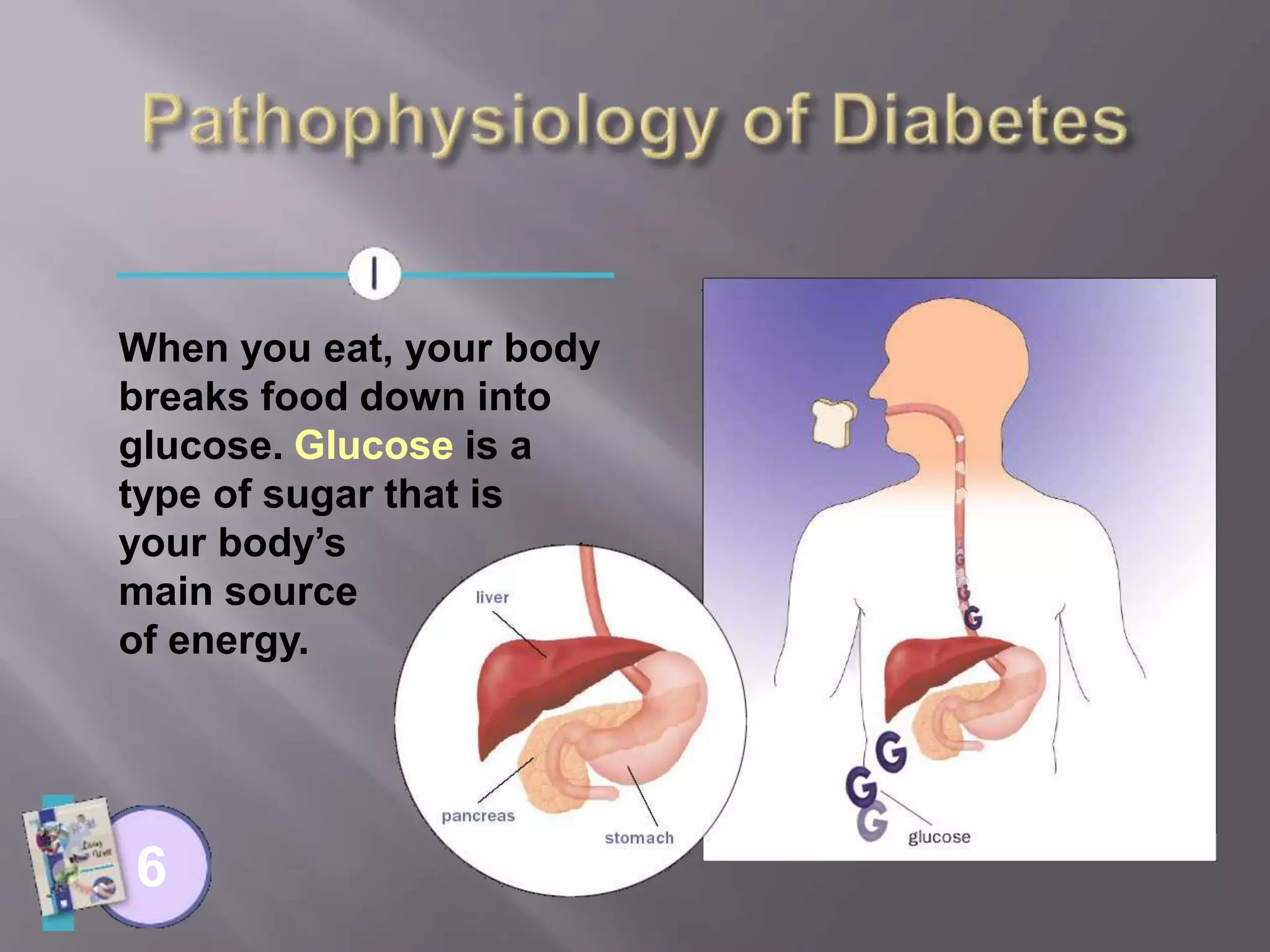
When you eat, your body
breaks food down into
glucose. Glucose is a
type of sugar that is
your body’s
main source
of energy.
6
As blood glucose rises, the
body sends a signal to
the pancreas, which
releases insulin.
7
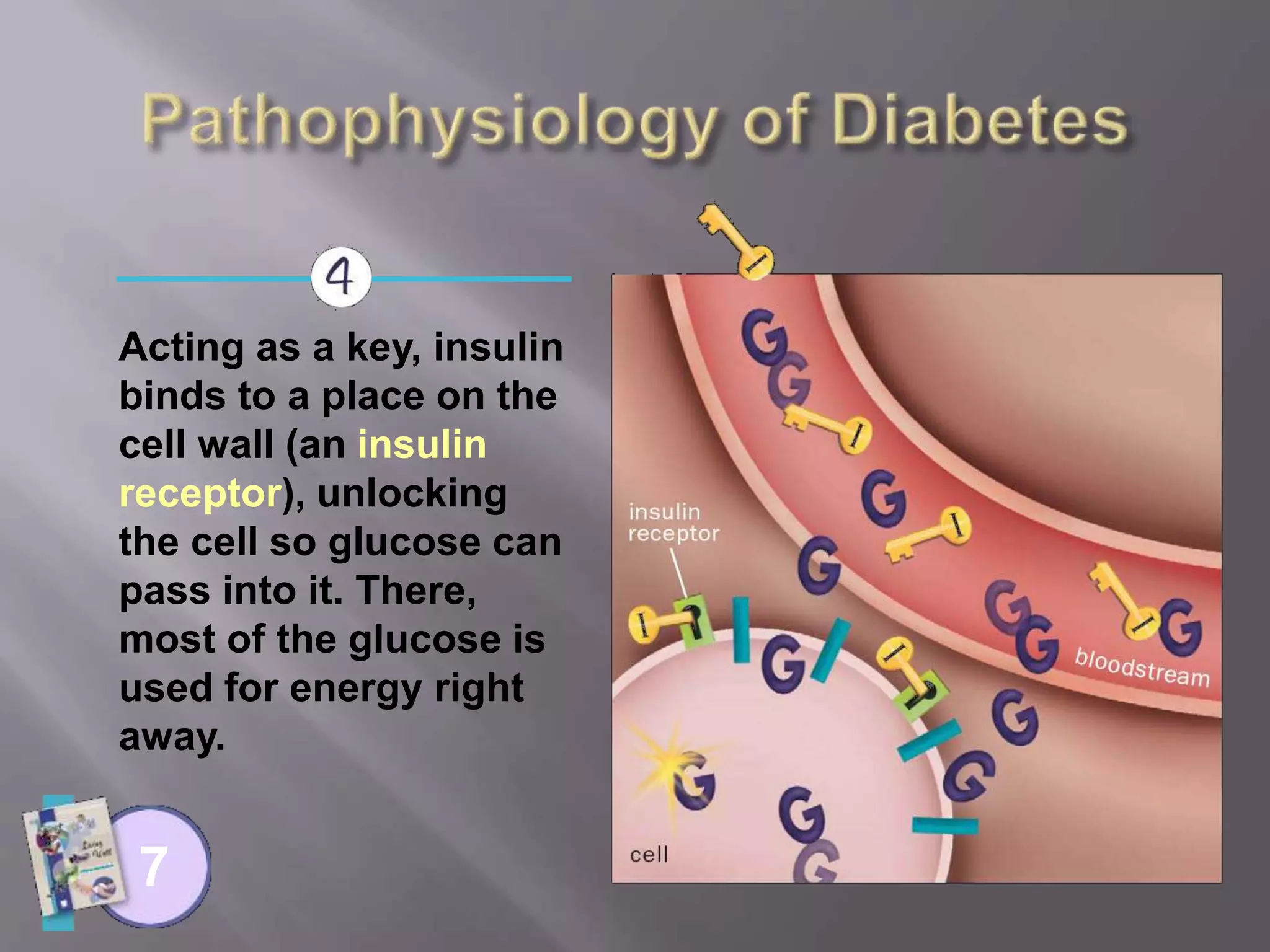
Acting as a key, insulin
binds to a place on the
cell wall (an insulin
receptor), unlocking
the cell so glucose can
pass into it. There,
most of the glucose is
used for energy right
away.
7
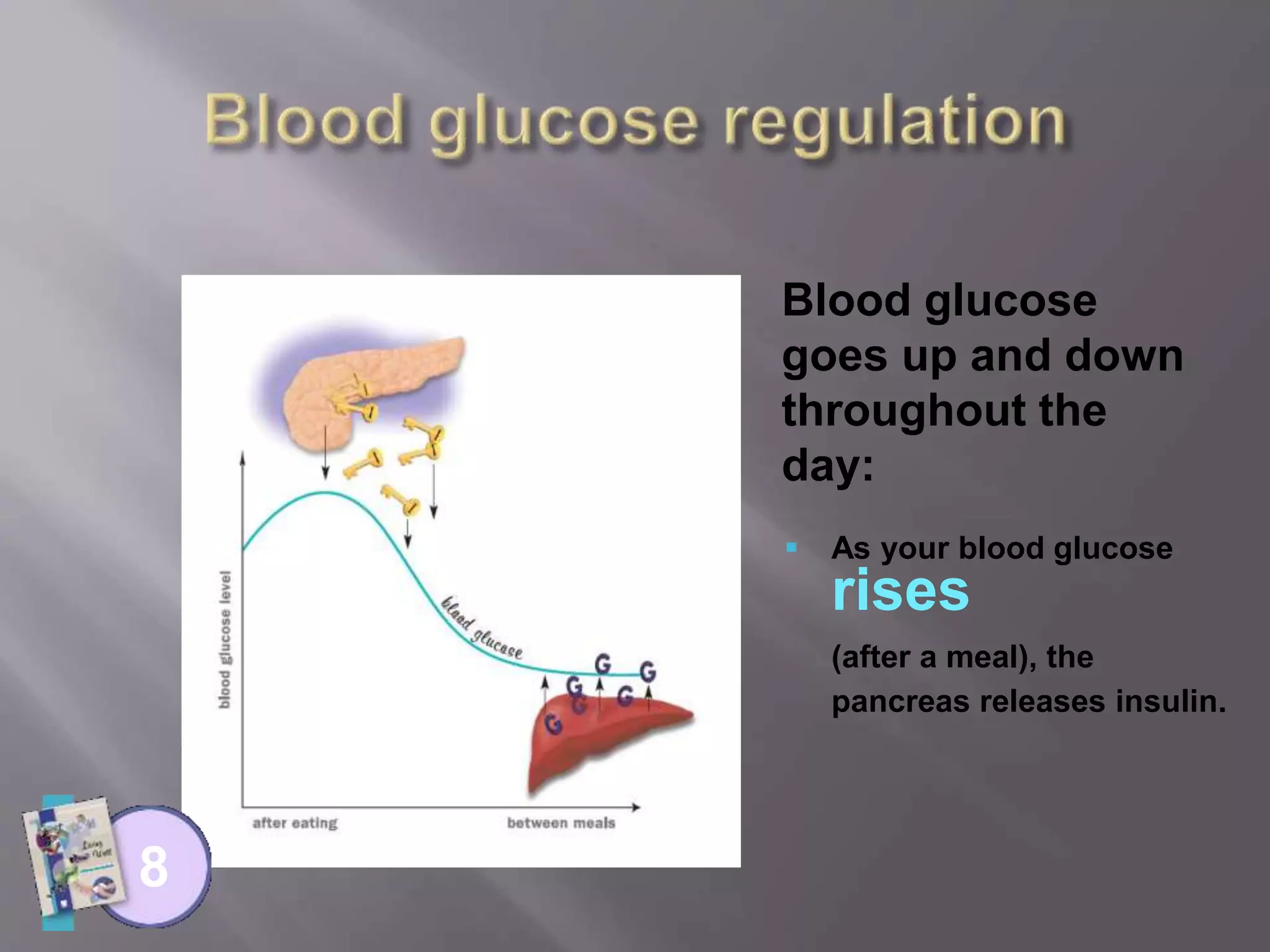
Blood glucose
goes up and down
throughout the
day:
8
 As your blood glucose
rises
(after a meal), the
pancreas releases insulin.
Your cells don’t use
insulin properly.
The insulin can’t
fully “unlock” the
cells to allow
glucose to enter
(insulin resistance).
Your pancreas may not
produce enough insulin
(insulin deficiency).
13
7/2/2023 17
7/2/2023 18
 Research studies have found that lifestyle changes can
prevent or delay the onset of type 2 diabetes among
high-risk adults.
 These studies included people with IGT and other high-
risk characteristics for developing diabetes.
 Lifestyle interventions included diet and moderate-
intensity physical activity (such as walking for 2 1/2
hours each week).
 In the Diabetes Prevention Program, a large prevention
study of people at high risk for diabetes, the
development of diabetes was reduced 58% over 3 years.
7/2/2023 19
 Studies have shown that medications have been successful in
preventing diabetes in some population groups.
 In the Diabetes Prevention Program, people treated with the
drug metformin reduced their risk of developing diabetes by
31% over 3 years.
 Treatment with metformin was most effective among
younger, heavier people (those 25-40 years of age who were
50 to 80 pounds overweight) and less effective among older
people and people who were not as overweight.
 Similarly, in the STOP-NIDDM Trial, treatment of people
with IGT with the drug acarbose reduced the risk of
developing diabetes by 25% over 3 years.
 Other medication studies are ongoing. In addition to
preventing progression from IGT to diabetes, both lifestyle
changes and medication have also been shown to increase the
probability of reverting from IGT to normal glucose tolerance.
7/2/2023 20
7/2/2023 21
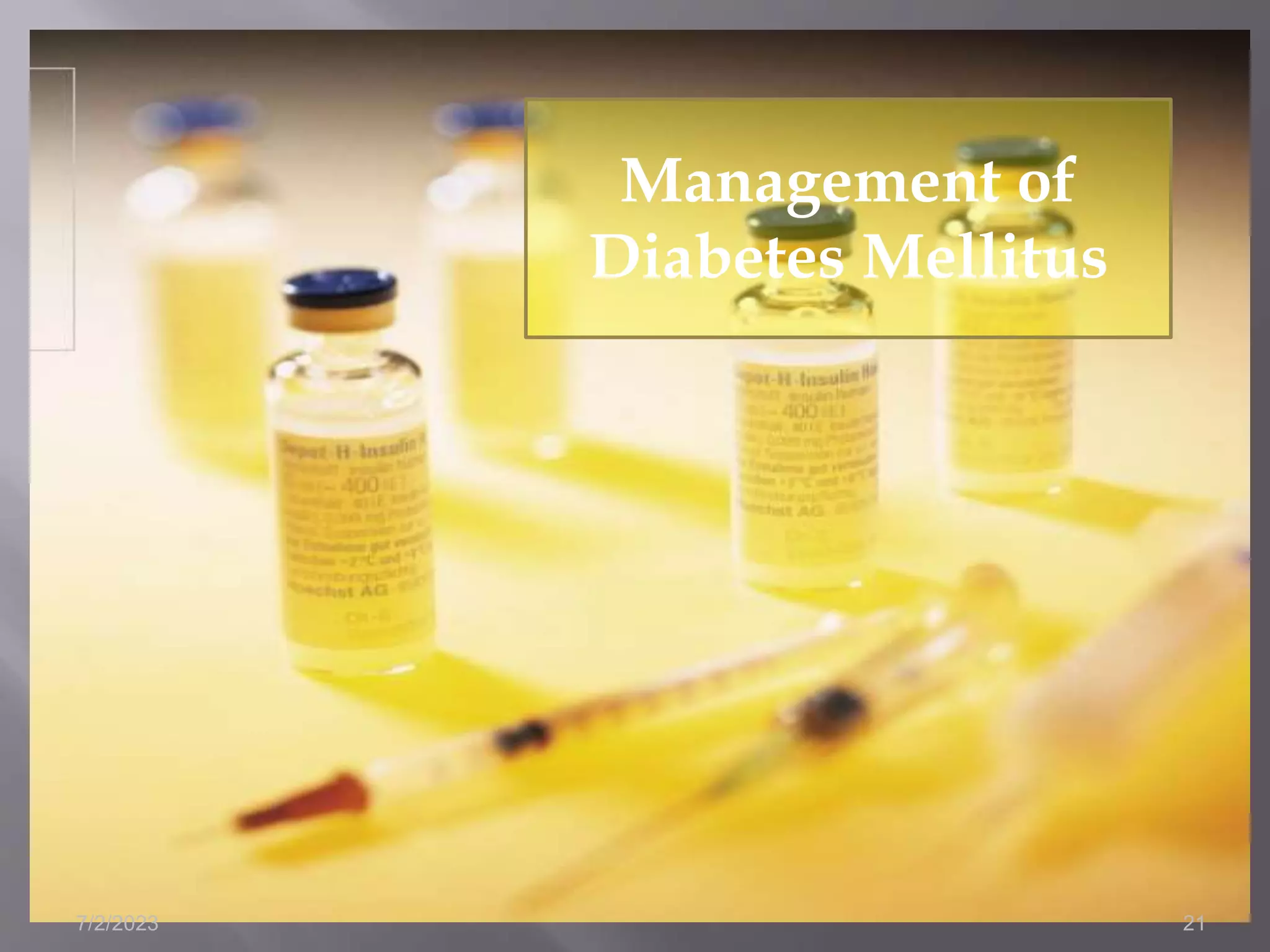
Management of
Diabetes Mellitus
 The major components of the treatment of
diabetes are:
7/2/2023 22
• Diet and Exercise
A
•Oral hypoglycaemic
therapy
B
• Insulin Therapy
C
 Diet is a basic part of management in every case.
Treatment cannot be effective unless adequate
attention is given to ensuring appropriate
nutrition.
 Dietary treatment should aim at:
◦ ensuring weight control
◦ providing nutritional requirements
◦ allowing good glycaemic control with blood glucose
levels as close to normal as possible
◦ correcting any associated blood lipid abnormalities
7/2/2023 23
The following principles are recommended as dietary guidelines for
people with diabetes:
 Dietary fat should provide 25-35% of total intake of calories but
saturated fat intake should not exceed 10% of total energy.
Cholesterol consumption should be restricted and limited to 300 mg
or less daily.
 Protein intake can range between 10-15% total energy (0.8-1 g/kg of
desirable body weight). Requirements increase for children and
during pregnancy. Protein should be derived from both animal and
vegetable sources.
 Carbohydrates provide 50-60% of total caloric content of the diet.
Carbohydrates should be complex and high in fibre.
 Excessive salt intake is to be avoided. It should be particularly
restricted in people with hypertension and those with nephropathy.
7/2/2023 24
 Physical activity promotes weight reduction and
improves insulin sensitivity, thus lowering blood
glucose levels.
 Together with dietary treatment, a programme of
regular physical activity and exercise should be
considered for each person. Such a programme
must be tailored to the individual’s health status
and fitness.
 People should, however, be educated about the
potential risk of hypoglycaemia and how to avoid it.
7/2/2023 25
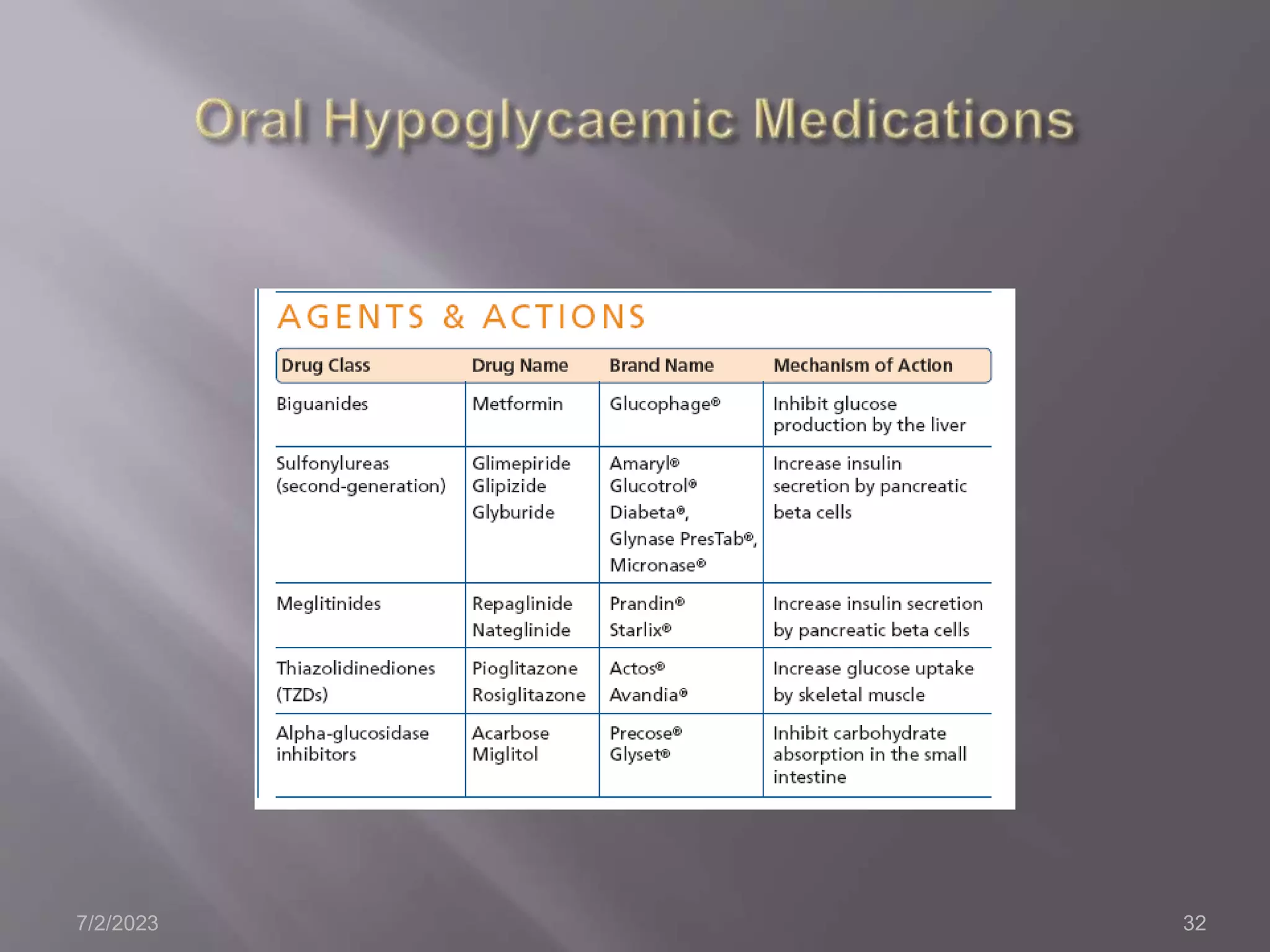
 There are currently four classes of oral anti-
diabetic agents:
i. Biguanides
ii. Insulin Secretagogues – Sulphonylureas
iii. Insulin Secretagogues – Non-sulphonylureas
iv. α-glucosidase inhibitors
v. Thiazolidinediones (TZDs)
7/2/2023 26
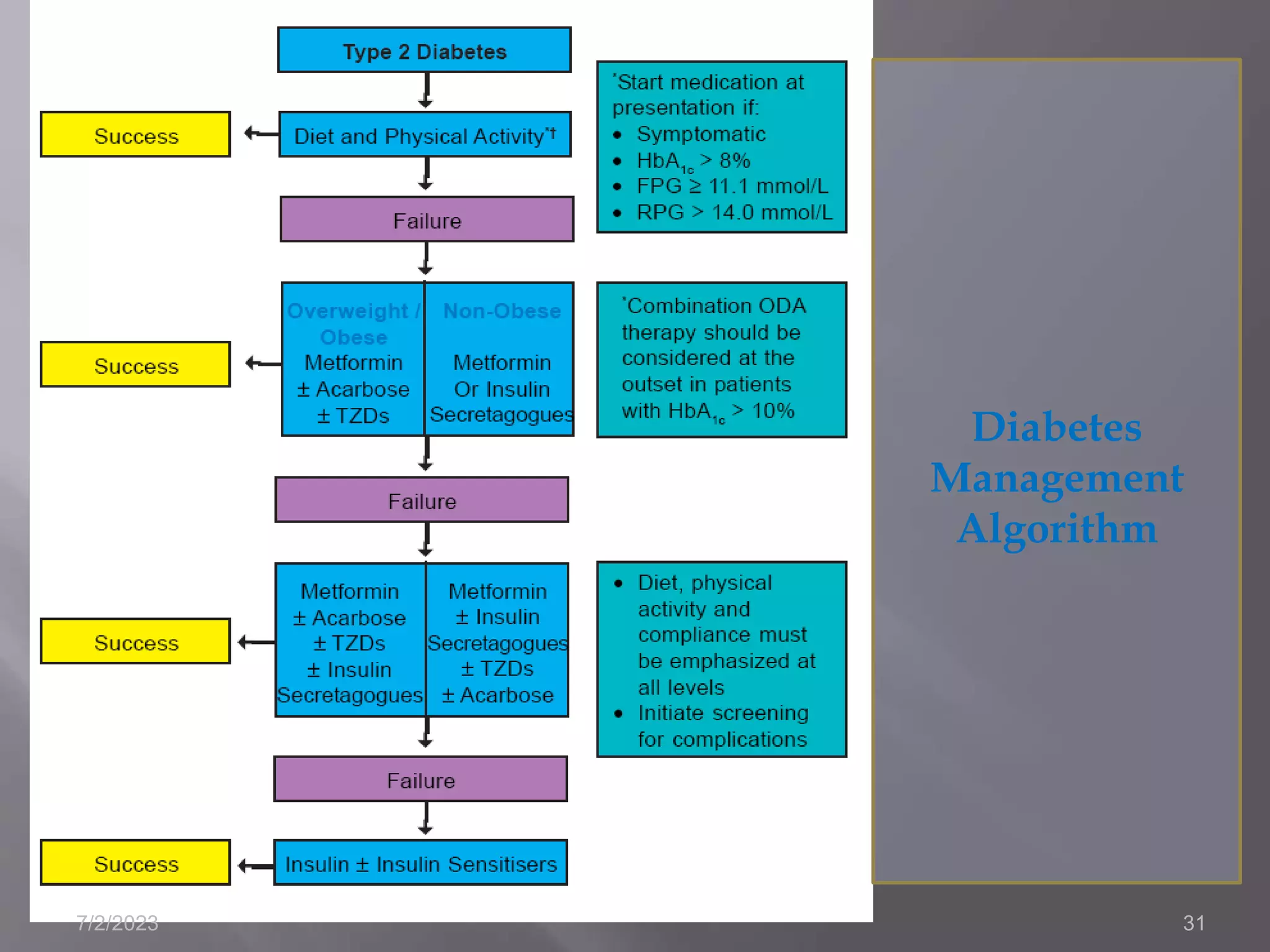
 If glycaemic control is not achieved (HbA1c > 6.5%
and/or; FPG > 7.0 mmol/L or; RPG >11.0mmol/L)
with lifestyle modification within 1 –3 months,
ORAL ANTI-DIABETIC AGENT should be
initiated.
 In the presence of marked hyperglycaemia in newly
diagnosed symptomatic type 2 diabetes (HbA1c >
8%, FPG > 11.1 mmol/L, or RPG > 14 mmol/L), oral
anti-diabetic agents can be considered at the outset
together with lifestyle modification.
7/2/2023 27
As first line therapy:
 Obese type 2 patients, consider use of metformin, acarbose or
TZD.
 Non-obese type 2 patients, consider the use of metformin or
insulin secretagogues
 Metformin is the drug of choice in overweight/obese patients.
TZDs and acarbose are acceptable alternatives in those who
are intolerant to metformin.
 If monotherapy fails, a combination of TZDs, acarbose and
metformin is recommended. If targets are still not achieved,
insulin secretagogues may be added
7/2/2023 28
Combination oral agents is indicated in:
 Newly diagnosed symptomatic patients with
HbA1c >10
 Patients who are not reaching targets after 3
months on monotherapy
7/2/2023 29
 If targets have not been reached after optimal dose of combination
therapy for 3 months, consider adding intermediate-acting/long-
acting insulin (BIDS).
 Combination of insulin+ oral anti-diabetic agents (BIDS) has been
shown to improve glycaemic control in those not achieving target
despite maximal combination oral anti-diabetic agents.
 Combining insulin and the following oral anti-diabetic agents has
been shown to be effective in people with type 2 diabetes:
◦ Biguanide (metformin)
◦ Insulin secretagogues (sulphonylureas)
◦ Insulin sensitizers (TZDs)(the combination of a TZD plus insulin is not an
approved indication)
◦ α-glucosidase inhibitor (acarbose)
 Insulin dose can be increased until target FPG is achieved.
7/2/2023 30
7/2/2023 31
Diabetes
Management
Algorithm
7/2/2023 32
 In elderly non-obese patients, short acting insulin secretagogues can
be started but long acting Sulphonylureas are to be avoided. Renal
function should be monitored.
 Oral anti-diabetic agent s are not recommended for diabetes in
pregnancy
 Oral anti-diabetic agents are usually not the first line therapy in
diabetes diagnosed during stress, such as infections. Insulin therapy
is recommended for both the above
 Targets for control are applicable for all age groups. However, in
patients with co-morbidities, targets are individualized
 When indicated, start with a minimal dose of oral anti-diabetic
agent, while reemphasizing diet and physical activity. An
appropriate duration of time (2-16 weeks depending on agents
used) between increments should be given to allow achievement of
steady state blood glucose control
7/2/2023 33
Short-term use:
 Acute illness, surgery, stress and emergencies
 Pregnancy
 Breast-feeding
 Insulin may be used as initial therapy in type 2 diabetes
 in marked hyperglycaemia
 Severe metabolic decompensation (diabetic ketoacidosis,
hyperosmolar nonketotic coma, lactic acidosis, severe
hypertriglyceridaemia)
Long-term use:
 If targets have not been reached after optimal dose of combination
therapy or BIDS, consider change to multi-dose insulin therapy.
When initiating this,insulin secretagogues should be stopped and
insulin sensitisers e.g. Metformin or TZDs, can be continued.
7/2/2023 34
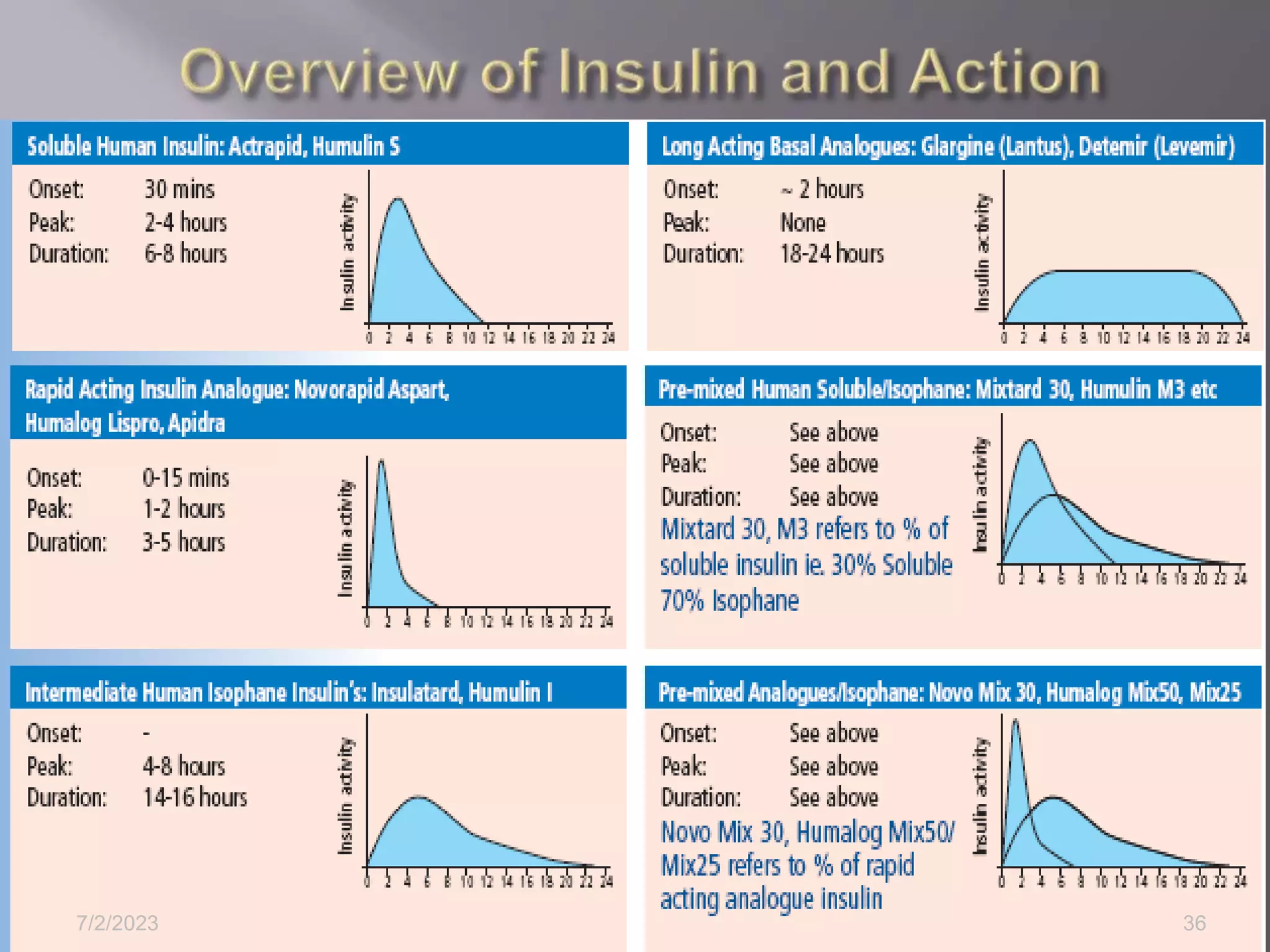
 The majority of patients will require more than one daily injection
if good glycaemic control is to be achieved. However, a once-daily
injection of an intermediate acting preparation may be effectively
used in some patients.
 Twice-daily mixtures of short- and intermediate-acting insulin is a
commonly used regimen.
 In some cases, a mixture of short- and intermediate-acting
insulin may be given in the morning. Further doses of short-
acting insulin are given before lunch and the evening meal and an
evening dose of intermediate-acting insulin is given at bedtime.
 Other regimens based on the same principles may be used.
 A regimen of multiple injections of short-acting insulin before the
main meals, with an appropriate dose of an intermediate-acting
insulin given at bedtime, may be used, particularly when strict
glycaemic control is mandatory.
7/2/2023 35
7/2/2023 36
7/2/2023 37
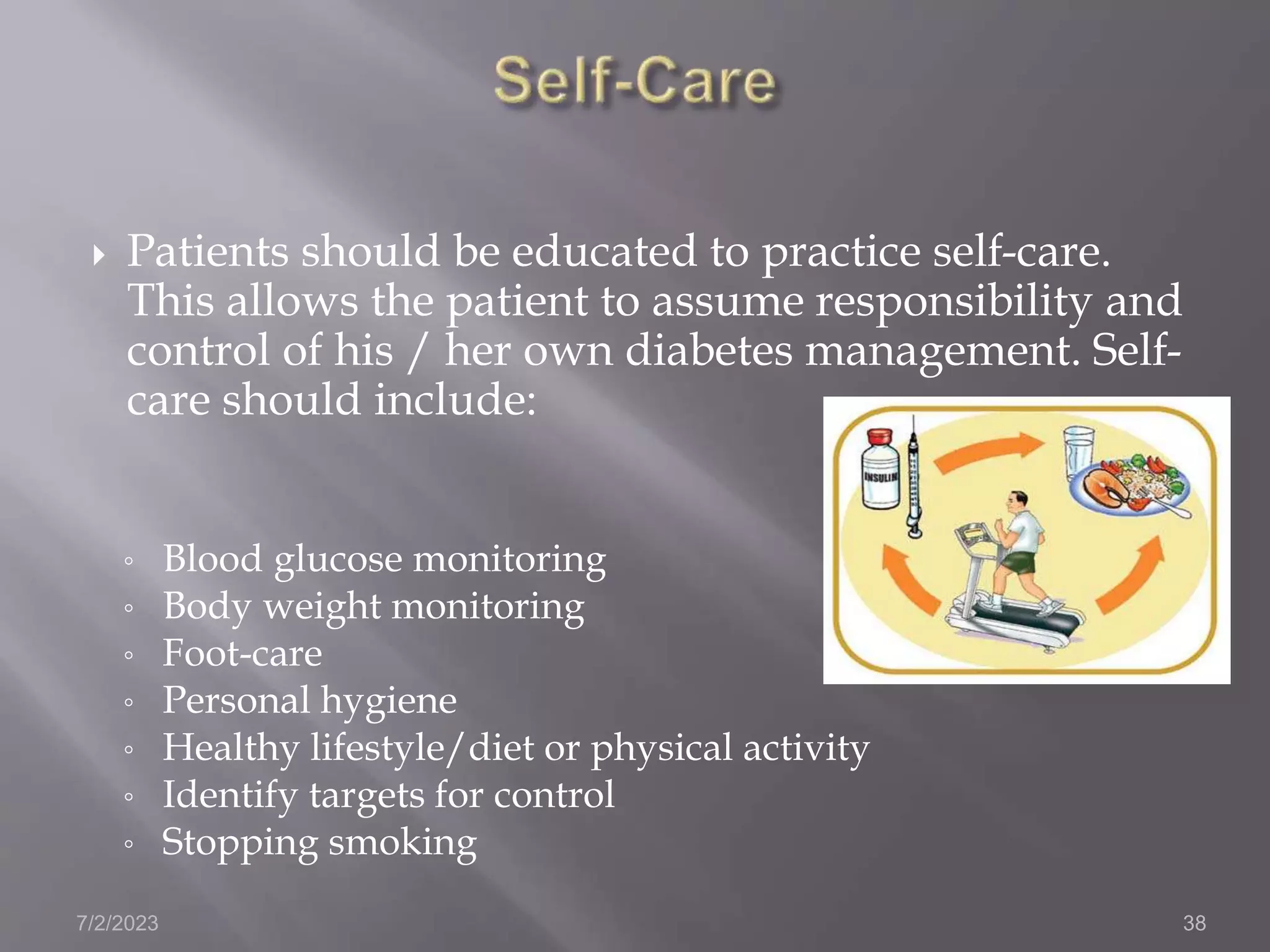
 Patients should be educated to practice self-care.
This allows the patient to assume responsibility and
control of his / her own diabetes management. Self-
care should include:
◦ Blood glucose monitoring
◦ Body weight monitoring
◦ Foot-care
◦ Personal hygiene
◦ Healthy lifestyle/diet or physical activity
◦ Identify targets for control
◦ Stopping smoking
7/2/2023 38
7/2/2023 39
7/2/2023 40
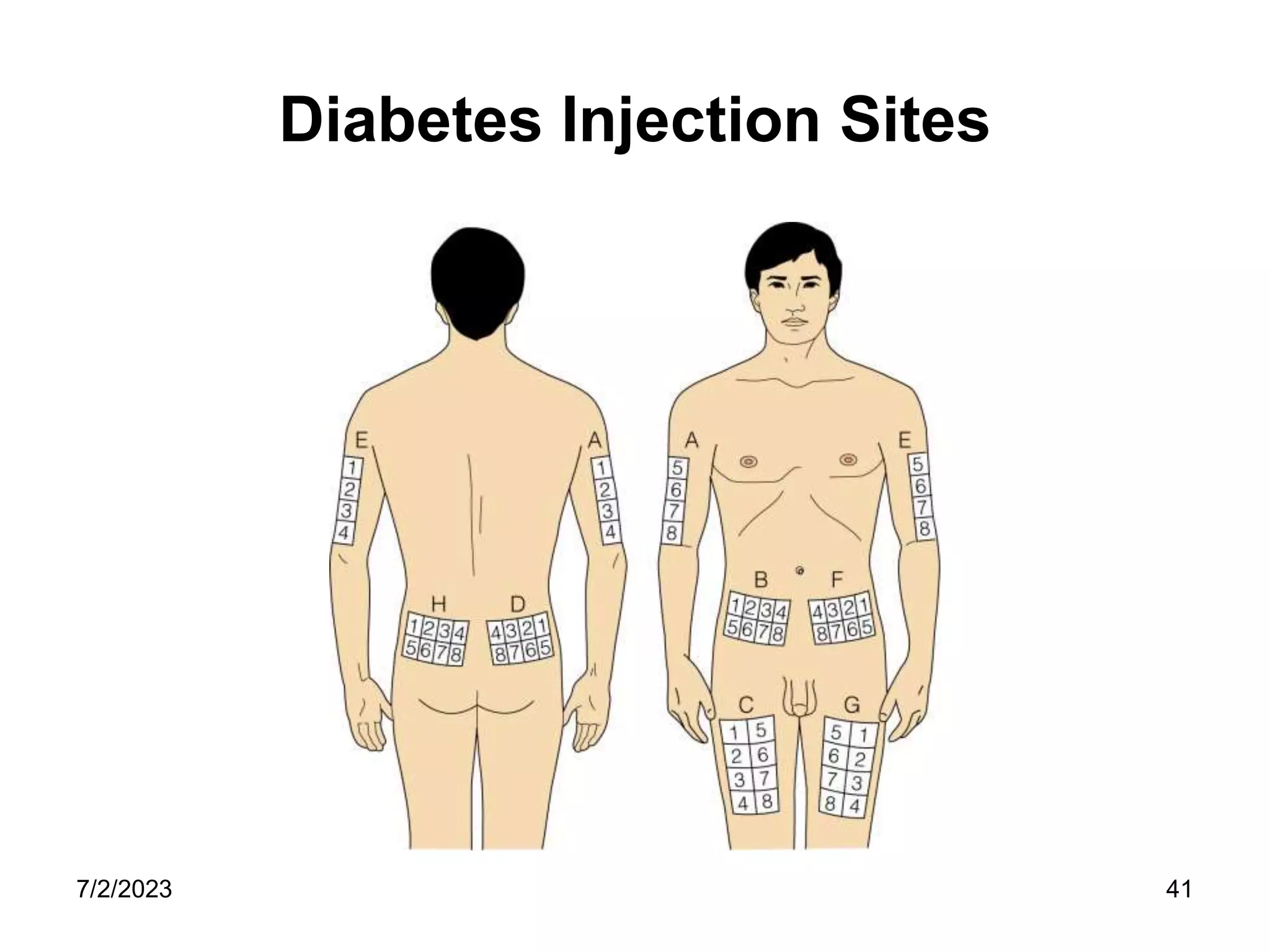
Diabetes Injection Sites
7/2/2023 41
Diabetes Mellitus
• When rapid acting or short acting insulin is
mixed with longer acting insulin, draw the
short acting insulin into the syringe first.
• Prevents contamination of the shorter acting
insulin with the longer acting insulin
• Draw up clear, then cloudy
• Insuling glargine (Lantus) should not be
mixed with any other insulin
7/2/2023 42
Diabetes Mellitus
• Mixing insulin
7/2/2023 43
COMPLICATIONS OF DM
 Diabetes mellitus is primarily due to insulin deficiency
or resistance.
 Hyperglycemia is a cardinal manifestation of diabetes
mellitus.
 Depending on the etiology of the DM, factors
contributing to hyperglycemia may include
 Reduced insulin secretion
 Decreased glucose usage and
 Increased glucose production
 Diabetic ketoacidosis (DKA) nonketotic hyperosmolar
state (NKHS) and hypoglycemia are acute
complications of diabetes
7/2/2023 45
 Explain the clinical features of DM.
 Describe the treatment of diabetes mellitus.
 Mention chronic complications of diabetes
mellitus.
 Explain the importance of health education
regarding the patient of diabetes mellitus
7/2/2023 46
 National Diabetes Fact Sheet 2003, DEPARTMENT OF HEALTH AND
HUMAN SERVICES Centres for Disease Control and Prevention
 World Health Organization. Definition, Diagnosis and Classification of
Diabetes Mellitus and its Complications. Report of WHO. Department of
Non-communicable Disease Surveillance. Geneva 1999
 Academy of Medicine. Clinical Practice Guidelines. Management of type
2 diabetes mellitus. MOH/P/PAK/87.04(GU), 2004
 NHS. Diabetes - insulin initiation - University Hospitals of Leicester
NHS Trust Working in partnership with PCTs across Leicestershire and
Rutland, May 2008.
7/2/2023 47

session 27 DIABETES M .ppt

  • 1.
  • 2.
    • By theend of this session, students will be able to:  Describe diabetes mellitus  Classify diabetes mellitus  Describe clinical features and investigations of diabetes mellitus  Outline management of diabetes mellitus  Describe complications of diabetes mellitus 7/2/2023 2
  • 3.
     Diabetes mellitus(DM) is a group of diseases characterized by high levels of blood glucose resulting from defects in insulin production, insulin action, or both.  The term diabetes mellitus describes a metabolic disorder of multiple aetiology characterized by chronic hyperglycaemia with disturbances of carbohydrate, fat and protein metabolism resulting from defects in insulin secretion, insulin action, or both.  The effects of diabetes mellitus include long–term damage, dysfunction and failure of various organs. 7/2/2023 3
  • 4.
     Diabetes mellitusmay present with characteristic symptoms such as thirst, polyuria, blurring of vision, and weight loss.  In its most severe forms, ketoacidosis or a non– ketotic hyperosmolar state may develop and lead to stupor, coma and, in absence of effective treatment, death.  Often symptoms are not severe, or may be absent, and consequently hyperglycaemia sufficient to cause pathological and functional changes may be present for a long time before the diagnosis is made. 7/2/2023 4
  • 5.
     The long–termeffects of diabetes mellitus include progressive development of the specific complications of retinopathy with potential blindness, nephropathy that may lead to renal failure, and/or neuropathy with risk of foot ulcers, amputation, Charcot joints, and features of autonomic dysfunction, including sexual dysfunction.  People with diabetes are at increased risk of cardiovascular, peripheral vascular and cerebrovascular disease. 7/2/2023 5
  • 6.
     The developmentof diabetes is projected to reach pandemic proportions over the next10-20 years.  International Diabetes Federation (IDF) data indicate that by the year 2025, the number of people affected will reach 333 million –90% of these people will have Type 2 diabetes.  In most Western societies, the overall prevalence has reached 4-6%, and is as high as 10-12% among 60-70-year-old people.  The annual health costs caused by diabetes and its complications account for around 6-12% of all health-care expenditure. 7/2/2023 6
  • 7.
     Type 1Diabetes Mellitus  Type 2 Diabetes Mellitus  Gestational Diabetes 7/2/2023 7
  • 8.
     Was previouslycalled insulin-dependent diabetes mellitus (IDDM) or juvenile-onset diabetes.  Type 1 diabetes develops when the body’s immune system destroys pancreatic beta cells, the only cells in the body that make the hormone insulin that regulates blood glucose.  This form of diabetes usually strikes children and young adults, although disease onset can occur at any age.  Type 1 diabetes may account for 5% to 10% of all diagnosed cases of diabetes.  Risk factors for type 1 diabetes may include autoimmune, genetic, and environmental factors. 7/2/2023 8
  • 9.
     Was previouslycalled non-insulin-dependent diabetes mellitus (NIDDM) or adult-onset diabetes.  Type 2 diabetes may account for about 90% to 95% of all diagnosed cases of diabetes.  It usually begins as insulin resistance, a disorder in which the cells do not use insulin properly. As the need for insulin rises, the pancreas gradually loses its ability to produce insulin.  Type 2 diabetes is associated with older age, obesity, family history of diabetes, history of gestational diabetes, impaired glucose metabolism, physical inactivity, and race/ethnicity.  African Americans, Hispanic/Latino Americans, American Indians, and some Asian Americans and Native Hawaiians or Other Pacific Islanders are at particularly high risk for type 2 diabetes.  Type 2 diabetes is increasingly being diagnosed in children and adolescents. 7/2/2023 9
  • 10.
     A formof glucose intolerance that is diagnosed in some women during pregnancy.  Gestational diabetes occurs more frequently among African Americans, Hispanic/Latino Americans, and American Indians. It is also more common among obese women and women with a family history of diabetes.  During pregnancy, gestational diabetes requires treatment to normalize maternal blood glucose levels to avoid complications in the infant.  After pregnancy, 5% to 10% of women with gestational diabetes are found to have type 2 diabetes.  Women who have had gestational diabetes have a 20% to 50% chance of developing diabetes in the next 5-10 years. 7/2/2023 10
  • 11.
    Secondary causes ofDiabetes mellitus include:  Acromegaly,  Cushing syndrome,  Thyrotoxicosis,  Pheochromocytoma  Chronic pancreatitis,  Cancer  Drug induced hyperglycemia: ◦ Atypical Antipsychotics - Alter receptor binding characteristics, leading to increased insulin resistance. ◦ Beta-blockers - Inhibit insulin secretion. ◦ Calcium Channel Blockers - Inhibits secretion of insulin by interfering with cytosolic calcium release. ◦ Corticosteroids - Cause peripheral insulin resistance and gluconeogensis. ◦ Fluoroquinolones - Inhibits insulin secretion by blocking ATP sensitive potassium channels. ◦ Naicin - They cause increased insulin resistance due to increased free fatty acid mobilization. ◦ Phenothiazines - Inhibit insulin secretion. ◦ Protease Inhibitors - Inhibit the conversion of proinsulin to insulin. ◦ Thiazide Diuretics - Inhibit insulin secretion due to hypokalemia. They also cause increased insulin resistance due to increased free fatty acid mobilization. 7/2/2023 11
  • 12.
    When you eat,your body breaks food down into glucose. Glucose is a type of sugar that is your body’s main source of energy. 6
  • 13.
    As blood glucoserises, the body sends a signal to the pancreas, which releases insulin. 7
  • 14.
    Acting as akey, insulin binds to a place on the cell wall (an insulin receptor), unlocking the cell so glucose can pass into it. There, most of the glucose is used for energy right away. 7
  • 15.
    Blood glucose goes upand down throughout the day: 8  As your blood glucose rises (after a meal), the pancreas releases insulin.
  • 16.
    Your cells don’tuse insulin properly. The insulin can’t fully “unlock” the cells to allow glucose to enter (insulin resistance). Your pancreas may not produce enough insulin (insulin deficiency). 13
  • 17.
  • 18.
  • 19.
     Research studieshave found that lifestyle changes can prevent or delay the onset of type 2 diabetes among high-risk adults.  These studies included people with IGT and other high- risk characteristics for developing diabetes.  Lifestyle interventions included diet and moderate- intensity physical activity (such as walking for 2 1/2 hours each week).  In the Diabetes Prevention Program, a large prevention study of people at high risk for diabetes, the development of diabetes was reduced 58% over 3 years. 7/2/2023 19
  • 20.
     Studies haveshown that medications have been successful in preventing diabetes in some population groups.  In the Diabetes Prevention Program, people treated with the drug metformin reduced their risk of developing diabetes by 31% over 3 years.  Treatment with metformin was most effective among younger, heavier people (those 25-40 years of age who were 50 to 80 pounds overweight) and less effective among older people and people who were not as overweight.  Similarly, in the STOP-NIDDM Trial, treatment of people with IGT with the drug acarbose reduced the risk of developing diabetes by 25% over 3 years.  Other medication studies are ongoing. In addition to preventing progression from IGT to diabetes, both lifestyle changes and medication have also been shown to increase the probability of reverting from IGT to normal glucose tolerance. 7/2/2023 20
  • 21.
  • 22.
     The majorcomponents of the treatment of diabetes are: 7/2/2023 22 • Diet and Exercise A •Oral hypoglycaemic therapy B • Insulin Therapy C
  • 23.
     Diet isa basic part of management in every case. Treatment cannot be effective unless adequate attention is given to ensuring appropriate nutrition.  Dietary treatment should aim at: ◦ ensuring weight control ◦ providing nutritional requirements ◦ allowing good glycaemic control with blood glucose levels as close to normal as possible ◦ correcting any associated blood lipid abnormalities 7/2/2023 23
  • 24.
    The following principlesare recommended as dietary guidelines for people with diabetes:  Dietary fat should provide 25-35% of total intake of calories but saturated fat intake should not exceed 10% of total energy. Cholesterol consumption should be restricted and limited to 300 mg or less daily.  Protein intake can range between 10-15% total energy (0.8-1 g/kg of desirable body weight). Requirements increase for children and during pregnancy. Protein should be derived from both animal and vegetable sources.  Carbohydrates provide 50-60% of total caloric content of the diet. Carbohydrates should be complex and high in fibre.  Excessive salt intake is to be avoided. It should be particularly restricted in people with hypertension and those with nephropathy. 7/2/2023 24
  • 25.
     Physical activitypromotes weight reduction and improves insulin sensitivity, thus lowering blood glucose levels.  Together with dietary treatment, a programme of regular physical activity and exercise should be considered for each person. Such a programme must be tailored to the individual’s health status and fitness.  People should, however, be educated about the potential risk of hypoglycaemia and how to avoid it. 7/2/2023 25
  • 26.
     There arecurrently four classes of oral anti- diabetic agents: i. Biguanides ii. Insulin Secretagogues – Sulphonylureas iii. Insulin Secretagogues – Non-sulphonylureas iv. α-glucosidase inhibitors v. Thiazolidinediones (TZDs) 7/2/2023 26
  • 27.
     If glycaemiccontrol is not achieved (HbA1c > 6.5% and/or; FPG > 7.0 mmol/L or; RPG >11.0mmol/L) with lifestyle modification within 1 –3 months, ORAL ANTI-DIABETIC AGENT should be initiated.  In the presence of marked hyperglycaemia in newly diagnosed symptomatic type 2 diabetes (HbA1c > 8%, FPG > 11.1 mmol/L, or RPG > 14 mmol/L), oral anti-diabetic agents can be considered at the outset together with lifestyle modification. 7/2/2023 27
  • 28.
    As first linetherapy:  Obese type 2 patients, consider use of metformin, acarbose or TZD.  Non-obese type 2 patients, consider the use of metformin or insulin secretagogues  Metformin is the drug of choice in overweight/obese patients. TZDs and acarbose are acceptable alternatives in those who are intolerant to metformin.  If monotherapy fails, a combination of TZDs, acarbose and metformin is recommended. If targets are still not achieved, insulin secretagogues may be added 7/2/2023 28
  • 29.
    Combination oral agentsis indicated in:  Newly diagnosed symptomatic patients with HbA1c >10  Patients who are not reaching targets after 3 months on monotherapy 7/2/2023 29
  • 30.
     If targetshave not been reached after optimal dose of combination therapy for 3 months, consider adding intermediate-acting/long- acting insulin (BIDS).  Combination of insulin+ oral anti-diabetic agents (BIDS) has been shown to improve glycaemic control in those not achieving target despite maximal combination oral anti-diabetic agents.  Combining insulin and the following oral anti-diabetic agents has been shown to be effective in people with type 2 diabetes: ◦ Biguanide (metformin) ◦ Insulin secretagogues (sulphonylureas) ◦ Insulin sensitizers (TZDs)(the combination of a TZD plus insulin is not an approved indication) ◦ α-glucosidase inhibitor (acarbose)  Insulin dose can be increased until target FPG is achieved. 7/2/2023 30
  • 31.
  • 32.
  • 33.
     In elderlynon-obese patients, short acting insulin secretagogues can be started but long acting Sulphonylureas are to be avoided. Renal function should be monitored.  Oral anti-diabetic agent s are not recommended for diabetes in pregnancy  Oral anti-diabetic agents are usually not the first line therapy in diabetes diagnosed during stress, such as infections. Insulin therapy is recommended for both the above  Targets for control are applicable for all age groups. However, in patients with co-morbidities, targets are individualized  When indicated, start with a minimal dose of oral anti-diabetic agent, while reemphasizing diet and physical activity. An appropriate duration of time (2-16 weeks depending on agents used) between increments should be given to allow achievement of steady state blood glucose control 7/2/2023 33
  • 34.
    Short-term use:  Acuteillness, surgery, stress and emergencies  Pregnancy  Breast-feeding  Insulin may be used as initial therapy in type 2 diabetes  in marked hyperglycaemia  Severe metabolic decompensation (diabetic ketoacidosis, hyperosmolar nonketotic coma, lactic acidosis, severe hypertriglyceridaemia) Long-term use:  If targets have not been reached after optimal dose of combination therapy or BIDS, consider change to multi-dose insulin therapy. When initiating this,insulin secretagogues should be stopped and insulin sensitisers e.g. Metformin or TZDs, can be continued. 7/2/2023 34
  • 35.
     The majorityof patients will require more than one daily injection if good glycaemic control is to be achieved. However, a once-daily injection of an intermediate acting preparation may be effectively used in some patients.  Twice-daily mixtures of short- and intermediate-acting insulin is a commonly used regimen.  In some cases, a mixture of short- and intermediate-acting insulin may be given in the morning. Further doses of short- acting insulin are given before lunch and the evening meal and an evening dose of intermediate-acting insulin is given at bedtime.  Other regimens based on the same principles may be used.  A regimen of multiple injections of short-acting insulin before the main meals, with an appropriate dose of an intermediate-acting insulin given at bedtime, may be used, particularly when strict glycaemic control is mandatory. 7/2/2023 35
  • 36.
  • 37.
  • 38.
     Patients shouldbe educated to practice self-care. This allows the patient to assume responsibility and control of his / her own diabetes management. Self- care should include: ◦ Blood glucose monitoring ◦ Body weight monitoring ◦ Foot-care ◦ Personal hygiene ◦ Healthy lifestyle/diet or physical activity ◦ Identify targets for control ◦ Stopping smoking 7/2/2023 38
  • 39.
  • 40.
  • 41.
  • 42.
    Diabetes Mellitus • Whenrapid acting or short acting insulin is mixed with longer acting insulin, draw the short acting insulin into the syringe first. • Prevents contamination of the shorter acting insulin with the longer acting insulin • Draw up clear, then cloudy • Insuling glargine (Lantus) should not be mixed with any other insulin 7/2/2023 42
  • 43.
    Diabetes Mellitus • Mixinginsulin 7/2/2023 43
  • 44.
  • 45.
     Diabetes mellitusis primarily due to insulin deficiency or resistance.  Hyperglycemia is a cardinal manifestation of diabetes mellitus.  Depending on the etiology of the DM, factors contributing to hyperglycemia may include  Reduced insulin secretion  Decreased glucose usage and  Increased glucose production  Diabetic ketoacidosis (DKA) nonketotic hyperosmolar state (NKHS) and hypoglycemia are acute complications of diabetes 7/2/2023 45
  • 46.
     Explain theclinical features of DM.  Describe the treatment of diabetes mellitus.  Mention chronic complications of diabetes mellitus.  Explain the importance of health education regarding the patient of diabetes mellitus 7/2/2023 46
  • 47.
     National DiabetesFact Sheet 2003, DEPARTMENT OF HEALTH AND HUMAN SERVICES Centres for Disease Control and Prevention  World Health Organization. Definition, Diagnosis and Classification of Diabetes Mellitus and its Complications. Report of WHO. Department of Non-communicable Disease Surveillance. Geneva 1999  Academy of Medicine. Clinical Practice Guidelines. Management of type 2 diabetes mellitus. MOH/P/PAK/87.04(GU), 2004  NHS. Diabetes - insulin initiation - University Hospitals of Leicester NHS Trust Working in partnership with PCTs across Leicestershire and Rutland, May 2008. 7/2/2023 47