SCOTLAND, A GENERAL PICTURE
 
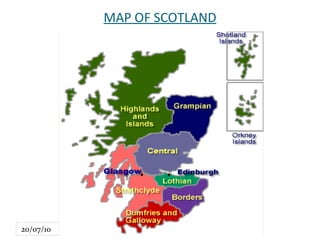
MAP OF SCOTLAND
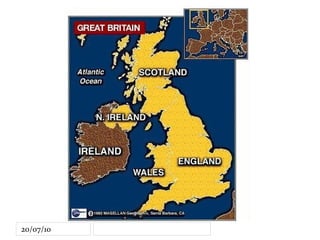
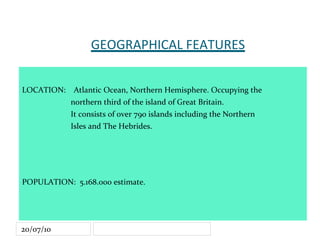
GEOGRAPHICAL FEATURES LOCATION:  Atlantic Ocean, Northern Hemisphere. Occupying the  northern third of the island of Great Britain. It consists of over 790 islands including the Northern  Isles and The Hebrides. POPULATION:  5.168.000 estimate. AREA:   78.777km2 , roughly 30% of the United Kingdom.
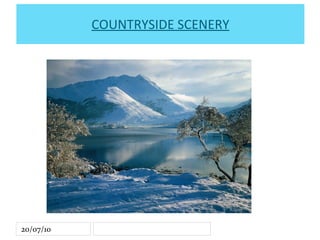
COUNTRYSIDE SCENERY
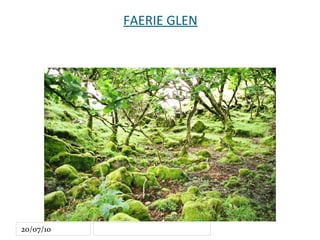
FAERIE GLEN
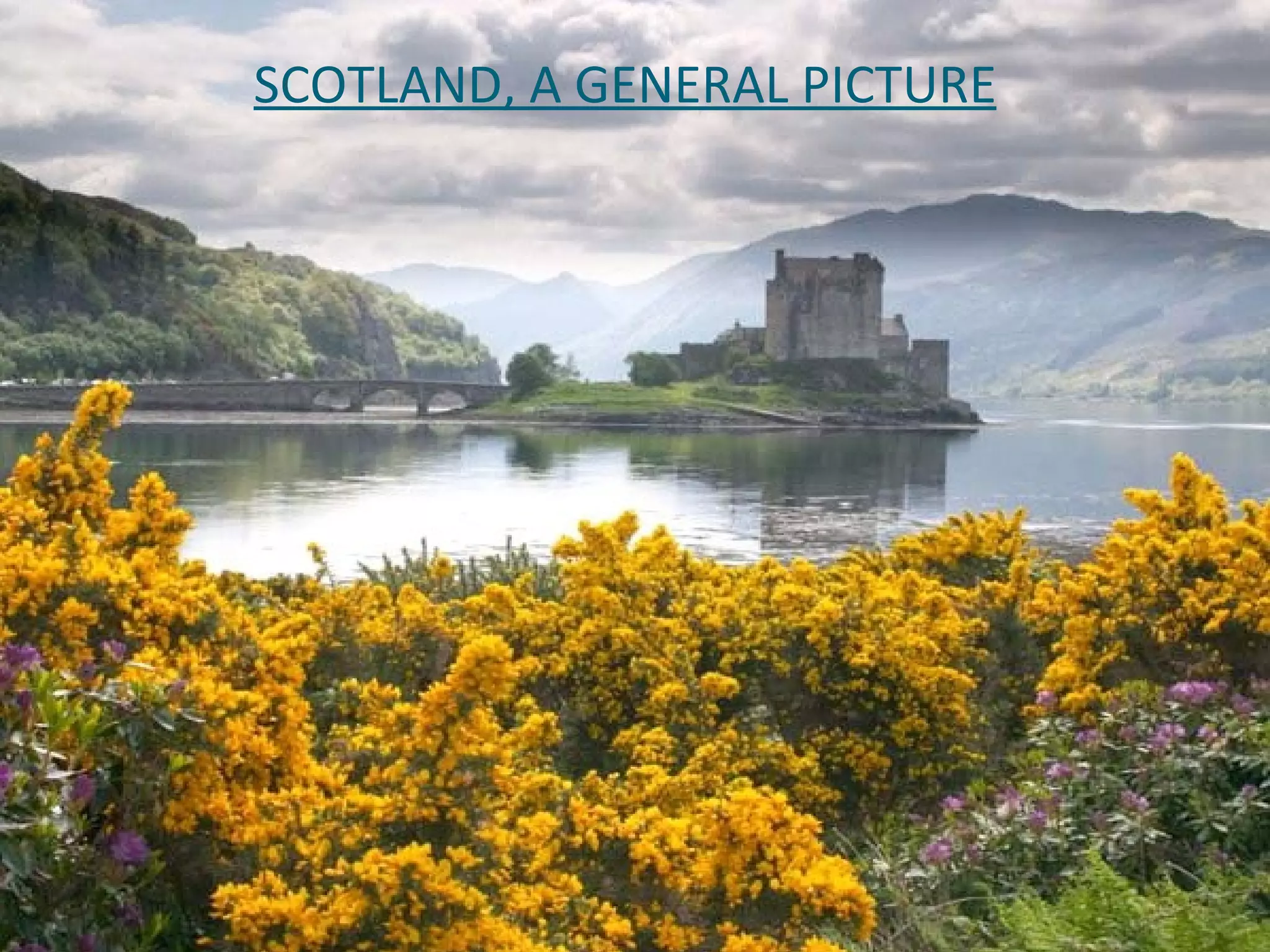
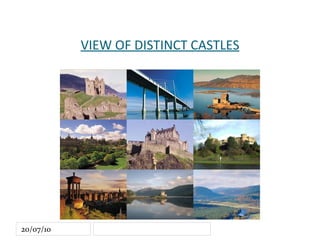
VIEW OF DISTINCT CASTLES
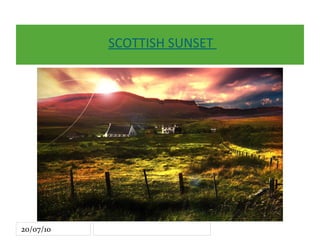
SCOTTISH SUNSET
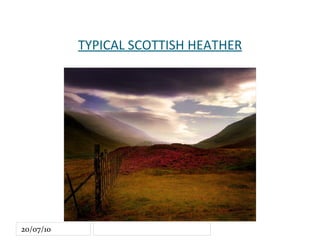
TYPICAL SCOTTISH HEATHER
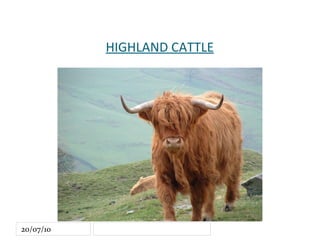
HIGHLAND CATTLE
MAJOR CITIES AND WATERWAYS The six designated cities in descending order of population size are : Glasgow, Edinburgh, Aberdeen,
Dundee, Inverness and Stirling.
Capital: Edinburgh Major  Rivers: The Clyde, The Dee, The Don, The Spey,
The Forth, The Tay, The Tweed. Freshwater Lochs: Loch Ness, Loch Lomond, Loch Morar, Loch Tay and so on.
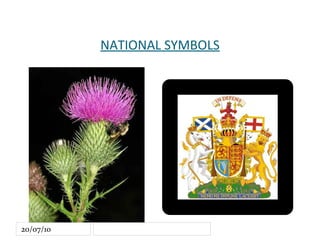
NATIONAL SYMBOLS
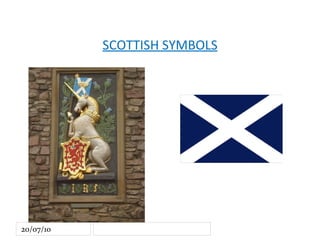
SCOTTISH SYMBOLS
ECONOMY OF SCOTLAND Most Scottish industry and commerce is concentrated in a few large cities. Edinburgh is a cultural centre and one of the top finance centres in Europe.
Glasgow is the leading seaport and once was a centre of shipbuilding and it supports numerous light industries. Tourism is also very important. The mineral coal has declined. Oil, however, gained prominence in the economy during the 1970s with the growth of North Sea oil extraction companies. Natural gas is also abundant in the North Sea fields. Other industries are textile, distilling  and  fishing. Scotland is a net exporter of energy to the rest UK, with abundant electricity generation.
Government and Politics As one of the constituent parts of the United Kingdom, Scotland is represented in the Parliament of the United Kingdom in London.
The Scottish Parliament in Edinburgh has the power to govern the country on Scotland specific matters and has a limited power to vary income tax.
The United Kingdom Parliament retains responsibility for Scotland’s defence, international relations and certain other areas.
TYPICAL FOOD AND DRINK
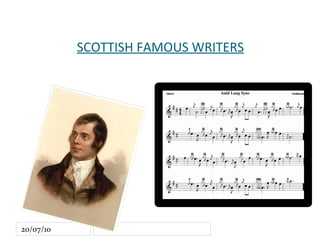
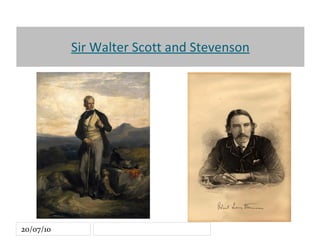
SCOTTISH FAMOUS WRITERS

Scotland, a general picture