









SCIENCE QUIZ
Add your school’s logo
INSTRUCTIONS
TRUE or FALSE
Kelvin is a measure of temperature.
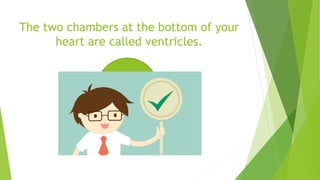
The two chambers at the bottom of your
heart are called ventricles.
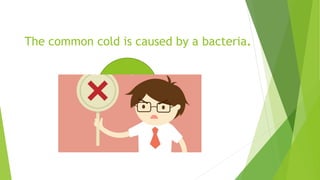
The common cold is caused by a bacteria.
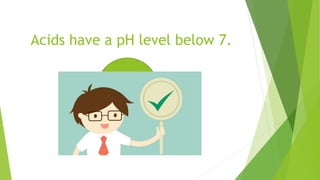
Acids have a pH level below 7.
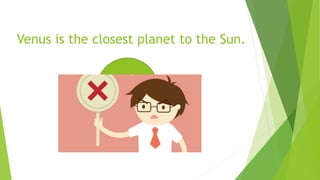
Venus is the closest planet to the Sun.
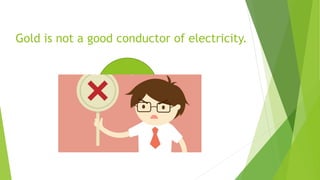
Gold is not a good conductor of electricity.
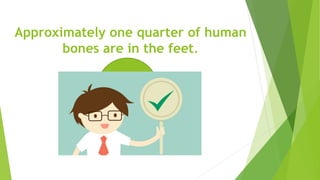
Approximately one quarter of human
bones are in the feet.
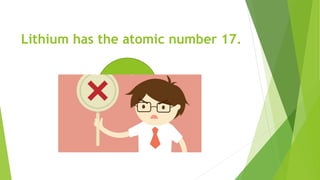
Lithium has the atomic number 17.
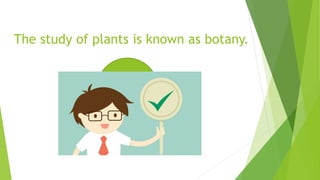
The study of plants is known as botany.
Venus has more atmospheric pressure
than Earth.
Identify the
personalities
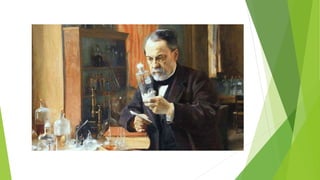
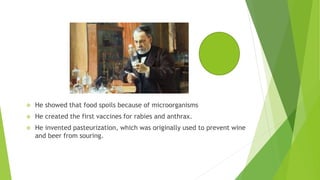
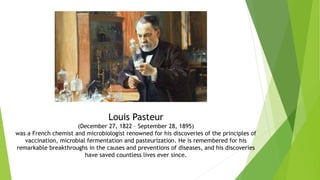
 He showed that food spoils because of microorganisms
 He created the first vaccines for rabies and anthrax.
 He invented pasteurization, which was originally used to prevent wine
and beer from souring.
Louis Pasteur
(December 27, 1822 – September 28, 1895)
was a French chemist and microbiologist renowned for his discoveries of the principles of
vaccination, microbial fermentation and pasteurization. He is remembered for his
remarkable breakthroughs in the causes and preventions of diseases, and his discoveries
have saved countless lives ever since.
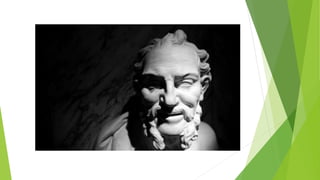
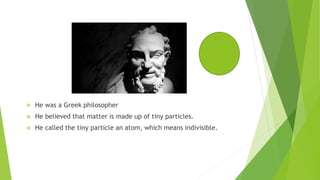
 He was a Greek philosopher
 He believed that matter is made up of tiny particles.
 He called the tiny particle an atom, which means indivisible.
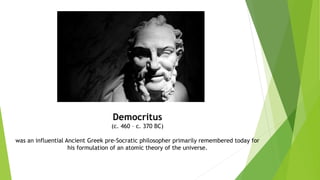
Democritus
(c. 460 – c. 370 BC)
was an influential Ancient Greek pre-Socratic philosopher primarily remembered today for
his formulation of an atomic theory of the universe.
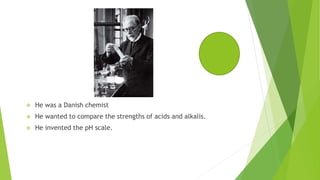
 He was a Danish chemist
 He wanted to compare the strengths of acids and alkalis.
 He invented the pH scale.
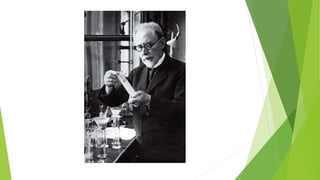
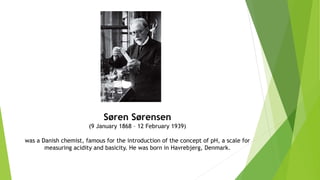
Søren Sørensen
(9 January 1868 – 12 February 1939)
was a Danish chemist, famous for the introduction of the concept of pH, a scale for
measuring acidity and basicity. He was born in Havrebjerg, Denmark.
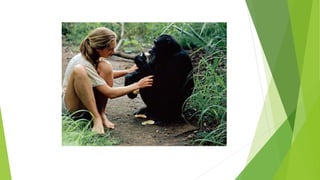
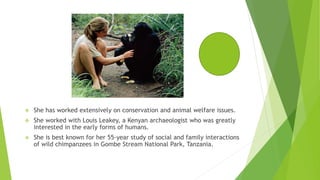
 She has worked extensively on conservation and animal welfare issues.
 She worked with Louis Leakey, a Kenyan archaeologist who was greatly
interested in the early forms of humans.
 She is best known for her 55-year study of social and family interactions
of wild chimpanzees in Gombe Stream National Park, Tanzania.
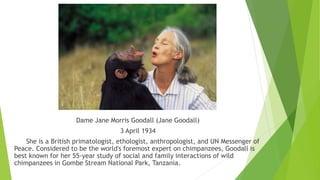
Dame Jane Morris Goodall (Jane Goodall)
3 April 1934
She is a British primatologist, ethologist, anthropologist, and UN Messenger of
Peace. Considered to be the world's foremost expert on chimpanzees, Goodall is
best known for her 55-year study of social and family interactions of wild
chimpanzees in Gombe Stream National Park, Tanzania.
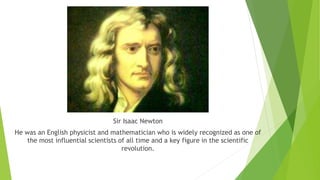
Sir Isaac Newton
He was an English physicist and mathematician who is widely recognized as one of
the most influential scientists of all time and a key figure in the scientific
revolution.
THE
RIGHT CHOICE
The layer that protects the earth from
UV radiations:
A. Nitrogen.
B. Ozone.
C. Methane.
D. Magnesium oxide.
An astronomical measure of distance is
called:
A. Kilometer.
B. Yard.
C. Light Year.
D. Meter.
Deficiency of Vitamin-A results in______
A. Night blindness.
B. Rickets.
C. Scurvy.
D. Hair fall.
A device which converts chemical energy into
electrical energy is called __________
A. Motor.
B. Generator.
C. Moving-coil meter.
D. Battery.
Platelets help blood in:
A. producing.
B. transporting oxygen.
C. clotting.
D. Purifying.
Number of vibrations in a second is
called:
A. pitch.
B. amplitude.
C. frequency.
D. wavelength.
Pitcher plant is an example of:
A. Insectivorous plant
B. Leguminous plant
C. Algae
D. Fungi.
Mushroom is -
A. Autotroph
B. Heterotroph
C. Saprotrophic
D. Fungus
The process of depositing a layer of one
metal over another metal surface to
protect it from rusting is called _______
A. Galvanization
B. Crystallization
C. painting
D. Neutralization
ONE WORD
How many valence electrons does an atom of
Chlorine have?
is a structure in the cell nucleus
that contains hereditary material.
Air is made up of many gases. Which gas
is found in the greatest amount?
Which form of solar radiation causes
sunburn?
Which gas could cause a glowing splint
to burst into flame?
acid + alkali = salt + ____________
What is missing from the above equation?
A pure substance which cannot be split
up by chemical reaction is called :
Name the liquid non-metal.
The force that one surface exerts on another
when the two surfaces are touched is called:
RAPID ROUND
RAPID ROUND
Scoreboard
Science quiz Cambridge Syllabus.

Science quiz Cambridge Syllabus.

  • 1.
    SCIENCE QUIZ Add yourschool’s logo
  • 2.
  • 3.
  • 4.
    Kelvin is ameasure of temperature.
  • 5.
    The two chambersat the bottom of your heart are called ventricles.
  • 6.
    The common coldis caused by a bacteria.
  • 7.
    Acids have apH level below 7.
  • 8.
    Venus is theclosest planet to the Sun.
  • 9.
    Gold is nota good conductor of electricity.
  • 10.
    Approximately one quarterof human bones are in the feet.
  • 11.
    Lithium has theatomic number 17.
  • 12.
    The study ofplants is known as botany.
  • 13.
    Venus has moreatmospheric pressure than Earth.
  • 14.
  • 16.
     He showedthat food spoils because of microorganisms  He created the first vaccines for rabies and anthrax.  He invented pasteurization, which was originally used to prevent wine and beer from souring.
  • 17.
    Louis Pasteur (December 27,1822 – September 28, 1895) was a French chemist and microbiologist renowned for his discoveries of the principles of vaccination, microbial fermentation and pasteurization. He is remembered for his remarkable breakthroughs in the causes and preventions of diseases, and his discoveries have saved countless lives ever since.
  • 19.
     He wasa Greek philosopher  He believed that matter is made up of tiny particles.  He called the tiny particle an atom, which means indivisible.
  • 20.
    Democritus (c. 460 –c. 370 BC) was an influential Ancient Greek pre-Socratic philosopher primarily remembered today for his formulation of an atomic theory of the universe.
  • 22.
     He wasa Danish chemist  He wanted to compare the strengths of acids and alkalis.  He invented the pH scale.
  • 23.
    Søren Sørensen (9 January1868 – 12 February 1939) was a Danish chemist, famous for the introduction of the concept of pH, a scale for measuring acidity and basicity. He was born in Havrebjerg, Denmark.
  • 25.
     She hasworked extensively on conservation and animal welfare issues.  She worked with Louis Leakey, a Kenyan archaeologist who was greatly interested in the early forms of humans.  She is best known for her 55-year study of social and family interactions of wild chimpanzees in Gombe Stream National Park, Tanzania.
  • 26.
    Dame Jane MorrisGoodall (Jane Goodall) 3 April 1934 She is a British primatologist, ethologist, anthropologist, and UN Messenger of Peace. Considered to be the world's foremost expert on chimpanzees, Goodall is best known for her 55-year study of social and family interactions of wild chimpanzees in Gombe Stream National Park, Tanzania.
  • 28.
    Sir Isaac Newton Hewas an English physicist and mathematician who is widely recognized as one of the most influential scientists of all time and a key figure in the scientific revolution.
  • 29.
  • 30.
    The layer thatprotects the earth from UV radiations: A. Nitrogen. B. Ozone. C. Methane. D. Magnesium oxide.
  • 31.
    An astronomical measureof distance is called: A. Kilometer. B. Yard. C. Light Year. D. Meter.
  • 32.
    Deficiency of Vitamin-Aresults in______ A. Night blindness. B. Rickets. C. Scurvy. D. Hair fall.
  • 33.
    A device whichconverts chemical energy into electrical energy is called __________ A. Motor. B. Generator. C. Moving-coil meter. D. Battery.
  • 34.
    Platelets help bloodin: A. producing. B. transporting oxygen. C. clotting. D. Purifying.
  • 35.
    Number of vibrationsin a second is called: A. pitch. B. amplitude. C. frequency. D. wavelength.
  • 36.
    Pitcher plant isan example of: A. Insectivorous plant B. Leguminous plant C. Algae D. Fungi.
  • 37.
    Mushroom is - A.Autotroph B. Heterotroph C. Saprotrophic D. Fungus
  • 38.
    The process ofdepositing a layer of one metal over another metal surface to protect it from rusting is called _______ A. Galvanization B. Crystallization C. painting D. Neutralization
  • 39.
  • 40.
    How many valenceelectrons does an atom of Chlorine have?
  • 41.
    is a structurein the cell nucleus that contains hereditary material.
  • 42.
    Air is madeup of many gases. Which gas is found in the greatest amount?
  • 43.
    Which form ofsolar radiation causes sunburn?
  • 44.
    Which gas couldcause a glowing splint to burst into flame?
  • 45.
    acid + alkali= salt + ____________ What is missing from the above equation?
  • 46.
    A pure substancewhich cannot be split up by chemical reaction is called :
  • 47.
    Name the liquidnon-metal.
  • 48.
    The force thatone surface exerts on another when the two surfaces are touched is called:
  • 49.
  • 50.
  • 51.