Starting a Vineyard
In the Rio Grande Valley
Vineyard Management
Rio Farms, Inc.
Monte Alto,Texas
February 10, 2023
Fran Pontasch, Gulf CoastViticulture
fmpontasch@tamu.edu
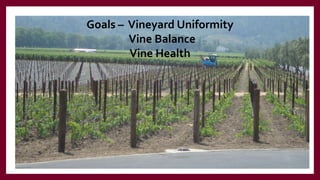
Goals – Vineyard Uniformity
Vine Balance
Vine Health
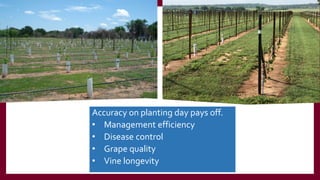
Accuracy on planting day pays off.
• Management efficiency
• Disease control
• Grape quality
• Vine longevity
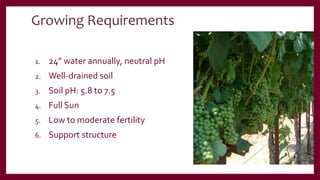
Growing Requirements
1. 24” water annually, neutral pH
2. Well-drained soil
3. Soil pH: 5.8 to 7.5
4. Full Sun
5. Low to moderate fertility
6. Support structure
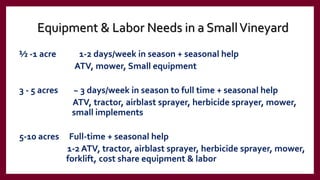
½ -1 acre 1-2 days/week in season + seasonal help
ATV, mower, Small equipment
3 - 5 acres ~ 3 days/week in season to full time + seasonal help
ATV, tractor, airblast sprayer, herbicide sprayer, mower,
small implements
5-10 acres Full-time + seasonal help
1-2 ATV, tractor, airblast sprayer, herbicide sprayer, mower,
forklift, cost share equipment & labor
Equipment & Labor Needs in a SmallVineyard
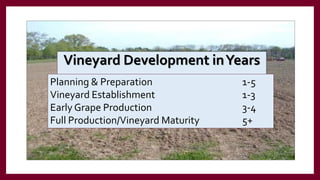
Vineyard Development inYears
Planning & Preparation 1-5
Vineyard Establishment 1-3
Early Grape Production 3-4
Full Production/Vineyard Maturity 5+
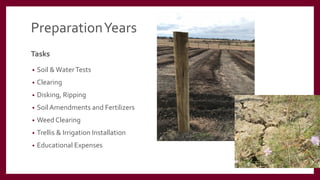
PreparationYears
Tasks
• Soil &WaterTests
• Clearing
• Disking, Ripping
• Soil Amendments and Fertilizers
• Weed Clearing
• Trellis & Irrigation Installation
• Educational Expenses
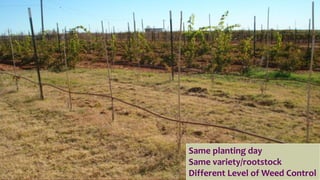
Same planting day
Same variety/rootstock
Different Level of Weed Control
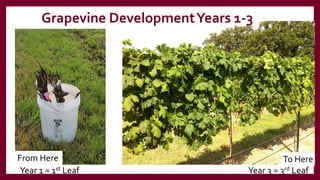
Grapevine DevelopmentYears 1-3
From Here To Here
Year 1 = 1st Leaf Year 3 = 3rd Leaf
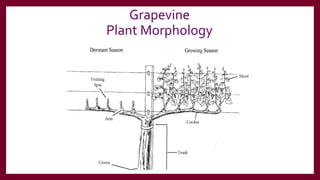
Grapevine
Plant Morphology
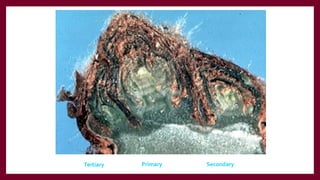
Secondary
Primary
Tertiary
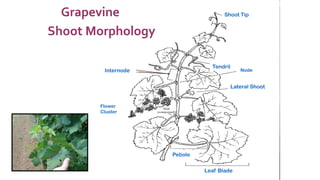
Grapevine
Shoot Morphology
Internode Node
Shoot Tip
Tendril
Flower
Cluster
Petiole
Leaf Blade
Lateral Shoot
Used to define annual stages of growth and to
distinguish grape species, varieties and response to
environment.
Drives vineyard management decisions.
Grapevine Phenology
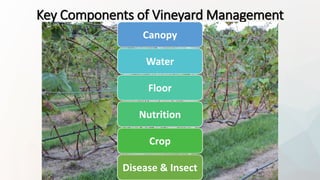
Key Components of Vineyard Management
Canopy
Water
Floor
Nutrition
Crop
Disease & Insect
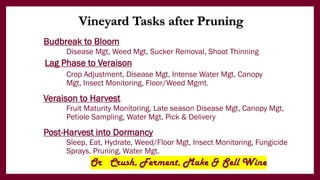
Budbreak to Bloom
Disease Mgt, Weed Mgt, Sucker Removal, Shoot Thinning
Lag Phase to Veraison
Crop Adjustment, Disease Mgt, Intense Water Mgt, Canopy
Mgt, Insect Monitoring, Floor/Weed Mgmt.
Veraison to Harvest
Fruit Maturity Monitoring, Late season Disease Mgt, Canopy Mgt,
Petiole Sampling, Water Mgt, Pick & Delivery
Post-Harvest into Dormancy
Sleep, Eat, Hydrate, Weed/Floor Mgt, Insect Monitoring, Fungicide
Sprays, Pruning, Water Mgt.
Or Crush, Ferment, Make & Sell Wine
Vineyard Tasks after Pruning
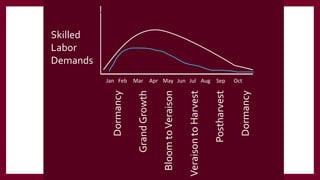
Dormancy
Grand
Growth
Bloom
to
Veraison
Veraison
to
Harvest
Postharvest
Dormancy
Skilled
Labor
Demands
Jan Feb Mar Apr May Jun Jul Aug Sep Oct
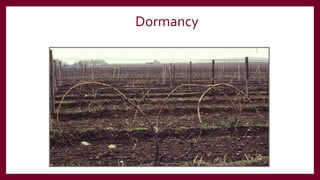
Dormancy
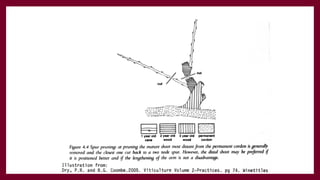
Pruning – First and most important task in managing the canopy
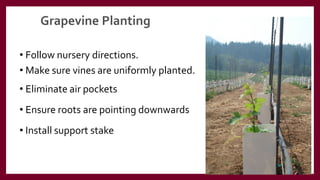
Grapevine Planting
• Follow nursery directions.
• Make sure vines are uniformly planted.
• Eliminate air pockets
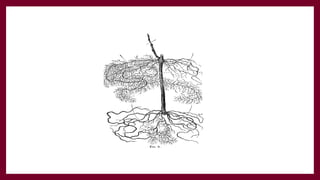
• Ensure roots are pointing downwards
• Install support stake
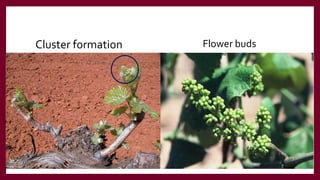
Flower buds
Cluster formation
Manage diseases & insects, water, & vigor
• Manage insects & fungal diseases after harvest, before dormancy
• Avoid standing water - improve drainage where needed
• Fully hydrate after harvest - Avoid dehydration and overwatering
• Avoid excessive growth in fall, keep post harvest nitrogen applications to a minimum of 5-
7lbs/acre
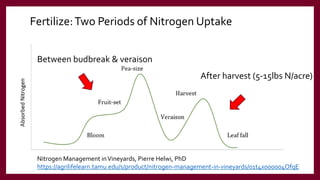
Fertilize:Two Periods of Nitrogen Uptake
Between budbreak & veraison
After harvest (5-15lbs N/acre)
Nitrogen Management inVineyards, Pierre Helwi, PhD
https://agrilifelearn.tamu.edu/s/product/nitrogen-management-in-vineyards/01t4x000004OfqE
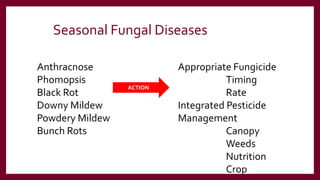
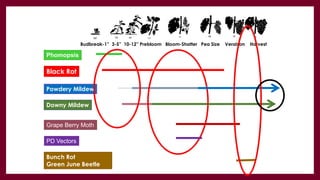
Seasonal Fungal Diseases
ACTION
Appropriate Fungicide
Timing
Rate
Integrated Pesticide
Management
Canopy
Weeds
Nutrition
Crop
Anthracnose
Phomopsis
Black Rot
Downy Mildew
Powdery Mildew
Bunch Rots
Phomopsis
Black Rot
Powdery Mildew
Downy Mildew
Bunch Rot
Green June Beetle
Budbreak-1” 3-5” 10-12” Prebloom Bloom-Shatter Pea Size Veraison Harvest
PD Vectors
Grape Berry Moth
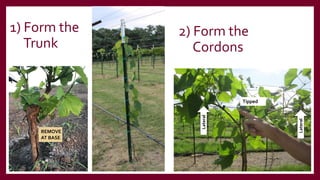
1) Form the
Trunk
Lateral
Tipped
Lateral
REMOVE
AT BASE
2) Form the
Cordons
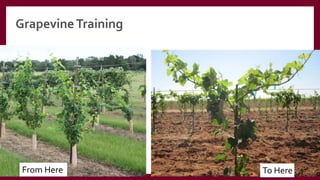
GrapevineTraining
From Here To Here
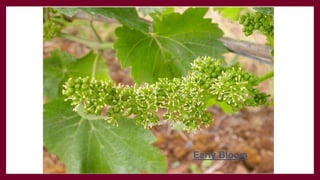
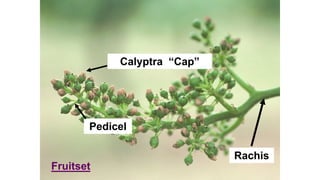
Early Bloom
Rachis
Pedicel
Calyptra “Cap”
Fruitset
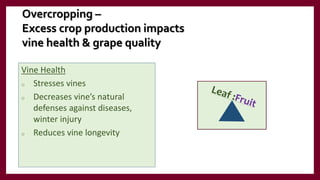
Overcropping –
Excess crop production impacts
vine health & grape quality
Vine Health
o Stresses vines
o Decreases vine’s natural
defenses against diseases,
winter injury
o Reduces vine longevity
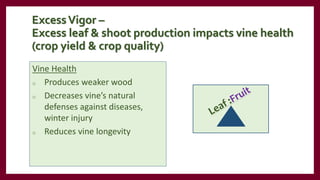
ExcessVigor –
Excess leaf & shoot production impacts vine health
(crop yield & crop quality)
Vine Health
o Produces weaker wood
o Decreases vine’s natural
defenses against diseases,
winter injury
o Reduces vine longevity
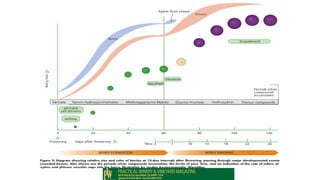
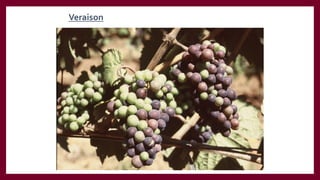
Veraison
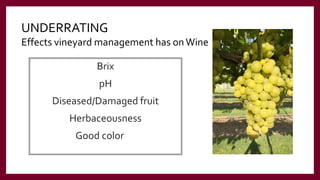
Brix
pH
Diseased/Damaged fruit
Herbaceousness
Good color
UNDERRATING
Effects vineyard management has onWine
Skilled Unskilled
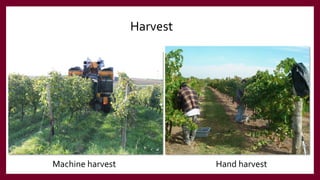
Harvest
Machine harvest Hand harvest
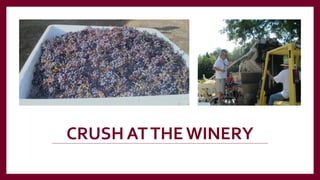
CRUSH ATTHE WINERY
0
5
10
15
20
25
30
35
40
45
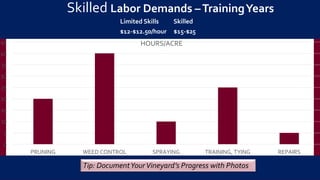
PRUNING WEED CONTROL SPRAYING TRAINING, TYING REPAIRS
HOURS/ACRE
Skilled Labor Demands –TrainingYears
Limited Skills
$12-$12.50/hour
Skilled
$15-$25
Tip: DocumentYourVineyard’s Progress with Photos
120 hrs/acre/year
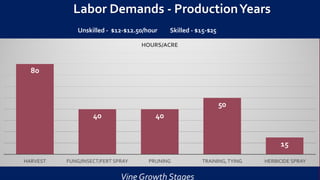
Labor Demands - ProductionYears
Unskilled - $12-$12.50/hour Skilled - $15-$25
80
40 40
50
15
HARVEST FUNG/INSECT/FERT SPRAY PRUNING TRAINING,TYING HERBICIDE SPRAY
HOURS/ACRE
Vine Growth Stages
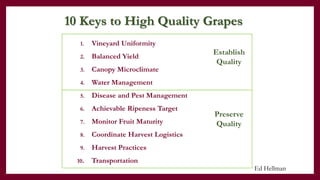
10 Keys to High Quality Grapes
1. Vineyard Uniformity
2. Balanced Yield
3. Canopy Microclimate
4. Water Management
5. Disease and Pest Management
6. Achievable Ripeness Target
7. Monitor Fruit Maturity
8. Coordinate Harvest Logistics
9. Harvest Practices
10. Transportation
Establish
Quality
Preserve
Quality
Ed Hellman
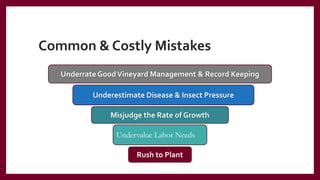
Common & Costly Mistakes
Underrate GoodVineyard Management & Record Keeping
Misjudge the Rate of Growth
Underestimate Disease & Insect Pressure
Undervalue Labor Needs
Rush to Plant
THANK YOU!
Fran Pontasch
fmpontasch@tamu.edu
Facebook –TexasViticulture & Enology

RGV_Starting a Vineyard_Management.pdf