


ÊTRE ET AVOIR
The Construction of Childhood
Learning Outcomes

Discuss the representations of Childhood in films


Explore the representation of teaching, childhood &
schooling through documentary

Examine the similarities and distinctions between
fiction and documentary in the representation of
schooling
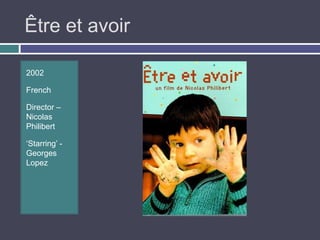
Être et avoir

2002

French

Director –
Nicolas
Philibert

„Starring‟ -
Georges
Lopez
Overview

Être et avoir is a charming and intimate portrait of a single-
class primary school in rural France and its inspirational
teacher. Ranging in age from four to ten, the small handful of
pupils are taught by the remarkable and wise Georges
Lopez, whose patient and enlightened methods highlight a
genuine affection for his young charges.
Offering a touching and absorbing look at the heart of a
village community, director Nicolas Philibert‟s film was a
surprise cinema hit which was warmly received by critics and
won numerous awards including a BAFTA and a European
Film Award.
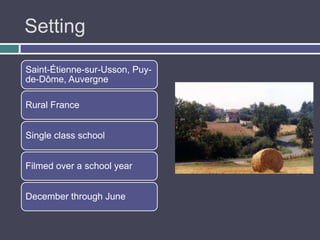
Setting

Saint-Étienne-sur-Usson, Puy-
de-Dôme, Auvergne

Rural France


Single class school


Filmed over a school year


December through June
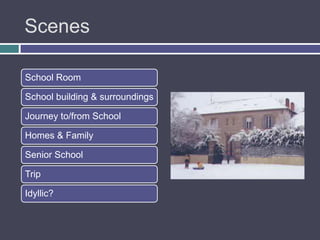
Scenes

School Room

School building & surroundings

Journey to/from School

Homes & Family

Senior School

Trip

Idyllic?
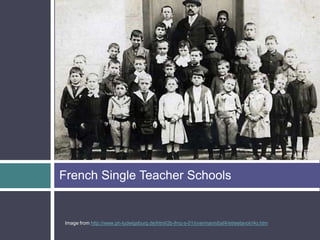
French Single Teacher Schools


Image from http://www.ph-ludwigsburg.de/html/2b-frnz-s-01/overmann/baf4/etreetavoir/4o.htm
Background

Traditional in rural areas


4- 10 year olds taught together

By mid 1990‟s just over 20% of French schools were registered
single teacher schools

Numbers are declining


Re the idyllic
Nicolas Philibert
'There are still, almost everywhere in
France, single-classroom schools that bring
together, under the same schoolteacher, all the
children from the same village, from nursery age
to their last year of primary education.
Whether their individual members are withdrawn
or outgoing, these assorted little groups share
everyday life, for the best and for the worst.
It was in one of these schools, somewhere in the
heart of the Auvergne, that my film was shot.'
Genre

Documentary?
• Subgenre?

Fly on the wall

Realist

French Cinema
Narrative

What is the story or stories?

How is it told? or

Who tells it?

Who is the film about?

What is the teacher‟s story?

What are the children‟s stories?
Characters
Teacher
Pupils
Others?
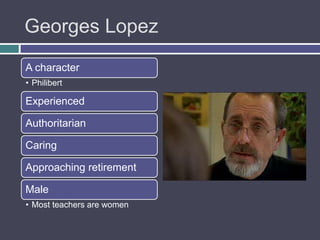
Georges Lopez
A character
• Philibert

Experienced

Authoritarian

Caring

Approaching retirement

Male
• Most teachers are women
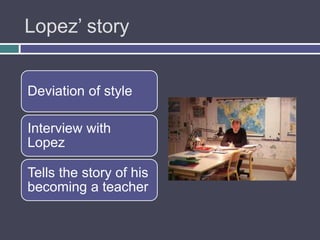
Lopez‟ story


Deviation of style

Interview with
Lopez

Tells the story of his
becoming a teacher
The Children
Key Characters
Minor Characters
Children as Protagonists

Can the children be described as heroes?


What mix of characters does the film have?

Do we focus on one or some of the children more
than others?

Why might this be?
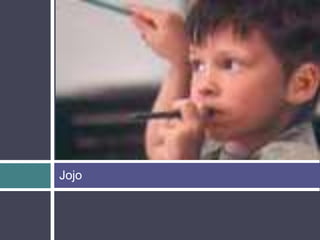
Jojo
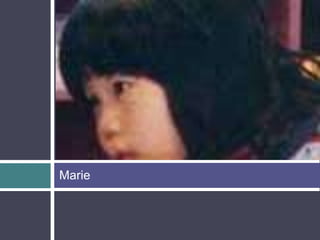
Marie
Létitia
Axel
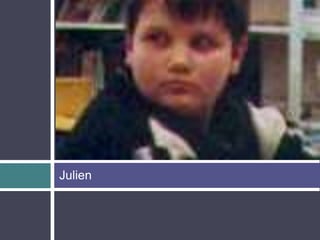
Julien
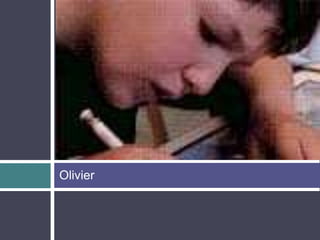
Olivier
Nathalie
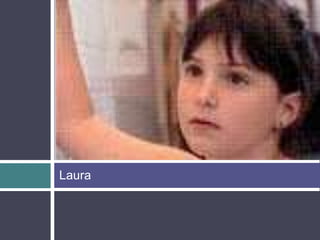
Laura
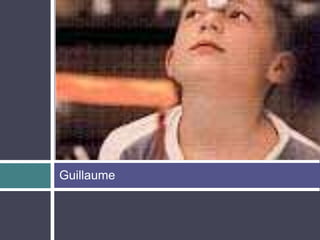
Guillaume
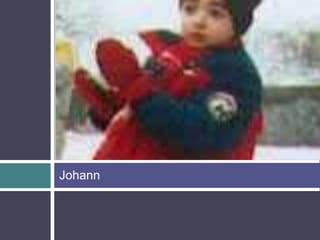
Johann
Jessie
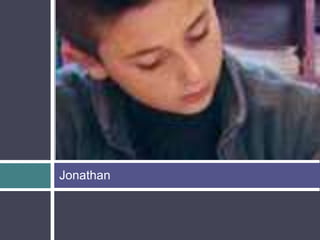
Jonathan
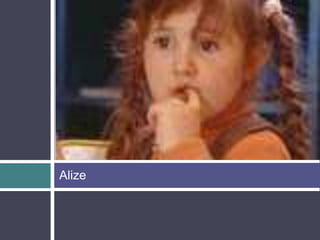
Alize
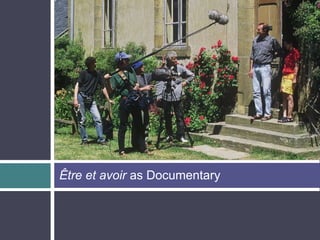
Être et avoir as Documentary
Conventions of Documentary

Serious, factual content

Relates to reality

Aids our understanding of a topic

Analytical – aims to interpret topic
• Present an alternative view

May have a commentary to aid understanding
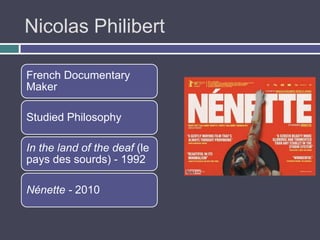
Nicolas Philibert

French Documentary
Maker

Studied Philosophy

In the land of the deaf (le
pays des sourds) - 1992

Nénette - 2010
Fly on the Wall?

The story is told by the Teacher & Pupils
• Is this the case?

Captures the everyday

Unobtrusive
• Natural setting with the camera
Cinematic Ethnography?

Appearance of real life

Scenes where nothing appears to happen

Everyday

Intimate moments
• Nathalie
• Olivier
Constructed Reality

10 weeks of filming – December – June

100 min film
• Editing

Effects indicate passage of time
• Filmed Landscapes

Camera intimidated some
• E.g. Laura
• Become minor characters
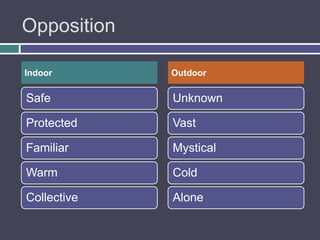
Opposition

Indoor       Outdoor

Safe         Unknown

Protected    Vast

Familiar     Mystical

Warm         Cold

Collective   Alone
The film maker‟s story

Is the story really the teacher‟s & the children‟s?

The film maker‟s viewpoint

Philibert selected Lopez & the school

The court case
• Affirmed genre of the documentary
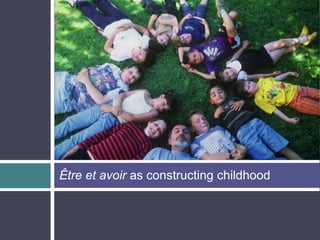
Être et avoir as constructing childhood
Children in Cinema

Relatively few preadolescent children in Cinema

Recent trend for French films with young children
as key characters

Represents a turn, new focus on children


But, these are films for adult viewing
Preadolescent Turn
Powrie (2005)

French preadolescent films focus on childhood

Abuse
• L‟Ombre du doute

Death
• Ponette

Exclusion
• Les Choristes
Concern over children


Powrie – films reflect a: -

“broader interest in the intersection
between institutions and the role of
the family, with children as potential
victims of the failure of both”
Context

Significant increase in French births

Increase in divorce

Increase in single parents

Family breakdown

Damaged children?
Concern in Être et avoir

Olivier
• Father is dying from cancer
• See him breaking down
• Lopez discussion on work moves to concern about
  his father
Nathalie
• Quiet, shy
• Transition to middle school is worrying
• Lopez tries to address fears
Concern about leaving –
discontinuities
Older children are leaving
• Difficult transitions
• Moving up to school
• Leaving preadolescence – loss of innocence?
Lopez‟ retirement
• But will you still live above the school

Coupled with continuities
• New intake
Retrospection

Nostalgic view of childhood

Innocence, purity, freedom, distance from the adult
world

Romantic view of childhood – natural world - rural
setting

Landscapes - Aitken
Heterospection

Film presents a heterotopic view


Utopian site of child represented along other sites

Space of the child (school) alongside contested spaces
(ref – spaces & opposition)

Viewer inhabits a heterotopic space
• Viewing the child from outside (we are not there)
• We empathise because we with the child (fly on the wall)
Contested Spaces

Utopian small school vs Middle School

School vs Home

School vs Outside

Collective space vs Intimate space
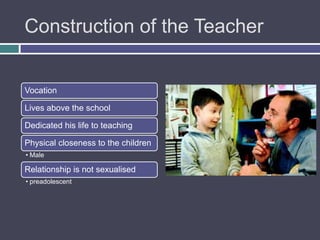
Construction of the Teacher


Vocation

Lives above the school

Dedicated his life to teaching

Physical closeness to the children
• Male

Relationship is not sexualised
• preadolescent
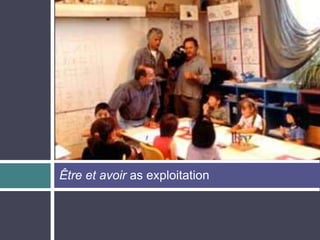
Être et avoir as exploitation
Intrusion?

Viewers view highly personal moments

Image of the children
• Jojo is the face of the movie

Yet sympathetic to characters?

Believe it is their story
Unanticipated Success

Consent for documentary given by Lopez and
parents

Lopez became a „star‟


Represented the ideal teacher


But...
Lopez

“We were misled. The production company told me
and the children's families that they were making a
small documentary about the phenomenon of the
one-teacher village school and that the film would
be used primarily for educational purposes...they
said it would have a restricted screening and never
discussed marketing the film to make it such a
commercial venture”
Impact on the Children

“We had no idea that it would be in cinemas all over
the country, released on DVD or distributed abroad.
One child, who had been very stable and happy
until the film's release, was so distressed by his
unexpected fame, that he started wetting the
bed, and became afraid of the dark....Other children
have been teased at their new secondary schools
because of their involvement. All have been
subjected to a great deal of stress as a direct
consequence of the film”
Court Case
Lopez attempted to sue film's producers for a share in the €2 million
(£1.4m) profits
 • Failed

Parents attempted to sue on behalf of their children


Claimed of misleading, exploitation and harm to children


Lopez‟ fall from grace

Court ruled in favour of Philibert – „stars‟ of the movie were not actors
– it is a documentary
Does it exploit?

Nostalgic view of childhood

Idolising of the School teacher
• Suggest a sympathetic view

Yet the impact on the children
• Emotional harm
• Use of their image
Bibliography
   Aitken, S. C. (2007) 'Poetic child realism: Scottish film and the
    construction of childhood', Scottish Geographical Journal, Vol.
    123:, No.1, pp. 68-86
   Gentleman, A (2004) „Film‟s fallen hero fights on for his class‟, The
    Guardian, [Online] Available at
    http://www.guardian.co.uk/world/2004/oct/03/film.france [Accessed
    10th March 2011]
   Overmann, M (2011) Être et avoir: un film de Nicolas Philibert
    , [Online] Available at http://www.ph-ludwigsburg.de/html/2b-frnz-s-
    01/overmann/baf4/etreetavoir/4o.htm [Accessed 10th March, 2011]
   Philibert, N (2011) Nicolss Philibert [Online] Available at
    http://www.nicolasphilibert.fr/ [Accessed 10th March 2011]
   Powrie , P (2005) „Unfamiliar places: 'heterospection'and recent
    French films on children‟, Screen, Vol. 46, No.3, pp. 342-352
   Tobin, J. And Hsueh, Y (2007) „The Poetics and Pleasures of Video
    Ethnography of Education‟, in In R. Goldman (Ed). Video Research
    in the Learning Sciences. NY: Lawrence Erlbaum Associates

êre et avoir

  • 1.
    ÊTRE ET AVOIR TheConstruction of Childhood
  • 2.
    Learning Outcomes Discuss therepresentations of Childhood in films Explore the representation of teaching, childhood & schooling through documentary Examine the similarities and distinctions between fiction and documentary in the representation of schooling
  • 3.
    Être et avoir 2002 French Director– Nicolas Philibert „Starring‟ - Georges Lopez
  • 4.
    Overview Être et avoiris a charming and intimate portrait of a single- class primary school in rural France and its inspirational teacher. Ranging in age from four to ten, the small handful of pupils are taught by the remarkable and wise Georges Lopez, whose patient and enlightened methods highlight a genuine affection for his young charges. Offering a touching and absorbing look at the heart of a village community, director Nicolas Philibert‟s film was a surprise cinema hit which was warmly received by critics and won numerous awards including a BAFTA and a European Film Award.
  • 5.
    Setting Saint-Étienne-sur-Usson, Puy- de-Dôme, Auvergne RuralFrance Single class school Filmed over a school year December through June
  • 6.
    Scenes School Room School building& surroundings Journey to/from School Homes & Family Senior School Trip Idyllic?
  • 7.
    French Single TeacherSchools Image from http://www.ph-ludwigsburg.de/html/2b-frnz-s-01/overmann/baf4/etreetavoir/4o.htm
  • 8.
    Background Traditional in ruralareas 4- 10 year olds taught together By mid 1990‟s just over 20% of French schools were registered single teacher schools Numbers are declining Re the idyllic
  • 9.
    Nicolas Philibert 'There arestill, almost everywhere in France, single-classroom schools that bring together, under the same schoolteacher, all the children from the same village, from nursery age to their last year of primary education. Whether their individual members are withdrawn or outgoing, these assorted little groups share everyday life, for the best and for the worst. It was in one of these schools, somewhere in the heart of the Auvergne, that my film was shot.'
  • 10.
    Genre Documentary? • Subgenre? Fly onthe wall Realist French Cinema
  • 11.
    Narrative What is thestory or stories? How is it told? or Who tells it? Who is the film about? What is the teacher‟s story? What are the children‟s stories?
  • 12.
  • 13.
    Georges Lopez A character •Philibert Experienced Authoritarian Caring Approaching retirement Male • Most teachers are women
  • 14.
    Lopez‟ story Deviation ofstyle Interview with Lopez Tells the story of his becoming a teacher
  • 15.
  • 16.
    Children as Protagonists Canthe children be described as heroes? What mix of characters does the film have? Do we focus on one or some of the children more than others? Why might this be?
  • 17.
  • 18.
  • 19.
  • 20.
  • 21.
  • 22.
  • 23.
  • 24.
  • 25.
  • 26.
  • 27.
  • 28.
  • 29.
  • 30.
    Être et avoiras Documentary
  • 31.
    Conventions of Documentary Serious,factual content Relates to reality Aids our understanding of a topic Analytical – aims to interpret topic • Present an alternative view May have a commentary to aid understanding
  • 32.
    Nicolas Philibert French Documentary Maker StudiedPhilosophy In the land of the deaf (le pays des sourds) - 1992 Nénette - 2010
  • 33.
    Fly on theWall? The story is told by the Teacher & Pupils • Is this the case? Captures the everyday Unobtrusive • Natural setting with the camera
  • 34.
    Cinematic Ethnography? Appearance ofreal life Scenes where nothing appears to happen Everyday Intimate moments • Nathalie • Olivier
  • 35.
    Constructed Reality 10 weeksof filming – December – June 100 min film • Editing Effects indicate passage of time • Filmed Landscapes Camera intimidated some • E.g. Laura • Become minor characters
  • 36.
    Opposition Indoor Outdoor Safe Unknown Protected Vast Familiar Mystical Warm Cold Collective Alone
  • 37.
    The film maker‟sstory Is the story really the teacher‟s & the children‟s? The film maker‟s viewpoint Philibert selected Lopez & the school The court case • Affirmed genre of the documentary
  • 38.
    Être et avoiras constructing childhood
  • 39.
    Children in Cinema Relativelyfew preadolescent children in Cinema Recent trend for French films with young children as key characters Represents a turn, new focus on children But, these are films for adult viewing
  • 40.
    Preadolescent Turn Powrie (2005) Frenchpreadolescent films focus on childhood Abuse • L‟Ombre du doute Death • Ponette Exclusion • Les Choristes
  • 41.
    Concern over children Powrie– films reflect a: - “broader interest in the intersection between institutions and the role of the family, with children as potential victims of the failure of both”
  • 42.
    Context Significant increase inFrench births Increase in divorce Increase in single parents Family breakdown Damaged children?
  • 43.
    Concern in Êtreet avoir Olivier • Father is dying from cancer • See him breaking down • Lopez discussion on work moves to concern about his father Nathalie • Quiet, shy • Transition to middle school is worrying • Lopez tries to address fears
  • 44.
    Concern about leaving– discontinuities Older children are leaving • Difficult transitions • Moving up to school • Leaving preadolescence – loss of innocence? Lopez‟ retirement • But will you still live above the school Coupled with continuities • New intake
  • 45.
    Retrospection Nostalgic view ofchildhood Innocence, purity, freedom, distance from the adult world Romantic view of childhood – natural world - rural setting Landscapes - Aitken
  • 46.
    Heterospection Film presents aheterotopic view Utopian site of child represented along other sites Space of the child (school) alongside contested spaces (ref – spaces & opposition) Viewer inhabits a heterotopic space • Viewing the child from outside (we are not there) • We empathise because we with the child (fly on the wall)
  • 47.
    Contested Spaces Utopian smallschool vs Middle School School vs Home School vs Outside Collective space vs Intimate space
  • 48.
    Construction of theTeacher Vocation Lives above the school Dedicated his life to teaching Physical closeness to the children • Male Relationship is not sexualised • preadolescent
  • 49.
    Être et avoiras exploitation
  • 50.
    Intrusion? Viewers view highlypersonal moments Image of the children • Jojo is the face of the movie Yet sympathetic to characters? Believe it is their story
  • 51.
    Unanticipated Success Consent fordocumentary given by Lopez and parents Lopez became a „star‟ Represented the ideal teacher But...
  • 52.
    Lopez “We were misled.The production company told me and the children's families that they were making a small documentary about the phenomenon of the one-teacher village school and that the film would be used primarily for educational purposes...they said it would have a restricted screening and never discussed marketing the film to make it such a commercial venture”
  • 53.
    Impact on theChildren “We had no idea that it would be in cinemas all over the country, released on DVD or distributed abroad. One child, who had been very stable and happy until the film's release, was so distressed by his unexpected fame, that he started wetting the bed, and became afraid of the dark....Other children have been teased at their new secondary schools because of their involvement. All have been subjected to a great deal of stress as a direct consequence of the film”
  • 54.
    Court Case Lopez attemptedto sue film's producers for a share in the €2 million (£1.4m) profits • Failed Parents attempted to sue on behalf of their children Claimed of misleading, exploitation and harm to children Lopez‟ fall from grace Court ruled in favour of Philibert – „stars‟ of the movie were not actors – it is a documentary
  • 55.
    Does it exploit? Nostalgicview of childhood Idolising of the School teacher • Suggest a sympathetic view Yet the impact on the children • Emotional harm • Use of their image
  • 56.
    Bibliography  Aitken, S. C. (2007) 'Poetic child realism: Scottish film and the construction of childhood', Scottish Geographical Journal, Vol. 123:, No.1, pp. 68-86  Gentleman, A (2004) „Film‟s fallen hero fights on for his class‟, The Guardian, [Online] Available at http://www.guardian.co.uk/world/2004/oct/03/film.france [Accessed 10th March 2011]  Overmann, M (2011) Être et avoir: un film de Nicolas Philibert , [Online] Available at http://www.ph-ludwigsburg.de/html/2b-frnz-s- 01/overmann/baf4/etreetavoir/4o.htm [Accessed 10th March, 2011]  Philibert, N (2011) Nicolss Philibert [Online] Available at http://www.nicolasphilibert.fr/ [Accessed 10th March 2011]  Powrie , P (2005) „Unfamiliar places: 'heterospection'and recent French films on children‟, Screen, Vol. 46, No.3, pp. 342-352  Tobin, J. And Hsueh, Y (2007) „The Poetics and Pleasures of Video Ethnography of Education‟, in In R. Goldman (Ed). Video Research in the Learning Sciences. NY: Lawrence Erlbaum Associates