3.1. Amino acidsand protein
• Amino acids are compounds containing amino groups (-NH2)
and carboxyl (COOH) groups. So amino acids are also called
amino carboxylic acids.
• Amino acids are the essential components of living cells.
They are the building blocks of proteins and are the monomers
of the protein polymers.
• The 20 amino acids are repeatedly used to synthesis millions of proteins
just as millions of words are composed out of only 26 alphabets.
2
3.
Biochemistry 3070 –Amino Acids & Proteins 3
• Proteins are linear copolymers built from monomeric
units called amino acids.
• Twenty amino acids are commonly found in proteins.
• Protein function depends on both
– amino acid content, and
– amino acid sequence.
• Protein fold into diverse shapes such as
– spherical
– elipsoidal
– long strands, etc.
• All information for 3-D structure is contained in the
linear sequence of amino acids.
4.
Biochemistry 3070 –Amino Acids & Proteins 4
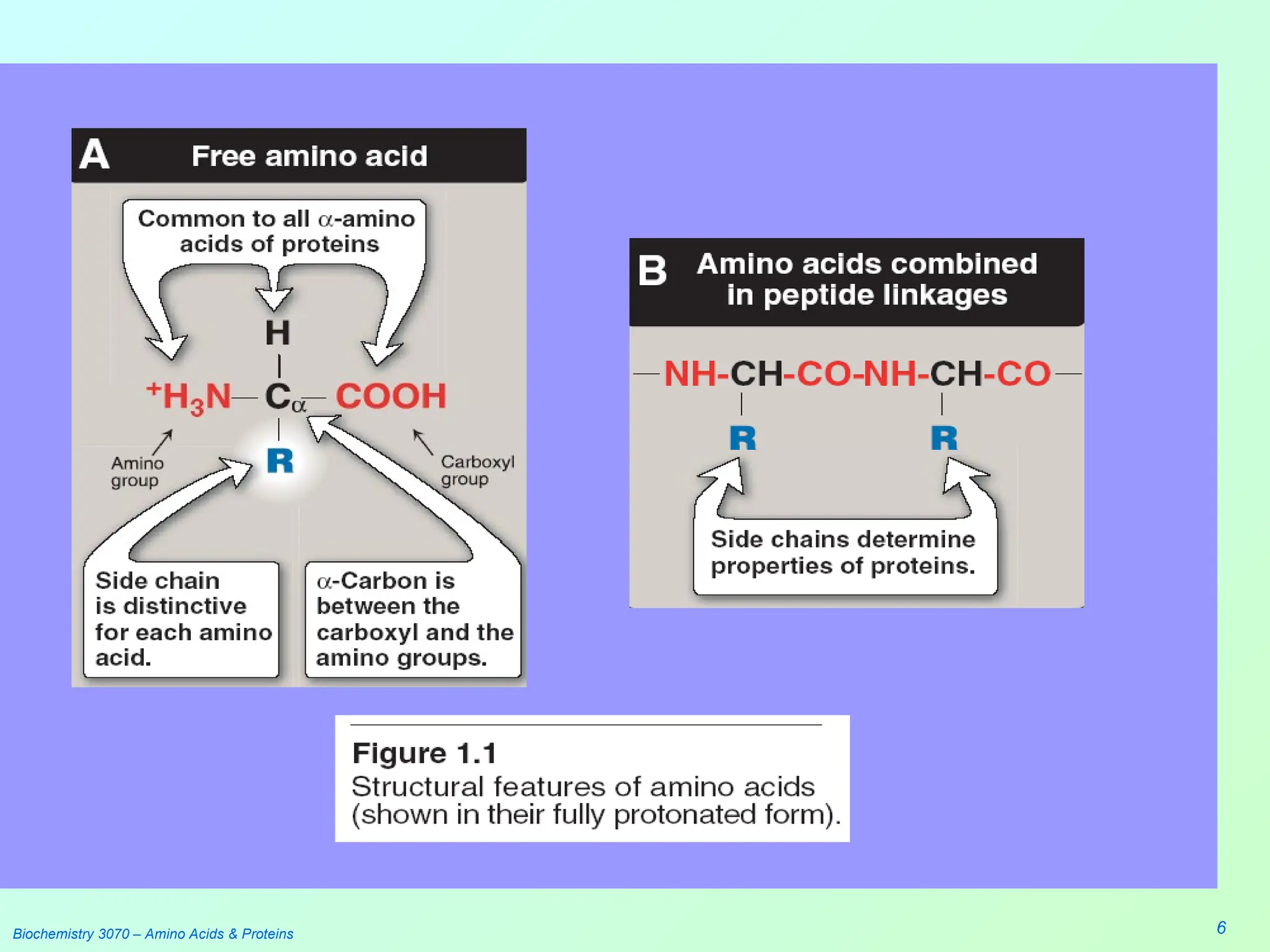
• Amino acid is an amino carboxylic acid. They are
the building blocks of proteins.
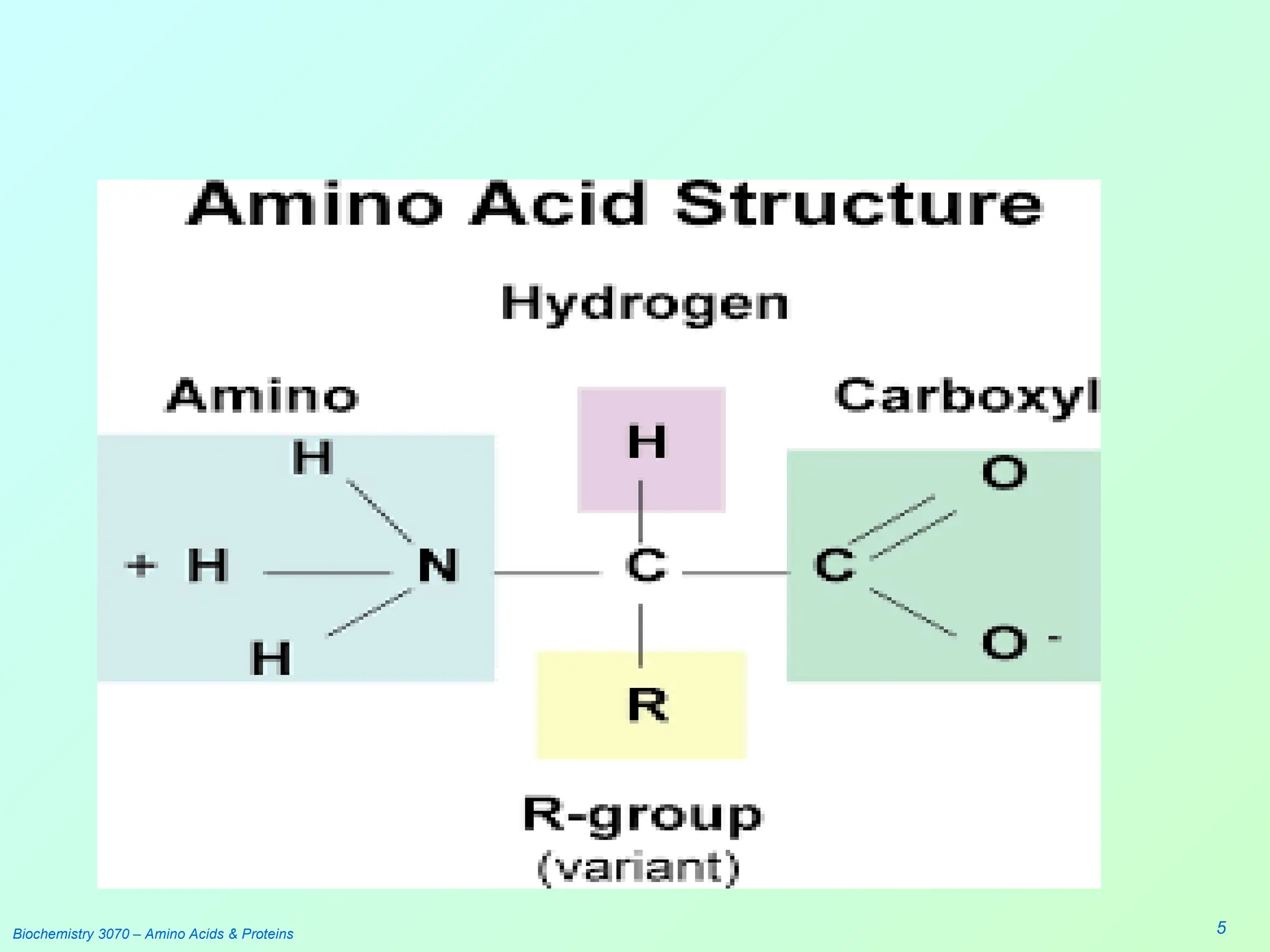
• An amino acid is made up of five components,
namely
• A carbon atom-C
• A hydrogen atom-H
• An amino group-NH2
• A carboxyl group –COOH
• A side chain or residue-R
.
Biochemistry 3070 –Amino Acids & Proteins 7
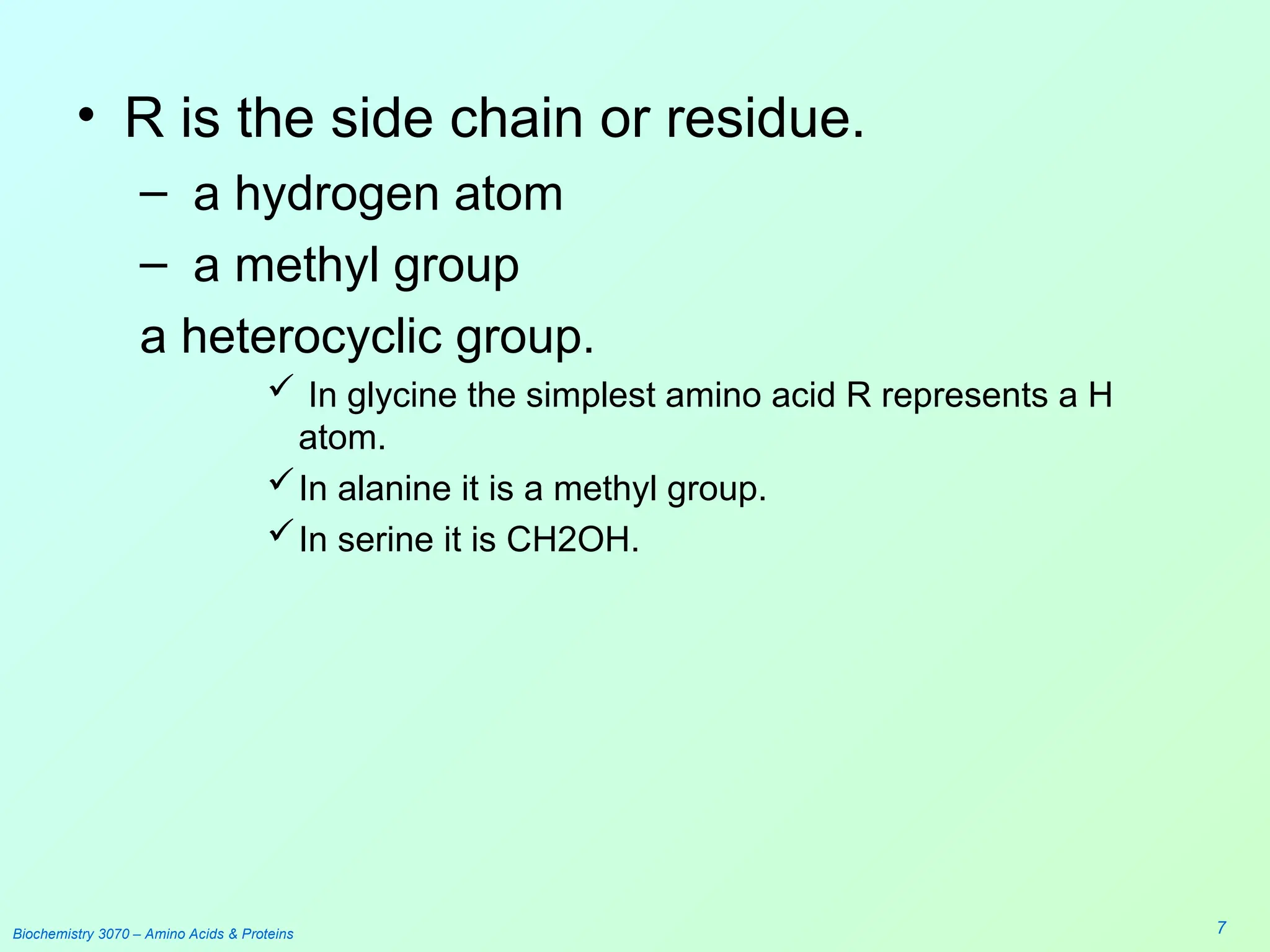
• R is the side chain or residue.
– a hydrogen atom
– a methyl group
a heterocyclic group.
In glycine the simplest amino acid R represents a H
atom.
In alanine it is a methyl group.
In serine it is CH2OH.
8.
Amino Acids
Amino Acids
Theyare made up of -amino acids.
There are two forms of an amino acid:
one that is neutral (with -NH2 and -COOH groups) and
one that is zwitterionic (with -NH3
+
and -COO-
groups).
A zwitterion has both positive and negative charge in one molecule.
9.
Biochemistry 3070 –Amino Acids & Proteins 9
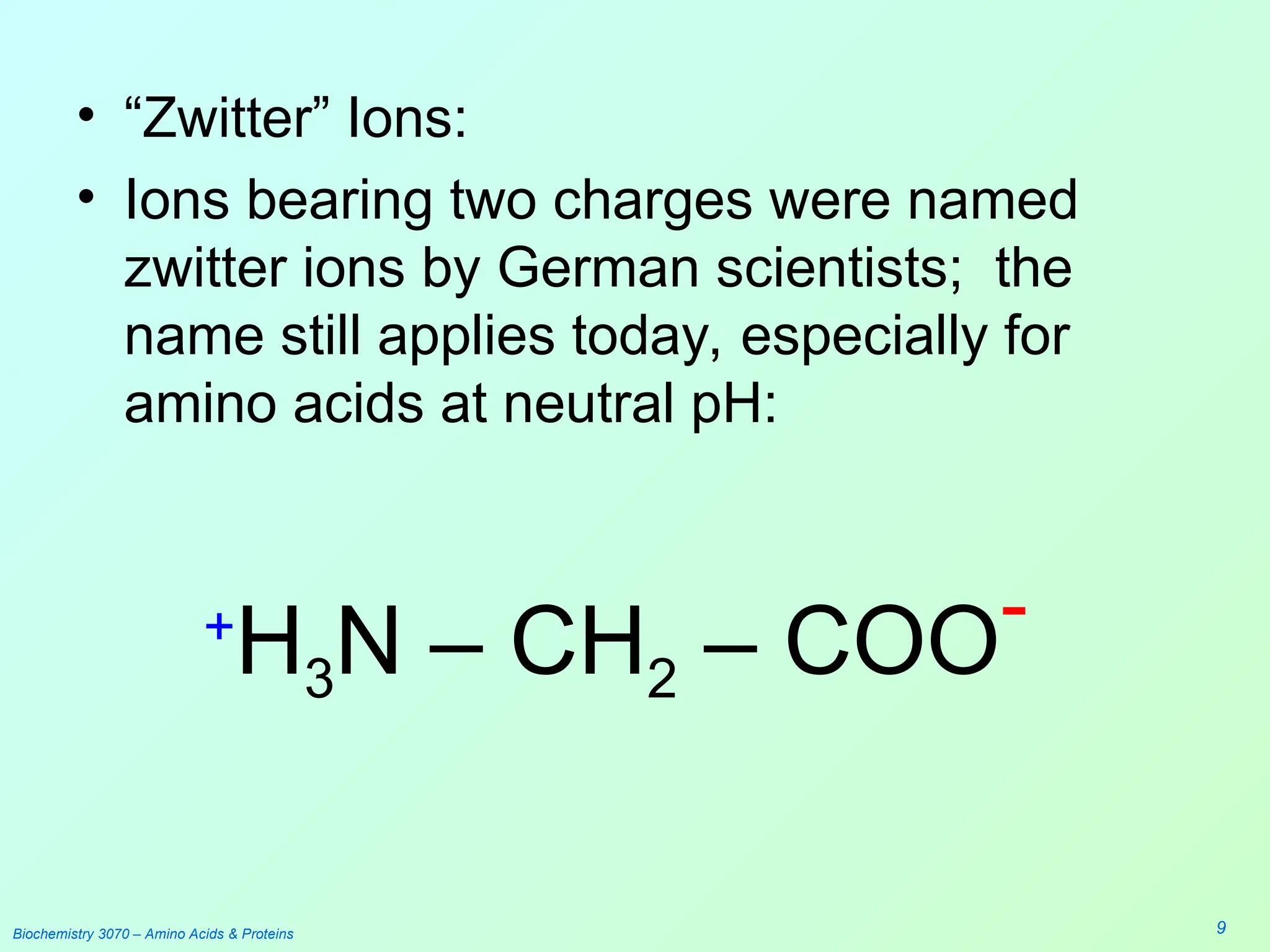
• “Zwitter” Ions:
• Ions bearing two charges were named
zwitter ions by German scientists; the
name still applies today, especially for
amino acids at neutral pH:
+
H3N – CH2 – COO-
10.
3.2.Role of molecularnitrogen
Nitrogen Assimilation
• Nitrogen is required in the synthesis of amino acids, purine and pyrimidine nucleotides,
and a number of other important biological compounds.
• Organisms need to obtain nitrogen in a usable form. Nitrogen in the form of ammonia is
assimilated by biological systems
• Nitrogen is originally assimilated from the environment by microorganisms and plants.
• Animals must obtain biological forms of nitrogen from their diets.
Nitrogen Fixation
• Most abundant form of nitrogen on Earth is N2 gas (makes up 80% of air)
• N2 gas is very stable and inert. 2 N connected by triple bond (225 kcal/mole required to
break bond).
10
11.
N2 gas canbe converted to biologically accessible forms
in three ways:
– N2 can be reduced to NO3
-
by lightning and UV radiation
(15% of fixed nitrogen)
– N2 can be reduced to NH3 through industrial processes
(25% of total fixed nitrogen) Requires temperatures of
500o
C and 300 atm)
– N2 can be reduced to NH3 by nitrogen fixing bacteria (60%
0f total fixed nitrogen)
Biochemistry 3070 – Amino Acids & Proteins 11
Biological Nitrogen Fixation
•Process performed only by special free living (cyanobacteria)
microorganims.
• Nitrogen fixation can also be performed by microorganisms
(Rhizobium, Bradyrhizobium) that exist as symbiotes with
specific plant species (Legumes – soybean, alfalfa)
• N2 is converted to NH3 in a reaction catalyzed by the nitrogenase
complex and rhen Nitrate and Nitrite to Ammonia
• NO3
-
and NO2
-
must be converted to NH3 to be assimilated into
organisms. Process referred to as nitrification. Requires two
enzymes nitrate reductase and nitrite reductase
Biochemistry 3070 – Amino Acids & Proteins 13
14.
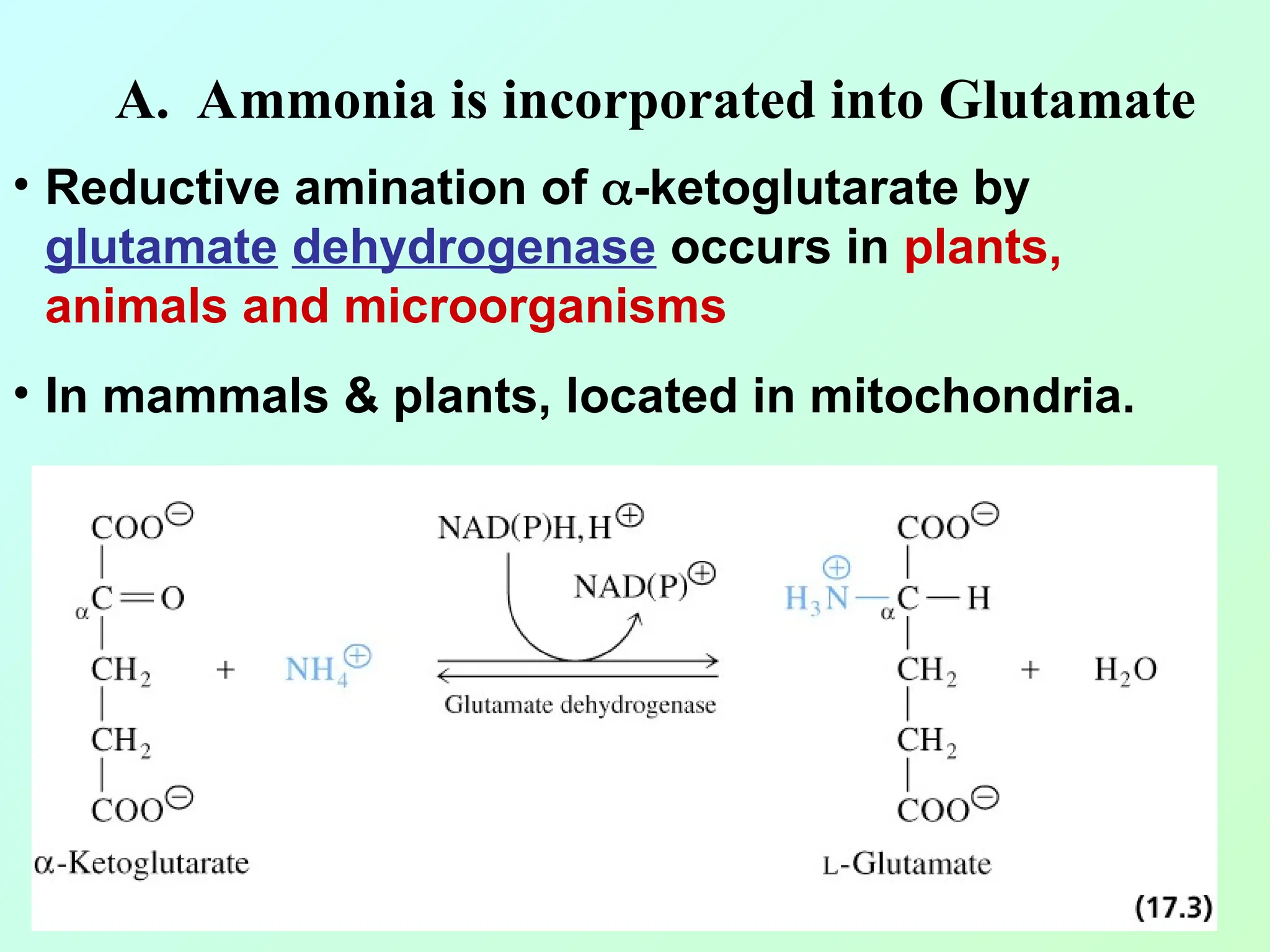
A. Ammonia isincorporated into Glutamate
• Reductive amination of -ketoglutarate by
glutamate dehydrogenase occurs in plants,
animals and microorganisms
• In mammals & plants, located in mitochondria.
15.
B. Glutamine Isa Nitrogen Carrier in
Many Biosynthetic Reactions
• A second important route in assimilation of
ammonia is via glutamine synthetase
3.3 Classification ofAmino Acids
They classified according to the side chain:.
– Aromatic R Groups.
– Amino acids with uncharged polar side chains.
– Positively Charged (Basic) R Groups.
– Amino acids with acidic side chains.
– Aliphatic amino acids
18.
A- Aromatic (R)Groups
• Their aromatic side chains, are nonpolar so that
participate in hydrophobic interactions.
• Most proteins absorb light at a wavelength of 280
nm due to aromatic groups.
• They are monoamino monocarboxylic acids
and are neutral in reaction.
• Eg: Phenylalanine and tyrosine
19.
Biochemistry 3070 –Amino Acids & Proteins 19
B. Aliphatic amino acids
• The amino acids containing straight chain in the R-
group are called aliphatic amino acids.
• The aliphatic amino acids are further classified into
four types, based on the number of amino and
carboxyl groups in the side chain.
– Monoamino monocarboxylic acids
– Monoamino dicarboxylic acids
– Diamino mono carboxylic acids
– Diamino dicarboxylic acids
20.
C- Nonpolar SideChains
• The side chains cluster in the interior of the
protein due to hydrophobicity.
• The side chain of proline and its α-amino
group form a ring structure.
• Proline gives the fibrous structure of collagen,
and interrupts the α-helices found in globular
proteins.
21.
D. Uncharged polarside chains
• More hydrophilic because they form hydrogen bonds with
water.
• includes serine, threonine, cysteine, asparagine, and
glutamine.
• Cysteine contains a sulfhydryl group (-SH), an important
component of the active site of many enzymes.
• Two cysteines can become oxidized to form a dimmer
cystine, which contains a covalent cross-link called a
disulfide bond (-S-S-).
22.
• Serine and
threonine
containa polar
hydroxyl group.
• Serve as a site
of attachment (in enzymes) for groups such as a
phosphate.
• Amide group of asparagine, as well as the hydroxyl
group of serine or threonine serve as a site of
attachment for oligosaccharide chains in
glycoproteins.
23.
E. Basic (R)Groups
• The R groups have significant positive charge.
• Lysine has a second positive amino group at the ε
position on its (R) chain.
• Arginine has a positively charged guanidino
group.
• Histidine has a positive imidazole group facilitates
the enzyme-catalyzed reaction by serving as a
proton donor/acceptor.
24.
F. Acidic SideChains
• Aspartic and glutamic acid are proton donors.
• At neutral pH, the side chains of these amino
acids are fully ionized.
• They have a negatively charged carboxylate
group (-COO-
) at physiologic pH.
3.4. CLASSIFICATION OFPROTEINS
:Proteins are classified in two ways:
– On the basis of their solubility or shape
– On the basis of increasing complexity of structure
• Classification of proteins on the basis of solubility or shape:
1. Globular proteins:
• Globular proteins are spherical in shape. They are soluble in water
and are highly branched. Polypeptide chains are cross linked by the
usual peptide bonds. The globular protein molecules are tightly
folded into spherical or globular shapes.
• The globular proteins include: Enzymes, protein hormones,
antibodies, haemoglobin, myoglobin. 27
28.
2. Fibrous proteins:
•Fibrous proteins are insoluble in water. They are in the form of fibers and
They are highly resistant to digestion by proteolytic enzymes.
• They are unbranched. They are linear molecules. The long linear protein
chains are held together by intermolecular hydrogen bonds.
• They are folded into globular molecules. They serve as structural
proteins.
• The common fibrous proteins are:
– Collagen of tendons,
– elastin of connective tissue,
– fibroin in silk,
– keratin in hair,
– actin and myosin in muscle 28
29.
Classification of proteinOn the basis of
increasing complexity of structure
1. Primary Structure of Proteins
• The primary structure of peptides and proteins
refers to the linear number and order of the amino
acids present.
2. Secondary Structurein Proteins
• In general proteins fold into two broad classes of
structure termed, globular proteins or fibrous
proteins. Globular proteins are compactly folded
and coiled, whereas, fibrous proteins are more
filamentous or elongated.
• 2o
: Local structures which include, folds,
turns, -helices and -sheets held in place
by hydrogen bonds.
32.
The α-Helix
• Itis the most common confirmation.
• It is a spiral structure.
• Tightly packed coiled polypeptide backbone, with extending
side chains.
• The formation of the α-helix is spontaneous .
• It is stabilized by H-bonding between amide hydrogens and
carbonyl oxygens of peptide bonds..
• This orientation of H-bonding produces a helical coiling of the
peptide backbone such that the R-groups lie on the exterior of
the helix and perpendicular to its axis.
33.
β-Sheets
• β-sheets arecomposed of 2 or more different regions of stretches
of at least 5-10 amino acids.
• The folding and alignment of stretches of the polypeptide
backbone aside one another to form β-sheets is stabilized by H-
bonding between amide hydrogens and carbonyl oxygens.
• Unlike the compact backbone of the α helix, the peptide backbone
of the β sheet is highly extended.
• β-sheets are said to be pleated in which the R groups of adjacent
residues point in opposite directions.
• β-sheets are either parallel or antiparallel.
35.
3. Tertiary Structureof Proteins
• Tertiary structure refers to the complete three-dimensional
structure of the polypeptide units of a given protein.
• Tertiary structure describes the relationship of different
domains to one another within a protein.
• The interactions of different domains is governed by several
forces:
• These include hydrogen bonding, hydrophobic interactions,
electrostatic interactions and van der Waals forces.
• 3o
: 3-D arrangement of all atoms in a single polypeptide
chain.
4. Quaternary Structure
•Many proteins contain 2 or more different polypeptide chains
that are held in association by the same non-covalent forces
that stabilize the tertiary structures of proteins.
• The arrangement of these polypeptide subunits is called the
quaternary structure of proteins.
• 4o
: Arrangement of polypeptide chains into a functional
protein, eg. hemoglobin.
40.
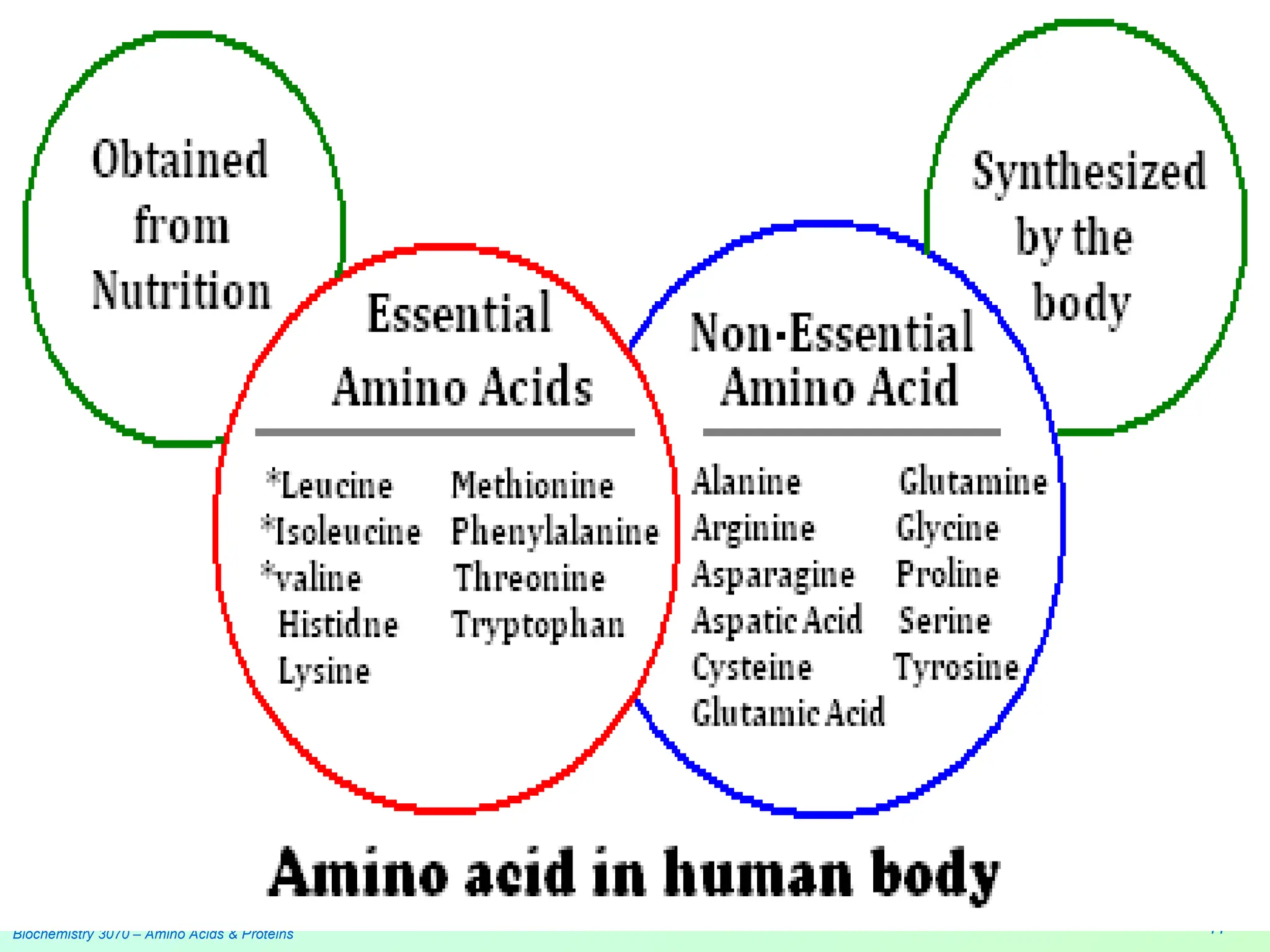
3.5. AMINO ACIDBIOSYNTHESIS
Many amino acids are synthesized by
pathways that are present only in plants and
microorganisms. Since mammals must obtain
these amino acids in their diets, these
substances are known as essential amino
acids.
The other amino acids, which can be
synthesized by mammals from common
intermediates, are termed nonessential
amino
40
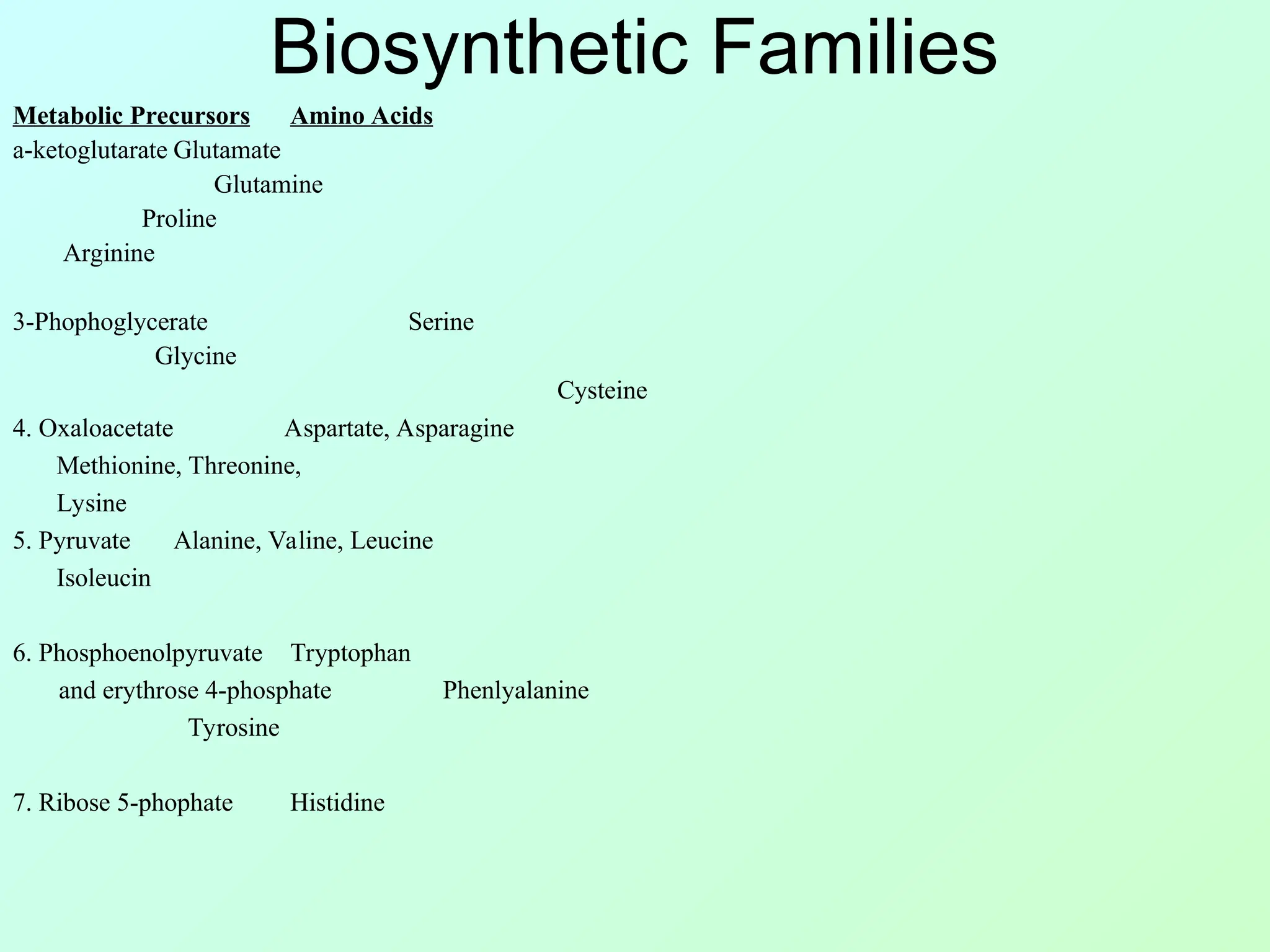
Biosynthesis of theNonessential Amino Acids
• All the nonessential amino acids except tyrosine are
synthesized by simple pathways leading from one
of four common metabolic intermediates:
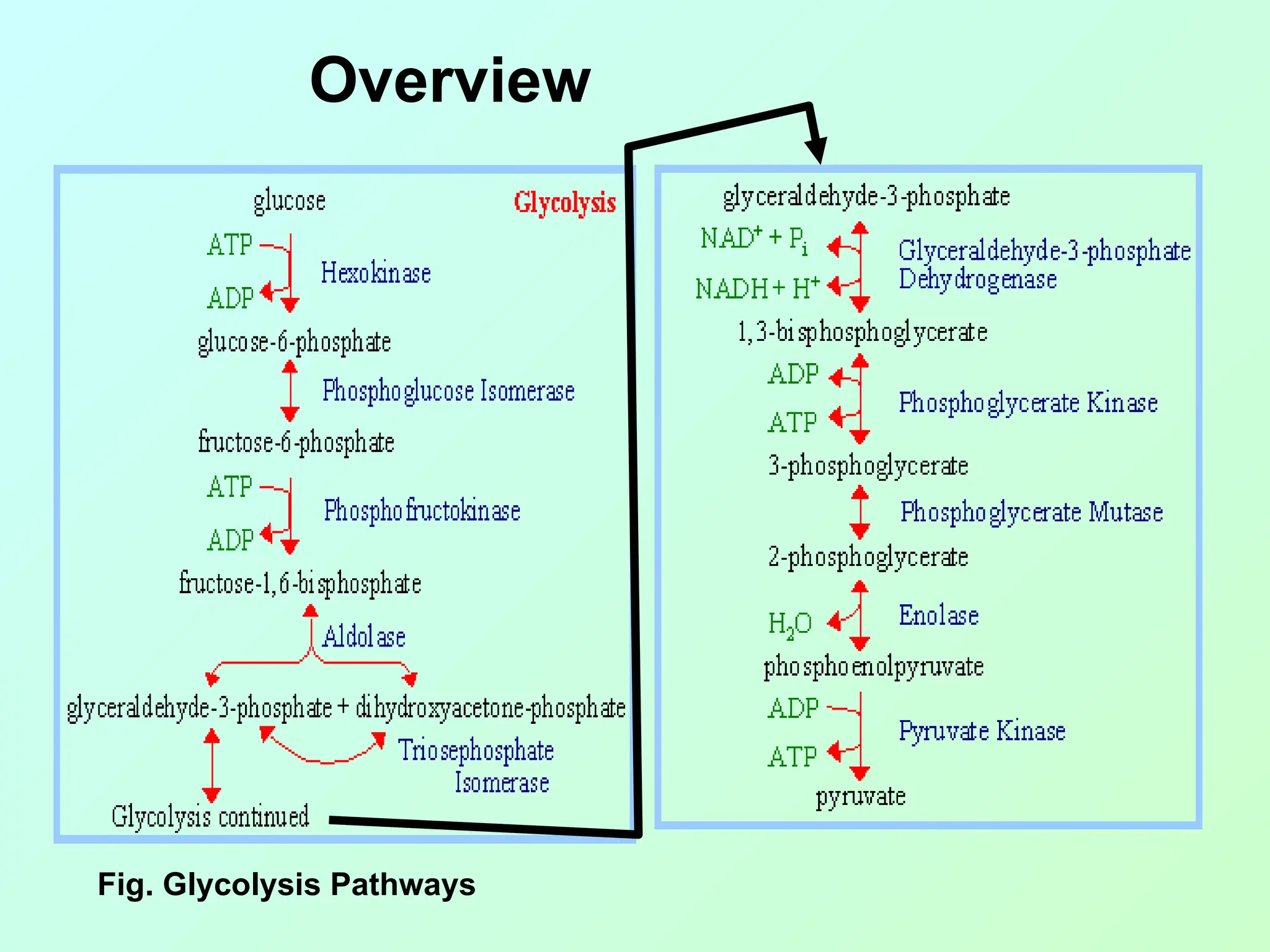
– pyruvate, oxaloacetate, α-ketoglutarate, and 3-
phosphoglycerate.
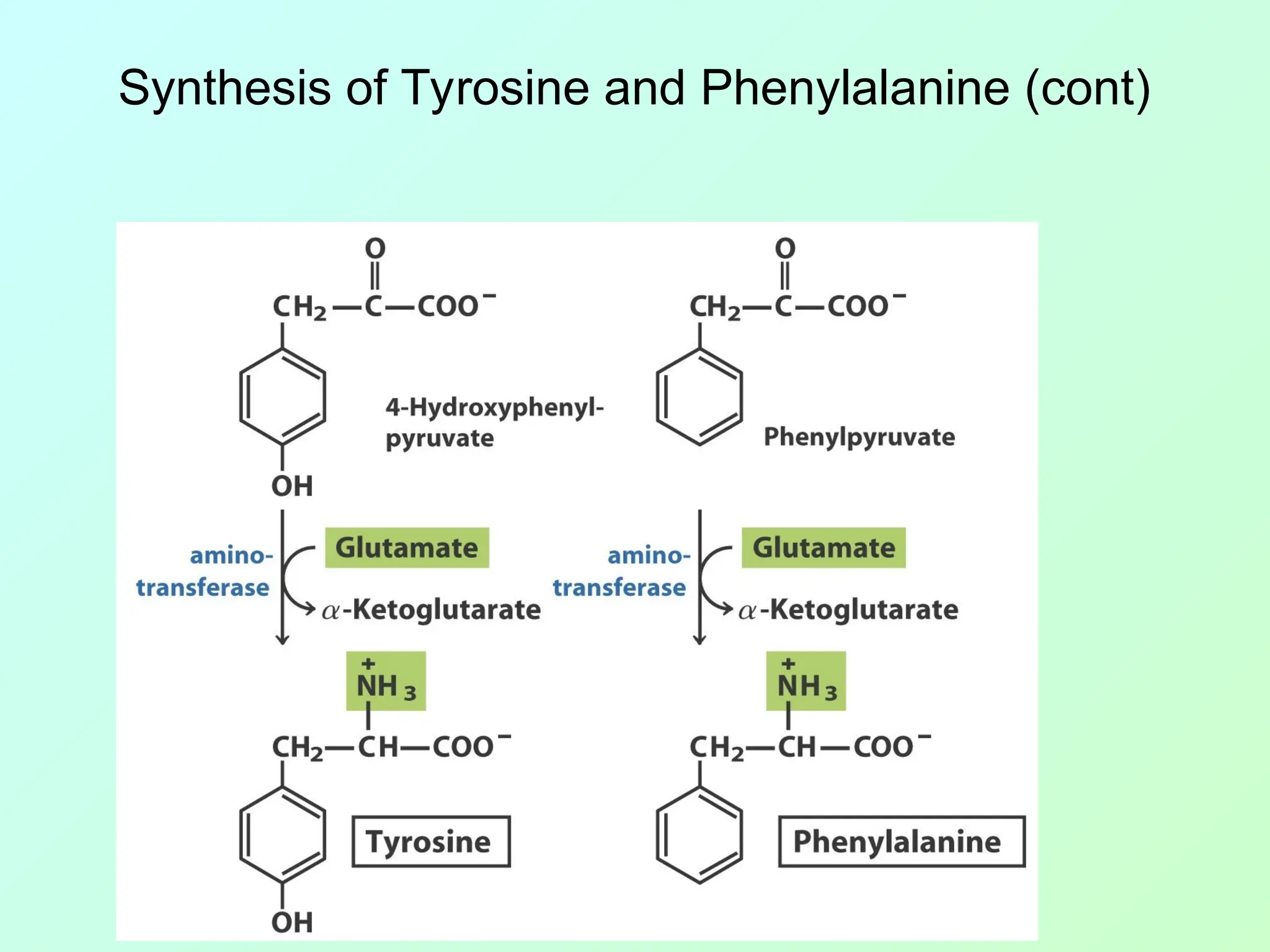
• Tyrosine, which is really misclassified as
nonessential, is synthesized by the one-step
hydroxylation of the essential amino acid
phenylalanine.
Biochemistry 3070 – Amino Acids & Proteins 42
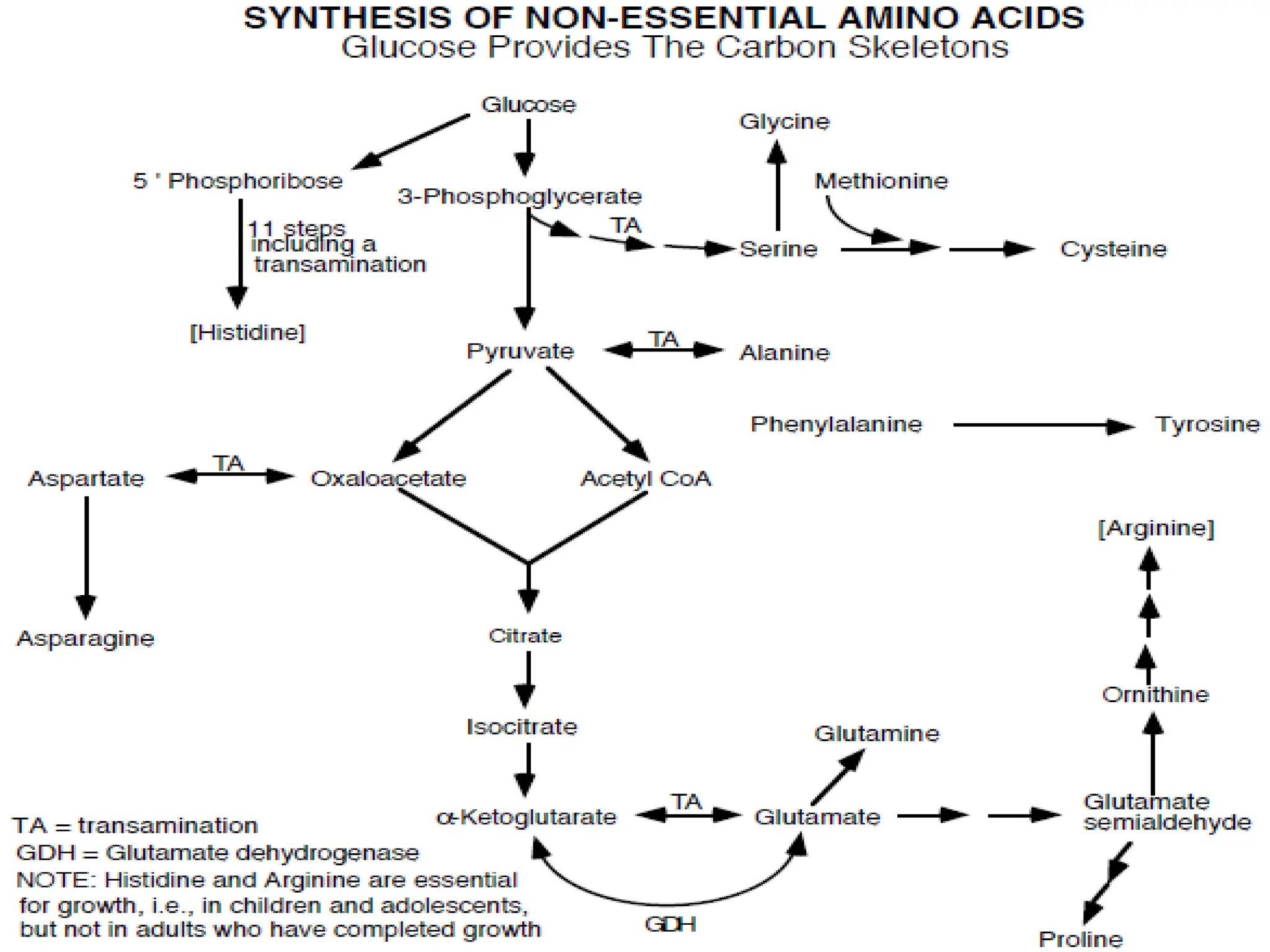
Synthesis of non-essentialamino acids
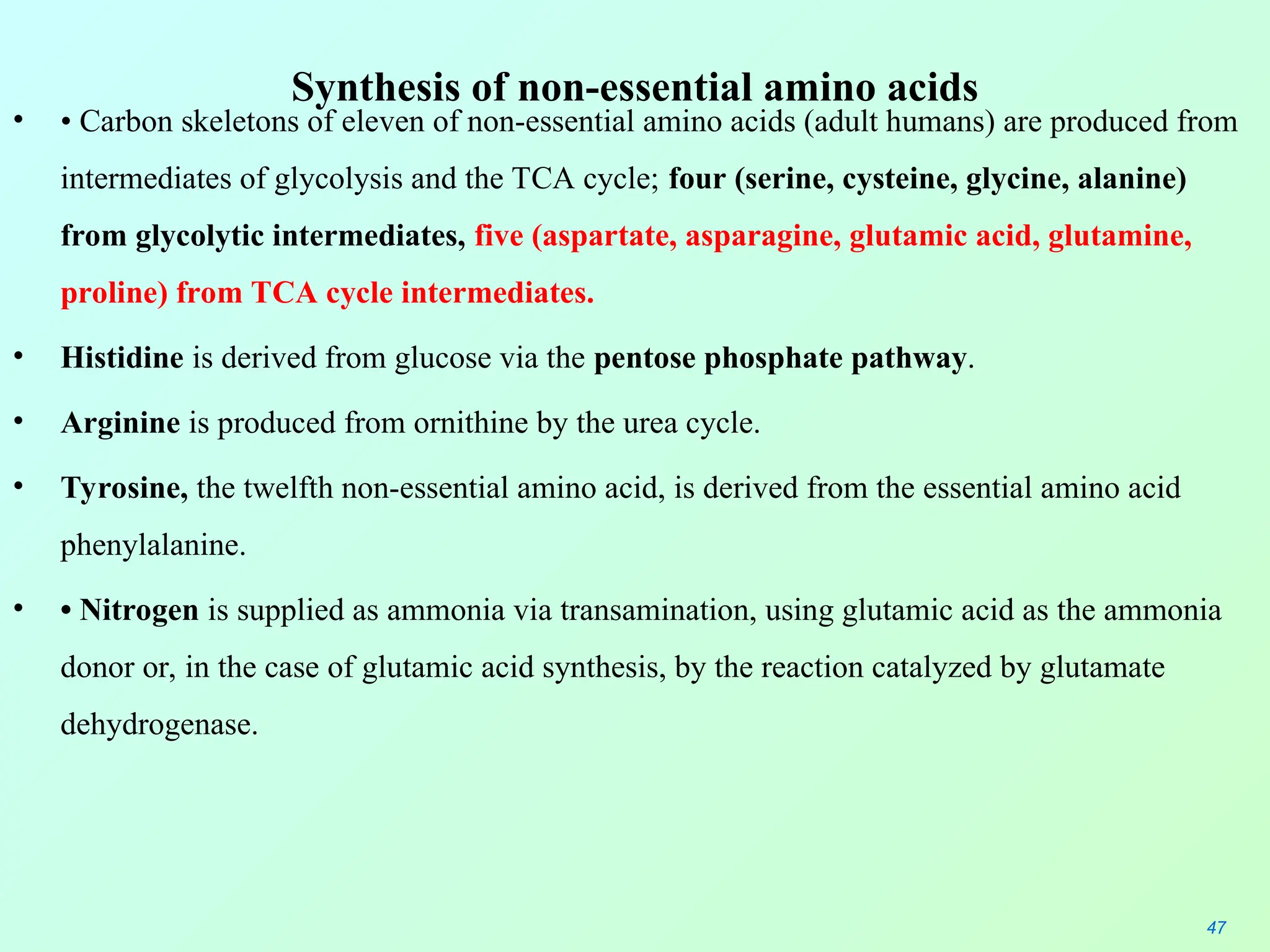
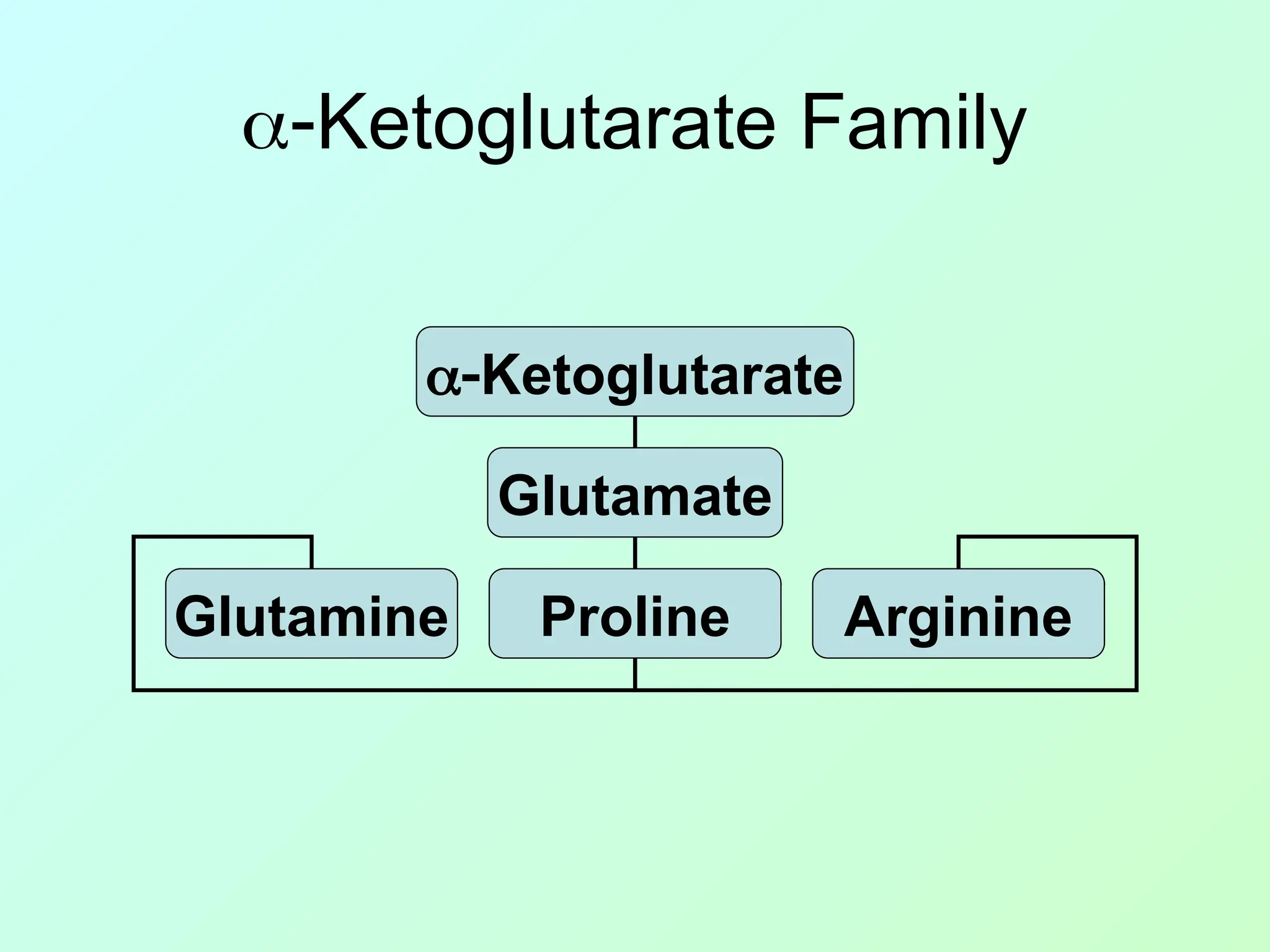
• • Carbon skeletons of eleven of non-essential amino acids (adult humans) are produced from
intermediates of glycolysis and the TCA cycle; four (serine, cysteine, glycine, alanine)
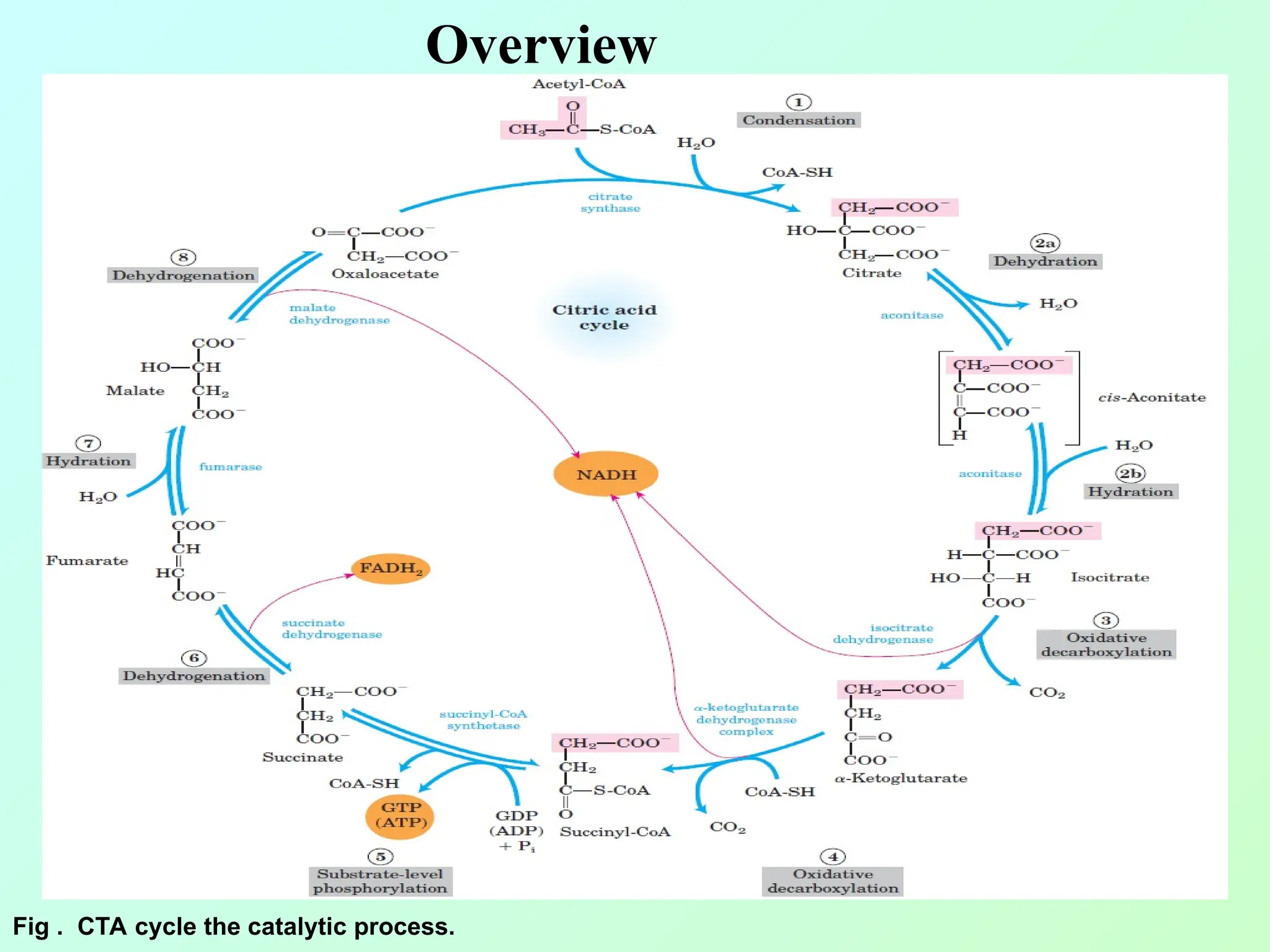
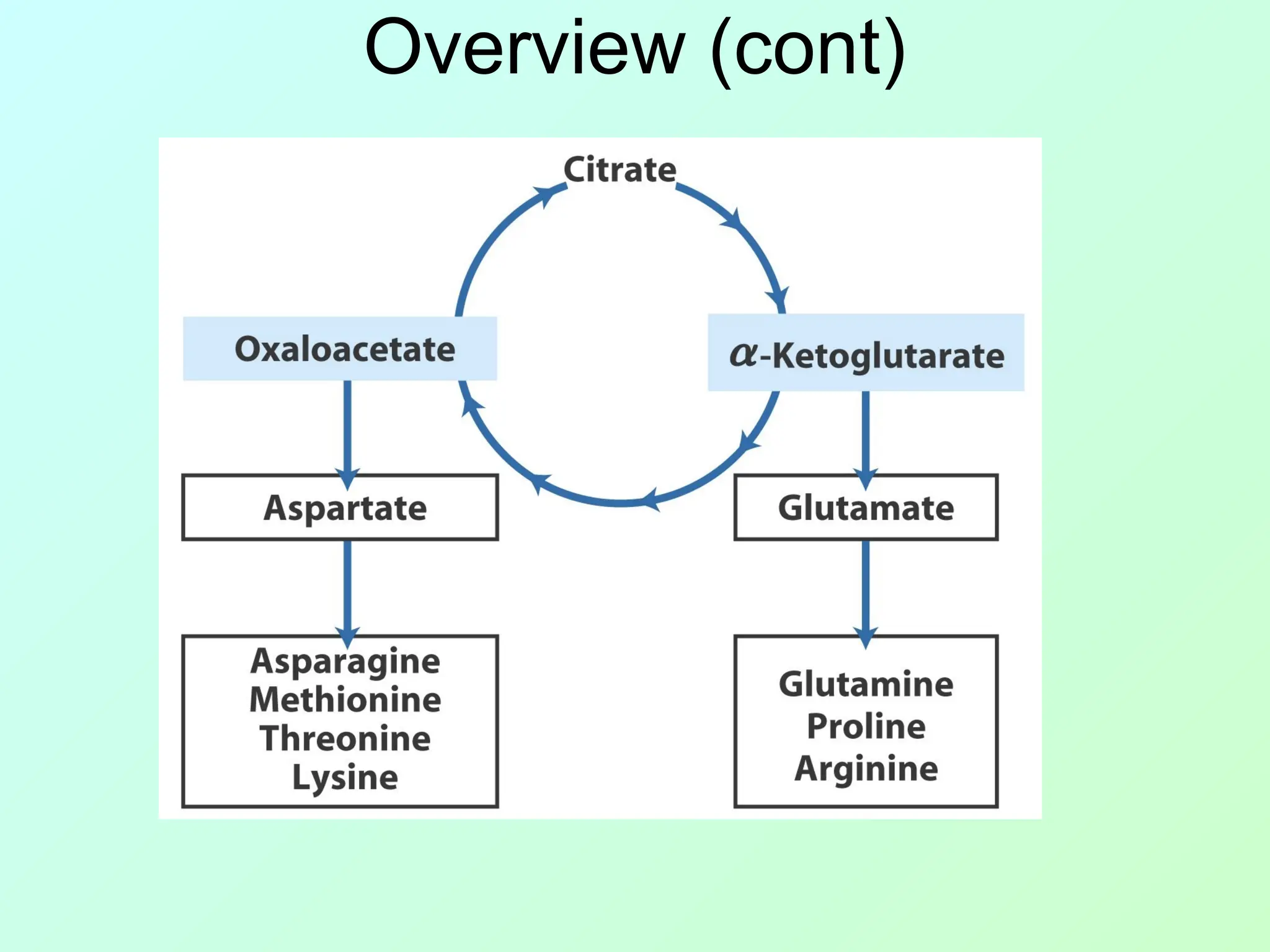
from glycolytic intermediates, five (aspartate, asparagine, glutamic acid, glutamine,
proline) from TCA cycle intermediates.
• Histidine is derived from glucose via the pentose phosphate pathway.
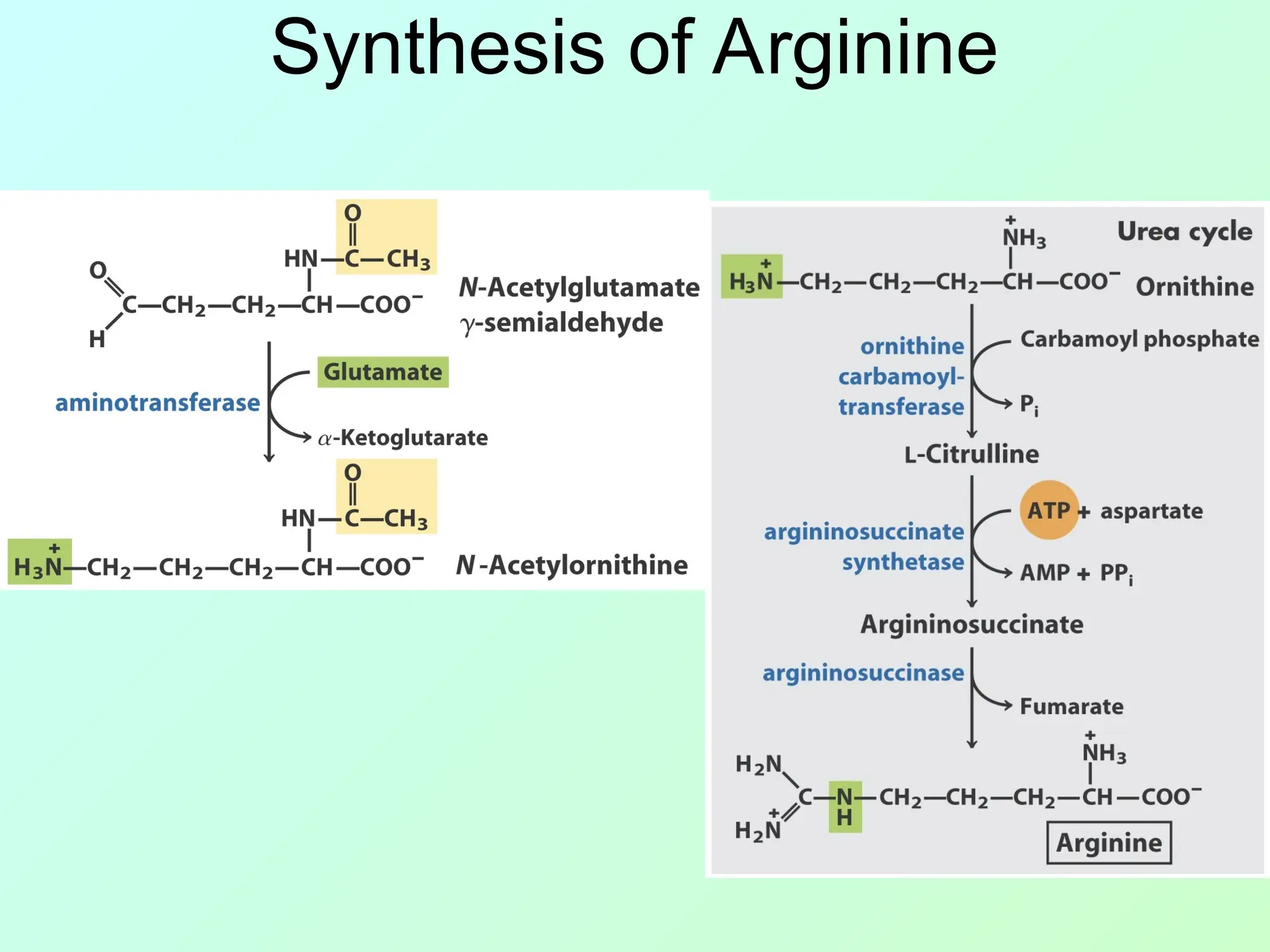
• Arginine is produced from ornithine by the urea cycle.
• Tyrosine, the twelfth non-essential amino acid, is derived from the essential amino acid
phenylalanine.
• • Nitrogen is supplied as ammonia via transamination, using glutamic acid as the ammonia
donor or, in the case of glutamic acid synthesis, by the reaction catalyzed by glutamate
dehydrogenase.
47
59
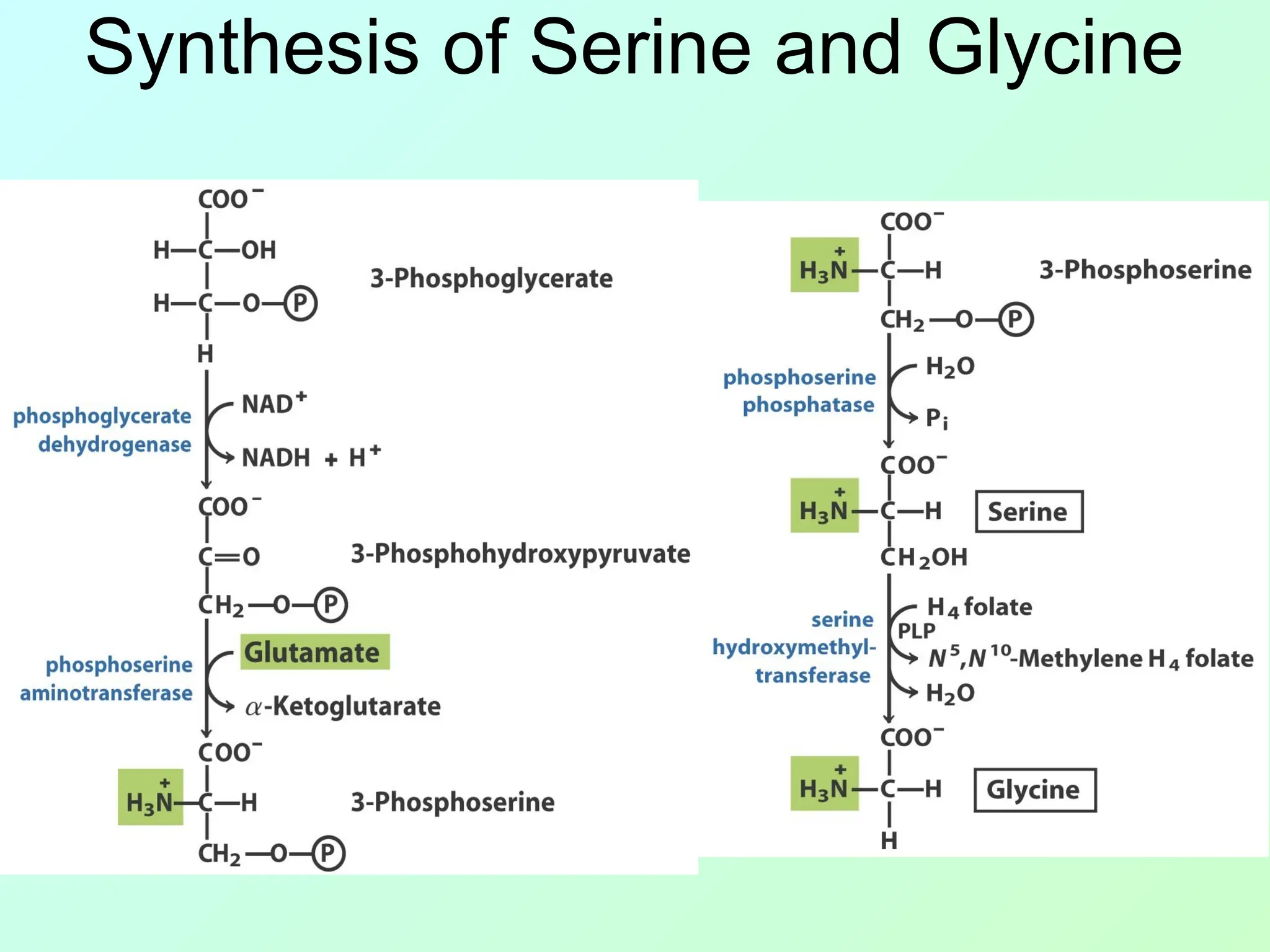
BIOSYNTHESIS OF AMINOACIDS FROM SERINE:
Non essential amino acids, namely glycine and cysteine are
derived from another non-essential amino acid, namely serine
which in turn is synthesized from 3-phosphoglyceric acid which
is an intermediate in glycolysis. The biosynthesis of serine
occurs by three different steps.
3-phosphpglyceric acid is first oxidized to 3-phosphohydroxy
pyruvic acid in the presence of phosphoglycerate
dehydrogenase, at the expense of NAD+
3-phosphohydroxypyruvic acid is transaminated to 3-phospho
serine.
3-phosphoserine is then hydrolyzed to produce serine
BIOSYNTHESIS OF CYSTEINE
•Biosynthesis of cysteine (non-essential amino acid) occurs from two different amino acids,
namely methionine (an essential amino acid) and serine (a non-essential amino acid). In
this process, sulfur atom of methionine is transferred to replace the hydroxyl oxygen atom
of serine, thereby serine is converted to cysteine and this process is referred to as
transulfuration. There are various steps in this process.
• First methionine is activated in the presence of ATP into an active methionine or S-
adenosyl methionine in which adenosyl group of ATP is transferred to methionine.
• S-adenosyl methionine is an important biological methyl donor and its methyl group may
be donated to any of the methyl acceptor in the presence of the appropriate methyl
transferase. As a result of transmethylation, S-adenosyl methionine is converted into S-
adenosyl homocysteine.
• S-adenosyl homocysteine on further hydrolysis yields homocystein.
• Next, homocysteine reacts with serine to produce cystathionine and the reaction is
catalyzed by cystathionine β-synthetase (synthase).
• In the final step, cystathionine is cleaved into cysteine, α-ketobutyric acid and NH3 and this
reaction is catalyzed by cystathioninelyase.
Biochemistry 3070 – Amino Acids & Proteins 61
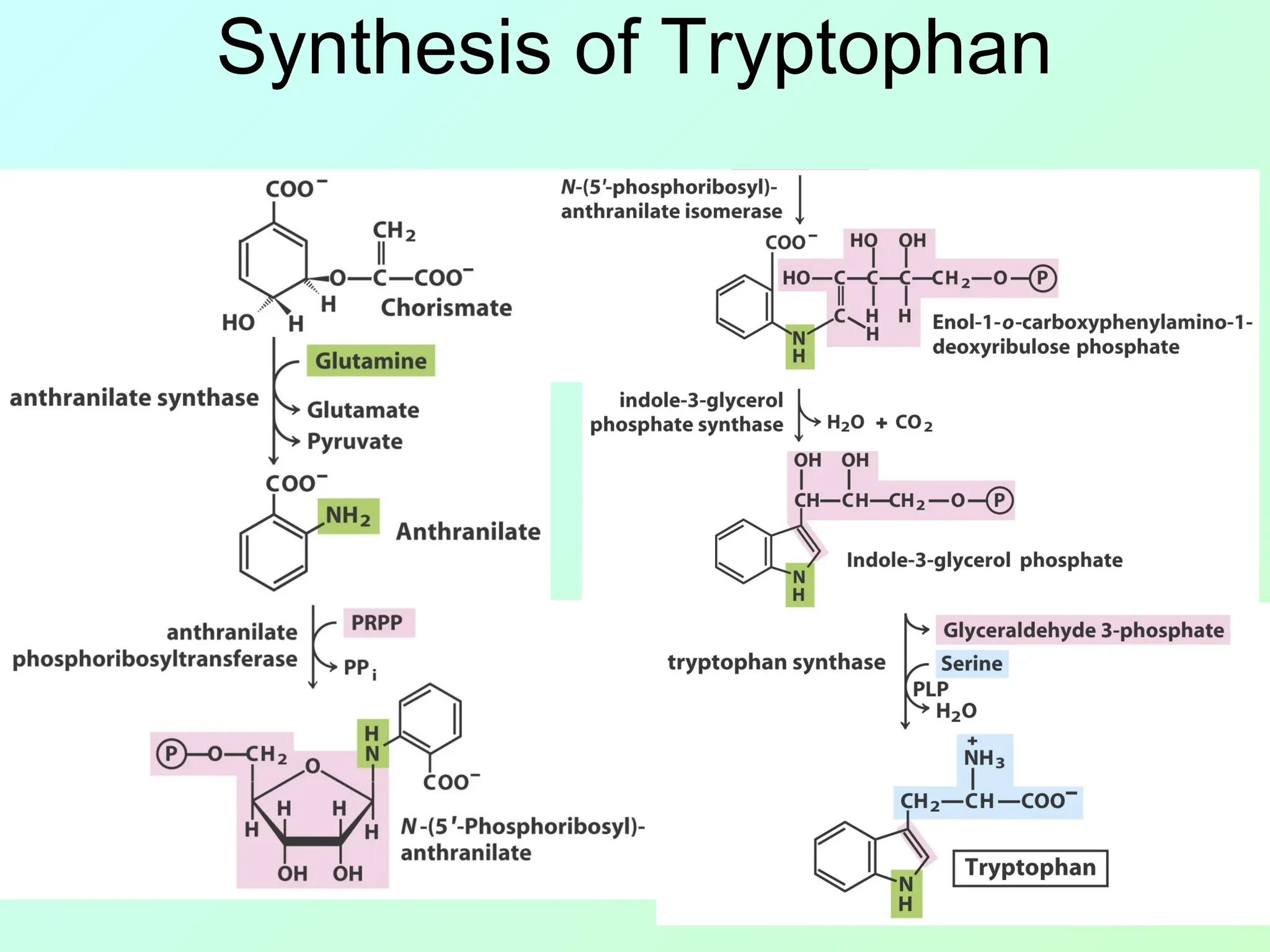
B. Biosynthesis ofthe Essential Amino Acids
• Essential amino acids, like nonessential amino acids, are synthesized from familiar
metabolic precursors. Their synthetic pathways are present only in microorganisms
and plants, however, and usually involve more steps than those of the non essential
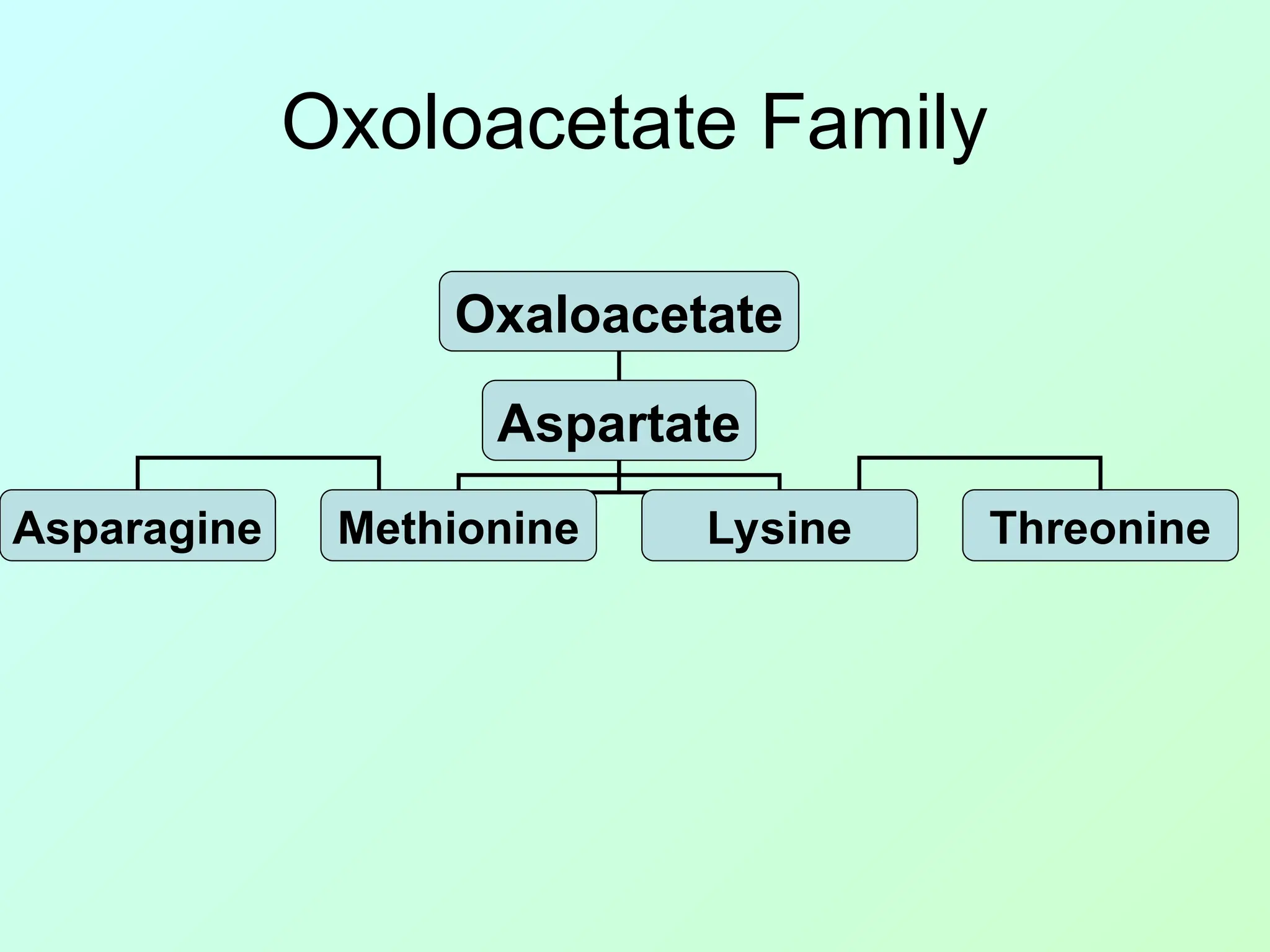
amino acids. For example, lysine, methionine, and threonine are all synthesized
from aspartate in pathways whose common first reaction is catalyzed by
aspartokinase, an enzyme that is present only in plants and microorganisms.
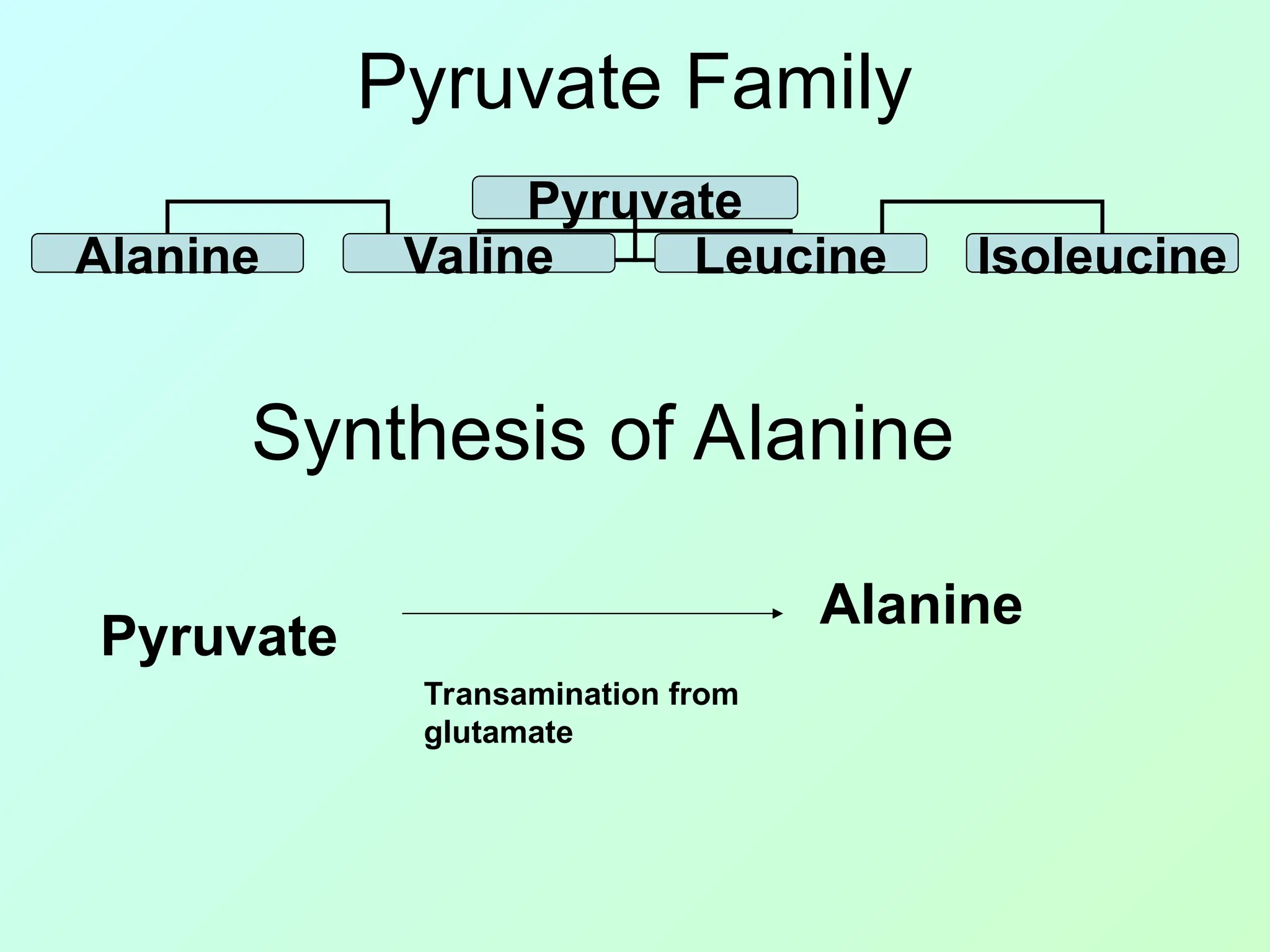
Similarly, valine and leucine are formed from pyruvate; isoleucine is formed from
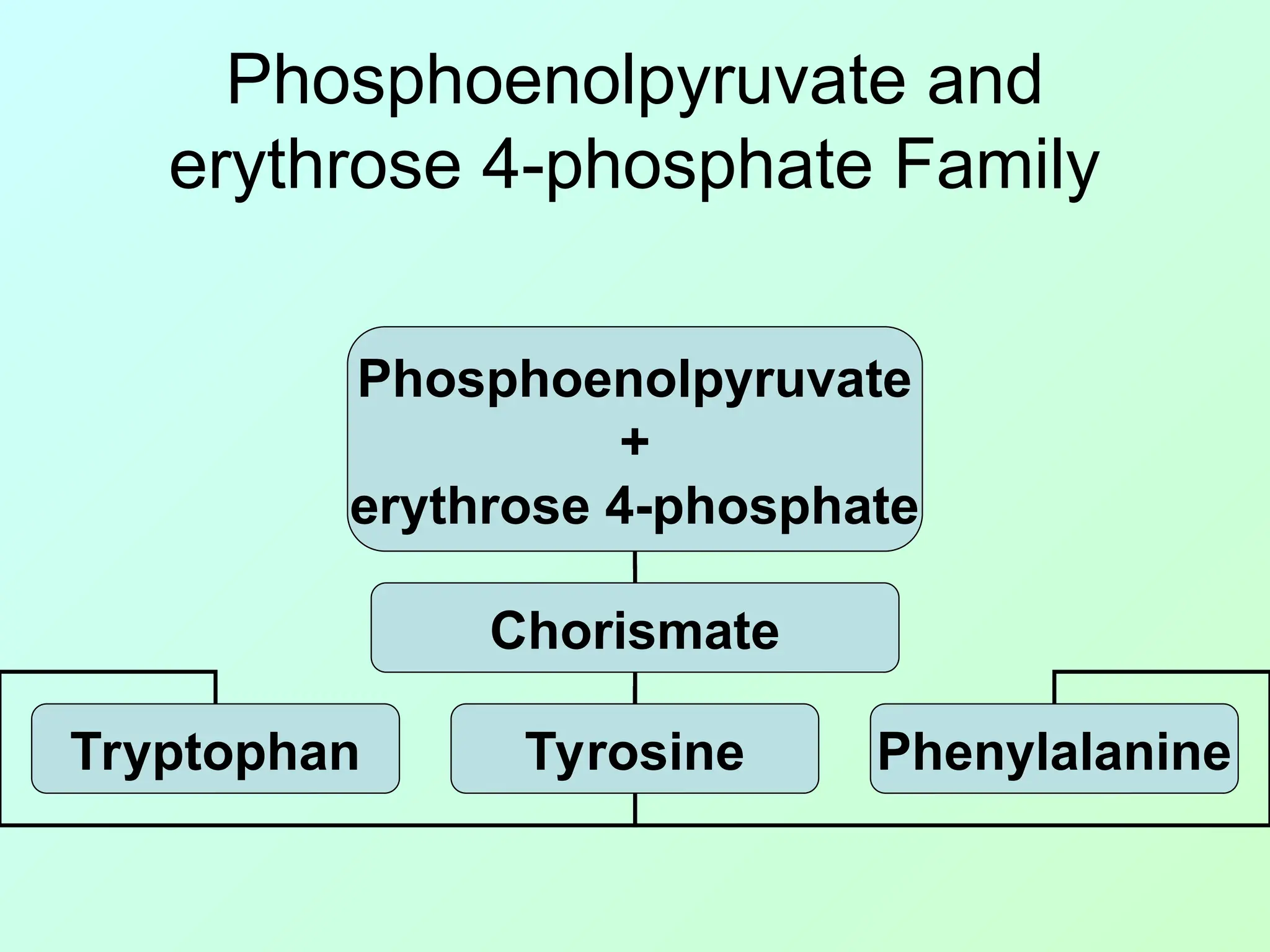
pyruvate and _-ketobutyrate; and tryptophan, phenylalanine, and tyrosine are
formed from phosphoenol pyruvate and erythrose-4-phosphate. The enzymes that
synthesize essential amino acids were apparently lost early in animal evolution,
possibly because of the ready availability of these amino acids in the diet.
70
71.
The “essential” aminoacids
• Ten amino acids present in proteins (arginine, histidine, isoleucine,
leucine, threonine, lysine, methionine, phenylalanine, tryptophan,
valine) are required in the diet of a growing human.
• Arginine and histidine, although not required in the diets of adults, are
required for growth (children and adolescents), because the amounts
that can be synthesized are not sufficient to maintain normal growth
rates.
• Larger amounts of phenylalanine are required if the diet is low in
tyrosine because tyrosine is synthesized from phenylalanine. Larger
amounts of methionine are required if the diet is low in cysteine
because the sulfur of methionine is donated for the synthesis of cysteine. 71
72.
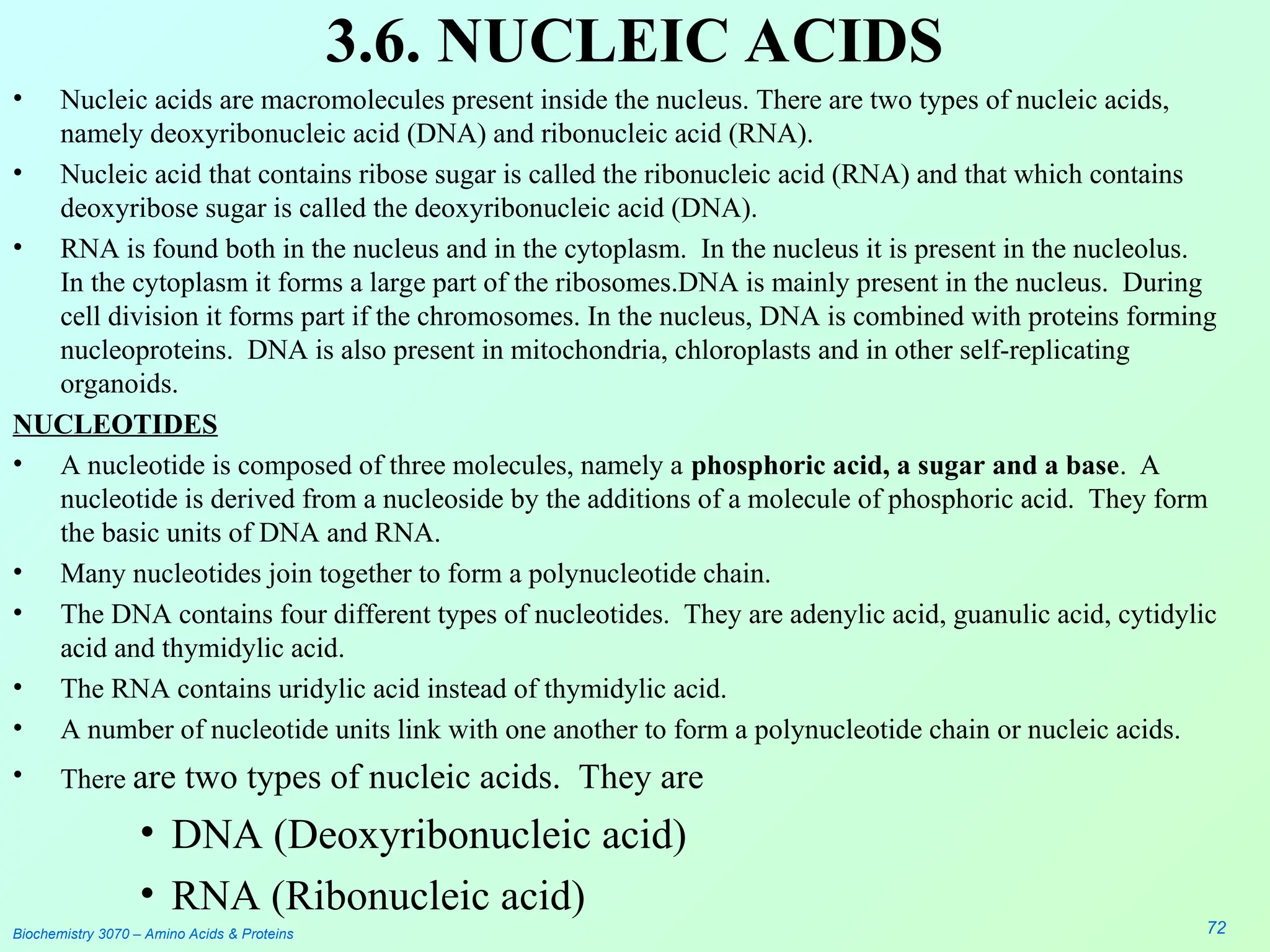
3.6. NUCLEIC ACIDS
•Nucleic acids are macromolecules present inside the nucleus. There are two types of nucleic acids,
namely deoxyribonucleic acid (DNA) and ribonucleic acid (RNA).
• Nucleic acid that contains ribose sugar is called the ribonucleic acid (RNA) and that which contains
deoxyribose sugar is called the deoxyribonucleic acid (DNA).
• RNA is found both in the nucleus and in the cytoplasm. In the nucleus it is present in the nucleolus.
In the cytoplasm it forms a large part of the ribosomes.DNA is mainly present in the nucleus. During
cell division it forms part if the chromosomes. In the nucleus, DNA is combined with proteins forming
nucleoproteins. DNA is also present in mitochondria, chloroplasts and in other self-replicating
organoids.
NUCLEOTIDES
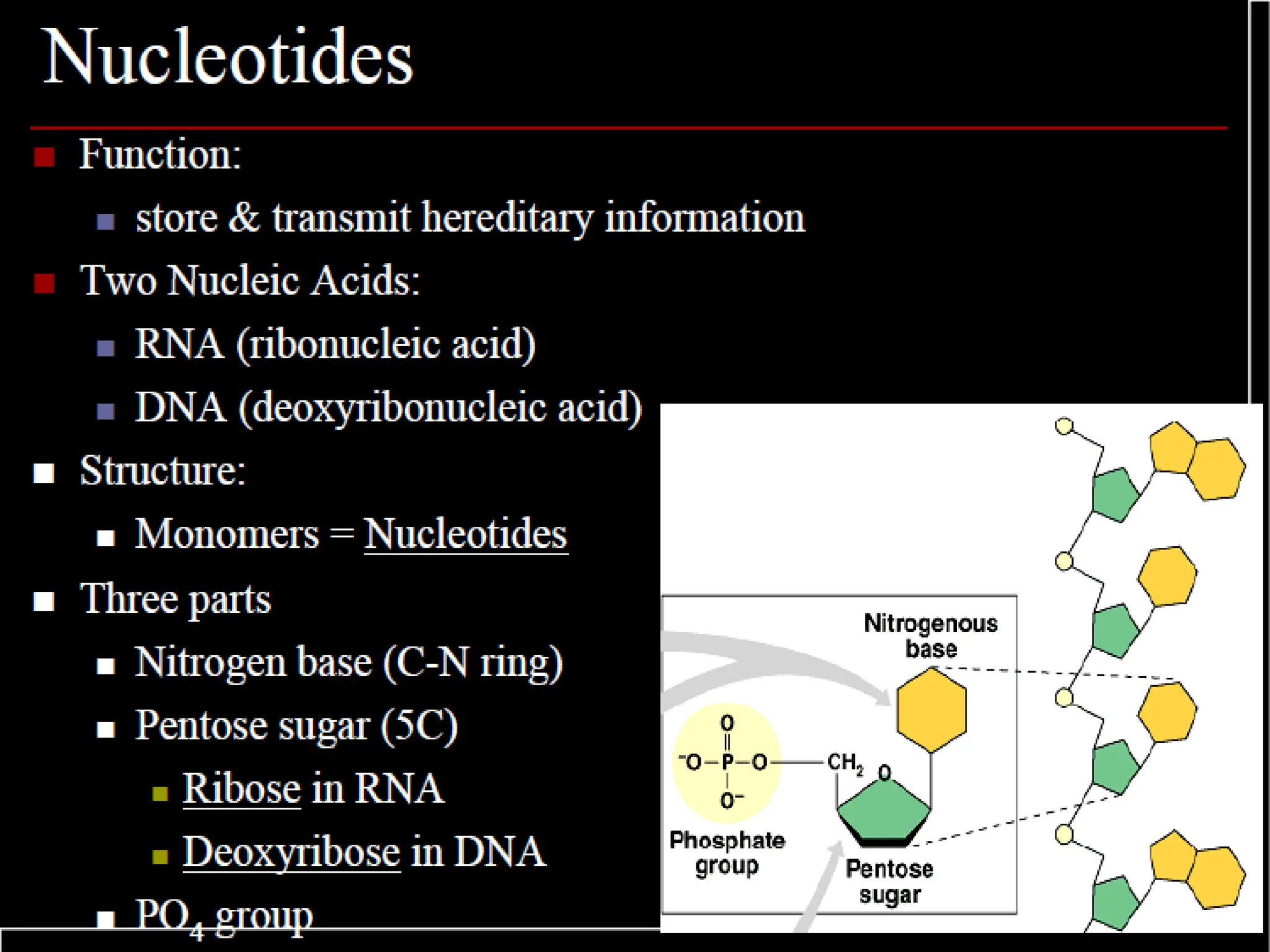
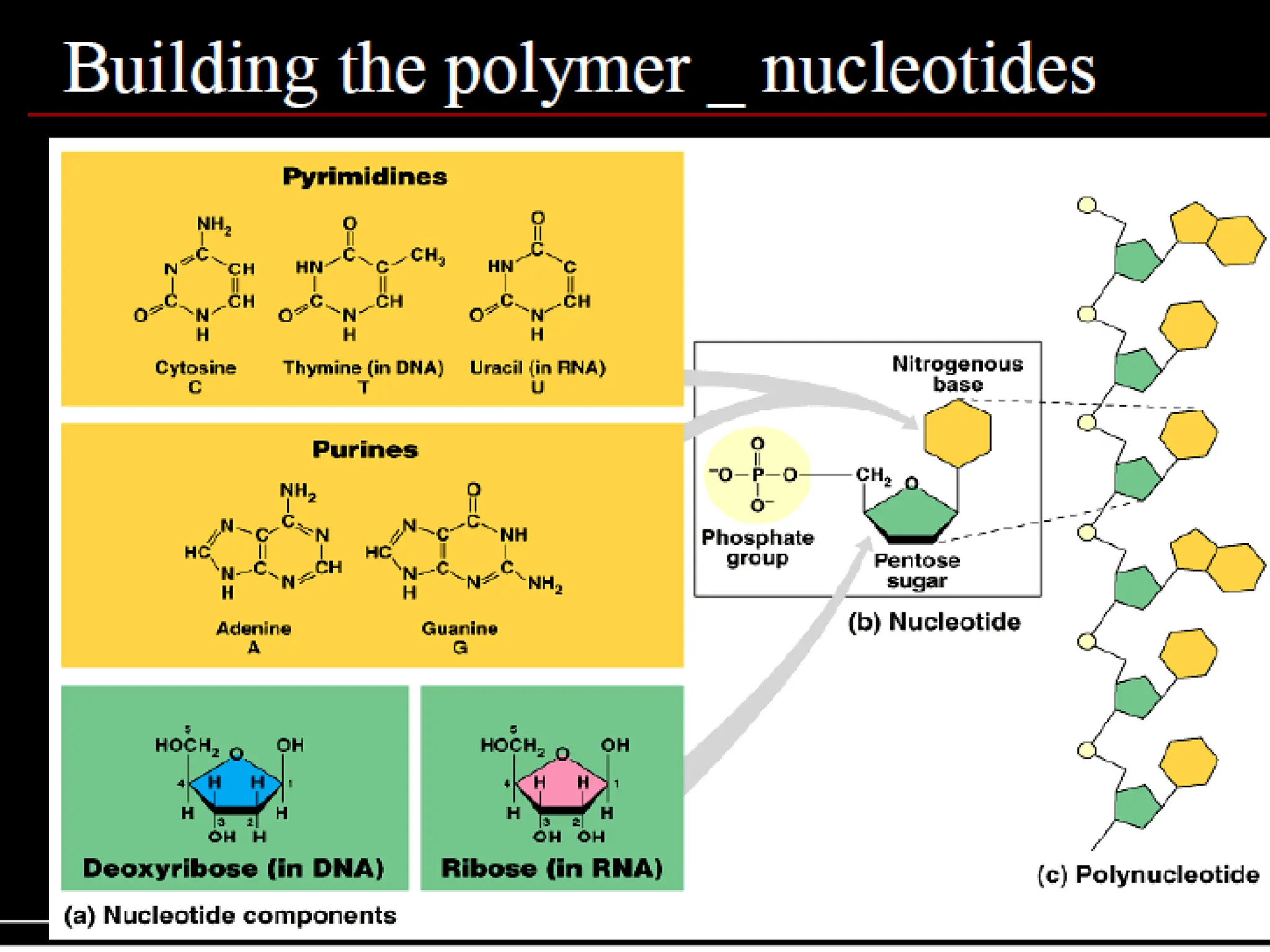
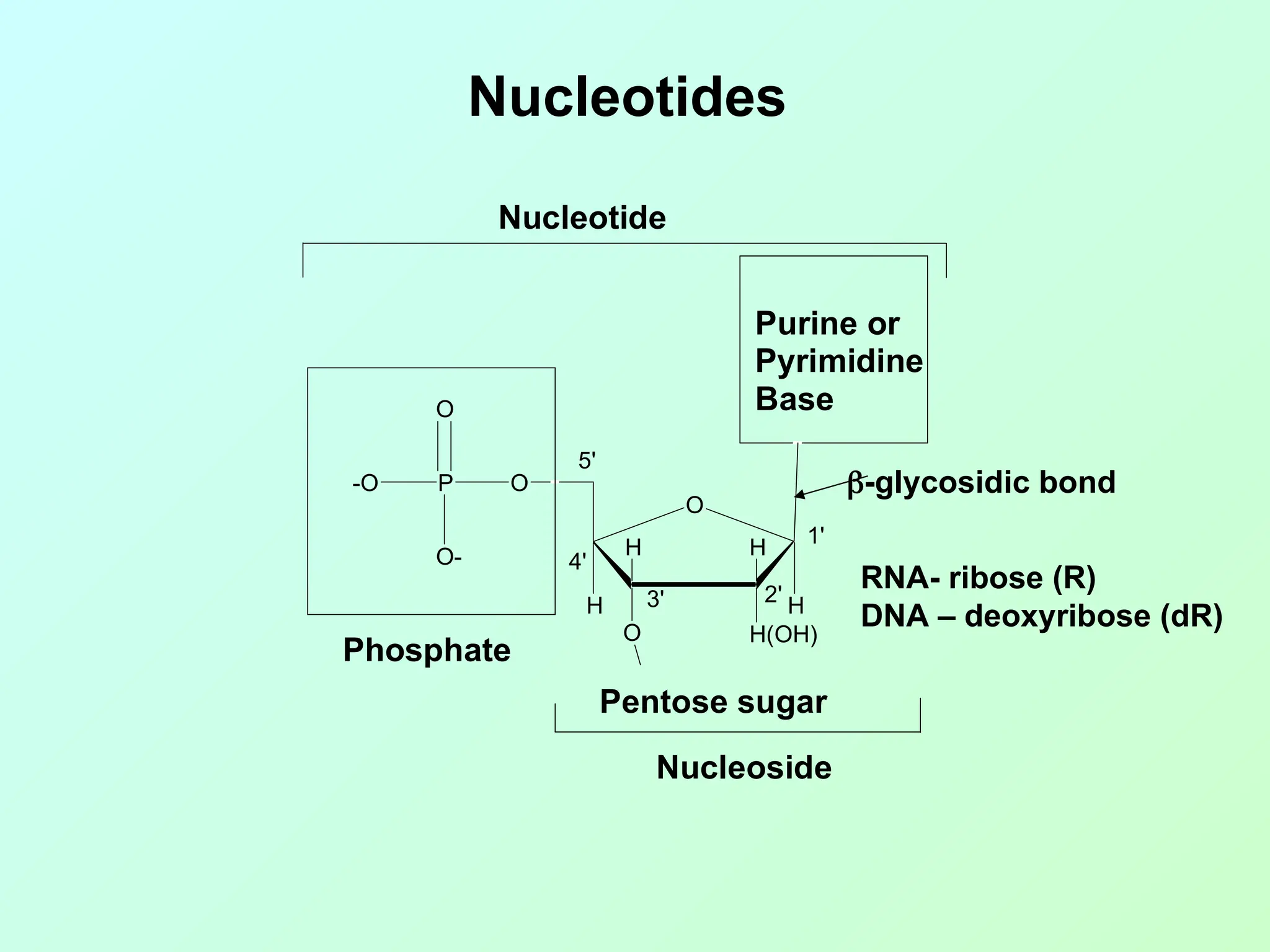
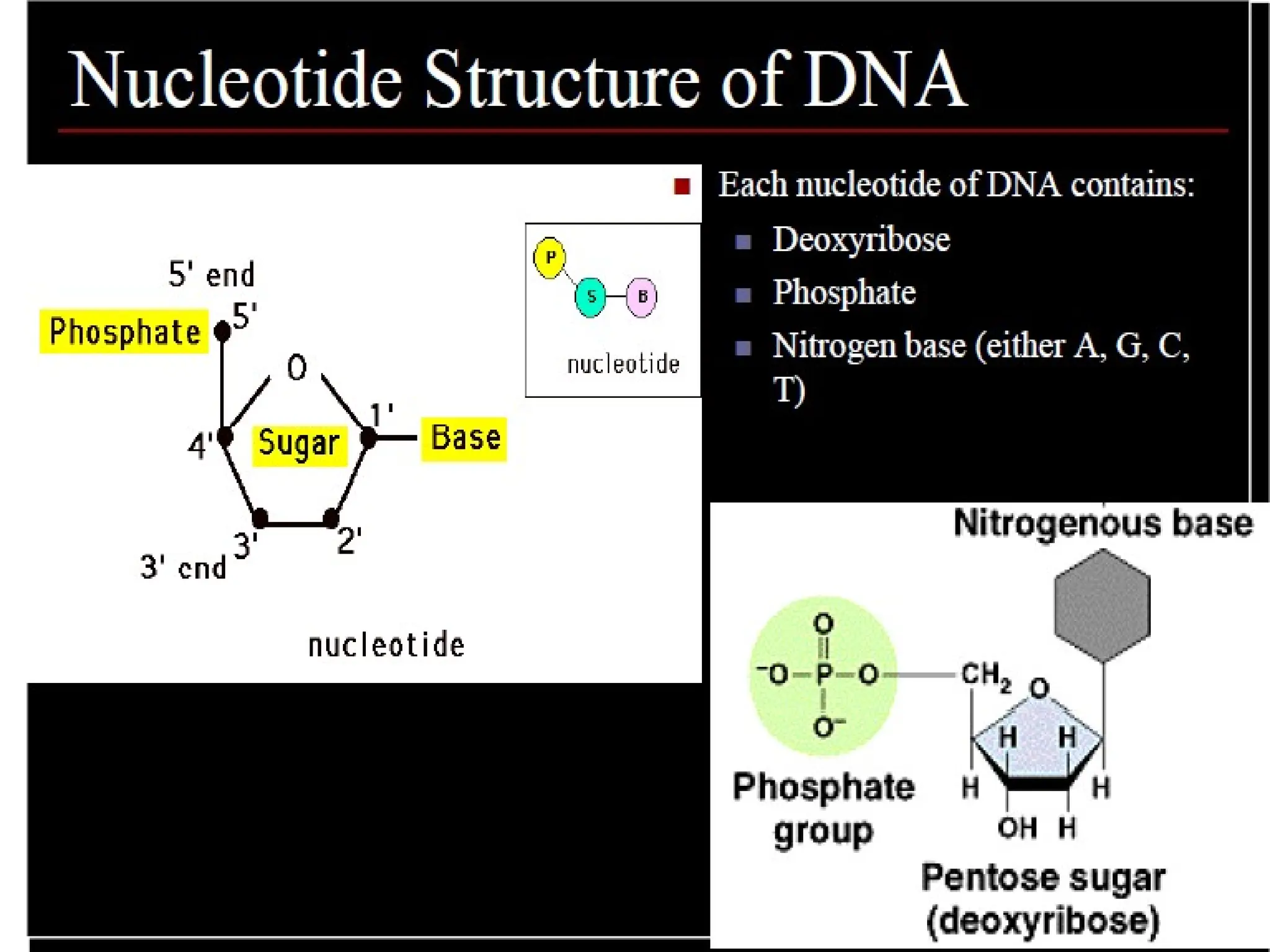
• A nucleotide is composed of three molecules, namely a phosphoric acid, a sugar and a base. A
nucleotide is derived from a nucleoside by the additions of a molecule of phosphoric acid. They form
the basic units of DNA and RNA.
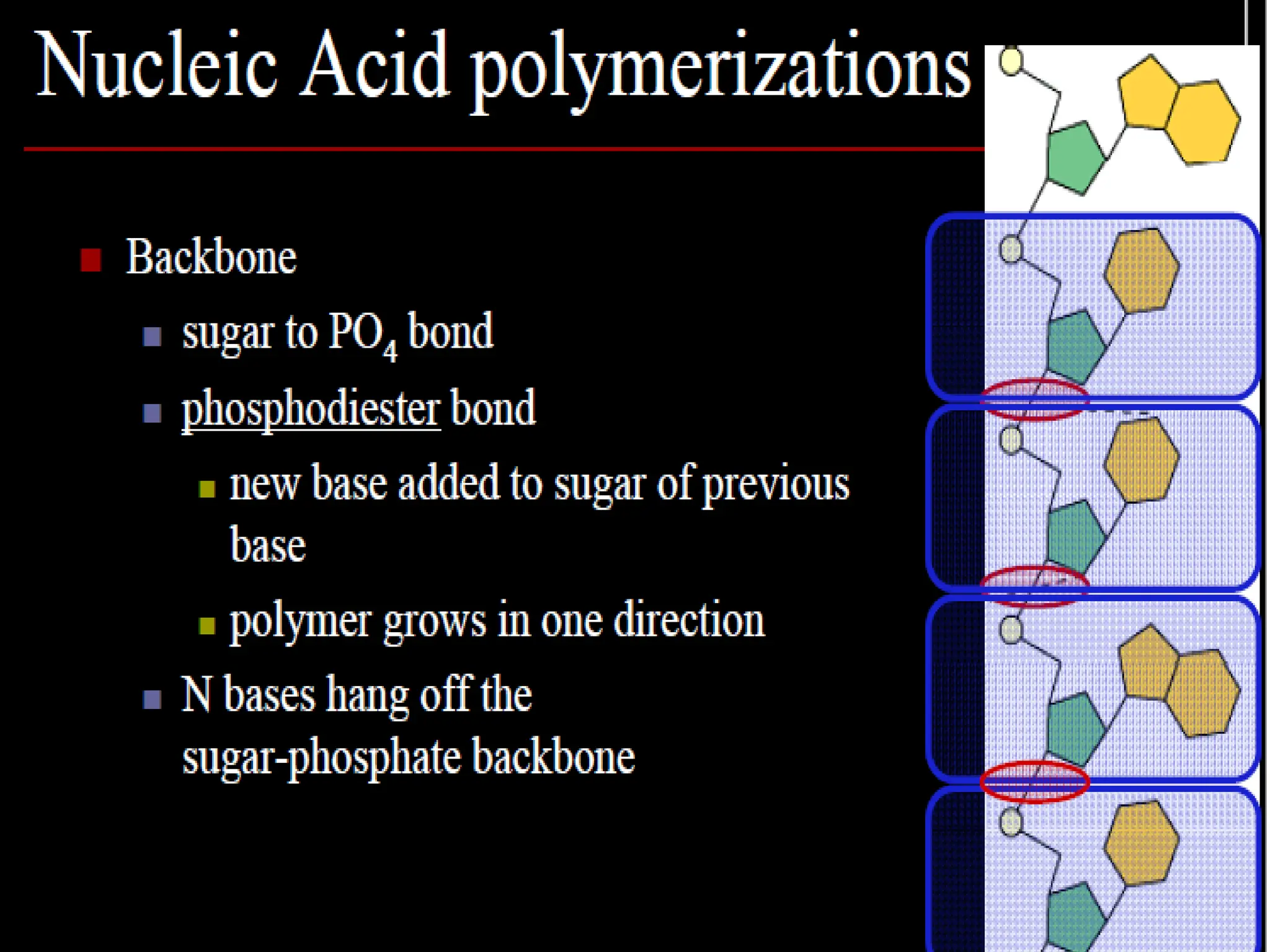
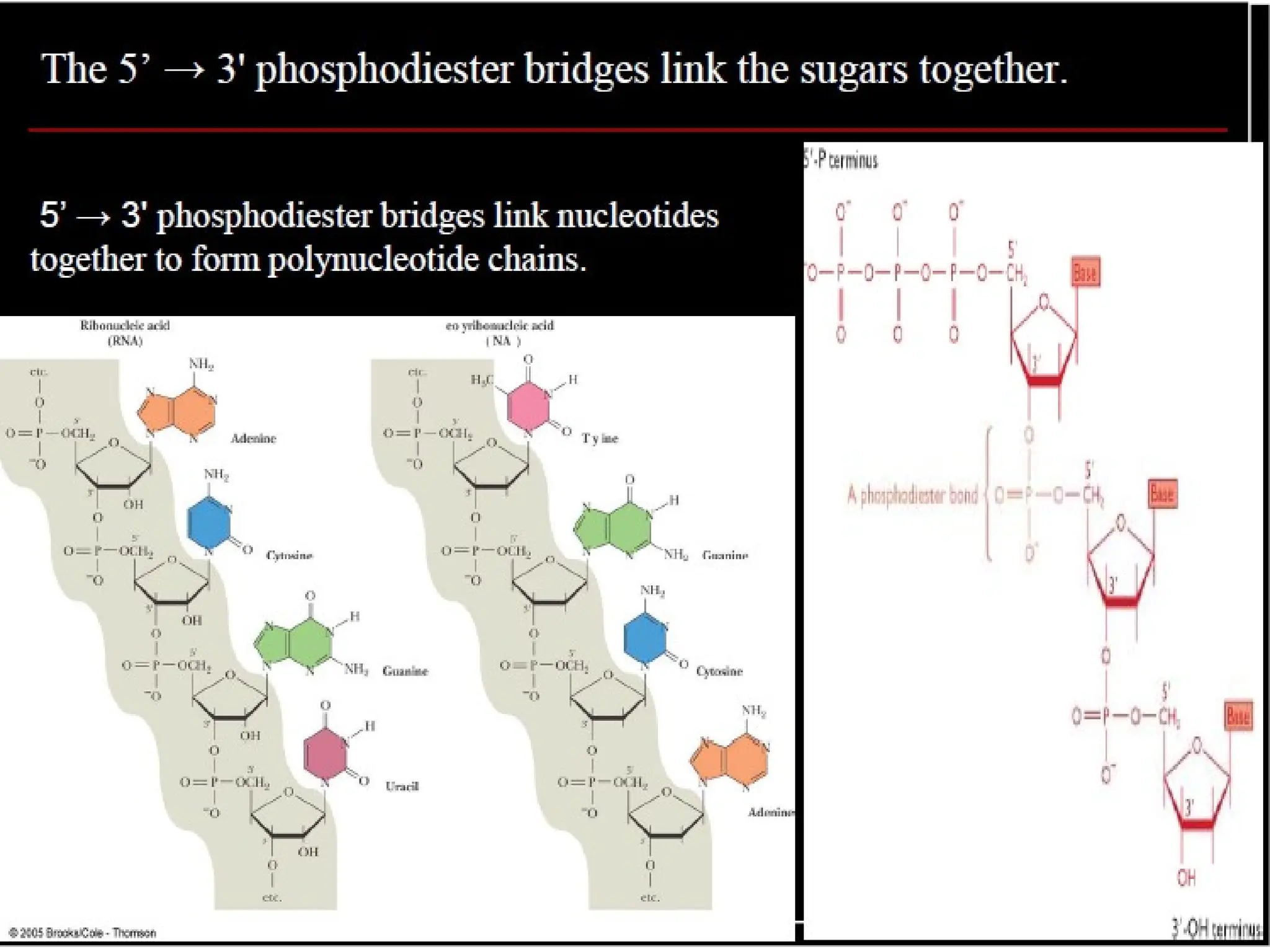
• Many nucleotides join together to form a polynucleotide chain.
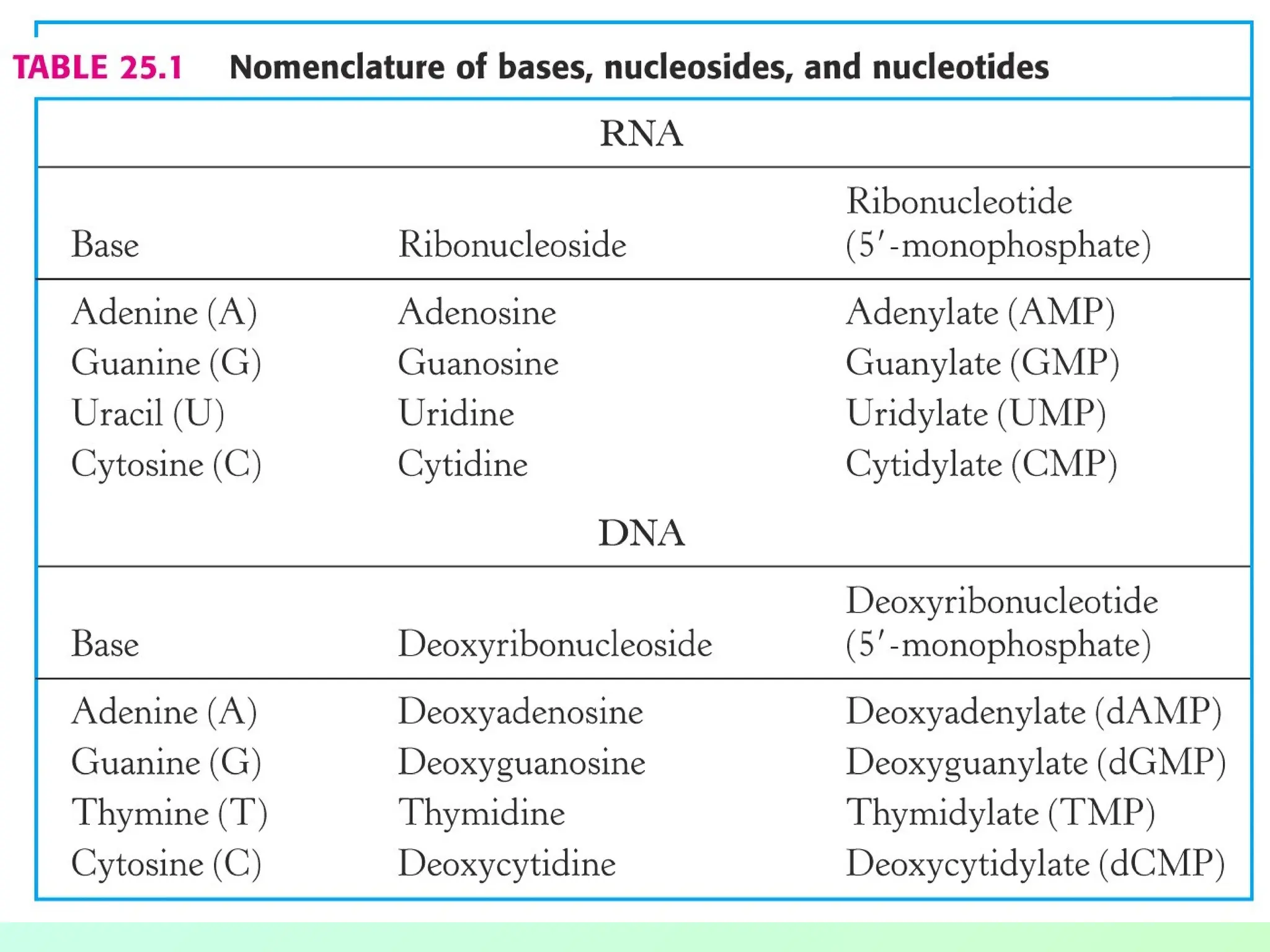
• The DNA contains four different types of nucleotides. They are adenylic acid, guanulic acid, cytidylic
acid and thymidylic acid.
• The RNA contains uridylic acid instead of thymidylic acid.
• A number of nucleotide units link with one another to form a polynucleotide chain or nucleic acids.
• There are two types of nucleic acids. They are
• DNA (Deoxyribonucleic acid)
• RNA (Ribonucleic acid)
Biochemistry 3070 – Amino Acids & Proteins 72
James Watson (L)& Francis Crick (R), & the model they built of the structure of DNA
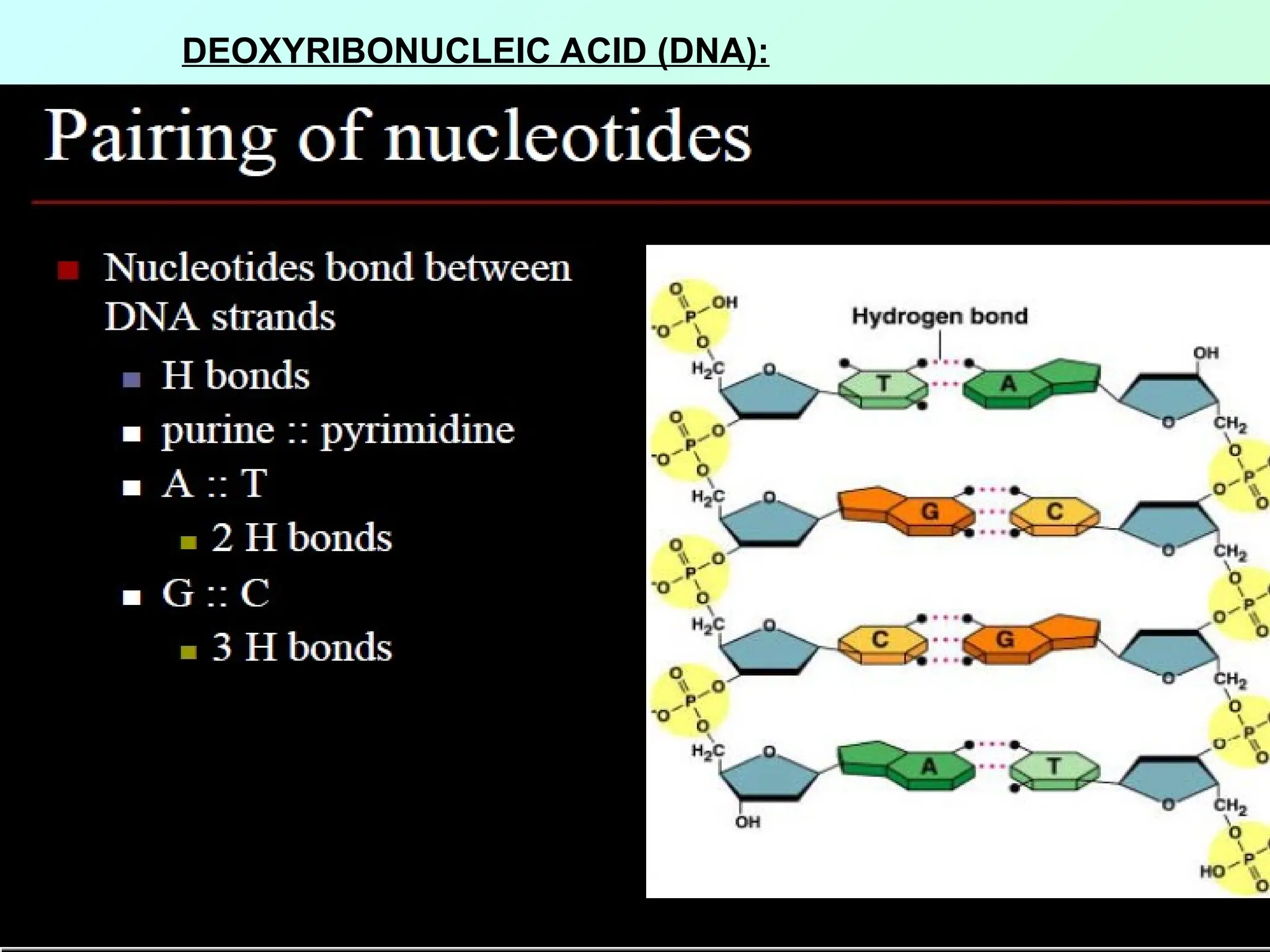
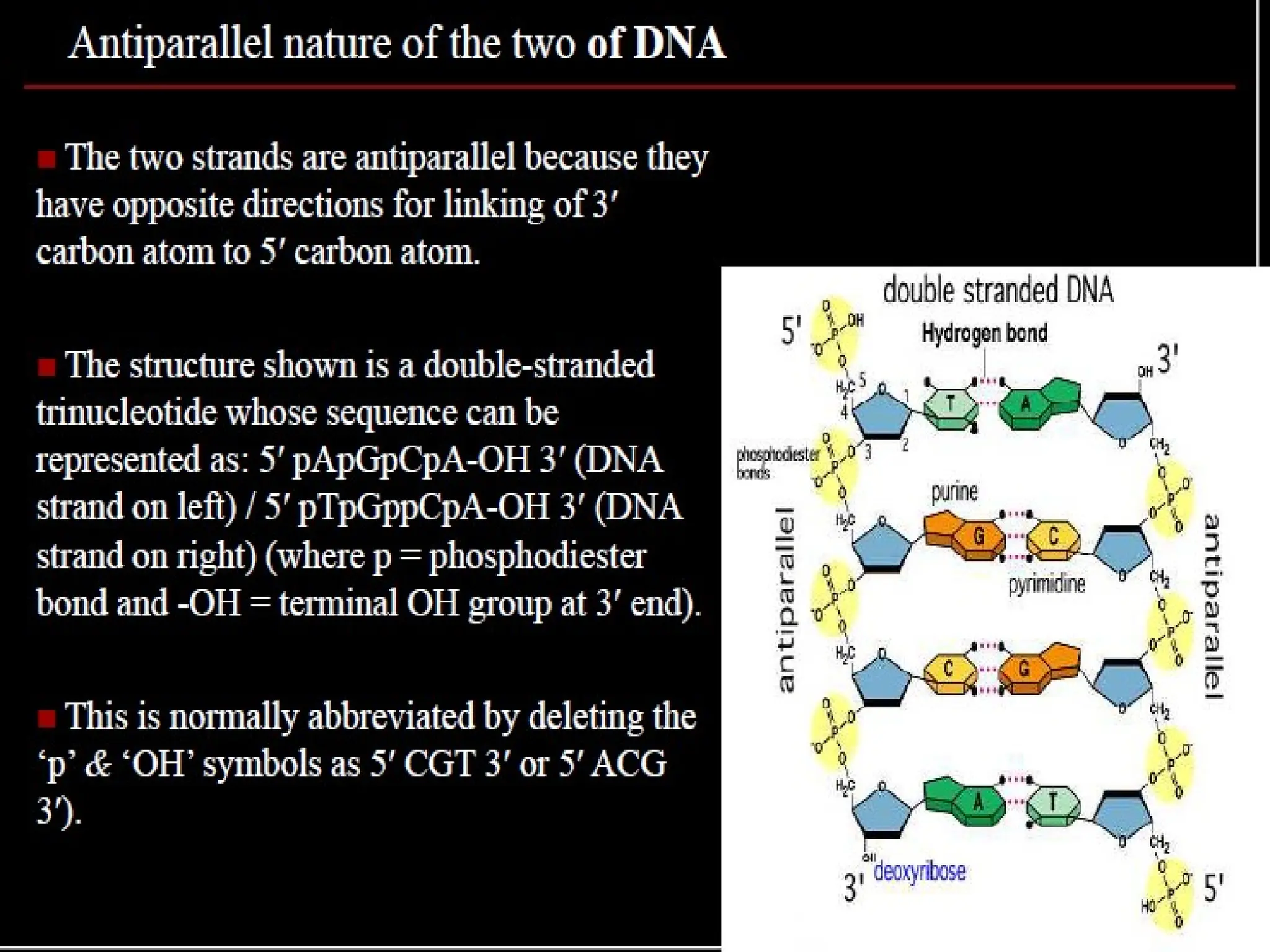
In the "double helix" model of Watson and Crick, the polynucleotide chains
interact to form a double helix with the chains running in opposite directions.
Rosalind Franklin
Rosalind Franklin
(1920 – 1958)
(1920 – 1958)
87.
2. RIBONUCLEIC ACIDS(RNA)
• Ribonucleic acid is a nucleic acid containing ribose sugar. It is found in large
amount in the cytoplasm and at a lesser amount in the nucleus.
• In the cytoplasm it is mainly found in the ribosomes and in the nucleus it is mainly
found in the nucleolus. RNA is formed of a single strand.
• It consists of several units called ribo-nucleotides. Hence each RNA molecule is
formed of several nucleotides. Each nucleotide is formed of three different
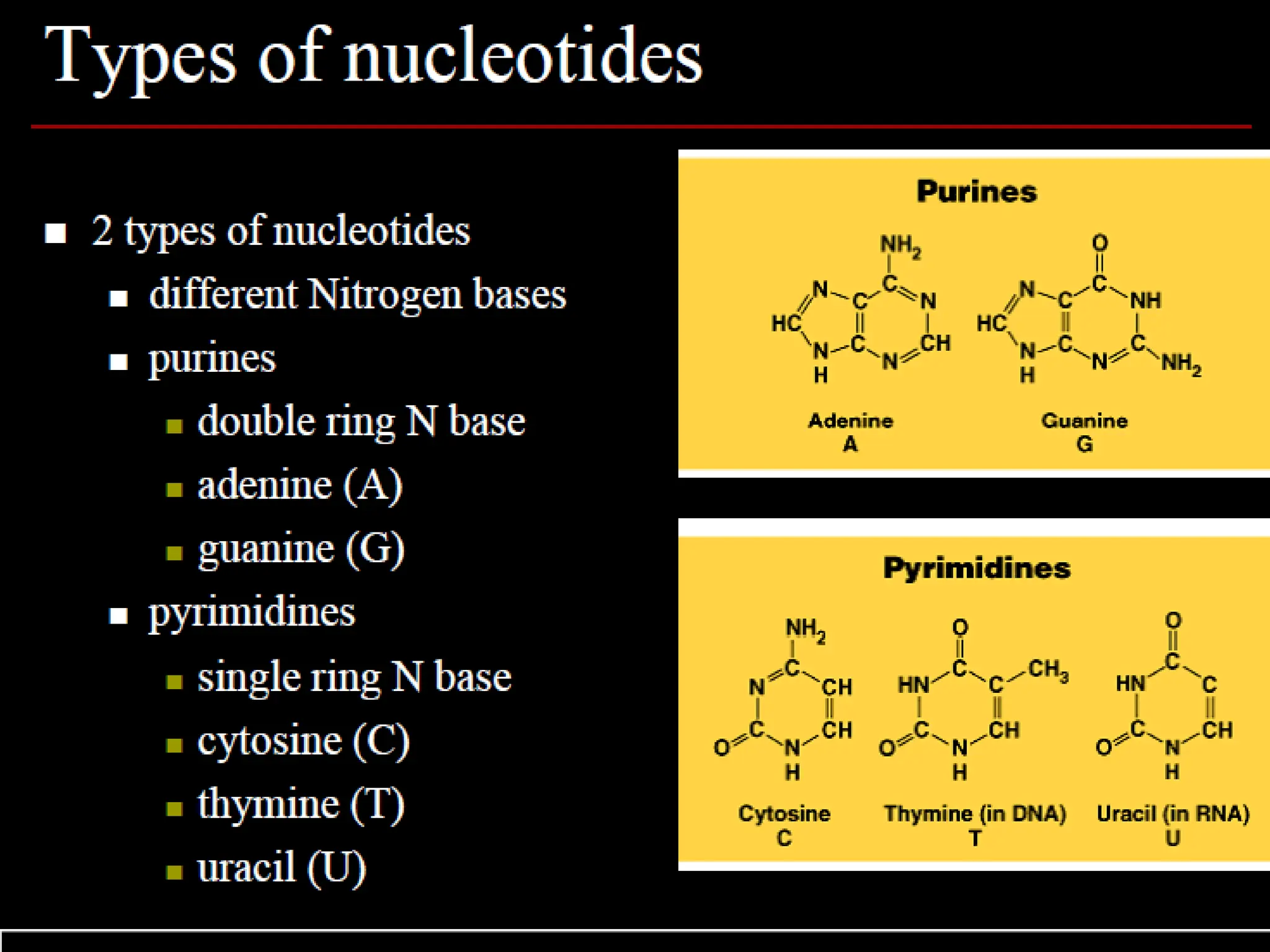
molecules, namely phosphate, ribose sugar, and nitrogen base. The nitrogen bases
are of two types, namely purines and pyrimidines. The purines present in the RNA
are adenine and guanine. The pyrimidines present in RNA are cytosine and uracil.
The RNA molecule is single stranded.
• Sometimes the strand may be folded back upon itself and this double strand may be coiled to
form a helical structure like that of DNA. In RNA the purines and pyrimidines are not present
87
92.
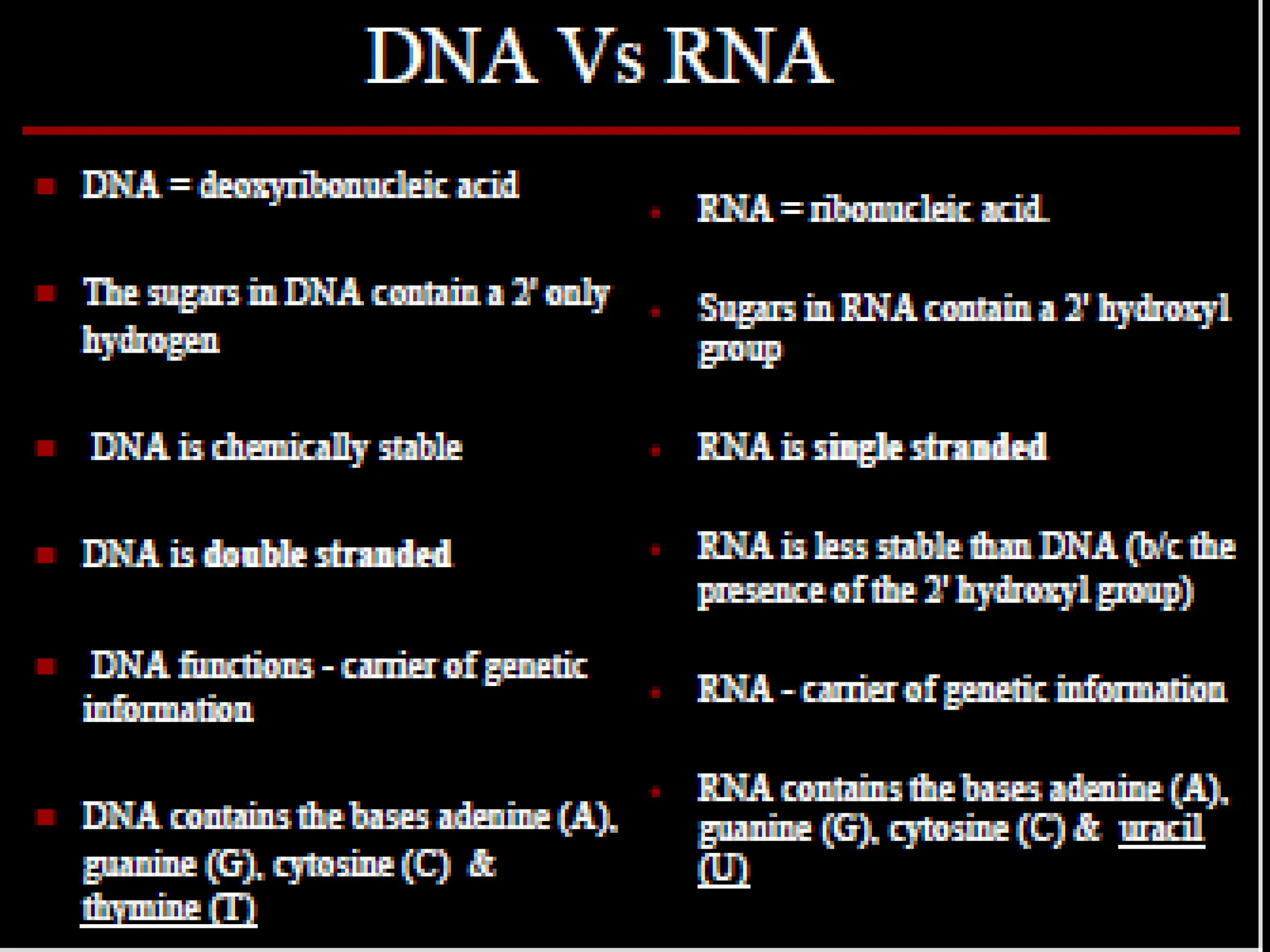
THE CHEMICAL NATUREOF RNA DIFFERS FROM THAT OF DNA
• Ribonucleic acid (RNA) is a polymer of purine and pyrimidine ribonucleotides linked together by 3′, 5′-
phosphodiester bridges analogous to those in DNA. Although sharing many features with DNA, RNA
possesses several specific differences:
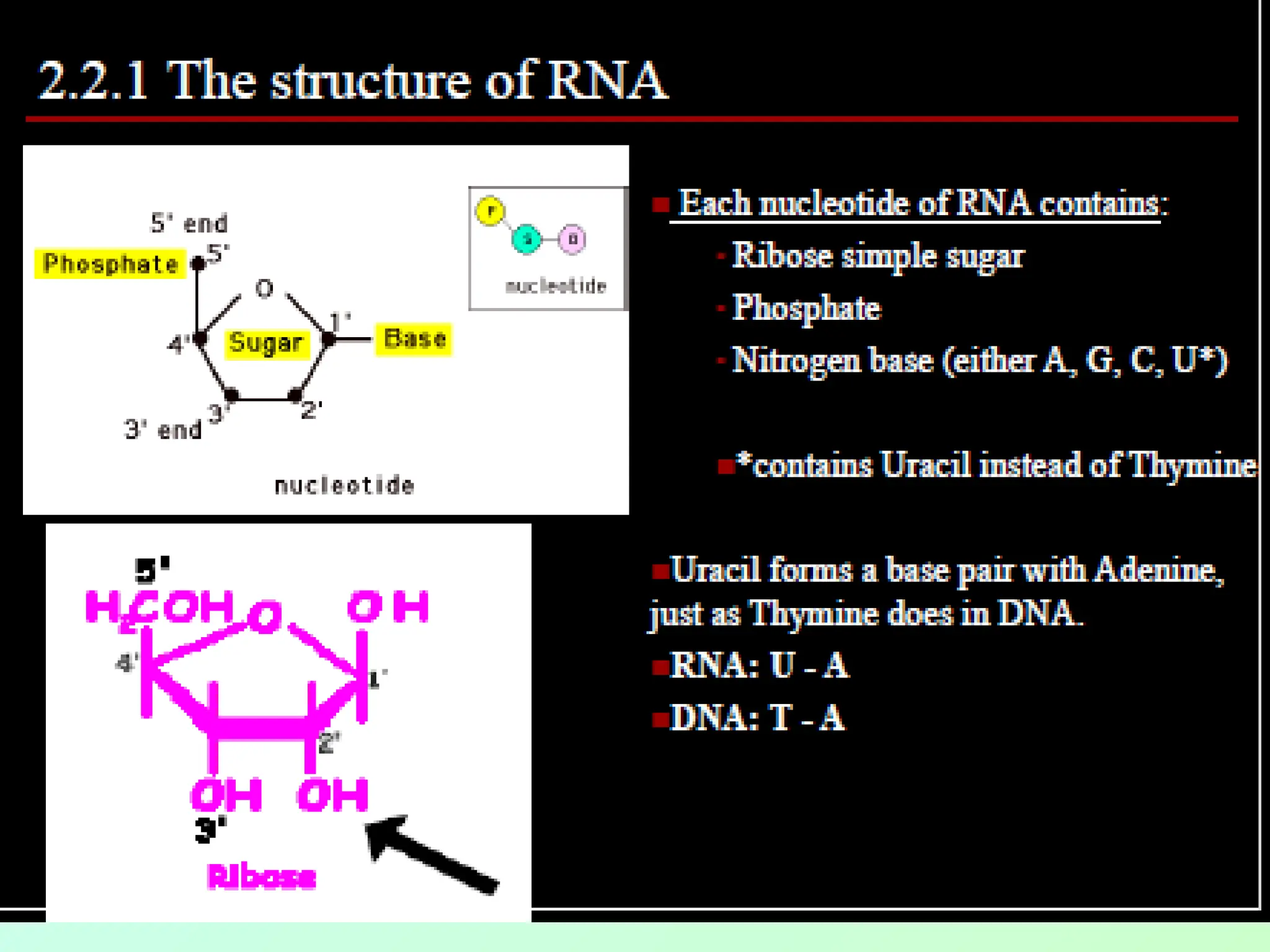
(1) In RNA, the sugar moiety to which the phosphates and purine and pyrimidine bases are attached is ribose
rather than the 2′-deoxyribose of DNA.
(2) The pyrimidine components of RNA differ from those of DNA. Although RNA contains the
ribonucleotides of adenine, guanine, and cytosine, it does not possess thymine except in the rare case
mentioned below. Instead of thymine, RNA contains the ribonucleotide of uracil.
(3) RNA exists as a single strand, whereas DNA exists as a double-stranded helical molecule. However, given
the proper complementary base sequence with opposite polarity, the single strand of RNA is capable of
folding back on itself like a hairpin and thus acquiring double stranded characteristics.
(4) Since the RNA molecule is a single strand complementary to only one of the two strands of a gene, its
guanine content does not necessarily equal its cytosine content, nor does its adenine content necessarily
equal its uracil content
Biochemistry 3070 – Amino Acids & Proteins 92