Download to read offline






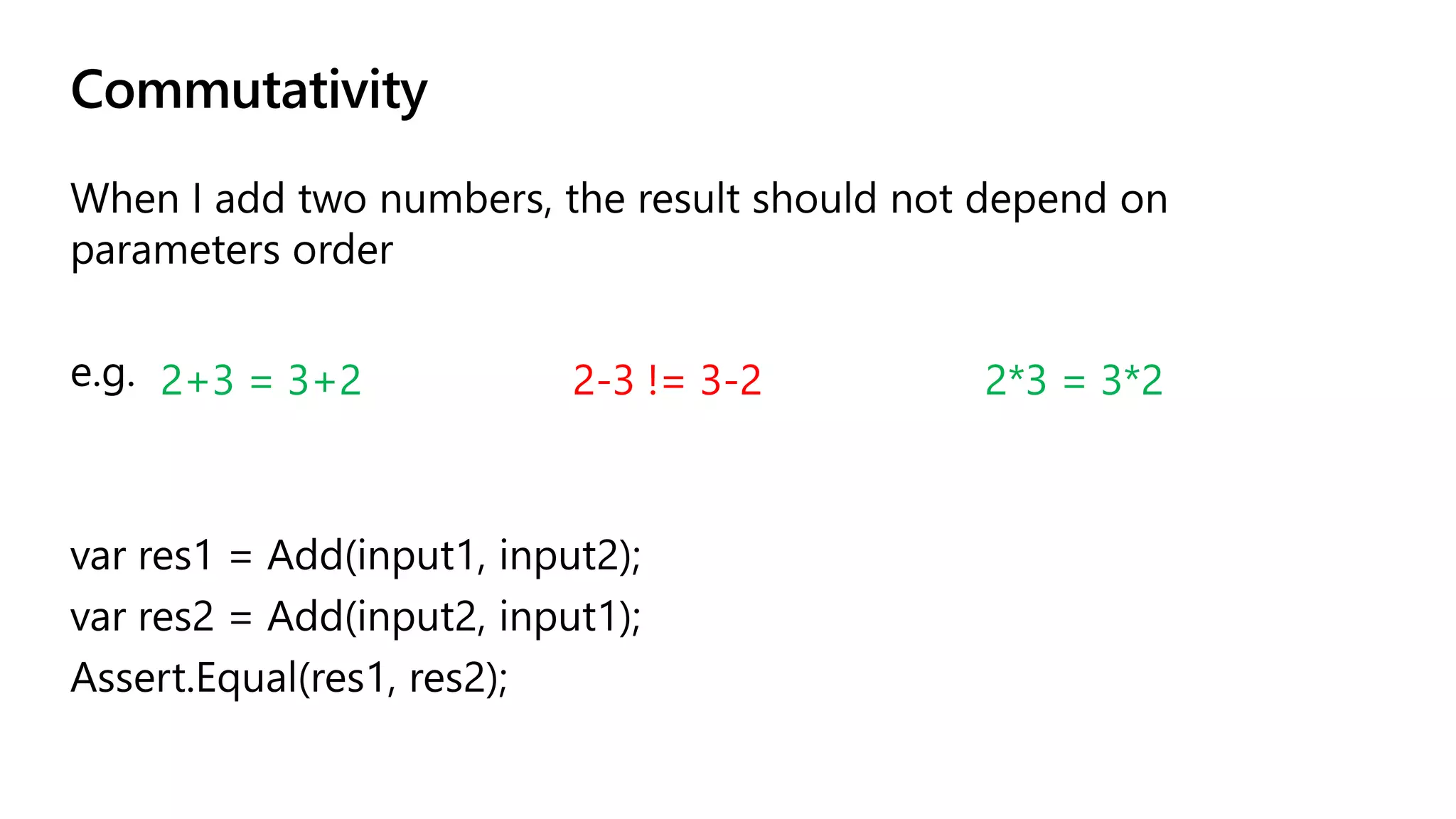
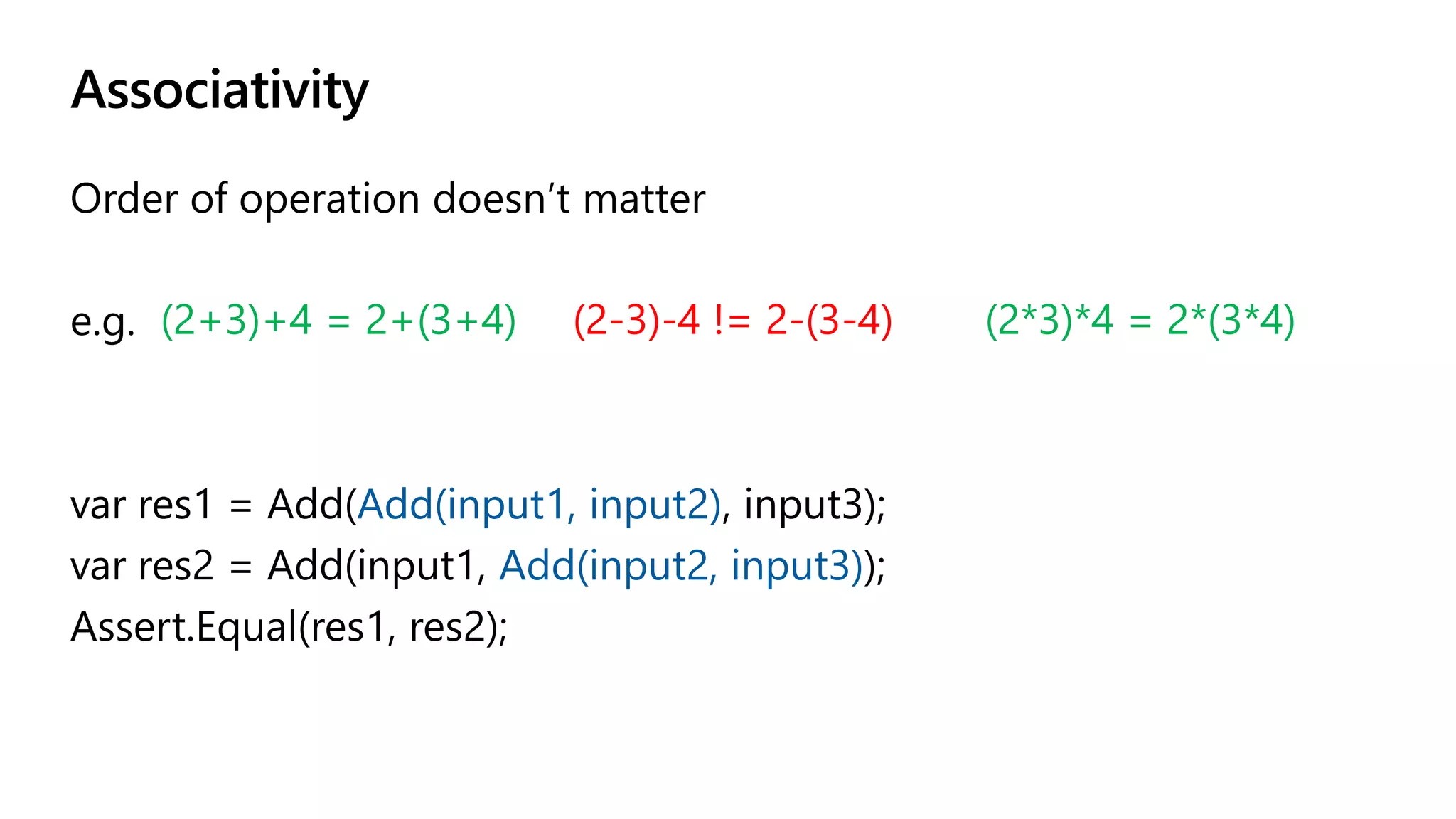
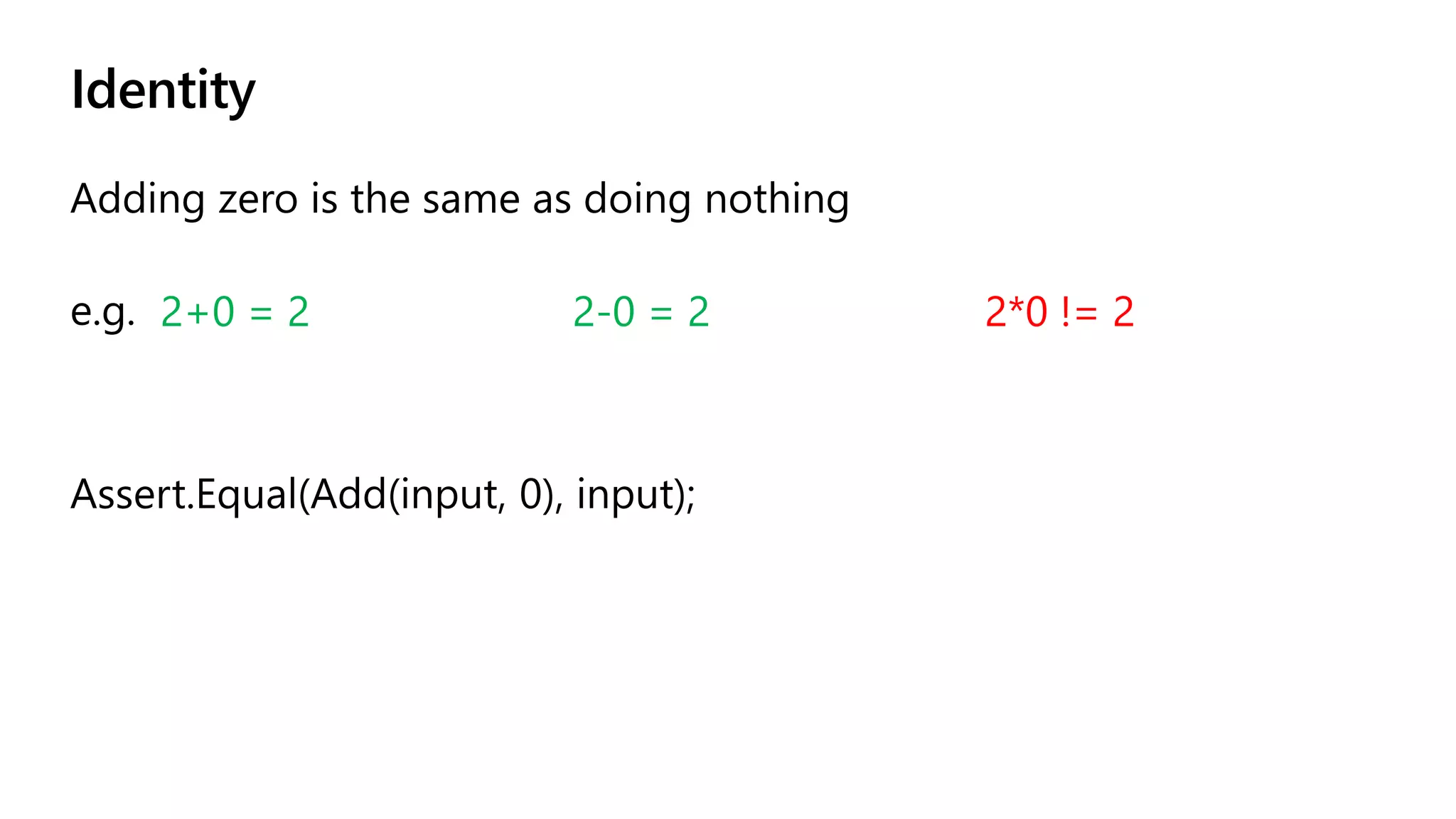
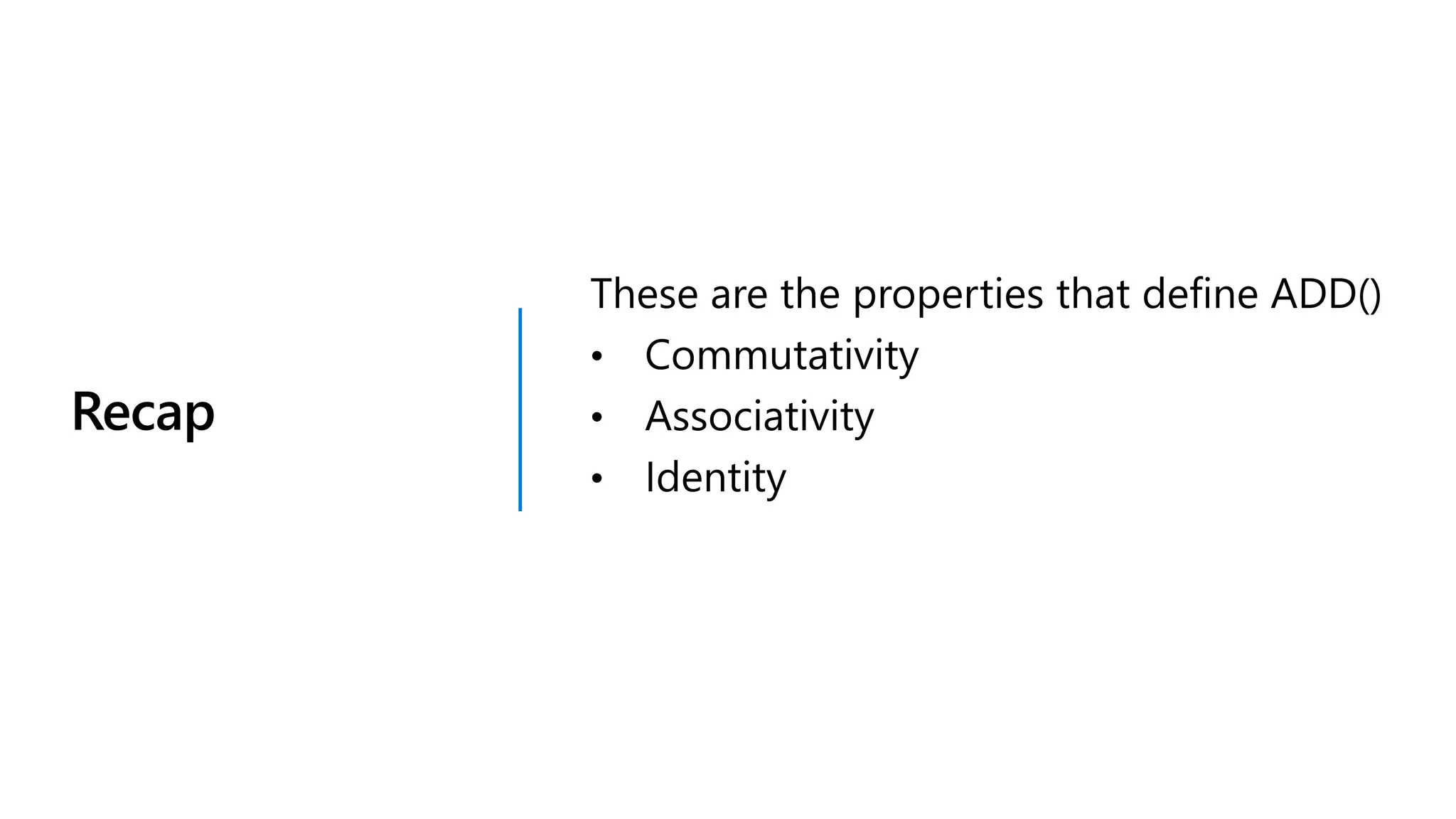




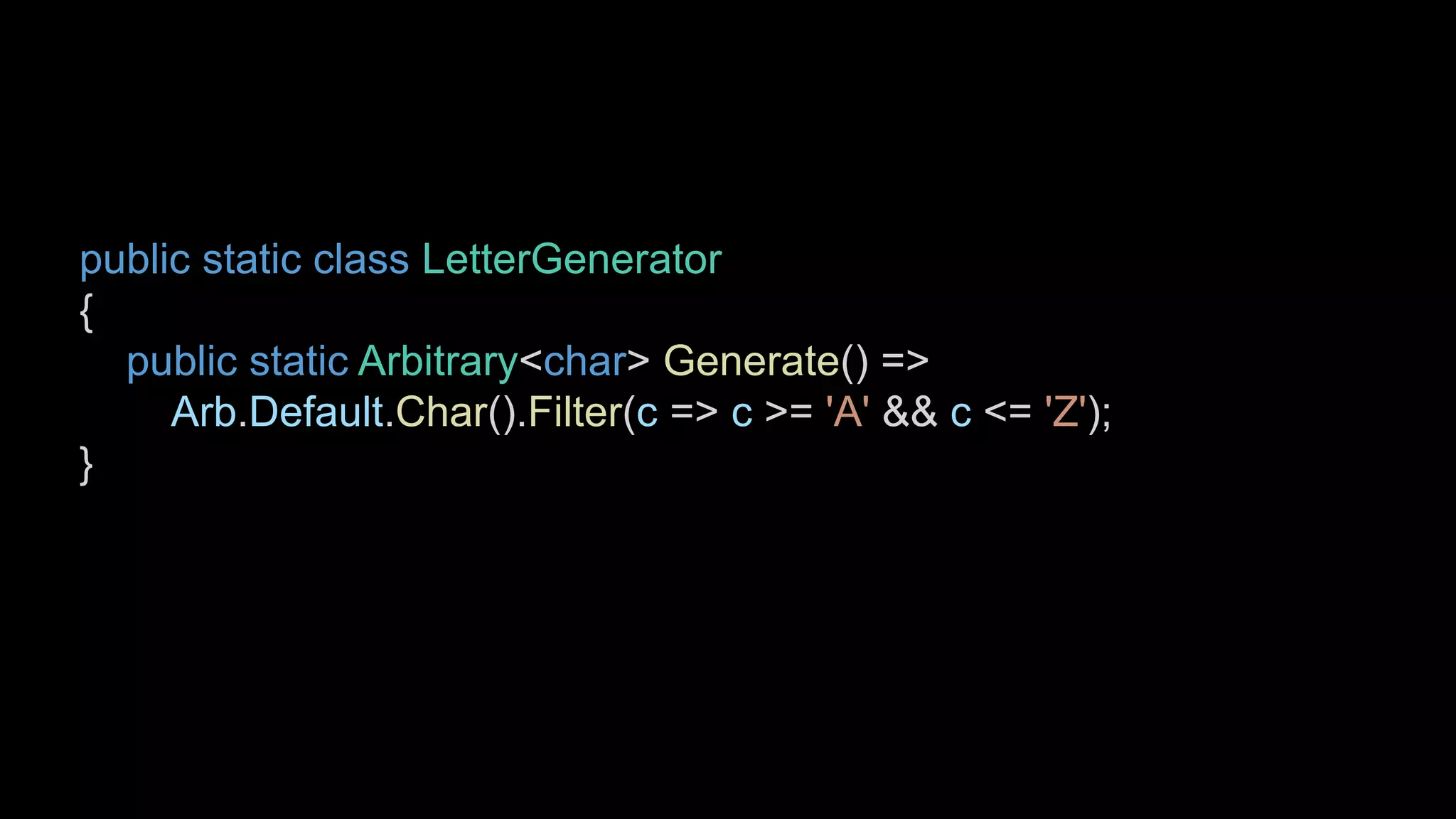
![[Property(Arbitrary = new[] { typeof(LetterGenerator) })]
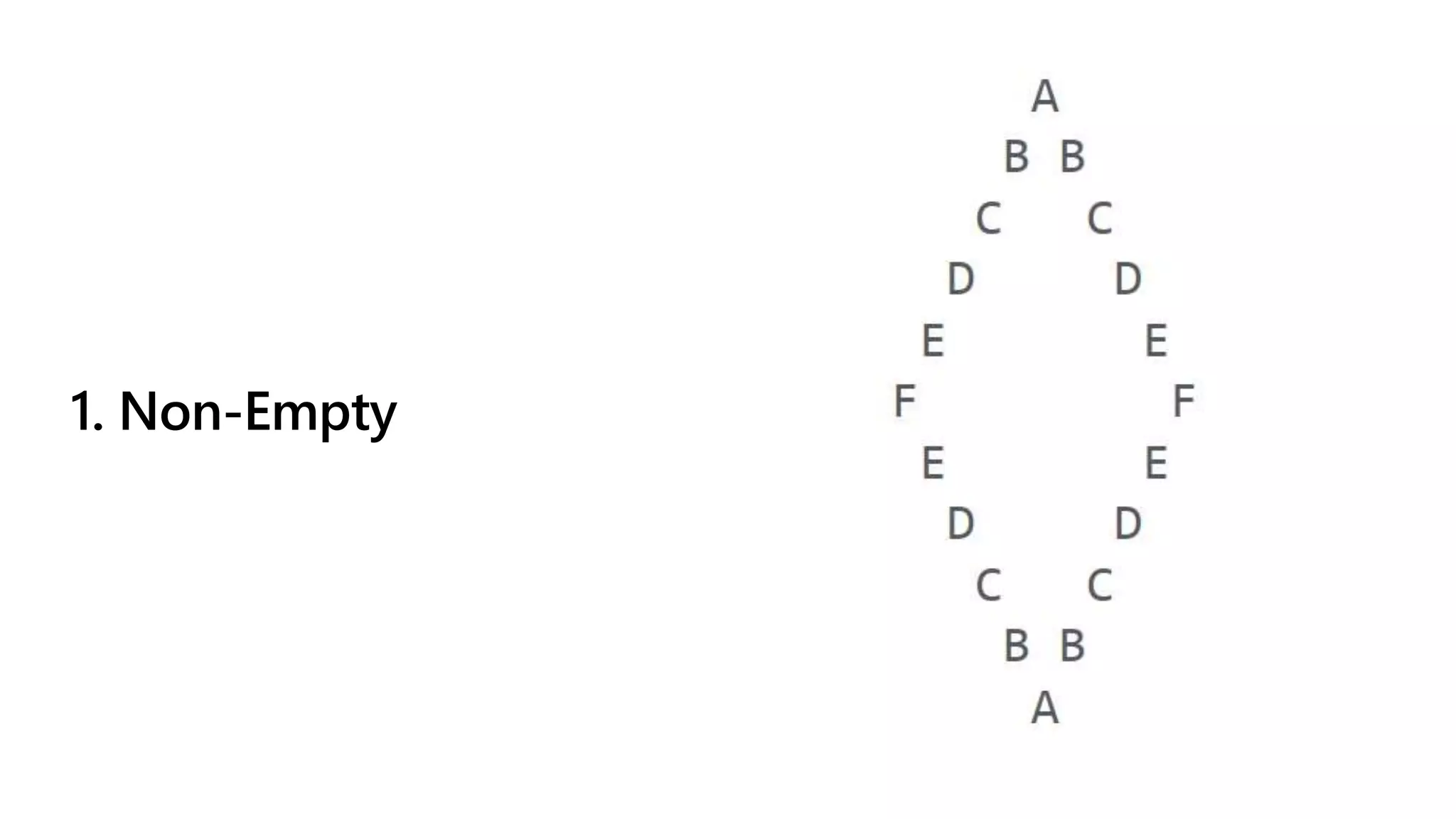
public Property NotEmpty(char c)
{
return Diamond.Generate(c)
.All(s => s != string.Empty)
.ToProperty();
}](https://image.slidesharecdn.com/property-basedtesting-200311233819/75/Property-based-testing-43-2048.jpg)
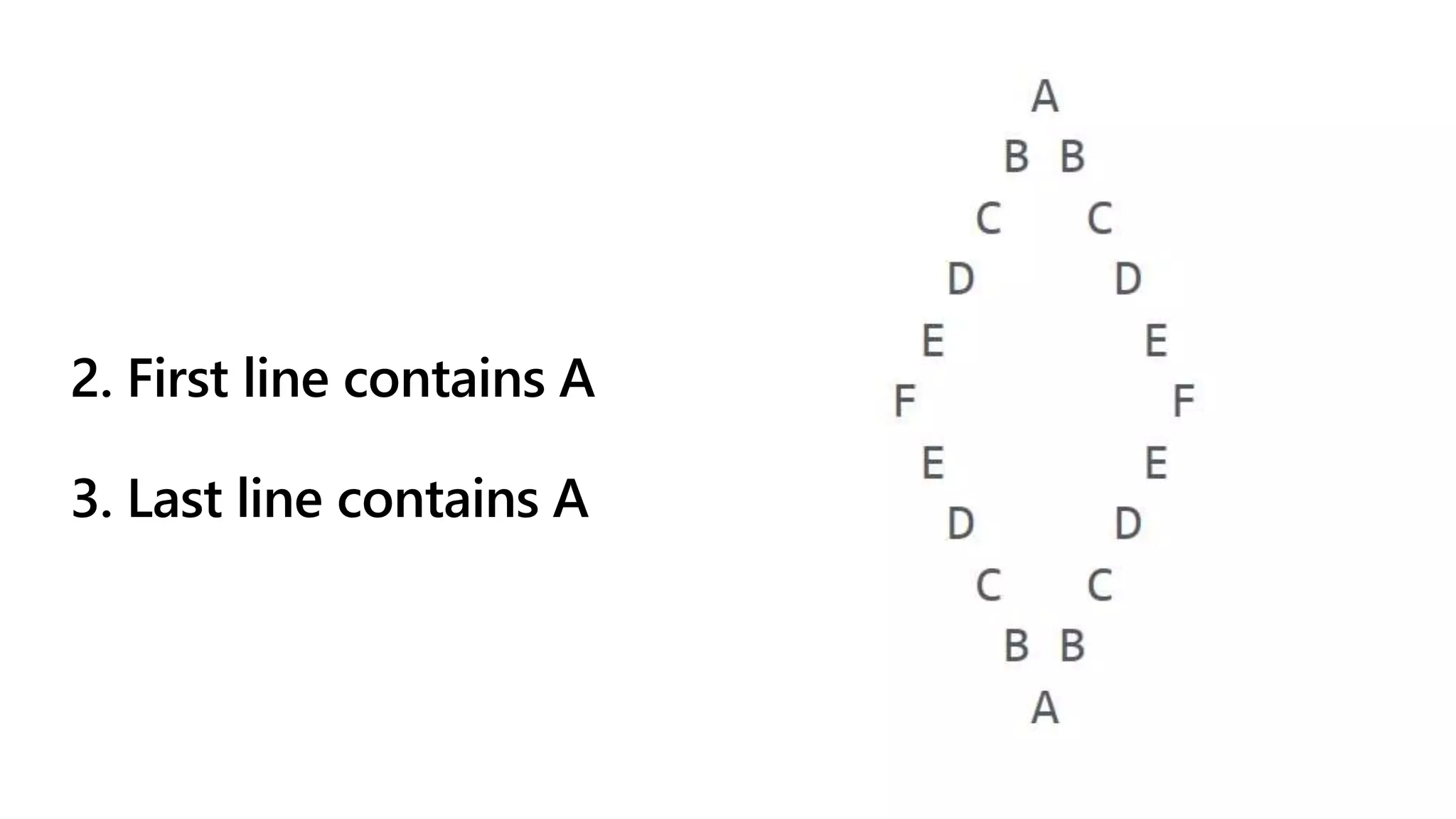
![[Property(Arbitrary = new[] { typeof(LetterGenerator) })]
public Property FirstLineContainsA(char c)
{
return Diamond.Generate(c)
.First().Contains('A’)
.ToProperty();
}
[Property(Arbitrary = new[] { typeof(LetterGenerator) })]
public Property LastLineContainsA(char c)
{
return Diamond.Generate(c)
.Last().Contains('A’)
.ToProperty();
}](https://image.slidesharecdn.com/property-basedtesting-200311233819/75/Property-based-testing-46-2048.jpg)
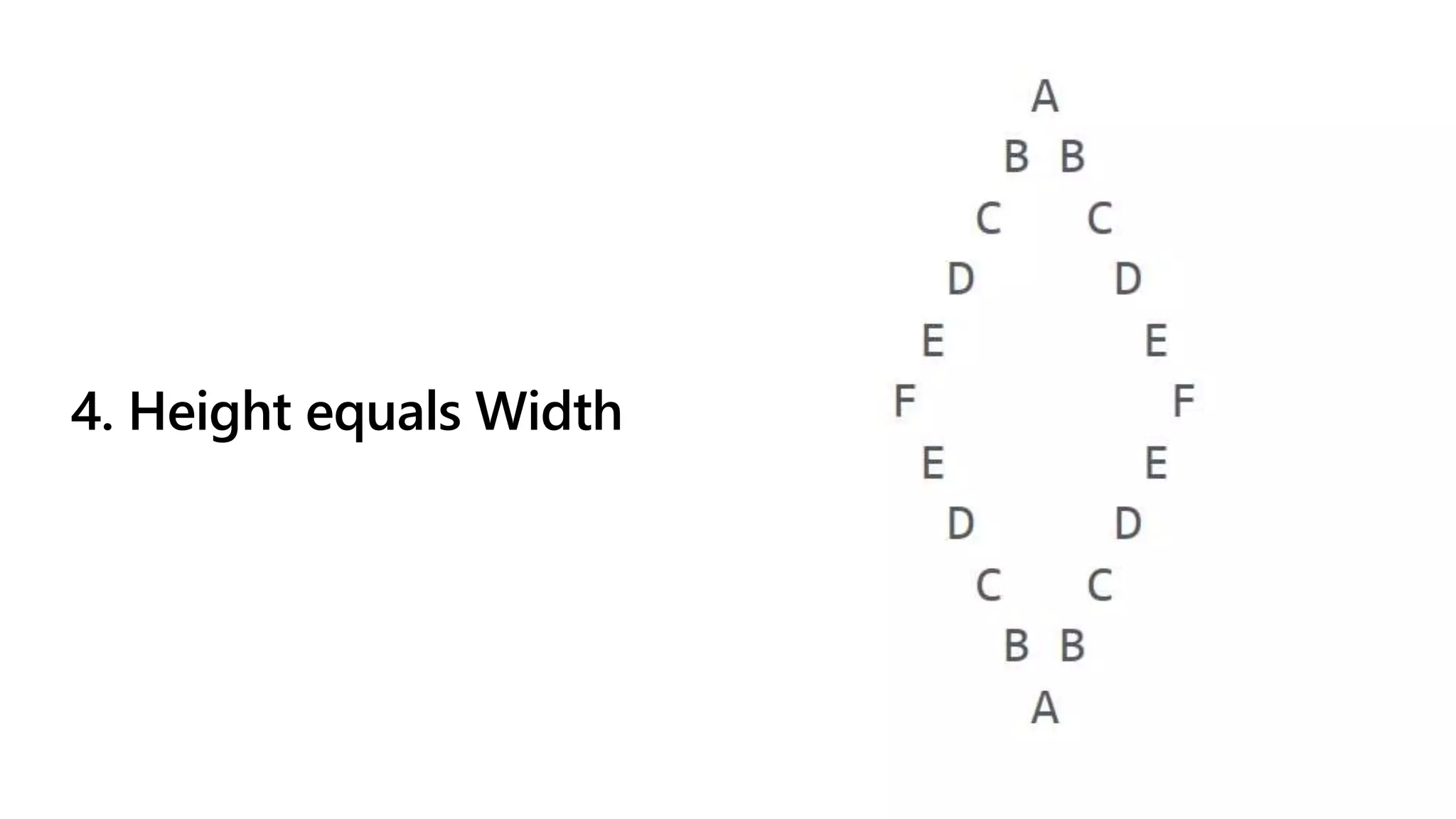
![[Property(Arbitrary = new[] { typeof(LetterGenerator) })]
public Property DiamondWidthEqualsHeight(char c)
{
var diamond = Diamond.Generate(c).ToList();
return diamond.All(row => row.Length == diamond.Count)
.ToProperty();
}](https://image.slidesharecdn.com/property-basedtesting-200311233819/75/Property-based-testing-48-2048.jpg)
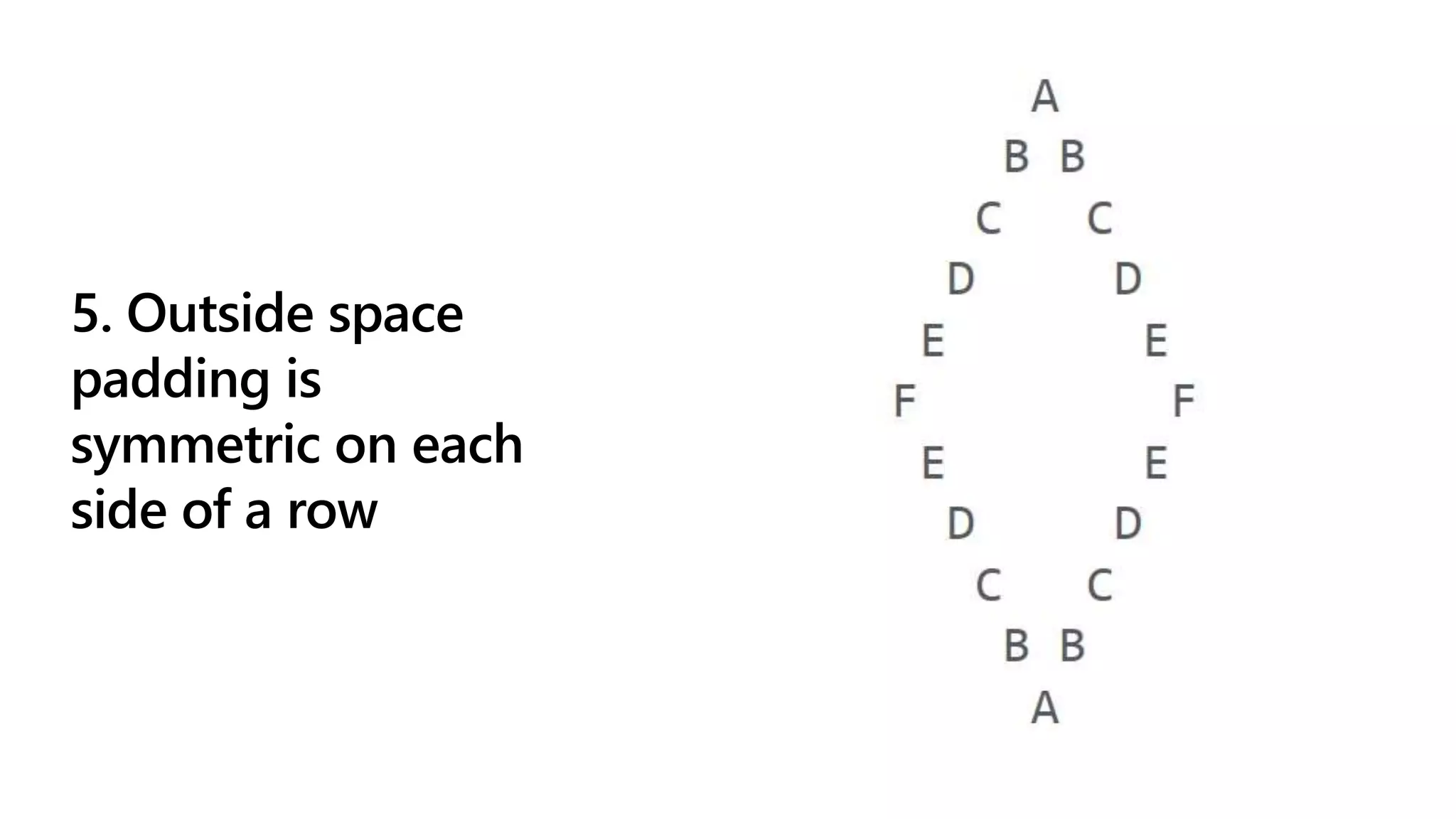
![[Property(Arbitrary = new[] { typeof(LetterGenerator) })]
public Property SpacesPerRowAreSymmetric(char c)
{
return Diamond.Generate(c)
.All(row =>
CountLeadingSpaces(row) == CountTrailingSpaces(row))
.ToProperty();
}](https://image.slidesharecdn.com/property-basedtesting-200311233819/75/Property-based-testing-50-2048.jpg)
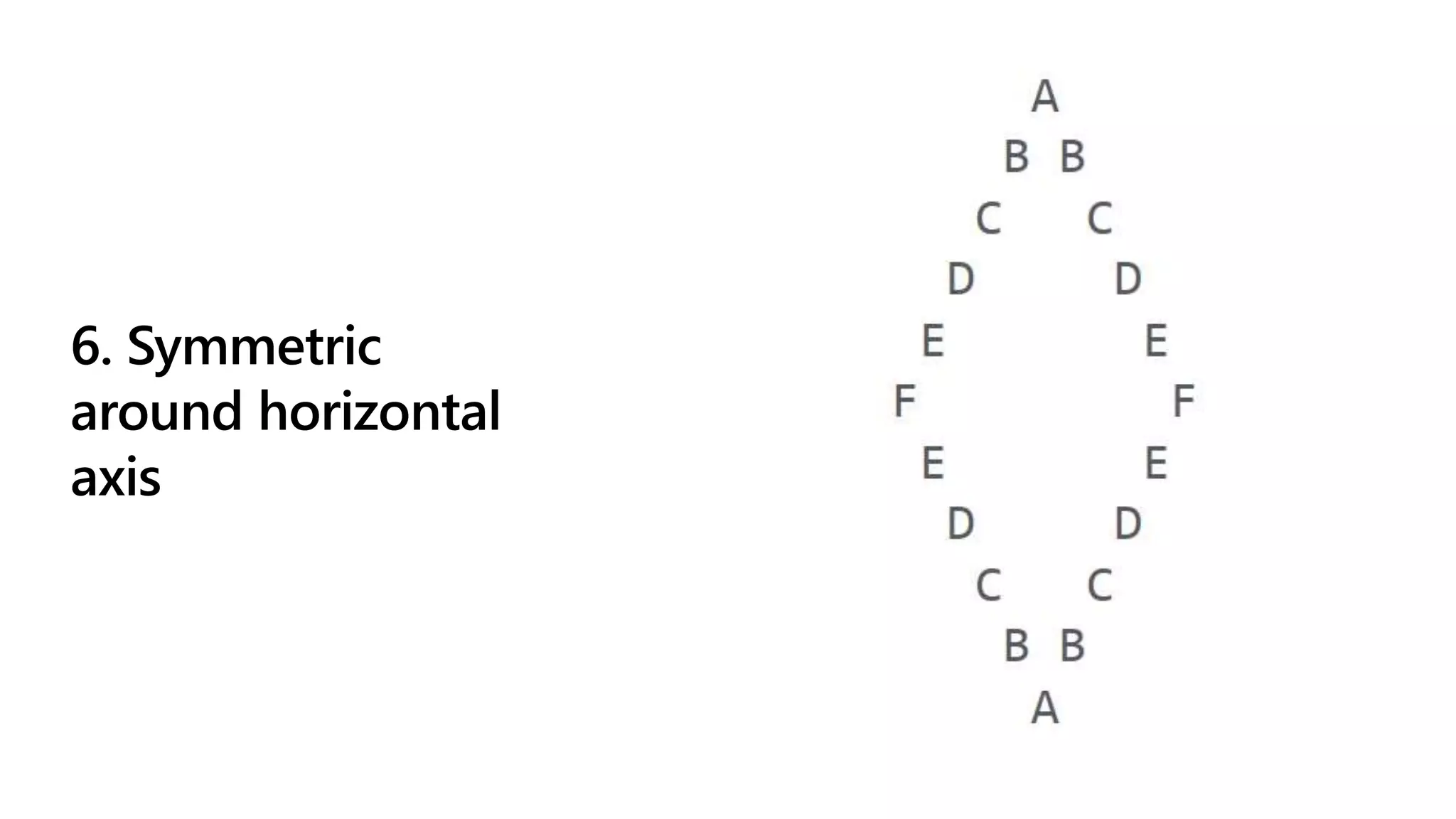
![[Property(Arbitrary = new[] { typeof(LetterGenerator) })]
public Property SymmetricAroundHorizontalAxis(char c)
{
var diamond = Diamond.Generate(c).ToArray();
var half = diamond.Length / 2;
var topHalf = diamond[..half];
var bottomHalf = diamond[(half + 1)..];
return topHalf.Reverse()
.SequenceEqual(bottomHalf)
.ToProperty();
}](https://image.slidesharecdn.com/property-basedtesting-200311233819/75/Property-based-testing-52-2048.jpg)
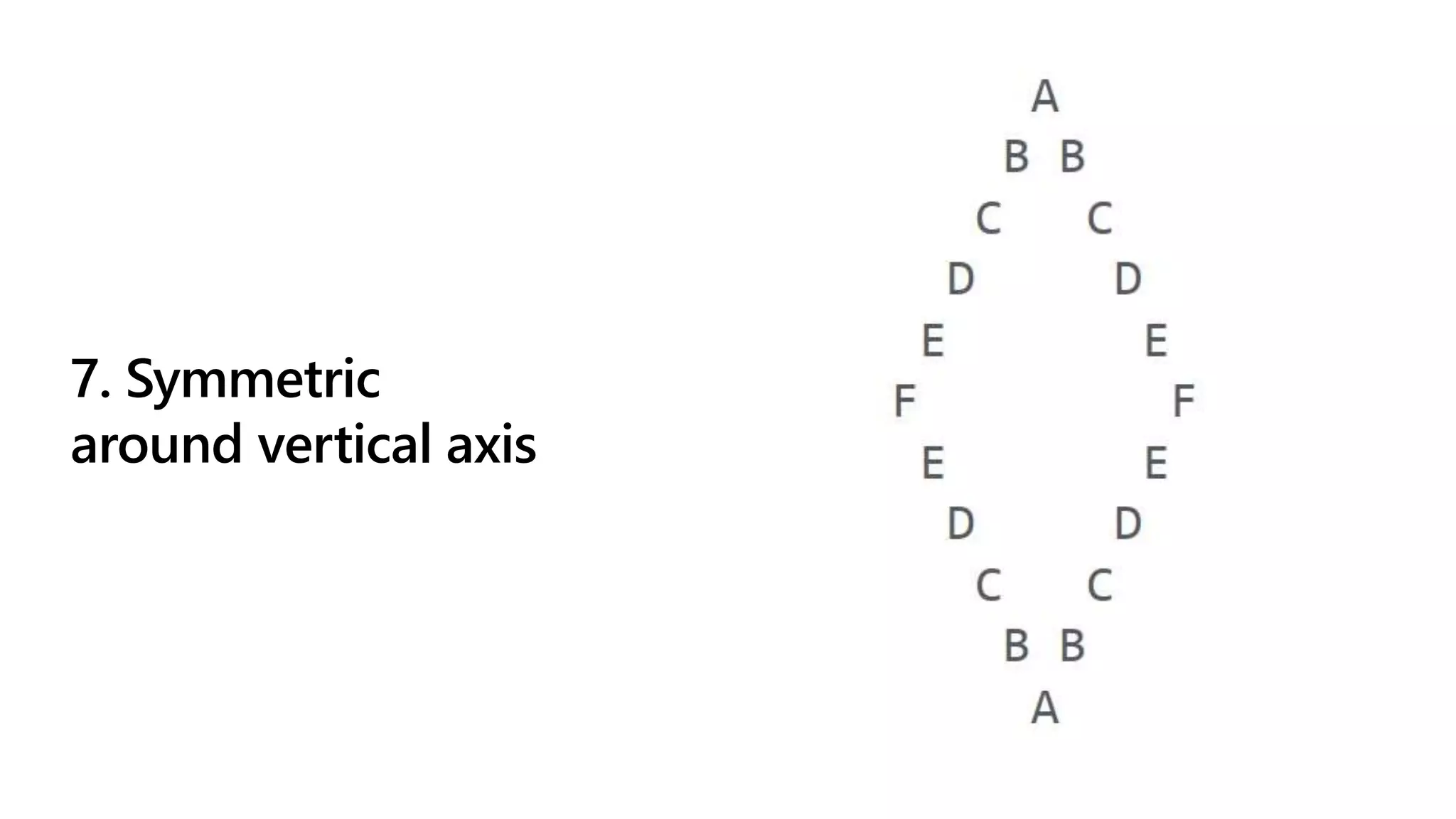
![[Property(Arbitrary = new[] { typeof(LetterGenerator) })]
public Property SymmetricAroundVerticalAxis(char c)
{
return Diamond.Generate(c).ToArray()
.All(row =>
{
var half = row.Length / 2;
var firstHalf = row[..half];
var secondHalf = row[(half + 1)..];
return firstHalf.Reverse().SequenceEqual(secondHalf);
}).ToProperty();
}](https://image.slidesharecdn.com/property-basedtesting-200311233819/75/Property-based-testing-54-2048.jpg)
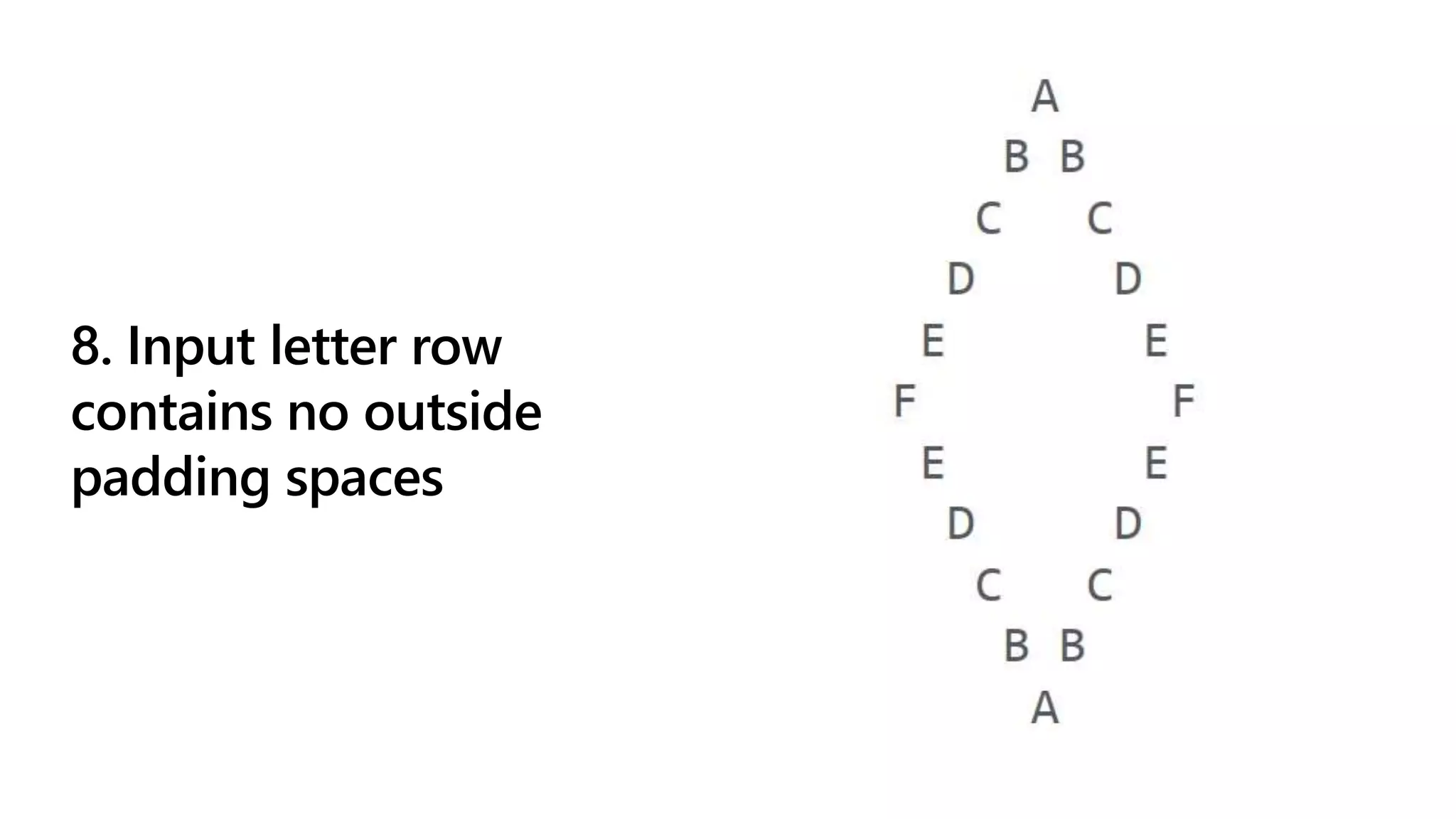
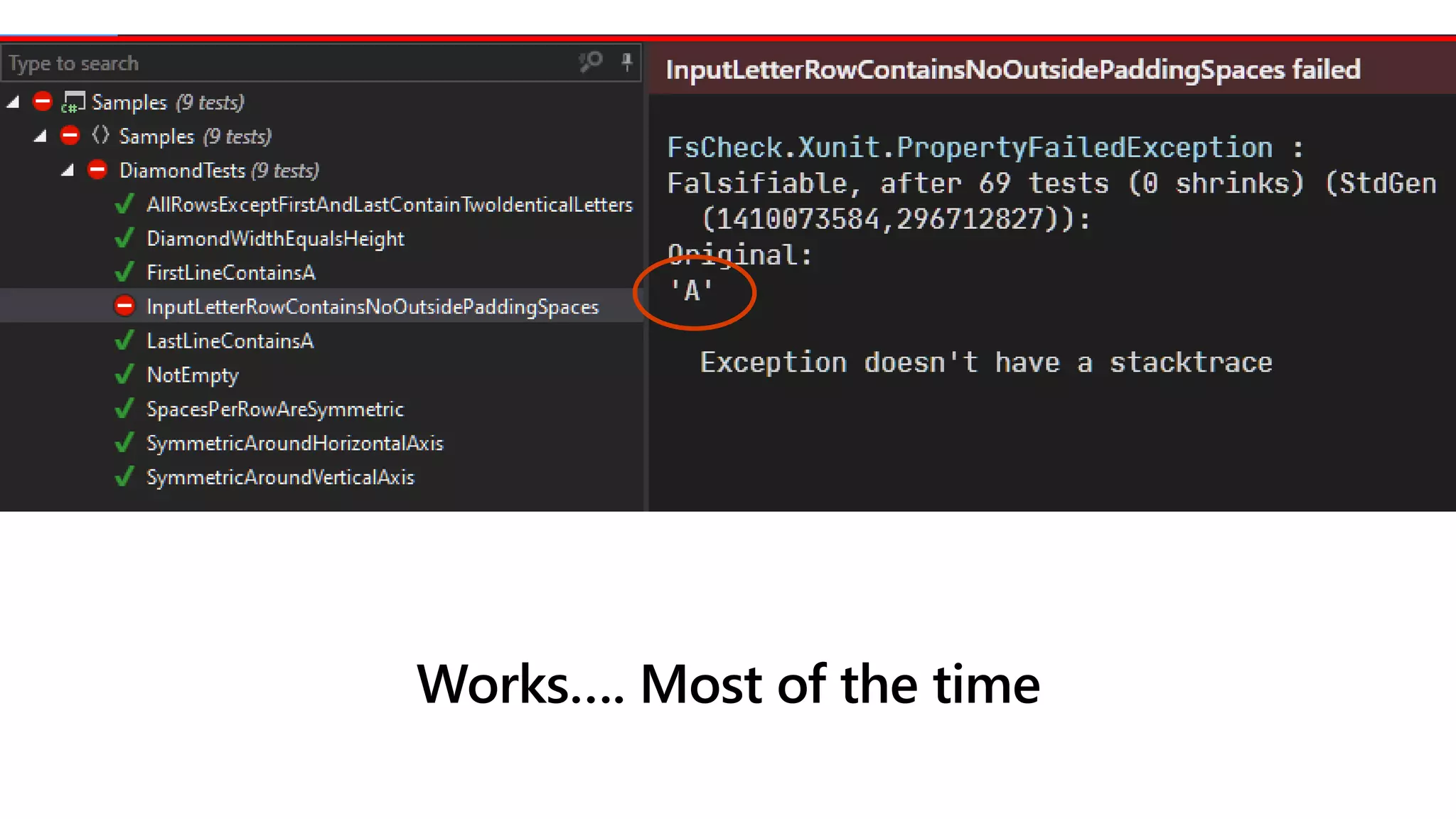
![[Property(Arbitrary = new[] { typeof(LetterGenerator) })]
public Property InputLetterRowContainsNoOutsidePaddingSpaces
(char c)
{
var inputLetterRow = Diamond.Generate(c)
.ToArray()
.First(x => GetCharInRow(x) == c);
return (inputLetterRow[0] != ' ' && inputLetterRow[^1] != ' ')
.ToProperty();
}](https://image.slidesharecdn.com/property-basedtesting-200311233819/75/Property-based-testing-56-2048.jpg)
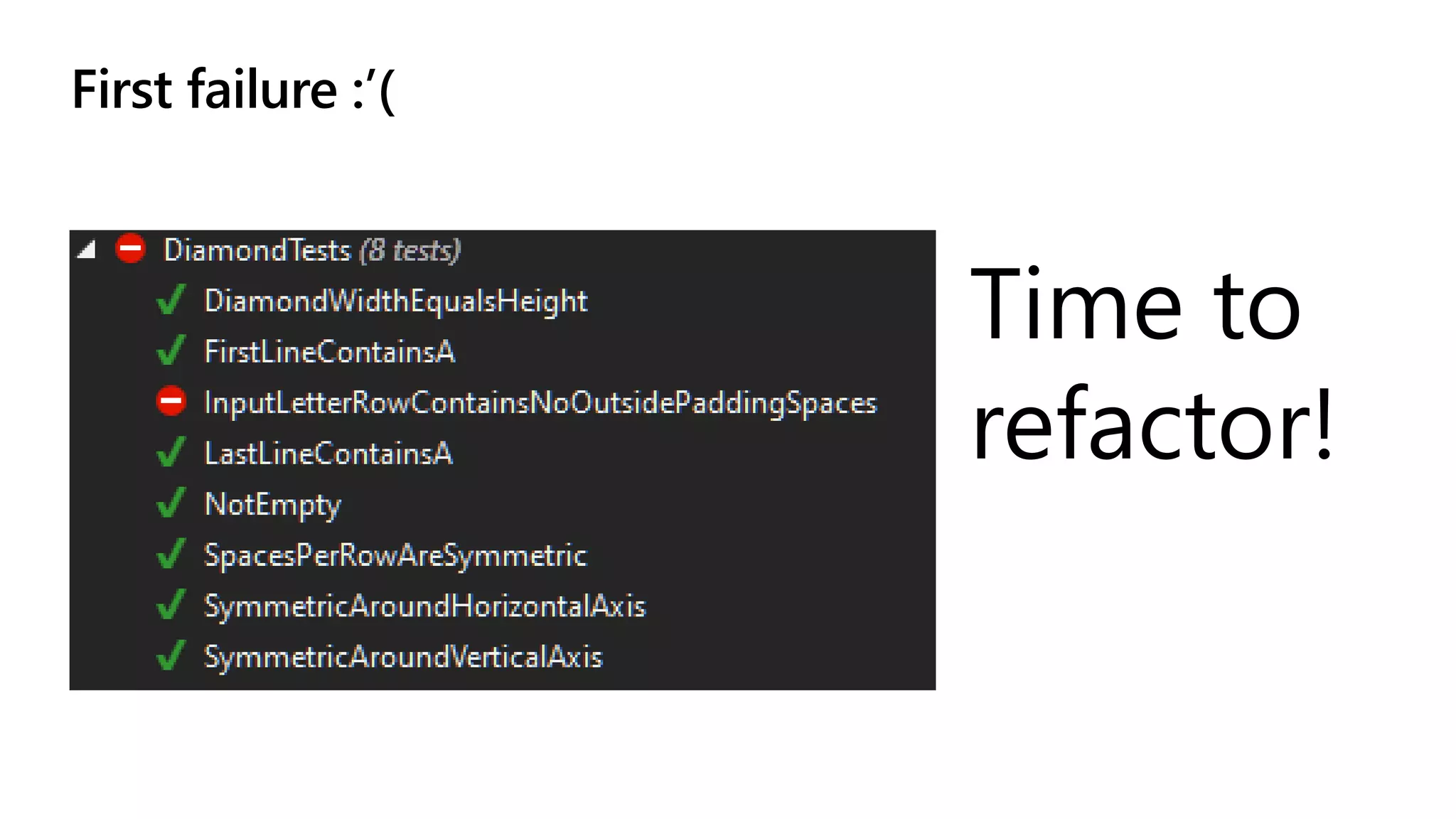
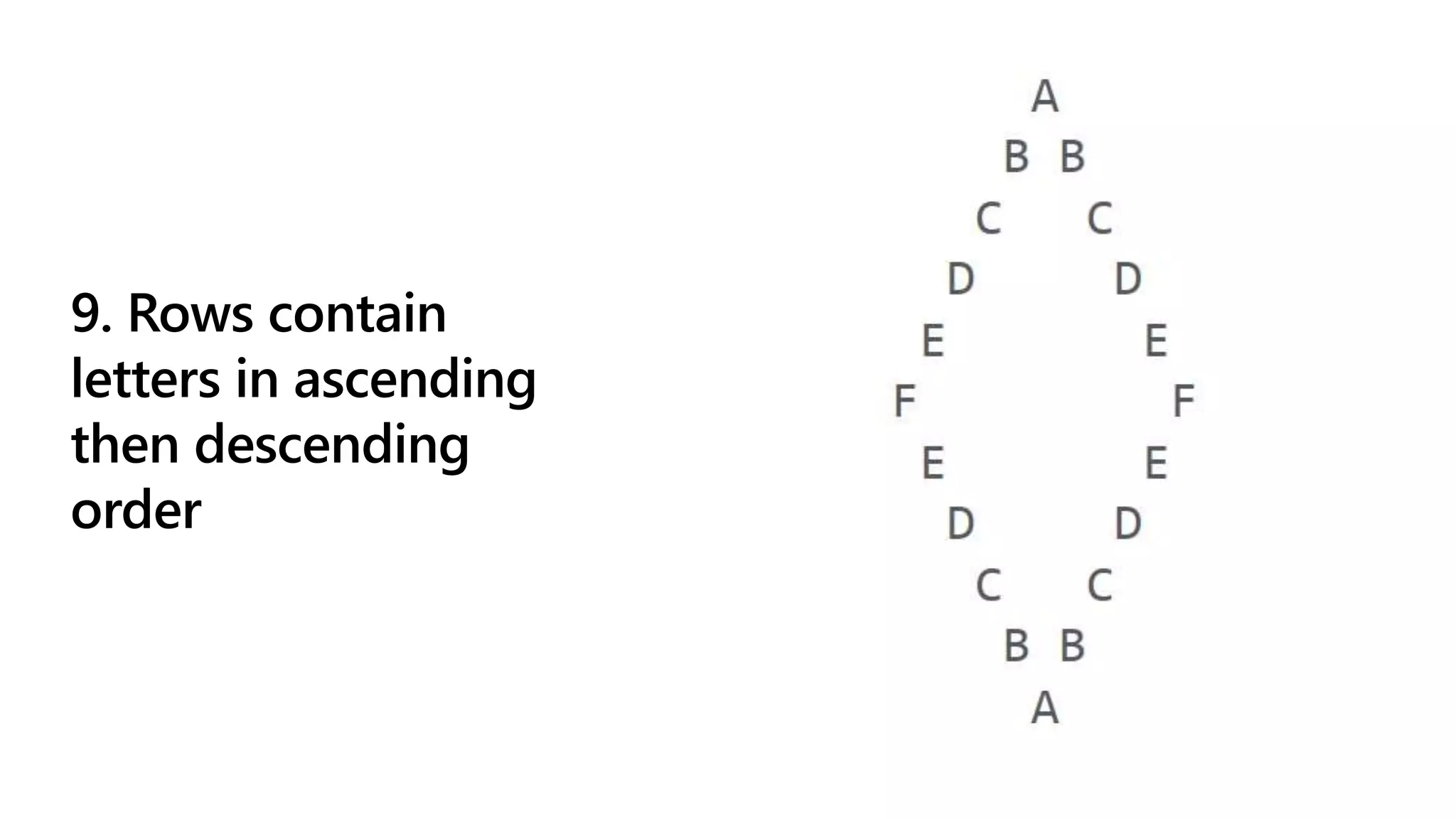
![[Property(Arbitrary = new[] { typeof(LetterGenerator) })]
public Property RowsContainCorrectLetterInCorrectOrder
(char c)
{
var expected = new List<char>();
for (var i = 'A'; i < c; i++) expected.Add(i);
for (var i = c; i >= 'A'; i--) expected.Add(i);
var actual = Diamond.Generate(c).ToList()
.Select(GetCharInRow);
return actual.SequenceEqual(expected).ToProperty();
}](https://image.slidesharecdn.com/property-basedtesting-200311233819/75/Property-based-testing-63-2048.jpg)



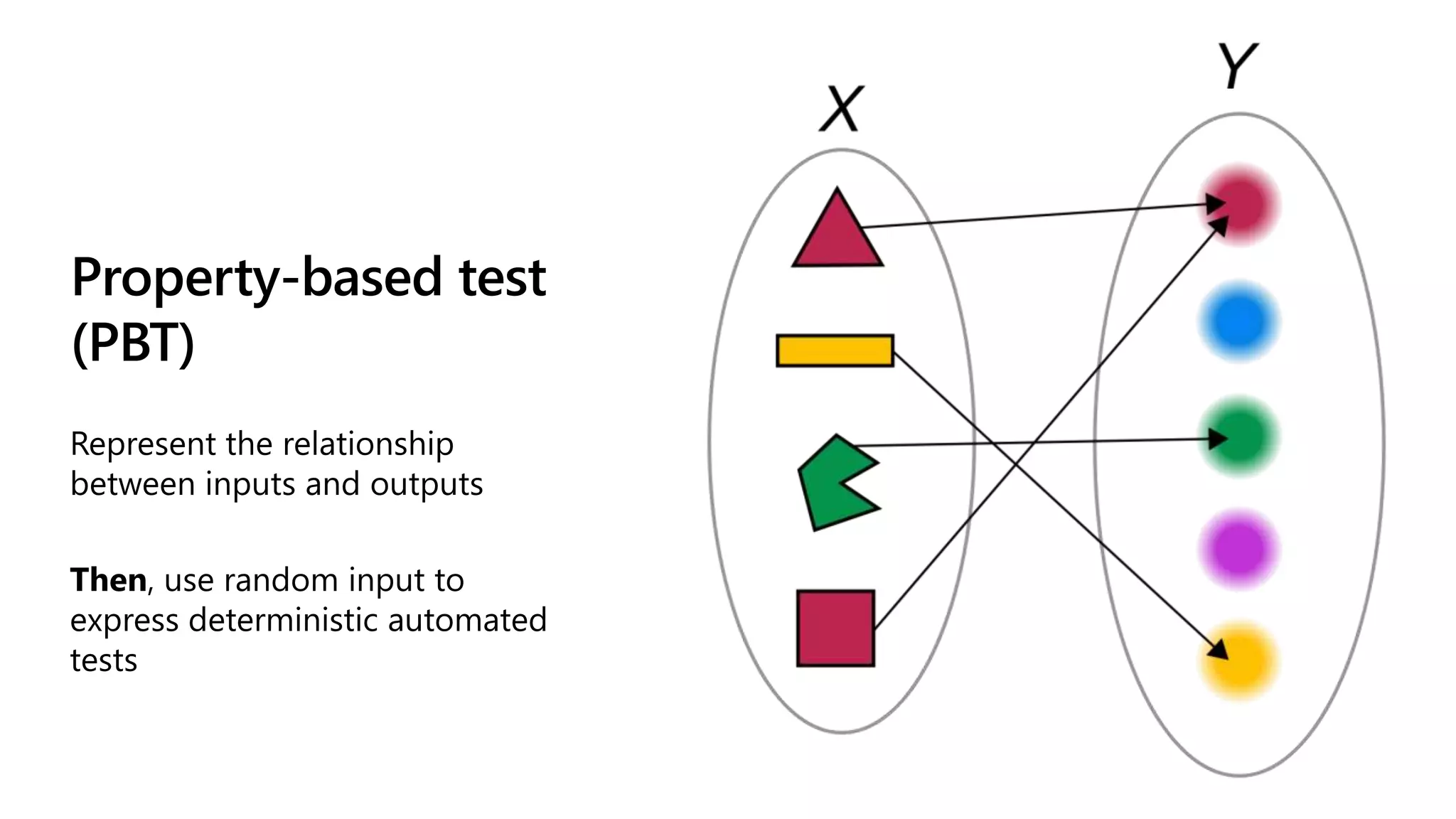
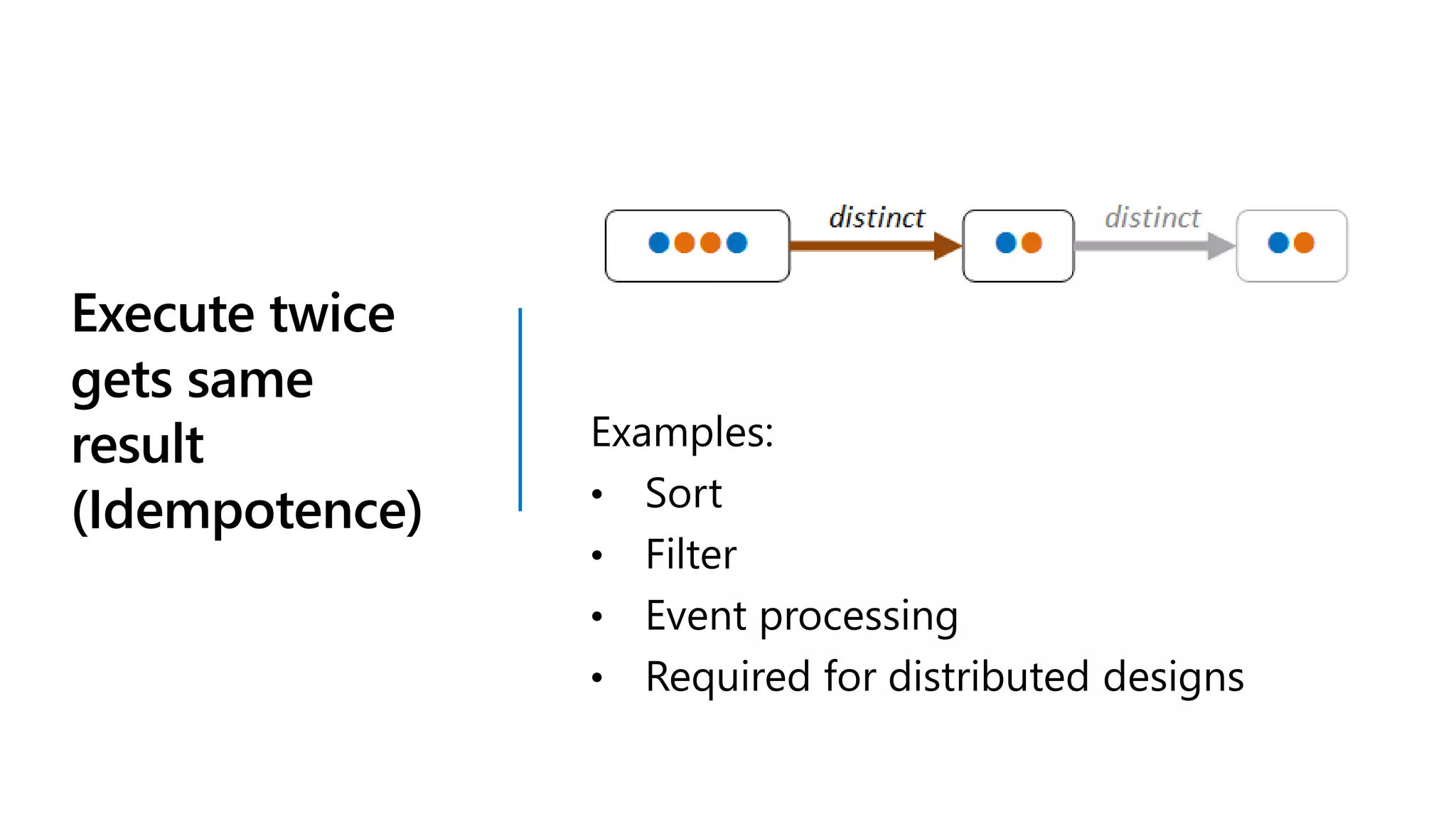
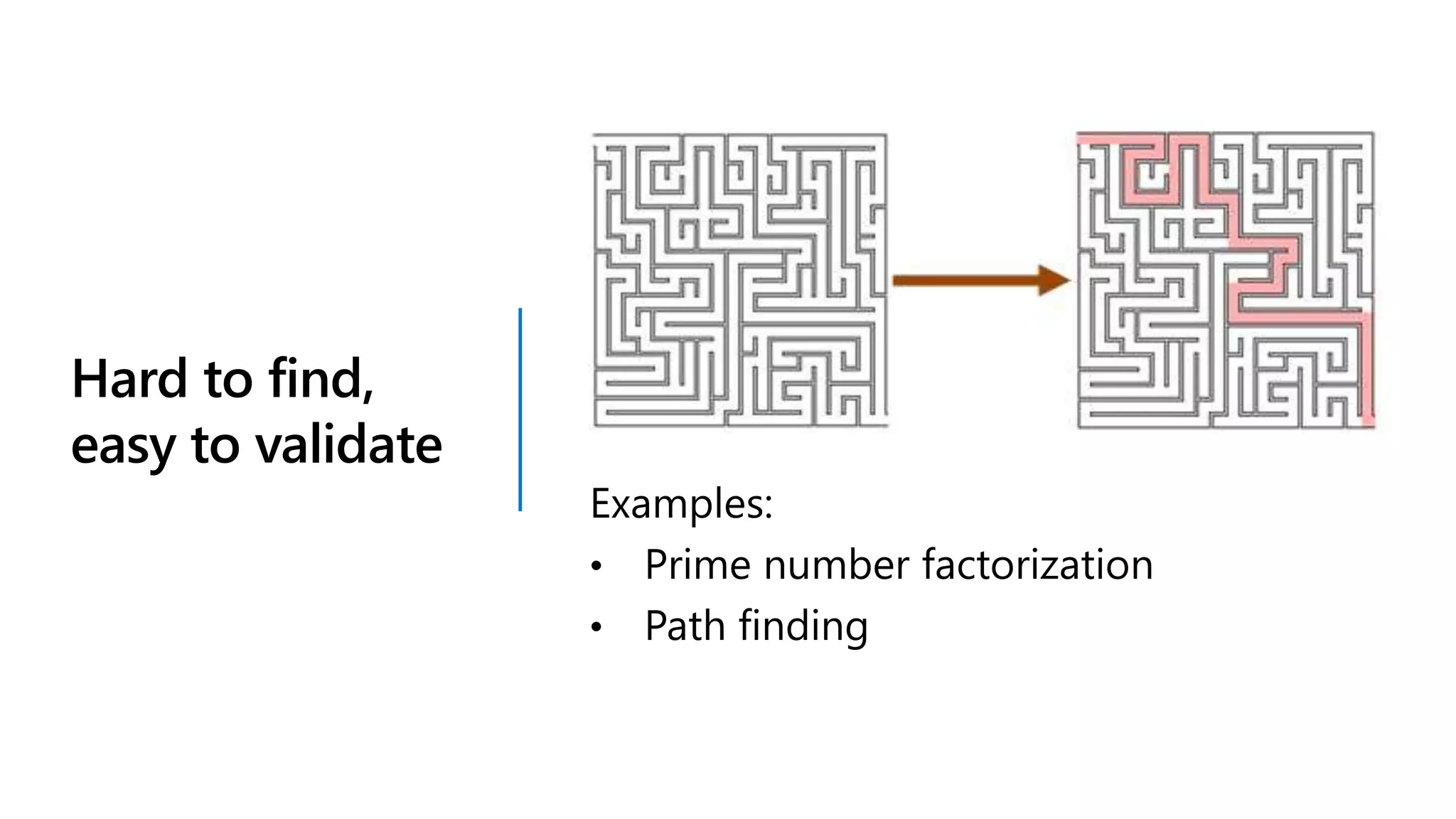
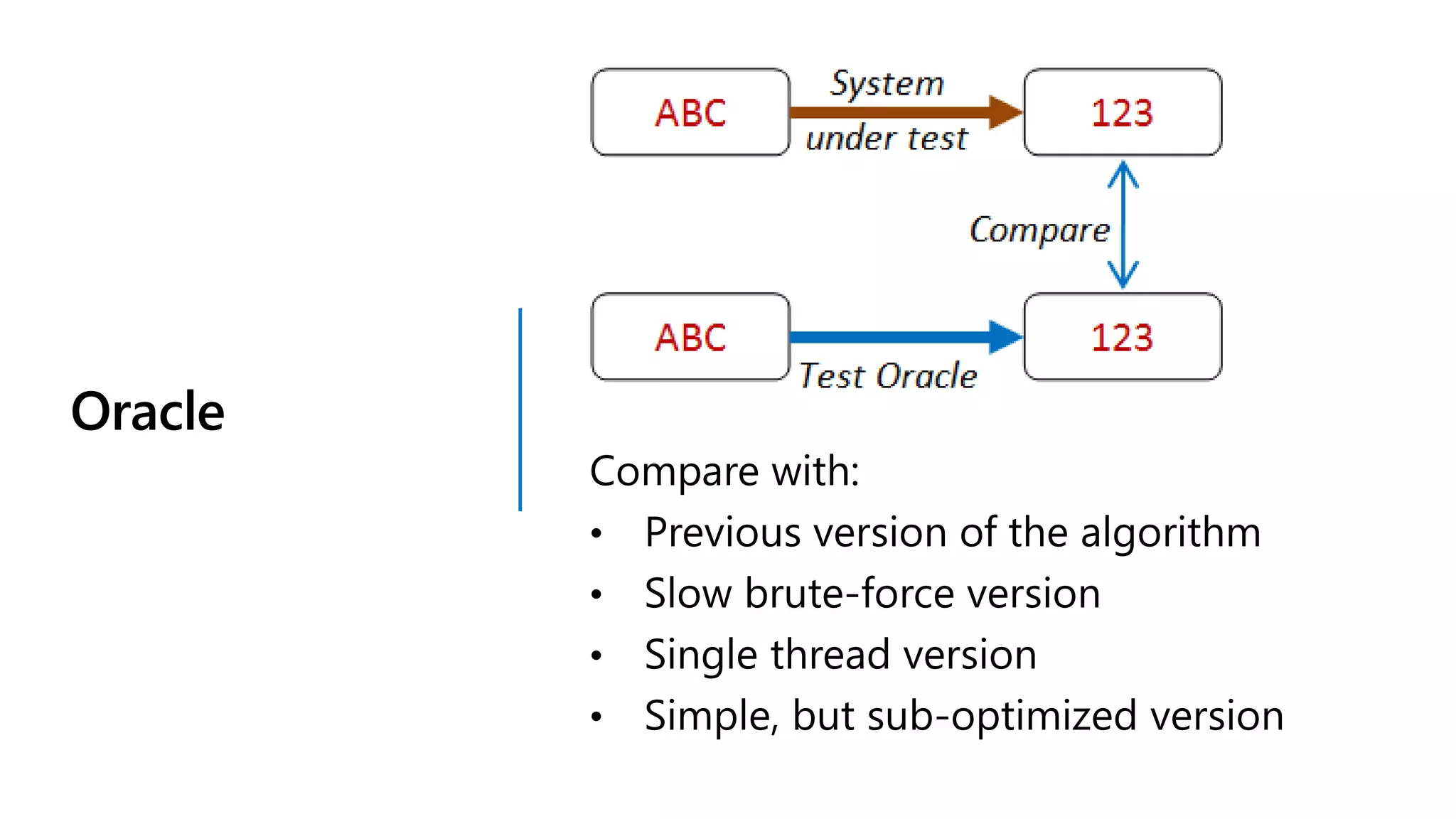
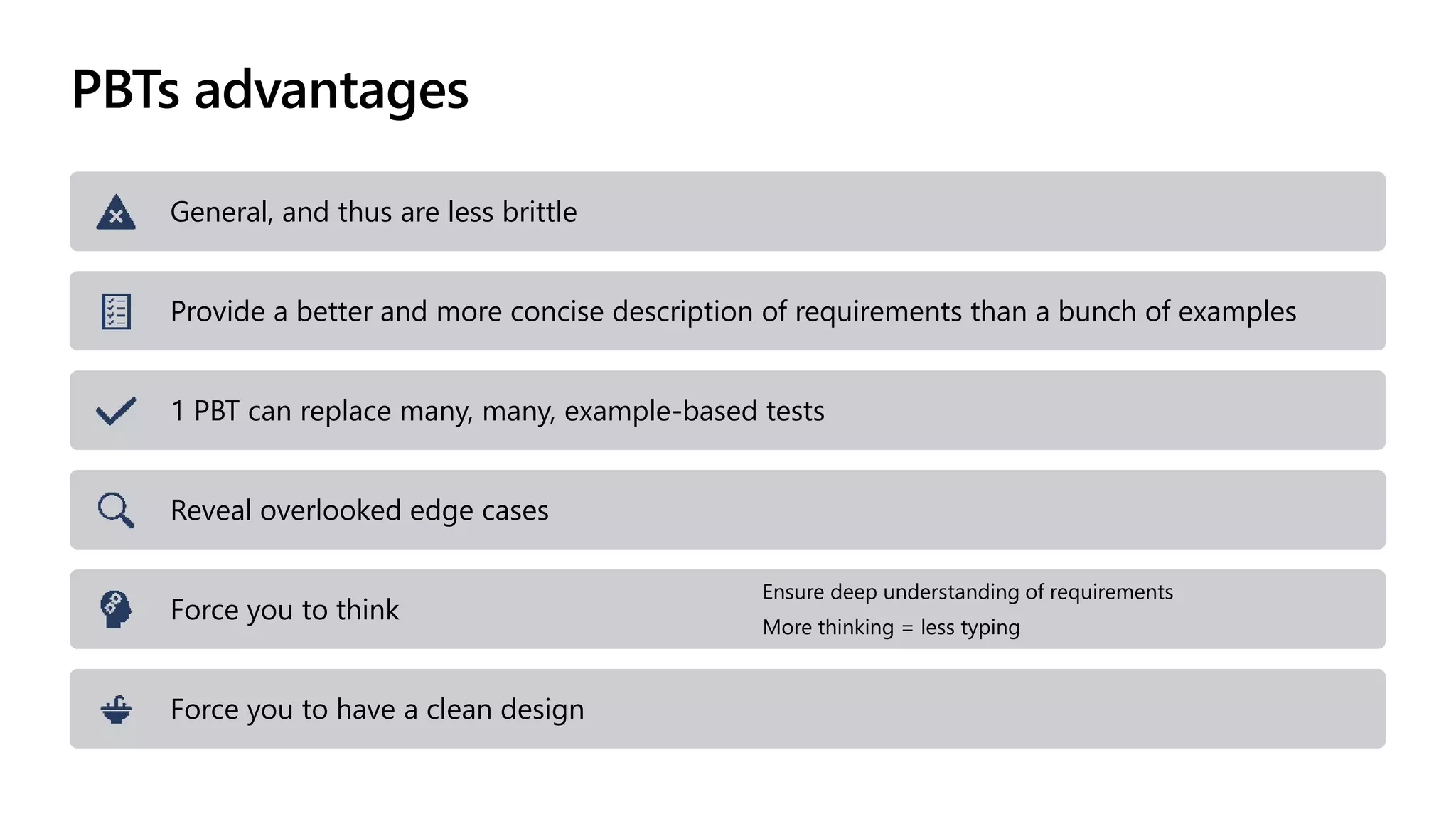
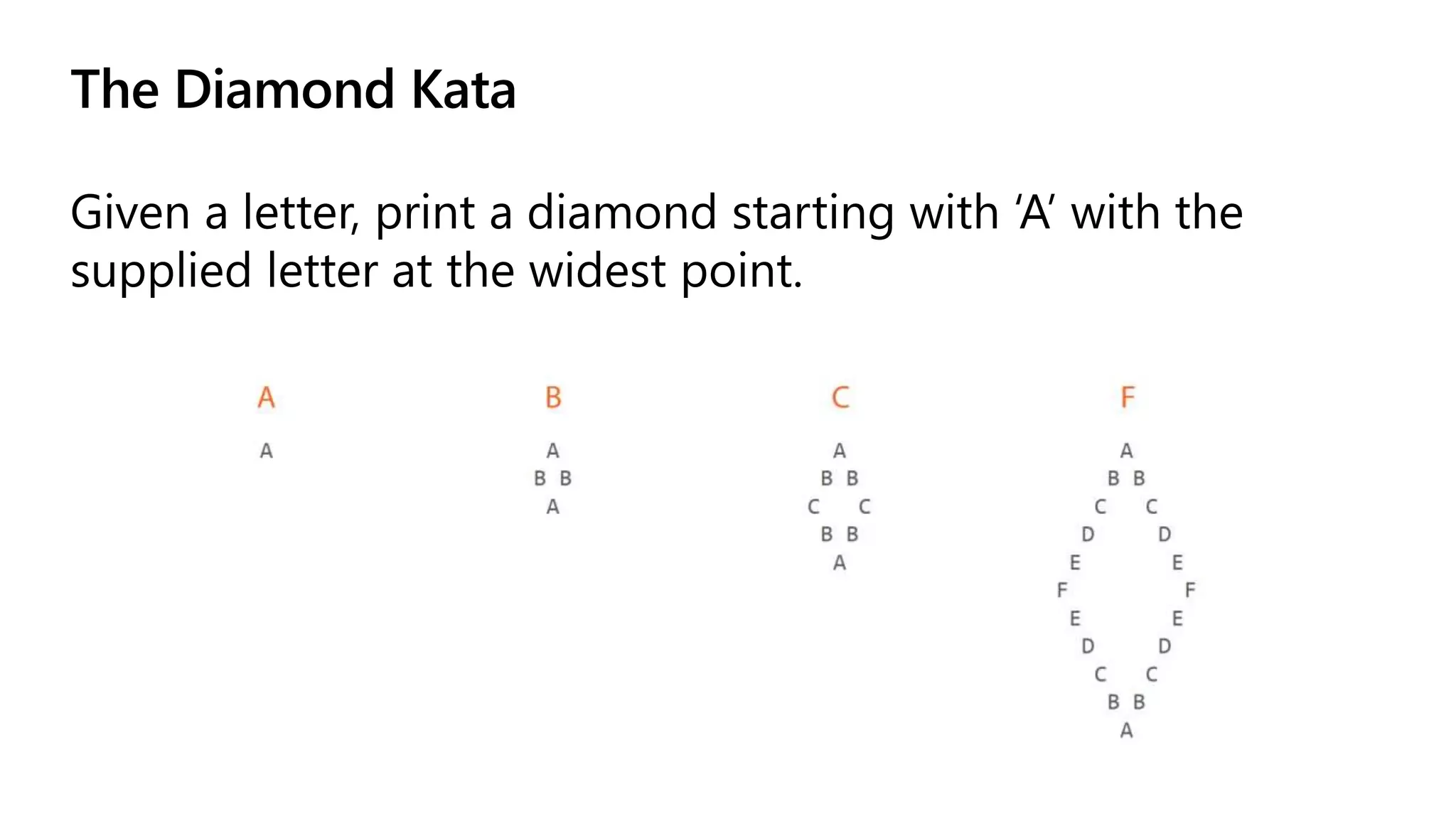
The document discusses property-based testing (PBT) and its advantages over example-based testing (EBT) in software development, particularly in the context of Microsoft technologies and programming languages like C# and F#. It outlines the principles of PBT, provides examples of tests using a diamond generation problem, and emphasizes how PBT can reveal edge cases and promote better understanding of requirements. Additionally, it highlights the challenges faced in adopting PBT while acknowledging the usefulness of EBT for certain scenarios.


