Problem-Posing
Approach in
Teaching
Literature
BY: ANALYN G. DEJARO
JANE E. SAGUTA-ON
The Problem-based Teaching of
Literature
is a contemporary teaching model that
has emerged from the need to overcome the
weaknesses of traditional teaching and to
increase the efficiency of educational work.
The Problem-based Teaching of
Literature
Unlike the traditional paradigms that focused on the
teacher and the lecturing model of education, the
Problem-based Teaching Of Literature engages
students, places them at the center of the teaching
process, and encourages them to independently define and
research the problem.
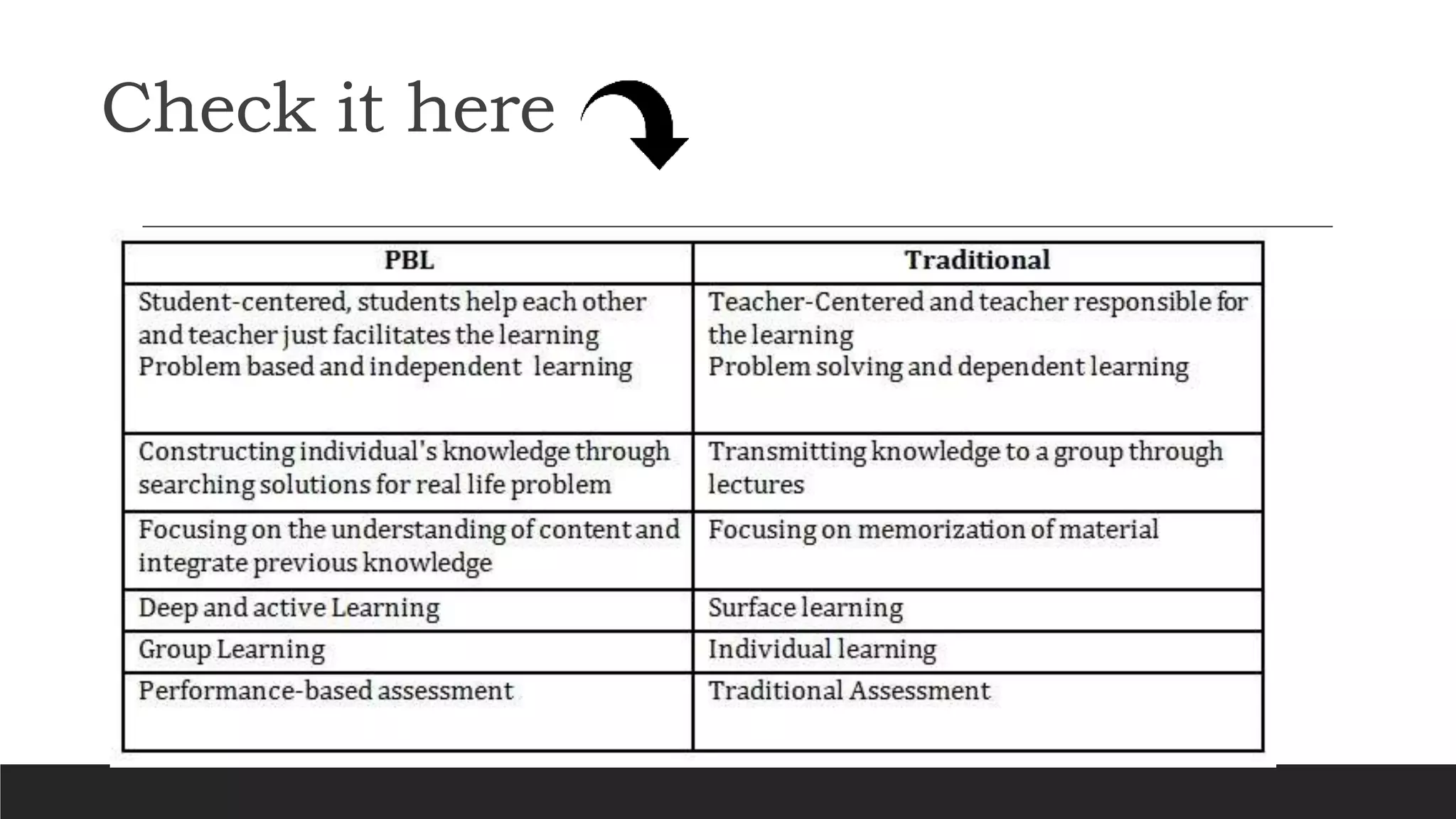
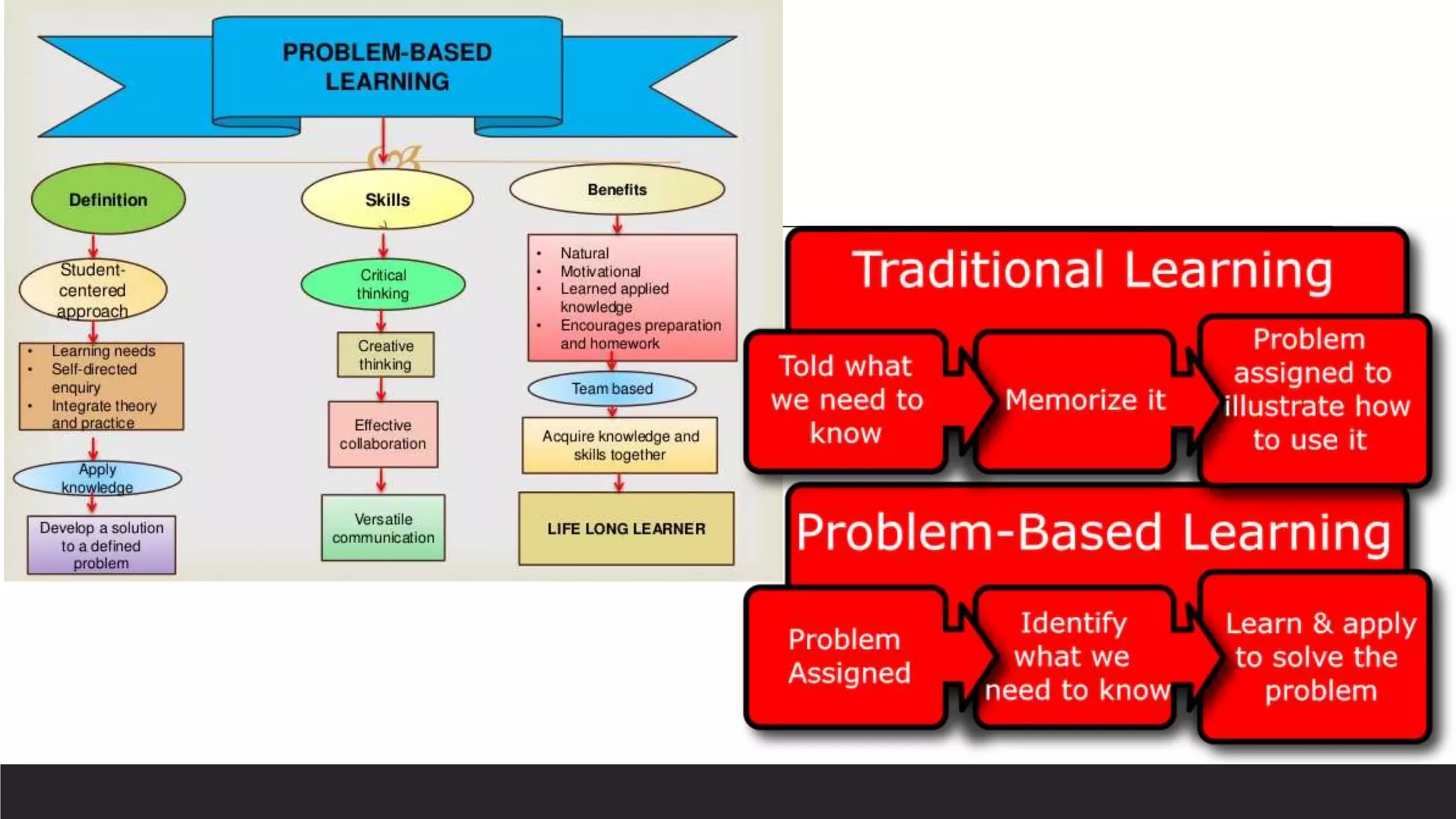
Check it here
The Problem-based Teaching of
Literature
The problem-based teaching of literature is based on
the students’ active relationship to literary phenomena,
while the teacher functions as the initiator and
motivator of the students’ versatile creations that are
reached by solving problem-based tasks.
The Problem-Based Teaching of Literature
as a Shift from the Traditional Teaching
From the perspective of contemporary teaching, the traditional class-subject-
lesson system should change and the
former encyclopaedic knowledge needs to be replaced by “developing the ability
to understand, solve problems, and
apply practical knowledge to acquire skills that contribute to the students’
quality of life in the contemporary world”
(Tot, 2010: 67).
The Problem-Based Teaching of Literature
as a Shift from the Traditional Teaching
Accordingly, a uniformed approach to all students, rigid relationship
between teachers and students, reduced student freedom, neglect
of independent research work and creativity (Stevanović, 2003: 12),
and focus on the content and scope of knowledge (Kajić, 1984: 364)
are seen as the main weaknesses, issues, and disadvantages of
traditional teaching in fulfilling contemporary teaching tasks.
In the book Modeli Kreativne Nastave [Creative Teaching
Models], M. Stevanović (2003: 12) emphasizes that such
problems can be solved following a bold view of the future,
dispensing with an uncritical imitation of past strategies,
and by using Contemporary Teaching Models.
The Problem-Based Teaching of Literature
as a Shift from the Traditional Teaching
The Problem-Based Teaching of Literature
as a Shift from the Traditional Teaching
One such Contemporary Teaching Model that has emerged from the need to
overcome the weaknesses of Traditional Teaching and increase the efficiency of
educational work (Gajić, 2004: 41) is the Problem-based Creative
Teaching Methodology System for which numerous terms occur in the
scientific literature: Problem-Based Teaching, Problem-Situation, Problem
Solving, Problem-Solving Teaching, and Problem-Solving Learning.
The Problem-Based Teaching of Literature
as a Shift from the Traditional Teaching
In contemporary teaching methodology, the
Problem-based Creative Methodology System is
the most widespread under the term Problem-
based Teaching (Gajić, 2004: 139)
The Problem-Based Teaching of Literature
as a Shift from the Traditional Teaching
The Problem-based Teaching represents a radical shift in comparison to
traditional teaching (Kajić, 1984: 364).
It is not based on the students’ passive observation of the operations
performed by the teacher since it establishes an active (thoughtful)
attitude toward phenomena, and encourages the students’ independent
hypothesizing, researching, and problem solving (Rosandić, 1975: 159).
The Importance of Researching Attitudes
on Problem-Based Teaching of Literature
Emphasizes the development of student autonomy, perseverance,
persistence, and self-confidence (Stevanović, 2003: 209).
Points out that the knowledge gained through problem-based teaching
is more long-lasting
Increases motivation, intensifies the level of knowledge acquisition
(Lazzarich, 2011: 114),
Develops interest and curiosity, shapes personality, perseverance, and
criticism (Obradović & Pofuk, 2005: 36)
https://www.researchgate.net/publication/331134280_Problem-Based_Teaching_of_Literature
Problem-Posing Approach in Teaching Literature(SAGUTA-ON-DEJARO).pptx

Problem-Posing Approach in Teaching Literature(SAGUTA-ON-DEJARO).pptx

  • 1.
  • 3.
    The Problem-based Teachingof Literature is a contemporary teaching model that has emerged from the need to overcome the weaknesses of traditional teaching and to increase the efficiency of educational work.
  • 4.
    The Problem-based Teachingof Literature Unlike the traditional paradigms that focused on the teacher and the lecturing model of education, the Problem-based Teaching Of Literature engages students, places them at the center of the teaching process, and encourages them to independently define and research the problem.
  • 5.
  • 7.
    The Problem-based Teachingof Literature The problem-based teaching of literature is based on the students’ active relationship to literary phenomena, while the teacher functions as the initiator and motivator of the students’ versatile creations that are reached by solving problem-based tasks.
  • 8.
    The Problem-Based Teachingof Literature as a Shift from the Traditional Teaching From the perspective of contemporary teaching, the traditional class-subject- lesson system should change and the former encyclopaedic knowledge needs to be replaced by “developing the ability to understand, solve problems, and apply practical knowledge to acquire skills that contribute to the students’ quality of life in the contemporary world” (Tot, 2010: 67).
  • 9.
    The Problem-Based Teachingof Literature as a Shift from the Traditional Teaching Accordingly, a uniformed approach to all students, rigid relationship between teachers and students, reduced student freedom, neglect of independent research work and creativity (Stevanović, 2003: 12), and focus on the content and scope of knowledge (Kajić, 1984: 364) are seen as the main weaknesses, issues, and disadvantages of traditional teaching in fulfilling contemporary teaching tasks.
  • 10.
    In the bookModeli Kreativne Nastave [Creative Teaching Models], M. Stevanović (2003: 12) emphasizes that such problems can be solved following a bold view of the future, dispensing with an uncritical imitation of past strategies, and by using Contemporary Teaching Models. The Problem-Based Teaching of Literature as a Shift from the Traditional Teaching
  • 11.
    The Problem-Based Teachingof Literature as a Shift from the Traditional Teaching One such Contemporary Teaching Model that has emerged from the need to overcome the weaknesses of Traditional Teaching and increase the efficiency of educational work (Gajić, 2004: 41) is the Problem-based Creative Teaching Methodology System for which numerous terms occur in the scientific literature: Problem-Based Teaching, Problem-Situation, Problem Solving, Problem-Solving Teaching, and Problem-Solving Learning.
  • 12.
    The Problem-Based Teachingof Literature as a Shift from the Traditional Teaching In contemporary teaching methodology, the Problem-based Creative Methodology System is the most widespread under the term Problem- based Teaching (Gajić, 2004: 139)
  • 13.
    The Problem-Based Teachingof Literature as a Shift from the Traditional Teaching The Problem-based Teaching represents a radical shift in comparison to traditional teaching (Kajić, 1984: 364). It is not based on the students’ passive observation of the operations performed by the teacher since it establishes an active (thoughtful) attitude toward phenomena, and encourages the students’ independent hypothesizing, researching, and problem solving (Rosandić, 1975: 159).
  • 14.
    The Importance ofResearching Attitudes on Problem-Based Teaching of Literature Emphasizes the development of student autonomy, perseverance, persistence, and self-confidence (Stevanović, 2003: 209). Points out that the knowledge gained through problem-based teaching is more long-lasting Increases motivation, intensifies the level of knowledge acquisition (Lazzarich, 2011: 114), Develops interest and curiosity, shapes personality, perseverance, and criticism (Obradović & Pofuk, 2005: 36) https://www.researchgate.net/publication/331134280_Problem-Based_Teaching_of_Literature