2025
Arts 5
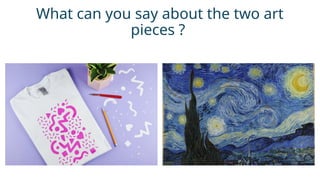
What can you say about the two art
pieces ?
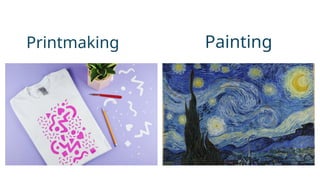
Printmaking Painting
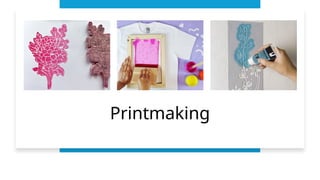
Printmaking
Printmaking,
•an art form consisting of the production of
images, usually on paper but occasionally on
fabric, parchment, plastic, or other support, by
various techniques of multiplication, under the
direct supervision of or by the hand of the artist.
Kinds of Printmaking
Relief Techniques
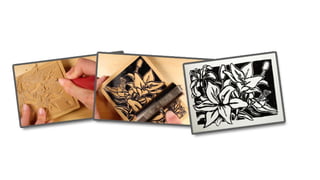
Relief printmaking is one of the more basic types and
requires a raised inked surface. By removing areas from a
material that you don’t want to be inked and inking only
raised areas, you can easily transfer the image onto a surface.
Relief techniques include:
• Linocut
• Woodcut
Intaglio Techniques
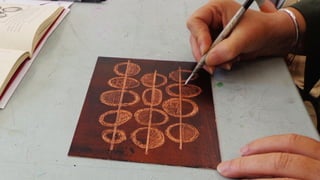
Intaglio is relief printmaking in reverse. Lines and designs are cut into a
metal surface like zink or copper before pushing the ink inside these lines. A
tool like a burin or sometimes an acid substance, such as with etching,
indents the matrix. Once the matrix is wiped clean, it’s placed on a wet piece
of paper, where the ink designs are transferred. Some intaglio techniques
are:
• Engraving
• Drypoint
• Aquatint
Planographic and Other Techniques
Planography works on the principle that water and oil don’t
mix. A greasy substance, usually tusche, is used to draw a
design on a flat surface. Once you add water and ink, only the
surface area with oil will absorb the ink, printing the design.
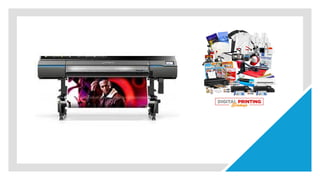
• Digital printing
Stencil Techniques
With stencil printmaking, artists make an outline of their
design. They place the stencil over a sheet of silk and use a
sponge to ink the silk surface, resulting in a printed image.
Recently, synthetic nylon has been more widely used than
silk, but the primary concepts remain the same. Stencil
techniques include:
• Screenprinting
Activity Time!
Make a stencil and bring it to school. Your
stencil should support our our Academic
Year theme. This is to show appreciation to
all forms of creation .
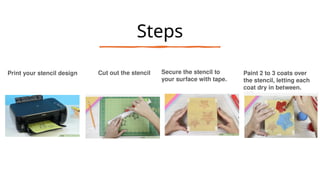
Steps
Print your stencil design Cut out the stencil Secure the stencil to
your surface with tape.
Paint 2 to 3 coats over
the stencil, letting each
coat dry in between.


Printing for t-shirt &livelihood designs

  • 1.
  • 2.
  • 3.
    What can yousay about the two art pieces ?
  • 4.
  • 5.
  • 6.
    Printmaking, •an art formconsisting of the production of images, usually on paper but occasionally on fabric, parchment, plastic, or other support, by various techniques of multiplication, under the direct supervision of or by the hand of the artist.
  • 7.
  • 8.
    Relief Techniques Relief printmakingis one of the more basic types and requires a raised inked surface. By removing areas from a material that you don’t want to be inked and inking only raised areas, you can easily transfer the image onto a surface. Relief techniques include: • Linocut • Woodcut
  • 10.
    Intaglio Techniques Intaglio isrelief printmaking in reverse. Lines and designs are cut into a metal surface like zink or copper before pushing the ink inside these lines. A tool like a burin or sometimes an acid substance, such as with etching, indents the matrix. Once the matrix is wiped clean, it’s placed on a wet piece of paper, where the ink designs are transferred. Some intaglio techniques are: • Engraving • Drypoint • Aquatint
  • 12.
    Planographic and OtherTechniques Planography works on the principle that water and oil don’t mix. A greasy substance, usually tusche, is used to draw a design on a flat surface. Once you add water and ink, only the surface area with oil will absorb the ink, printing the design. • Digital printing
  • 14.
    Stencil Techniques With stencilprintmaking, artists make an outline of their design. They place the stencil over a sheet of silk and use a sponge to ink the silk surface, resulting in a printed image. Recently, synthetic nylon has been more widely used than silk, but the primary concepts remain the same. Stencil techniques include: • Screenprinting
  • 15.
    Activity Time! Make astencil and bring it to school. Your stencil should support our our Academic Year theme. This is to show appreciation to all forms of creation .
  • 16.
    Steps Print your stencildesign Cut out the stencil Secure the stencil to your surface with tape. Paint 2 to 3 coats over the stencil, letting each coat dry in between.