Max Angelo G. Terrenal
Post-Graduate Medical Intern
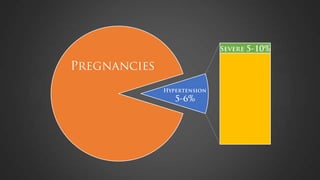
Hypertensive
disorders complicate
5 to 10% of all
pregnancies
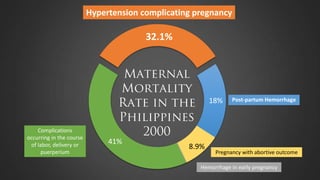
Hypertension complicating pregnancy

32.1%

18%

Complications
occurring in the course
of labor, delivery or
puerperium

41%

8.9%

Post-partum Hemorrhage

Pregnancy with abortive outcome

Hemorrhage in early pregnancy
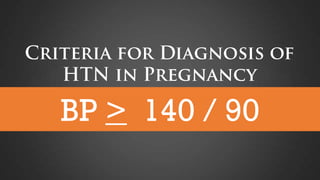
BP > 140 / 90
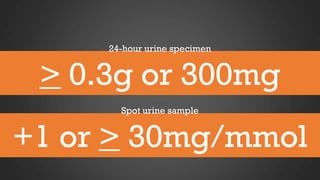
24-hour urine specimen

> 0.3g or 300mg
Spot urine sample

+1 or > 30mg/mmol
Swelling of the hands and the face or
leg edema after an overnight rest
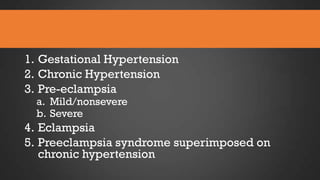
1. Gestational Hypertension
2. Chronic Hypertension
3. Pre-eclampsia
a. Mild/nonsevere
b. Severe

4. Eclampsia
5. Preeclampsia syndrome superimposed on
chronic hypertension
•
•
•
•
•

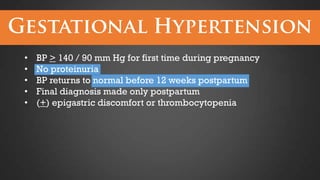
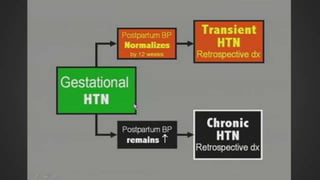
BP > 140 / 90 mm Hg for first time during pregnancy
No proteinuria
BP returns to normal before 12 weeks postpartum
Final diagnosis made only postpartum
(+) epigastric discomfort or thrombocytopenia
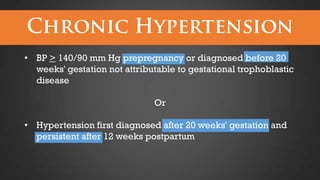
• BP > 140/90 mm Hg prepregnancy or diagnosed before 20
weeks' gestation not attributable to gestational trophoblastic
disease
Or
• Hypertension first diagnosed after 20 weeks' gestation and
persistent after 12 weeks postpartum
•

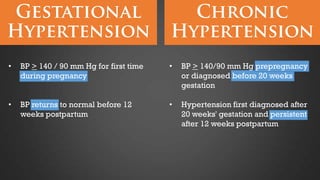
BP > 140 / 90 mm Hg for first time
during pregnancy

•

BP > 140/90 mm Hg prepregnancy
or diagnosed before 20 weeks
gestation

•

BP returns to normal before 12
weeks postpartum

•

Hypertension first diagnosed after
20 weeks' gestation and persistent
after 12 weeks postpartum
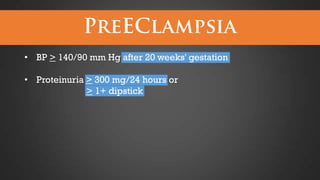
• BP > 140/90 mm Hg after 20 weeks' gestation
• Proteinuria > 300 mg/24 hours or
> 1+ dipstick
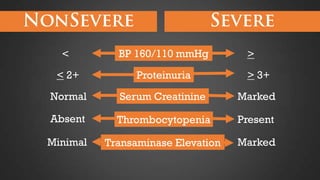
<

BP 160/110 mmHg

< 2+

Proteinuria

> 3+

Normal

Serum Creatinine

Marked

Absent

Thrombocytopenia

Present

Minimal

Transaminase Elevation

Marked

>
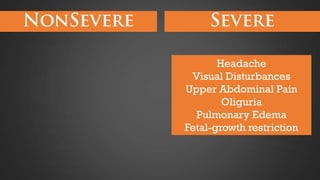
Headache
Visual Disturbances
Upper Abdominal Pain
Oliguria
Pulmonary Edema
Fetal-growth restriction
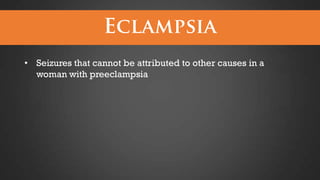
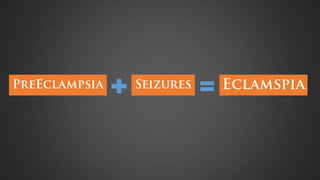
• Seizures that cannot be attributed to other causes in a
woman with preeclampsia
• New-onset proteinuria > 300 mg/24 hours in hypertensive
women but no proteinuria before 20 weeks' gestation
Pathophysiology
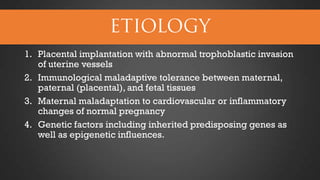
1. Placental implantation with abnormal trophoblastic invasion
of uterine vessels
2. Immunological maladaptive tolerance between maternal,
paternal (placental), and fetal tissues
3. Maternal maladaptation to cardiovascular or inflammatory
changes of normal pregnancy
4. Genetic factors including inherited predisposing genes as
well as epigenetic influences.
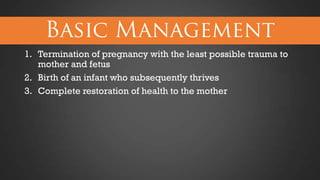
1. Termination of pregnancy with the least possible trauma to
mother and fetus
2. Birth of an infant who subsequently thrives
3. Complete restoration of health to the mother
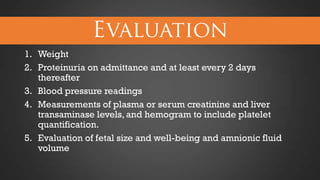
1. Weight
2. Proteinuria on admittance and at least every 2 days
thereafter
3. Blood pressure readings
4. Measurements of plasma or serum creatinine and liver
transaminase levels, and hemogram to include platelet
quantification.
5. Evaluation of fetal size and well-being and amnionic fluid
volume
Approximately 35% of
women with gestational
hypertension with onset at
<34 weeks develop
preeclampsia
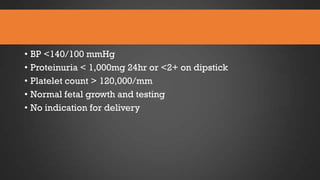
• BP <140/100 mmHg
• Proteinuria < 1,000mg 24hr or <2+ on dipstick
• Platelet count > 120,000/mm
• Normal fetal growth and testing
• No indication for delivery
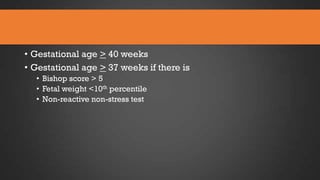
• Gestational age > 40 weeks
• Gestational age > 37 weeks if there is
• Bishop score > 5
• Fetal weight <10th percentile
• Non-reactive non-stress test
• Gestational age 34 weeks and above with the presence of
•
•
•
•
•

Labor
Rupture of membranes
Vaginal bleeding
Abnormal biophysical profile
Criteria for severe preeclampsia

• Expectant management should be considered for women
remote from term who have mild preeclampsia
• BP at each visit – at least once weekly
• Platelet count and liver enzymes at regular intervals
• NST at regular intervals
• Fetal growth every 2 to 3 weeks
• Anticonvulsants are not recommended
• Anti-Hypertension meds only for increase in BP from baseline
• Low dose aspirin and high dose calcium are not
recommended
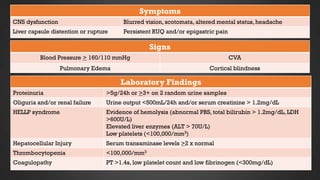
Symptoms
CNS dysfunction

Blurred vision, scotomata, altered mental status, headache

Liver capsule distention or rupture

Persistent RUQ and/or epigastric pain

Signs
Blood Pressure > 160/110 mmHg

CVA

Pulmonary Edema

Cortical blindness

Laboratory Findings
Proteinuria

>5g/24h or >3+ on 2 random urine samples
Oliguria and/or renal failure

Urine output <500mL/24h and/or serum creatinine > 1.2mg/dL

HELLP syndrome

Evidence of hemolysis (abnormal PBS, total bilirubin > 1.2mg/dL, LDH
>600U/L)
Elevated liver enzymes (ALT > 70U/L)
Low platelets (<100,000/mm3)

Hepatocellular Injury

Serum transaminase levels >2 x normal

Thrombocytopenia

<100,000/mm3

Coagulopathy

PT >1.4s, low platelet count and low fibrinogen (<300mg/dL)
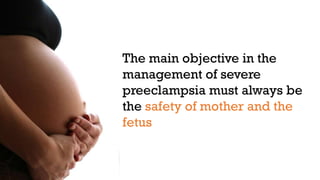
The main objective in the
management of severe
preeclampsia must always be
the safety of mother and the
fetus
> 34 weeks AOG
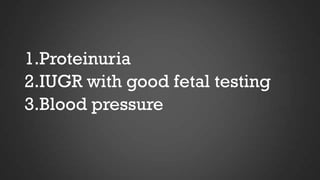
1.Proteinuria
2.IUGR with good fetal testing
3.Blood pressure
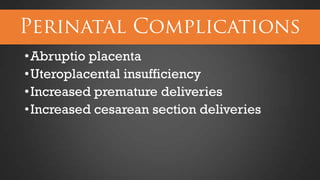
• Abruptio placenta
• Uteroplacental insufficiency
• Increased premature deliveries
• Increased cesarean section deliveries
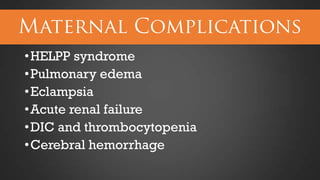
• HELPP syndrome
• Pulmonary edema
• Eclampsia
• Acute renal failure
• DIC and thrombocytopenia
• Cerebral hemorrhage
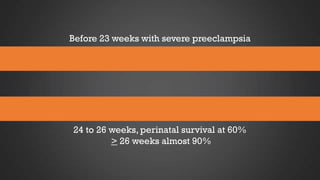
Before 23 weeks with severe preeclampsia

24 to 26 weeks, perinatal survival at 60%
> 26 weeks almost 90%
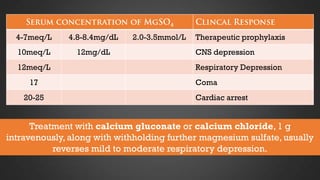
4-7meq/L

4.8-8.4mg/dL

10meq/L

12mg/dL

12meq/L
17
20-25

2.0-3.5mmol/L

Therapeutic prophylaxis
CNS depression
Respiratory Depression
Coma
Cardiac arrest

Treatment with calcium gluconate or calcium chloride, 1 g
intravenously, along with withholding further magnesium sulfate, usually
reverses mild to moderate respiratory depression.
Fluid restriction with 80ml/h or 1ml/kg/h
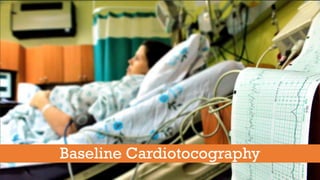
Baseline Cardiotocography
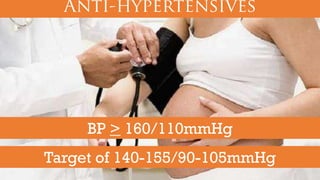
BP > 160/110mmHg
Target of 140-155/90-105mmHg
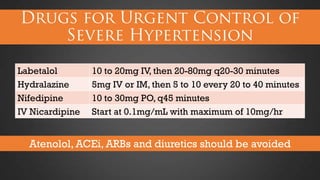
Labetalol
Hydralazine
Nifedipine
IV Nicardipine

10 to 20mg IV, then 20-80mg q20-30 minutes
5mg IV or IM, then 5 to 10 every 20 to 40 minutes
10 to 30mg PO, q45 minutes
Start at 0.1mg/mL with maximum of 10mg/hr

Atenolol, ACEi, ARBs and diuretics should be avoided
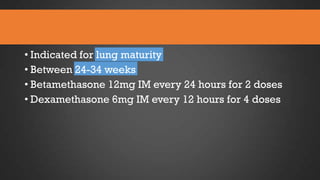
• Indicated for lung maturity
• Between 24-34 weeks
• Betamethasone 12mg IM every 24 hours for 2 doses
• Dexamethasone 6mg IM every 12 hours for 4 doses
• Control of seizure
• Correction of hypoxia and acidosis
• Control of blood pressure
• Delivery after control of seizure
• Low dose aspirin (65-85mg) at bedtime everyday for
12 weeks until birth
• ACEi and ARB are contraindicated
• Anti-hypertensive therapy
• Methyldopa 250-500mgPO BID-QID (max 2 g/day)
• Labetalol 1000499mg PO BID0ID (max 1200mg/day)
• Nifedipine 10-20mg PO BID-TID max, 120-180mg/day
• Hemolysis
• Elevated liver enzymes
• Low platelets
• Hemolysis

• Abnormal peripheral smear
• LDH > 600 IU.L
• Bilirubin > 1.2mg/dL

• Elevated liver enzymes
• AST > 70 IU/L

• Low platelets

• Platelet count < 100,000/mL
vs
Develops suddenly in
rd Trimester or
the 3
immediate Postpartum
• Malaise
• Epigastric or RUQ pain
• Nausea and vomiting
• Beyond 34 weeks AOG
• Earlier
• MOD
• DIC
• Liver infarction
• Hermorrhage
• Renal Failure
• Nonreassuring fetal status
•MgSO4
•Control of hypertension
•Stabilization of maternal condition
Pregnancy hypertension

Pregnancy hypertension

  • 1.
    Max Angelo G.Terrenal Post-Graduate Medical Intern
  • 2.
  • 4.
    Hypertension complicating pregnancy 32.1% 18% Complications occurringin the course of labor, delivery or puerperium 41% 8.9% Post-partum Hemorrhage Pregnancy with abortive outcome Hemorrhage in early pregnancy
  • 6.
  • 7.
    24-hour urine specimen >0.3g or 300mg Spot urine sample +1 or > 30mg/mmol
  • 8.
    Swelling of thehands and the face or leg edema after an overnight rest
  • 9.
    1. Gestational Hypertension 2.Chronic Hypertension 3. Pre-eclampsia a. Mild/nonsevere b. Severe 4. Eclampsia 5. Preeclampsia syndrome superimposed on chronic hypertension
  • 10.
    • • • • • BP > 140/ 90 mm Hg for first time during pregnancy No proteinuria BP returns to normal before 12 weeks postpartum Final diagnosis made only postpartum (+) epigastric discomfort or thrombocytopenia
  • 11.
    • BP >140/90 mm Hg prepregnancy or diagnosed before 20 weeks' gestation not attributable to gestational trophoblastic disease Or • Hypertension first diagnosed after 20 weeks' gestation and persistent after 12 weeks postpartum
  • 12.
    • BP > 140/ 90 mm Hg for first time during pregnancy • BP > 140/90 mm Hg prepregnancy or diagnosed before 20 weeks gestation • BP returns to normal before 12 weeks postpartum • Hypertension first diagnosed after 20 weeks' gestation and persistent after 12 weeks postpartum
  • 14.
    • BP >140/90 mm Hg after 20 weeks' gestation • Proteinuria > 300 mg/24 hours or > 1+ dipstick
  • 16.
    < BP 160/110 mmHg <2+ Proteinuria > 3+ Normal Serum Creatinine Marked Absent Thrombocytopenia Present Minimal Transaminase Elevation Marked >
  • 17.
    Headache Visual Disturbances Upper AbdominalPain Oliguria Pulmonary Edema Fetal-growth restriction
  • 18.
    • Seizures thatcannot be attributed to other causes in a woman with preeclampsia
  • 20.
    • New-onset proteinuria> 300 mg/24 hours in hypertensive women but no proteinuria before 20 weeks' gestation
  • 22.
  • 24.
    1. Placental implantationwith abnormal trophoblastic invasion of uterine vessels 2. Immunological maladaptive tolerance between maternal, paternal (placental), and fetal tissues 3. Maternal maladaptation to cardiovascular or inflammatory changes of normal pregnancy 4. Genetic factors including inherited predisposing genes as well as epigenetic influences.
  • 30.
    1. Termination ofpregnancy with the least possible trauma to mother and fetus 2. Birth of an infant who subsequently thrives 3. Complete restoration of health to the mother
  • 31.
    1. Weight 2. Proteinuriaon admittance and at least every 2 days thereafter 3. Blood pressure readings 4. Measurements of plasma or serum creatinine and liver transaminase levels, and hemogram to include platelet quantification. 5. Evaluation of fetal size and well-being and amnionic fluid volume
  • 33.
    Approximately 35% of womenwith gestational hypertension with onset at <34 weeks develop preeclampsia
  • 35.
    • BP <140/100mmHg • Proteinuria < 1,000mg 24hr or <2+ on dipstick • Platelet count > 120,000/mm • Normal fetal growth and testing • No indication for delivery
  • 36.
    • Gestational age> 40 weeks • Gestational age > 37 weeks if there is • Bishop score > 5 • Fetal weight <10th percentile • Non-reactive non-stress test
  • 37.
    • Gestational age34 weeks and above with the presence of • • • • • Labor Rupture of membranes Vaginal bleeding Abnormal biophysical profile Criteria for severe preeclampsia • Expectant management should be considered for women remote from term who have mild preeclampsia
  • 38.
    • BP ateach visit – at least once weekly • Platelet count and liver enzymes at regular intervals • NST at regular intervals • Fetal growth every 2 to 3 weeks
  • 39.
    • Anticonvulsants arenot recommended • Anti-Hypertension meds only for increase in BP from baseline • Low dose aspirin and high dose calcium are not recommended
  • 43.
    Symptoms CNS dysfunction Blurred vision,scotomata, altered mental status, headache Liver capsule distention or rupture Persistent RUQ and/or epigastric pain Signs Blood Pressure > 160/110 mmHg CVA Pulmonary Edema Cortical blindness Laboratory Findings Proteinuria >5g/24h or >3+ on 2 random urine samples Oliguria and/or renal failure Urine output <500mL/24h and/or serum creatinine > 1.2mg/dL HELLP syndrome Evidence of hemolysis (abnormal PBS, total bilirubin > 1.2mg/dL, LDH >600U/L) Elevated liver enzymes (ALT > 70U/L) Low platelets (<100,000/mm3) Hepatocellular Injury Serum transaminase levels >2 x normal Thrombocytopenia <100,000/mm3 Coagulopathy PT >1.4s, low platelet count and low fibrinogen (<300mg/dL)
  • 44.
    The main objectivein the management of severe preeclampsia must always be the safety of mother and the fetus
  • 45.
  • 46.
    1.Proteinuria 2.IUGR with goodfetal testing 3.Blood pressure
  • 48.
    • Abruptio placenta •Uteroplacental insufficiency • Increased premature deliveries • Increased cesarean section deliveries
  • 49.
    • HELPP syndrome •Pulmonary edema • Eclampsia • Acute renal failure • DIC and thrombocytopenia • Cerebral hemorrhage
  • 50.
    Before 23 weekswith severe preeclampsia 24 to 26 weeks, perinatal survival at 60% > 26 weeks almost 90%
  • 53.
    4-7meq/L 4.8-8.4mg/dL 10meq/L 12mg/dL 12meq/L 17 20-25 2.0-3.5mmol/L Therapeutic prophylaxis CNS depression RespiratoryDepression Coma Cardiac arrest Treatment with calcium gluconate or calcium chloride, 1 g intravenously, along with withholding further magnesium sulfate, usually reverses mild to moderate respiratory depression.
  • 54.
    Fluid restriction with80ml/h or 1ml/kg/h
  • 55.
  • 56.
    BP > 160/110mmHg Targetof 140-155/90-105mmHg
  • 57.
    Labetalol Hydralazine Nifedipine IV Nicardipine 10 to20mg IV, then 20-80mg q20-30 minutes 5mg IV or IM, then 5 to 10 every 20 to 40 minutes 10 to 30mg PO, q45 minutes Start at 0.1mg/mL with maximum of 10mg/hr Atenolol, ACEi, ARBs and diuretics should be avoided
  • 58.
    • Indicated forlung maturity • Between 24-34 weeks • Betamethasone 12mg IM every 24 hours for 2 doses • Dexamethasone 6mg IM every 12 hours for 4 doses
  • 60.
    • Control ofseizure • Correction of hypoxia and acidosis • Control of blood pressure • Delivery after control of seizure
  • 63.
    • Low doseaspirin (65-85mg) at bedtime everyday for 12 weeks until birth • ACEi and ARB are contraindicated • Anti-hypertensive therapy • Methyldopa 250-500mgPO BID-QID (max 2 g/day) • Labetalol 1000499mg PO BID0ID (max 1200mg/day) • Nifedipine 10-20mg PO BID-TID max, 120-180mg/day
  • 64.
    • Hemolysis • Elevatedliver enzymes • Low platelets
  • 65.
    • Hemolysis • Abnormalperipheral smear • LDH > 600 IU.L • Bilirubin > 1.2mg/dL • Elevated liver enzymes • AST > 70 IU/L • Low platelets • Platelet count < 100,000/mL
  • 66.
  • 67.
    Develops suddenly in rdTrimester or the 3 immediate Postpartum
  • 68.
    • Malaise • Epigastricor RUQ pain • Nausea and vomiting
  • 69.
    • Beyond 34weeks AOG • Earlier • MOD • DIC • Liver infarction • Hermorrhage • Renal Failure • Nonreassuring fetal status
  • 70.

Editor's Notes

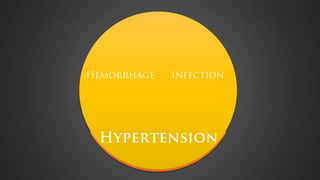
  • #4 One member of the deadly triad, along with hemorrhage and infection, that contribute greatly to maternal morbidity and mortality rates
  • #5 In the local data, 32.1% of maternal mortality belong to the hypertension group
  • #6 The diagnosis of hypertension should be based on office or in-hospital bp measurement and is based on the average of at atleas 2 measurements, taken using the same arm.
  • #7 The diagnosis of hypertension should be based on office or in-hospital bp measurement and is based on the average of at atleas 2 measurements, taken using the same arm.
  • #8 Proteinuria is defined as the resence of 0.3g or 300mg or more of prtein in a 24-hour urine specimen, which usually correlates with a +1 (30mg/dl) or freater, but should be confirmed with a random urine dipstick evaluation or and a 24-hour or timed collection.It may also be defined as greater than 30mg/mmol urinary creatinine in a spot urine sample
  • #9 No longer a criterion for the diagnosis of hypertension in pregnancy
  • #18 Headaches or visual disturbances such as scotomata can be premonitory symptoms of eclampsia. Epigastric or right upper quadrant pain frequently accompanies hepatocellular necrosis, ischemia, and edema that stretch Glisson capsule. This characteristic pain is frequently accompanied by elevated serum hepatic transaminase levels. Thrombocytopenia is also characteristic of worsening preeclampsia. It probably is caused by platelet activation and aggregation as well as microangiopathic hemolysis induced by severe vasospasm. Other factors indicative of severe preeclampsia include renal or cardiac involvement as well as obvious fetal-growth restriction, which attest to its duration.
  • #21 A sudden increase in proteinuria or blood pressure or platelet count &lt; 100,000/uL in women with hypertension and proteinuria before 20 weeks&apos; gestation
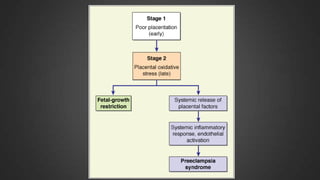
  • #22 Observations that abnormal interfaces between maternal, paternal, and fetal tissues may cause preeclampsia have led to hypotheses that the syndrome is a two-stage disorder.
  • #23 Main pathophysiology of eclampsia is vasospasm in various organs, which is responsible for its symptomatology, however the cause of the vasospasm is unkown.
  • #24 Schematic outlines the theory that the preeclampsia syndrome is a &quot;two-stage disorder.&quot; Stage 1 is preclinical and characterized by faulty trophoblastic vascular remodeling of uterine arteries that causes placental hypoxia.Stage 2 is caused by release of placental factors into the maternal circulation causing systemic inflammatory response and endothelial activation.
  • #25 Instead of being simply &quot;one disease,&quot; preeclampsia appears to be a culmination of factors that likely involve a number of maternal, placental, and fetal factors. Those currently considered important include:
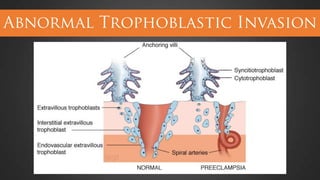
  • #26 Normal third-trimester placental implantation shows proliferation of extravilloustrophoblasts from an anchoring villus. These trophoblasts invade the decidua and extend into the walls of the spiral arteriole to replace the endothelium and muscular wall. This remodeling creates a dilated low-resistance vessel. Placenta in preeclamptic or fetal-growth restricted pregnancy shows defective implantation. This is characterized by incomplete invasion of the spiral arteriolar wall by extravilloustrophoblasts and results in a small-caliber vessel with high resistance.Abnormally narrow spiral arteriolar lumen impairs placental blood flow. Diminished perfusion and a hypoxic environment eventually lead to release of placental debris that incites a systemic inflammatory response
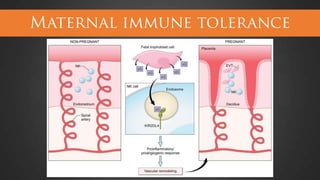
  • #27 NK cells are abundant in the non-pregnant endometrium (left panel) in the secretory phase of the menstrual cycle. In early pregnancy (right panel), interactions between fetal extravilloustrophoblast cells (EVT) and NK cells in the decidua contribute to the remodeling of the spiral arteries to allow increased blood supply to the fetus. Fetal trophoblast cells secrete soluble HLA-G (sG), which can be endocytosed by KIR2DL4 into endosomes. Endosomal signaling then results in a sustained proinflammatory/proangiogenic secretory response that may promote the vascular changes seen in early pregnancy.
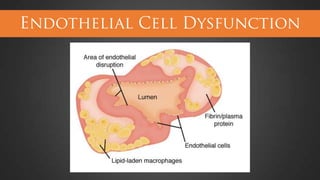
  • #28 Inflammatory changes are thought to be a continuation of the stage 1 changes caused by defective placentationDisruption of the endothelium results in a narrowed lumen because of accumulation of plasma proteins and foamy macrophages beneath the endothelium.
  • #30 In many women with preeclampsia, especially those at or near term, all three objectives are served equally well by induction of labor. One of the most important clinical questions for successful management is precise knowledge of fetal age.
  • #31 In many women with preeclampsia, especially those at or near term, all three objectives are served equally well by induction of labor.One of the most important clinical questions for successful management is precise knowledge of fetal age.
  • #32 A systematic evaluation is instituted to include the following:Detailed examination followed by daily scrutiny for clinical findings such as headache, visual disturbances, epigastric pain, and rapid weight gain Weight determined daily Analysis for proteinuria on admittance and at least every 2 days thereafter Blood pressure readings in the sitting position with an appropriate-size cuff every 4 hours, except between 2400 and 0600 unless previous readings had become elevated Measurements of plasma or serum creatinine and liver transaminase levels, and hemogram to include platelet quantification. The frequency of testing is determined by the severity of hypertension. Some recommend measurement of serum uric acid and lactic acid dehydrogenase levels as well as coagulation studies, but studies have called into question the value of these tests (Conde-Agudelo, 2009; Cnossen, 2006; Thangaratinam, 2006, and all their colleagues). Evaluation of fetal size and well-being and amnionic fluid volume either clinically or using sonography.Goals of such management include early identification of worsening preeclampsia and development of a management scheme that includes a plan for timely delivery. If any of these observations lead to a diagnosis of severe preeclampsia as previously defined by the criteria in Table 34-2, further management is subsequently described.Reduced physical activity throughout much of the day is likely beneficial. Absolute bed rest is not necessary. Ample protein and calories should be included in the diet, and sodium and fluid intake should not be limited or forced. Further management depends on: (1) severity of preeclampsia, (2) gestational age, and (3) condition of the cervix.Fortunately, many cases are sufficiently mild and near enough to term that they can be managed conservatively until labor commences spontaneously or until the cervix becomes favorable for labor induction. Complete abatement of all signs and symptoms, however, is uncommon until after delivery. Almost certainly, the underlying disease persists until after delivery!
  • #35 After the initial evaluation, a decision must be made to either manage the patient as an outpatient or an inpatient.
  • #36 Most women with mild to moderate hypertension are managed at home. Outpatient management may continue as long as the disease does not worsen and if fetal jeopardy is not suspected. Sedentary activity throughout the greater part of the day is recommended. These women are instructed in detail to report symptoms
  • #37 Hospitalization is recommended for patients with &gt; 40 weeks AOGOr &gt; 37 AOG if Bishop score &gt; 5Fetal weight &lt;10th percentileNon-reactive non-stress test
  • #38 And for 34 weeks above, the presence of labor, rupture of membranes, vaginal bleeding, abnormal biophysical profile or those who fit the criteria for severe preeclampsia
  • #39 As an out patient, the patient must be seen at least once weekly with recording the BP.Platelet count and liver enzymes, NST should be done at regular intervals and fetal growth must be recorded every 2 to 3 weeks.
  • #40 The CPG does not recommended starting of anticonvulsants, aspirin or calcium and anti-hypertensives should be used sparingly and only in cases of increased BP from baseline.
  • #42 International data shows that 5-6% of pregnant patients are hypertensive and 5-10% from those have severe preeclampsia.And hypertension is the 2nd most common cause of maternal death both in the US and in the Philippines.
  • #45 Initial management includes stabilization of the mother’s condition, confirmation of gestational age and assessment of fetal well being
  • #46 The physician must decide between delivery and expectant management. Studies were presented in Williams leading to a recommendation of Delivery for patients with &gt; 34 weeks AOGHowever, there are exceptions
  • #47 These are the circumstances in which expectant management of severe preeclampsia with &lt; 34 weeks are acceptableProteinuriaIUGR with good fetal testingBlood pressure
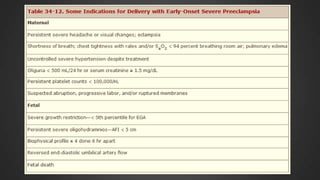
  • #48 Here are some indications for delivery with early-onset severe preeclampsia
  • #51 Another decision that the physician must made is to deliver or to terminate the pregnancyIn a study by Bombrys in Williams included 200 women with severe preeclampsia and revealed no infant survivors in those presenting before 23 weeks AOG, leading to this recommendation by the authors.For women with pregnancies at 24 to 26 weeks, perinatal survival approached 60 percent, and it averaged almost 90 percent for those at 26 weeks.Maternal complications were common, and there were no infant survivors in those presenting before 23 weeks. Thus, the authors recommended pregnancy termination for these women. For those at 23 weeks, the perinatal survival rate was 18 percent, but long-term perinatal morbidity is yet unknown.
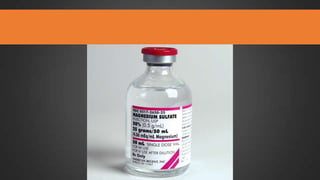
  • #52 Drug of choice for the prevention of convulsionsUsed in the context of moderate to severe preeclampsia once delivery decision is made and in the immediate postpartum period
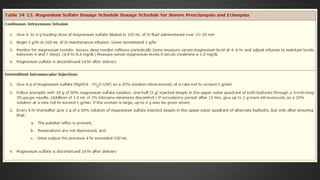
  • #53 Recurrent seizures should be treated wit either a further bolus of 2g MgSO3 or an increased in the infusion rate to 1.5g or 2g/hour.
  • #54 CNS depression are assessed by examining for patellar reflexesTreatment with calcium gluconate or calcium chloride, 1 g intravenously, along with withholding further magnesium sulfate, usually reverses mild to moderate respiratory depression.Because magnesium is cleared almost exclusively by renal excretion, the dosages described will become excessive if glomerular filtration is decreased substantively
  • #55 Fluid restriction is advisable since pulmonary edema is a significant cause of maternal death
  • #56 To assess the fetus, CTG should be done as it is the mainstay of fetal monitoring.
  • #58 Atenolol causes increase in fetal growth restriction.ACE and ARB with unacceptable fetal adverse effects.Diuretics relative contraindication reserved for pulmonary edema.Anti-hypertensive drugs should be given 24 hours postpartum
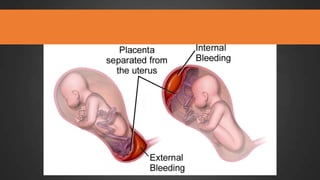
  • #72 Premature separation of a normally implanted placenta which compromises circulation to the fetus