ENC 3250 Professional Writing:
Midterm Reflection
By
Jeremy Harding
The Writing Process
• This process was the basis for most of my outlines
• I was able to relate to my audience
• State my point-of-view
• Measure the scope of information
• Revision of my finished outline
Workplace Technology
• Using work email is one of the best ways to communicate in the workplace
• Level of knowledge to accomplish the task
• Experimentation
• IT staff and trusted colleagues
• Built in Help
• Online Tutorials
• Manuals
Workplace Technology Cont.
• Social Media
• Writing for the Web
• Chunking Content
• Lists
• Keywords
• Writing for a Global Audience
Correspondence
• Adjustments
• Full
• Partial
• Complaints
• Cover Letters
• Inquiries and Responses
• Letters and Memos
• Refusals
Style & Clarity
• Affectation
• Awkwardness
• Biased Language
• Business Writing Style
• Coherence
• Conciseness
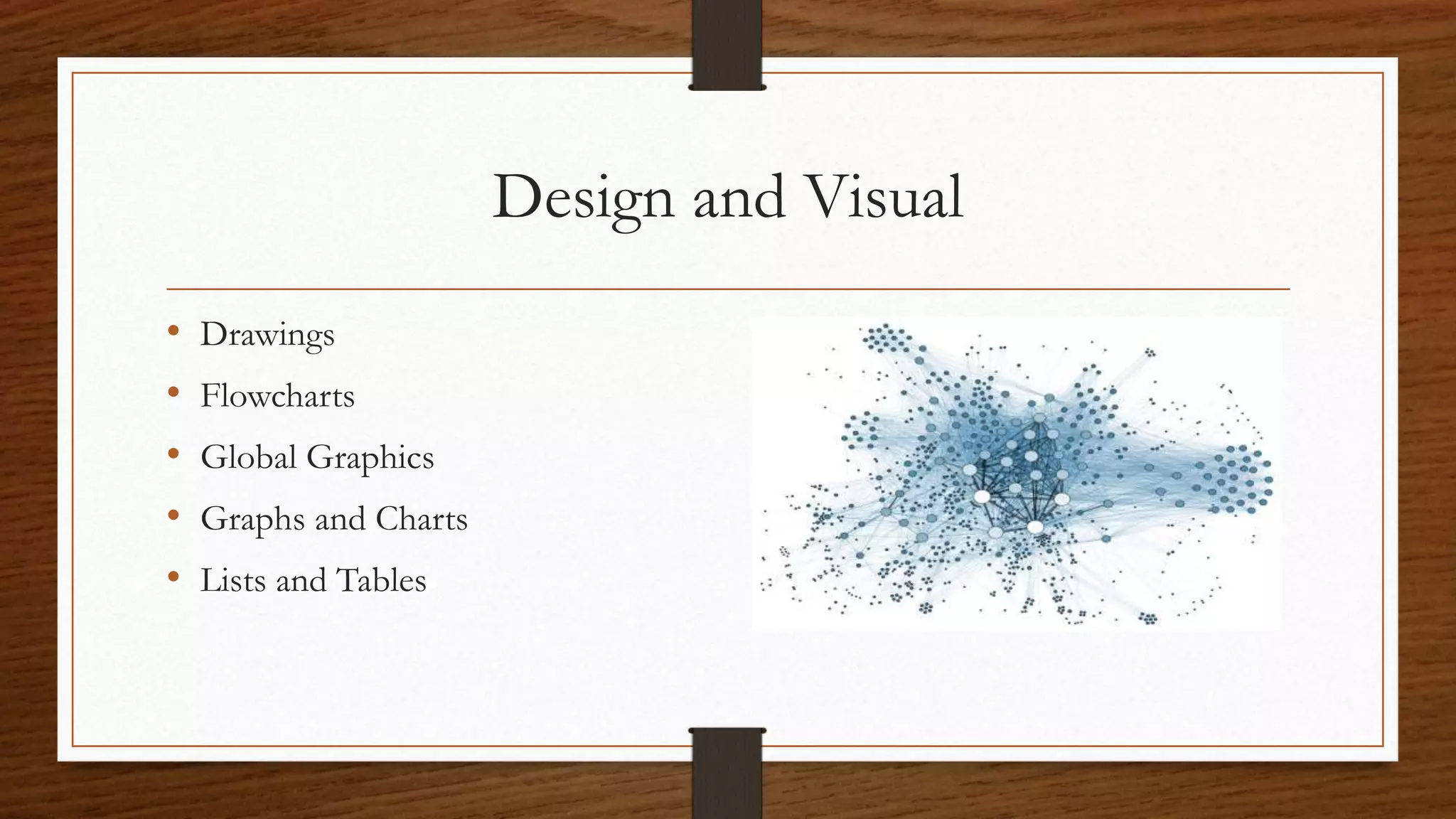
Design and Visual
• Drawings
• Flowcharts
• Global Graphics
• Graphs and Charts
• Lists and Tables
What I learned from the material
• I have learned to better my organizing skills
• Be more concise
• Outline everything
How I learned the material
• I utilized the Writing Center
• Met the professor in person
• Read text in great detail
Why is this way of learning significant?
• The three ways I listed are the most straight forward of techniques.
• Meeting with the professor shows exactly the way it should be done
• The text is more literal and insightful of the topic.
How will I use my learning style in future
courses?
• I will continue in my business courses by utilizing my skills from this class
• I will be well understood in memos and letters to other coworkers
• My organizing skill will require less time and I can succeed a lot faster
What goals will I set to improve my learning
curve?
• I still have a lot to learn and refine
• Some Goals to achieve:
• Continue to obtain help
• Proof read everything
• Always perceive how you want to sound
Referrences
• https://upload.wikimedia.org/wikipedia/commons/9/9b/Social_Network_
Analysis_Visualization.png
• http://www.slideshare.net/featured/category/education
• Alred, Gerald J., Charles T. Brusaw, and Walter E. Oliu. The Business Writer's
Companion. Boston: Bedford/St. Martin's, 2005. Print.

Power pointmidterm jeremyharding

  • 1.
    ENC 3250 ProfessionalWriting: Midterm Reflection By Jeremy Harding
  • 2.
    The Writing Process •This process was the basis for most of my outlines • I was able to relate to my audience • State my point-of-view • Measure the scope of information • Revision of my finished outline
  • 3.
    Workplace Technology • Usingwork email is one of the best ways to communicate in the workplace • Level of knowledge to accomplish the task • Experimentation • IT staff and trusted colleagues • Built in Help • Online Tutorials • Manuals
  • 4.
    Workplace Technology Cont. •Social Media • Writing for the Web • Chunking Content • Lists • Keywords • Writing for a Global Audience
  • 5.
    Correspondence • Adjustments • Full •Partial • Complaints • Cover Letters • Inquiries and Responses • Letters and Memos • Refusals
  • 6.
    Style & Clarity •Affectation • Awkwardness • Biased Language • Business Writing Style • Coherence • Conciseness
  • 7.
    Design and Visual •Drawings • Flowcharts • Global Graphics • Graphs and Charts • Lists and Tables
  • 8.
    What I learnedfrom the material • I have learned to better my organizing skills • Be more concise • Outline everything
  • 9.
    How I learnedthe material • I utilized the Writing Center • Met the professor in person • Read text in great detail
  • 10.
    Why is thisway of learning significant? • The three ways I listed are the most straight forward of techniques. • Meeting with the professor shows exactly the way it should be done • The text is more literal and insightful of the topic.
  • 11.
    How will Iuse my learning style in future courses? • I will continue in my business courses by utilizing my skills from this class • I will be well understood in memos and letters to other coworkers • My organizing skill will require less time and I can succeed a lot faster
  • 12.
    What goals willI set to improve my learning curve? • I still have a lot to learn and refine • Some Goals to achieve: • Continue to obtain help • Proof read everything • Always perceive how you want to sound
  • 13.
    Referrences • https://upload.wikimedia.org/wikipedia/commons/9/9b/Social_Network_ Analysis_Visualization.png • http://www.slideshare.net/featured/category/education •Alred, Gerald J., Charles T. Brusaw, and Walter E. Oliu. The Business Writer's Companion. Boston: Bedford/St. Martin's, 2005. Print.

Editor's Notes

  • #3 The writing process was the basis to my outlines and papers. My audiences understood what I was discussing My point of view was consistent I found many ways to revise my rough draft and turn it into my final draft.
  • #4 Workplace technology is very helpful if you have the right amount of knowledge of the task at hand Some ways to gain knowledge of technology use are experimentation, Contacting IT specialists, Tutorials built into the software, and Manuals.
  • #5 Social Media is becoming a large part of business operations and communications Writing on the web for example, webpage creation, can be built by chunking content, making detailed but concise lists, using keywords for search of the webpage. Writing for a global audience consists of being broad with terms that are universal to an international basis.
  • #6 Correspondence consists of the detail structure of each type of document. Adjustments are made in either a full or partial way. If a Full adjustment is made when a claim for which your company is at fault If a Partial adjustment is made when a claim is not really justified Complaints are written when a customer is dissatisfied with service Cover letters are written for a resume of a job applicant Inquiries and Responses are used in context of specific questions Letters and Memos are used to communicate business changes Refusals are used to say no in a nice way.
  • #7 Style and Clarity are important when typing memos and letters. It is good to be professional, concise, and unbiased
  • #8 Design and Visuals are great. They liven up the paper or report while describing data. Graphs, Charts, and lists are the most favored