Positive &
Negative
Messages
TONE VS MOOD
MOOD
THE FEELING THAT IS INSTILLED IN THE
READER. THE CHOICE OF WORDS, THE
SETTING OF THE STORY, AND THE ORDER OF
EVENTS DESIGNED BY THE WRITER CREATE
AN EFFECT ON THE READER BY TAPPING
HIS/HER EMOTIONS.
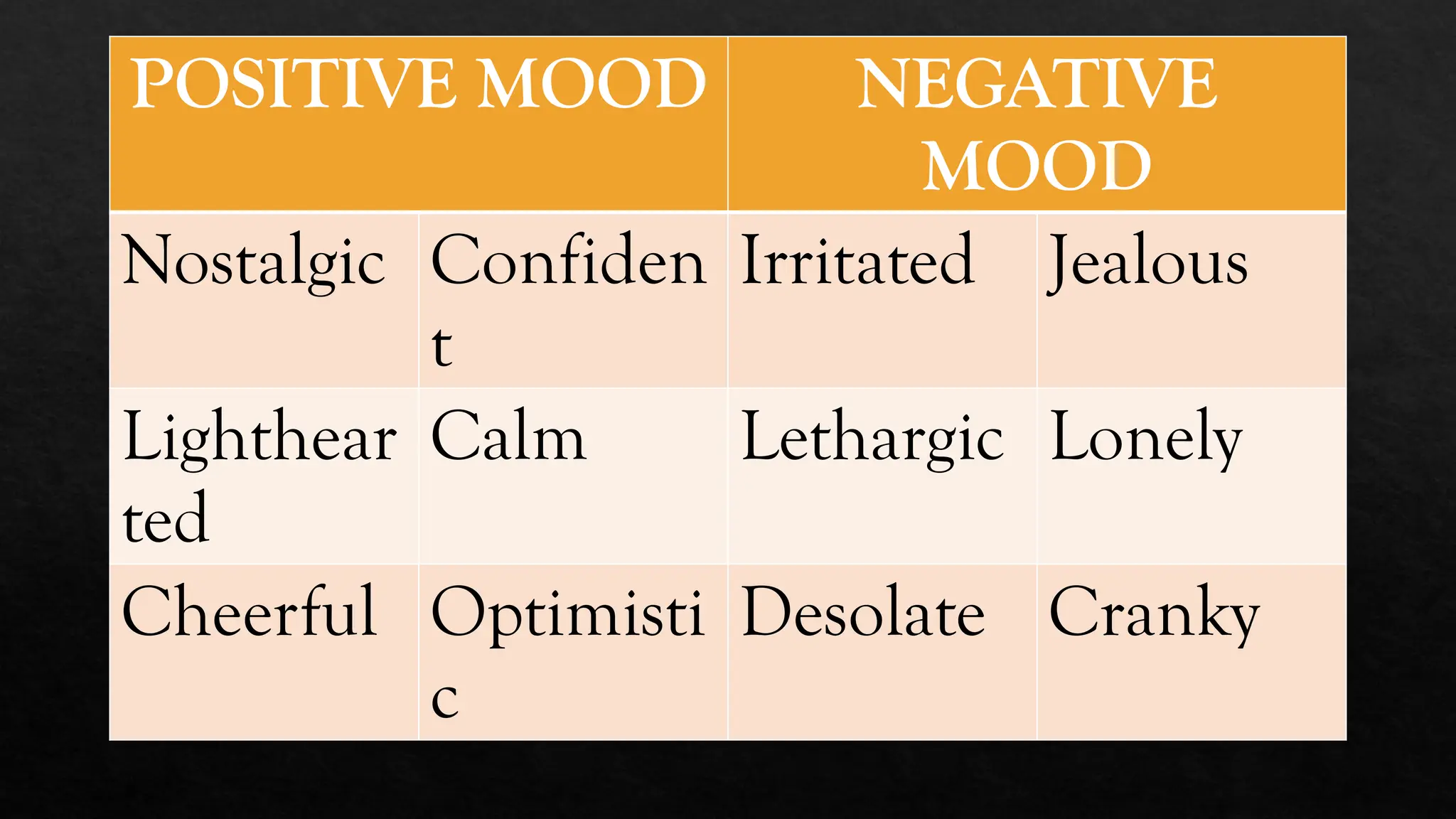
POSITIVE MOOD NEGATIVE
MOOD
Nostalgic Confiden
t
Irritated Jealous
Lighthear
ted
Calm Lethargic Lonely
Cheerful Optimisti
c
Desolate Cranky
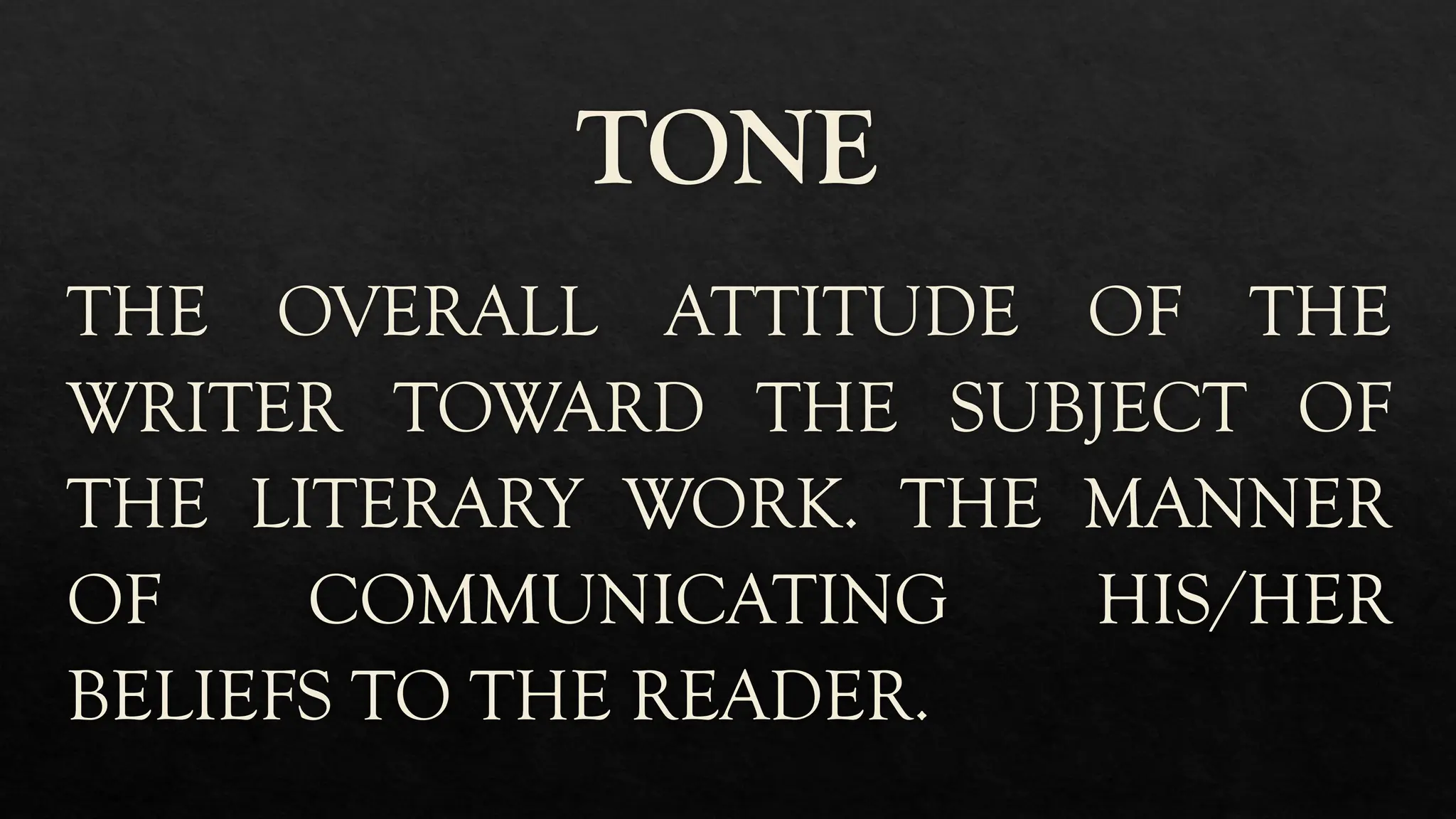
TONE
THE OVERALL ATTITUDE OF THE
WRITER TOWARD THE SUBJECT OF
THE LITERARY WORK. THE MANNER
OF COMMUNICATING HIS/HER
BELIEFS TO THE READER.
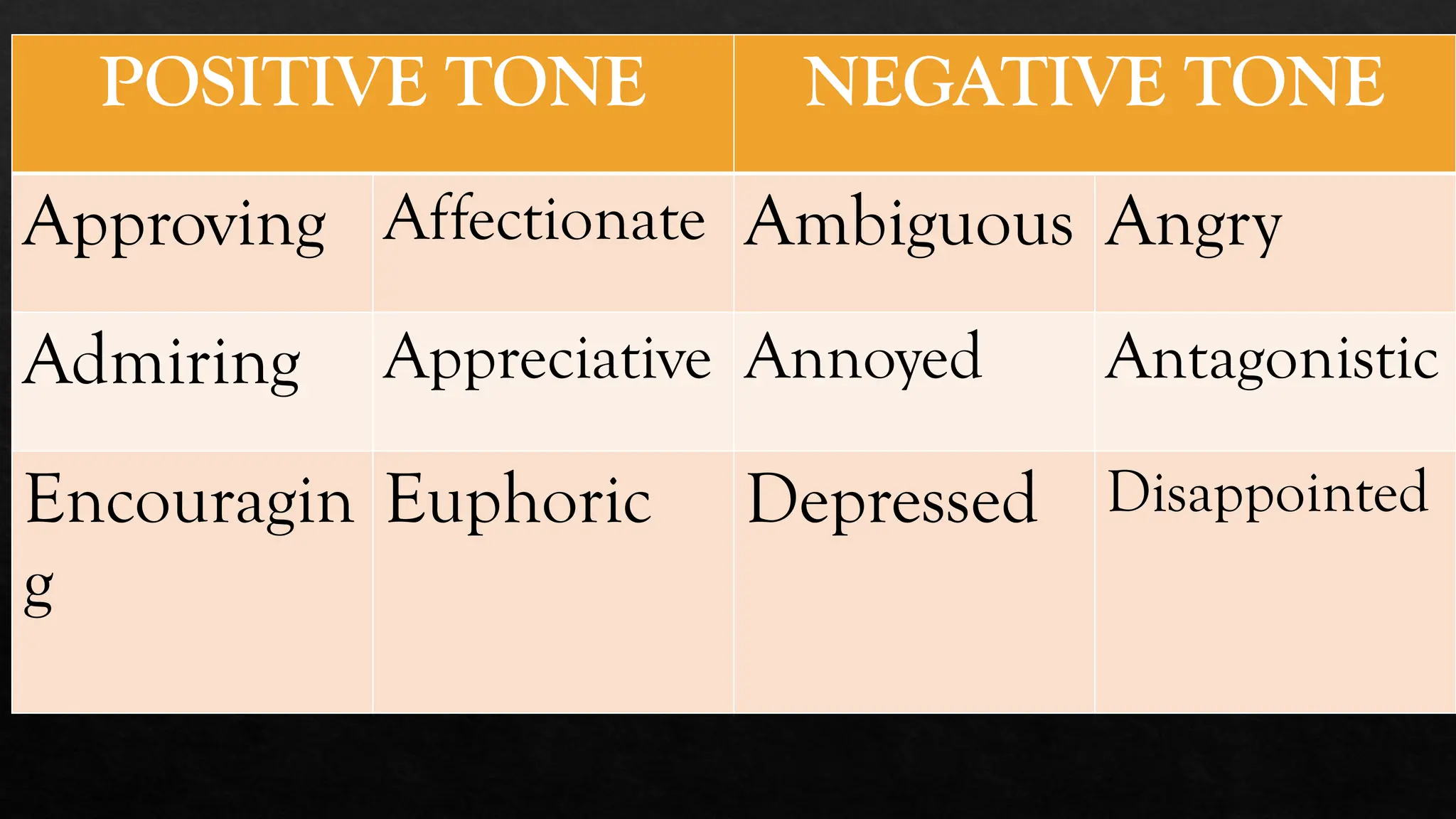
POSITIVE TONE NEGATIVE TONE
Approving Affectionate Ambiguous Angry
Admiring Appreciative Annoyed Antagonistic
Encouragin
g
Euphoric Depressed Disappointed
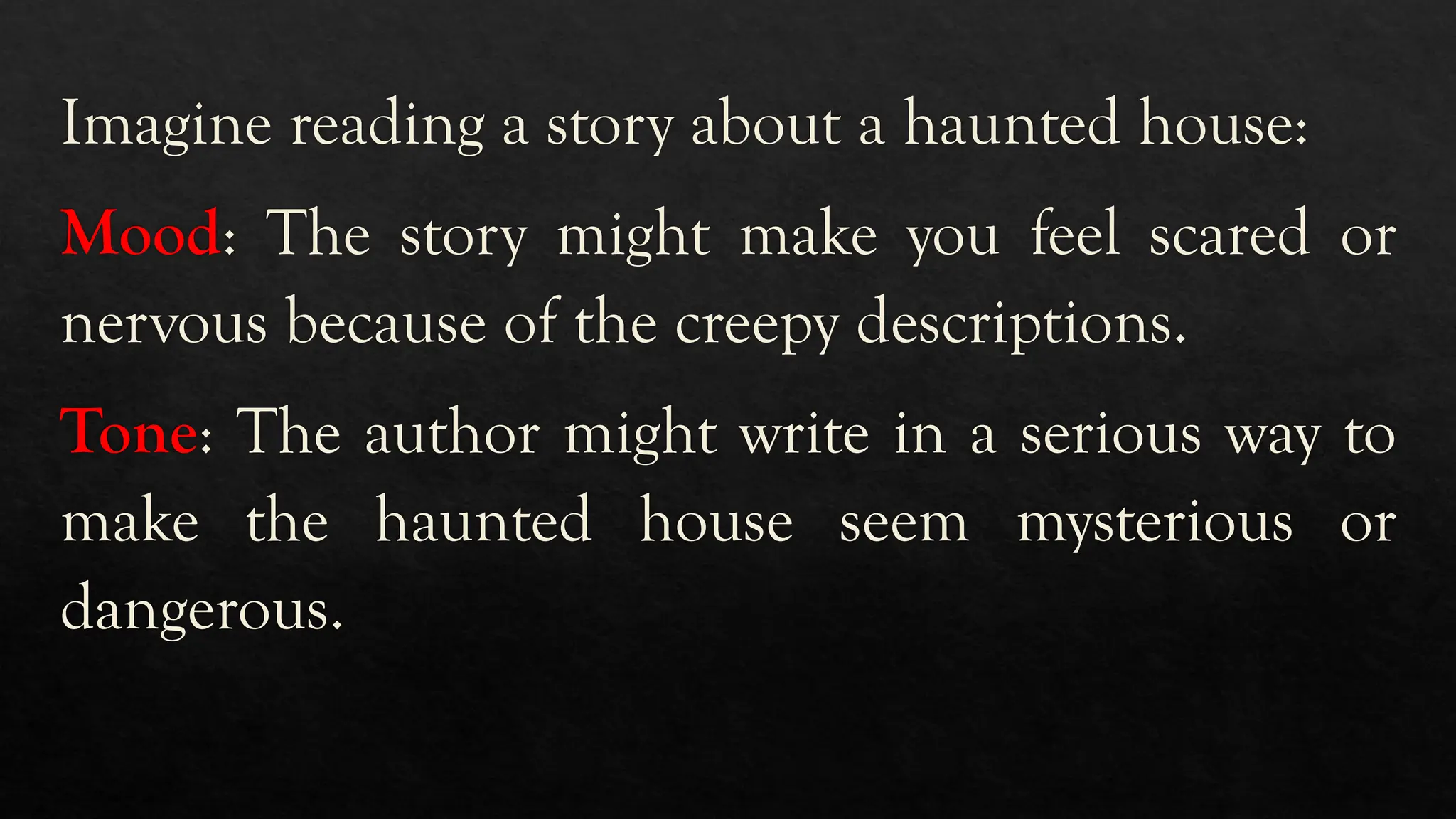
Imagine reading a story about a haunted house:
Mood: The story might make you feel scared or
nervous because of the creepy descriptions.
Tone: The author might write in a serious way to
make the haunted house seem mysterious or
dangerous.
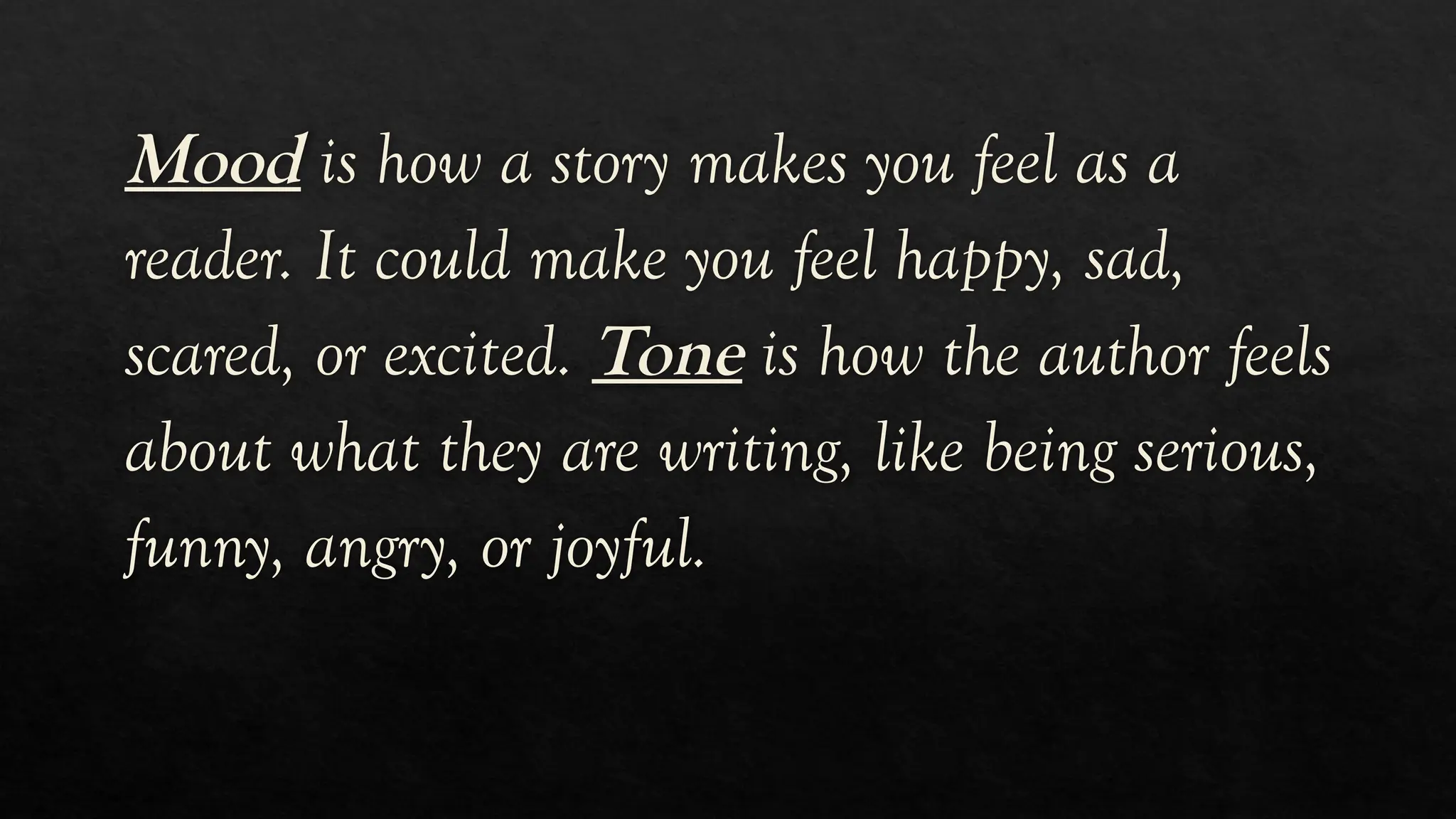
Mood is how a story makes you feel as a
reader. It could make you feel happy, sad,
scared, or excited. Tone is how the author feels
about what they are writing, like being serious,
funny, angry, or joyful.
DENOTATIVE & CONNOTATIVE
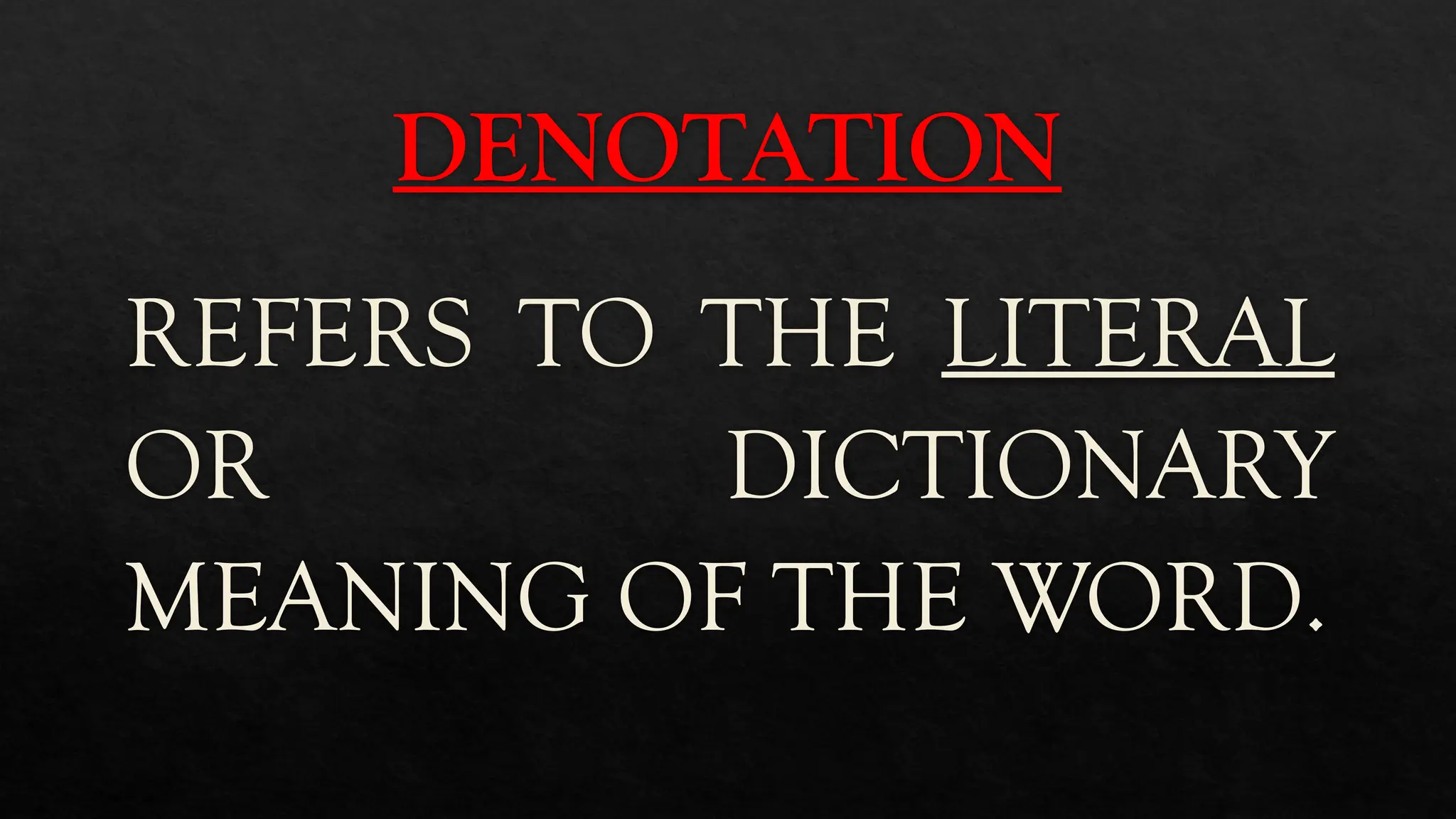
DENOTATION
REFERS TO THE LITERAL
OR DICTIONARY
MEANING OF THE WORD.
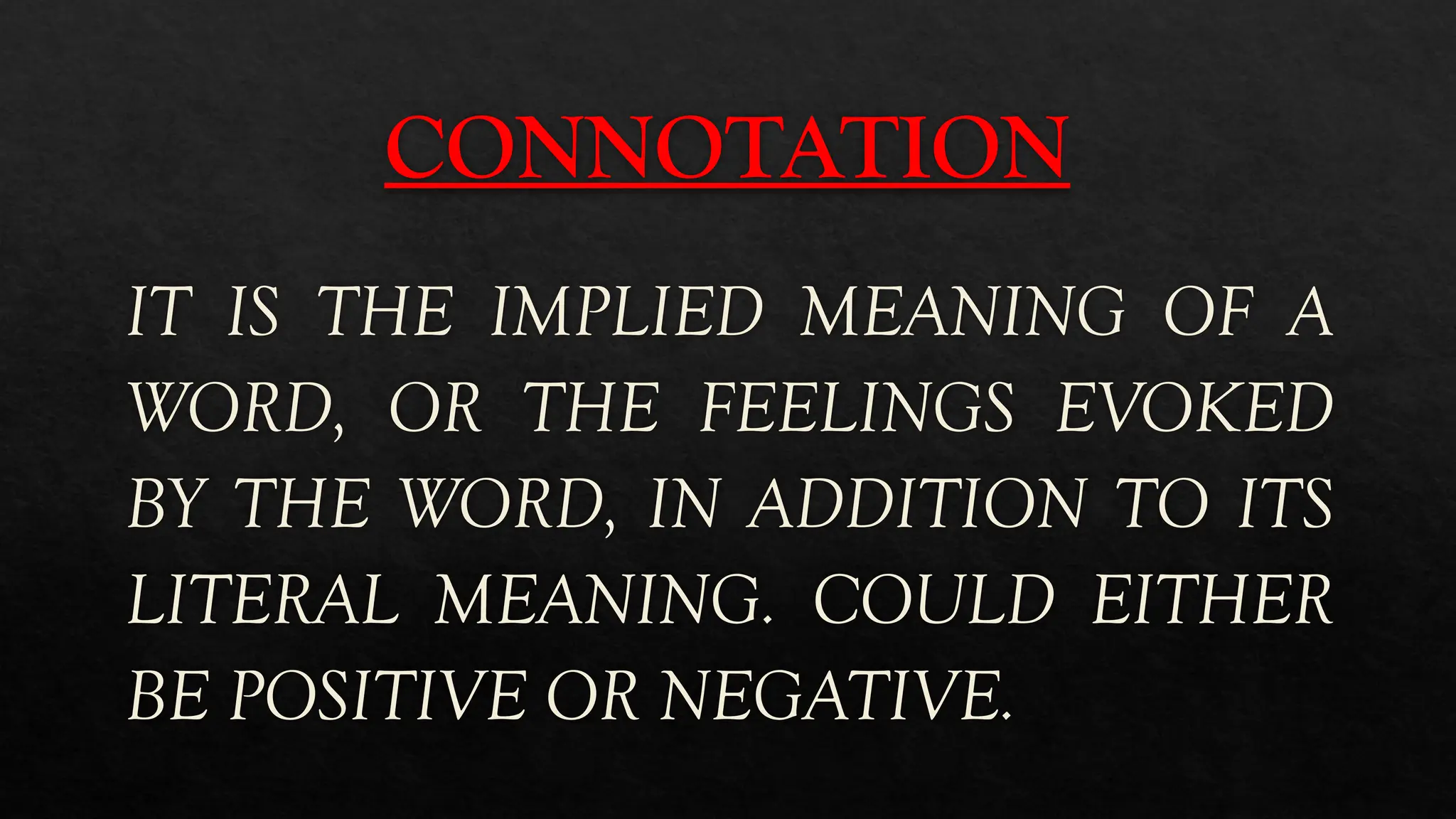
CONNOTATION
IT IS THE IMPLIED MEANING OF A
WORD, OR THE FEELINGS EVOKED
BY THE WORD, IN ADDITION TO ITS
LITERAL MEANING. COULD EITHER
BE POSITIVE OR NEGATIVE.
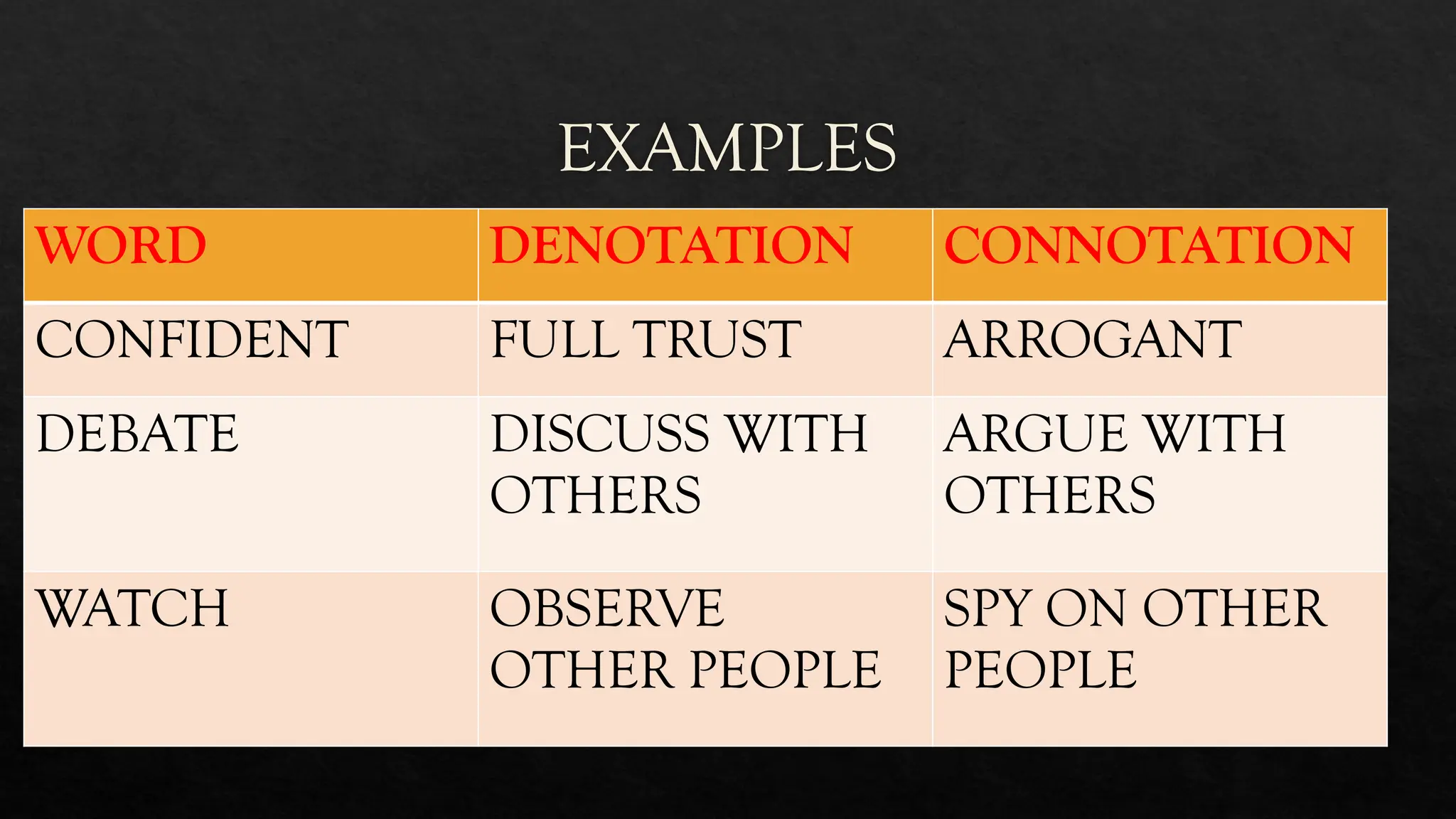
EXAMPLES
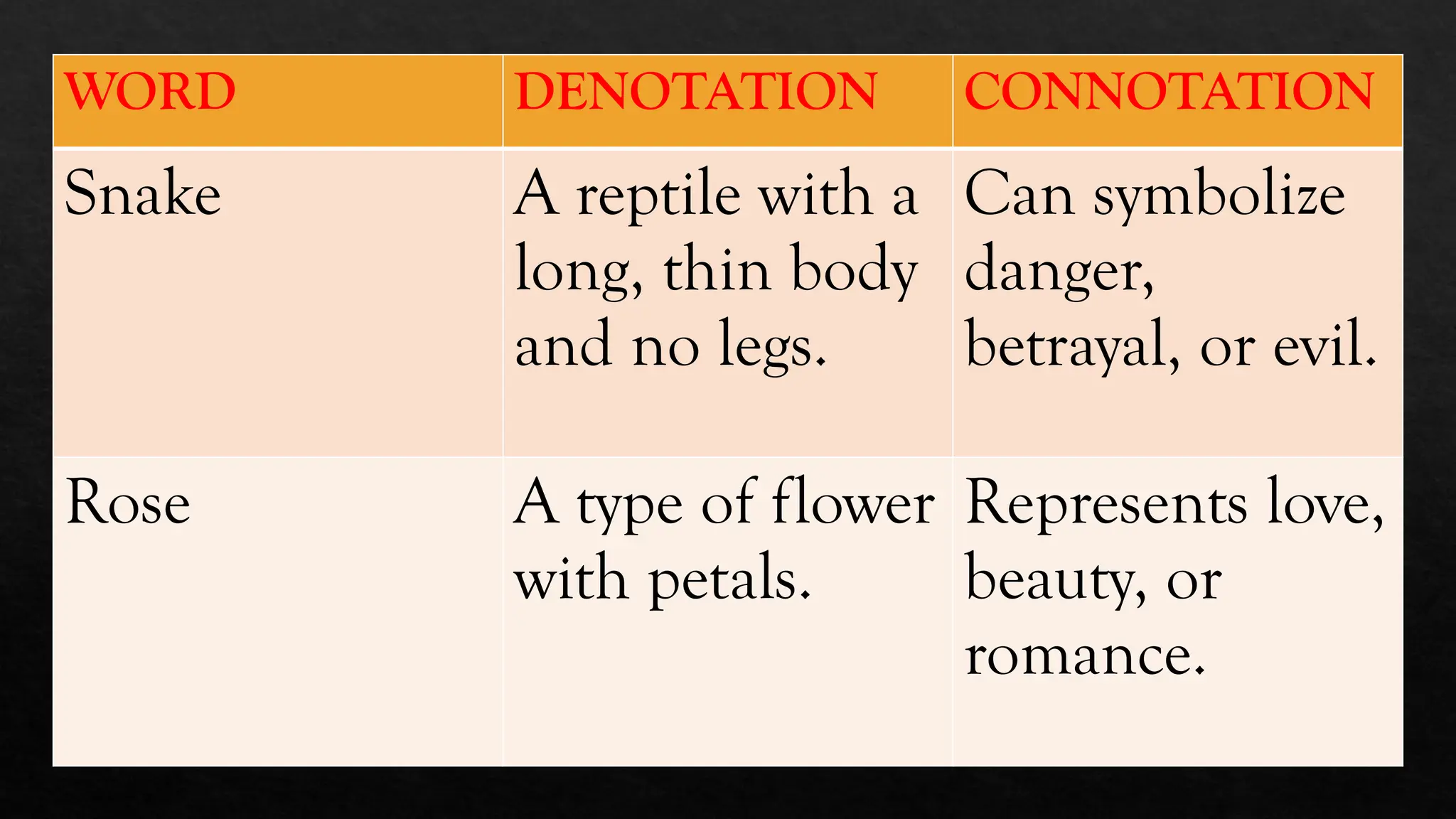
WORD DENOTATION CONNOTATION
CONFIDENT FULL TRUST ARROGANT
DEBATE DISCUSS WITH
OTHERS
ARGUE WITH
OTHERS
WATCH OBSERVE
OTHER PEOPLE
SPY ON OTHER
PEOPLE
WORD DENOTATION CONNOTATION
Snake A reptile with a
long, thin body
and no legs.
Can symbolize
danger,
betrayal, or evil.
Rose A type of flower
with petals.
Represents love,
beauty, or
romance.
TRY IT OUT!
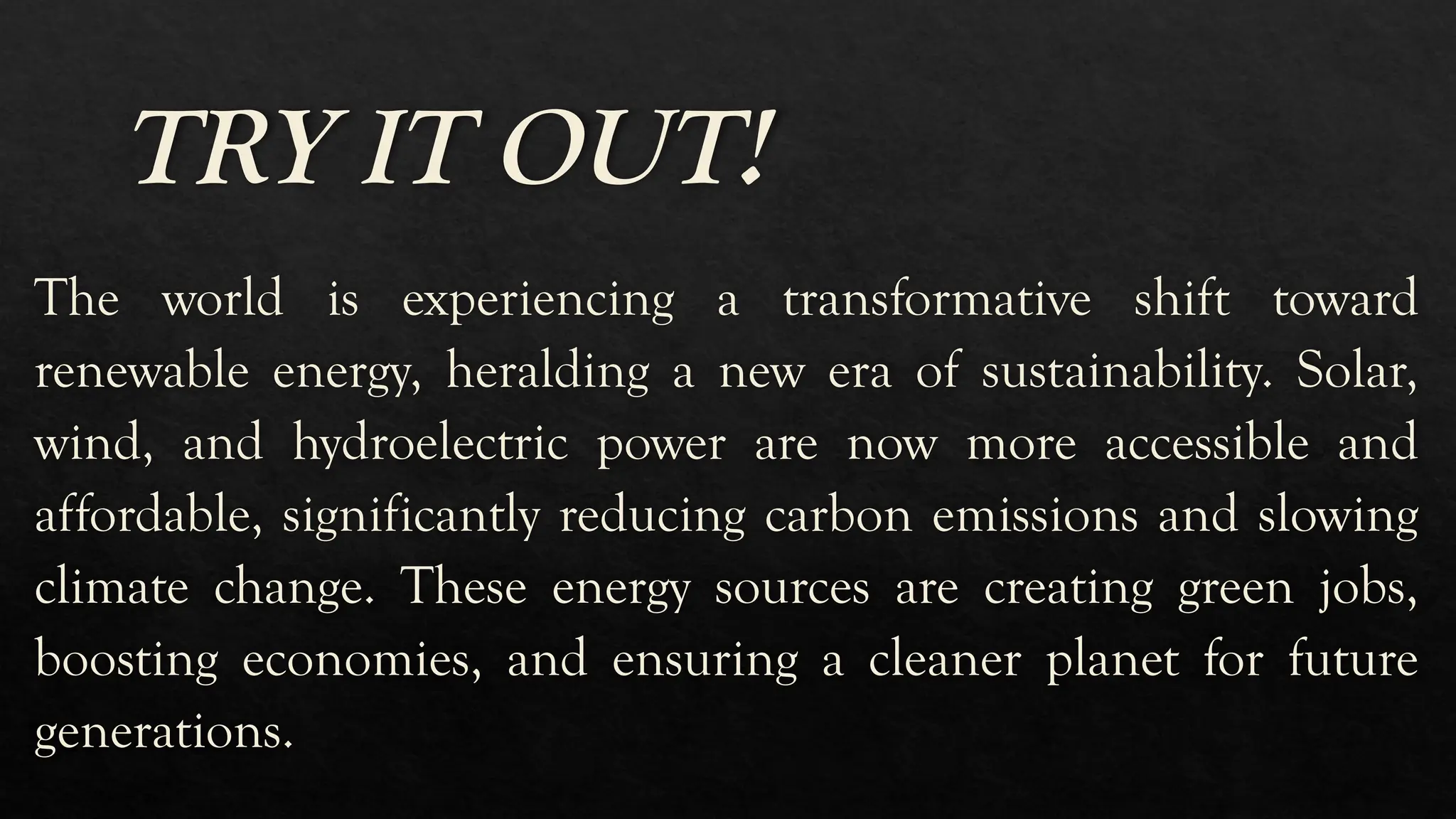
The world is experiencing a transformative shift toward
renewable energy, heralding a new era of sustainability. Solar,
wind, and hydroelectric power are now more accessible and
affordable, significantly reducing carbon emissions and slowing
climate change. These energy sources are creating green jobs,
boosting economies, and ensuring a cleaner planet for future
generations.
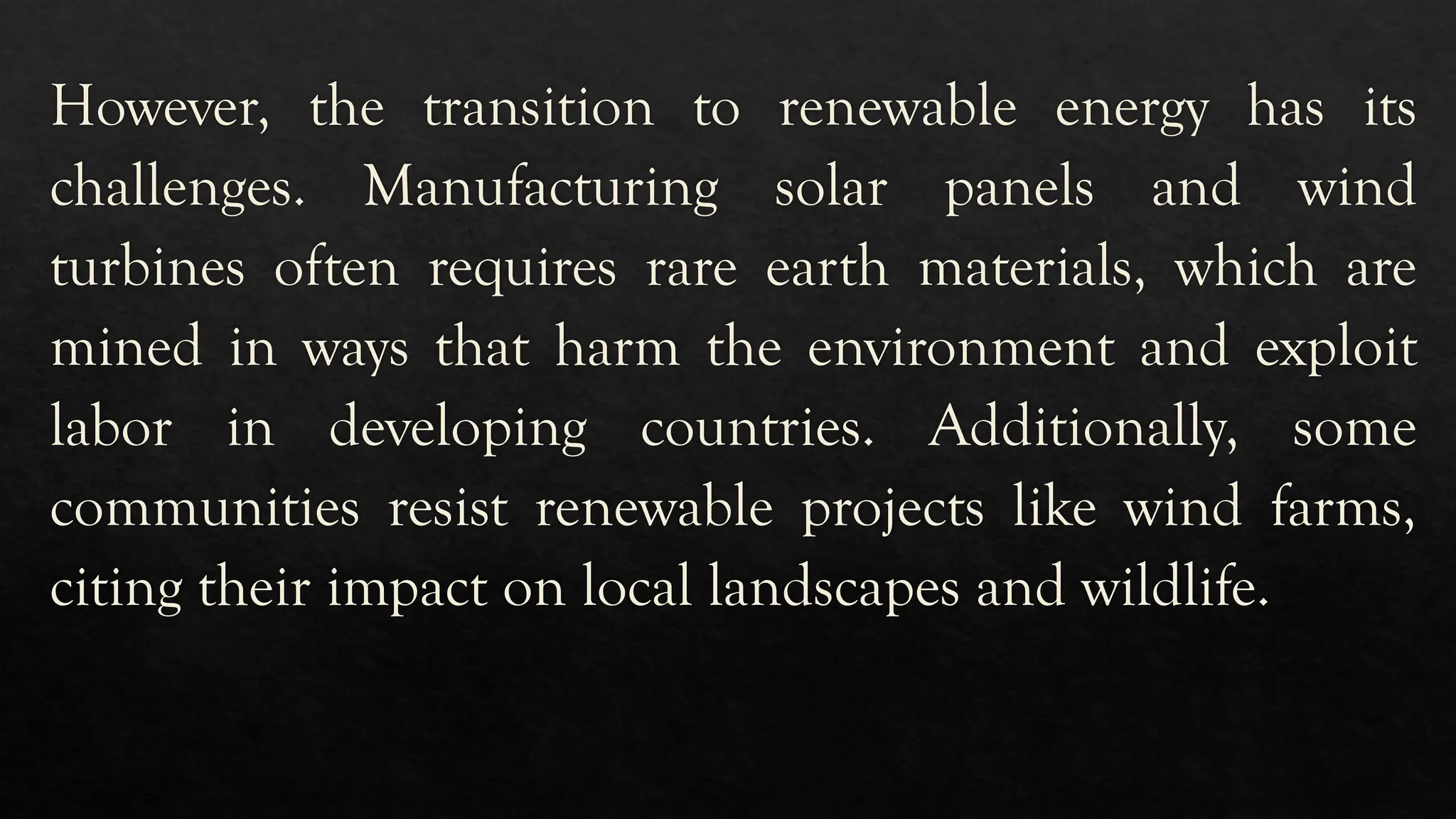
However, the transition to renewable energy has its
challenges. Manufacturing solar panels and wind
turbines often requires rare earth materials, which are
mined in ways that harm the environment and exploit
labor in developing countries. Additionally, some
communities resist renewable projects like wind farms,
citing their impact on local landscapes and wildlife.
ANOTHER EXAMPLE
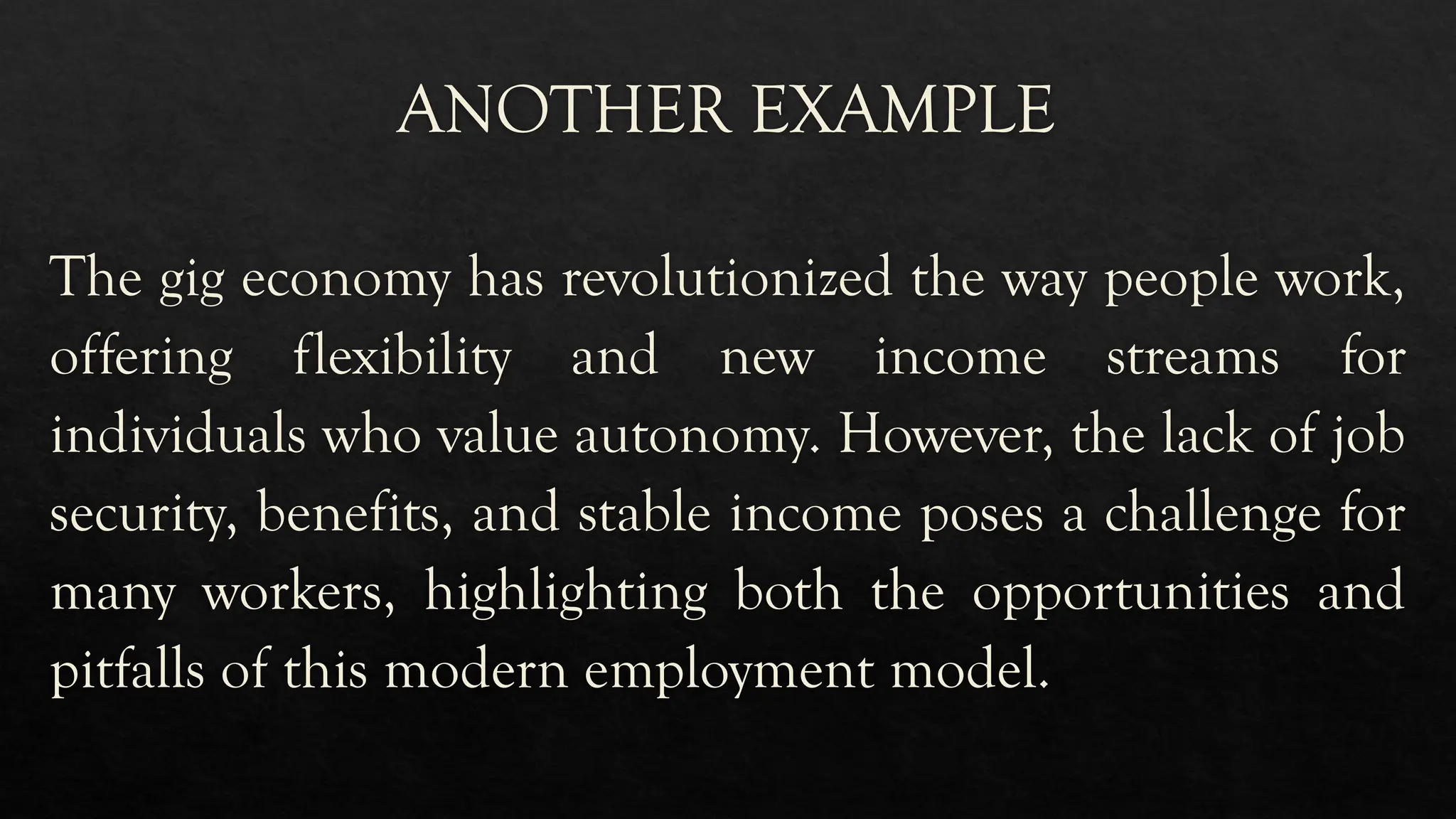
The gig economy has revolutionized the way people work,
offering flexibility and new income streams for
individuals who value autonomy. However, the lack of job
security, benefits, and stable income poses a challenge for
many workers, highlighting both the opportunities and
pitfalls of this modern employment model.
DATE:
ACTIVITY TITLE: POSITIVE &
NEGATIVE MESSAGES
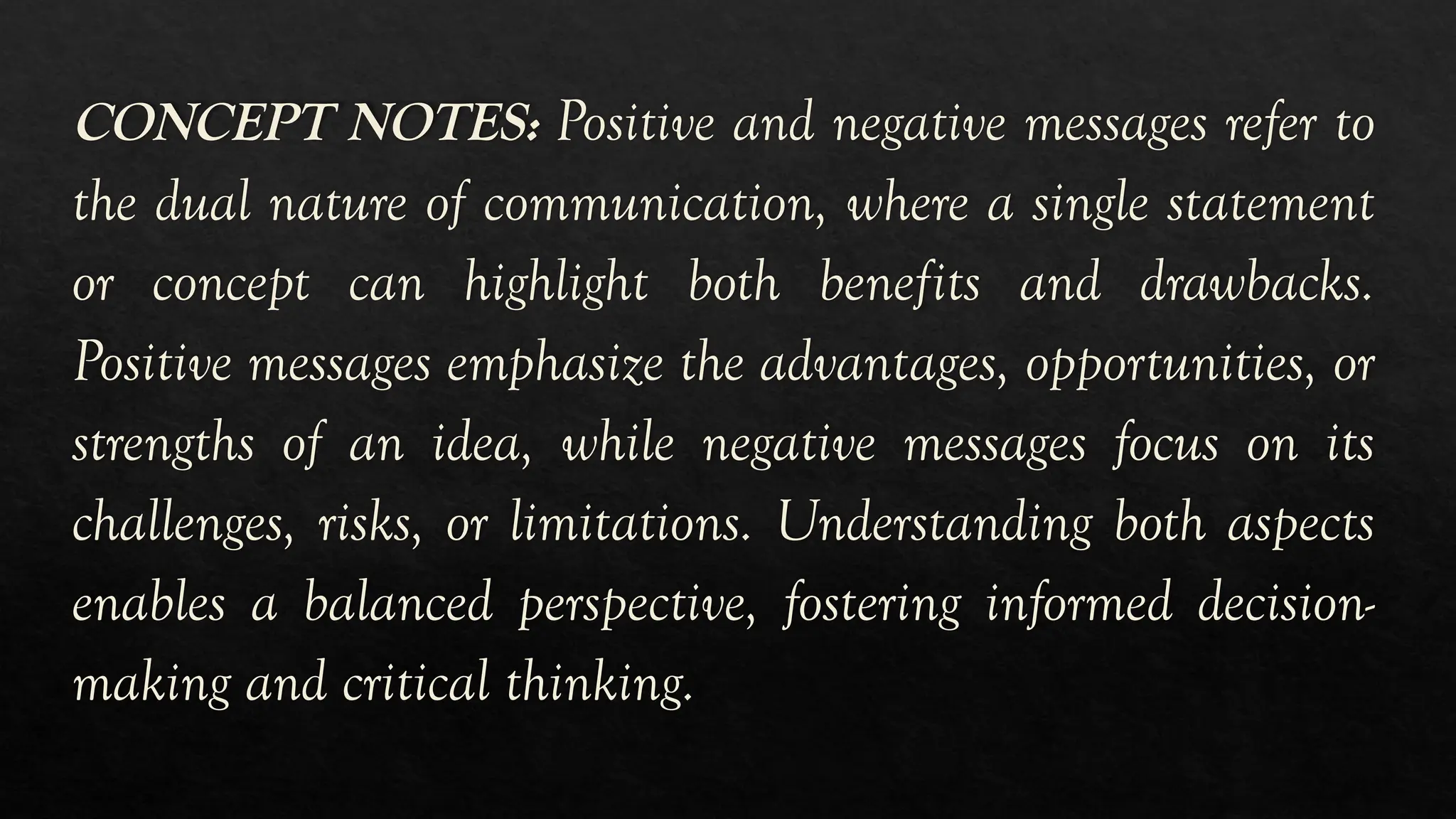
CONCEPT NOTES: Positive and negative messages refer to
the dual nature of communication, where a single statement
or concept can highlight both benefits and drawbacks.
Positive messages emphasize the advantages, opportunities, or
strengths of an idea, while negative messages focus on its
challenges, risks, or limitations. Understanding both aspects
enables a balanced perspective, fostering informed decision-
making and critical thinking.
DIRECTIONS: READ AND
ANALYZE THE TEXT. THEN,
WRITE THE POSITIVE AND
NEGATIVE MESSAGE.
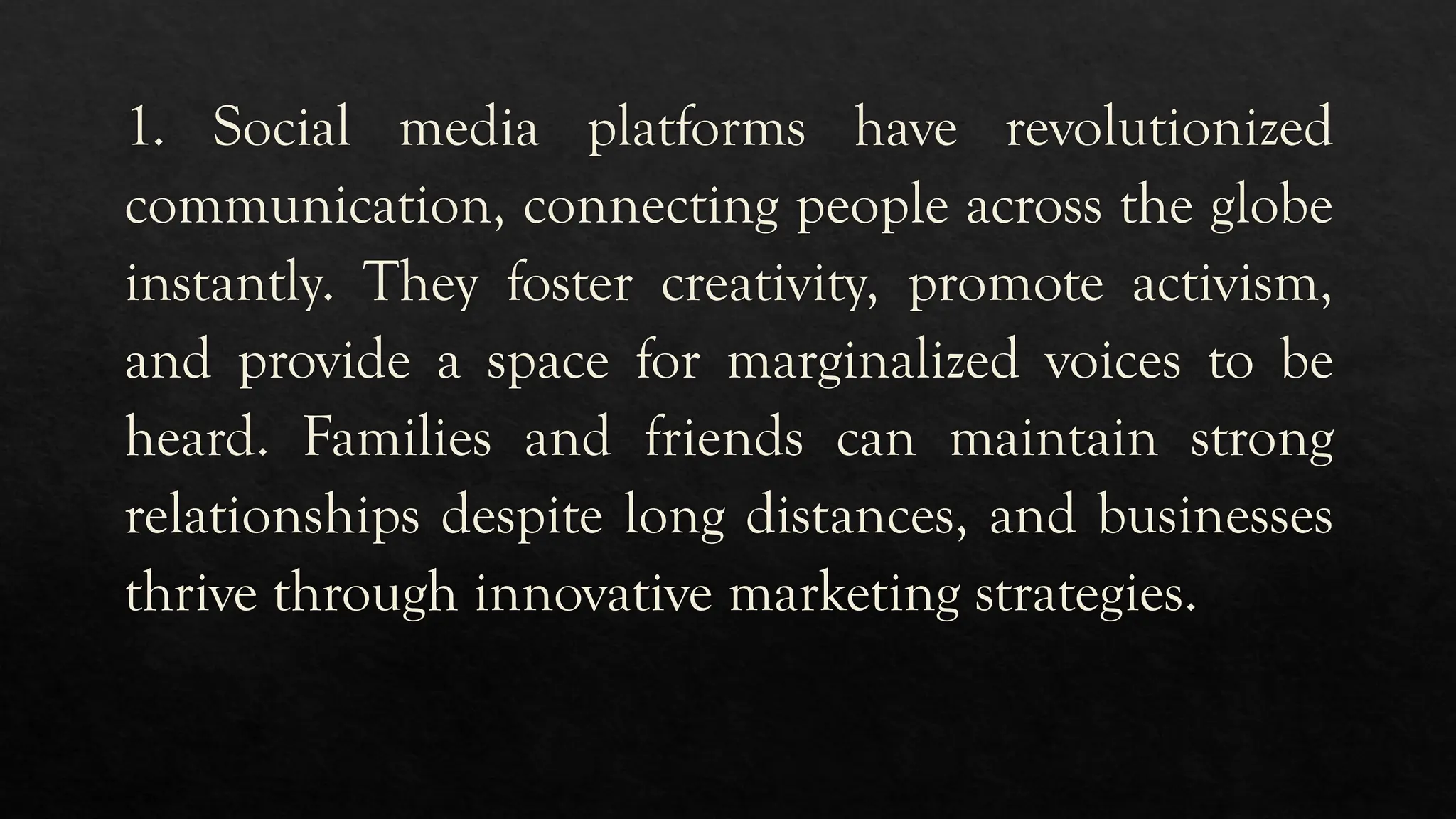
1. Social media platforms have revolutionized
communication, connecting people across the globe
instantly. They foster creativity, promote activism,
and provide a space for marginalized voices to be
heard. Families and friends can maintain strong
relationships despite long distances, and businesses
thrive through innovative marketing strategies.
Despite its benefits, social media also has
downsides. It has been linked to rising levels of
anxiety, depression, and loneliness, especially
among younger users. The spread of
misinformation and echo chambers fosters division,
while excessive screen time leads to decreased
productivity and strained personal relationships.
Artificial intelligence (AI) is transforming industries,
improving healthcare diagnostics, enhancing customer
experiences, and driving innovation in countless
fields. AI-powered tools enable more efficient
processes, saving time and resources. Personalized
education platforms and virtual assistants make
learning and daily tasks more accessible.
Nevertheless, AI poses significant risks. Job
automation threatens employment in various sectors,
and ethical concerns about privacy and data security
arise as AI systems collect and analyze vast amounts of
personal information. Additionally, biases in AI
algorithms can perpetuate discrimination, raising
questions about fairness and accountability.

Positive & Negative Messages.pptxPositive & Negative Messages.pptx

  • 1.
  • 2.
  • 3.
    MOOD THE FEELING THATIS INSTILLED IN THE READER. THE CHOICE OF WORDS, THE SETTING OF THE STORY, AND THE ORDER OF EVENTS DESIGNED BY THE WRITER CREATE AN EFFECT ON THE READER BY TAPPING HIS/HER EMOTIONS.
  • 4.
    POSITIVE MOOD NEGATIVE MOOD NostalgicConfiden t Irritated Jealous Lighthear ted Calm Lethargic Lonely Cheerful Optimisti c Desolate Cranky
  • 5.
    TONE THE OVERALL ATTITUDEOF THE WRITER TOWARD THE SUBJECT OF THE LITERARY WORK. THE MANNER OF COMMUNICATING HIS/HER BELIEFS TO THE READER.
  • 6.
    POSITIVE TONE NEGATIVETONE Approving Affectionate Ambiguous Angry Admiring Appreciative Annoyed Antagonistic Encouragin g Euphoric Depressed Disappointed
  • 7.
    Imagine reading astory about a haunted house: Mood: The story might make you feel scared or nervous because of the creepy descriptions. Tone: The author might write in a serious way to make the haunted house seem mysterious or dangerous.
  • 8.
    Mood is howa story makes you feel as a reader. It could make you feel happy, sad, scared, or excited. Tone is how the author feels about what they are writing, like being serious, funny, angry, or joyful.
  • 9.
  • 10.
    DENOTATION REFERS TO THELITERAL OR DICTIONARY MEANING OF THE WORD.
  • 11.
    CONNOTATION IT IS THEIMPLIED MEANING OF A WORD, OR THE FEELINGS EVOKED BY THE WORD, IN ADDITION TO ITS LITERAL MEANING. COULD EITHER BE POSITIVE OR NEGATIVE.
  • 12.
    EXAMPLES WORD DENOTATION CONNOTATION CONFIDENTFULL TRUST ARROGANT DEBATE DISCUSS WITH OTHERS ARGUE WITH OTHERS WATCH OBSERVE OTHER PEOPLE SPY ON OTHER PEOPLE
  • 13.
    WORD DENOTATION CONNOTATION SnakeA reptile with a long, thin body and no legs. Can symbolize danger, betrayal, or evil. Rose A type of flower with petals. Represents love, beauty, or romance.
  • 14.
    TRY IT OUT! Theworld is experiencing a transformative shift toward renewable energy, heralding a new era of sustainability. Solar, wind, and hydroelectric power are now more accessible and affordable, significantly reducing carbon emissions and slowing climate change. These energy sources are creating green jobs, boosting economies, and ensuring a cleaner planet for future generations.
  • 15.
    However, the transitionto renewable energy has its challenges. Manufacturing solar panels and wind turbines often requires rare earth materials, which are mined in ways that harm the environment and exploit labor in developing countries. Additionally, some communities resist renewable projects like wind farms, citing their impact on local landscapes and wildlife.
  • 16.
    ANOTHER EXAMPLE The gigeconomy has revolutionized the way people work, offering flexibility and new income streams for individuals who value autonomy. However, the lack of job security, benefits, and stable income poses a challenge for many workers, highlighting both the opportunities and pitfalls of this modern employment model.
  • 17.
    DATE: ACTIVITY TITLE: POSITIVE& NEGATIVE MESSAGES
  • 18.
    CONCEPT NOTES: Positiveand negative messages refer to the dual nature of communication, where a single statement or concept can highlight both benefits and drawbacks. Positive messages emphasize the advantages, opportunities, or strengths of an idea, while negative messages focus on its challenges, risks, or limitations. Understanding both aspects enables a balanced perspective, fostering informed decision- making and critical thinking.
  • 19.
    DIRECTIONS: READ AND ANALYZETHE TEXT. THEN, WRITE THE POSITIVE AND NEGATIVE MESSAGE.
  • 20.
    1. Social mediaplatforms have revolutionized communication, connecting people across the globe instantly. They foster creativity, promote activism, and provide a space for marginalized voices to be heard. Families and friends can maintain strong relationships despite long distances, and businesses thrive through innovative marketing strategies.
  • 21.
    Despite its benefits,social media also has downsides. It has been linked to rising levels of anxiety, depression, and loneliness, especially among younger users. The spread of misinformation and echo chambers fosters division, while excessive screen time leads to decreased productivity and strained personal relationships.
  • 22.
    Artificial intelligence (AI)is transforming industries, improving healthcare diagnostics, enhancing customer experiences, and driving innovation in countless fields. AI-powered tools enable more efficient processes, saving time and resources. Personalized education platforms and virtual assistants make learning and daily tasks more accessible.
  • 23.
    Nevertheless, AI posessignificant risks. Job automation threatens employment in various sectors, and ethical concerns about privacy and data security arise as AI systems collect and analyze vast amounts of personal information. Additionally, biases in AI algorithms can perpetuate discrimination, raising questions about fairness and accountability.