


Pop Art
It emerged in the mid 1950s in Britain and
in the late 1950s in the United States.
. Drew upon popular art images from
newspapers and TV.
.Its subject matter followed the non-
objetivity of Abstract Expresionism.
. Most of the works embrace some
kind of realistic subject matter
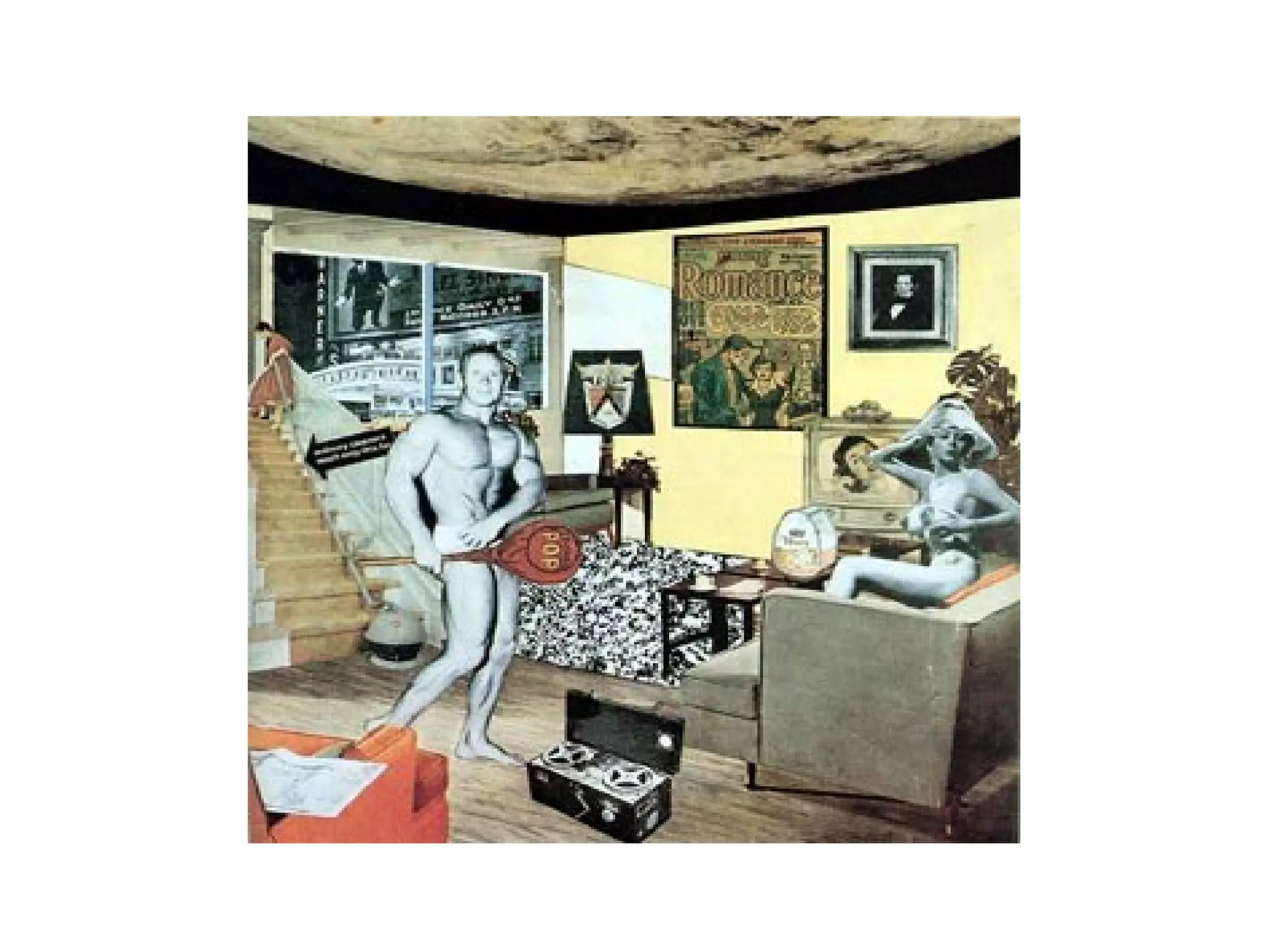
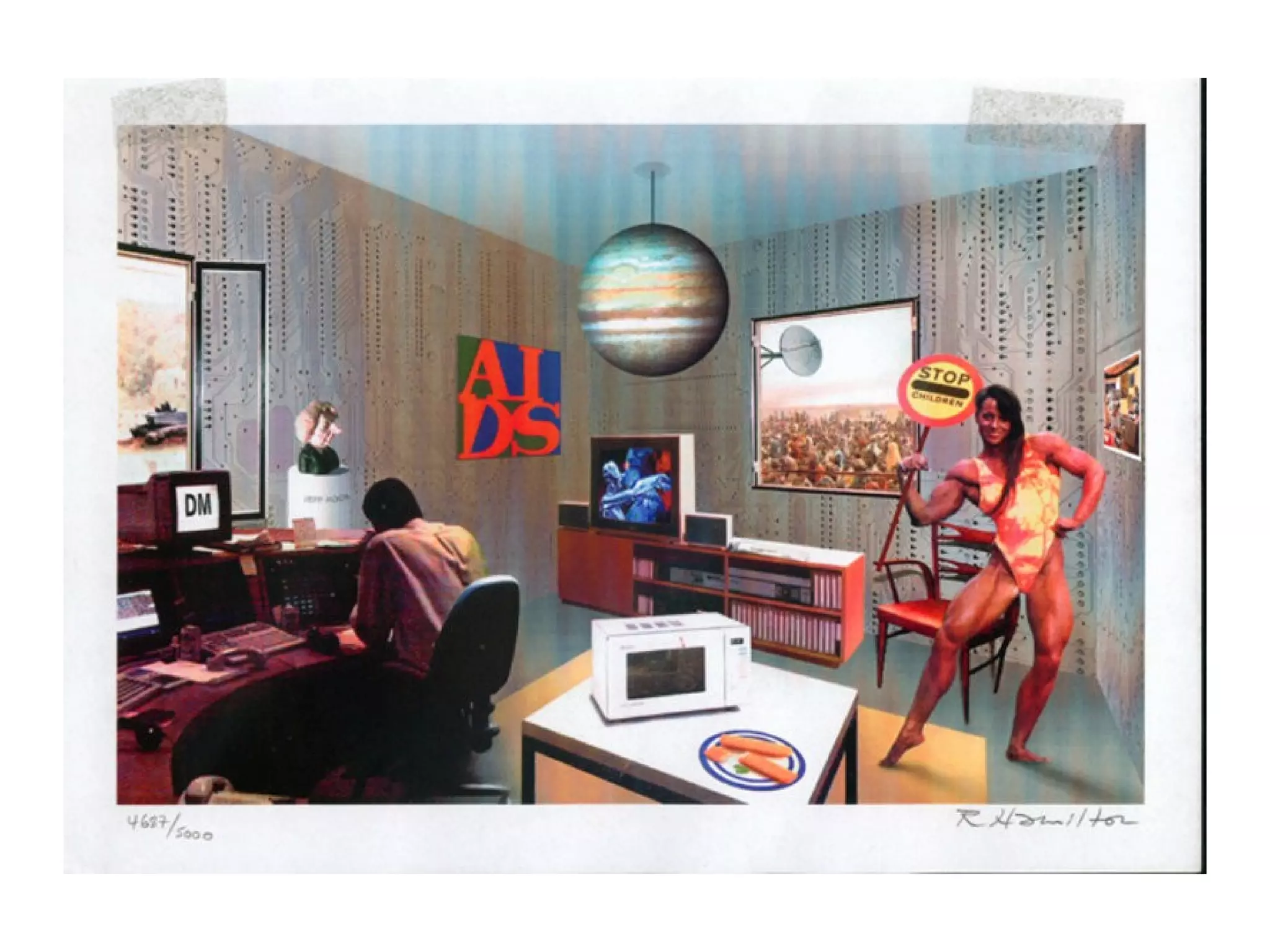
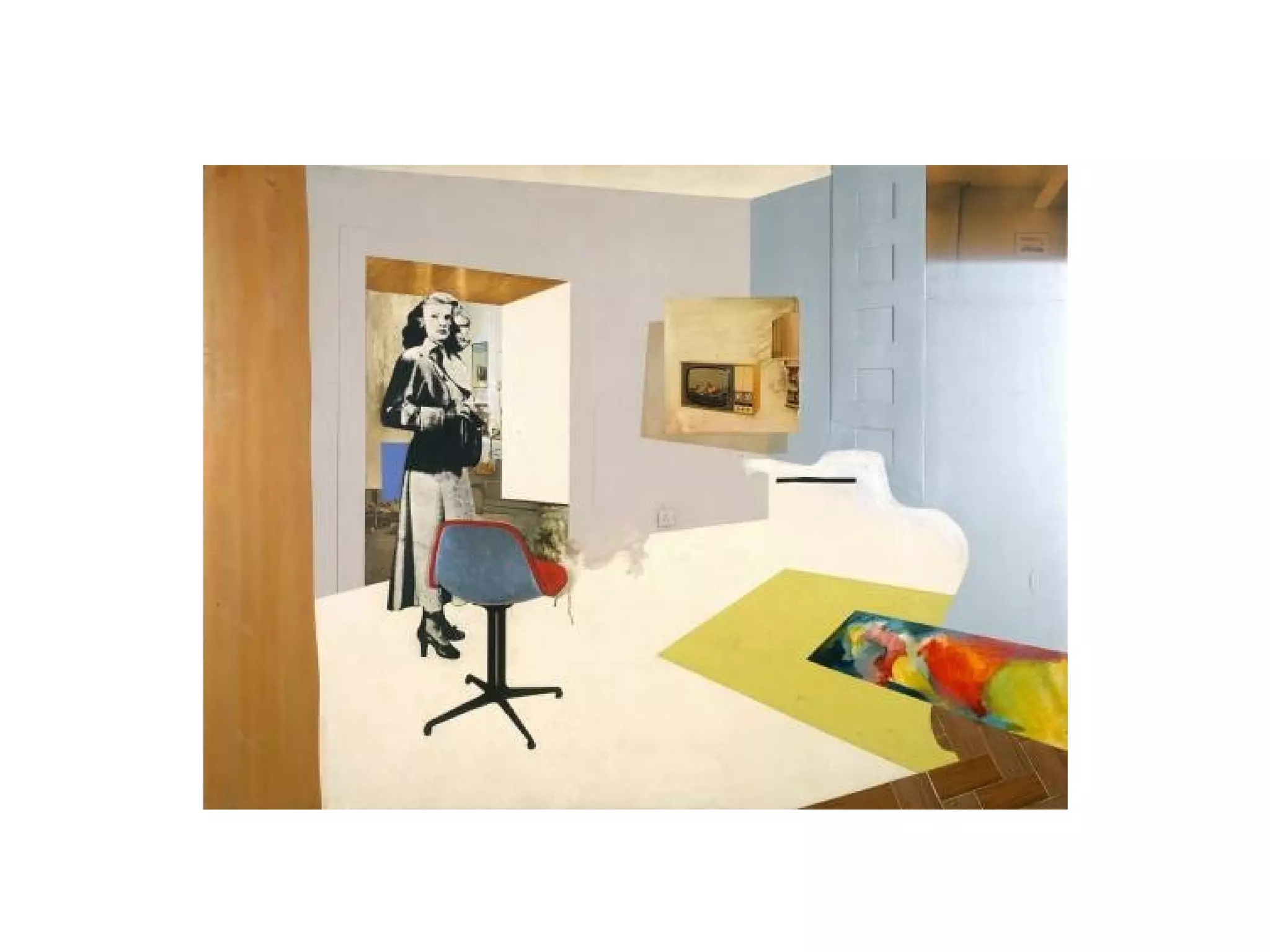
Richard Hamilton
Born in 1922, he is an English painter and
collage artist. His collage titled Just What Is
It that Makes Today's Homes So Different, So A
is considered by critics and historians to be
one of the early works of
Pop Art.
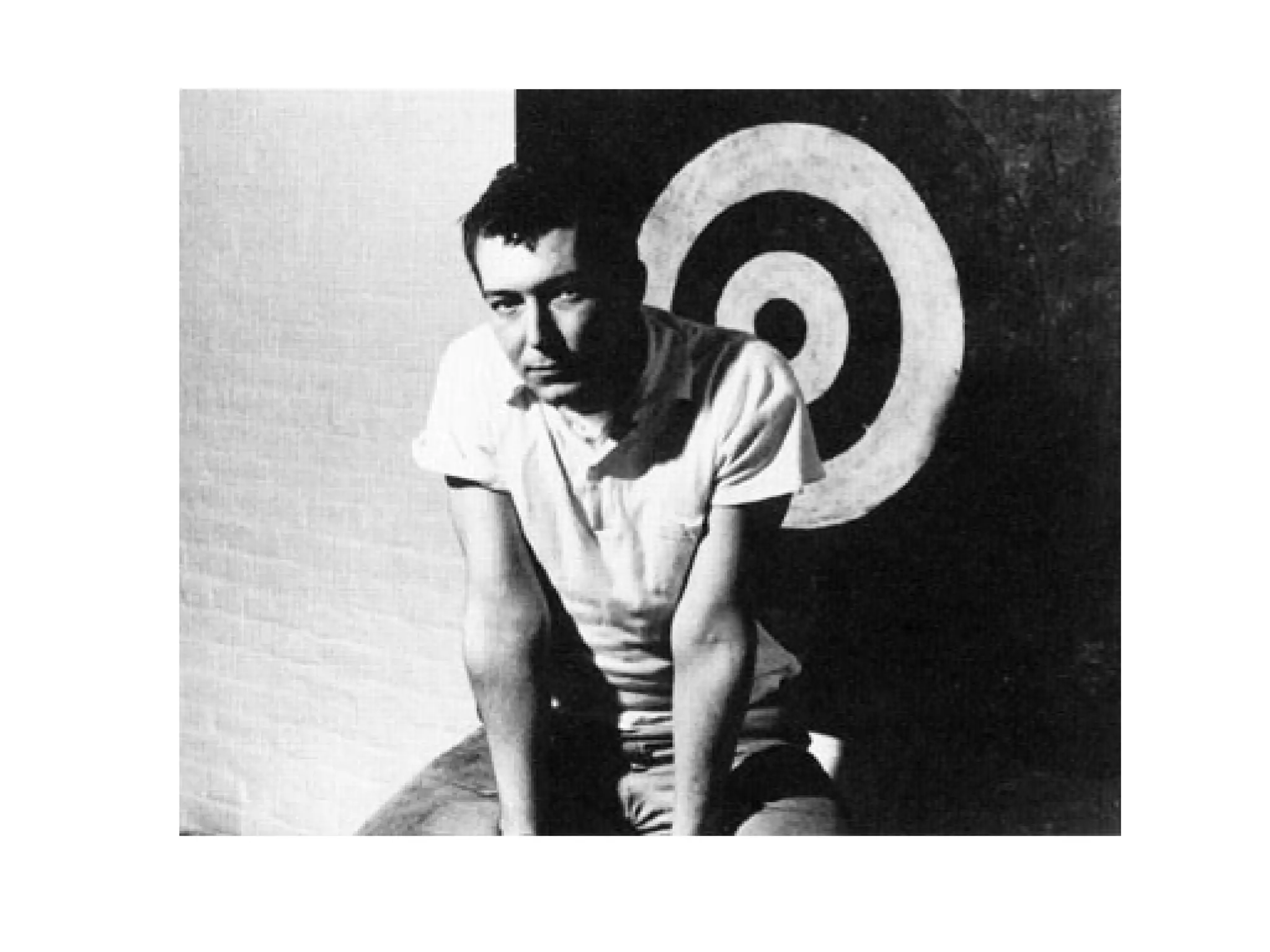
Jasper Johns
He was born in Georgia, USA in 1930 and began drawing
when he was 3. Thinking about his life he says:
"In the place where I was a child, there were no artists
and there was no art, so I really didn't know what that
meant. I think I thought it meant that I would be in a
situation different than the one that I was in."
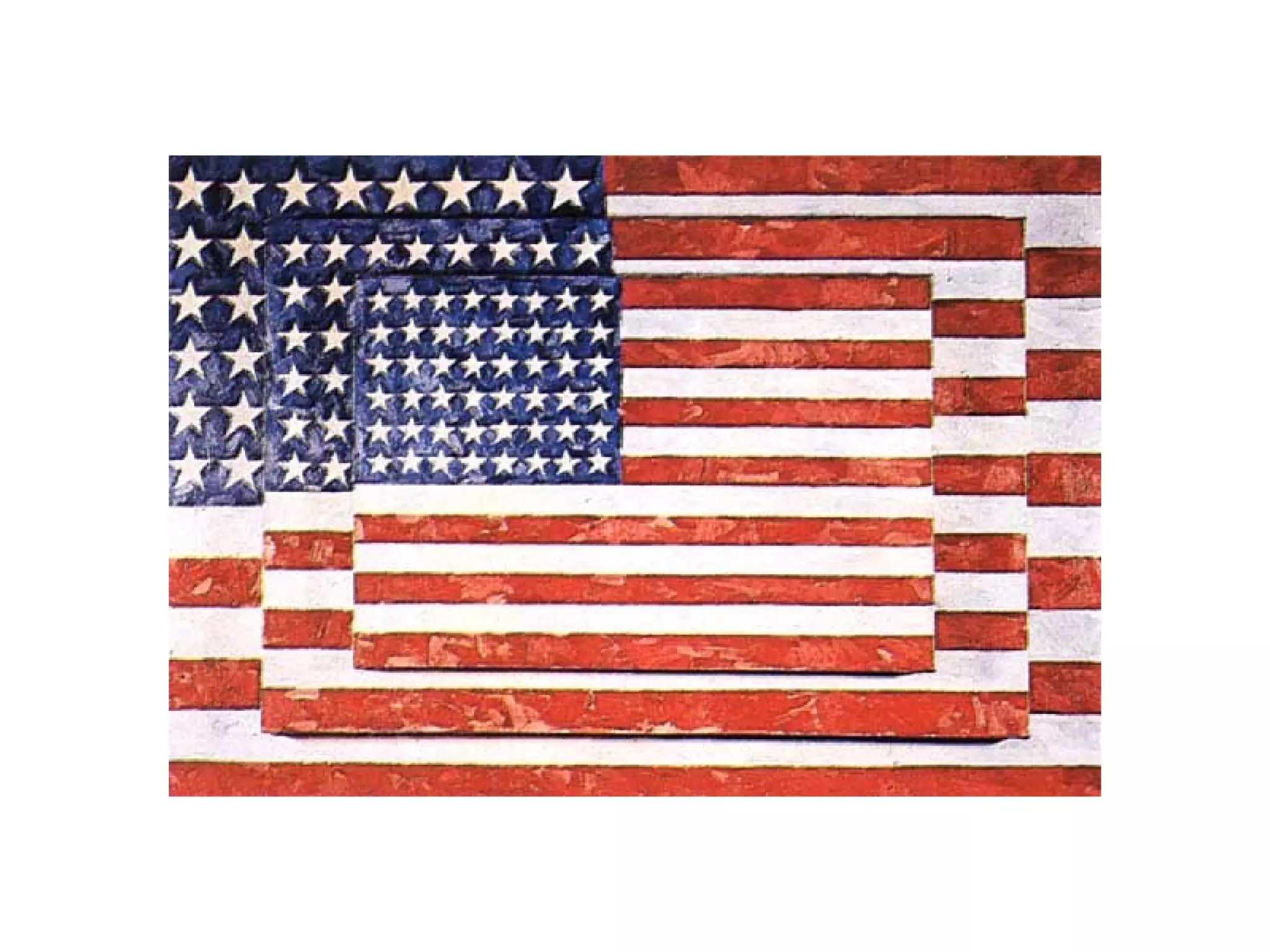
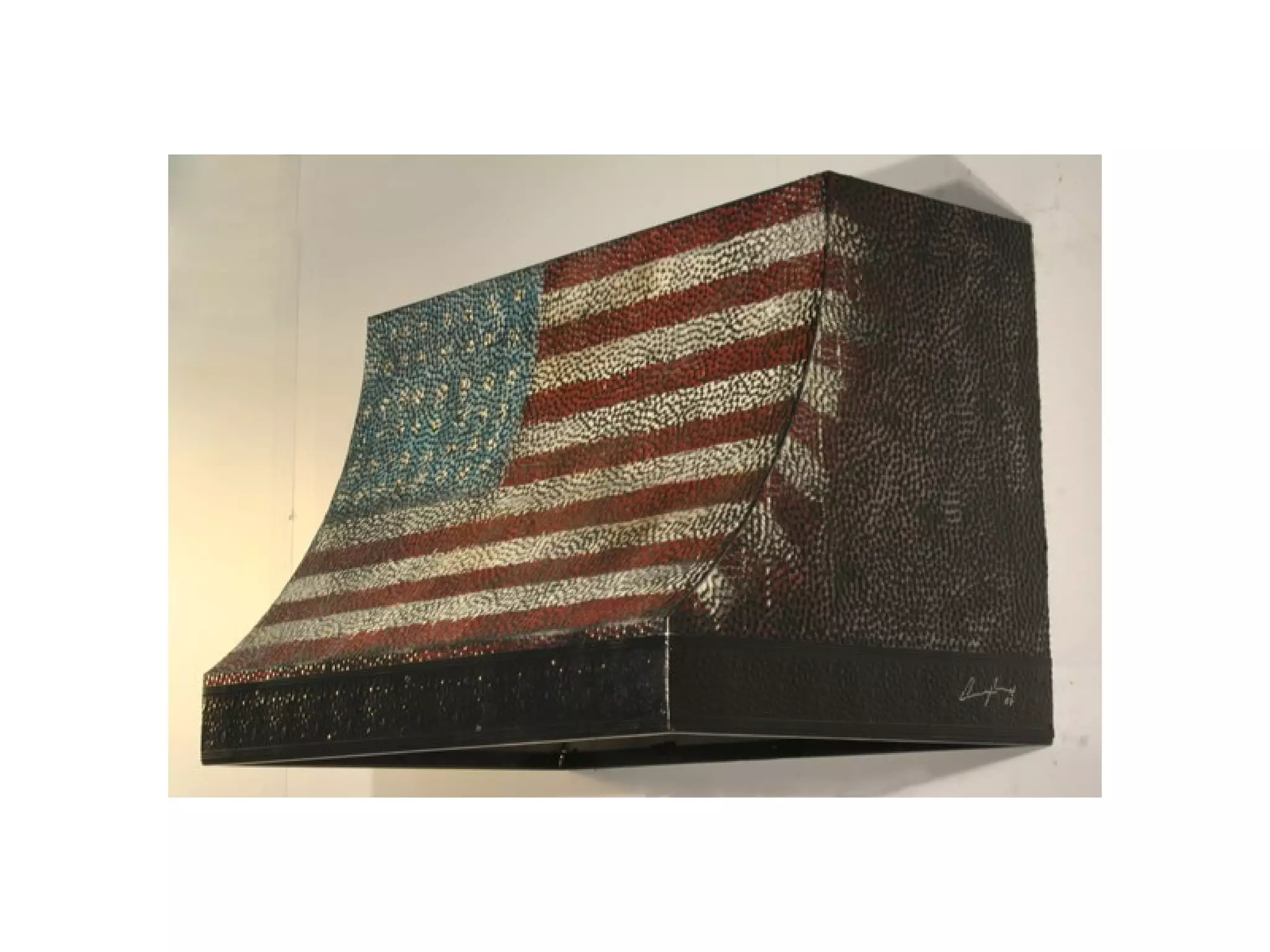
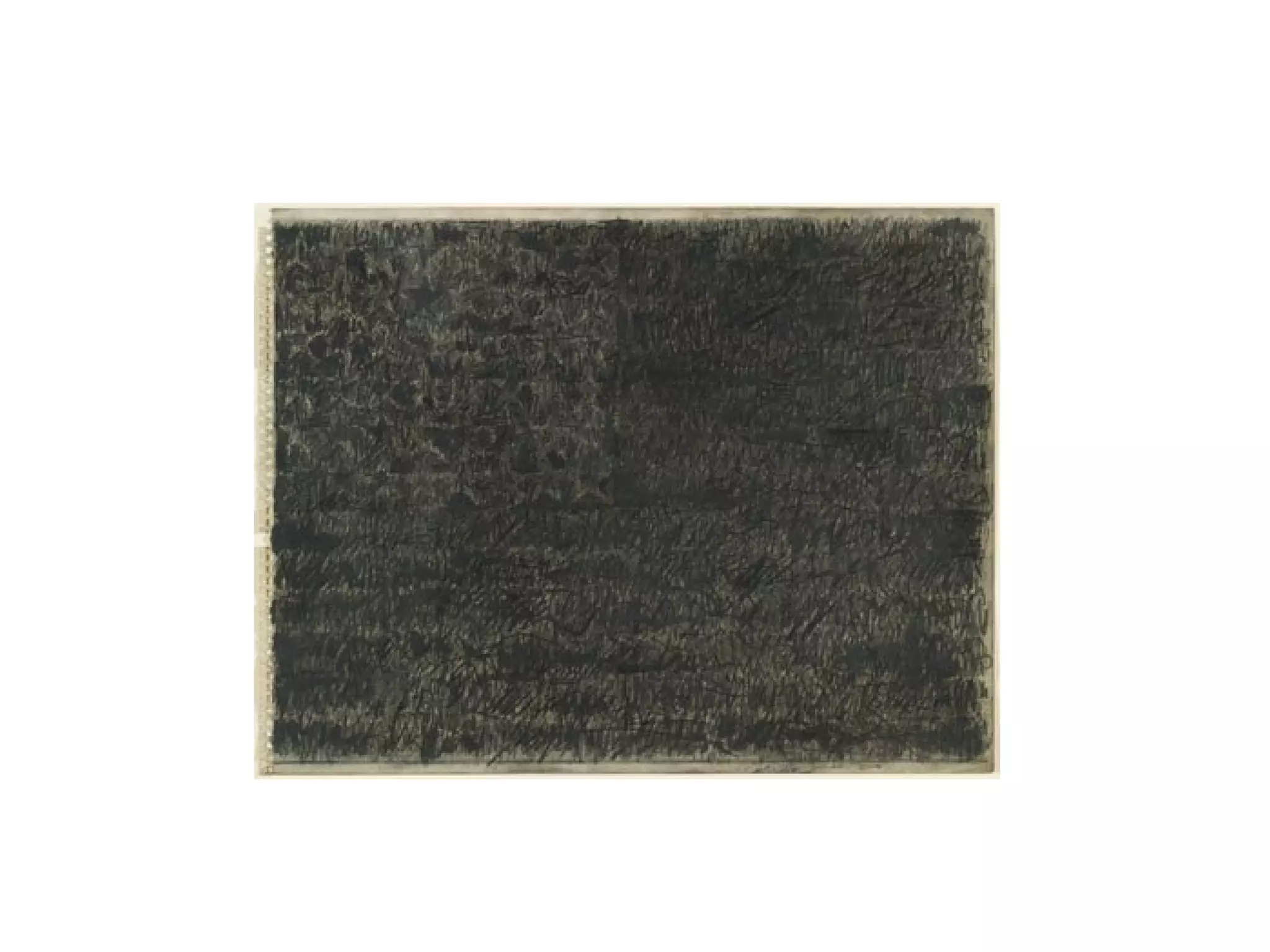
He painted the American flag in various manifestations, even
in poetic shades of gray.
Flag, 1959Flag, 1959
Graphite pencil and graphite wash on paper
and graph
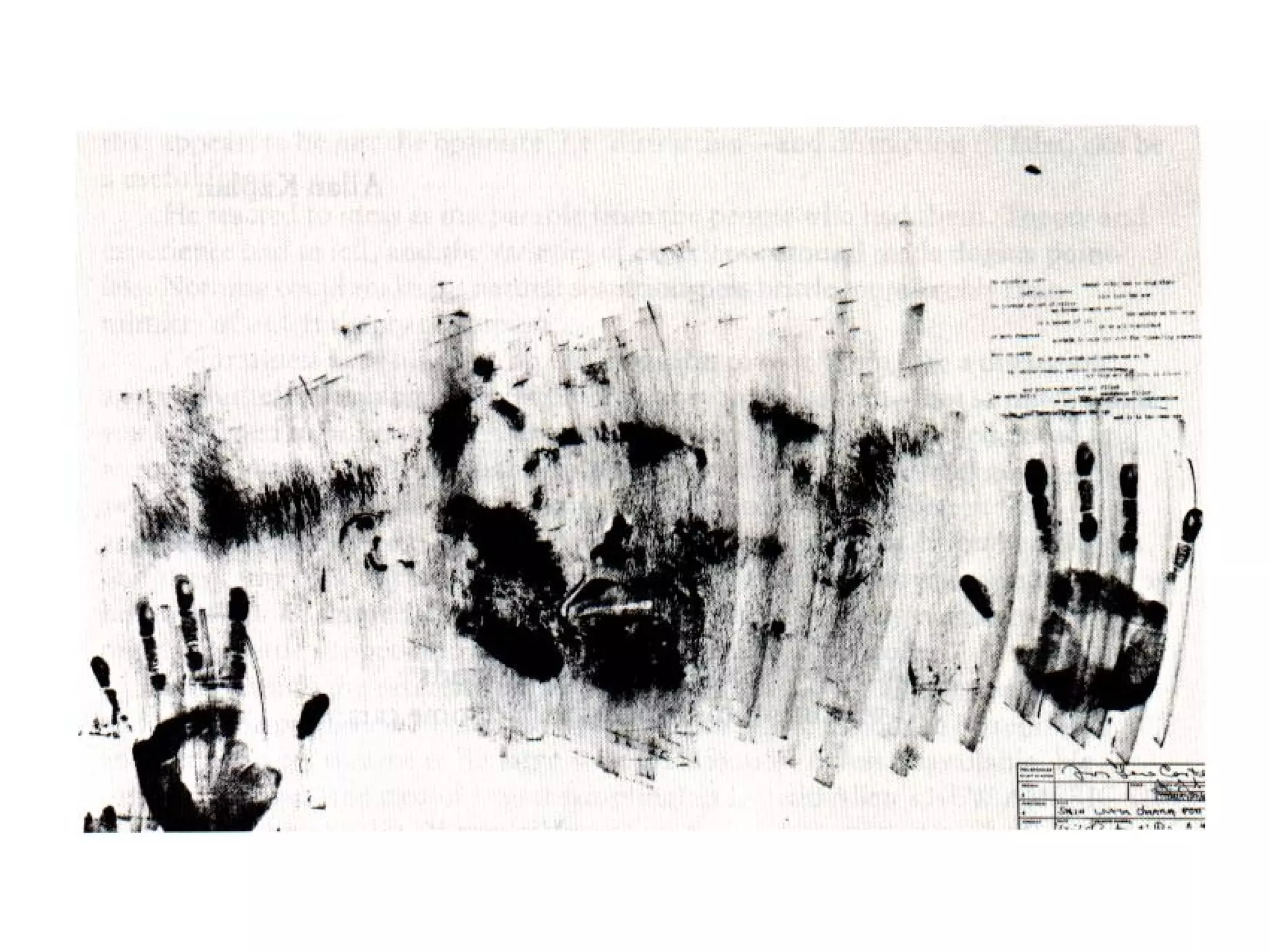
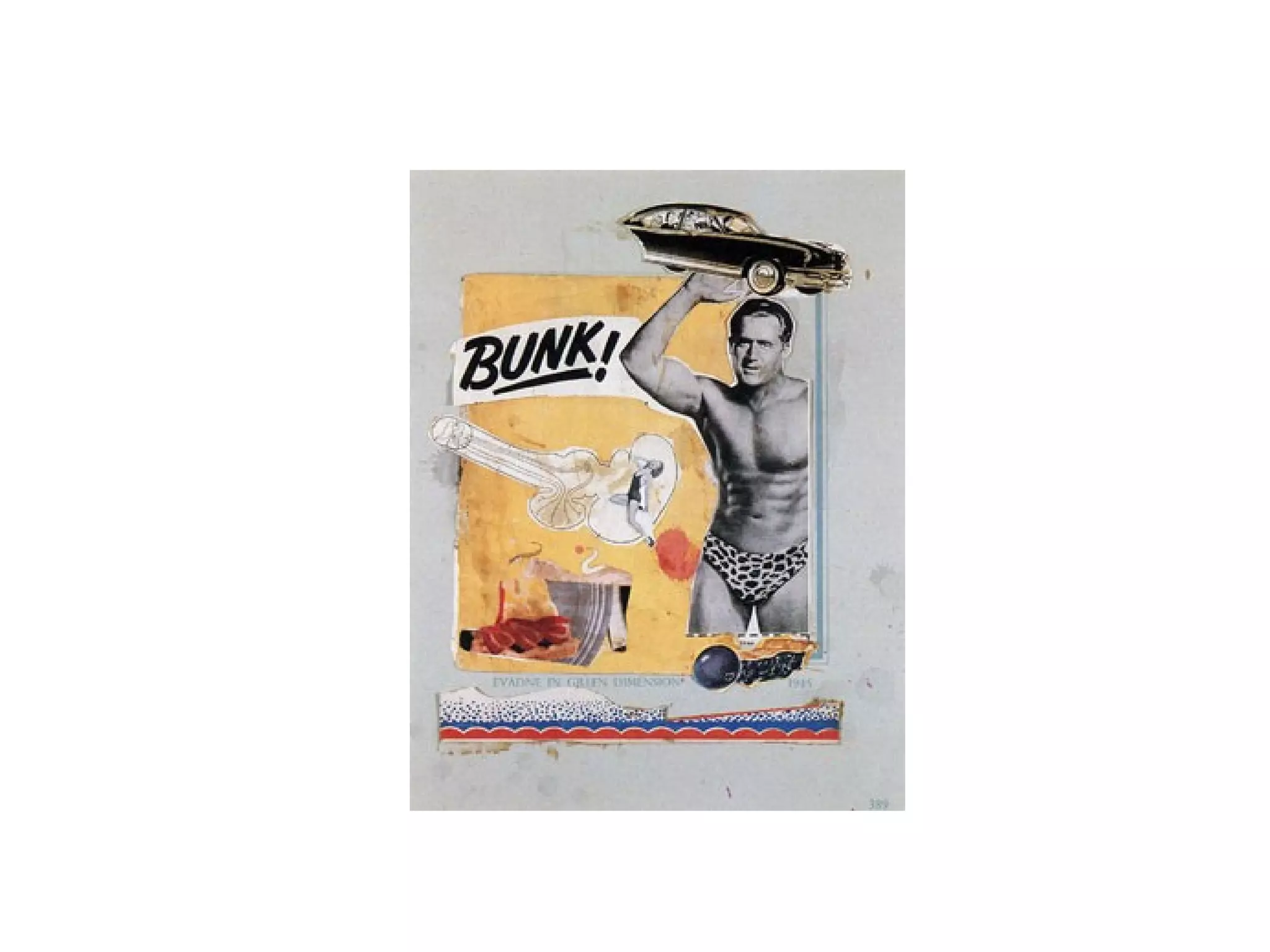
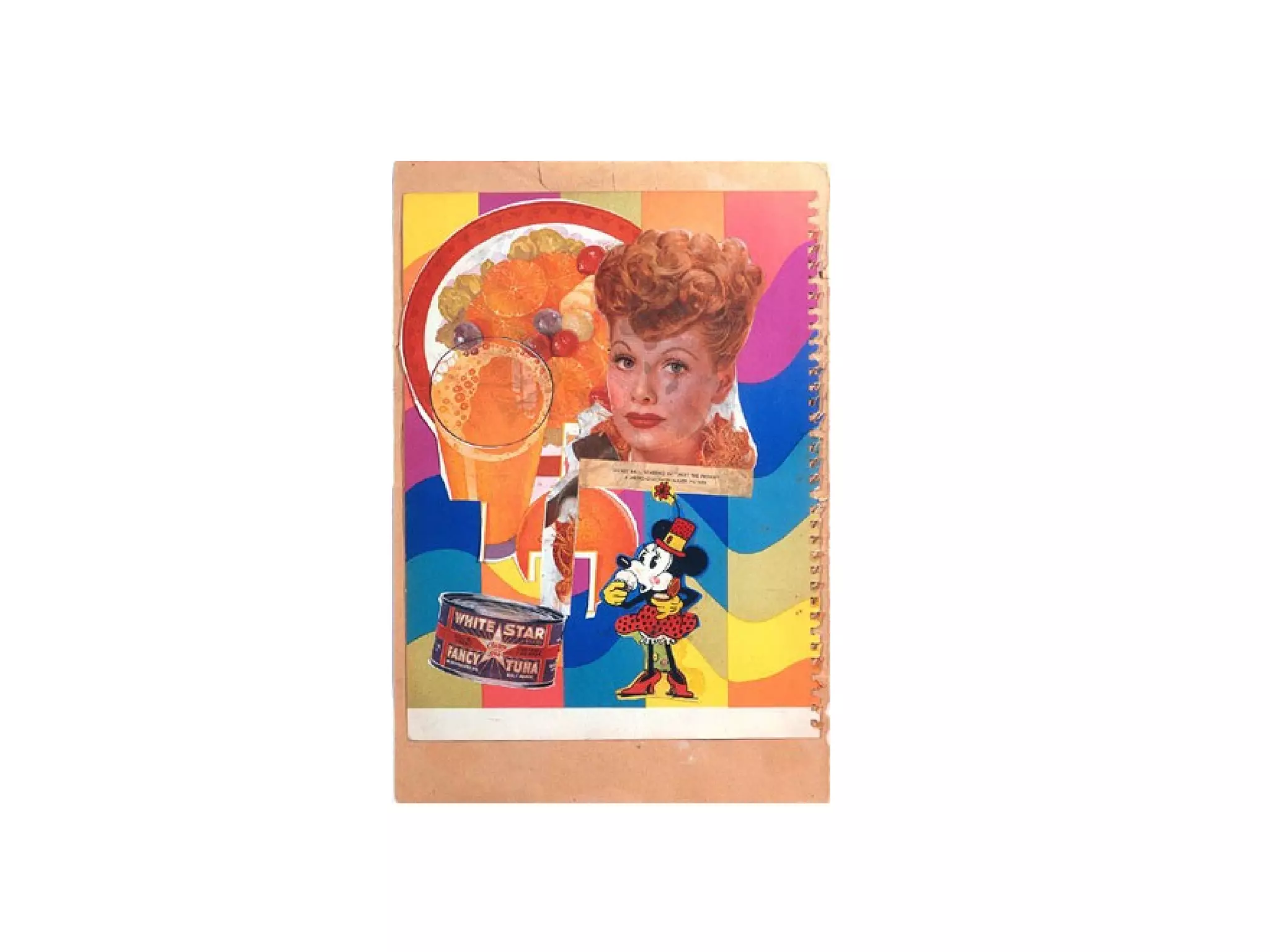
Eduardo Paolozzi
• (1924-2005)
• Scotish sculptor and artist.
• Used juxtaposition of ideas in his
work.
• Variety of objects and materials.
• Precursor of Pop Art movement.
I was a Rich Man’s Plaything (1947)
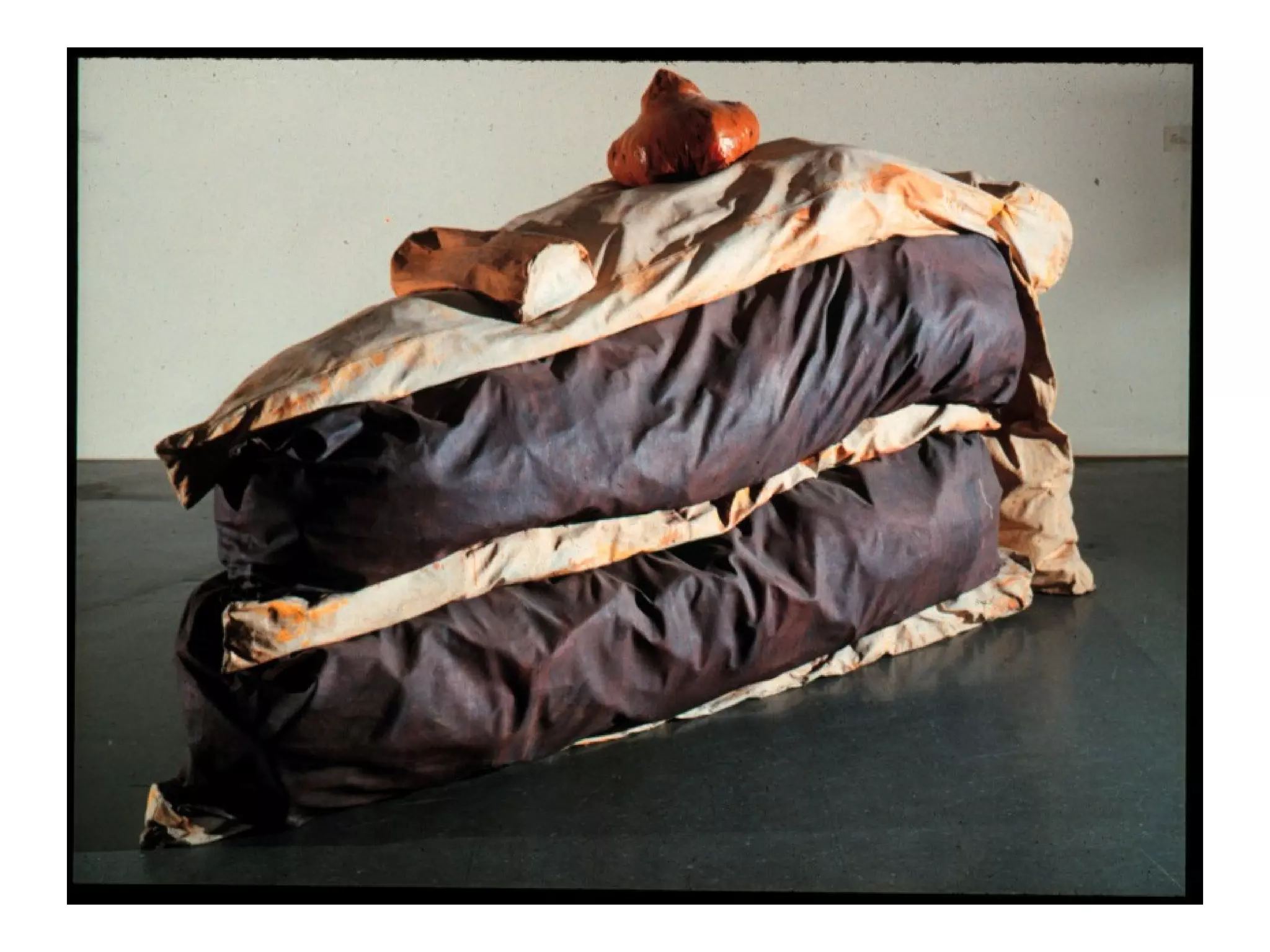
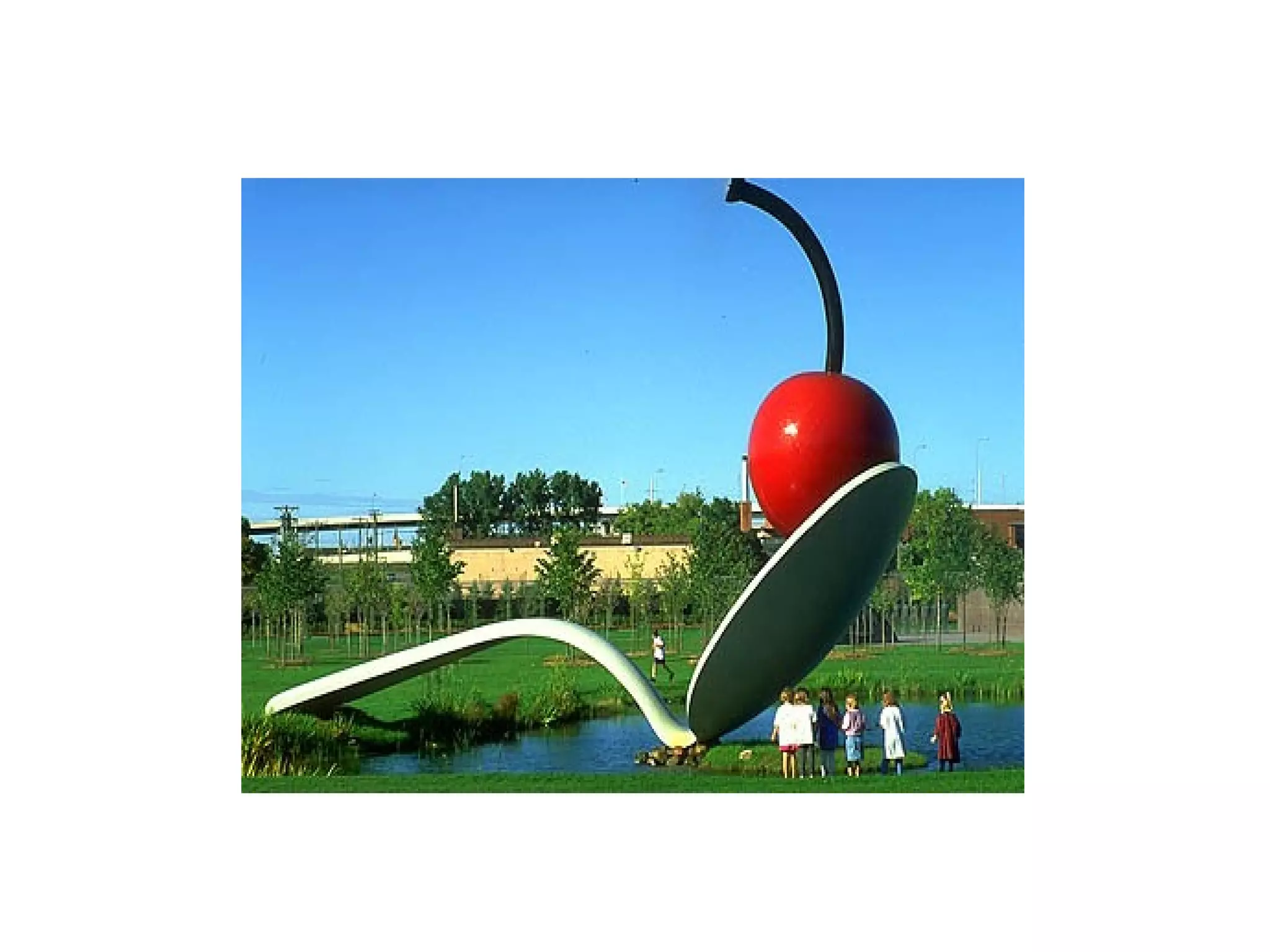
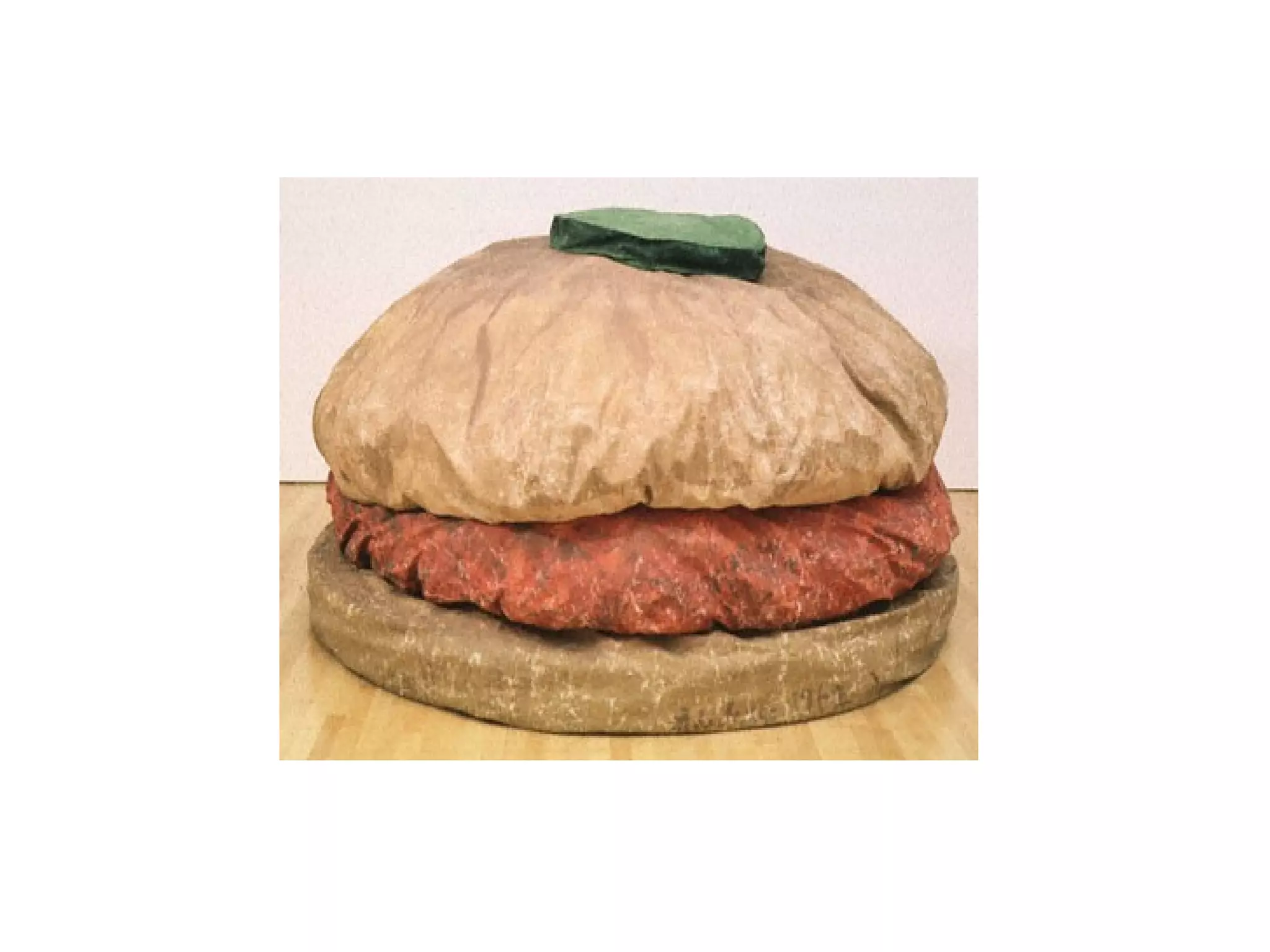
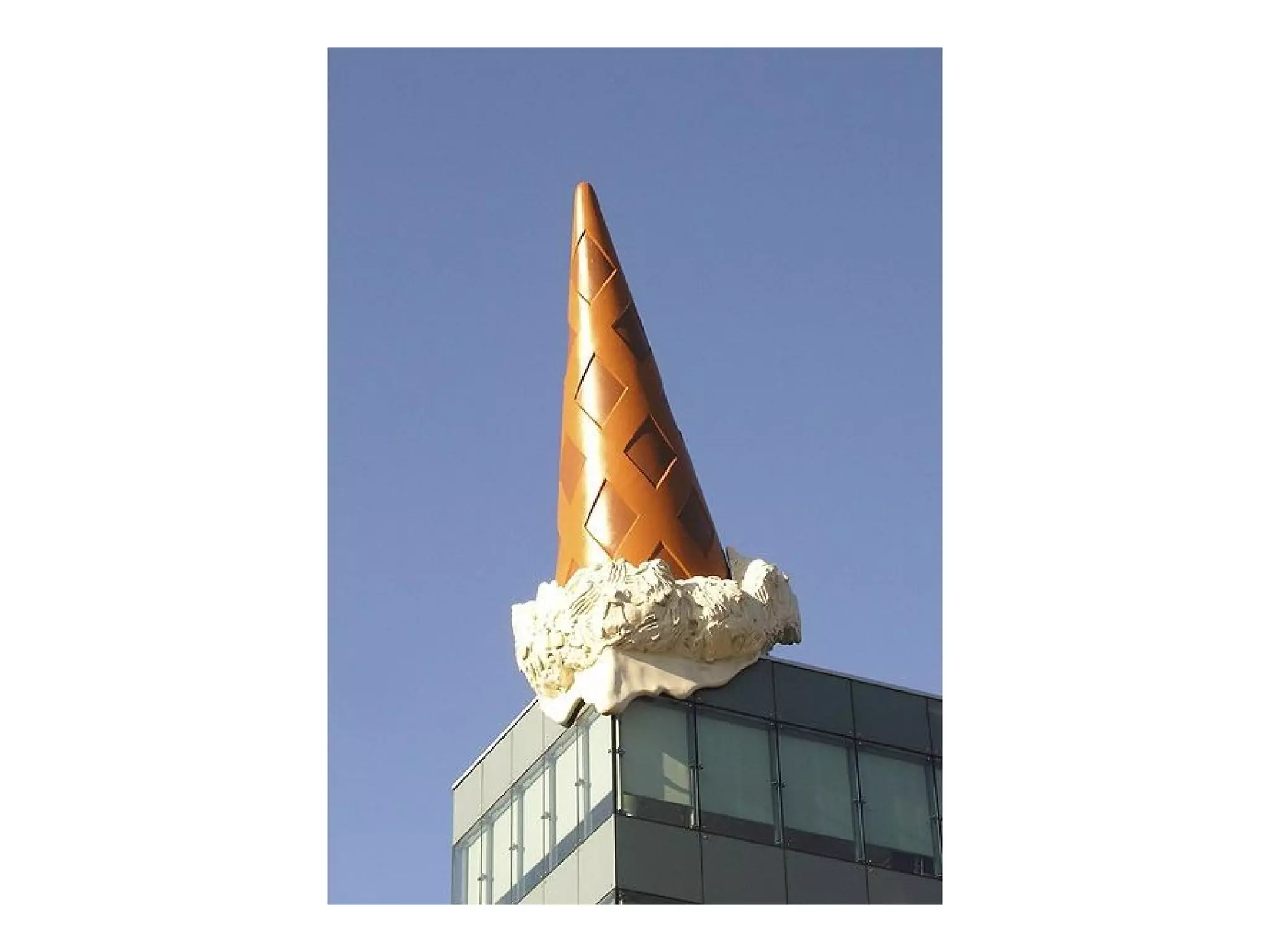
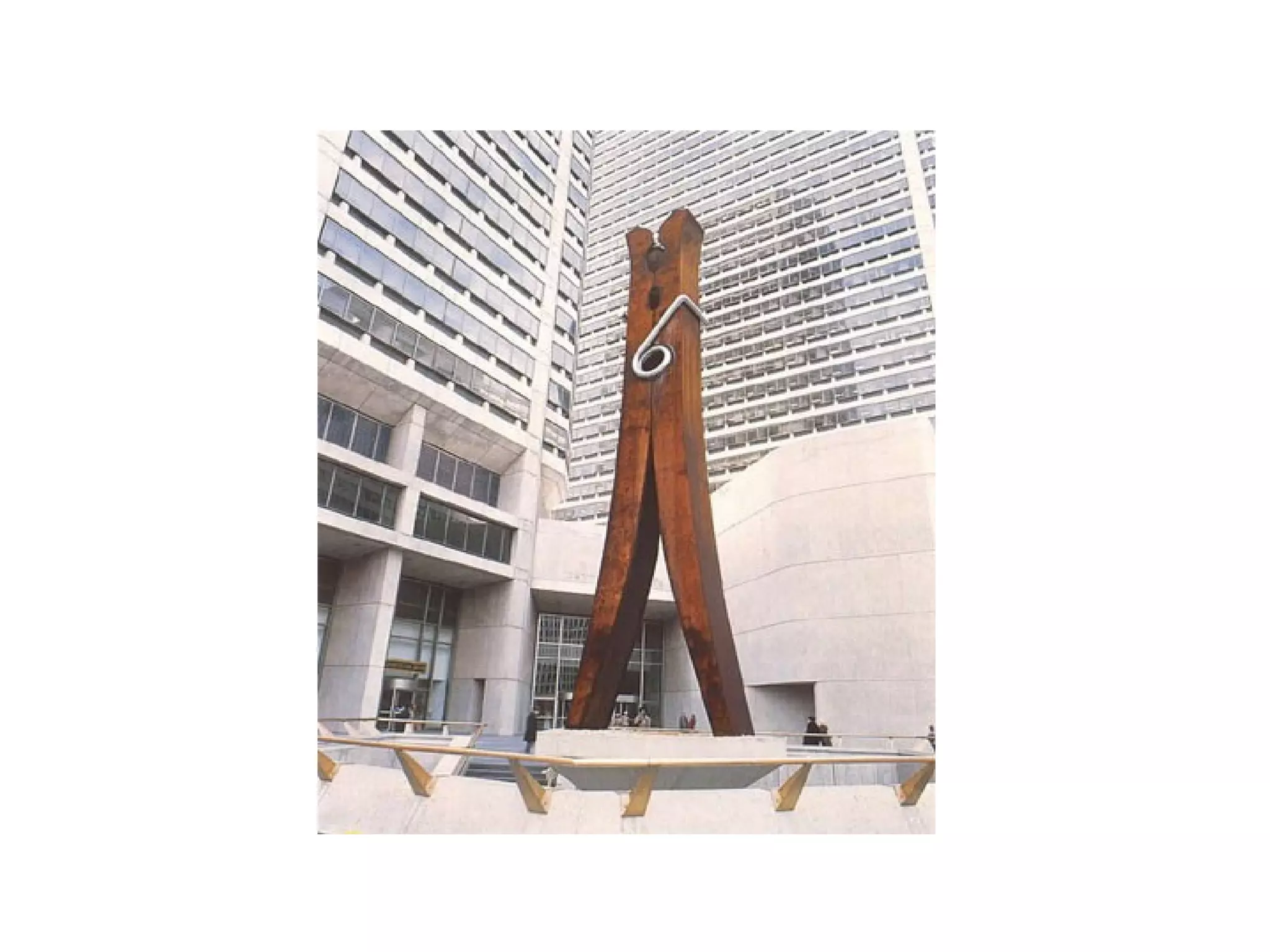
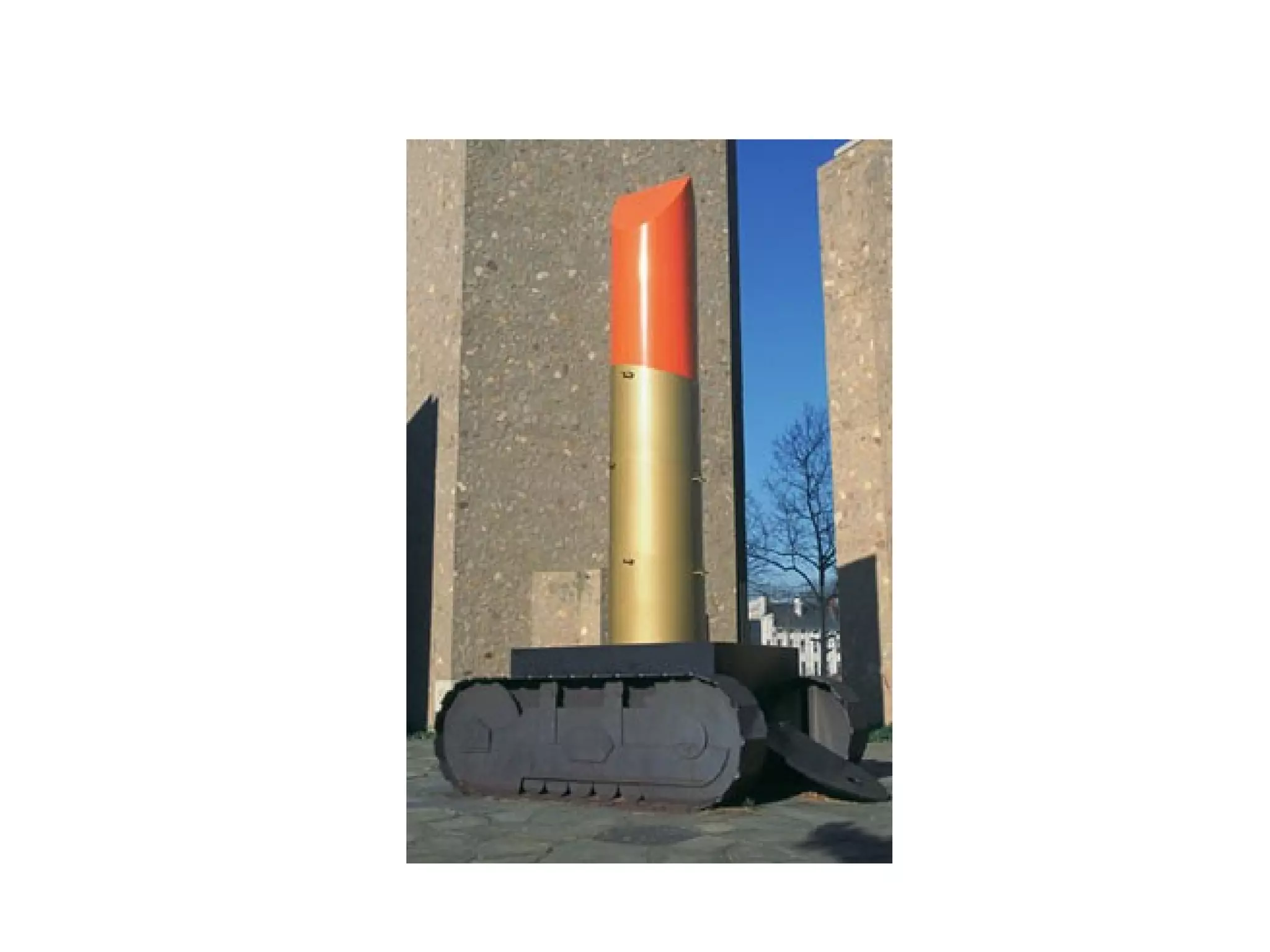
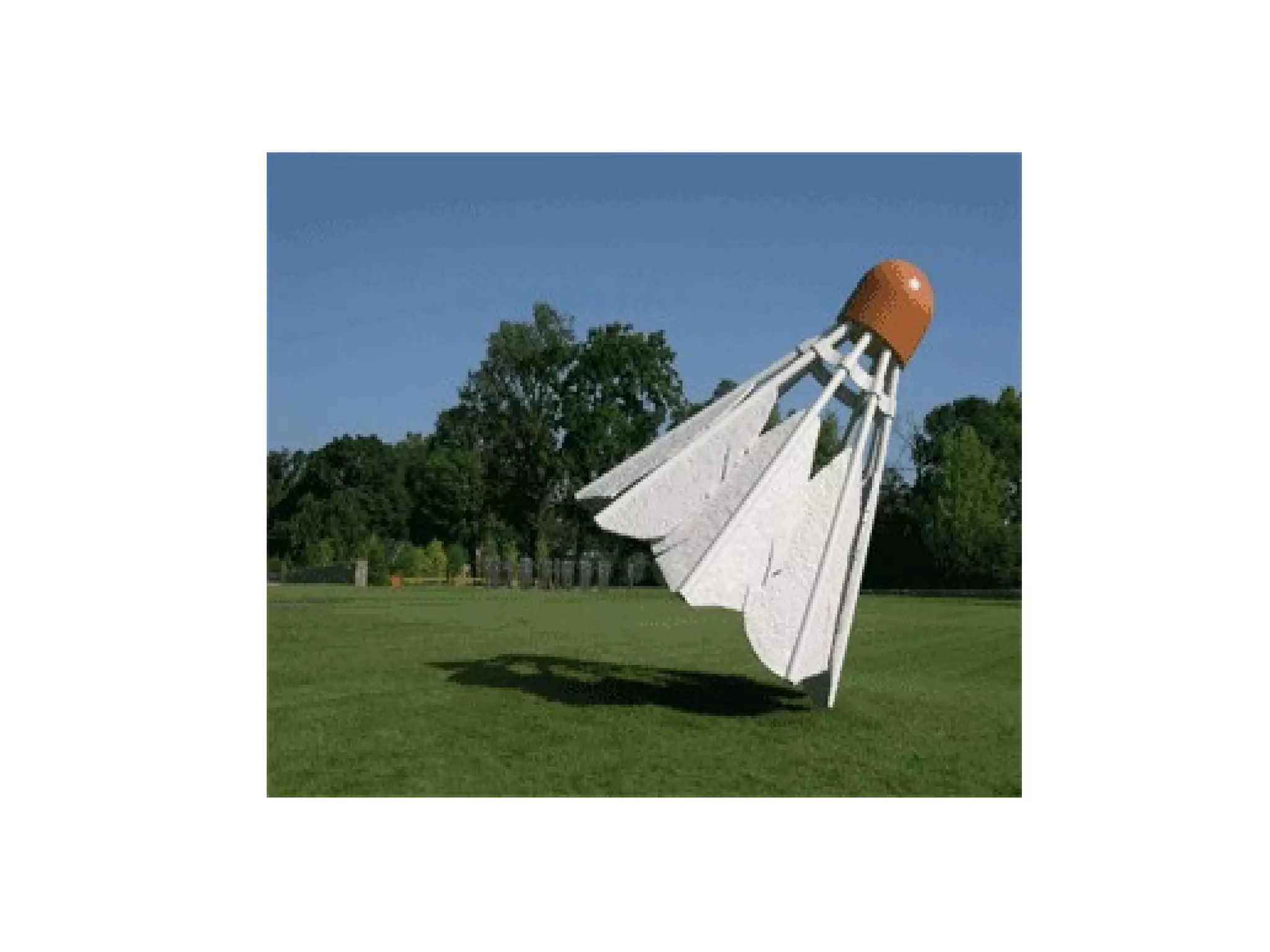
Claes
Oldenburg
Swedish - American sculptor born in 1929 in Sweden. He
created over-life-sized commonplace things such as lipsticks,
baseball bats and shuttlecocks.


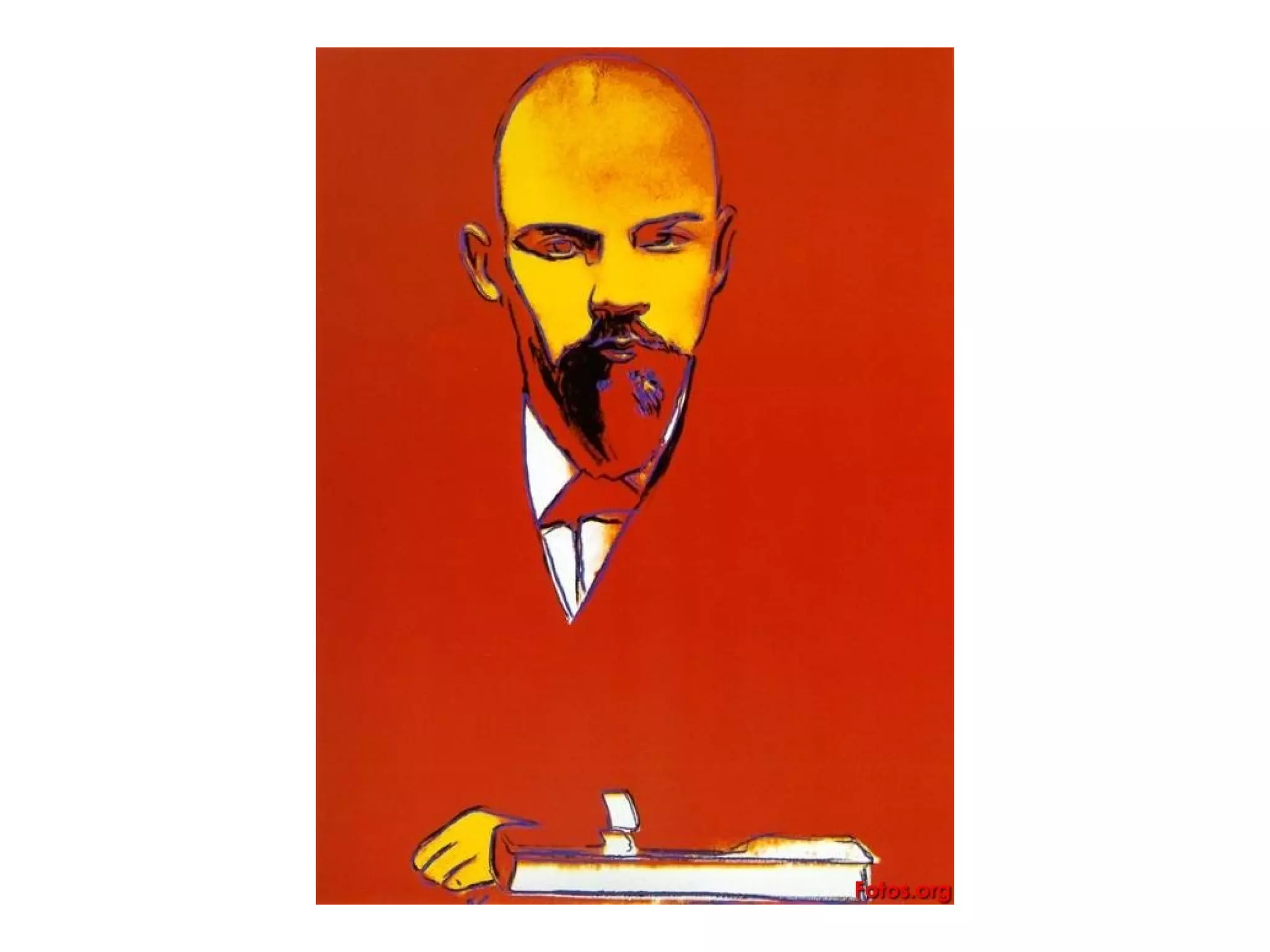
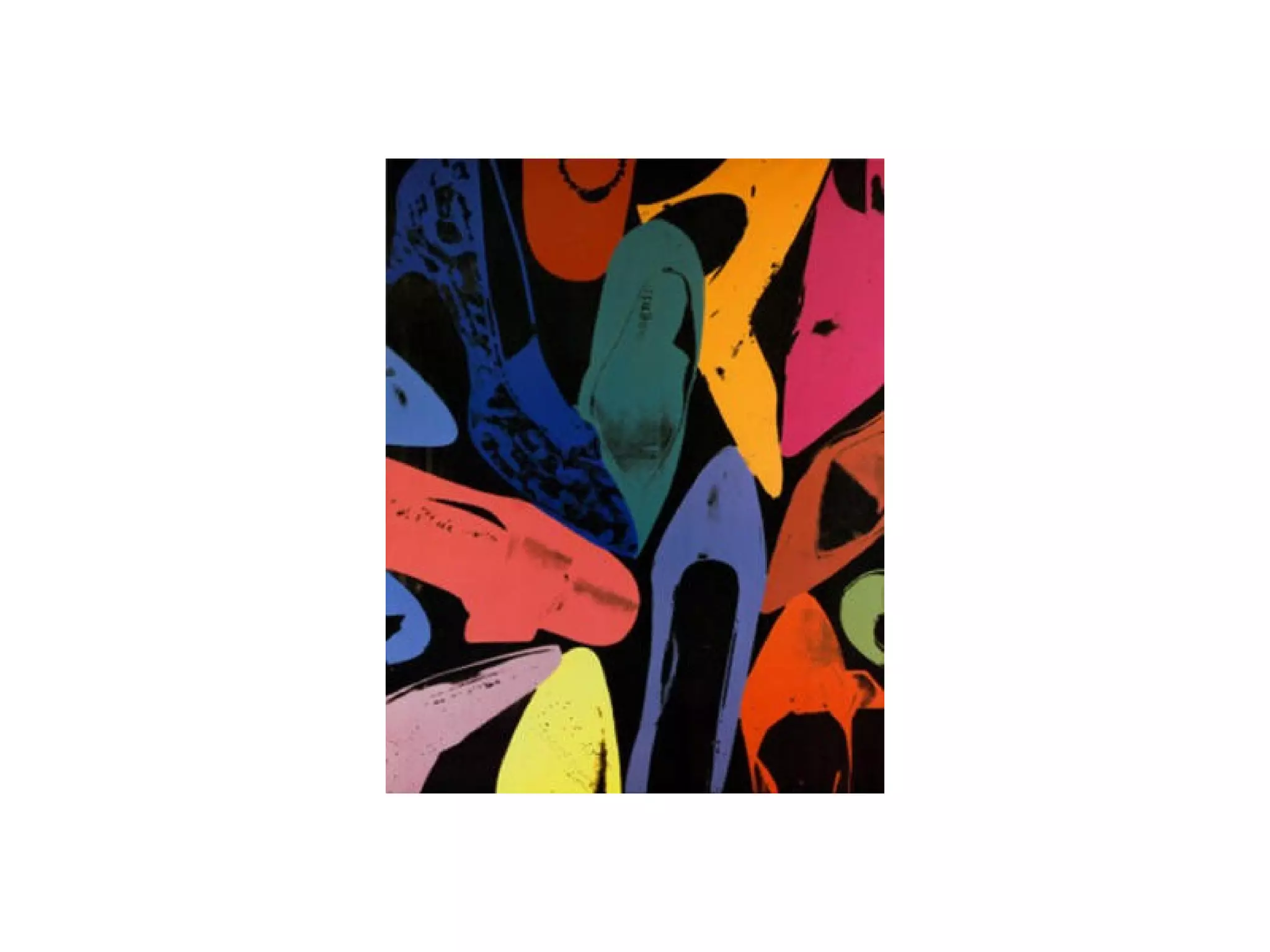
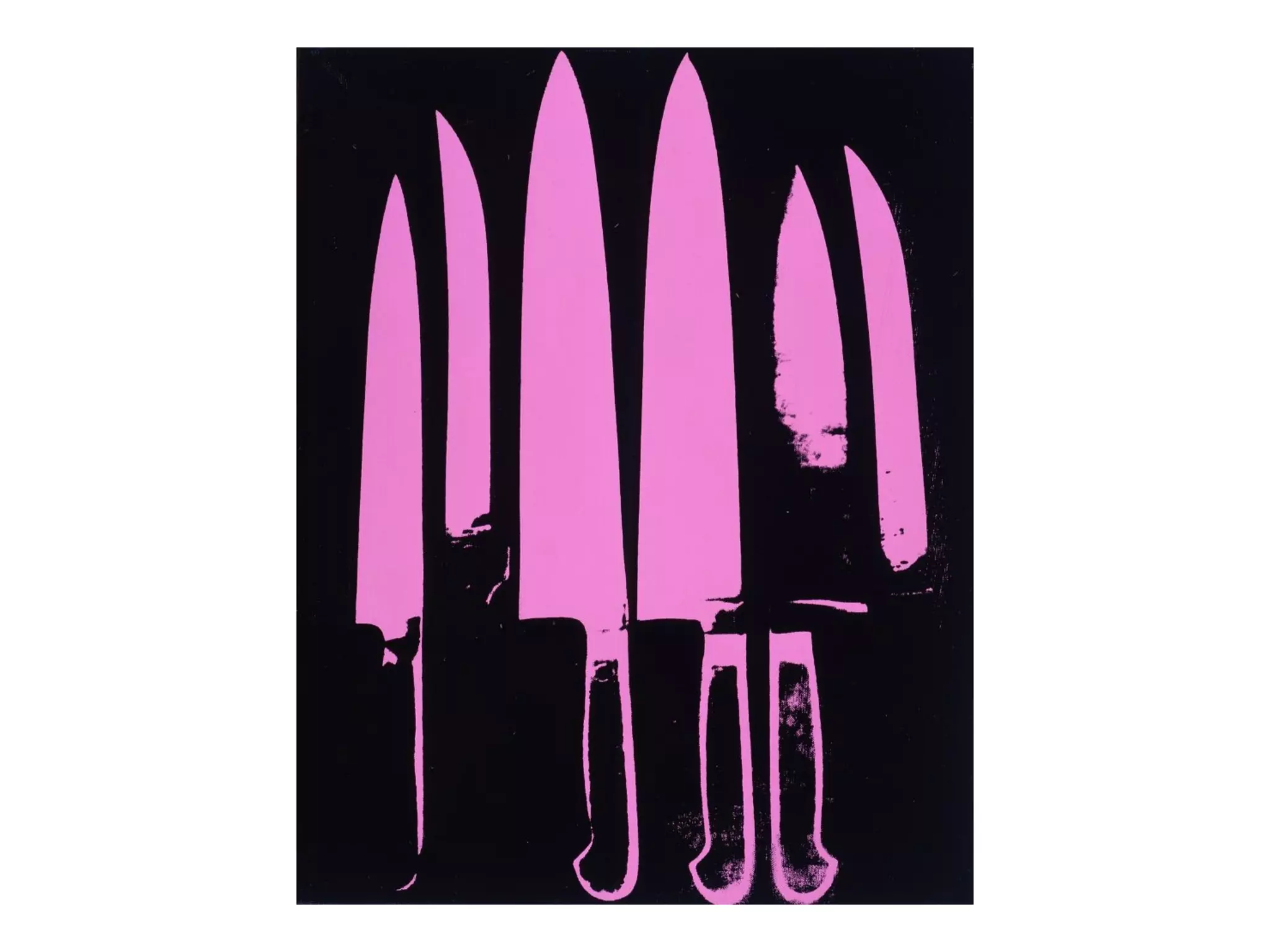
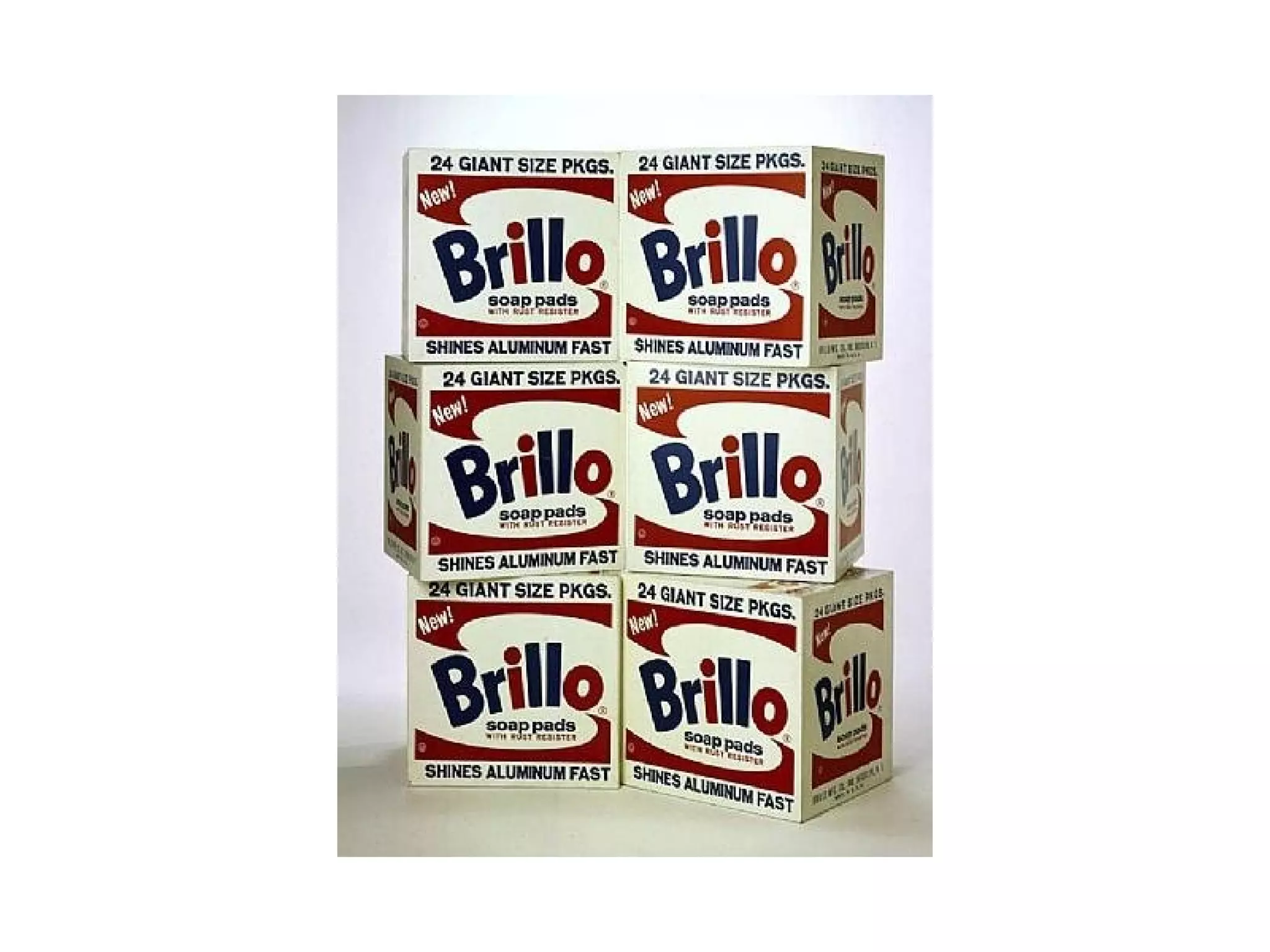
Andy Warhol
(1928-1987) American painter, printmaker and filmaker. After a 
successful  carreer  as  a  commercial  illustrator,  he  became 
famous  for  his  work  as  a  painter,  avant-gard  filmaker,  record 
producer, author and member of diverse social circles.
 The  highest  price  paid  for  one  of  his  paintings  was  $  100 
million for a canvas titled Eight Elvises.
  In  1968  he  was  shot  almost  to  death  by  a  woman  who  had 
been turned away from his factory.
  He  died  in  NY  in  1987  from  a  post-operative  cardiac 
arrhythmia.


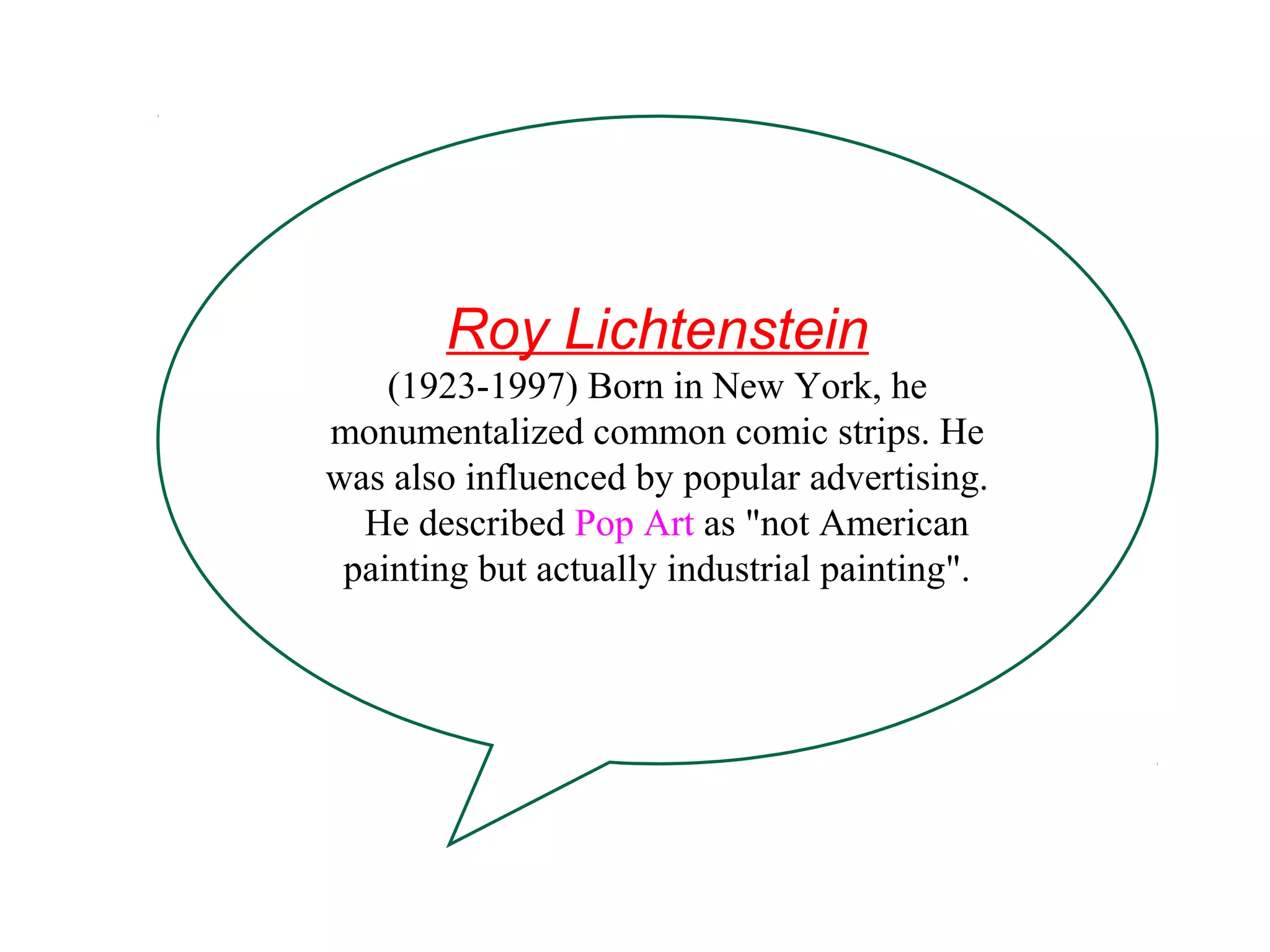
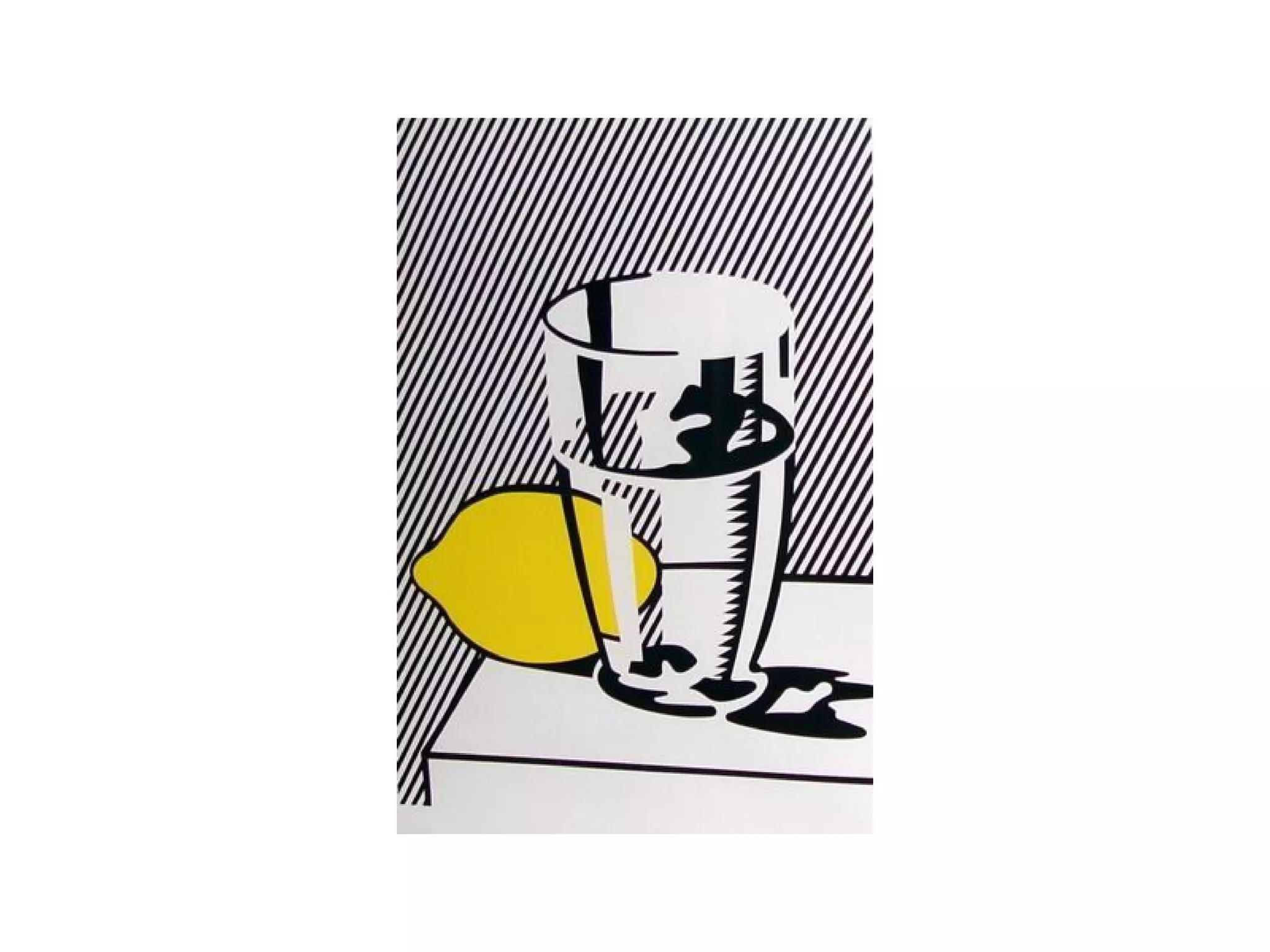
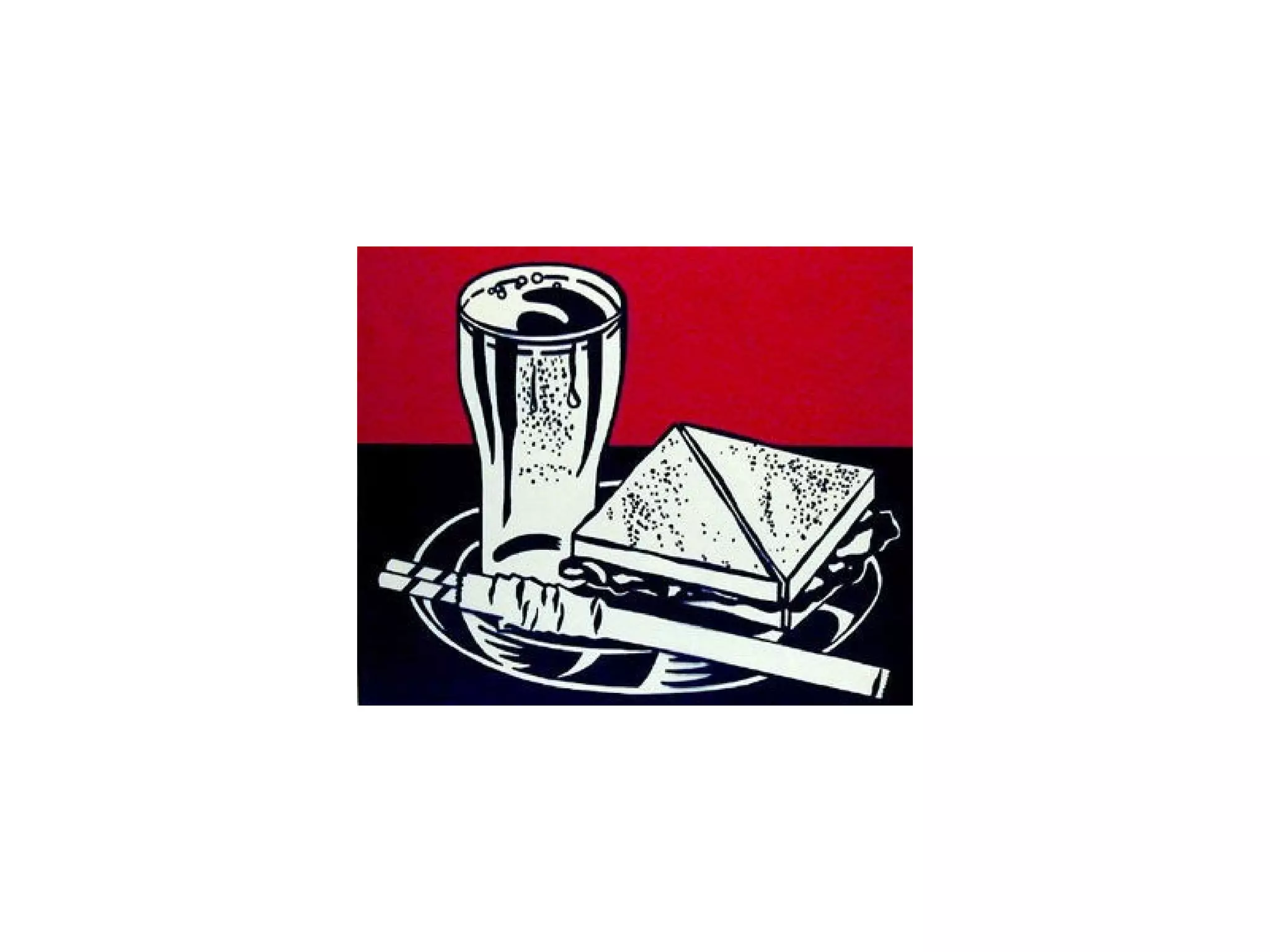
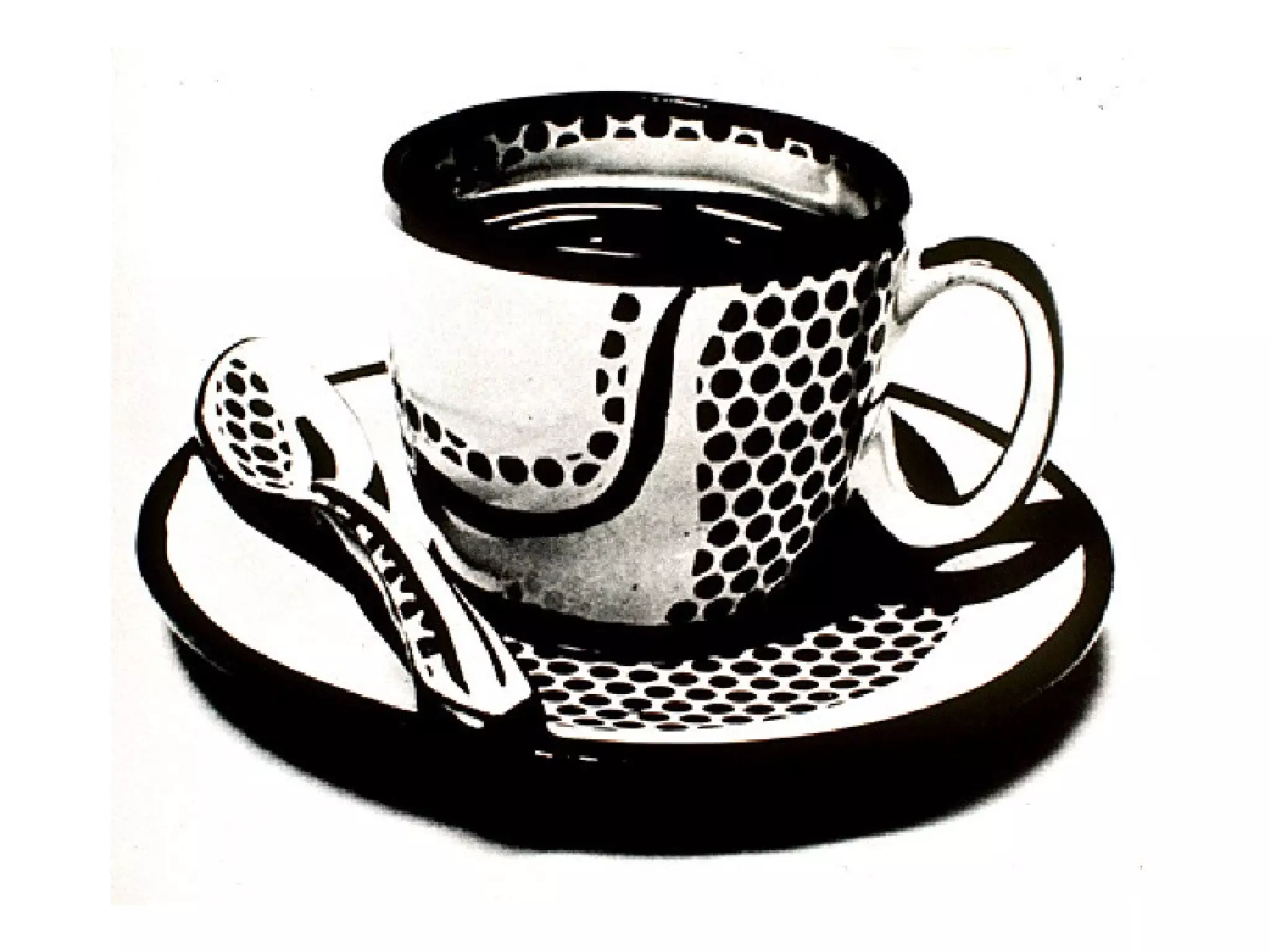
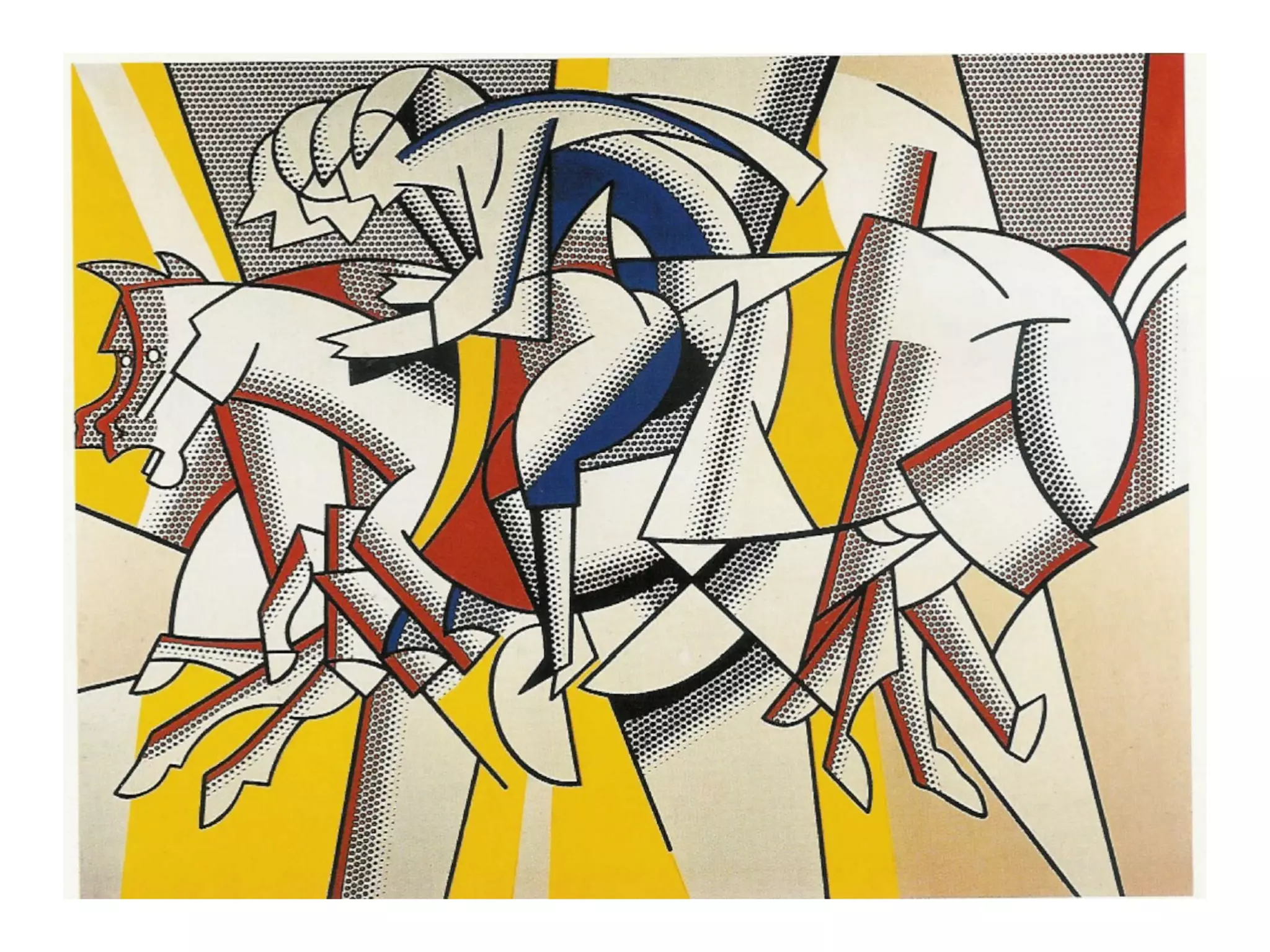
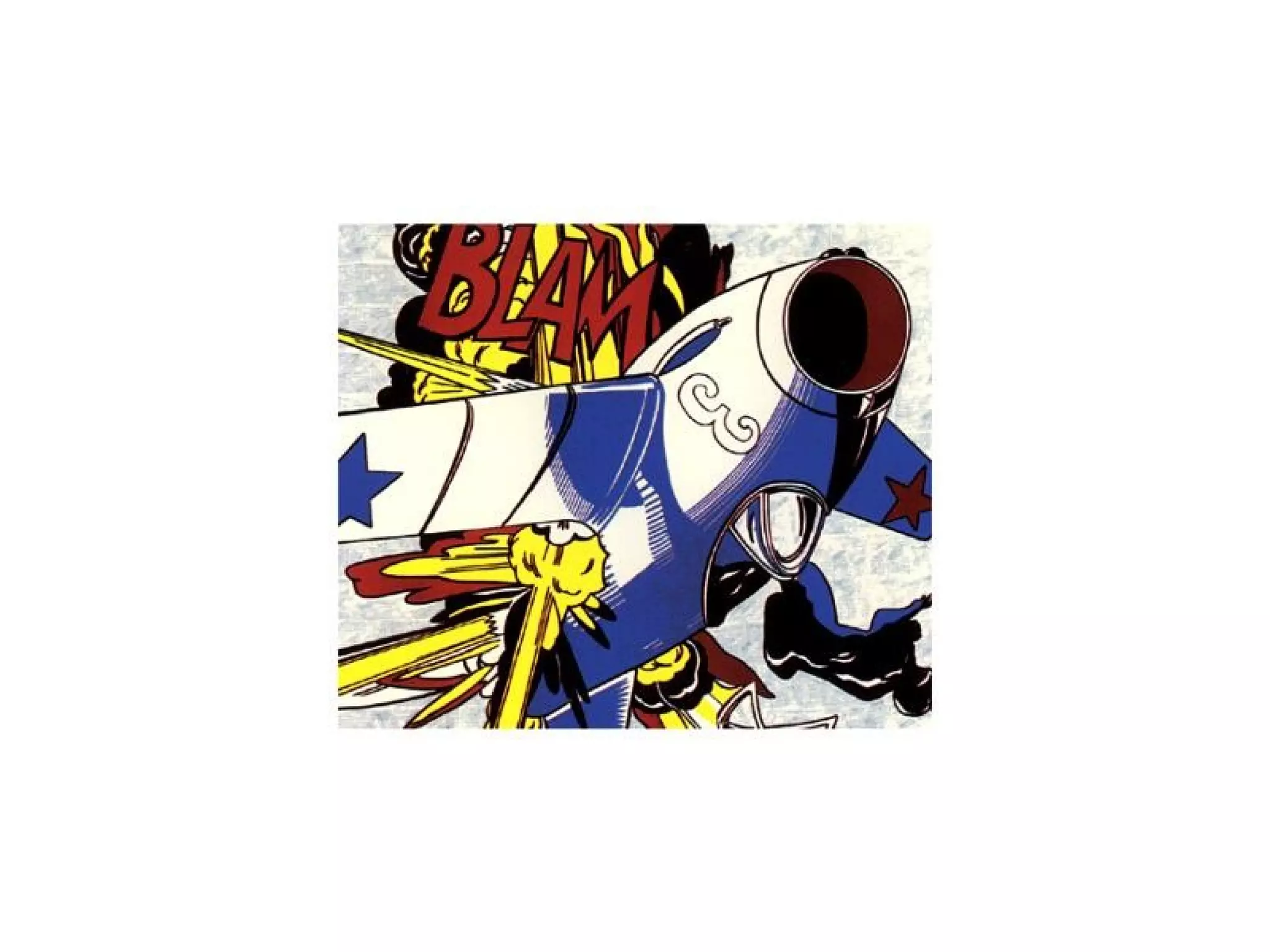
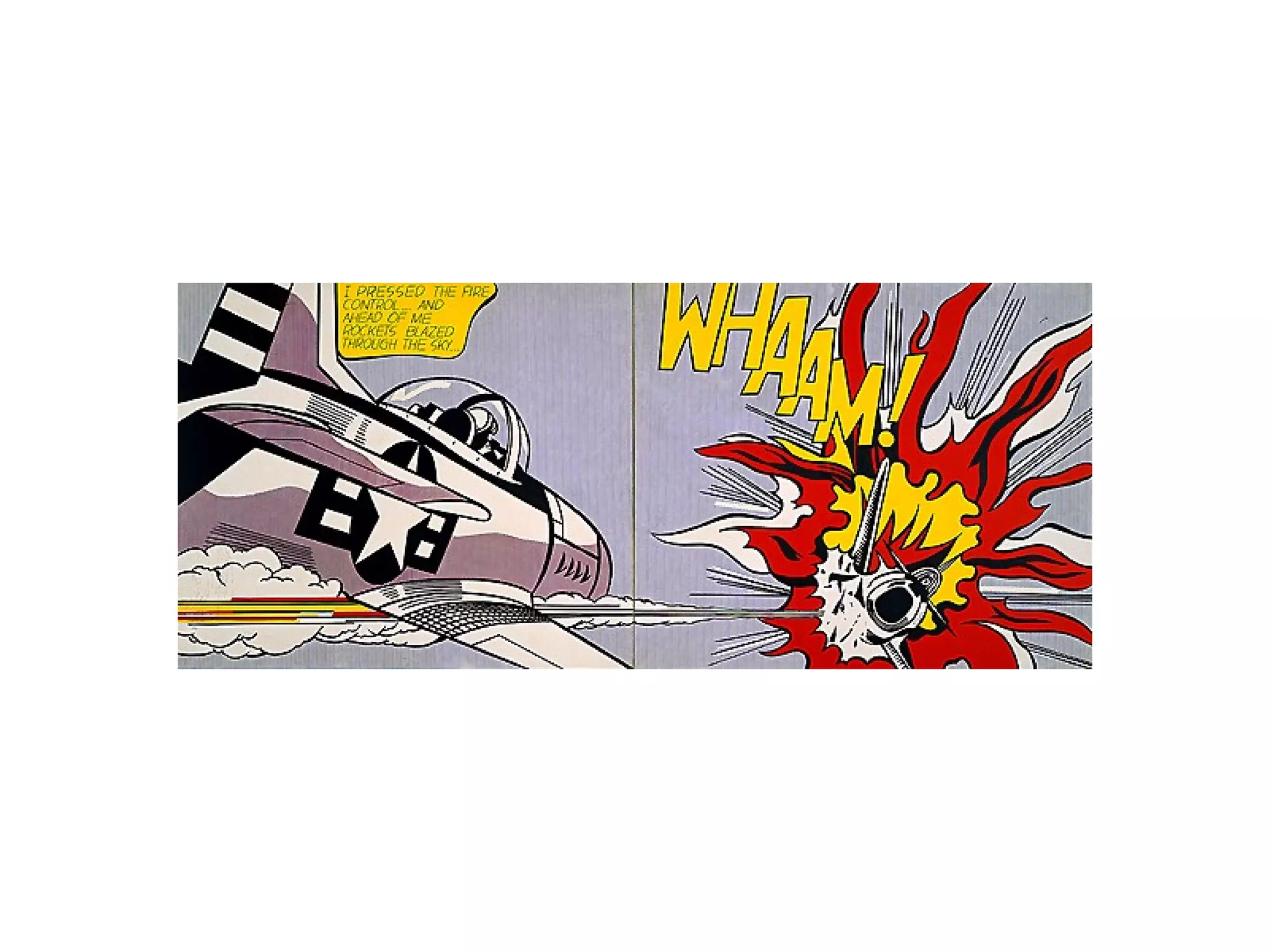
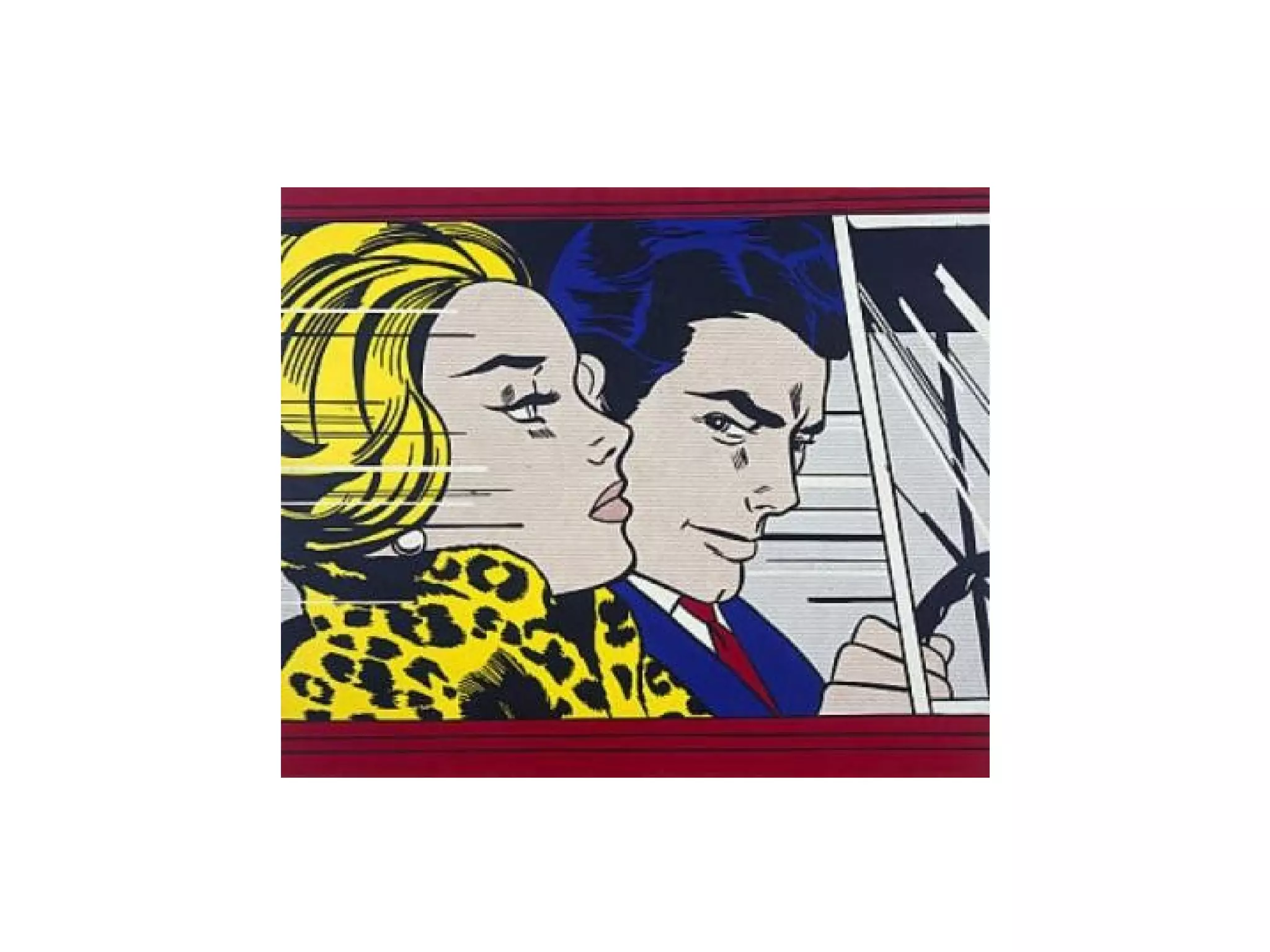
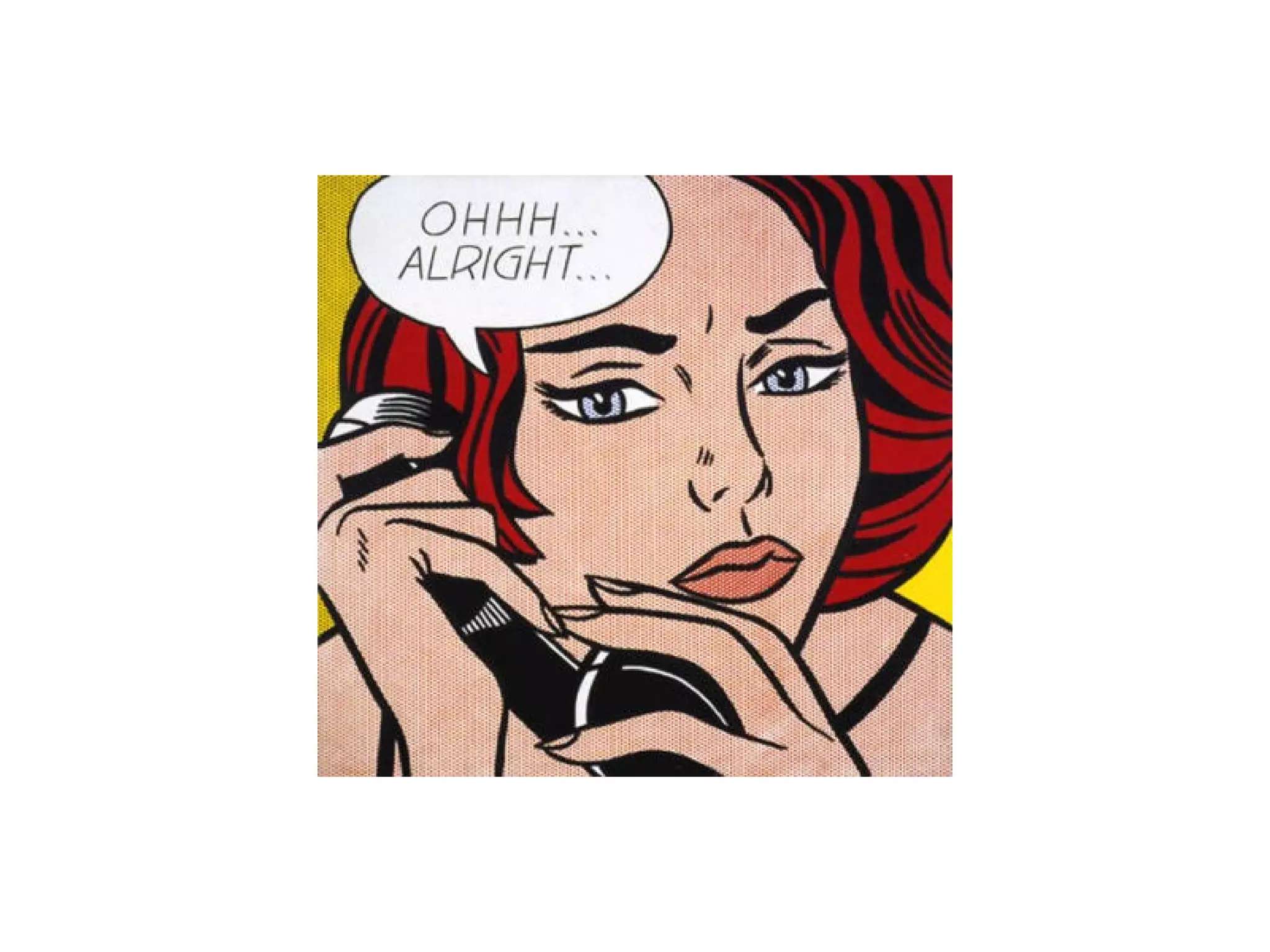
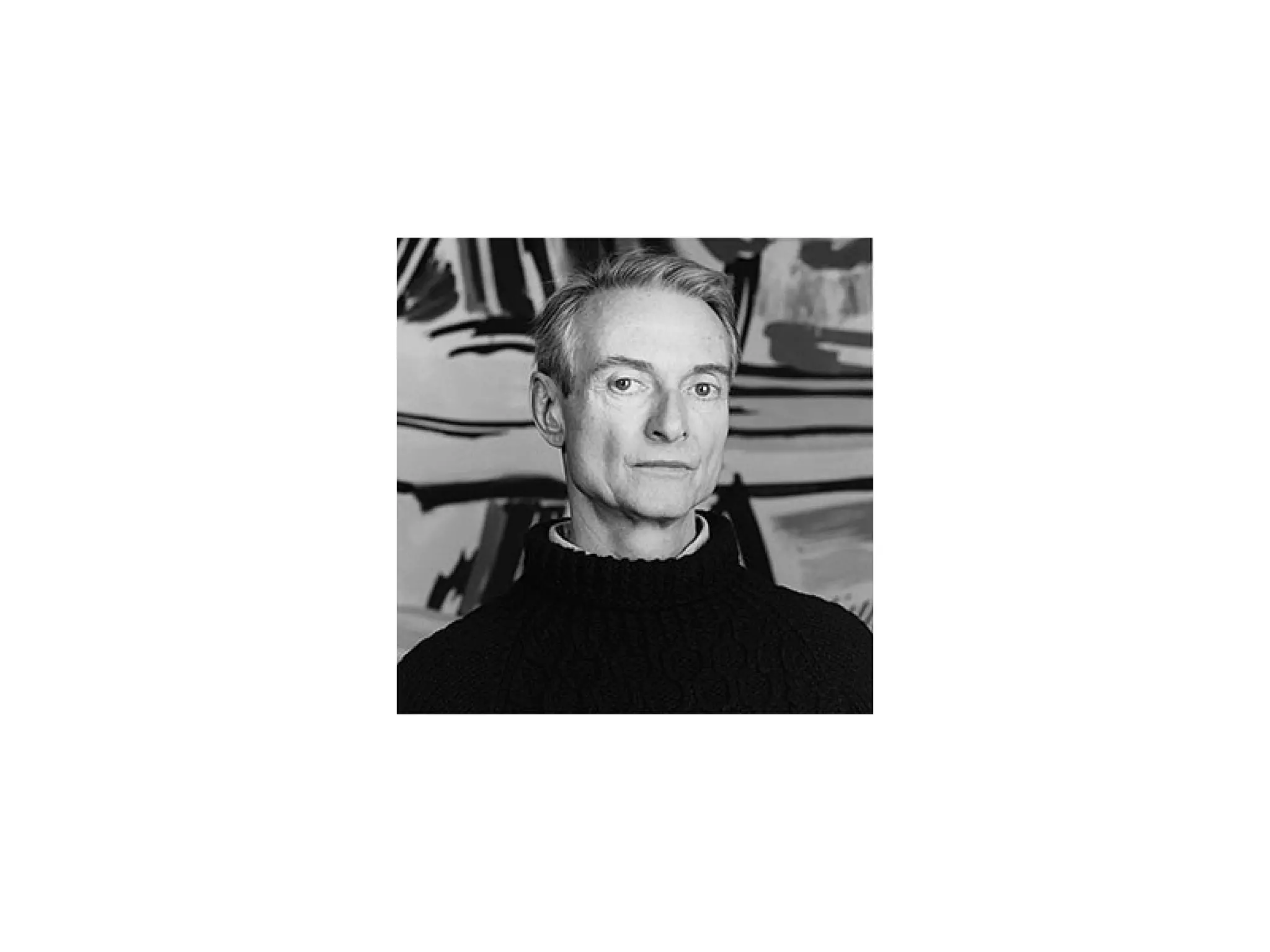
Roy Lichtenstein
(1923-1997) Born in New York, he
monumentalized common comic strips. He
was also influenced by popular advertising.
He described Pop Art as "not American
painting but actually industrial painting".


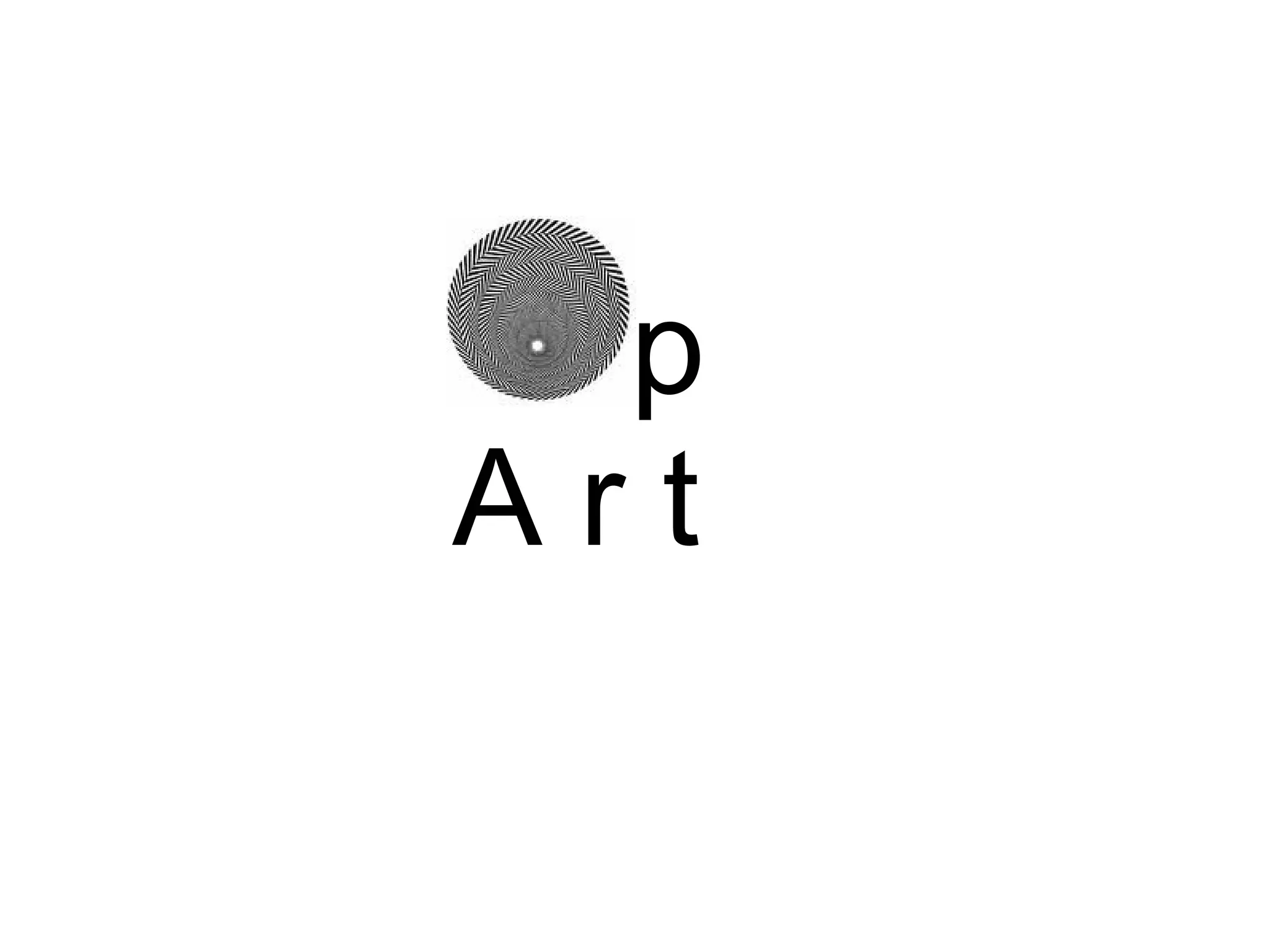
p
                 
          
A r t
 
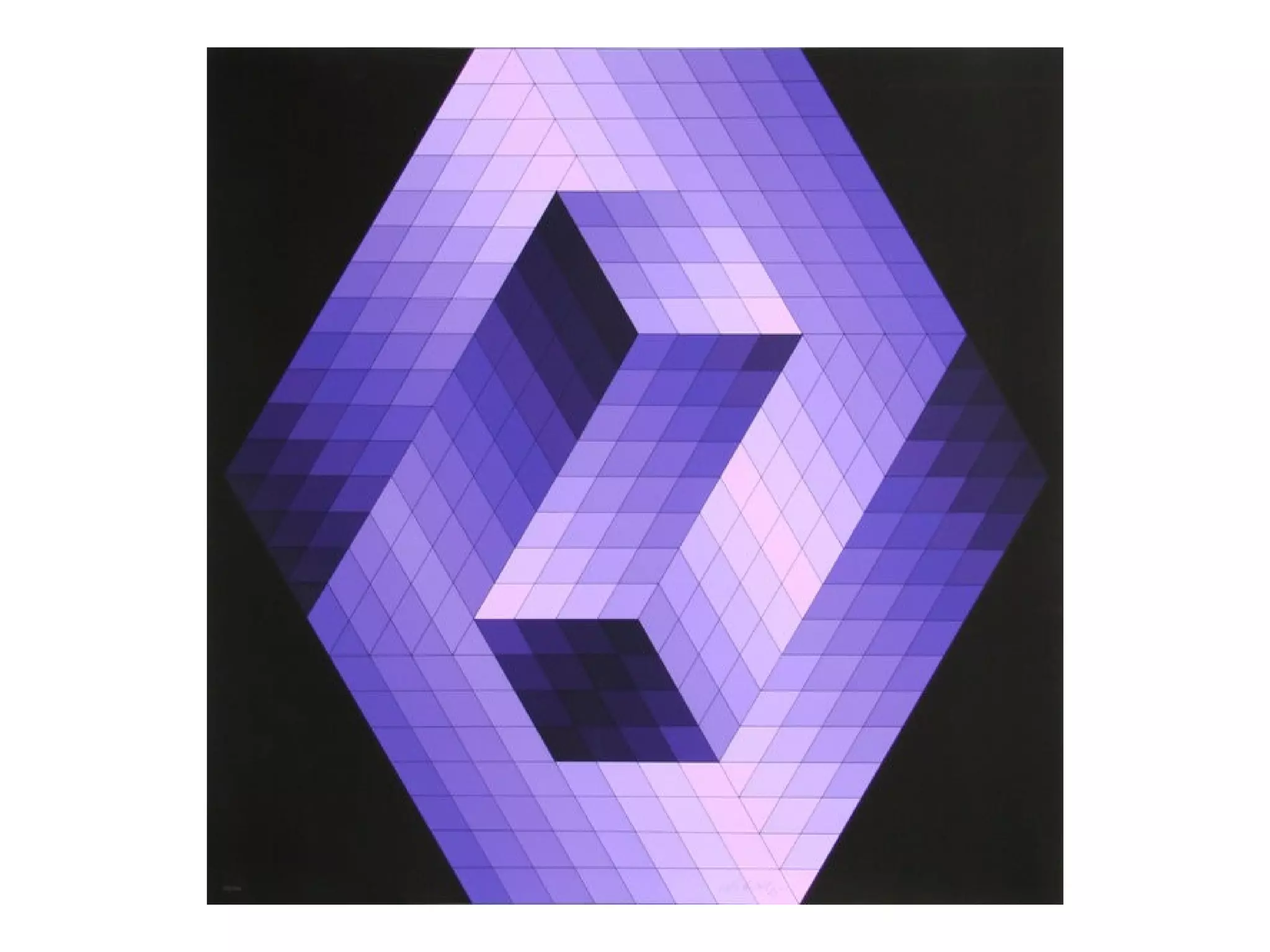
Also known as Optical Art,
It makes use of optical illusions,
It derives from the German 
Constructivist School forced to close in 
1933 and was based on the relationship 
of form and function within framework of 
analysis and rationality.
Method of painting consisting of the 
interaction between illusion and plane,
understanding and seeing.
 
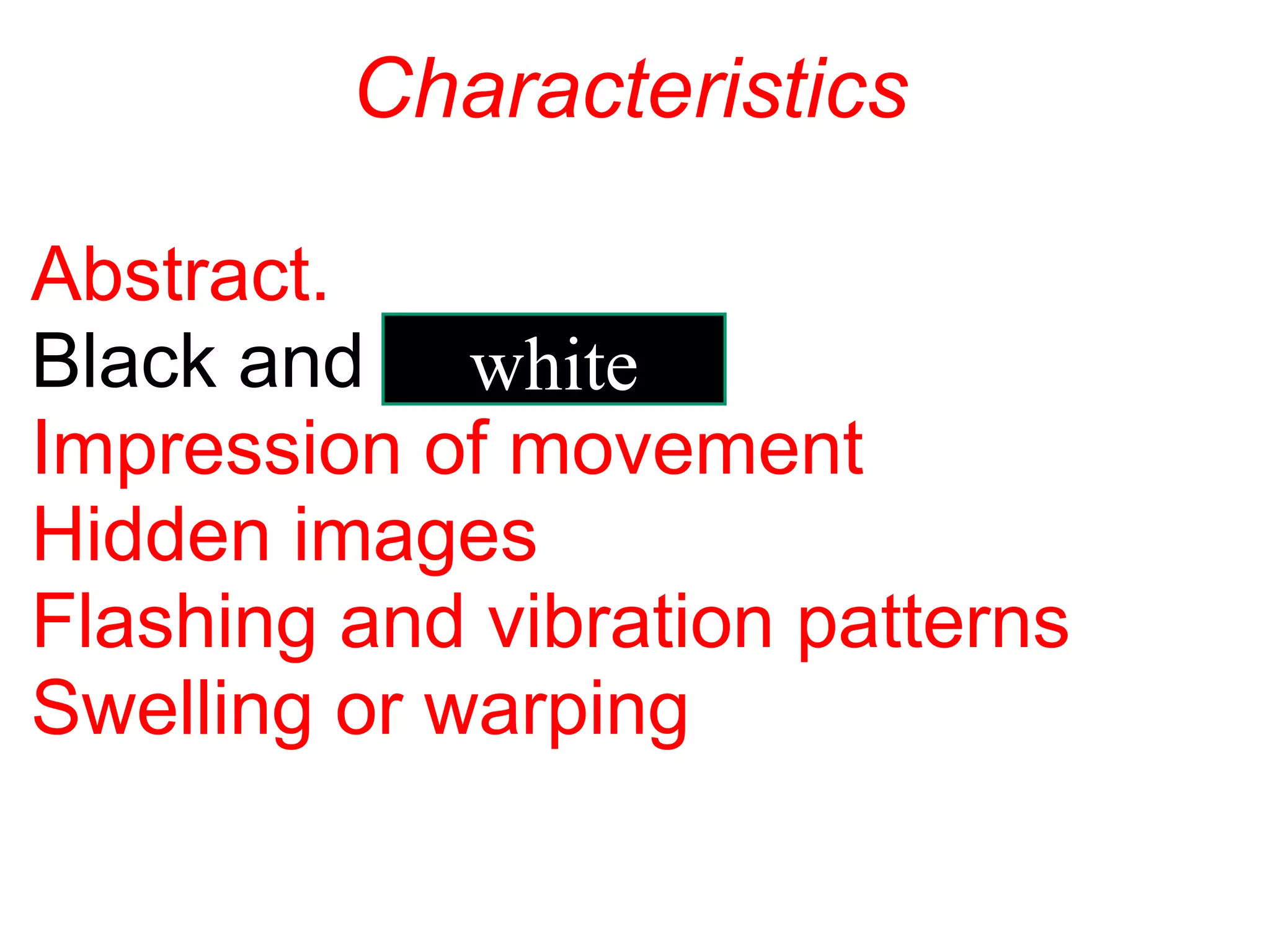
                 Characteristics
Abstract.
Black and 
Impression of movement
Hidden images
Flashing and vibration patterns
Swelling or warping
white
 
Artists:
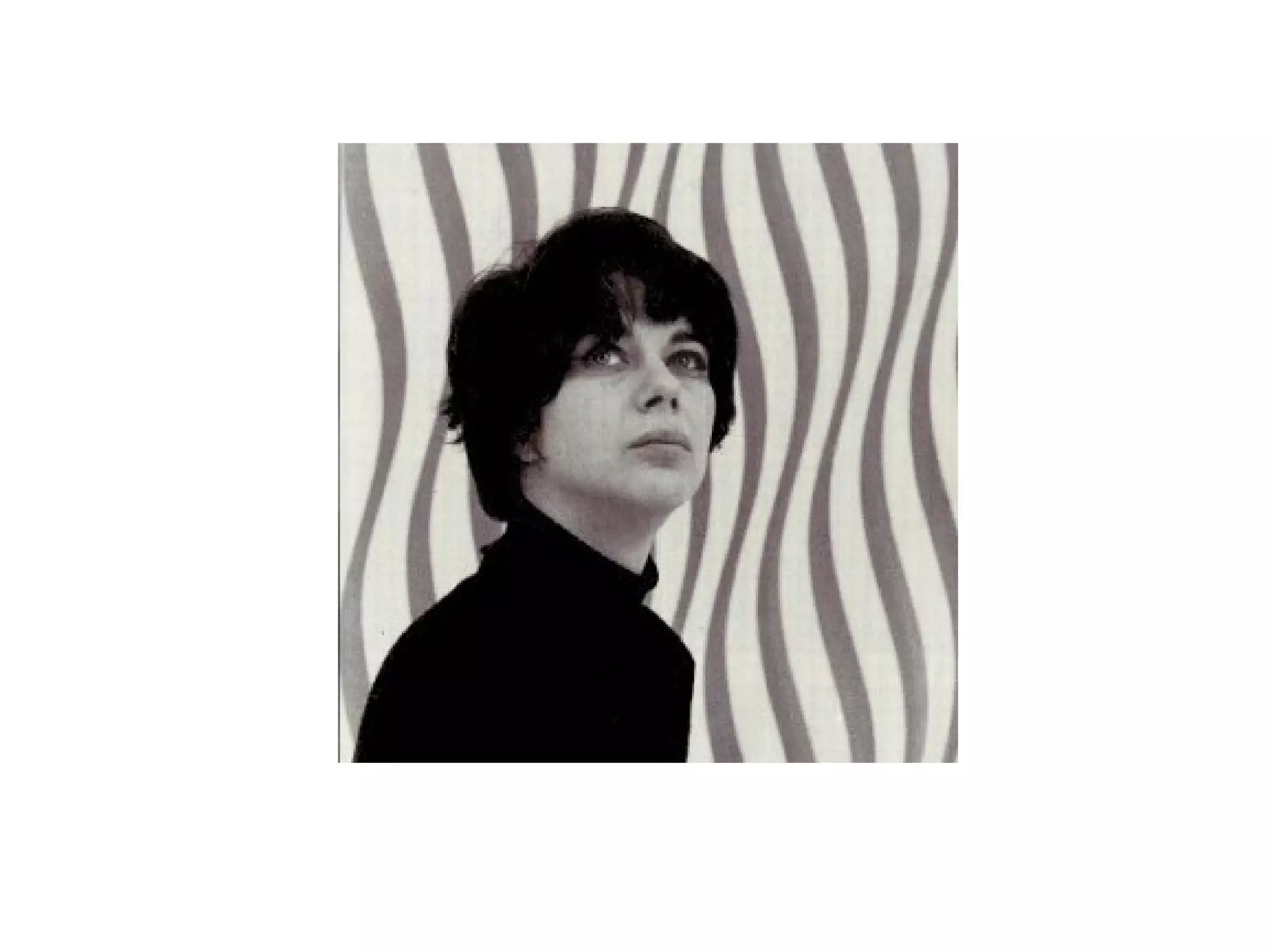
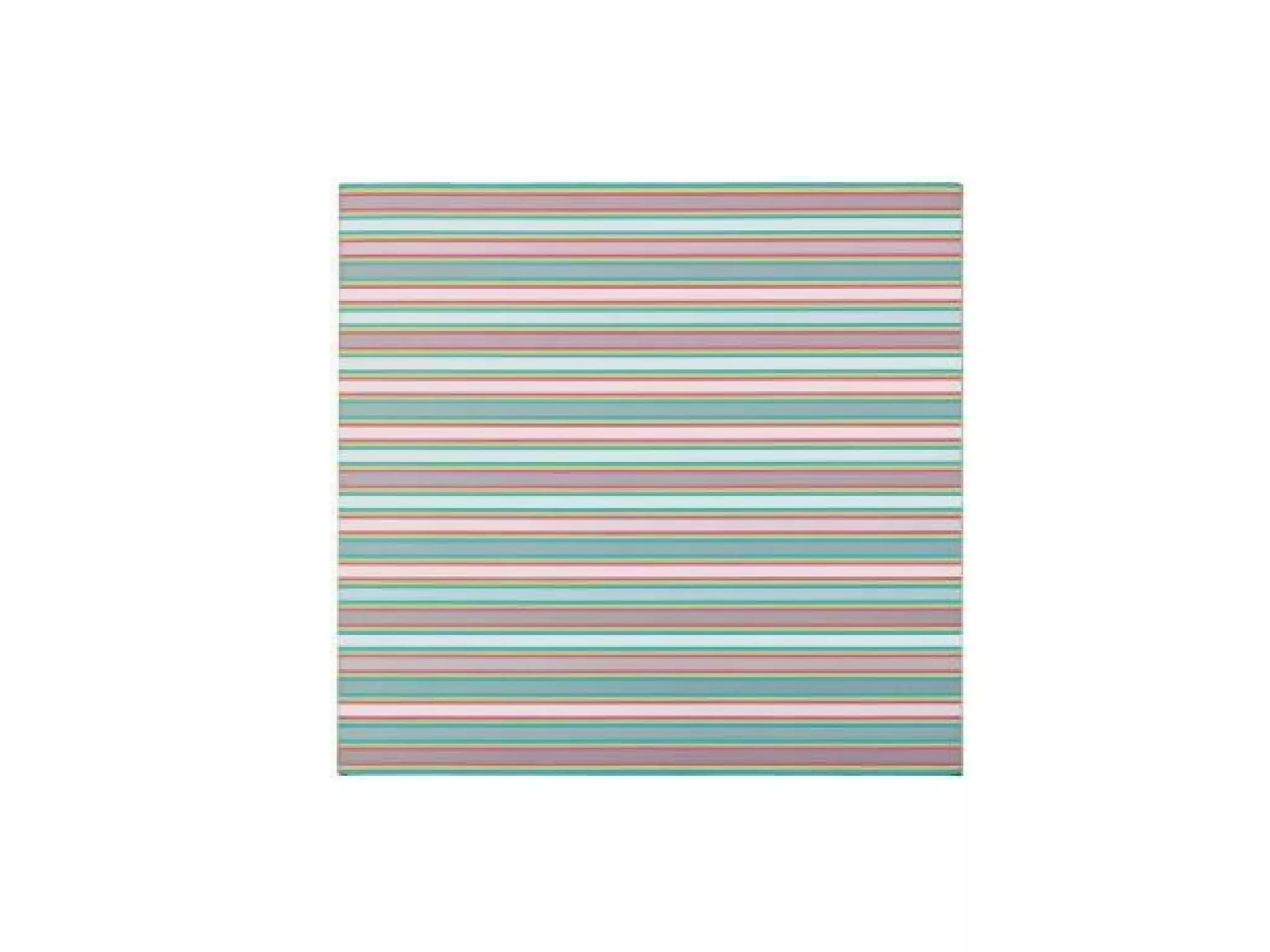
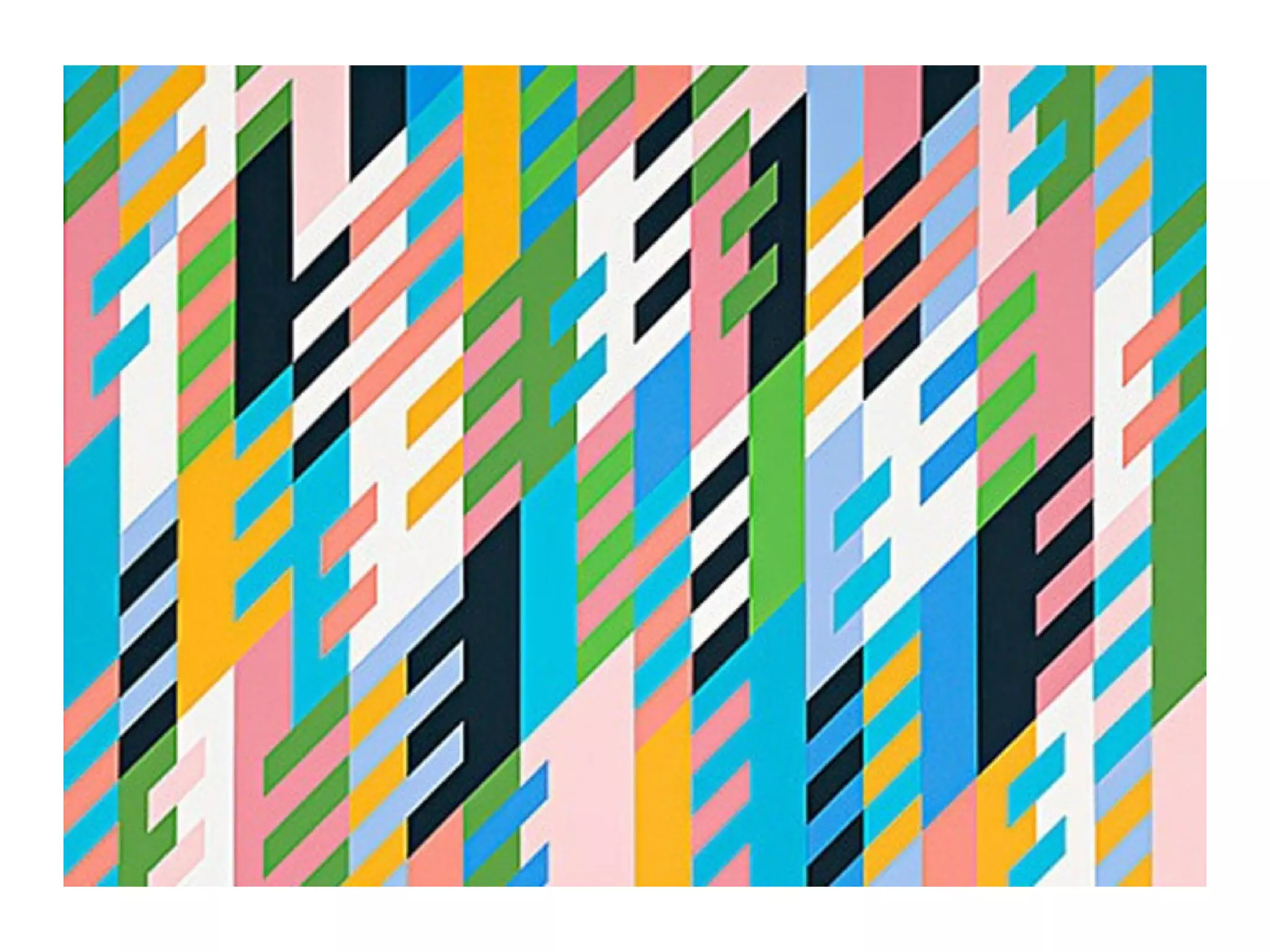
Bridget Louise Riley
Born in 1931 in London
In 1969 she began to develop her style in 
1960:
         black and white geometric patterns
disorienting effect
         sensations: movement and colour
                            seasick and sky diving
Visual connections with the period:
• Need for audience participation
• Mind-body duality notion leading people into drugs
• Fear about a nuclear war


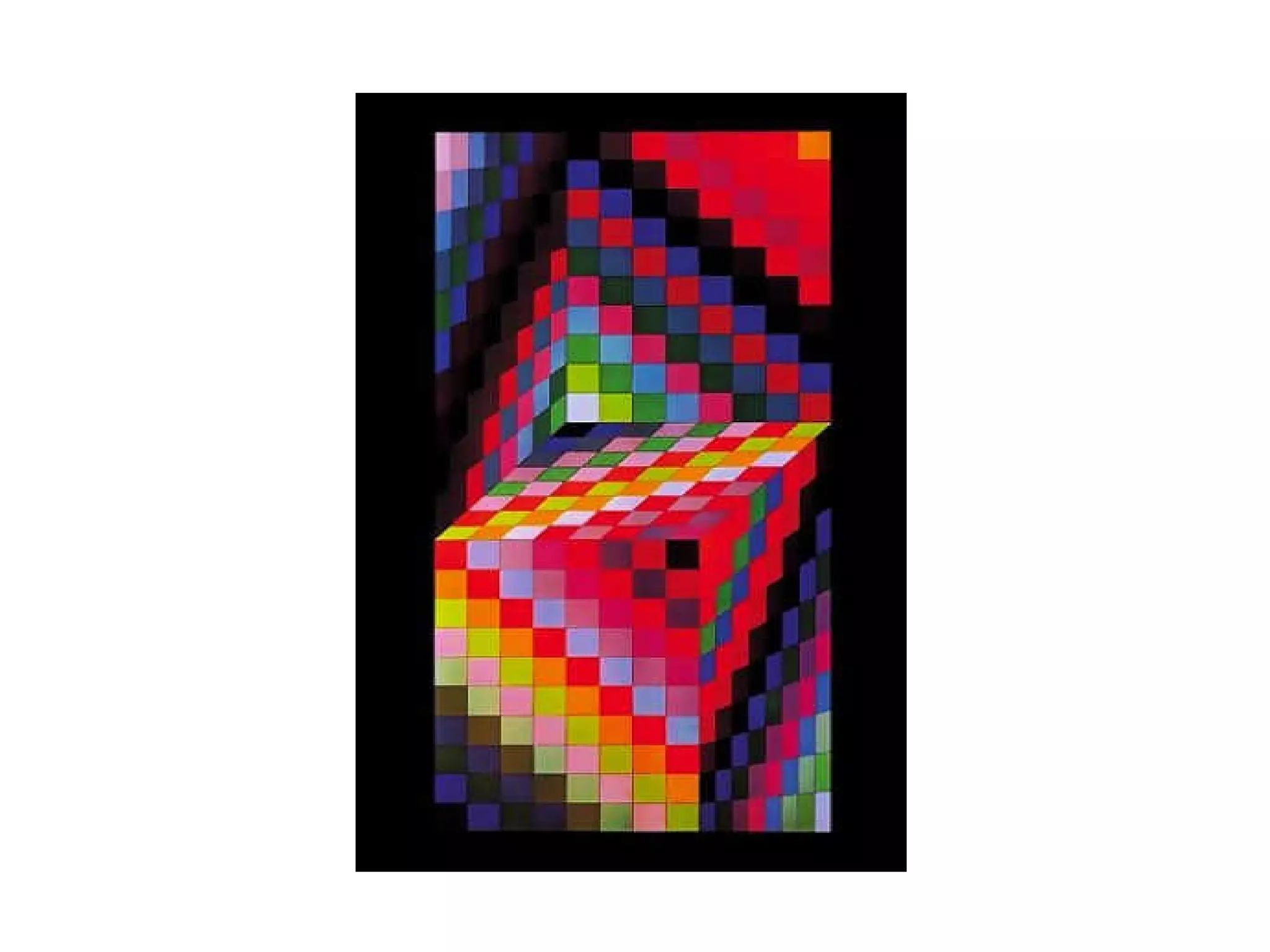
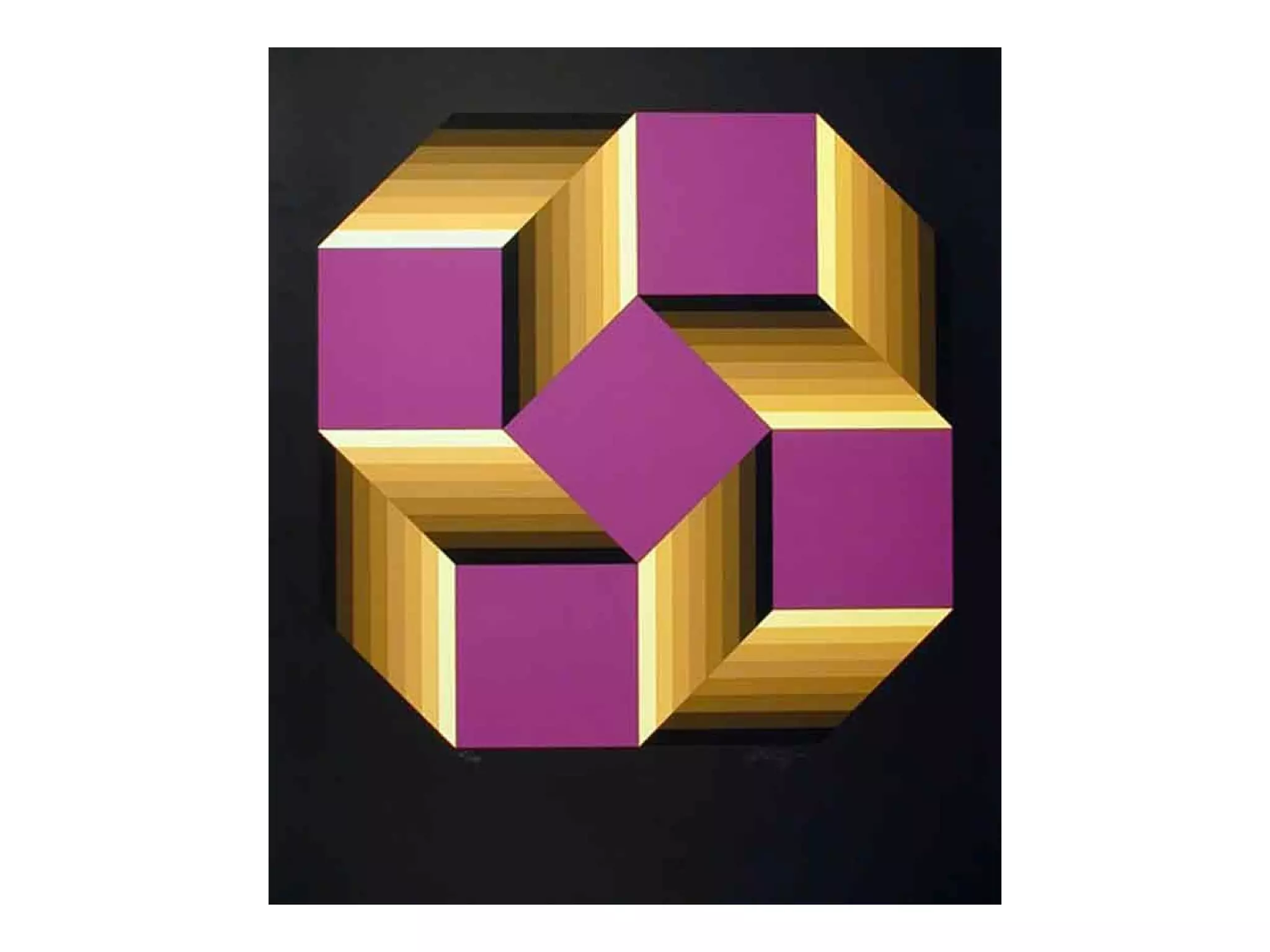
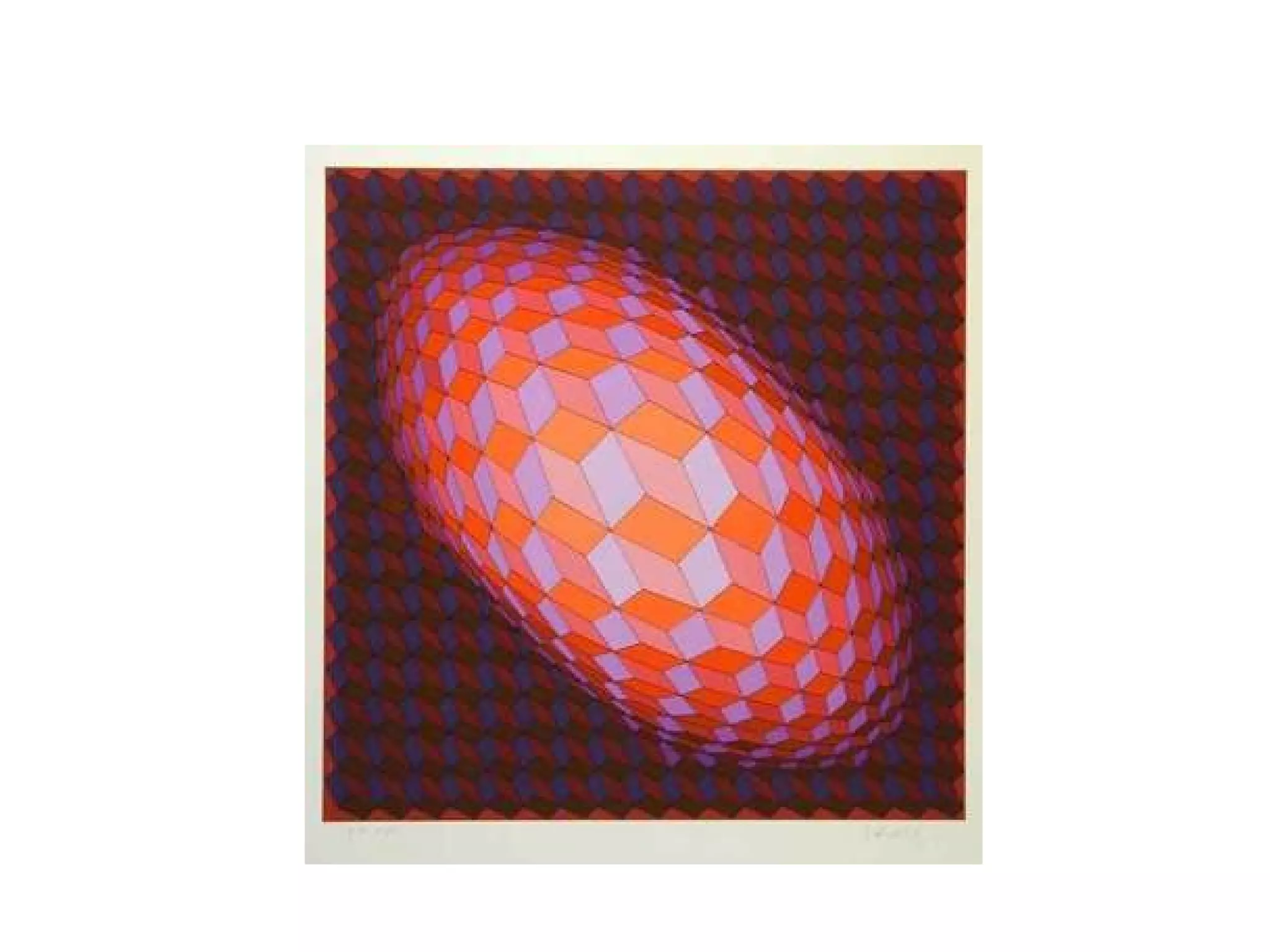
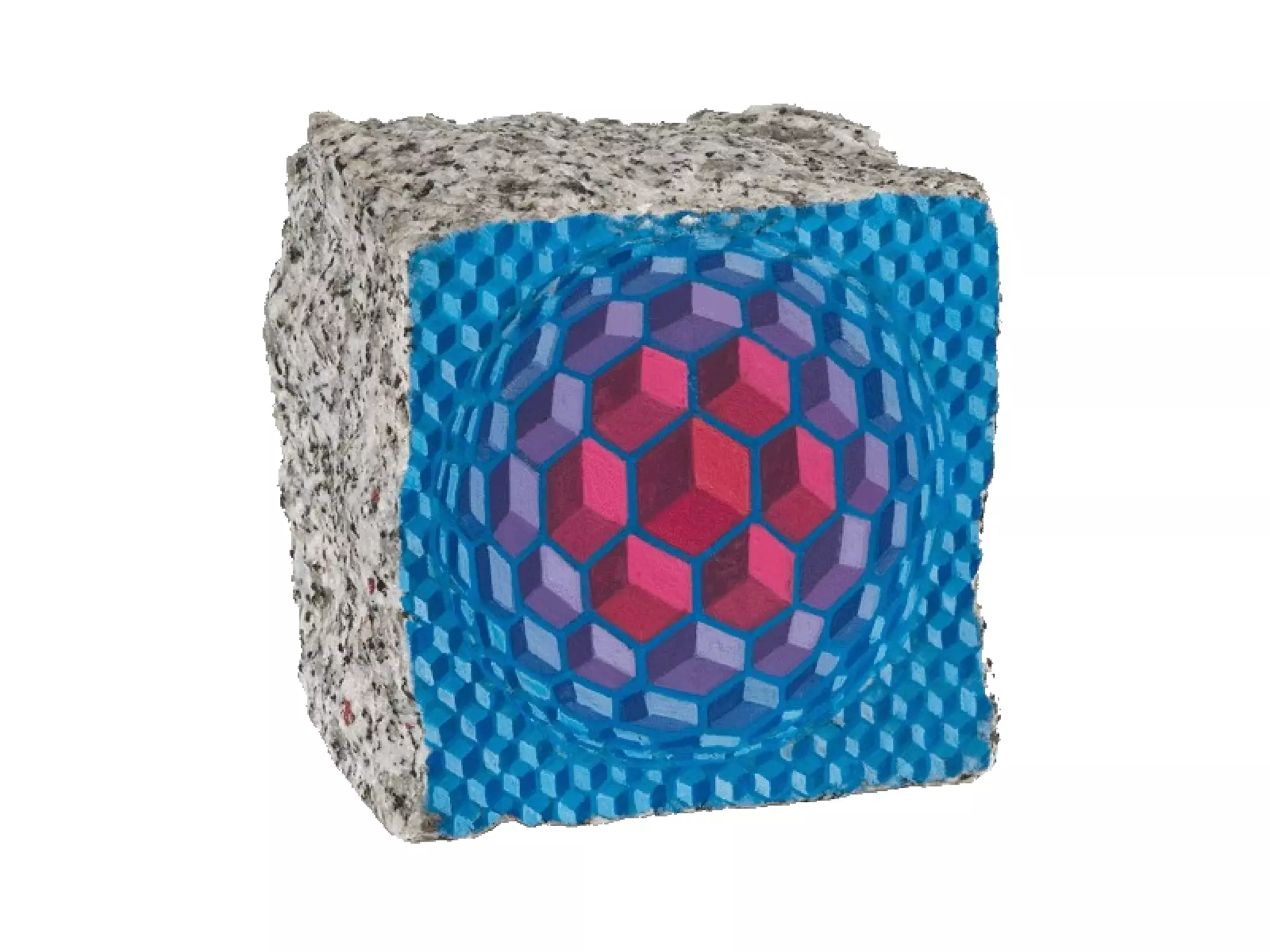
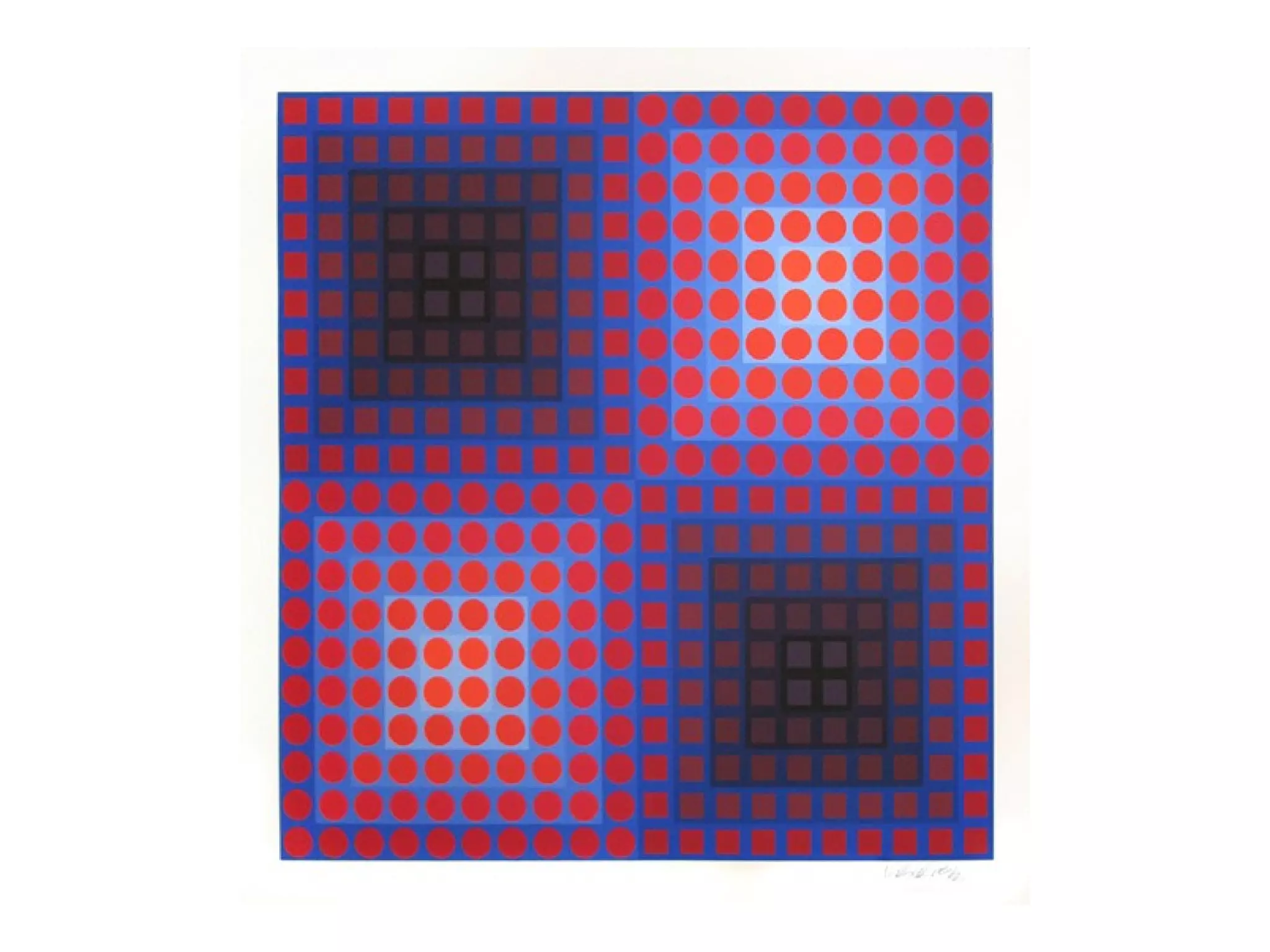
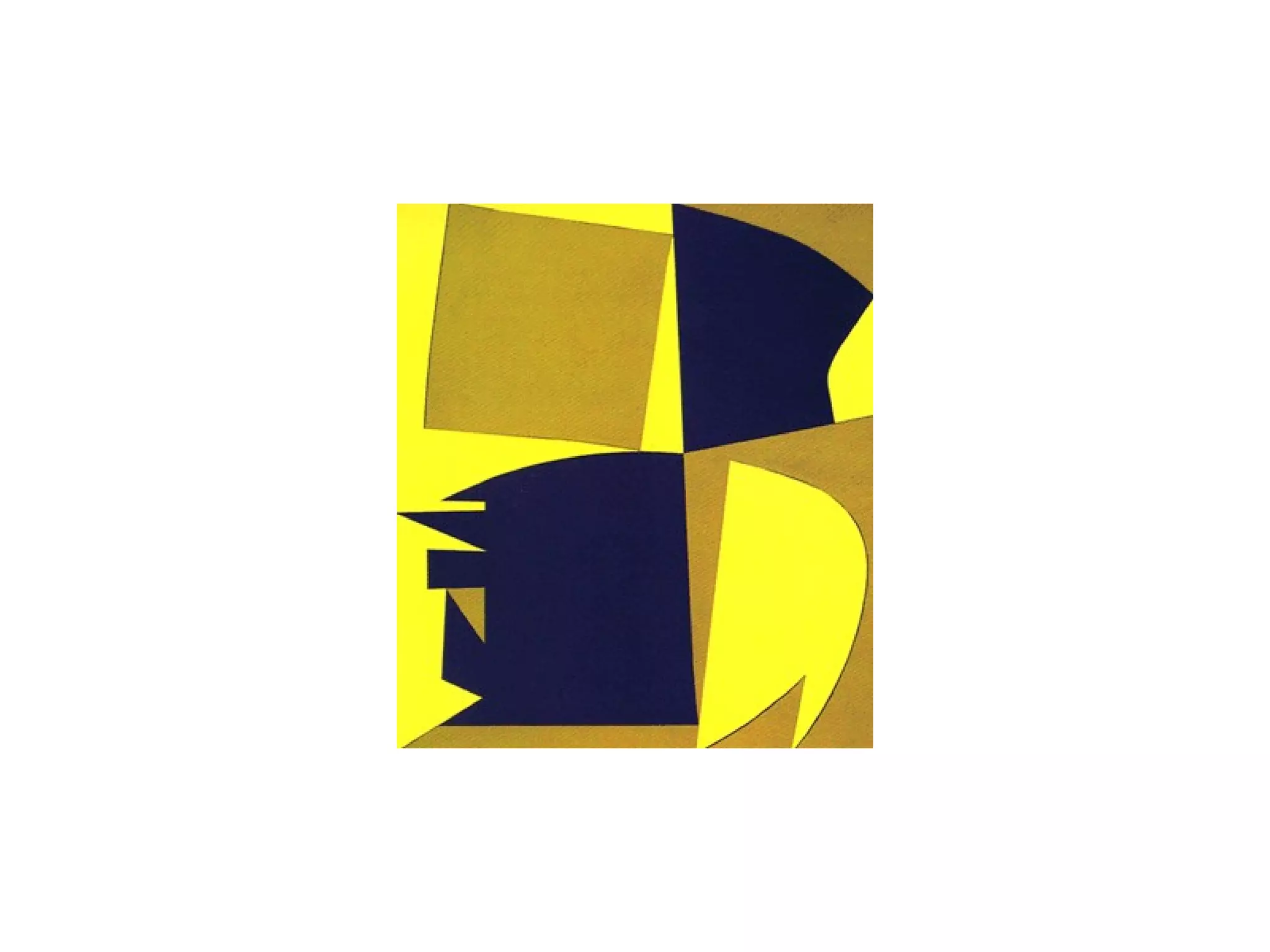
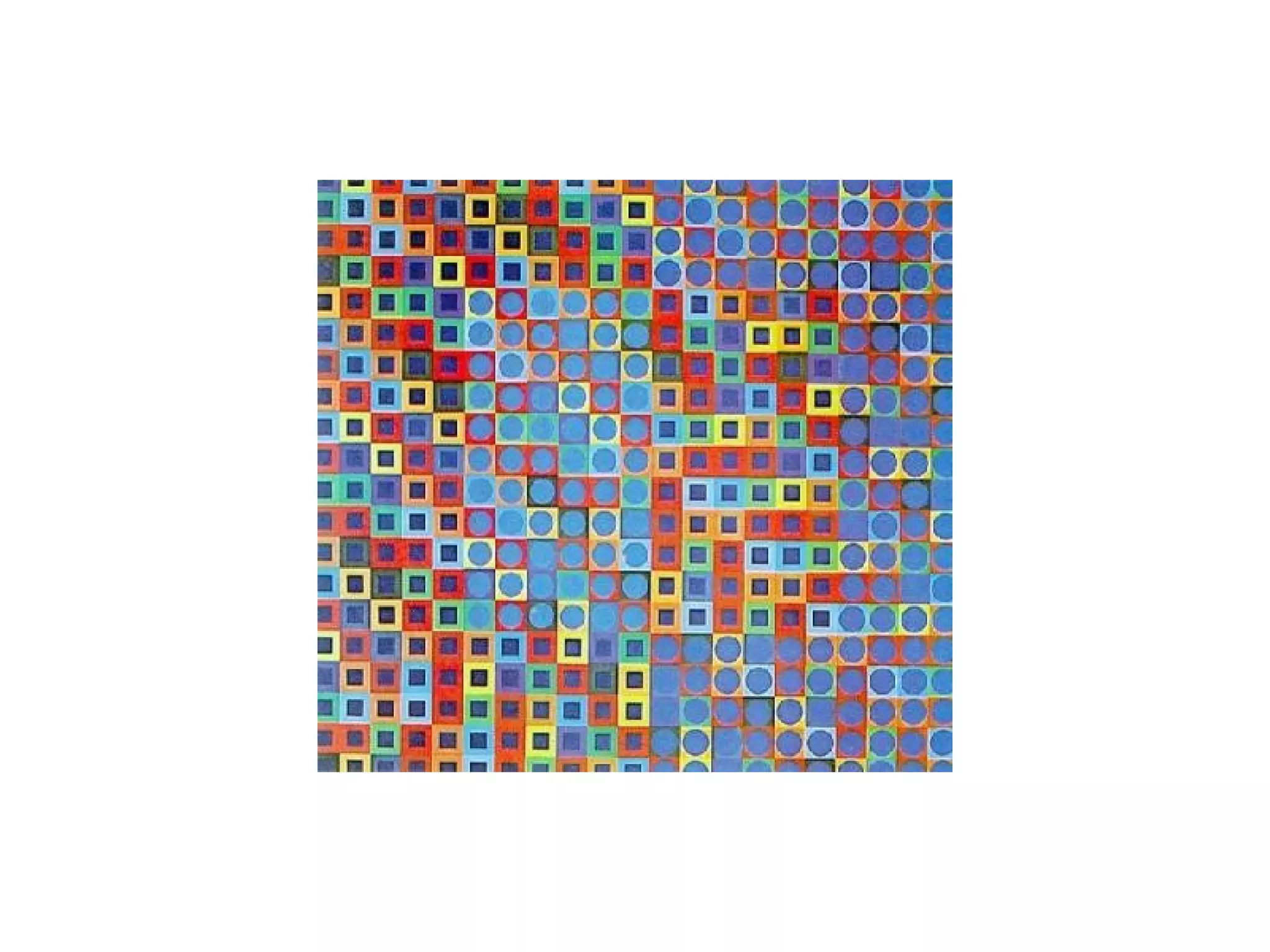
Victor Vasarely
(1906-1997) Born in Hungary.
Applied graphic art and typographical design.
Settled in Paris in 1930.
Worked as advertising consultant.
After the World War II, he opened an atelier.
Produced art and sculpture focused on optical illusions.
Geometric abstract works.
Various materials.
Experimented with textual effects, perspective, shadow &
light.


Pop opt art