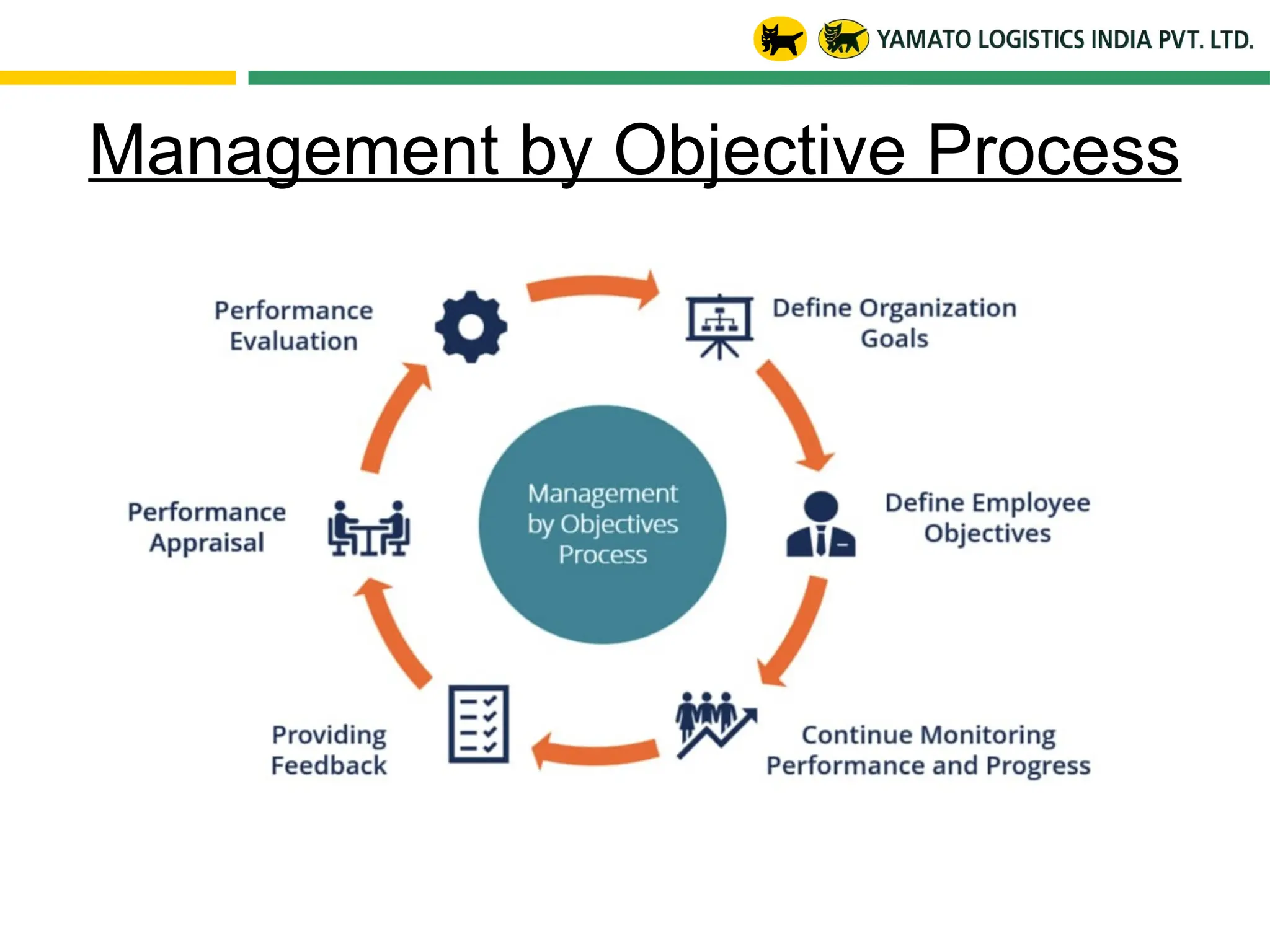
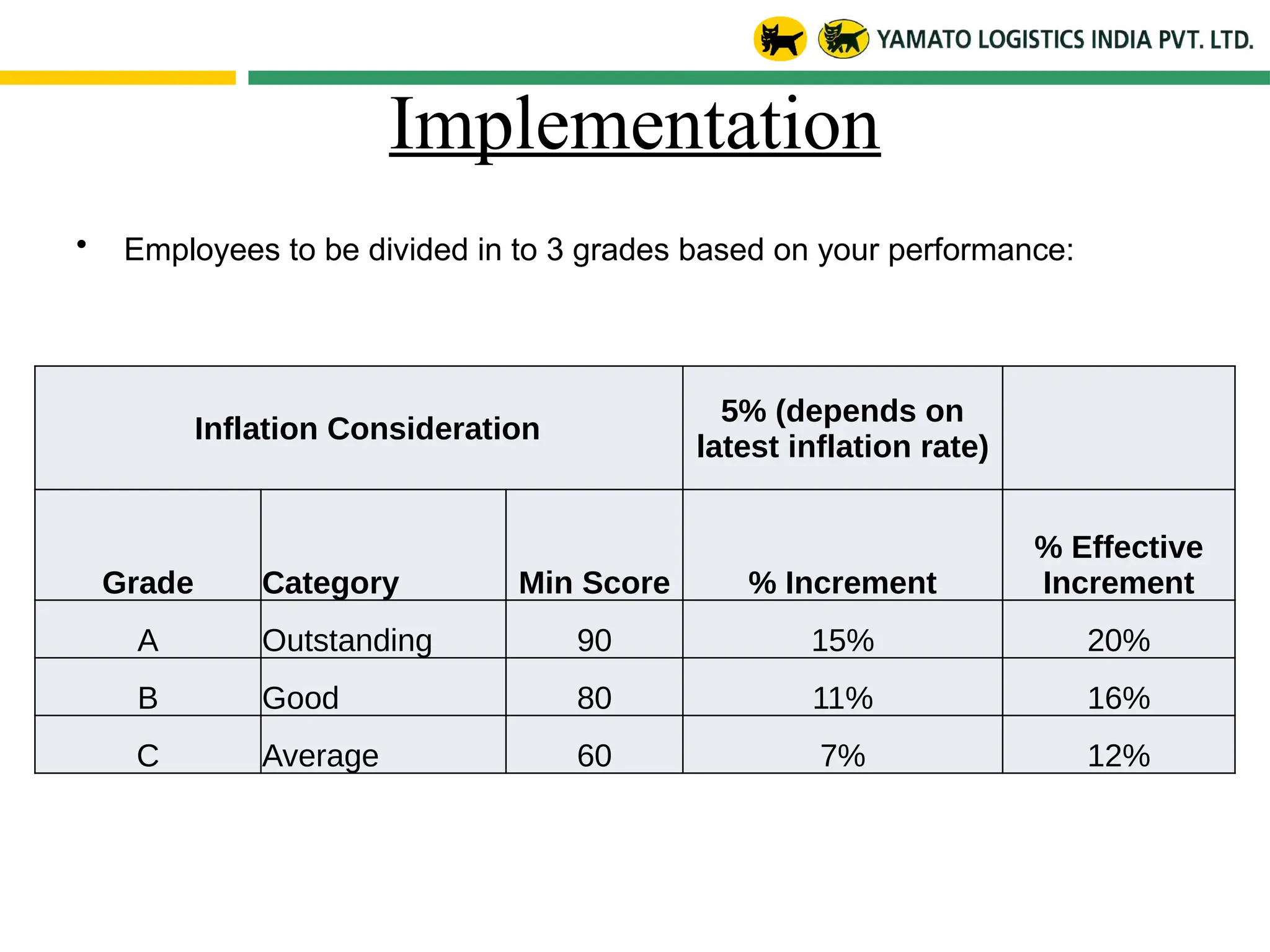
Management by Objectives (MBO) is a performance appraisal method where managers and employees jointly set specific, measurable, achievable, relevant, and time-bound (SMART) goals. This method aligns individual objectives with organizational goals, fosters communication and feedback, and promotes employee motivation and empowerment. MBO involves periodic discussions to monitor progress and evaluate performance, leading to a more results-driven approach.
Key aspects of MBO:
Collaborative Goal Setting:
Managers and employees work together to define objectives that are both relevant to the organization and aligned with individual roles.
SMART Goals:
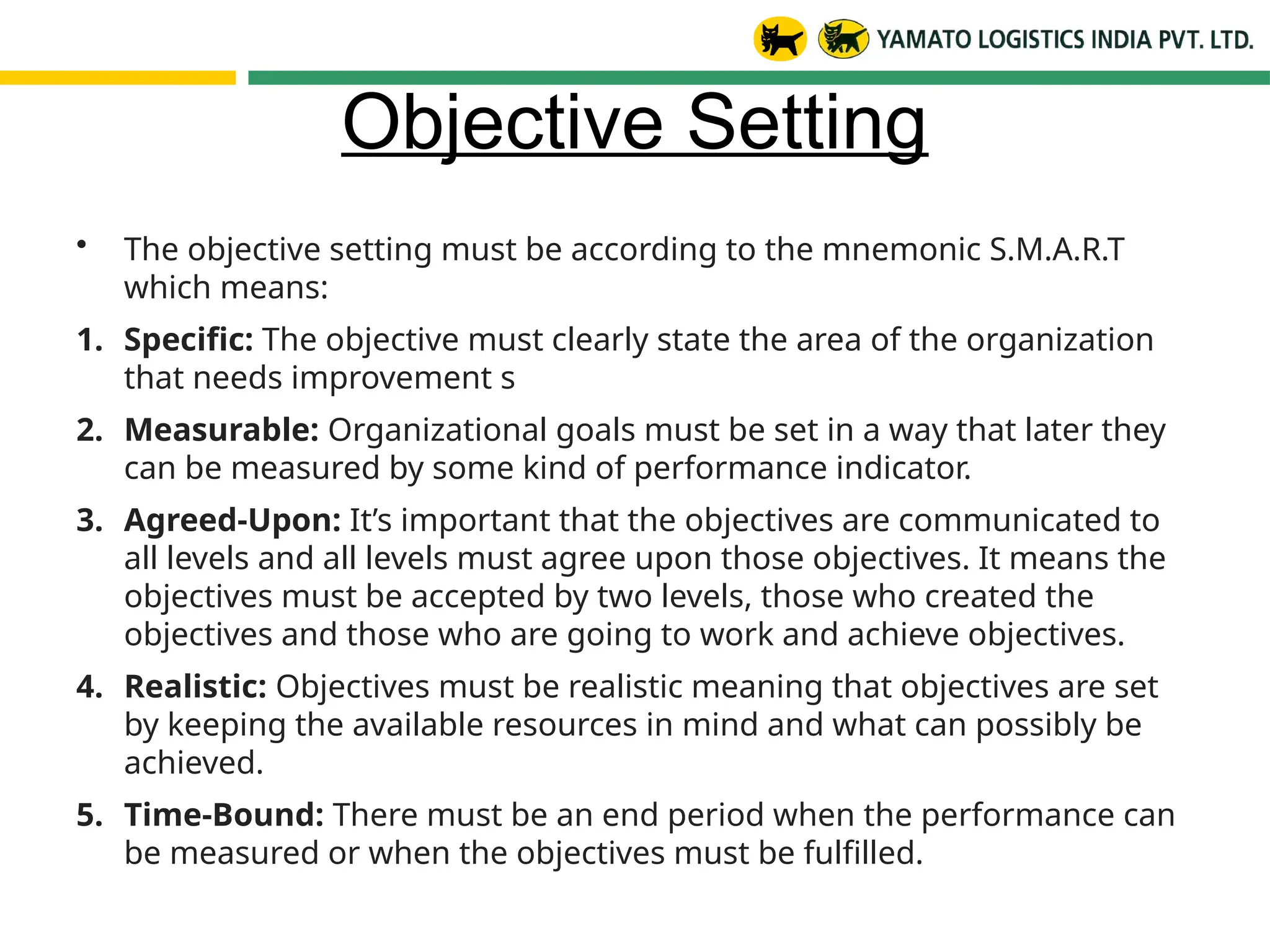
Objectives are set to be specific, measurable, achievable, relevant, and time-bound, ensuring clarity and progress tracking.
Periodic Progress Reviews:
Regular discussions between managers and employees facilitate ongoing monitoring of progress and identify any challenges or adjustments needed.
Performance Evaluation:
At the end of the defined period, performance is evaluated based on the achieved objectives, providing feedback and insights.
Rewards and Recognition:
Achieving objectives can lead to rewards and recognition, motivating employees and reinforcing positive performance.
Benefits of MBO:
Improved Communication and Feedback:
Regular discussions foster open communication and provide opportunities for feedback.
Increased Motivation and Engagement:
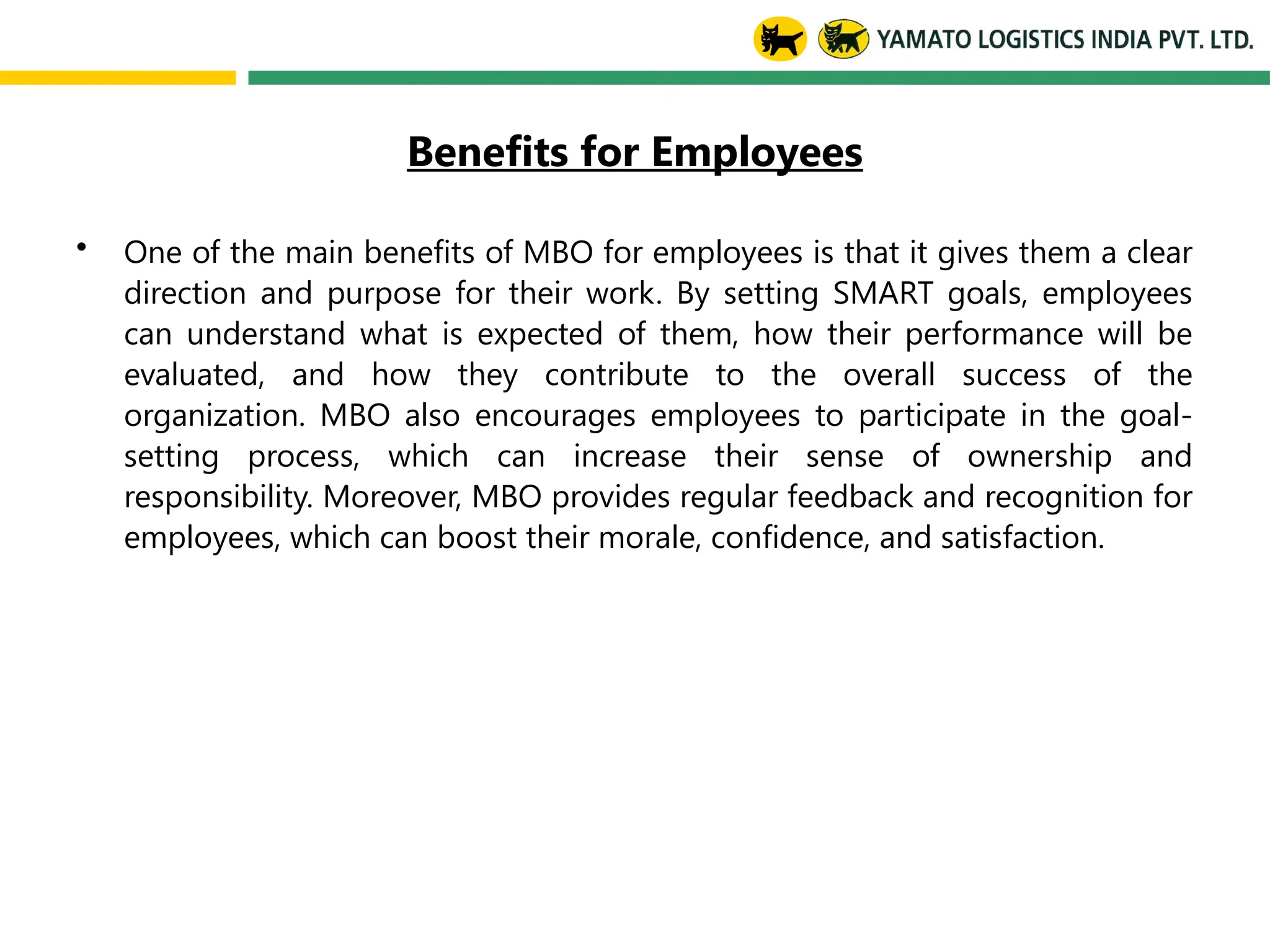
Employees feel more invested in the process when they have input into goal setting and are involved in progress tracking.
Enhanced Performance:
By focusing on specific, measurable objectives, MBO can improve overall performance and productivity.
Better Alignment of Objectives:
MBO helps align individual and organizational goals, ensuring that everyone is working towards the same objectives.
Objective Performance Evaluation:
MBO provides a structured and objective way to evaluate performance based on agreed-upon goals.
Challenges of MBO:
Time and Resources:
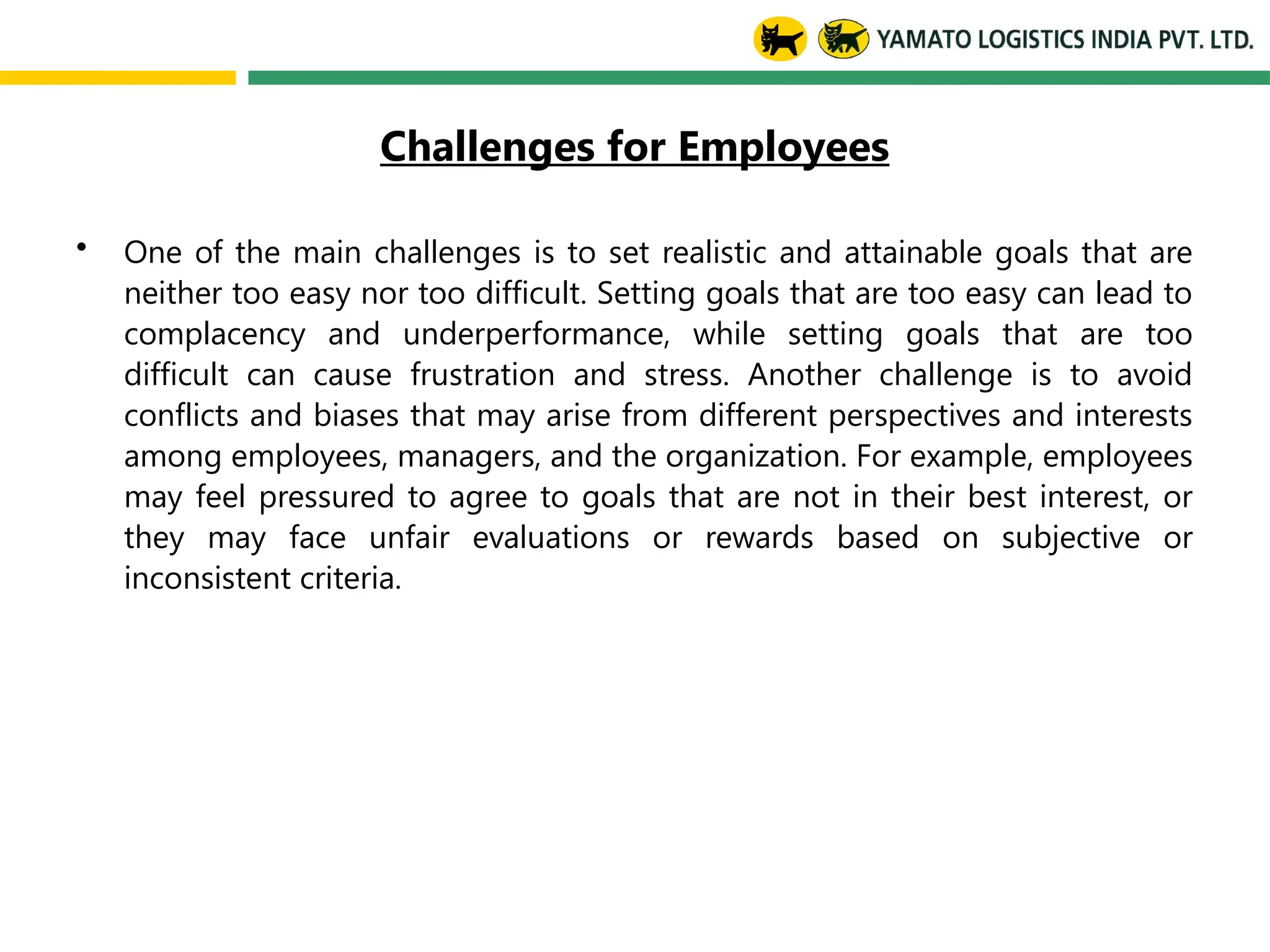
Implementing and maintaining MBO can require significant time and resources.
Resistance to Change:
Some employees may resist the initial change in the performance appraisal process.
Subjectivity in Evaluation:
Even with SMART goals, there can be some subjectivity in evaluating performance.
Potential for Goal Conflicts:
In some cases, individual and organizational objectives may conflict, requiring careful management.
Need for Skilled Managers:
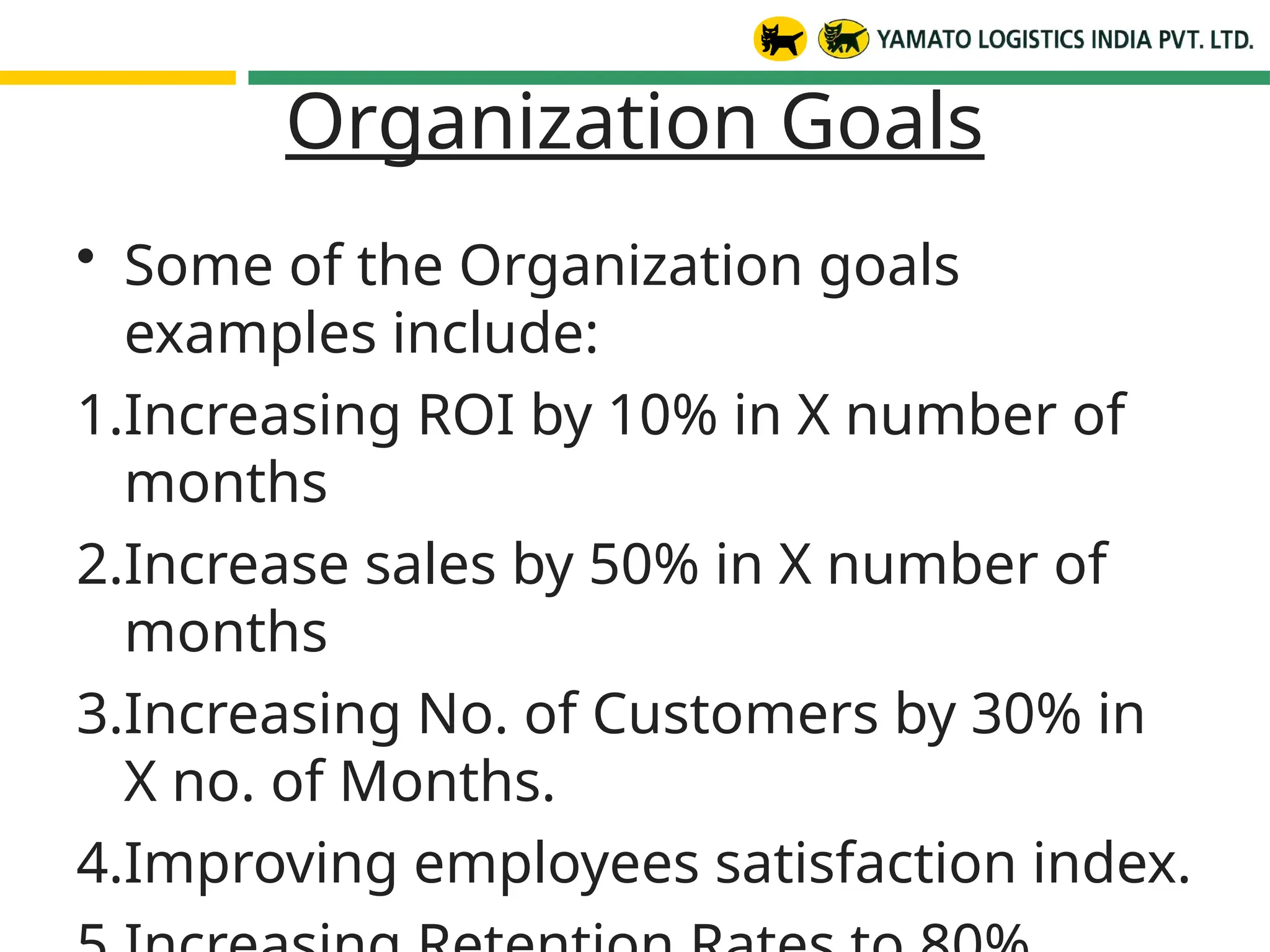
MBO requires managers to be skilled in setting goals, providing feedback, and facilitating discussions. Management by objectives (MBO) is a strategic management model that aims to improve the performance of an organization by clearly defining objectives that are agreed to by both management and employees. According to the theory, having a say in goal setting and action plans encourages participation and commitment among employees, and aligns objectives across the organization.
Key Takeaways
Management by objectives (MBO) is a process in which a man