How Can the U.S. Transition to
Personal Public-Private Social
Security Saving Accounts?
Options for risk adverse investors in a post “Great Recession” world


                          +                         =?
 Matias Zelikowicz 3-30-2012
Social Security Basic Facts
Created in 1935. It is a social insurance program
that provides benefits to retirees and unemployed

Funded by payroll taxes (employees & employers)


Represents 39% of income during retirement


Organized as a PAYG-defined benefit plan
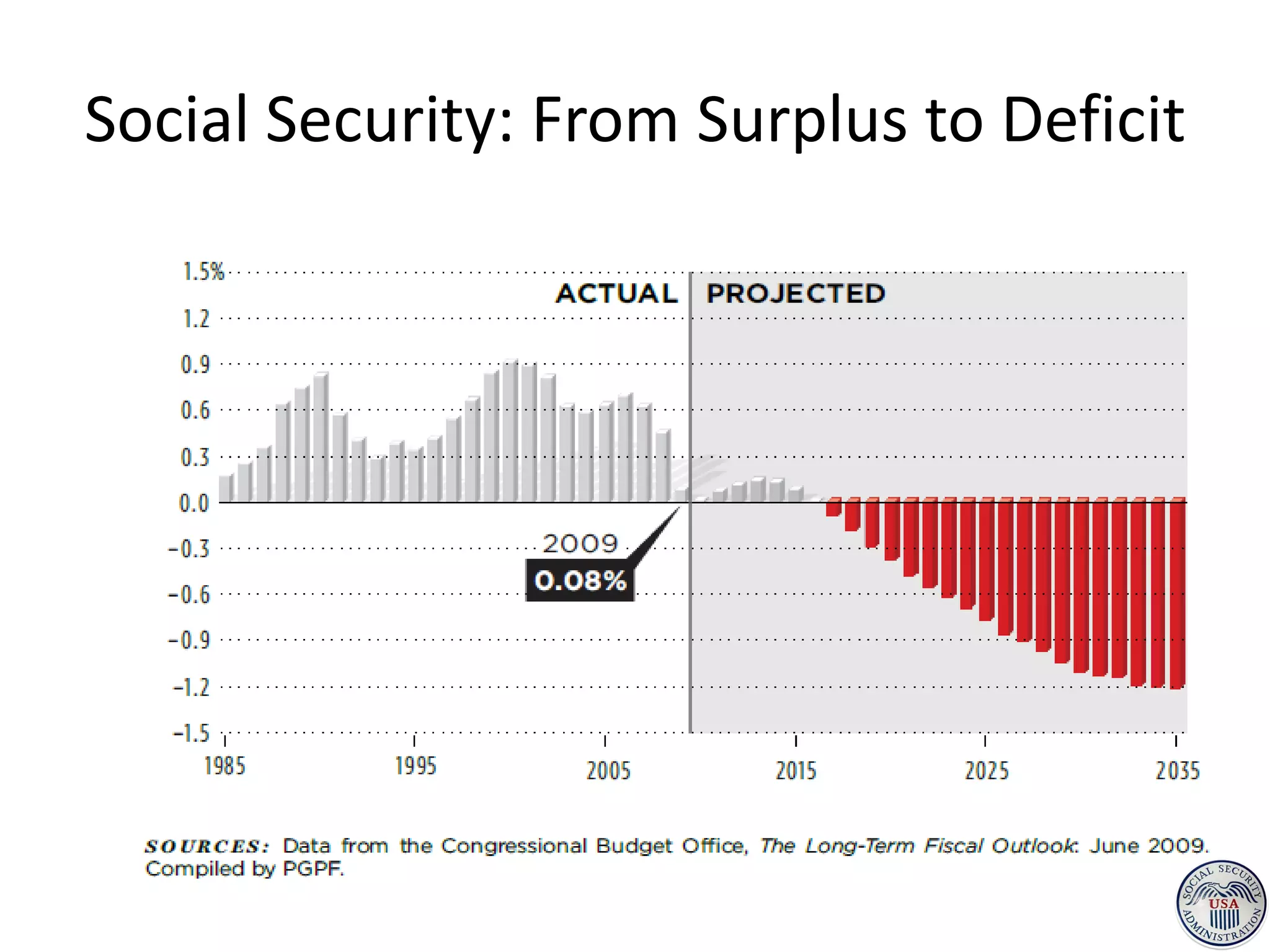
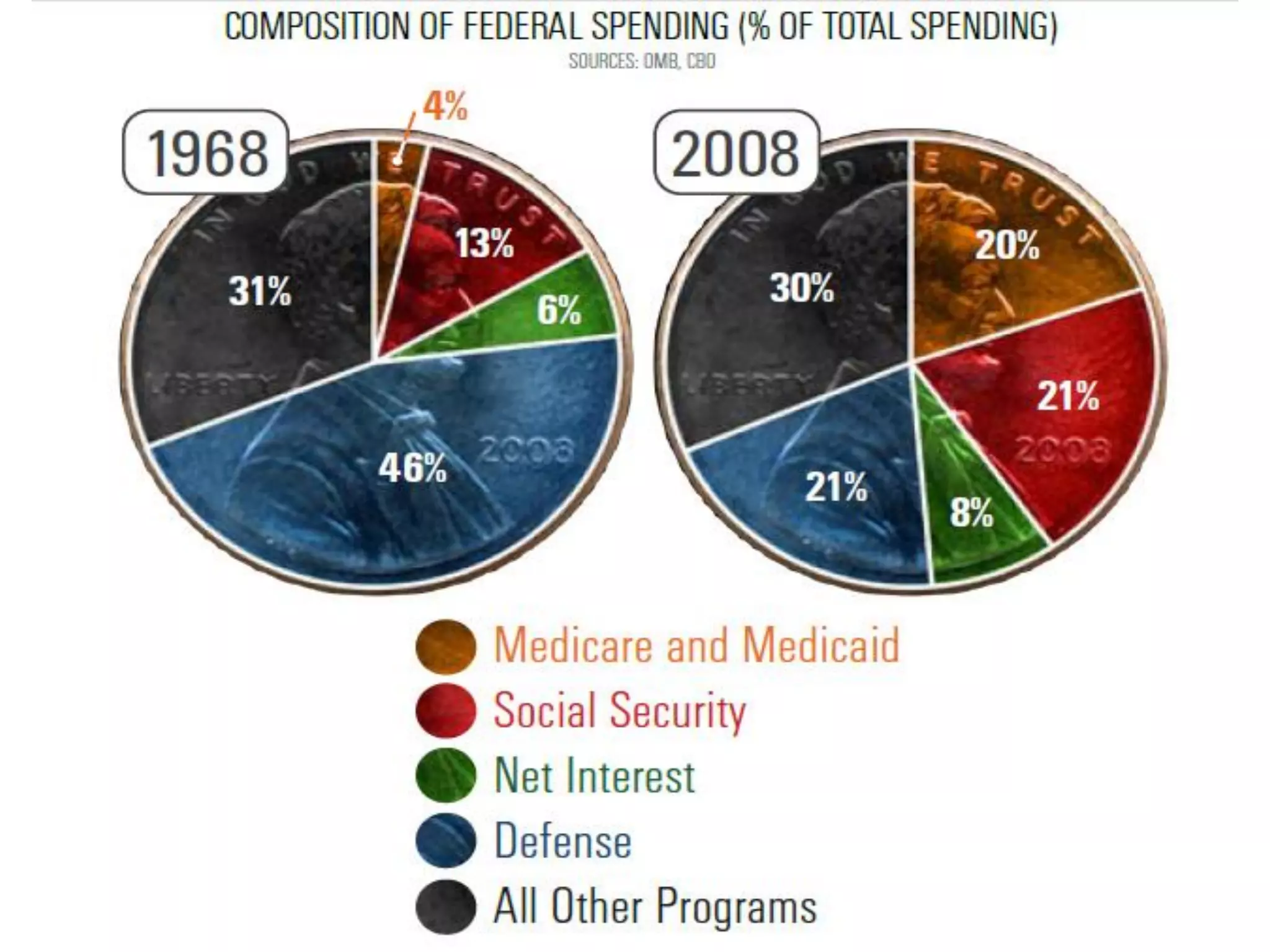
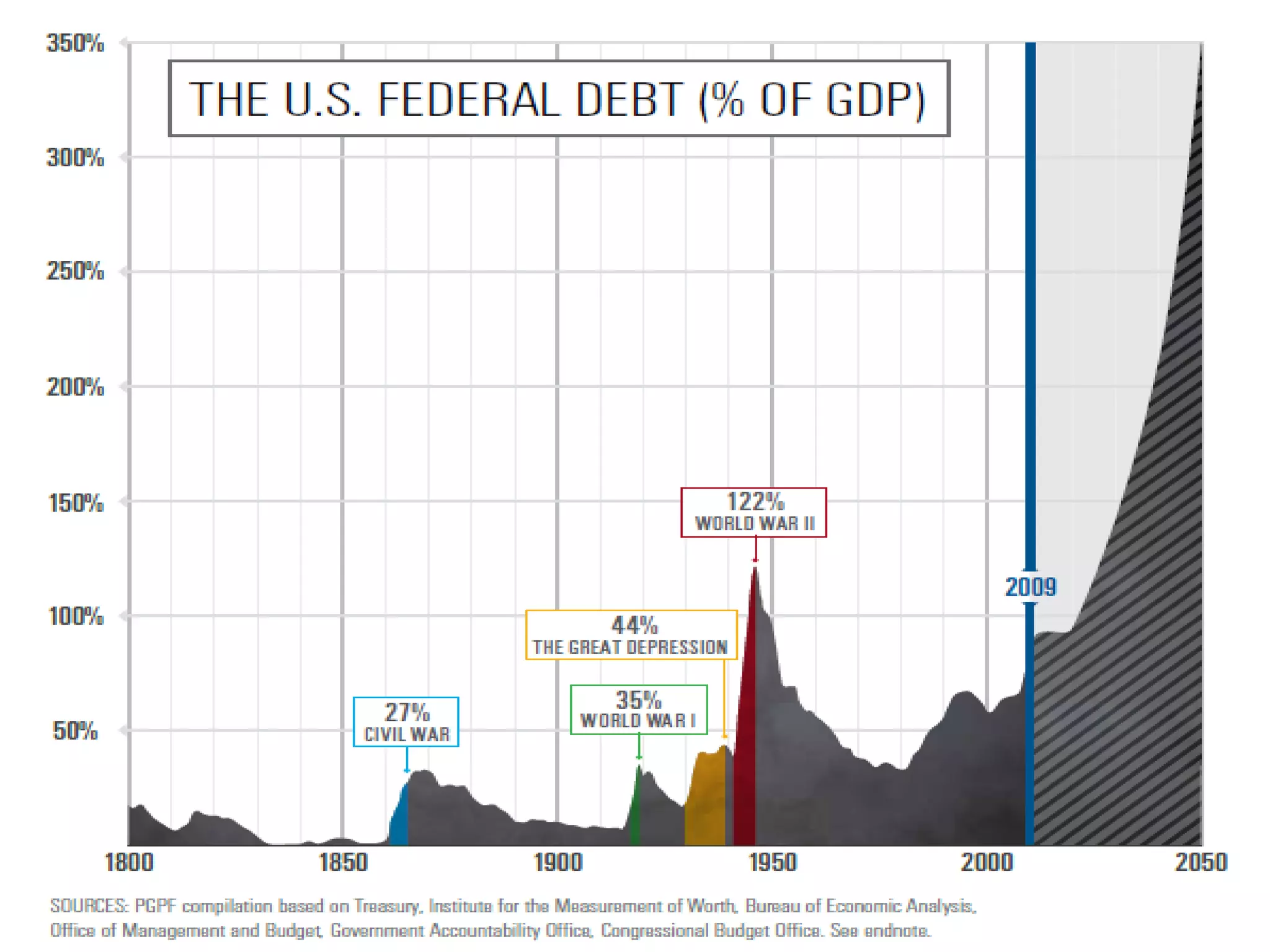
Social Security: From Surplus to Deficit
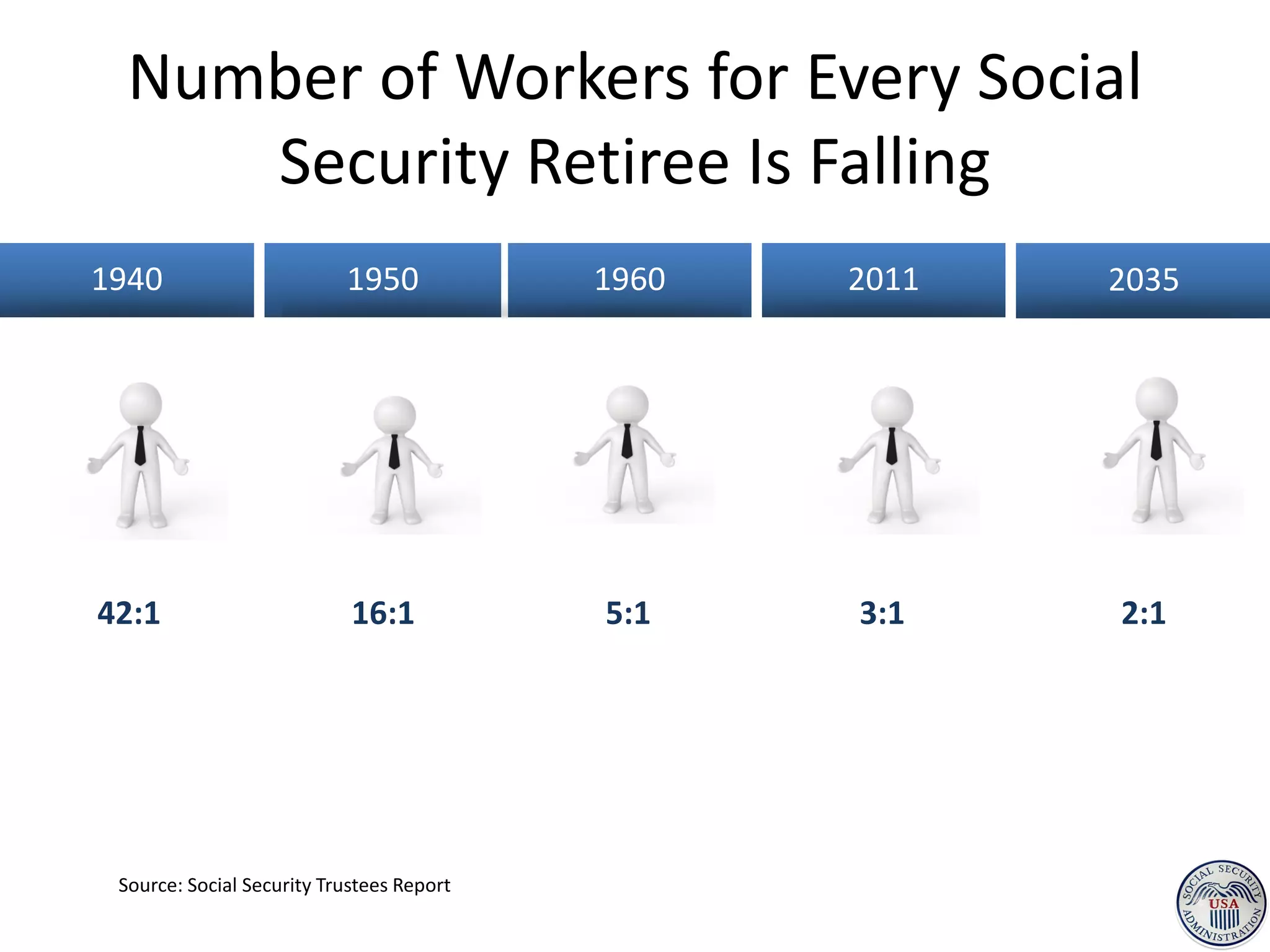
Number of Workers for Every Social
     Security Retiree Is Falling
1940                       1950            1960   2011   2035


42:1                        16:1           5:1    3:1    2:1


 Source: Social Security Trustees Report
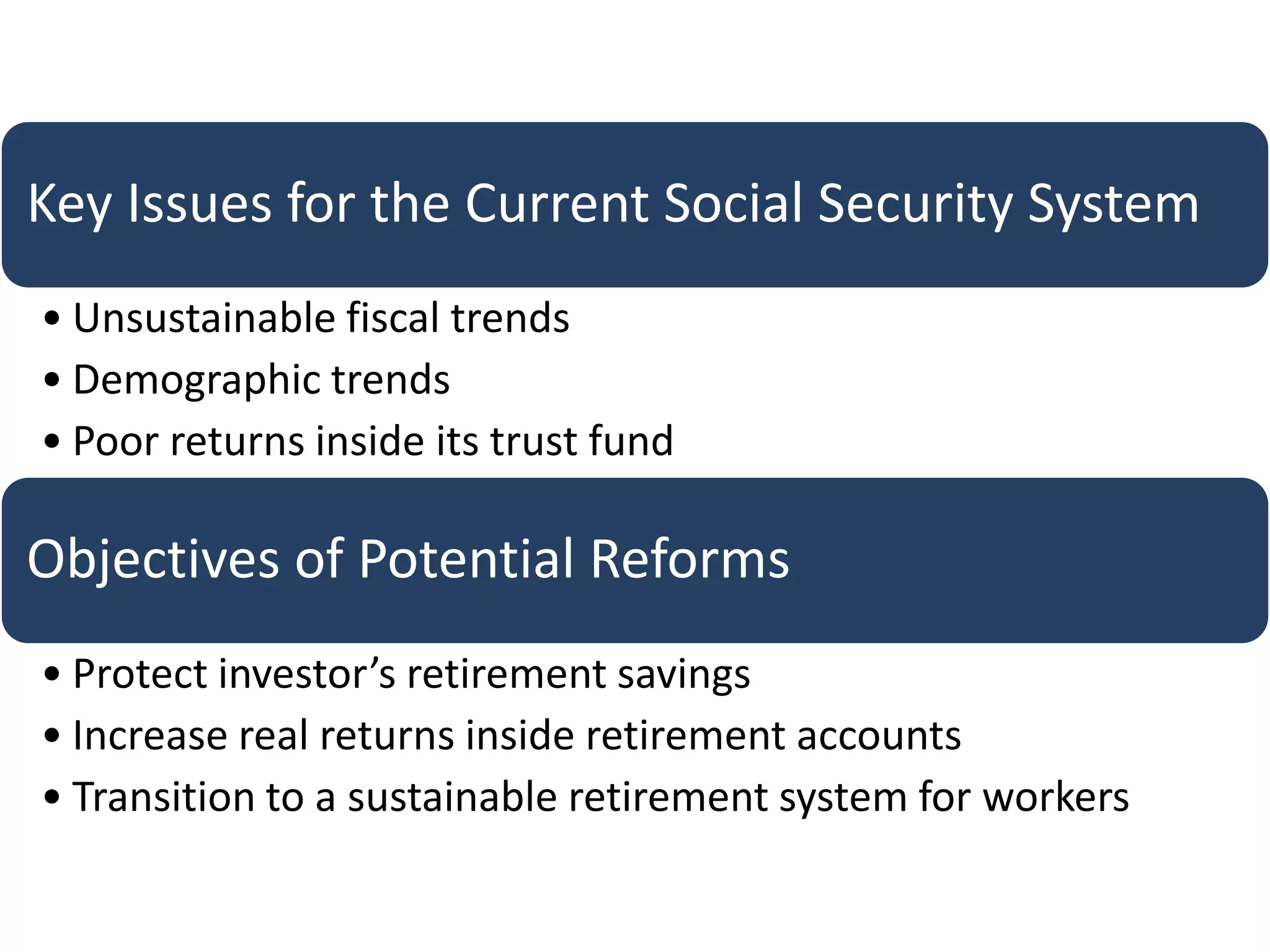
Key Issues for the Current Social Security System
• Unsustainable fiscal trends
• Demographic trends
• Poor returns inside its trust fund

Objectives of Potential Reforms
• Protect investor’s retirement savings
• Increase real returns inside retirement accounts
• Transition to a sustainable retirement system for workers
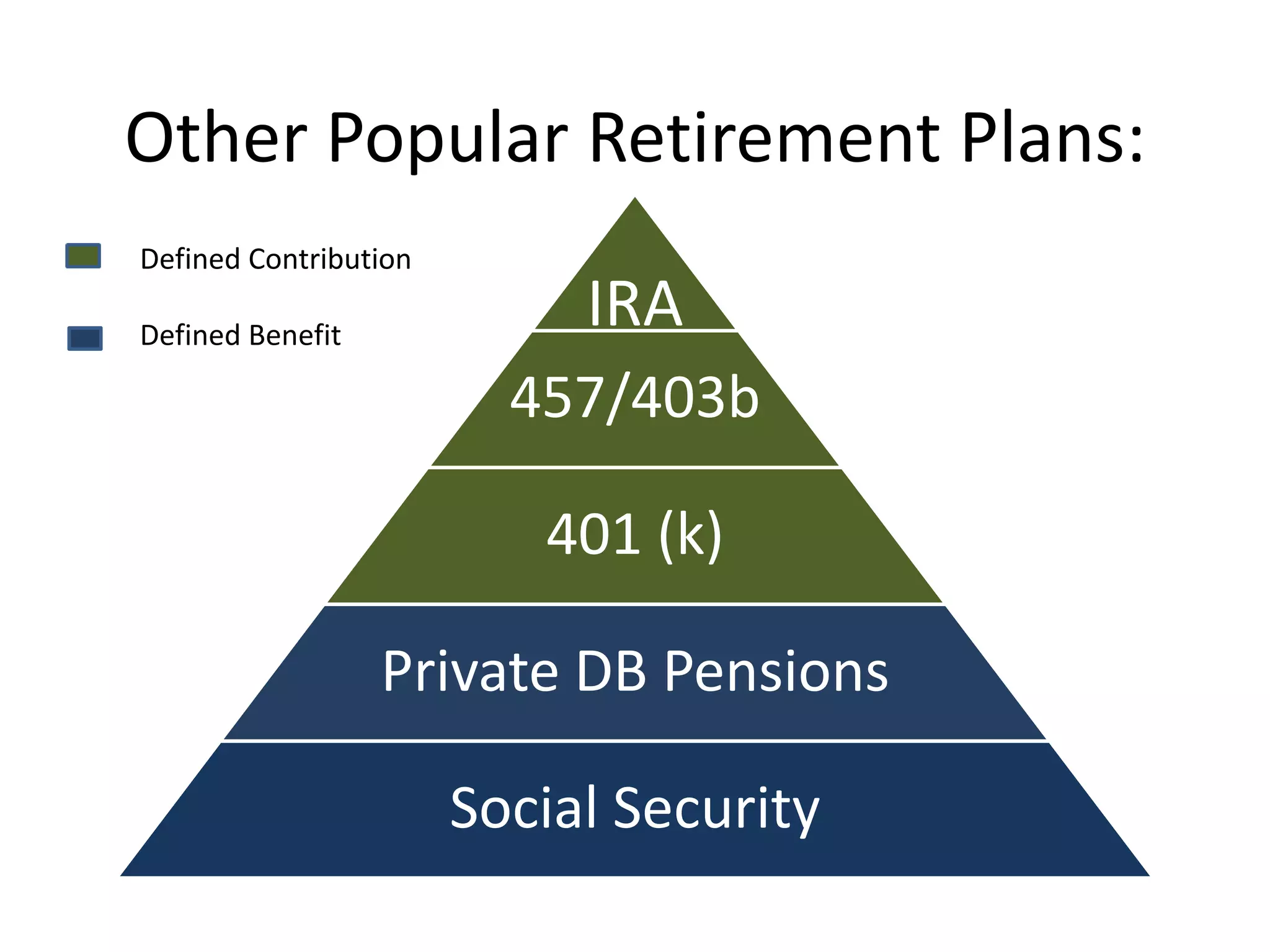
Other Popular Retirement Plans:
Defined Contribution

Defined Benefit
                            IRA
                         457/403b

                          401 (k)

                  Private DB Pensions

                       Social Security
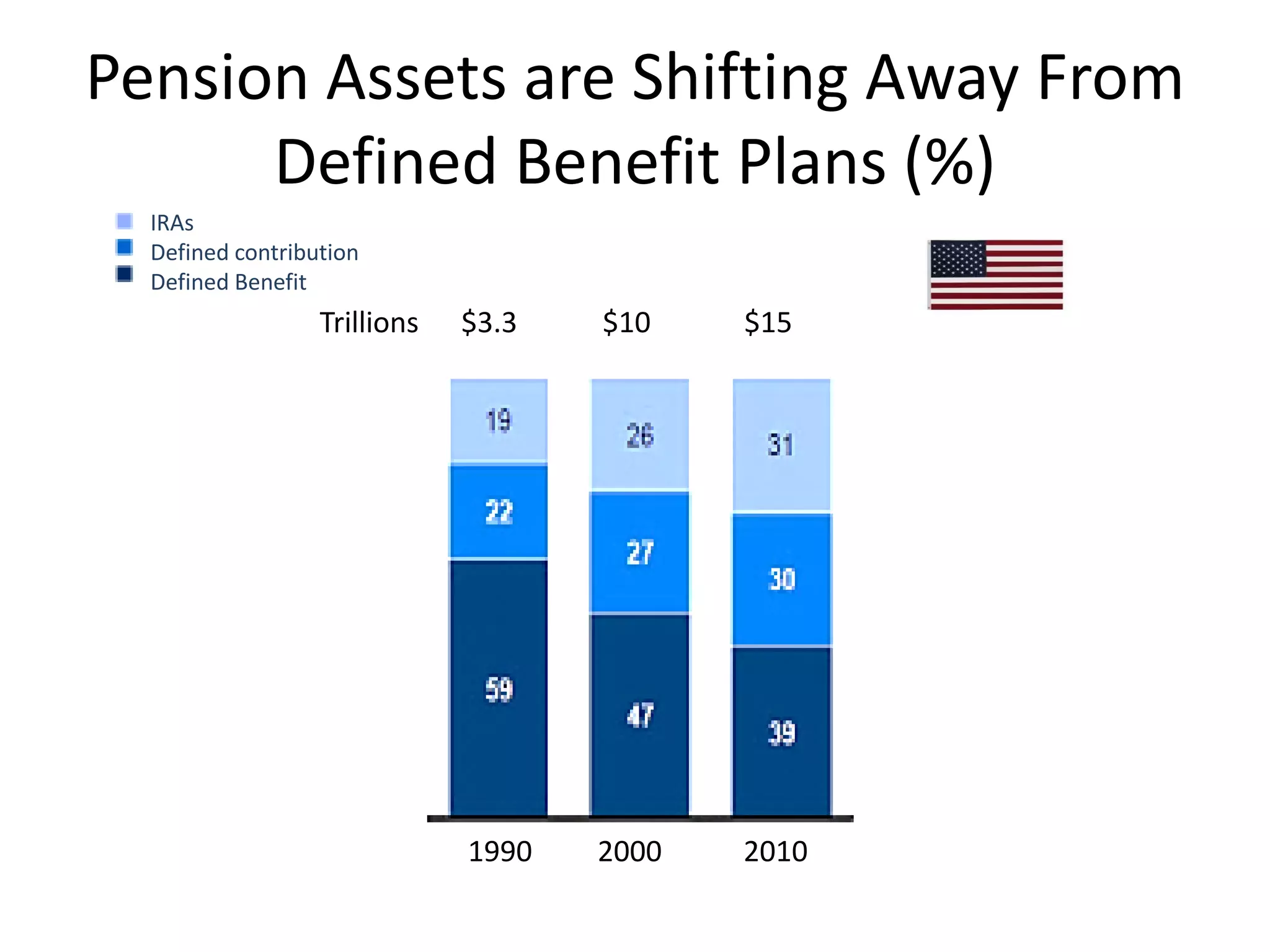
Pension Assets are Shifting Away From
      Defined Benefit Plans (%)
  IRAs
  Defined contribution
  Defined Benefit
                  Trillions   $3.3   $10    $15


                              1990   2000   2010
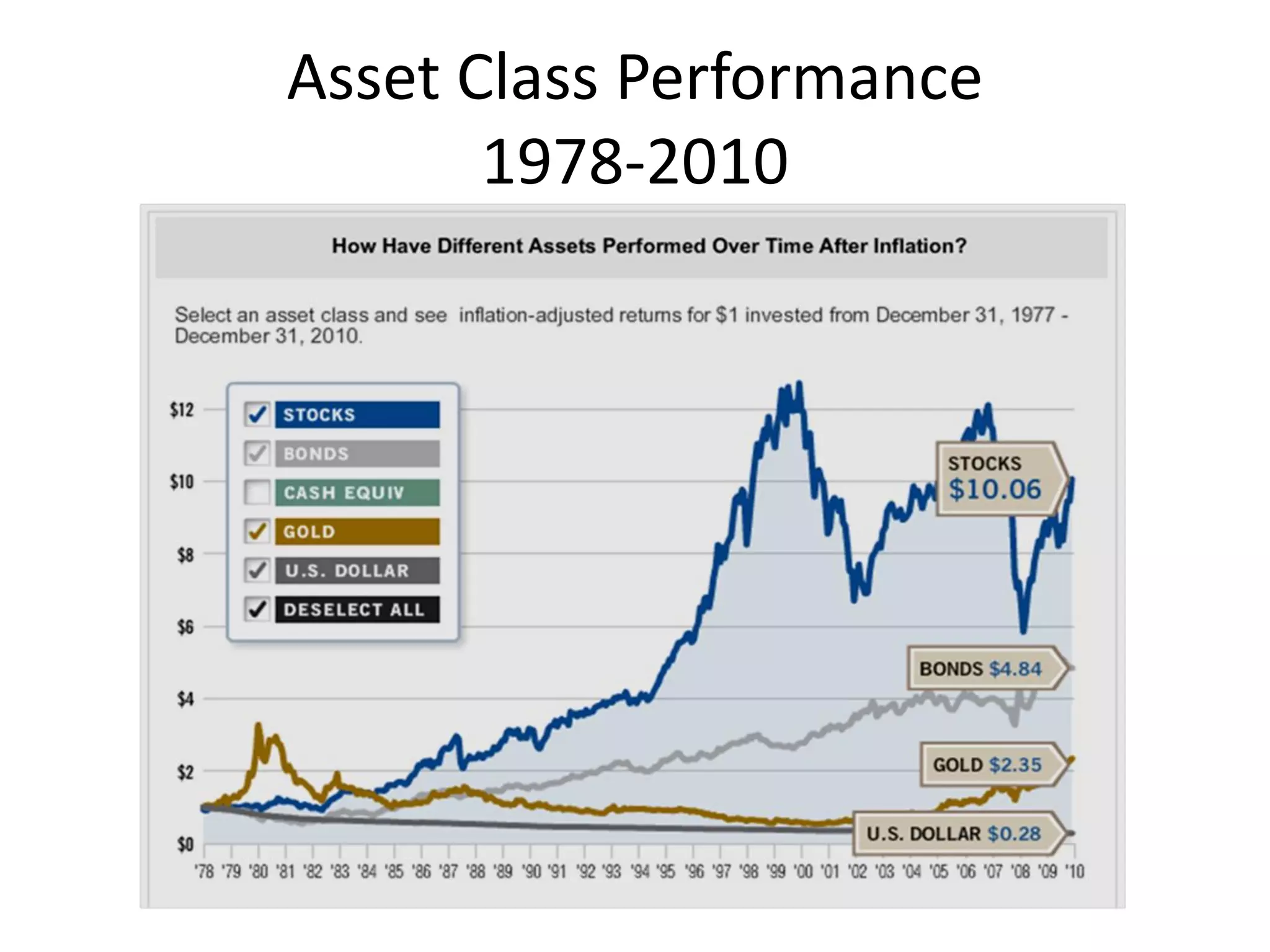
Asset Class Performance
       1978-2010
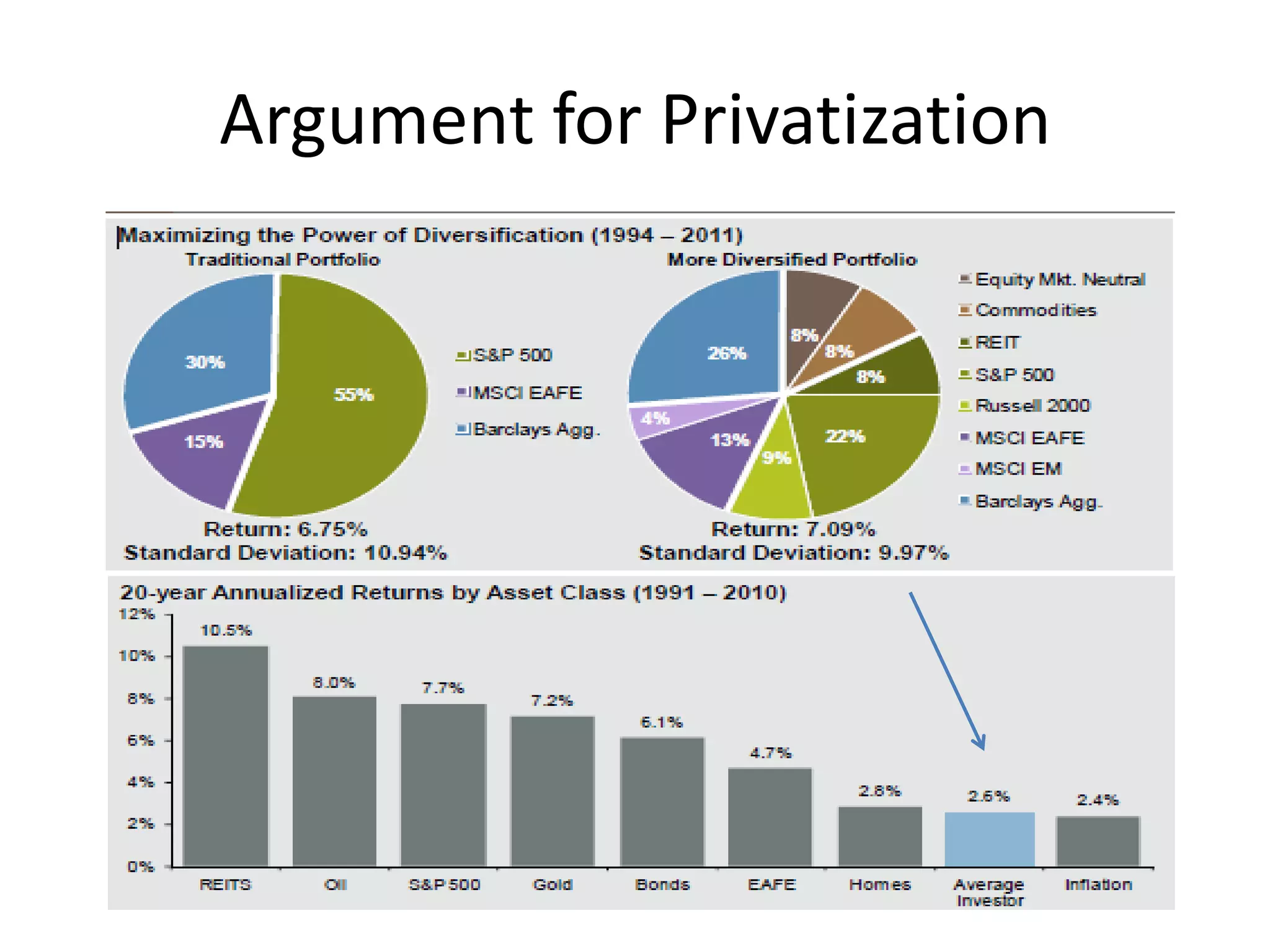
Argument for Privatization
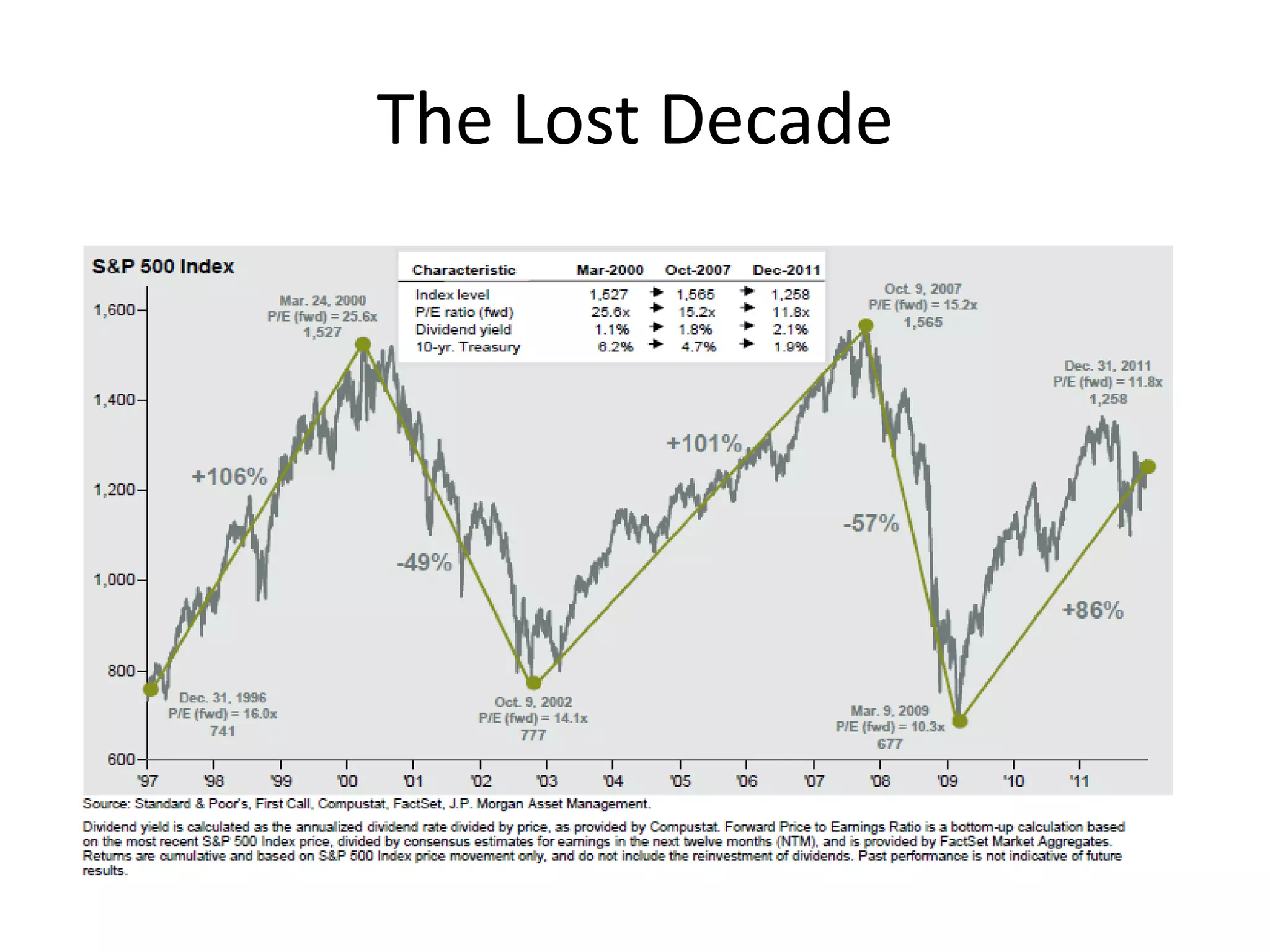
The Lost Decade
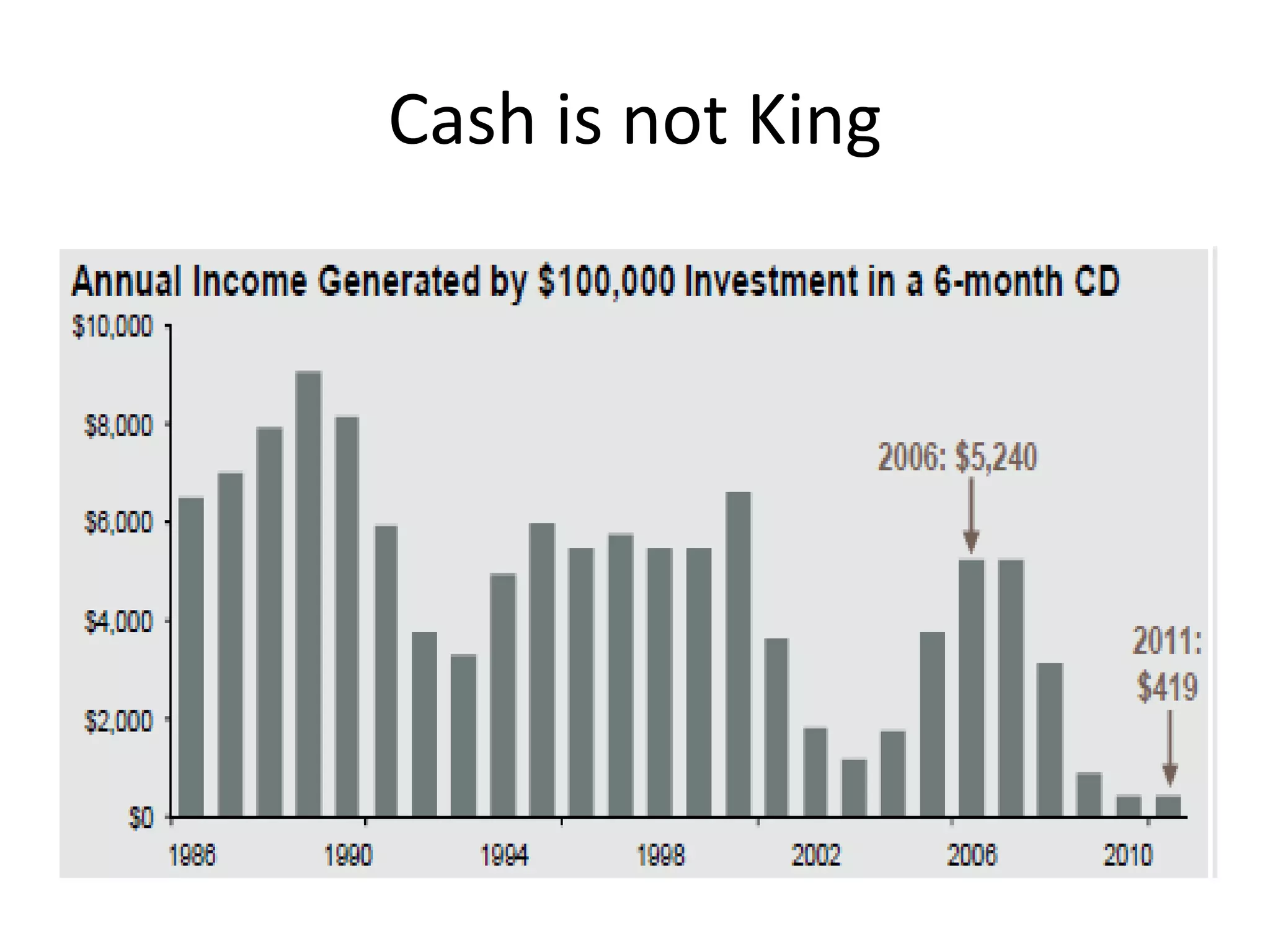
Cash is not King
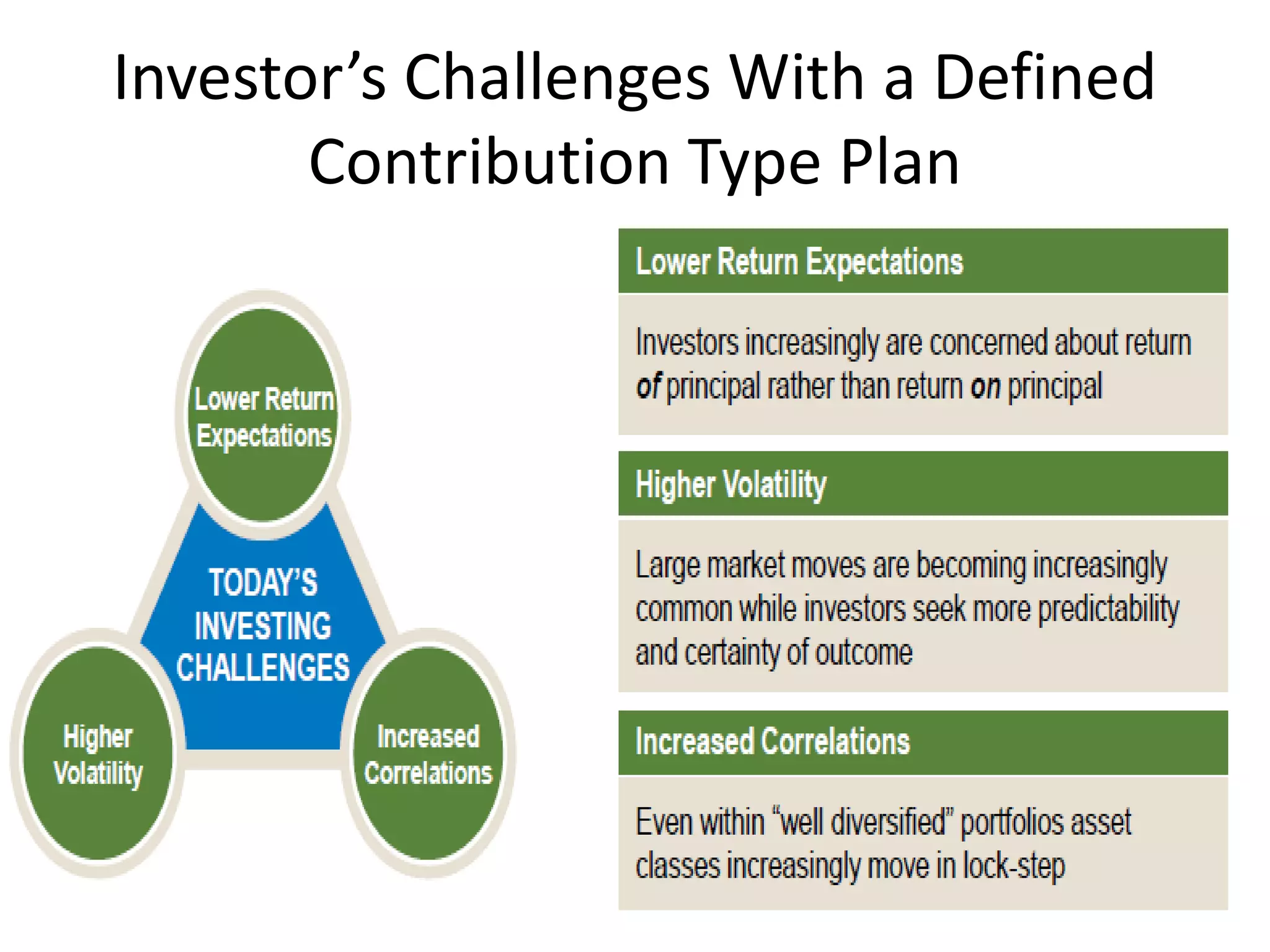
Investor’s Challenges With a Defined
       Contribution Type Plan
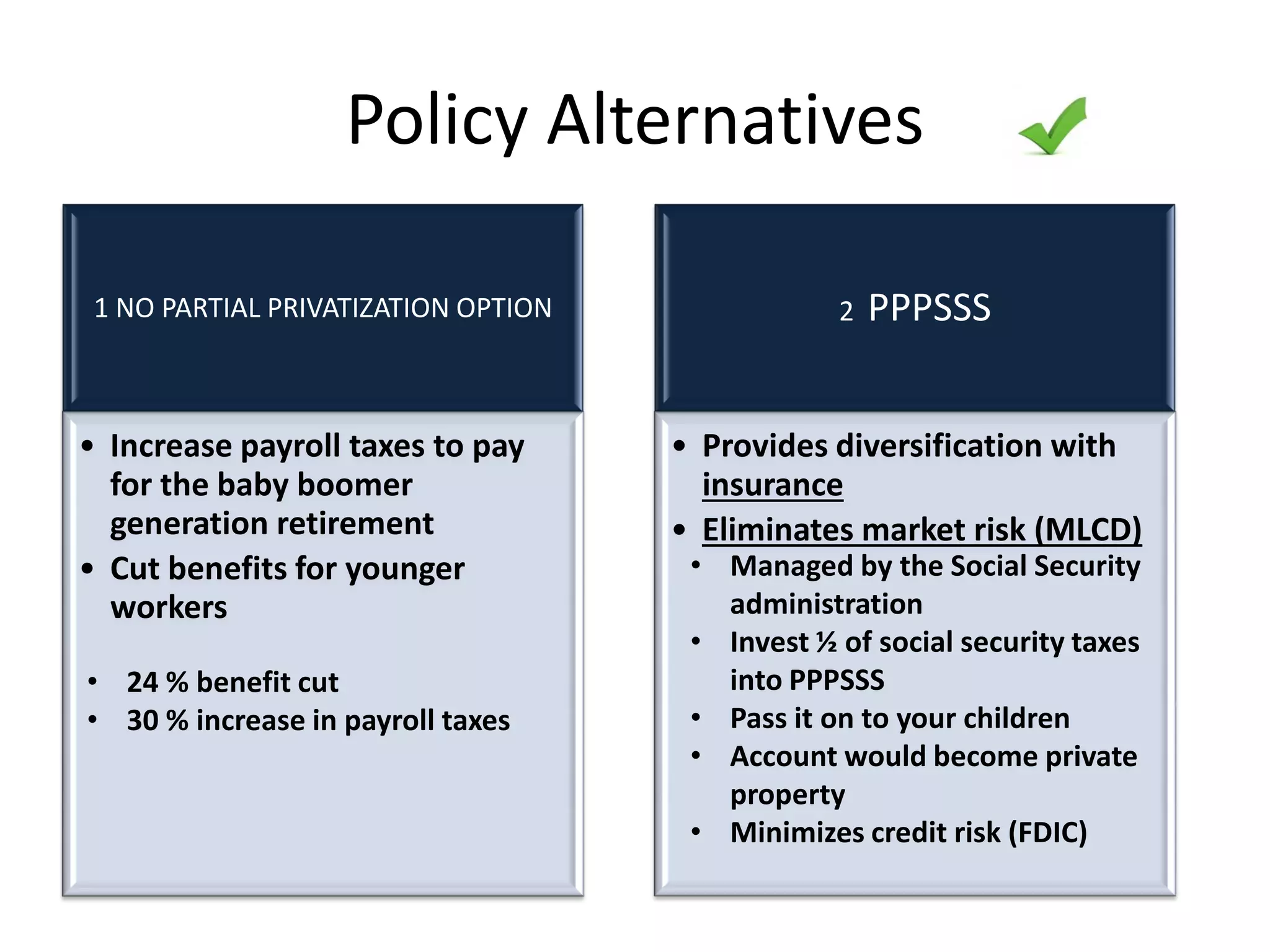
Policy Alternatives

 1 NO PARTIAL PRIVATIZATION OPTION               2   PPPSSS


• Increase payroll taxes to pay      • Provides diversification with
  for the baby boomer                  insurance
  generation retirement              • Eliminates market risk (MLCD)
• Cut benefits for younger            • Managed by the Social Security
  workers                               administration
                                      • Invest ½ of social security taxes
• 24 % benefit cut                      into PPPSSS
• 30 % increase in payroll taxes      • Pass it on to your children
                                      • Account would become private
                                        property
                                      • Minimizes credit risk (FDIC)
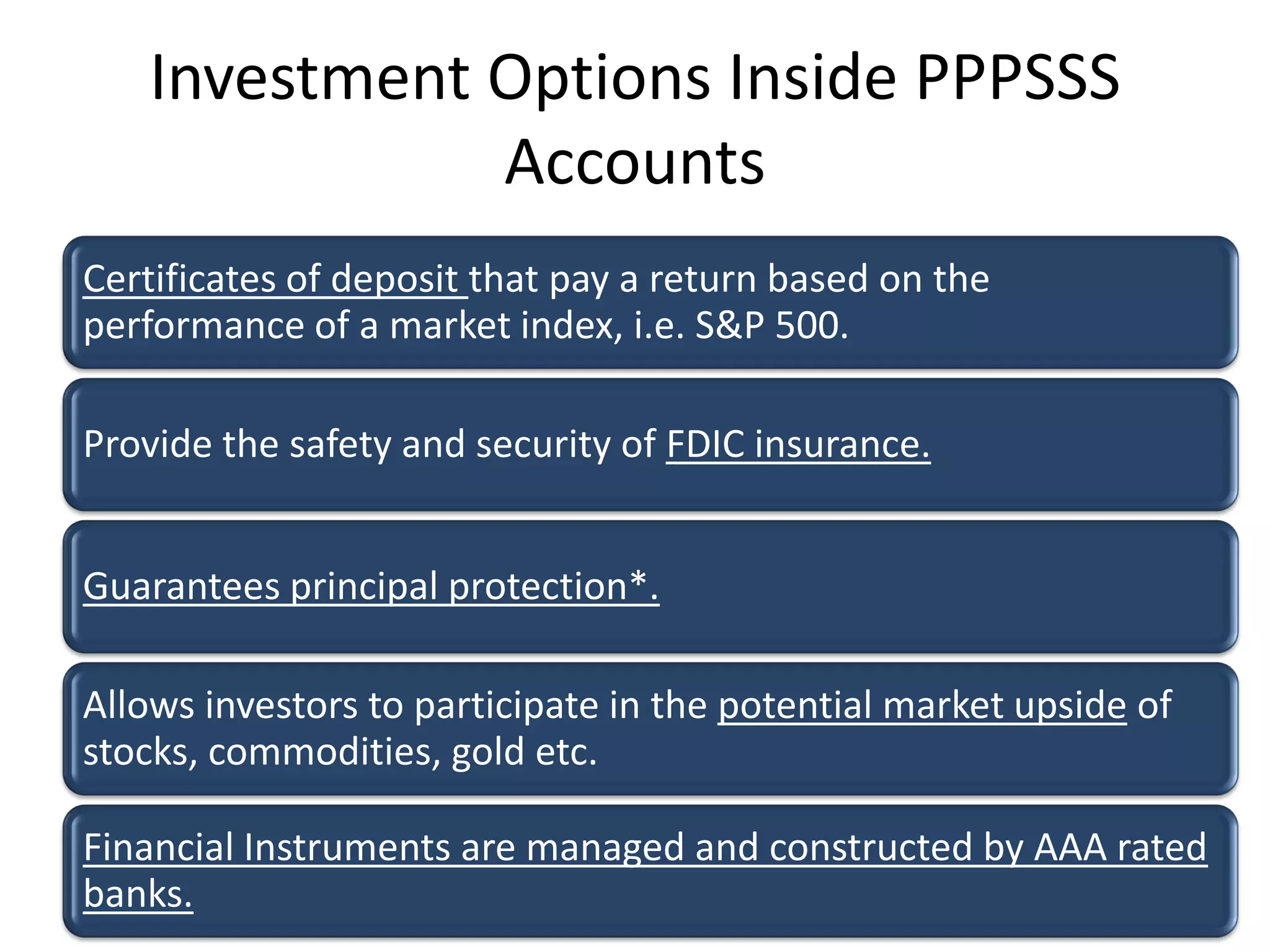
Investment Options Inside PPPSSS
              Accounts
Certificates of deposit that pay a return based on the
performance of a market index, i.e. S&P 500.

Provide the safety and security of FDIC insurance.


Guarantees principal protection*.

Allows investors to participate in the potential market upside of
stocks, commodities, gold etc.

Financial Instruments are managed and constructed by AAA rated
banks.
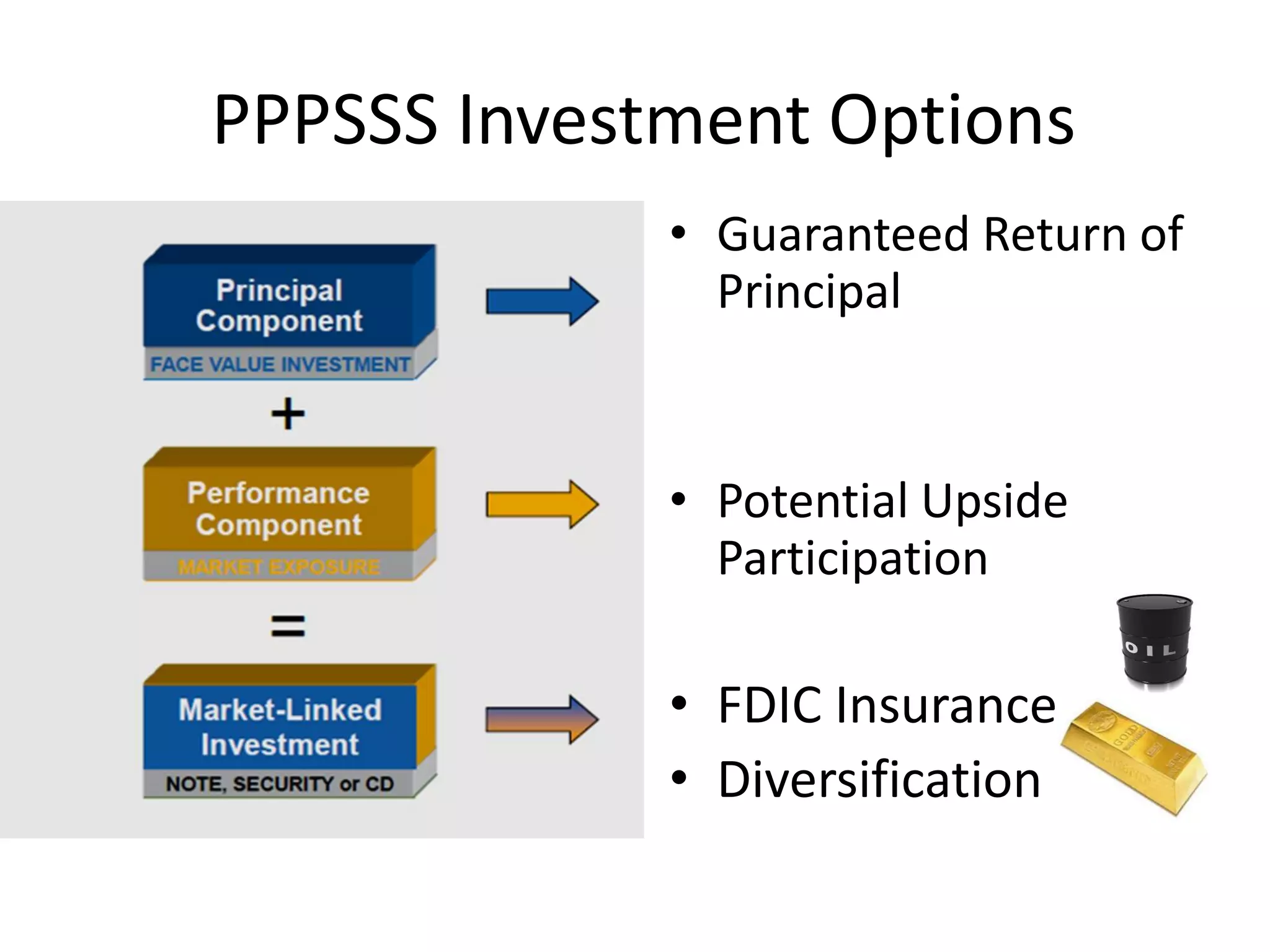
PPPSSS Investment Options
             • Guaranteed Return of
               Principal


             • Potential Upside
               Participation

             • FDIC Insurance
             • Diversification
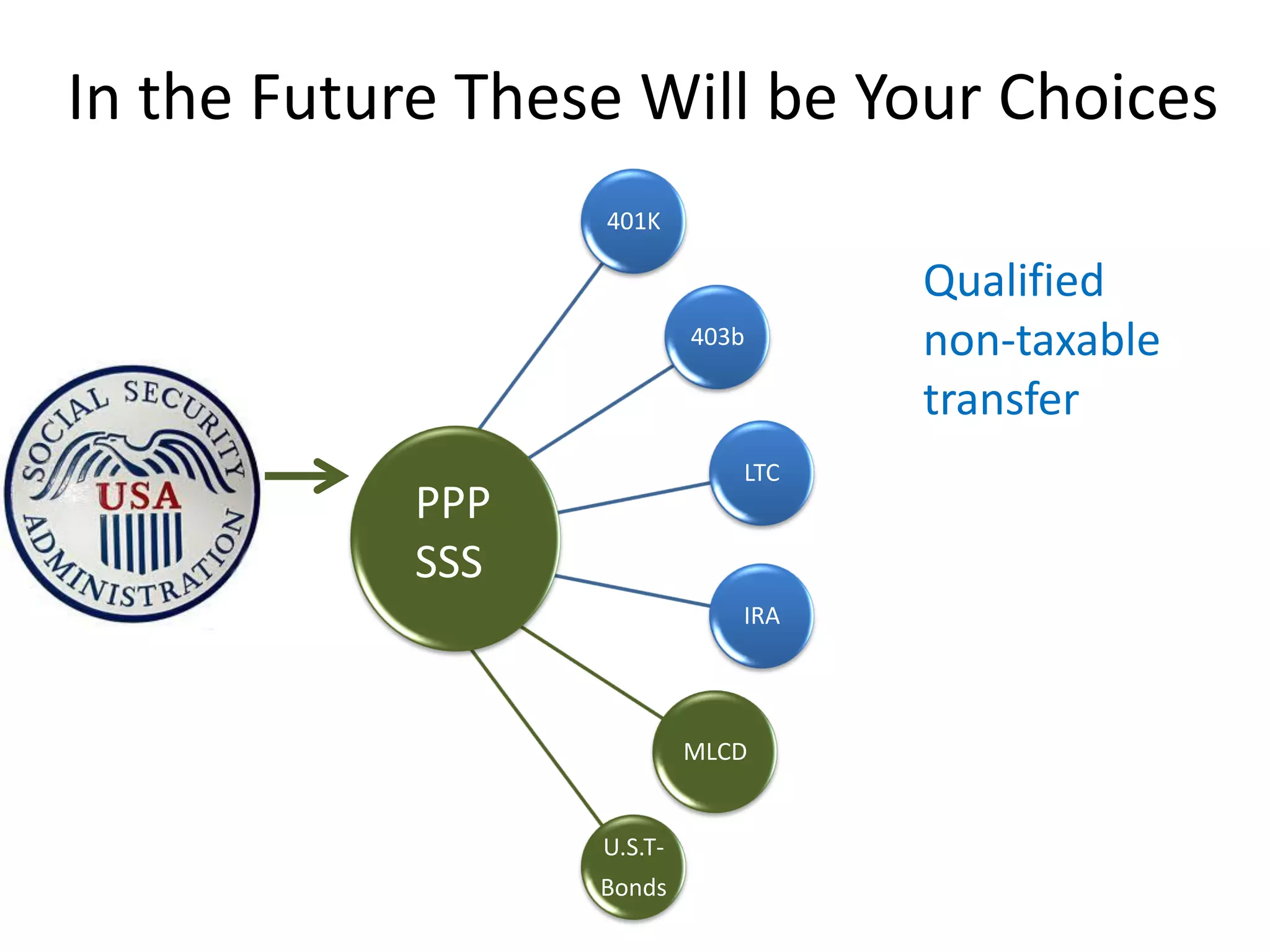
In the Future These Will be Your Choices
                  401K

                                    Qualified
                           403b     non-taxable
                                    transfer
                              LTC

PAYG        PPP
            SSS
                              IRA


                           MLCD


                  U.S.T-
                  Bonds
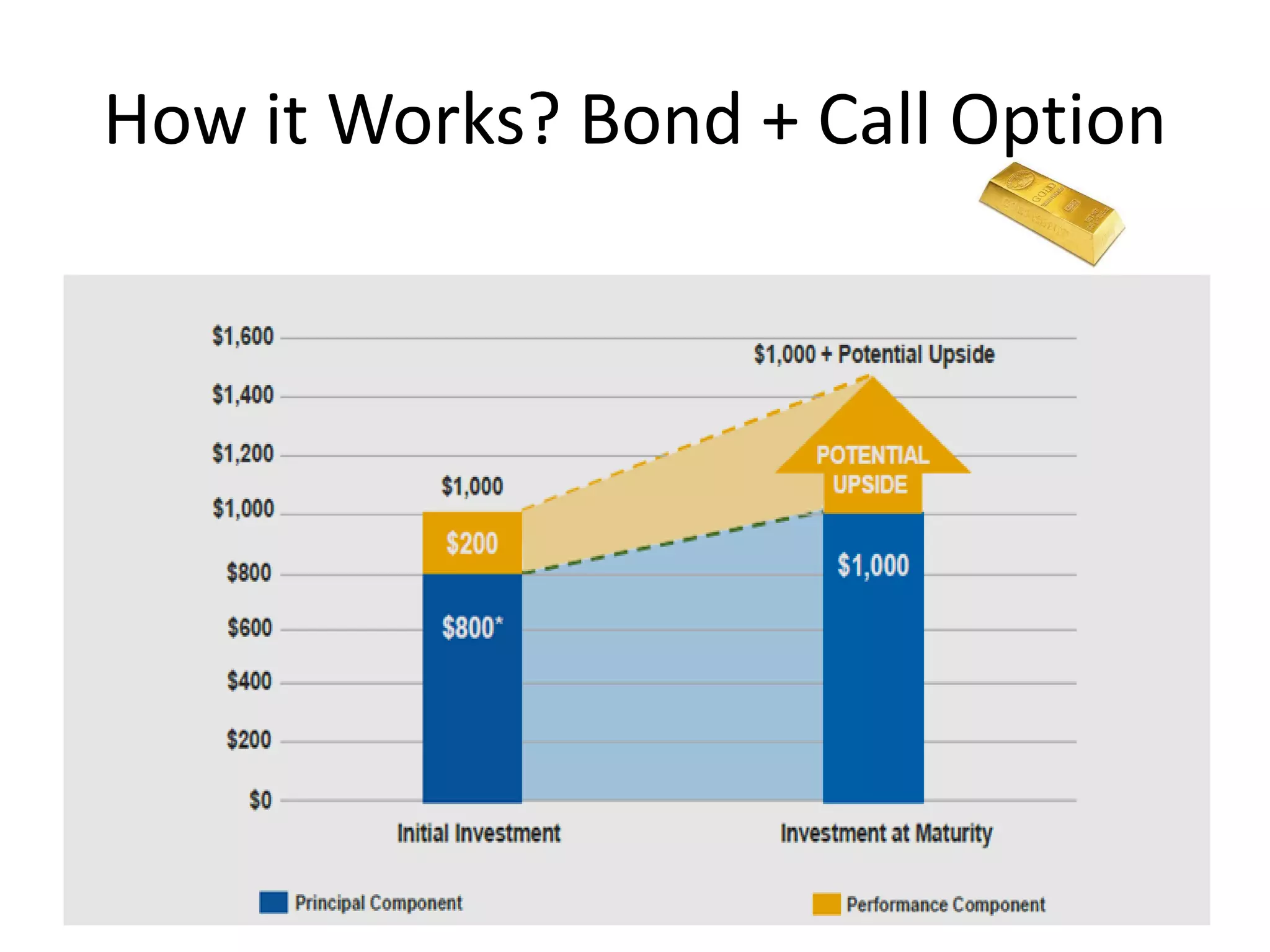
How it Works? Bond + Call Option
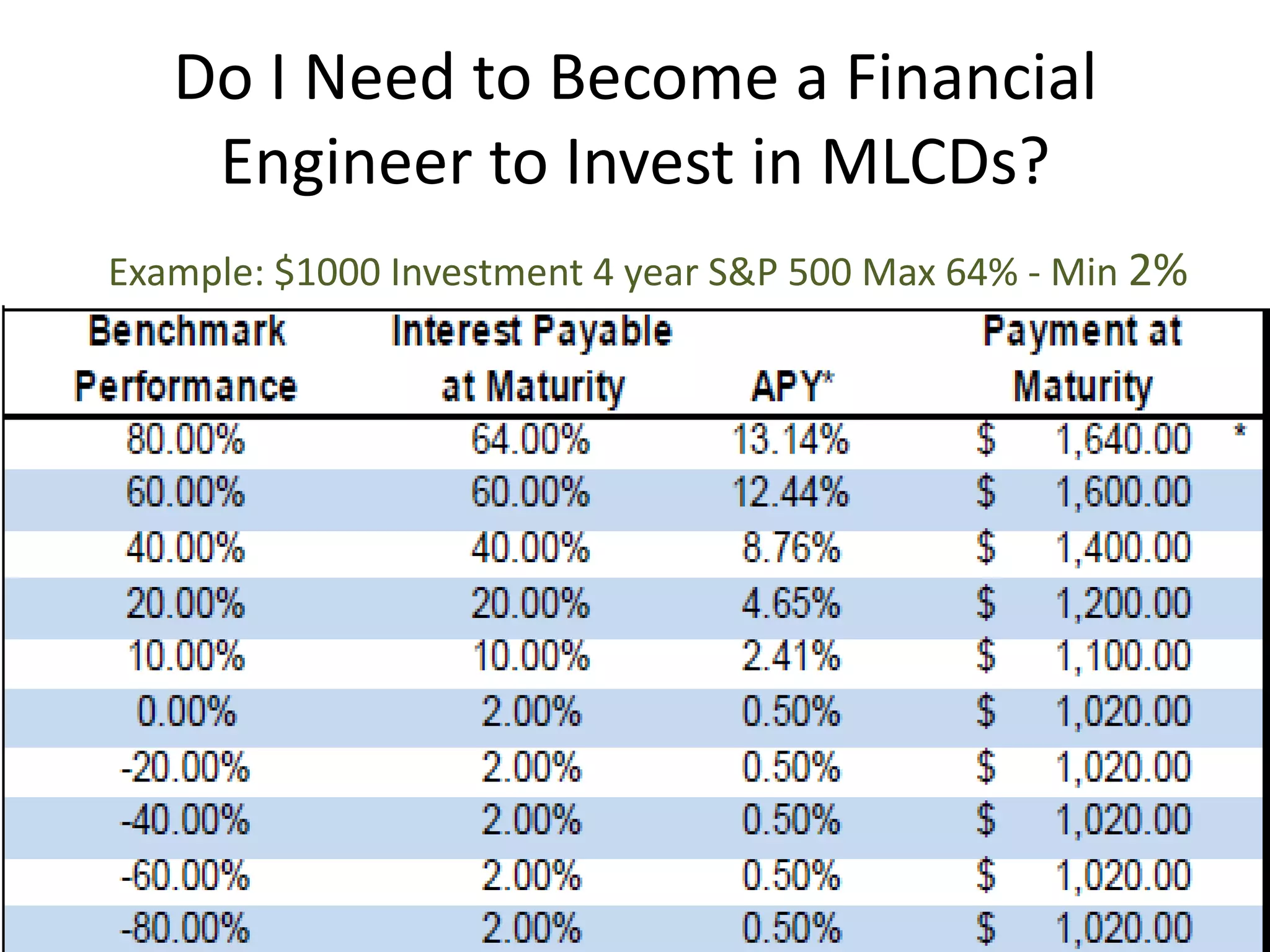
Do I Need to Become a Financial
    Engineer to Invest in MLCDs?
Example: $1000 Investment 4 year S&P 500 Max 64% - Min 2%
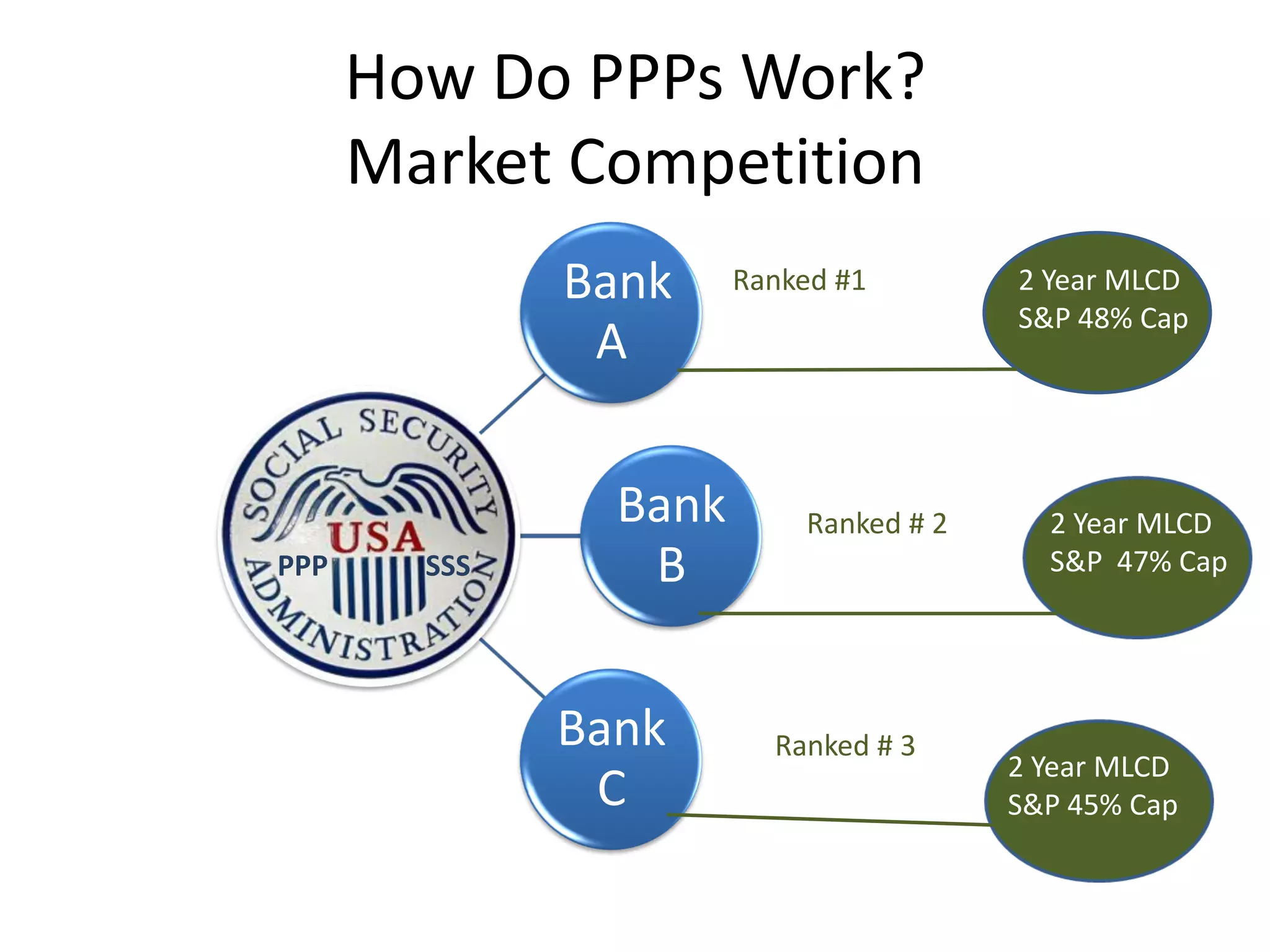
How Do PPPs Work?
      Market Competition
              Bank     Ranked #1        2 Year MLCD
                                        S&P 48% Cap
               A

                Bank       Ranked # 2     2 Year MLCD
PPP     SSS      B                        S&P 47% Cap


              Bank       Ranked # 3
                                        2 Year MLCD
               C                        S&P 45% Cap
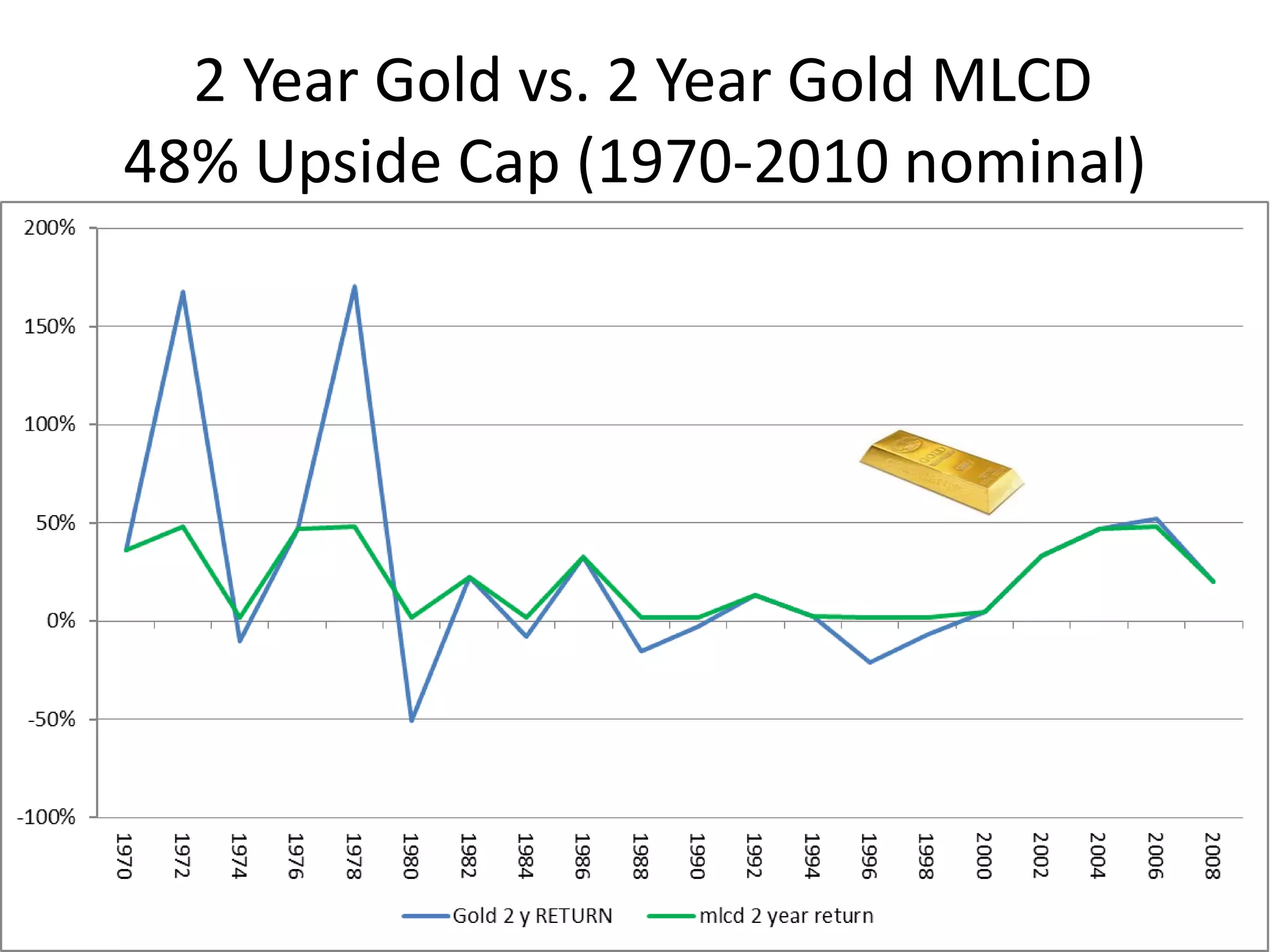
2 Year Gold vs. 2 Year Gold MLCD
48% Upside Cap (1970-2010 nominal)
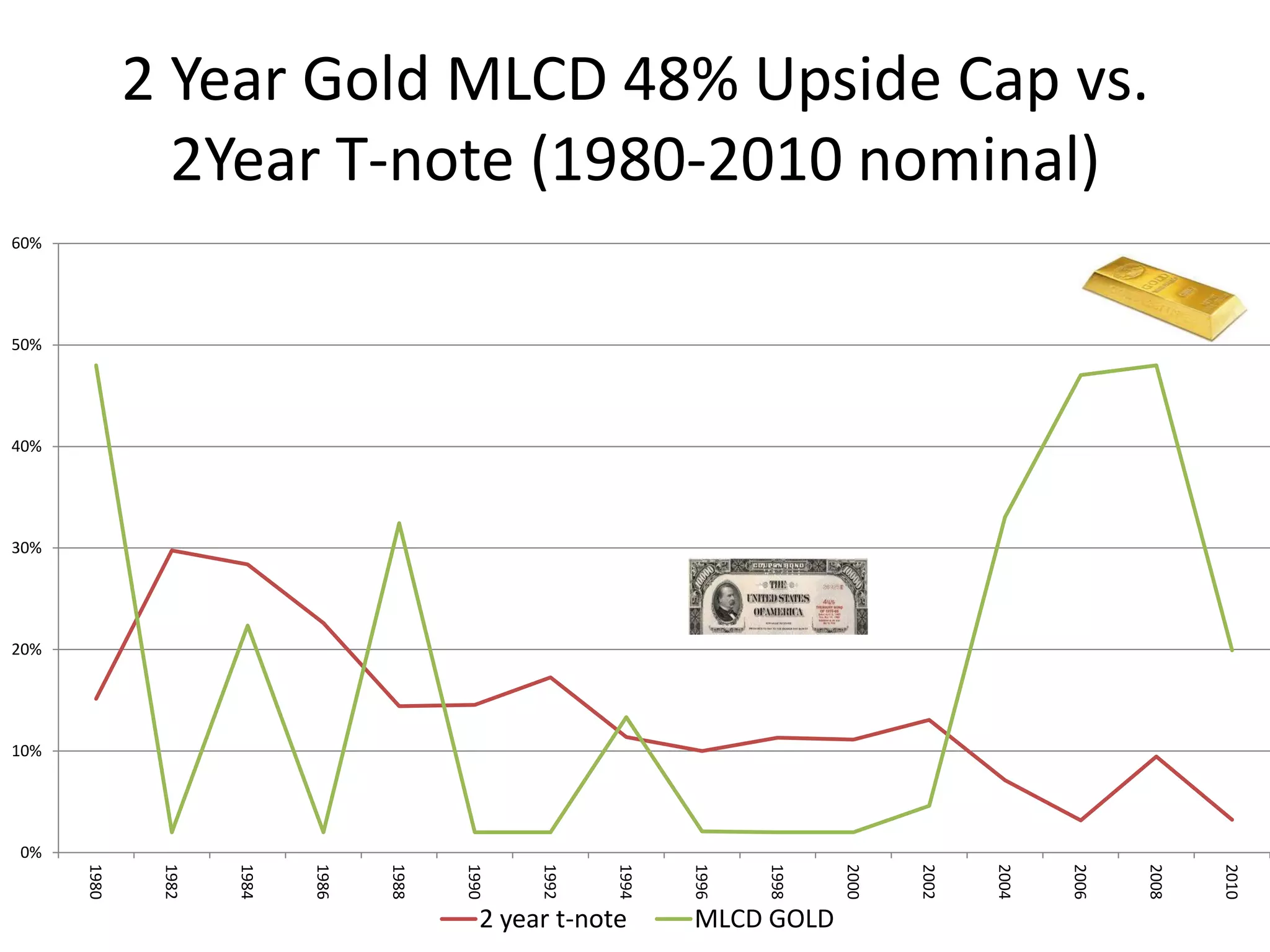
2 Year Gold MLCD 48% Upside Cap vs.
               2Year T-note (1980-2010 nominal)
60%


50%


40%


30%


20%


10%


0%
      1980


              1982


                     1984


                            1986


                                   1988


                                          1990


                                                  1992


                                                         1994


                                                                1996


                                                                       1998


                                                                              2000


                                                                                     2002


                                                                                            2004


                                                                                                   2006


                                                                                                          2008


                                                                                                                 2010
                                             2 year t-note      MLCD GOLD
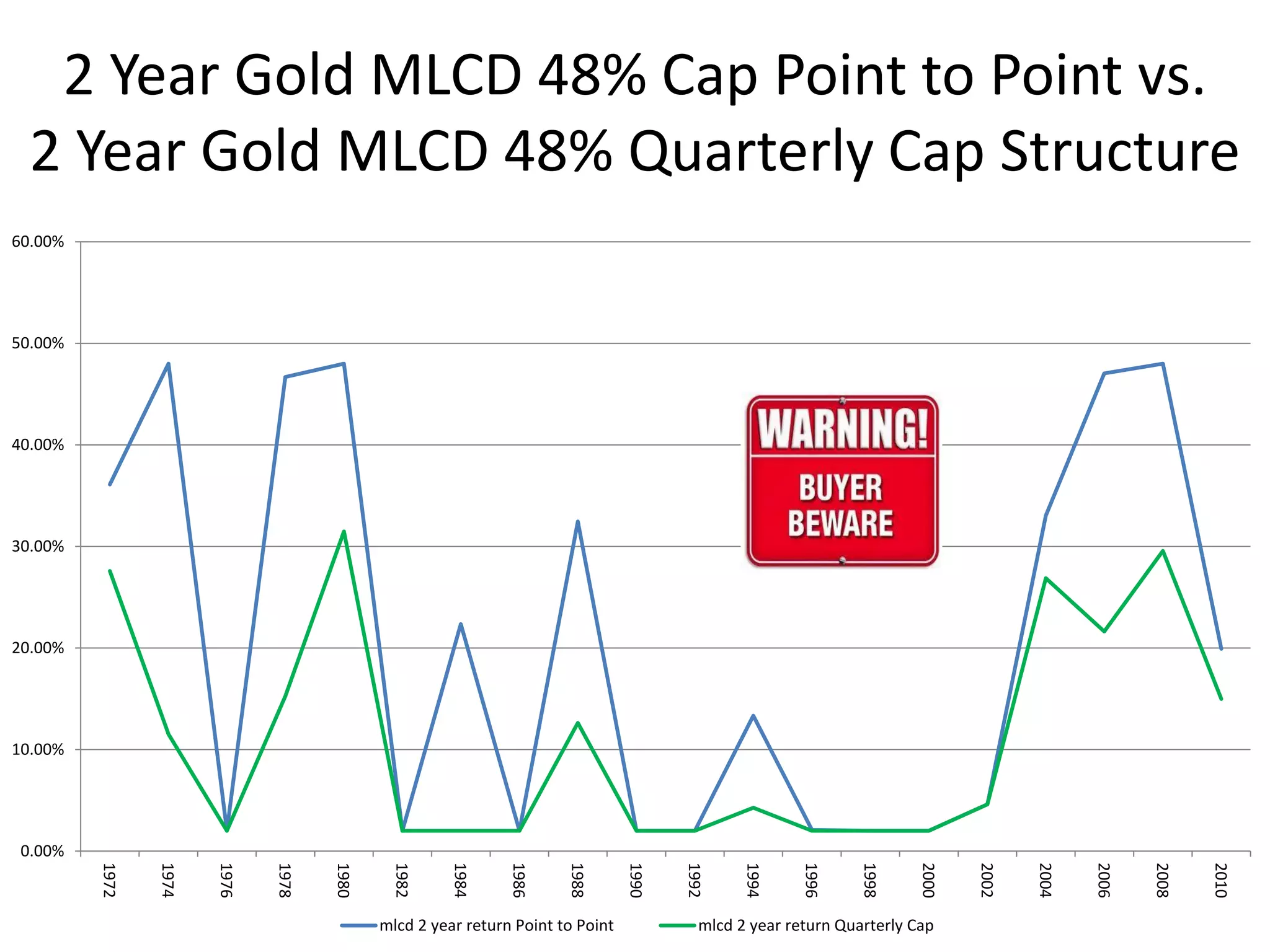
2 Year Gold MLCD 48% Cap Point to Point vs.
  2 Year Gold MLCD 48% Quarterly Cap Structure
60.00%


50.00%


40.00%


30.00%


20.00%


10.00%


 0.00%
         1972


                1974


                       1976


                              1978


                                     1980


                                             1982


                                                      1984


                                                              1986


                                                                      1988


                                                                                1990


                                                                                       1992


                                                                                                1994


                                                                                                        1996


                                                                                                               1998


                                                                                                                       2000


                                                                                                                              2002


                                                                                                                                     2004


                                                                                                                                            2006


                                                                                                                                                   2008


                                                                                                                                                          2010
                                            mlcd 2 year return Point to Point             mlcd 2 year return Quarterly Cap
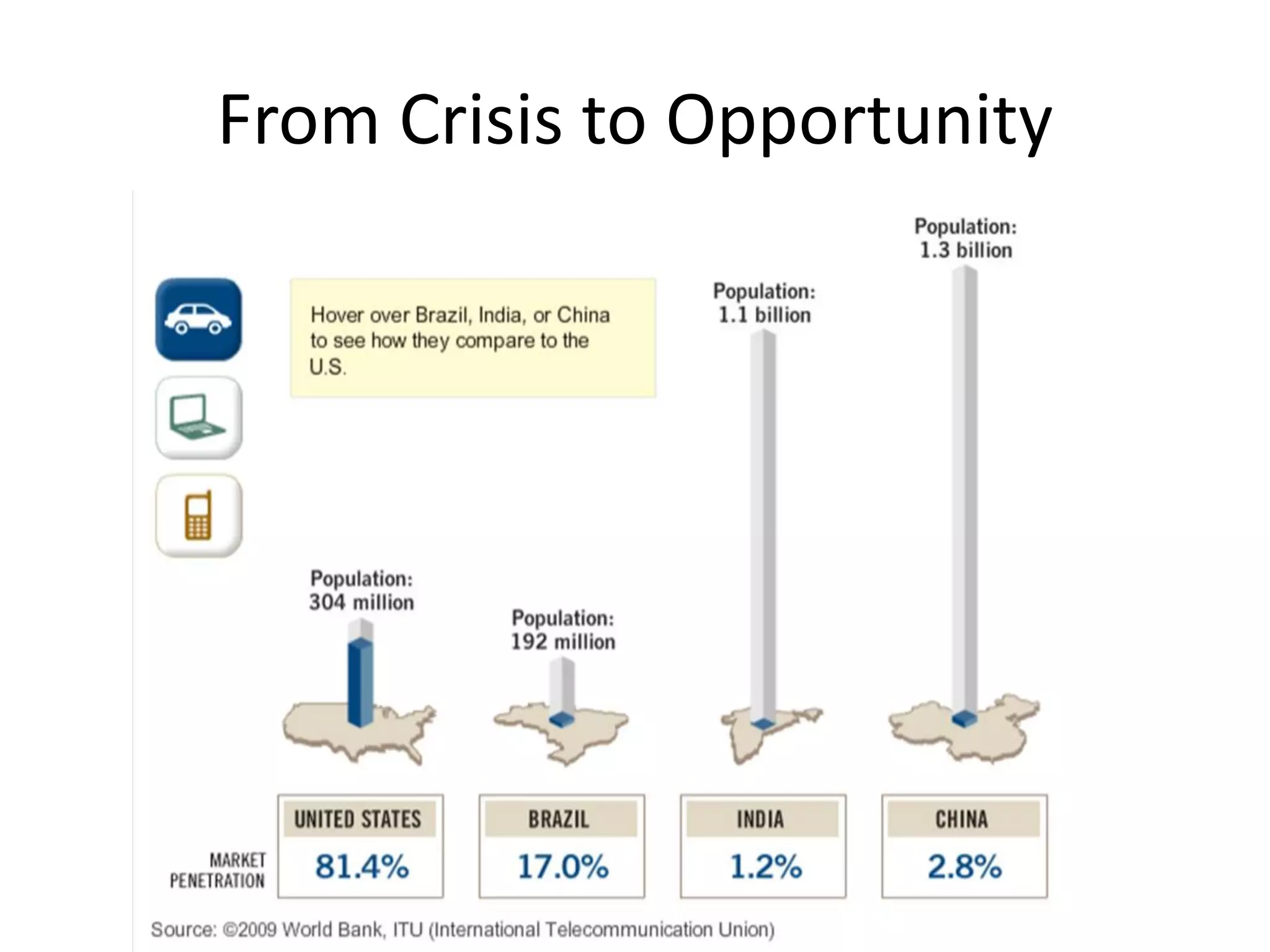
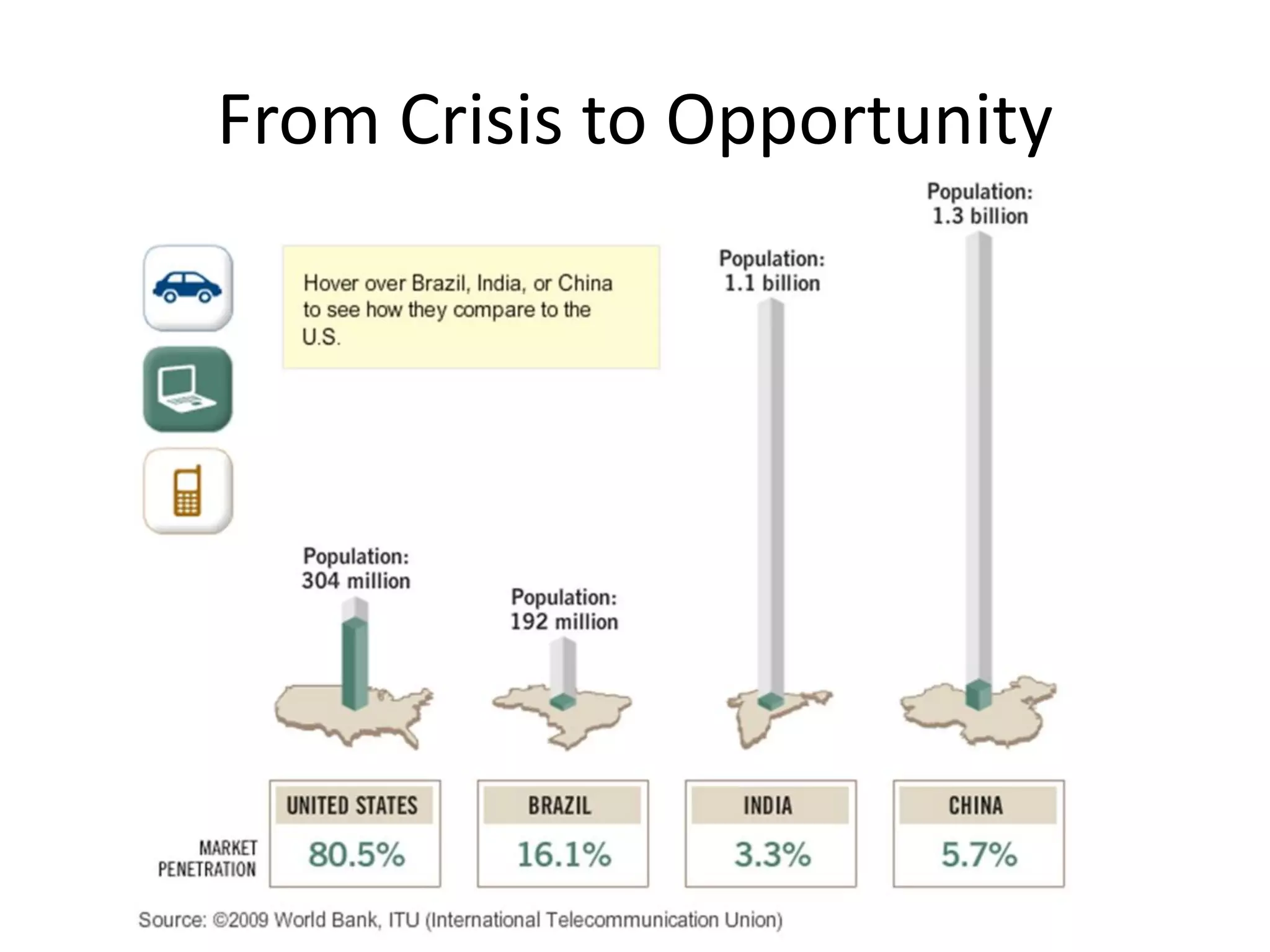
From Crisis to Opportunity
Thank You


+           =

Personal public private social security saving accounts

  • 1.
    How Can theU.S. Transition to Personal Public-Private Social Security Saving Accounts? Options for risk adverse investors in a post “Great Recession” world + =? Matias Zelikowicz 3-30-2012
  • 2.
    Social Security BasicFacts Created in 1935. It is a social insurance program that provides benefits to retirees and unemployed Funded by payroll taxes (employees & employers) Represents 39% of income during retirement Organized as a PAYG-defined benefit plan
  • 3.
    Social Security: FromSurplus to Deficit
  • 4.
    Number of Workersfor Every Social Security Retiree Is Falling 1940 1950 1960 2011 2035 42:1 16:1 5:1 3:1 2:1 Source: Social Security Trustees Report
  • 8.
    Key Issues forthe Current Social Security System • Unsustainable fiscal trends • Demographic trends • Poor returns inside its trust fund Objectives of Potential Reforms • Protect investor’s retirement savings • Increase real returns inside retirement accounts • Transition to a sustainable retirement system for workers
  • 9.
    Other Popular RetirementPlans: Defined Contribution Defined Benefit IRA 457/403b 401 (k) Private DB Pensions Social Security
  • 10.
    Pension Assets areShifting Away From Defined Benefit Plans (%) IRAs Defined contribution Defined Benefit Trillions $3.3 $10 $15 1990 2000 2010
  • 11.
  • 12.
  • 13.
  • 14.
  • 15.
    Investor’s Challenges Witha Defined Contribution Type Plan
  • 16.
    Policy Alternatives 1NO PARTIAL PRIVATIZATION OPTION 2 PPPSSS • Increase payroll taxes to pay • Provides diversification with for the baby boomer insurance generation retirement • Eliminates market risk (MLCD) • Cut benefits for younger • Managed by the Social Security workers administration • Invest ½ of social security taxes • 24 % benefit cut into PPPSSS • 30 % increase in payroll taxes • Pass it on to your children • Account would become private property • Minimizes credit risk (FDIC)
  • 17.
    Investment Options InsidePPPSSS Accounts Certificates of deposit that pay a return based on the performance of a market index, i.e. S&P 500. Provide the safety and security of FDIC insurance. Guarantees principal protection*. Allows investors to participate in the potential market upside of stocks, commodities, gold etc. Financial Instruments are managed and constructed by AAA rated banks.
  • 18.
    PPPSSS Investment Options • Guaranteed Return of Principal • Potential Upside Participation • FDIC Insurance • Diversification
  • 19.
    In the FutureThese Will be Your Choices 401K Qualified 403b non-taxable transfer LTC PAYG PPP SSS IRA MLCD U.S.T- Bonds
  • 20.
    How it Works?Bond + Call Option
  • 21.
    Do I Needto Become a Financial Engineer to Invest in MLCDs? Example: $1000 Investment 4 year S&P 500 Max 64% - Min 2%
  • 22.
    How Do PPPsWork? Market Competition Bank Ranked #1 2 Year MLCD S&P 48% Cap A Bank Ranked # 2 2 Year MLCD PPP SSS B S&P 47% Cap Bank Ranked # 3 2 Year MLCD C S&P 45% Cap
  • 23.
    2 Year Goldvs. 2 Year Gold MLCD 48% Upside Cap (1970-2010 nominal)
  • 24.
    2 Year GoldMLCD 48% Upside Cap vs. 2Year T-note (1980-2010 nominal) 60% 50% 40% 30% 20% 10% 0% 1980 1982 1984 1986 1988 1990 1992 1994 1996 1998 2000 2002 2004 2006 2008 2010 2 year t-note MLCD GOLD
  • 25.
    2 Year GoldMLCD 48% Cap Point to Point vs. 2 Year Gold MLCD 48% Quarterly Cap Structure 60.00% 50.00% 40.00% 30.00% 20.00% 10.00% 0.00% 1972 1974 1976 1978 1980 1982 1984 1986 1988 1990 1992 1994 1996 1998 2000 2002 2004 2006 2008 2010 mlcd 2 year return Point to Point mlcd 2 year return Quarterly Cap
  • 26.
    From Crisis toOpportunity
  • 27.
    From Crisis toOpportunity
  • 28.