1
Urban Poor’s Healthcare Status in Chittagong City, Bangladesh
Abstract: The study is an attempt to explore the existing status of urban poor’s healthcare services
and problems in addition to showing a way out of the current situation. Primary data collection was
qualitative and quantitative approaches. The study reveals a significant spatio-temporal variation
considering the current healthcare situation. The overall status of current healthcare was found
moderate to very poor and very severe in Sandwip Colony. The absence of public sector healthcare
services was identified inside the three study sites. Besides, community hospitals and clinics were the
burning issues for maternity and child healthcare along with the unavailability of seeking medicine,
especially in the Sandwip Colony. The study concluded that the urgency of establishing a community
hospital in the Shershah Colony and a maternity clinic in Burma& Sandwip Colony for free treatment,
with specialist doctors, the availability of ambulance by the government and the NGOs. Moreover,
community people could arrange medical campaigns and personal hygiene awareness programs in
their locality. Further study and a structural policy are needed to formulate the improvement of the
urban poor’s healthcare services in Chittagong city.
Keywords: Urban poor, Healthcare facilities, Maternity and child healthcare, Community hospital
and clinic, Urban dispensary
Introduction
Access to health care for the urban poor in developing countries is costly due to their low per
capita income (Liu et al. 2008). In most cases, developing countries' government health care
systems are weak, with inadequate attention given to the delivery of basic health care to
slum-dwellers (Afsana and Wahid, 2013). A rapid influx of migrants and the increased
number of people living in urban slums in large cities like Chittagong city (CC) Bangladesh
is creating continuous pressure on urban Primary Health Care (PHC). Poor housing, unsafe
water supply, weak environmental health services, lack of proper sanitation, overcrowded
living conditions, poverty, and the be short of affordable PHC services have resulted in
severe health maladies and malnutrition for the urban poor (Austen, 2009). Along with these
limitations for PHC service, lack of crucial manpower, inappropriate equipment, and
distribution of drugs, doctor-nurse ratio, challenging places, low per capita income, regional
disparities, and high service costs are the major challenging health issues in Bangladesh
(Jahan et al. 2015).In this connection, WHO (2010) opined, healthcare service provision or
delivery is an immediate output of the inputs into the health system, such as the health
workforce, procurement and supplies, and financing. Ensuring the availability of health
services that meet a minimum quality standard and securing access to them are key functions
of a health system.
Primary health care must be a whole-of-society approach to health and well-being centered
on the needs and preferences of individuals, families, and communities. It addresses the
broader determinants of health and focuses on the comprehensive and interrelated aspects of
physical, mental, and social health and wellbeing (WHO, 2019). Healthcare service is an
intangible product and cannot physically be touched, felt, viewed, counted, or measured like
manufactured goods. It is often difficult to reproduce consistent healthcare services, which
differ between producers, customers, places, and time. This “heterogeneity” can occur
because different professionals (e.g. physicians, nurses, etc.) deliver the service to patients
with varying needs (Mosadeghrad, 2013).
Besides, healthcare facilities are the indicators of any society’s status that determine the
people’s health and socio-economic condition. Developing countries like Bangladesh face
severe problems to mitigate the healthcare problems, especially for the urban poor.
2
Chittagong city is the second-largest and commercial capital of Bangladesh. More than 36%
of city dwellers live in the urban slums (Islam, 2006). Therefore, this study investigated the
urban poor’s especially maternal, child, and adult and aged people’s healthcare status. Along
with it had been identified the current problems and facilitated how to get rid of the
healthcare-related problems of the urban slum residents in Chittagong City.
Literature Review
Healthcare services in Bangladesh are delivered through various channels including public
health departments of the government, private institutions, and NGOs (Kabir, et al. 2019). In
the context of institutional perspective, in Bangladesh, the health care system is organized as
a three-tiered system, which includes tertiary medical centers (including teaching hospitals),
secondary hospitals (including urban district hospitals and rural county hospitals), and
community health centers (CHCs) (including rural township hospitals). Despite this
classification, patients may seek medical treatment, including primary care, from all three
levels without a referral (Hu, et al. 2016). Besides, there are other types of health care
systems based on their treatment behavior and medicational points of view such as: (i)
religious beliefs and rituals, (ii) herbals, (iii) allopathic, (iv) homeopathic, and (v) self-
medication, etc. ((Kabir, et al. 2019). Moreover, health care administrators look after the
core facility types: hospitals, outpatient clinics, long-term care facilities, clinical labs, and
hospices. These facilities collaborate to deliver high-quality health care to patients and
communities (Sultz, et al. 2006). In this connection, the following sections of literature
reviews were done on maternal health care, child health care, elderly people's health care
services, and health care service management.
The WHO defined maternal health as the health of women during pregnancy, childbirth, and
the postpartum period. It shows tremendous inequities affecting women; it is restricted by its
exclusive focus on the risks of bearing children. (Knaul, et al. 2016). According to Roy and
Shengelia (2016), maternal health is a crucial social, health, and economic priority of a
country like Bangladesh. The millennium development goal 5 (MDG 5) also highlighted
maternal health as a global public health priority because globally nearly 99% of 800
maternal deaths per day occur in developing countries. The distribution of key causes of
maternal deaths such as hemorrhages, hypertension, sepsis, and abortion remains unchanged
and occupies nearly 80% of maternal deaths; of which, Postpartum Hemorrhages (PPH) is the
most commonest cause of maternal deaths in many developing countries including
Bangladesh that cluster around delivery. In Bangladesh, nearly one-fourth of the total
population lives below the poverty level and household out-of-pocket payments share over
two-thirds of total health expenditure (Roy and Shengelia, 2016). Moreover, over 55% of the
total female population are in the age group 15-49 years with a total fertility rate of 2.3 and a
high maternal mortality rate. The situation is worse in the country’s urban slums with a
neonatal mortality rate of 43.7 per 1000 live births. The main causes of maternal deaths are
hemorrhage (31%), eclampsia (20%) according to a 2010 National survey (Khatun, et al.
2012) which ultimately shows the underprivileged maternity health care status of the urban
poor in Bangladesh.
Besides, child health is a state of physical, mental, intellectual, social, and emotional well-
being and not merely the absence of disease or infirmity. Healthy children live in families,
environments, and communities that provide them with the opportunity to reach their fullest
developmental potential (WHO, 2018). Studies found urban slum child health is generally
worse than national and rural averages. Data also show that children under five in slums
suffer from the same illnesses as rural children (Fry et al. 2002). In Bangladesh, diarrhea and
acute respiratory infections are the cause of two-thirds of all deaths of children <1 year of age
3
and it is much higher among the urban slum children due to their very poor living conditions
(Rahman, 2018).
Furthermore, the majority of aged people today live in developing countries. A greater
proportion of the world’s elderly men and women will live in those countries and regions
with the least resources to respond to their needs and it is more acute in the urban slums areas
of developing countries, like Bangladesh (WHO, 2001). According to the Bangladesh
National Population Census reports between 1974 and 2011, the growth of elderly people is
gradually increasing. The percentage of elderly people aged 60 years and above, in 1974
5.7%, in 1981 5.6%, in 1991 5.42%, in 2001 6.38% and 2011 it was 7.48 % respectively
(Barikdar et al. 2016). The elderly persons in Bangladesh do not enjoy the privileges as in
technologically advanced countries. There are no special services among the urban poor,
especially for elderly people. They are not in a position to take their turn for physician’s
services or checkups in a general hospital let alone appointment with consultants when
required by them seems difficult. The families are therefore compelled to pay for the service.
In serious cases they have to part with a large portion of their modest property and even in
daily life for primary treatment, elderly people have very few opportunities in getting health
care services due to their financial inability and ignorance.
Healthcare issues are consistently less important among the urban poor compared to the
urban average and the non-poor. Most of the childbirths among the urban poor take place at
home. Similarly, data on complete immunization, nutritional status among children, and
anemia among women reveal that the urban poor is worse than their non-poor counterparts
(WHO, 2011). Essentially, it is the poor and vulnerable members of society who are
particularly prone to the largest burden of cost and poor service delivery (World Bank, 2004).
In the circumstances, the urban poor’s health care services and management in Bangladesh
are very weak and the Government of Bangladesh (GOB) took many projects and initiatives
to improve the situation. GOB’s documents also mentioned to ensure the health of the urban
population, particularly the urban poor, the urban public healthcare program, including public
health care, requires expansion, both in coverage and quality, to have an immediate impact.
Due to the complex nature of urban health problems, there is a need for joint actions and
consolidated efforts of different ministries and other stakeholders. Ideally, urban public
health sector programs should be comprehensive, necessitating the participation of all public,
private, NGOs, community-based organizations (CBOs), civil society, and other stakeholders
(MOHFW, 2012).
Methods and Materials
The study has been conducted using both qualitative and quantitative methods. The
qualitative methods helped to identify present healthcare facilities of the urban poor in
Chittagong city. However, the quantitative techniques were applied to determine the
problems of healthcare, as well as how to improve the current health care condition in the
urban slums in CC. The mixed type of questionnaire (open and close-ended) has been
designed flexibly to collect both qualitative and quantitative information. In the case of a
close-ended question, a 5-point Likert-type scale was used in getting the judgments of the
respondents’. Even though the study was mainly based on primary data, available secondary
sources of data and information were also reviewed. The key methods used in this research
were –
(i) Field Observation: Carefully observed the quality of the surroundings of the
selected study sites in understanding the health care status, especially public health
4
care services, drug stores, clinics, doctors’ availability, maternity clinics, emergency
transport, communication, etc.
(ii) Household Head Interview (HHHI): A total of 150 face-to-face household head
interview was conducted among the slum dwellers (see figure 2). Male and female
respondents were selected randomly purposively. A semi-structured questionnaire
was used for the health care status information gathering from the interviewees.
(iii) Key Informant Interviews (KIIs): A total of 18 key informant interviews were
conducted at each study site (see Figure 2). Local community leaders, religious
leaders, community clinic doctors, nurses, drug sellers, teachers, NGO activists, etc.
were selected randomly purposively from each study site for KII. A pre-structured
checklist was used for the health care status information gathering from the KIIs.
(iv) Small Group Discussion (SGD): A total of 6 small group discussions were
executed at each study site (see figure 2). Around 7-10 local people instantly
participated in the discussion. Each SGD was arranged in many gathering places
usually at a tea stall or rickshaw or CNG auto-rickshaw stand. A pre-structured
checklist was used for the health care status information gathering from the small
group discussants’.
Sites for Respondent’s Survey
Around 1,814 slum clusters and, nearly 35.4% of people out of 4,133,014 populations live in
slum areas (Islam, 2006) in Chittagong city. Three urban slums locally named Burma Colony,
Shershah Colony (migrated from India and Burma) (Ashraf, 1995), and Sandwip Colony
were selected for primary data collection. In the Shershah Colony, people from Indian
Muslims and in Burma Colony migrated people from Myanmar in 1947 when India and
Pakistan divided based on religion. In course of time, many people from the rest of the
country of Bangladesh currently live in these two colonies. Most of the slum dwellers in the
Sandwip Colony came from Sandwip Island due to the victim of marine erosion. The
government provided the land for the slum dwellers in 1973. It should be mentioned that
these three slums are located in the government lands and they are very elderly as well.
The Shershah and the Burma colonies are very congested and the Burma Colony’s
environmental condition is very poor in comparison with the rest of the two slums areas. The
population size is almost equal to the three slums and nearly 15000 (nearly 4000 households
live in each slum). This is why these three slum areas were selected for primary data
collection.
A study site map was made by using Arc GIS 10.8 software and Google Earth Pro. At first, a
shapefile of Chittagong Metropolitan Police (CMP) areas was collected from online sources.
Then digitized each study site in the Google Earth map and made each area’s Kml. files.
After digitizing and Kml file preparation Arc GIS conversion tools were used for generating a
map layer for each file. Then each Kml. file was converted into a shapefile and added data in
the CMP shapefile. Finally, a layout map was made to show the study site in CMP. This map
preparation helped spatial representation of detailed information of study area. Figure 1 shows
the primary data collection sites.
5
Figure 1: Primary Data Collection Sites (Burma, Sandwip, and Shershah Colonies)
Primary Data Collection Sample Size
The primary data samples (150 household head respondents, 18 key informants, and 6 small
group discussants) were taken equally from each site due to the approximately similar size of
population and households of the three study sites (See Figure 2). And the total sample size is
174.
Secondary Data Collection: The secondary sources data were collected from various
sources such as online journal articles, research reports, books, etc.
Data Analysis: Data were analyzed using statistical analysis (quantitative data) including a
statistical package for social science (SPSS) and qualitative data analyzed through qualitative
statements, description, and explanation. Analysis of variances (ANOVA) was done to
determine the spatial disparity. In brief, the analysis followed in this research was inductive,
with the perception study of current health care conditions and identified the existing health
care problems facing slum dwellers as well as how to solve the current health care problems
and improve the status in their neighborhoods’ by using descriptive and analytical statistics as
well as tables and figures along with narrating and clarification. In analyzing the three types
of respondents’ (HHH, KI, and SGD) views regarding current healthcare status, it was found
that HHH respondents' opinion has a little variation in contrast with KI and SG discussants’
judgments’ but it was not significant. Therefore, HHH respondents, KI interviewees, and SG
discussants’ judgments’ merged to show each study site’s variation. Figure 2 shows the
research methodology flowchart.
6
Research Aim and Objectives
Data Collection
Primary data Secondary data
Data Collection
N=N1+N2+N3
Journals, articles, research
reports, books, etc.
Household Questionnaire
(N1=150)
Burma colony (n1=50)
Shershah colony (n2=50)
Sandwip colony (n3=50)
Key Informant
Interview (N2=18)
Burma colony (n1=6)
Shershah colony (n2=6) Shershah colony (n2=2)
Sandwip colony (n3=2)
Sandwip colony (n3=6)
Burma colony (n1=2)
Small Group Discussion
(N3=6)
Data analysis
Qualitative data analysis Quantitative data analysis Spatial data analysis
Findings, discussion and conclusions
Figure 2: Research methodology framework
Findings and Discussion
Demographic and Socioeconomic Status of the Respondents’
The rapid growth of population in urban centers since the partition of the Indian sub-
continent, natural hazards (especially river and marine erosion), and rural poverty have led to
the emergence and growth of urban slums in Bangladesh and Chittagong city too.
Development activities in Bangladesh are urban centers focused that also pull rural migrants
due to higher wages and the illusion of urban life. These low-income rural migrants, most of
them settle in the slum areas characterized by overcrowding, dilapidated dwellings, lack of
sanitation, and civic amenities let alone modern and basic healthcare services. Table 1 shows
the demographic and socio-economic features of the respondents of the three study sites.
7
Table 1: Demographic and Socioeconomic Status of the Respondents’
Demographic and
socio-economic
variables
Measuring
level
Burma Colony
Shershah
Colony
Sandwip
Colony
Grand Total (N)
Sex
Male 26(52% 30(60%) 43(86%) 99 66%
Female 24(48%) 20(40%) 7(14%) 51 34%
Age group (in years)
Mean 41-50 41-50 31-40 41-50 15.3%
Minimum 51-60 (8%) Above 70 (2%) 61-70(6%) Above 70 .7%
Maximum 20-30 (50%) 20-30(46%) 20-30(44%) 20-30 46%
Marital status
Married 41(82%) 34(68%) 34(68%) 109 73%
Unmarried 9(18%) 16(32%) 16(32%) 41 27%
Family member
Mean 5.02 (10.04%) 4.36 (8.72%)
5.34
(10.68%)
4.91 9.8%
Minimum Below 2,(6%) 7 (4%) 3 (8%) 2 7.3%
Maximum 4 (24%) 5 (24%) 4 (26%) 4 22%
Educational
qualification
Minimum
Degree and
above (4%)
Higher
secondary
(12%)
Degree and
above (6%)
Degree and
above
8.7%
Maximum Illiterate (40%) Primary (34%)
Illiterate
(36%)
Illiterate 32%
House type
Mean
Semi-brick
house (78%)
Semi-brick
house (44%)
Semi-brick
house (40%)
Semi-brick
house
54%
Minimum
Full brick house
(6%)
Non-brick
house (24%)
Full brick
house (20%)
Full brick
house
19.3%
Maximum
Non-brick house
(16%)
Full brick house
(32%)
Non-brick
house (40%)
Non-brick
house
26.7%
House ownership
Own 22% 36% 78% 68 45.33%
Rent 78% 64% 22% 82 54.67%
Occupation
Mean
Day lobour
(12%)
Day lobour
(10%)
Day lobour
(22%)
Day labor 14.7%
Minimum Driver (2%)
Rickshaw puller
(4%)
Rickshaw
puller (2%)
Rickshaw
puller
3.3%
Maximum
Service
(Garments
worker (28%)
Service
(Garments
worker (44%)
Street vendor
(34%)
Service
(Garments
worker)
32.7%
Monthly income (in
Taka)
Mean 17760 18570 17990 17780
Minimum
Above 100,000
(2%)
50,000-100000
(4%)
50,000-
100,000 (2%)
Above
100,000 (2%)
0.7%
Maximum
10,000-20,000
(72%)
10,000-20,000
(62%)
10,000-20,000
(72%)
10,000-20,000 70.7%
Duration of living in
the slum
Mean 20.15(18%) 2.5 years (16%) 21.06(16%) 11-15 10%
Minimum 21-25 years (2%) 21-25 (6%) 0-5(10%) 21-25 8%
Maximum 6-10 years (32%) 6-10 (24%)
Above
30(26%)
6-10 22.7%
Note: We only presented three values (mean, maximum, minimum) of each variable of each study site and the total also
demonstrated similarly without considering the spatial variation of data in the last two columns of Table 1.
The study exposed a significant spatial variation among the three study sites in the context of
the demographic and socio-economic variables of the respondents.
Current Healthcare Status of Slum Dwellers in Chittagong City
Slum-dwellers usually receive several types of healthcare services such as i) allopathic, ii)
homeopathic, iii) Ayurveda, and iv) traditional & spiritual. It was found most of them prefer
to receive traditional and spiritual healthcare services due to low cost or religious emotion
(actually lack of literacy and ignorance). But when the sufferings increase or intolerable they
move to receive the allopathic (90.23%) and homeopathic healthcare service (9.20%).In the
context of the availability of doctors, in the territory of the slum, no doctors were available.
They usually need to go a far way (10-20 km.) to meet a qualified physician. Occasionally,
8
they have the opportunity to meet some privately practiced physicians at least 5 km. away
from their residence but in emergency cases, especially at night, this opportunity is almost not
available. They habitually purchase medicine from the drug sellers without consulting with a
qualified physician. Respondents (23%) did not know the qualification of the physicians and
less than one-third of patients (28%) met with a qualified doctor to receive healthcare service.
A healthcare facility varies based on the different aged groups of people as well as urgent and
regular needs. Typically, it could be child health, maternity, elderly and specialized issues
(ENT, Eye, Skin, Medicine, Orthopedics, Cardiology, Neurology, Urology, etc.). In the case
of maternity healthcare status, it was showed poor (45.97%) considering the availability of
hospitalization, obstetrician, nurses, medicine, diagnosis, emergency transport, personal
hygiene awareness, nutrition intake, etc. They (20.11%) even mentioned, it is a very poor
condition in associating with aforesaid services. Besides, the child healthcare situation
demonstrates poor (54.02%) considering the facilities of hospitalization, pediatrician, nurses,
medicine, diagnosis, etc. Usually, aged people in slum areas suffer from cumulative effects of
a lifetime of deprivation, entering elderly age in a poor state of health, and without savings or
material assets. Aged people have very limited access to healthcare services in general points
of view let alone slum dwellers. Due to financial crisis, lack of awareness, and limited social
safety net programs of elderly people in slum dwellers healthcare facilities are almost nil. The
study found poor (74.71%) conditions of healthcare status for the elderly people considering
the required facilities (physiotherapy, heart disease, diabetics, specialist doctor availability,
diagnosis, handicapped, medicine, etc.) for the aged people. Table 2 displays the current
healthcare status of slum dwellers in CC.
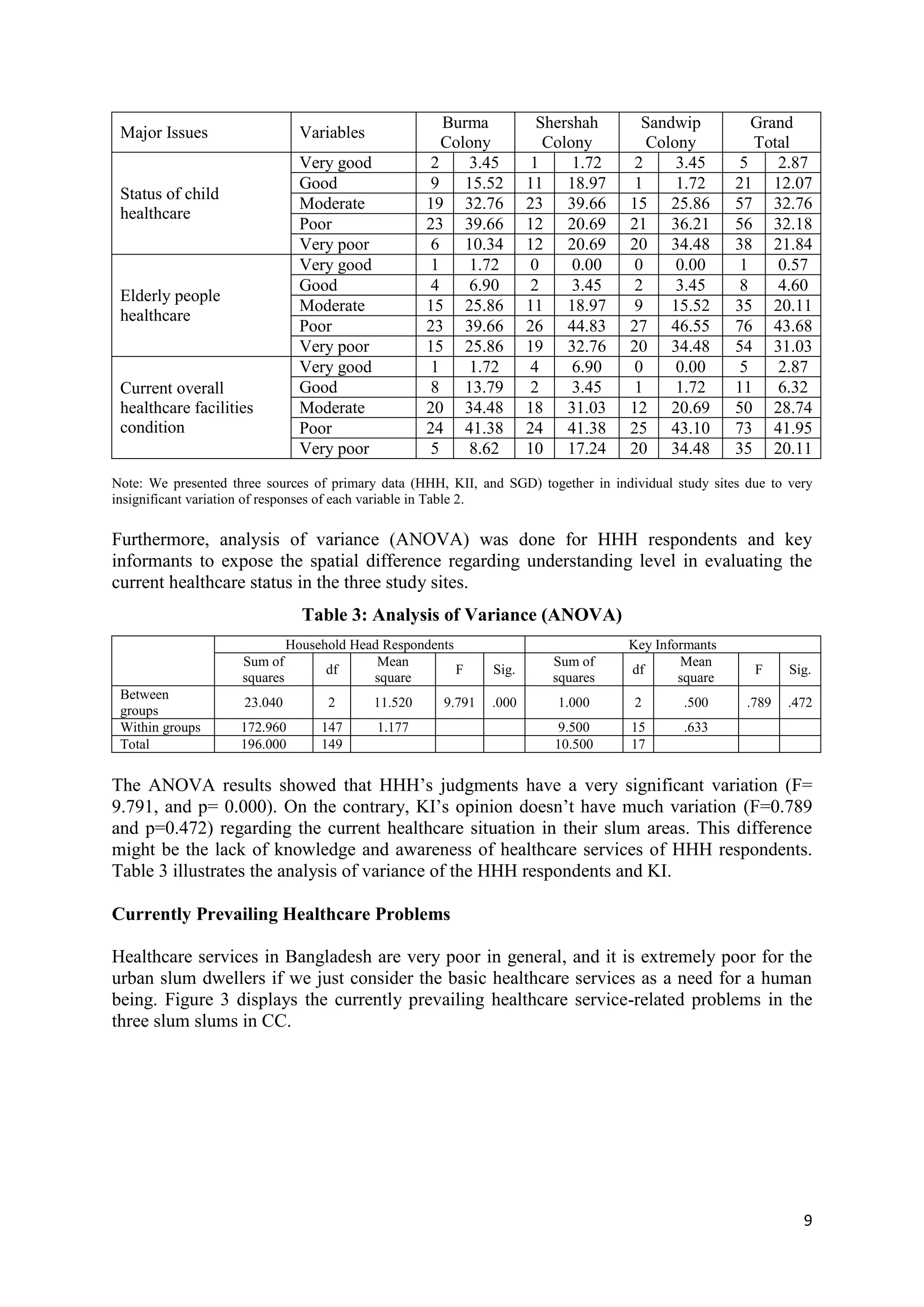
Table 2: Current Healthcare Status of Slum Dwellers in Chittagong City
Major Issues Variables
Burma
Colony
Shershah
Colony
Sandwip
Colony
Grand
Total
f % f % f % f %
Current healthcare
condition
Very good 6 10.34 2 3.45 0 0.00 8 4.60
Good 18 31.03 10 17.24 8 13.79 36 20.69
Moderate 14 24.14 20 34.48 16 27.59 50 28.74
Poor 15 25.86 16 27.59 14 24.14 45 25.86
Very poor 7 12.07 10 17.24 20 34.48 37 21.26
Receiving healthcare
services
Allopathic 55 94.83 50 86.21 52 89.66 157 90.23
Homeopathic 2 3.45 8 13.79 6 10.34 16 9.20
Spiritual 1 1.72 0 0.00 0 0.00 1 0.57
Availability of doctor
Yes 52 89.66 56 96.55 26 44.83 134 77.01
No 6 10.34 2 3.45 32 55.17 40 22.99
Doctors qualification
knowing
Yes 54 93.10 52 89.66 25 43.10 131 75.29
No 3 5.17 4 6.90 33 56.90 40 22.99
Not Applicable 1 1.72 2 3.45 0 0.00 3 1.72
Last meeting doctor
L.M.F 35 60.34 25 43.10 14 24.14 74 42.53
M.B.B.S 18 31.03 24 41.38 8 13.79 50 28.74
Homeopathic
doctor
3 5.17 6 10.34 3 5.17 12 6.90
Don't know 2 3.45 3 5.17 4 6.90 9 5.17
Not applicable 0 0.00 0 0.00 29 50.00 29 16.67
Maternity healthcare
condition
Very good 2 3.45 2 3.45 2 3.45 6 3.45
Good 15 25.86 3 5.17 4 6.90 22 12.64
Moderate 22 37.93 19 32.76 18 31.03 59 33.91
Poor 16 27.59 15 25.86 16 27.59 47 27.01
Very poor 5 8.62 20 34.48 19 32.76 44 25.29
9
Major Issues Variables
Burma
Colony
Shershah
Colony
Sandwip
Colony
Grand
Total
Status of child
healthcare
Very good 2 3.45 1 1.72 2 3.45 5 2.87
Good 9 15.52 11 18.97 1 1.72 21 12.07
Moderate 19 32.76 23 39.66 15 25.86 57 32.76
Poor 23 39.66 12 20.69 21 36.21 56 32.18
Very poor 6 10.34 12 20.69 20 34.48 38 21.84
Elderly people
healthcare
Very good 1 1.72 0 0.00 0 0.00 1 0.57
Good 4 6.90 2 3.45 2 3.45 8 4.60
Moderate 15 25.86 11 18.97 9 15.52 35 20.11
Poor 23 39.66 26 44.83 27 46.55 76 43.68
Very poor 15 25.86 19 32.76 20 34.48 54 31.03
Current overall
healthcare facilities
condition
Very good 1 1.72 4 6.90 0 0.00 5 2.87
Good 8 13.79 2 3.45 1 1.72 11 6.32
Moderate 20 34.48 18 31.03 12 20.69 50 28.74
Poor 24 41.38 24 41.38 25 43.10 73 41.95
Very poor 5 8.62 10 17.24 20 34.48 35 20.11
Note: We presented three sources of primary data (HHH, KII, and SGD) together in individual study sites due to very
insignificant variation of responses of each variable in Table 2.
Furthermore, analysis of variance (ANOVA) was done for HHH respondents and key
informants to expose the spatial difference regarding understanding level in evaluating the
current healthcare status in the three study sites.
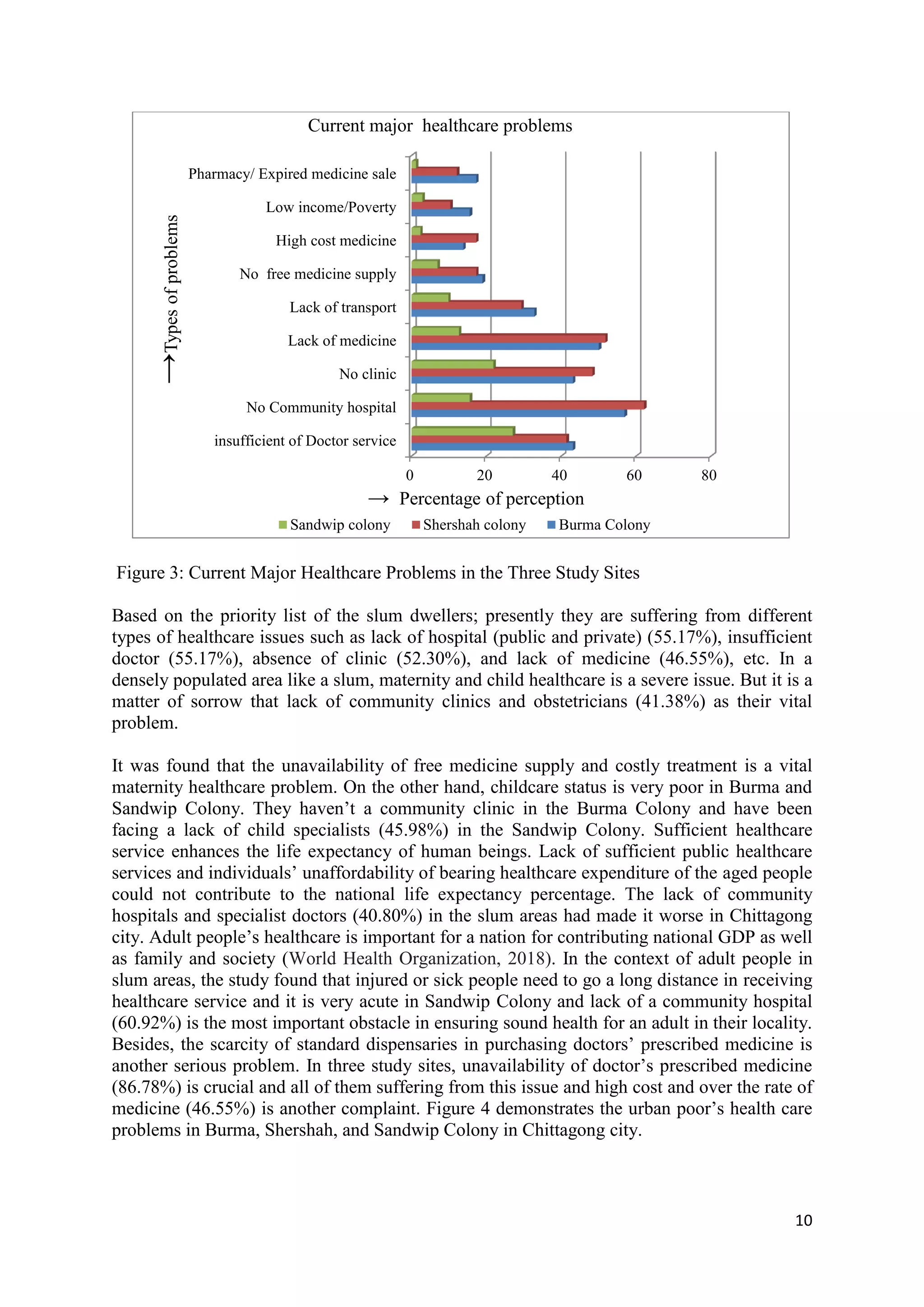
Table 3: Analysis of Variance (ANOVA)
Household Head Respondents Key Informants
Sum of
squares
df
Mean
square
F Sig.
Sum of
squares
df
Mean
square
F Sig.
Between
groups
23.040 2 11.520 9.791 .000 1.000 2 .500 .789 .472
Within groups 172.960 147 1.177 9.500 15 .633
Total 196.000 149 10.500 17
The ANOVA results showed that HHH’s judgments have a very significant variation (F=
9.791, and p= 0.000). On the contrary, KI’s opinion doesn’t have much variation (F=0.789
and p=0.472) regarding the current healthcare situation in their slum areas. This difference
might be the lack of knowledge and awareness of healthcare services of HHH respondents.
Table 3 illustrates the analysis of variance of the HHH respondents and KI.
Currently Prevailing Healthcare Problems
Healthcare services in Bangladesh are very poor in general, and it is extremely poor for the
urban slum dwellers if we just consider the basic healthcare services as a need for a human
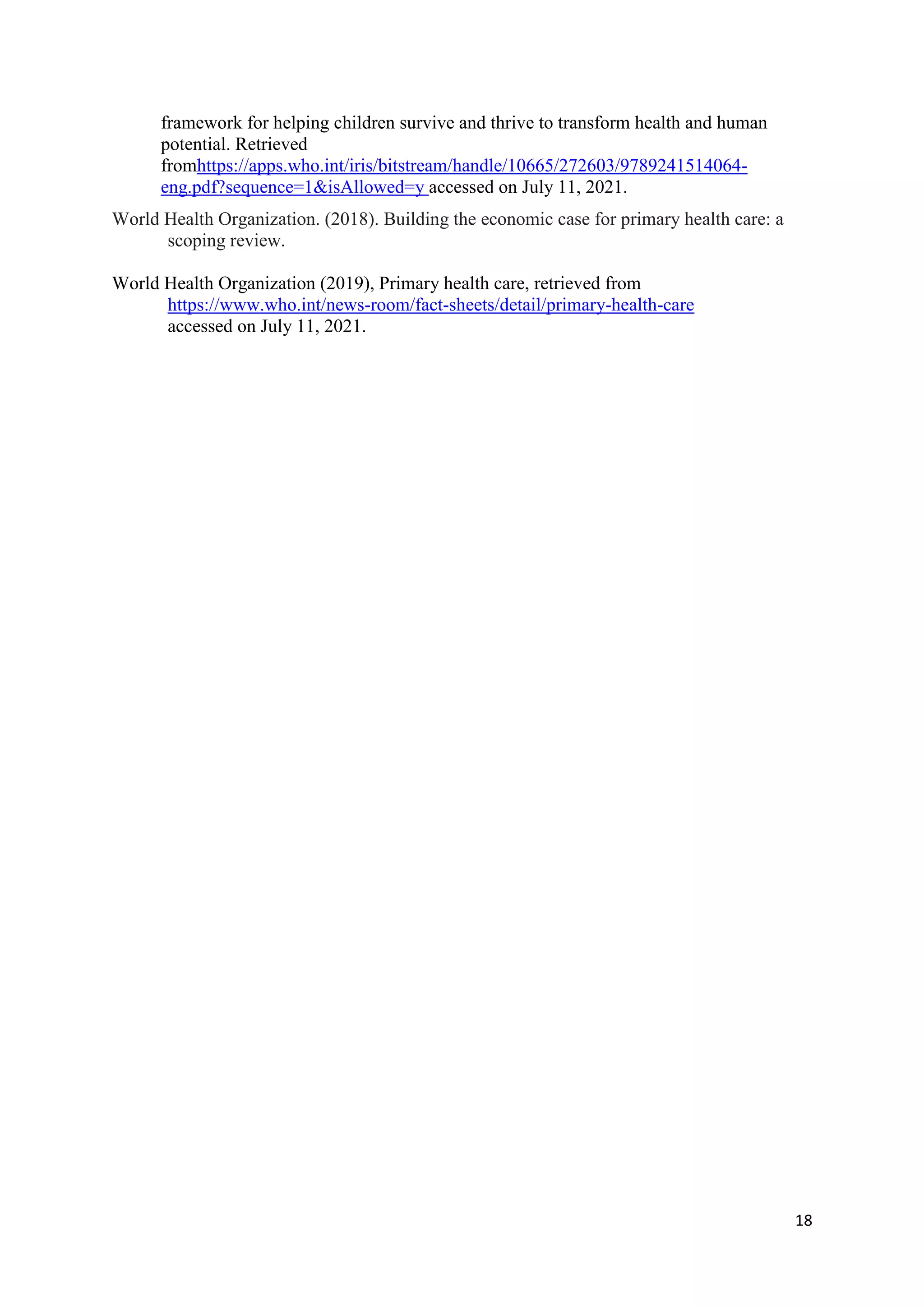
being. Figure 3 displays the currently prevailing healthcare service-related problems in the
three slum slums in CC.
10
Figure 3: Current Major Healthcare Problems in the Three Study Sites
Based on the priority list of the slum dwellers; presently they are suffering from different
types of healthcare issues such as lack of hospital (public and private) (55.17%), insufficient
doctor (55.17%), absence of clinic (52.30%), and lack of medicine (46.55%), etc. In a
densely populated area like a slum, maternity and child healthcare is a severe issue. But it is a
matter of sorrow that lack of community clinics and obstetricians (41.38%) as their vital
problem.
It was found that the unavailability of free medicine supply and costly treatment is a vital
maternity healthcare problem. On the other hand, childcare status is very poor in Burma and
Sandwip Colony. They haven’t a community clinic in the Burma Colony and have been
facing a lack of child specialists (45.98%) in the Sandwip Colony. Sufficient healthcare
service enhances the life expectancy of human beings. Lack of sufficient public healthcare
services and individuals’ unaffordability of bearing healthcare expenditure of the aged people
could not contribute to the national life expectancy percentage. The lack of community
hospitals and specialist doctors (40.80%) in the slum areas had made it worse in Chittagong
city. Adult people’s healthcare is important for a nation for contributing national GDP as well
as family and society (World Health Organization, 2018). In the context of adult people in
slum areas, the study found that injured or sick people need to go a long distance in receiving
healthcare service and it is very acute in Sandwip Colony and lack of a community hospital
(60.92%) is the most important obstacle in ensuring sound health for an adult in their locality.
Besides, the scarcity of standard dispensaries in purchasing doctors’ prescribed medicine is
another serious problem. In three study sites, unavailability of doctor’s prescribed medicine
(86.78%) is crucial and all of them suffering from this issue and high cost and over the rate of
medicine (46.55%) is another complaint. Figure 4 demonstrates the urban poor’s health care
problems in Burma, Shershah, and Sandwip Colony in Chittagong city.
0 20 40 60 80
insufficient of Doctor service
No Community hospital
No clinic
Lack of medicine
Lack of transport
No free medicine supply
High cost medicine
Low income/Poverty
Pharmacy/ Expired medicine sale
→
Types
of
problems
Current major healthcare problems
Sandwip colony Shershah colony Burma Colony
→ Percentage of perception
11
Maternity healthcare
problems
Specialized dr./nurse
(41.38%)
No community clinic
(41.38%)
Lack of free medicine
supply (27.01%)
Lack of ambulance
service (17.24%)
Lack of complex
treatment (16.09%)
Child healthcare
problems
No specialized doctor/
nurse (45.98%)
Lack of community
clinic (44.25%)
Lack of complex
treatment (31.03%)
Lack of free medicine
supply (28.74%)
Poverty and financial
crisis (14.37%)
Lack of hospital bed
(6.32%)
Old people s
healthcare problems
No community
hospital(40.80%)
No specialist dr.
(27.59%)
Lack of diabetic
check point (25.86%)
Lack of diagnostic s
center (24.71%)
Lack of medicine
(22.99%)
Less instrumental
facilities (16.09%)
Adult people s
healthcare problems
No community
hospital(34.48%)
Lack of medicine
(27.59%)
No treatment/check up
(26.44%)
Distance from health
care center (22.99%)
Lack of rehabilitation
center (12.64%)
Lack of urban
dispensary (11.49%)
Lack of regular check
up facility (15.52%)
Types of Urban Poor s Healthcare Problems
No health loan (2.87%)
No ambulance service
(10.34%)
Lack of urban
dispensary (6.90%)
Drug addiction
(28.74%)
Note- Highest levels of % for each variable of the respondents’ opinion on each category of the target group of people were shown in the
figure.
Figure 4: Types of Urban Poor’s Healthcare Problems
Measures of the Urban Slum Dwellers’ Healthcare Problems
Slum-dwellers regularly suffer many types of diseases especially diarrhea, asthma, anemia,
skin diseases, fever, enteropathy, malnutrition, etc. Health may improve if houses and
housing environments are improved in slum areas. Even that individual, CBO, social
organization, GO-NGOs need to come forward to solve the healthcare service-related
problems in the urban slum. The study found in improving the current healthcare condition in
the urban slums, a lot of healthcare services related initiatives are required such as
establishing a community hospital and maternity/community clinic for free treatment,
specialist doctor, availability of ambulance, free medicine, or nominal fee of medicine from
urban dispensary/pharmacy, healthy environment in the clinic, etc. Figure 5: shows the
needed activities to improve health care status by the NGOs in Burma, Shershah, and
Sandwip Colony in Chittagong city.
12
Figure 5: Expected Initiatives to Improve Healthcare Status by the NGOs
The NGOs could contribute accommodations in a way to a setup community clinic, available
doctors and nurses, providing health loans, arranging medical campaign, taking nominal
treatment fee, free medicine supply, increasing clinics’ bed capacity, ascertain for intricate
treatment, cognizance of building for a healthy environment and make a convenience of the
ambulance, etc. In a spatial context, they could immediately establish a community clinic in
Burma and Sandwip Colony where it’s very much needed. Ensuring the availability of
doctors and nurses in these areas, maternity and child healthcare quandaries could be
identified, and withal opportune steps might be taken for the treatment. The medical
campaign is another consequential policy to overcome the sundry quandaries like medical
check-ups for maternity-related issues and infants, blood tests and donations, eye tests,
diabetics’ check-ups for aged people and it is very necessary for Burma Colony. Distress,
extremely poor, elderly people, and pregnant women urged medical loans during maternity
and sickness. Figure 6 shows the required initiatives from the community people in
improving health care conditions in the slum areas of Burma Colony, Shershah Colony, and
Sandwip Colony in Chittagong city.
0
5
10
15
20
25
30
35
40
45
50
→
Percentage
→ Types of required initiatives
Required Initiatives to Improve Healthcare Status
Burma Colony
Shershah colony
Sandwip colony
13
Note: Percentage of perception of all categories of respondents together.
Figure 6: Required Initiatives from the Community People in Improving Healthcare
Conditions in the Slum Areas
A society or community can play an important role to solve the various problems of their
locality. Thus, slum dwellers must be proactive to improve the current healthcare facilities in
their localities such as arranging medical campaigns (22%), specialist doctors (17%), low-
cost diagnosis or check-up facilities (9%), blood donations programs (10%), make a
convenience of the ambulance, creating a fund for distressed people (13%), set up an urban
dispensary/pharmacy (8%), etc. to mitigate existing healthcare service problem in their
surroundings. A medical campaign is very much urgent in Sandwip Colony for awareness
building among the slum people to raise various healthcare issues. Besides, it is a crying need
for specialized doctors (for maternity, child health, and aged people) in the Shershah and
Burma Colonies. The creation of a fund for emergency maternal and child healthcare
treatment in their locality could help the penury people to meet their medical expenditures.
Establishing a community-sponsored diagnostic center could eradicate the dwellers’ fear of
high-cost diagnosis and it is highly demanded from Burma colony. Similarly, the urban
dispensary where poor people could buy medicine at a nominal price or in some cases
extreme poor get free cost of medicine and it is another crying need that can establish by the
slum community. Figure 7 shows the essential role of the Government to improve the health
care status in Burma, Shershah, and Sandwip Colony in Chittagong city.
Medical campaign
22%
Specialist doctor
17%
Creating fund
13%
Test/check-up
facilities
11%
Blood donation
10%
Community hospital
9%
Free
Treatment/lower
cost
9%
Urban Dispensary
8%
Ambulance
1%
Required initiatives from the community people in improving health care condition
14
Note: Percentage of perception of all categories of respondents together.
Figure 7: Community People’s Expectation from the Government to Improve the Major
Sector of Healthcare Facilities in the Slum Areas
The financial crisis and lack of health awareness make the poor people largely dependent on
the public health service for ensuring local people’s health care facilities. The study found
that the government could take several steps to improve healthcare facilities in the urban slum
areas such as establishing a community hospital (22%) with the available ambulance (18%),
specialist doctors (8%), nurses, as well as providing free medicine supply, nominal fees for
diagnosis (, arranging medical campaigns, blood donation programs (2%), and healthcare
awareness activities, etc. The public health sector plays a vital role in solving various health
problems of slum dwellers. It exposed that majority of patients in the intricate condition
ultimate destination are government hospitals (64.94%) even though they have complaints
against the services. Maternity and child health services are urgently needed an ambulance
(54.02%) and Sandwip colony is in dire need as it's far from the main city government
hospital. Figure 8 shows the needed immediate actions for improving better health care
conditions in Burma, Shershah, and Sandwip colony in Chittagong city.
Estalish community
hospital
22%
Ambulance
18%
Medical campaign
13%
Creating fund
12%
Free Treatment or
lower cost
12%
Specialist doctor
8%
Urban Dispensary
8%
Test or check-up
Facilities
5%
Blood donation
2%
Expectation from the Government to Improve the Major sector of Healthcare Facilities
15
Figure 8: Required Instant Actions in Improving the Healthcare Condition in the Slum
Areas
In response to urgent needs of healthcare service quality improvement in the urban slum
dwellers, the study showed that community (71.84%)explicate the overall healthcare
amenities in their locality by time-honored government sponsored a community hospital can
play an important role. Emergency ambulance amenity (44.83%) also shows an essential role
in the maternity time to quick amenities and it is comparatively compulsory in Burma colony
(58.62%). Providing free medicine from government and urban dispensary (56.89%) in its
adjacent is most practical and all three study sites; almost equally urged for it. Similarly,
ensuring available specialist doctors is an essential concern to recover the innumerable
complications in the slum areas and it is also alike three slum areas in Chittagong city.
Besides, the establishment of a maternity clinic or community clinic (56.32%) could solve
emergency delivery and safe childbirth.
Conclusion
Healthcare service is a basic need. A sound economy mainly depends on sound health and
healthcare delivery systems in a country. Developing countries' public health sector
sometimes could not accomplish this basic need due to several constraints. Bangladesh
severely suffers from a shortage of basic healthcare facilities. The research investigated the
0
10
20
30
40
50
60
70
80
→
Percentage
Required Actions in Improving Healthcare Condition
Burma Colony
Shershah colony
Sandwip colony
→Types of actions in improving healthcare condition
16
current healthcare status of the three dominant slum areas in Chittagong city. It exposed that
each slum has more than 15000 residents but inside the areas, no medical service is provided
by the GOs and very few healthcare services (maternity and child health) were delivered by
some NGOs. Even one slum (Sandwip colony) is very far (around 20 km) from the city
center has no healthcare services and in any emergency cases (pregnancy or other serious
illness) they struggle to manage a means of transport. Last ten years overall healthcare
services in the city improved poorly (41.95%) and no effect of healthcare improvement was
felt in the urban slum. The study also found that all categories of individuals (maternal, child,
aged, and adult) did not have the opportunity to reach for the health care services in their
locality and they need to go far away to meet the doctor but due to financial insolvency and
ignorance, many seriously sick person cannot reach to the healthcare center. Therefore, to
ensure better healthcare service conditions government, NGOs, community people need to
come forward. Government and local public representatives should take immediate initiatives
to get rid of the slum dwellers' sufferings as well as more investigations are required to
expose the proper solution of the problems of urban poor’s healthcare services.
Acknowledgments
This work has been possible with the self-financial support of all the authors of the
manuscript. I am especially indebted to Mr. Imriaz Evan for his contribution in writing the
concept of urban poor’s healthcare status, former MS. Research student, Department of
Geography and Environmental Studies, the University of Chittagong. I am grateful to all of
those with whom I have had the pleasure to work during this research. Each of the members
of my research co-authors has provided me with extensive personal and professional
guidance.
References
Afsana, K. and Wahid, S. S. (2013). Health care for poor people in the urban slums of
Bangladesh. The Lancet, 382 (9910): 2049-2051.
Ashraf, M. A. (1995). Slums in Chittagong City: Strategy for Improvement.
Austen, A. (2009). Urban Primary Health Care Project Evaluation, Lessons Learned, and
Project Design Features.
Barikdar, A., Ahmed, T. and Lasker, S. P. (2016), The situation of the elderly in
Bangladesh. Bangladesh Journal of Bioethics, 7(1), 27-36.
Fry, S., Cousins, B. and Olivola, K. (2002). Health of children living in urban slums in Asia
and the Near East: Review of existing literature and data. Activity Report
109. Environmental Health Project. Report prepared for EHP Project, 26568.
Hu, R., Liao, Y., Du, Z., Hao, Y., Liang, H., and Shi, L. (2016), Types of health care facilities
and the quality of primary care: a study of characteristics and experiences of Chinese
patients in Guangdong Province, China. BMC health services research, 16(1), 335.
Islam, N. (2006), Slums of urban Bangladesh: Mapping and Census, 2005. United States
Agency for International Development.
17
Jahan, N. A., Sultana, N., Bhuiyan, S. M., and Ishaq, F. (2015). Universal Health Coverage in
Bangladesh: Challenges and Prospects. Dhaka University Journal of Earth and
Environmental Sciences, 4, 51-60.
Kabir, A., Datta, R., Raza, S. H., and Maitrot, M. R. L. (2019), Health shocks, care-seeking
behavior, and coping strategies of extremely poor households in Bangladesh’s
Chittagong Hill tracts. BMC public health, 19(1), 1008.
Khatun, F., Rasheed, S., Moran, A. C., Alam, A. M., Shomik, M. S., Sultana, M., ... and
Bhuiya, A. (2012), Causes of neonatal and maternal deaths in Dhaka slums:
implications for service delivery. BMC Public Health, 12(1), 84.
Knaul, F. M., Langer, A., Atun, R., Rodin, D., Frenk, J., and Bonita, R. (2016), Rethinking
maternal health. The Lancet Global Health, 4(4), e227-e228.
Lewis, M., and Pettersson, G. (2016), Governance in Health Care Delivery: Raising
Performance. Washington: World Bank; 2009.
Liu, X., Hotchkiss, D. R., and Bose, S. (2008). The effectiveness of contracting-out primary
health care services in developing countries: a review of the evidence. Health policy
and planning, 23(1), 1-13.
Ministry of Health and Family Welfare (2012), Bangladesh: Urban Primary Health Care
Services Delivery Project- Local Government Institutional Assessment, MOHFW,
GOB.
Mosadeghrad, A. M. (2013), Healthcare service quality: towards a broad
definition. International journal of health care quality assurance.
Roy, A., and Shengelia, L. (2016), An analysis of maternal healthcare situation in
Bangladesh: a review. Divers Equal Health Care, 13, 360-4.
Rahman, A. M. (2018), A review of child and maternal health status of
Bangladesh. CHRISMED Journal of Health and Research, 5(1), 1.
Sultz, H. A., and Young, K. M. (2006), Health care USA: Understanding its organization
and delivery. Jones & Bartlett Learning.
The World Bank (2004), world development report, Making Services Work for Poor People,
retrieved from
https://openknowledge.worldbank.org/bitstream/handle/10986/5986/WDR%202004%
20-%20English.pdf
World Health Organization (2001), Men, aging, and health: Achieving health across the life
span (No. WHO/NMH/NPH/01.2). World Health Organization.
World Health Organization (2010), Health service delivery, Retrieved from
https://www.who.int/healthinfo/systems/WHO_MBHSS_2010_section1_web.pdf
accessed on 11 July 2020.
World Health Organization (2011), Regional consultation on health of the urban poor (No.
SEA-HSD-345). WHO Regional Office for South-East Asia.
World Health Organization (2018), Nurturing care for early childhood development: a
18
framework for helping children survive and thrive to transform health and human
potential. Retrieved
fromhttps://apps.who.int/iris/bitstream/handle/10665/272603/9789241514064-
eng.pdf?sequence=1&isAllowed=y accessed on July 11, 2021.
World Health Organization. (2018). Building the economic case for primary health care: a
scoping review.
World Health Organization (2019), Primary health care, retrieved from
https://www.who.int/news-room/fact-sheets/detail/primary-health-care
accessed on July 11, 2021.

Paper 3 healthcare status in chittagong city revised 28 jan

  • 1.
    1 Urban Poor’s HealthcareStatus in Chittagong City, Bangladesh Abstract: The study is an attempt to explore the existing status of urban poor’s healthcare services and problems in addition to showing a way out of the current situation. Primary data collection was qualitative and quantitative approaches. The study reveals a significant spatio-temporal variation considering the current healthcare situation. The overall status of current healthcare was found moderate to very poor and very severe in Sandwip Colony. The absence of public sector healthcare services was identified inside the three study sites. Besides, community hospitals and clinics were the burning issues for maternity and child healthcare along with the unavailability of seeking medicine, especially in the Sandwip Colony. The study concluded that the urgency of establishing a community hospital in the Shershah Colony and a maternity clinic in Burma& Sandwip Colony for free treatment, with specialist doctors, the availability of ambulance by the government and the NGOs. Moreover, community people could arrange medical campaigns and personal hygiene awareness programs in their locality. Further study and a structural policy are needed to formulate the improvement of the urban poor’s healthcare services in Chittagong city. Keywords: Urban poor, Healthcare facilities, Maternity and child healthcare, Community hospital and clinic, Urban dispensary Introduction Access to health care for the urban poor in developing countries is costly due to their low per capita income (Liu et al. 2008). In most cases, developing countries' government health care systems are weak, with inadequate attention given to the delivery of basic health care to slum-dwellers (Afsana and Wahid, 2013). A rapid influx of migrants and the increased number of people living in urban slums in large cities like Chittagong city (CC) Bangladesh is creating continuous pressure on urban Primary Health Care (PHC). Poor housing, unsafe water supply, weak environmental health services, lack of proper sanitation, overcrowded living conditions, poverty, and the be short of affordable PHC services have resulted in severe health maladies and malnutrition for the urban poor (Austen, 2009). Along with these limitations for PHC service, lack of crucial manpower, inappropriate equipment, and distribution of drugs, doctor-nurse ratio, challenging places, low per capita income, regional disparities, and high service costs are the major challenging health issues in Bangladesh (Jahan et al. 2015).In this connection, WHO (2010) opined, healthcare service provision or delivery is an immediate output of the inputs into the health system, such as the health workforce, procurement and supplies, and financing. Ensuring the availability of health services that meet a minimum quality standard and securing access to them are key functions of a health system. Primary health care must be a whole-of-society approach to health and well-being centered on the needs and preferences of individuals, families, and communities. It addresses the broader determinants of health and focuses on the comprehensive and interrelated aspects of physical, mental, and social health and wellbeing (WHO, 2019). Healthcare service is an intangible product and cannot physically be touched, felt, viewed, counted, or measured like manufactured goods. It is often difficult to reproduce consistent healthcare services, which differ between producers, customers, places, and time. This “heterogeneity” can occur because different professionals (e.g. physicians, nurses, etc.) deliver the service to patients with varying needs (Mosadeghrad, 2013). Besides, healthcare facilities are the indicators of any society’s status that determine the people’s health and socio-economic condition. Developing countries like Bangladesh face severe problems to mitigate the healthcare problems, especially for the urban poor.
  • 2.
    2 Chittagong city isthe second-largest and commercial capital of Bangladesh. More than 36% of city dwellers live in the urban slums (Islam, 2006). Therefore, this study investigated the urban poor’s especially maternal, child, and adult and aged people’s healthcare status. Along with it had been identified the current problems and facilitated how to get rid of the healthcare-related problems of the urban slum residents in Chittagong City. Literature Review Healthcare services in Bangladesh are delivered through various channels including public health departments of the government, private institutions, and NGOs (Kabir, et al. 2019). In the context of institutional perspective, in Bangladesh, the health care system is organized as a three-tiered system, which includes tertiary medical centers (including teaching hospitals), secondary hospitals (including urban district hospitals and rural county hospitals), and community health centers (CHCs) (including rural township hospitals). Despite this classification, patients may seek medical treatment, including primary care, from all three levels without a referral (Hu, et al. 2016). Besides, there are other types of health care systems based on their treatment behavior and medicational points of view such as: (i) religious beliefs and rituals, (ii) herbals, (iii) allopathic, (iv) homeopathic, and (v) self- medication, etc. ((Kabir, et al. 2019). Moreover, health care administrators look after the core facility types: hospitals, outpatient clinics, long-term care facilities, clinical labs, and hospices. These facilities collaborate to deliver high-quality health care to patients and communities (Sultz, et al. 2006). In this connection, the following sections of literature reviews were done on maternal health care, child health care, elderly people's health care services, and health care service management. The WHO defined maternal health as the health of women during pregnancy, childbirth, and the postpartum period. It shows tremendous inequities affecting women; it is restricted by its exclusive focus on the risks of bearing children. (Knaul, et al. 2016). According to Roy and Shengelia (2016), maternal health is a crucial social, health, and economic priority of a country like Bangladesh. The millennium development goal 5 (MDG 5) also highlighted maternal health as a global public health priority because globally nearly 99% of 800 maternal deaths per day occur in developing countries. The distribution of key causes of maternal deaths such as hemorrhages, hypertension, sepsis, and abortion remains unchanged and occupies nearly 80% of maternal deaths; of which, Postpartum Hemorrhages (PPH) is the most commonest cause of maternal deaths in many developing countries including Bangladesh that cluster around delivery. In Bangladesh, nearly one-fourth of the total population lives below the poverty level and household out-of-pocket payments share over two-thirds of total health expenditure (Roy and Shengelia, 2016). Moreover, over 55% of the total female population are in the age group 15-49 years with a total fertility rate of 2.3 and a high maternal mortality rate. The situation is worse in the country’s urban slums with a neonatal mortality rate of 43.7 per 1000 live births. The main causes of maternal deaths are hemorrhage (31%), eclampsia (20%) according to a 2010 National survey (Khatun, et al. 2012) which ultimately shows the underprivileged maternity health care status of the urban poor in Bangladesh. Besides, child health is a state of physical, mental, intellectual, social, and emotional well- being and not merely the absence of disease or infirmity. Healthy children live in families, environments, and communities that provide them with the opportunity to reach their fullest developmental potential (WHO, 2018). Studies found urban slum child health is generally worse than national and rural averages. Data also show that children under five in slums suffer from the same illnesses as rural children (Fry et al. 2002). In Bangladesh, diarrhea and acute respiratory infections are the cause of two-thirds of all deaths of children <1 year of age
  • 3.
    3 and it ismuch higher among the urban slum children due to their very poor living conditions (Rahman, 2018). Furthermore, the majority of aged people today live in developing countries. A greater proportion of the world’s elderly men and women will live in those countries and regions with the least resources to respond to their needs and it is more acute in the urban slums areas of developing countries, like Bangladesh (WHO, 2001). According to the Bangladesh National Population Census reports between 1974 and 2011, the growth of elderly people is gradually increasing. The percentage of elderly people aged 60 years and above, in 1974 5.7%, in 1981 5.6%, in 1991 5.42%, in 2001 6.38% and 2011 it was 7.48 % respectively (Barikdar et al. 2016). The elderly persons in Bangladesh do not enjoy the privileges as in technologically advanced countries. There are no special services among the urban poor, especially for elderly people. They are not in a position to take their turn for physician’s services or checkups in a general hospital let alone appointment with consultants when required by them seems difficult. The families are therefore compelled to pay for the service. In serious cases they have to part with a large portion of their modest property and even in daily life for primary treatment, elderly people have very few opportunities in getting health care services due to their financial inability and ignorance. Healthcare issues are consistently less important among the urban poor compared to the urban average and the non-poor. Most of the childbirths among the urban poor take place at home. Similarly, data on complete immunization, nutritional status among children, and anemia among women reveal that the urban poor is worse than their non-poor counterparts (WHO, 2011). Essentially, it is the poor and vulnerable members of society who are particularly prone to the largest burden of cost and poor service delivery (World Bank, 2004). In the circumstances, the urban poor’s health care services and management in Bangladesh are very weak and the Government of Bangladesh (GOB) took many projects and initiatives to improve the situation. GOB’s documents also mentioned to ensure the health of the urban population, particularly the urban poor, the urban public healthcare program, including public health care, requires expansion, both in coverage and quality, to have an immediate impact. Due to the complex nature of urban health problems, there is a need for joint actions and consolidated efforts of different ministries and other stakeholders. Ideally, urban public health sector programs should be comprehensive, necessitating the participation of all public, private, NGOs, community-based organizations (CBOs), civil society, and other stakeholders (MOHFW, 2012). Methods and Materials The study has been conducted using both qualitative and quantitative methods. The qualitative methods helped to identify present healthcare facilities of the urban poor in Chittagong city. However, the quantitative techniques were applied to determine the problems of healthcare, as well as how to improve the current health care condition in the urban slums in CC. The mixed type of questionnaire (open and close-ended) has been designed flexibly to collect both qualitative and quantitative information. In the case of a close-ended question, a 5-point Likert-type scale was used in getting the judgments of the respondents’. Even though the study was mainly based on primary data, available secondary sources of data and information were also reviewed. The key methods used in this research were – (i) Field Observation: Carefully observed the quality of the surroundings of the selected study sites in understanding the health care status, especially public health
  • 4.
    4 care services, drugstores, clinics, doctors’ availability, maternity clinics, emergency transport, communication, etc. (ii) Household Head Interview (HHHI): A total of 150 face-to-face household head interview was conducted among the slum dwellers (see figure 2). Male and female respondents were selected randomly purposively. A semi-structured questionnaire was used for the health care status information gathering from the interviewees. (iii) Key Informant Interviews (KIIs): A total of 18 key informant interviews were conducted at each study site (see Figure 2). Local community leaders, religious leaders, community clinic doctors, nurses, drug sellers, teachers, NGO activists, etc. were selected randomly purposively from each study site for KII. A pre-structured checklist was used for the health care status information gathering from the KIIs. (iv) Small Group Discussion (SGD): A total of 6 small group discussions were executed at each study site (see figure 2). Around 7-10 local people instantly participated in the discussion. Each SGD was arranged in many gathering places usually at a tea stall or rickshaw or CNG auto-rickshaw stand. A pre-structured checklist was used for the health care status information gathering from the small group discussants’. Sites for Respondent’s Survey Around 1,814 slum clusters and, nearly 35.4% of people out of 4,133,014 populations live in slum areas (Islam, 2006) in Chittagong city. Three urban slums locally named Burma Colony, Shershah Colony (migrated from India and Burma) (Ashraf, 1995), and Sandwip Colony were selected for primary data collection. In the Shershah Colony, people from Indian Muslims and in Burma Colony migrated people from Myanmar in 1947 when India and Pakistan divided based on religion. In course of time, many people from the rest of the country of Bangladesh currently live in these two colonies. Most of the slum dwellers in the Sandwip Colony came from Sandwip Island due to the victim of marine erosion. The government provided the land for the slum dwellers in 1973. It should be mentioned that these three slums are located in the government lands and they are very elderly as well. The Shershah and the Burma colonies are very congested and the Burma Colony’s environmental condition is very poor in comparison with the rest of the two slums areas. The population size is almost equal to the three slums and nearly 15000 (nearly 4000 households live in each slum). This is why these three slum areas were selected for primary data collection. A study site map was made by using Arc GIS 10.8 software and Google Earth Pro. At first, a shapefile of Chittagong Metropolitan Police (CMP) areas was collected from online sources. Then digitized each study site in the Google Earth map and made each area’s Kml. files. After digitizing and Kml file preparation Arc GIS conversion tools were used for generating a map layer for each file. Then each Kml. file was converted into a shapefile and added data in the CMP shapefile. Finally, a layout map was made to show the study site in CMP. This map preparation helped spatial representation of detailed information of study area. Figure 1 shows the primary data collection sites.
  • 5.
    5 Figure 1: PrimaryData Collection Sites (Burma, Sandwip, and Shershah Colonies) Primary Data Collection Sample Size The primary data samples (150 household head respondents, 18 key informants, and 6 small group discussants) were taken equally from each site due to the approximately similar size of population and households of the three study sites (See Figure 2). And the total sample size is 174. Secondary Data Collection: The secondary sources data were collected from various sources such as online journal articles, research reports, books, etc. Data Analysis: Data were analyzed using statistical analysis (quantitative data) including a statistical package for social science (SPSS) and qualitative data analyzed through qualitative statements, description, and explanation. Analysis of variances (ANOVA) was done to determine the spatial disparity. In brief, the analysis followed in this research was inductive, with the perception study of current health care conditions and identified the existing health care problems facing slum dwellers as well as how to solve the current health care problems and improve the status in their neighborhoods’ by using descriptive and analytical statistics as well as tables and figures along with narrating and clarification. In analyzing the three types of respondents’ (HHH, KI, and SGD) views regarding current healthcare status, it was found that HHH respondents' opinion has a little variation in contrast with KI and SG discussants’ judgments’ but it was not significant. Therefore, HHH respondents, KI interviewees, and SG discussants’ judgments’ merged to show each study site’s variation. Figure 2 shows the research methodology flowchart.
  • 6.
    6 Research Aim andObjectives Data Collection Primary data Secondary data Data Collection N=N1+N2+N3 Journals, articles, research reports, books, etc. Household Questionnaire (N1=150) Burma colony (n1=50) Shershah colony (n2=50) Sandwip colony (n3=50) Key Informant Interview (N2=18) Burma colony (n1=6) Shershah colony (n2=6) Shershah colony (n2=2) Sandwip colony (n3=2) Sandwip colony (n3=6) Burma colony (n1=2) Small Group Discussion (N3=6) Data analysis Qualitative data analysis Quantitative data analysis Spatial data analysis Findings, discussion and conclusions Figure 2: Research methodology framework Findings and Discussion Demographic and Socioeconomic Status of the Respondents’ The rapid growth of population in urban centers since the partition of the Indian sub- continent, natural hazards (especially river and marine erosion), and rural poverty have led to the emergence and growth of urban slums in Bangladesh and Chittagong city too. Development activities in Bangladesh are urban centers focused that also pull rural migrants due to higher wages and the illusion of urban life. These low-income rural migrants, most of them settle in the slum areas characterized by overcrowding, dilapidated dwellings, lack of sanitation, and civic amenities let alone modern and basic healthcare services. Table 1 shows the demographic and socio-economic features of the respondents of the three study sites.
  • 7.
    7 Table 1: Demographicand Socioeconomic Status of the Respondents’ Demographic and socio-economic variables Measuring level Burma Colony Shershah Colony Sandwip Colony Grand Total (N) Sex Male 26(52% 30(60%) 43(86%) 99 66% Female 24(48%) 20(40%) 7(14%) 51 34% Age group (in years) Mean 41-50 41-50 31-40 41-50 15.3% Minimum 51-60 (8%) Above 70 (2%) 61-70(6%) Above 70 .7% Maximum 20-30 (50%) 20-30(46%) 20-30(44%) 20-30 46% Marital status Married 41(82%) 34(68%) 34(68%) 109 73% Unmarried 9(18%) 16(32%) 16(32%) 41 27% Family member Mean 5.02 (10.04%) 4.36 (8.72%) 5.34 (10.68%) 4.91 9.8% Minimum Below 2,(6%) 7 (4%) 3 (8%) 2 7.3% Maximum 4 (24%) 5 (24%) 4 (26%) 4 22% Educational qualification Minimum Degree and above (4%) Higher secondary (12%) Degree and above (6%) Degree and above 8.7% Maximum Illiterate (40%) Primary (34%) Illiterate (36%) Illiterate 32% House type Mean Semi-brick house (78%) Semi-brick house (44%) Semi-brick house (40%) Semi-brick house 54% Minimum Full brick house (6%) Non-brick house (24%) Full brick house (20%) Full brick house 19.3% Maximum Non-brick house (16%) Full brick house (32%) Non-brick house (40%) Non-brick house 26.7% House ownership Own 22% 36% 78% 68 45.33% Rent 78% 64% 22% 82 54.67% Occupation Mean Day lobour (12%) Day lobour (10%) Day lobour (22%) Day labor 14.7% Minimum Driver (2%) Rickshaw puller (4%) Rickshaw puller (2%) Rickshaw puller 3.3% Maximum Service (Garments worker (28%) Service (Garments worker (44%) Street vendor (34%) Service (Garments worker) 32.7% Monthly income (in Taka) Mean 17760 18570 17990 17780 Minimum Above 100,000 (2%) 50,000-100000 (4%) 50,000- 100,000 (2%) Above 100,000 (2%) 0.7% Maximum 10,000-20,000 (72%) 10,000-20,000 (62%) 10,000-20,000 (72%) 10,000-20,000 70.7% Duration of living in the slum Mean 20.15(18%) 2.5 years (16%) 21.06(16%) 11-15 10% Minimum 21-25 years (2%) 21-25 (6%) 0-5(10%) 21-25 8% Maximum 6-10 years (32%) 6-10 (24%) Above 30(26%) 6-10 22.7% Note: We only presented three values (mean, maximum, minimum) of each variable of each study site and the total also demonstrated similarly without considering the spatial variation of data in the last two columns of Table 1. The study exposed a significant spatial variation among the three study sites in the context of the demographic and socio-economic variables of the respondents. Current Healthcare Status of Slum Dwellers in Chittagong City Slum-dwellers usually receive several types of healthcare services such as i) allopathic, ii) homeopathic, iii) Ayurveda, and iv) traditional & spiritual. It was found most of them prefer to receive traditional and spiritual healthcare services due to low cost or religious emotion (actually lack of literacy and ignorance). But when the sufferings increase or intolerable they move to receive the allopathic (90.23%) and homeopathic healthcare service (9.20%).In the context of the availability of doctors, in the territory of the slum, no doctors were available. They usually need to go a far way (10-20 km.) to meet a qualified physician. Occasionally,
  • 8.
    8 they have theopportunity to meet some privately practiced physicians at least 5 km. away from their residence but in emergency cases, especially at night, this opportunity is almost not available. They habitually purchase medicine from the drug sellers without consulting with a qualified physician. Respondents (23%) did not know the qualification of the physicians and less than one-third of patients (28%) met with a qualified doctor to receive healthcare service. A healthcare facility varies based on the different aged groups of people as well as urgent and regular needs. Typically, it could be child health, maternity, elderly and specialized issues (ENT, Eye, Skin, Medicine, Orthopedics, Cardiology, Neurology, Urology, etc.). In the case of maternity healthcare status, it was showed poor (45.97%) considering the availability of hospitalization, obstetrician, nurses, medicine, diagnosis, emergency transport, personal hygiene awareness, nutrition intake, etc. They (20.11%) even mentioned, it is a very poor condition in associating with aforesaid services. Besides, the child healthcare situation demonstrates poor (54.02%) considering the facilities of hospitalization, pediatrician, nurses, medicine, diagnosis, etc. Usually, aged people in slum areas suffer from cumulative effects of a lifetime of deprivation, entering elderly age in a poor state of health, and without savings or material assets. Aged people have very limited access to healthcare services in general points of view let alone slum dwellers. Due to financial crisis, lack of awareness, and limited social safety net programs of elderly people in slum dwellers healthcare facilities are almost nil. The study found poor (74.71%) conditions of healthcare status for the elderly people considering the required facilities (physiotherapy, heart disease, diabetics, specialist doctor availability, diagnosis, handicapped, medicine, etc.) for the aged people. Table 2 displays the current healthcare status of slum dwellers in CC. Table 2: Current Healthcare Status of Slum Dwellers in Chittagong City Major Issues Variables Burma Colony Shershah Colony Sandwip Colony Grand Total f % f % f % f % Current healthcare condition Very good 6 10.34 2 3.45 0 0.00 8 4.60 Good 18 31.03 10 17.24 8 13.79 36 20.69 Moderate 14 24.14 20 34.48 16 27.59 50 28.74 Poor 15 25.86 16 27.59 14 24.14 45 25.86 Very poor 7 12.07 10 17.24 20 34.48 37 21.26 Receiving healthcare services Allopathic 55 94.83 50 86.21 52 89.66 157 90.23 Homeopathic 2 3.45 8 13.79 6 10.34 16 9.20 Spiritual 1 1.72 0 0.00 0 0.00 1 0.57 Availability of doctor Yes 52 89.66 56 96.55 26 44.83 134 77.01 No 6 10.34 2 3.45 32 55.17 40 22.99 Doctors qualification knowing Yes 54 93.10 52 89.66 25 43.10 131 75.29 No 3 5.17 4 6.90 33 56.90 40 22.99 Not Applicable 1 1.72 2 3.45 0 0.00 3 1.72 Last meeting doctor L.M.F 35 60.34 25 43.10 14 24.14 74 42.53 M.B.B.S 18 31.03 24 41.38 8 13.79 50 28.74 Homeopathic doctor 3 5.17 6 10.34 3 5.17 12 6.90 Don't know 2 3.45 3 5.17 4 6.90 9 5.17 Not applicable 0 0.00 0 0.00 29 50.00 29 16.67 Maternity healthcare condition Very good 2 3.45 2 3.45 2 3.45 6 3.45 Good 15 25.86 3 5.17 4 6.90 22 12.64 Moderate 22 37.93 19 32.76 18 31.03 59 33.91 Poor 16 27.59 15 25.86 16 27.59 47 27.01 Very poor 5 8.62 20 34.48 19 32.76 44 25.29
  • 9.
    9 Major Issues Variables Burma Colony Shershah Colony Sandwip Colony Grand Total Statusof child healthcare Very good 2 3.45 1 1.72 2 3.45 5 2.87 Good 9 15.52 11 18.97 1 1.72 21 12.07 Moderate 19 32.76 23 39.66 15 25.86 57 32.76 Poor 23 39.66 12 20.69 21 36.21 56 32.18 Very poor 6 10.34 12 20.69 20 34.48 38 21.84 Elderly people healthcare Very good 1 1.72 0 0.00 0 0.00 1 0.57 Good 4 6.90 2 3.45 2 3.45 8 4.60 Moderate 15 25.86 11 18.97 9 15.52 35 20.11 Poor 23 39.66 26 44.83 27 46.55 76 43.68 Very poor 15 25.86 19 32.76 20 34.48 54 31.03 Current overall healthcare facilities condition Very good 1 1.72 4 6.90 0 0.00 5 2.87 Good 8 13.79 2 3.45 1 1.72 11 6.32 Moderate 20 34.48 18 31.03 12 20.69 50 28.74 Poor 24 41.38 24 41.38 25 43.10 73 41.95 Very poor 5 8.62 10 17.24 20 34.48 35 20.11 Note: We presented three sources of primary data (HHH, KII, and SGD) together in individual study sites due to very insignificant variation of responses of each variable in Table 2. Furthermore, analysis of variance (ANOVA) was done for HHH respondents and key informants to expose the spatial difference regarding understanding level in evaluating the current healthcare status in the three study sites. Table 3: Analysis of Variance (ANOVA) Household Head Respondents Key Informants Sum of squares df Mean square F Sig. Sum of squares df Mean square F Sig. Between groups 23.040 2 11.520 9.791 .000 1.000 2 .500 .789 .472 Within groups 172.960 147 1.177 9.500 15 .633 Total 196.000 149 10.500 17 The ANOVA results showed that HHH’s judgments have a very significant variation (F= 9.791, and p= 0.000). On the contrary, KI’s opinion doesn’t have much variation (F=0.789 and p=0.472) regarding the current healthcare situation in their slum areas. This difference might be the lack of knowledge and awareness of healthcare services of HHH respondents. Table 3 illustrates the analysis of variance of the HHH respondents and KI. Currently Prevailing Healthcare Problems Healthcare services in Bangladesh are very poor in general, and it is extremely poor for the urban slum dwellers if we just consider the basic healthcare services as a need for a human being. Figure 3 displays the currently prevailing healthcare service-related problems in the three slum slums in CC.
  • 10.
    10 Figure 3: CurrentMajor Healthcare Problems in the Three Study Sites Based on the priority list of the slum dwellers; presently they are suffering from different types of healthcare issues such as lack of hospital (public and private) (55.17%), insufficient doctor (55.17%), absence of clinic (52.30%), and lack of medicine (46.55%), etc. In a densely populated area like a slum, maternity and child healthcare is a severe issue. But it is a matter of sorrow that lack of community clinics and obstetricians (41.38%) as their vital problem. It was found that the unavailability of free medicine supply and costly treatment is a vital maternity healthcare problem. On the other hand, childcare status is very poor in Burma and Sandwip Colony. They haven’t a community clinic in the Burma Colony and have been facing a lack of child specialists (45.98%) in the Sandwip Colony. Sufficient healthcare service enhances the life expectancy of human beings. Lack of sufficient public healthcare services and individuals’ unaffordability of bearing healthcare expenditure of the aged people could not contribute to the national life expectancy percentage. The lack of community hospitals and specialist doctors (40.80%) in the slum areas had made it worse in Chittagong city. Adult people’s healthcare is important for a nation for contributing national GDP as well as family and society (World Health Organization, 2018). In the context of adult people in slum areas, the study found that injured or sick people need to go a long distance in receiving healthcare service and it is very acute in Sandwip Colony and lack of a community hospital (60.92%) is the most important obstacle in ensuring sound health for an adult in their locality. Besides, the scarcity of standard dispensaries in purchasing doctors’ prescribed medicine is another serious problem. In three study sites, unavailability of doctor’s prescribed medicine (86.78%) is crucial and all of them suffering from this issue and high cost and over the rate of medicine (46.55%) is another complaint. Figure 4 demonstrates the urban poor’s health care problems in Burma, Shershah, and Sandwip Colony in Chittagong city. 0 20 40 60 80 insufficient of Doctor service No Community hospital No clinic Lack of medicine Lack of transport No free medicine supply High cost medicine Low income/Poverty Pharmacy/ Expired medicine sale → Types of problems Current major healthcare problems Sandwip colony Shershah colony Burma Colony → Percentage of perception
  • 11.
    11 Maternity healthcare problems Specialized dr./nurse (41.38%) Nocommunity clinic (41.38%) Lack of free medicine supply (27.01%) Lack of ambulance service (17.24%) Lack of complex treatment (16.09%) Child healthcare problems No specialized doctor/ nurse (45.98%) Lack of community clinic (44.25%) Lack of complex treatment (31.03%) Lack of free medicine supply (28.74%) Poverty and financial crisis (14.37%) Lack of hospital bed (6.32%) Old people s healthcare problems No community hospital(40.80%) No specialist dr. (27.59%) Lack of diabetic check point (25.86%) Lack of diagnostic s center (24.71%) Lack of medicine (22.99%) Less instrumental facilities (16.09%) Adult people s healthcare problems No community hospital(34.48%) Lack of medicine (27.59%) No treatment/check up (26.44%) Distance from health care center (22.99%) Lack of rehabilitation center (12.64%) Lack of urban dispensary (11.49%) Lack of regular check up facility (15.52%) Types of Urban Poor s Healthcare Problems No health loan (2.87%) No ambulance service (10.34%) Lack of urban dispensary (6.90%) Drug addiction (28.74%) Note- Highest levels of % for each variable of the respondents’ opinion on each category of the target group of people were shown in the figure. Figure 4: Types of Urban Poor’s Healthcare Problems Measures of the Urban Slum Dwellers’ Healthcare Problems Slum-dwellers regularly suffer many types of diseases especially diarrhea, asthma, anemia, skin diseases, fever, enteropathy, malnutrition, etc. Health may improve if houses and housing environments are improved in slum areas. Even that individual, CBO, social organization, GO-NGOs need to come forward to solve the healthcare service-related problems in the urban slum. The study found in improving the current healthcare condition in the urban slums, a lot of healthcare services related initiatives are required such as establishing a community hospital and maternity/community clinic for free treatment, specialist doctor, availability of ambulance, free medicine, or nominal fee of medicine from urban dispensary/pharmacy, healthy environment in the clinic, etc. Figure 5: shows the needed activities to improve health care status by the NGOs in Burma, Shershah, and Sandwip Colony in Chittagong city.
  • 12.
    12 Figure 5: ExpectedInitiatives to Improve Healthcare Status by the NGOs The NGOs could contribute accommodations in a way to a setup community clinic, available doctors and nurses, providing health loans, arranging medical campaign, taking nominal treatment fee, free medicine supply, increasing clinics’ bed capacity, ascertain for intricate treatment, cognizance of building for a healthy environment and make a convenience of the ambulance, etc. In a spatial context, they could immediately establish a community clinic in Burma and Sandwip Colony where it’s very much needed. Ensuring the availability of doctors and nurses in these areas, maternity and child healthcare quandaries could be identified, and withal opportune steps might be taken for the treatment. The medical campaign is another consequential policy to overcome the sundry quandaries like medical check-ups for maternity-related issues and infants, blood tests and donations, eye tests, diabetics’ check-ups for aged people and it is very necessary for Burma Colony. Distress, extremely poor, elderly people, and pregnant women urged medical loans during maternity and sickness. Figure 6 shows the required initiatives from the community people in improving health care conditions in the slum areas of Burma Colony, Shershah Colony, and Sandwip Colony in Chittagong city. 0 5 10 15 20 25 30 35 40 45 50 → Percentage → Types of required initiatives Required Initiatives to Improve Healthcare Status Burma Colony Shershah colony Sandwip colony
  • 13.
    13 Note: Percentage ofperception of all categories of respondents together. Figure 6: Required Initiatives from the Community People in Improving Healthcare Conditions in the Slum Areas A society or community can play an important role to solve the various problems of their locality. Thus, slum dwellers must be proactive to improve the current healthcare facilities in their localities such as arranging medical campaigns (22%), specialist doctors (17%), low- cost diagnosis or check-up facilities (9%), blood donations programs (10%), make a convenience of the ambulance, creating a fund for distressed people (13%), set up an urban dispensary/pharmacy (8%), etc. to mitigate existing healthcare service problem in their surroundings. A medical campaign is very much urgent in Sandwip Colony for awareness building among the slum people to raise various healthcare issues. Besides, it is a crying need for specialized doctors (for maternity, child health, and aged people) in the Shershah and Burma Colonies. The creation of a fund for emergency maternal and child healthcare treatment in their locality could help the penury people to meet their medical expenditures. Establishing a community-sponsored diagnostic center could eradicate the dwellers’ fear of high-cost diagnosis and it is highly demanded from Burma colony. Similarly, the urban dispensary where poor people could buy medicine at a nominal price or in some cases extreme poor get free cost of medicine and it is another crying need that can establish by the slum community. Figure 7 shows the essential role of the Government to improve the health care status in Burma, Shershah, and Sandwip Colony in Chittagong city. Medical campaign 22% Specialist doctor 17% Creating fund 13% Test/check-up facilities 11% Blood donation 10% Community hospital 9% Free Treatment/lower cost 9% Urban Dispensary 8% Ambulance 1% Required initiatives from the community people in improving health care condition
  • 14.
    14 Note: Percentage ofperception of all categories of respondents together. Figure 7: Community People’s Expectation from the Government to Improve the Major Sector of Healthcare Facilities in the Slum Areas The financial crisis and lack of health awareness make the poor people largely dependent on the public health service for ensuring local people’s health care facilities. The study found that the government could take several steps to improve healthcare facilities in the urban slum areas such as establishing a community hospital (22%) with the available ambulance (18%), specialist doctors (8%), nurses, as well as providing free medicine supply, nominal fees for diagnosis (, arranging medical campaigns, blood donation programs (2%), and healthcare awareness activities, etc. The public health sector plays a vital role in solving various health problems of slum dwellers. It exposed that majority of patients in the intricate condition ultimate destination are government hospitals (64.94%) even though they have complaints against the services. Maternity and child health services are urgently needed an ambulance (54.02%) and Sandwip colony is in dire need as it's far from the main city government hospital. Figure 8 shows the needed immediate actions for improving better health care conditions in Burma, Shershah, and Sandwip colony in Chittagong city. Estalish community hospital 22% Ambulance 18% Medical campaign 13% Creating fund 12% Free Treatment or lower cost 12% Specialist doctor 8% Urban Dispensary 8% Test or check-up Facilities 5% Blood donation 2% Expectation from the Government to Improve the Major sector of Healthcare Facilities
  • 15.
    15 Figure 8: RequiredInstant Actions in Improving the Healthcare Condition in the Slum Areas In response to urgent needs of healthcare service quality improvement in the urban slum dwellers, the study showed that community (71.84%)explicate the overall healthcare amenities in their locality by time-honored government sponsored a community hospital can play an important role. Emergency ambulance amenity (44.83%) also shows an essential role in the maternity time to quick amenities and it is comparatively compulsory in Burma colony (58.62%). Providing free medicine from government and urban dispensary (56.89%) in its adjacent is most practical and all three study sites; almost equally urged for it. Similarly, ensuring available specialist doctors is an essential concern to recover the innumerable complications in the slum areas and it is also alike three slum areas in Chittagong city. Besides, the establishment of a maternity clinic or community clinic (56.32%) could solve emergency delivery and safe childbirth. Conclusion Healthcare service is a basic need. A sound economy mainly depends on sound health and healthcare delivery systems in a country. Developing countries' public health sector sometimes could not accomplish this basic need due to several constraints. Bangladesh severely suffers from a shortage of basic healthcare facilities. The research investigated the 0 10 20 30 40 50 60 70 80 → Percentage Required Actions in Improving Healthcare Condition Burma Colony Shershah colony Sandwip colony →Types of actions in improving healthcare condition
  • 16.
    16 current healthcare statusof the three dominant slum areas in Chittagong city. It exposed that each slum has more than 15000 residents but inside the areas, no medical service is provided by the GOs and very few healthcare services (maternity and child health) were delivered by some NGOs. Even one slum (Sandwip colony) is very far (around 20 km) from the city center has no healthcare services and in any emergency cases (pregnancy or other serious illness) they struggle to manage a means of transport. Last ten years overall healthcare services in the city improved poorly (41.95%) and no effect of healthcare improvement was felt in the urban slum. The study also found that all categories of individuals (maternal, child, aged, and adult) did not have the opportunity to reach for the health care services in their locality and they need to go far away to meet the doctor but due to financial insolvency and ignorance, many seriously sick person cannot reach to the healthcare center. Therefore, to ensure better healthcare service conditions government, NGOs, community people need to come forward. Government and local public representatives should take immediate initiatives to get rid of the slum dwellers' sufferings as well as more investigations are required to expose the proper solution of the problems of urban poor’s healthcare services. Acknowledgments This work has been possible with the self-financial support of all the authors of the manuscript. I am especially indebted to Mr. Imriaz Evan for his contribution in writing the concept of urban poor’s healthcare status, former MS. Research student, Department of Geography and Environmental Studies, the University of Chittagong. I am grateful to all of those with whom I have had the pleasure to work during this research. Each of the members of my research co-authors has provided me with extensive personal and professional guidance. References Afsana, K. and Wahid, S. S. (2013). Health care for poor people in the urban slums of Bangladesh. The Lancet, 382 (9910): 2049-2051. Ashraf, M. A. (1995). Slums in Chittagong City: Strategy for Improvement. Austen, A. (2009). Urban Primary Health Care Project Evaluation, Lessons Learned, and Project Design Features. Barikdar, A., Ahmed, T. and Lasker, S. P. (2016), The situation of the elderly in Bangladesh. Bangladesh Journal of Bioethics, 7(1), 27-36. Fry, S., Cousins, B. and Olivola, K. (2002). Health of children living in urban slums in Asia and the Near East: Review of existing literature and data. Activity Report 109. Environmental Health Project. Report prepared for EHP Project, 26568. Hu, R., Liao, Y., Du, Z., Hao, Y., Liang, H., and Shi, L. (2016), Types of health care facilities and the quality of primary care: a study of characteristics and experiences of Chinese patients in Guangdong Province, China. BMC health services research, 16(1), 335. Islam, N. (2006), Slums of urban Bangladesh: Mapping and Census, 2005. United States Agency for International Development.
  • 17.
    17 Jahan, N. A.,Sultana, N., Bhuiyan, S. M., and Ishaq, F. (2015). Universal Health Coverage in Bangladesh: Challenges and Prospects. Dhaka University Journal of Earth and Environmental Sciences, 4, 51-60. Kabir, A., Datta, R., Raza, S. H., and Maitrot, M. R. L. (2019), Health shocks, care-seeking behavior, and coping strategies of extremely poor households in Bangladesh’s Chittagong Hill tracts. BMC public health, 19(1), 1008. Khatun, F., Rasheed, S., Moran, A. C., Alam, A. M., Shomik, M. S., Sultana, M., ... and Bhuiya, A. (2012), Causes of neonatal and maternal deaths in Dhaka slums: implications for service delivery. BMC Public Health, 12(1), 84. Knaul, F. M., Langer, A., Atun, R., Rodin, D., Frenk, J., and Bonita, R. (2016), Rethinking maternal health. The Lancet Global Health, 4(4), e227-e228. Lewis, M., and Pettersson, G. (2016), Governance in Health Care Delivery: Raising Performance. Washington: World Bank; 2009. Liu, X., Hotchkiss, D. R., and Bose, S. (2008). The effectiveness of contracting-out primary health care services in developing countries: a review of the evidence. Health policy and planning, 23(1), 1-13. Ministry of Health and Family Welfare (2012), Bangladesh: Urban Primary Health Care Services Delivery Project- Local Government Institutional Assessment, MOHFW, GOB. Mosadeghrad, A. M. (2013), Healthcare service quality: towards a broad definition. International journal of health care quality assurance. Roy, A., and Shengelia, L. (2016), An analysis of maternal healthcare situation in Bangladesh: a review. Divers Equal Health Care, 13, 360-4. Rahman, A. M. (2018), A review of child and maternal health status of Bangladesh. CHRISMED Journal of Health and Research, 5(1), 1. Sultz, H. A., and Young, K. M. (2006), Health care USA: Understanding its organization and delivery. Jones & Bartlett Learning. The World Bank (2004), world development report, Making Services Work for Poor People, retrieved from https://openknowledge.worldbank.org/bitstream/handle/10986/5986/WDR%202004% 20-%20English.pdf World Health Organization (2001), Men, aging, and health: Achieving health across the life span (No. WHO/NMH/NPH/01.2). World Health Organization. World Health Organization (2010), Health service delivery, Retrieved from https://www.who.int/healthinfo/systems/WHO_MBHSS_2010_section1_web.pdf accessed on 11 July 2020. World Health Organization (2011), Regional consultation on health of the urban poor (No. SEA-HSD-345). WHO Regional Office for South-East Asia. World Health Organization (2018), Nurturing care for early childhood development: a
  • 18.
    18 framework for helpingchildren survive and thrive to transform health and human potential. Retrieved fromhttps://apps.who.int/iris/bitstream/handle/10665/272603/9789241514064- eng.pdf?sequence=1&isAllowed=y accessed on July 11, 2021. World Health Organization. (2018). Building the economic case for primary health care: a scoping review. World Health Organization (2019), Primary health care, retrieved from https://www.who.int/news-room/fact-sheets/detail/primary-health-care accessed on July 11, 2021.