



A
      SEMINAR ON

OPEN SOURCE
 SOFTWARE
   and
  FREE
SOFTWARE
             By
       Dhurjati borah
 5TH SEM,MCA / 9TH OCT 2012
OPEN SOURCE SOFTWARE
 WHAT IS OPEN SOURCE
HISTORY OF OSS
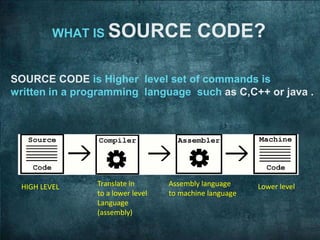
WHAT IS SOURCE CODE
                                          Total no of slides: 16
USE OF OSS

FREE AND OPEN SOURCE SOFTWARE
                                            REFERENCES:
 WHAT IS FREE AND OPEN SOURCE SOFTWARE
GNU PROJECT                                www.gnu.org
STRENGTH                                   www.askubuntu.com
WHY LINUX IS BETTER                        www.wikipedia.com
                                            www.youtube.com
What is
?   Open Source??
Open Source Software is
   distributed with
          its
“source code”
1   RUN THE

    FOR ANY
TO

AND
      2

THE
3
    TO FREELY


     COPIES
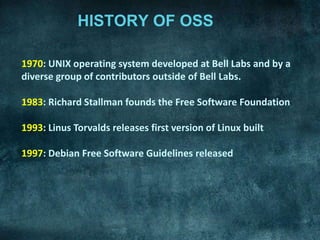
1970: UNIX operating system developed at Bell Labs and by a
diverse group of contributors outside of Bell Labs.

1983: Richard Stallman founds the Free Software Foundation

1993: Linus Torvalds releases first version of Linux built

1997: Debian Free Software Guidelines released
HIGH LEVEL   Translate in       Assembly language     Lower level
             to a lower level   to machine language
             Language
             (assembly)
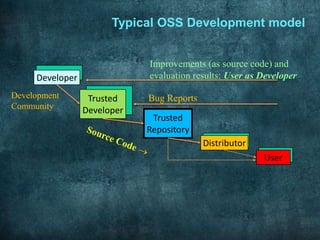
Typical OSS Development model


                             Improvements (as source code) and
     Developer               evaluation results: User as Developer

Development       Trusted    Bug Reports
Community        Developer
                              Trusted
                             Repository
                                           Distributor
                                                         User
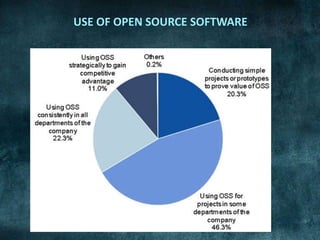
USE OF OPEN SOURCE SOFTWARE
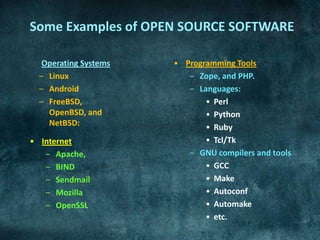
Some Examples of OPEN SOURCE SOFTWARE

   Operating Systems   • Programming Tools
  – Linux                 – Zope, and PHP.
  – Android               – Languages:
  – FreeBSD,                  • Perl
    OpenBSD, and              • Python
    NetBSD:                   • Ruby
• Internet                    • Tcl/Tk
   – Apache,              – GNU compilers and tools
   – BIND                     • GCC
   – Sendmail                 • Make
   – Mozilla                  • Autoconf
   – OpenSSL                  • Automake
                              • etc.
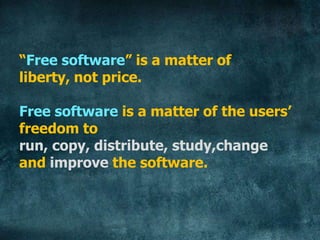
“Free software” is a matter of
liberty, not price.

Free software is a matter of the users’
freedom to
run, copy, distribute, study,change
and improve the software.
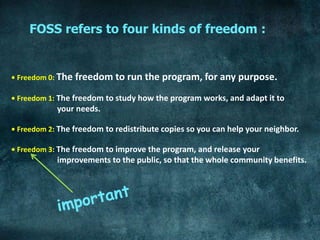
FOSS refers to four kinds of freedom :


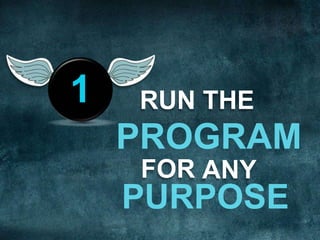
• Freedom 0: The   freedom to run the program, for any purpose.
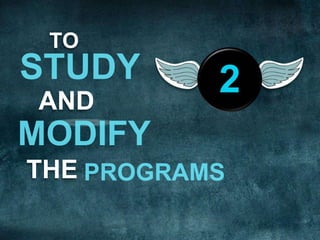
• Freedom 1: The freedom to study how the program works, and adapt it to
            your needs.

• Freedom 2: The freedom to redistribute copies so you can help your neighbor.

• Freedom 3: The freedom to improve the program, and release your
            improvements to the public, so that the whole community benefits.
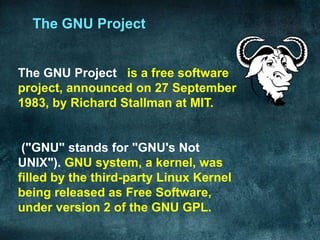
The GNU Project


The GNU Project is a free software
project, announced on 27 September
1983, by Richard Stallman at MIT.


 ("GNU" stands for "GNU's Not
UNIX"). GNU system, a kernel, was
filled by the third-party Linux Kernel
being released as Free Software,
under version 2 of the GNU GPL.
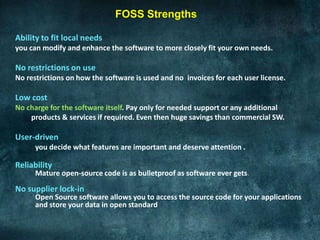
FOSS Strengths

Ability to fit local needs
you can modify and enhance the software to more closely fit your own needs.

No restrictions on use
No restrictions on how the software is used and no invoices for each user license.

Low cost
No charge for the software itself. Pay only for needed support or any additional
    products & services if required. Even then huge savings than commercial SW.

User-driven
      you decide what features are important and deserve attention .

Reliability
      Mature open-source code is as bulletproof as software ever gets.
No supplier lock-in
      Open Source software allows you to access the source code for your applications
      and store your data in open standard
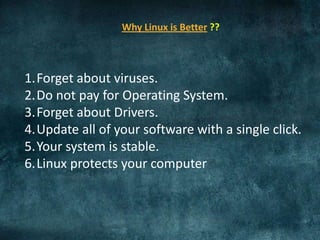
Why Linux is Better ??


1.Forget about viruses.
2.Do not pay for Operating System.
3.Forget about Drivers.
4.Update all of your software with a single click.
5.Your system is stable.
6.Linux protects your computer
SO ARE YOU
       READY
      AS
         KING?
Thanking You
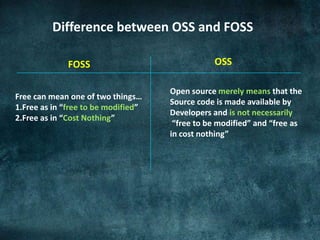
Difference between OSS and FOSS

              FOSS                              OSS

                                     Open source merely means that the
Free can mean one of two things…
                                     Source code is made available by
1.Free as in “free to be modified”
                                     Developers and is not necessarily
2.Free as in “Cost Nothing”
                                      “free to be modified” and “free as
                                     in cost nothing”
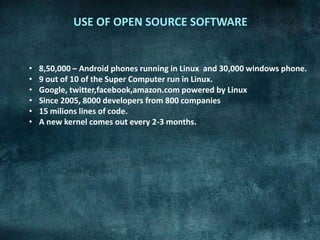
USE OF OPEN SOURCE SOFTWARE


•   8,50,000 – Android phones running in Linux and 30,000 windows phone.
•   9 out of 10 of the Super Computer run in Linux.
•   Google, twitter,facebook,amazon.com powered by Linux
•   Since 2005, 8000 developers from 800 companies
•   15 milions lines of code.
•   A new kernel comes out every 2-3 months.
Open Source Software and Free Software

Open Source Software and Free Software

  • 1.
    A SEMINAR ON OPEN SOURCE SOFTWARE and FREE SOFTWARE By Dhurjati borah 5TH SEM,MCA / 9TH OCT 2012
  • 2.
    OPEN SOURCE SOFTWARE WHAT IS OPEN SOURCE HISTORY OF OSS WHAT IS SOURCE CODE Total no of slides: 16 USE OF OSS FREE AND OPEN SOURCE SOFTWARE REFERENCES:  WHAT IS FREE AND OPEN SOURCE SOFTWARE GNU PROJECT www.gnu.org STRENGTH www.askubuntu.com WHY LINUX IS BETTER www.wikipedia.com www.youtube.com
  • 4.
    What is ? Open Source??
  • 5.
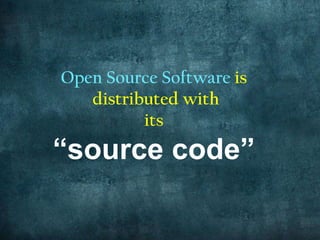
    Open Source Softwareis distributed with its “source code”
  • 6.
    1 RUN THE FOR ANY
  • 7.
    TO AND 2 THE
  • 8.
    3 TO FREELY COPIES
  • 9.
    1970: UNIX operatingsystem developed at Bell Labs and by a diverse group of contributors outside of Bell Labs. 1983: Richard Stallman founds the Free Software Foundation 1993: Linus Torvalds releases first version of Linux built 1997: Debian Free Software Guidelines released
  • 10.
    HIGH LEVEL Translate in Assembly language Lower level to a lower level to machine language Language (assembly)
  • 11.
    Typical OSS Developmentmodel Improvements (as source code) and Developer evaluation results: User as Developer Development Trusted Bug Reports Community Developer Trusted Repository Distributor User
  • 12.
    USE OF OPENSOURCE SOFTWARE
  • 13.
    Some Examples ofOPEN SOURCE SOFTWARE Operating Systems • Programming Tools – Linux – Zope, and PHP. – Android – Languages: – FreeBSD, • Perl OpenBSD, and • Python NetBSD: • Ruby • Internet • Tcl/Tk – Apache, – GNU compilers and tools – BIND • GCC – Sendmail • Make – Mozilla • Autoconf – OpenSSL • Automake • etc.
  • 15.
    “Free software” isa matter of liberty, not price. Free software is a matter of the users’ freedom to run, copy, distribute, study,change and improve the software.
  • 16.
    FOSS refers tofour kinds of freedom : • Freedom 0: The freedom to run the program, for any purpose. • Freedom 1: The freedom to study how the program works, and adapt it to your needs. • Freedom 2: The freedom to redistribute copies so you can help your neighbor. • Freedom 3: The freedom to improve the program, and release your improvements to the public, so that the whole community benefits.
  • 17.
    The GNU Project TheGNU Project is a free software project, announced on 27 September 1983, by Richard Stallman at MIT. ("GNU" stands for "GNU's Not UNIX"). GNU system, a kernel, was filled by the third-party Linux Kernel being released as Free Software, under version 2 of the GNU GPL.
  • 18.
    FOSS Strengths Ability tofit local needs you can modify and enhance the software to more closely fit your own needs. No restrictions on use No restrictions on how the software is used and no invoices for each user license. Low cost No charge for the software itself. Pay only for needed support or any additional products & services if required. Even then huge savings than commercial SW. User-driven you decide what features are important and deserve attention . Reliability Mature open-source code is as bulletproof as software ever gets. No supplier lock-in Open Source software allows you to access the source code for your applications and store your data in open standard
  • 19.
    Why Linux isBetter ?? 1.Forget about viruses. 2.Do not pay for Operating System. 3.Forget about Drivers. 4.Update all of your software with a single click. 5.Your system is stable. 6.Linux protects your computer
  • 20.
    SO ARE YOU READY AS KING? Thanking You
  • 21.
    Difference between OSSand FOSS FOSS OSS Open source merely means that the Free can mean one of two things… Source code is made available by 1.Free as in “free to be modified” Developers and is not necessarily 2.Free as in “Cost Nothing” “free to be modified” and “free as in cost nothing”
  • 22.
    USE OF OPENSOURCE SOFTWARE • 8,50,000 – Android phones running in Linux and 30,000 windows phone. • 9 out of 10 of the Super Computer run in Linux. • Google, twitter,facebook,amazon.com powered by Linux • Since 2005, 8000 developers from 800 companies • 15 milions lines of code. • A new kernel comes out every 2-3 months.

Editor's Notes

  • #2 To view this presentation, first, turn up your volume and second, launch the self-running slide show.
  • #3 To view this presentation, first, turn up your volume and second, launch the self-running slide show.
  • #4 …global causes.
  • #5 Along the way we’ve discovered…
  • #6 Your audience deserves to be treated like royalty. Design a presentation that meets their needs, not just yours.
  • #7 The second rule is: Spread ideas and move people.
  • #8 The second rule is: Spread ideas and move people.
  • #9 The second rule is: Spread ideas and move people.
  • #10 Give them those things in a clear, easily understandable way…
  • #11 …and you will undoubtedly find favor with the king.
  • #12 …and you will undoubtedly find favor with the king.
  • #13 The last rule is: Cultivate healthy relationships (with your slides and your audience)
  • #14 The last rule is: Cultivate healthy relationships (with your slides and your audience)
  • #15 Rule number 4: Practice design, not decoration.
  • #16 Rule number 4: Practice design, not decoration.
  • #17 Rule number 4: Practice design, not decoration.
  • #18 Rule number 4: Practice design, not decoration.
  • #19 Rule number 4: Practice design, not decoration.
  • #20 Rule number 4: Practice design, not decoration.
  • #21 The first rule is: Treat your audience as king.
  • #22 Rule number 4: Practice design, not decoration.
  • #23 The last rule is: Cultivate healthy relationships (with your slides and your audience)
  • #24 Rule number 4: Practice design, not decoration.
  • #25 Rule number 4: Practice design, not decoration.
  • #26 Rule number 4: Practice design, not decoration.