


Neuroergonomics and sociogenesis
Internationa Society of Biourbanism
Summer School 2014
www.biourbanism.org - info@biourbanism.org
International Society of Biourbanism - Summer School 2014
From Nowhere to Now-here
The Power of the Weak in the
Construction of Place
Diogo Teixeira
diogo.teixeira@usj.edu.mo
Lecture 14
International Society of Biourbanism - Summer School 2014
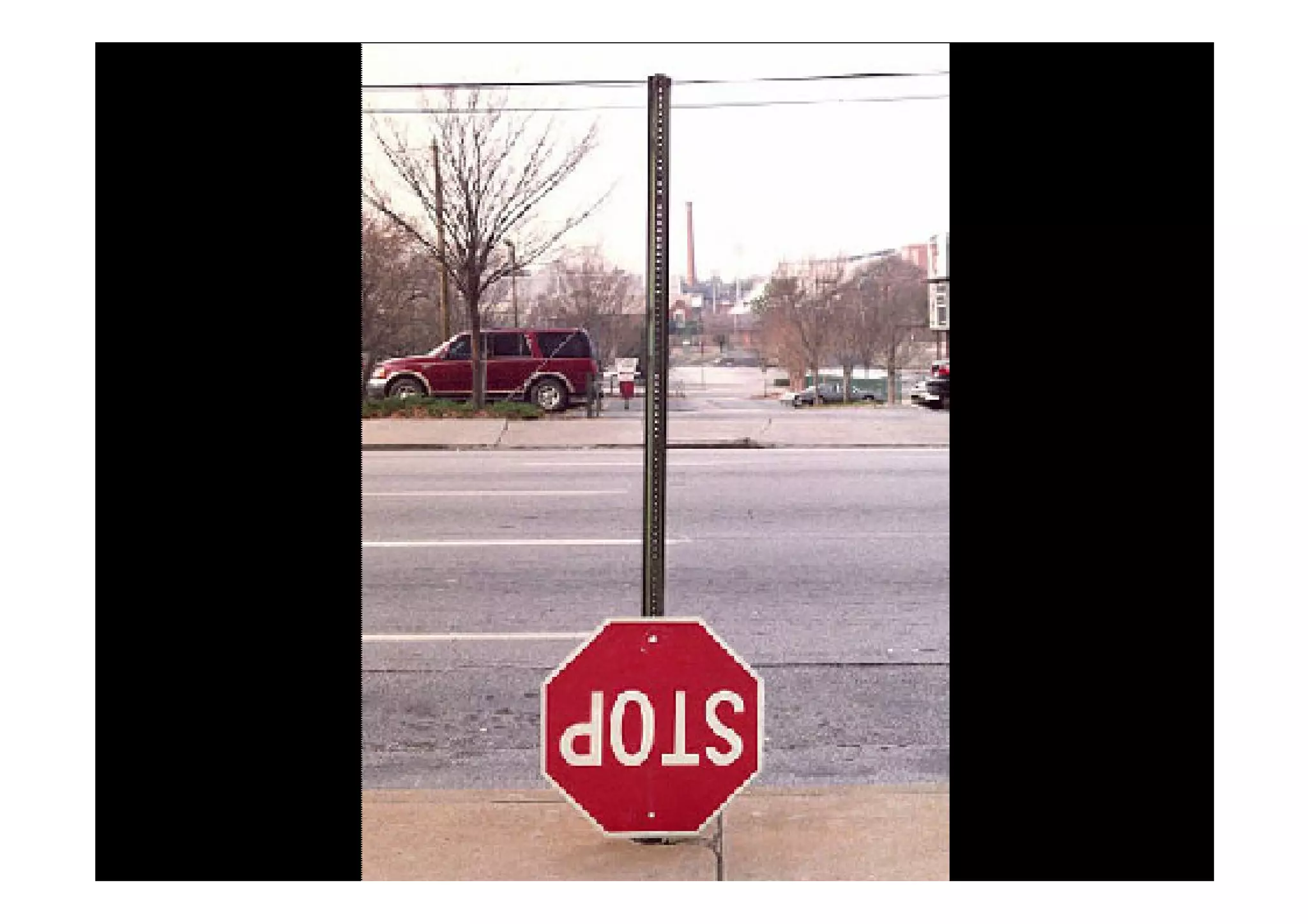
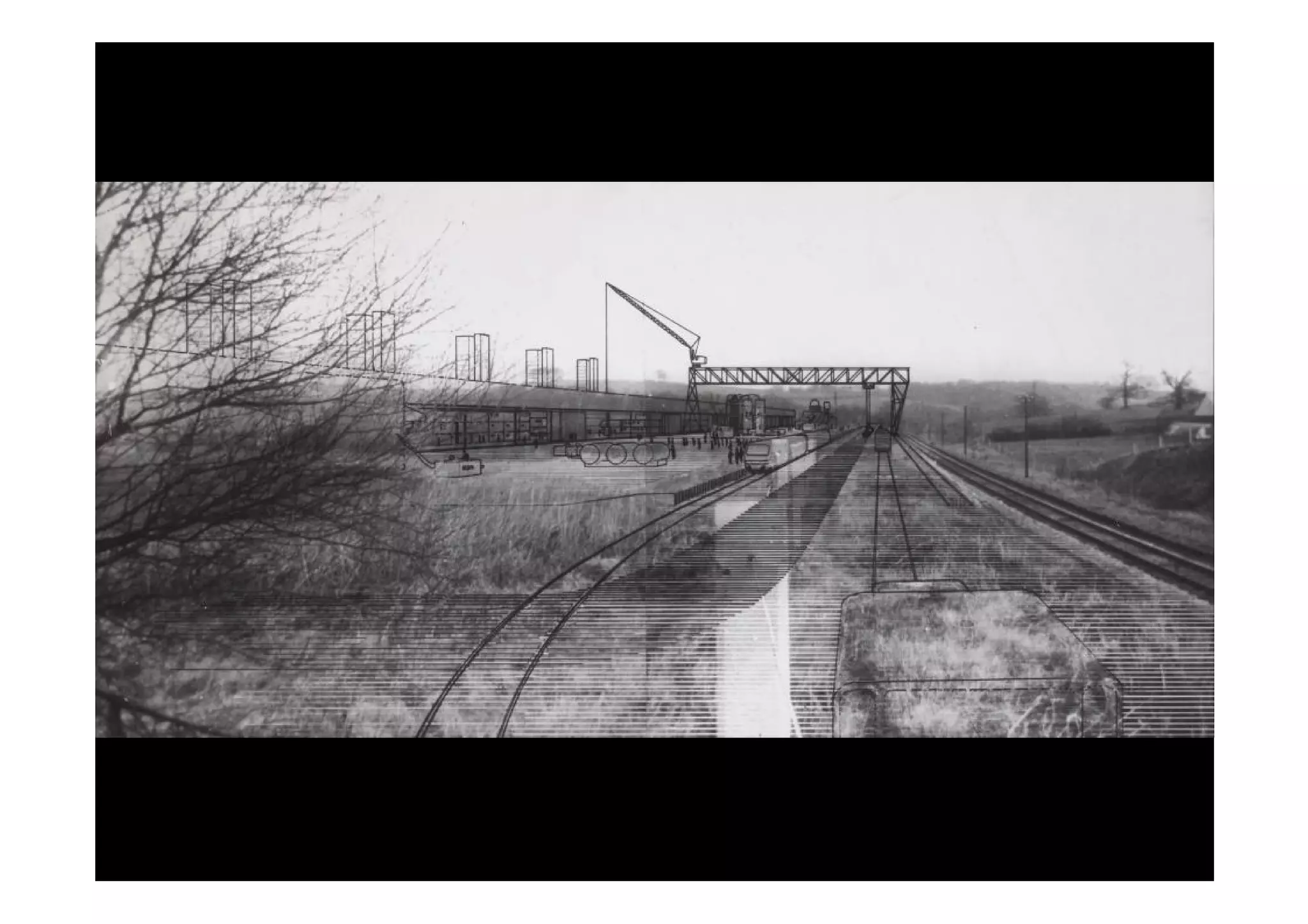
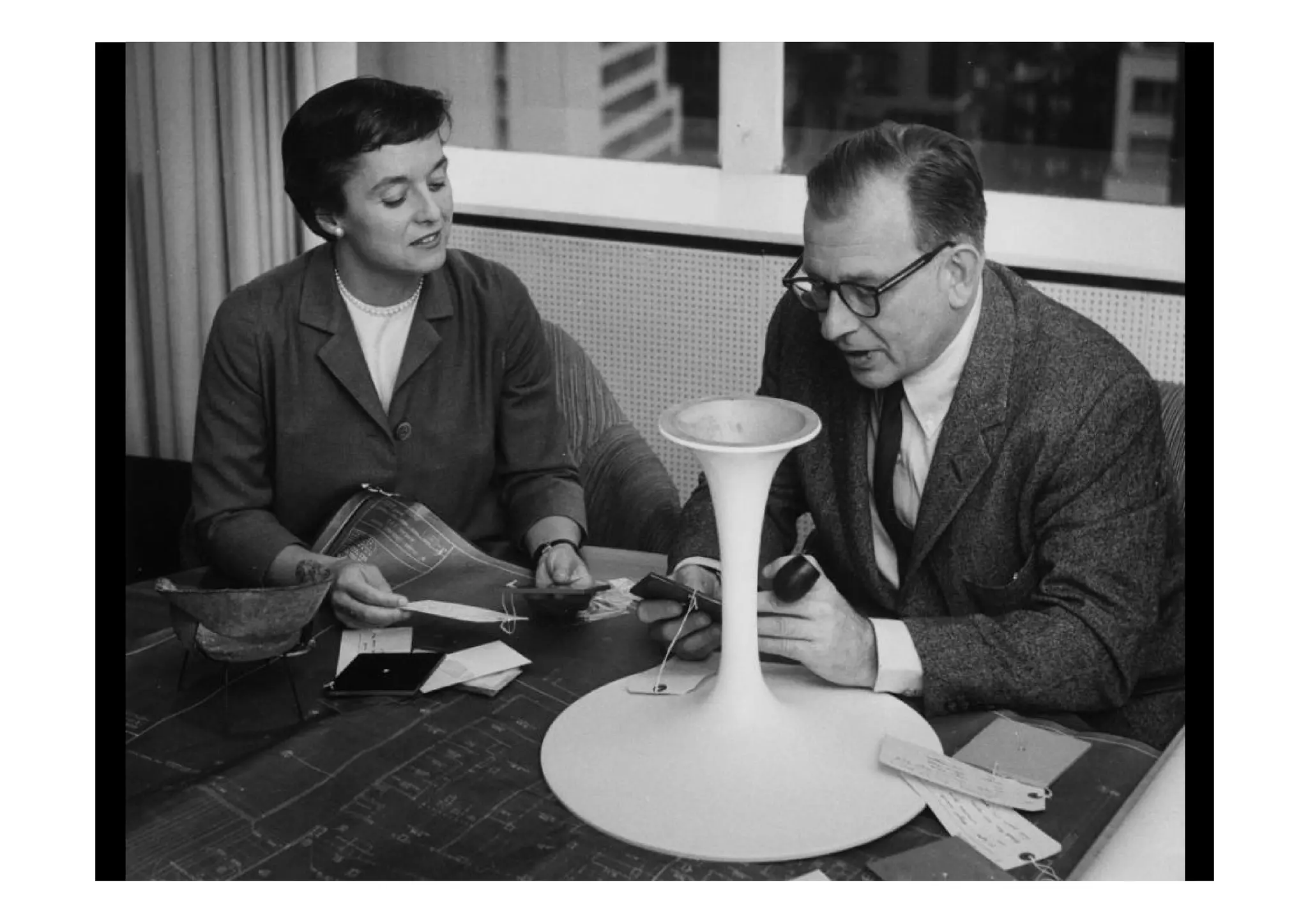
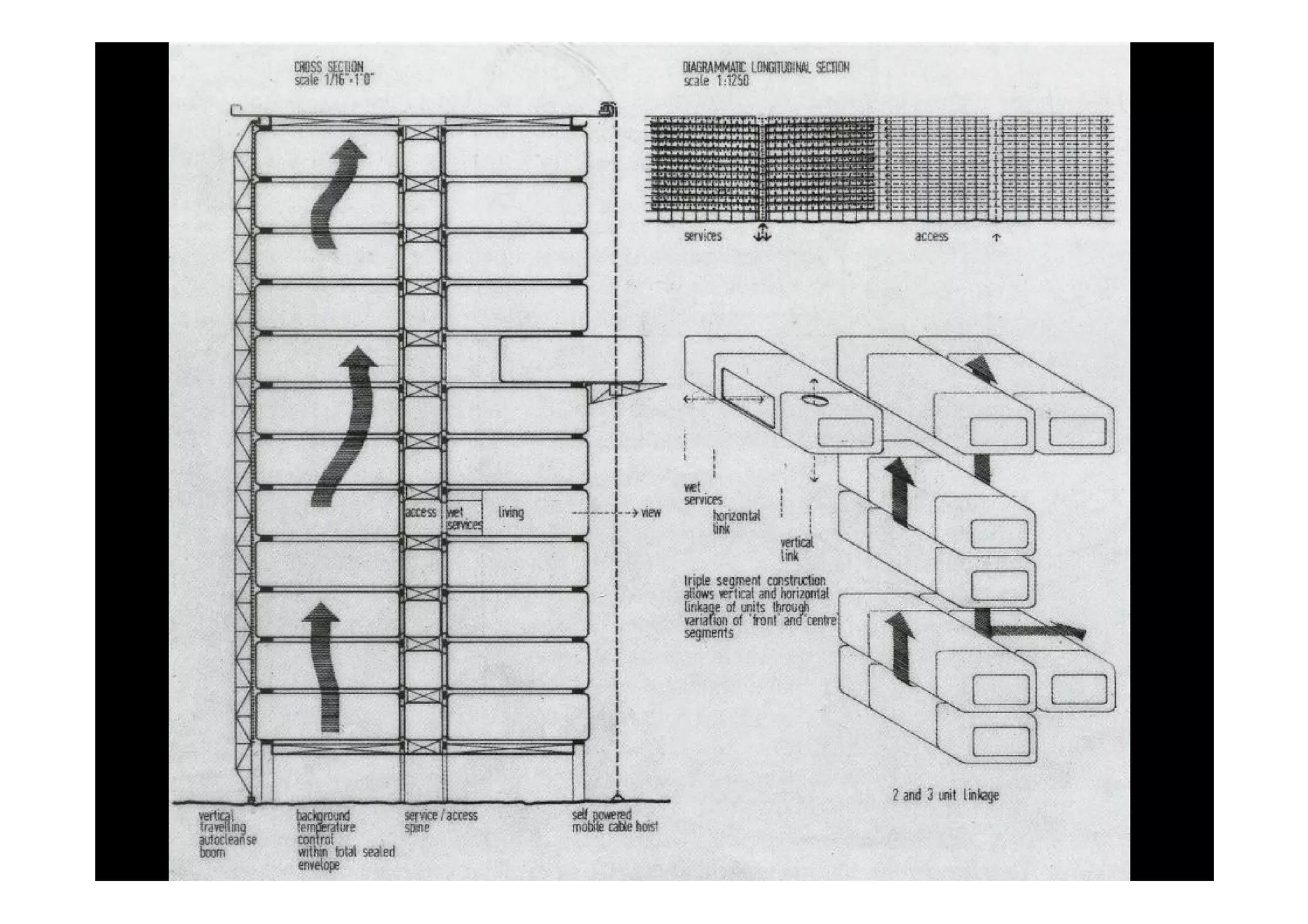
To sum up, Saarinen treats the users
as children; Price treats them as
objects.
International Society of Biourbanism - Summer School 2014
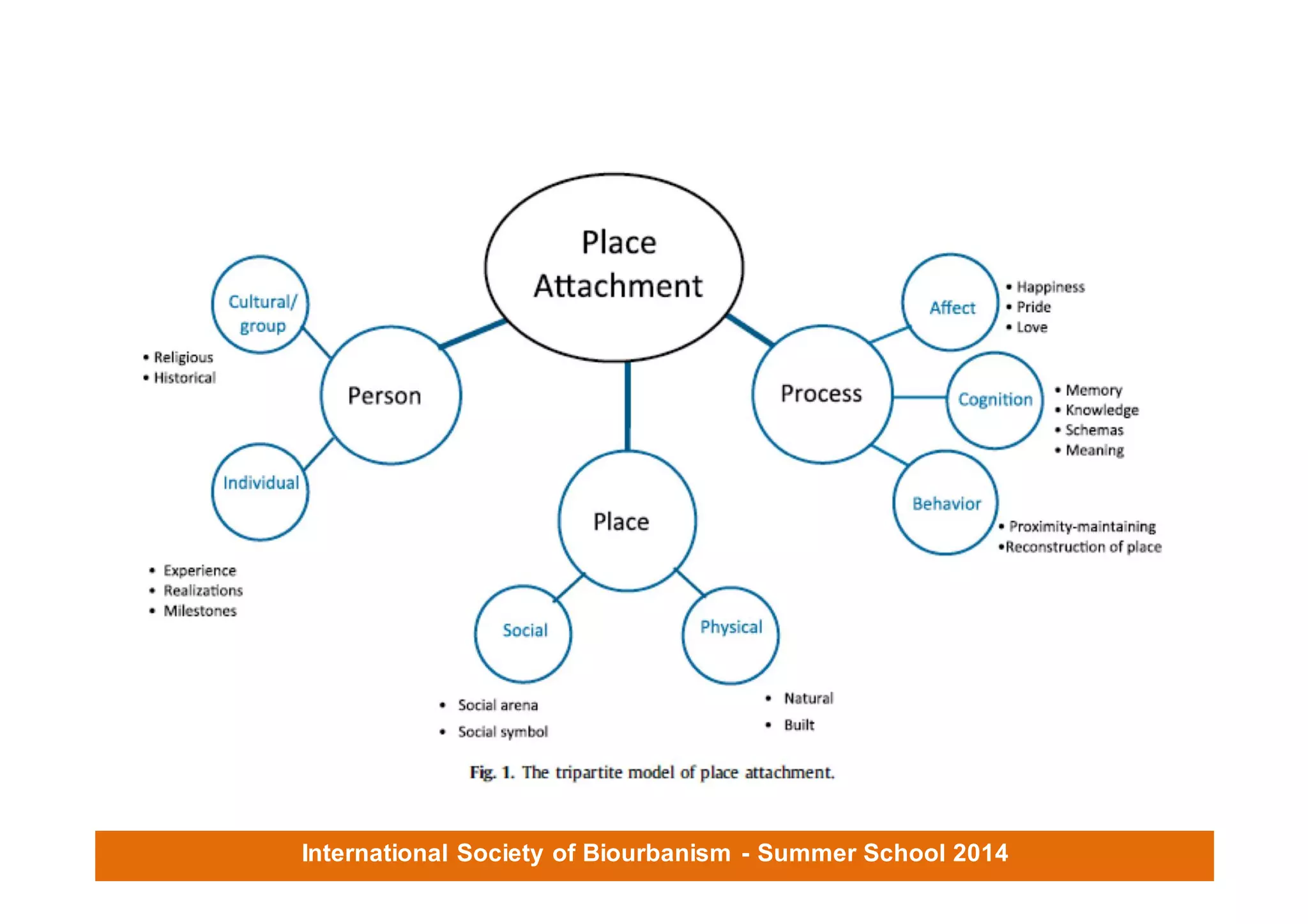
Place attachment
The bonding that occurs between individuals
and their meaningful environments.
International Society of Biourbanism - Summer School 2014
Place attachment
as individual experience
‘‘it is not simply the places themselves that are
significant,but rather what can be called
‘experience-in-place’that creates meaning’’
(Manzo 2005)
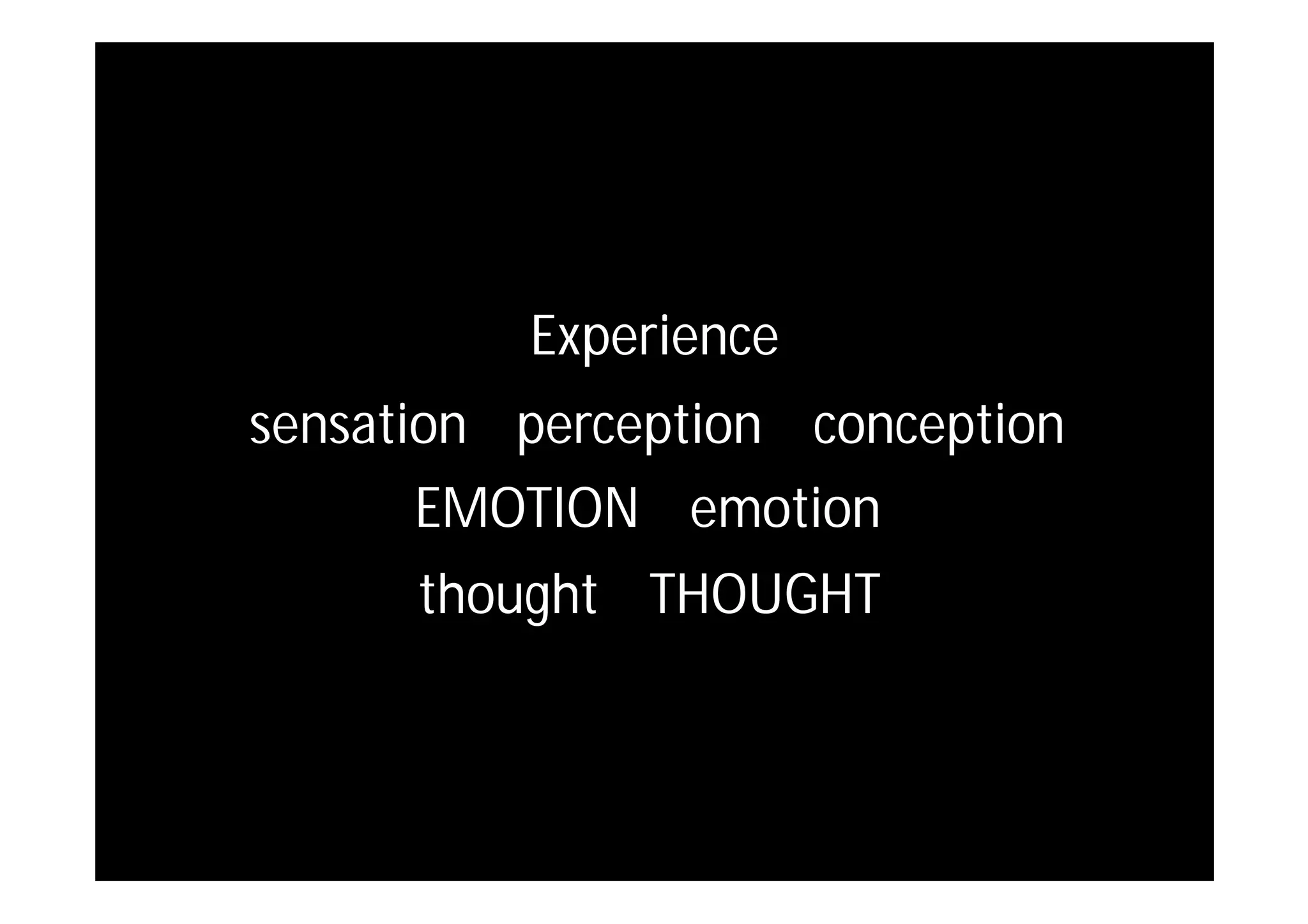
sensation perception conception
Experience
EMOTION emotion
thought THOUGHT
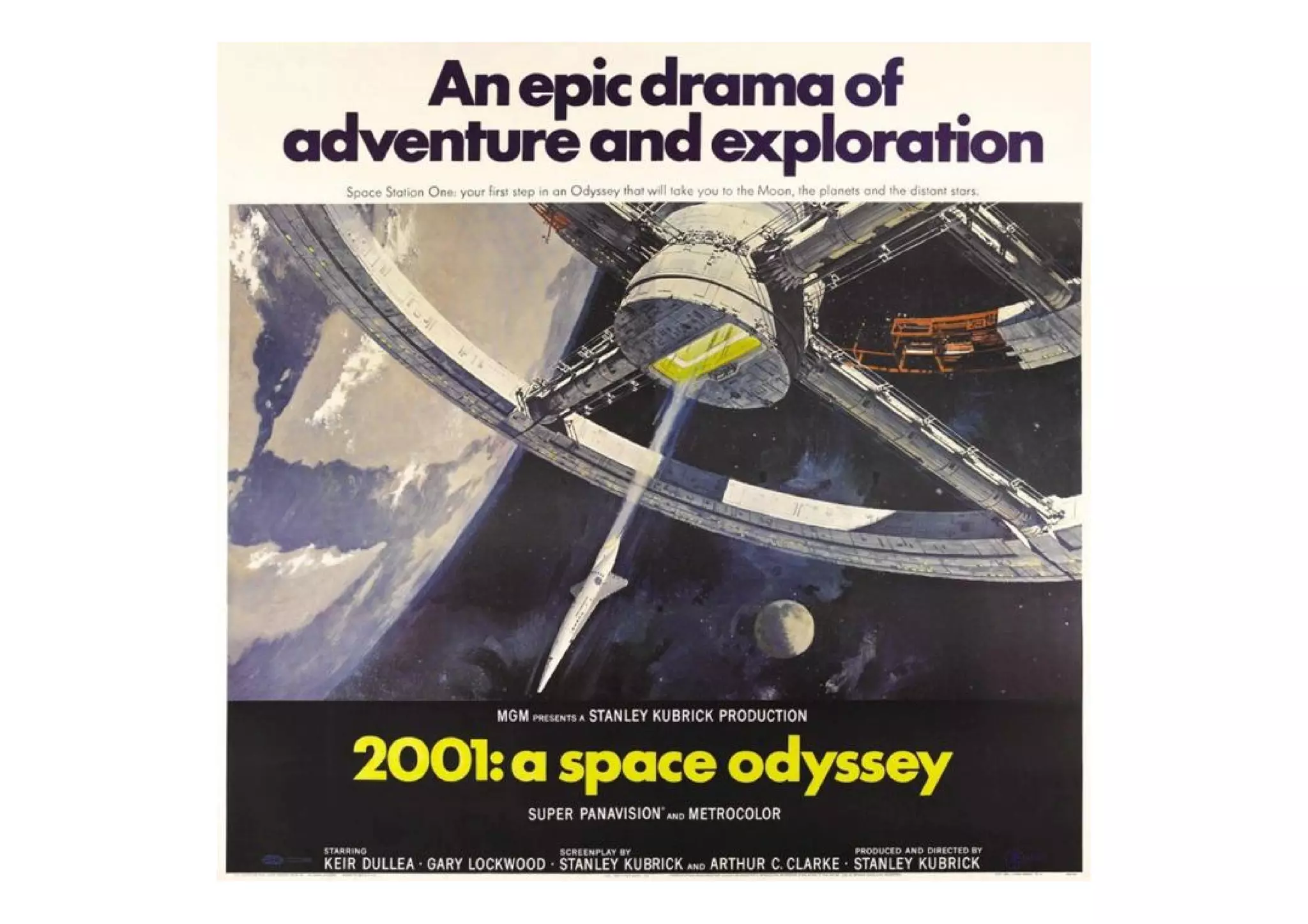
odisseia no espaço
International Society of Biourbanism - Summer School 2014
Place attachment as affect:
Topophilia
“the affective link between the person and the
place or physical environment. Diffuse as a
concept, vivid and concrete as personal
experience” (Tuan 1974)
International Society of Biourbanism - Summer School 2014
“Human beings have persistently sought an ideal
environment. As it stands, it varies from one
culture to another, but in essence it seems to
entail two antipodal images: the garden of
innocence and the cosmos. [...] Thus we move
from one to another [...]; seeking a balance that is
not of this world.” (Tuan 1974)
International Society of Biourbanism - Summer School 2014
“I have used the term topophilia to describe that
form of cinematic discourse that exposes the labor
of intimate geography – a love of place that works
together with the residual texture of cineres. [...]
This is the site of (in)visible traces, inscribed and
laid bare, yet enduring erasable on the white fabric
of the screen.” (Bruno 2002)
International Society of Biourbanism - Summer School 2014
Affect in the
Construction of Place
Thrift (2007), in his introduction to non-
representational theory, proclaims a geography of
what happens to relate space and affect. He starts
by the event and its essential feature - the
surprisingness - to describe the world-in-motion
we live, in which decisions have to be made for the
moment, every moment.
International Society of Biourbanism - Summer School 2014
Affect is not only emotion, nor is it reducible to the
affects or perceptions of an individual subject:
“Percepts are not perceptions, they are packets of
sensations and relations that outlive those who
experience them. Affects are not feelings, they are
becomings that go beyond those who live through
them (they become other)” (Deleuze 1995)
International Society of Biourbanism - Summer School 2014
From the analysis of dance, Thrift extracts the key
innovations of non-representational theory:
1)Produce 'therapeutic' interventions rather than claim the
grand theory.
2)Focus on a class of experiences seldom addressed, the
trivial, the interactive, the game.
3)Questions the traditional tools (ethnography, focus groups,
and the like) for being cognitive in origin and effect.
International Society of Biourbanism - Summer School 2014
What is Affect
in the Construction of Place?
1) A set of bodily practices that produce visible
behaviours (phenomenology and
hermeneutics);
2) A drive (psychoanalysis);
3) The property of the active result of an
encounter (Spinoso-Deleuzian);
4) A universal expression of emotion (Darwinian).
International Society of Biourbanism - Summer School 2014
1) Corporeal because it uses the sensitive evidence we have
learned since childhood as cultural signifiers of intensity;
2) Embedded in time and in space;
3) Resisting the paradigm of reading-writing-text but still intelligible
to an awaken audience, as various forms of (e)motion;
4) Subliminal because it operates in the gap between action and
cognition as a kind of visceral shorthand only possible in small
spaces and subliminal times.
International Society of Biourbanism - Summer School 2014
“I have tried to begin to show that the challenge of
affect is, at least in part, a challenge to what we
regard as the social because it involves thinking
about waves of influence which depend upon
biology to an extent that is rarely recognized or
theorized in the social sciences.” (Thrift 2007)
International Society of Biourbanism - Summer School 2014
Affective Responses to
Architecture
“When I think about architecture, images come
into my mind. ” (Zumthor 2006)
International Society of Biourbanism - Summer School 2014
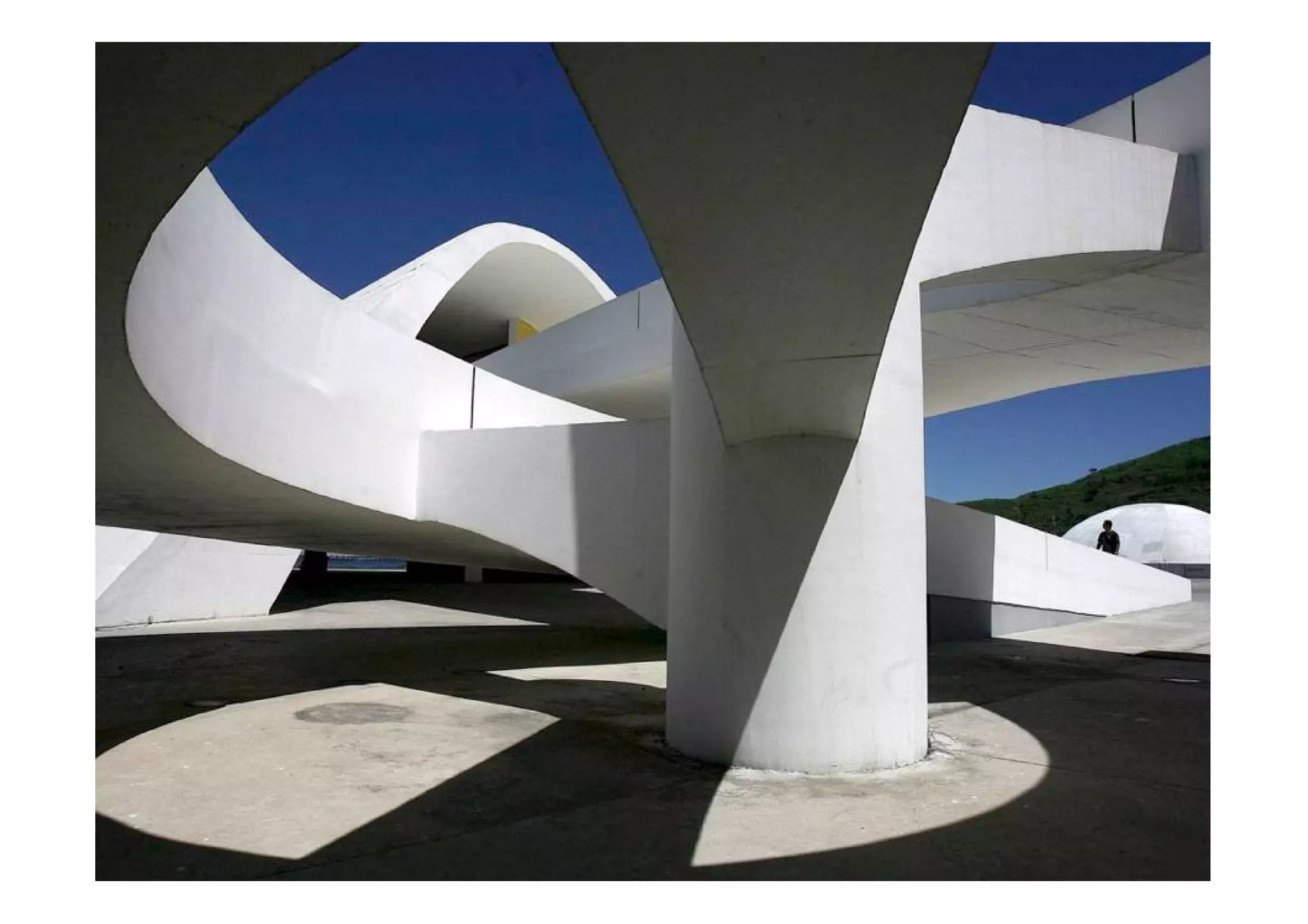
Form
Primary: Extension and protection
Activation: Spatial differentiation
Dominance: Scale, symmetry, and repetition
Valence: Curvilinear spaces and objects
International Society of Biourbanism - Summer School 2014
Colour
Activation: Warmth and saturation
Dominance: Contrast
Valence: Brillance and saturation
International Society of Biourbanism - Summer School 2014
Material
It is common practice in architecture to associate
materials with certain qualities of expression:
- Steel to a massive and technical atmosphere;
- Glass to modern and clean;
- Wood to domestic;
- Stone to durability.
International Society of Biourbanism - Summer School 2014
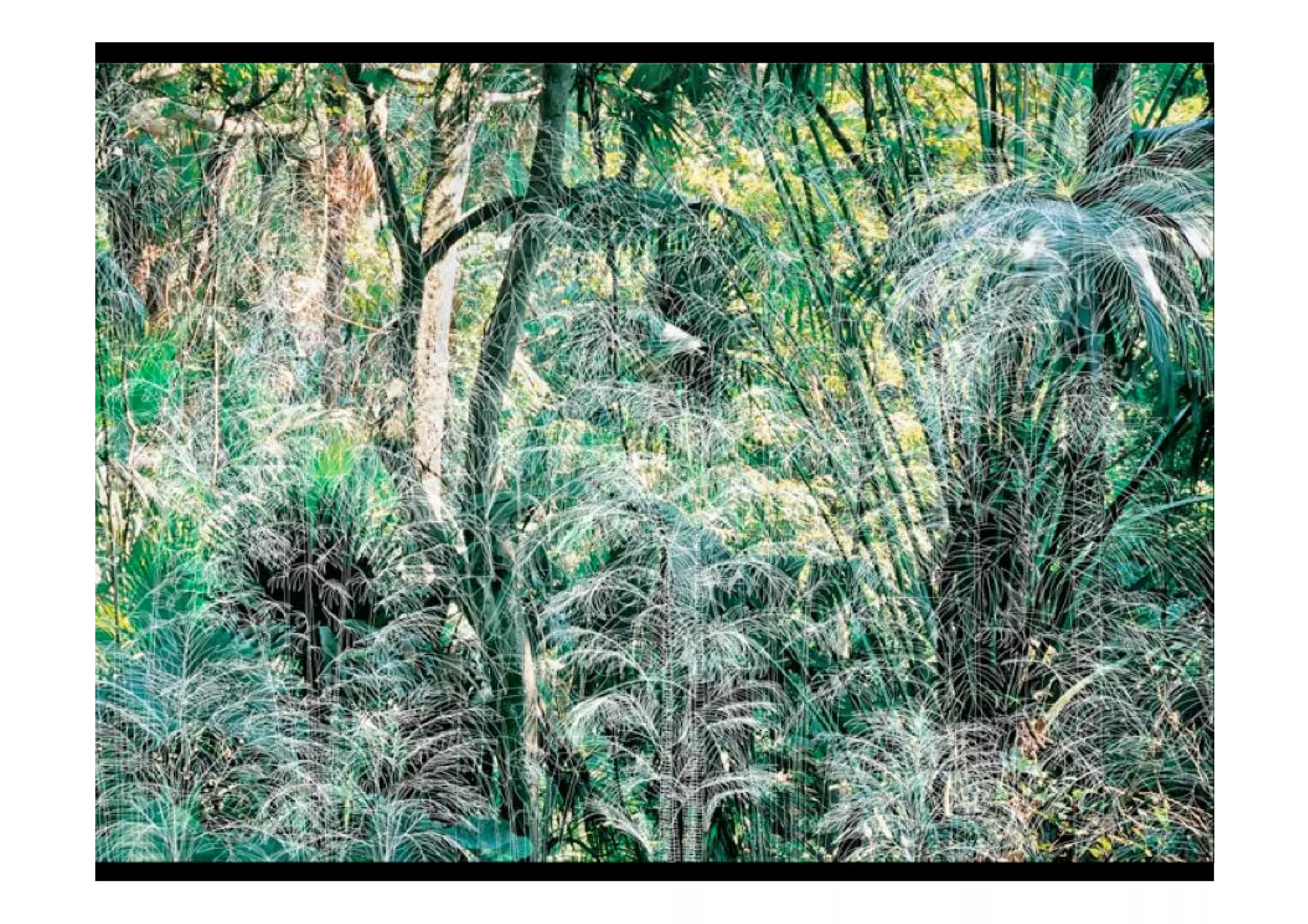
Vegetation
Plants and flowers are recognized as symbolic
gestures of positive thougths and desires and
expression of affect.
Many researchers consider that we are not
prepared for the urban lifestyle.
In fact, our genetic composition changed only
0,005% in the last 10.000 years.
International Society of Biourbanism - Summer School 2014
Biophilia
“innate tendency to focus on life and lifelike processes”
(Wilson 1984)
What started to be an instinctive activity – construction
– using what was available on site to give structure to
existence, became a complex process – design – through
the application of meanings coming from mythology,
symbolisms and social structures.
International Society of Biourbanism - Summer School 2014
“Human beings connect physiologically and
psychologically to structures embodying organized
complexity more strongly than to environments that are
either too plain, or which present disorganized
complexity.” (Salingaros 2006)
In short: the presence of useful information is not
enough, it is the way this information is organized that
stimulates the connection.
International Society of Biourbanism - Summer School 2014
“First, that we should bring as much of nature
as we can into our everyday environments so as
to experience it firsthand; and second, that we
need to shape our built environment to
incorporatethose same geometrical qualities
found in nature.” (Salingaros and Masden 2006)
International Society of Biourbanism - Summer School 2014
Pattern Language
“with its 253 patterns that can each be shaped in a
myriad ways, constitutes a vision of an
environment that is extraordinarily rich in many
sorts of potential experiences – the very antithesis
of so much modern and contemporary
architecture and urbanism.” (Buchanan 2012)
International Society of Biourbanism - Summer School 2014
Geo-metry
Geo-graphy
International Society of Biourbanism - Summer School 2014
The question is not only the information – “natural elements,
figurative art, or ornament” (Salingaros and Masden 2006) –
nor its organization, but the way it presents itself: the
experience of mystery, in architecture as in theology, "as of
nudity, often muteness, fragility, doubt, silence and night; is
an experience of not knowing, not seeing, not having the
power... It is a repeated no that paradoxically ends up
becoming a meeting place.” (Tolentino Mendonça 2012)
International Society of Biourbanism - Summer School 2014
Weak Architecture
Il Pensiero Debole (Vattimo and Rovatti 1983)
“Arquitectura Débil” (Solà-Morales 1987)
‘Delicate empiricism’ (Goethe)
The end of the classical period, of the vision of a
closed and complete universe as if it was a finished
whole.
International Society of Biourbanism - Summer School 2014
Decorativeas to what is accessory and does not
requires an attentive reading because it emerges
from the periphery, the surroundings, the
atmosphere.
Monumental, not as a representation of the
absolute, but in the sense that Foucault gives to it
of trace or resonance.
International Society of Biourbanism - Summer School 2014
“an architectonic proposition whose aim is to go deep
[...] can't find support in a fixed image, can't follow a
linear evolution. [...] Each design must catch, with the
utmost rigor, a precise moment of flittering image in all
its shades, and the better you can recognize that
flittering quality of reality, the clearer your design will
be. It is the more vulnerable as it is true.” (Siza 1980)
International Society of Biourbanism - Summer School 2014
How is this related with emotion?
“certain stimuli are ambiguous enough to
activate more than one site, leading to a
composite emotional state. A bittersweet
experience is the result, a “mixed” feeling
arising from a mixed emotion. (Damásio 2010)
International Society of Biourbanism - Summer School 2014
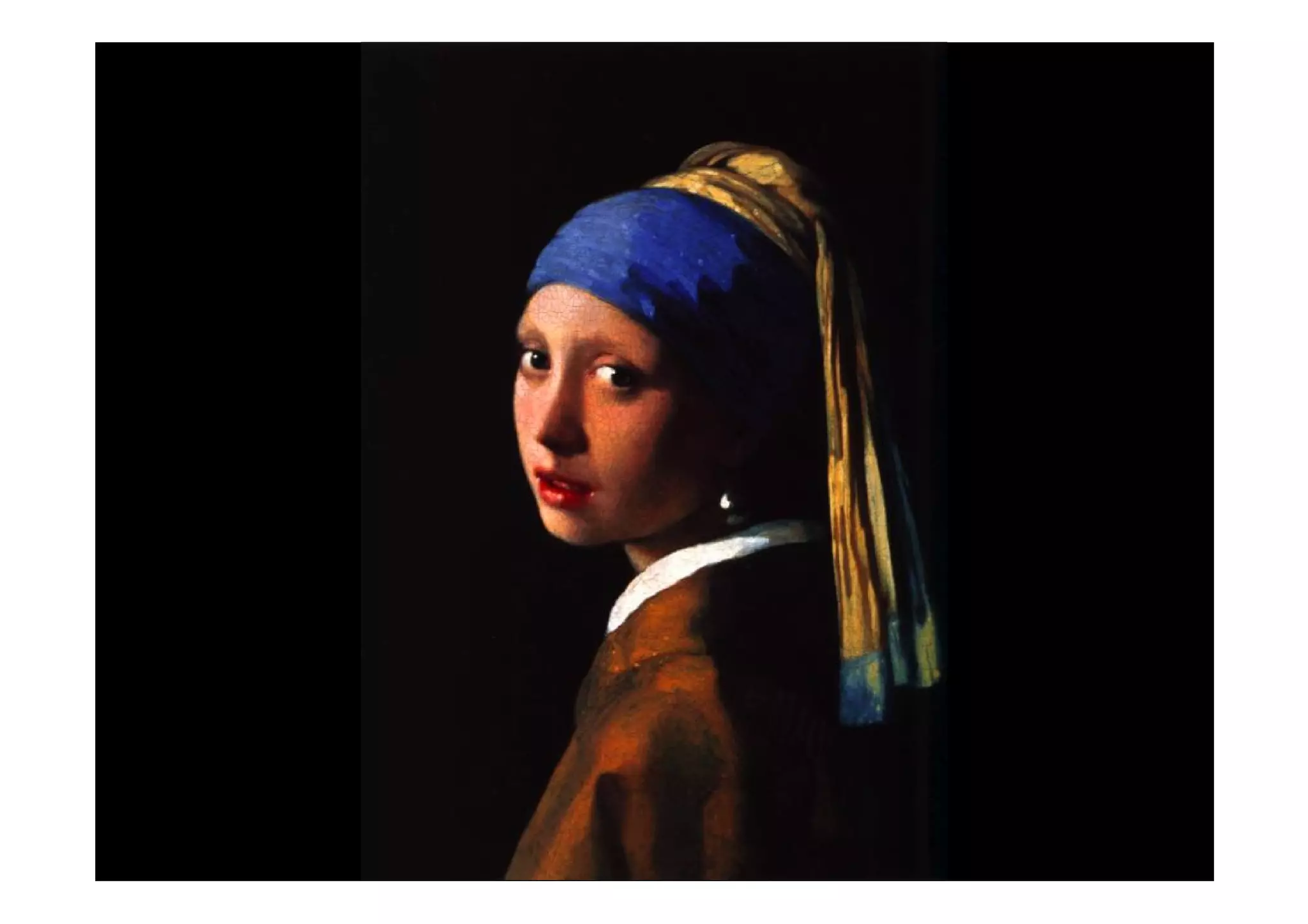
Ambiguity and Improvisation
“the ability to represent simultaneously, on the
same canvas, not one but several truths, each one
of which has equal validity with the others.” (Zeki,
1999)
“The value of cities is determined on the basis of
the number of places in them that are conceded to
improvisation.” (Krakauer 1964)
International Society of Biourbanism - Summer School 2014
Embodied Metaphors
Because our conceptualization is metaphorical in nature,
performed mostly unconsciously (95%), and
metaphorical categories are interconnected with our
neural maps often at an early age, embodied metaphors
are those associated with our most basic and primal
emotions and impulses (example: the experience of
warmthof a child on parents arms).
International Society of Biourbanism - Summer School 2014
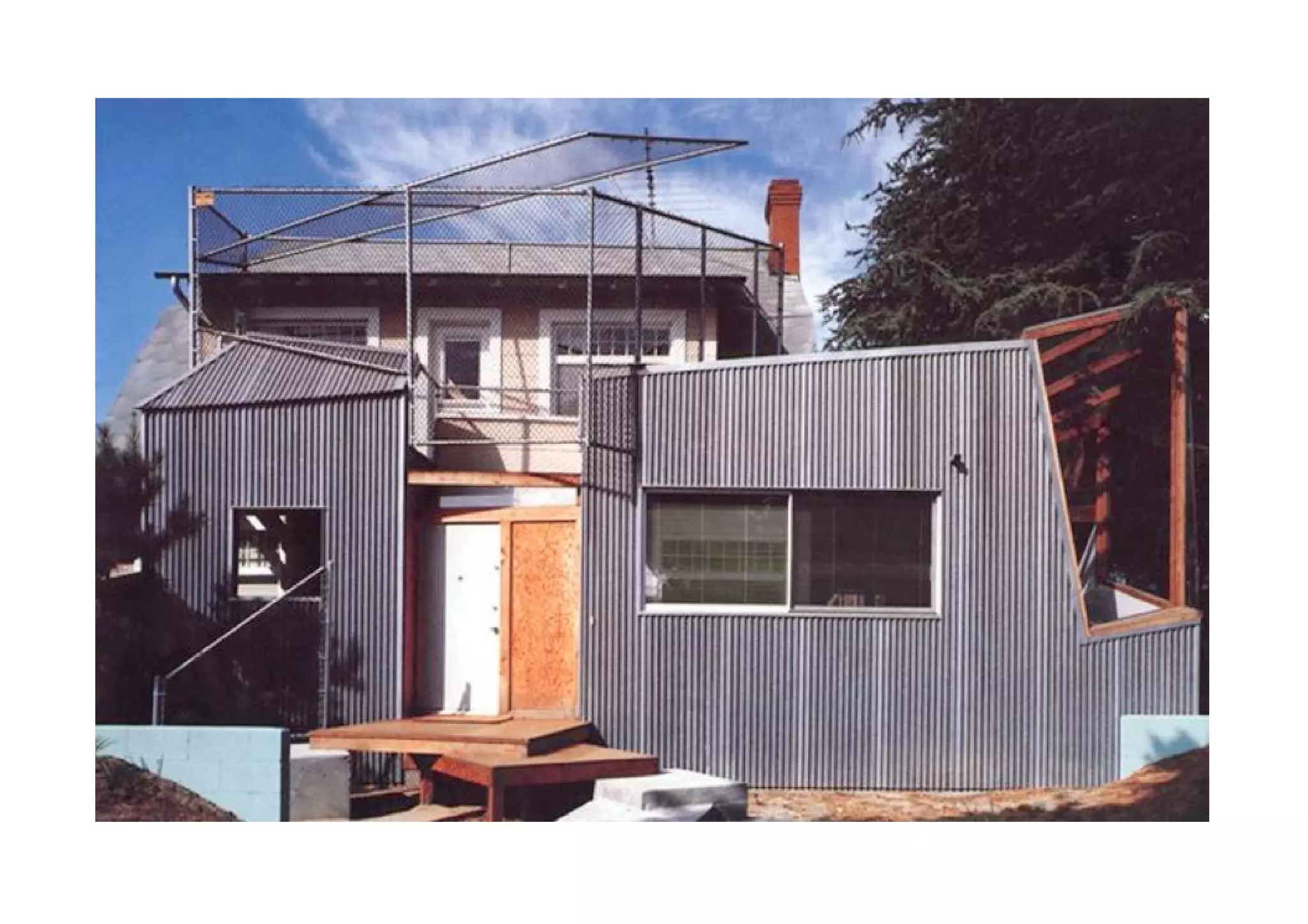
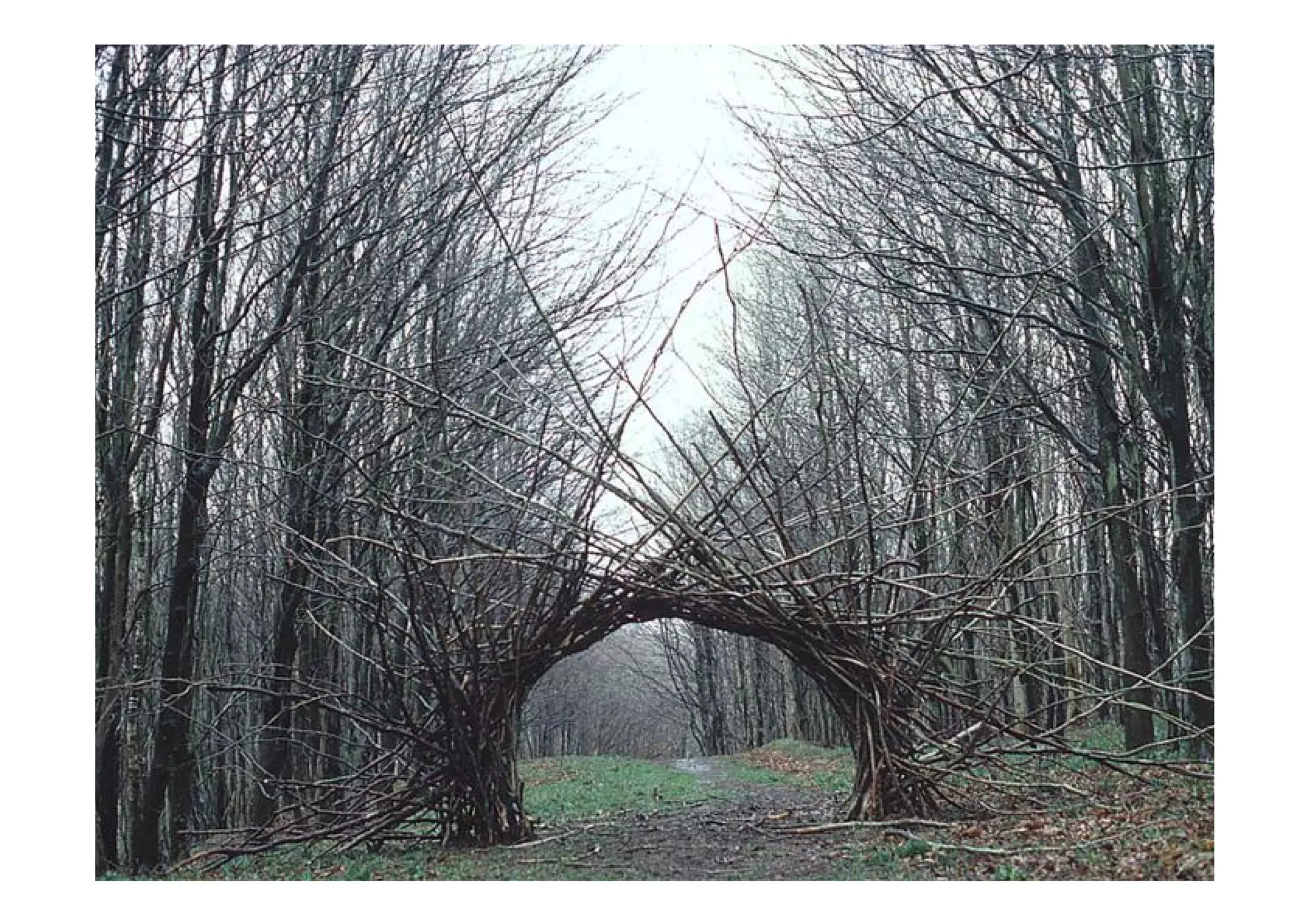
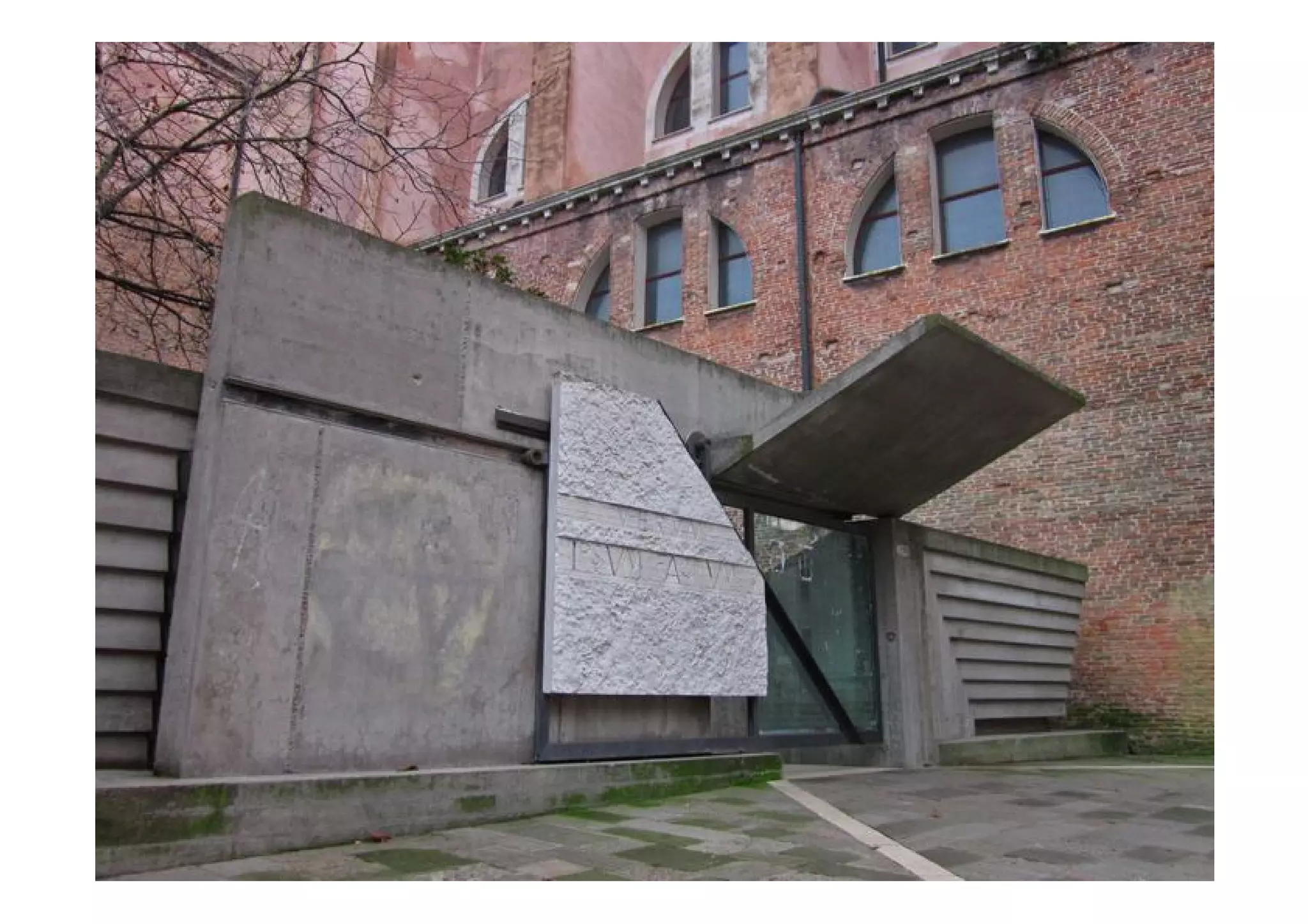
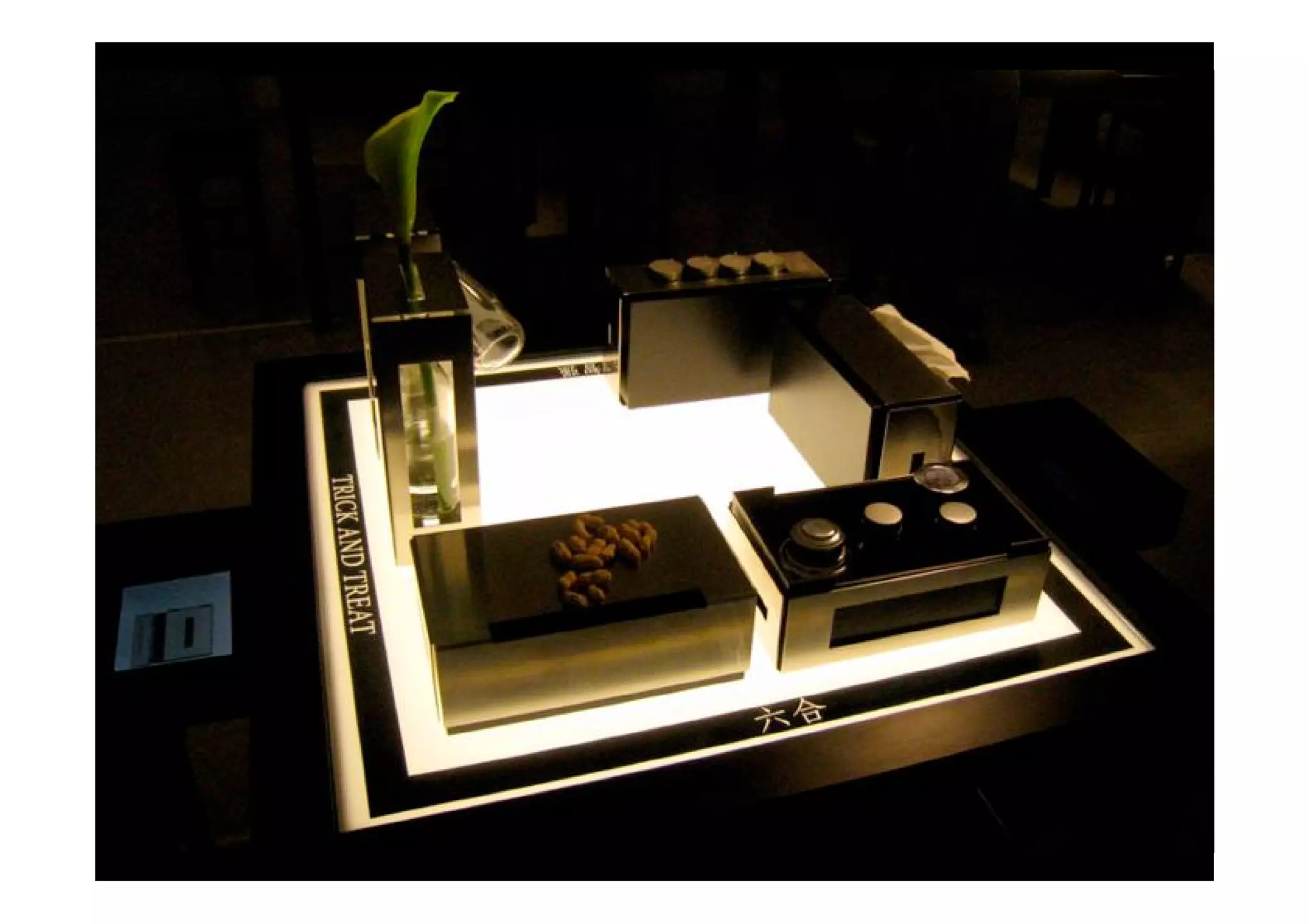
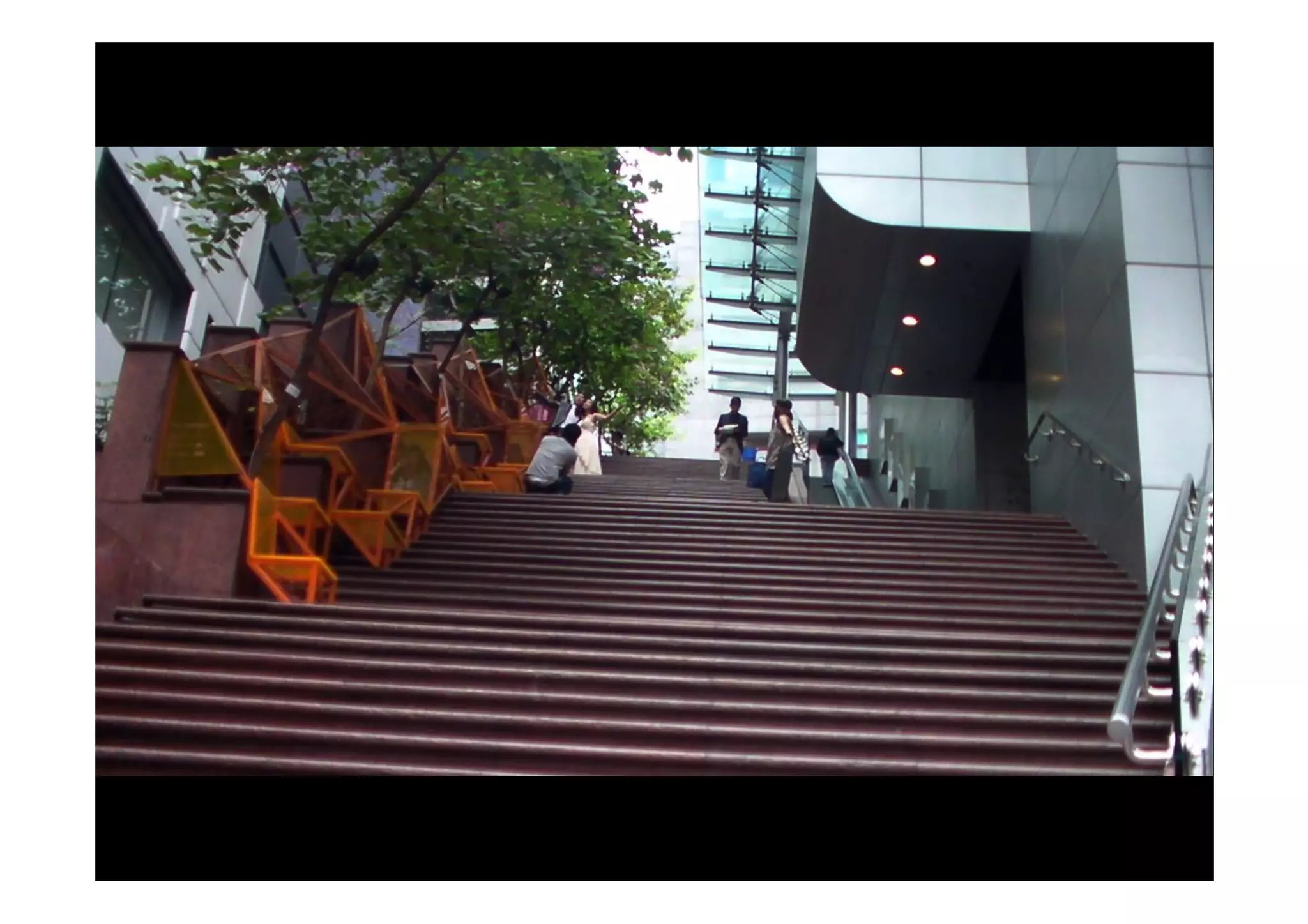
Contemporary
Practices
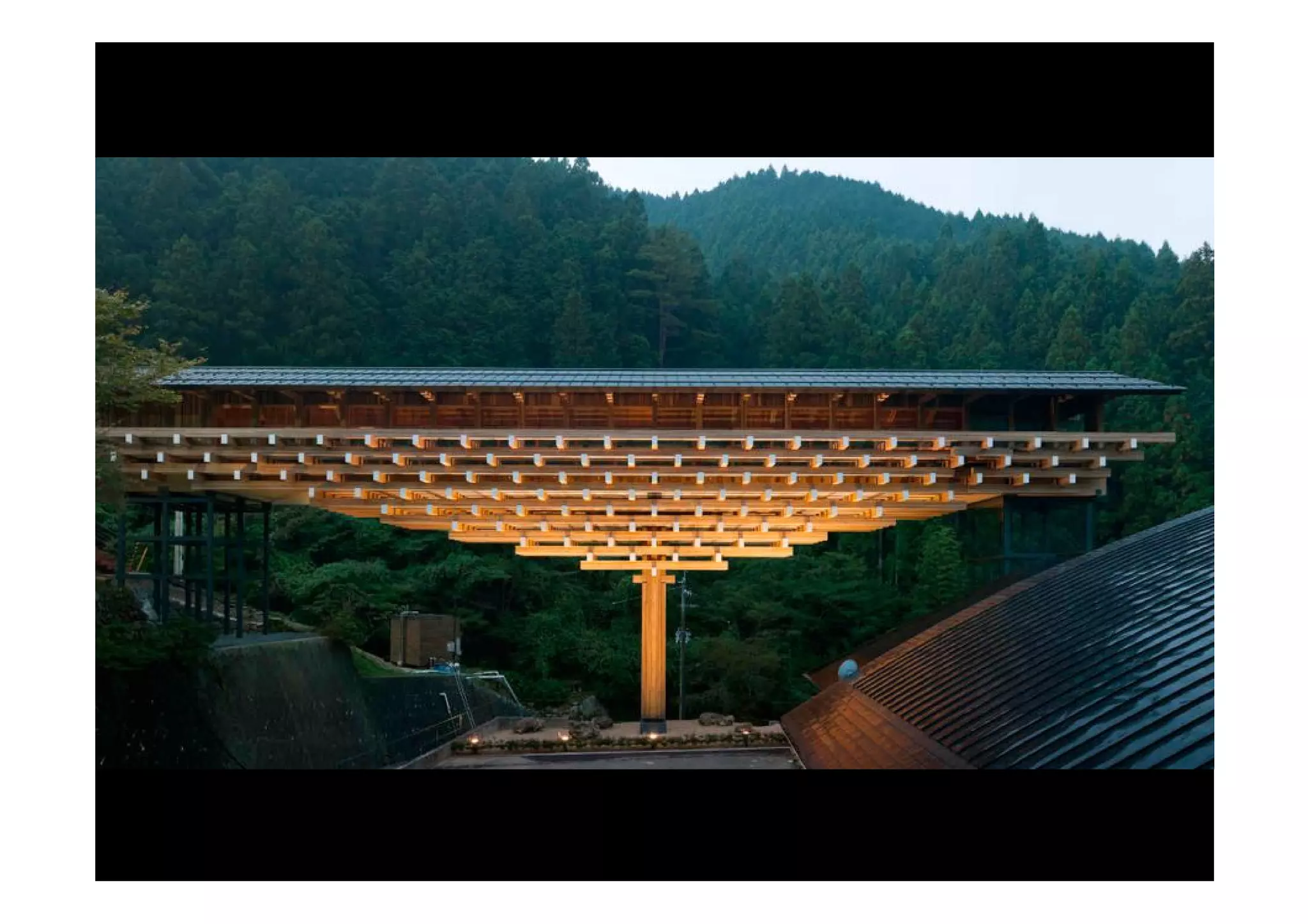
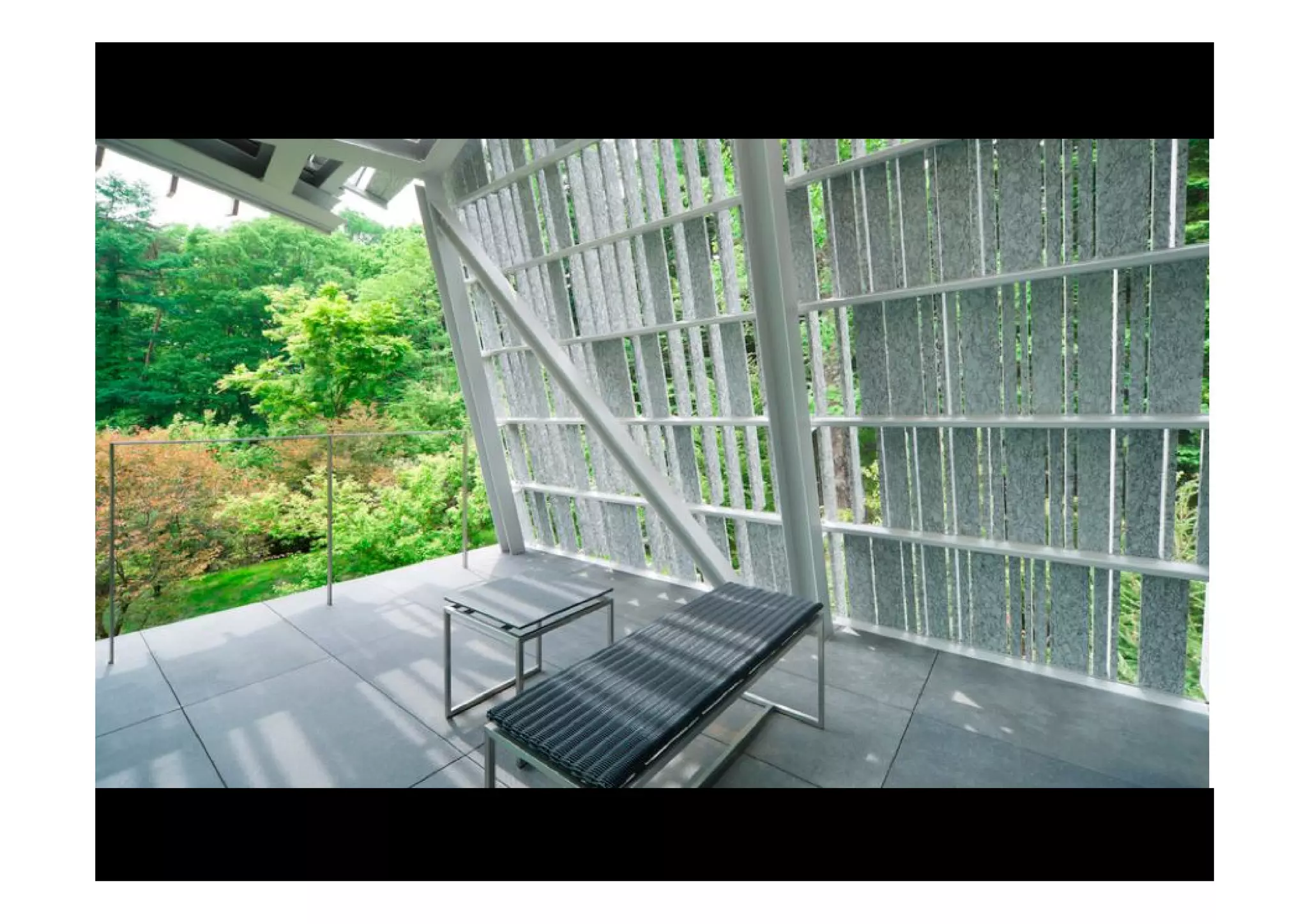
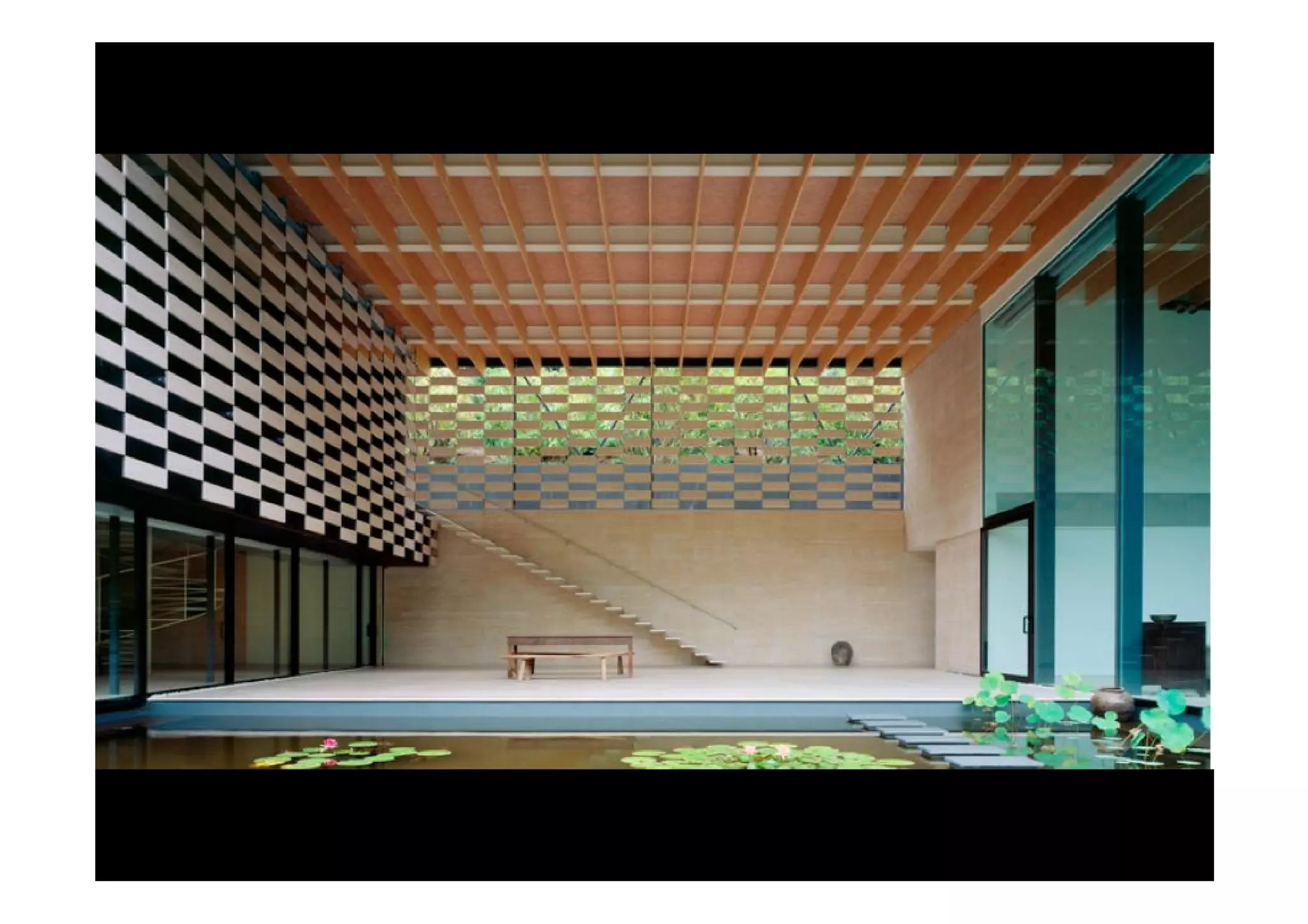
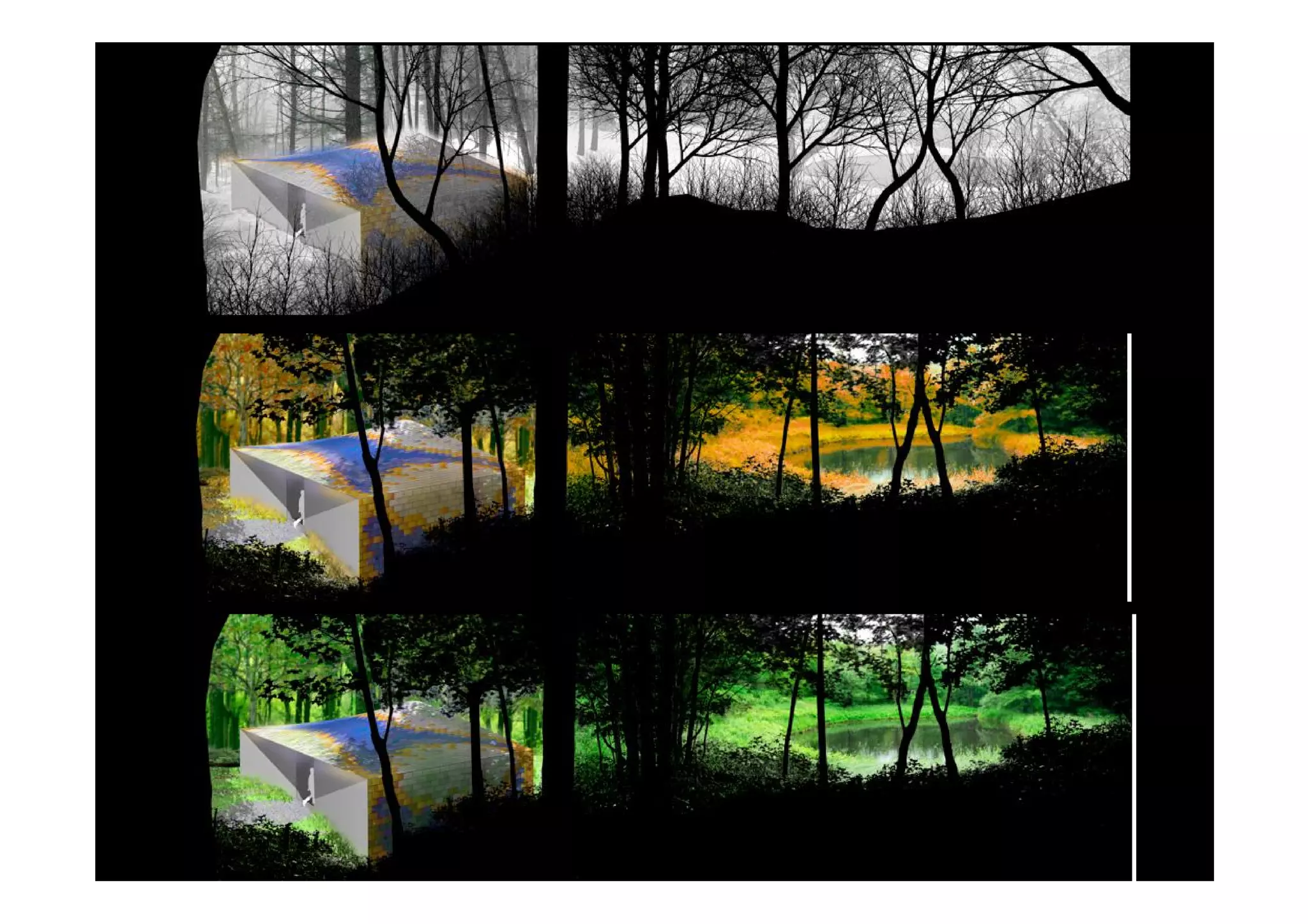
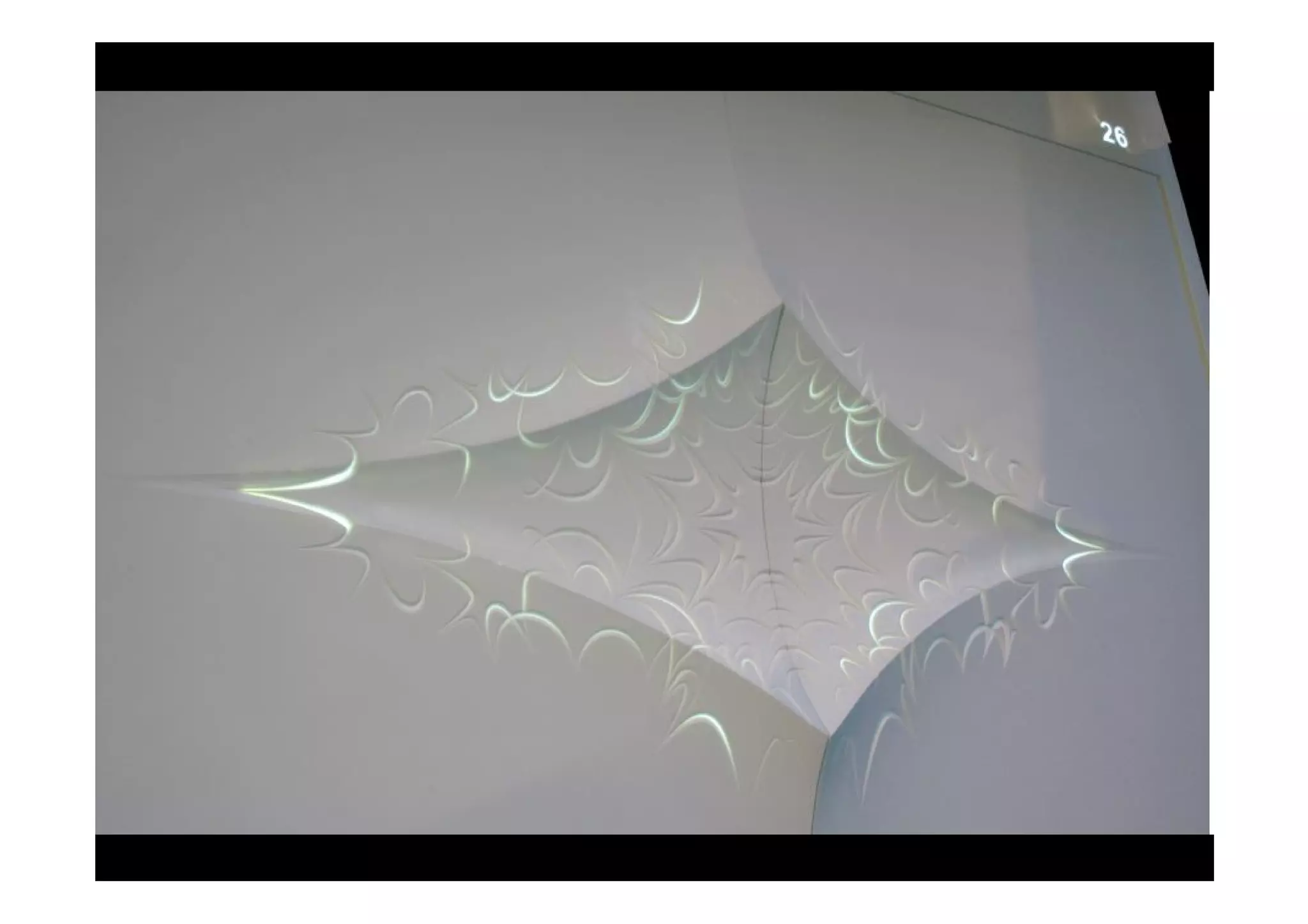
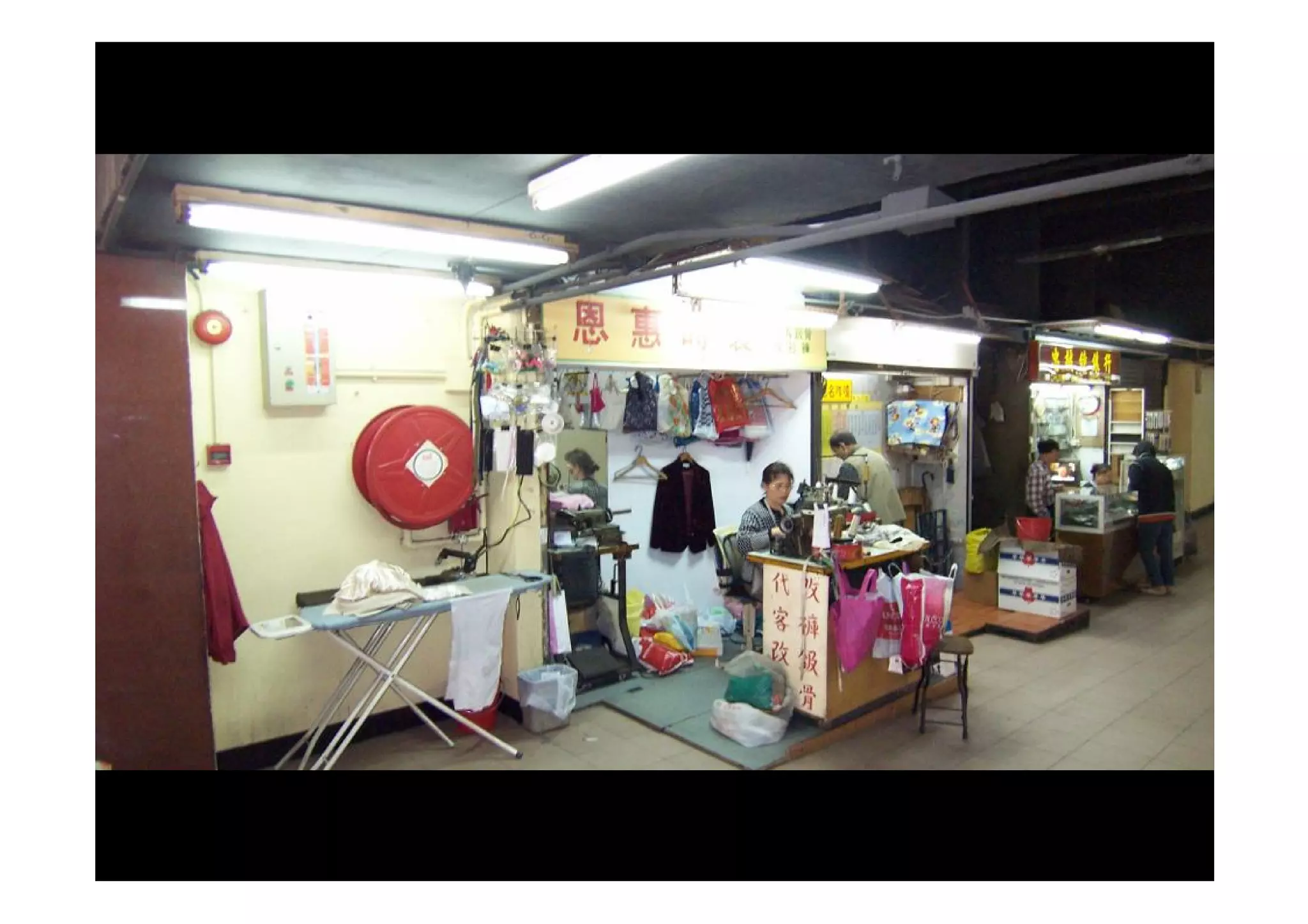
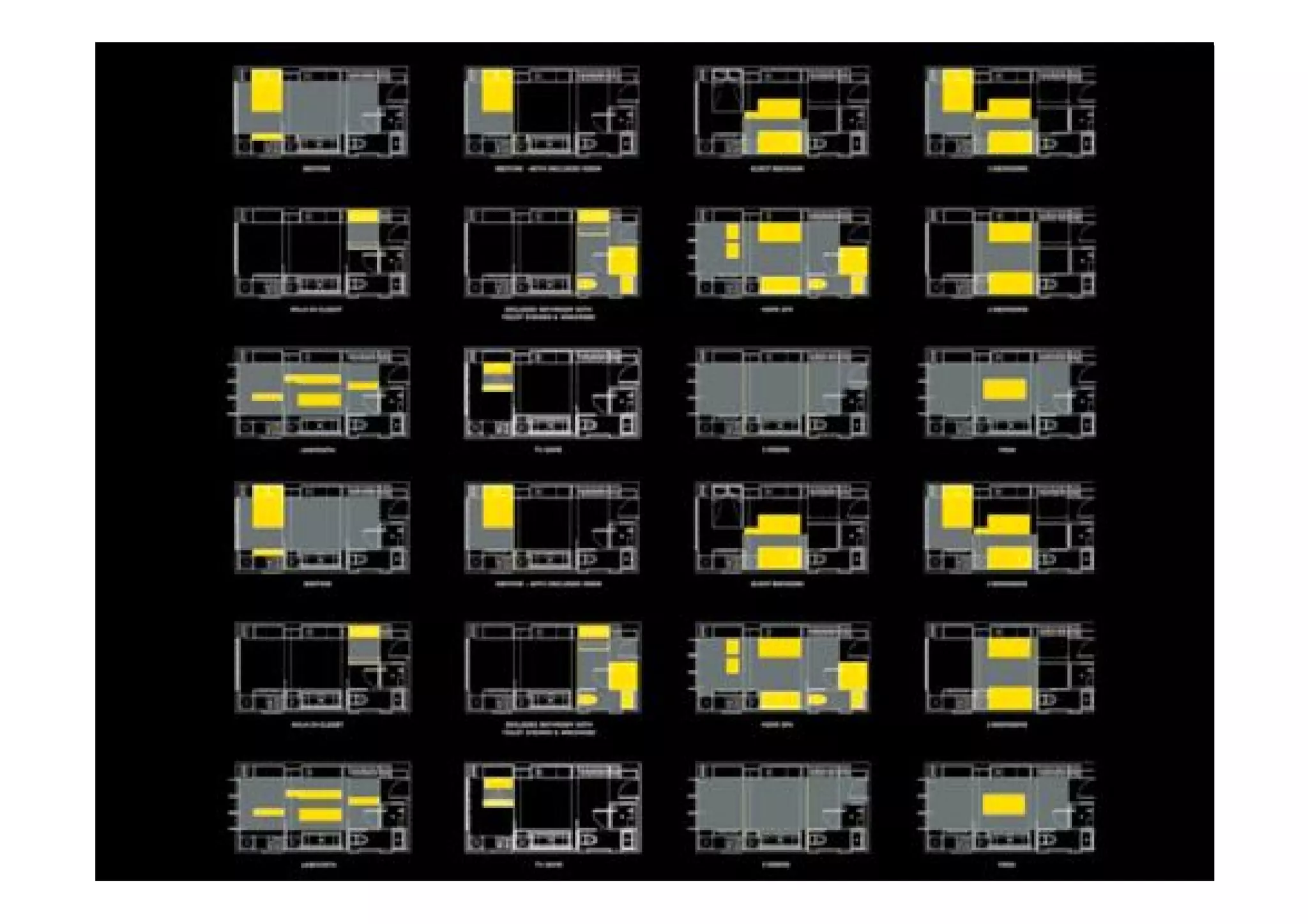
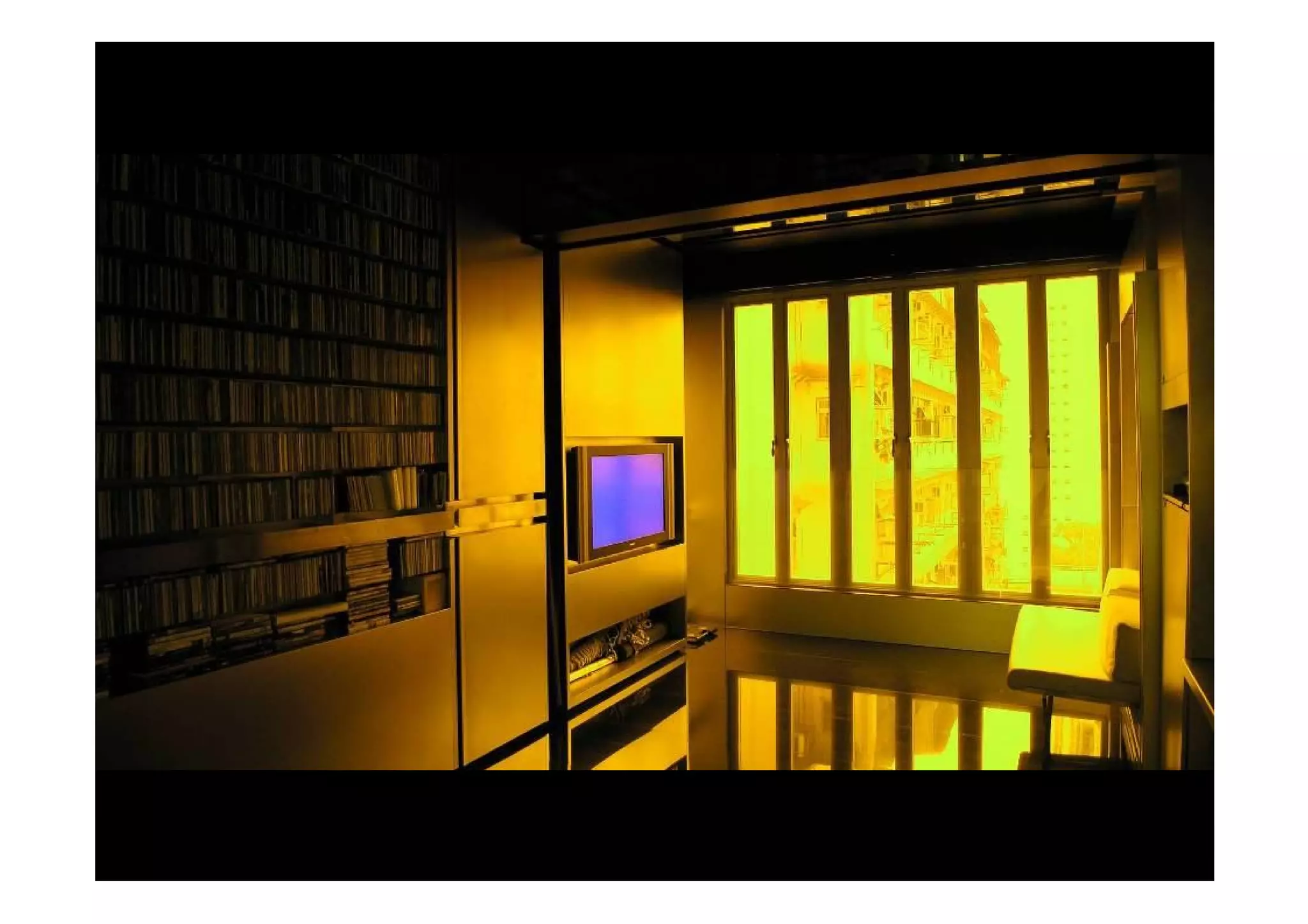
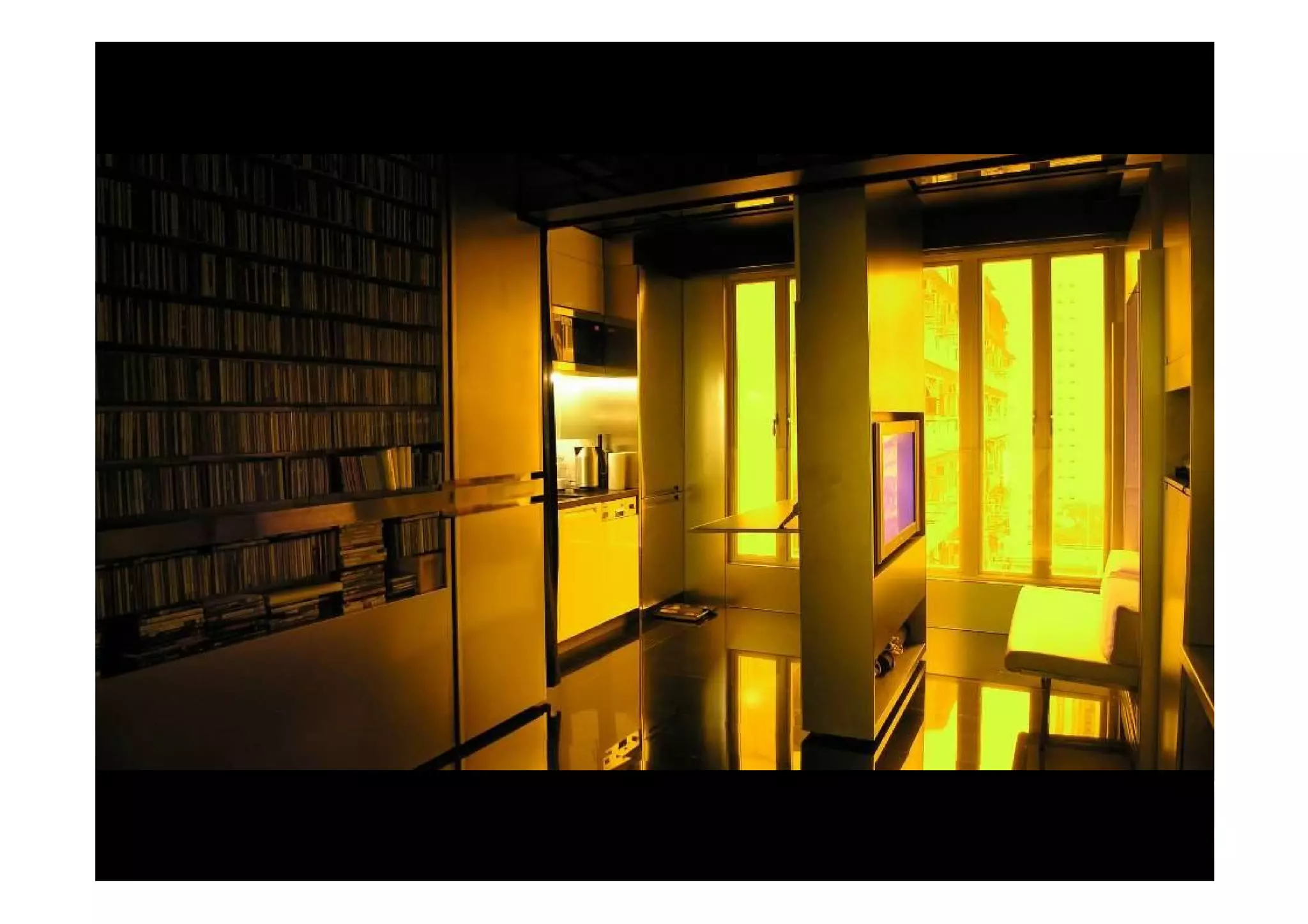
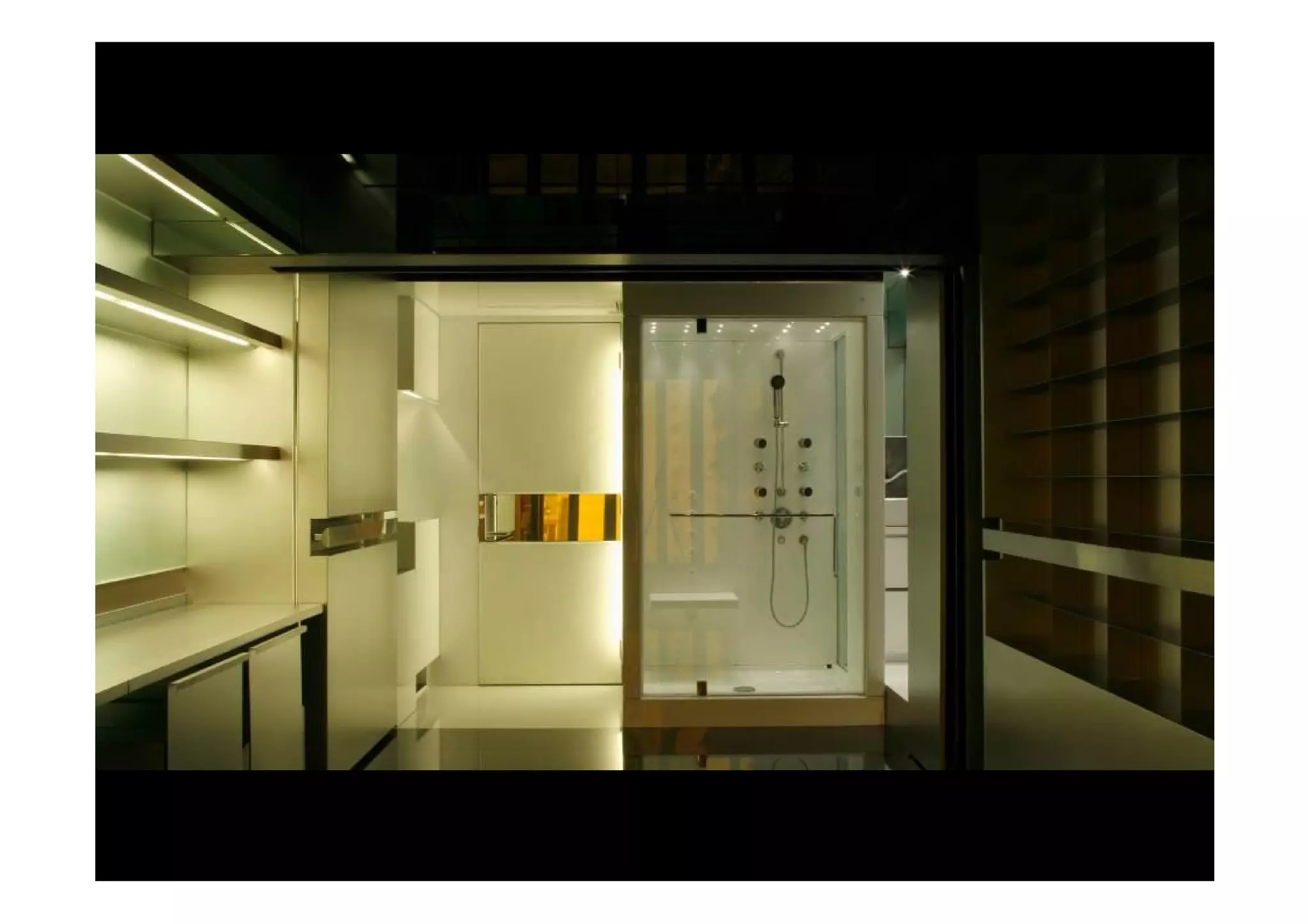
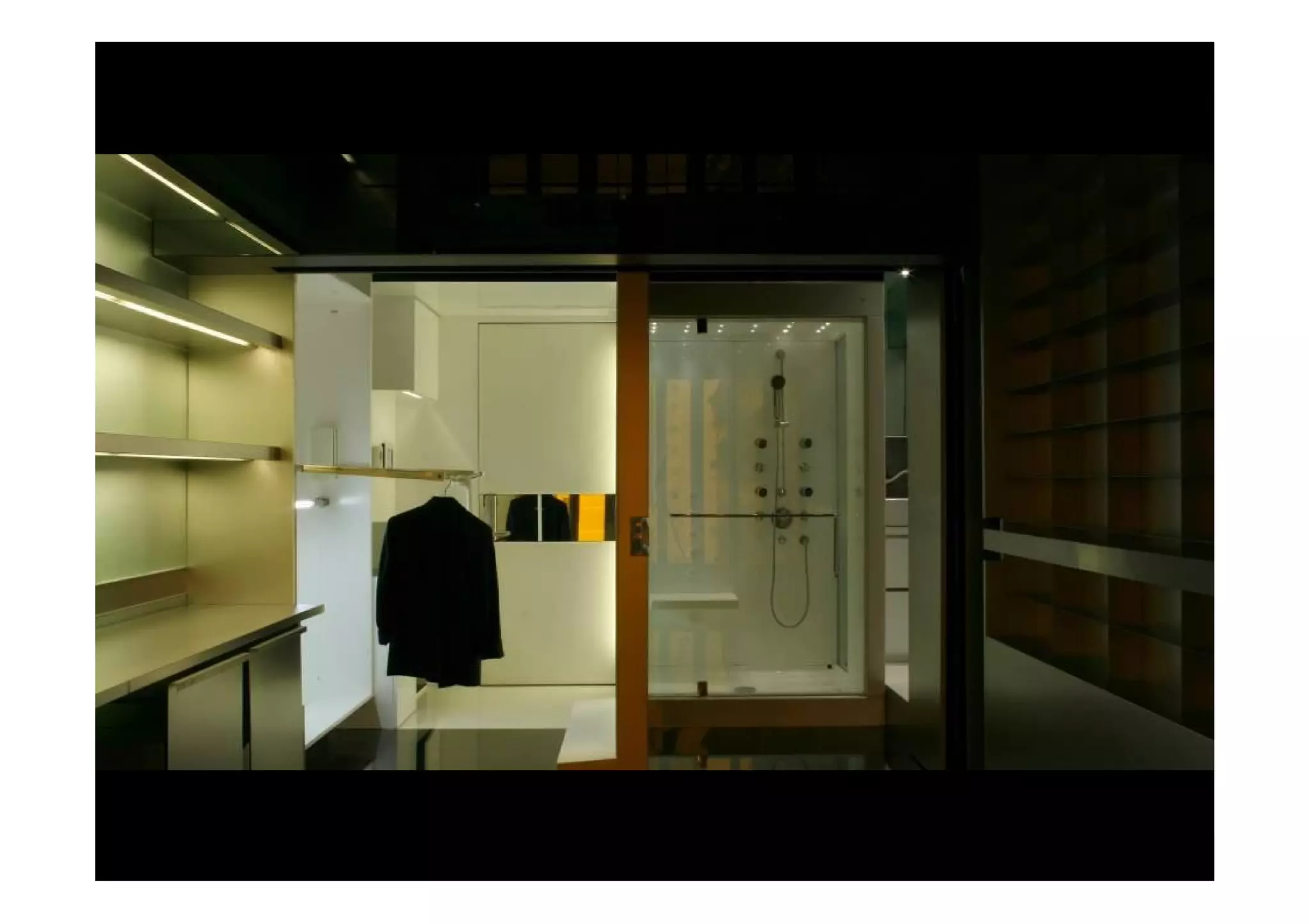
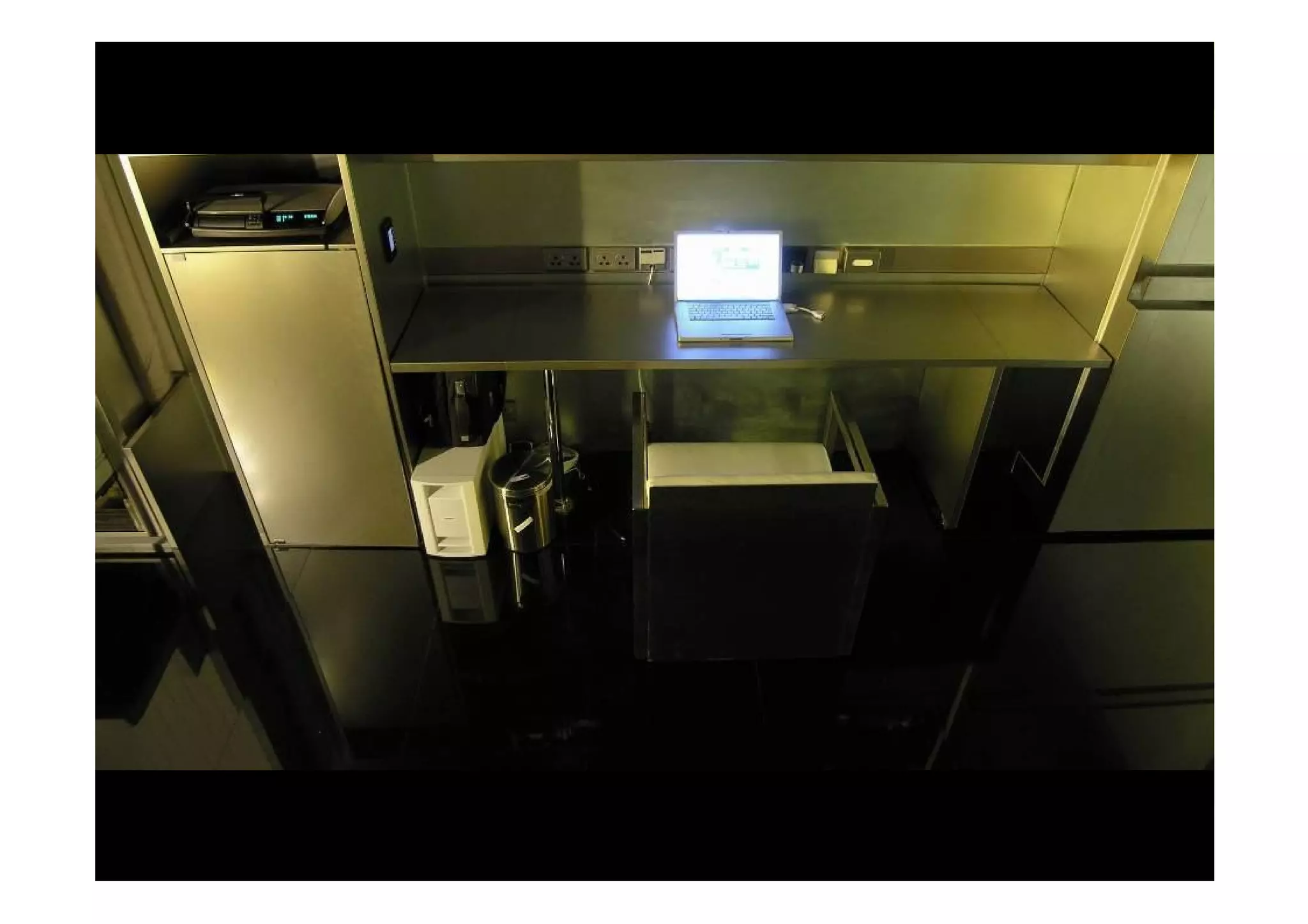
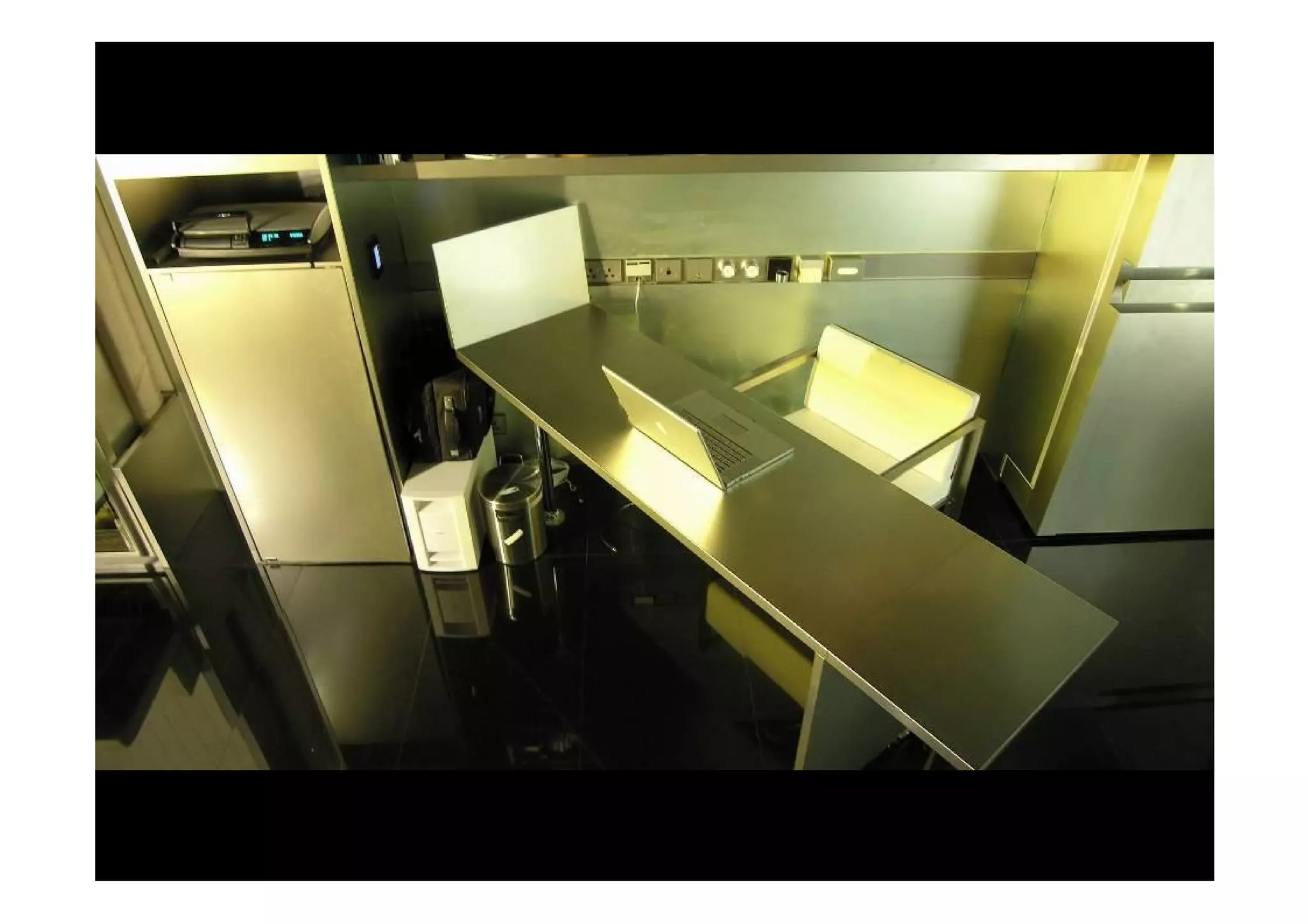
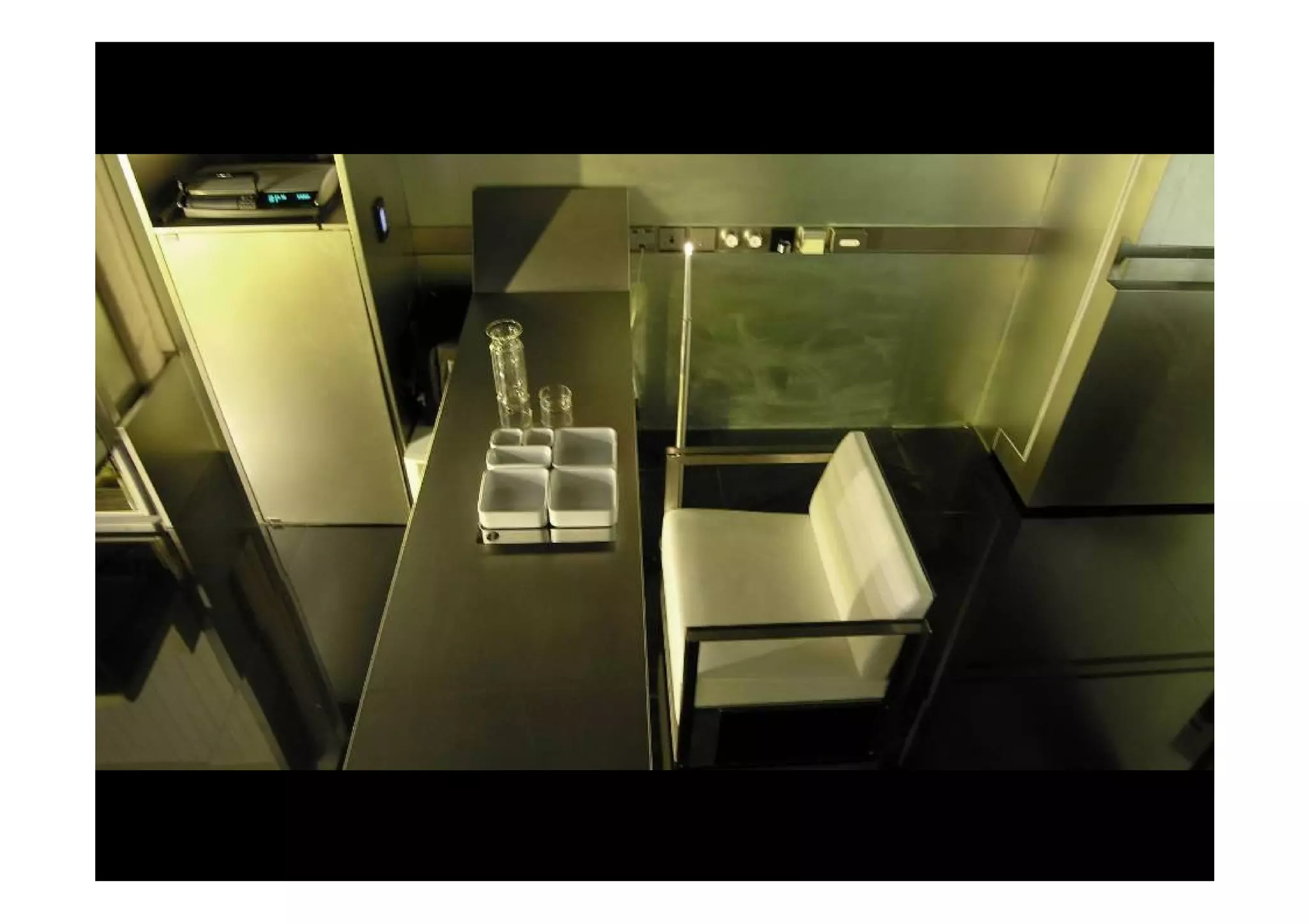
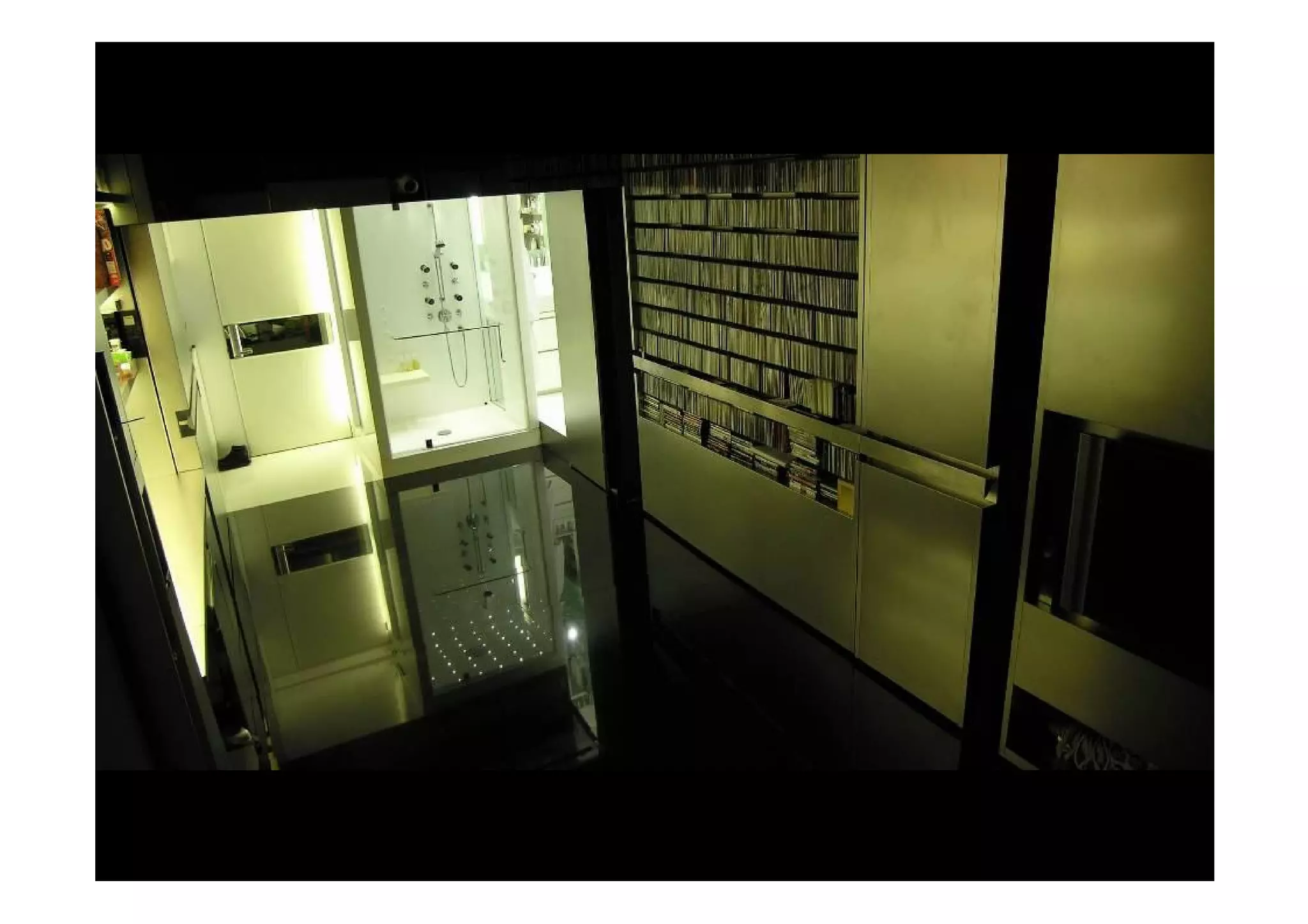
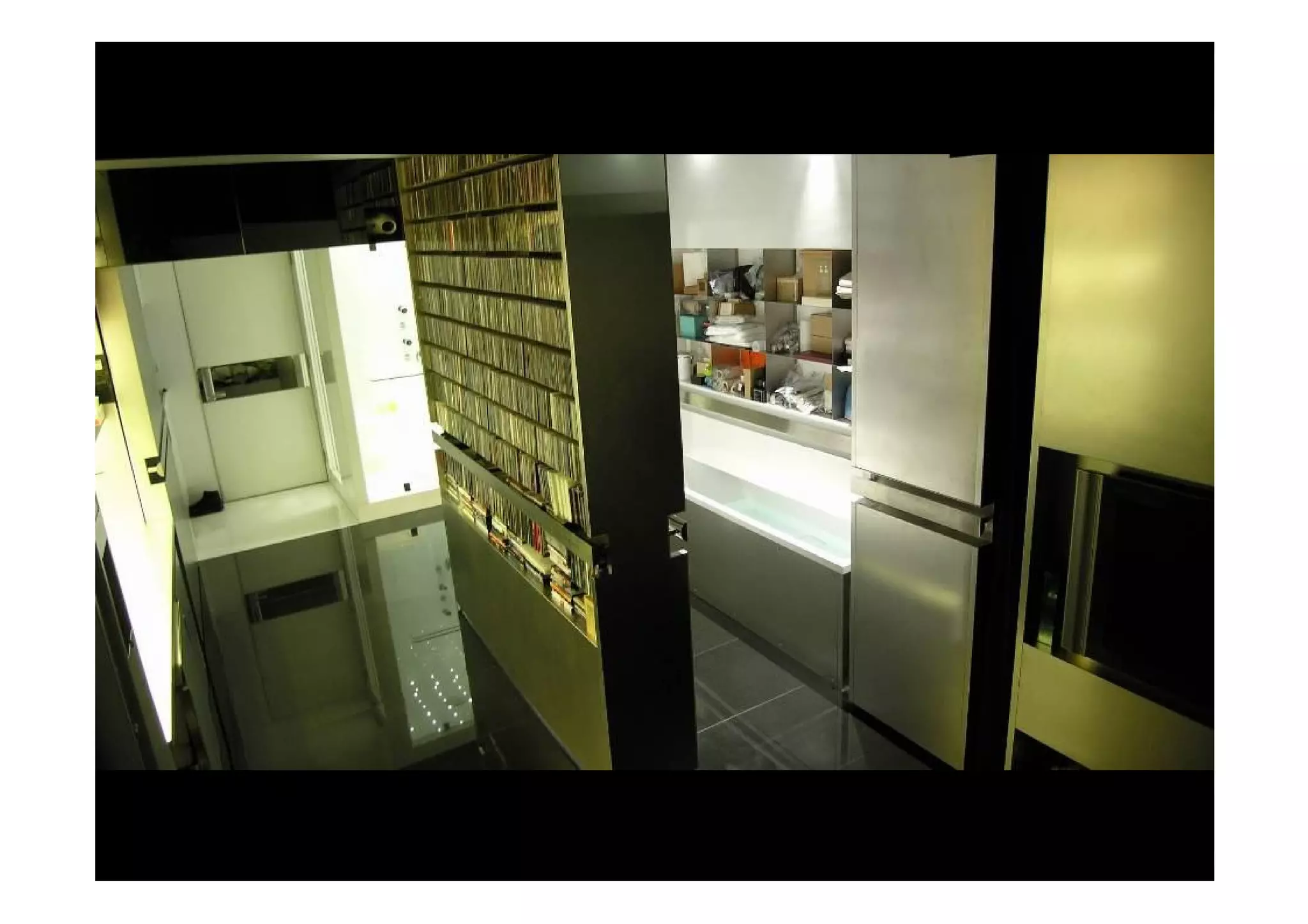
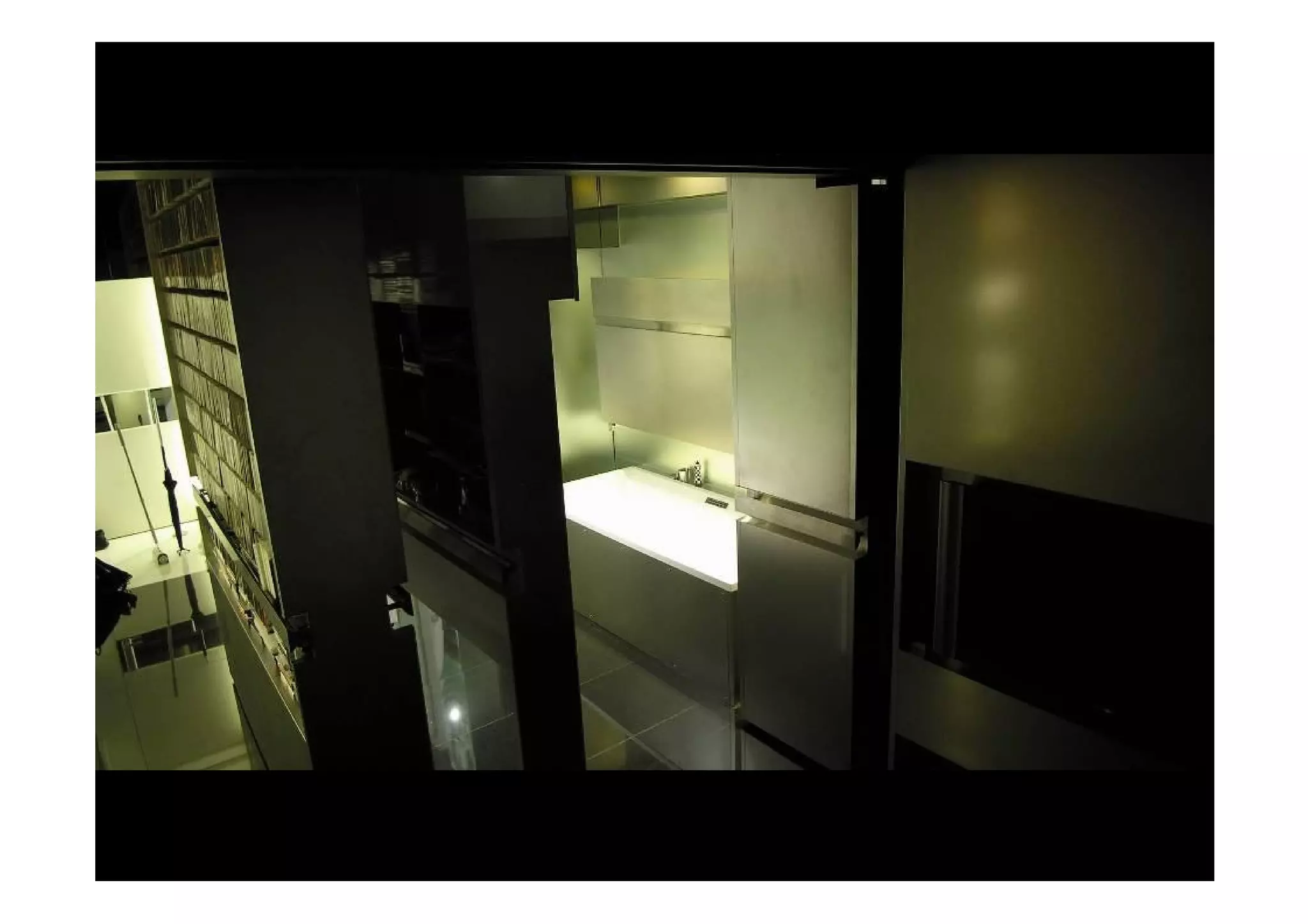
Kengo Kuma
Osmosis
davidclover
Camouflage
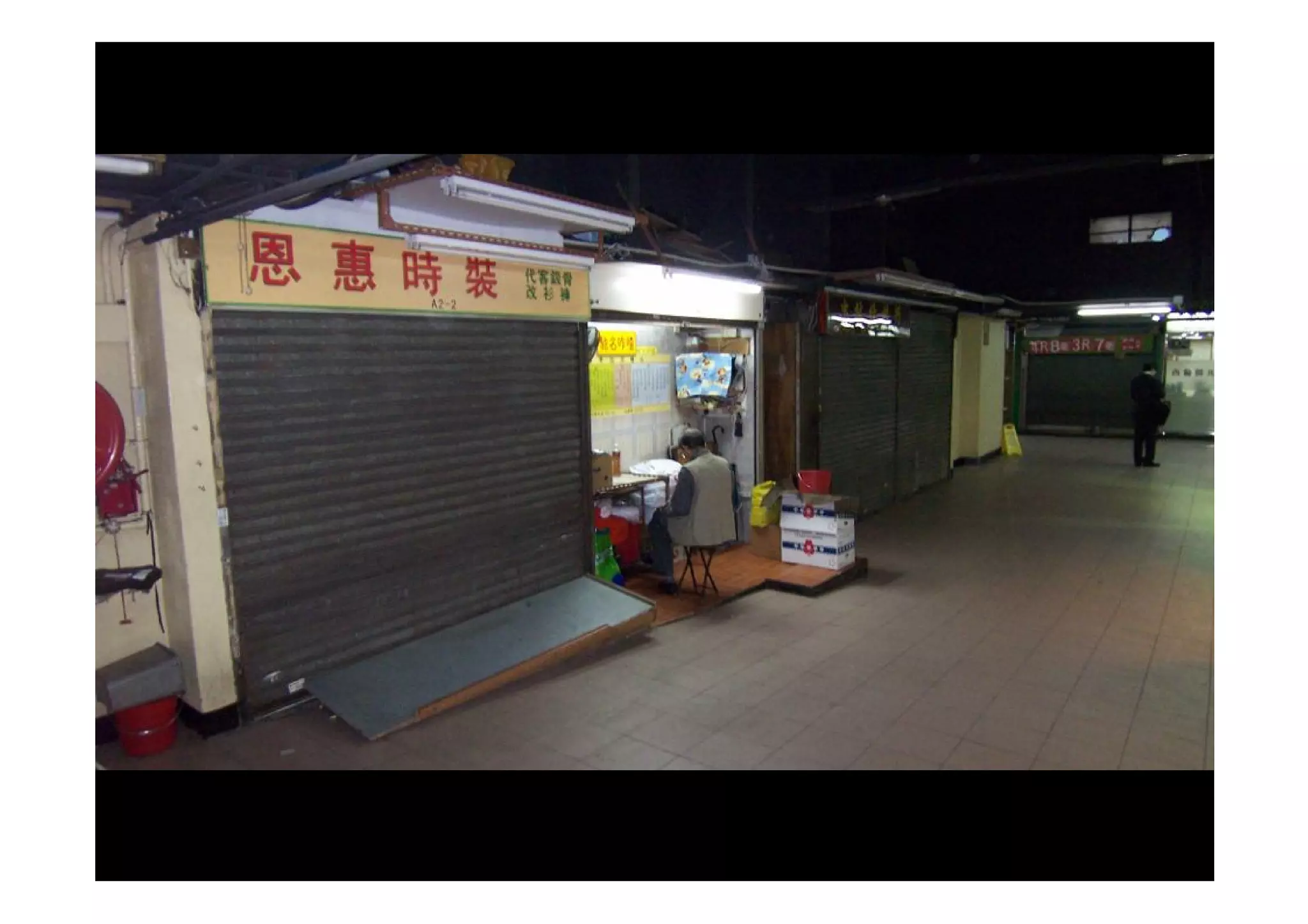
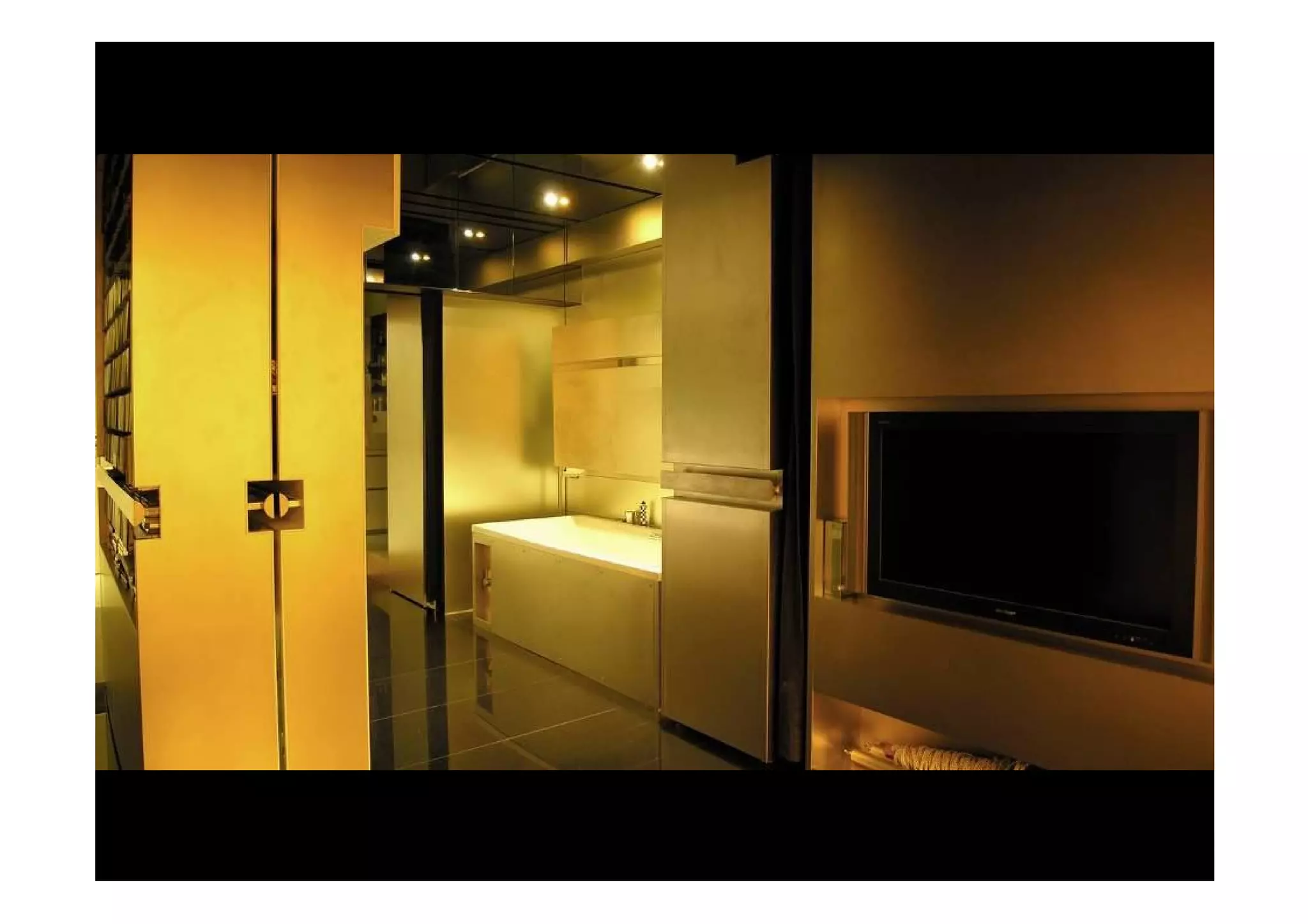
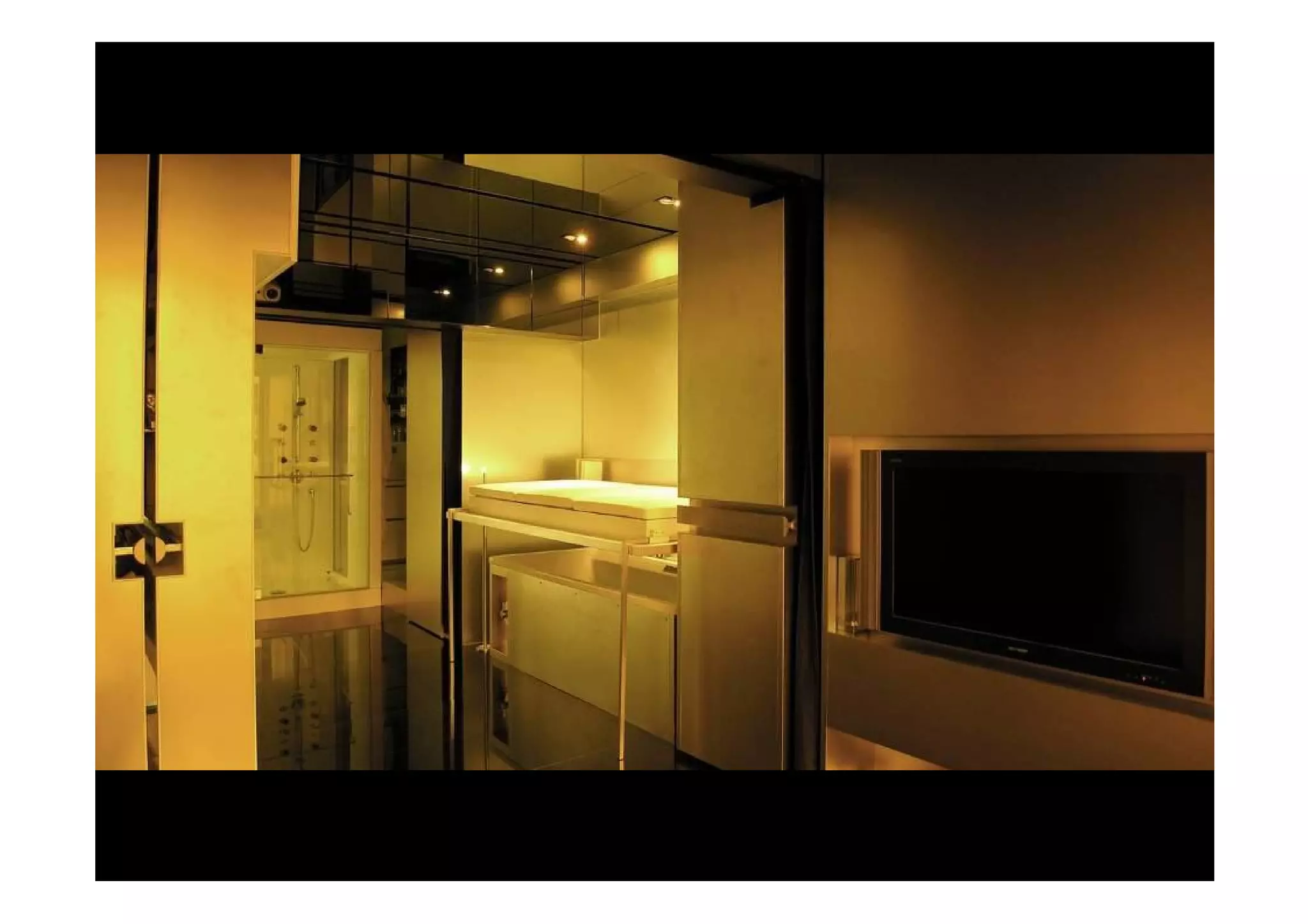
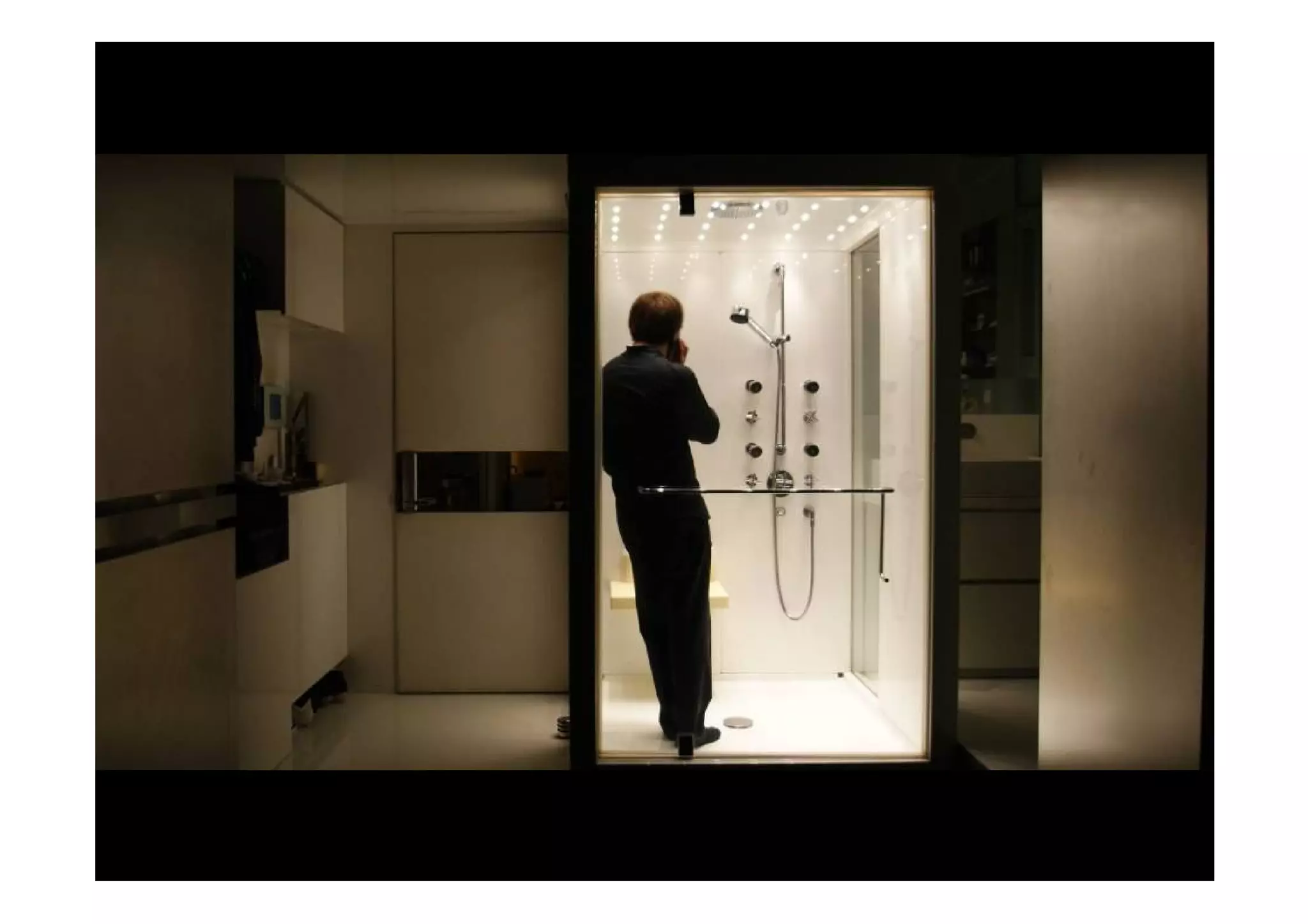
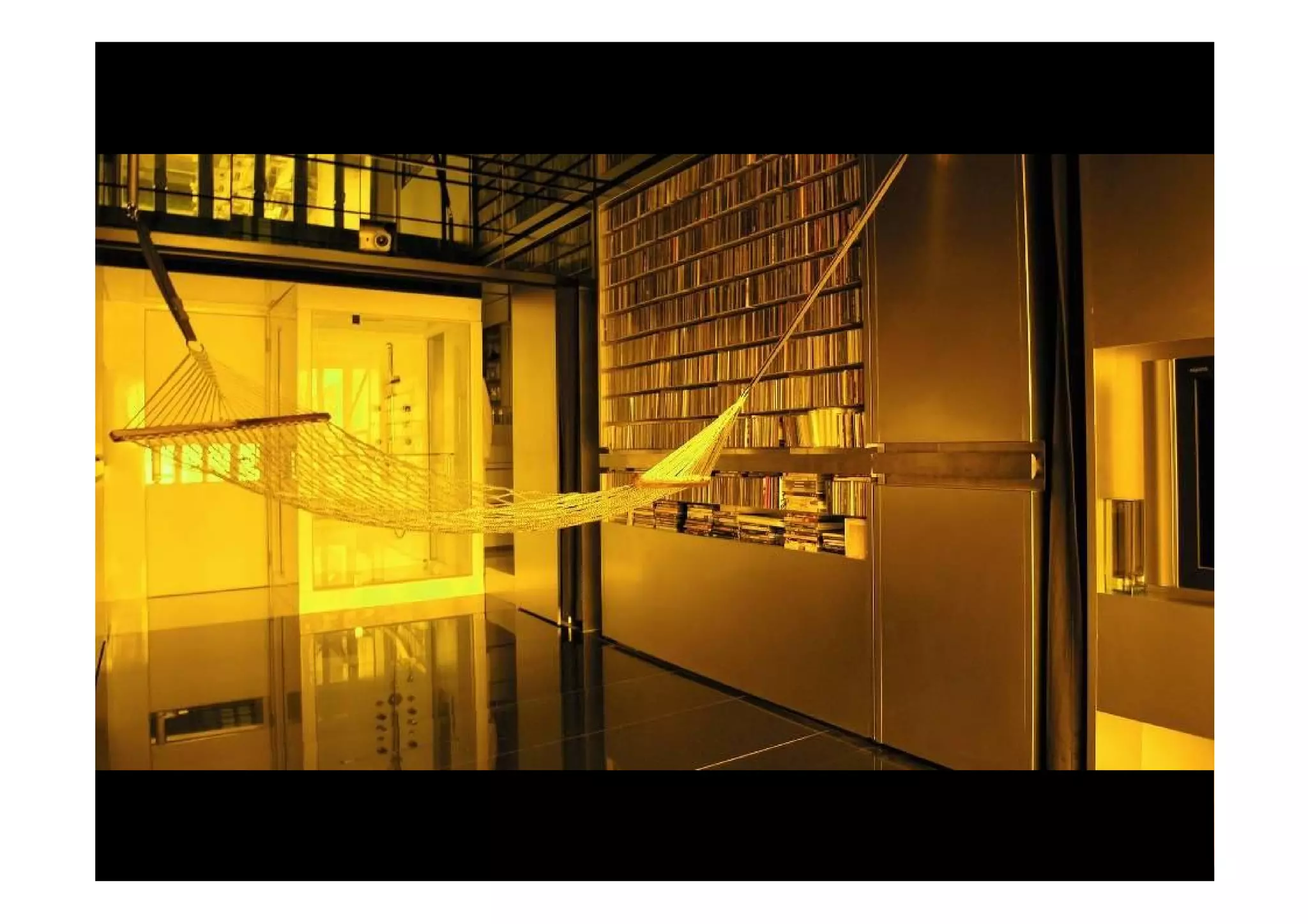
Gary Chang
Metamorphosis
International Society of Biourbanism - Summer School 2014
Pier Vittorio Aurelio
Less is Enough
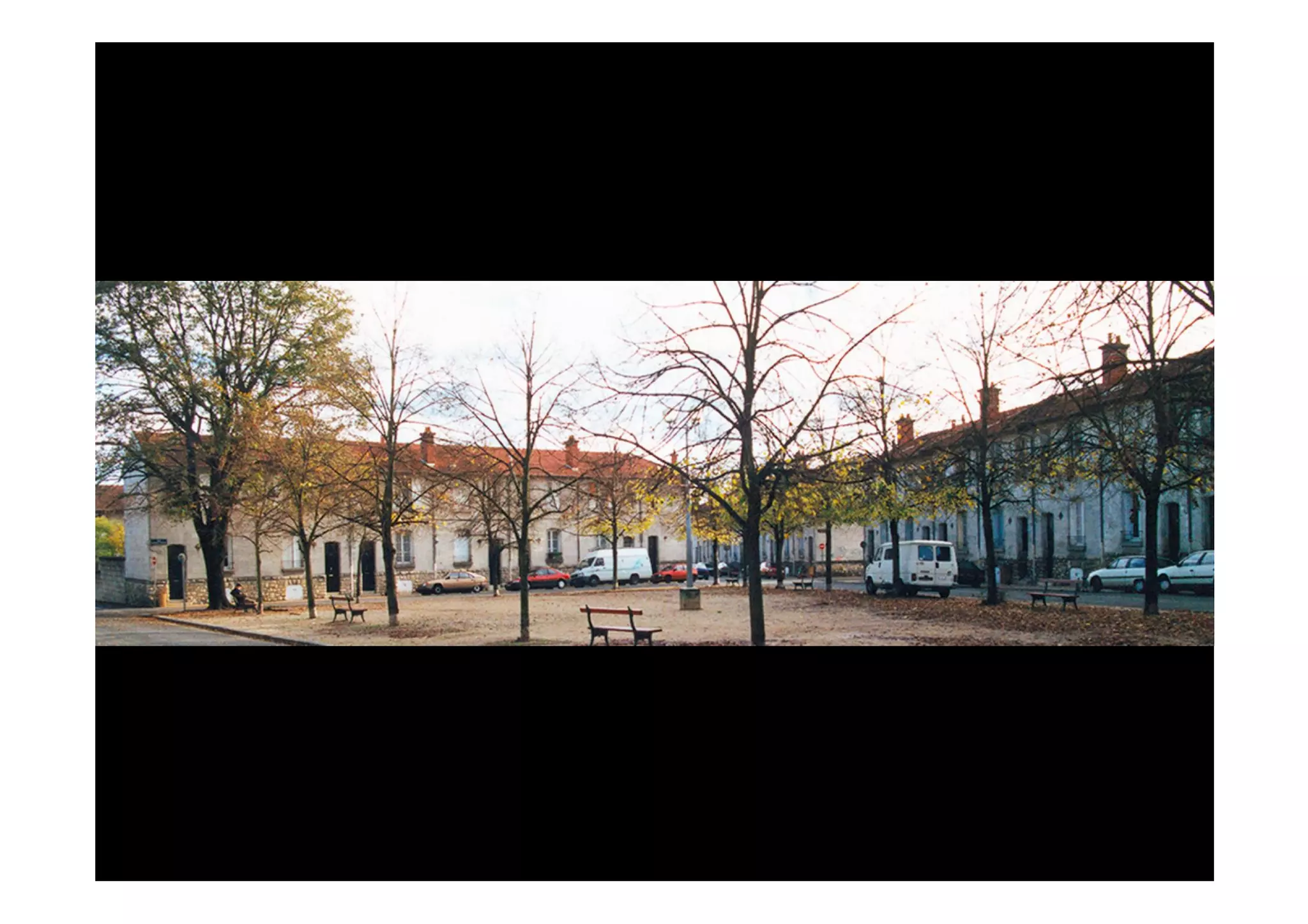
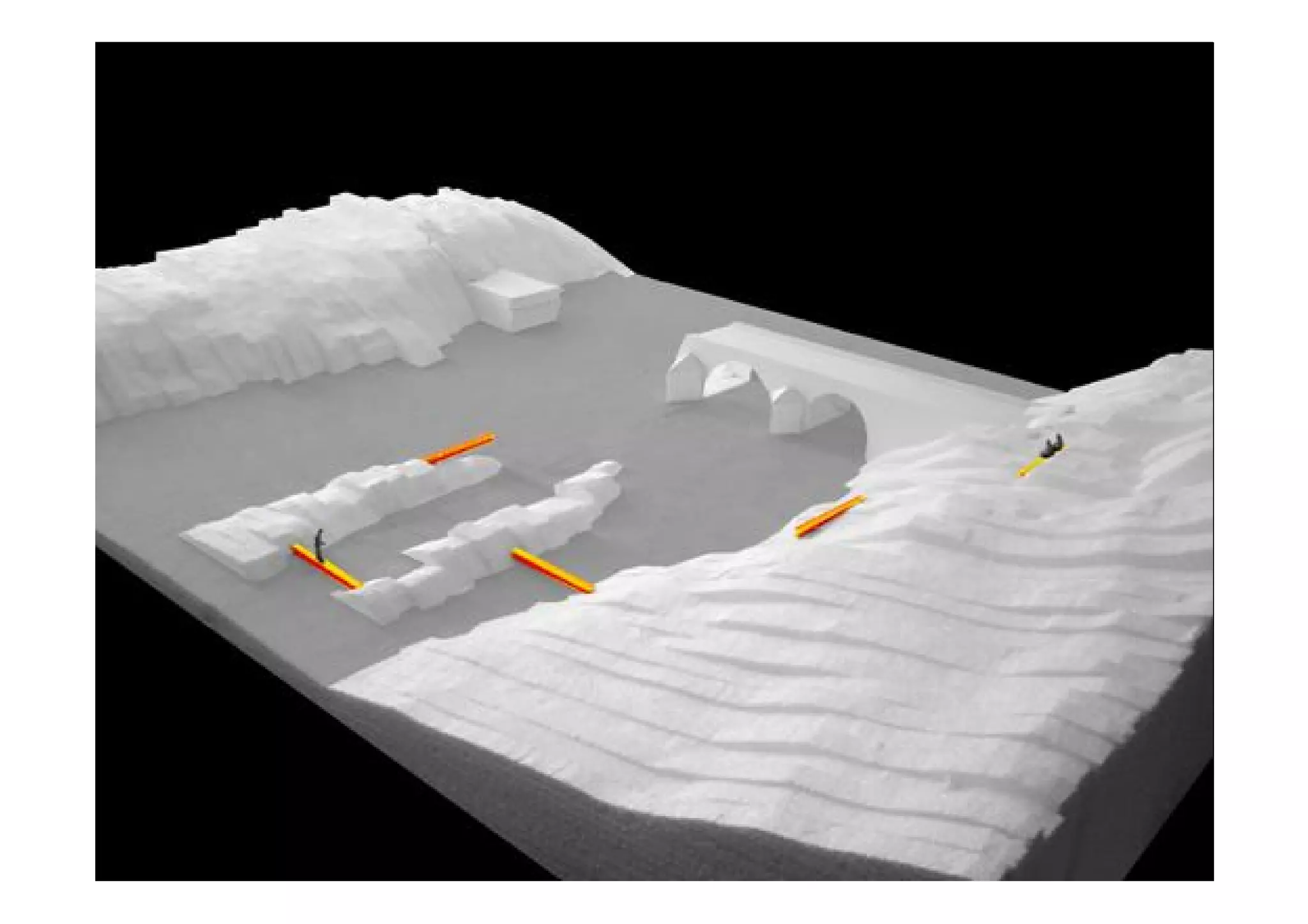
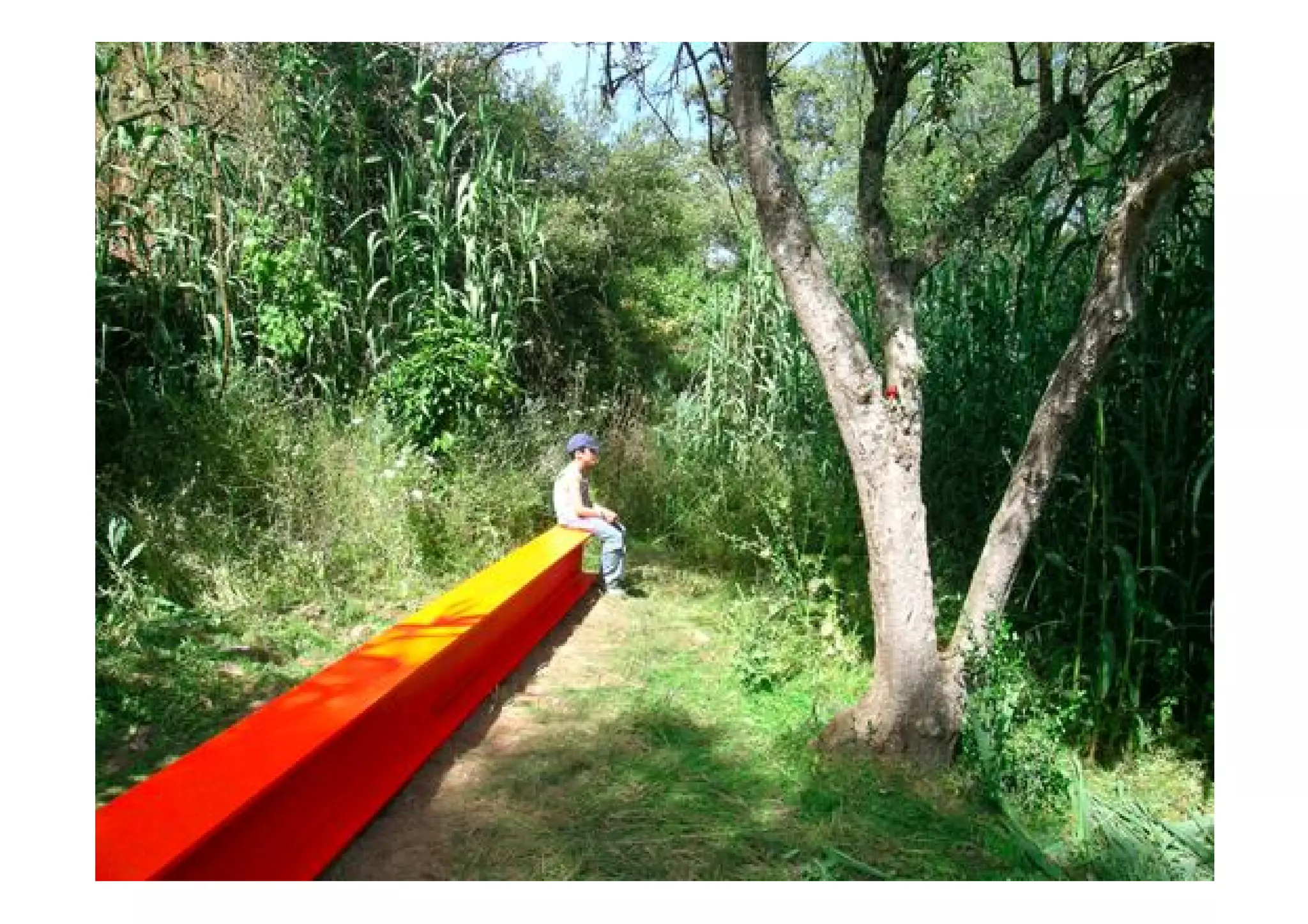
WEAK!
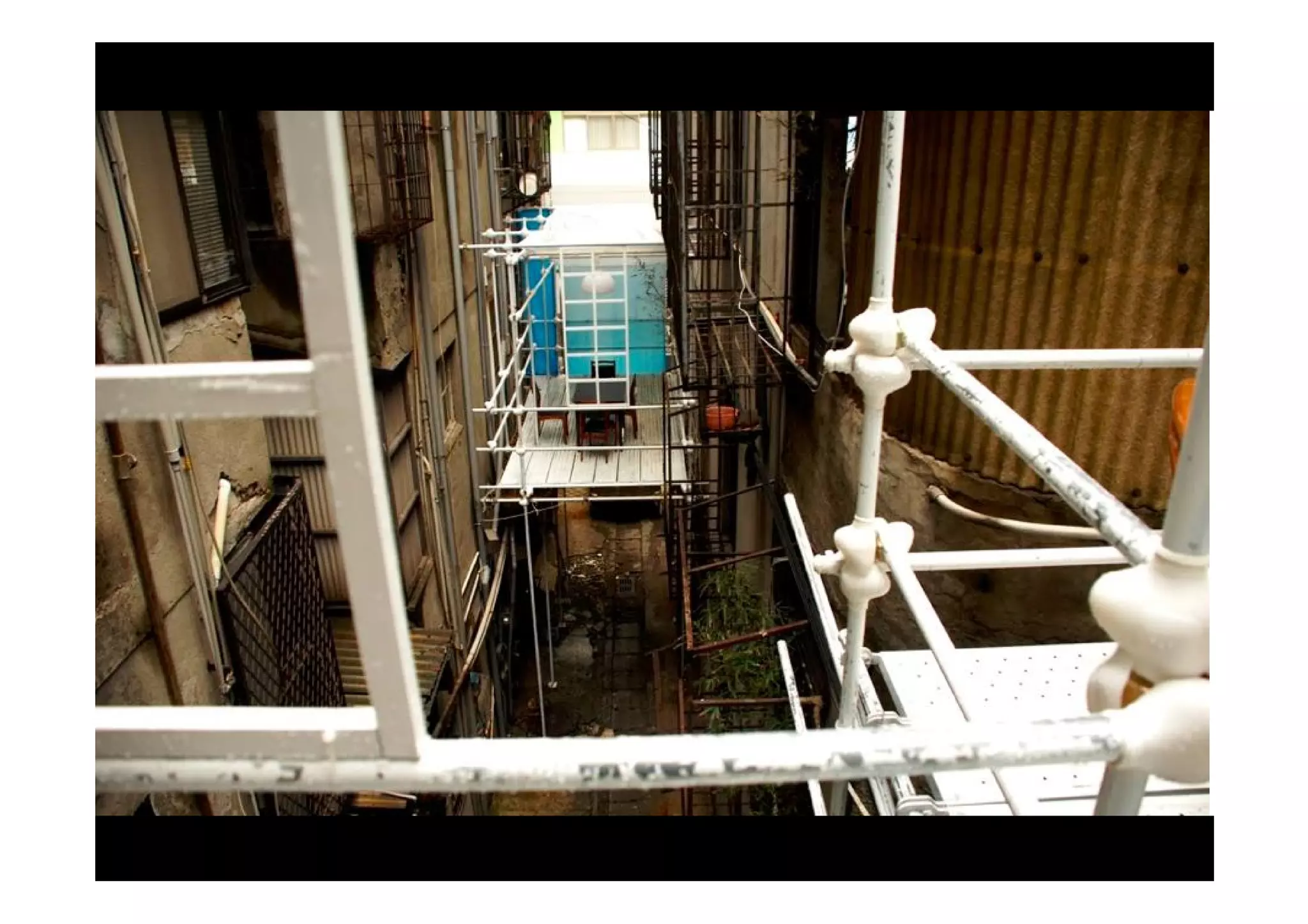
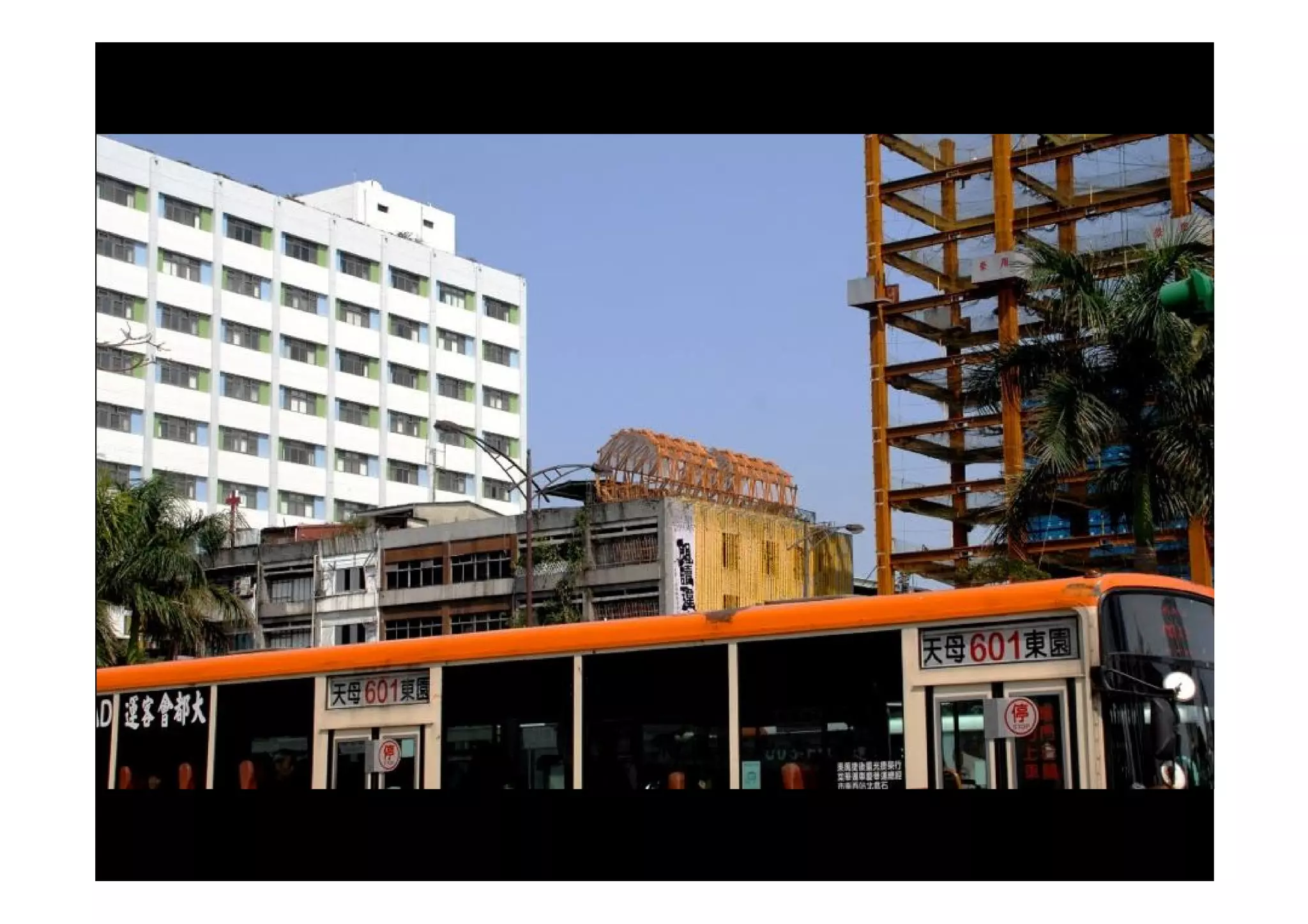
Urban Acupuncture
Tactical
Urbanism
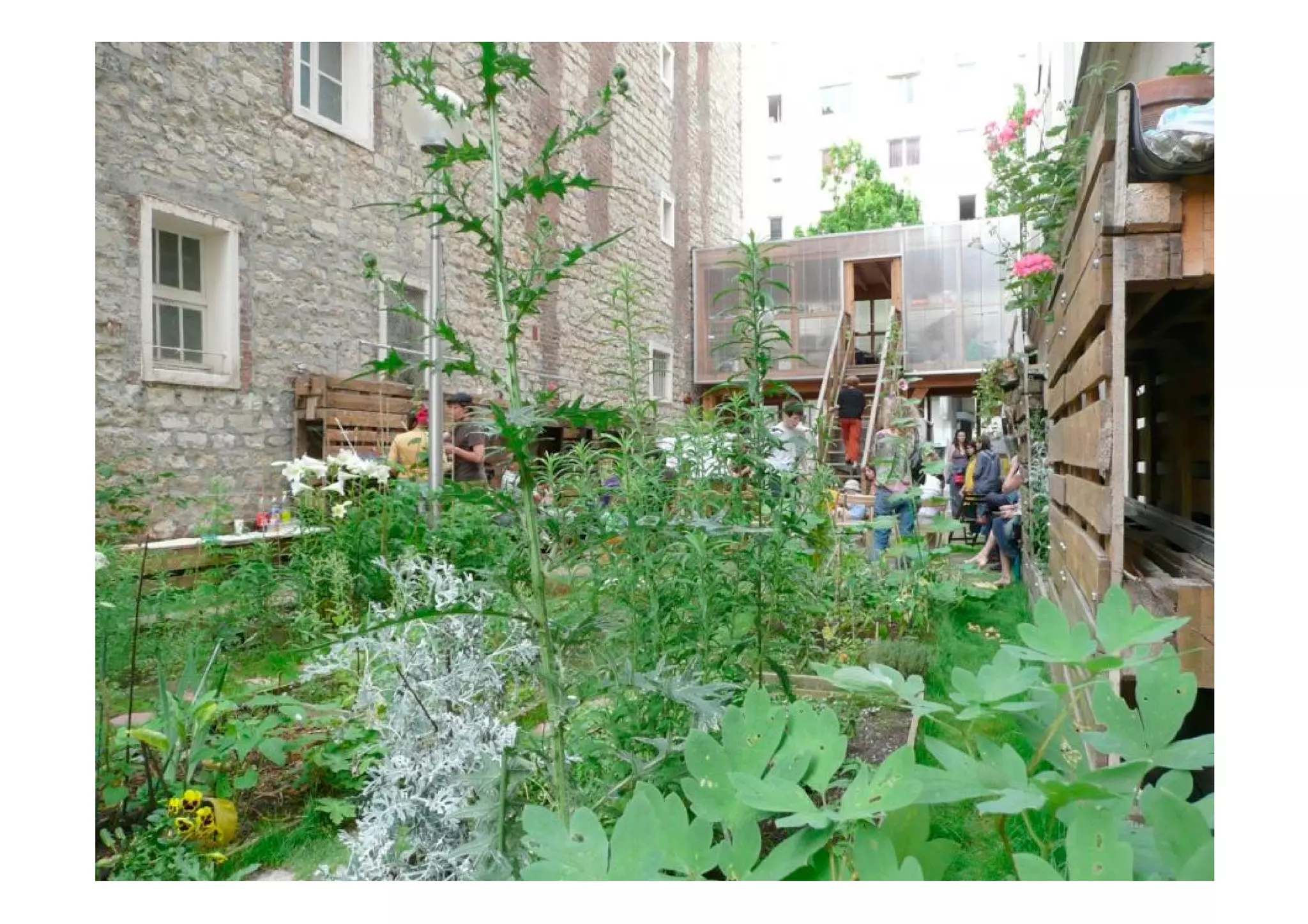
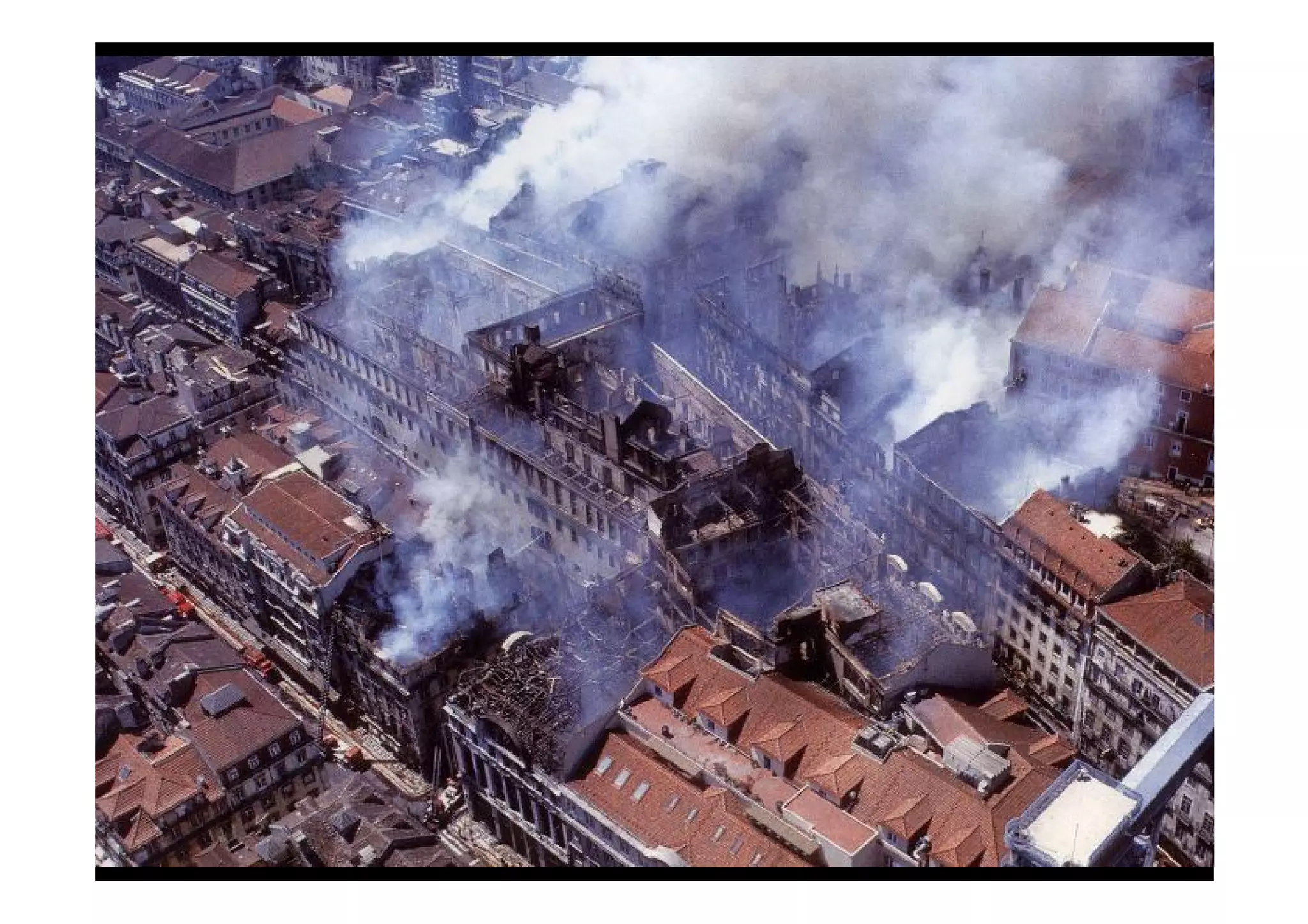
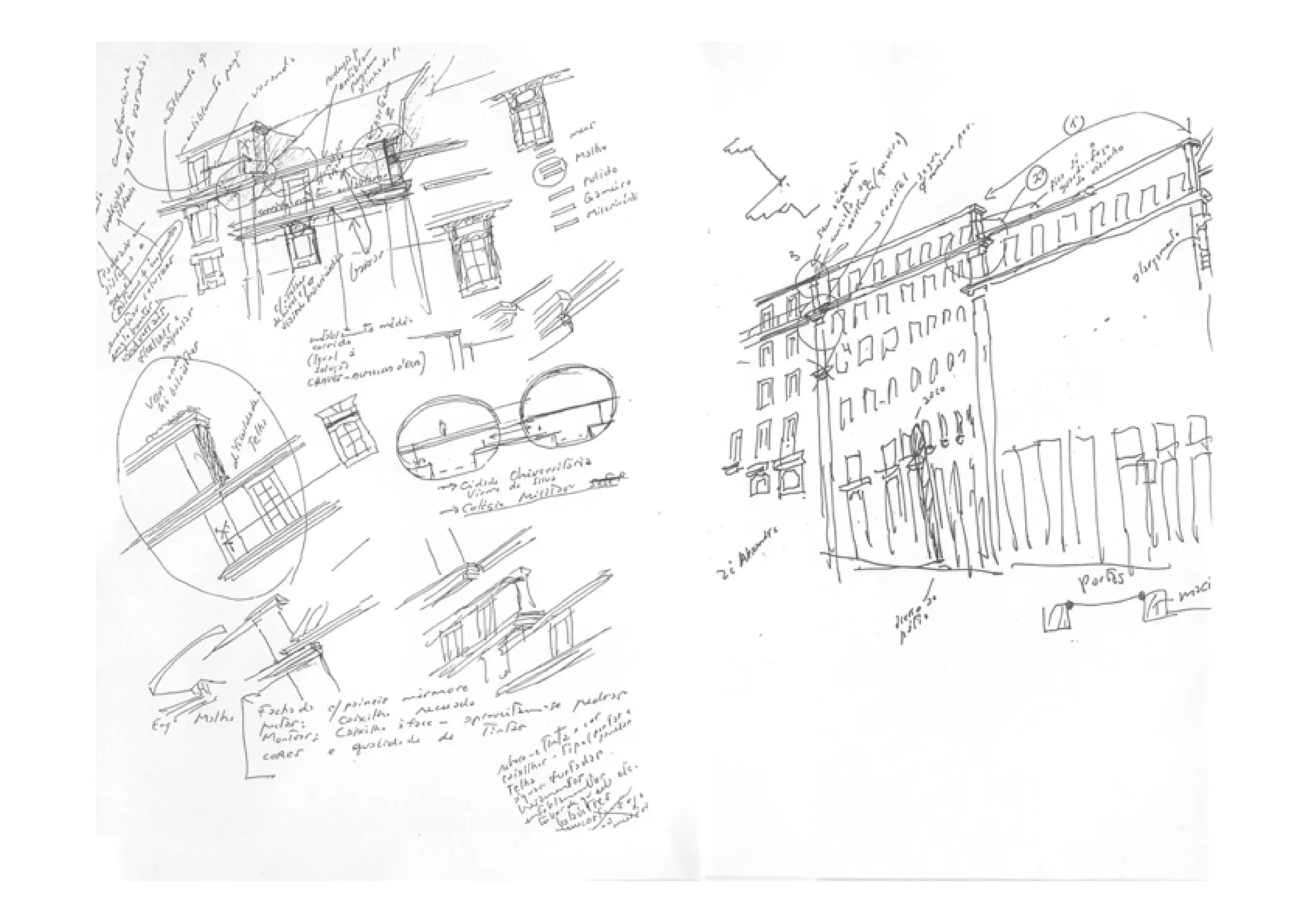
Urban Intervention
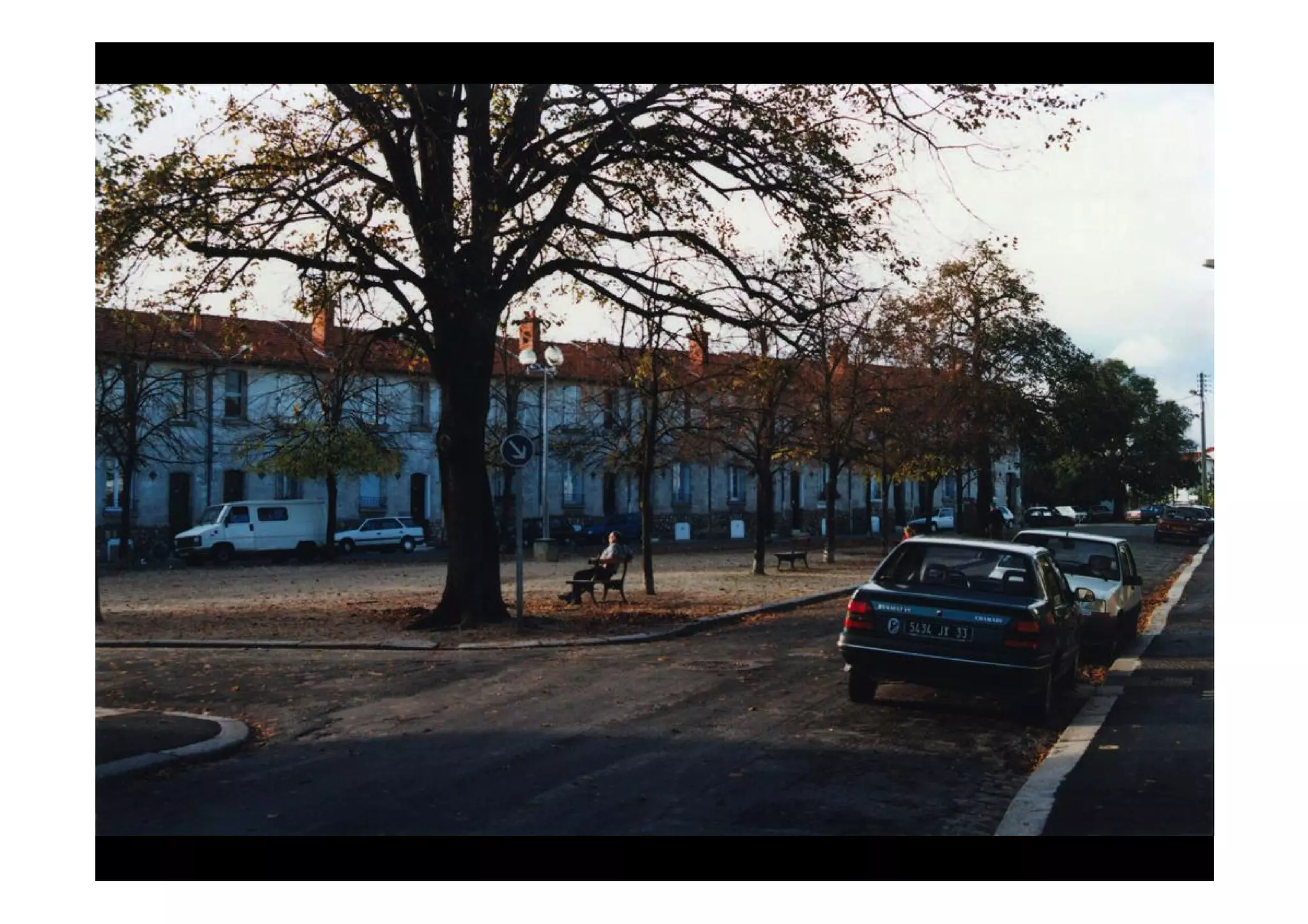
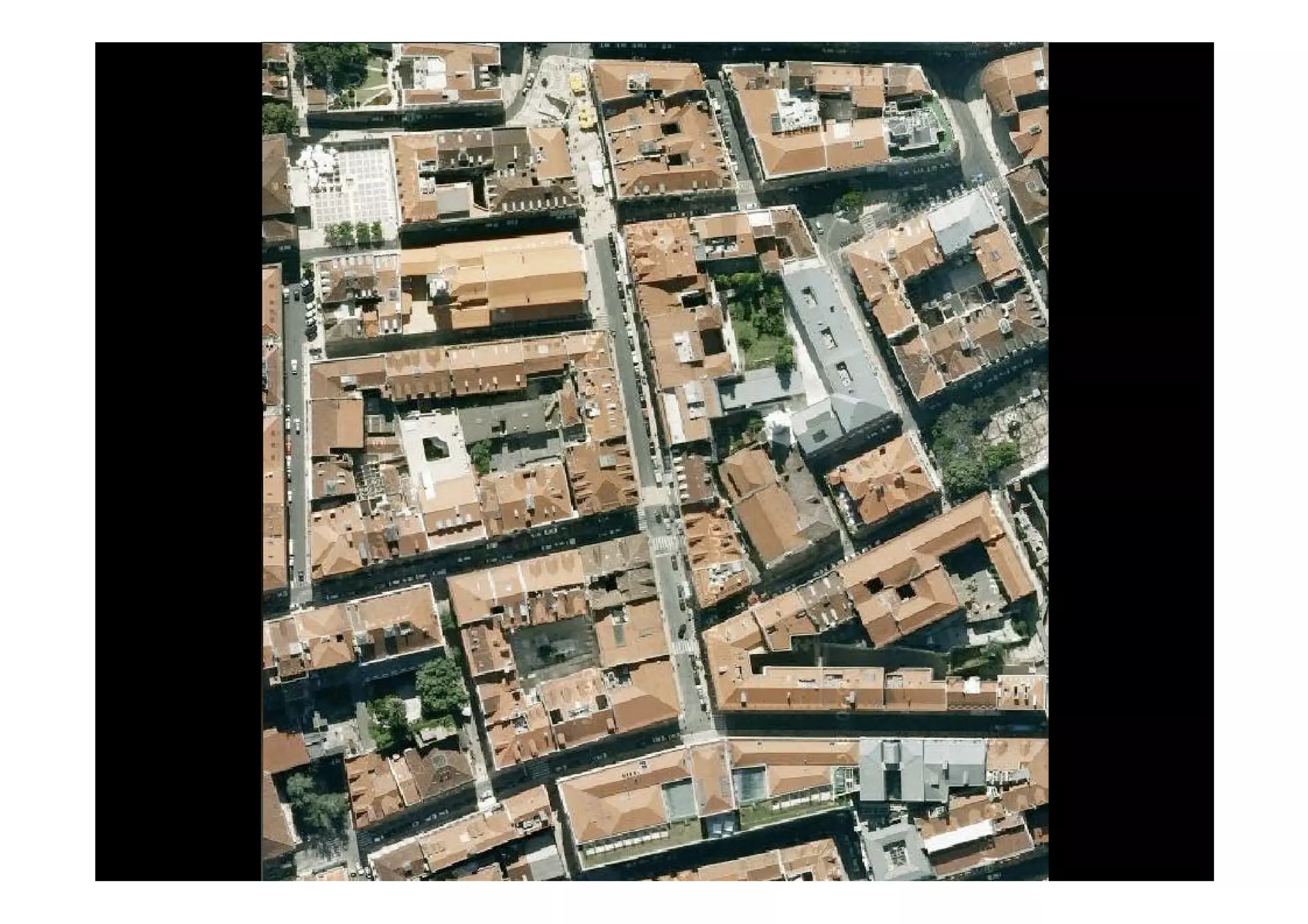
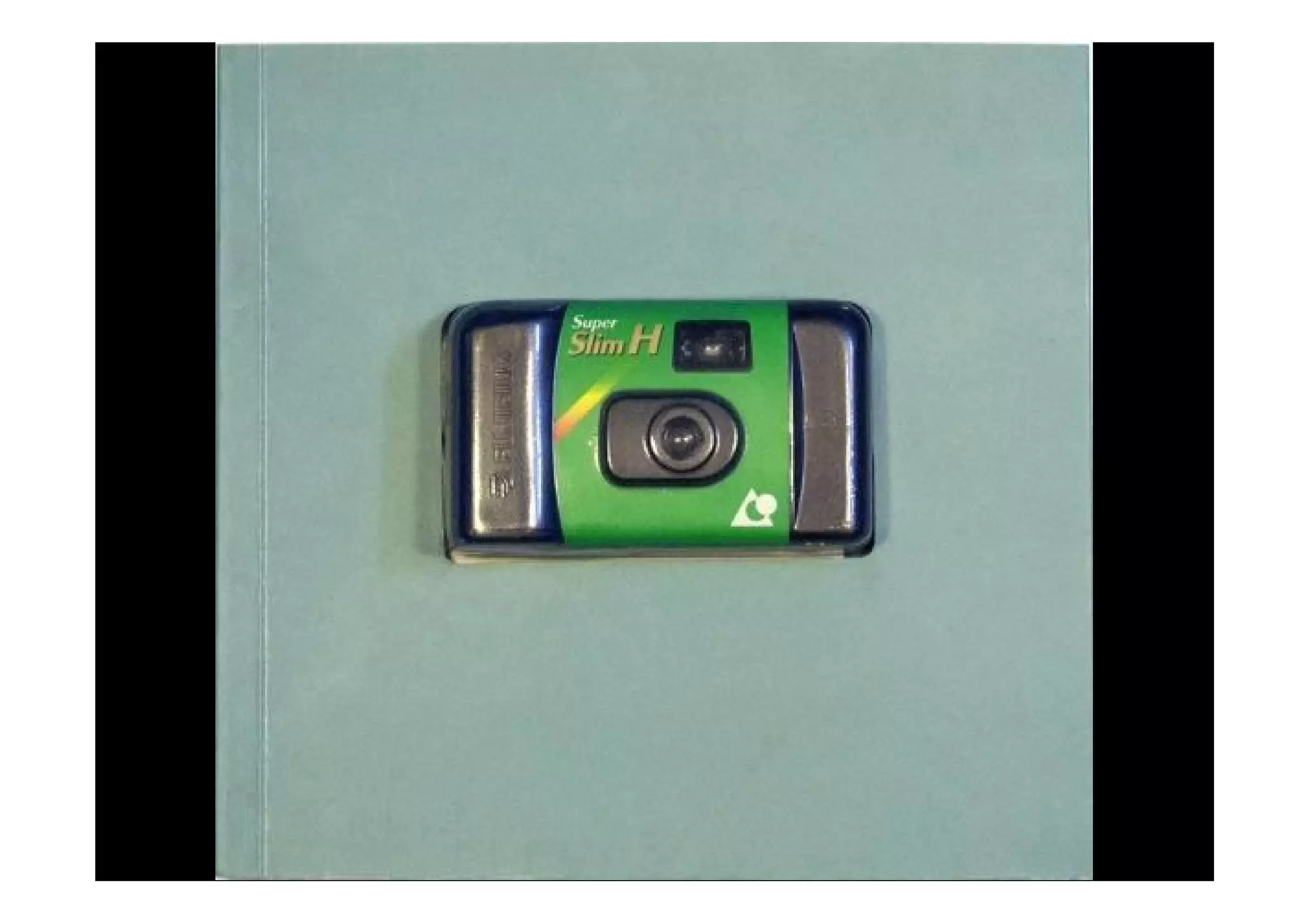
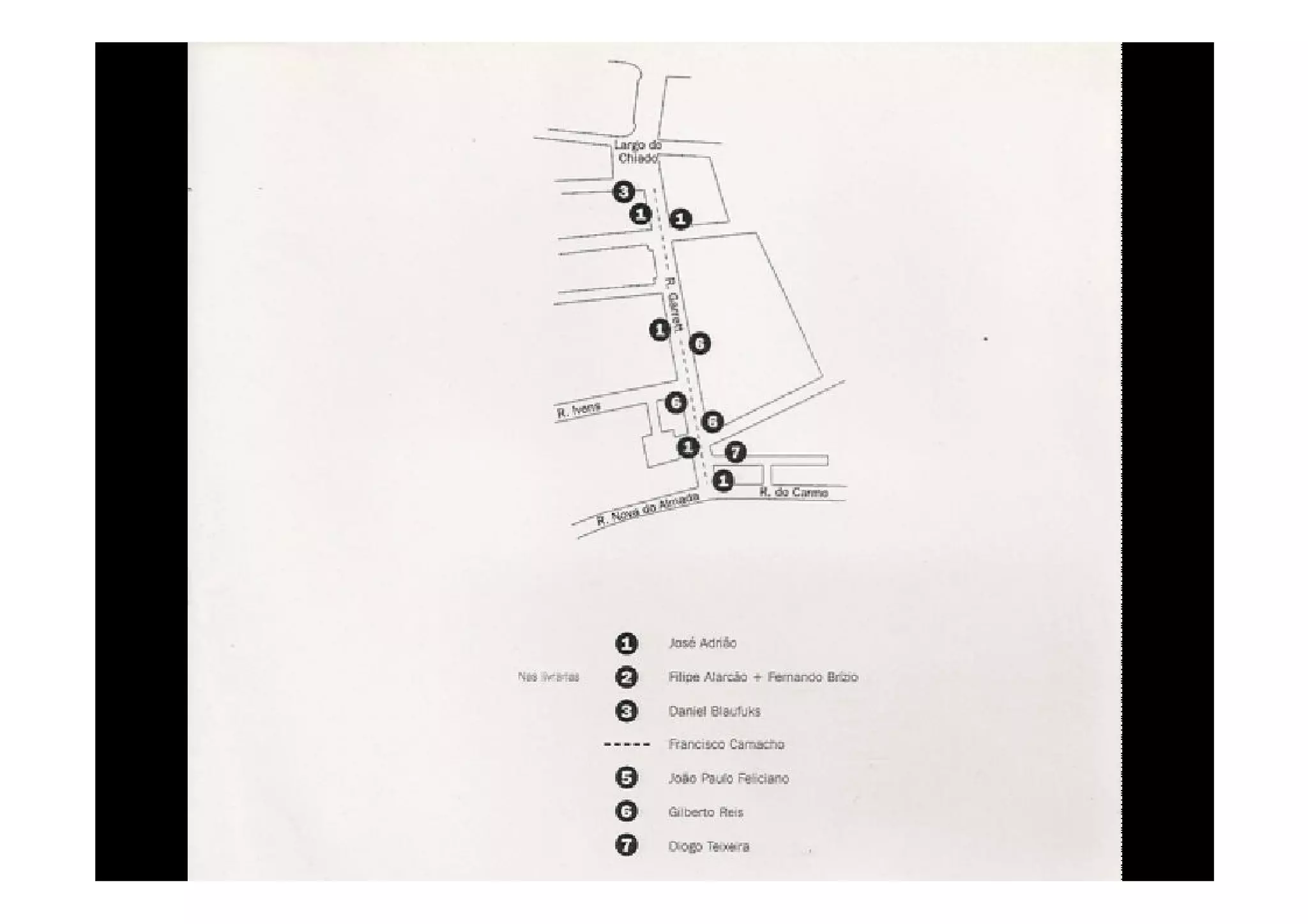
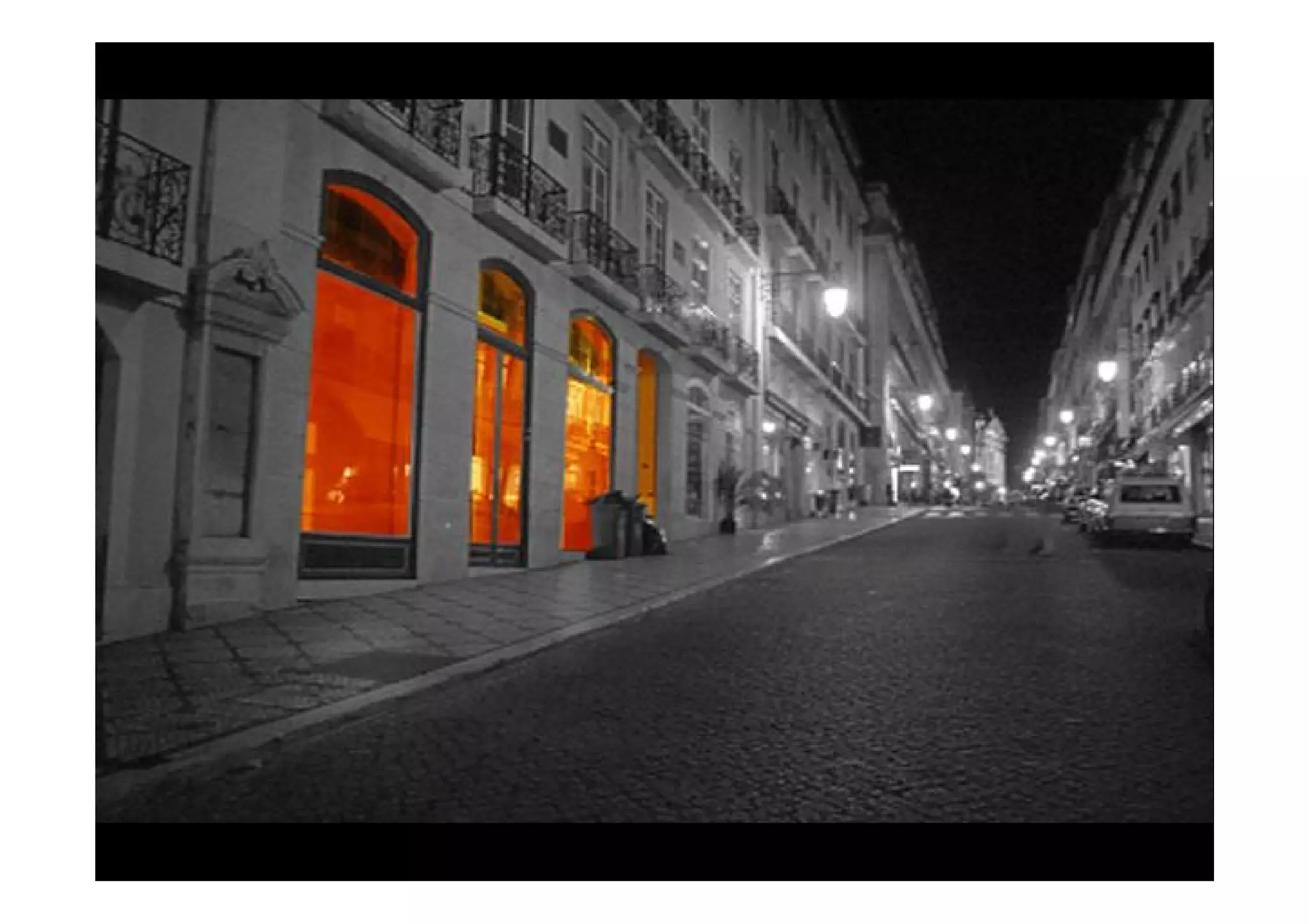
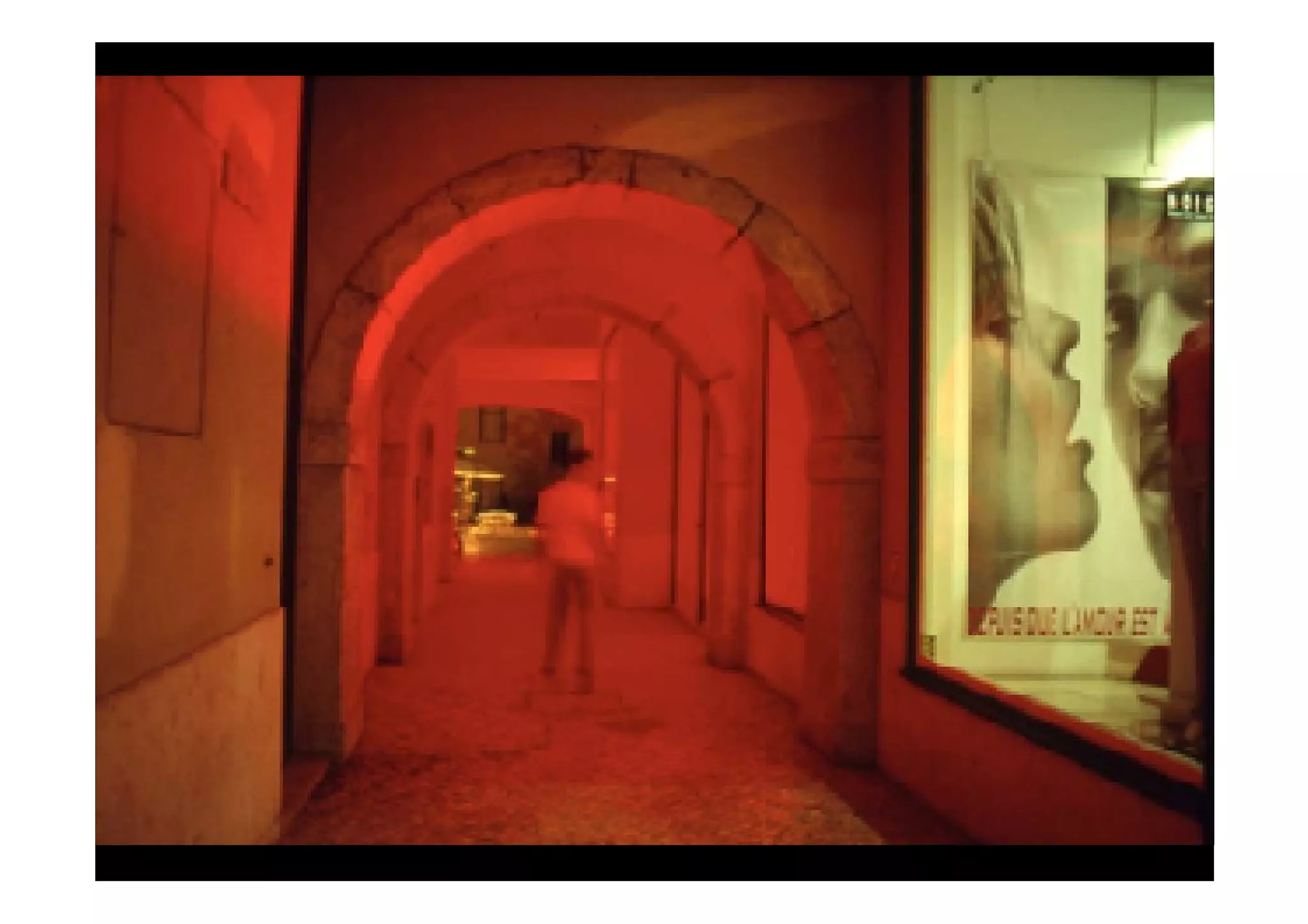
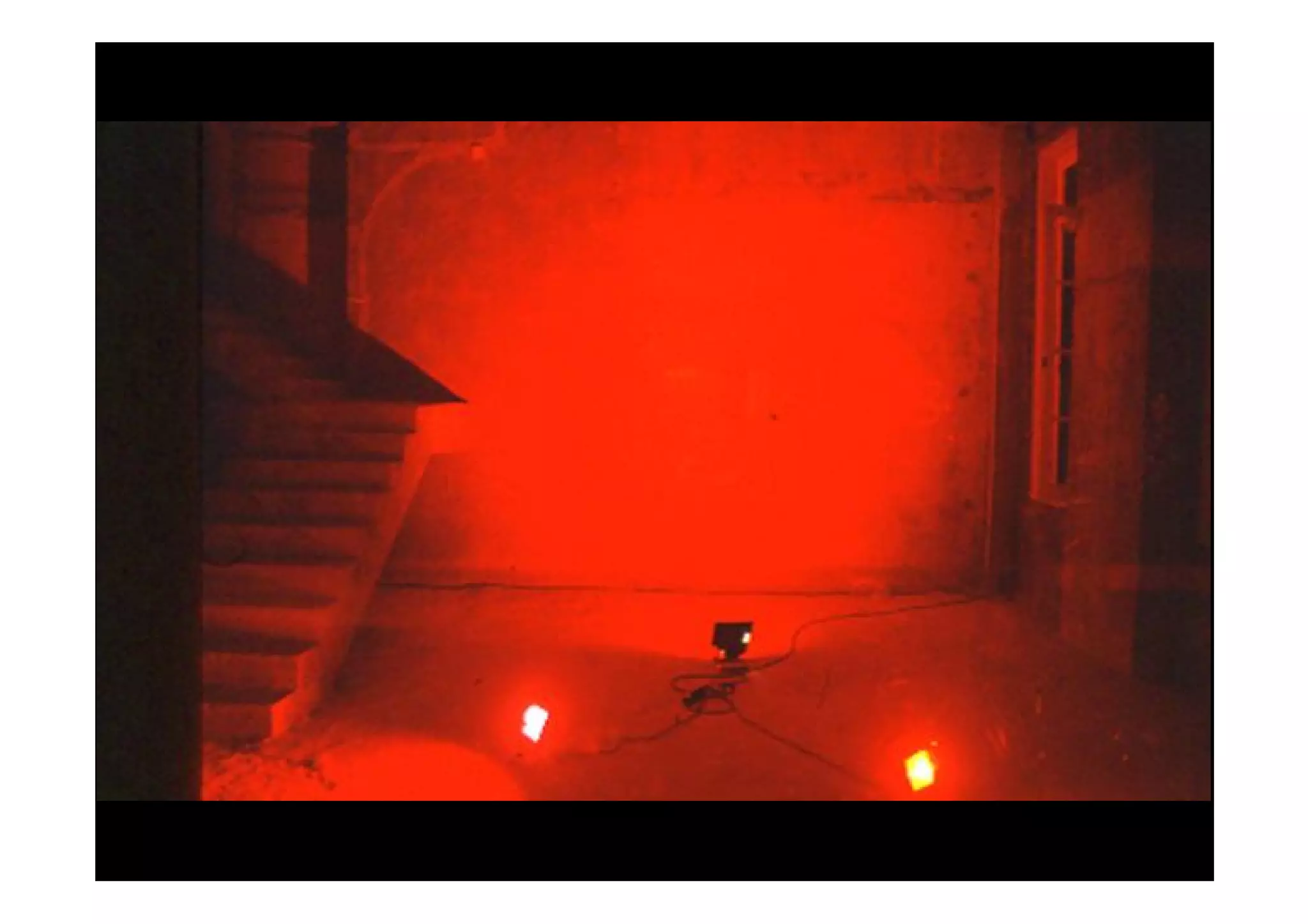
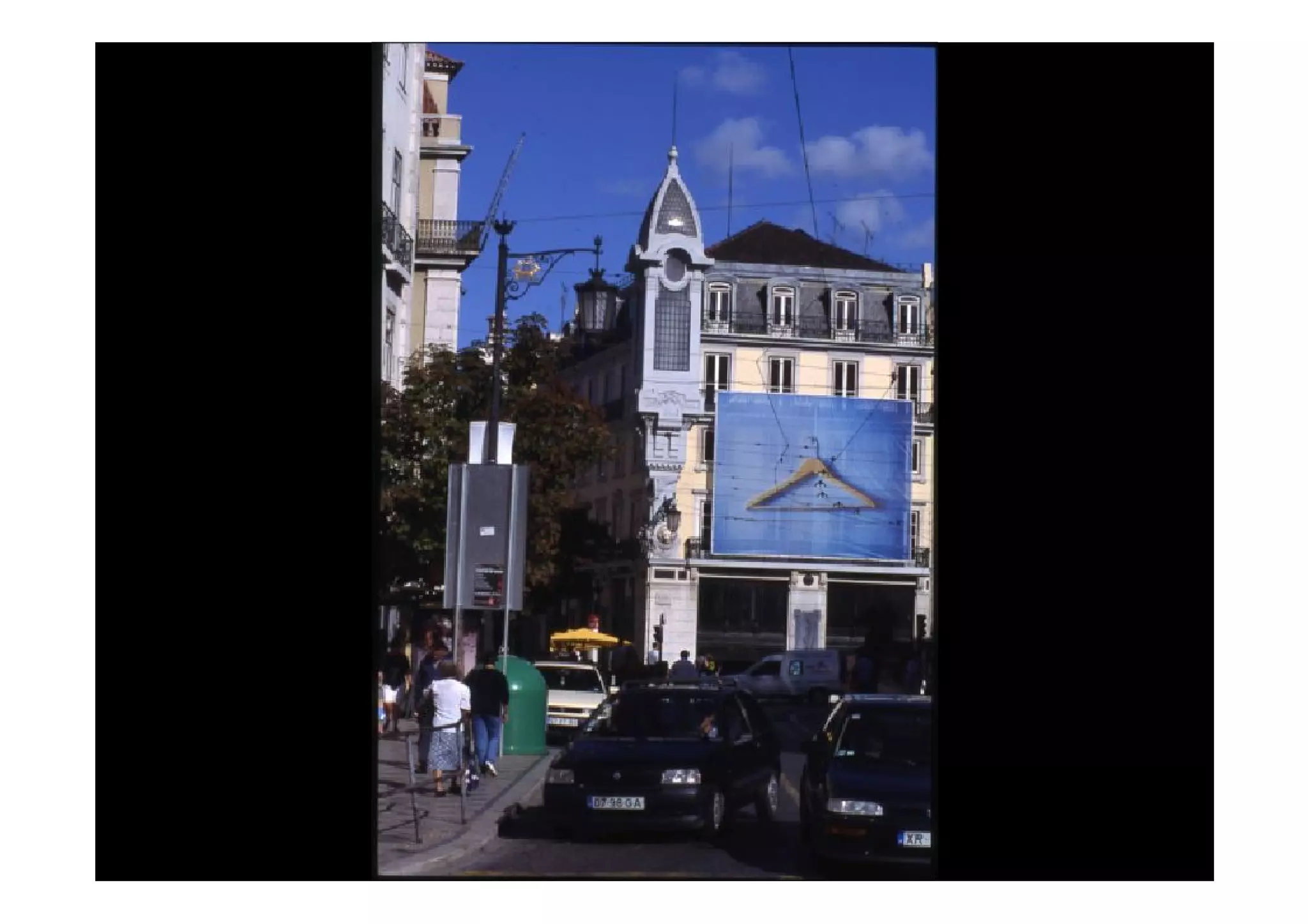
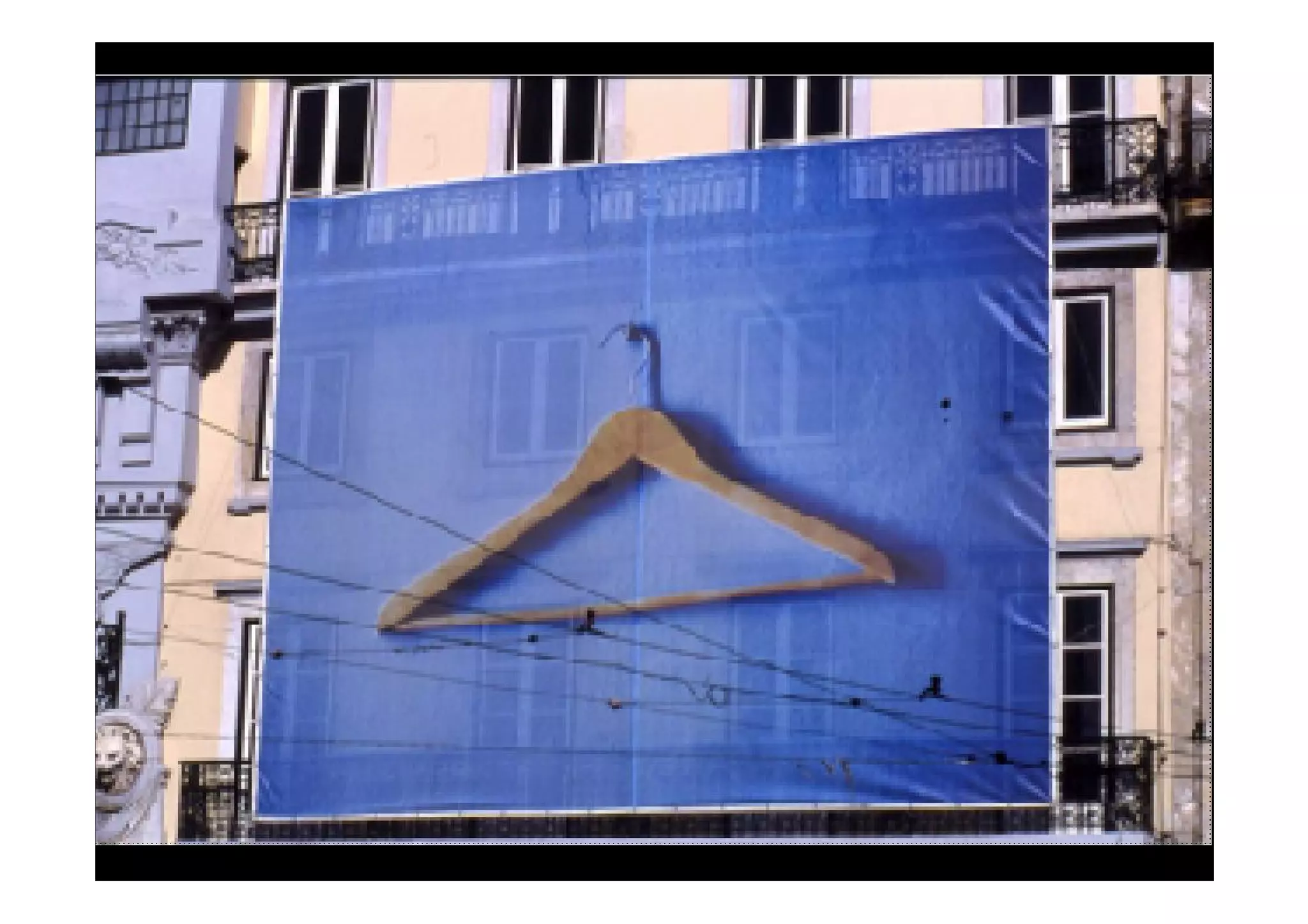
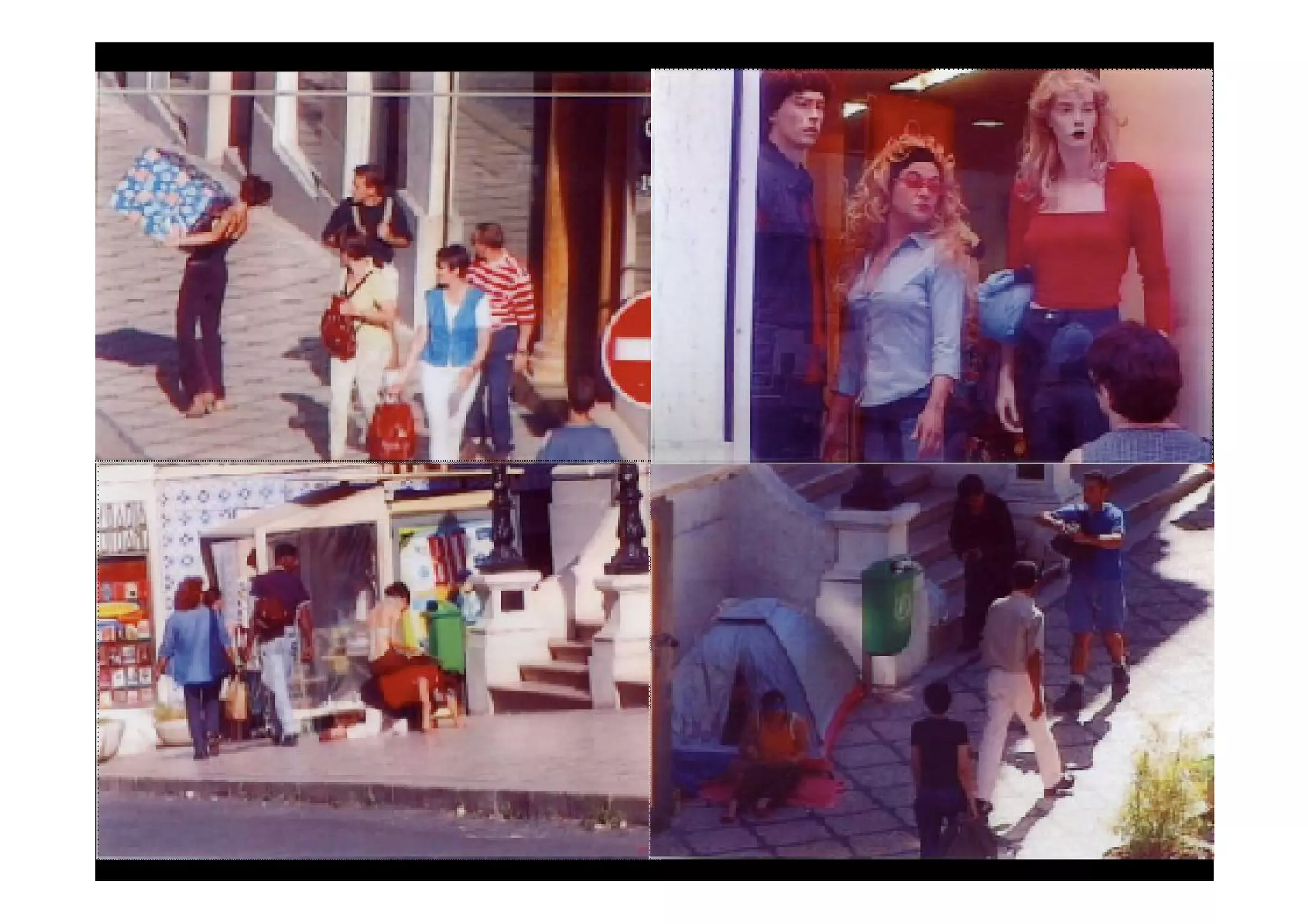
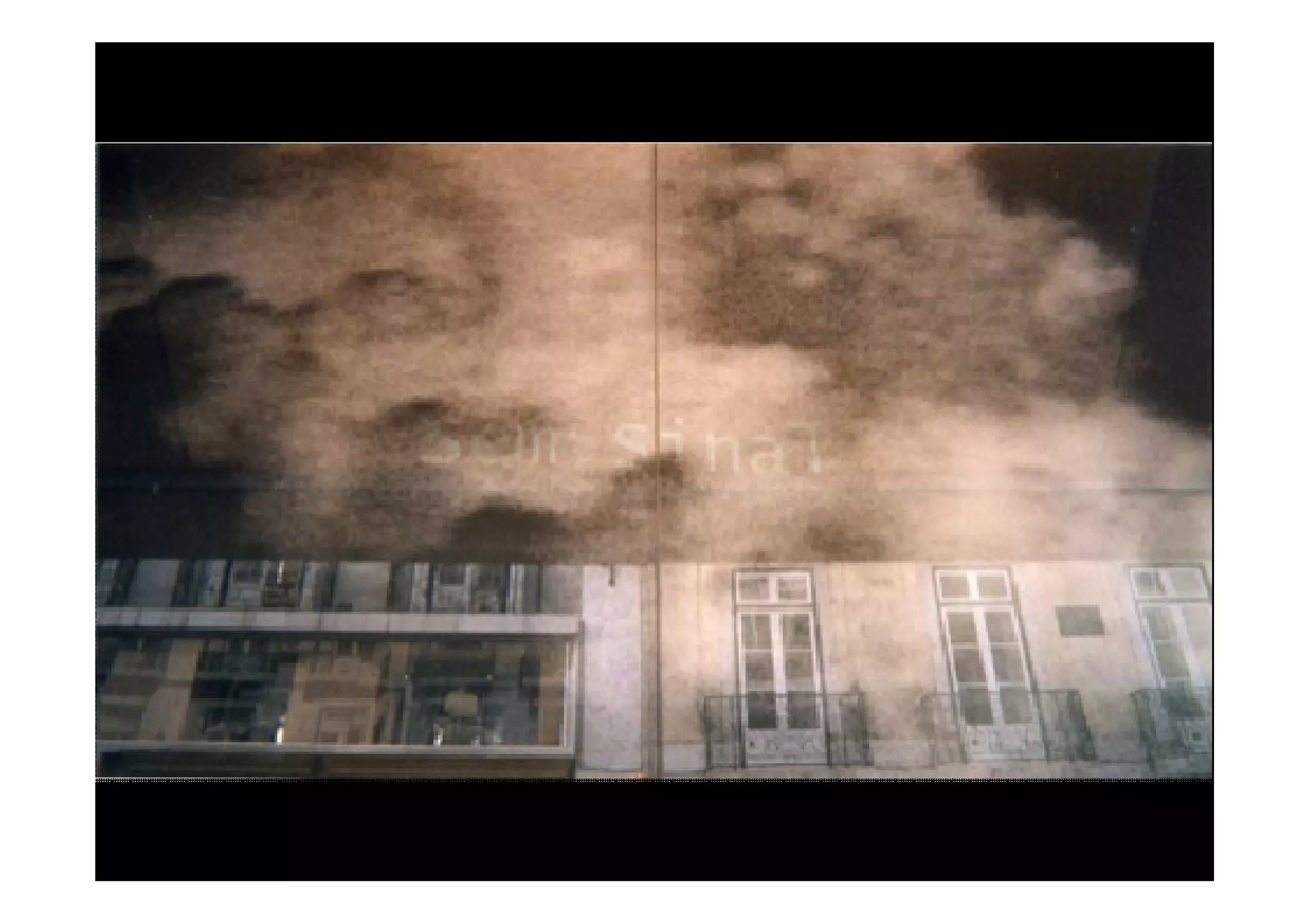
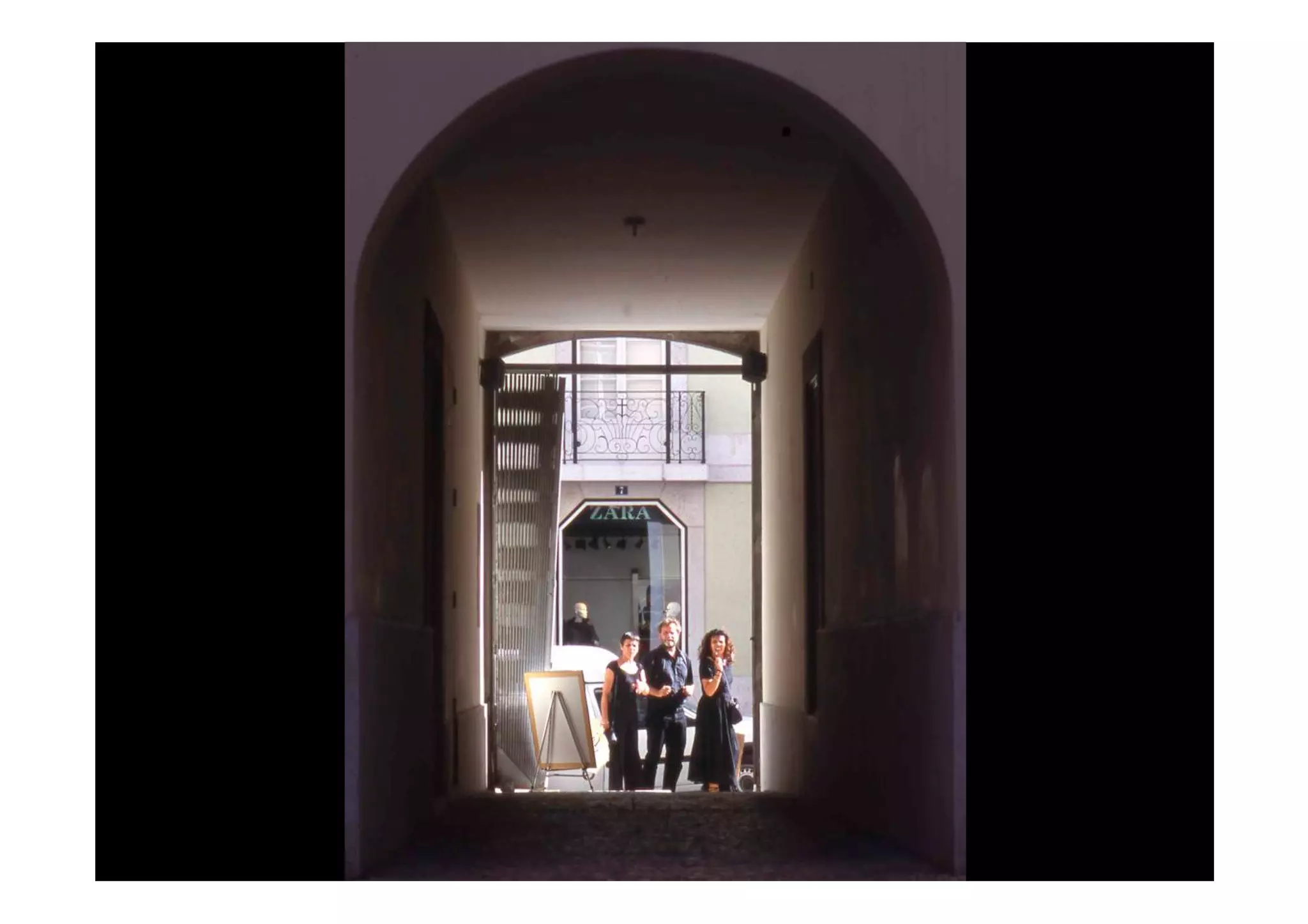
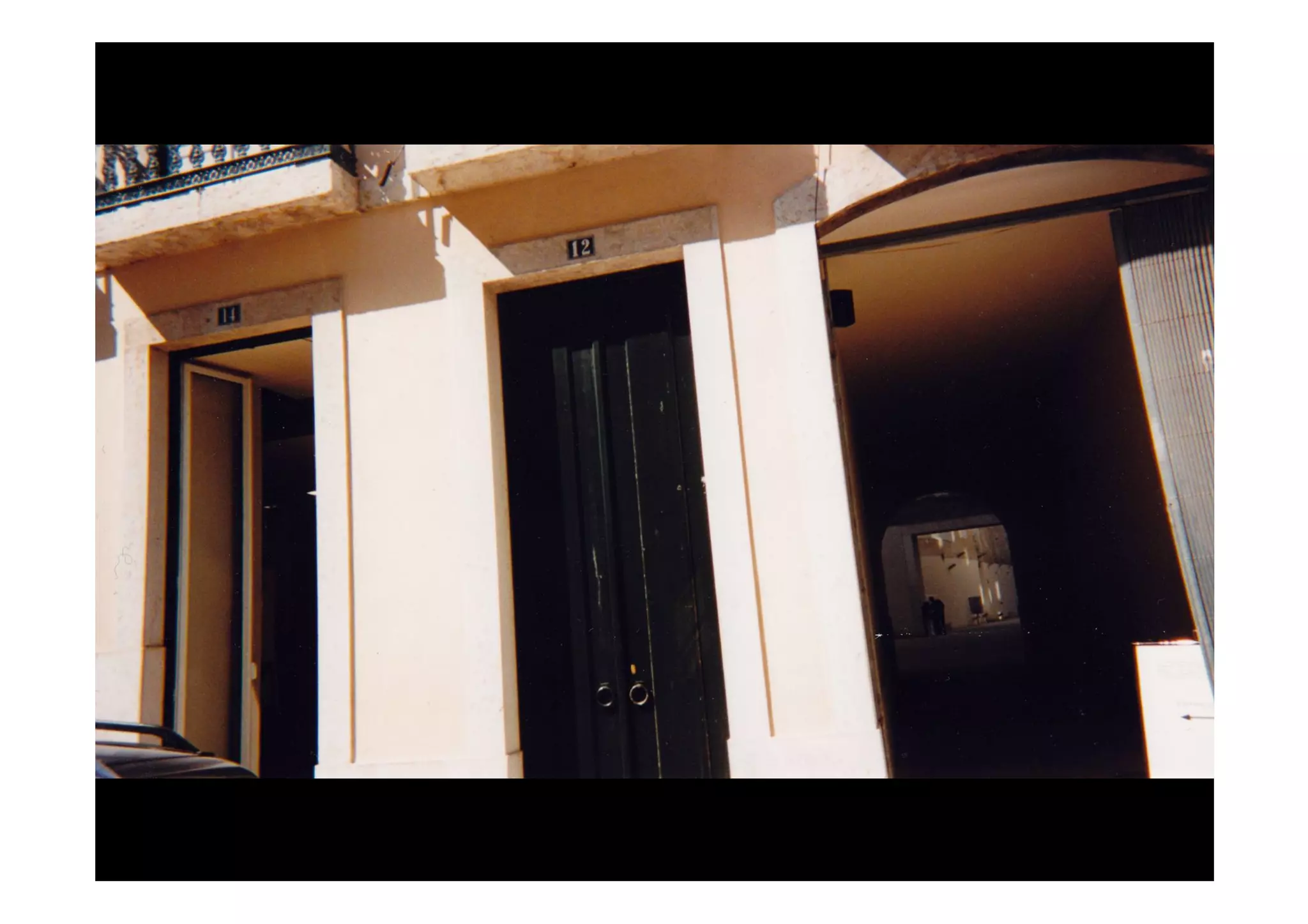
idealidades
Lisbon 1999
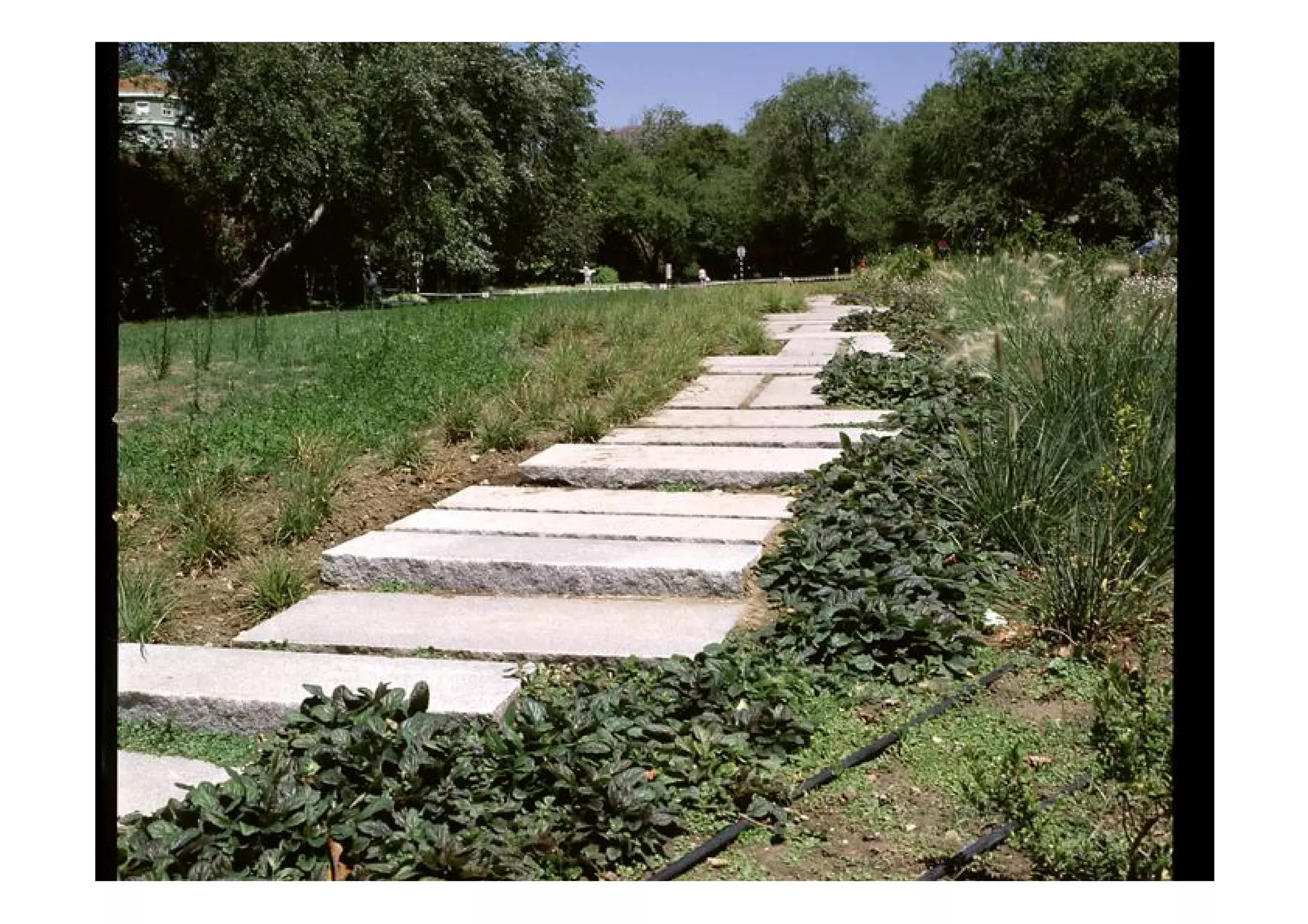
nowhere
now here
International Society of Biourbanism - Summer School 2014
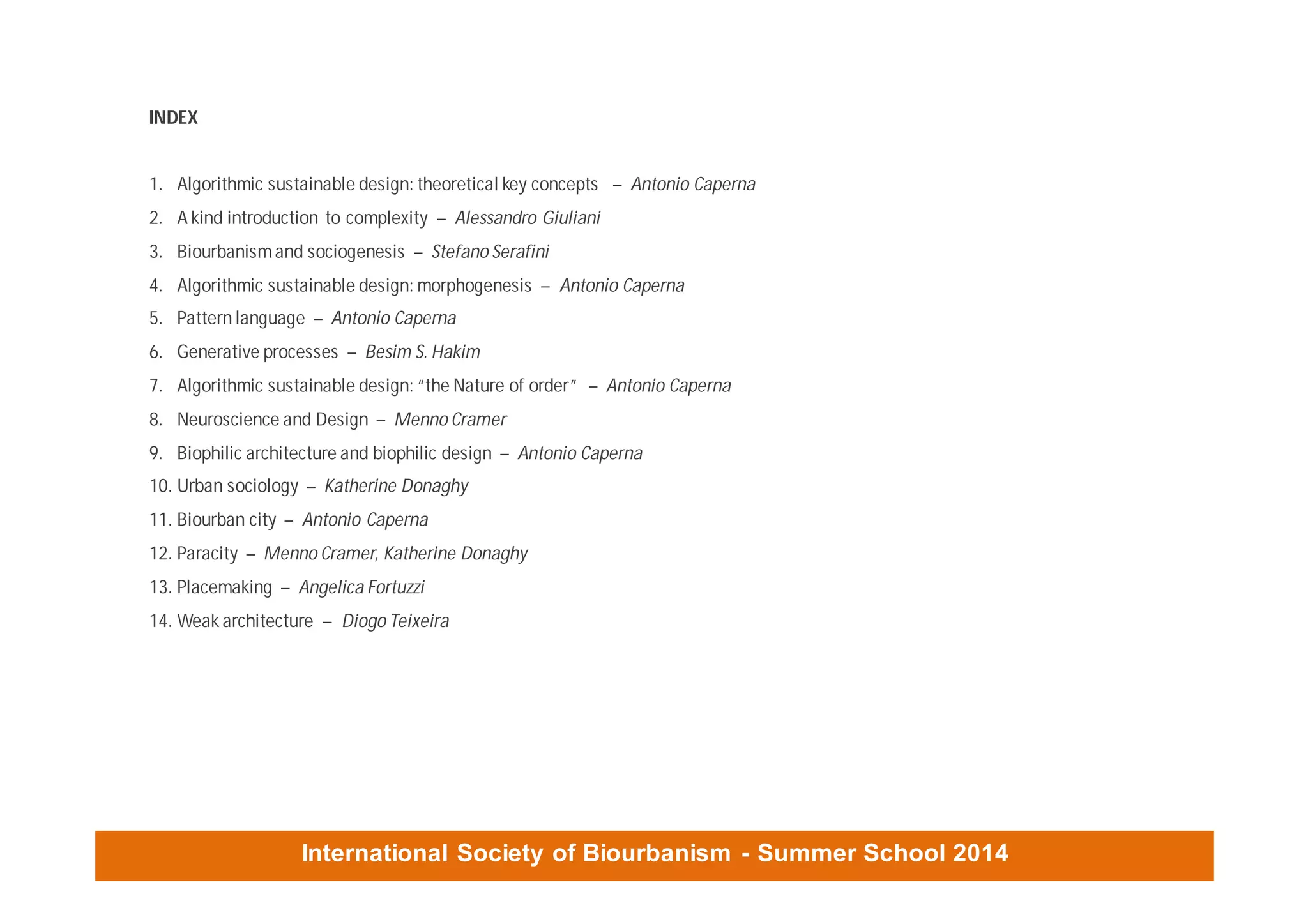
INDEX
1. Algorithmic sustainable design: theoretical key concepts – Antonio Caperna
2. A kind introduction to complexity – Alessandro Giuliani
3. Biourbanismand sociogenesis – Stefano Serafini
4. Algorithmic sustainable design: morphogenesis – Antonio Caperna
5. Pattern language – Antonio Caperna
6. Generative processes – Besim S. Hakim
7. Algorithmic sustainable design: “the Nature of order” – Antonio Caperna
8. Neuroscience and Design – Menno Cramer
9. Biophilic architecture and biophilic design – Antonio Caperna
10. Urban sociology – Katherine Donaghy
11. Biourban city – Antonio Caperna
12. Paracity – Menno Cramer, Katherine Donaghy
13. Placemaking – Angelica Fortuzzi
14. Weak architecture – Diogo Teixeira
Neuroergonomics and sociogenesis
Internationa Society of Biourbanism
Summer School 2014
www.biourbanism.org - info@biourbanism.org

Neuroergonomics and sociogenesis, lectures part5

  • 1.
    Neuroergonomics and sociogenesis InternationaSociety of Biourbanism Summer School 2014 www.biourbanism.org - info@biourbanism.org
  • 2.
    International Society ofBiourbanism - Summer School 2014 From Nowhere to Now-here The Power of the Weak in the Construction of Place Diogo Teixeira diogo.teixeira@usj.edu.mo Lecture 14
  • 11.
    International Society ofBiourbanism - Summer School 2014 To sum up, Saarinen treats the users as children; Price treats them as objects.
  • 12.
    International Society ofBiourbanism - Summer School 2014 Place attachment The bonding that occurs between individuals and their meaningful environments.
  • 13.
    International Society ofBiourbanism - Summer School 2014
  • 14.
    International Society ofBiourbanism - Summer School 2014 Place attachment as individual experience ‘‘it is not simply the places themselves that are significant,but rather what can be called ‘experience-in-place’that creates meaning’’ (Manzo 2005)
  • 15.
  • 17.
  • 20.
    International Society ofBiourbanism - Summer School 2014 Place attachment as affect: Topophilia “the affective link between the person and the place or physical environment. Diffuse as a concept, vivid and concrete as personal experience” (Tuan 1974)
  • 21.
    International Society ofBiourbanism - Summer School 2014 “Human beings have persistently sought an ideal environment. As it stands, it varies from one culture to another, but in essence it seems to entail two antipodal images: the garden of innocence and the cosmos. [...] Thus we move from one to another [...]; seeking a balance that is not of this world.” (Tuan 1974)
  • 22.
    International Society ofBiourbanism - Summer School 2014 “I have used the term topophilia to describe that form of cinematic discourse that exposes the labor of intimate geography – a love of place that works together with the residual texture of cineres. [...] This is the site of (in)visible traces, inscribed and laid bare, yet enduring erasable on the white fabric of the screen.” (Bruno 2002)
  • 23.
    International Society ofBiourbanism - Summer School 2014 Affect in the Construction of Place Thrift (2007), in his introduction to non- representational theory, proclaims a geography of what happens to relate space and affect. He starts by the event and its essential feature - the surprisingness - to describe the world-in-motion we live, in which decisions have to be made for the moment, every moment.
  • 25.
    International Society ofBiourbanism - Summer School 2014 Affect is not only emotion, nor is it reducible to the affects or perceptions of an individual subject: “Percepts are not perceptions, they are packets of sensations and relations that outlive those who experience them. Affects are not feelings, they are becomings that go beyond those who live through them (they become other)” (Deleuze 1995)
  • 26.
    International Society ofBiourbanism - Summer School 2014 From the analysis of dance, Thrift extracts the key innovations of non-representational theory: 1)Produce 'therapeutic' interventions rather than claim the grand theory. 2)Focus on a class of experiences seldom addressed, the trivial, the interactive, the game. 3)Questions the traditional tools (ethnography, focus groups, and the like) for being cognitive in origin and effect.
  • 27.
    International Society ofBiourbanism - Summer School 2014 What is Affect in the Construction of Place? 1) A set of bodily practices that produce visible behaviours (phenomenology and hermeneutics); 2) A drive (psychoanalysis); 3) The property of the active result of an encounter (Spinoso-Deleuzian); 4) A universal expression of emotion (Darwinian).
  • 28.
    International Society ofBiourbanism - Summer School 2014 1) Corporeal because it uses the sensitive evidence we have learned since childhood as cultural signifiers of intensity; 2) Embedded in time and in space; 3) Resisting the paradigm of reading-writing-text but still intelligible to an awaken audience, as various forms of (e)motion; 4) Subliminal because it operates in the gap between action and cognition as a kind of visceral shorthand only possible in small spaces and subliminal times.
  • 29.
    International Society ofBiourbanism - Summer School 2014 “I have tried to begin to show that the challenge of affect is, at least in part, a challenge to what we regard as the social because it involves thinking about waves of influence which depend upon biology to an extent that is rarely recognized or theorized in the social sciences.” (Thrift 2007)
  • 30.
    International Society ofBiourbanism - Summer School 2014 Affective Responses to Architecture “When I think about architecture, images come into my mind. ” (Zumthor 2006)
  • 31.
    International Society ofBiourbanism - Summer School 2014 Form Primary: Extension and protection Activation: Spatial differentiation Dominance: Scale, symmetry, and repetition Valence: Curvilinear spaces and objects
  • 33.
    International Society ofBiourbanism - Summer School 2014 Colour Activation: Warmth and saturation Dominance: Contrast Valence: Brillance and saturation
  • 34.
    International Society ofBiourbanism - Summer School 2014 Material It is common practice in architecture to associate materials with certain qualities of expression: - Steel to a massive and technical atmosphere; - Glass to modern and clean; - Wood to domestic; - Stone to durability.
  • 35.
    International Society ofBiourbanism - Summer School 2014 Vegetation Plants and flowers are recognized as symbolic gestures of positive thougths and desires and expression of affect. Many researchers consider that we are not prepared for the urban lifestyle. In fact, our genetic composition changed only 0,005% in the last 10.000 years.
  • 36.
    International Society ofBiourbanism - Summer School 2014 Biophilia “innate tendency to focus on life and lifelike processes” (Wilson 1984) What started to be an instinctive activity – construction – using what was available on site to give structure to existence, became a complex process – design – through the application of meanings coming from mythology, symbolisms and social structures.
  • 37.
    International Society ofBiourbanism - Summer School 2014 “Human beings connect physiologically and psychologically to structures embodying organized complexity more strongly than to environments that are either too plain, or which present disorganized complexity.” (Salingaros 2006) In short: the presence of useful information is not enough, it is the way this information is organized that stimulates the connection.
  • 38.
    International Society ofBiourbanism - Summer School 2014 “First, that we should bring as much of nature as we can into our everyday environments so as to experience it firsthand; and second, that we need to shape our built environment to incorporatethose same geometrical qualities found in nature.” (Salingaros and Masden 2006)
  • 41.
    International Society ofBiourbanism - Summer School 2014 Pattern Language “with its 253 patterns that can each be shaped in a myriad ways, constitutes a vision of an environment that is extraordinarily rich in many sorts of potential experiences – the very antithesis of so much modern and contemporary architecture and urbanism.” (Buchanan 2012)
  • 42.
    International Society ofBiourbanism - Summer School 2014 Geo-metry Geo-graphy
  • 43.
    International Society ofBiourbanism - Summer School 2014 The question is not only the information – “natural elements, figurative art, or ornament” (Salingaros and Masden 2006) – nor its organization, but the way it presents itself: the experience of mystery, in architecture as in theology, "as of nudity, often muteness, fragility, doubt, silence and night; is an experience of not knowing, not seeing, not having the power... It is a repeated no that paradoxically ends up becoming a meeting place.” (Tolentino Mendonça 2012)
  • 45.
    International Society ofBiourbanism - Summer School 2014 Weak Architecture Il Pensiero Debole (Vattimo and Rovatti 1983) “Arquitectura Débil” (Solà-Morales 1987) ‘Delicate empiricism’ (Goethe) The end of the classical period, of the vision of a closed and complete universe as if it was a finished whole.
  • 46.
    International Society ofBiourbanism - Summer School 2014 Decorativeas to what is accessory and does not requires an attentive reading because it emerges from the periphery, the surroundings, the atmosphere. Monumental, not as a representation of the absolute, but in the sense that Foucault gives to it of trace or resonance.
  • 48.
    International Society ofBiourbanism - Summer School 2014 “an architectonic proposition whose aim is to go deep [...] can't find support in a fixed image, can't follow a linear evolution. [...] Each design must catch, with the utmost rigor, a precise moment of flittering image in all its shades, and the better you can recognize that flittering quality of reality, the clearer your design will be. It is the more vulnerable as it is true.” (Siza 1980)
  • 53.
    International Society ofBiourbanism - Summer School 2014 How is this related with emotion? “certain stimuli are ambiguous enough to activate more than one site, leading to a composite emotional state. A bittersweet experience is the result, a “mixed” feeling arising from a mixed emotion. (Damásio 2010)
  • 54.
    International Society ofBiourbanism - Summer School 2014 Ambiguity and Improvisation “the ability to represent simultaneously, on the same canvas, not one but several truths, each one of which has equal validity with the others.” (Zeki, 1999) “The value of cities is determined on the basis of the number of places in them that are conceded to improvisation.” (Krakauer 1964)
  • 58.
    International Society ofBiourbanism - Summer School 2014 Embodied Metaphors Because our conceptualization is metaphorical in nature, performed mostly unconsciously (95%), and metaphorical categories are interconnected with our neural maps often at an early age, embodied metaphors are those associated with our most basic and primal emotions and impulses (example: the experience of warmthof a child on parents arms).
  • 61.
    International Society ofBiourbanism - Summer School 2014 Contemporary Practices
  • 64.
  • 68.
  • 71.
  • 72.
    International Society ofBiourbanism - Summer School 2014
  • 73.
    International Society ofBiourbanism - Summer School 2014
  • 75.
    International Society ofBiourbanism - Summer School 2014
  • 76.
    International Society ofBiourbanism - Summer School 2014
  • 77.
    International Society ofBiourbanism - Summer School 2014
  • 78.
    International Society ofBiourbanism - Summer School 2014
  • 79.
    International Society ofBiourbanism - Summer School 2014
  • 80.
    International Society ofBiourbanism - Summer School 2014
  • 81.
    International Society ofBiourbanism - Summer School 2014
  • 82.
    International Society ofBiourbanism - Summer School 2014
  • 83.
    International Society ofBiourbanism - Summer School 2014
  • 84.
    International Society ofBiourbanism - Summer School 2014
  • 85.
    International Society ofBiourbanism - Summer School 2014
  • 86.
    International Society ofBiourbanism - Summer School 2014
  • 87.
    International Society ofBiourbanism - Summer School 2014
  • 88.
    International Society ofBiourbanism - Summer School 2014
  • 89.
    International Society ofBiourbanism - Summer School 2014
  • 92.
  • 97.
  • 100.
  • 103.
  • 119.
  • 120.
  • 122.
    International Society ofBiourbanism - Summer School 2014 INDEX 1. Algorithmic sustainable design: theoretical key concepts – Antonio Caperna 2. A kind introduction to complexity – Alessandro Giuliani 3. Biourbanismand sociogenesis – Stefano Serafini 4. Algorithmic sustainable design: morphogenesis – Antonio Caperna 5. Pattern language – Antonio Caperna 6. Generative processes – Besim S. Hakim 7. Algorithmic sustainable design: “the Nature of order” – Antonio Caperna 8. Neuroscience and Design – Menno Cramer 9. Biophilic architecture and biophilic design – Antonio Caperna 10. Urban sociology – Katherine Donaghy 11. Biourban city – Antonio Caperna 12. Paracity – Menno Cramer, Katherine Donaghy 13. Placemaking – Angelica Fortuzzi 14. Weak architecture – Diogo Teixeira
  • 123.
    Neuroergonomics and sociogenesis InternationaSociety of Biourbanism Summer School 2014 www.biourbanism.org - info@biourbanism.org