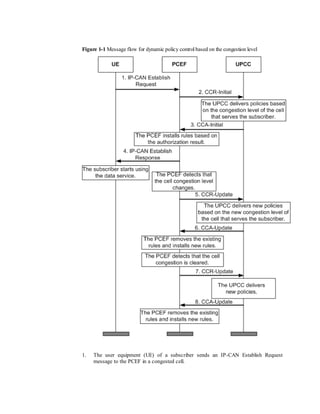
Figure 1-1 Message flow for dynamic policy controlbased on the congestion level
1. The user equipment (UE) of a subscriber sends an IP-CAN Establish Request
message to the PCEF in a congested cell.
2. The PCEF sends a CCR-Initial message to the UPCC over the Gx interface to request
the IP-CAN session establishment. The CCR-Initial message carries the X-HW-Cell-
Congestion-Level attribute-value pair (AVP) that indicates the congestion level.
3. The UPCC sends a CCA-Initial message to the PCEF. The CCA-Initial message
carries the policies updated based on the congestion level.
4. The PCEF installs rules based on the authorization result and sends an IP-CAN
Establish Response message to the UE.
5. The PCEF periodically checks the congestion status of the cell when the subscriber
uses the data service. When the PCEF detects that the congestion level changes, it
sends a CCR-Update message to the UPCC. The CCR-Update message carries the
CELL_CONGESTED event and the new congestion level.
If the subscriber accesses a wireless 3G network and thecell congestion level changes, theUPCC
considers that the subscriber's location information is not accurate and ignores thereported location
information without updatingthe policy.
6. The UPCC sends a CCA-Update message to the PCEF. The CCA-Update message
contains the policies updated based on the congestion level.
7. The PCEF installs new rules. When the PCEF detects that cell congestion is cleared,
it sends a CCR-Update message to the UPCC. The CCR-Update message carries the
CELL_CONGESTED event with the new congestion level.
8. The UPCC sends a CCA-Update message to the PCEF. The CCA-Update message
contains the policies updated based on the new congestion level.

Message flow for dynamic policy control based on the congestion level

  • 1.
    Figure 1-1 Messageflow for dynamic policy controlbased on the congestion level 1. The user equipment (UE) of a subscriber sends an IP-CAN Establish Request message to the PCEF in a congested cell.
  • 2.
    2. The PCEFsends a CCR-Initial message to the UPCC over the Gx interface to request the IP-CAN session establishment. The CCR-Initial message carries the X-HW-Cell- Congestion-Level attribute-value pair (AVP) that indicates the congestion level. 3. The UPCC sends a CCA-Initial message to the PCEF. The CCA-Initial message carries the policies updated based on the congestion level. 4. The PCEF installs rules based on the authorization result and sends an IP-CAN Establish Response message to the UE. 5. The PCEF periodically checks the congestion status of the cell when the subscriber uses the data service. When the PCEF detects that the congestion level changes, it sends a CCR-Update message to the UPCC. The CCR-Update message carries the CELL_CONGESTED event and the new congestion level. If the subscriber accesses a wireless 3G network and thecell congestion level changes, theUPCC considers that the subscriber's location information is not accurate and ignores thereported location information without updatingthe policy. 6. The UPCC sends a CCA-Update message to the PCEF. The CCA-Update message contains the policies updated based on the congestion level. 7. The PCEF installs new rules. When the PCEF detects that cell congestion is cleared, it sends a CCR-Update message to the UPCC. The CCR-Update message carries the CELL_CONGESTED event with the new congestion level. 8. The UPCC sends a CCA-Update message to the PCEF. The CCA-Update message contains the policies updated based on the new congestion level.