Philip Morris & Marlboro
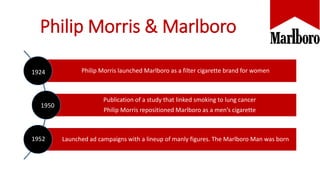
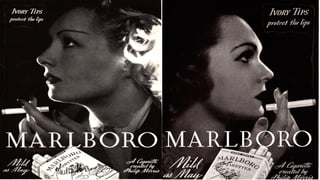
Philip Morris launched Marlboro as a filter cigarette brand for women
Publication of a study that linked smoking to lung cancer
Philip Morris repositioned Marlboro as a men’s cigarette
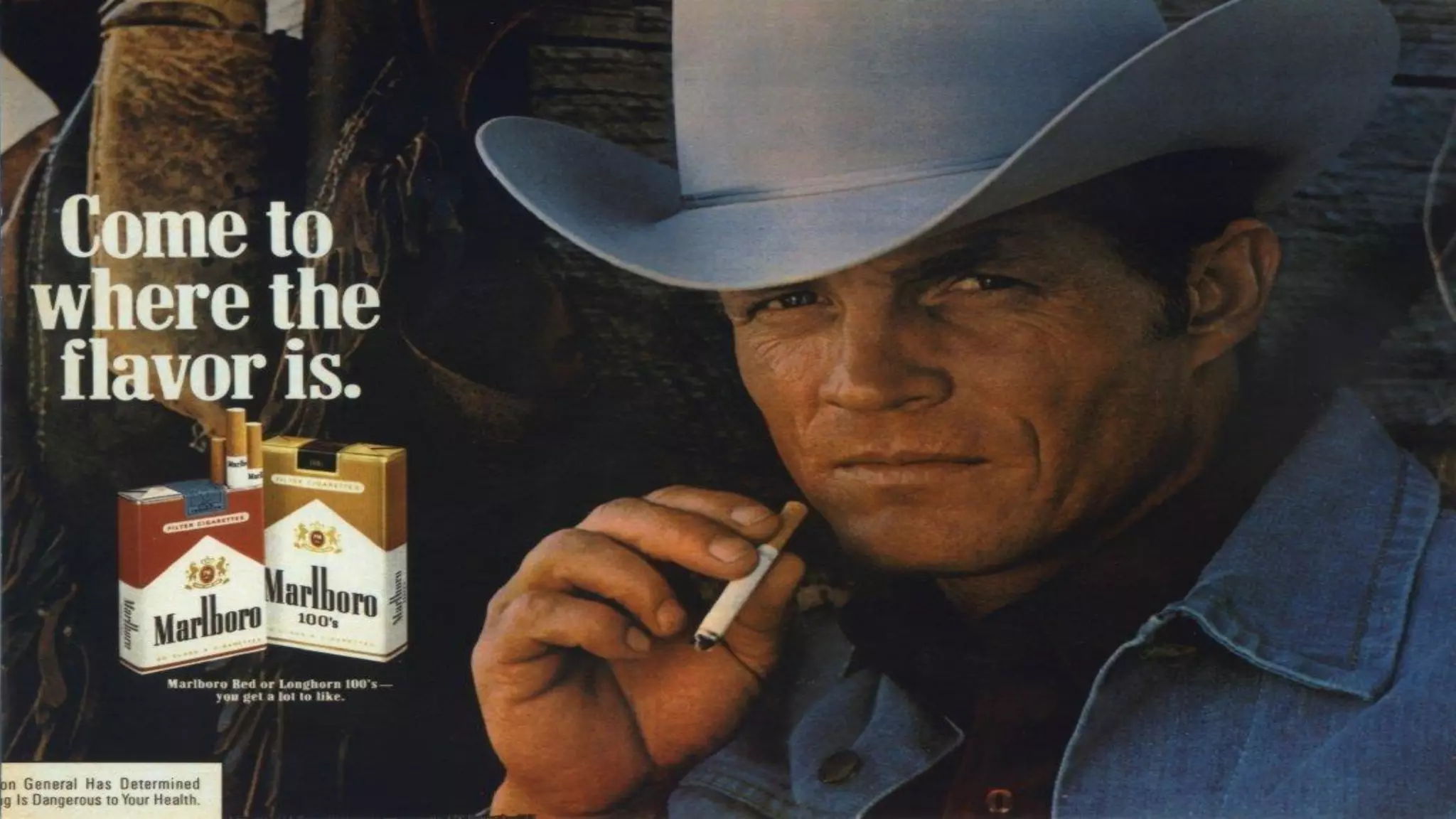
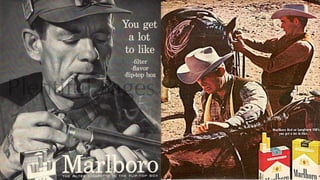
Launched ad campaigns with a lineup of manly figures. The Marlboro Man was born
1924
1950
1952
Philip Morris & Marlboro
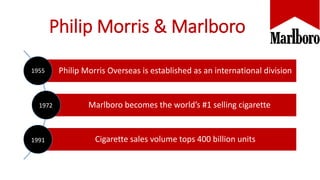
Philip Morris Overseas is established as an international division
Marlboro becomes the world’s #1 selling cigarette
Cigarette sales volume tops 400 billion units1991
1972
1955
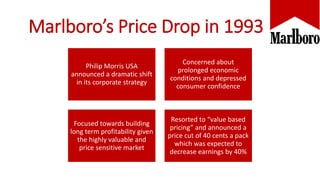
Marlboro’s Price Drop in 1993
Philip Morris USA
announced a dramatic shift
in its corporate strategy
Concerned about
prolonged economic
conditions and depressed
consumer confidence
Focused towards building
long term profitability given
the highly valuable and
price sensitive market
Resorted to “value based
pricing” and announced a
price cut of 40 cents a pack
which was expected to
decrease earnings by 40%
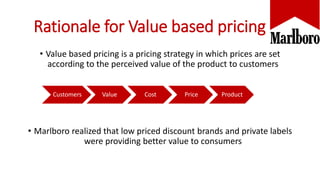
Rationale for Value based pricing
• Value based pricing is a pricing strategy in which prices are set
according to the perceived value of the product to customers
• Marlboro realized that low priced discount brands and private labels
were providing better value to consumers
Customers Value Cost Price Product
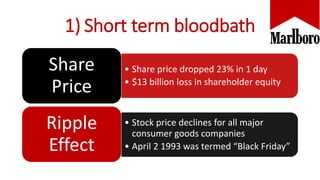
1) Short term bloodbath
• Share price dropped 23% in 1 day
• $13 billion loss in shareholder equity
Share
Price
• Stock price declines for all major
consumer goods companies
• April 2 1993 was termed “Black Friday”
Ripple
Effect
Did Black Friday signal
the death of premium
pricing & brands?
No!
It signaled the beginning of a
shift from advertising to
branding
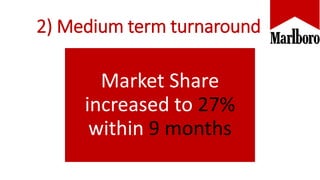
2) Medium term turnaround
Market Share
increased to 27%
within 9 months
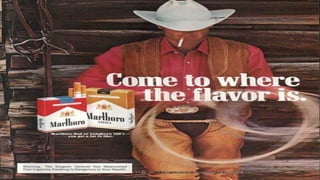
Marlboro realized they
could no longer just
emphasize the flavor of its
cigarette
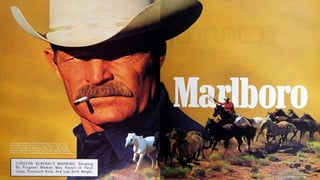
The Marlboro Man stood
for a cowboy lifestyle that
was not aspirational
enough
Decided to integrate
their product into
consumers’ lives
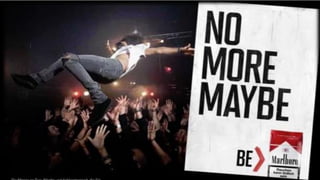
Promised an experience,
an aspirational lifestyle
rather than just the face
of a product
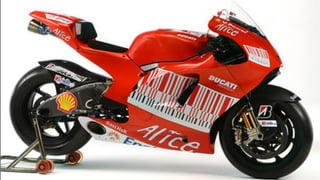
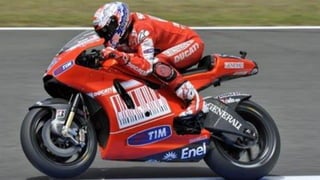
Developed a long
standing relationship
with motorsport
That went
beyond the
reach of the law!
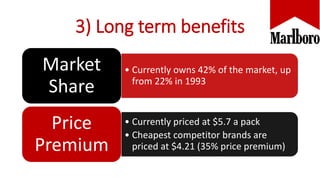
3) Long term benefits
• Currently owns 42% of the market, up
from 22% in 1993
Market
Share
• Currently priced at $5.7 a pack
• Cheapest competitor brands are
priced at $4.21 (35% price premium)
Price
Premium
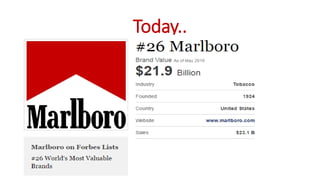
Today..
Summary
Existing brands, if
managed properly can
command loyalty, enjoy
price premiums & be
extremely profitable
Disclaimer
These slides have been created by Tanmay Sah, a final
year PGP student at IIM Lucknow during the course
Brand Management taught by Professor Sameer
Mathur
Thank You!

(MBASkills.IN) Marlboro

  • 2.
    Philip Morris &Marlboro Philip Morris launched Marlboro as a filter cigarette brand for women Publication of a study that linked smoking to lung cancer Philip Morris repositioned Marlboro as a men’s cigarette Launched ad campaigns with a lineup of manly figures. The Marlboro Man was born 1924 1950 1952
  • 5.
    Philip Morris &Marlboro Philip Morris Overseas is established as an international division Marlboro becomes the world’s #1 selling cigarette Cigarette sales volume tops 400 billion units1991 1972 1955
  • 7.
    Marlboro’s Price Dropin 1993 Philip Morris USA announced a dramatic shift in its corporate strategy Concerned about prolonged economic conditions and depressed consumer confidence Focused towards building long term profitability given the highly valuable and price sensitive market Resorted to “value based pricing” and announced a price cut of 40 cents a pack which was expected to decrease earnings by 40%
  • 8.
    Rationale for Valuebased pricing • Value based pricing is a pricing strategy in which prices are set according to the perceived value of the product to customers • Marlboro realized that low priced discount brands and private labels were providing better value to consumers Customers Value Cost Price Product
  • 9.
    1) Short termbloodbath • Share price dropped 23% in 1 day • $13 billion loss in shareholder equity Share Price • Stock price declines for all major consumer goods companies • April 2 1993 was termed “Black Friday” Ripple Effect
  • 10.
    Did Black Fridaysignal the death of premium pricing & brands?
  • 11.
    No! It signaled thebeginning of a shift from advertising to branding
  • 12.
    2) Medium termturnaround Market Share increased to 27% within 9 months
  • 13.
    Marlboro realized they couldno longer just emphasize the flavor of its cigarette
  • 15.
    The Marlboro Manstood for a cowboy lifestyle that was not aspirational enough
  • 17.
    Decided to integrate theirproduct into consumers’ lives
  • 19.
    Promised an experience, anaspirational lifestyle rather than just the face of a product
  • 21.
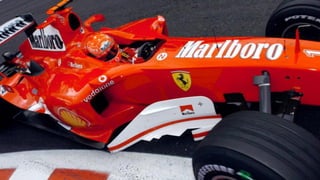
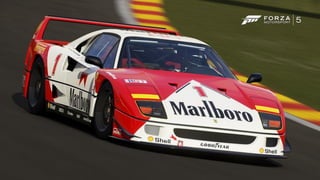
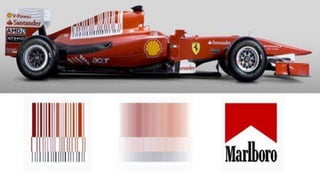
    Developed a long standingrelationship with motorsport
  • 25.
  • 30.
    3) Long termbenefits • Currently owns 42% of the market, up from 22% in 1993 Market Share • Currently priced at $5.7 a pack • Cheapest competitor brands are priced at $4.21 (35% price premium) Price Premium
  • 31.
  • 32.
    Summary Existing brands, if managedproperly can command loyalty, enjoy price premiums & be extremely profitable
  • 33.
    Disclaimer These slides havebeen created by Tanmay Sah, a final year PGP student at IIM Lucknow during the course Brand Management taught by Professor Sameer Mathur Thank You!