Prepared By:
Aarti Kumari- 170
Mamta Chhetri- 171
MARKETING MYOPIA
This Concept Was First
Discussed By Theordore Levitt.
Short sighted and inward looking approach to
marketing that focuses on the needs of the firm
instead of defining the firm and its products in
terms of the customer’s need and wants.
Causes of Marketing Myopia
 Narrow minded approach to marketing situation
where only short ranged goals are considered.
 Product oriented rather than customer oriented.
 Stepchild treatment to marketing.
Selling focuses on needs of the seller,
marketing on the needs of the
buyer.
 Excessive focus on Research and Development.
Impact Of Myopia
Short sightedness affects the mission
in vision of the company.
Decline in growth of the industries
Uncertain future.
Shadow of Obsolescence
 It is assumed that an industry qualifies as growth
industry by superior and unbeatable product but still
many industries failed or replaced by a substitute.
 Examples of affected industries are:
 Hollywood
 Railroads
 Dry cleaning industry
 Grocery stores
 Petroleum industries
Population Myth
Asking for Trouble
Idea of Indispensability
Uncertain Future
• The belief that profits are assured by an ever
expanding and more affluent population is dear
to heart of every industry.
• If consumers are multiplying and also buying more
of your products or service, you can face the future
with considerably
more comfort than if the market is shrinking.
Asking for Trouble
 The efficiency of getting and making its product, not really on
improving the generic product or its marketing.
 Major innovation in automobile fuel market are originated by small
new oil companies that are not primarily preoccupied with
production or refining.
 Thus, the oil industry is asking for trouble from outsiders.
Idea of Indispensability
• The petroleum industry is pretty much persuaded that there is no
competitive substitute for its major product, gasoline – or if there is,
that it will continue to be a derivative of crude oil, such as diesel fuel
or kerosene jet fuel
Uncertain Future
 There is no guarantee against product obsolescence.
 If a company’s own research does not make it obsolete,
another’s will.
 Unless the company is lucky as oil has been till now, it can easily
go down in a sea of red figures - just as the railroads, big movie
companies and many more industries have.
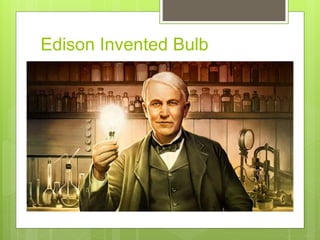
 The promise of lightning the world’s lamps gave rise to an
extravagant promise of growth.
In the days of kerosene lamp, the oil companies competed with
each other trying to improve the illuminating characteristics of
kerosene.
Then suddenly the impossible happened...
Edison Invented Bulb
How to Prevent Myopia?
 Customer Orientation
Focus on customer rather than on
product.
 Focus on Marketing
 Look for future opportunities.
 Retention of existing customers.

Marketing Myopia

  • 1.
    Prepared By: Aarti Kumari-170 Mamta Chhetri- 171
  • 2.
    MARKETING MYOPIA This ConceptWas First Discussed By Theordore Levitt. Short sighted and inward looking approach to marketing that focuses on the needs of the firm instead of defining the firm and its products in terms of the customer’s need and wants.
  • 3.
    Causes of MarketingMyopia  Narrow minded approach to marketing situation where only short ranged goals are considered.  Product oriented rather than customer oriented.  Stepchild treatment to marketing. Selling focuses on needs of the seller, marketing on the needs of the buyer.  Excessive focus on Research and Development.
  • 4.
    Impact Of Myopia Shortsightedness affects the mission in vision of the company. Decline in growth of the industries Uncertain future.
  • 5.
    Shadow of Obsolescence It is assumed that an industry qualifies as growth industry by superior and unbeatable product but still many industries failed or replaced by a substitute.  Examples of affected industries are:  Hollywood  Railroads  Dry cleaning industry  Grocery stores  Petroleum industries
  • 6.
    Population Myth Asking forTrouble Idea of Indispensability Uncertain Future • The belief that profits are assured by an ever expanding and more affluent population is dear to heart of every industry. • If consumers are multiplying and also buying more of your products or service, you can face the future with considerably more comfort than if the market is shrinking.
  • 7.
    Asking for Trouble The efficiency of getting and making its product, not really on improving the generic product or its marketing.  Major innovation in automobile fuel market are originated by small new oil companies that are not primarily preoccupied with production or refining.  Thus, the oil industry is asking for trouble from outsiders. Idea of Indispensability • The petroleum industry is pretty much persuaded that there is no competitive substitute for its major product, gasoline – or if there is, that it will continue to be a derivative of crude oil, such as diesel fuel or kerosene jet fuel
  • 8.
    Uncertain Future  Thereis no guarantee against product obsolescence.  If a company’s own research does not make it obsolete, another’s will.  Unless the company is lucky as oil has been till now, it can easily go down in a sea of red figures - just as the railroads, big movie companies and many more industries have.  The promise of lightning the world’s lamps gave rise to an extravagant promise of growth. In the days of kerosene lamp, the oil companies competed with each other trying to improve the illuminating characteristics of kerosene. Then suddenly the impossible happened...
  • 9.
  • 10.
    How to PreventMyopia?  Customer Orientation Focus on customer rather than on product.  Focus on Marketing  Look for future opportunities.  Retention of existing customers.