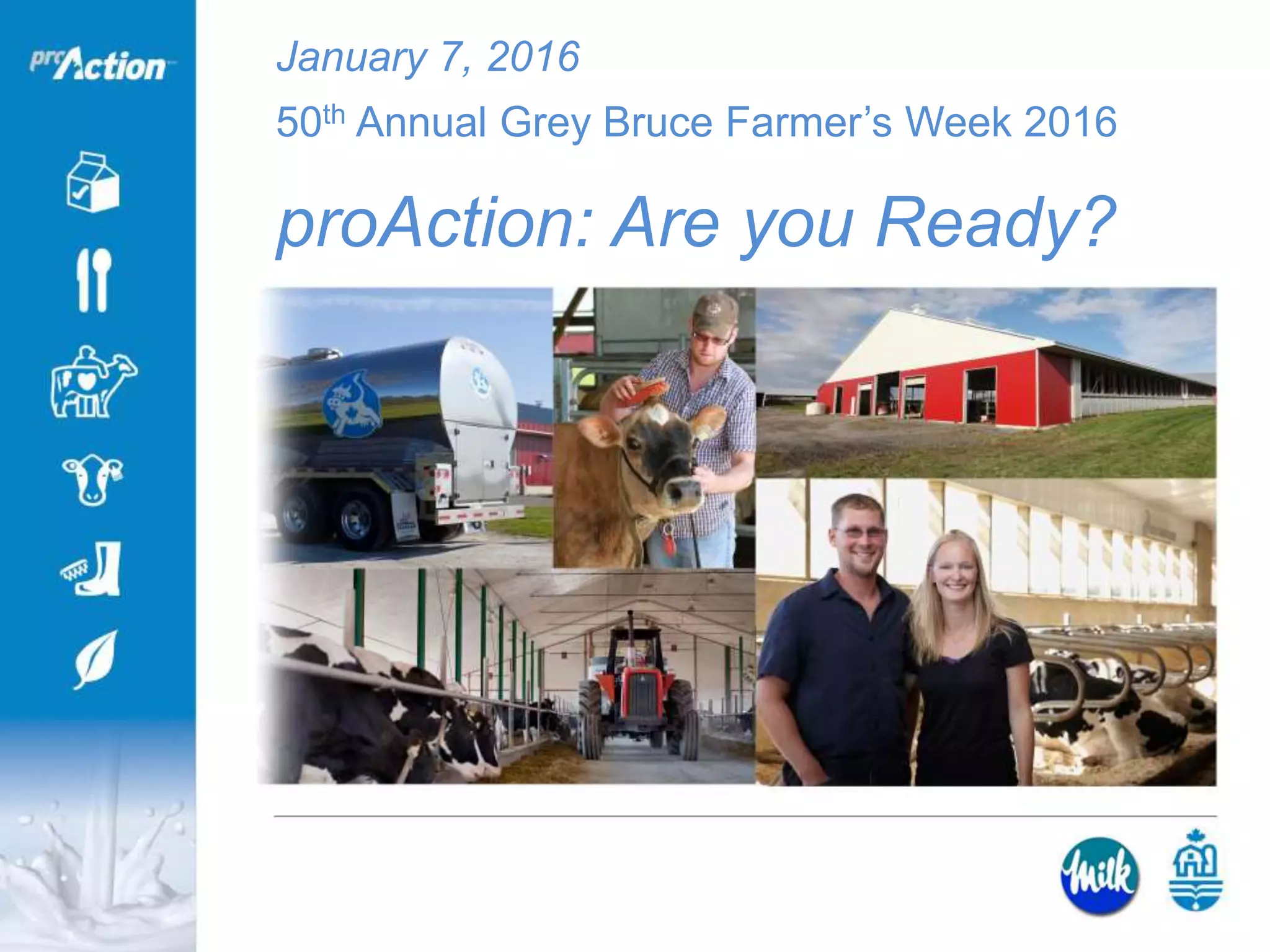
proAction: Are you Ready?
50th Annual Grey Bruce Farmer’s Week 2016
January 7, 2016
Outline
o What is proAction?
o Dates to remember
o When will proAction become a requirement?
o proAction training
o Program requirements
WHAT IS proAction?
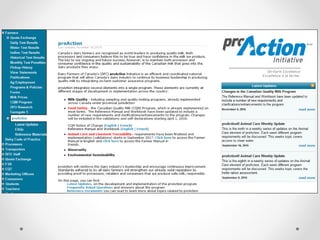
o Quality Assurance / Sustainability Program
o Developed by Dairy Farmers of Canada
o Supported by Provincial Boards across Canada
o In Ontario  Delivered by DFO (as with CQM)
o Includes:
o Animal Care
o Livestock Traceability
o Biosecurity
o Environment
o Food Safety – Canadian Quality Milk (CQM) Program
DATES TO REMEMBER
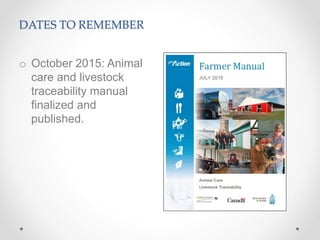
o October 2015: Animal
care and livestock
traceability manual
finalized and
published.
WHEN DO I HAVE TO IMPLEMENT proAction?
o September 1st, 2017: Animal Care and Livestock
Traceability become mandatory
o Farmers required to meet program requirements
o Validations commence – two year cycle (following CQM
cycle)
o New Integrated Farmer Manual will be issued – Animal
Care, Livestock Traceability, Biosecurity and
Environment
o September 1st, 2019: Biosecurity becomes mandatory
o September 1st, 2021: Environment becomes mandatory
TRAINING
o Veterinarians will be proAction Advisors (trainers)
o Veterinarians will be trained in March-April 2016
o Producer classroom training sessions available in Spring
2016
o DFO will fund classroom training
o Details will be provided - letter
Animal Care
HOUSING
o Calves: Stand up, lie down, turn around (unweaned),
adopt normal resting postures, visual contact.
o Bulls: Stand up, lie down, adopt normal resting postures,
mount safely.
o Mature cows:
o Stocking densities:
• <1.2 cows/stall (free-stall);
• 120 ft2 per Holstein cow (bedded pack).
o Cow cleanliness: Udders, legs and flanks.
HOUSING
o Calving area: Clean and dry.
o Sick/Hospital area: Clean and dry.
o All groups: Clean and dry  Provide bedding.
o Electric trainers: Max. 2,500 volts, height adjustment,
located over the chine.
FEED AND WATER
o All cattle: Access to water
o Heifers: Adequate ration
o Calves (SOP):
o Feed newborn calves 4 L (for a 100 lb. calf) of colostrum
within 12 hours of birth
o Feed calves enough volume to keep them healthy
o Increase volume during cold weather by about 25%
FEED AND WATER
o All cattle: Access to water
o Heifers: Adequate ration
o Calves (SOP):
o Feed newborn calves 4 L (for a 100 lb. calf) of colostrum
within 12 hours of birth
o Feed calves enough volume to keep them healthy
o Increase volume during cold weather by about 25%
HEALTH AND HERD MANAGEMENT
o Animal health practices (SOP): Dehorning, castration, teat
removal.
o Provide prompt medical care for cattle that are sick,
injured, too thin(BCS≤2), in pain or suffering.
o Euthanasia (SOP): Promptly, confirm death.
o Tail docking is not permitted.
HANDLING AND SHIPPING / STAFF TRAINING
o Avoid use of electric prods.
o Shipping cattle (SOP): Do not ship animals unfit for
transport, prepare cattle for trip, etc.
o Animal handlers must be familiar with quiet handling
techniques and animal behavior.
o Have a Corrective Action Plan for downed cattle.
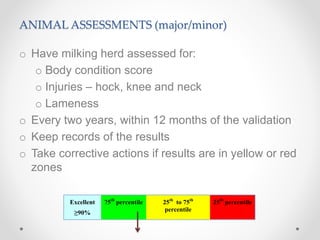
ANIMAL ASSESSMENTS (major/minor)
o Have milking herd assessed for:
o Body condition score
o Injuries – hock, knee and neck
o Lameness
o Every two years, within 12 months of the validation
o Keep records of the results
o Take corrective actions if results are in yellow or red
zones
Excellent
≥90%
75th
percentile 25th
to 75th
percentile
25th
percentile
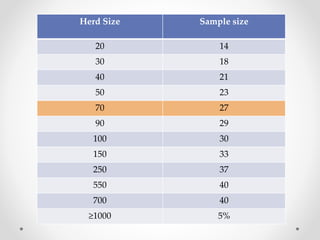
Herd Size Sample size
20 14
30 18
40 21
50 23
70 27
90 29
100 30
150 33
250 37
550 40
700 40
≥1000 5%
ANIMAL ASSESSMENTS
• First round – Benchmarking (set targets)
o Between September 2016 and September 2018
o Performed by Holstein Canada (HC)
• Cost:
o HC clients:
• No additional cost
• Including non-classified animals
o Non clients:
• $6 per animal assessment
• $100 herd visit fee
• For a 70-cow herd: 27x6 + 100 = $262
ANIMAL ASSESSMENTS
• Second and subsequent rounds:
o Service provider to be determined
o Potential choices: Holstein Canada,
Veterinarians, Nutritionists, FSRs
• Consequences if animal assessment is not done:
o Major on AC Question 15
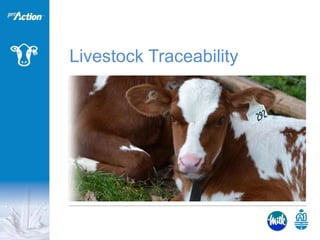
Livestock Traceability
REQUIREMENTS
o Premise ID – already in place in ON
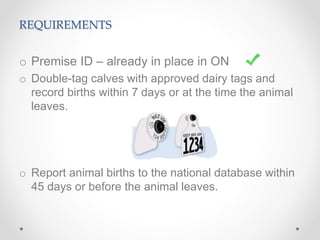
o Double-tag calves with approved dairy tags and
record births within 7 days or at the time the animal
leaves.
o Report animal births to the national database within
45 days or before the animal leaves.
REQUIREMENTS (continued)
o Maintain current animal move-in records on farm and
report to the national traceability database.
o Within 7 days of the event or before the animal
leaves the farm.
o Maintain tag retirement (deaths, exports) records on
farm and report to the national traceability database.
o Within 7 days of the event or before the animal
leaves the farm.
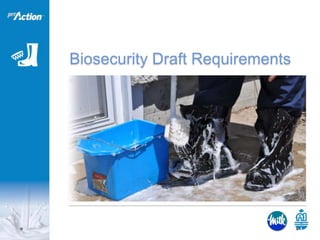
Biosecurity Draft Requirements
DRAFT REQUIREMENTS
o Have your herd vet perform an annual Biosecurity
Risk Assessment
o Record events of abortion, lameness, mastitis,
diarrhea, pneumonia, fever, death
o Posted signage for visitors
o SOPs:
o Vaccination
o Animal movement SOP - new / returning cattle
o SOP to prevent biosecurity risks from family,
employees, farm visitors and service providers
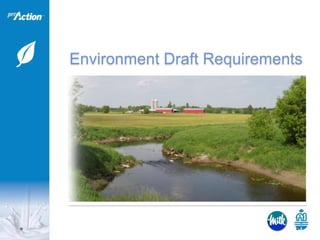
Environment Draft Requirements
DRAFT REQUIREMENTS
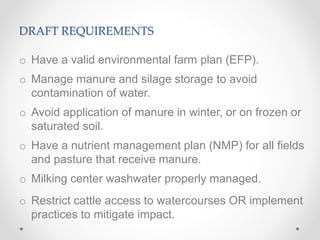
o Have a valid environmental farm plan (EFP).
o Manage manure and silage storage to avoid
contamination of water.
o Avoid application of manure in winter, or on frozen or
saturated soil.
o Have a nutrient management plan (NMP) for all fields
and pasture that receive manure.
o Milking center washwater properly managed.
o Restrict cattle access to watercourses OR implement
practices to mitigate impact.
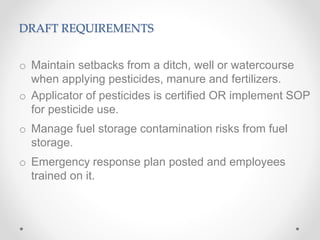
DRAFT REQUIREMENTS
o Maintain setbacks from a ditch, well or watercourse
when applying pesticides, manure and fertilizers.
o Applicator of pesticides is certified OR implement SOP
for pesticide use.
o Manage fuel storage contamination risks from fuel
storage.
o Emergency response plan posted and employees
trained on it.
Title
• hh
Maria Leal
E-mail: maria.leal@milk.org
Phone: 905-817-2122
Thank you….
Questions?

Maria Leal Pro Action... Are You Ready?

  • 1.
    proAction: Are youReady? 50th Annual Grey Bruce Farmer’s Week 2016 January 7, 2016
  • 2.
    Outline o What isproAction? o Dates to remember o When will proAction become a requirement? o proAction training o Program requirements
  • 3.
    WHAT IS proAction? oQuality Assurance / Sustainability Program o Developed by Dairy Farmers of Canada o Supported by Provincial Boards across Canada o In Ontario  Delivered by DFO (as with CQM) o Includes: o Animal Care o Livestock Traceability o Biosecurity o Environment o Food Safety – Canadian Quality Milk (CQM) Program
  • 4.
    DATES TO REMEMBER oOctober 2015: Animal care and livestock traceability manual finalized and published.
  • 6.
    WHEN DO IHAVE TO IMPLEMENT proAction? o September 1st, 2017: Animal Care and Livestock Traceability become mandatory o Farmers required to meet program requirements o Validations commence – two year cycle (following CQM cycle) o New Integrated Farmer Manual will be issued – Animal Care, Livestock Traceability, Biosecurity and Environment o September 1st, 2019: Biosecurity becomes mandatory o September 1st, 2021: Environment becomes mandatory
  • 7.
    TRAINING o Veterinarians willbe proAction Advisors (trainers) o Veterinarians will be trained in March-April 2016 o Producer classroom training sessions available in Spring 2016 o DFO will fund classroom training o Details will be provided - letter
  • 8.
  • 9.
    HOUSING o Calves: Standup, lie down, turn around (unweaned), adopt normal resting postures, visual contact. o Bulls: Stand up, lie down, adopt normal resting postures, mount safely. o Mature cows: o Stocking densities: • <1.2 cows/stall (free-stall); • 120 ft2 per Holstein cow (bedded pack). o Cow cleanliness: Udders, legs and flanks.
  • 10.
    HOUSING o Calving area:Clean and dry. o Sick/Hospital area: Clean and dry. o All groups: Clean and dry  Provide bedding. o Electric trainers: Max. 2,500 volts, height adjustment, located over the chine.
  • 11.
    FEED AND WATER oAll cattle: Access to water o Heifers: Adequate ration o Calves (SOP): o Feed newborn calves 4 L (for a 100 lb. calf) of colostrum within 12 hours of birth o Feed calves enough volume to keep them healthy o Increase volume during cold weather by about 25%
  • 12.
    FEED AND WATER oAll cattle: Access to water o Heifers: Adequate ration o Calves (SOP): o Feed newborn calves 4 L (for a 100 lb. calf) of colostrum within 12 hours of birth o Feed calves enough volume to keep them healthy o Increase volume during cold weather by about 25%
  • 13.
    HEALTH AND HERDMANAGEMENT o Animal health practices (SOP): Dehorning, castration, teat removal. o Provide prompt medical care for cattle that are sick, injured, too thin(BCS≤2), in pain or suffering. o Euthanasia (SOP): Promptly, confirm death. o Tail docking is not permitted.
  • 14.
    HANDLING AND SHIPPING/ STAFF TRAINING o Avoid use of electric prods. o Shipping cattle (SOP): Do not ship animals unfit for transport, prepare cattle for trip, etc. o Animal handlers must be familiar with quiet handling techniques and animal behavior. o Have a Corrective Action Plan for downed cattle.
  • 15.
    ANIMAL ASSESSMENTS (major/minor) oHave milking herd assessed for: o Body condition score o Injuries – hock, knee and neck o Lameness o Every two years, within 12 months of the validation o Keep records of the results o Take corrective actions if results are in yellow or red zones Excellent ≥90% 75th percentile 25th to 75th percentile 25th percentile
  • 16.
    Herd Size Samplesize 20 14 30 18 40 21 50 23 70 27 90 29 100 30 150 33 250 37 550 40 700 40 ≥1000 5%
  • 17.
    ANIMAL ASSESSMENTS • Firstround – Benchmarking (set targets) o Between September 2016 and September 2018 o Performed by Holstein Canada (HC) • Cost: o HC clients: • No additional cost • Including non-classified animals o Non clients: • $6 per animal assessment • $100 herd visit fee • For a 70-cow herd: 27x6 + 100 = $262
  • 18.
    ANIMAL ASSESSMENTS • Secondand subsequent rounds: o Service provider to be determined o Potential choices: Holstein Canada, Veterinarians, Nutritionists, FSRs • Consequences if animal assessment is not done: o Major on AC Question 15
  • 19.
  • 20.
    REQUIREMENTS o Premise ID– already in place in ON o Double-tag calves with approved dairy tags and record births within 7 days or at the time the animal leaves. o Report animal births to the national database within 45 days or before the animal leaves.
  • 21.
    REQUIREMENTS (continued) o Maintaincurrent animal move-in records on farm and report to the national traceability database. o Within 7 days of the event or before the animal leaves the farm. o Maintain tag retirement (deaths, exports) records on farm and report to the national traceability database. o Within 7 days of the event or before the animal leaves the farm.
  • 22.
  • 23.
    DRAFT REQUIREMENTS o Haveyour herd vet perform an annual Biosecurity Risk Assessment o Record events of abortion, lameness, mastitis, diarrhea, pneumonia, fever, death o Posted signage for visitors o SOPs: o Vaccination o Animal movement SOP - new / returning cattle o SOP to prevent biosecurity risks from family, employees, farm visitors and service providers
  • 24.
  • 25.
    DRAFT REQUIREMENTS o Havea valid environmental farm plan (EFP). o Manage manure and silage storage to avoid contamination of water. o Avoid application of manure in winter, or on frozen or saturated soil. o Have a nutrient management plan (NMP) for all fields and pasture that receive manure. o Milking center washwater properly managed. o Restrict cattle access to watercourses OR implement practices to mitigate impact.
  • 26.
    DRAFT REQUIREMENTS o Maintainsetbacks from a ditch, well or watercourse when applying pesticides, manure and fertilizers. o Applicator of pesticides is certified OR implement SOP for pesticide use. o Manage fuel storage contamination risks from fuel storage. o Emergency response plan posted and employees trained on it.
  • 27.
    Title • hh Maria Leal E-mail:maria.leal@milk.org Phone: 905-817-2122 Thank you…. Questions?